Sanizol
Finding my way
-
Joined
-
Last visited
Everything posted by Sanizol
-
OK, that's handy to know. I suppose with the pressure bleeder, activating the bleeder for a few seconds is equivalent to a pedal press? I haven't finished watching the video yet. It is probably explained there. Yes. It is OK to drive as I've been driving it like this for a while now and I've had to brake fairly hard once or twice and it can do it. I think you've summed up my next steps. Try bleeding it properly instead of trying to dodge it and then see if the pedal still creeps down. Come to think of it I don't think we did that great a job keeping air out of the unions. We covered the pipes but I don't think we filled the ports at all before putting the pipes in. But yes, in any case, best to just do it properly and surely regardless of what has happened before. Thanks all for the advice. I will see if I can find any alternatives to registered VCDS lite that is able to do the electronic bleed, and if I can't, I will contact people from the map and see who is closest to me who is willing to help, when I'm back from my holiday next week. Elliott
-
We haven't yet. That is worth a try. My dad also suggested bleeding it from the ABS pump ports as that is the highest point in the system physically so is where bubbles should gravitate to. I don't know if that makes much difference. I suppose maybe that with a pressure bleed might help. Does a VCDS bleed use pressure from the pedal or does it use the return pump to push it through? We thought of doing the harsh braking on gravel thing (we did a bit of that to check the ABS worked) but I don't think we tried it as we thought it would all settle by the time we got it back home from the allotment (about 5 minutes) and jacked up with the wheels off to bleed it. It did pass it's MOT today thankfully, so the pedal can't be as bad as I thought, and I have some more time to figure this out properly. I am starting to think from this thread that maybe air is the problem, even if it doesn't obviously pump up. Does the engine being on or off make a difference? Surely the extra bits only come in circuit when the ABS is triggered? The ABS pump is a second hand unit so it may or may not have had air sealed in it when we got it. Of course we might have put air in it by activating it without being bled properly beforehand, I don't know.
-
See that's exactly what I mean. It's supposed to be corrosion that causes it, and this car had been a long time since it's last fluid change so it is possible (that's probably also what caused the ABS module blockage or valve seizure). But it is also an aluminium master cylinder I thought, so can it corrode that badly even in the presence of moisture? That's basically what my dad said, that he's bled brakes on enough cars before and it's never been a problem, and that isn't all stuff with no servo.
-
OK, that's good to know, thanks. I suppose it is difficult to know how the air bubbles will behave. I always assumed they just moved linearly as you bled it but I suppose it is more complicated than that. Thanks. I would take you up on that offer though I think I'd be cutting it a bit fine now (I know I should check for replies more frequently) as the MOT is 8AM tomorrow. I've also only just checked the VCDS owners map, and there are people a lot closer to me that I should maybe ask. Thank you for the offer. Fingers crossed it passes the MOT. Even if it does I still need to sort this out so I will probably need to organise trying this with someone. If the master cylinder does need to be changed, do you think it is possible to do that without having to do the computerised bleed all over again? You're right. Without understanding the ABS unit inside out it is impossible to know what is going on exactly. I have tried pushing hard with the engine off but not in a while. I'm fairly certain it was quite hard though so maybe it is air. But I don't know if there is some kind of threshold of pressure that is needed to make the seals blow by. I suppose if I can get someone to do a bleed without me having to buy a VCDS license, I might as well try that and then move on to the master cylinder if that doesn't help. Is it a sure thing that bleeding it without the block ruins the seals?
-
We did a normal manual bleed with me on the brakes and my dad on the bleed valves. We did this a few times and didn't use a block to limit the pedal travel, which is why we thought we'd damaged the seals. We do have a pressure bleed kit, but couldn't be bothered to find it at the time. I thought that was safer after hearing about the seal problems but I didn't know it was actually more effective.
-
Thanks for replying guys. OK, so that can happen that way without fluid leaking from the system. That is good to know. I'll have to try listening to the master cylinder while someone pushes on it. Though with this one I've never have it give absolutely no brakes. I don't think we can get much pedal movement without the servo though, even pushing hard. OK. That's interesting. Isn't the pumping hard with the engine off just depleting the servo vacuum though, nothing to do with compressing the air in the system by ramming more fluid in? There probably is air somewhere in the ABS pump, but won't it only be in the areas to do with ABS that are normally closed except when ABS kicks in? Surely air in those areas shouldn't cause a soft pedal when the entire reason you can't bleed it normally is because those areas are normally locked out by valving? But then you said you did a VCDS bleed and it did fix it, so there must be something I'm missing. I didn't know you could do it with other OBD scan tools. I thought it was only the full VCDS or a registered VCDS lite that you could do it with? I'll have to look into that. We have one of those topdon things but I think it needs extra software for manufacturer specific procedures like that, as I thought other OBD scan apps would. We probably should do a VCDS bleed, but we weren't convinced that was the problem, as the pedal doesn't pump up and wanted to avoid the expense if it was going to be a wild goose chase. Thanks for the input both, though it's still hard to figure out. I suppose it would help if I had previous experience of knowing what each problem feels like. Elliott
-
Hello, Sorry if this is a tired topic, but I don't really understand it properly. I fell into the trap of consulting AI on it a lot back in May as it would give quick responses to all the details, and at the time it seemed like it was realistic and made sense, but really it doesn't seem to track. So originally my MK1 Fabia had a hard pedal. After a wild goose chase with the servo and its vacuum pipe (which would have become a problem later anyway), we found that the actual cause was a blockage in the ABS pump causing 1 wheel to receive no brake fluid. So we replaced the ABS pump and the pedal was a lot softer and we had much better braking performance. We bled the brakes a few times and replaced the front brake pads as my dad wanted to change them. Then we ended up bleeding them again as we noticed that the pedal was a bit soft. I don't remember at what point we first noticed this, and if any difference was made by the brake pads. It is possible that it was always that soft, but we didn't notice initially as we were expecting a much softer pedal after fixing the old hard pedal. So my Uncle who is a car mechanic who we asked about it, insisted that the brakes were soft because of the new pads and I was just overblowing it because I'm a snowflake or whatever. But I can't see that it would make them that soft, and 1000 miles later the pads should be worn in but there isn't any difference. So originally we assumed it was air in the system and we bled it a load more, but we don't know if there is air in the pump that can only be bled by doing a VCDS bleed. But surely the air trapped in the pump that a VCDS bleed would get out, would not be part of the normal braking hydraulic circuit, until ABS kicks in and extra valves open and the pump has to operate. Otherwise you would be able to bleed it normally and only have the braking dynamics change after an emergency stop where extra air is introduced to the normal circuit. But then I looked more into what I heard about how you are not supposed to use the full pedal travel when doing a 2 man bleed. My dad said he didn't think this was necessary as he had never had that problem with another car. So the AI ended up convincing me that I had damaged the master cylinder seals by bleeding it improperly, which I came to accept, but I haven't yet bought the parts for that job as I keep putting it off as I'm anxious about bleeding the clutch and that becoming a similarly long story. I have already determined which master cylinder and servo mounting gasket I need for that. I just haven't ordered anything. So I've been driving it like this for about 1000 miles (admittedly a lot of them motorway/dual carriageway, but not exclusively) and it stops perfectly fine, just the pedal travel is obviously more than it is supposed to be. I've kind of got used to this now. My dad thinks it might fail its MOT, which is on Friday, for insufficient reserve pedal travel. So I've been told to get the new master cylinder ordered in case we need to change it for a re-test. But today I am looking at other posts on this topic, and it sounds like when the master cylinder seals fail, this is normally accompanied by fluid leaking from the master cylinder either into the engine bay or into the servo. To my knowledge, neither of these have been occurring and the fluid level has not gone down significantly since we last messed with it. I would expect it to go down a bit due to the brakes bedding in. I need to check this again though in the light tomorrow. I hadn't been looking for leaks there before, only at the ABS pump unions. So now I am wondering whether it is the seals after all, or is air in the system. How do I tell? The brakes don't "pump up", which is why I didn't think it was air in the system. Instead, you get a bit of travel, then the pedal gets harder, then if you press on the pedal for a longer time, it very gradually sinks. You can only really do that if the engine is running and the servo is active. The pedal doesn't actually hit the floor, but I don't know if that is possible or if there is a stop somewhere that another part of the pedal hits, or in the MC. So that seems like the MC seals, but why then are you still able to get good braking pressure, and why is there no fluid loss? The master cylinder is the 19 FTE 5615 one if it makes a difference. And the ABS pump is the mid range one that has ASR but not ESP, I think, though I can't remember exactly. Mine doesn't have the ASR button but I think that's because it's an '07 and you can't turn it off. It definitely isn't the ESP one though as we didn't need to do the steering angle calibration when we replaced it. Sorry I've made this really long winded. I'm just trying to include as much information as possible that might be relevant. Elliott
-
-
-
Good afternoon. Long story short: We replaced the ABS pump twice (first because fluid was blocked to one wheel causing hard pedal and then because we thought a thread on the replacement was damaged) and also a flexi brake line. We bled the brakes all three times, and then more times because we didn't know why the pedal still didn't feel right. All of these times we did not use the block under the pedal technique, as we weren't aware this causes seal damage. Now it seems that the problem with the brake pedal is because of this, as it feels firm after a little bit of travel, then gradually sinks to the floor with maintained pressure while servo assisted, in about 30 seconds. We also changed the front brake pads after the first pump but before the flexi line. I'm aware with new pads it should feel softer, but surely not this soft. It seems to get enough pressure to stop most of the time, but you don't know what it will do in an emergency, so we have decided to replace the master cylinder. The first thing I wanted to ask is if it sounds like this is definitely the problem. This car has the "19 FTE 5615" brake master cylinder. Two replacements we have been looking at our the Delphi LM80267 and the LPR 1056. The LPR is cheaper, but I don't know if there is any reason it won't be good enough. There is a gasket between the brake servo and the master cylinder, which you are supposed to replace if it has perished. I can't tell if it has perished or not without removing the master cylinder, and I'd rather have one ready than needing on part way through the job. I would normally just reuse whatever was there, but this could cause a vacuum leak if it isn't perfect and I can't be bothered with it becoming a longer story. The problem is that I can't find what the part code for this gasket is. I spoke to customer service at autodoc, and they gave me the number of a generic part labelled as being for a BMW but also used on other cars: 357 611 243. Google Gemini, which I was using to help with diagnosing the problems, reckons this is actually a seal for the pedal side of the servo, not the master cylinder side, but it couldn't get the numbers of compatible master cylinders right to save its life, so I would take that with a grain of salt. That being said, I don't know what the correct part is. I couldn't find it in the Fabia chassis manual from this website either, though maybe I was looking the wrong place. That also is for pre facelift Fabias and lists larger diameter master cylinder so may not be correct for my 07 anyway. I'm not in a rush to get this sorted as the car is useable and we have other cars, but it would be nice not to drag it out. Any ideas? The car is an 07 Fabia Mk1 Ambiente with BME engine, if it makes any difference. Kind regards, Elliott
-
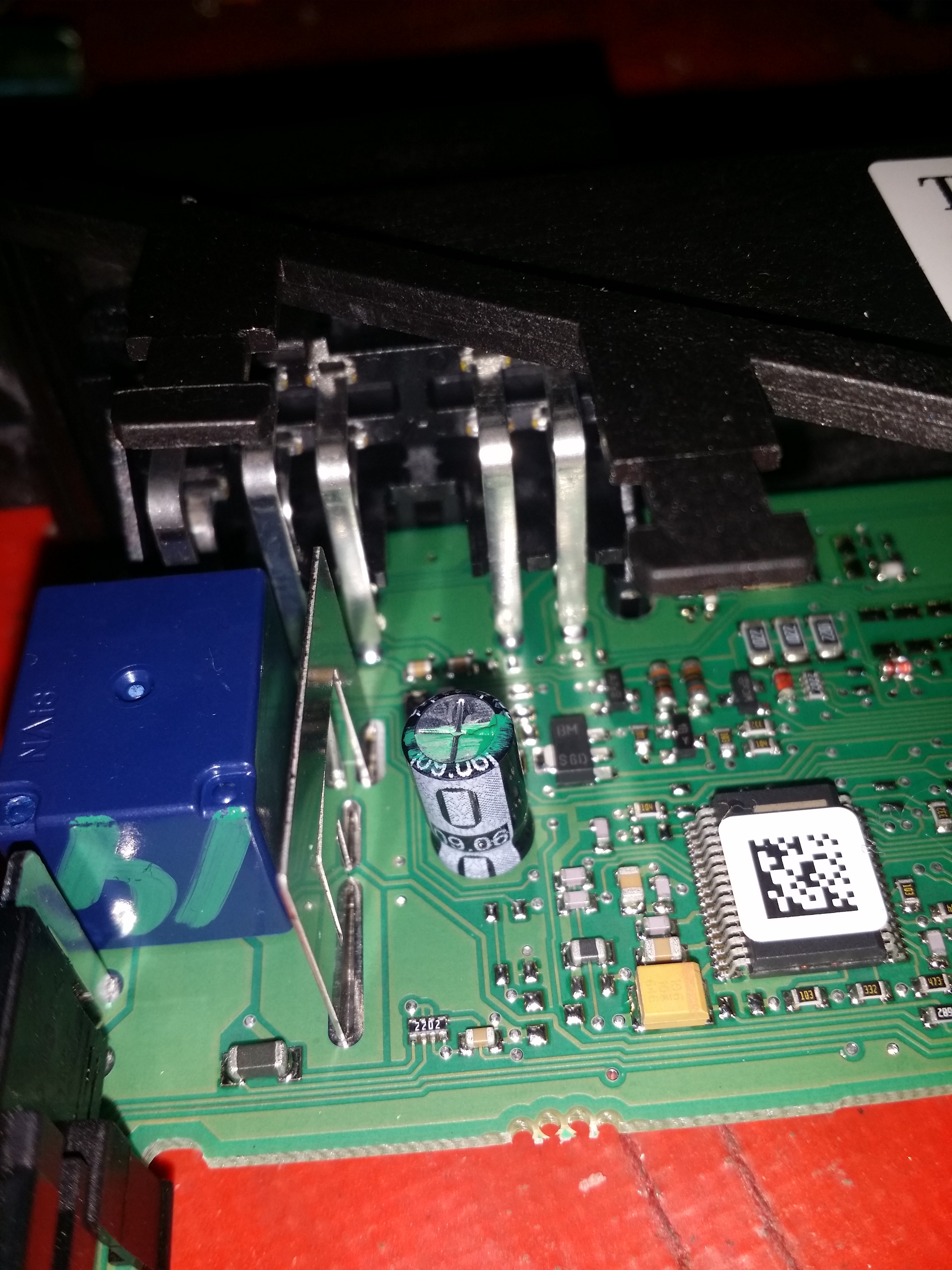
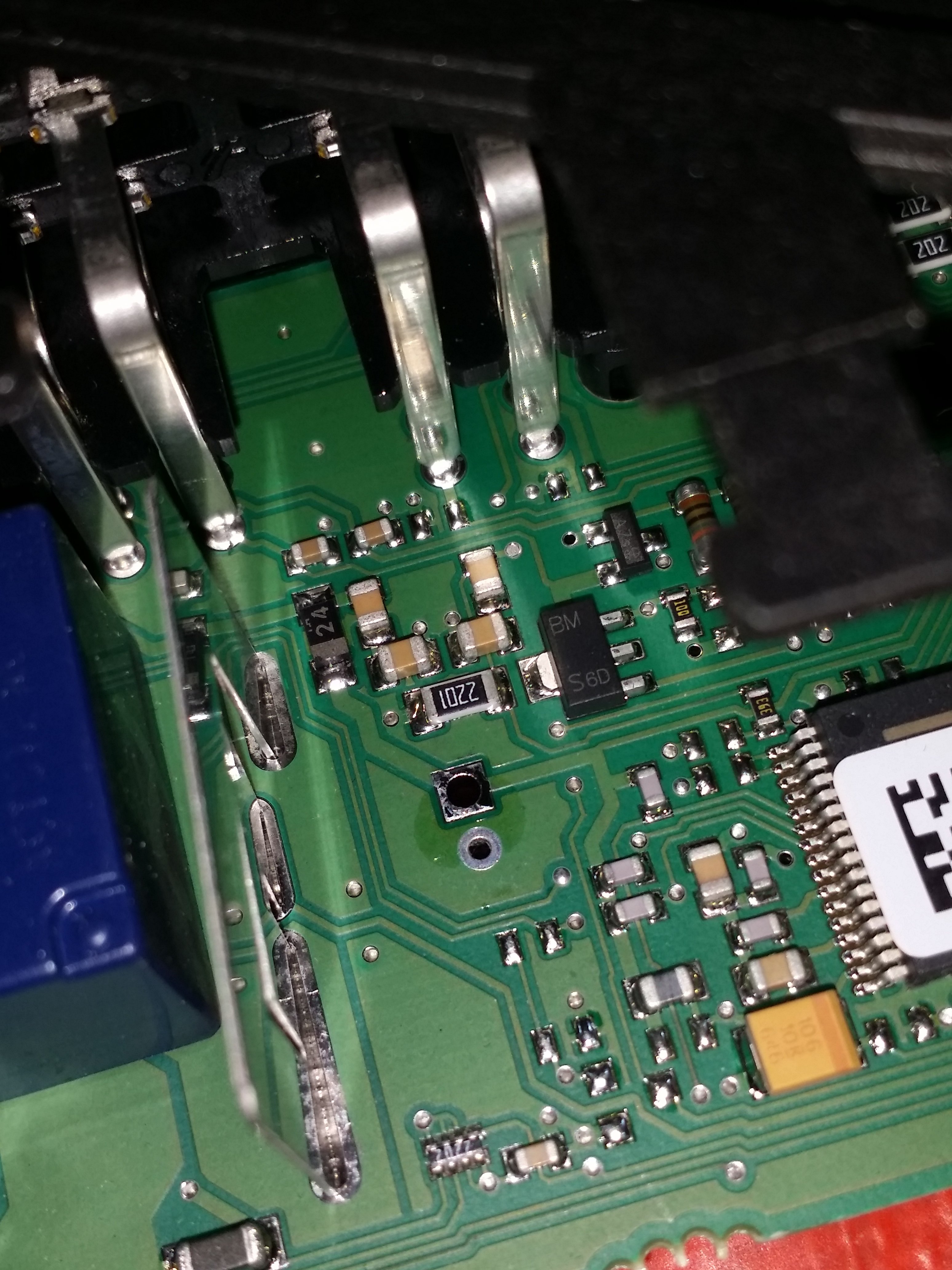
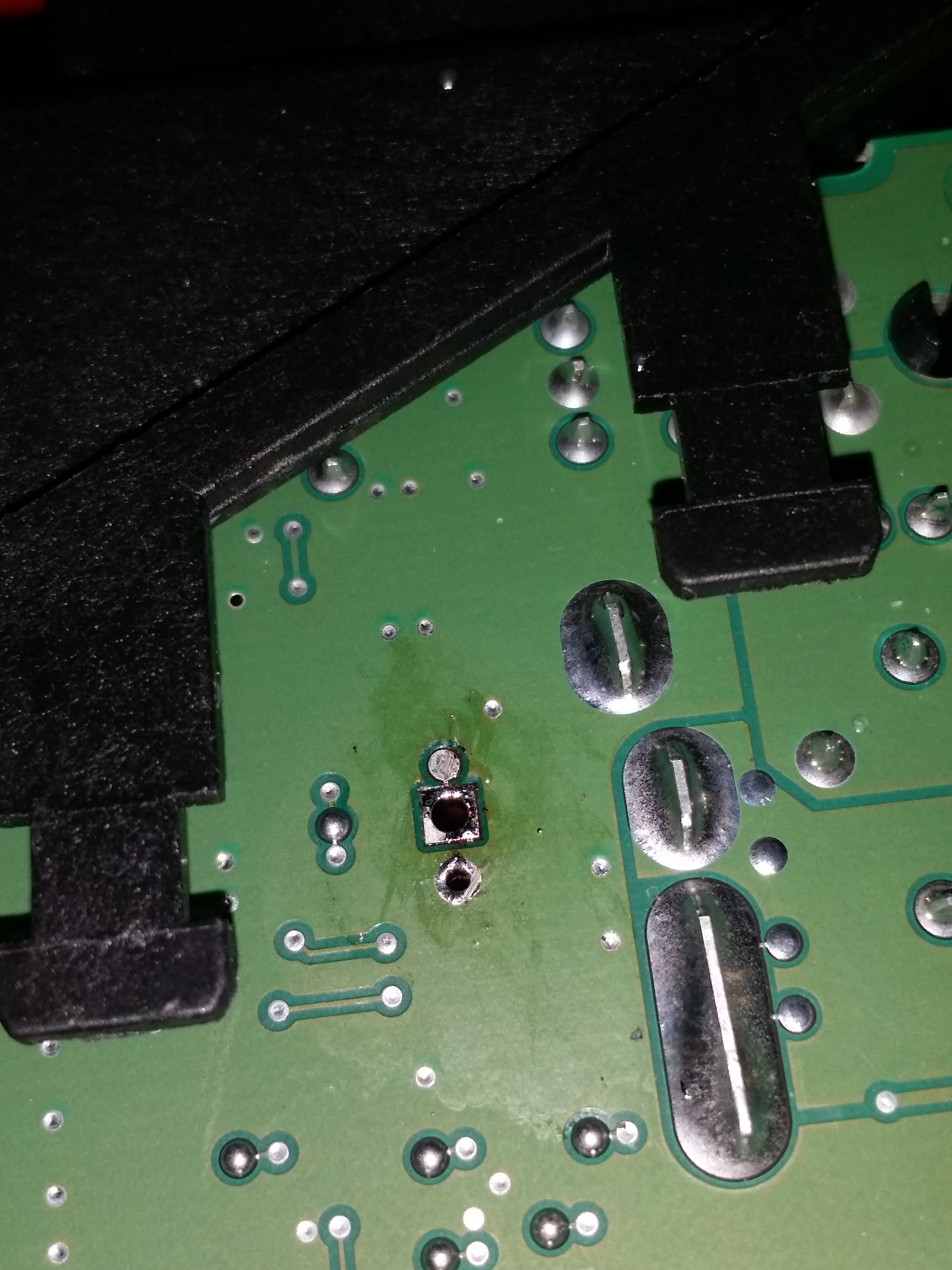
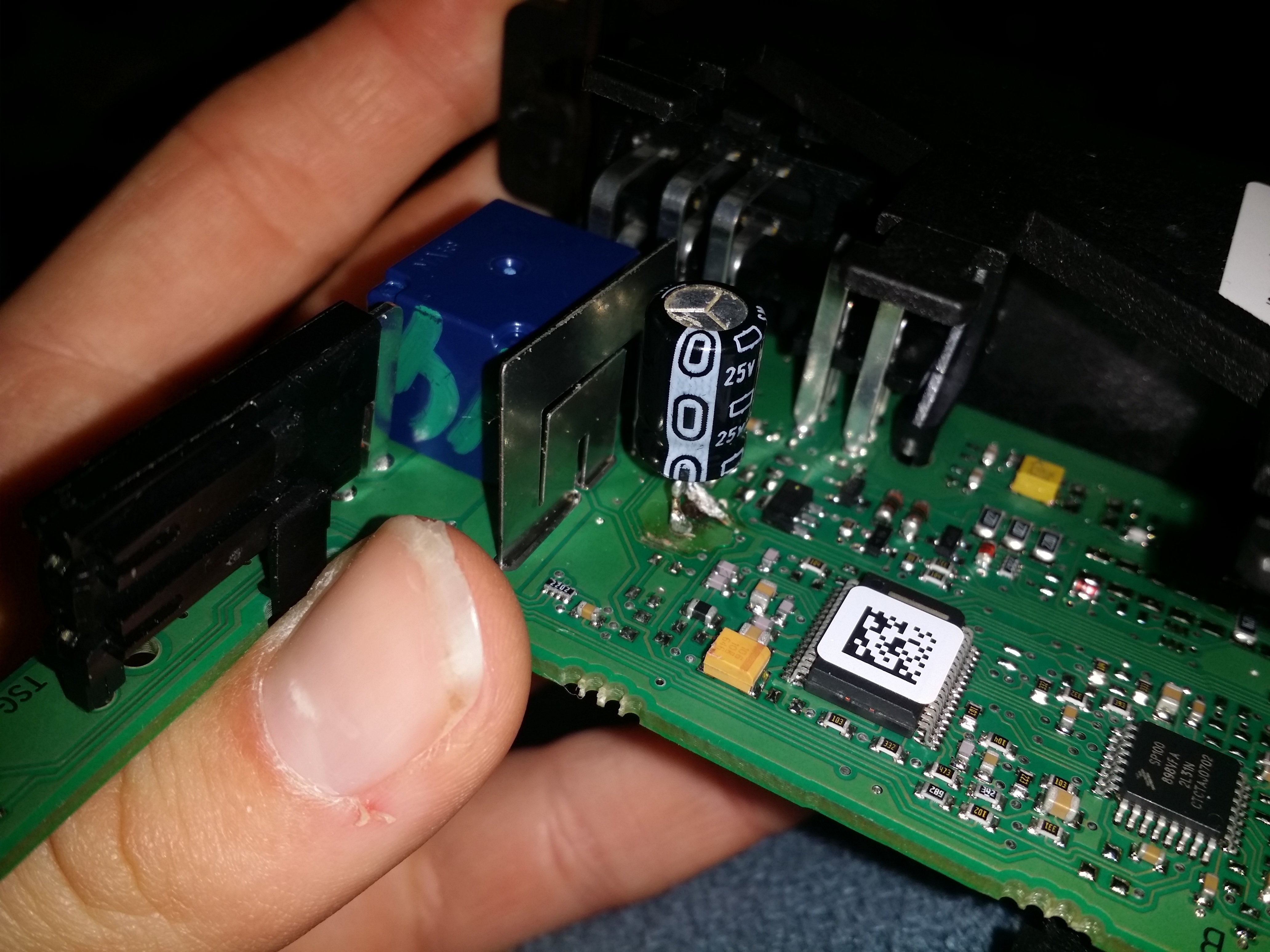
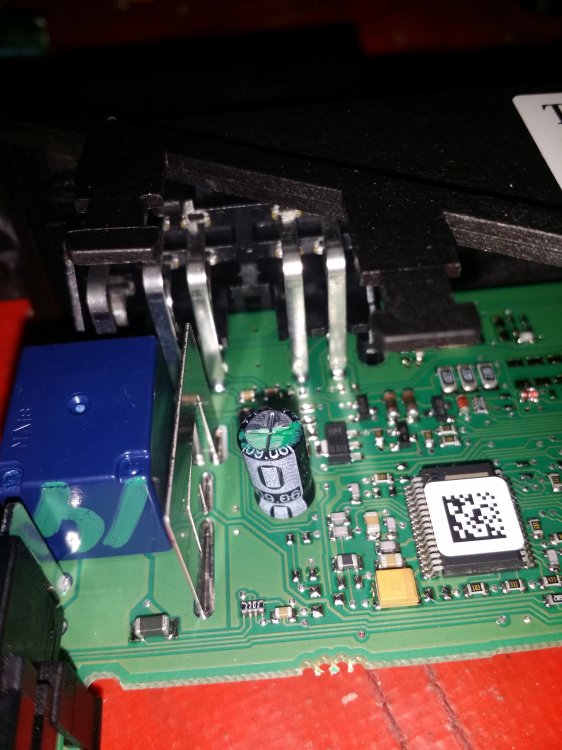
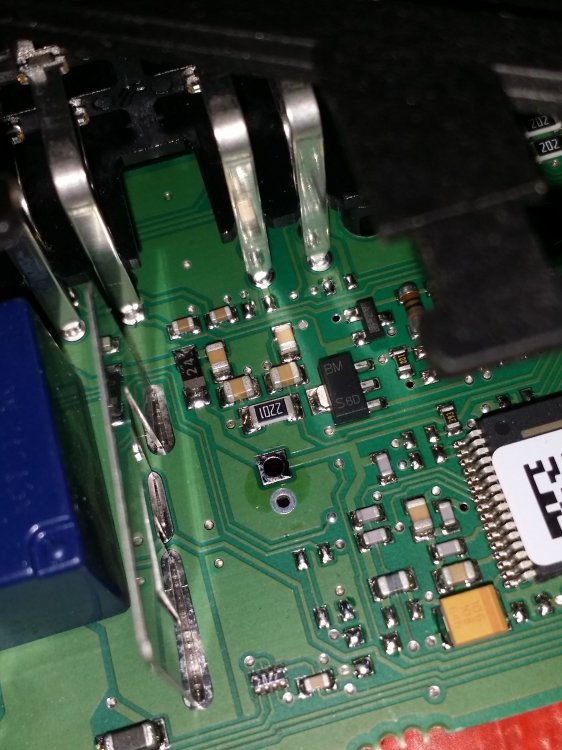
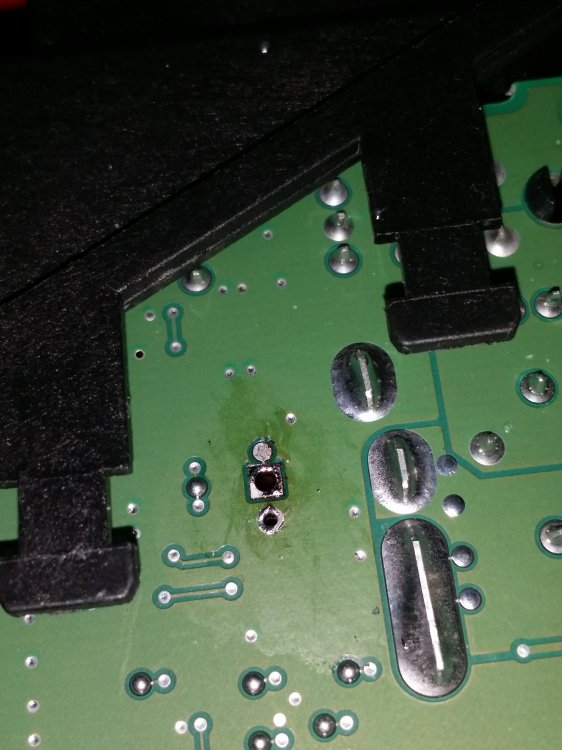
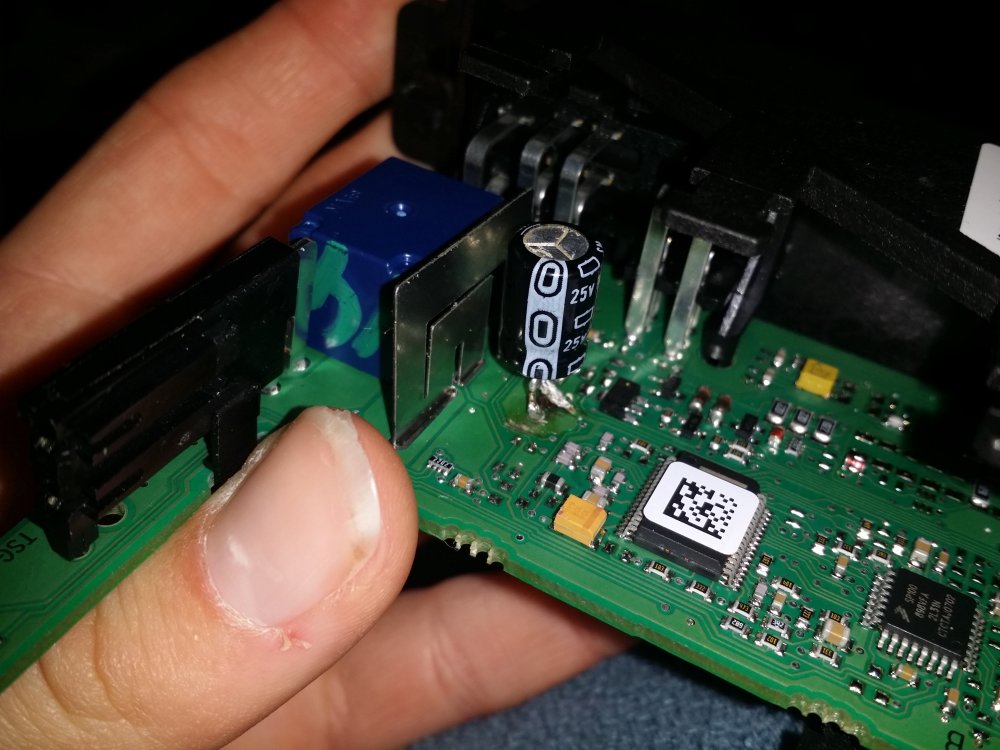
Good afternoon all who spend their weekends fighting Mk1 Fabias' quests to join the scrapheap. As this information does not seem to be clearly available on the internet (only scattered hints) I thought I would write it down and share it. As I'm sure many of you know, the facelift MK1 Fabias and I believe also the pre facelift Mk2s (and 9N Polos, early Roomsters and T5s must have the same problems if they have the same modules) have electric window drive modules that get to a certain age, then only work intermittently. Typically, they work when the battery has first been connected, and then stop working about 5 minutes later. If you reseat the fuses it seems to reset them and then they may or may not work again for another few minutes. When this happens, you then go on a wild goose chase, starting off thinking it is a battery voltage problem, then maybe a switch problem, then maybe a wiring problem in the door, or maybe even a comfort control module problem (gasp!). You also think maybe the module has failed and look on the internet and see whatever extortionate price is currently being charged for a probably also faulty second hand replacement. For reference, my car is a facelift mk1 Fabia, registered in March 2007. The window modules have mfg dates in February 2007. I am 99% certain the cause of this is faulty capacitors in the electric window modules - 1% uncertainty in case there has been a freak accident I am unaware of causing mine to work again. To open a module, there are no screws, you just need to find some thin tools to use as wedges. I used a screwdriver or plastic trim tool to lift each clip and then an ice lolly stick I cut down to keep them wedged open while I did the next one. When all clips are wedged open you pull the two halves apart. One side contains the motor and power contacts for it, the other the electronics that read the switches, communicate with the other modules, and drive the motor. You can remove some more of the plastic around the connector sockets but it is a bit fiddly. The electronics side is where the problem is. Next to a big plate shunt resistor thing, there is a single electrolytic capacitor, that probably has green stuff on top where it has failed and vented. The negative side faces he nearer edge of the board, away from the switch connectors. This is probably the only component other than the relay that is feasible to replace if it goes wrong, those being the only two components that are actually labelled with what their values are supposed to be, and the only ones big enough not to need micro soldering equipment and skill. Being an electrolytic cap this is probably the only one liable to fail with age, thankfully. The original cap is a 35V 100 microfarad part, specifically the epcos B41851 (which I think I found you can still buy), though any 100 uF cap with more than 35V tolerance should work fine as a replacement - I used some 50V ones I found fairly cheap. To cut a long story short, I have two modules now in my car (rear are manual in mine thankfully) that work reliably and fully after replacing that capacitor in each. I do not believe the relay needs replacing, as a module just works until it doesn't, then starts again when power is reset, rather than half working all the time in the way you'd expect with a faulty relay. The relay is also an off the shelf part that can be replaced if it is faulty, but it is unlikely that it will be. I will say that it isn't the easiest soldering job in the world, as it seems to require a fairly high power soldering iron to properly melt whatever solder they used. It probably also doesn't help that the cap is connected to the relatively large shunt resistor (the funny shaped metal plate) that soaks up a lot of the heat. I was trying initially with a 25W iron, then later a 40W iron, but I think if you want success, don't repeat my failures and instead use something better like a 60W or higher. It would also probably help not to use a solder sucker with a crack in the nozzle as well. I am aware that Breezy Pete offers a repair service for these modules, and the knowledge that he gets them working by repairing the module was a very useful clue. I thought that this information would be helpful to be out there on the internet regardless for people who like to do board work themselves, and people in other countries. But if you do not like to interfere with electronic components like these modules, or you don't have decent soldering equipment and you don't want to get into it and invest in some, then that repair service is probably still your best option given it can be a bit fiddly and frustrating, and dangerous for the board if you are not well enough equipped. I wanted to try and demystify this though after spending whole days investigating this and enduring the amount of frustration I have over what should be a simple thing. I am not completely sure how the failed capacitor causes this kind of failure. The modules are clearly capable of functioning with a bad capacitor as they do that when they are reset. I seem to remember someone on here measuring wire voltages and finding that some other part of the car cuts power to the module after a few minutes. Perhaps a comfort control module or something like that lets them run for a while, then sees that the module has too high idle power consumption due to the capacitors leaking current, or senses that it is a hazard in some other way, and then cuts power until they are reconnected? I did however manage to make my case into a long story, by initially using old salvaged capacitors I had to hand instead of buying new ones, so that the modules worked only for a day until we replaced them again (my dad did it later on as he is better at soldering). One also detached due to a particularly bad soldering job I did (they are through hole, but I ended up soldering to the old leads as I had a lot of trouble removing the old ones with my poor equipment and skills, and on one directly to lifted traces). At some point during trying to resolder one, I must have damaged something else on the board, because that one doesn't seem to work any more even with the capacitor having good continuity to the other components attached to those pads. So I think my poor soldering skills and persistence with them may have destroyed a module which is really not good. However, we had a backup. My uncle is a car trader and happened to have an 07 Polo he was scrapping. He kindly took the modules off for us, though he didn't think to check if they worked beforehand, assuming they did. This is where it gets confusing. Before any of the cap business, we had tried these Polo modules on the car and found it did not fix the problem. However, I can't remember if it had the same behaviour as before or just didn't work at all. After the cap business, we had to try one of these modules after I presumably broke one of the skoda ones. We replaced the caps and tried the Polo modules, and combinations of Polo and Skoda modules. They did not work properly. After a lot of head scratching and wanting to smash the whole car up with a hammer, one of us realised that we were trying the polo driver side module on the passenger side, and the polo passenger module on the driver side. This happened because the modules are physically the same, but flipped on the Polo vs the Fabia (I suppose someone clever at VAG was asked by their boss to figure out how to create the most possible confusion for DIYers for the least possible investment in new parts) causing each module to only mechanically fit on the opposite side to which it is supposed to run. You'd think this wouldn't make a difference to anything, given the hardware and software numbers written on the electronic parts are all the same on the Fabia and Polo modules on both sides. But there must be some kind of software coding that is aware of what side's window switches it is connected to, because you can have two modules on the wrong sides be completely dead, then connect them on the right sides and they work flawlessly. The solution to this, as the motor part of the modules are the same for each side apart from the output shafts being on opposite sides, is just to remove the electronic parts from the motor parts of the modules using the method detailed earlier, then swap them. After this they work perfectly, even if one side says Skoda and the other VW. Each module is labelled "PDRS" for passenger side, "DDRS" for driver side in the part code. The Polo was a right hand drive UK car as well in case that makes a difference to anything. The Polo modules were made in March and April 2007. I discovered some other window module quirks along the way that can be confusing. If you only have one working module connected at a time, even if it is not faulty, it will not function properly without the other, even if it is the driver module. If i have only the driver module connected, it will work on its own, but the one shot winding will not work, and the window will work even if the keys are not in the ignition and the car is locked. Apparently it gets power for that somehow. As soon as you connect a working passenger module, it immediately snaps back to the proper behaviour, where it works only for a brief period after removing the keys and not when the car is locked. Then when you turn on the ignition again, both modules work and the one shot works too. When you have a working module connected to a non working module, I can't remember if it doesn't work at all or has the same behaviour as one working module connected. I think the passenger module on its own behaved similarly to the driver side on its own. In the end I got it all working, until two weeks ago when I accidentally tried the one shot on the passenger window while it was iced up, and I couldn't stop it before it screwed up the regulator. A job for later in the year I guess. Here is a photo of the original cap of one module: Here is the board on both sides with it removed: Here is my dodgy replacement after I realised the first cap I put in was already bad because I didn't think and then replaced it with a 25V that seemed to be good but only lasted about a day. You can see my poor soldering technique and use of low power soldering iron has led to pads and traces being lifted when previous caps were removed. On the far left of this photo you can see the terminals that insert into the motor half of the module to provide power to it. Behind the capacitor you can see terminals for the switch and (presumably) central control connectors.
-
Ok, that's what I was thinking, but I wasn't sure. Thanks.
-
OK, thanks for the advice. I'll see if any 2007s appear cheap but get a 2006 if I don't see any.
-
OK, good to know. Thank you!
-
Ok, I had heard a bit about this problem before but I didn't understand that it was a hydraulic tensioner losing pressure when it shifts rather than the timing chain slipping there and then. That makes more sense. Thank you for letting me know about this. I'll have to remember to put it in reverse then if I have to park facing up any steep hills. Though the handbrake is fine on my car so I should be fine as there aren't much in the way of hills where I live. Am I right in thinking that if this had happened before, the timing chain slipping that is, it would be immediately obvious (catastrophic failure or much reduced engine power), rather than being something that would have a gradual effect? My dad has driven it a few times and he loves parking cars in gear, and reversing onto driveways (the driveway it is on slopes downwards so the car faces uphill if you reverse it on). Also I've done a bit of reading about these engines, but not that much - is it just the 6V engines that have loads of problems, or are the 12V ones problem engines too? Mine is either AZQ or BME but I haven't checked which one. The car used to be my nan's and I haven't started using it yet, so it is still over there so I can't check it until I am there again. Are the AZQs in all the earlier ones, and the BMEs later cars, or is it more complicated than that?
-
OK, thanks for the input. Yes, I have run into his youtube channel, it is quite good. Haynes manual would be handy to have though I thought. Thanks!
-
It's definitely a MK1 Fabia, that's why I posted it in the Mk1 section of the forum, and why I was talking about the 2000-2006 or 7 Haynes manuals. Thanks for double checking though, I had no idea they used that for trim levels on the Mk2. I'll edit the post. EDIT: I can't edit the original post anymore but I'll edit where you enter what car you have to be more clear.
-
Hi, new member here. Sorry if this has been asked before, but I couldn't find it. I have a 2007 Fabia 1 1.2 htp 12V. I am looking to get a Haynes manual, and it seems there are two variants, one for 2000-2006, and one for 2000-2007. Both have the same Haynes manual number and the covers look identical except for the year they say they go to. The 2006 variant seems to be a lot more common and cheaper to get hold of. As my car is a 2007, I just wanted to know if anyone knows if there are any significant differences from 2007 cars to 2006 cars (seems most technical differences are between pre and post 2004), and separately if the Haynes manuals from each year are that different, or if they just reissued it a year later to say 2007 when the car was discontinued and all was done and dusted. Basically, should I bother making sure I have the 2007 version? Thanks, Elliott
-
Hello, my name is Elliott. I am into many things, mostly computers and electronics, as well as cars, particularly eastern bloc vehicles like Trabants etc as well as EVs. I am 21, I just finished studying Physics at University but I only passed my driving test in January. My nan does not drive anymore, so she is giving me her red 2007 Fabia 1 1.2 HTP 12V (the BME engine from what I gather?). It has sat on the drive for a few years and developed a few problems, some of which you'll probably see me asking about on here. So I thought it would be a good idea to join the forum. Hopefully I can keep the car going for a while - my nan has had the car since 2010, so we know its history and the problems it has had in the past, so I'd rather keep it going if I can even if it might become a bit more economic to replace it, as long as it is not anything too severe. Also looks like my dad's next company car is going to end up being an Enyaq lol. He also used to have a Felicia with the VW SDI engine he modified to run on straight vegetable oil for a few years that he used to commute to London every day, but sadly that had some problems and was scrapped circa 2010. There was a Favorit estate sitting rusting away very near where I live in Brampton, cambs until only a year or so ago, but when I checked recently it has gone - seems like owners moved out or died. I wonder if anyone on the forum bought it, as there aren't many left. I hope it didn't get scrapped, though it probably did! Looking forward to talking to people about Skodas!