gallaghermartinpaul
Finding my way
-
Joined
-
Last visited
-
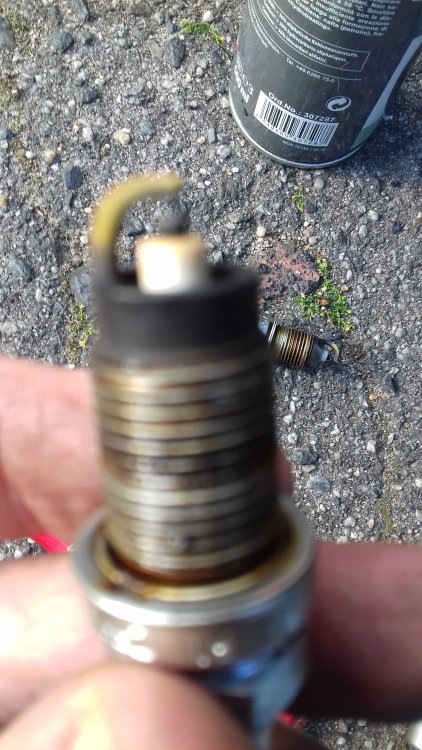
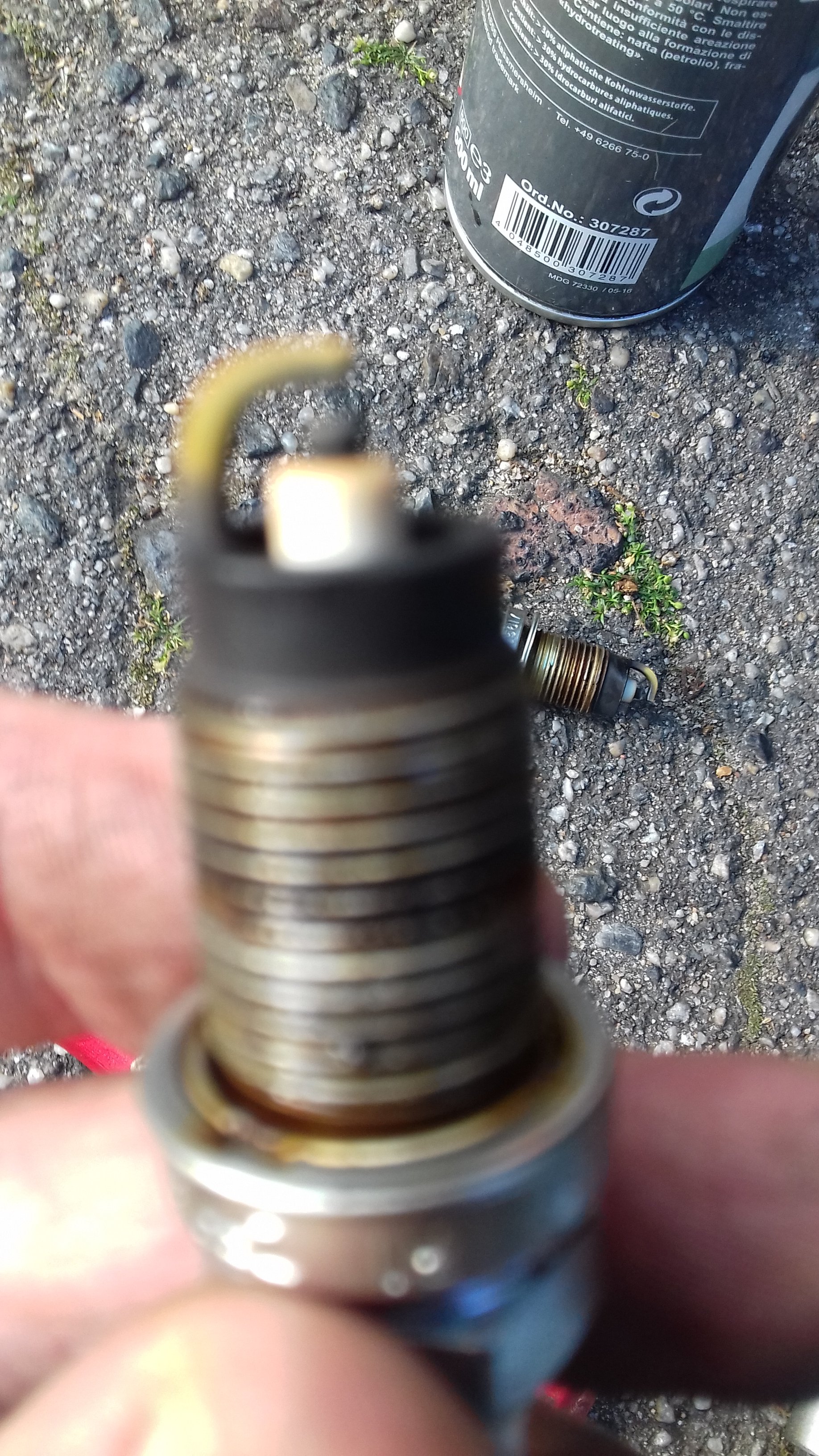
Hi all, After being in a workshop, the motor referred to above has developed a rough idle once warmed up. I drove it to the dealer and on to the ramp. Once finished (cambelts), they test drove it and, surprised by the rough idle claimed to have run a diagnostic but found nothing. A Diagnostic check with a hand held scanner also shows no faults but the plugs look very different to normal, instead of the usual beige deposits I always see, the electrodes are coated with orange powder, the insulators completely white and the end of the plug body above the threads protruding into the cylinder itself a burnt black. The effect is identical on all four plugs. No fuel additives used. Driven on 95 octane petrol, occasionally 98. Fuel injectors all have c14.5 ohms resistance. An auto box and thus never driven hard. c110, 000 miles but consumes almost no oil. Oil changed 6 monthly but smelling quite strongly of petrol despite being changed in March. Once above 1000 rpm the unevenness smooths out and driving at speed is fine. No visible splits in any pipework around the engine bay and spraying brake cleaner round the engine (without effect) suggests that I'm not missing any. The dealer's staff have lost the rubber grommet that goes on the end of the pipe running from air filter to join the pipe from the brake servo to the manifold beneath the throttle body, however. The joint's obviously no longer airtight but I'm not sure how important that is, I assumed it's just intended to draw fresh filtered air in to the manifold at the point crankcase gases are introduced below the throttle body? That I've removed and there's no oil or carbon inside the manifold. I'm not able to see an EGR valve where there ought to be one but there's a PCV valve on the back of the block. No idea how that works. Coil packs were replaced as a group last year; ditto plugs. Lambda readings, though I'm not entirely conversant with their meaning, seemed low at idle: 0.97 something. Since I've owned it, fault codes for the manifold air pressure sensor have cropped up periodically describing an implausible reading though no change in performance correlates to them: they're cleared and don't appear for another 6 months or whatever. Apologies for the quality of the pictures. All suggestions received gratefully. Martin.