




Joja2k
Finding my way
-
Joined
-
Last visited
Everything posted by Joja2k
-
The timing is still erratic after re-connecting the vacuum advance to the distributor, it's still acting the same. @Paws4Thot PS. The distributor's timing was set by the book. (Haynes)
-
That is correct, the vacuum line was disconnected and plugged with a bolt, as I have filmed this while I was adjusting the distributor's timing.
-
Can't get the engine to idle smoothly. And the distributor timing is jumping all around. I first got to the distributor, then I set it as closely as I could, then I went over to the carburettor. I took a screwdriver and firstly turned the mixture screw all the way in, then turned it back out by 1,5 turns. After that I started the engine (The engine was previously warmed up). Then i started turning the mixture screw ccw until the rpms stopped increasing, after that i turned it cw barely not even by half a turn. After that I went over to the idle speed screw and turned it ccw until the engine got to 850 rpm. The video link is for the distributor that I filmed. Any thoughts? PS. while idling, the timing jumps anywhere from 3 degrees all the way to about 10 degrees, but as I press the gas pedal, it starts jumping all around.
-
Hi, when I say jumping I mean on sudden changes with engine fluctuations. The engine is not running smoothly so far as the carburettor has not been adjusted yet. But if I do remember correctly before all of this with a different distributor when the engine was running smoothly the timing was still jumping without any changes in engine speed.
-
I have found out an interesting issue today, the timing is jumping. I set the timing to be 5 degrees as it says in the haynes manual, but here and there it will jump to about 10 or even 15 degrees. The distributor is brand new, this happens on every single distributor that I have, I have 4 of them (the original one that came with the car included) This is happening on every single one of the distributor, could this cause the engine ti misbehave? And if so, what could be the issue? I have looked it up on google and forums and people suggest that it is either the distributor bushings or the timing chain. The timing chain is brand new and covered under 2000 Km, of the 4 distributors I have 3 of them are brand new but the one that I installed the latest (Ultra Spark Classic) is so far the "best" one that I have.
-
I also forgot to mention, that once the engine was on TDC compression stroke we looked at the valves and they were closed completely (No. 1 cylinder valves as they should be) Cheers!
-
Hello everyone, I have great news. Me and my friend took the valve cover off, turned the crankshaft and got the engine to TDC compression stroke (I have confirmed this as I took out the spark plug and placed my finger there) Now, we looked at the distributor, and it was pointing to spark plug no. 4. So we took the distributor out and lined it up so that it would fire on spark plug no. 1. After that we tried to start the car and voila, it started but some 5 seconds later the rpm dropped from 1500 to some 700 - 800, and that's when i turned off the car and called it a day. I suspect that the distributor timing is not 100% correct and that the carburettor has to be adjusted as well. Your thoughts? Cheers! PS. So I would say that the camshaft is set correctly after all, both the crankshaft and the camshaft. I think that the engine is timed correctly! @Thefeliciahacker @Warrior193 @D.FYLAKTOS @nta16
-
If I am correct, the distributor drives the oil pump? How do I adjust the actual distributor so that I don't mess up the oil pump?
-
I finally spared time to work on the car. I concluded that the timing chain was off, the cam gear was off by 180 degrees. I followed the haynes manual to the word. I have set the timing chain correctly (I have turned the cam independently of the crankshaft, the engine was set to tdc before being disassembled) . I have returned everything back as it was, and immediately as I tried to start the car there was a large spark on the battery positive terminal, I have rechecked all of the wiring, and everything related to ignition and electricity, there were no blown fuses, so I tried to start the engine once again, and now the engine will not start at all. It is spitting fuel out of the carburettor like crazy. Keep in mind that the head has been machined, valves have been replaced as well. I have been doing research and most of the answers I found are that the issue either is with the timing chain itself, distributor, carb's float chamber or the valves. Any recommendations as to what I should do or what did I do wrong?
-
Allrighty, I have to say that I am surprised that the new "Ultra Spark Classic" distributor so far actually works very good, along with the ignition coil. But there has been a major development. I noticed that the coolant expansion tank was getting more and more inflated as the car was warming up. My guess is that the head is deformed and thus it is not sealing properly with the new head gasket. So I was thinking of sending the head off to be machined and then redoing the head gasket. Cheers!
-
I decided to buy "Ultra Spark Classic" distributor as I have read somewhere that they are the best bet of all of the new distributors, Will test it today and post up the results. Regarding the fuel pump, I have decided to just keep the old one in and add another fuel filter before the pump. Cheers!
-
Hello everyone, I am looking for a fuel pump for my Skoda Favorit 136L (1991) and also a distributor as well. Can anyone Tell me where can I get these? (I am not looking for Chinese made parts as they are very poor in quality. The distributor can also be a reconditioned one (I don't mind). Cheers!
-
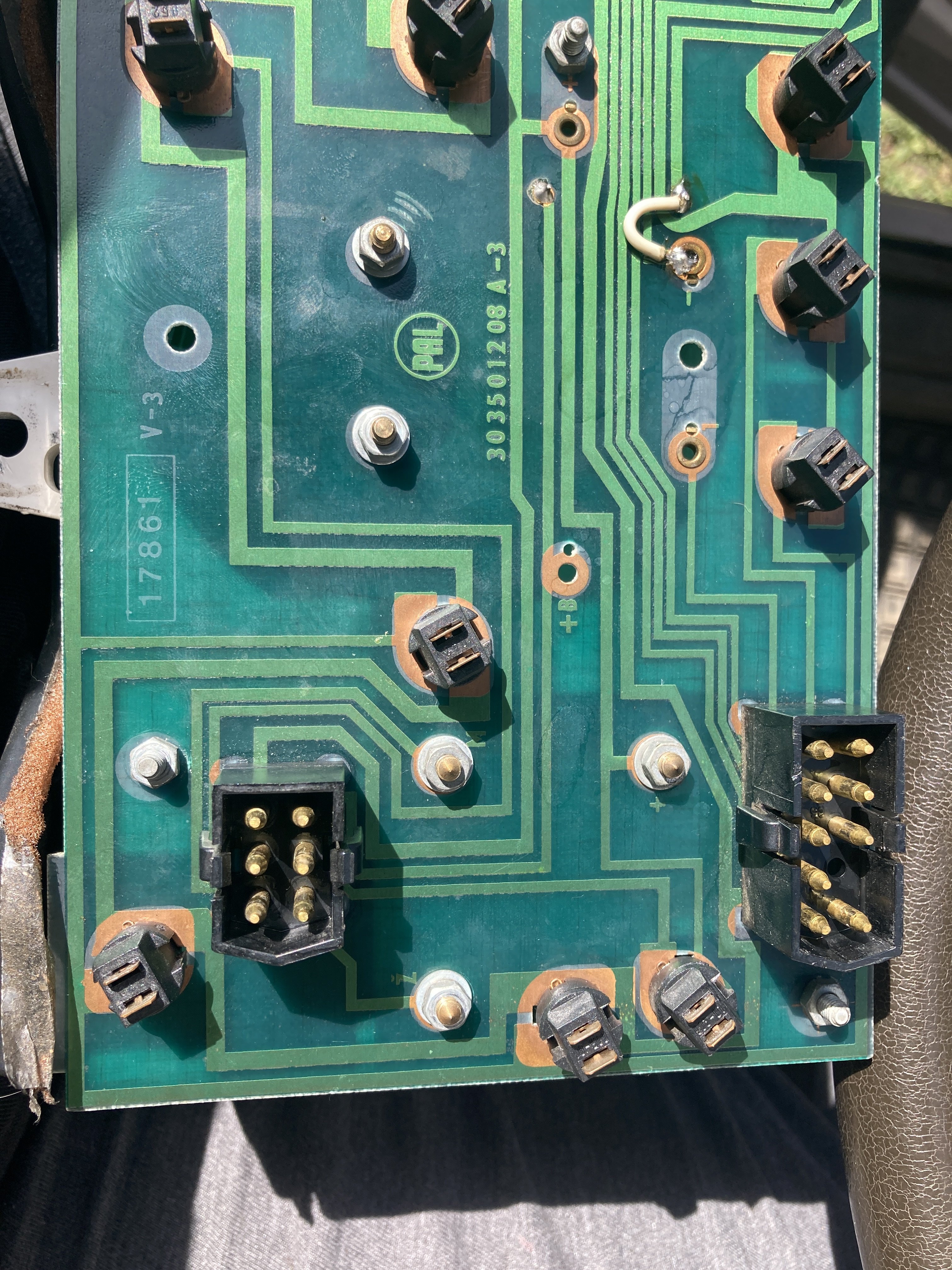
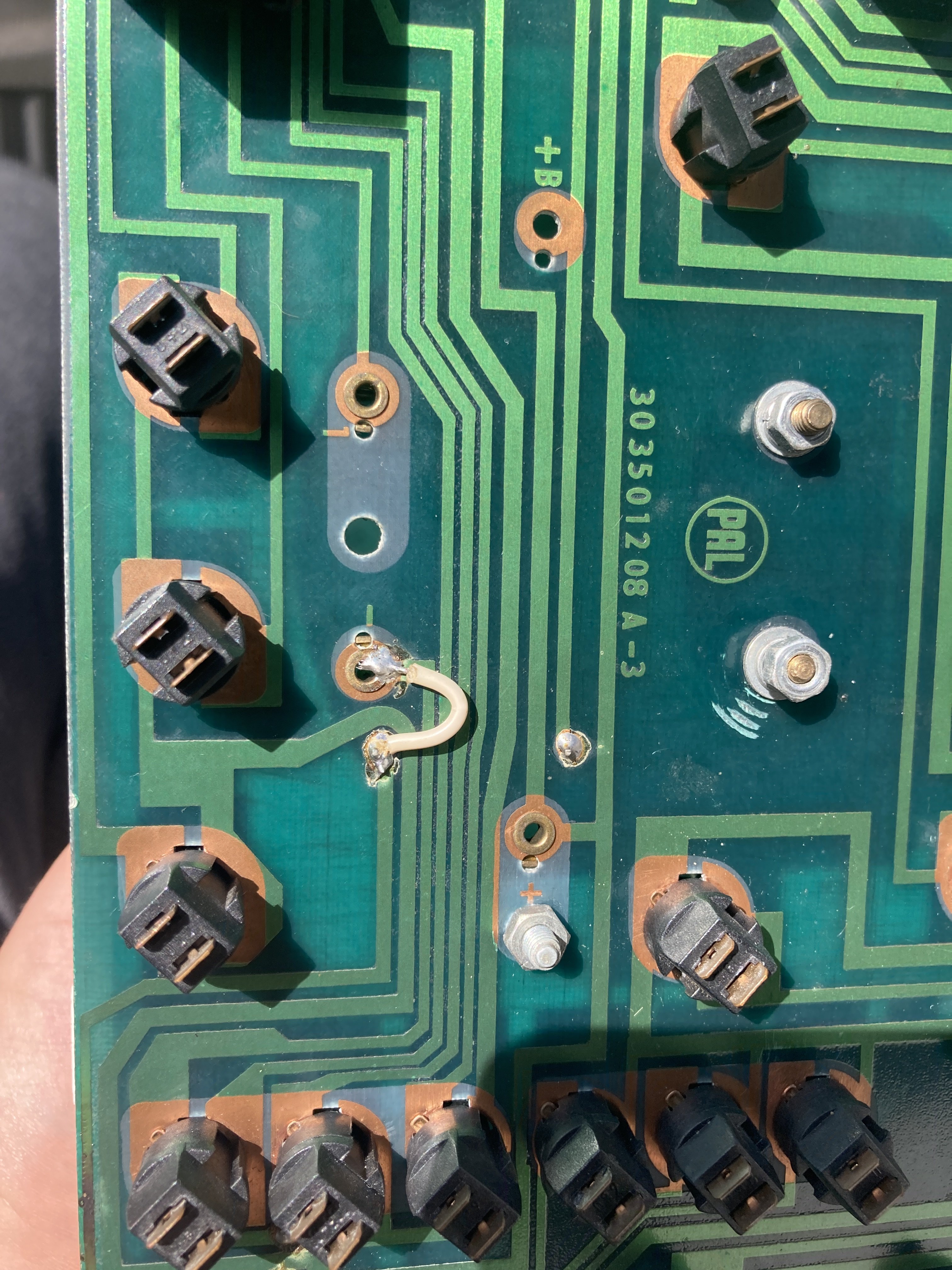
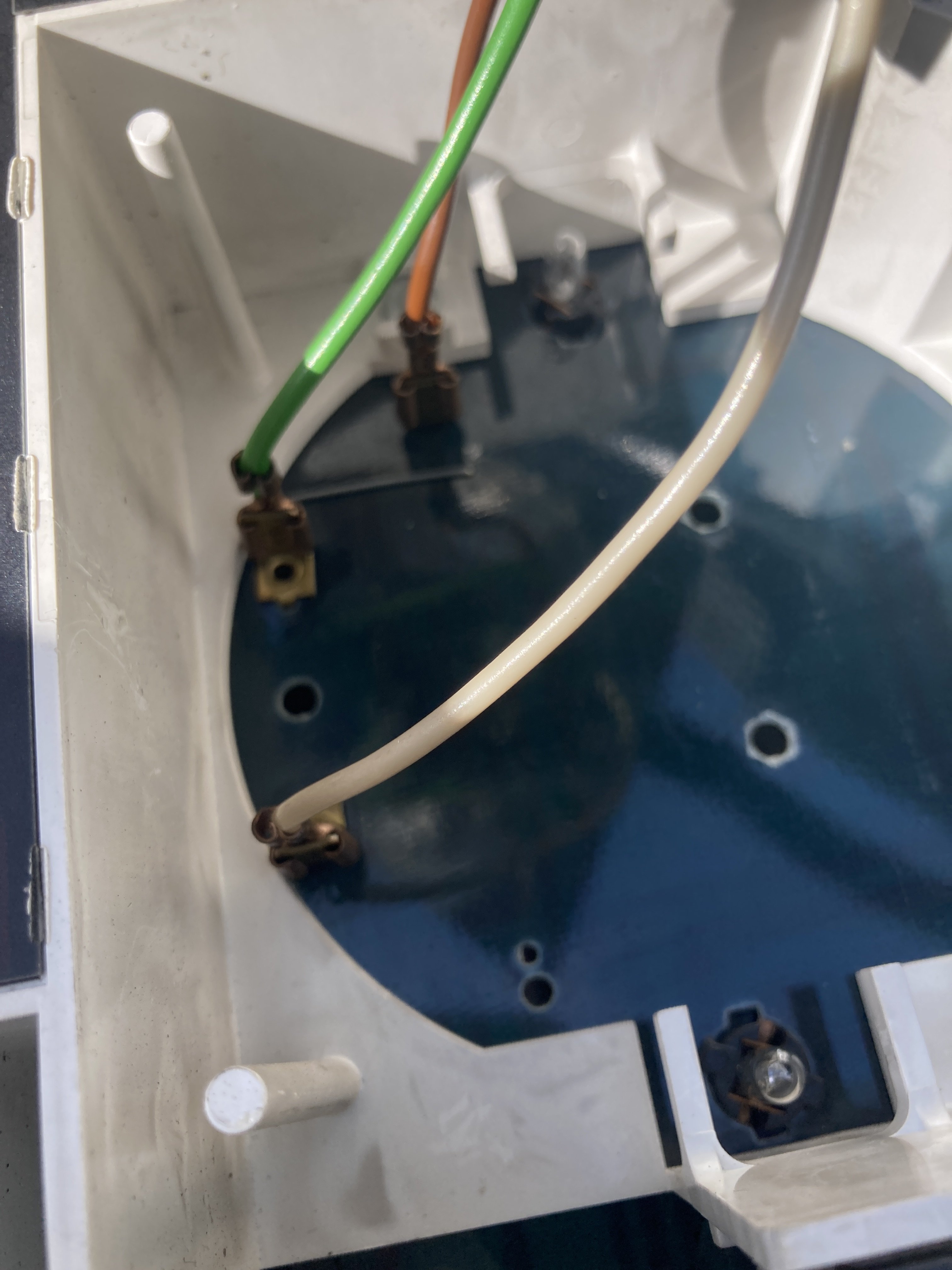
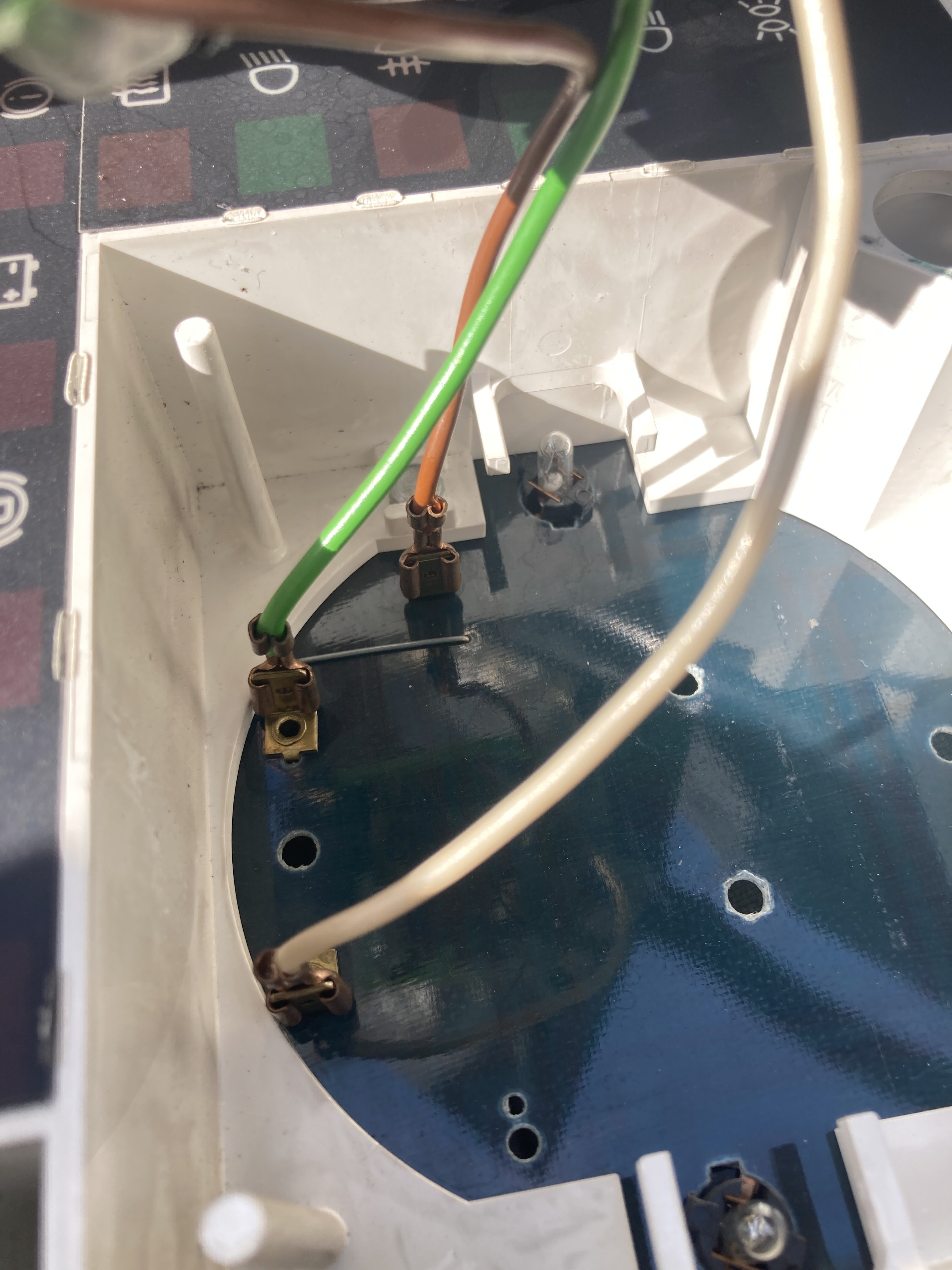
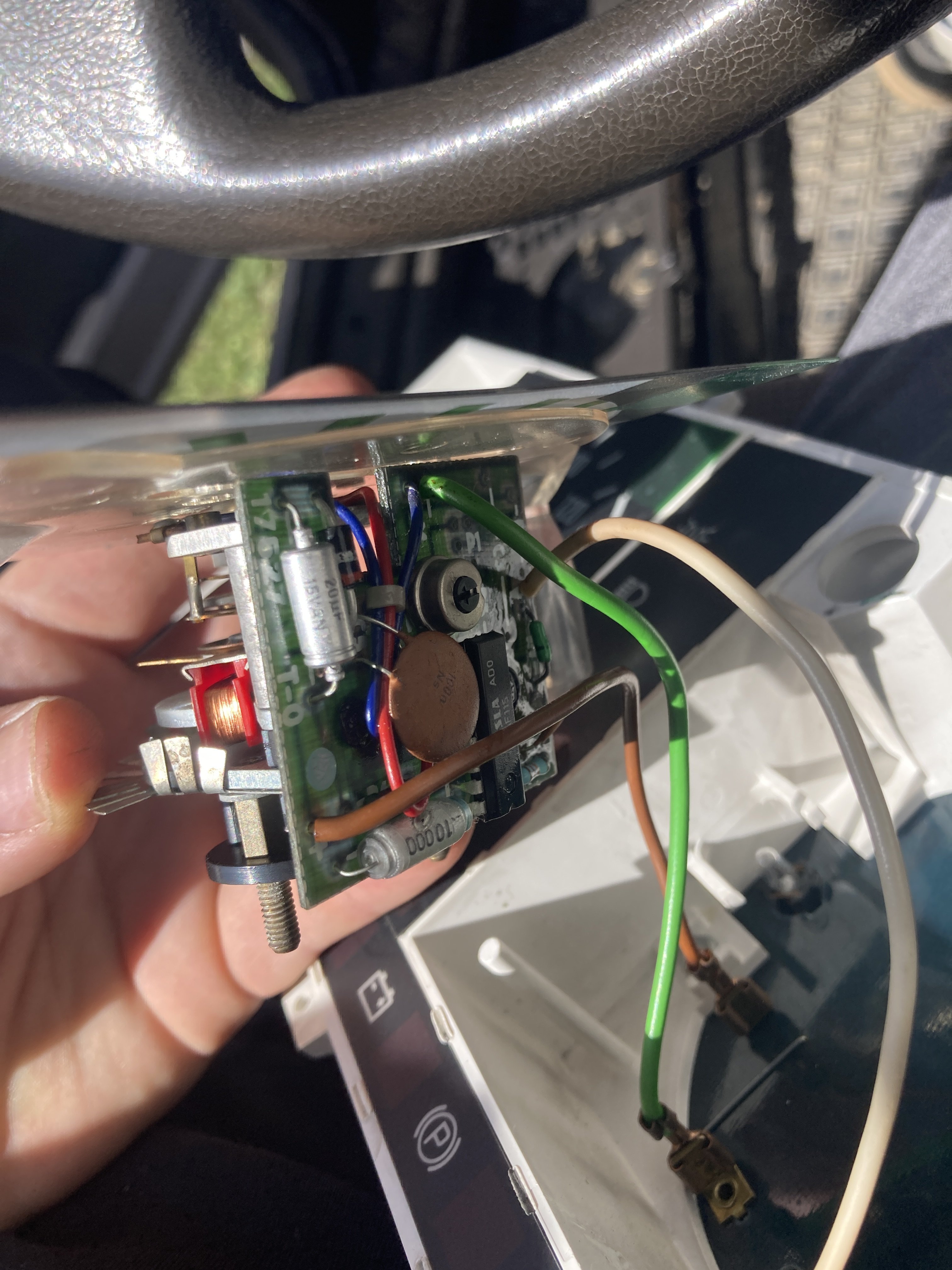
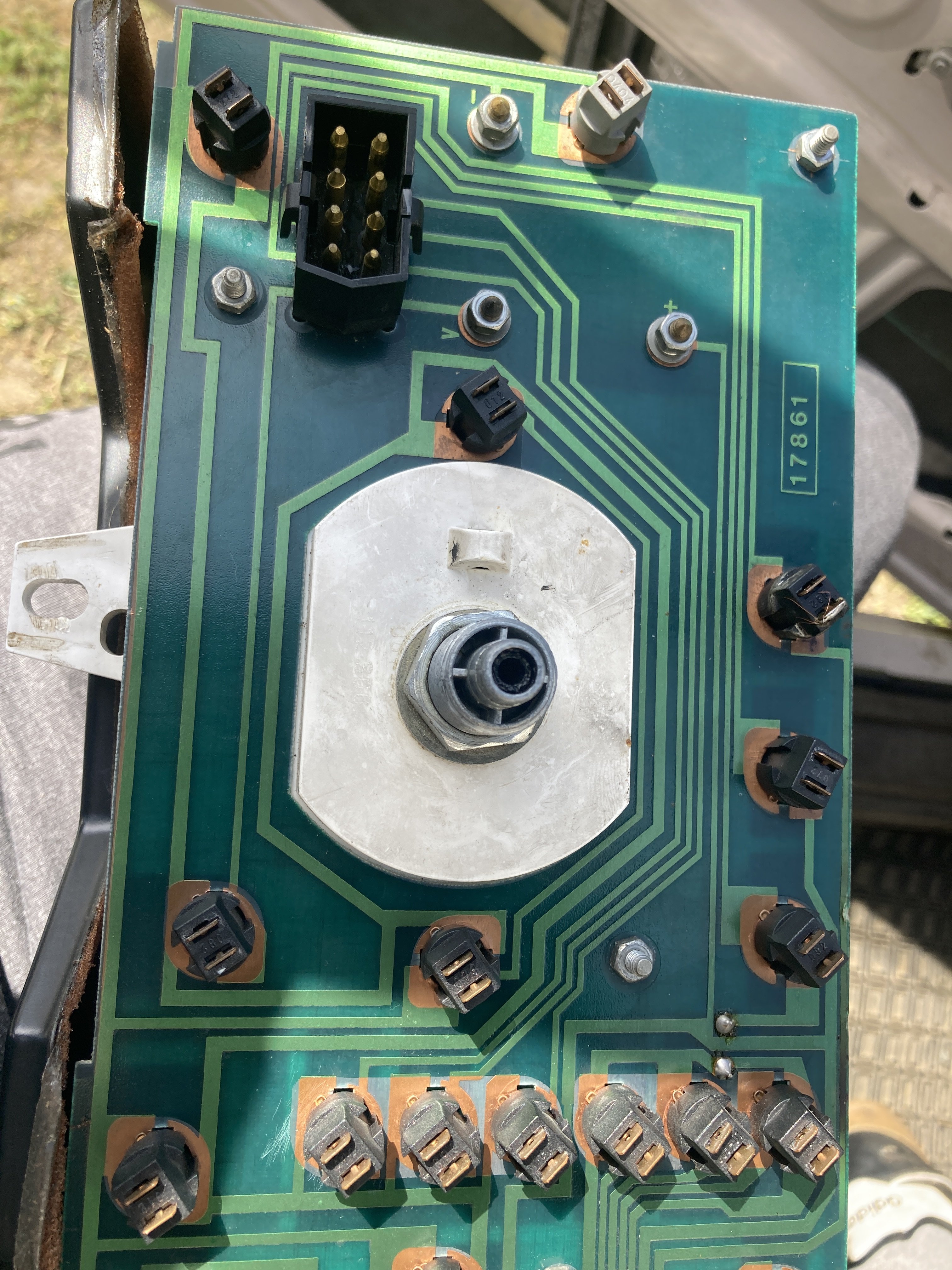
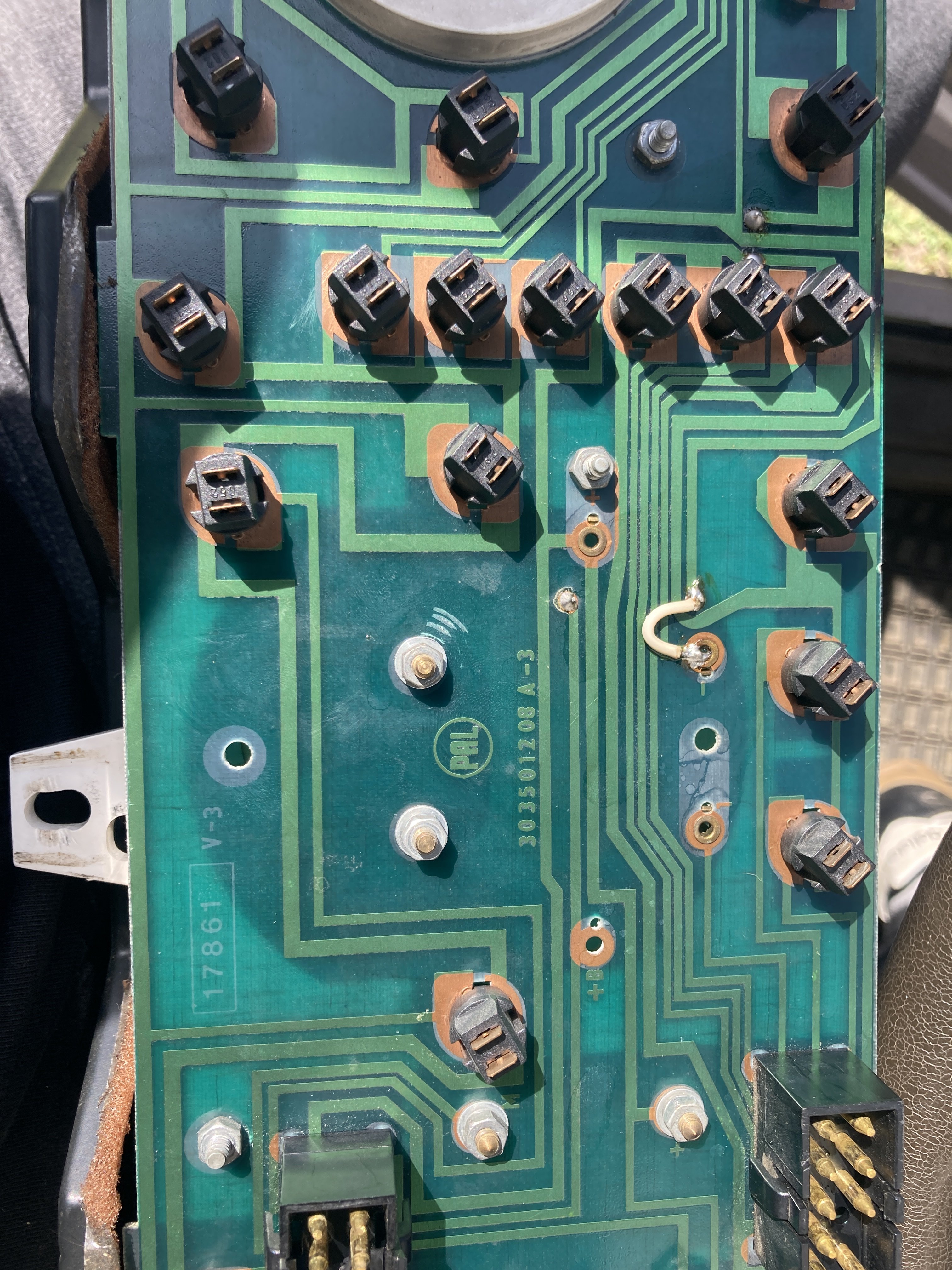
The pictures of the instrument board were taken just before I reassembled it back, to everything should be fine there. I will secure the electrical connections in a few days when my parts arrive. Then I will also change the head gasket. But a quick question. I am also suspecting a vacuum leak at the carburettor spacer plate as it's a cheap one. When I was replacing the carburettor spacer plate I did everything as Ricardo said in a certain post but recently I got a hold of gasket paper of 1.5mm thickness and I feel like that would do a much better job at sealing rather than Reinzosil alone at the spacer plate. As I wrote in a previous comment I couldn't find a vacuum leak with a carb cleaner, and I don't understand why, I even tried using a homemade smoke machine but still no luck. It was like that even on the first try when there actually was a vacuum leak. Can anyone explain why I couldn't find the vacuum leak at all? I tried the carb cleaner method on the first try and spent 2 500ml bottles but no luck, then 30 minutes trying with a smoke machine but still no luck. Anyways back to the question. Can a vacuum leak cause the jerky engine as it's in my case and could it be that after just approx 1500 - 2000 km driven the seal broke on the carburettor? Cheers!
-
NOTE: before you begin with the distributor it is recommended that you first set the valve clearances on a cold engine. NOTE: distributor timing between 135 & 136 engines vary so the figures are as follows: - 135 engine's timing is "2 +- 2 degrees" (ie between 0 & 4 degrees) so ideally the timing for a 135 engine would be 2 degrees - 136 engine's timing is "5 +- 2 degrees" (ie between 3 & 7 degrees) so ideally the timing for a 136 engine would be 5 degrees Equipment needed: - Stroboscope This is the one that I use: https://www.kroftools.com/en/regulation-and-test/digital-display-timing-light_p1781.html - Ratchet - Flathead screwdriver - Philips screwdriver - White permanent marker or pen corrector fluid - A bolt or a screw Procedure is as follows: Step 1: Locate the crankshaft pulley on the right side of the engine and find a little "V" shaped notch on it. NOTE: when looking at the engine that would be your left hand side, the same side where the water pump is located, right next to it is your No.1 cylinder. Step 2: Take a white permanent marker or a pen corrector fluid and mark that "V" shaped notch. Step 3: Take a white permanent marker or a pen corrector fluid and mark approximately between 3 & 7 (also mark 5 degrees (ie in between 3 & 7 degrees)) degrees for 136 engine and 0 & 4 degrees (also mark 2 degrees (ie in between 0 & 4 degrees)) for 135 engine on the timing chain cover. Step 4: Disconnect the battery negative terminal and unclip the distributor cap. Step 5: Take a philips screwdriver and remove the right hand side engine undershield. Step 6: Using a ratchet, rotate the crankshaft bolt clockwise until the "V" notch on the crankshaft pulley is aligned with the "0" on the timing chain cover. Step 7: With the crankshaft in this position No.1 cylinder is at the Top Dead Center (TDC). Now take a look at the distributor rotor arm. If the distributor rotor arm is pointing at the notch in the distributor rim, then No.1 cylinder is correctly positioned and on compression. If the distributor rotor arm is pointing in the opposite direction, the No.4 cylinder is on compression, in that case you need to rotate the crankshaft one full turn clockwise until the rotor arm points at the notch. NOTE: if your distributor does not have a notch on the inner rim, the distributor rotor needs to be pointing upwards, not downwards. Step 8: Reconnect the battery negative terminal. Take your timing light and connect it to the battery's + & - terminals and the HT lead of No.1 cylinder's sparkplug. NOTE: if you are using the same/similar timing light as I have, you will need to adjust the timing on the stroboscope according to the engine type that you have (135 or 136 engine). Step 9: Refit the distributor cap. Step 10: Start the car and let it get to it's operating temperature. Step 11: Take a flathead screwdriver and unscrew the screw band clamp that's retaining the distributor's vacuum advance hose. Take a bolt or a screw and plug it temporarily. Step 12: Take a ratchet and unscrew the distributor retaining bolt just enough so that it can be rotated. Step 13: Point the stroboscope at the crankshaft pulley and press the trigger. The "V" shaped notch should match to the marked point on the timing chain cover that you marked. NOTE: this is for 136 engine. - If the "V" notch appears above 7 degrees rotate the distributor (retard the timing), if the "V" notch appears below 3 degrees rotate the distributor (advance the timing). Ideally you would aim for 5 degrees. NOTE: this is for 135 engine. - If the "V" notch appears above 4 degrees rotate the distributor (retard the timing), if the "V" notch appears below 0 degrees rotate the distributor (advance the timing). Ideally you would aim for 2 degrees. Step 14: The timing should now be set correctly. Grab a ratchet and tighten the distributor retaining bolt. Step 15: Turn off the car and grab a flathead screwdriver. Unplug the distributor's vacuum advance hose, reconnect the hose back to the distributor and tighten it. Step 16: Disconnect the stroboscope from the battery's terminals and from the No.1 cylinder's sparkplug HT lead. Take a philips screwdriver and install the right hand side engine undershield. Congratulations, you have correctly set the distributor timing! Cheers!
-
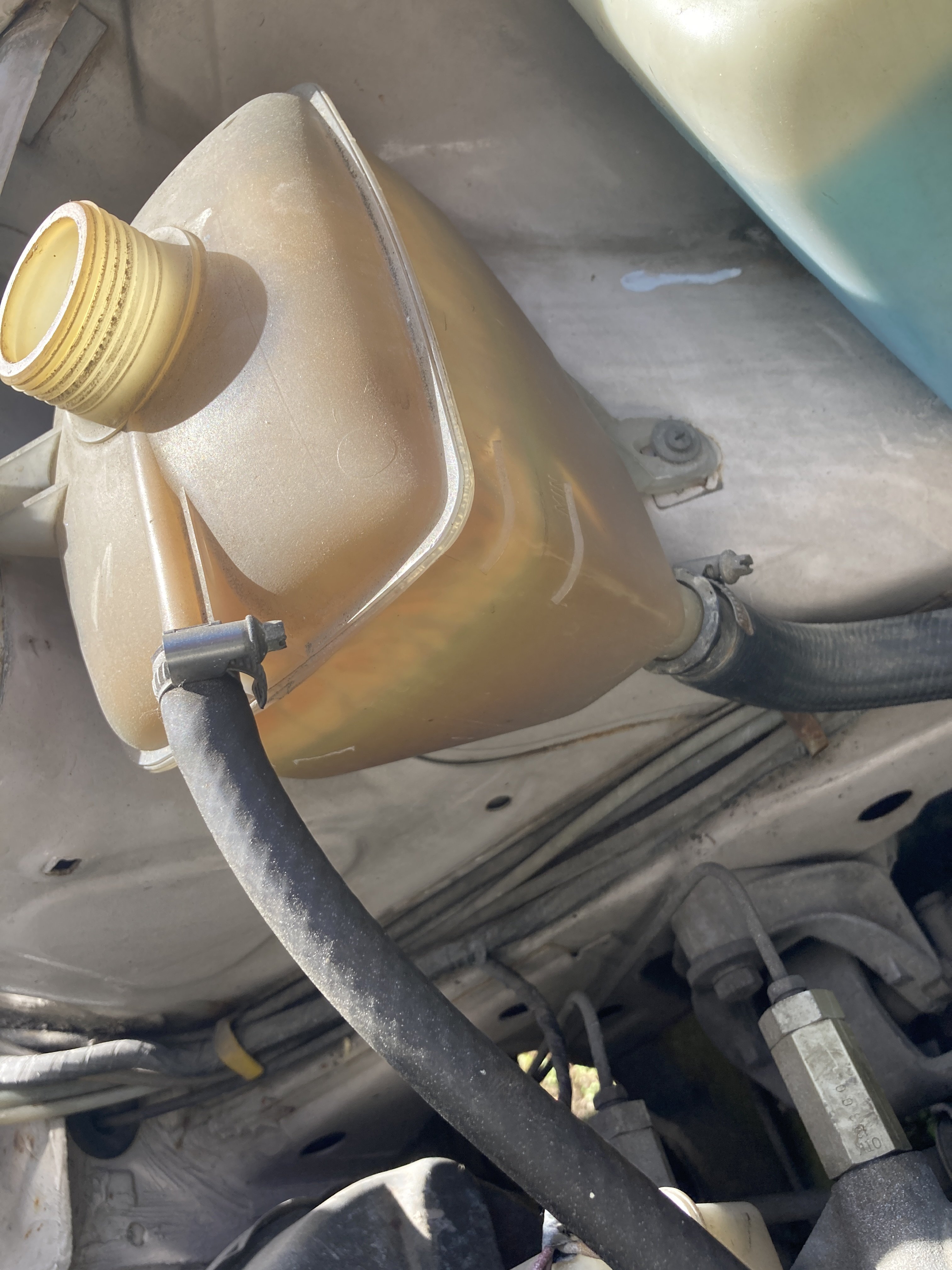
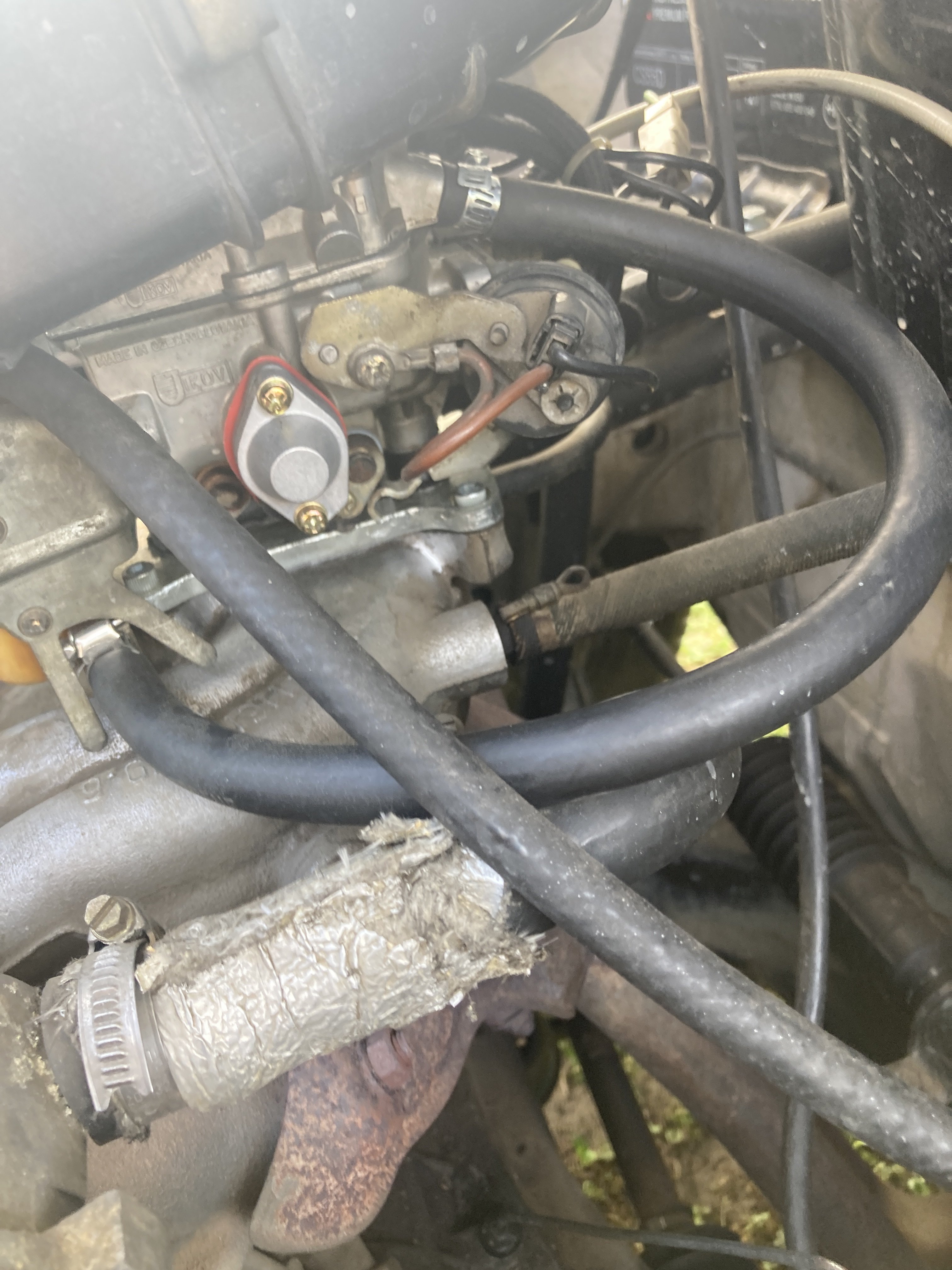
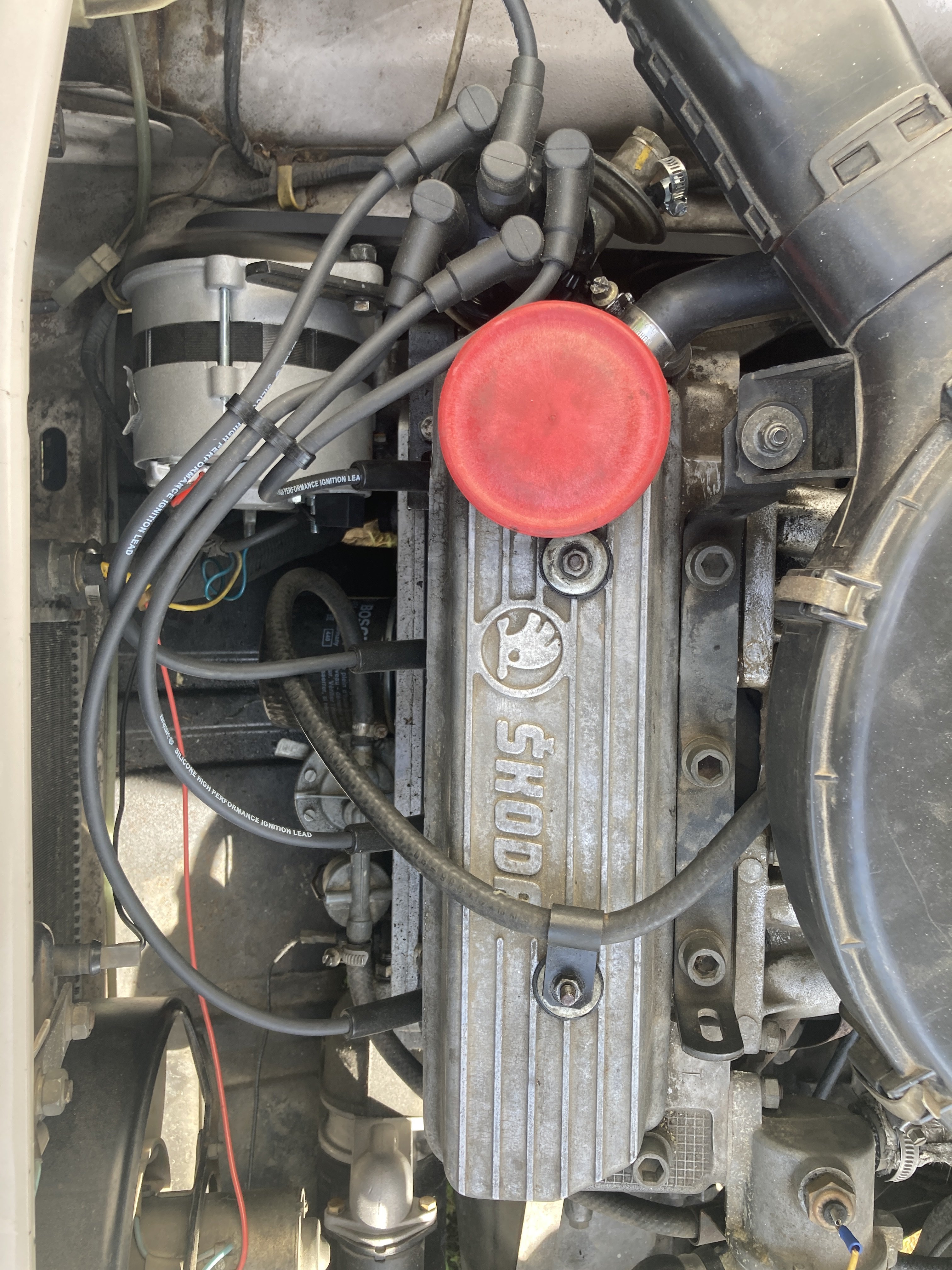
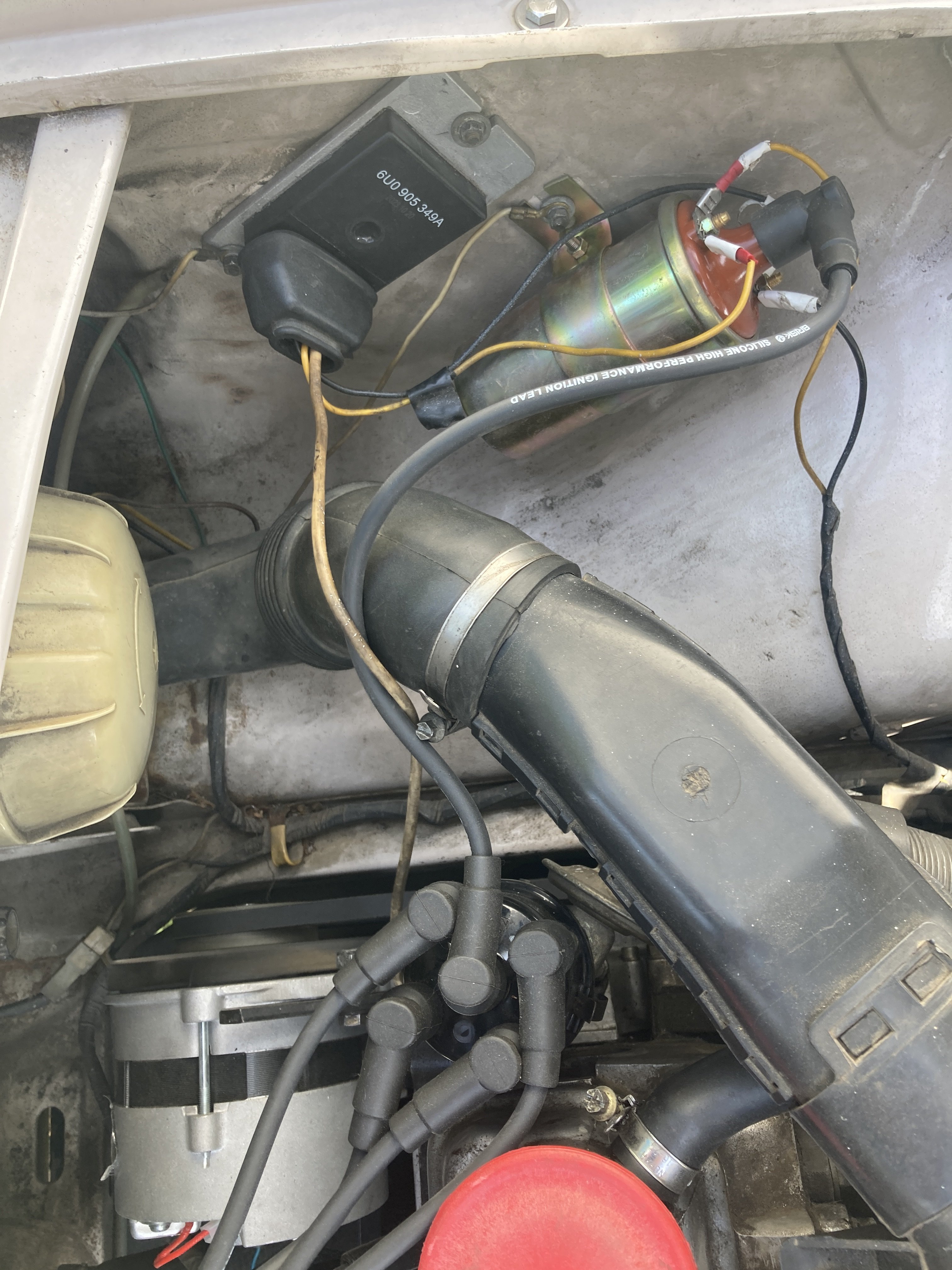
Here is a link of a short test on my yard. As you can see in the video, I am holding my foot steady on 1500 rpm but the engine starts to lose power, it is noticable and then when I let go of the throttle, it almost stalls. Regarding the previous pictures, the ignition coil is new, and I changed it yesterday, the ignition amplifier as well, I know the ignition amplifier is a Chinese one, but there is absolutely no difference in the car's operation between the new one and the original one ( I took them both for a test drive). Also there are pictues of the engine bay and the instrument board as well.
-
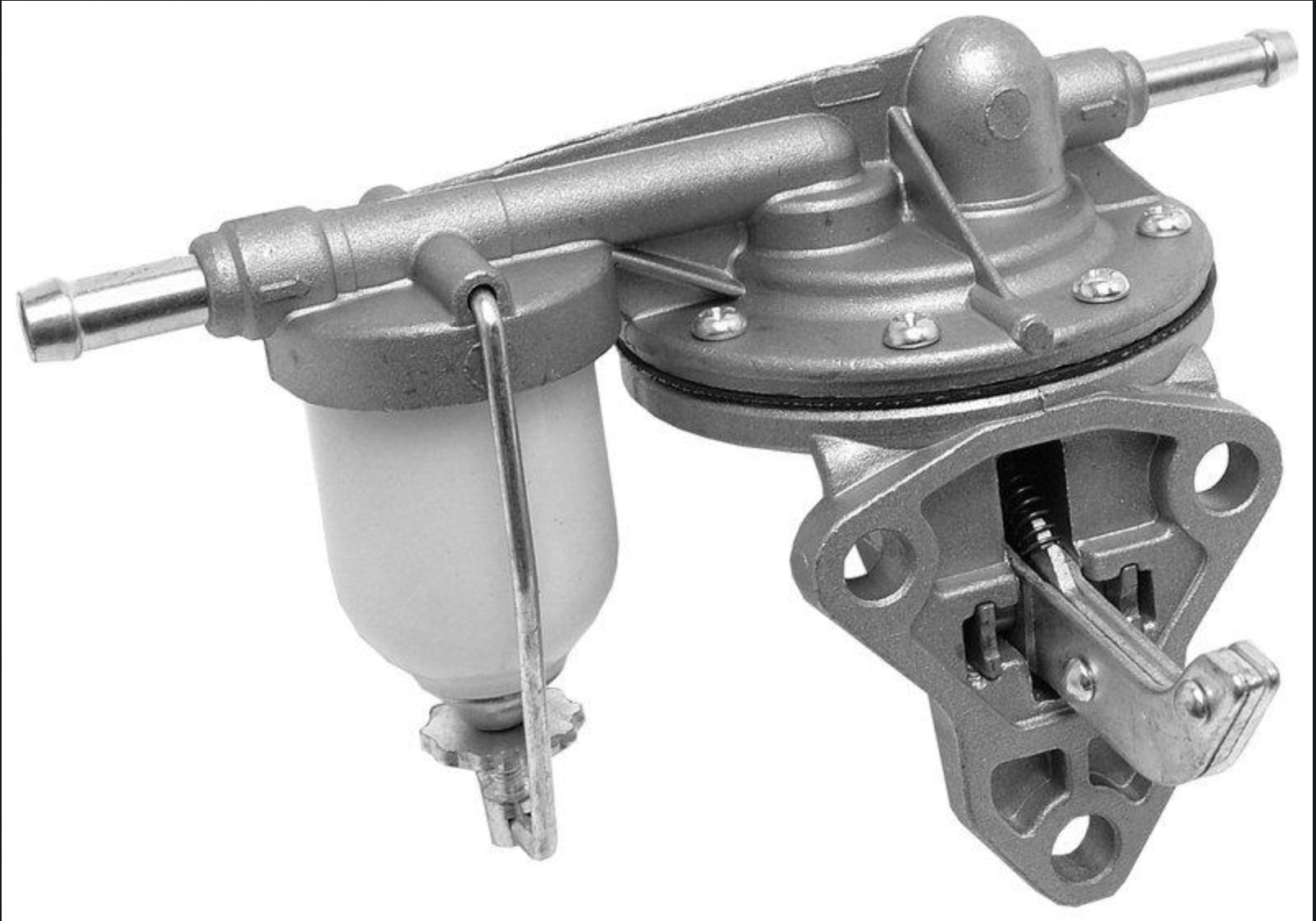
Yes I did. On my way back from Zagreb I poured petrol to the top (spilled some on the floor as well lol). As far as my Skoda has been able to tell me, the best petrol in Croatia is from Shell petrol stations, next in line comes Petrol/Crodux and the last place is INA. I worked for 3 years there and the rumours were that their fuel was the worst which by my experience I can totally confirm. As far as the HT leads go, they are brand new and I did check them, they are fine. I did not check the inlet/exhaust manifolds, except I did spray a good ammount of carb cleaner around the inlet manifold in hope of finding a vacuum leak. Today the car has been acting weird in neutral, like it has a vacuum leak, but there was no success on my part in finding one. I didn't try the soapy water method yet as I am currently scared of turning on my Skoda. A little bit before I read your response I was looking for a possible vacuum leak and looked right towards the coolant expansion tank and noticed some bubbles, but didn't think much of it. As soon as I read your post it all kinda clicked together. The loss of power in 5th gear on highway when I went to Zagreb. I noticed that as I go higher in gears the tachometer goes lower and lower (I was driving the car in 5th gear and it took me like 2 minutes for the car to reach from 80 kmph to 100kmph and the tachometer did not go above 2100 rpm, which I found really strange ( it went like this, in neutral the tachometer can go to the red line, in 1st gear it goes to about 4000 rpm, in 2nd gear it goes to 3000 rpm, in third hear also 3000 rpm but gets stuck at 2500 and then jumps to 3000, in 4th gear it goes to 2500, not any higher and in 5th gear it goes to 2000 - 2100 not any higher even if I am flooring the gas pedal. Regarding the distributor, the original one that came with the car is fitted. As far as the video of the strange noise goes, as I said I won't be filming that until I change my head gasket, even if it is in good shape somehow I am still going to change it just so that my mind can be at peace about the head gasket.Also, for the love of god I cannot find a fuel filter for my fuel pump, I have been to every mechanic in the town and searching online for a fuel filter for my pump but cannot find it at all This is what my fuel pump looks like, can anyone help?
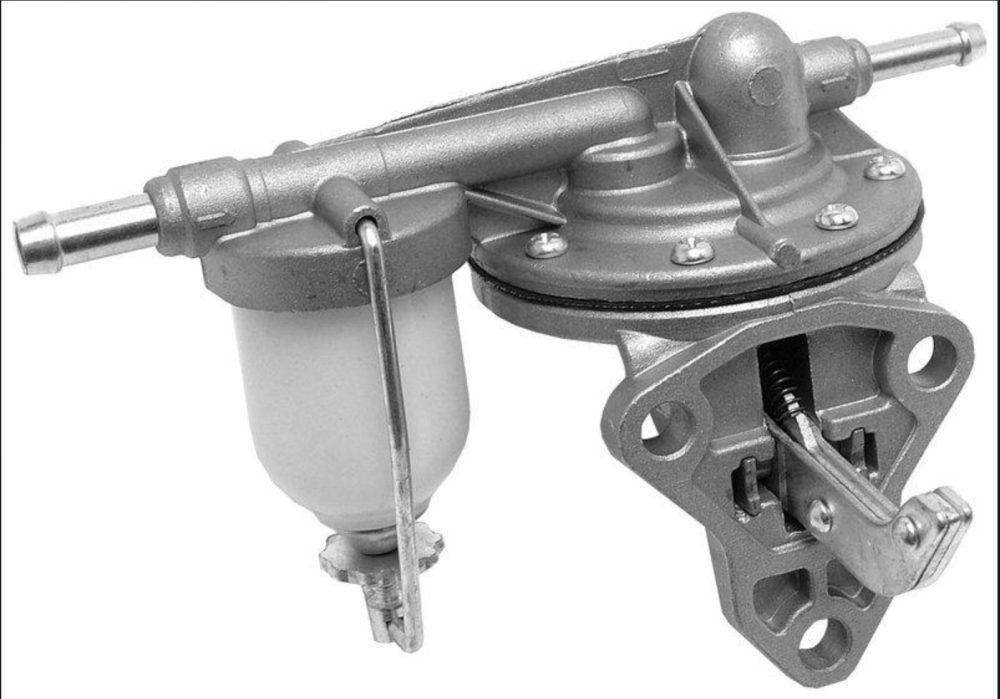 Hello everyone, after the last post and the issue solving my favorit started to give me headaches again. I drove it for some 1500 km and everything was fine, but yesterday after my trip to the capital of Croatia the engine started stuttering, violently jerking in the 1st 3 gears, so from 1st all the way to 3rd gear. The jerking seems to be only between 1000 RPM to 2000 RPM, once the engine is above 2000 RPM, there is no jerking/stuttering of the engine while in motion. I checked the distributor timing today and it was spot on, I have checked all of the spark plugs, they are fine as well. I cleaned the carb with carb cleaner but that did exactly nothing, I changed the ignition coil, but still nothing, no improvement. I'm not sure what the issue is, does anyone have an idea? Ps, there is also strange noise coming from the engine when accelerating hard, it is like a low rumble, at least that's how it sounds to me. I don't have a vacuum gauge, but my last though was that it might be the head gasket as I read on the forum that the engine will either missfire or jerk when accelerating with a damaged head gasket.Also please note that when driving the car I like to keep the revs high, once the engine gets to it's operating temperature. Meaning if I'm driving 50Km/h I'm in 3rd gear and around 2000 Rpms etc. So regarding this information I think that the fuel economy is good. Cheers!Hello everyone, Just a quick update. After adjusting the carburettor and the distributor I've driven the car 200 Km. Just now I went to the petrol station and filled the car up with petrol. 19,58 L is how much the car consumed in those 200 Km. I would say that is a very good result. The car is consuming just as much as when it was new. Please note that my car has got 130000 ish Km on the clock. Ps, I know I am young (about to be 23 years old) but I have driven a few cars other than the favorit. So far I've driven a Citroen C4, BMW 316d, Volkswagen Golf 8, Daewoo Matiz. And by far the Skoda favorit is the best car that I've driven. I absolutely adore the car. I personally think non of the cars mentioned above can compete in the pure pleasure that is Skoda Favorit to drive. My Skoda Favorit is a 136 engine, from 07/1991, so probably one of the last Skodas to be made before Volkswagen bought Skoda. Cheers!the ht leads are oe, tesla from czech republic. the carburettor is a jikov 28/30 LEKR and it's not set for LPG, just petrol. Later I will post an update about the consumption (l/100km). PS. Old parts have been refitted (new parts are in my boot for an emergency?)Hello everyone, I've got good news. I finally resolved the tachometer issue. I will describe the steps below for anyone in the future; The car was cold, so I opened the bonnet and set the valve cearances again (some were spot one, some valves were off by 0.1-0.2mm (how does that happen?)) After the valves have been set I did next: NOTE: the timing degrees mentioned below are for favorit 136 engines, favorit 135 engine's specs for timing are "2 +- 2 degrees" so ideally on a 135 engine you would aim for 2 degrees." Locate the timing pulley on the timing chain cover. Mark the V notch with white paint and set it to 0. Connect the timing light. Start the car and let it get to it's operating temperature. Disconnect vacuum tube from the distributor and plug it with a screw. Unscrew the distributor retaining bolt just enough so you can rotate it. Point the timing light to the pulley and "fire" the timing light at it. If the timing is above 5 +- 2 (7) Degrees rotate the distributor (retard the timing), if the timing is below 5 +- 2 (3) Degrees rotate the distributor (advance the timing). You need to aim for 5 Degrees ideally. The timing should now be set correctly. Tighten the distributor retaining bolt. Connect the distributor vacuum tube. Next in line is the carburettor. Ideally you should use an external tachometer. My stroboscope has the said function so I used that for reference (the external tachometer needs to read at least 50 rpm changes) The stroboscope I used: https://www.kroftools.com/en/regulation-and-test/digital-display-timing-light_p1781.html The steps are as described below: Connect the timing light. Start the car and let it get to it's operating temperature. Set the read method on the stroboscope to rpm. Adjust mixture screw on the carb untill the engine's rpms don't rise anymore then back it off a little bit (maybe by half a turn or less). Adjust the idle speed screw untill the tachometer reads 800 +- 50 rpm (ideally you would set the idle to 850 rpm. The carburettor should now be set. Turn off the car. Disconnect the stroboscope (timing light). And voila, you are done. Cheers!



Important Information
Welcome to BRISKODA. Please note the following important links Terms of Use. We have a comprehensive Privacy Policy. We have placed cookies on your device to help make this website better. You can adjust your cookie settings, otherwise we'll assume you're okay to continue.
Account
Navigation
Configure browser push notifications
Chrome (Android)
- Tap the lock icon next to the address bar.
- Tap Permissions → Notifications.
- Adjust your preference.
Chrome (Desktop)
- Click the padlock icon in the address bar.
- Select Site settings.
- Find Notifications and adjust your preference.
Safari (iOS 16.4+)
- Ensure the site is installed via Add to Home Screen.
- Open Settings App → Notifications.
- Find your app name and adjust your preference.
Safari (macOS)
- Go to Safari → Preferences.
- Click the Websites tab.
- Select Notifications in the sidebar.
- Find this website and adjust your preference.
Edge (Android)
- Tap the lock icon next to the address bar.
- Tap Permissions.
- Find Notifications and adjust your preference.
Edge (Desktop)
- Click the padlock icon in the address bar.
- Click Permissions for this site.
- Find Notifications and adjust your preference.
Firefox (Android)
- Go to Settings → Site permissions.
- Tap Notifications.
- Find this site in the list and adjust your preference.
Firefox (Desktop)
- Open Firefox Settings.
- Search for Notifications.
- Find this site in the list and adjust your preference.