



voxmagna
Members
-
Joined
-
Last visited
Everything posted by voxmagna
-
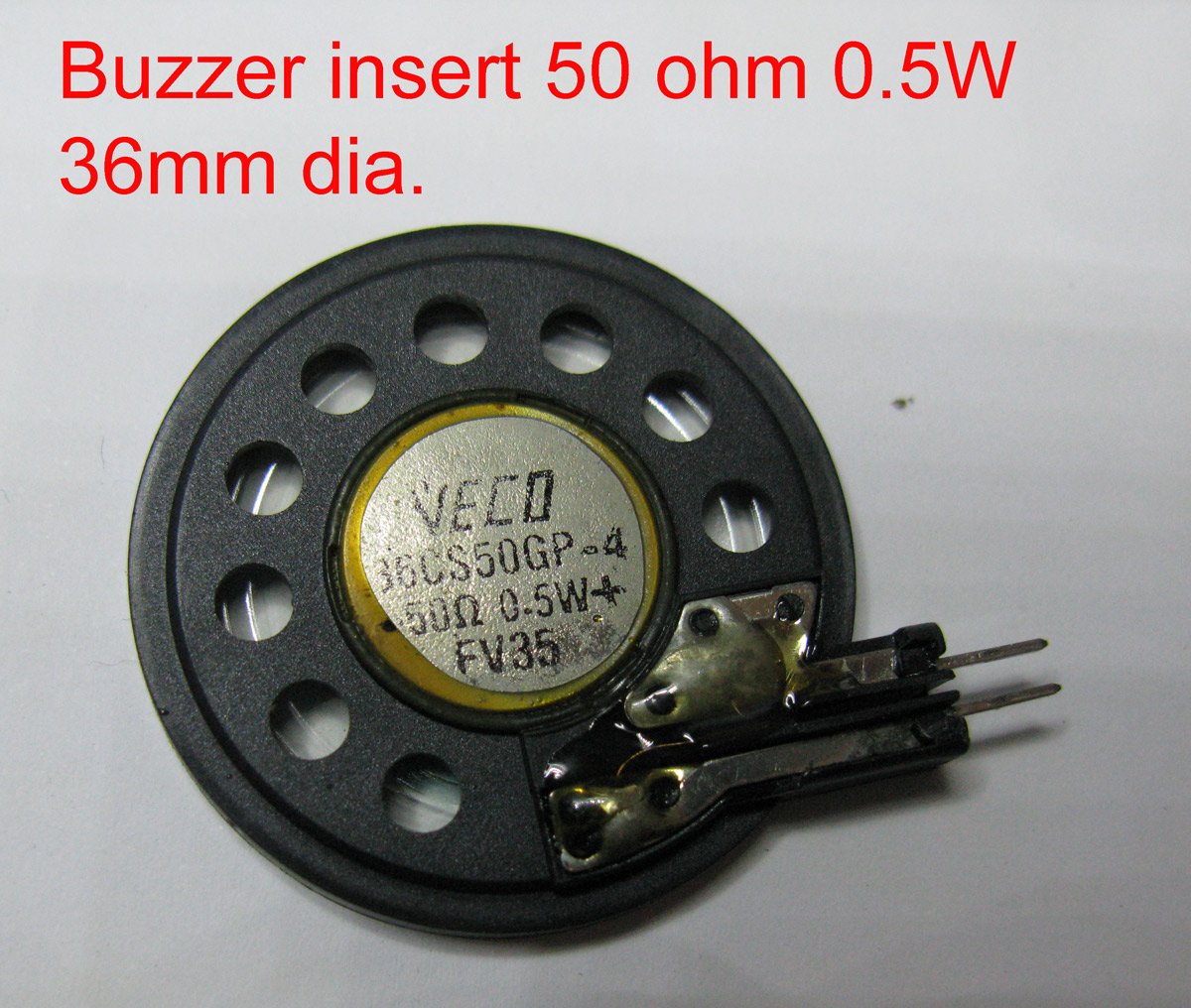
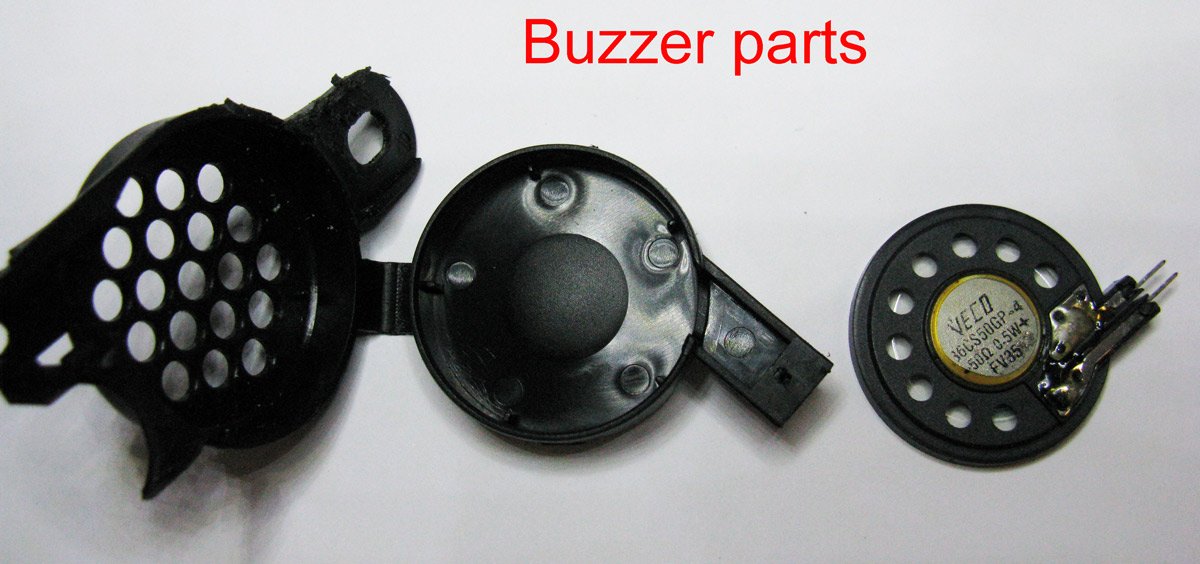
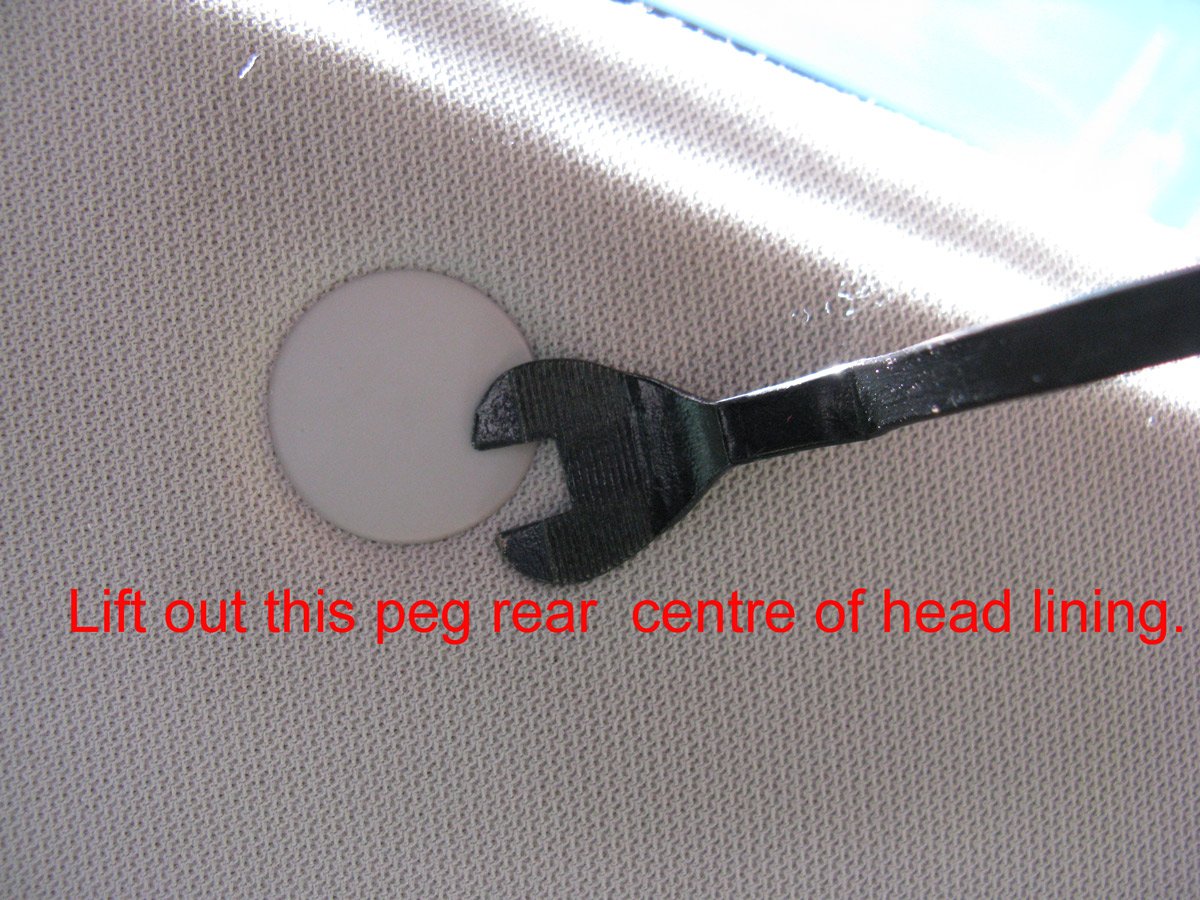
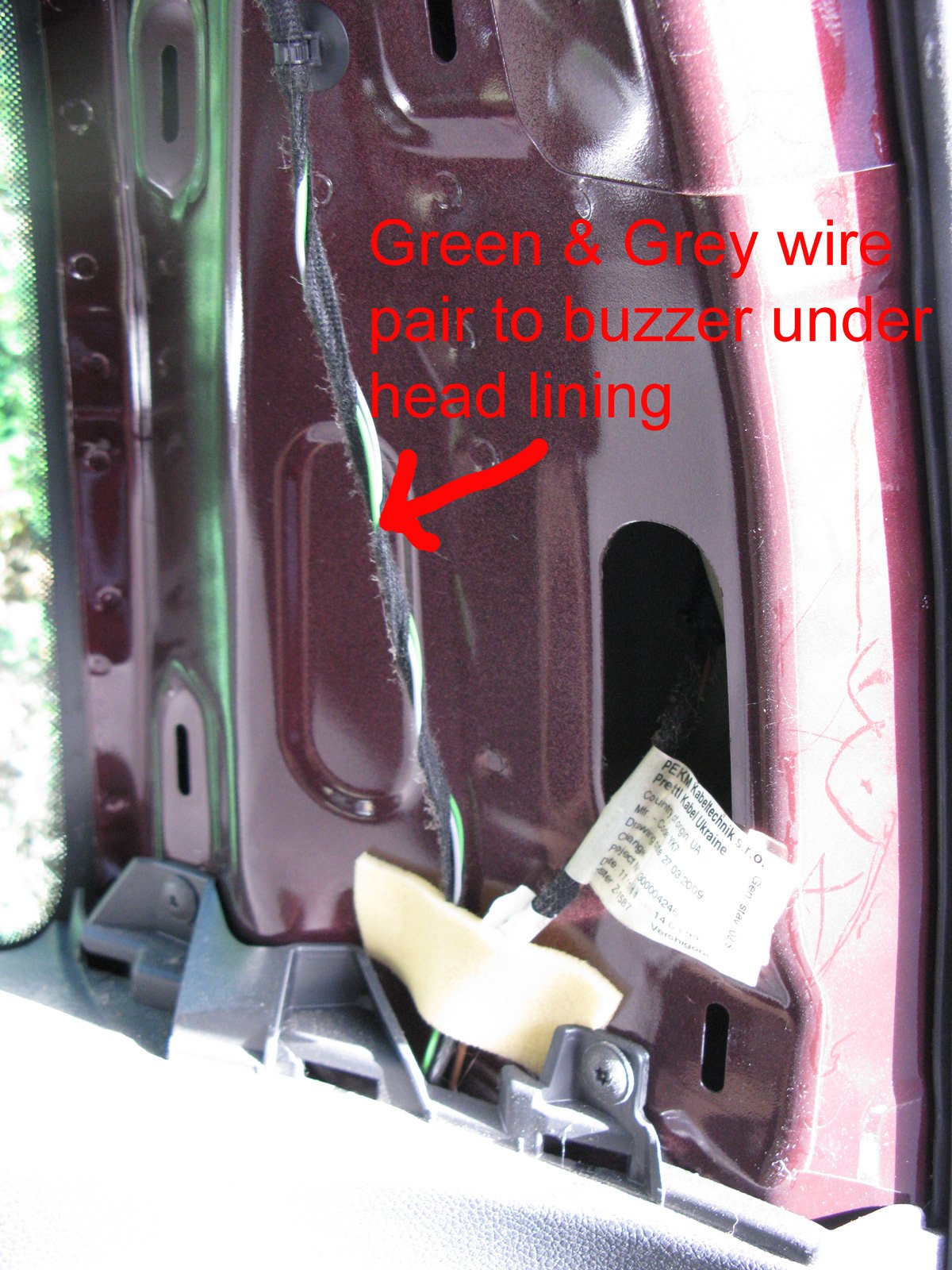
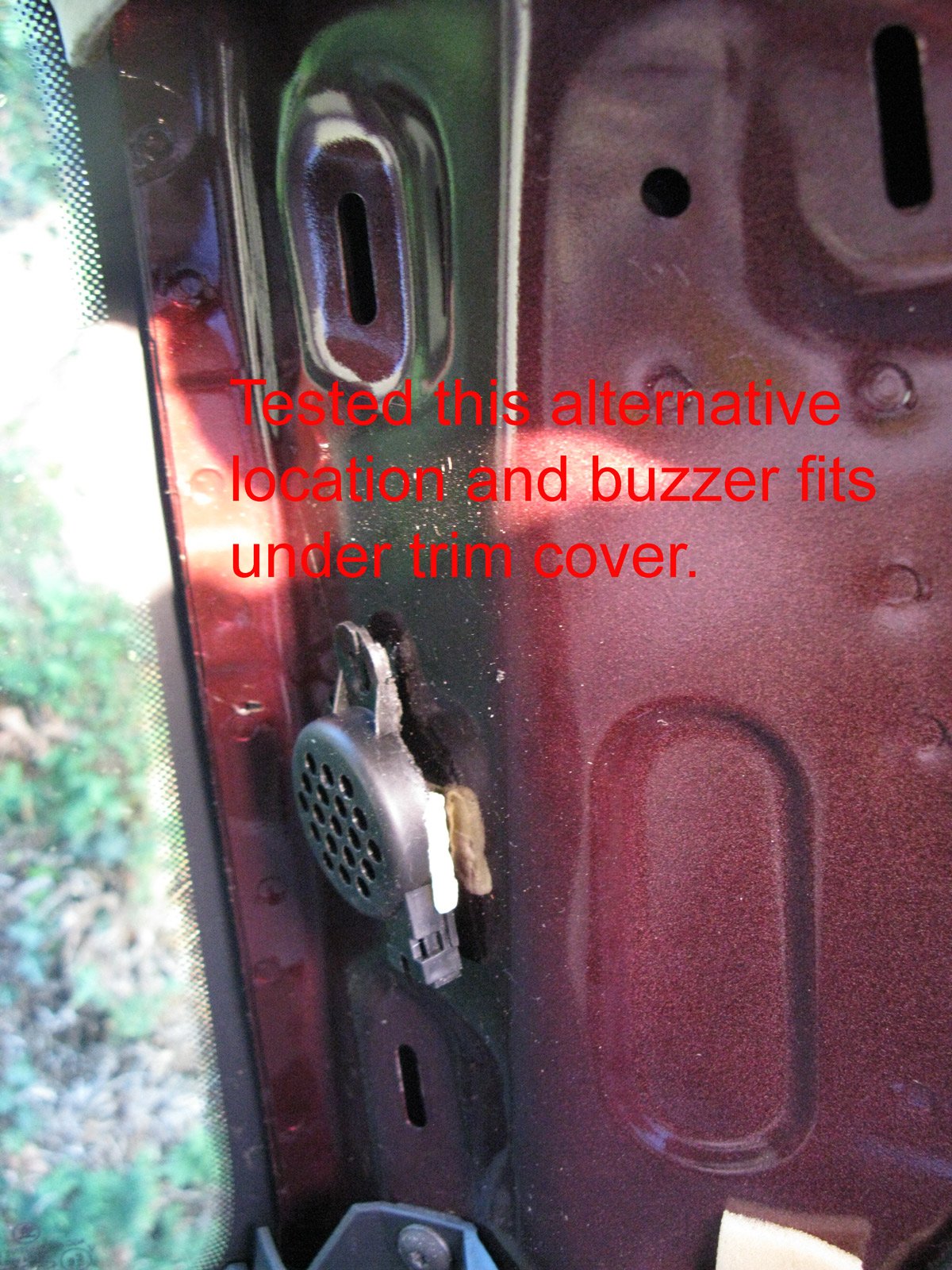
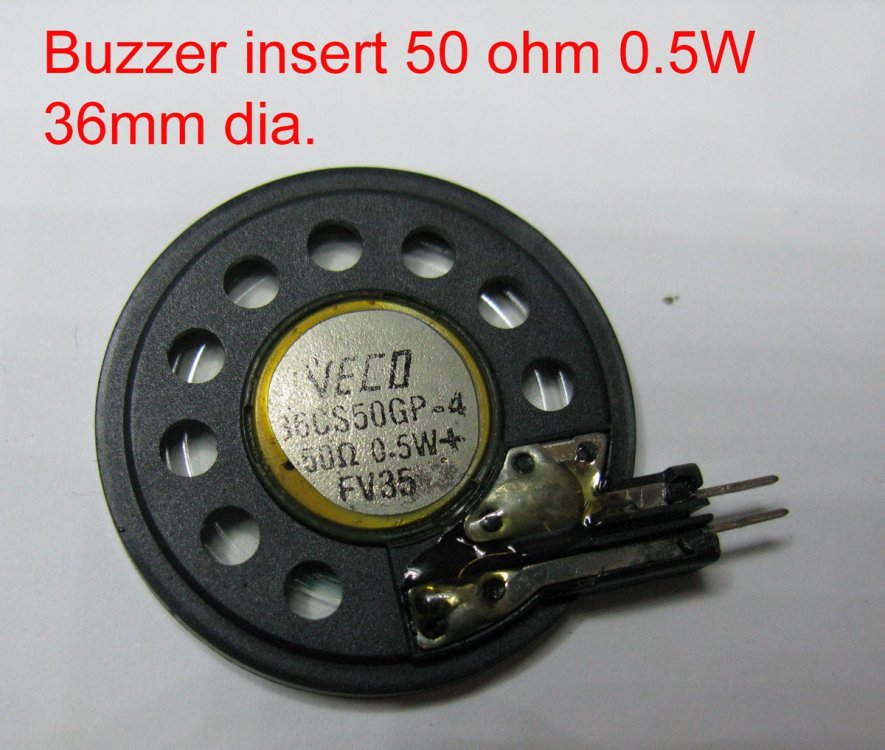
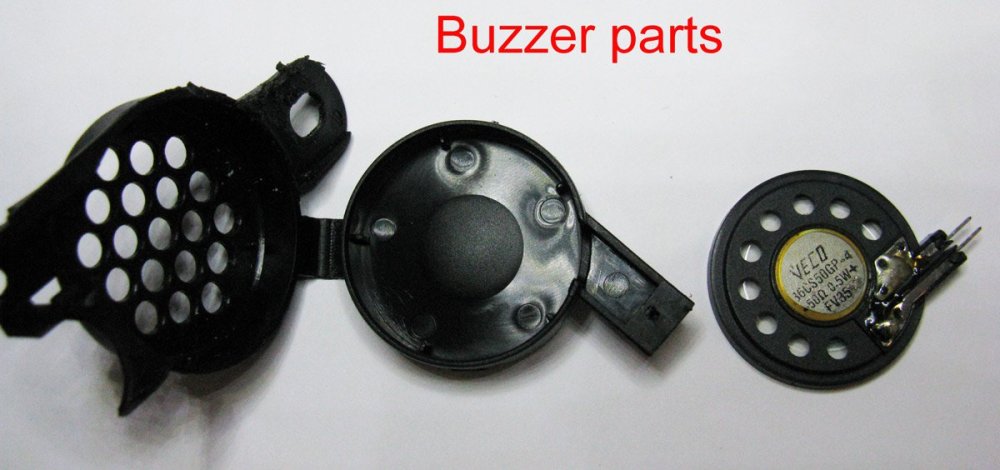
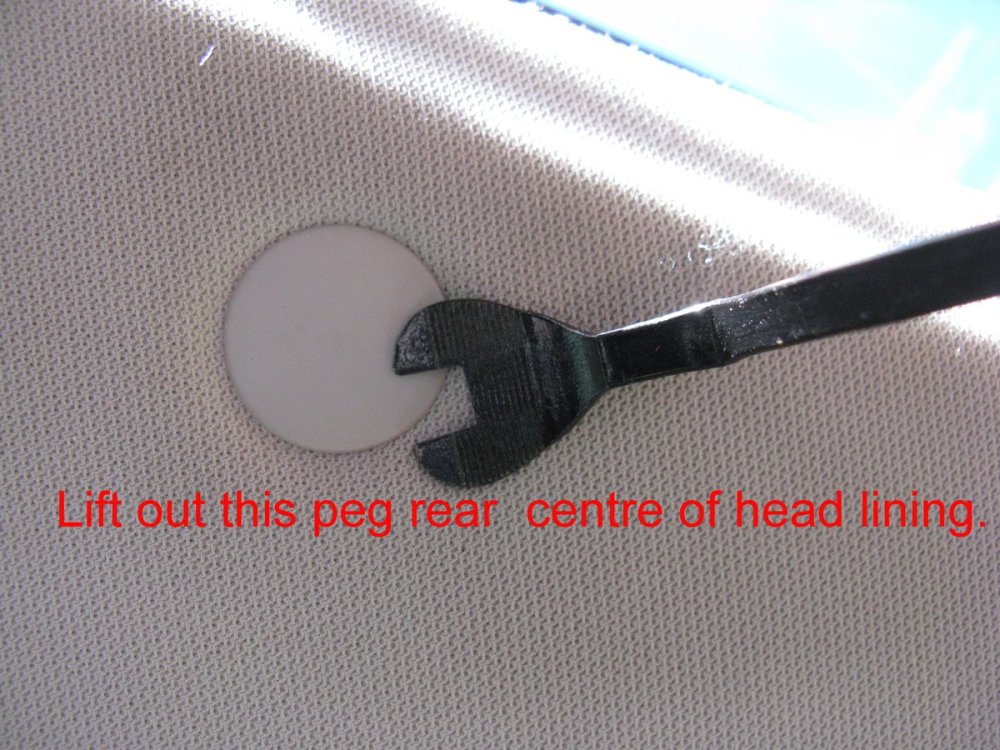
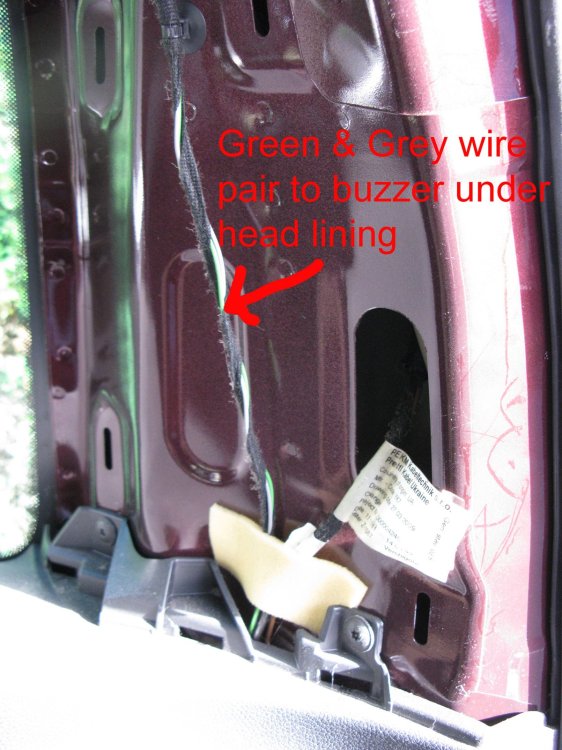
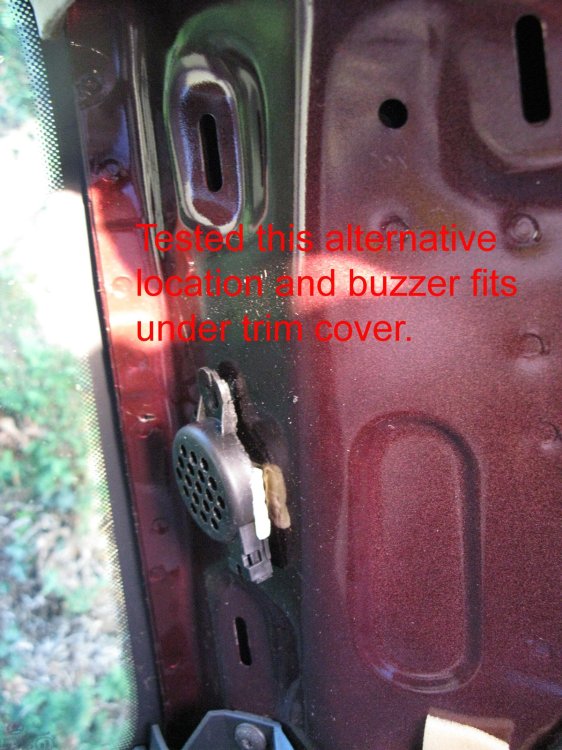
Website cleared my draft (?). Not retyping. Removed rear right pillar cover (Easy) Got 50 Ohm buzzer out complete with its connector and a short wire tail (Cut wires at clip) by gently pulling down back of headlining. Intentionally destroyed its plastic mountings because they fitted it forward facing on the rear roof beam! New OE replacement part going back behind rear right pillar cover with original connector and wire tail soldered and sleeved to wire pair behind pillar cover. Beware of Chinese buzzer clones, They may be 8 Ohms, too quiet and could damage controller buzzer driver.
-
Thanks, just what I wanted. In the meantime I cruised ElsaWin and was a bit surprised how hard it seems to get to both the module inside rear right boot cover and the horn itself, under the rear headlining. Diagnostics fault descriptors aren't always exactly what they seem. I've decided the least course of work is to access the rear parking module behind the right side boot cover which itself seems work, then probe the connector for the horn looking for resistance or capacitance. If I'm lucky the fault may be at J791 connector, if not I'll prove it's the horn, wiring or its connector if it has one. I liked the idea of putting a replacement somewhere easier to get to and I'll see if it can still be heard mounted behind a cover in the boot area. Thanks again.
-
I've suddenly got this fault code (Parking speaker short or open circuit) unrelated to other work and was o.k at the last scan. Since then the spare tyre and tools have been in and out the boot. I've read conflicting info - Behind nearside B pillar, underneath rear headlining. Both need work to inspect and I'd appreciate a location heads up if anybody has replaced theirs, seen where it is, or know if wiring/connectors run in the tyre well? I should also know where the park assist module is to check its connector. Thanks
-
Thanks, I'm waiting for the switch kit.
-
Yes, I think I'm fighting Maxi-dot control and menu which is a software layer that may not be compatible. But ABS must still communicate with Instruments over CAN to set and clear dash warnings? "The ABS coding for Maxi-Dot control is different from that used with a hardware button." It would be nice to know which coding bits only relate to indirect ABS TPMS and link to ABS hard wired switch. MY07 V.W based on Golf V with working ABS TPMS and reset button has no coding clues I can find to enable it or make changes. I'd expect the basic system to be pretty dumb - ABS controller hardware and software does the work and sums, then sends a warning lamp 'on' to the dash, cleared by the switch and control inside ABS
-
O.k thanks, I made some progress but not there yet. I compared my long code with yours after following vcds labels for byte change and there was a difference. I assumed if I copied and pasted your long code then all the ABS coding would be correct including the unlabelled byte. Did that. Then enabled virtual module 4C in the Gateway installation list and for the first time the scan came back listing 4C without errors. At IGN on boot I didn't see the tyre dash icon or additional tyre settings in the display. Then I enabled Tyre pressure II in instruments and the icon came up. I went to dash settings store and that worked until I tried to actually store and the confirmation 'Tyre pressures not stored' was given. I'm puzzled about this because tyre pressures aren't measured or stored by indirect ABS TPMS. The Tire pressure warning stayed stuck on the dash screen and through IGN ON reboot. Reset via basic settings in ABS screen confirmed TPMS was active, and after reset the screen block message changed, but the icon still remained stuck on. I read ABS TPMS reset via vcds didn't work for one poster (Although the helper text said it should without the switch). I'm wondering if there are at least 2 different TPMS systems and messages in the display aren't for indirect ABS so the warning stays lit because it gets garbage data and requires the hard wired reset switch on the ABS controller? It would make sense after coding and enabling to set the warning to default on, then have to reset to test the switch which I've now discovered after holding 2-3 seconds gives a confirmation ding. When the switch kit arrives I'll explore getting the ABS switch wire through the firewall to test my theory. This is important too: Deflated one of the rear tires slightly, by about 8% (38 -> 35). Drove about 5 miles. No warning light. Deflated same tire by about 20% of original value (38 -> 31). TPMS warning light appeared after about a mile. Deflating from 38 to 31 is a big change, although it might have lit at 10% but still took longer than what I'd expect. Thinking some, road conditions (and potholes!) will cause changes in tyre rolling radius as suspension moves up and down and they may want to factor in average background error noise. Thanks for your help.
-
Thanks I'll recheck the long coding and just try to match the bytes. I did find a web post refering to virtual module 4C. The comment was that vcds was including it in the Gateway list (which then throws errors) when they should have masked it out as invisible. I'm always aware diagnostics relies on the software writer interpretation. I perhaps rely too much on the helper for Byte coding. On previous versions of vcds they incorrectly linked the wrong label files. Label files are the human friendly text created by Ross-Tech. IMHO ECU label files don't always match what you have. My Yeti has ESC et Al and some comments I found suggested indirect ABS TPMS may not be possible. But I'll persevere. Any idea of mileage for the ABS TPMS learning phase and can I expect it to be inactive until it's learned? I am testing by letting air out of a tyre after coding and vcds reset, but it occurs to me, many may change the coding and not actually test immediately after.
-
No signal chime during coding, but I do see the dash symbol and sometimes it's flashes. It seems this process involves at least two things - The ABS controller 03, and instruments 17. VCDS gives me the long coding helper and check boxes to code bits to enable TPMS. Perhaps Ross Tech got something wrong and I should look further into how the bytes are coded. I don't think Skoda want MY12 Yeti to have ABS TPMS! Give me some time, I'll screen grab all vcds long coding screens with TPMS tick boxes and hope somebody can make sense of them or suggest something has to be done that's missing. My white screen display did once add TPMS and a reset option to the settings menu, but this was after I code enabled every entry in vcds refering to TPMS. Then I got a bunch of Gateway errors. My older V.W has nothing in the Gateway list enabled for ABS TPMS. There were 2 options in my Yeti Gateway controller list - 4C and another at 6? Although each can be enabled, they error on scan with no communication because it seems they are additional hardware controllers (I suspect for internal tyre sensors?) I thought taking it for a short drive it would learn sufficient to flag the large tyre pressure change but it didn't change anything. I've found a relatively cheap TPMS switch kit with wiring on Ali, but I'm not optimistic. It appears to have a local indicator backlight led wiring. I would be better reassured if after pressing the switch there was an acknowledgement of some kind 'ding' or dash symbol flash. I've already read the post link instructions from langers2k and tried it several times. You will see mention of module 4C (Tire Pressure II) which the OP added to the Gateway list. I also get the new Tyre pressure section in MFD settings. But MY12 knows nothing about 4C and won't communicate when enabled and what is 'Tyre Pressure II', something different to Tyre Pressure or TP 1? Do you guys have module 4C showing in your Gateway list without error codes?
-
No luck yet. Coded Instruments 17 and ABS 03, Also tried Electronics Byte 8. After coding & scanning there were no errors and the dash TPMS warning now lights momentarily at IGN on for dash lamp self test. Checked a front tyre pressure at 2.4 Bar, did ABS TPMS reset via vcds (accepted) & drove around the block. Reduced pressure to 2 Bar and repeated the test drive. No TPMS warning. I know on my V.W working ABS TPMS is very sensitive, it comes on after a tyre change when new tread is thicker and rolling radius increases. I've sometimes had it come on working on the car IGN on and jacking a wheel. I'm puzzled that if it was simple to enable, they would have done so on the car when new. According to vcds labels, resetting TPMS in the ABS controller should work without a reset button and the only thing left could be that first hard reset is an enabling function? From a few photos of past mod. kits, one wire end had a connector pin. I'll guess that's the wire for the ABS connector.
-
Will try.
-
Thanks for all your help. Rather than buy the switch and find it won't work, I'll try getting a wire to the ABS module and connect an ordinary push button switch. I still can't understand why just coding 03 hasn't worked to activate and show a dash warning. Perhaps I've misled myself after coding 03, TPMS was actually active and the dash warning reset to off, so I have to drive, then let some air out of a tyre to confirm?
-
I have already been through that several times - byte 17/18 (But without the reset switch fitted). Are there any other modules needing programming e.g Instruments, Electronics or Gateway? Do you know what's mean't by Module 4C? As soon as TPMS is enabled in Instruments or selected with a Gateway option, Module 4C missing error is given. I suspect that's for the internal TPMS system?
-
O.K Thanks Cairus et Al. I think my next step is to wire in the TPMS reset button. I used to see them sold aftermarket with harness, but now I've probably got to manually wire. I hope I can get to all the connection points without having to remove the entire centre console? Sometimes it's nice to find they left an empty connector close by, but probably not the case here. Perhaps after the reset button is operated first time, ABS TPMS software will burst into life - or nothing will change. She doesn't drive her Yeti off road and I'm curious about ESC. She said (To her) there was no feeling of a totally flat front tyre through the steering. Would ESC contribute compensation for a totally flat tyre? I should have driven the car myself to see how it felt.
-
That part number seems strange compared to what my scan found, although I've known vcds give confusing anwers sometimes? I put mine from vcds in a search (1K0 907 379 BJ) and found a site with vcds scans for Skoda Superb 2 with the same ABS part as mine? Is my part number for the complete module assembly and yours 1K0 614 517 DM a new replacement part number, or the part number for the electronics board? vcds describes my ABS coding bit as TPMS/PR-7K6, elsewhere I see TPMS-PR-7K3/7K4/7K5. I remain mystifyed. If my Yeti build prioritised ESC over TPMS either or, I'd rather have TPMS.
-
That's helpful. VCDS scan says its: 1K0 907 379 BJ HW: 1K0 907 379 BJ Component: ESP MK60EC1 H31 0121 Revision: 00H31001 Coding: 933F400E09260102C91302EA9022808A300000 I'll PM the VIN and have a look through ETKA.
-
Thanks. I am very worried. I grilled wifey and she swears she felt nothing. But she is old school driver trained and grips the wheel hard with both hands. With power steering I will use a light grip with one hand and would immediately notice a steer to the left or right. However, on a previous car I had a rear flat on the motorway and didn't feel anything, until a passing driver alerted me. I've followed old links without success. The only way I've see the dash TPMS icon is when both Gateway, ABS, and instrument options are enabled. But then I get module 4C in the list which it can't find or communicate with? So far I think my coding attempts are for other Skoda TPMS systems? As I explained, a 2007 V.W with ABS wheel based TPMS has no entry for TPMS in its Gateway list, or options visible in instruments or ABS. Which made me think it's embedded in the ABS controller and not a custom coding option? I think I need help from somebody with a 2012 Yeti SE why has successfully added the reset switch and coded for TPMS, or who has the same year with TPMS factory reset button fitted and can upload their vcds scan log for ABS, Instruments and Gateway list? Then I can compare long coding and module versions.
-
Retrofitting this would require adding a button, coding the ABS (provided it is compatible), and updating the instrument cluster. Been through all that. I don't have the reset button, but it's only a switch and doesn't prevent coding. In fact, there's a coding block in ABS module 03 to reset if you don't have the button. "ABS provided it's compatible" is probably key, but nobody seems to know what makes an ABS unit compatible and what doesn't? I'd need a vcds log print from a similar Yeti to compare the ABS hardware ID and its coding. Instruments may also be part of the solution. In the meantime (I don't like them!) an aftermarket external TPMS for £20 and display plugging in the cigarette socket will have to do. I'm just disapointed this 2012 car didn't have the basic TPMS function when my older V.W does.
-
I've been all round the houses on this even comparing an older Golf V system that has ABS indirect speed based TPMS enabled and working. I've reached a few conclusions.: for TPMS there has to be comms to the Instrument controller. The yellow icon is present and can be lit. The Golf V has no active controllers in the gateway list for TPMS, neither does it have the adaption options which Yeti ABS module 03 has. Yeti has two options for adding controllers to the gateway list, activating either brings on the dash icon but scan then errors because it finds no supporting module. I've concluded our Yeti only responds to coding for Skoda INTERNAL TPMS sensors with a Skoda TPMS controller? Older cars like the Golf V were hard programmed for basic indirect ABS based TPMS with integrated hardware before internal sensors were available, which would explain why there are no TPMS gateway modules or ABS adaptation settings? I've now decided to add a cheap aftermarket TPMS, which is a shame because their sensor battery life will need monitoring. If I was marketing the 2012 Yeti with optional TPMS addons, why would I enable a basic ABS system and add the panel switch which buyers might be happy with? Good thing regulators have now made TPMS a mandatory car safety feature. I'll keep an open mind just in case somebody here has another answer?
-
Hi All,I haven't posted for a while, Wifey's Tdi Yeti still trouble free until last week. Had 2 new tyres fitted on front, 3 weeks later she gets a nail in one. It would have been an easy puncture repair, but she drove it (miles?) until after parking somebody told her the offside front tyre was flat. She got no TPMS dash warning and said she couldn't feel anything odd in steering (?) although as soon as I arrived to put on the spare I could see the body canted at an angle. The new tyre was trashed and unrepairable. I checked the driver manual for TPMS and despite a procedure, there's no reset switch in the switch panel. Sad because I have a 2007 V.W with TPMS. I've been through VCDS long coding for Gateway, ABS, and instruments modules, Settings in MFD now show tyre pressures but basic ABS indirect doesn't use pressure sensors. A dash symbol for TPMS does now show up. So what's up? Does the coding procedure here and in other places only refer to a Yeti active sensor system? Can I still get the basic ABS system to work? Do I need the TPMS hardware loom cable and switch to get it active? From old drawings of kits it just looks like a switch on a pair of wires. When I scan the system I now see new module 4C in the Gateway list, but it's empty of data or not communicating when scanned. Is this a real control module hardware addition for active sensor TPMS? Any help appreciated, particularly if you have a 2012 Yeti with the TPMS reset panel switch. Does your MFD Settings say anything about indirect TPMS or offer a second means of reset? In the process of coding I accidentally hit ABS basic Settings 'start test' and got into ABS fault error 0486 loop that was really hard to get out of.
-
I write notes to myself because it's sometimes not about what to do, but what not to do and fall into a hole next time. I can contribute polished write ups with photos or a video, but there's a tendency for beginners to follow step by step as a problem solver without thinking things through. Problems like these can follow several different paths which may not all apply and there's plenty others have posted on each. What I've tried to do is post my notes and thoughts and it's up to the reader to try and work out what may apply to them. I did fit and try the used Passat injector without re-coding it first and the engine started up and to my ears appeared to run smooth and fine (with no smoke). It actually came from a later 2013 CF series engine but not my CFHC. That's why I suggested the 'calibration' is likely to be fine tuning. Since the ECU plays a part in re-learning some values after you enter a new code, I can only guess what these are and they must come from the Bosch automated injector tester which rebuilders use to allocate a new serial number code? These are the variable characteristics I think each injector may have: Mechanical, e.g How the solenoid responds in time to lifting the jet needle (delay?) and how fast it can pulse for higher rpm, volume of fuel let through the injector nozzle from the time the solenoid is triggered to when it turns off. This would include any lag due to the mass and friction of internal parts, important at high speeds. But how does the ECU 'tune'? I'm not sure if these CR engines have knock sensors, but that feedback could be used to modify the defaultinjector calibration for minimum knock? I took the Yeti on a spirited 30 mile fast drive to complete the dpf regenerating cycle and burn off any unburned fuel left over from the fault. When I got back, I wiped the inside of the tail pipe with tissue and there was zero carbon deposit. I don't know if you've looked at Bosch piezo injectors? I'm glad I don't have them! These are more complex and their calibration data also includes a (high) voltage parameter. Their advantage over the simpler solenoid type like mine is they can turn the nozzle jet on and off 5-10 times faster. This allows the injector, to pre- squirt, normal squirt and post squirt fuel for each firing cycle up to the maximumum engine rpm. You get better efficiency, lower emissions and less diesel knock.
-
The short steel fuel lines have the same unions each end and are reversible. Used Golf lines are compatible and bendable. But you and anybody else should know that injector nozzle pressure for these CR engines is 1800 Bar or 26,100 psi and there are serious safety issues and hazards which would be unacceptable in an industrial workplace environment. When fuel injectors are tested in a Bosch automated tester, they sit inside a clear polycarbonate safety box protecting the operator. If you search the internet you will find some DIY methods done at your own risk. The Bosch test kit generates the same working pressure as the HP pump, but in a much safer way. An important test on the Bosch machine is nozzle leakage. There should be no leakage from the nozzle of a solenoid injector when the injector is at rail pressure and there is no power to the solenoid. Not wanting to suggest unsafe procedures, I think you can work things out for yourself. 🙂
-
What I would have done differently is less hunch and more tests before removing parts! Paying for workshop repairs and parts on diesels is expensive. The cost of buying or borrowing some key tools like a leak back test kit (cheap) and compression tester is relatively cheap compared to labour charges. Measuring crank case vacuum is a cheap bit plastic hose and an oil cap. Having and being able to use a digital multimeter is essential for most DIY car work. When you do remove injectors I explained by visual inspection that you can find a lot wrong with them. Having a spare known good injector allows you to swap it with each of 4 and save you injector testing costs. I also wondered about re-entering the injector numbers. If you think how they work, the ECU only knows about pulsing the injector in time units and the EFi loop is the feedback to control fuel to air ratio. I think the calibration is only relevant with a new injector where in addition to the air fuel setting, the ECU is being told in advance what volume of fuel corresponds to an injection stroke at constant fuel rail pressure. If you buy a set of recond injectors e.g from Germany, they come with a test report done on a Bosch tester and a new serial number = calibration. The ECU 'learns' to modify the data after the injector code has been entered which I think is just a tweak of the starting reference point? If the injector is worn then I think the ECU will have monitored that and re-learned. If it hasn't then re-entering the original code starts the ECU learning over again. The advantage of checking your injector codes with the cylinders using diagnostics is if you or somebody mixes them up, diagnostics will tell you which cylinder they go back in.
-
I learned how to become a Common Rail diesel Expert! MY12 Yeti SE 4WD Tdi is now healthy and smoke free. Fault finding was a journey of patience with some wrong turns and a few self inflicted mistakes. I'll contribute my rough notes in case anybody else has similar diesel engine problems: 1. Working on a 2l common rail diesel isn't easy. Removing parts can be difficult and expensive if things don't go to plan. Start by understanding the possible problems, causes, and plan to do checks and tests which avoid removing parts. 2. Smoke can be one of 3 kinds or a mixture: Black smoke = Excessive diesel or insufficient air, Blue smoke = Oil burn, white + blue smoke = oil + coolant water burn. 3. Smoke can have several causes. Severe black smoke (rolling coal) can be caused by faulty (open) fuel injector(s), low compression,loss of turbo boost pressure (insufficient air) or EGR problems may also affect air supply. 4. Oil burning blue smoke can come from bad piston rings, valve seals, excessive crank case pressure, bad turbo seals, faulty EGR operation, or blocked up and gunged EGR, pipes and inlet manifold. Also check the PCV. 5. Most of these possible causes are hard to prove, but doing the least invasive checks first will eliminate many possible causes. 6. Check 1: Run diagnostics and check there are no engine malfunction codes. If no, then smoke problems arise because the cause isn't measured and reported by diagnostics. Check 2: Check for Excessive crank case pressure/blowback on idle by removing the oil cap and feeling with your hand. I actually measured my crank case pressure. You cannot do it at the dipstick because the tube is below the sump oil level. I used a spare V.W oil cap, drilled a centre hole for some pvc tube and connected it to a Monument Gas water gauge - but you can just use a long tube formed as a 'U' and put in some dyed water. I measured a partial vacuum of 3-4 inches WG on idle (Good). Check 3: Do a compression test on each cylinder via the glowplug aperture (M10 x 1mm). N.B Most Chinese compression test tools are for petrol engines up to 300 psi and don't have the pressure or long reach adaptors required for diesels. I found a cheap 0-1000psi diesel comp. test set. Check 4: Test each fuel injector connector with a multimeter: All 0.5 ohm = solenoid type = Good. All >200k ohm= piezo=Good. Check 5: Injector leak off test. This requires plastic hoses connected to each fuel injector leak line. The amount of fuel leaking back is measured on idle for 30 seconds, then at about 2K rpm. There isn't an exact science, but the leak off volumes should be similar from each fuel injector and there should be some. The purpose of this simple test is to identify unusual fuel injector operation before trying to remove it. Warning: Bosch injectors code 03L/130/277J (0445 110 369 B004) are strange because the injector leak off connection is done with a nozzle and push fitting internal plastic retaining clip. Cheap Chinese test kits for Bosch injectors using external clips won't fit this type. They are also damn dangerous, because it's too easy for the plastic retainer to not engage and fill your engine bay with diesel!! Check 6: Dynamic injector pressure test: Risky but some do it wearing gloves and safety glasses: Reverse the injector link to the common rail and tape the injector into a clear plastic tonic water bottle. Remove injector plugs to other 3 injectors to stop firing and have a second person crank whilst looking at the spray pattern. These injector nozzles have 4 outlets. You can only see them on the tip with a magifier or microscope. Check 7: Eliminate the turbo as far as possible. Turbos passing oil causes blue smoke, particularly during acceleration. Remove a large clip on the turbo intercooler hose and check inside for any excessive oil pooling inside. The turbo is fed with high pressure oil which drains through gravity back to the sump. Check the turbo oil drain isn't blocked. The crank case back pressure (should be a vacuum!) is important because positive pressure prevents oil draining from the turbo and forces it past seals. Many good turbos are replaced when these are the real problems.It's more difficult to check turbo seal oil leaks on the exhaust side without removing the DPF and pipes - a horrendous job on the 4x4. Even if these tests as much as you can do all look o.k, that is confirmation to look elsewhere. 7. I didn't do an injector leak test first (I should have). My test conclusions led me to fuel injectors. A diesel specialist will test 4 injectors for £80. If MY12 Yeti had done over 120k instead of 75k, I wouldn't have bothered testing the injectors, just go to a German firm that will supply a set of 4 re-conditioned and re-calibrated with test certificates. Another option I didn't do was buy a used injector for about £70, take a chance it was good and use it as a swap to check the others. After testing I was told injector 2 was so bad it shouldn't go back. But removing injector 2 gave me so much grief I could have damaged it? I was still uncertain and went ahead to buy a used injector with the same part codes from a Passat. 8. Removing a fuel injector from this CR engine: Easy is gently lift up with a flat screwdriver blade using the ABS rocker housing as a fulcrum point. That didn't work for me. Next option is a slide hammer. There are some Ebay injector removal kits using a slide hammer. The first type require the large nut holding the solenoid to be removed in the car. Frought because the solenoid pin, spring and spacer washer can jump out. Safest is the removal tool (Laser) that attaches to the side of the injector body using its fuel inlet nipple. The most important thing is impact must be absolutely vertical on the mounted centre line of the injector. I made a removal tool that clamps to the side with the fuel inlet nipple. 9. When injectors are removed you can check if their stem O rings are still in situ. Mine were burned away. This O rings prevents oil from inside the rocker casing falling down and welling close to the hot injector nozzle, it isn't the primary seal. There's an important copper sealing washer underneath each nozzle, this often drops back into the hole as the injector is removed. Remove the ABS rocker cover because you can then see lower down and inspect the PCV diaphragm. 10. In my case, some injectors had significant black gunge around their nozzles and copper washers were scored. The worst had a part of the surface blown away! The consequence of this is compression leaks inside the valve cover adding dieselto oil blow back and being fed into the exhaust. Remember I said check the compression leak readings for each cylinder! I replaced the copper nozzle washers and even lapped them smooth. I checked the cylinder head nozzle surfaces and gently cleaned them up a little with a 15mm flat cutter. The Chinese seat cutter set was flawed. Their smallest 15mm cutter head fits on a 17mm mandril which I had to turn down to 15mm. 11. Diesel Fuel injectors: I assumed they were piezo, I found no local or online firm that would recondition them. I should have measured them first with a multimeter. Mine were about 0.5 ohms each. Therefore they are solenoid type. A piezo injector will measure very high resistance. Bosch are very clever at making it difficult to do any servicing. The nozzles are coded and you can find parts, but the hex head they put on the nozzle won't fit any wrench. You can remove the insulated solenoid head with a large spanner, but small parts and a spring can leap out and get lost!! 12. Fuel injectors are coded: Before removing any fuel injector you should note the unique serial number code (7 digits) and its corresponding cylinder. If you have previously scanned the car, check the serial numbers and their position tie up. If they don't, somebody has been messing with injectors, replaced them or mixed them up! The 7 digit Bosch injector code incorporate a calibration value of tested fuel volume which the ECU stores. Using vcds and their 'Security access code' popup you enter the injector serial number. When this is done the ECU is supposed to learn and adapt to the new calibration. In practice, I think this means your engine will run smoothly without much diesel knocking? If you didn't recode an injector, I'm sure the engine would still run. 13. On the home straight I replaced the ABS rocker cover which I destroyed to get access to a stuck injector, fitted 4 injectors with new Viton O rings and copper sealing washers, fitted all the diesel pipework and got ready to purge the fuel lines using diagnostics. That done and after some prolonged cranking with a fully charged battery, the engine ran with NO SMOKE. It runs a lot smoother than it did before and I haven't had to replace a turbo, pistons, valves or piston rings. CONCLUSION: Rolling coal black smoke was probably caused by poor injector nozzle sealing and a faulty injector.
-
Update on parts: The stock O ring fitted to the injector stem is Buna-N size 16.2x1.5 wht 000 884. I've sourced some Viton O rings 16 x 1.5 and I'll use those. I may even fit a second O ring on the bottom groove, even though it's not machined with square sides for an O ring. The 'Seal' at the bottom of each injector isn't rubber but a copper washer left sitting in the cyl. head which you can hook out. Mine measured 13.36 OD, 7.7 ID x 1.45. There are plenty of Bosch common rail copper washer sets on Ebay, but most are the wrong size. I've found some 13.85 x 7.3 x 1.4 which I think will be ok. Fingers crossed this is an injector problem and nothing more serious needing an engine teardown. The Yeti 4WD diesel is a pig for rear engine access.
-
Well I finally got them all out with No 2 being the PIG. I had to break the bridge clamp holding 1 & 2 to release 1 and give more room to work. Tap a chisel down the sides between the forks and the injector body and the brittle forks break off. Still couldn't extract No2. so decided to sacrifice the cyl. head cover (£60) to get more extraction options. Didn't use the angle grinder to cut the cover as it would spew far too much plastic over the camshafts. I used a soldering iron with plastic cutting knife bit to create a hole about 50mm around the stuck injector, then lifted the cover over it. More huff & puff and before trying the stillsons, I made the slide hammer heavier and took more care to align the impact shock central to the injector. Also removed trhe HP union and used that to hold my slide hammer fixture solid to the injector body. Each slide hammer blow raised the injector about 5mm until it was clear. Checkout the Laser tools injector remover if you want to copy theirs. Visual condition: Injector 1 oily but clean, O ring still in the groove. Injector 2, Hardly any oiling up, good O ring. Injector 3 oiled up and O ring fragmented. Injector 4 a total mess. with lots of black gunk and hard bits of carbon/O ring outside the injector body, O ring seal gone and groove filled with gunk. The OE seals are 16.2mm ID x 1.5mm. I think they were Buna-N. I shall replace them with 16mm x 1.5mm Viton rings and replace each injector with injector grease. Parts lists shows O rings at the end of each nozzle and some sell kits with 2 O rings per injector. If there's an O ring on the nozzle, It must be way down at the bottom of the cyl. head and I haven't explored how to get to it yet. Off to the diesel injector man tomorrow to have them all tested. Everybody tells me these CR engine injectors aren't serviceable? Not sure what they mean because the black electrical connector body can be removed by the large 29mm nut - watch for the small spring, washer and bypass jet pintle! After that everything is mechanical. It looks as though the lower half of the injector body can be separated? I suspect they can be disassembled but you can't get Bosch small parts and more important, measure and qualify the flow calibration. Onwards & Upwards!