Avocet
Members
-
Joined
-
Last visited
Everything posted by Avocet
-
Mrs. Avocet had an unfortunate encounter with a pheasant the other day, and the grille in the top half of the bumper has broken. Has anyone changed one and what sort of a job was it, please? Anything I need to be aware of when looking for a new one? It has the chrome surround and the flat square patch in the middle. I think this is the one? https://www.autodoc.co.uk/van-wezel/20269591#radiator-grille Is the square patch the cover for the collision avoidance radar?
-
I'm in a meeting in Brussels where this is being discussed right now! The EU Commission is putting something in place to ensure continued operation of the e-call systems on older cars, after the 2/3g netowork is shut down.
-
Ours is a 2017, 4x4 15, DSG 7 seater and it can tow. If you have a single sheet of A4 paper with the car, called an EU Certificate of Conformity, that will tell you beyond all question. Field 18.3 is the maximum weight of braked trailer it can tow. Field 18.4 is the maximum weight of unbaked trailer it can tow.
-
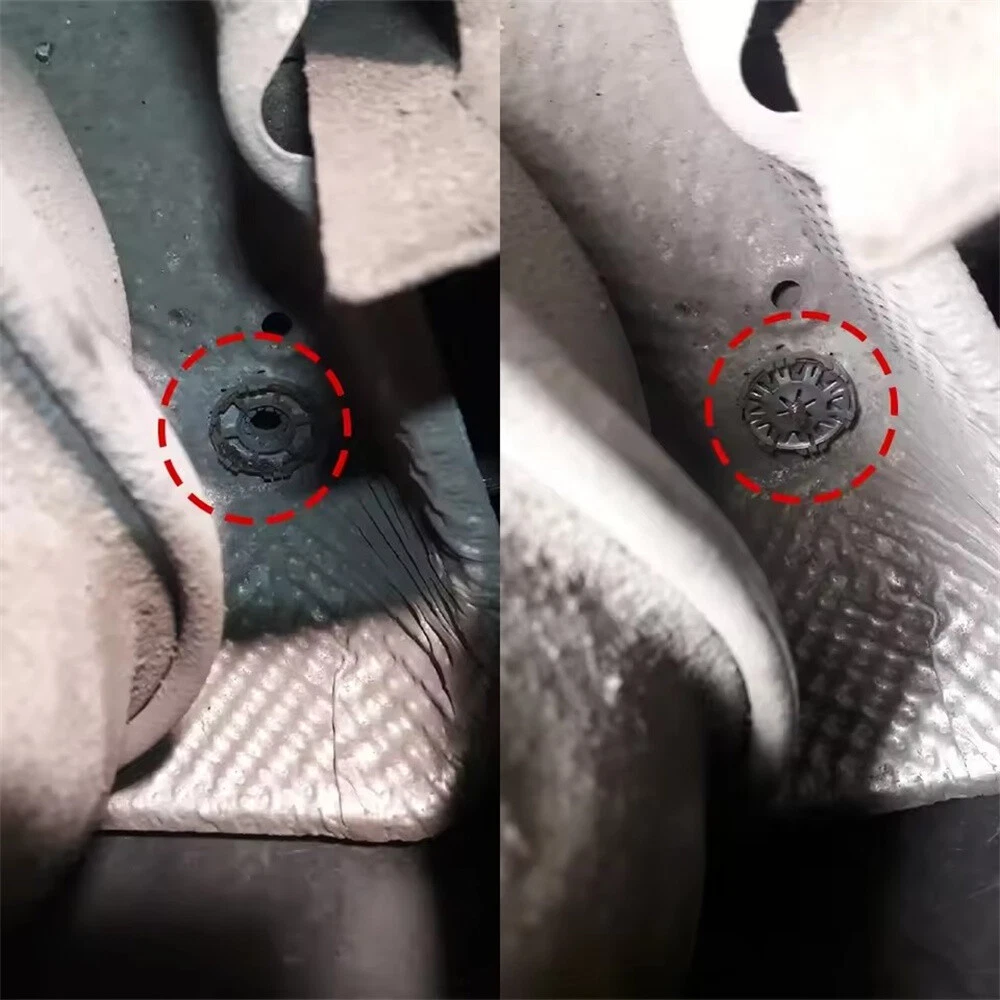
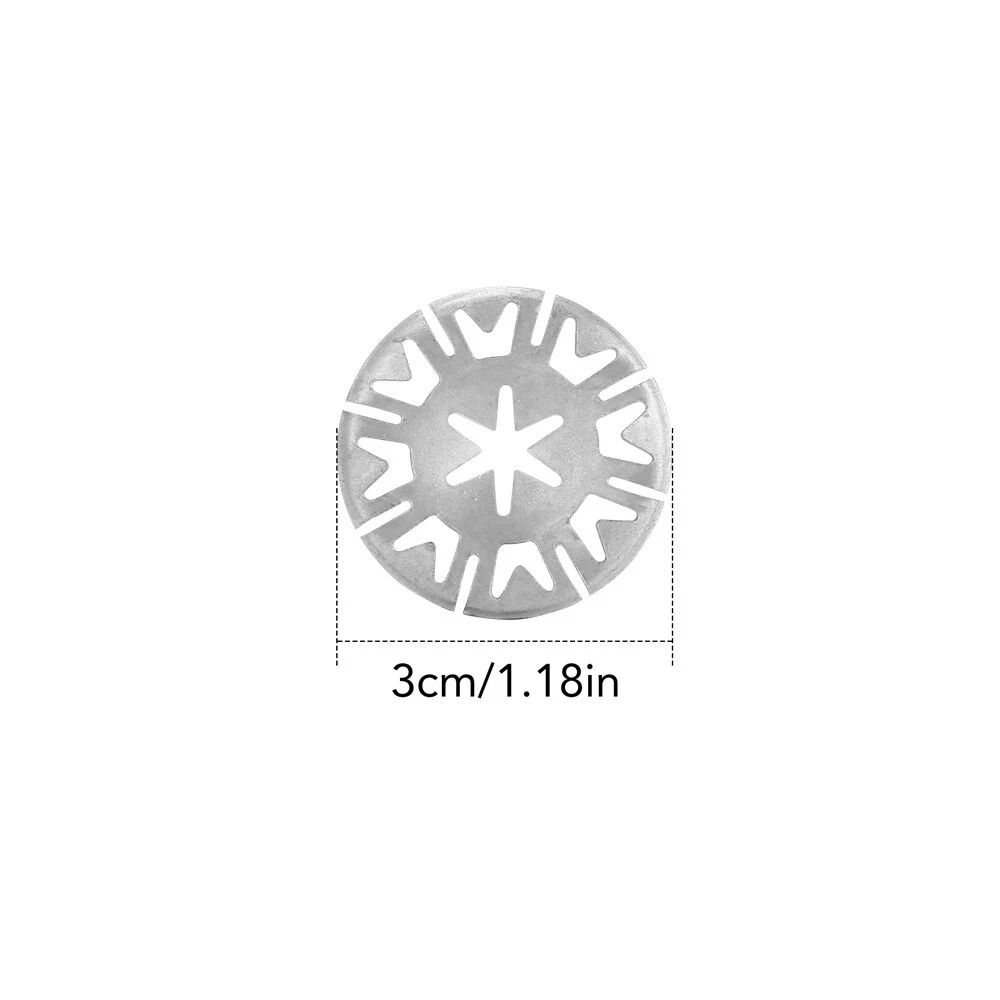
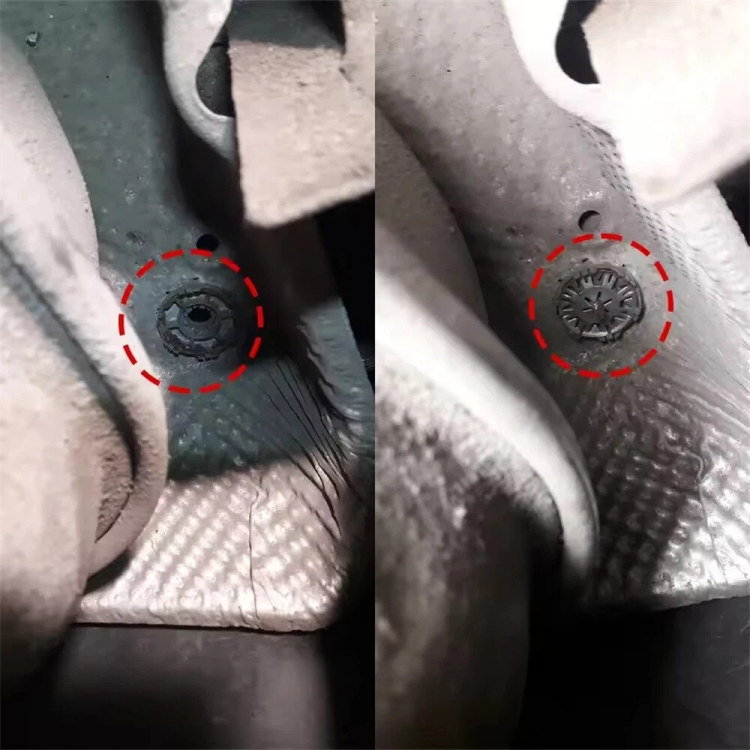
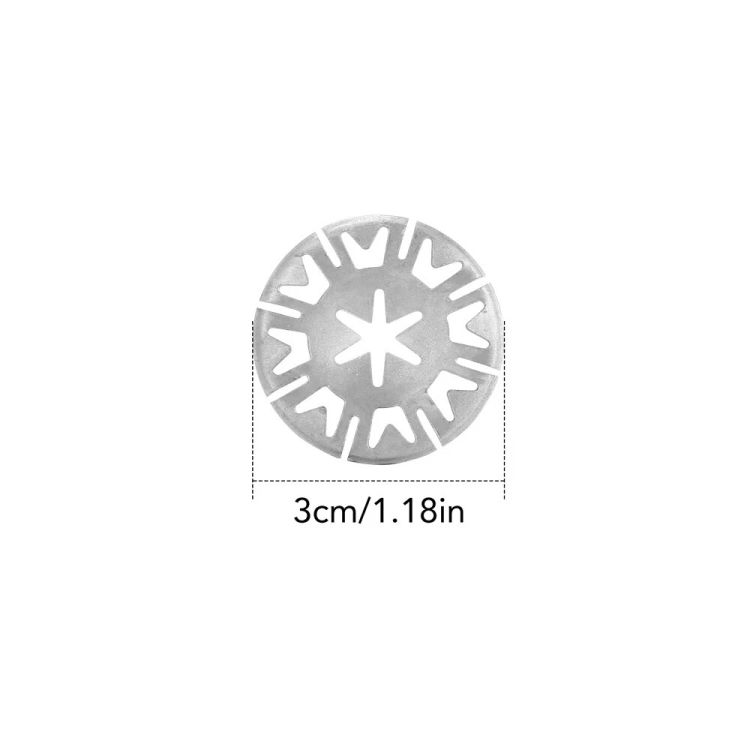
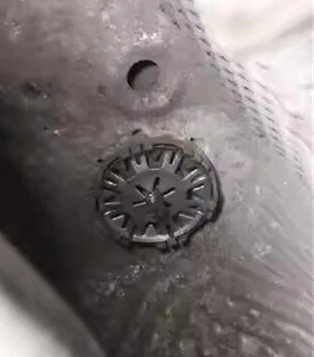
If anyone's in the same situation, I can pass on some news. The parts are a 2-part plastic cage which sandwiches the aluminium heat shield, and then a spring steel washer that fits up against one half of the plastic cage and screws on to the stud welded to the bodyshell. You can buy the spring steel washer (which is the bit that rusts and falls apart - the plastic cage is fine), if you order VW part Number: N90796501. Loads on eBay. Just press the new spring steel washer into the plastic cage and screw it back on to the stud.
-
Yes, that's abut what ours gets through. These engines do seem to like a bit of oil!
-
Hi All. 2017 diesel 150 4x4. I have a loose heat shield. It is secured by large, circular, spring steel washer-type affairs encased in a plastic housing. Would anyone have a part number for those, please? I can find plenty of the spring steel washers, but can't find the plastic surrounds?
-
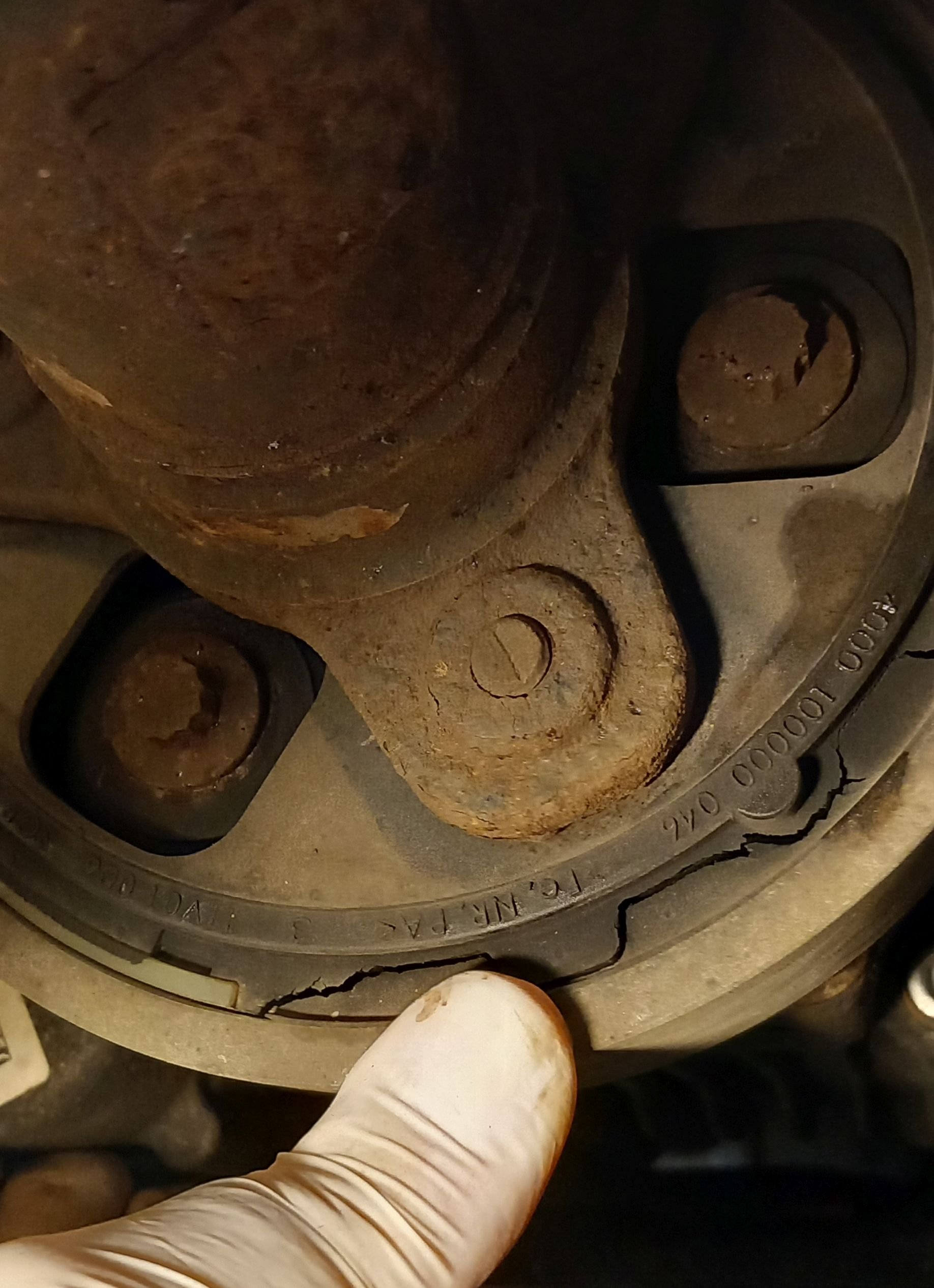
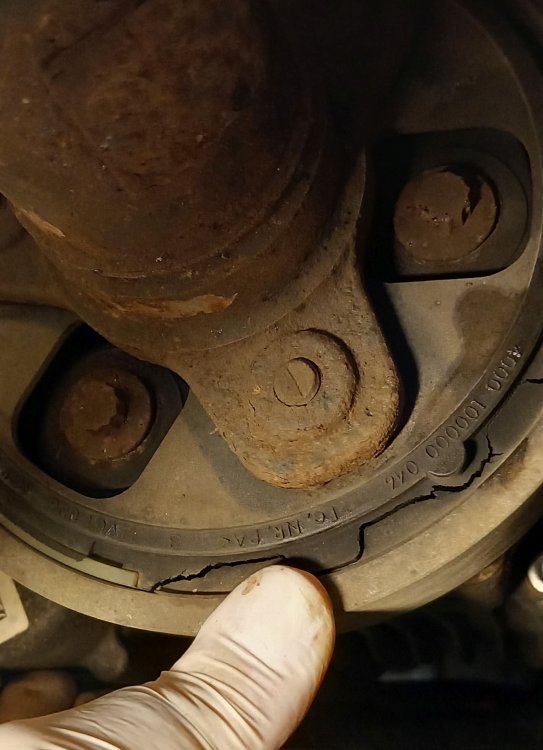
Thanks for the prompt reply! No, we haven't noticed any noise yet. It was just something that I thought "didn't look right". Maybe I'll leave it a bit longer. Must admit, the photo doesn't show a nice new propshaft with it! https://www.skoda-parts.com/spare-part/5q0521307-flexible-disc-4x4-rear-skoda-22108.html
-
This goes between the back of the propshaft on a 4x4 DSG and the nose of the rear diff. Ours had cracks in it two years ago (2017 car with 60,000 miles) and this time, when I change the rear diff oil, I thought I might as well change the coupling too, as I don't suppose it's fixed itself in the meantime! I was a bit taken aback to find a genuine Skoda one was six-and-a-half-hundred quid though! 😱 Part number seems to be 5Q0 521 307 or 1K0 521 307 or 1K0 521 307 A I can find pattern versions online for as little as £65, with most from brands I've heard of, being about £150. Does anyone have any experience of these and could recommend any particular brand(s), please?
-
Update if anyone else is interested. They were, indeed, "plug-and-play". Just swapped it, got a "KESSY fault" warning as I plugged the new lock in, but it went away again once I'd run the car and hasn't come back. This is a 2017, 2.0 diesel 150 auto 4x4 with keyless entry, if anyone's interested. Part number for the driver's ((right hand drive) door latch assembly, was C6--5TC 837 016 (printed on the door lock), and the one I bought was 5TC 837 016 D.
-
Excellent, thanks! I think I'll risk it...
-
Hi All, The replacement driver's door latch assembly for Mrs. Avocet's Kodiaq arrived today. It's a genuine one. Does anyone know if they're just "plug-and-play" or whether there's something clever that needs doing to "code" the new one to the car, please? (Or anything else that needs to be done like disconnecting the battery for 20 minutes, etc).
-
Start the car up cold and block both pipes with your hands. You should feel a pressure building up. Listen for any hissing or sounds of exhaust gas escaping elsewhere that could indicate you have a hole elsewhere in the exhaust.
-
Yes, we have 3 rows of seats and when the second two rows are folded flat, they're at the same height as the lift-out panel behind Row 3. It's a good system to be honest, but the Row 3 seat gas struts that are supposed to prop the seats slightly up for you to get the spacesaver out, have a habit of losing pressure, which makes it a bit irritating but not impossible.
-
As far as I'm aware, it would work for any of them. Ours is the 4x4, so there would be less space under it than any of the front wheel drive ones.
-
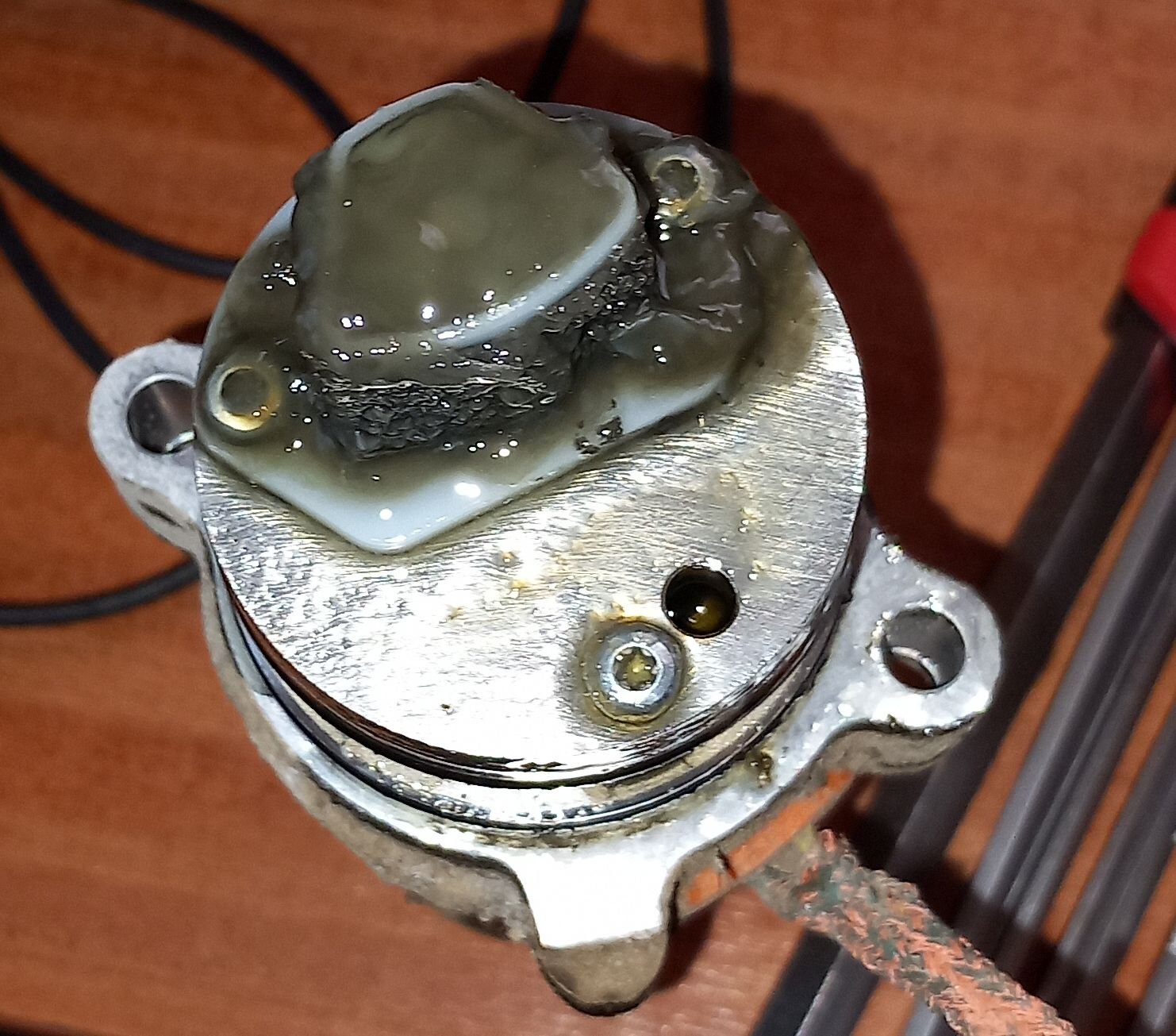
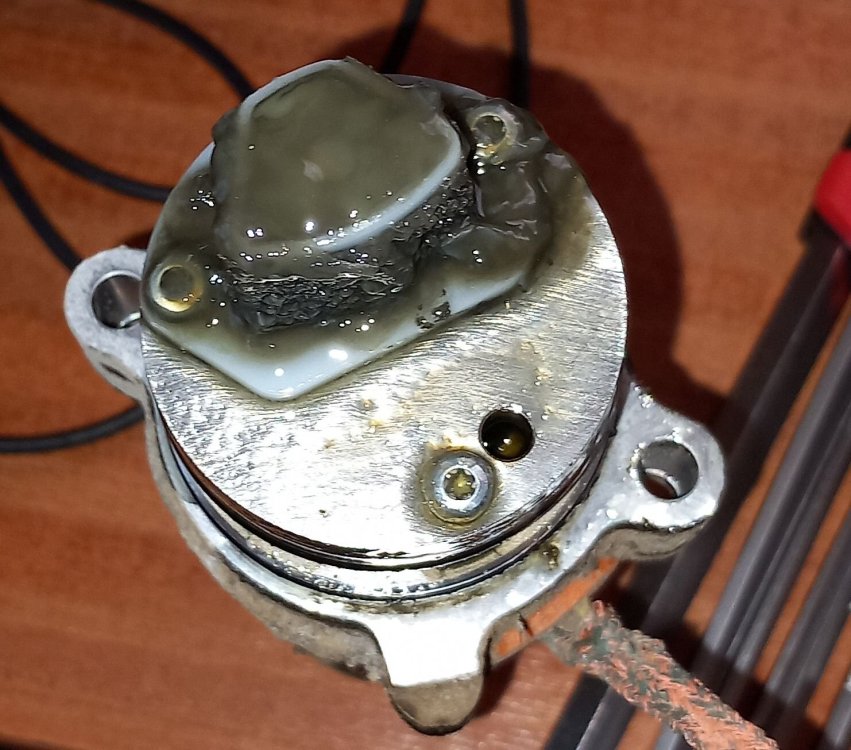
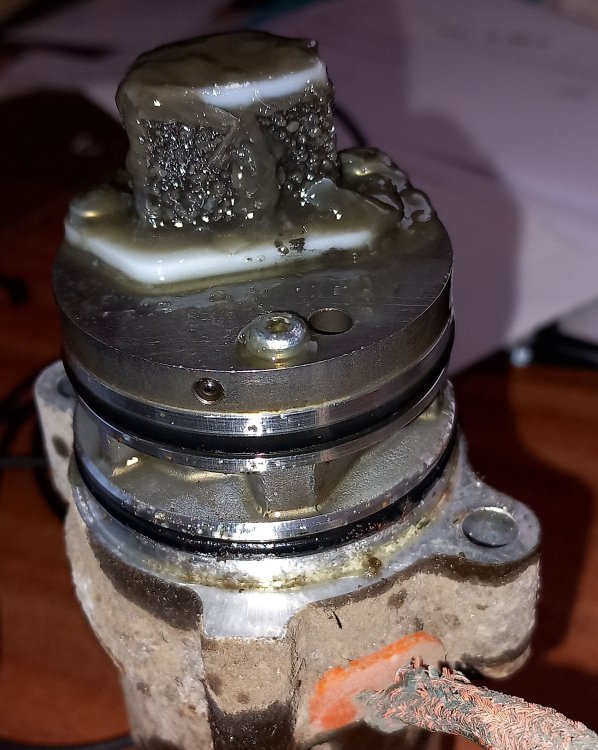
No, the car is a 2017 car. We bought it when it was 3 years old. We asked the dealer to do it in April 2021, as there didn't seem to be any record of it having been done. We then drove around happily in our ignorance, but I started seeing posts on here (and elsewhere), about how dirty they got and how the dealers didn't usually bother cleaning the filter when they changed the Haldex oil, so in August 2023, I decided to do it myself, and that's what I found! So that represents (unless it was done properly by the previous owner), 6 years of crud, but only 44,000 miles. Here's another photo of it. As far as I can tell, the gunge isn't metallic - certainly it's not ferrous. I think it's just bits of friction material from the clutch plates in the coupling?
-
I've had dealings with the AdBlue system on other cars (not the Skoda), and the "sender" in the AdBlue tank only really starts to do anything when you've got about 1200 miles left (2000 km). Any more than that, and the float just sits at the top of its travel. Its only purpose is to count you down to getting locked out from starting the car, rather than working like a fuel gauge. Not sure if that's the same with the Kodiaq - we only ever look at our AdBlue range when it tells us it needs some.
-
Having seen ours at three years when I did it myself for the first time, I decided to do it every other year thereafter. The "filter" is more of a "strainer", really. It's very coarse. Even then, it still gets loads of crud accumulating on it!
-
You'd be very welcome to them, if you send me a message with your e-mail in it? (Probably just as easy to copy the post and paste it into a Word document though)?
-
Fantastic! Thanks ever so much!
-
Hi All, Would anyone be able to give me a paint code for touching-up the silver "Sirius" alloys on our 2017 car please?
-
No, it burns a bit of oil, so even if it had, it would have long ago got through the excess! The difference between 4.7 and 5 litres is only about half a pint - a mug full. 5 litres brought it to about 2mm above the "full" mark on the dipstick. I'm fine with that. It'll not take it long to burn that off!
-
Aye, that was mentioned on the Kodiaq Facebook page, but for whatever reason (and I did leave it draining while I had my tea), I got a bit more in.
-
If anyone's curious, it took a 5 litre can. I've heard 4.7 litres mentioned, but I think it's a tad more. I did let it drain for a long time. 5 litres took it about 2mm above the top of the "full" mark on the dipstick at its highest point.
-
Sorry guys, probably been asked before, but I had a quick look and couldn't find it. Going to do my own oil change this time. Does anyone know what volume I need please, for an oil and filter change on a 2017 2.0 (150) diesel?
-
OK< it's the expensive one... All the others are around 1 Ohm, and this one is over 8. Apparently 6 is the limit. So I'm looking for No. 3 glowplug (the one with the pressure sensor) for a 2017 Kodiaq 2.0 (150) (DSG 4x4 if that makes a difference). Does anyone have any recommendations, please?