Weti
Finding my way
-
Joined
-
Last visited
Everything posted by Weti
-
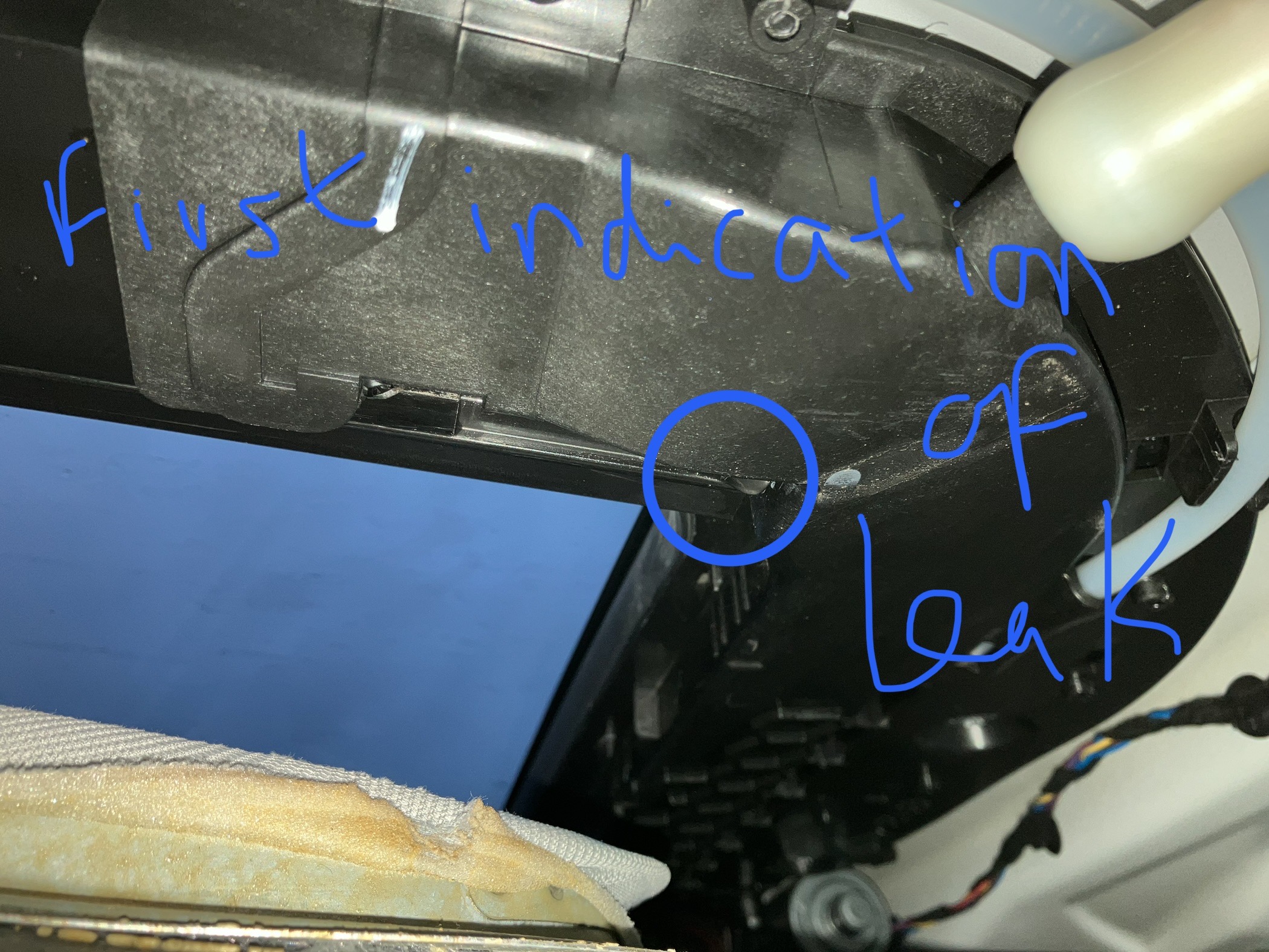
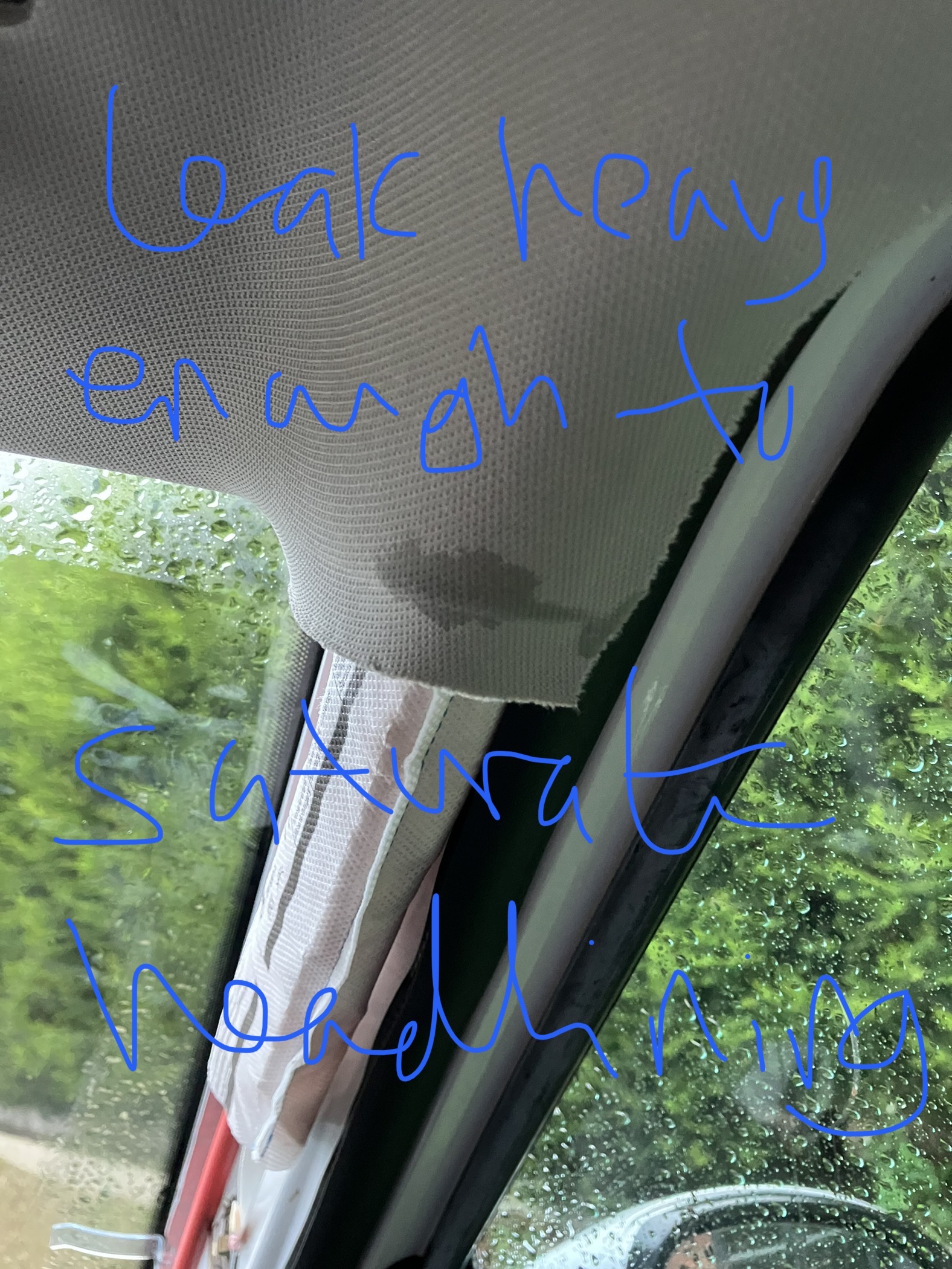
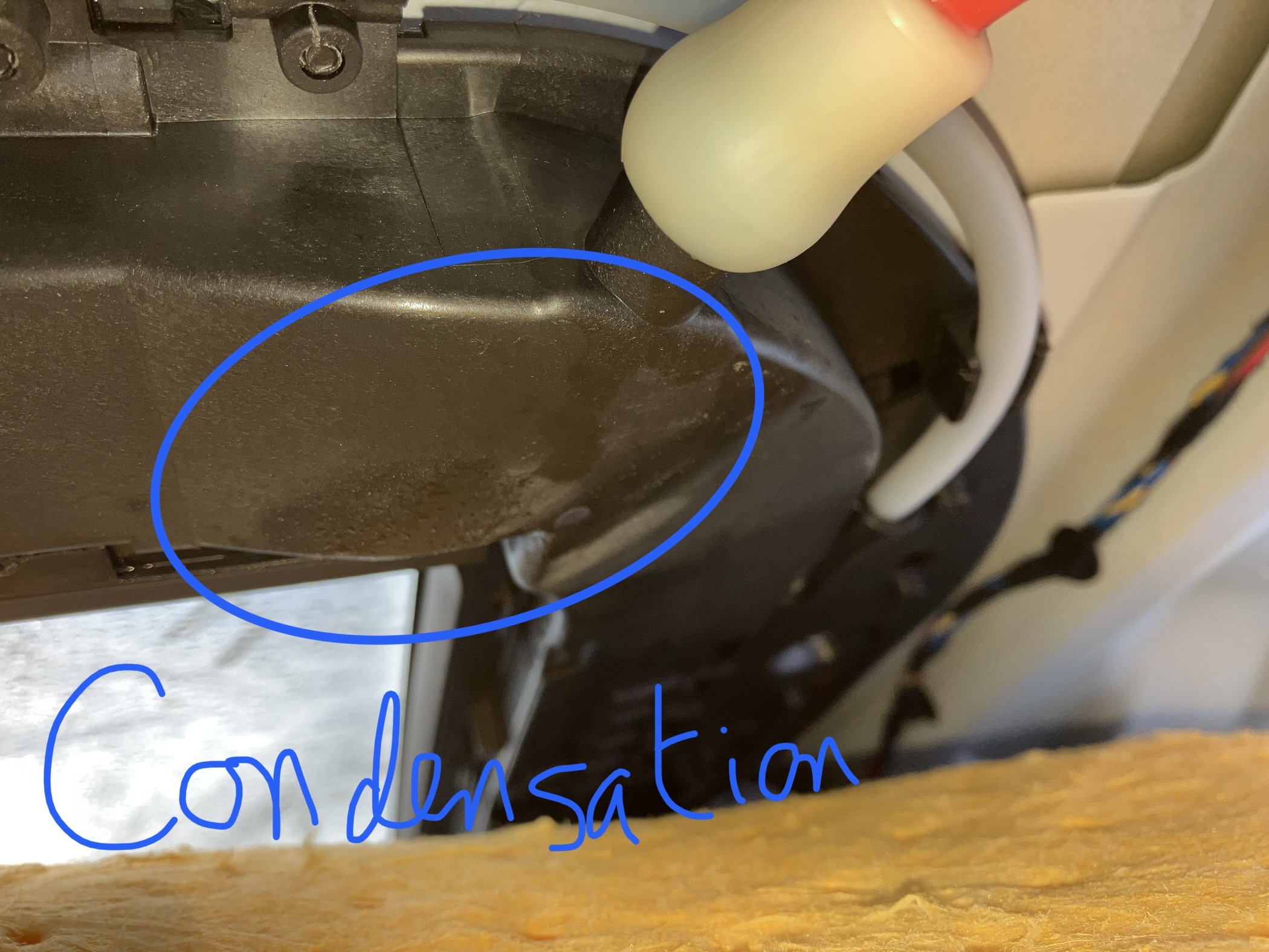
Thanks @pinkpanther. I have had quotes from Mitchell Skoda in Chester who volunteered they’d had a fair few in for repair and no one back to complain following their repairs. I’ve read this thread from start to finish and am amazed that so many people and cars are affected. Top end Audis, lovely Passats and humble Yetis. VAG are a disgrace for continuing to fit these in much more recent cars given there were so many people complaining when this thread commenced 5 years ago. I have started to make comments on Skoda’s social media advertising so prospective buyers can get a feel for how we have been treated and how they might be treated if they have similar issues in years to come. Like others have mentioned, I’m surprised there has not been class action taken against VAG regarding this. Social media is a tool we’re all armed with though so I invite you to search out recent comments on SkodaUK’s Facebook profile and share your dismay and like my and others’ posts who are suffering these leaks. So far they have been as useless as they’ve shown historically. They display public sympathy, inviting you to share your contact details so they can follow up with you by DMs. They simply ignore you. I respond to their messages on their main posts in full public view. On my initial post, I forgot to add: more of the common symptoms for me. I also get the glugging/gurgling sounds with the fan speed which stop when any door or window is even slightly opened. I find this most bizarre and wouldn’t have expected such a good pressure seal from a car given it has ventilation to the outside. The glugging sound is somewhat similar to the sound heard when you test the drains for flow. Although the drains do flow water, I suspect there is some restriction or hold up as a free-flowing pipe should allow water to pass with ease and no sound. Glugging indicates gas is flowing in the opposite direction (like backflow past a U bend) which should not be the case with an open system; (unless the water begins as a slug and transitions to annual flow (this would not be surprising given water’s high surface tension). Where do the rear drains exit too please? Having crawled under the car, I can see they dump the water forward of the rear mudflaps but it’s difficult to see the actual exit location. Even though they’re flowing, I’d like to get a small bottle brush inside them to see if that alleviates the amount that comes inboard. To those who have removed headlinings, what is holding up the sunroof and reading light controls? I’ve only removed the OS sun visor and driver’s grab handle. Do I just need to remove the NS to get better access? How do you remove the centre console up to the gear stick? Mine is a DSG. I’ve seen the removal of manual stick trim which looks easier as the gearstick gaiter is soft fabric opposed to the hard cover of the auto box stick. Anyone had any joy accessing the rear drains? I presume you have to remove the wheel arch liners to see them? I’m not sure I agree with the OP regarding not blowing warm/hot air to dry surfaces. He proposes warm air holds more moisture (true) but warm air will also evaporate moisture off the surfaces you are trying to dry. Think of drying your hair; you don’t warm the room up by hair drying but you do dry your hair. Given the time of year and recent rainfall, I will be trying a hairdryer once I get the headlining out of the way. Re Captain Tolleys, as it is a water based product i.e. the polymer active is suspended in water, it should not matter if the surfaces are not fully dry, as you are mainly introducing more water as you apply the product anyway. It will however mean longer drying times. I guess I have been somewhat fortunate as I found water on Saturday and saw droplets from the cassette overlap on Tuesday. I was never happier to see water leaking into the car 🤣. Until then I was unsure if it was from behind the dash (windscreen etc). I have also seen water in the form of condensation on the aluminium rails which is most likely because the carpet is still very wet but the upper surface is cold. As that condensation collects and pools on the underside, it can also drip so it’s quite important to eliminate what’s lurking in the soundproofing.
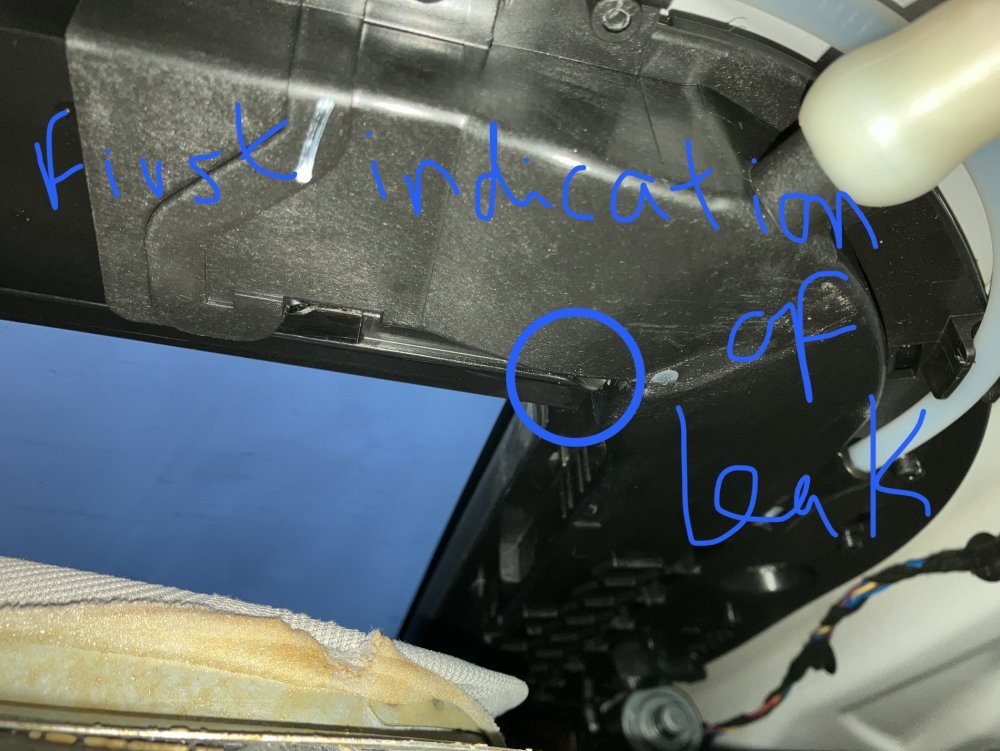
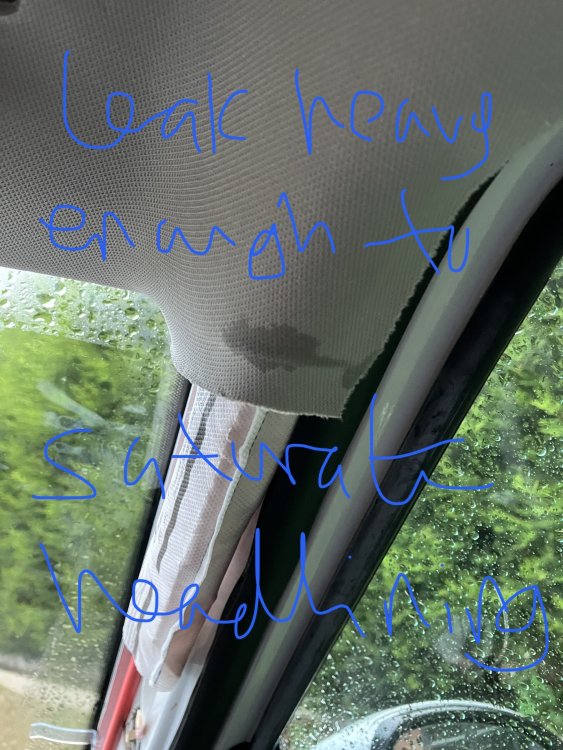
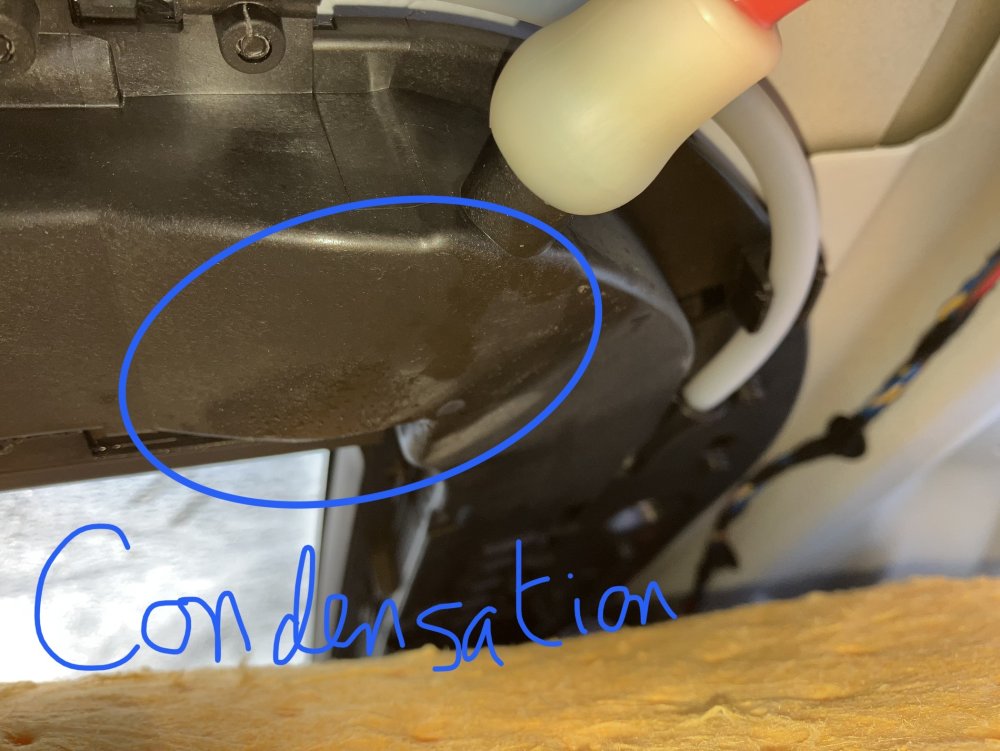
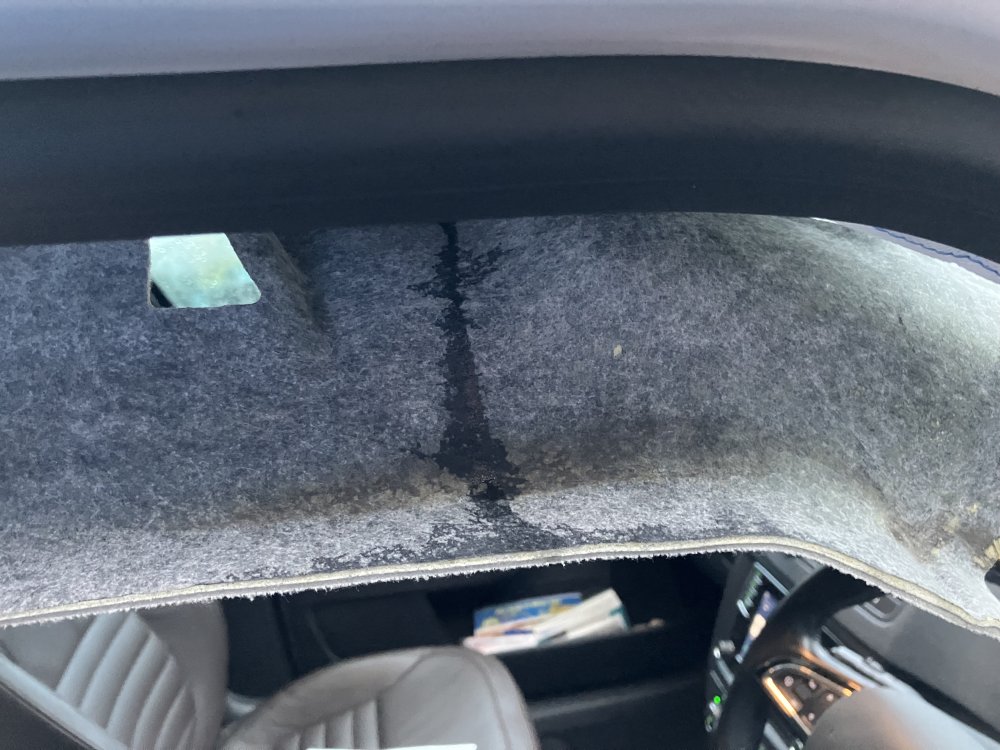
-
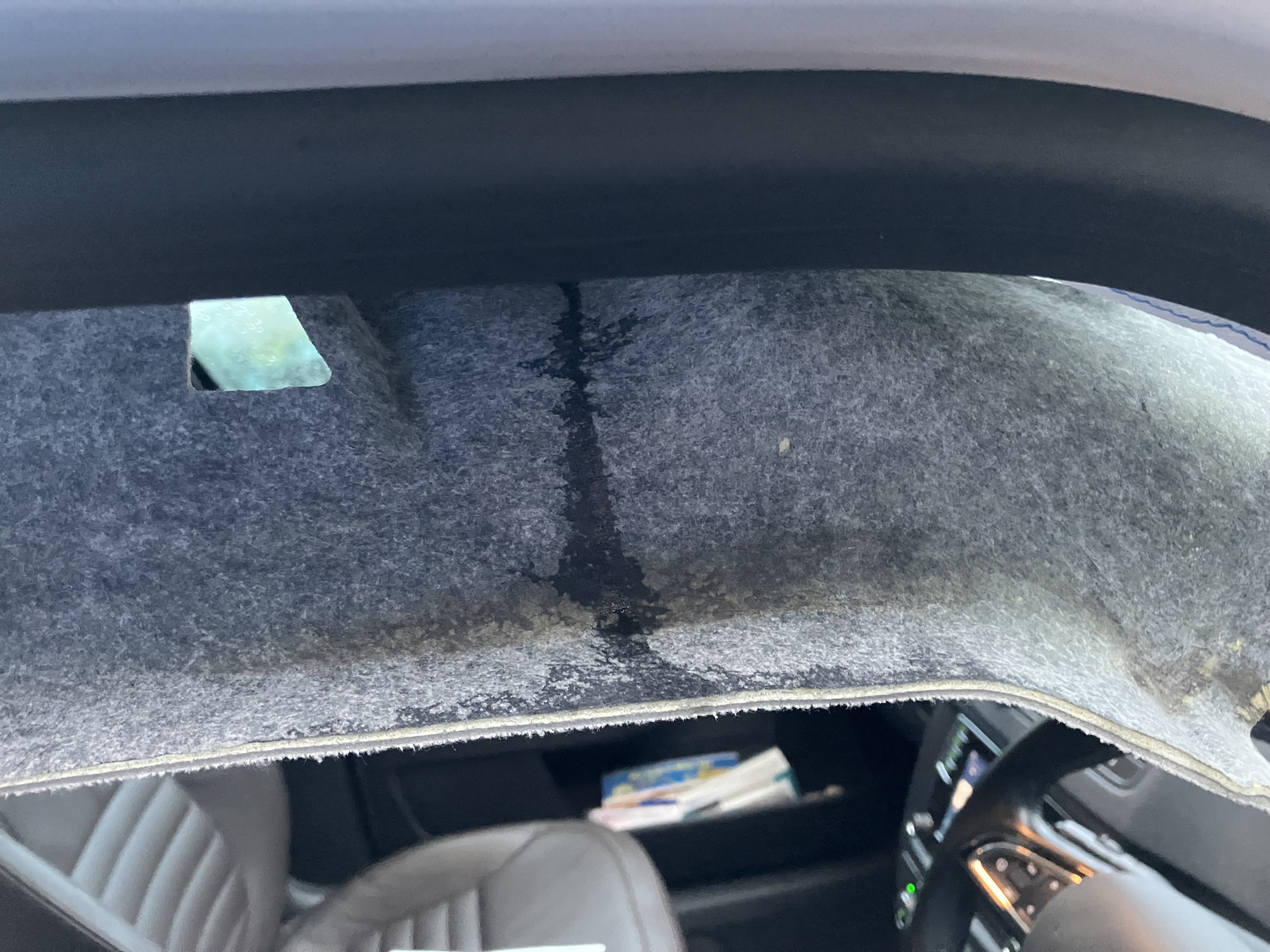
Hello, I’m new to the forum but have tapped in to many other discussions for various reasons. I have owned a pano L&K Yeti for getting on for two years and obviously I have a sunroof leak. Why else would I be here… Like others, I have common symptoms: lots of water in OS F&R footwells, wet around OSF curtain airbag, surface corrosion on fuse box. All drains are flowing water freely when poured directly into them but cannot see any source of free flowing water in the vehicle regardless of sponging endless amounts of water from the insulation. I guess the trickle is slow and constant and signs disappear quickly once the source (rain) stops. My questions to those with experience (apologies if this info exists within this chat but I did spend hours reading this page and other forums over the weekend) - for those who have paid Skoda for new sunroofs, new seals, new drains - have the problems resurfaced? Was it worth the repair? I would feel less bad paying for a repair with the knowledge the issue isn’t just ticking away again. I would now prefer to have a model without a sunroof but have a well-specced low miler and would actually like to keep it. I’m trying to drop the headlining but am struggling with the section with the sunroof controls and reading lights. Do these controls belong to the car or the headlining and if the latter, how do you continue to open/close the sunroof once detached? Any pointers on how to remove the arm rest centre console up to the gear stick? The only fixing points I’ve seen on this are the two screws in the rear ashtray. The former owner appears to have a dog guard fitted in the luggage compartment. The guard is no longer present but the mounts are. Does anyone know how to remove the mount on the headlining above the rear-most side windows as these won’t simply pull away like other fixtures. I’d read in another discussion that removing front seats would trigger a dashboard fault. When I discussed this with main-dealer, they advised there wouldn’t be a fault provided the ignition was not on when the seat was out. When I refitted the seat to drive the car, the check engine warning light remains on. I’m not concerned as I’ve only removed the seat but don’t know why this has illuminated. Is this common following seat removal? The clock and economy data was also erased so it seems the module under the driver’s seat is integral to those systems(?) TIA Weti