Johngerard
Members
-
Joined
-
Last visited
Everything posted by Johngerard
-
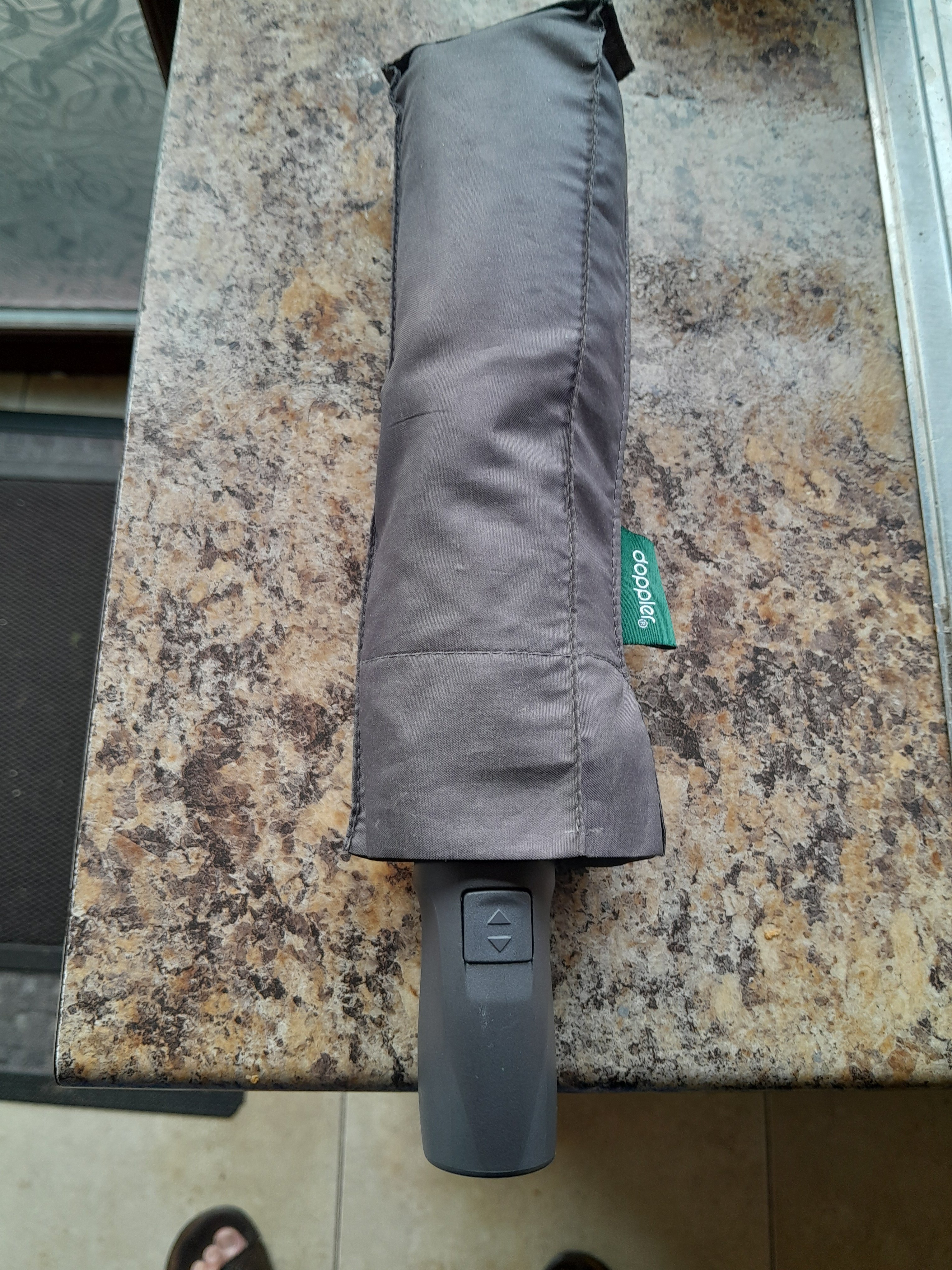
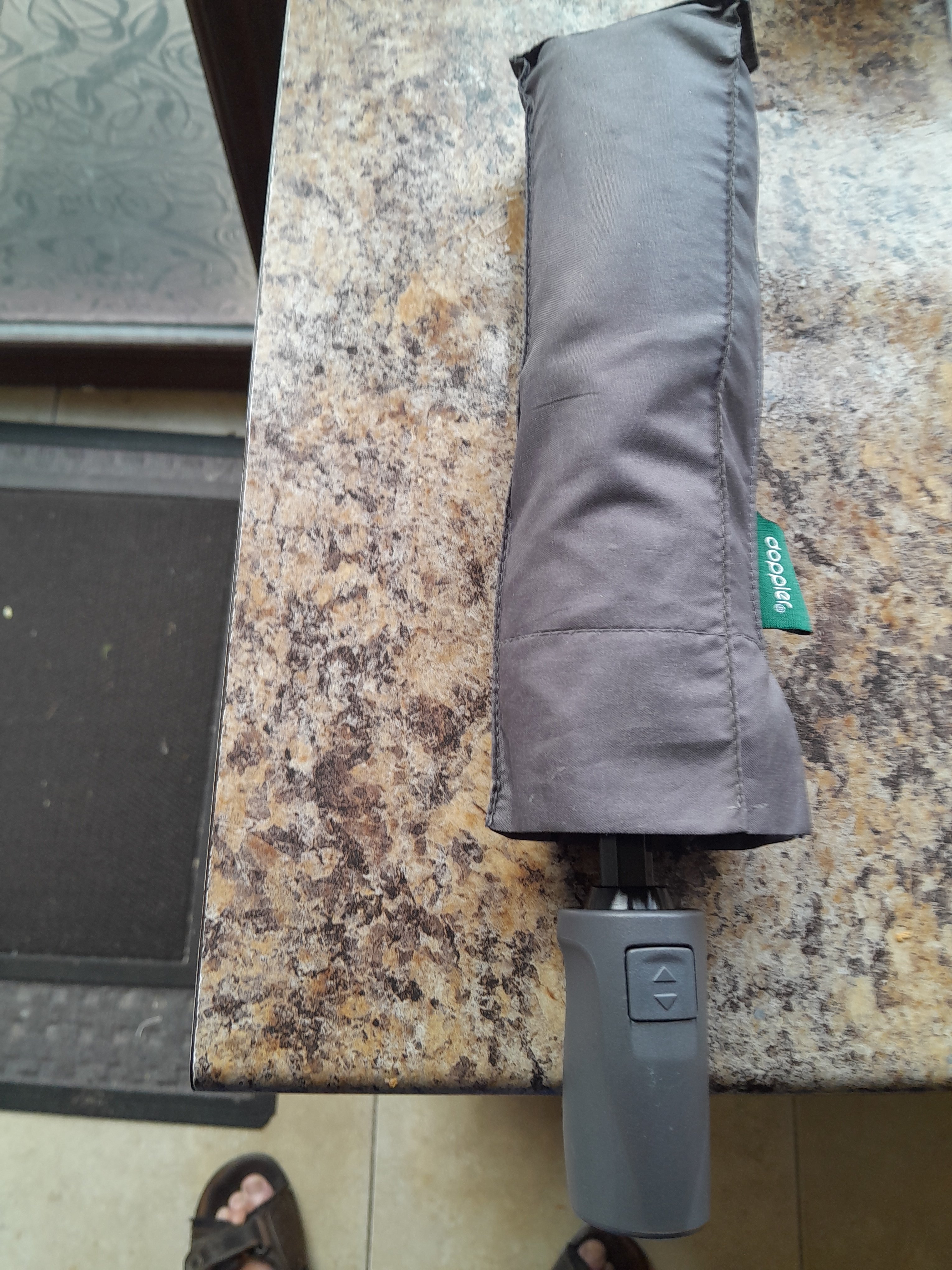
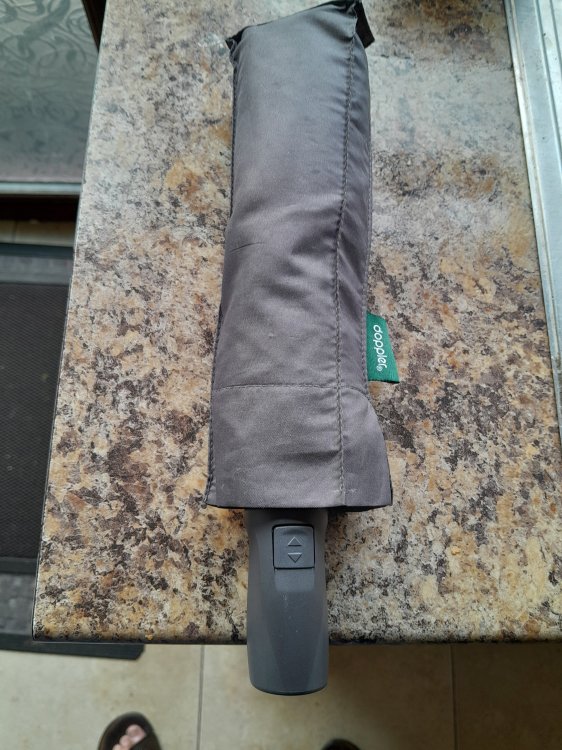
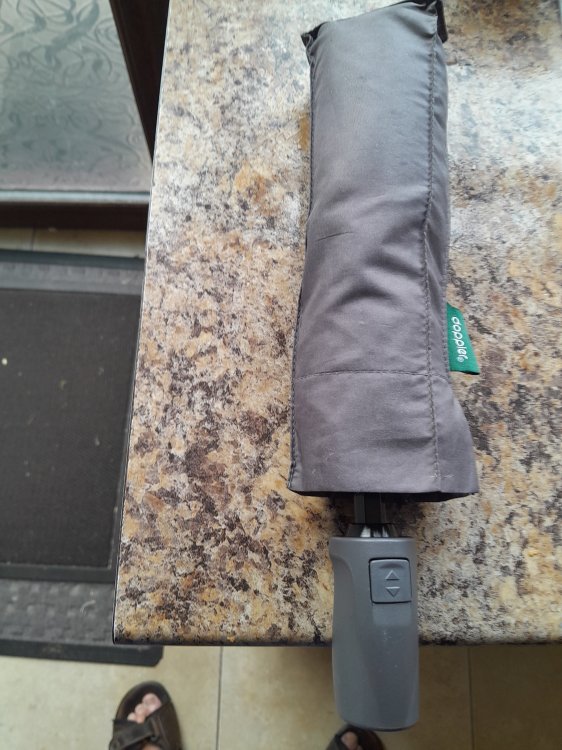
My umbrella might suggest that that could only happen if something broke inside the umbrella, photo1 shows the umbrella closed, photo2 shows it after pressing the release button, it can only extend a few inches as shown with cover on and even if the cover wasnn't on, the umbrella should still, IMO, be contained by the door plastic "tube", with the handle just extended by those few inches. I show a partiall extended umbrella in the next post (no room here) where you can see two cords extending to the umbrella top, maybe one of these gave way??
-
Neigbour with a Fabia Mk4 called me recently, his drivers door and the rear (right) passenger doors were partly open with what looked like a stainless steel rod jamming the two doors in their partly open/closed positions, to make a long story short, it was the door umbrella that apparently had shot out somehow or other and jammed the two doors, he had partially opened the back door to let his dog out I think and had let his own door partially open, or something like that. The car was still under warranty so the dealer sent someone out and he told me they found that the door umbrella had somehow popped out of its recess in the front door and jammed the two doors. Wonder does the 3 year warranty cover the umbrella as well!!. I very recently got a gift of one of those Skoda (doppler) umbrellas which the wife uses, it has a release button on the handle but I can't figure out how the umbrella could open with most of it still inside the door recess even with the button pressed, seems a unusual occurance, havn't seen any reference to this behaviour before anywhere.
-
Thought I'd post here since a lot of Fabia's will have the same engine. Above purchased new in January of this year and from day 1 idles at ~ 1000 RPM even when fully up to temperature. Just now, after a 10 mile trip, VCDS shows a idling speed of 996/1002 RPM, coolant temperature 92C, (Tacho display shows ~ 1100 RPM), all auxiliary electrical loads off including interior blower. A 2019 65BHP TSI Polo in the family idles at ~ 760/780 RPM and only increases to ~ 1000 RPM when the clutch is pressed before moving off. Is this high idling speed normal for a turbocharged TSI or should I get it checked out?
-
I must buck up with the brake luid, never changed it in any car, all new, in 63 years, at least 3 were in the family for over 20 years, had to renew a front brake cylinder in a 1980 Formel E Golf and NCT mandated two front flexible hoses in a 9N Polo, both at around 15 years old.
-
If, like my Polo, one has 3 years free servicing, is the above, or any other due items included in this, FOC?.
-
You can see from the R-1234YF tables that a ambient temp of 15C results in a pressure of 5.1 bar and the pressure is still 3.2 bar at 0C, not sure if those pressures are absolute but even if they are the gauge pressures are still 4.1bar and 2.2bar, included are a few readings from my 2026 Polo (manual A/C) just after switch on this morning. The pressure was ~ 6.2 bar before switching in the A/C. IDE00021 Engine speed 1003 /min IDE00198 Refrigerant pressure 11.0 bar IDE00967 Compressor current: specified value 0.415 A IDE00968 Compressor speed 1200 /min IDE00970 Coolant fan activation: actual value 37.2 % IDE00971 Coolant fan activation: specified value 36.0 % IDE00973 Outside temperature 19.5 °C IDE00974 Outside air temperature internally calculated 18.0 °C IDE00982 Temperature downstream of evaporator 1.8 °C IDE00987 Blower voltage: specified value 13.6 V (Full Speed, 4) IDE00989 Blower status active Refigerant Chart 2026 Polo.pdf
-
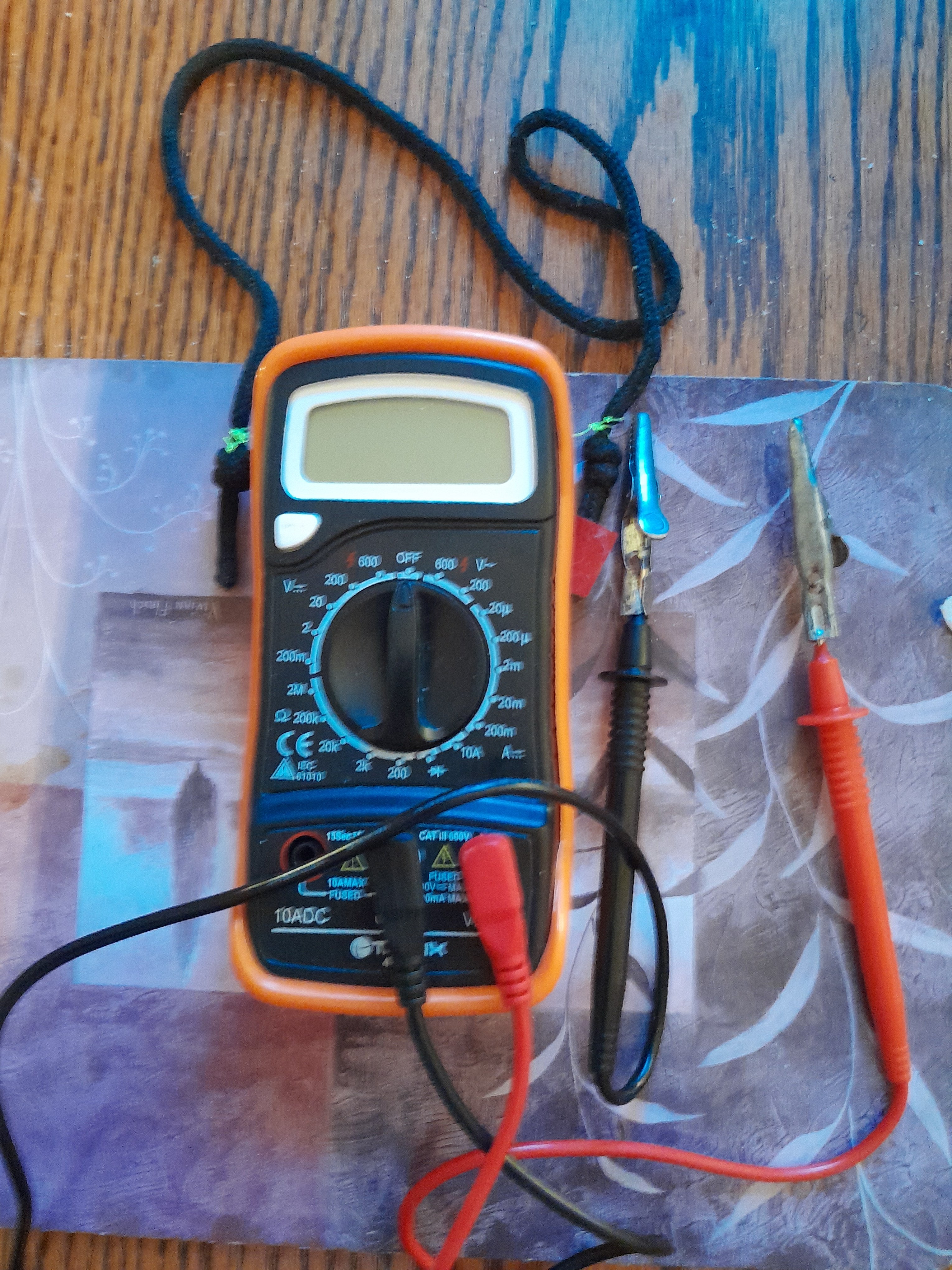
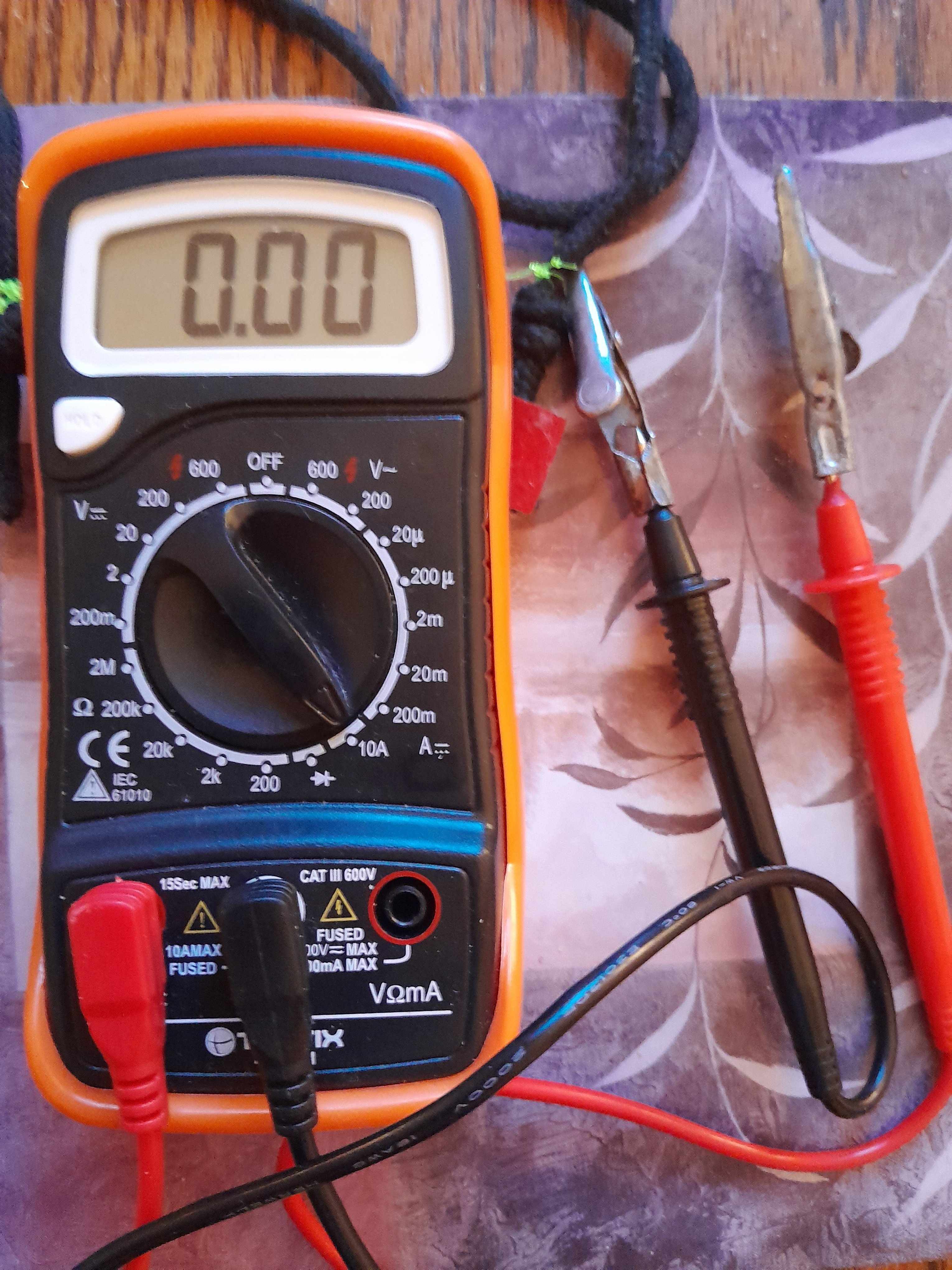
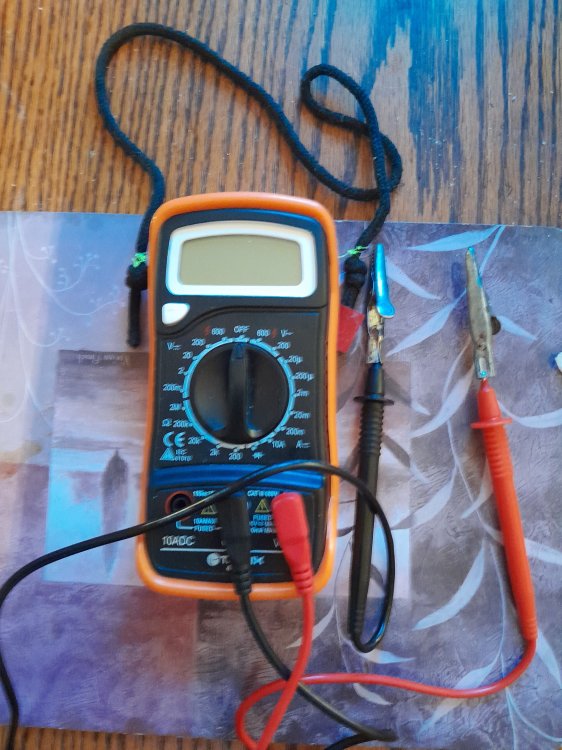
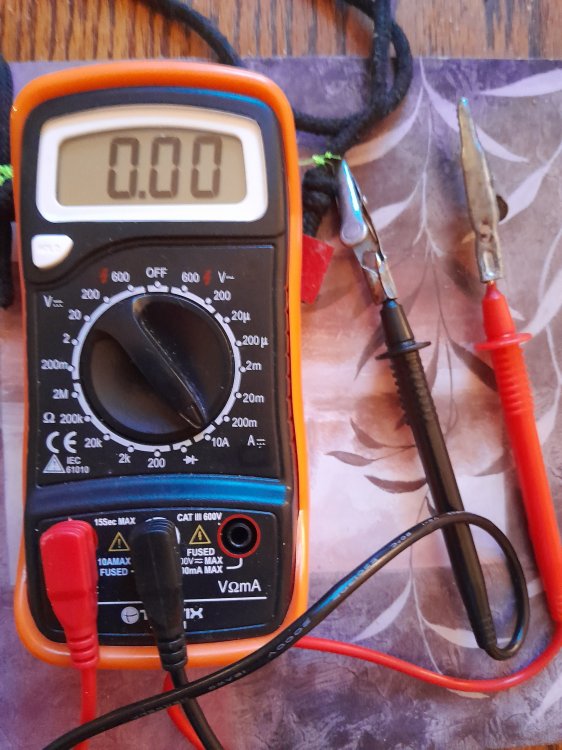
Get your M.Meter, change the positive lead to the 10A port, switch the selector switch to 10A. Disconnect the battery negative lead, clamp the positive M.Meter lead to the battery negative lead and the negative M.Meter lead to the (negative) battery post, you can now read off the battery draw down under various conditions, suggest you do it first with the car unlocked then with the car locked, allow ~ 5/10 minutes for each test, you can then remove various fuses to help track down the problem. Ensure you change the M.Meter lead back to its normal position and the selector switch to Off when finished.
-
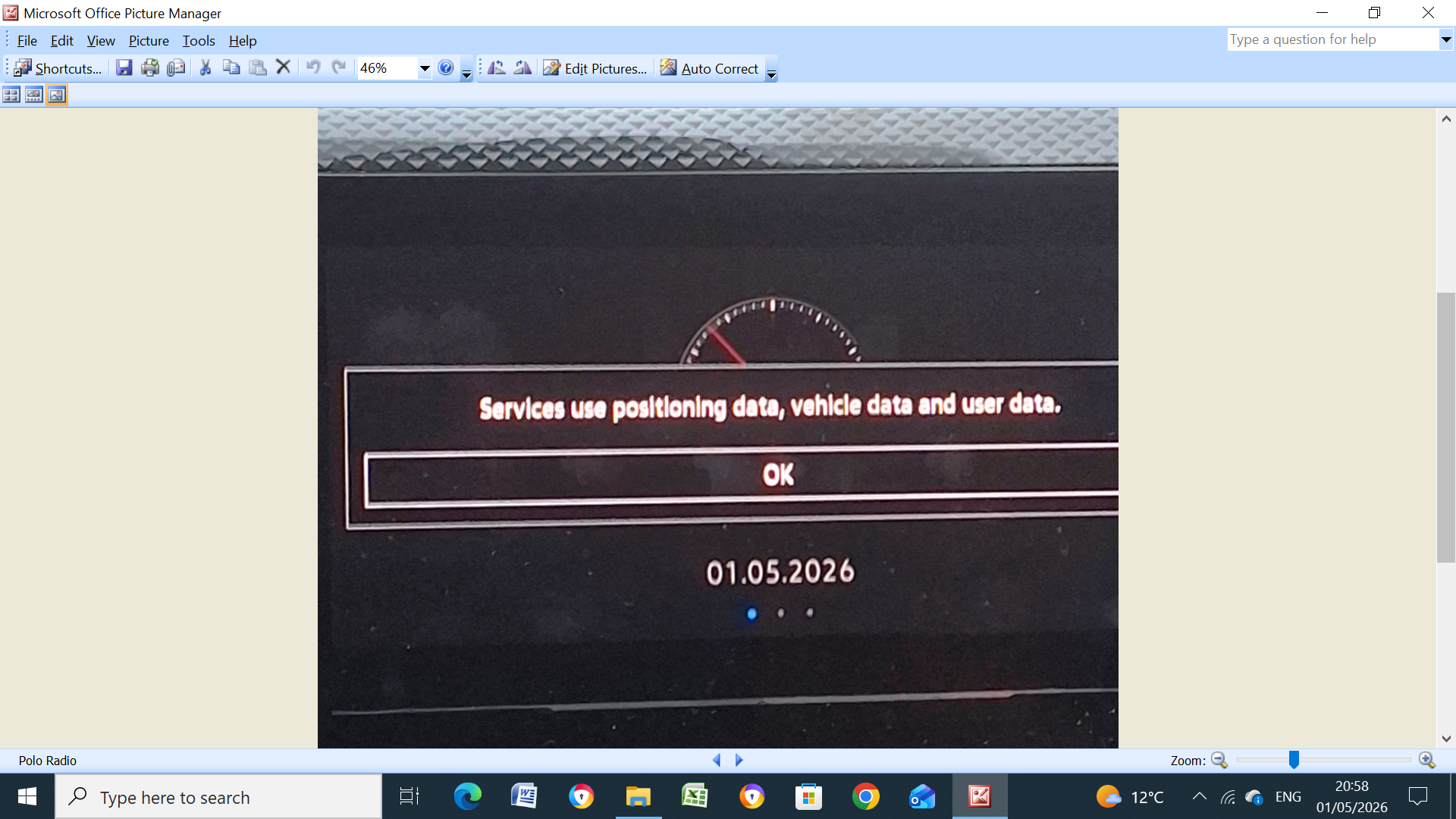
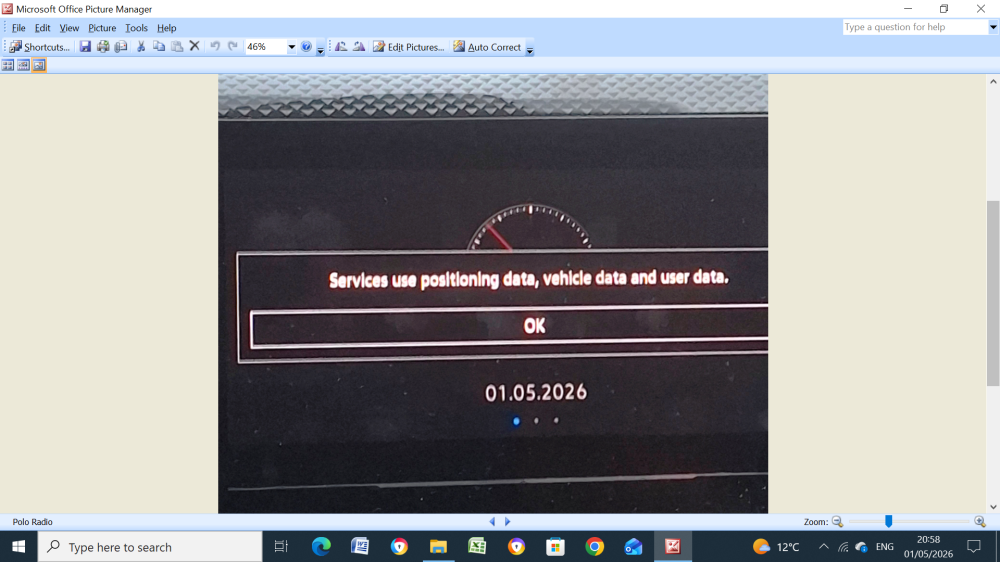
My radio keeps changing over to this display regularly, press OK, then switch radio off, then on again, radio stations reappear, or, press menu then select radio, how do I stop this happening??.
-
My radio keeps changing over to this display regularly, press OK, then switch radio off, then on again, radio stations reappear, or, press menu then select radio, how do I stop this happening??.
-
I can't charge to 100% with my present charger, it trickle charges at 1 to 2A, then when the voltage reaches 14.4V it reduces to a measured 0.17A at a ~ 13.2V which I doubt very much would achievce "100%" SOC even after days on end charging. I'm quite happy now, so far, that once the engine is running then the battery isn't supplying any of the electrical load and that the BMS system will hopefully maintain between 75% ish and 85% SOC depending on trip times etc.
-
There seems to be a bit of a sea change in the charging pattern since I charged to 86% SOC and most certainly since last Saturday when I took the last VCDS scan at 78% SOC, its charging now (all short runs as per normal) more or less continuously at 14.4/14.8V and hasn't fallen below 12.8/13.1V at any time, will keep a eye on the DVD for a few more days before next scan. 19:14:28 26/04/2026 IDE00019 Voltage terminal 30 12.2 V MAS16744-IDE01836 12-volt battery-Battery current -7.064 A MAS16744-IDE01837 12-volt battery-Temperature of battery sensor 34 °C MAS16744-IDE01839 12-volt battery-Battery charge status 78 % MAS16744-IDE01841 12-volt battery-Battery internal resistance 7.2 mOhm MAS16744-IDE01842 12-volt battery-Usable battery charge 31 Ah MAS16744-MAS22232 12-volt battery-Battery aging: charge-related 96 % MAS16744-MAS22233 12-volt battery-Battery aging: performance-related 91 % MAS16745-IDE01843 Quiescent current management-Battery voltage at rest 12.5 V
-
Readings below after 2X8hour charging at 0.81/0.84A, I stopped charging when the charging current fell to 0.17A. One way or the other this BMS is behaving completely different to the 2019 one, it will go right down to zero charging, ~ 12.0/12.2V, for minutes, resulting in the electrical load being entirely supplied by the battery, it will then return to ~ 12.6/13.3V, at least enough to charge the battery at ~ 1.0/2.0A while supplying the electrical load, it does go to 14.8V ish on overrun but not continuously, unlike the other car (still in the family) that has NEVER fallen below 13.4/13.6V under any electrical load conditions and I have never observed the voltage at lower than 14.5V on overrun. VCDS IDE00019 Voltage terminal 30 12.5 V MAS16744-IDE01836 12-volt battery-Battery current -7.206 A MAS16744-IDE01839 12-volt battery-Battery charge status 86 % MAS16744-IDE01841 12-volt battery-Battery internal resistance 7.2 mOhm MAS16744-IDE01842 12-volt battery-Usable battery charge 33 Ah MAS16745-IDE01843 Quiescent current management-Battery voltage at rest 12.6 V MAS16744-MAS22232 12-volt battery-Battery aging: charge-related 92 %
-
All readings apart from VCDS are confirmed by the multimeter, I connected it in series with the charger to get the charging current, charging leads attached correctly, + to the + battery terminal, - to the earthing post.
-
Think I may be in trouble here, charging now very erratic (per DVD), it only occasionally goes to 14.7V on overrun and sits at 12.5V where normally the other car never went below 13.5V. This morning, on leaving the house the voltage stayed at 13.3V on a short 10 min trip but on the way home stayed at a constant 14.7V, before the return 10 min trip I took another set of readings and the SOC is now only 64%, the alternator seems fine as it was charging initially at 28.17A, and after the 10 minutes return, at 14.4A (&14.9V), usable battery charge is now down to 19AH. I am now charging the battery with my 5A charger, it just jumps up to 14.4V when switched on but then charges at a steady 0.81A at 13.5V, its doing this for one hour now so I will monitor the charging amps (via multimeter) regularly over the next number of hours. IDE00019 Voltage terminal 30 14.9 V MAS16744-IDE01836 12-volt battery-Battery current 14.433 A MAS16744-IDE01839 12-volt battery-Battery charge status 64 % MAS16744-IDE01841 12-volt battery-Battery internal resistance 7.4 mOhm MAS16744-IDE01842 12-volt battery-Usable battery charge 19 Ah MAS16745-IDE01843 Quiescent current management-Battery voltage at rest 12.3 V Stop/Start still working perfectly!!
-
Just for interest. New 1.0L 95BHP TSI Polo battery readings just after driving ~ 10kms after delivery, "mileage" 18kms. Car behaving exactly like the 2019 one, start/stop enabled/ operates after exactly 0.5kms even after a cold (4C) start yesterday morning. Presume its the same 59AH EFB Battery, when I enterd Adaption mode, a message to the effect, "entering advanced diagnostics,open car hood", I didn't, in case it migh be logged that I was in adaption mode and might invalidate warrenty if battery packed up within 3 years and might be used as a dealer's excuse for not honouring it, even if unlikely. It draws a fair bit more current than the 2019 one with ignition on, 7.2A vs ~ 4.8A, usable (new) battery charge is 30A, hopefully will at least rise to ~ 35AH when SOC rises to 85%, its presently charging at full charging voltage of 14.6/14.8V under all driving conditions. New Polo MAS16744-IDE01836 12-volt battery-Battery current -7.159 A MAS16744-IDE01839 12-volt battery-Battery charge status 77 % MAS16744-IDE01841 12-volt battery-Battery internal resistance 6.8 mOhm MAS16744-IDE01842 12-volt battery-Usable battery charge 30 Ah MAS16744-IDE01948 12-volt battery-Battery internal resistance not normed 6.4 mOhm MAS16745-IDE01843 Quiescent current management-Battery voltage at rest 12.5 V 2019 Polo readings first taken when car was 2.7 years old IDE01839 Battery charge level 85 % IDE01841 Battery internal resistance 6.6 mOhm IDE01842 Usable battery charge 38 Ah
-
Do you know if that car has "smart" alternator charging vs constant 14.4V ish charging? has it stop/start?.
-
Yes, mine always charges at 14.5 or even higher on overrun, it will/can then drop to 13.5ish but I've never seen as low as 12.8V on the DVM, I've noticed of late though that if the ambient falls to say 5.5/5.0C, that it will charge continuously at ~ 14.5V but once the ambient rises to 6C, will return to its normal charging pattern.
-
Whatever about the effect on battery longevity high power loads like say 300A cranking on starting, has, the energy demand is very low per start, a 3 sec crank at 300A only requires 0.25AH, even multiple starts on short runs should easily be made up, IMO, by the Alternator.
-
It will be interesting to see how long my 53AH, EFB, +7 year old battery lasts, battery SOC always between 72% to 83% ish vis all my other 100% charged ones, (at a constant 14.2/14.4V), where I never had a failure and used to renew them purely precautionary after 9/11 years before passing the cars down the line.
-
Battery chemistry has always been a mystery to me, my battery has a apparent internal resistance of 8 mohms, 0.008 ohms ( a new battery might be as low as ~ 2 mohms?) and a standstill voltage of 12.5V, yet when charging at say 13.5V only takes few amps, the net difference in charging volts is 13.5-12.5, 1.0V, at least at the commencement of charging but the current flow simplistically should be a massive, (I=V/R), 1.0/0.008, 125A??, so what prevents this, do the two voltages more or less equalize instantly and the tiny remainder do the chemistry??.
-
While its idling switch on the dipped or main beams, then check battery volts, if OKish switch on heated rear screen and check again, then finally, put fan speed to 2 and check voltage again.
-
If the Alternator "test" is OK, then looks like a failed battery to me but hopefully not.
-
5 miles each way should be more than adequate to keep the battery charged IMO, we have a > 7 year old Polo (stop/start) and average ~ 6/7miles per day, the key is the daily driving, all modern alternators can (for years now) supply all reasonable electrical loads even while idling and still charge the battery, my normal test for years is to have the dipped beams, heated rear screen and fan on position 2, on, and the voltage was/is around 13.6V.
-
When you do get it started, check the battery voltage (engine running) should be ~ 14V, certainly > than say 13.5V while idling.
-
IAN: 383685_2100S./N:278007 It also has Manufactured: 2022/35 above the IAN details. It's a ULGD 5.0 C1