Johngerard
Members
-
Joined
-
Last visited
Everything posted by Johngerard
-
I presume you mean the car overheated because the stat stuck shut (not open). You don't say what year your car is but my 2019 Polo (manual, non DSG Gearox) has two thermostats to promote quick warm up. The VAG cars coolant temperature for many years now (at least 25) will read a steady 90C once the coolant temp reaches 75C and will not read higher unil/if the actual coolant temp exceeds something like 107C, you can see my coolant indicates 90C when the actual temperature reaches 75C. I very much doubt if that new stat would develop a fault so soon. Edit: If your gauge showed 74C then the actual coolant temp was probably more like 66C. VW Polo Petrol Jan 2019 Coolant Temp VCDS/Car 52 /52 53/55 56/58 58/62 60/65 63/69 64/72 66/74 68/78 69/82 71/84 73/86 74/88 75/89 75/90
-
The only thing that inhibits my Stop/Start is if the outside temperature falls to -2C or -2.5C, can't remember which, also, despite the VW manual stating that the engine temperature must be adequate or words to that effect, once you drive the car exactly 0.5kms and the OT is > -2/2.5C then the Stop/Start is enabled, period. My Polo& Battery are exactly 7 years old, I have seen the Stop/Start operate with a (VCDS) battery 73% SOC, it doesn't bother me in the slightest as I only use the Stop/Start selectively, my wife never, she just inhibits it after starting the car and just before putting the car in gear.
-
If you are not installing a DVM (digital volt meter) then you can carry out a fairly basic alternator test by monitoring the battery voltage while someone else starts the car, irrespective of the battery SOC, (at least on my Polo), the voltage will rise to 14.8V (ish) but only for less than a minute, and then fall back to ~ 13.5V, presumably to replace the tiny 0.3AH or so used in cranking the engine. Under normal driving conditions, even with the battery fully charged to its 85% SOC, the voltage allways rises to 14.6/14.9 on overrun and then returns to its normal 13.5V, a DVM or multimeter with the appropriate plug is required to monitor this.
-
That should prime the system, if so, then if you switch off and try it again say 5 minutes later and probably far longer then you shouldn't hear it priming again?.
-
Maybe something as basic/daft as the fuel pump, this won't show up as a fault on the diagnostics but you can check its resistance with a multimeter with the plug removed, you could also check that there is 12V at the plug top, you should get 12v for ~ 5 secs I think, you then lose this because the car hasn't started.
-
There is, IMO, frankly, quite a lot of crap spoken about stop/start draining the battery, a 3 sec crank at 300A will deplete a battery by ~ 0.25AH, far better IMO to switch off the dipped beams, automatically, if on, when the engine is stopped by the Stop/Start, just use the Stop/Start like I do, as I see fit, and don't give it a second thought. The charging to 85% SOC with variable voltages is universal now.
-
Does the system actually use pressure sensors on each tyre or is it the ABS derived system? which is far less sensitive at ~ 5/7psi error, it can also be reset wihout correcting the error (useful perhaps to get you to a tyre centre?) but I think the pressure system method cannot.
-
Hi Paul, Where did you source the replacement resistor pack you hope to replace?, I ask because I couldn't source the proper one, (as a spare), from anywhere else except from the main dealer, I will just get one there if/when another one packs up. I'm convinced this problem has something to do with the resistor pack, maybe this thermal fuse which is generally found to be blown. I don't think anything has changed for decades in the fan speed control (for VWs) at any rate as you can see by the figures, below, for a 9N Polo. I was surprised to see that resistors are still being used in this day and age for speed control, I seem to remember that years ago Ford were using PWM (pulse width module) control, wonder if they still are. 2005 Polo 9N Fan Loads. Amps. speed 1 5.5 speed2 8.1 speed 3 12.0 speed 4 18.0 John
-
Fan Test just now. Fan Setting/Battery Volts/Amps/Fan Power Amps 0 12.12 - 6.9 0.0 1 12.03 -10.89 3.99 2 11.99 -13.26 6.36 3 11.92 -17.38 10.48 4 11.82 -24.55 17.65 Quite similar to the above and very close to the readings I got a few years ago on a now 21 year old Polo, still in the family, original resistor pack. Of course, the fan power with the engine running will be higher as the battery voltage will be in the range 13.3/14.9V.
-
On my Polo you can put your fingers in (ensure ignition switched off) with the resistor pack removed and spin the fan with your fingers. I will check those fan readings again shortly. Of course, one might ask, why has mine not tripped for years now and it tripped twice early on, the second time, within 9 months of the first, the fan characteristics have scarcely changed?.
-
I had two resistor packs fail (car under warranty) on a Jan 2019 Polo First failure: 19/1/2021 (after almost exactly 2 years on a car that only does 5,500 kms/year) Second Failure: 14/10/2021 (9 months later). I thought I had a third failure (will check again later) outside of warranty but can't find any record of it, so maybe not, so maybe 4 years now since last failure, personally I think its a fault with the resistor pack, in over 60 years of driving with at least 4 cars in the family for well over 20 years, I never once experienced "fan failure", the fan only running on speed 4 when the pack fails is a requirement for all makes of car I think, safety concern, but at least you can keep the windscreen clear. I would like to know the fan power readings when "They compared the current draw through resistor pack with two other cars and found higher reading on our car." "Relay J59 was replaced as was deemed at fault", yet a failure again 1 month later. (mag571). I took the readings off mine with VCDS after the first failure pack replacement and again after the second failure pack replacement and they were almost exactly the same, the readings, below, are corrected by subtracting 4.5A from the VCDS ones as the current draw with nothing on except the DRLs etc is 4.5A. Speed 1: 4.1A Speed 2: 6.4A Speed 3: 11.0A Speed 4: 17.2A
-
Yes, IMO, definitely. If you publish your general area, someone might have VCDS and do it for you. A independen garage might do it for ~ £30? but still worth it, again, IMO.
-
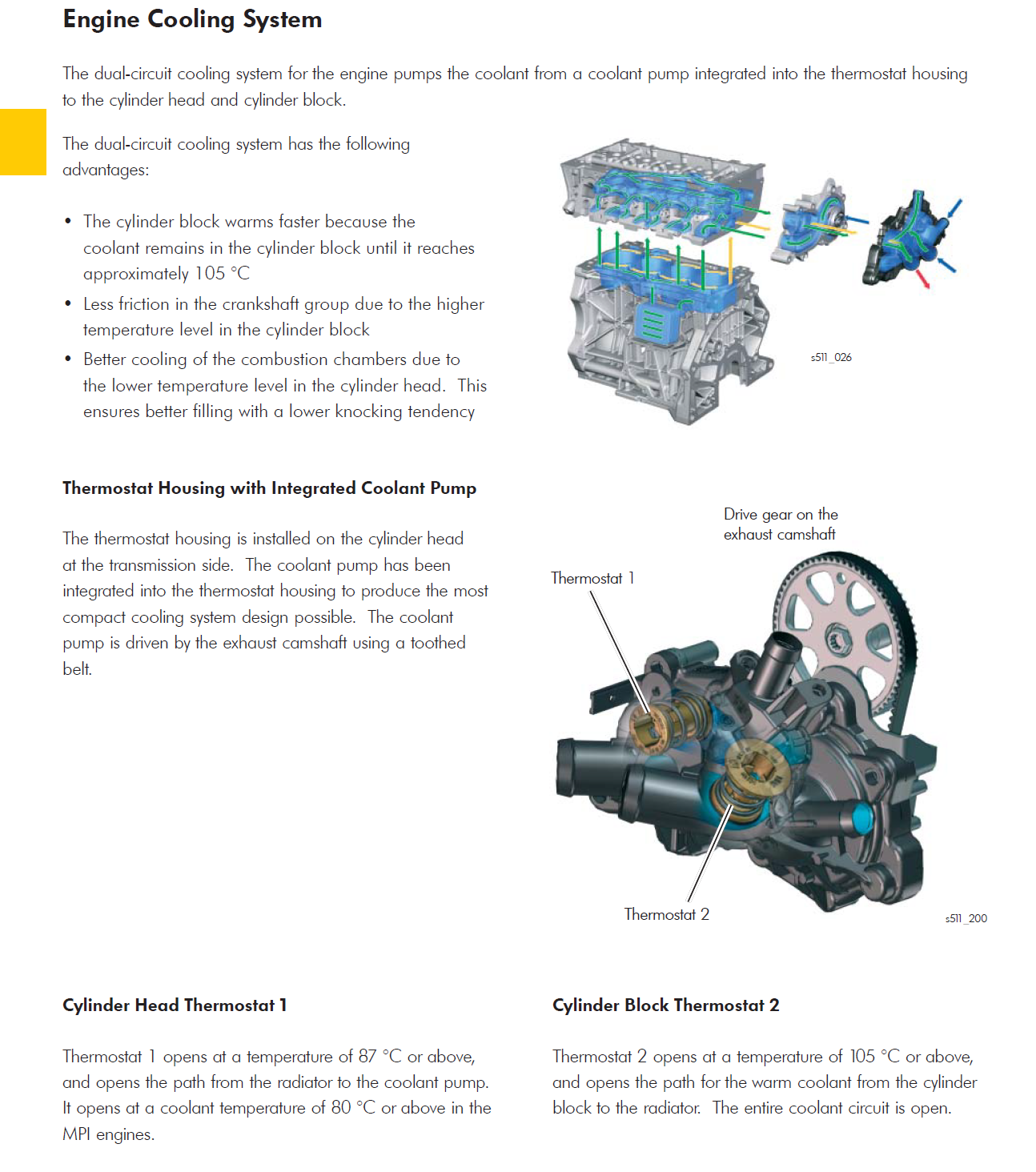
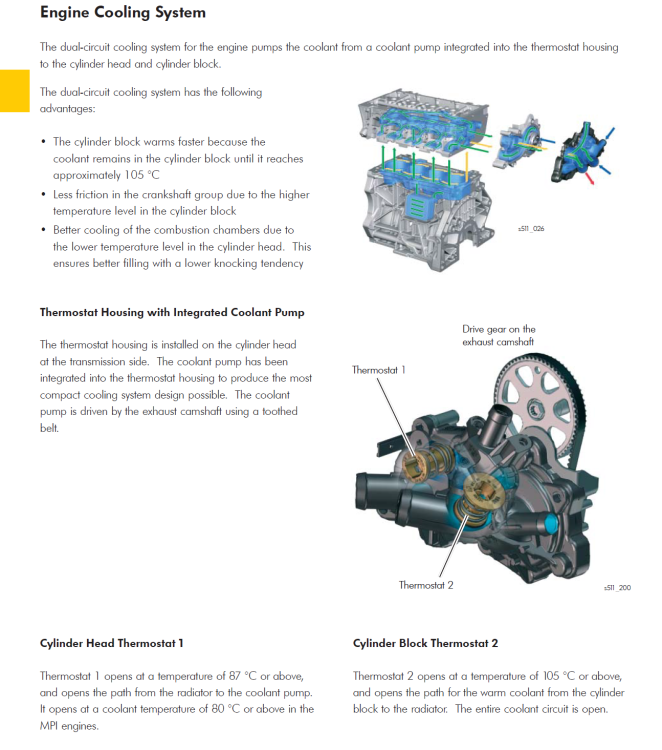
Wonder how does that belt driven pump get weak, maybe plastic impeller breaking up although I thought they had cured that problem years ago. Vag engines for years now I think incorporate two thermostats to promote quick warm up like shown below, don't know what the symphtoms are when either one fails as they open at different temperatures.
-
Is that a electric pump and not the main belt driven coolant pump?
-
My nearly 7 year old original (Polo) 59AH EFB battery on a VCDS scan last month shows a battery at rest voltage of 12.4V which is nominally 70% SOC, it shows a usable battery charge of 23AH which might indicate that the 100% SOC or maybe state of health? is now, 23/0.7, 32.9AH or the battery capacity is now, 32.9/59, only 55.8% of its original 59AH capacity. The stop/start (used selectively) has never failed to operate even down to 65/68% SOC and the BMS does return the battery to its normal indicated max of 85% SOC but it can take days, you can see that even with a alternator charging voltage of 14.6V that the charging current is still only 3A and goes as low as 1.5/2A when the charging voltage falls to 13.3/13.6V while driving normally, it never maintains a high charging voltage continuously up to 85% SOC. IDE01829 Generator exciter current 2.125 A IDE01834 Battery voltage 14.598 V IDE01836 Battery current 3.024 A IDE01837 Temperature of battery sensor 26 °C IDE01839 Battery charge level 70 % IDE01841 Battery internal resistance 7.8 mOhm IDE01842 Usable battery charge 23 Ah IDE01843 Battery voltage at rest 12.4 V
-
I might try that fix as suggested by @MaxvdP on my Polo, every VW I've ever owned had to have the mirror heating switched on in order to work, a pain to remember to switch off, some say the heating elements burn out if left permanently on, I had a Bora driven by myself for 10 years and I used to switch them off regularly but my daughter drove that car for another 12 years with, I would think, the mirror heating permanentl on but the drivers side was definitely demisting on the day I drove the car to the VW dealer to get the scrappage offer.
-
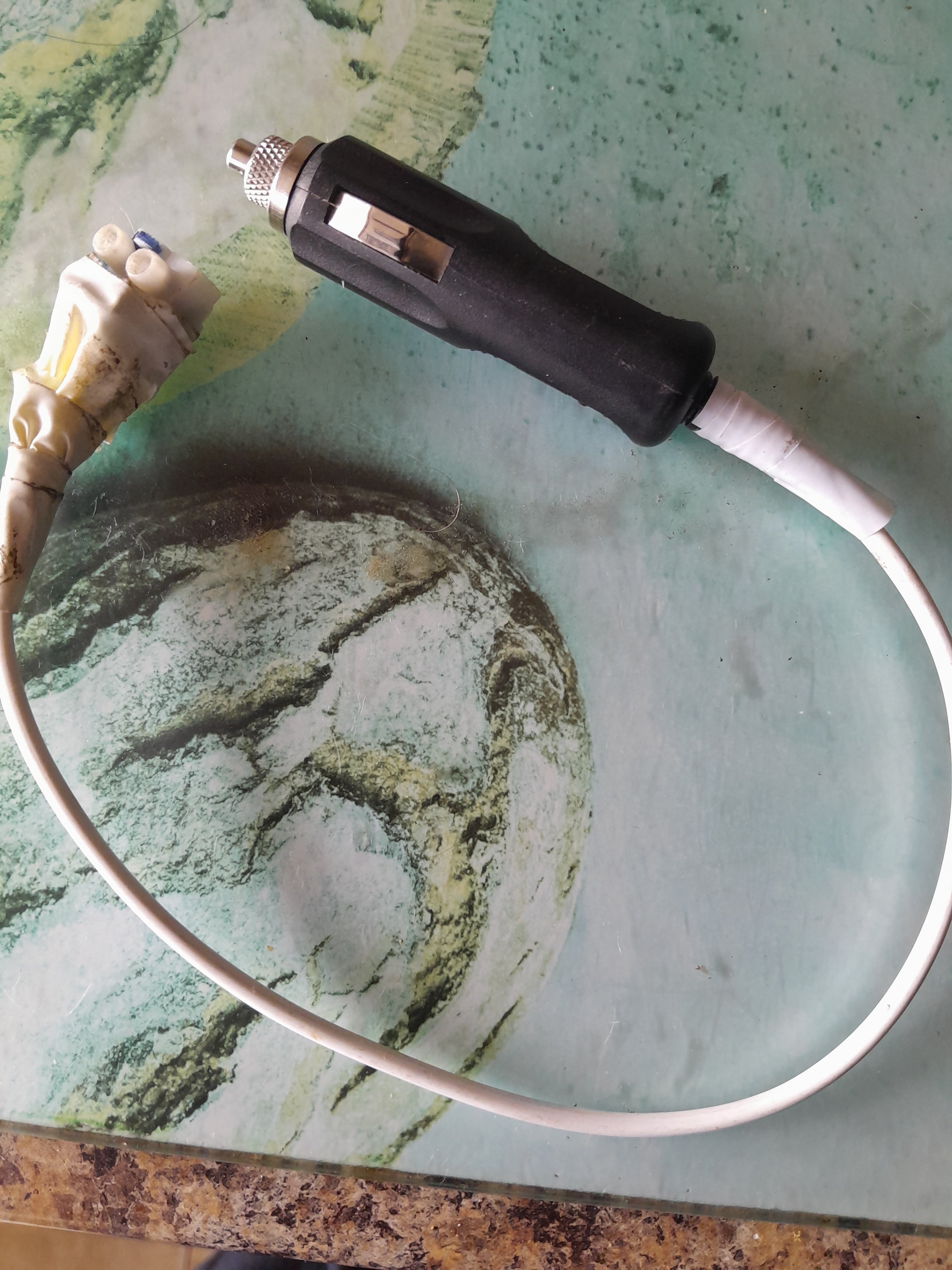
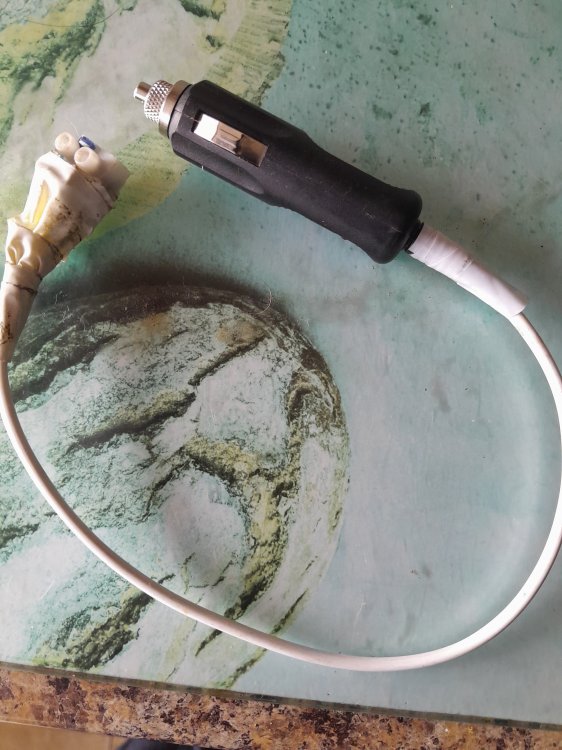
Have you got or able to borrow a multimeter?, if so, while watching the M.meter set to 20VDC or nearest and with the probes on the battery + and - terminals, get someone to start the car, the terminal volts will/should rise to almost 15V even if only for less than 20 seconds or so, at least this will show you that the alternator is not at fault, of course it still could be the BMS. You could pop in to Halfords or the like and buy a DVM (digital volt meter) for a few quid and plug it in to your auxiliary power point and observe the charging pattern (carefully, while driving), the voltage should always rise to almost 15V (14.6/14.9) on the overrun and may hover around 13.2/13.5V while driving, mine seems to do this (original almost 7 year old 59AH EFB battery) even with a 68% SOC and can take days to recover to its normal max of 85% SOC, stop/start has never failed though even at this low SOC. If you can'r source a DVM, you can make one up with a 12V plug, a bit of wire and a connector block and stick the M.meter probes into it if you only want to trouble shoot the (if) problem.
-
Unlikely but possibly the thermostat is failed/stuck partially opened, all VAG cars display a constant 90C between ~ 75C and 107C, in traffic, the temperature will tend to rise but on the move might be down to around 75C ish even though still reading 90C which might affect the heatinhg system.
-
My daughters 8 year old Tiguan I think the query has been properly addressed by Stonemason below. My daughters ~ 8 year old Tiguan brings on the cars accessiories (spelling?) if you press the start button only but gives no immediate or later alarm, but when you get out and lock the car you get a audible alarm which is easy to miss....battery goes dead after a few hours so she has to remember to press the start button again to switch off the accessiories before exiting the car.
-
The OP's car displays this alarm almost immediately on entering the car and in reply to your query last Sunday said that the Stop/Start does work but he doesn't know how consistently as he disables it on entering the car so don't know what you mean by "the car can’t restart if it’s not been started first." Its over a month now since the car was purchased so its about time it was sorted out under warranty.
-
Surely there must be a number of conditions met to flag this alarm, once the ignition is on, the very lowest battery load is almost 5A and will obviously be higher depending on what is switched on, I have never sen this alarm even with a 70% SOC, the stop/start operates fine at this level, the engine will restart if the battery load exceeds something like 15A if the fan speed is switched to its max setting of 4, it will occasionally restart at speed 3 but never at my normal setting of speed 2.
-
Your entire energy input compared with mine, pro rata, might seem high but I dont have AC so once the engine is running and even at idling with HRS + dipped beam + fan on speed2 will not drawdown anything from the battery, the Alternator will supply all + ~ 2.A charging current. Polo has 23,573 miles up, all short runs, say 30MPH average gives engine running time of 786 hours add 25% for stopped in traffic gives a total of 983 say 1000hrs, my recharge is 3478AH which gives a average charge level of, 3478/1000, 3.48A which probably isn't too far off the mark? You can do a similar calc based on your mileage, might tell something. I have a 59AH EFB. The first set of readings I took after 2.5 years, below, still showed a fairly high resistance. Sept 2021 IDE01834 Battery voltage 13.487 V IDE01836 Battery current 2.639 A IDE01837 Temperature of battery sensor 32 °C IDE01838 Battery temperature 27 °C IDE01839 Battery charge level 85 % IDE01841 Battery internal resistance 6.6 mOhm IDE01842 Usable battery charge 38 Ah
-
Its under warranty? but would be interesting if you have a multimeter and see what the battery terminal voltage is while idling.
-
HRS....all the way, yes.
-
The Stop/Start logic is a bit illogical IMO, mine (2019 Polo) has never failed to operate even with a nearly 7 year old battery at 70% SOC, like just now, only indication I get of a low SOC is that the battery charges at well over 14V constantly, not sure what SOC when reverts to "normal" charging, ie, only 14.6/14.8V on the overrun. Set of VCDS readings taken just now. Mileage: 37935kMs = 23,573 miles 12:34:12 20102025 IDE01829 Generator exciter current 2.125 A IDE01834 Battery voltage 14.598 V (Engine Idling) IDE01836 Battery current 3.024 A IDE01837 Temperature of battery sensor 26 °C IDE01839 Battery charge level 70 % IDE01841 Battery internal resistance 7.8 mOhm IDE01842 Usable battery charge 23 Ah IDE01843 Battery voltage at rest 12.4 V IDE01948 Battery internal resistance not normed 8.2 mOhm IDE07681-MAS06086 Battery total charging throughput-Total re-charge 3478.6 Ah IDE07681-MAS06087 Battery total charging throughput-Entire energy throughput 3669.3 Ah