grahambulmer
Finding my way
-
Joined
-
Last visited
-
Thanks, I was wondering if I could remove the battery before it had a chance to leak and would the alarm still work, as after all there's a battery in the car.
-
If anyone's still looking at this after three years I wonder if these alarms will work without the battery? I've had two which have failed because the battery's leaked so is it really necessary?
-
I noticed the same thing whilst changing the engine oil on my Scout. It wasn't just surface rust, but quite crusty. I didn't dig too deeply, just covered it in Waxoyl. When I replaced the under engine cover I noticed that there is a ventilation hole right in front of it so I suppose it gets a good dose of road salt etc. As far as I can see it is the cover of the mechatronics unit so I assume there is no oil inside it, but please correct me if I'm wrong. Did you get a price and do you know if it's possible to change it in situ?
-
Thanks, that makes sense. The other thing during these investigations I found the alarm had failed, presumably due to the battery. I wonder if periodically the system tries to charge this battery, but of course it never achieves it, thereby draining more current from the main battery. I did my tests both with the alarm fuse in and out, with no difference, but I probably didn't do the test for long enough to observe it trying to charge the alarm battery. I'll leave the fuse out until I've fixed the alarm.
-
I know this topic is over a year old but I thought I'd post what I'd found. Not having used the car much lately I had the problem of the battery going flat. The first time was after about five weeks so fair enough, but has also gone flat within two weeks. The battery is only a couple of years old so hopefully OK. I did some measurements of the battery current and found that after about five minutes it would drop to either 400mA or 170mA - on subsequent tests with the same conditions This was with the car unlocked. If I locked the car it would drop to about 40mA with a slight pulsing, which I think is correct. I do have a habit of forgetting to lock the car as it is kept behind locked gates. I know I should wait longer during the tests but I wondered if anyone else has noticed this?
-
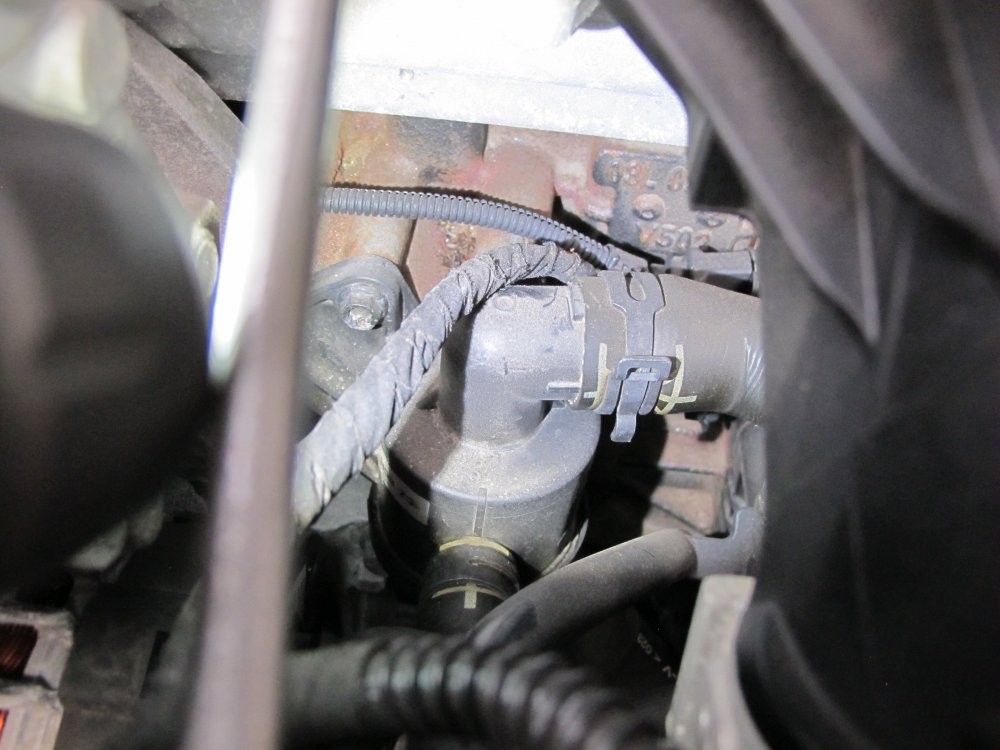
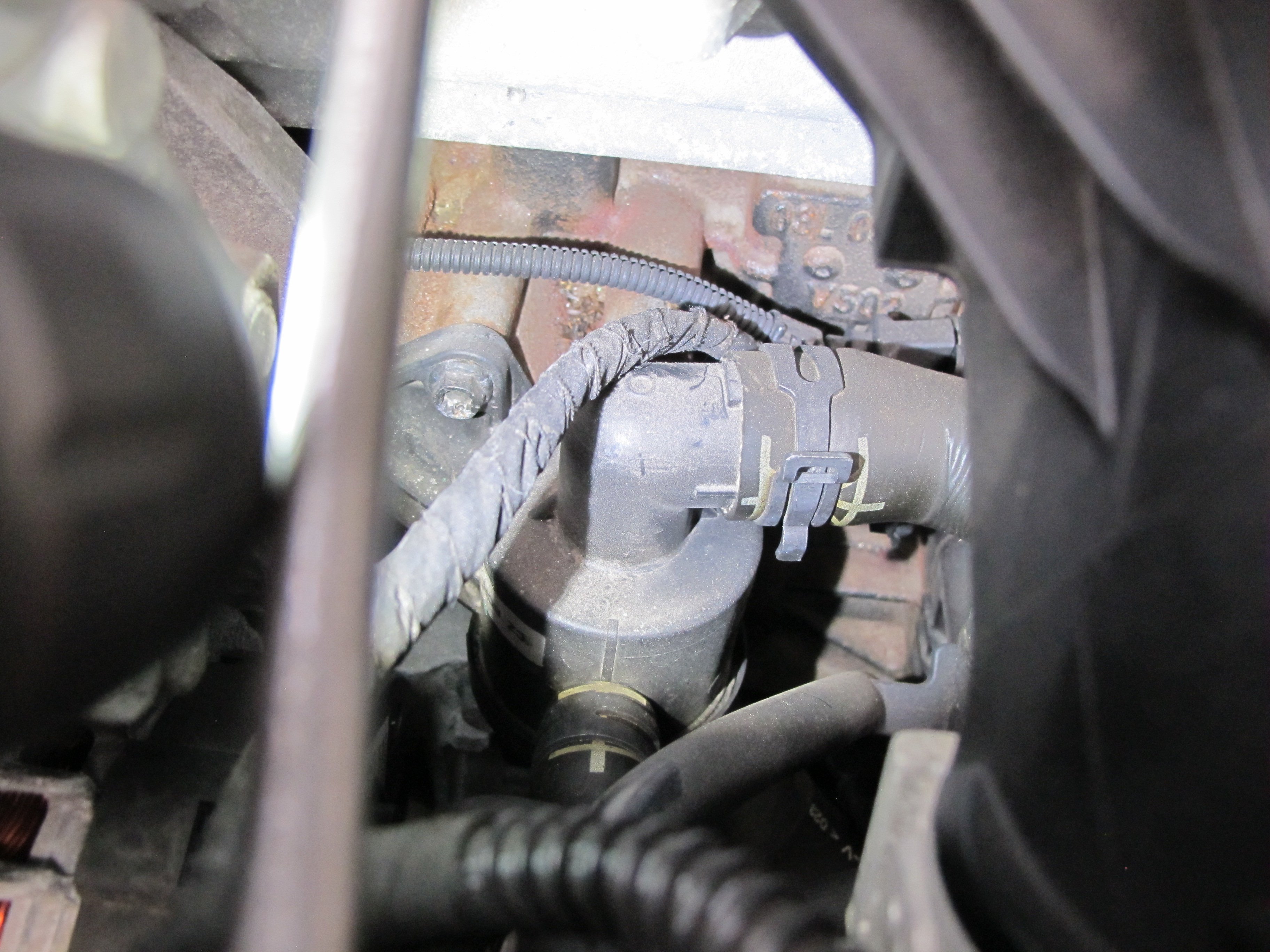
My Octavia Scout refused to start one day at the end of June with the glow plug lamp flashing. I traced the problem to Fuse 14. This fuse is labelled Ignition and supplies the fuel metering valve (N290) and fuel pressure regulating valve (N276). There were no problems for three months and about 1500 miles when it stalled again after travelling about 200mtrs. Replacing this fuse rectified the problem and the engine started and has been OK ever since. The standing current through this fuse is about 1.5 amps and it's a 20A fuse so it looked like a short somewhere. I traced the problem to where the cable leaves the metering valve and passes in front of the engine. On the block there is a 'bush' with sharp edges which the cable appeared to rubbing on. The cable is made up of the wires wrapped in cloth tape. Where the fault was, was very difficult to see, even with an inspection camera. So to prove this was the problem I used a multi meter with a round head screw in one of the probes and the other to ground. With the ignition turned on I ran the end of the screw down the cable to where I thought the problem was and hey presto, measured 12V. This proved it. Before I had proved it I had tied the cable away from the block with a cable tie; I'll now put some wraparound sleeving around it. I attach a picture of the cable and the 'bush' can just be seen behind it. (it was very difficult to photograph) I thought this would be of interest to others, but what I would like to know is is a way of reporting this to Skoda/VW as this is a potentially dangerous fault as the car could stall at any time with perhaps dire consequences!