
lol-lol
FREEDOM
-
Joined
-
Last visited
Everything posted by lol-lol
-
Ten or fifteen miles less than currently ie model with the heat pump. PSA/ Stellantis did not exactly go big time on either aero or weight reduction and it has pretty big wheels as standard and even bigger as options ? 45 kWh battery is better than many but not class leading against 62 kWh LEAF or MG 5 long range. To me amazing the car manufacturers have not built to date an aero or light bodies ie Ally like the Audi A2 was, to get that extra dozen or two dozen miles extra. I like the ZE 50 Zoe but would lover to trade in for the 60 kWh Megane when it is released, even though UK not getting the 12 inch screen only the 9 inch screen and its range should be 280 WLTP or in the range of 200 winter and 250 summer I reckon ie better than the 170/225 miles the Zoe is and that is not only the slightly bigger battery but that it is less tall than the Zoe which has more of a city car shape. Regen is so important and with the Zoe that only fully kicks in under 90% SOC. Hills too of course and starting from the Severn Valley floor and then usually going up to the Birmingham plateau or Cotswold escarpment makes the consumption look bad in the initial ten or 20 miles, oh to live higher up. Want to get a Bluetti A300 and a couple of B300 batteries and I will be set fair in the car and house and when next Winter's rolling black out come around.
-
Does she even mention "Heat Pumps" ????? If you want a car with longer range, and you want to use the cooling and heating, then you buy an EV with a heat pump, or spec it if your Skoda or Tesla does not have it on some cases. Same for a replacement tumble dryer at home, considering the price of energy the capital cost of a heat pump version of the car or kitchen appliance etc looks like making sense.
-
Well we get the VW stable currently gets imported in to the UK under the UK-EU Trade and Cooperation Agreement which means duty free access where as the Mach E has to pay 10% customs duty as the Ford F150 is made in the US and the Mach E GT is made in China so both cop for 10% customs duty. But even taking this in to account the UK RRP is massively higher than the US prices. One can get a the Pro workhorse version of the F150 lightning for $40k, if one is prepared to wait a year or two. Convert that in to GBP and one is talking about £32k !! Cars are pricey in the UK and always have been. KPMG worked out RHD cars get nobbled for a 6% price rise over LHD as they represent the much smaller production runs. Ahh bring back those already reasonable priced Skoda that then had the SUK will pay the VAT ie about 17% off, bargain VRSs for £14k for the twin-charge and about £17k for the 150 mph + Octy, good times. Since I am in the import game perhaps will bring a car or two over from the US/Canada at some point but it is still the LHD/RHD issue. Maybe Japan ?
-
New Mach E GT is a sub 4 second to 60 mph car and "only" £7k more than the standard Mach E 4 wheel drive. £68k RRP is not exactly cheap but comparing "Total Cost of Ownership" over 3 to 5 years and comparing to a Model 3 performance some would prefer the Mach E GT I would expect. Quicker than an Audi e-tron GT it would seem.
-
Ford left the cheap car market many years ago and as you probably know buying a Fiesta does not give a lot of change out of £20k, their Kuga PHEV is £38k so just not in the cheap market for many a decade now. The Dacia Spring EV is the success story of cheap EV in Europe but Dacia/Renault have about 20k back orders so are not in a position to do a RHD version yet. UK should get versions of both the Renault 5 and Micra in a couple of years but they will not be anywhere near as cheap as the Spring which is about £12k Euros or just over £10K in GBPs. Ford wanted to become purely a design house and leave production to toll manufacturers it has been muted. The Chinese made cars, and vans, are moping up the cheap end of the market and may well take over the middle ground too in the next couple of years.
-
F150 electric launched today..... Wish it came in RHD and over here ! 0-60 mph in just 4.5 seconds Wish
-
Saw £1.99 a litre on the motorway which some will be buying.
-
Should have got a Zoe as you would have probably only needed one charge ! What you going to get next ? I am sat in the Skoda dealer in Worcester but the Skoda EV are silly money and long wait. Renault Worcester invited me to a VIP visit this week trying to get me to commit to the Megane-e and the 60 kWh should be good price and good range for battery as looks as it will be efficient like the Zoe.
-
Most anything can be tweaked.
-
I am all for registration, insurance and even a test, I have my bike licences for two wheels and insurance and happy to add my scooter on this. I think the rental scheme has many idiots using it so a proper registration for e-scooters could improve things and the benefits for air quality in cities is good.
-
I am hopping that Grant Shapps will announce liberalisation of e-scooter next week so I can legal ride my zipper. Just have to hide the wattage if the limit comes in at 500 watts as suspected as I think mine is rated at 800W though I have not got better than 15 mph out of it so far. Here is it with the seat fitted as well. I have got the weight down from 40 kgs to about 30 kgs by going to Li-ion from lead acid batteries. It fun and hopefully legal from next week, sort of.
-
Not so bad for Zoe drivers I suppose as "low" power 22 kW chargers are not so bad compared to a 50 kW charger that the Zoe would probably get 44 kW at most and more like 25 kW anyways for the 5 to 20% range and over 80% when charging slows down from 44 to about 22 kw anyways and with each kilowatt-hour adding between 4 and 5 miles in the warmer weather it could be worse. With the implementation of the The Electric Vehicles (Smart Charge Points) Regulations 2021 in a few weeks time I can see the government having a power to throttle down the high power chargers as the network can no longer handle such massive power requirements of banks of TESLAs and those non-TESLAs that can charge up at up to 350 kWs which is more than a small street requires so for those two daily peak time one will not be able to get such high rates perhaps as those places that have the massive batteries to back up those fast chargers at peak demand times.
-
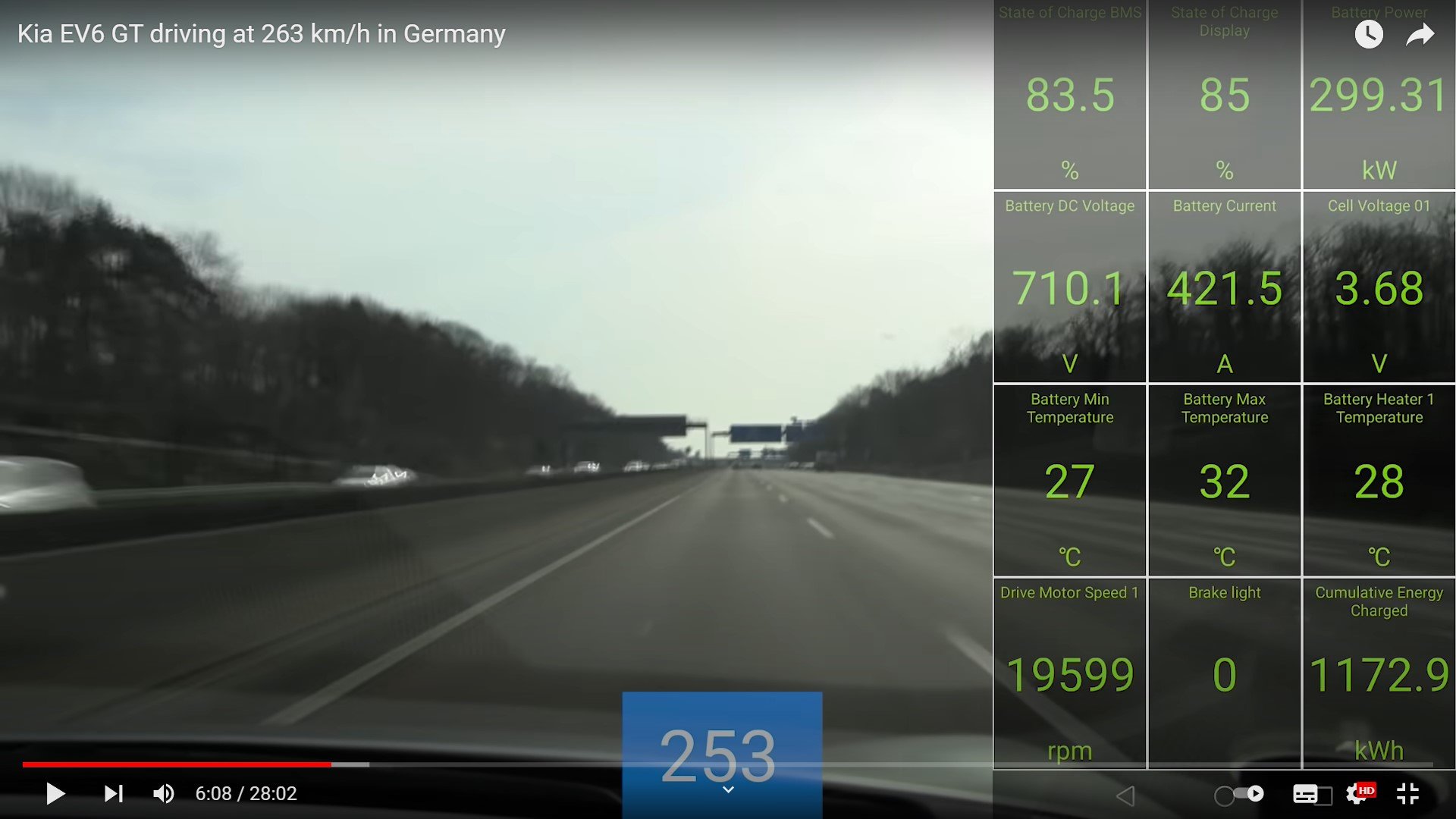
Oh I expect they have carefully considered the maths and it makes me think Gridserve have got the better plan with their stations that have massive on site battery storage and can load up on their solar and nuclear base load during the night, get energy for 5p a kWh and sell it for 40 or 50 p per kWh, good business model if you can recoup the capital investment as well. I have not found company recompensing for electrical energy much good so far. If I charge up at home difficult to isolate the charge put in the car and I did investigate getting an Allstar EV charging card which I can get but it did not cover much of the good charging points so I stayed with my diesel card for my diesel fabia as that covers far more cost than an EV charge card and they would not give me a combined one maybe for fear of mis of over use. Be interested to how TESLA drivers manage it, perhaps the TESLA billing for supercharger use is nice and clear. I only have the Octopus EV charging card other than that it will be using a credit or debit charge which I can pull out from my statements but I hate doing those reclaims charge by charge. Company car tax the EV scheme is great at the moment, only wish my company did it as it would give me between £150 and £300 a month more buying power, I might be able to have a Long Range or Dual Motor TESLA, though EV6 GT sounds very much my sort of dap off. We will see how INSTAVOLT and the other providers do over the next year or two, be interesting to pull their accounts from Companies House !
-
Madness. So it could cost me over £30 for a full charge, I may as well use one of those expensive diesel/petrol dinosaur burning machines. There come a point when one simply figures to slow down 5,10,15,20 mph etc one will not a lot less of a charge during the journey or not one at at or I will pop in one a large battery "solar generator, and put in a few miles of range when parked in the next bay next to the charge points. Instavolt have some very nice chargers in some good locations but that is taking the peee. Do they have a discount arrangement I wonder ? They are not on the Octopus charge card affiliation yet but I expect that might come. Even 5% discount is not exactly cheap. I can see both EVs and ICE cars driving along Motorways and Carriageway at annoyingly slow speeds to eek out range and then trucks clipping or hitting them full on as they are desperate to hit their delivery times. Strange times ahead. Pump those tyres up to 45 psi like a TESLA and it handles and brakes like its on ice.
-
As I understand it it is diesel fuel we get from Russia due to the Specific Gravity etc of their crude compared to petrol and lighter distillates that come from the sweet oil we get from the North Sea so if you have a petrol car then use it more, pay more taxes to fund the UK's funding in Ukraine. If you have a nasty evil diesel then, as you can see that Shell and probably other outlets have Russian diesel in their system. https://www.bbc.co.uk/news/business-60948439 a bright red tanker carrying 33,000 tonnes of Russian diesel sailed up the Thames and delivered its cargo in Grays, Essex. Its arrival - which doesn't violate sanctions - highlights the UK's dependence on Russia, which supplies nearly a fifth of the country's diesel. Of course that Chinese made item you buy may have made its way over to Europe powered by Russian diesel in the container ship. China is still honouring its diesel supply from Russia, 1.6 M barrels a day and of course buys natural gas as well from Russian pipelines so indirectly you may be buying products that in part have got to you via Russian diesel. Supply chain is such a complicated field. We, in my company, are trying to lower our CO2 profile and we buy almost 1 million TEU container spaces per year mainly from SE Asia and half a million tonnes of airfreight. Airfreight is now even more expensive a Western aircraft have to fly around the Russian and other territories so each air freighted item requires more fuel to get to Europe which raises the price of fuel and puts more money in to Putin's pocket. Drive an EV, or cycle, and live like a hermit might be the only way to have a big effect on Putin maybe. Oh and the 7 speed DSG is a more economically box than the manual, well it was in the 150 hp 1.4 TSI Mk 3 Octy, 57 mpg DSG against 55 mpg manual I recall, particularly the free wheeling function in ECO mode, bloody awesome. I could get wheel over 60 mpg when tootling along.
-
Taking too many tablets can have such effects.
-
So good they named it twice. New York city in New York state. I'll take that and give you Black Sabbath, Black Sabbath, Black Sabbath. Track, Album, Artist. Best played at volume 11..........
-
If the Conservative government set the game then one would be an absolute fool not to take advantage of it and I think it is more important that one exposes the system for what it is and vote to change it. When in Rome. But work for a fairer country. If I did not do the £40k a year in to pension tax avoidance I would pay another £17k in taxation instead of that £17K going in to my pension pot. I will still pay tax on the £50k or so of earning I leave exposed to PAYE so still paying a whack of income tax and NI including the new NI hike which is badly needed for social care which has been very badly funded for many years. I do not agree with much of the UK government spending. Trident and even continuing upping the anti in Ukraine is going to have a very severe cost on the middle class and poor in the UK, but hardly effect the wealthy who will, as ever, find ways to do OK through it all.
-
It use to, happy days. There were 3 tiers, under 1500cc, 1500-2000 cc and over 2000 cc which we 35, 45 and 63 pence per mile respectively. As HMRC Officer, and other civil servants and possibly other members of the public who could get away with it with employers the over 2 litre rate was an absolute gold mine. Imagine, 63 p per mile and doing long runs as I was having a Crown transfer from Plymouth to Gloucester. Officers would trawl the Auto trader magazine looking for the low mileage cars that were just over 2 litres so the 2.3 litre Fords and the 2.2 litre Renaults and Vauxhalls were favourite. Of course you would do the 10K miles in the tax year and then refuse or connive to not use ones car until the mileage allowance reset on April 6th to go back to the 63p and not have to be only claim 25 p per mile. Rover 3.5 litre was probably not the best choice doing only about 19 mpg but the 2.6 Rover replaced it was much better at around 27 mpg. How anyone can run a car at 45 p per mile since fuel went to £1.60 to £1.75 a litre unless one runs one of those fine Dacias or go back a few years and get hold of cars like my Fabia 1.4 TDI. No road tax, 75 mpg, cheap insurance. No sign HM Treasury is revising the 45 p per mile upwards but then if you have a ministerial car and first class rail travel refunded then where is the incentive and one can pretend to be green at the same time.
-
Weather has been quite warm in mid and late April down here and I have certainly used less gas but that is helped by Octopus's super detailed account information on line so I reckon I am doing well on that count despite the massive rise in gas prices even with Octopus. As to road driving, and I drive a lot, I notice very little difference in any as I see car drivers pilling along at or above the speed limits. The huge amount of motorway road works and speed controlled areas on motorways mean loads of 50/55 mph areas but as soon as it end car drivers plant their foot down and are back up to an indicated 80 which I can note by my speed differential or occasional I will get up to those speeds to but then I am usually in my EV or my super efficient 1.4 TDI Fabia. We are living in a bit of a phoney war period with the cost of living at the moment as it is only as and when the energy bills hit over the next few weeks and people notice that their salary or pension has actually gone way down in real terms that it will dawn just what a pickle many of the UK consumers are in. 40% in fuel poverty is a figure doing the rounds !
-
You could well be right but it is not my fault as I was born a Leo with Leo rising. A I have said my intention is so that the less well off do not continue to absorb the UK gov line that we are all in this together as we are not, tax loop holes still exist as big as ever, barely have of all monies transferred is taxed and hence those seeing their pay slips this month will see a horror show unfold and linked with runaway inflation UK people are facing the worse cost of living crisis for at least half a century. As the UK public we can continue to take the well off massaging the system for their own ends or vote to change it. I am probably going to vote Lib-Dem as Labour will not win in a well off part of Worcester I live in but we need to stop our Con Leaders and see them for what they are and fortunately that is happening as their true nature is being exposed. If it take some wrath coming my way to be the messenger of this then so be it.
-
Just for factual correction I have three solar generators, the 1.8 kWh Bluetti EB180 and a couple of Powkey 407 Wh as below single panel which are mainly for testing of various aspects of not only solar generation but and probably mainly the storage of electrical power downloaded in the 0030 to 0430 super cheap power supply and use during the day and they have a nifty solar input for charging for free on a nice sunny day. My aim is to have at least 10 kWh of storage by mid autumn, probably Bluetti AC 200 or 300 series with extra batteries and at least 2 kW of solar generation to add to my existing half a kW currently held. I will be able to charge up and on good days have enough power to not only run the house but charge the EV a bit too. Take that Putin!
-
You forgot about science degrees being better than arts degree. I am very sad as I only got a 3.5% pay rise and therefore have a big argument coming up when inflation hit nearly 10% in a few months time and I feel the need to go back to my employer to keep wage inflation closer to actual inflation. Might have more time on my hands soon if we cannot agree a new deal !
-
Just wanting people to know what legal schemes are out there and if one wants to put an end to them then vote the right (not-right) way in two weeks time. Oh and I would like to thank the people who voted for BREXIT which has given people who work in customs such a massive increase in work to do but every cloud......
-
Those of us who have seen a vast amount of history know there is rarely anything new and this Ukrainian war slow down on the roads is a repeat of what we saw with the introduction of the Double-nickel in the US in the early seventies where a Federal law was introduced to override state speed limits and save oil as back then it was fear that a few Arab/Middle Eastern countries were starting to hold The West to ransom. Lots on this if one looks... https://en.wikipedia.org/wiki/National_Maximum_Speed_Law Saved thousands of lives in RTAs and along with Carter's EPA minimum fuel consumption figures for cars, else the manufacturer paid huge fines, MPG started to improve. It is still tragically low with thermal efficiencies still not even 50% and with the switch in investment now to battery, maybe hydrogen, doubt it will ever reach 50% now. Car could have an aero drag coefficient of less than 0.2 and could weight more like half a ton rather than a ton and a half but governments never were brave enough to push it through and now it is too late. ICE cars are in their death-throws and quite rightly with the death toll of millions that can be put down to their pollution.