sirlancelotksa
Finding my way
-
Joined
-
Last visited
Everything posted by sirlancelotksa
-
-
As it was said, code N131 seems to be related to the front passenger airbag. Not certain, but you may have access to it by removing the glovebox in order to check it out. An 'intermittent' fault could be related to an electrical connection: a broken or corroded wire, or a loose or corroded connector in the connecting plug. I would start by checking the loom and make sure that everything is secure. Also, I read somewhere that that same fault code was cleared by replacing the front passenger's airbag with a used one in a Golf Mk4. I've been having a similar problem for quite a while in one of my MK1 Octavias, and I was able to narrow it down to the connections under the driver's seat, most probably the electrical plug: 01217 - Side Airbag Igniter; Driver Side (N199) 32-10 - Resistance Too High - Intermittent
-
The number of teeth does not seem to matter, provided the vehicle has been correctly identified, as explained in here: https://www.hella.com/techworld/au/ti/starters-with-different-numbers-of-teeth/
-
Glad all is well now! I find the Octavia Mk1 to be a very nice car and worth investing time in; that's probably why I have two and am very reluctant to let them go. Good luck with it.
-
I don't think the solenoid valve should be a concern at this point, at least from what you described; a bad solenoid would entail poor response when driving. You mentioned 3 problems. 1. Oil consumption. 2. Engine light. 3. Lambda sensor. IMHO: 1. Number 1. is hardly related to numbers 2. and 3. 2. However, oily pipes do tend to degrade, as you have noticed, and may allow unwanted air into the air admission circuit. 3. Despite the replacement of the shattered adapter, the breather in the air admission pipe might not be working properly, thus the oily MAF; in that respect, have you cleaned the MAF's filament as well? 4. You mentioned a hissing sound; I'd want to be sure of the vacuum pipes integrity, as they are 20 years old and fairly easy to check and/or replace. You can test them with a cheap vacuum pump, and see if they hold pressure, or just go ahead and replace them. Bad vacuum pipes are known to cause ASR and engine light alarms. 5. After getting that out of the way, you will be fairly sure that you won't be mislead in any diagnosis you attempt. 6. Numbers 2. and 3. might be related. The engine light probably came up due to the lambda sensor problem. You appear to have another problem with the lambda sensor, thus the engine light again. 7. However it might not be as straight as it seems. Check this thread: 8. Lambda sensors testing procedures: lambda.pdf 9. Which OBD reader have you used? A generic one might not suffice in obtaining all the information available. 10. As per your request, here's info on how the flaps operate. Even though I found it in a paper related to an earlier motor, the principle of operation is the same. 01-flaps.pdf 11. The solenoid appears to be in good condition, as it is expected to have between 25 and 35 Ohm, as stated in here (these are procedures for AEH/AKL motor; in AVU motor the valve is slightly different, but the coil's resistance should be the same): 02-N156.pdf 12. If you want to test the solenoid valve and the flaps, test procedures as below. 03-solenoid.pdf https://workshop-manuals.com/skoda/octavia-mk1/power_unit/16/74;_75_kw_mpi_engine/mixture_preparation_system_electronic_inj.gas/testing_components/test_intake_manifold_changeover/ https://workshop-manuals.com/skoda/octavia-mk1/drive_unit/1.6_l/75_kw_engine_fuel_injection_and_ignition_system/mixture_preparation_system_electronic_inj.gas/inspecting_functions/testing_the_intake_manifold_changeover/test_sequence/ 13. I've never found information concerning the valve on top of the intake manifold, number 25 in the diagram you sent the link to, the one you say the hissing sound might be coming from. I do believe it to be part of the vacuum circuit that operates the flaps, working as a pressure limiter; that's why you can listen to air flowing through the valve as a hissing sound. Unscrew it (requires a bit of force in the initial stage) and check if the membrane is in good condition; if so, it should be ok.
-
1. I would start by addressing the hissing sound as a priority. Any air leak after the MAF can cause idle fluctuations and alarms, so make sure all is well in that area. A. Replace the broken connection between oil intake plastic adapter and air admission pipe or, at least, be pretty sure there are no leaks there in order to proceed. B. Check the air admission pipe integrity, the one coming out of the MAF. Also make sure the breather valve (membrane) inside is in good condition. Depending on your mileage, I would also replace this pipe, especially after reading the MAF was oily, as the breather might not be working properly. C. Check/replace the thinner air connection pipe going from the small exit (shown in pic 8) in the air admission pipe to the rocker cover area. D. Check for leaks in vacuum pipes. I replaced all of mine as a preventive measure. 2. The solenoid valve you mention, next to the intake manifold, applies vacuum to flaps inside the intake manifold, making them turn in order to allow more or less air into the combustion chambers. 3. Concerning the electrical connector in the air intake pipe, check here: 4. As for the oil consumption/leaks, have you checked the following? You probably have, just making sure. A. Air breather in air intake pipe working properly. B. Rocker cover gasket leaks. C. Oil intake plastic adapter (on top of rocker cover) leaks; check integrity as it can crack, and also top and bottom seals. D. Oil residue in coolant. E. Oil pan leaks. I took care of A. and C. and oil consumption in mine was reduced by a large amount. 5. Sometimes, problems lie where you least expect them to be. I had an ongoing problem with my AVU motor, consisting of: 1. Fluctuating idle (sometimes up to 1100rpm, others it would fluctuate from 1100 to 1300 rpm for a while); 2. One lambda probe replaced; 3. Several on and off ASR malfunction indications. I wasn't able to come to the correct diagnosis, as the garage didn't, because everybody was looking for the problem in the wrong place. The culprit turned out to be the alternator. That was only detected when the regulator/rectifier shorted, frying one more lambda probe and the oil level sensor. In my case, the fluctuating idle was caused by the ECU trying to compensate for erratic voltages. I even had to replace a 2 year old battery, which is also a good indication that something is not well in the electrical department. Idle is stable now, at around 690 rpm.
-
Another feedback on clogged heater matrices, related to insufficient heating. About a year ago I had to unclog the heater matrix in my Octavia with an AVU motor, as described in one of the above posts. Symptom: no heating inside the cabin. Last week had to do the same to my other Octavia, this one with an AKL motor, that for quite some time had the same symptom: no heating whatsoever inside the cabin. This time it was simpler, as there is no vacuum operated valve to control the temperature. Just had to disconnect both hoses entering/leaving the heater matrix, and gently blow compressed air on one side. It was a delight to see all the gunk coming out and, after a few bursts, feeling air flowing freely across the heater matrix. I haven't tested it yet, as there are a few other pending issues to solve, but I believe all will be well now.
-
I have that valve in my AVU motor, not in my AKL motor. AVU has an electrically controlled thermostat (along with other modifications), thus the reason for having valve N147, as I read somewhere. I´m not aware if such a system was used in other motors.. The important here is that @Octavia04TDi is aware of such possibility.
-
Valve N147 is also mentioned here. Actually, what is pointed out in the drawing is the electrical control of valve N147, that will allow vacuum to be applied as needed. The valve https://workshop-manuals.com/skoda/octavia-mk1/heating_air_conditioning/heating_air_conditioning/heating/repairing_heating_system/2_way_valve_for_coolant_shut-off_valve_n147/
-
Do take a look at SSP 222, page 16; the vacuum operated valve is mentioned there. SSP_222_Electronically Mapped Cooling System.pdf
-
I have climatronic in one of my cars, and that valve is there for me to see (AVU motor). As I said above, had to open it in order to be able to unclog the heater matrix.
-
I also had the foam desintegration issue, and what it does is that there is no proper air sealing when the flaps are closed. Meaning that you will close air to specific vents, and there will always be a small amount of air being blown. IMO, that won't, however, affect temp changes. I would check for a clogged heater matrix. Just flushing the coolant system might not be enough (been there, done that). Overtime, dirt accumulates inside the heater matrix narrow passages, preventing water from circulating. Despite the hoses getting hot outside, water won't flow. If this is the case, unplug the hoses and try using compressed air (carefully), in the opposite direction of water flow; also be careful with the valve described in the paragraph below, that needs to be open. There is another possibility. The temperature is regulated by a vacuum operated thermostatic valve (controlled by the temp setting), located in the motor compartment, in the heater matrix exit hose. I believe this type of heat control started being implemented during year 2000, so older models might not have it. If the air operated diafragm has ruptured, or there is a vacuum leak, there will be no temperature changes, as the valve won't operate. You can easily test the valve applying vacuum, as you can listen to it open and close. In either case, however, and despite water flow is blocked (by a clogged heater matrix or a non functioning valve) you could perhaps feel a mild temperature change in the air leaving the vents, as heat propagates through conduction to the heater matrix. One easily assumes that there are no temperature changes, as it takes a very long time for heat to reach the heater matrix, and any effect, however minor, to be felt.
-
Ok. If I were you, I wouldn't worry too much with the central locking at this point. It seems to be working correctly, and, based on my experience, it points towards the door opened/closed microswitch. Plus, if you replace the door lock mechanism that you find is inoperative (20 to 25€ each), instead of the microswitch (5€ each), you will also be installing new central locking elements. After replacing the defective one(s) I would re-evaluate. Naturally, you might want to try a different approach. IMO, the symptoms of a failing door locking mechanism are different. As an example, in my other Octavia, I do believe I have a driver's door locking mechanism malfunction. Randomly, the central locking won't open or close from the key fob. I found a turn around, and that is to actuate the driver's door lock fully to the right or to the left; it starts working again until next time, as it forces the inner components to move. This might be caused by a malfunctioning microswitch (different from the one I mentioned before) inside the door lock, a bad stepping motor, worned out plastic screw, or even a broken solder joint. I have already bought the door lock, and have been waiting for some free time to install it; for the prices I mentioned, it's pretty much useless to waste time fiddling around inside a 20+ year old mechanism, as I find my time to be very precious.
-
It is normal operation for the doors to lock themselves after 30 seconds, after unlocking without opening a door. What is abnormal is if they lock after unlocking and opening a door. I take it what is happening in your case is the latter.
-
Indicators are not supposed to flash if one of the doors is not properly closed. You can check if your doors are properly closed before activating the locks, but you probably have done that already. My best bet, at this point, is that you may have a problem with a door lock, and I would try to discard that. One of the microswitches from the door locks may not be working properly, thus not detecting that the door is closed and providing information for flashing the indicators. Please confirm that there is no flashing, either when locking and unlocking. I had that symptom in the past, but with no flashing merely when locking. This will give you some insight concerning the microswitch (there are three inside the door lock, and one on the outside, that is the one responsible for detecting door open/closed): Overtime they fail. In one of my Octavias I had three failing door lock microswitches. I replaced three door locks as I didn't want to repair something that would eventually fail down the road for some other reason. You can perform the following test, knowing that the doors are automatically closed after 30 seconds as a safety feature, if the central locking is unlocked and no door is opened: a. After having the doors locked, activate the central locking in order to unlock the doors. b. Open and close one of the doors and wait at least 30 seconds. c. If there is a malfunction with the door lock microswitch, the central locking will be activated and the doors closed again, as the door opening won't be detected. d. Repeat for other doors, one door at a time, including tail gate.
-
Same thing happened to me, back in December 2021; the garage opted for an aftermarket catalytic converter. On the following MOT it almost failed due to emissions, although I suspect that it was because of an aftermarket MAF that had also been replaced between MOTs, as they can be tricky. Already bought an Hitachi MAF, that will be replaced before the next MOT, due in June. Will leave feedback.
-
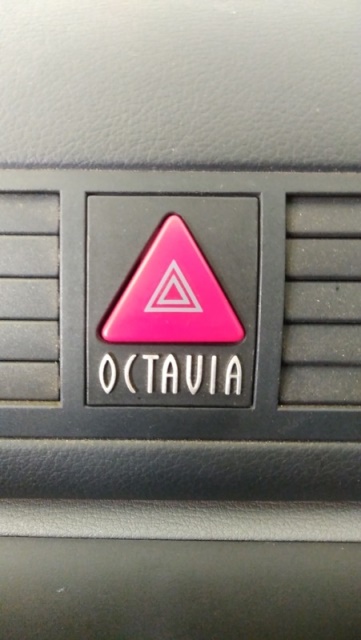
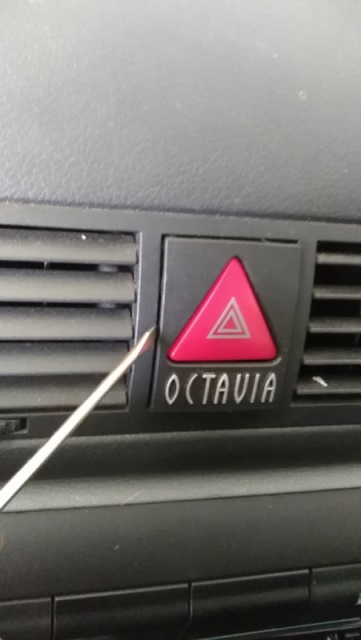
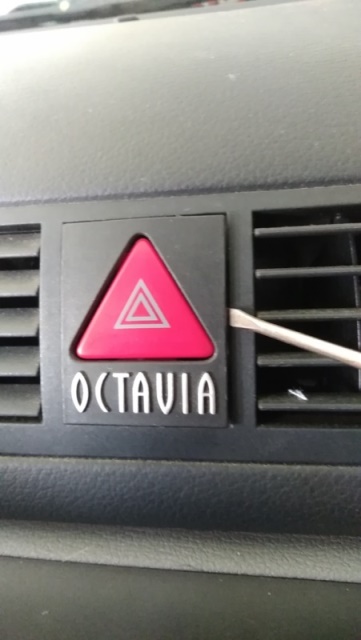
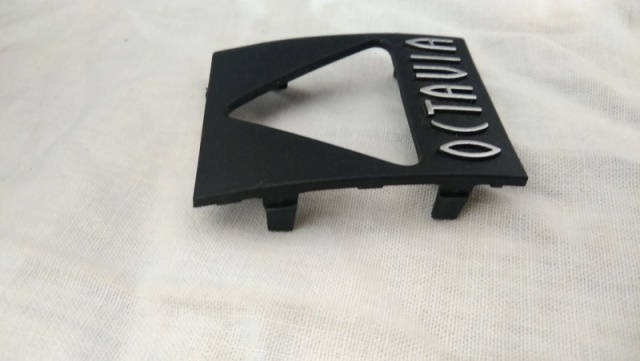
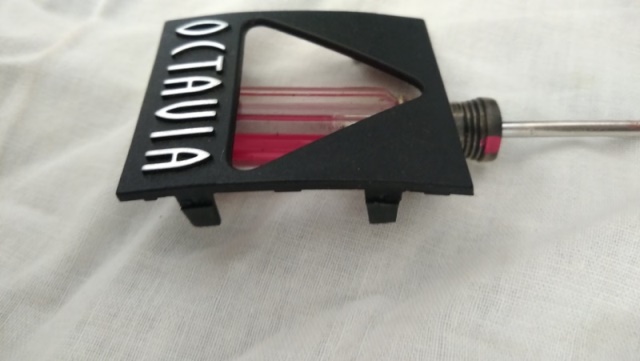
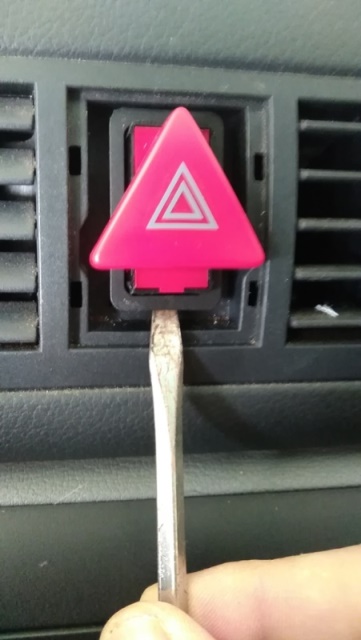
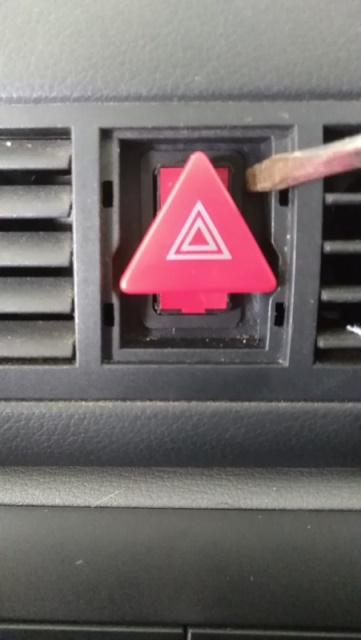
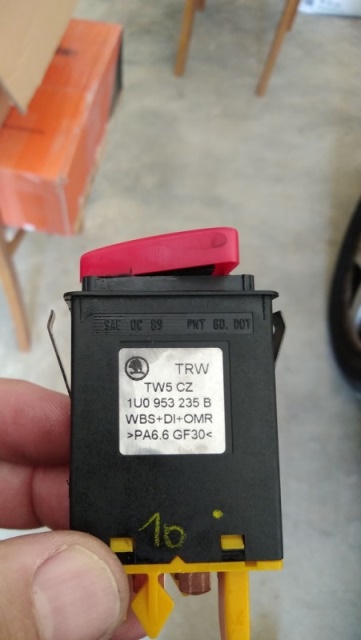
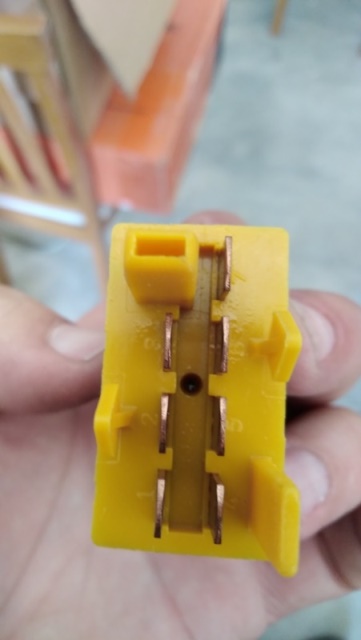
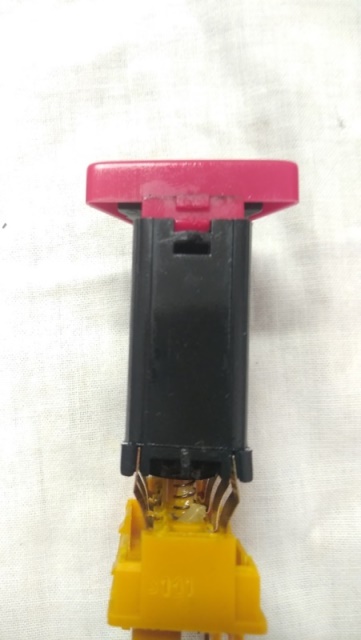
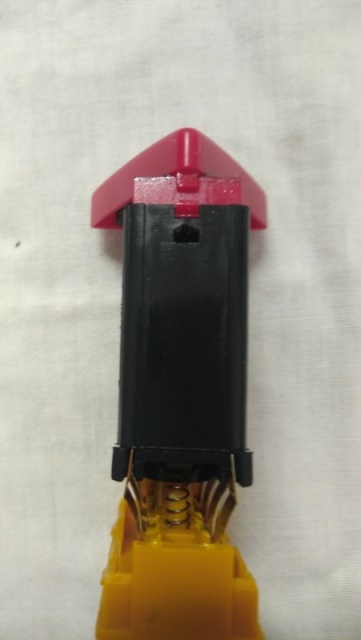
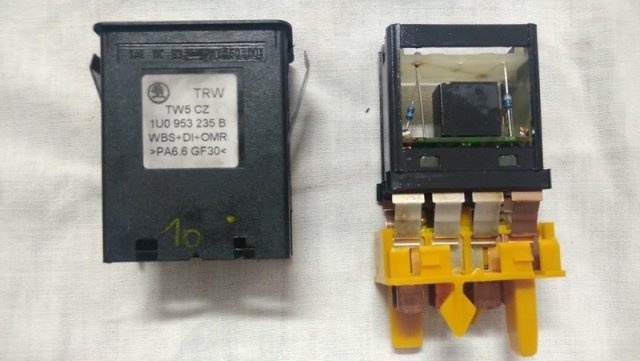
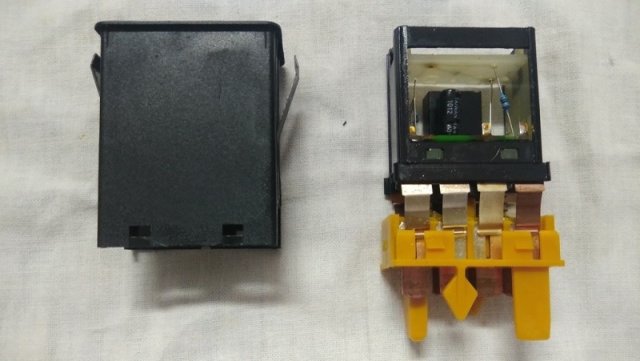
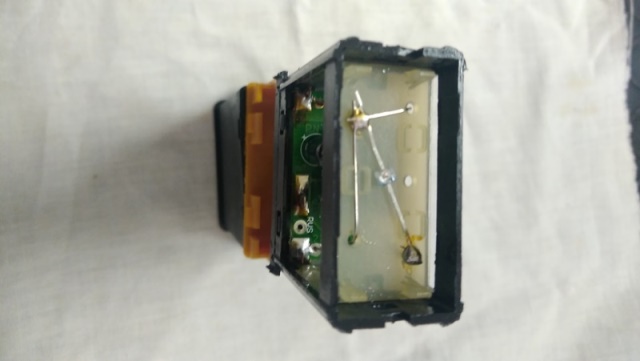
Hi, I had one of my Octavias parked in the garage for a little over 4 months. After bringing it back to life, I found out that the blinker relay had seen better days: still worked in hazard mode but not for the turn signal. Being so, I took the switch out, dismantled it and applied contact cleaner thoroughly in hopes that it would solve the problem. Unfortunately, it was beyond recovery. Truth be told, the contacts looked perfect and the contact cleaner made no visible difference; the problem was, most probably, in the relay itself, which is inside the switch. I could have done some more dismantling, but thought that for the cost of a new one (10€) it would be a waste of time. I leave some photos of the procedure, as it's always worth trying before buying a new switch/relay. 1. Start by gently pulling out the switch cover, with a small screwdriver, exerting force evenly on both sides, alternately. 2. Gently pull out the switch/relay. What worked better for me was to do the bottom first, 1 ou 2 mm, and then, close to the top, another 1 or 2 mm, repeating the process until it was out enough to pe pulled by hand. Unplug the electrical connector. 3. Once out, start by detaching the red triangle. In its outer position the 2 clips that hold it to the switch are easily visible and accessible. 4. To separate the case from the circuitry there are 2 clips on each side that need to be relieved. I used the little hole that is visible at the bottom of the case, below number 10, to insert a tiny screw driver, working on that side first.
-
Are there any signs of water in the footwell? I would leave the door card off for a few (rainy) days and would watch closely; as an alternative, consider testing the door seals by spraying generous amounts of water, with minimal to no pressure, as jetwashing may apply too much water pressure on the door seals. I remember my plasting sheetings also cover the large hole that is visible above the sheeting; even if it's not likely, make sure there's no water ingress.
-
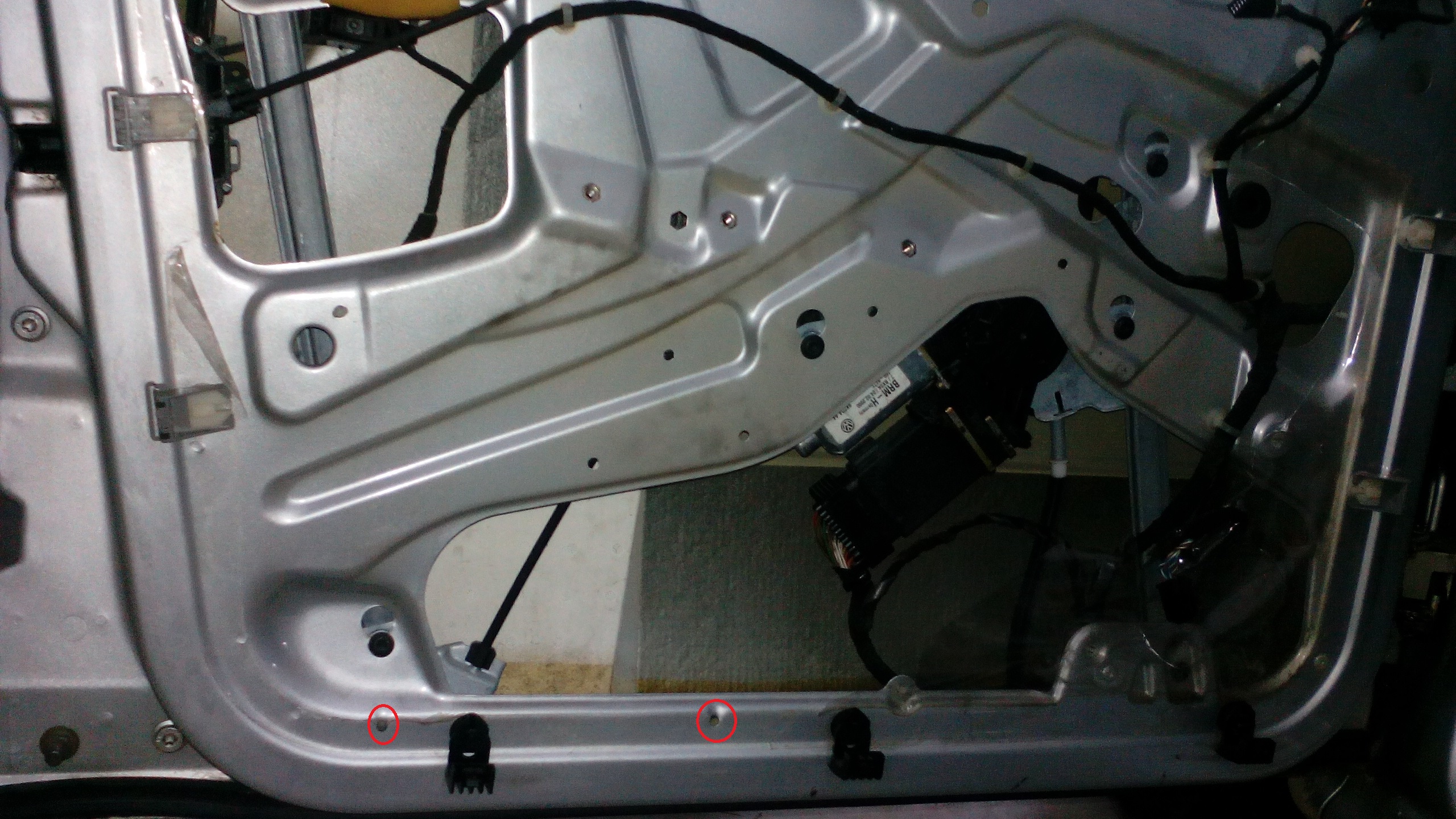
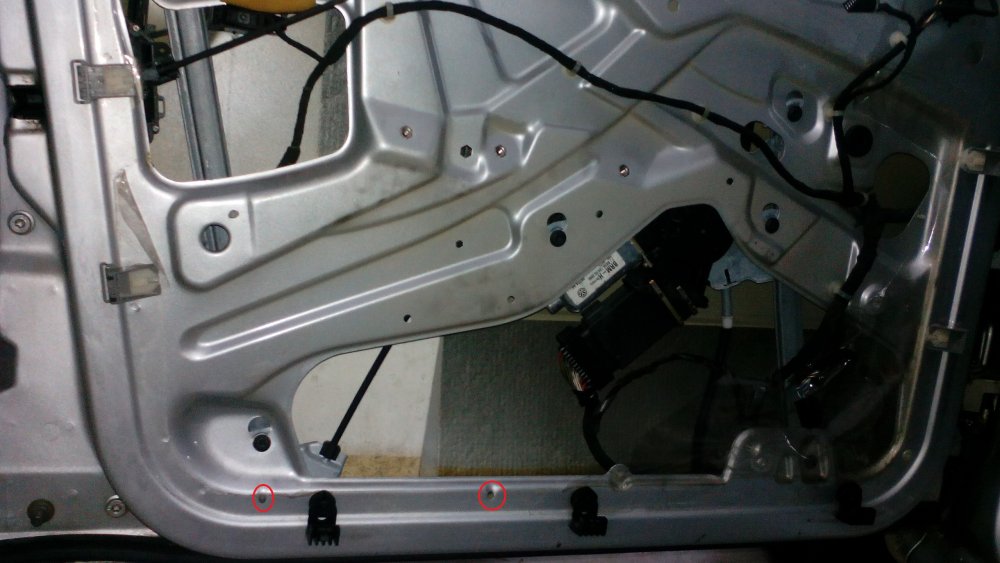
Here's a photo with the aforementioned holes; those shouldn't be covered by the film adhesive in order to allow droplets to drain. When I did mine, I placed the adhesive immediatly under them, barely touching.
-
As said, without the protective film any droplets of water would fall onto the rubber door seals, via the door card, and may tend to get into the footwell. The foam or plastic sheeting, if correctly applied, will direct the water to the inside of the door, and from there to the draining holes. Notice that there are also small draining holes placed where the film adhesive gets in contact with the bottom part of the door. The adhesive must not cover those holes, as they will direct any droplets falling from the film to the inner part of the door and to the proper draining holes. This approach did work for me.
-
A few years ago I bought an Octavia MK1, to find out a few days later that there was water ingress showing in the rear passenger footwell, left-hand side. Its origin: the rear left door. At some point the window elevator was replaced and not only the plastic film was missing, but a bubble wrap green plastic had been left inside the door for no apparent reason (with the skoda logo and all), directing water to where it shouldn't be. I cleaned the inside of the door, bought an original plastic film, used an hair dryer to get rid of all the moist and it has been fine for around 5 years. The rest of the doors were also inspected later, only to find out that all the protective films were missing or damaged, probably because these cars are prone to window elevator malfunctions. I replaced the foam films in both front doors (16€ each), and the plastic film in the remaining rear door (7€). Part numbers for the protective films (In Portugal, LHD): 1U4 868 395 F - protective foil for front left door 1U4 868 396 F - protective foil for front right door 1U4 868 399 - protective foil for rear left door 1U4 868 400 - protective foil for rear right door @Funkoid If the plastic film in the boot lid is not there doing its job, it may be the culprit for the water ingress. I have also tried to buy that one, but it was discontinued by Skoda. Part number: 1U9 867 141 - boot lid protective film
-
Thanks for the welcome! I concur: I find the AVU to be economical, consumption wise, and I believe it is pretty much the same motor as the BFQ. I haven't had any major issues so far. However, from my experience, the secondary air system, the electric accelerator, the EGR valve and a different PCV system make it more prone to some TLC than the AKL.
-
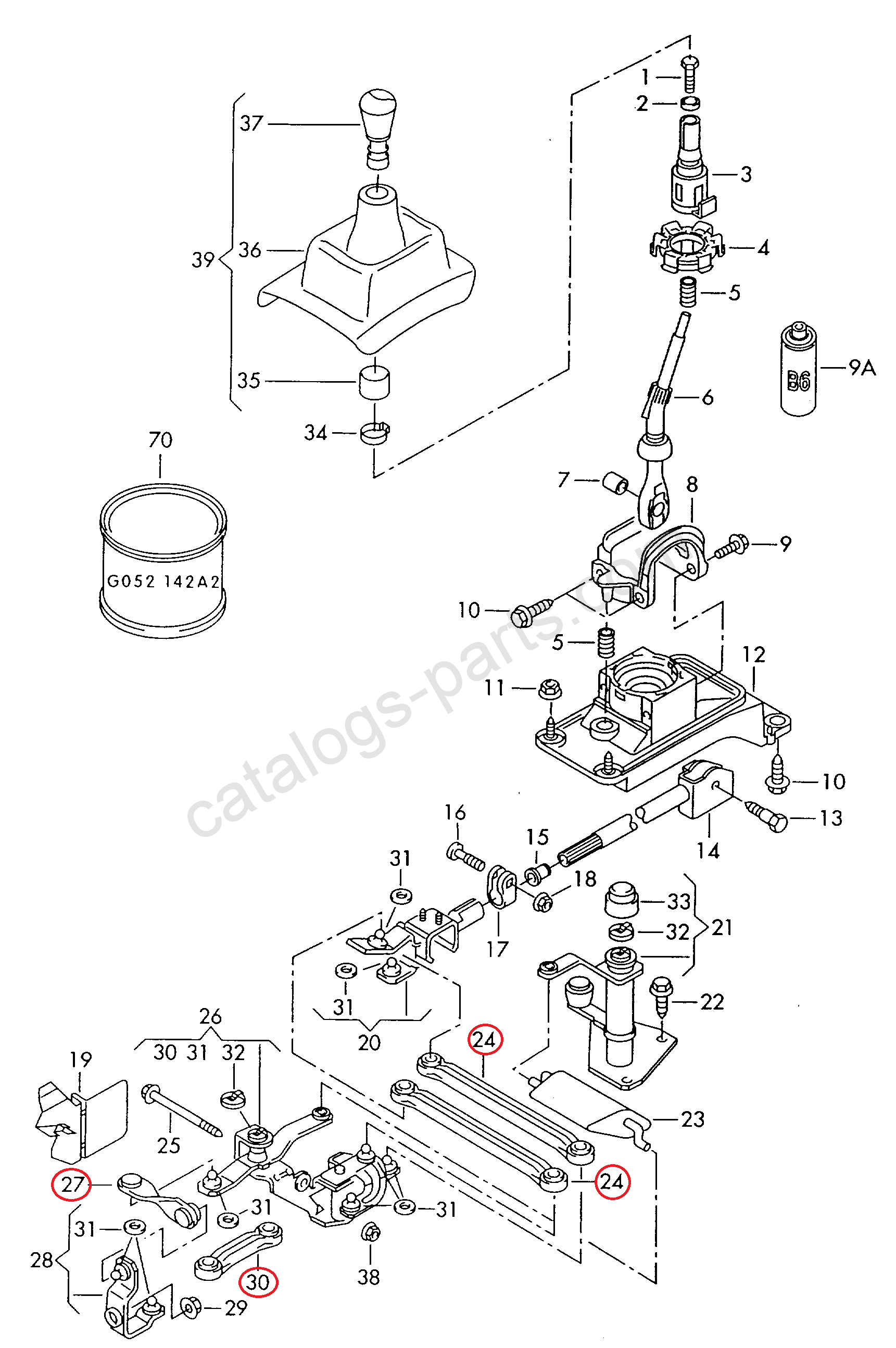
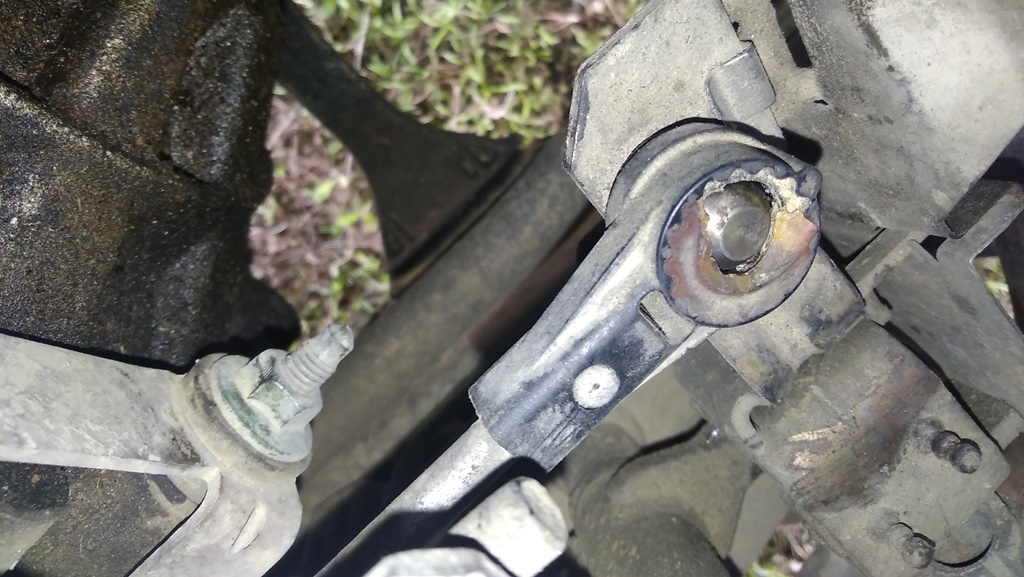
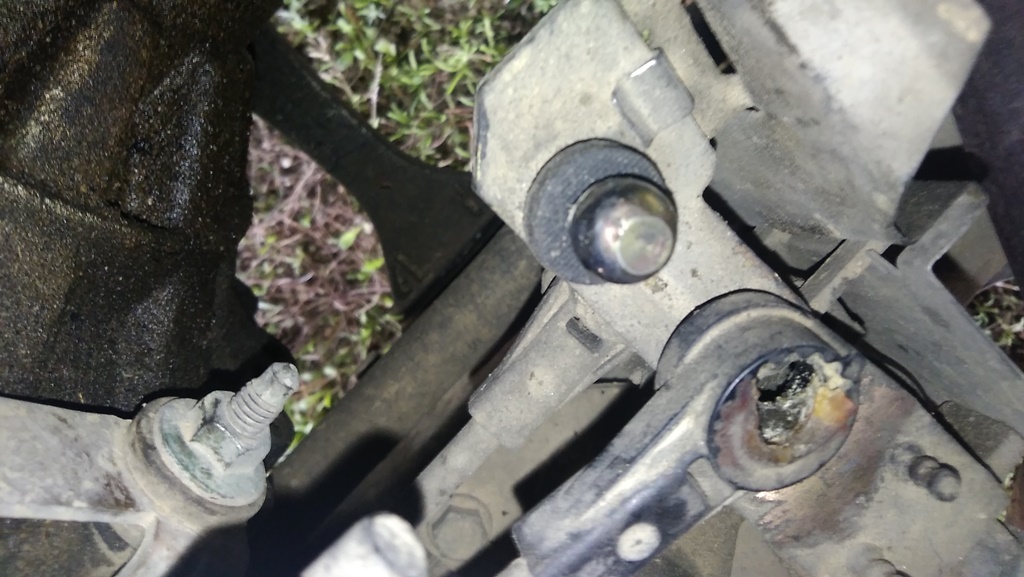
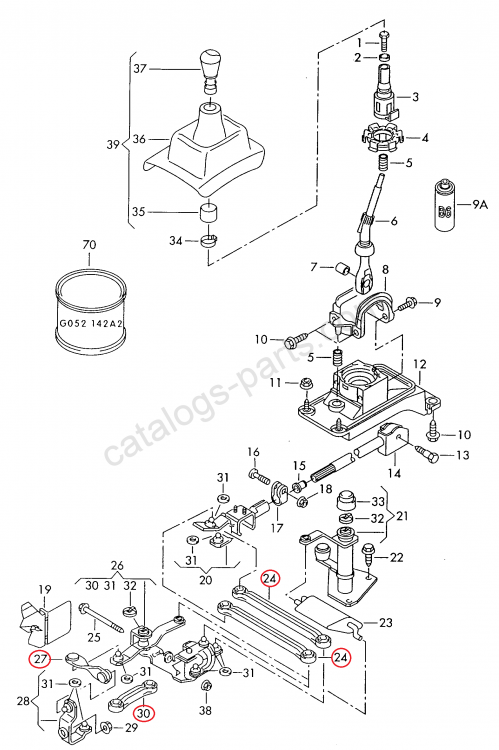
Hi. Thank you for the advice! Actually my gearbox selector operates in a different way. The selector actuates 4 links; they are marked in the drawing below: In my other Skoda, one of the links got damaged and couldn't be kept in place; I lost 1st and 2nd gears. It was a simple fix, and I decided to replace 3 of the 4 links, as others were probably on their path to destruction. Pictures below: The culprit was most probably an oil leak from the rocker cover gasket, that I neglected for a while.
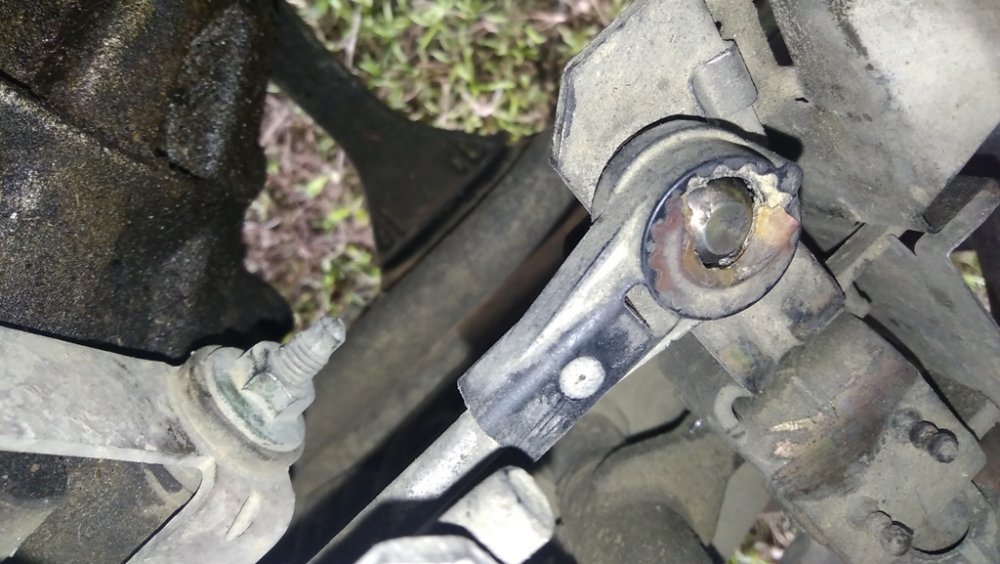
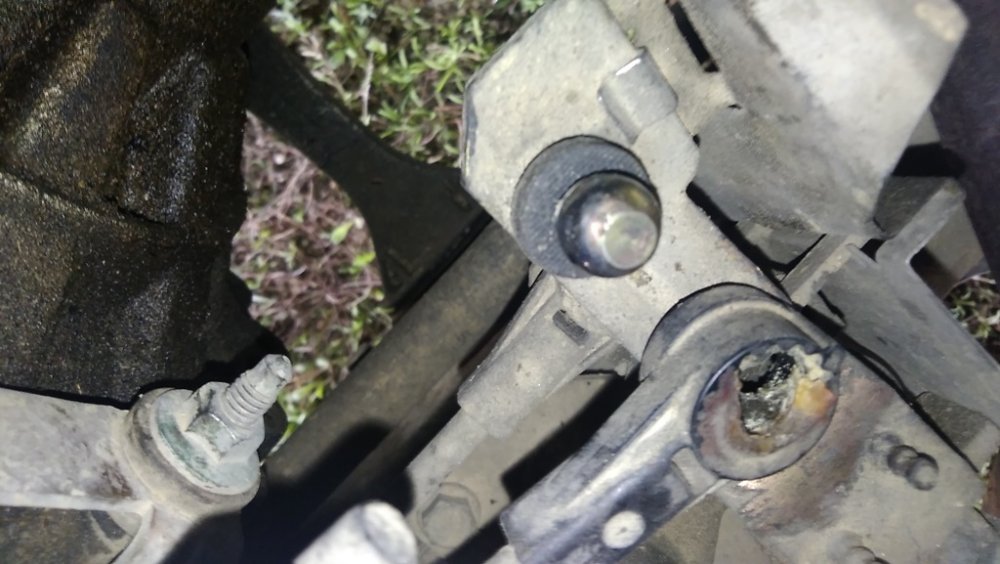
-
It's not really a problem anymore, but thought of sharing as it may help someone. A few months ago I bought an 2000 Octavia MK1, AVU motor. From the first day the gearbox always felt a little hard to play with in all gears, when compared to my other Octavia. After replacing the gearbox oil (with G060726A2) it got a lot better, but not as good as I hoped it would be. About a week ago I started having difficulty in engaging the first gear. I had to engage 2nd gear or reverse before going into first gear, which was really annoying. Last weekend I decided to replace the dogbone, something that I had already planned to do. After all, time takes its toll on components, and it was not that expensive at around 14€. Much to my surprise, after going for a drive the gearbox seemed completely different, as smooth as it may have been on day one. My guess is that the new dogbone slightly changed the position of the motor, due to the bushes being stiffer, and the gearshift linkage now has the correct play. The old dogbone's bushes don't seem that bad, they actually looked pretty "normal" to me.
-
Hello, I own two Skoda Octavias MK1, both from year 2000, AKL and AVU motors. Have always liked the aesthetics of the model, so much that I couldn't settle for just one; bought the AKL 4 years ago, and the latter a few months ago. I have learned from the forum. Hope to be able to contribute and help others as well. Cheers.