wyx087
Resident Member
-
Joined
-
Last visited
Everything posted by wyx087
-
I now only got the rear ones installed. The front ones introduce a lot of wind noise around the mirrors and I've never found a real use for them. To be honest, I only have it to feed power cable in through the rear window opening so I can heat up the cabin and de-ice the car in winter. Otherwise I find them a complete waste of money. Heko fitted well for me.
-
Somehow the Enyaq I test drove got me worse mi/kWh in local roads than when I thrashed the Model Y on a dual carriageway at "70" mph. I know the area very well and the dealers are just across a retail park, but I only got 3.1 mi/kWh whereas same road in my Leaf in similar great weather would have gotten above 4 mi/kWh.
-
I had to do it on my Leaf as well. It's sad that brake disks lasting 100k was advertised as a feature of EV's yet they have to be changed before they wear out. From what I read with Tesla, they don't blend brake with regen braking. Everytime using the brake pedal will actually use scrub the brake, hopefully that means less chance of corrosion when driving normally and use the brake every so often when misjudged regen.
-
It's right to do all the research beforehand and make sure the trades people is doing a proper job by knowing most of the ins and outs of new tech. Currently heat pump are squarely in early adopter phase, just as EV's were in early 2010's. The cost benefit are questionable if not combined with other stuff (as per my worked example earlier) and you can be sure there will be newer better products in next few years. So for me, it's something I'd only consider if my boiler is actually breaking down. Otherwise just like you, I'm doing the research and trying to judge the opportune time to jump in. Don't want to be too late and pay expensive gas, but don't want to be too early and have to change the heat pump for more efficient one in a few years time. But all signs point to a promising replacement for boiler, as long as the house is well insulated and radiators are sized correctly to allow low flow temperature.
-
Then those heat pump system had been installed poorly or hasn't been set up correctly with flow temperatures. Insulation, insulation, insulation. That's what I'm saying all the time. It's the easiest money saver in short term and the most important prerequisite for heat pump. I don't think so. Most heat pump shouldn't require major re-piping. At least not in semi-modern houses like my one. Underfloor heating is ideal but not a must for heat pumps.
-
This comes back to insulation. As government sits down to discuss what to do to help with energy crisis, the best thing they can do this winter is to provide support for people to insulate homes as much as physically possible, especially old buildings. This happens to be the starting point for heat pump adoption. Heat pumps are quickly becoming less expensive to run. Here's a worked example: - A given house need 100 kWh of energy input per day to keep warm. (quite leaky) - A 95% efficient condensing gas boiler will use 105 kWh of energy, which at current 7.37p/kWh gas price means £7.74. - A heat pump operates at 3-5x SCOP depending on requested flow temperature, let's say worst case 3x efficiency. That means this house need 33.3 kWh of electricity energy to keep warm. This translates to £9.99 at 30p/kWh. - Add a 10 kWh home battery, solar and cheap off-peak tariff, you will be looking at around half of the 33 kWh on cheaper 7.5p/kWh tariff (daytime 35p/kWh, my Octopus Go tariff, locked in for 1 year). Meaning cost for the same day's heating is £7.01. Come October and January, I'm sure gas unit price will jump up more than electricity price; whilst off-peak electricity price will not change much, if at all. The better insulated the house, the lower heat pump flow temperature. The lower flow temperature the higher heat pump efficiency and the less it costs to run. Insulation and get thicker radiators are two of the easiest thing to do as preparation for heat pump. (Now that I've conquered EV knowledge, I'm currently learning about heat pumps in my spare time in preparation for installing in my house. After house battery) I'm not sure where you got your info that heat pump are not suitable for northern parts of the country. Norway has the highest heat pump per-capita install of any European country. https://reasonstobecheerful.world/heat-pumps-norway-efficiency-emissions/
-
Yes, it's always going to require a mix of energy sources. The important thing is to use most efficient method whenever possible and hydrogen must come from electrolysis, not fossil fuel.
-
Batteries will not breakdown like an ICE. Only gradually reduce its capability to hold a charge. So when the range is no longer adequate, move it to storage application where range does not matter. It is widely accepted that the BEV powertrain will outlast the car shell. Sorry, the carbon footprint question will be difficult to answer. On one hand you produce slightly more CO2 when producing new stationary batteries (would be better if repurpose old batteries), but on the other hand, you drive 50% less for every unit of input electricity. No, we cannot allow consumers to continue the same refuel as current cars. It simply does not make any sense to use EV like fossil fuel cars. Always be charging then there wouldn't be any range anxiety. Range anxiety does not exist once you get to know the EV, it's a term dreamt up by uninformed journalists. For off-grid homes, it makes even more sense for their own solar/wind and battery. There wouldn't be any need for transport. Efficiency of heat pump is vastly more efficient than hydrogen will ever be. For employment, just like ICE cars, of course a high maintenance system will provide more long term employment. But I would argue a lower maintenance system will demand higher skilled workers and generate far greater value in the economy.
-
According to this, after a quick google on hydrogen vs EV efficiency: starting from electricity generation, 38% of input electricity makes it to hydrogen fuel cell car wheels, 80% electricity makes it to BEV wheels. Grid transmission efficiency is 95% while hydrogen assumes 0% transmission loss and electrolysis happens on-site at 75% efficient. https://theconversation.com/hydrogen-cars-wont-overtake-electric-vehicles-because-theyre-hampered-by-the-laws-of-science-139899 Battery are not green to produce compared to ICE car, I agree. But remember hydrogen fuel cell also need some amount of battery. Over lifetime of vehicle, BEV produce vastly less CO2 than ICE car and hydrogen fuel cell car. For the latter it's simple maths comparing cars that is twice efficient because even renewables have a limited lifetime and embedded carbon. Until we have built a dyson sphere, efficiency is king. On battery end of life in vehicles. They can be re-used in stationary battery packs. For example: https://www.powervault.co.uk/technical/solar-battery-technology/ https://www.weforum.org/agenda/2018/07/netherlands-football-johan-cruijff-stadium-electric-car-batteries/ Reduce: EV efficiency is king. Re-use: Become stationary batteries Recycle: 2020 announcement by a Finnish company stated they can recycle 80% of Li-on battery raw materials using a low CO2 process. https://www.drivingelectric.com/your-questions-answered/840/electric-car-battery-recycling-all-you-need-to-know
-
True, but why are we forced to be in a one size fits all approach for electricity prices? I have no problem using other methods for long term cross seasonal storage. This is needed. Though prefer pumped hydro whenever possible because there's no chance of fossil fuel industry and have non-green hydrogen getting involved. it is the idea of using hydrogen for cars that I don't think make any sense what so ever.
-
This is my experience. Although 45min is enough for Leaf due to lower battery-to-charging-speed ratio, with such a small range of search area, I often forced to use unreliable charging locations (single rapid, busy loc, etc) I think this can be summarised to one simple sentence: Efficiency is king.
-
The solution to disconnecting/stop renewables due to excess generation is to store it into distributed batteries. Millions can't afford to have off-street parking, then will have to depend on public charging infrastructure. One of larger distributed battery will be at recharge stations. Grid losses are real but it's so far less than losses in hydrogen electrolysis. Until we can have enough incentive to flatten demand throughout the day and power vast majority on renewables, there isn't enough renewables to go around. The aim should be to provide extremely cheap electricity to those who have the ability to be flexible. The interconnect upgrade costs will be pale in comparison to prices we pay to fossil fuel industry. V2G has been delayed due to car manufacturers dragging their heels. Nissan Leaf had V2G in Chademo from early days, but CCS did not have V2G capability until later standard revisions. This translates to cars not having V2G capabilities until very recently appearing as vehicle-2-load. Don't get me wrong, green hydrogen have its place. But not in the next 10 years due to lack of renewables in our energy mix combined with its inefficiency. EV's need to completely replace ICE cars as normal transport, get people used to the idea of ABC (always be charging). Only then hydrogen fuel cell range extenders can come in for very niche car use cases.
-
This podcast with Octopus funder goes into much more detail and better explains what I'm trying to say on how stupid it is for national average pricing, or "dumb" single tariff pricing. How to make renewable electricity cheaper for everyone.
-
This is the key issue, supply not matched to demand. Need storage for those excesses. Sure not everyone can plug in at every opportunity. But the goal is to have enough "smart" EV's plugged in at all times so that the excess can be stored. This video explains why it's not suitable for home heating, including problem such as gas pipe conversion and efficiency losses. Many of those problems are the same with powering cars if cars were sold as hydrogen vehicle rather than a regular EV with hydrogen FC as occasional range extender. T
-
Sorry, but building infrastructure solely for green hydrogen production does not make any sense what so ever. Every single renewable must be on the grid regardless whether the grid has the demand for it or not. Need as much renewables as possible, because currently we are still mostly gas powered. The national grid have the ability to transport power across the nation and to other countries. Building a renewable to sell the power and meet demand makes perfect sense. The current problem is that renewables are not being fully utilised due to demand not matching supply. The solution is ensure everyone plugs in their EV when parked and have its charging controlled by the energy company (eg octopus intelligent). When EV and home batteries can be automated and "smart", it saves everyone money on large storage infrastructure and removes the expensive daily demand surges that pushes up the average unit price.
-
Hydrogen will be even more expensive than electricity. There's just no way green hydrogen can be cheaper, because it uses twice amount electricity to generate it. Then there's extra storage and transport cost. Only cheap way to drive is to be flexible enough so you let the cars soak up excess grid capacity. Current brute force supply-must-meet-demand method just does not work at all.
-
Public charger need to pay 20% VAT? https://instavolt.co.uk/instavolt-announces-updated-charging-tariff/ Seems rather unfair for those who can't charge at home.
-
It’s a Ford, their EV are so far behind it’s embarrassing. Not at all surprised it is a bolted on battery pack and zero protection. Just 60 odd kWh with brick of a vehicle. It’ll be same as their Focus EV, blame on no demand when it’s a failure.
-
2.0 TDI with DSG here until next month (it's currently up for sale in classified subforum). 50-"70" mph most of my time with it. At 70 and a bit higher at "70" it doesn't have any problem or feels lacking power. It can comfortably cruise at 70mph. Although the car feels less confident at "70" than my previous 2006 Mercedes C220 coupe. Fuel economy also falls off from 70 and upwards.
-
Right, it's up on classified subform with many photos and detailed description Thanks for reminding me there's a for-sale section here.
-
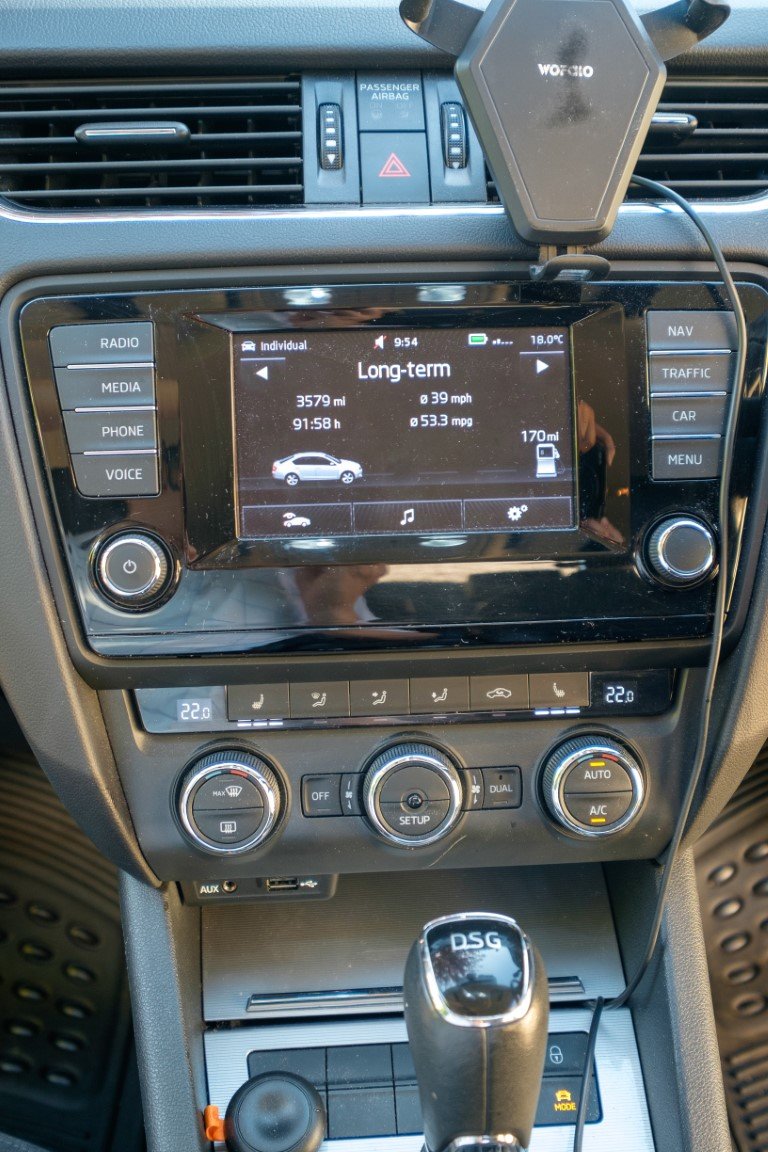
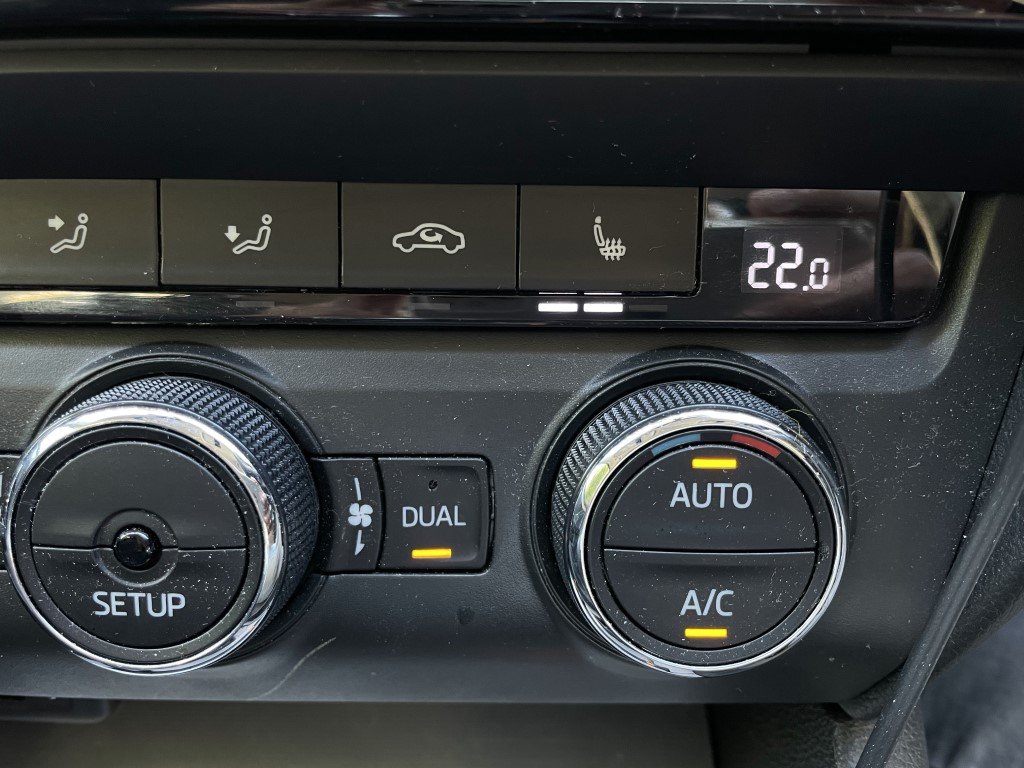
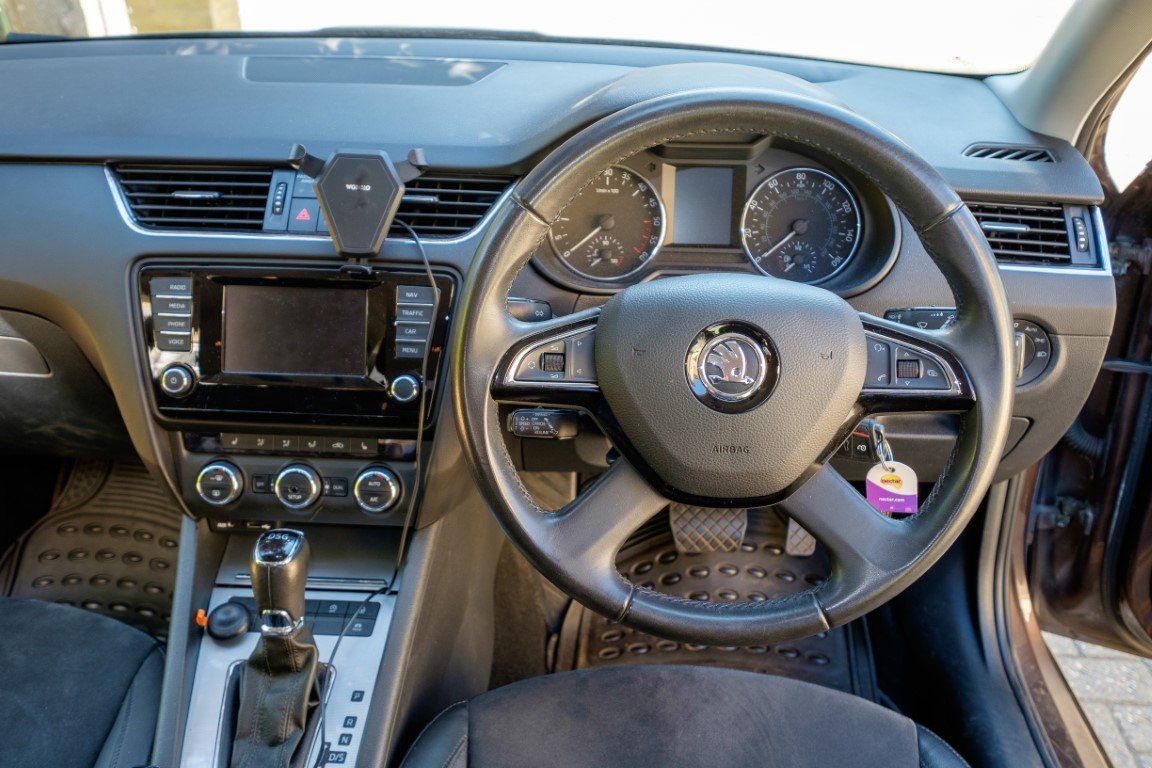
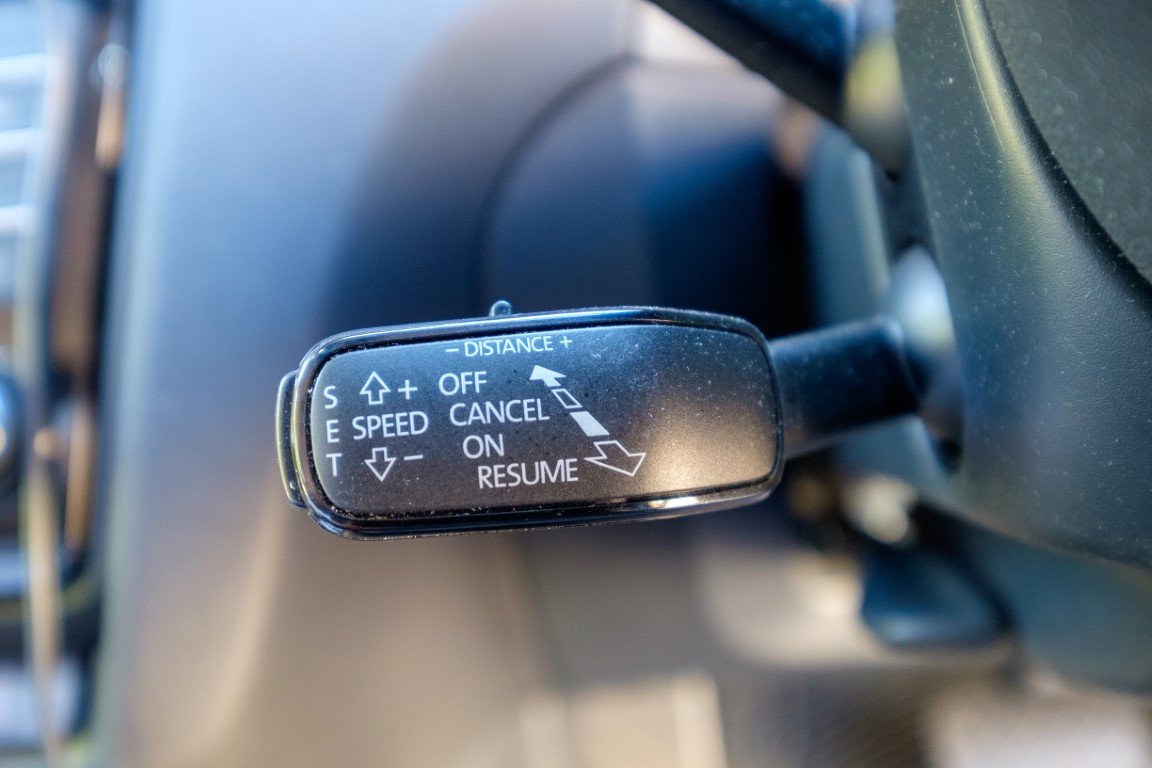
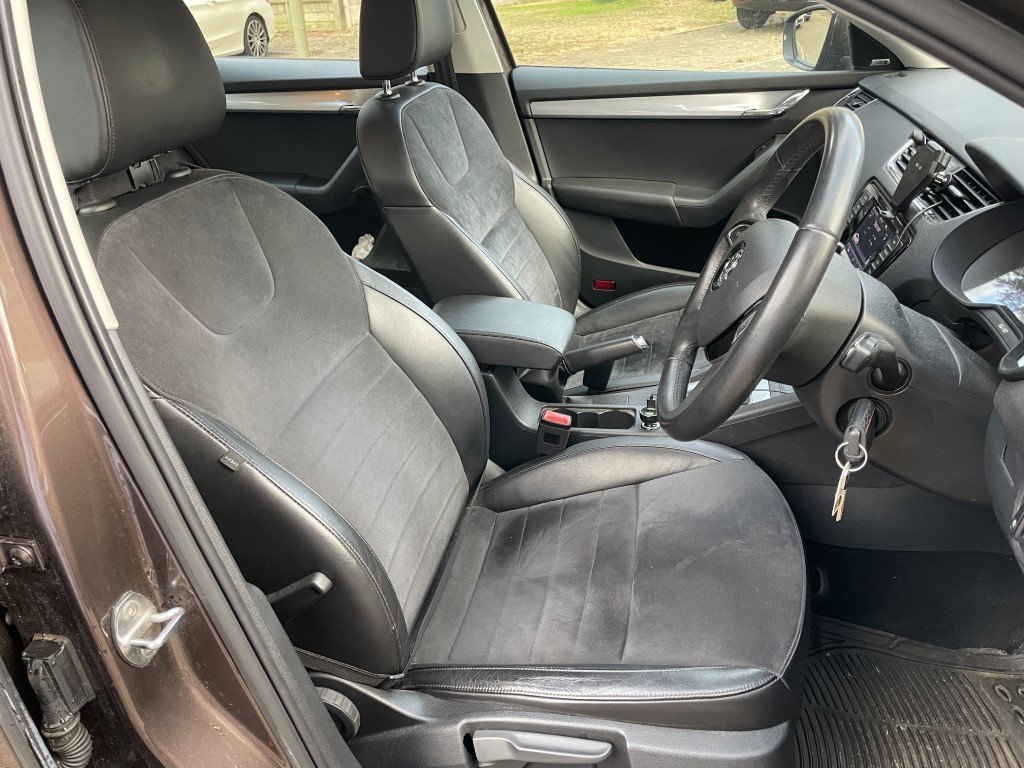
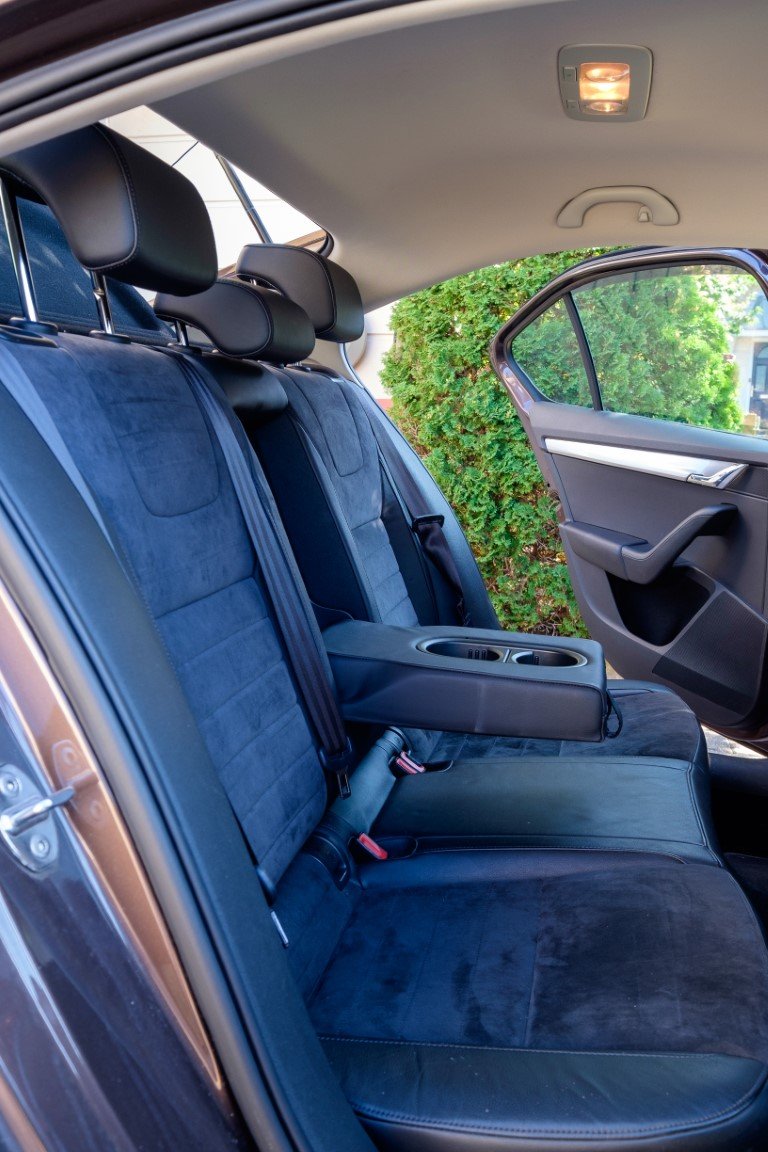
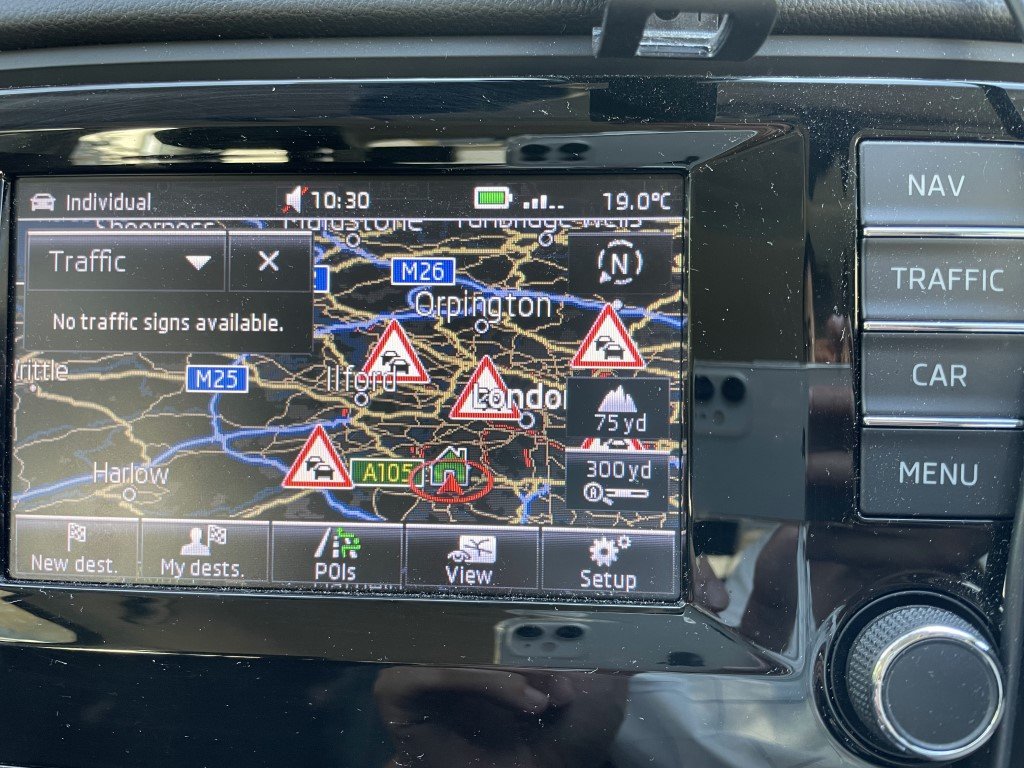
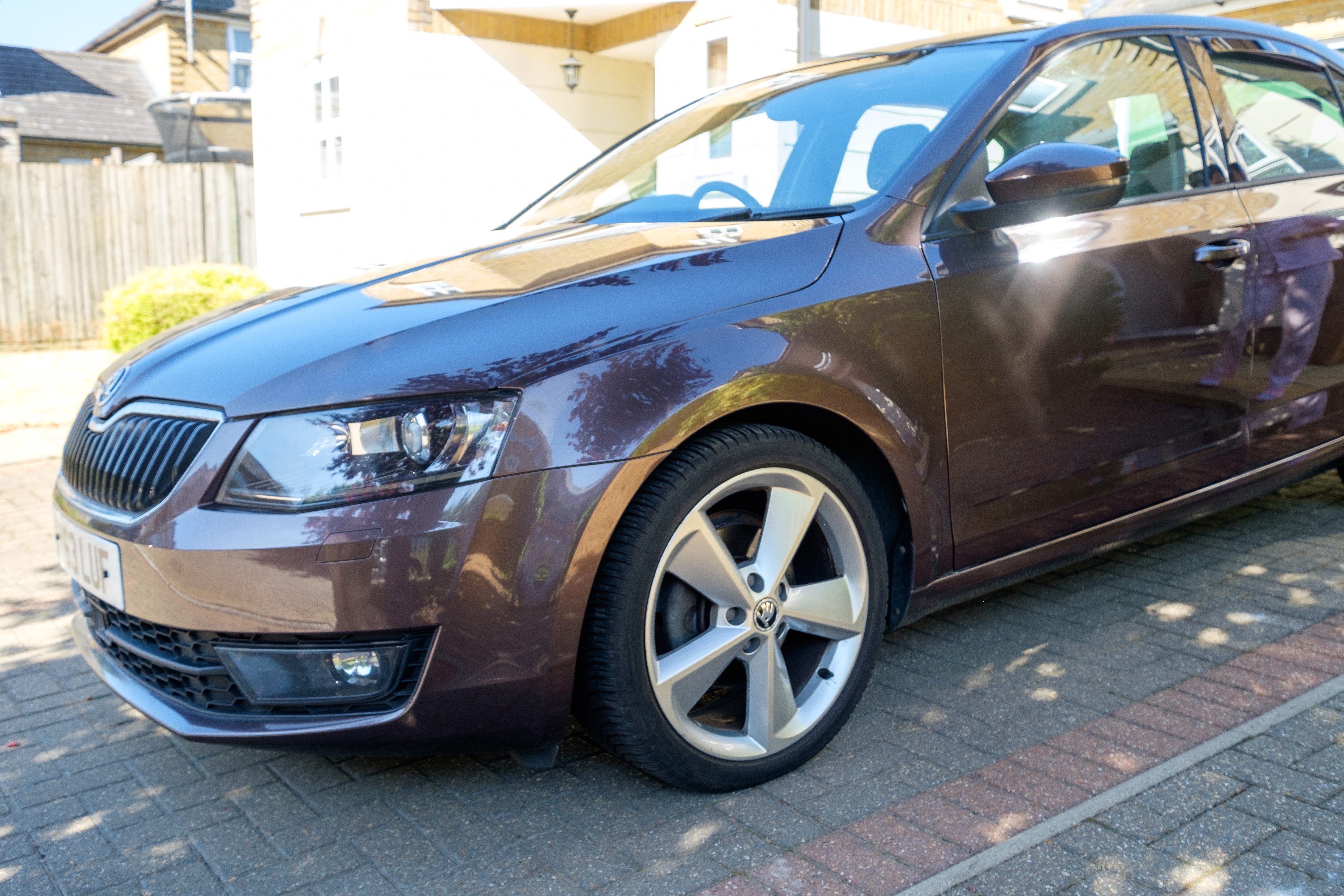
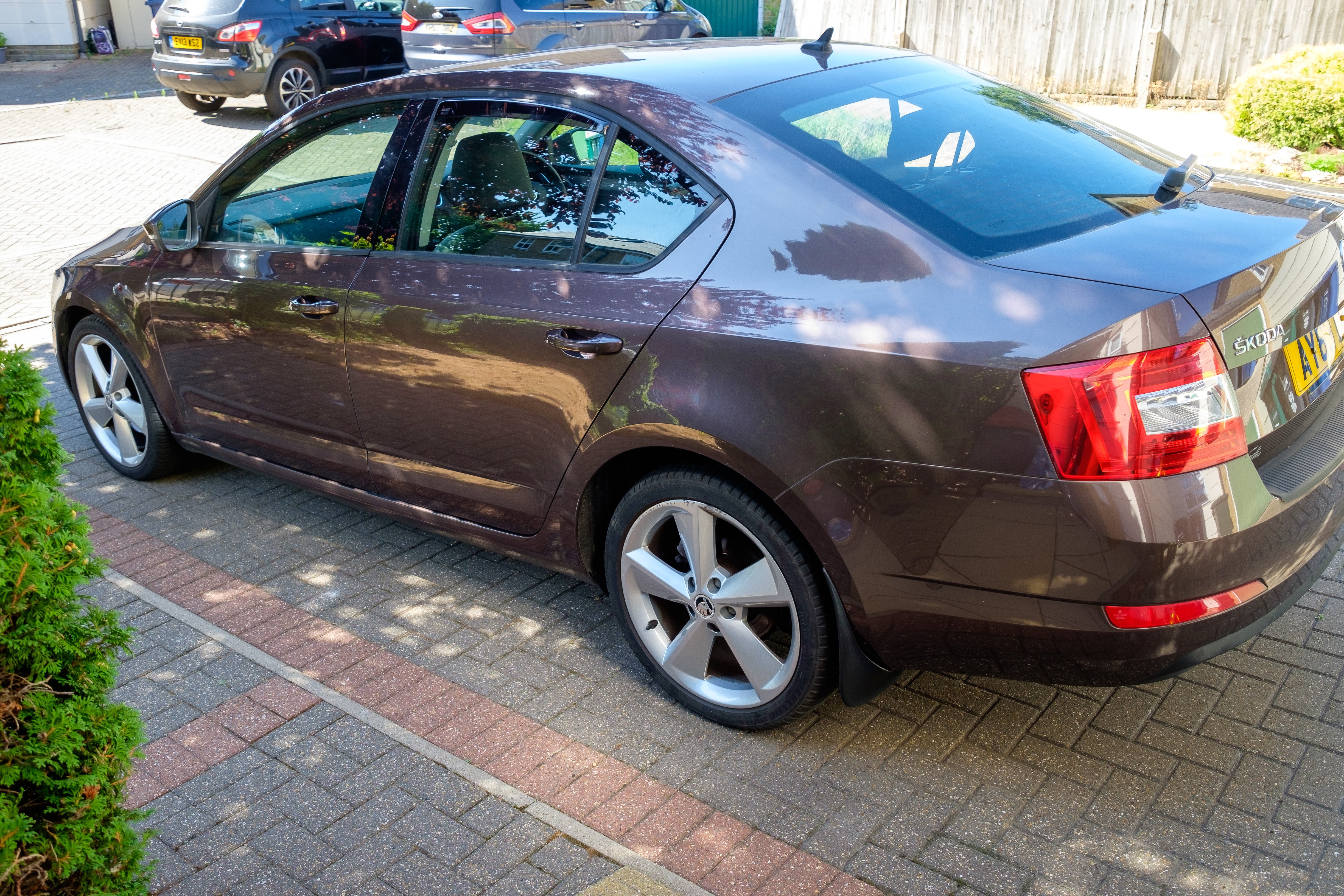
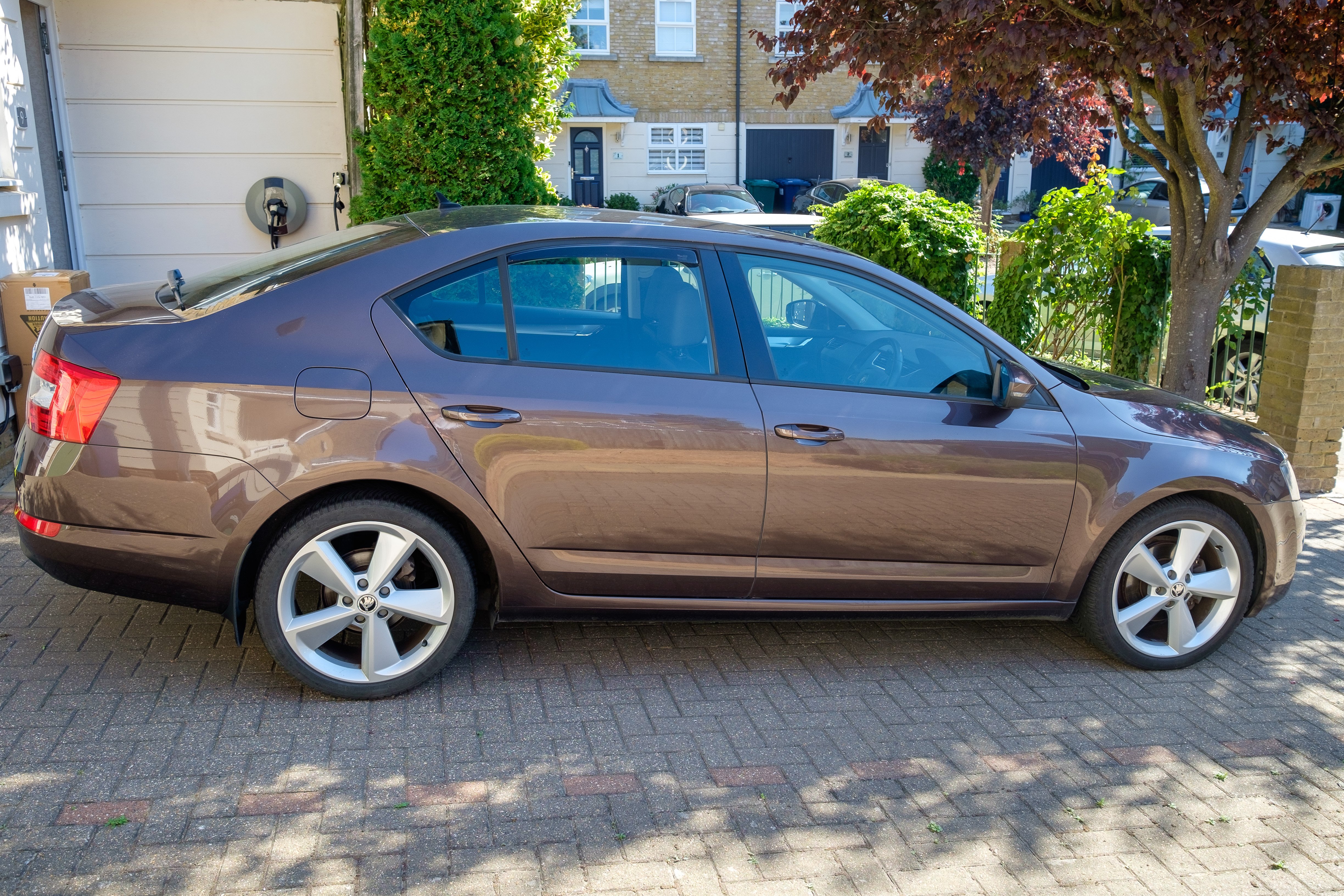
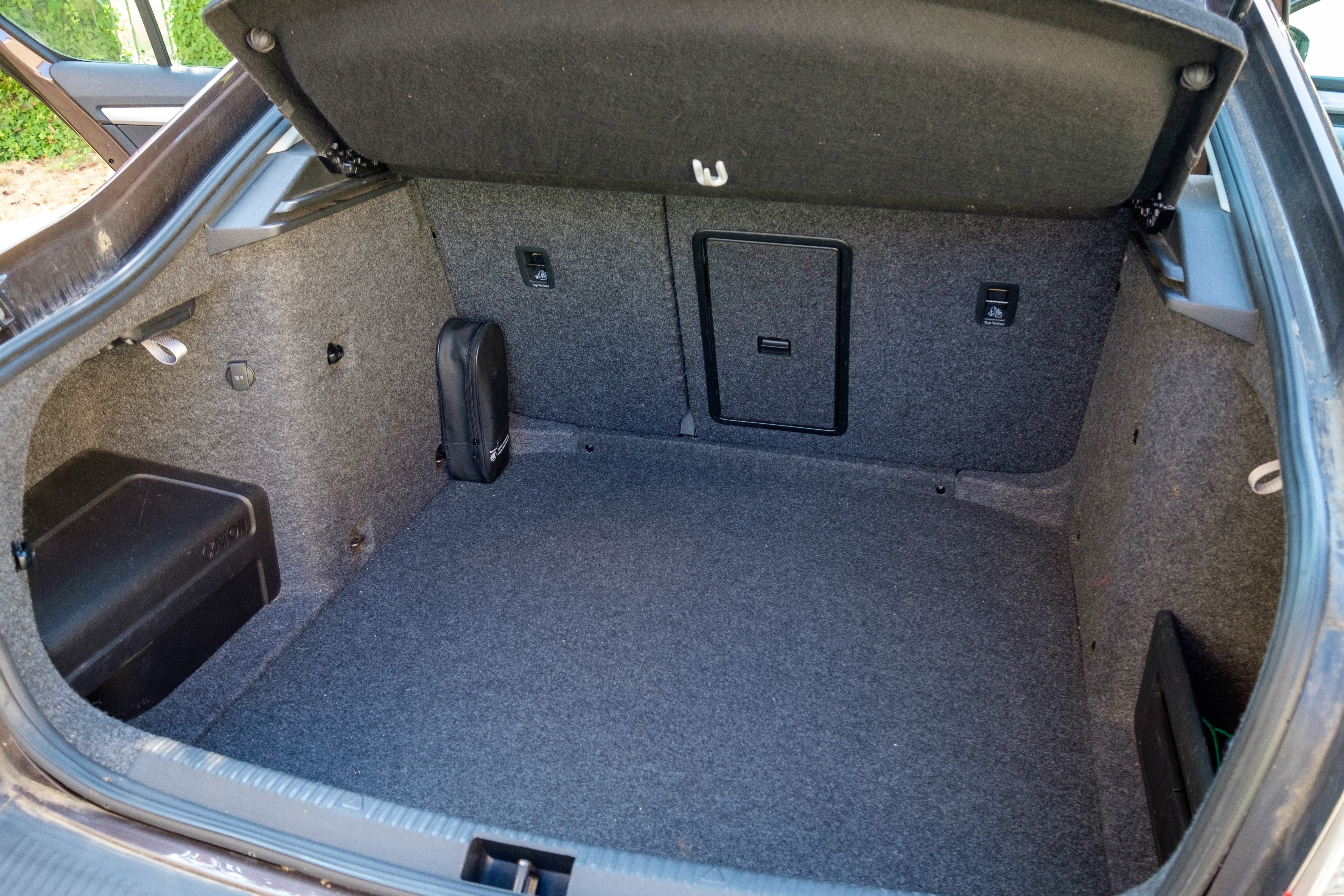
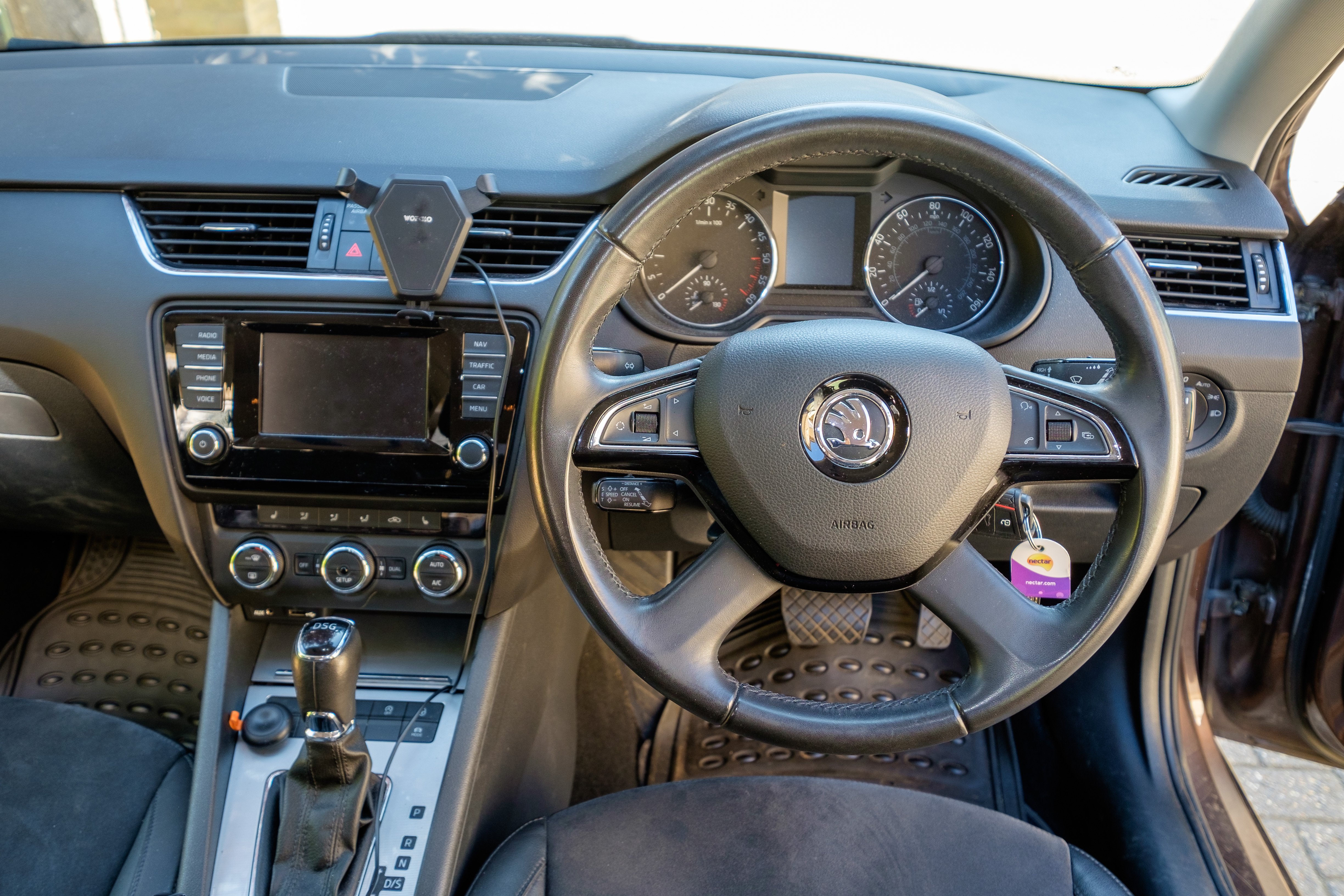
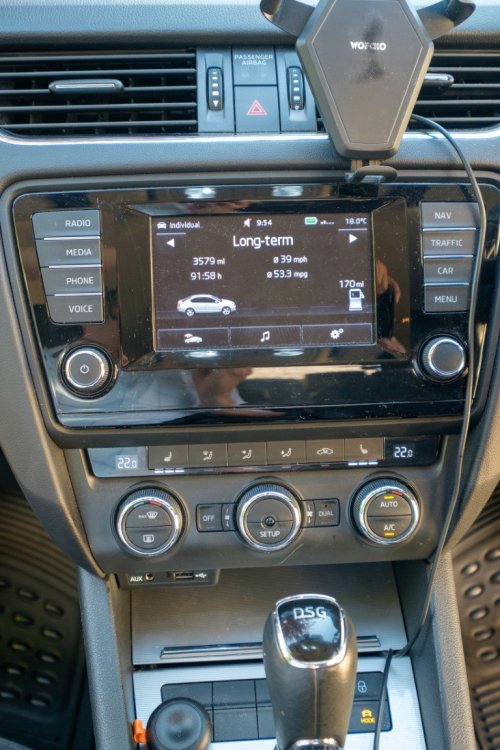
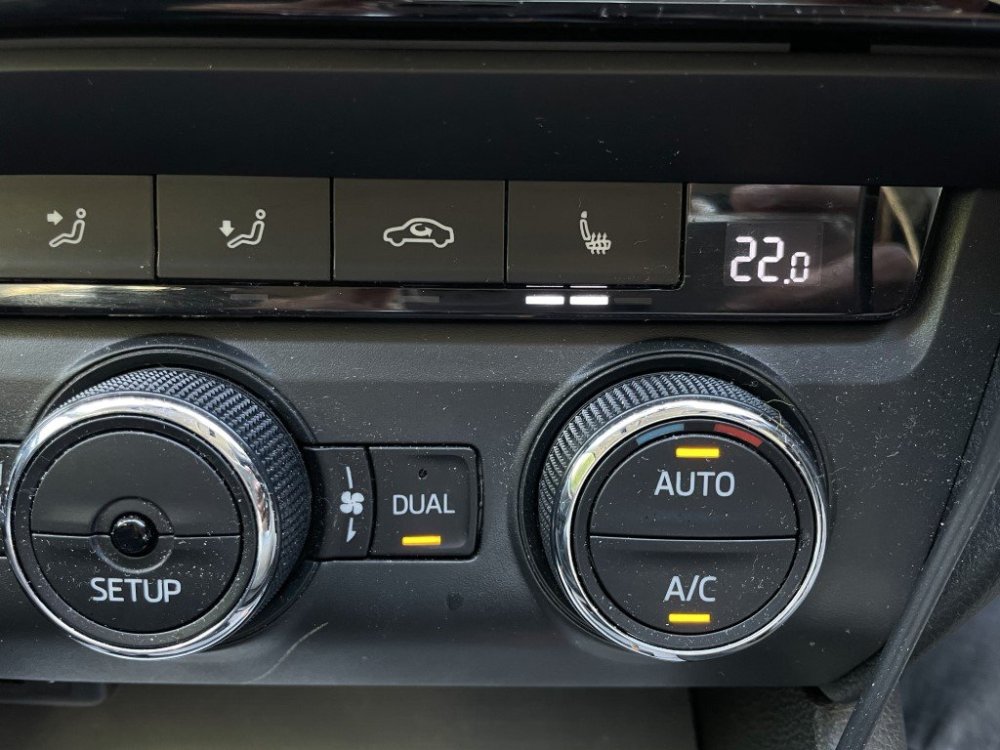
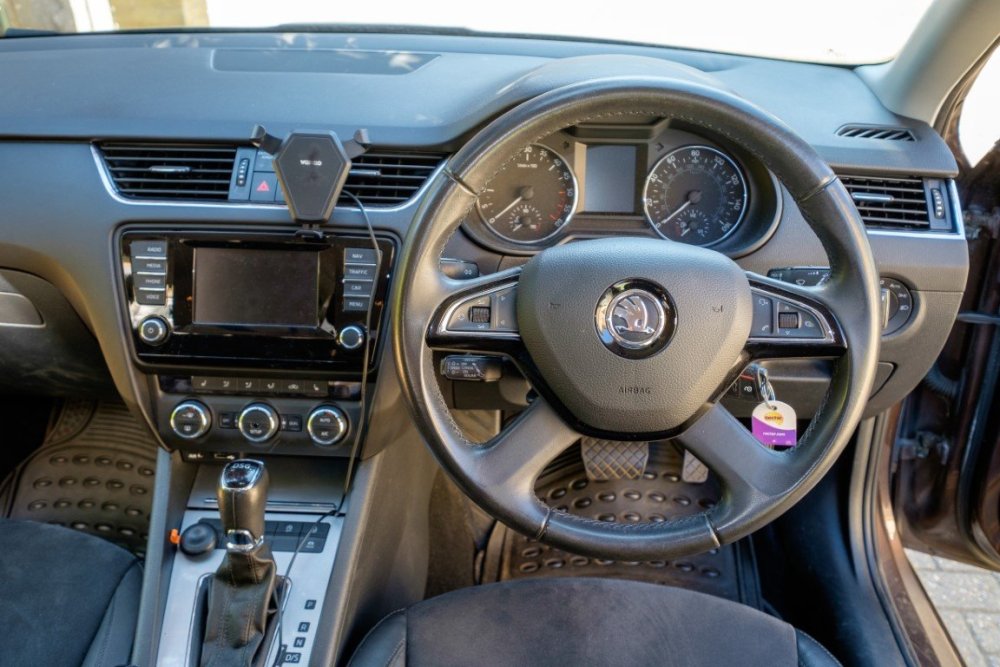
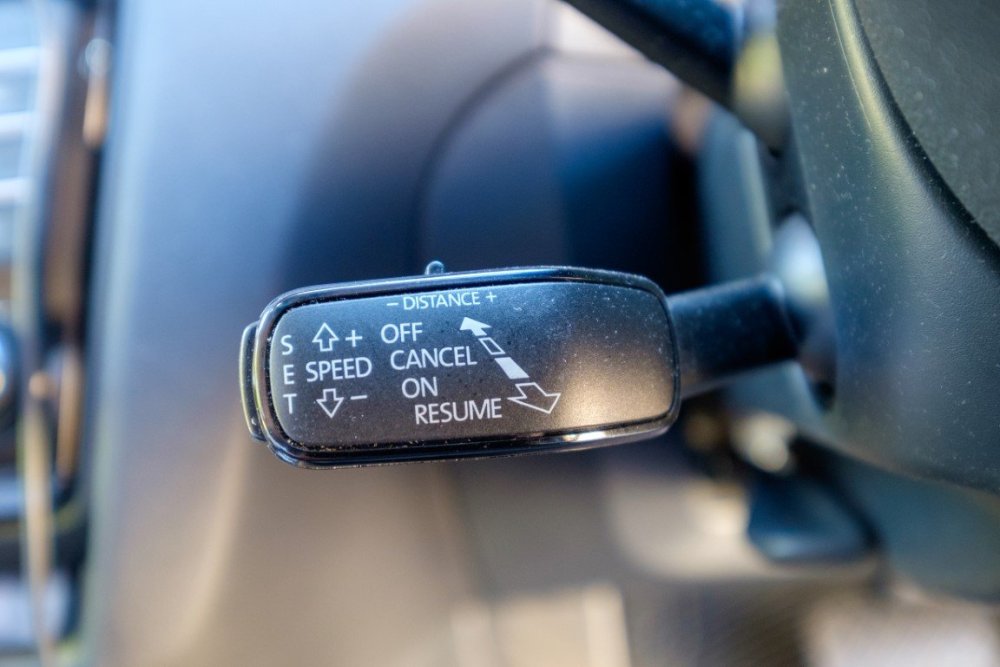
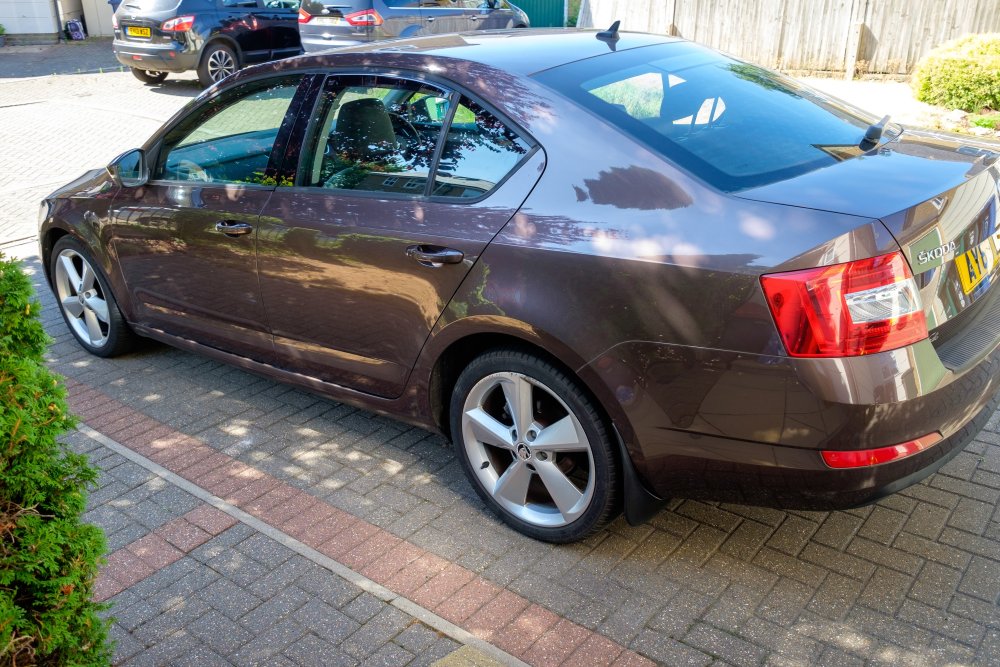
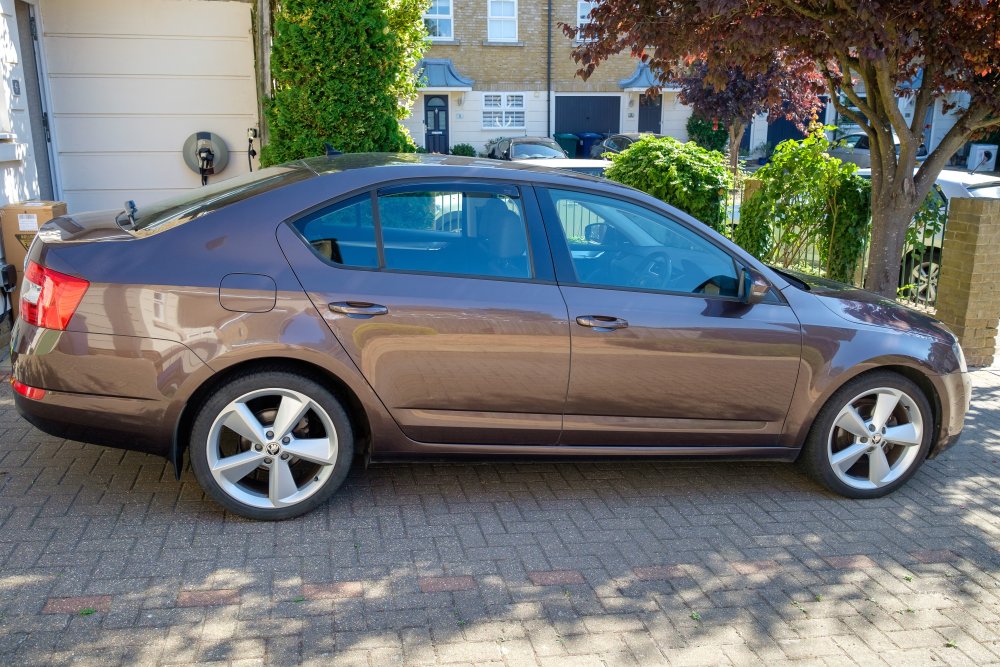
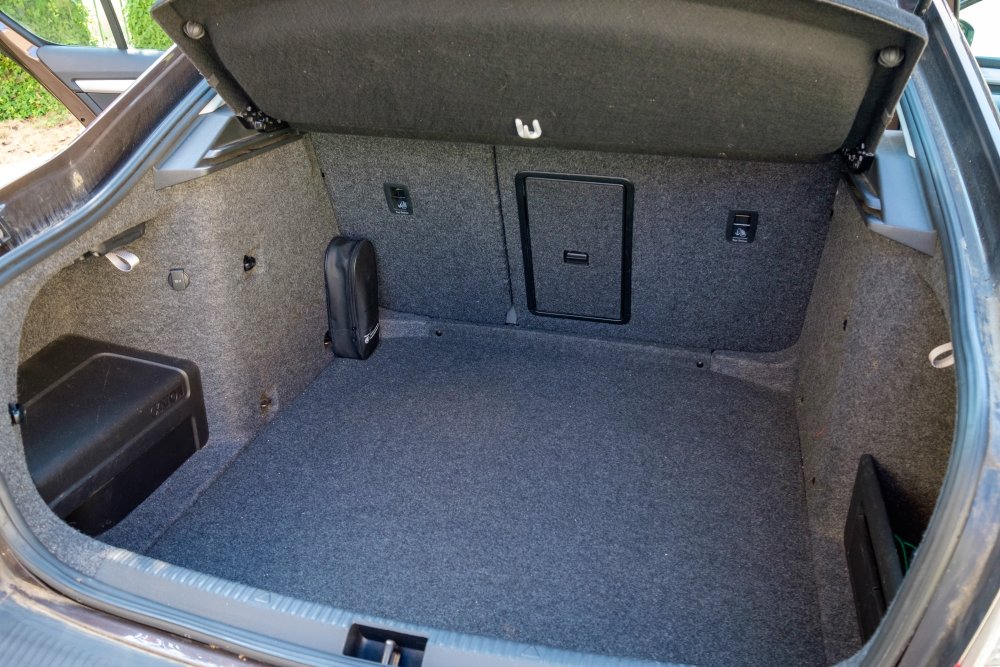
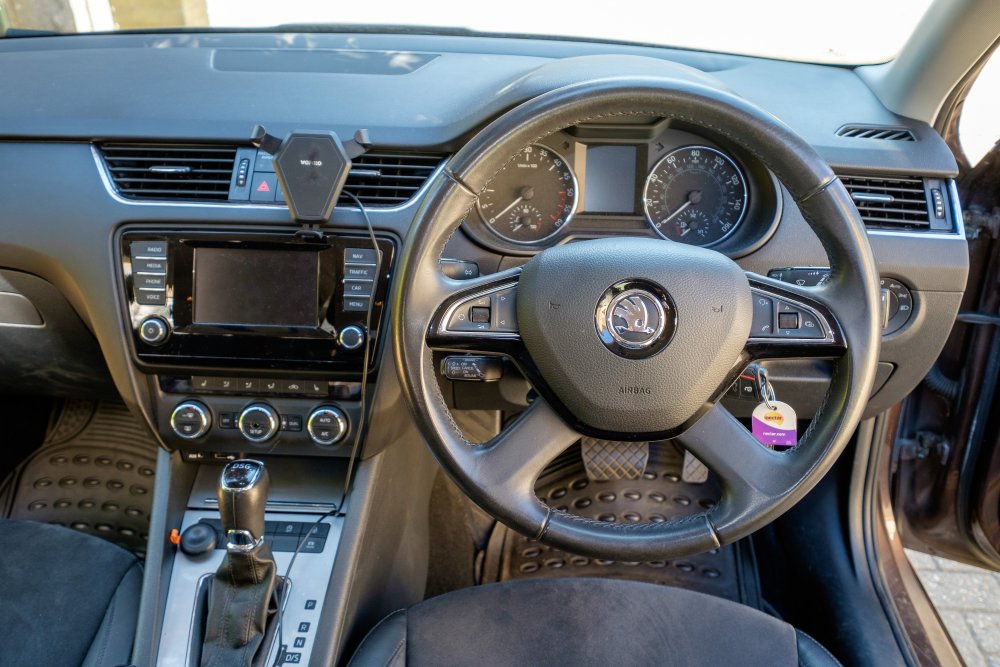
More photos:
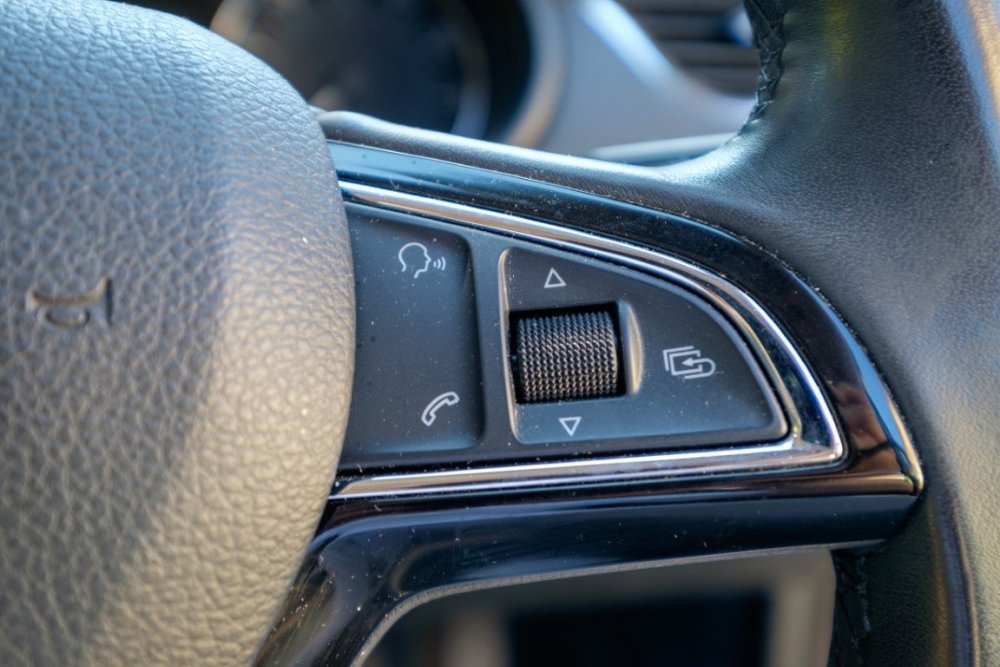
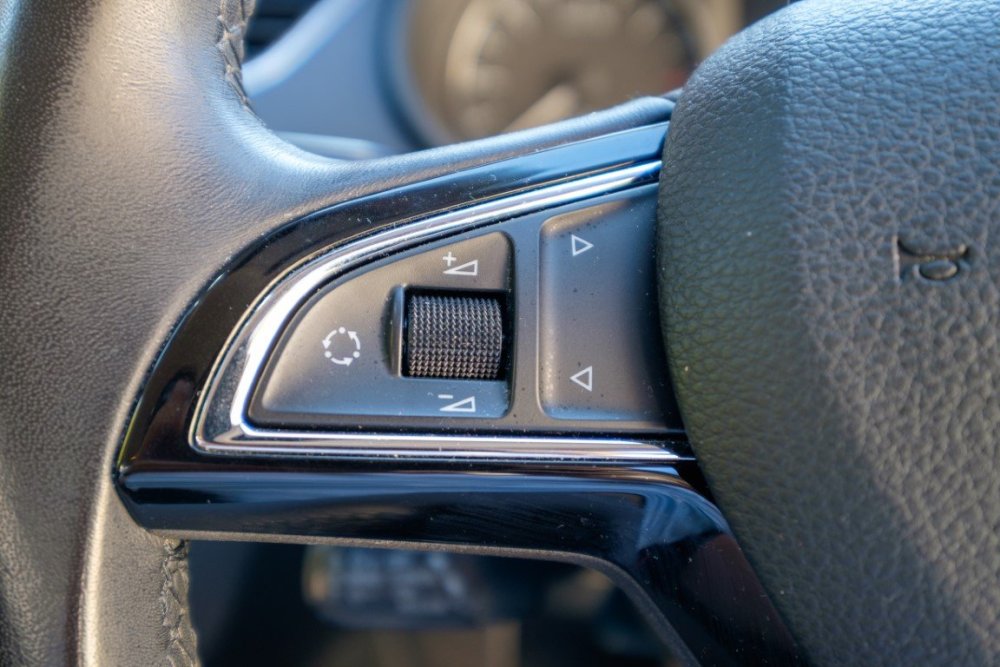
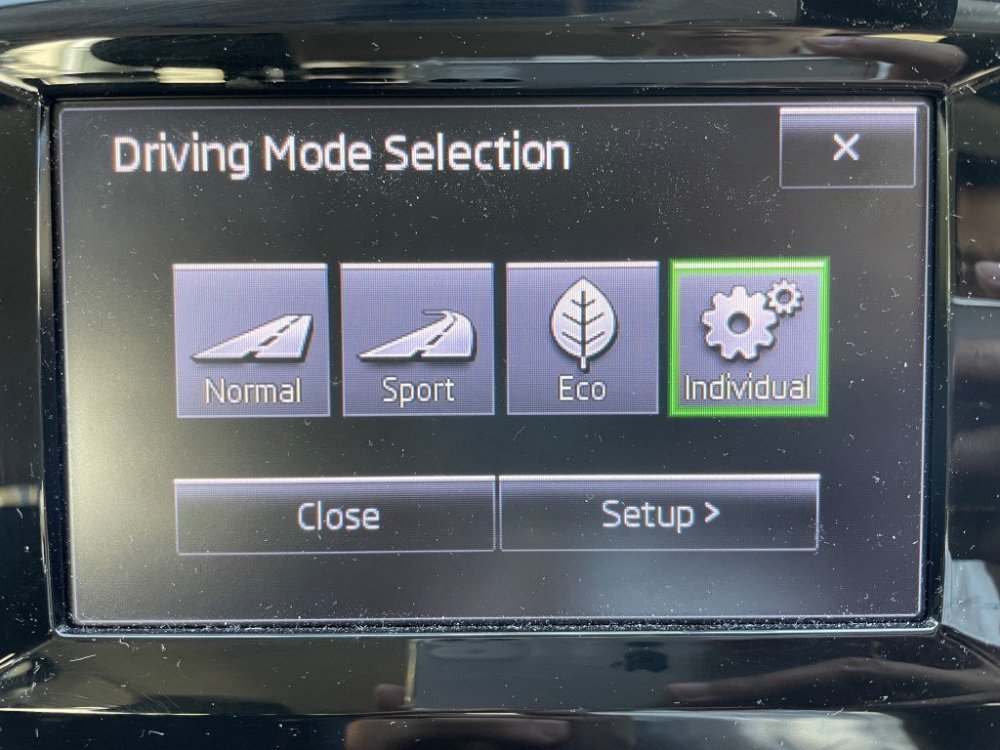
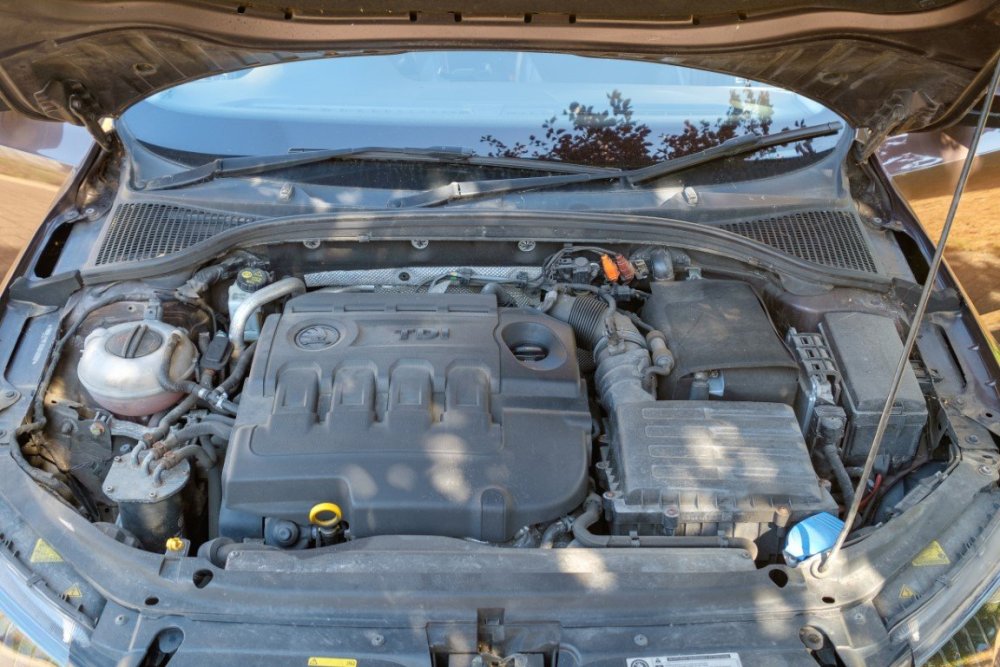
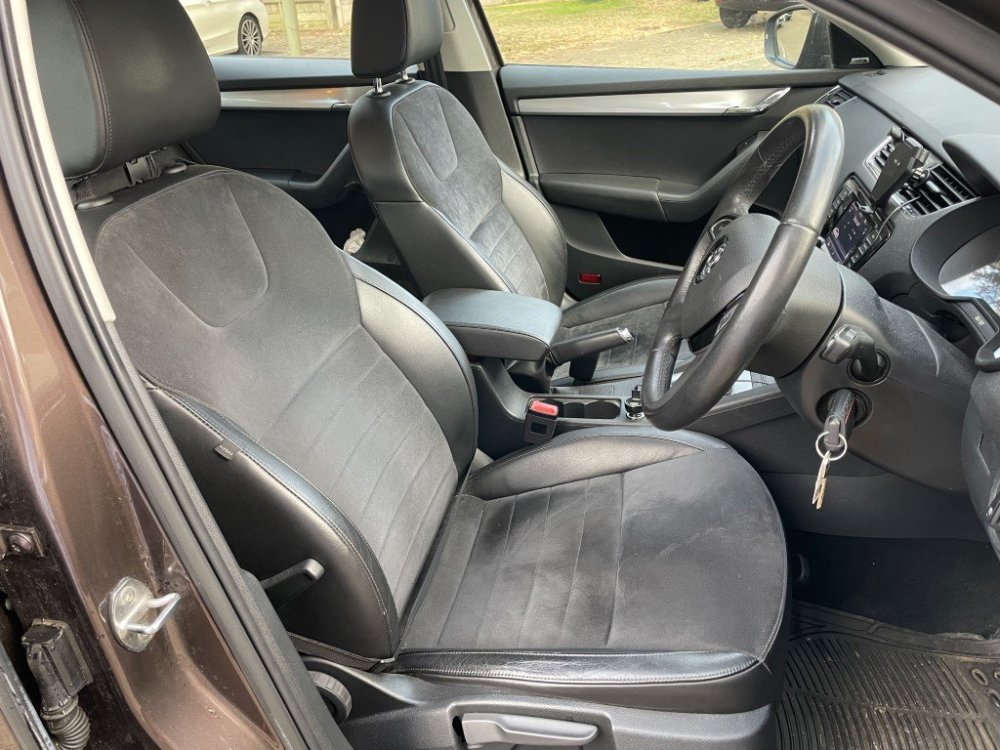
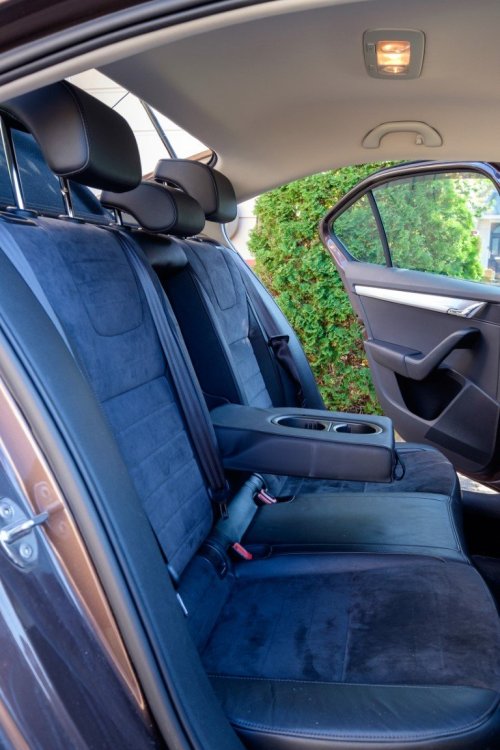
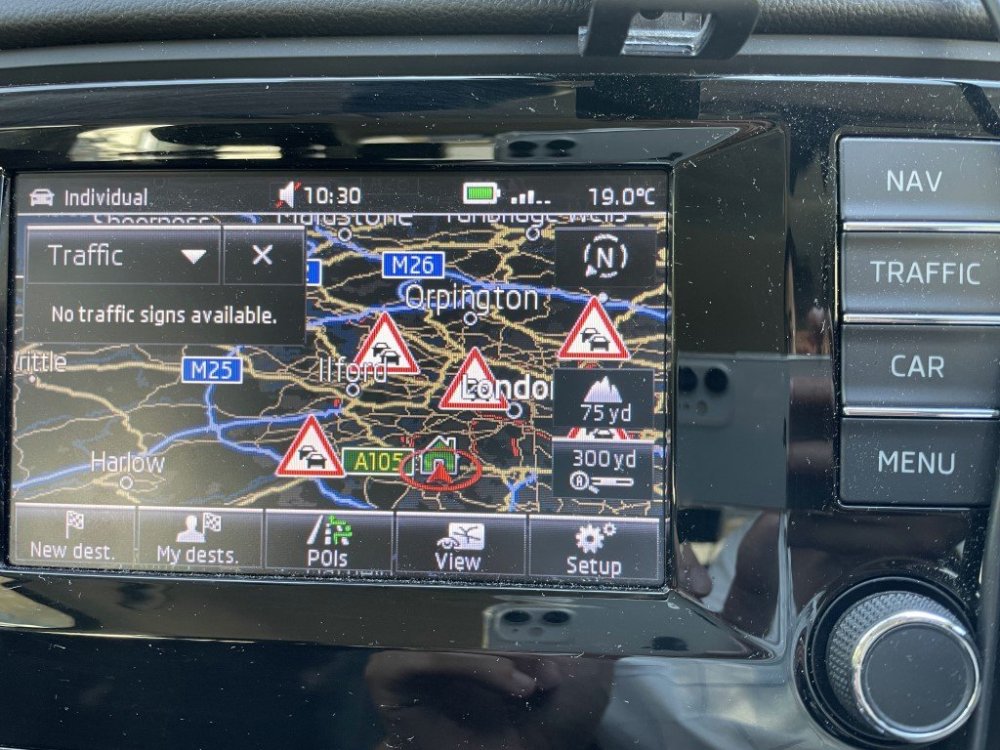
-
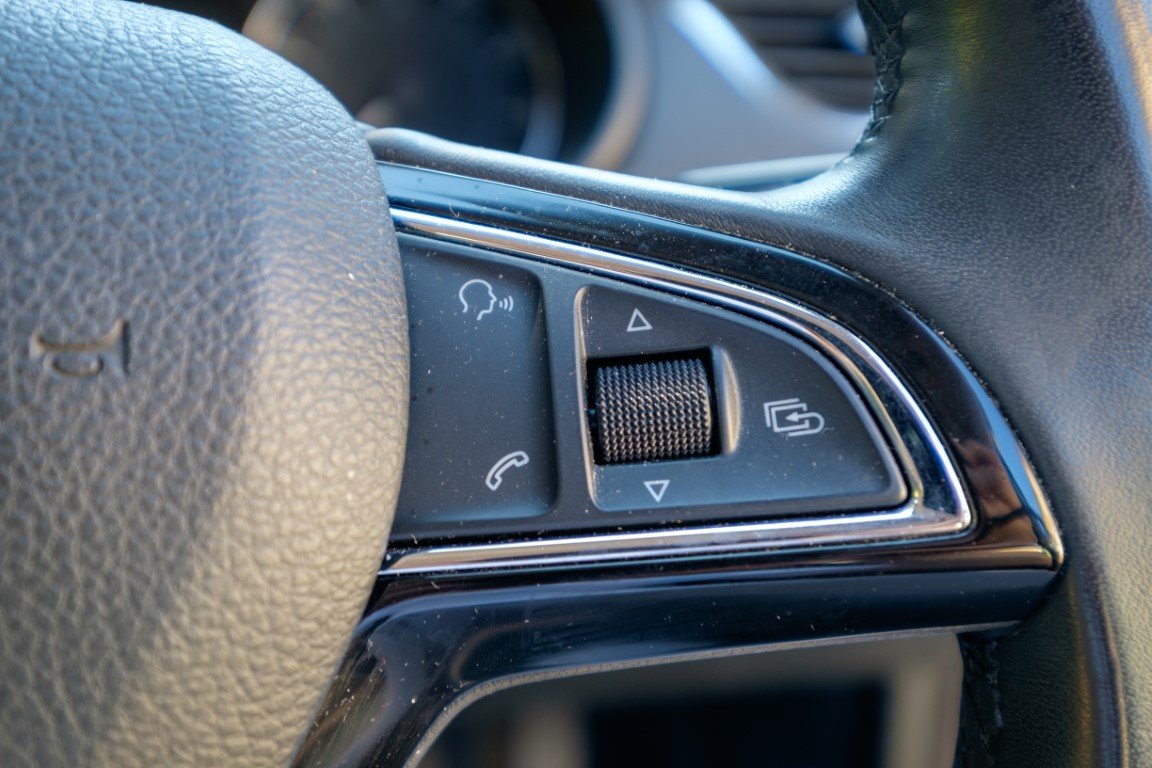
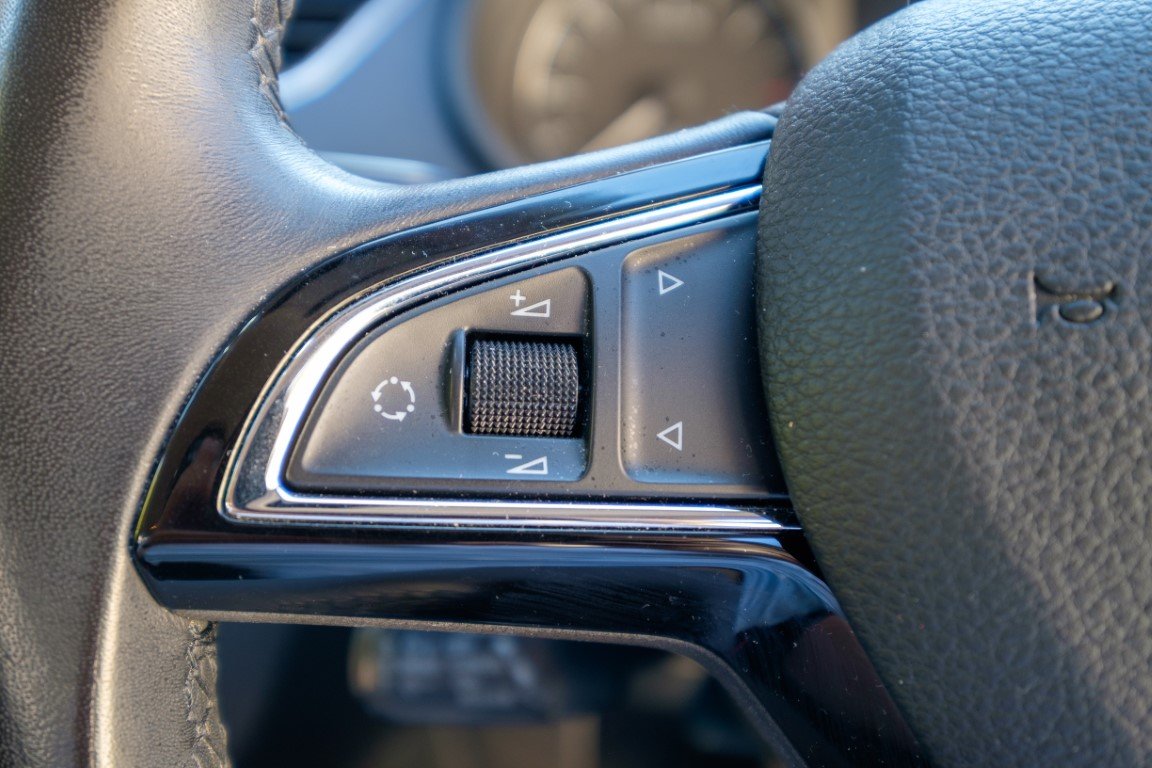
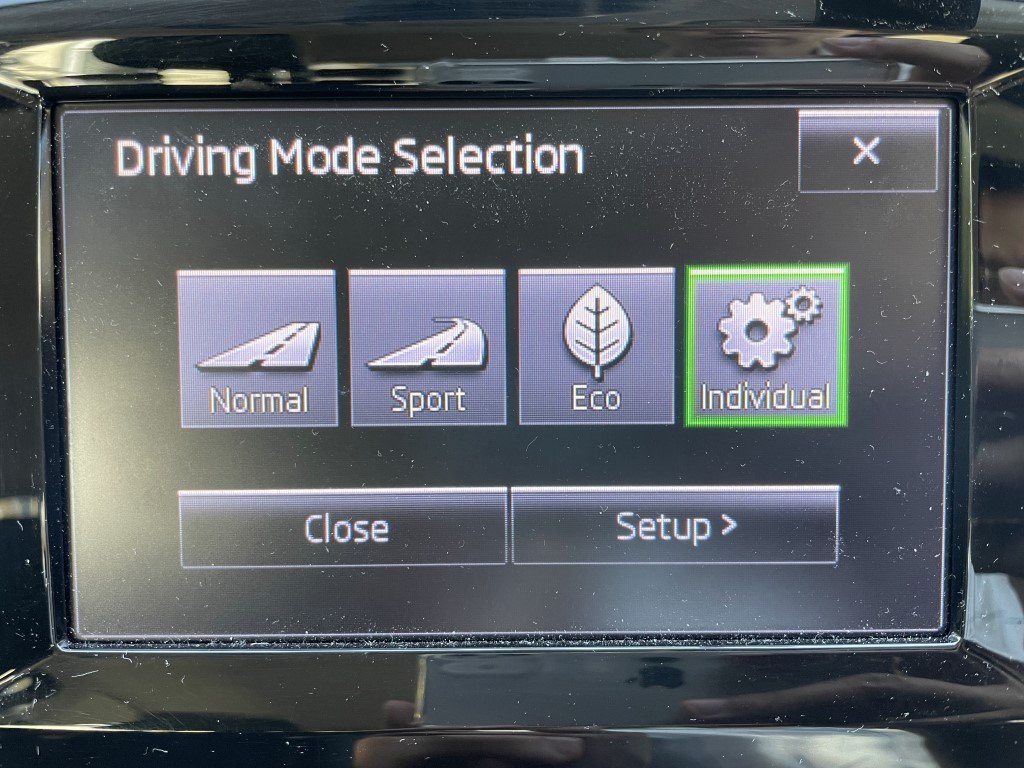
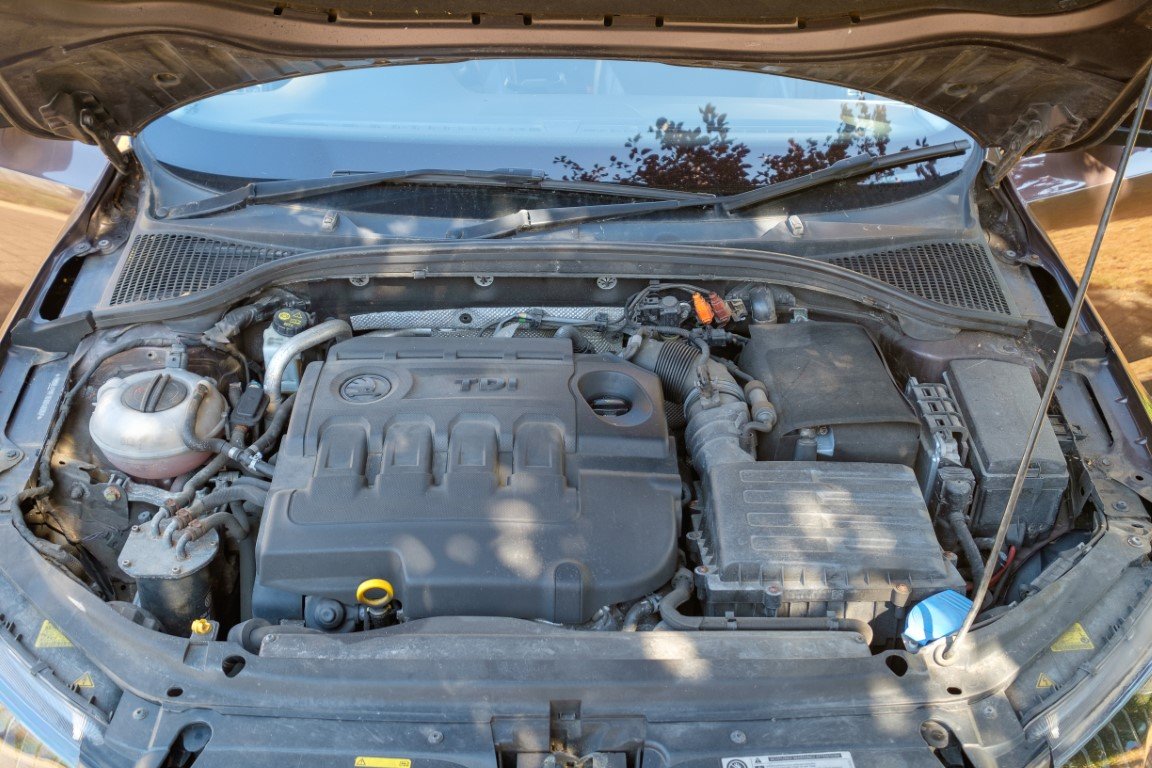
Make & Model: Skoda Octavia 2.0l TDI DSG automatic Elegance trim with Adaptive Cruise Control, Bi-Xenon and other extras Colour: Topaz Brown Mileage: ~99,650 miles Price: £5800 Description: Probably one of the cheapest car with ACC (Adaptive Cruise Control) on the market...... In my ownership for over 5 years. This Skoda had been a good workhorse for my family as long distance car. Now getting replaced by a new car so hoping to find a good home for it. This car comes with many optional extras (that I know of): - Adaptive cruise control for automatically match speed of car in front, makes driving long distance on the motorway a breeze - Bi-Xenon lights will light up the country road for excellent visibility - 18 inch upgraded alloy wheels to stand out - Factory upgraded sound system - Premium Topaz Brown colour - Heated seats for extra comfort in winter The Elegance trim comes with: - Built-in Sat-Nav with 2021 maps - Alcantara and leather seats with lumbar support - Colour dashboard status display - Comprehensive steering wheel controls - Drive mode selection The powertrain configuration as follow: - 2.0 liter TDI producing 150 BHP - 6-speed DSG wet-clutch gearbox Skoda Octavia are known to be great family car, the boot space is unrivalled at 590 litres and it sits on VW’s tried and tested modular platform that also underpins Golf, A3, etc. Even though the mileage numbers seems low during my ownership. It is due to COVID and only being used for long distance drives. This car typically used for commuting 60 miles, driving 100 odd miles to the seaside or further away. We own a short range EV for local use, so this car has never been used for short trips. Just got new MOT, no advisory, valid until late Sep 2023. I'll also throw in a bottle of Redex diesel and some engine oil for this car, as I've no further use for those in my new EV. Wind deflectors available if you want it. Thanks for looking, have a nice day. Condition: Used Service History/Receipts/Recent Service work: Full service history. During my ownership, it had been serviced on time according to long service schedule and timing belt + DSG oil were all replaced on or before schedule. I had fitted new AGM battery to ensure Start/Stop always working. I had also changed the front springs as required. I’ve fitted Michelin CrossClimate+ tyres and it is about 40% worn, 6mm left. Extras: This car comes with many optional extras (that I know of): - Adaptive cruise control for automatically match speed of car in front, makes driving long distance on the motorway a breeze - Bi-Xenon lights will light up the country road for excellent visibility - 18 inch upgraded alloy wheels to stand out - Factory upgraded sound system - Premium Topaz Brown colour - Heated seats for extra comfort in winter Mods: No mods Shipping: N/A Collection: Yes please. N11 London, near New Southgate train station Pictures: See attached
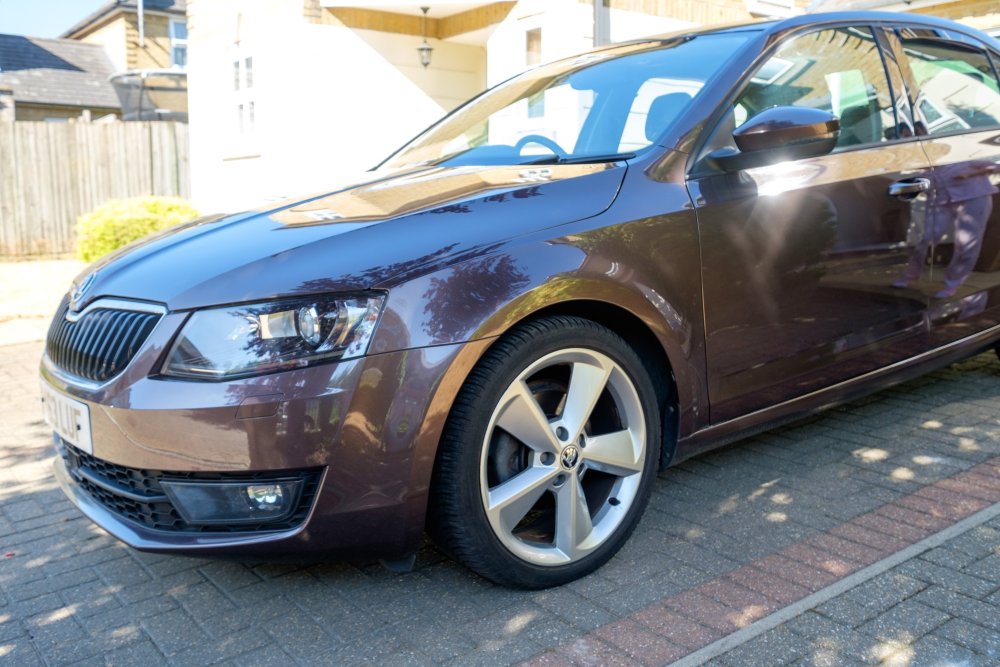
-
Two!? I'd have something different.
-
Thanks. I'm aware of their build quality problems, I've got my fingers crossed for that. On charging, we'll likely be using high powered chargers exclusively, more Tesla's than others because of our starting position (N London) and every direction have many of their chargers. One thing I do think Enyaq does very well is ride comfort. It's just so smooth!
-
Oh second thought, this averaging price cap system works well 😛