commievid
Members
-
Joined
-
Last visited
Everything posted by commievid
-
Was umming and ahhing about the practicalities of the ventilated seats, but I'm now putting that onto the to-do list! Well, apart from needing to perforate the leather I guess...
-
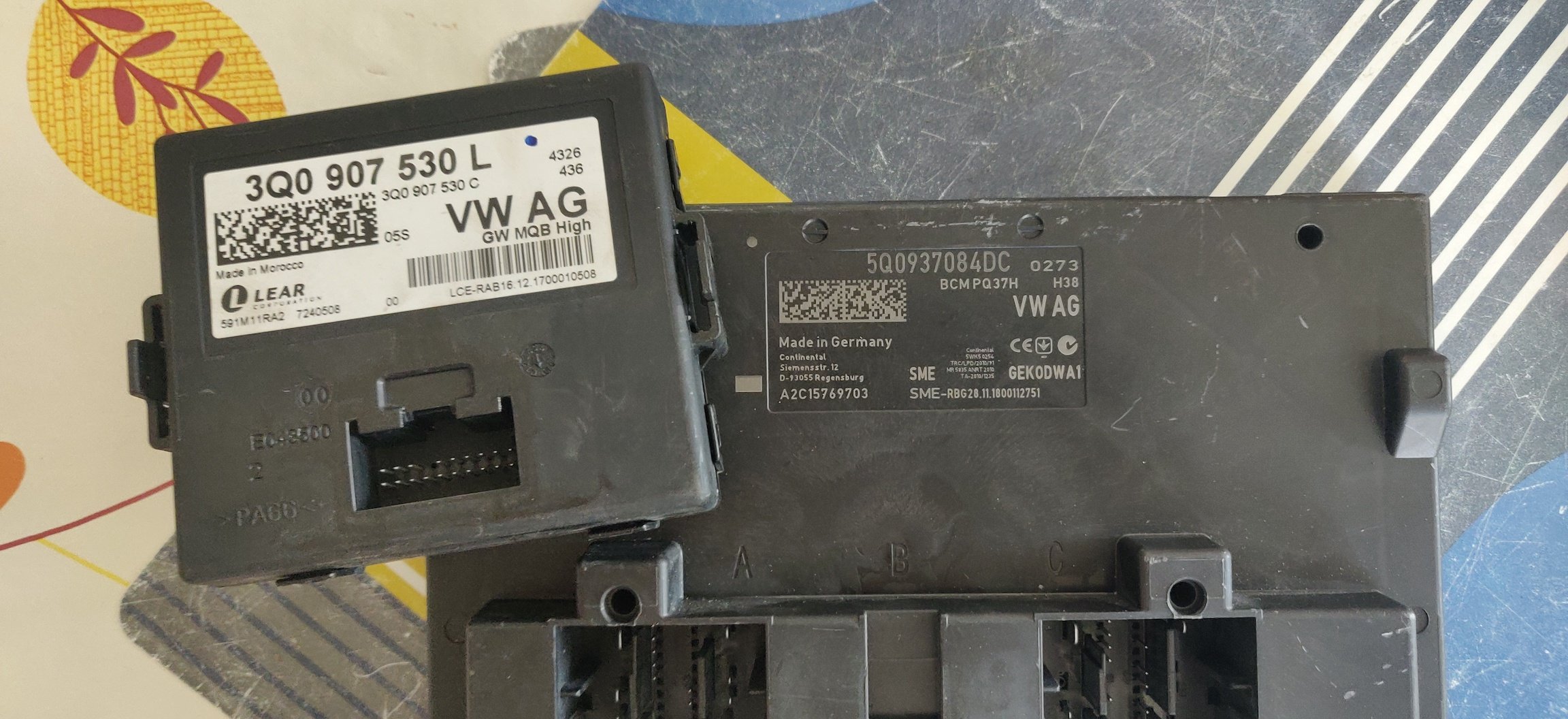
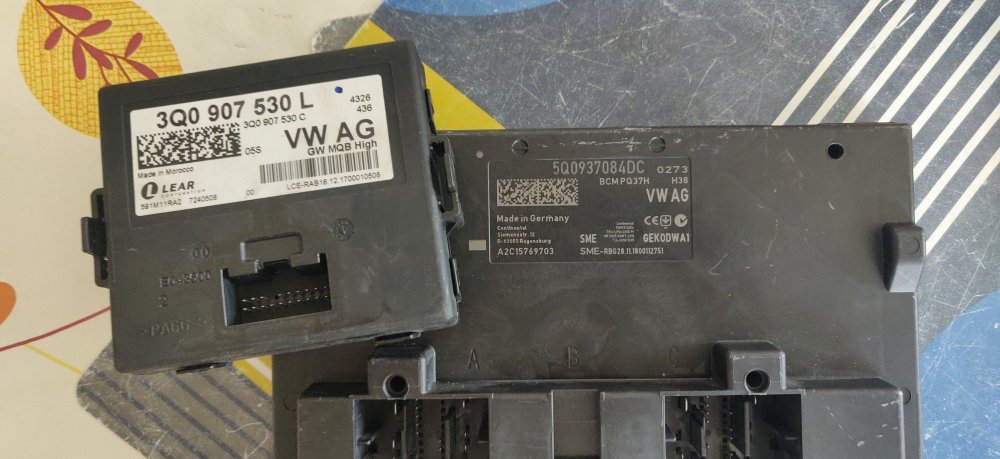
Ordered these over the Bank Holiday and have arrived unnecessarily quickly: Both the BCM and CAN gateway. I think there are newer CAN gateways, with 5xx version numbers, but this was £15. The BCM was £20, which I think is a little beyond the CG revision that was probably sufficient. But at £35 for both, even if these aren't compatible or don't work or whatever, probably not too damaging. I guess the damage will come from the actual software side of things, as it looks like I'll need to find someone to sort out transferring of codes and whatever from the current modules to these (in as compatible a manner as possible) with the additional key fob handling and Component Protection removal/sorting out. So I guess these will end up sitting around for a month or two really, whilst I swot up and try to plan how to do this. I guess wherever/however this is done, something will need reading from the existing modules, then the modules are swapped, then the transfer/update/fixing of said modules after. If anyone is nearby Rugby or the Midlands let me know! Maintenance: £2299.88 Upgrades: £1414.46 (+£35.00) Miscellaneous: £697.20
-
So after a bit of swotting, I'm coming up with the possibility of needing to upgrade the CAN Gateway. I may also need to upgrade the BCM, to pave the way for the Virtual Cockpit. I imagine that both of those require a fair chunk of Component Protection sorting out in addition to other things beyond simple coding. BCM for example sounds like the keys would need to be assigned to it. This also seems to be the case for the Virtual Cockpit as well. So would mean needing to do things twice if I do it in stages. I guess spread over a period of time it's not a bother, but still feels a bit silly to me. It is what it is I suppose. Current options are: Source a BCM, looks like circa 5Q0 937 084 CG or above (DC? DD?). The existing one is 5Q0 937 084 AN according to VCDS Source a CAN gateway. Existing one is 5Q0 907 530 M (5Q0 907 530 AJ software?) and other posts on the forums cite ones starting 3Q0 such as 3Q0 907 530 C, based on this post: https://www.briskoda.net/forums/topic/491347-how-to-retrofit-virtual-cockpit/?do=findComment&comment=5820532 Get both sorted in regards Component Protection and keys and coding, etc. from someone who has the required online access. Do the Virtual Cockpit in the future, with the steps in 3 done again but just for the Virtual Cockpit, everything else hopefully already in place. OR Do it all in one go, Virtual Cockpit included, so the someone can handle all three things in one wallop. OR Call it off for now, put the original steering wheel back in, stuff should be ok as before (re-code to remove the heated steering wheel heating from the touchscreen menu). This is all mainly for the cruise control/ACC to be sorted, but I suppose if the Virtual Cockpit is on the cards, I'll have to pony up eventually. I've ordered some more DSG oil, I'll re add about 2-3 litres and warm it through again. Hopefully I can raise and level out the car with the wheels on, as I don't want to get it all up on axle stands again. MoT is booked for 20 May, and insurance will kick in then. It was £460 based on 3 years no claims (from a previous Company Car) which was better than earlier quotes of circa £550 and better than the £900 quote for said previous Company Car (Tesla Model 3, up from £450 the year before!). Maintenance: £2299.88 Upgrades: £1379.46 Miscellaneous: £697.20
-
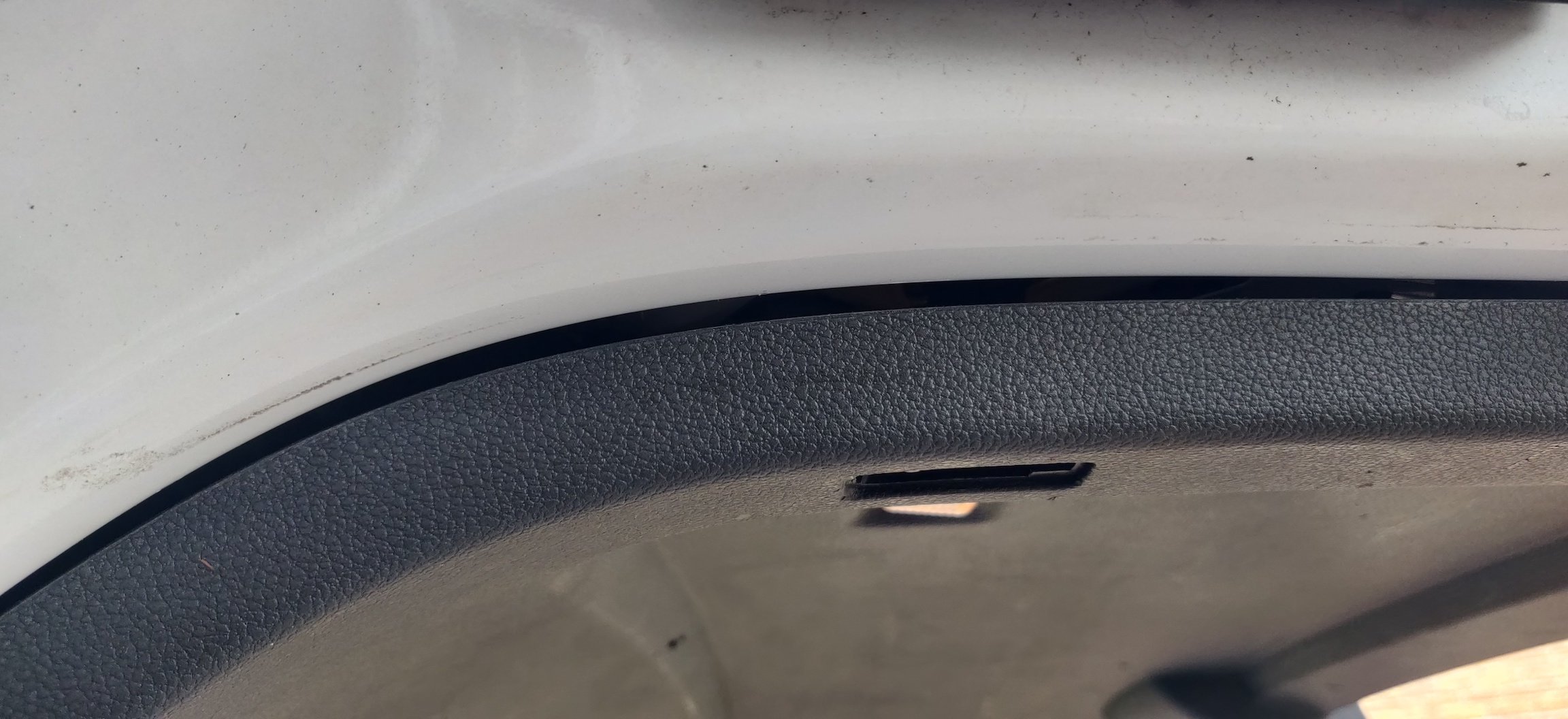
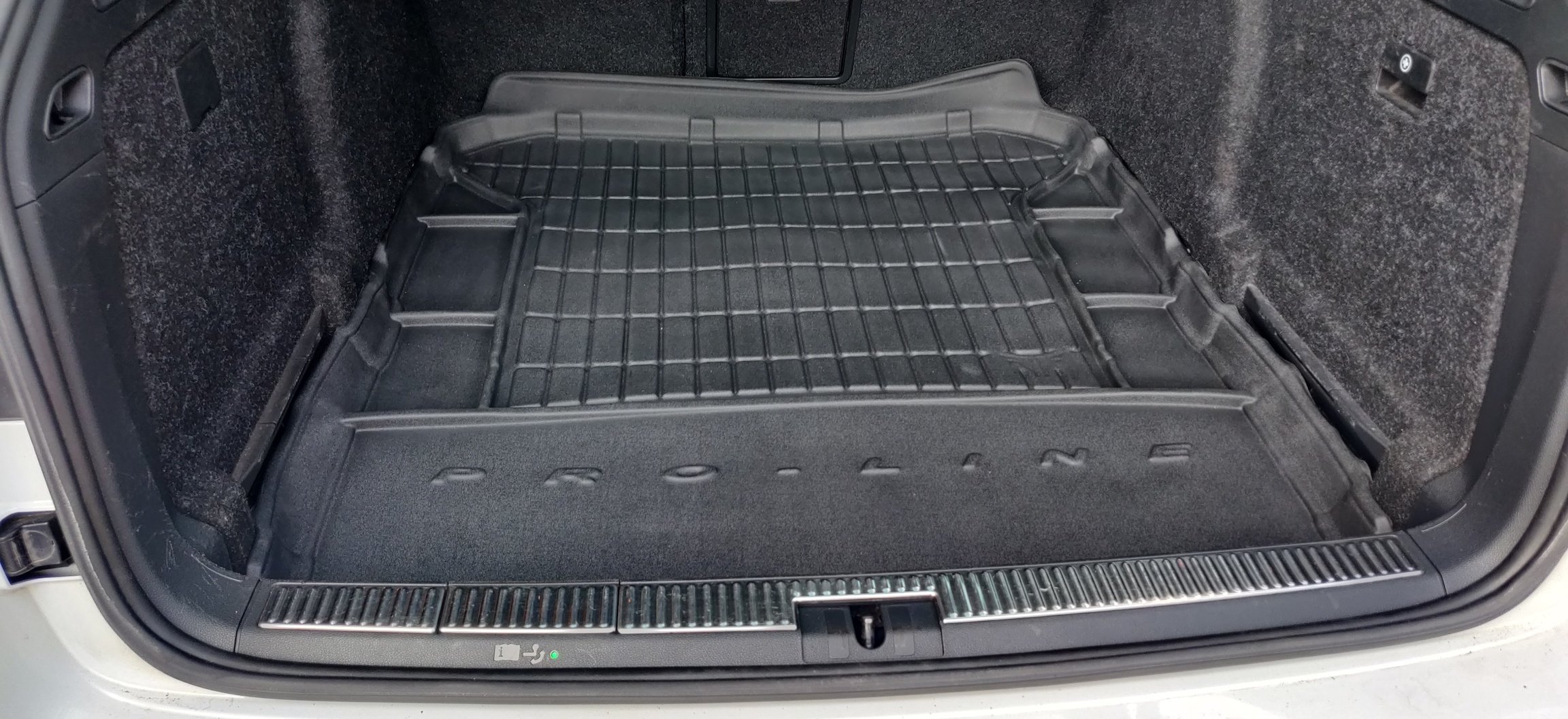
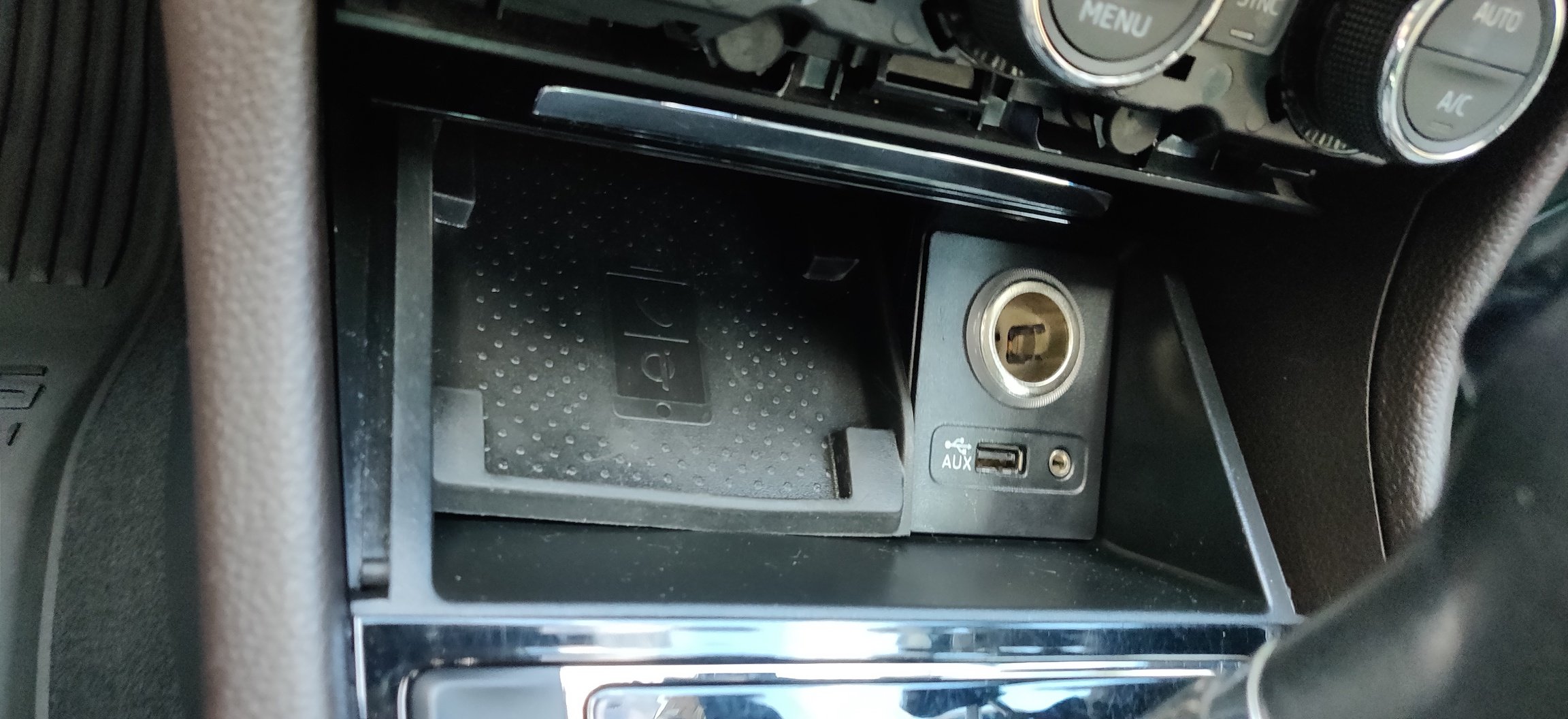
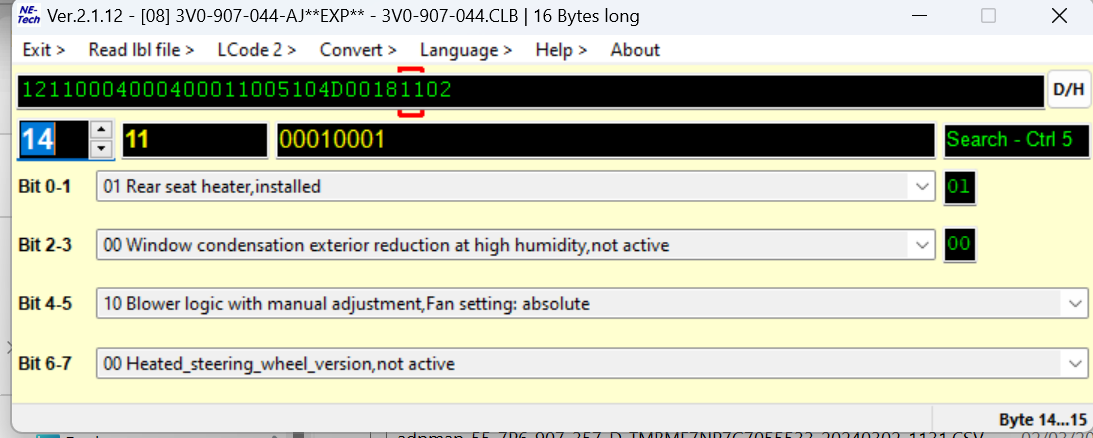
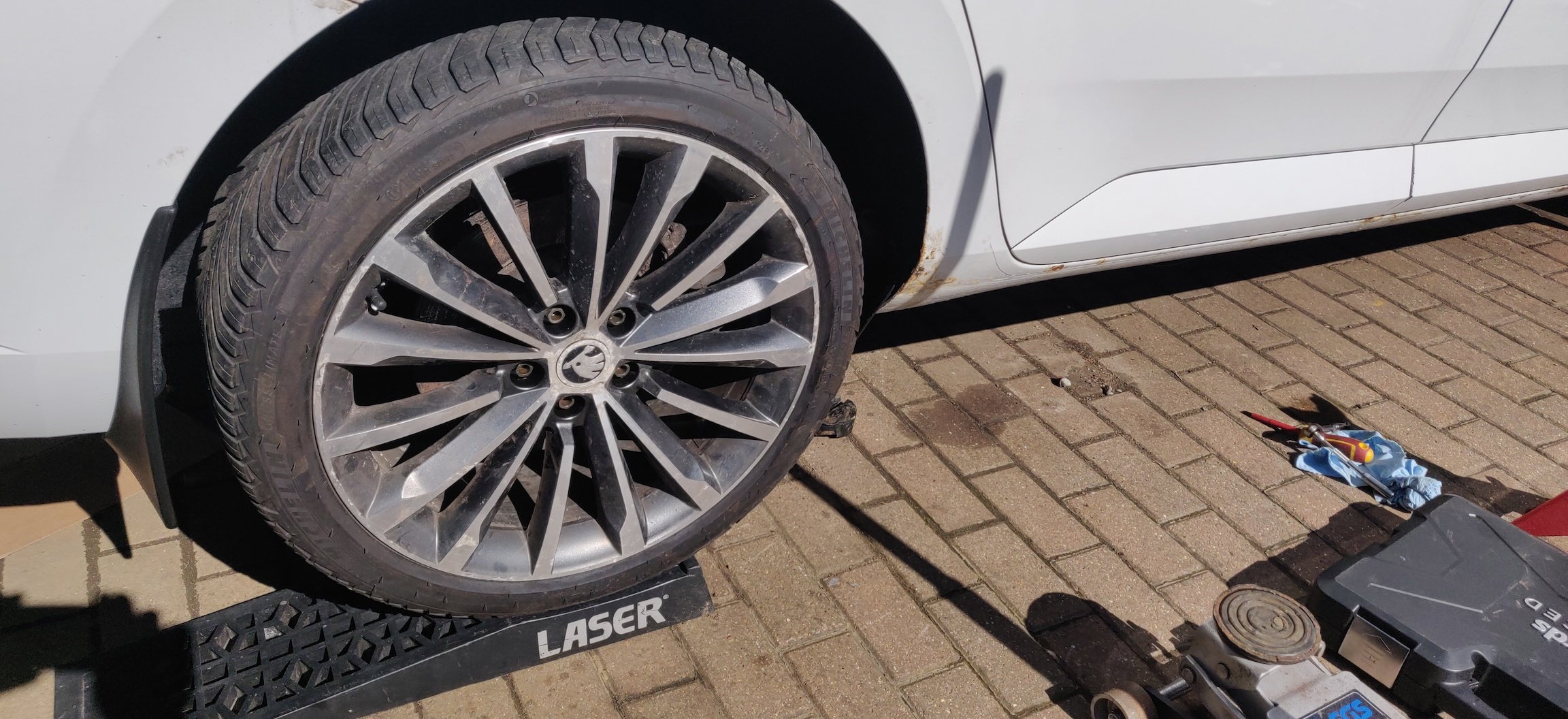
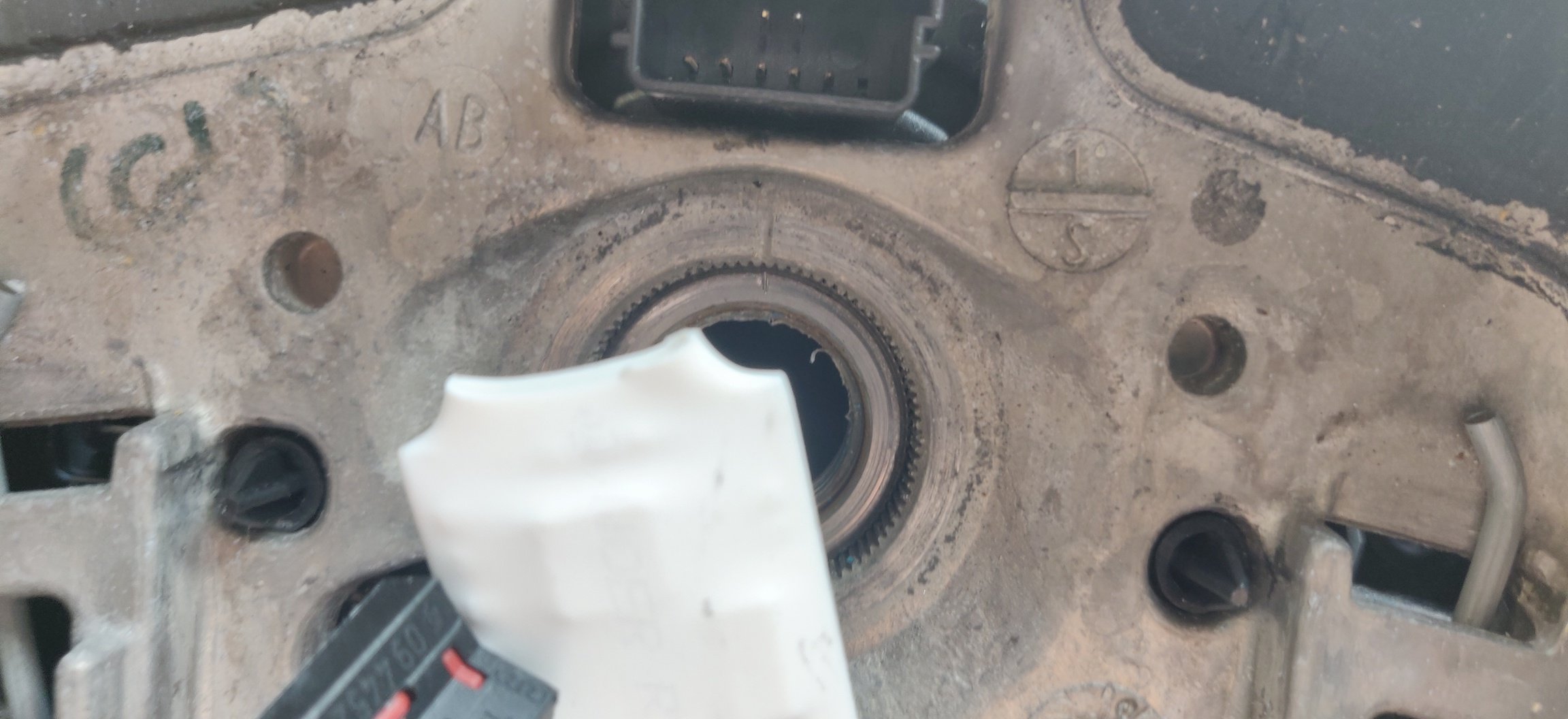
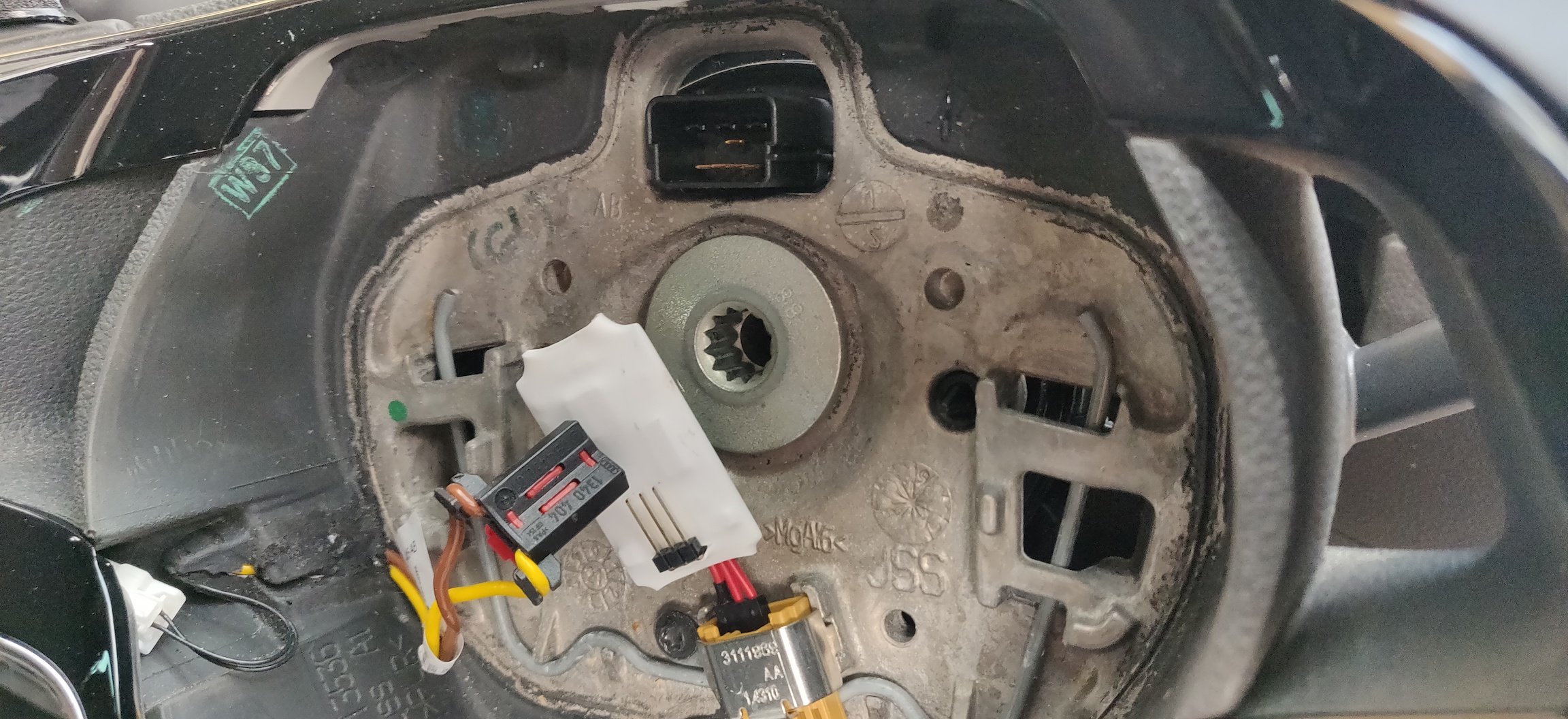
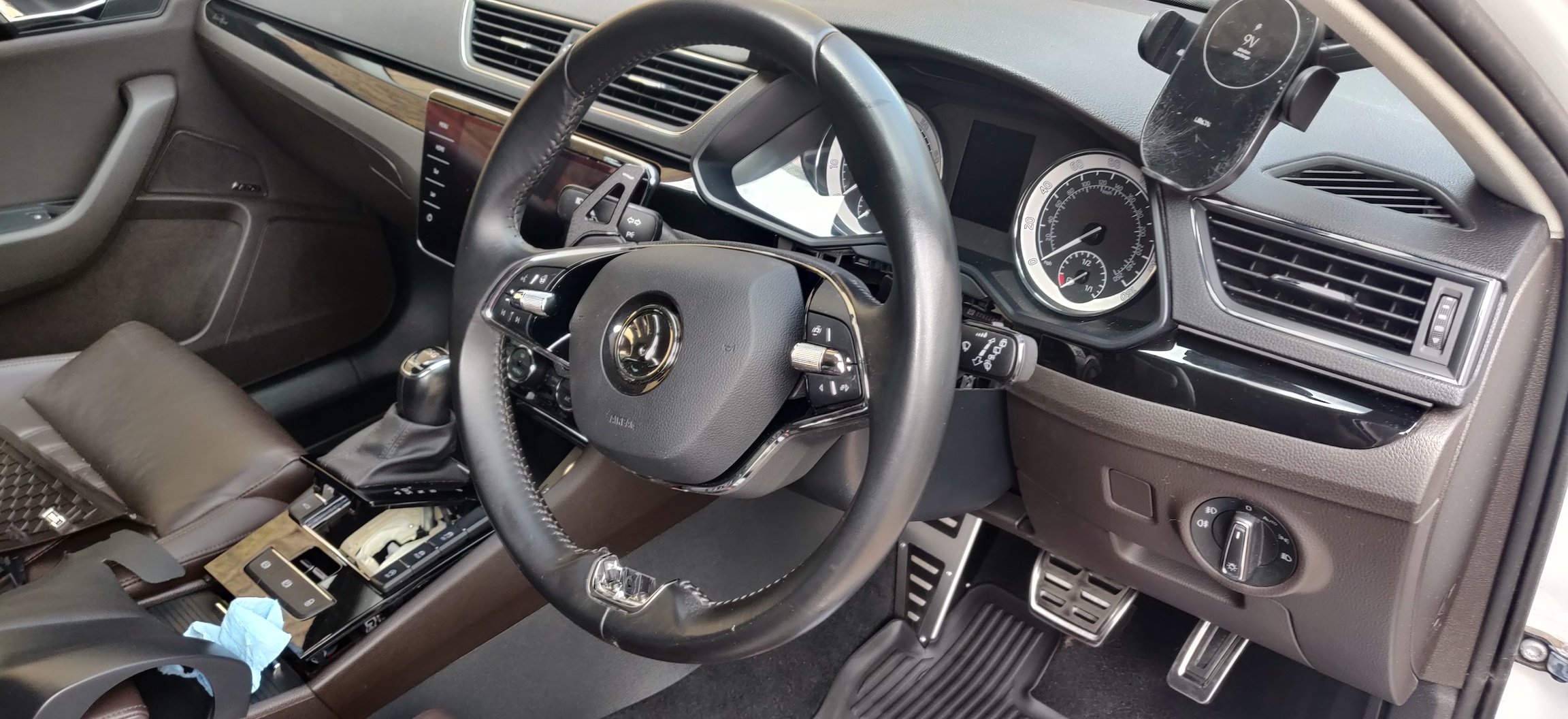
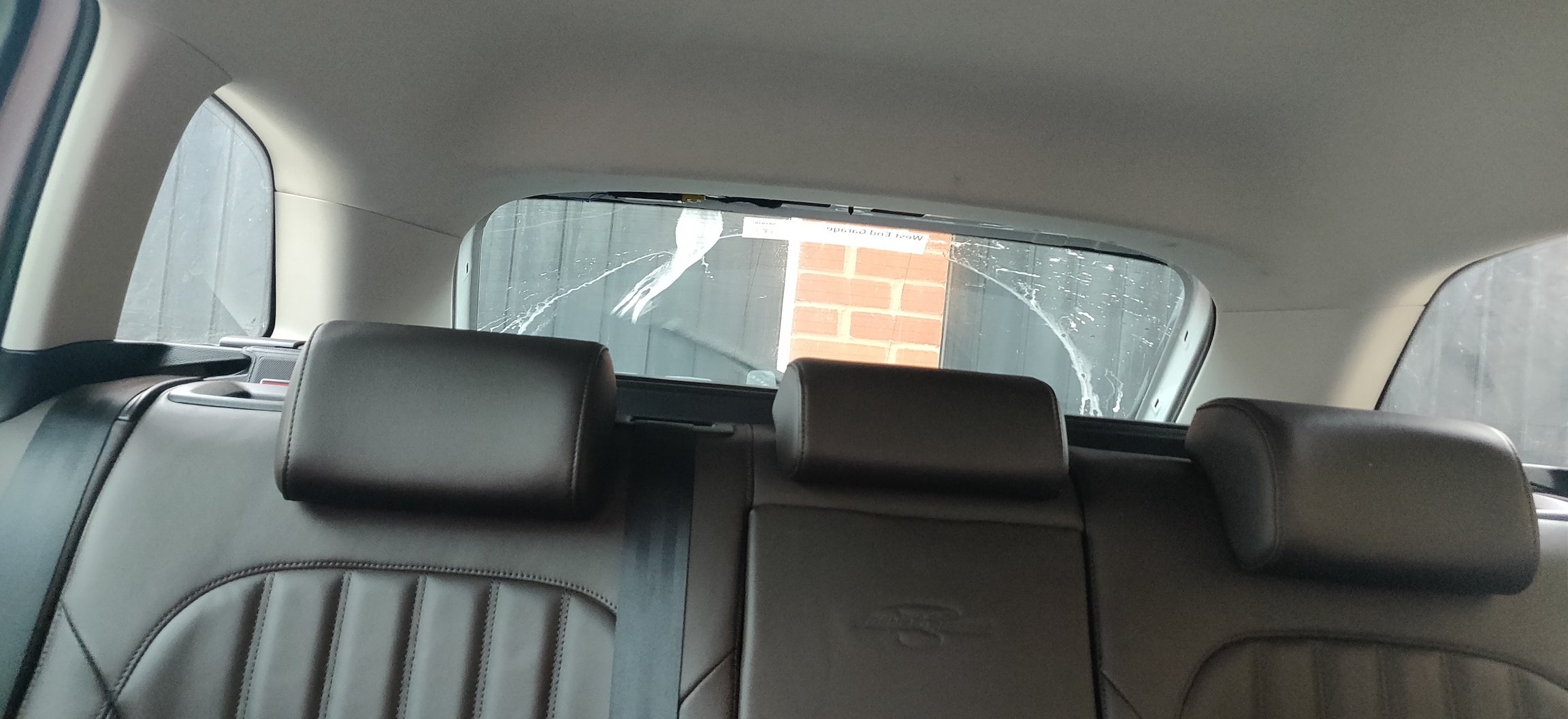
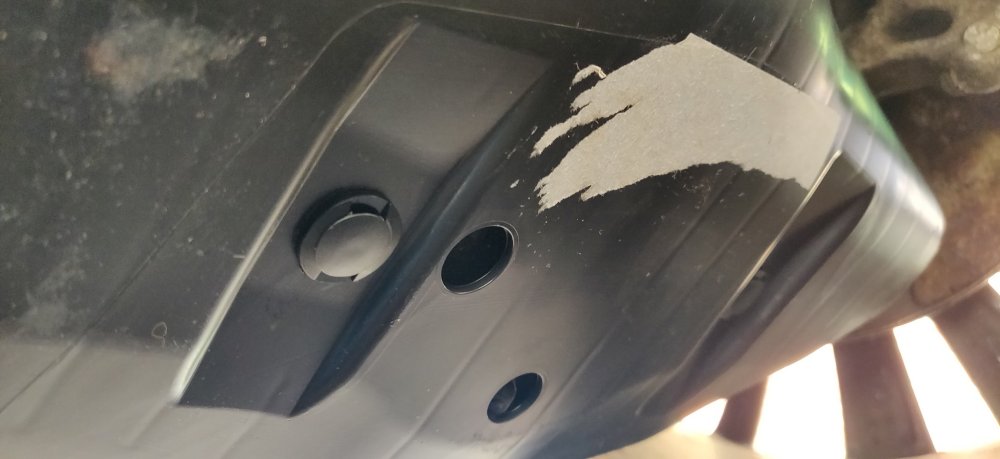
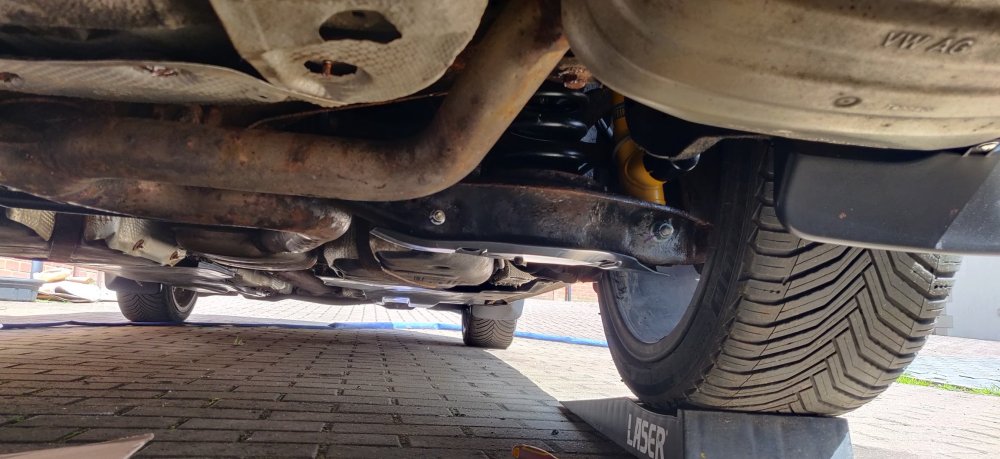
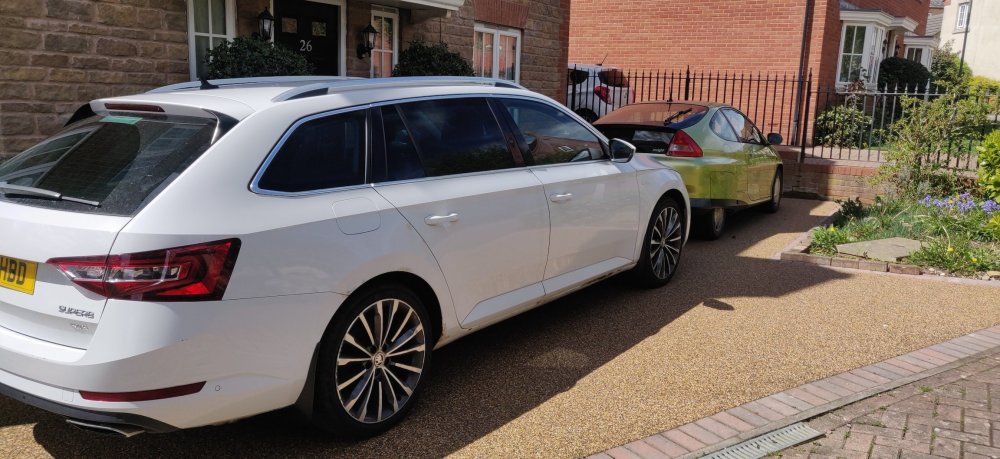
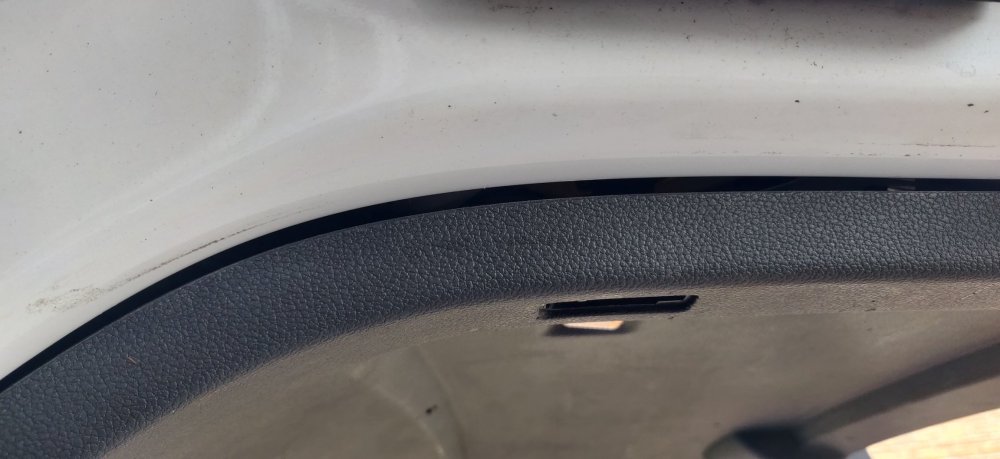
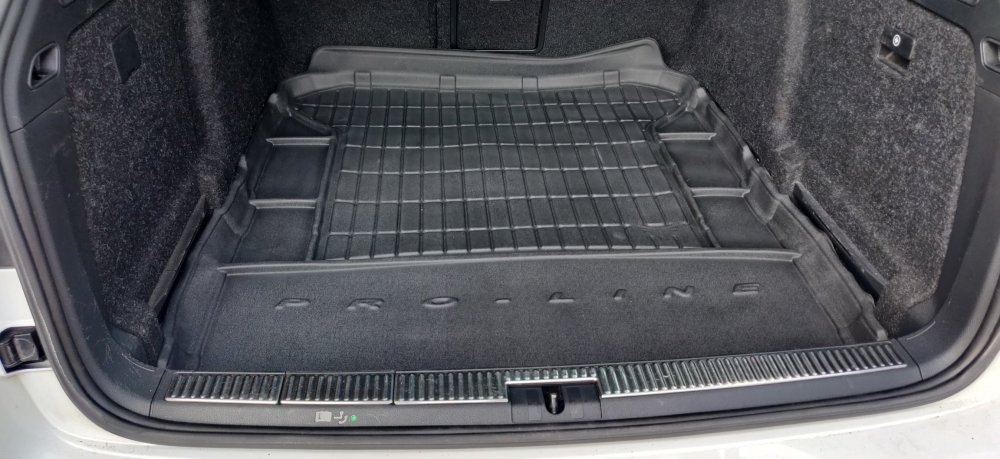
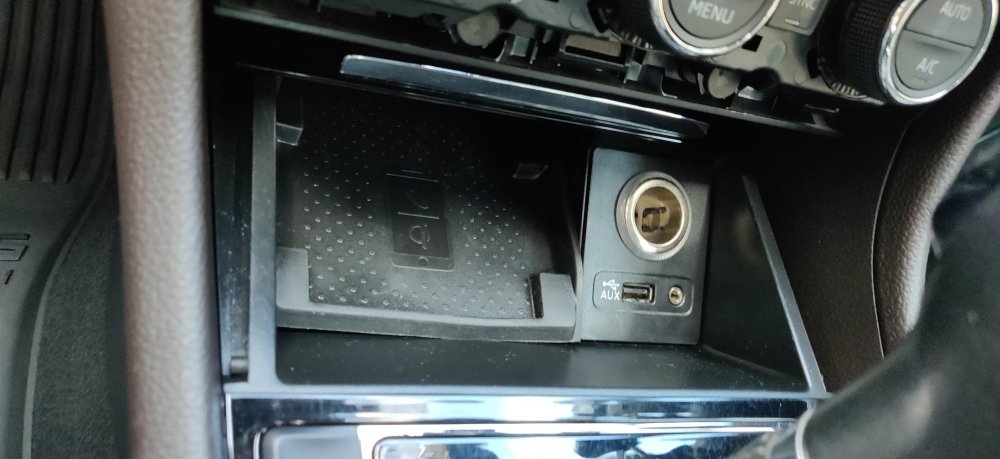
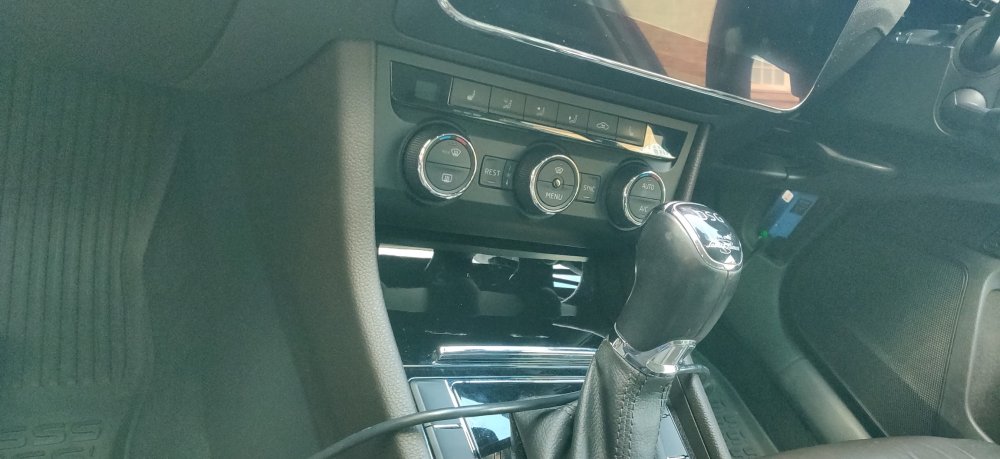
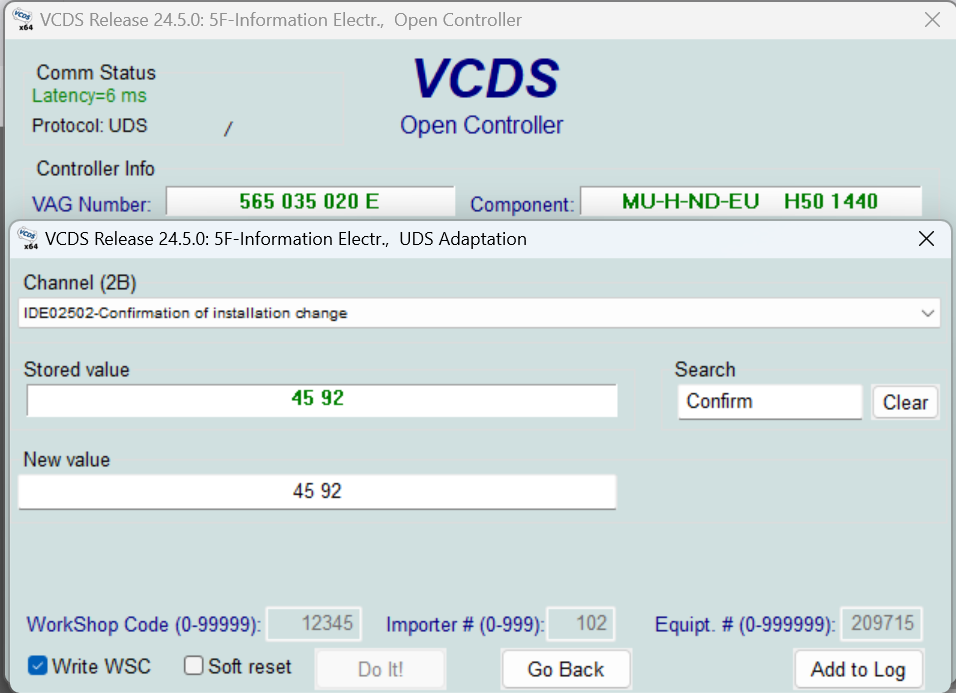
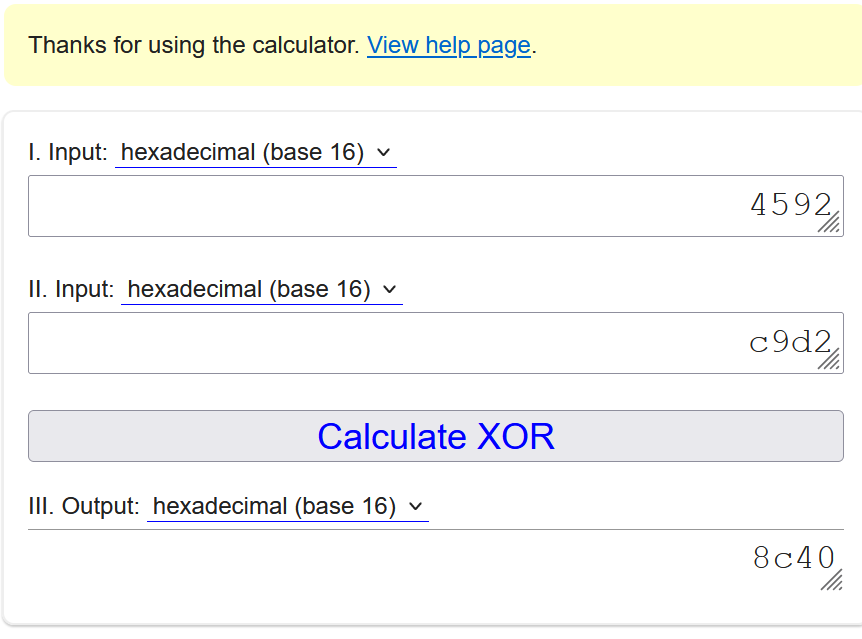
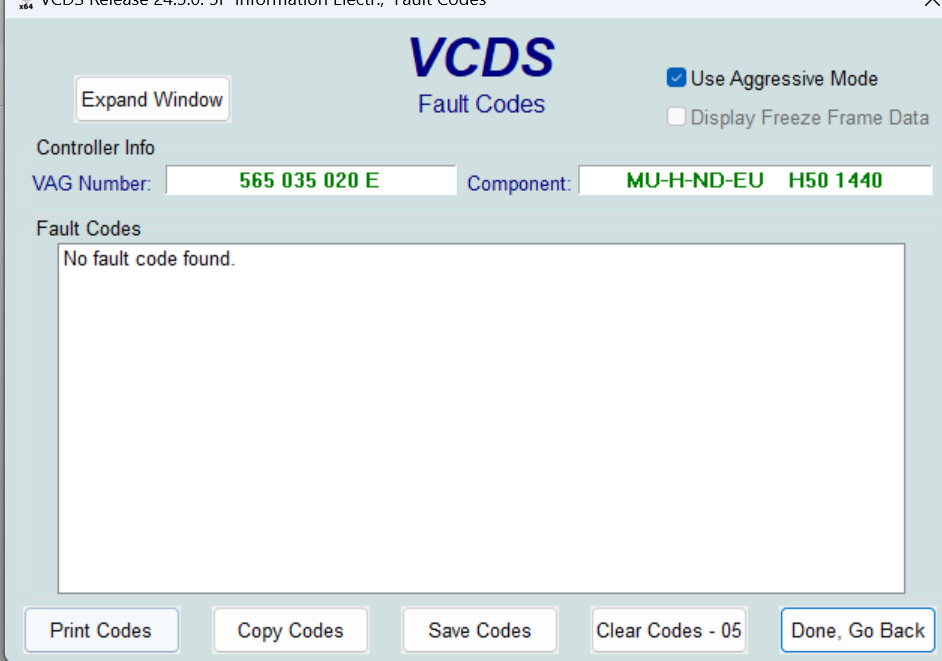
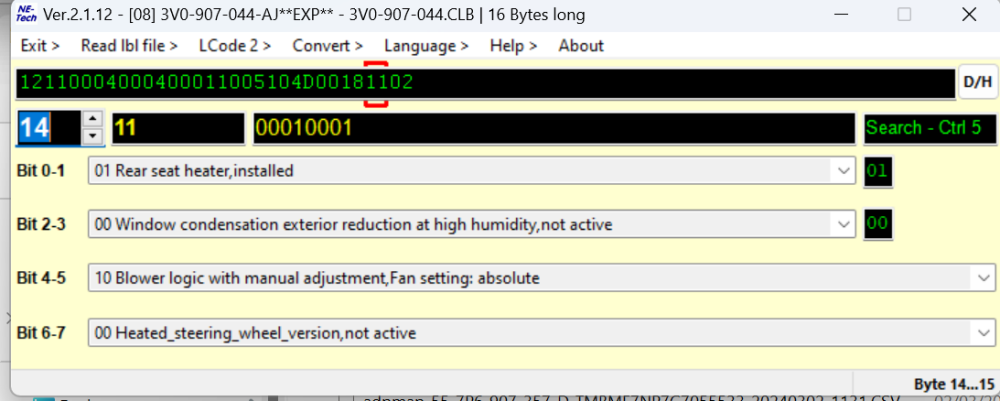
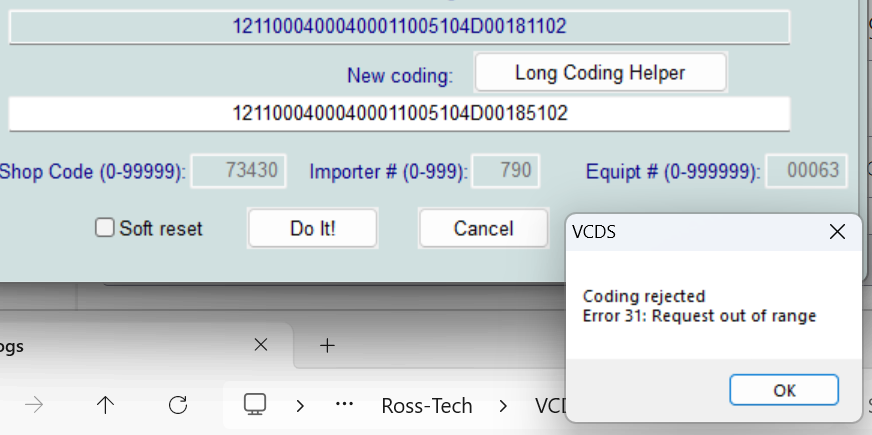
So fired up the car, and got the low profile ramps in place, and reversed up them: Was able to get enough clearance to get these fitted. A dry fit showed the lower spring rubber bit with its little nub sticking out acts as a useful reference point for alignment. Then it's a case of fitting the pop rivets for the underside, which is simple enough, then the not-so-simple case of the upper ones. The uppers are a tiny faff more due to the wheels being on. One of those chicken or egg situations, as the suspension bolts couldn't be tightened with these on. Probably could have removed the wheels I guess, but the faff was more due to aligning the pop rivet on the top by feel rather than sight. It'll eventually go in though, so once done, pushed the rivets in to tighten: Two on the bottom, and: Just about see one of them on the top, they are either side of the springs. So that's them sorted: So after that, fired up the car and gave it a cheeky drive up and down the driveway and a tiny bit beyond: Then parked it away from the driveway for the first time in ages to allow the driveway to be cleaned proper. In doing so, almost all of the warning lights on the dashboard disappeared, which was a relief. Car seems to be ok, but could only get it 20mph along the confines of the close. One niggly thing I noticed when putting the lower trim back on: Part of the trim was popping out, and was becoming a case of popping out the other side when being pushed in. Not sure if the clips need replacing, or the trim. I plonked in a replacement all weather mat for the boot: This is similar to one I have for the GR86 which has been rugged enough thus far. This was £46.54 from eBay, which I didn't think was too bad. Then it was other random bits: Snipped the three nubs on the underside of that phone rubber mat and slipped it in place. Then the climate control panel trim: There's only the upper steering column trim remaining, but I'm leaving that open for now. VCDS is showing errors around the Cruise Control switch: Address 16: Steering wheel (J524) Labels:| 5Q0-953-549.clb Part No SW: 5Q0 953 521 ET HW: 5Q0 953 569 B Component: Lenks.Modul 100 0265 Revision: FF035035 Serial number: 20220218501004 Coding: 6410 Shop #: WSC 66564 385 16448 ASAM Dataset: EV_SMLSVALEOMQBLRH 001007 ROD: EV_SMLSVALEOMQBLRH.rod VCID: 8842742792B158FA9F3-80DC 4 Faults Found: 229127 - Cruise Control Switch B1154 11 [00001001] - Short to Ground Confirmed - Tested Since Memory Clear Freeze Frame: Fault Priority: 3 Fault Frequency: 1 Reset counter: 4 Mileage: 164940 km Date: 2024.05.02 Time: 13:36:41 Ubat 30 Voltage: 12.40 V Ignition State: On Terminal 15: 11.60 V A/D #1: 0.00 % A/D #2: 0.00 % A/D #3: 0.00 % 229143 - Cruise Control Switch B1154 11 [00001001] - Short to Ground Confirmed - Tested Since Memory Clear Freeze Frame: Fault Priority: 3 Fault Frequency: 1 Reset counter: 4 Mileage: 164940 km Date: 2024.05.02 Time: 13:36:41 Ubat 30 Voltage: 12.40 V Ignition State: On Terminal 15: 11.60 V A/D #1: 0.00 % A/D #2: 0.00 % A/D #3: 0.00 % 229145 - Cruise Control Switch B1154 12 [00001001] - Short to Plus Confirmed - Tested Since Memory Clear Freeze Frame: Fault Priority: 2 Fault Frequency: 1 Reset counter: 4 Mileage: 164940 km Date: 2024.05.02 Time: 13:36:41 Ubat 30 Voltage: 12.50 V Ignition State: On Terminal 15: 11.70 V 229160 - Cruise Control Switch B1154 29 [00001001] - Signal Implausible Confirmed - Tested Since Memory Clear Freeze Frame: Fault Priority: 3 Fault Frequency: 1 Reset counter: 4 Mileage: 164940 km Date: 2024.05.02 Time: 13:36:41 Ubat 30 Voltage: 12.40 V Ignition State: On Terminal 15: 11.60 V A/D #1: 0.00 % A/D #2: 0.00 % A/D #3: 0.00 % Which is currently the main mystery. There were others which cleared up without issue, possibly remains from being turned on without things being reattached, but one that was fixable: ------------------------------------------------------------------------------- Address 5F: Information Electr. (J794) Labels:* None Part No SW: 565 035 020 E HW: 565 035 020 Component: MU-H-ND-EU H50 1440 Serial number: A676A0GB009068 Dataset Number: 3V0CV1t____ 0062 Coding: 038402010000000011111202008808202F0103E601208100BE Shop #: WSC 12345 102 209715 ASAM Dataset: EV_MUHig4CGen2HBAS 001001 ROD: EV_MUHig4CGen2HBAS_AU37.rod VCID: 8F705F3BF7DF0FC25E9-80DA Display and control head 1 for information electronics: Subsystem 1 - Part No SW: 3V0 919 606 D HW: 3V0 919 606 D Component: ABT_High-2 H53 9130 Serial number: SKZ6ZHY0654353 Data carrier: Subsystem 2 - Part No SW: V03 959 820 ML HW: ----------- Component: ECE 2024 --- 0350 Serial number: -------------------- Compact disc data bank: Subsystem 3 - Part No SW: V03 959 800 GG HW: ----------- Component: Gracenote2 --- 1021 Serial number: -------------------- 1 Fault Found: 1555 - Check Software Version Management B201A 00 [00001001] - - [Check software version management] Confirmed - Tested Since Memory Clear Freeze Frame: Fault Priority: 6 Fault Frequency: 1 Reset counter: 4 Mileage: 164940 km Date: 2024.05.02 Time: 10:23:36 Voltage terminal 30: 12.5 V Status_Software_Version_Management-module_name: MDVB-DTV/MPEG-OS This "Check Software Version Management" presumably came as a result of the update of the head unit software. Some swotting of the internet turned up this: https://forums.ross-tech.com/index.php?threads/20023/#post-176309 Which cites to use an adaptation and an XOR calculation! So opened up said adaptation: Which returned "45 92" as the pair of hexidecimals. Then went to an XOR calculator https://xor.pw/ and plonked this in with the additional "C9 D2" value: Revealing "8C 40" as the "answer". So put that value into the "new value" text box in the dialog. Then cleared the DTCs and checked: Little victories I suppose. Attempts to sort out the heated steering wheel button led me to: But unfortunately, couldn't get any of the values under "Bit 6-7" to work: So that's it. So other than the continuous ominous warnings about rust and DSG oil levels, the current obstacles bugging me are: Heated steering wheel button on the steering wheel itself not working. Works via the touch screen. Cruise control errors and lever not apparently working Databus errors in the VCDS scans The car hasn't and can't really be driven in anger for now, so can't dismiss that the cruise control needs some speed before coming into play. However I also can't shake the feeling that the facelift steering wheel and the swapped heated compatible clocksprings might be at odds with another. Absolute worse case scenario is that the original steering wheel is put back in place, as that would/should be compatible with the clock spring. The Kufatec loom instructions to mention something about ACC and swapping out pin 8 to pin 11. Whether that's related, not sure at this stage. Swotting on the Internet suggests adapations in the CAN gateway, but I can't seem to find options. Comparing the CAN gateway from before: Address 19: CAN Gateway (J533) Labels:| 5Q0-907-530-V1.clb Part No SW: 5Q0 907 530 AJ HW: 5Q0 907 530 M Component: GW MQB High 212 2246 Revision: -------- Serial number: 20011610802757 Dataset Number: 3V0067t____ 0015 Coding: 030100347F085900EB00025A9C0F00010001070000000000000000000000 Shop #: WSC 131071 1023 2097151 GVL: 01D43C0008000600C0DC90000002CC0000000000000000000000000000000000 ASAM Dataset: EV_GatewConti 013020 ROD: EV_GatewConti_013.rod VCID: F9A401E3D95B3172E8D-80AC Generator: Multifunction steering wheel control module: Subsystem 2 - Part No SW: 3V0 919 719 B HW: 3V0 919 719 B Component: E221__MFL-PR6 H02 0150 Serial number: 000000000B1148130116 Battery Monitoring Control Module: Subsystem 3 - Part No SW: 5Q0 915 181 G HW: 5Q0 915 181 G Component: J367-BDMHella H04 8050 Serial number: 6483728903 To after: Address 19: CAN Gateway (J533) Labels:| 5Q0-907-530-V1.clb Part No SW: 5Q0 907 530 AJ HW: 5Q0 907 530 M Component: GW MQB High 212 2246 Revision: -------- Serial number: 20011610802757 Dataset Number: 3V0067t____ 0015 Coding: 030100347F085900EB00025A9C0F00010001070000000000000000000000 Shop #: WSC 131071 1023 2097151 GVL: 01D43C0008000600C0DC90000002CC0000000000000000000000000000000000 ASAM Dataset: EV_GatewConti 013020 ROD: EV_GatewConti_013.rod VCID: F9A401E3D95B317290D-80AC Generator: Multifunction steering wheel control module: Battery Monitoring Control Module: Subsystem 3 - Part No SW: 5Q0 915 181 G HW: 5Q0 915 181 G Component: J367-BDMHella H04 8050 Serial number: 6483728903 No fault code found. Show that the "Multifunction steering wheel control module" isn't there any more, possibly one of the differences between the pre and post facelift steering wheels? Any advice welcome! Maintenance: £2299.88 Upgrades: £1379.46 (+£46.54) Miscellaneous: £697.20
-
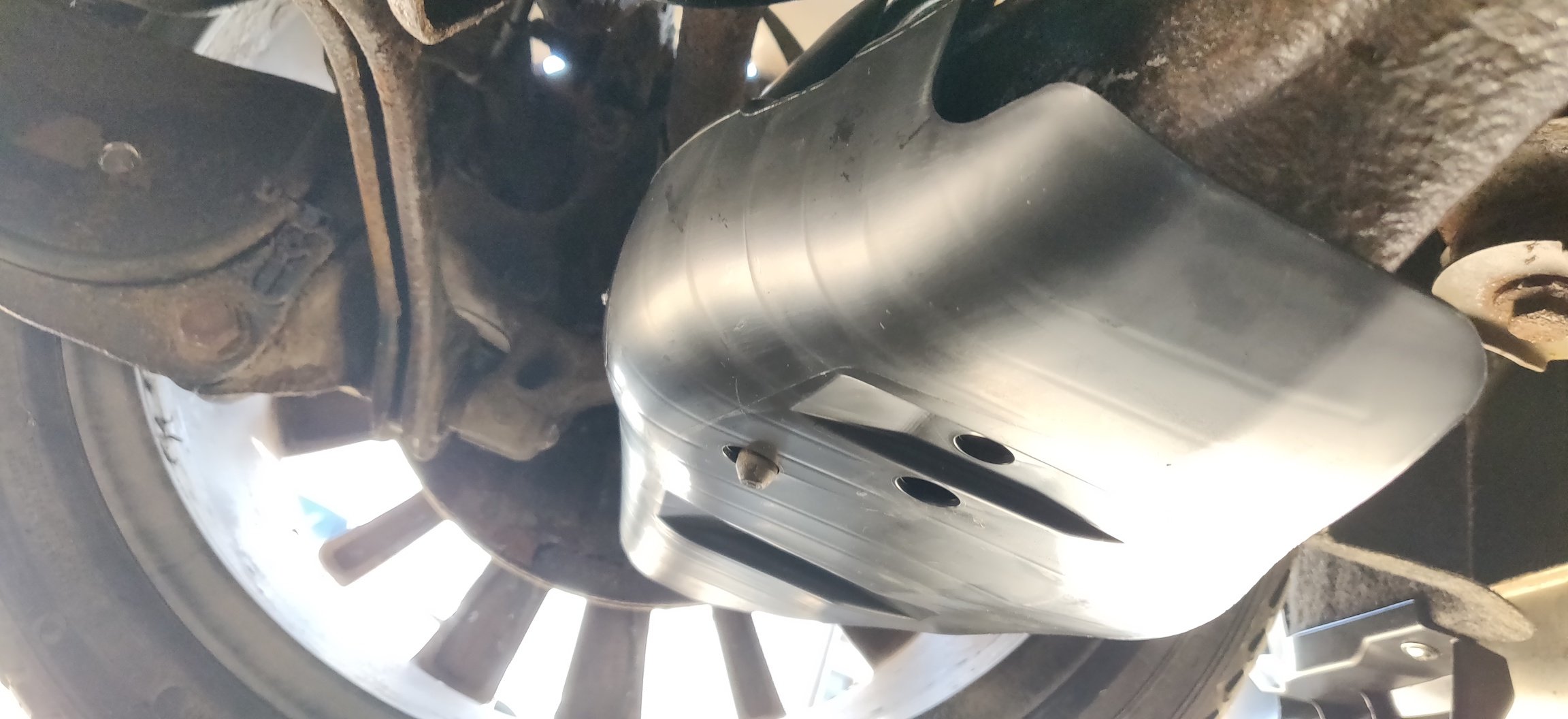
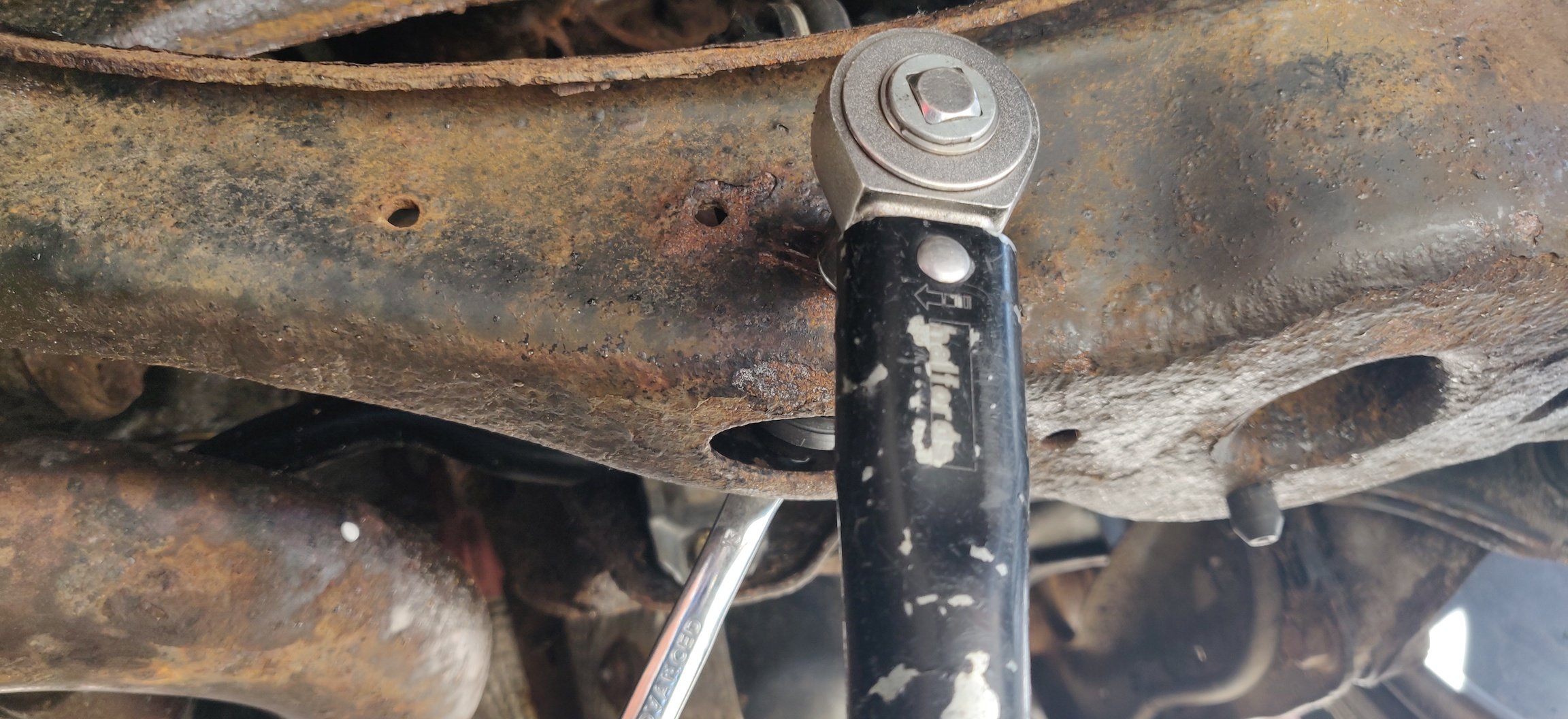
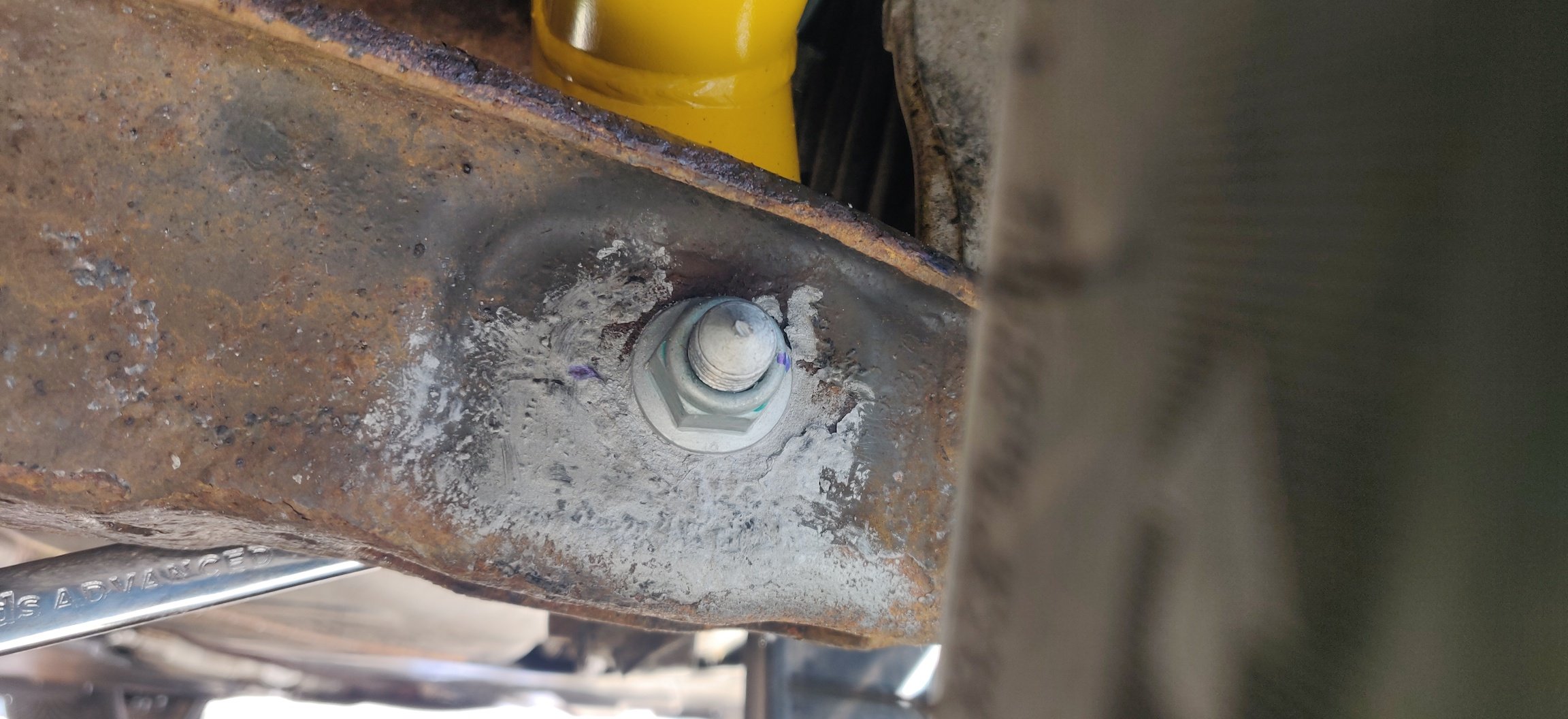
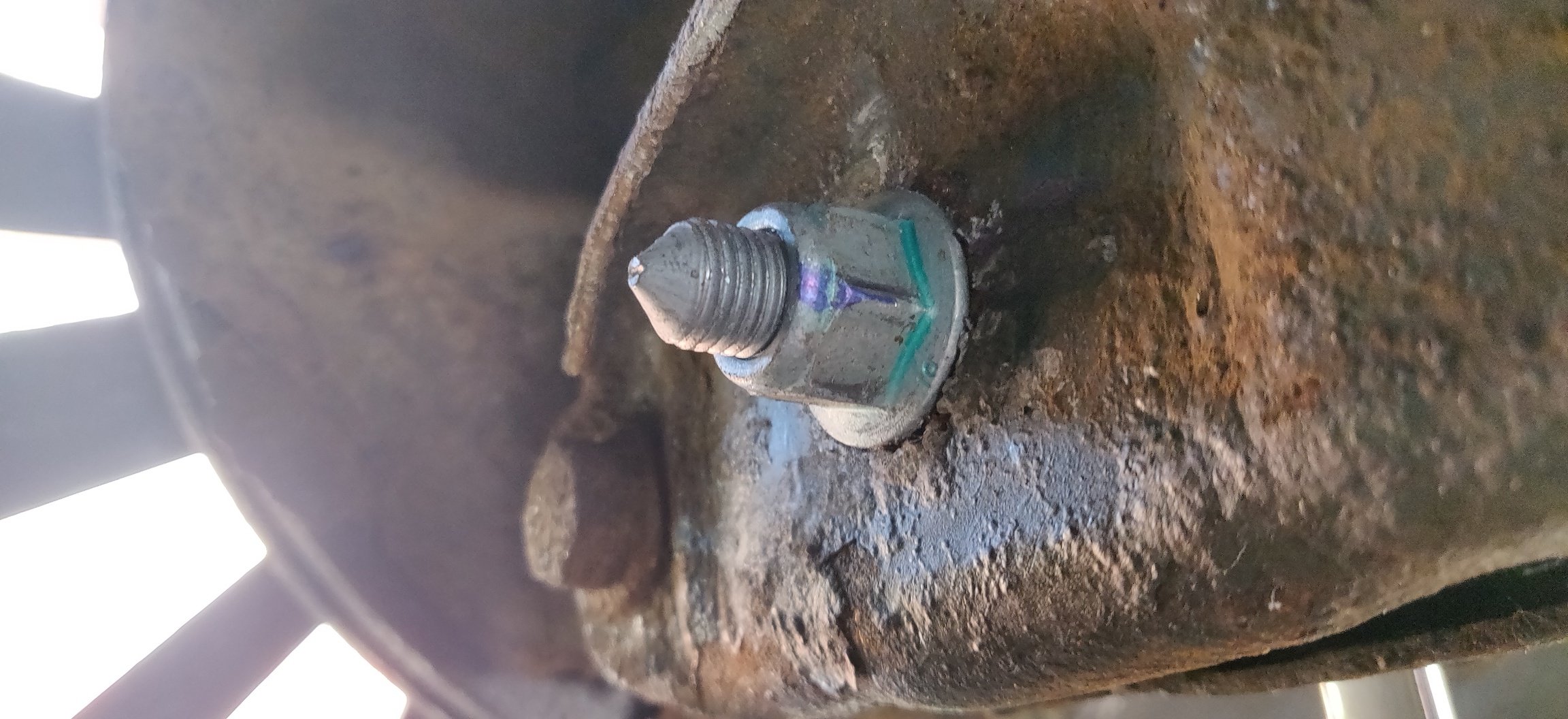
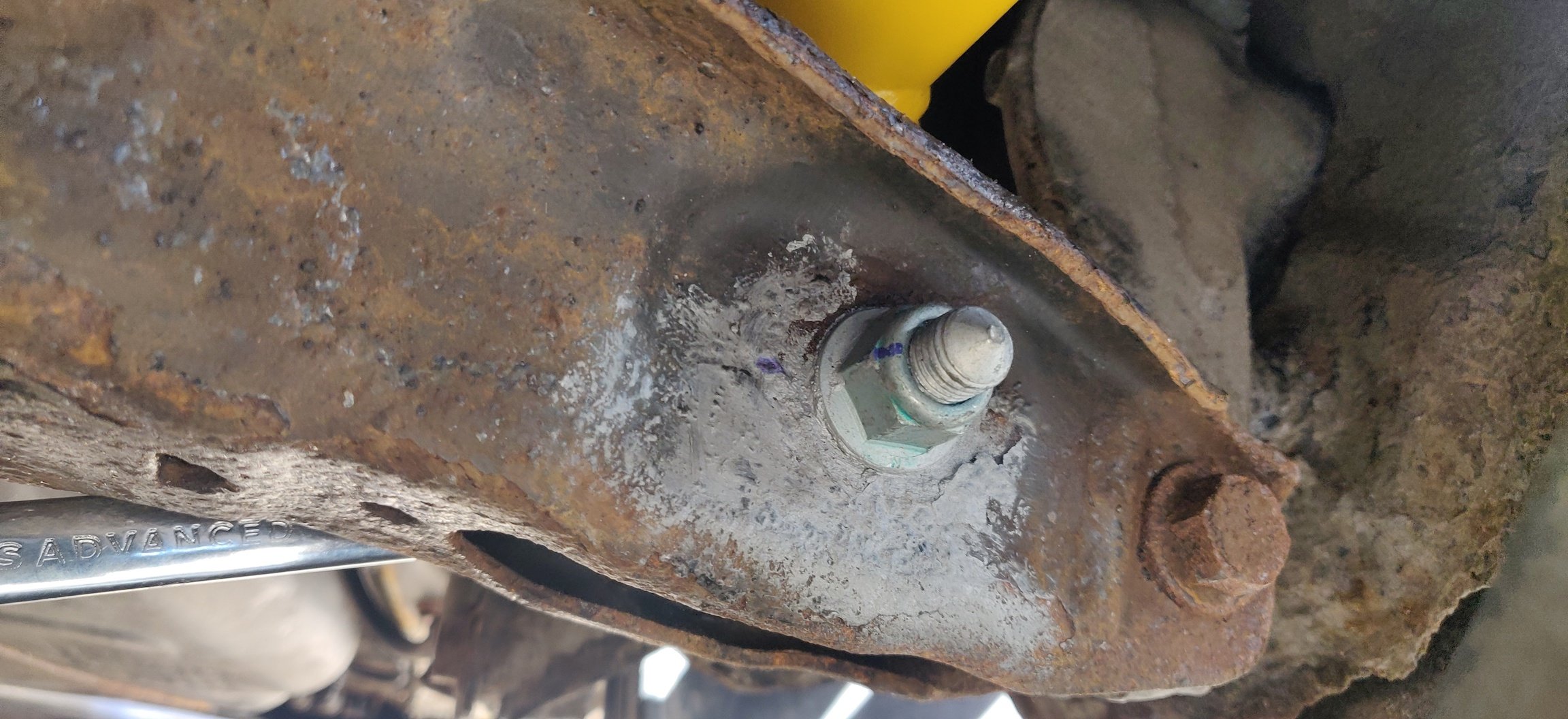
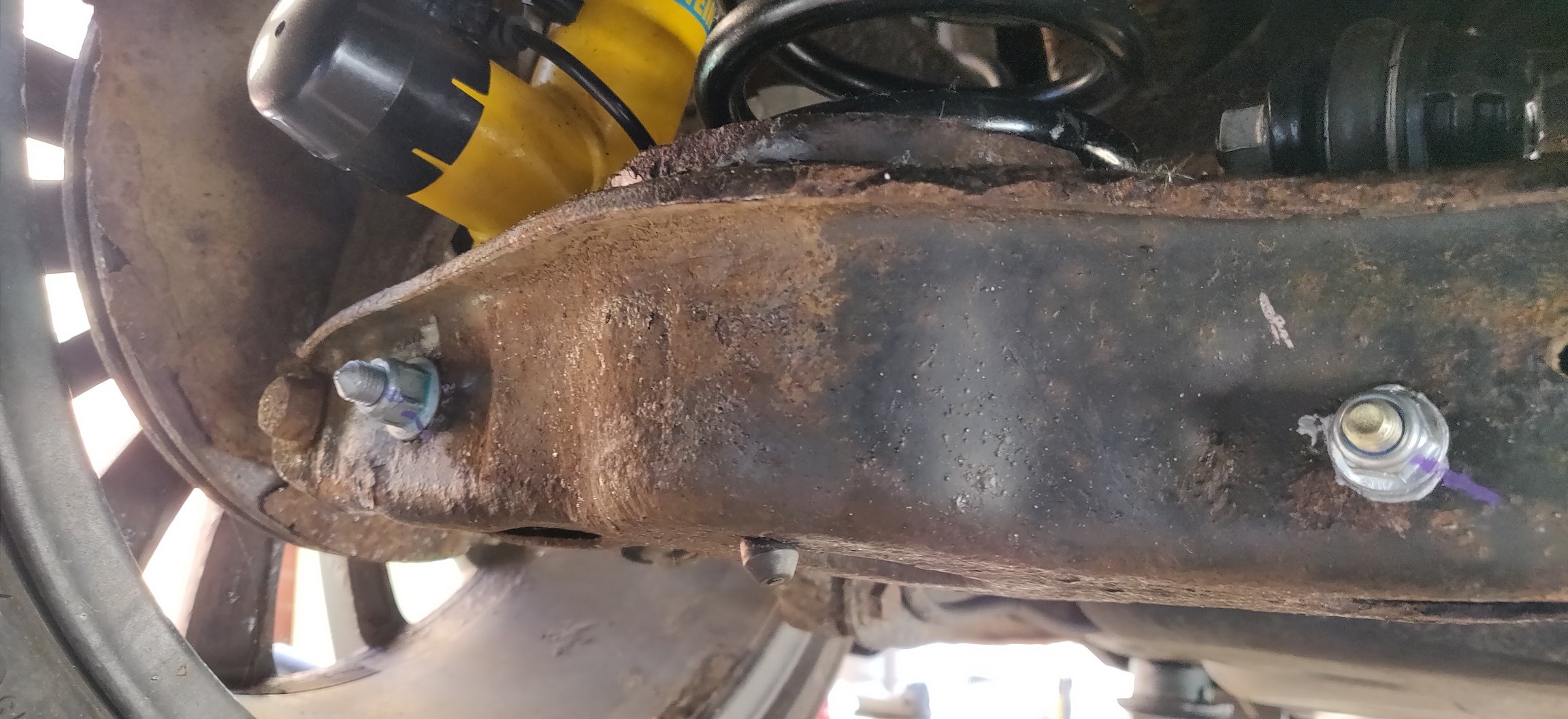
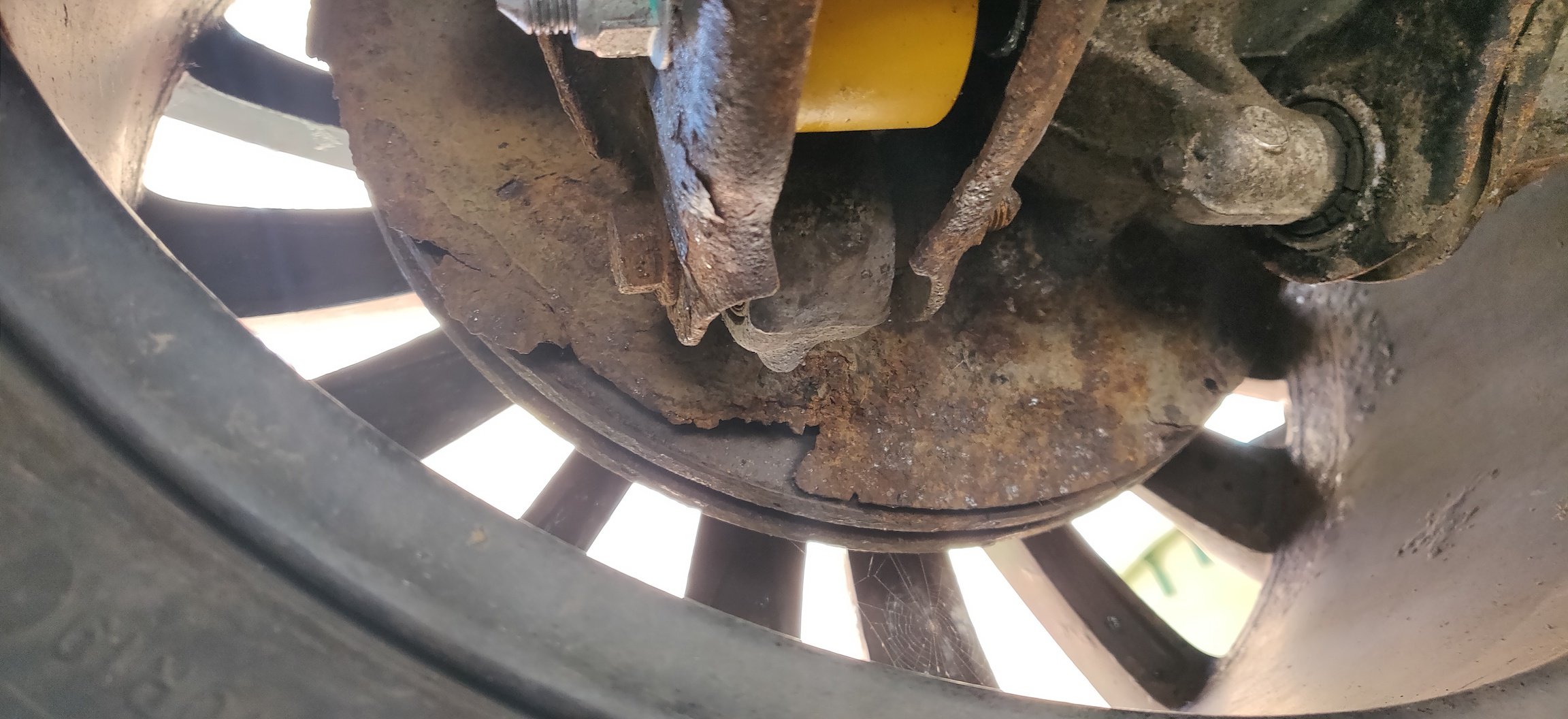
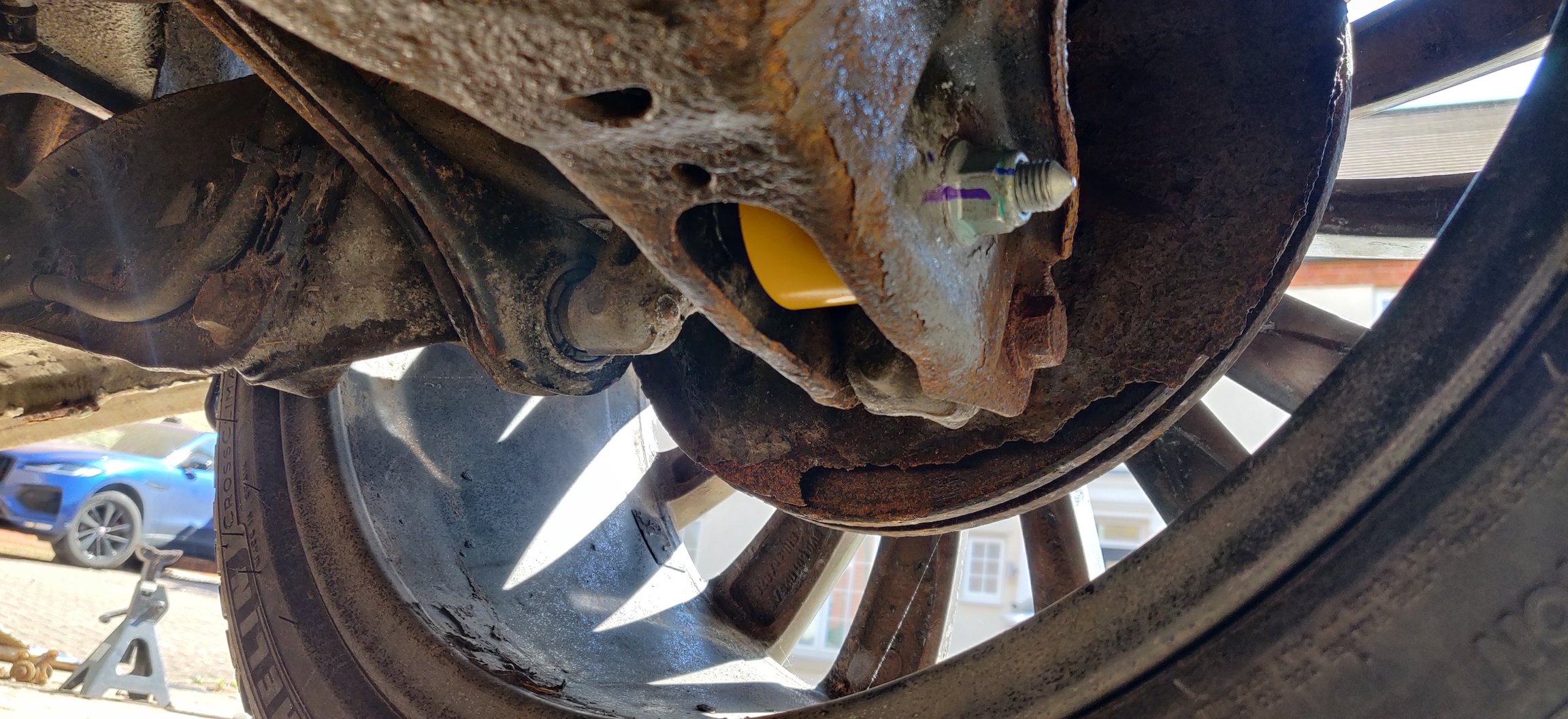
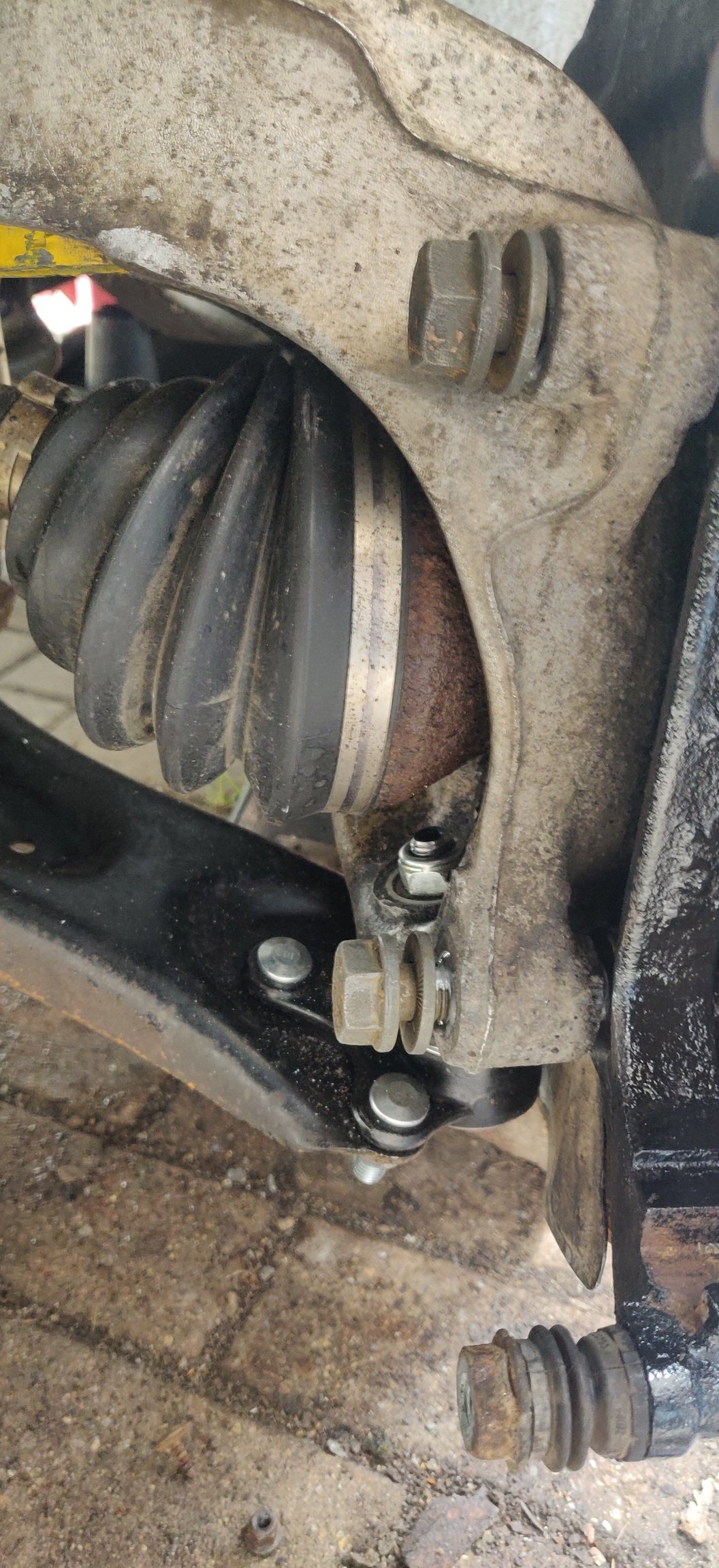
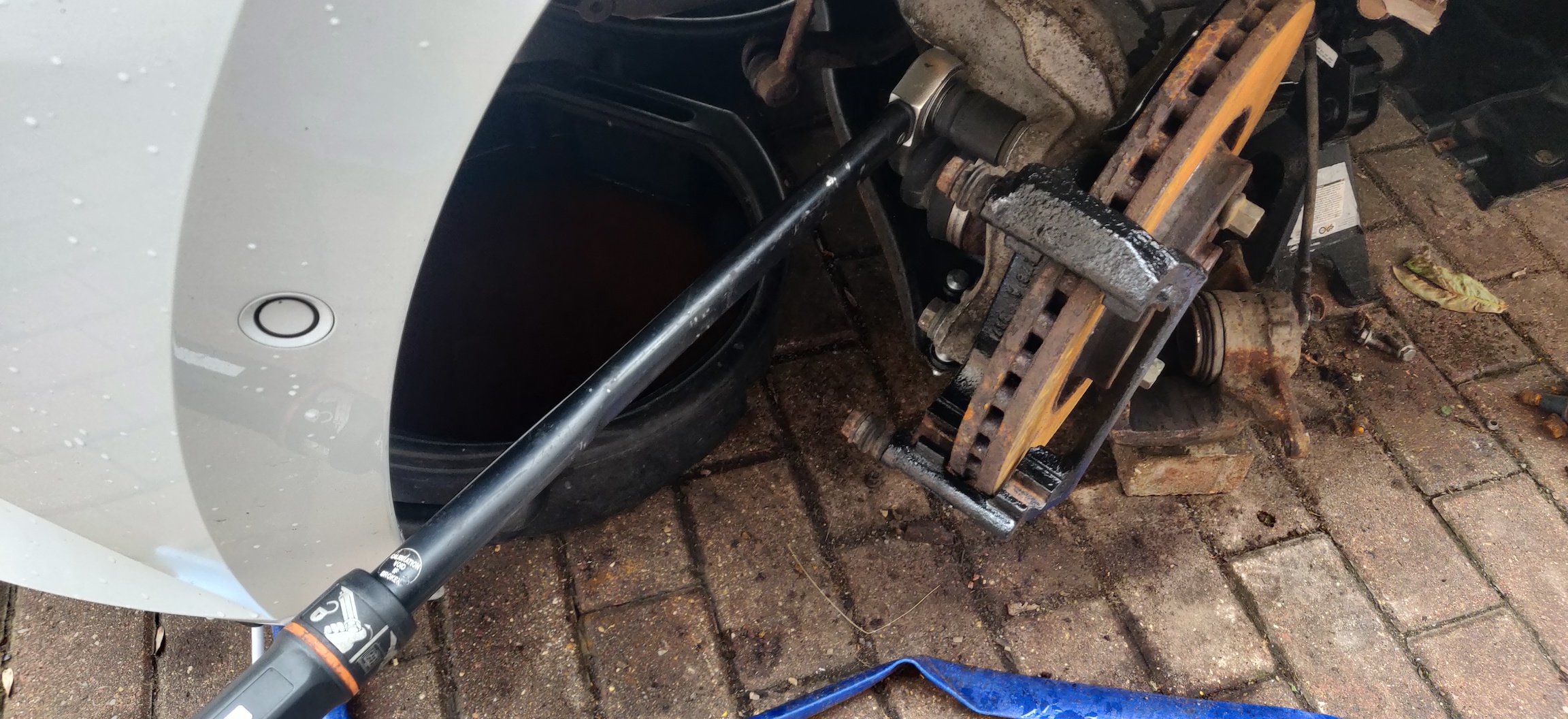
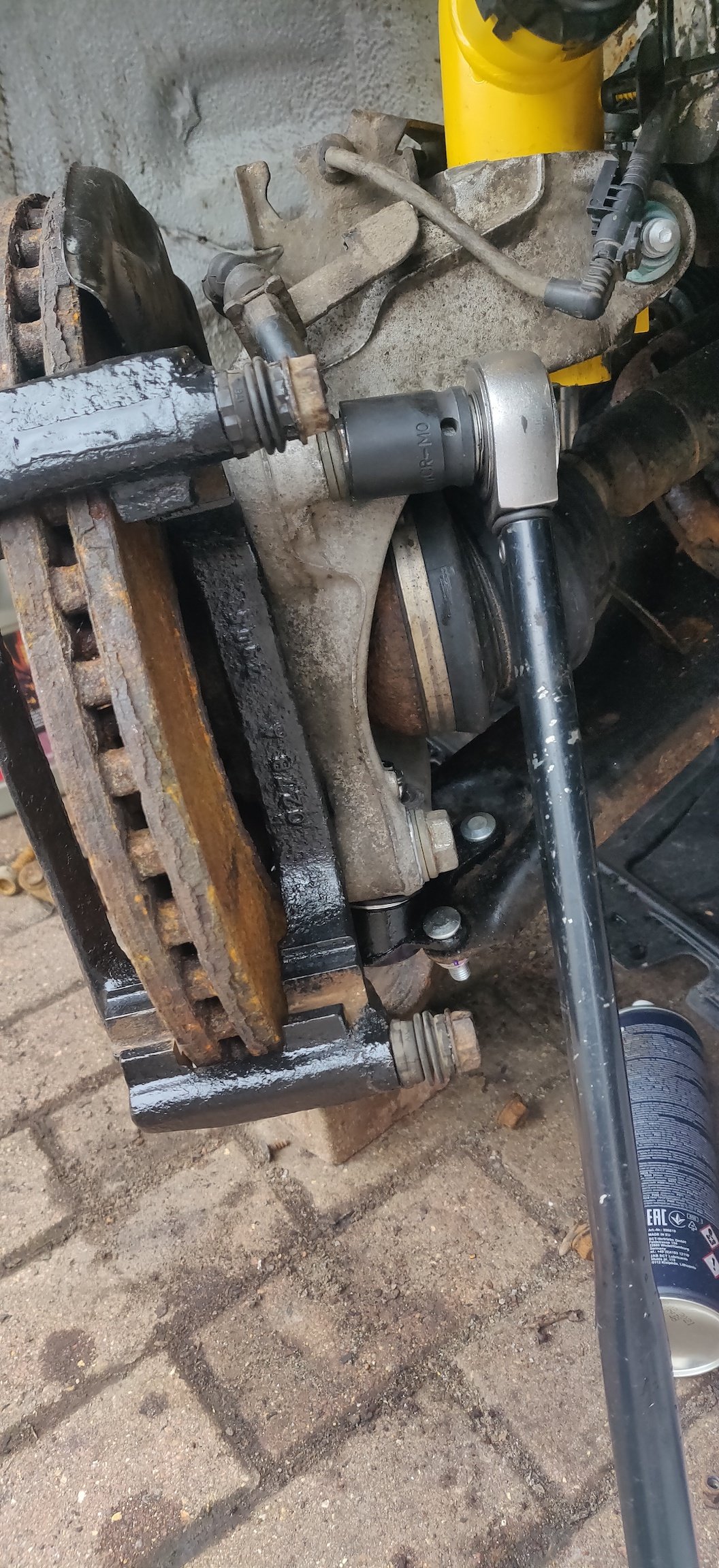
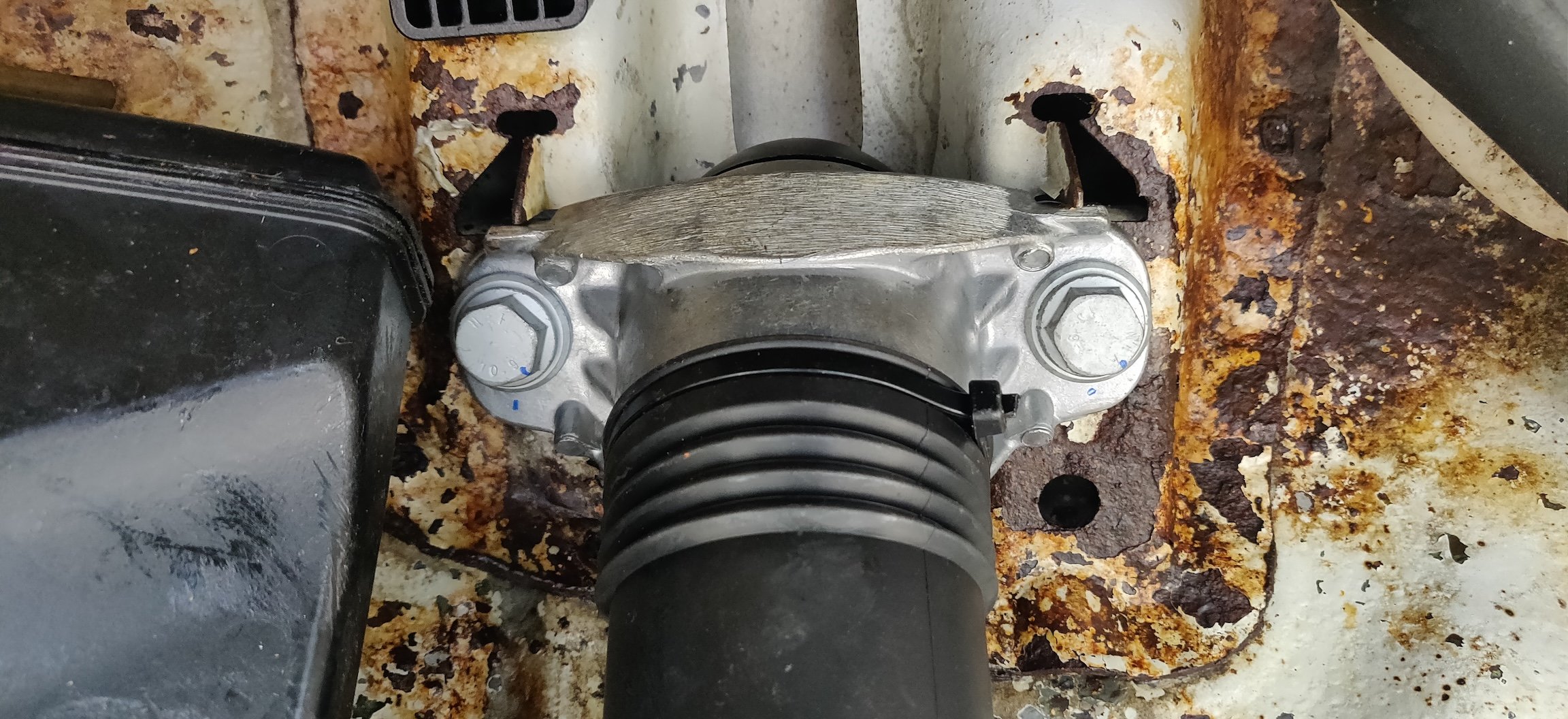
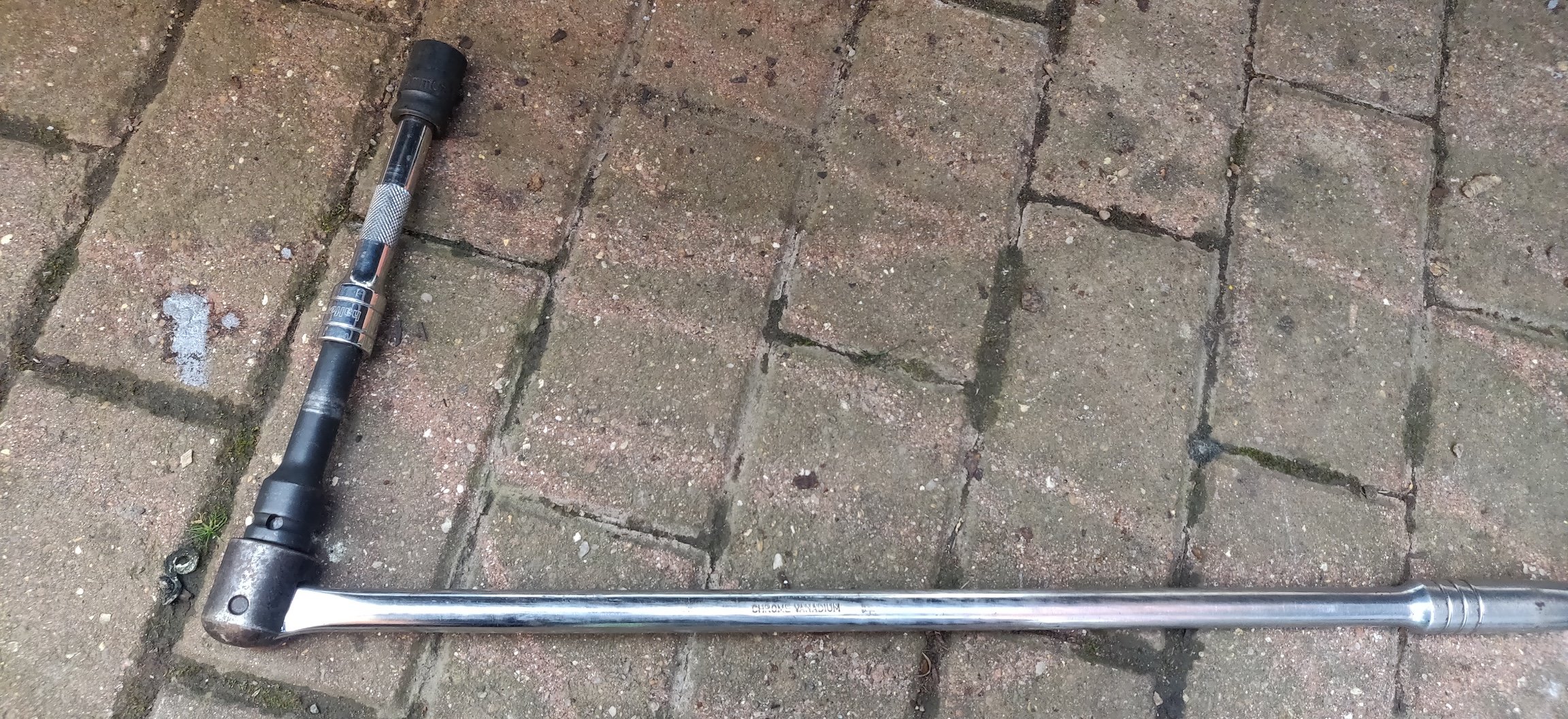
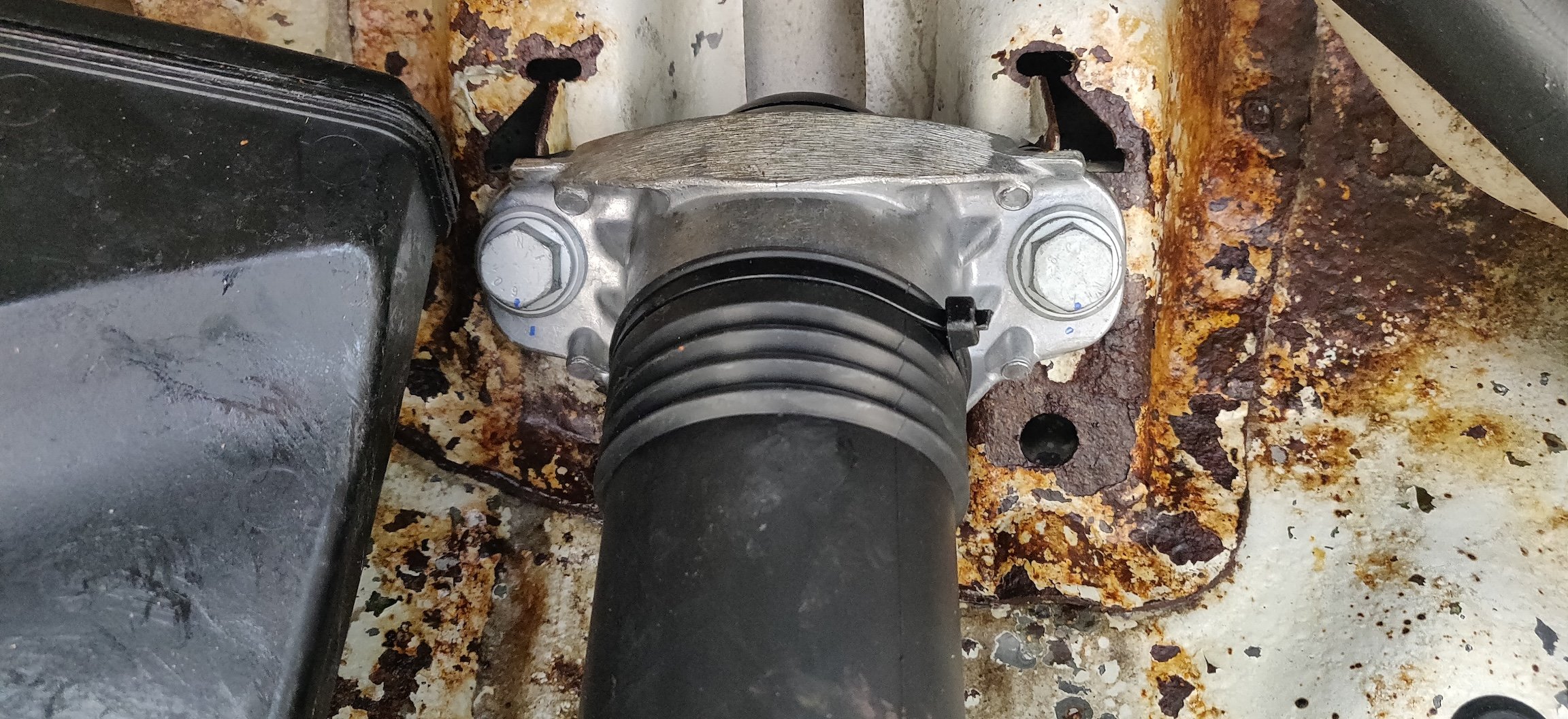
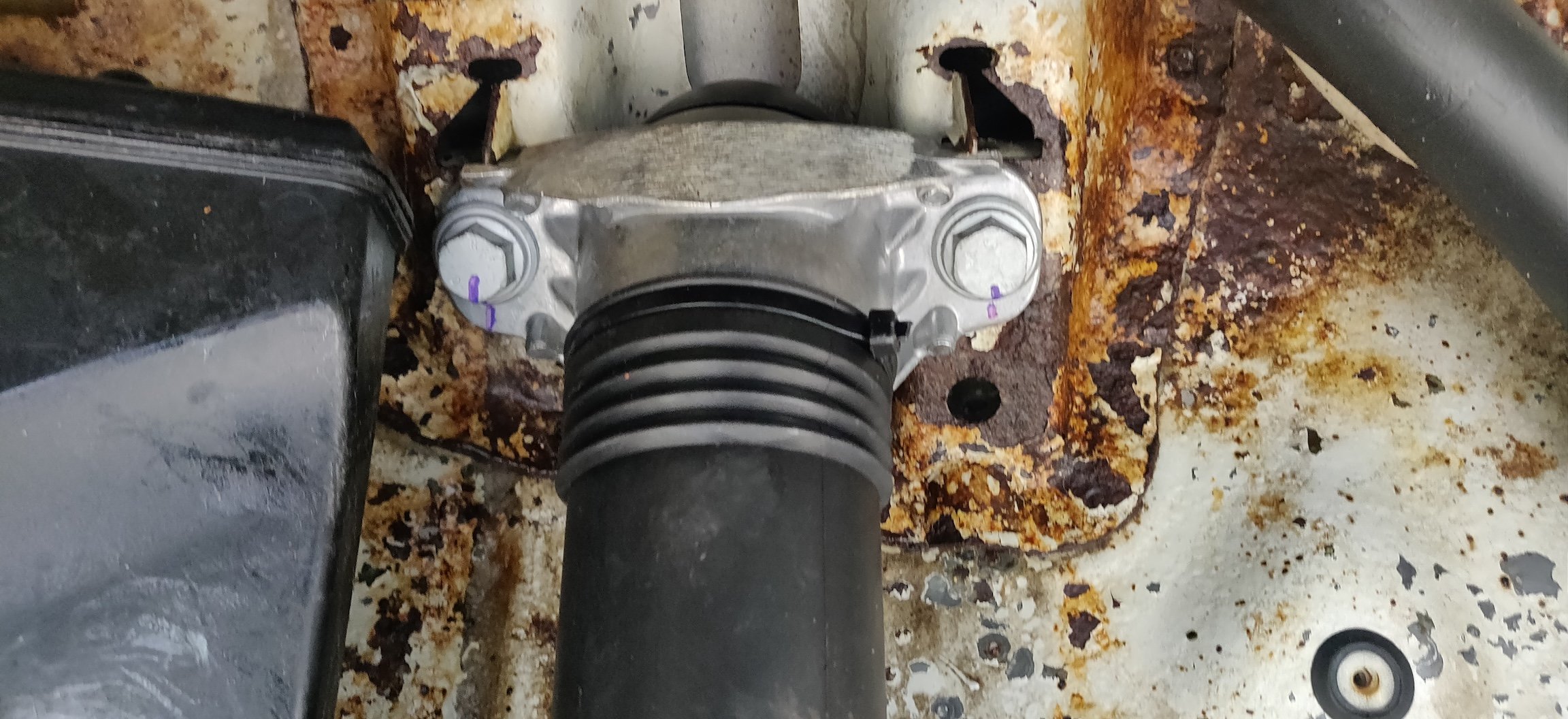
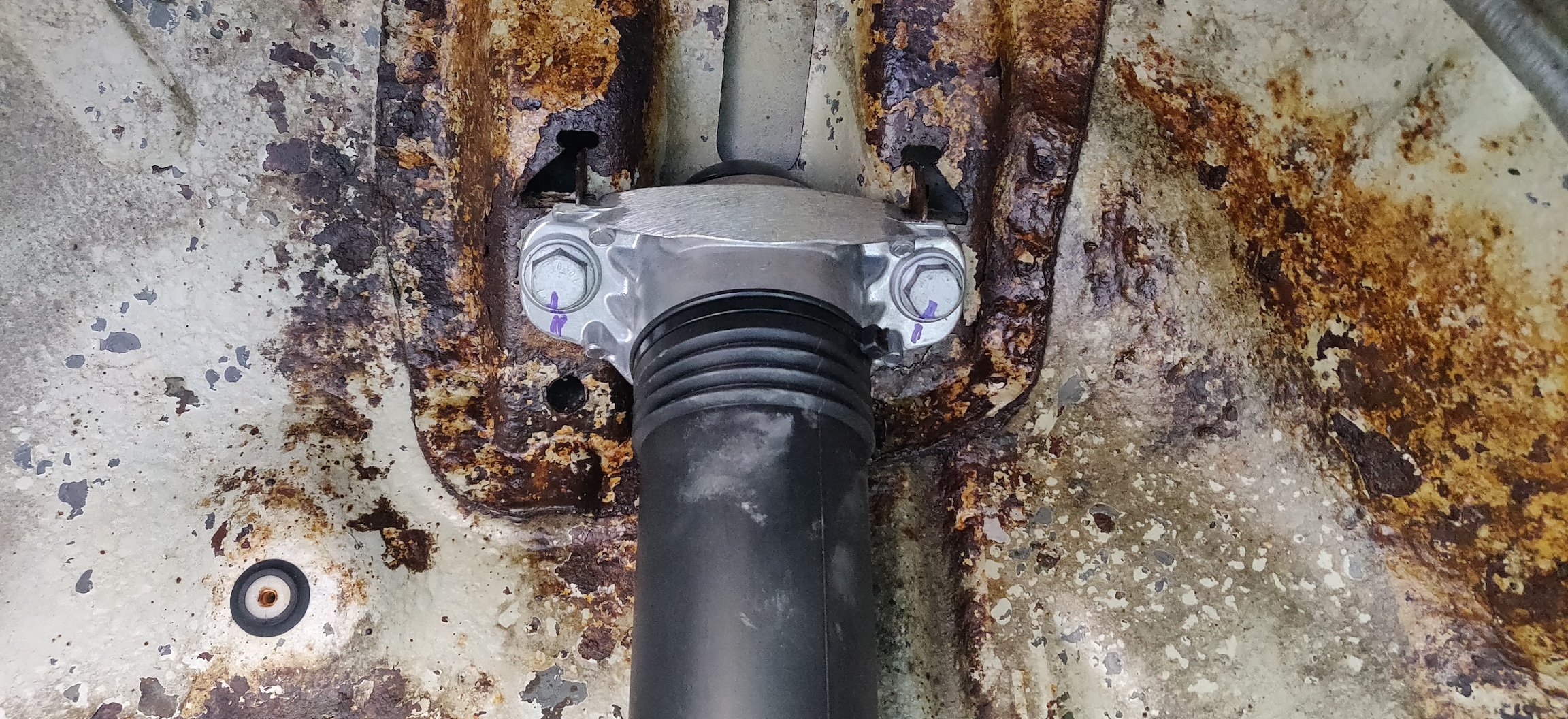
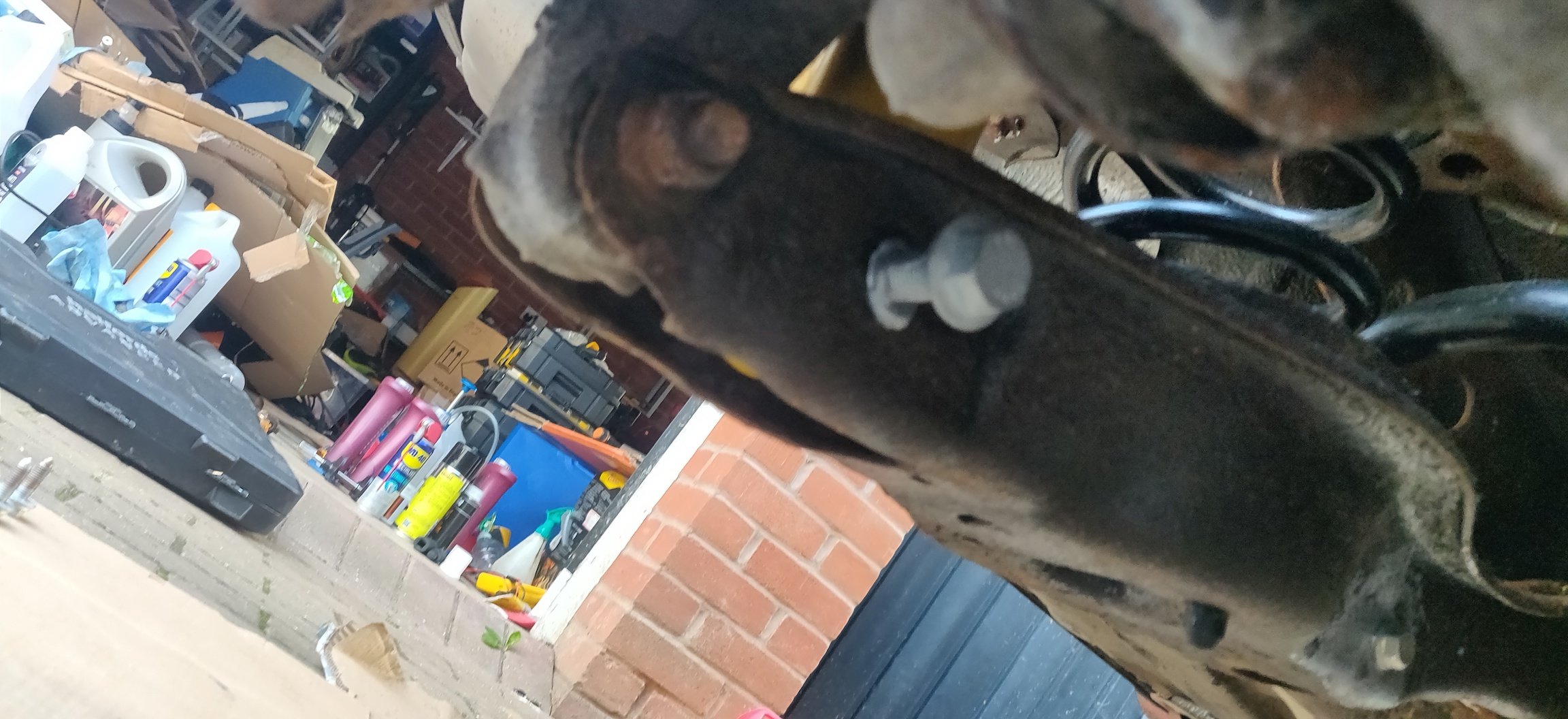
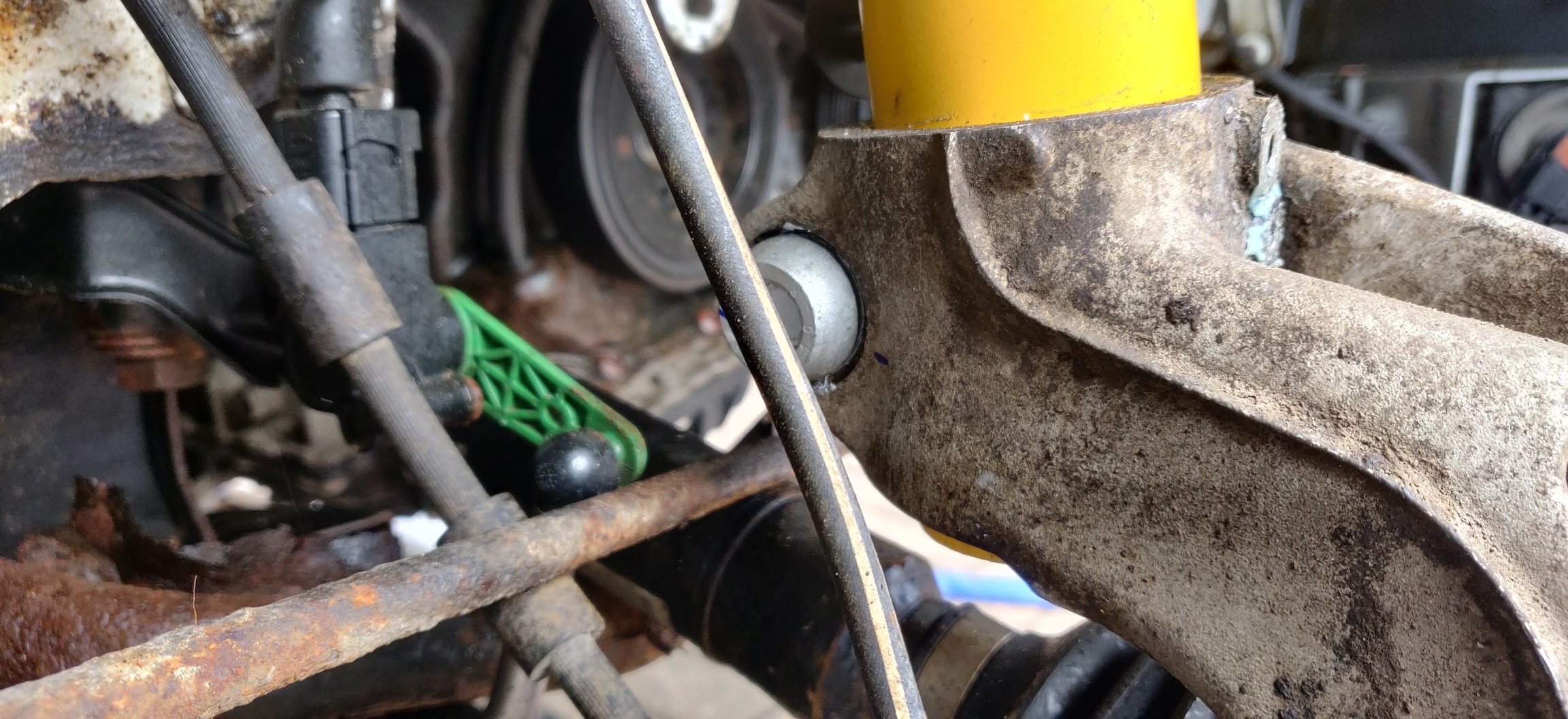
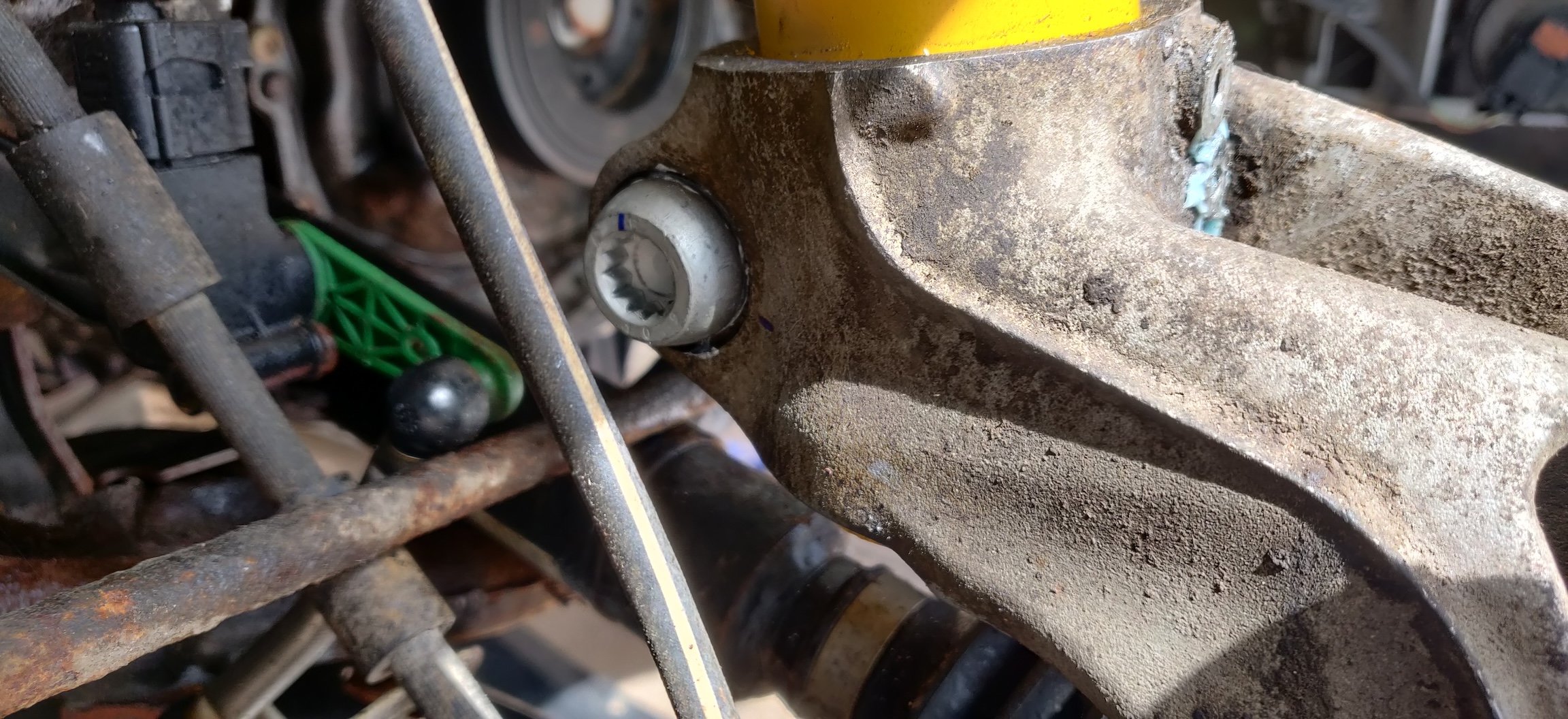
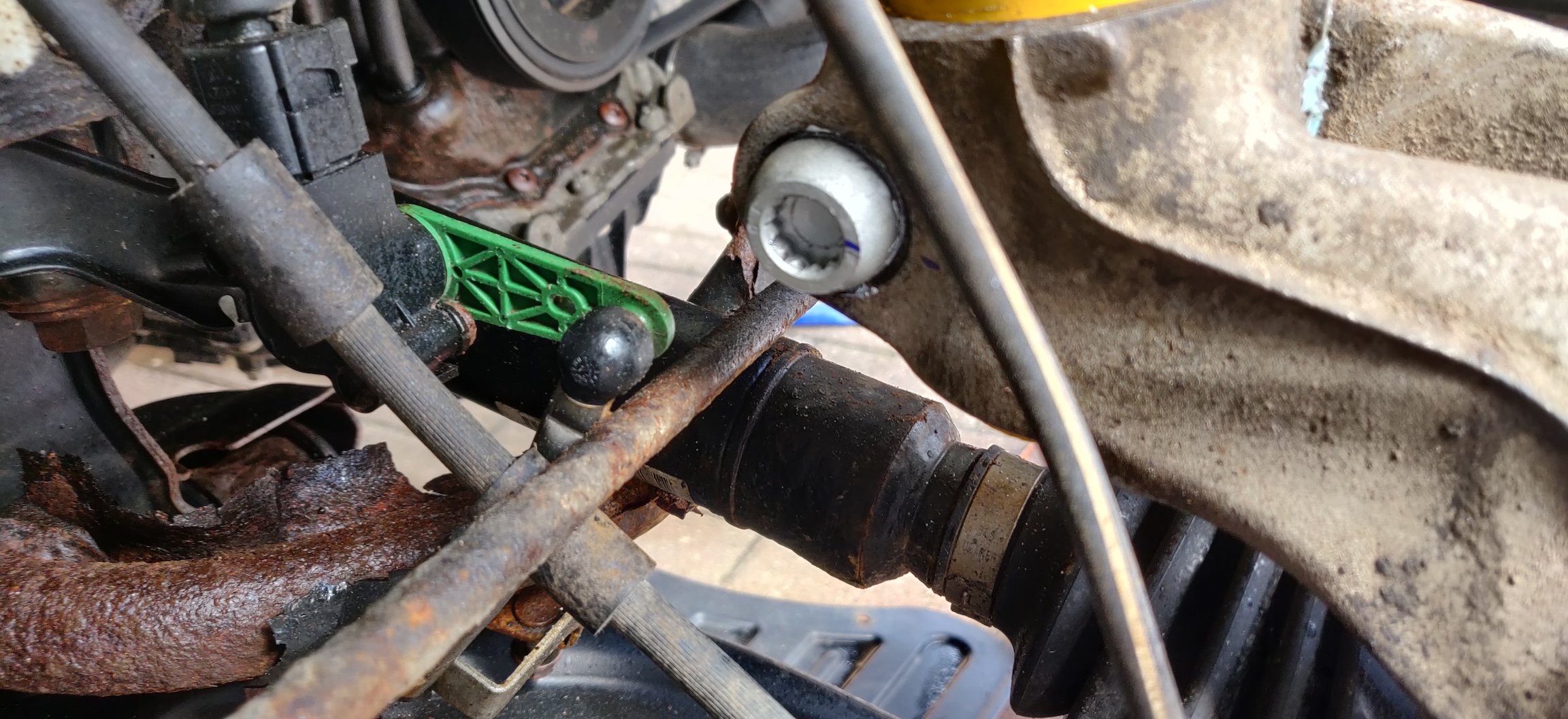
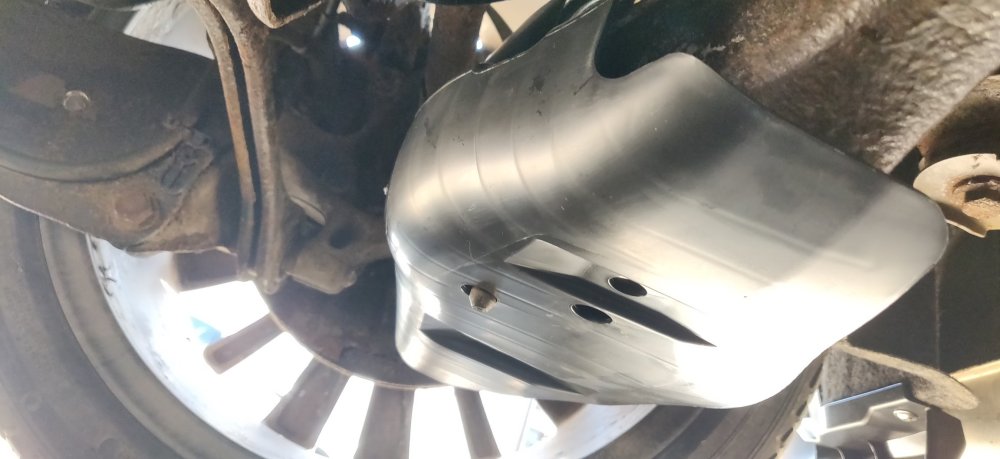
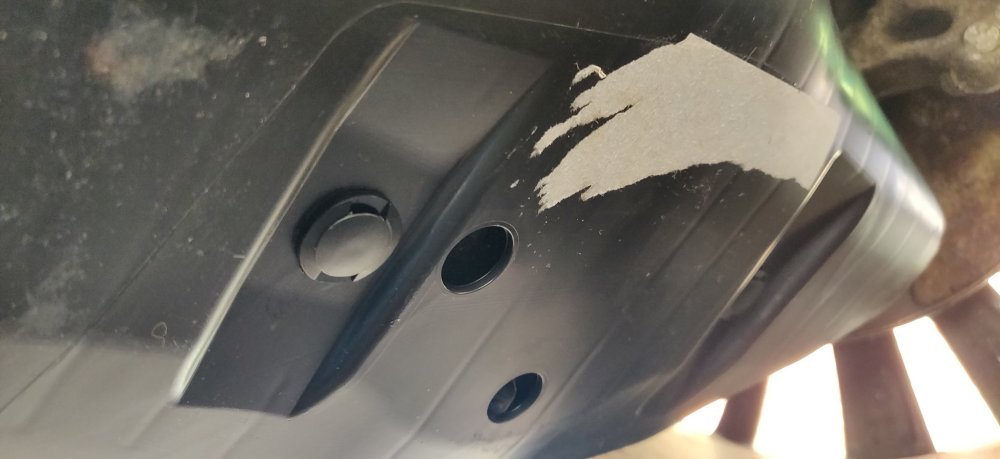
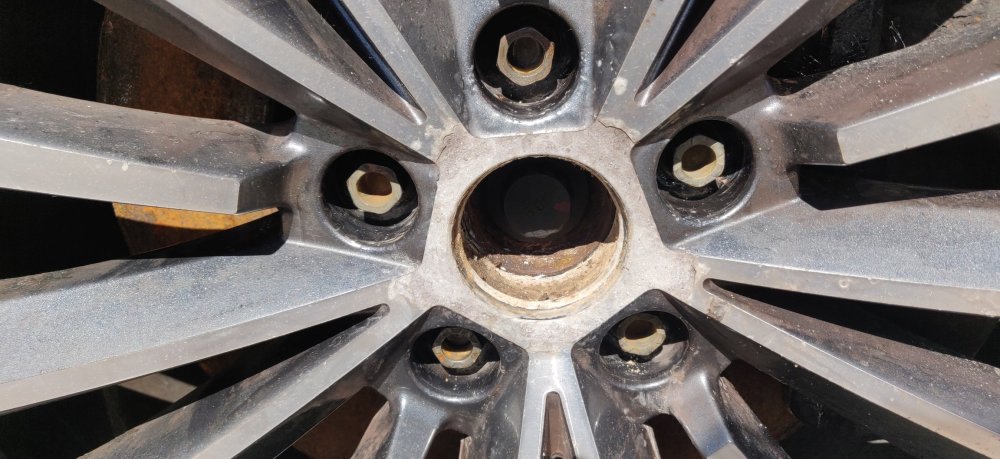
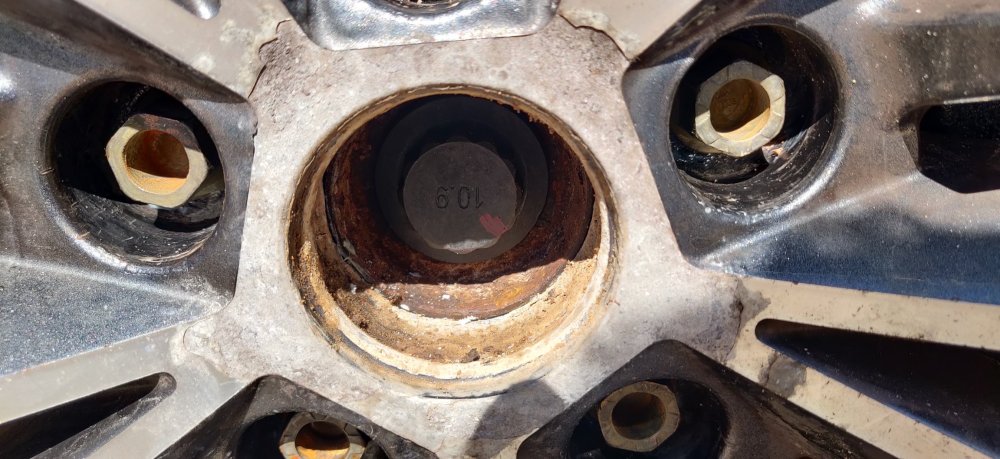
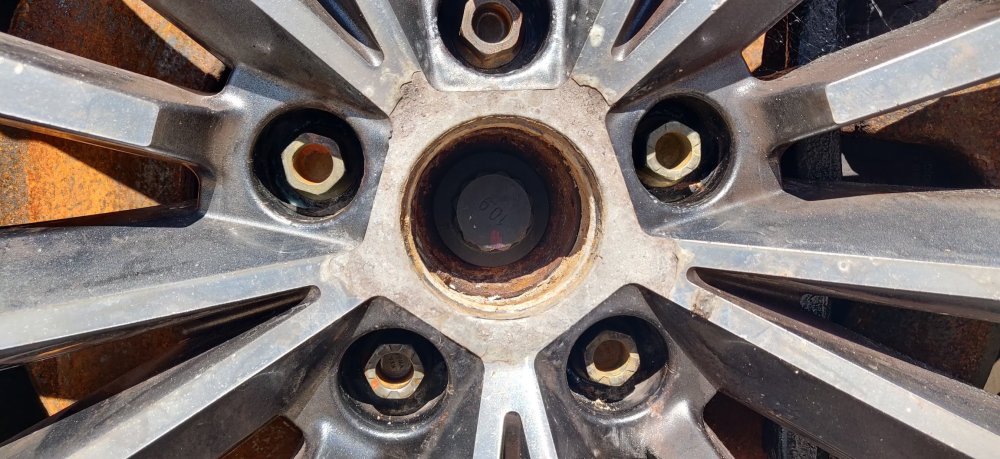
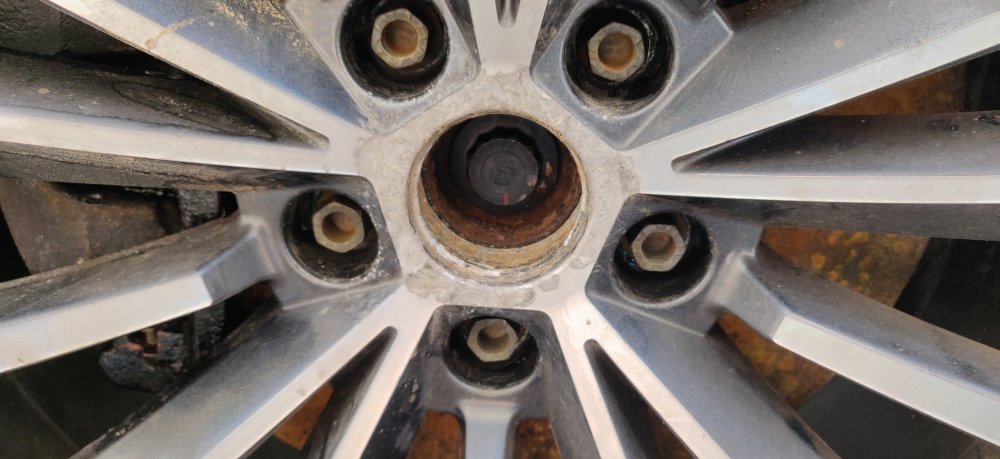
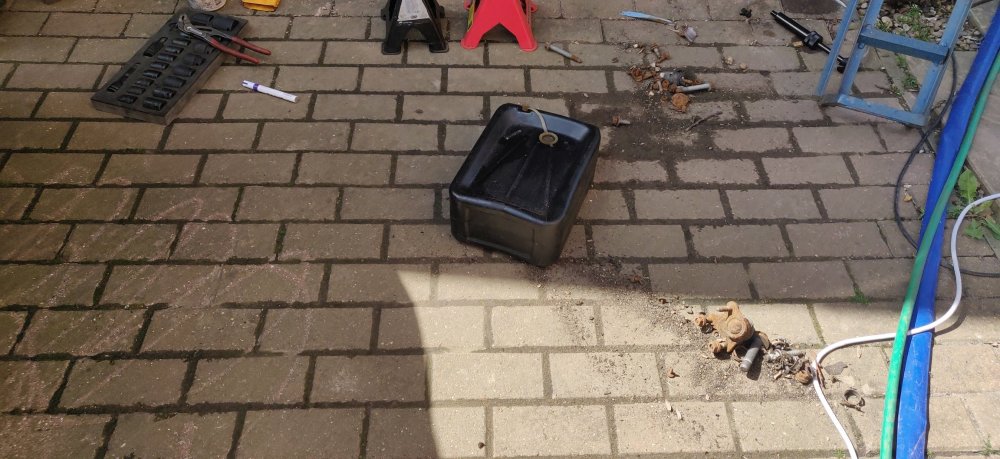
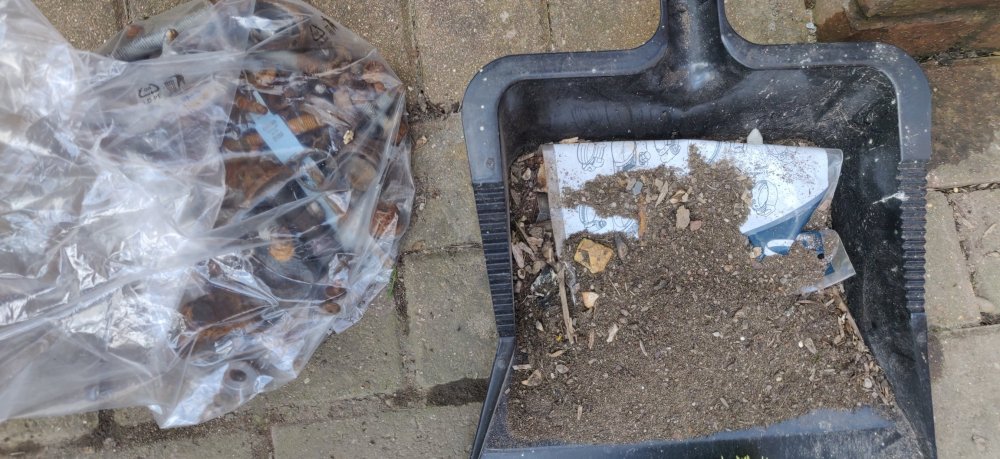
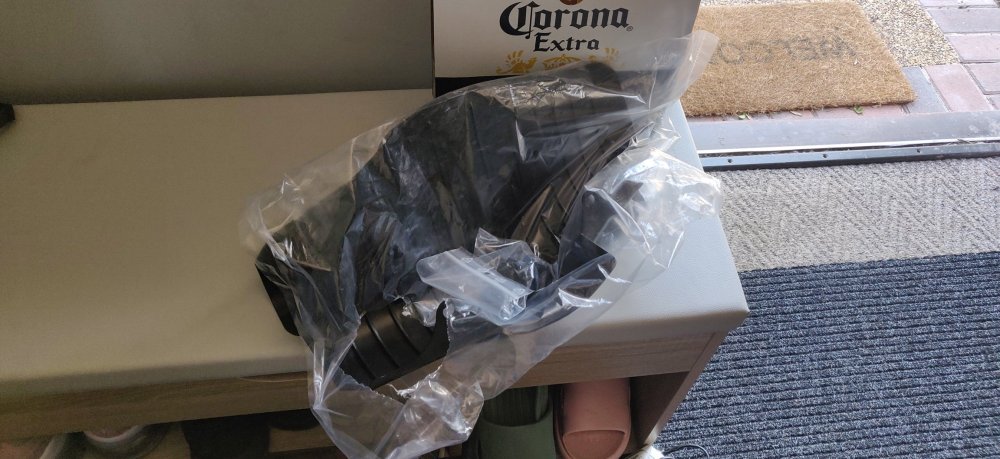
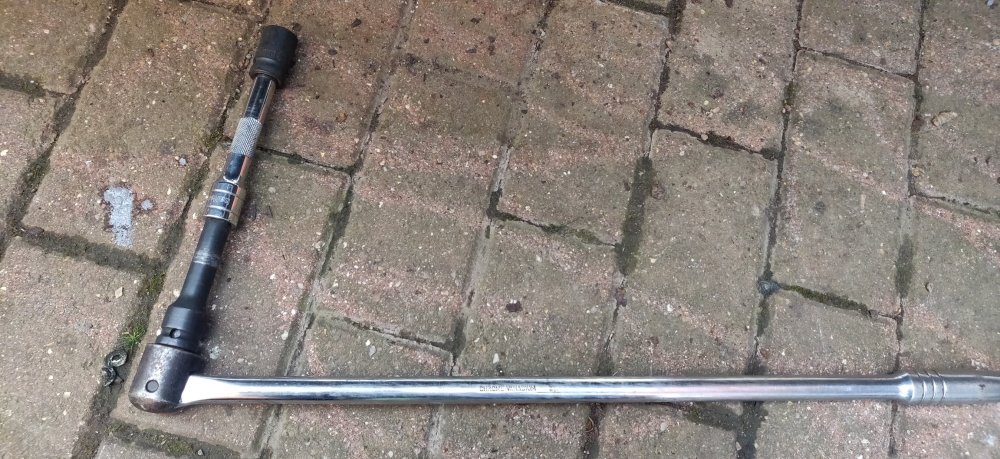
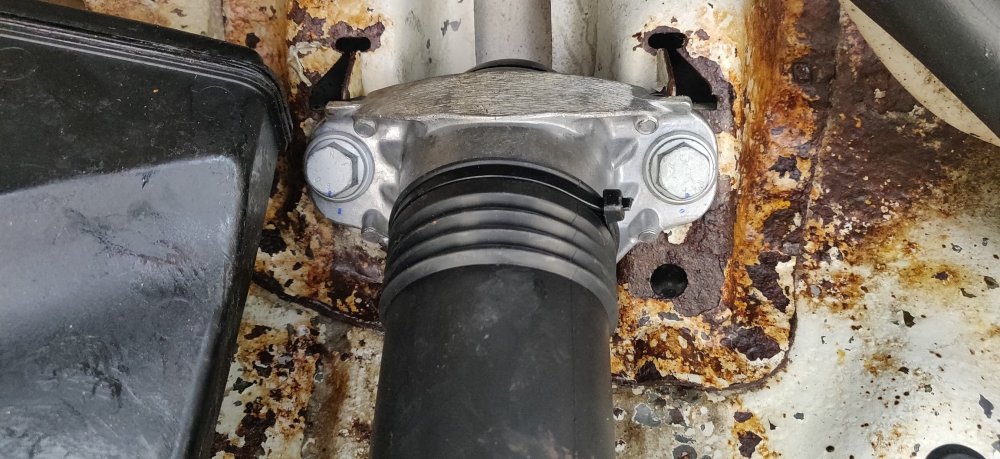
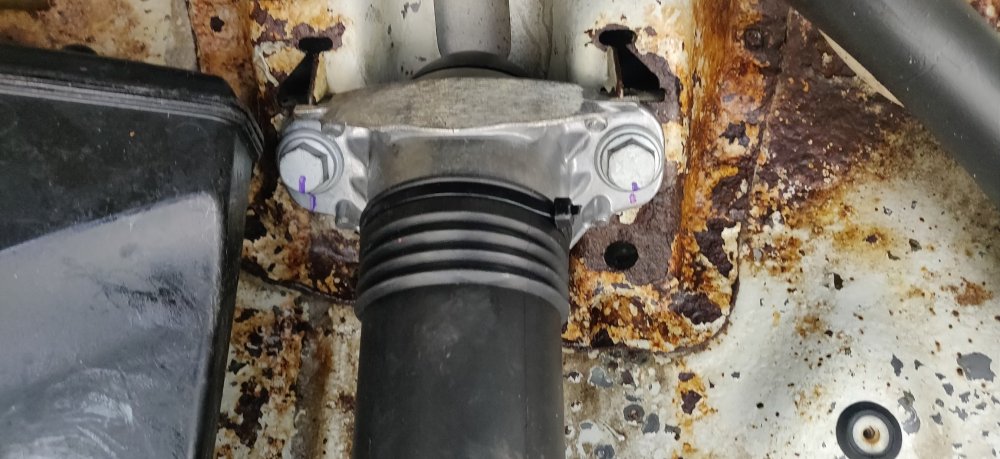
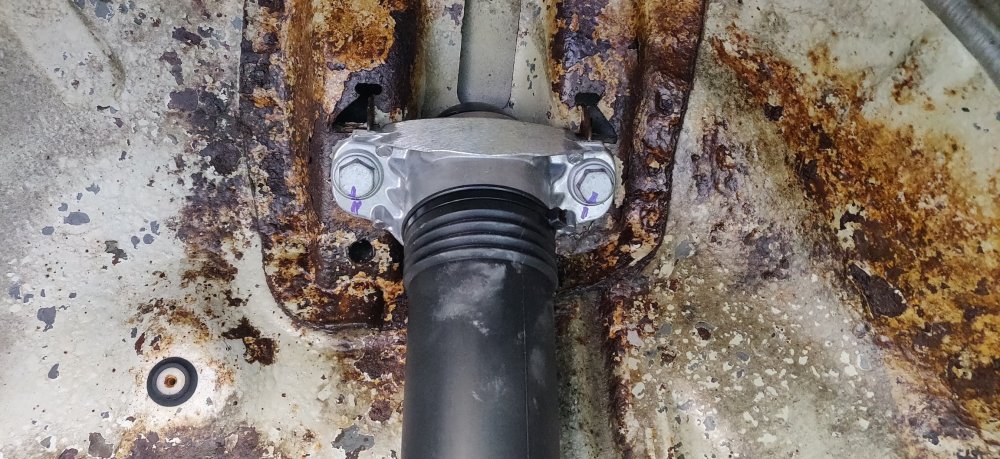
Really only this left: The driveshaft bolts. You can just about see I did the old sharpie to mark it, on the right of the bolt, with the aim of getting the bolt pointing downwards. This was fine up to 45 degrees: But after that point the 1/2" breaker bar was starting to bend uncomfortably, so got out the 3/4" breaker and the trolley jack levers to act as extensions: It's uncomfortable: It could well be one or two degrees shy, but honestly, I felt something or more likely, a limb was going to be in danger if I explored further. So before I got too excited: Had to clear out the driveway and sweep it all up: This won't entirely be the car, but given the amount of mud and crud under there, there was quite a bit to clean up. It was at this point that I went back into the house to get the cars that I noticed: Not the beers, but the aero covers for the lower arms! Maintenance: £2299.88 Upgrades: £1332.92 Miscellaneous: £697.20
-
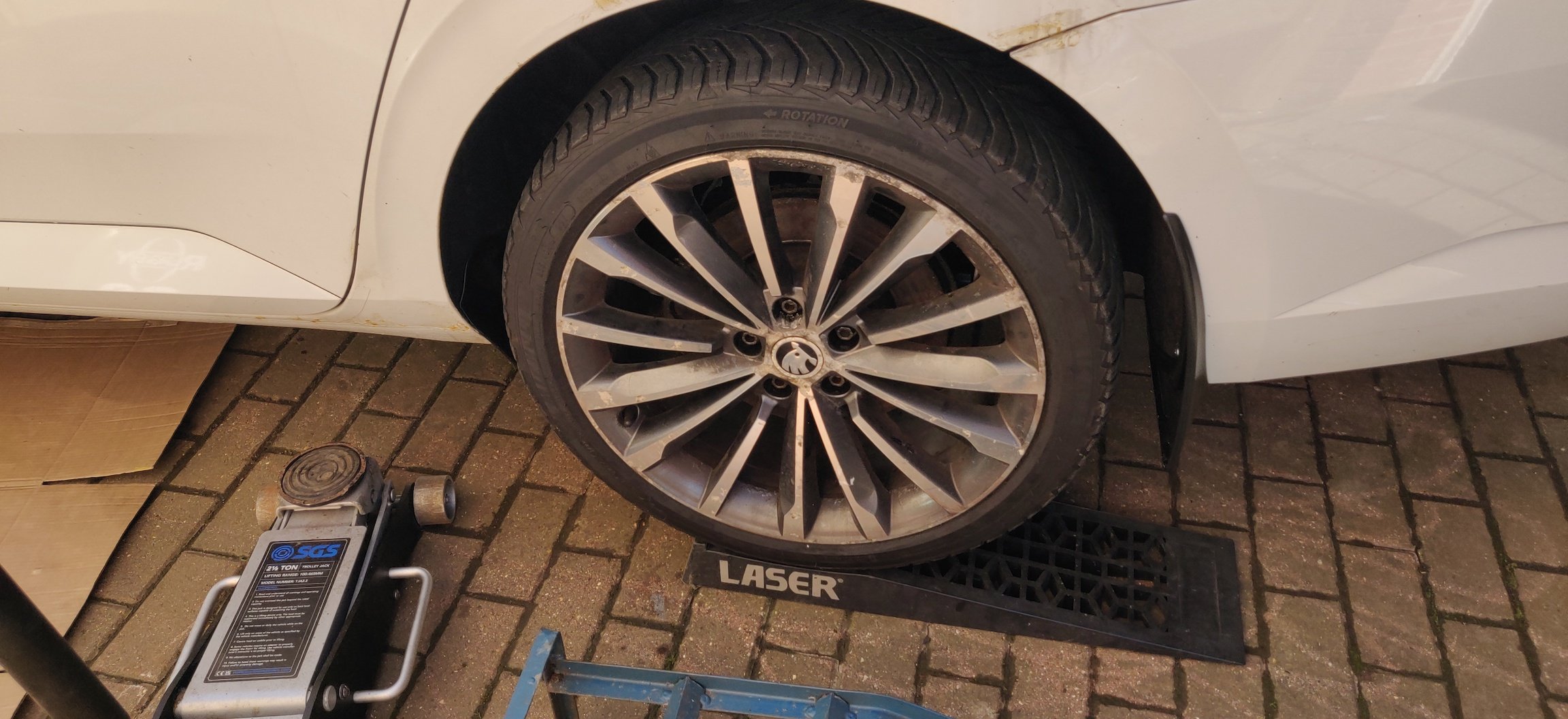
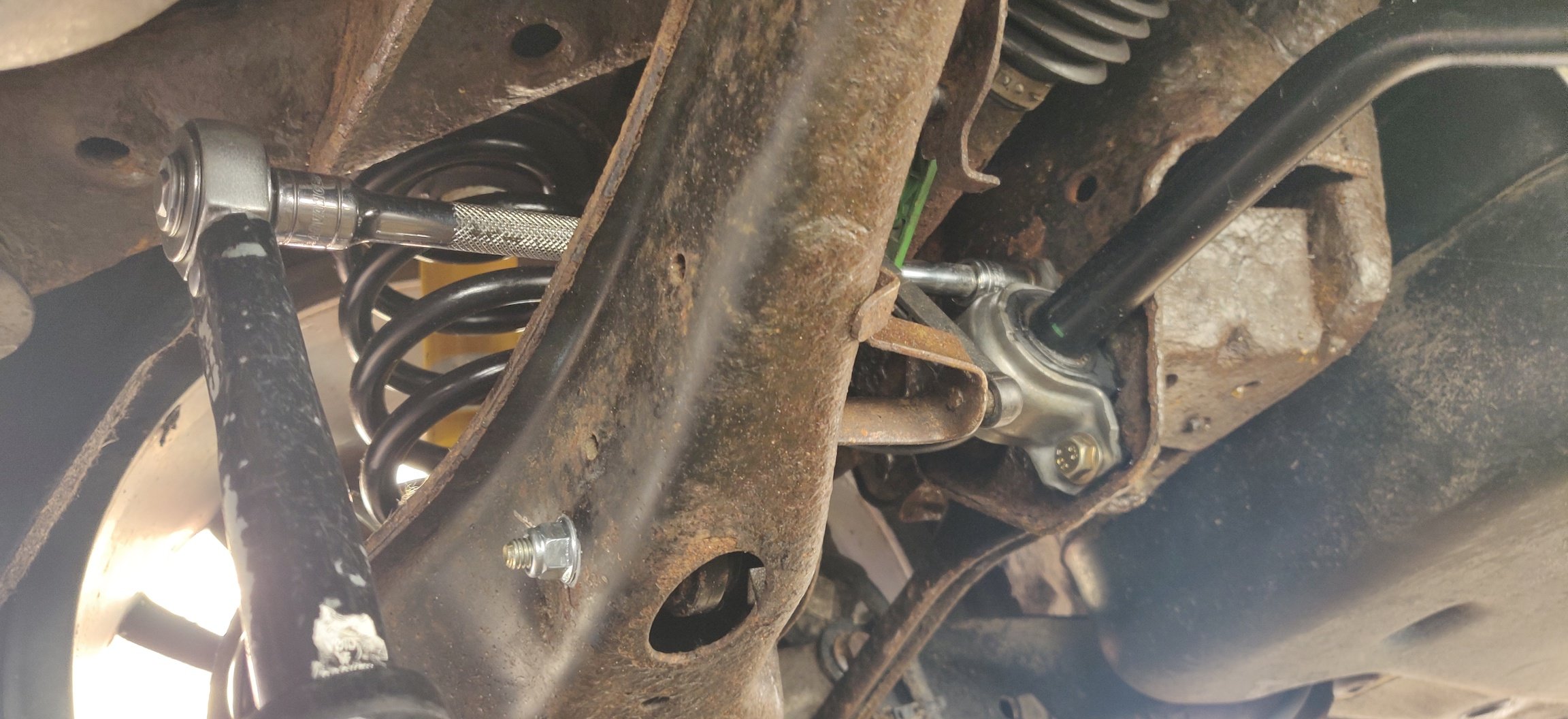
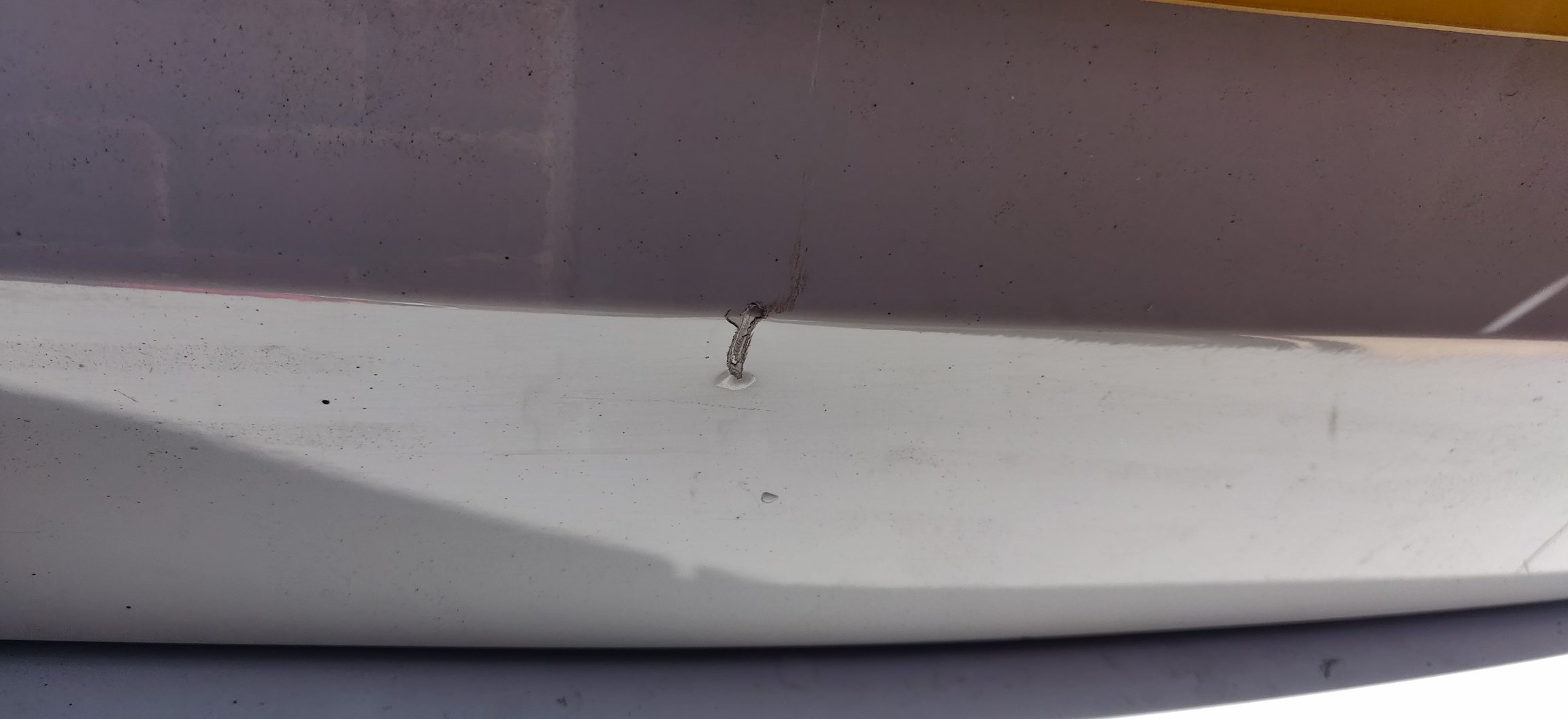
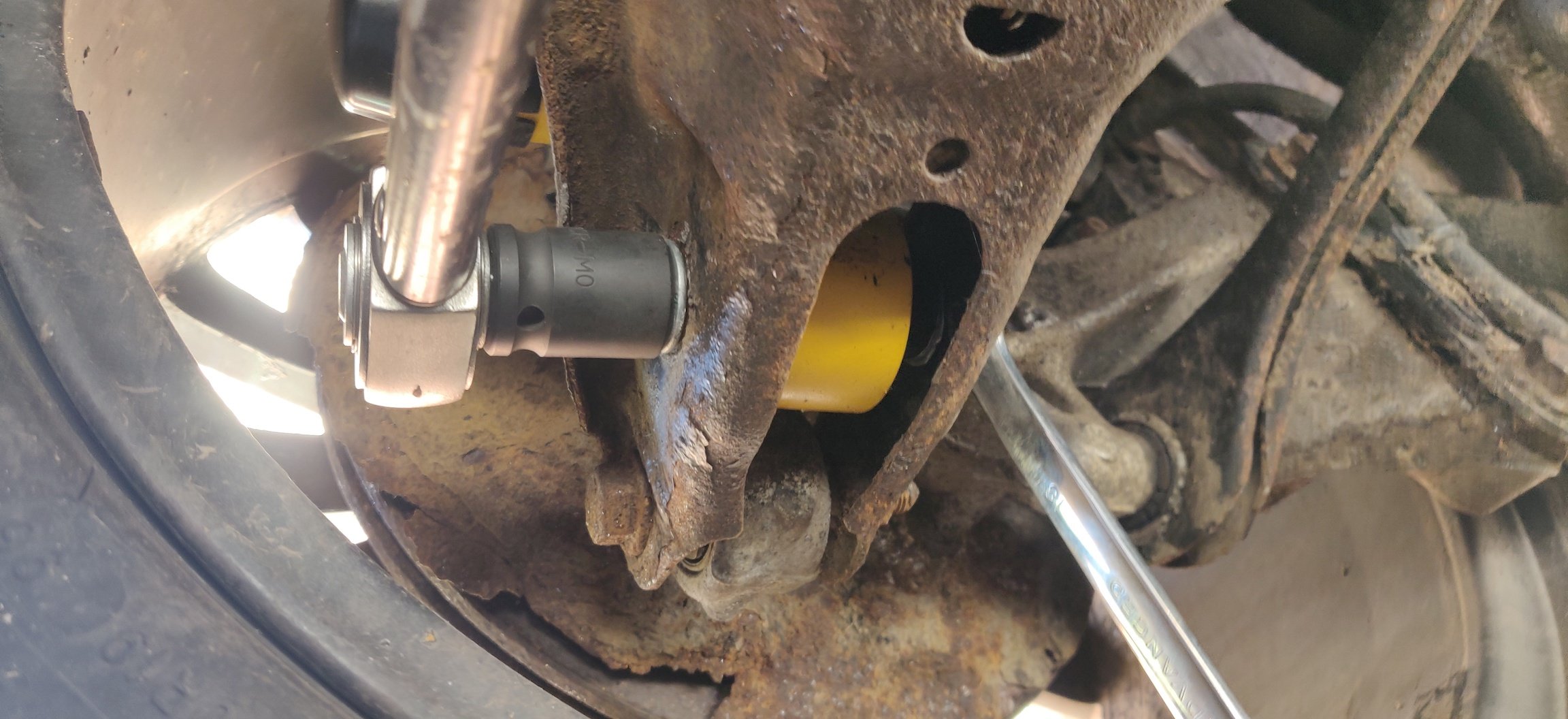
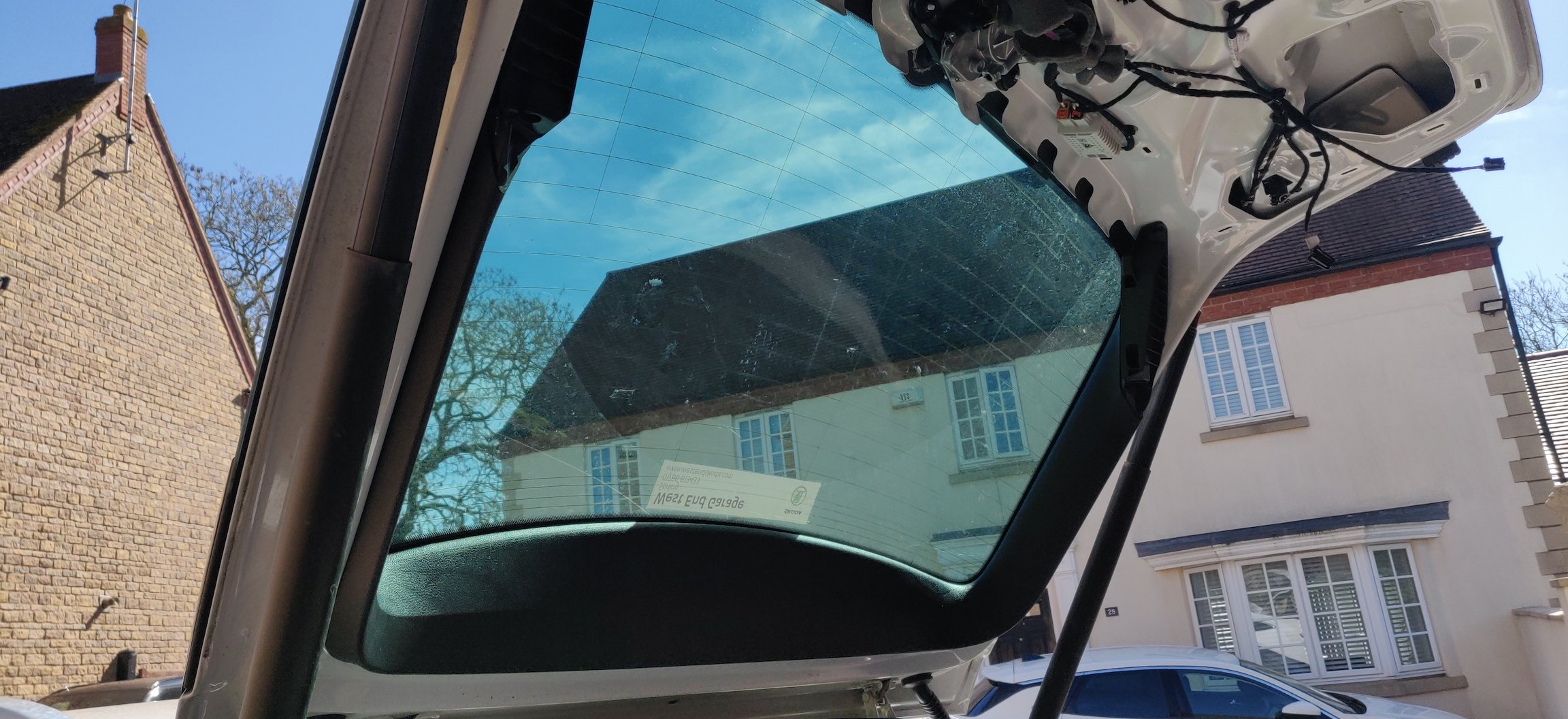
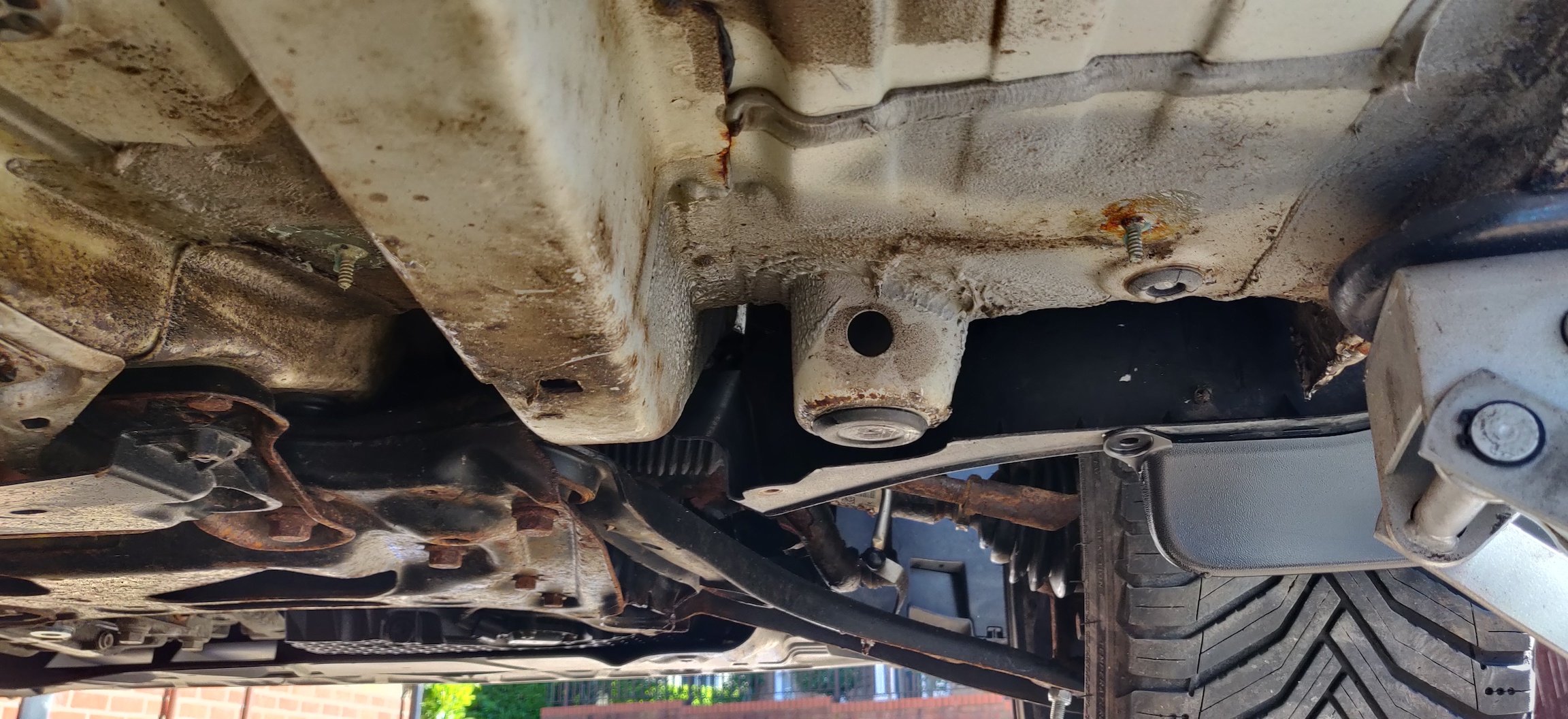
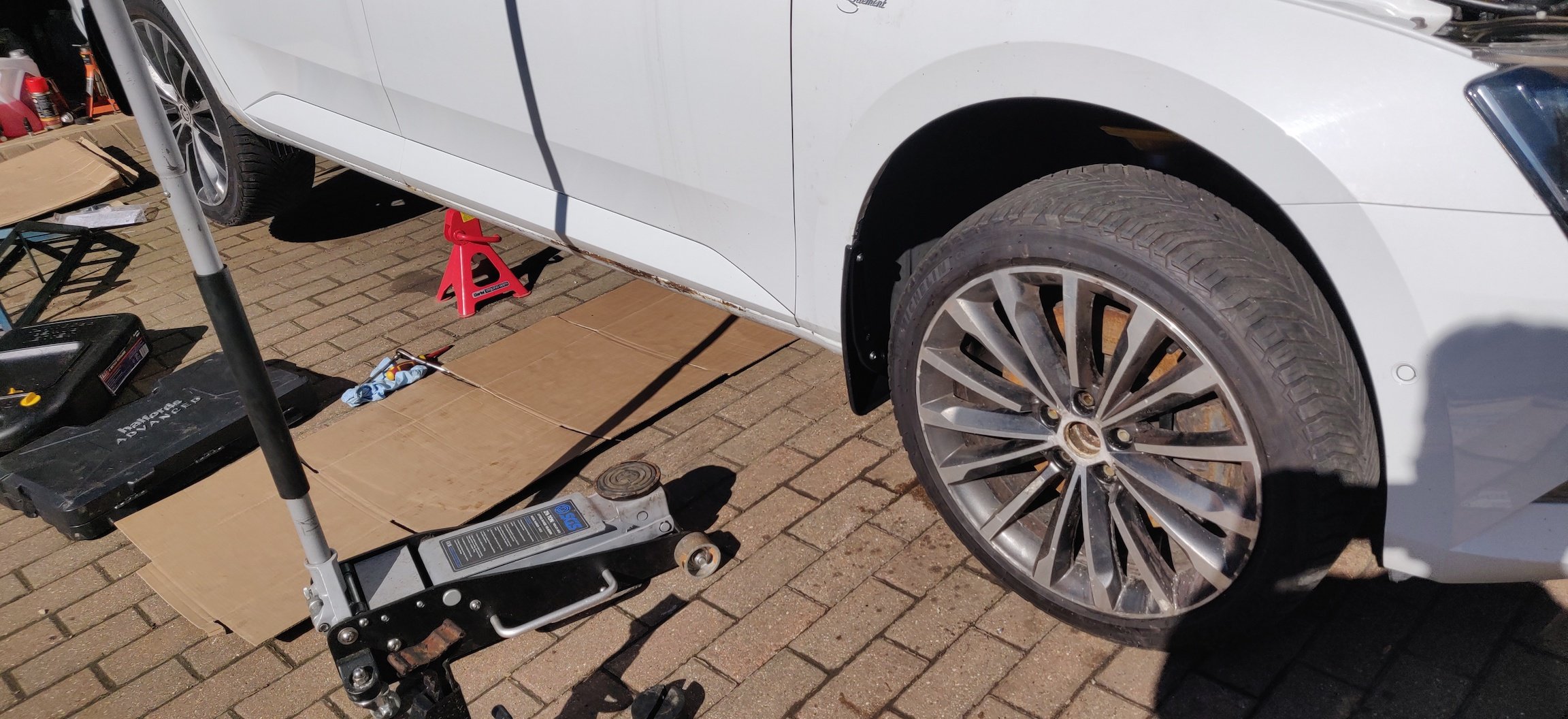
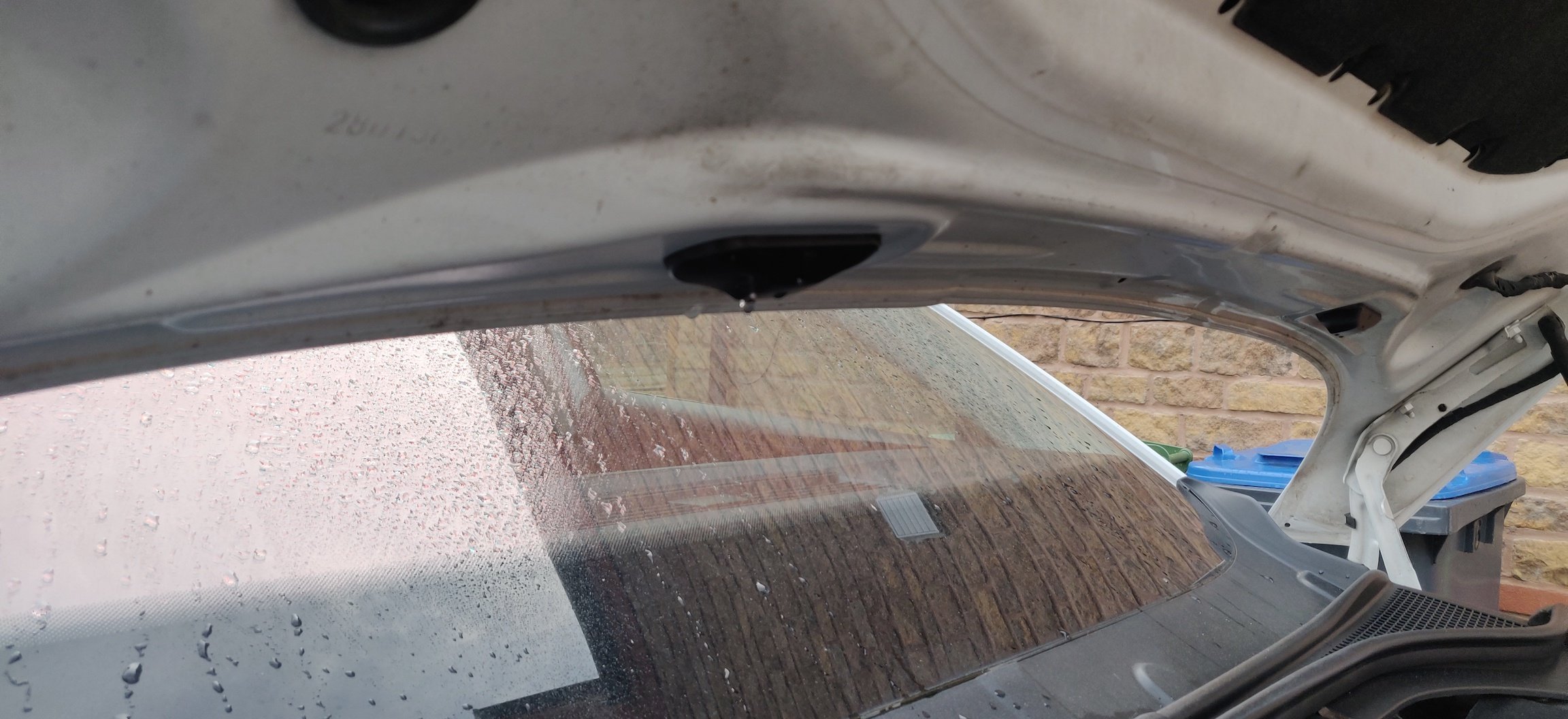
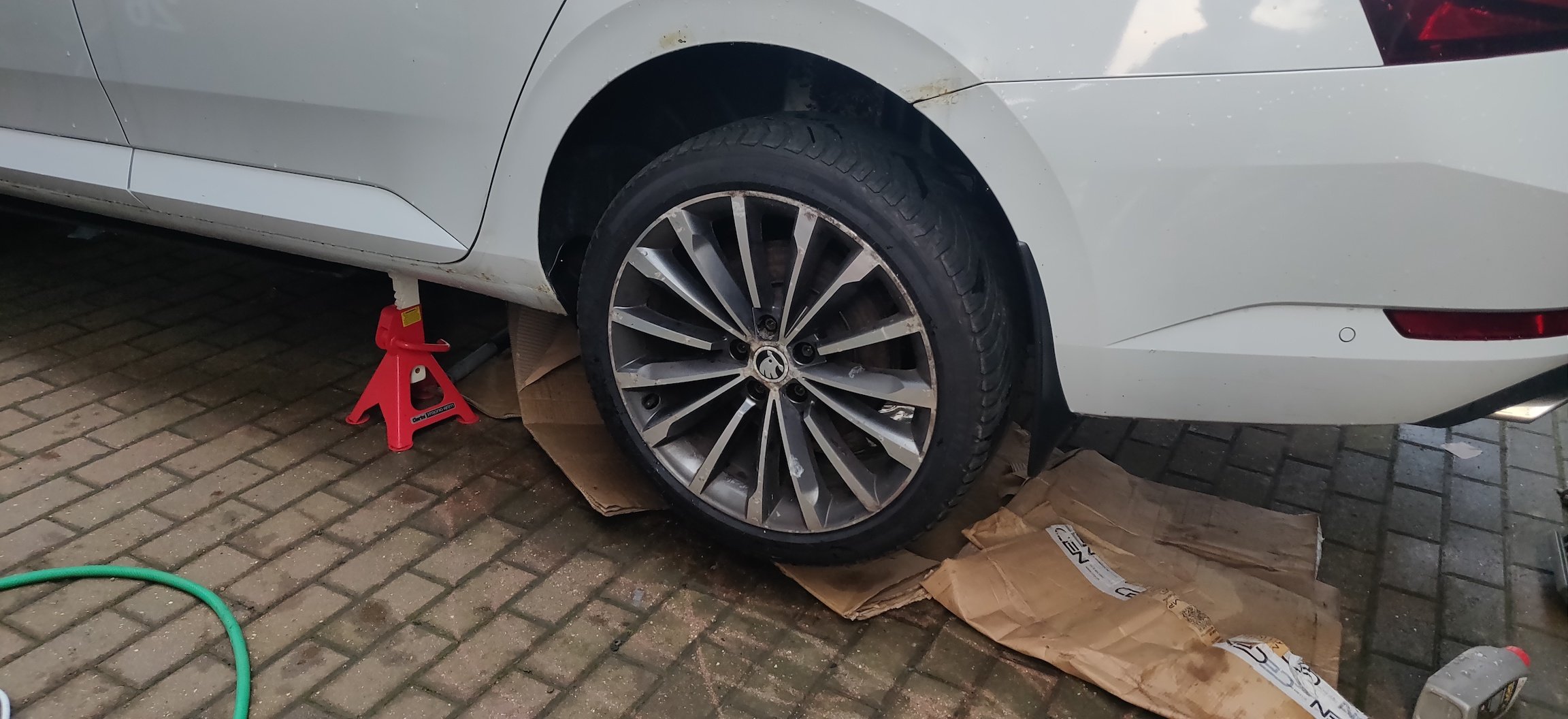
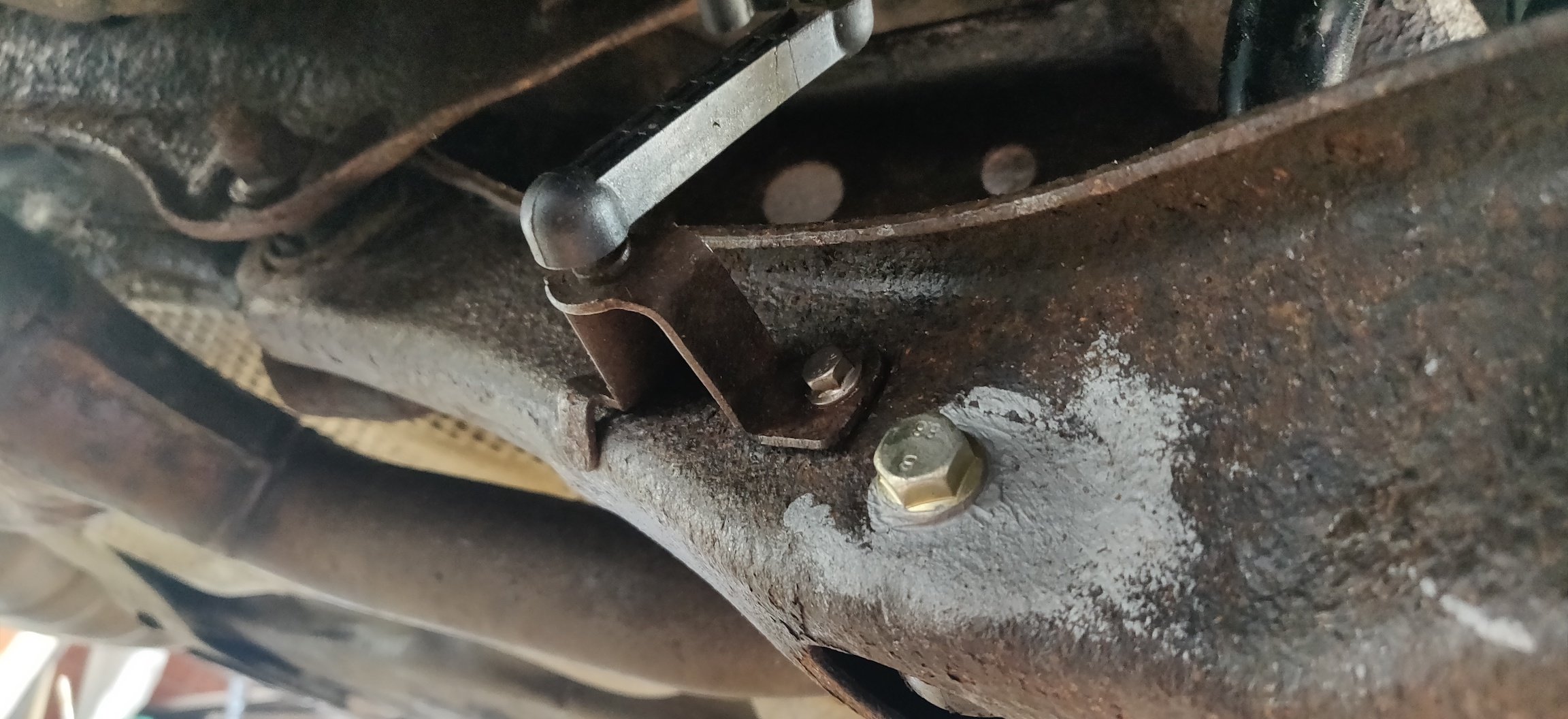
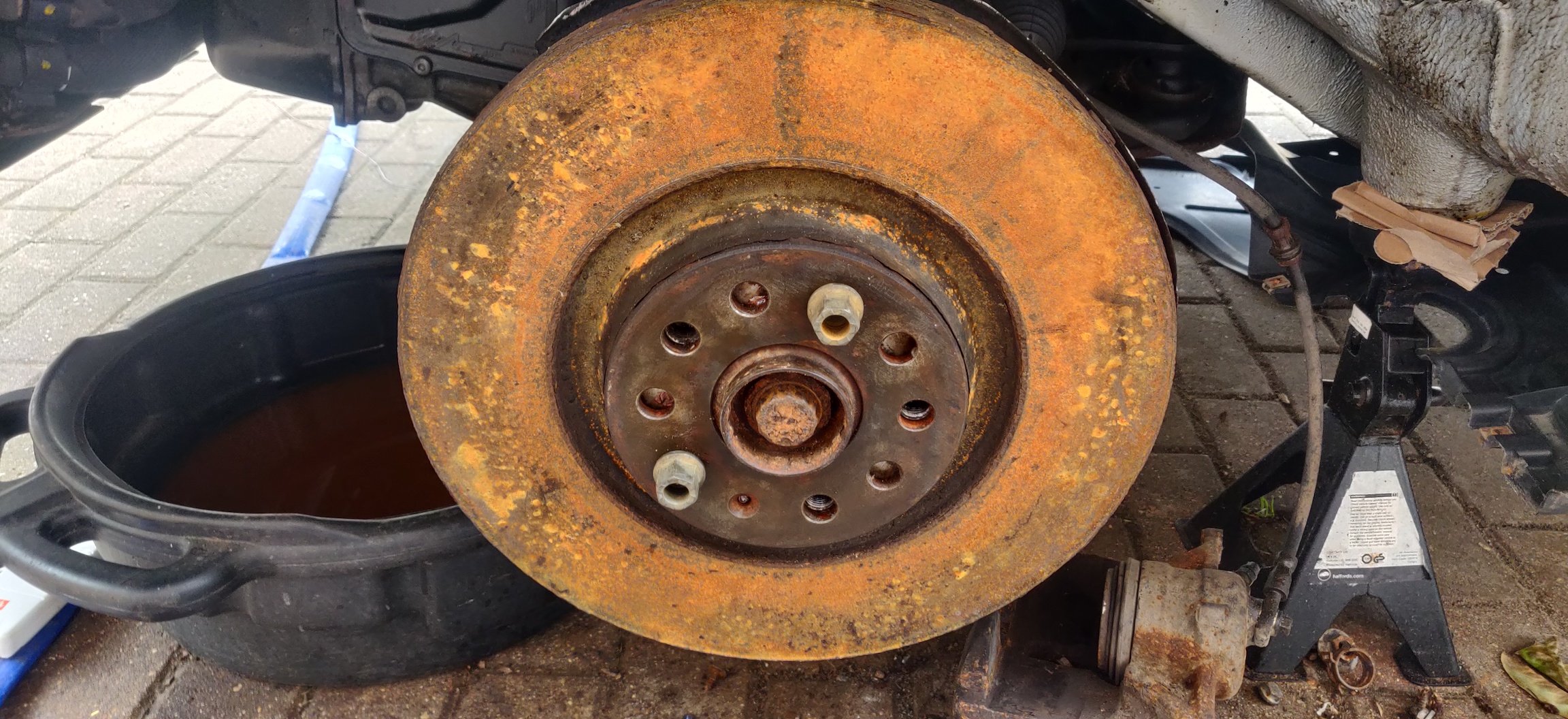
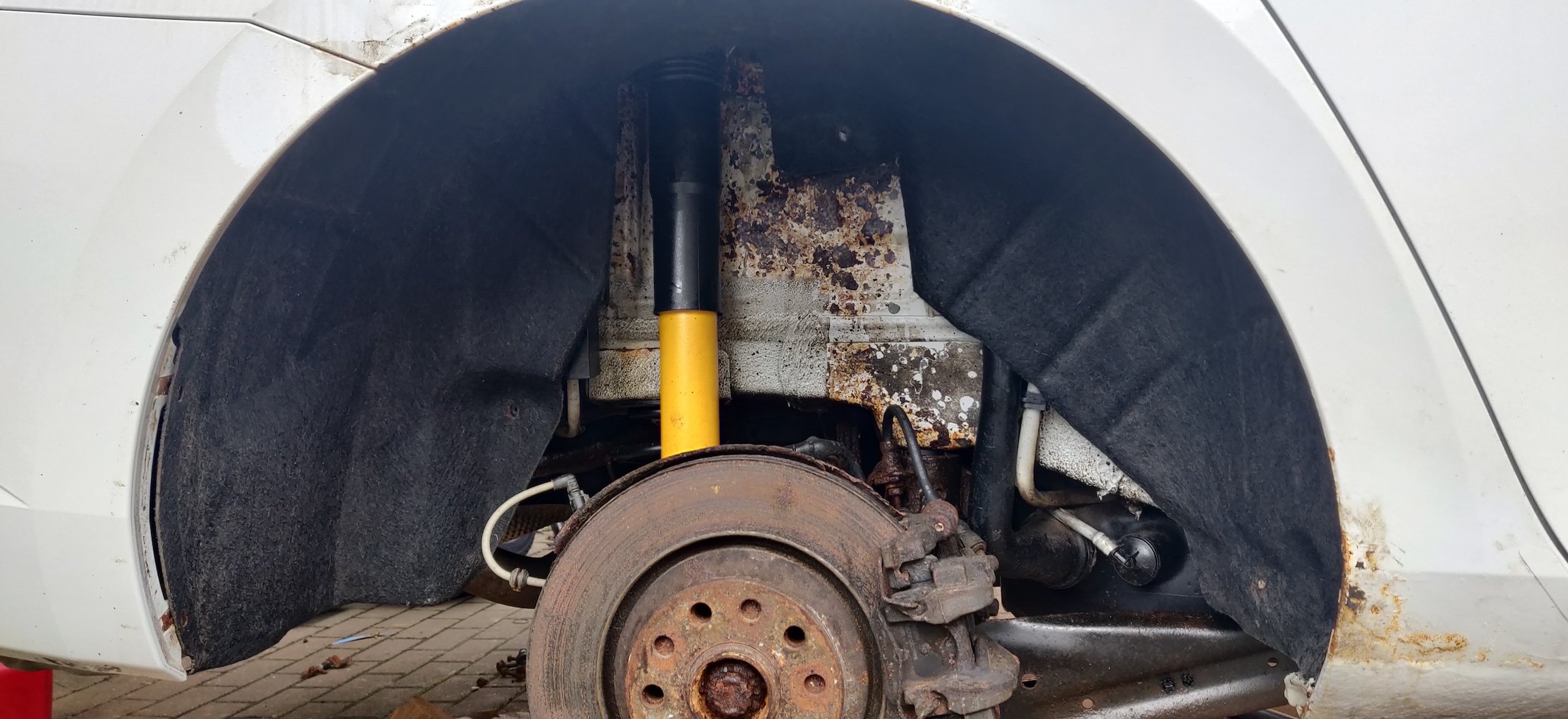
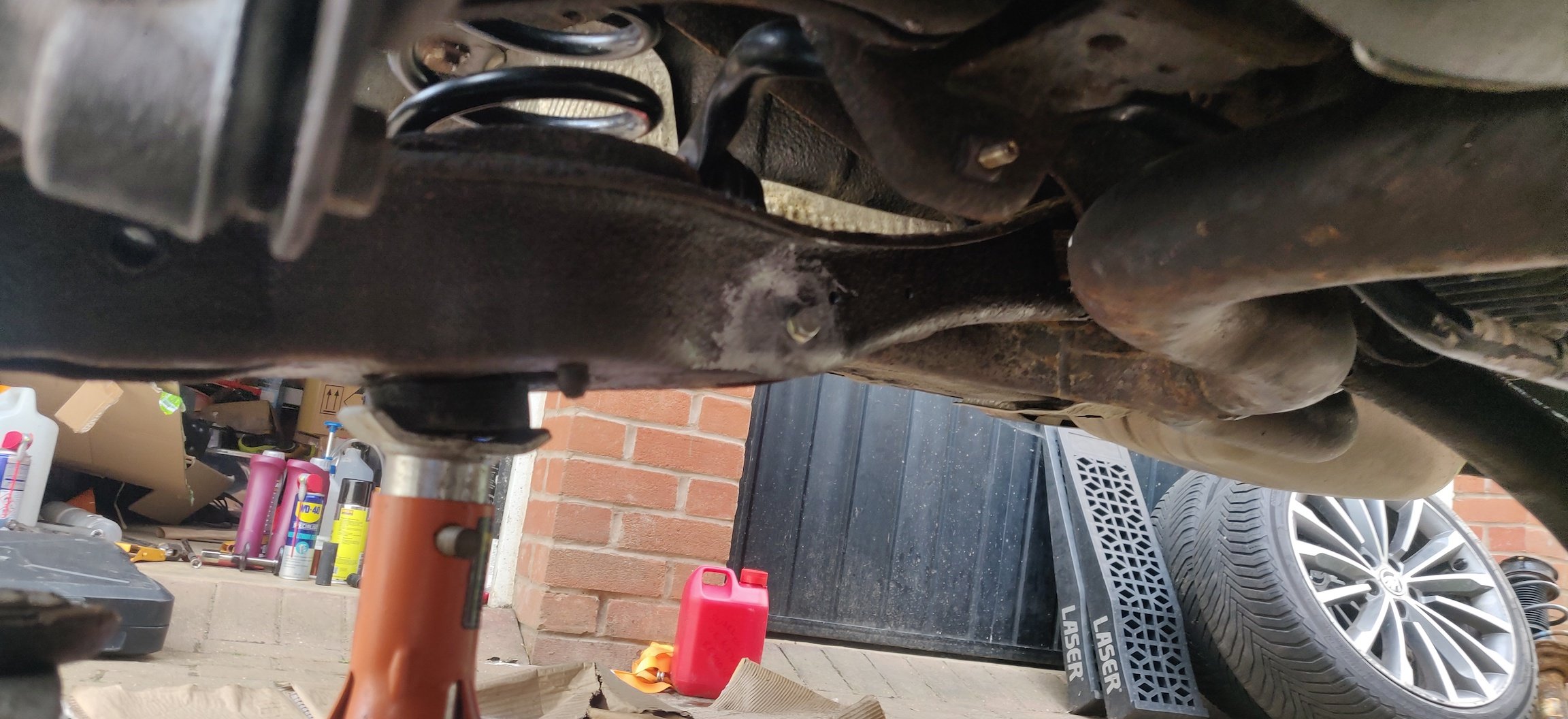
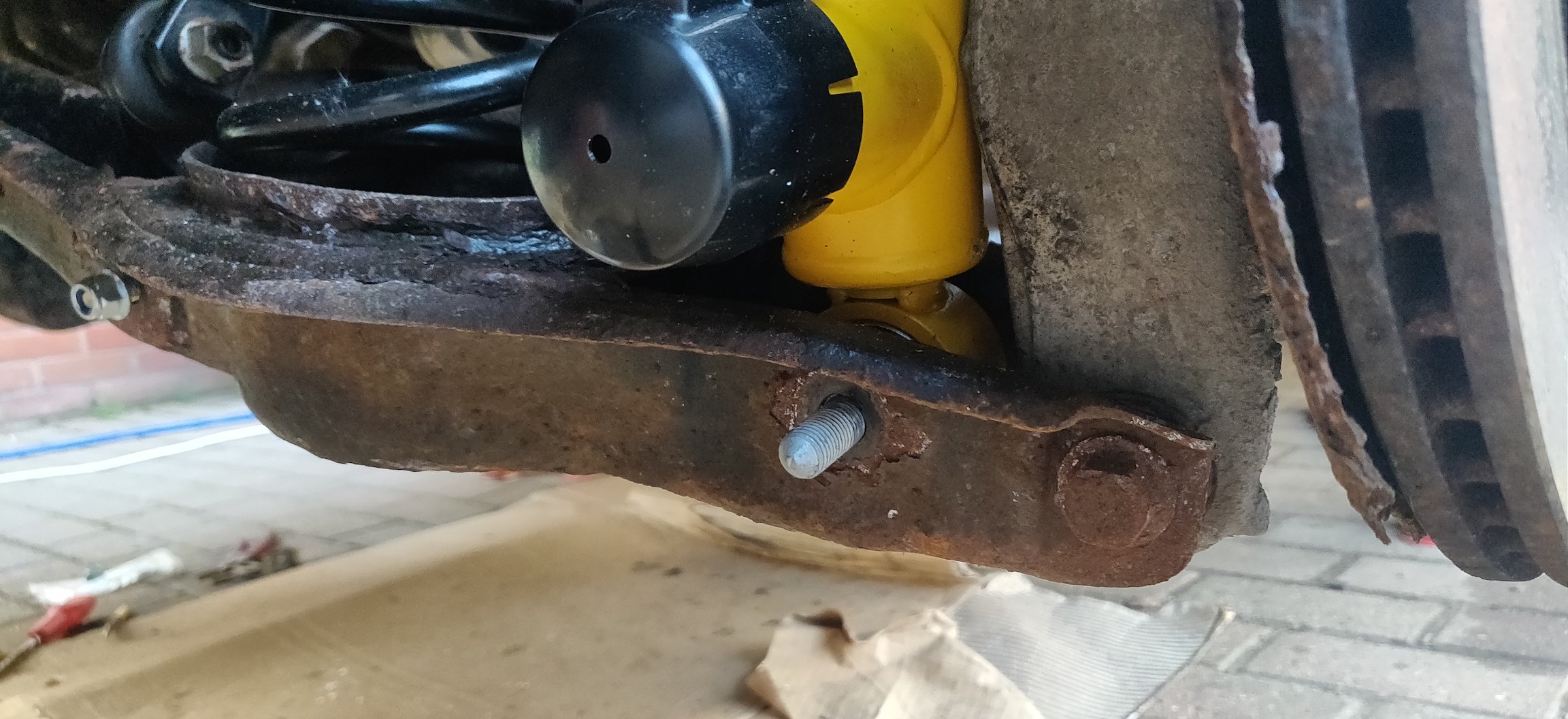
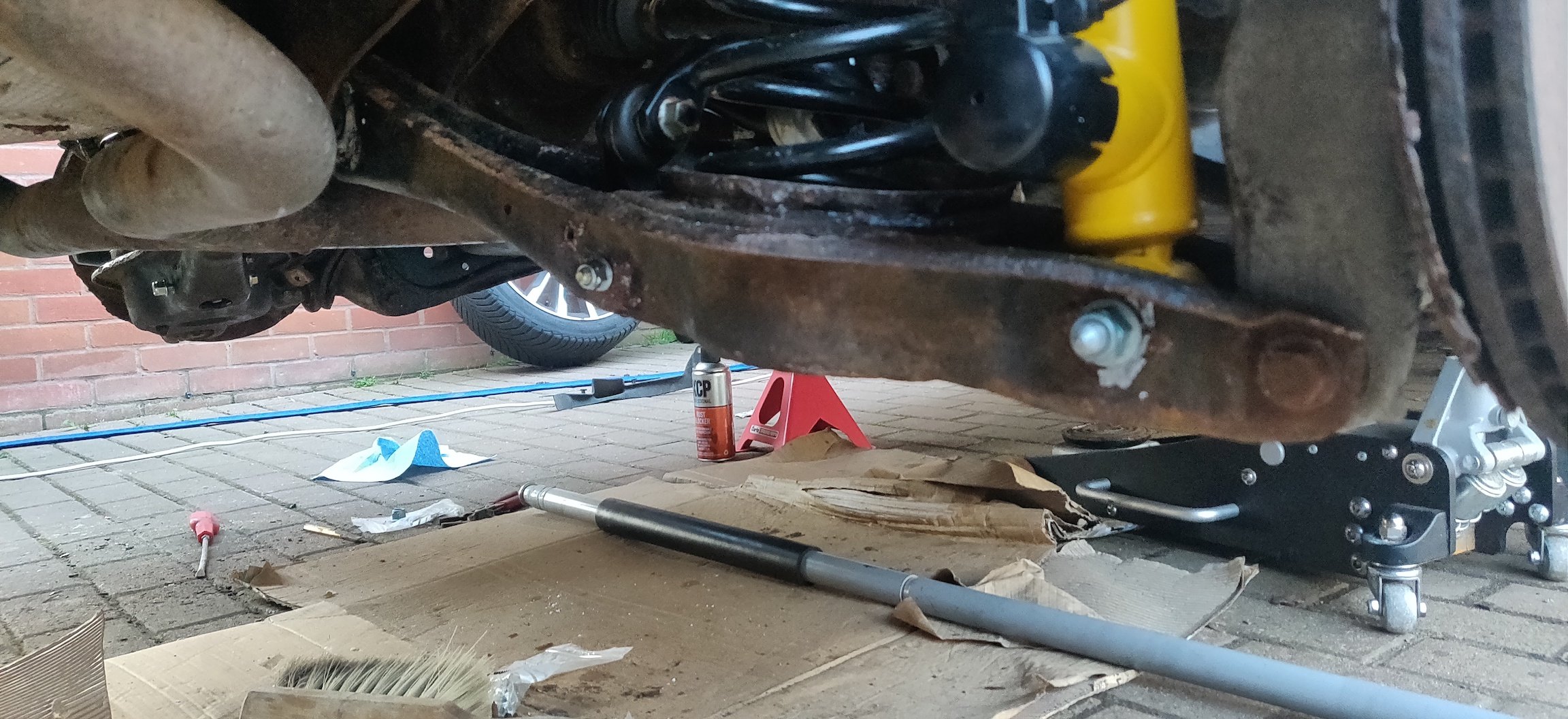
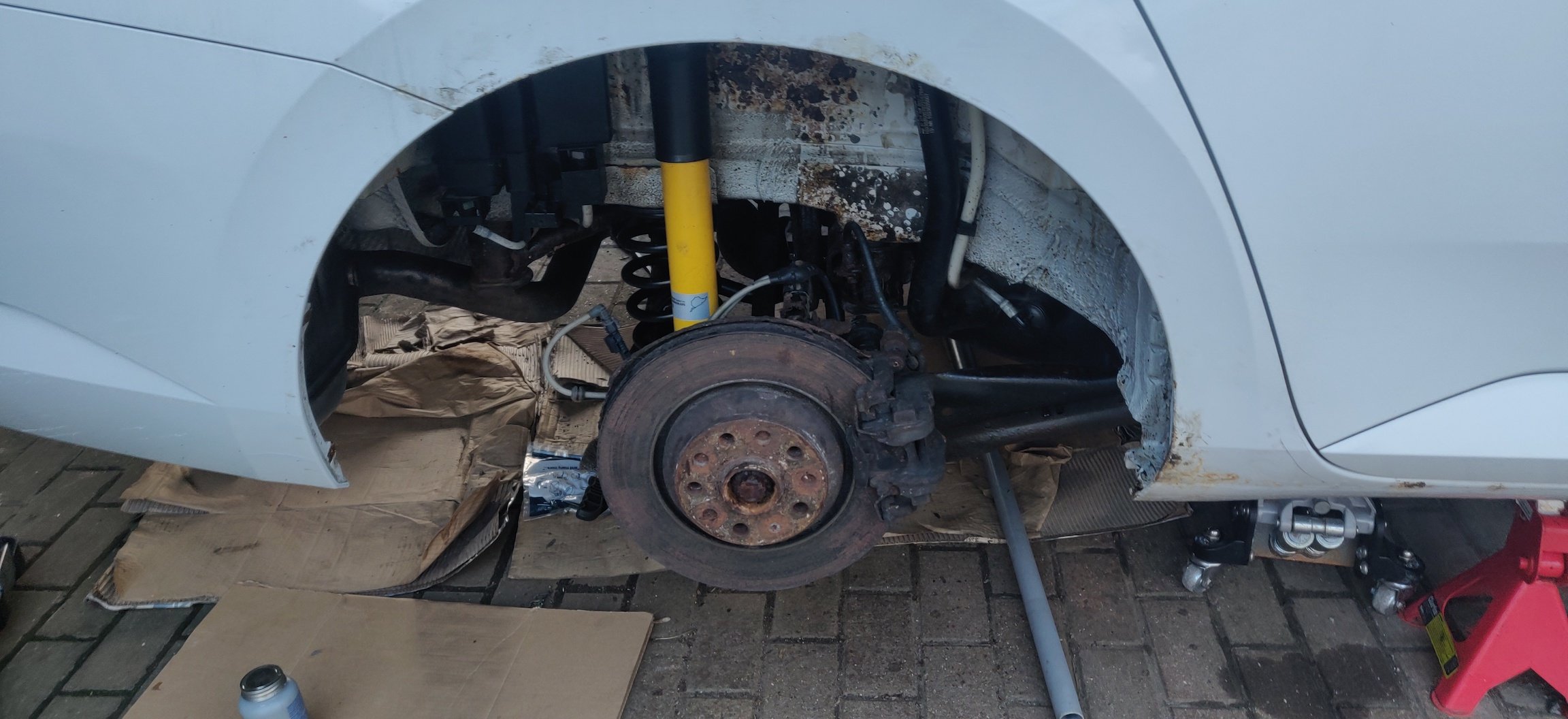
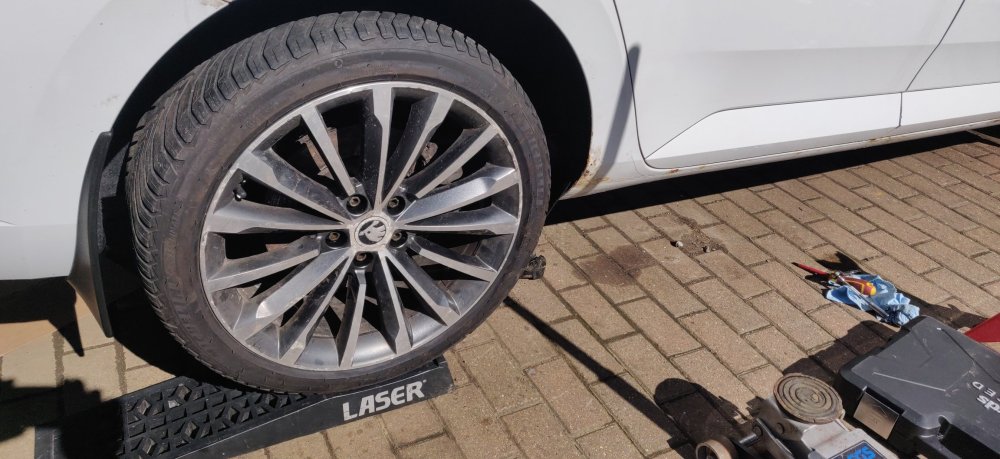
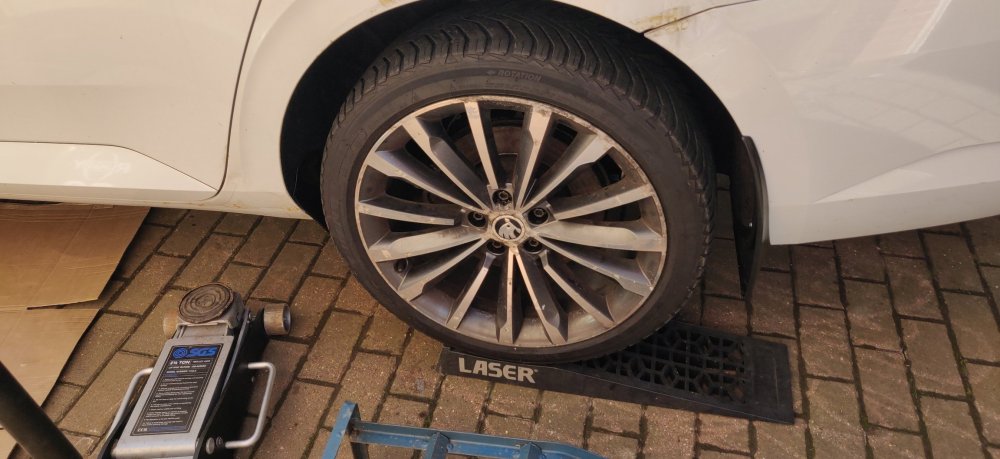
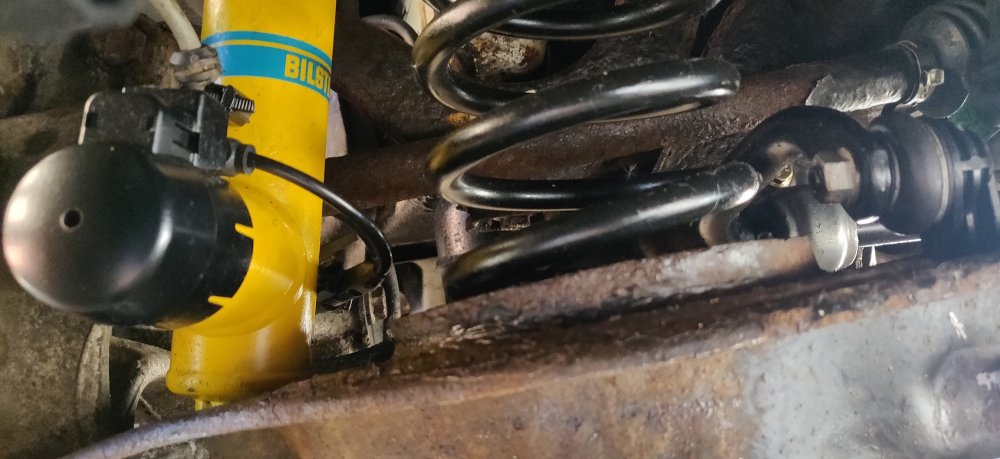
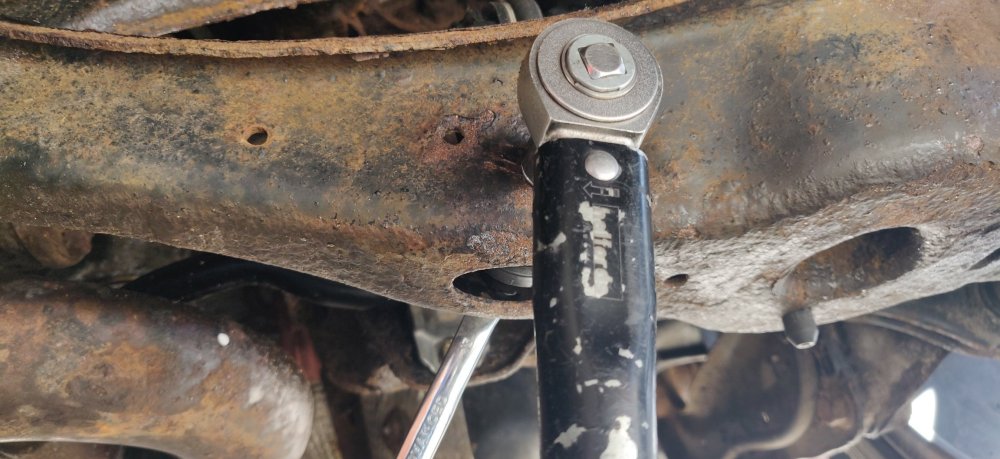
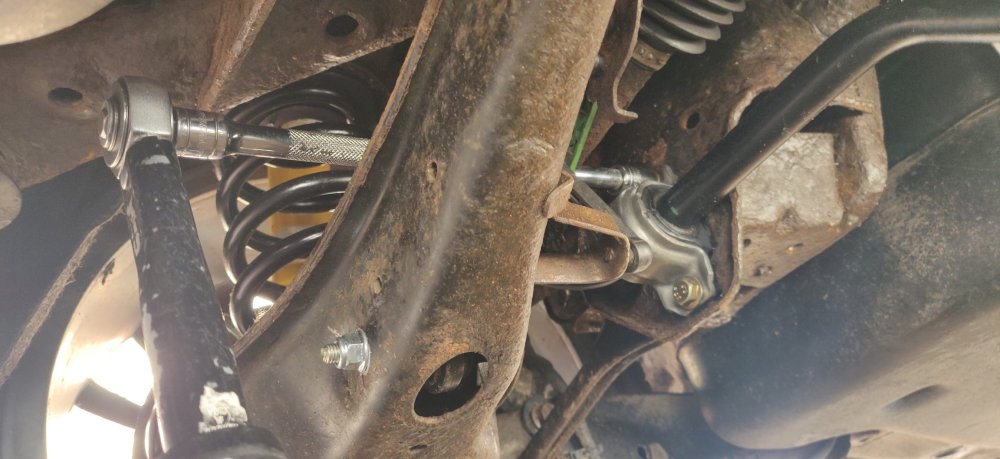
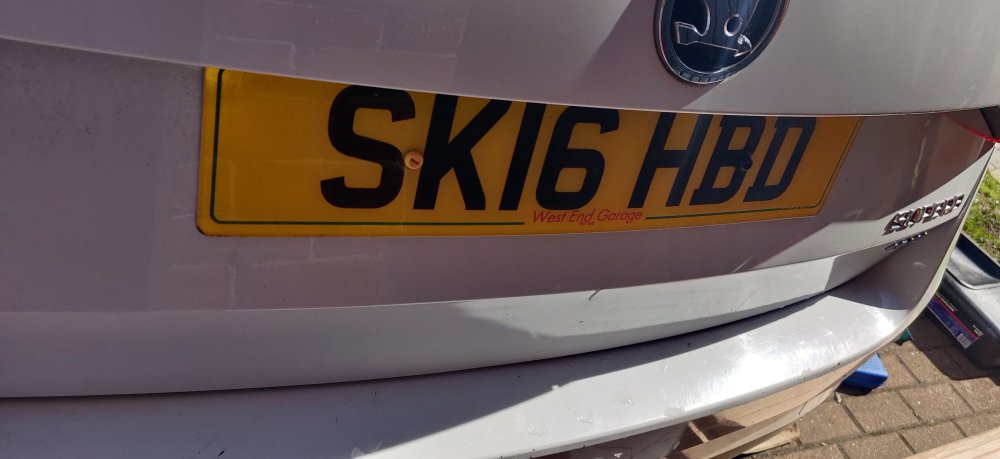
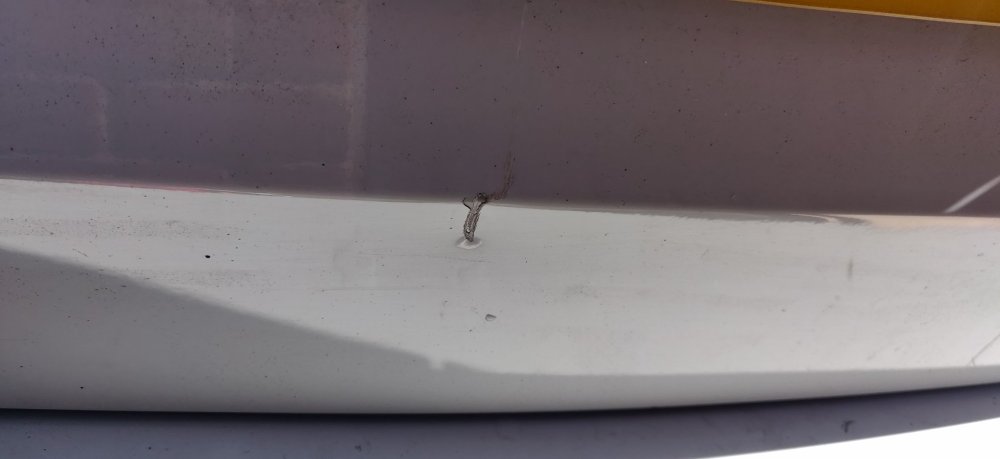
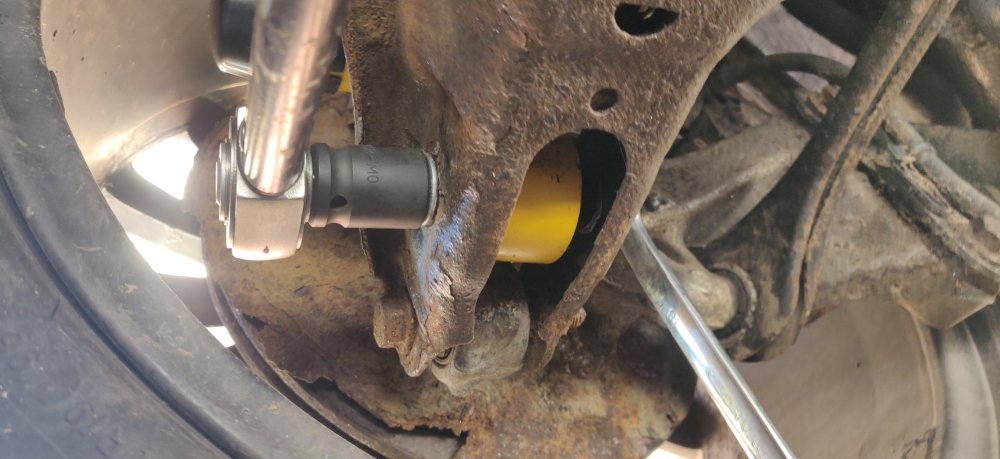
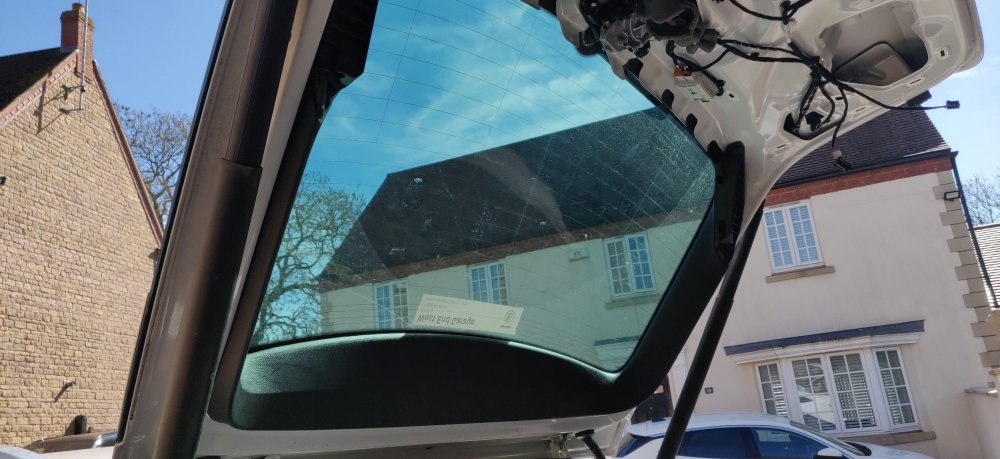
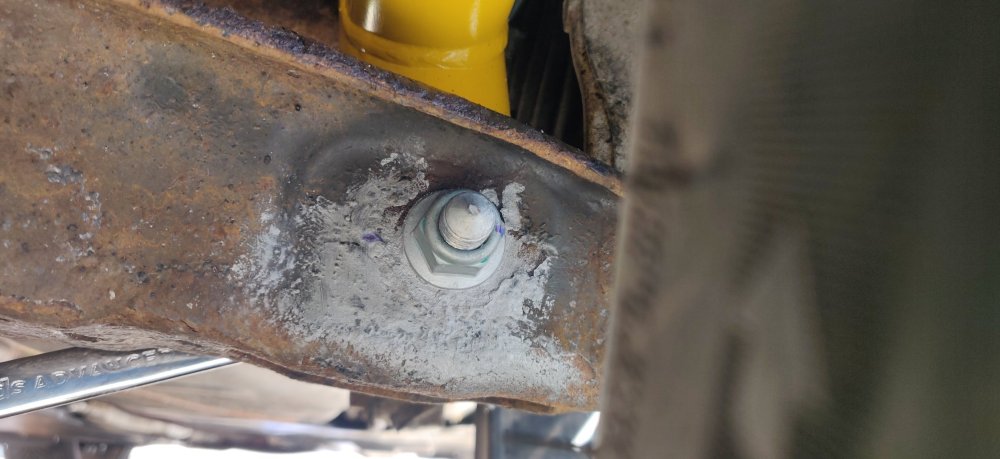
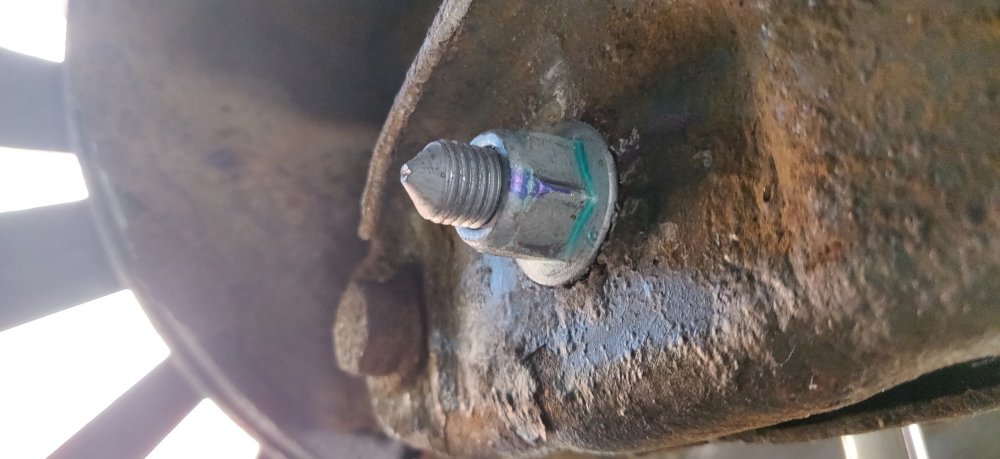
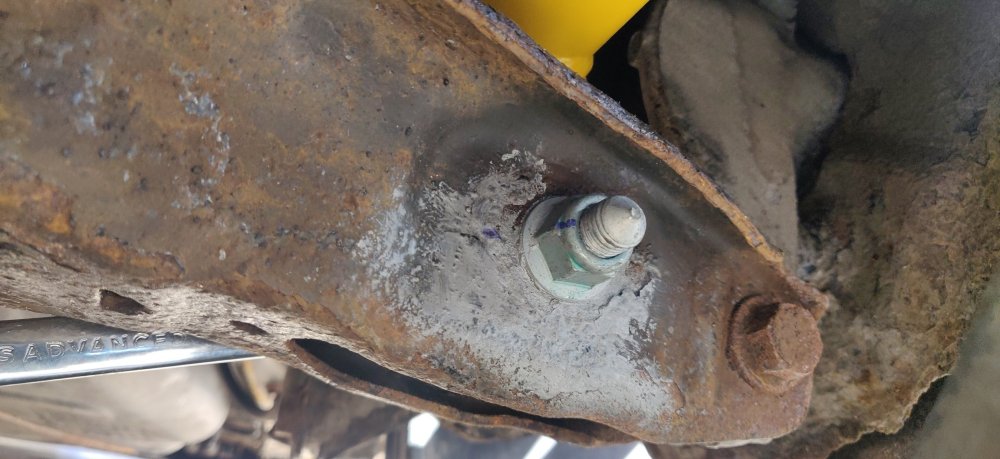
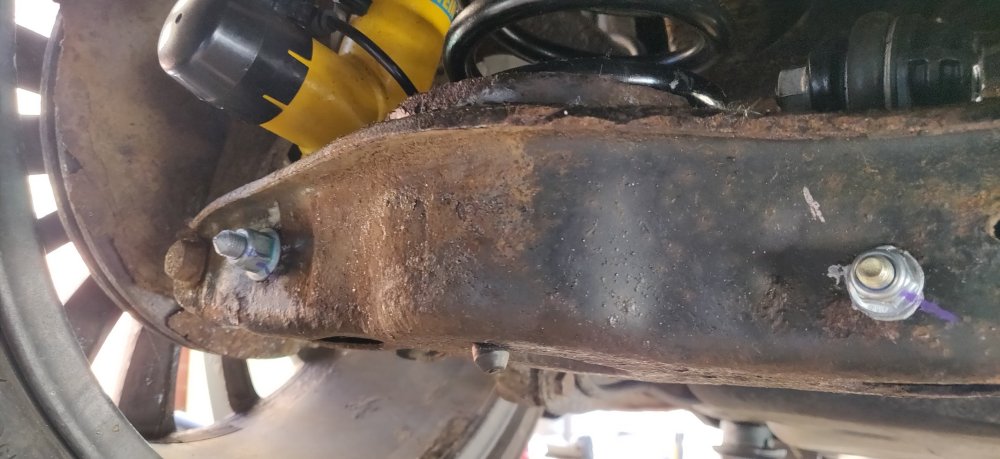
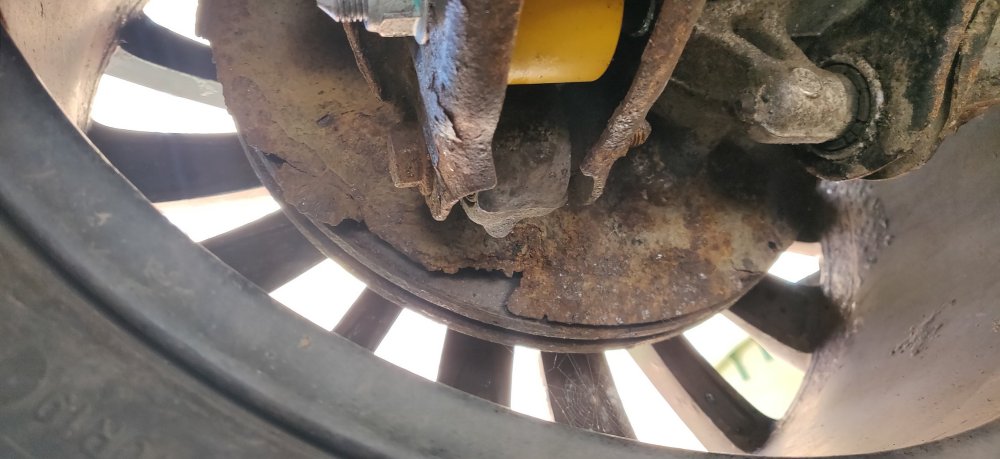
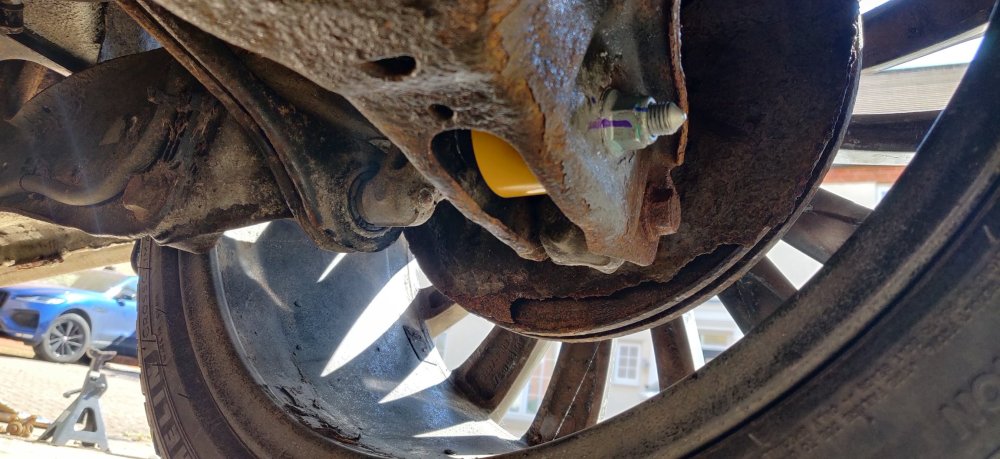
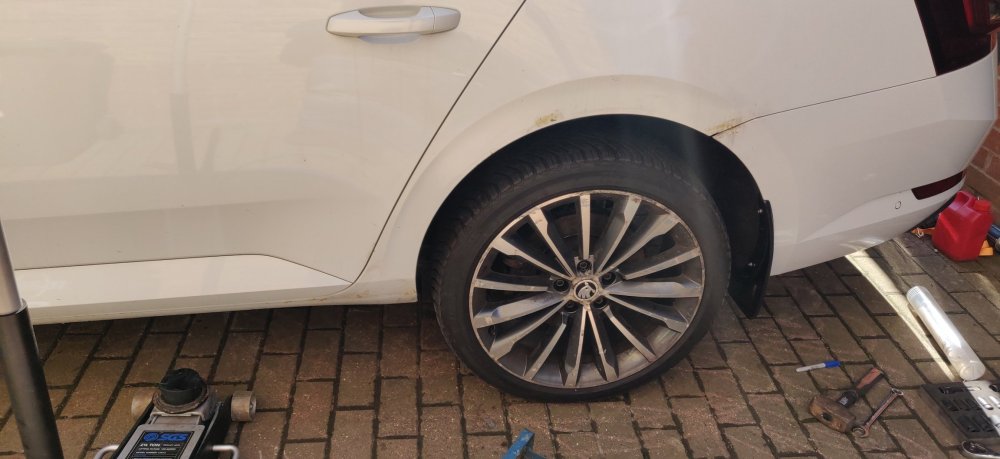
So the original plan was to get the rear wheels onto ramps, but as I jacked up the rear right, I noticed the other side axle stand start to angle and be on 2 legs instead of 4. The trolley jack wasn't moving as it was lifting as much, one of many reasons I hate block driveways. So lowered it and instead put it on lower profile ramps instead: Repeated for the other side: From there, if I needed to use the higher ramps, I could do so. It did look like enough clearance to get under though, and from there, with the weight of the car on the ground, could see things like the clearance on that left rear damper wire: Looked much less terrible than other angles I guess. So from there, tackled the easier bolts: This is anti roll bar links to the lower arm, 13mm bolt and nut. Because I deliberately used standard M8 8.8 bolts, swotted on the internet, suggesting 25-28Nm is standard torque ranges, so went and applied 26Nm on these. Similar bolts for the clamps, so other than needing an extension for the top: Just tightened to 26Nm, alternating between the two to try and clamp the bush down evenly. Unfortunately, this then happened: Basically put a scratch and tiny dent into the centre of the tailgate: Turns out the virtual pedal worked. As I was getting out from underneath and getting the bigger torque wrench, I guess my body was detected as a foot and the tailgate started to raise, but with my garage door open and in the vicinity, the tailgate got caught on the door, leaving this and the tailgate giving a long beep about it not opening fully. I'll just dab some touch up paint for now, and assess whether I get it sorted properly. At least the virtual pedal works. So lowered the tailgate, closed the garage door, and then reopened the tailgate. Don't open the garage door fully in the interim. Back to the original programme: The rear damper lower bolt and nut were next, 18mm for nut and bolt. These are done to 70Nm first, was able to do so with the space available. Once done, got back out to get the breakers, but before that: Decided to distract myself by installing the upper tailgate trim. Some of the metal spring clips were falling off, so resorted to duct tape to keep them in place before clipping it back in and fitting the two screws for the underneath of it. Then, got a sharpie: Similar business to the strut bolts, where I marked a place on the nut and the intended destination as it were. For the right side, the spanner was able to counterhold against the lower arm itself, so got the breaker and eventually: I had to resort to taking the socket off the breaker bar every now and then and re insert at 90 degrees to get the socket back onto the nut as it was tightened. For the other side, was not able to get the swing on the breaker for whatever reason, so jacked it up higher and onto the other ramps. Same deal, but the counterholding was now against the tyre, so not sure if that was ok: Seemed to counterhold it sufficiently though: So marked up everything and well, that was that I think. For those that asked, this is the left brake cover: This is the right brake cover: Probably par for the course I feel. I don't think many people take off the rear brake discs to give them a clean or rust treatment, more so if a computer is needed to disengage the parking brake, so I usually expect them to be missing circa 10-12 years of age. Anyways: Nothing stopping the rears being jacked up, ramps removed, and the rear wheels on the ground. So it took a couple of months, but the car is on terra firma. Maintenance: £2299.88 Upgrades: £1332.92 Miscellaneous: £697.20
-
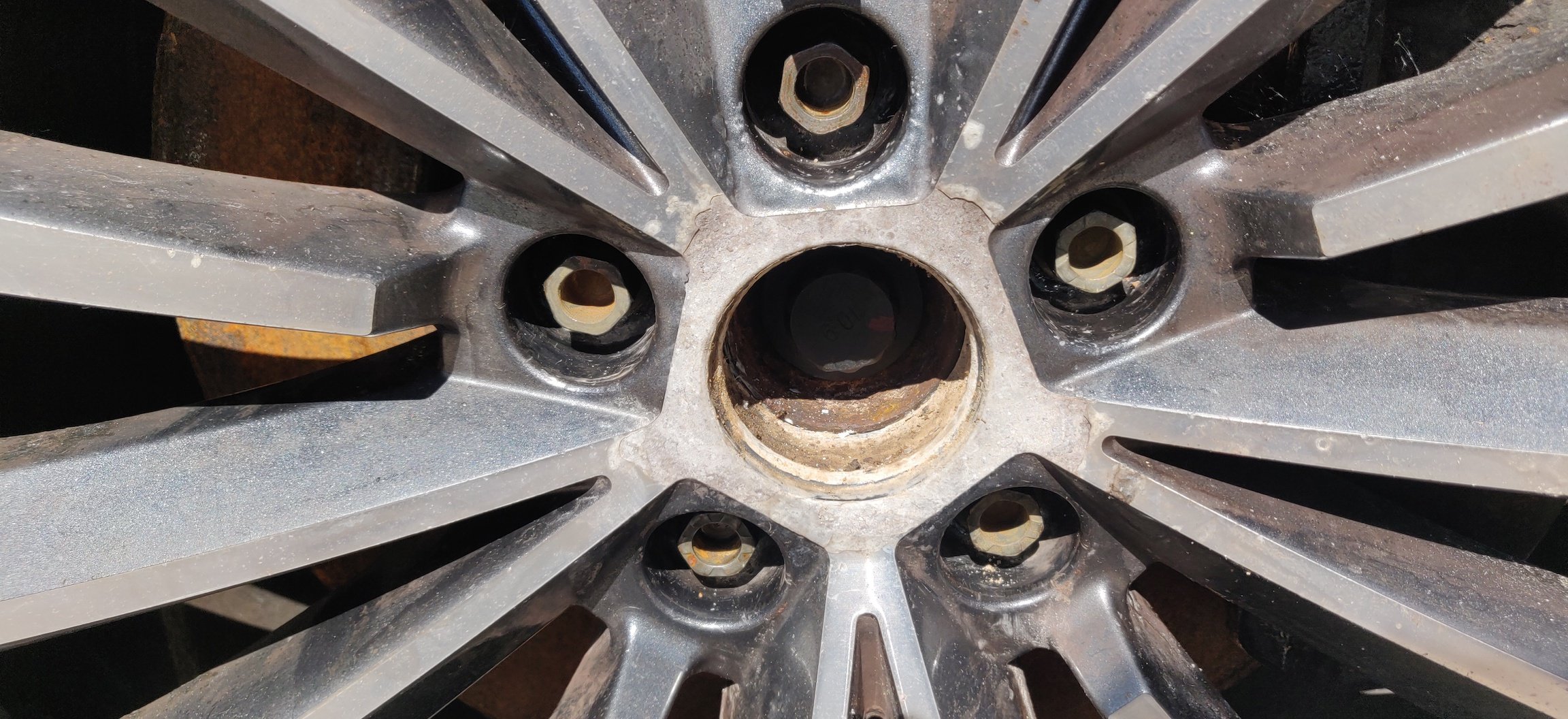
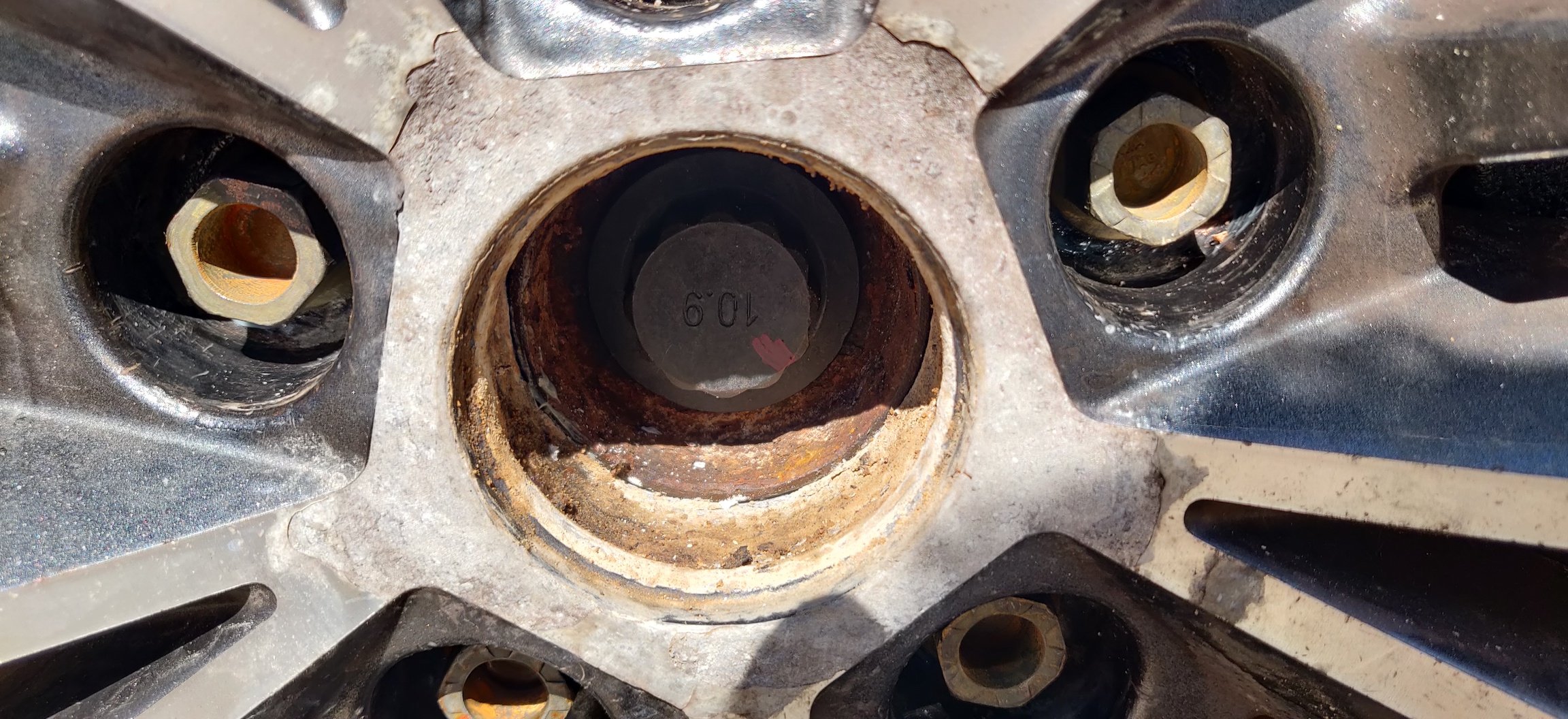
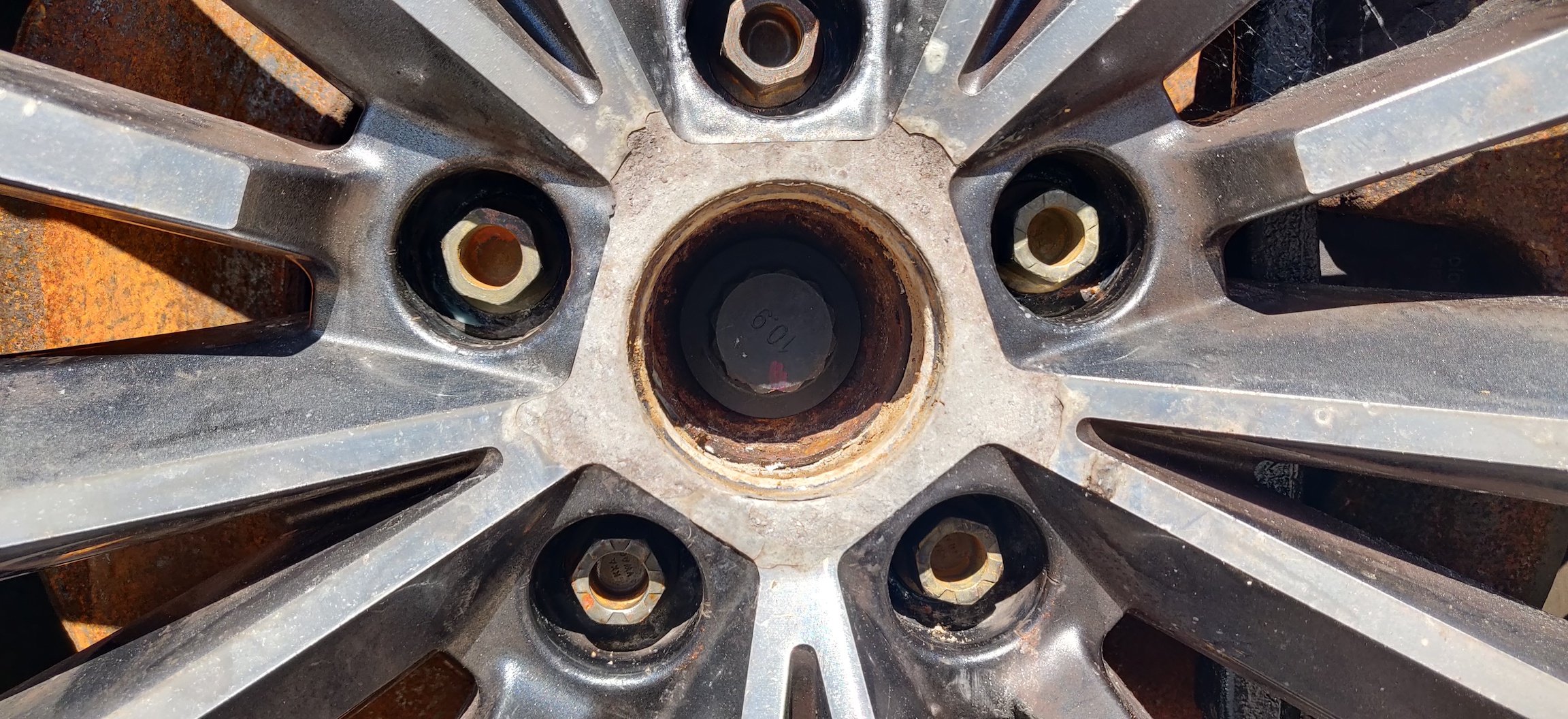
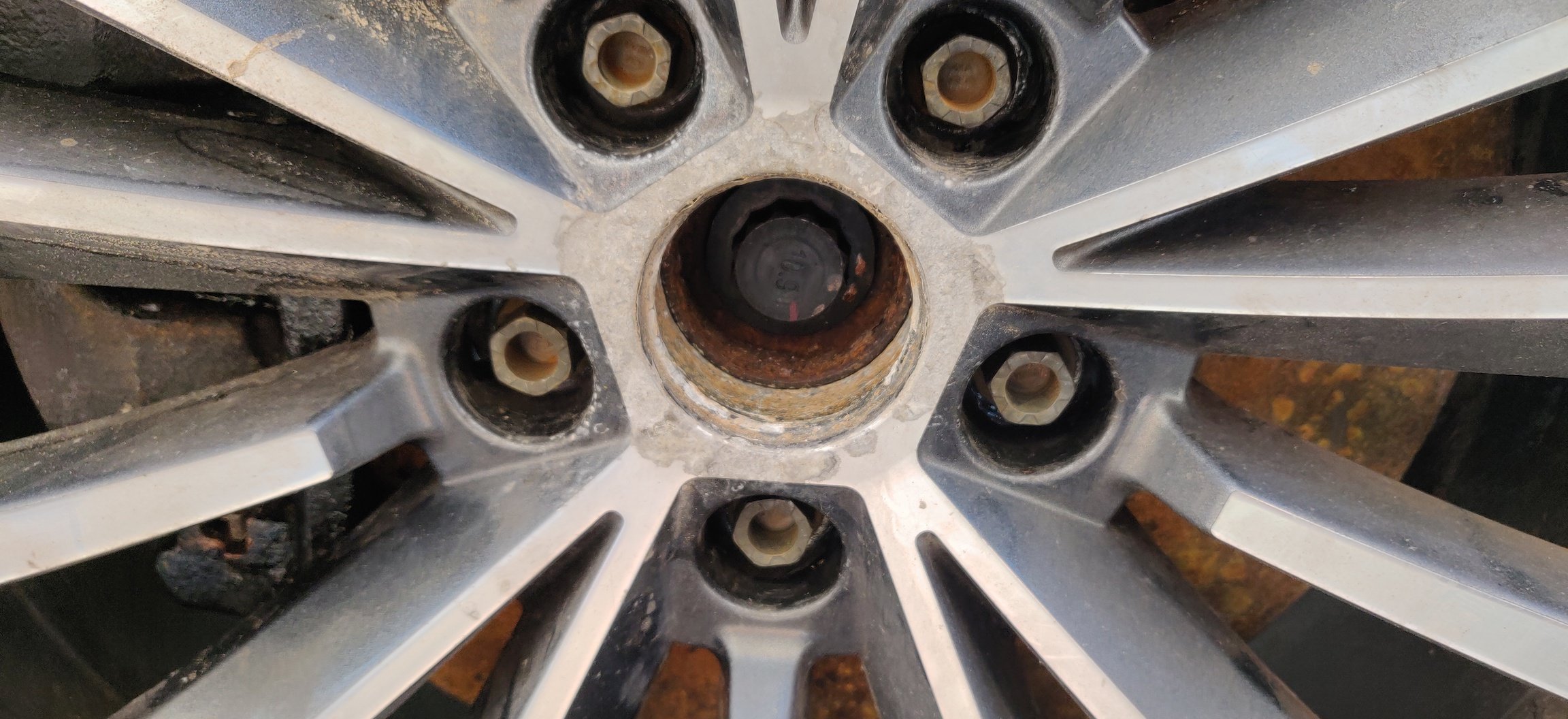
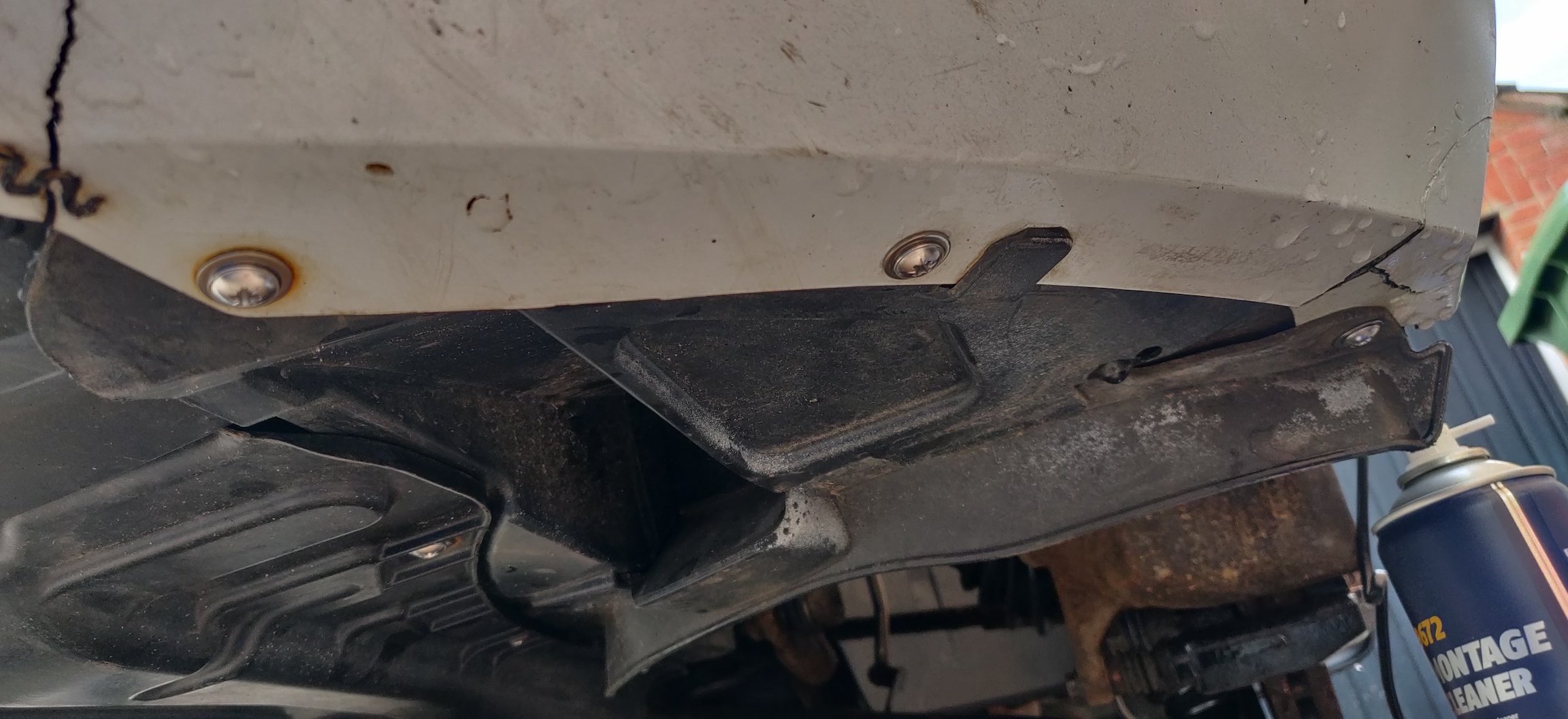
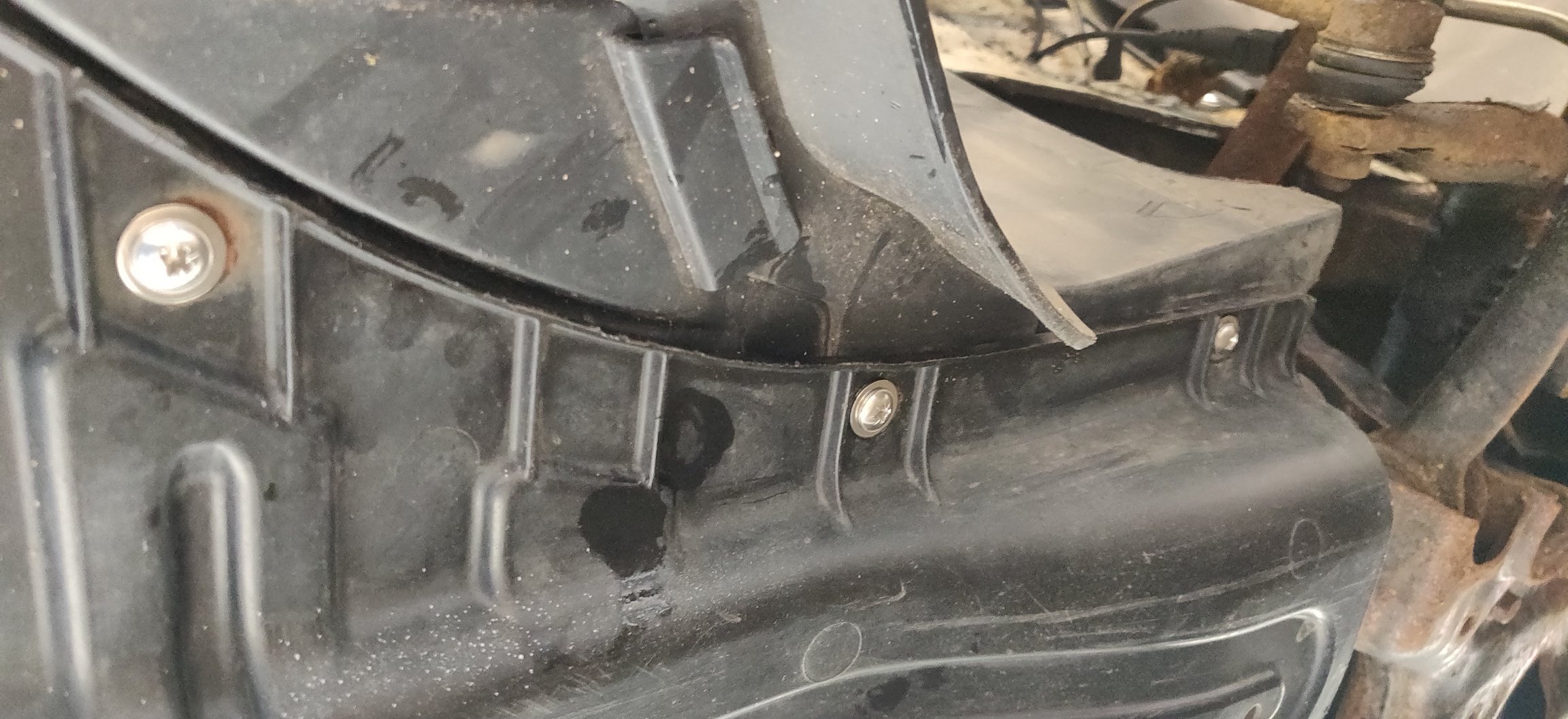
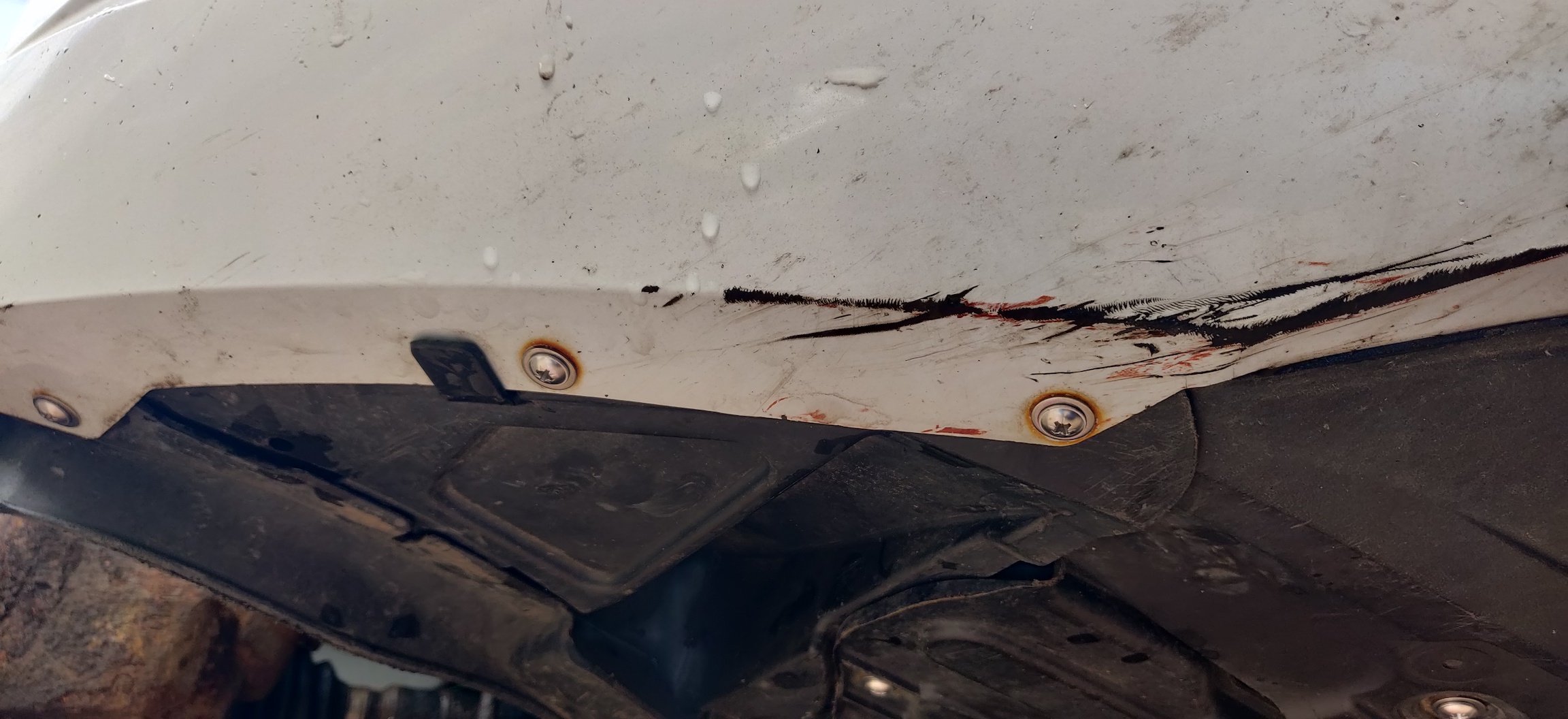
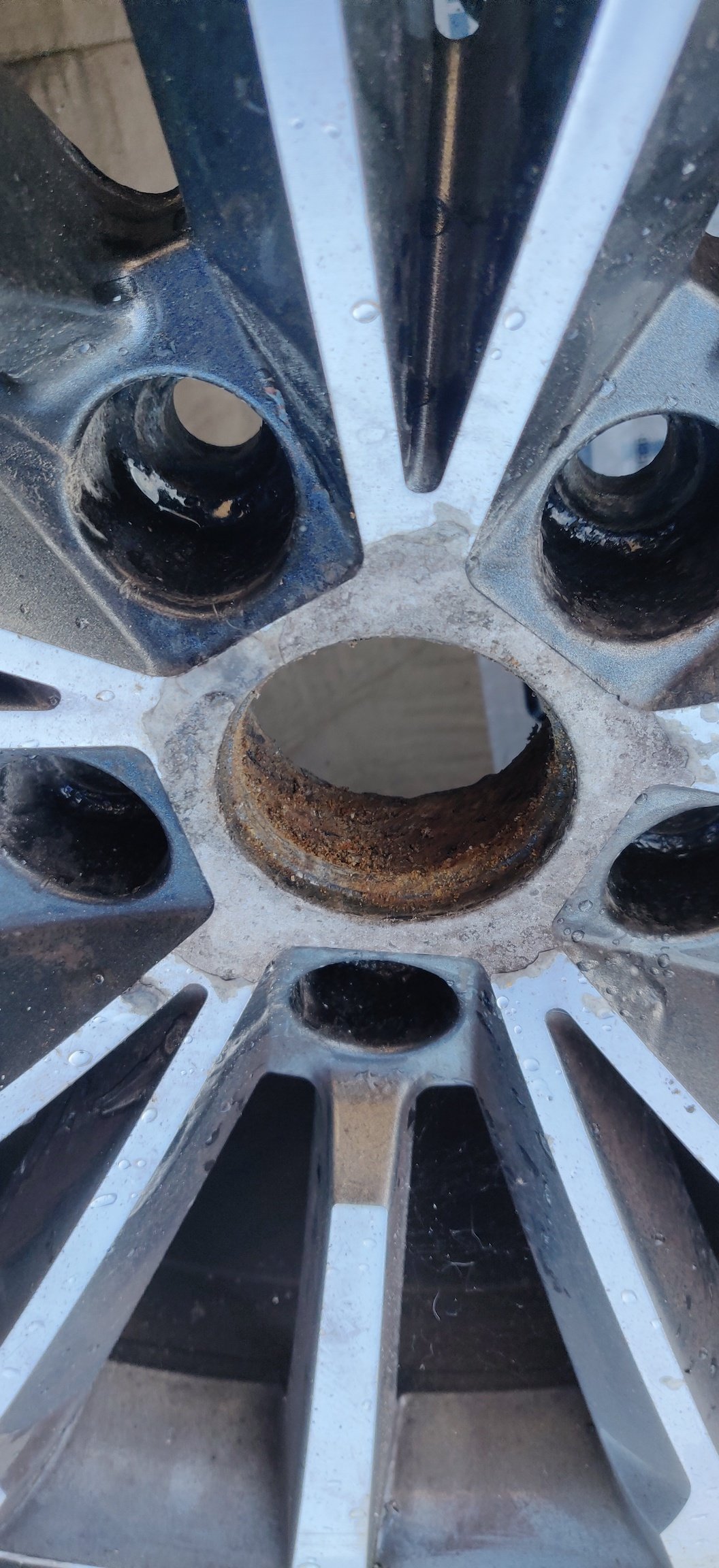
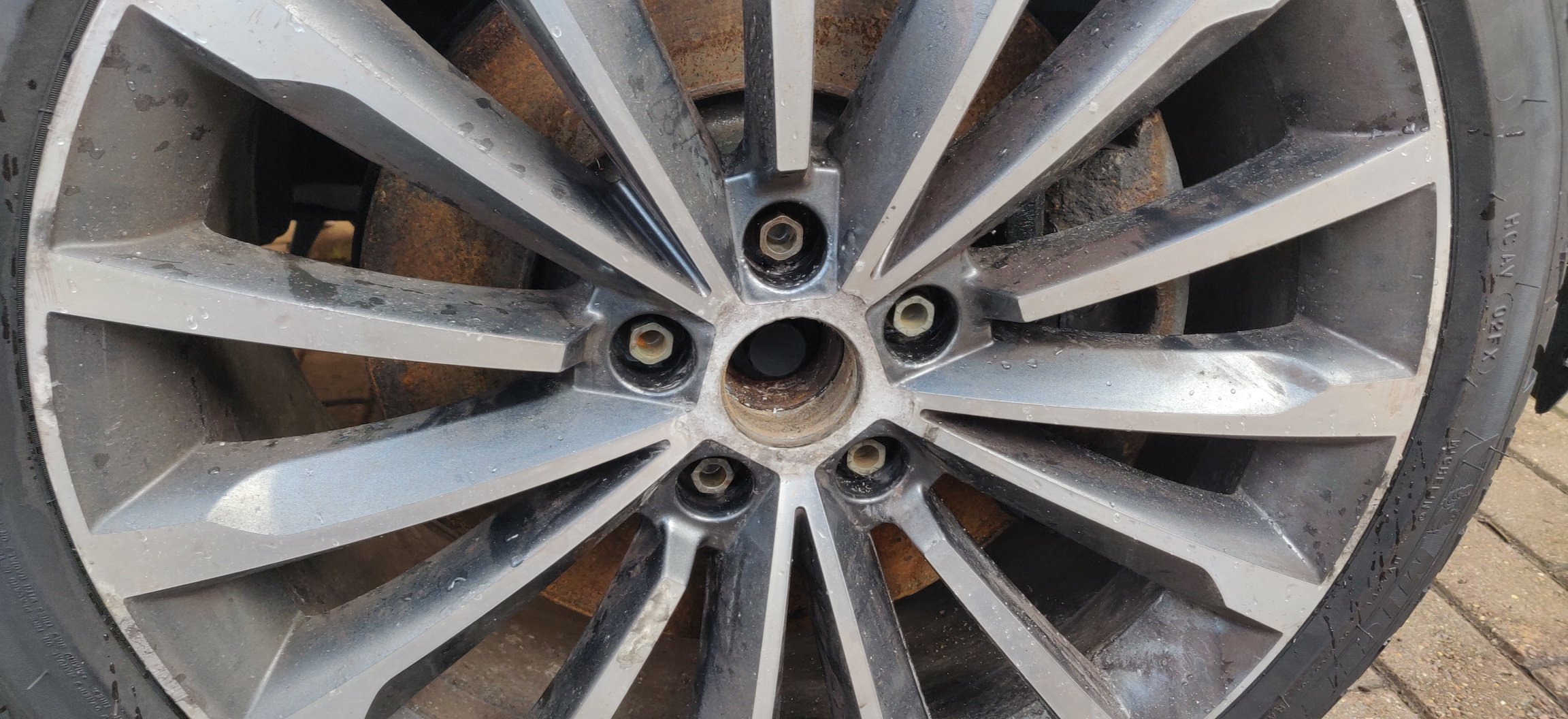
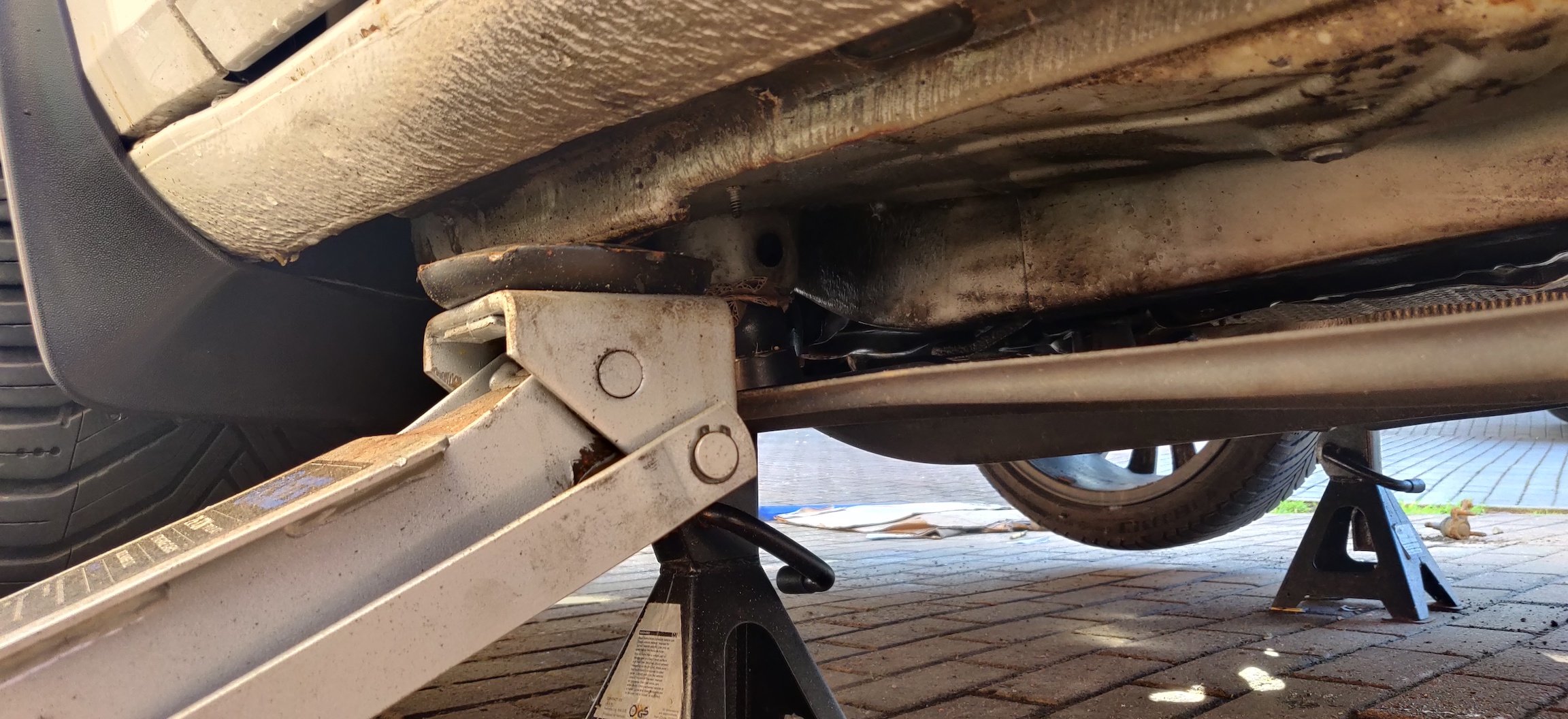
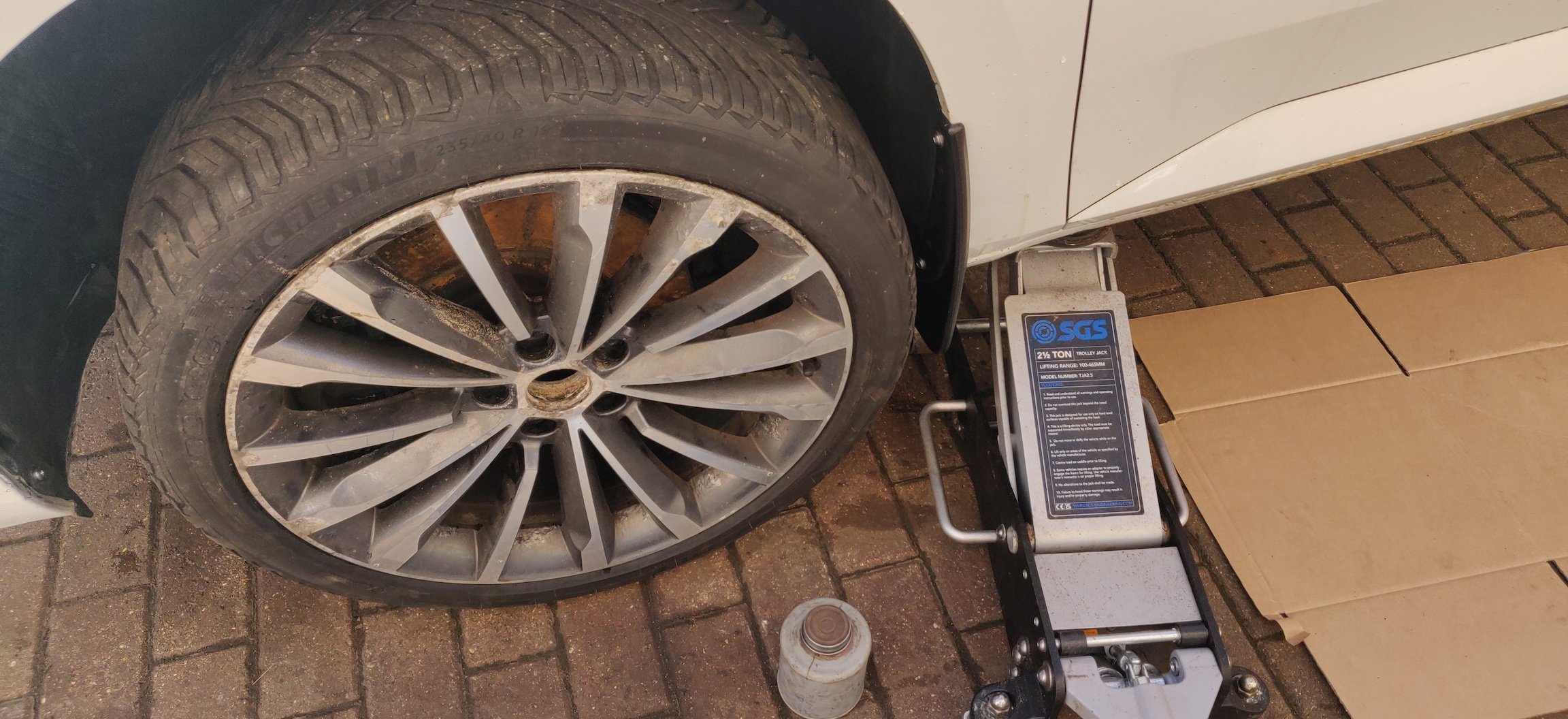
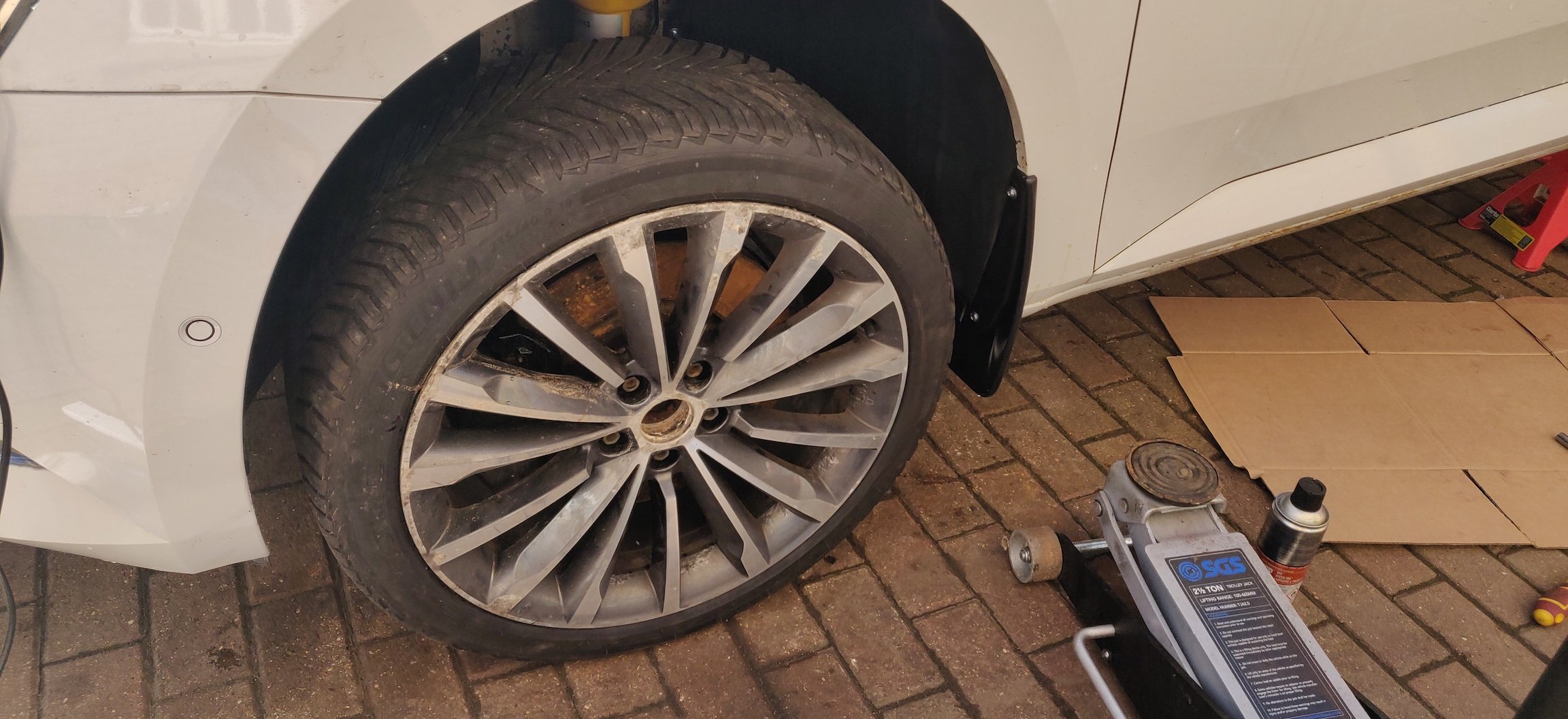
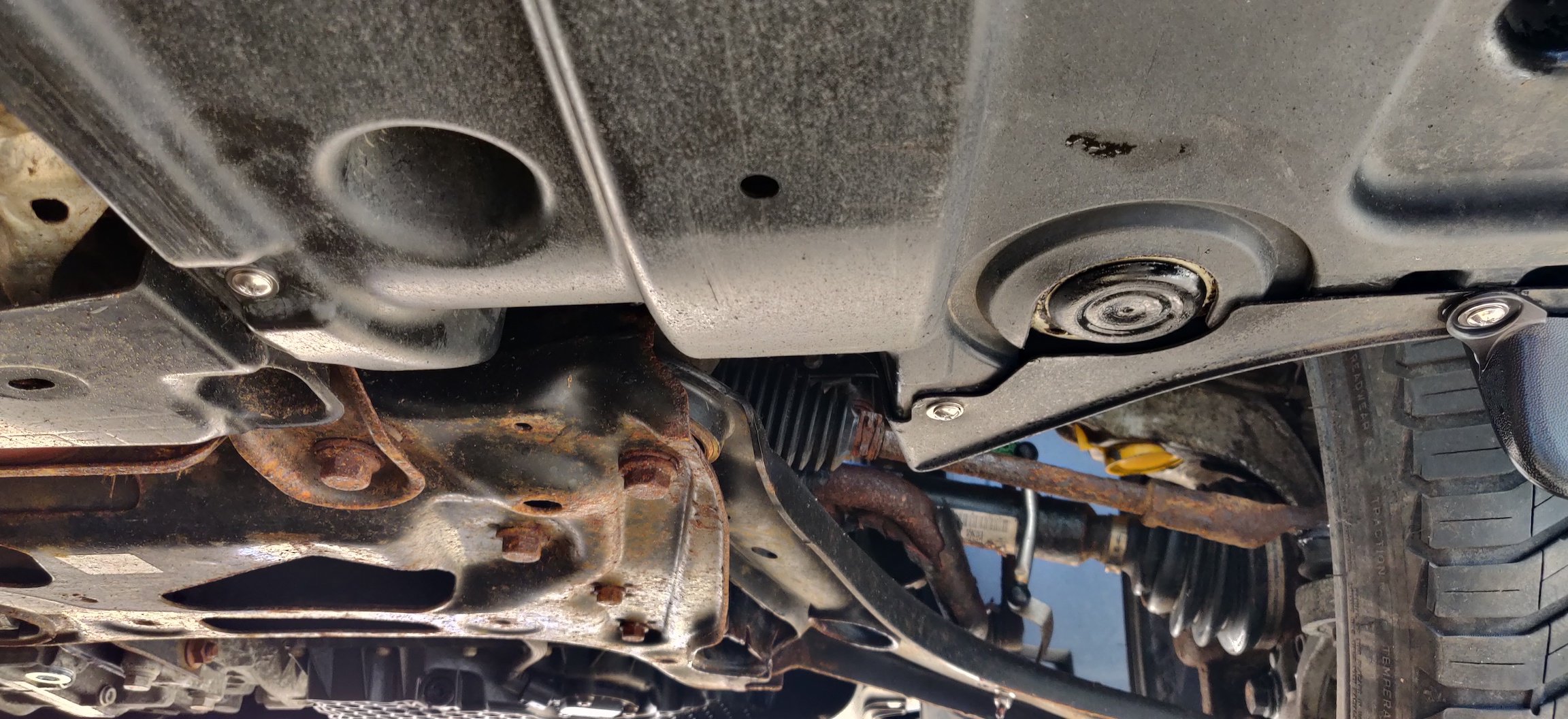
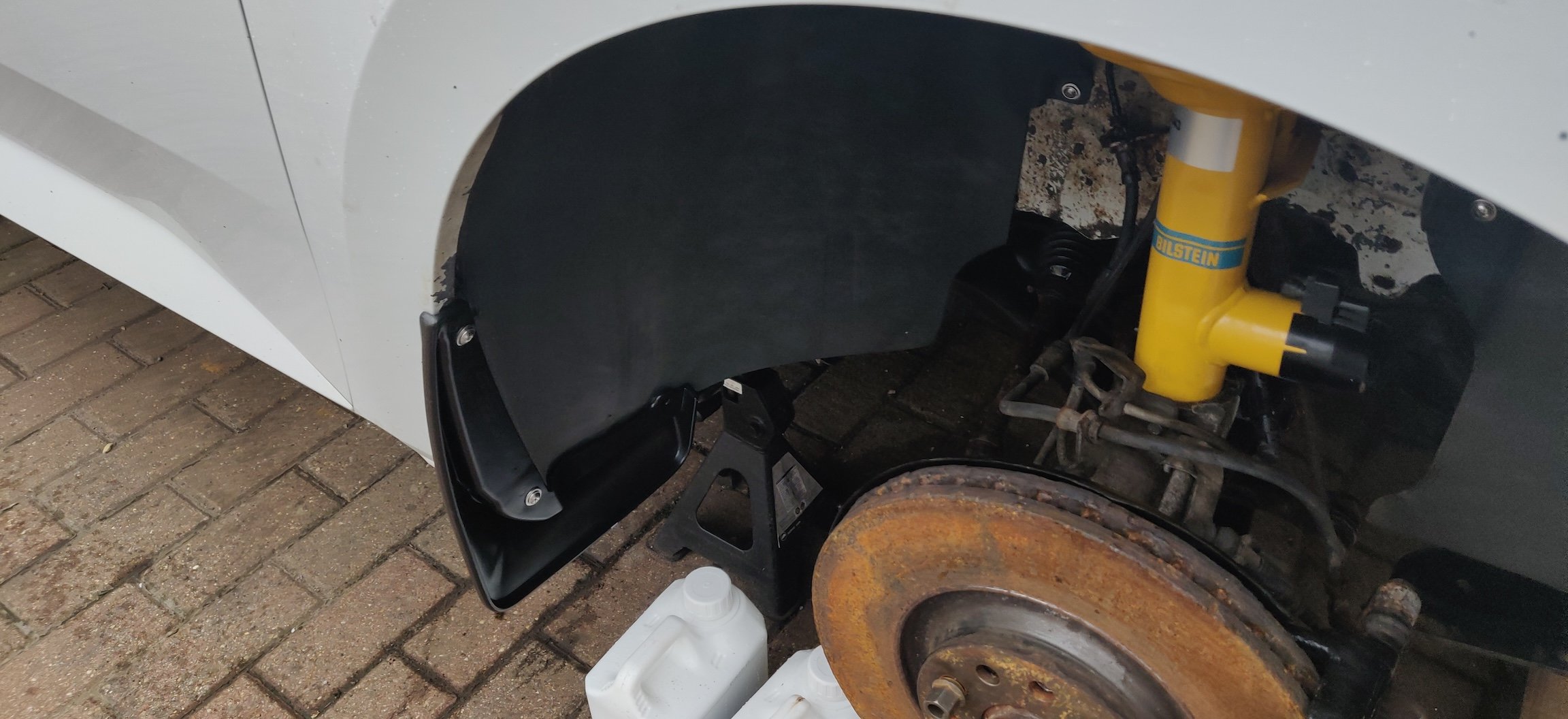
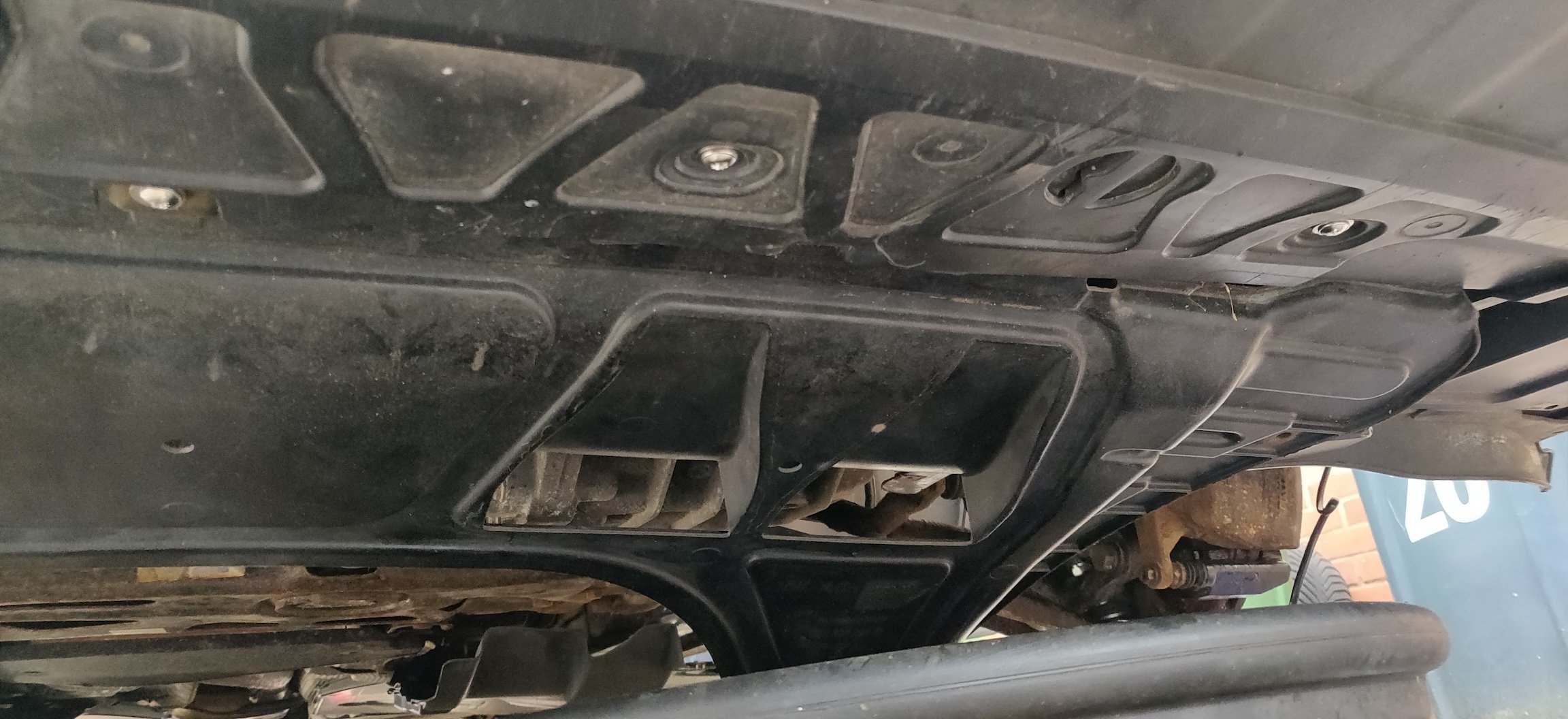
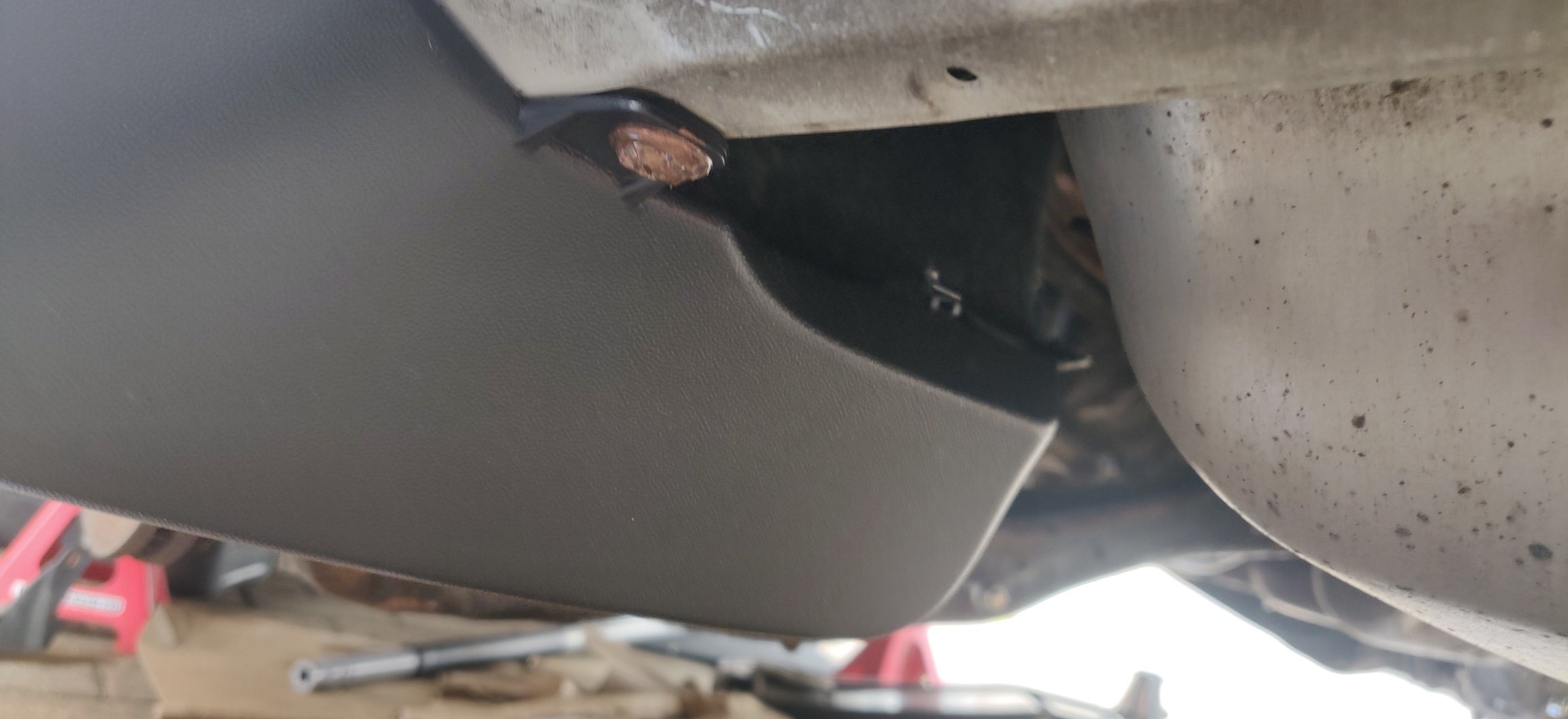
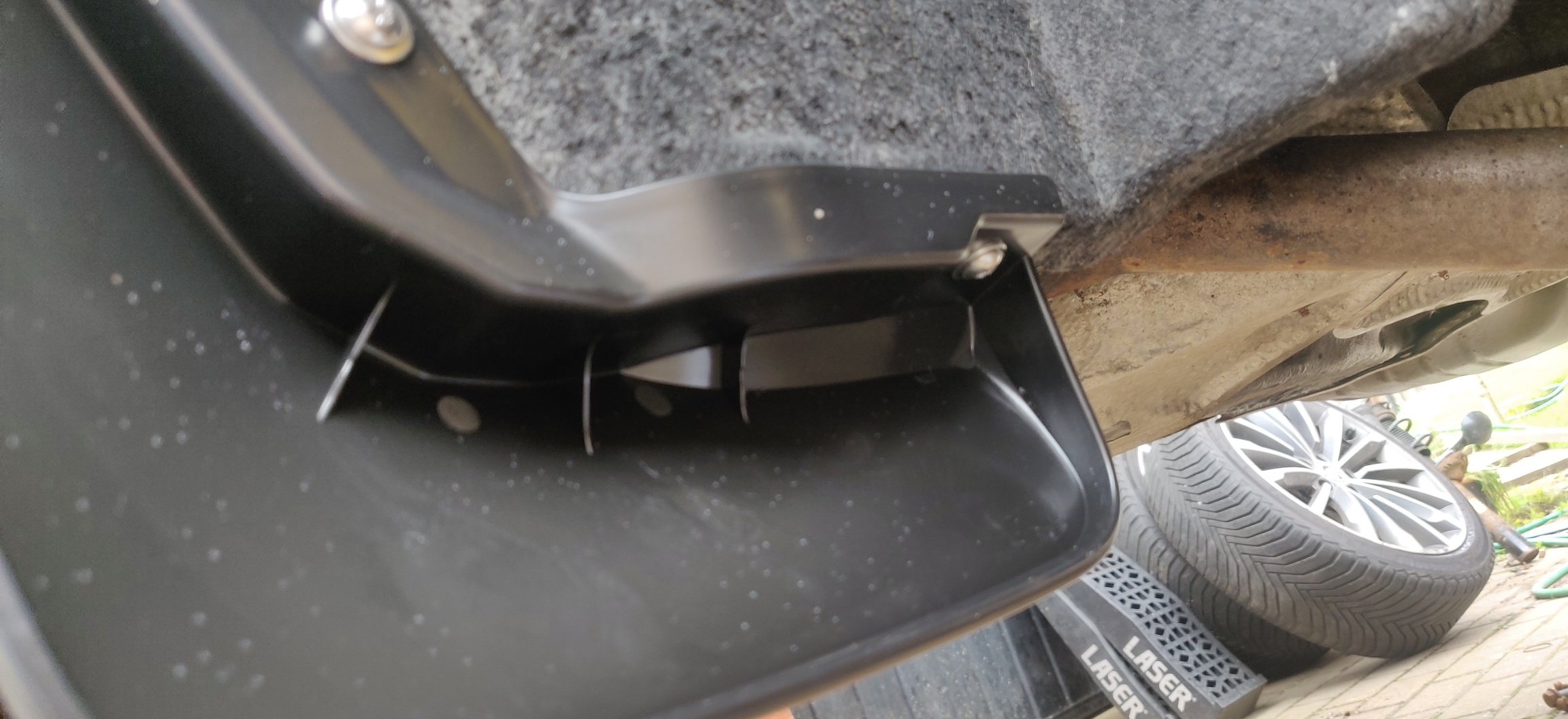
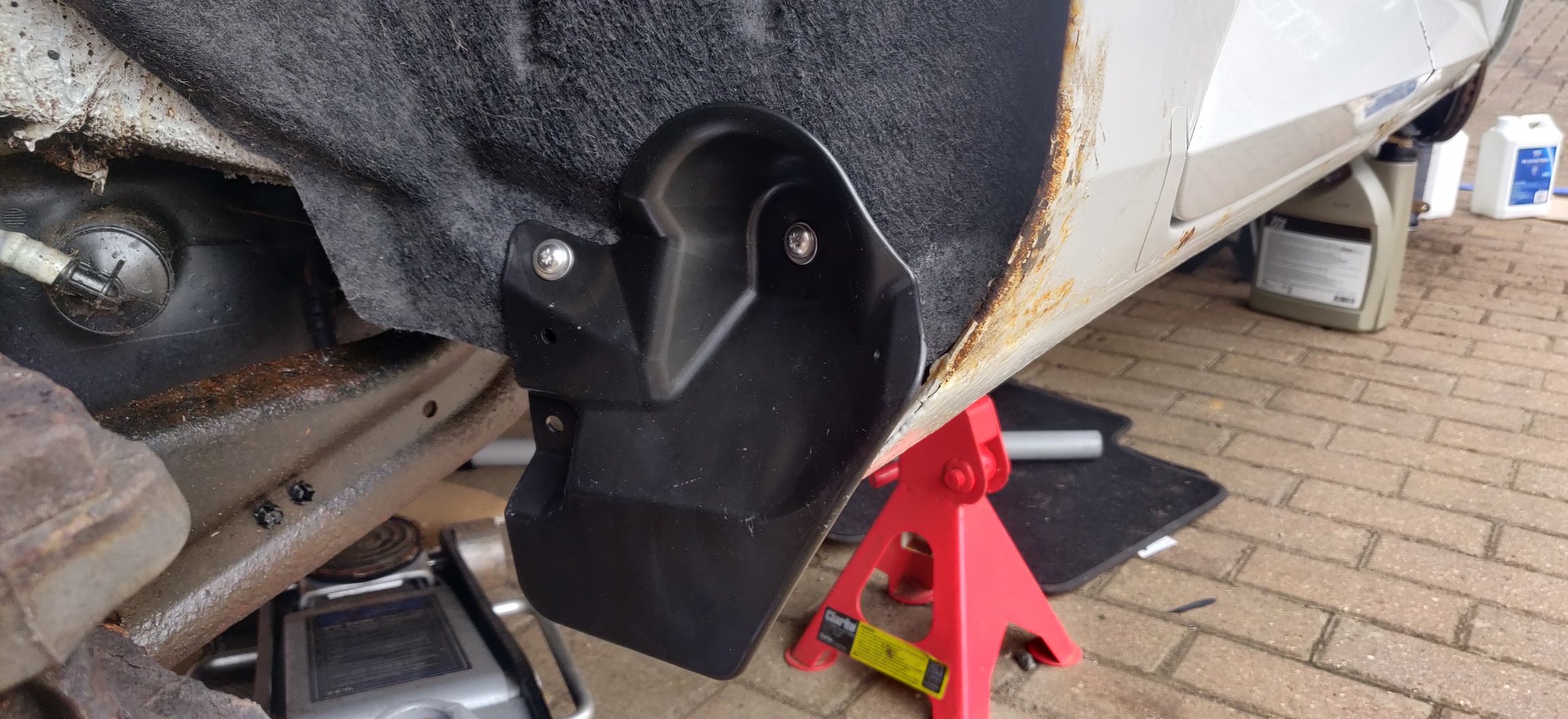
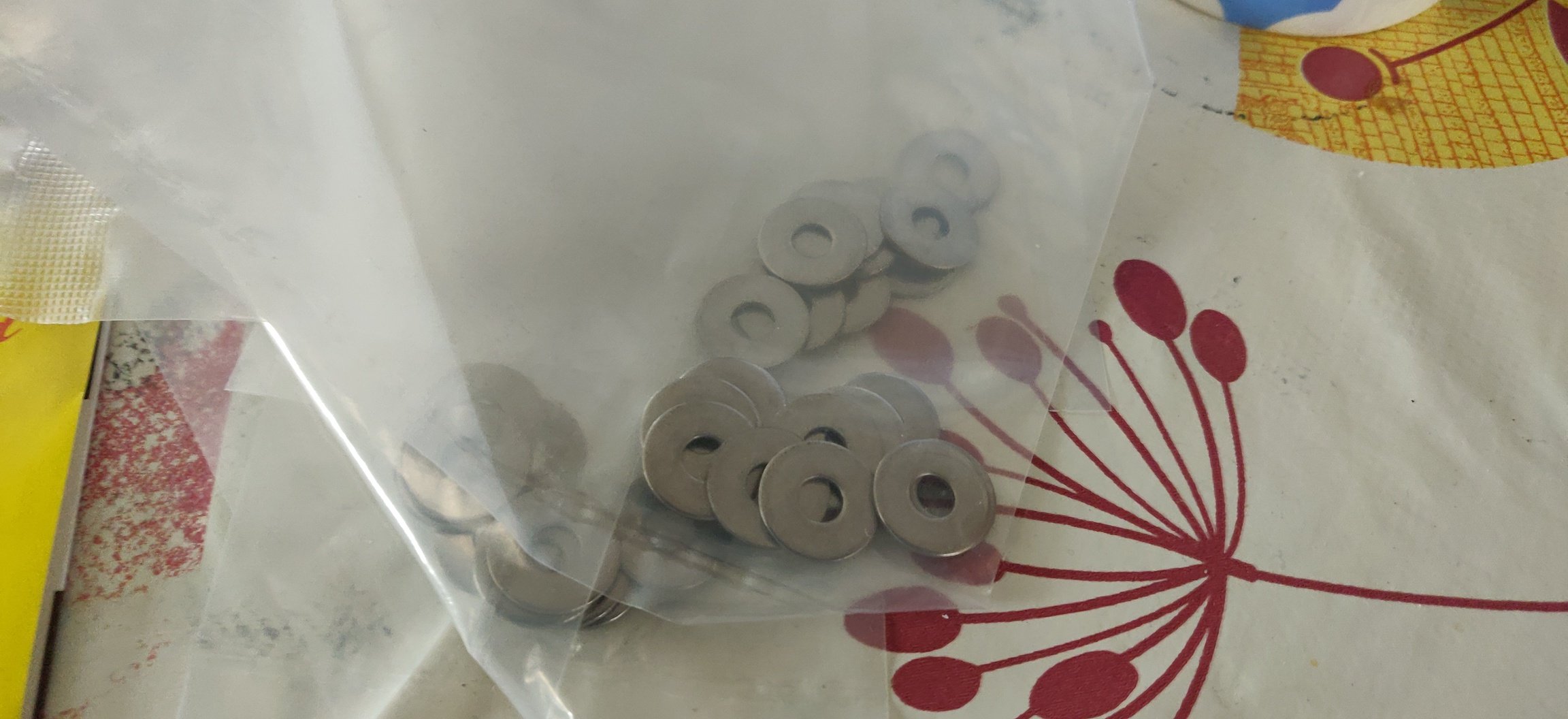
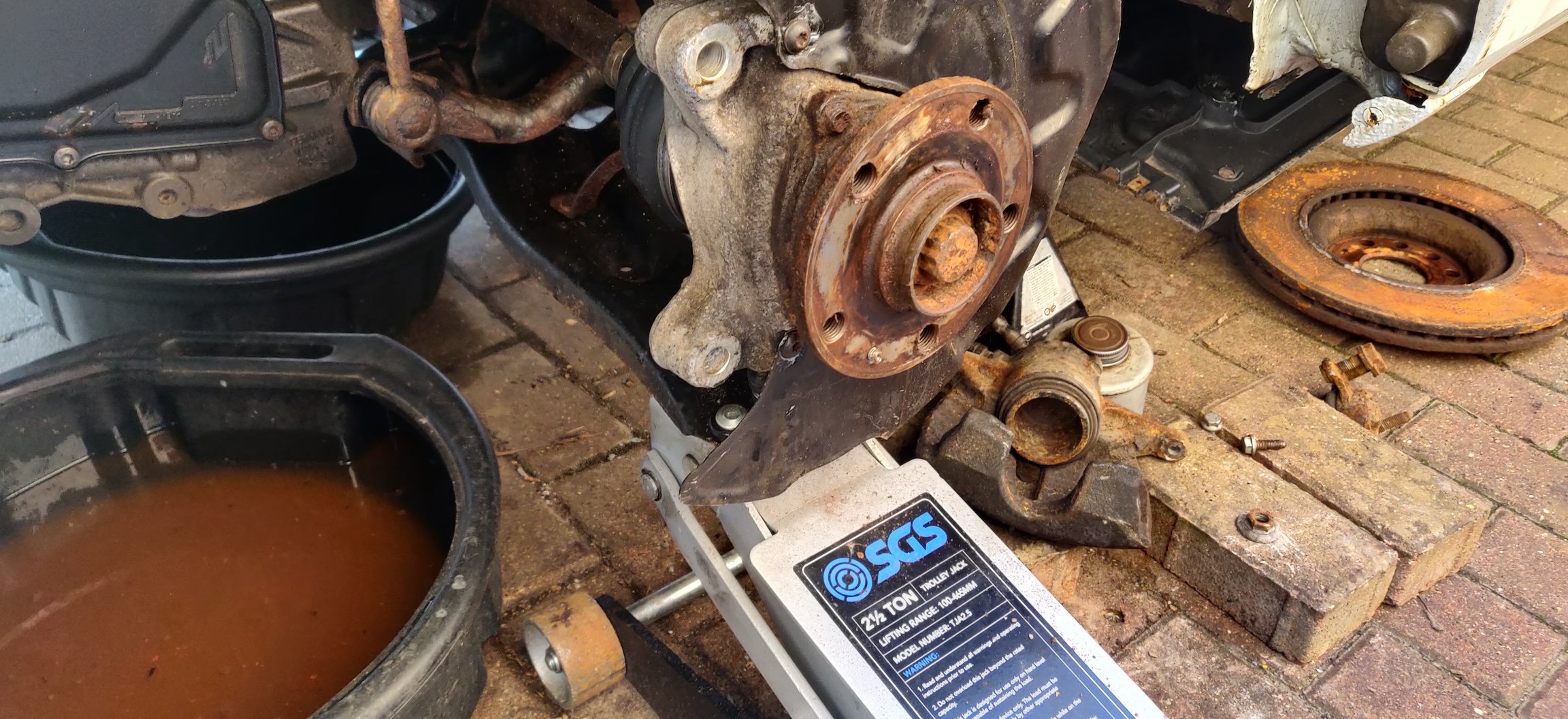
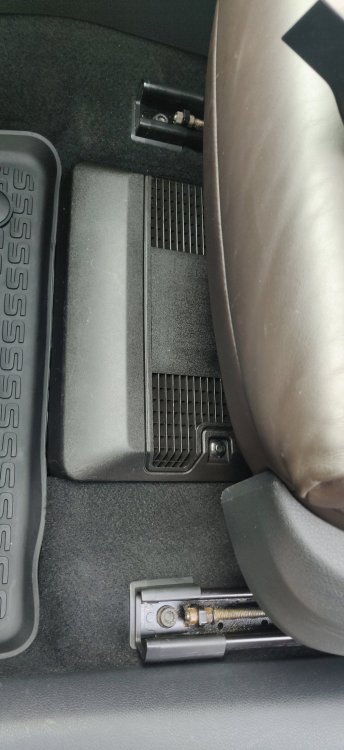
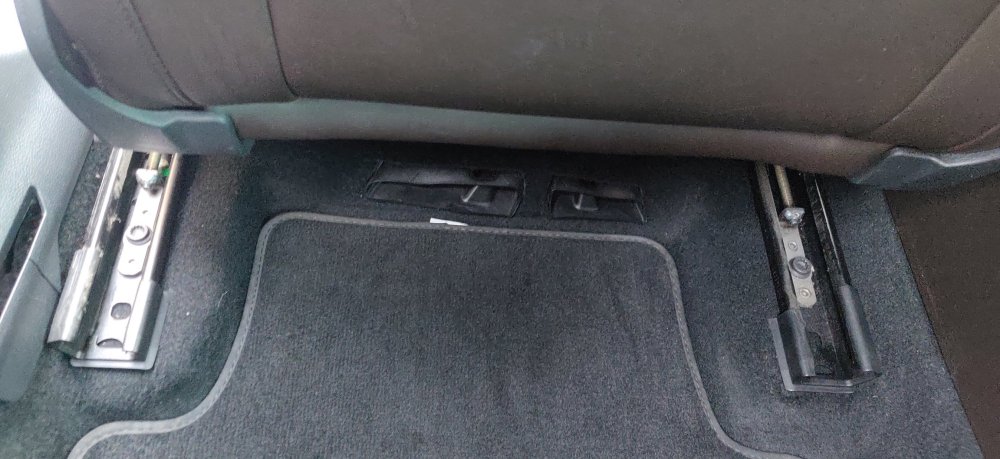
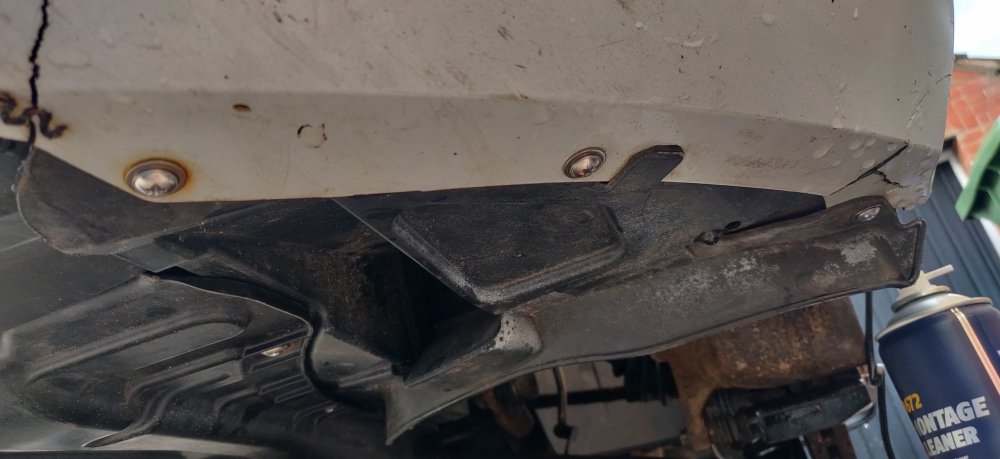
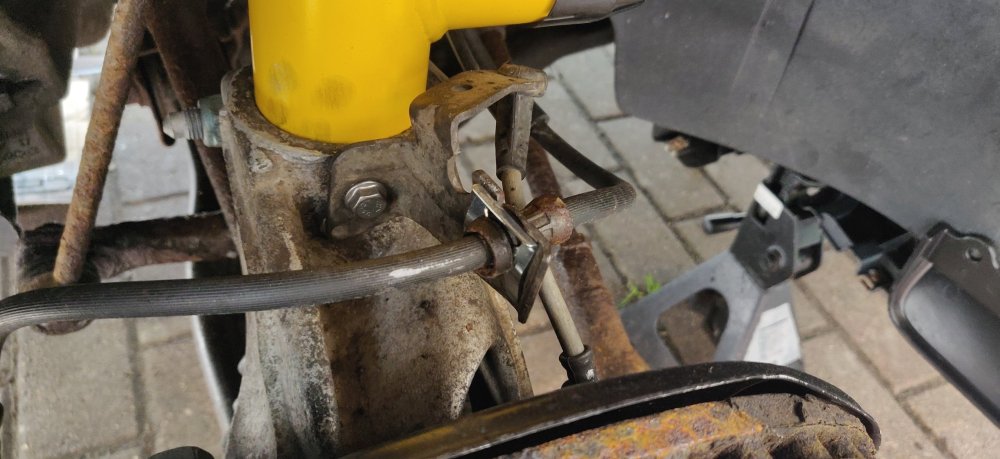
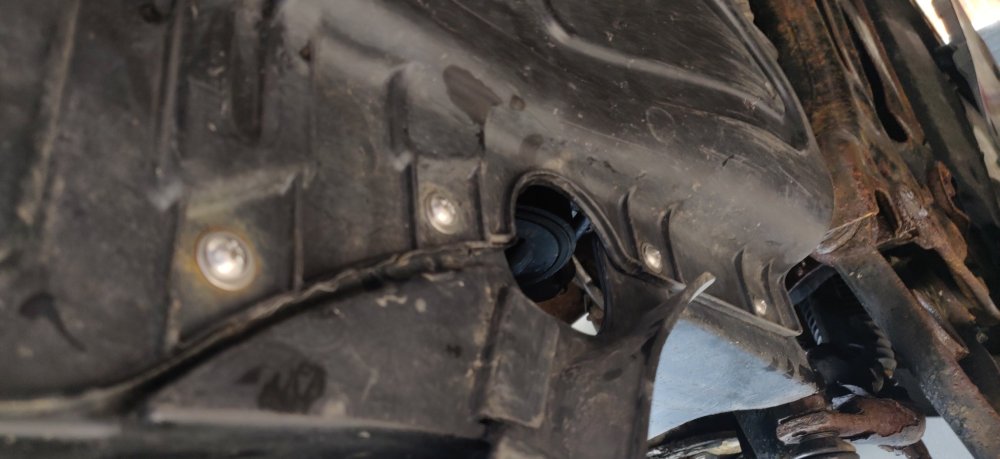
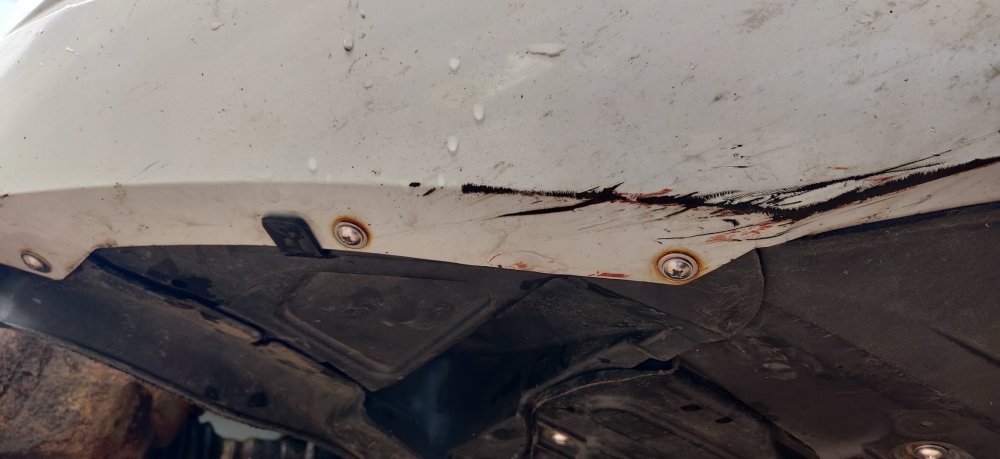
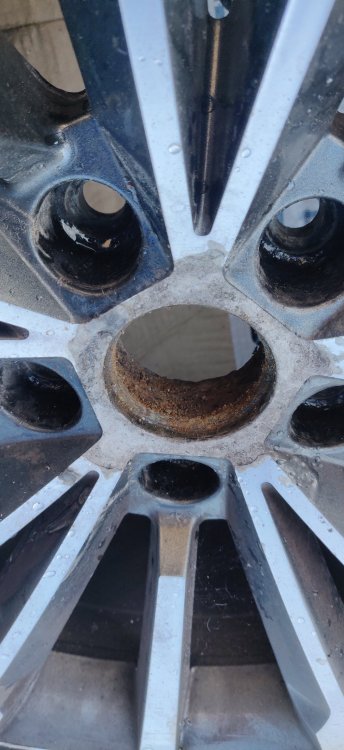
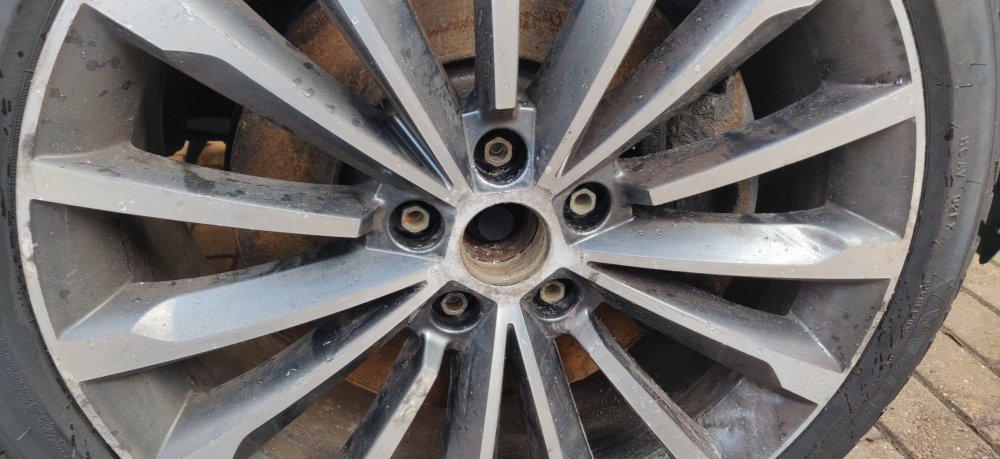
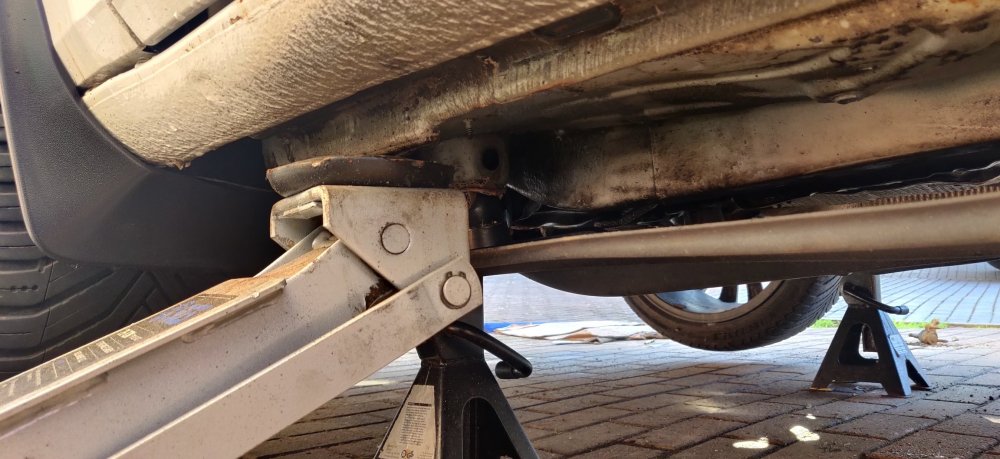
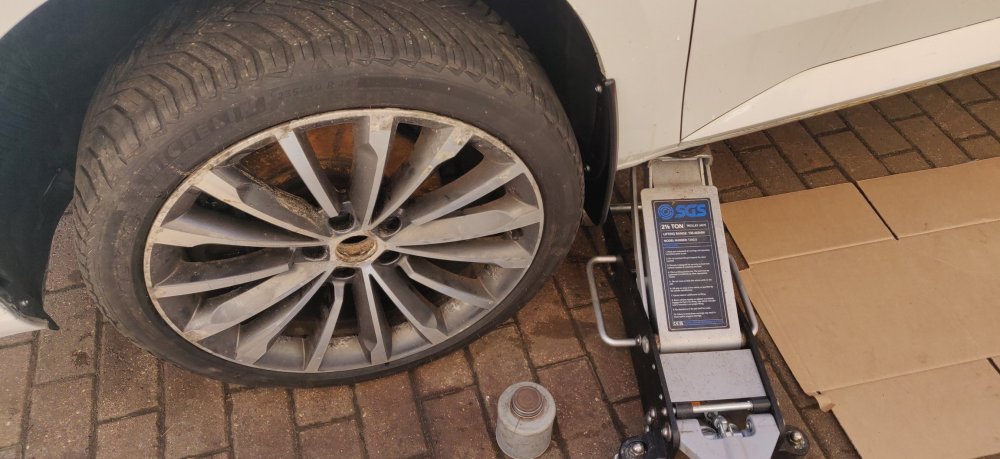
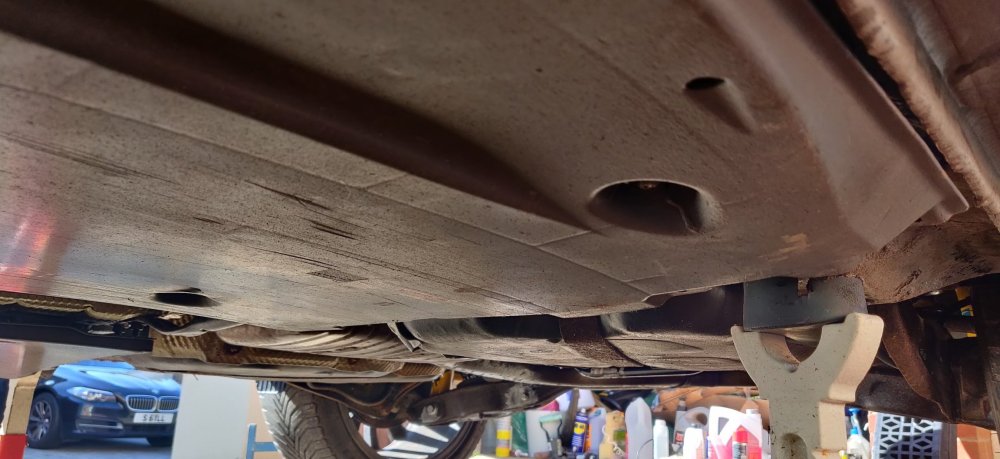
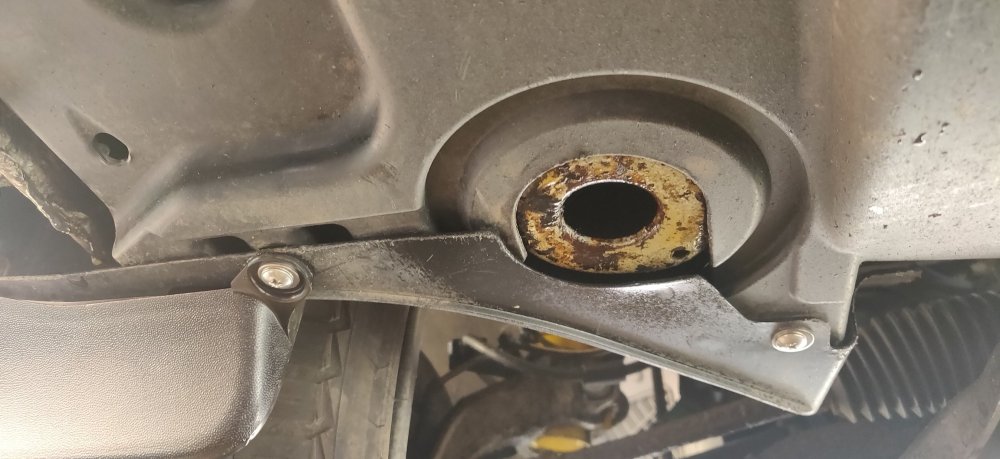
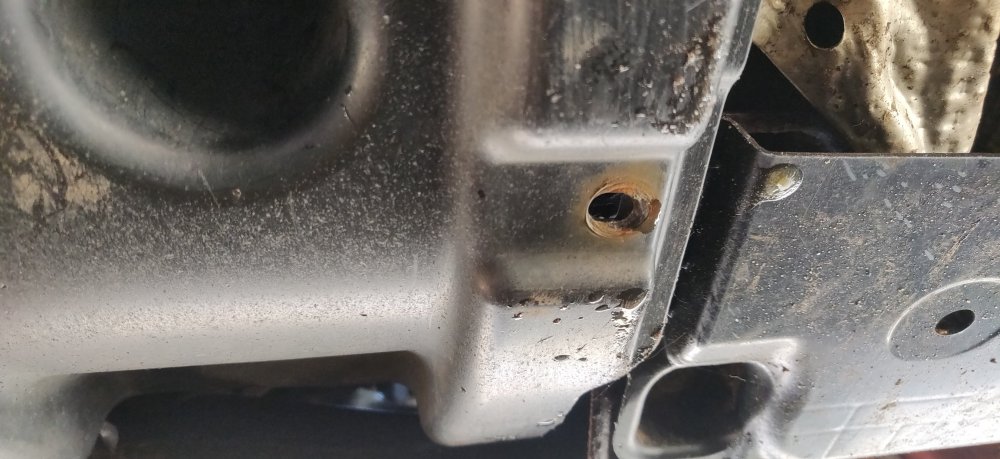
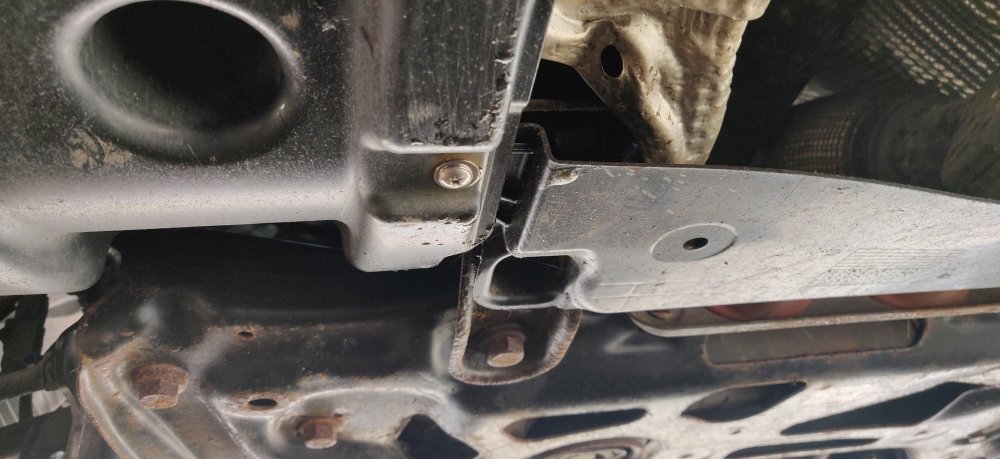
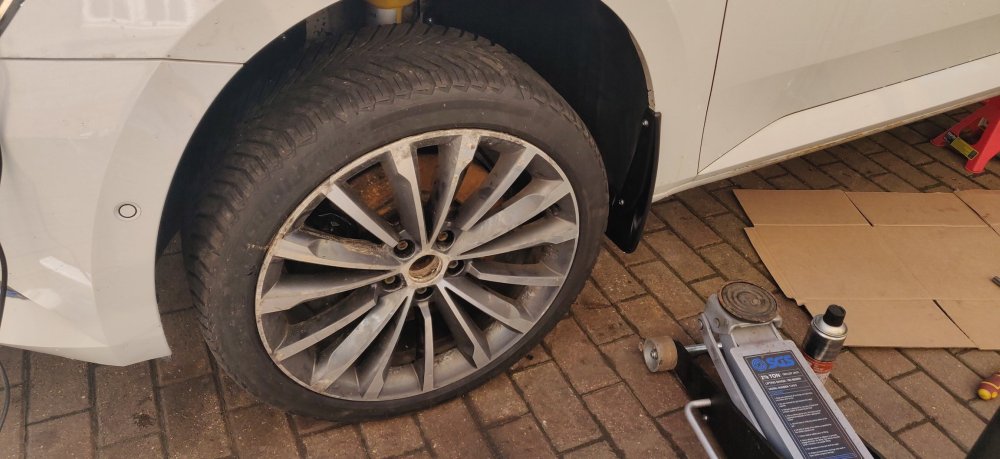
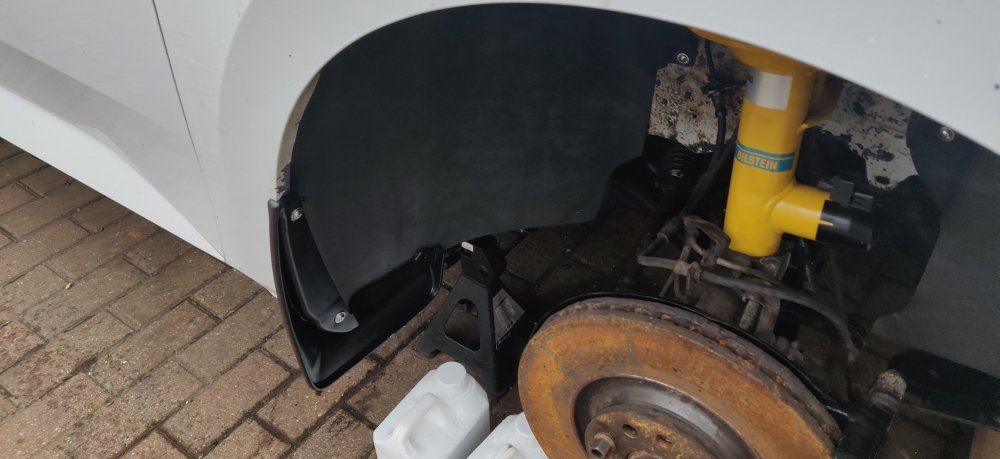
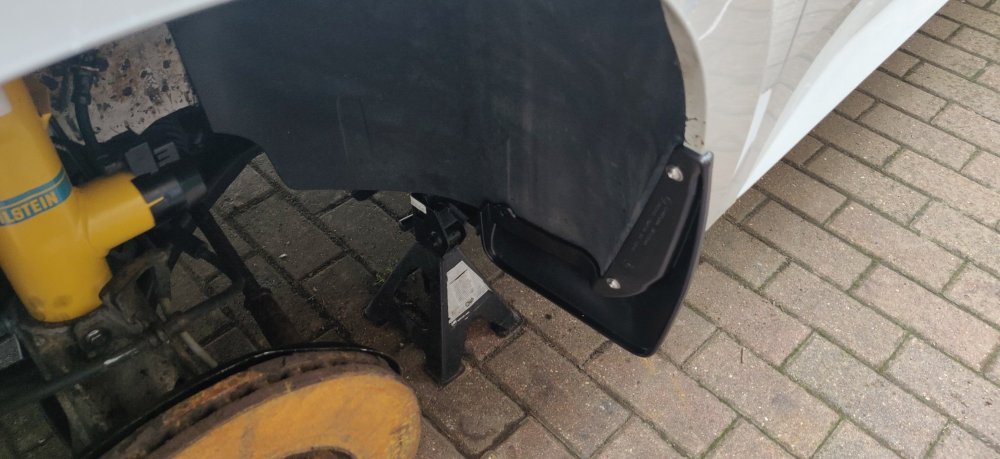
Could well be, I'll sort it out again sometime next week or so. Whats an extra £20 or so of more DSG oil in the grand scheme of things? It was a bit rainy Friday, so just did some quick things: Given the electrics were back on, made sense to sort out the seat bolts, so an M10 bolt and tightened to 40Nm: Then move the seats forward to do the same for the rear. So for the additional washers, I would either buy the same from eBay and wait until next week, or pay a bit more and get it quicker. It turned out to be £5.99 for 50, either via Amazon next day or from Screwfix, so was then a case of whether I'm bothering with driving to collect. Chose Amazon, as it arrived on Friday and can't do anything in the rain anyway. So come Saturday: Got started on the remainder of the front underside and wheel arch liner screws. This is the left corner, with aforementioned badger damage. There are three screws here for the liner to the bumper. The front undertray has an additional three to the liner as well: Then the one on the front lower with the spoiler lip and liner: Then just chased around the wheel arch to get the last remaining ones in: Remembered the new brake retaining clips: Ended up tapping them in with a hammer: Before going back to the ground for the right underside: This is the front right side, so unless the badger threw across and this is blood, this side has traded paint with something red: With that done, there's no reason to not put the wheels back on. So remembered the driveshaft bolts, and so tapped out the wheel centre caps with a rubber mallet and a drift: Gave the inside and the mating surfaces a good seeing with a wire brush and brake cleaner (mountains of aluminium dust and presumably rust from the driveshaft bolts). But other than a light coat of copper grease on said surfaces and bolts: Wheel is on. So jacked up that side on the sill: In order to free the axle stand and start getting that underside panel refitted proper: On the right side, jacking this part up was also enough to lift the rear axle slightly free, so was able to get the plastic panel aligned and fitted: It needs sliding underneath the mudflap: So one of those situations where it might have been easier if the mudflaps were installed after, but the wheels being on would have made that a bit more of a faff. The left side doesn't have a bung, and I'm not sure the jacking pads I have got are the correct ones for the Skoda Superb. I think I need the older ones, might have mentioned this before. The underside panel then has one more screw: This attaches to what appears to be a rear undertray piece aft of the engine: So with that, lowered the jack: Getting there. So repeated for the other side: Wheel installed, and jacked up. The mudflap and underside panel needed some wiggling to get the screw holes aligned on the right, as per the mudflap originally: But once done, that was it: The front wheels were on terra firma! Of course, with the previous post about checking the DSG oil level again, I'll have to figure out some easy way to get the car raised but level to recheck it all. I'll continue with a couple more posts as Saturday started to gain momentum at this point. Maintenance: £2299.88 (+£5.99) Upgrades: £1332.92 Miscellaneous: £697.20
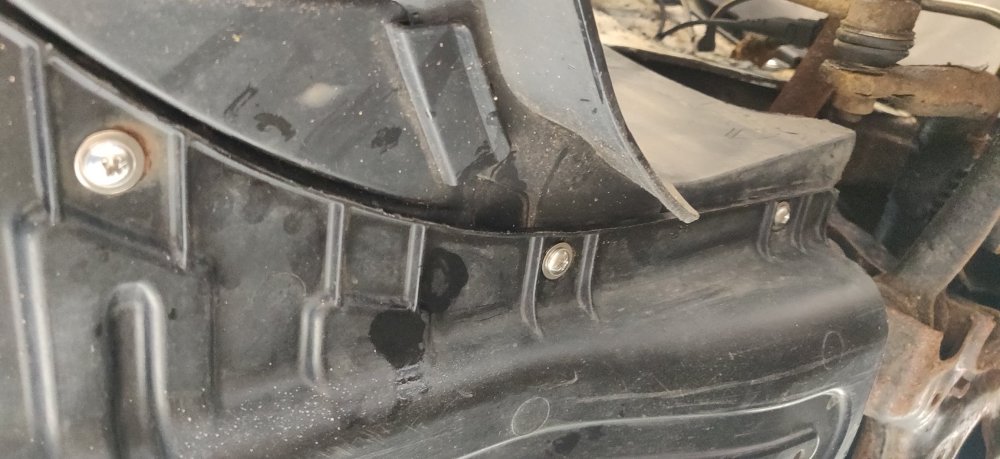
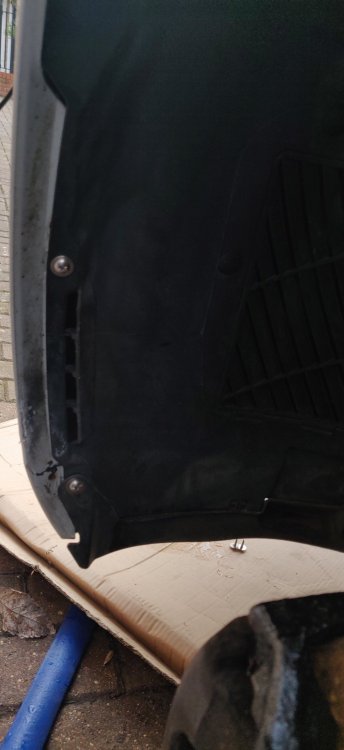
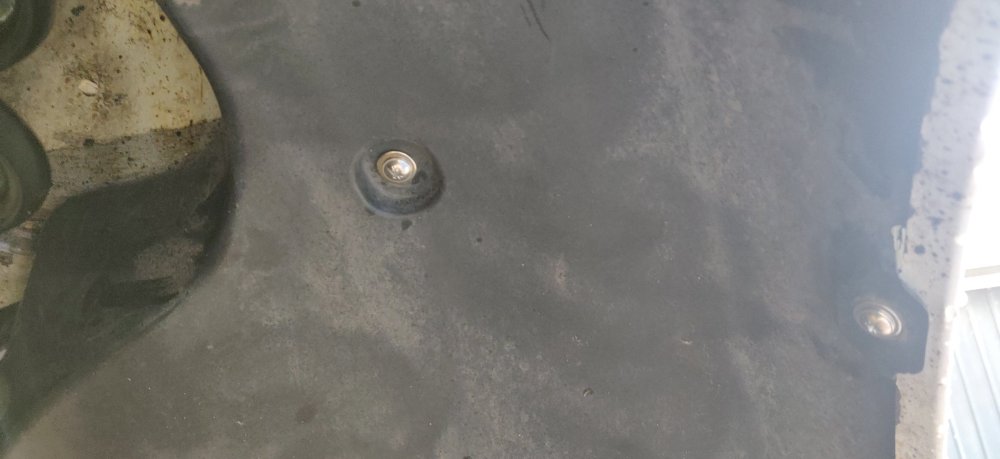
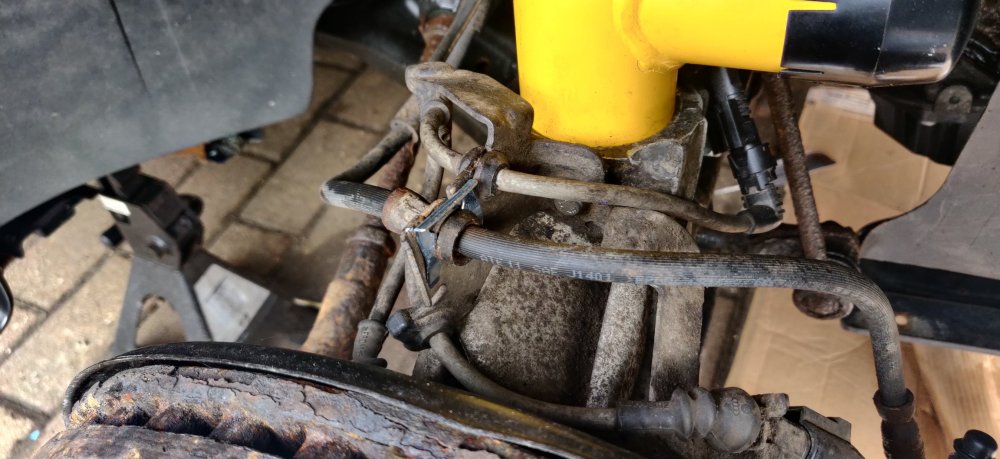
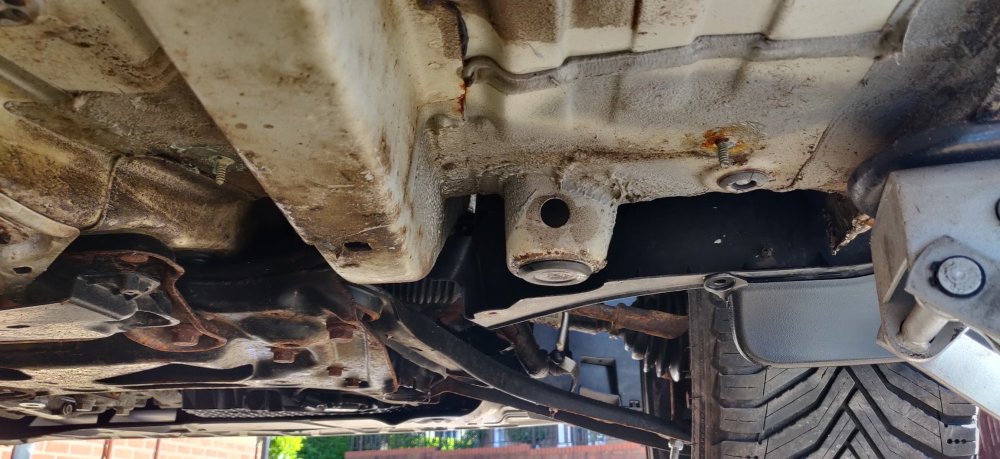
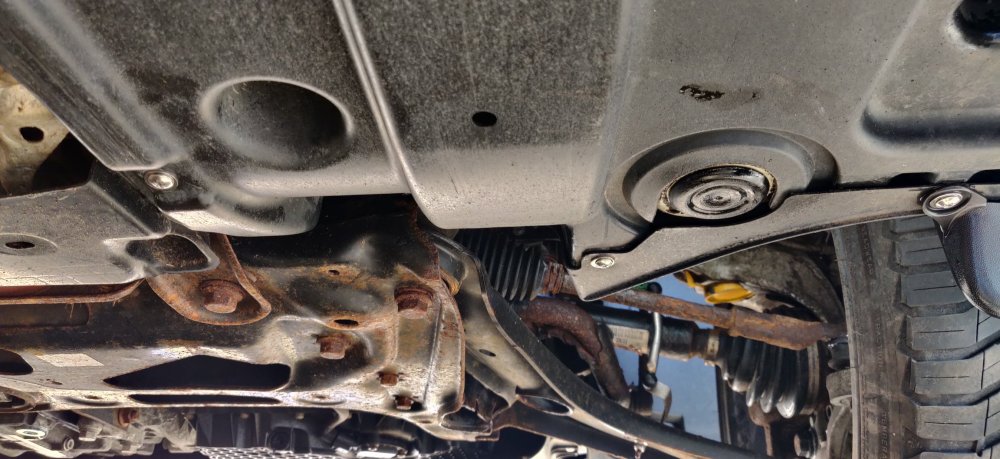
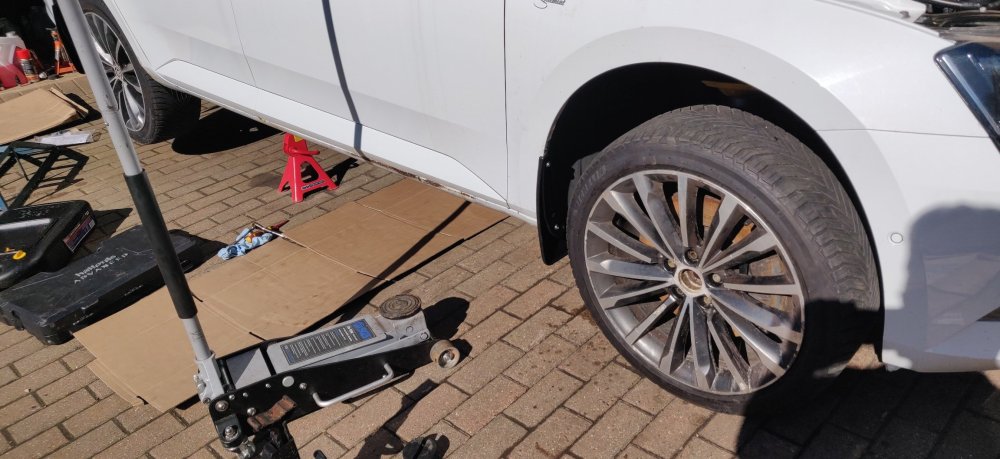
-
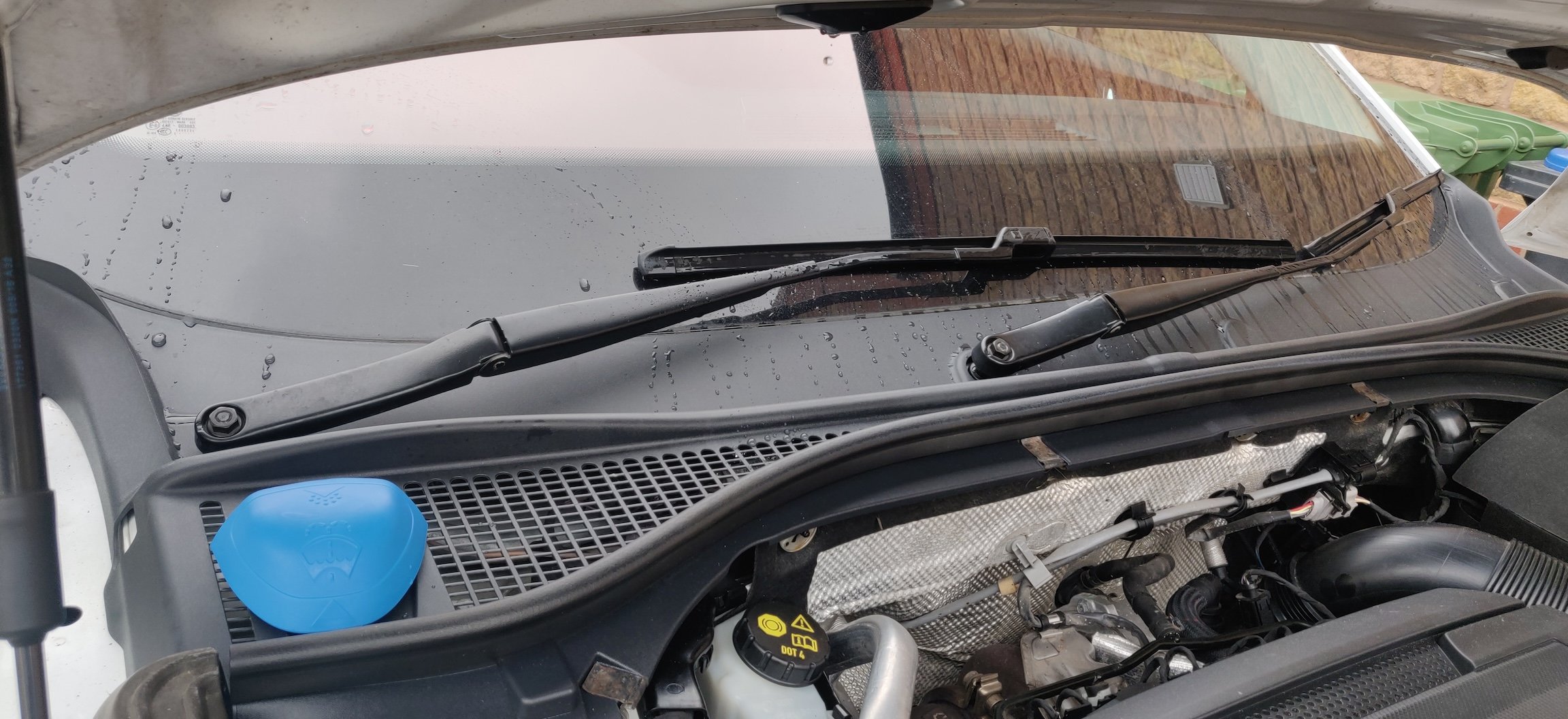
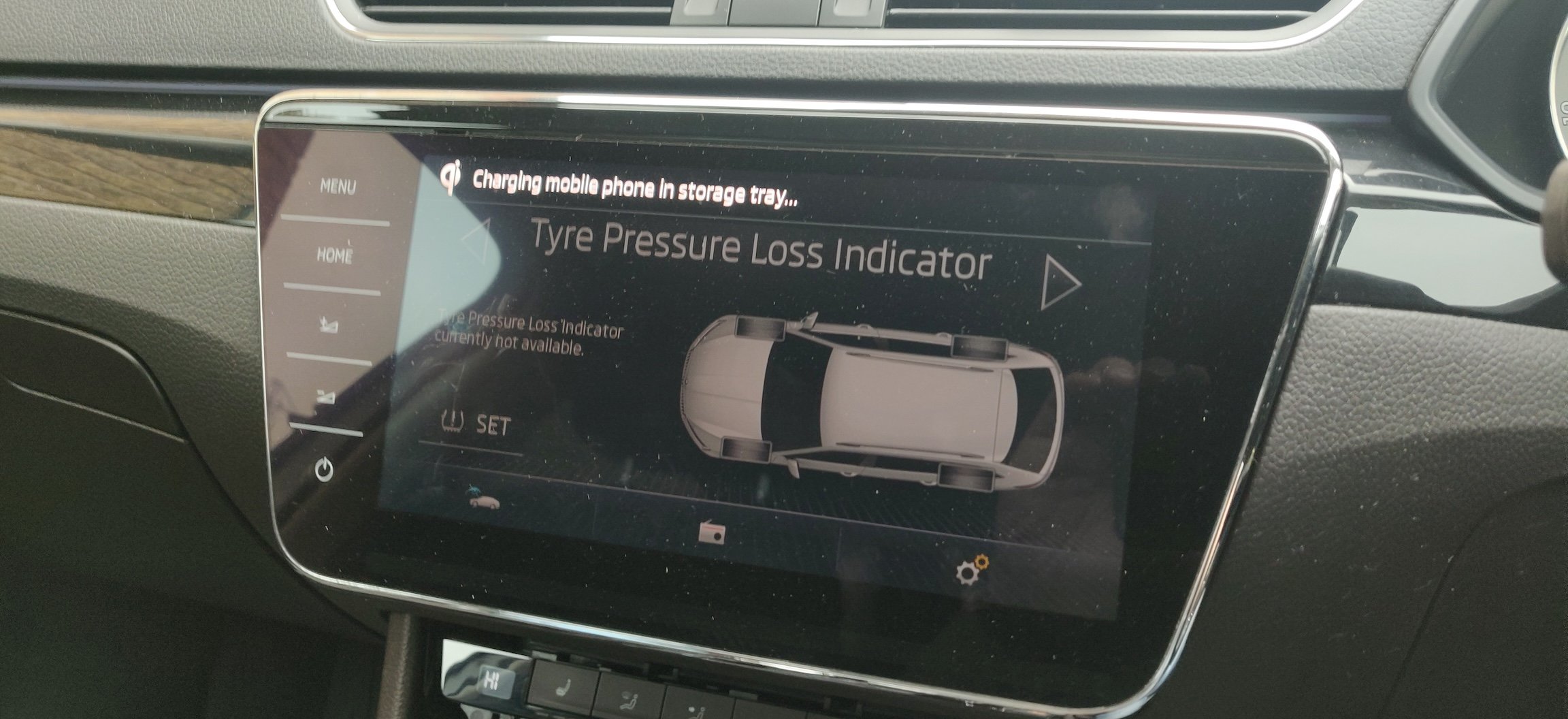
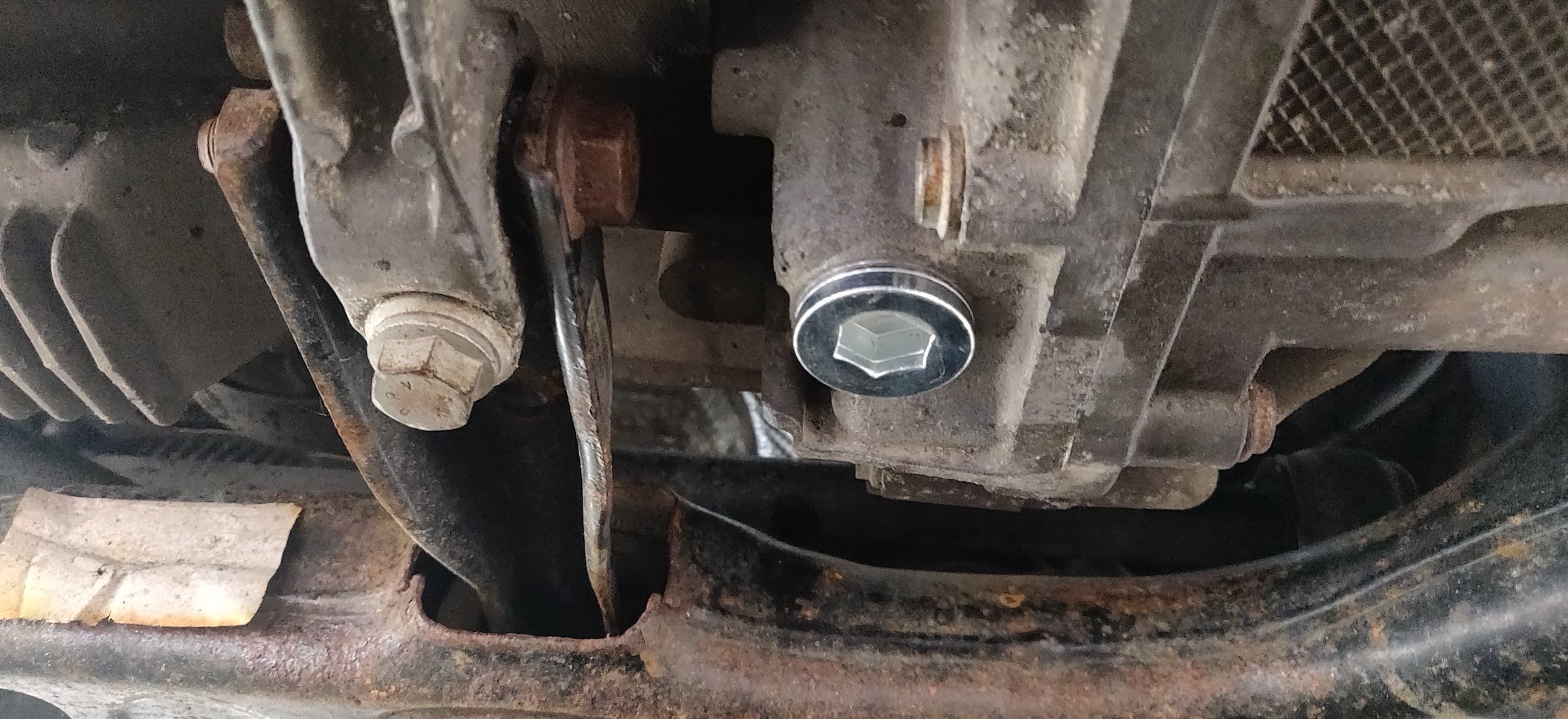
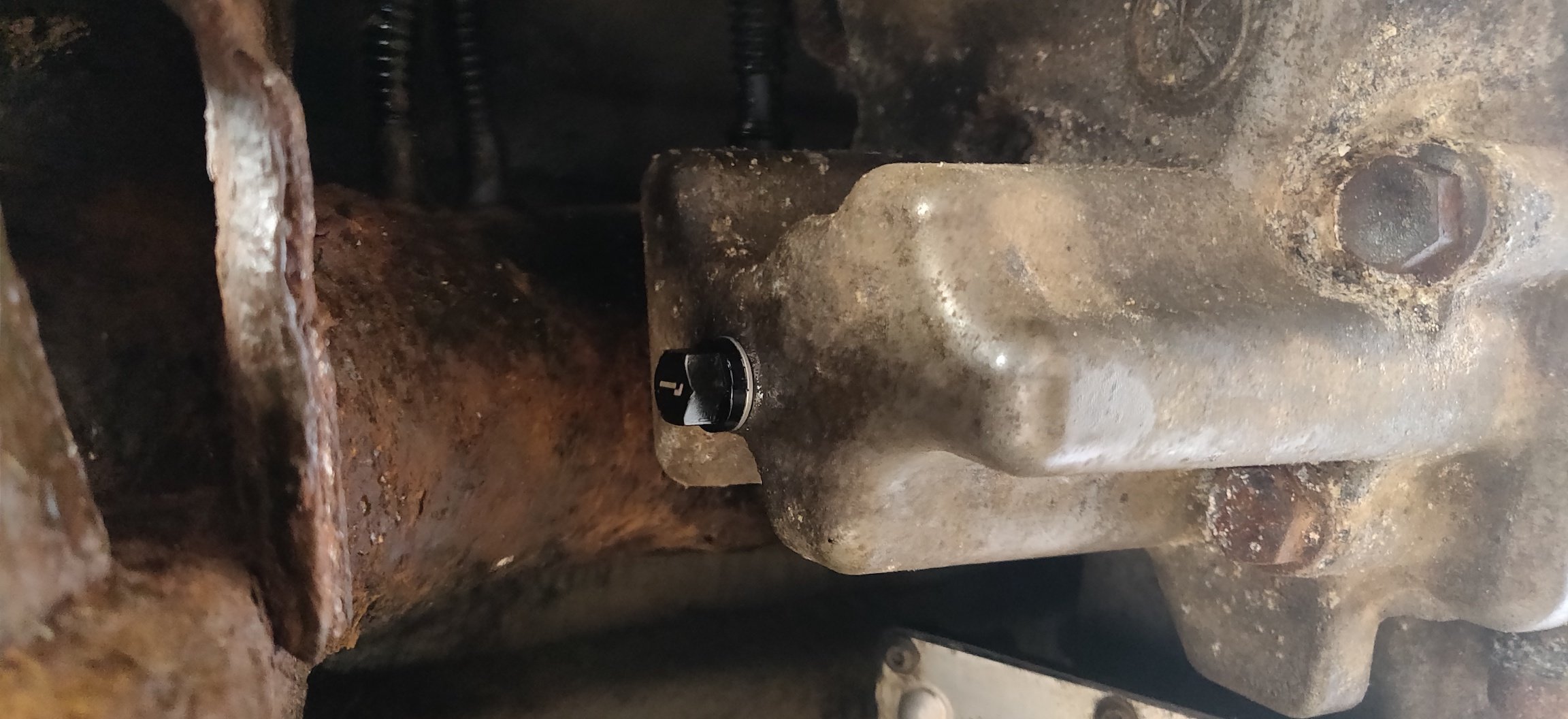
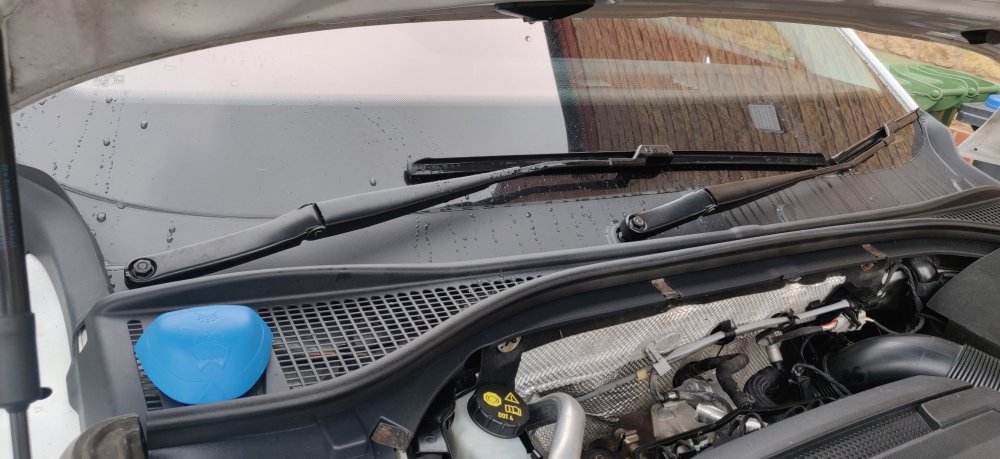
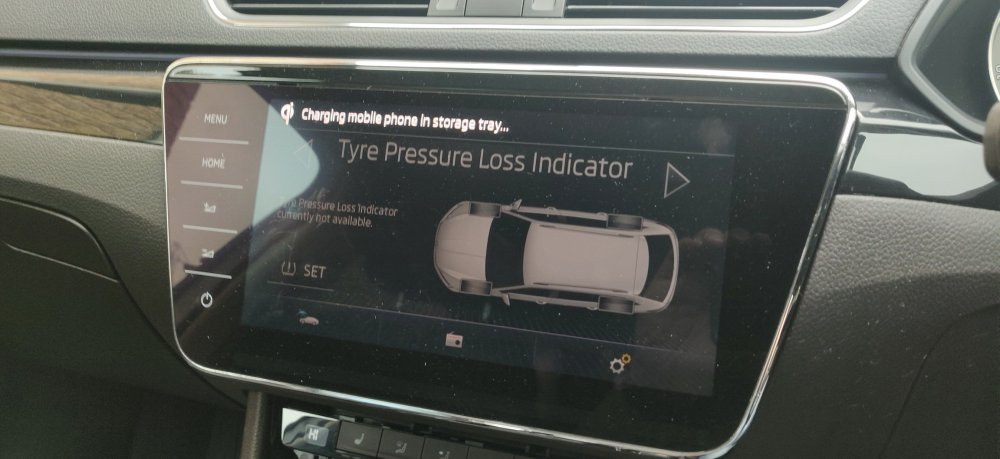
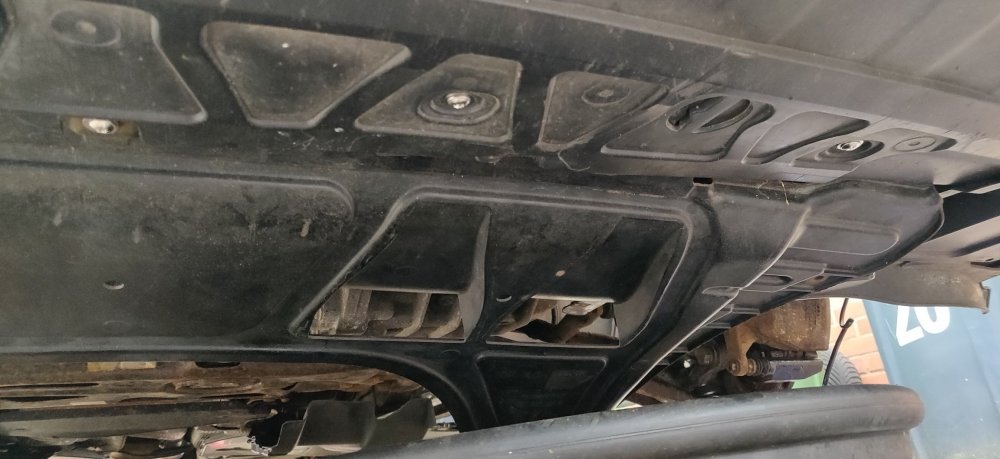
So went ahead and fired up the car yesterday and warmed it up: Undid the fill bolt and a tiny bit did come out, but honestly, not enough for me to have worried, but at least that doubt's out of the window. So went and reinstalled the wiper arms: The windscreen has a few marks, which I believe are used to align the wiper arms, so just had them aligned to be parallel, got the retaining nuts down, then wiped the arms a few times, before tightening to 21Nm. The workshop manual states there's a 4mm leeway so lots of room for error and the wipe pattern looks ok. The display is mentioning low wiper fluid level, so my deionised water for testing is seeing good use. Still not sure about the dribbling right nozzle though. Need to find the wiper arm covers and pop those on. Managed to play around with the coding for the 5F entertainment unit, to enable baseplate and wireless charger for said baseplate: Which then makes this appear when a phone is on the charger, so that's sorted. I'm struggling with a few issues with the Steering module, some errors about the Cruise Control. I also can't seem to find anywhere to have the heated steering wheel button on the steering wheel itself working. Can't tell at this stage if its the gateway, or the clock spring that replaces the previous one. Could even be the replacement indicator stalks. Sod's law, I'll have to revert and tackle one thing at a time. I mess around with cars primarily to get away from Software Engineering, but I guess these days it's coming back. So started to get the right side wheel arch liner back on, with mudflap: This was the one that was previously broken, and the bottom screw was not aligned to the captive nut on the sill, so I guess the damaged mudflap implies some misalignment of the sill. Just used brute force to get it in, worry about the sill later (as you're all well aware). Less drama on the other side: I'm at the point where I've run out of the washers, so more than 50 are needed for all the wheel liners! Will order some more. Last bit: Got the front undertray fitted. This is kind of dry fitted for now as I'll need to align it all with the wheel liners and what not. So once additional washers arrive, I can sort out the rest of the front liners, then probably get the front wheels possibly. Raining most of Friday though, so on comes the weekend. I'll need to figure out how best to relay whatever VCDS stuff I get up to, as I feel that could be the rest of the month before MoT time. Maintenance: £2293.89 Upgrades: £1332.92 Miscellaneous: £697.20
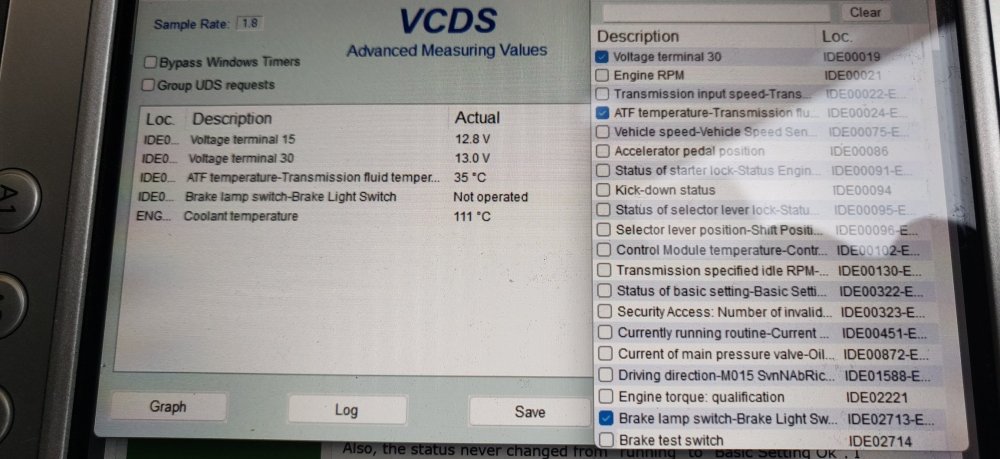
-
Manual doesn't say to turn off the engine, will do it again.
-
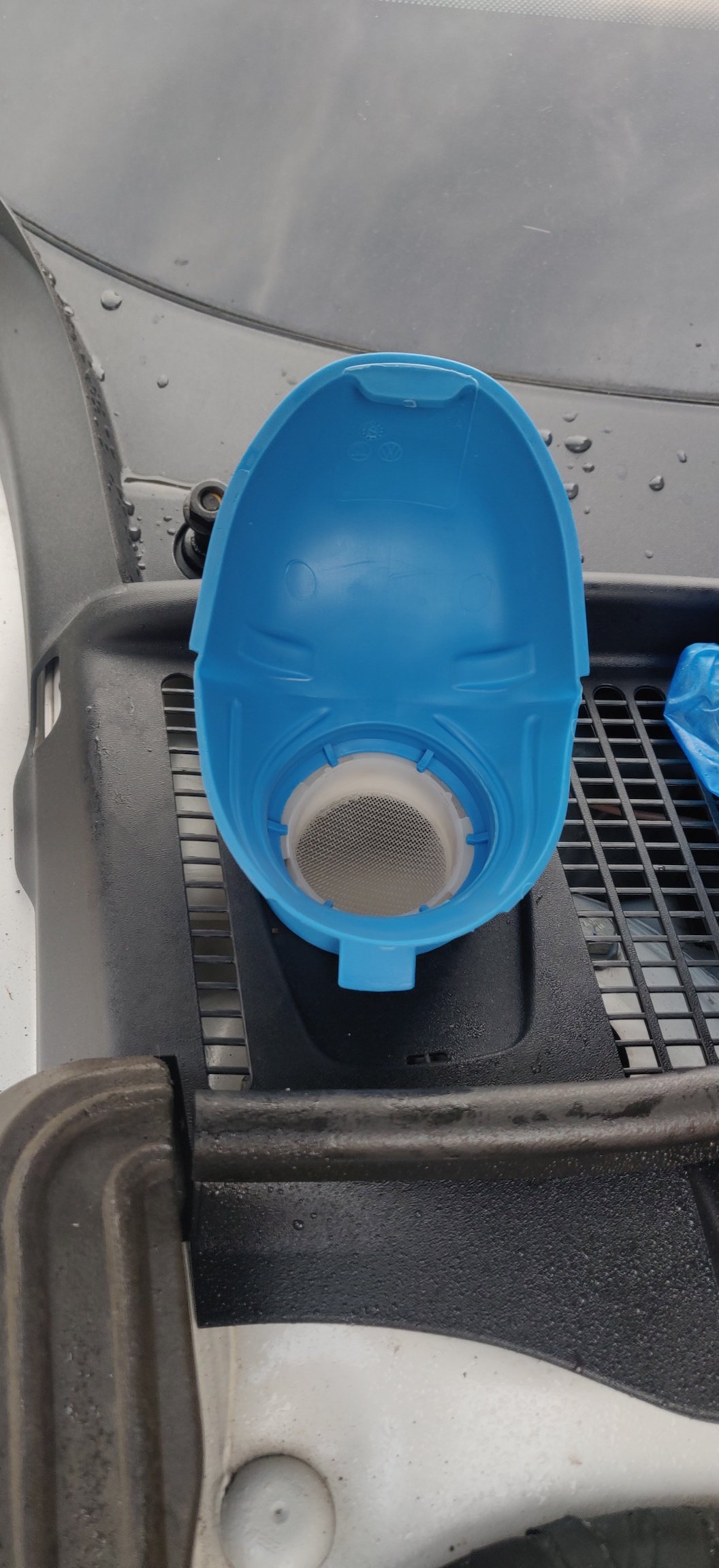
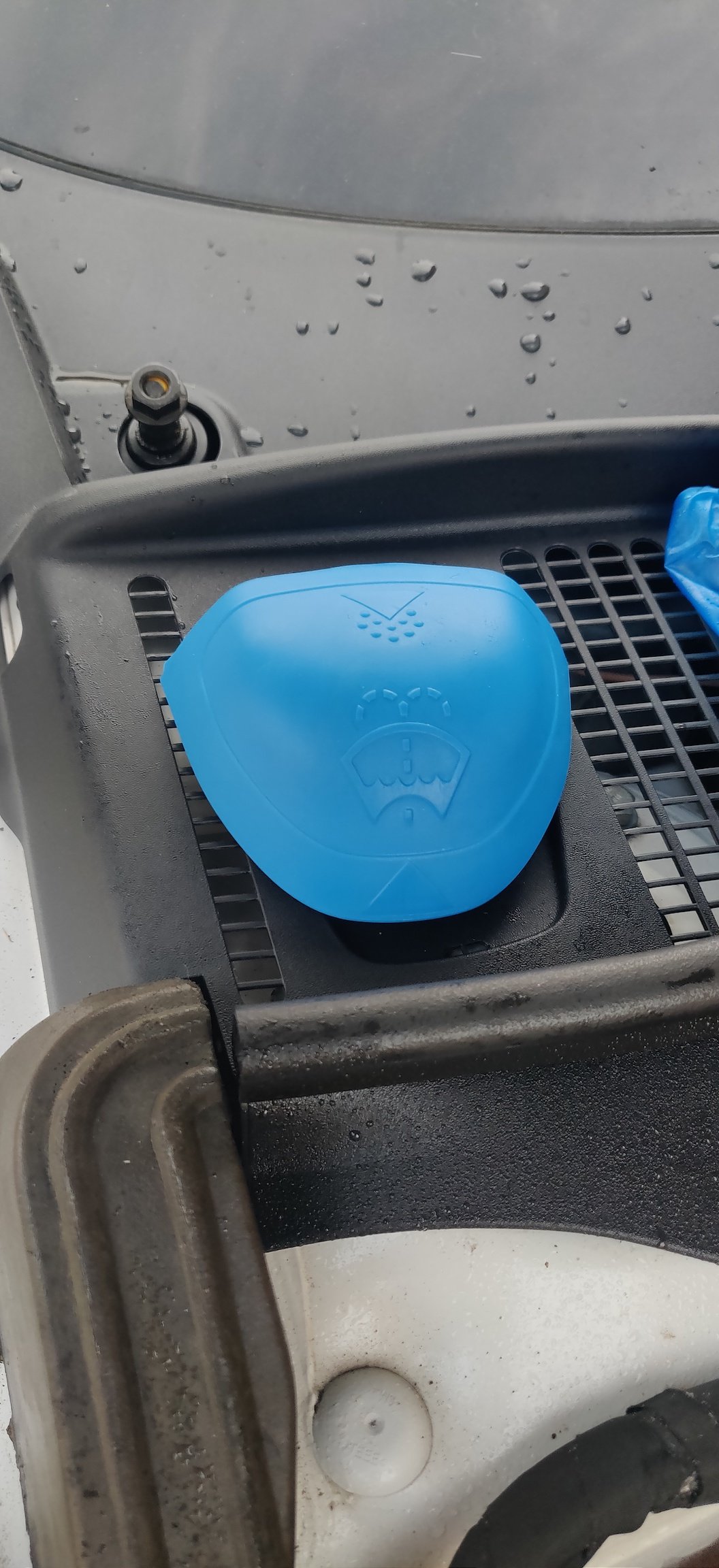
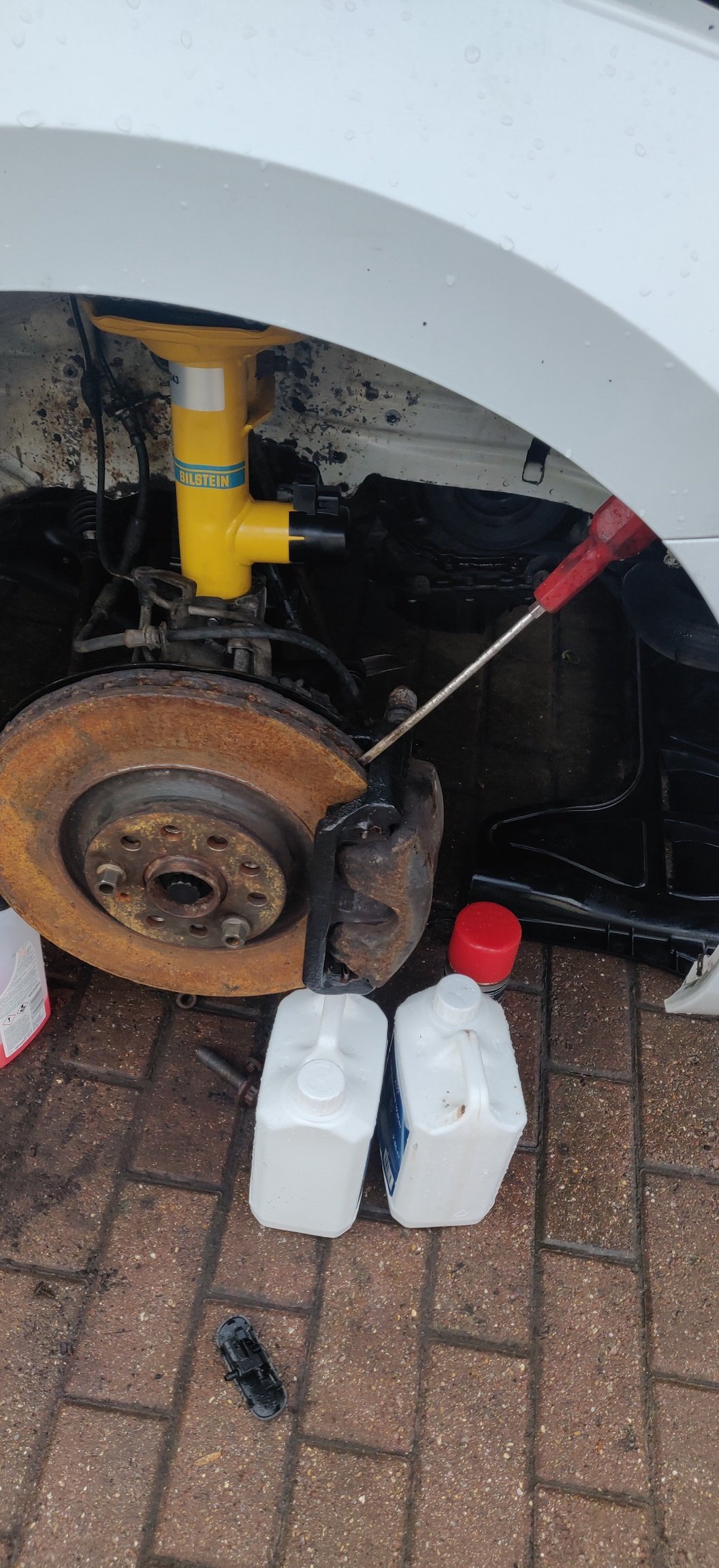
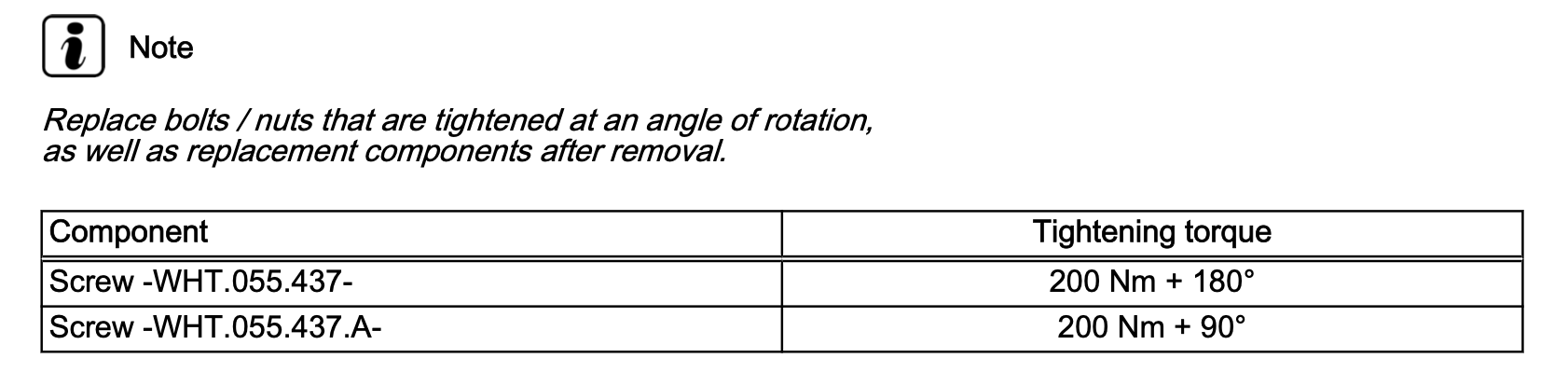
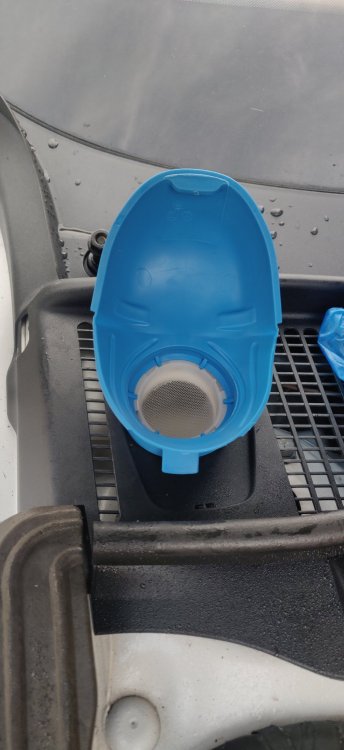
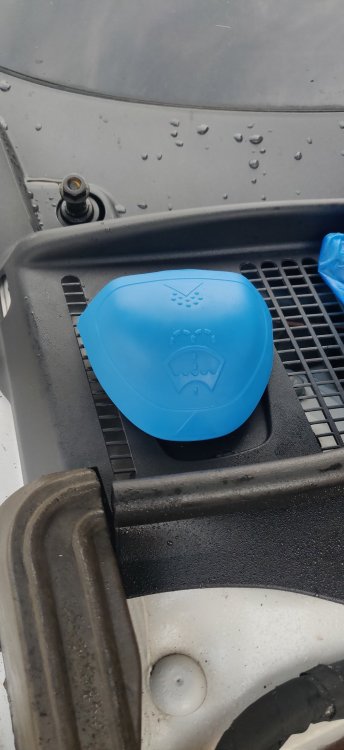
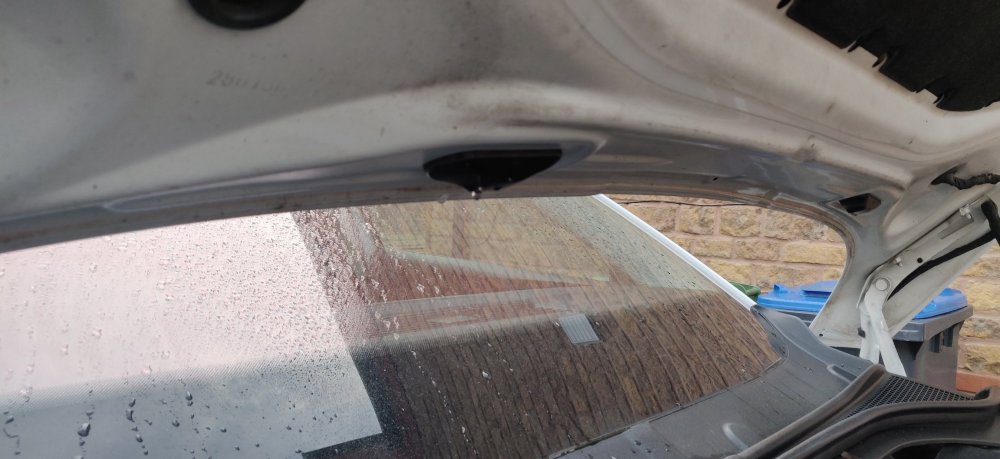
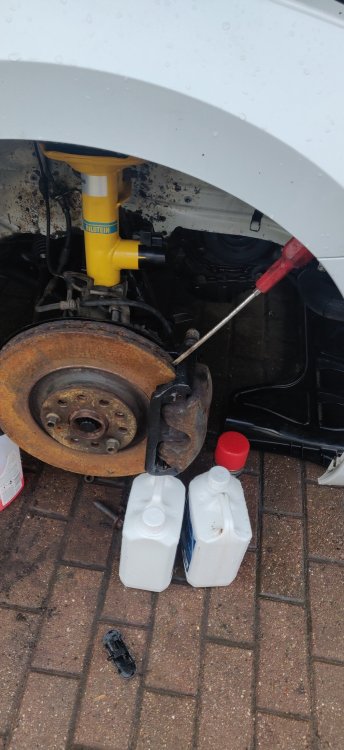
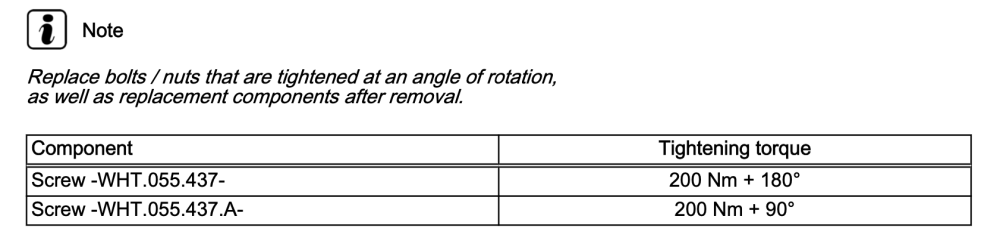
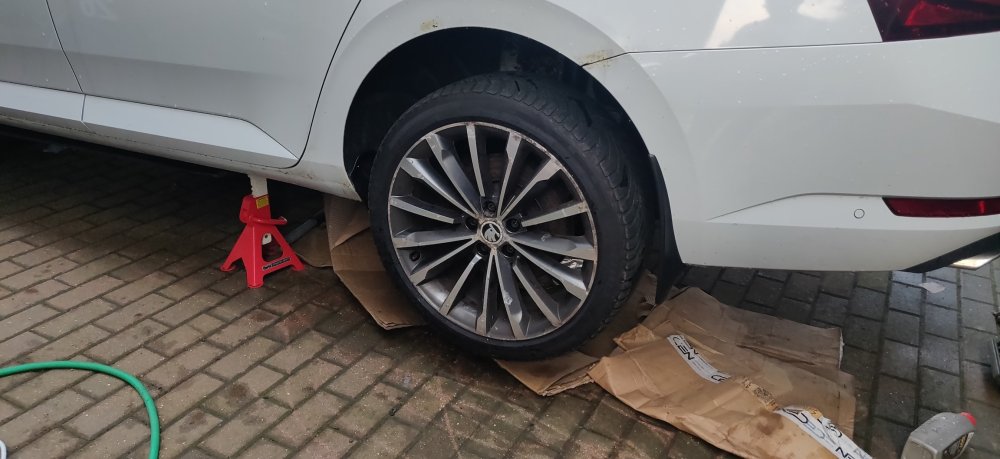
So after said quick bite, decided to do some more random things: This has been on the back burner for a while. I noticed this while perusing random things Skoda, and was genuinely interested to see if this thing fits: It looks a bit daft in its location on the Superb, but I'm sure looks less so on other cars. It's genuinely something I'm impressed with, the way the cap also acts as a funnel which will make filling up much less of a messy affair. It was £9.95 on eBay. These will end up on all the VW group cars. I'll need to reinstall the front wiper arms, but still noticed: The right washer nozzle is still looking like it is dribbling. Any ideas would be appreciated. If TADTS then I'll leave it at that. So for want of other things to do, got the replacement driveshaft bolts and attempted to tighten them up: It meant resorting to stabbing a screwdriver into one of the vents on the brake disc to act as a counterhold against the brake pad carrier. It worked though, and was enough to tighten to 200Nm. According the workshop manual: The bolts with the A suffix just need tightening an extra 90 degrees, so probably could have given it a go with the screwdriver holding it. I think I'll leave it once the wheels are on and its on the ground, as that'll feel a little easier in regards counterholding. Speaking of wheels: Couldn't see a reason why the rear wheels couldn't go on, so on they go. Used a small dab of copper grease on the wheel bolts, as they're pretty clean after the use of the tap and die. Used loads on the wheels and mating surfaces just in case. As the handbrake appears to be in place, was able to tighten the bolts to 120Nm. So I'll need to jack up the rear further in order to slide some ramps under, hopefully then lowering the wheels onto those ramps will then give me enough clearance to get under and do the last of the bolt tightening for the dampers. I think also the anti roll bars as well as I've forgotten those. There's very little left to do at least from a mechanical perspective. I'll pretend those errors aren't there for now and do some swotting up around those. Maintenance: £2293.89 Upgrades: £1332.92 (+£9.95) Miscellaneous: £697.20
-
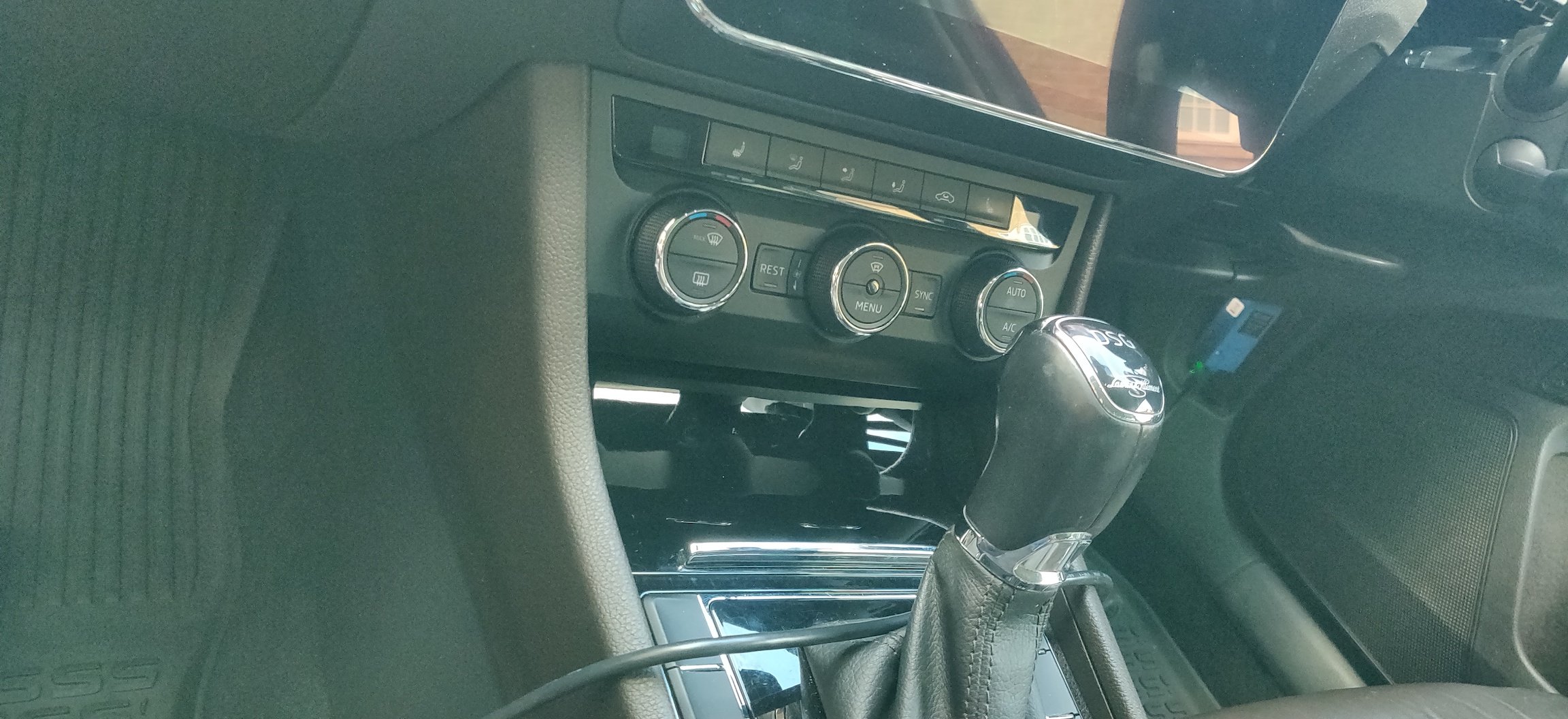
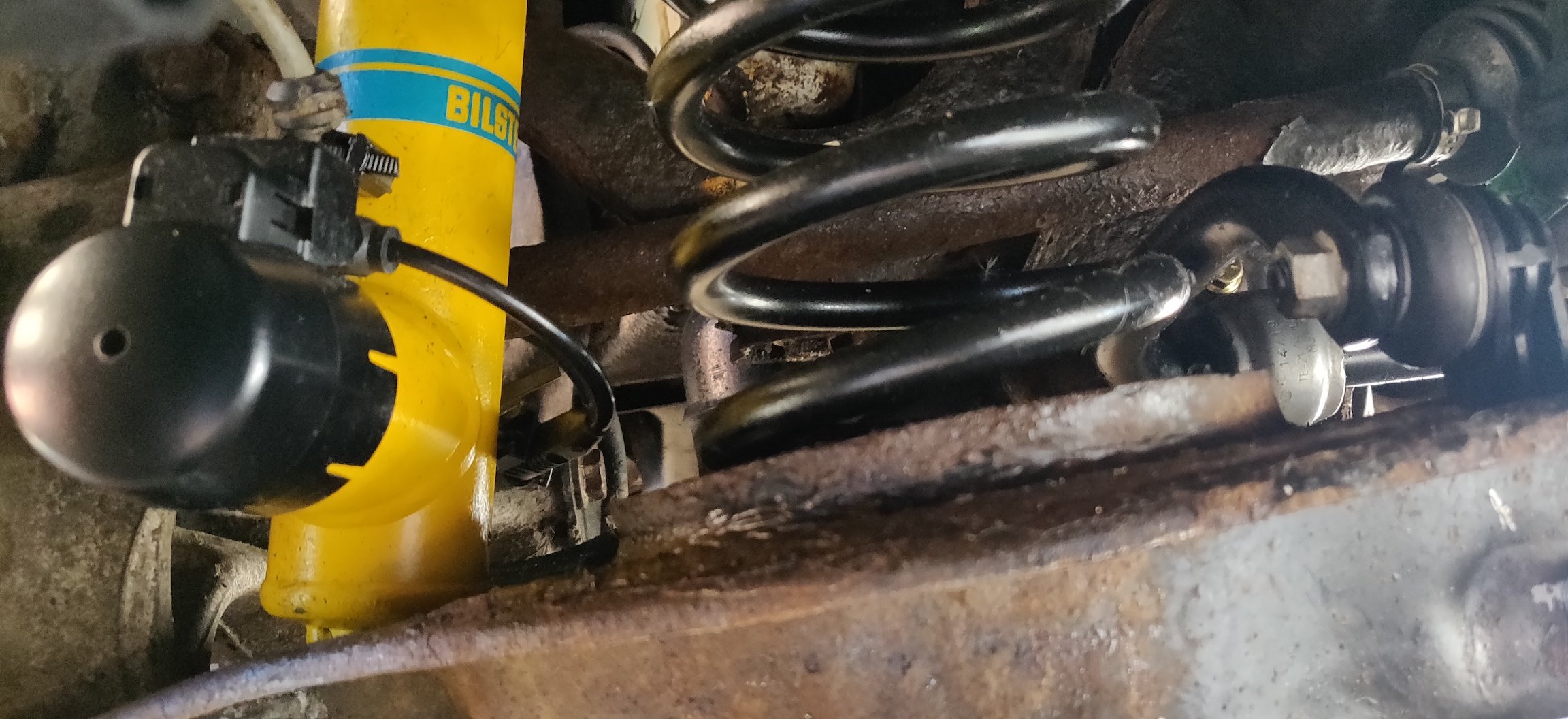
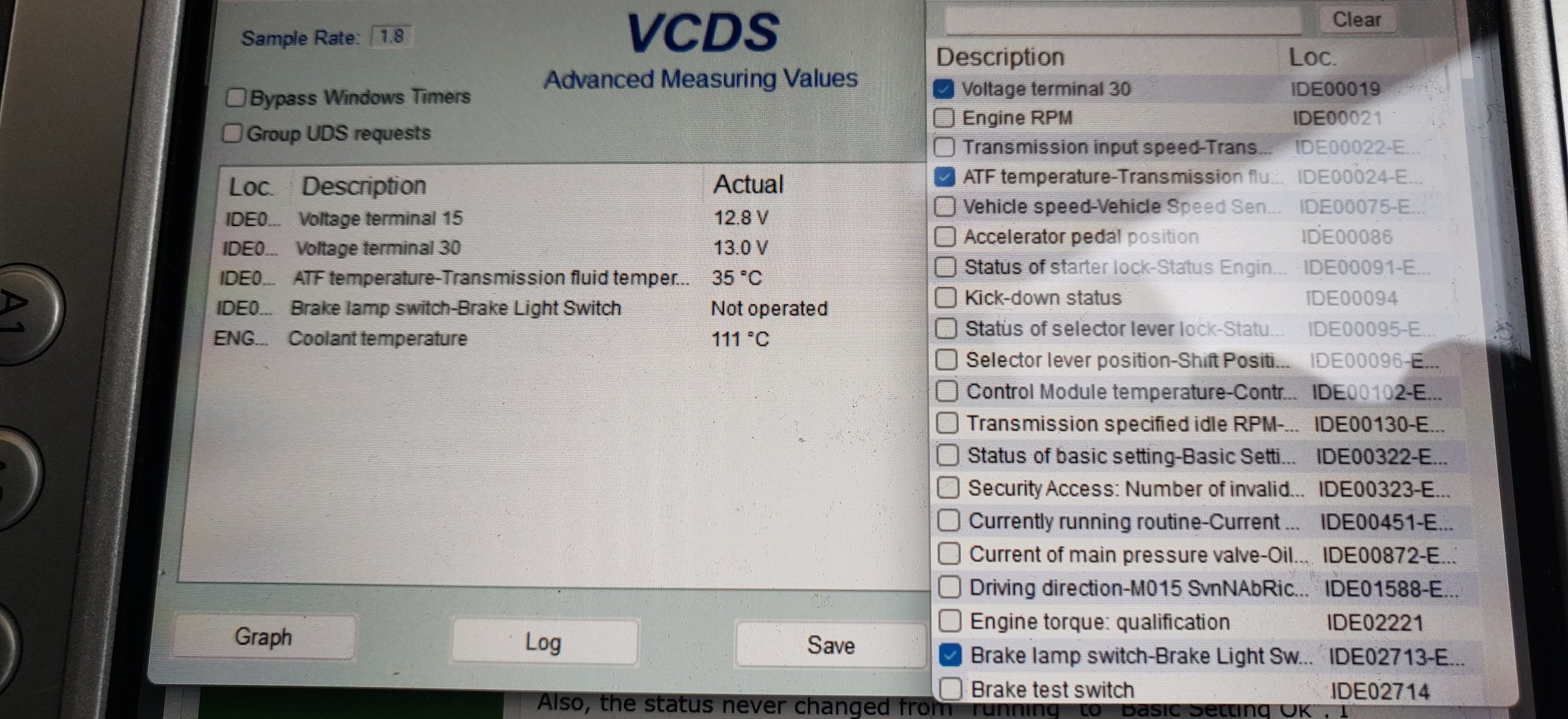
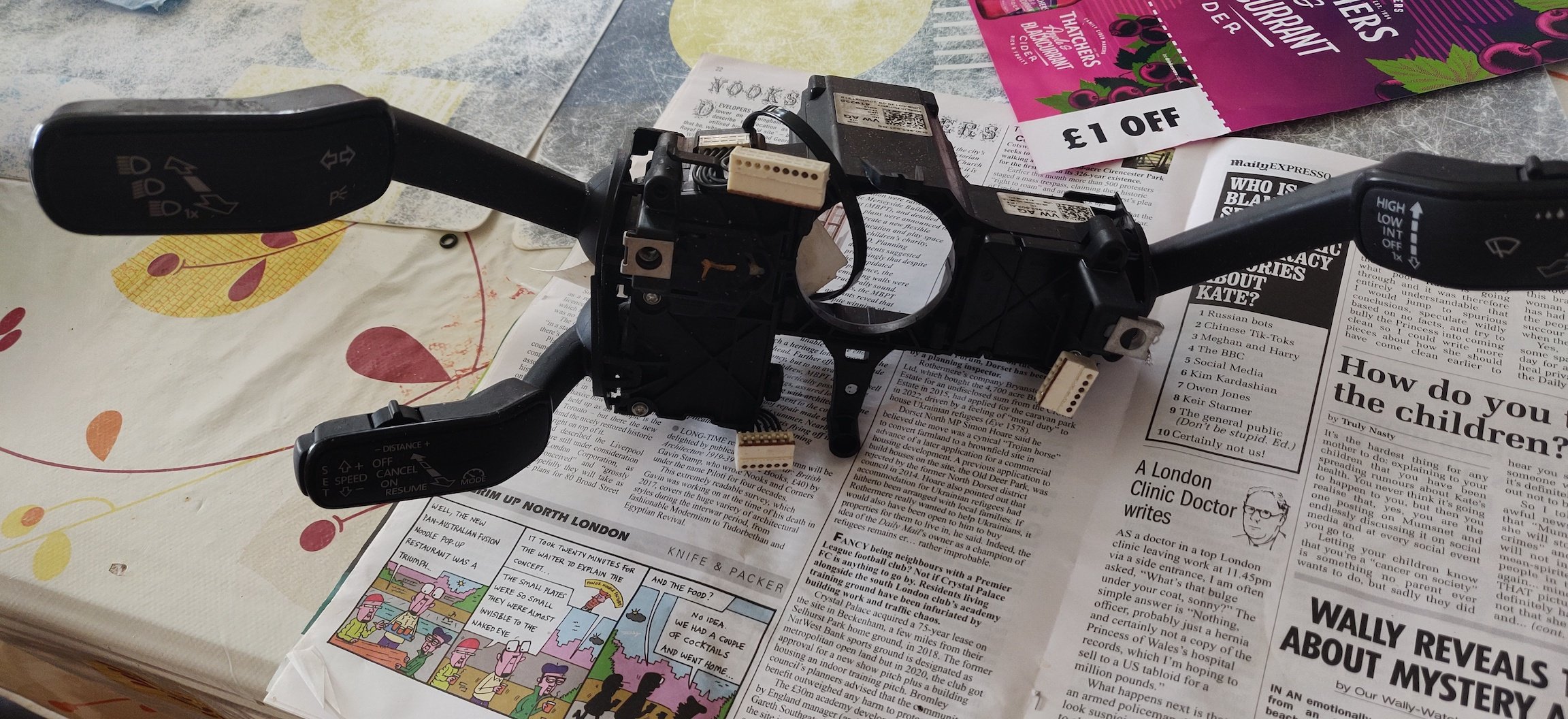
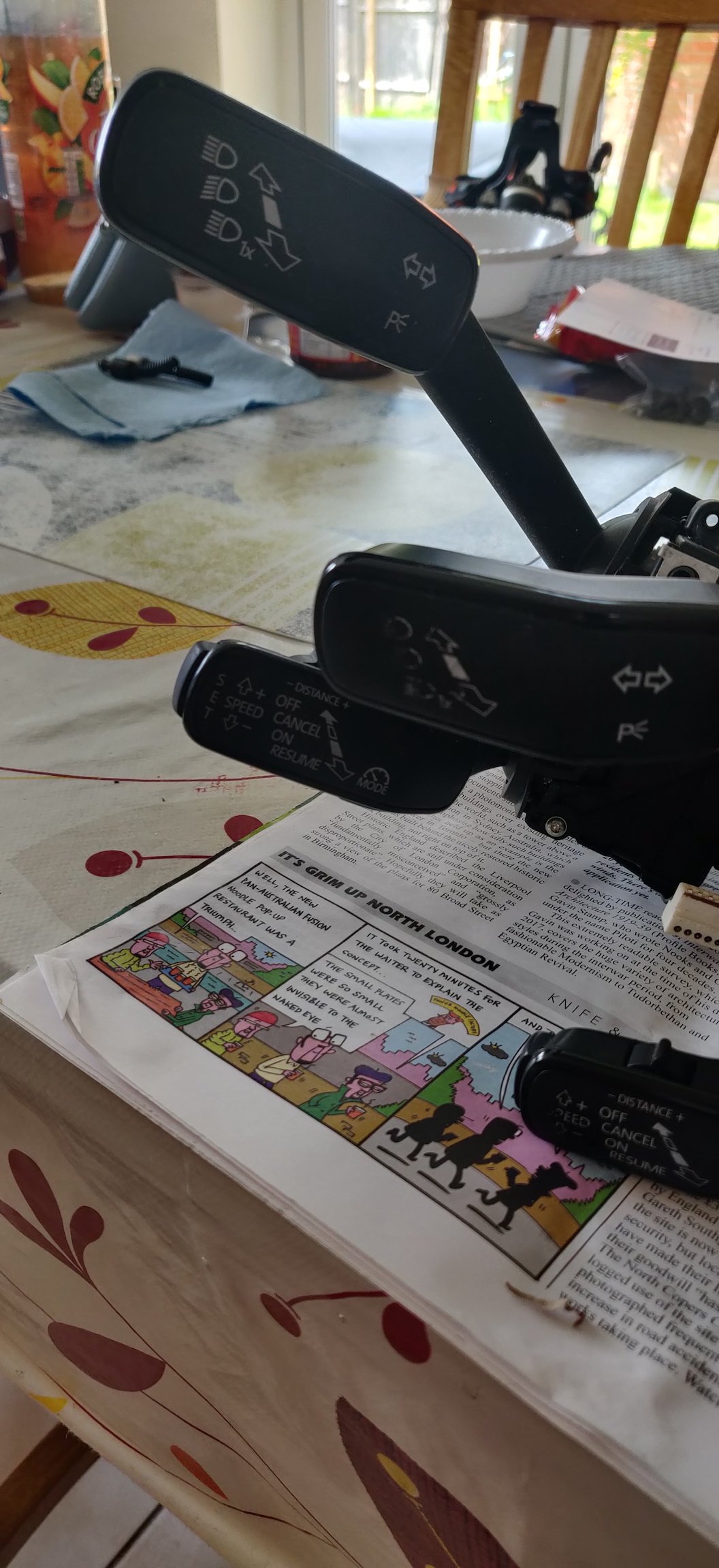
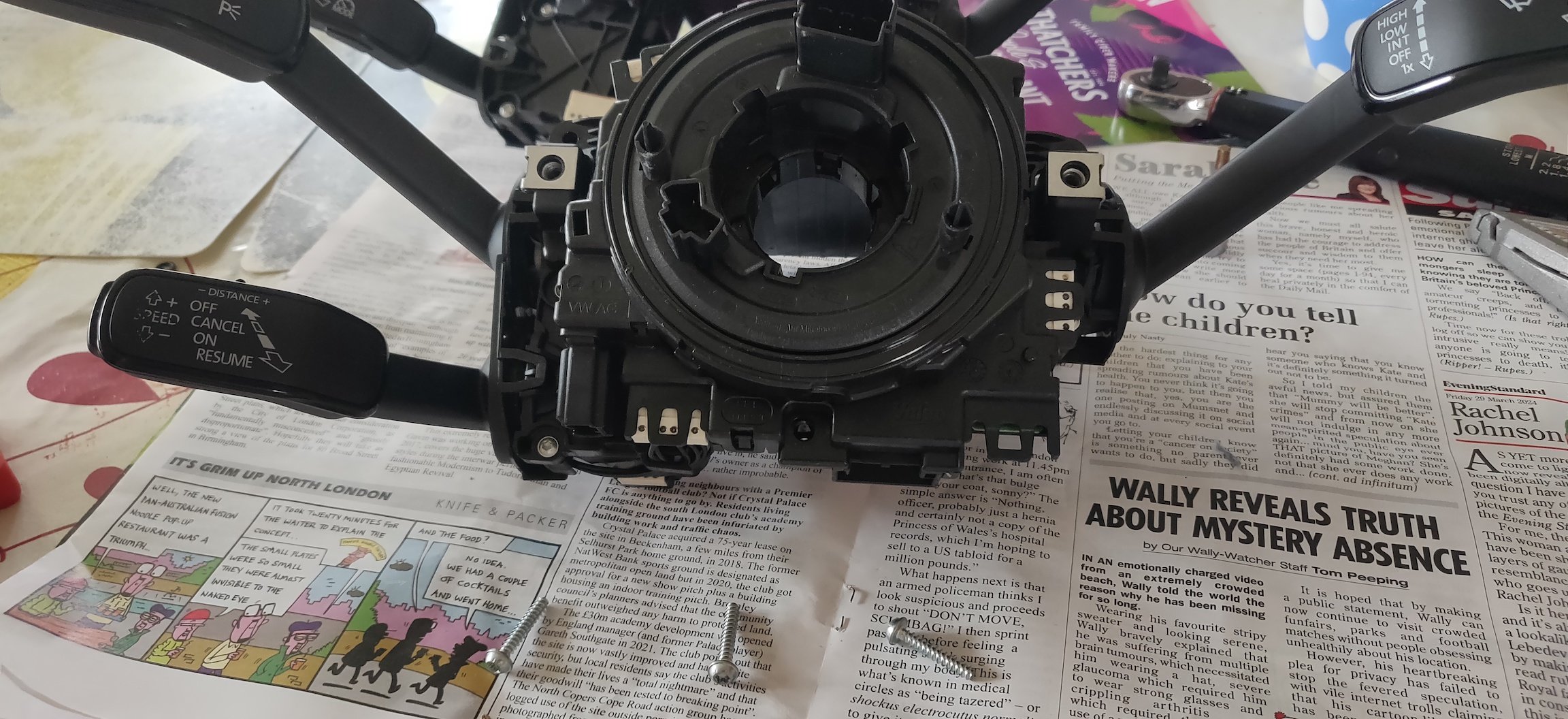
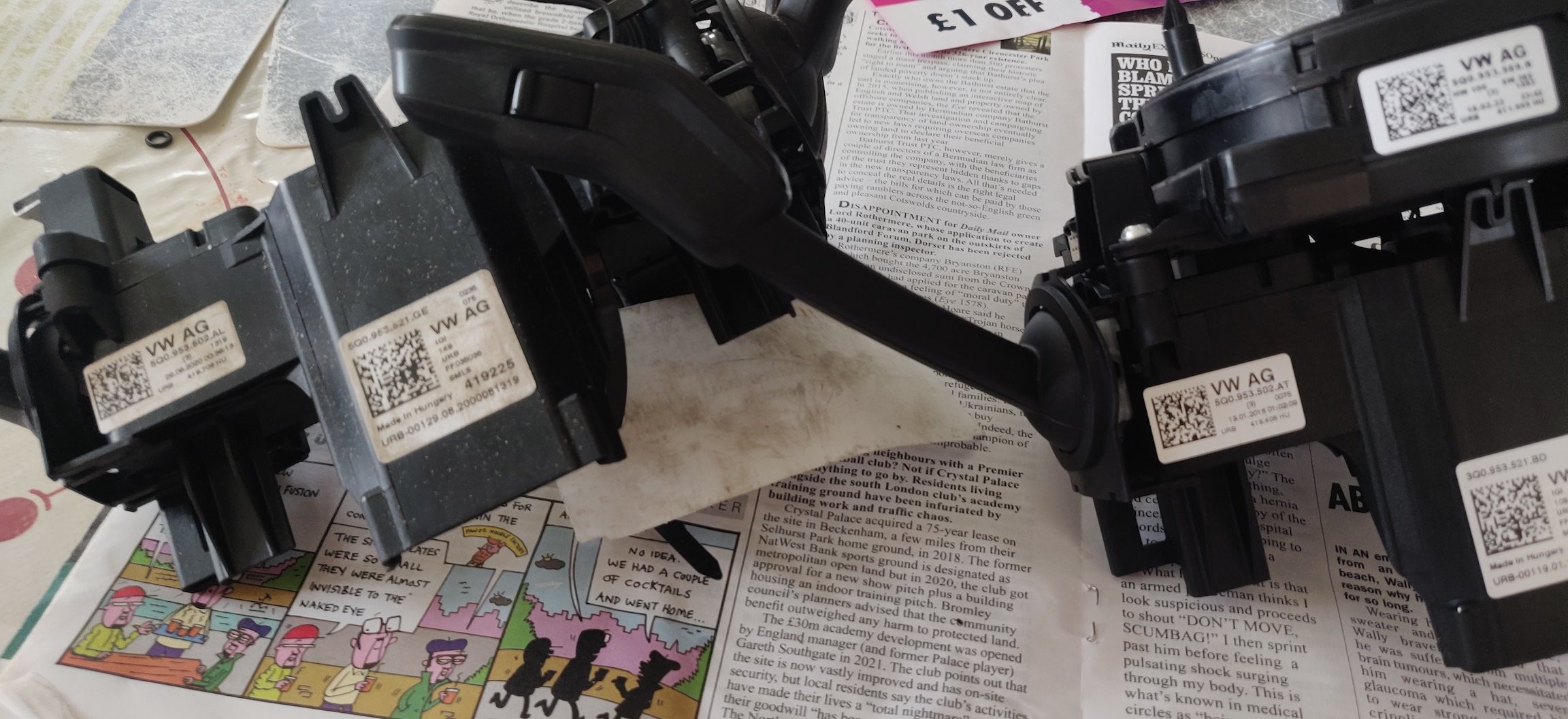
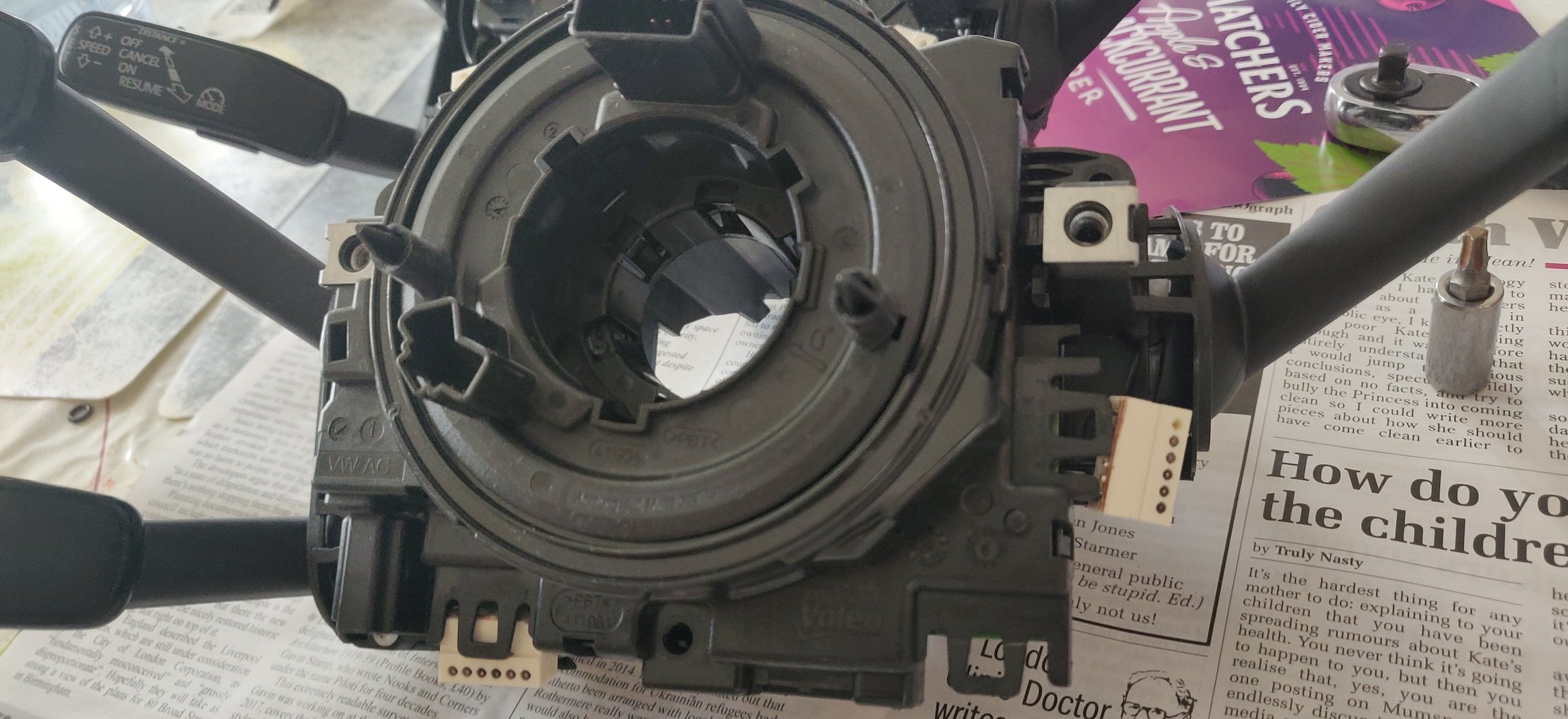
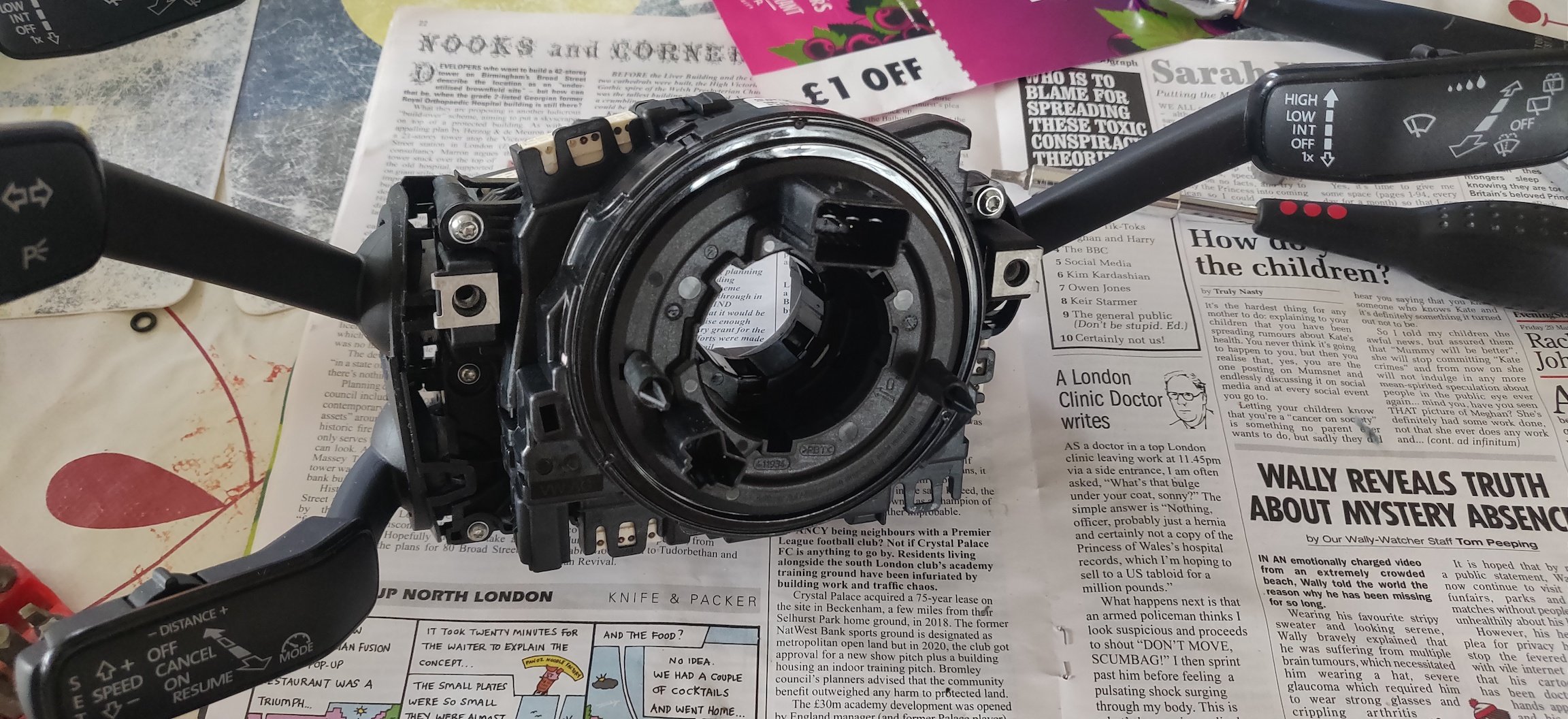
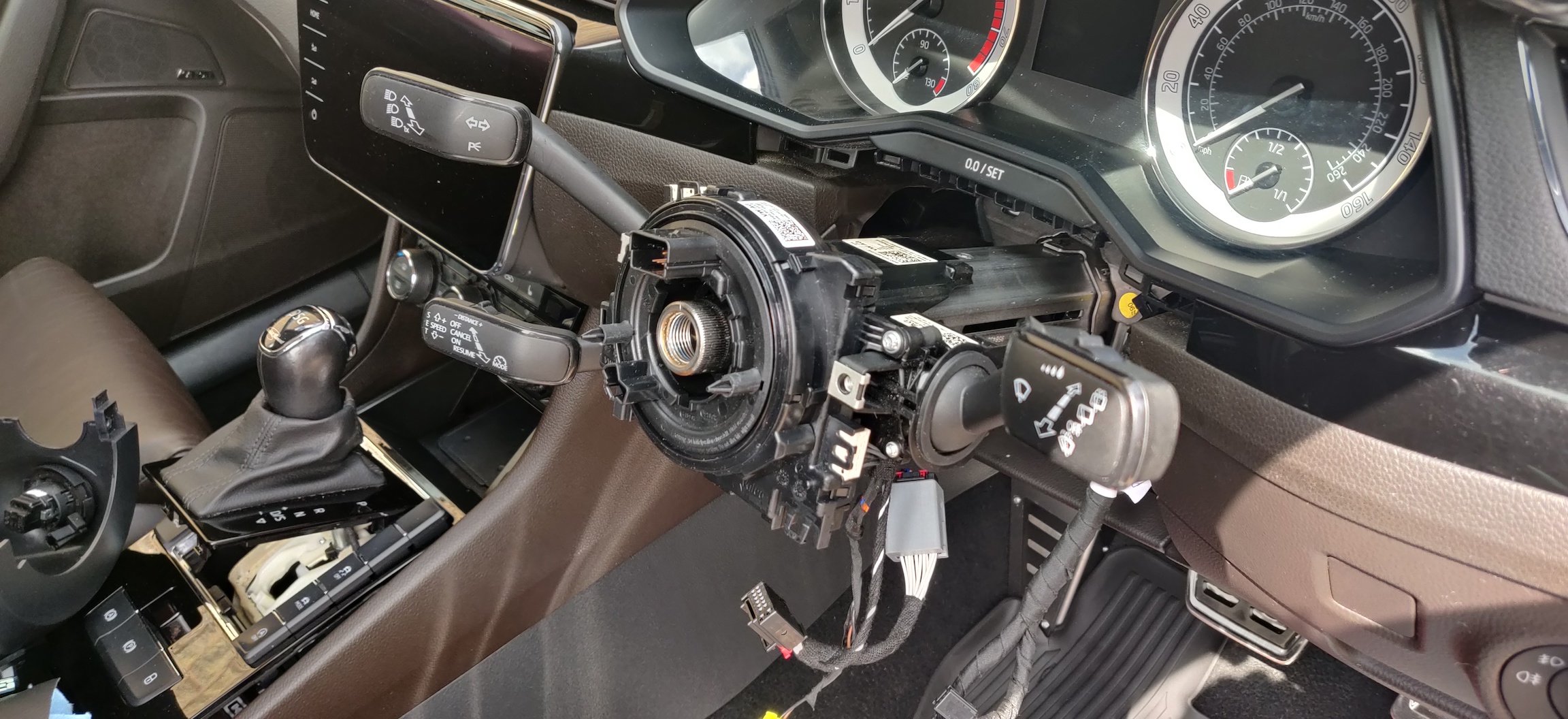
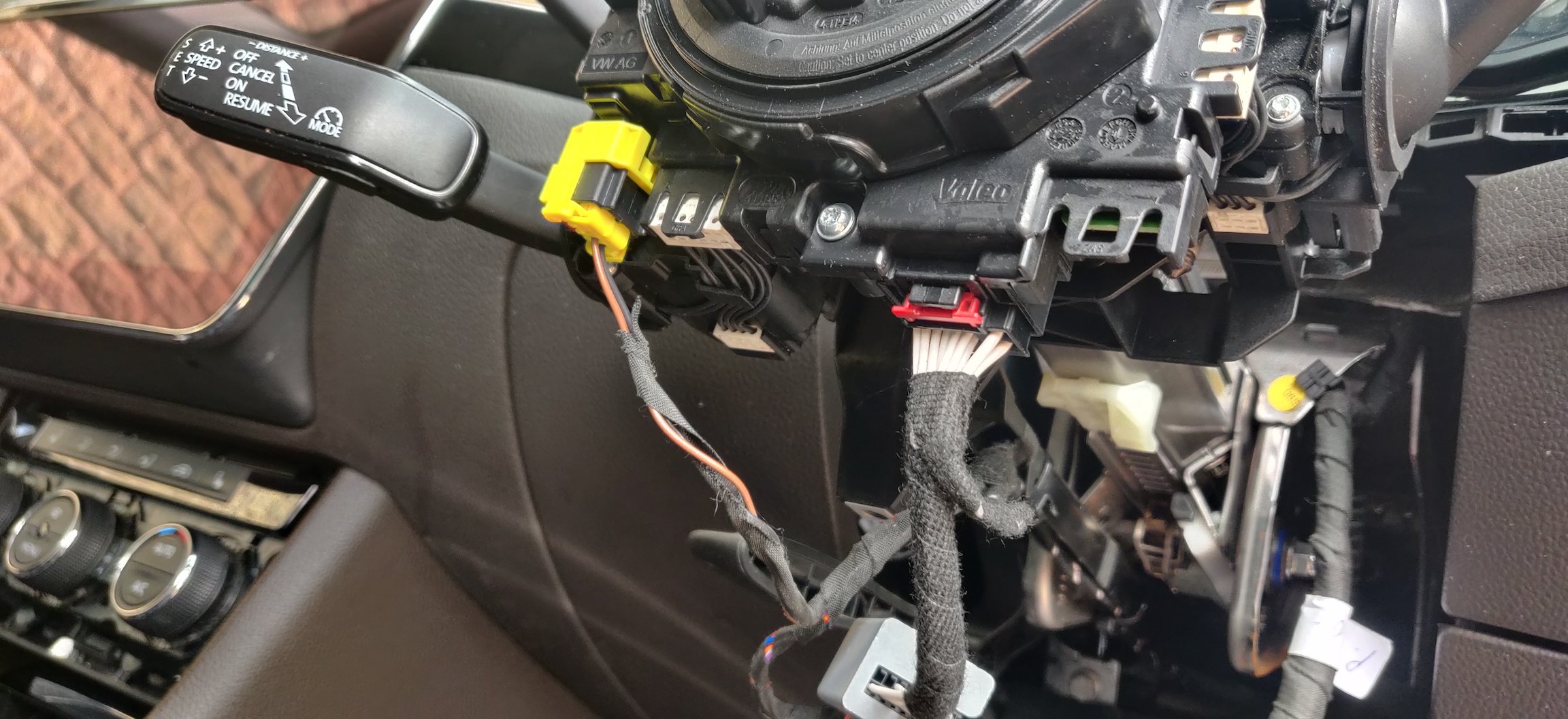
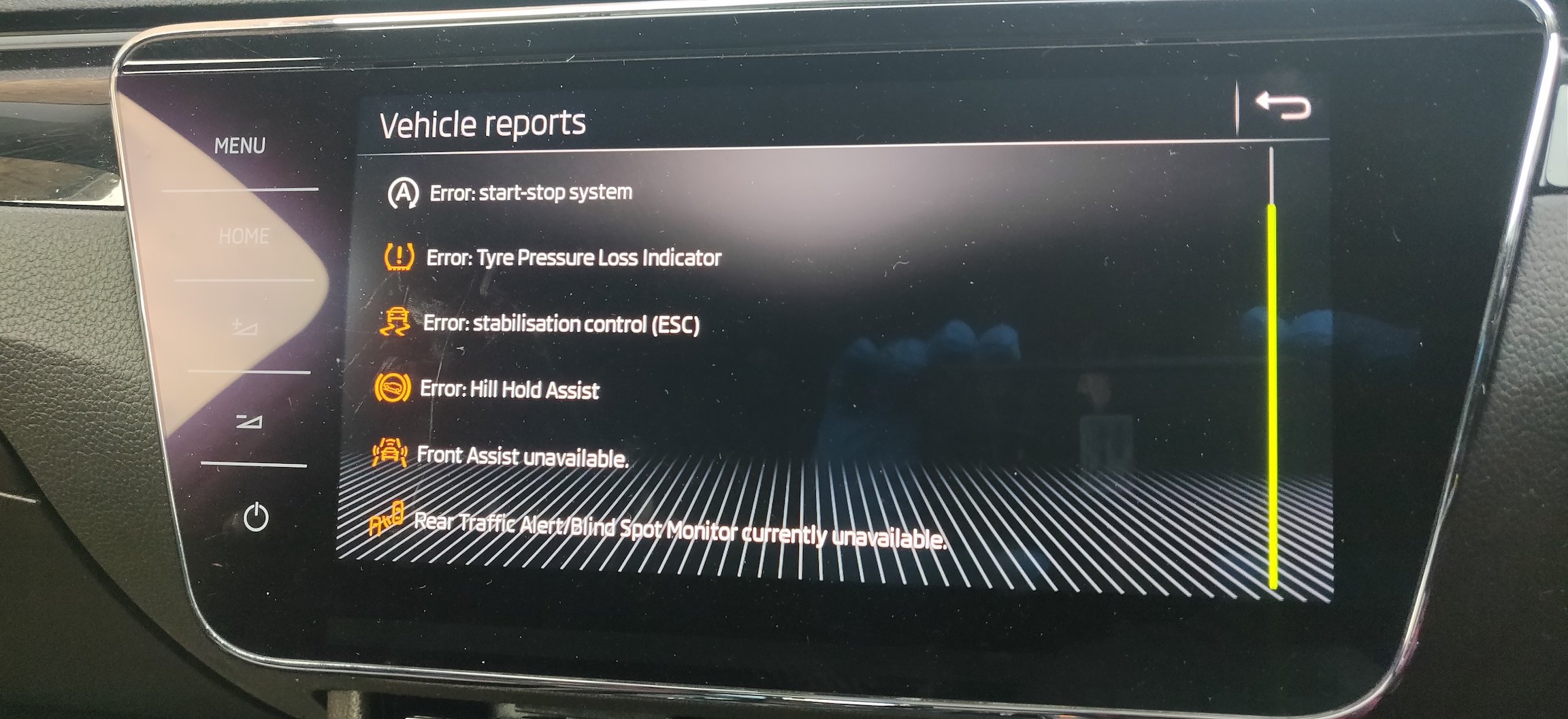
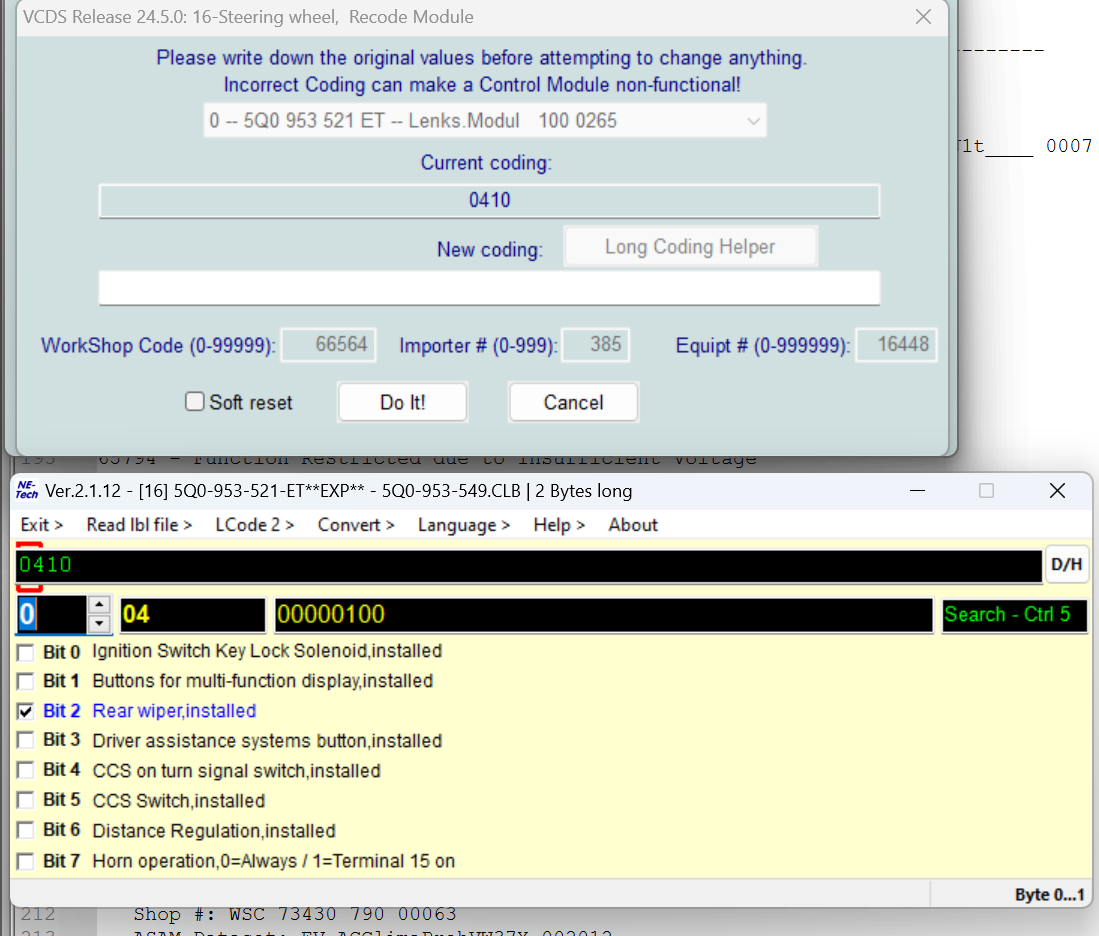
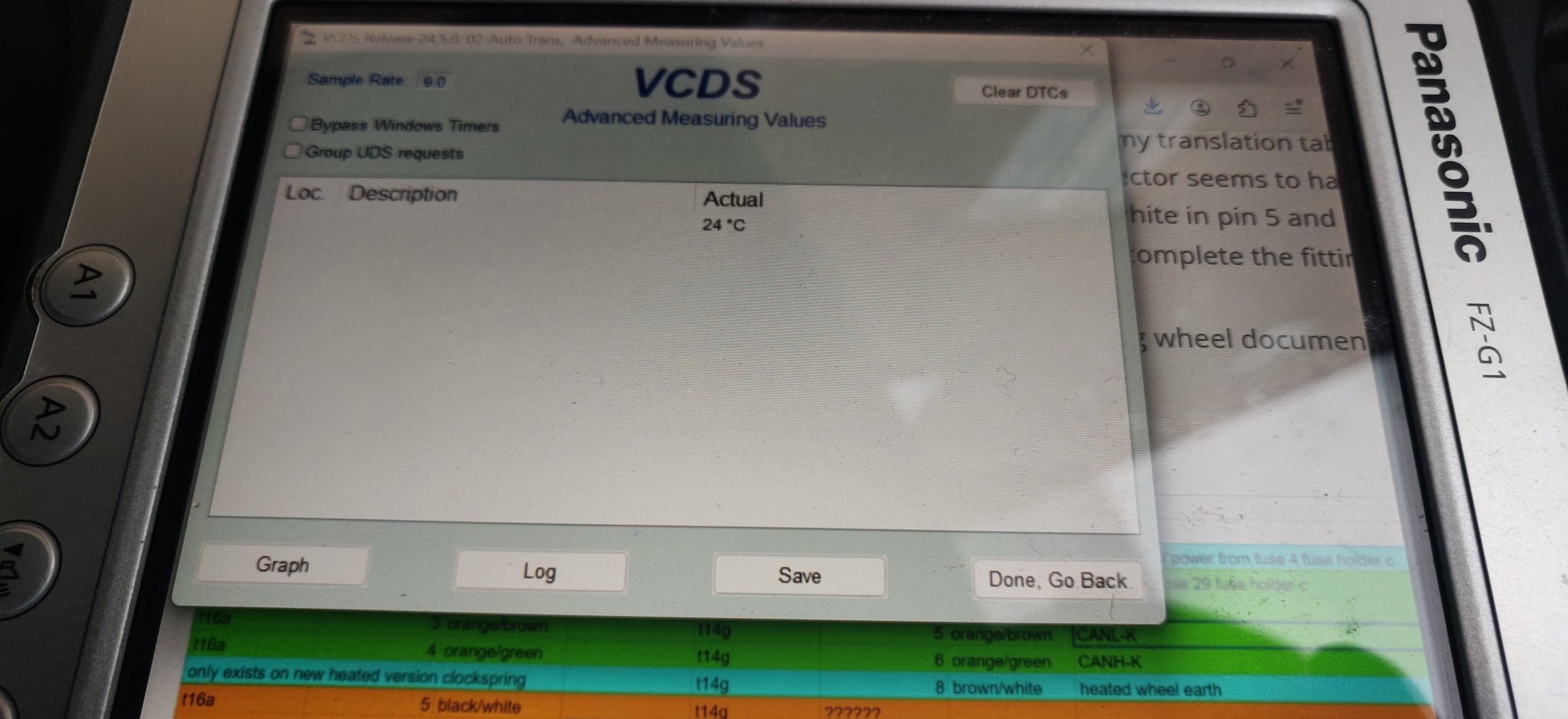
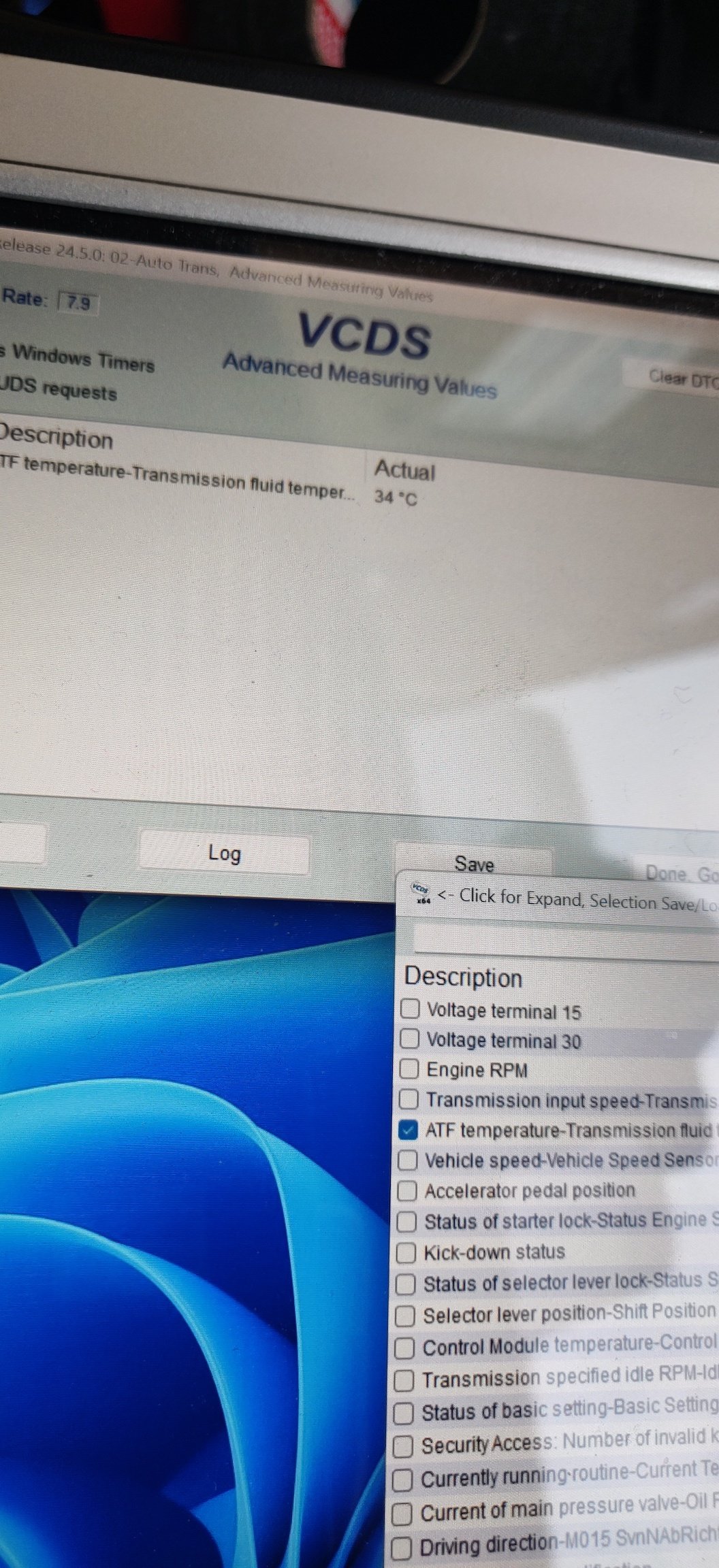
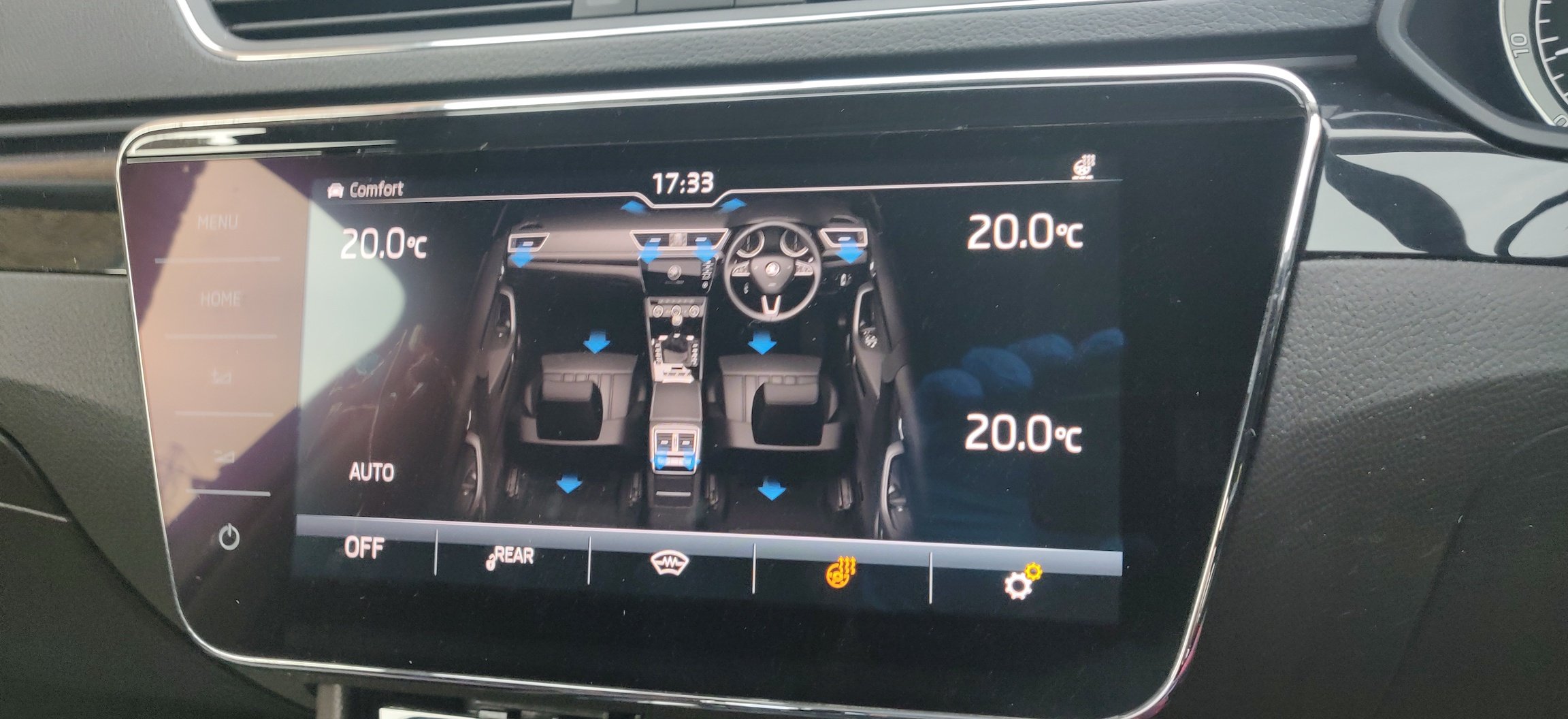
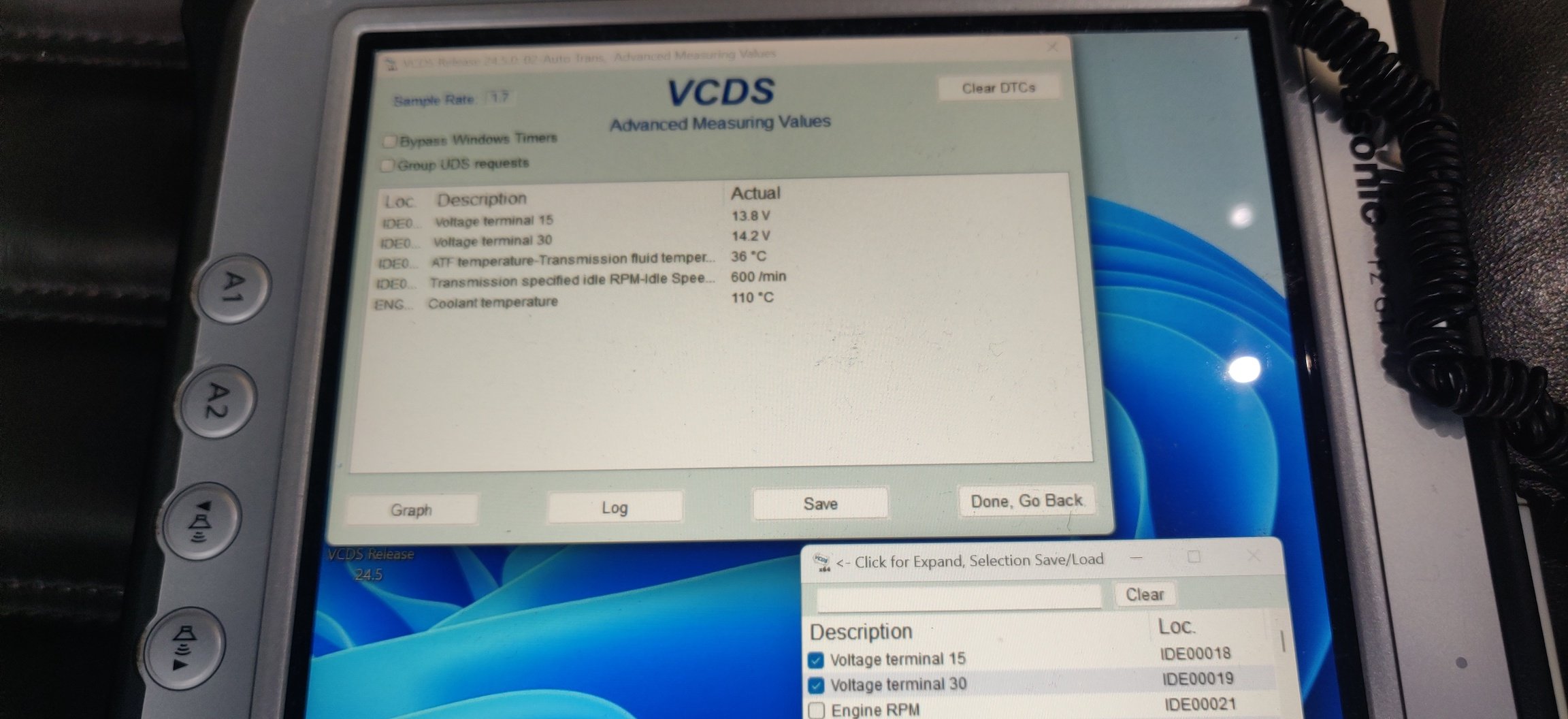
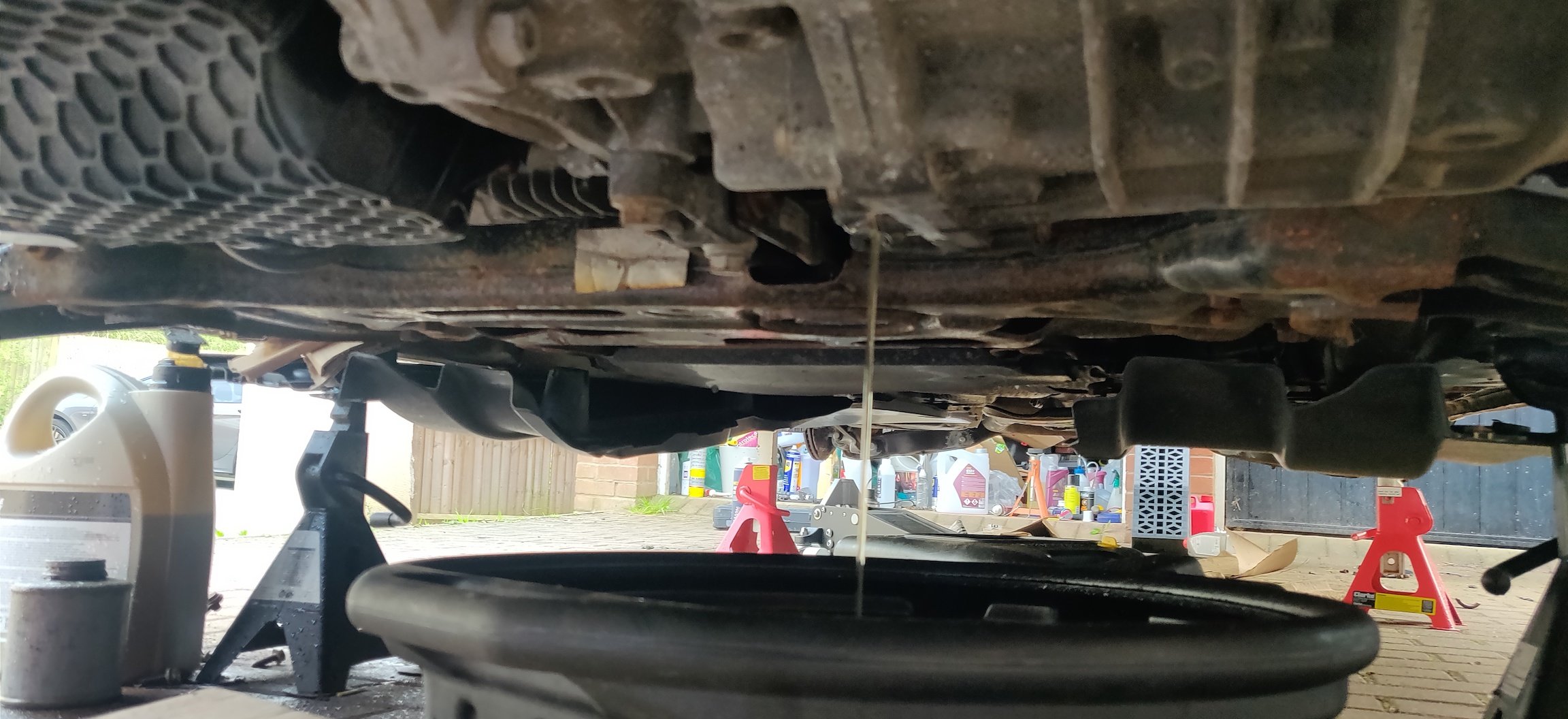
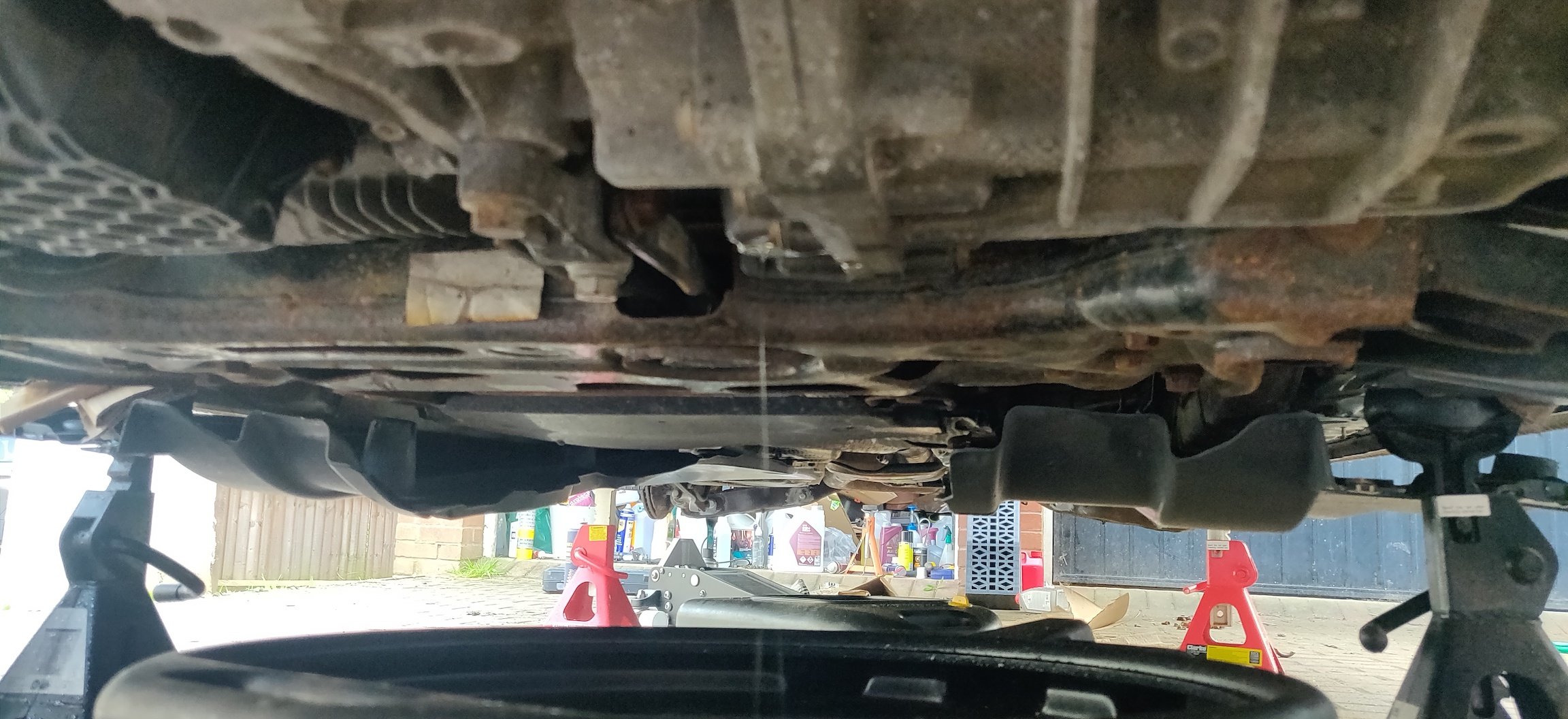
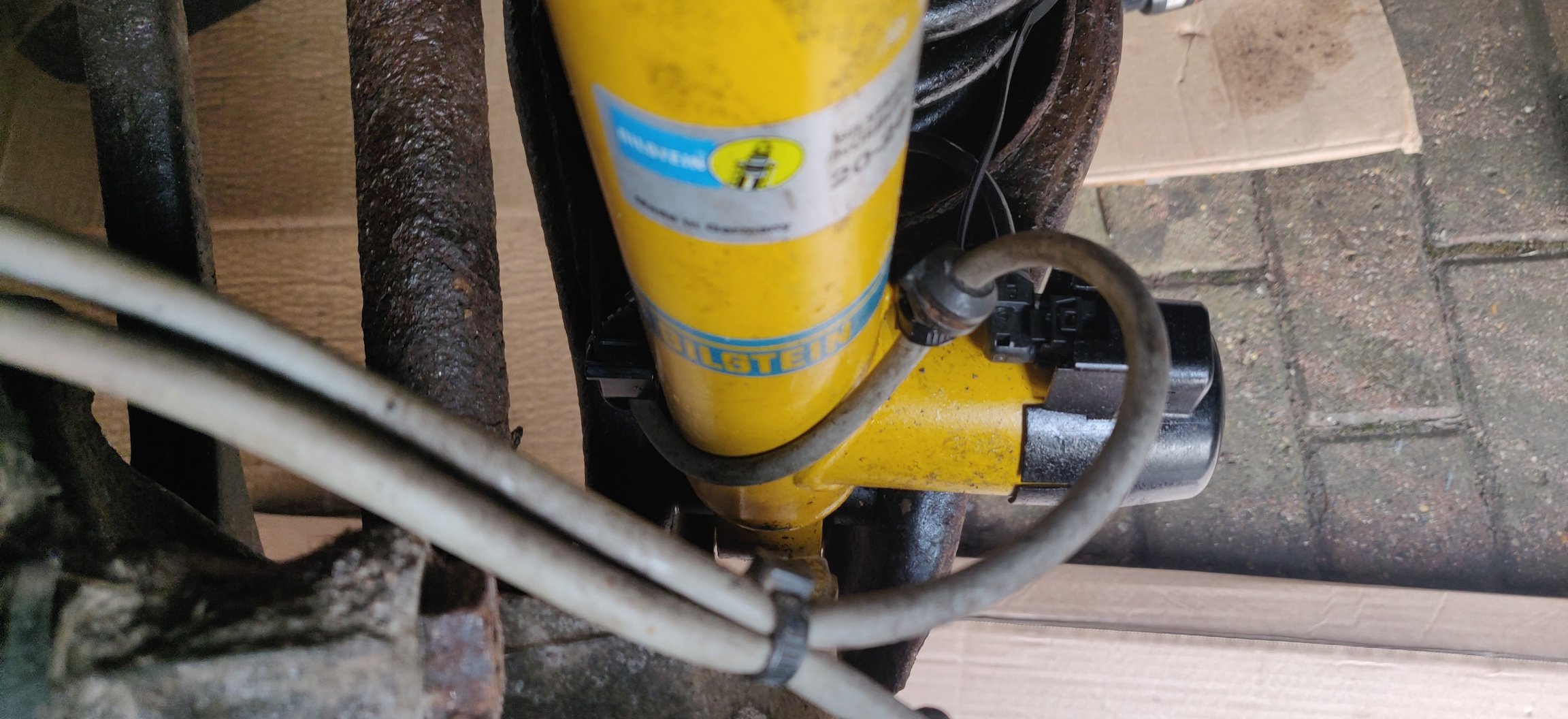
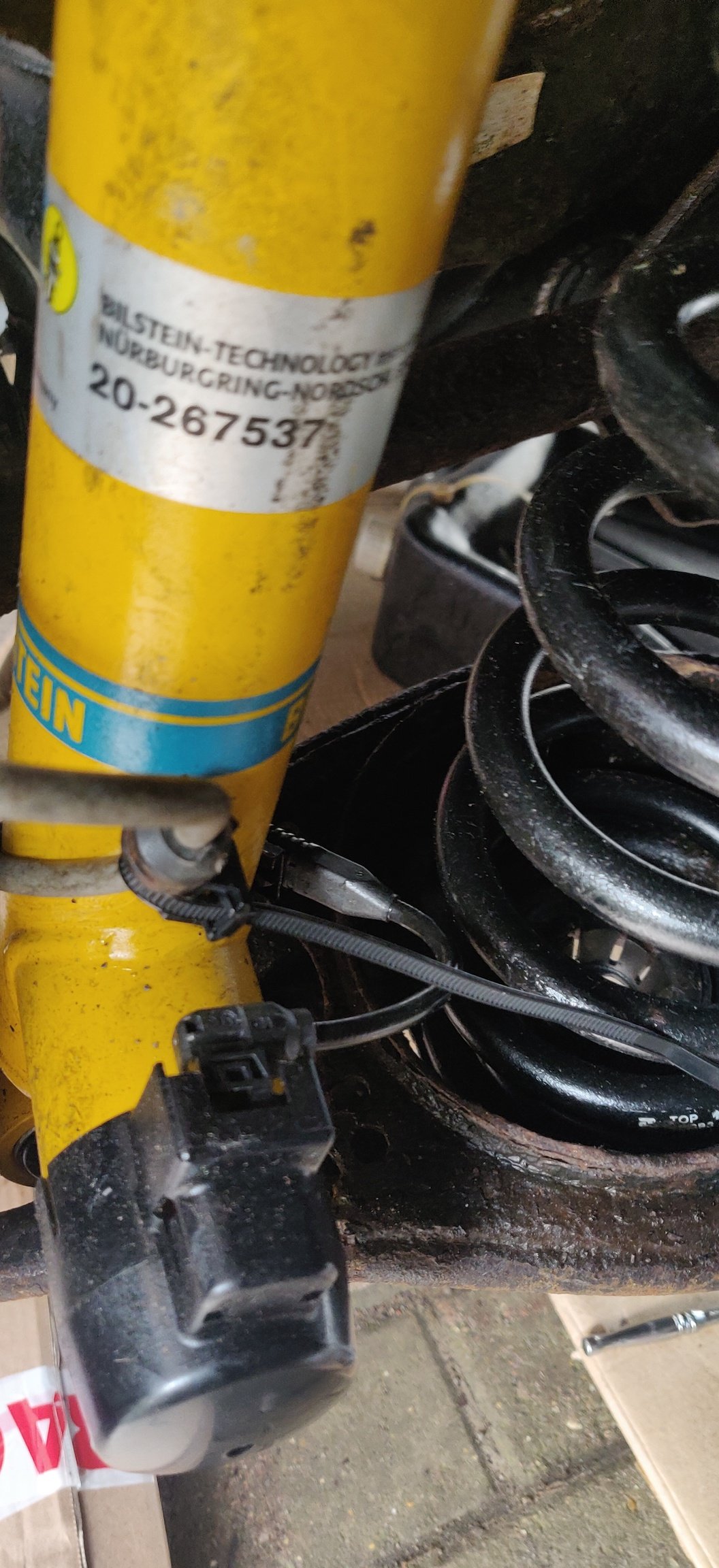
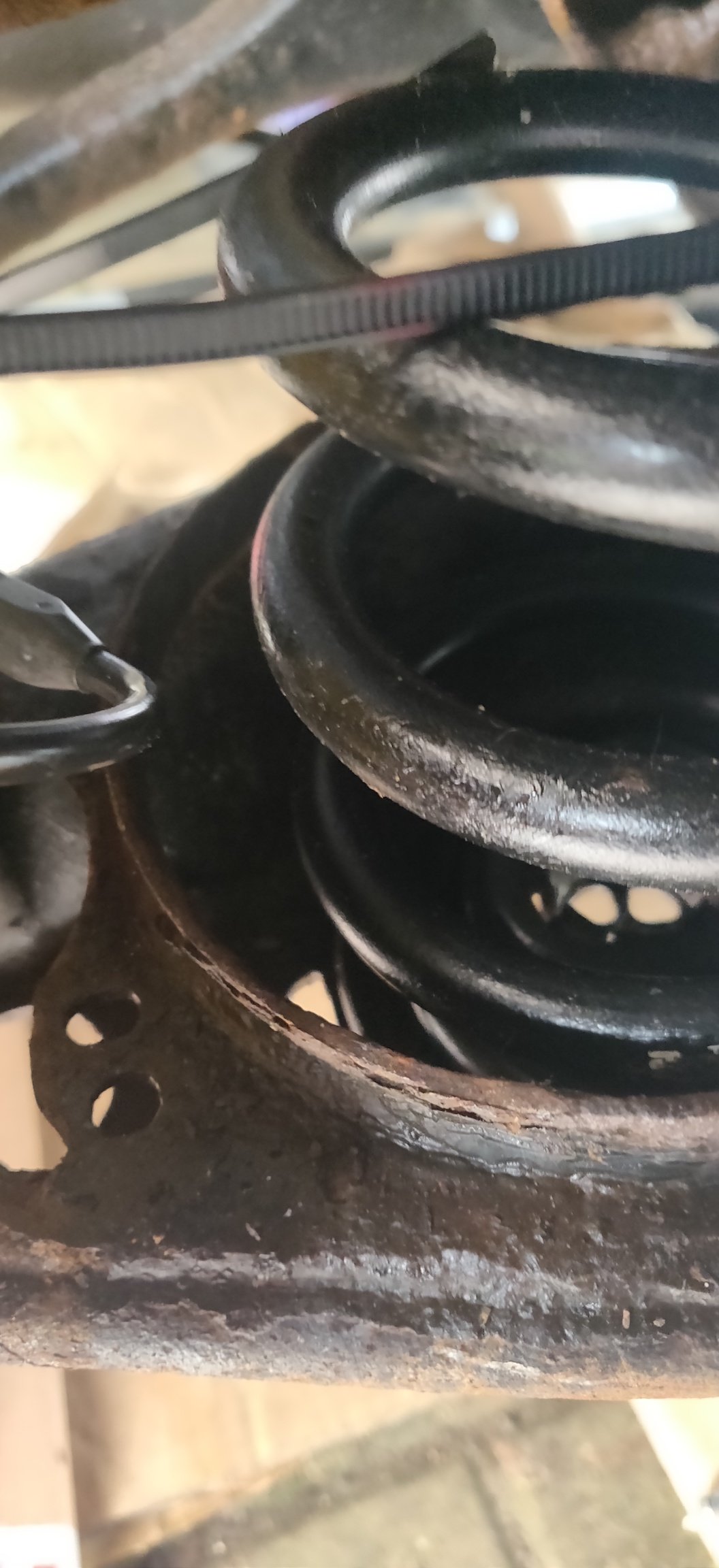
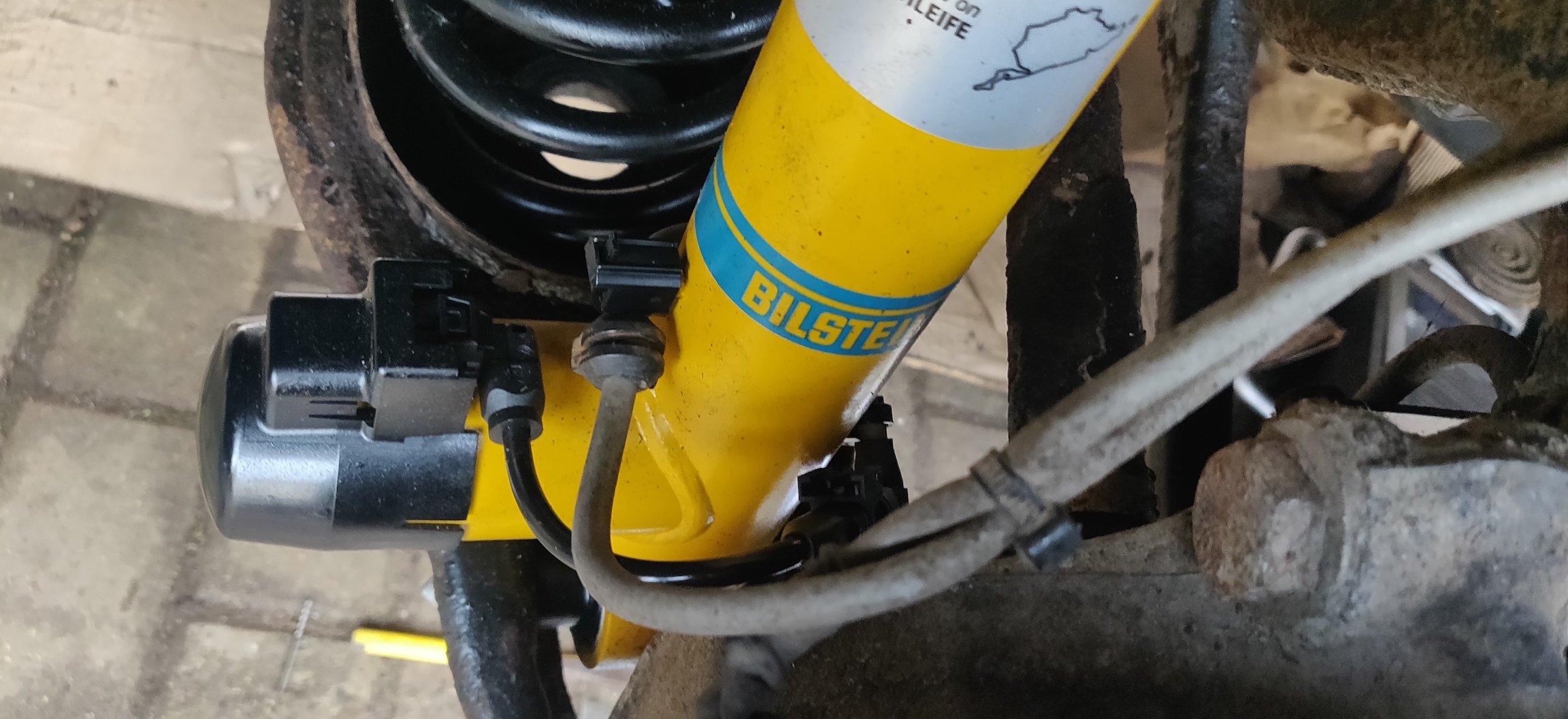
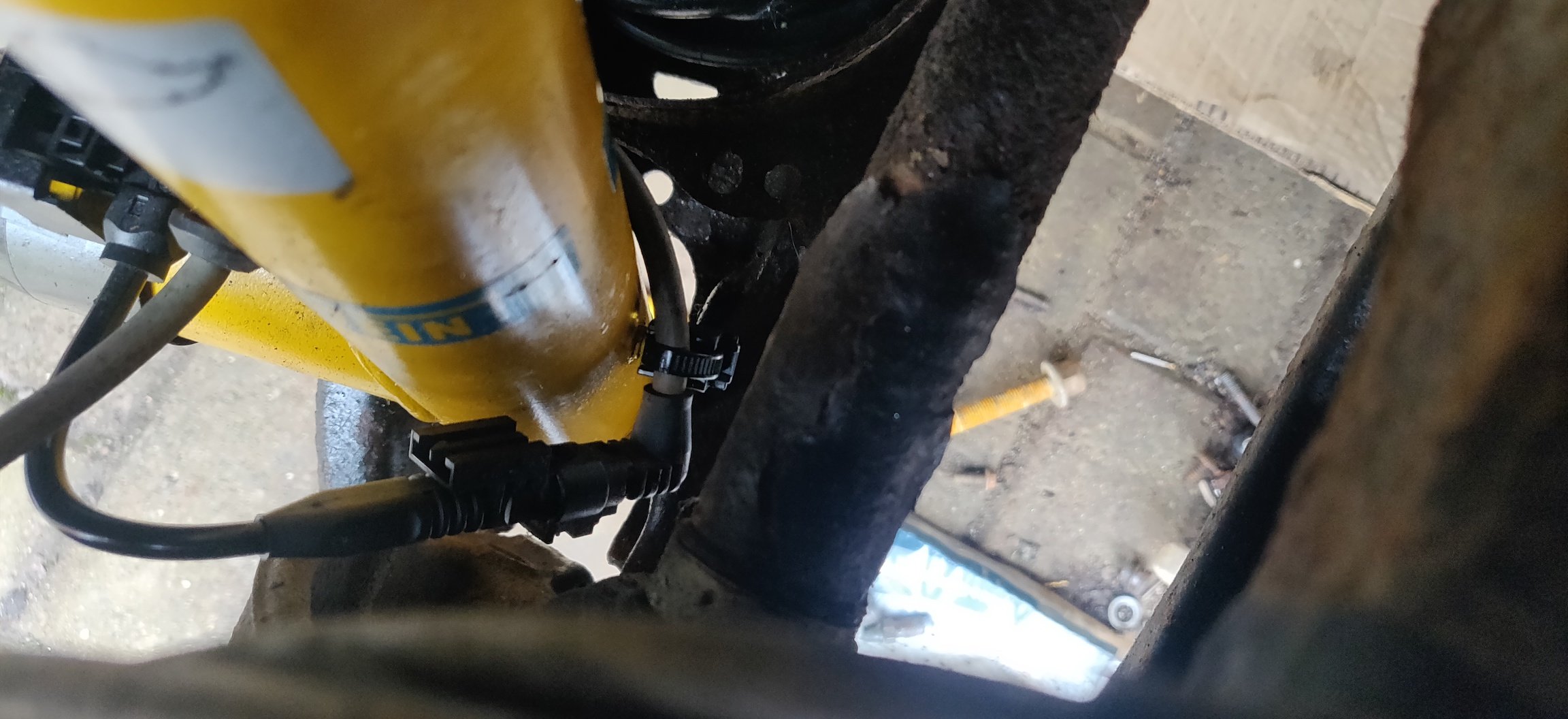
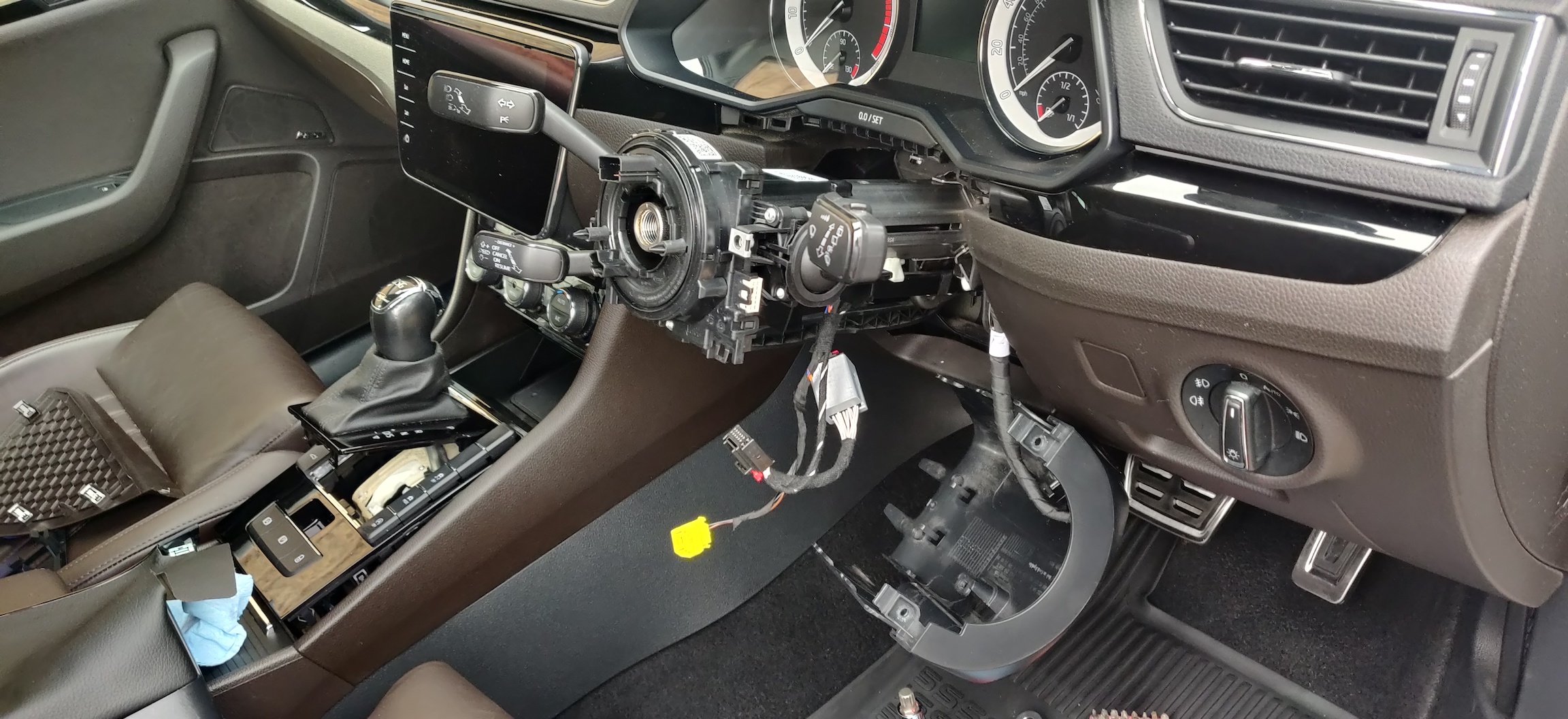
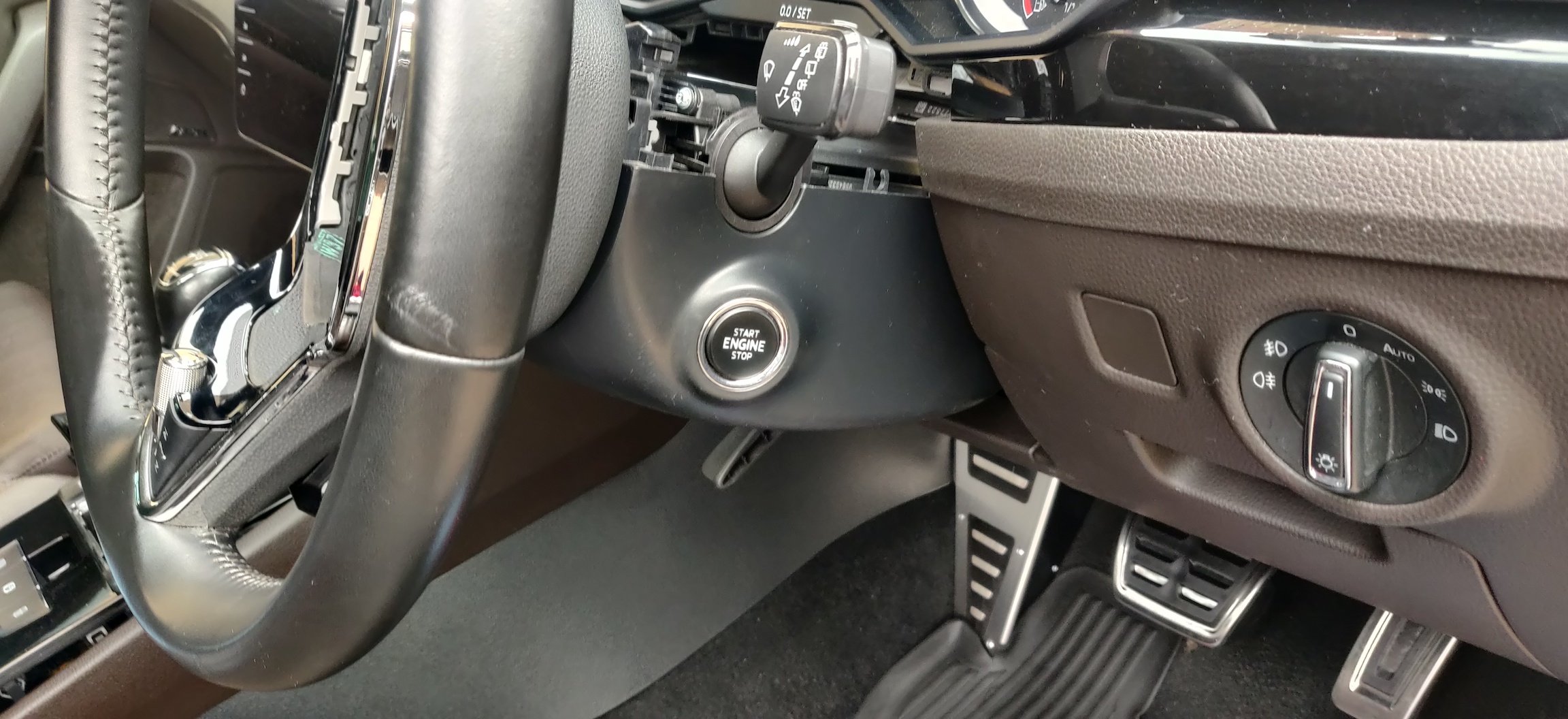
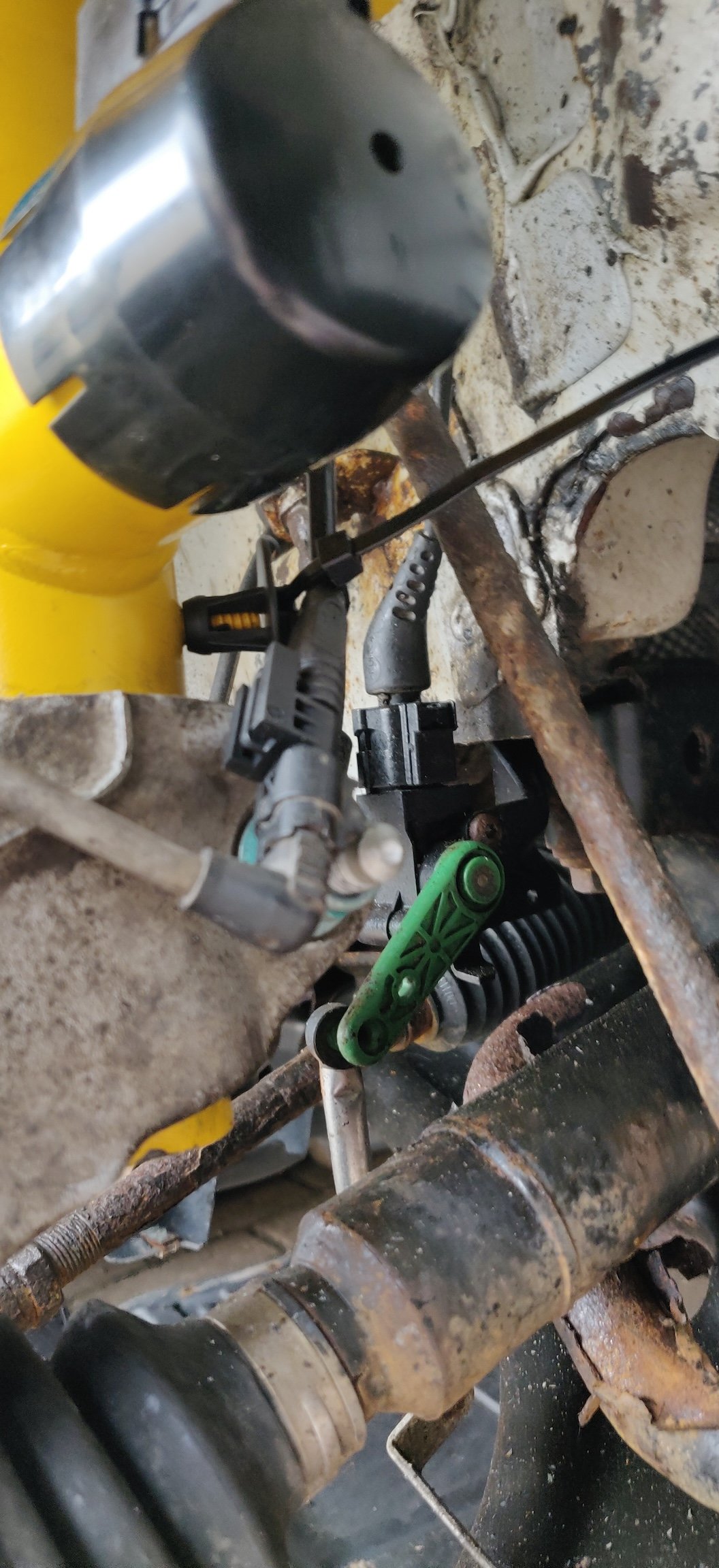
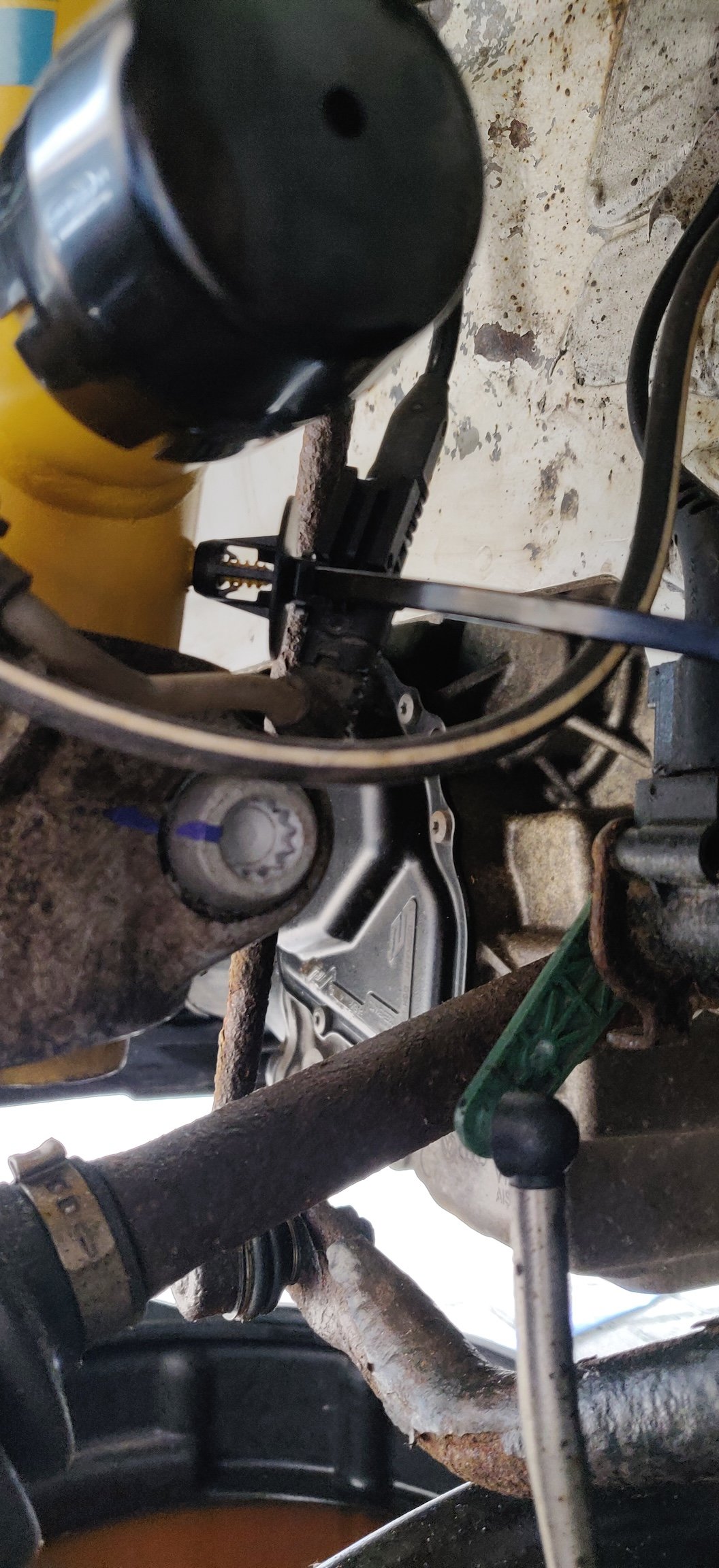
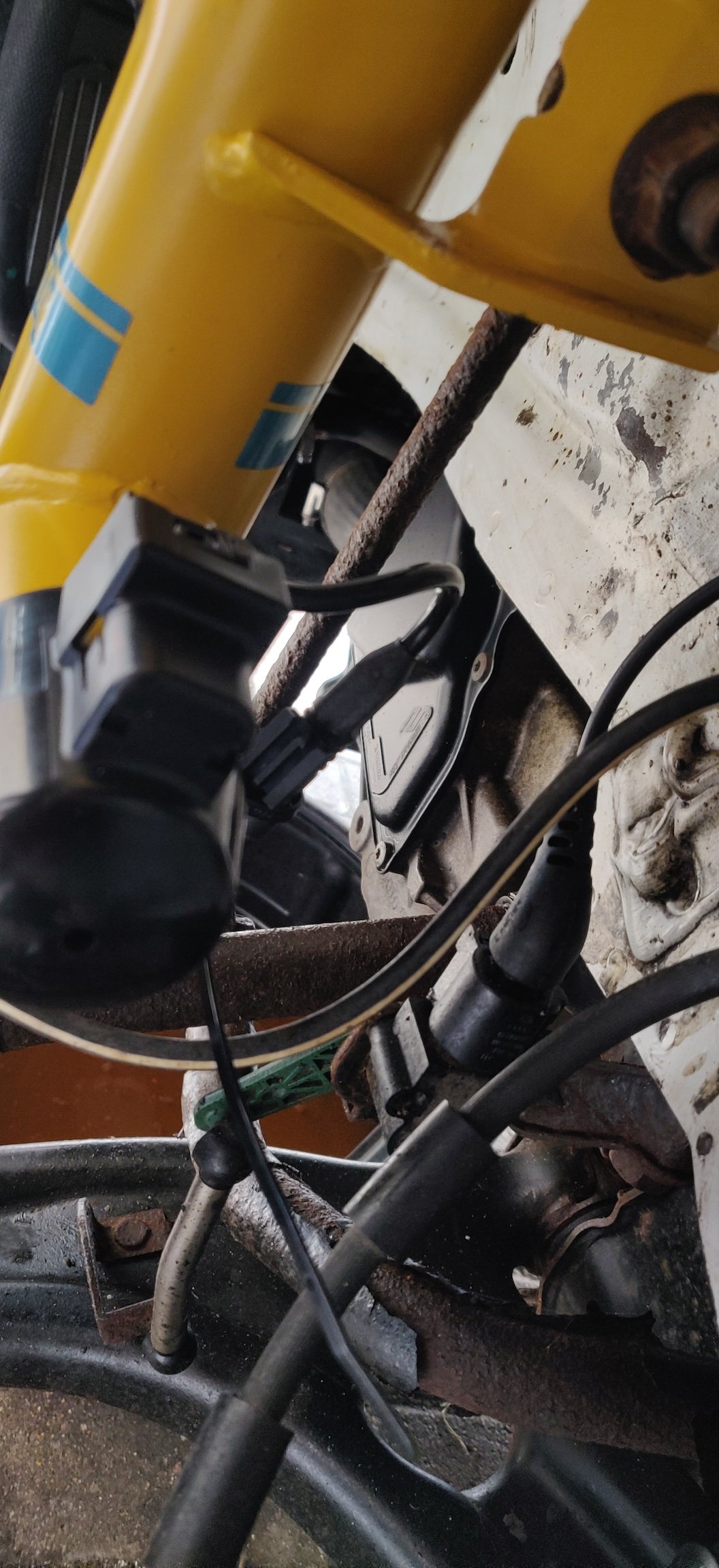
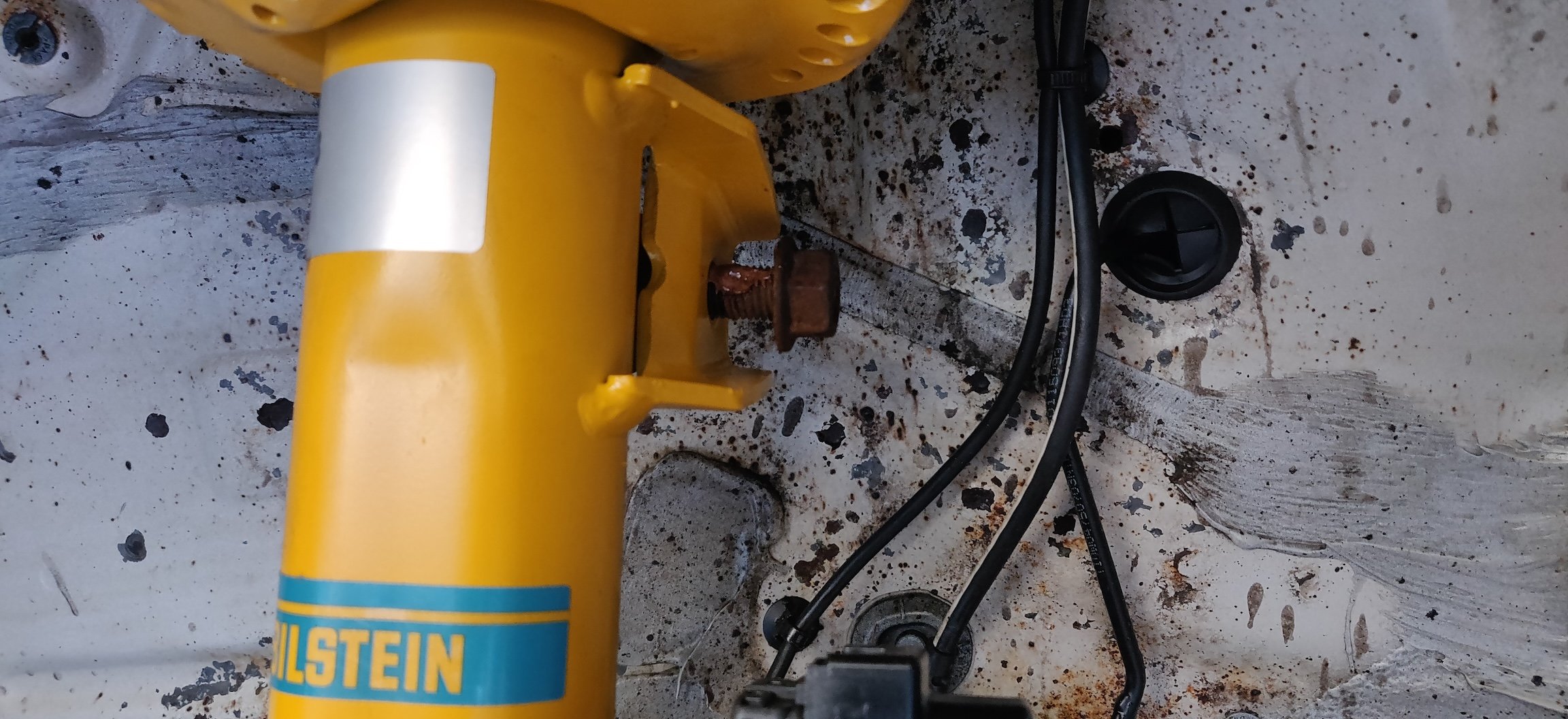
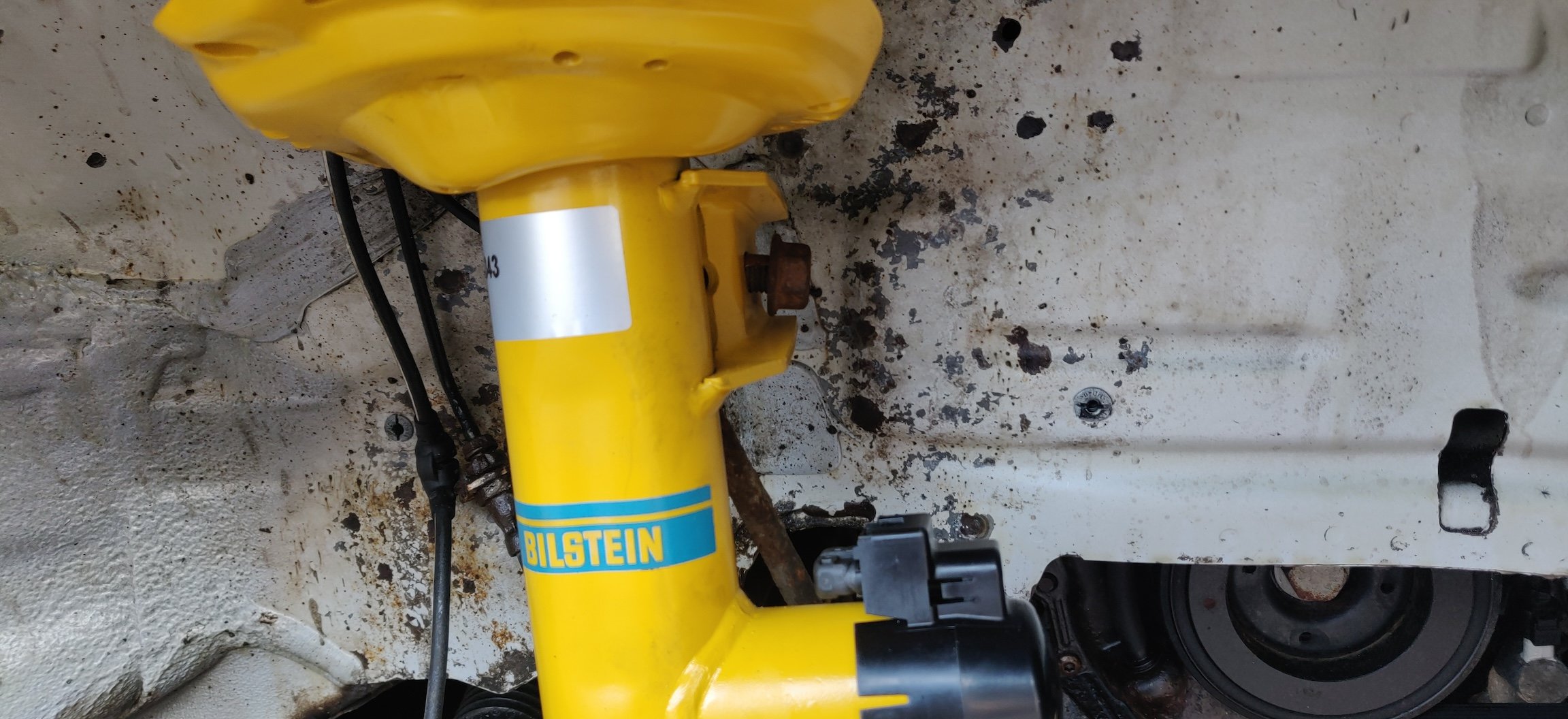
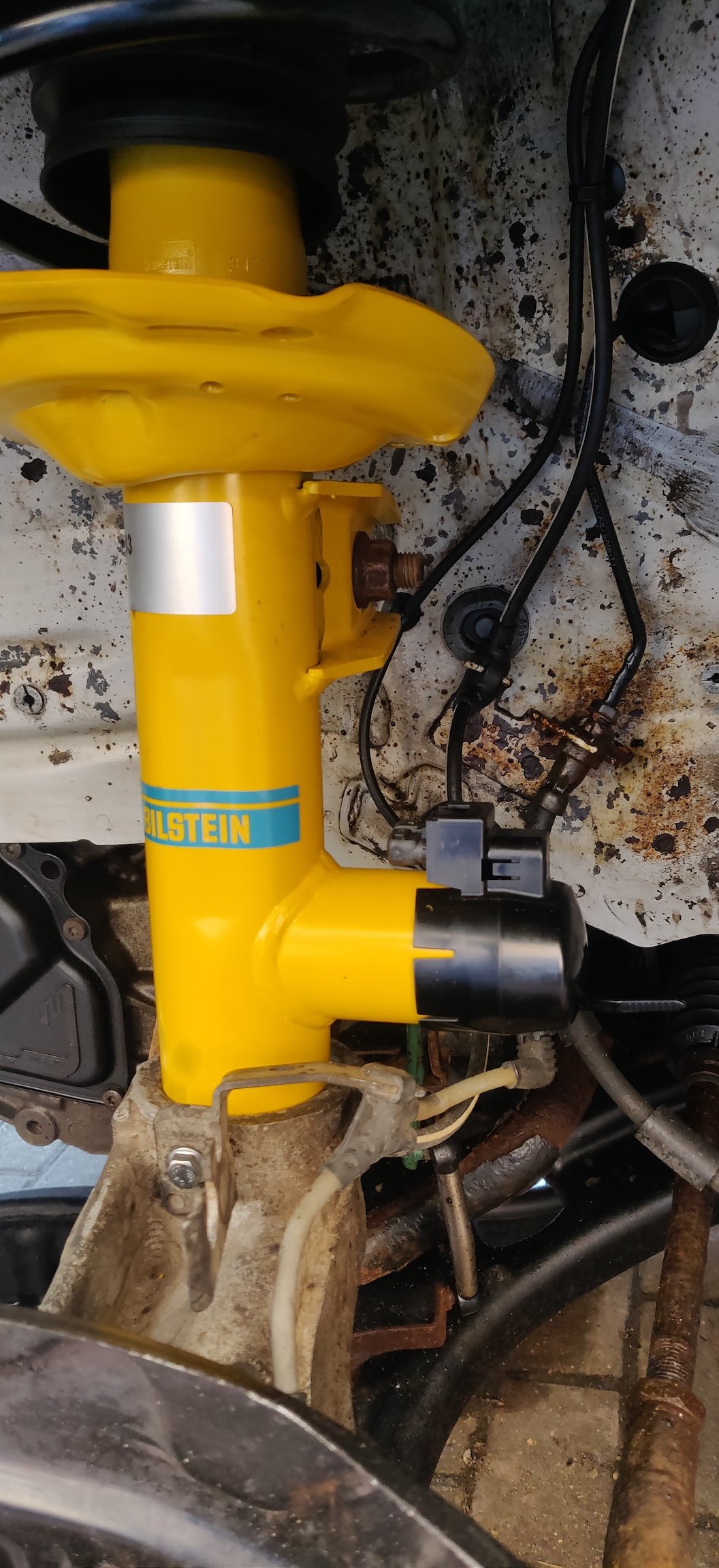
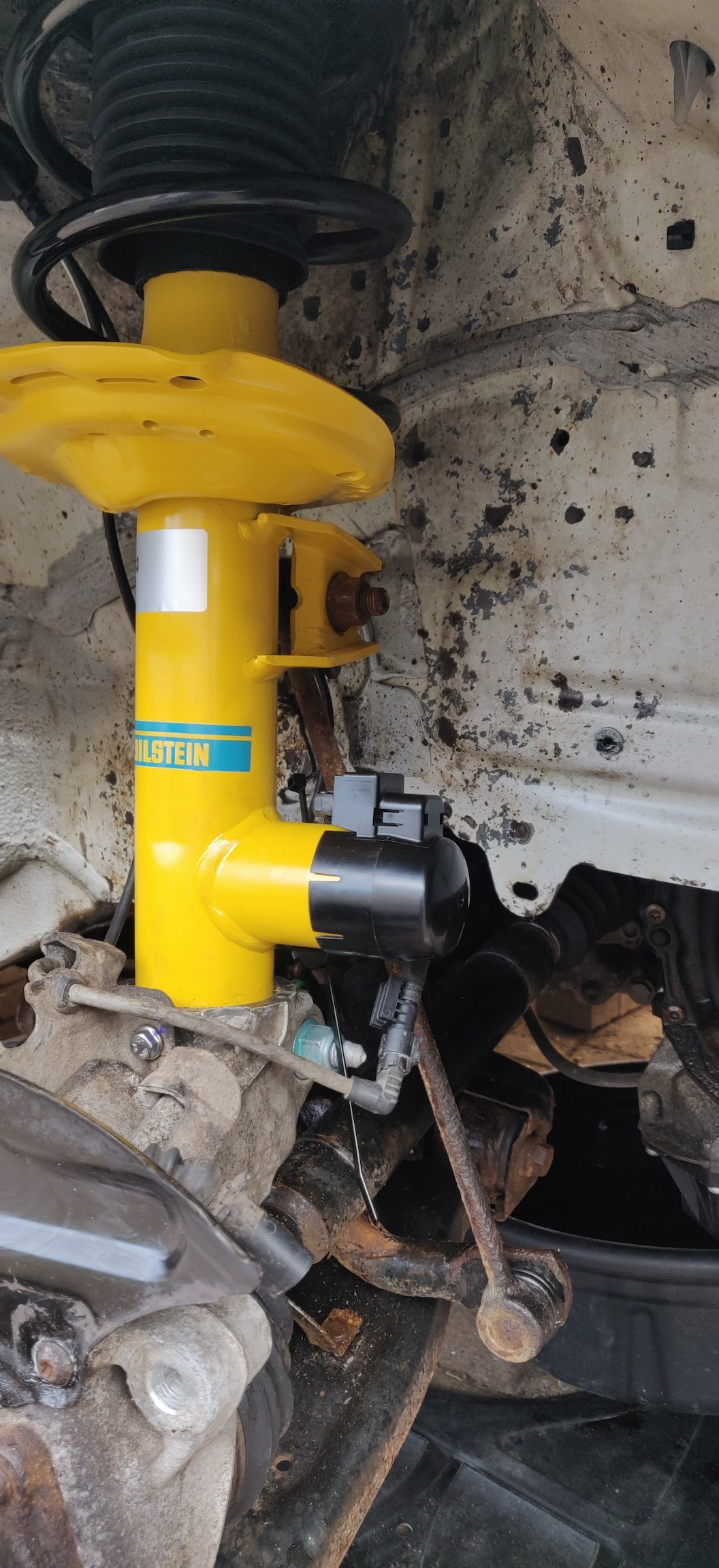
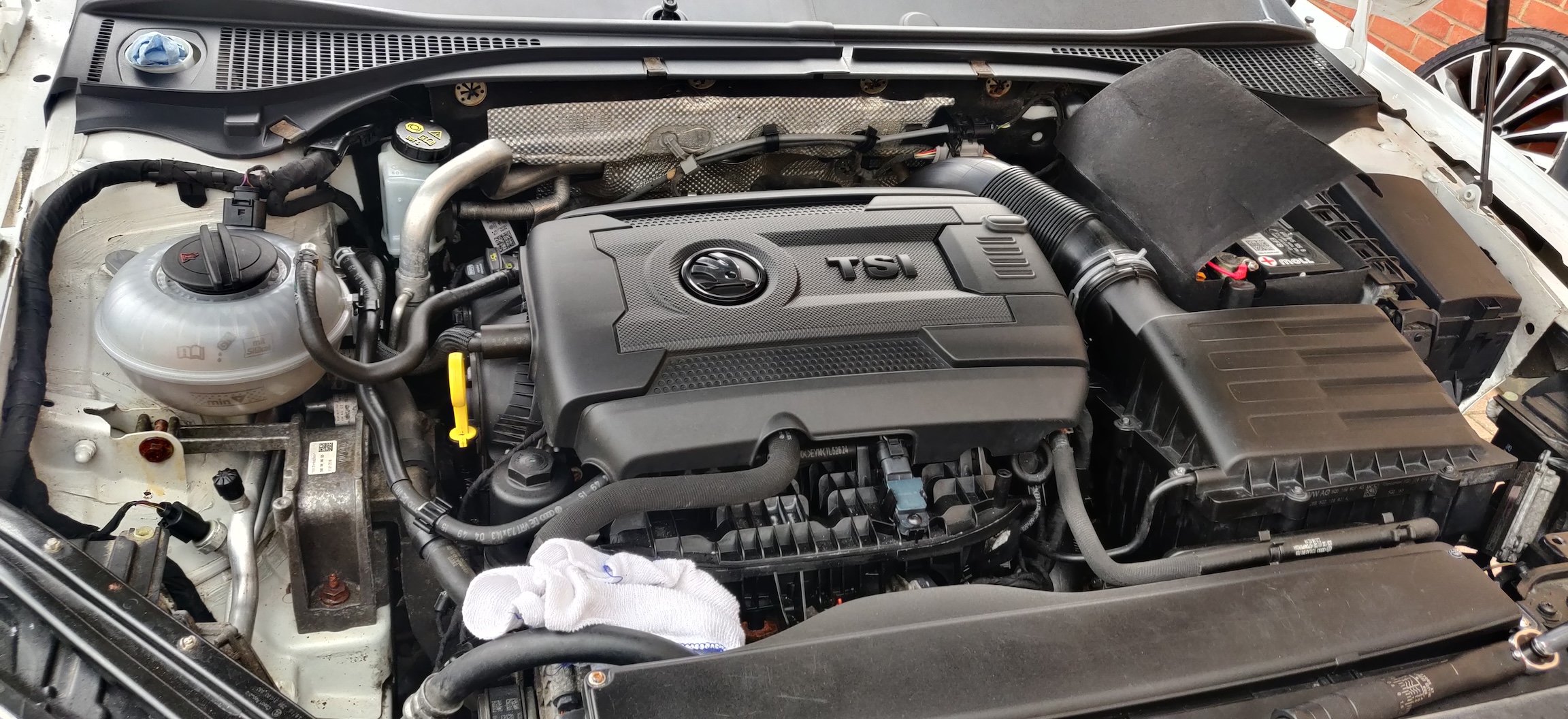
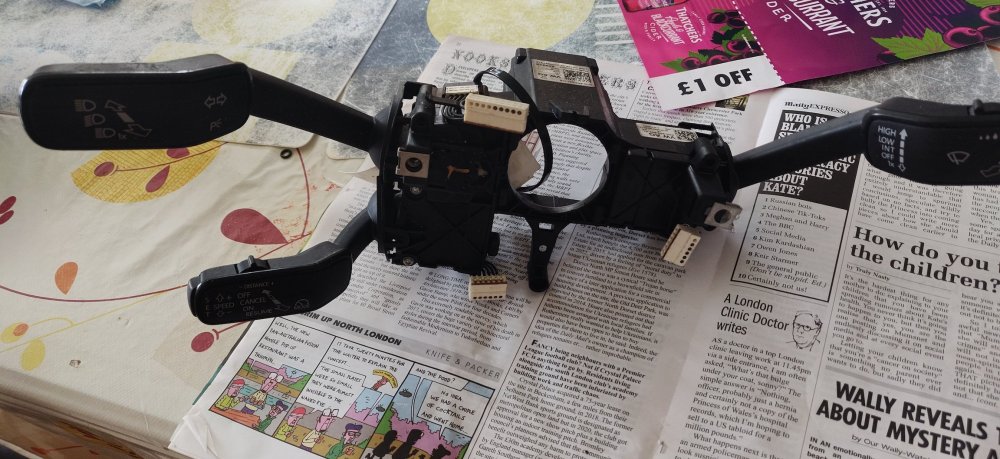
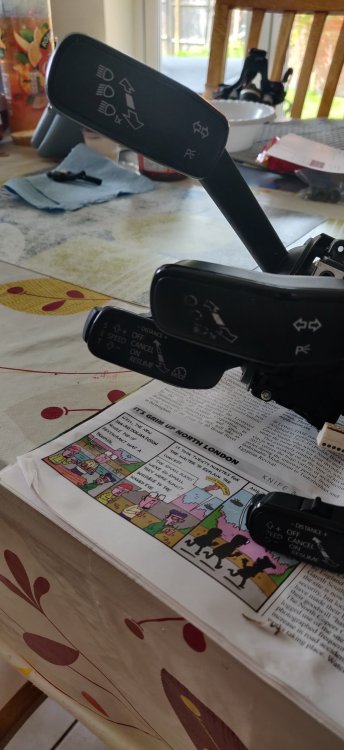
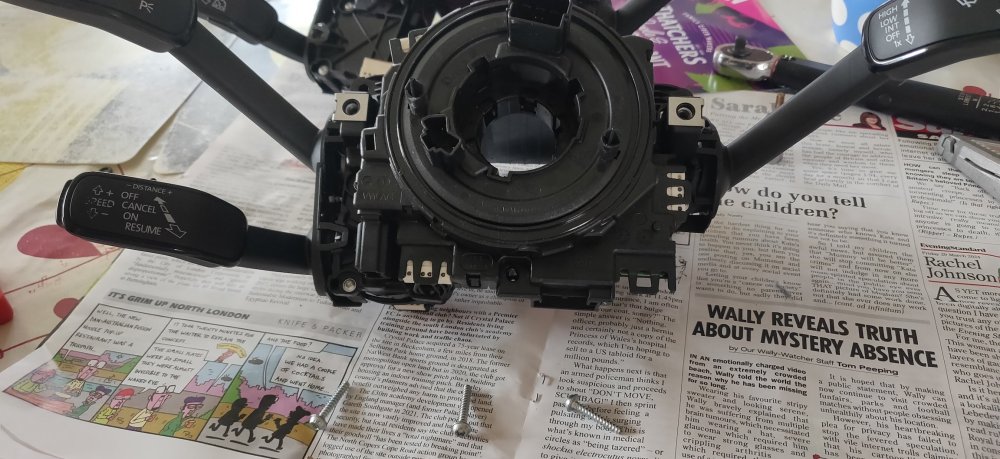
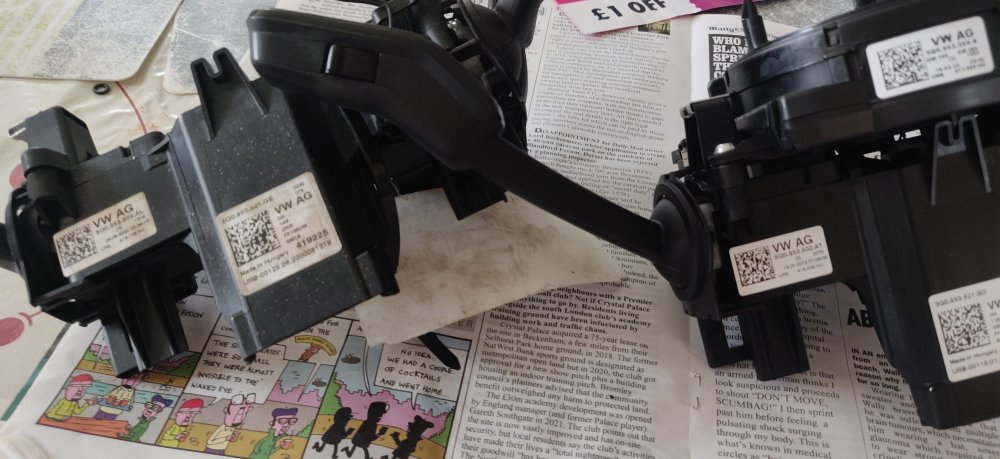
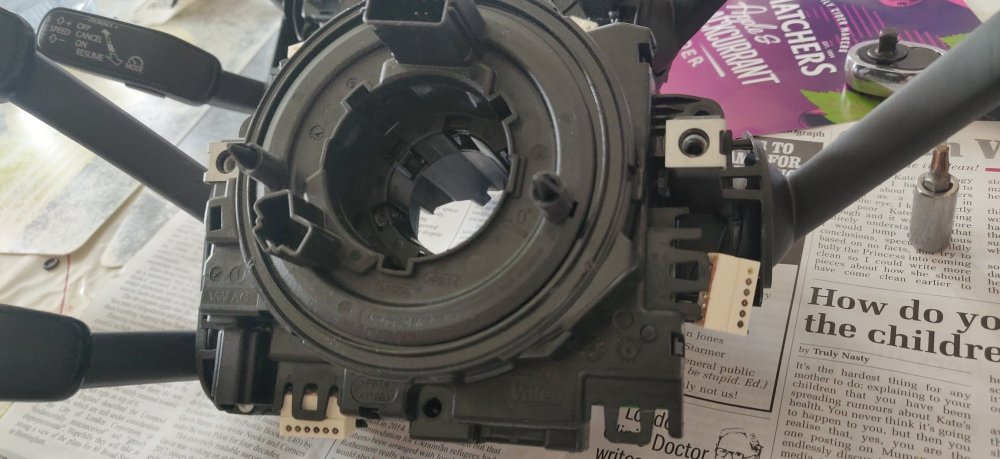
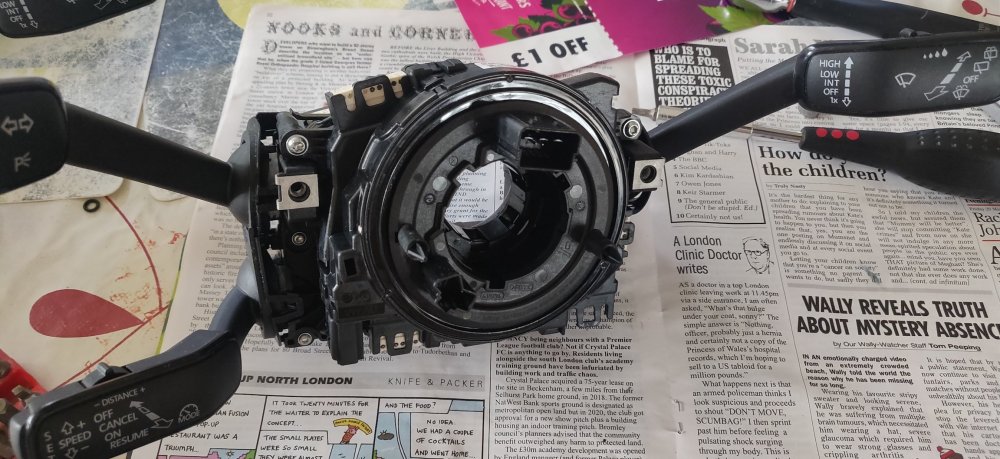
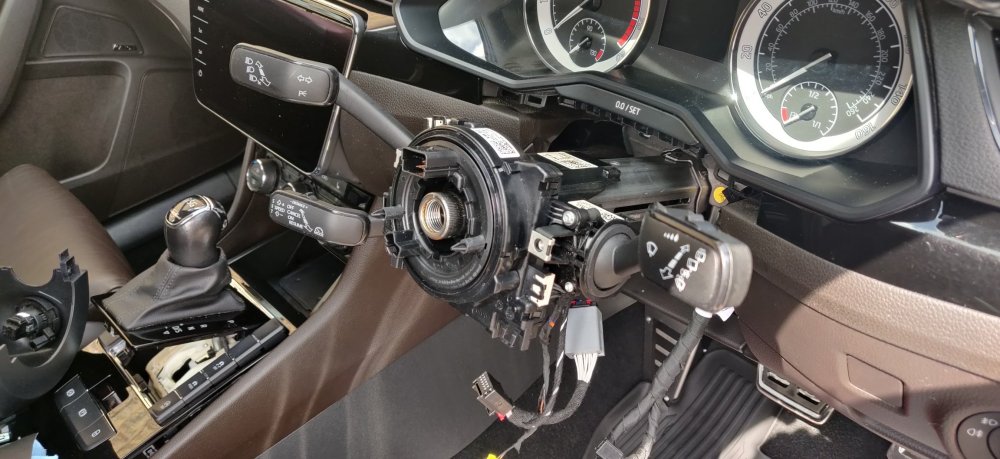
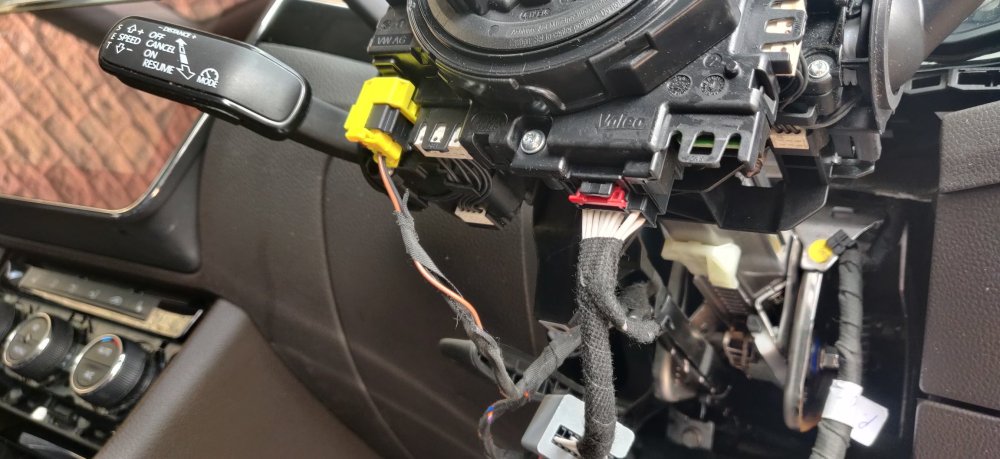
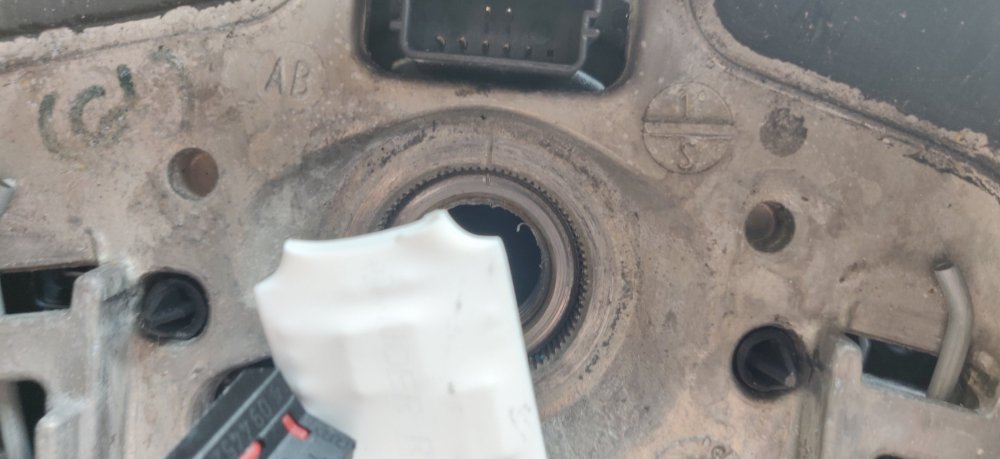
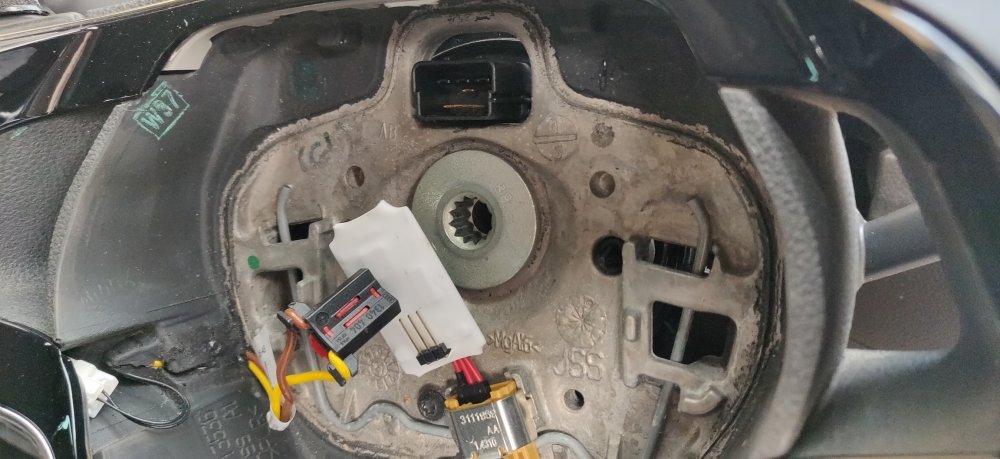
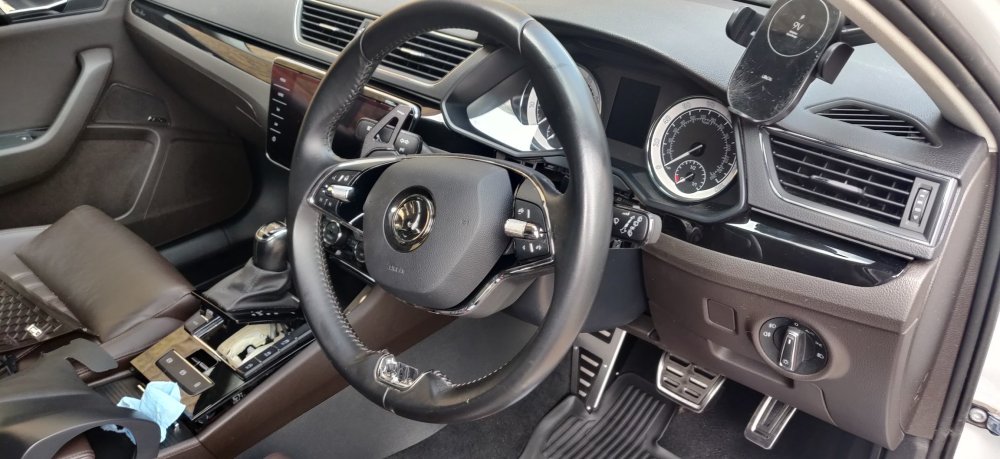
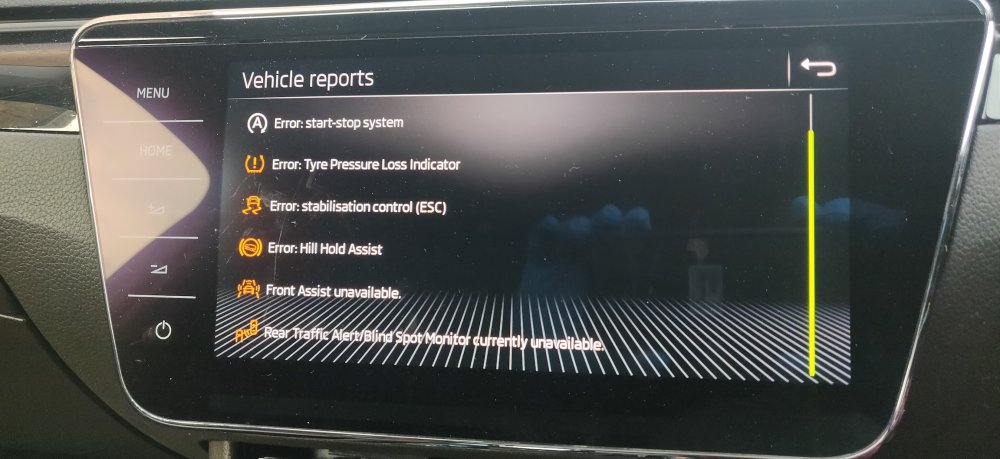
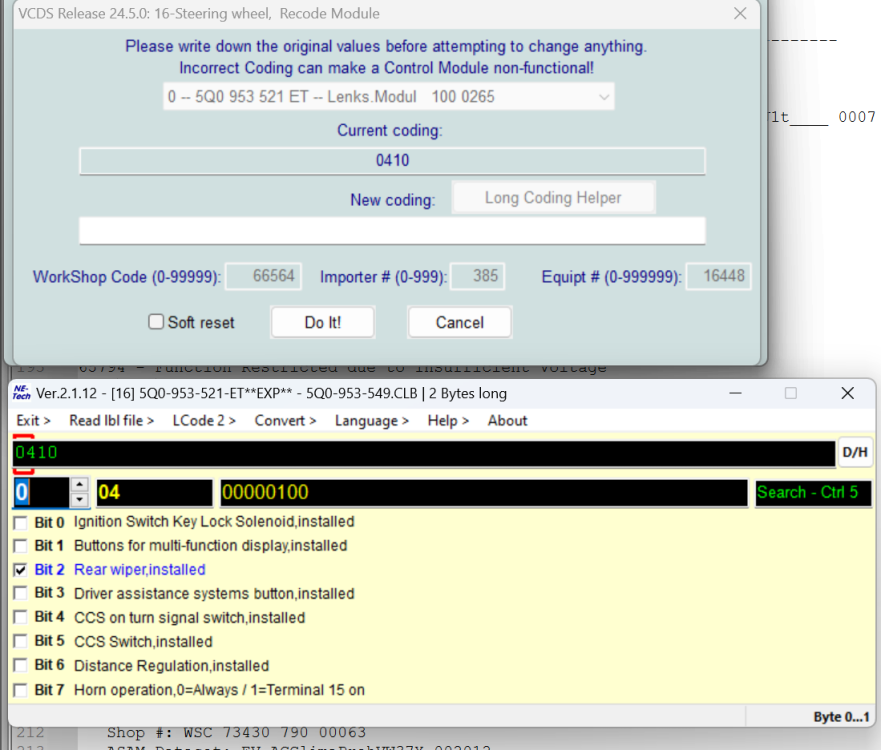
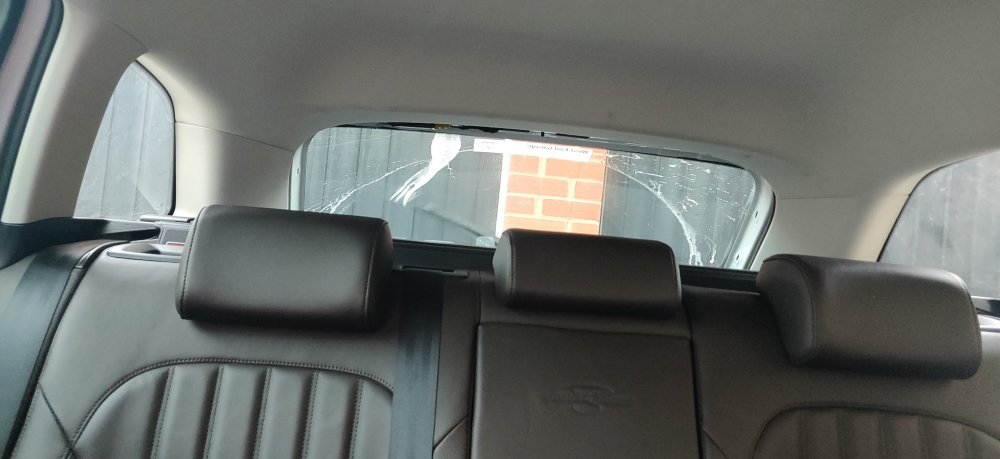
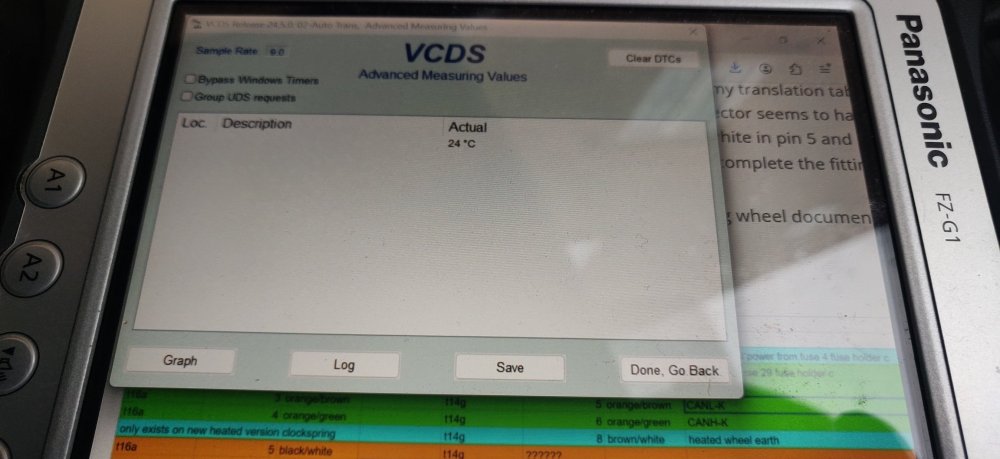
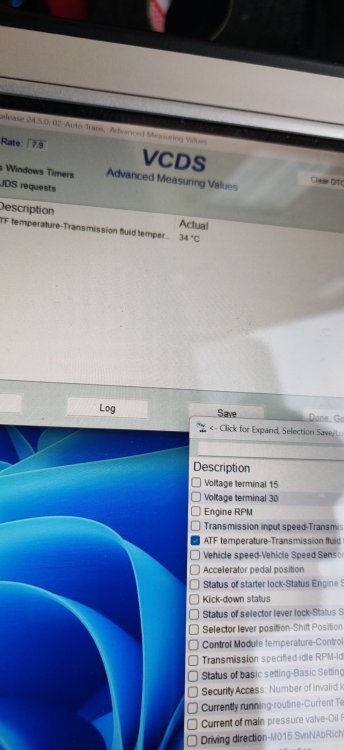
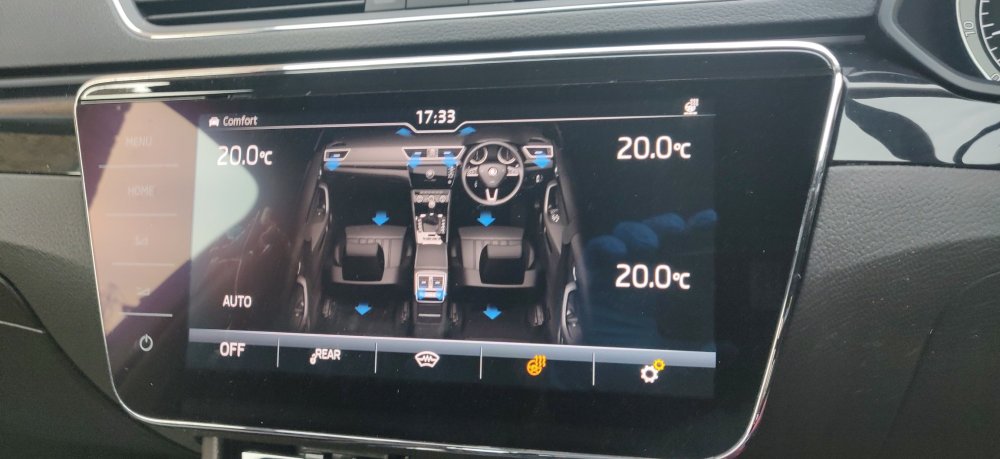
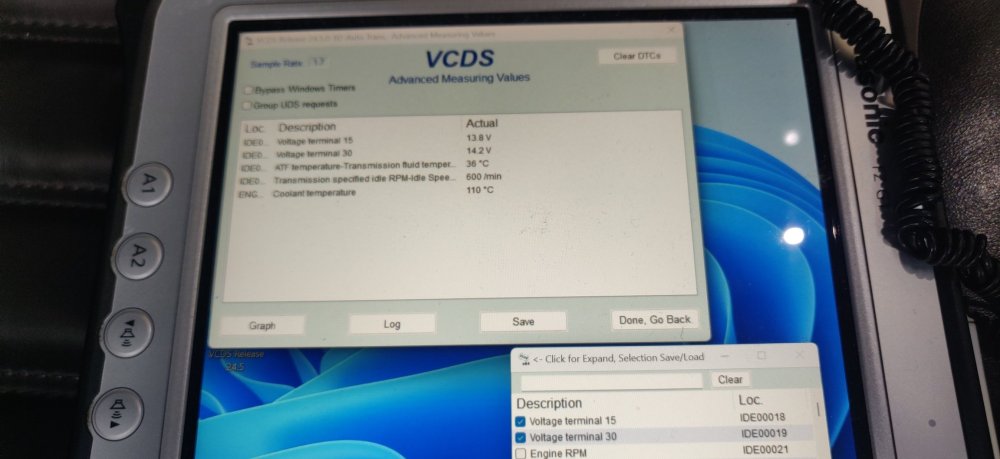
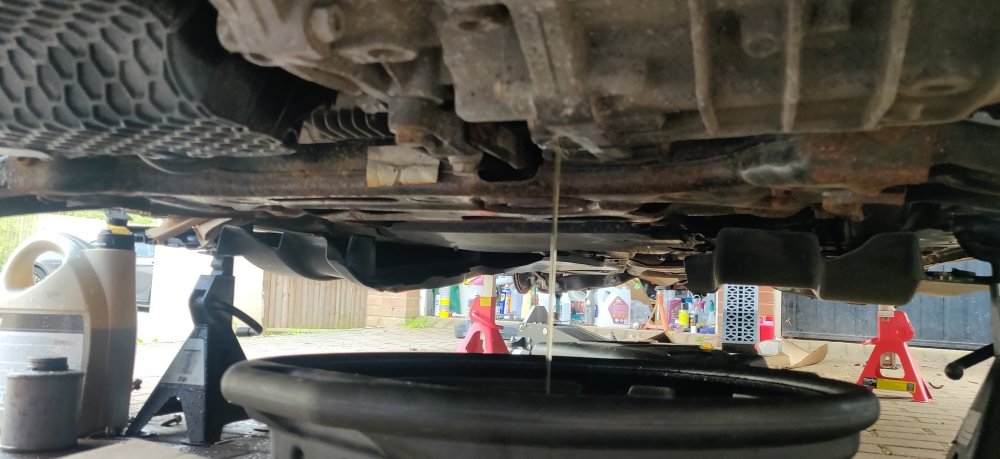
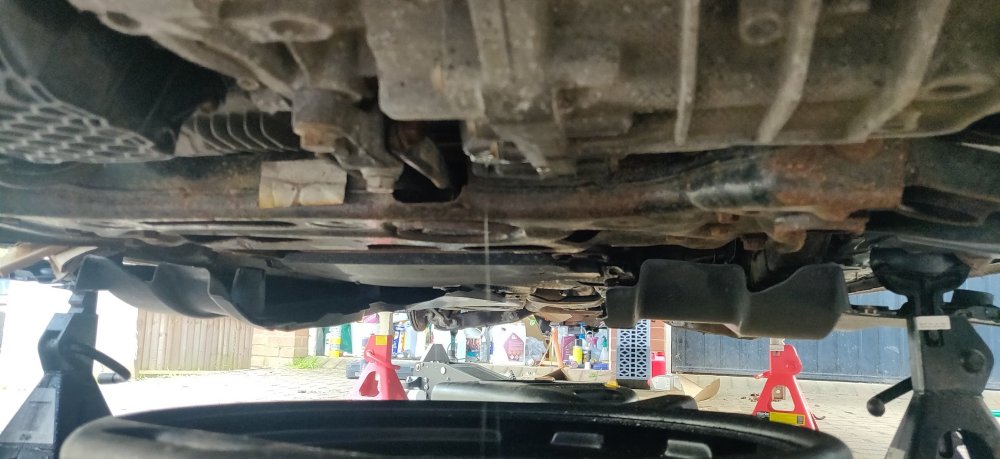
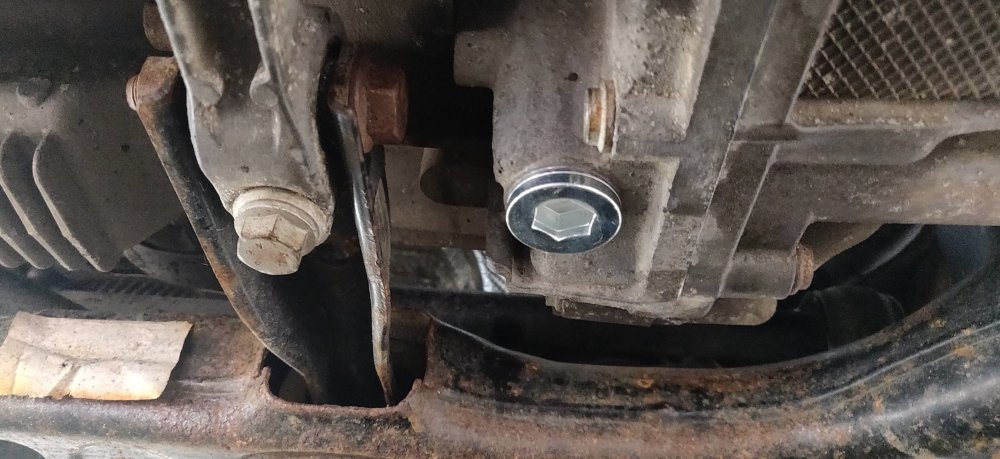
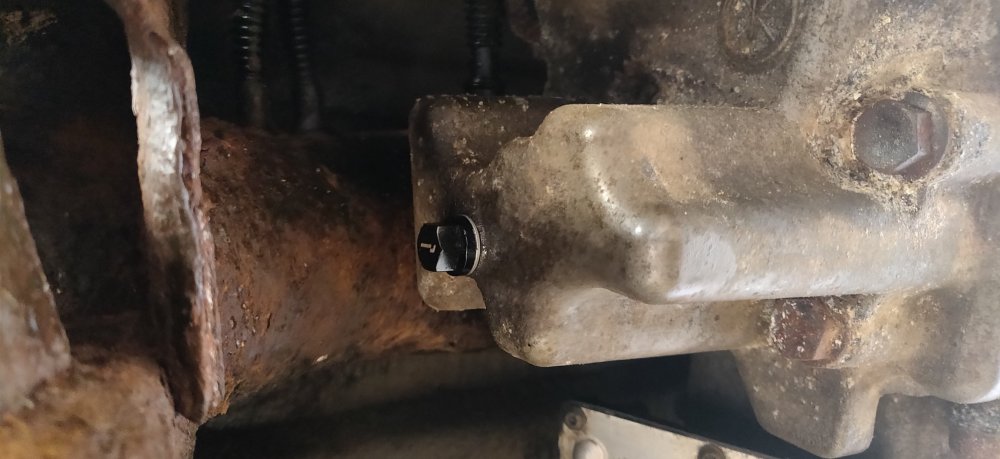
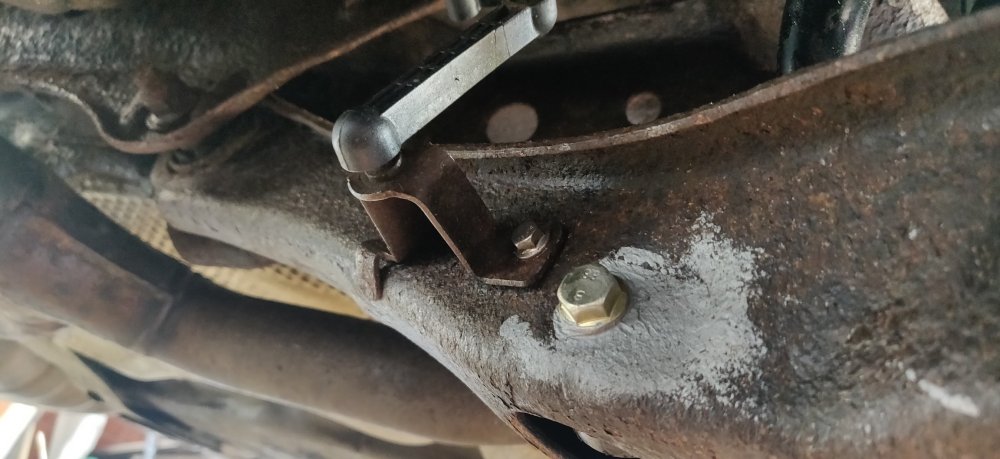
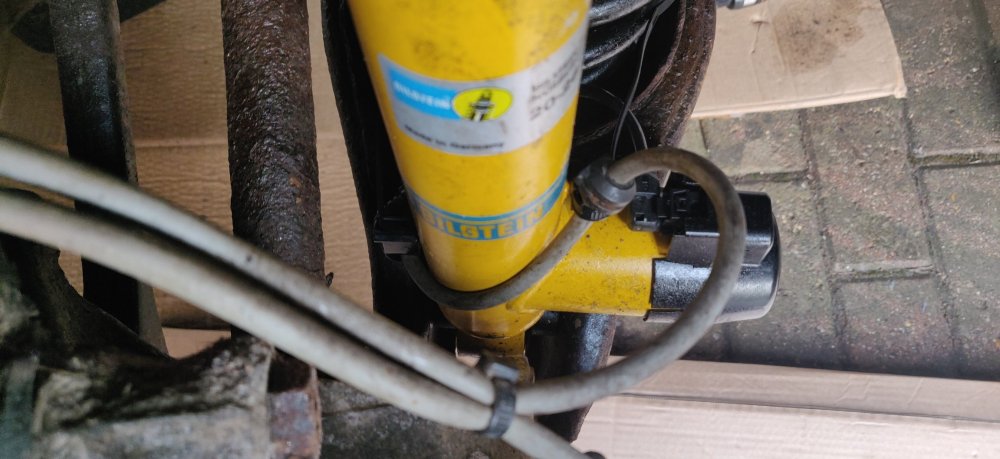
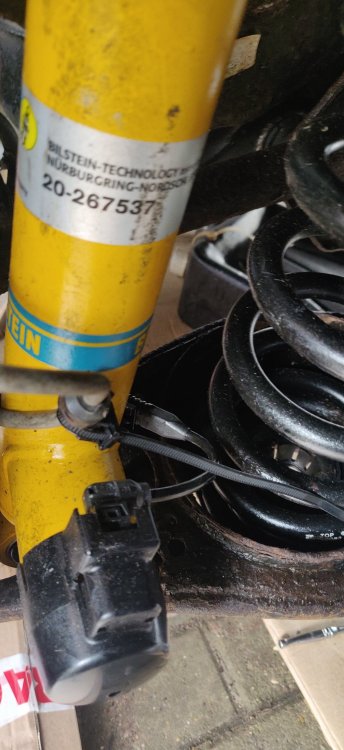
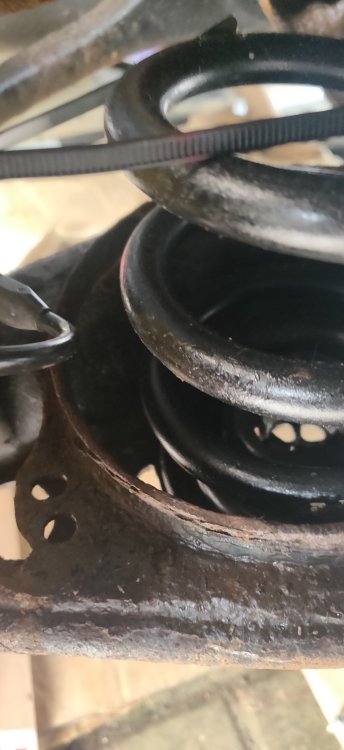
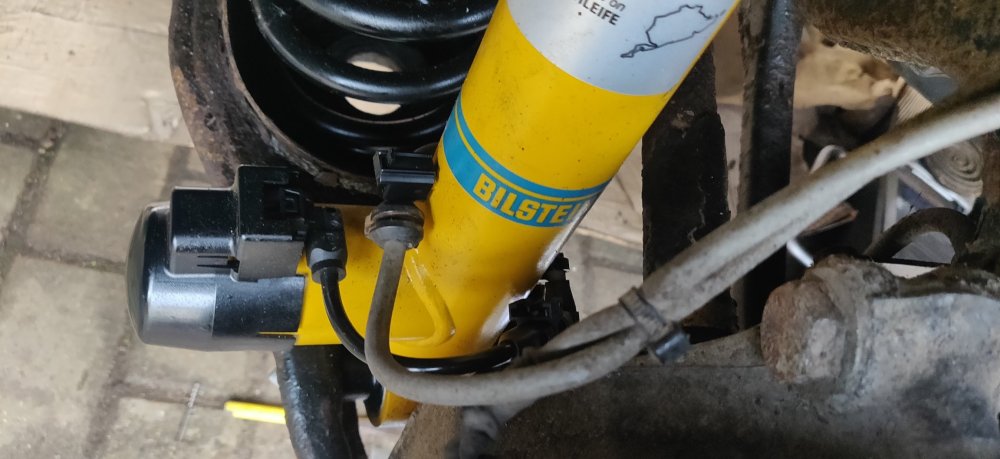
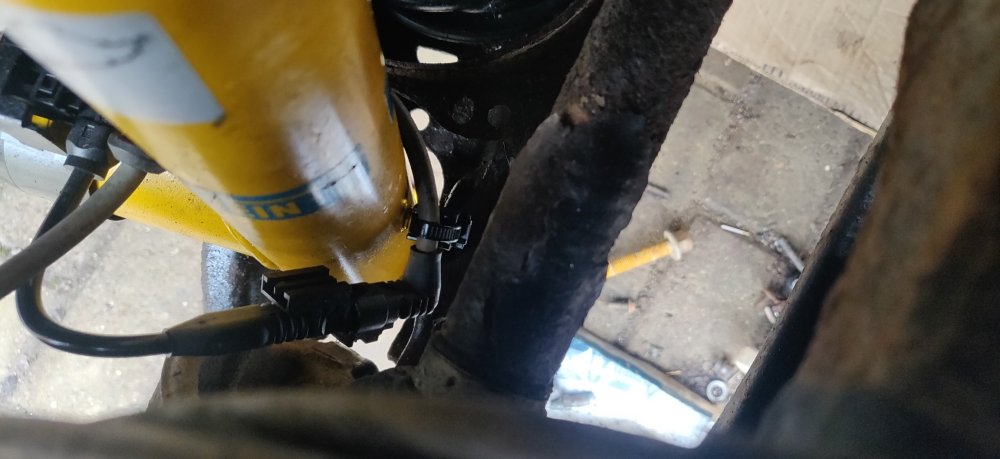
So the weather forecast was for an afternoon of rain and thunder. That didn't happen, only about 3 sudden downpours, then dry after work. So ended up doing what became a whole bunch of random things. This arrived, as mentioned in an earlier post: Some replacement indicator stalks, which came to £50 from eBay. Primarily because the left stalks just look worn: The replacement one also comes with a "Mode" button on the cruise control stalk. The part numbers look similar enough: We'll find out soon enough whether it all works. The stalks appear to be 5Q0 953 502 AT versus 5Q0 953 502 AL, and 3Q0 953 521 BD versus 5Q0 953 521 GE. The latter is interesting. According to eBay the donor was a 2020 Seat Arona, so maybe that's the reason for 5Q0 versus 3Q0. Not sure why there are two part numbers as well, I don't think they can be separated. Anyways, used a T15 Torx to undo the three screws keeping the new clock spring in place: Then disconnected the three white plugs around the clock spring which then allows the clock spring to come free: Then attach it to the replacement stalks: It should be tightened to 1.5Nm, but my small torque wrench only goes to 2Nm, so just less than hand tight as a guess. The thing clicks into the steering column: A nice bit of simple engineering for a change. The connectors then go to the bottom of the clock spring: Then reattached the steering wheel. Made sure the splines align with the mark on the wheel: Then installed the retaining bolt and tightened to 30Nm: The workshop manual then says angle tighten to 90 degrees, which wasn't difficult at all, then a case of connecting the air bag connectors to their respective parts (not sure about the harness adapter as it didn't really come with instructions, so just best guess, based on the black mark on one of the wires presumed to be ground, and so aligned to the brown wires: The airbag then clips into place, but I've left it loose for now, because I now something will come up meaning I may have to dismantle things to check. So. There's technically nothing stopping the car from being powered up. So connected the negative terminal, got my key and turned on the ignition: Loads of errors. Not particularly surprised. With the car's ignition on, tried to get the rear washer on to see if the repair worked. Nothing. The wiper didn't turn on or the washer. Got the VCDS and noticed the steering wheel section had a different coding to original: The original steering wheel had coding 0610, and the new one initially had 0010. Used the coding helper and selected "Bit 2 Rear wiper, installed", which changed it to 0410. For some reason, I couldn't code it to 0610, saying "Out of range" or something. So left it at 0410 for now, to see if it did what I expected: It did. Looks like it works absolutely fine. So, did some more pre flight checks and ums and ahhs. Then put my foot down and started the engine: I then followed the guide for the DSG oil change, following the advacned measuring values and specifically for the DSG oil temperature. So it started at around 24 degrees. Then it's a case of going through the gears with the brakes on, about 3-4 seconds per selection before going back to P, then the waiting game: Took about 15 minutes to get to 34 degrees. Got distracted and messed around with some additional coding, in the Auto HVAC section this time: For whatever reason, the heated steering wheel button on the steering wheel itself didn't seem to do anything, so after coding, tried it on the touchscreen. It seems to work, now that the weather is warm of course! Also stuck a phone onto the charger to see if something happened. Looks like it did, so I think another case of more coding to get something displayed on the touch screen about it. Then messed about with other measuring values before I noticed: The DSG oil temperature was at 36 degrees, which is the 35-45 range required. So turned off the car, scrambled under and opened up the fill bolt: Quite a bit gushed out. Then after what seemed like ages: Went to a dribble. Still had a wait a bit more before it became a drip, at which point I inserted the new fill bolt with new washer and tightened to 45Nm: Went to the back and pumped a bit more oil into the Haldex, about 3-4 pumps before it dribbled out again: So tightened to 15Nm and sprayed brake cleaner around, before going around the general area with XCP. Whilst down there, fitted the bottom of the level sensor: The bolts for those was 5Nm as per the top bolts. For all intents, that's it for servicing and most of the stuff down there. Will need to tighten the lower bolts but that's it. Almost forgot: Got the cable ties from the Bilstein dampers and attached them to get the wiring cleaned up: The routing does seem to be quite close to the spring: It's about 6-8mm clearance, which is probably alright, surely? Repeated for the other side: The route is similar: This time its closer to the driveshaft. There's actually more clearance, the perspective of the photo is making it look closer than it is. Stopped there for a quick bite to eat. Maintenance: £2293.89 (+£50.00) Upgrades: £1322.97 Miscellaneous: £697.20
-
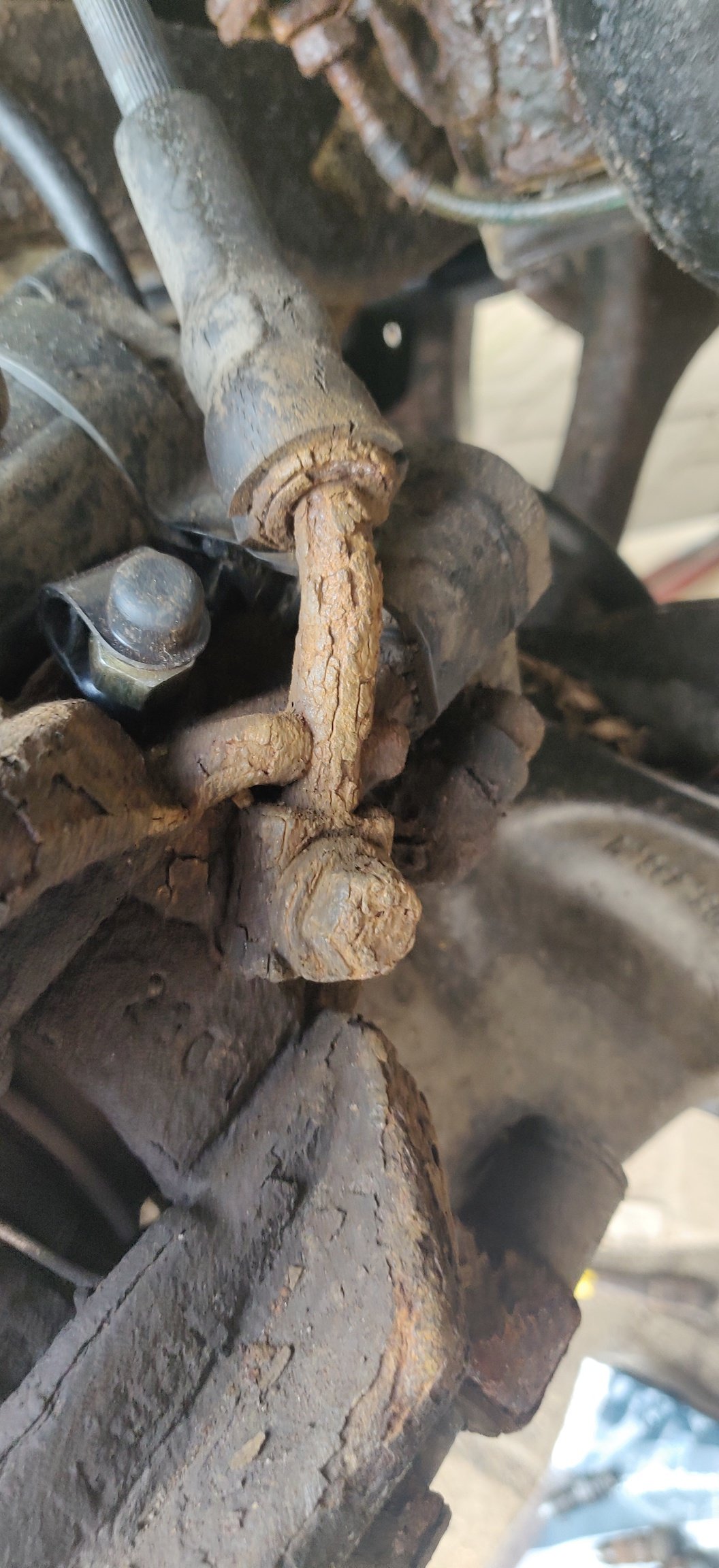
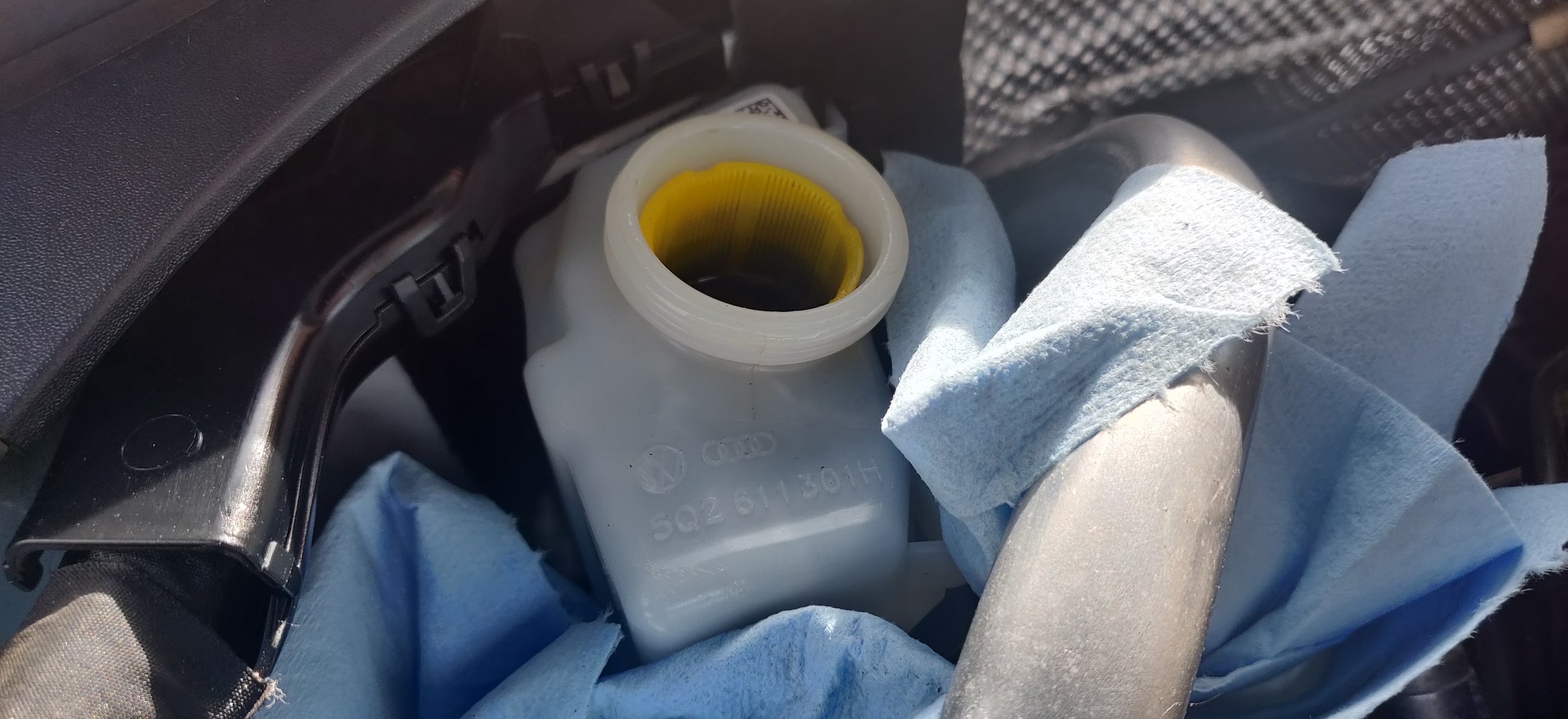
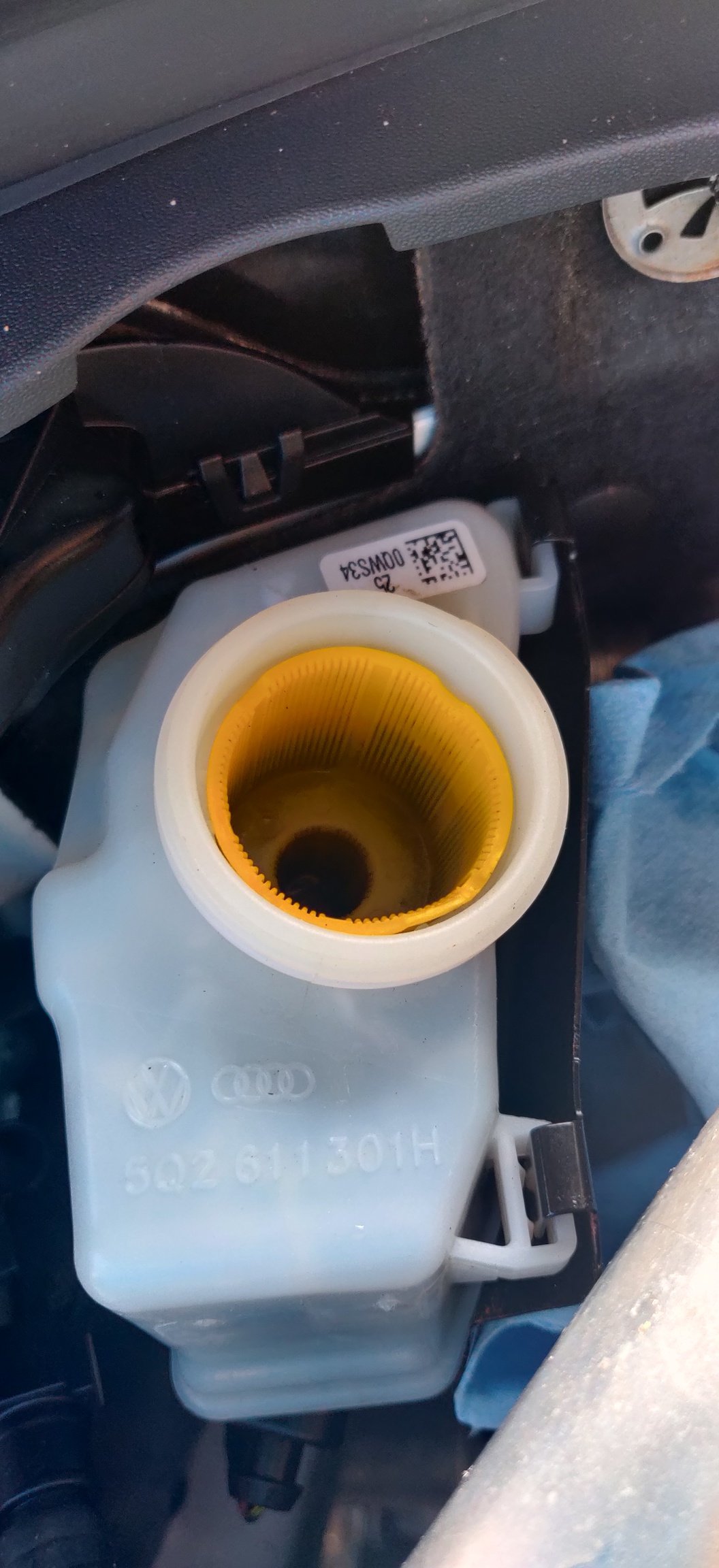
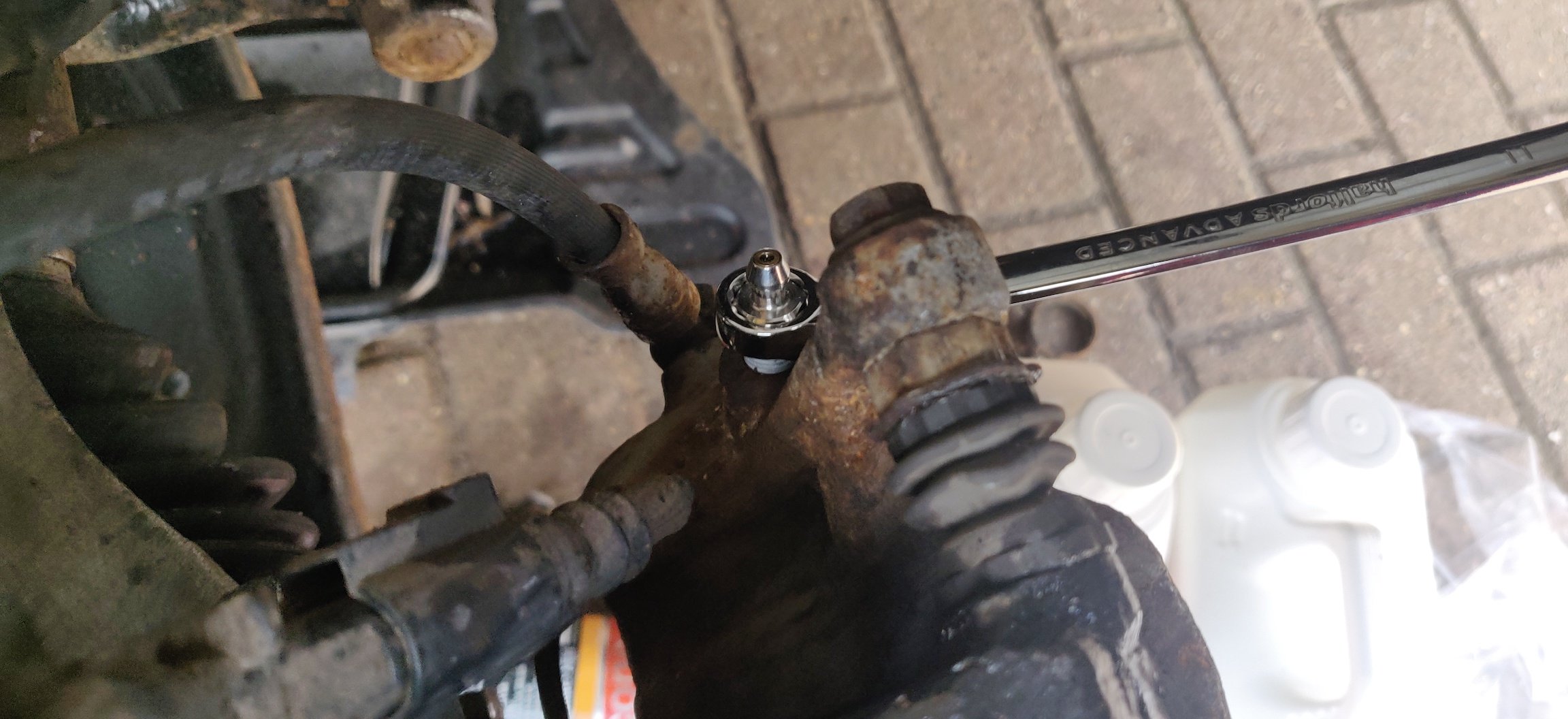
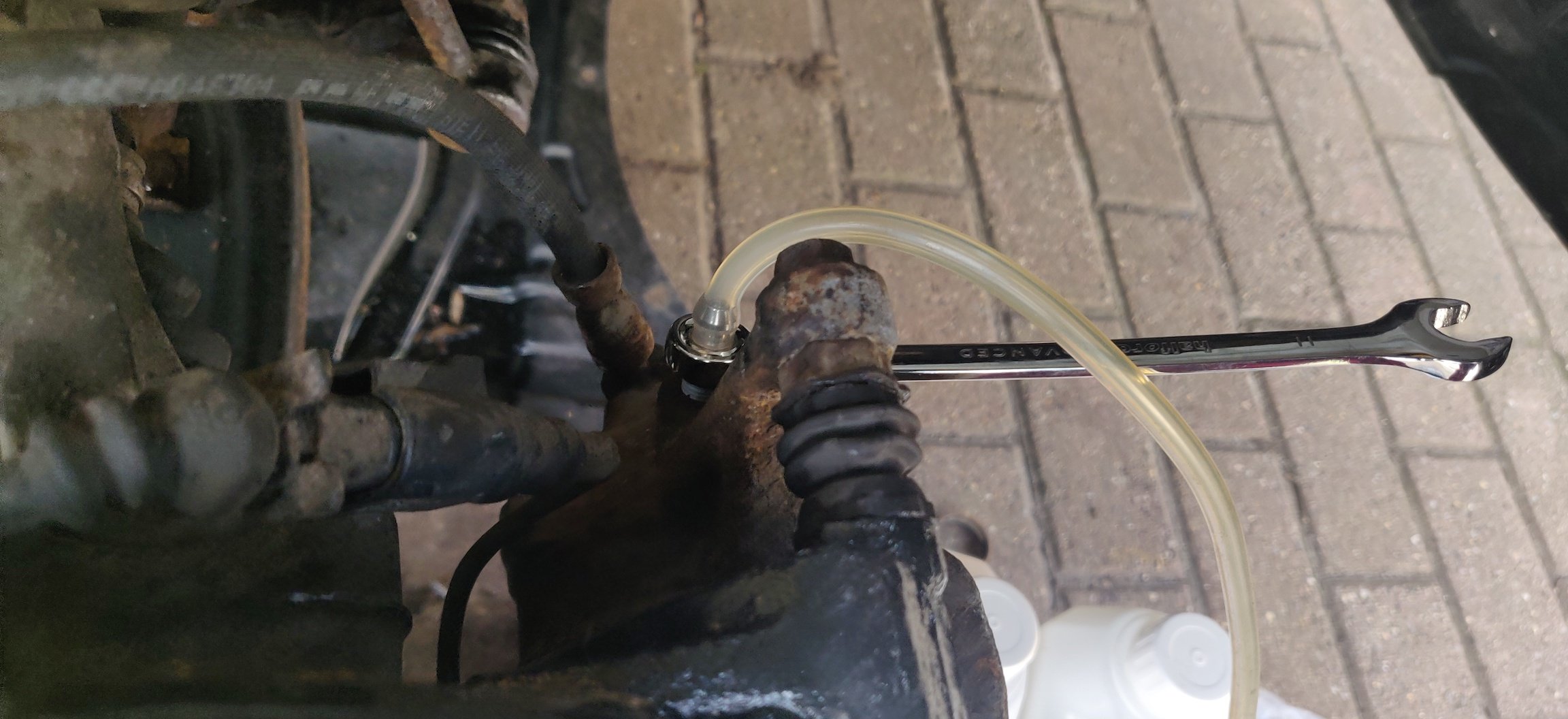
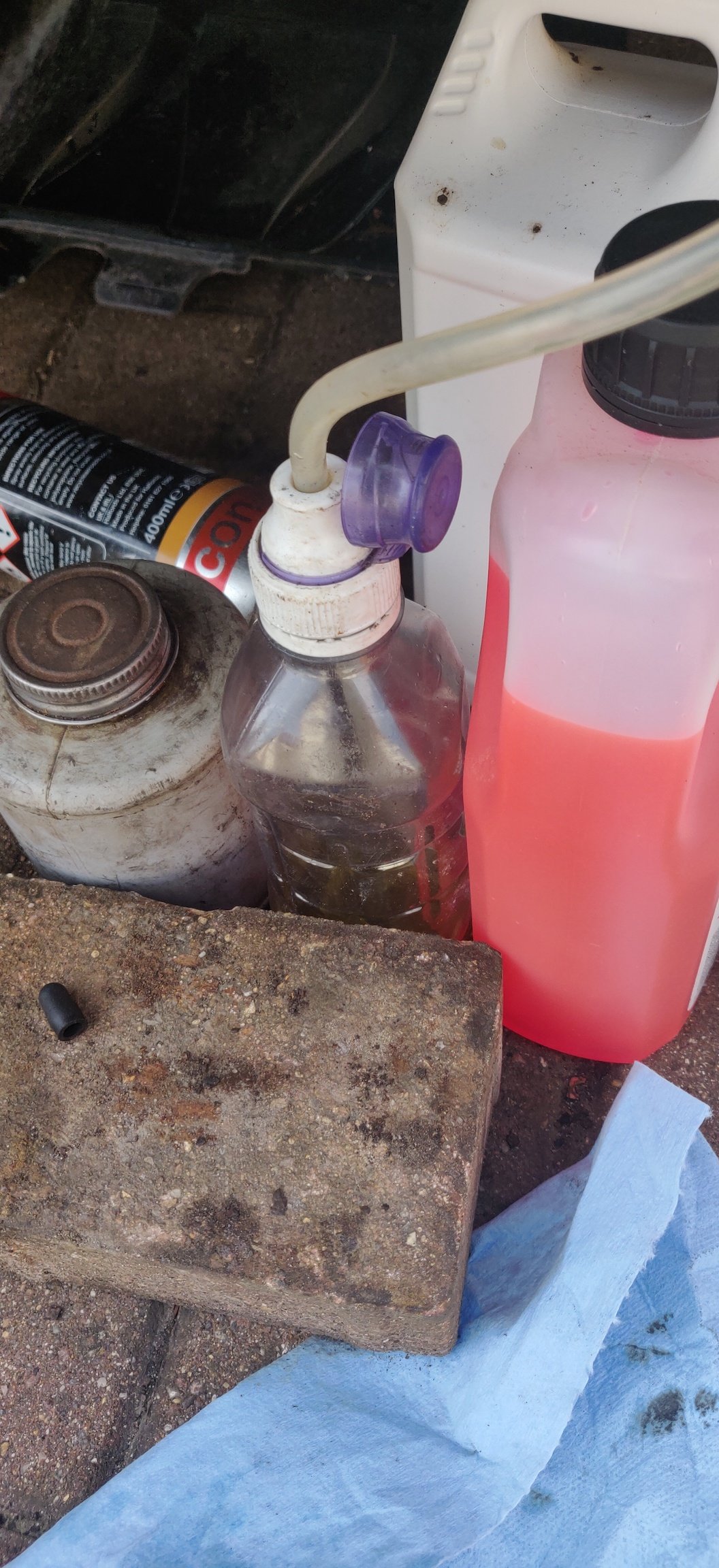
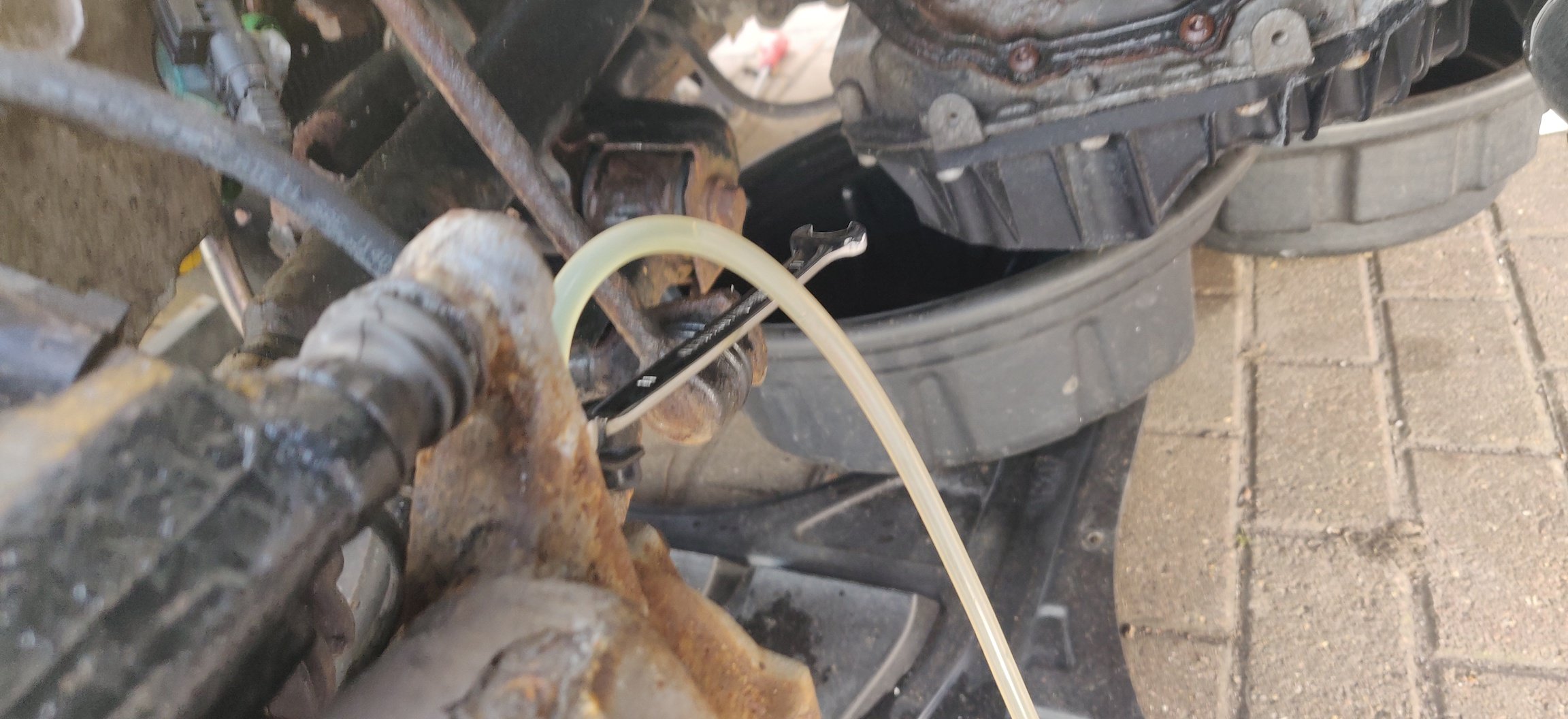
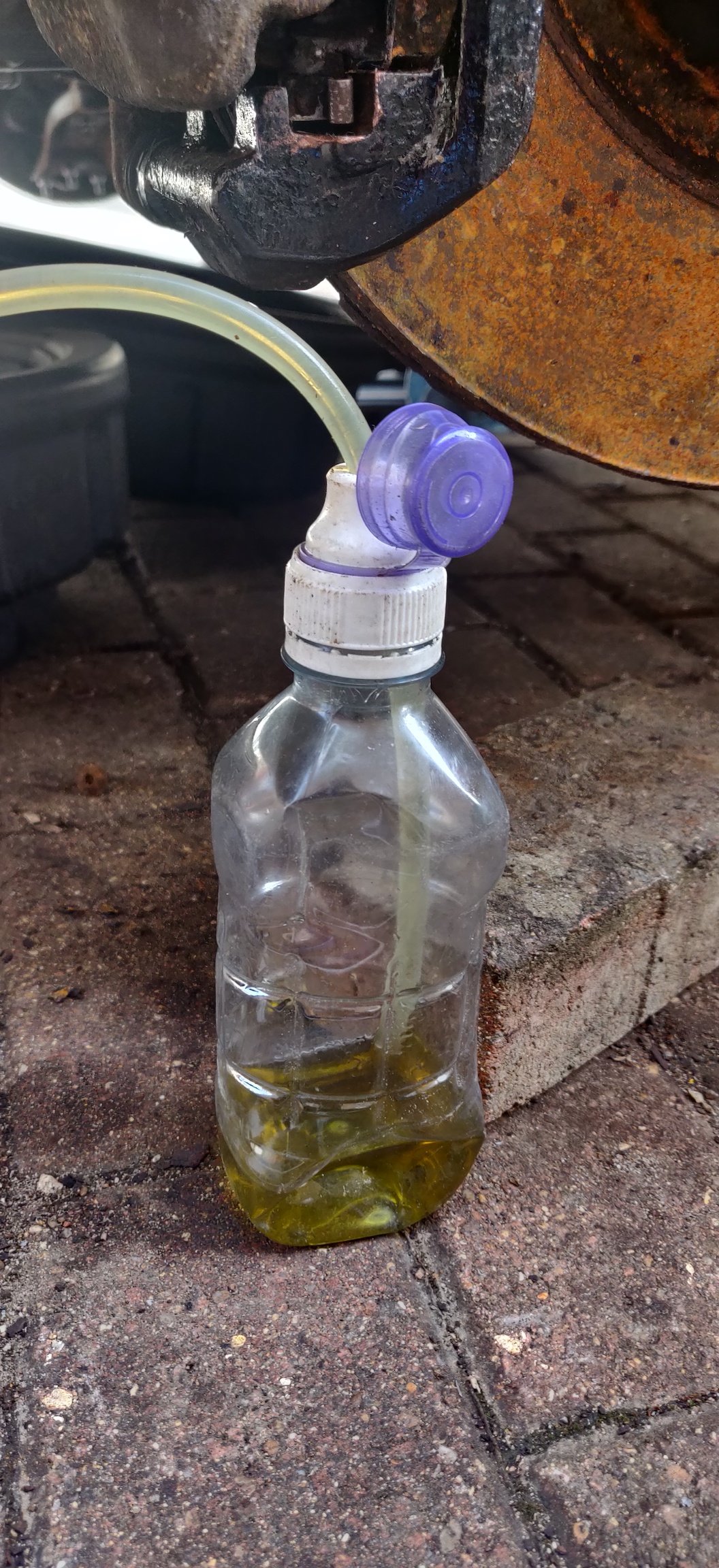
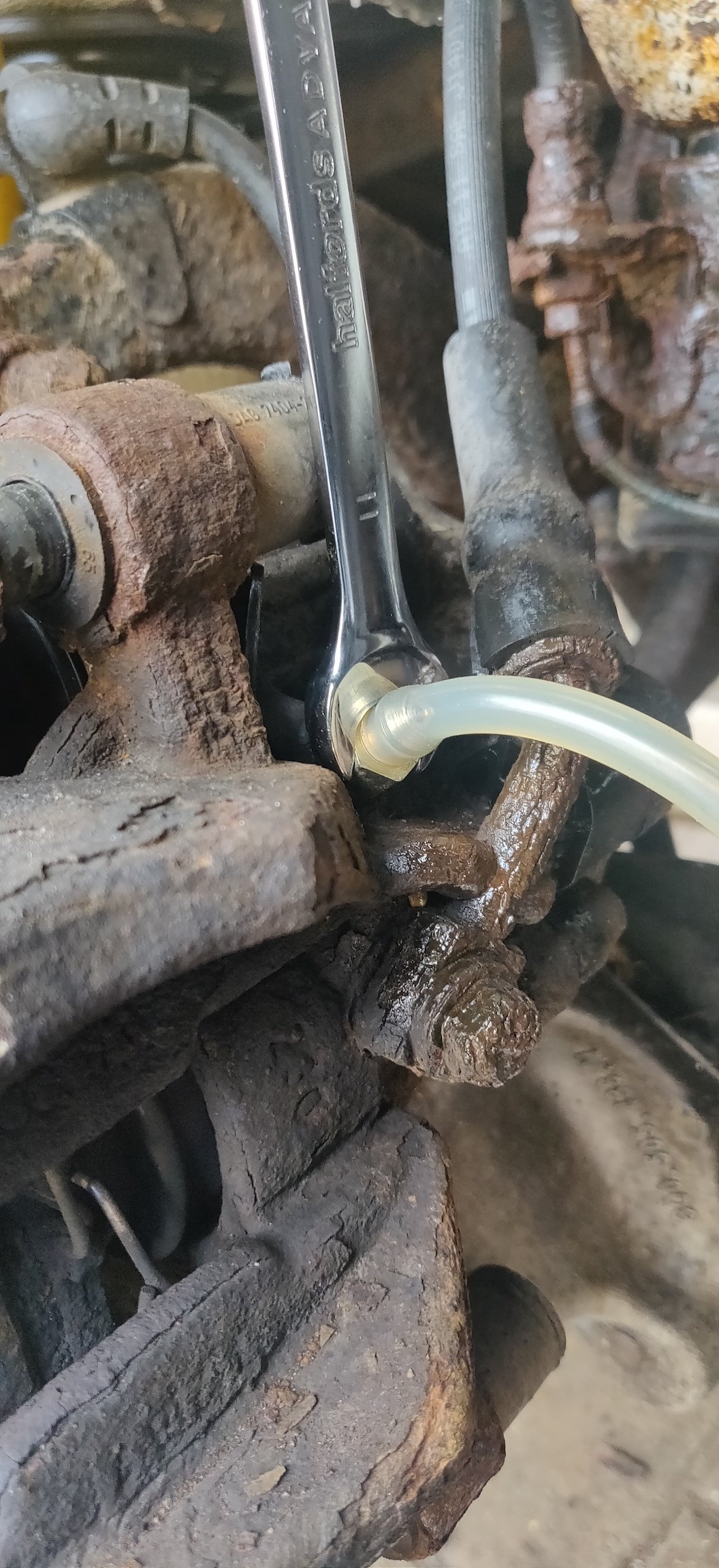
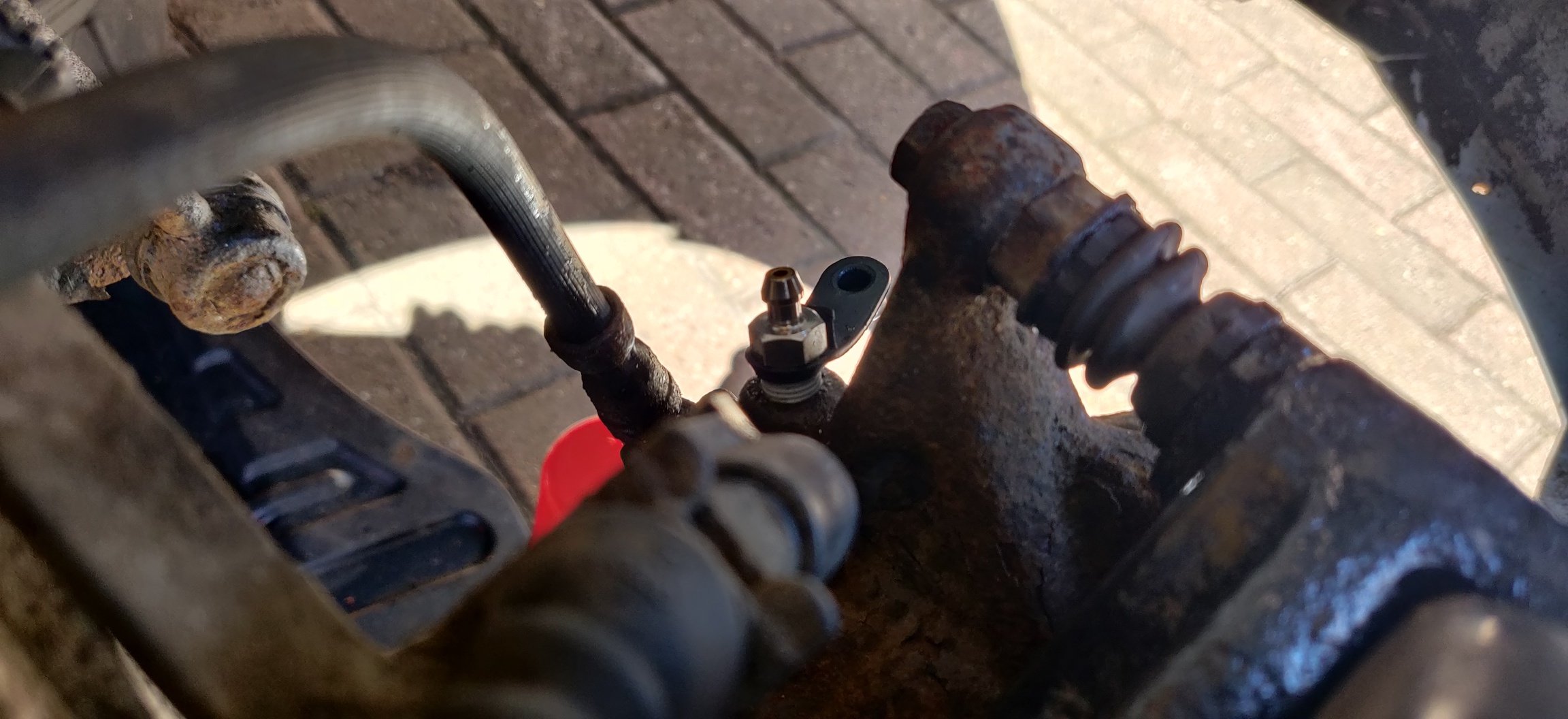
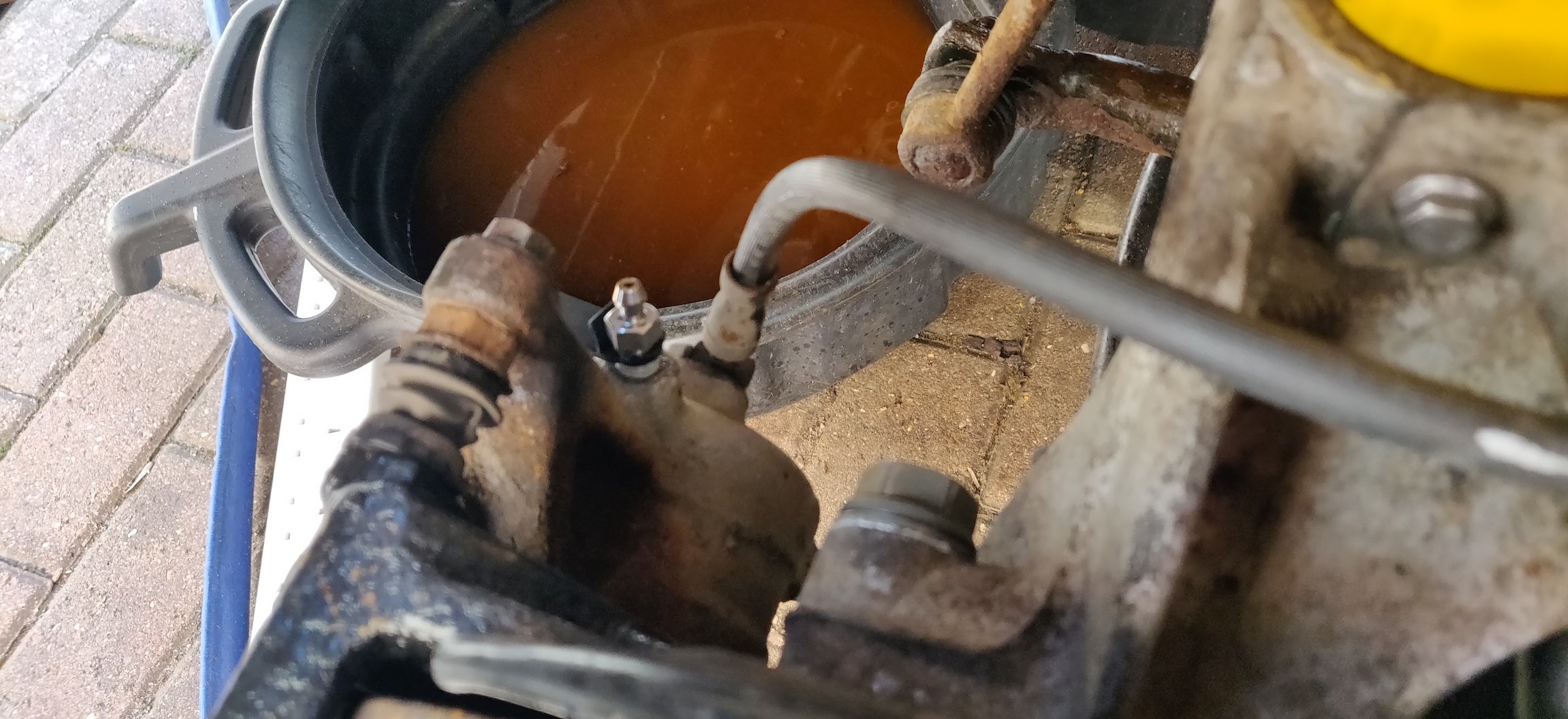
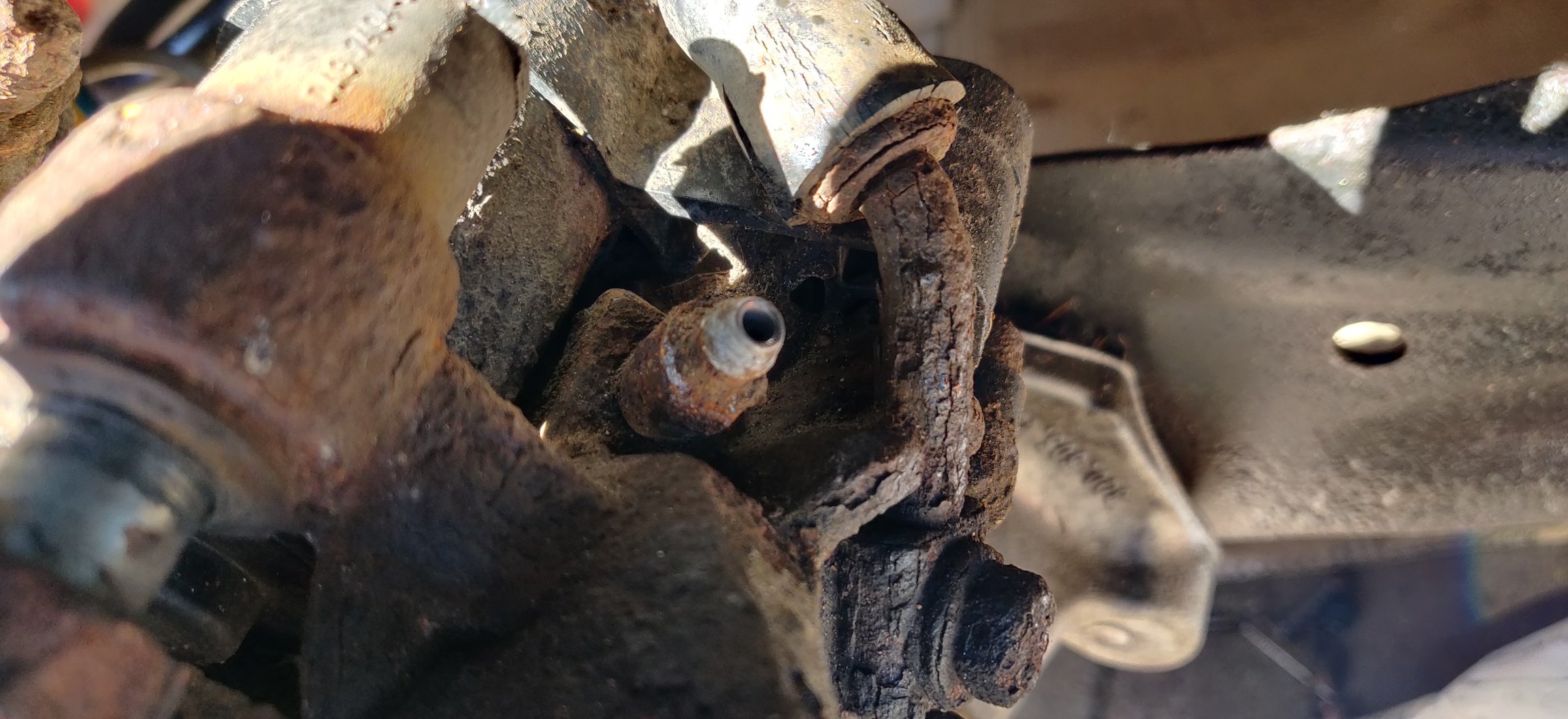
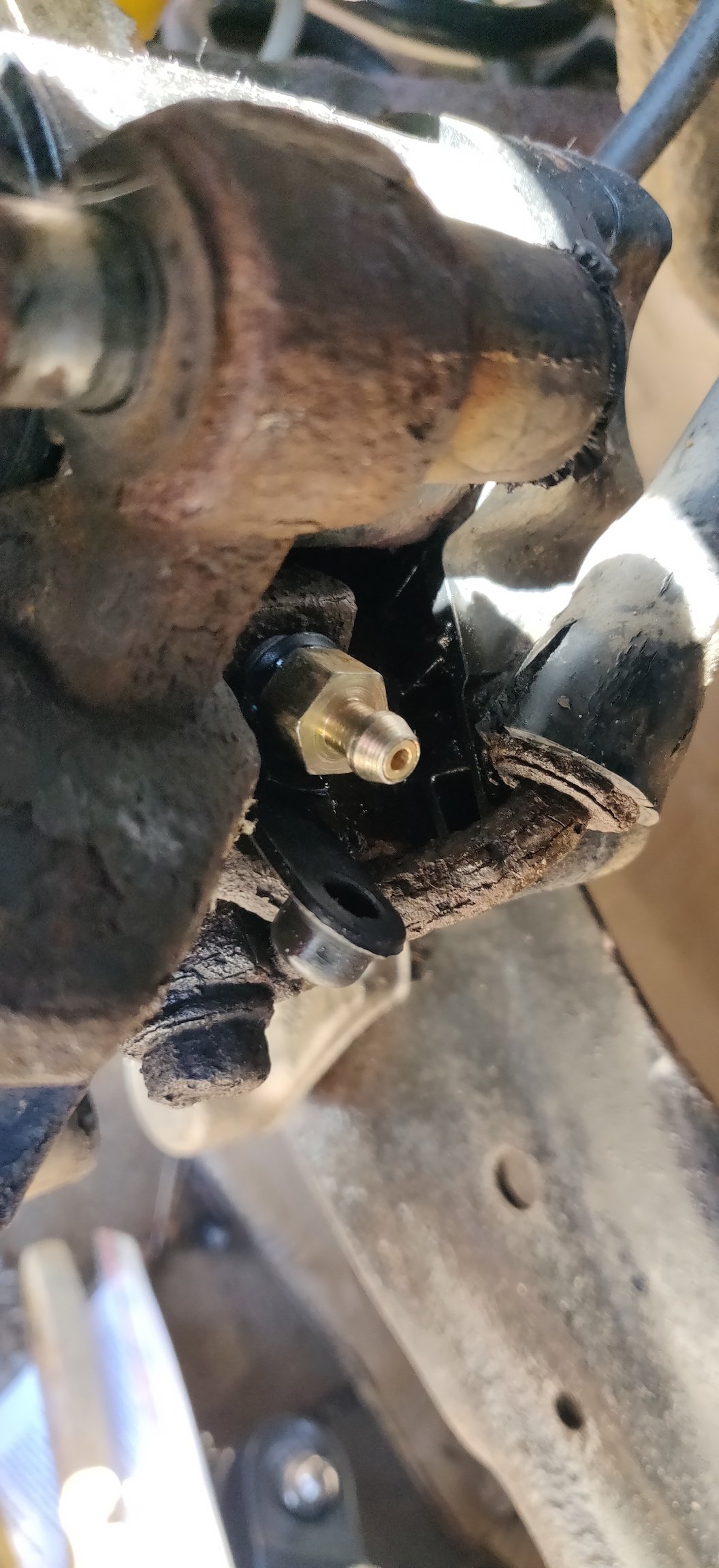
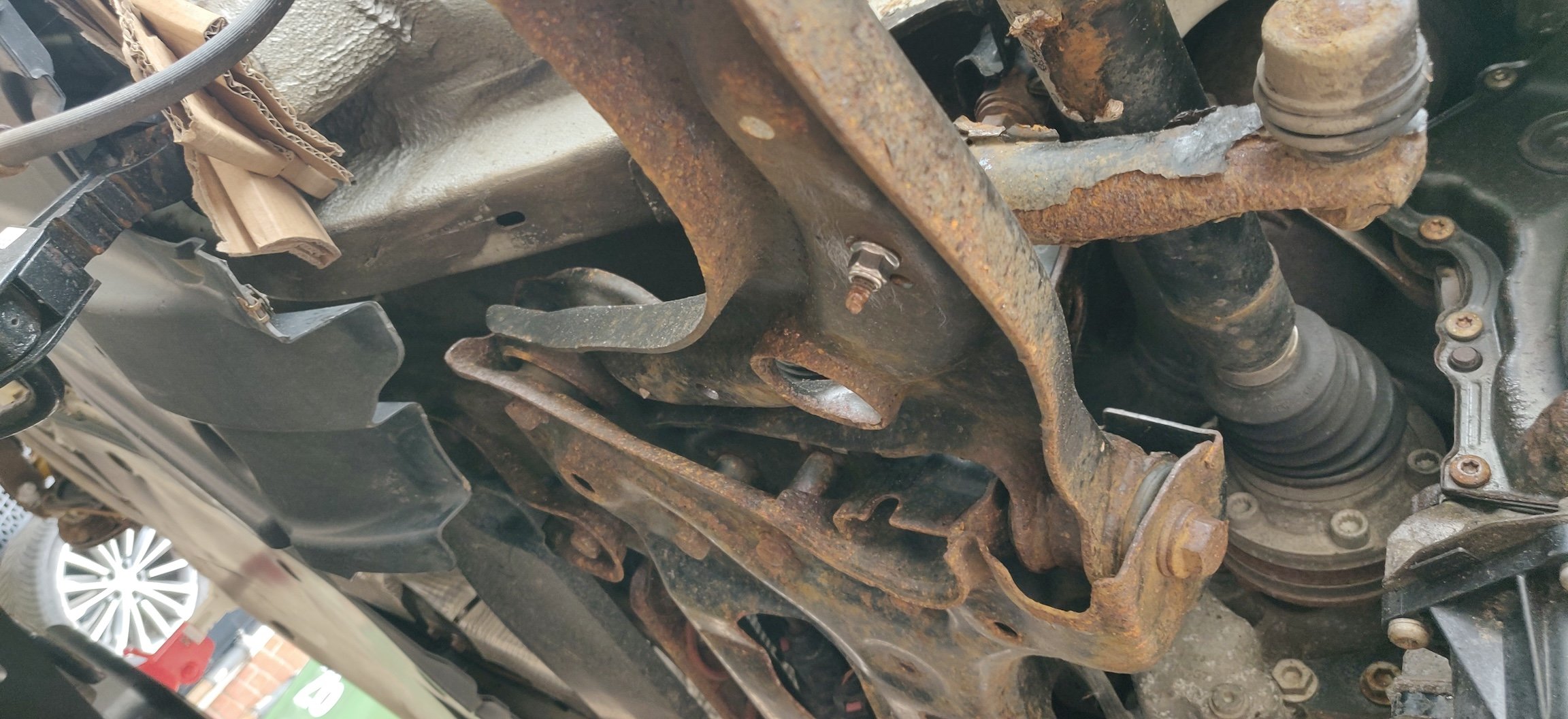
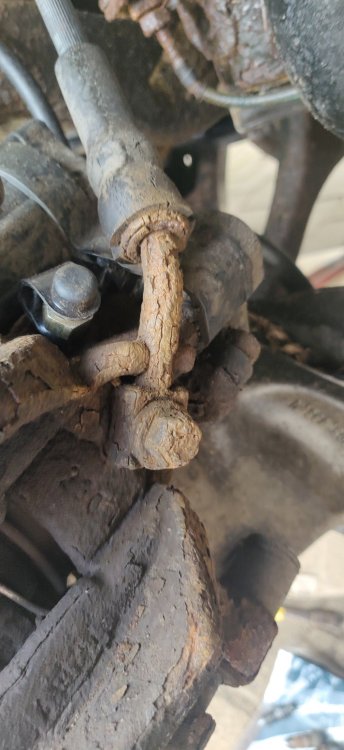
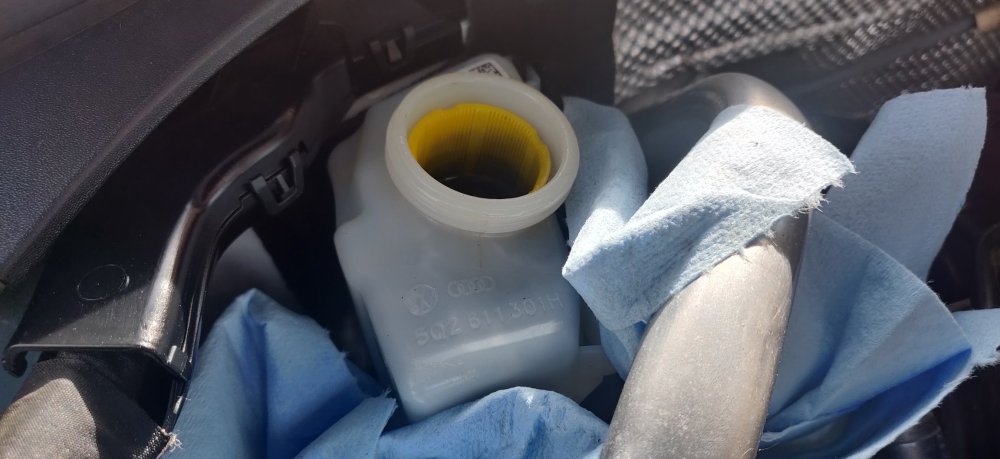
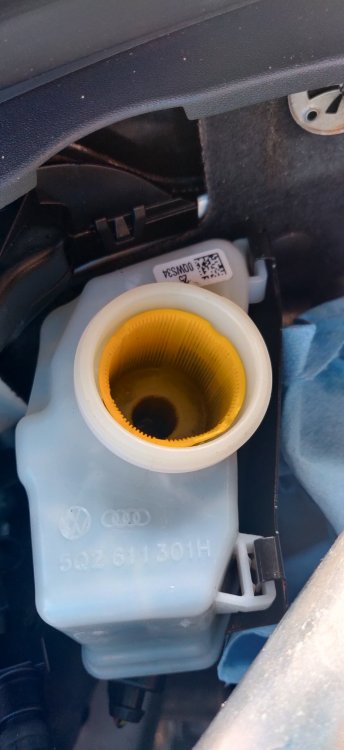
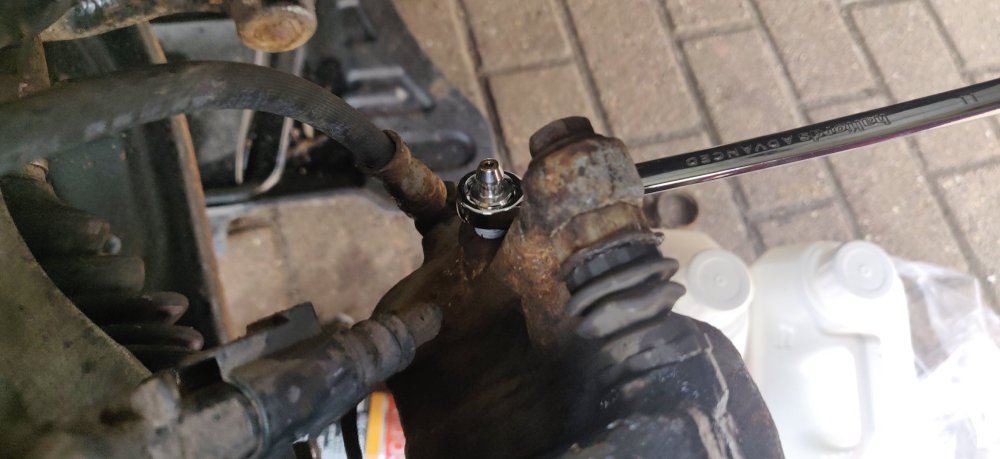
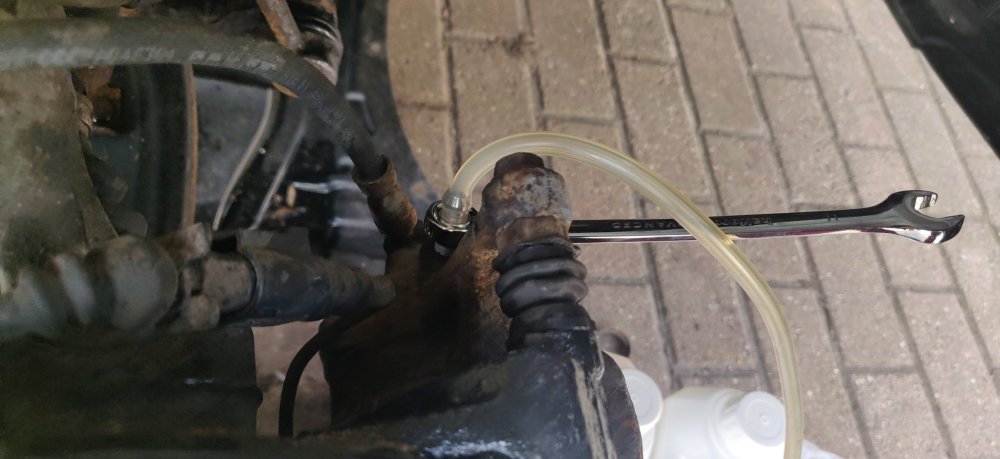
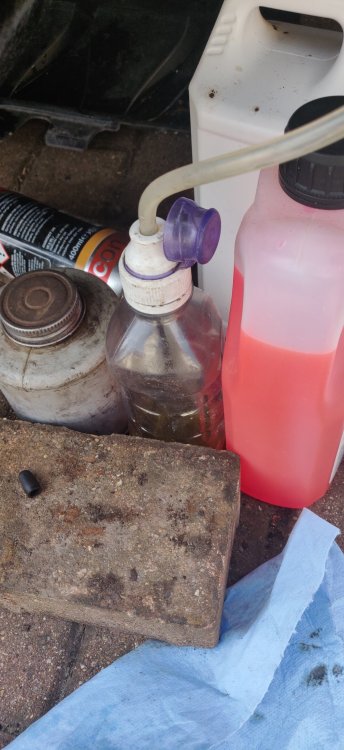
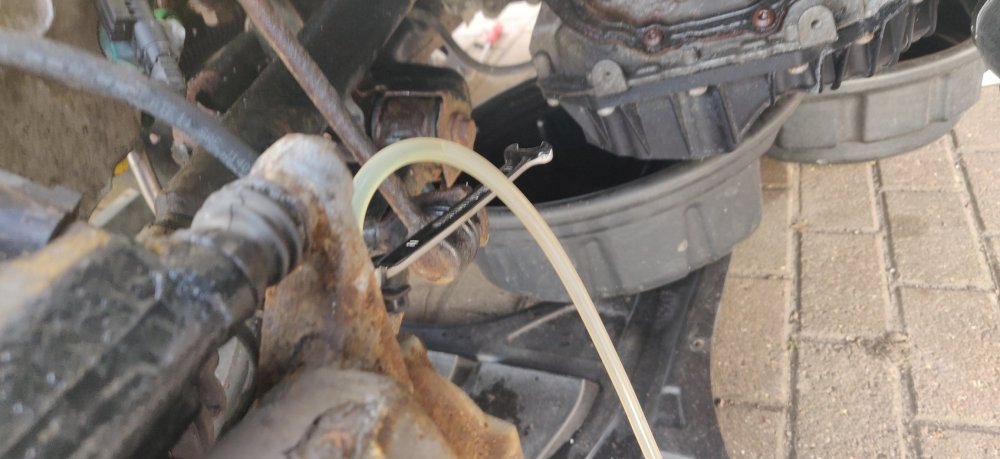
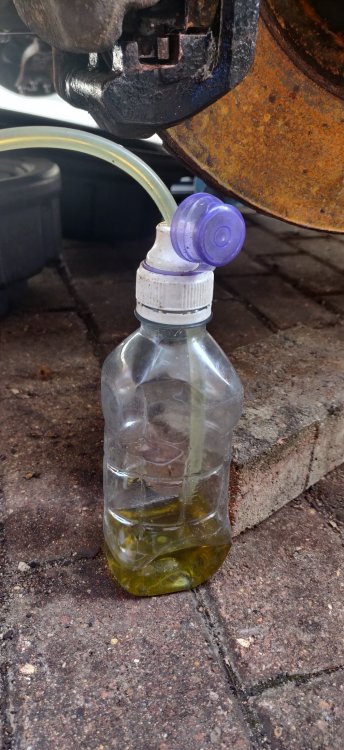
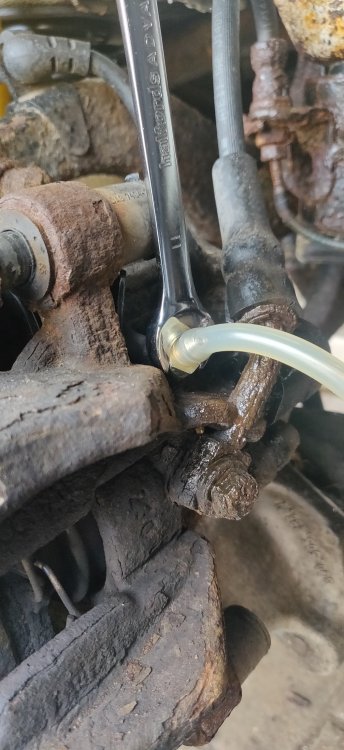
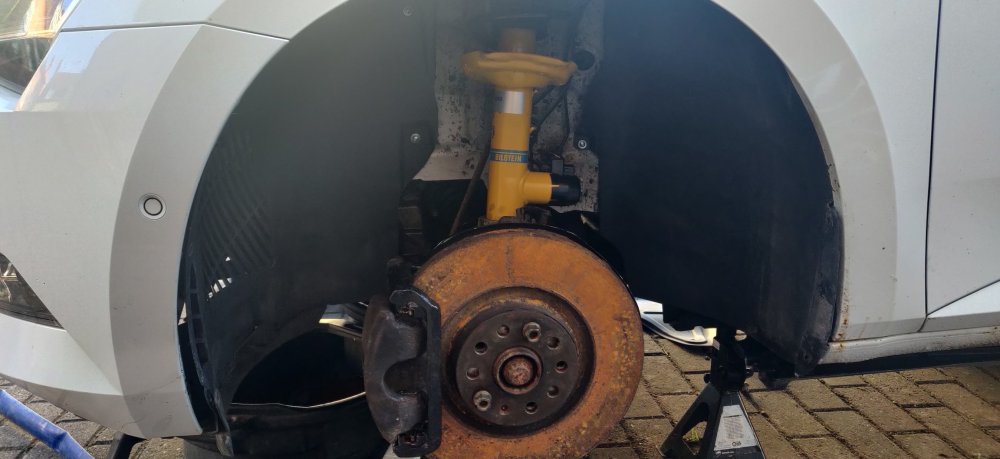
So there is an eagle eyed reader Indeed, it does look grim: Replacement stainless brake lines were always on the cards, so it's a case of whether these last long enough before my hand is forced. Having said that, I've seen brake lines in just as bad a state and they've been pretty much fine. I've probably jinxed it of course! So in the early evening, went to bleed the brakes: Now, normally, I'll take off this strainer/filter thing and get a syringe in the reservoir to get out the existing brake fluid, before filling it up and then bleeding. However, seems to be a VW group thing, but these don't seem to make it obvious how to remove them. So gave up and just siphoned out as much as possible: Then started filling with new DOT 4 stuff. Well, it had about 750ml as I've used some for topping up some other cars over the last few months. Decided to just use the speed bleeders rather than a pressure bleeder. So got an 11mm spanner: Then got my trusty brake bleeder tube: It was a bit gusty, so got the brake bleed bottle surrounded: Yup, it's essentially a sports cap water bottle. I've had this for ages, maybe 8 years or so now? If it ain't broke... So normally it's a quarter turn, but I think even an eighth would be sufficient, then just start pumping away at the brake pedal: I think the general rule is to just make sure not to go too hard on the brake pedal, lest you risk messing up the seals on the calipers. I've done this once on the Peugeot 205 GTI which resulted in a replacement master cylinder (it was a recurring theme on that car how much I messed up those brakes). Again, normally, I usually bleed them from the furthest caliper from the master cylinder going to the closest. Some do it from the ABS pump. But the workshop manual states to start with the front right, then left, then the rear right and rear left at the end. So just went with that order, pumping about 40 times per corner, topping up the brake fluid as necessary (quite difficult to gauge on the reservoir, so just topped it up until it topped that yellow filter thing): Some of the corners came out a little green, which is a bit worrying. I've found quite a few cars where it came out slightly green instead of a darker shade of brown, but I suppose it's better than flecks of dirt or loads of bubbles. The rears were annoying: The bleed screw is tucked inbetween the brake line and caliper itself, so a spanner doesn't go on without it fouling something (unless I'm missing something). So was a case of just trying to undo it enough with the tight gap. Maybe a swan neck could work or something. Basically went through the calipers twice, in order to use all of that 750ml of DOT 4, hopefully making sure all the old stuff is out. Once done, did the same process as installing the bleeders, brake cleaner over them, then tightened to 8Nm once dry and tucked the covers back on. I sprayed some XCP over those brake lines, just to make myself feel better. One random thing left I did today: Started to dry fit the left front wheel liner, fitted some of the stainless screws into the central area. Will need to tuck the front into the bumper and align some stuff, then figure out the new front mudflaps. Maintenance: £2243.89 Upgrades: £1322.97 Miscellaneous: £697.20
-
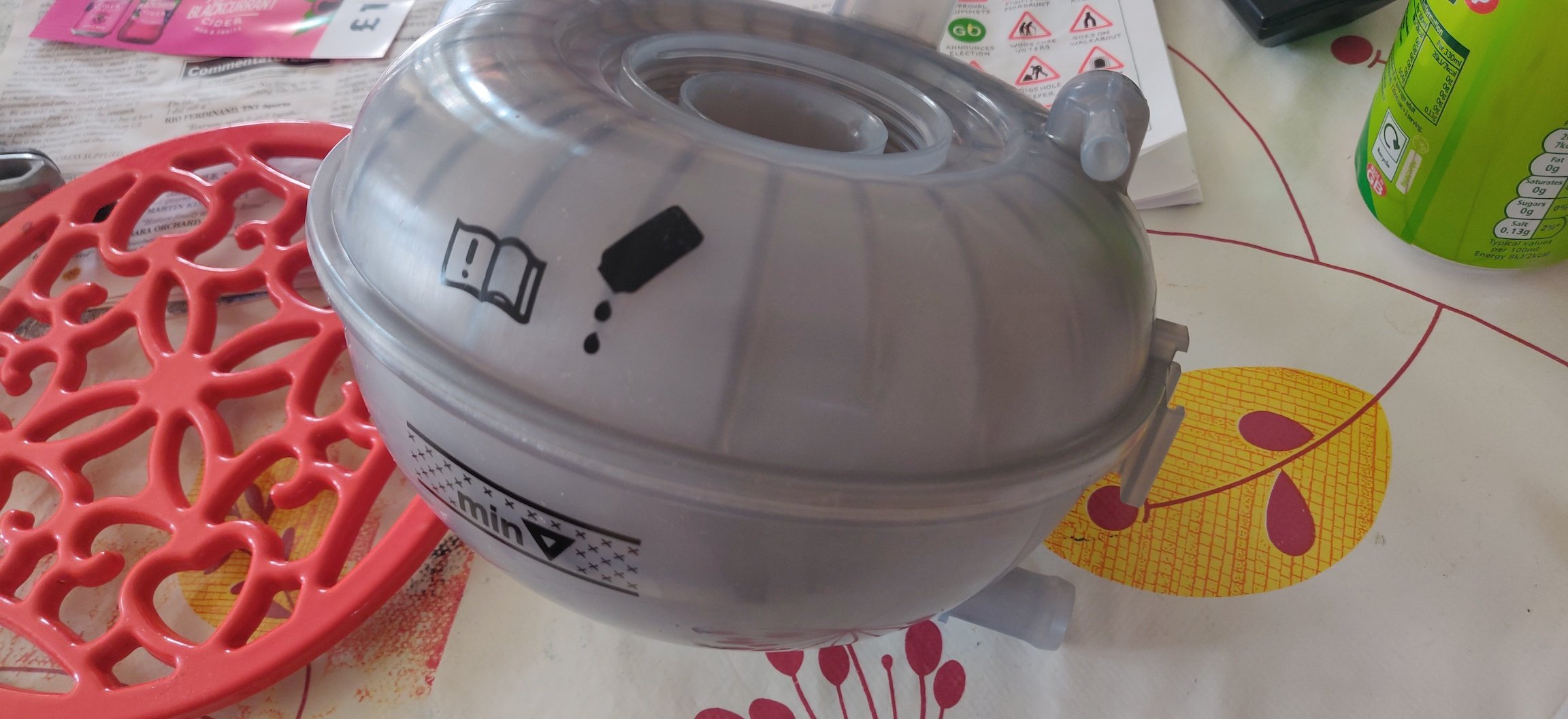
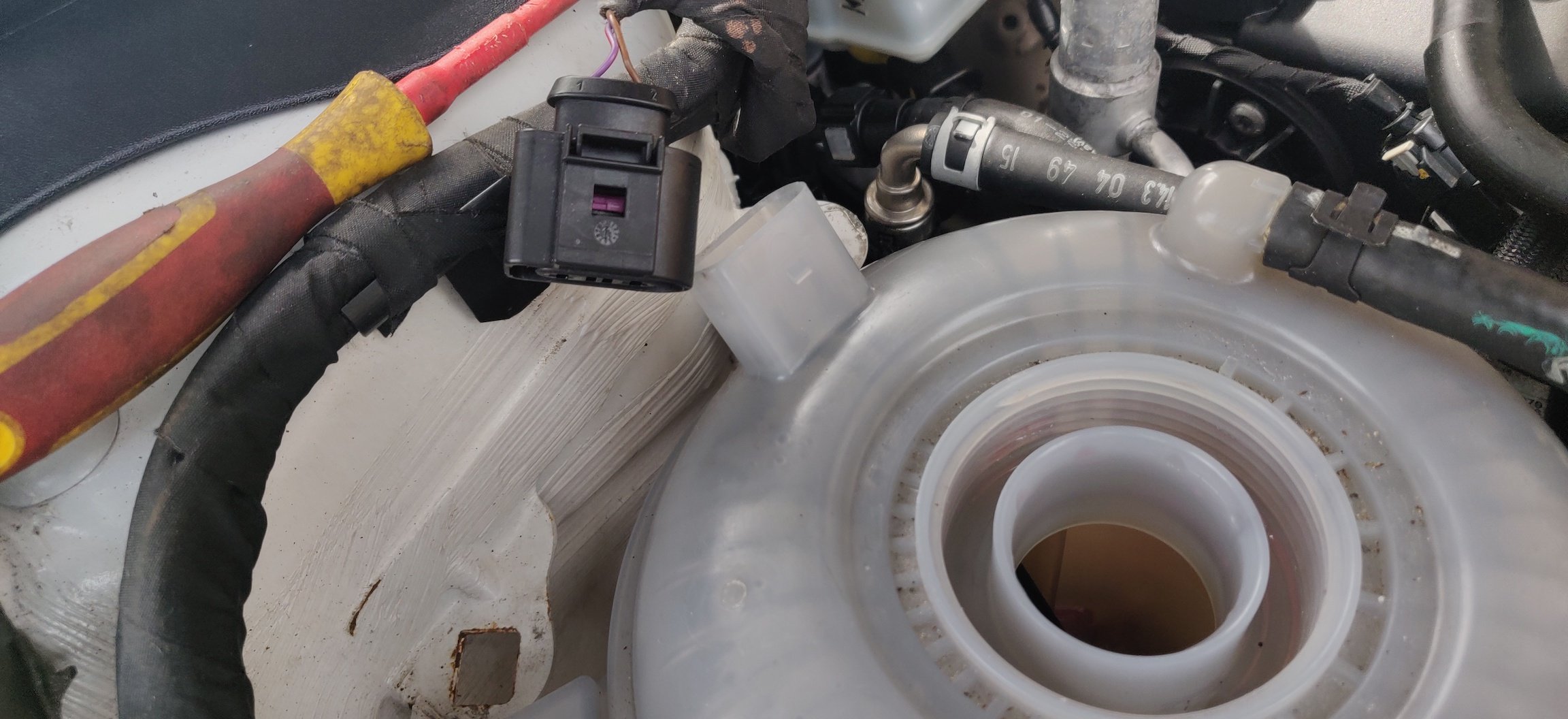
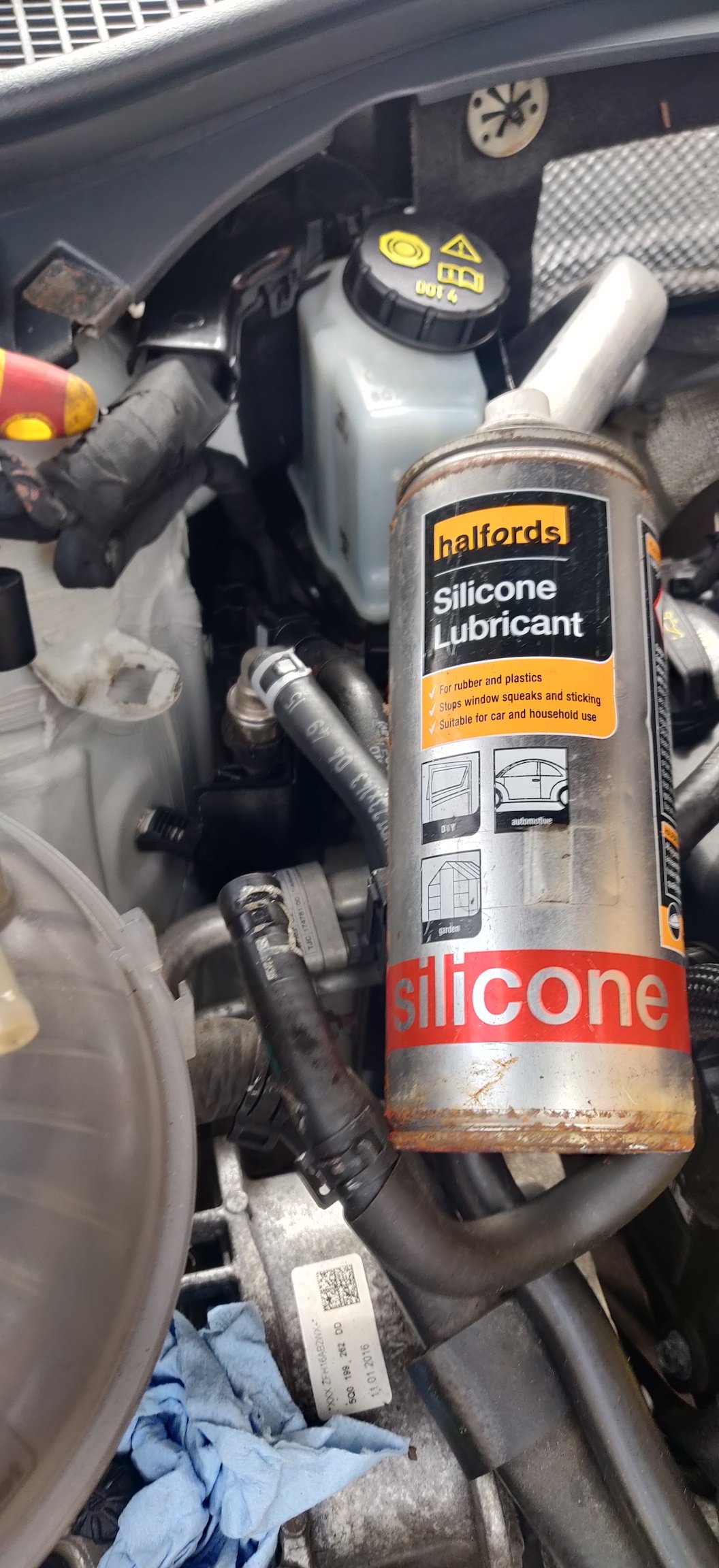
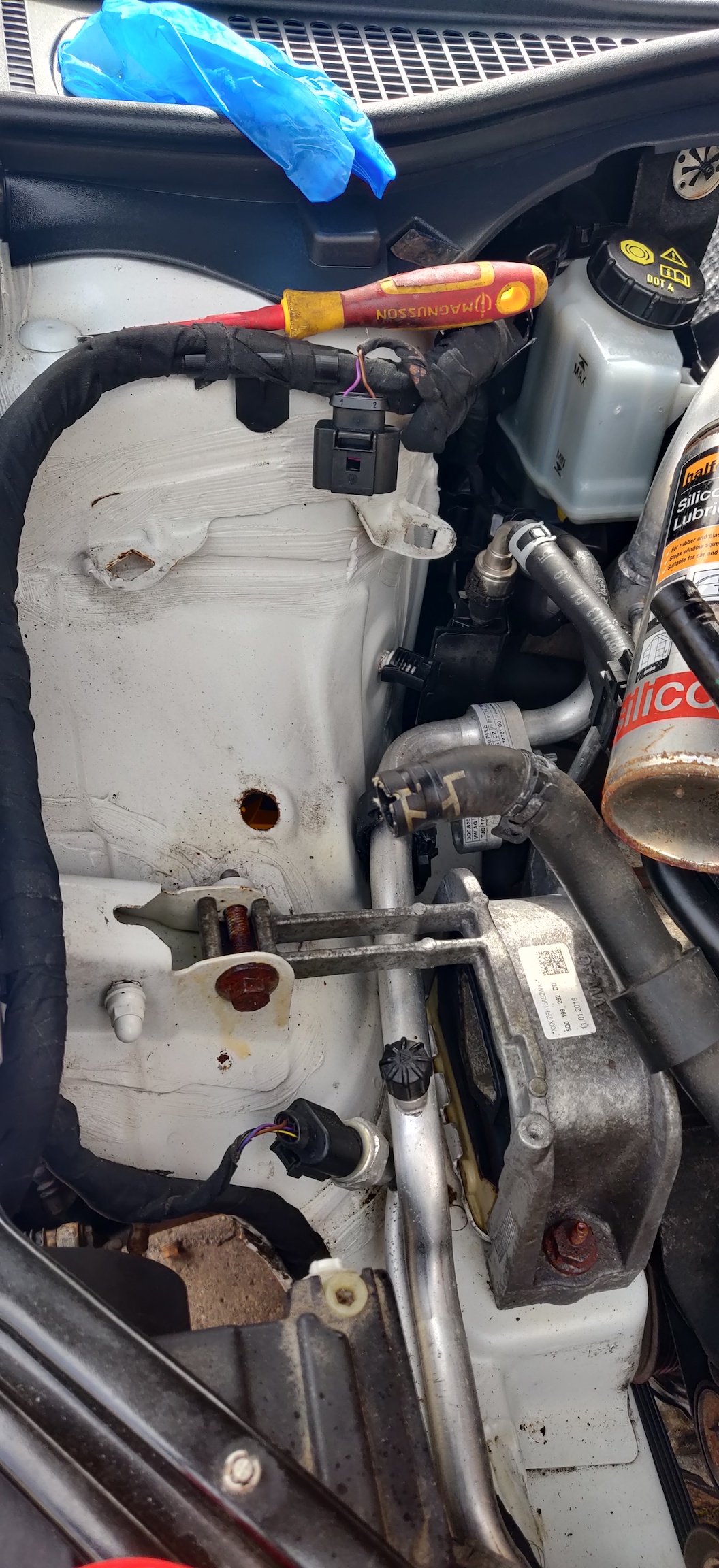
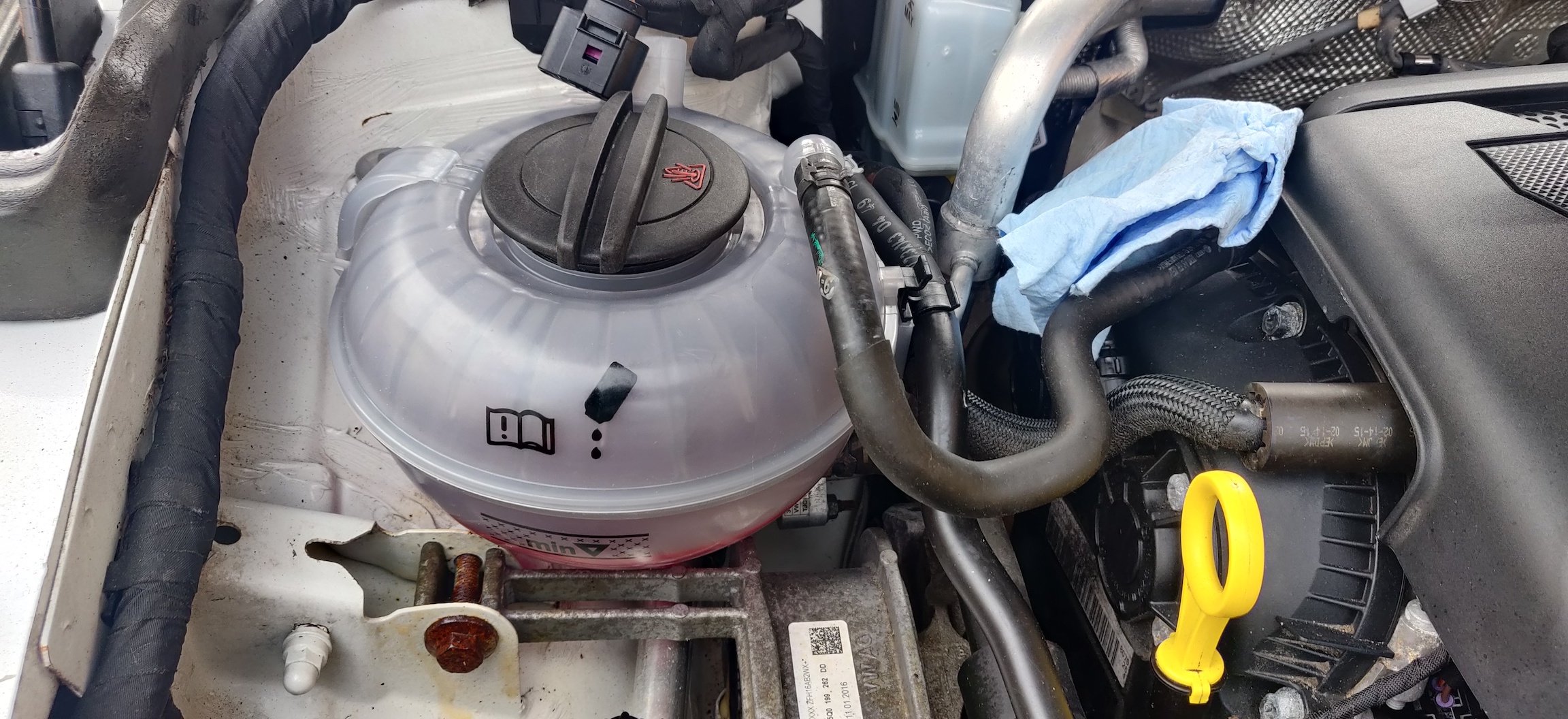
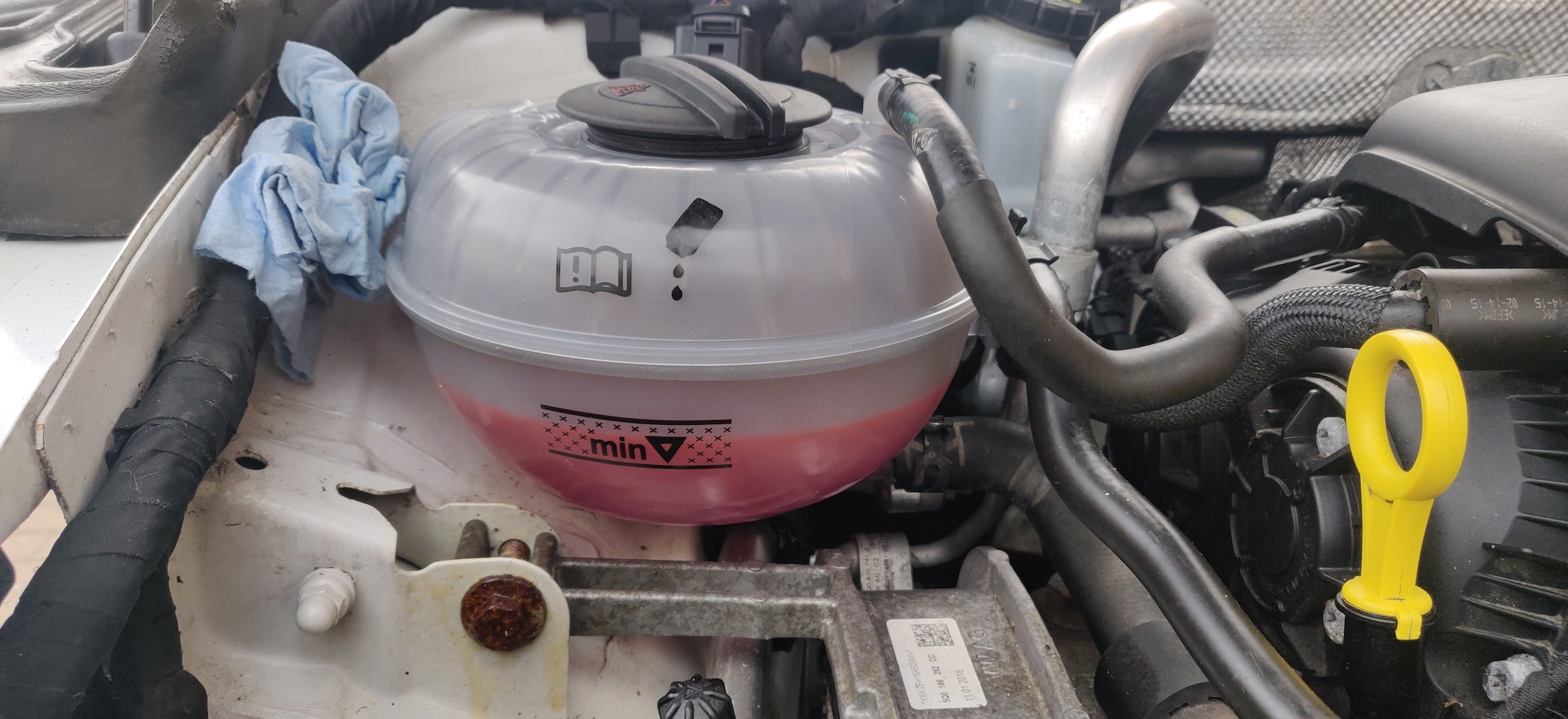
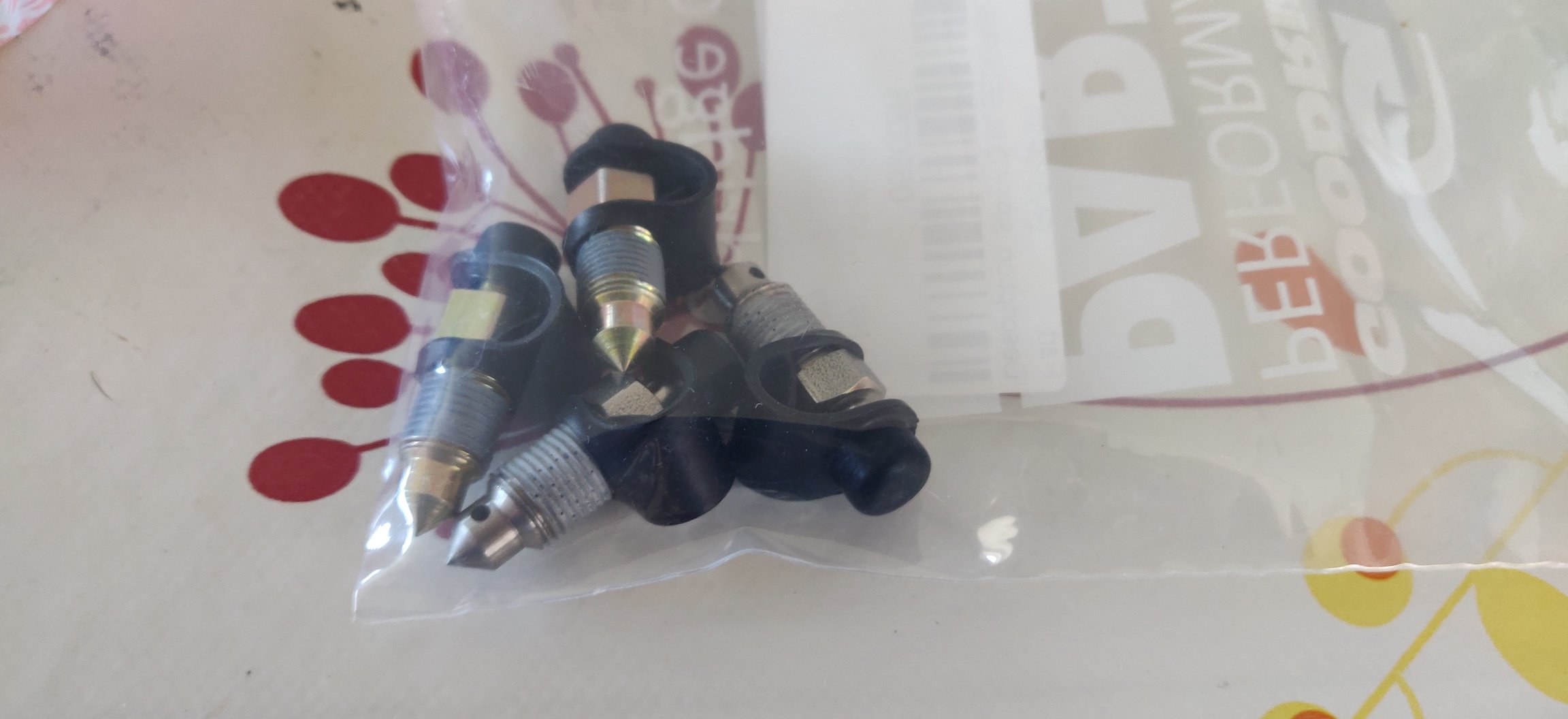
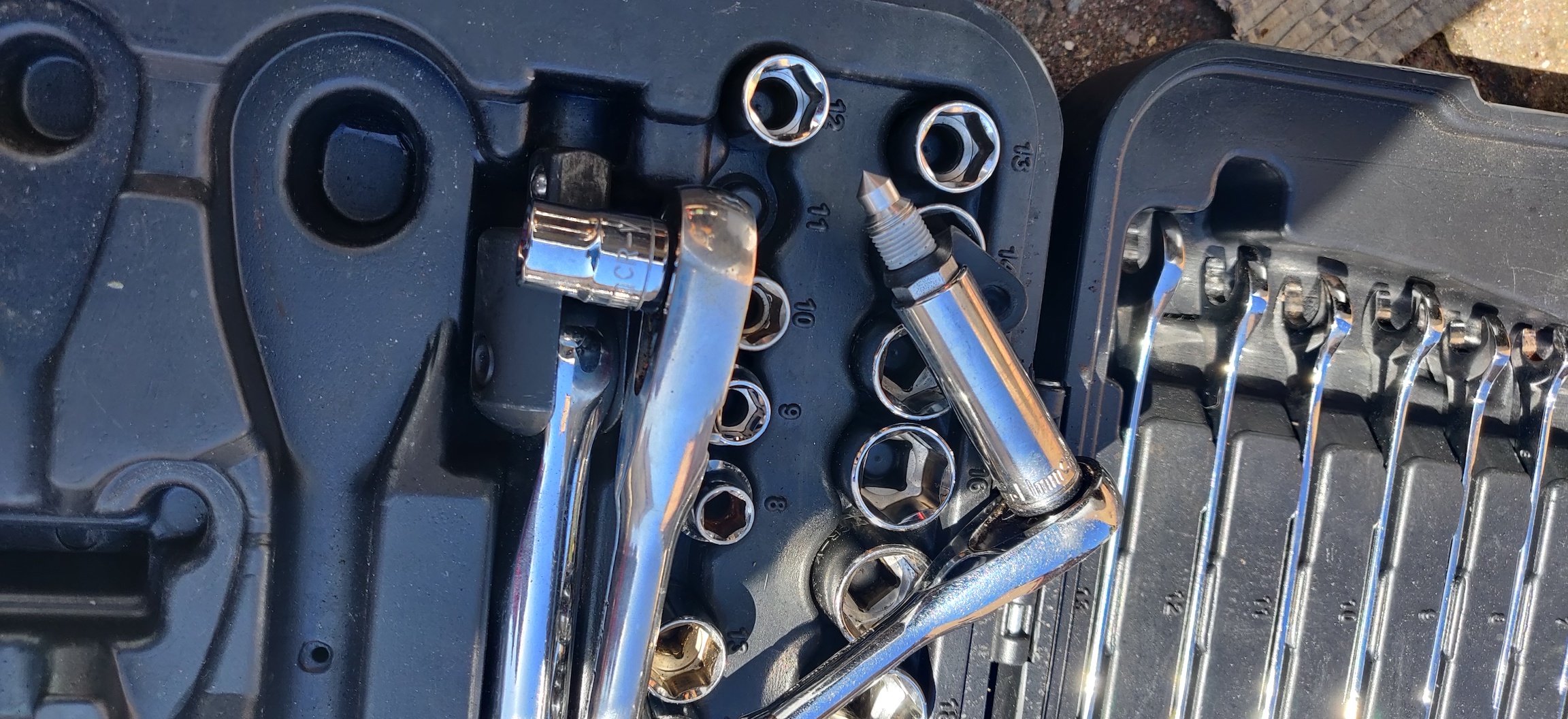
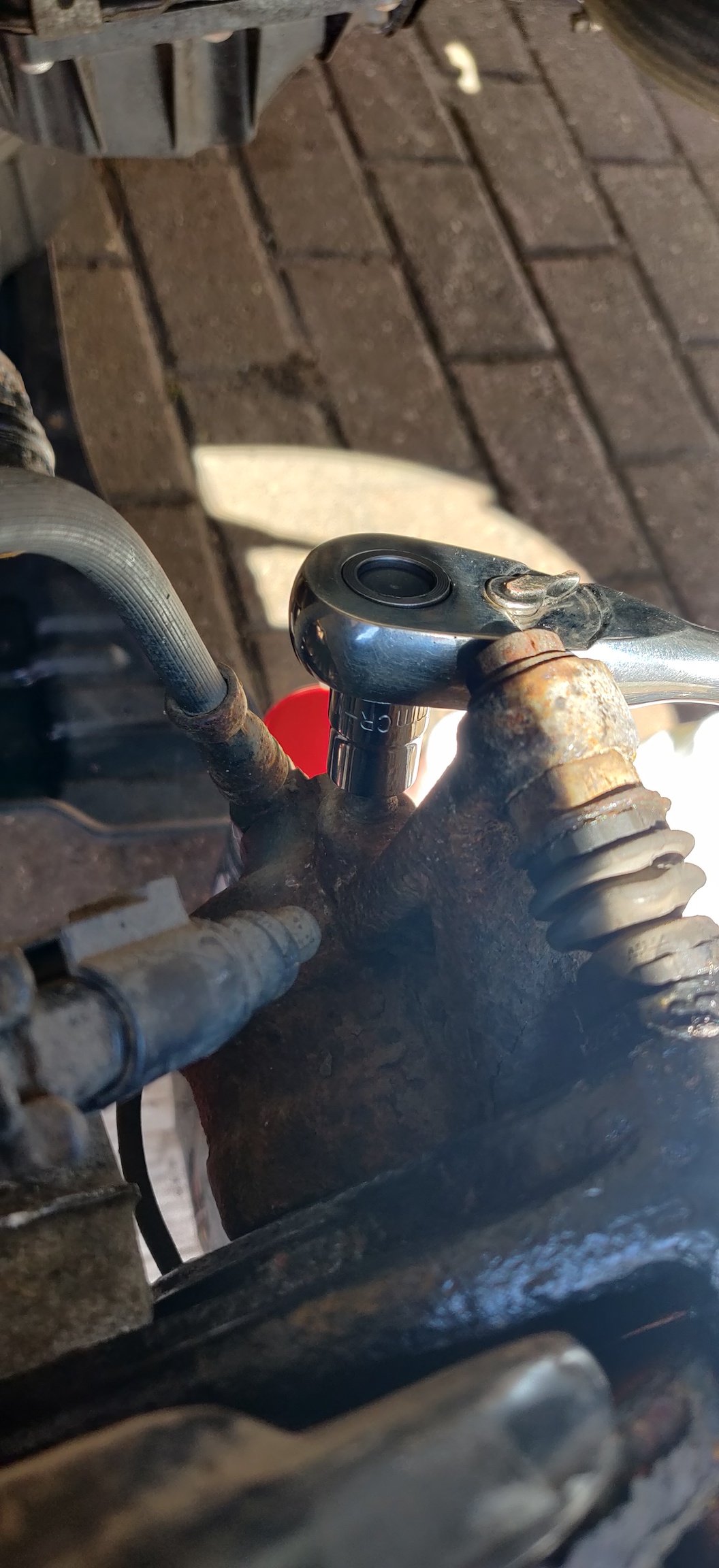
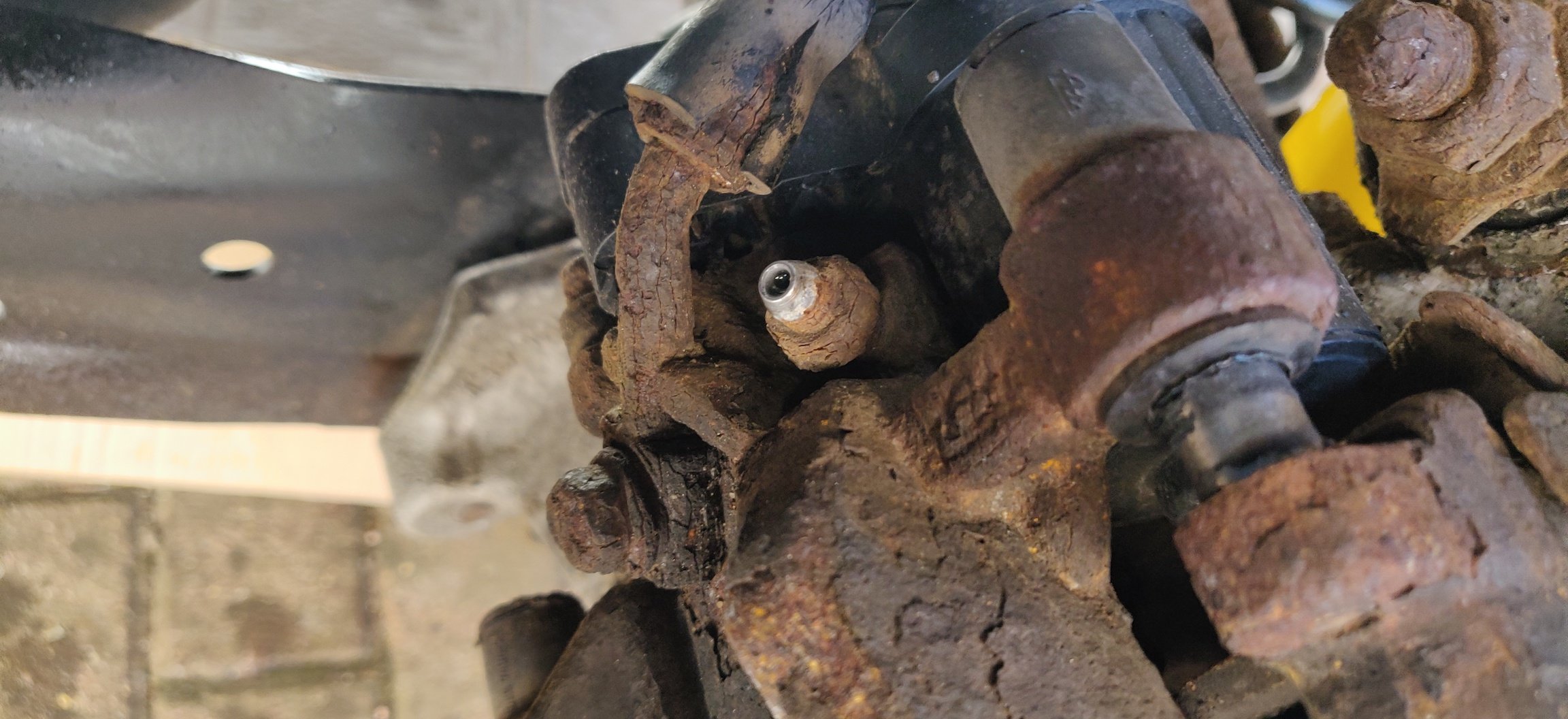
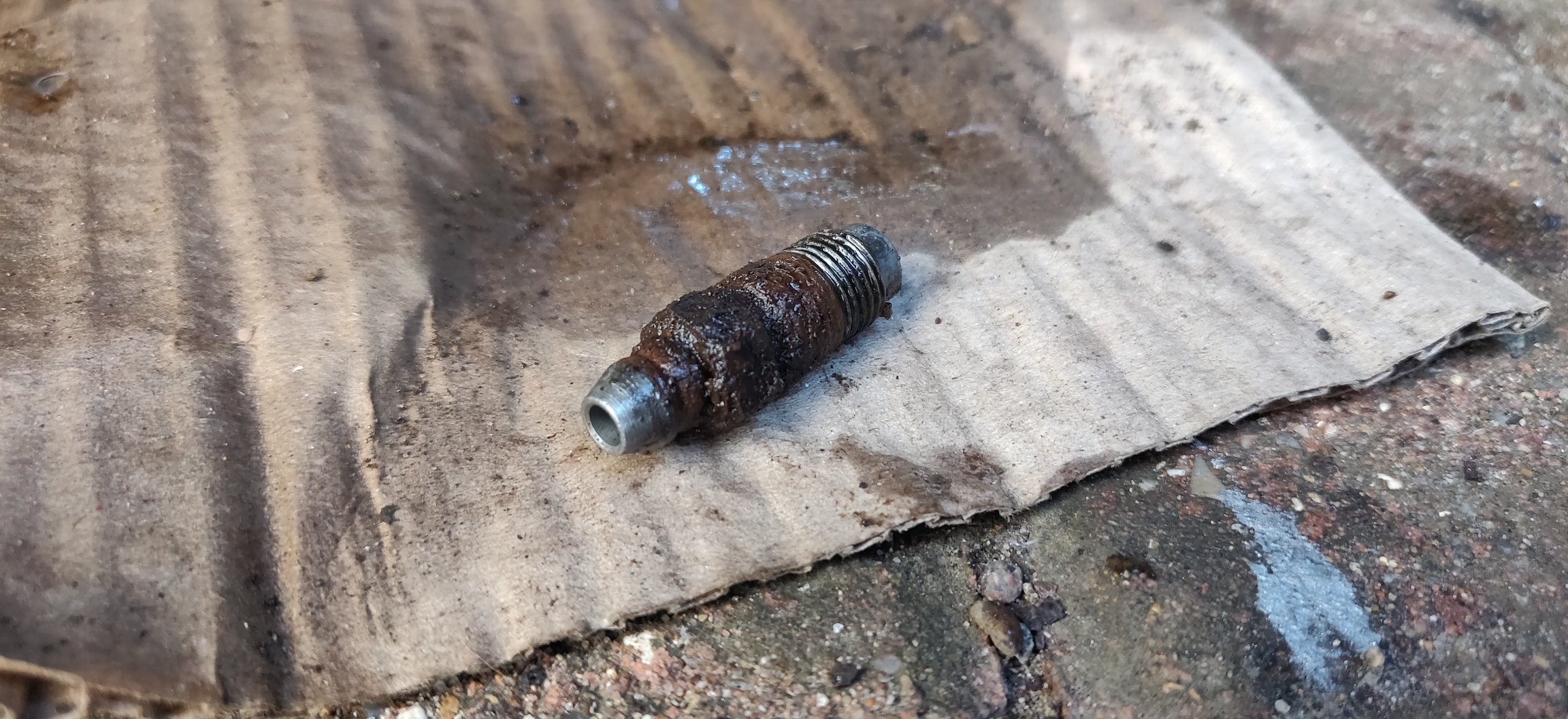
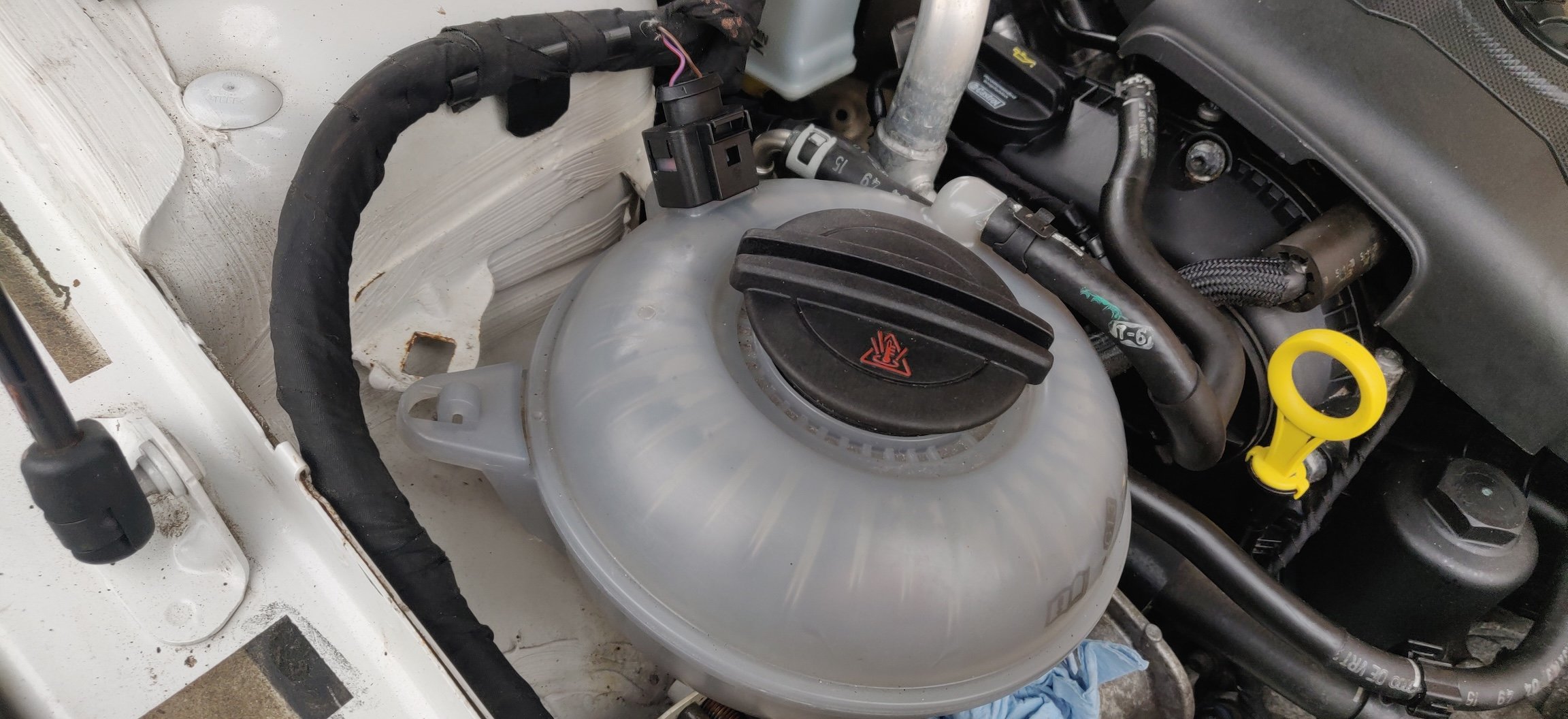
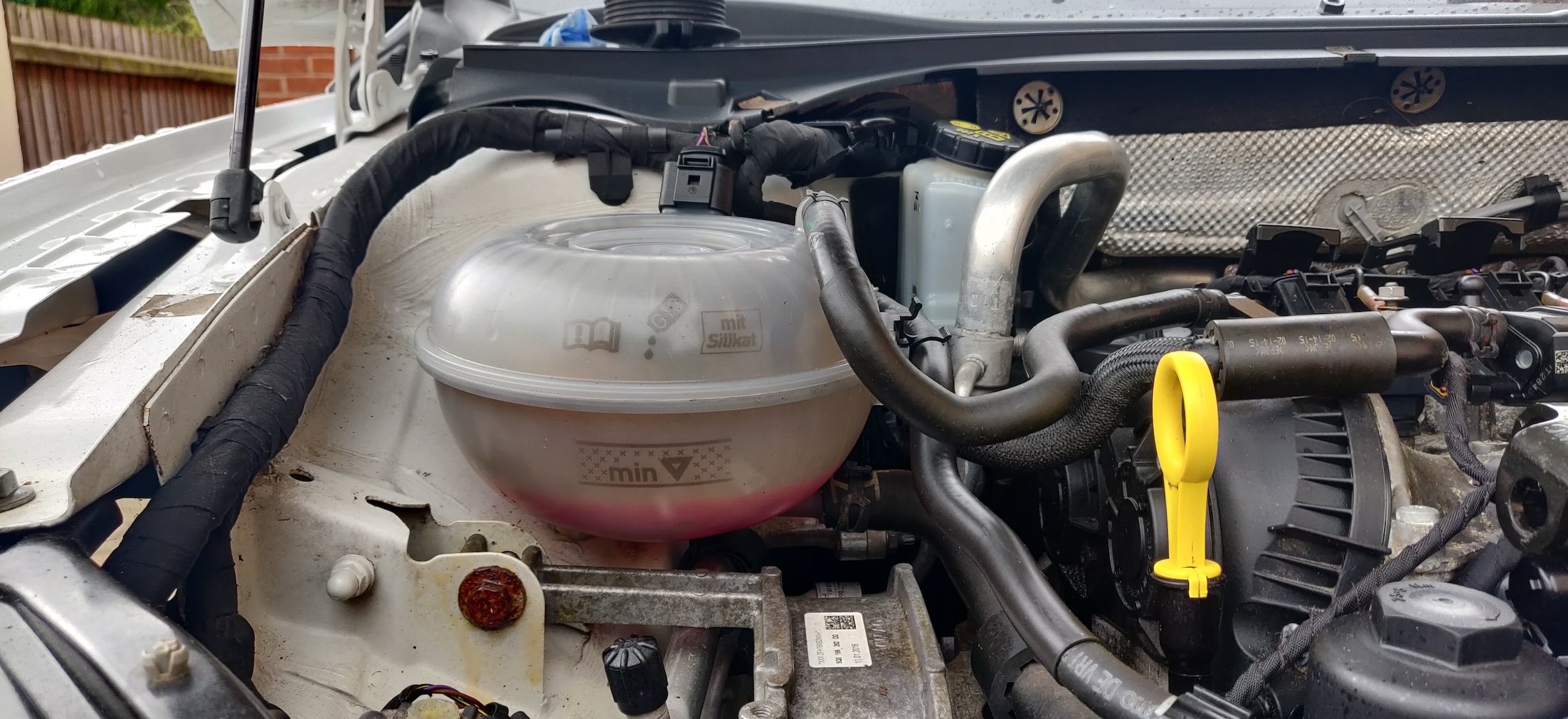
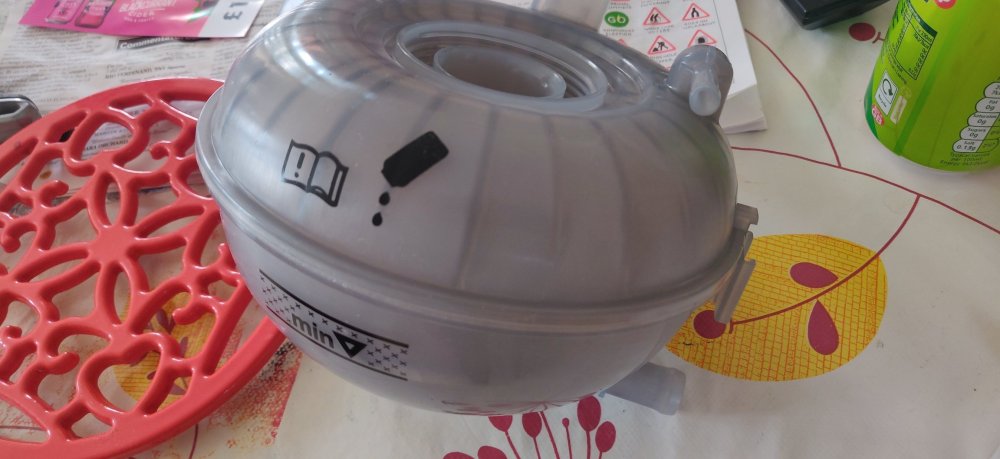
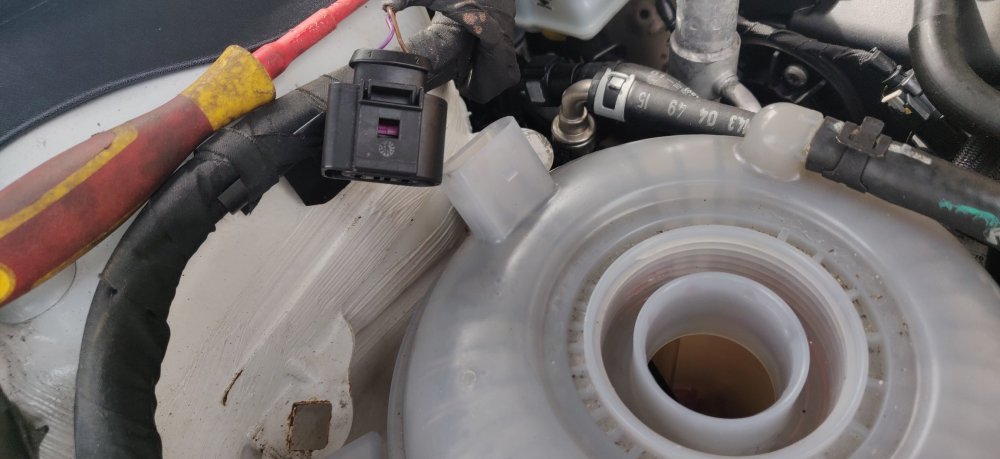
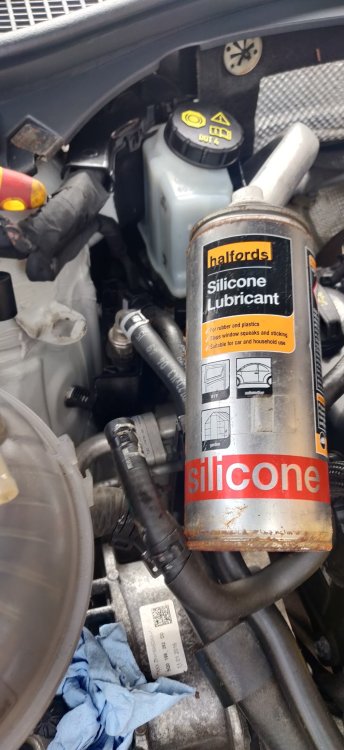
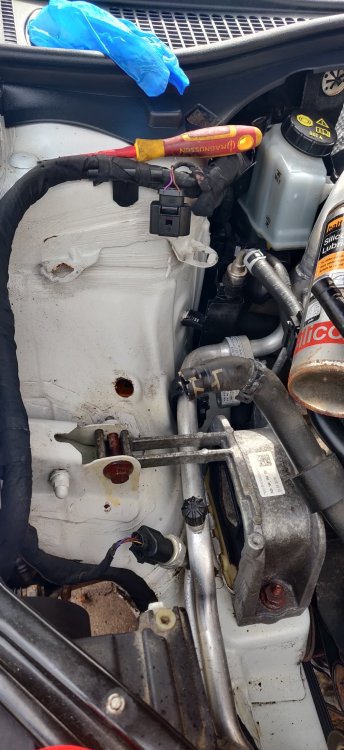
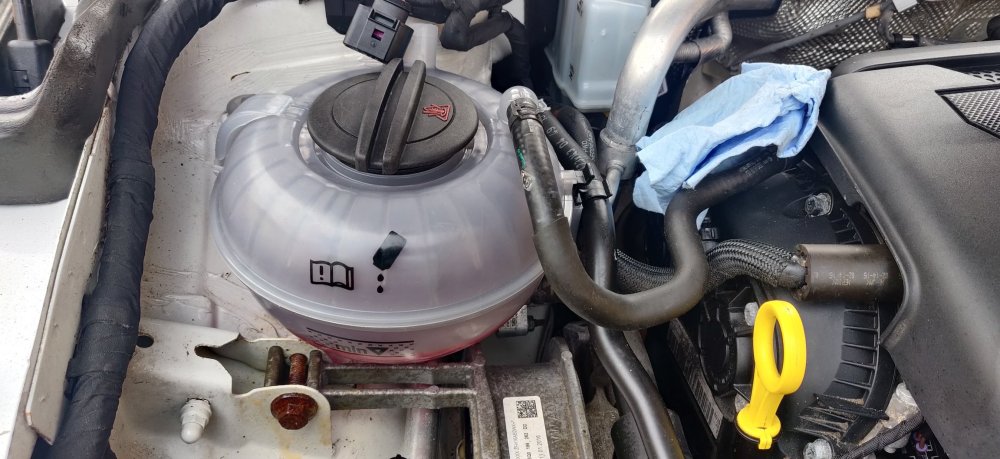
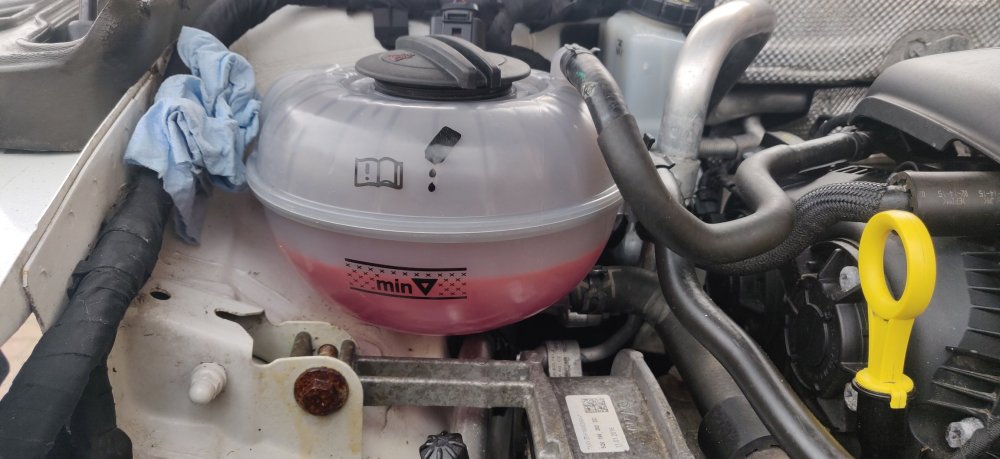
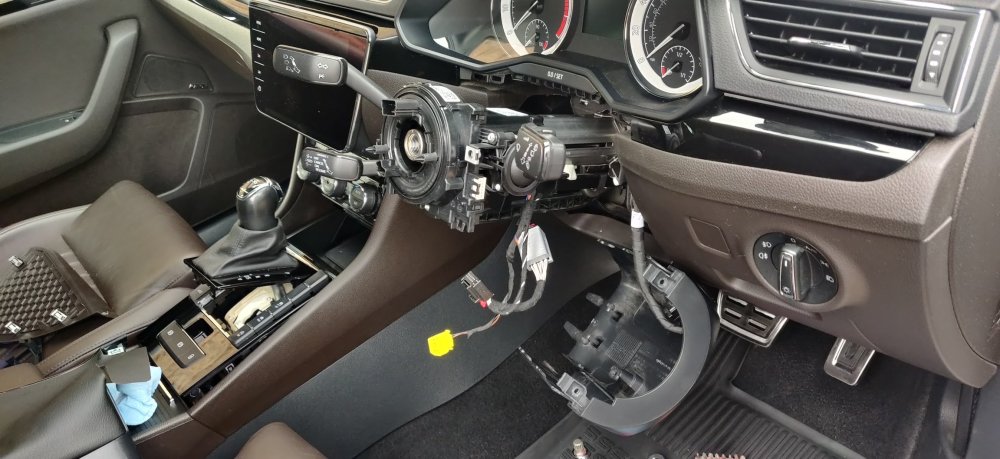
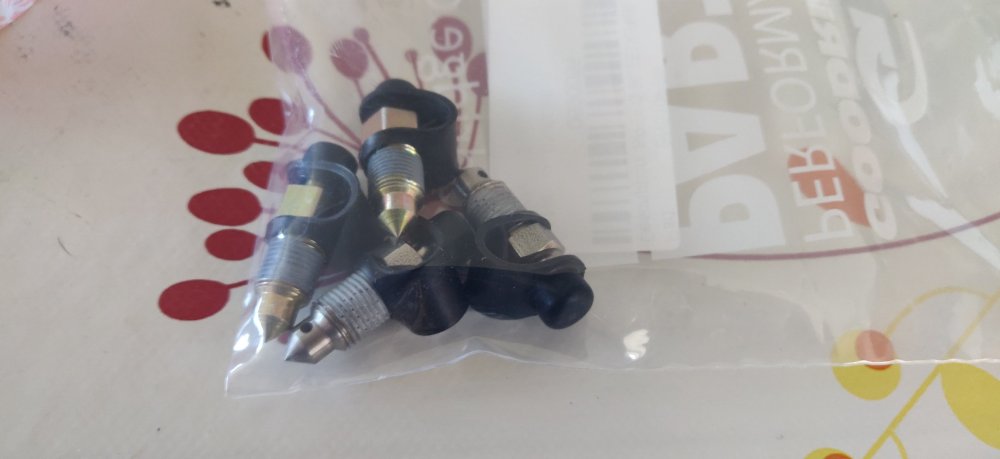
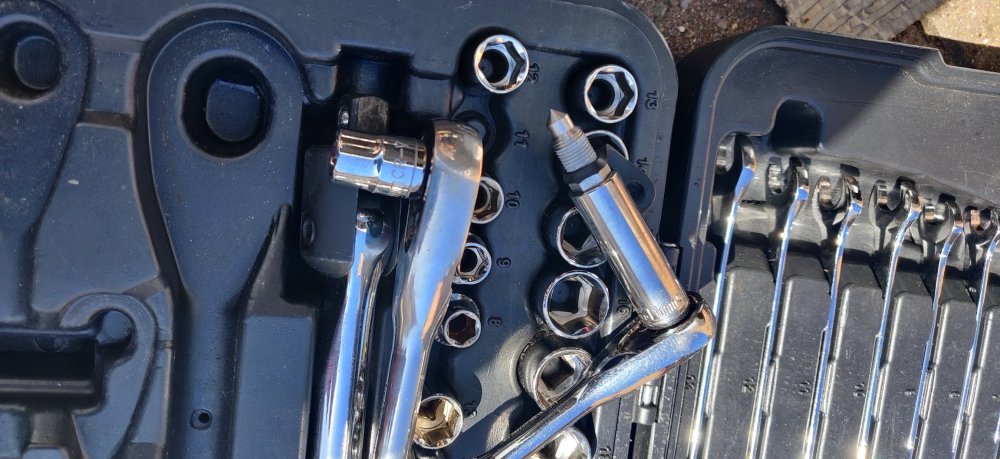
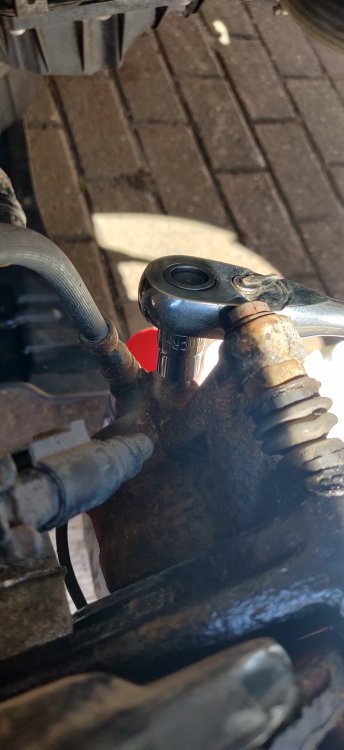
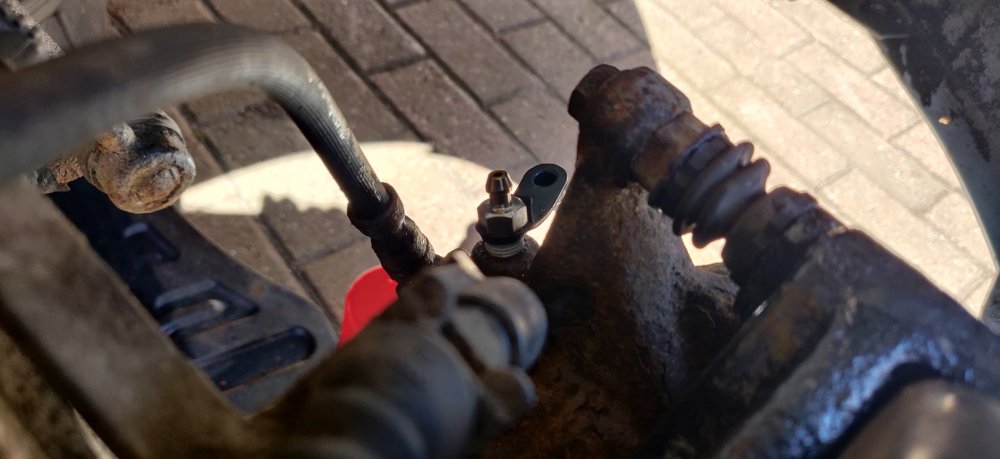
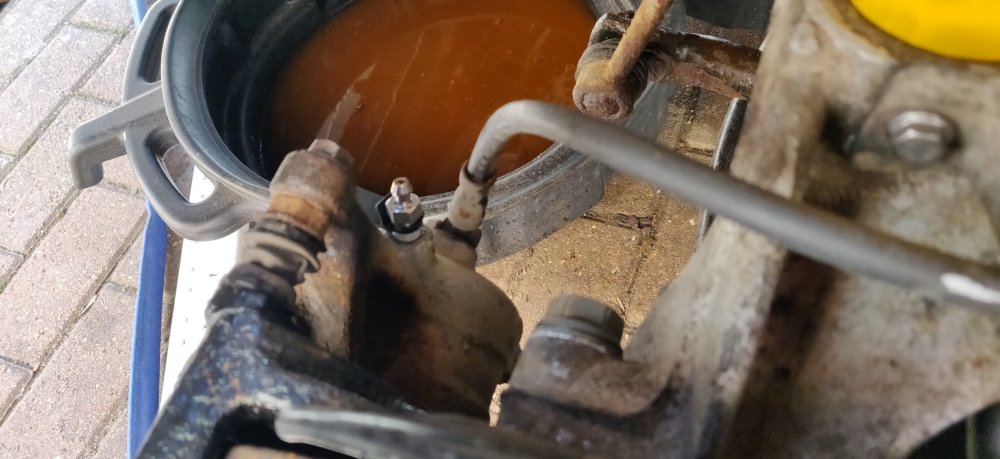
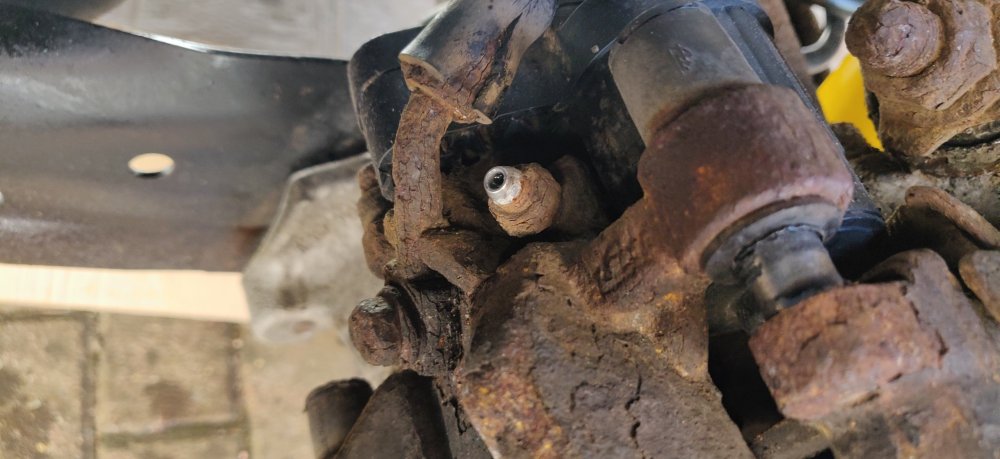
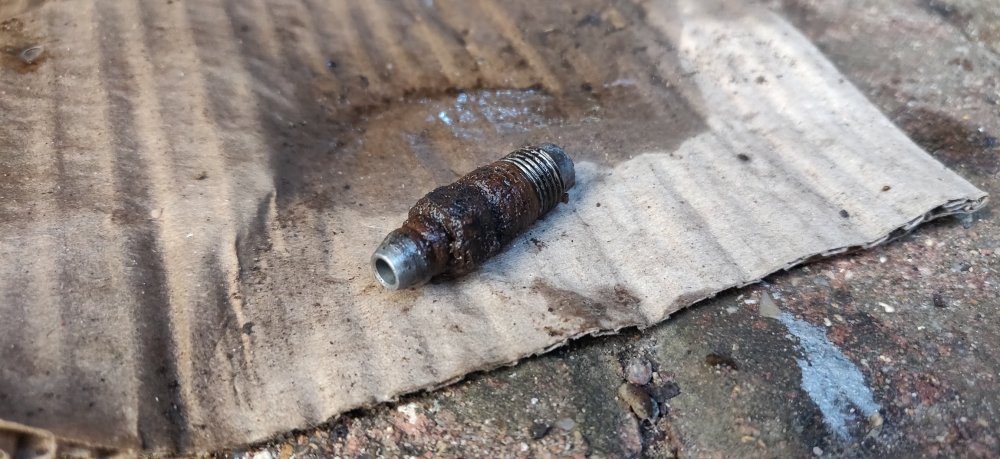
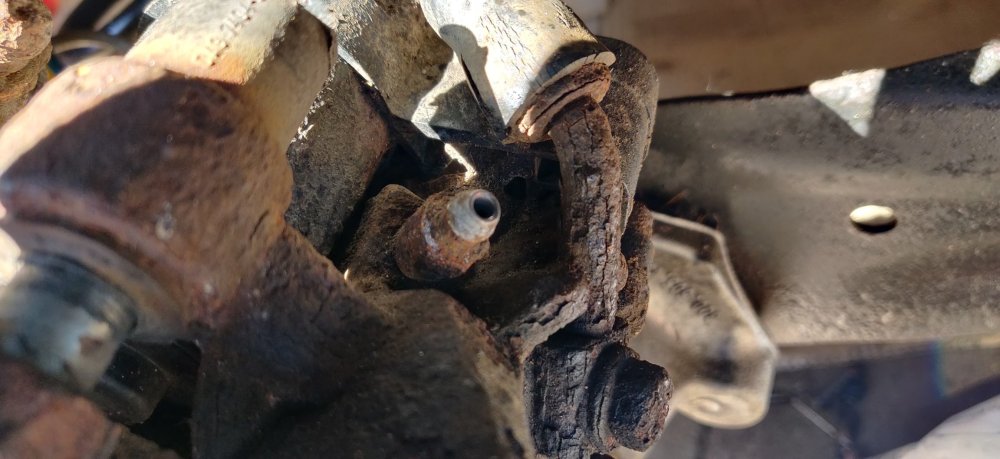
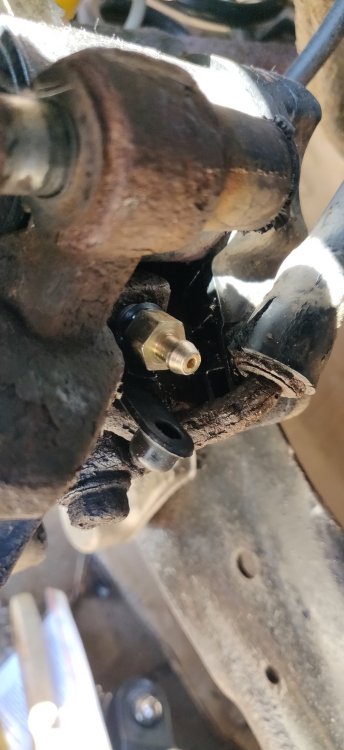
Any good car manufacture knows that the best engineered cars last exactly the warranty, so 3 years normally. They don't need to care about it any longer than that. Anyways: New coolant expansion tank arrived. £16.88 from eBay, took about a week so I suspect via China. Initially, the idea was to replace it just because the current one is a little dirty rather than any genuine reason. After some reading around though, I've discovered that G13 coolant has less effective silicates than earlier antifreeze/coolant solutions, so they decided in their infinite wisdom to have something akin to a silica gel bag in the coolant tank. I suppose the point is to make it last much longer between changes, see above regarding the best engineered cars. All falls apart once/if the bag itself falls apart. So this vanity act is now also preventative maintenance. So already started removing the existing tank, so just a few more things to disconnect: Electrical connector for the level sensor was nice and easy compared to say the Haldex controller under the car. I then tried a different approach with the hoses: Have some silicone lubricant spray lying around, which I've occasionally used on dirty belts which have helped remove squealing. So sprayed a bit on the ends of the hoses, then used a thin screwdriver to gently pop the hoses off. So there's a small one for the return at the top, then a clip in the middle holding other hoses, then the main one to presumably the radiator or somewhere else at the bottom: Fitting the new one is the ol' reverse of disassembly: Started to top up the coolant, then gave it a few hours before checking again: Eagled eyed readers will note the previous pic didn't have the connector plugged in, so that's sorted. Then topped it up just under max, will leave it and top up as necessary. I'm hoping the system will bleed itself, as I don't really want to go to the hassle of getting tools to introduce a vacuum. This is topped up with generic 5 year life coolant, which the labels suggest is G12+. I believe they're compatible. I think over the next few years, I'll probably drain and refill in 2 and then again in 4 years time to increase the amount of G12+ stuff in there. Then it'll be part of the C service every 4 years. The weather is positively Summer-like, so decided to dismantle the steering column area: The indicators on the left just look too shabby for my liking, so will be replacing them. Hopefully with a set that is still compatible, but we'll see. It then actually got quite warm in the cabin, so out again, and decided to tackle one more quick thing before lunch: I say quick... The speed bleeders use 11mm sockets, and so do the front, so got a couple of sockets ready, in order to try and swap them out as quick as possible: So got some Plus Gas on the front right to start: The plan immediately goes to pot, as the removal of the front right one a little stiff than I'd like. But it got free. The next issue was inserting the new ones in. This was mainly made difficult because of the covers I've used, which ended up just getting in the way of smoothly getting the threads on due to the way the calipers are all shaped. Just a case of persevering really, then eventually nipped up hand tight: The other side decided to be more of a pain to get the new one: Just a case of trying to stay calm lest cross threading occurs. Then the rears: Amusingly, the 11mm socket didn't fit, so went to 12mm, then 13mm. The 13mm fit, but then it turns out it was just a huge amount of crud, eventually clearing up to be 11mm: These were on tight. The 3/8" spanner was struggling to break them loose, and I was genuinely starting to panic. When I first got my Peugeot 205 GTI, it didn't have covers on the bleed screws, and so all of them ended up seizing to the caliper and rounding off, necessitating buying 4 new calipers. I didn't need to suffer that this time. The rear right was even tighter: It's just all located in such a way that dirt and crap just ends up staying there, not ideal. Lucked out again and it broke away without drama: So went around all the bleeder screws, sprayed huge amounts of brake cleaner around them to clean up the general area and to hopefully sort out any loose leaked brake fluid. Gave it a few minutes to dry, then tightened them all up to 8Nm. A random number as the Internet suggests anything from 4Nm to 10Nm for the bleed screws. So that's it for now. The brake fluid can pretty much be bled whenever now. Ironically, I could still use a pressurised brake bleeder despite the speed bleeders making one not entirely necessary. Depends what mood I am in the early evening. Maintenance: £2243.89 (+£16.88) Upgrades: £1322.97 Miscellaneous: £697.20
-
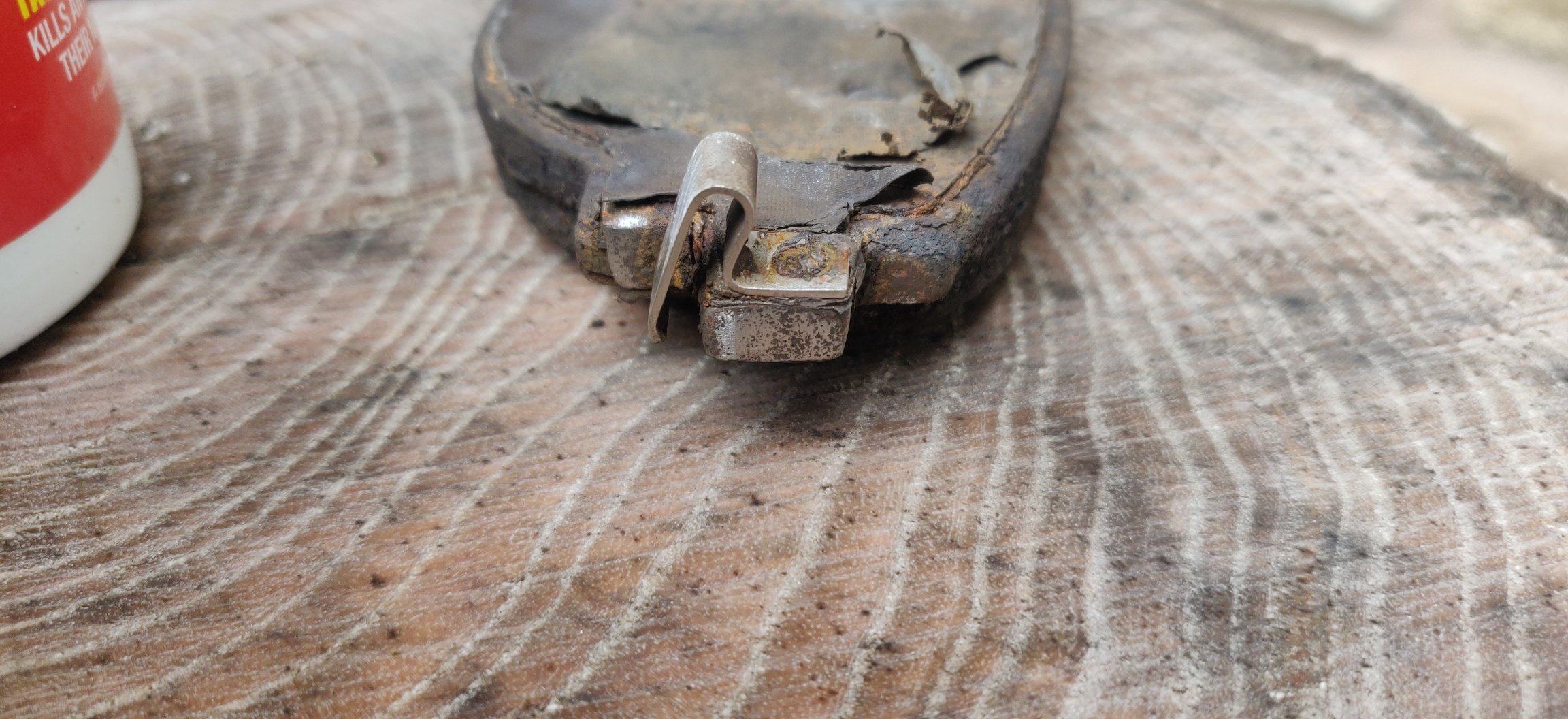
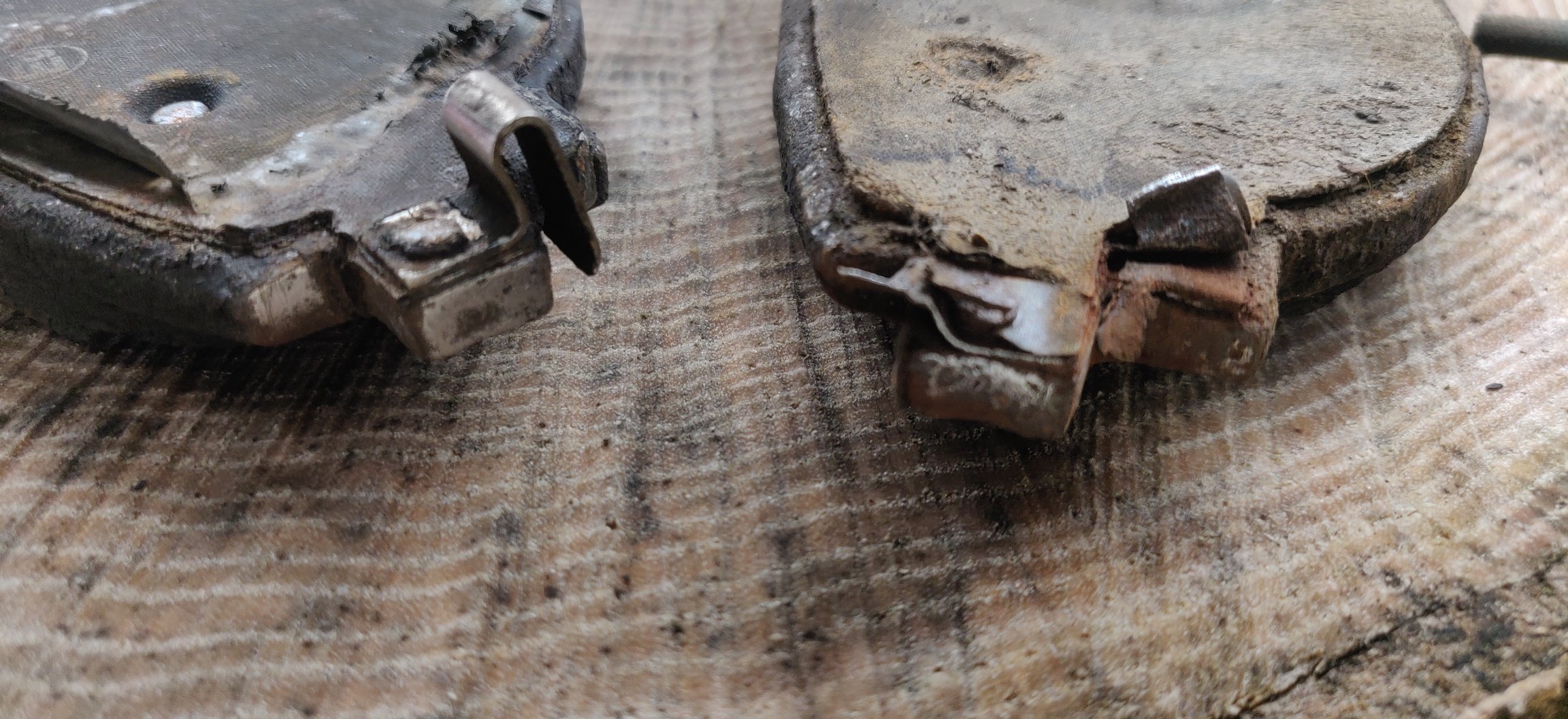
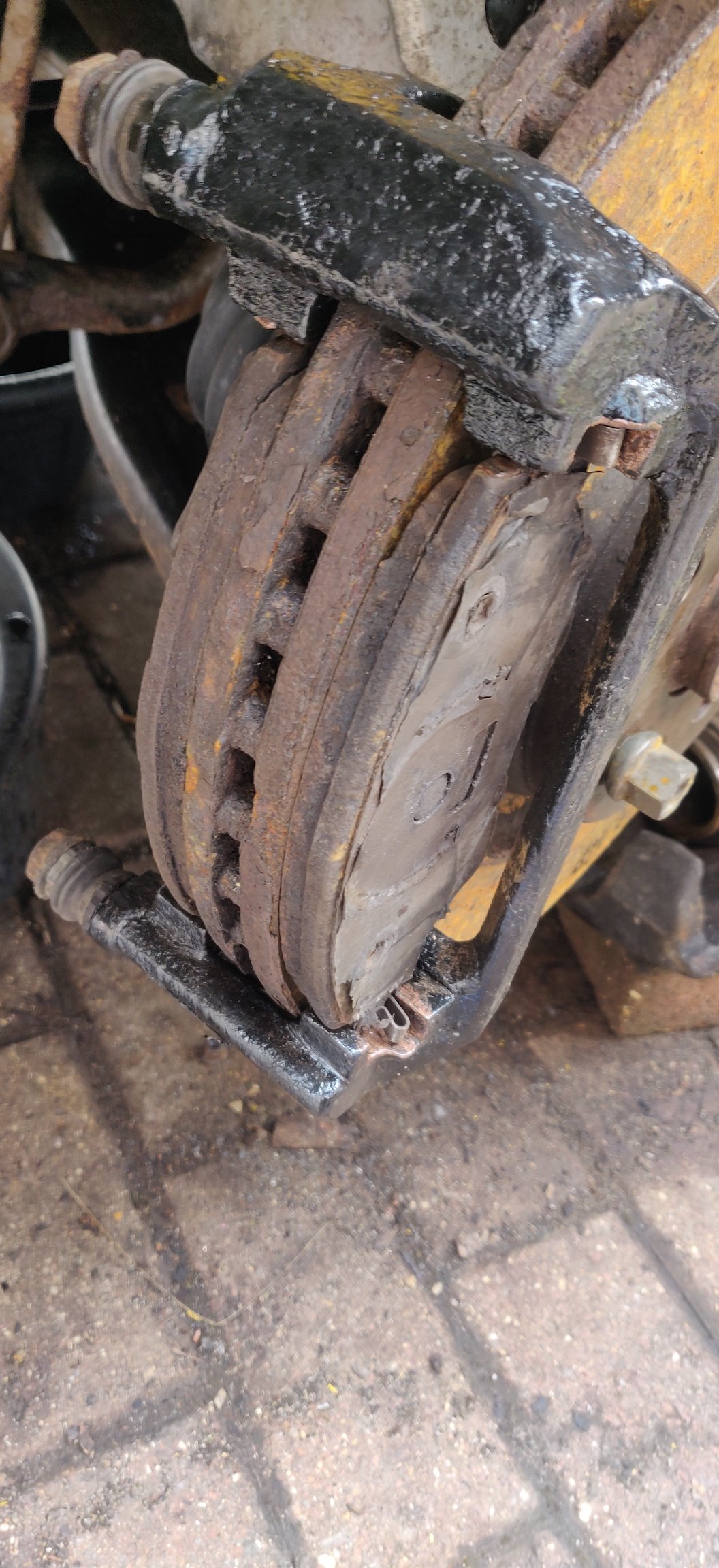
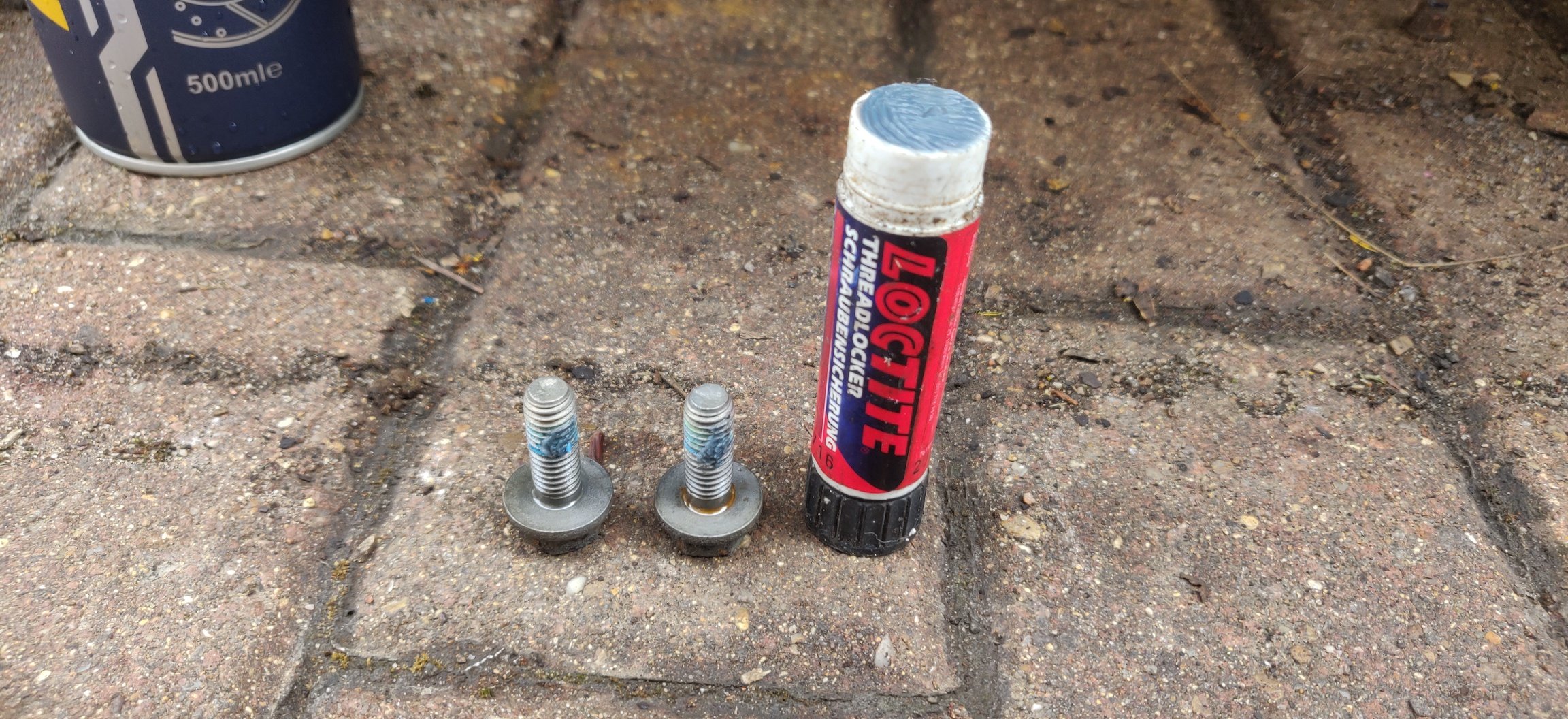
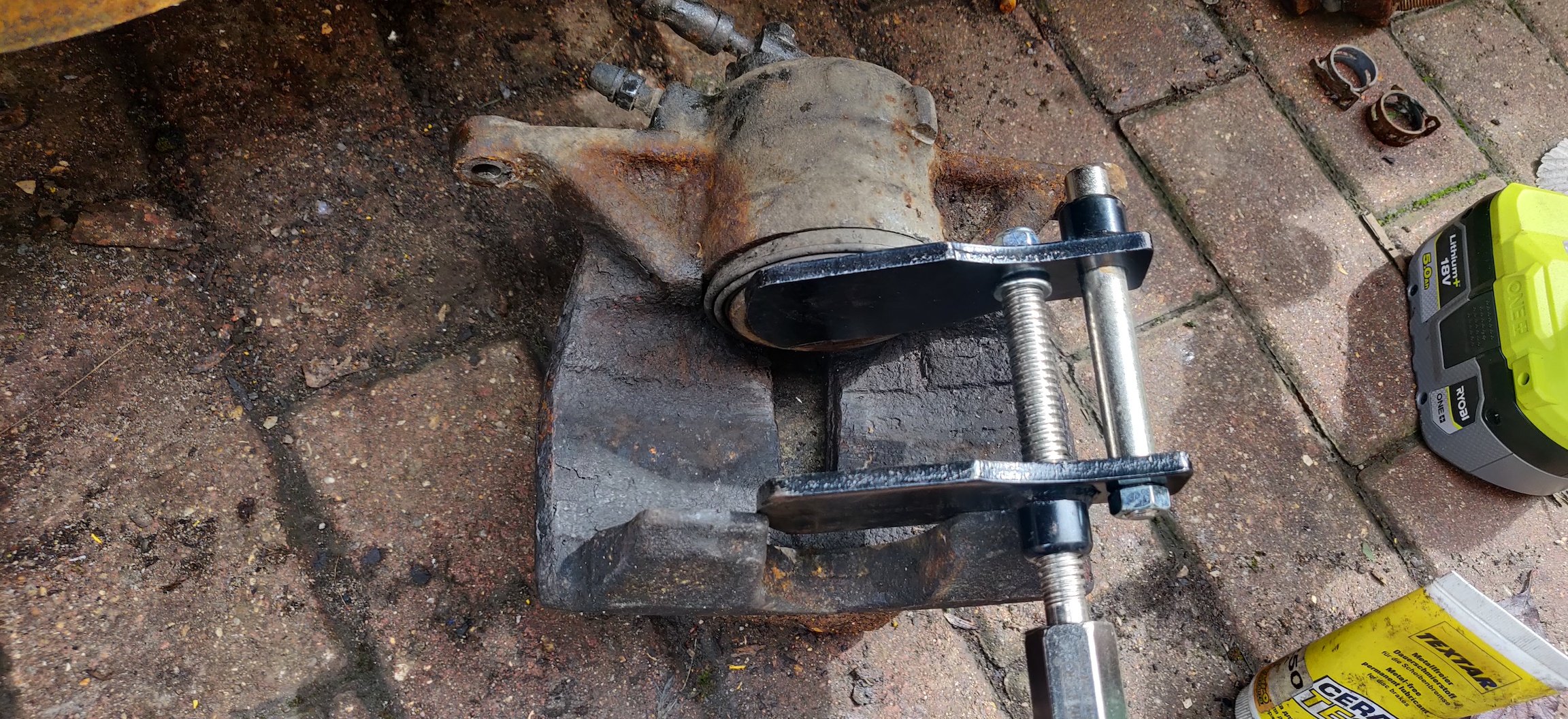
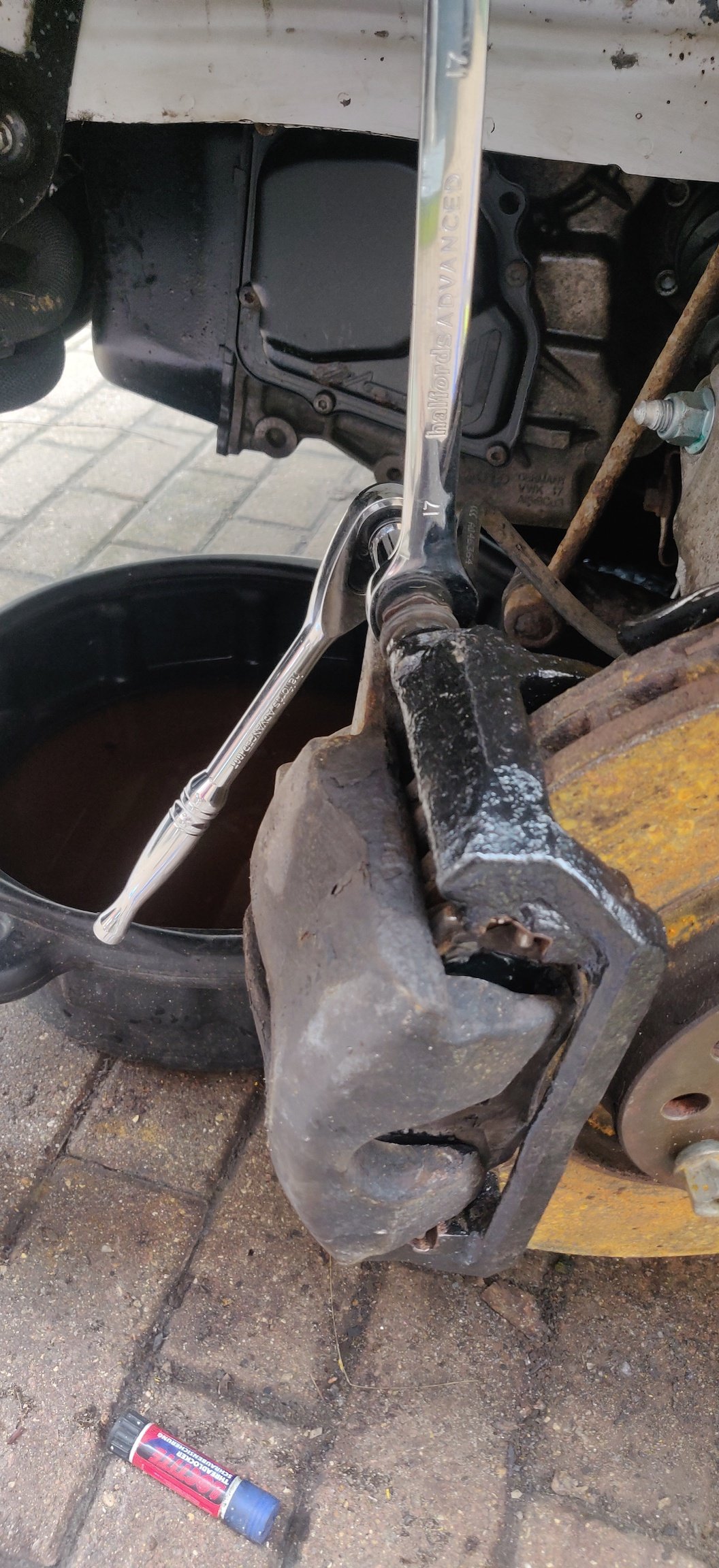
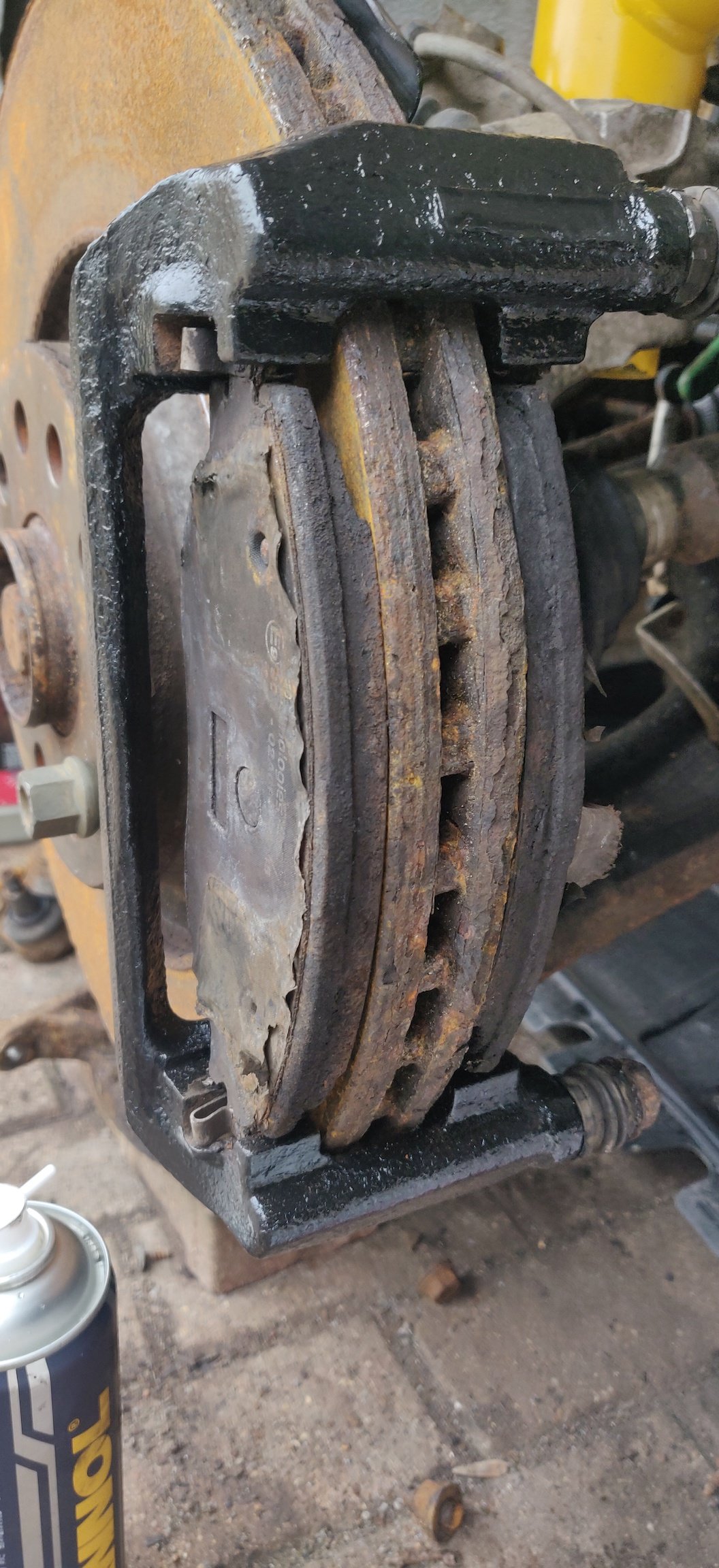
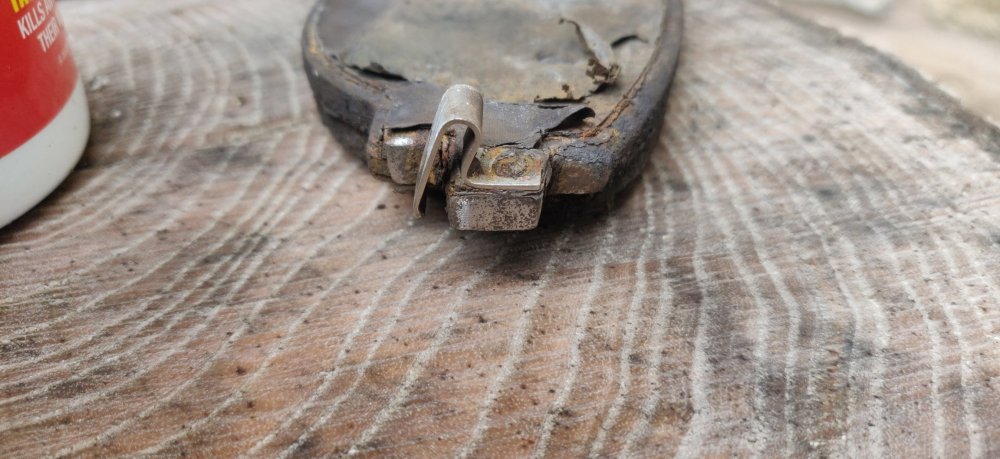
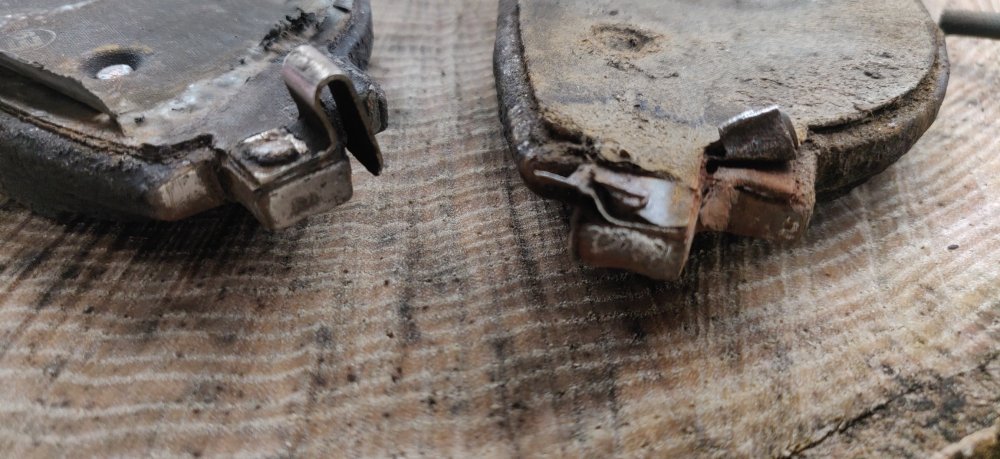
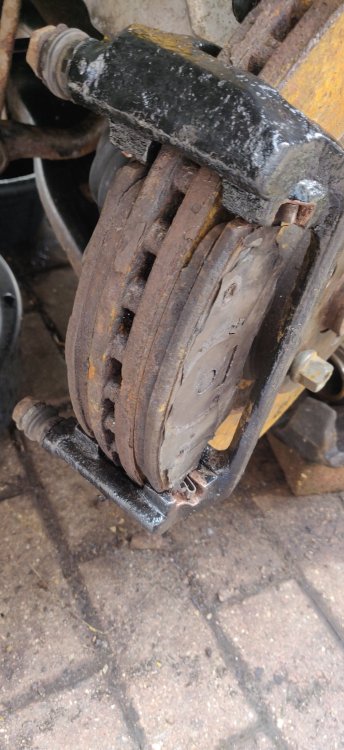
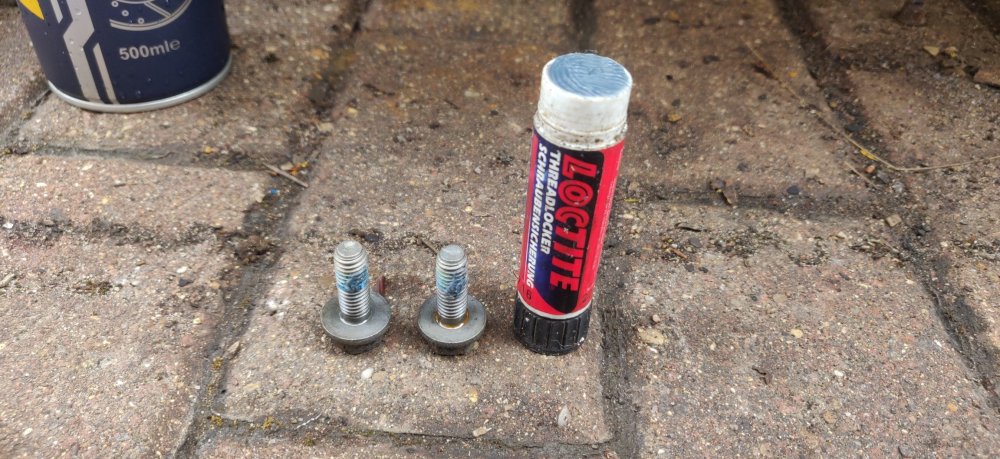
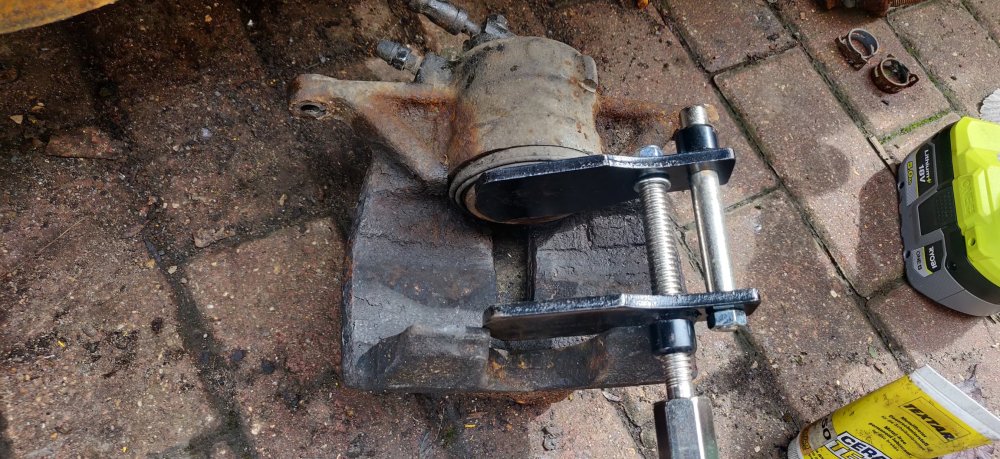
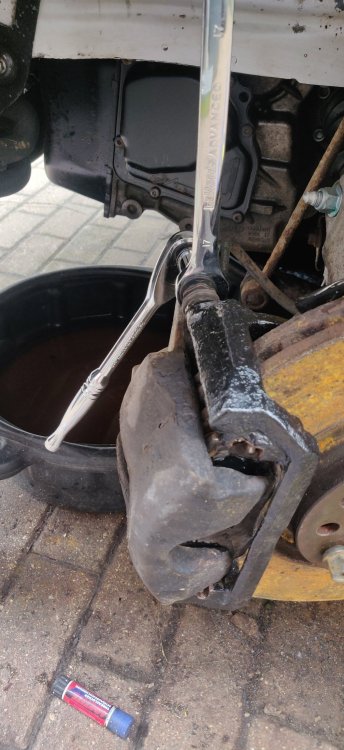
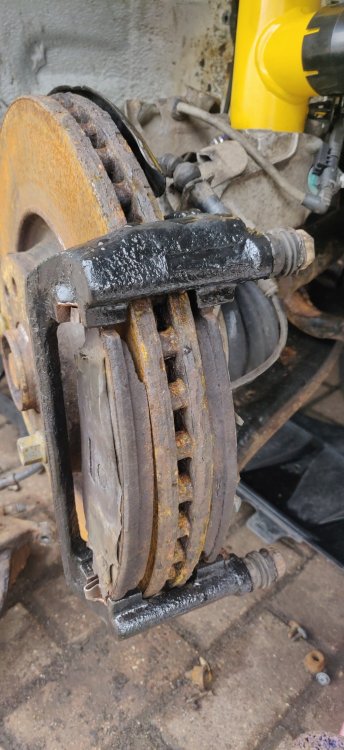
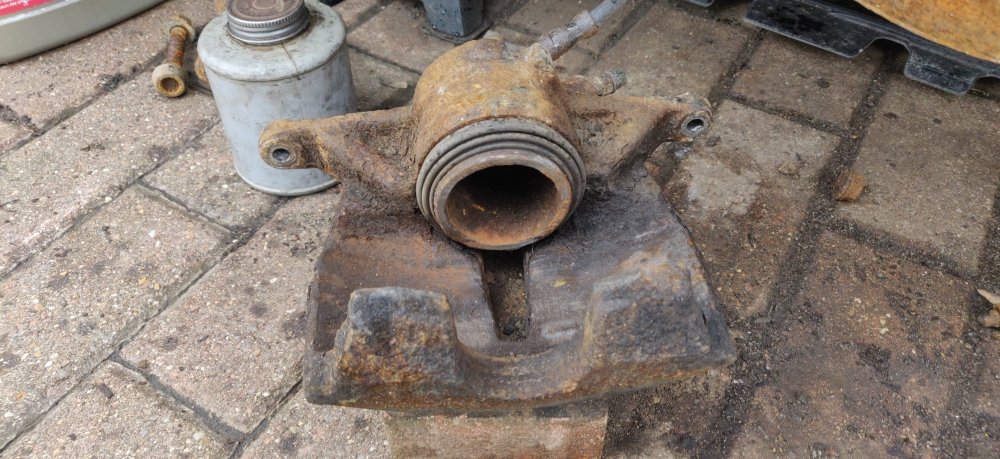
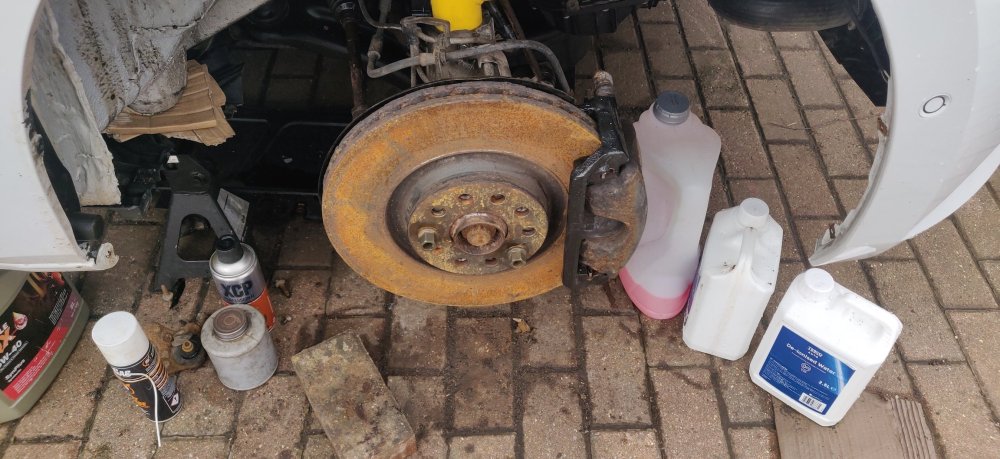
Overnight was heavy rain, into the morning, so bit of a write off. The weather got a little clearer in the afternoon so tried to get some quicker simpler things done. Went over the brake pads, where they contact and slide along the carrier, with the same flap wheel I used for said carriers: Only one pad seems to have its original stainless spring clips fully intact: One has one completely snapped, and 3 have a metal bit on the other side snapped off, so just went at them with the flap wheel to get them as clean as possible. Not too fussed as eventually these will be all be renewed over the next few years. Interesting that these cars have them physically riveted onto the brake pads, they're usually bits that clip into the carrier, or sometimes nothing at all. I presume its a small bit of stainless to reduce rust being a factor in gumming them up. Anyways, copper greased the contact areas on the carrier and slid them in: It's better than it was the first time they were dry fitted, but still not super smooth all round, some were fine, other's a bit stiffer. I'll keep an eye on them over the first few months on the road. The bolts for the caliper to the carrier had some blue threadlocker on them, so reapplied some fresh stuff: Then went and retracted the calipers: This is mainly to make it a lot easier to put them back on, and to gauge whether these calipers are going to be trouble in the medium term. They retracted in fine. Got some anti squeal paste and put it on the piston, and the backs of the pads where it'll touch the piston on the inside and the caliper on the outside, then put it in place: It was a 13mm socket for the bolt, and a 17mm spanner on the slider pin to counter hold it. These were tightened to 35Nm. So simply a case of doing the same on the other side: Definitely easier to do with the steering turned appropriately as per the pics above. Again, the pads were sliding better, just stiff on a couple of them. Used the flap wheel to clean the caliper piston face: Although it's really hard to tell given it's still manky. They all eventually look like this I suppose. But as per the other side, attached and tightened to 35Nm: I'll need to get those brake hose clamps tapped into the brackets for the hoses, but otherwise, that's it. The calipers were sliding horizontally without issue, easy to check with them retracted and the pads looking like halfway through their life. Went into the car and gently pressed the brake pedal a few times to get those pistons out and ready. The pic above shows the wheel bolts already rusting from the rain, so I'll probably need to clean those up again, then spray some of that XCP stuff on them once the wheels are on. Didn't want to risk getting caught out by the rain, so packed up for the day. Maintenance: £2227.01 Upgrades: £1322.97 Miscellaneous: £697.20
-
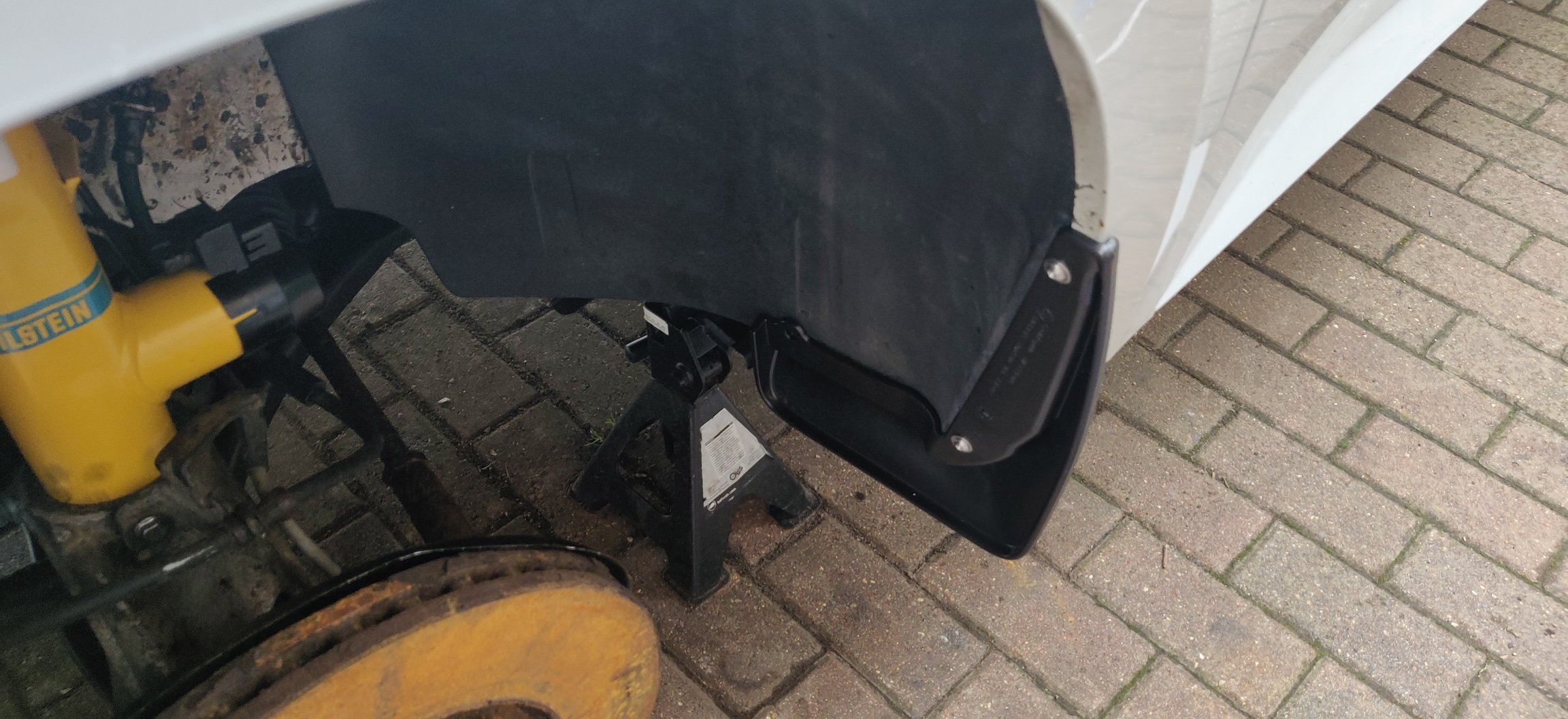
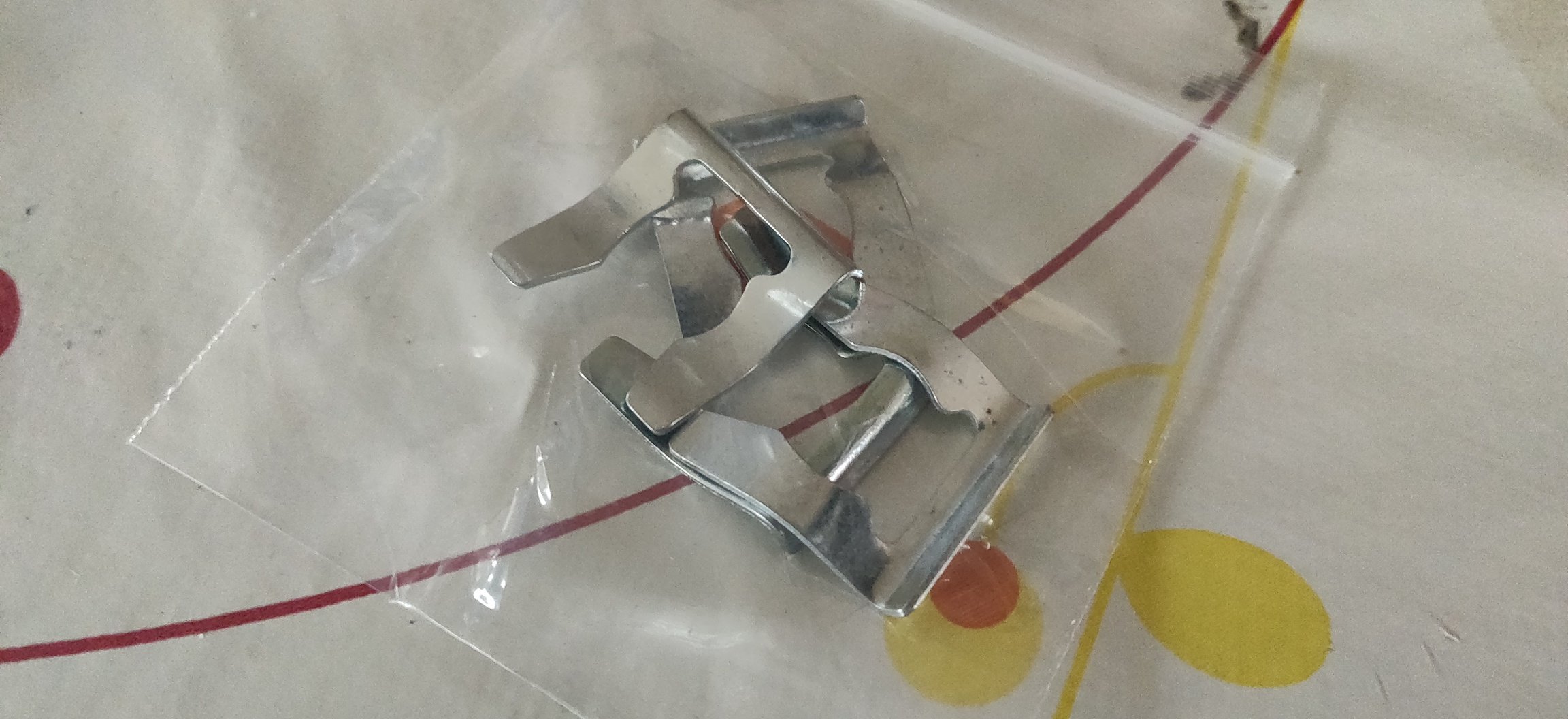
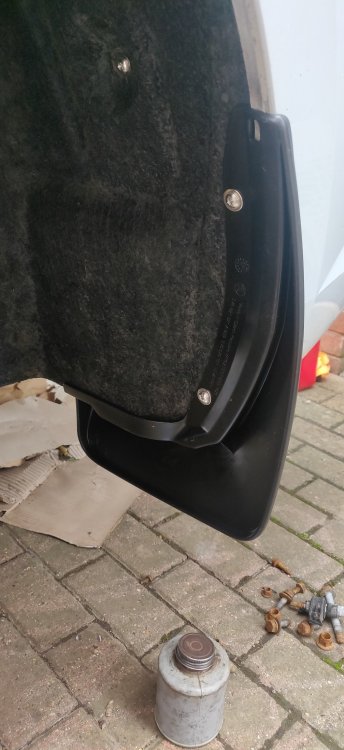
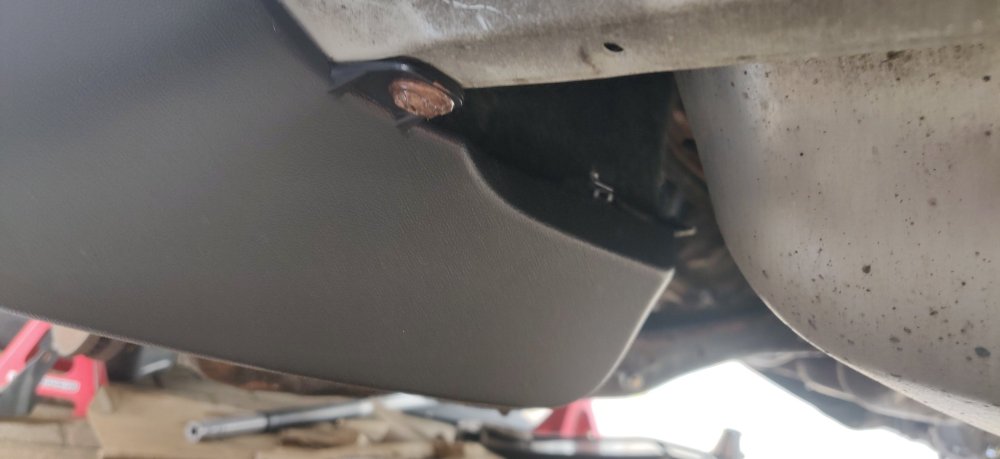
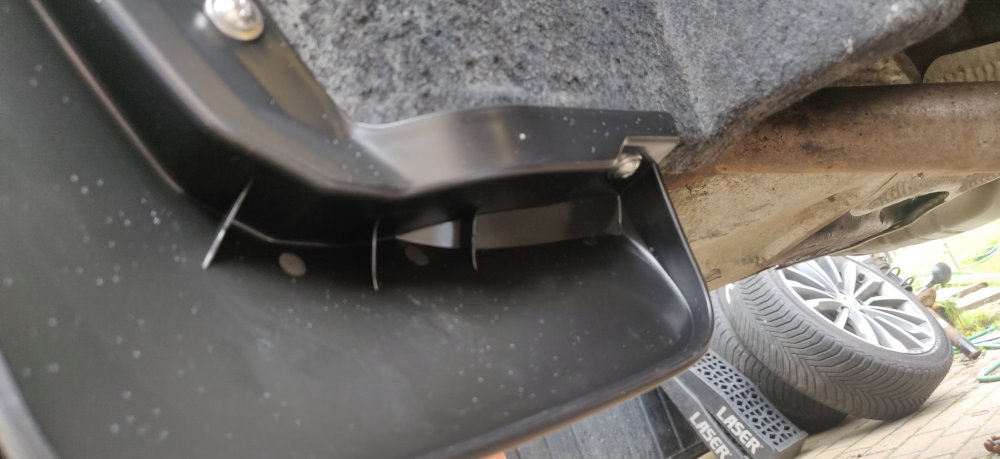
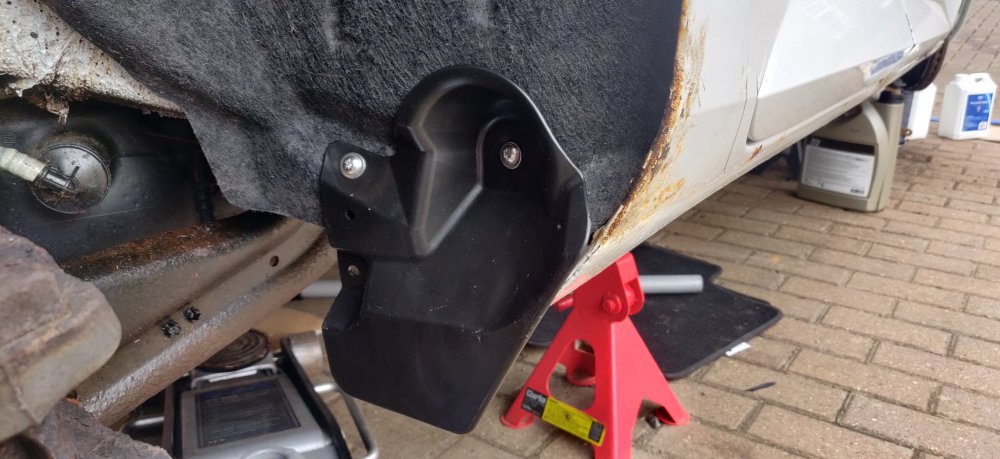
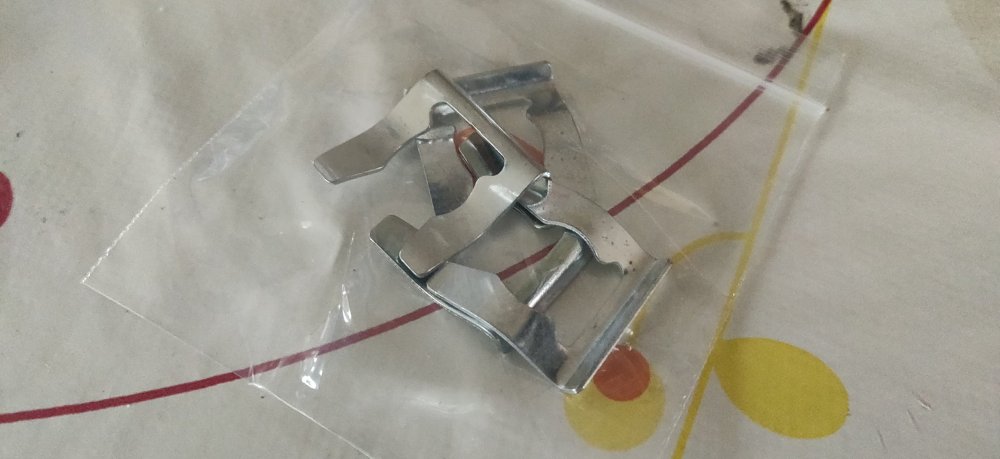
Between bits of rain, also managed to get those washers involved: So got the rear mudflaps in after fixing the rest of the wheel arch on. Partly followed this excellent guide: In addition to just using whatever was there. The wheel arch needed one of the new clips in place which does need a bit of alignment whilst looking straight up, so a bit of a faff with the wet weather: Just about seen on the inboard side of the liner. Repeat for the other side: The rears have a hook which kinda needs a bit of convincing to slot into the rear bumper, but other than that, pretty straightforward. Also fitted the other bits of trim on the other side. I think the part catalogues call them "spoilers": Again, used the three screw holes that I could see (one is underneath), there are two other holes, maybe to attach to the wheel liner, but can't tell at the moment. That could well be it for the weekend if the weather keeps misbehaving. TIme to get car insurance quotes as it looks like mid to end of May is a possible target. Maintenance: £2227.01 Upgrades: £1322.97 Miscellaneous: £697.20
-
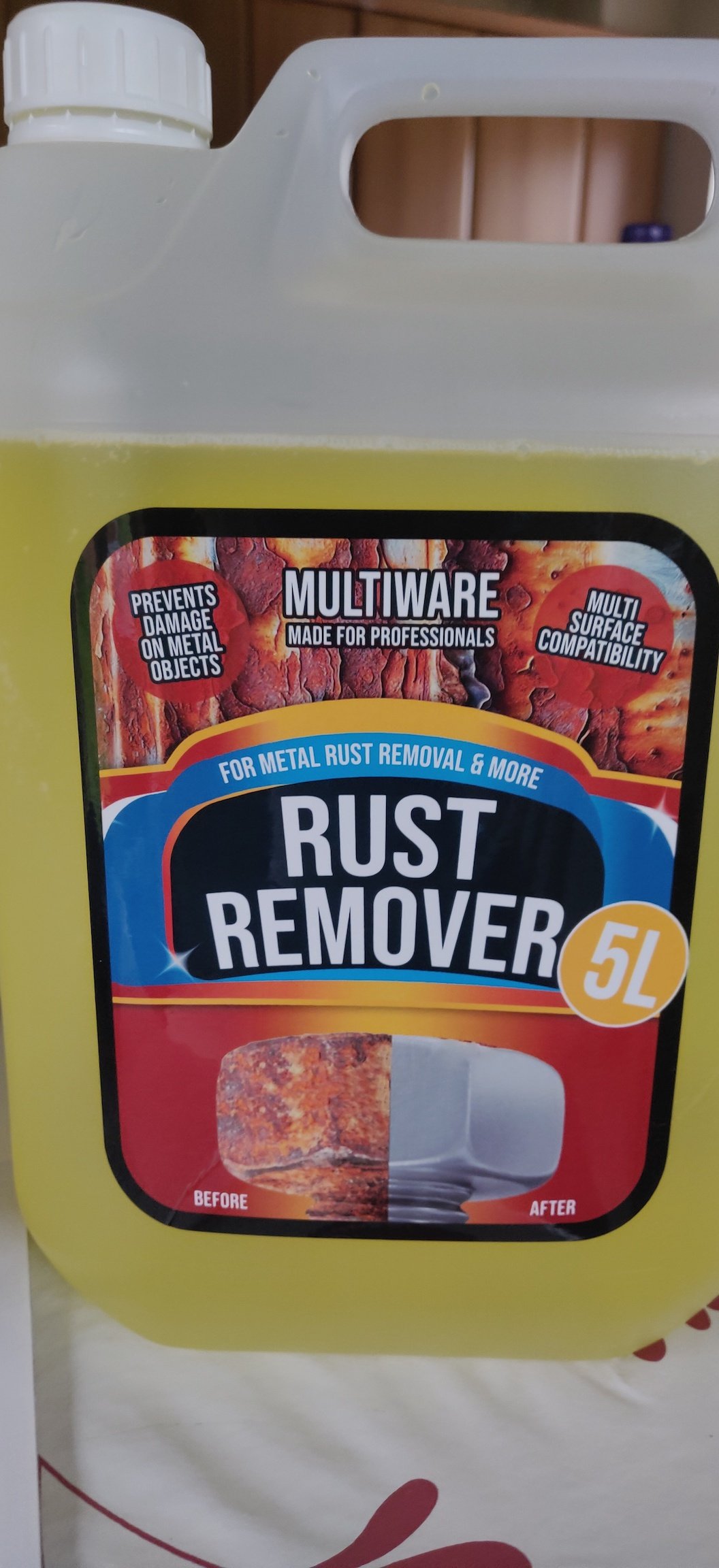
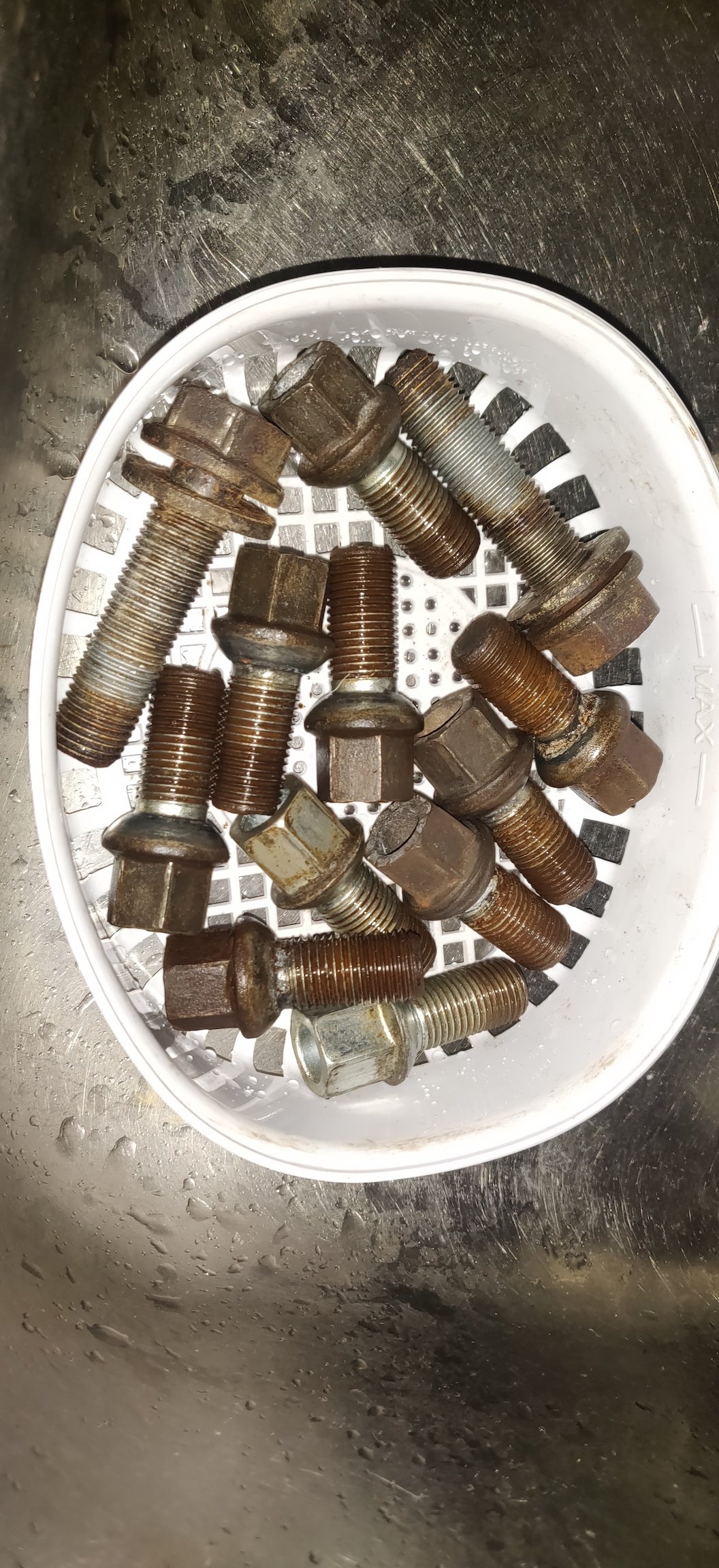
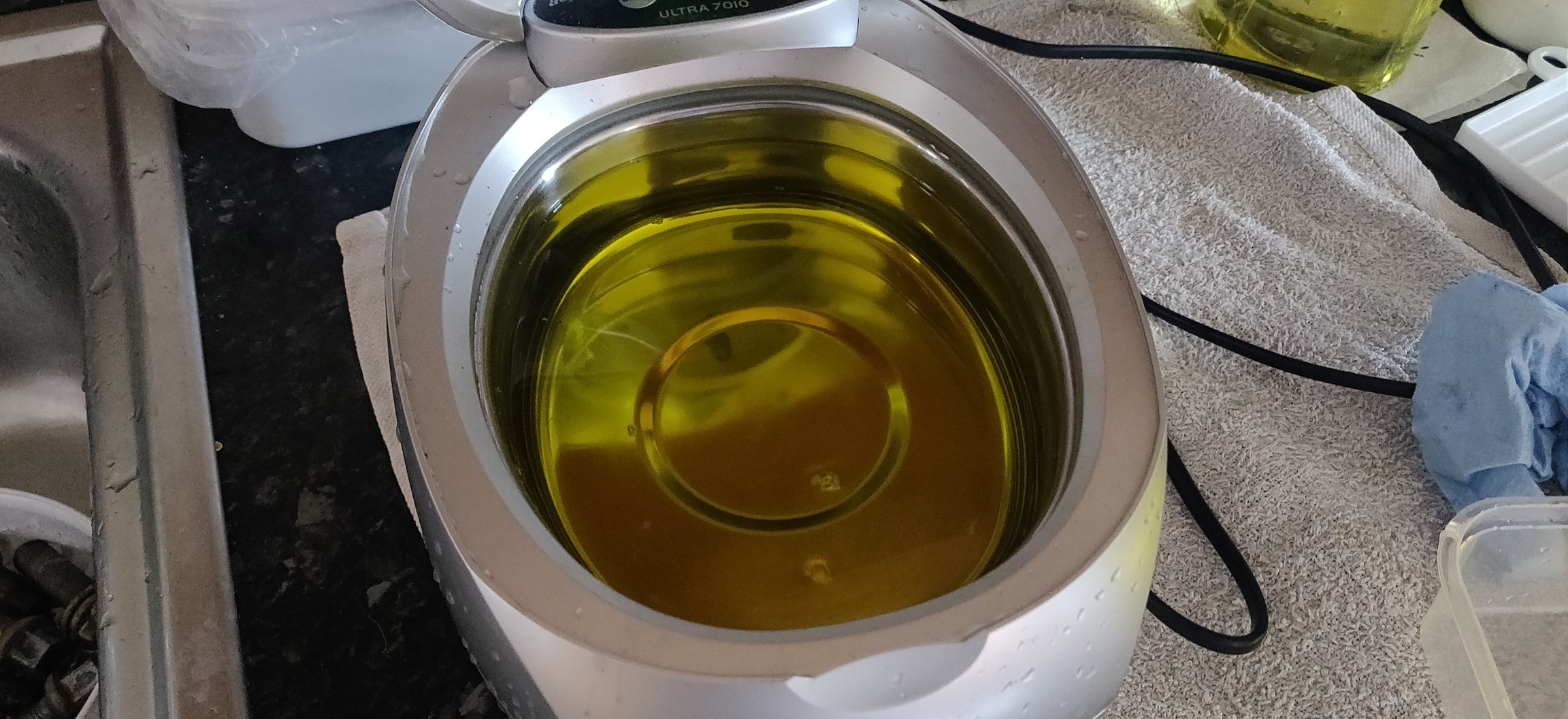
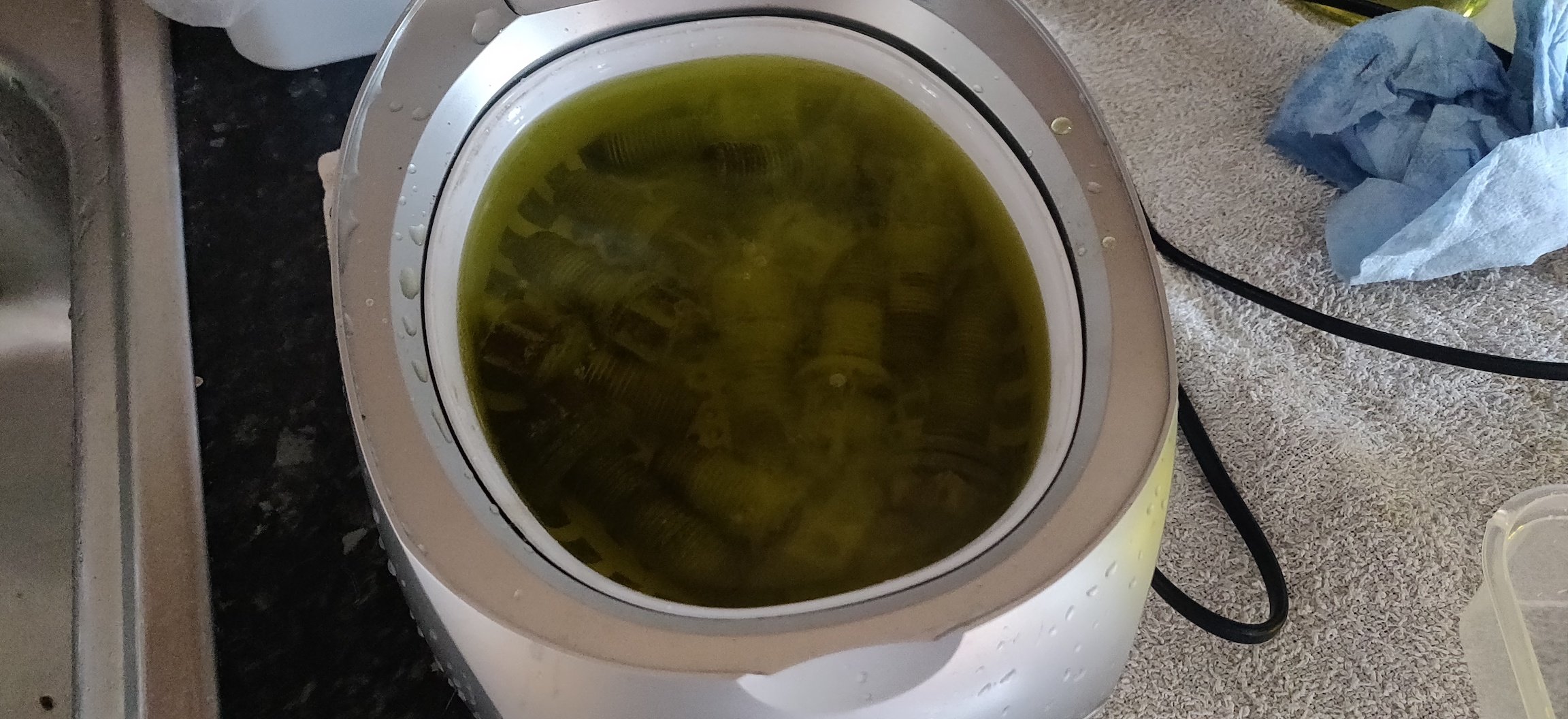
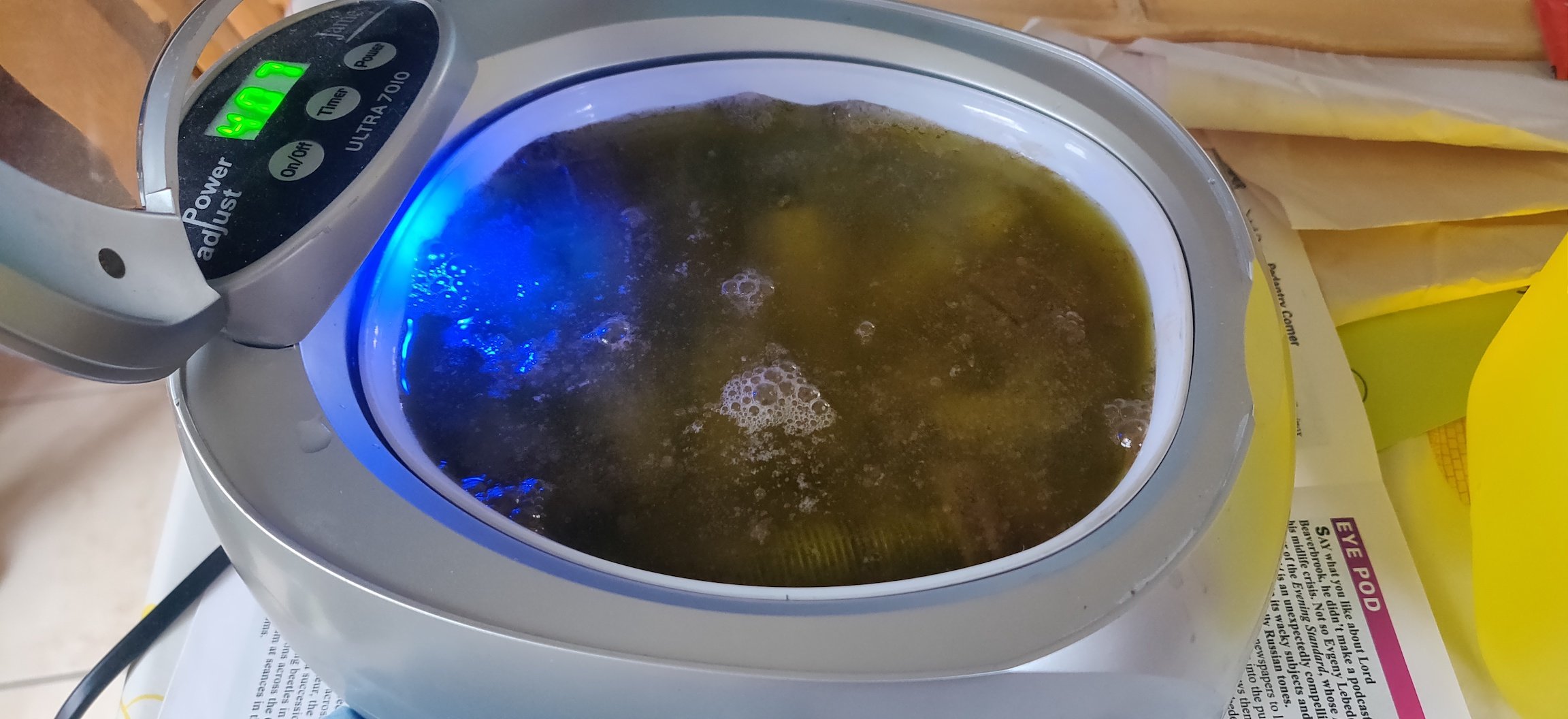
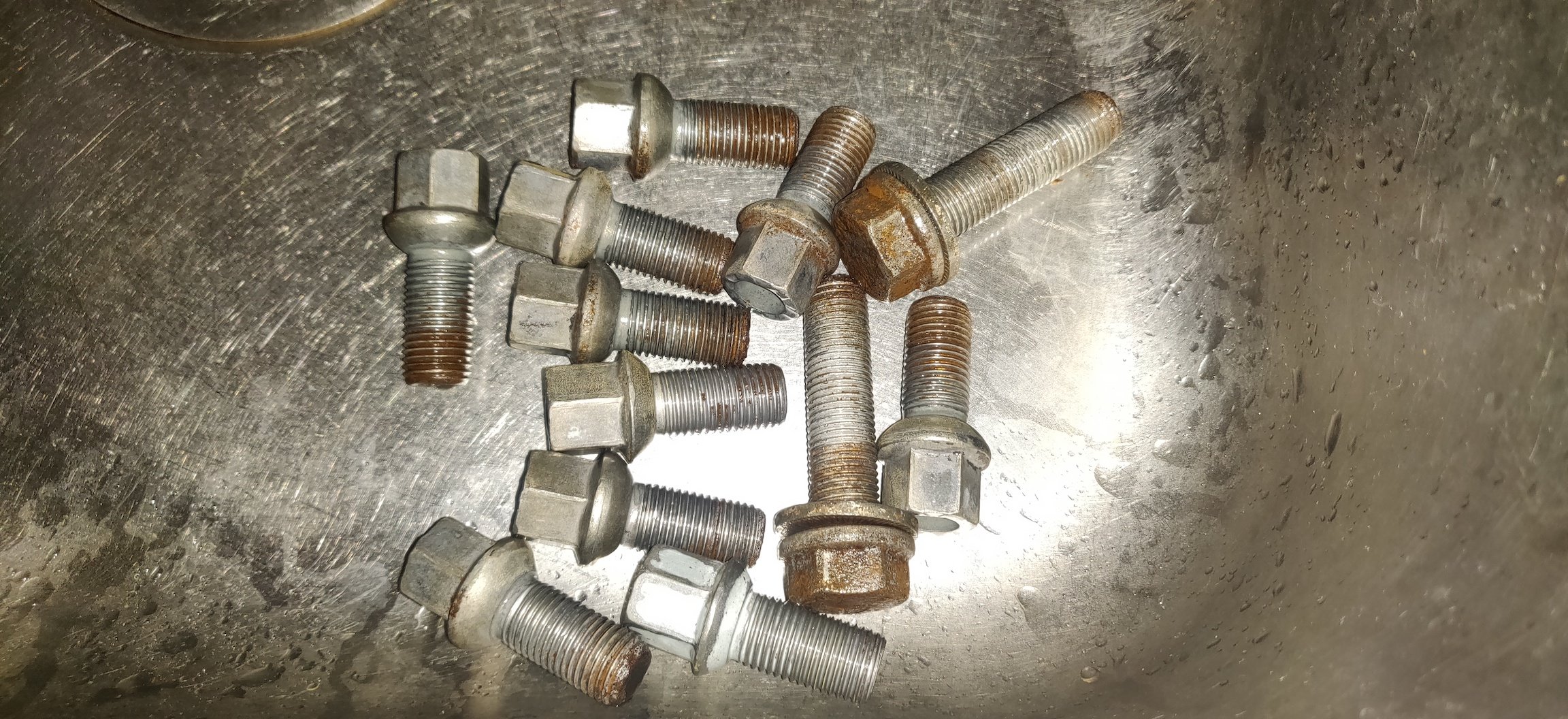
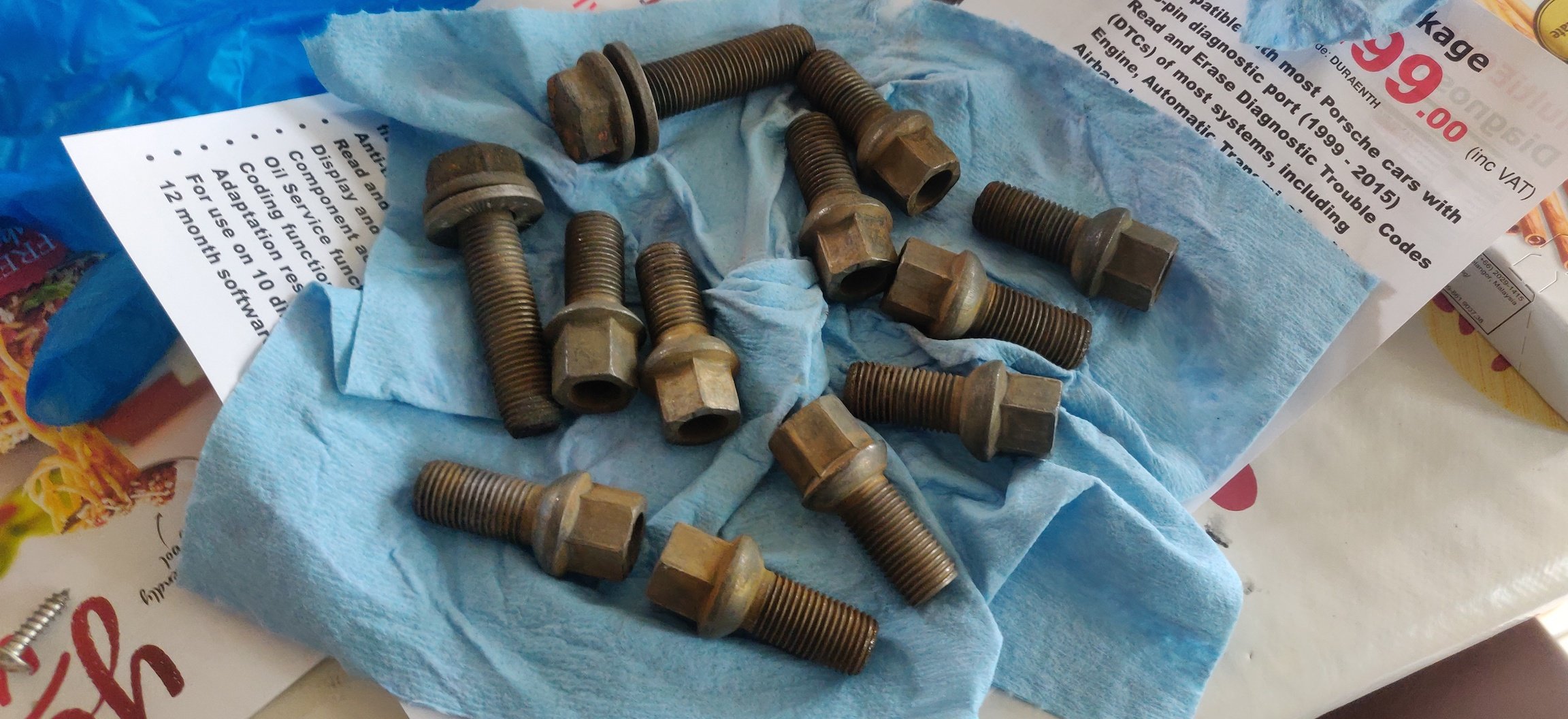
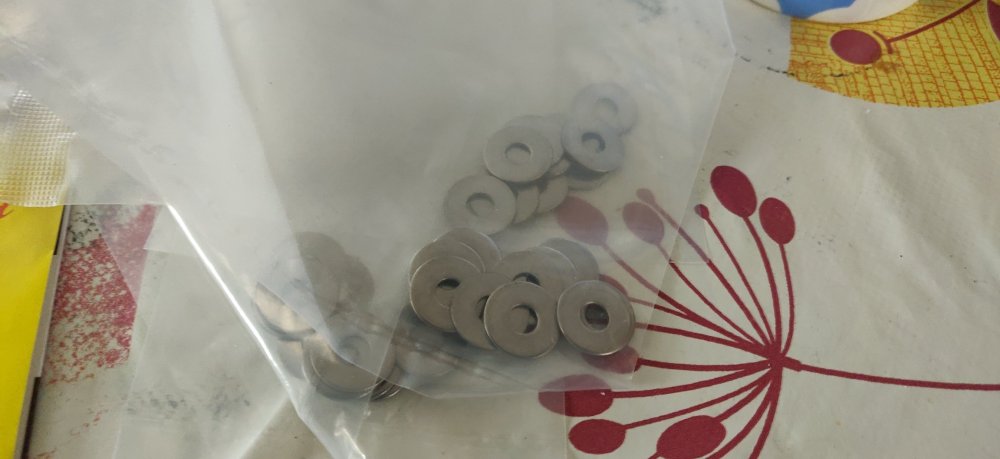
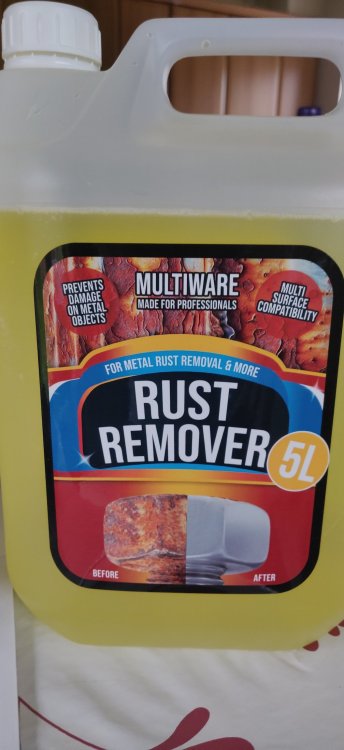
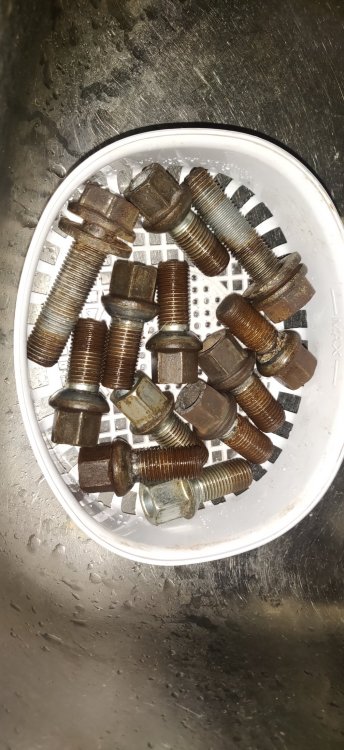
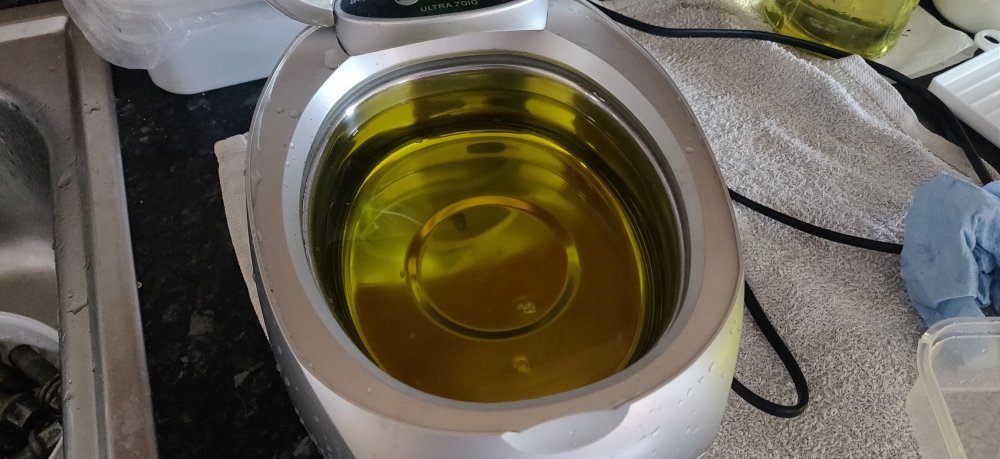
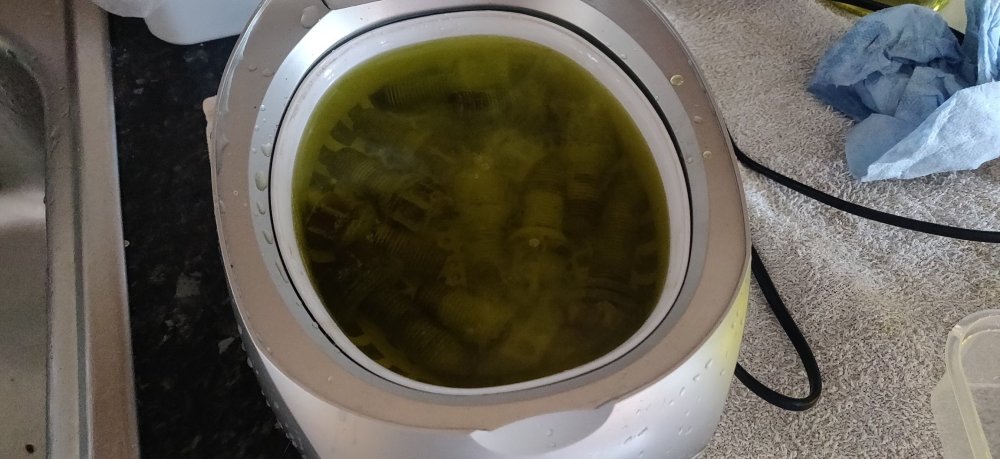
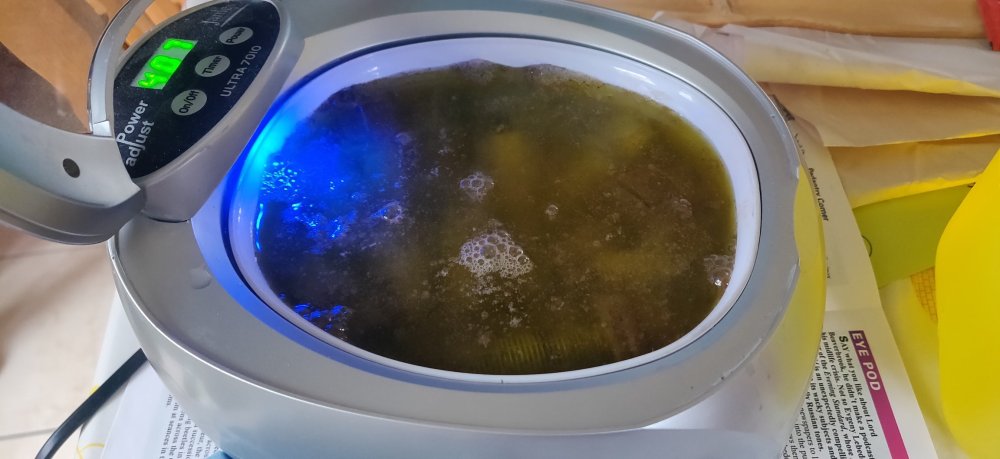
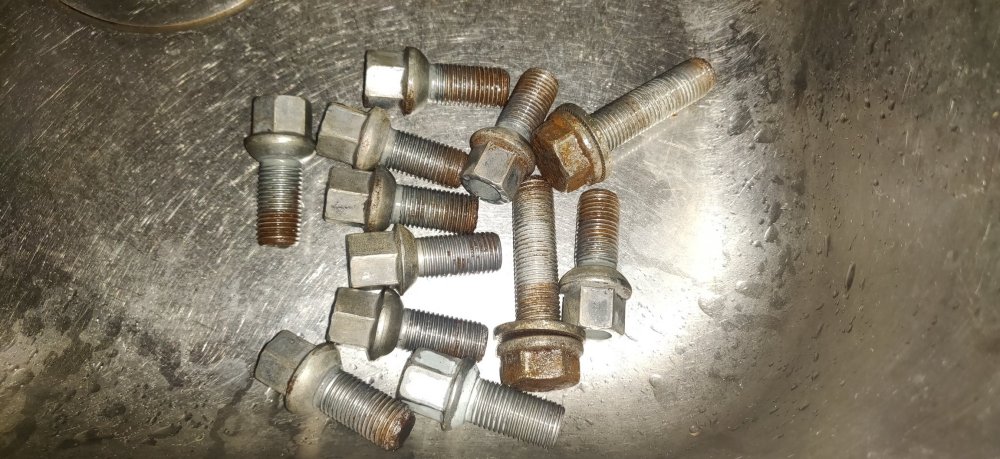
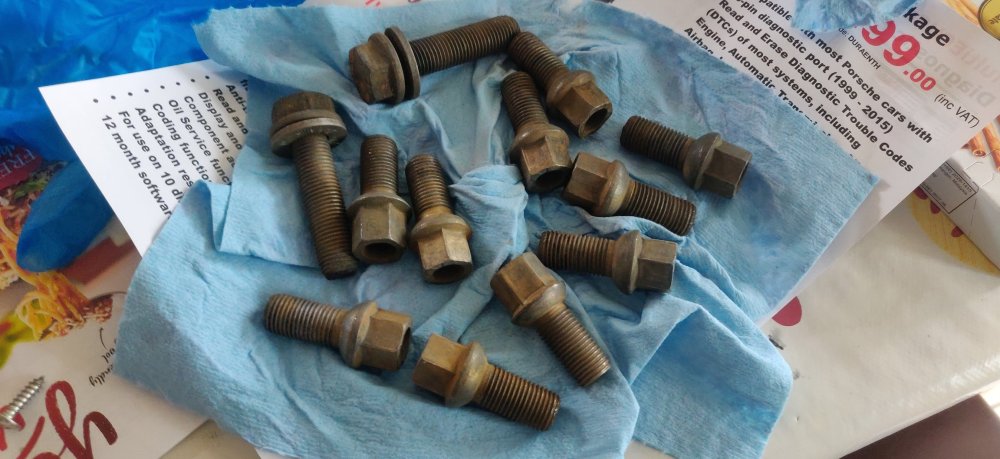
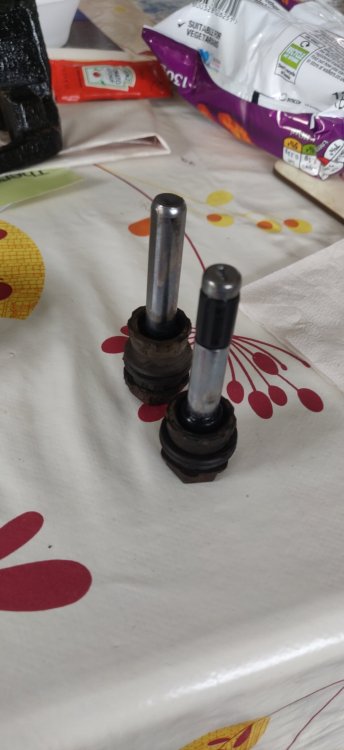
Weather's been inconsistent, so only a few bits done today. More deliveries: Some M5 washers to go with the stainless replacement screws for the wheel arches. £2.88 for 50 from eBay. Also some brake hose clamps: The ones I removed from the front brake bracket have decided to go missing, either that or they're still under the mass of removed and destroyed nuts and bolts. These were £3.23 for four. Also something random: A bottle of rust remover. This is pretty much by the look and smell of it generic Phosphoric Acid, mainly because if the weekend is just rain, I'll be inside. This was £9.95 from Amazon. So lo and behold: I stick half of the wheel bolts and brake pad carrier bolts into a tray: Then poured out the Rust Remover. This is into a small ultrasonic cleaner I bought years ago, which every now and then makes itself useful. Once the tray was put into the cleaner: The Rust Removed immediately went to work. These bolts were all put through the die with oil, so I suspect the resulting mess will be dirt, rust and oil amongst the Rust Remover. Turned the cleaner on for a 8 minute job: Then it basically bubbles away. Once done: Gave them a quick rinse to assess, and it's getting there. Put them through another 8 minute run: Probably as good as I'm gonna get it without seriously going mad. Be easier to source new bolts rather than carry on. So got the slider bolts for the pad carrier and gave them a good wipe clean: Then cleaned out where they go in the pad carrier, previously the grease in there was black, couldn't tell if it was dirty: Gave the sliders a coat of new grease: Then in they pop: So with a dry spell outside: Popped the brake discs back on and kept in place with a couple of the wheel bolts. I'll deal with the brake retaining screw in the future by simply replacing the wheel bearings if the car gets there. The wheel bearing threads were cleaned out earlier, so the bolts went in like new. Dry fitted the pad carriers with the cleaned bolts: Easier then at this stage to turn the wheel in the car to get a better angle to them: So took the opportunity to procrastinate and reassemble the bottom steering column trim whilst the wheel was going to be at angles (as the T25 bolts can only be accessed with the wheel at right angles). So it ends up looking like so: Then it was a case of taking out the bolts one by one and going mad with the Alumslip: Then getting them back onto the pad carrier and hub: With the hub turned there's enough clearance for the big torque wrench: So got the bolts to the 200Nm as specced. Same deal for the other side: Then dry fitted the brake pads: Looks like the right side inner pad is missing its little tab thing, but I don't think that's the end of the world, that'd be more for keeping the pads from banging I believe. The inner pad is also not moving on the carrier so freely, so will need to get some further cleaning on that part of the pad carrier. Probably should have done that all whilst it was off the car, but I guess I'm getting ahead of myself. Rain got just a bit annoying at this point (not heavy, but enough to be a nuisance), so took a break. Maintenance: £2227.01 (+£6.11) Upgrades: £1322.97 Miscellaneous: £697.20 (+£9.95)
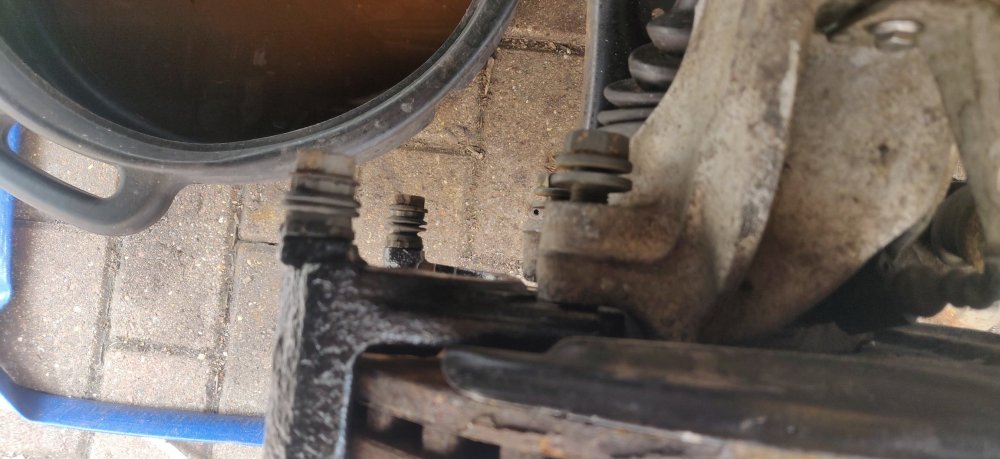
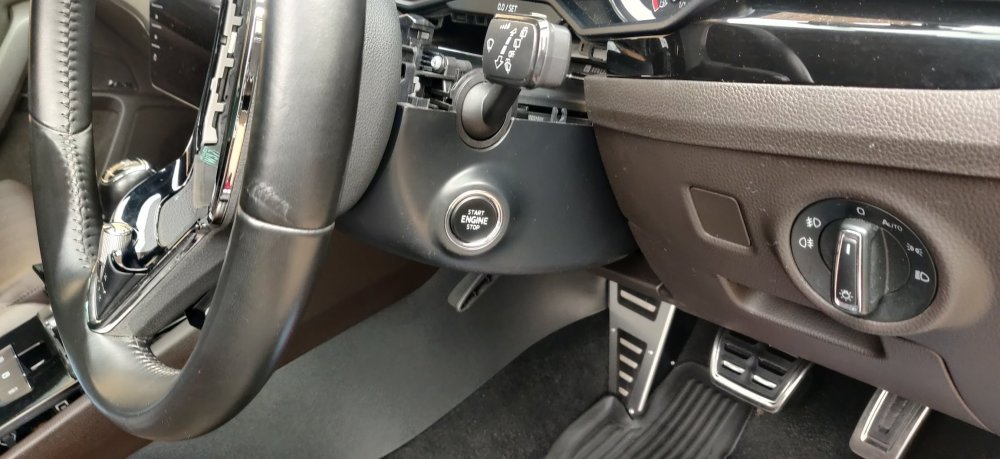
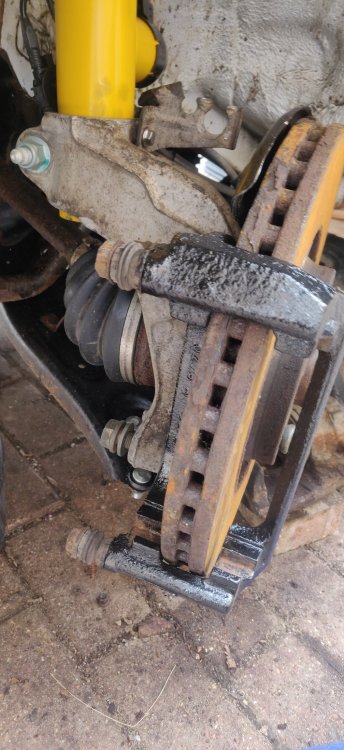
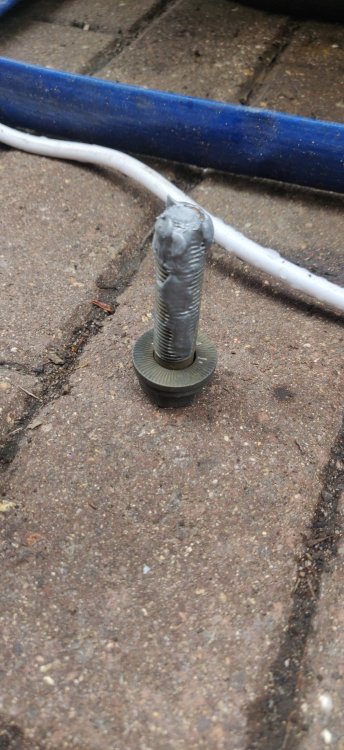
-
Dealing with the corrosion first for a car that now has an expired MoT would have made things a bit more logistically difficult. If I got a poor body shop to handle it all, they'd have to endure some of the difficulty of removing bits to get at the bodywork, and at least my time and labour is free. Once all that is done, I'd still need to replace the suspension and spend the same amount of money anyway. At least this way, the car is usable (once all done of course), and I'll deal with the consequences of running with it as it currently is rust wise. It'll be a good review of whether Lanoguard does a decent enough job of not making things worse. There's nothing more expensive than a cheap German car, so I'm fully aware of the cost implications, otherwise I wouldn't have bothered in the first place.
-
Totally agree, market has warped. Cost of a brand new Skoda Superb Estate L&K is circa £47k (only in diesel at the moment), and that's now magically applied to used car prices. It is what it is as they say. The fancy DCC suspension meant spending more than I'd want on that, and my stupid desire for a heated steering wheel was a silly rabbit hole. It's only sobering because I'm keeping a very strict eye on the running totals, and I'm sure if we all did that, we'd stop bothering with cars very quickly!
-
Cheapest on Autotrader has been about £16.5k, so you are right, this was always the danger. In fact, once a body shop is involved, it'll blow that budget. The high road I'm trying desperately to take with my man maths is that even said £16.5k car is probably going to need something, and with what's been done, the suspension, general maintenance, and everything else means that once this drama is over, it SHOULD be just relatively smaller costs over the next few years, unless an itch needs to be scratched. Of course if the rust wins at the end of the day, then a lesson learnt.
-
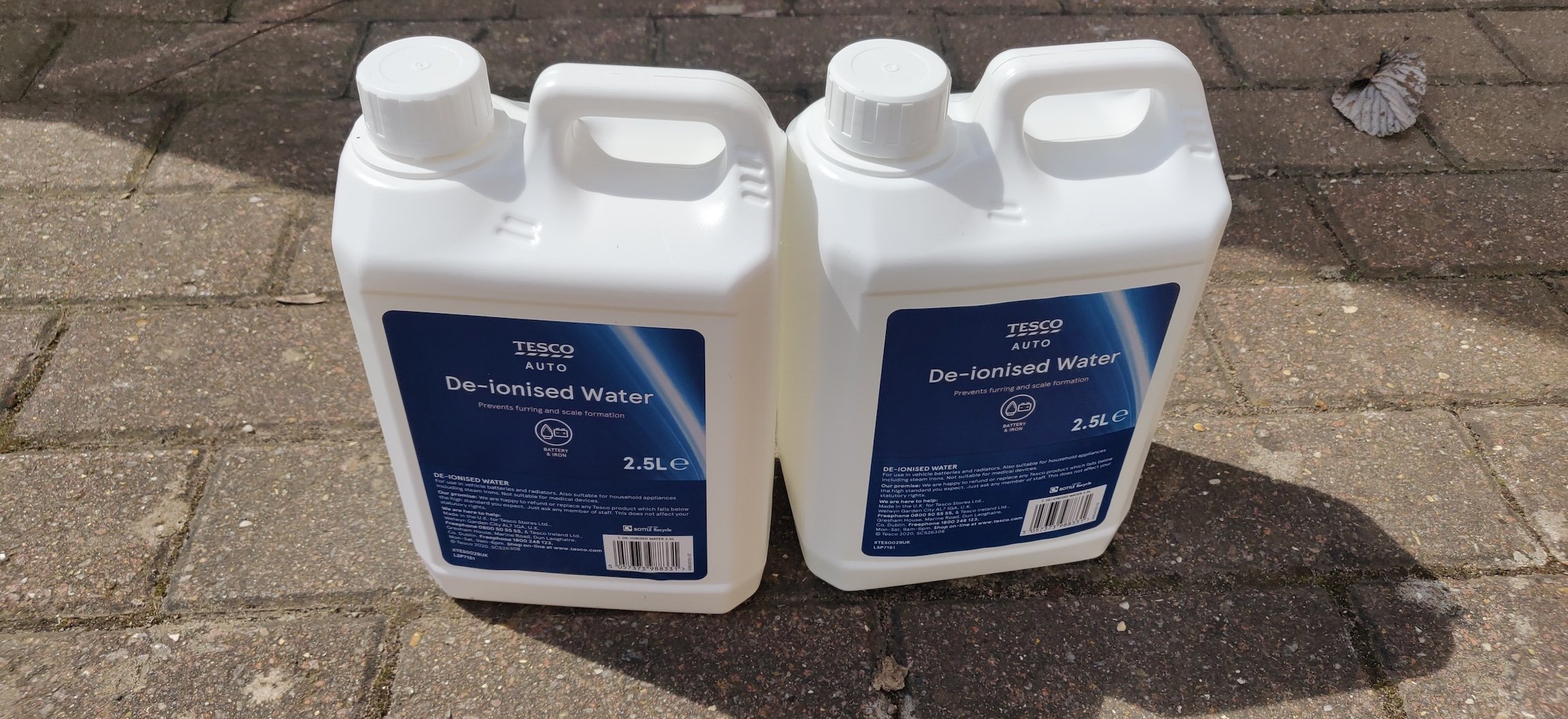
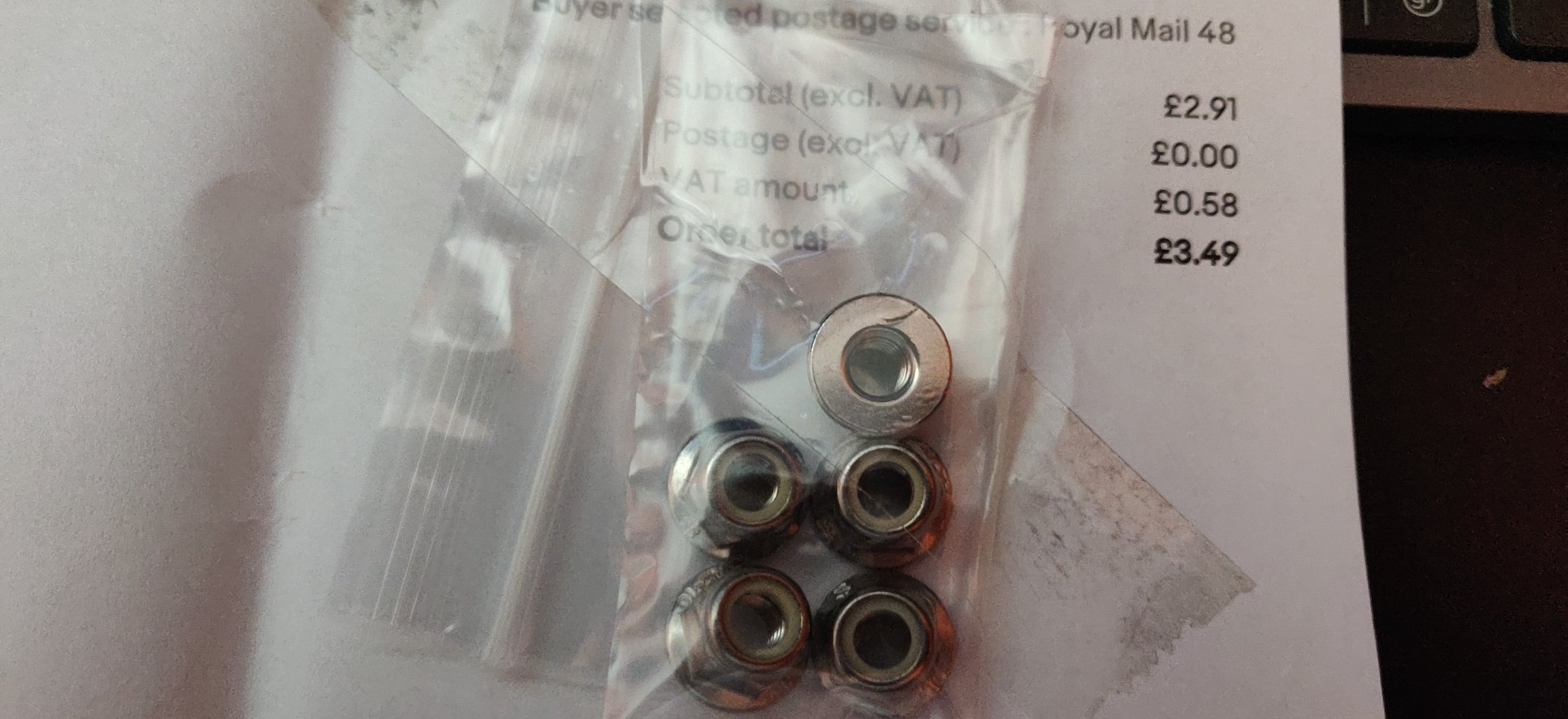
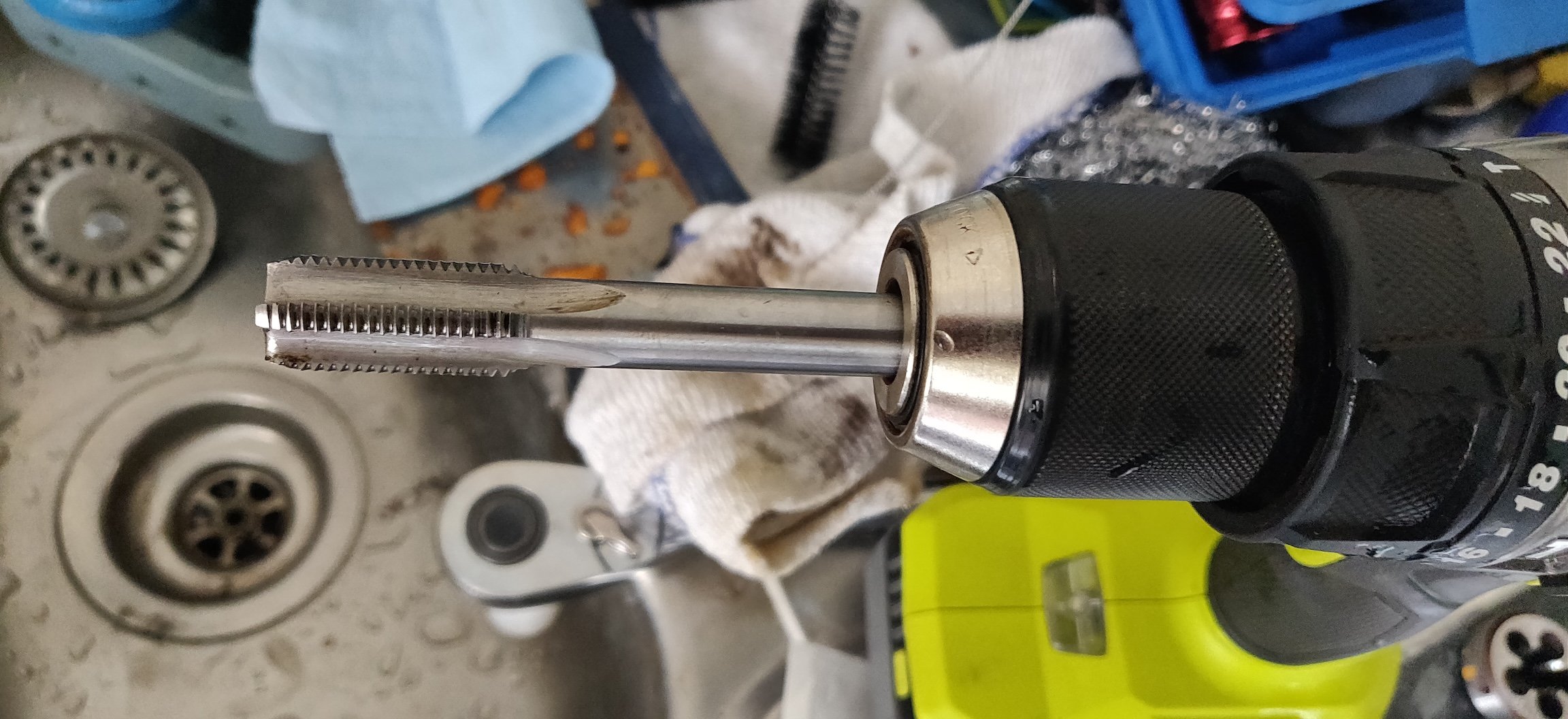
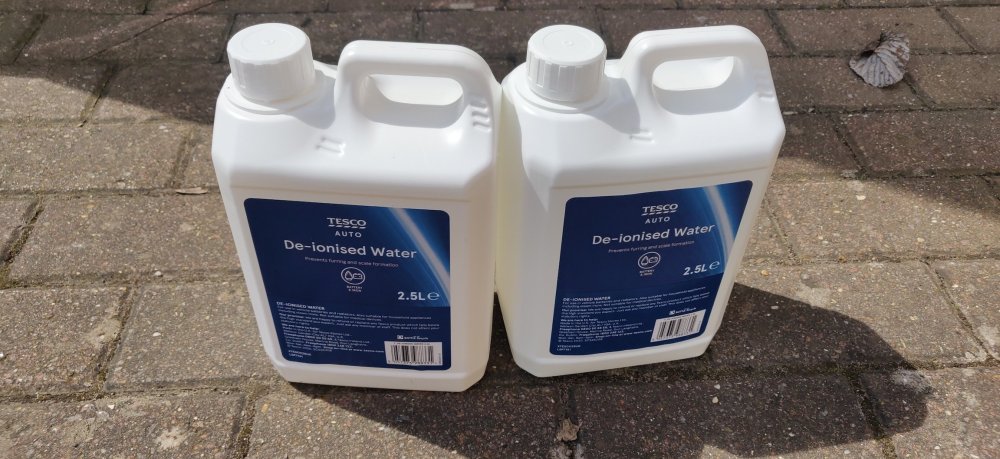
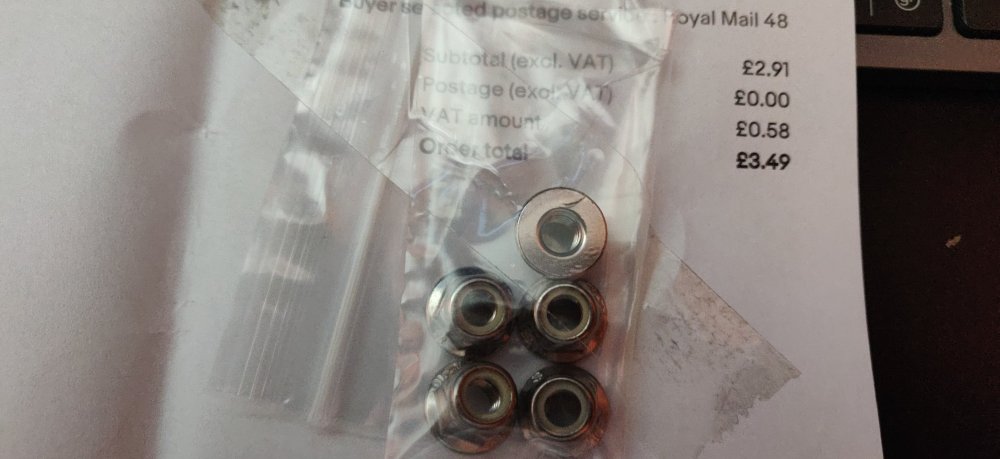
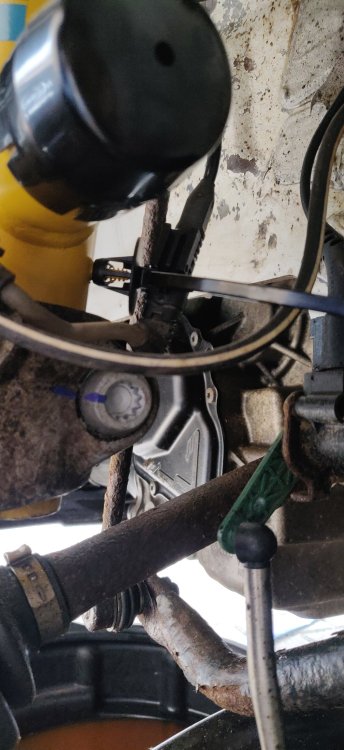
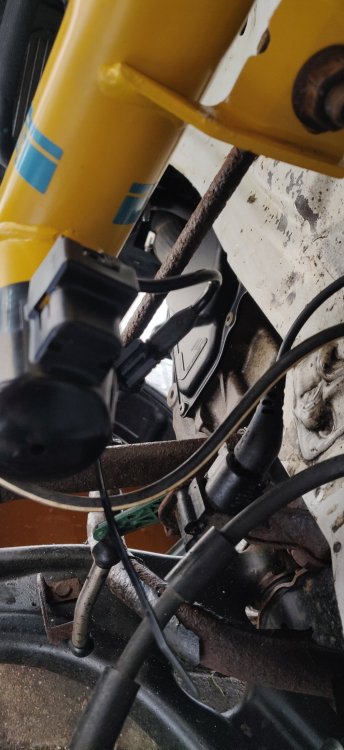
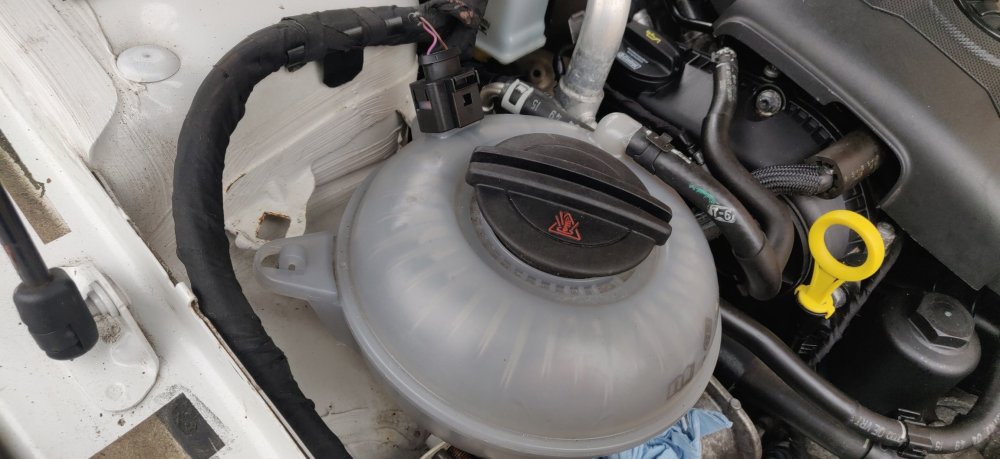
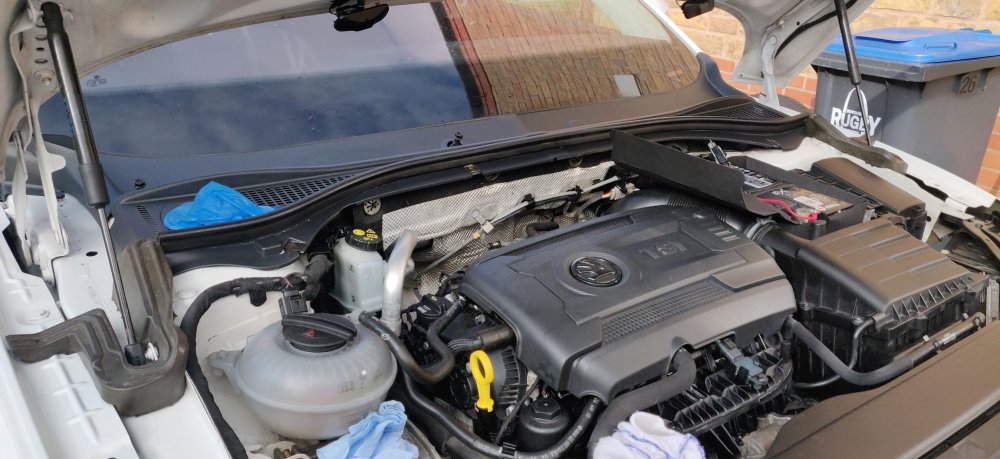
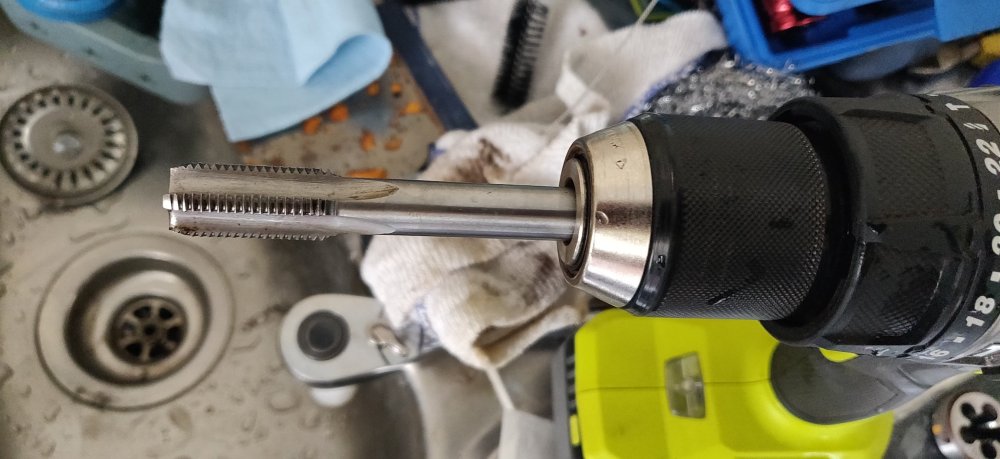
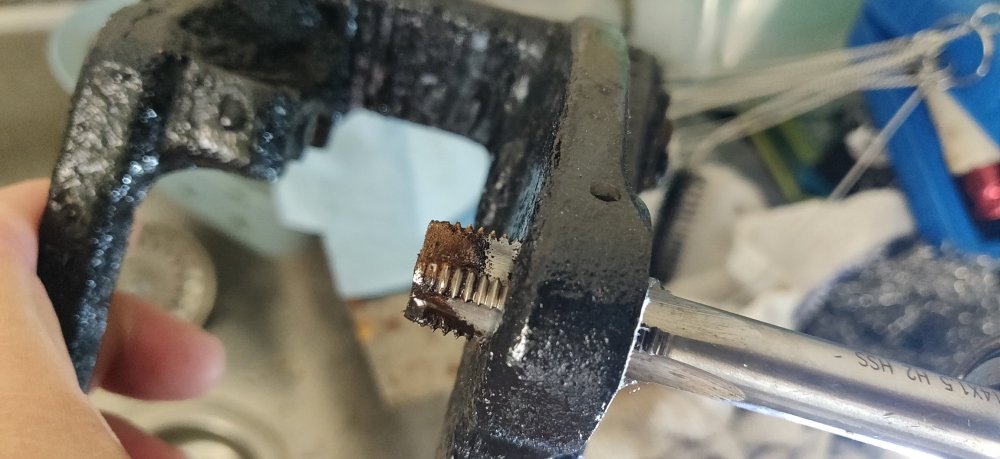
Random stuff: Got some deionised water from Tesco, £3 for the pair. More pics of nuts! Some stainless nylocs, M6, £3.49 from eBay. Whipped those right onto the level sensors, and tightened to 8Nm: Then started to sort out the wiring: The left side was fine, routing made sense, but the right side needed the wire to be forced out of the way a bit lest it will rub on the anti roll bar link. Once tightened the zip tie, cut off the excess. I think the clips that came with the struts can just be replaced with new zip ties when needed. The clips themselves just push onto the thread: As mentioned, the left appears to clear the anti roll bar link without issue: I'll have to keep an eye on these once the car is on the road. Then started to pop out the coolant tank: Looks like it's just clipped into place in about three areas without any fasteners. Not sure when the arrival date is for the replacement tank, getting a bit impatient! Looked for some easy stuff to do: Clipped the cowls into the windscreen, put the foams in and the seal. I'll probably need to get some foam tape to get the side foams firmly in place, but that's pretty much that. Will probably put the wiper arms back on once the washer stuff is checked out. Hopefully I don't have to remove the washer bottle as that'll mean the cowl is off again. Totally jinxed it I reckon. So back in the house, got the tap and put a drill onto it: Then with some oil, gave the threads in the brake pad carriers a pass through: Will go through the wheel bearings with the same step to clean them all up. Hopefully will make assembly nice and trouble free. That's me for the day. Weather isn't looking too great tomorrow, so might have to clean up those wheel bolts and see what I can squeeze in between rain spells. Maintenance: £2220.90 (+£3.49) Upgrades: £1322.97 Miscellaneous: £687.25 (+£3.00)
-
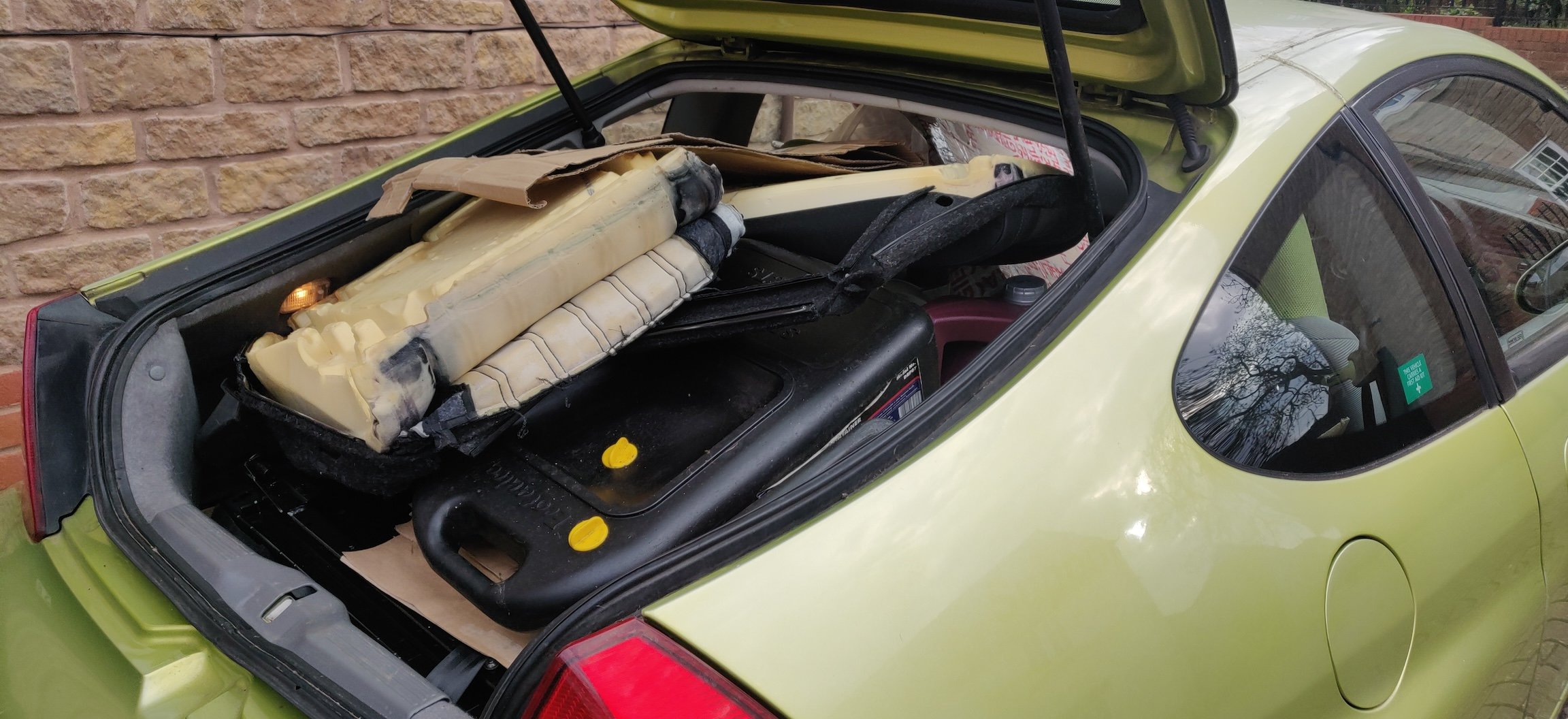
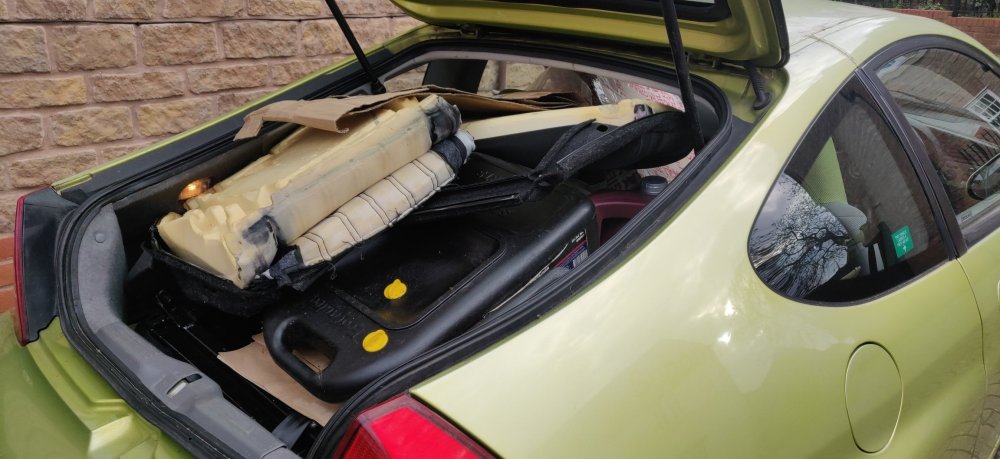
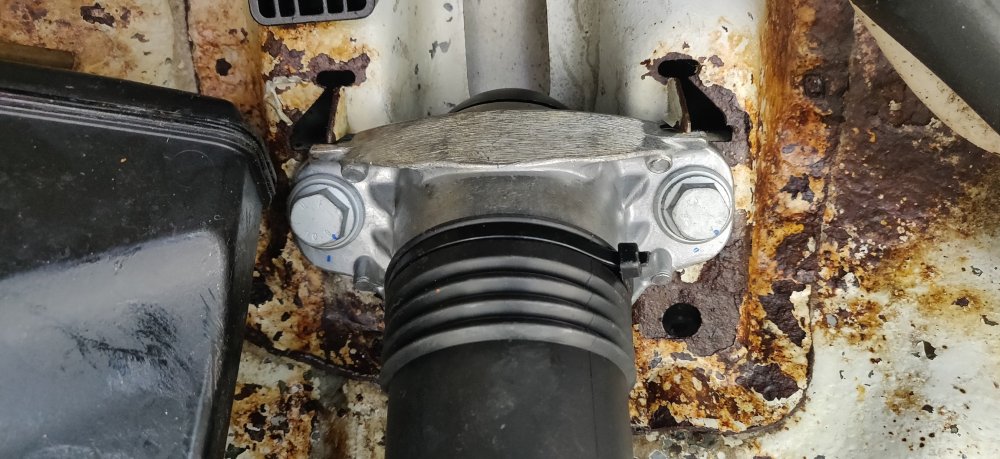
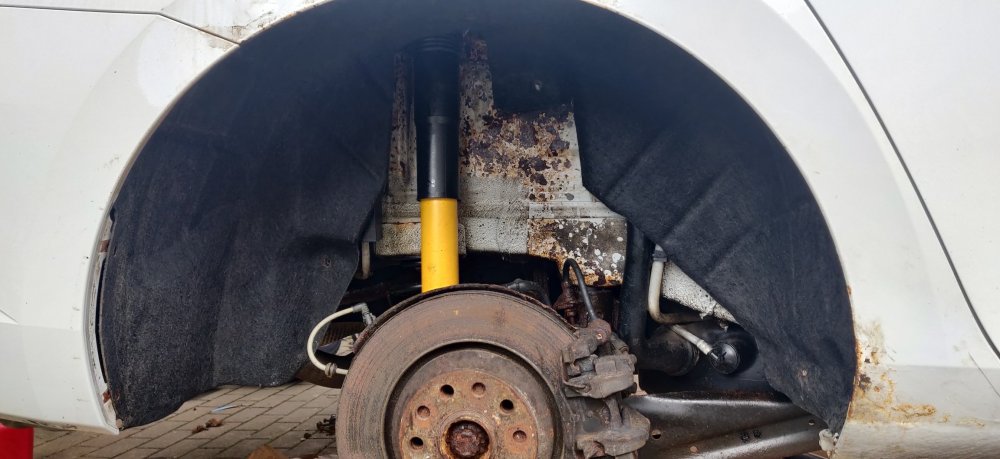
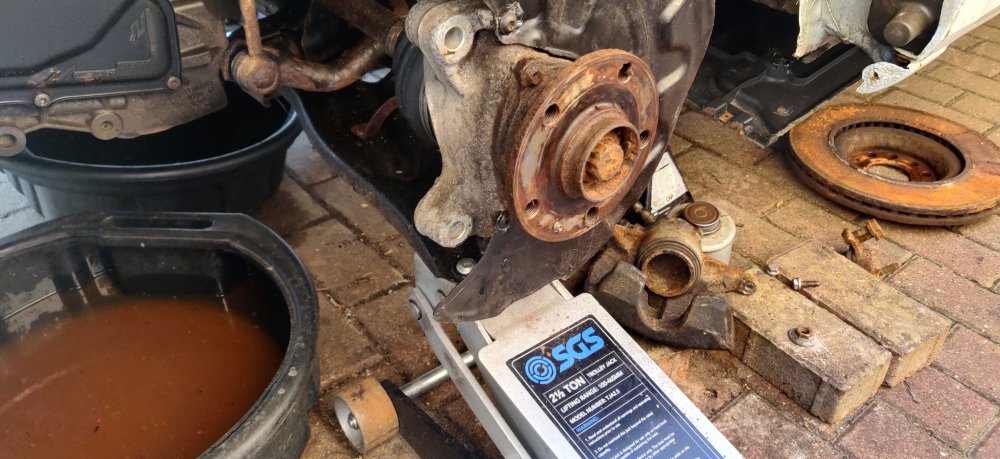
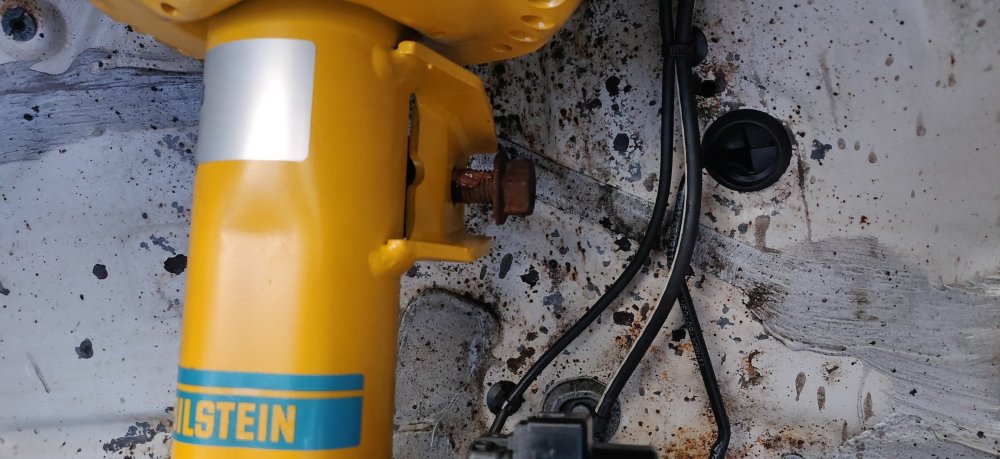
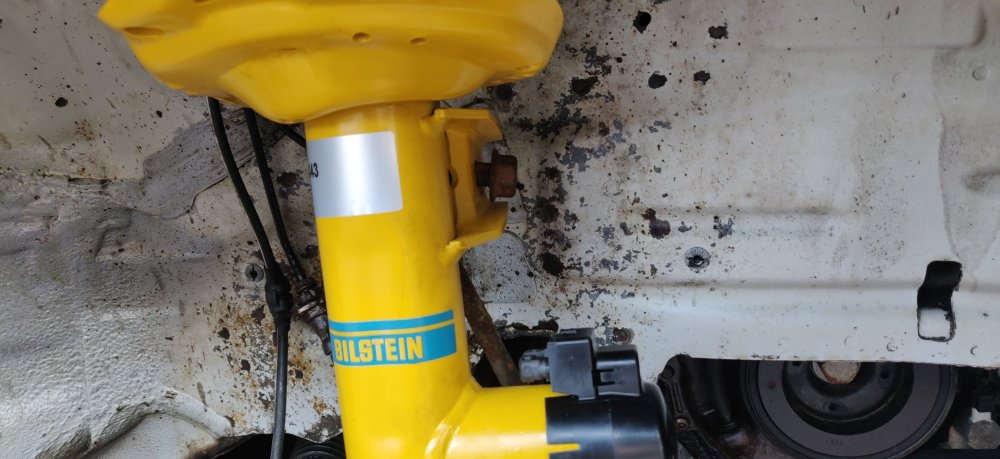
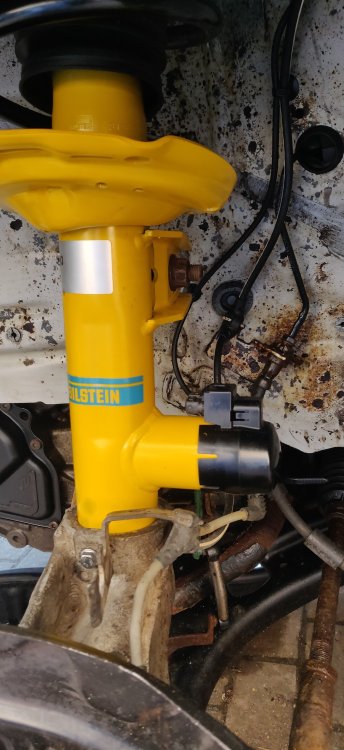
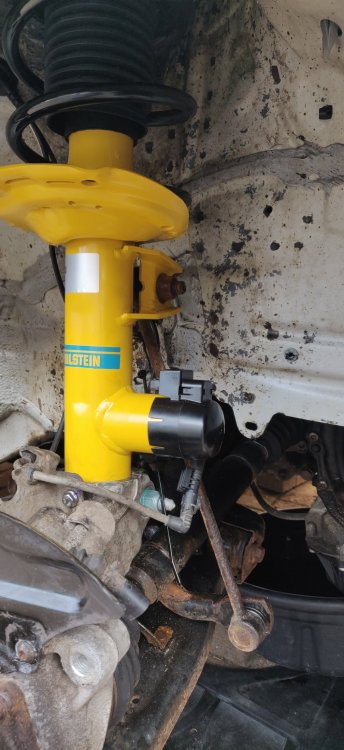
Squeezed a bit more stuff before work: Figuratively and literally. Got a lot of the stuff to be dumped into my work horse to be dumped later before lunch. I supposedly have a more practical car for these purposes ironically enough! I've left the struts for now. If anyone wants a possibly knackered set (they're rusty as hell), drop me a line, otherwise I'll set a bit of time to sort out their disposal (some drilling involved). Moving on, went to sort out the top rear strut bolts: Tightened to 50Nm, then marked up with a Sharpie to 45 degrees. Access is a little bit awkward: Didn't want to use extensions, but without them, there isn't enough clearance in the wheel arch to get the bolt tightened, and anything smaller was proving too much for my puny arms. Smaller wrenches would risk rounding (brute force can get clumsy, in my experience anyway) just as much as all these extensions if they're not on straight. Kept a hand firmly pushing against the extensions to the bolt, and gradually did it a few degrees at a time: So got the paint pen to mark it formally: Repeated for the other side: So with that, dry fitted the wheel liners: I think I'll need to get some washers to add to the bolts attaching the wheel arch just to give it some more spread, but it's getting there. Went to the front, and started to lift the lower arms with the jack: This then compresses the strut and eventually lets the anti roll bar bolt through: Slathered some copper grease and started the nut on it. Didn't take long before the bolt to spin with the nut. So went and raised the other side to attach that bolt: Once done, the raised anti roll bar had a holding effect on the other side, so just went with the impact wrench to buzz the nut in: Tried my best to not give it too many ugga duggas, regularly checking with a torque wrench to see if it clicked at 80Nm. Jacked up the other side to do the same process: I imagine I've probably overtightened them, but the torque wrench was still tightening them slightly when clicking, so I think it's not insanely so. Not too bothered, new shiny anti roll bar links are eventually needed (if not an entire replacement roll bar, it's looking as manky as the rear one). That's the big bits for the front suspension done. I'm waiting for some replacement nyloc nuts for the level sensor as they're a bit grotty, but otherwise, once those are done, that's the front suspension complete! Just need to clean up the Bilstein Damptronic wiring... Maintenance: £2217.41 Upgrades: £1322.97 Miscellaneous: £684.25
-
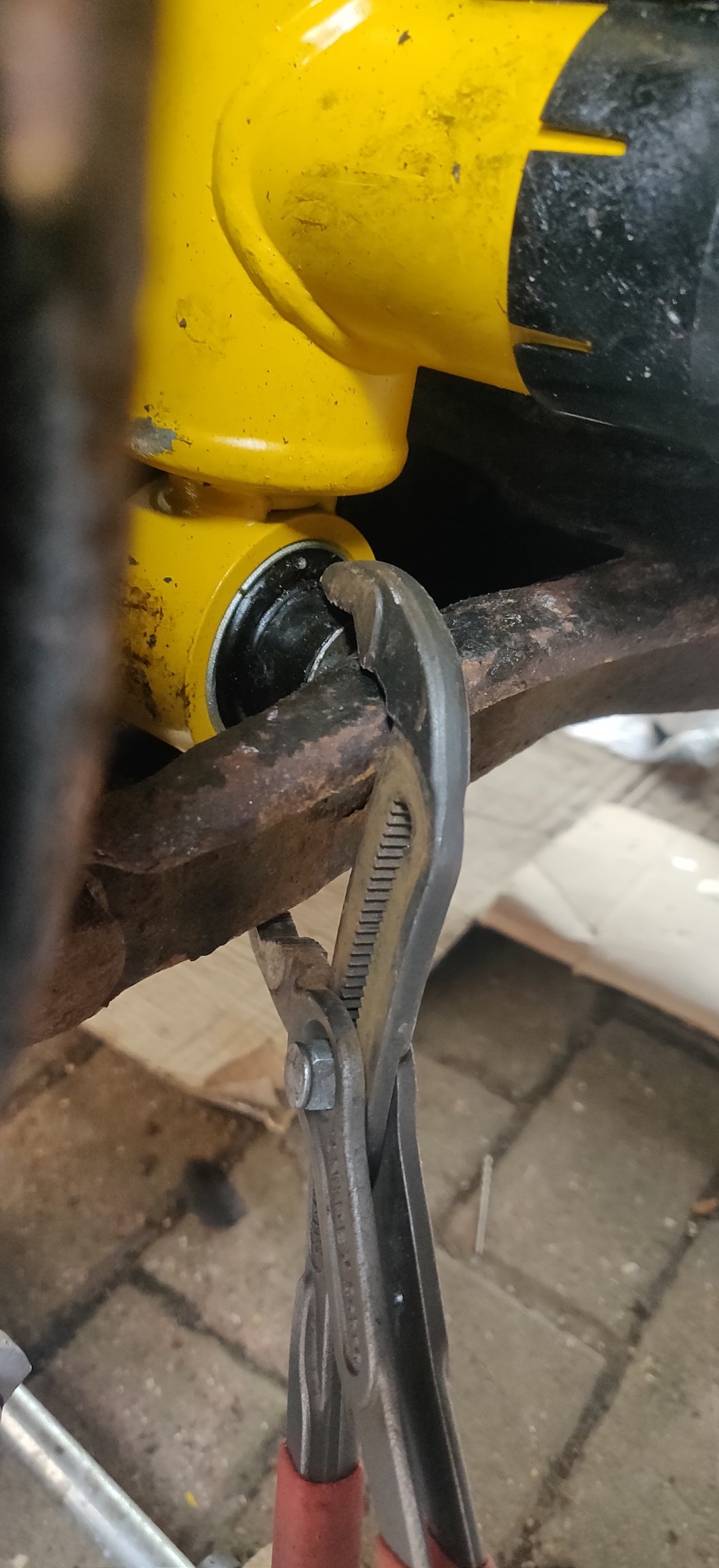
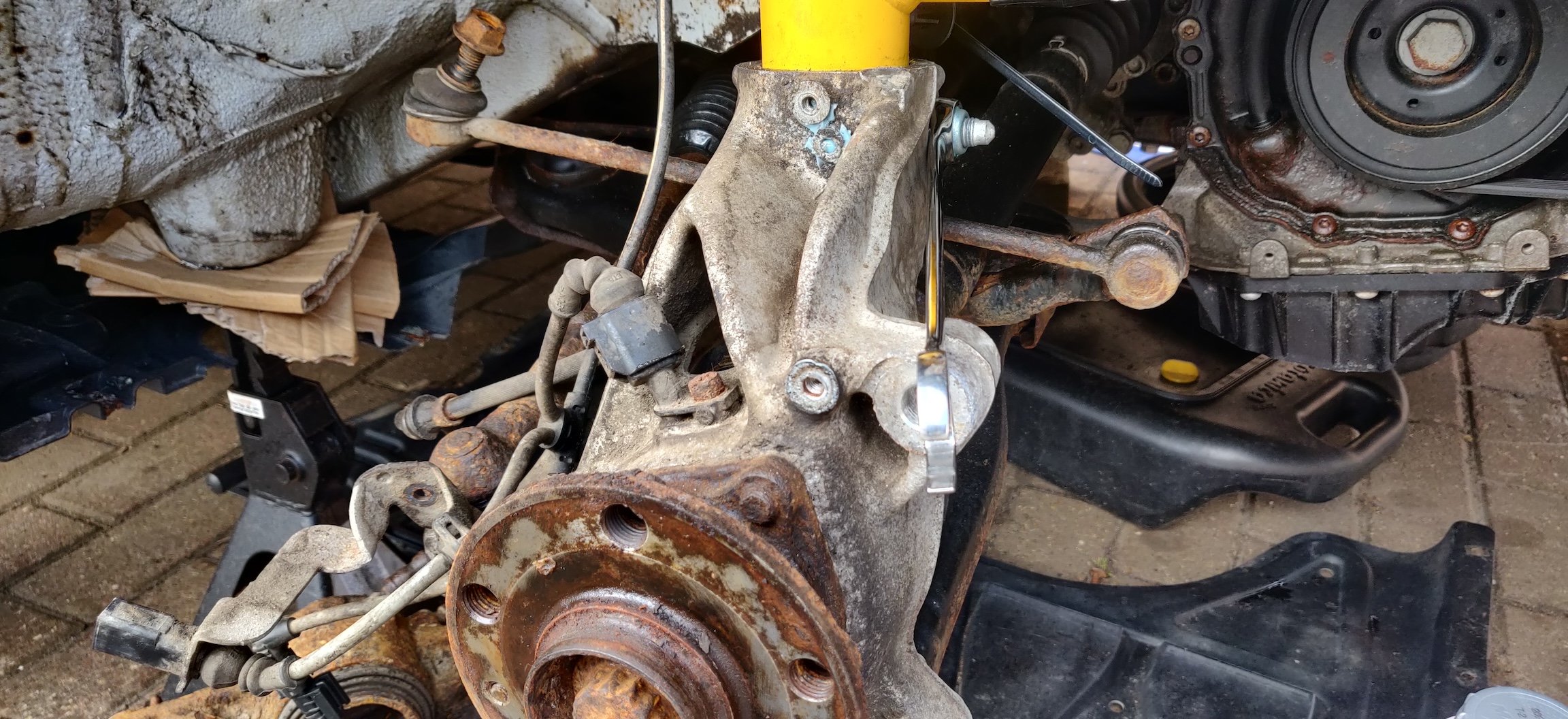
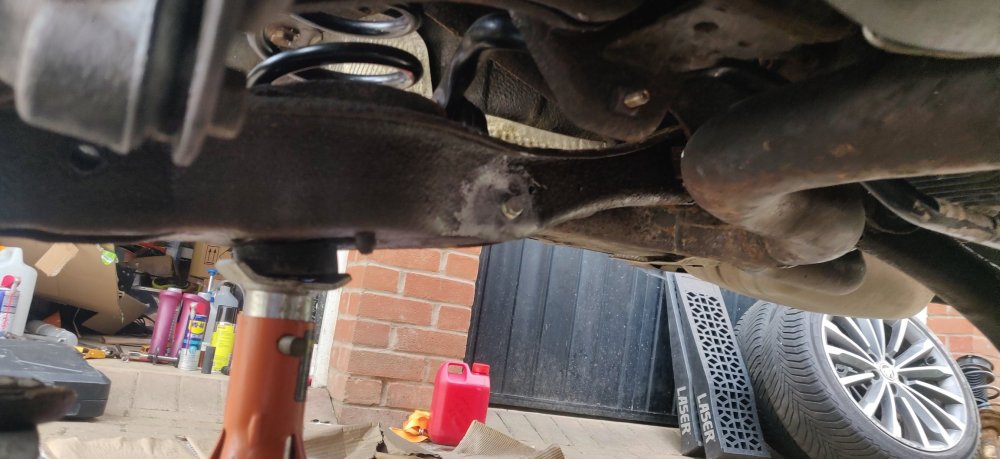
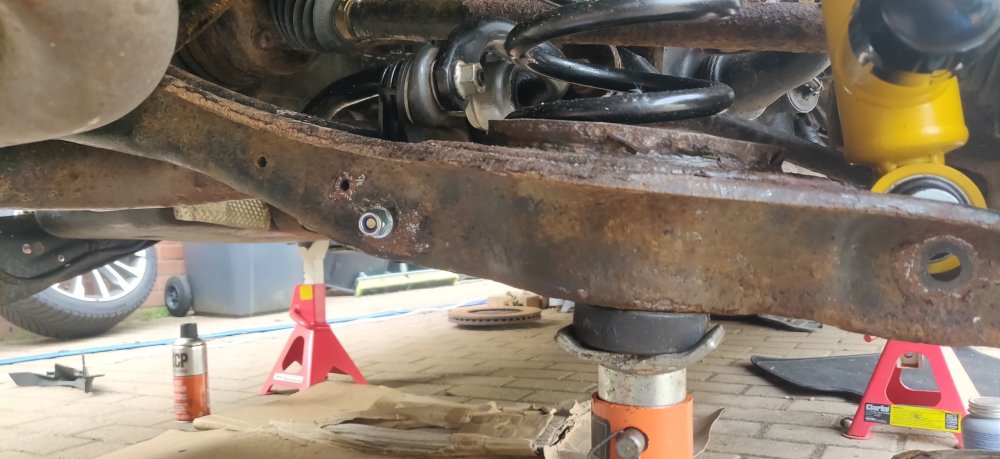
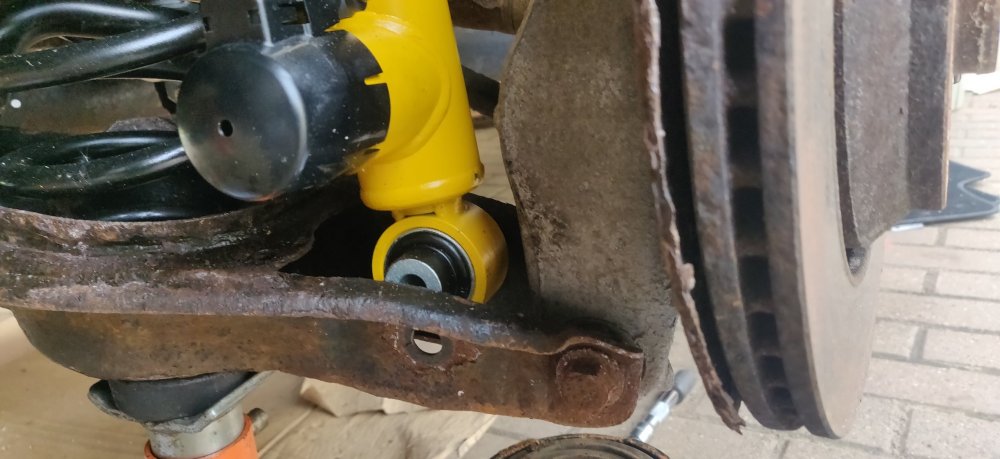
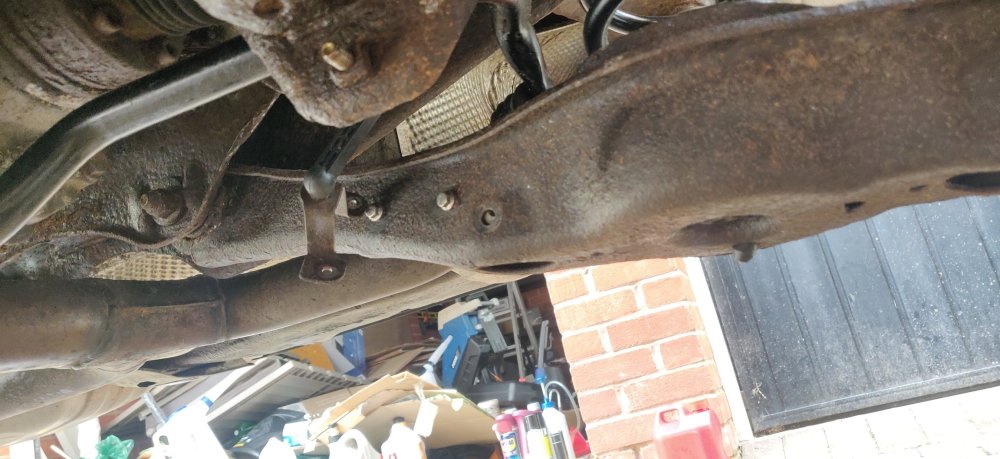
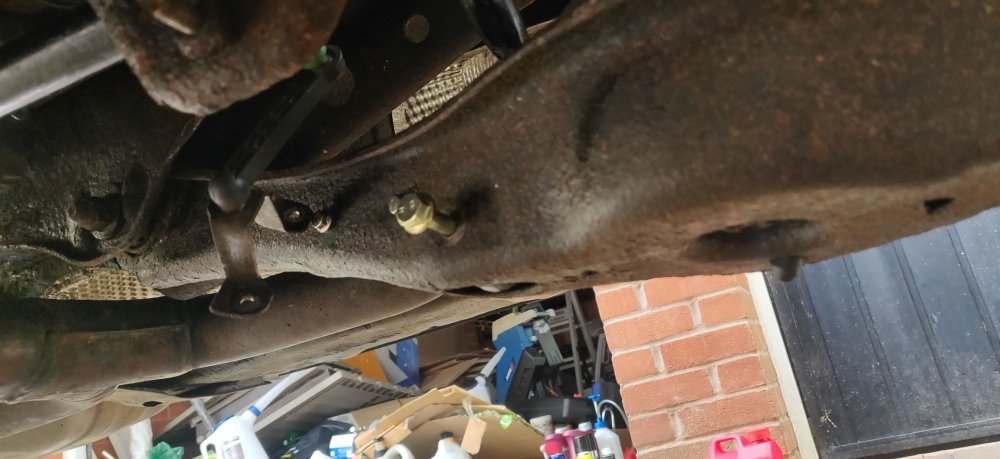
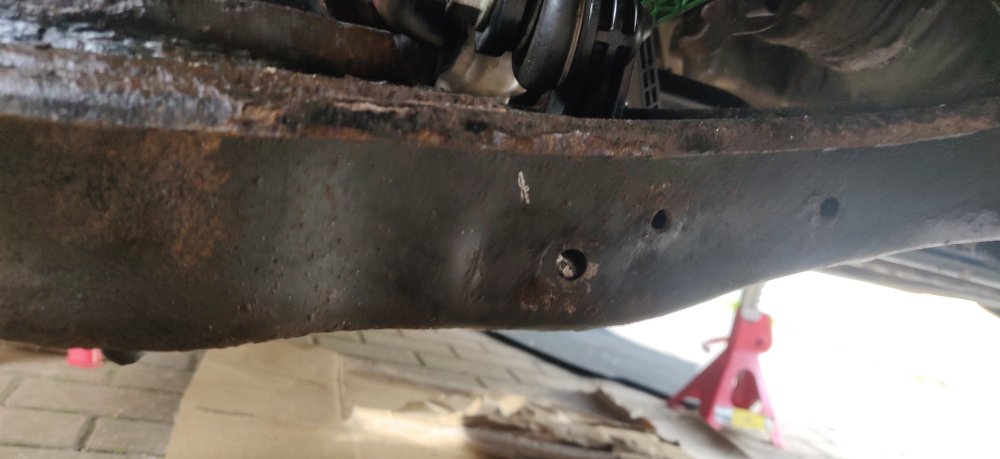
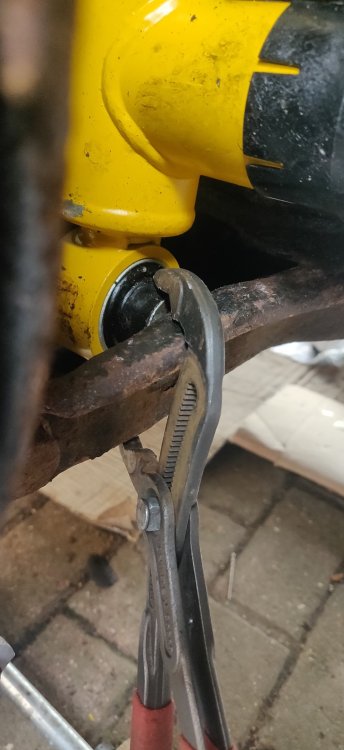
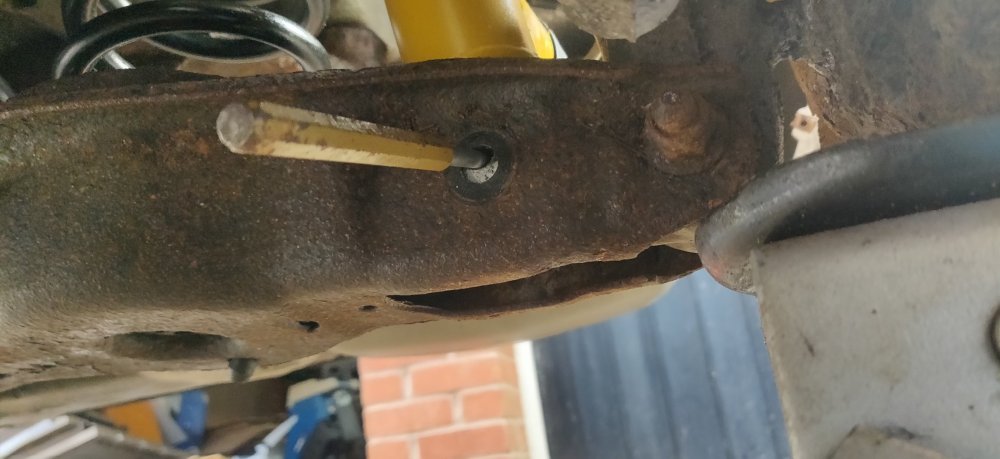
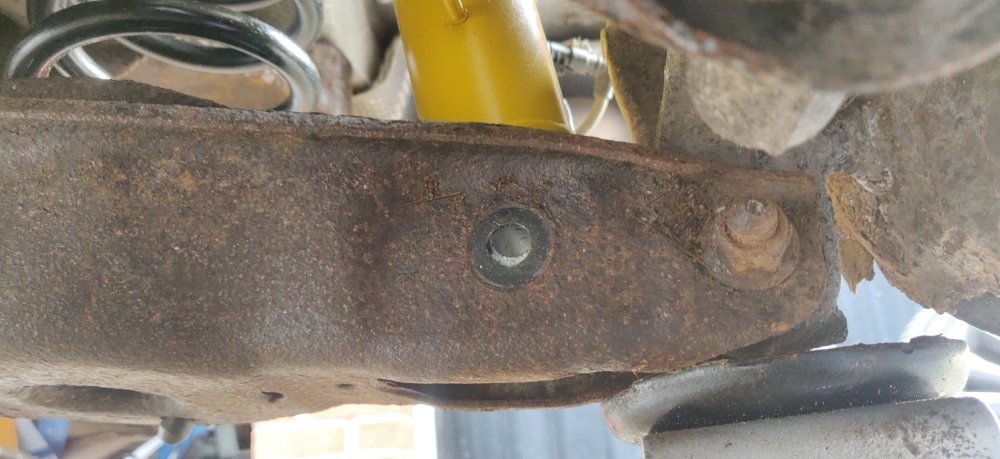
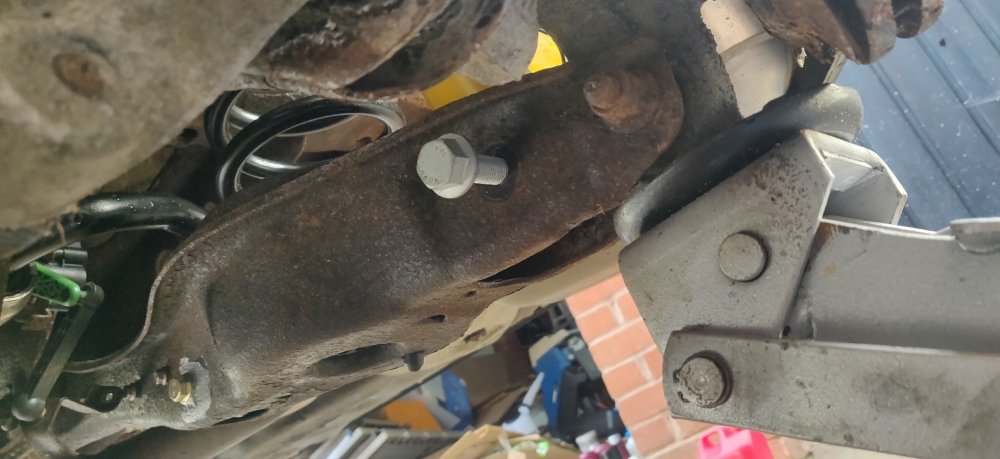
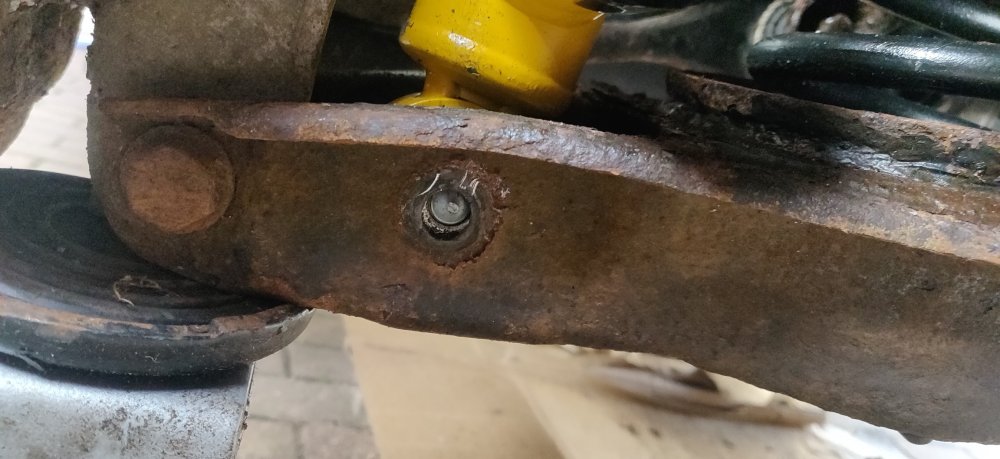
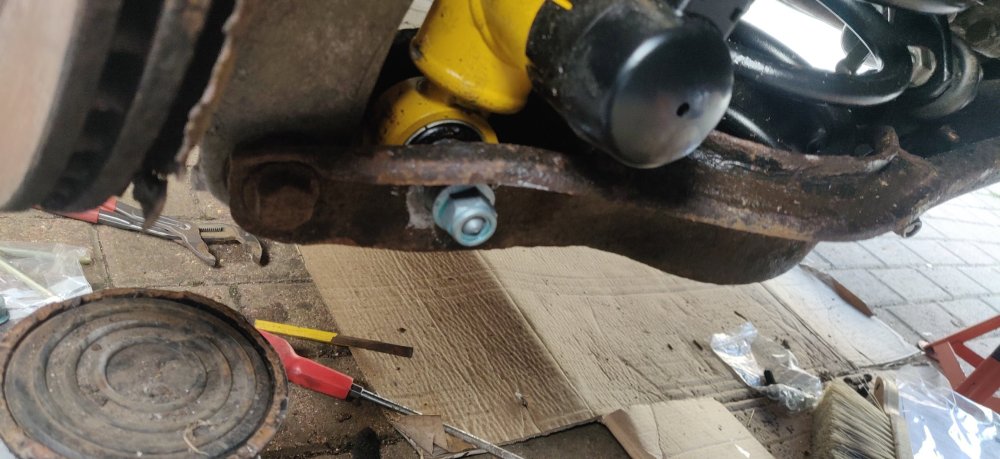
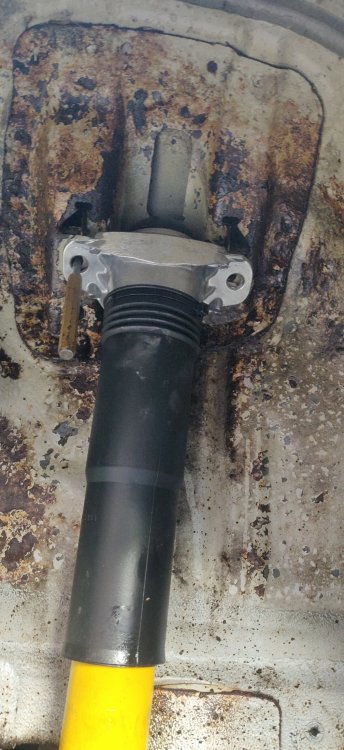
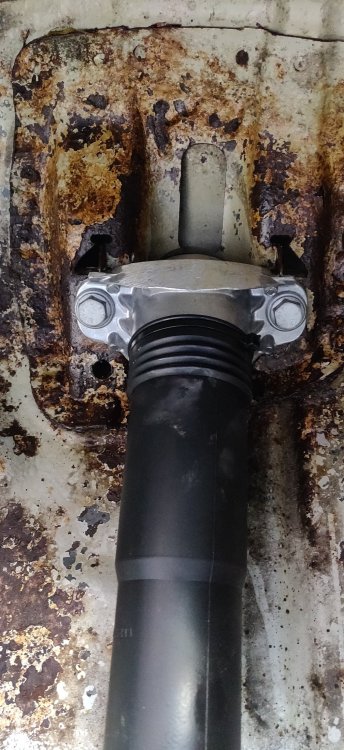
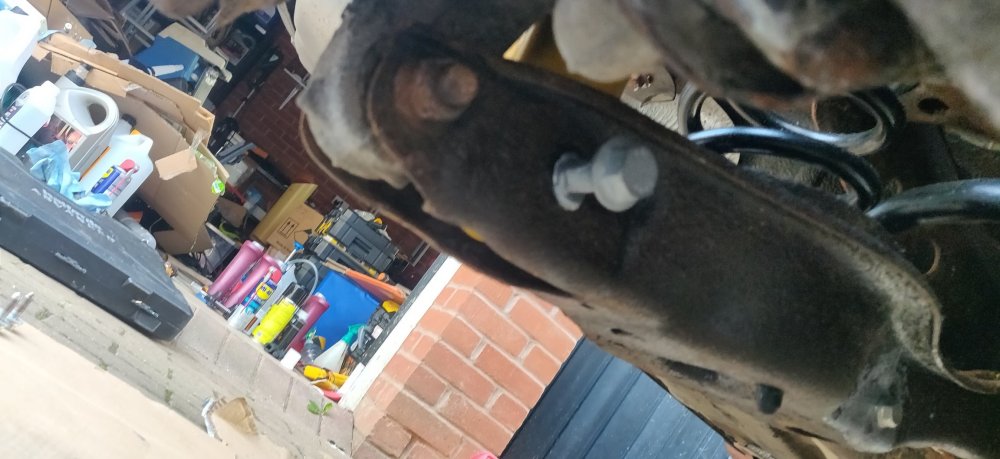
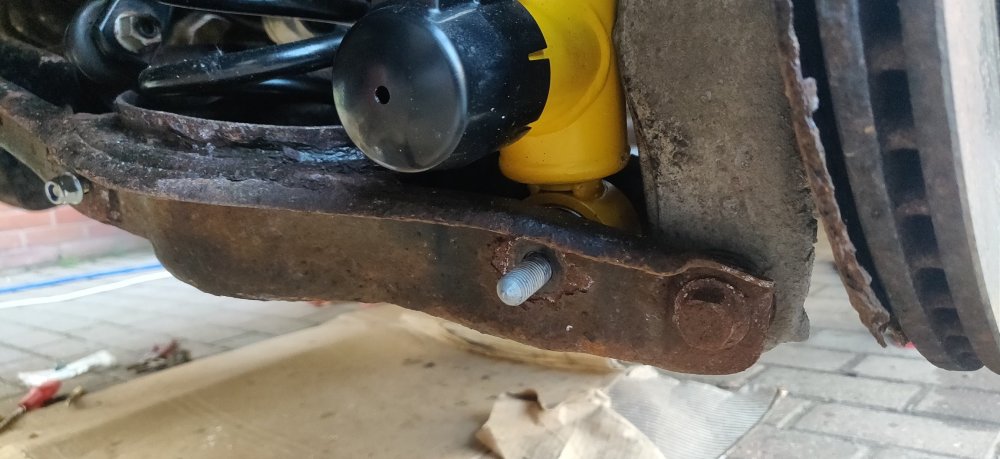
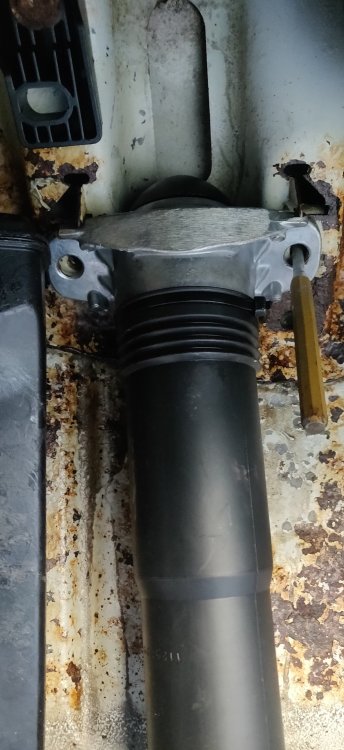
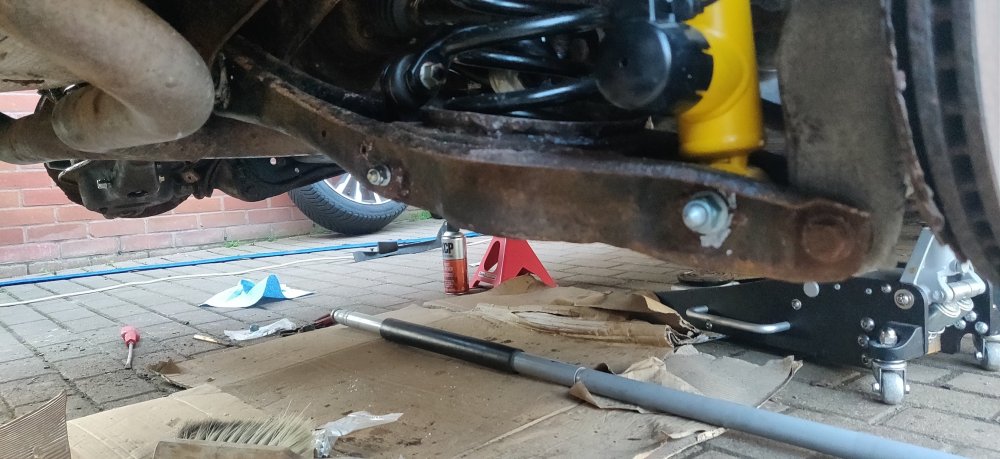
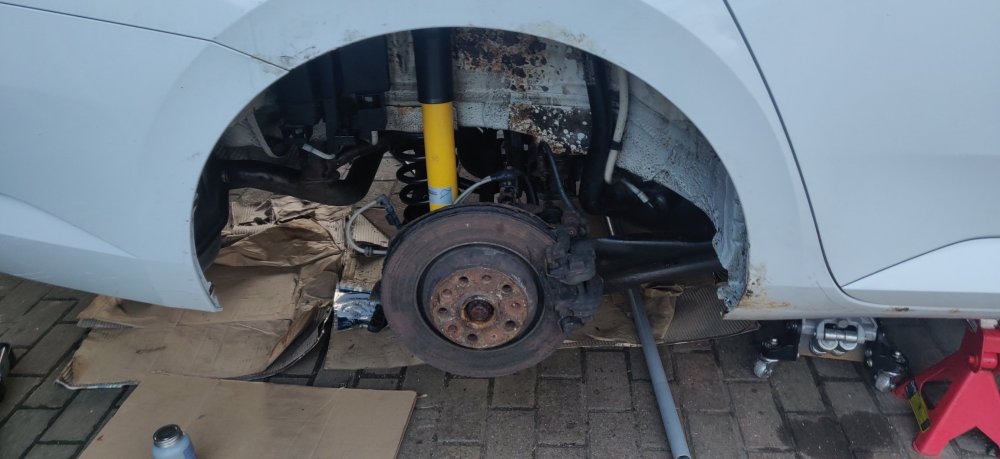
Tiny bit more before supper: Got the right anti roll bar bolt into place into the lower arm: Didn't take pics of this side as simply forgot to. This left the strut on the arm: Which seemed to be a bit stuck. So went ahead and did the opposite anti roll bar link, with pics this time. Essentially, its a case of clumsily using a jack to raise the lower arm: Then using a pry bar or some such under the suspension arm to move the link and try and get it aligned. There's a gap under the lower arms to do so, and after lifting it up a bit more, the side was clear enough to slip the bolt in: Once done, went and slathered a load of anti seize on the bolt before reinserting. The bolt stops roughly where the other side hits the arm: So it's then a case of raising and lowering the arm to try and rejig the link and get it clear: Tried not to raise it too high so as to start clearing the rear jacks, but eventually, this and more pry bar action eventually gets the bolt to be visible, so a few taps with a rubber mallet on the bolt head: Then it's clear enough for the nyloc nut to go in place. I've used aftermarket bolts, which are 8.8 bolts, so I'll double check the internet for recommended torques for such a bolt. It'll be the same as what I've used for the anti roll bar clamps to be honest. I then struggled with the struts. No amount of lifting the arm up and down was getting it to go in smoothly, so had to resort to being a bit ham fisted: I firstly used Knipex pliers with a widened jaw to try and clamp it into place, which got it started. From the opposite side: The hole for the bolt was starting to be visible, so just went at it with a chisel and hammer on the bushing part of the strut to get it a few millimetres further in: Then managed to get a punch small enough into the hole, and used it as a pry to get it further into place: Then a few more taps with a hammer was able to get a bolt into place: So once done, more anti seize before refitting. From there, it was a struggle with a hammer and chisel to get the other side further down and into place: This was as far as I got, before I decided to try a different approach. I went and undid the top strut bolts, and it immediately looked like the better option: Basically, once the top bolts were undone, the strut flies out, seemingly straightening out, which then meant the bottom bushing of the strut was easily manoeuvrable in the lower strut arm, hence the nut being put into place in the pic above. So it was then a case of trying to get the top mount aligned: This was met with a bit of resistance, but essentially, with some convincing, I was able to get it positioned a bit better, then a jack to lift up the lower arm helps locate it a bit better, then as per above, used the punch to help align the bracket with the holes, and once one bolt is in, the rest is straightforward: So yeah, lesson learned, do the bottom bolt first. Undoing the top strut bolts on the other side immediately dropped the strut into the lower arm, so it was actually not an issue at all getting the bottom bolt in: The strut can then be wiggled to get the bolt through: Significantly less drama. The top still has some resistance when being mated to the top: But it's pretty much the same thing, jacked up slightly, and using something to align it to get a bolt in. So went and nipped up the bottom bolts: Just to get the nuts in place for now, 18mm for the strut bolt, and 13mm for the aftermarket ones for the anti roll bar link (it's not a Japanese car, but the car still probably wishes me bad luck). So that's that: Just torquing up left. As the bottom strut bolt is bushed, I'll need to tighten it formally once it's on it's wheels. I'll probably do so and get some ramps so I have some semblance of clearance to do the tightening. It's similar to the Lotus, where the weight of the car acts as the reference point for the suspension, and when tightening up any bushes on the suspension, it essentially clamps the rubber at that point, so when the suspension goes up or down, the rubber bush will rotate but essentially settle back to its relaxed unstressed point. Tightening the bolts whilst raised as above will mean the rubber bushes will be in a slightly stressed position once back on terra firma, so shortening it's life as it goes up and down. This doesn't actually apply to the top strut bolts so not sure why I haven't tightened those up yet. I'll do that at the next possible opportunity, as with that, I can fit the rear wheel arches back onto the car. Can also reattach the rear level sensor, so best remember that too. Getting there! Maintenance: £2217.41 Upgrades: £1322.97 Miscellaneous: £684.25
-
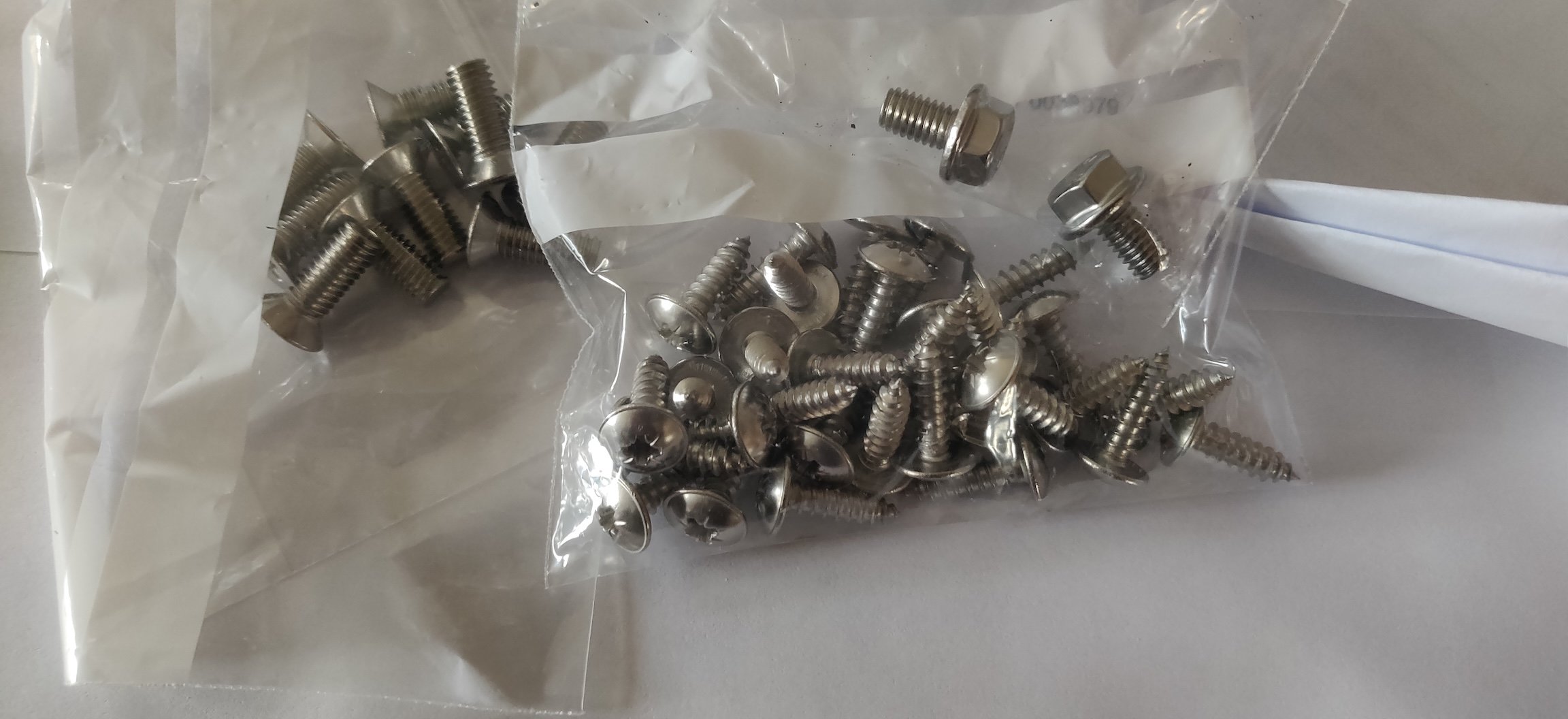
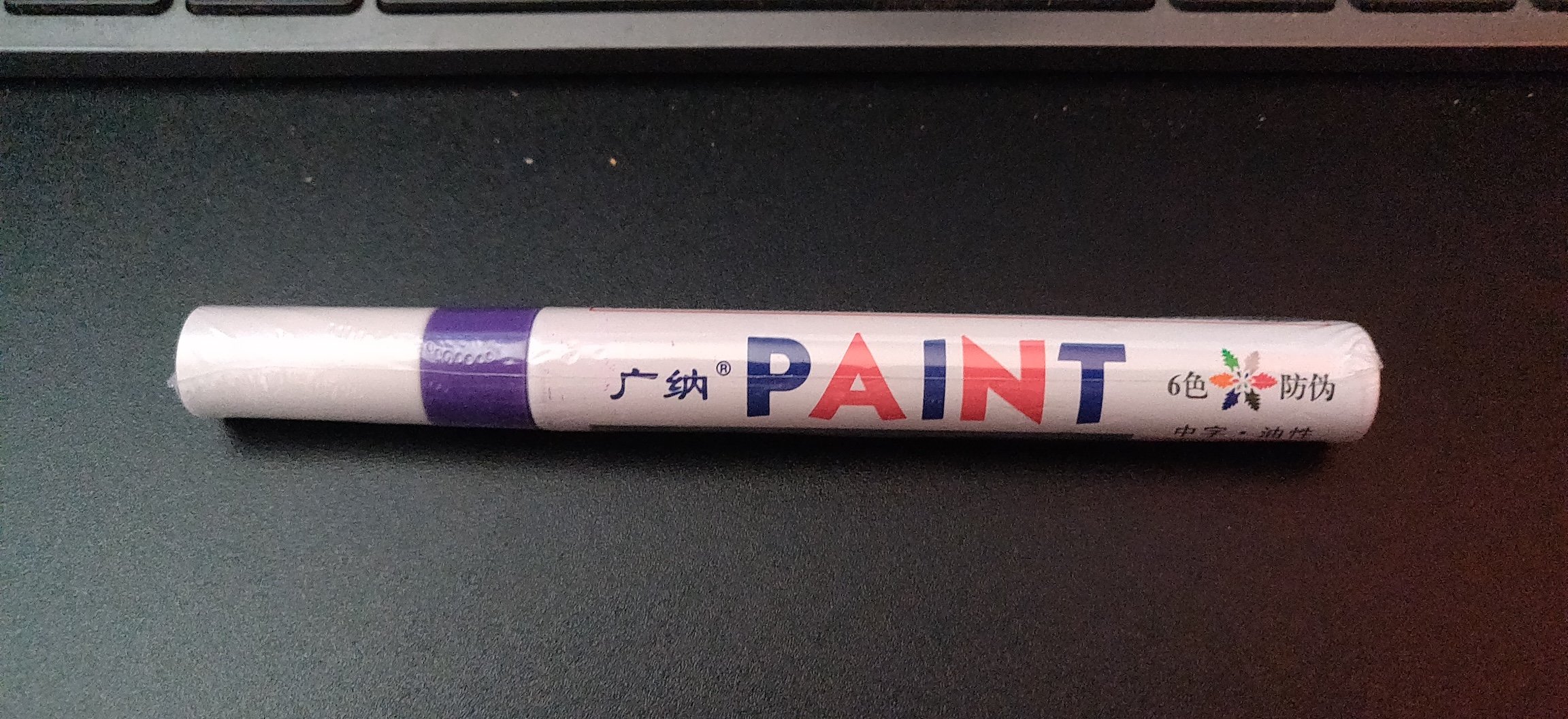
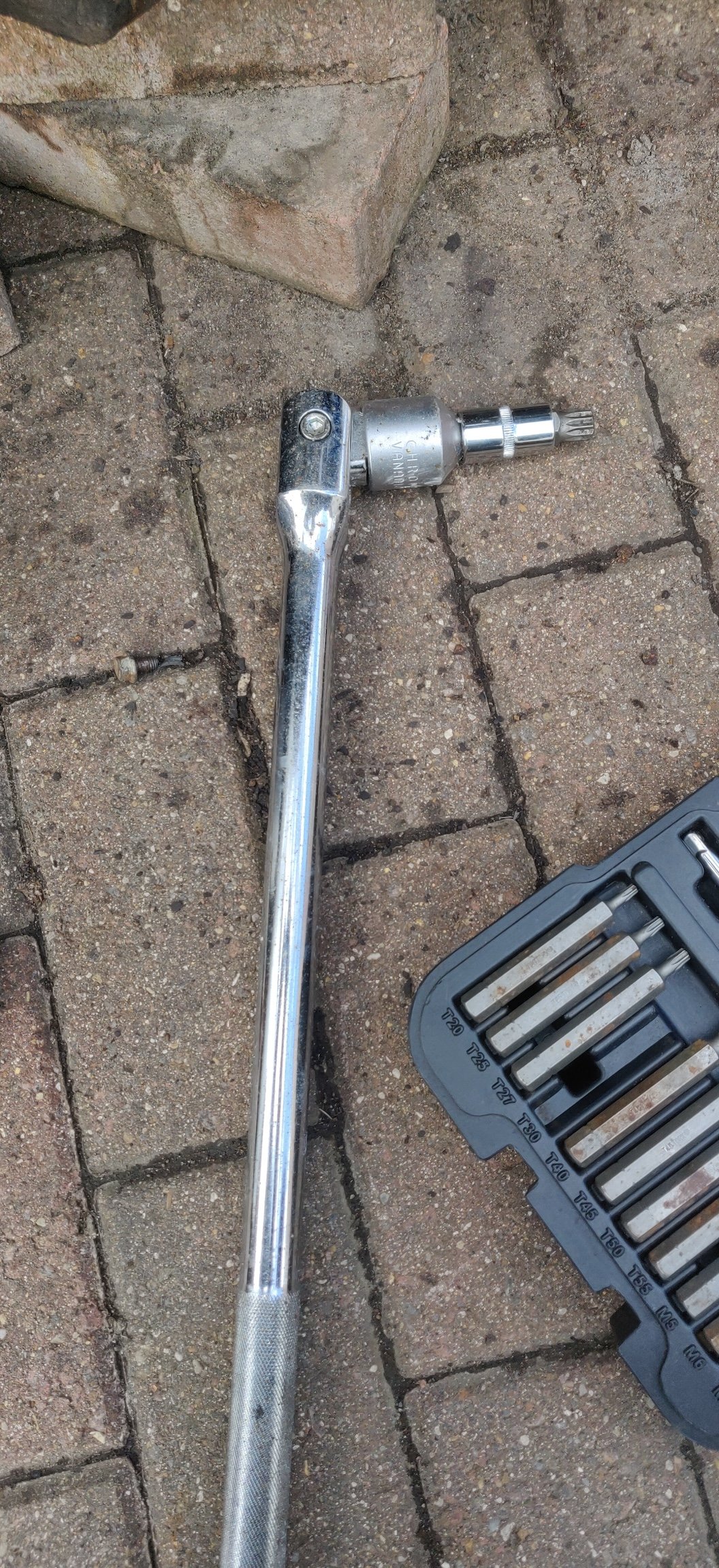
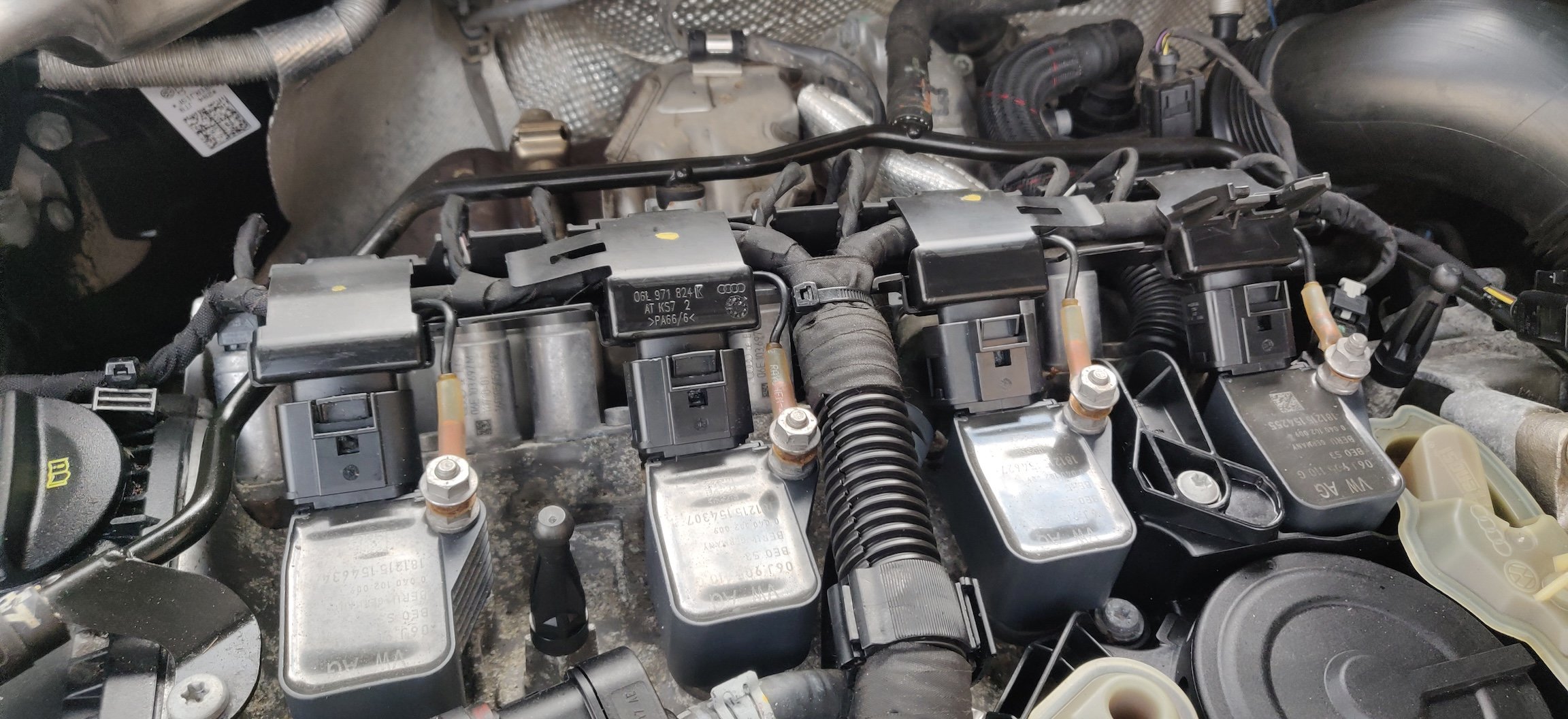
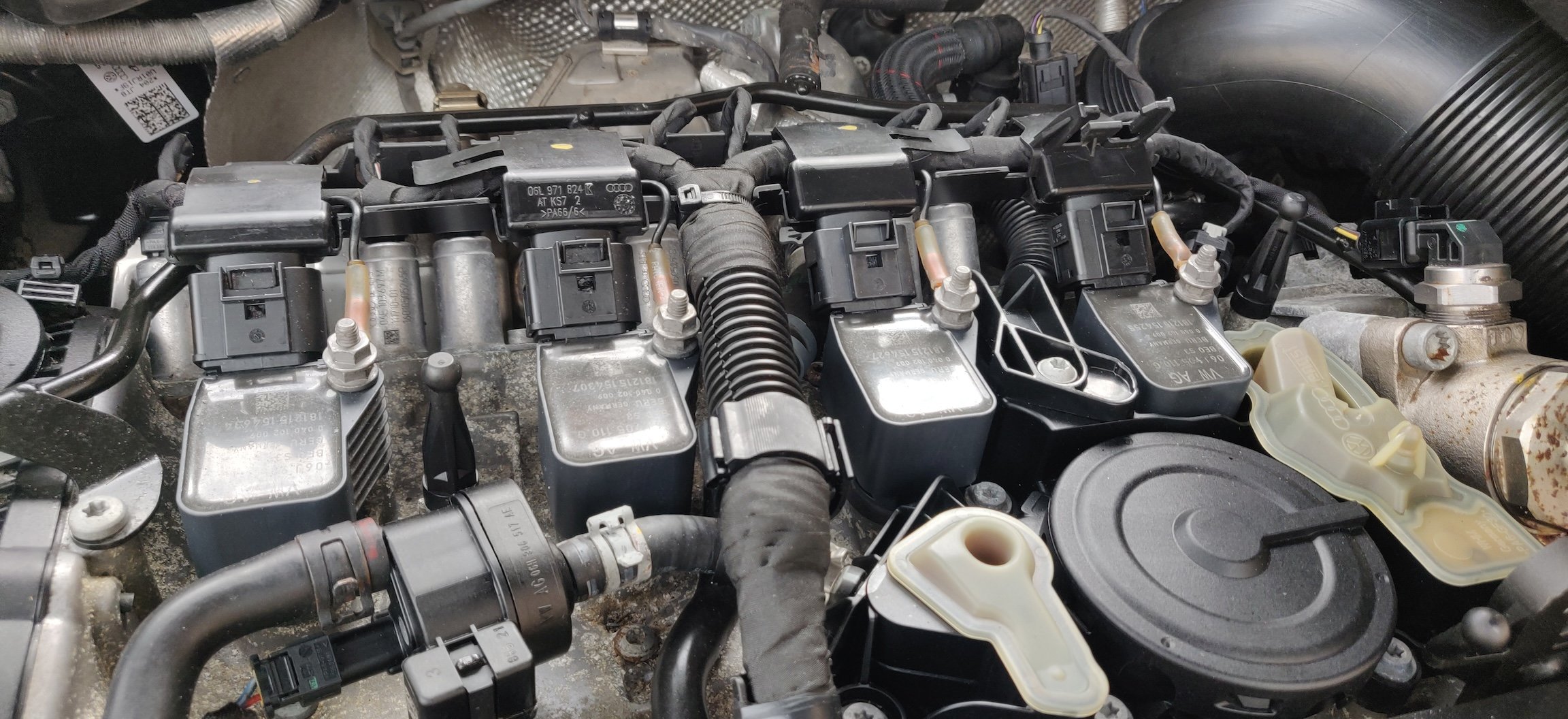
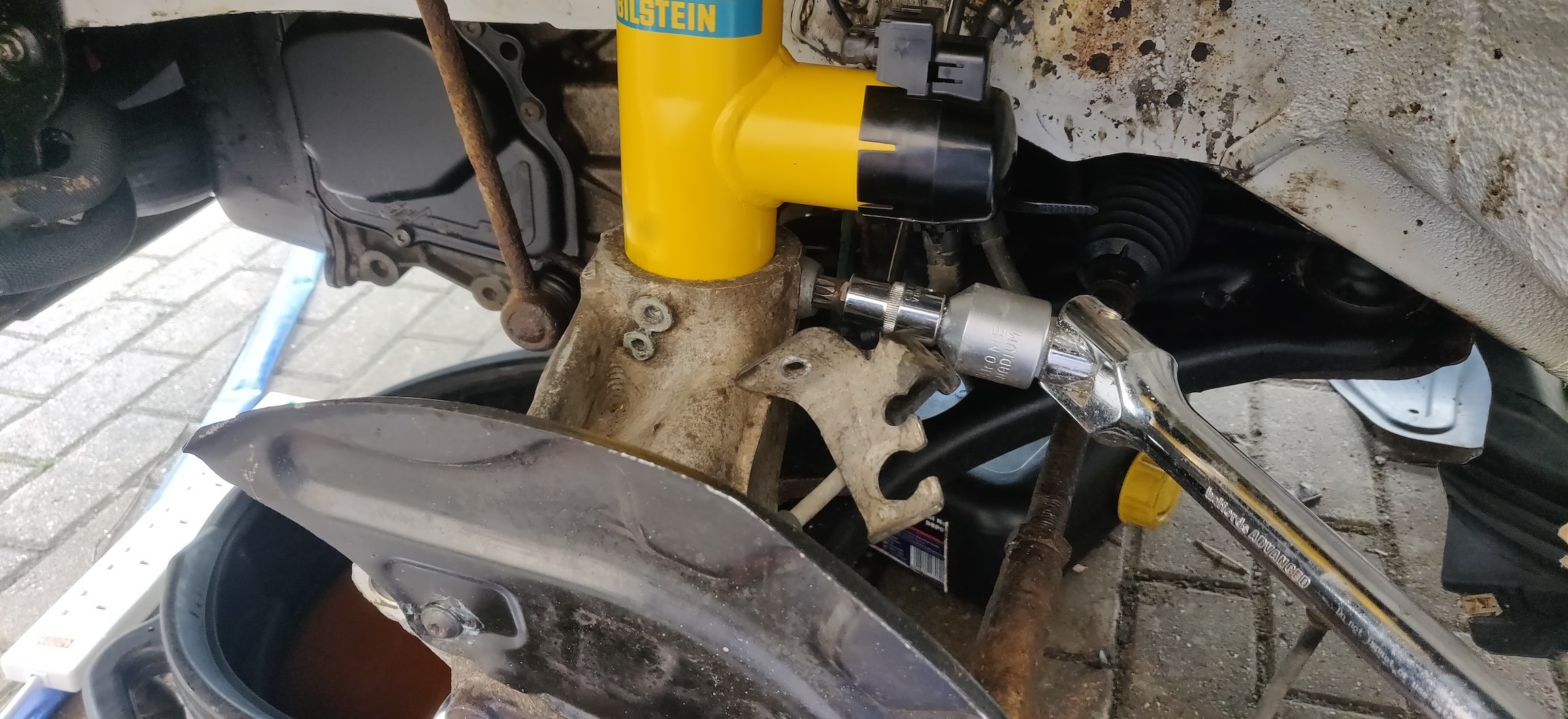
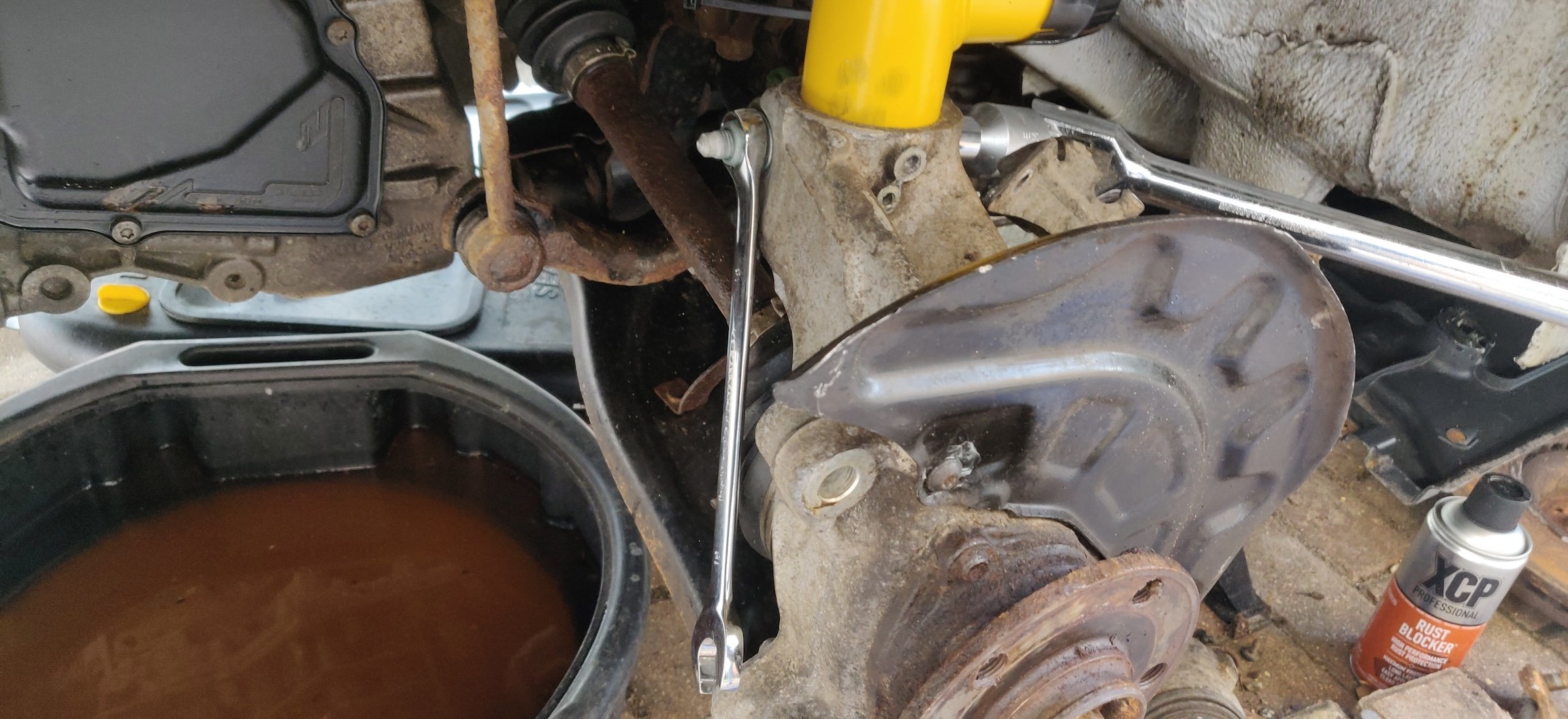
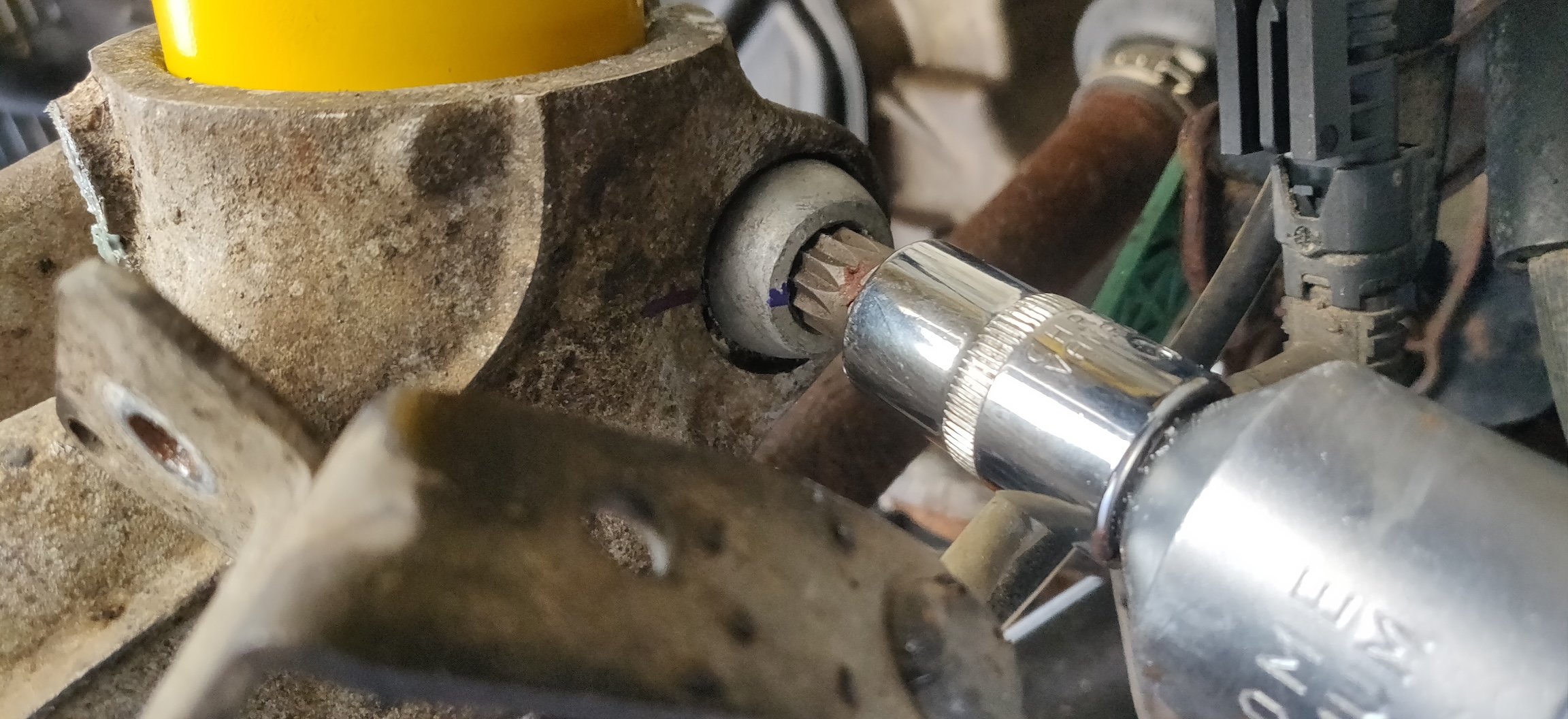
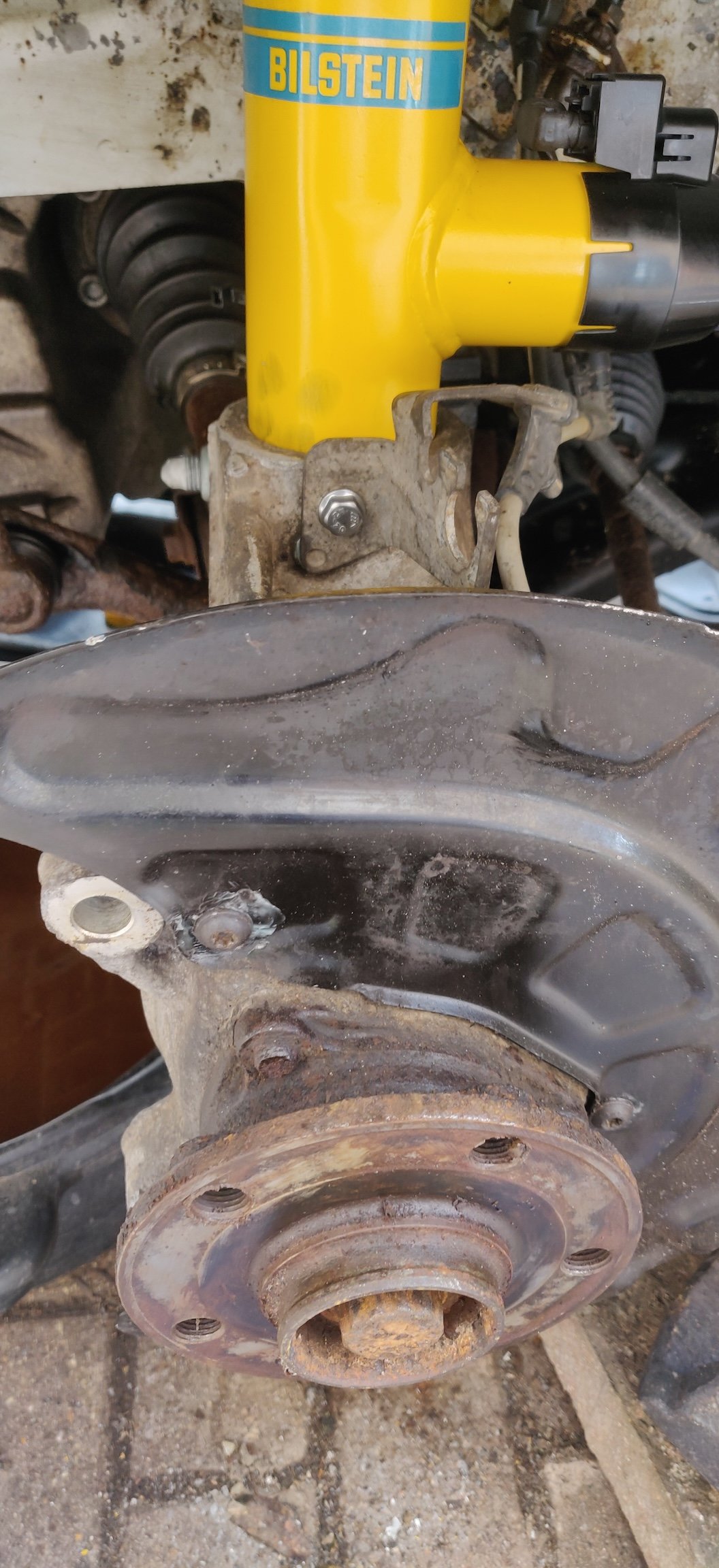
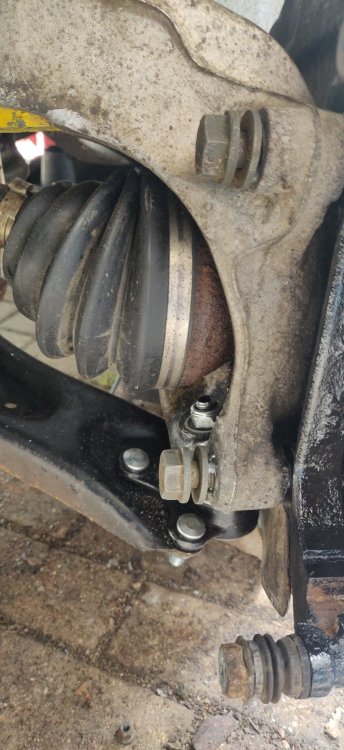
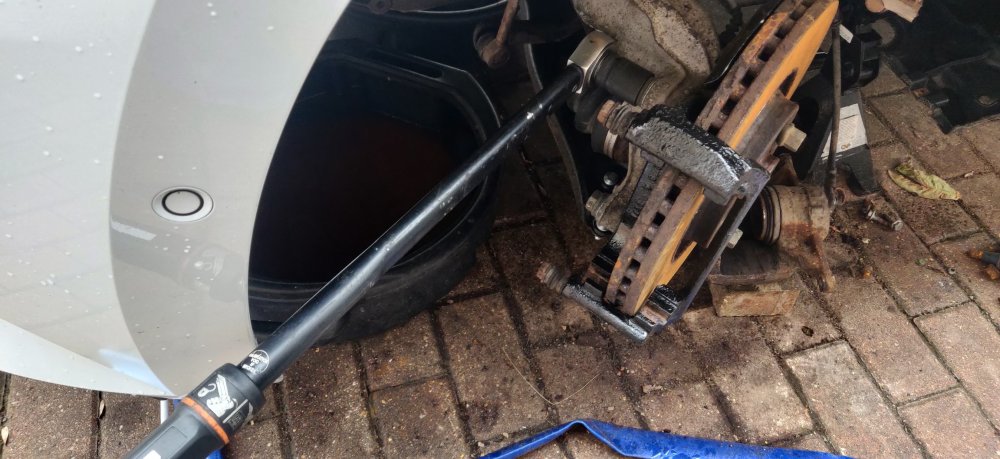
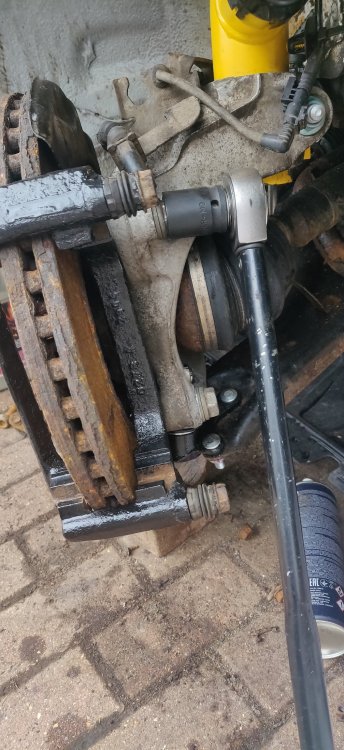
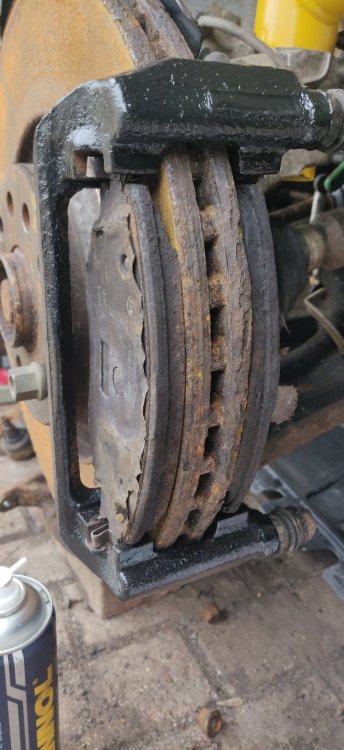
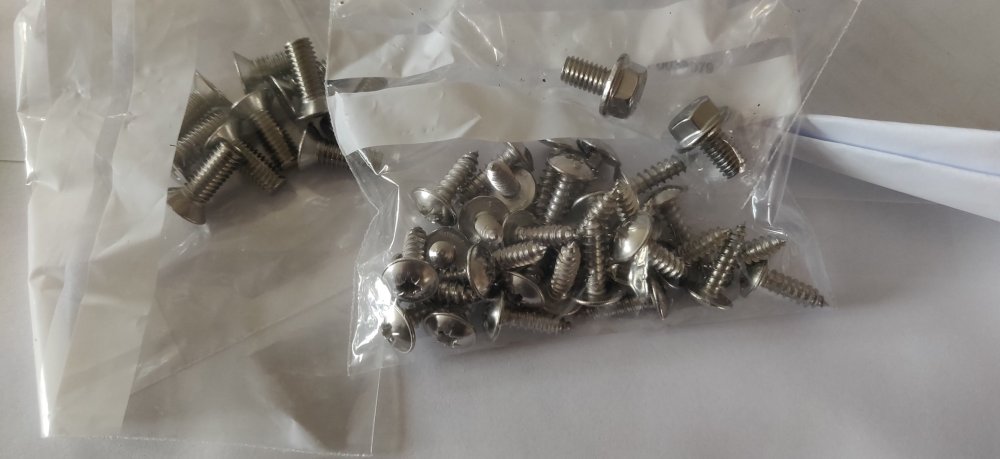
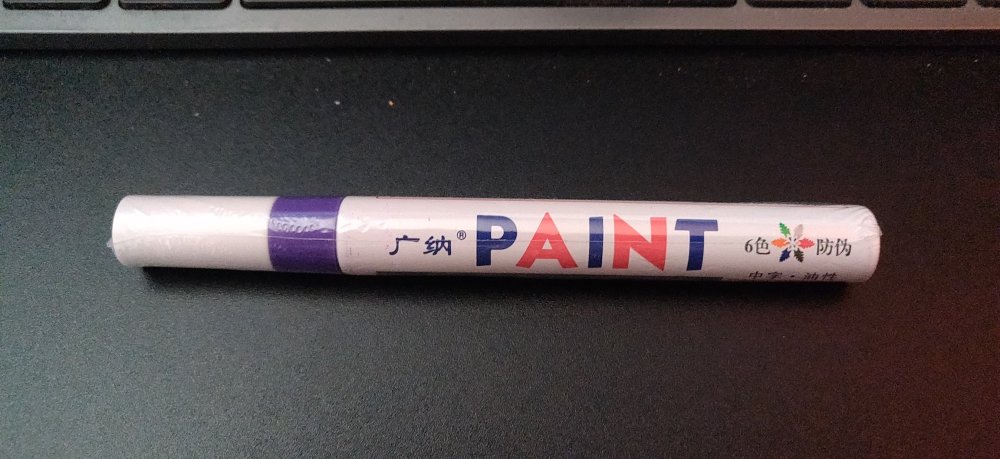
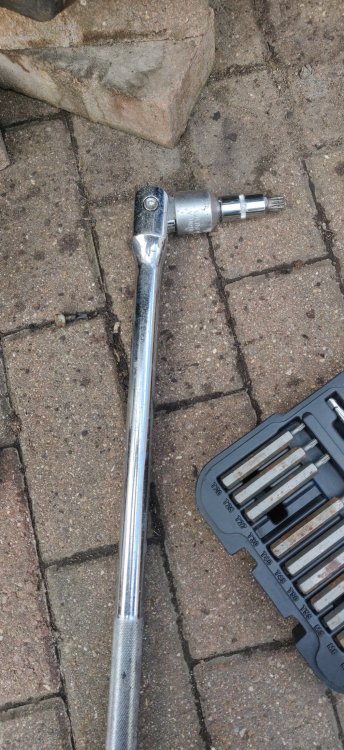
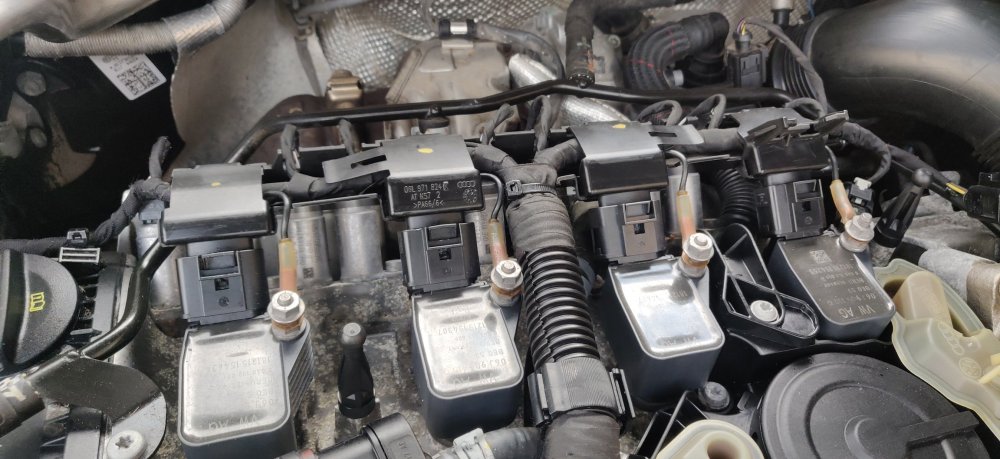
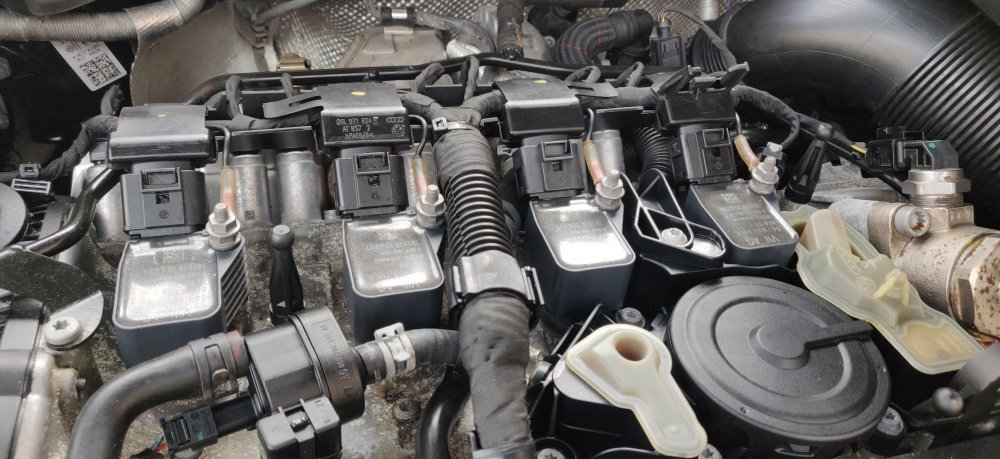
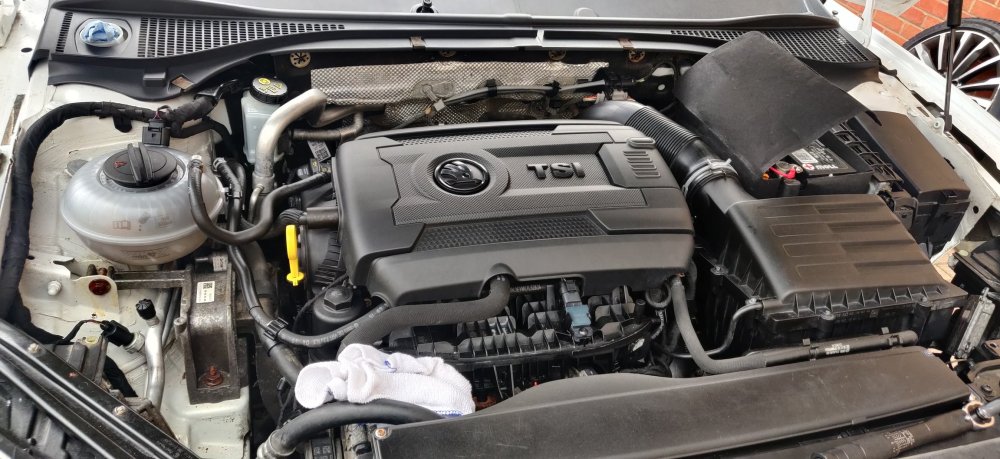
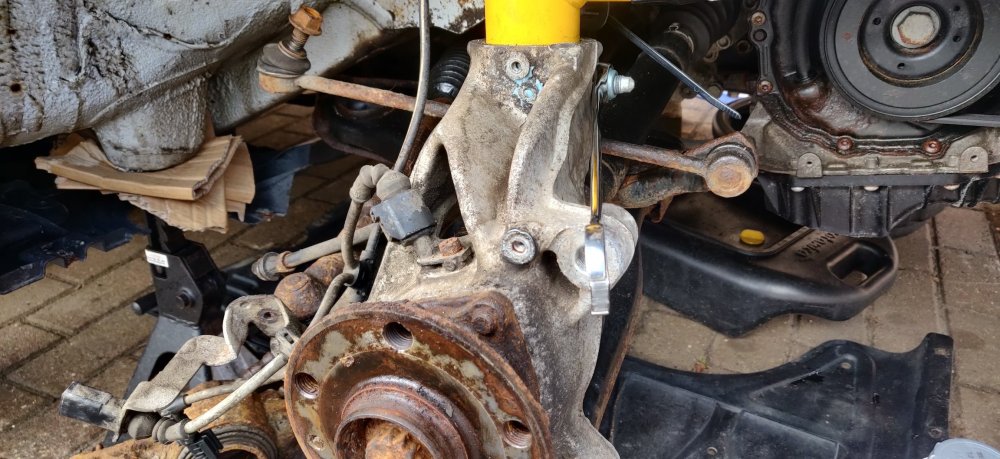
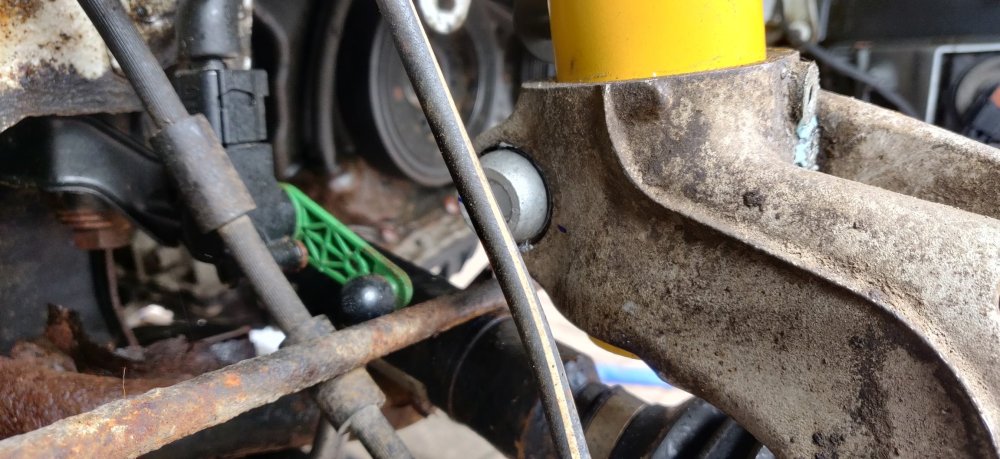
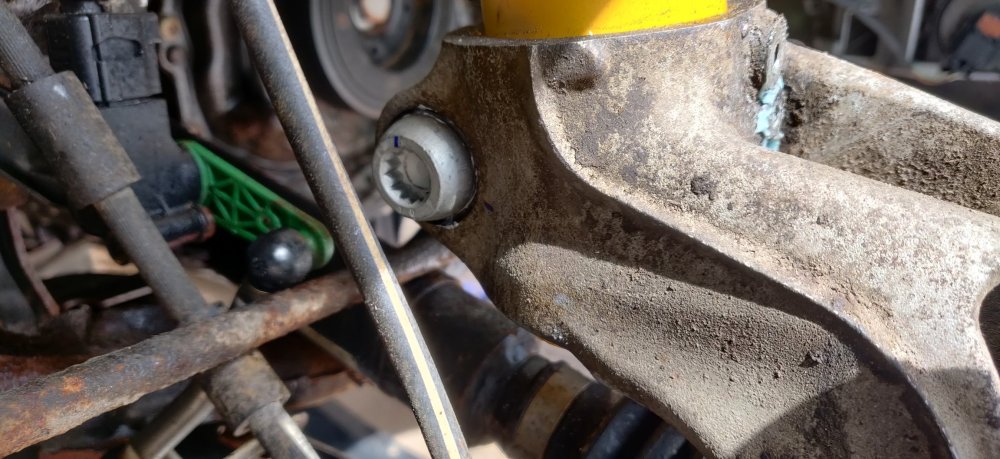
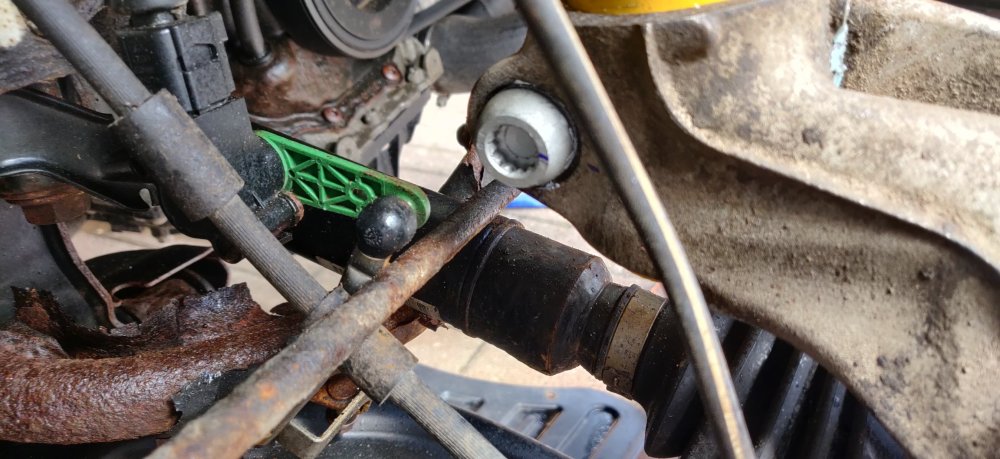
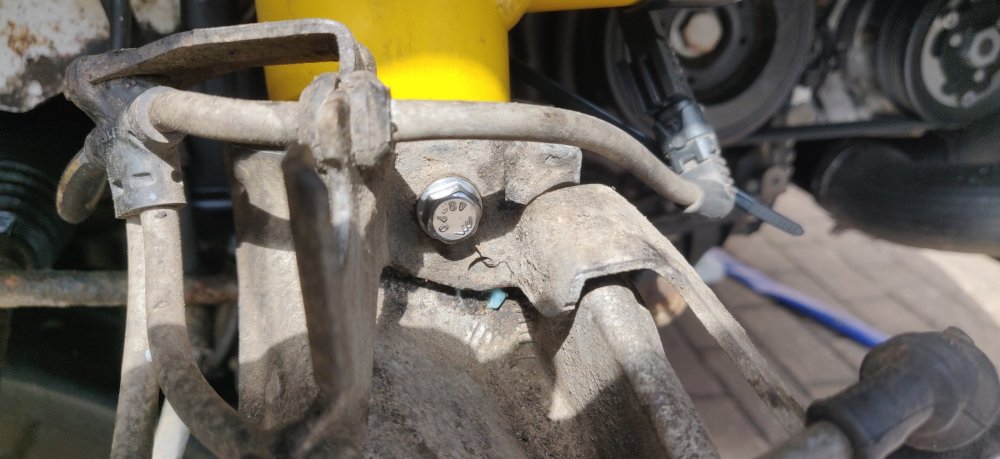
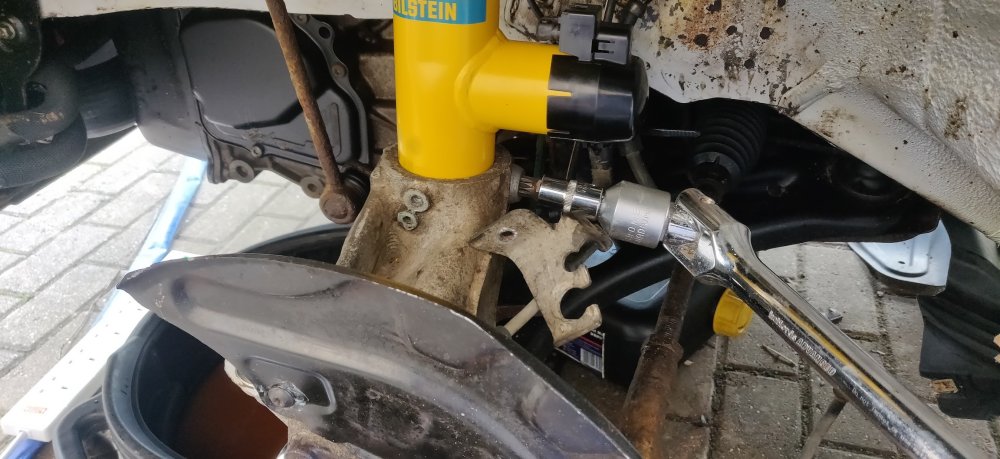
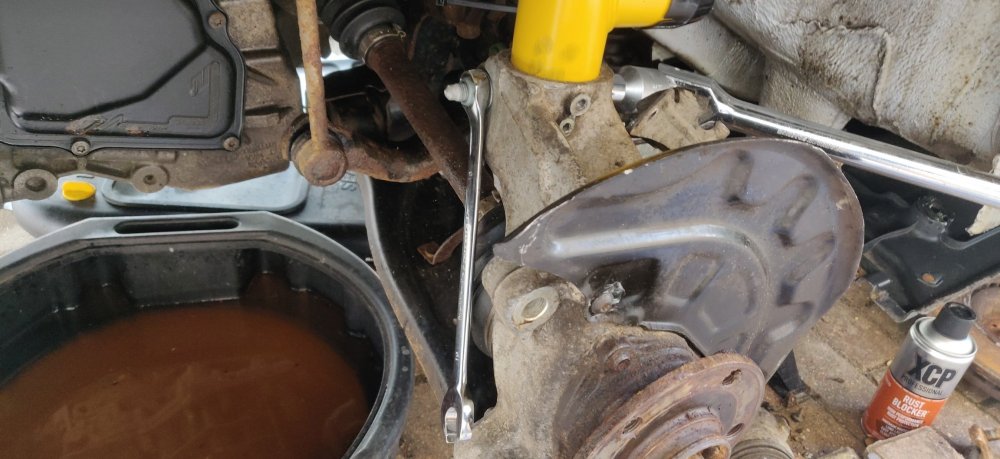
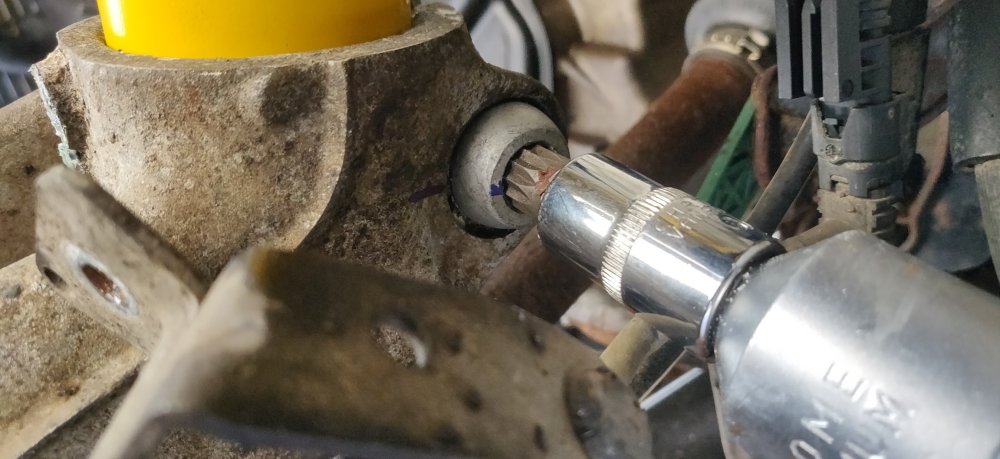
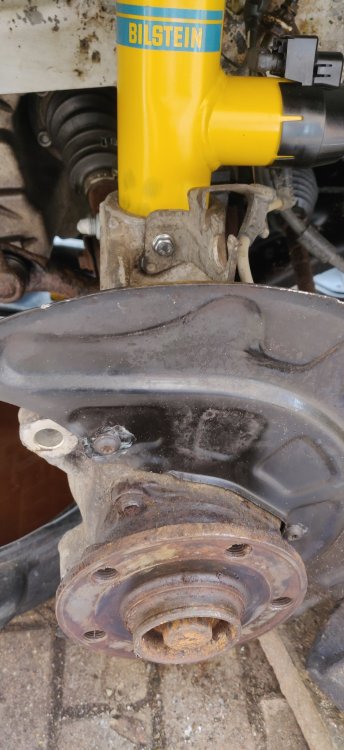
Weather is apparently going to get grim over the rest of the week, so decided to get some stuff in over lunch. Replacement paint pen arrived: Something from eBay for £2.89, got a purple one just because. Some more bolts: So some M6 x 10 flange bolts to replace the brake bracket ones to the front hubs, some M6 x 16 countersunk ones for the future when I get new wheel bearings and brake discs, and some additional screws in case I run short when reassembling the wheel arches. Totalled £10.78 from eBay. So another easy win thing, clipped the things on the coil pack connector back: Bit more of a faff than I thought it would be getting it all aligned up and actually snapping into place. Then checked the coil pack bolt thing to ensure its done to 10Nm, before nipping up the nut for the presumably additional ground bits also at 10Nm: Don't think there's anything else I removed at the top of the engine, so popped that plastic cover back on: Been a while. Then decided to tackle that 180 degree tightening. I rummaged through the garage to find: A 3/4 inch breaker bar, which I last used for my brother's Audi A3 where that crankshaft bolt is something insane in regards angle required. I ended up using my legs with my body braced against the wall to get the required leverage. If I'm ever unlucky enough to need to replace the timing chain on this engine, it'll be deja vu. Only have the reducer adapter for this thing though, as I can't justify the cost of dedicated 3/4 sockets for such rare use cases. So for the right side, took off the brake dust shield, and moved the brake hose and wiring brackets out of the way, so that the 18mm wrench essentially wedges against the hub: The plan was to mark the bolt with the sharpie and the opposite side of it, so that when it lines up, it'll suggest the required 180 degrees: The pic has some wiring in the way, but you can see the intended destination as it were. So got the M14 socket, into that 3/4 breaker and carefully applied some force: This pic shows it better, halfway there, just continue until: It's probably easier with some extension on it, but didn't want to risk rounding the bolt so kept a hand on it over the centre. Then got the paint pen and marked it up. So that's that. Got the stainless bolt to replace the existing one for the brake bracket and tightened to 8Nm: Then got the dust shield back on with that tightened to 12Nm, so that's the right side sorted. Left side was a little easier. For whatever reason, the nut was not rotating with the bolt, so was able to tighten the thing with just my other arm counter holding the spanner: Then the same process: The dust shield could have been removed which would have meant more of a swing with the bar, so probably slightly easier: But once done, tightened up the brake bracket and dust shield: So that's that! As eager as I am to get the wheel arches on, I ordered a replacement coolant expansion tank to replace the existing one, so want to replace that, before adding any more coolant in and checking for leaks. The other side has all the washer gubbins, so I still need to check for leaks and to flush all that hose work through. But for all intents and purposes the front suspension is complete. I'll start chucking the spoils of war at the local dump, like the bits of rear seat and what not. There's a fair bit! Maintenance: £2217.41 (+£10.78) Upgrades: £1322.97 Miscellaneous: £684.25 (+£2.89)
-
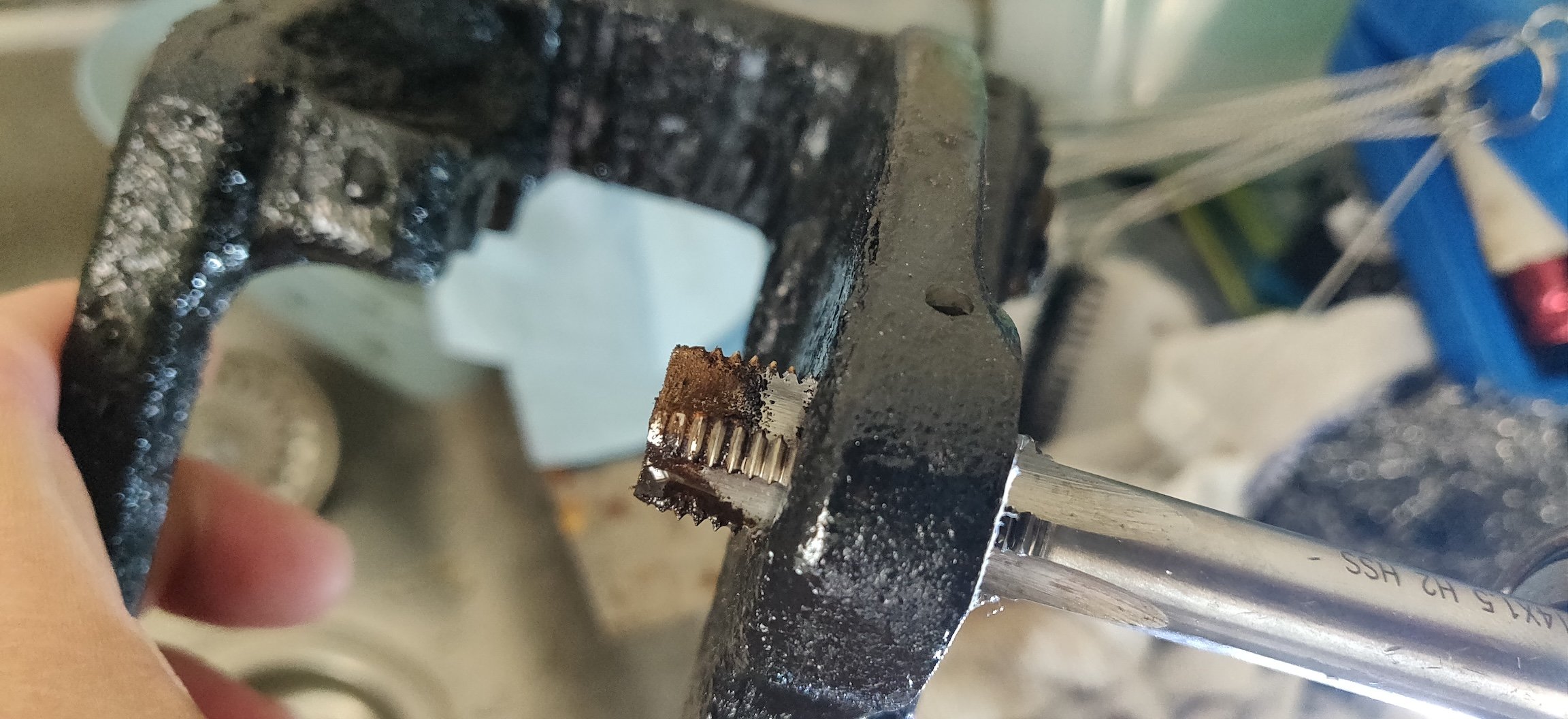
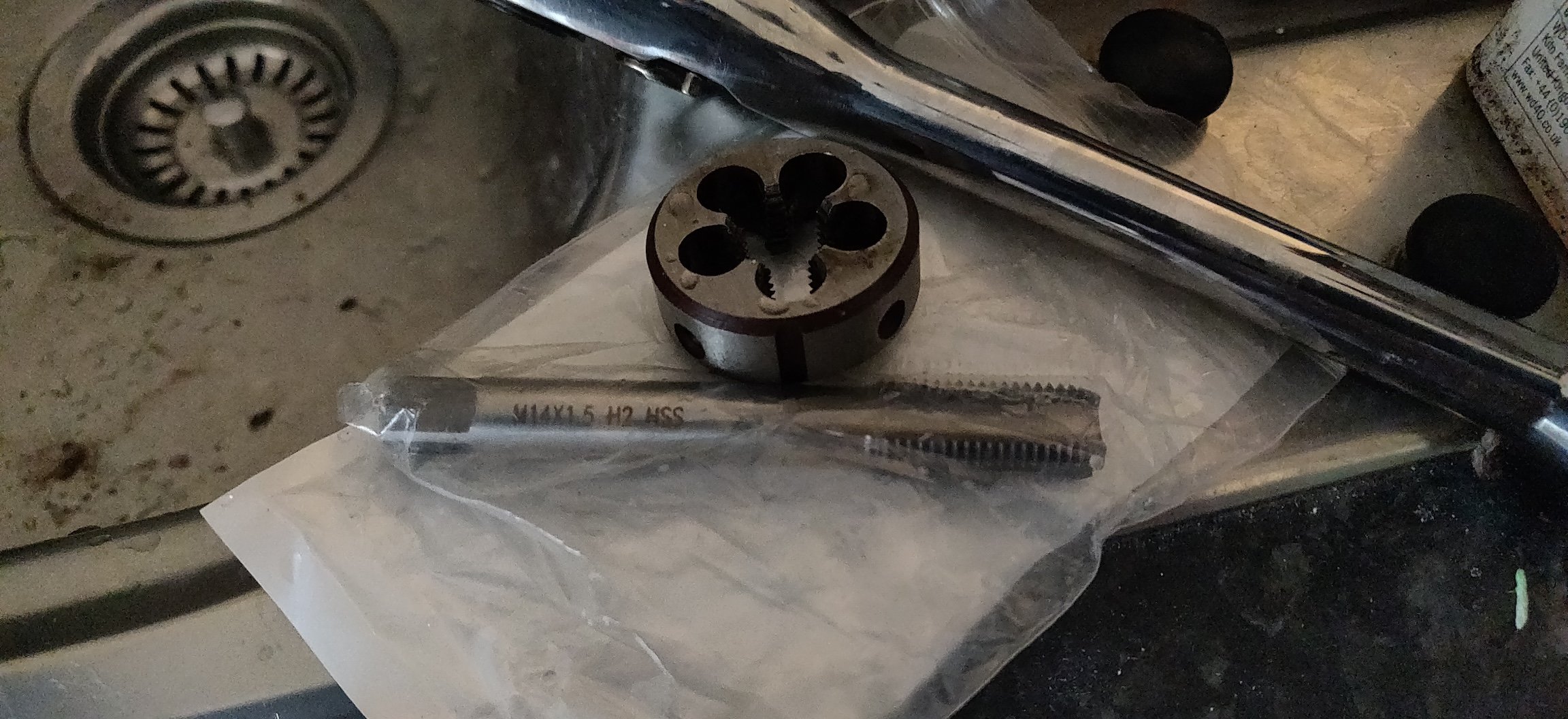
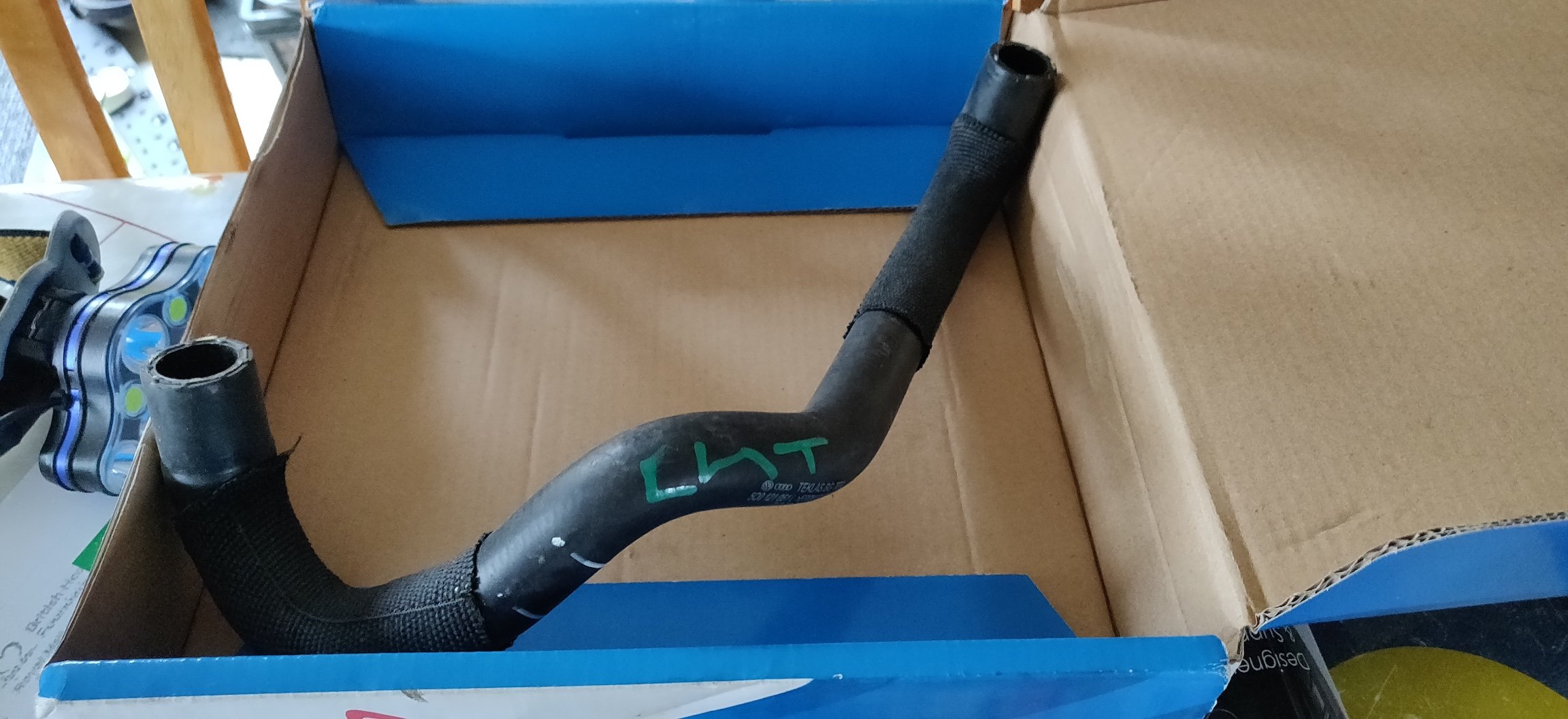
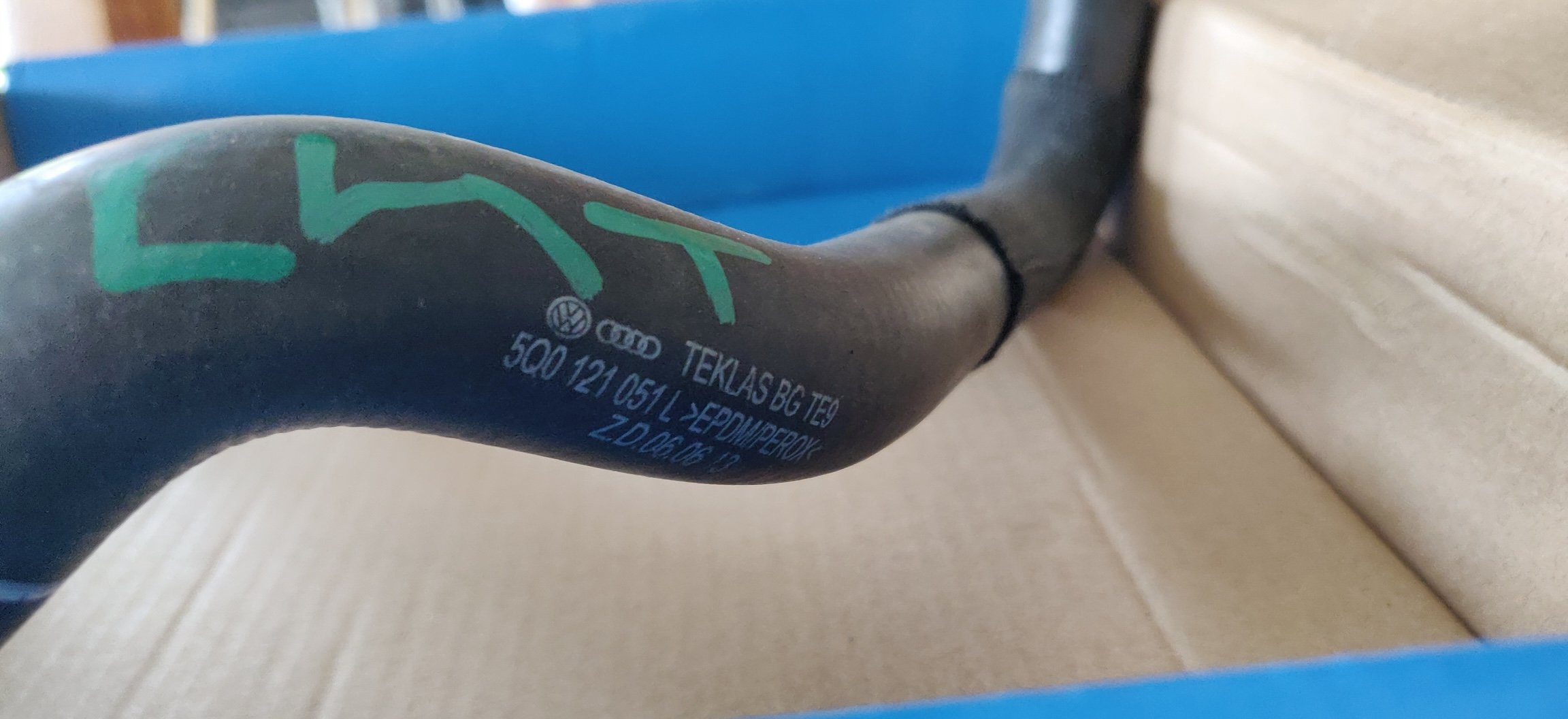
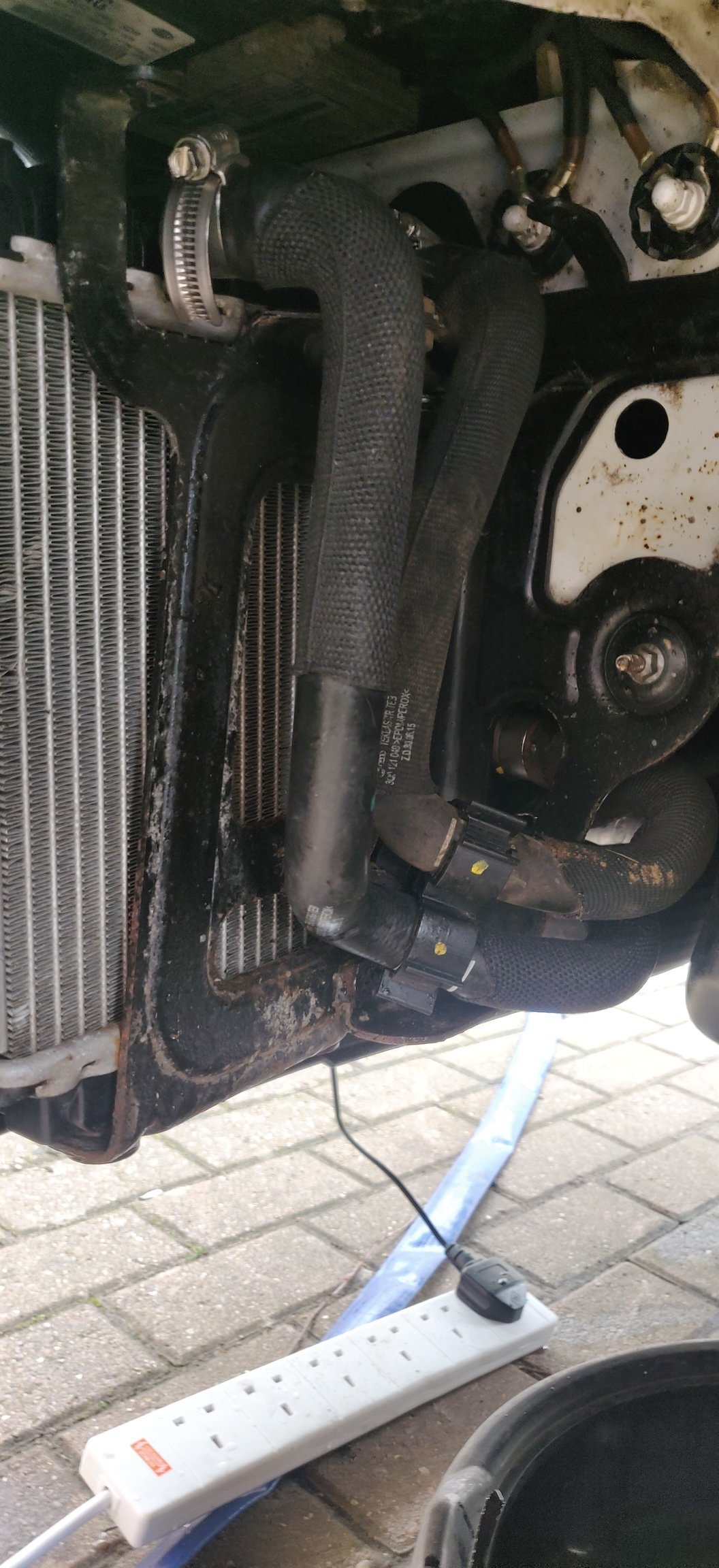
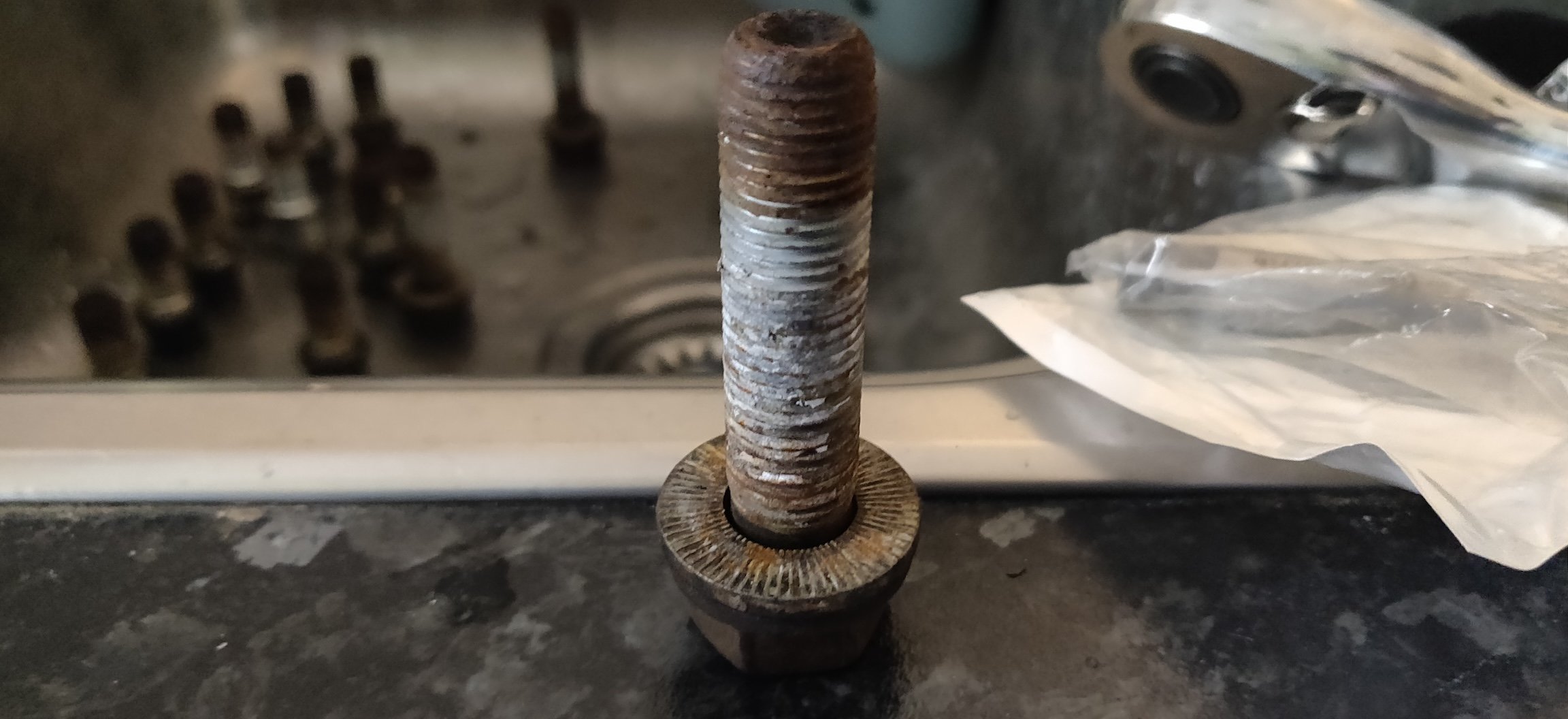
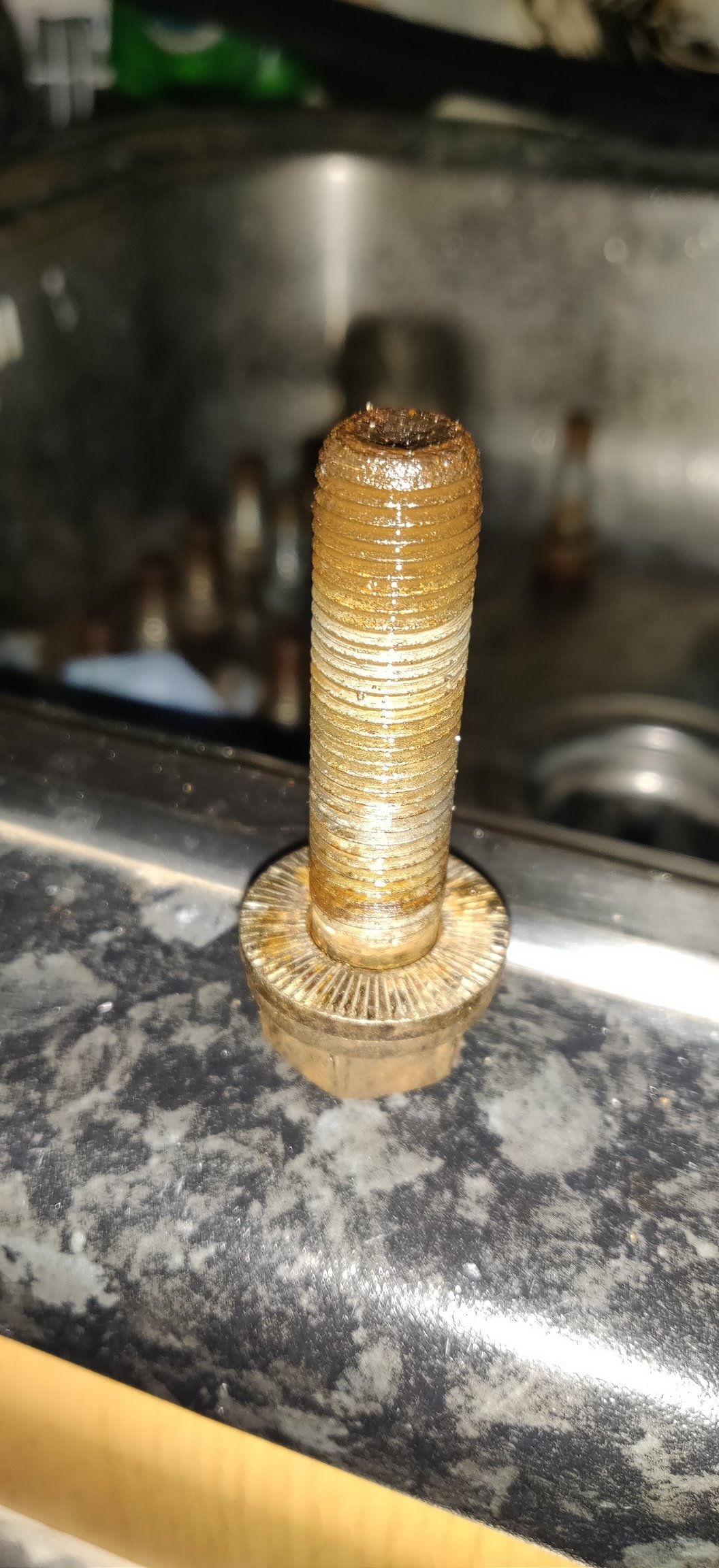
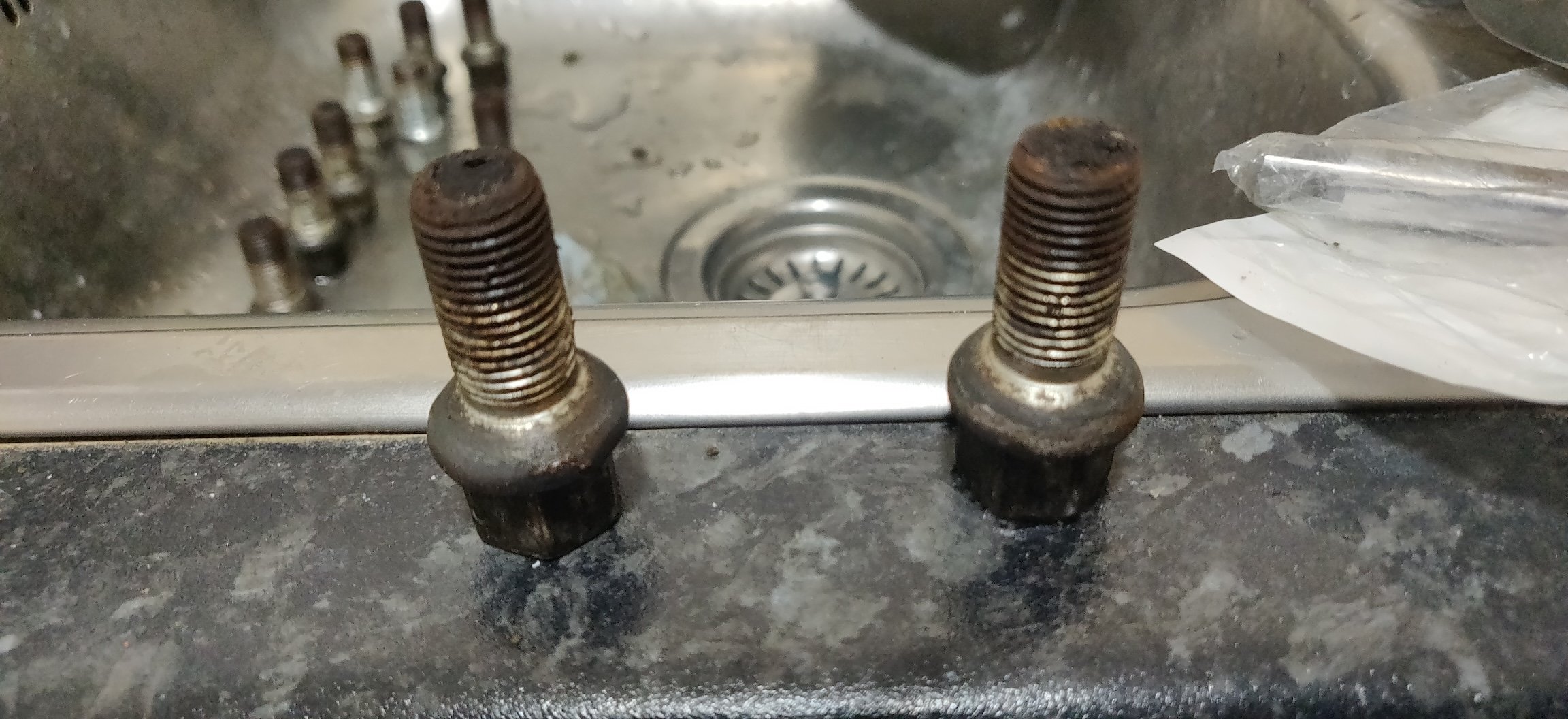
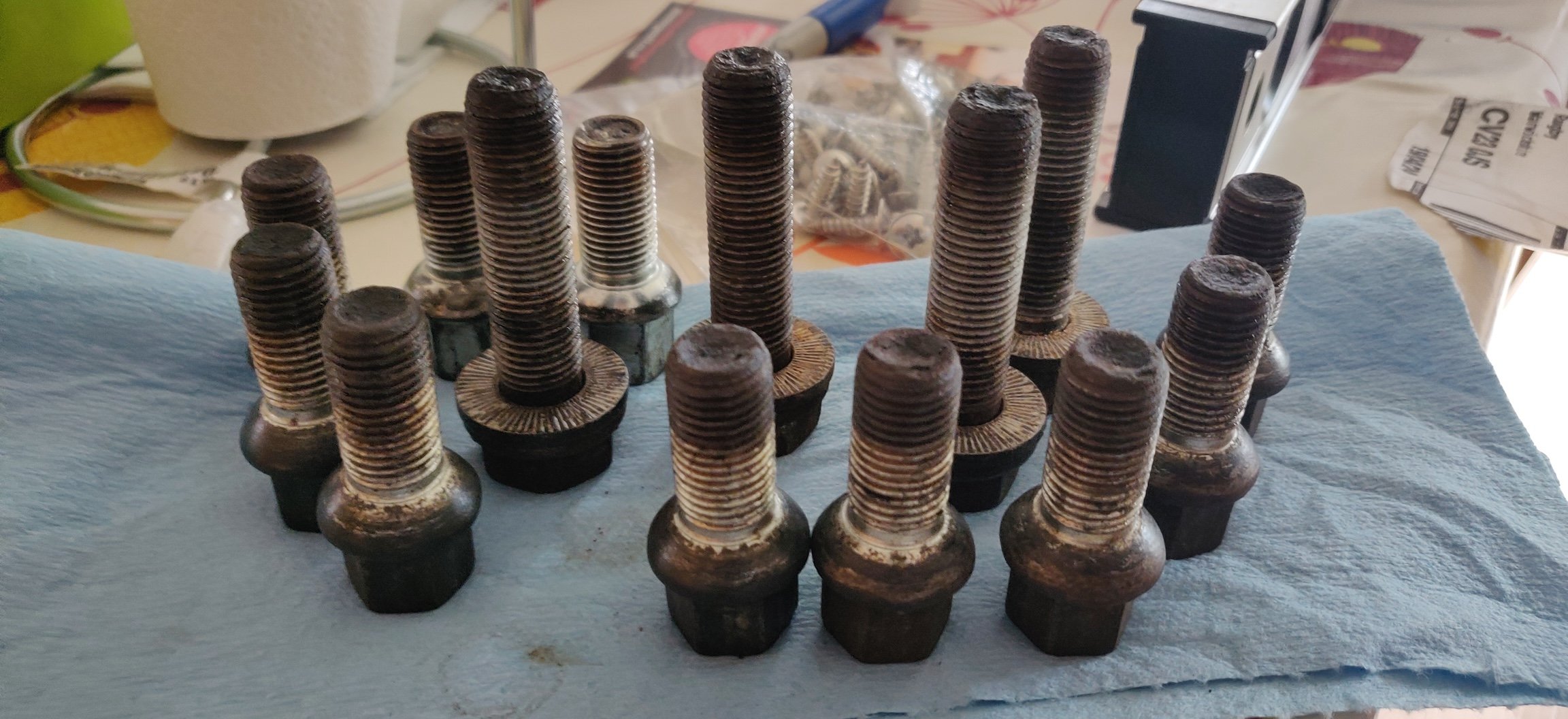
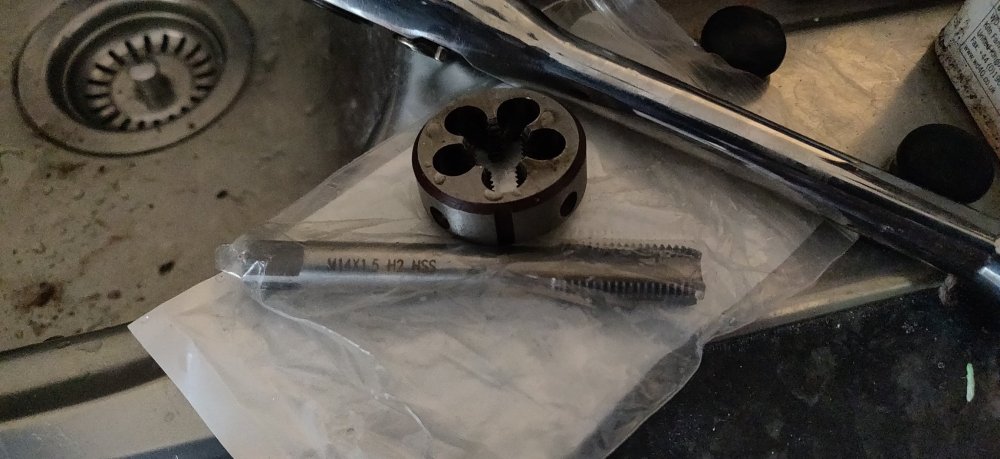
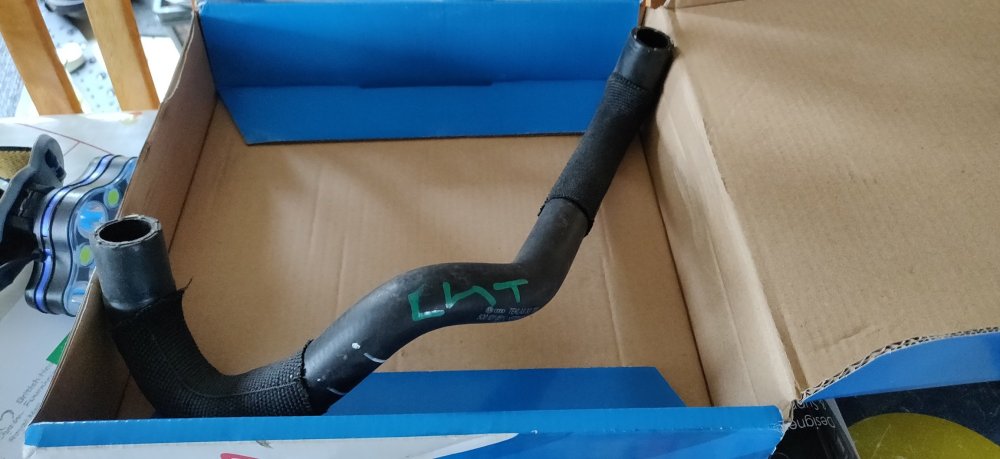
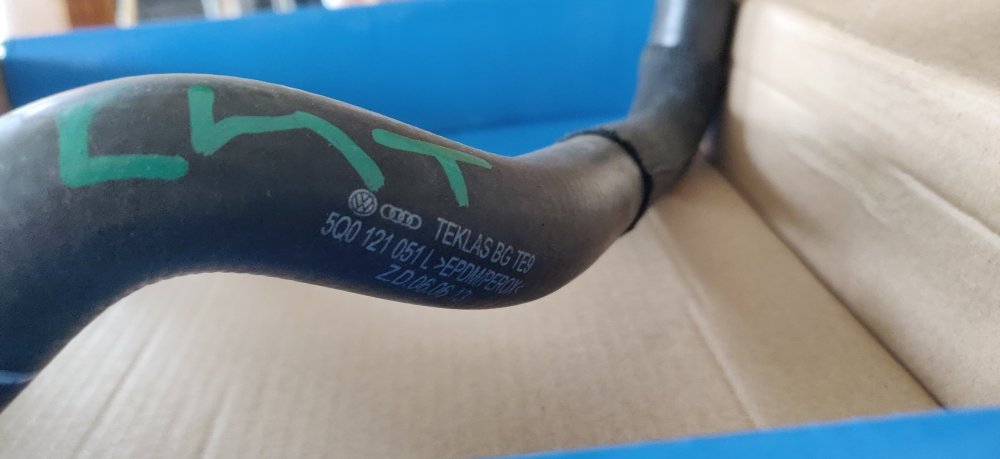
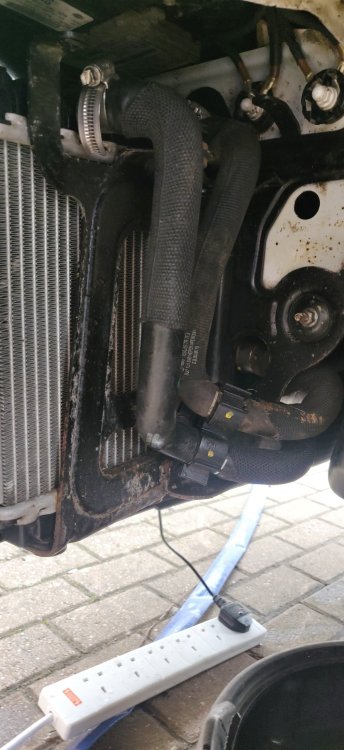
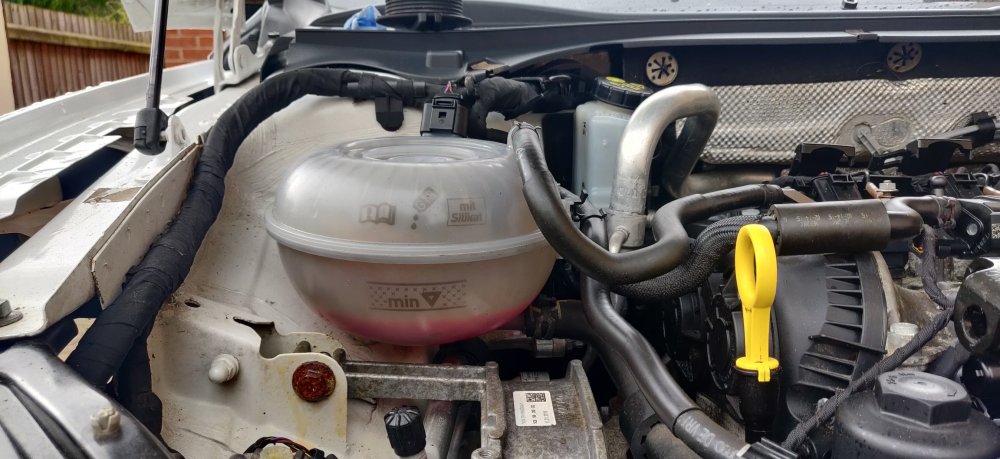
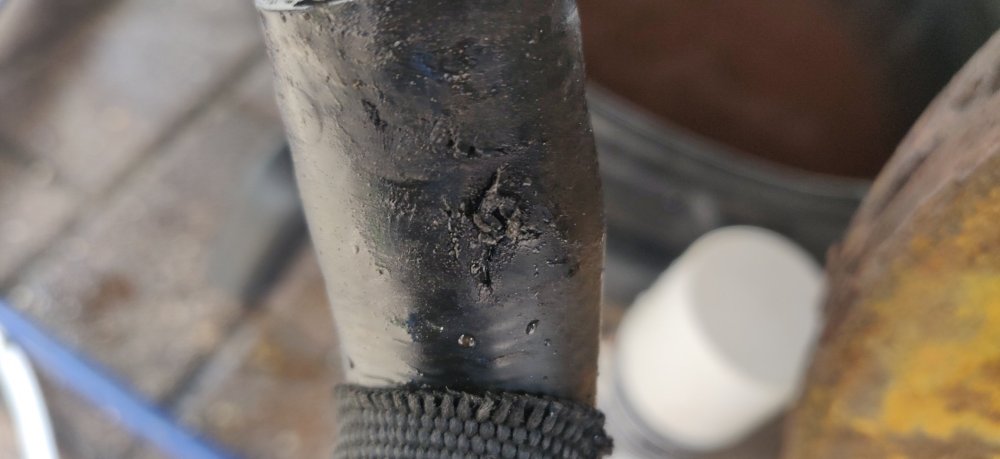
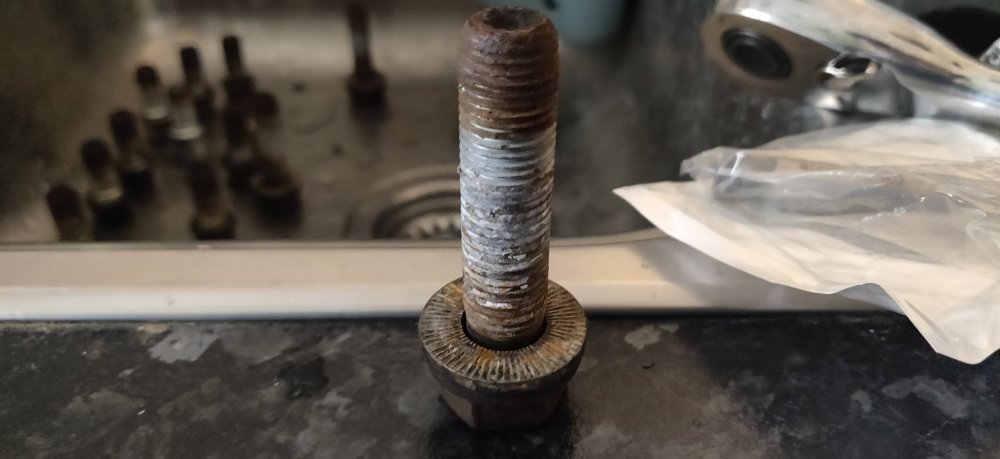
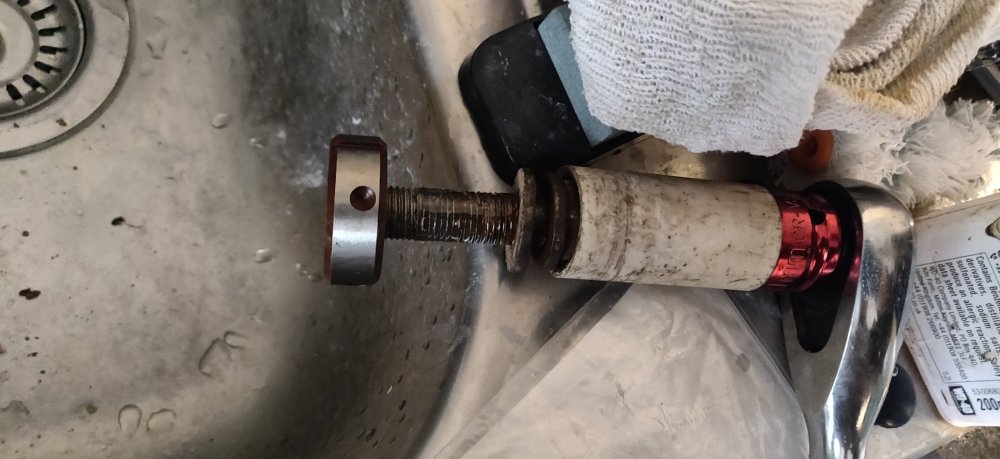
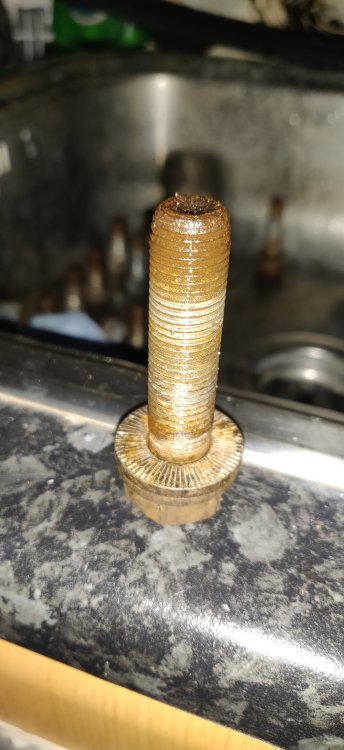
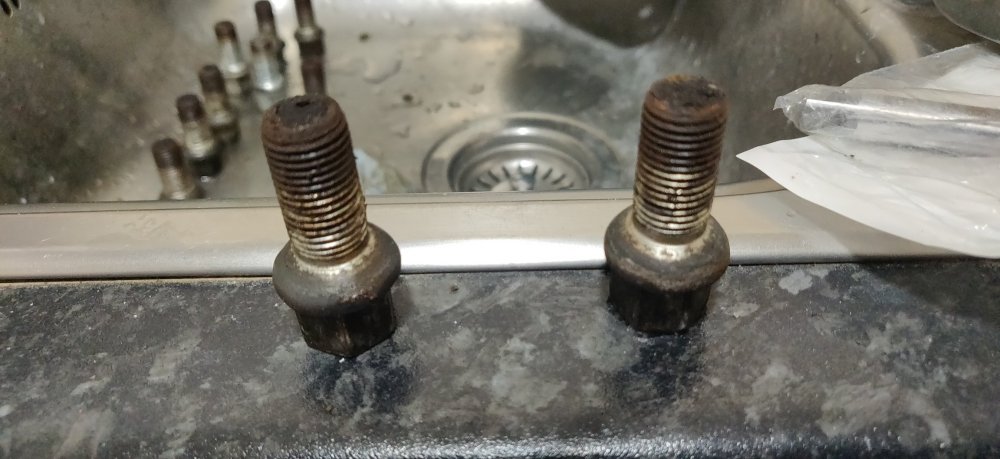
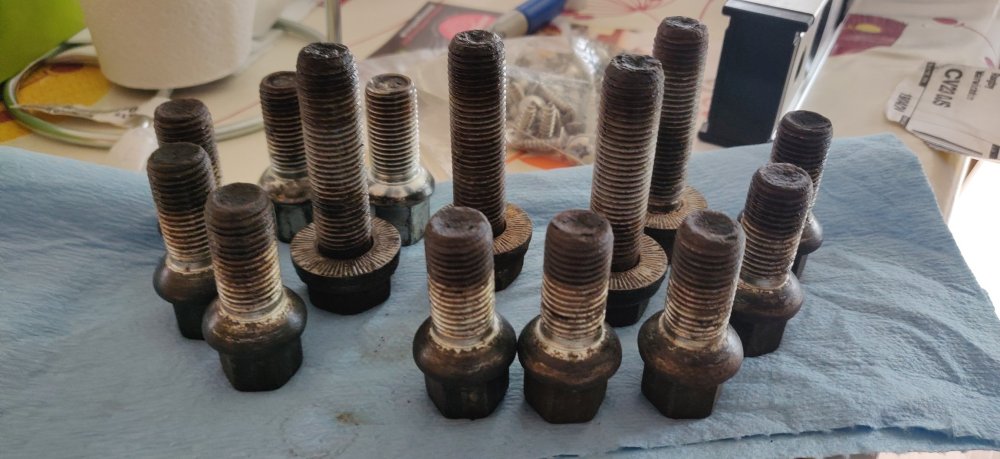
Quick update: Decided to get an M14x1.5 tap and die from Amazon for £9.99. The initial thought was due to the brake carrier bolts, and their general state, but weighed up the pros and cons of just getting new bolts. I then realised that the wheel bolts are the same, and they're in even worse state, so I felt cleaning them up with this will be worth it. Also this arrived earlier: The replacement hose to that additional cooler. Second hand one from eBay for £15.96 which I think compares similarly to an actual new one from lllparts etc. Guess I got impatient and didn't want to wait a week or the extra tenner or so for delivery unless I'm buying a bunch of stuff. It's the correct part I believe: So 5Q0 121 051 L as per https://www.lllparts.co.uk/product/5Q0121051L/skoda-coolant-hose-5q0121051l (the 5Q0 121 051 without the L suffix is more expensive). It's interestingly dated circa 2013, so it'll be the oldest part of the car! It came from an Audi Q2 according to eBay, so surely a premium part, lol. Anyway, the 7mm ratchet spanner to take off the clamps and replace with the new one: All tightened up to 5Nm. Then just topped up the coolant tank slightly: The old one with its rip: Chalk it down to my aggressive use of the pliers to free it from that radiator. Started to rain so tidied up, grabbed some bolts and ran back to the house. So this is an example of the brake bracket bolt: Just lots of aluminium corrosion where it passes through the hub and the rusty end which is where it's bolted and exposed to the elements. So got the die, put some 3-in-1 oil on its cutting thread and all on the bolt, and just winded it through: Any bit tight just got the ratchet spanner and for these bolts, a 21mm socket to aid getting the bolt through. It'll then usually go through easier and can then be done by hand. It's normally a case of winding a turn then back half a turn, but that's more applicable to cutting new threads. Once wound all the way in, just reverse it out: Quick wipe and it's better than it was. Repeated for the rest and started on the wheel bolts: The wheel bolts were a mixture of ok and horrid, some with mountains of grease built up and some without. This is after half of the wheel bolts: So I guess some brake cleaner would probably finish these off ready for reuse. Oh, and the other 10 bolts I guess. I'll check up on the coolant level later and once I top it off and it stays relatively stable, then we're really getting there. Still need to angle tighten the strut bolt to the hub, then reassemble the front brakes. Once those are done, then technically there's nothing stopping the car from being fired up! Maintenance: £2206.63 (+£15.96) Upgrades: £1322.97 Miscellaneous: £681.36 (+£9.99)
-
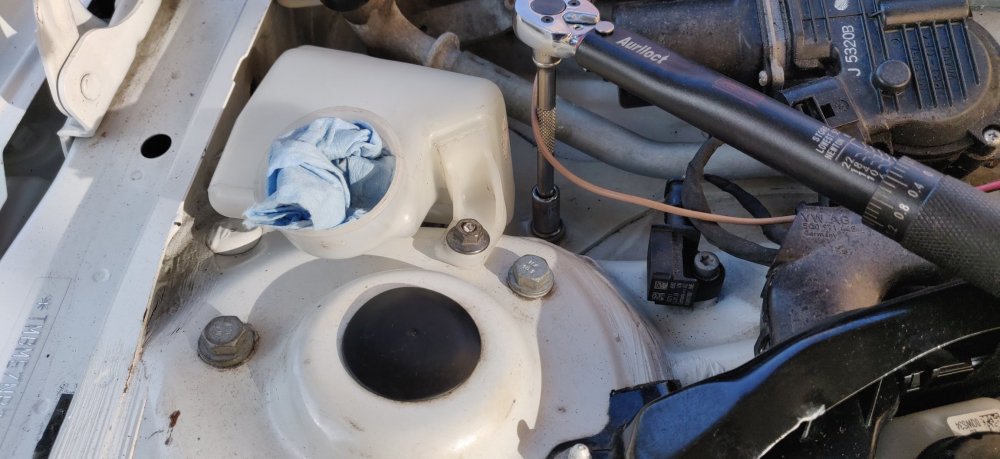
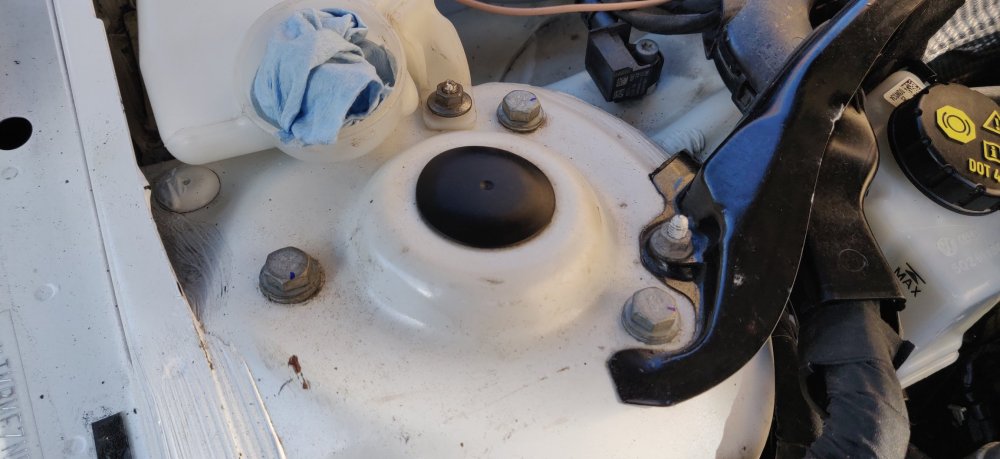
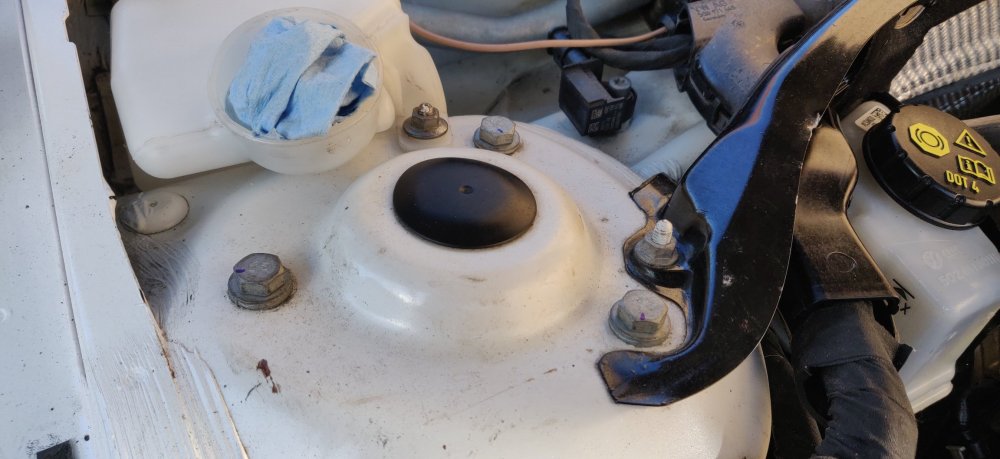
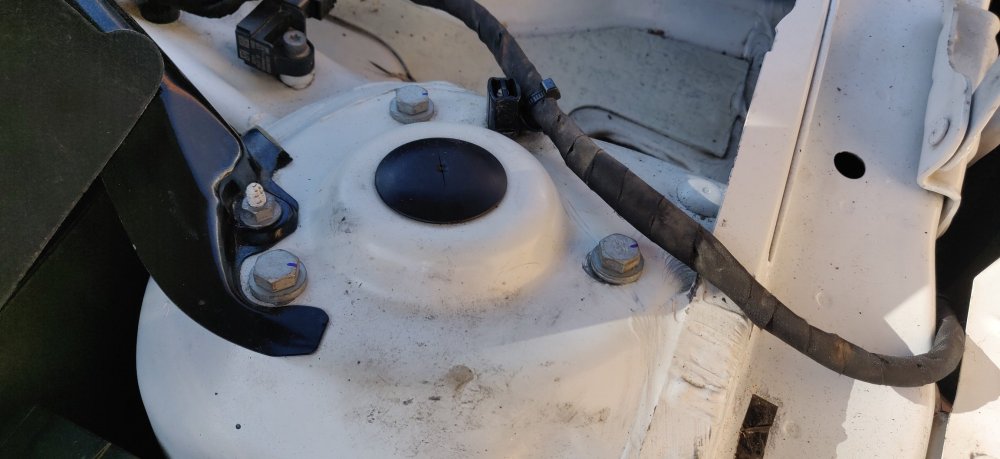
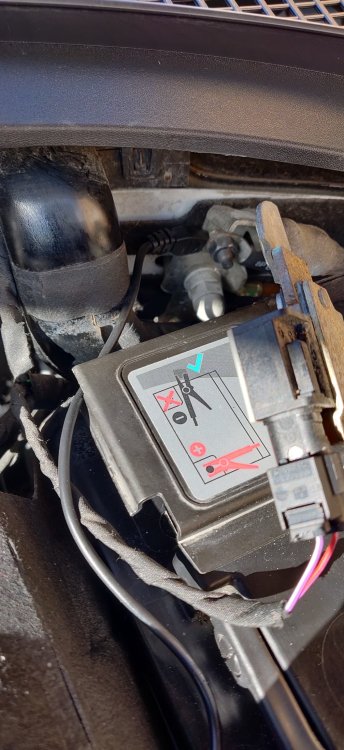
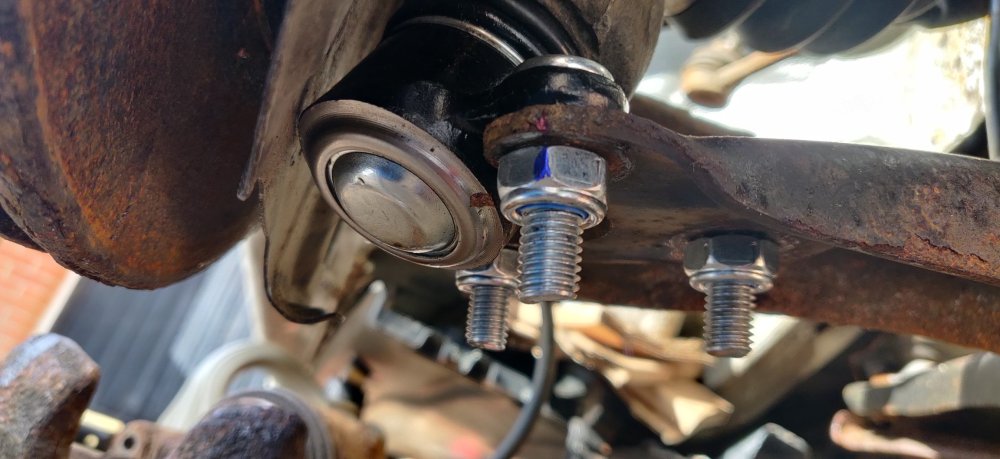
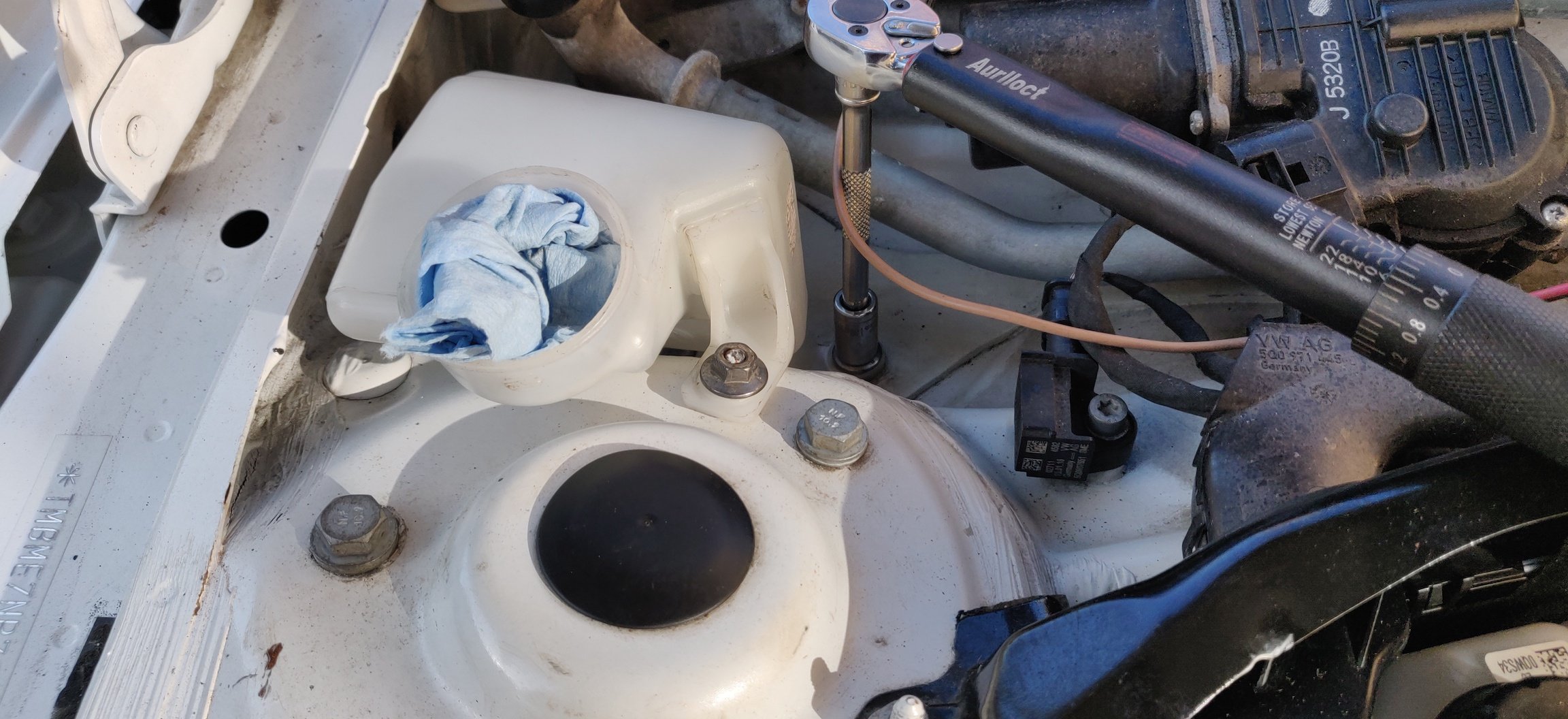
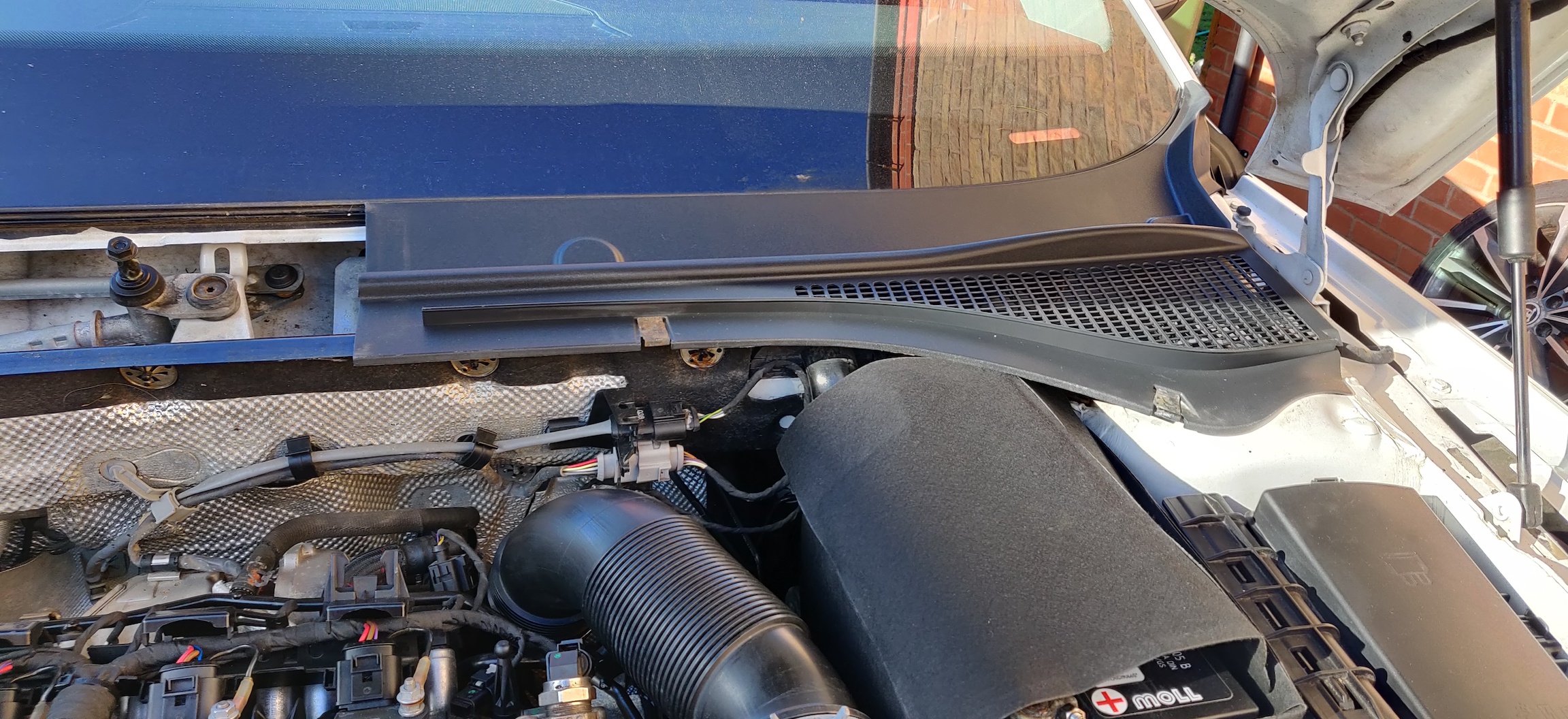
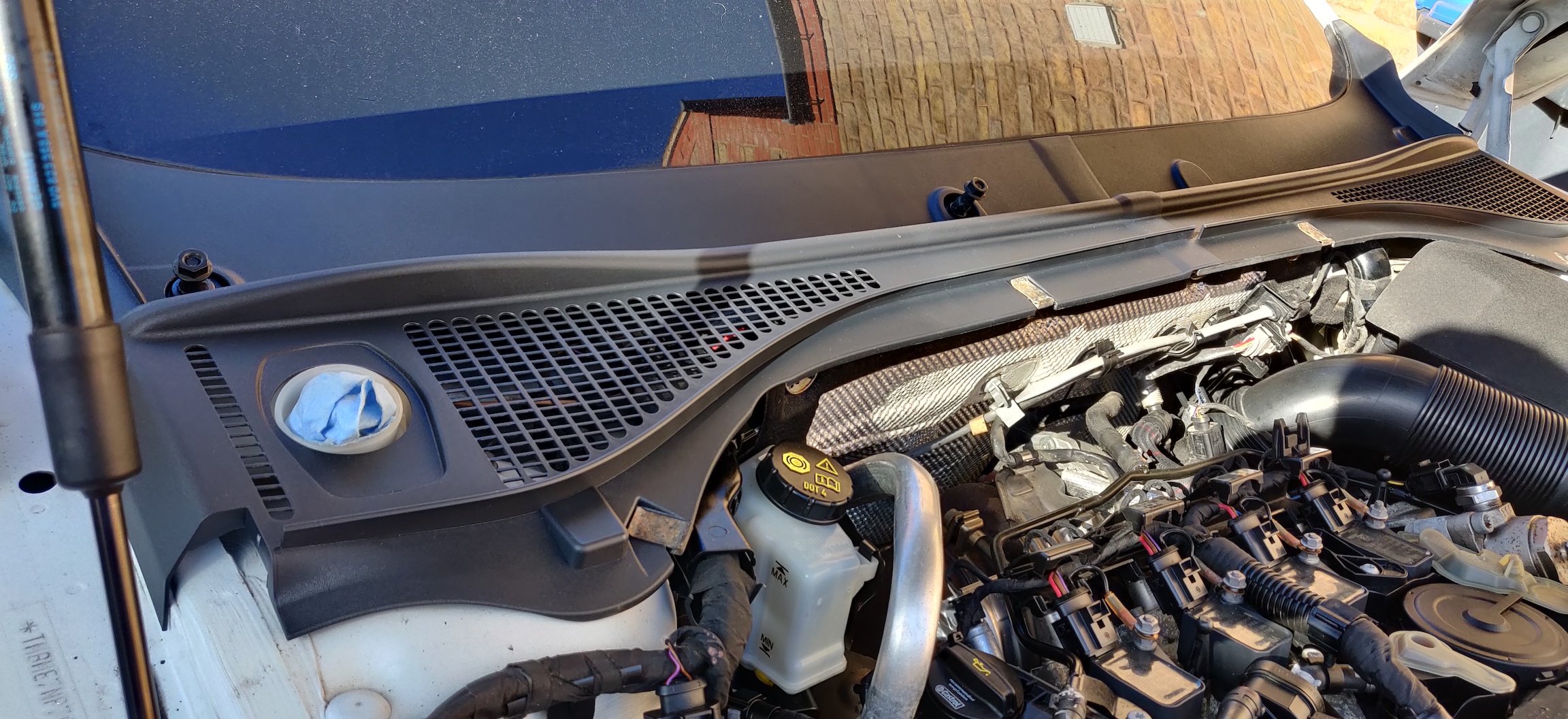
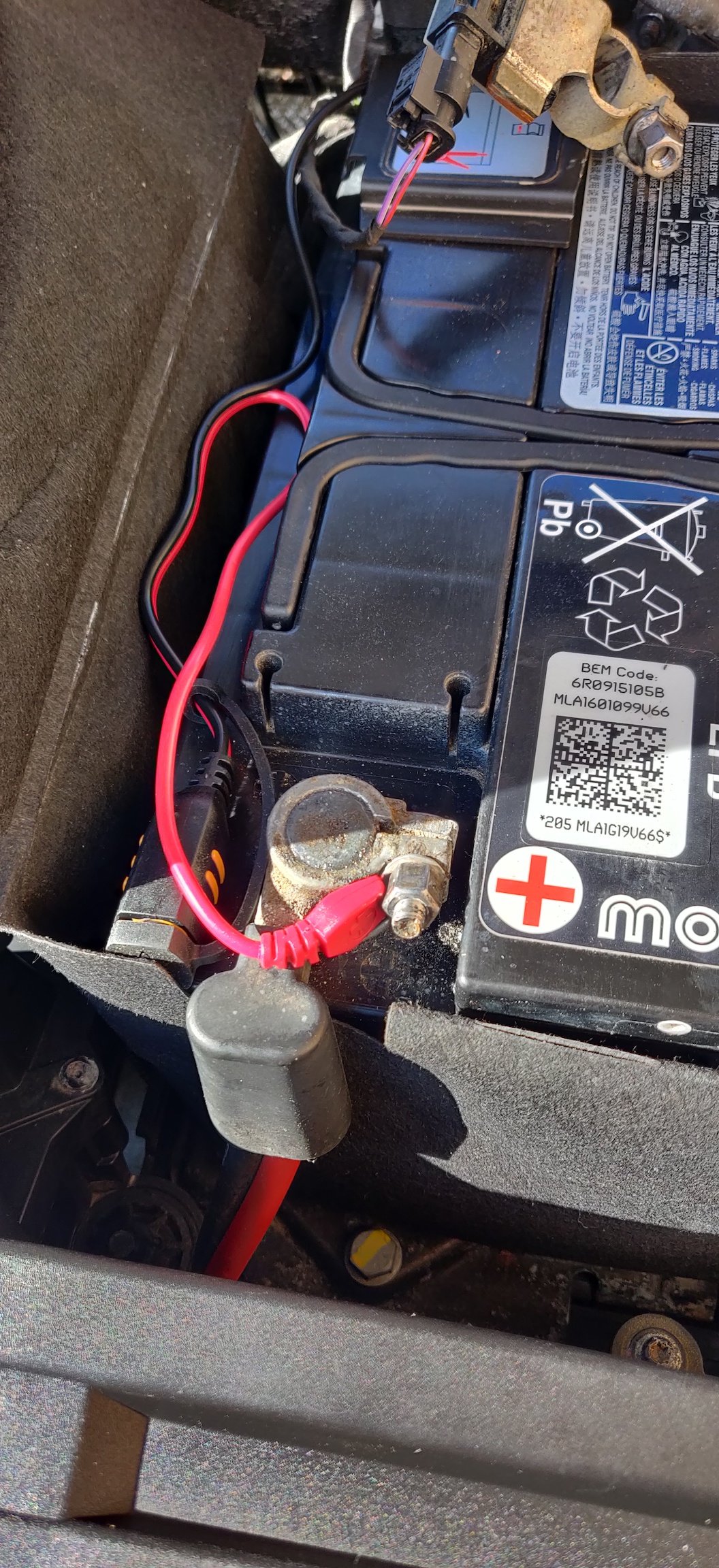
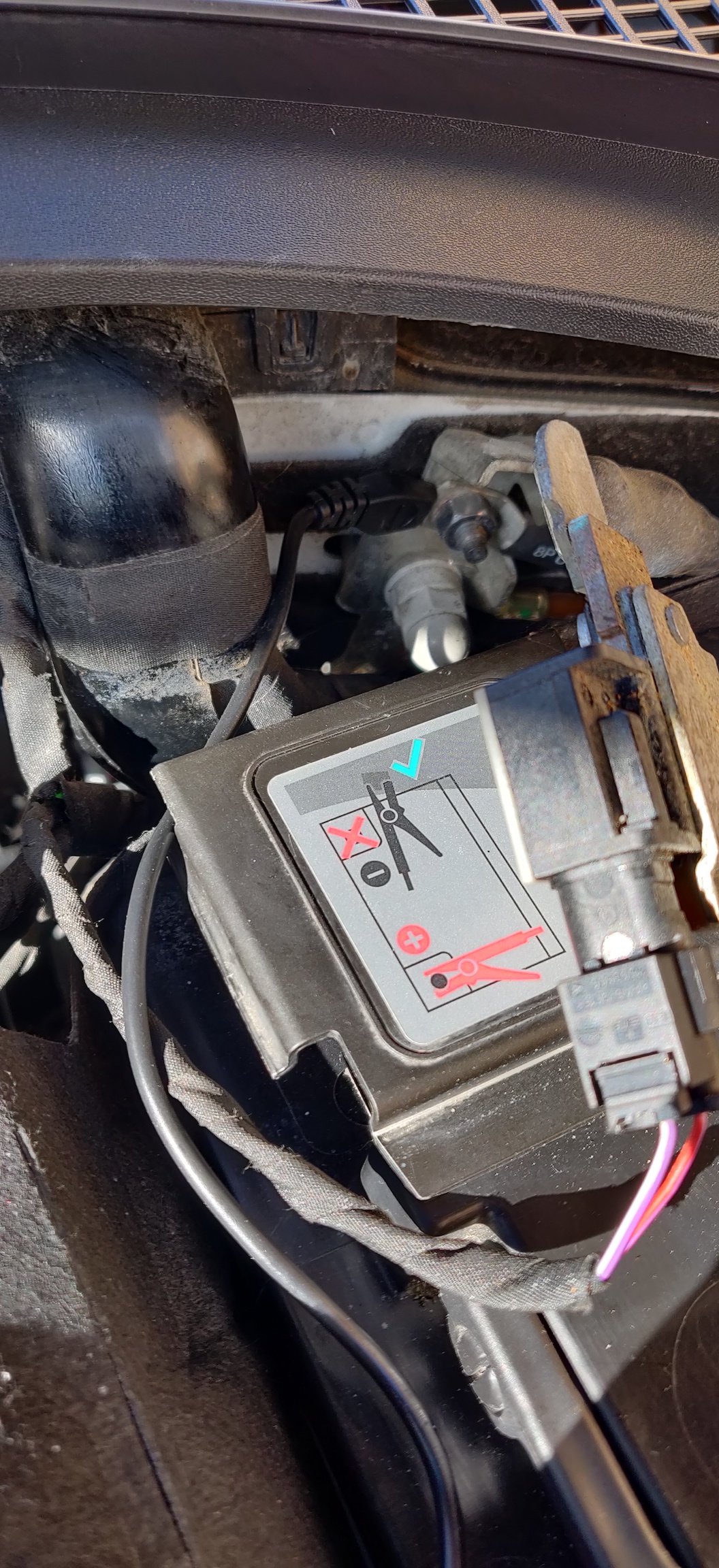
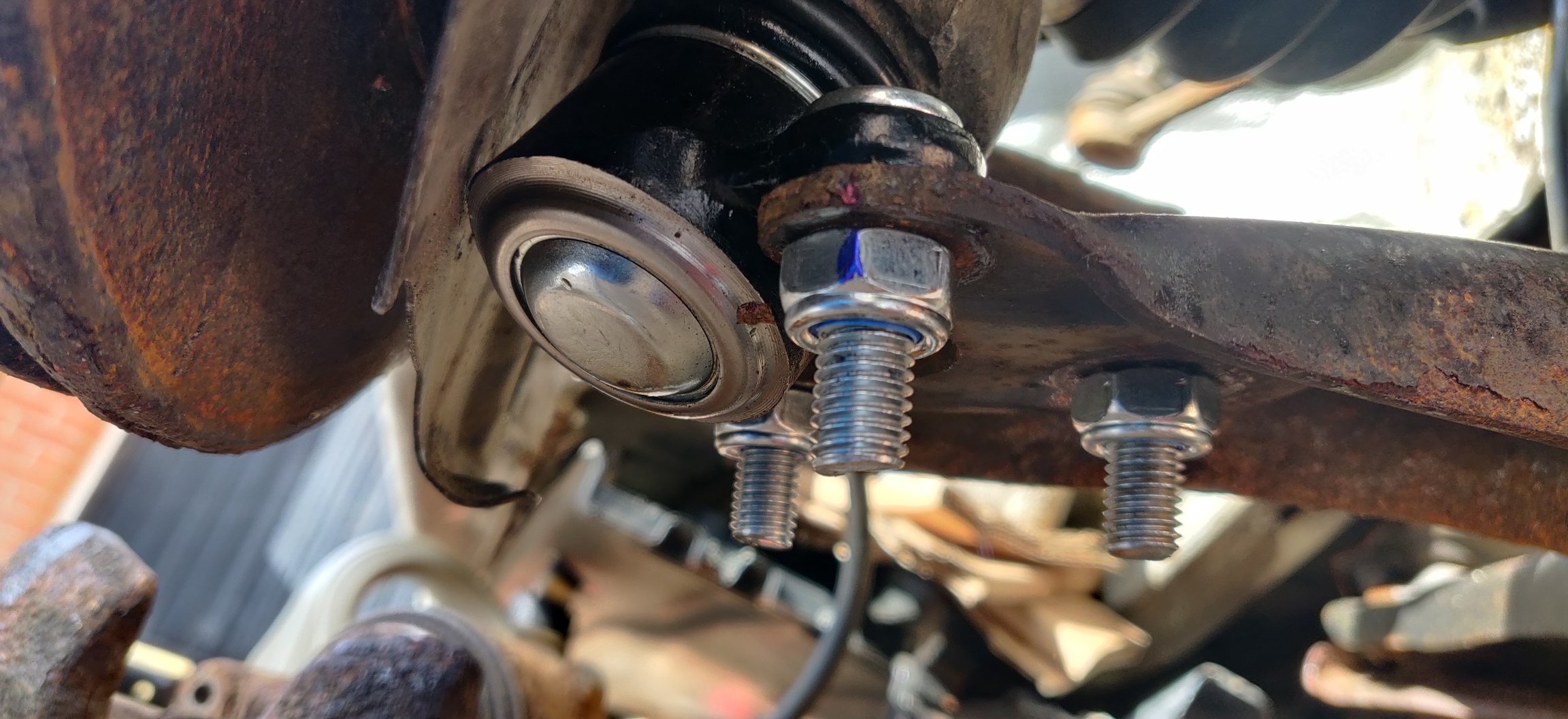
Squeezed some easy win bits before an afternoon off. Got the washer bottle in the wheel arch all torqued up to 8Nm. Replaced the torx screw with a stainless bolt, which has a pozidrive so actually like a phillips head just slips off after a certain tightness. The stainless bolts have a slightly smaller head than the OEM ones, so I'll have to play it by ear for the wheel arch liners. If I'm unlucky, I'll have to source some washers to go with them. Then went and plonked the top part of the washer bottle into the cowl area: The rubber bit that connects makes it a bit difficult if done dry, so best to smear a thin coat of silicone grease or probably some fairy liquid to make it slip into place without drama. The two nuts are then torqued to 8Nm as per the others. Then started on the top suspension strut bolts: The workshop manual actually outlines three variants for the bolts, and the ones I got were N 912 464 01 which needed 20Nm then 90 degrees. Interestingly the ones removed from the car were more likely the smaller N 101 277 07 as they looked like flange bolts rather than having a separate captive washer, so not sure if it actually makes a difference. Just sounds like a bit more exposed thread under the wheel arch? Anyways, as you can see above, I couldn't actually find my paint pen, so I'll need to buy another, but for now, used a sharpie pen to mark an arbitrary place on the bolt. This I can then use as a reference to whether I've tightened it up to an appropriate angle. I guess one could mark the bolt and then mark on the chassis the expected angle to really remove ambiguity: In my case though, I have pictures to act as proof I've done it. Same for the other side: So again, 20Nm then a right angle: I know there are fancy tools like electric torque wrenches that beep for a target torque and angle, maybe one day I'll splurge on one of those, but maybe not as this will be the last VW group car I ever own. Depends if any other cars with TTY bolts are on the horizon... Anyways, with the top strut bolts tightened, there's technically nothing stopping the cowl covers going back on: So dry fitted the cleaned up passenger side. The new one has holes in it for presumably a left hand drive wiper set up. I think I saw some grommets to cover those, so could still use the new one if I fancied. I put the clips in, but had to remove them again to fit the other side on: The driver side has a little latch underneath that slides into the passenger side cover, before it can then go over the wiper blade mounts and the hole for the washer bottle. Then put the clips in place for now more so I don't misplace them. I'll need to get the cowl covers to clip into the small bracket across the windscreen. Workshop manual suggests some washing up liquid as a lubricant, so same as my fairy liquid suggestion earlier. The driver side sticks up slightly at the edge, not sure if that's due to it being new and been packaged, hopefully it'll go back to a more expected shape. Decided to do another random thing: Had a spare Ctek connector with M6 eyelets, so connected it up to the positive. Bent the eyelet to allow the connector to be more horizontal, but I don't think that'll be an issue. The negative was a tiny bit more of a faff: The negative connector looks to be designed to not have its bolt and nut removed (not without bending out some locking tabs which keep them captive), so decided to fit it onto the chassis point which is used for jump starting too I believe. Was a bit tight, so just had at it with a spanner and tightened up as best as I could. Then tackled the ball joint bolts: I noticed the bolts on the ball joints are marked with 10.9, so consulting Google, for M10 bolts, the recommended torque is 75Nm. So decided to experiment. Torqued the bolts to 40Nm, as the workshop manual specifies 40Nm then 45 degrees. I then marked a corner as per above and got the torque wrench set up to 75Nm. By the time 45 degrees was reached, the torque looked to be nowhere near 75Nm. So left them at the specced torque, but presumably, they are nowhere near being stretched, so I think they should be fine? They're aftermarket, so nyloc nuts are involved rather than the typical self lock nuts as per OEM. The tie rod ends were at 20Nm and 90 degrees. I guess technically I should replace them, but I'm being a bit blase with the tie rod ends, I'd rather just replace them rather than a single nut. Of course, I totally expect the removal of said tie rod ends to be an absolute pain in the arse given everything else thus far. So that's it for now. I've torqued up the strut bolts to 70Nm, but haven't angle tightened them yet, as I think I'll need a helping hand to keep things from spinning, as it's 180 degrees, so a huge source of danger in regards rounding that spline bit bolt. Why not just a normal hex and normal non-TTY bolts? Maintenance: £2190.67 Upgrades: £1322.97 Miscellaneous: £671.37