Everything posted by Papez
-
-
Exactly, most cars made in the past 30 years (including Felicia) use bumper grille for the radiator inlet, the top grille is mostly cosmetic.
-
Yes, there are 5 wires going to the door lock motor, 2 are to move the motor, 3 are for switch that provides lock/unlock signal for the locking unit. You need to somehow add another switch that won't interfere with the original switch. Full schematics would probably help, since the locking unit only show 2 wires for switches.
-
The removal of the instrument cluster should be a 10 min job, if you did it before... An alternative would be manipulation with the switch inside the servo. According to the diagram, closing of the switch will send "lock" signal, opening will send "unlock" signal. So you'll need one push button in parallel to bridge the switch for "lock", and one in series to disconnect it for "unlock".
-
Correct. You can see part of the wiring diagram.
-
No, it's on the firewall, behind the instrument coaster. It must return into center position. There are switches for that purpose, with right diagrams, it'd be best to use those.
-
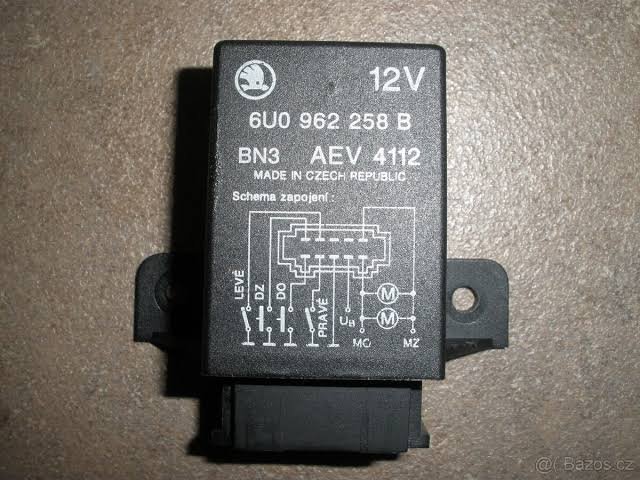
It's right on the central locking unit: DO means remote unlock (Dálkové Odemknutí), DZ means remote lock (Dálkové zamknutí). The functions are activated by connecting them to the ground. You need either two push switches or a 3 position switch, similar to window switches.
-
Check the yellow wire on the starter motor. It controls X-relay, which disconnects mentioned devices when the starter is activated. Since the issue is dependent on engine movement, it's very likely that it's broken somewhere. The other option would be grounding of the engine, but that should be fine since you changed the negative battery cable.
-
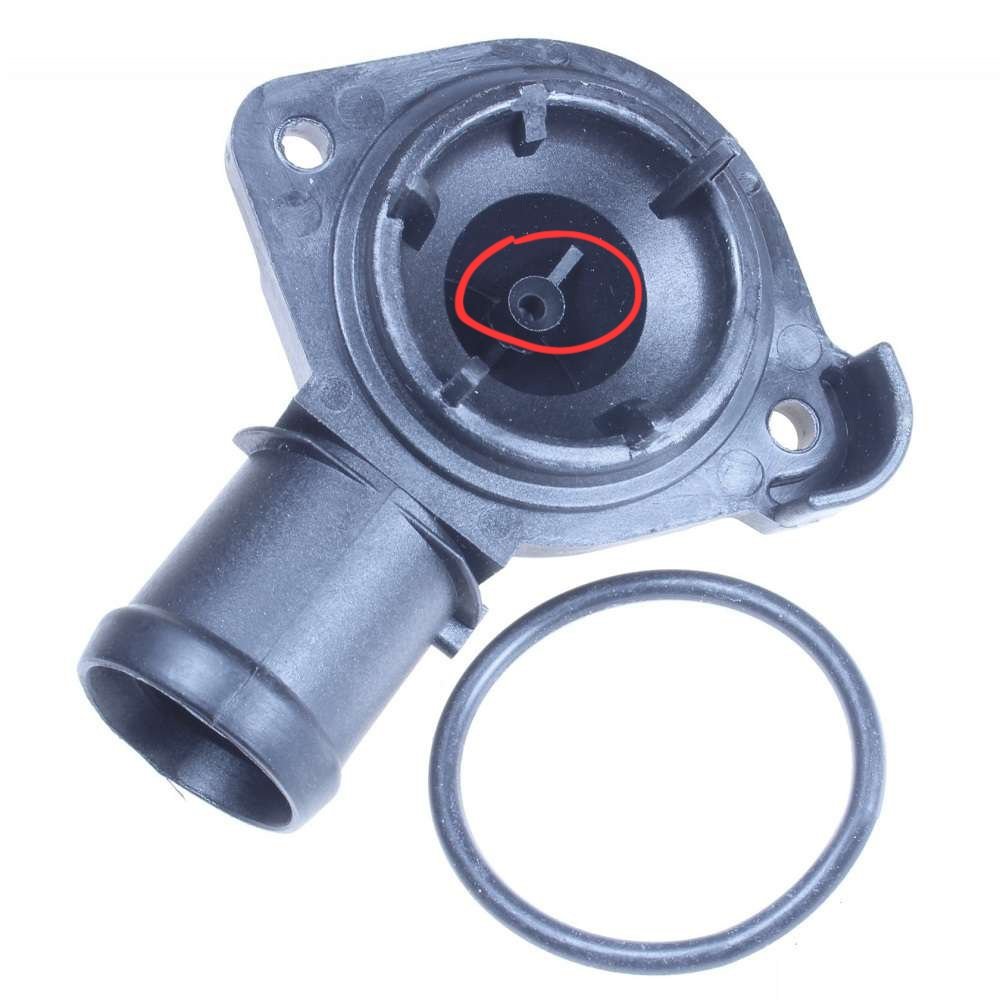
Do you remember how I told you to check the part of the thermostat housing? This happens when it's damaged - the pin is supposed to push against the plastic in the centre, if part of it breaks, the pin just goes straight through and thermostat doesn't open. I had this exact issue on a similar VW engine. You also mentioned that radiator is cold, while both tubes are warm - is the radiator colder than the bottom tube?
-
-
-
-
-
-
If both tubes are warm while driving, it would mean that coolant goes through the radiator, but radiator doesn't cool it. Could you check whether the entire area is warm on idle? Is it car with AC? There's no relay, if it's not. If it has AC, the fan should turn on immediately once you turn on cooling. Just to check, what temps are we talking about?
-
Problem 1 - The fan switch sits in the radiator, if there's no flow to the radiator, it won't turn on. Check if the tube going to the radiator warms up when it sits on idle. But ito Sunds like the thermostat is not working properly (it can happen even with new thermostat). To rule this out, you can remove the thermostat valve. Do you mean high/low beam switch? That might be faulty switch in the lever itself. Yes, it might be a symptom of misaligned geometry, get it checked. There's a circuit that simulates function of a newer car - the radio stays on as long as the key is in the ignition. https://www.sp-el.cz/Felicia-S-kontakt-d1149.htm#detail-anchor-description Reverse is meshing a gear between other two gears - if they are rotated in "right" position, it won't fit, especially if the gear is a bit worn from skipping teeth by shifting reverse in movement. What helps is to briefly release the clutch in neutral to spin the gearbox. It's an old car with cable operated throttle, so sudden release rapidly reverses torque going from the engine (newer cars have electronic throttle valve, which is slower in those situations exactly for this reason). The engine is mounted in rubber bushings, which shift from one end position to other and then flex a bit, which is the jumping you describe. Worn out mounts can make this effect worse.
-
No That is correct. The rubber is flexible enough to take all movements, so there's no sliding that would wear out other parts. It's like that on most newer cars, MK1 Octavia even has main bushing mounted horizontally. The bushing just has to be installed correctly, so it's not loaded when the car is standing on wheels. Found a nice video that shows the bushing movement
-
This depends on fan's thermoswitch - stock on a non-ac Felicia is TH470.2, which set quite high, at 97C +2/-3.. Add delay before the hot coolant gets from thermostat to rad output, older switch that can drift from rated temp and you can get close to 110° quite easily. My point was, that temperatures beyond coolant temp aren't rare, so even exchanger can have a positive effect. Which is probably why VW slaps it on almost every engine, except those that needed it the most 😁
-
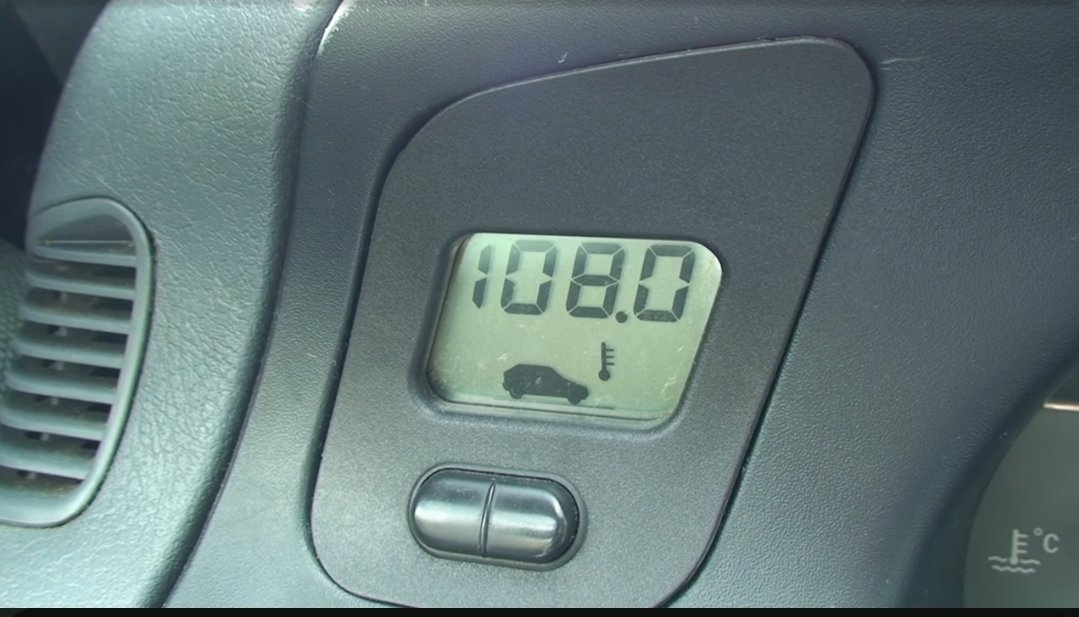
Sounds like the engine wasn't running at the end of the video.. but the "heating up at idle" part went up to 106C. Before the radiator fan turns on, the coolant can reach around 100-105°. Since the oil at this phase cools only by contact with the engine block (no airflow around the oil sump), these temps are IMO not impossible. I tried to find some data about oil temps on stock engines, and found a topic where people reported temps of newer Skodas with 1.0 N/A engines (no oil cooler) - they go up to around 130° on highways, 110 is standard temp at lower cruising speeds. TSIs with heat exchangers usually top around 110C. Someone mentioned old 1.2 three-cylinders, they supposedly went up to 150C, although that's unverified, oil overheating due to heat from the catalytic converter is a documented issue on those engines.
-
It uses thermistor with known characteristics. As long as you use a thermistor with same characteristics, it'll work, it doesn't matter how it's encased.
-
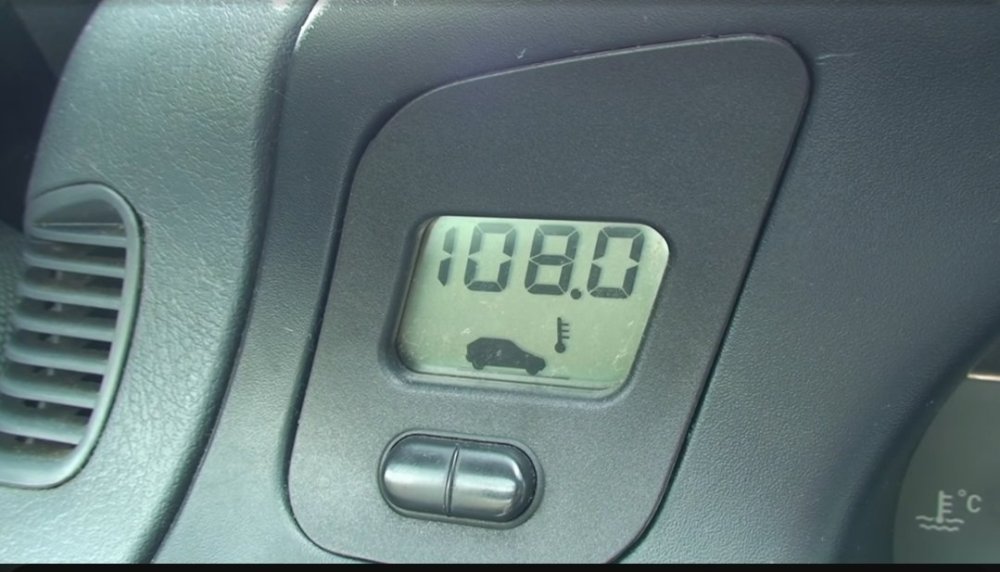
Which is the case without oil cooler as well... Idle, no load: (Isn't it funny that TC-6 can show more than 100C, so it can be used to monitor coolant/oil temp? 😁) So in this case, water/oil exchanger is better than no cooker at all, although arguably not as good as proper coolwr. On the other hand, it helps to warm up the oil as well and keeps stable temp without additional components and high pressure hoses.
-
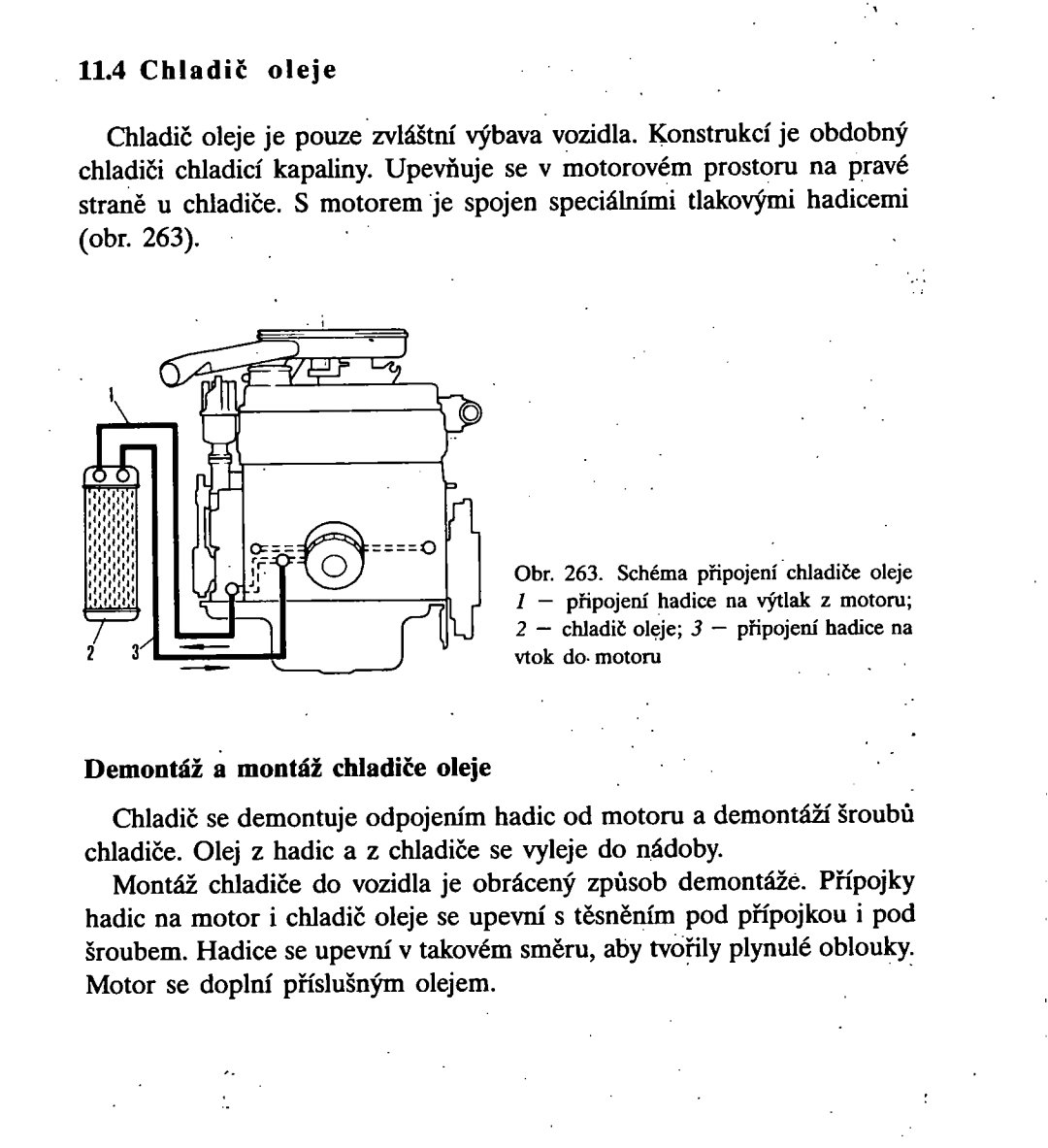
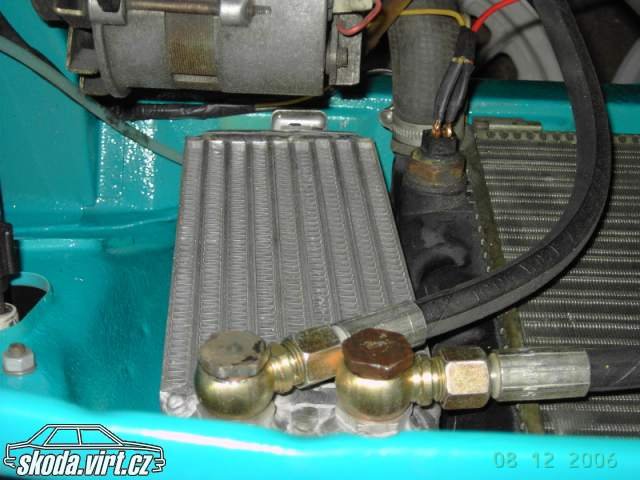
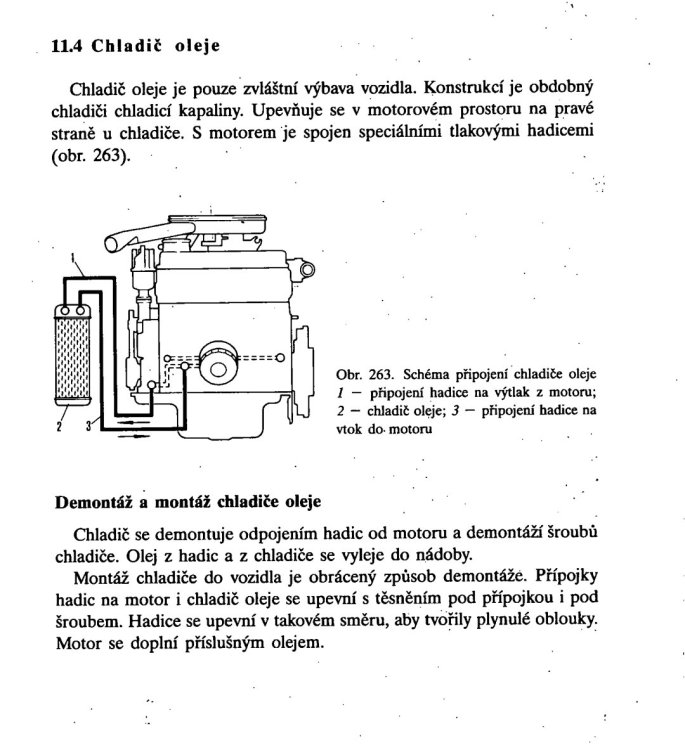
I found mention in Andrt's book, it says special/optional equipment but nothing about origin.. and no mention of thermostat. Trying to find some more info, I only found some old listings, showing that it was made by Autopal (manufacturer of the factory coolant radiators) And photos of installed cooler
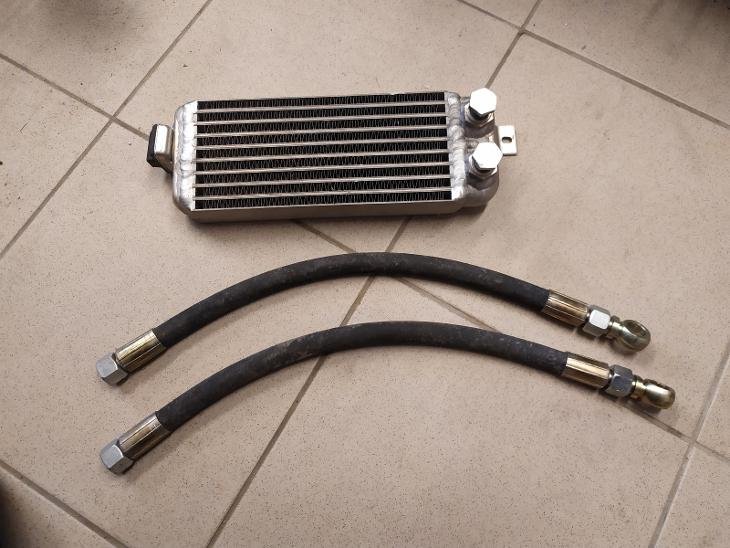
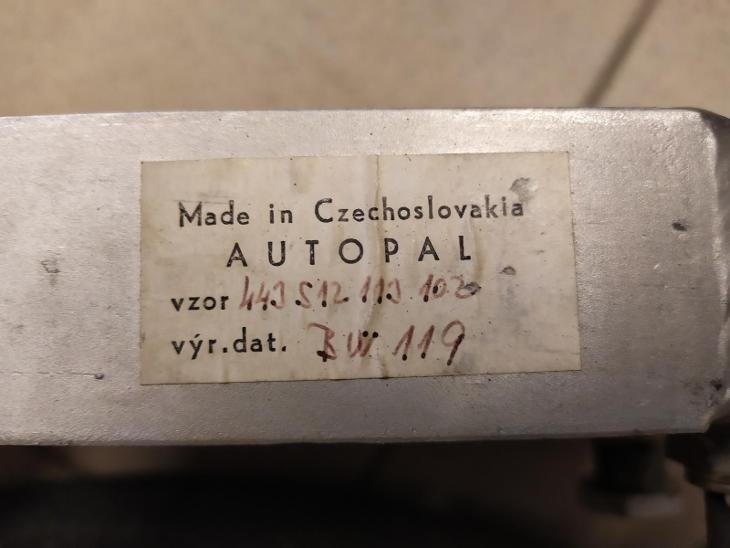
-
Does a stock engine need anything more than that? @R_Blue - what book is that? Oil coolers were used on some rear-engined Skodas before introduction of alloy oil pans, but Favorit?
-
That's just useless filter thatblooksnlike IR imaging. Phone camera isn't capable of detecting IR range that's needed for that. That requires specialised HW (which is available as smartphone addon at same price point as the phone itself)
-
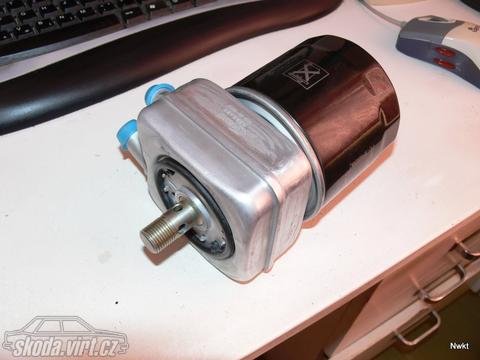
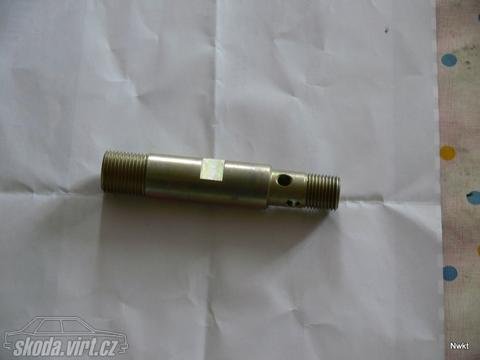
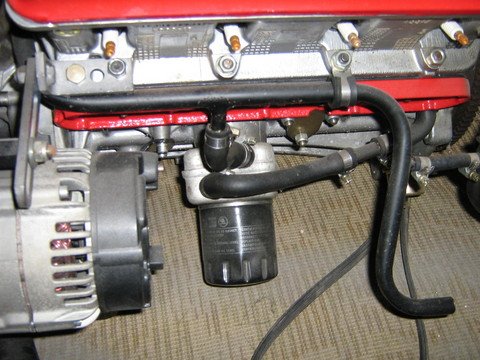
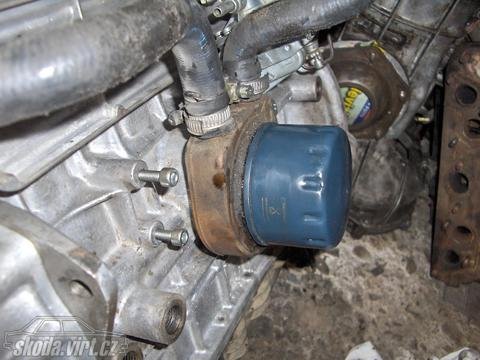
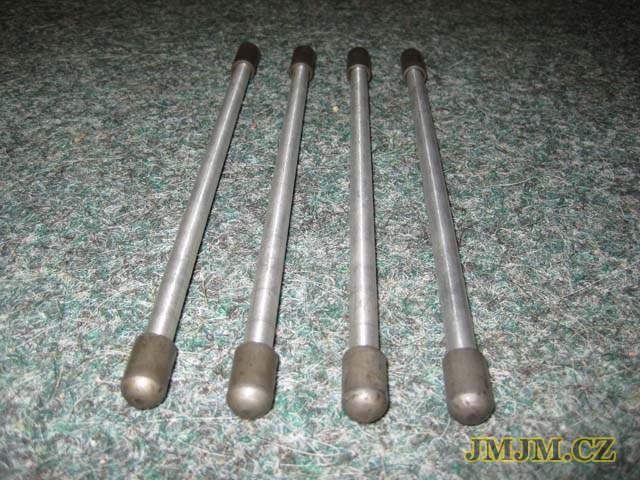
the aluminium pushrods have steel ends. Like this: The heat exchanger comes from Felicia 1.9D or similar: Unfortunately it requires a custom part due to different threads between Skoda and VW blocks. I remember seeing a drawing, but cannot find it.. I also found mention of a Renault heat exchanger which is supposedly easier to fit, but I found no more info apart from this picture