
BigEjit
Members
-
Joined
-
Last visited
Everything posted by BigEjit
-
Just an additional note on why standard SLI flooded batteries are not advised for stop start systems factory fitted with EFB/AGM. They will work but they can't handle the cyclic loading as well as EFB/AGM. They are not intended for the aggressive deep discharge and recharging Stop/Start profiles operate under (both with and without engine cut function selected) unlike EFB and AGM. They wear out quicker and need replacing way sooner as the lead paste and grids decay and turn to mush in the bottom of the container from the batterings. SLI will deep discharge cycle 200 or 300 times compared to AGM 500 to 600 times with equivalent test strategies before they are done (targeted for 10 year life expectancy). A one second engine start doesn't impact the battery that much (250 seconds is typical minimum available discharging time to 6v), Its how the energy distribution is managed during the rest of the time with consumer items and charge requests kicking in and out constantly that is more critical.
-
Intermittent short circuit cell 6 cells x 2.12v each which makes up 12.72v fully charged One shorted cell, (5x 2.12v) is 10.6v which is equal what you have seen on the volt meter. I guess you have seen that there is no apparent pattern to it failing. Sometimes just the heat soak from the engine will put enough extra curvature on the plate packs in the battery to trigger a defect to short. Others will be down to the load applied across the battery causing the short to appear, usually when asking the starter motor to operate. If the battery is aged a few years and been discharged and rapid charged a few times, that can also create short circuits with internal deterioration. New battery...
-
Funny you should say that @Wino. Recently swapped a nearly dead Moll EFB for AGM in our Fab 3. My local garage and a VW specialist tried coding it but couldn’t - no option to do so apparently. It didn’t take long for the S/S to operate and it continues to do so without coding. 🤷♂️
-
If there wasn’t any abnormal wear on the old tyres, why do you need a realignment? Factory settings are done on dynamic equipment far more accurate than what you can find in an average workshop or garage. Unless the suspension has had a right clattering on rough roads or kerbing, the tyres wearing weird or the steering wheel is out of position straight ahead, I’d leave well alone.
-
Plus checking the rear hatch door releases, opens and closes the same and has equal gaps all round including lights. Deffo be taking the bumper off to get a better view of what’s going on and see everything affected.
-
AGM are built for 10 years worth of regular use in S/S applications. No lead acid battery can cope with long periods of inactivity leading to deep discharge (measured over many multiples of weeks), being held in a low voltage condition for longer periods of time (low mileage vehicles), or long exposures to heat. Just one significant event such as these in a batteries life is a nail in its coffin. Then theres the taxi duty cycle that does the opposite and overworks them.
-
Our Fab 3 had the same until I added a used low tone horn and wired it off the existing peeper. Found that one in behind the left side fog lamp.
-
Internet diagnosis is difficult. What you have described fits in with the battery having an intermittent short circuit. A voltage of 10v is a big indicator for this. Another indicator is if the car behaves normally for a few days, then totally refuses a start but is OK for a few more days afterwards. Changing the battery will be the cheapest and quickest fix. The chances of the alternator being faulty are lower than the battery causing the issue.
-
Coding depends on the car but most likely needed if changing from one battery type to another. I’m no expert on the car side. AGM is 100% way better than EFB. So good Rolls Royce fit 2 of them to the Phantom. Like for like EFB will also work and is cheaper. If you are doing low miles for the foreseeable future, AGM will handle it better. Still need a boost charge every month if the car barely moves whatever battery is fitted.
-
Dash cams and other plugins on a permanent live feed are another battery killer. Repeated discharge on downtime and recharging with the engine running works batteries harder and wears them out quicker.
-
That’s on its way out. The EFB on our Fab showed similar traits. S/S would only work for a week or so after a charge then the low battery light would ping on. I knew it was done at that point. Hardly surprising considering 15k miles in 4 years. EFB out, VARTA AGM in as it is the best option for low mileage infrequent use. Picked the replacement off the VARTA selection tool on their page, perfect! Cold weather slows the chemical reactions in the battery right down and makes them less effective highlighting the damage present from discharge and heat decay damage from summer.
-
Yoinks! 11.8v is a little low. Is that an EFB or AGM battery you have? (On the lid label).
-
Battery life totally depends entirely on how it is treated from its first fitment. Any long period of time where it is allowed to discharge or it’s held in a low voltage state will permanently damage it. That includes any long stand times of 6 weeks or more in the distribution network from new, any similar storage time at a dealership, or low usage by the end customer esp with the current pandemic. AGM is more resistant to this and has the best chance of recovery. Use it or lose it... or use a charger overnight once every 4 weeks if it’s doing short journeys or tens of miles/month. Once the damage is done, a full recovery or improvement is very difficult.
-
It’s cast iron particles from the discs embedded in the brake pad surface and the disc surface itself corroding in damp conditions whilst hard contact is maintained between pad and disc. Car washing, wet weather and condensation create the right conditions. Add in a bit of road salt and it’s worse. I get the same and have had it on all our cars esp on the wheel most exposed to the weather. Sometimes all four wheels are bound up in winter wetness. Cast iron discs corrode in water and saline. Can’t escape it.
-
AGM is the best for stop start. Charging - Red on red, black on the earth tab or a bolt head in the body nearby. Whatever battery you fit, it needs regular car use to keep it in good condition or charging once per month if you do a just a few hundred miles a month.
-
AGM is a better, faster working harder wearing battery over the same size EFB. Both will work just fine if you have EFB already. There is no difference between Bosch and VARTA. They come from the same manufacturing plants off the same tooling using the same materials.
-
Cannock can be quite abrasive on pads in the wet with the grit on the official trails. I have shredded a set on one lap of the Donkey in the past. Is there no available free play in the rear axle to help better align the disc to the calliper before closing the axle bolt/skewer?
-
You can’t prevent light misting like that. It’s normal esp this time of year with high humidity and rapid ambient temp, solar loading changes. All cars over the last 20 years with thin lens covers suffer with it to some extent but some are more noticeable than others in certain conditions. It should clear within 15 mins of headlight use. My O3 and Fab 3 both do it from time to time but always clear a day or so later by themselves. What isn’t normal is seeing drips running down the inside of one or both of the lenses. That would indicate a loose cover or cracked housing which would need attention.
-
I jumped out of a Turbo-X wagon after 7 years 90k miles ownership into an Octavia 184 VRS 4x4 combi. I miss the huge torque band from the V6T, the timeless looks and the amazing front seats and exhaust note but not the fuel bills, changing coil packs, exhaust resonance, waiting for parts to arrive, worry of its further fragility amongst other things. The Superb is a massive step up. It will make your 95 feel so old. I was tempted with a 280 but I just can’t justify the need for the power anymore or that size of car. DSG box is way better than anything GM flung in a Saab. No more manuals for me! I am nostalgic over the TX but no regrets in making the change.
-
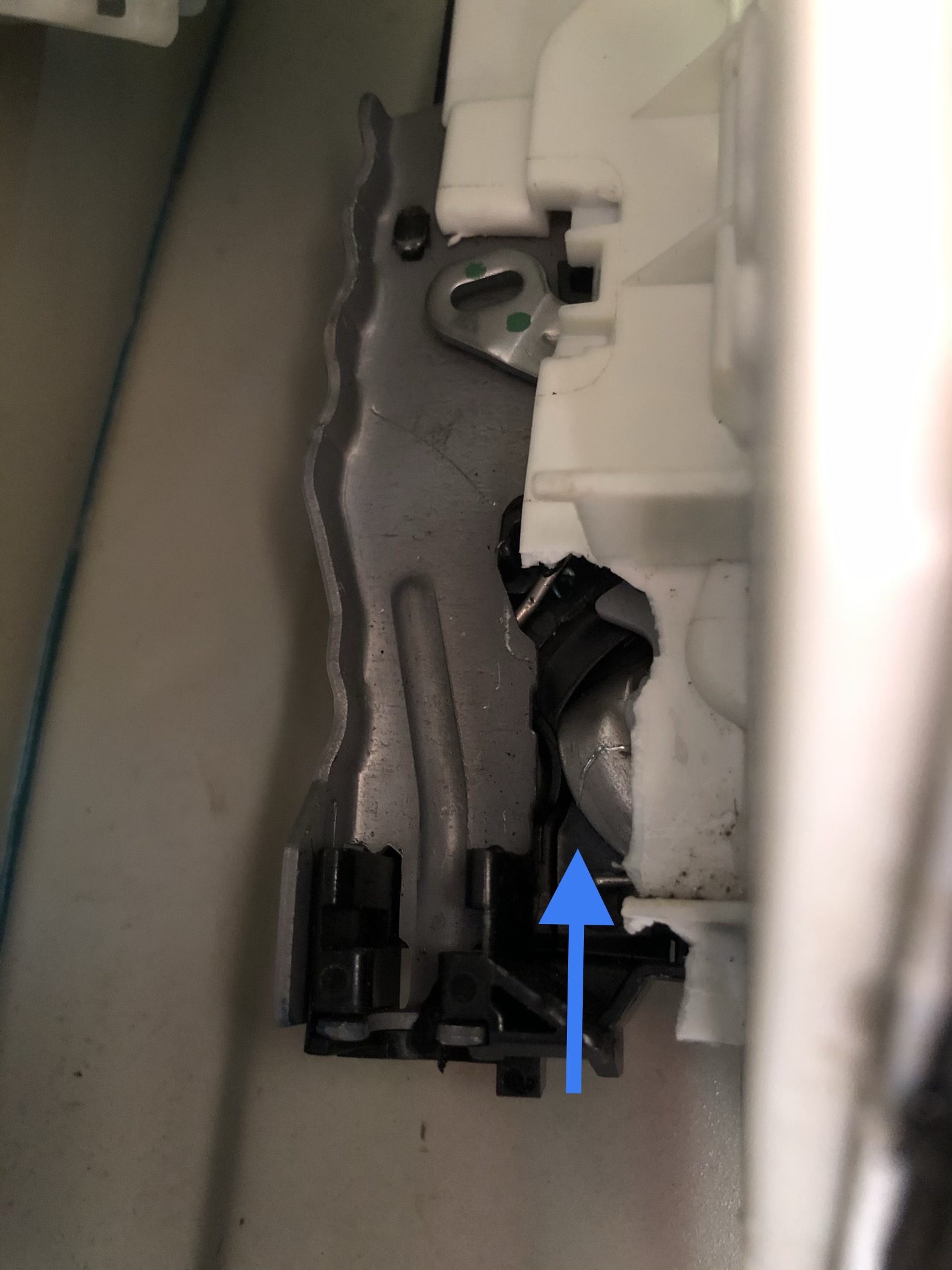
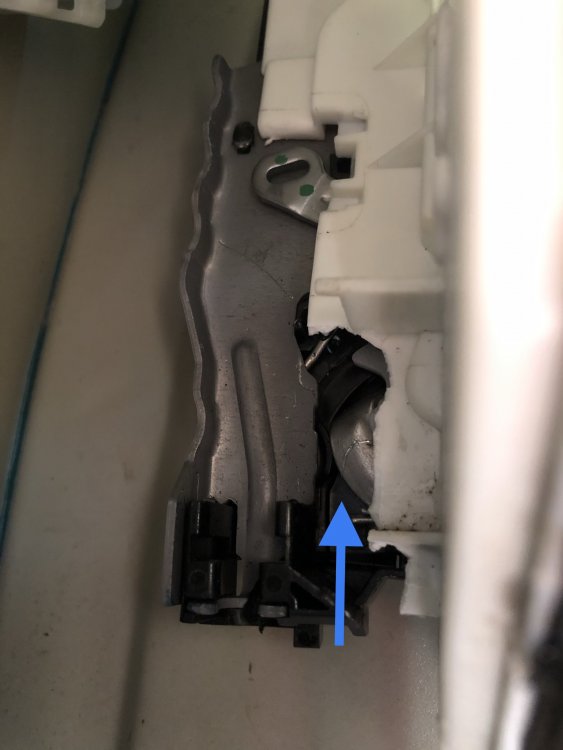
Managed to answer my own question after all. The lock needed replacing as there is no way to open it or the door without breaking the casing open. It’s not repairable as it is a bonded sealed unit. The cover of the lock needs cracking open at the bottom to expose the release lever. Flick it up to open the door and replace the unit.
-
So the rear RH pass door is not opening on the 2016 Fab MC. The door opening handles are dead both inside and out. I can hear and feel the lock actuators working when operating the central locking but the connection to the door handles is not being completed. I put a little pressure on the door outer to take any preload off the lock to see if that helped but no joy. Am I right in guessing the deadlock mech is stuck in the lock and the only way to it is to dismantle the door from inside the car? Would it need a new lock mech or are they good for bench fettling?
-
The starting voltage there looks OK. It’s roughly where it should be. If you key off after a charge cycle it will be higher. The flare you see on the voltage after key start is also normal. The thing with measuring the battery voltage on the move is that it’s the entire system voltage being shown, not just the battery. You can’t isolate the battery when connected so there is background noise interference on the measurement. from the vehicle. Ideally battery voltage should be done at room temp in a stabilised open circuit condition. SOC is a theoretical value that cannot be accurately measured outside a lab. CCA for example varies with ambient temp as does voltage. A cold battery has slower chemical reactions suppressing output both V and A. Opposite at higher temps, hence the need for a week long lab test to grade a battery. Some EFB’s have slightly different acid gravity for performance and life expectancy targets which also affects voltage output. Without spec sheets, you can’t tell what it’s supposed to be. Switching S/S off only inhibits the signal to cut the engine. All other operational charging characteristics remain in place.
-
2016 VRS TDi 4x4 DSG wagon- probs the least efficient diesel VRS version. 51.66 mpg best - long journeys 42.84 mpg ave over 55k miles @80% highway 32.39 mpg worst - mostly city Always brimming the tank from pretty much empty and measuring from fuel added vs miles driven between fills and sticking to speed limits. Dash indication reads 2.15 mpg too high on average. Fuel cost approx £0.15/mile VED at £145 pa but that’s bugger all in the grand scheme. £8k spent for 55k miles traveled. VPower all the way! Its not blisteringly quick off the mark but plenty quick and fun enough on twisty B roads. Just very occasionally I wished for more acceleration to pass otherwise its a great all round Swiss Army knife of a car.
-
It’s always an approximation, the battery is an analogue energy store in a digital world and needs to be kept in an operational window above 12v open circuit. Energy can be borrowed off it frequently but it has to be put back soon after.
-
It’s working just fine if you disconnect the battery for an hour or so and measure it’s voltage at around 12.7v, above 12.3 ish connected as the vehicle wakes up as soon as it’s unlocked skewing the voltage due to increased current draw. These says batteries don’t get fully charged, they don’t need to be. Charging targets about 80% and that keeps batteries happy enough to maintain performance and the vehicle needs. You will soon find out if something’s amiss. S/S not working when you expect it to is the first flag!