R_Blue
Members
-
Joined
-
Last visited
Everything posted by R_Blue
-
Thanks! 238mm Vented discs look promising. I always care for proper ET. But almost everyone I know either ignore or don't know ET. I agree. I've adjusted the brakes according to the official settings. There is a large modulation from the beginning of the grip and to the point of complete locking of the wheels. I can brake without locking the tires even at slippery conditions. I can feel the road's condition from the steering wheel and adjust my driving style to be very gentle. (I know, sounds weird to the drivers of cars with non-mechanical electric steering ) Soft suspension of the car provides lots of feedback in curves. It's almost the car itself tells you how to drive it. If you learn to listen to it. Words of wisdom. I totally agree. The first time I've experienced serious brake fading was on the highway going at 120Km/h. There was a car in front of me which wasn't even close. There was something happened on the road and our part of the road was closed. The traffic was being routed to the other lane but the required road signs wasn't ready yet. So we both caught by surprise in a high speed. The car in front of me was braking hard. I was also braking hard. As long as I held the brake, it got weaker and weaker to the point I was almost pushing it to the bottom. The large gap between us were closing to the point of me, right behind its bumper and those last seconds were scary as I pushed the pedal almost with full power. This was 120 to 30 hard braking in summer. Which can happen anytime. The discs are Valeo and the pads were bosch. So, brake fading happens even at standard conditions. Brake upgrade is in my to-do list. I hope I can find possibility to work on this upgrade. If I do, I'll share the details in very deep. 175 70 R13
-
So doing the last test did no change. Right? If you had exactly the same problem with the old carb, there must be something related to other components. You've said you had spark. (After stalling right?) So it's not ignition related. Also you have a new distributor too. The most important component here is the fuel system. You must determine if there is a too rich or lean mixture. The last test was about that. At the fuel system beginning, you have a float and pickup pipe inside the fuel tank. There is a rubber hose and the first filter inside. My rubber hose was rotten. It couldn't suck the fuel well, especially if the fuel level was low. I've discovered it after having many frustrations. It was a $0.1 fix. Later that, there must be an in-line fuel filter placed before fuel pump. Is it clean? After that, comes the fuel pump. What is the condition of the fuel pump? There are diaphragms inside. Maybe they are worn and not effective anymore. The fuel pump has a lever which is sliding on a separate lob on the camshaft. There must be a spacer plate between the fuel pump and the engine. If the lobe or the shaft is worn or if the fuel pump is sitting too far because of thick gaskets then, it might not be operating at full power. It must draw fuel from a long way from the tank you know. Do not disturb the fuel pump unless you are %100 sure there is a problem with it. It may start to leak fuel or oil leaks may appear between the pump and the engine. After the fuel pump, there is the de-aeration chamber and one more hidden filter inside the carburetor hose connection part. If the carb is not overflowing, maybe it's starving for fuel. I've written above for that. I also wonder the root cause of this weird problem. For trying, could you make a bridge connection from battery (+) to the coil (+) which is also connected to the ignition module from there. (Be careful not to short the battery.)
-
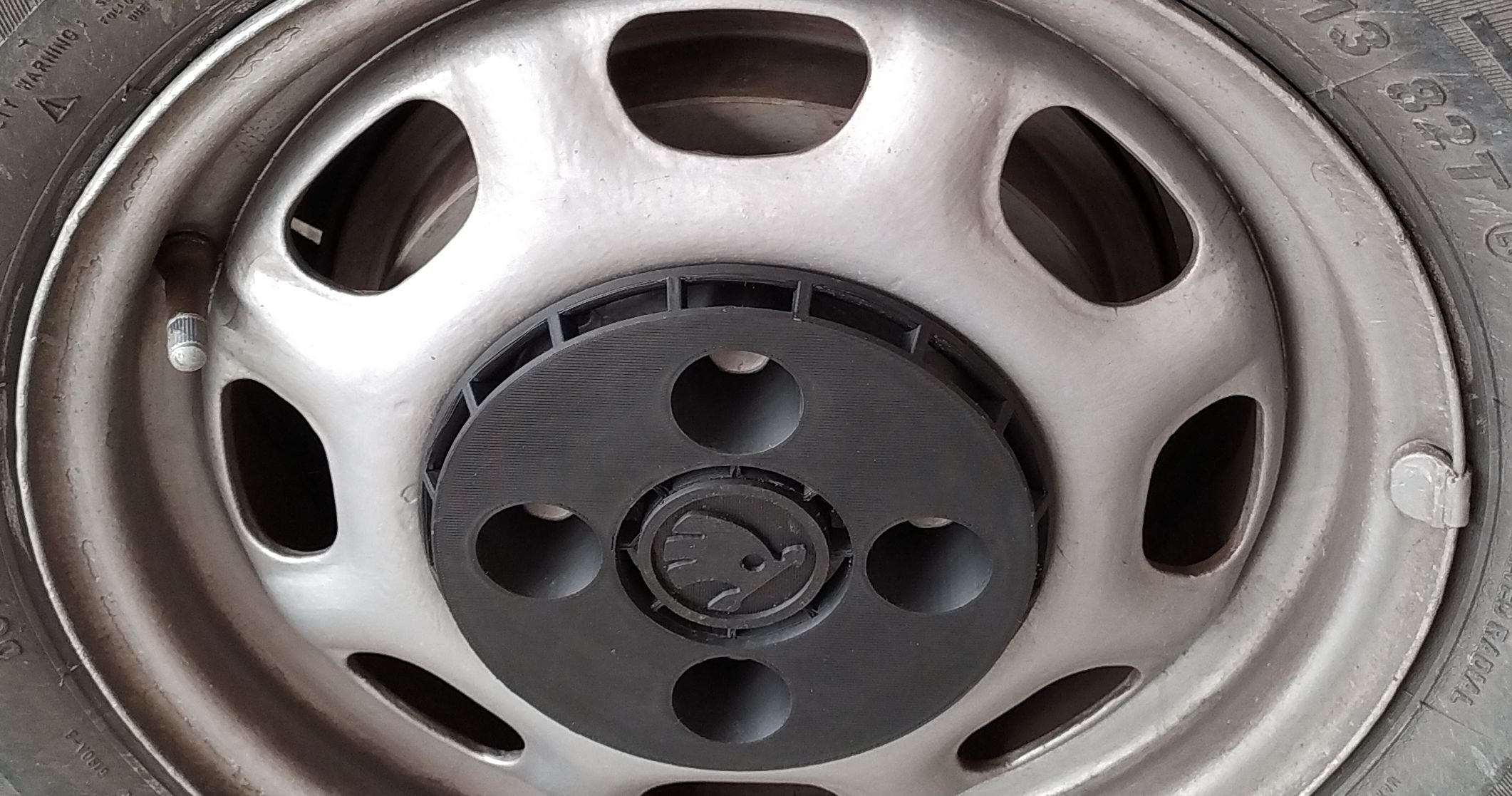
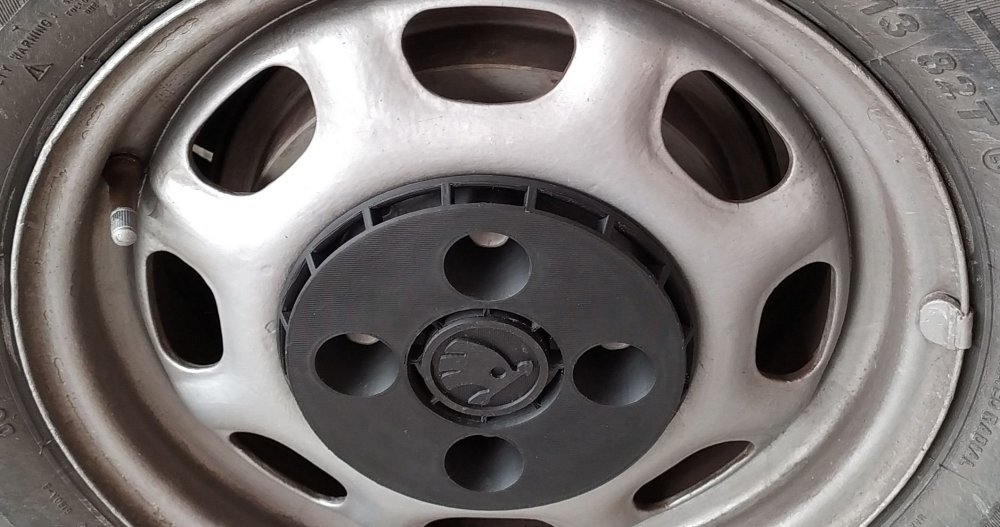
That would be awesome. But I couldn't find a matching disc so far. Exactly. There are parts you can try to save in a car but tires are definitely not among them. I always try to find the best tires available on the market. Because without ABS, you need the best tires. Unfortunately, for 13" you can't always find the same options provided in higher sizes. That's another reason why I'm considering switching to 14". I also regularly change the brake fluid. It makes a difference in brake response. The crazy guy, who is driving that Felicia VanPlus doesn't think like that. I also don't think like that. If better brakes are needed and if it's possible to upgrade fundamental components, I upgrade them first then think about exotic pads, cross drilled rotors etc. It can be improved. Every little bit helps. This is not the main subject. The disc size and caliper upgrade is also a plug&play replacement if you find the right parts. And it will cost lower than €150 if you already have "14s and doing the job yourself. After doing this upgrade, if I really think there is a need for more, I'd consider buying exotic discs, pads etc. Of course! We are thinking likewise. They can help but it will require lots of planning, crafting and testing. From Wikipedia: Interesting. At the end of the last summer I was working on a project with a different approach. I didn't finish it though. Just prototyping. This is mostly for cosmetic appearance. But, why not add some function too? You know, every little bit helps. Inspired from Lancia Delta Integrale Evoluzione HF Rally car and Mercedes W124 wheel caps. Good find. I respect the skill and effort of the driver. If I make a similar conversion one day, I'll share the details.
-
15" Another user with the conversion has 14". The brakes are powerful enough to lock the front wheels but that doesn't mean there is enough heat dissipation. It's all about heat dissipation. Secondly; This is something about the needs of a particular user. Load condition,heavier car, driving on mountains and hills etc. I know, I need better brake cooling. Exotic brake pads which can withstand to higher temps don't provide what I really need. They doesn't solve the problem. Just hide it or lets say, patch it in a way. Think about the whole system about heat dissipation ability not just the brakes. (14" wheels will soak more heat). 236mm solid discs + 13" wheels + exotic brake pads VS 256mm Vented discs + 14" wheels + ordinary brake pads. The second setup will always win. Thinking about the costs. One must find and pay premium for exotic pads every time they need a brake pad change. If I consider that, 256mm disc upgrade with the wheels will pay itself in the long run. 😉
-
Just an ordinary user. Who tinkers sometime. To be called a "master" in my opinion, one needs to do this job for a living. One needs a workshop with professional tools and a dyno. Without a dyno, adjusting anything out of factory spec, takes painfully long time. If you play with a setting in the distributor advance or carb, (plus in my case, LPG adjustments) you must take the car on a test drive. So what's the big deal? You saying. It's not that simple. The car can run fine on a flat road but when I force it on a sharp uphill climb, it may start pinking. So, one must test it in various circumstances. Not satisfied? Stop, adjust again. Test again. (When finally done, you might find your car start pinking when traveled to sea level 😒 ) You are welcome. So this same issue was present with the old carb. If the issue is about the carburetor overflowing, you can be suspicious about the fuel return route too. The fuel must return to the tank freely without any restriction. If there is any restriction present in the return route, it will increase the pressure on the float pin inside the carb. You know, the fuel lines are beneath the car. Sometimes they can be physically damaged. Causing a collapse on the line.
-
From teflontom's post about this upgrade, He choose this because of availability. Our cars have 54mm piston. Increased piston size results more pedal travel. He had got the upright's holes drilled precisely by a workshop from 10mm to 12mm to be able to mount the Ford's carrier bracket. He had to grind off some material from the carrier brackets. The disc is from an Hyunai Accent Era. Plug&play. No modification needed for the disc. One must be careful when choosing brake calipers from Ford. Because there are many types and variants. ABS and non-ABS variants makes a difference. The only thing keeps me from doing this conversion is the wheel size requirement. Currently I have two sets of 13s. One set for winter and one set for summer. Plus the one spare tire sits in the trunk. If I do this, I'll need 9 wheels and tires. @ 14". The stock brakes are barely enough in hot summer days. Especially if you have to drive on hills. Last summer, I smelled burning brake material several times while driving. One time when I parked after coming from a downhill route, I literally heard the front brakes sizzling.
-
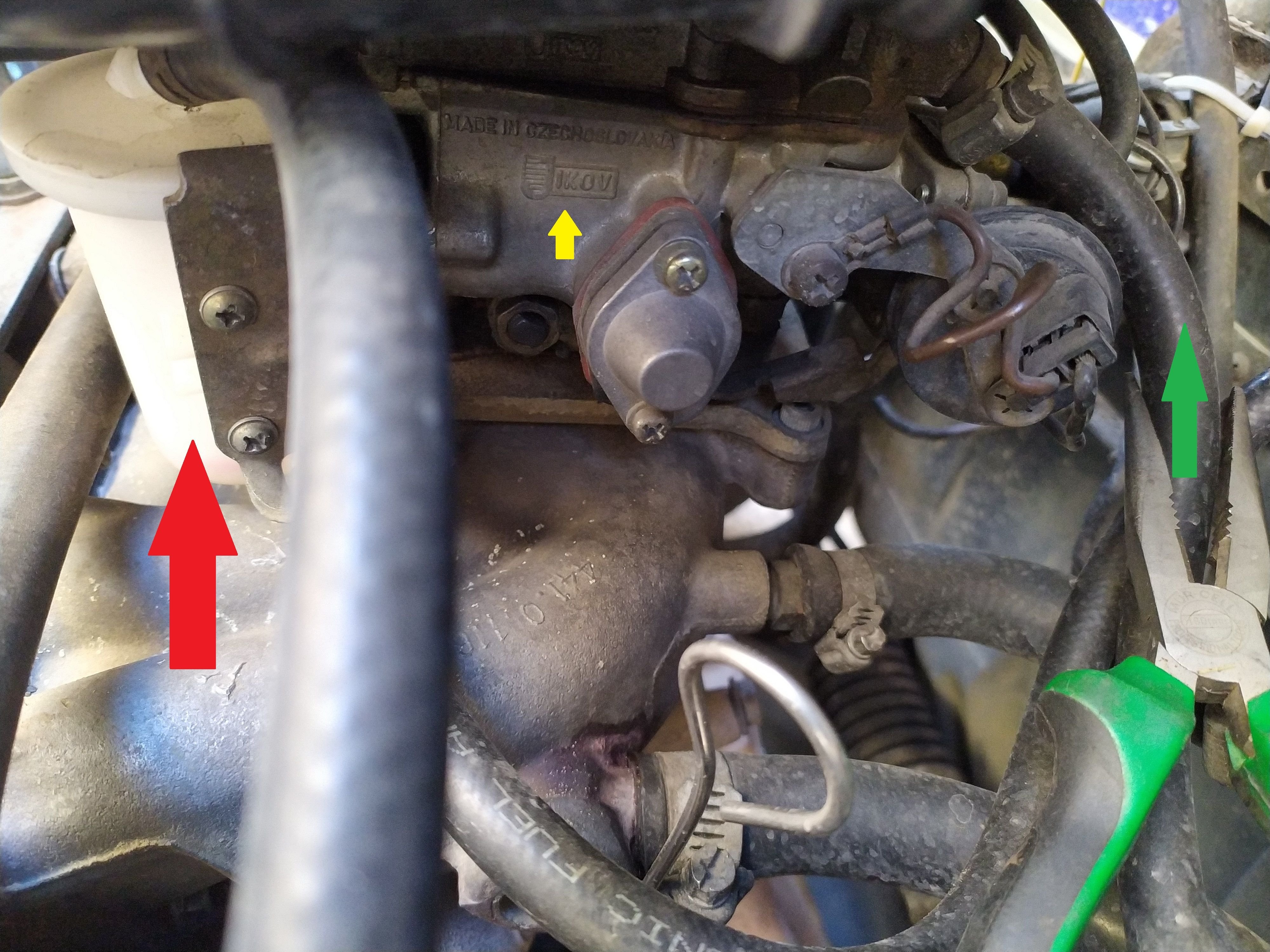
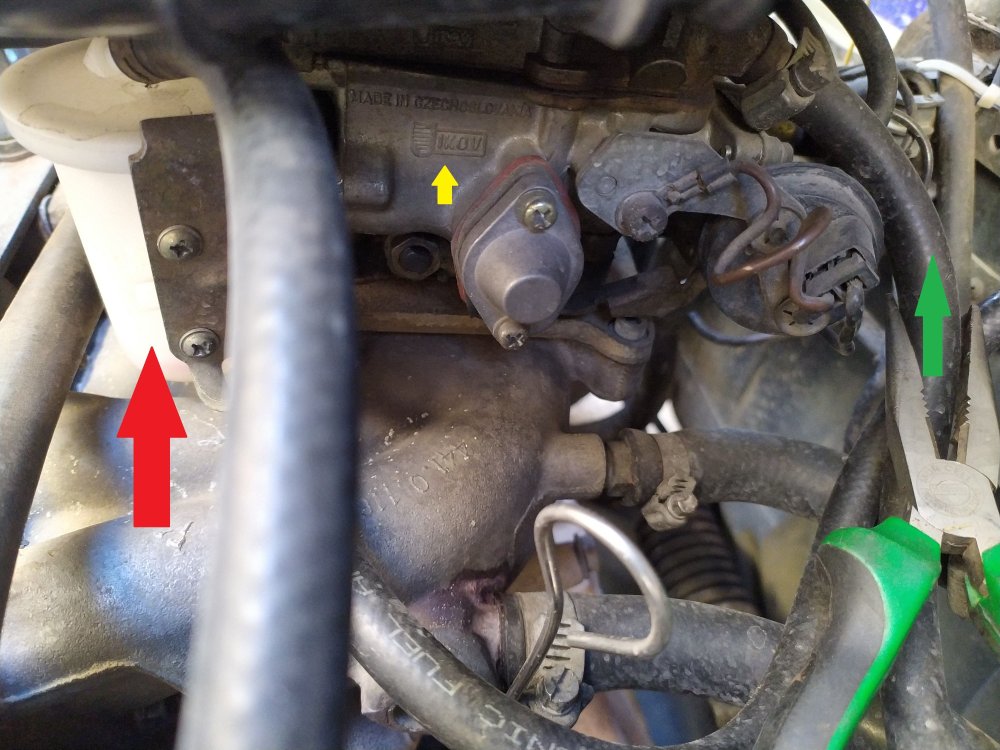
The carb on the favorit is Jikov 28-30 LEKR which is a Pierburg 2E3 clone. (Marked with yellow arrow) Maybe they had to use original 2E3 for some exports. If you've pulled it from another favorit, then there should be no problem with the jet setup. Please do this easy test: After the cold start, wait for 1 minutes. Squeeze the fuel hose marked with green arrow on the picture. The engine will continue to run. Let it run until it dies from fuel starvation. Release the hose, start the engine again. See if it will start. Why doing this? This is the carburetor's fuel supply line. Cutting the fuel supply by squeezing the hose won't stop the engine immediately.Because, there is a fuel chamber inside the carb. Until it runs dry, the engine will continue to run. Don't worry about stopping the fuel flow. The part marked with red is the de-aeration chamber. When the fuel chamber inside carb is full, there is a float in there stopping the flow from inside. Like you do now from outside. When the fuel is stopped from entering the carb, it is routed from the de-aeration chamber back to the fuel tank. The float inside the carburetor is connected to a needle with a rubber tip. You've taken this carb from a car sitting in a junk yard. The rubber tip of the needle might be hardened and not blocking the fuel flow well when the engine is cold. Causing the fuel chamber to overflow. If the fuel chamber overflows, the engine will stop suddenly. Just like you've described and it won't work until the excess fuel vaporizes from the intake manifold. Idle mixture screw only adjusts air flow of the idle and nothing else. The fuel is only adjusted by replacing the jets. Have a good luck with your interview.
-
- Momentary stall after pressing gas pedal: Injection volume adjustment needed. Rough idle: Mostly from an air leak or incorrect idle mixture setting. Do you still have the old carb? It could be from any car from its era or, it could be from a VW T3 Bus! Maybe it's running but that doesn't mean it's running great. "Great" for a carb means; giving ideal mixture ratio at various load conditions. This will provide maximum power with minimum fuel requirement. Maybe it's running rich all the time but you can't tell the difference without measuring the exhaust with a lambda probe on a live run. If it's rich, you'll waste fuel. Plus, there will be carbon buildup inside the engine causing troubles later. If it's lean, you'll end up with very hot burning chamber. Which may cause damage to the valves. All jets must be adjusted properly for the healthy long-term operation of the engine. It shouldn't run that fast when it's cold. I'd decrease it. Spark plugs can tell many about the health of an engine. If you post the pictures of them, many members here can tell you about engine condition. Please be careful when re-installing the spark plugs. You don't want to strip the threads on the aluminum head. Don't over-tighten the plugs too. (26nm for flat-seat washer type plugs) Before advancing further, please reduce the fast idle speed by turning the fast idle screw counter-clock wise. Reduce it to a level, so the engine runs around 1000-1100 after the cold start. After that, perform these tests: - After the cold start and before the engine stalls, rotate the idle mixture screw counter-clock wise and listen to the engine if it increases the idle speed or not, as soon as you start rotating the screw. (Mark the position of the screw before trying this) - After the engine stalls, remove the distributor vacuum line and try starting again. You've said, after stalling, it starts for a brief moment and dies again. Please try this and tell if there is any difference. After the engine dies, pump the gas pedal 3 times and start again. What happens this time? Completely zero ignition or more running time?
-
Hi, I've also checked your previous topic. You had issues with the carburetor setup. Now; - What kind of carburetor do you have right now? New or used? Which brand? Jikov? Pierburg? Vika? Since you've said there is spark, we have to check other parts of the system. - Does the new carb have been adjusted for correct idle mixture? - Does the carb have earth connection to the engine? (Important safety detail. If there is no earth connection from carb to engine, sparks can happen inside the carb. causing fire) Also, please check if the engine is connected with a proper, non-rusted earth strap to the chassis. - There is a part on the carburetor called the carburetor solenoid. It cuts fuel when the ignition is off. There might be issues with stable electric delivery to that part due to corrosion. If the cable providing power to it, is corroded from inside, you might having the fuel cut off. Please ensure the carburetor solenoid is working properly. If the carburetor is not earthed, there may be problems with this part's operation too. - The cold start procedure for an engine is not only vital for cold climates. For proper cold starting, there are helper components and adjustments on the carburetor. They all work with conjunction with each other. The engine, when it's cold, is hard to turn. (By cold, I mean even at 20ºC) So you need a higher idle setup* to be able to hold the engine at the same 800rpm level. There is an adjustment on the carburetor called "fast idle". It's a screw sits on a cam which looks like stairs. It overrides the idle adjustment screw's setting when the engine is cold by providing higher opening degree for the throttle flap. (*= Higher angle throttle flap position for more idle air. But that doesn't mean you'll get more fuel because the carburetor is cold and vaporization of fuel is low. So carburetor uses choke to increase air flow and suction from the fuel chamber. Some carbs have electric heaters built-in.But Jikov doesn't have that! So auto-choke operation is important) Does your carb's fast idle adjustment is correct? And you also must check proper fuel delivery and circulation. But before performing that, you must determine if the car is running rich or lean just before stalling. If the problem is from incorrect mixture level, you can tell by using your nose to sniff the exhaust. If it's too rich to the point of stalling, the exhaust will smell very acidic and you can't stand the smell for mere seconds. It will make your eyes sore and tearful just in seconds. If it's too lean, it will smell just like air before rain. But, please don't smell it too much. Exhaust smoke is poisonous. It will cause dizziness even with very small doses. (In modern cars, the lambda sensor is doing this for us. Which can also be retro fitted in a carburetor car to provide helpful info for precise carburetor adjustments) Also, please tell us more details about how the car starts? how does it idle after the start? just before stalling, does the idle decrease? If you keep the rev. at 1000rpm by pressing the gas pedal does it survive from stalling after 2 minutes? With more details, I think it can be solved eventually.
-
Probably from a MKI Mondeo. Seeing this video was a turning point for me. I also want to get some more power but I couldn't decide what to do. With the standard 1.3, options are limited. So usually, out of the box swapping is advised. Like AFH AVY, 1.8T etc. But I didn't know the AEE was capable of achieving this kind of power output without forced induction. In the video's comments, people say that, this engine was the 75HP AEE unit. 8V. Yamaha R7 carb. Very very precision balancing and probably strengthened pistons. Pro-made custom intake & exhaust. So, for the questions asked about engine mods, here we have a shining example of a Felly with an alternate solution. @D.FYLAKTOS You were asking for a hood scoop if I recall correctly. I see a functional hood scoop in this Felicia but looks like there is no solution for water splash. My questions is; How flexible is this engine setup for everyday use? An AFH or AVY can deliver performance when asked but also tuned from factory to be drive-able in the city. How about this engine we see in this video?
-
Every Felicia owner must see! Epic!
-
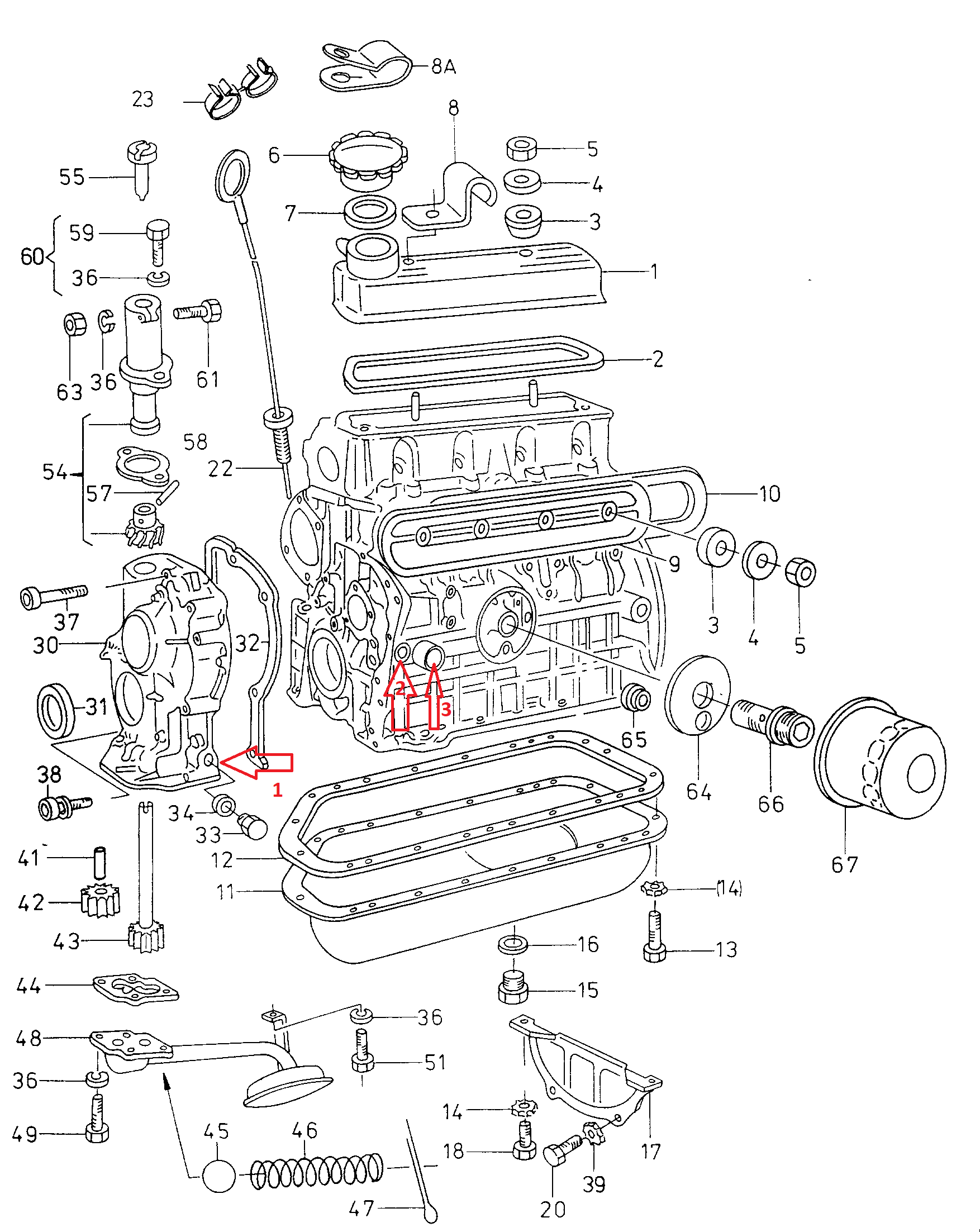
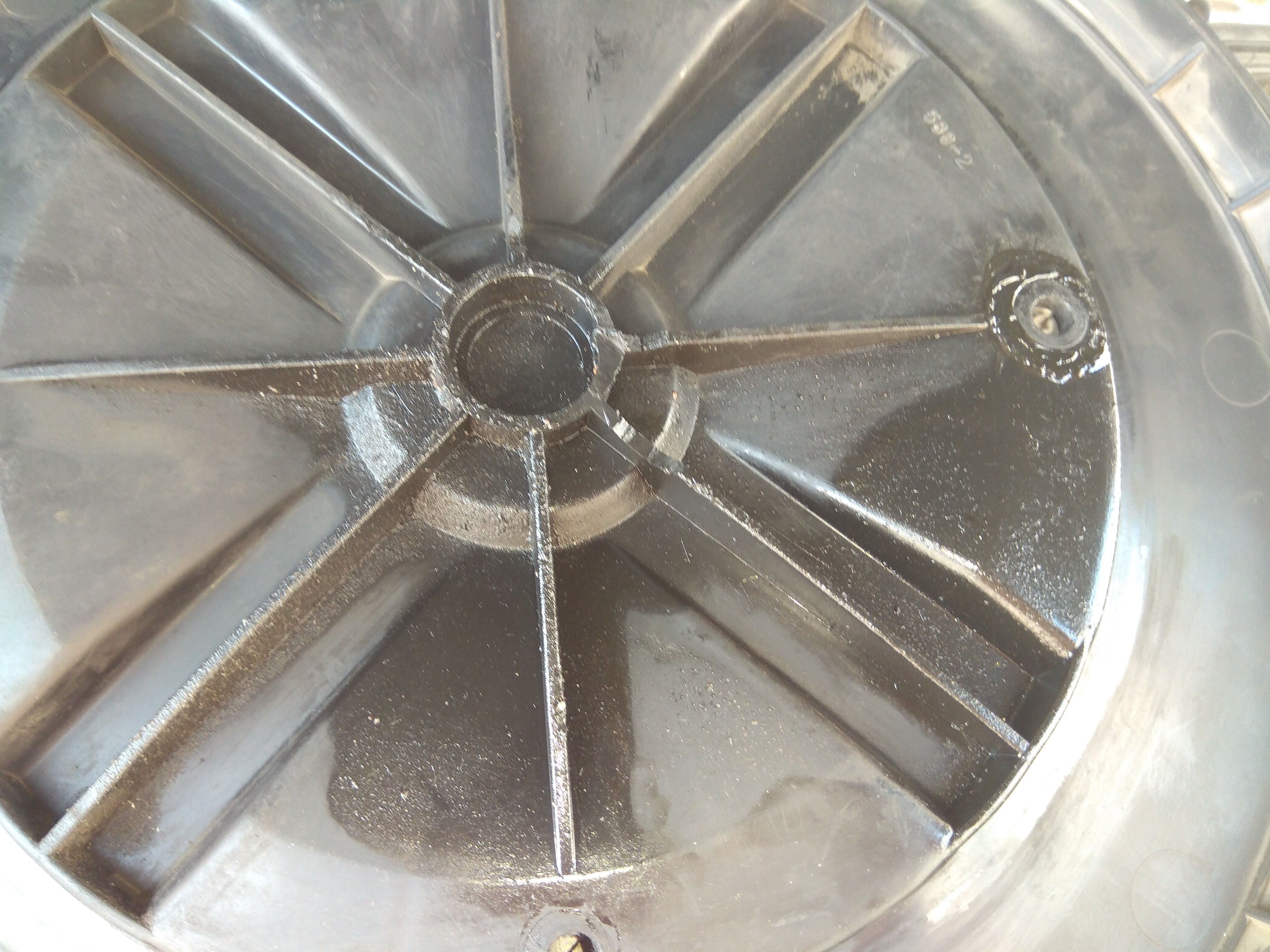
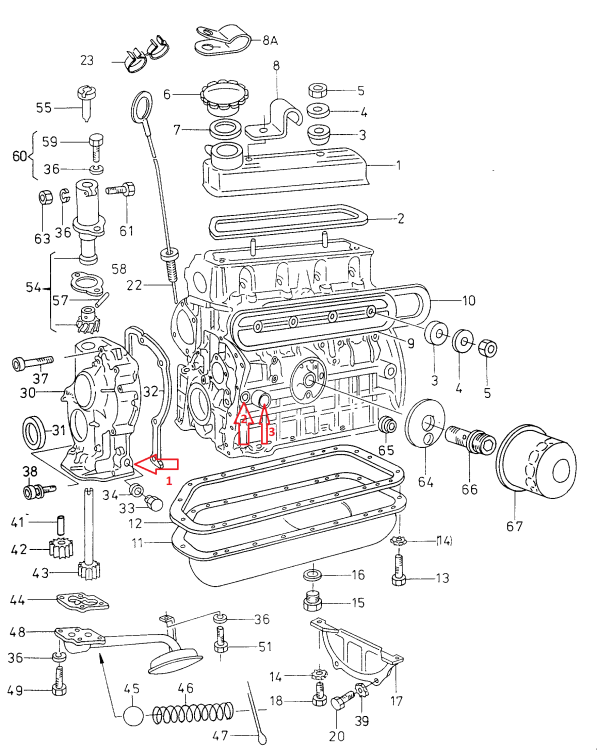
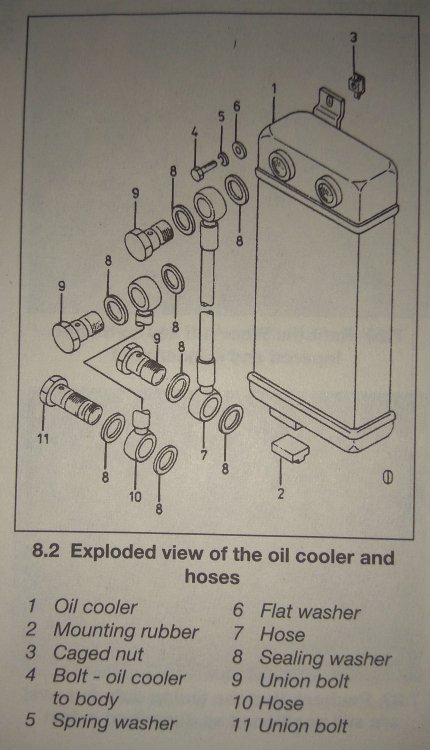
If someone wants to install an oil temp gauge sensor, which of the three plugs shown above would be the most suitable for an accurate reading of the oil temp?
-
Of course. Yes. The list is larger here: https://www.autodoc.co.uk/bosch/1156074
-
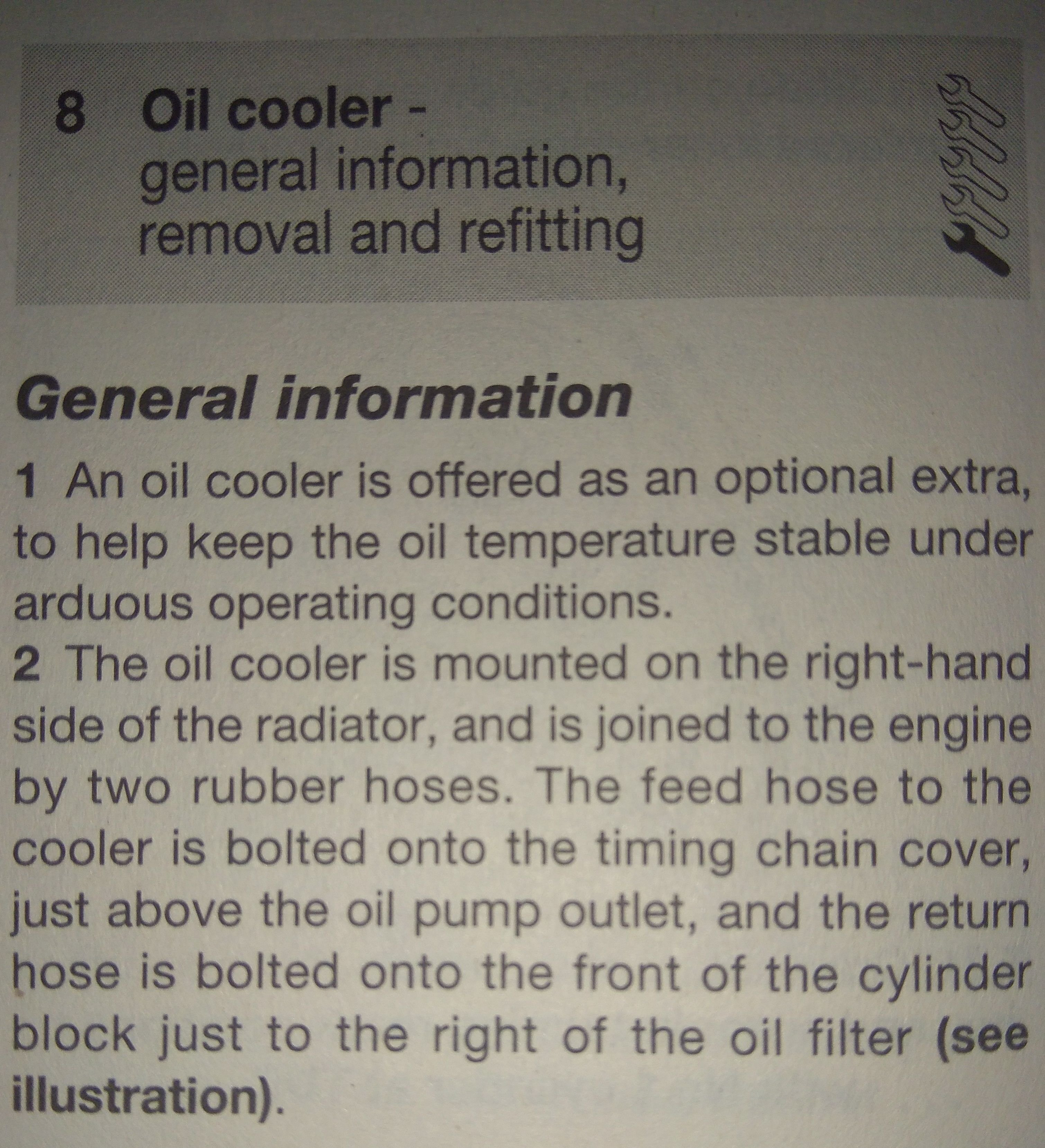
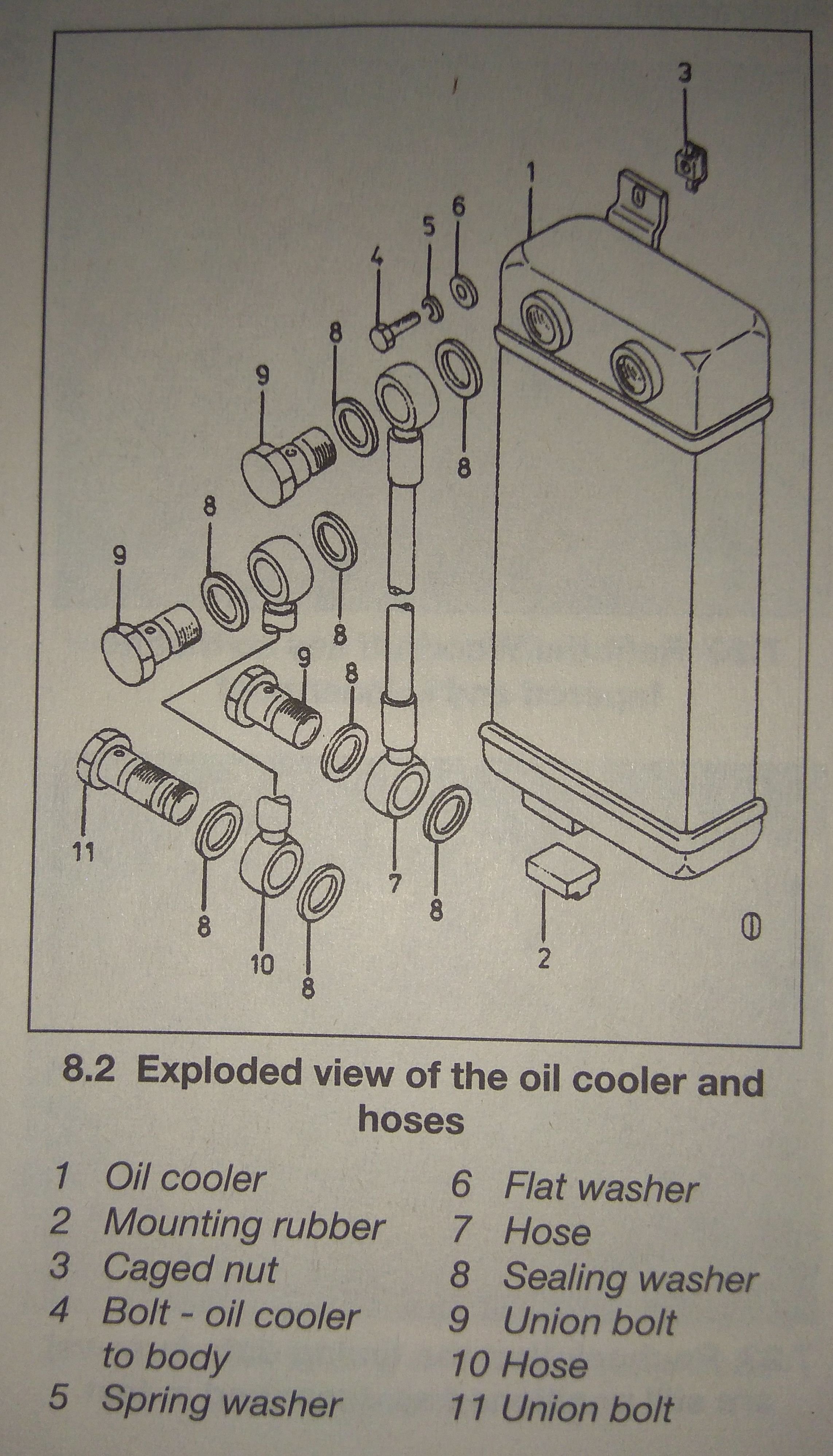
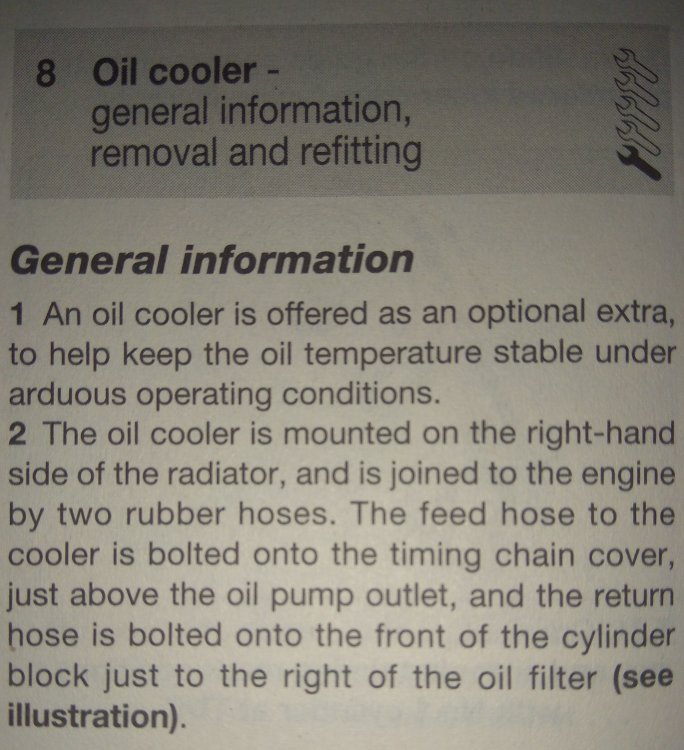
I'm currently using Bosch P3318 oil filter. Which is the same in some VW group engines and it fits to our engine too but thanks to @Papez now we know, we need a custom made oil filter union bolt to fit these oil coolers. http://assets.suredone.com/1517/media-photos/cp025121-oil-cooler-union-bolt-vw-jetta-golf-mk4-beetle-audi-tt-mk1-18t-genuine-oe.jpg The pictures provided by @Papez We need this: Do you mean my video? I was referring to a picture that @Papez had posted. In my video, it was a very hot day and that's the last part of the 0 to 1600m climb. I have zero idea how hot my oil gets during those trips. @Thefeliciahacker had seen one of these videos before and warned me about that my oil would be boiling.
-
As soon as I find some time, I'll try your suggestions. Thank you.
-
I've searched this but couldn't find a real picture. It's good to see it finally. 108ºC at idle! I think it will pass 140ºC easily when climbing with high rpm.
-
Haynes.
-
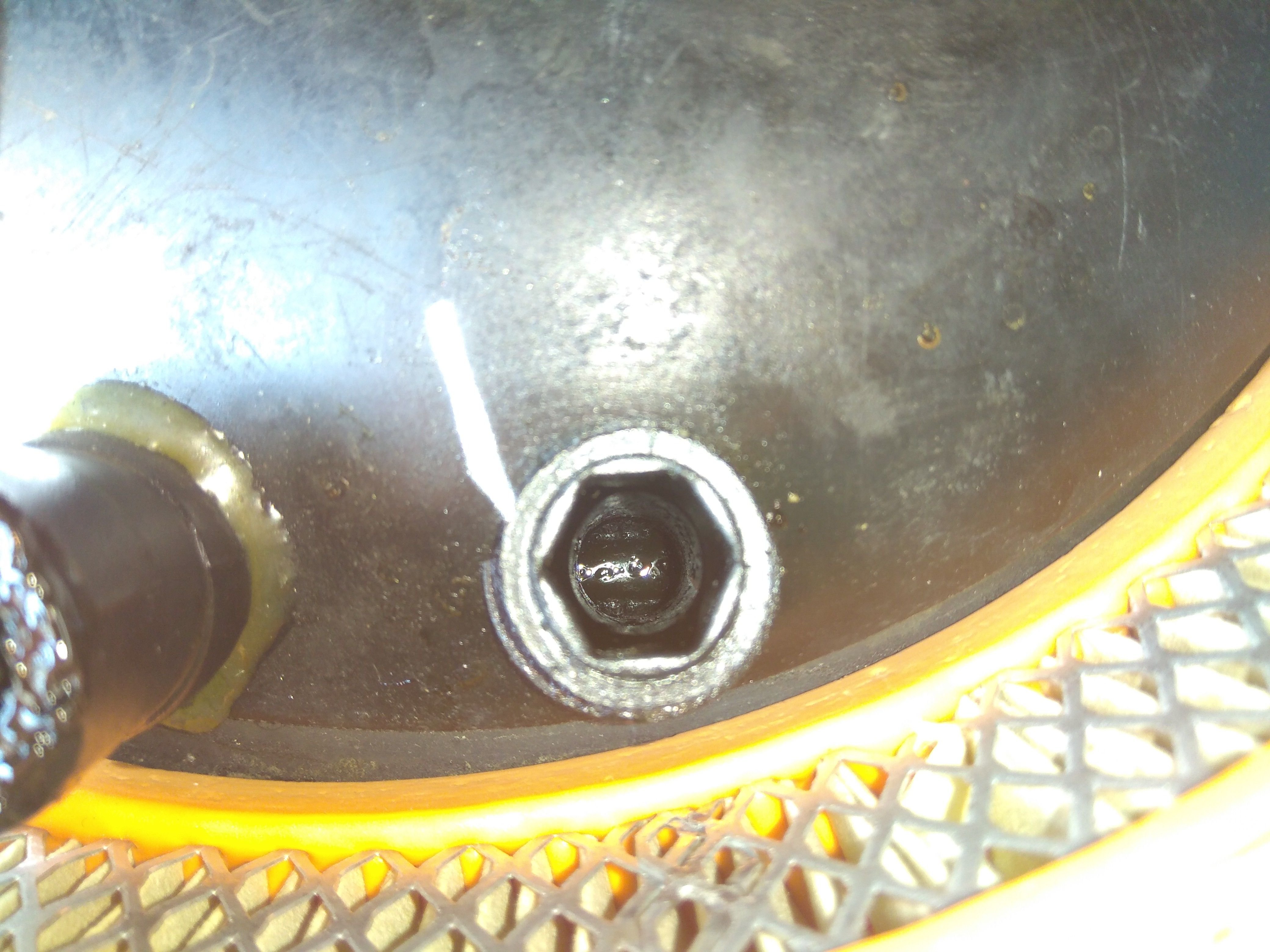
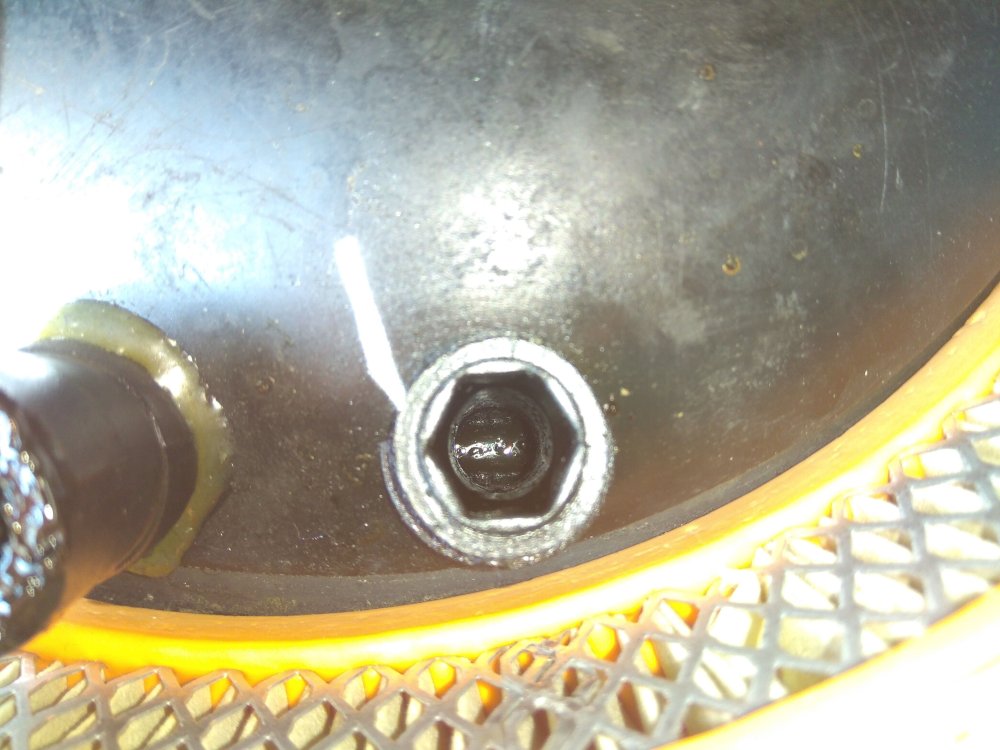
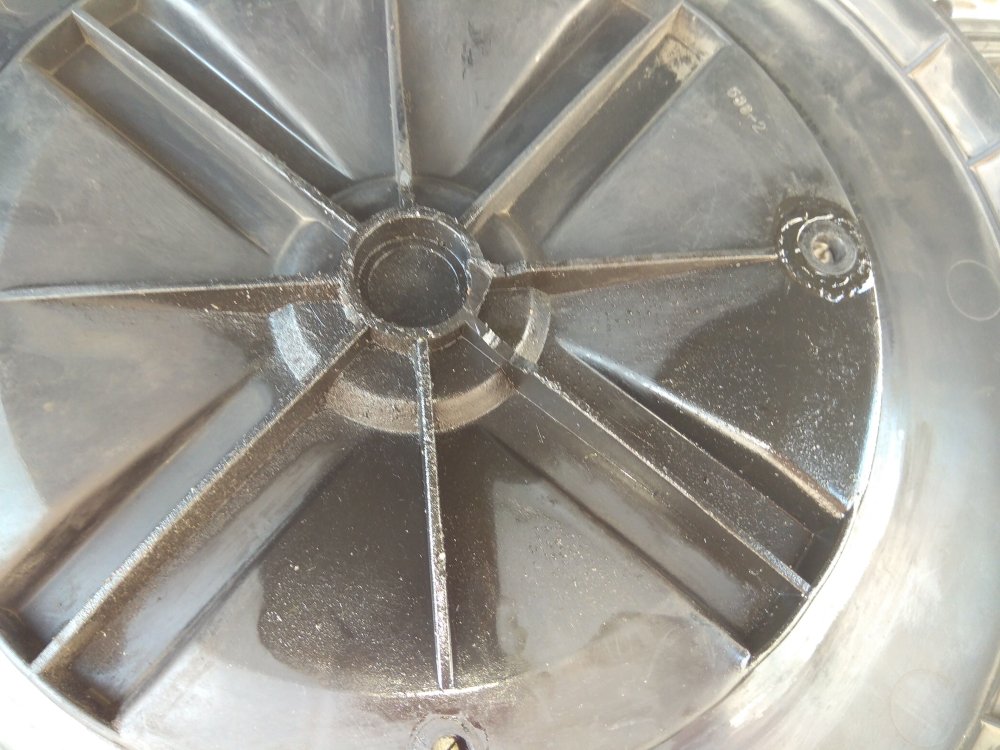
I'm thinking like you. Keeping the car light and uncomplicated should be the target. Because, it was designed this way. To be light. I'll only install an oil cooler If I really must. @Papez You rock. Like always. I've also found some info about Ford pinto engine oil cooler sandwich plate might fit. Here are some photos I took today: PCV hose is wet. The air box cap is wet. Also: https://www.dailymotion.com/video/x91krh6 https://www.dailymotion.com/video/x91krds
-
Do you mean same oil for engine and gearbox? People on the forums debate this much. Again, people on the forums say that, SJ was the oldest standard still being monitored. Older than SJ are labelled "obsolete". I can not always find what I want. Sometimes my options are limited.
-
It was the time of API SJ. ZDDP additives were still in. https://www.oilspecifications.org/api_eolcs.php
-
Time out. I can't edit my post. Sorry for the typo. It is XXW-40.
-
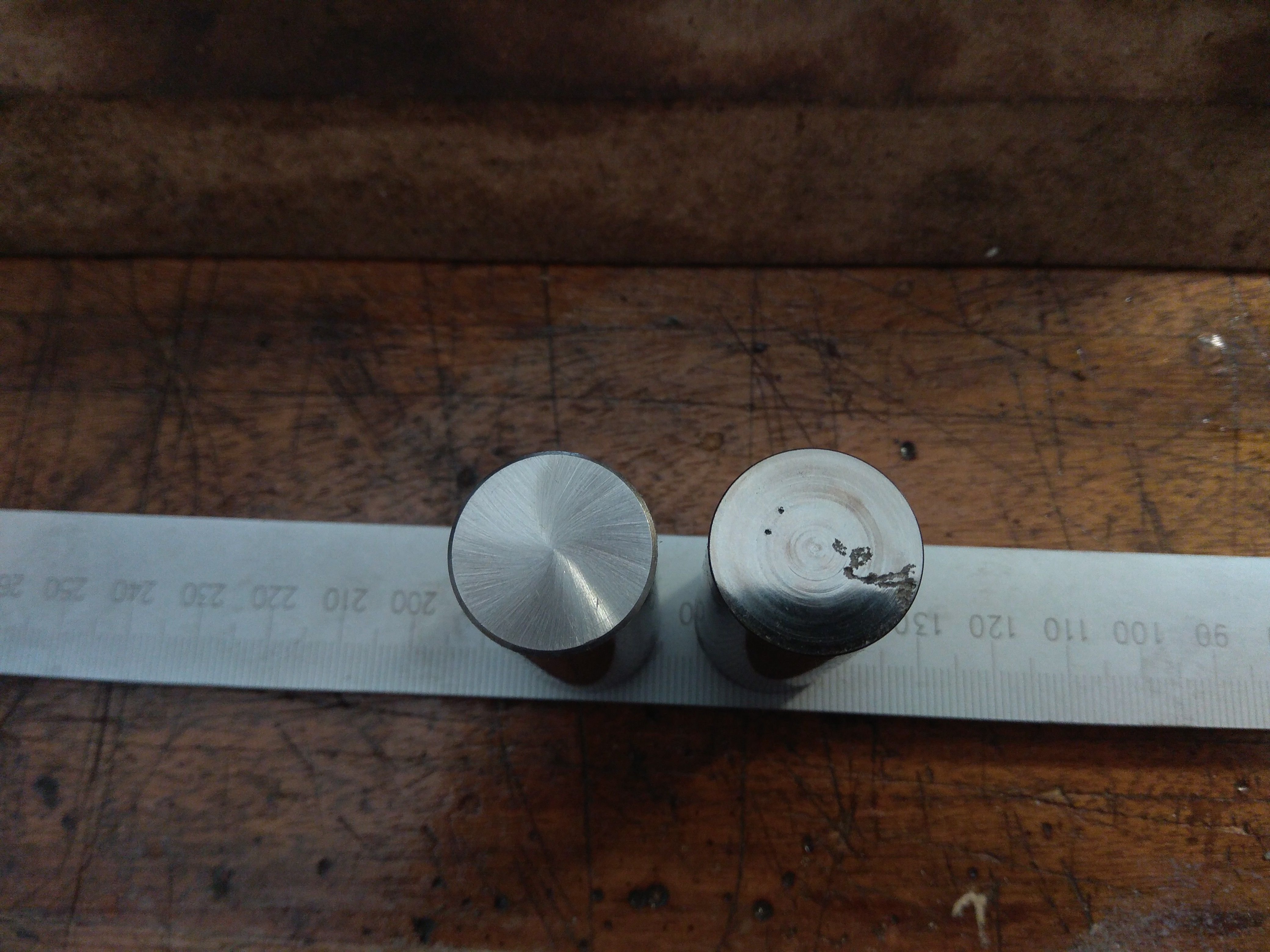
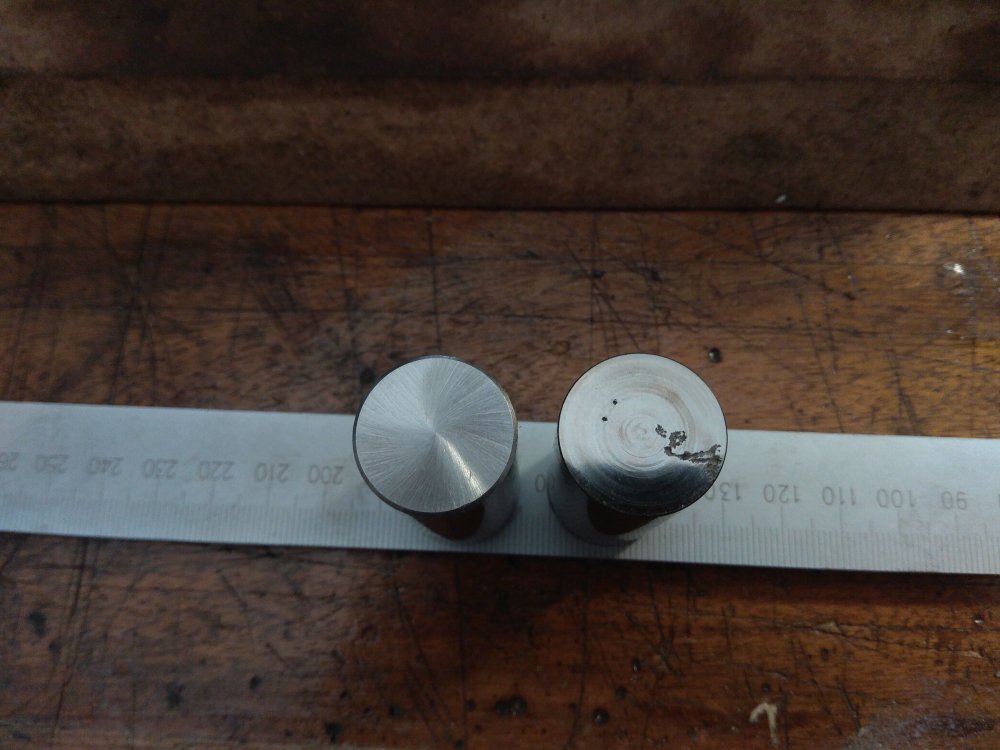
Yes there some changes. But I don't think those changes can cause this weird issue. Reasons. Our engine is a 8V OHV pushrod designed in 50s or 60s. We have a rocker area which has a limited lubrication. There is one more issue. As the technology advanced, oil ingredients have also changed and adapted. But that doesn't mean newer oils can perfectly replace the older standards. It's API S for gasoline and CH for diesel. Additives called ZDDP are required for reliable operation of our engines. As the API level advanced, ZDDP amounts in the oil had dropped. ZDDP is for lubrication of surfaces which can only get the oil by indirect random splashing. (Just like rocker area in our OHV) I've read a lot and the general application of the industry is, 10W-XX oils are considered for older engines generally, more or less they have a ZDDP additive package. The "Oil Wars" topic in the forum was hot. But people were fighting the wrong fight. The issue is not just only about oil thickness when it comes to an OHV engine. Oil thickness is determined by bearing clearances of the pressure lubricated bearings an you can't change it without physical alteration of the bearings. But, if you don't have an oil without proper additives, (maybe using 0W-30 intended for a modern engine design) You might end up with this: The one at the right is from my engine. All others have damage too. My current choice is synthetic with a guaranteed ZDDP package. It has a API SH rating and meets the requirements of API SJ. Which is recommended by OHV engine users. (Favorit's recommended oil was API SG.) These additives are harmful for catalytic converters, they were gradually out-phased. But, old became new as heavy-duty diesel oil. Is this heavy duty? See the data flow on the top of the video. I used to downshift and climb at 4th usually at 80-90 here and get eaten by the trucks. This is all 5th gear. As you can see there is a logic behind the oil preference. But that doesn't mean I'm 100% correct. The oil may not be suitable or even with this oil, maybe it's getting too hot. I'm always after answers.
-
Don't say I haven't warned. I've chosen this oil for a very solid reason. Rebuilding an engine teaches a lot. That's all I can say about the oil.
-
I don't know. The situation makes no sense to me. For example, today is scorching hot and I did a gentle travel about 50Km at speeds of 70-80. Stopped several times. Restarted the engine before it got cold. I saw zero smoke today. Weird. Please don't mind it. No problem. +25ºC days will last until October. Maybe November. I have a permanent load, that is LPG tank.(Around 50Kg when full. I think.) I usually have passenger(s). Since I've bought the car, I always had external leaks. So I don't know how much a newly rebuilt engine should consume but, according to old posts from various members, oil consumption must be zero. Yes. I did the gentle run-in. Limited to 3000rpm. After the first 800Km, I've replaced the filter and the oil. First oil was a 10W-40. Mineral. It's not dense. Hard to tell. Maybe light gray. In a hot summer noon, coolant temp never reaches above 84ºC when the car is running on highway at high speeds even at 140. Usually its steady at 82ºC. But I have no idea about oil temp. Today I was traveling at 80 in 5th gear and the coolant temp was 78ºC. Today it's over 35ºC outside. I've checked the recorded data. It's been 4100Km since the rebuild. I saw the first small smoke last month. Maybe at 3500Km range. OK. 😁 I'm using Mobil Delvac Legend Heavy Duty 15W-40.
-
I'm not sure yet. 😐 One of the reasons of why I was away from forum was, I've rebuilt the engine at home. A complete overhaul including all seals, gaskets and bearings. Also, now I have flat head high comp. 136 pistons. Complete new set with liners and piston rings. I did my first port job on the engine head too. (Not very professional but rather in a safer more basic way) Before the engine rebuilding, I used to lose lots of oil due to external leaks. I've fixed all external leaks. Until the the very hot days of the summer arrives, there was zero oil loss. Now I have a weird situation. Sometimes when I stop the engine and restart it after 10-30 minutes later, it welcomes me with a small amount of bluish smoke from the exhaust for brief seconds. Then, the smoke disappears. This happens only if the weather temp is very hot. Like scorching hot. This happens only if the engine has been reached full operating temperature. The chances are high if I forced the engine beforehand. Like climbing a hill. Or shutting down the engine just after exiting highway going 120Km/h. I opened the oil filler cap just after engine stopped and observed some smoke which ended after some seconds. Valve rubber seals? Have been replaced at the time of engine rebuilding. (But it wasn't me who have made the change.) I've lost like %15-20 oil since the last oil change. Which is nearing 5000Kms now. I had to replace the newly installed combined manifold gasket after the engine rebuilt. Because there was a coolant leak from intake manifold contact points. The gasket was very hard and crispy. Either low quality or the head is overheating. So if the oil is getting too hot, after the engine shutdown, while the residual heat of the exhaust is heating the head even more, maybe the leftover oil in the rockers area is boiling and creating this smoke. I don't know. I'm living on a hill. I have a digital coolant temp gauge. I've cross checked its accuracy before installing it with my multimeter's temp. reader. Yes. I've meant that. Sometimes I do. Because I live on a hill. But no towing. I always change the oil after 5000Kms. Sometimes 6-7K but never reach 10K. Currently I'm using an oil which is better than all what I've used until now. (On paper. Claimed by manufacturer) But I'm afraid, naming it might reignite the "oil wars" in the forum. It's a reminder for me for the location of "Š" on the Win keyboard. The proper Škoda "Š". I'm living in a city which has summer temps as high as 40ºC. At Winter the temps can reach -18ºC. (-10ºC is common at cold starts early in mornings at winter days) My location is where I write to. But If you are asking physically, I don't prefer to point it out but it's not a secret either. @D.FYLAKTOS and @Thefeliciahacker know because they saw my road videos. (You've seen some of my videos too) Let's say, East of their location. Across the sea. Can driving between 3000-3500rpm @ 5th gear on highway be considered heavy load? Especially at 40ºC weather. I agree with the oil cooler placement. As you know I have 1.6 radiator. So original place for the oil cooler has already been occupied. Currently I don't know where to place it properly if decide that I need that. I have 88ºC thermostat with 87-92 thermoswitch. All-season. I can easily upgrade to even 1.9 Diesel rad. but I know it would be an overkill.