Graham Butcher
FREEDOM
-
Joined
-
Last visited
Everything posted by Graham Butcher
-
I have given this some thought and also asked others for their input, and the view is that the front, is considered to be the way that most people would approach it from the road. Your uncle really just chose to his main living areas overlooking the golf course and the river, and I presume the land he owned was mostly on the golf course site of the house. He also must have owned the land between the actual house and the street and public footpath. As already explained on the roadside of my house, I have 1 large room with a window to the road, patio doors at the other end opening onto the rear garden. There is no access to the rear of my house other than through the house. All the other rooms only have windows to the rear, I have a toilet downstairs at the front, a long hallway running parallel to the road with the stairs also being parallel to the road, then there is the kitchen, accessed from the hall, a dining room, also accessed from the hall and the lounge, which is the large room with windows either end and is also accessed from the hall. Upstairs is also similar, landing and stairs parallel to the road at the front, 4 bedrooms, all with windows at the rear, facing north and a school playing field. Only windows upstairs that afford a view of the road are the landing and a frosted bathroom. Old house (3 bed) had a kitchen looking to the road and toilet and front door, Lounge was accessed from hall, and the back door was also in the lounge, bathroom and 1 bedroom to the front, other bedrooms to the rear, mid terraced. My parent's house was also a 3 bed, dining room,1 bedroom and a bathroom facing the road, front door was down the side, facing the neighbours, as was the kitchen window, and 1 bedroom, lounge and a bedroom facing the back garden and allotments, back door was also in the kitchen and lead to the back garden. My inlaws bungalow also has a kitchen and 1 bedroom facing the road, front door in the middle, straight into the hall again parallel to the road, dining room comes off the kitchen, window overlooks back garden, lounge accessed from the hall, other bedroom overlooks the back garden. No access to the back garden other than from the back door at the side via the kitchen. But everyone tends to agree, the front of a house is the side that faces the road or the only way to access the property. How people decide to to use the rooms is down to them, unless, the designer of the property left you no real choice in the matter with kitchen facing the front.
-
Really, back to playing games, are we?
-
No you're not a nutter, I disagree with your ratio assessment, it's just that they have a different perspective and it's always good to get well rounded view of things. Can't achieve that unless you listen, watch other people's points of view. Professionals can and do get it wrong, case in point, the pandemic, who had the worst death tolls, who had the lowest etc. Another example, diesel, once heralded as the fuel of the future, greener etc, who was saying this? Answer is the professionals, they jumped to the wrong conclusions then, and could be doing the same now, time will tell if they were right or not. Meantime, I as a professional will still consider both sides of the debate and as an electrical engineer, I'm very keen for electric to succeed, SAFELY, is the key word here.
-
To my mind, the front is where the front door is and the place where mail and deliveries of furniture etc is taken in and is most commonly nearest the road. My own house has the lounge with patio doors at end and a large window at the other end. Hence people can decide which view they like best and arrange the furniture to suit their prefences. Might these houses be built in the same fashion?
-
He is not stopping that happening, he, like me feels we still have too much to learn before making it compulsory that all new cars must be electric. Leave it to people to decide which they prefer while we all learn whatever lessons there are to be learned, before going all in. That is it, plain and simple.
-
On the contrary, I just feel like there is something not right about this story. Also I like most things to do with motors as I wanted to be an auto electrical engineer, hence why I did my apprenticeship with the National Bus Company. Electric cars are just part of that. Some have formed an opinion that I'm anti electric cars, which is just incorrect. I just feel we have much to learn and get right before making them the mainstay of motoring. Most YouTubers are not idiots, yes there are some raving nutters but if people could just park their prejudices to one side and listen to what they are actually saying, then there would be better understanding and less conflicts.
-
No, they are standing in the road which is a dead end, and it is a 4 second clip. The beach is actually a fair distance away & there is brush and scrubland in between beach and house, all there on Google Earth.
-
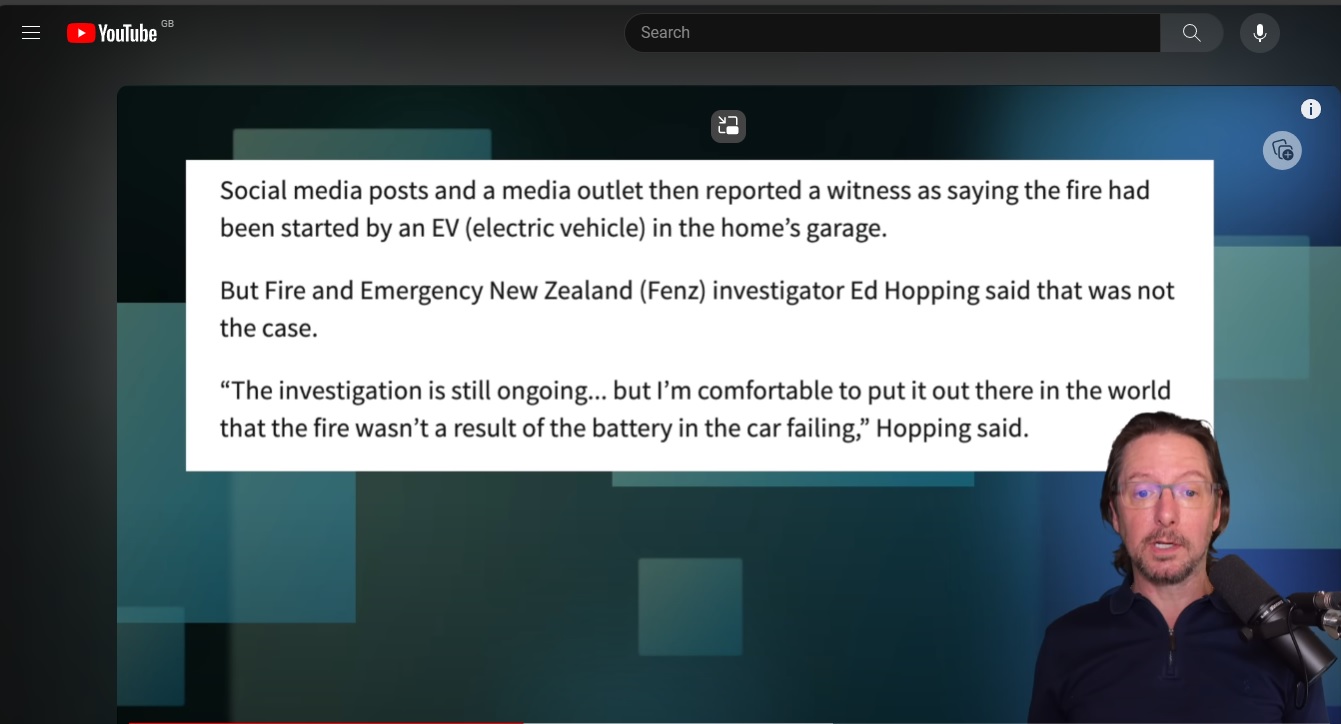
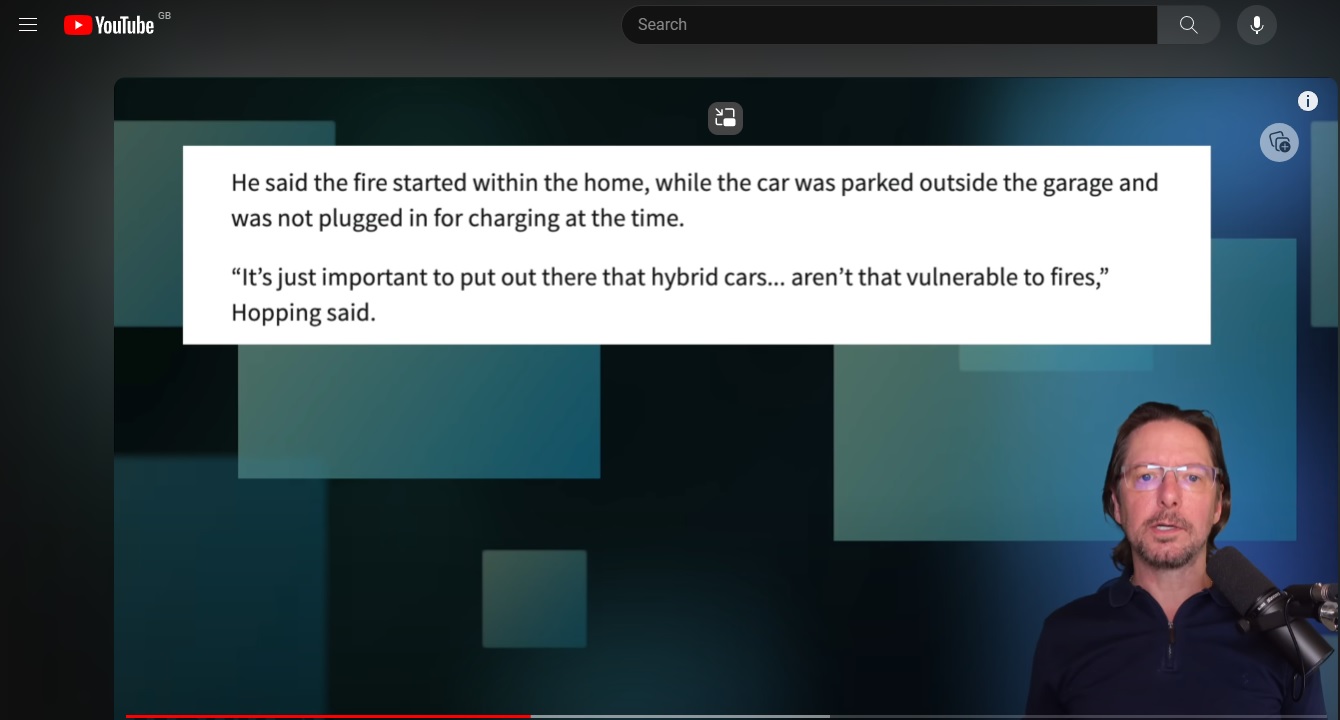
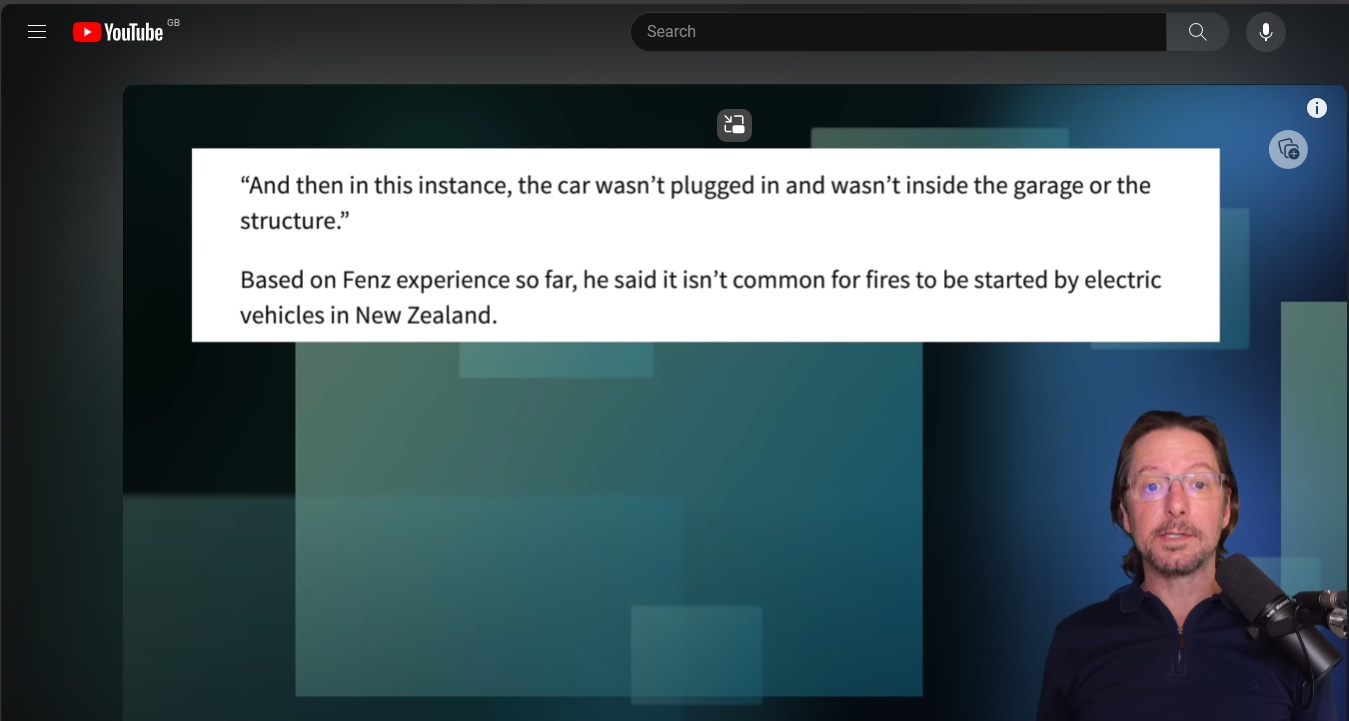
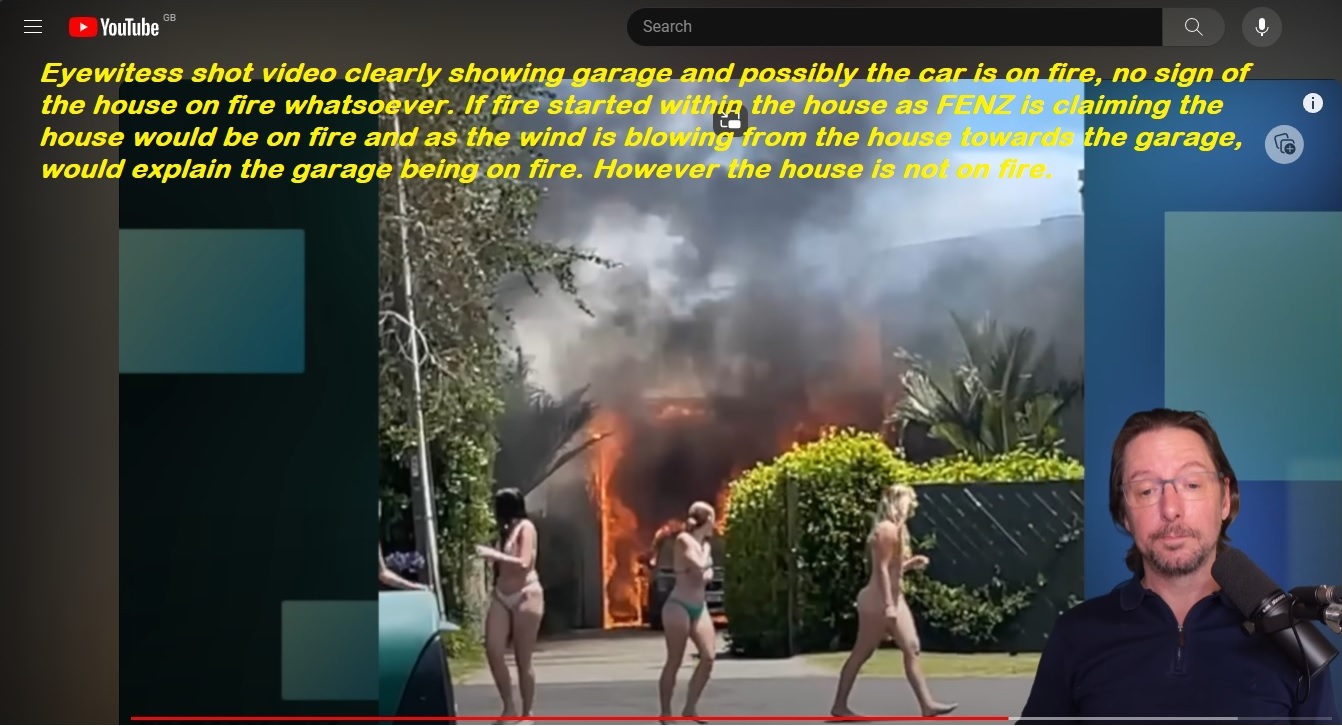
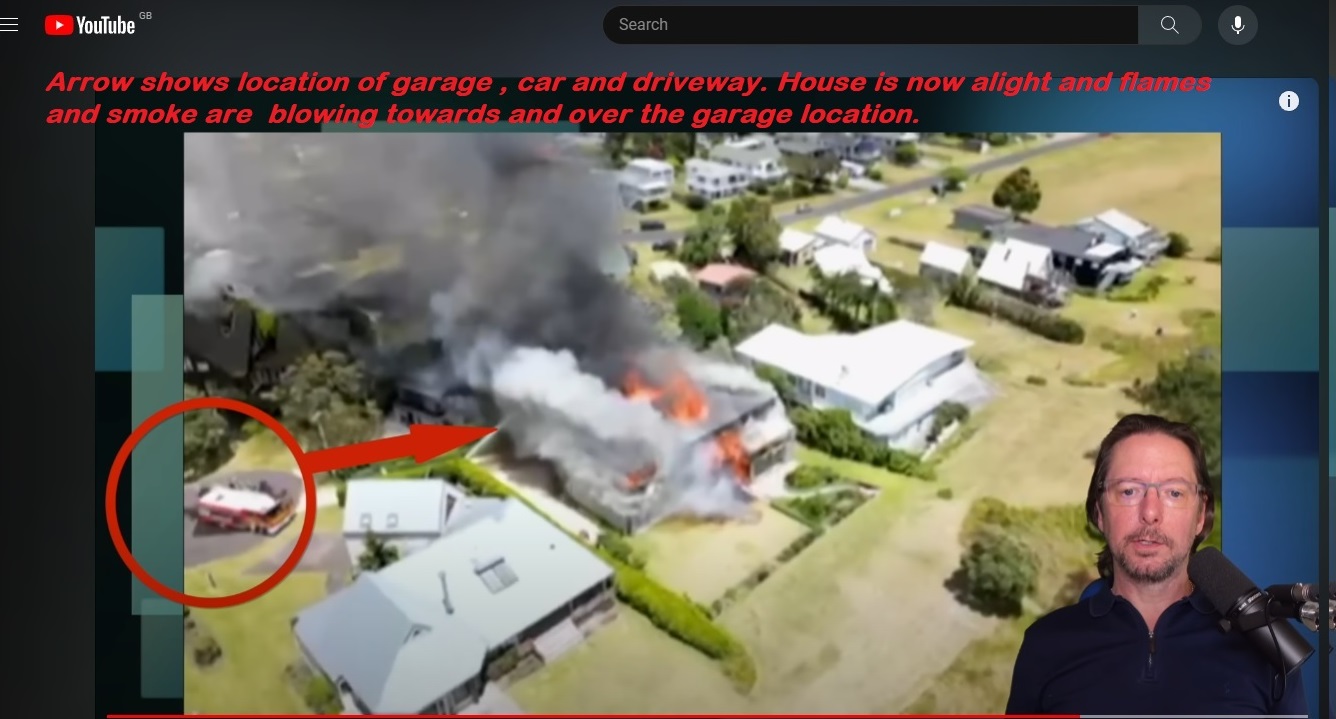
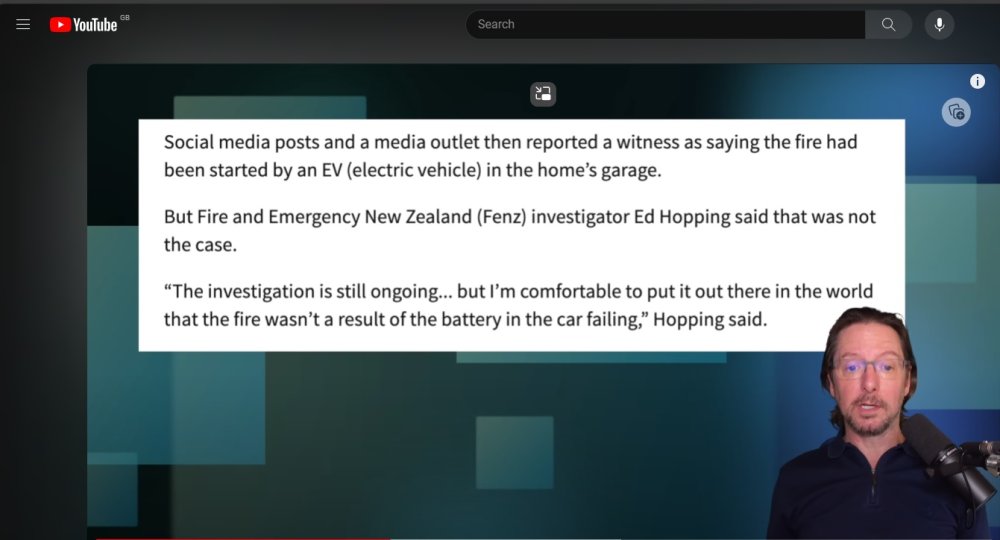
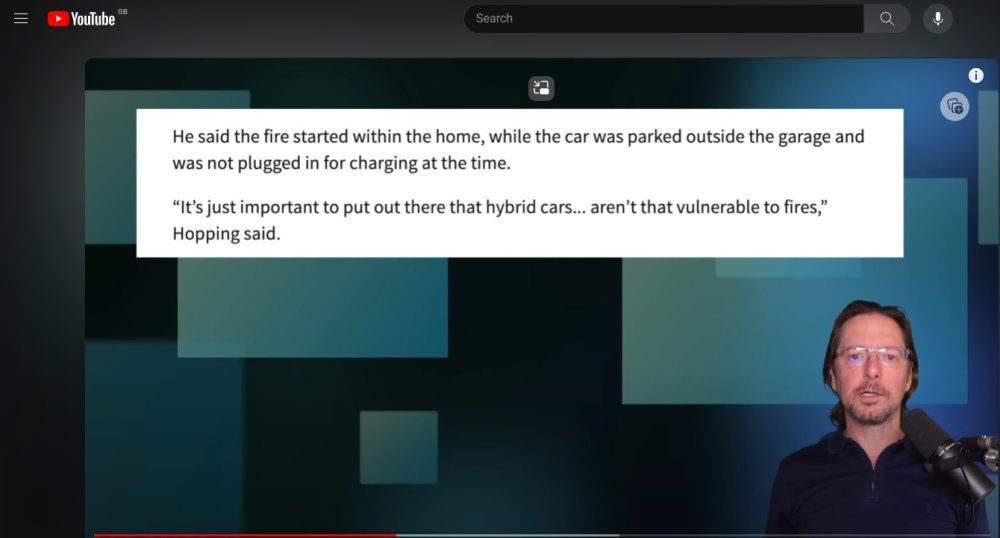
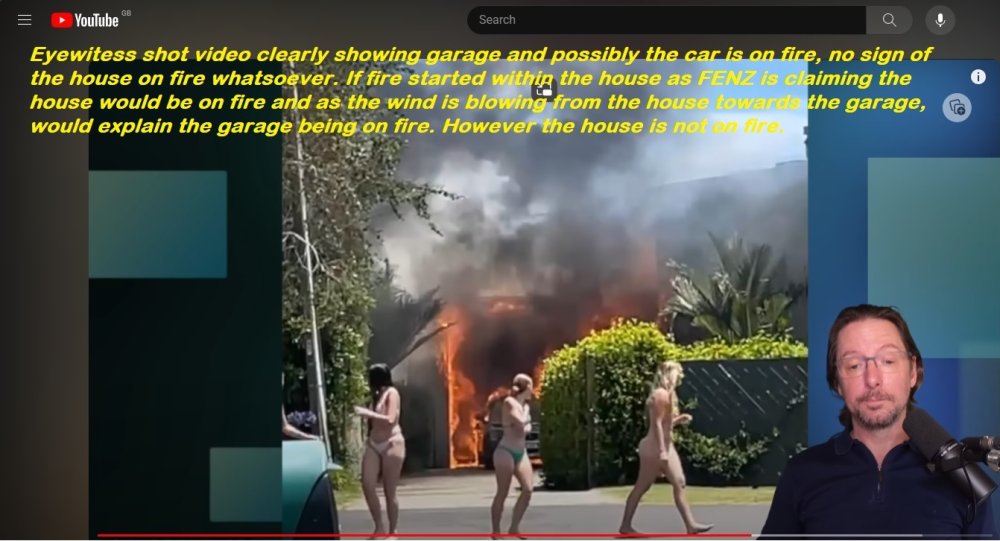
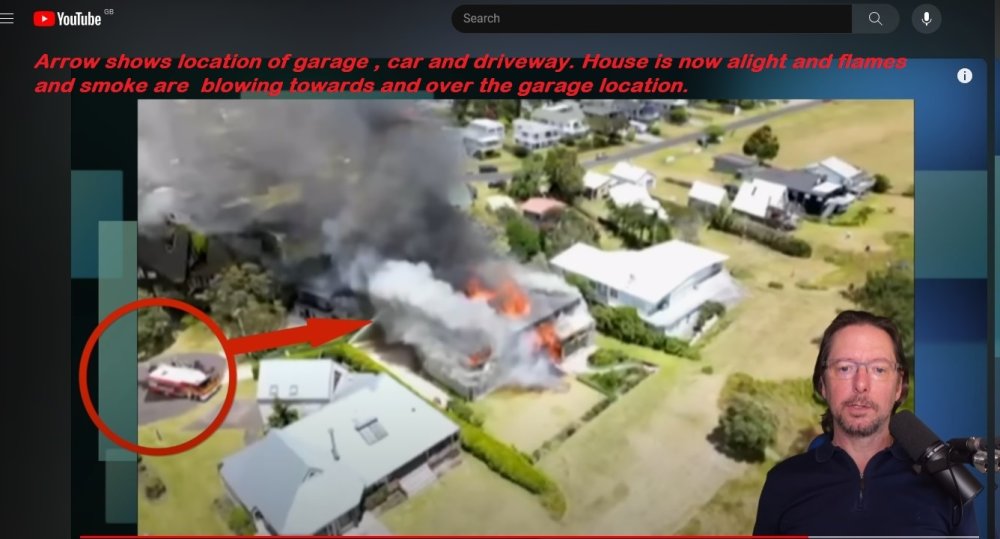
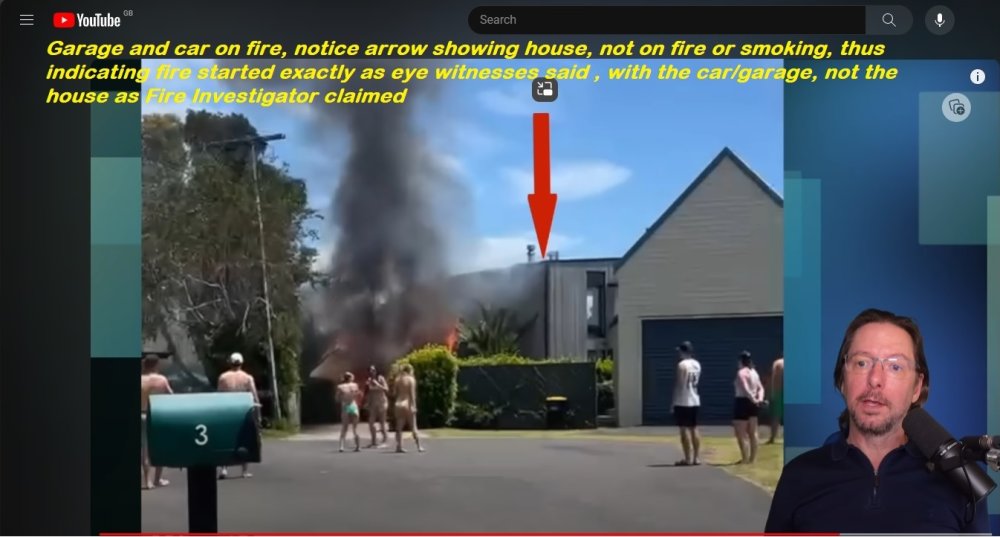
I, too, had very similar thoughts, but then quickly dismissed them, the reason is that for me and most people, the front of the house is the part that faces the road way and main access point to the property. How you use the rooms within the house is entirely upto the owner/occupier to decide. Then I considered given that prior to that house, they appeared to be a small, bungalow or similar towards the far side of the plot, so figured that they house was more than likely built to the owners design, so that the main living area/lounge might well be looking out to the sea, but would not want any Tom **** or Harry traversing all the round the house to make contact, after all, the most private part of the house and also the plot itself, is going to be part furthest from the road and that is where you would to keep strangers out of, no? Anyway, playing devils advocate, lets say the garage is the rear of the house, its still kind of strange that FENZ investigator claims that the fire started within the house. Maybe its worth playing that second video again, listen carefully to the spoken word and the timed events. I've posted some screen grabs in the sequence that they appear and written some observations on some of them, let me have your thoughts?
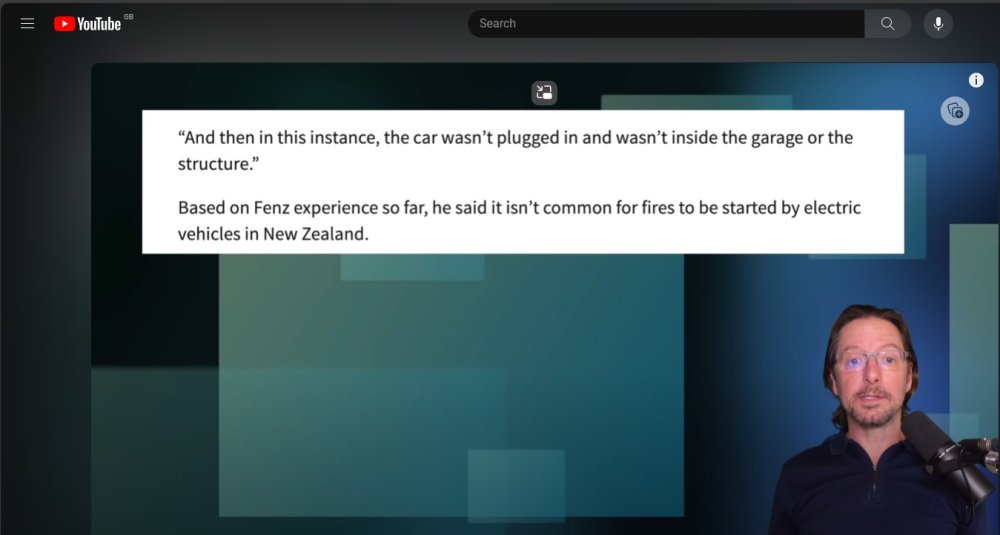
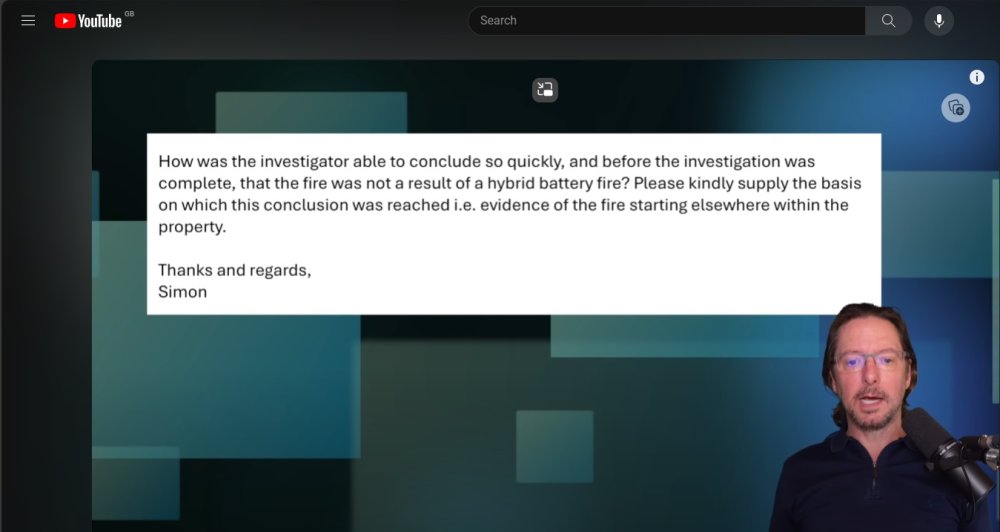
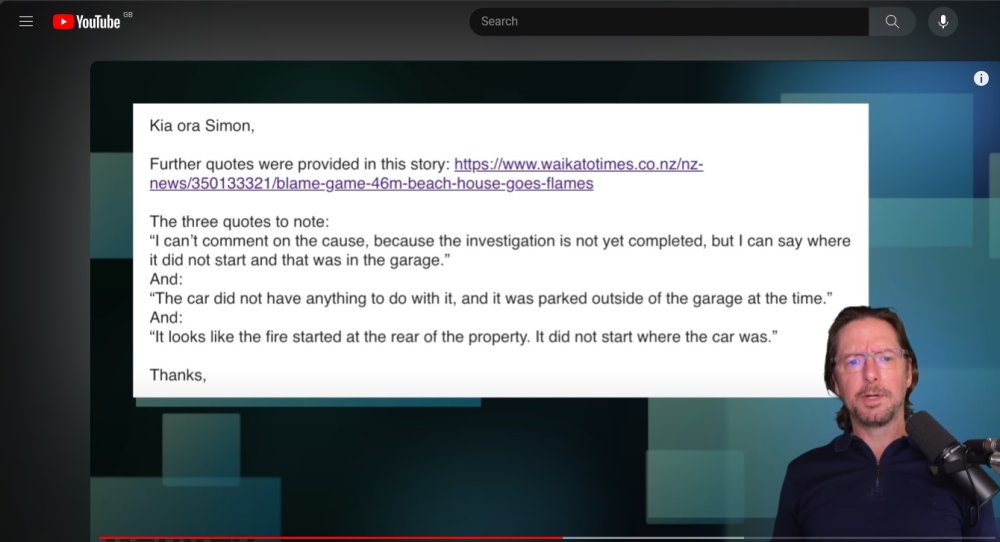
-
Neither am I, but my sons are of a similar size to me, hence I went fit the Superb. It were just me, I'd go with something like a XJ6 😉
-
Well, that was the kind of answer I was expecting to get from @wyx087. From my previous knowledge of a system that provides 2 tariffs (years ago when I used to heat my house with storage heaters) there were such meters as Off Peak (this was a black meter with 2 sets of readings, 1 was the normal day rate and the other was for storage heaters. Since I stopped having storage heaters many years ago, and my current house has gas central heating, I only have a standard single tariff meter. However, apparently, there are now 3 kinds of meters on offer in the UK that offer 2 rates per KWh, there is Economy 7 which switches over to the cheaper price per KWh at nighttime for 7 hours, then there is White Meter which gives cheaper rates at night but for 8 hours (also often called economy 8, and then there is also a economy 10 which, you guessed it, gives you cheaper power for 10 hours, but with a twist, thats 7 hours at night with another 3 hours during the day to provide a boost to storage heaters for instance so they don't run out of heat in the evening and this is only being offered by some suppliers, allegedly.
-
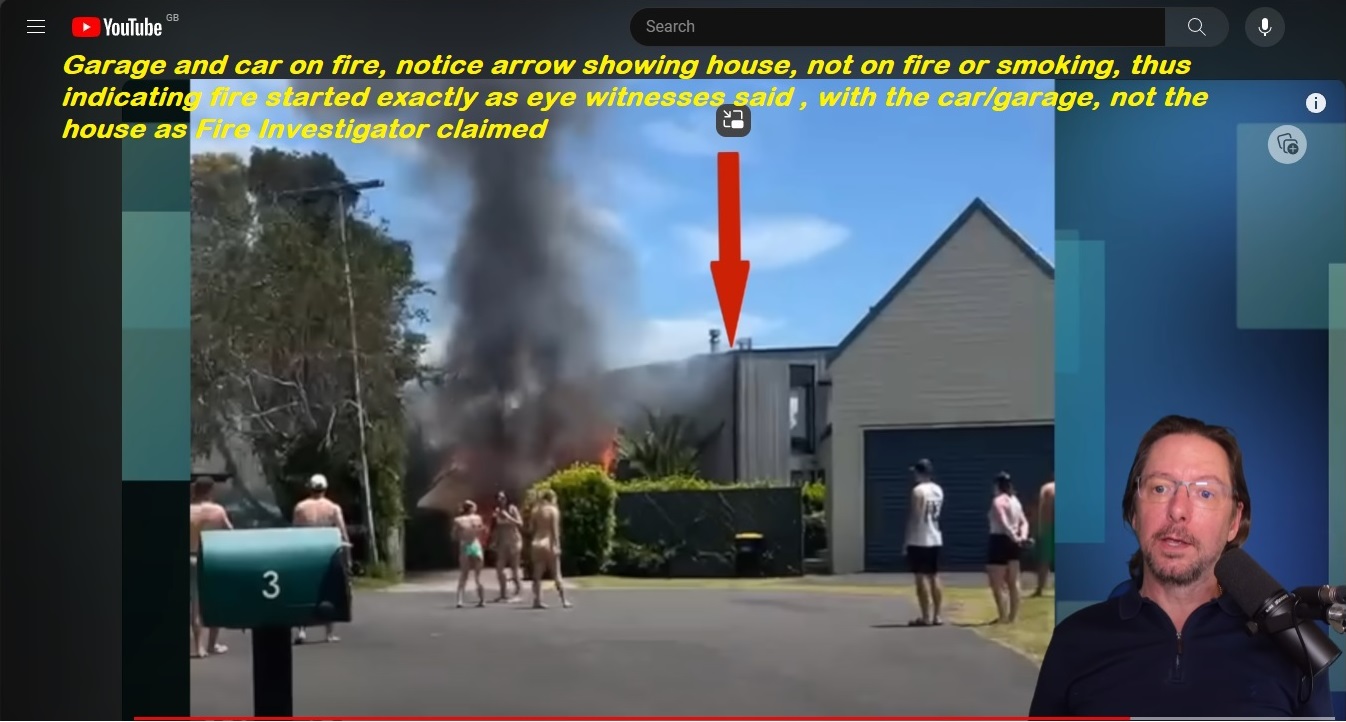
You watched that second video that clearly showed the garage and car on fire, shot looking straight down the driveway. The house was also right next to the garage, but the house was not on fire, nor was there any smoke emanating from any other part of the house, only the garage? If the fire started anywhere else, how did the fire reach the car and garage and yet manage to leave the house untouched at the time the video was taken?
-
Agree with the lack of fire detection, and the lack of fire fighting equipment, but that said how many domestic properties have sprinkler systems? I'm not aware of any, are you? Yes NZ, Oz and the USA for instance also have a very high percentage of timber homes and YT is a wash with such fires in houses and that because of the nature of construction, the lack of a sprinkler system and also the remoteness of the dwellings in relation to the fire stations, that by the time firefighters arrive on the fire ground, it then becomes more of a matter of damage control and attempting to stop, often unsuccessfully, stopping of houses also becoming a total loss. Breathing apparatus sets are a requirement is an awful lot of fires these days and will become increasingly a must-have with broader adoption of electric cars unless they can quickly develop batteries that do not produce the toxic fumes when burning.
-
Then how are you being charged 2 different rates, 29.55pKWh and 7.14PKWh? What am I missing here?
-
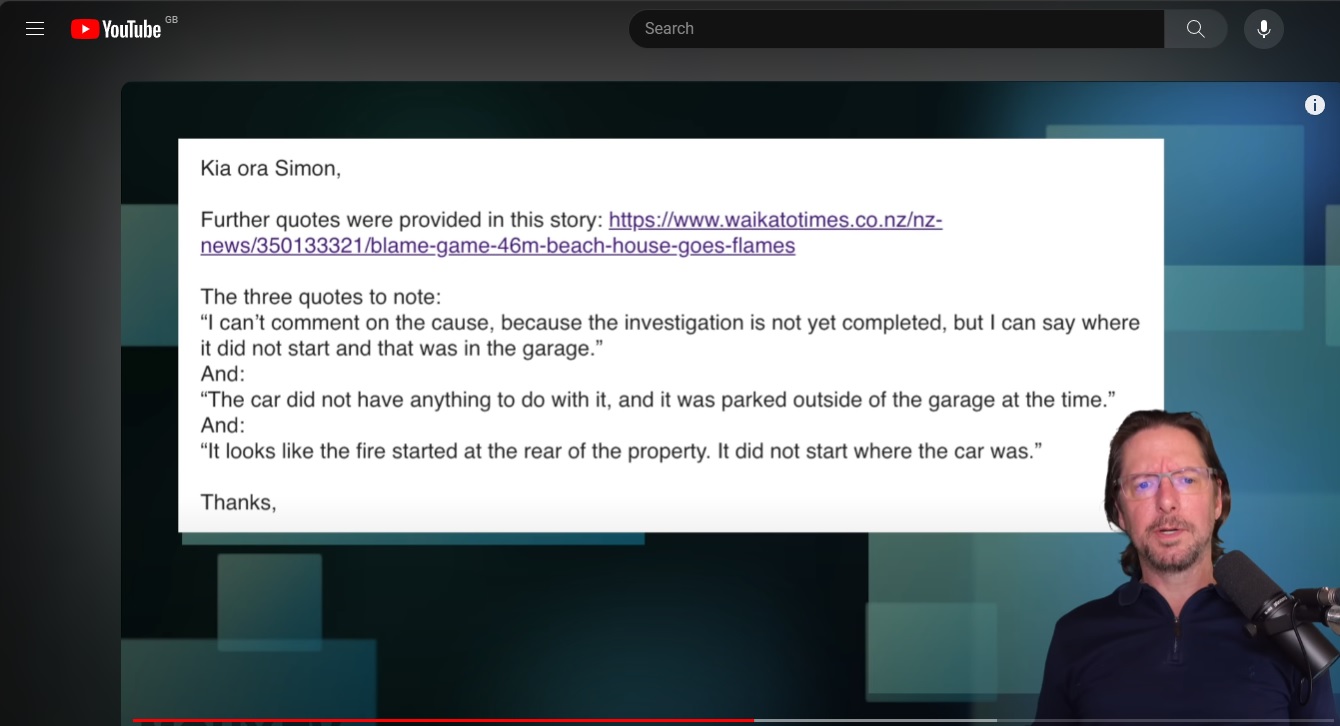
@RootedTotally true, none of these things can be determined from the eyewitness reports or the second video, but what we can already discount is the Fire Dept version of events where they state that the fire started at the rear of the house and that the car or garage were not part of it.
-
@Rooted I agree, but there are people here who don't currently have Škoda's either and I might just be doing them a favour if they were not aware of the many issues that their cars may have. Better to bring it to their attention a hundred times than assume that they already know when they didn't?
-
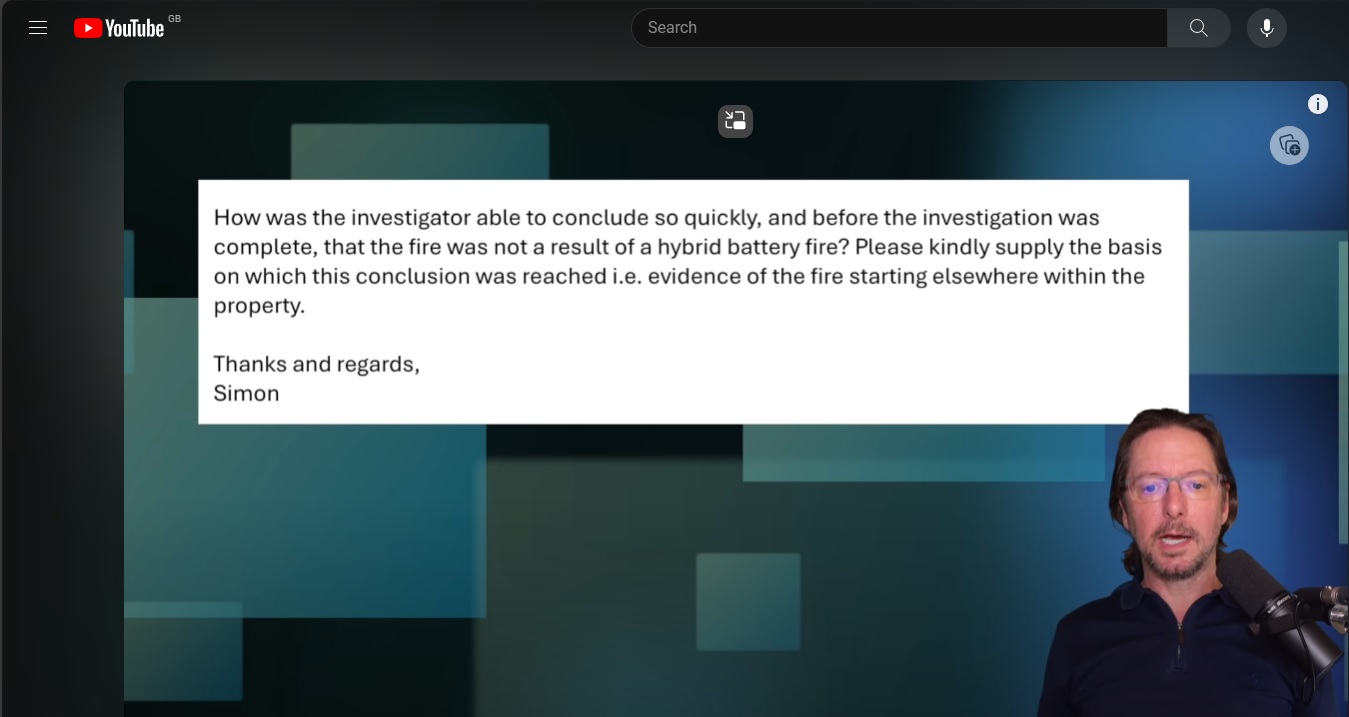
So the answer is that your opinion has not changed despite the apparent cover-up in this particular sad event and the YouTuber is question actually asked the Fire Dept for some evidence as to why their version of the fire and its cause was completely at odds of that of eyewitnesses and also a new video that clearly shows that it did start with car/garage and not at the rear of the house as the Fire Dept claimed, and they still tried to fob him off with a cover-up. This particular YouTuber is not one of the bullsh!tters at all, he just has a more realistic approach than some do. I expect that there will be further developments on this story, not the veil has slipped.
-
It seems that Toyota are having some serious problems and may be a massive recall on the cards, in the meantime, suspending all sales. Notice of Additional Procedural Irregularities by Daihatsu in Certification Applications, Shipment Suspension of Vehicles Sold by Toyota, and Responses Going Forward (as of December 17) | Corporate | Global Newsroom | Toyota Motor Corporation Official Global Website
-
@lol-lol Seeing as you didn't reply to my question, about YouTubers are not all "click batting loons" and therefore only producing YouTube maligned fantasy crap, I take it that you now agree that some of them do present factual information, even if they are not 100% pro-electric after all then?
-
@wyx087 What type of tariff / meter have you got, is it a white meter, off-peak or what?
-
I think that the XJ8L was the one that they should have had as the standard model and dropped the normal length version. it's hardly luxury for the rear seat passengers if they are above average height, with inadequate legroom and lower headroom, on a long trip.
-
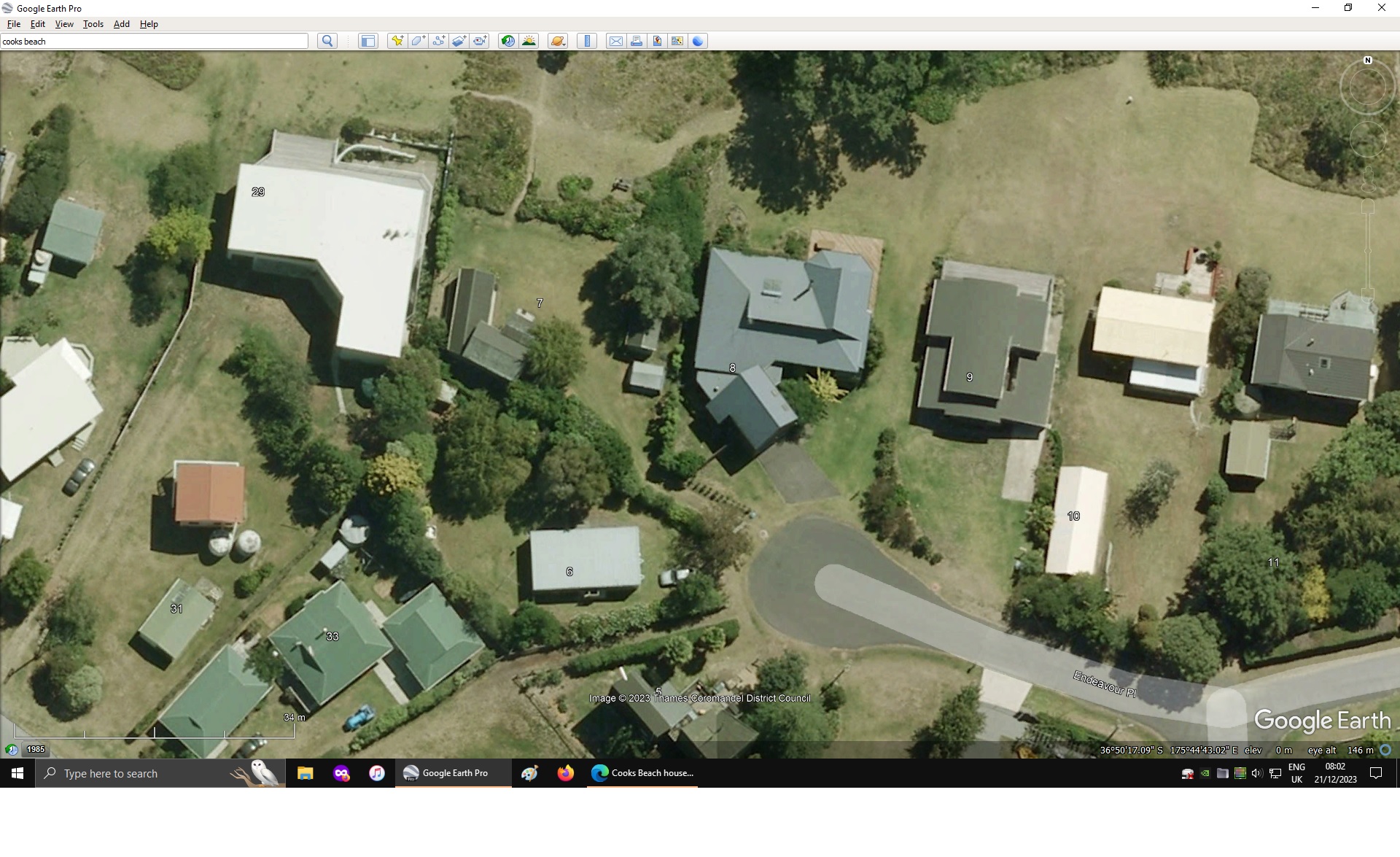
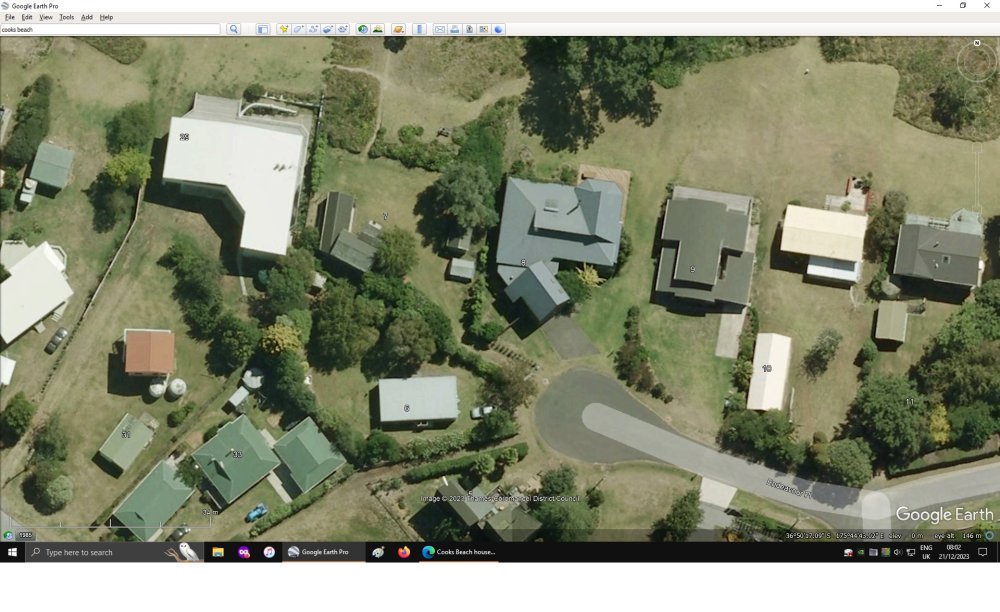
Yeah, actually looking at the old aerial view of that plot, I'm not convinced that the structure that appears to still standing is part of number 7. I think it might be part of number 6, and is referred to in the reports as the other house that was damaged, like a granny flat or something?
-
Well what you think is the garage, is the small building towards the right of the photo with what looks like pool or pond just to the left of it? That is part of the building that was there was there before the newer house was built and is at 90 degrees to destroyed house. The actual garage in the video was at the top left hand corner of the house was in the same direction as the house, left to right.
-
I've always loved the shape of the XJ series, it's no wonder they used to regularly win the coveted best looking luxury car award. I used to work for a company where the boss had a stunning XJ6 and I'd often get to drive it and what a car it was too. I could never quite get my head around the fact that for a car that was over 5 metres long and wide, the actual passenger space was not as large as that in a Superb. But they do have a magic carpet ride.
-
In the late 70s I used to see this lovely bridge about twice a month when I used to visit Middlesborough as part of my regular route, but I was never lucky enough to it in action.
-
Maybe it I didn't make my point clear enough, ignore the part about my feet etc, that is not relevant to private hire/taxi cars, the sheer size was the actual point I was drawing attention too (badly it seems). I don't know about France, but here in the UK, there used to be a minimum size standard for cars used for carrying fare paying passengers and have not seen anything smaller than a Škoda Octavia being used for that role, the Yaris is comparable to a Skoda Citigo, considerably smaller than a Octavia.