
R_Blue
Members
-
Joined
-
Last visited
Everything posted by R_Blue
-
I agree. For now, I'd take it for a skim. Are they over 1mm? If your engine wasn't overheated it could even lasted longer. BTW, What is the average life of a valve stem oil seal?
-
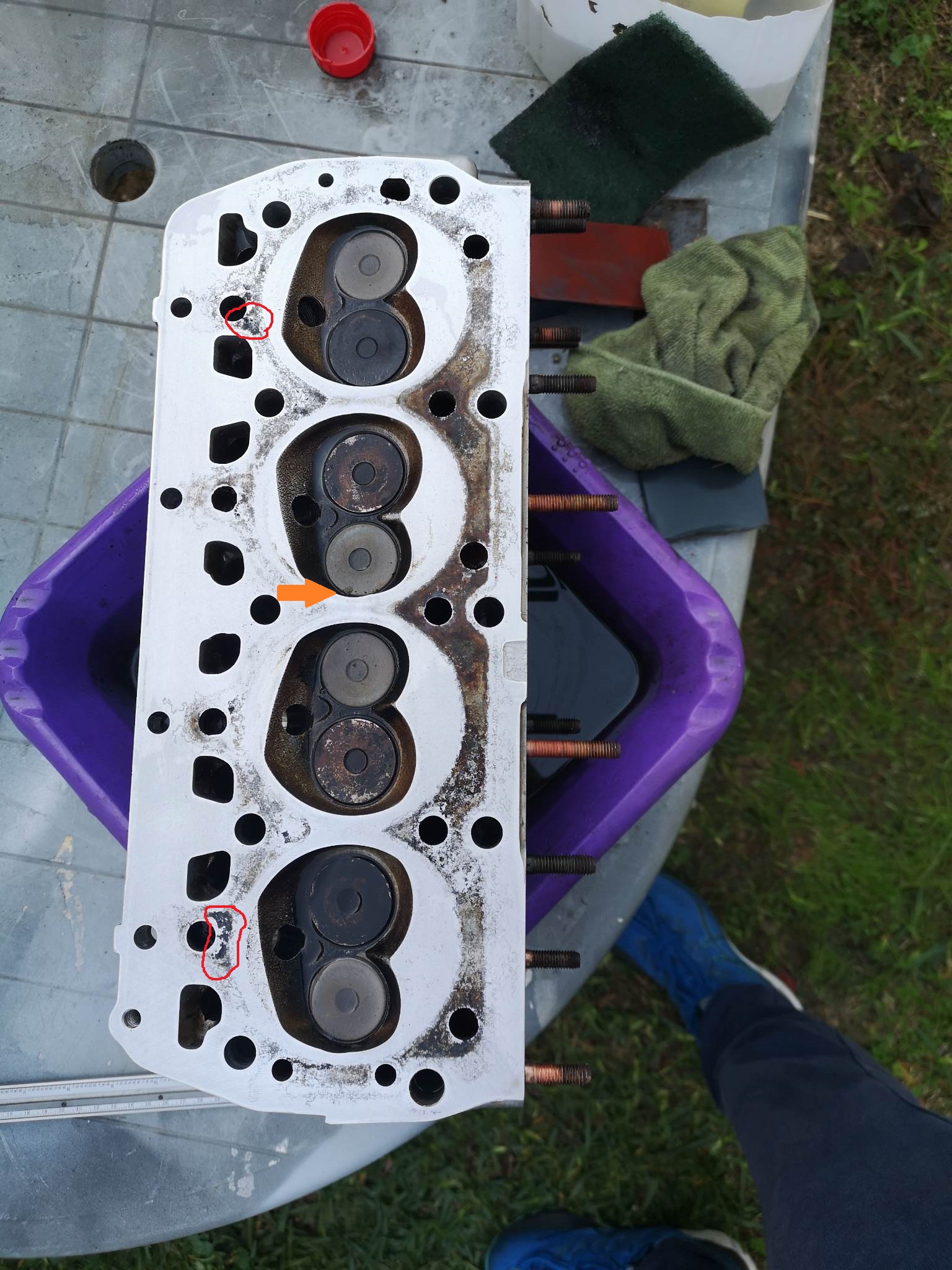
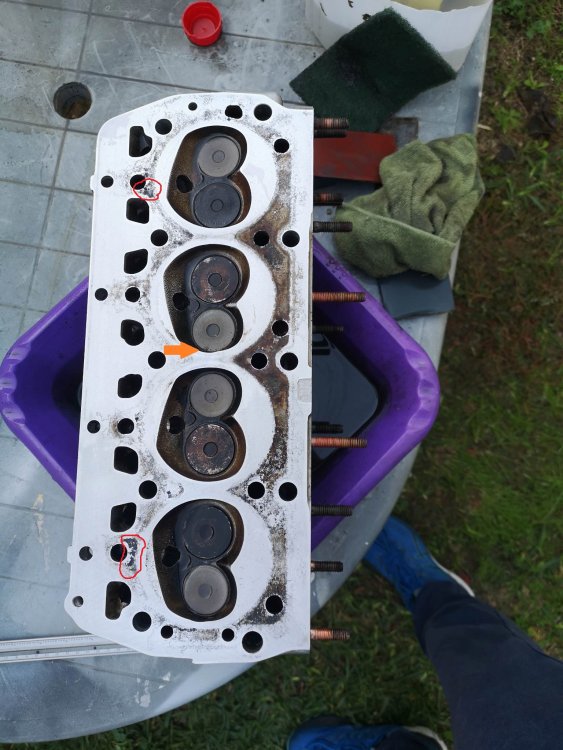
Right now I was checking the surface. If I remember correctly from other topics, for the longevity of the new head gasket job, the most important damage to check is around coolant passages. Is that right? Do you think @Thefeliciahacker should get rid of the deep pits around coolant holes? I marked them with red. Also there seems to be a little bit of damage on one of the valves. I marked it with orange arrow. How serious is it?
-
Yes. It has its own fuse.
-
I hope your work is going well. Here are some questions for the record. - Your old head gasket seems Škoda made. Is that the original one from factory? Is this the first head gasket replacement job for this engine? - If not, do you know the mileage since the last head gasket change? Since you are using LPG too, I want to check, if LPG affects head gasket life or not. The are some myths about it. (Myth busting while repairs is fun too) Do you think while the engine head is out, is it a good time to replace freeze plugs? Two of my freeze plugs started to leak after the HGF job and made me regret I didn't change them while the head was out. (There are also freeze plugs near the valve springs.).
-
You were right about HGF from the very beginning. So, you will spend your holiday, trying to find a cure for your Škoda. That's a knightly quest Sir! You will fix more than the head gasket. Just like the bad hose. Your car will be better than before.
-
More like buying a SWAG but getting a no-name Chinese part. That was the parts seller's wrong doing. The first part had FORD markings on it, the parts seller claimed that was an "original" part. Turned out to be fake. I bought the second valve from another seller, this time from a known brand. (I don't remember which) That was a fake too. I found a more reputable seller and got the third from there. I also learned from my past bad experiences to how to identify genuine parts.
-
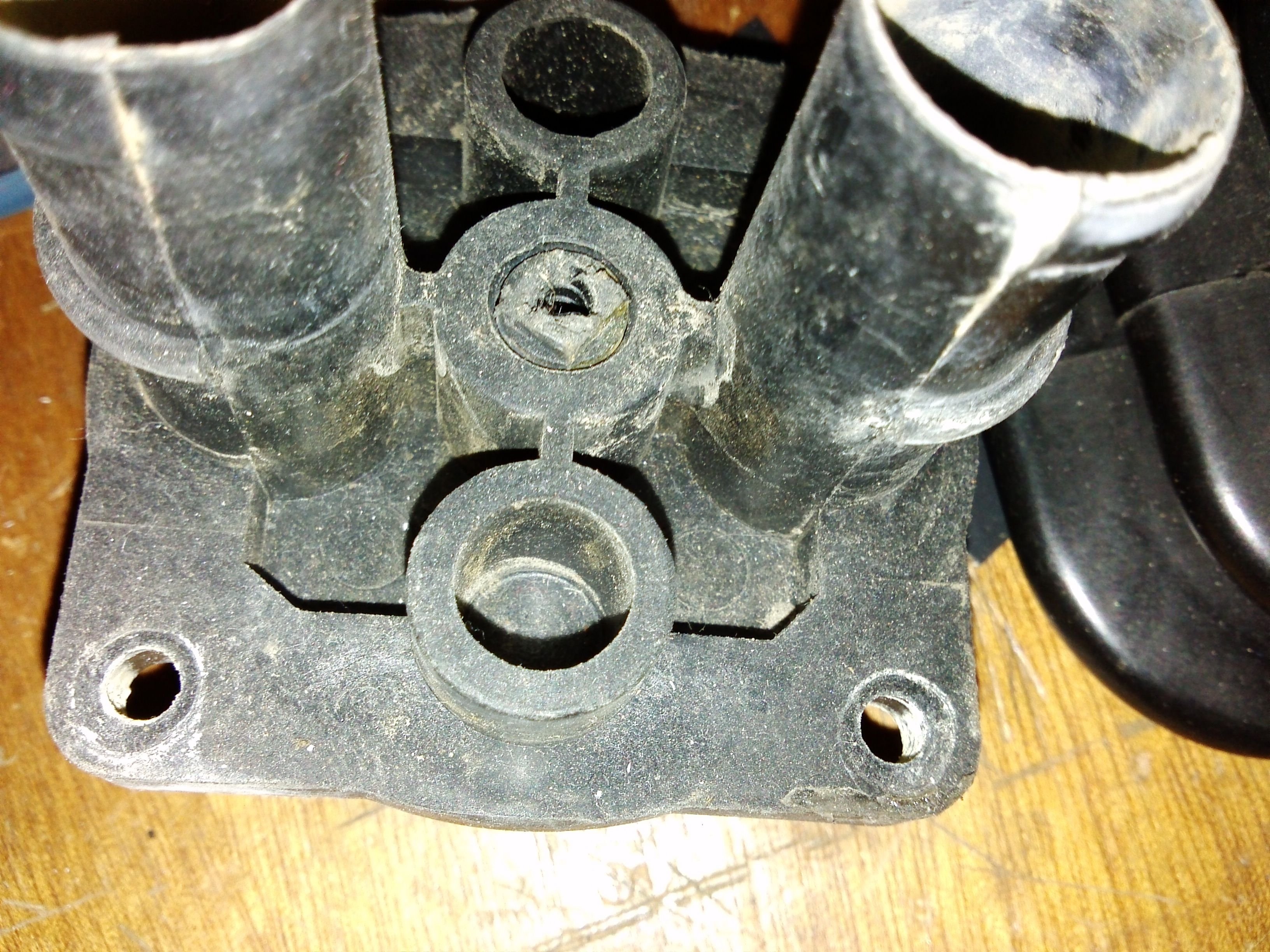
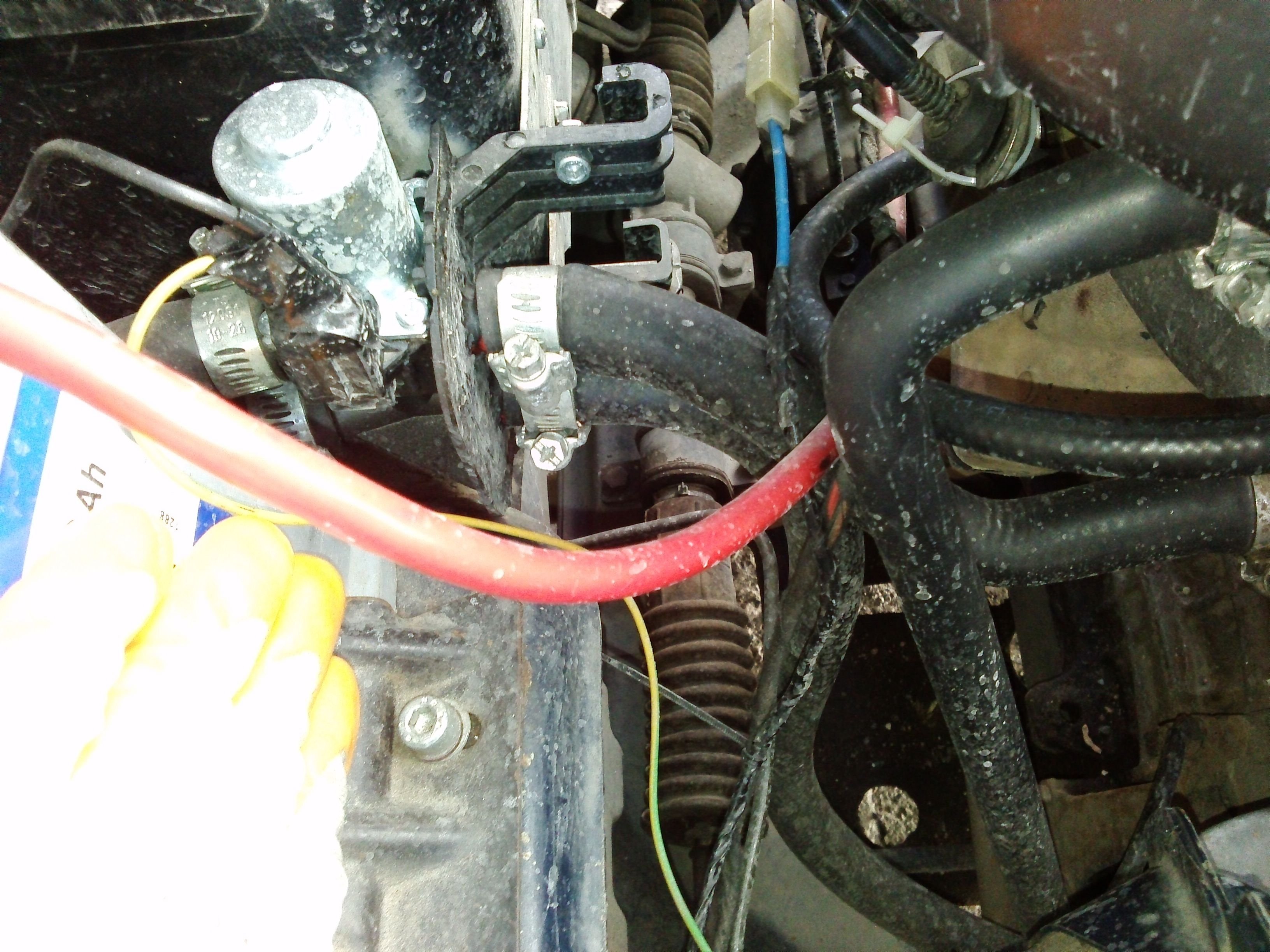
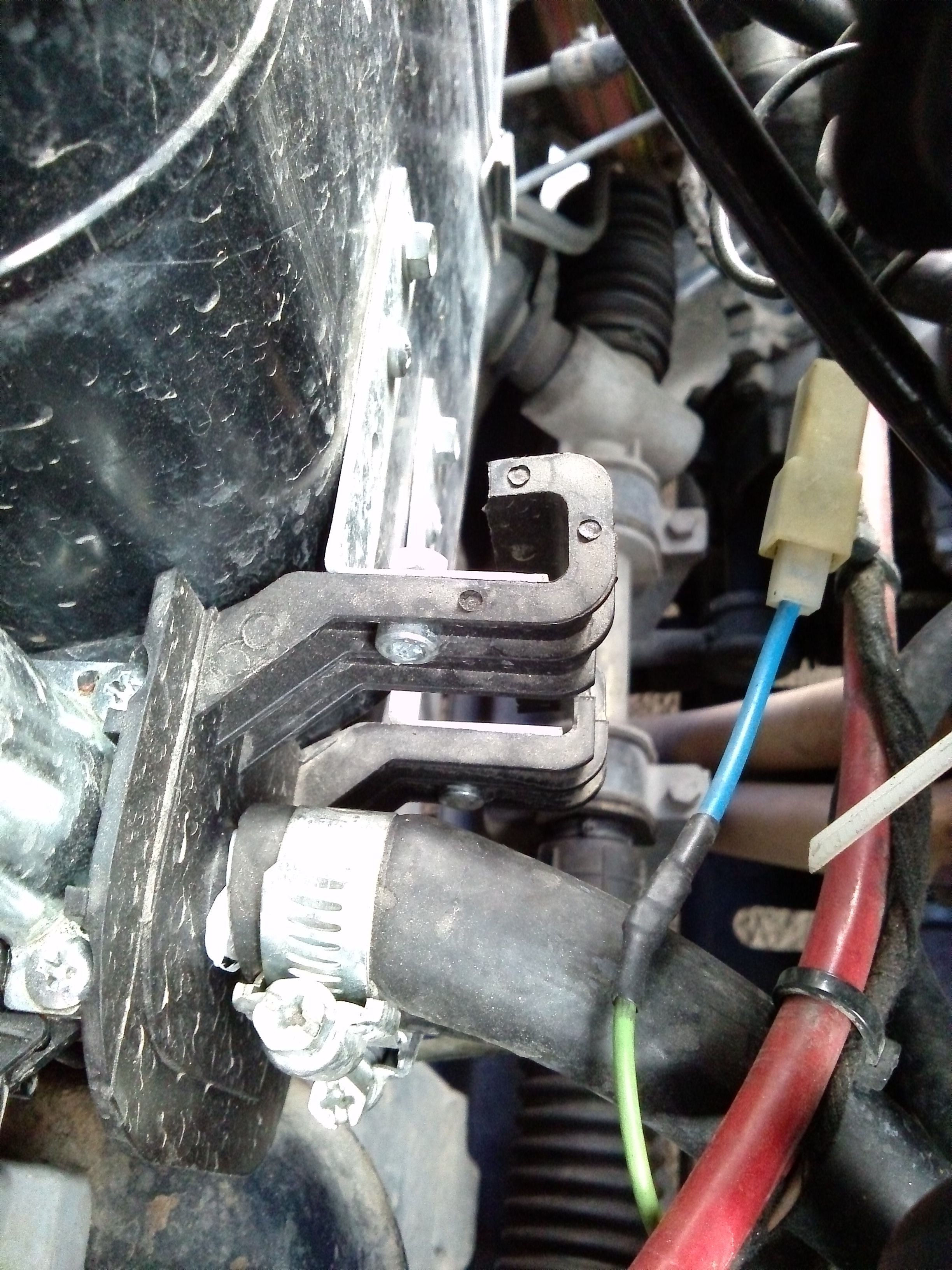
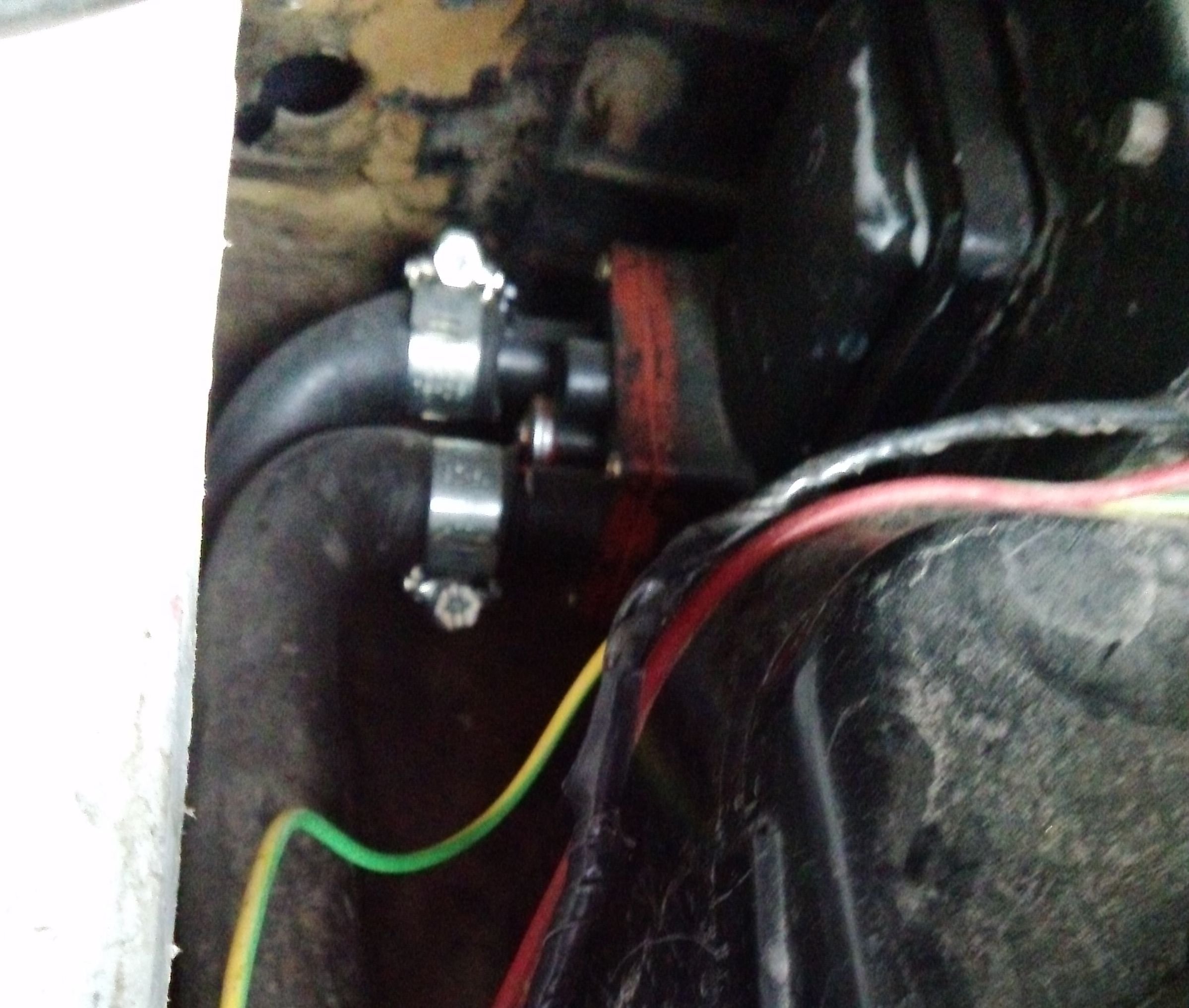
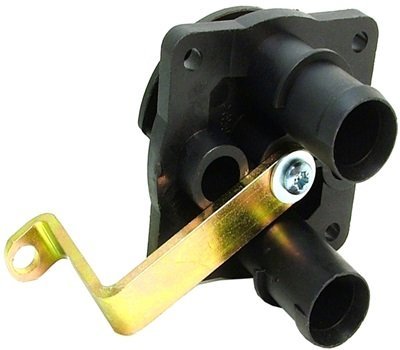
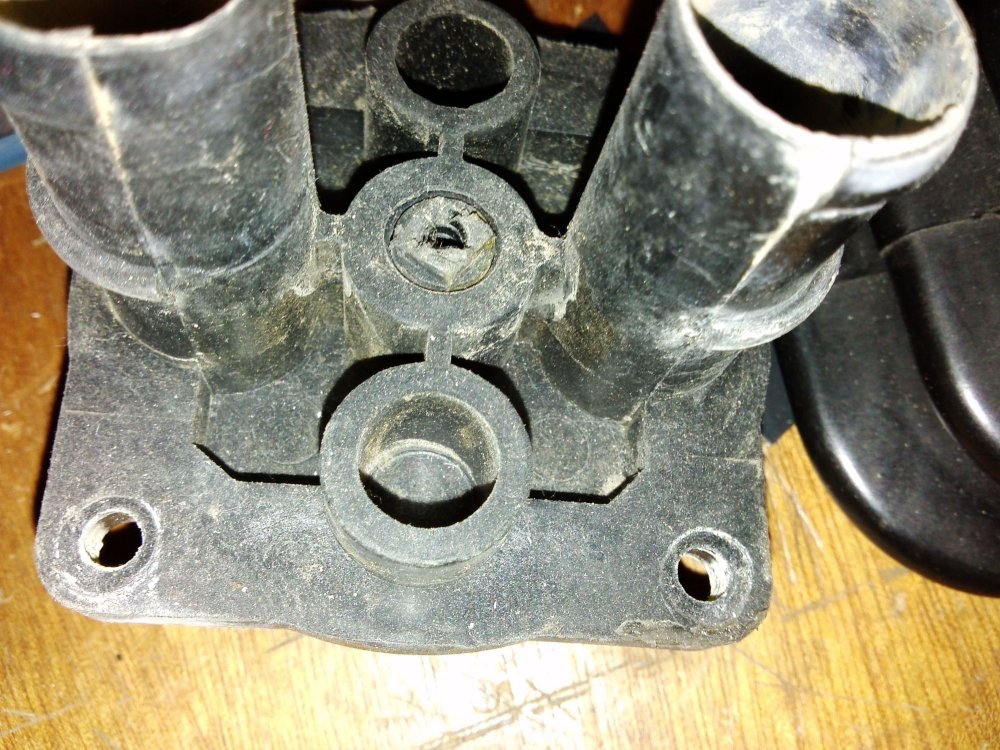
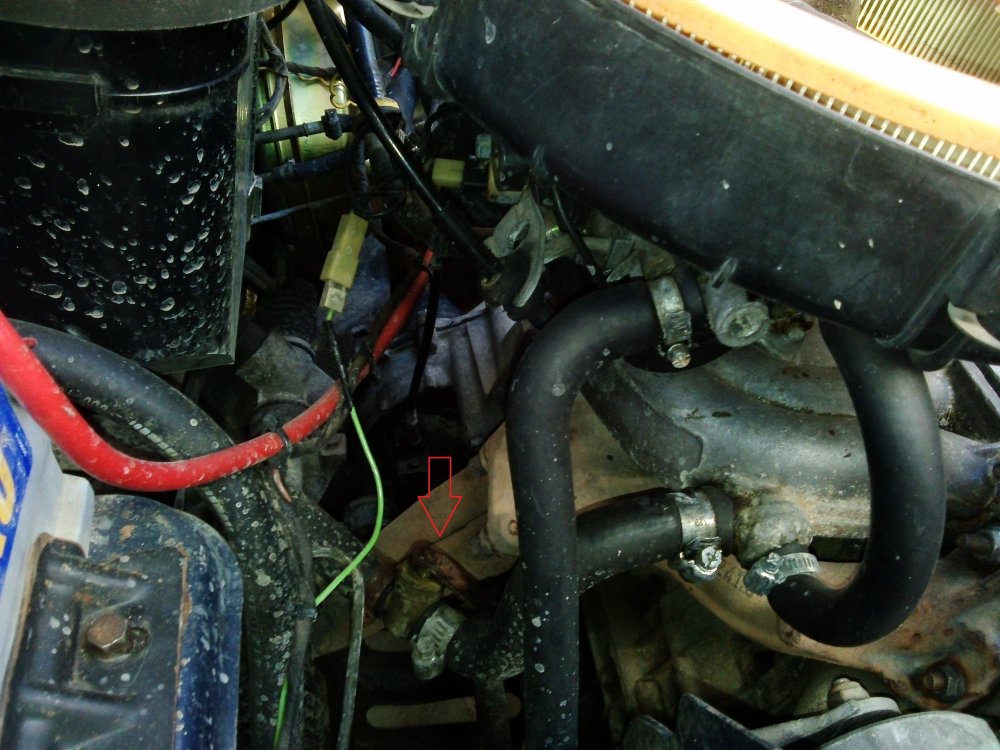
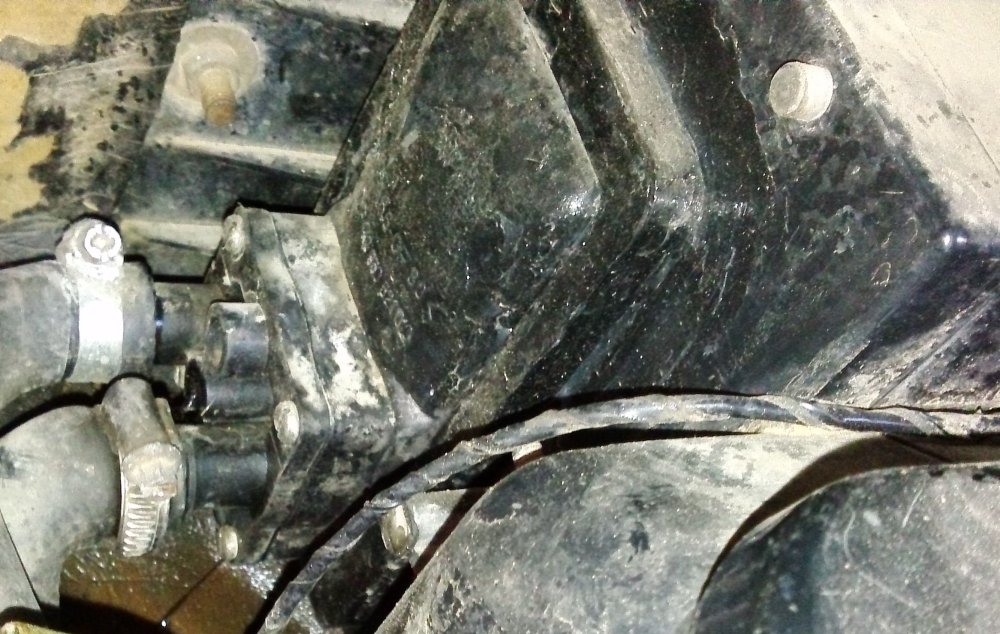
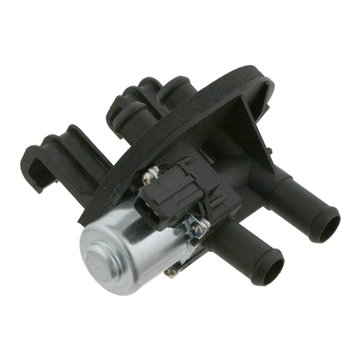
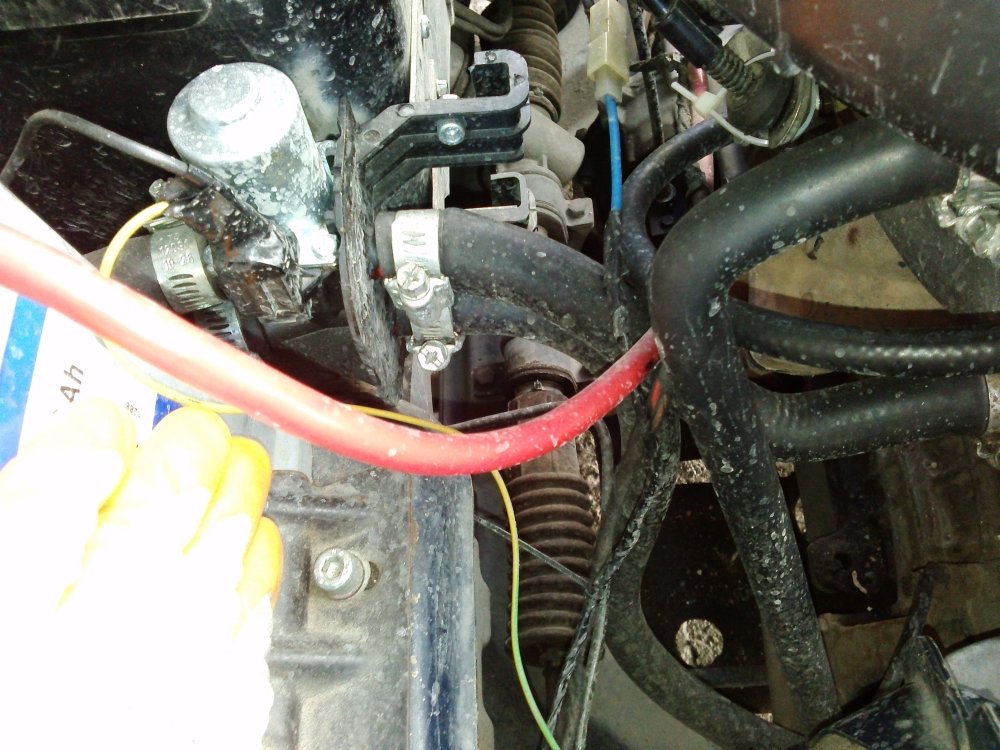
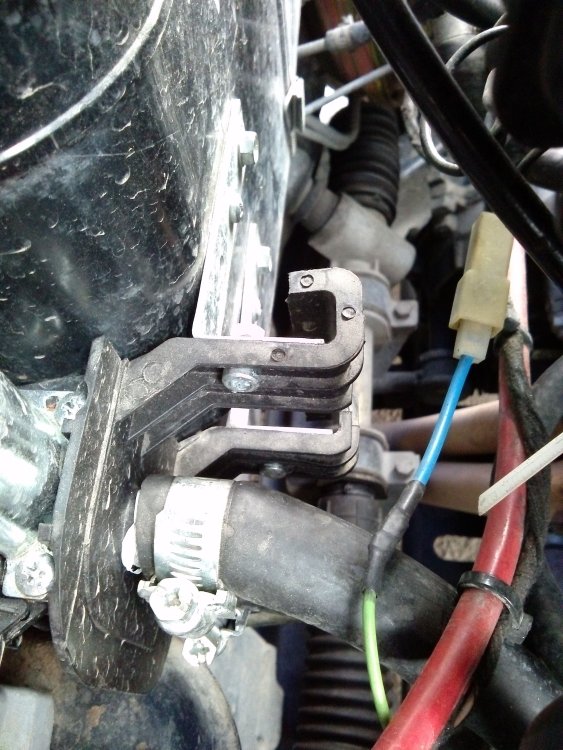
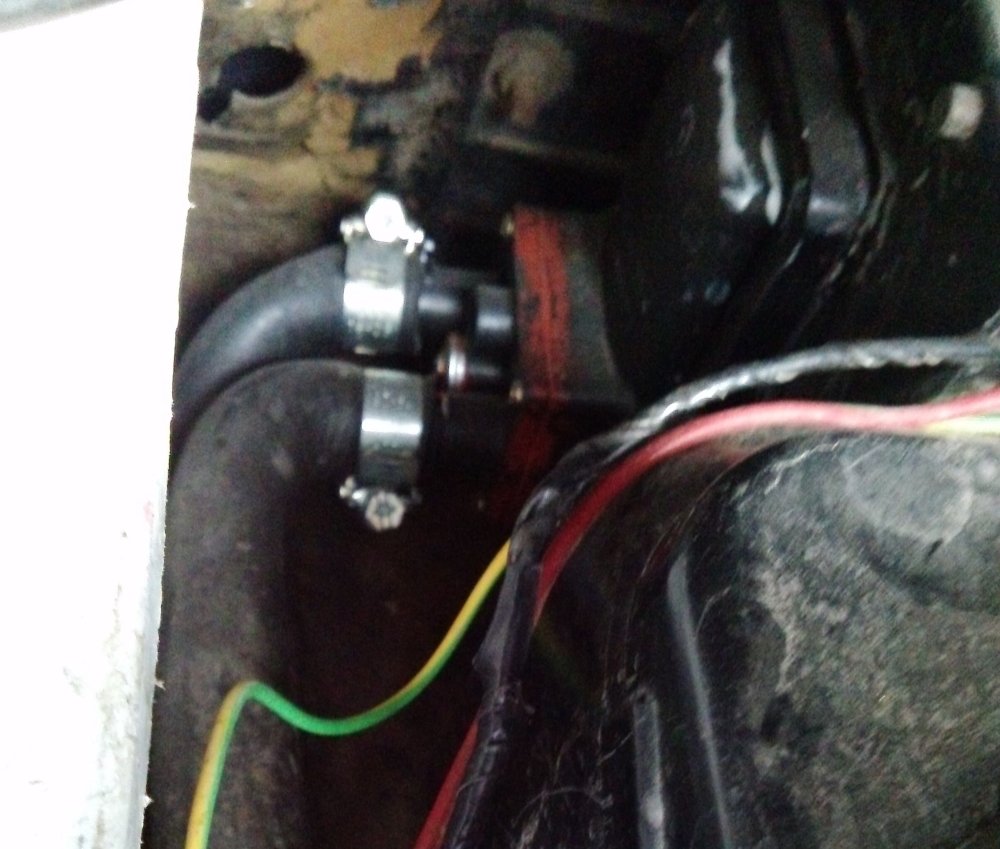
Unfortunately, the Favorit based cars had a design fault with heater control valve. The valve is an all mechanical design operated via a solid core bowden cable. The problem is, valve lever is connected to the middle of the rotating shaft which is made of plastic. The plastic shaft itself is not thick enough to support a screw in it. Also the heat from engine coolant weakens the plastic more. (PS: I don't know if the shaft was metal from factory. This is how all aftermarket parts are today) This is the result: Also, solid core bowden cable gets broken from interior where it connects to the control lever. That's very hard to replace. Local mechanics' answer to this: Yes. You guessed right. That's a regular valve for plumbing applications. When it gets hot inside you have to pull over and close this valve or vise versa. I was like WTF? No way. When I've found about this. Also the broken valve was leaking from the shaft center. There is a spare part you can find on internet, labeled as "Universal Heater Control Valve". In fact, that's a spare part for Ford Fiesta and KA. OEM code: 7N2118495AC - This valve is normally open. Meaning; it will pass hot coolant if not powered. - Has an internal return path. Meaning; when it's powered, the coolant flow is not completely blocked. It is redirected to the coolant circuit. - My example draws 0.5A @ 12V. Application example: This is one of the first modifications I did on the car after buying it but I was unsure to post this topic. I didn't know the Ford valve I used here was a target for low quality clones. If you get a bad one, the coolant leaks inside to the valve coil, dissolving the shellac over time and causing a short circuit. Using appropriate cable and fuse is important. I posted this topic because, maybe someone needs a replacement for their classic car's heater valve that is not available anymore and looking for an alternate. If you choose to use this part, stay away from aftermarket parts from brands that you don't trust. The first valve I had turned out to be fake. The second valve was also a fake too. These only lasted for a couple of months. The third one I have now, proved to be reliable by passing one year limit. This one has a slightly different metal cap. I hope it goes well because I won't buy a forth. If you can find a reliable valve, the modification results are very convenient. With a flick of a switch, you get either hot or cold air from the vents. If not satisfied, one can build a simple voltage regulator circuit for a fine adjustment. (A BD240 can drive this)
-
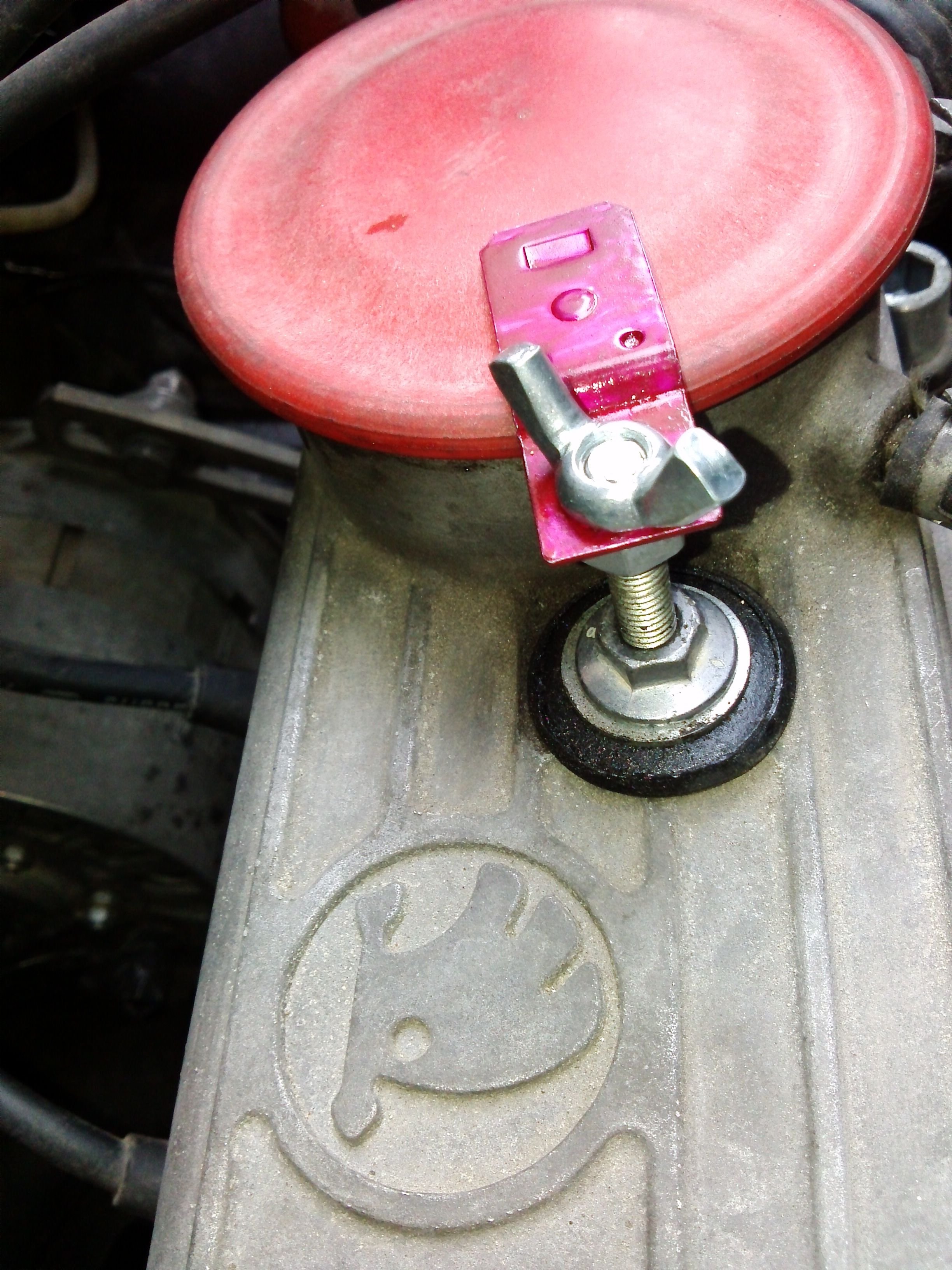
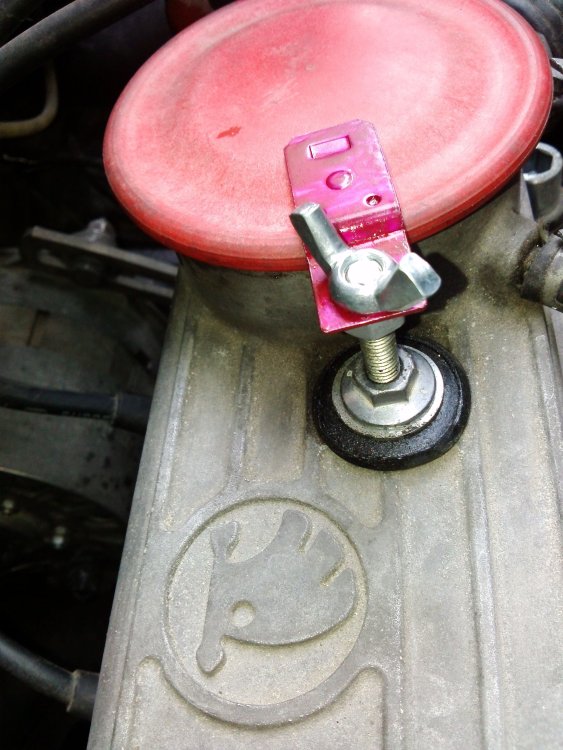
After reading your first post, I was thinking for a solution for the oil cap. Here it is, a quick release design.
-
What kind of material did you use for sound insulation? Did it work?
-
@D.FYLAKTOS Wow! I didn't know that this topic would unveil Trusty's origin story. It was a good read. Thanks for sharing.
-
I reside on a hill. So I do the change just after the climb. I park the car, secure the right wheel with large stones, lift the car's front left, slide a container under the car, slide myself, undo the oil plug and go for a 5 o'clock tea. 🫖 Many people can complete a university education but only some of them gain the ability to think like a true engineer. The mystery continues... Pronunciation sounds cute too. 20W-50 is also a common for trucks.
-
I do the oil changes myself just to be able to wait as long as I want. I'll check whatever they have better and suitable than these oils. As soon as I can find somewhere for 0-100, I'll test these calculations. I'll record a video too. Thanks for the info.
-
If I choose three random letters from alphabet to form an abbreviation, there is a high chance of a modern car computerized assist with the same name. What were the drivers doing in harsh winter conditions with their classic cars even without ABS? What are your preparations for your car before winter? How do you know when to install tire chains before it's too late. How does traveling on snow affects fuel consumption? With or without chains? (Could you provide a percentage based on your experience?) How do you take care of your car during winter? Especially how do you deal with road salt? Modern day cities are crowded spaces with their own micro-climate. Temperatures are usually a few degrees higher and road conditions are closely monitored. A set of Laufenn I Fit LW31 s helped me pass two winters in city without an issue but would you go on a journey on a road like this with your car? The bus that I recorded this had no chains and its tires wasn't studded yet it moves almost unaffected. We arrived to our destination city that day but we heard from tv that the road was closed same night. There is a possibility of taking this route with my car this winter. So what do you think? Avoid at all costs?
-
Sad. But its true.
-
In my case, the floor carpet has shaped cuts to fit the air channel openings. They are open without any restriction. In my opinion, they should be open because it's a feature. I don't recommend removing that part. The upper part that you've pointed with green arrow is inserted in a large slot from its upper end. If you pull it down you might dislocate it but its very hard to work in that space without removing center console. If you won't be able to replace it in its place, you will lose front passenger/driver feet warming feature too. (The air will be directed without guidance) I don't think you can clean it from there too. Its a tight space. Also, you will be working in the vicinity of some of the cable work. Especially the stereo. Your efforts may not provide any noticeable effect too. For a through cleaning, air guidance channel must be removed and cleaned with running water. (Preferably hot) Stripping interior floor is easy but it consumes time.
-
The farthest end reaches to the middle of the front seats. There are exits faced towards sides of the car. Air is directed to the underside of the front seats. If your air channels are good, when the air is directed to underside from console controls, there is a sufficient warm air supply for rear passengers feet. You can try to vacuum from one end by closing other end.
-
A free tool for you. I'm glad it didn't get caught in a belt. Results could be disastrous.
-
Sorry, I didn't provided tire data. That's 175/70/R13. I don't think there is a rev limiter. Rarely, I reach 5000rpm when there is a forced push from behind in the aggressive city traffic. Only for brief seconds at low gears. I couldn't find somewhere to test 0-100 yet. I also use 20W50 too. ELF Evolution or Castrol GTX 20W50 LPG. Oil change interval is 5000Km. Oil filter change is every 10K Km. On the next transmission oil change, I'll prefer synthetic. I think I can find a used Fabia AME engine or even a WV AFH for €500. 😮 Your inputs are very valuable for me. I'm glad to find someone to discuss about classic cars. That's right on spot. It's hard to find cars at this age in a good running order too. Preventive repairs are the best. Road bullying is a common practice. If you argue with the bully, there is a high possibility of a fight or even a death. People are usually afraid to drive in weaker cars to be unable to escape when needed. Personally, I like cars like Austin Mini's, 2CVs, WV bugs. Unfortunately, they are not common nowadays and became collectors items. I miss the days when cars could be simple and reliable.
-
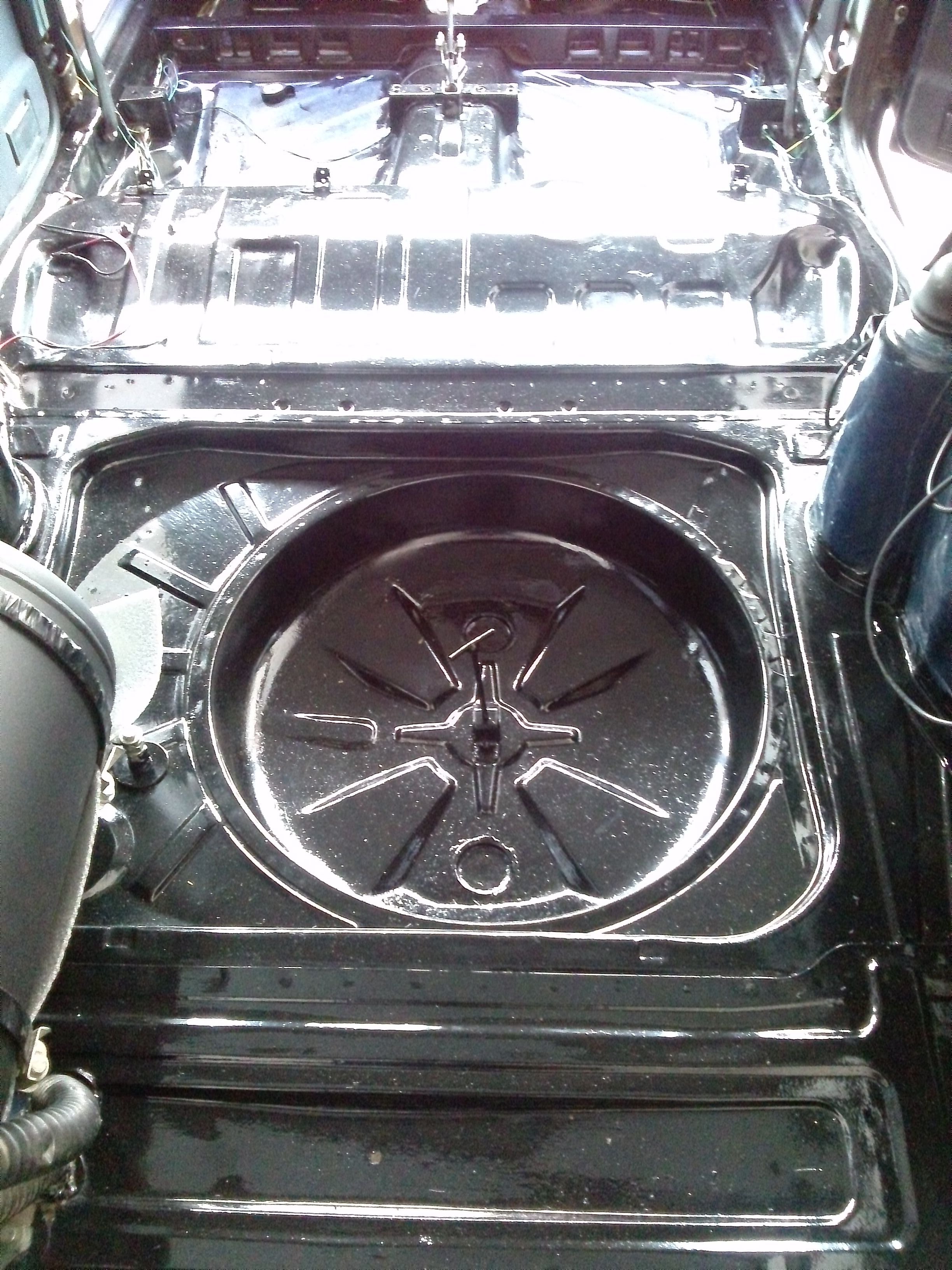
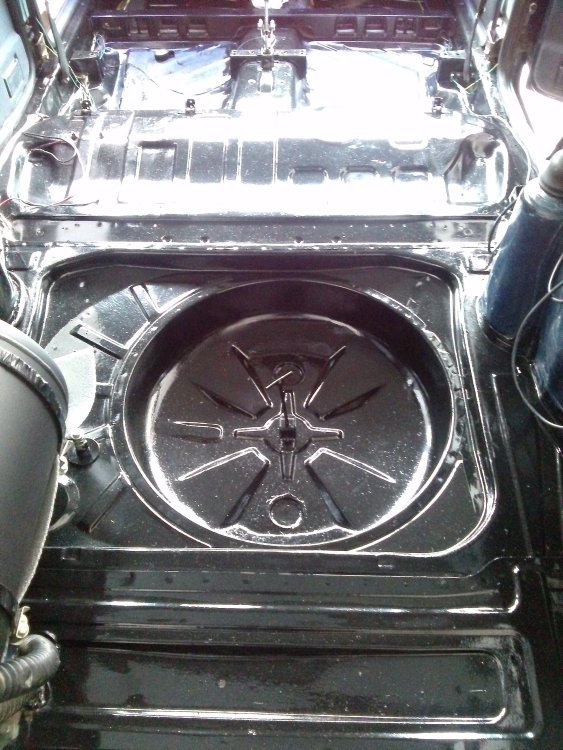
No, sir. Of course not. If one is not allergic to it, inhaling pet hair won't cause a problem but continuous exposure is risky. Just like other pollutants in the air like you have mentioned. I should've added that line. "continuous exposure" @D.FYLAKTOS 's description fits a continuous exposure scenario. The neighbors could be dumping their dog's hair from balcony or windows after grooming. Pets are not the ones to blame. Irresponsible owners does. https://dogdigg.com/what-happens-if-you-inhale-dog-hair-all-you-should-know/ Also, all kinds of dust, debris, tree leaves, bird feathers get trapped in air channels if they pass the filter. This kind of accumulation leads to unwanted odor. Especially in high humidity during winter. I know this, because; I've personally experienced and dealt with this problem in the past summer. This is the part that collected all kinds of unwanted trash: https://skoda.7zap.com/en/cz/felicia/fel/2000-101/8/820-820000/ There was lots of bird feathers, fossilized tree leaves and plant related stuff. A handful of soil and/or dust. I completely stripped the interior floor, washed, cleaned and painted with a heavy coat of rust preventive paint. I also washed the floor carpet and most importantly I washed the thick and heavy insulation material under the carpet. Of course I washed them out of the car. On a clean balcony floor with enough water and cleaning agents to completely soak and drain 30 years worth of dirt. Let me introduce you the Rezvani Hercules! Please scroll down and read the "protections" stuff. https://www.rezvanimotors.com/rezvani-hercules-6x6#hercules-6x6-features I think your current solution is good. Just change the custom filter on a regular basis and you are done.
-
Good solution. Better than standard factory sponge. When I bought the car, there wasn't a sponge. Only a mesh. I used a dense sponge from a vacuum cleaner to install there. Vacuum cleaners also have HEPA filters. HEPA filters are recommended for pet owners. Maybe you can craft an adapter inside the air entrance channel to fit one of the standard common vacuum cleaner HEPA filters. Water retention will be problem though. You'll want to change and wash the filters regularly to prevent bacteria growth.
-
Now I must find somewhere to test these calculations and also to fine tune advance curve. - Somewhere straight to test 0-100. - A steady incline where the angle doesn't change much. All should be somewhere safe to not put others in danger. I never tried 0-100 before with any car. To get results comparable with factory data; - How much fuel should be in the tank? - Do they test it with standard equipment on board? (Spare tire, factory provided jack etc.) Is this the proper way to shift? The Felly in this video gets around 14s 0-100Km/h time. Factory data is 13.5 for a AME engine Felly. It's close. Really??? A depressing start for a day for me. I passed that section in the mid summer. At noon. A hot day, that you can see heat waves over the road when looking to horizon. The engine didn't break a sweat. I don't think the radiator fan worked even once. I remember max coolant temp was around 84-85ºC. The oil can't heat up that much without effecting the coolant temperature right? Also, I should've sensed a power loss because of abnormal expansion and the change in oil viscosity. If I force the engine on a higher gear with low rpms, (below 2000) I see the temp is slowly but gradually rising and also you can feel the power is diminishing slowly. “Measure what is measurable, and make measurable what is not so” I think I'll gonna need an oil temp gauge too.
-
OMG. That's an air hairifier. Your concern is well placed. Also, if any of that hair find a way to pass that filter, they will either wind around the ventilation fan shaft and cause a failure or get shredded to smaller pieces which could be inhaled more easily. Dog/cat hair is known to cause health problems when inhaled.
-
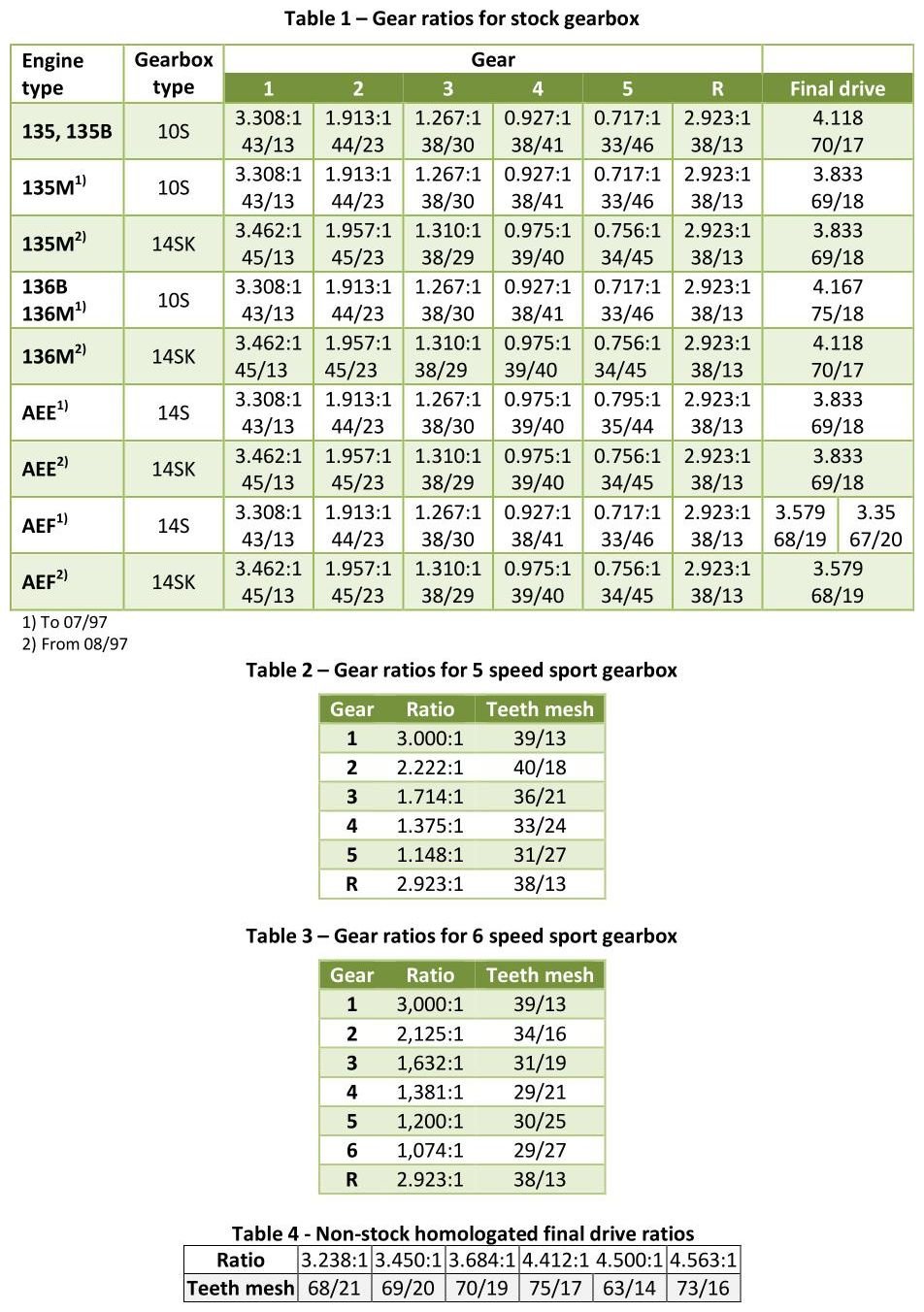
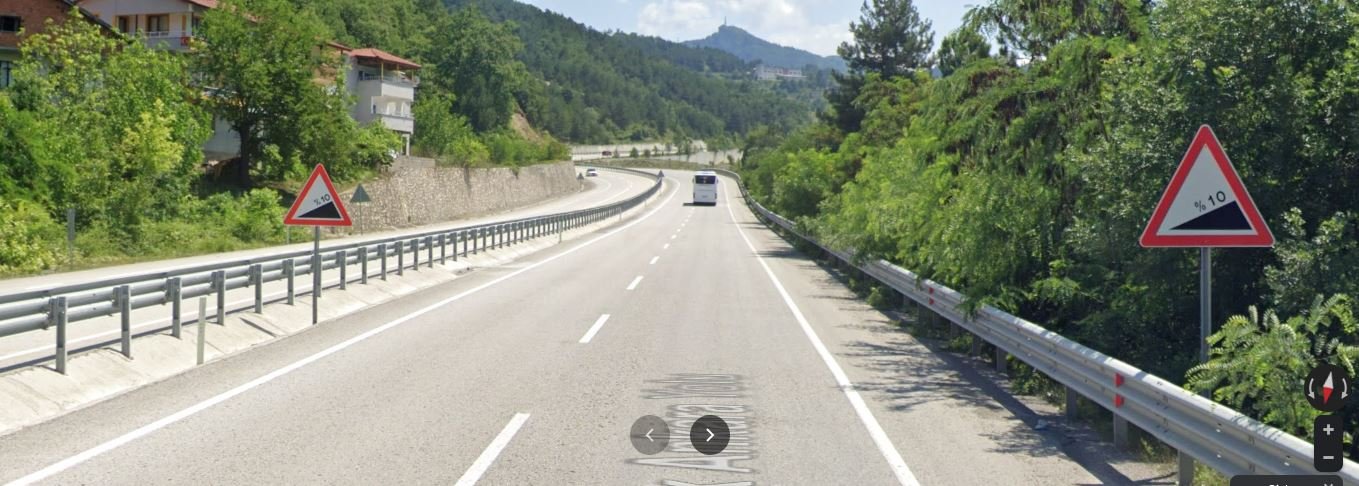
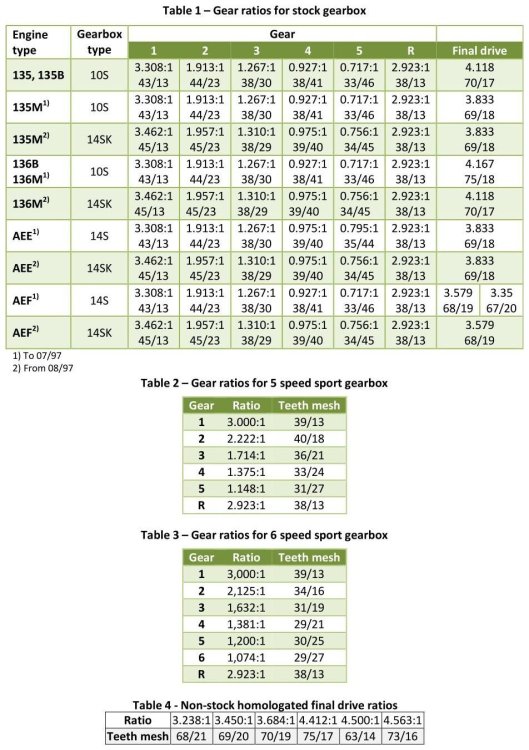
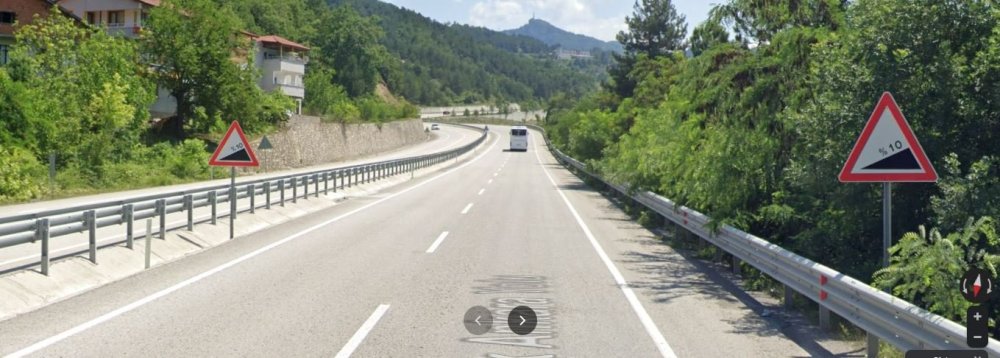
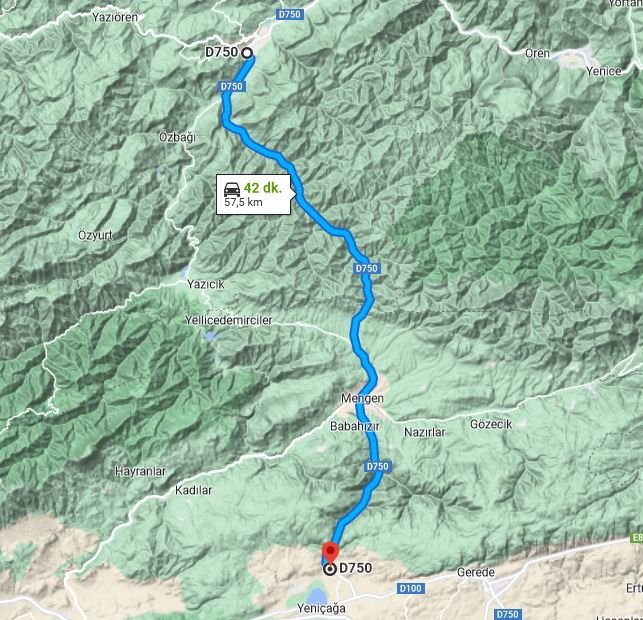
Finally I've found what I've been looking for. Credits goes to @RicardoM for this table below. Of course this table is for Felicia but according to Czech sources, what I currently have in my car is listed here as 136B 10s type gearbox. From source: I've learned where to find and how to read the gearbox identification number. It's a PN4. which means 1993 June production with a final drive of 4.167. It may be the original gearbox installed from factory. The date fits other parts in the car which I see sometimes while repairs. Especially the markings on the plastic parts are usually dated mid '93. Of course there is a possibility of overhaul. The gearbox "internals" could be different than the case. This is only a possibility, so from now on, I'll assume the final ratio as 4.167. Other ratios are: 1st: 3.308.1 2nd: 1.913:1 3rd: 1.267:1 4th: 0.927:1 5th: 0.717:1 R: 2.923:1 Don't worry. I won't. I made it up to make the topic more fun. Maths is everywhere, yet, people get bored in topics with it. To climb hills faster, what I really need is having the max. torque at a higher rpm. (or a lighter car ) Now I have the gear ratio data, with a 90nm torque @ 3000rpm, total force at the wheels: 960N at fifth gear. 1240N at fourth gear and 1697N at third. Now keep that data at hand and please check this good example: This is between 41.216040, 31.951757 and 41.001666, 32.066341. This is one of the main routes to the north. Notorious for winter blockages due to snow, landslides in rain seasons. (I'll upload a video taken around this region recorded in a past winter.) A sight from the road: https://www.google.com/maps/@41.1763789,31.928913,3a,24.7y,169.26h,91.99t/data=!3m6!1e1!3m4!1sR5Rl41Azu0TabdwFIylHdw!2e0!7i16384!8i8192!5m1!1e4 %10 means in reality "up to %10" I sometimes I travel @ 4th 3000rpm and 80Km/h but at some parts I have to downshift to 3rd. Like here: https://www.google.com/maps/@41.1595398,31.9292878,3a,75y,139.11h,94.25t/data=!3m6!1e1!3m4!1sFrpcwE9QBZIL43IkM9UlCw!2e0!7i16384!8i8192!5m1!1e4 But this will slow down the car to 60-65Km/h. I passed this part exactly at this speed. @Thefeliciahacker your calculations exactly fits current situation when incline reaches %10. So conclusion is; Currently I either climb roads like these at either @ 3000 @ 3rd or easier sections with 3000 @ 4th. 3000 @ 3rd gives a speed of: 61.6Km/h. 4th gear @ 3000 = 84.1Km/h. If the engine was converted to 136 or 136X I would get approximately %10 more torque at 3500+. Being able to get the max torque @ 3500 would give me 71.8Km/h @ 3rd and 98.1Km/h @ 4th. Not bad! At some parts it takes continious 15-20 minutes pedal-to-metal around 3000rpm at 4th gear. One of the first things I did when I bought the car was renewing all liquids. I followed factory data and used Castrol EP 80W transmission oil which is a mineral oil. I didn't know about superior 75W-90 fully synthetic oils at that time. 😞 Users say they get better results using 75W-90. Unfortunately, Kettering arc distributors have their own issues. I personally experienced some of the issues. I tried to follow very very valuable information and advice from experienced classic car owners like you. I can only wish this one below from Santa: https://www.classicautoelec.com/en/electronic-ignition-renault/14223-electronic-ignition-programmable-engine-1600-r16tx-ts.html so I made a custom ignition system to eliminate points related problems. System is still using points as a trigger but spark power is on par with original Favorit ignition. This is not one of the designs from internet. It was a great relief to know the points would stay clean. @Thefeliciahacker I wonder what is your opinion about this one. 50HP and 86Nm. A decline maybe?
-
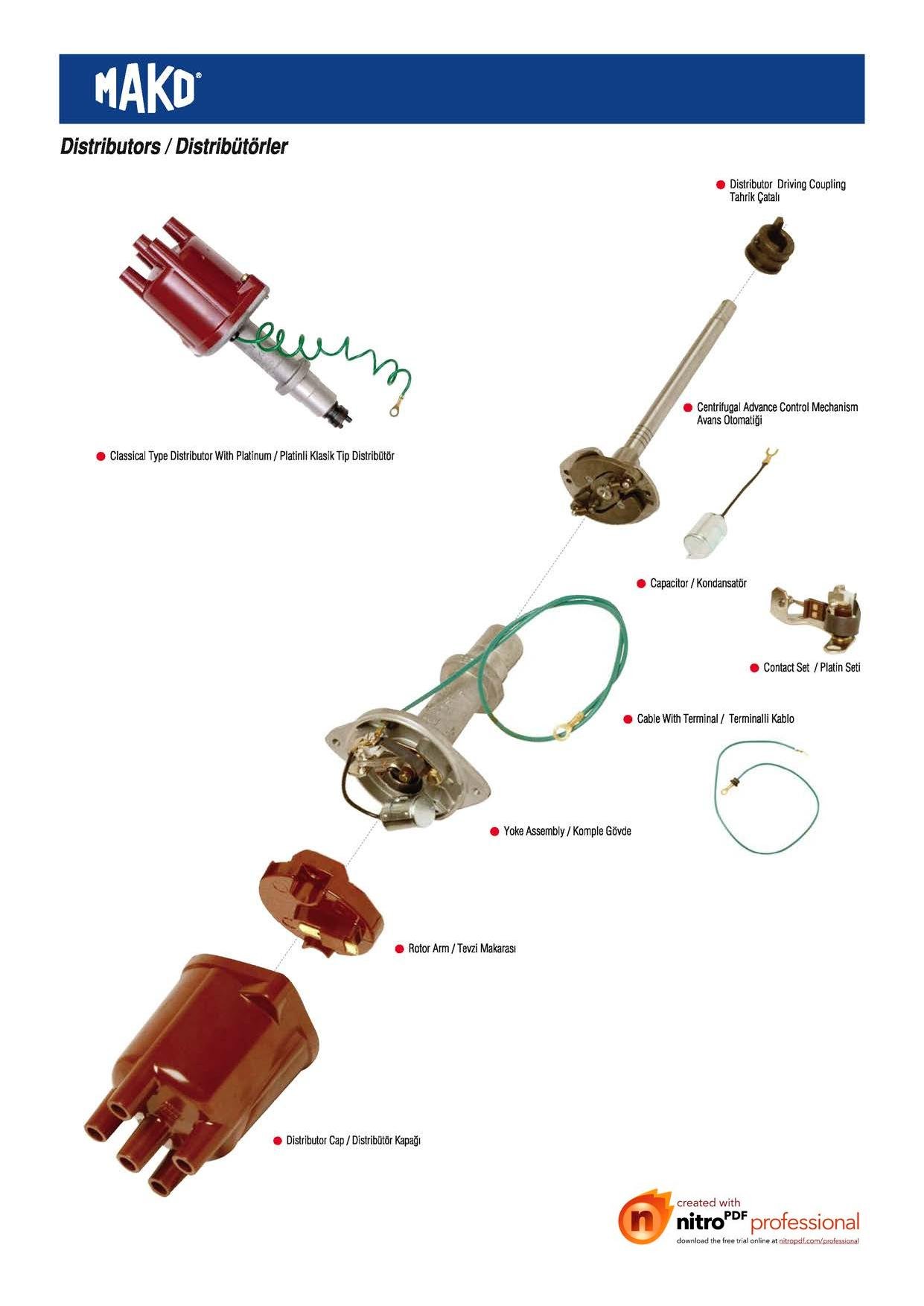
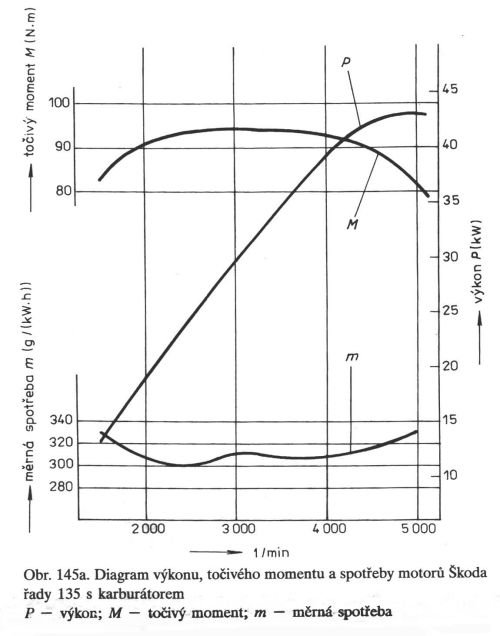
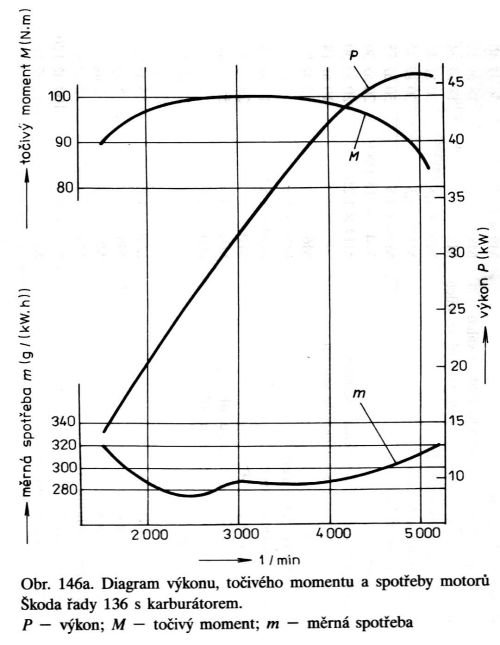
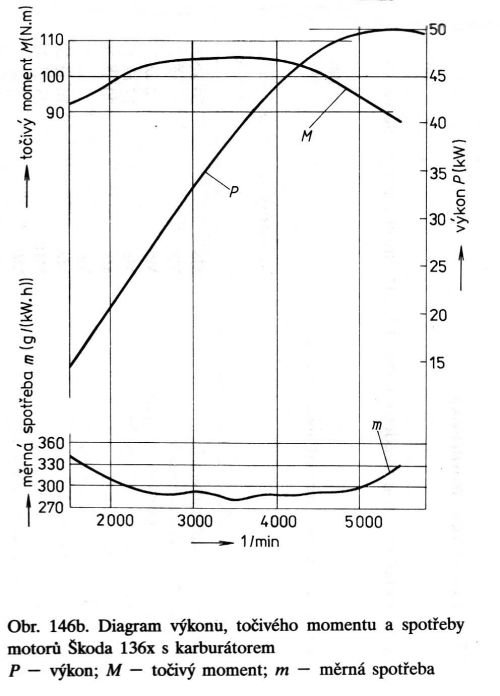
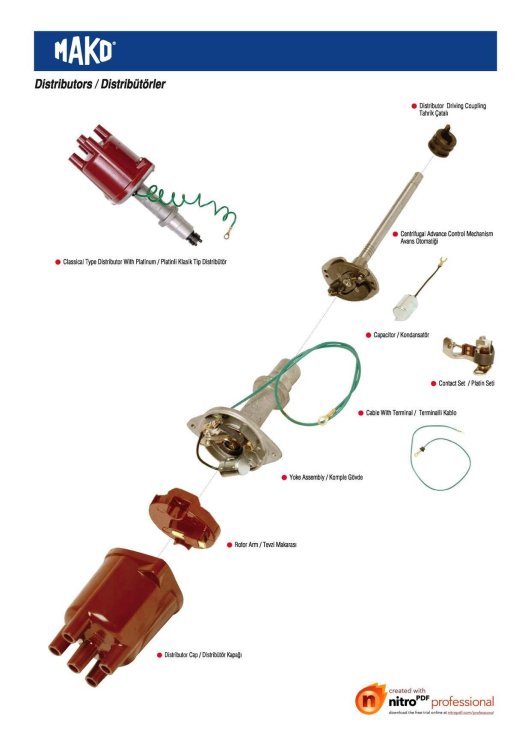
@Thefeliciahacker You never fail to impress. Thanks for all the valuable technical calculations and data. [insert hats off gif] I've made basic calculations to achieve a number to begin with but I couldn't find very important data about the car like drag coefficient, gear and final drive ratios. I think the most important data is; engine characteristics chart. I've searched this EVERYWHERE. Finally found it! Here you are: These below belong to the carburetor engines. I don't think there is a CAT. I'm familiar to ICE working principals. They had thought us these in the school. (From books of course 😕 ) When you have a 58Hp engine that doesn't mean you are using at all at any time. My car has a 135 engine. Which is rated 43kW (58hp) @ 5000rpm. Which means you won't get that power unless you hit 5000rpm at any gear. From what I've learned from Czech sources, 135 and 136 has different piston heads. 135 has compression ratio of 8.8. While 136 and 136X has 9.7. Lower compression is only there for low quality low octane gasoline of the old times. Czechs advice all classic Škoda owners to increase their compression ratio, so they can take advantage of the better quality gasoline we have today. You get more power and LOWER fuel consumption at the same time. It's a win-win. 136X is a little bit different though. It has a different cam and a different distributor which has a different centrifugal control characteristic. The only difference in carburetor is a different accelerator pump setting. Please note the differences in curves. 135 is the worst engine. It's not efficient like its other siblings. 136 has the best fuel economy but the source says, it could be misleading to compare it with 136X because 136X only installed on gearboxes with the ratio of 4.167. (From the rough translation, I think this is the final drive.) 135 and 136 Favorits have a longer 3.895. All Formans have 4.167. 136X is the most refined engine. It has a more flat torque curve which means a wider range of available max. torque. 136 has a dip point for fuel economy around 2500rpm while 136X has a sweet spot around 3500rpm. 136 is more suited for city driving while 136X is more suited for longer routes. 135 Engine + 4.167 gearbox ratio installed on a Forman is the worst setup you could get. The car has "new" (max. 2 years old) front and rear suspension, bearings, brake elements. Mostly done by me. It passed the MOT brake test with flying colors. You are right about the extra weight though. The LPG tank itself, some tools, spares, etc. but I gave a lot of headroom for them in my original post. In fact, the only parts left in the car that I didn't touch are inside of the engine and the gearbox. If you are reading my other posts there some oil leaks from the engine and I'm not happy about that. I could attempt a complete engine overhaul but it will cost me. I must replace some synchro gearing too in the gearbox too. Overall the gearbox condition is good but I think 3rd and R synchros are a little worn. I know, it would be economical only if there is oil loss because of burn in the cylinders. I don't want to overhaul otherwise a fine running engine. What I have in my hands is a little bit different from stock. LPG itself creates a mess but I also have a Renault 12 distributor. This was installed on the car when it was with a previous owner. Renault 12 is a much loved car here. (It's older technology and not better but It's more expensive than a Škoda Favorit with same condition!) It was locally produced with a license into the 2000s. There are some locally produced parts still available for R12s. Including the distributor itself. Please check this out: Installing this distributor to a Škoda engine is an impromptu solution to much feared ignition failure. Aftermarket parts produced for Škoda ignition system had proven to be very unreliable. The most important part is the original distributor which is not available anymore. This one above is produced for 810/847 C1J 1289cc - 1397cc cleon-fonte engine. (Notice the lacking vacuum advance too) Locals also install these to replace failed Renault 9 ignition systems too which has an advanced Siemens electronic ignition module from factory that is no longer available. Is it works? Yeah OK. works but how about mechanical advance mechanism characteristics? Either no one knows or cares but I think it's important. I think there is a power loss beyond 3000-3500rpm. I'm currently trying to fine tune this setup for maximum compatibility and efficiency but without a dyno it's like moving in the dark with just feeling around. With LPG in my current setup, I have good idle. Acceptable fuel economy. Low and mid range feels good. Beyond 3000-3500 range is considered good only if the engine is in the colder area of 70-80ºC range. If it gets up to normal operating range 80-90, the engine feels weaker at high revs. and maybe a little bit more rough. Maybe you could give me a tip starting from here. The reason of whole topic is, I have no one who has a familiar car to let me take their car and run a trial with it. I don't know how a stock 135/136 engine feels like. Either I ask in text, or record videos to ask for your opinion. Almost twenty years on forums, I think a forum post should be informative, friendly and also fun and entertaining. I act as how I like to find it. I think I'll record more videos for you to post on the forum. I'm sure it will be more fun than plain text. So you are telling me: "On behalf of the all underestimated classic Škodas, you are carrying the responsibility of showing its true potential" With a table in your hands, raised above your head, "5000+ Go Like Hell" If I wanted to tell someone about the importance of the shifting, I can't think any way more epic than showing this: From the great movie, portraying the British racing legend Ken Miles.
-
What is your climbing performance with your Favorit / Felicia car? - The story: You see the road in front of you is an ascend. The road sign shows %10. You are peacefully climbing on the right most/left most (UK) lane. A truck shows up right behind you. Looks like one of the new 500Hp+ V8s. The driver keeps flashing their lights and starts to follow dangerously close. He is like: "Come on dude move! I'm a truck remember? I can't overtake! I'm moving moving stuff for some big a** company so I'm on a tight schedule!" The trucks have to carry a data recorder on board by the law so they can't pass 90Km/h (56Mph) limit at any time but this doesn't mean they can't push 90Km/h on hills. - So how is your car's climbing performance? (Loaded or unloaded?) - How much power needed for a Fel./Fav. car to keep 56Mph at a %10 incline? I'm trying to assess engine condition. With a loaded car, (total weight around 1250Kg) anything more than a slight incline, I'm forced to drop to 4th. If the rev. is high enough to catch 3000, I can keep 80Km/h at full throttle but sometimes it's not enough to keep up with the "slow" lane.