.jpg.f3785e57441e9f8c93a0ec812c4445c7.jpg)

D.FYLAKTOS
FREEDOMLite
-
Joined
-
Last visited
Everything posted by D.FYLAKTOS
-
Sorry i saw this too late. Have you checked the wires-plugs at the rear? Sometimes they unpluged a bit-corrosion etc.
-
D.FYLAKTOS replied to MarkMitchell's topic in Skoda Favorit, Skoda Felicia, Skoda Fun and Skoda FormanI saw your first post in my smartphone while i was at work, i went to a corner so i wasn't visible from the camera, wear my vision glasses and as i was standing upright tryied to write a quick post to help you although english are not my first language. I have the same car with you but i can't do anything more, i am sure other members will help you to solve your problem.
-
D.FYLAKTOS replied to MarkMitchell's topic in Skoda Favorit, Skoda Felicia, Skoda Fun and Skoda Formanhttps://check-vehicle-compatibility-e10-petrol.service.gov.uk/manufacturer/Škoda We are not prophets or magicians and this is not a Court of Law with he ''ask the question" rule to the examined witness.
-
D.FYLAKTOS replied to MarkMitchell's topic in Skoda Favorit, Skoda Felicia, Skoda Fun and Skoda FormanWhy you spend money changing things without reason? Many of us have done this in the past and it was wrong...very wrong. Have you check the vacuum hose? Your mechanic check the fuel pressure regulator? The spark plugs are ok? Your throttle is clean? The VCDS shown any errors?
-
Check my posts, you will find photos of damaged cables from my coolant sensor, mine has Blue ring. Check your spark plugs. Cleaning the injectors and checking the fuel pressure regulator is a "must" since the car wasn't maintenend. @Thefeliciahacker had a similar problem with you, has a thread for this with videos.
-
I have a 1.3 GLX made at late 1999 months and bought it at 2000. Those days you could find Eibach anti-roll bar in the market, now the stopped produce it https://www.eibach-shop.com/skoda-c-85510.html no modifications, fitted as it should be. The strut brace was bought from the local Skoda dealer (original accessoire). You may lose some comfort but if you are a sport driving guy that combination will help you a lot, if you start diving fast in mountain road without them the car will start floundering like a boat in a heavy sea. After some turns you will start feeling fear and unsecure so you will start slow down.
-
D.FYLAKTOS replied to D.FYLAKTOS's topic in Skoda Favorit, Skoda Felicia, Skoda Fun and Skoda FormanThat was about 20 years ago in a famous exhaust maker, everything changed from the manifold till the tailgate, the steel that used was ''high'' class and not cheap that's why all these years i never had a problem. I told him that i want the car to be ''updated'' to have some HP gain in high rpm (combined with ECU chip plus sport air filter), i also changed the catalytic converter with a metallic (was ceramic). I lost some torque in medium rpm but i got some gain in high rpm, with 2rd or 3rd gear in the road (mountain) i could reach the 6100 rpm in sport driving (i don't like illegal racing drag style). Keep in mind that those days were with no internet, no auto-forums etc so the informations were coming mainly from magazines. Today's technicians now use computers and make things more ''calculated'' although now the steel is not always the best and with the economic crisis none Felicia (or old car) owner has the money to pay for such a custom A-Z work.
-
Stability, especially in V\ style turns (here we call them Zig-Zag) something like Moose test. The car does not have the same inclination as the stock, is a bit stiffer and helps you lot in Sport style driving. I have them both and never regret that i installed them. How Sway bars work: https://consummatedriver.blogspot.com/2018/08/how-do-sway-bars-work.html?m=1 Strut bar https://www.sprracing.com.tw/strut-bar 😎
-
D.FYLAKTOS replied to D.FYLAKTOS's topic in Skoda Favorit, Skoda Felicia, Skoda Fun and Skoda FormanI have a custom exhaust from A to Z, if there is a gain is in high rpm but any exaggeration would be ''paid of'' in low-medium rpm. As about the ''weight reduce'' in some things inside the motor is a know procedure but the last which must asked about this is the crank. For example i have heard stories about reducing weight from the flywheel but without balancing this with the crank isn't a risk for long term use?
-
D.FYLAKTOS replied to D.FYLAKTOS's topic in Skoda Favorit, Skoda Felicia, Skoda Fun and Skoda FormanThis is from the manual (with a correction by me) to show you how it is from the factory. This is from the hood, from that opening feeds with air the sponge filter, Has a gap. In dimensions it is smaller, it's 34x7,5cm when the sponge filter is 36x10cm and the plastic case is 38x13cm. If the guy removes the gasket and modify the remaining plastic case or make an outside one removing the ( and ) sides and make them vertical would be great?
-
D.FYLAKTOS replied to D.FYLAKTOS's topic in Skoda Favorit, Skoda Felicia, Skoda Fun and Skoda FormanUnfortunately i haven't manage to solve the problem, take a look of how my cabin filter is today: Except the hair from dogs-cats, a bee and many other things. This is from an older snapshot, the sponge can not stop rain etc and to the sides i have this: which means that i breath dust and dirt. I have an idea, if i go to a guy which makes polyester, would be great to ask him to modify (by heat) the plastic case that the car has or make for me an outside rectangle case so i can fit filter like this (example) which have plastic frame and the guy can make them fit like an original? No leaks from the side, no dust etc, what's your opinion?
-
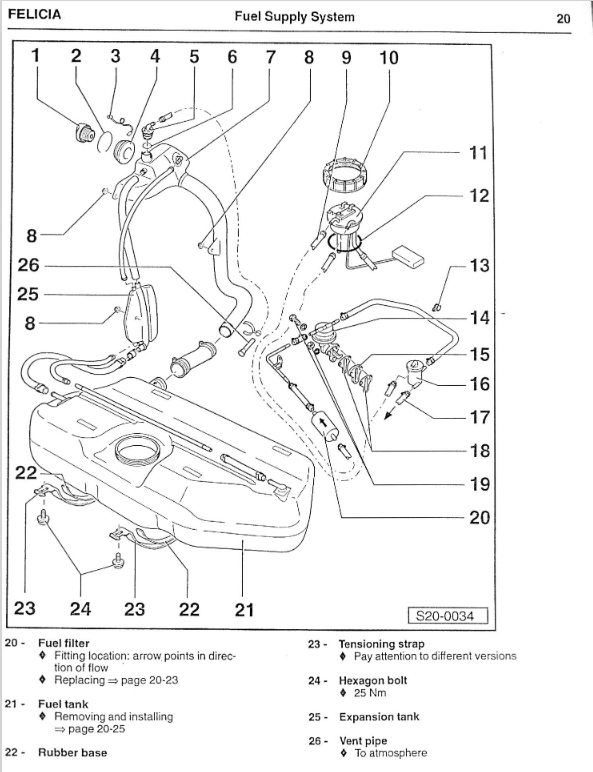
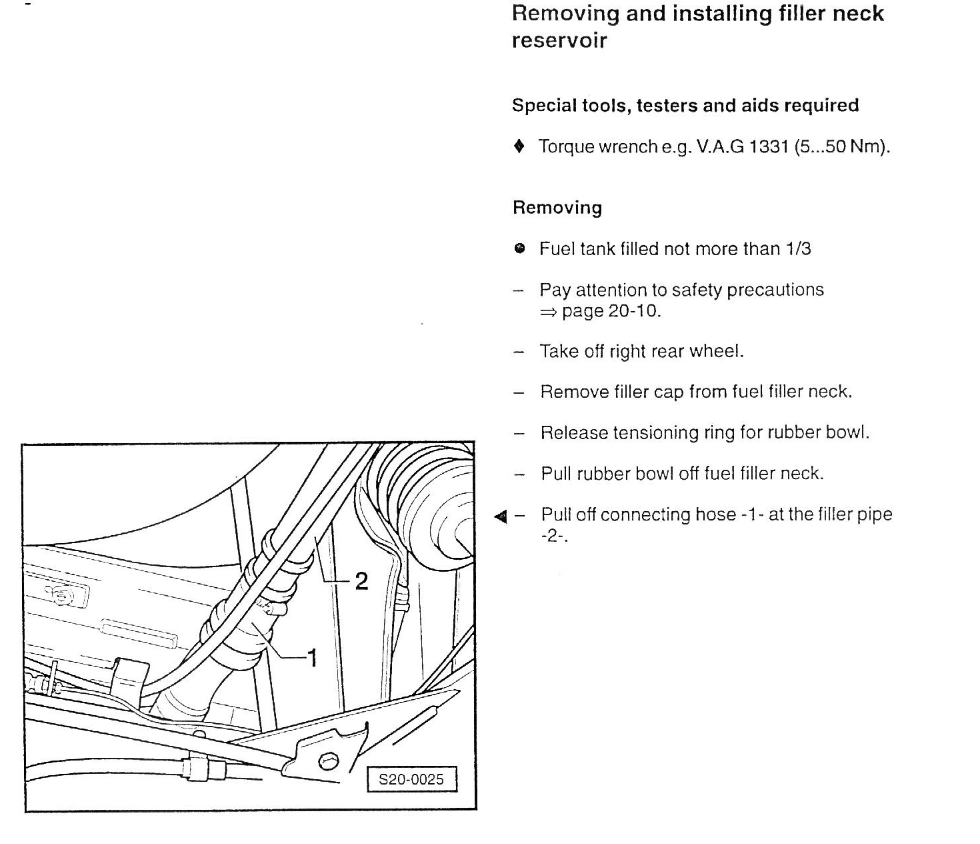
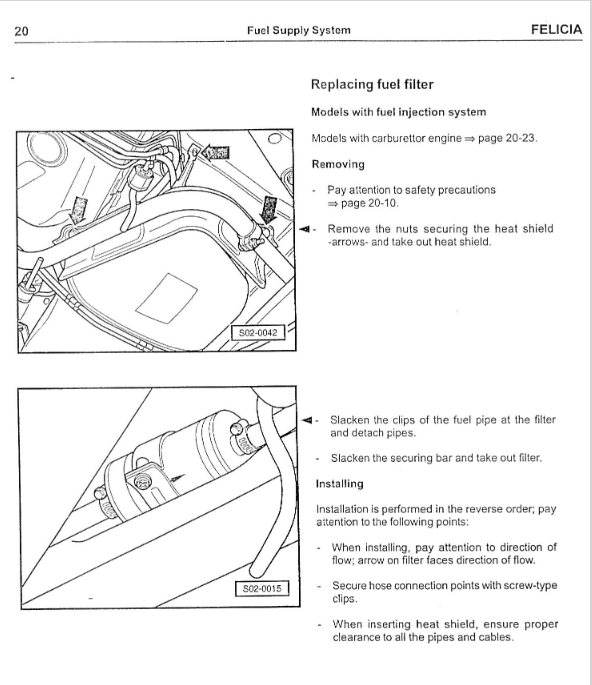
Some more.
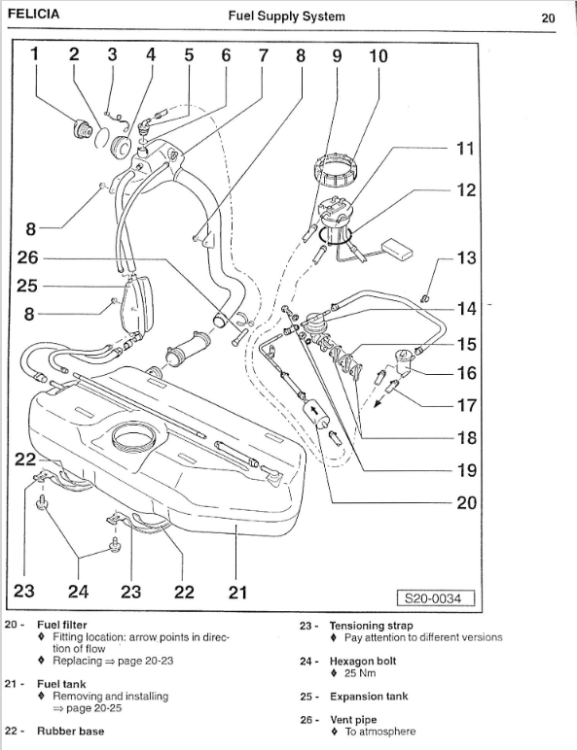
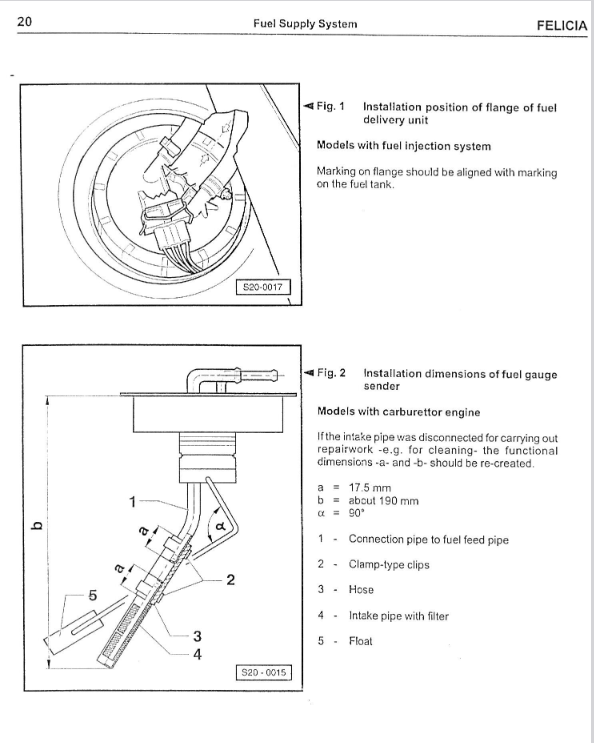
-
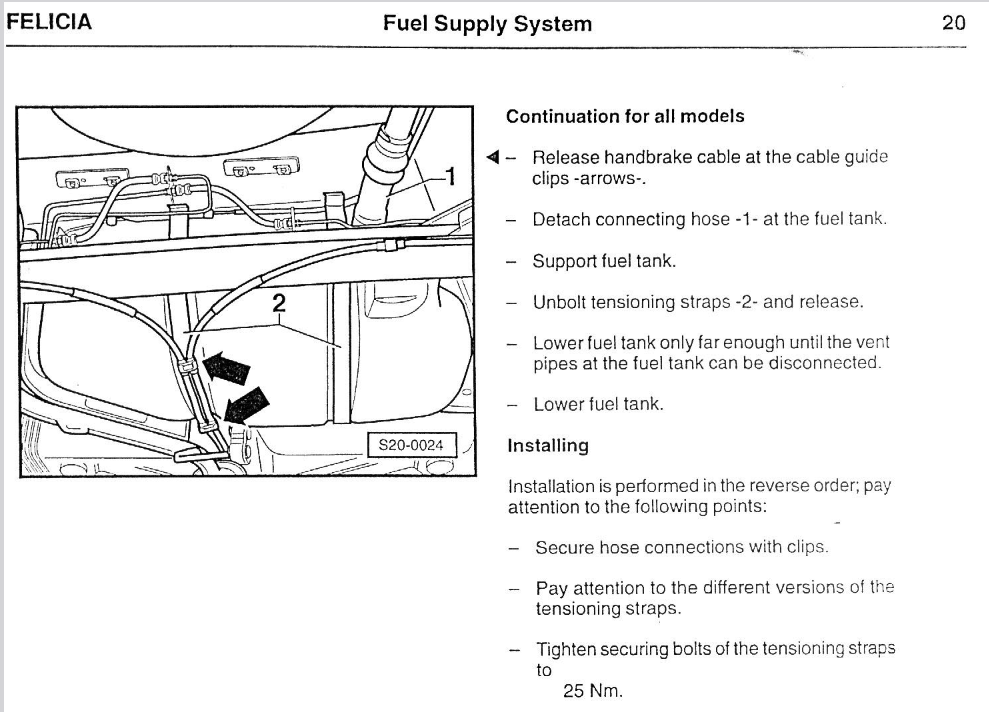
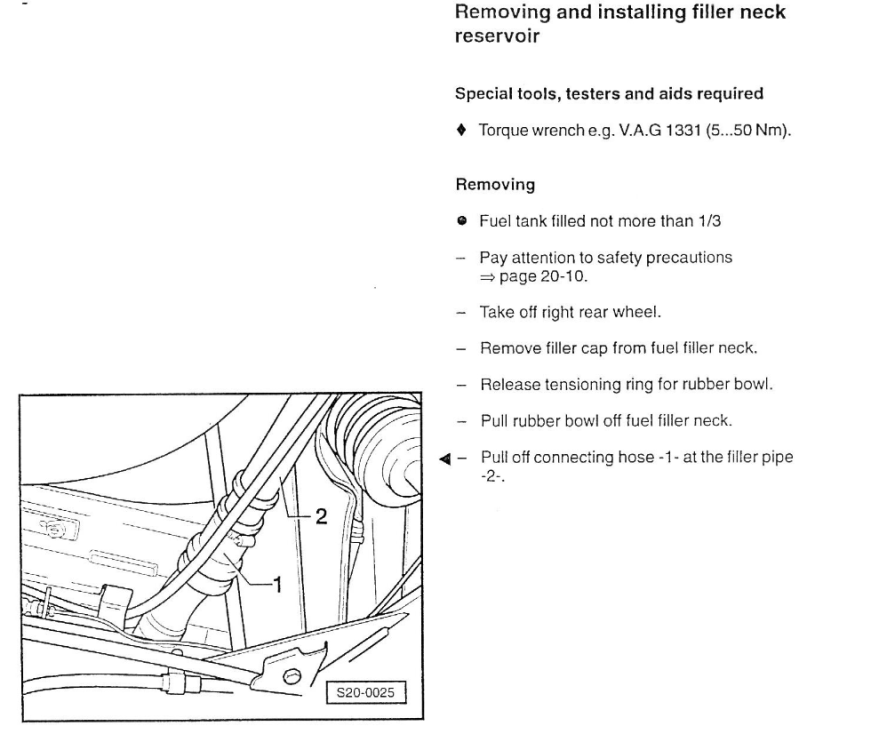
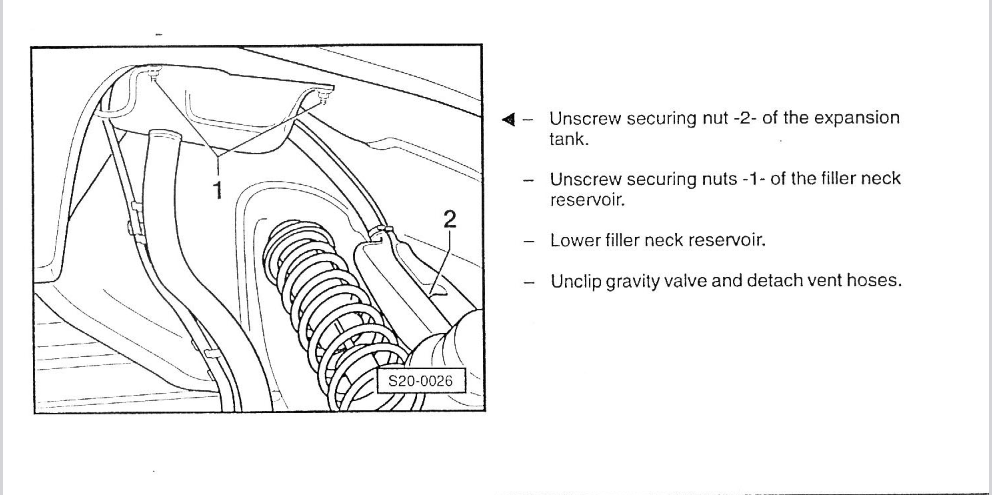
The Haynes is for a driver that just wants to know the basics (of the basics) and do only few things, if you want to go further does not help you. Does these attachments help?
-
I remembered this https://www.briskoda.net/forums/topic/491645-can-i-make-a-modification-to-my-felicia-13-filter-case/ when i saw that.
-
D.FYLAKTOS replied to D.FYLAKTOS's topic in Skoda Favorit, Skoda Felicia, Skoda Fun and Skoda FormanIn Greece those huge tailpipes we call them "stove pipes" 😆. You can hear their "bouaaaa" sound from blocks away.
-
D.FYLAKTOS replied to D.FYLAKTOS's topic in Skoda Favorit, Skoda Felicia, Skoda Fun and Skoda FormanThe stock is 42 or 45mm?
-
D.FYLAKTOS replied to D.FYLAKTOS's topic in Skoda Favorit, Skoda Felicia, Skoda Fun and Skoda FormanI have a custom exhaust from A to Z, few years back when i changed the muffler (the inside metal partitions have been destroyed) the mechanic asked me ''do you want to make it sound?'' but i replied NO because i know that this in a trip is a nightmare for the ears. On the other hand i am curious about the dimensions: 95x55mm 110x58mm 120x65mm 135x70mm The difference is in sound only?
-
In the past i had a Remus muffler installed in my Felicia but after some years got a hole and i send it to recycle. While searching for Sport mufflers in CZ stores (the phrase in Google is Sportovní výfuk ŠKODA Felicia ) i found these: https://www.tuningshop.cz/sportovni-vyfuky-ultersport-skoda-felicia-1994-2001/ My first impression was the price, extremely high. https://tuning.autodoplnky.cz/vyfuky-ulter-sport/sportovni-vyfuky-na-konkretni-vozy/smid-3904/ According to the description: This exhaust is intended only for the following engines: 1.3 40/43/50kW, 1.6 55kW. It is equipped with E-homologation, which is valid in all EU countries. The exhausts of the Polish company Ulter are made of noble steel protected by black coating, the ends are stainless steel. They are made precisely for a specific type and engine of the car, they stand out for their extended service life, characteristic sporty sound and increase engine performance. Precisely specified for each car, assembly is easy. The manufacturer guarantees quality - ISO 9001:2000 certificate. https://www.laityng.cz/ladene-vyfuky-felicia/vyfuk-felicia-felrov1/ Especially in this i saw the dimensions options: 95x55mm 110x58mm 120x65mm 135x70mm 1) What's the gain to justify the high price? 2) The shorter the muffler the less is the torque in low rpm but there is a HP gain in high rpm?
-
Maybe was one click loose maybe someone by mistake pull a bit the cable from inside the engine bay. By the way: before i put it back i have added in the past a light coat of glue or even strong silicone between the black cover and the grey factory dashboard because no matter how tight the screws are sometimes is getting loose and you hear crackle noises.
-
Low-Medium or High strength?
-
One day i will show you my ashtray-project, has 4 buttons and one switch on the front surface. @nta16 : i kept my radio-cassette till 2022 in my car, everyone was thinking that i was crazy. @vucko1011 : Oh God NO ! R.I.P Sellotejp.
-
These are not ''chemical experiments". New wheels-tyres were in the factory standards, new air filter, new discs-calipers-hoses were in factory standards. ECU chip were from a programmer from England.
-
My A/C is Alex, added later by the local dealer. 2 times those relays caused me problems (1st time the mechanic slack and spray them and the 2nd time change one of them) with the radiator fan, maybe was a coincidence but immediately after the fan started work again.
-
Felica 1.3 had already made a space for 2 speakes in the central console. https://nemigaparts.com/img/catalogs/etka/st/101863500.png https://m1.secondhandapp.at/2.0/5b27b219ccf1ea406c3fa31e?height=1024&width=1024 Even for the 1.6 can be found. https://www.megaparts.eu/en/product/228925056#gallery
-
I never took risks putting different specifications fluids in Steering wheel oil-Brake fluid-Gear oil-Coolant-Engine oil. I have changed for example light bulbs (No Skoda) or added temporary an additive to Coolant or added noise-heat insulation etc but i don't like make ''Chemistry experiments" (in this case with DOT 5). Since i don't have extra money to spend on repairs and no time to do things like ''let's put some 0W-30 engine oil for few months do see how will work" or ''let's use plain water instead of Coolant to see the difference in performance" etc i stick with what the manual says. https://www.briskoda.net/forums/?app=core&module=system&controller=content&do=find&content_class=forums_Topic&content_id=512262&content_commentid=5752139 I don't know which is Fake.