Breezy_Pete
Sponsor
-
Joined
-
Last visited
Everything posted by Breezy_Pete
-
Does the car have start/stop? If not, an AGM battery isn't the right type. Have you come across measuring current by measuring mV across fuses?
-
Parts catalogue says 6Q0411105BF. 👍 £105.50 + VAT each at Skoda dealers, for reference.
-
Reg number or VIN would allow me to look up for you.
-
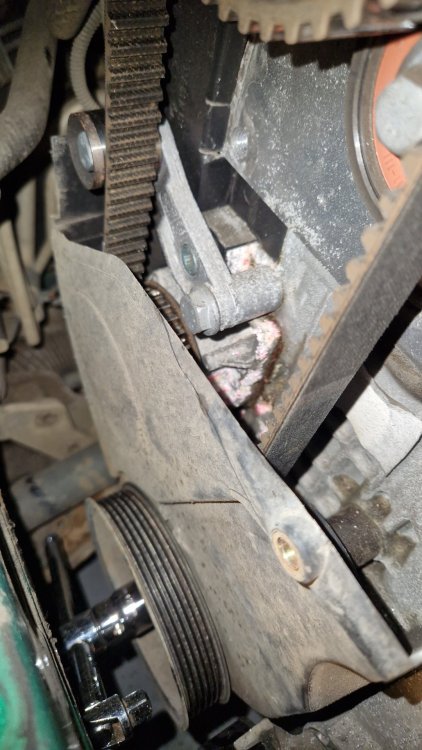
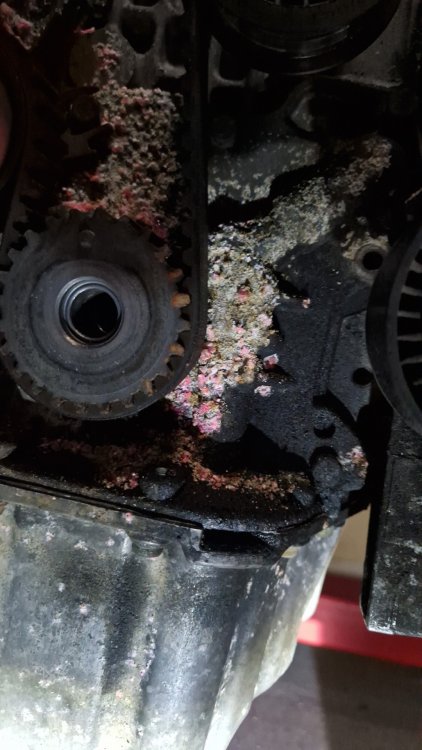
Seemed to be the face seal to block that failed there, rather than the pump itself. Only 10 years old too.
-
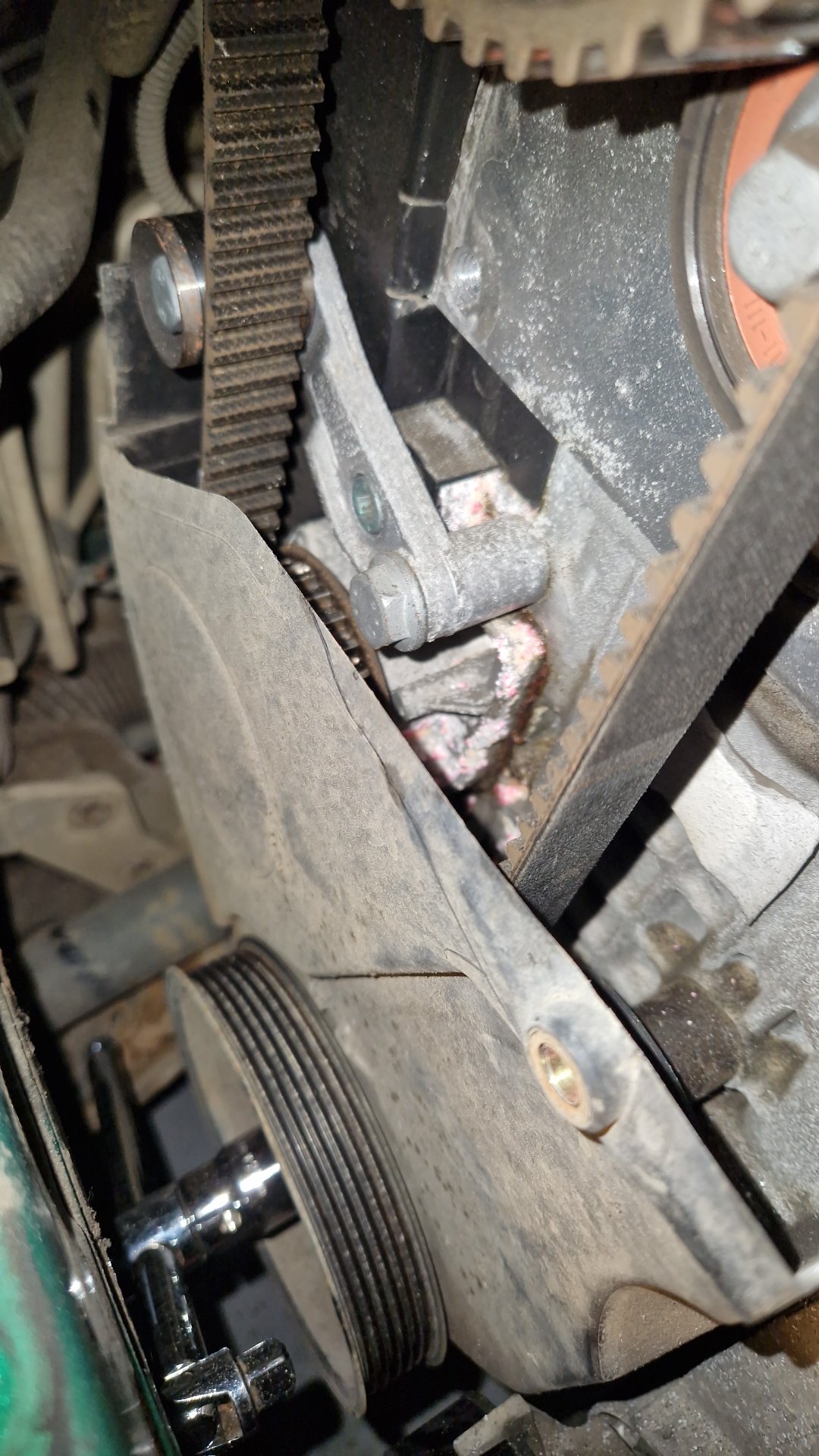
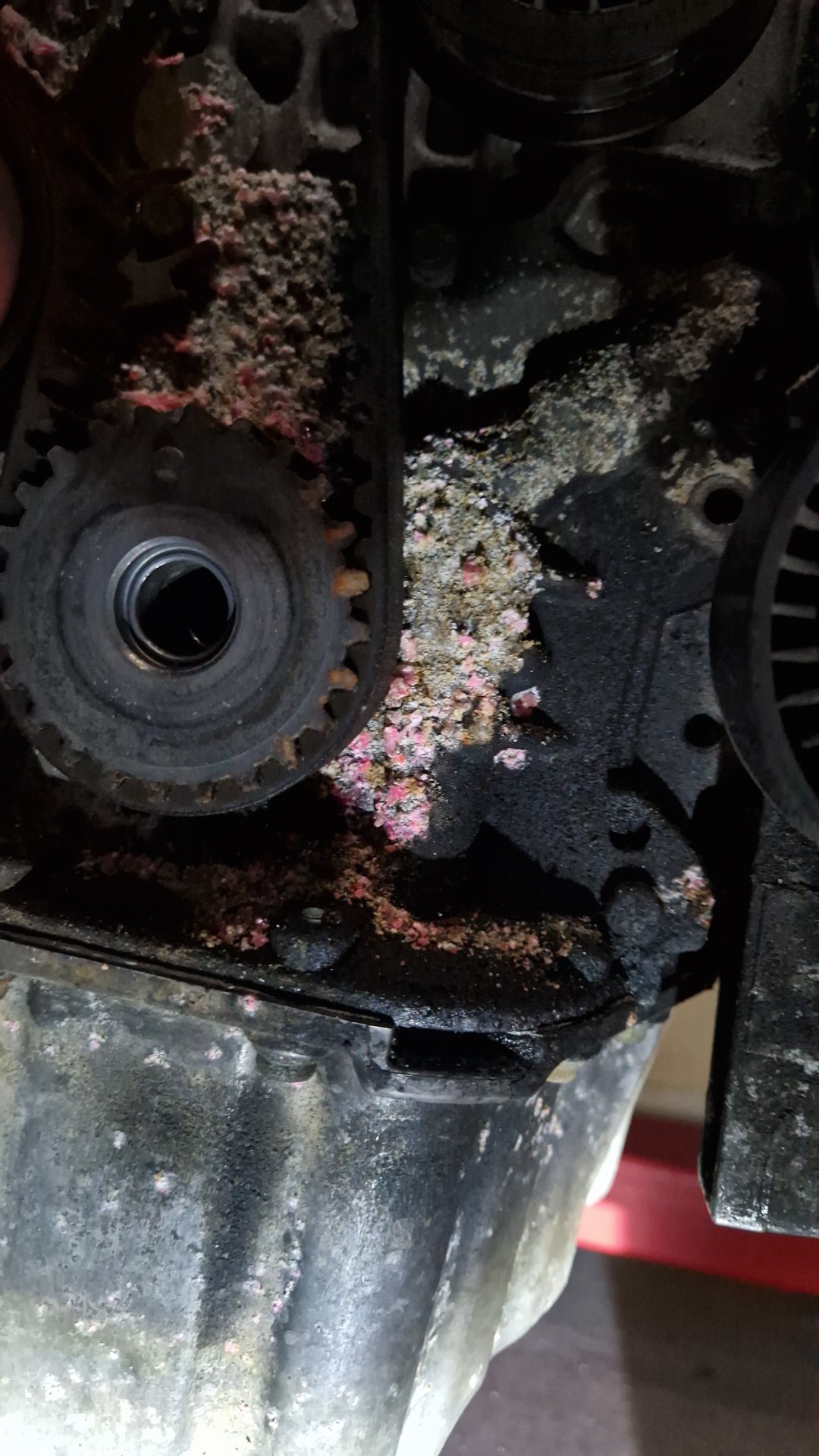
That ^ water pump had hardly leaked at all compared with this one, on my Polo (this week's cambelt job!)
-
The wiring to the two camshaft control valves N205, N318 shares a 12V feed from engine bay fuse #9 (10A), which also supplies the 'continued coolant circulation pump' V51, the purge valve N80, and exhaust flap control units J883 and J945. Replacing the fuse with all of these unplugged, and reconnecting one by one until the fuse blew again was presumably the diagnostic strategy.
-
-
-
-
OK so that should be a 6Y2959802 part on driver's side (assuming a RHD vehicle). Is it the original motor module there, as far as you know? Please could you describe what is and isn't working. The usual problem causes both windows to stop working completely, or intermittently for a while first; but it sounds like you may have something different?
-
-
I use partslink24, but it ain't free. Your VIN gives two results, the 6Q0711202J, which it says was dropped on 1st Aug 2009, with the comment "Please contact your dealer for the parts interpretation" The other one is 6Q0711202L, dropped on 1st Jan 2012 and superseded by 6R0711202A. I suspect this may be what you get.
-
Stat and green dual sender both ordered from ebay seller sasauto, a couple of weeks apart, without me noticing it was same seller.
-
I'll have to look back and check. Not over a parts counter at Audi, so possibly both suspect.
-
Yes, I think so. Any model where the bellows goes straight across between A-pillar and door is problematic. Absence of a vertical dogleg means that the loom has to bend every time the door moves. In Mk1 Fabia, 9N Polos etc there's a significant vertical dogleg, making it possible for that vertical bit of loom to take the movement by twisting along its length instead.
-
Finished it off Saturday morning. I have to be honest. I was very nervous when firing it up. All was well though. Logging suggests that the torsion value is now mostly +1, flicking to +0.5 at times. Running waaay better, I think. No smoke even when booting it, no stinky exhaust smell at idle. Temperature is strange though. I changed the green dual thermistor (what a mission that was!), and removed and refitted the stat while coolant was drained. End result, VCDS of engine coolant sensor, and dash indication both lower than they were! Disconnected the fan for my way home just in case that was spinning spuriously; no better. Oil temp showed higher though, but topping out at about 80 while coolant barely got above 60 according to G62 and dash gauge. Makes me think latest allegedly genuine CTS may be dodgy. Or stat is not working at all for reasons unknown. Baffling. I must dig out my IR thermometer for an independent measure of engine/coolant temp.
-
I'd be about 99% sure it'll be driver's side motor module needing repair or replacement. Wouldn't bother checking wiring at door bellows, it's a better design on mk1 Fabia than on a lot of the later models. Message me about repair options if you wish @JohnnyG7uk.
-
That agrees with something I found, that suggested 6Q0711203A had been superseded by 6Q0711202J. If you give me reg plate or VIN, I can look up what's currently suggested for your car.
-
2nd hand may be the pragmatic solution. One for sale here quite cheaply, apparently: https://www.vidarrautomotive.co.uk/product-page/nty-gear-shift-return-lever-bushing-for-biegów-skoda-fabia-2005-nxx-sk-000
-
Erwin Skoda.
-
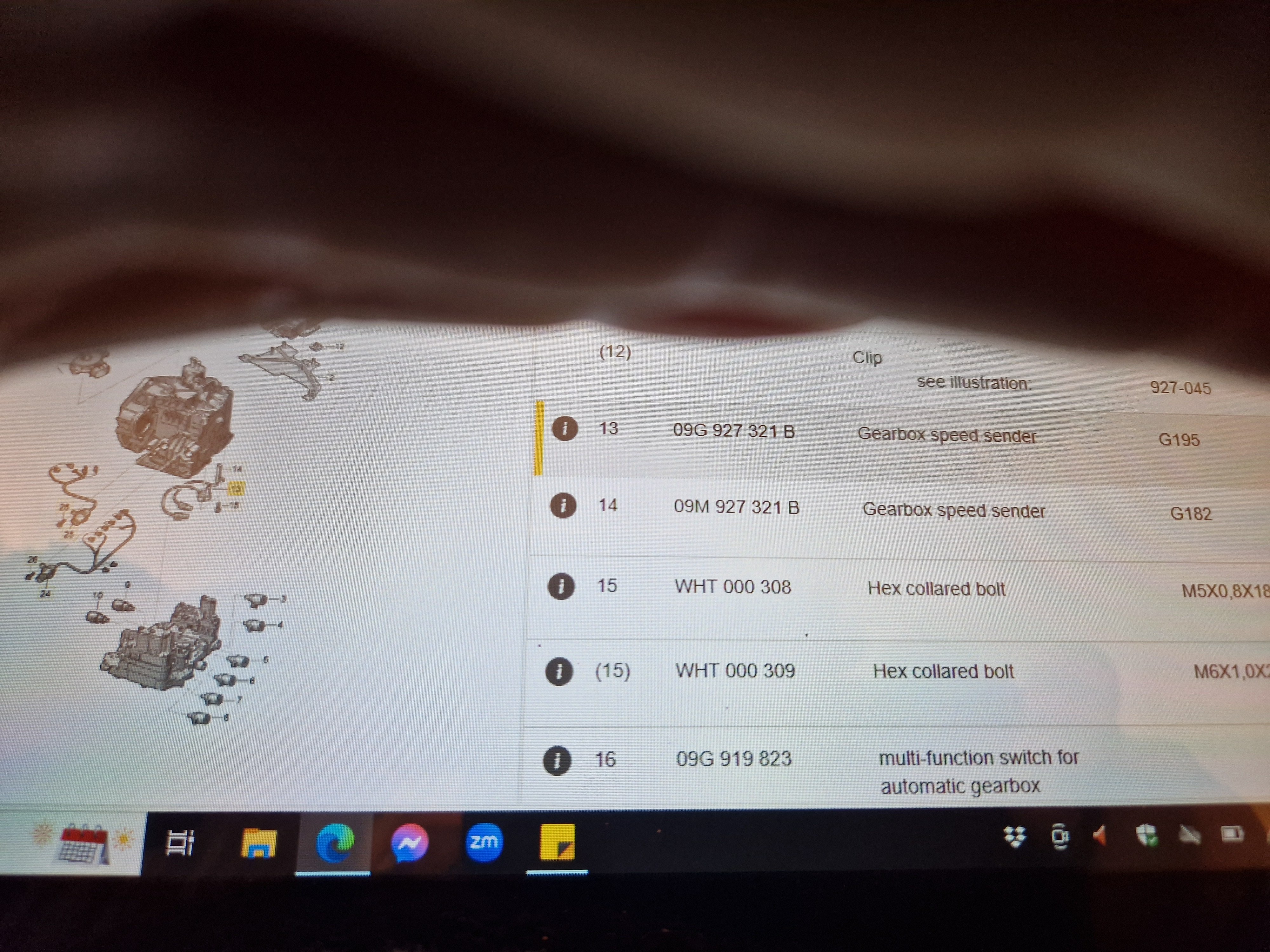
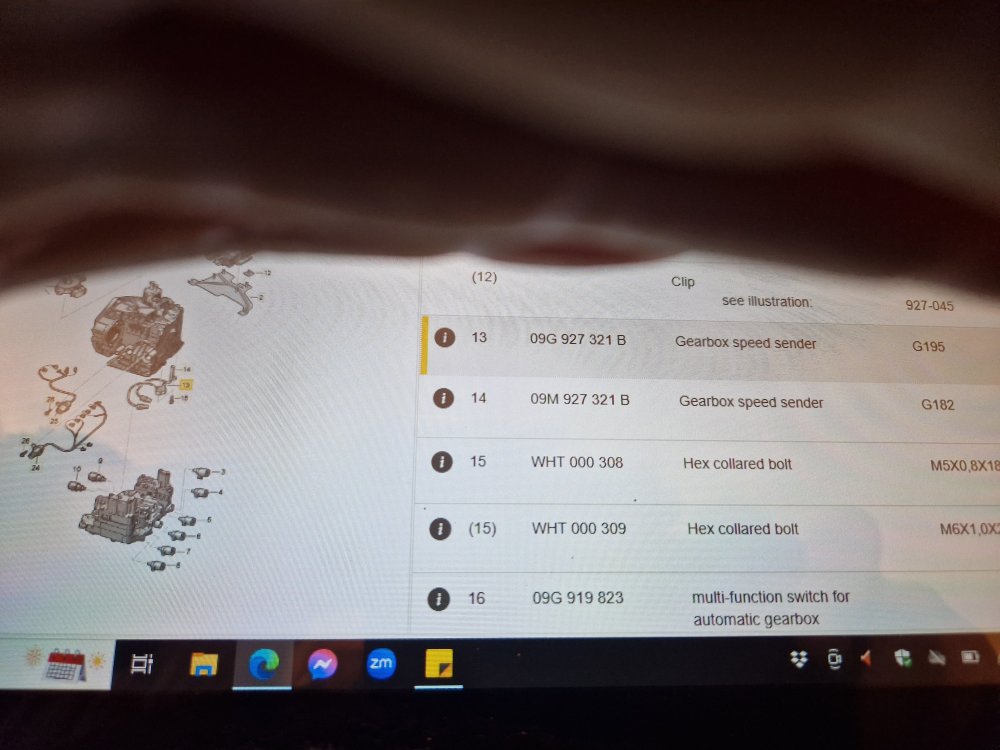
G195 on the 6 speed autobox is part number 09G927321B, apparently. Google images leads me to think it has a blue connector. Could be an idea to find that and have a good look at the wires.
-
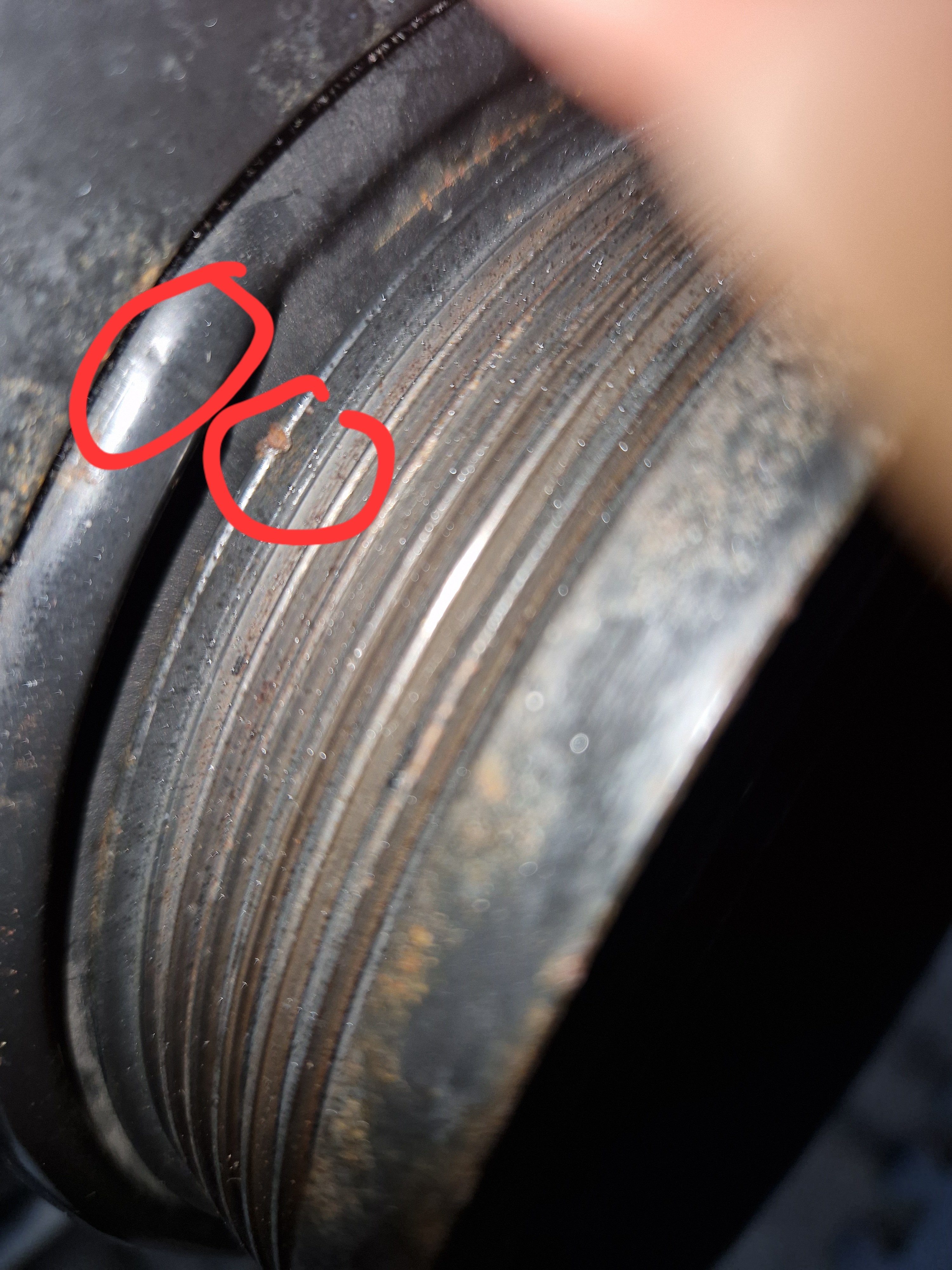
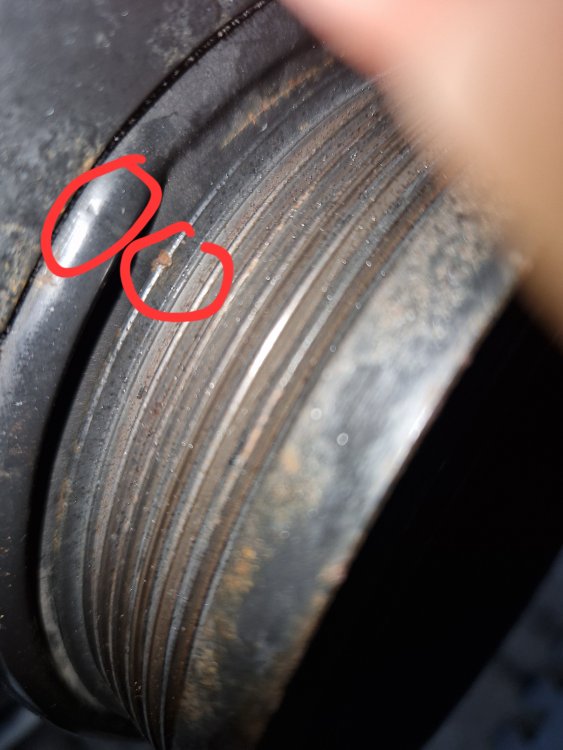
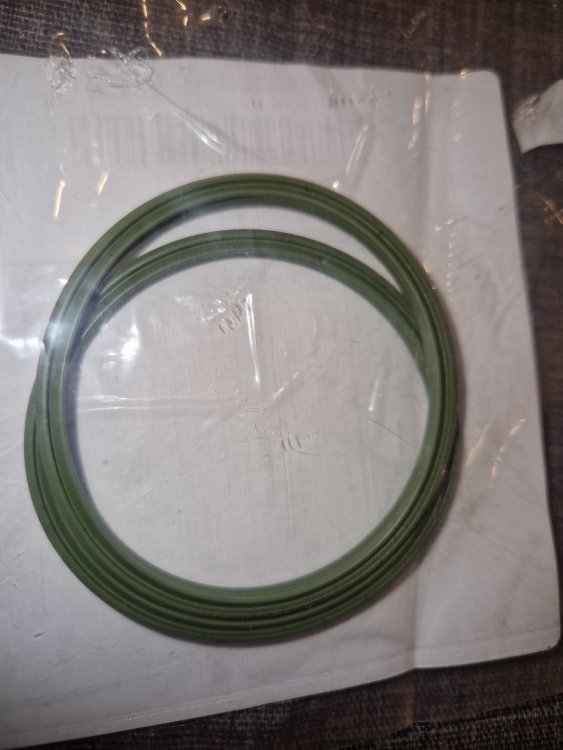
@J.R. you were right, there is a TDC alignment guide at the bottom end. Didn't spot it when disassembling, and struggled to take a clear pic once it was back on, but there's a notch on the rear edge of the aux pulley and a line on the lower toothed belt cover. Might be easier to see with torch and mirror than to take a photo, to be honest. Minimal progress today, no energy. Refilled coolant, eased condenser forward a bit to clean out quite a bit of crud from between it and the radiator. Refitted lower belt covers and popped the pulley back on loosely. Got some new boost hose seals in the post today, ordered @5.30pm Monday from deutscheparts on ebay, good effort by them.
-
Yep, chain.
-
Does the high level brake light work?
-
Often the first step is the only one required. Look at the wiring in driver's door hinge area. See if anything is broken. Roomster has had at least three different versions of window motors systems through the production years, so not all of the advice you'll have come across will be relevant. Does the switch panel for the windows on driver's door light up when vehicle lights are on? If it doesn't that may indicate a failed earth connection which is also crucial for the switch functions.