




Breezy_Pete
Sponsor
-
Joined
-
Last visited
Everything posted by Breezy_Pete
-
Yes, there's a resistance to control the speed of operation. Might be a conventional wirewound resistor with multiple tappings for different speeds, or a transistorised version, depending on A/C controller type.
-
Engine code or VIN will help a lot in answering this.
-
I can probably figure it out with the VIN from the circuit diagrams, but it's not a 2 minute job, cos there are lots of different options with correspondingly different looms. No circuit diagram just starts with that connector and shows where everything goes from there, unfortunately.
-
@Catherine41 Have we yet established which engine type this is? @xman asked, but I see no answer. If you can share the VIN or a photo of the engine bay we can see.
-
Just in front of rear right wheel, inboard of sill, viewable from outside car, I think.
-
Have a look here, and send me your VIN if you can't find it: Car Parts Catalog - LLLParts
-
I guess you've not seen this?:
-
I know they exist, but where does it say the 1.0TSI in a Karoq has one?
-
Where did you see that info? Doesn't sound like reality to me.
-
Not sure if this has been found by any of the recent posters here, but this is what I used to convert a key-in-door C/L Polo 9N3 to remote C/L a few years back: https://www.clubpolo.co.uk/topic/204921-guide-how-to-install-oem-remote-central-locking-in-a-polo-9n-with-original-parts/ Not sure what differences there are for mk2 Fabia, possibly not much at all for early, pre-facelift ones.
-
-
-
CAYC engine. Not heard much about oil pressure problems on them. @Crasher is probably someone with best experience and ideas.
-
I've looked at a few of this version recently, and can confirm that under that connector seems to be where moisture is causing trouble, by corroding copper tracks and planes. Awkward to remove. I cut a slice of thick copper sheet that just fitted between the rows of pins on the bottom of the board, then wetted that to all the pins with solder and heated up until the connector dropped out. Could no doubt do it with hot air too, but might be tricky to avoid collateral damage.
-
-
I really don't know then, but if you do find out, please come back and update the thread, unlike the previous guy who said he'd solved his. 👍
- 69 replies
-
- 1.2mpi
- 3 cylinder
- fabia2
- skoda fabia
-
Tagged with:
-
Check the chain timing by fitting crank and cam locking devices simultaneously.
- 69 replies
-
-

- 1
-
-
- 1.2mpi
- 3 cylinder
- fabia2
- skoda fabia
-
Tagged with:
-
-
Yes, that is a VW group (genuine OEM) part number. Sometimes get better search results by removing the spaces. Both of the 0 characters are zeros. No idea who made the OE ones, sorry.
-
Yes, orange 1K0 411 105 DL Coil spring 4 colour strokes orange PR:L61
-
Might they be orange dots, rather than red? VIN would get me there quickest @Aumeisters
-
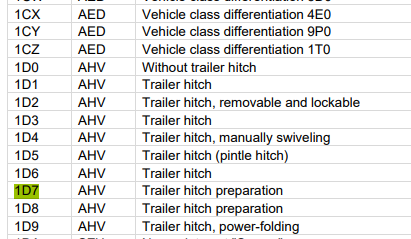
https://vag-codes.info/files/options/vag-option-codes.pdf Has this for 1D codes:
-
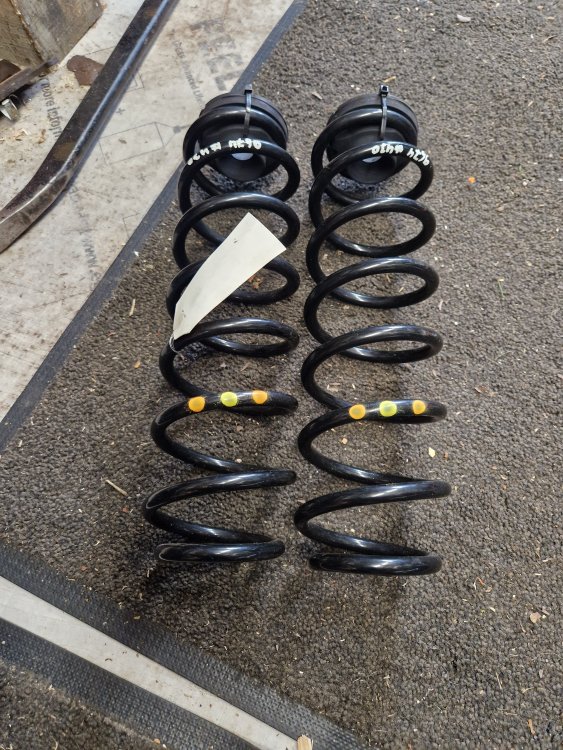
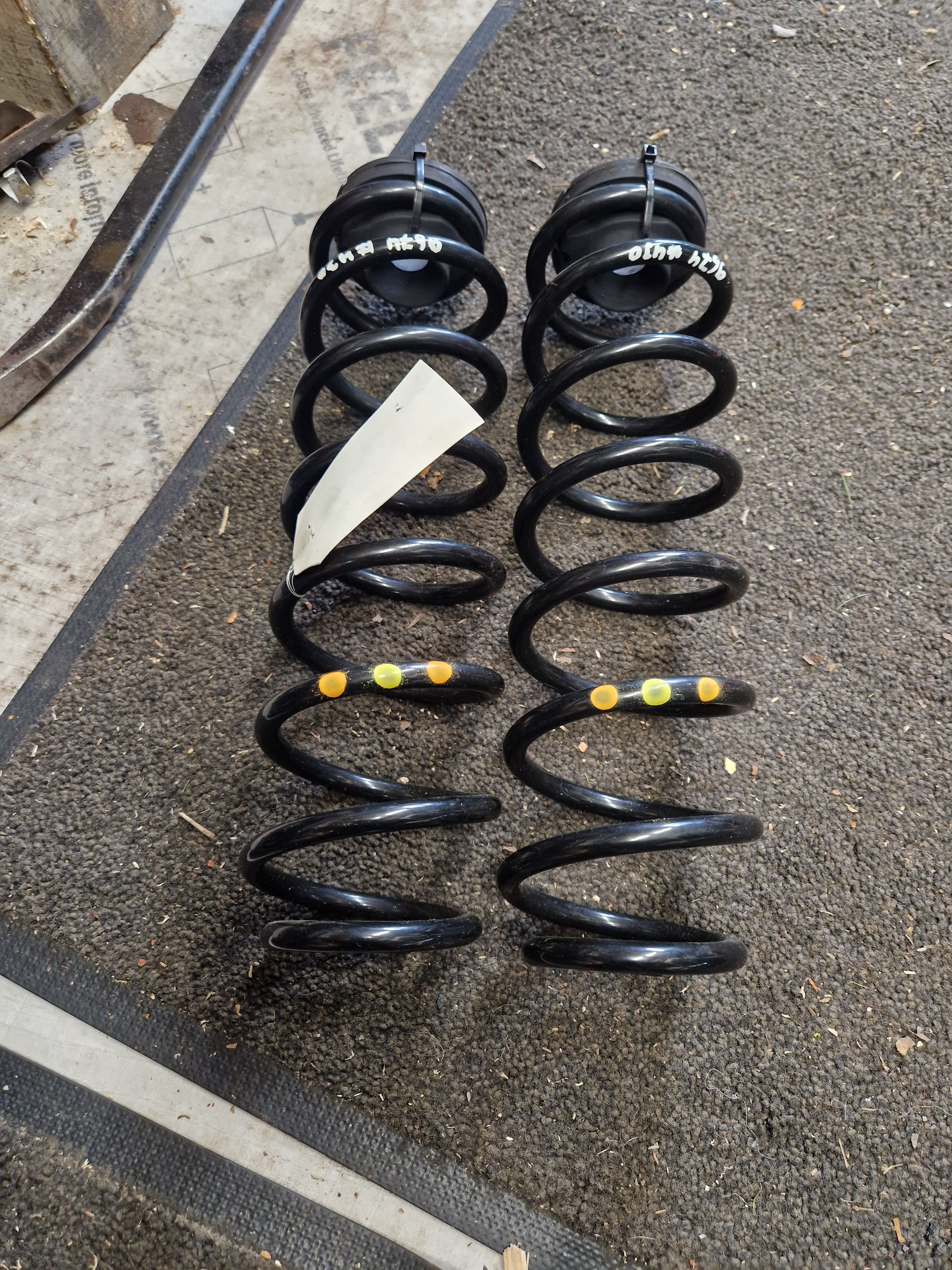
Just found these in my shed. Been waiting for one of the original springs at the back of our 05 Fabia to break for several years since I bought them off ebay.
-
-

Important Information
Welcome to BRISKODA. Please note the following important links Terms of Use. We have a comprehensive Privacy Policy. We have placed cookies on your device to help make this website better. You can adjust your cookie settings, otherwise we'll assume you're okay to continue.