Leaderboard
-
Titanium_Man
FREEDOM21Points5,993Posts -
AnnoyingPentium
FREEDOM11Points5,684Posts -
Lady Elanore
FREEDOM11Points25,085Posts -
TMB
Resident Member9Points8,210Posts




Popular Content
Showing content with the highest reputation on 09/05/22 in Posts
-
If / when you get them fitted, please remember DRL = daytime running lights and you need to switch your headlights on come nighttime. The number of idiots on the road at night with just the DRL’s on is astounding.4 points
-
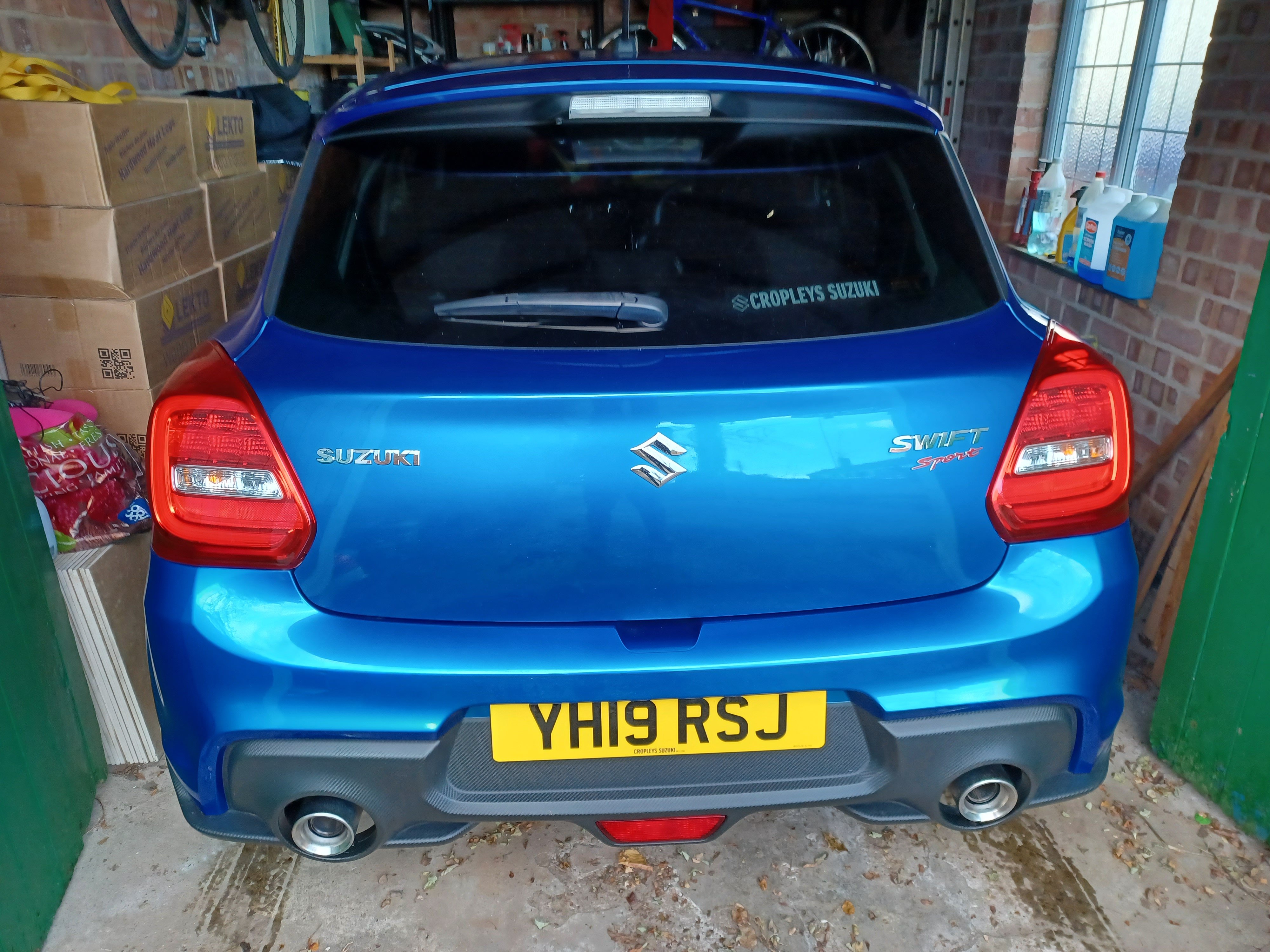
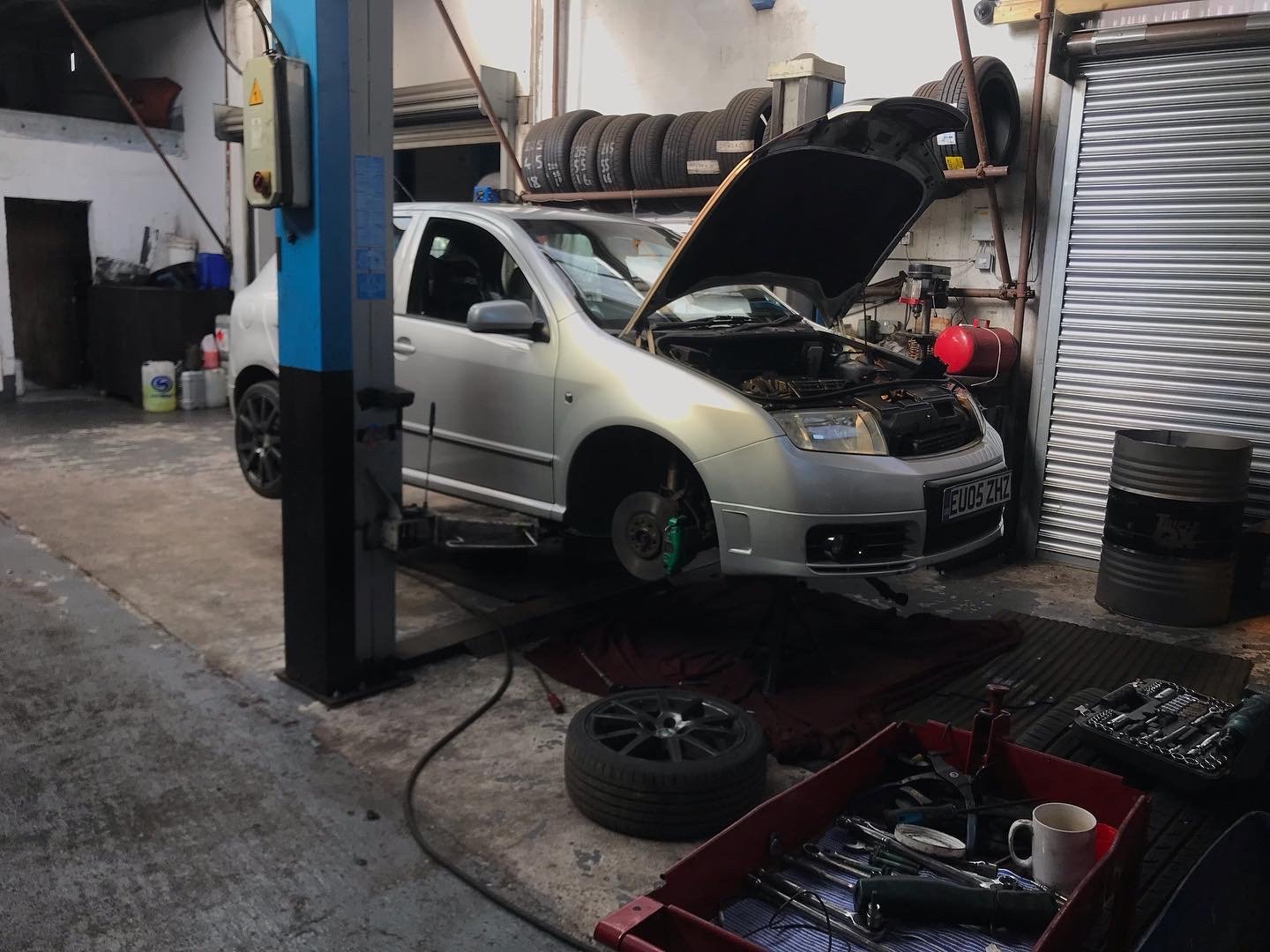
4 pointsLast week I drove down to Yeovil to have the CTC Performance Stage 2 kit fitted. This included a remap, induction system (including a very nice carbon fibre airbox) and exhaust. Quoted power figures (not tested on my car) are 180PS and 290Nm, which makes for quite a nippy car when it only has 975kg to shift! Drove back from Yeovil via A303, M3, M25, M1 and A1 and the onboard computer was showing an average of 52.8mpg - quite impressed with that. Needless to say, that came down a bit when I emptied the car out and took it for a spin around the countryside over the weekend!!!4 points
-
3 pointsThanks mate. Continued positive messages from people such as yourself help keep my spirits up and help me keep focused. This is such a difficult thing to go through physically and emotionally (I actually start therapy for PTSD in July) all you guys on here have no idea just how much you’ve helped me keep a spring on my step and a smile on my face. Zee knows just how supportive some have been on here, she knows your names, and is very thankful to you all 🥰3 points
-
3 pointsYeah, great progress. Even my consultant is surprised each day they've come to see me. Guess as this is number 3 op my body knows how to deal with it...I dunno!?!?3 points
-
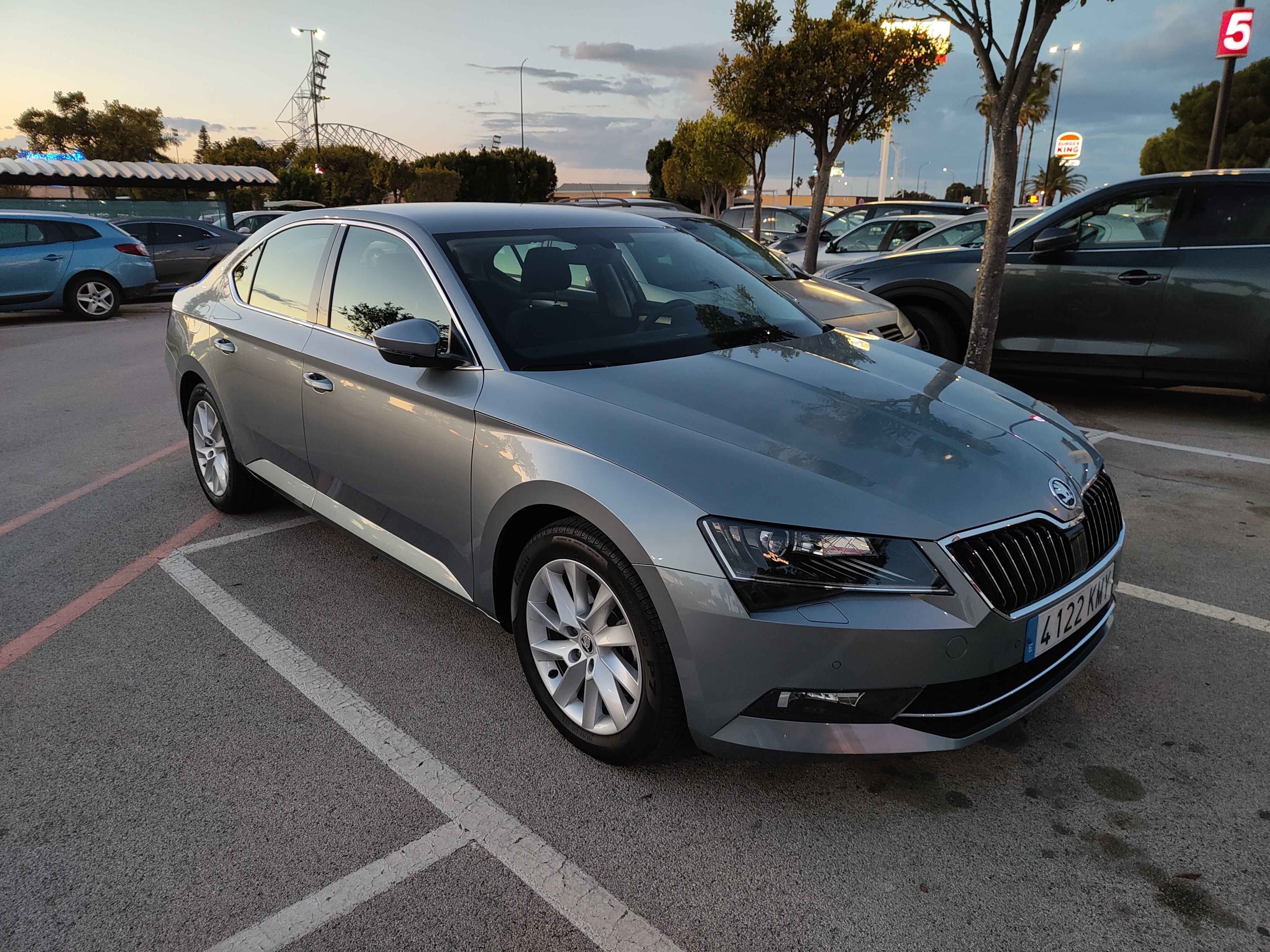
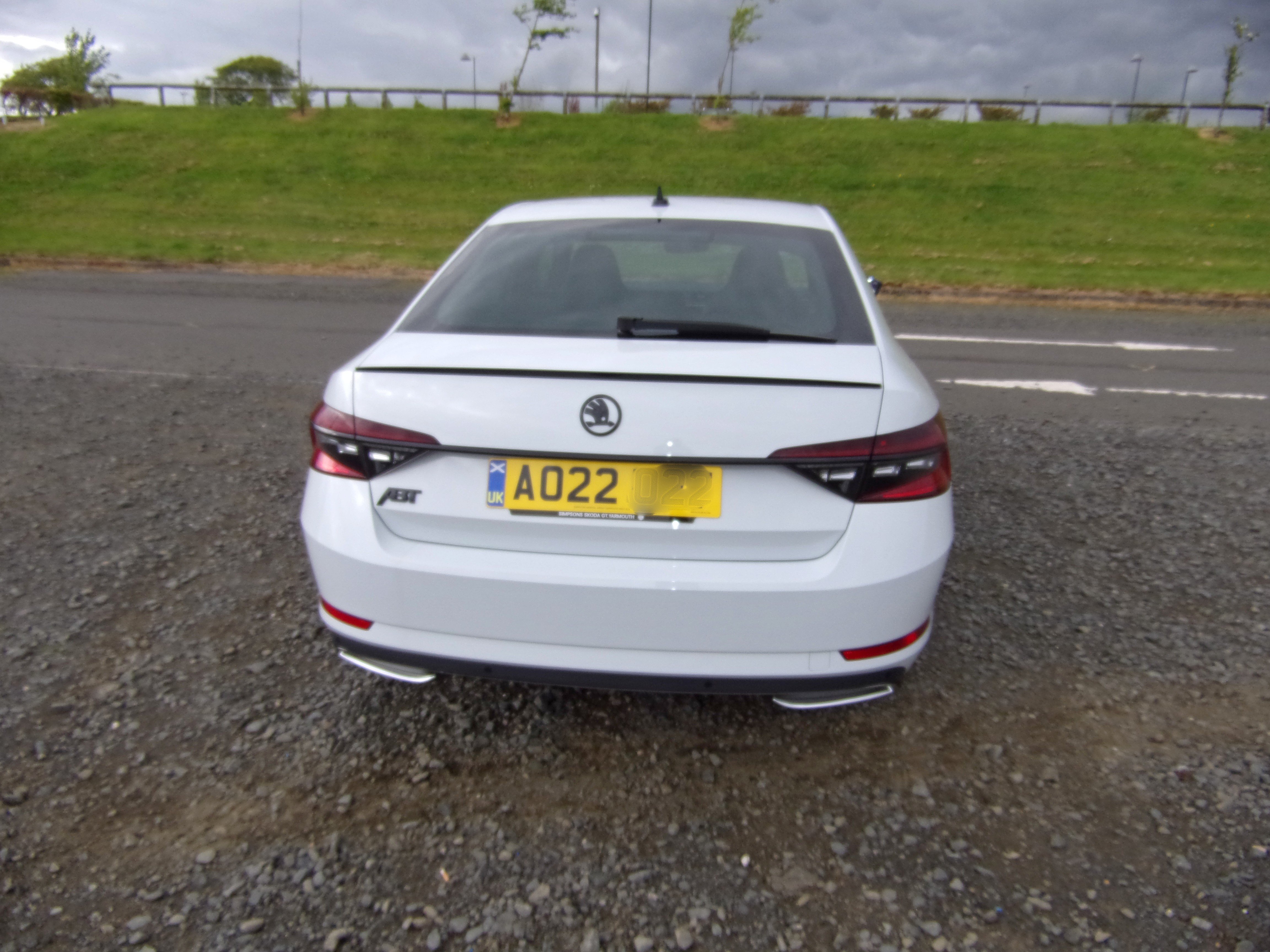
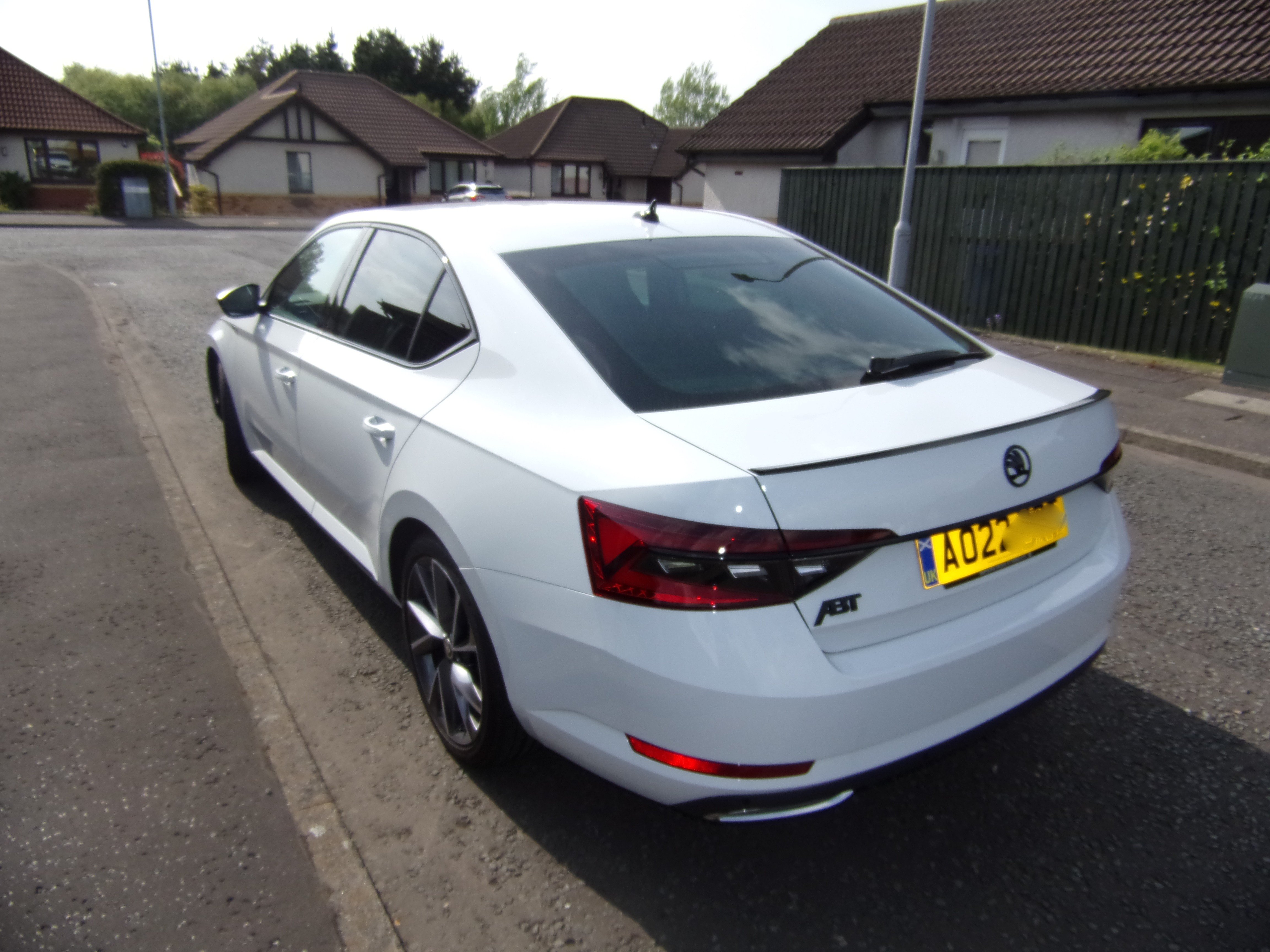
Badges fitted front and rear, wasted time and money on the ebay badges, they looked alright from a distance but the curvature was all wrong so they started to lift the next day. Went with the moon white ones from superskoda this time, fit and colour are spot on 😊
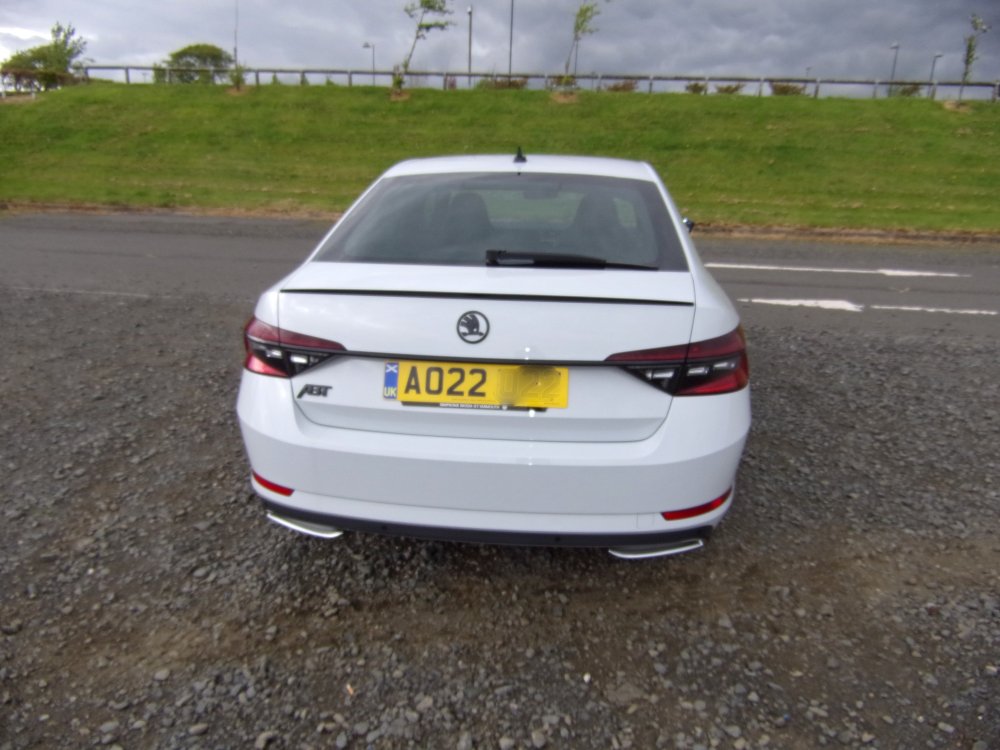
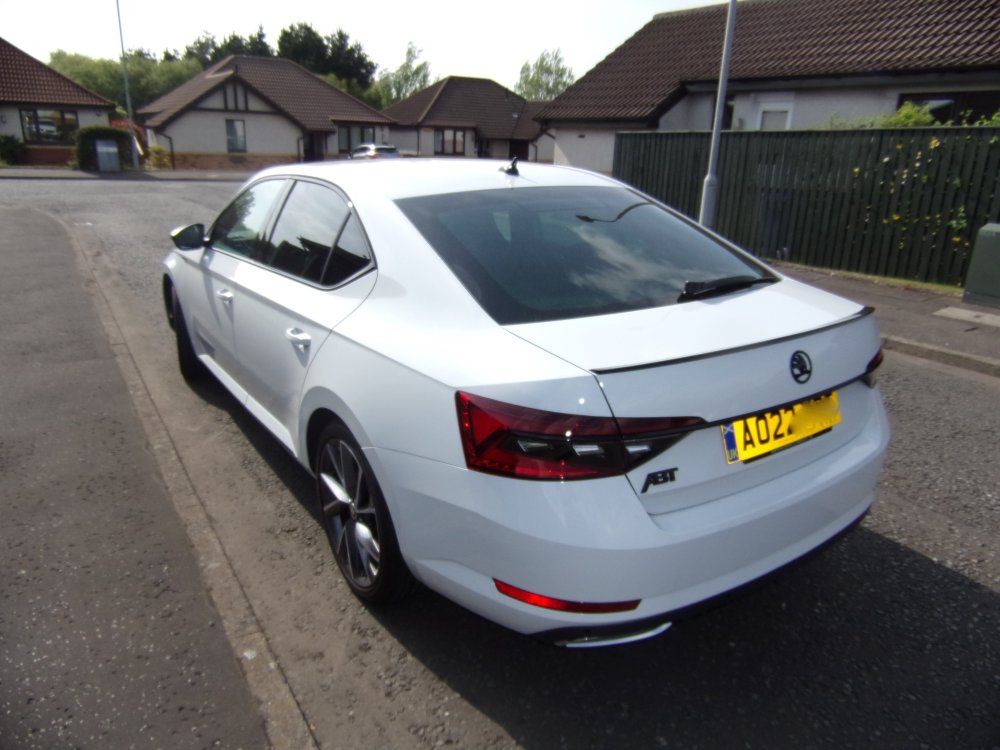
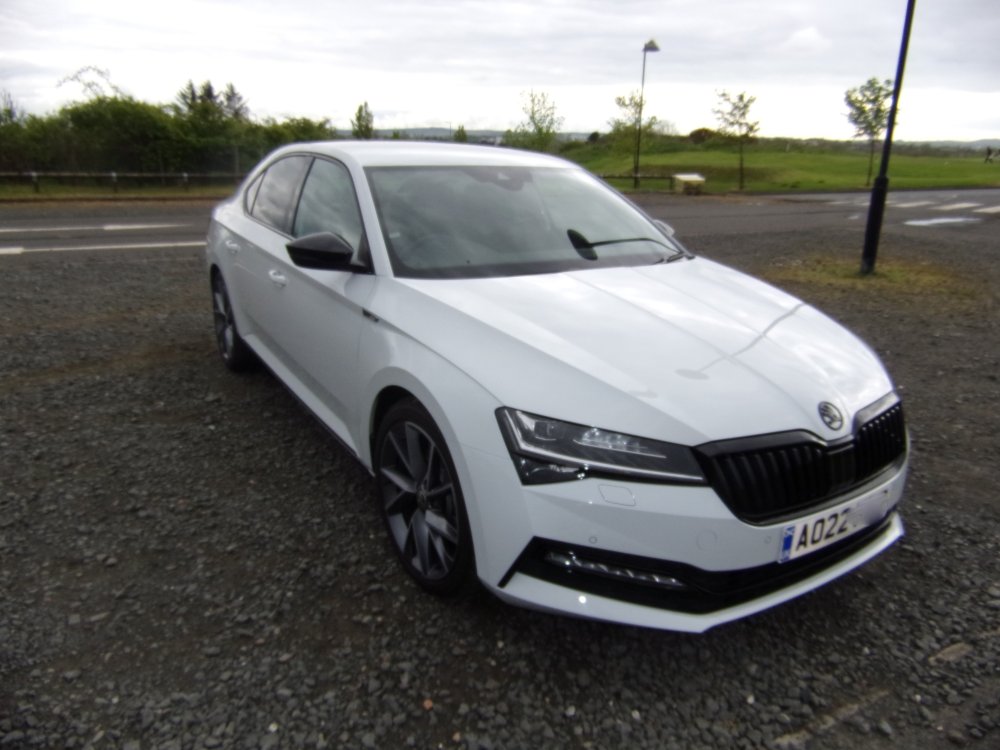
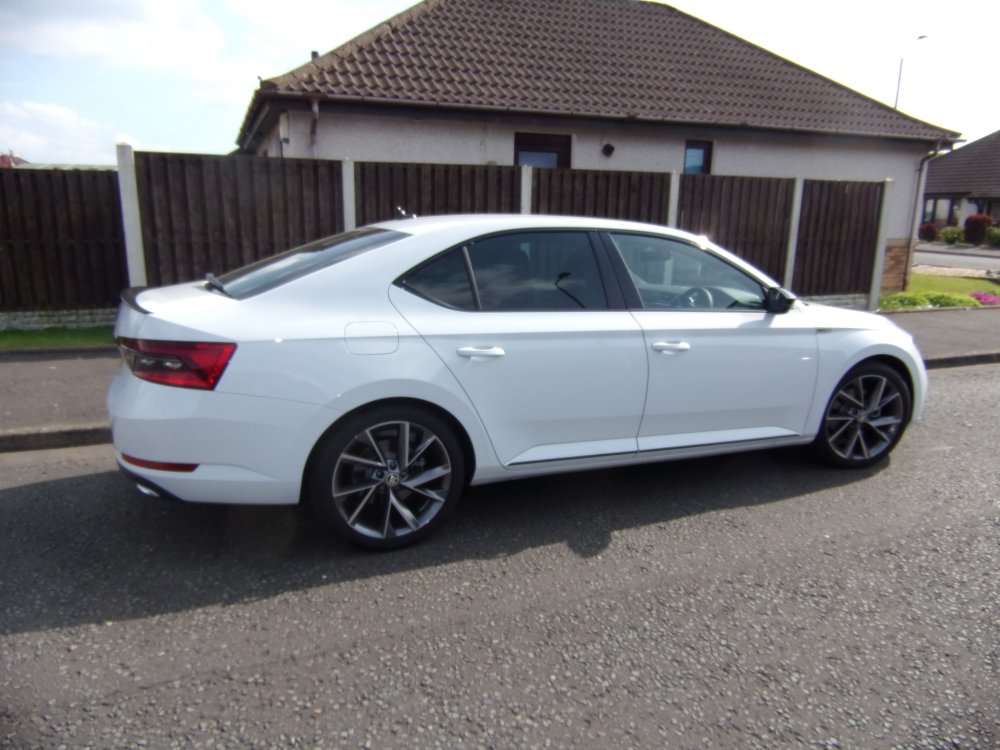 3 points
 -
2 pointsI can empathise with how much of a big and difficult thing it must be to go through having seen my dad go through a heart transplant. If I can play even the tiniest part in helping you it makes me happy.2 points
-
2 pointsJust boshed a very strong sleeping tablet, 2 tramadol tablets, some oral morphine and the last bit of Oxycodone, so vest get my head down before I fall asleep with my phone in my hand2 points
-
2 pointsGreat to hear you're feeling good 👍 Hope the drip sorts out the INR levels. You're making good progress by the sounds of it2 points
-
2 pointsI'm feeling really good actually. Much better mobility today, bee walking around the ward. Didn't get across to a recovery ward as they want to sort out my INR levels first (the body's ability to clot, in Short) They weren't great, so they stuck mean a drip at 11:40 this morning, which finishes at 5am😱2 points
-
2 pointsGuess so, but made of titanium instead.... I'm lighter and and therefore quicker2 points
-
2 pointsSo, are you like Iron Man then? I was going to say Caped Crusader but that'd be the wrong super-hero and the wrong bloody franchise...2 points
-
2 points
-
2 points
-
2 pointsOk, received answer, no changes so far, waiting for parts (door panels?), still due for week 20 atm.2 points
-
Summer tyres back on. And you can almost see the lake again! (I drove over this about 6 months ago - it was an ice road). This is also why you won't get any pics of the light bar working for a while yet, as it doesn't really get dark now and won't for another couple of months....
 2 points
 -
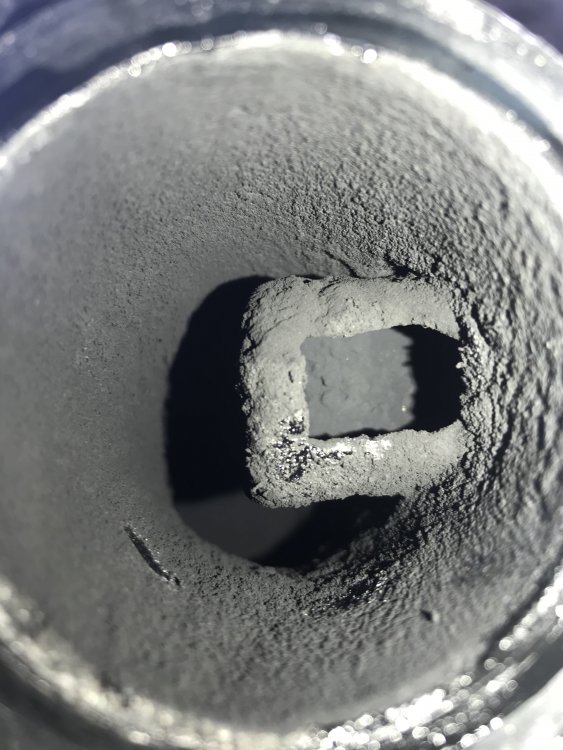
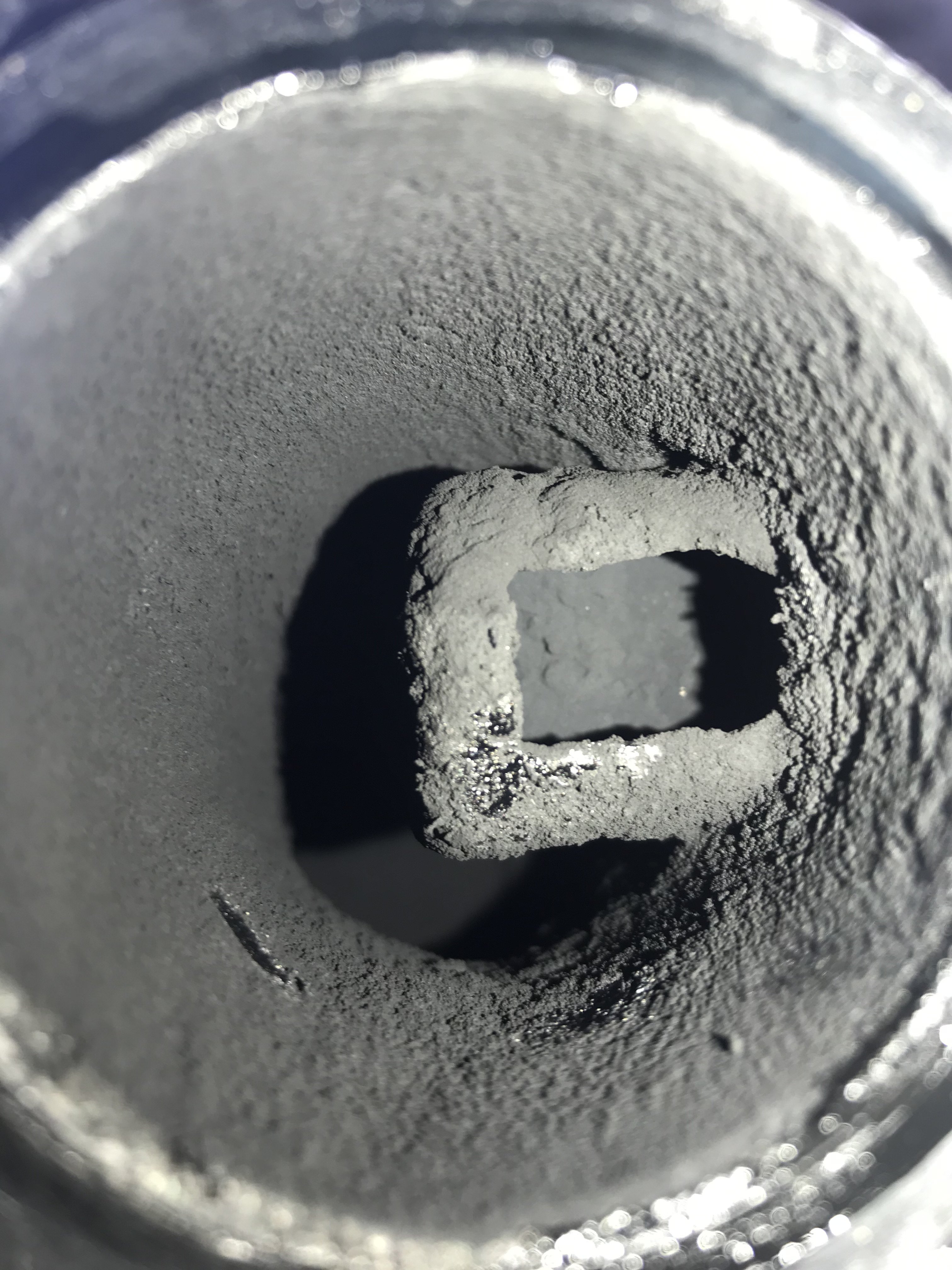
Took some photos during a recent clean of the intake manifold flap valve V157 which was not as bad as others I've seen. The nozzle coats the valve causing reduced movement or even sticking and results in the glow plug light flashing and limp home mode. Logged codes in address 01 include P012100 and or P211100 and or P211200. While your valve is soaking in your solution of choice take the time to remove the EGR nozzle to the plastic inlet manifold and rotate it 180 degrees. The nozzle body is mechanically coded (only fits one way round) and needs to be modified with a round file to allow it to fit correctly. Later cars have this done from the factory now, but to check to see if yours has been done, remove the boost pipe and use a mirror or take a photo looking up into the valve. If you can see a slot facing you, it has not been modified yet. Remove 2x T30 from the pipe at the cylinder head Incidentally, if your EGR valve sticks open, the engine will peter out like it's run out of fuel. These are the two bolts to undo and slide a cut to shape drinks can (width of the pipe diameter folded over in two for added durability) down between the gasket and the head , tighten the bolts up again, this then blocks the EGR gas from choking the engine and allows it to start as an emergency repair to get it back home or into a garage. Then undo the clamp to the nozzle and remove the EGR pipe. Another 2x T30 and you can withdraw the nozzle.
 1 point
 -
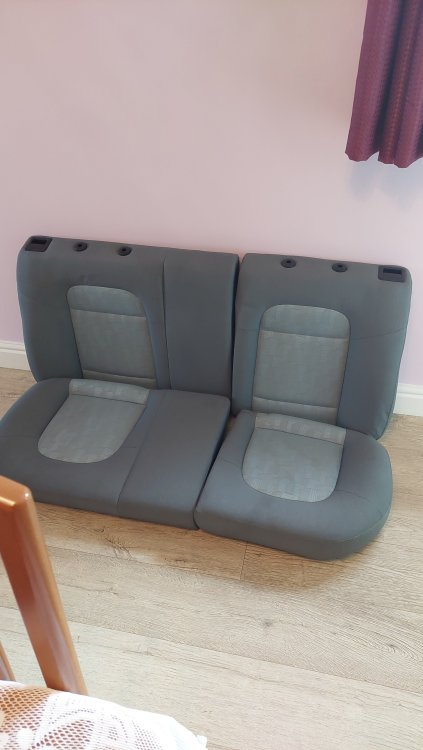
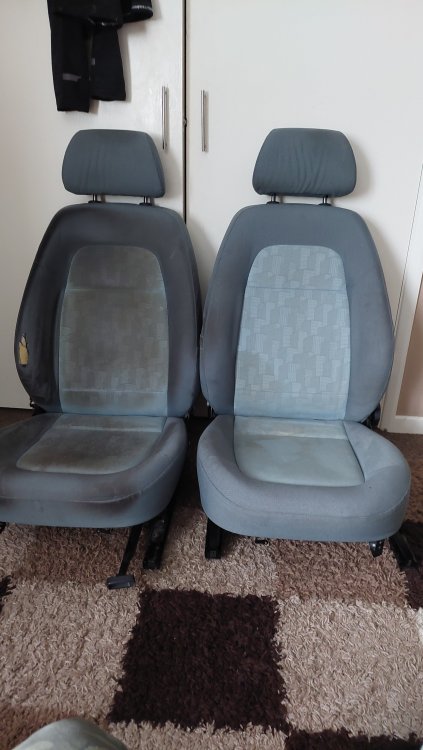
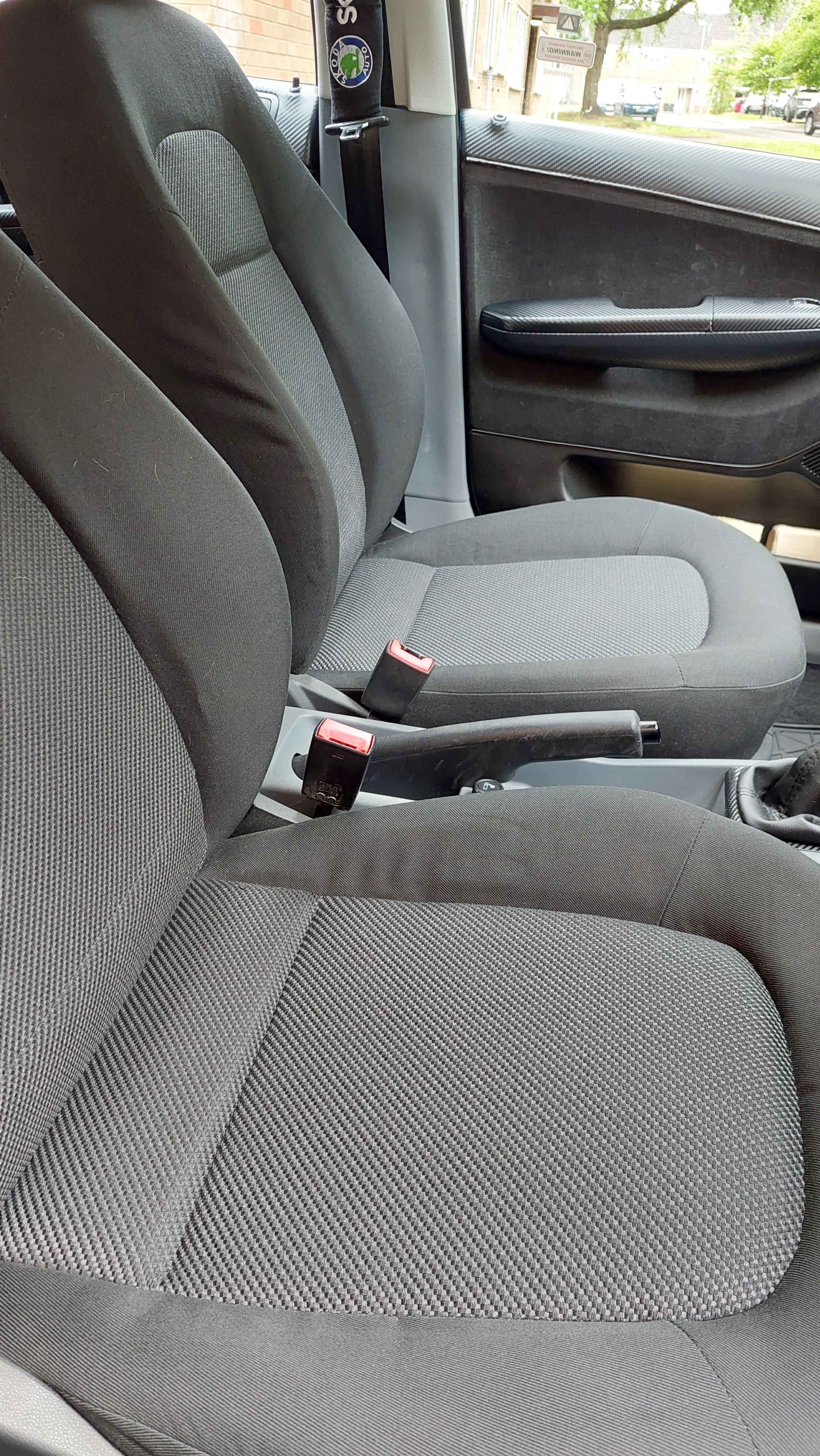
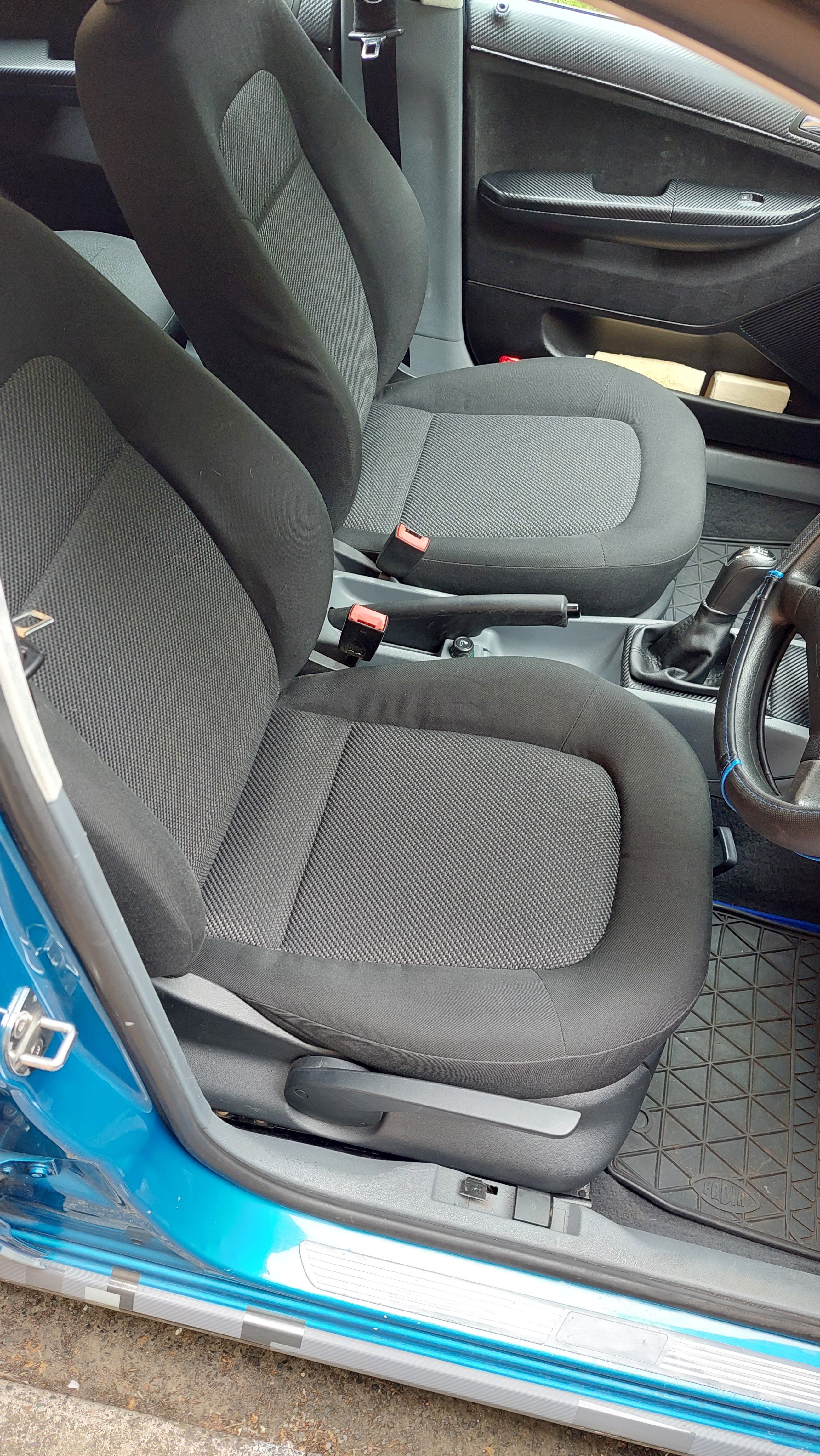
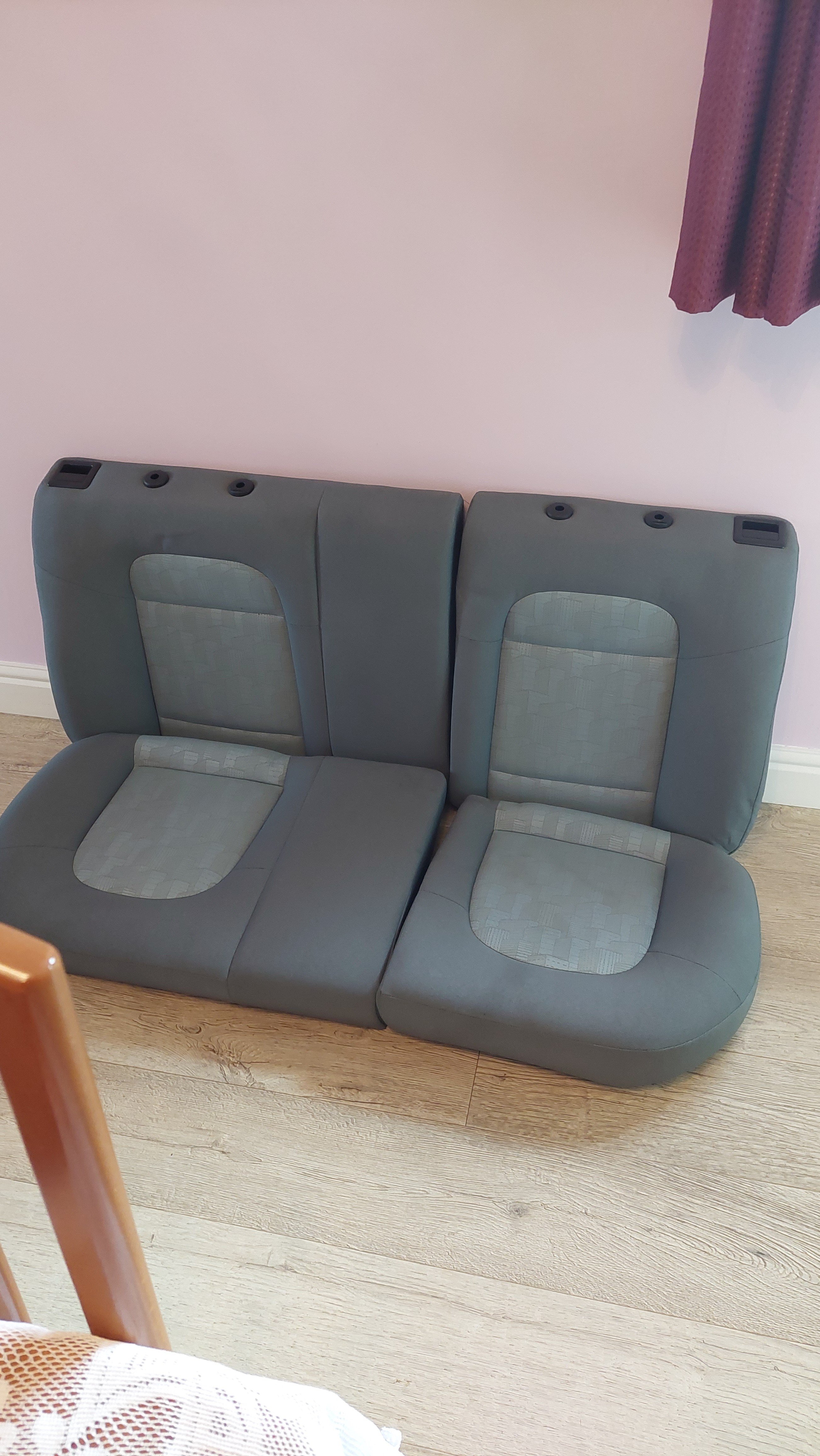
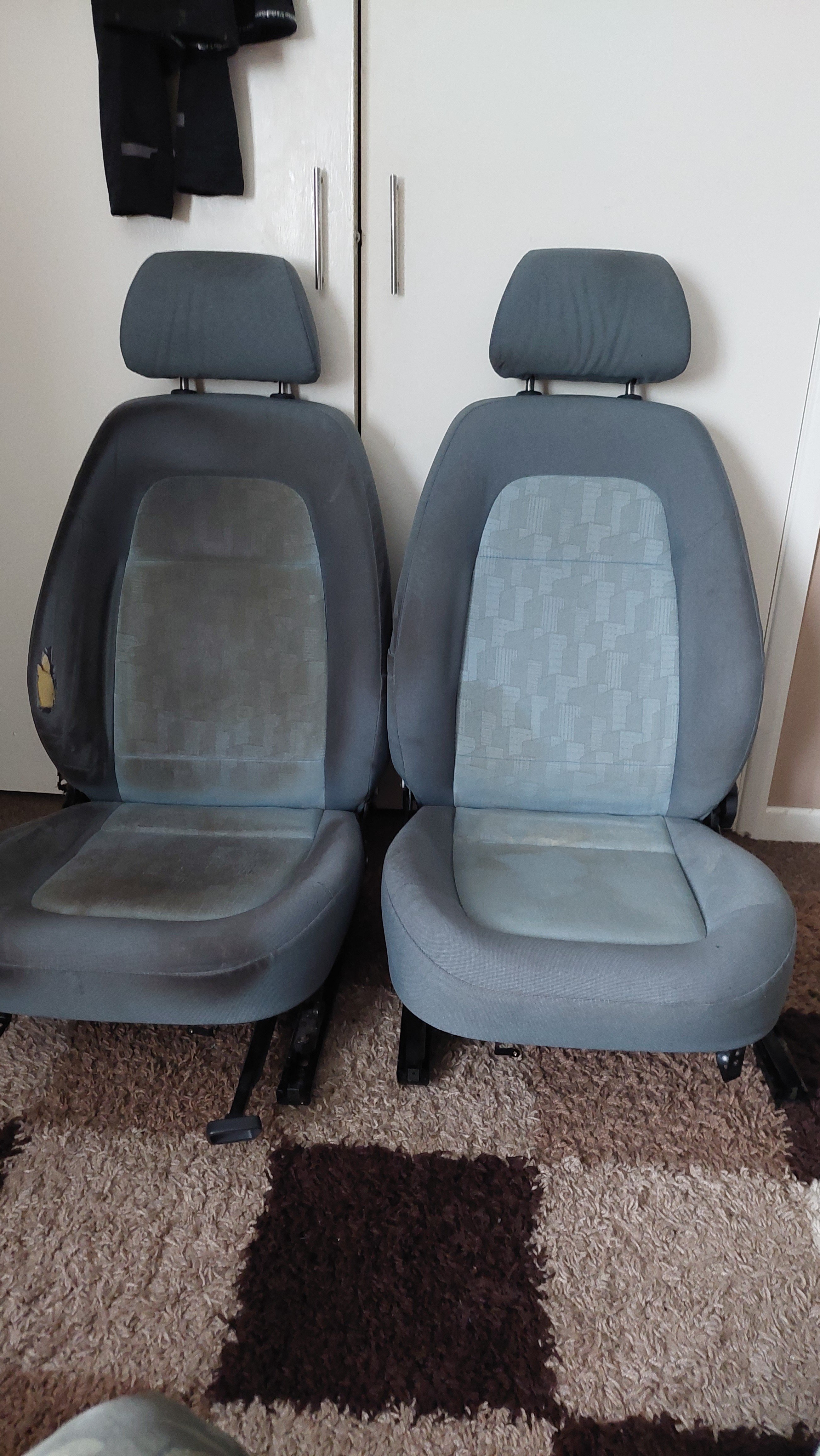
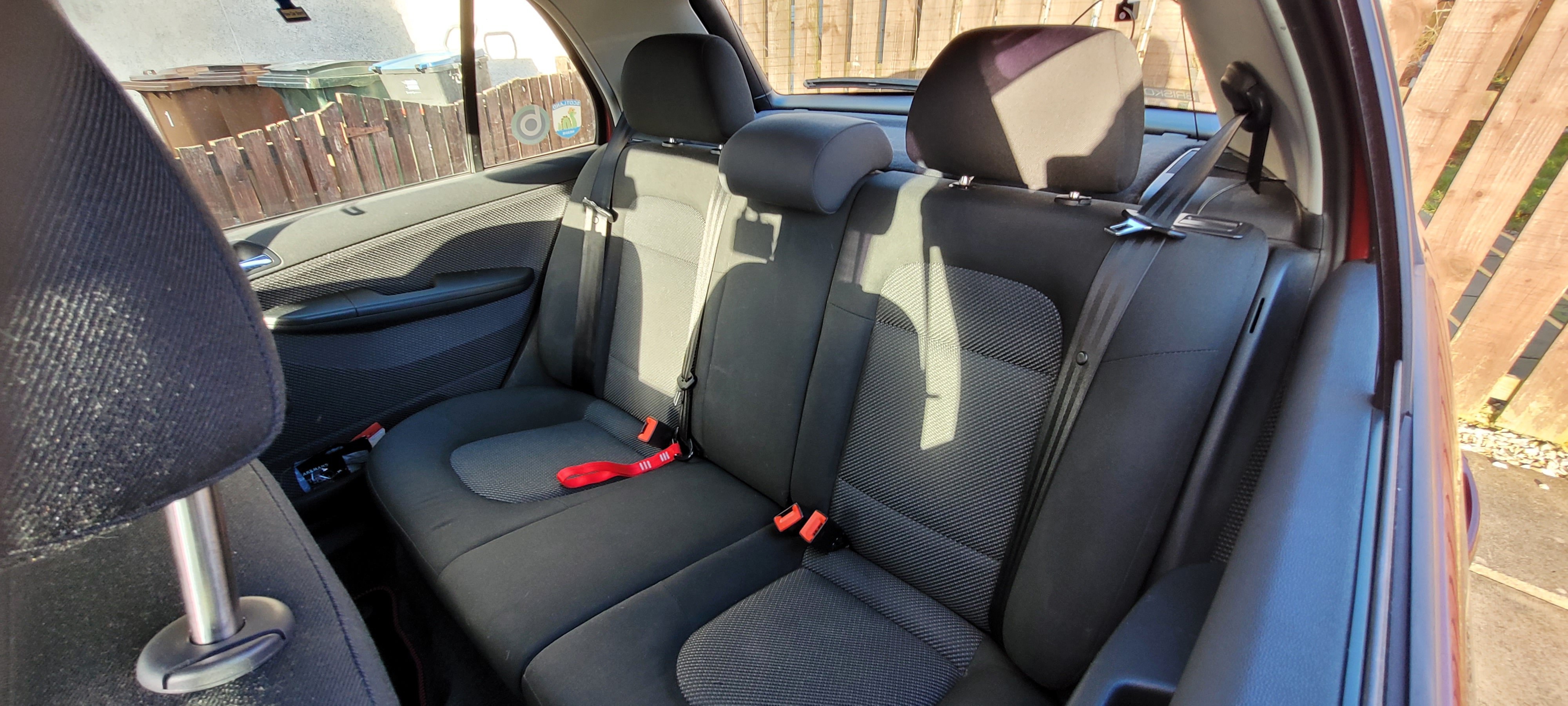
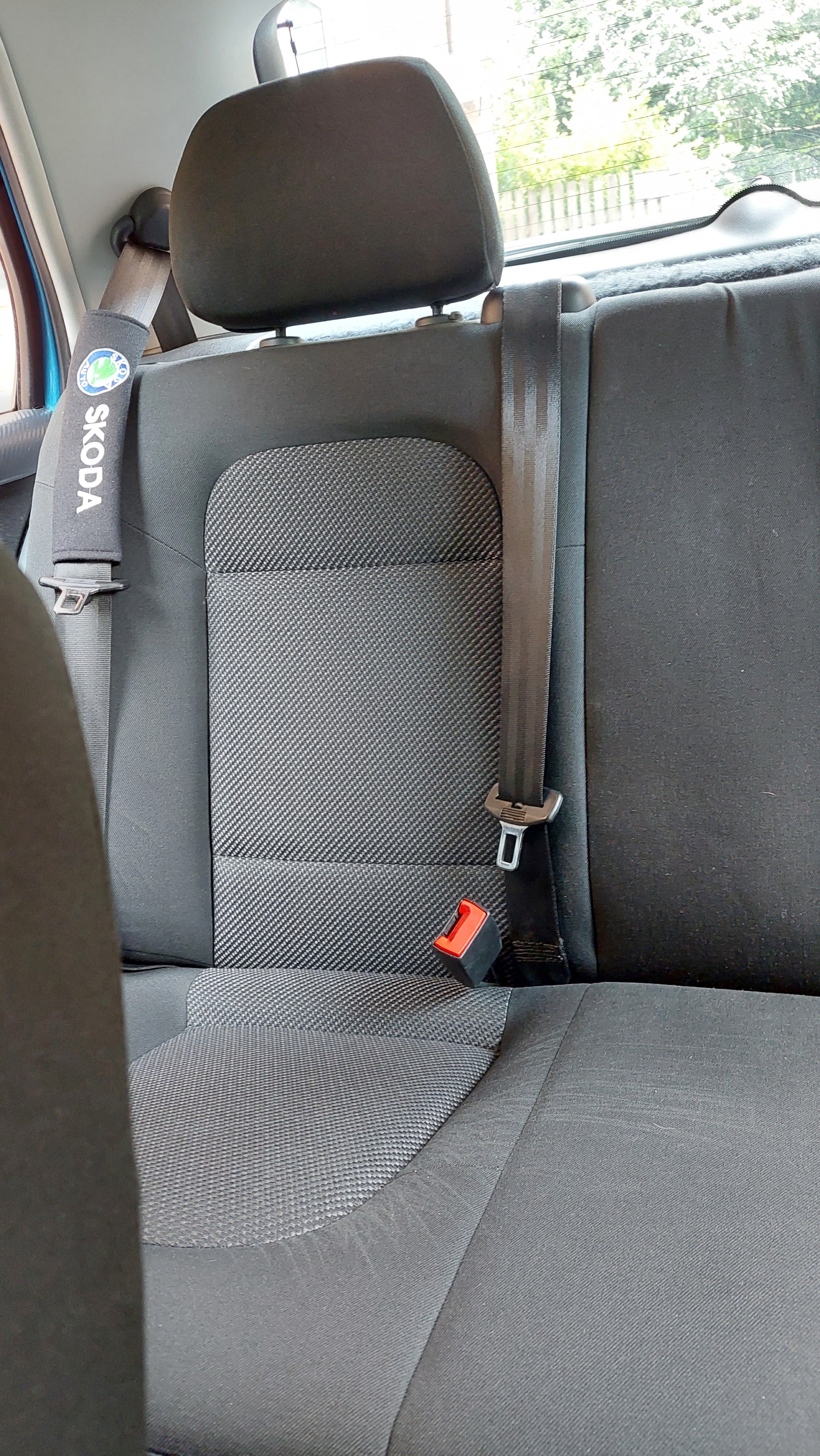
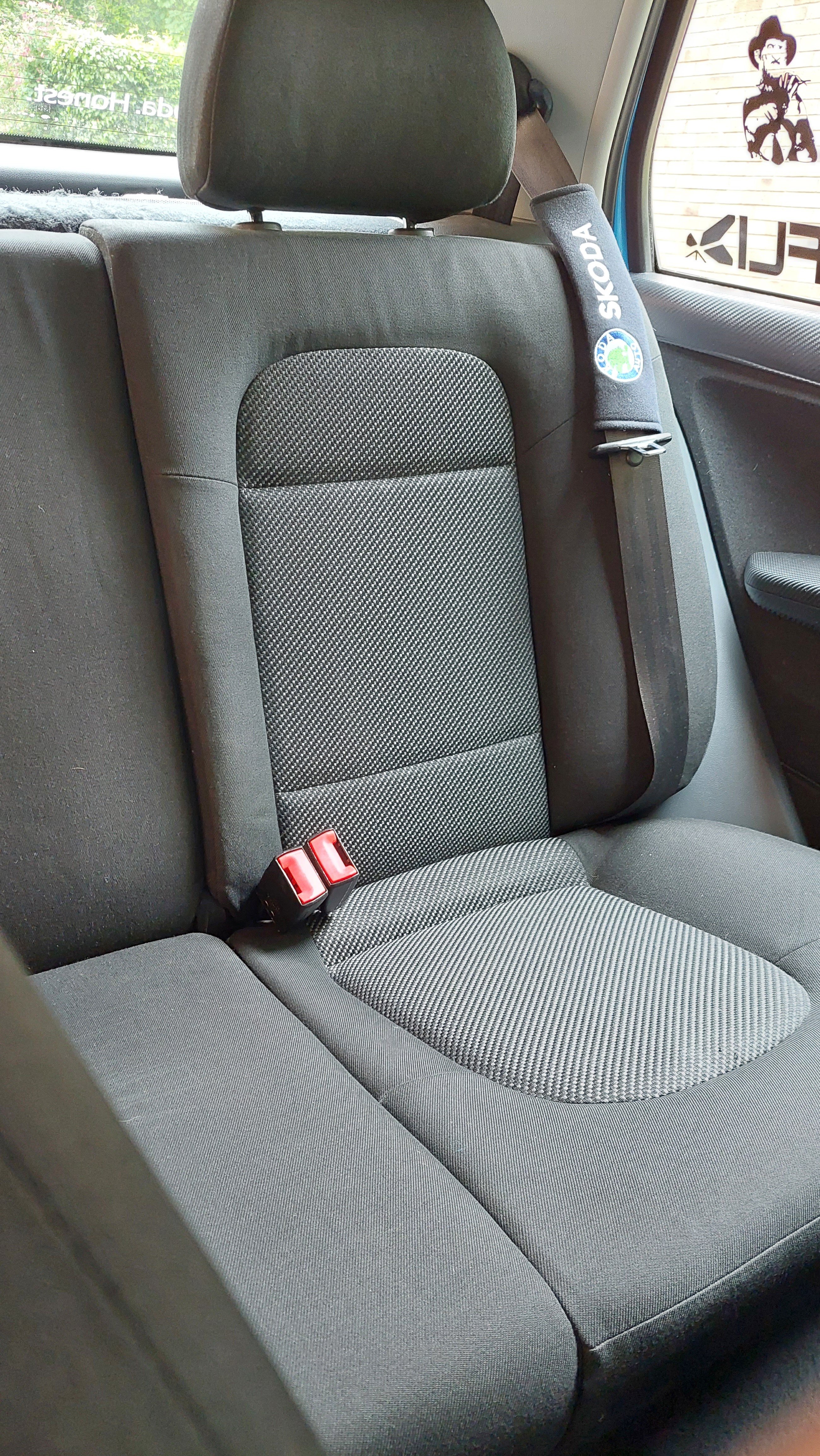
1 pointGot you all looking lol misleading title. So took a 250 mile round trip to cardiff on sunday in the furby to buy a full set of seats from a guy. To say it turned out to be the bargain of a lifetime is an understatement, I was a bit worried as seemed to good to be true but as you will see in pics below mine were minging hence why when i brought the car there were seat covers already on. I think the previous owner may have been a swamp donkey or something lol. The new seats I have to say look and feel as though they have only been in a car maybe 12 months.
 1 point
 -
1 pointI dunno either but I'm really pleased with how everything is going for you1 point
-
1 point£2k will get you something over 150k miles roughly, maybe bordering on mildly ropey as well. I don't want to talk you out of the vRS since they're cool as hell, but the Elegance comes with a few more toys over the non-'options box ticked' spec vRS at the expense of losing 30hp and the bodykit. Not saying this is what you must do, but it's just food for thought, as they say.1 point
-
1 pointThe most important thing is that it has been regularly serviced with the correct oil. I would say correct servicing over low mileage is the better choice, by far. As for spec, a bit hit and miss. There can't be too many on the road nowadays (I'm sure someone else could be bothered to find that out, but not me!) so I personally wouldn't get too caught up in finding one with the right spec. TBH, there weren't too many upgrades and not too many people bothered with them. Look for rust under the front doors / sill area, watermarks on the rear door cards and wet rear passenger footwells. Plenty of posts on here about the usual issues with these. £2k won't get you much in the current market I reckon.1 point
-
1 pointThis is how it looked 10 months ago before installing lowering springs: How it looked right after: And how it looks like now: Rear end is way lower now and even looks weird, as if rear axle has shifted forwards. I can say that it has not.1 point
-
if you can hold off till end of may , they have done 20% off the last few years, so likely this year just dont waste your £££ on those ebay badges1 point
-
Just had an ota update today and I've noticed the Clima sync is now working correctly on the drivers side (rhd)1 point
-
Car feels more planted on the road compared with the old shocks. Bounciness on the front end has also gone. Car just feels better all round. So, yes, was worth the €500.1 point
-
1 point@MarkyG82Cheers mate I did message last week and had no reply so messaged again today1 point
-
1 point
-
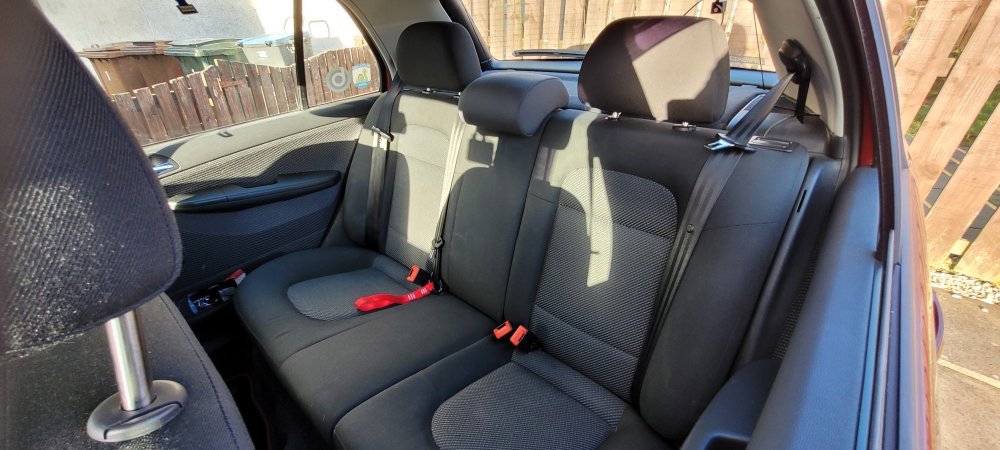
1 pointThose seats look awfully familiar... Oh... Good upgrade on your car, IMO. The darker seats look much better than the grey ones.
 1 point
 -
1 point
-
As @roottoot would like road tests with vehicle loaded, Bjorn Nyland has obliged.1 point
-
I got a similar letter a couple of months back, the first communication from ŠKODA in 5 months which is pretty poor. Can’t fault the dealer however, they had invented so many different ways to say they still hadn’t heard re a build week! Moving faster now thankfully, on Friday it was at the port released for shipping to uk. Can’t imagine the ships are too busy 🤞🏻1 point
-
Looks good for an AliExpress jobby. what’s the price difference in maxton vs this1 point
-
1 pointCalled my dealer today…. and surprise surprise - my Scala just arrived at the dealership. Last update was month ago, and since the end of February there was no difference - they told me the car is ready. I suspect that it was waiting for some parts, that eventually arrived. Why the dealer skipped to call me when the car was sent to Bulgaria, I have no idea… Now I have to wait for my COVID quarantine to expire till Friday, then I will be able to go and inspect the car.1 point
-
My latest Cold start were one click better than previous, maybe the ECU remembered the good old times with NGK lambda and Champion spark plugs. After the trip i made another Gas station pump test. 8] 360,3 Km distance and 25,08 ltr fuel which means 6,96 ltr / 100 km or 40.58 Uk mpg. The results could be better (yes better) because the air pressure on tires was one click lower and i had some hard traffic the latest kilometres before arrive at home. Now after refuelling i will make at least 100 Km on city traffic and after another gas station pump test let's hope that i will close this chapter.1 point
-
1 pointHi Roottoot, l have just done the first 1000km and been careful with it, l have no intention of being rough ever but l have heard of some bad experiences and want to do the right thing, my last engine was a k9k 1.5 diesel and it covered 170,000 for me with a few issues but overall was good to me, again it's service schedule was at 30km but l always did it at 15km. Its just the oil service is set at 15km on this engine and l was wondering if l should do it sooner but 15km is probably OK. Thanks for the help and l will post to keep others informed for the greater good of the forum. Cheers!1 point
-
1 point
-
1 pointI'm a practicing mechanical engineer myself (working for a torque tool manufacturer right now), and have also taught engineering at third level. From an educator's perspective, one of the things that's always useful is to find guides like that one that break down the engineering/scientific principles in an accessible way. You're not the only person who is posting on this thread, and certainly not the only one who will ever read it, so it's a bit self-centered to assume the article was linked for your perusal alone. There's no difference in practice between torque + angle and "torque + angle to yield" in terms of the instruction to the operator or to a large degree how the fastener feels when you're tightening. VAG service manuals don't draw any distinction between TTY and standard fasteners either in terms of torque spec or instruction to replace or not. It may be the case in service documentation in other brands/fields, but not something I've ever seen in VAG or Porsche specs. As to engineering practice, I like to look deeper into these things and see where there is leeway to adjust from the specification in the service manual. Service documentation is written for technicians to get the job done repeatably and well, and as such is always a good starting point, and generally I will stick to the manual and advise others to do the same. That said, there are situations where you need to deviate for some reason, maybe lack of resources, or you need to get the job done with what you have to hand because time's tight, and understanding how/when it's ok to deviate from the manual is useful. In the case of this thread, it's useful to know why some bolts must be replaced, and why others could be reused with care, particularly for someone who comes along later and finds the thread, and maybe at some point in the past they've reused a bolt that should have been replaced, and knowing why helps/encourages them to go back and remedy it.1 point
-
1 pointheard from the dealer that the car has left the plant as of 5th May. Mater of waiting now. I guess at least 5 weeks for the car to make it to Germany and then the boat...1 point
-
1 pointSkoda promised 5-7, currently at 9 months. I wouldn’t trust any of the sellers…1 point
-
1 point
-
1 pointNorbar have some good background on torque as it applies to bolt tightening in their catalogue, starting at page 13: https://viewer.ipaper.io/sna-europe/norbar/norbar-2022-torque-wrench-catalogue/?page=131 point
-
1 pointSorry to dissapoint you but you are both amateurs compared to me, the master. I have a less accomplished life, am more paranoid & desperate for recognition and am more feeble and insecure than both of you put together 🤣1 point
-
1 pointI don't like them, its another bit of complication that can go wrong and makes it impossible to modulate the throttle and clutch when you do need to make a speedy standing start say across a junction in a gap between oncoming traffic. It can also slip when upchanging if you are using full acceleration making use of the power band, if overtaking and perhaps you have not left quite as much room as you thought for the manouvre that is exactly when you would make a faster than normal gearchange. VAG would rather the clutch burnt out than have a gearbox failure and their vehicles do not perform as they should when you most need them to. I modified one of mine by drilling out the return restrictor valve, the clutch feel was much better but I replaced it with a new standard one while I was ruling out all the possibilities before having to replace my DMF, Clutch & slave cylinder, with all new parts I thought it best to leave it as standard, I'm beginning to wonder now.1 point
-
1 pointOn the mkII the 1.4tsi 6 speed has an external slave, not sure re the mkIII. Eurocarparts lists both types. But as you say it needs ruling out. The car we had this valve fail on was actually a Fiat Panda! After being stuck in traffic Mrs BJ ended up stranded with the clutch pedal stuck to the floor. Replacement slave cylinder/ valve assembly restored normal service - infact the clutch was transformed so must have been on the way out for a while.1 point
-
Well I went for all 4. Fitted them yesterday along with a new engine mount on the gearbox side. Took the car for a short run. Runs smoother and handles better. The bounciness on the front is gone. Early days but worth it so far. For info: I ended up buying them from Auto-Doc. €494 (£421) delivered to Ireland. Other prices I could find were €636 (Winparts), €505 (Amazon.de), €535 (Amazon.fr) But not in stock with Amazon), €700 ( (from UK) + import tax (thanks Brexit) Front: 8745-1388 Rear: 8245-1387 So, like most things these days, shop around for prices before ordering.1 point
-
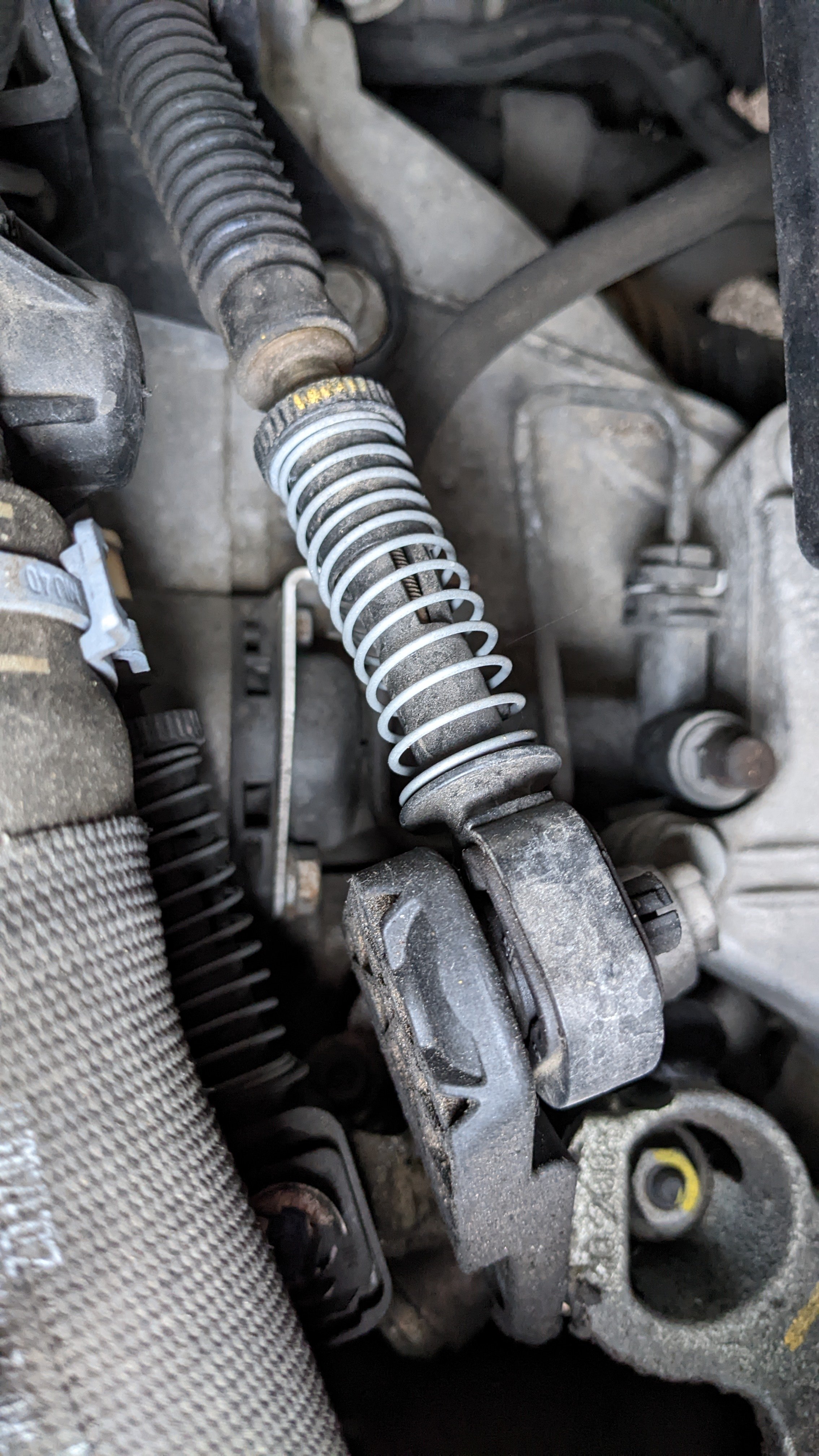
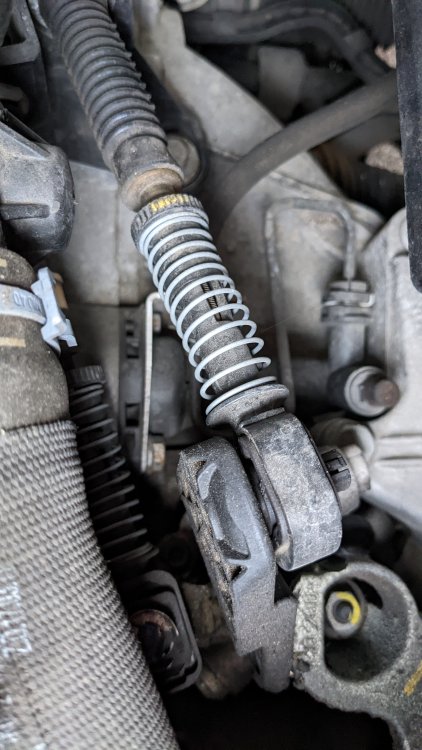
1 pointPossibly a clue! Is it fitted with an external clutch slave cylinder(on top of gearbox outside bellhousing)? or is it concentric (inside the bellhousing)? If it's an external slave - change this FIRST as it's a cheap job. They have a "protection valve" to protect the clutch from too rapid a release - I've known this on another make of car fail causing the pedal to stick to the floor(when hot in that case). If it's playing up I suppose it could cause judder. External will look something like this (follow hydraulic pipes to check):-
 1 point
 -
1 pointJust been informed my Octavia estate VRS with winter pack has been built and in transit apparently 4-6 weeks from factory anyone reckon1 point
-
1 pointFitted my new steering wheel today it's not a big job to do but you have to take your time with it all the plugs are the same the steering wheel and airbag fit with no problems the steering wheel nut can be reused up to 5 and the taque settings are 30nm+90°.the steering wheel and airbag I used was from a 2019 karoq sportline and the switchs are from a 2013 fabia vrs


 1 point
 -
1 point
-
1 point
-
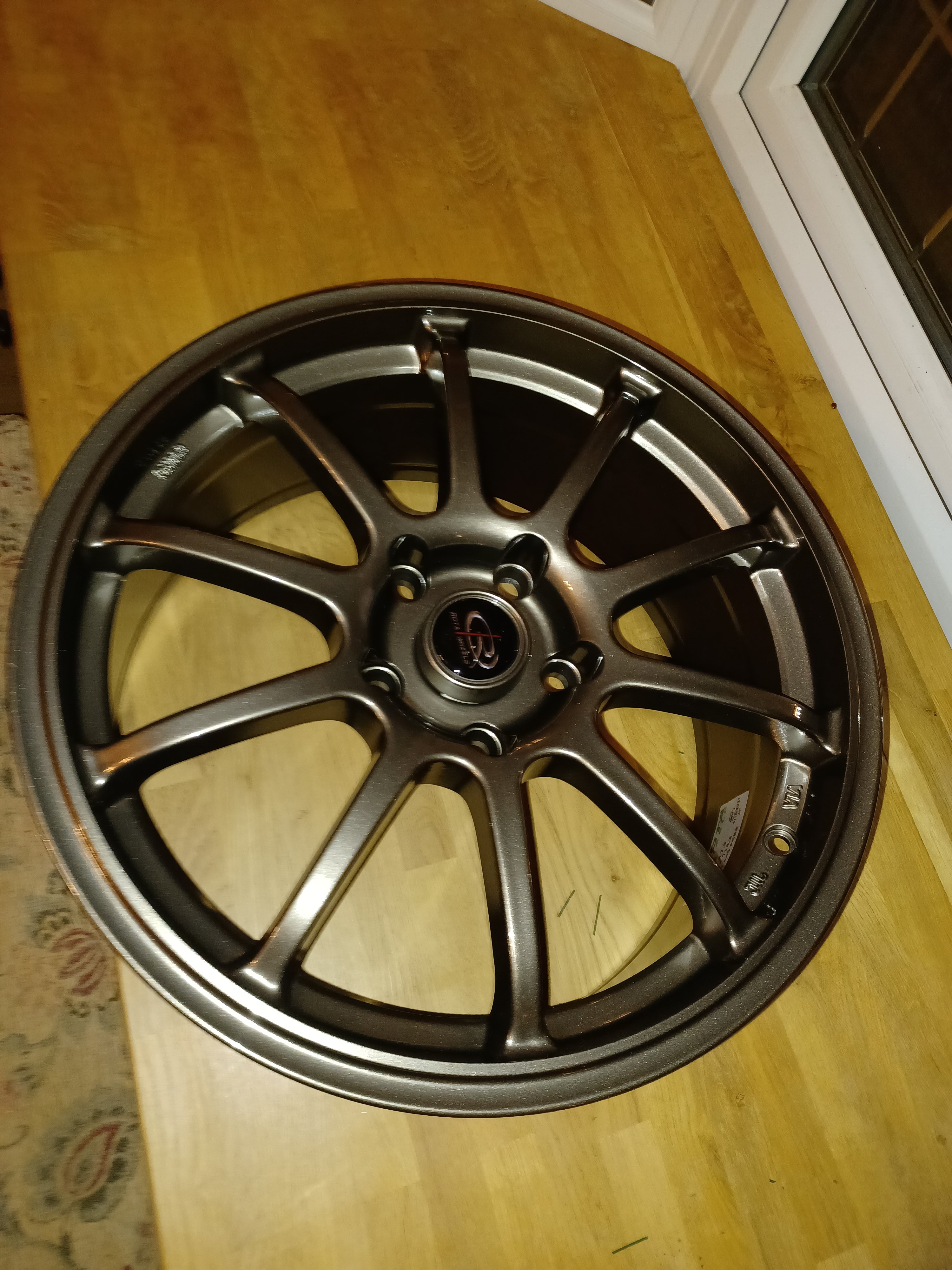
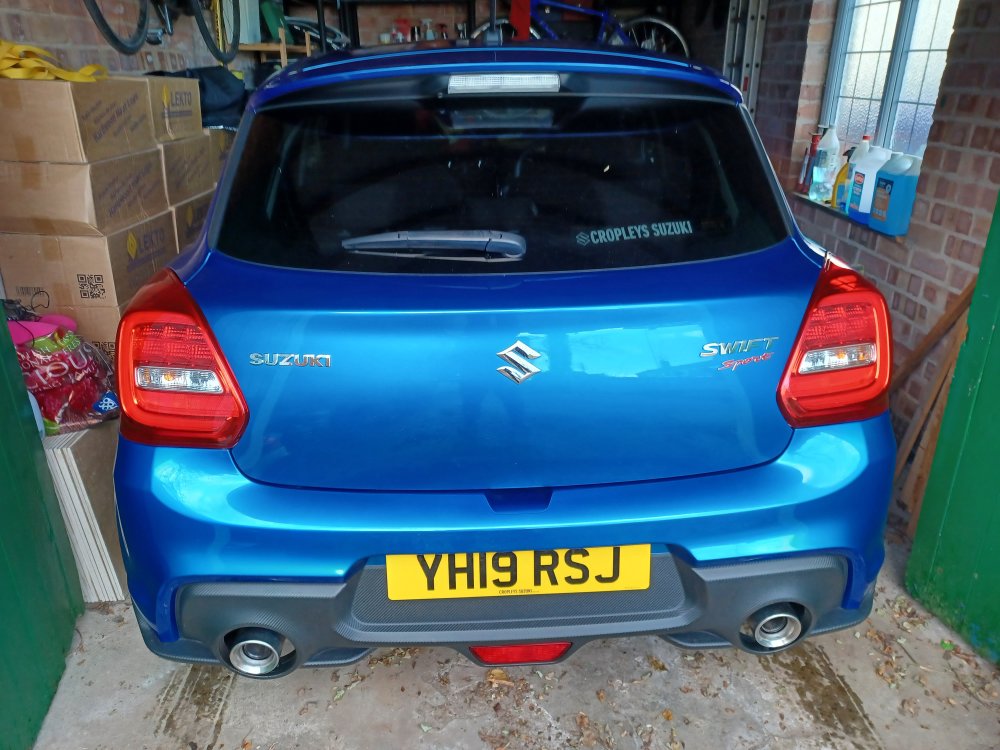
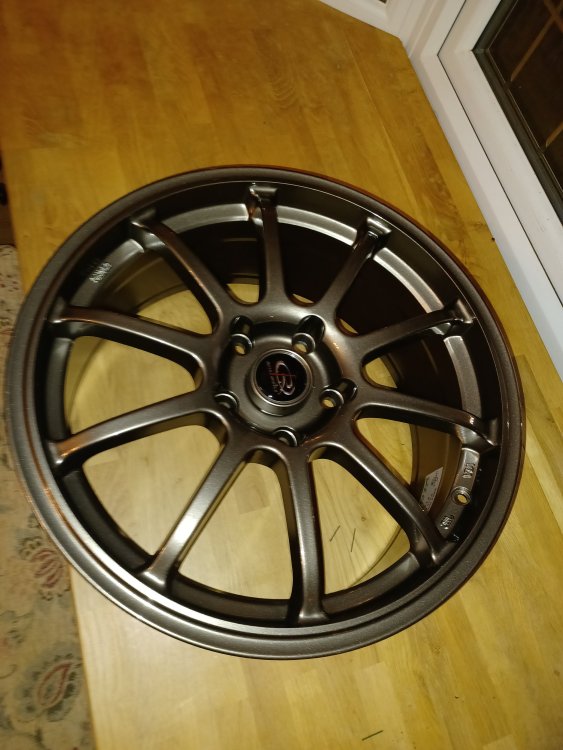
Things are moving Swiftly in some respects, and very slowly in others. It is brilliant to drive in standard form and I am looking forward to getting the wheels and coilovers fitted (they are sat on the living room floor at the moment), and the remap sorted. But I've come up against a problem... I couldn't resist the CTC Performance carbon airbox so the car will also be getting a full induction system and exhaust! The problem is that I can't get these fitted for a while, but I must say that enjoying it in standard form is not too much of a hardship. But it will be close to 180bhp when everything is fitted!!! No idea where the images went from my previous posts so here they are again. Expect a few more as things get fitted!
 1 point














.thumb.jpg.9dd3f612ba7f13d10be5c518d3c8d255.jpg)