



Leaderboard

.jpg.1006585dfe4e2977315b67c3d642e37b.jpg)



Popular Content
Showing content with the highest reputation on 28/06/23 in all areas
-
I’m just letting any VW owners that may be lurking here know that I successfully reactivated the TMC on my mib 2 high using 32782 in the 5F module using OBD11 pro.4 points
-
It passed, clean sheet as well. The MOT guy I use I've know for years and he said that he didn't think I was going "that far" with the car! He gathered his guys round to look underneath it with various expletives of approval. More pics of it on the MOT ramp.. Got the car back home - 23 miles now covered since rebuild, put it back in the garage and put the cover back on it. I have now taxed the car for the next 6 months, so I can start using it and putting some gentle running in miles on it. I might even get it to a couple of local shows so you might see the car doing car things for a change! Matt4 points
-
4 pointsThe fuel cut out switch activated when there was an impact.4 points
-
Well today was the day.... Just noticed the Tailpipe is not level. B****cks. *job for later me thinks3 points
-
3 pointsHello VW & Skoda Owners With the help of Pete, I now have fully working Skoda windows. (this after I had replaced the front door loom) Pete's own working background is in complex instrumentation electronics, he knows his stuff and is familiar with the causes of failure of the front powered windows of VW's & Skoda's May I praise and recommend Pete to you 🙂 Kind Regards Paul3 points
-
These should be the languages available, and for anyone else that needs to know ar-WW - Arabic? bg-BG - Bulgarian cs-CZ - Czech Republic da-DK - Danish de-DE - German el-GR - Greek en-GB - English en-US - US English es-ES - Spainish es-MX - Mexican fi-FI - Finnish fr-CA - French Canadian? fr-FR - French hr-HR - Croatian hu-HU - Hungarian it-IT - Italian nl-NL - Dutch NL no-NO - Norwegian pl-PL - Polish pt-BR - Portuguese - Brazil pt-PT - Portuguese - Portugal ro-RO - Romanian ru-RU - Russian sk-SK - Slovak sv-SE - Swedish tr-TR - Turkish2 points
-
Oh yeah, it's lovely not having to put up with the multiple reboots, just hope that you're right about the manuals replacing themselves and the error on the notifications screen disappears.2 points
-
This is simply one of the best Fabia projects ever. It must be cleaner than if they MOTd a brand new car.2 points
-
2 pointsThank you so much Varooom, I'll update as soon as I can. You are really very kind and helpful, I am truly grateful to you.2 points
-
2 pointsYou should already have a private message. The release is a 2 in 1 package, so it has 2 stages of update. First takes you to 0308, after it has rebooted and settled, you will be able to load 0324 version from the same package.2 points
-
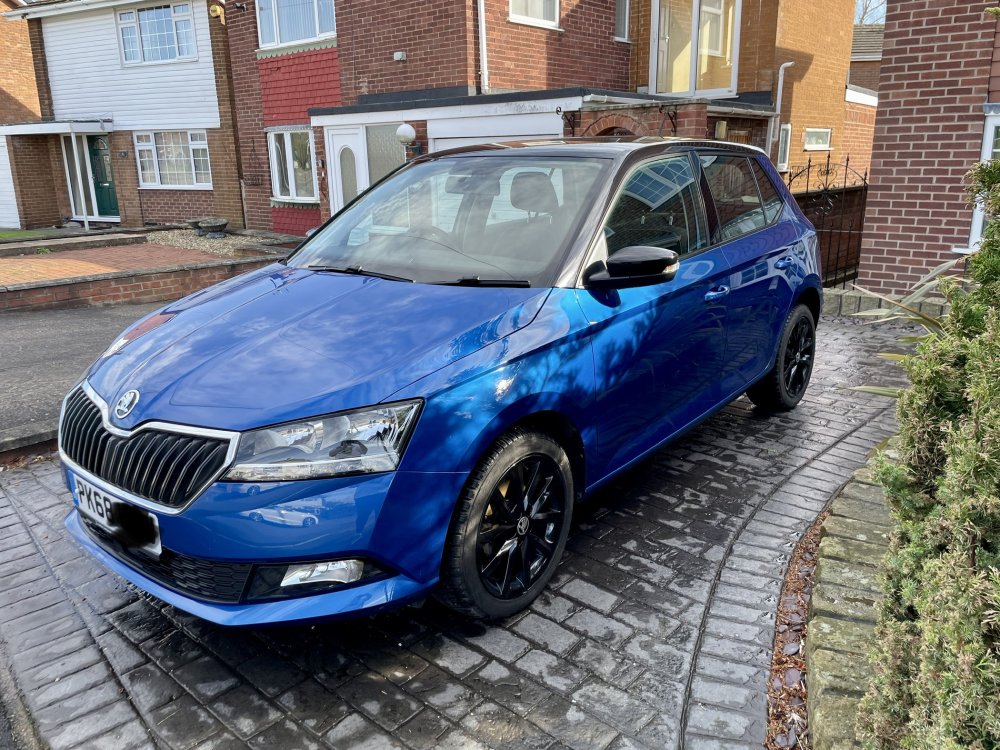
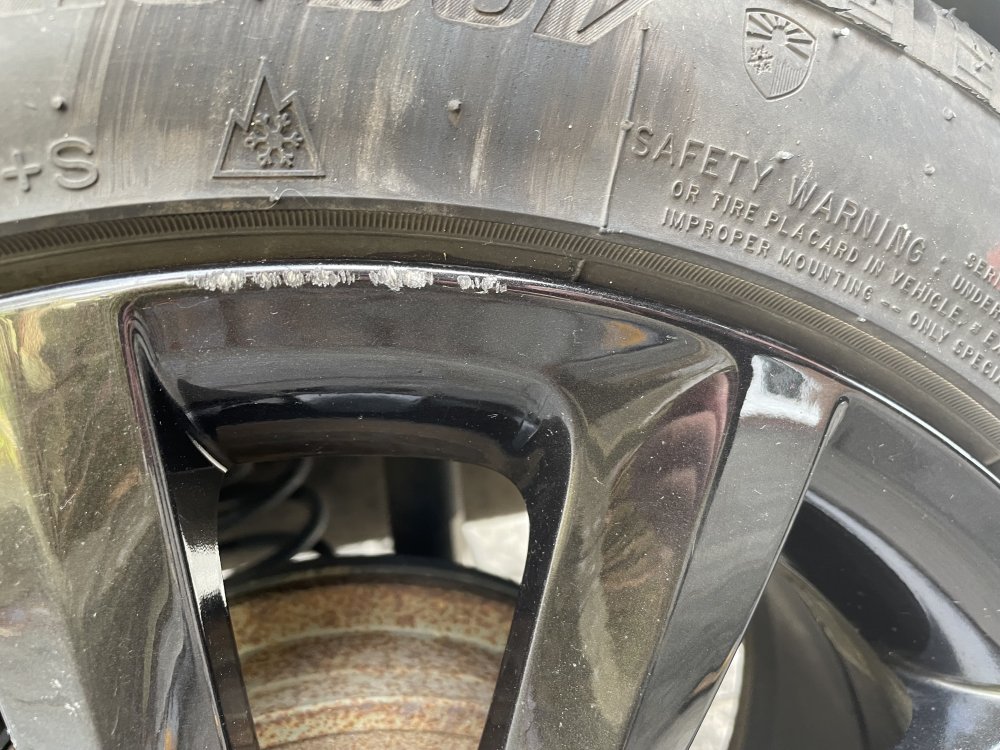
2 pointsthanks for your input everyone!! i am a she. i have a mechanical handbrake. yeh i can say i dont have a driveway pooling with water, my drive is well drained as i have plum slate around its edges. my car is driven at least every other day. i had a full service 2.5 years ago. i heard that cause concrete holds more cold than blockpaving that cars are more likely to get sticky on concrete. id love to do a ‘project farm’ on it 😝
 2 points
 -
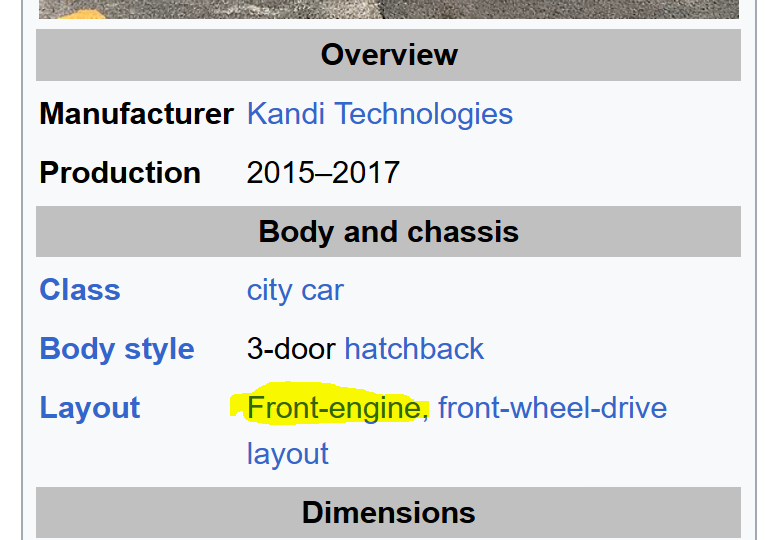
2 pointsThis is an EV called K10. https://en.wikipedia.org/wiki/Kandi_K102 points
-
2 pointsA battery on the way out possibly could so testing that would be a good first step.2 points
-
2 pointsBasic stuff. Probably involves Inspection and servicing and maintenance. Get on the ground at the back left wheel as someone gets in the car and listen to the creak and figure out if the suspension. Then you or someone else will need to get the wheel off or car on a ramp and then get eyes and ears involved in trying to find the source of the noise.2 points
-
I have a suspicion that Paws4Thot is KenONeill using a different account for some reason, seems to have a very similar 'style'. First joined a few days after Ken last visited.2 points
-
I tried. wasnt working neither. Maybe the adapter was rubbish. anyway I bought new usb-c stick. in 20 minutes all done. Works great so far. Thanks all, espescially @varooom for the file.2 points
-
2 pointsI think i must be very lucky. I ordered a VRS TSI DSG Estate in special order Velvet red on 24.3.23 and was quoted a delivery time of 10-14 weeks. Just had a call from Marshalls in Barnstaple to say that car arrives with them tomorrow and i am collecting it on Friday!! Tim Hart at the dealership has been excellent in keeping me informed - 14 weeks from order to collection. I will post a picture on Friday. Happy and lucky i think.2 points
-
Does anyone know if 1941 fixes issues with the aircon sync setting turning off and the Canton sound settings resetting? My car is booked in for these issues in a couple of weeks and was curious if this software will fix? I've downloaded 1941 (thanks @varooom!) but I'm waiting to see what the dealership does.1 point
-
1 pointThat’s fantastic. Cheers Pete. All the seals have gone. I filled up the reservoir and within 30 minutes of town driving it had all drained out.1 point
-
1 pointYou've got standard Kamiq suspension, and that's the highest it goes. Skodas such as the Octavia Scout, Kamiq, Karoq, and Kodiaq don't have higher suspension than standard because the standard suspension on these types of cars is already jacked up, ie. the standard suspension on the Kamiq is equivalent to the increased ride height suspension on the Scala. Kamiq on standard suspension (this is as high as it goes) https://en.wikipedia.org/wiki/Škoda_Kamiq#/media/File:Skoda_Kamiq_(2019)_Monte_Carlo_1X7A6166.jpg1 point
-
The manual update is indeed automatic, was also my problem yesterday but solved after an automatic update. Gr, Ben1 point
-
I had the same issues after FW upgrade to 1941. Tried reboots of infotainment many times but nothing helped. Then I had longer driving (50km) on Saturday and self healing fixed this error and manuals were downloaded successfully. Just be patient, btw. who would read manuals on small display in the car, btw.? Also if the download will fail to you again again, I would say some further OTA update will fix that. I was OK with the manual download errors before, since everything was working fine without reboots.1 point
-
Hi everyone, I also received and installed the Varooom file yesterday, it is a Dutch vehicle and the update works perfectly. Thanks again Varooom. Grtz from Belgium, Ben.1 point
-
1 point
-
Still got the manuals download failure, but that's nothing to worry about. If anyone has the file for that it would be appreciated. No issues with AA, although I did have a little one, but that's down to a VPN on my phone, once I turn it off it's fine.1 point
-
1 pointA drawbar trailer would have wheels at both front and back, not going to find these for cars, they are farm trailers and truck trailers 18.3 is standard trailer or caravan with wheels roughly in middle, showing as max 1500kg (doesn't matter if it is single axle or double axle, but wheels would be near middle, not in each corner 18.4 is unbraked trailer (usually small camping and general purpose trailers), max 670kg (loaded weight), lower as only have car brakes to stop it. 19 is the max weight on tow hitch (sometimes called nose weight), this is because trailers are slightly heavier at front than back. But many would say 50kg is better max.1 point
-
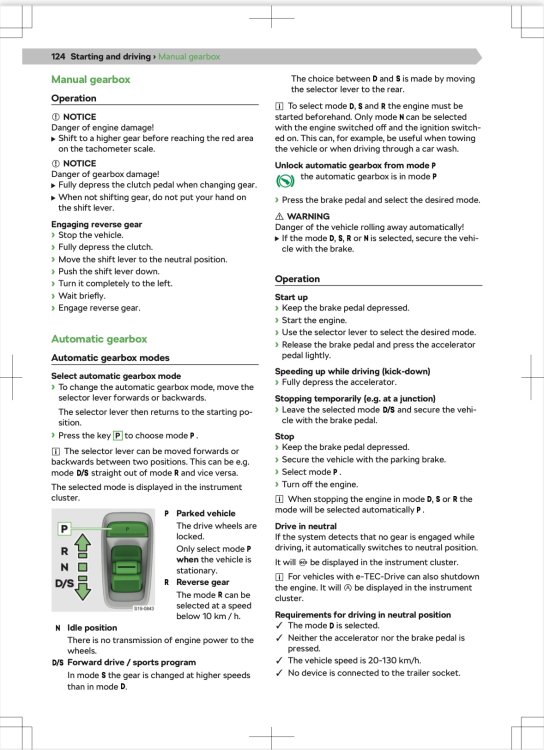
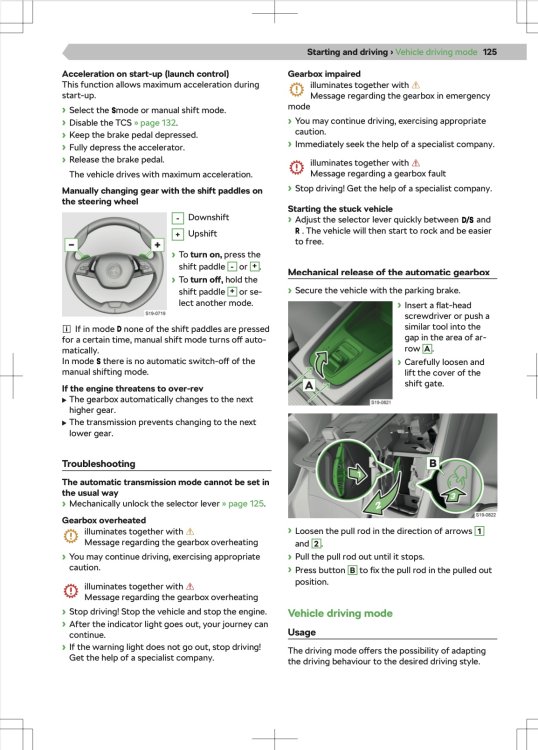
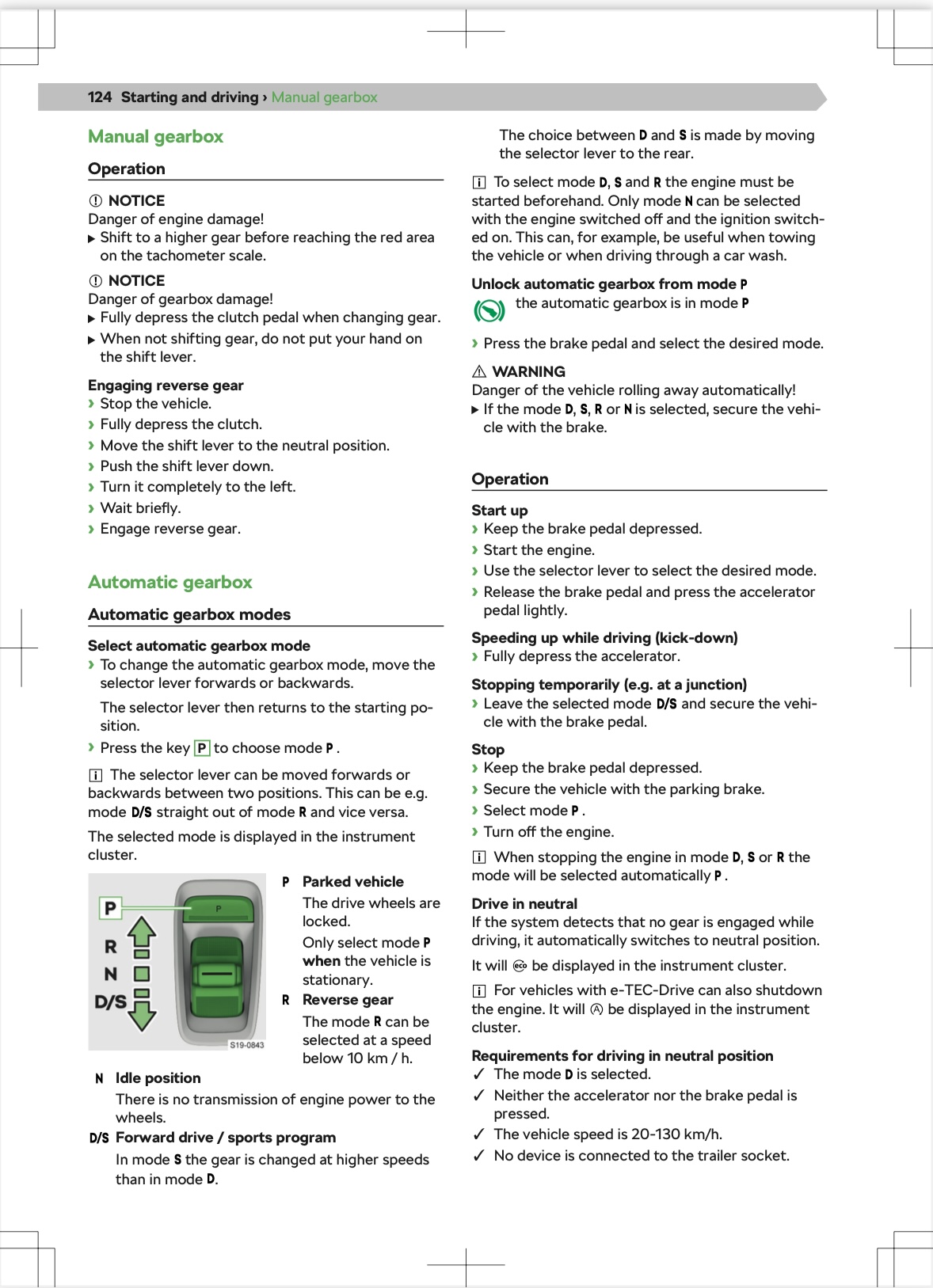
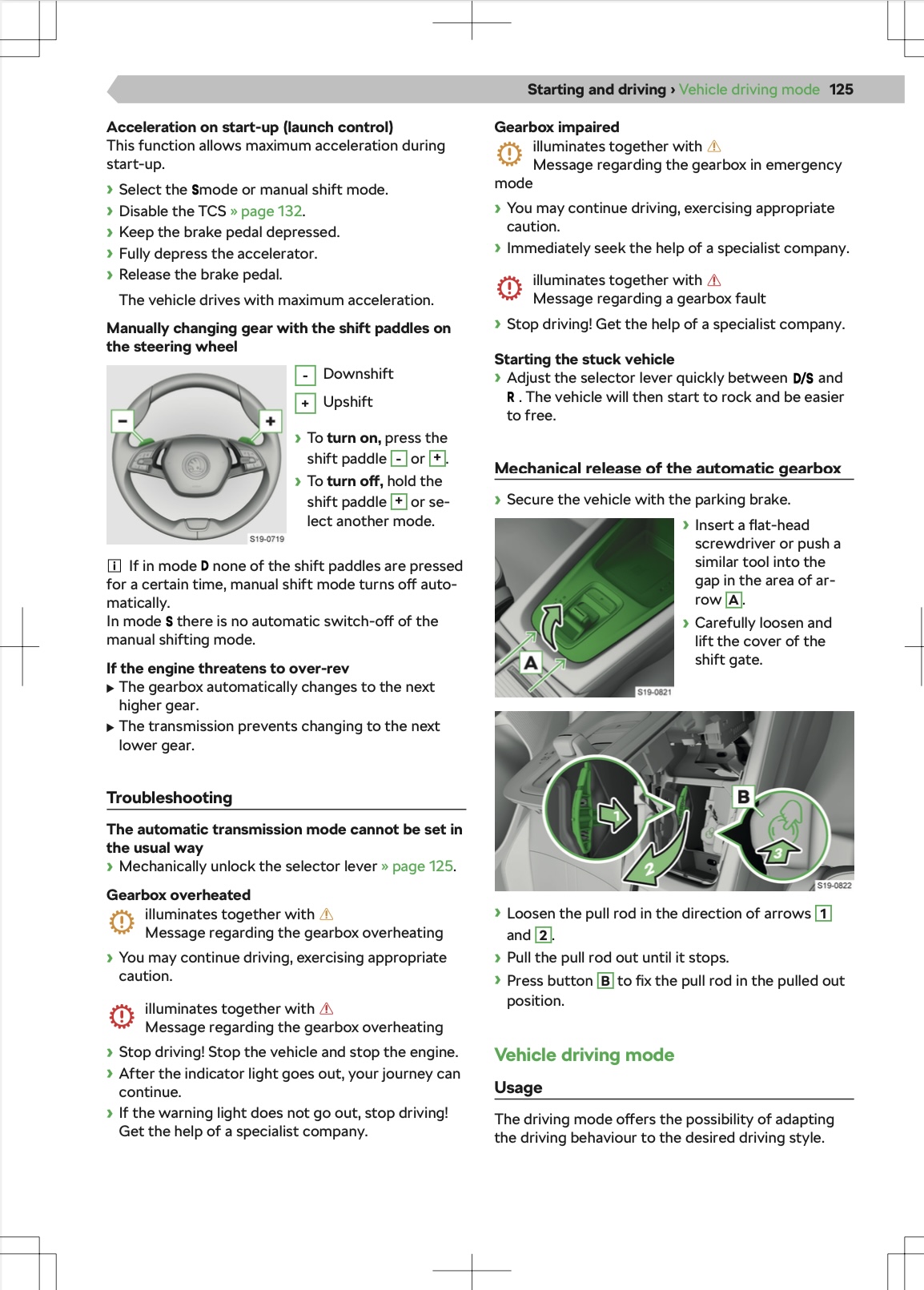
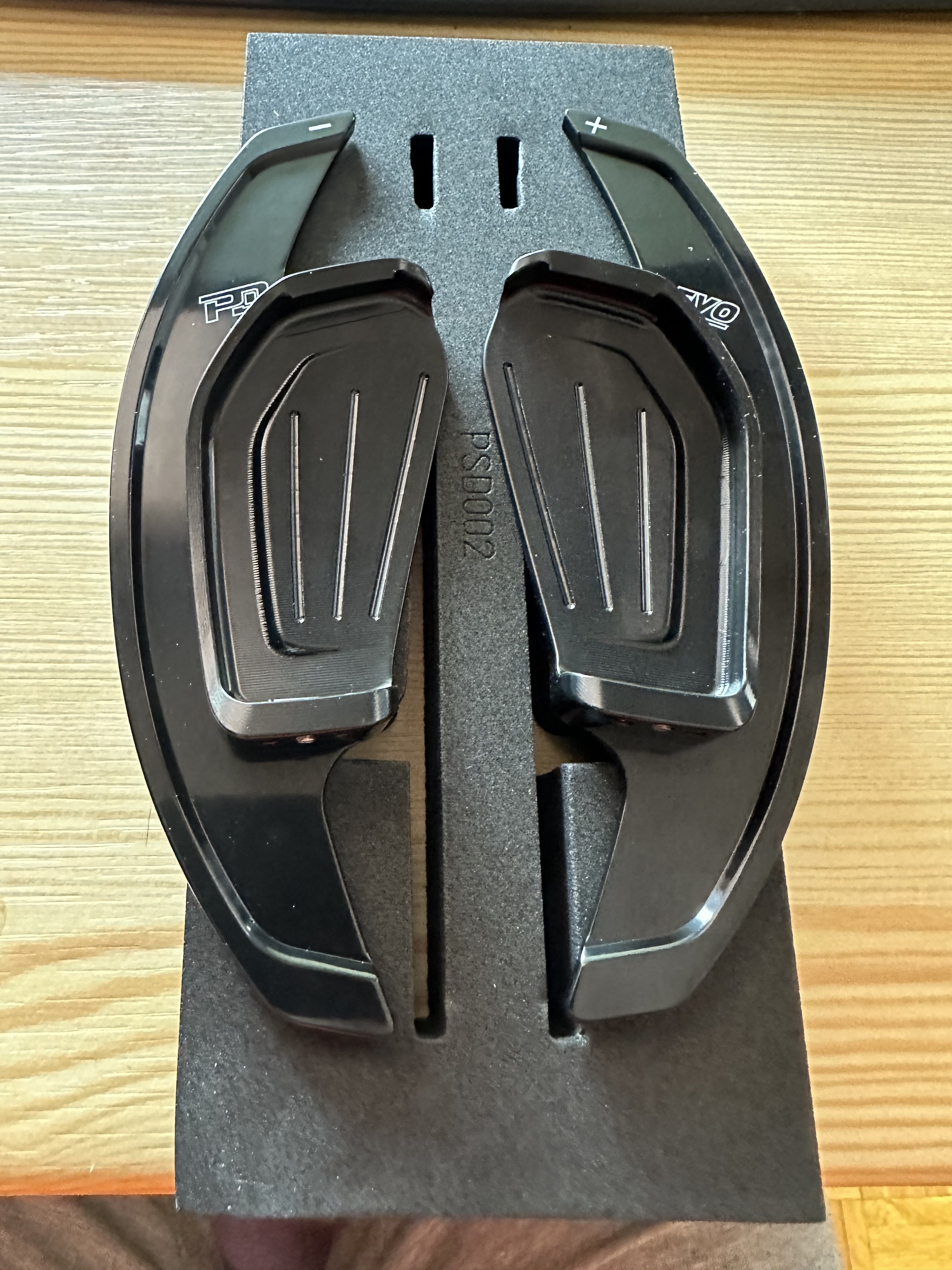
1 pointMine is a manual, but I did drive a DSG Octavia Mk4 for a few months. In S mode, if you use the paddles it stays in ‘manual’ mode. In D mode, it returns to auto after a little while. Heres a couple of pages from the digital user manual I downloaded a while back…
 1 point
 -
I will be home in a few hours and attempt to send the file over.1 point
-
It is not STANDARD as there are Skoda , VW, SEAT, Audi Approved used cars that are over 3 years old and not had Brake Fluid Changes. Even ones that had 3 or 4 years SERVICE PLANS. Fleets cars etc. So is it a Scheduled item, a Recommendation, a Guideline or a Specification? The Brake Fluid can be checked / tested for H20 content. No many Dealerships do that, some might, some might if asked to.1 point
-
1 pointWe have certainly got enough evidence to show the situation at hand is uniquely bad and are getting worse. The problem is that the qualified anointed outnumber the qualified critics many hundreds to 1. As an unqualified person such as myself, I know which side to listen. Whilst I agree it is highly unlikely we'll get Result A as promised. I don't believe it is a black and white world and get Result Z. It is more likely we'll get somewhere between D and Q, depending on amount of public support to the policies. Yet I don't see this important participation factor mentioned in this observation. All things considered, right now, the gains are marginal. But unlike the constant that is ICE emissions for the lifetime of the vehicle (15 years average), things are set to improve greatly as all things are electrified and the grid is decarbonized.1 point
-
1 point
-
Of course it holds more water than block paving, concrete is pretty much impermeable, more so with the impressioned or helicopter floated stuff, (you cannot print concrete), block paving is permeable, the newer stuff extremely permeable. The OP's car is now sitting on pooling water, before it was on drained paving. Unless the OP is an Octopus he is not going to be able to change his air filter while lying on his back trying to see brake discs hidden by a backplate to please you. At least this time you didnt tell them to charge their battery. If you want to see rust on brake discs you simply need to look through the wheel spokes.1 point
-
No, I didn't do the factory reset on my own, maybe later when I am home. Also I was affraid to isntall the update that appeared after the 1941 install, but now I have nothing to lose so I will install it to see if there would be any errors1 point
-
@varooomToday i received good news, guy at dealer found 1941 update on portal and asked main importer can i keep warranty after update, cause there is no TPI, no info from skoda etc. They confirmed it, and said that they have info about that sw, but nothing officially, bla, bla. So my car is going to br first and i hope that gonna solve issues for many more. Second dealer told me next year for new sw... So thanks again to everyone here, this forum is so helpful and useful, TPI file is gold.1 point
-
1 pointIndeed, how stupid do they think Joe Public is ? With an open mind we could think it might be a hybrid maybe but if it was it would have a tiny hybrid battery and I have not seen an EV port shaped like that. Well spotted on the boot lettering though i was think Rover's K series engine in the Metro, Rover 200 etc not the Suzuki originating engine made under licence. As the video says there was a significant fraud that went on in China on EVs ie make the car, claim the EV subsidy, sell it to a shell company, remove the traction battery and put that battery in a new VIN'd chasis, claim the EV subsidy again. Chinese fraudsters did this on several thousands cars. I imagine they are not having a good time in the Chinese prison system. So a few thousand ex EV chassis but compared to hundreds of thousands of ICE cars in fields that cannot be sold as they are unwanted compared to EVs and increasingly cannot be sold as they do not meet Chinese emission regs. Surely they could sell to one of the poorer Asian nations. Something a bit similar could happen here with the Euro5 diesels which will become unaffordable to run in the London area with the £12.50 per day penalty. The ULEZ rightly extends beyond my office at Heathrow so hopefully I will see a cleaner set of emitting cars in the car park towards the end of the year.1 point
-
I honestly can’t understand the point in the synchronous adjust feature. Just can’t think of a scenario where it would be useful at all.1 point
-
1 pointI can confirm that is normal. My fuel gauge usually moves after 70 or so miles from full.1 point
-
1 point1.4 TSI 2016 Hatchback Sport 100,000 miles Cambelt at 5 years and waterpump changed 6 speed manual Front Shocks, replaced with Monroes1 point
-
There is no such thing to my knowledge, there is an airbag control module located on top of the transmission tunnel, this will either need replacing or sending away to have the crash data removed & the unit reinitialised, about £30 In addition to the deployed airbags which are well visible the pryrotechnic charges in the front seatbelt pretensioners will most likely have deployed, there are companies that will sell you reconditioned belt units with new charges in exchange for your old units. I found an Eastern European guy around Heathrow or maybe Hounslow, he did me a deal on airbags, seat belts and a remanufactured dashboard (airbag rips through the top of it!) but this was pre Brexit and he was concerned that he would not be able to import the parts from his EU country afterwards, ironic because all the RHD components like mine came from written off UK vehicles that were exported to his country for breaking and the parts then coming back via specialists like himself!1 point
-
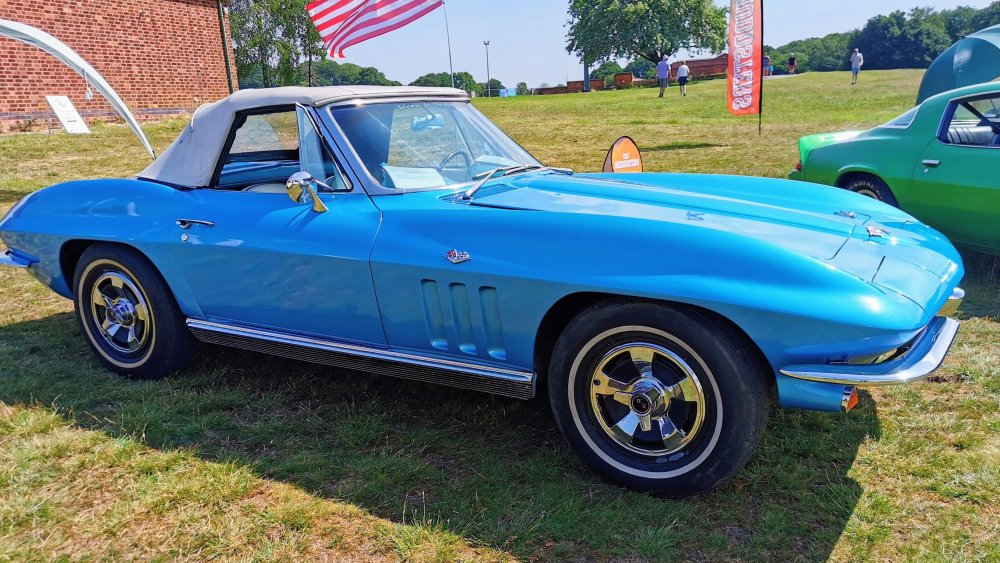
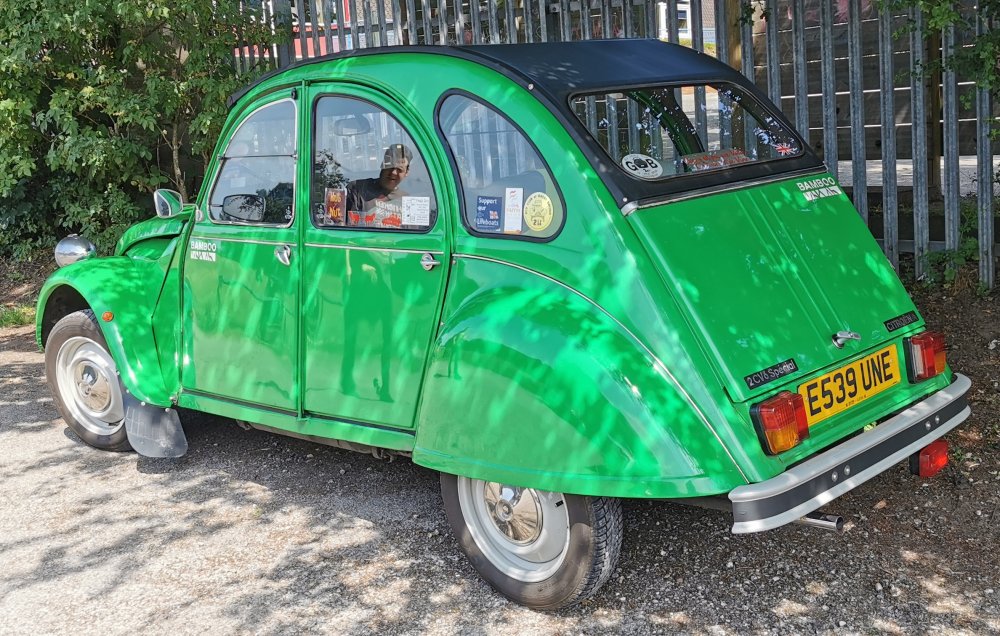
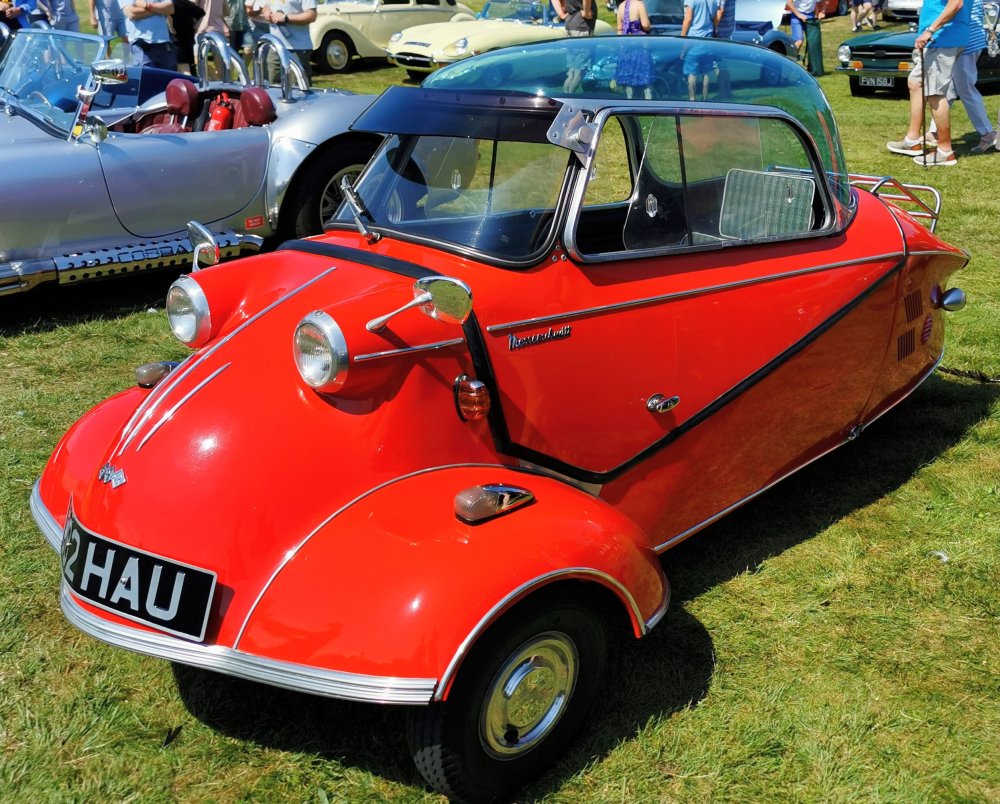
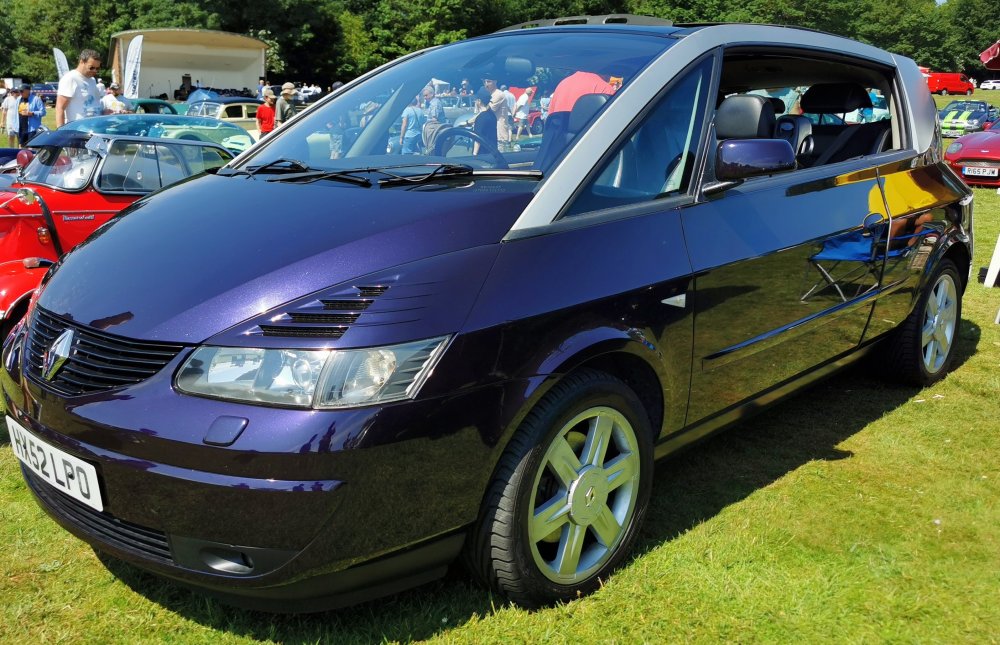
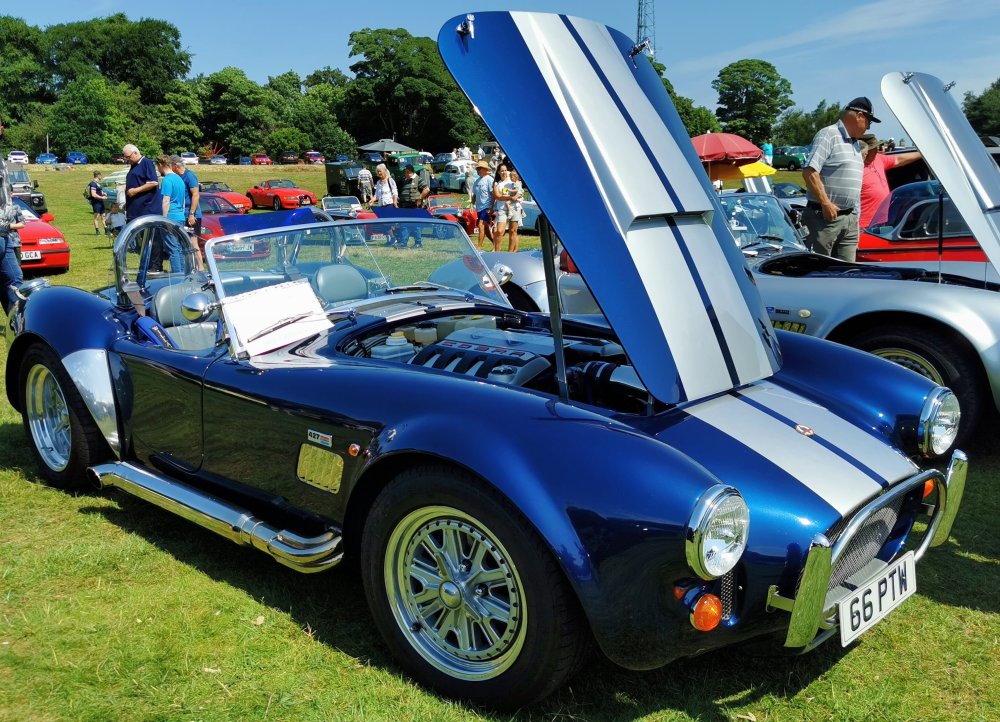
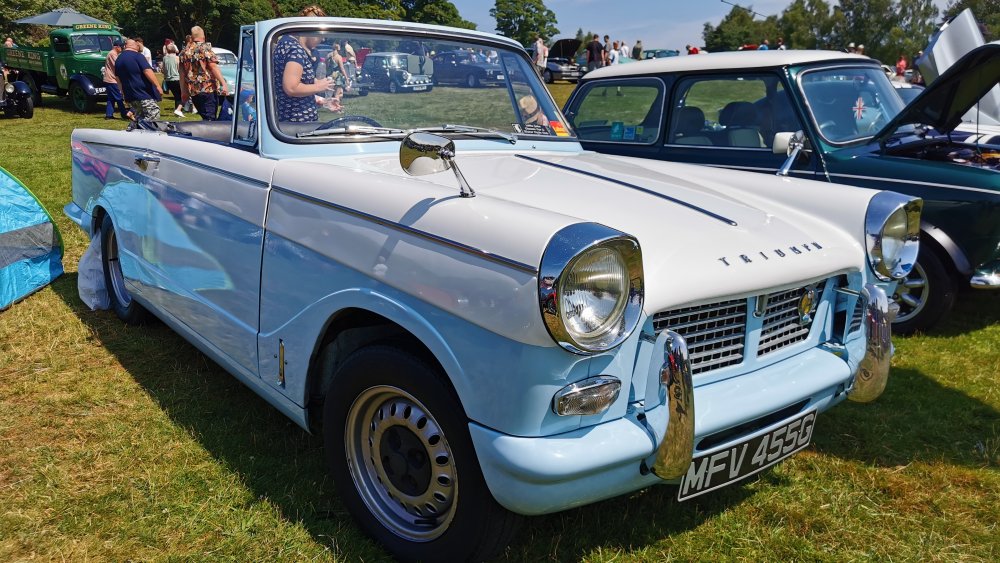
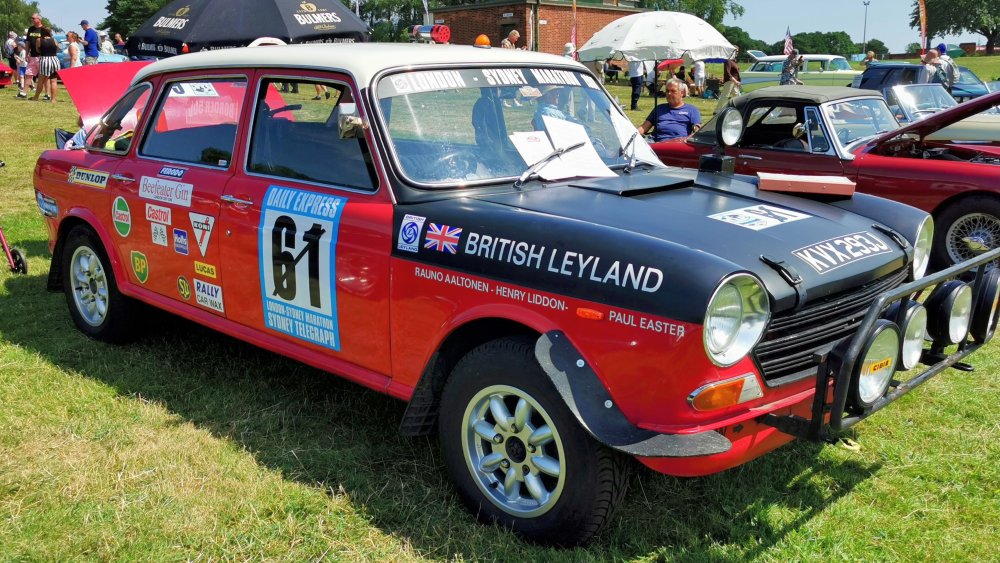
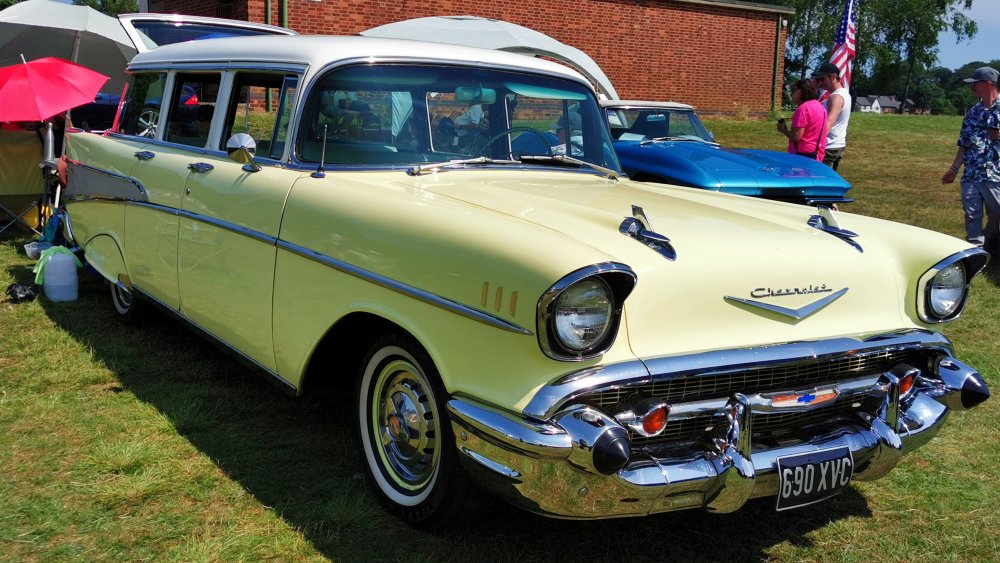
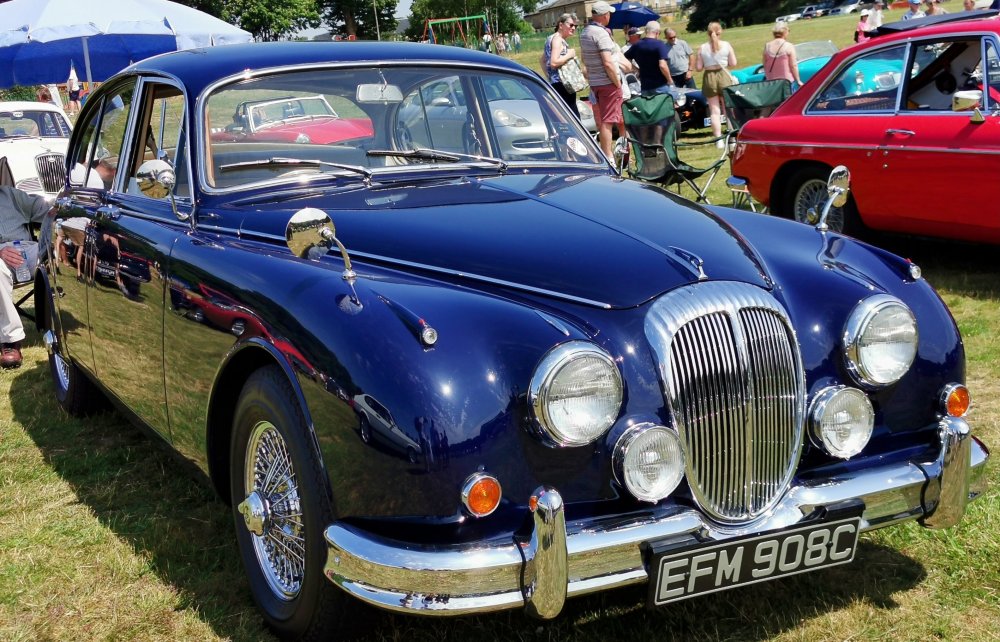
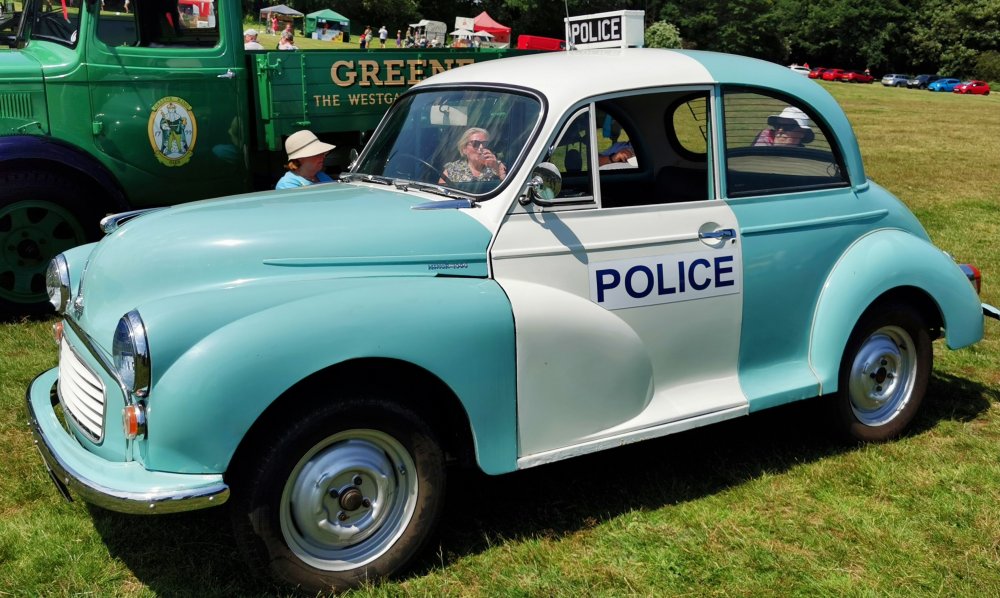
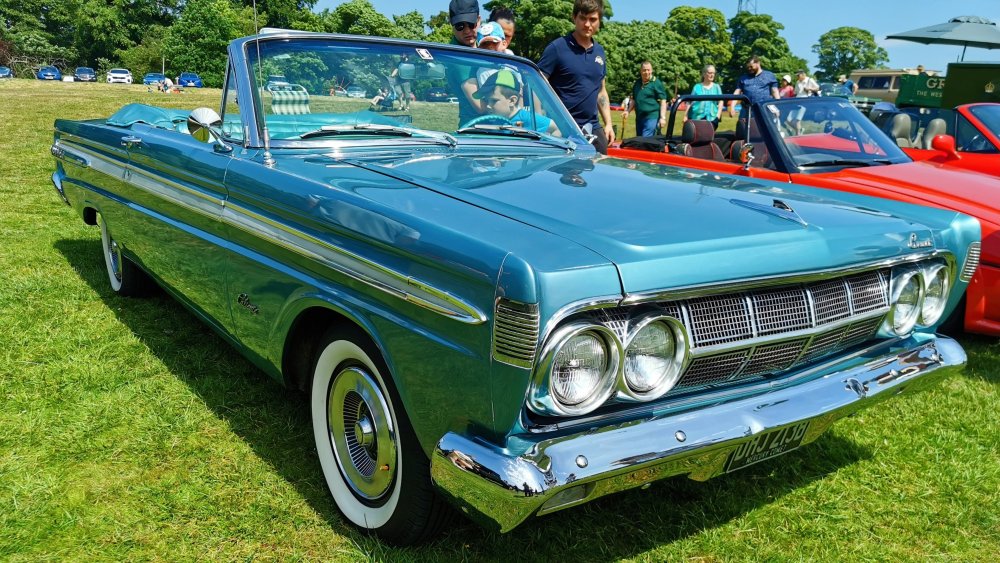
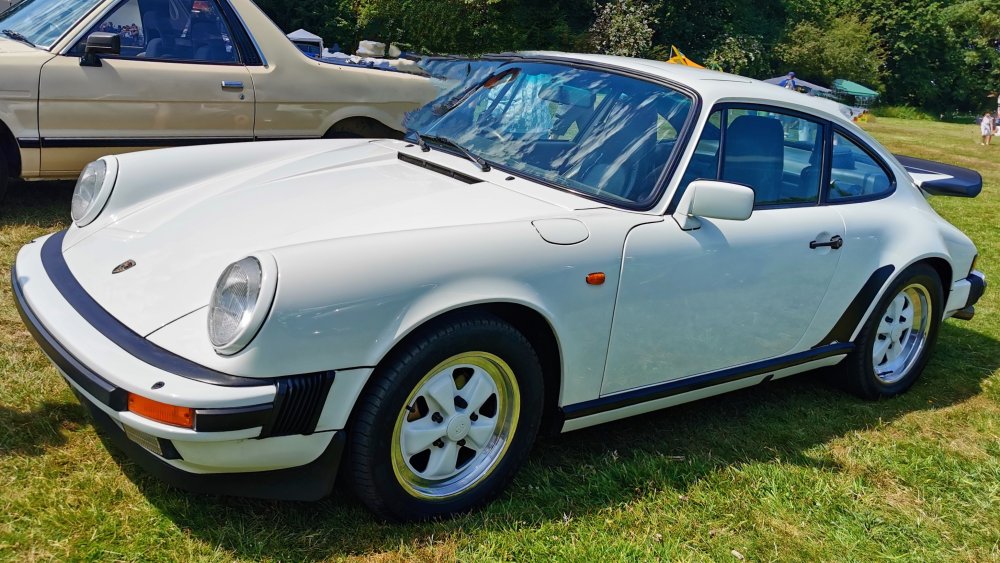
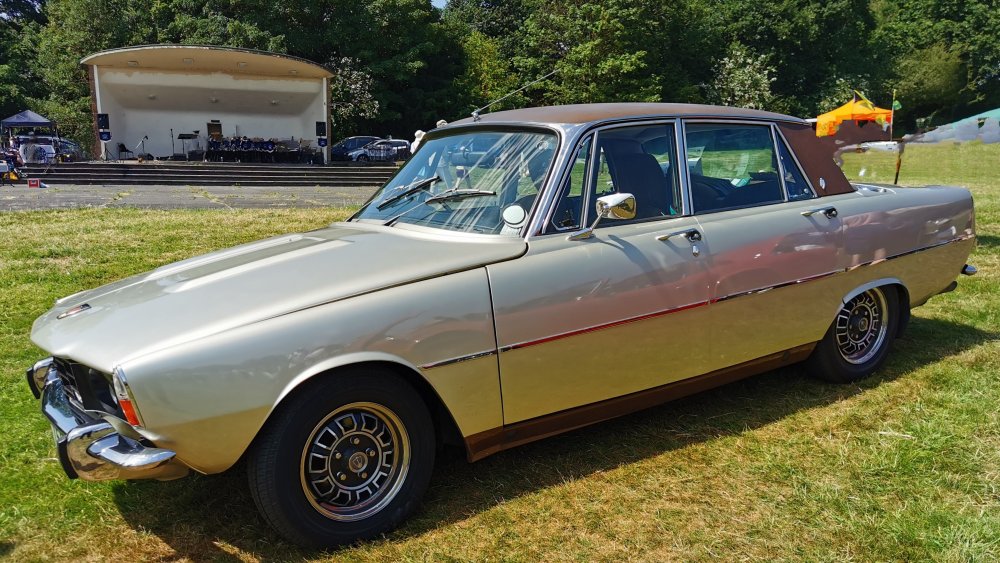
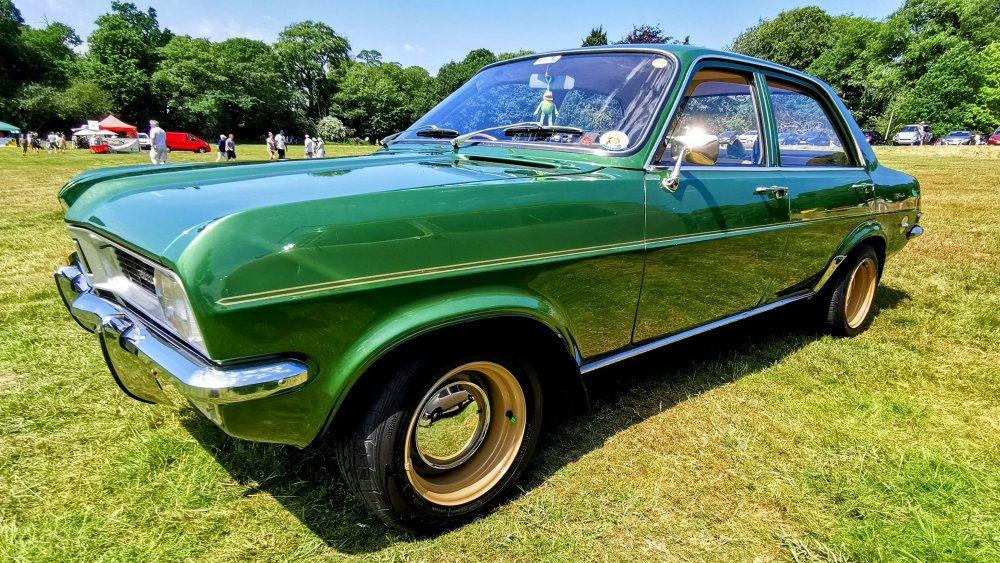
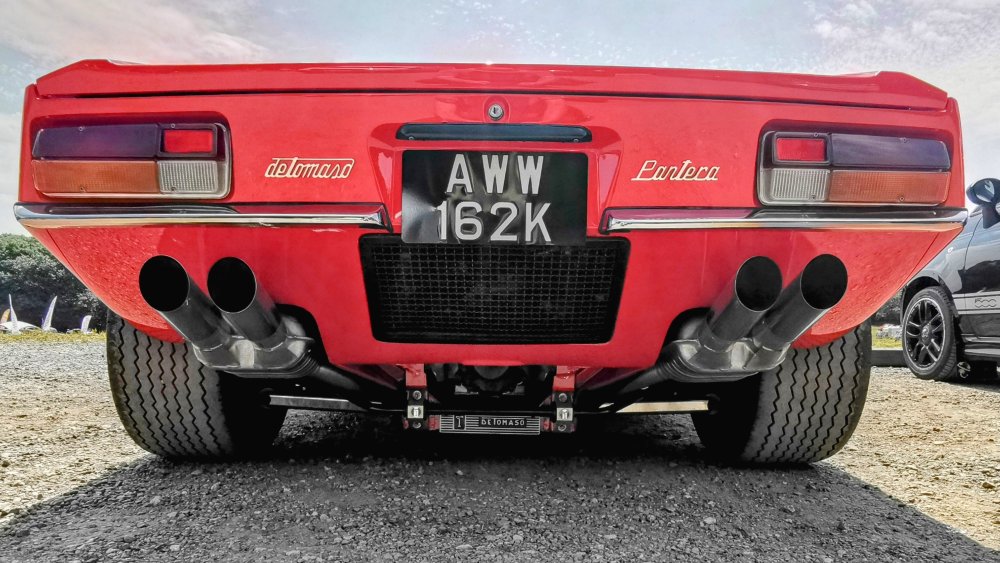
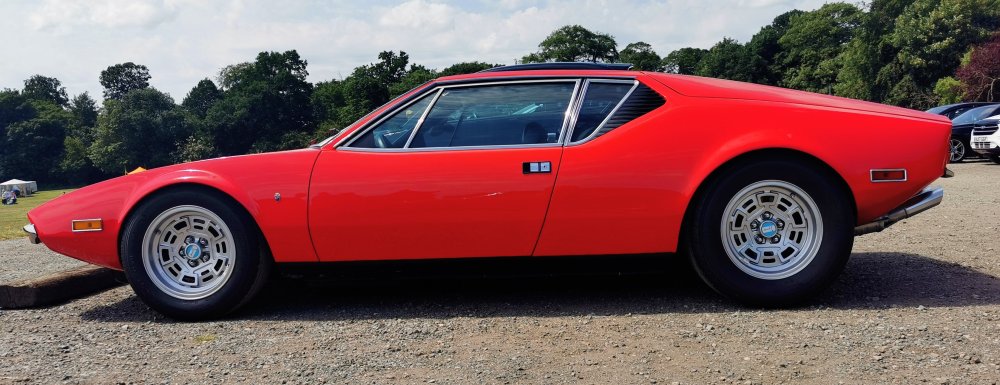
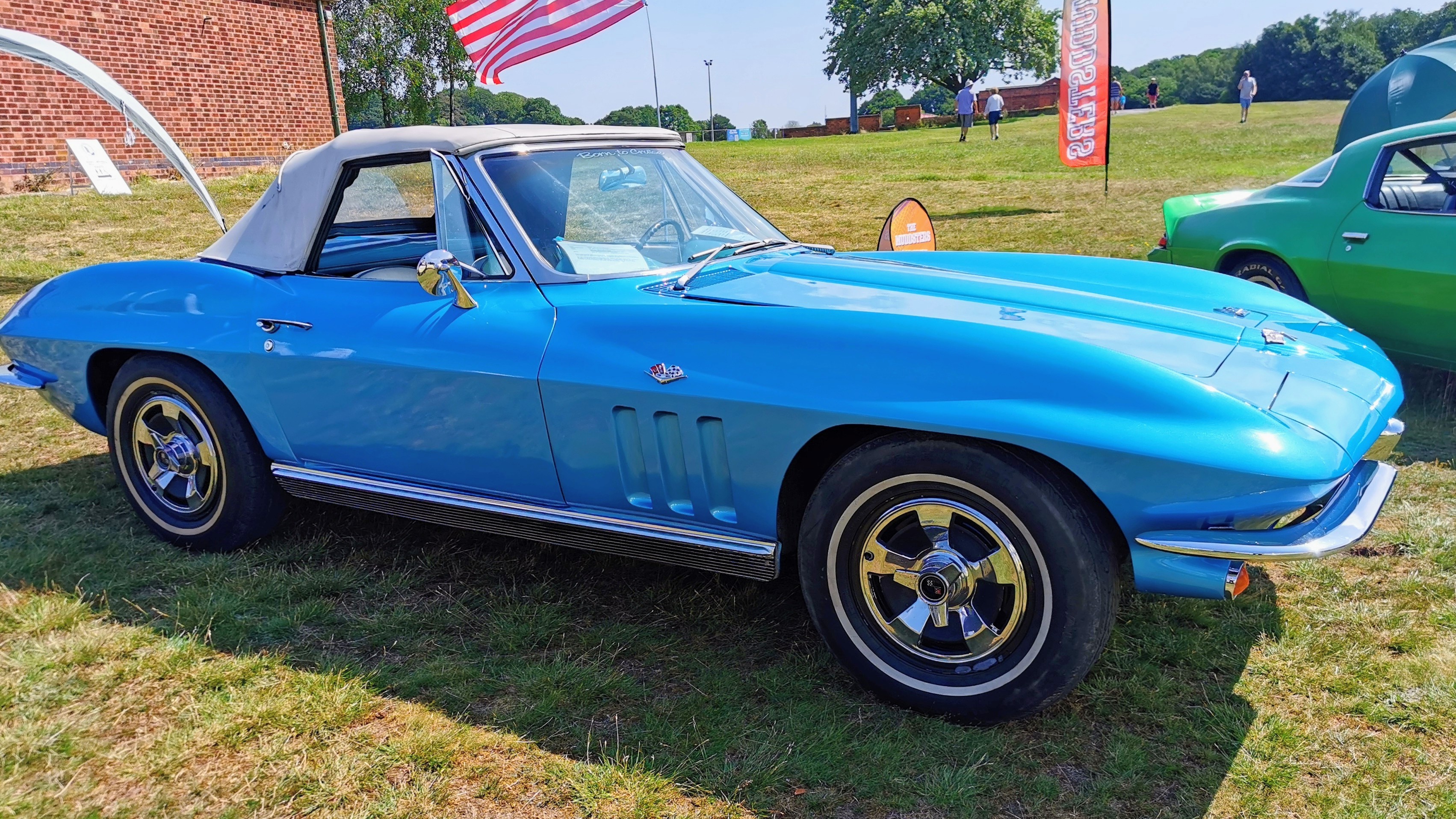
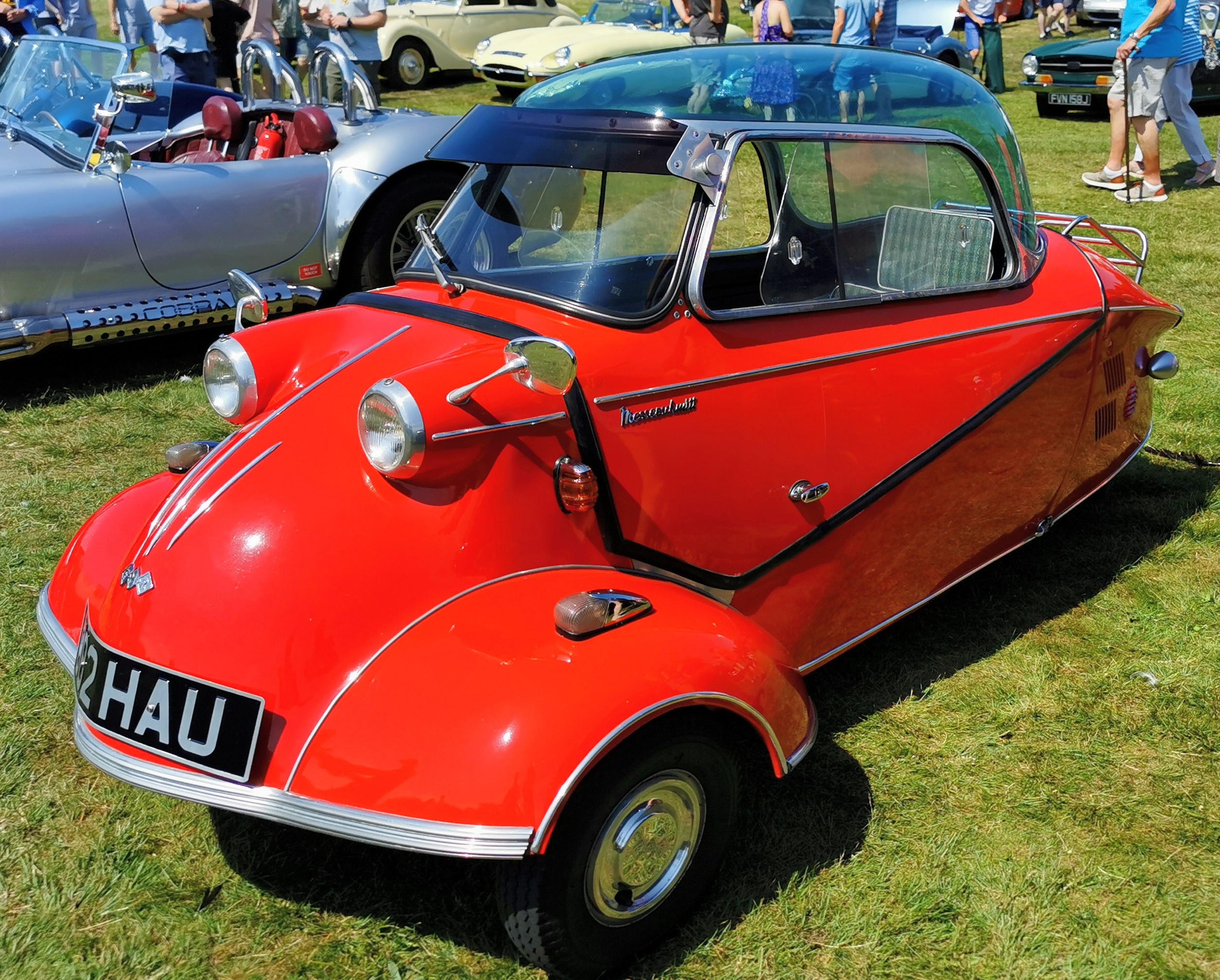
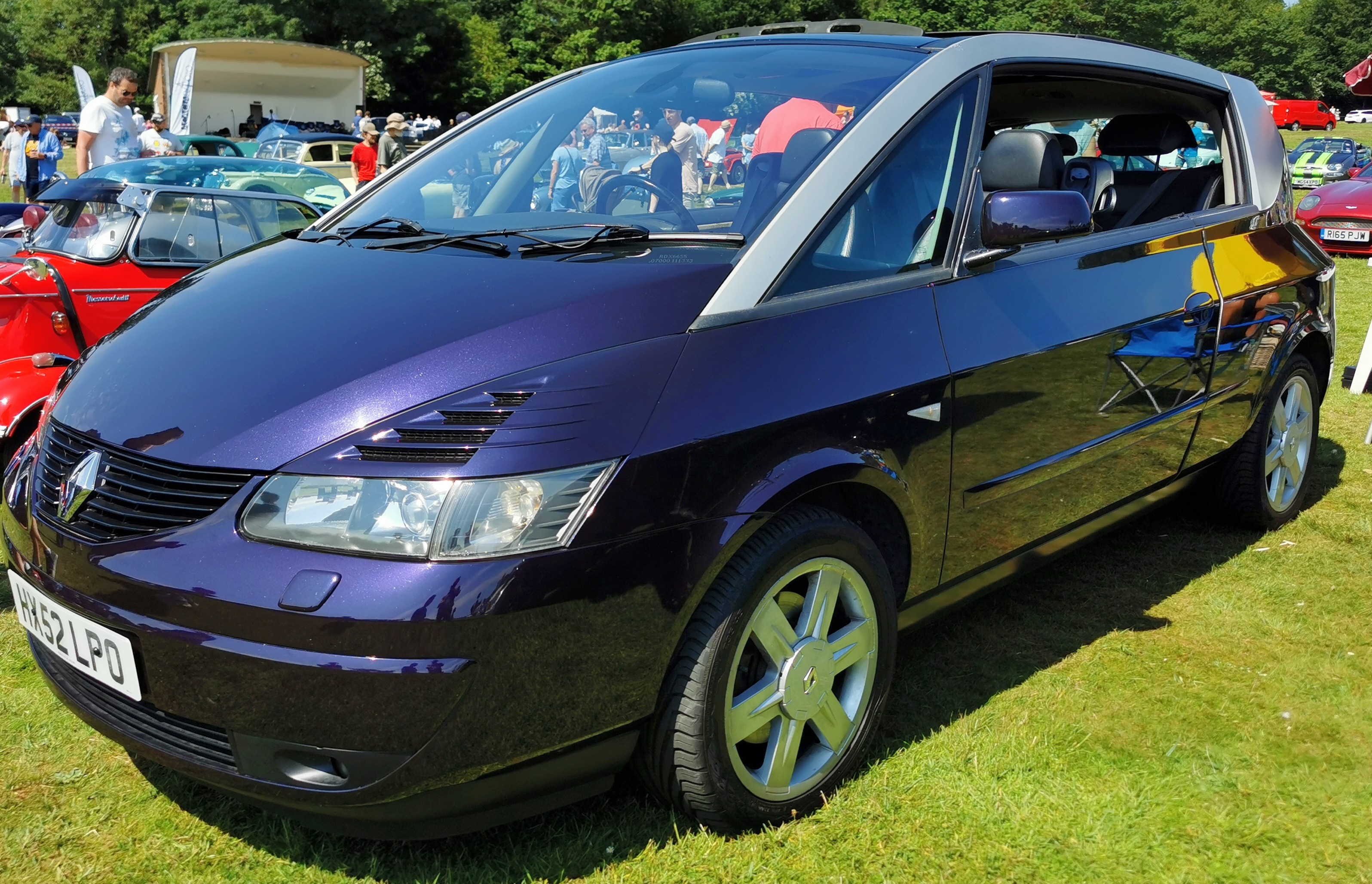
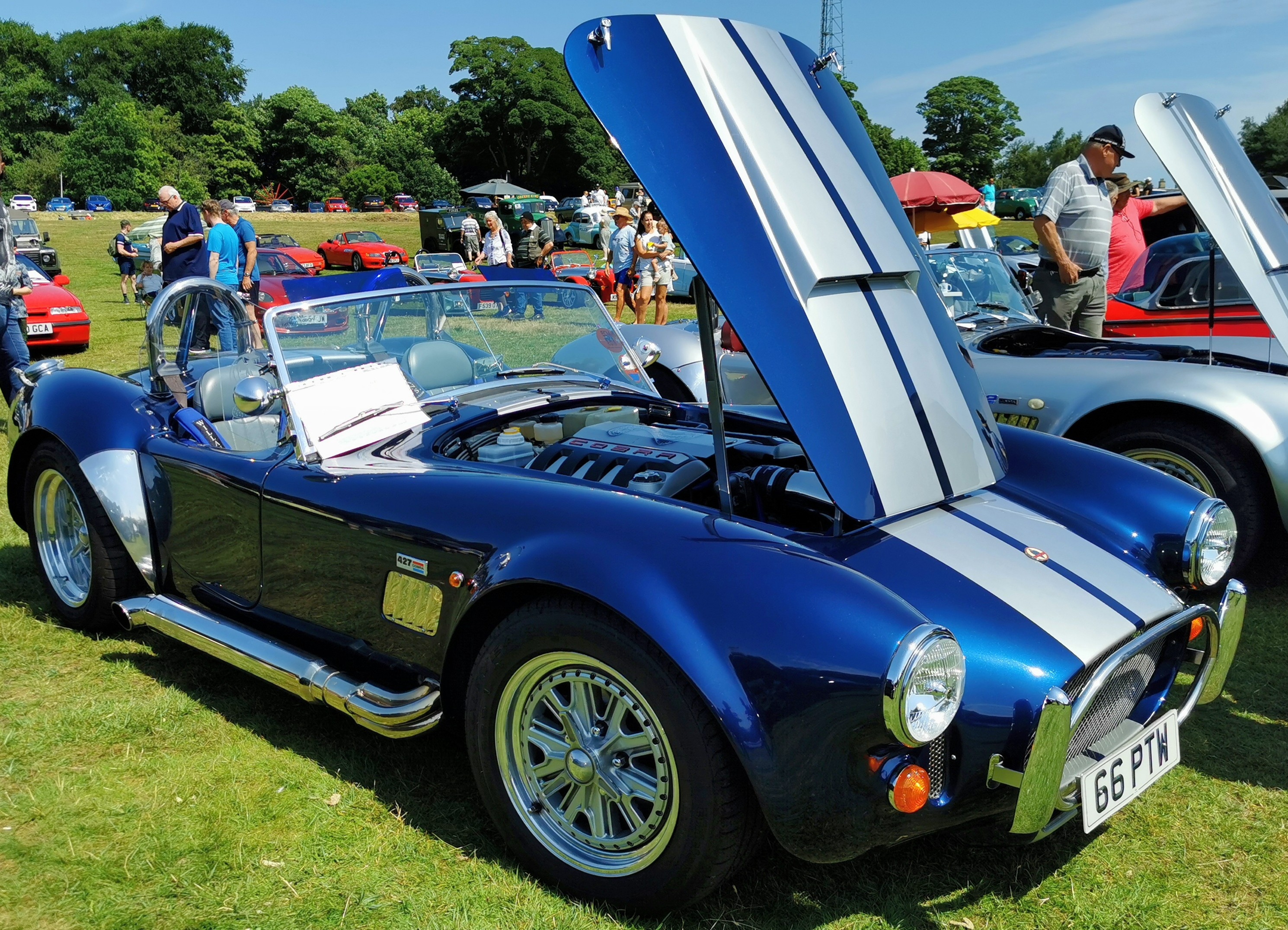
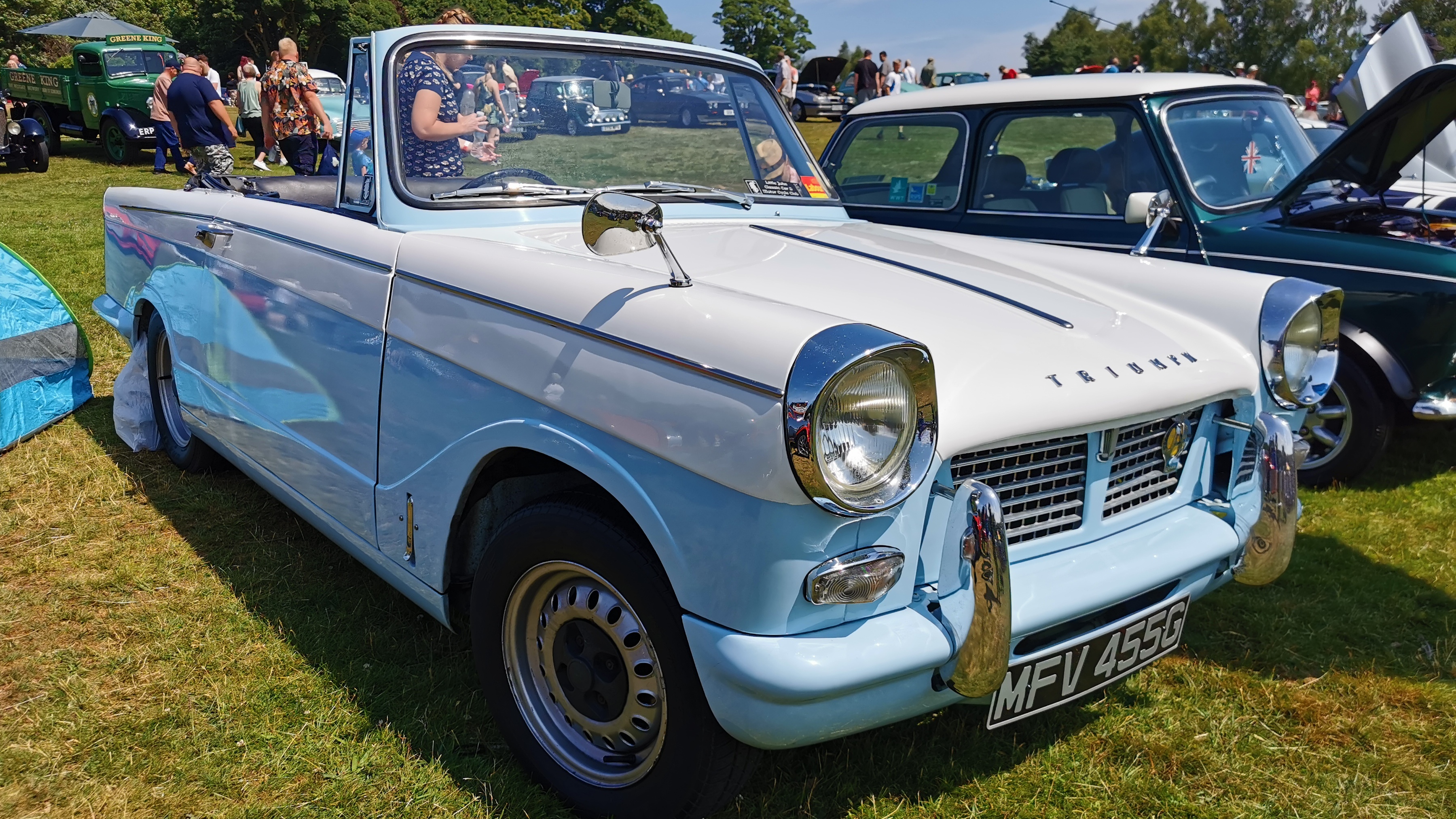
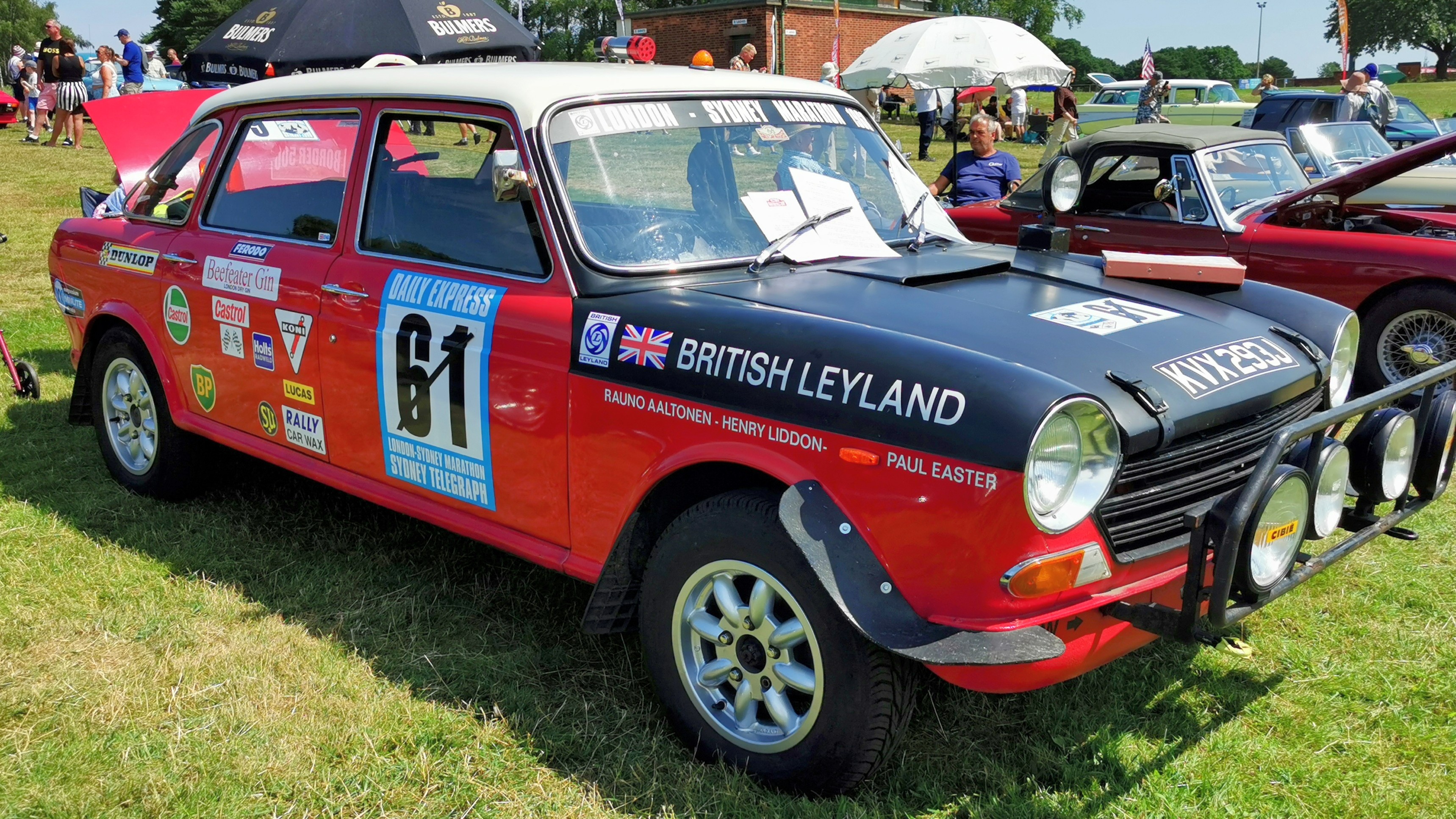
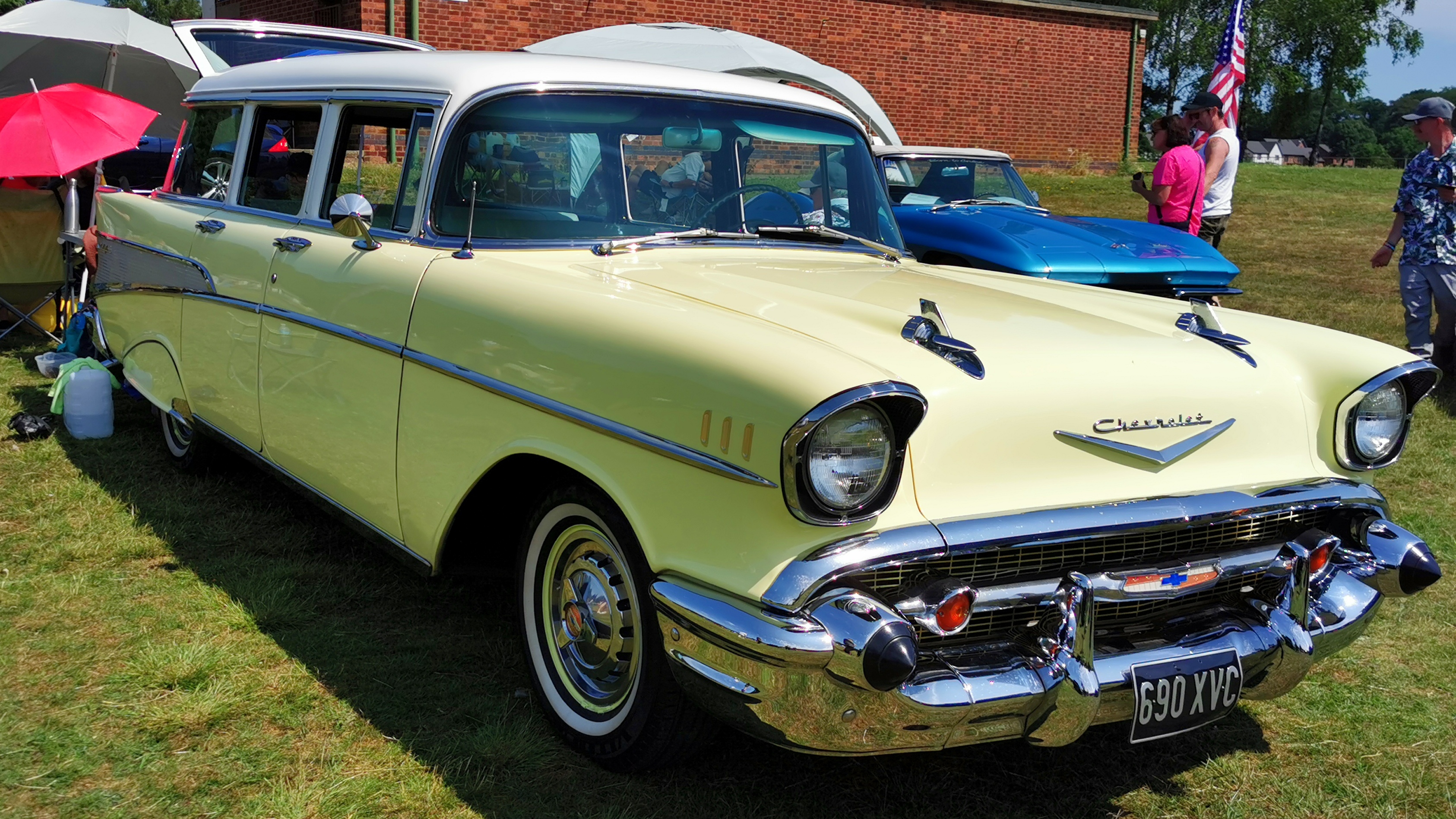
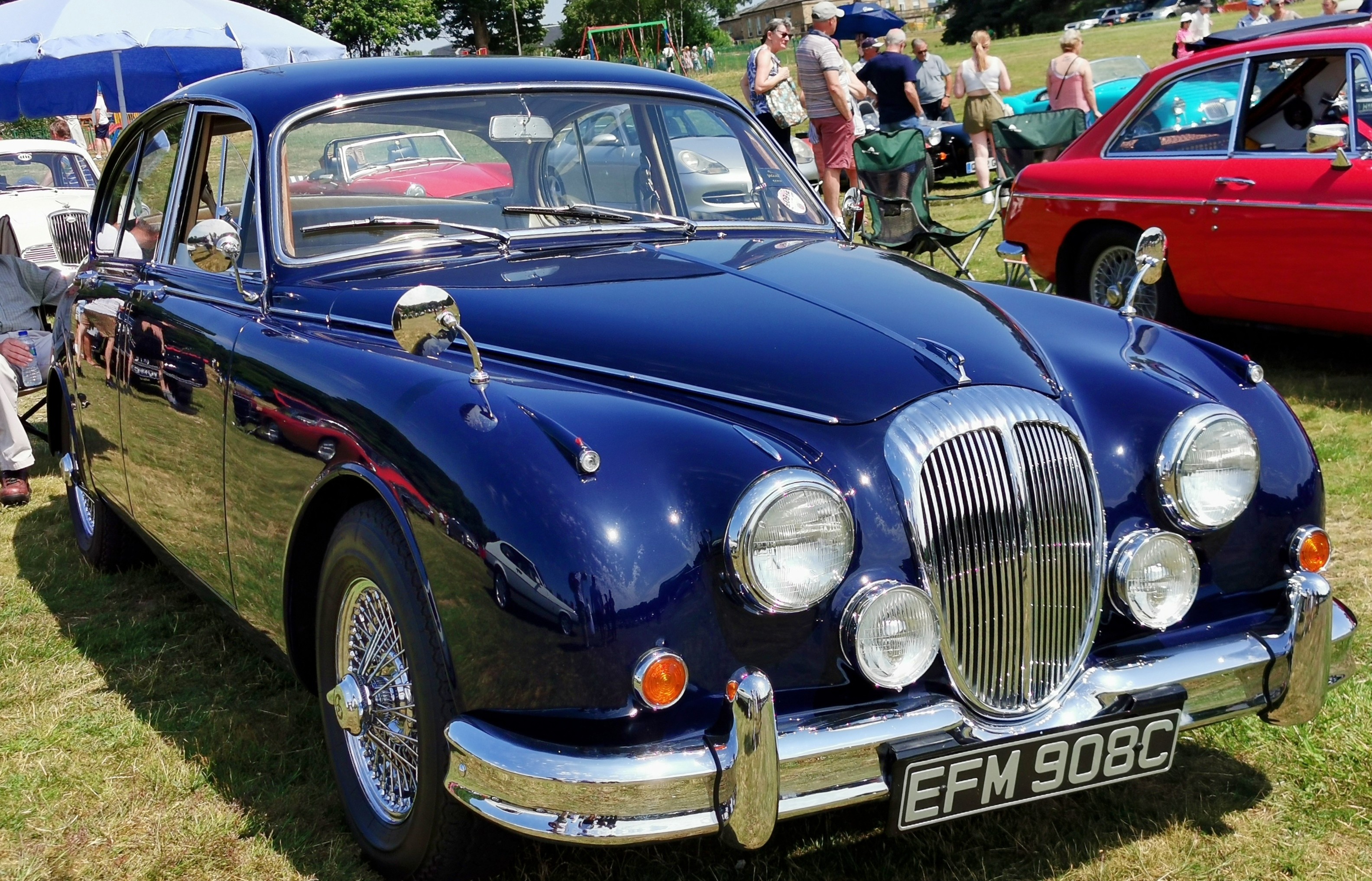
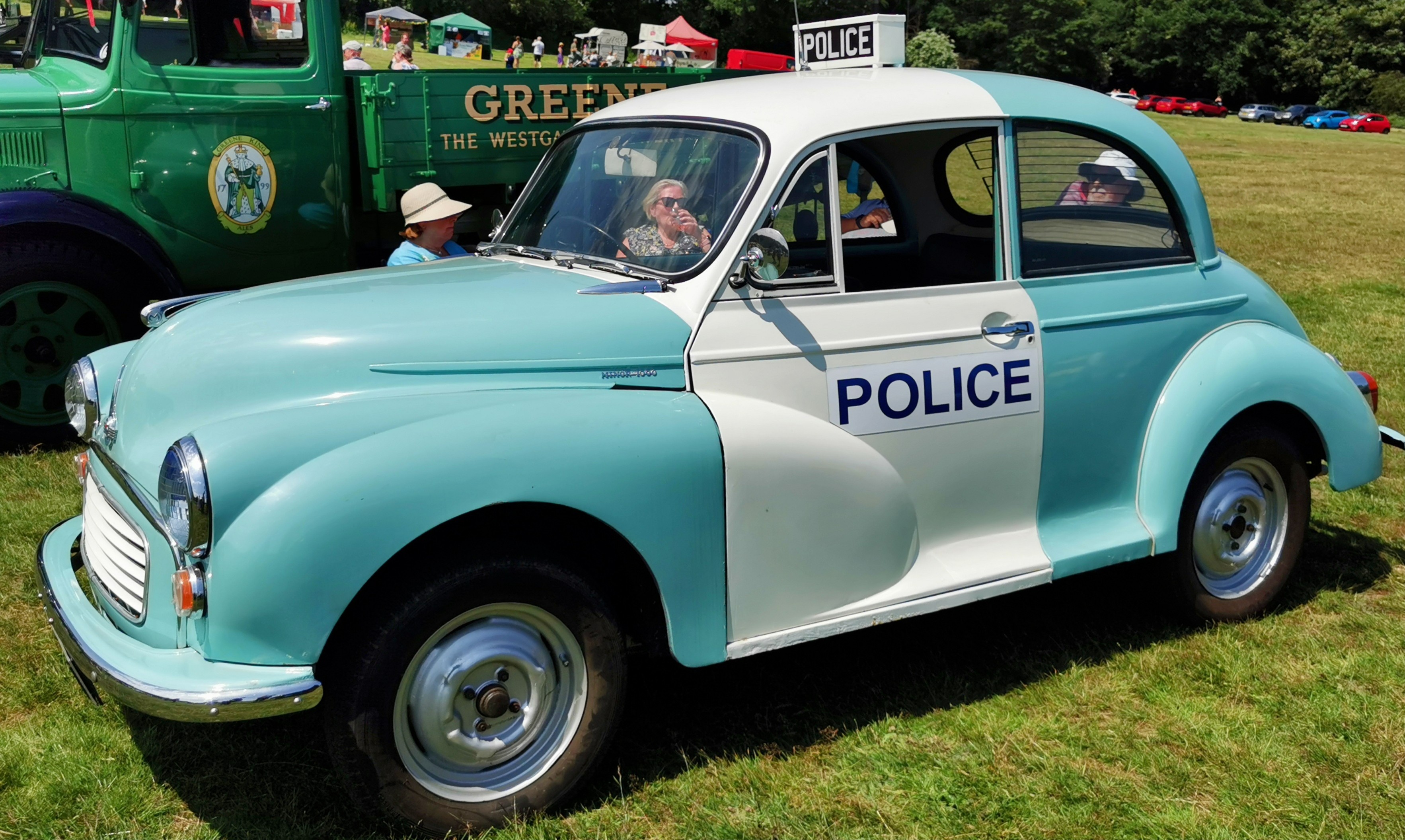
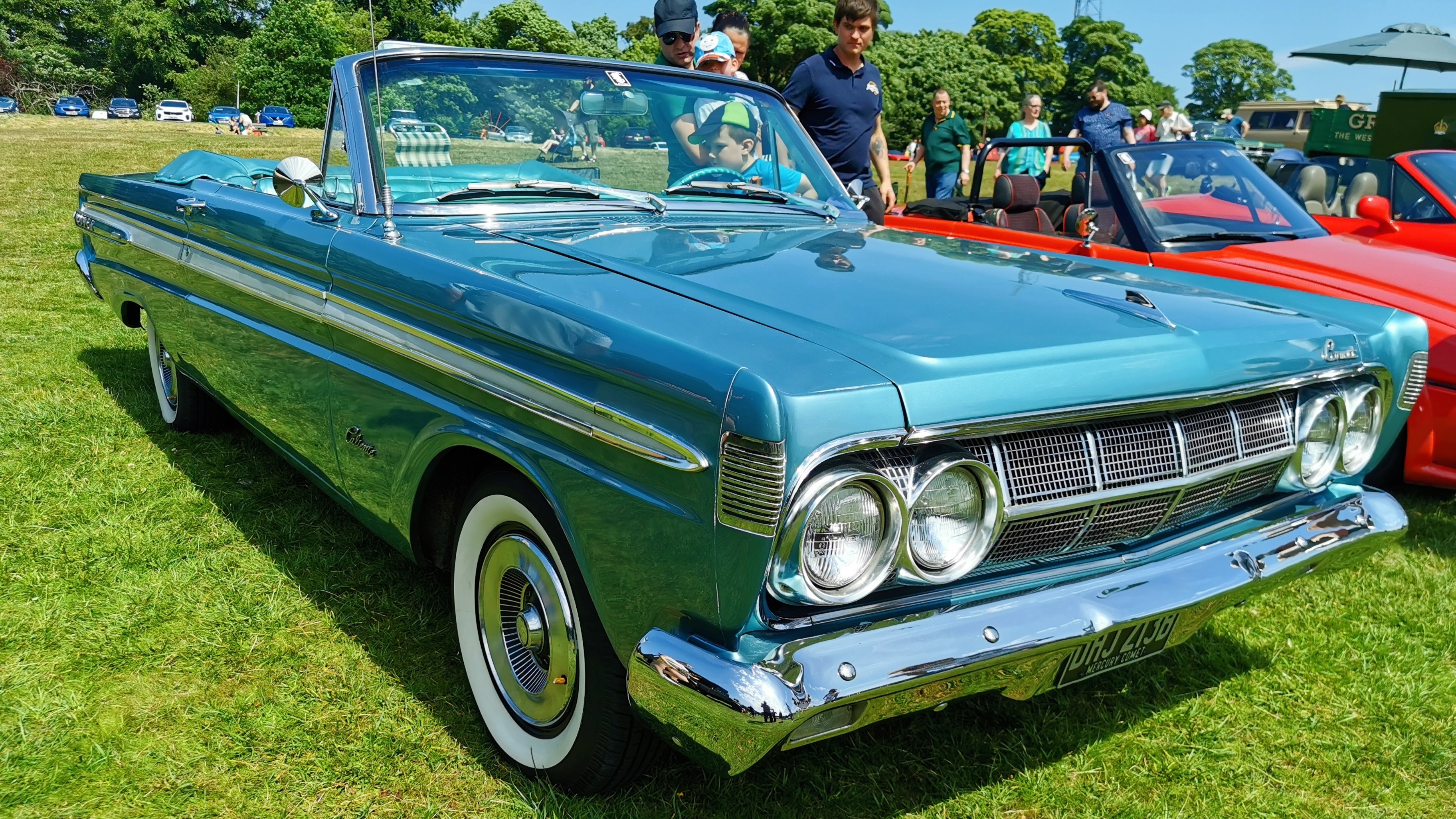
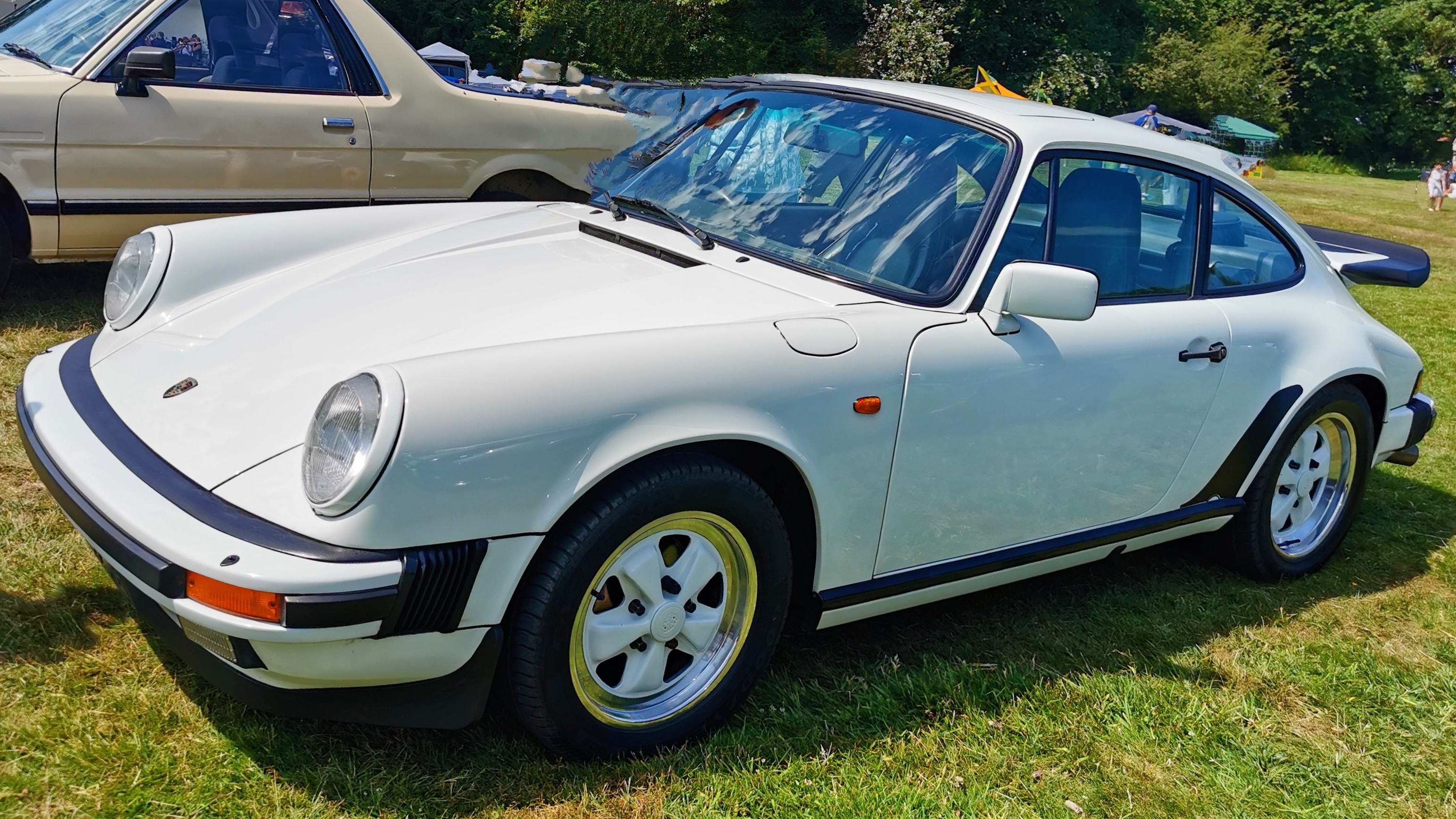
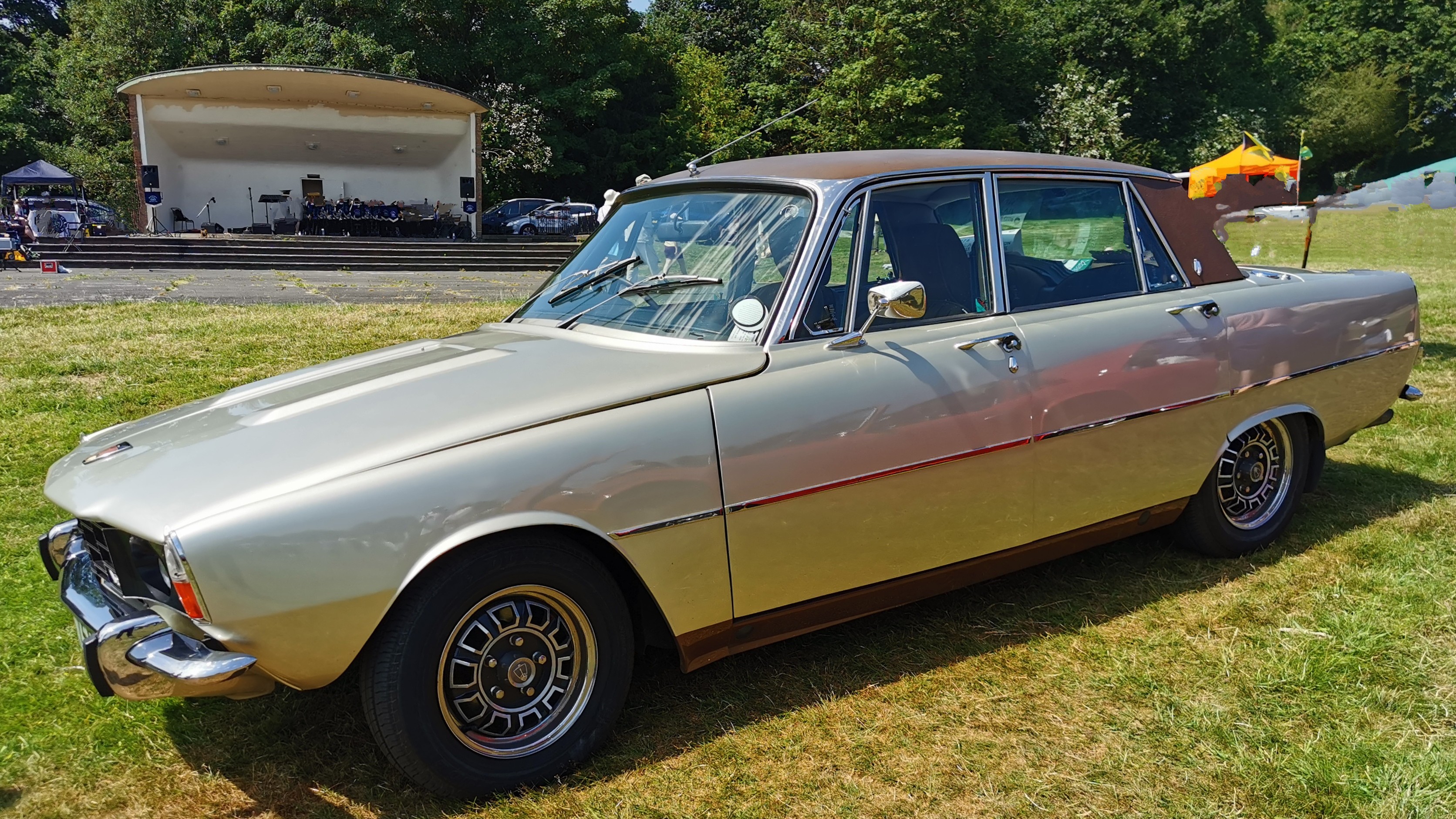
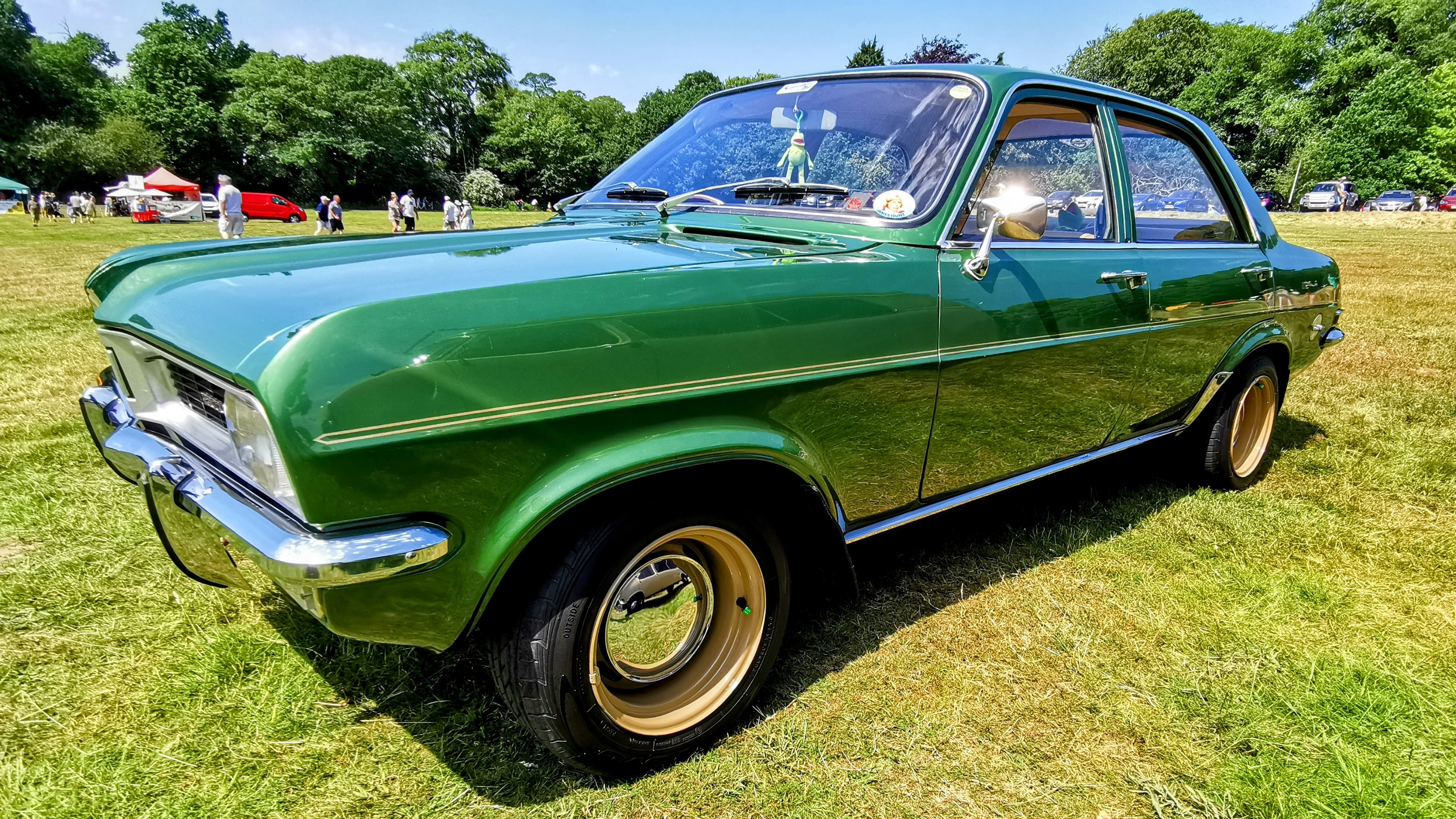
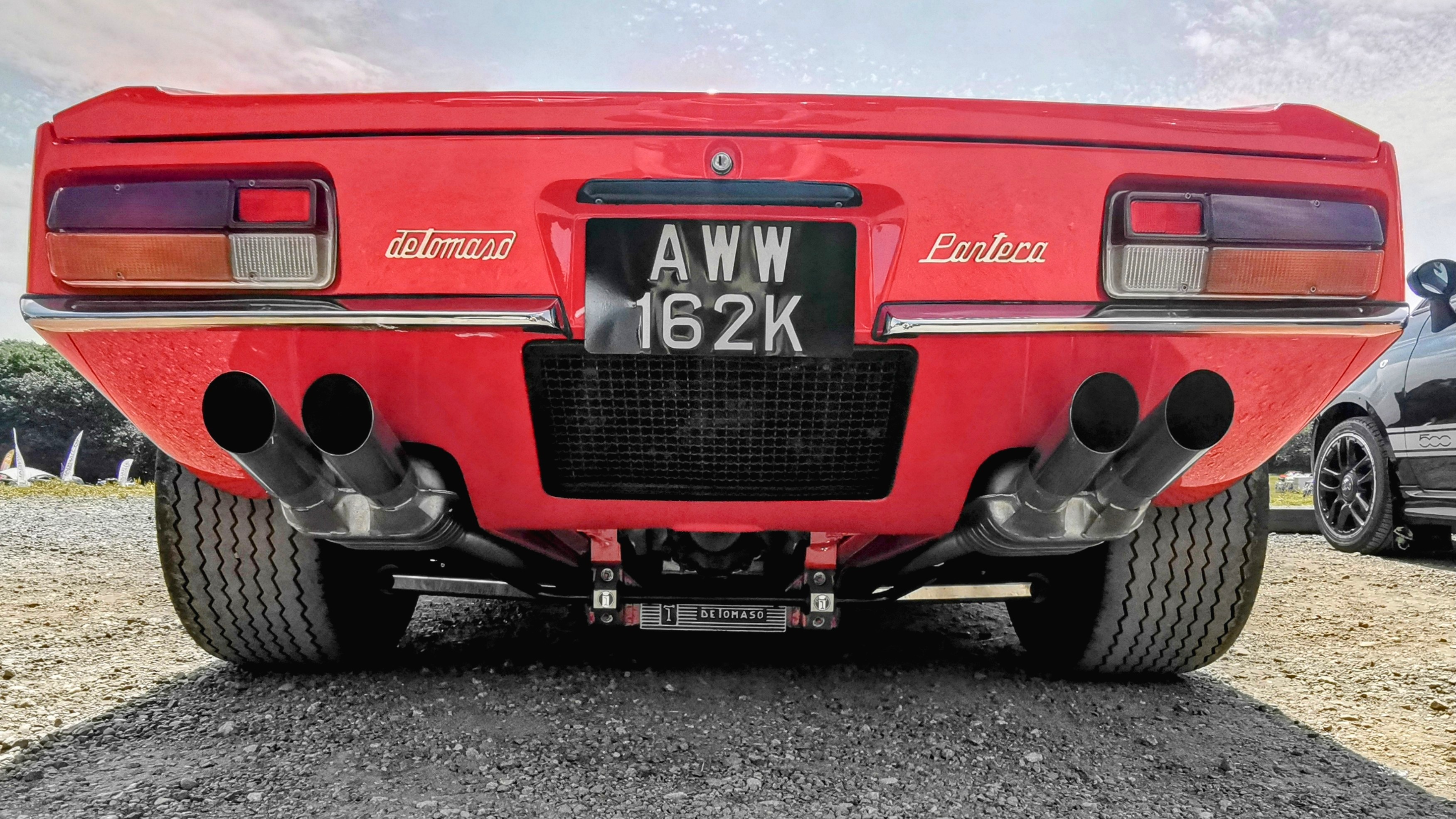
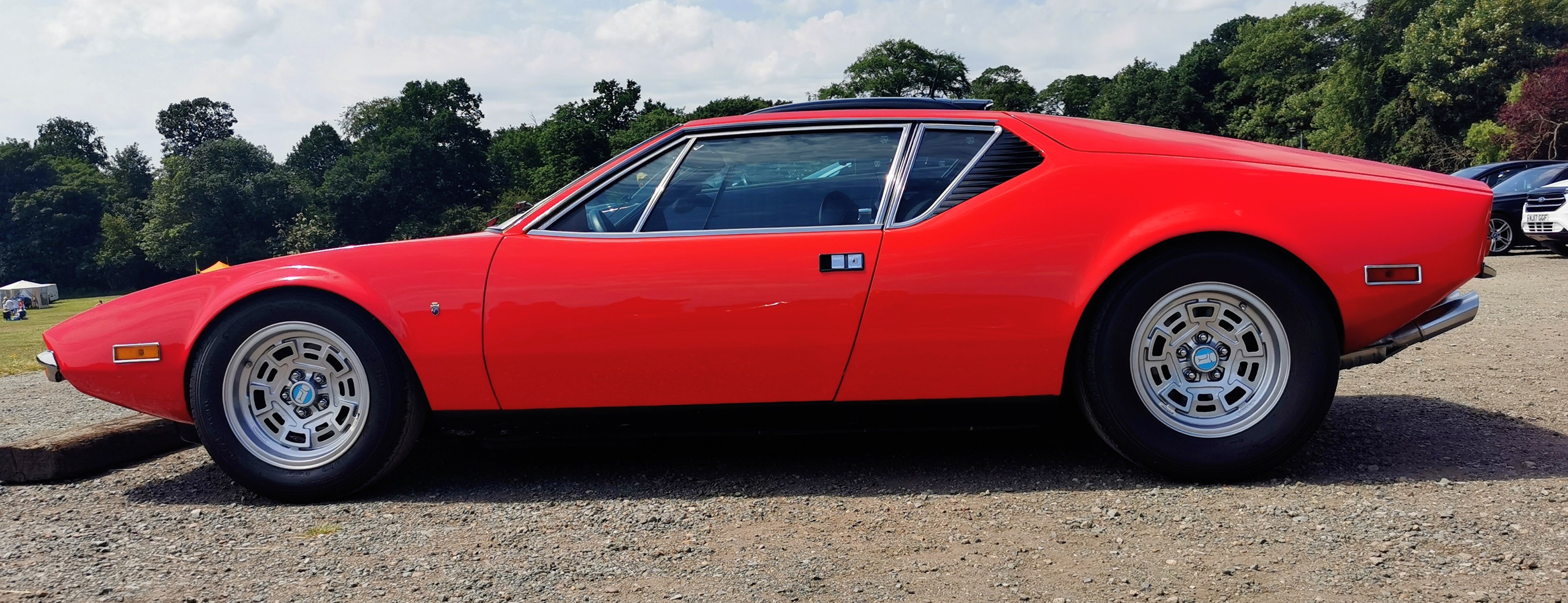
1 pointWe had a car show on the local park - no Skoda's in attendance, but lots of lovely examples nonetheless......... The De Tomaso was the star of the show for me 👍
 1 point
 -
Update done yesterday without any problem. Since then not a single restart of the infotainment in some 6-7 short journeys I had. Until the update, it was about 50:50 chance of reboot right after starting a car. It's probably still early to be 100% sure, but it seems the problem is finally solved! Thank you varooom!1 point
-
1 point
-
1 pointI cannot promise this is a totally accurate answer. Yes this is a Skoda forum, and this is the Karoq section, but we get people asking for SEAT, VW, and Audi updates also from time to time. They won't work as they are coded not to apply on the wrong Software Train, so there's no chance of an accidental cross flashing. The DNA of the firmware is 98-99% the same, so they just need to make some adjustments in the code before they compile it into a working release... clever stuff I guess that the Discovery Pro is comparable to a Columbus yes (AFAIK)1 point
-
Yes, dealer service booked for next week, thanks for all the info here. On 1896 now, reboots almost daily.1 point
-
1 pointInterestingly enough Tesla have previously only quoted their Scope 1 and 2 figures for emissions, but new legislation has forced them to release their Scope 3 figures taking the C02 figure from a reported 2,500,000 tonnes to 30,500,000 tonnes (I have seen figures that differ slightly from those, but in general they are a reasonable average of ones doing the rounds). Which apparently puts them on a more equal footing to someone like Ford when overall size is taken into account. The graph you show is interesting, the article it comes from is very thorough, but it does mention much later on, that some of the figures it talks about assume the battery last to EoL. I know that If I had a 300 mile range EV which in the winter struggled to top 220 real world miles and then after several years it was down to 80% range which in turn led to me getting less than 180 miles/charge, I would want a new battery. A big battery will be around £6-9k depend on size and manufacturer, but in a green world, we will keep our cars much longer. Also, the greenness of the energy in manufacture and use of the cars also depends on the country you make and drive these EVs and that in turn can alter overall figures depending on how much fossil fuel that country of manufacturer and charging, uses. That massive new battery factory they are once again saying they are going to build in Northumberland will be interesting to follow. I can see that to keep cost down (now the government has come to some sort of 'deal' with the Aussies), there will be some fudging of the green credentials in the build and a lot of concrete being used and not the more expensive green concrete either. But as I say, time will tell on that one. As I say, I'm not against EVs, but an inefficient Hydrogen production which produces very little absolute GHG vs a battery which may be clean in running, but produces a very large CO2 amount in mining, refining and construction, I prefer the inefficient plugging away Hydrogen manufacture. Storing electricity is still basically rubbish (big, heavy and expensive), but hopefully the next generation of battery will appear in my lifetime, possibly even before I reach state pension age...hopefully. My EV has a battery just shy of 13kW/h, of which around 10kW/h hours are available for drive (and heating). Putting a meter across the charge cycle shows I need over 12kW to charge the 10kW that the battery wants. I assume that much of this is inverter loss, but Peugeot doesn't say, at least nothing I found yet shows a break-down on battery charging inefficiency. If that figure is a scalable one, then you need 20% more juice than you get back from your battery. I suspect the smaller size and quite possibly the battery is less sophisticated than some, but I say what I see in my case. I've spent a lifetime working with rechargeable batteries and they are a pain in the arse in general, but I can see it is 'part' of an overall solution that is needed, I just think they are not a Holy Grail of any sort. Mind you, if I am allowed to have a big V8 as long as I also have an EV, then I'm in. Or maybe just get that big V8 and grown more vegetables?1 point
-
1 pointOil temp varies, but fully hot is in the range 95-105 degrees C, give or take a bit depending on weather, driving conditions, etc. If you want to know when your engine is warm, look at the oil temp. Oil temp tells you if the engine is up to operating temp, 80 degrees is start of "normal" operating temp, IMO. Water temp is engine overheating temp, and only needs paying attention too if it rises abnormally. The key explanation (IMO) by Weasley is this: "In an engine the oil does warm up significantly slower than the coolant, largely because the coolant is thermostatically controlled and only the small portion within the block is circulated at first, whereas all of the oil is circulated all of the time, so is a significantly larger mass to heat and is exposed to the cooling effect of the sump."1 point
-
1 point1 point1 point1 pointI think this is only available to the later models - they've got different and more powerful graphical processors, so they've got more options for their dashboard view. I can't get this view on my vRS as well...1 point1 pointI have to use farm lanes frequently so am interested in under-body protection but does anyone know what this option includes, now shown as part of the Wheels and Suspension optional equipment? I couldn't get precise details from my local dealer other than what it says on the web, i.e. "additional front underbody guard and stone guard" but isn't all this included anyway? Dealer suggests I contact Skoda Customer Service [SCS] and here's how it went . . . Me: Please tell me exactly what I would get additional to what's on the car now? SCS: Here's a link to our website (attached) Me: That link takes me to an option page that does not open (Think: maybe that's a clue) SCS: Sorry link not working, the rough road package includes (wait for it) "additional front underbody guard and stone guard" Me: I know what it says in the sale brochure but I asked what exactly will I get that is not on the standard car SCS: Please contact your local dealer! Doh!!!! Top1 point





















Important Information
Welcome to BRISKODA. Please note the following important links Terms of Use. We have a comprehensive Privacy Policy. We have placed cookies on your device to help make this website better. You can adjust your cookie settings, otherwise we'll assume you're okay to continue.