Leaderboard
-
.jpg.1006585dfe4e2977315b67c3d642e37b.jpg)
Guest_
FREEDOM25Points83,824Posts -
MikeTheThinker
FREEDOM21Points8,537Posts -
Lee01
FREEDOM16Points36,952Posts -
J.R.
Resident Member13Points15,266Posts


.thumb.jpg.9dd3f612ba7f13d10be5c518d3c8d255.jpg)

Popular Content
Showing content with the highest reputation on 20/10/23 in all areas
-
Well, that took a while to sort into folders, but they're all there! @Stonekeeper 🍻🍻🍺🍺4 points
-
2 pointsStripped down many of these seats, the drivers seat 100% should not/does not have one. As @J.R. has said, chances are someone has possibly stolen a seat base to make it work. Which would make sense as to why its not plugged in, as there is no wiring or need for it.2 points
-
2 points2, 3 get alignment checked, toe probably slightly out. 1 normal. 4 brake harder from time to time when no-one is close behind, should improve appearance of discs.2 points
-
2 pointsCan we assume the car was not serviced before 3 years old and the MOT and you do not check stuff, tyres, pressures etc? Not able to inspect at a MOT because of covers is normal.2 points
-
2 pointsThat has made me green with envy, I really enjoyed reading about all his mods and how he managed to keep it looking very stock and unmodified, then it all seemed to come to a sudden halt, I guess life and/or other projects intervened. I would really like to know what has come of it, I do hope that its not just sitting somewhere waiting to be shown the love like my Elan S4 Coupé 😒2 points
-
2 points^^^ Those with their AWD,s /4x4,s never think of that as the reverse their water crafts down a slipway into fresh or salt water to launch after arriving with a nicely warmed up vehicle. Even people crossing fords or big puddles on a journey. Hot Cat / Exhaust / Diff / Axles. Then people think maybe change the rear diff oil @ 80,000 miles or when ever if ever.2 points
-
I have all my albums by artist and album and shuffle randomly plays tracks from different artists / albums.2 points
-
2 pointsThis Tesla story has now reached the USA and also into the electronics world.2 points
-
2 pointsDefinitely not the case! Airbags are designed to be used in conjunction with seat belts. Pre tensioners to position you correctly and airbags to prevent head damage mainly (except knee bags to prevent submarining). If the seat belt isn’t plugged in they will not activate in a crash, as hitting an object and travelling forward at 60mph whilst that airbag deploys at Xmph back into you will do a whole lot more damage than if it didn’t deploy at all - if you’re not belted in that is. They are called SRS officially - supplementary restraints - not a replacement and definitely not effective without a seatbelt.2 points
-
2 points
-
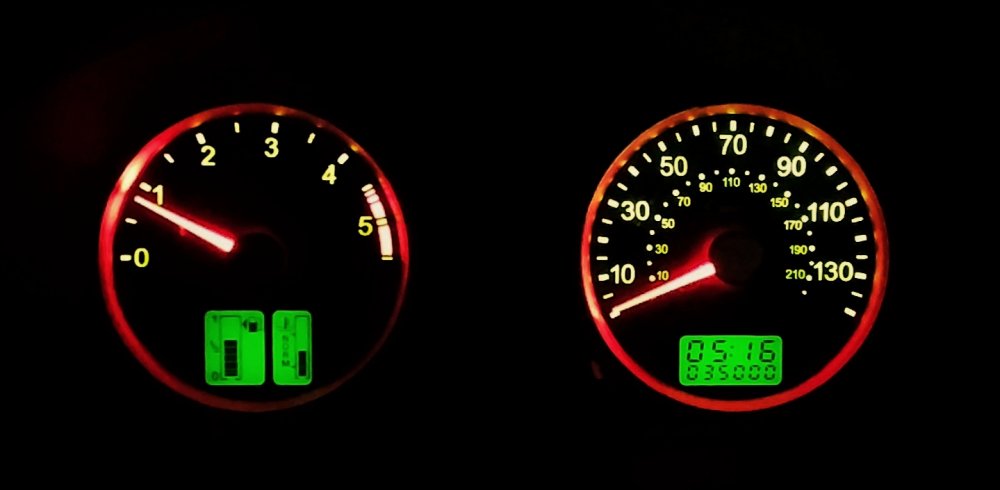
Finally I caught one on way to work this morning, the poor wee Ford doesn't get much use, but the other car was away having wheels refurbed so it stepped up like it always does.
 1 point
 -
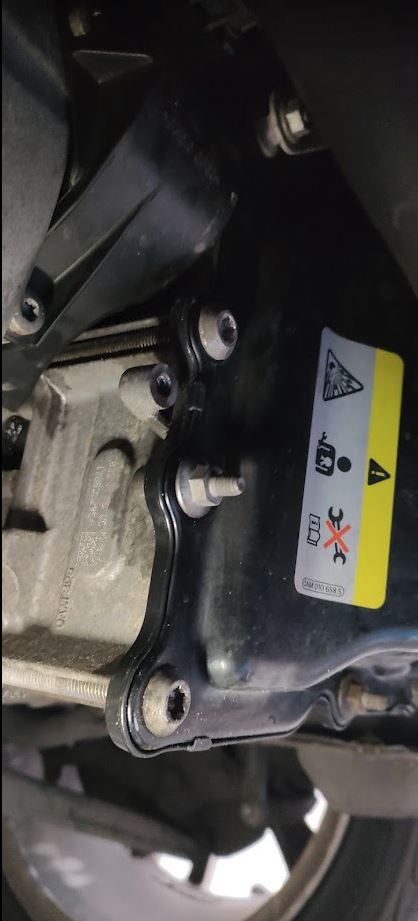
1 pointfair enough, just had a look at those plastic sump plugs and if vw using plastic sumps as well, it stinks of cost cutting to me, no doubt they will claim it all to do with weight savings but they aint fooling me been using ptfe on the metal threaded tdi engine sump plugs for as long as i can remember, i wonder if the tdi engine now has a plastic sump, i must have a look at my 2022 plate superb which is due for an oil change shortly1 point
-
1 pointSeen as the 2.0tsi EA888 engines use a plastic sump with a plastic sump plug that has an O ring - DONT put any PTFE tape on as it will leak.... Instead, when removed, clean the sump plug and inspect the O-ring for any damage, if any is found, replace, if not, reuse is perfectly fine. 06L103801 - plastic sump plug 06L115562 for all 2.0TSI engines - which has now superseeded to 06L115562B1 point
-
I had DSG on my Fabia and had no problems in 90,000 miles.1 point
-
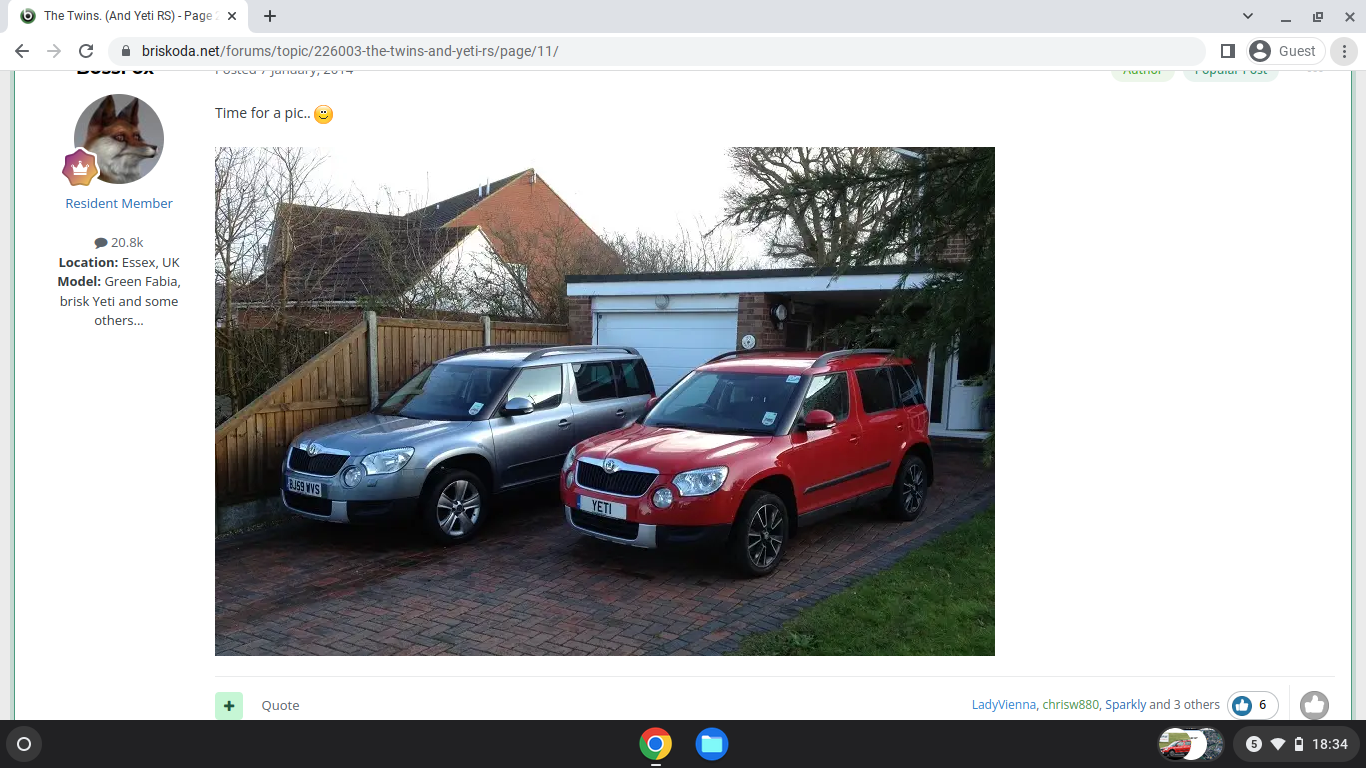
1 pointJohn he got into racing Nissan Primera's (plural) a few years ago now amongst other things. No idea if he sold it on or not but I think last I heard from him the Yeti was a keeper.1 point
-
I have seen YouTube videos saying it's low.....but low for an SUV bracket car. So it's perception I guess. If it was considered a hatchback I doubt that association would apply. Apparently the car sits 40mm higher than (ummmm...can't remember but some other cars either in its class or perhaps higher than the Fabia...wish I had a memory)1 point
-
1 point
-
1 pointThere is a good article linked on another forum which covers much. I will link it for those that missed it. EDIT. Actually that article was 2015 and not as good as the thread here. http://briskoda.net/forums/topic/226003-the-twins-and-yeti-rs/page/1181 point
-
I don't find the drivers seat too low and I don't even have it on the highest setting, nor do I struggle with lines delineating parking spaces. Have you tried adjusting your seat height?1 point
-
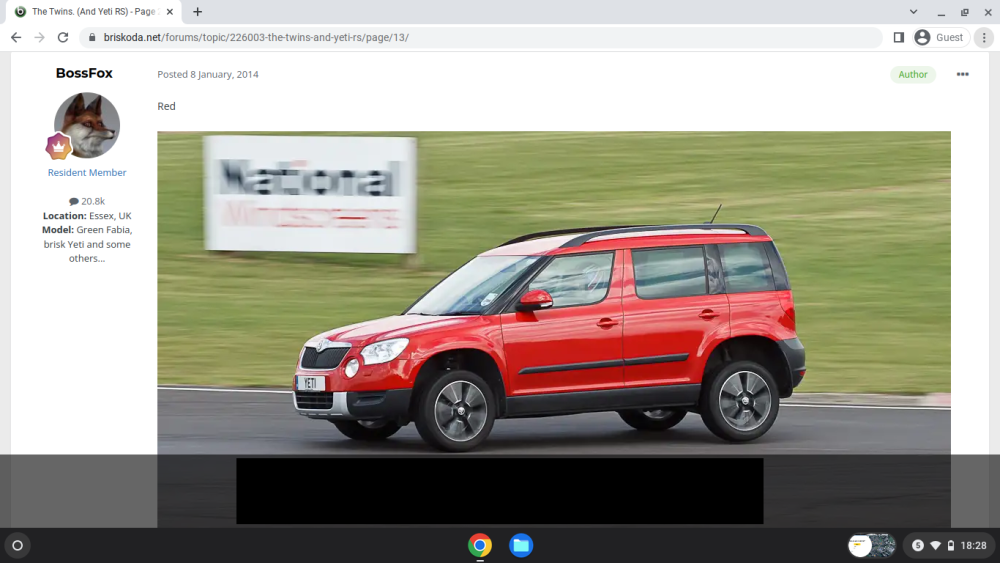
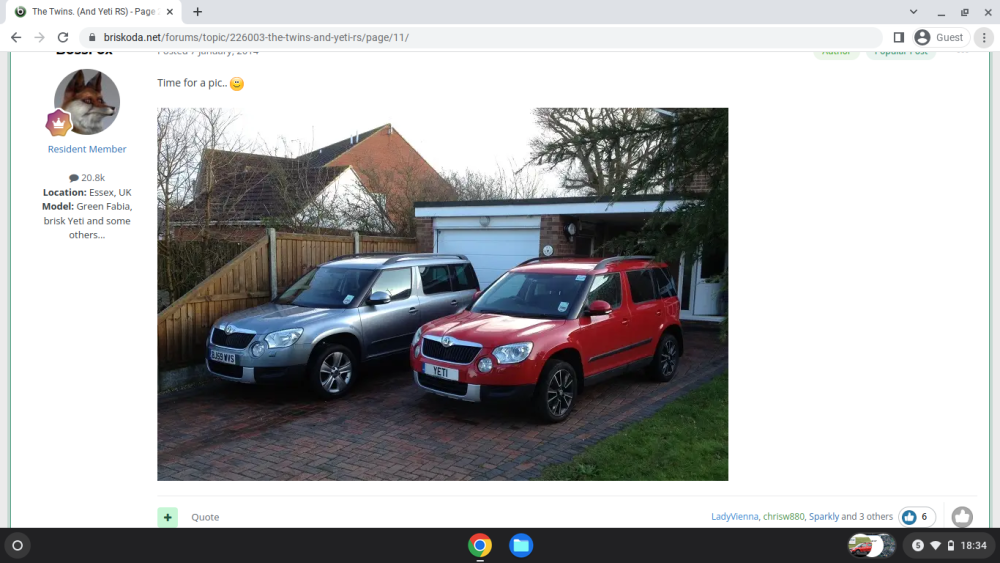
1 pointWas it not his Mums when a grey one? I remember the thread was on here when the garages Demonstrator was wearing YETI Show plate and he got the NIP. @Leeyou were in the colour discussion of the tuned car.
 1 point
 -
1 point@Rooted OK, it's still showing as a diesel. Who had that one - was it Boss Fox Richard?1 point
-
Favourite things - very quiet, good gearbox (DSG model), very good economy (settings are on eco mode), a journey of any length (even as low as 30 miles) can give low to high 50s per gallon and even short runs can turn in 40mpg plus depending on traffic conditions. Best performance 60.2mpg on a 44m trip. A recent 56 mile drive starting at 50m above sea level and involving climbing Sutton Bank (294m) and ending at Ripon (40m above sea level) turned in 56.4mpg. Bad points - driver's seat too low and the body shape widens out towards the window line and this obscures lines delineating parking spaces and, as a result, you need to have the driver's door mirror adjusted so you can see these in it and that stupid air con control system via a screen. Otherwise, best car I've ever owned and I've owned Toyata Yaris, Mercedes A class and VW Polos as well as various Skodas starting with an S100l.1 point
-
What "machines" did he use I'm not giving up yet J.R.1 point
-
1 pointI think he is 30 years behind the times with that notion, lets say it was my Yeti and the diff breather was submerged, the sudden cooling of the casing sucking in a good quantity of water plus that which would come in through the static head, several months later I present the car under warranty with a knackered diff, Skoda would quite rightly refute the repair due to water ingress, even if they didn't they would not repair the differential, its a specialist job, the parts are not available through VAG, aside from the time and cost they could not guarantee the repair as they could a new unit, nope it will be a bill of 4.5k plus labour to the customer. Hell the exact above has happened scores of times due to the incompetance of their own service technicians draining the diff instead of the Haldex unit yet that still does not get taken up by the media. If they are not going to repair something that every garage in the 50's and early 60's were capable of they certainly are not going to be messing with a high voltage battery pack swimming in corrosion even if the parts were available and they had certified technicians, the battery pack will be sold on to one of the specialist reconditioners but dependant on how long it remains wet even they are unlikely to be able to salvage much other than the casing, even that is dubious as electrolytic corrosion will have been having a field day. Anyone that says the battery pack should resist submersion is talking out of their backside, anything with service penetrations (cables, pipes, breathers, submarine propeller shafts) will leak to some degree, I designed military equipment which could be used outside in thunderstorm or resist a water cannon, far worse than a Tesla driving through a puddle (which of course was a porkie) but often the only way we could meet the submersion requirements (think falling off a raft during a river crossing etc) was to adapt specialised transit cases for the equipment made by other MOD suppliers.1 point
-
The OEM mic will be part of the large multiplug. I've no idea if the aftermarket headunit can use it or not 🤔1 point
-
1 pointOnly if it's a permanent change IIRC. Not needed if being wrapped for e.g.1 point
-
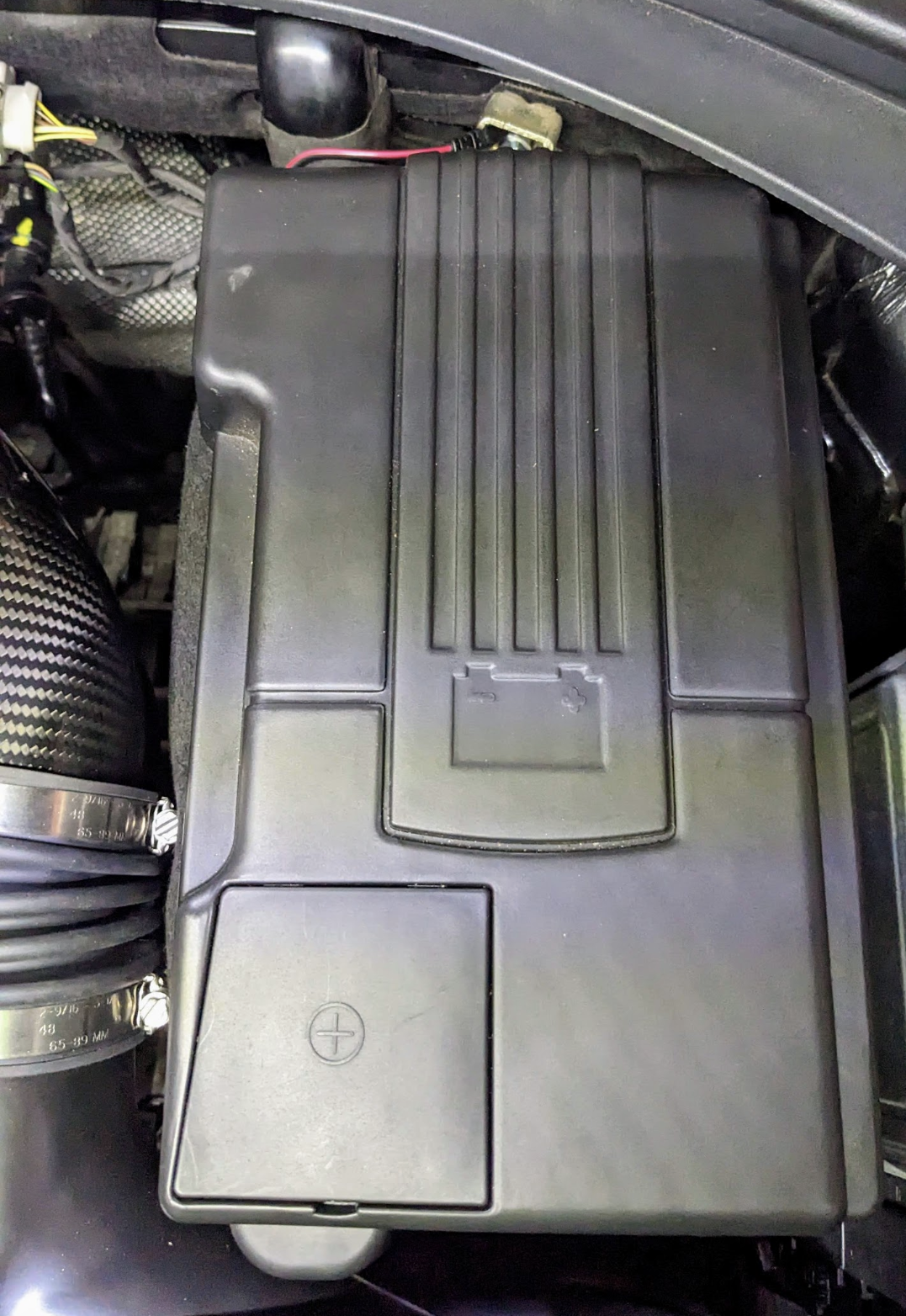
1 pointI questioned it and just had one fitted this week to my VTRS 73 plate and is part of a recall notice. Called in to my local dealer to check and they had one in stock and installed it while I had a coffee. They said that the covers were removed due to a fire risk and had to be manufactured from a different plastic?1 point
-
1 point29,000 Canadian Dollars. SG22 YAY not showing as insured on theInsurance data base , or showing on the DVLA database. On a personal plate maybe. SG22 YAV White Tesla. SG22 YAW Grey Tesla. 7th October 2023. Original article 15th Oct said last Saturday.
 1 point
 -
1 point
-
1 pointMy problem is sorted by resealing the mechatronic. I guess admin can mark this thread as solved.1 point
-
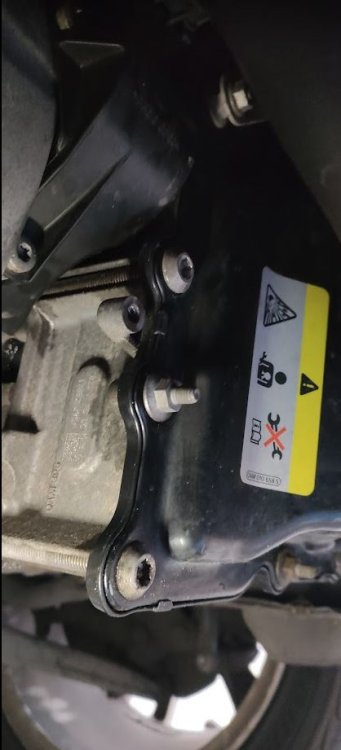
Update: Mobile guy didn't turn up, So, I went to the Garage who quoted me £360 to reseal it (including Mechatronic + Gearbox oil changed). They did the job day before yesterday and I had been driving since. Today I checked underneath and there is no sign of oil leaks or anything. I think there was no damage of anything inside mechatronic. Just seal became weak. Fingers crossed no more oil leaking from the Mechatronic.
 1 point
 -
An update on my original post. In MY case after trying all the reset procedures I could find and lubricating the runners with silicone spray I bought the switches. 84e here in Eire. Just fitted them thanks to some helpful threads here and problem solved. Thanks everyone1 point
-
1 pointWhen RJVB referred to having the "distribution" replaced that means the timing belt and ancilliaries in French. Courroie de distribution = Timing Belt Kit de distribution = belt, + tensioner etc.1 point
-
1 pointBecause the air causing the problem would have almost certainly been from the slave cylinder and trapped in the void below the bleed thumb-turn. Wwhilst I agree 100% with replacing the master cylinder first, doing so involves bleeding the system which will give temporary respite, I hope yours is the exception but I expect the symptom to reoccur and that will probably be with a change in temperatures, I cant recall now if mine reoccurred in Spring or Winter.1 point
-
Tesla have opened 3 more sites in Scotland to non-Teslas. These are at- Eurocentral - Motherwell 53/61p Fort William 50/61p Inverness 50/61p the prices are peak/off peak charges to rock up and charge. Membership takes around 20p off those prices. I think the Fort William ones will be busy, as other provision seems to be struggling there.1 point
-
Thanks for checking, I'll have a play around with folders and see if it works for me. I have quite an eclectic choice in music and drive Mrs Cakemonster insane with skipping to find a track that suits the mood 😀1 point
-
Good question, I've not tried shuffle until now. Just braved the rain and tried shuffle. It seems to shuffle within the folder you select. If you select a single CD, it will shuffle within that. If you go all the way to the top menu, it will shuffle within the subfolder you select, albums, artists etc. good luck.1 point
-
None of mine (just under 1100) are in folders. I added around 20 new tracks yesterday and half a dozen weren't visible to the unit. I formatted the card and transferred everything again, new tracks are visible, but some old ones have become "invisible" It's a 32gb card so it's barely a third full, and the card is fully playable on the laptop so the files aren't corrupt.1 point
-
My False Floor project https://youtube.com/shorts/3Ge97Z5Y1Oc?si=tA04O47URRZ0EeGx1 point
-
Hundreds, possibly thousands of cars are kept in storage and never taxed or MoT'd but they'll pop up in TV shows or films. There's prop companies that own them and make a tidy sum renting out period correct vehicles (and other more mundane items) for TV and film production companies. My mum used to work for a TV and director - I forget his name, Trevor something I think, but he made some of the early Herbal Essences shampoo ads (he specialised in water/ underwater filming) and he had a few himself in his barn. One was a mint Citröen DS convertible. Another was an 80s Jeep Wrangler.1 point
-
1 pointYou did state "I'm surprised nobody has mentioned the owners manual yet"....thats why I provided the link after reading it...1 point
-
Just fit a proper system. One that turns off the rear fog light on the car to prevent dazzle / reflection from off the front of the trailer, that deactivates the reverse parking sensors, that triggers the alarm if the electrical plug is pulled whilst the car is locked, that tells the cars braking system that it’s towing, shows the status of the trailers indicators on the dash, facilitates the use of LED trailer lights and enables additional features in the sat nav. The days of splicing into the rear lights are long gone.1 point
-
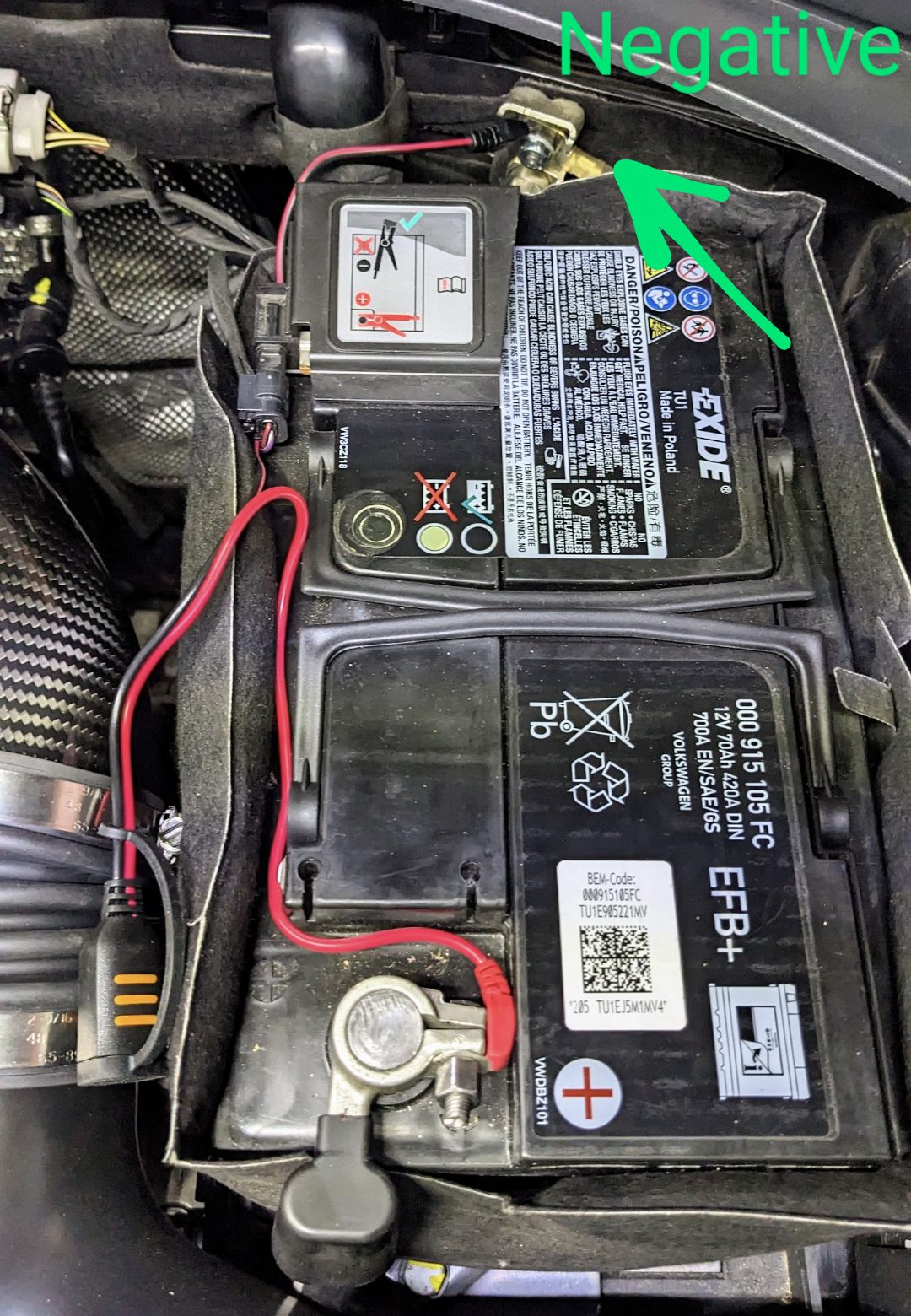
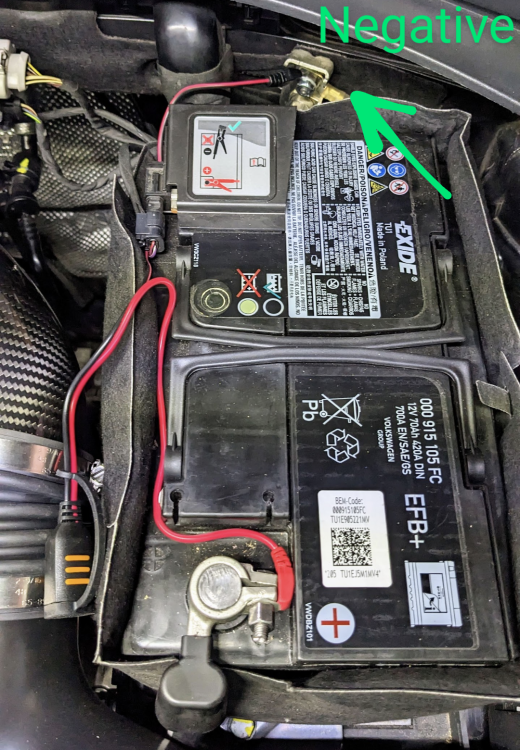
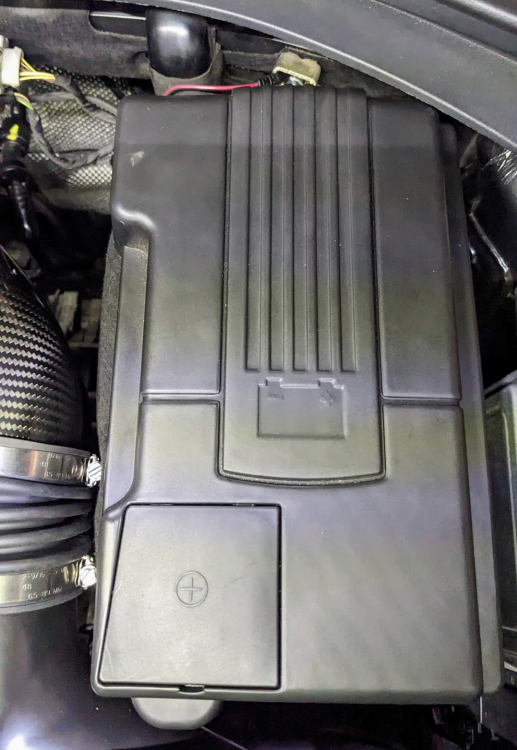
1 pointIt applies to the "permanent", i.e. Comfort Connect too!! I use the Comfort Connect and it's negative connection is on the chassis. There is a negative chassis connection point on the firewall behind the battery. The key here is that ur battery is "mounted inside a vehicle" at all times, unless u physically take it out to charge it each time! I highly recommend u use that chassis point.
 1 point
 -
Both my front windows are very finicky about "touch" on the switch. How long you hold it down or up has to be perfect to get the one-touch. I adapt to the requirements, if I don't get it right the first time. Never occurred to me to replace the switch.1 point
-
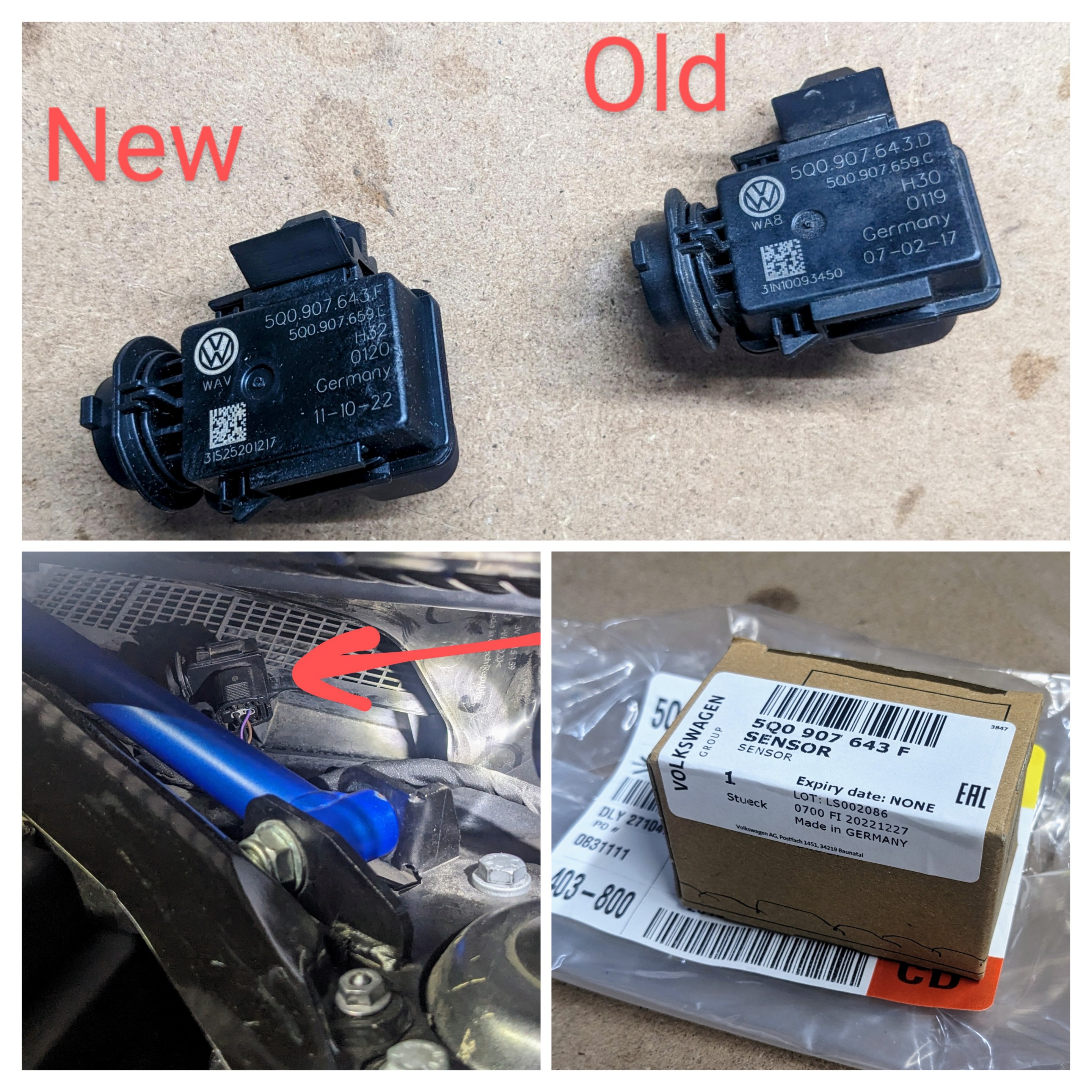
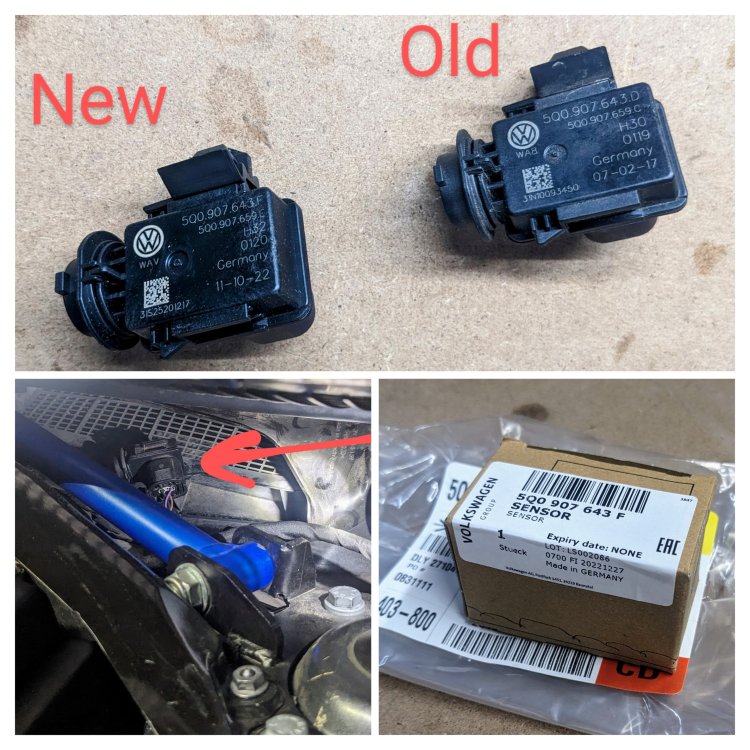
Replaced the AQS Sensor in my Superb today. Old - 5Q0907643D (HW 30; SW 119) New - 5Q0907643F (HW 32; SW 120) Hopefully no more intermittent errors with the Air Conditioning Module 08 anymore. This was the error I would get randomly, sometimes.... "Air Quality Sensor B10AF04 [008] - Internal System Fault" Fingers crossed.
 1 point
 -
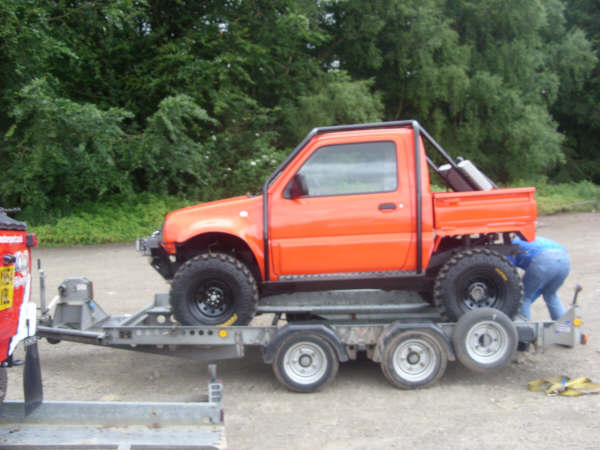
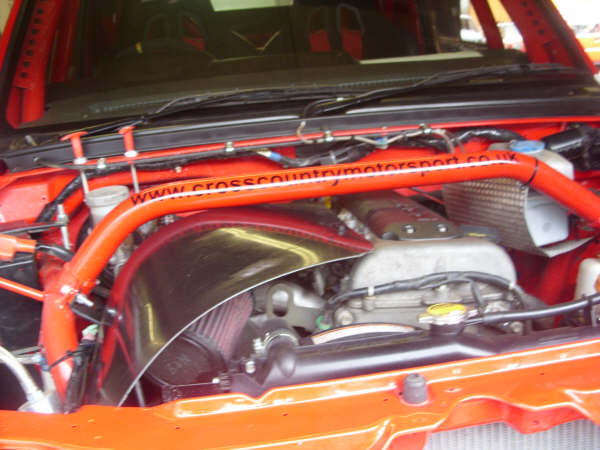
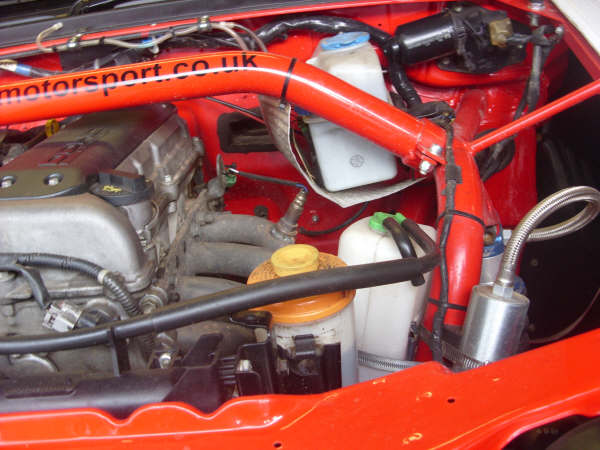
1 pointNot mine. I never liked having to dry out interiors. (Air intake not high on my Jimnys because the issue wading is the grit and crap in alternators, starters etc.) So, On a Range Rover V8 chassis.
 1 point
 -
Got to admit I admire your tenacity. I used to have a bit of a fiddle in the days of Anglia and Morris 1100s when you could get away with tinkering whilst not knowing exactly what you were doing ... but not now. Well done you.1 point
-
1 pointIf your trips are short and you can charge at home or at your daily destination point, PHEV is a no-brainer. Myself I drive on average about 20km per day and my savings on fuel are insane because I charge at night when prices are low. Driving only electric averages me about 3 eur per 100 km, while on petrol I'd spend 10 or above. On long distances consumption is still good despite higher weight of the car, last trip mine was around 6 liters again. But, if you have nowhere to charge it, don't go for it.1 point
-
1 point
-
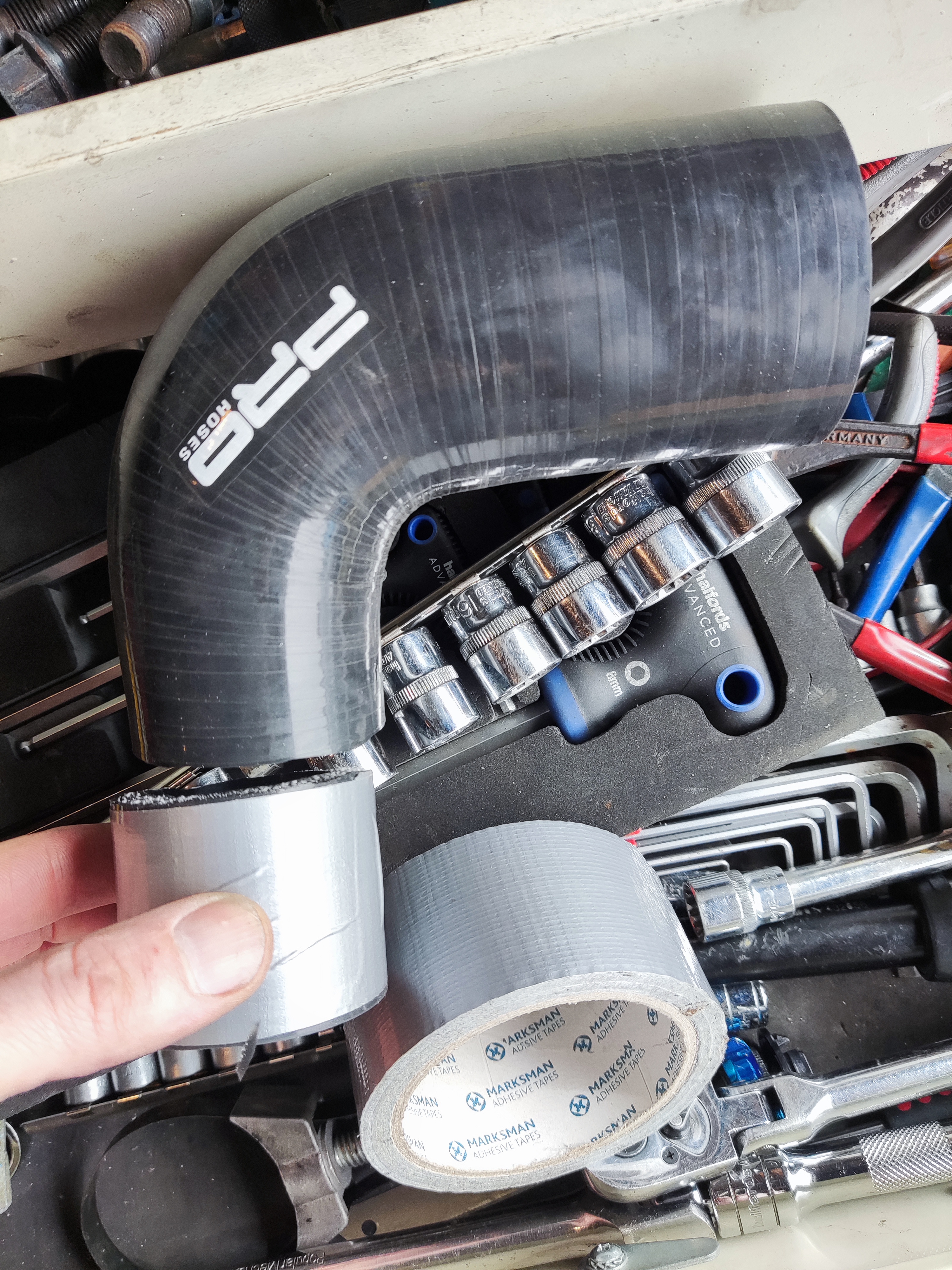
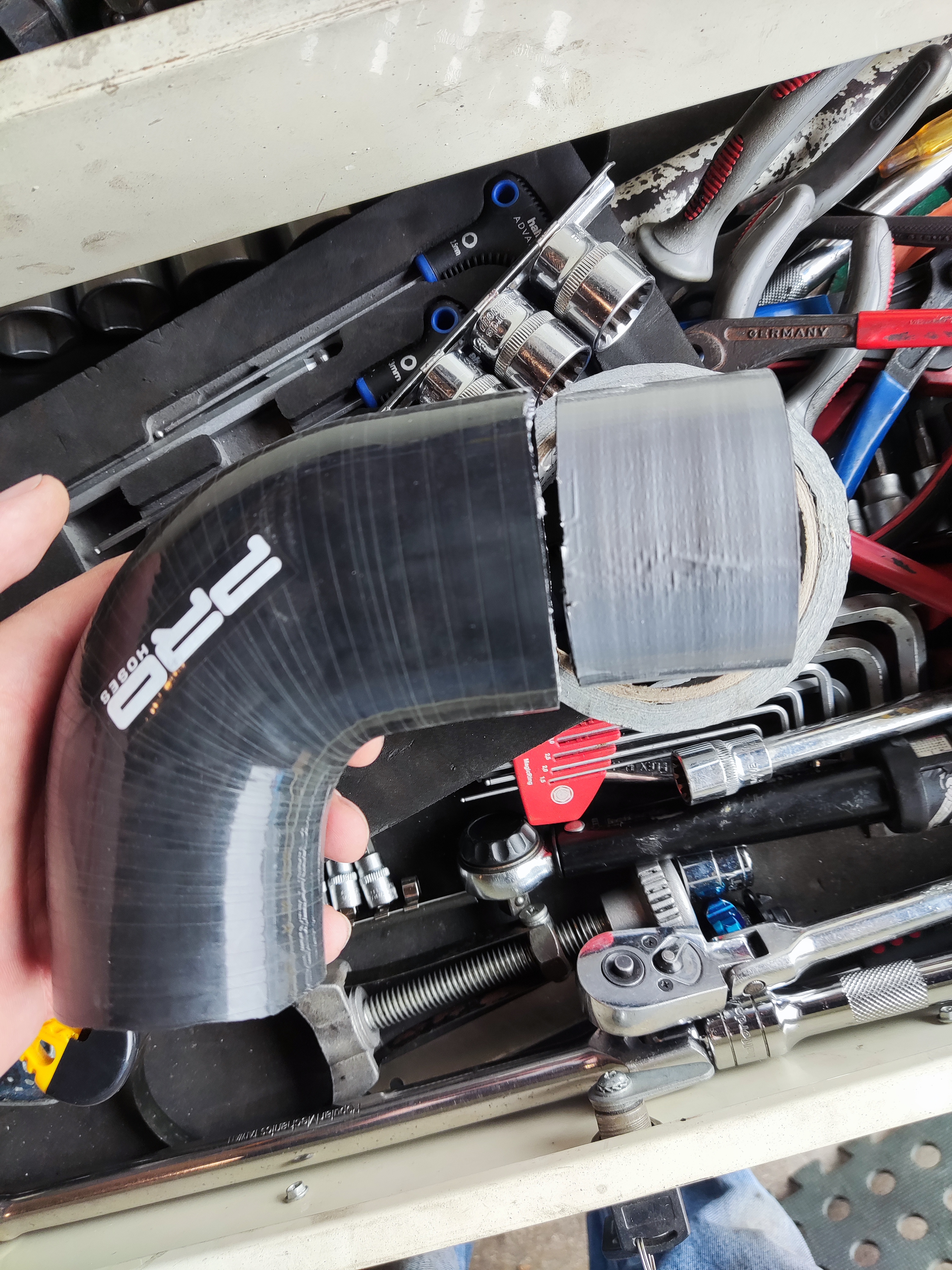
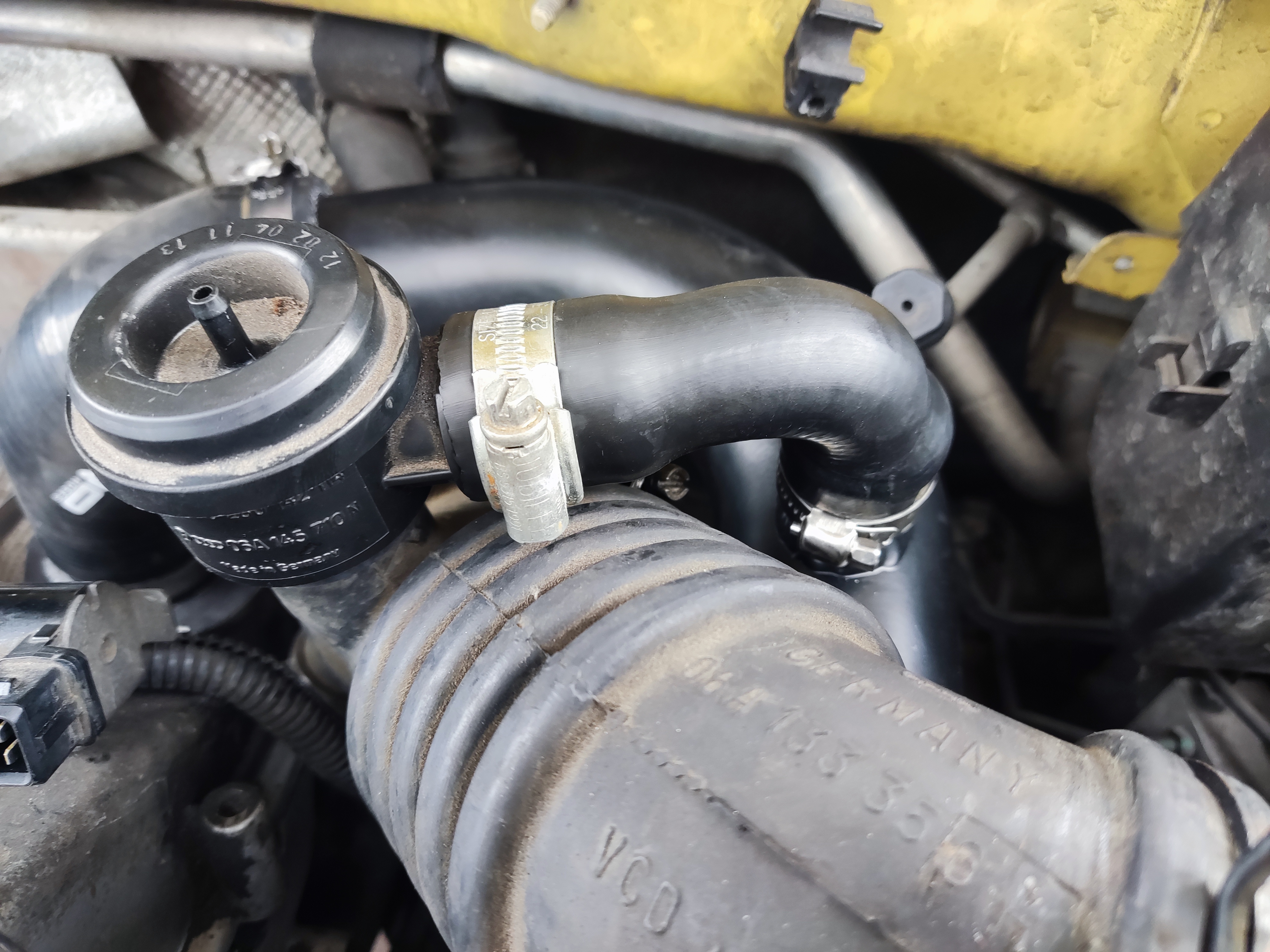
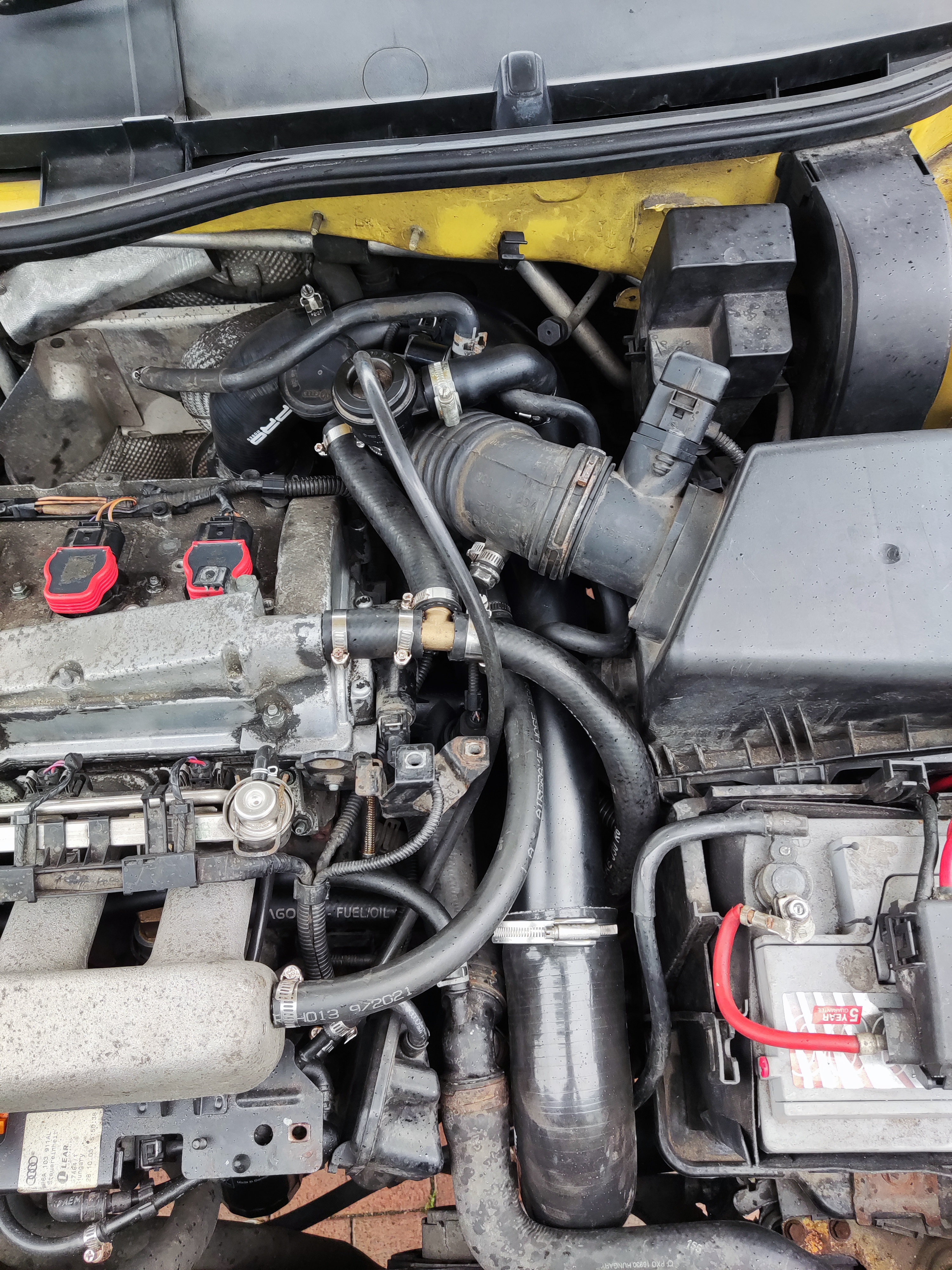
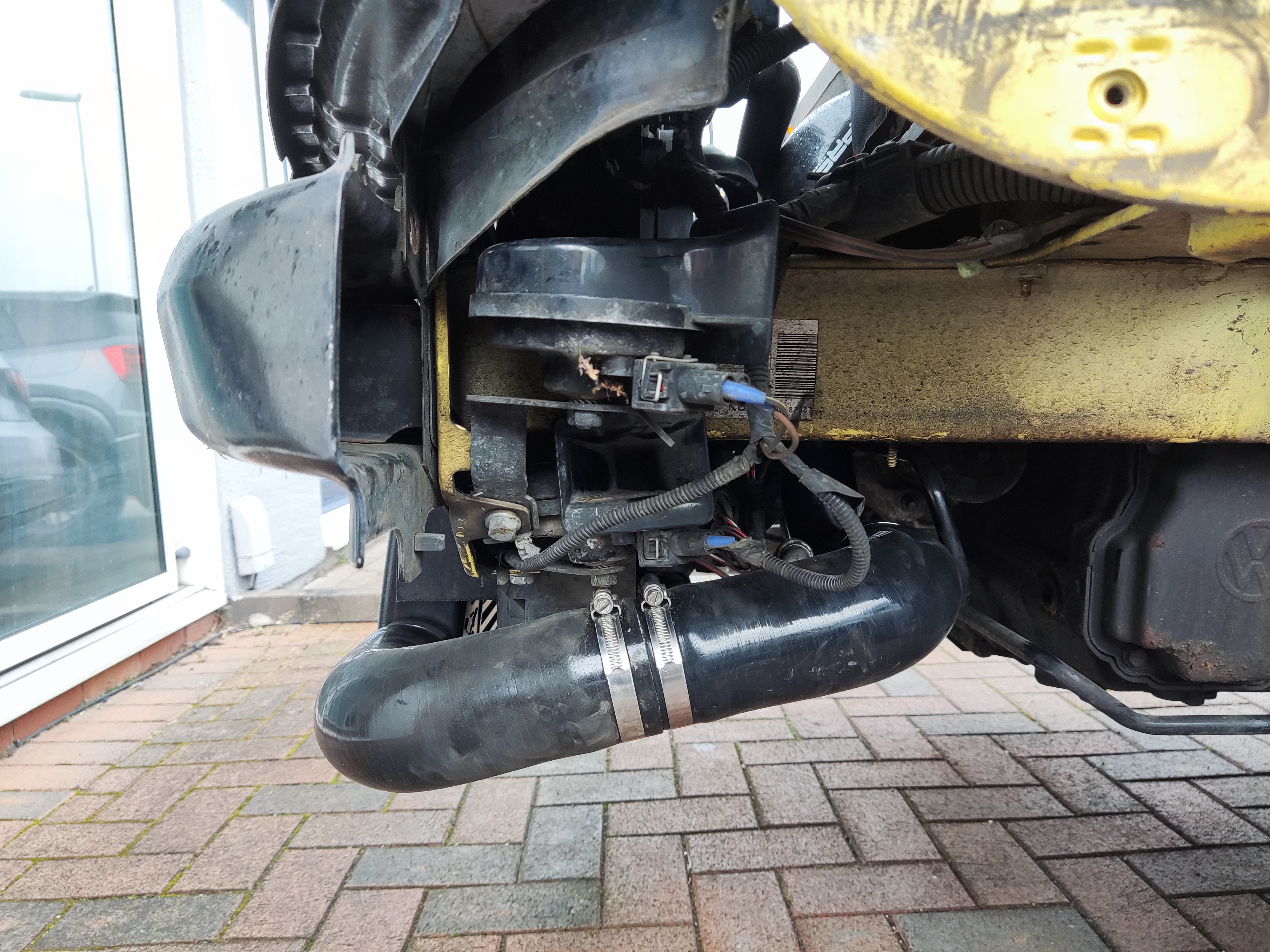
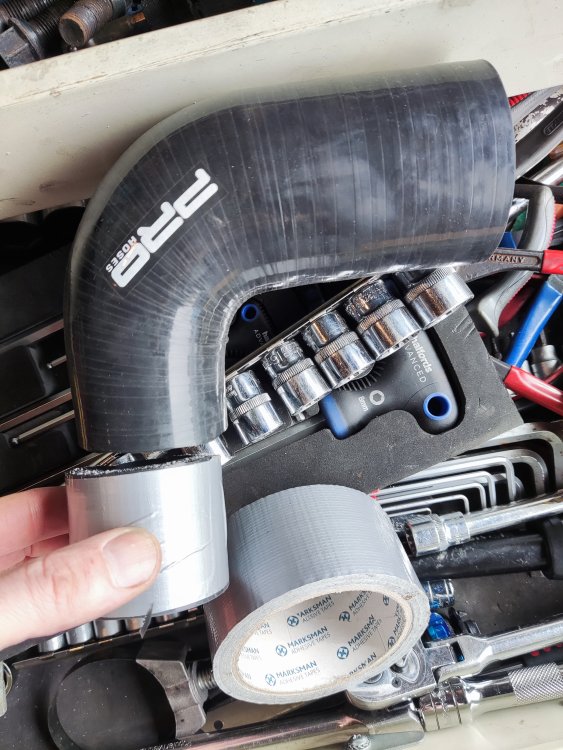
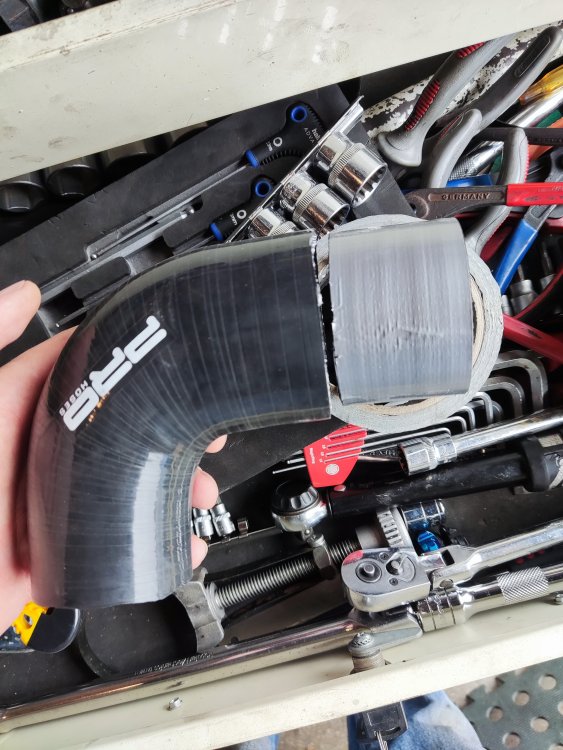
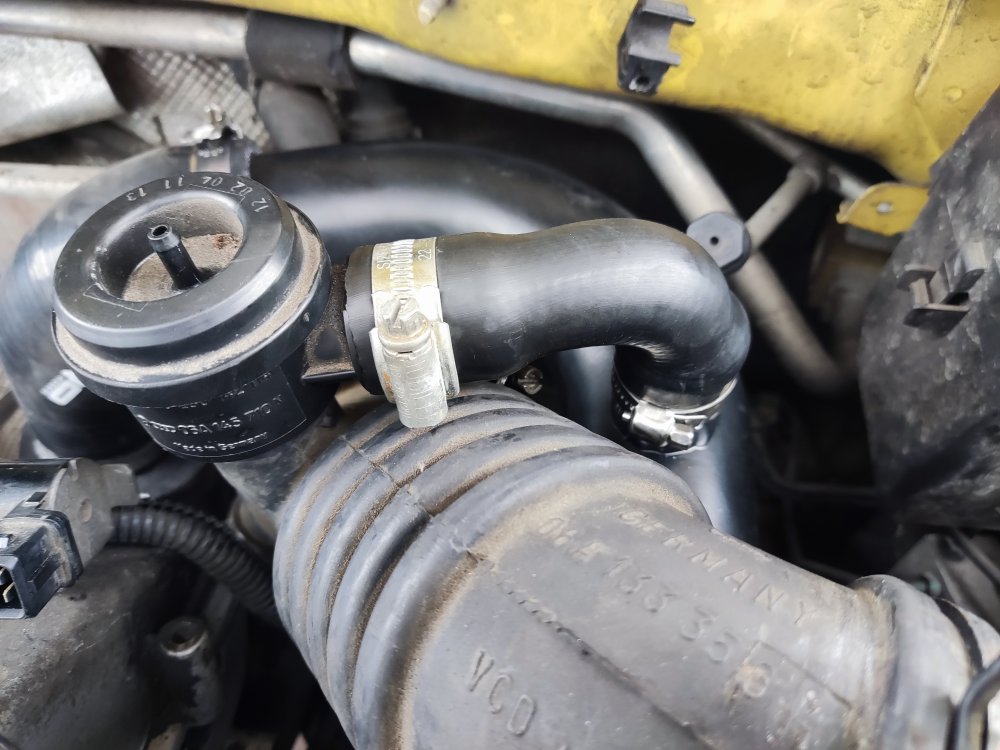
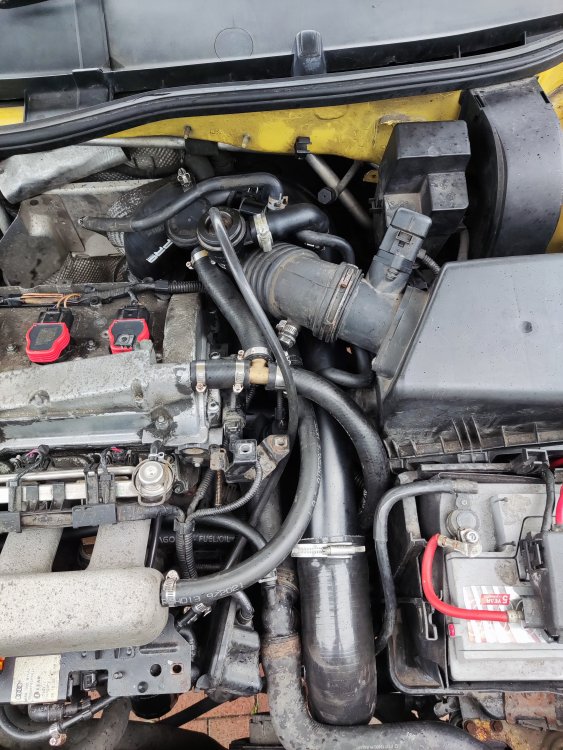
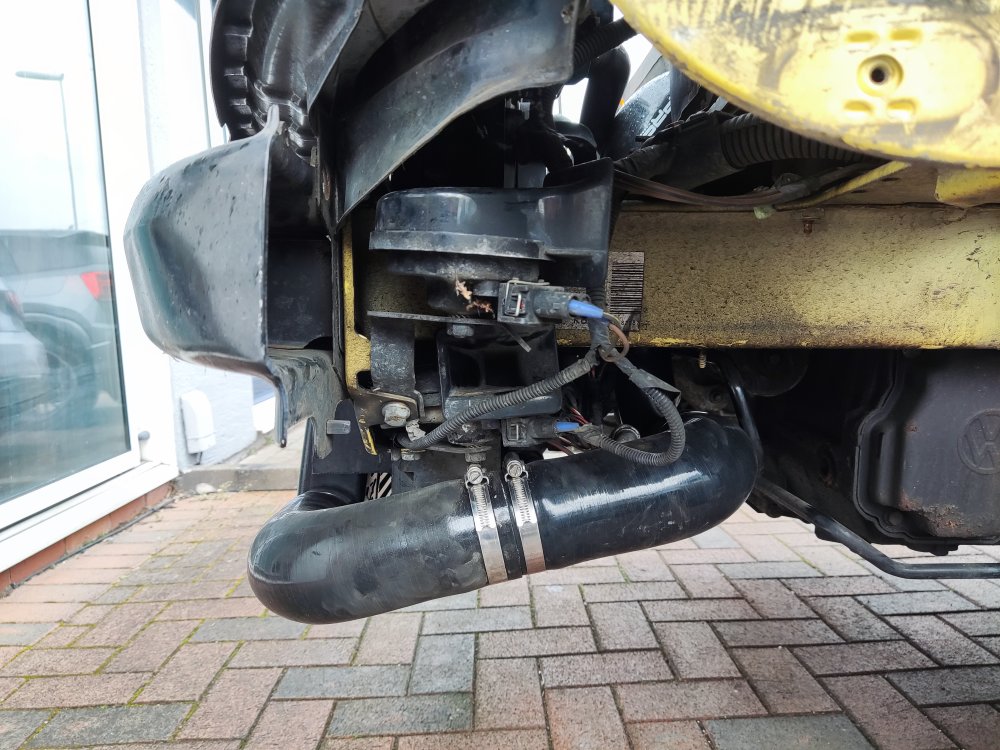
1 pointI had to trim the new turbo outlet pipe by 40mm each end, duct tape happens to be the correct width I cut down the original dump valve hose and managed to get it back on the dump valve and new intercooler pipe by swearing at it and using boiling water to heat it up On the hot side I had to flip both of the horns by taking them off their brackets and remounting them upside down Finally I had it all put together, this section took the longest to work out, its very tight in there now and I'll reroot some of it at a later date to make it easier to work on Pretty sucessfull weekend, of course of knocked all of my knuckles off but thats a small price to pay
 1 point