Leaderboard
.thumb.jpg.9dd3f612ba7f13d10be5c518d3c8d255.jpg)


.jpg.1006585dfe4e2977315b67c3d642e37b.jpg)

Popular Content
Showing content with the highest reputation on 29/11/23 in all areas
-
Im pretty certain that may be part of the radio aerial and not the heating elements. We have similar on our Kodiaq4 points
-
Like others had said if on your console the button with A is not lit then auto hold is not enabled, hold it down for a few seconds and it’ll turn orange, which means enabled When that’s on rock up at a lights, use your brake pedal then let go and shouldn’t be moving. You are then free to do what I imagine other people do and pick your nose, scratch your ass, check yourself in the mirror and completely ignore the fact the lights are green 😂3 points
-
2 pointsSorry missed the i out htpps:// www.satnavishop.co.uk/ should have gone to spec savers2 points
-
Hi I recently just bought an Octavia 1 litre TSI 2021 with just 35k on the clock & I had the same issues as you getting different answers so I decided to contact Skoda Ireland & this is their reply and answer . Hope this helps anyone else who is trying to find out information Good afternoon Damian, Thank you for contacting SKODA Ireland. We have sent your VIN to our technical team to get confirmation on this query. They confirmed that there is no timing belt service intervals for this vehicle meaning it is not needed. They advised that it would only be necessary if some other work is performed that requires it to be changed. Should you have any further queries, do not hesitate to contact us. Kind Regards, Bella2 points
-
@Gabbo yes the autohold function works as you expect just without the double press malarkey. Simply come to a stop and release the pedal. If you still creep then press a bit harder. As per @Rooted comment, the brake lights will likely stay on though it's worth checking this function. Pulling the e-brake should turn them off. Then assuming you are still in D, press the go pedal and off you go with brake lights turning off if relevant.2 points
-
I keep reading about these squeaks in the Kamiq but I honestly can’t relate. My MC is literally the quietest, most solidly built car ive ever had. I’ve had 2 x Audi’s (both new) a horrendous BMW (again new) and various other brands over the years but the Kamiq is hands down better than the lot. Maybe mine is the exception 🤷🏻♂️2 points
-
1 pointHi. I recently purchased a Skoda Octavia mk4 vrs and have been getting use of the auto wipers but noticed when using these that the rear wiper is also part of the automatic system. Every now and then it makes a really annoying screeching noise, when there is not much rain to wipe. Just wondered if anyone had found a way to disable the rear wiper from the auto wipe system. Thanks in advance1 point
-
1 pointHi Aubrey. Thanks for your info, I was on the android track, I will have a look at that. Thanks1 point
-
1 pointAIUI each of the following are available in the car (infotainment screen and virtual cockpit) and via the app... Long Term - keeps count up to 9999Km or 99h 59m then automatically resets. Can be manually reset. Since refuelling - just that Since Start - just that, unless stationary for less than 2 hours in which case it continues the count. Can be manually reset. However, I've noticed the app misses some journeys if the Škoda servers are down or unreachable for a period of time (e.g. parked up in a mobile 'not spot'). Also, the car data may be reset if there is a major software or firmware update whilst the may app retains it. Alas it all seems a little amateurish.1 point
-
1 point+1 Comfort mode is only available on cars with DCC suspension. Otherwise it's just Eco, Normal, Sport for Driving Modes. Without DCC.... With DCC.....
.jpeg.1080d82af39228ebb8c61fe7ec48465d.jpeg)
.jpeg.f98582b345e6fe62a00d6a140ca6e9f3.jpeg) 1 point
1 point -
1 pointFirst question. The long term measurement resets after 1000 or 2000 miles or so many hours, I cant recall the figure but its a lot of driving, once reset to zero it will obviously show a low "long term" measurement. That is based on earlier vehicles than yours but Skoda has always been consistent on the reporting. Second question, if you make a second journey within 90 minutes of a previous one they are counted together, again the time might be different on your later vehicle but the reporting has been consistent for 2 decades. As an example if I did a channel crossing via Eurotunnel 35 minute crossing time my car would log one single journey from Picardie to Sussex, if I took the ferry coming back (1.5 - 4 hours) it would show a journey from Sussex to Dover and another from Dieppe to Picardie.1 point
-
1 point
-
It might help to spray the door seals with a silicone spray and also the locking mechanism also open the fuel filler door and clean the inner and outer surfaces and spray. I have had the door freeze shut if water gets in. Joe1 point
-
The auto-hold function unfortunately keeps the brake lights on even with foot off the brake pedal. I'm sure this is why so many cars sit at the lights with their brake lights on! If you want to shut off the brake lights the only option is to activate the parking brake. Not sure how good an idea it is to do that routinely many times per drive, since the parking brake relies on electric motors to motor out the rear brake pads. And electric motors don't have an infinite life. Maybe just do it at night?1 point
-
1 pointFor the online download where you get the updates over the paid system what people do to force the update is to put a route in across countries, that then forces the system to force an update. That's different to the cost saving update with no subscription. June and November via USB. That's wrong about it not retaining the maps it does. The fragment files you see in the update files are the geographical zones. The concept is if you put a route into Germany it then starts bringing down those segments. Offline it eventually does the update off the USB if the file is correctly placed on the drive. It's the criteria to nudge it into action which isn't totally clear. Mib2 high has a roll back position where if the upload if interrupted it will roll back a bit and restarts next time the unit is powered on. Mib3 will be the same with USB. This is where it's been said about ignition and stationary. Probably apes the over the air one. In the end if you don't mess up the presentation of the files on the USB and it's a valid released file without errors on their side, then it will do it, eventually. The release date changes and that's for the whole of Europe both online and offline update.1 point
-
1 pointAs J.R. has suggested, a simple breakdown of actions and results listed against numbered lines may assist. I fully understand that technical reporting does not come naturally to all people, but this simple timeline assists understanding of the issues/actions, even without punctuation which I can read into the below myself (boy went out to start car, while engine was running got out and closed door). Please do not take this post with any negativity, we are here to help:- 1/ boy went out to start car while engine was running got out and closed door 2/ went to open car and low and behold the door or any would not open. Panic set in came in an got me car running but no access to get into car 3/ looked inside and saw the door lock switch was luminated orange 4/ luckily had spare key pressed unlock nothing except for a flash of indicators one blink feck in hell we have a car running but cant access 5/ put the key in lock and gained access closed door and tried to turn off lock button no joy turned engine off. 6/ Went back out tried all other doors all locked including boot pressed fob unlock no joy pressed lock no joy went in had a cuppa 7/ came back out pressed unlock boot opened closed boot locked automatically same thing occurred no doors opening except drivers pressed unlock all unlocked started engine all fine again1 point
-
Yes, but be careful when dropping it off at a garage for MOT/service as they never remember to turn it back on 🤦 been a few times I’ve left and almost crashed coming out1 point
-
Let's be clear about this. The car is 11 years old with 70,000 miles. I use it 3 or 4 times a week and it always starts immediately, hot or cold, rain or shine. Then I do two cold starts in quick succession and drive a total of 50 yards, stopping the engine well before it has warmed up. Next day it will turn over but not a sign of starting. Hold the throttle fully down for another attempt and it starts. Since then it starts immediately every time. I am convinced this is a flooding issue, i.e. Air /Fuel ratio below the threshold for ignitability (about 8:1) and I suspect any AA or RAC man would tell you they have encountered it many times. So my post was just to help anyone else to avoid the same mistake, or to know how to simply solve it without calling for breakdown assistance. I don't need a new battery !1 point
-
1 pointHello Marski Welcome aboard (or back). We've got a 'Pets of Brisky...' thread going - newcomers welcome Gaz1 point
-
1 point
-
I had a stone chip on one of my sensors, giving me an error. I want to remove and replce the faulty sensor. I'm struggling to find the easiest way to get to it. Can anyone help?1 point
-
1 point
-
@DamoD That is total nonsense from Bella and her sources. There is a timing belt service , inspection & replacement interval. It is just that it is many years / km away. But there is a schedule / recommendations & guidelines. Skoda UK and now Skoda Ireland just seems to be quoting different numbers and now from Skoda Ireland no numbers.1 point
-
I've learned a few things along the way ... one of them is if my battery shows any sign of letting me down it gets changed. When a car won't start it transforms itself into a useless pile of metal taking up space on the driveway. Batteries aren't all that expensive for your car and you can fit them yourself (as you well know, I'm sure). I take my car to a trusted local independent for servicing and repairs. he does what needs to be done, when it needs doing ... irrespective of the weather. Thge car has never let me down. Regarding cold starts and only driving a few yards ..... it's a relatively modern, generally reliable, inanimate object without feelings or emotions. It's there to serve you, not to be fussed over, and if it won't start then there's something wrong with it ... you ought to be able to start it, move a short distance, turn it off and expect it to start next time. Take it to be serviced / fixed and rerturned to you in good order, and change the battery if it needs it ... the start of winter invariably shows up a weak battery.1 point
-
Welcome. Best have an Automatic Gearbox Specialist check out the DQ200 DSG as it has not been serviced and does not get serviced. Possibly replacement clutch pack time. (Not by a main dealership, if you put it into them they might even farm out the job.) (There can also be an issue with the selector forks. a less expensive fix.) See the Pinned thread at the top of the Fabia mk2 section on DSG,s and look at the last pages. (Not relevant, but It might have had the Recall Action since 2014 that was an Oil Chang from Synthetic Oil to mineral & a software update. that was '34F7' on 2009-2012 DQ200's bit just to ones built before the summer shut down.) Sticker in the Spare Tyre well if done.
.webp.dde12619b31ec8cdae479bb65da21acb(2).webp.8c4afead5fdcf7635d435c61dad09ece.webp) 1 point
1 point -
1 point100% agree with your sentiments. If the piston cooling jet solenoid is stuck open, it may even be its fail safe mode, then the low pressure output of the oil pump would be much lower than the specification.1 point
-
1 pointYeah but.... I think that IS the very first test the new garage needs to repeat with a manual gauge and see if they can replicate the low oil pressure on measurment. At the moment, we don't know how they tested, where they tested on the engine, what RPM...... dare I say it, even if they tested..... I don't like to doubt people or garages but the response from your former garage was ....... pretty poor. Edit: I'm assuming also - that there is a pressure problem but....... needs to be proven from somewhere you trust first......1 point
-
1 point
-
Think you need to [press the trip reset button and turn on ignition whilst pressing!1 point
-
I've tried this too, unfortunately this button doesn't do anything either.1 point
-
1 point
-
1 pointAnyone had this issue resolved through the dealer? Mine has started creaking constantly under acceleration even with the fake noise turned off.1 point
-
1 pointI'm very particular and recently had a small dent removed at a Coach Finishers. It involved a full panel (tailgate) respray, and came in at £400 plus VAT. With a similar level of experience to you, and going by my case, I'd be happy with £200. Gaz1 point
-
Yeah, i think it's the ( A ) button that is next to the handbrake button between the gear lever and cup holder. I prefer having it on, i had a bit of a wtf moment driving my sister's Kodiaq when it didn't behave as i thought it should.1 point
-
The PHEV doesn't need the engine (ICE) to run in order to cool or heat the car - the AC compressor is electric, using energy from the HV battery. That's why one can preheat or pre-cool the car in the parking lot before getting to the car.1 point
-
1 pointIf anyone has a link to a document or terms and conditions from the VW Group on how many uses of the Launch Control is allowable with a VW, Audi, Seat / Cupra, Skoda, Porsche, Lamborghini or Bentley please put them up. Not just some thing that some random dealership employee told someone and that was then in forums or social media. ? Is the limit of uses of the Launch Control by day, week, month, year or the life time of the vehicles warranty period? ? Is the limit over the 2 years in some EU / European Countries or 3 in the UK, 5 or 7 in Australia and whatever where ever.? ? Anything in the Owners Manual telling Owners how many they are limited to doing. ? Any notice behind the sun visor WARNING the drivers? ? Any counter visible to drivers saying they have used the allocation of Launch Controls they might have bought with their £25,000 plus vehicles? .............. Back in the day and still in 2023 Motoring Journalists, Bloggers / Vloggers and others talk about 'Claimed 0-60 mph.s They are arse over elbow and forgetting the 'Claimed figures' are 0-62 mph /100 kph. It is their timing devises that are recording 0-6-,s & some cars are damn slow getting that extra 2 mph.1 point
-
I changed the 9 year old battery in my 2014 Octavia III this afternoon, swapping the OEM Varta 68Ah for a Bosch 70Ah. The local "cheap" garage wanted £40 to do the change, including the coding, and said it would be a half hour task. Thanks to mshere and his CarScanner tip I did the whole job myself in a leisurely twenty minutes, start to finish! I thought I might as well cough up the £4.69 to get the full app as it appears to be quite capable - so far I've only turned on the needle sweep feature to test it, but I'll be looking through the list to see what else I might try out (cornering foglights might be useful).1 point
-
While it's cold have a old Marmite jar filled with warm water the shape fits nicely in your hand so it keeps your dainty sticky mitts warm🤣 Real men like Marmite🤣but if you don't, then I have a plentiful supply and could send you one!1 point
-
That made me laugh out loud 😀 No way is even a smidgin of unburnt fuel allowed to pass through to the exhaust on a modern ECU equipped engine with Lambda controlled mixture, faulty spark plugs aside and I second the advice to check them, but you would notice the misfire, its been 30 years now since anyone was able to flood a petrol engine. Spark plug insulators absorbing fuel vapour overnight! Where did you hear that one from? Does your vehicle have the stop/start system? If so the battery will have been partially discharged before your two engine starts and 25m travel, if it was in good health it would not have struggled to start a 3rd time the next day, if you know anyone with an electronic battery tester then I recommend you have it checked to see what it estimates the remaining life to be.1 point
-
1 pointtry change just Steering position in `Individual` section, i definitely can feel difference, for winter tires i have set to Sport all the time1 point
-
1 pointI believe the Octavia is the same as the Kodiaq, and the only way to stop the random rear window wiper operation is to untick the rear wiper in reverse option. If you untick the automatic wiping in the rain option as in above post it turns of the front windscreen automatic wiper option.1 point
-
1 pointExacerbated by the rake of the windscreen, if you looked up at say a motorway gantry sign it would be clearer than the road and traffic ahead of you. Even single laminated glass distorts very slightly. Regarding being mistaken for the Flics, My car is Skoda Pacific Blue which is the exact same colour and shade as the Gendarmery vehicles, in all my time in France I have never seen another private vehicle in anything close to that colour and I think it is not a colour option for any VAG vehicles in France, it very frustrating to be following someone driving spiritedly only for them to then slow down to 80km/h, I overtake them then they get grumpy, tailgate me and then overtake, one even gave me the bras d'honneurn having a RHD car our eyes are close together when they pass me.1 point
-
1 pointIt goes back 25-30 years when some big company car users and leasing firms put pressure on certain manufacturers to extend the service intervals. At the time most big company car operators had strict limits of car had to be disposed of when it reached 50,000 or 60,000 miles. So any long term damage and excess wear was never to their account, as got rid of it before it happened, so manufacturers to be competitive and get these bulk orders, all pushed up the service interval when competitors did it. Then second users started to get problems with oil starved turbos etc at higher mileages, so most offered an alternative schedule for those not cruising long distances (basically allowing for lot of cold starts, and engines not warming through. But this has led to complete muddle where people with mixed driving don't know if they should be following the long variable, or the fixed interval servicing. The synthetic oil does last longer, but problem is if drive lot of short journeys in winter, engine barely warms up, and a fair proportion of oil stays as thick heavy cold stuff in the sump. You don't need much imagination to work out if only part of the oil is regularly circulating, that bit will deteriorate quicker. That's why after a decent journey in colder weather the car often feels more lively because got the oil warmer and better circulated. A friend of mine with a company car took some oil (just prior to an extended oil change) from his dipstick and dripped it on a microscope slide, then did same on another slide after the oil change. Let's just say since then he wouldn't extend the intervals on his own car having seen the difference. He described it as comparing a jar of clear honey to a jar of treacle with bits in bit1 point
-
1 point
-
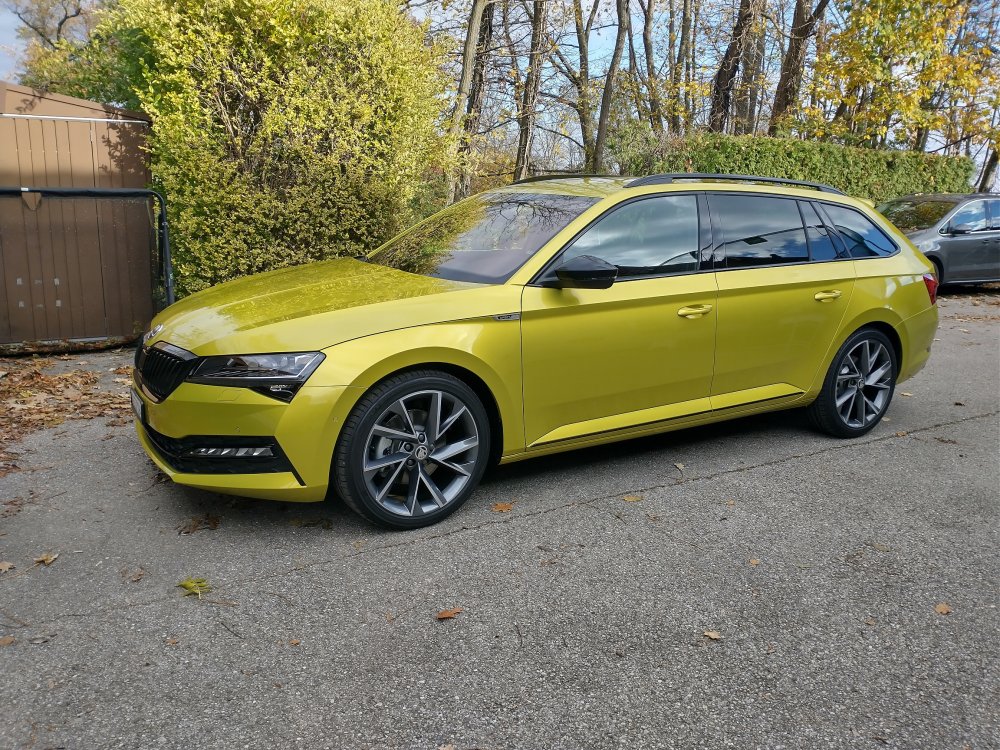
1 pointBit of a whirlwind week, went to the garage on Wednesday to complain I have no information on the status of my car 3 weeks after the build date. When I arrived, there was a transporter outside unloading & my car was on it... Quick trip to the bank & scan of insurance company websites on Thursday & collection on Friday morning.... Very please with my colour choice & a great car on first impressions. Some things to get used to compared to the manual Octavia but overall seems like a good upgrade. Its the small things with Skoda that make you smile each time, umbrella, hooks & storage solutions in the boot, 2 level boot cover, umbrella holder etc More pictures available is anyone is interested. I will try to create a gdrive shared folder like last time.
 1 point
 -
1 pointHello everyone! I am happy to be here and exchange and receive knowledge from all of you. I drive a 2018 Fabia Combi and are always looking for good tipps around ma car. I wish you all a nice week.1 point
-
I tried to remove that, then chickened out. Wanted to get in there with a toothbrush, so the filter was to come out, but no. I gave up forcing it. Fylaktos, i don't remember when was the last time i got somebody in the workshop with me, and however hard i tried, i could not do the two-man method by myself.1 point
-
Hi everyone, just updating on my car. Found what the problem was and it was a faulty rear shocker. The rear shocker had a manufacturing fault but it looks perfectly fine by visually looking at it. Just wanted everyone to know if they had this problem or even going through this problem. Hope this helps.1 point
-
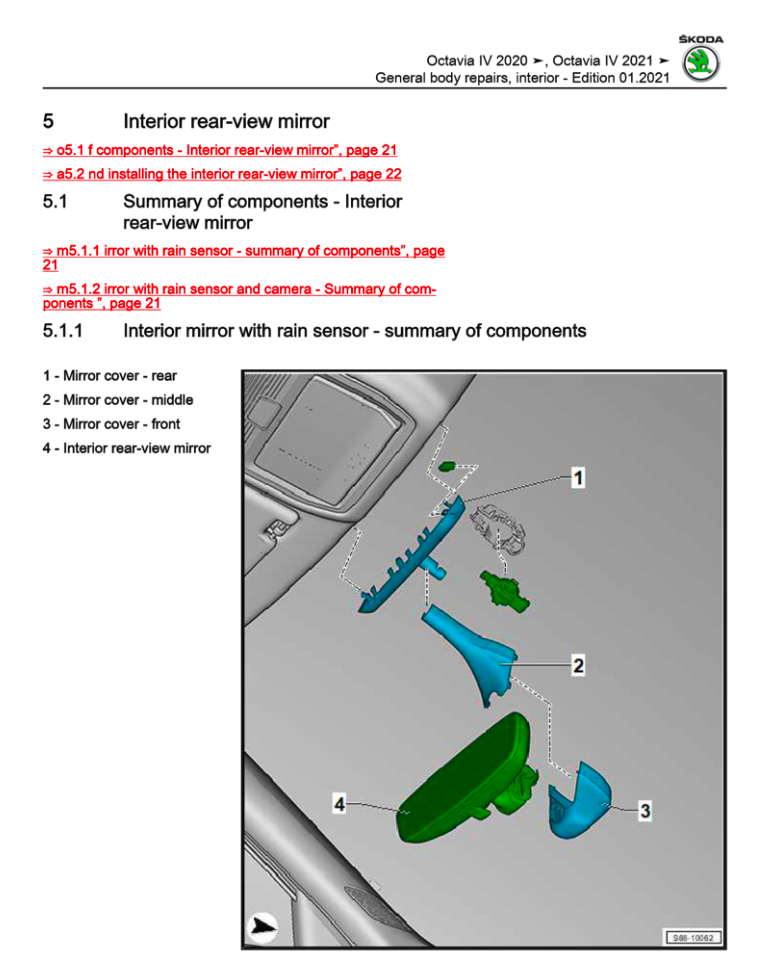
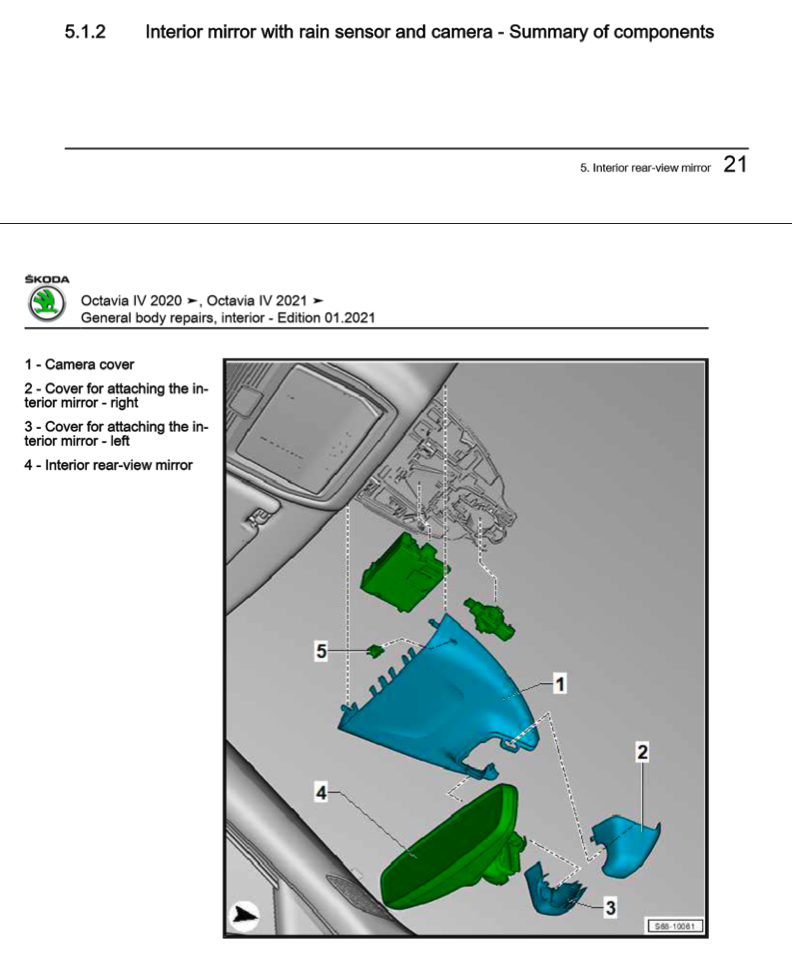
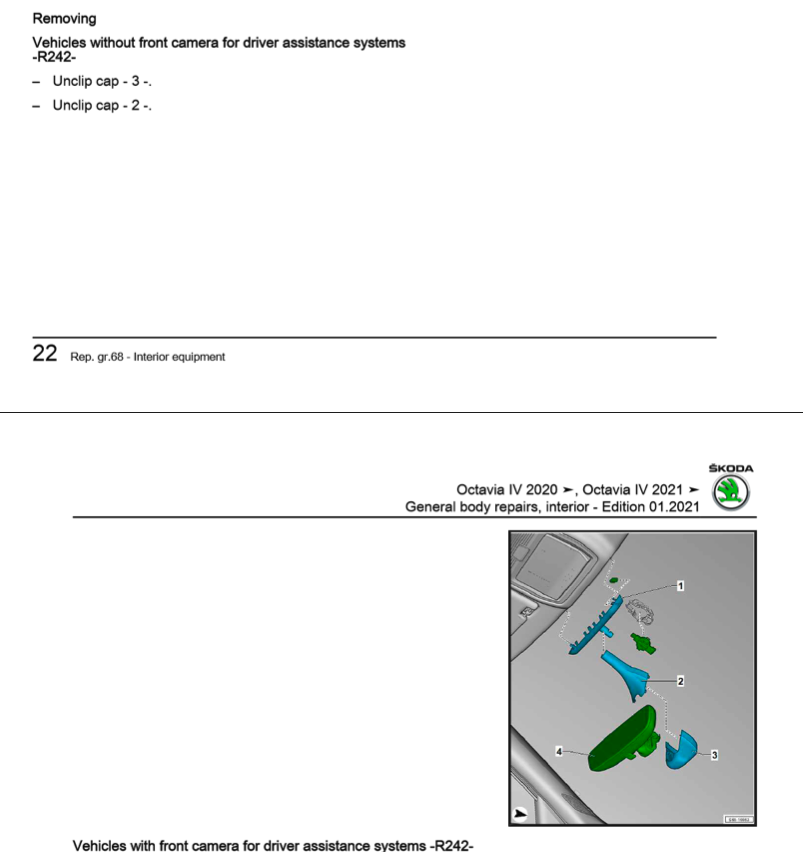
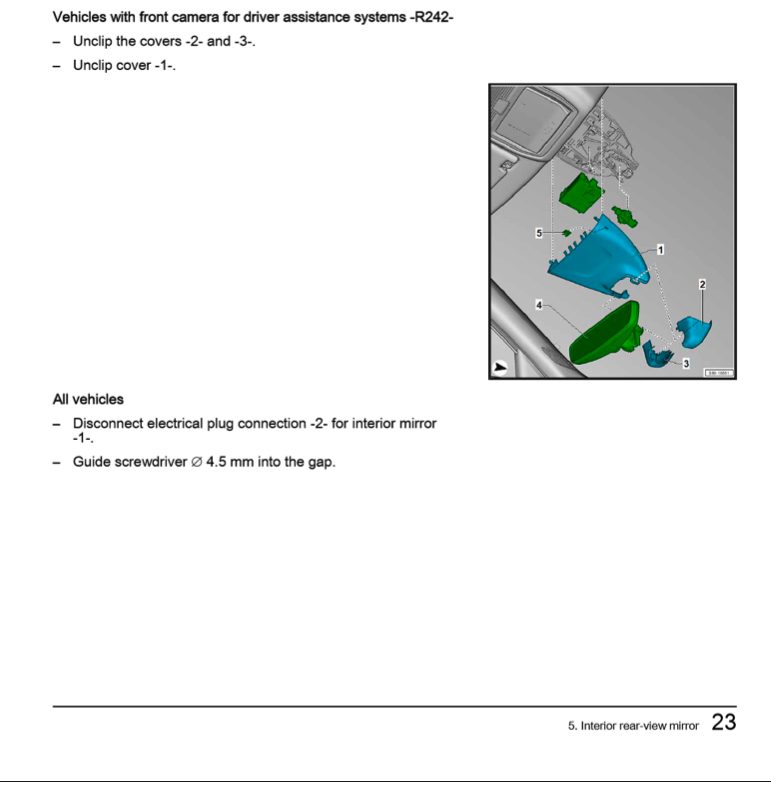
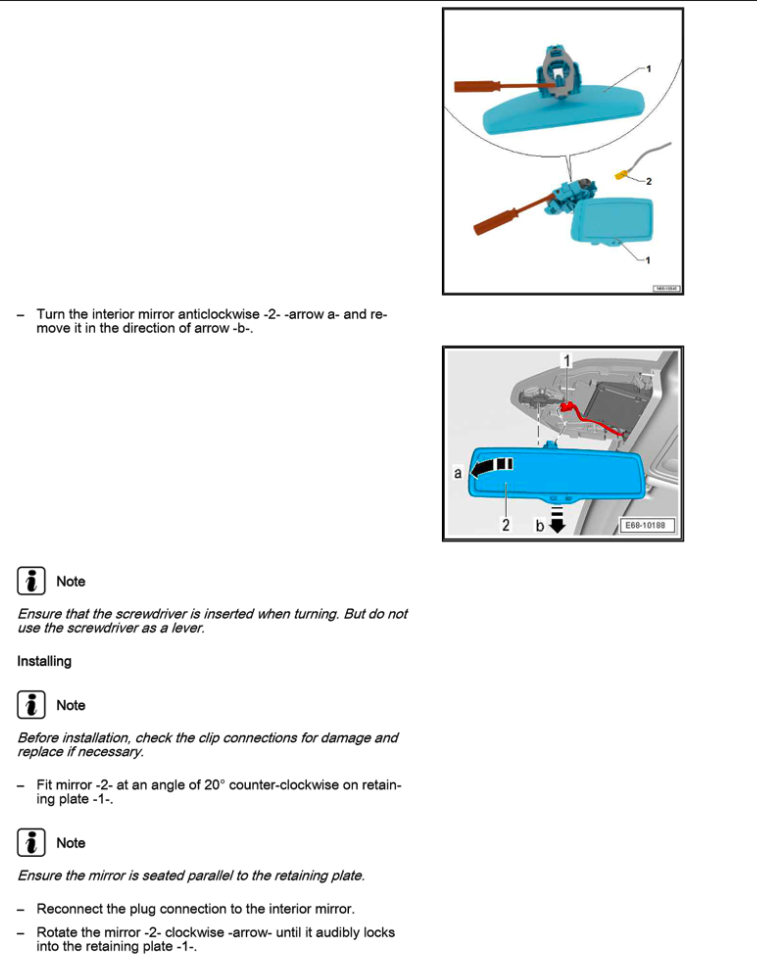
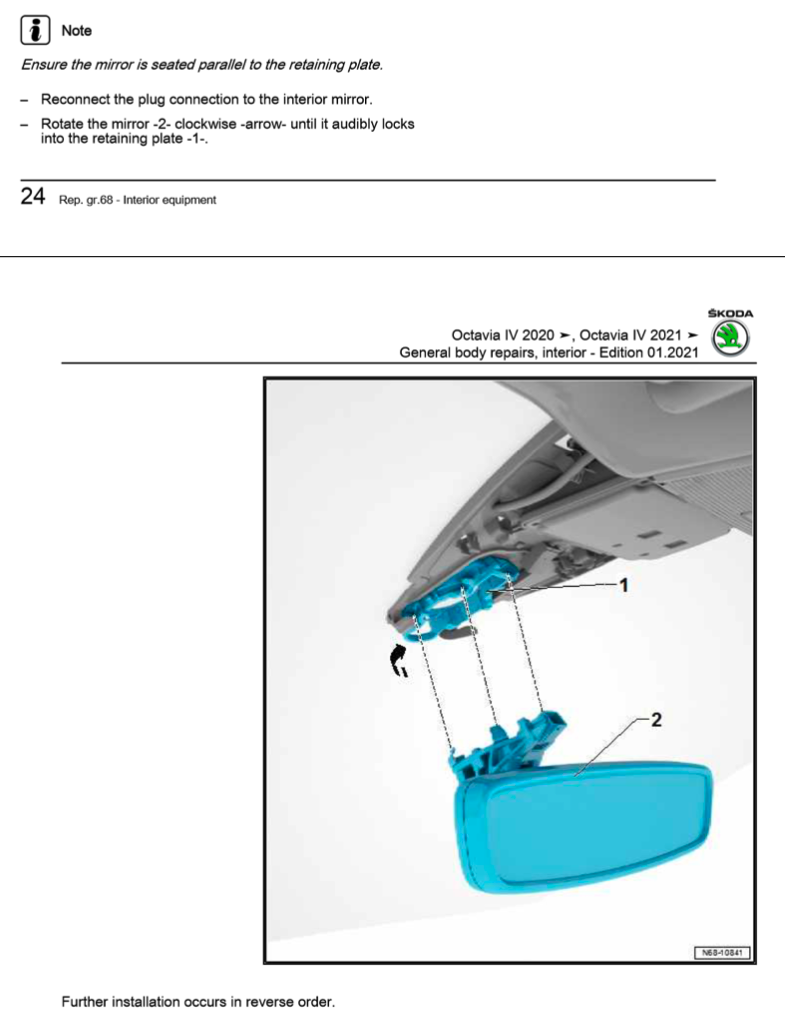
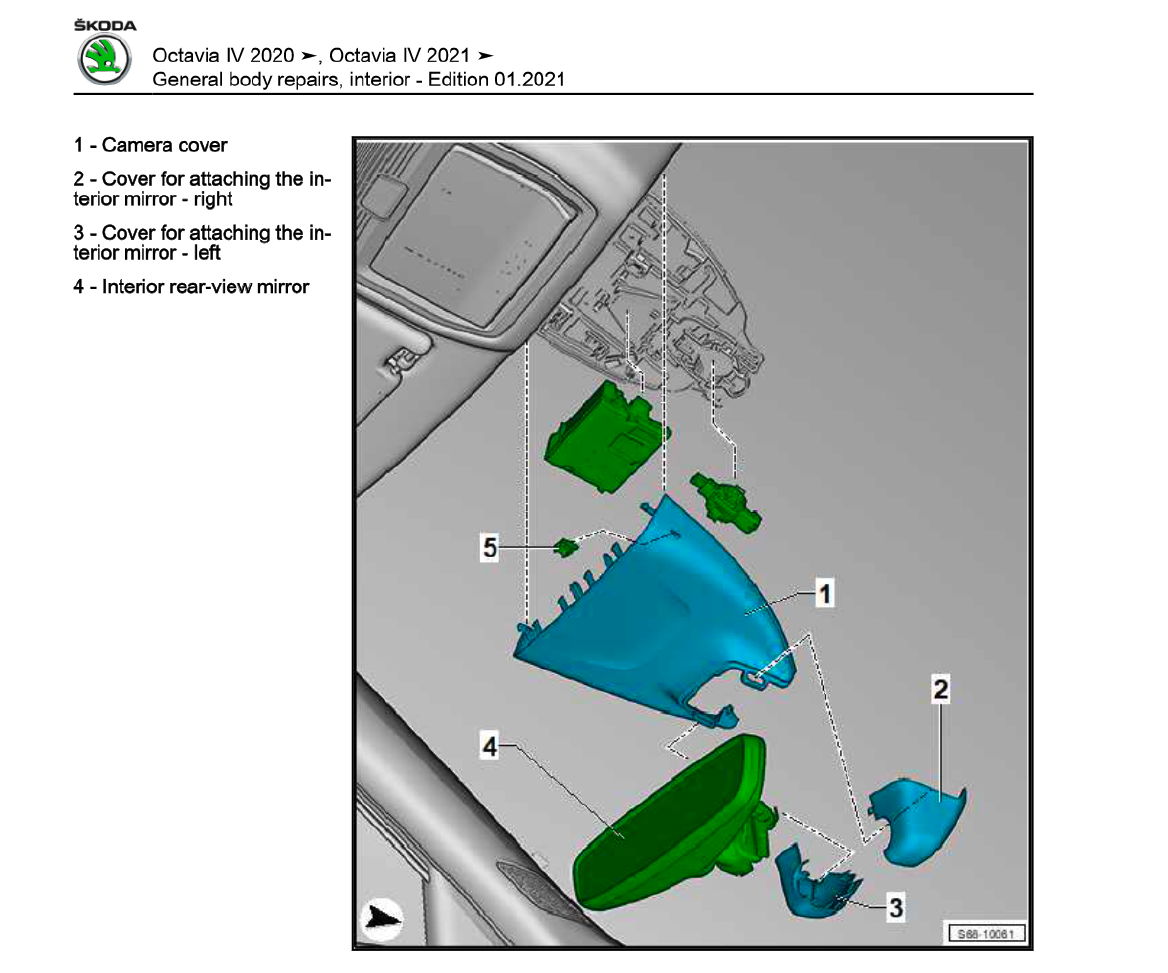
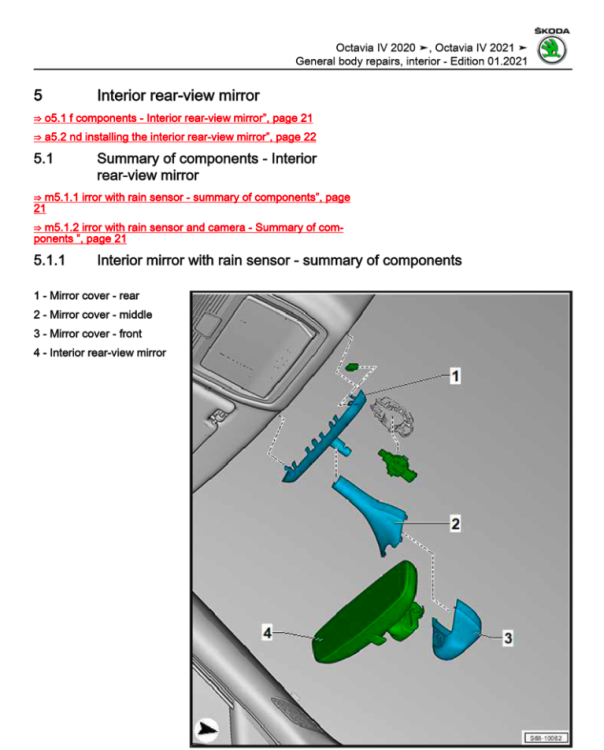
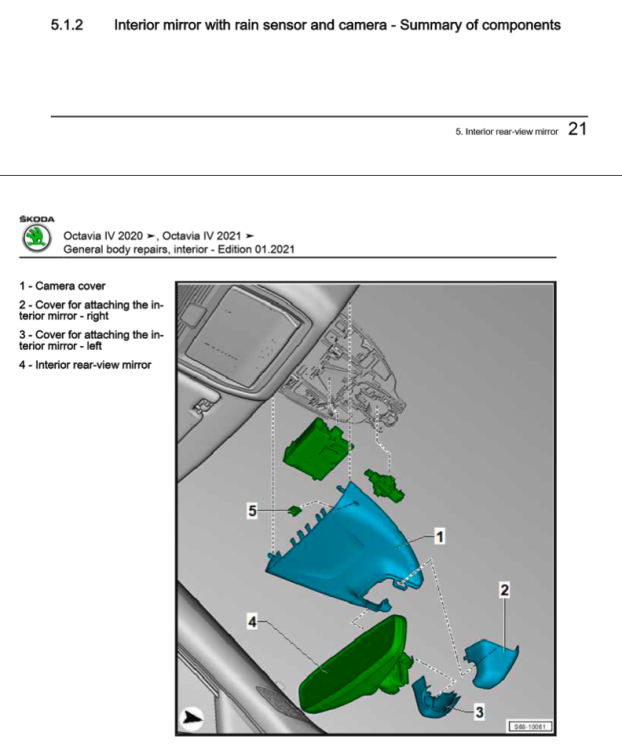
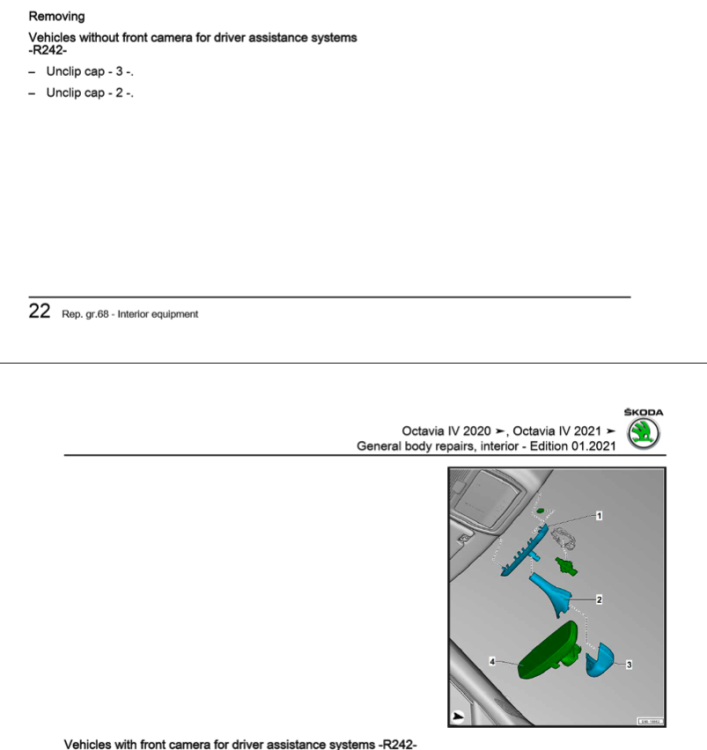
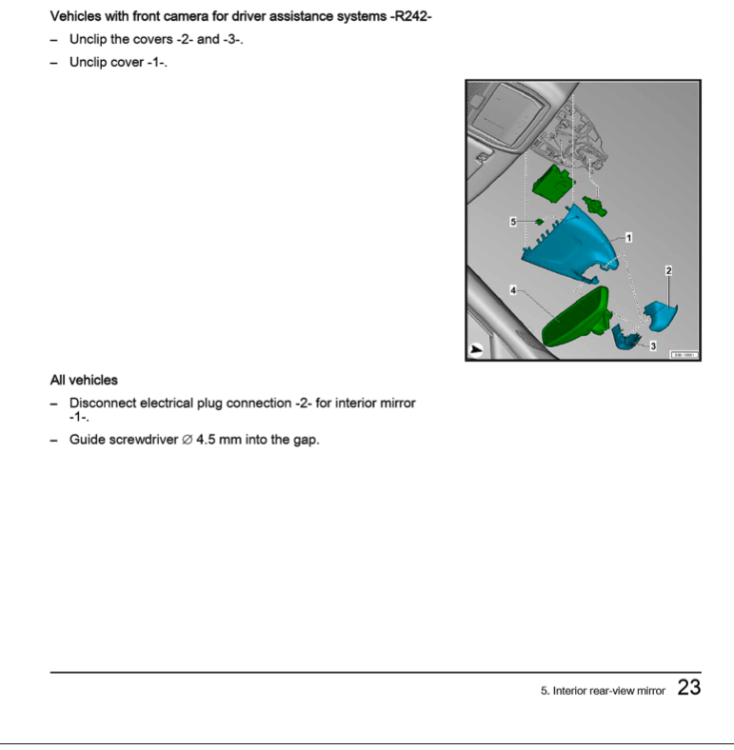
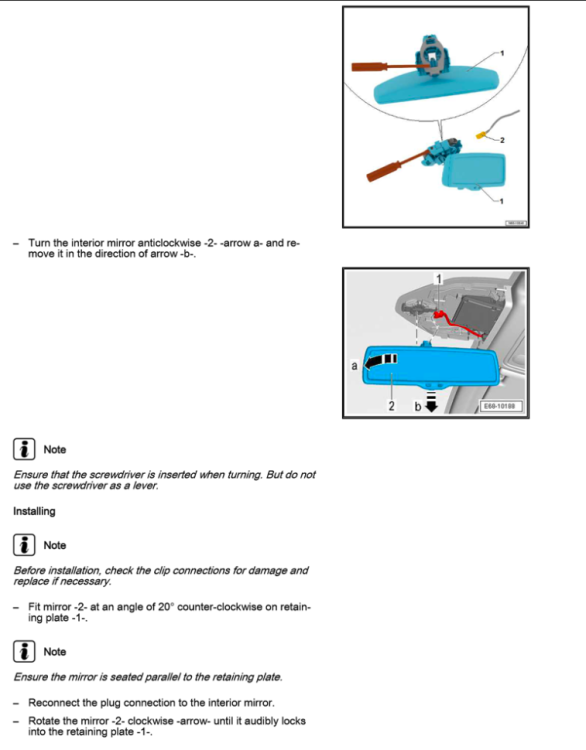
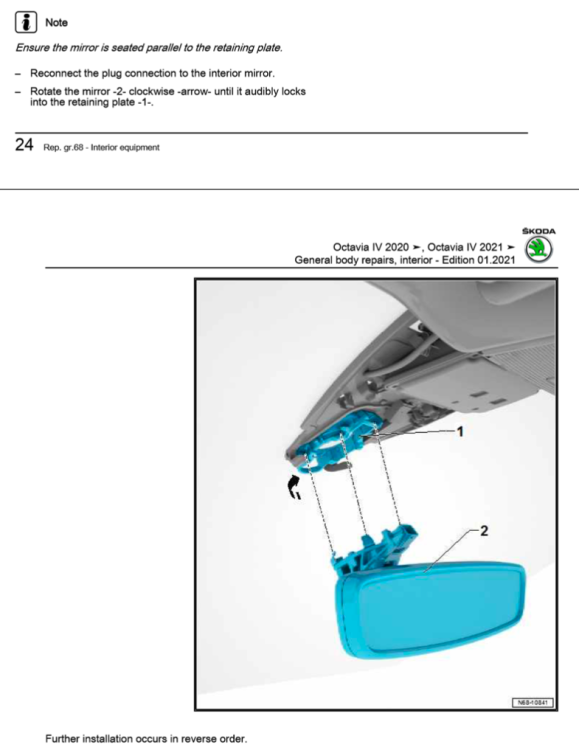
1 pointOk, in case mirror cover is the problem, I'll also add the sequence for that:
 1 point
 -
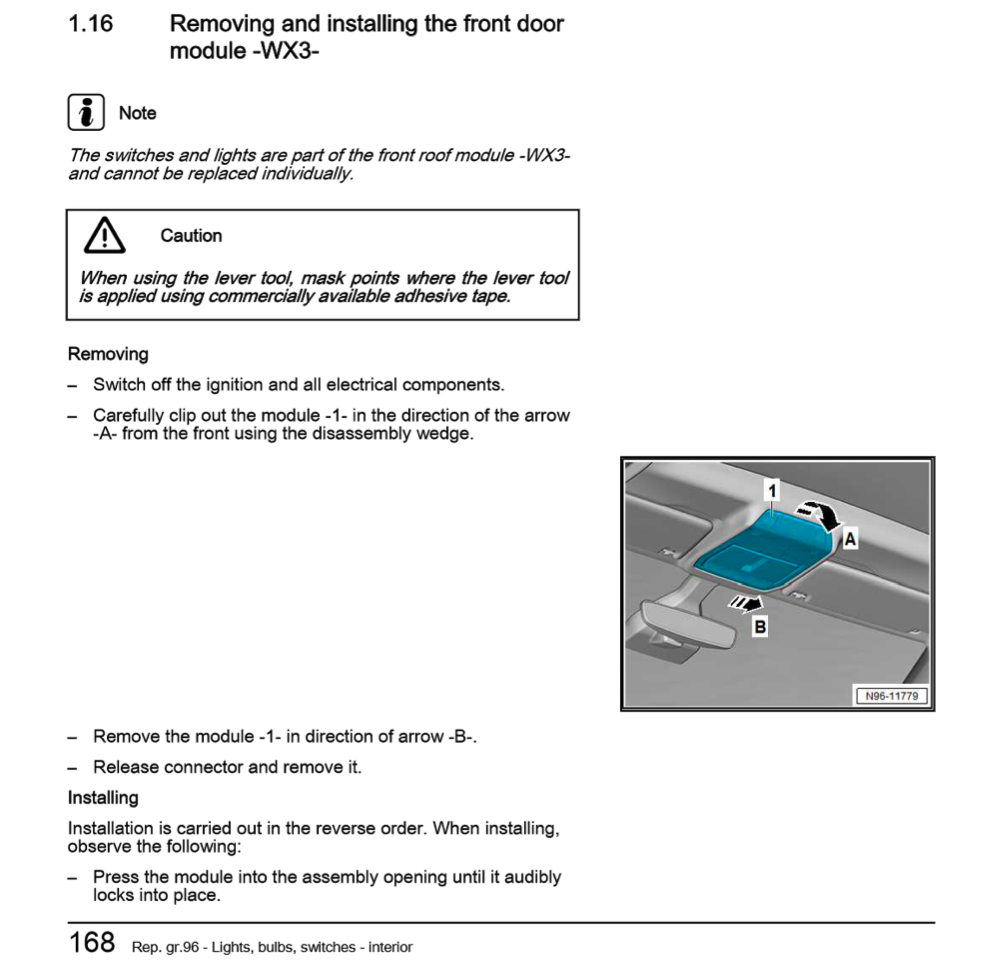
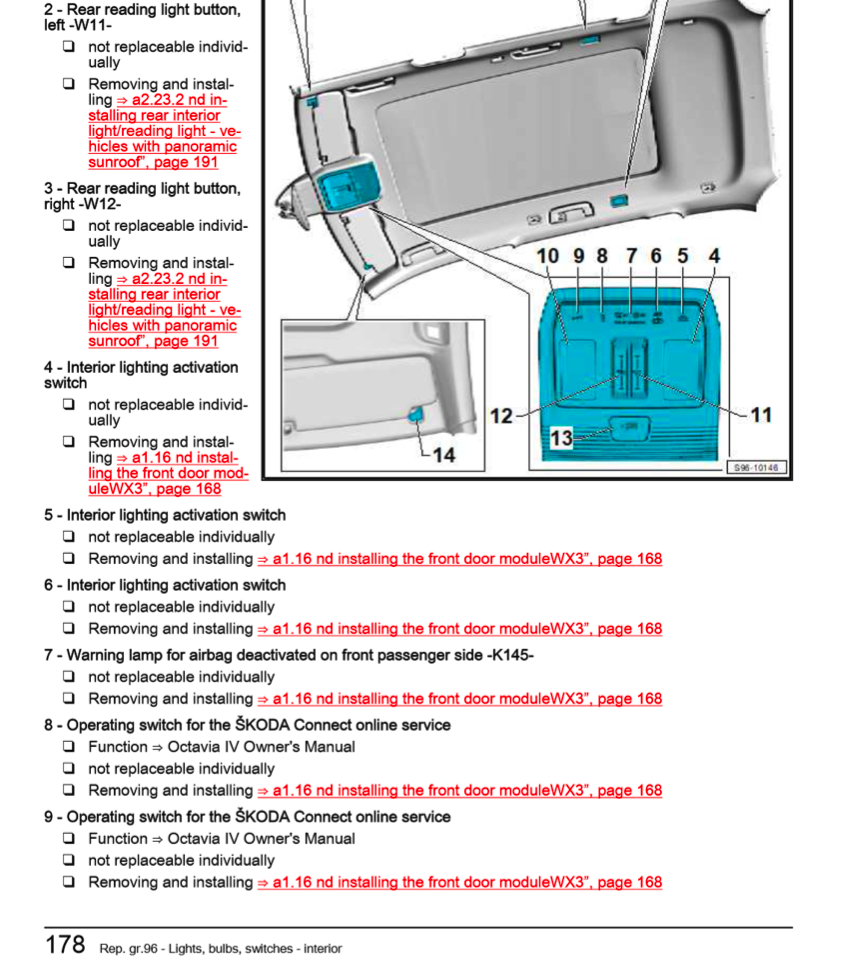
1 pointAttaching in case it helps... L.E.: Unbelievable!!! (at least for me) The ENTIRE "front door module" as they call it - is a single unit. The Manual says none of the components (4 to 13) are individually replaceable... 🤕
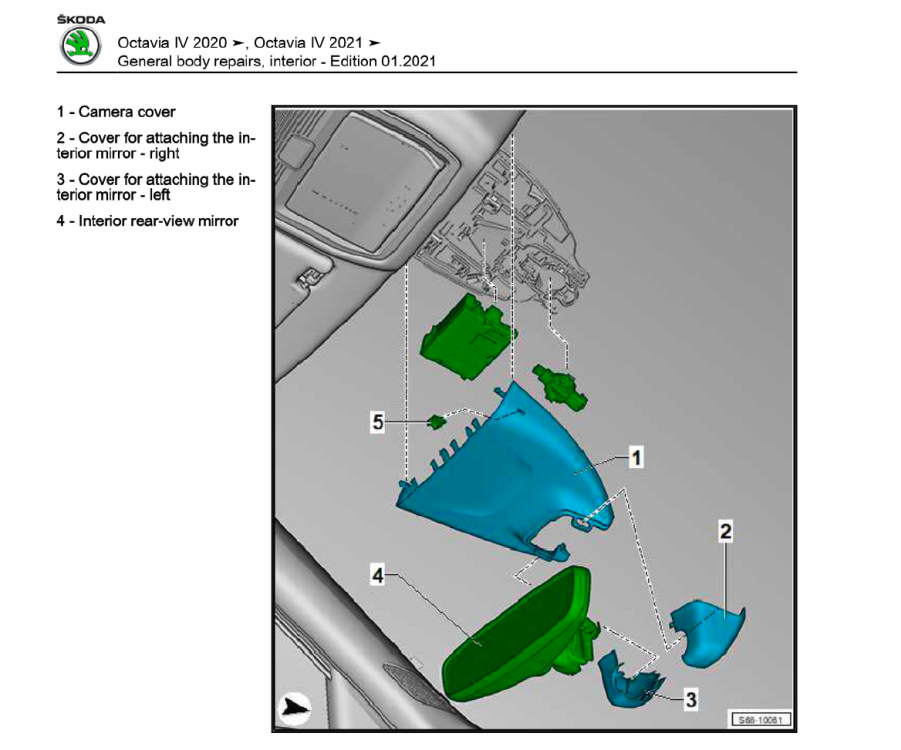
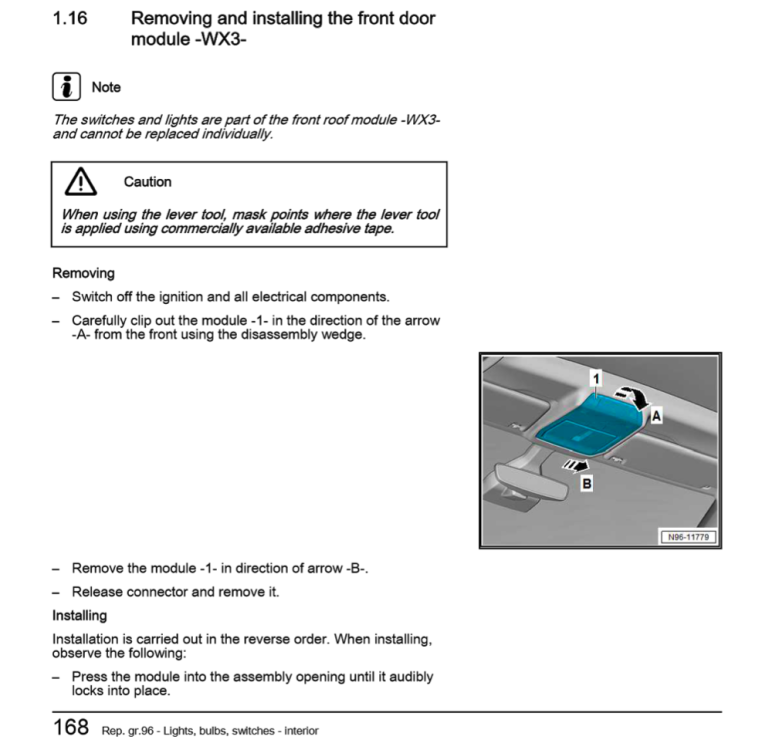
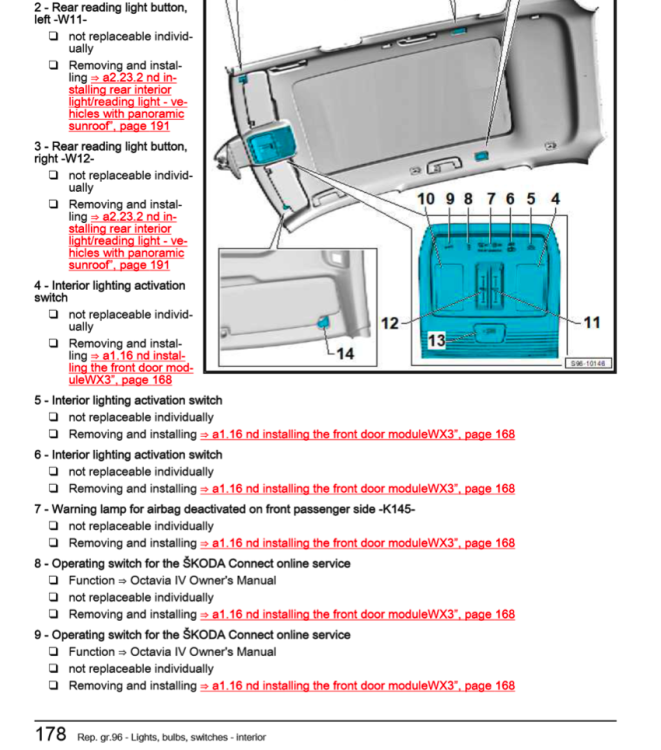
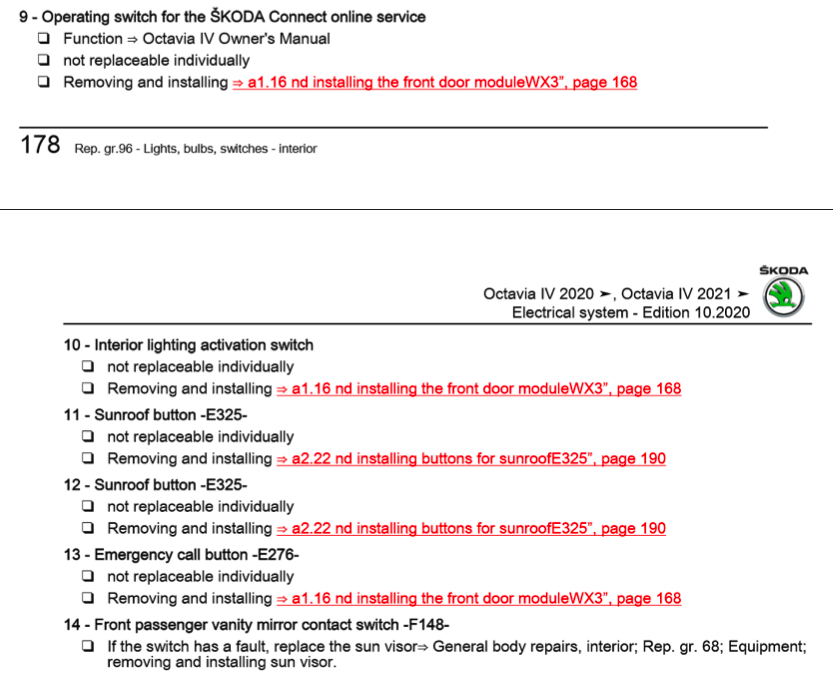 1 point