Breezy_Pete
Sponsor
-
Joined
-
Last visited
Everything posted by Breezy_Pete
-
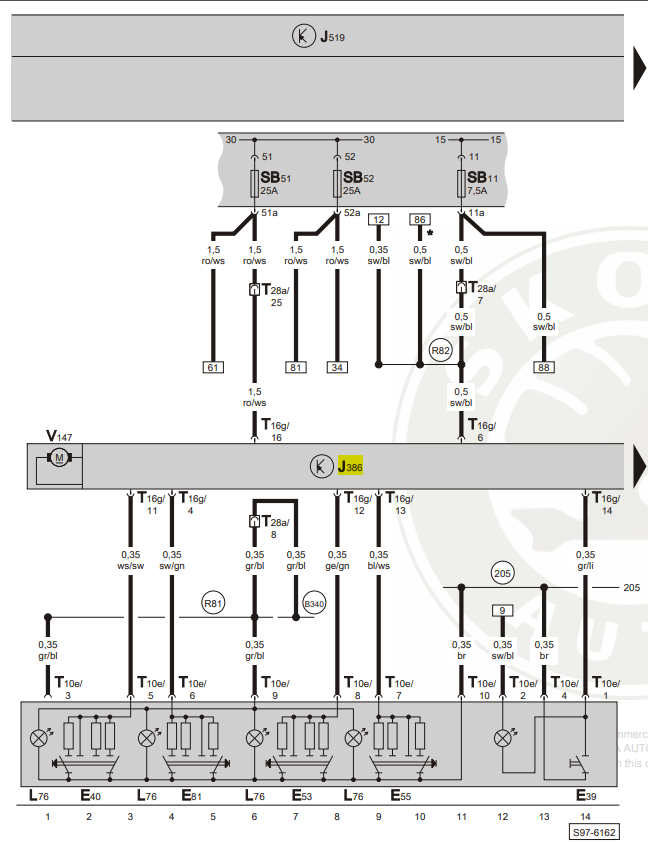
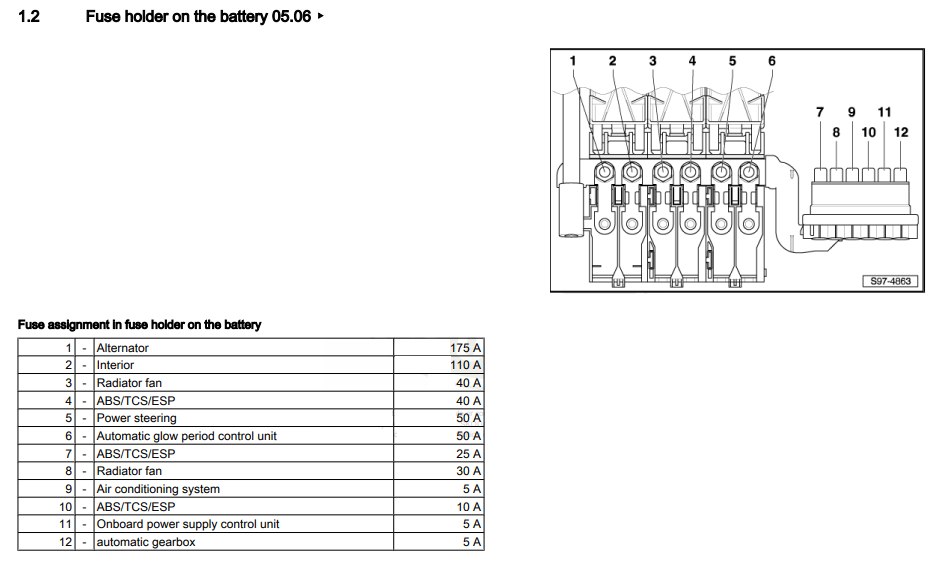
All the fan-related fuses are above the battery, three in total. Like this, but you won't have 6 and 12, at least: At 103°C measured with coolant temp sensor you're probably not quite hot enough to trigger full speed fan action based on coolant temperature, as the (dual) thermoswitch is at radiator outlet, so ought to be a fair bit cooler than cylinder head even if fan isn't working. A/C-mediated fan action is independent of coolant temperature, being controlled by refrigerant pressure instead. One or two rad fans?
-
With A/C it's easy to check rad fan(s). Switch it on and demand coldest air with bonnet open and expect to see fan action almost immediately (ambient temp dependent) with fan at low speed. If it/they come on and sound fast and furious that's probably full speed, indicating that low speed has failed. If no fan action at all check fuses. Chain timing check can be done without opening timing cover, fortunately, 'cos that's not an easy job at all. Put no.1 cylinder at TDC by poking something down plug hole, then remove two small covers from gearbox end of cam cover. Should see slot in ends of cams that are parallel to each other (always) and parallel to HG (at TDC). How many miles has it done?
-
I misunderstood, a bit. Didn't realise you were looking for a mk1 with the most possible issues. 😆 Check chain timing and radiator fan function as priorities, I suggest. Does/did it have A/C? I certainly wouldn't expect engine cover or ECU to be particularly hot, in normal working.
-
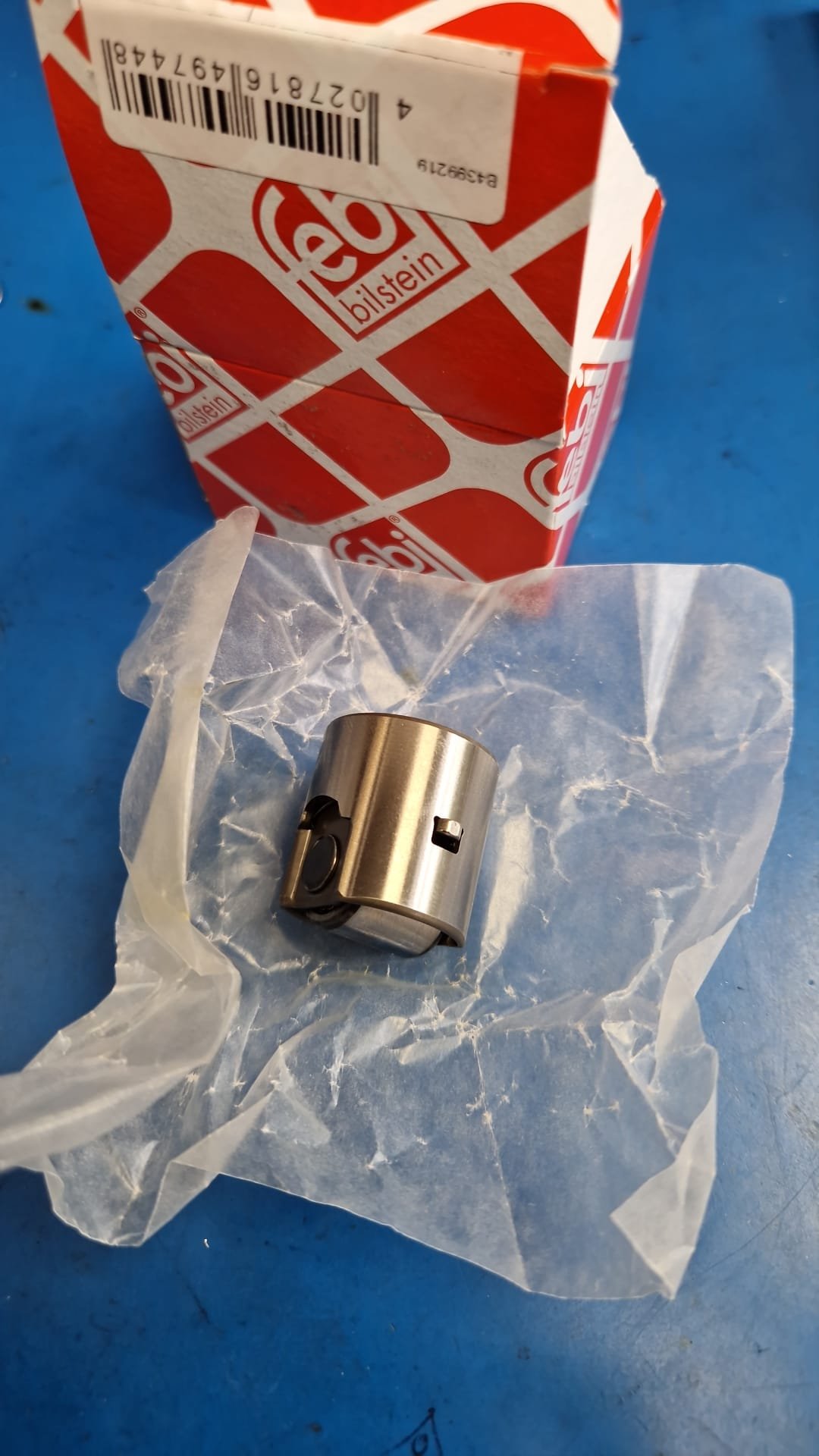
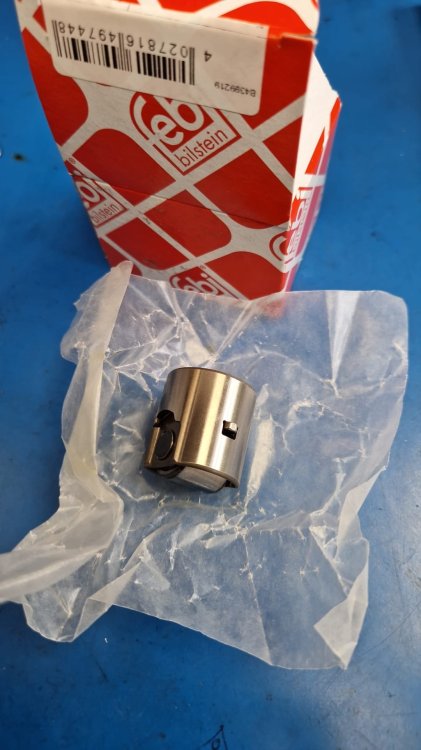
Big day planned for tomorrow. Refurbed injectors and a much lower-mileage high-pressure fuel pump getting swapped in, I hope. Also the cam follower for the HPFP, unless the original looks much better than expected for nigh-on 160k miles. The company that cleaned and tested the replacement injectors very helpfully also changed the PTFE seals and the o-rings at the top, so should be reasonably idiot-proof to fit. 🙂 Anyone swapped out these items? HPFP has to come off to get injector rail out, so looked into that too, and picked up a far lower mileage one from ebay, for not a lot of money. Apparently the cam follower can get worn to the point of perforating, so I picked up a Febi one of those for not much over £20 via amazon.
-
If you let me know reg or VIN, I can look up what was fitted at factory.
-
There must be lots of much better ones to be found.
-
Scrap it, do yourself a favour.
-
The Octy probably doesn't have a clutch. Just a shear plate. I'd guess that the Fabia has two electrical connectors, the Octy just one?
-
Look up anything and everything here: https://www.lllparts.co.uk/catalogs
-
Fuel pumps in cars have their intake sprung against the bottom of the tank, so they suck up whatever is there, irrespective of fuel level. Amazing how few people understand this.
-
Something that sometimes bears fruit is to look at ebay listings for any given engine code. In this case probably best if they include gearbox too; but there are usually decent photos taken from all directions around the engine, so often can be helpful in finding locations. As you say though, de-cluttering the engine bay by removing relatively easy things like air pipes and airbox often opens up vastly improved visibility and access. I'll give ebay a go and let you know if I find anything.
-
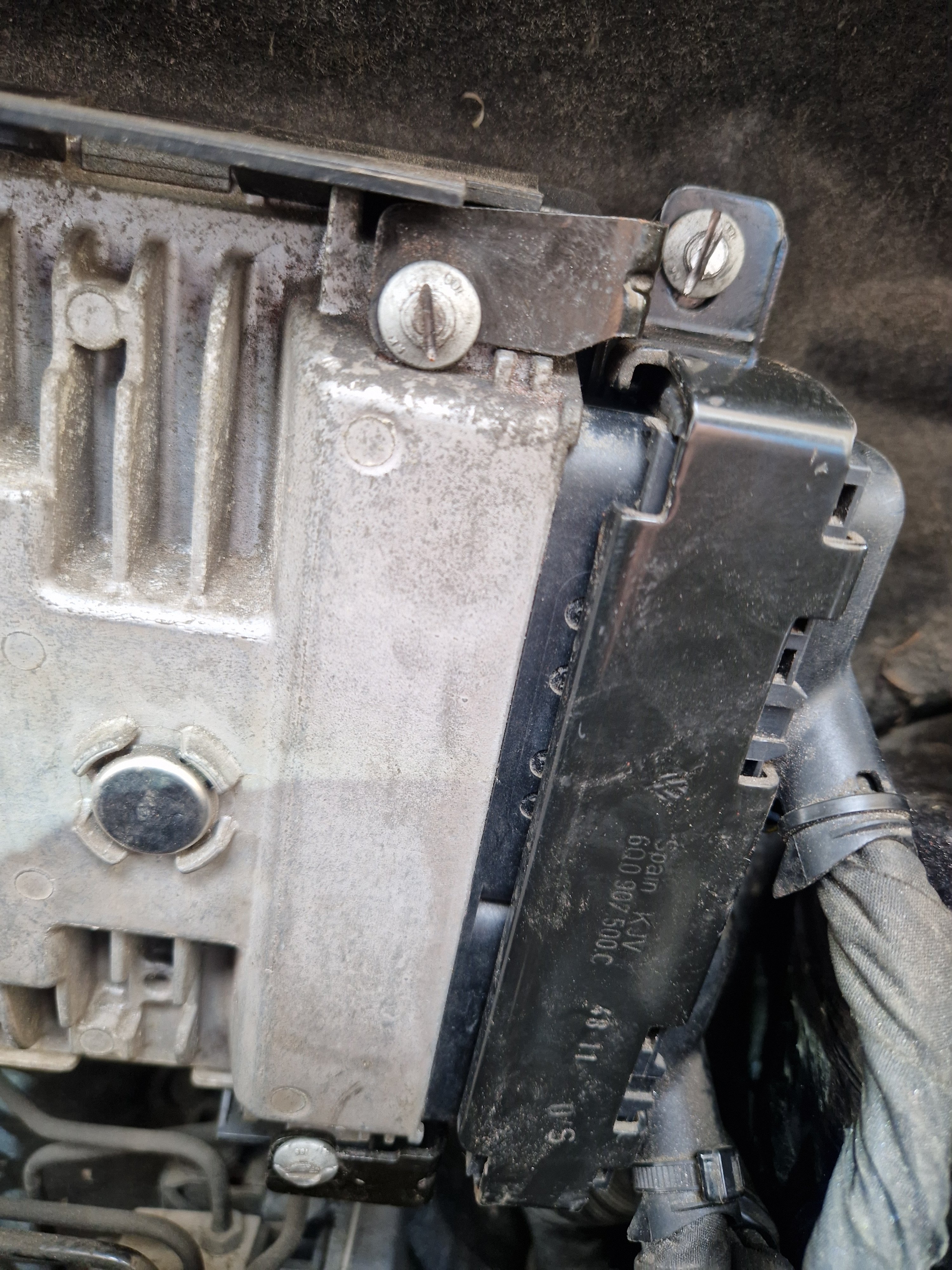
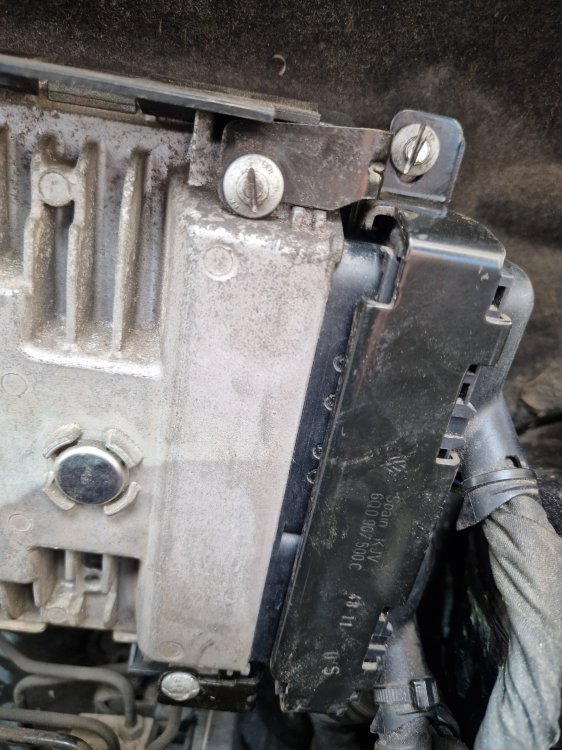
Finally defeated the ECU anti-tamper bracket yesterday afternoon, so that I could get in and check continuity/shorts for the oxygen sensor wiring. Since almost day one of our ownership, stubborn lambda sensor faults pop up putting on the emissions light. Both sensors replaced with good quality items, and no wiring issues discovered yesterday. Hoping it turns out to be injector related, as claimed by the garage the previous owner used. I'm not sure how they came to that conclusion, but they claimed a couple of injectors were leaking, apparently. I've (cheaply) acquired a set from a much lower mileage 1.2 TSI, and had them cleaned and tested by a localish outfit that I trust. Should be swapping those in next week I hope.
-
I'm not sure what the grease type is that's inside them, let me know if you find out, please. erWin Skoda is very good value. You can buy 1 hour of access which includes ability to download pdfs of all kinds of info. 7 Euro plus tax. Once you have registered, logged in and paid the "flat rate", go to individual vehicle info tab.
-
-
Yes.
-
Try the other end. Possibly a LHD-biased handbook.
-
-
-
-
-
-
-
-
Dremmeled slots in them and used a big flat screwdriver.
-