Leaderboard
-
Titanium_Man
FREEDOM18Points5,993Posts -
AnnoyingPentium
FREEDOM10Points5,684Posts -
.jpg.1006585dfe4e2977315b67c3d642e37b.jpg)
Guest_
FREEDOM9Points83,824Posts -
Lee01
FREEDOM8Points36,950Posts



.thumb.jpg.9dd3f612ba7f13d10be5c518d3c8d255.jpg)
Popular Content
Showing content with the highest reputation on 02/05/22 in all areas
-
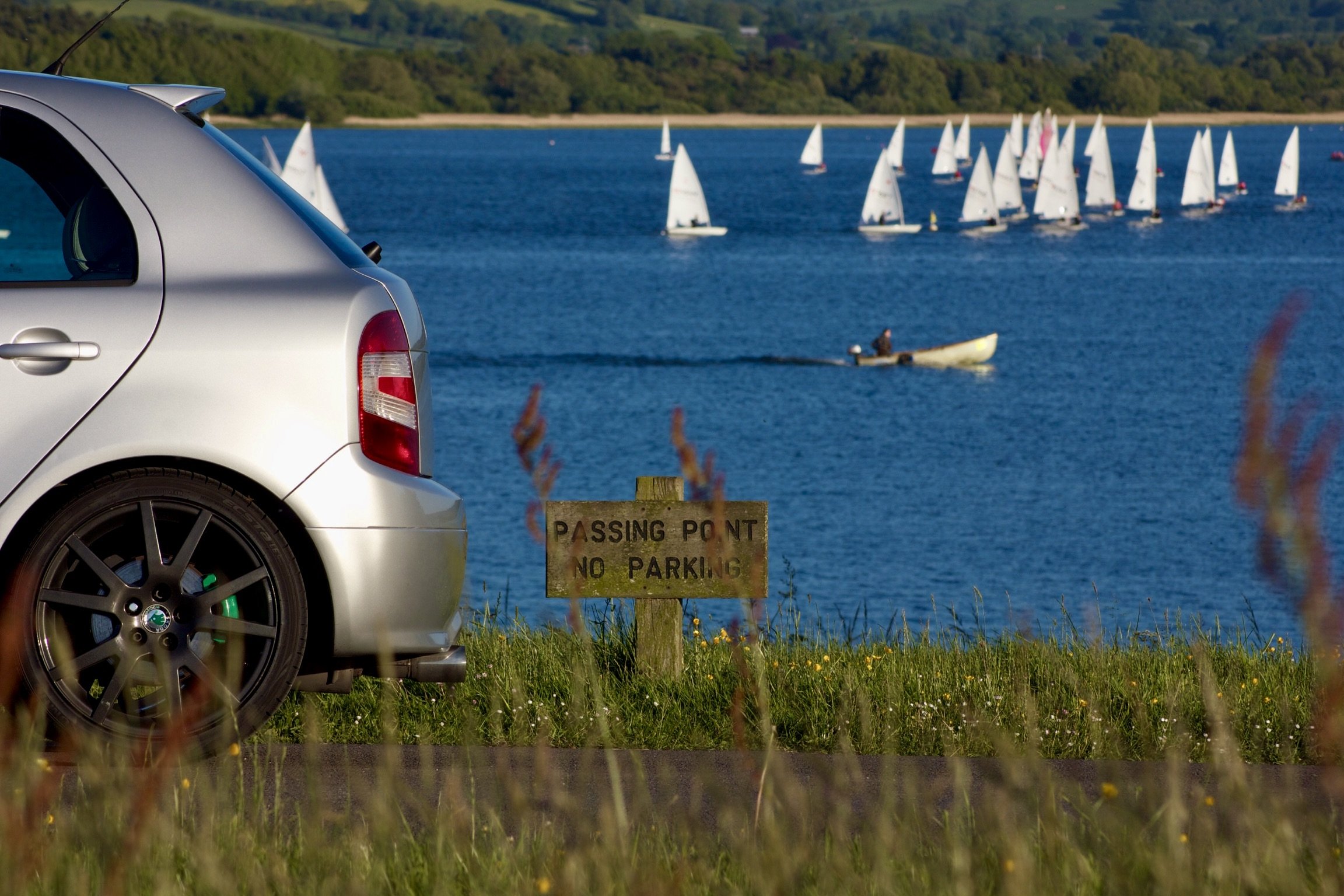
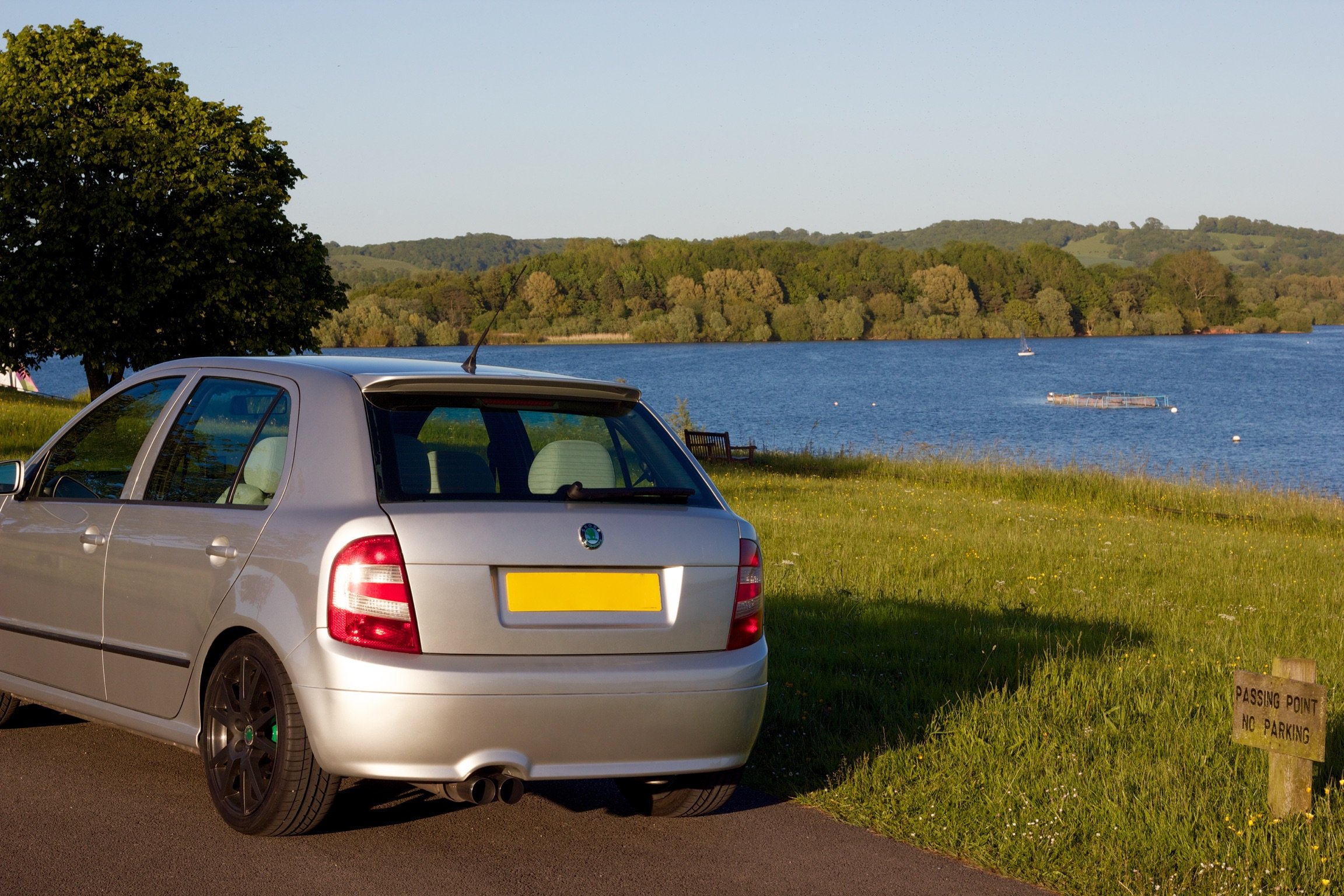
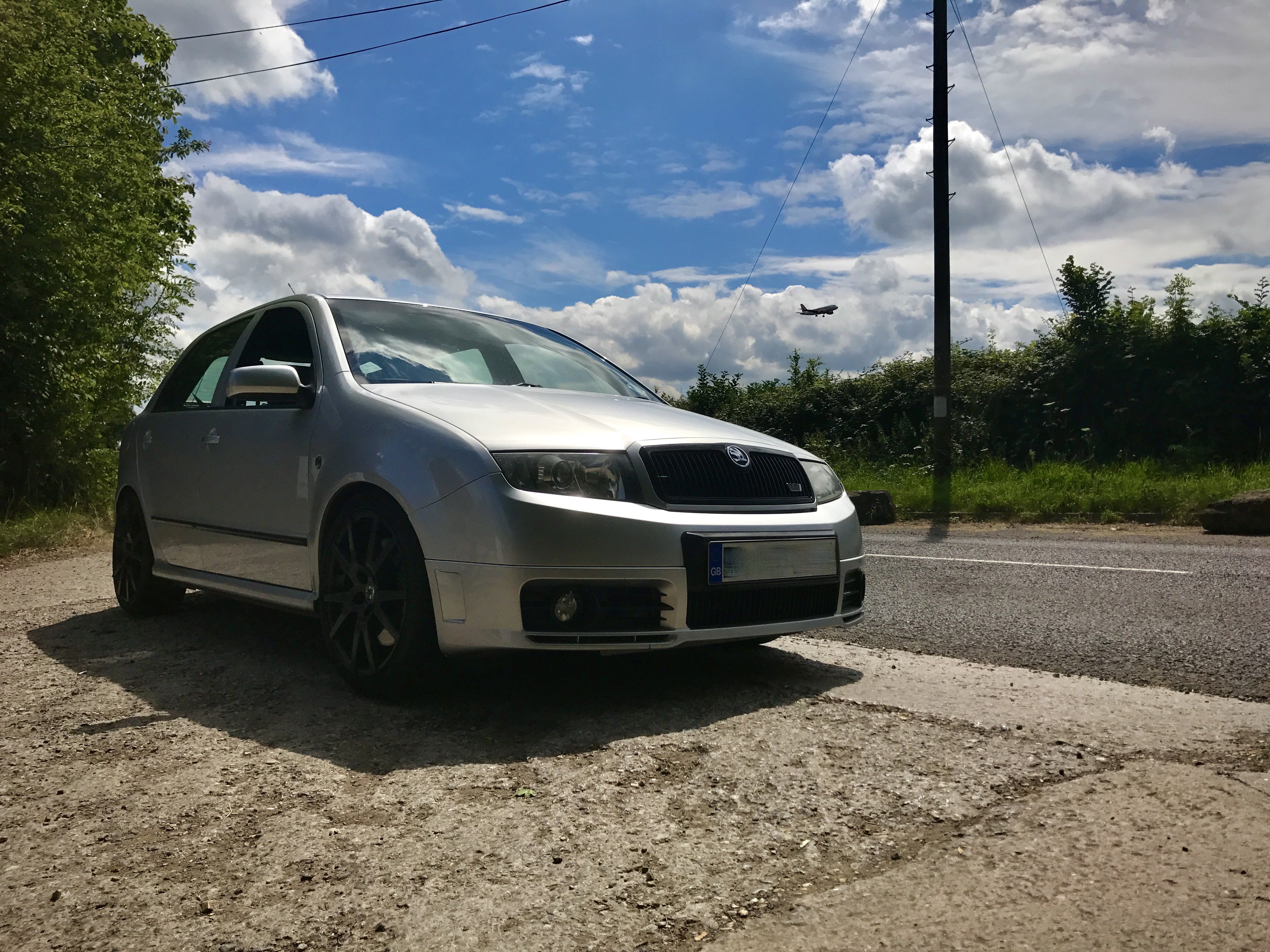
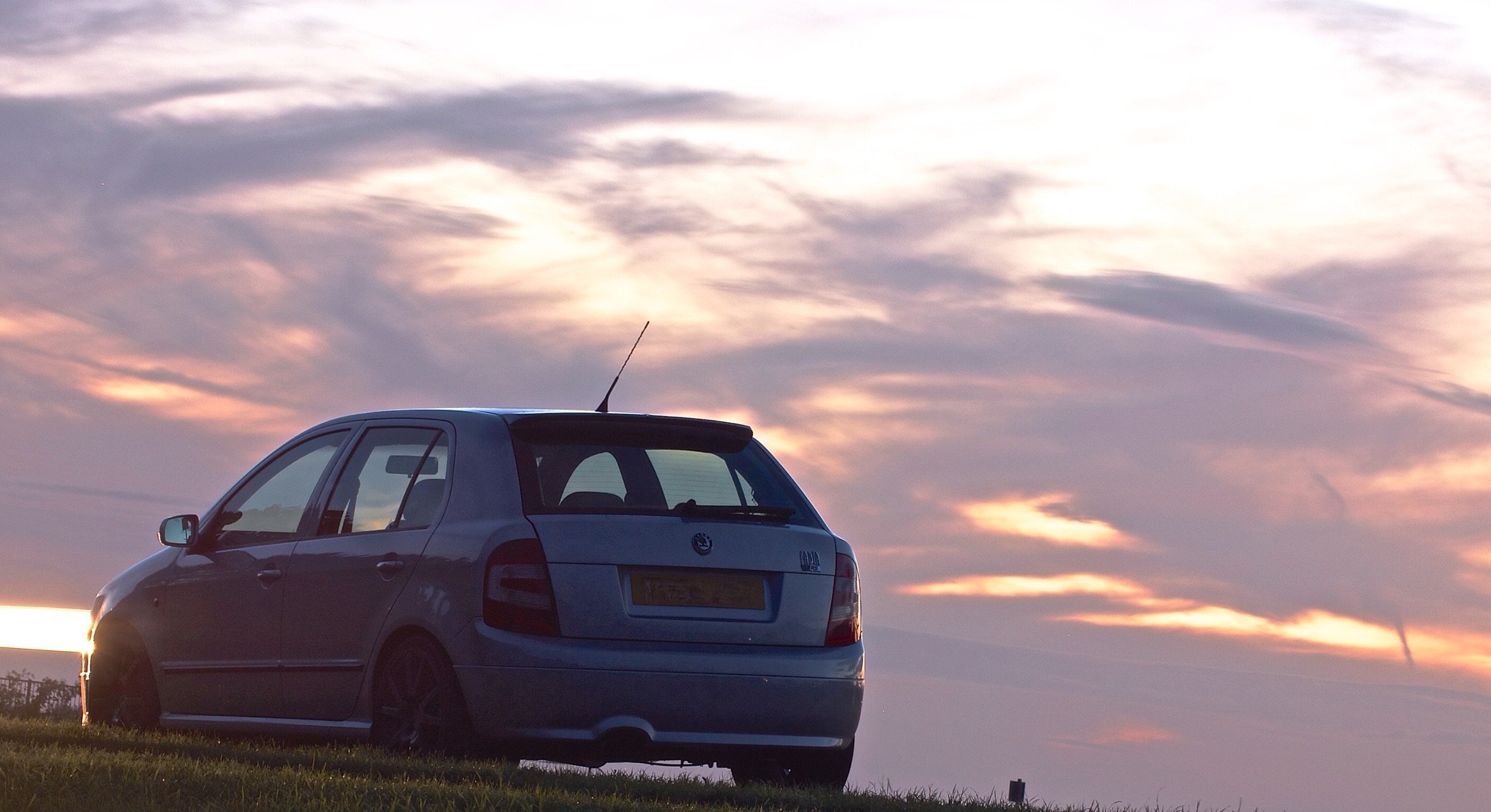
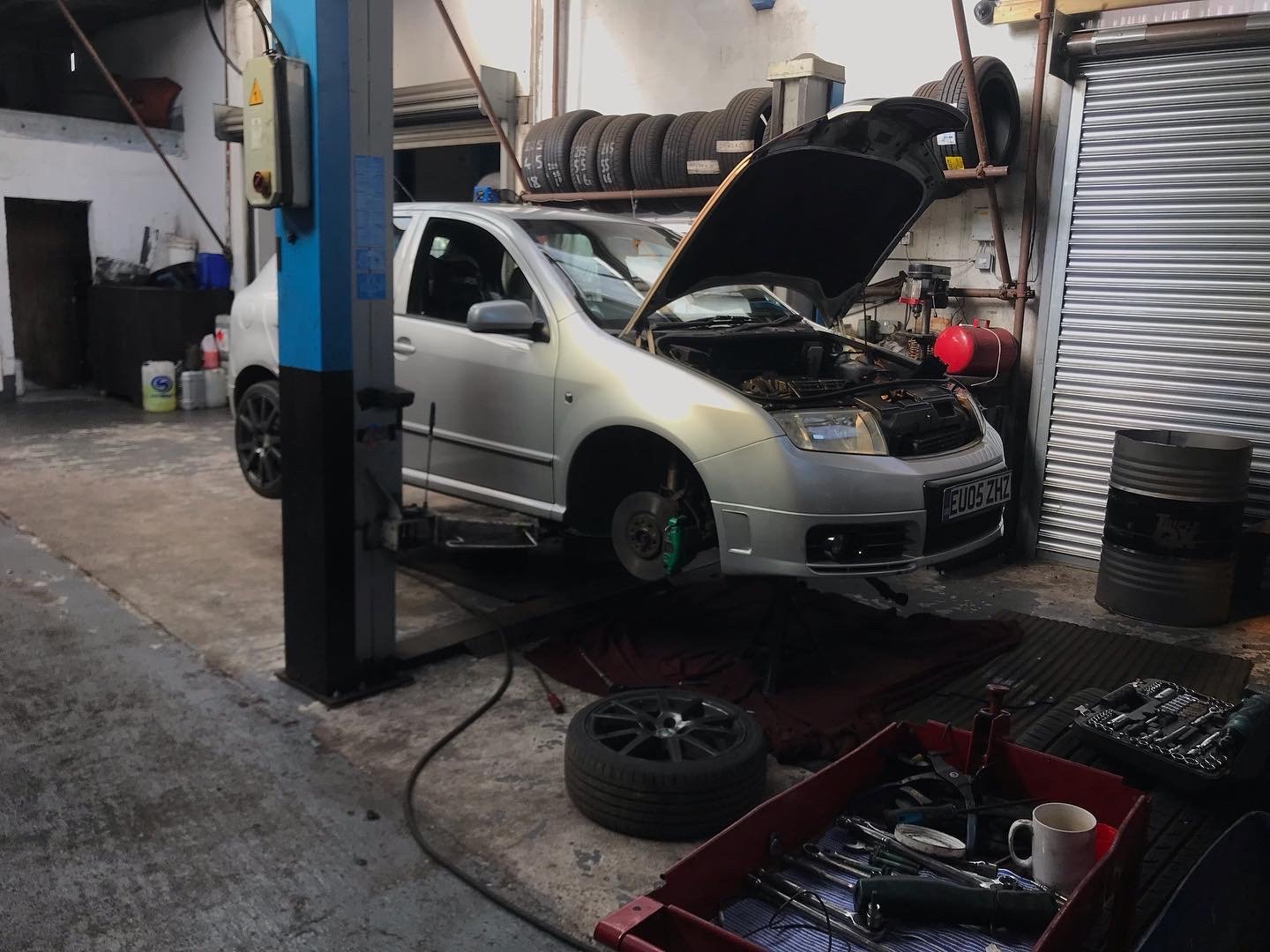
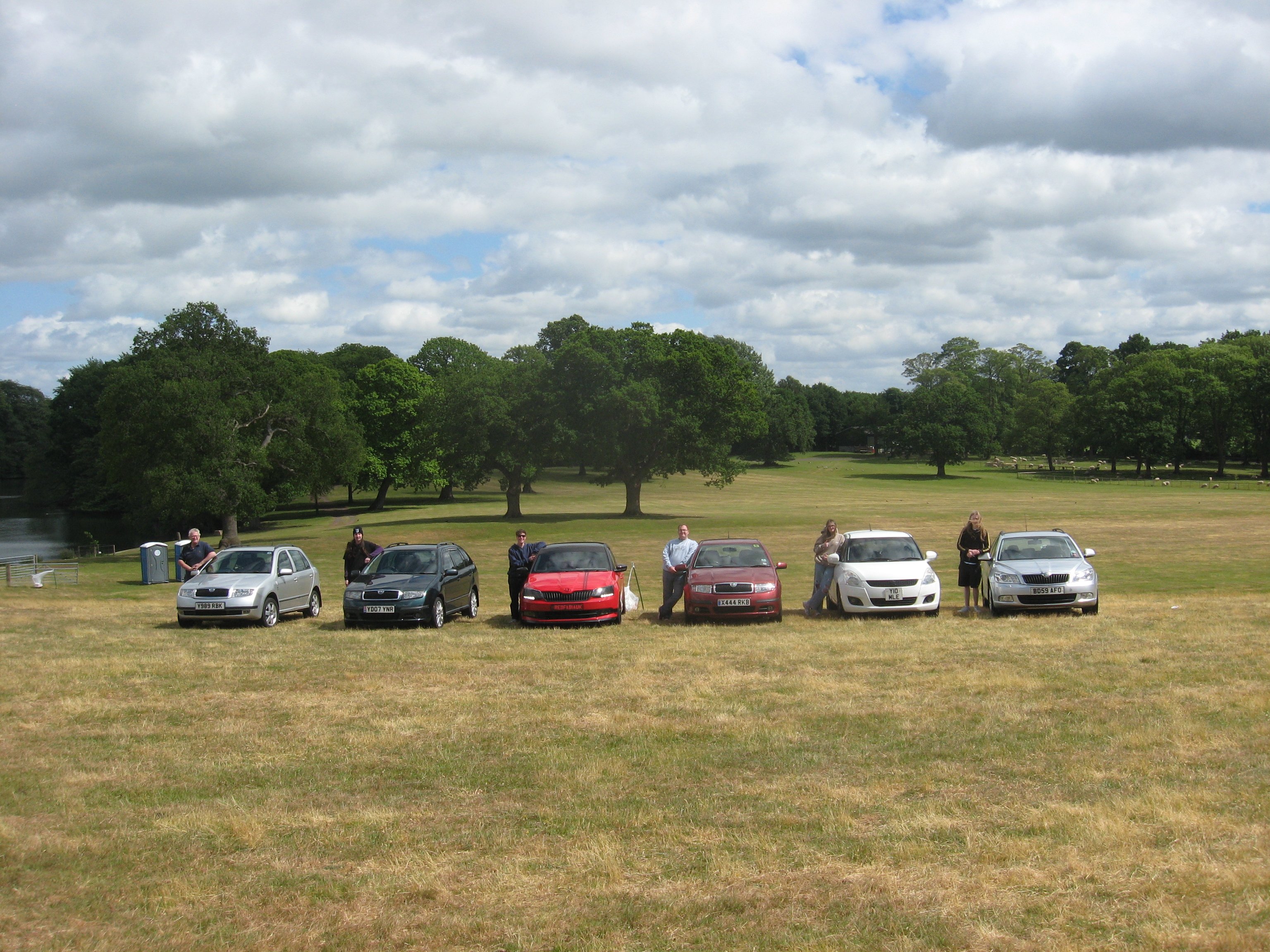
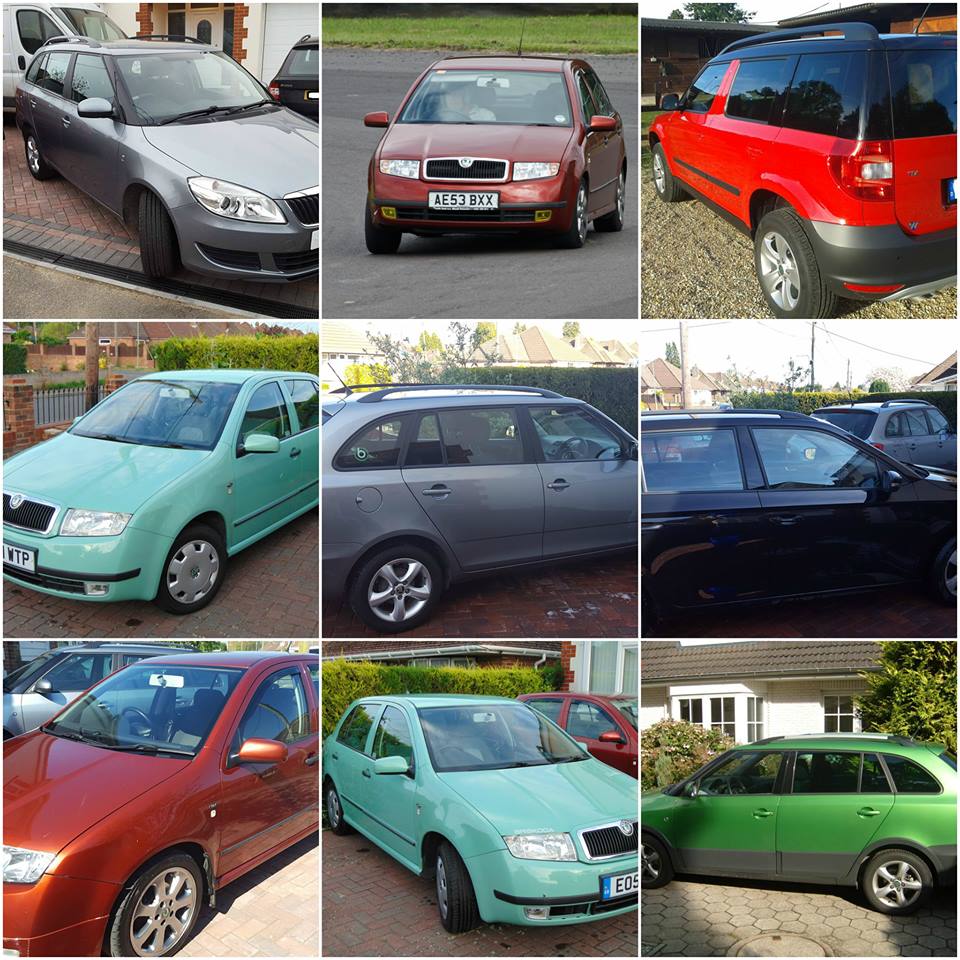
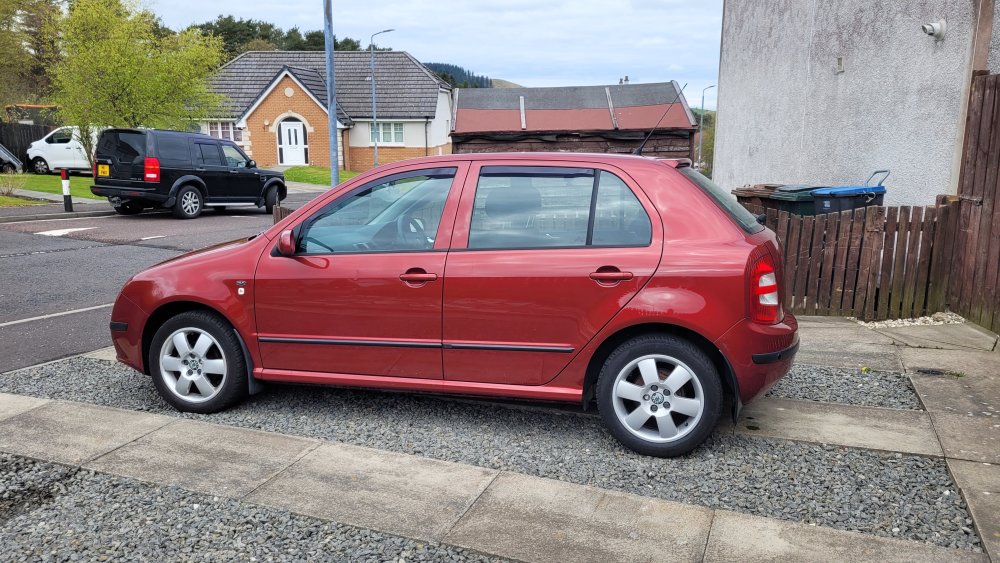
4 pointsRealised it's been ages since I posted a picture of me car not being worked on for a while, so here's a few of oldies for my viewing pleasure 🙃
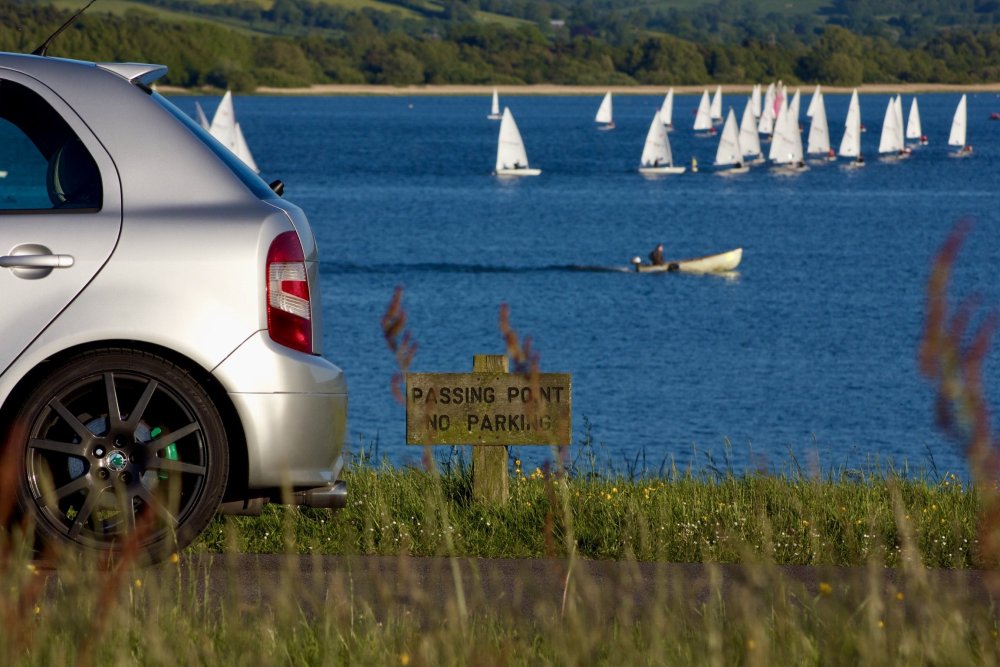
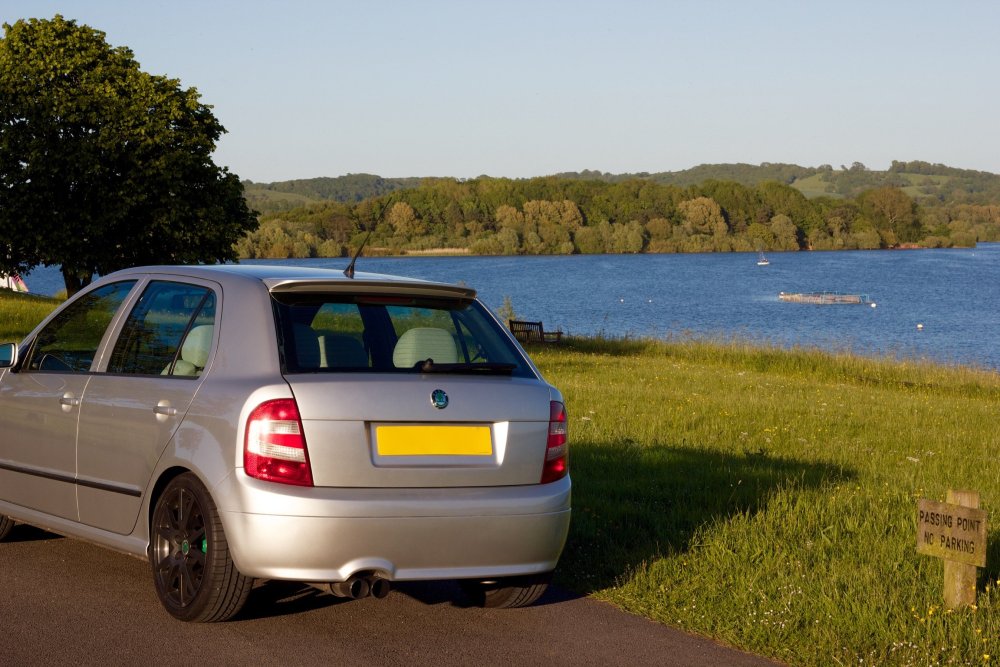
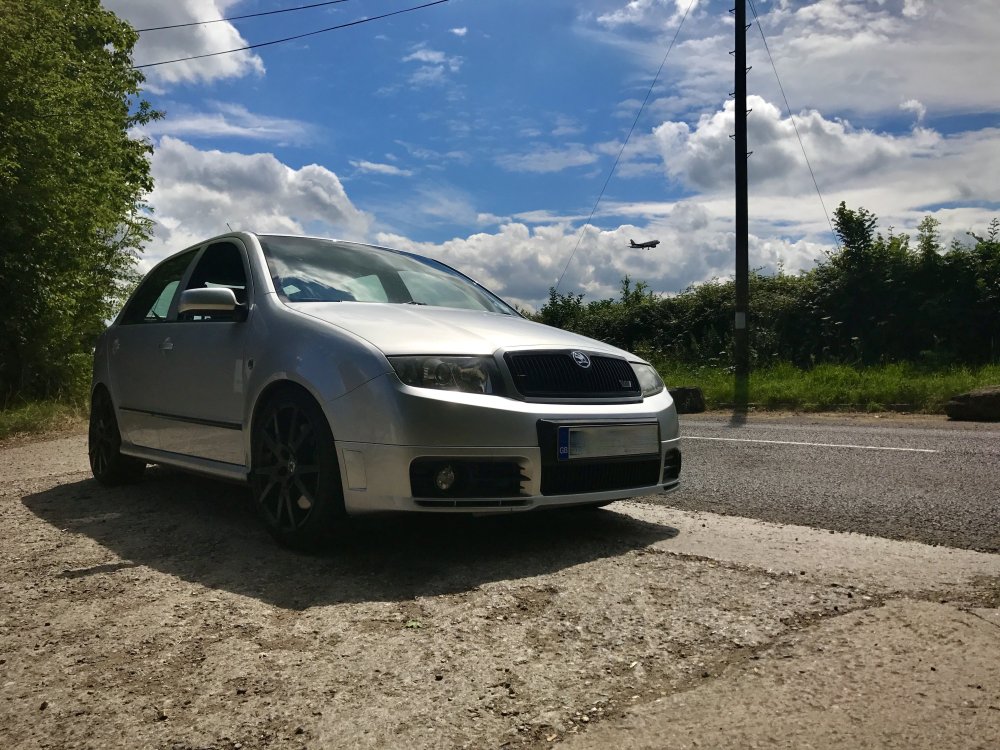
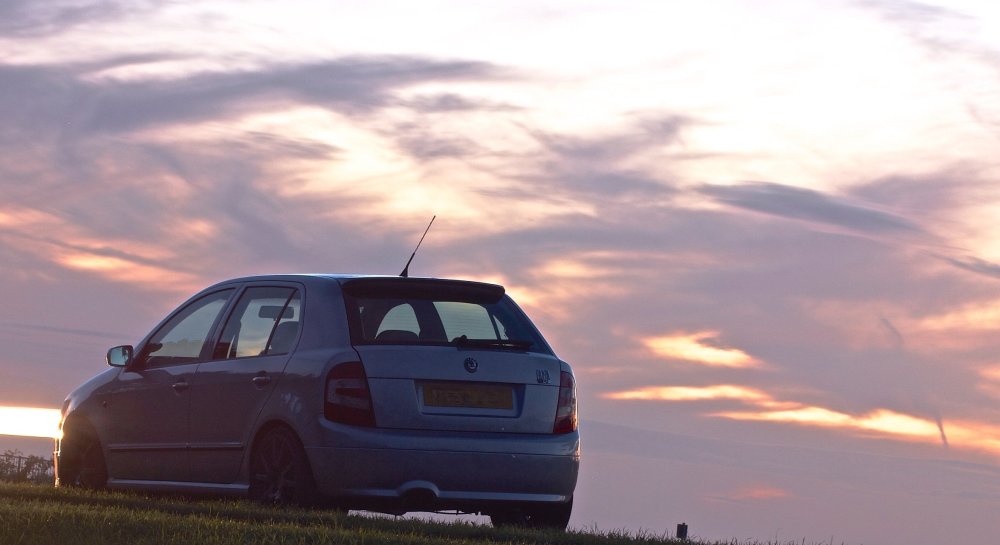 4 points
 -
3 points
-
3 points@TurbovskiWhat exactly is a Tesla Turbo 2022? People and their Turbo dreams!3 points
-
3 pointsMuch as it would be nice for people to hear an update, it can happen when the OP is ready. 👍3 points
-
3 pointsYou joined this awesome community just to belittle a member…. Worth it much. Bravo3 points
-
3 pointsThe difference is that the Polo and the Fabia look totally different because the bodyshell and all body panels are completely different. Ok?3 points
-
@Cocain less for rattles etc but many will have stories of unusual noises. For me and as spacelord mentions it was the overall roadnoise inside the cabin that surprised me. ( And that was after a 57 reg Mondeo)3 points
-
2 points
-
2 points
-
2 points
-
2 points@SurreyJohn Does a new Kia from Slovakia or a Hyundai from the Czech Republic take any longer to arrive in the UK than a Skoda or VW?2 points
-
2 points
-
Gridserve has also just announced a price increase.... Standalone Low Power AC Chargers : 39p/kWh Electric Forecourts® : 45p/kWh Medium Power Chargers : 48p/kWh High Power Chargers : 50p/kWh https://www.gridserve.com/2022/05/02/gridserve-electric-highway-pricing-update/?LeadSourceCode=crm1017 I guess everyone else won't be far behind now2 points
-
2 pointsGoing for the cheapest part isn’t always the best idea. Stick you hand in your pocket and get the correct part for your car, otherwise the old saying of buy cheap, buy twice might bite you in the derrière …..2 points
-
2 points
-
2 points
-
2 pointsI think you might be confusing some of the test work? VW were cheating on the NEDC drive cycle tests (which were only done on a rolling road). The RDE tests were introduced as a direct result of the VW scandal, as a check to make sure the car delivered more or less the same results on a real road as it did on the rolling road, so that it would show up any VW-style defeat devices. The WLTP drive cycle was introduced because the NEDC drive cycle was (quite rightly) widely criticised as not being representative of how cars were driven in real life. The main drawback was that it was a "one-size fits all" drive cycle, so the accelerations in it had to be attainable by the lowest-powered cars on the market. You therefore ended up with your 1000cc "shopping trolleys" working quite hard to achieve it, and your Aston Martins practically doing it on a closed throttle. The WLTP now has three different drive cycles, depending on power-to-weight ratio. Naturally, no standardised test can ever be exactly representative of how any one particular owner drives their particular car, but I think the current regime is a million times better than what we had before. As far as I'm aware, it was a bunch of American academics who initially broke the VW story?2 points
-
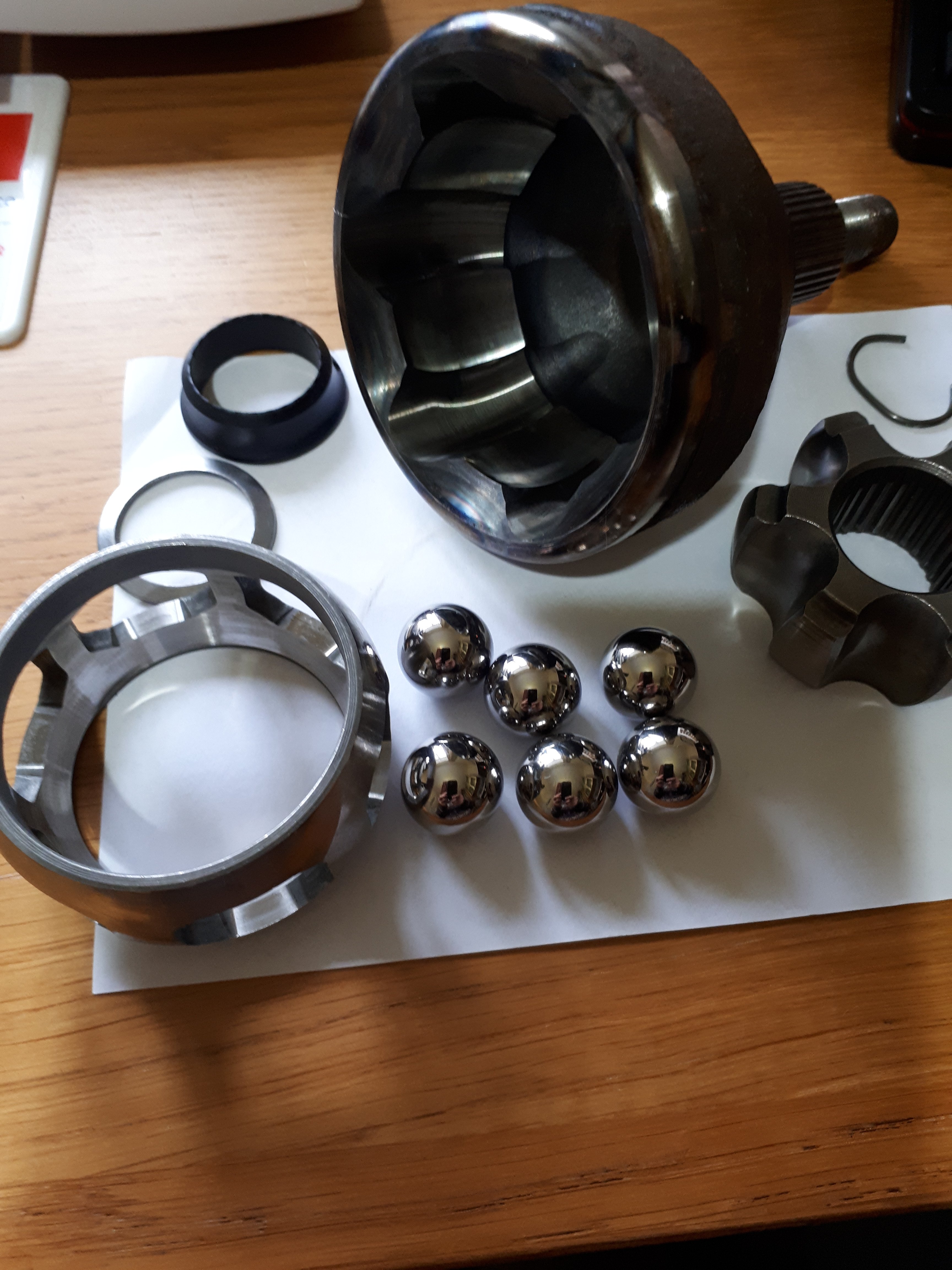
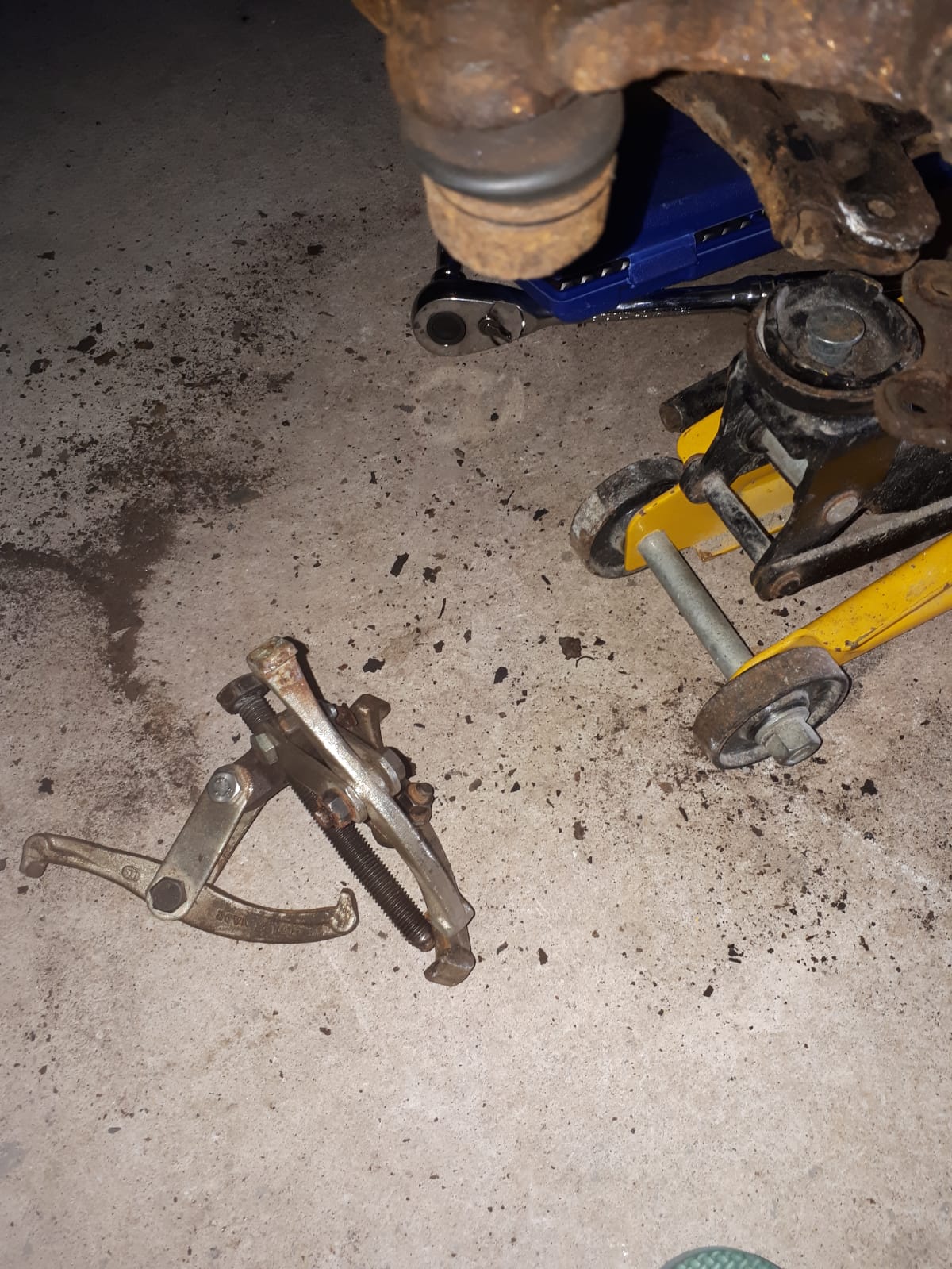
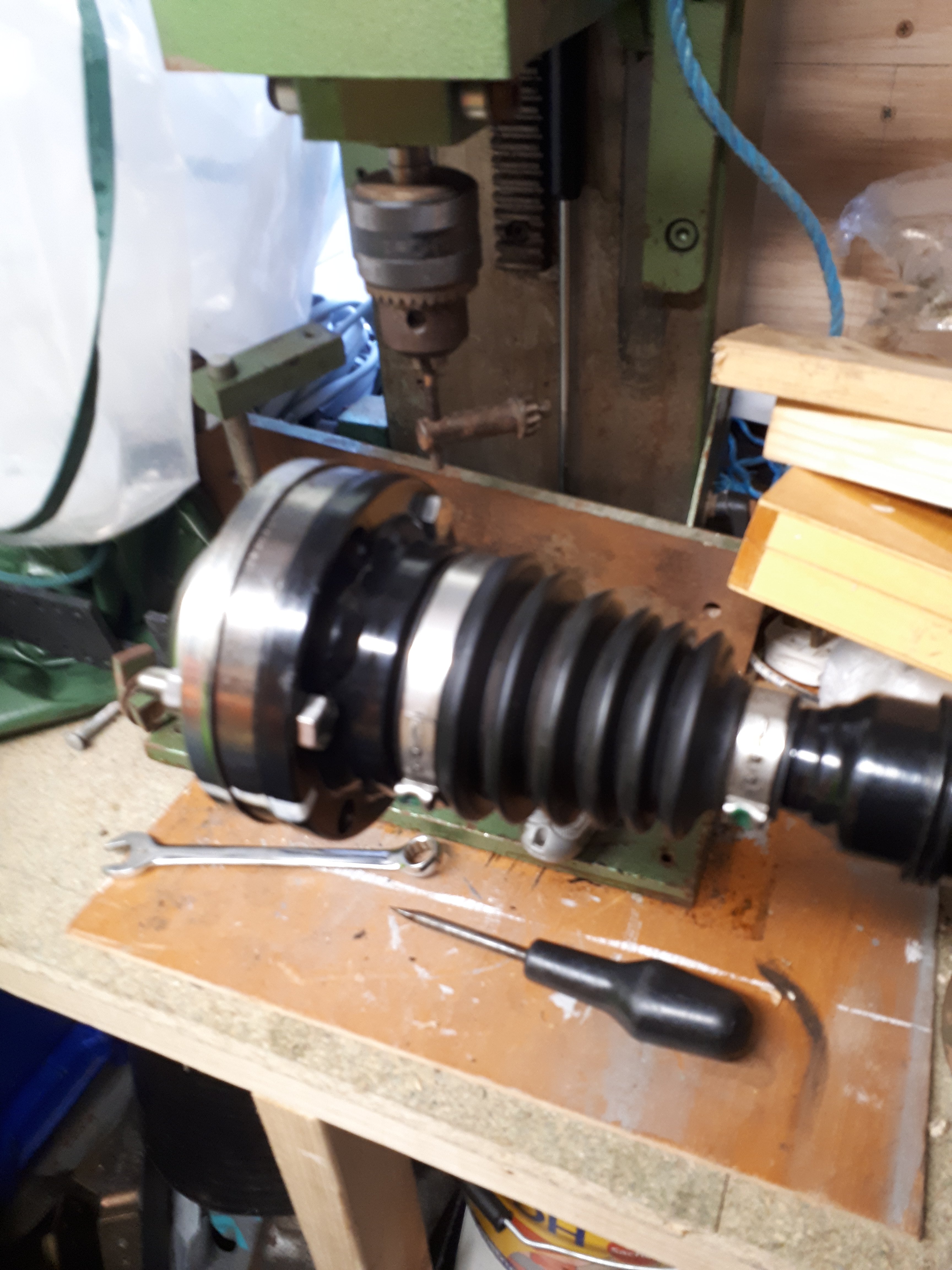
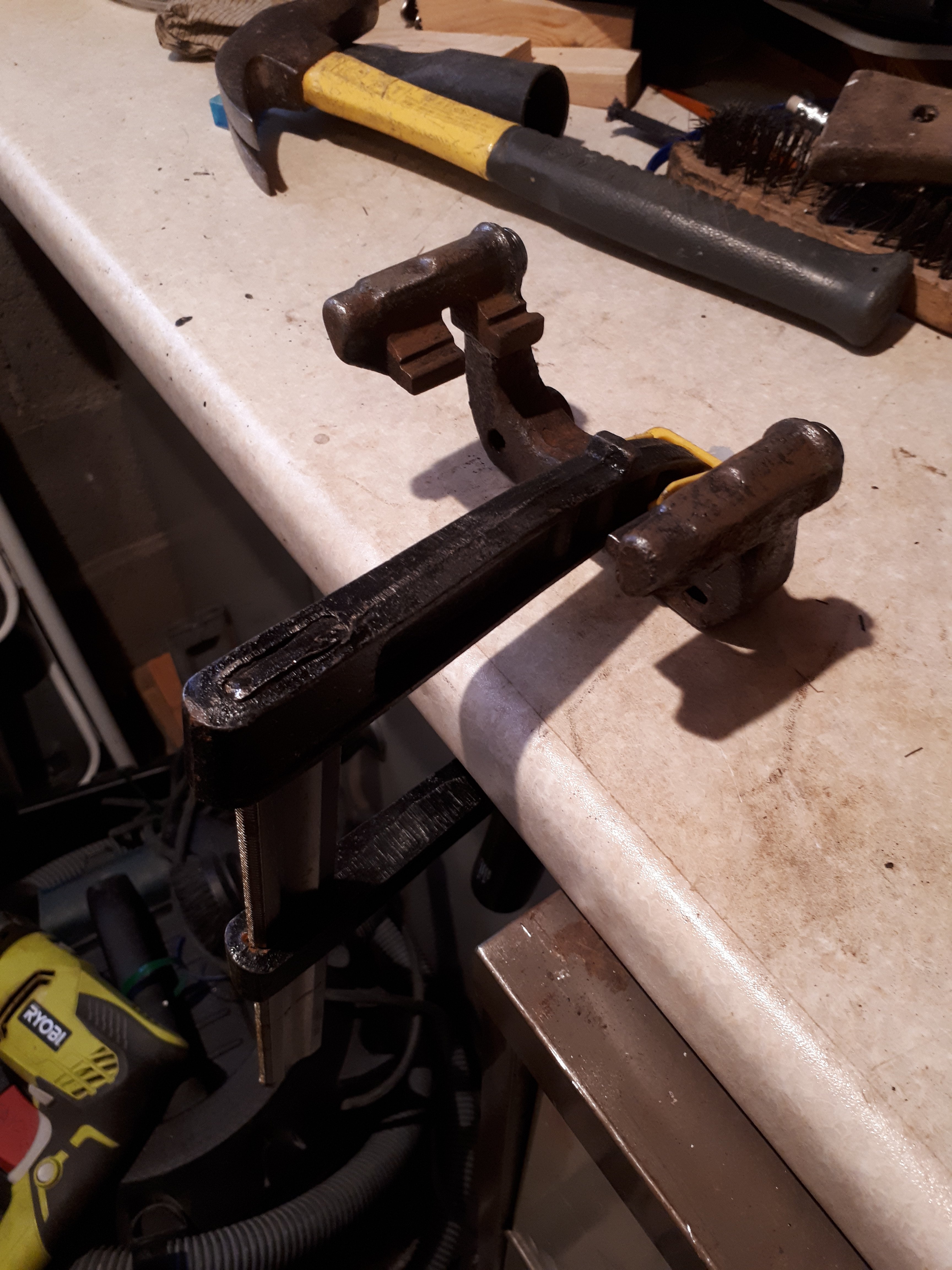
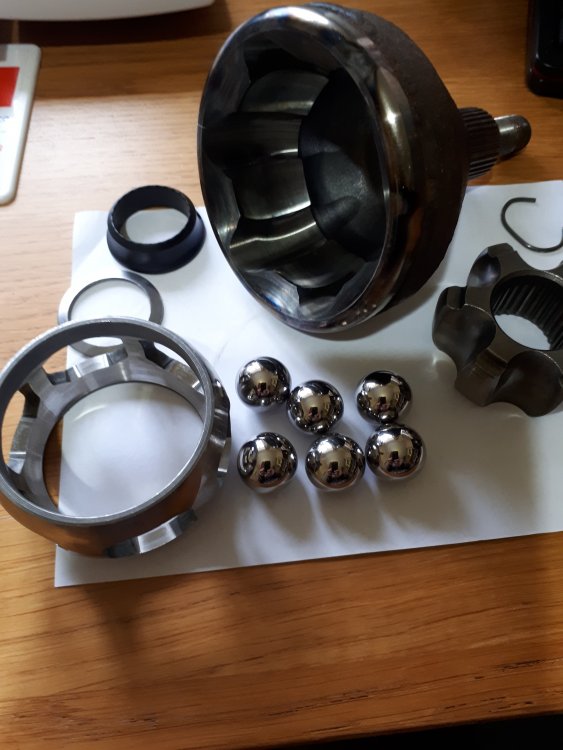
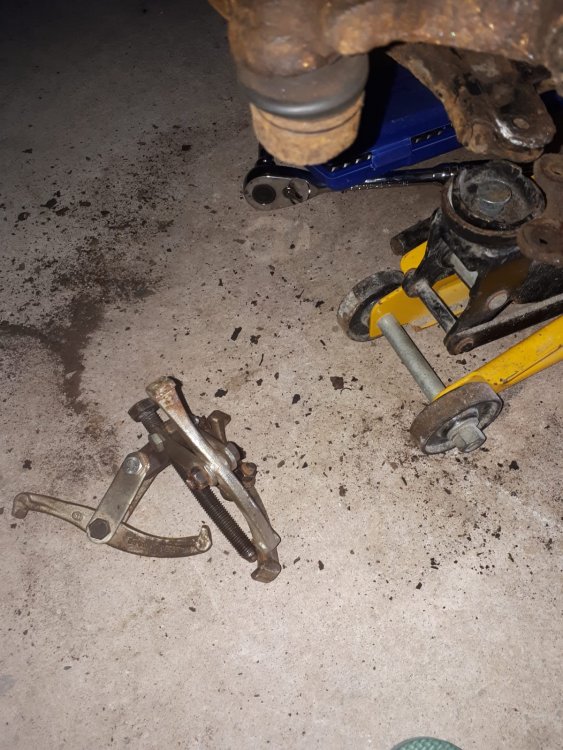
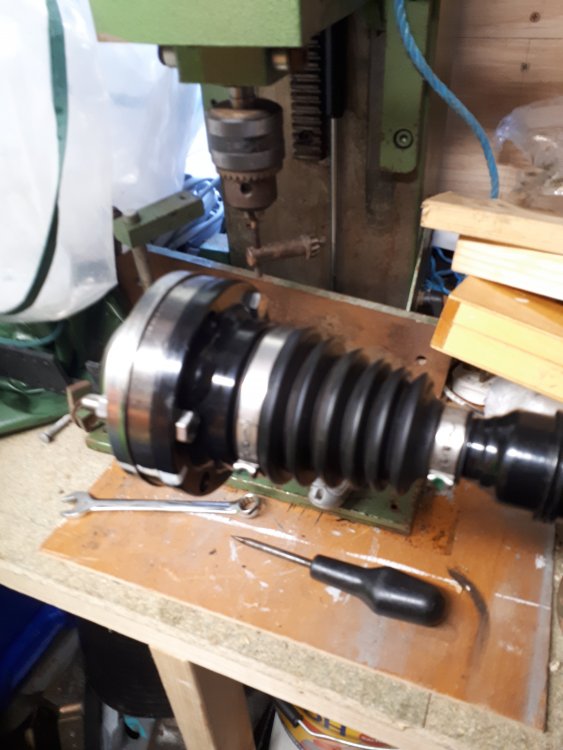
2 pointsMoving things slightly forwards (hopefully) now I have never attempted this type of work before but what the hell if I make a mess of it all is not lost as parts a still readily available. With the aid of a Haynes manual, this forum and youtube I got to it although the car is on axel stands the working space is rather tight. I removed the offending driveshaft with the split cv gaiter (offside) from the car yesterday, the three captive nuts on the lower ball joint were in a sorry state , when I liberally sprayed them with penetrating fluid 3 weeks ago I wrongly assumed that they would un do fairly easily, how wrong could I have been! One out of three complied, second one with the aid of a Stilson wrench came loose the last one refused and with no room for the wrench I had to hacksaw it off being careful not to catch the surrounding suspension arm. The drive shaft was complete with manufacturer's sticker and dated 2005 so was original issue to the car, once I had the one shot locking drive shaft off the shaft would not come loose from the hub. I remembered I bought a set of "British made" 3 leg pullers when I was 18ish so I gave them a go and with a slight bang they pushed the shaft loose. I then cleaned an area on the gearbox cv joint so as I could tip ex a mark to allow re fitment in the same line up when repaired just in case of balancing issues. I clamped the drive shaft in my vice and decided to loosley fit smaller nuts and bots through the gearbox end cv holes in case I came apart as there appears to be several sections , then I de greased this joint with brake cleaner and covered it with a plastic bag. Today I have removed the outer cv joint with a soft rubber hammer and carefully eased out the six ball bearings and the two cage thingies, de greased all parts and looking to paint the rusty part of the cv joint. Now I am no expert there does no appear to have been any ingress of foreign bodies from the gaiter split as the bearings, cages and main joint look in amazing condition, there are some vey slight marks but I am hopeful all will be ok once I re assemble with new grease and boot.
 2 points
 -
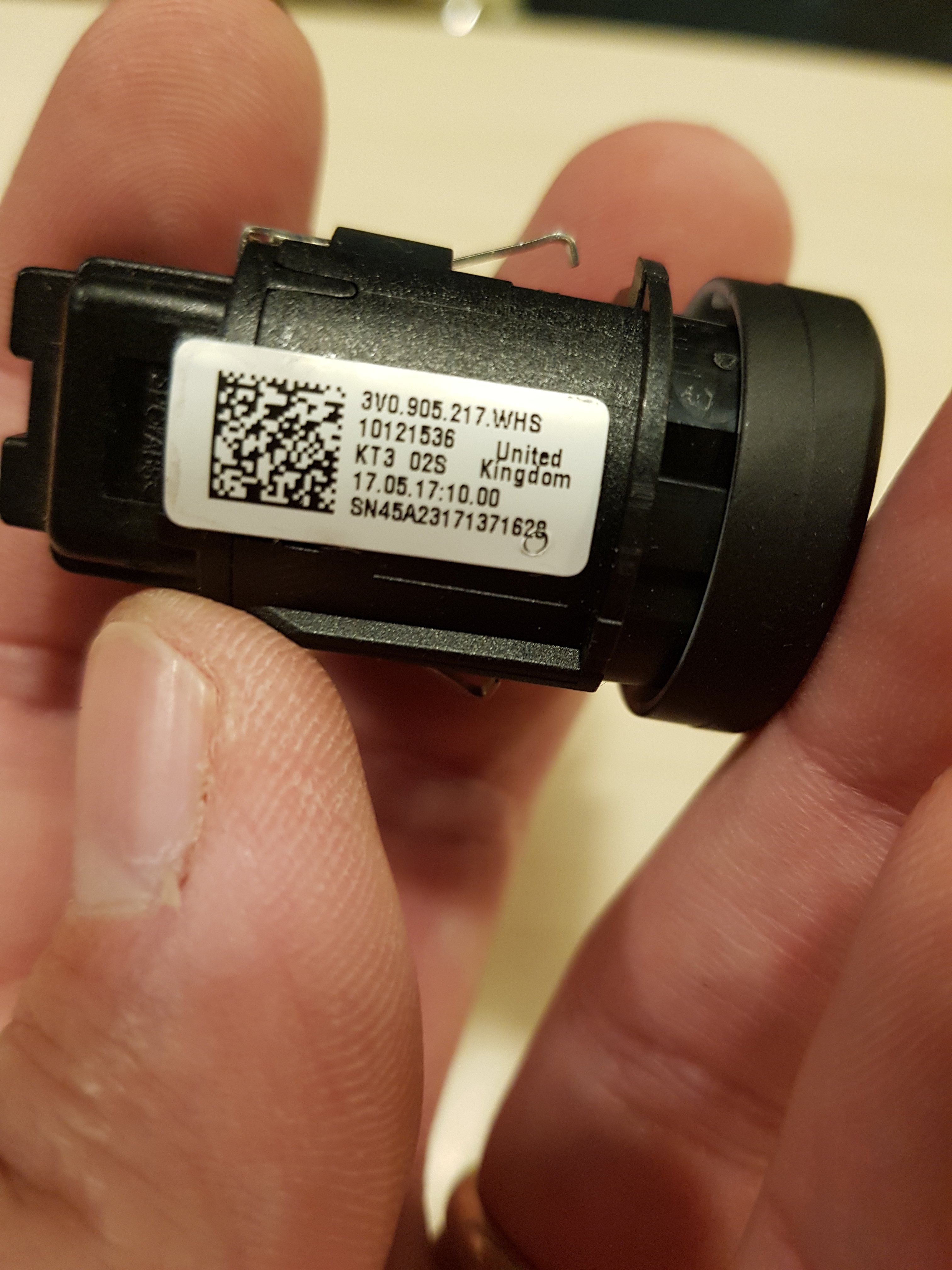
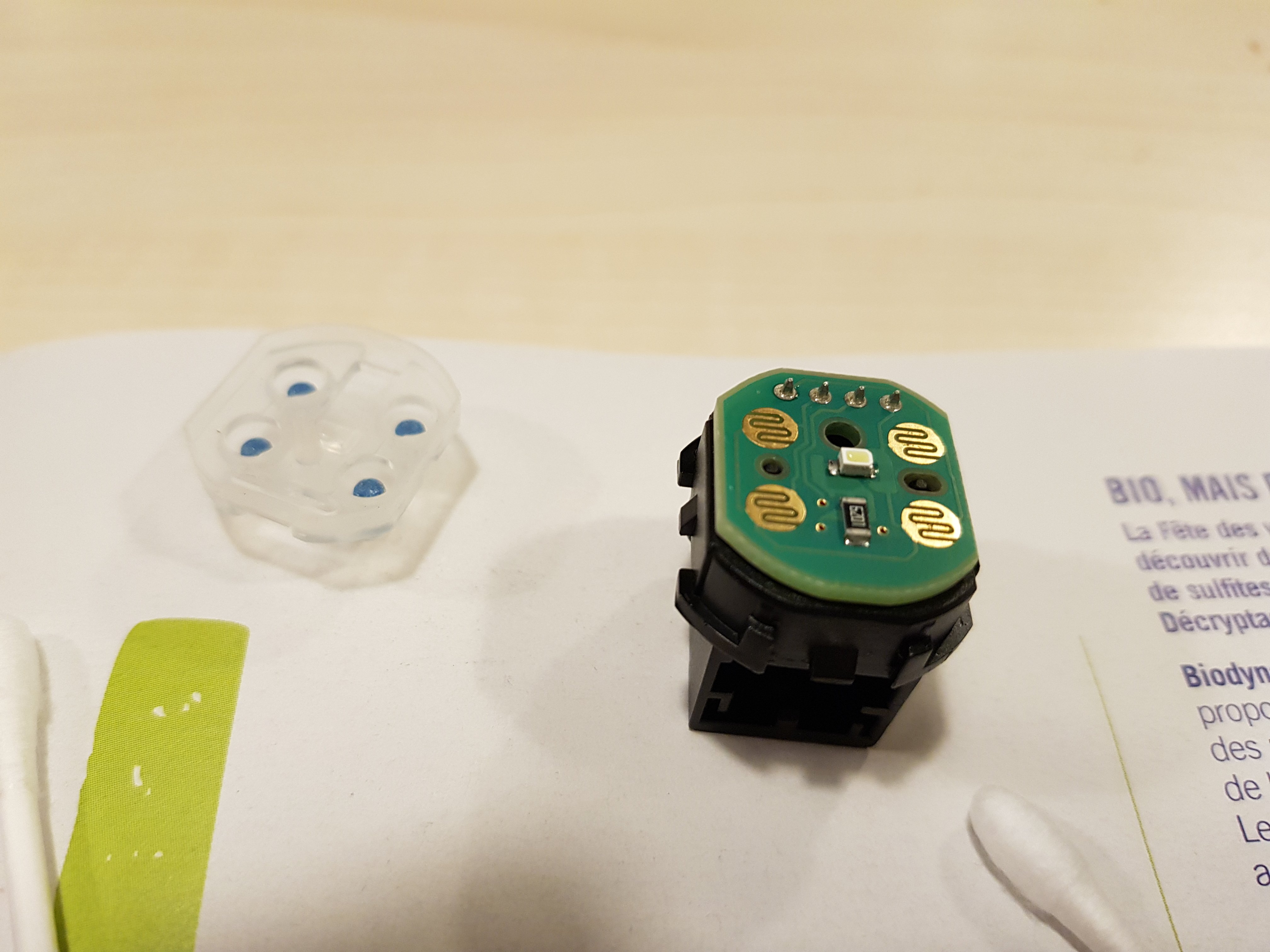
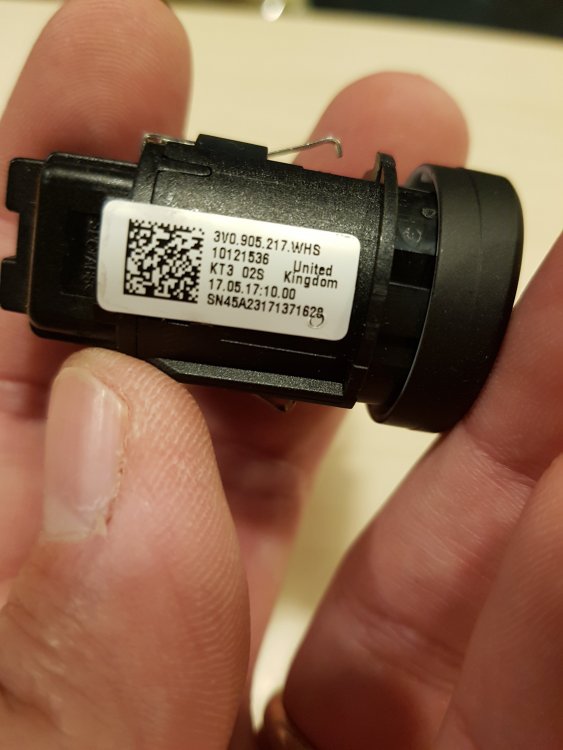
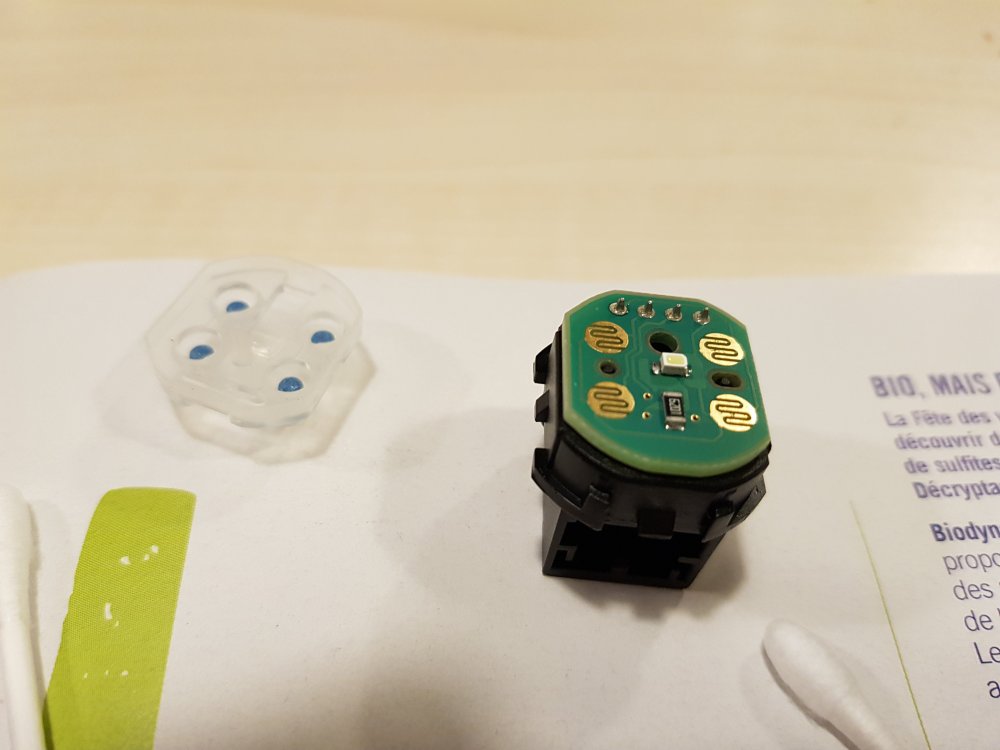
Hi, A couple of months ago, it became difficult to start the engine on my Super MkIII. I had to press harder on the ignition switch and/or press several times before the engine started. I tried to clean the contacts with a contact cleaner spray, without unmouting the switch; It did work better, but not for long. So, I decided to have a go at it, and it's a simple fix really. First, you need to take off the bottom cover of the steering column. There is one Torx screw underneath the steering column. Once removed, you can slide the top part towards the steering wheel, and lift it up: this part is just clipped in place. Rotate the steering wheel when you have lifted the top cover: two more Torx screws appear on each side. Unscrew them and the bottom cover will fall. Unplug the two connectors, one for the antenna, one for the switch. To get the switch out, insert two small screwdrivers from the inside of the bottom cover, in the slots on each side of the switch. It will pop off. Once you have extracted the switch, you need to open it: it is quite straight forward, 4 tabs to lift (delicately) on the top, no springs inside so nothing will jump away. This switch is build like the gaming controllers: four conductive silicone pads make contact on a copper plate. I found the silicon pads and the copper plate to be quite dirty. I cleaned them with a soft pad soaked in contact cleaner, and, after drying, applied a very light coat of conductive grease on each side. It works like a charm now, I can start the engine with the slightest touch from the tip of my pinky. Of course, the other solution is to buy a new switch, but I doubt the construction of the switch has changed and the switch is quite expensive (for what it is). But I enclose a pic of the part's references in case you need it.
 1 point
 -
When buying some parts from ECP, I added a set of stainless steel shims to try to fit to my wife's August 2015 VW Polo rear brakes, we were lucky as at that point in manufacture, at least VW in South Africa, were still fitting TRW brakes, so as much earlier cars, in my case a 2002 VW Polo, had these stainless steel pieces fitted to the rear brakes, I'm willing to take a gamble in trying to fit them when I clean the brakes up this year. As said, nothing beats cleaning up brakes annually, I'm lazy so only start cleaning after 2 years, then again at 4 years, then every year after that. Anyone waiting until their brakes start dragging has missed a trick I'd think. Main dealer servicing normally does not include cleaning up the brakes, that task is an extra money item.1 point
-
1 pointI suggest you locate the leads coming from the airbag in the side of the seat and follow them down to the connector. I did this as a double check before cutting the wires.1 point
-
1 pointAt least you will get some springs that are better than the old broken ones, I know of at least 4 people that had to buy LHD dipping headlights to get their car registered in France, in each case they went to the main dealers and explained exactly what they required (as I said before that carries no importance) and in each case the vehicles failed the contrôle technique because they had ordered and fitted at huge cost the exact same RHD dipping headlights that were removed, no apologies, no refunds & they all trotted out the same line, it was the correct part for the VIN number and they were not allowed to fit anything else 🤣 One person got it through the CT by my rotating the H4 bulbs in their holders and they used the reciept from the dealer for the wrong non conforming headlights to get their registration, paperwork compliance is the important thing here1 point
-
1 pointPut the torx screwdriver / socket on the screw and hit it with a hammer a few times (if you don’t have an impact driver) as this should break the rust that’s holding it tight.1 point
-
1 pointThe single bolt holding the front disc on is an M6x16 size with a T30 torx countersunk head. If it's tight, it is better to use a Torx Plus rather than just a Torx screwdriver/bit, and possibly in combination with an impact screwdriver. The Torx Plus design allows for about 20% more torque to be applied before the bolt head strips. https://www.autodoc.co.uk/topran/8873420 12 N 10648301 hex socket countersunk bolt M6X16 2 https://skoda.7zap.com/en/cz/citigo/cit/2016-727/6/615-615000/#12 There's some information on Wikipedia about the Torx design. https://en.wikipedia.org/wiki/Torx1 point
-
Cheers jars, yup! familiar with that rhyme, but I keep looking at the nut from the inside & get the idea that it's opposite. So it's just a normal thread into the rack then. Will wait for the crow-foot. Thanks again.1 point
-
1 point215/40R17 fitted to 7Jx17 ET46 rims are for the Fabia MK3, not the earlier Fabia MK1 and Fabia MK2 cars. You might have problems with rubbing when you turn the steering wheel to full lock, or possibly elsewhere too. The Fabia MK3 uses slightly bigger tyres, so is likely to have more room in the wheelarches. With 205 tyres, you would be better off with less offset, such as ET38 to ET42 to better fill the wheelarch. Maybe look at 6.5Jx17 ET40 rims from the Skoda Scala/Kamiq. The Scala uses 205/50R17 on these rims, and the Kamiq uses 205/55R17 on these rims. For the Fabia MK2, you might be able to use 205/45R17 without rubbing with this width and offset of rim. It would be an oversize tyre on the Fabia MK2, with an outside diameter similar to 185/65R15 and 195/55R16. 2490CZK is about £84.90 https://eshop.skoda-auto.cz/cs_CZ/kolo-z-lehke-slitiny-volans-17-pro-scala-kamiq/p/654071497H+8Z81 point
-
1 point
-
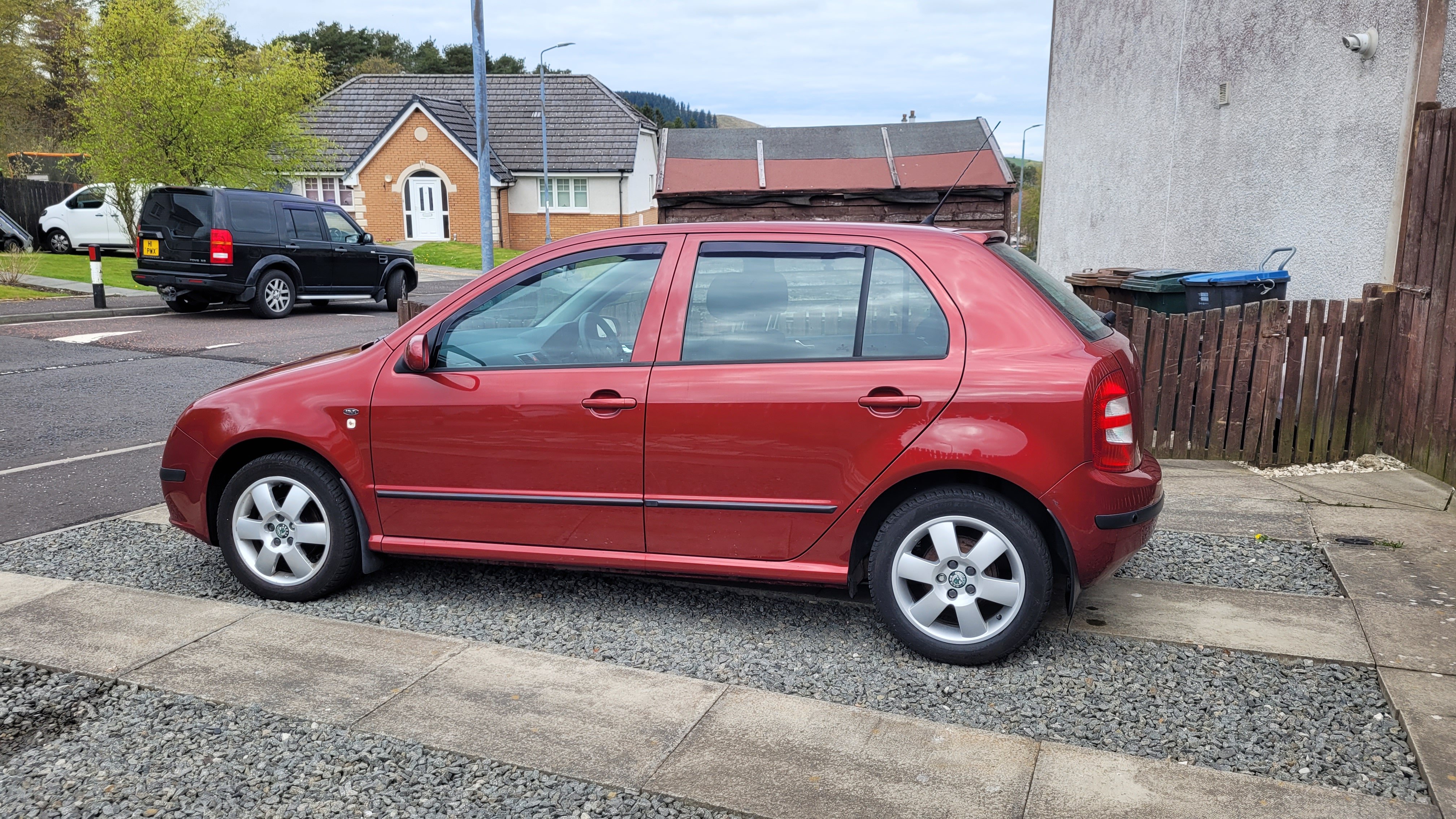
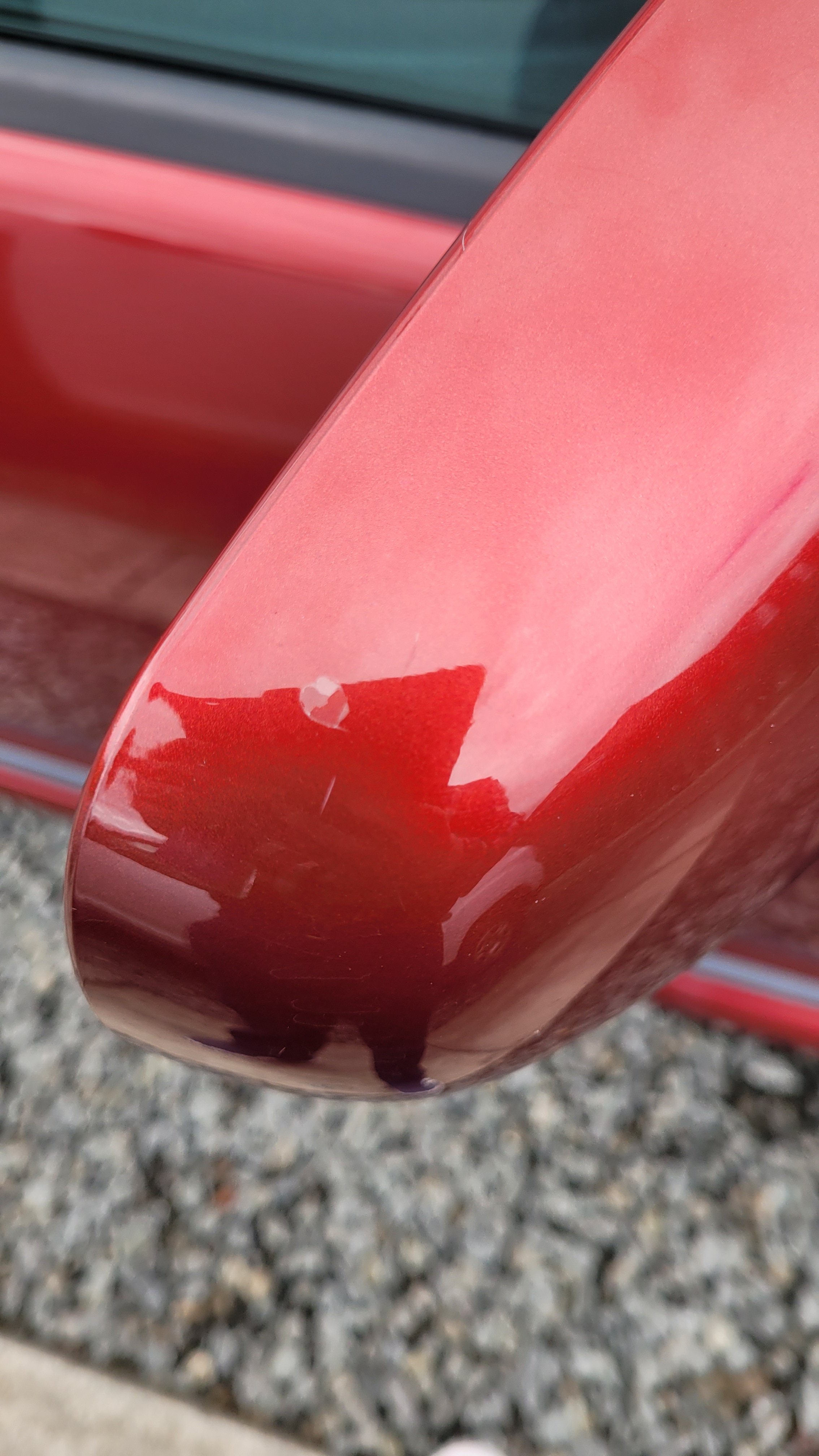
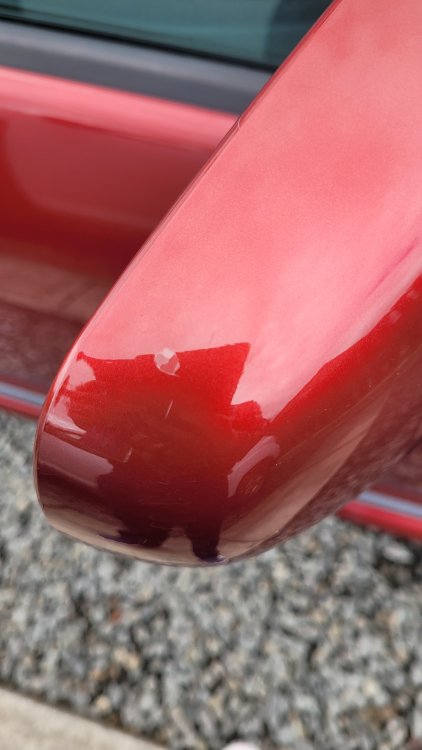
Squeaky clean. I have also had a little more lacquer peel appear on the mirror that didn't get repaired. I might give Sharpie a ring and see if he'd be willing to do the driver's side mirror, but I'll wait till its worse I reckon, to get my moneys worth. Still got the weird cutting out but haven't prodded about yet. I've just not had the time.
 1 point
 -
1 pointAP - I've posted "help" on another site I post on, and I've had a reply that "4/8/16/64 sizes from eBay. ".1 point
-
1 pointI'm not sure they struggled any more than anyone else with WLTP? Remember, WLTP is only the drive cycle. The actual emissions limits (tailpipe emissions of chemicals like CO HC, NOx, and particulates, not CO2, which is separate) were set out in the various "Euro 6" regulations. It was all quite simple, with the limits changing for Euro 1 Euro2, 3, 4 and 5. But the VW scandal broke during Euro 6, so the EU Parliament gave the EU Commission a right kicking and told them to get a grip on it. The Commission responded by rushing-in several different versions of "Euro 6" (Euro 6a, 6b, and so on). Even worse, we had "Euro 6dTemp" and then "Euro 6d" - which is what we're on at present. The next one (we're told) will be Euro 7. It gets incredibly complex and I'd have to fire up my "work" laptop to find which changes went with which letters. I've a feeling WLTP came in with Euro 6d Temp and RDE but with fairly generous "conformity factors" (i.e. the manufacturers were allowed to exceed the regulated limits by a small "conformity factor" when tested on a real road, in recognition of the fact that such a test could never be as repeatable as in the lab). I think Euro 6d brought down the conformity factors. I hadn't heard anything about tuners tipping-off academics, but yeah, maybe that's true? I was under the impression that it was students in Virginia, looking at city air quality and comparing it to what it should theoretically have been for the traffic concentrations, if all the vehicles had been emitting according to the regs. They found a surprising disparity. However, as you say, it's not that important who broke the story! I don't really get how you can "conspire" to have a bigger AdBlue tank? They just needed bigger AdBlue tanks to meet the NOx requirements! VW could have done that too, but diesel isn't popular in the USA and the European manufacturers (especially VAG) had really pushed "clean diesel" technology very hard over there. They were just starting to get somewhere, when the regs changed to require AdBlue, and (at least in the story I heard), they were worried that American consumers wouldn't accept having to top up an AdBlue tank, so they tried to size it so that it would only need topping up during services. This meant having to reduce the dosing to make the contents of the tank last long enough. Unfortunately, reducing the AdBlue dosing, also meant that the cars emitted more NOx than they should have done. Accordingly, they came up with the idea of giving the car the required amount of AdBlue only when it was on a rolling road (using the steering angle sensor to work out that the car was being driven but not steered). However, none of that explains why they then decided to do the same thing in Europe! Certainly, over that period, my company cars were a series of 2 litre (150 horse) Sharans and it was very noticeable when they became compliant, because the AdBlue consumption practically doubled on the later cars! Skoda were using the same "cheat" for NOx and AdBlue consumption as the rest of VAG, I'm afraid. However, they might not have known it, because they buy the technology from VW, but even on their own website they admit they were: https://www.skoda.co.uk/owners/ea189-claim CO2 is a separate issue entirely. There was never a regulated limit for CO2 emissions "per car". It was only ever a fleet averaging requirement.1 point
-
Actually maybe the short answer is that for small light cars, like Fabia, Polo, Ibiza, the rear disc brakes do not get enough passed their way and so normally end their service life due to corrosion on the discs and not by reaching their wear limit, it sounds like your wife's car was fitted with exceptional "good" discs at the factory, by chance, and then fitted with normal discs next time.1 point
-
1 point
-
1 point
-
1 pointNo the Polo and Fabia use different wings. I think Euro Car Parts sell a wing for the car that'll need painted. Otherwise, breakers yards are your best bet. Hatboyharvey on YouTube has a video on removing the wing. Hope this helps.1 point
-
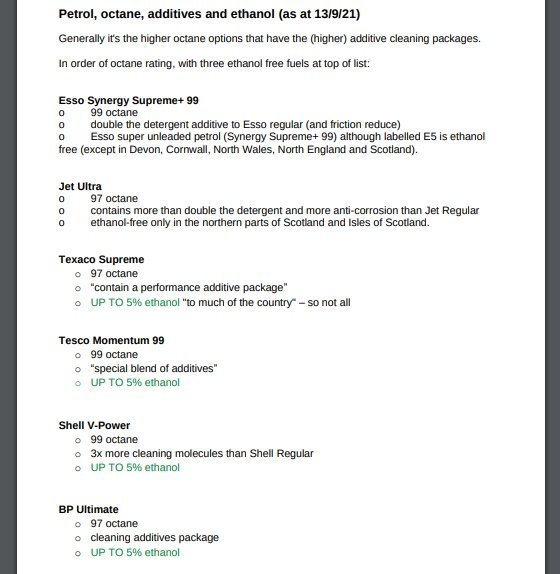
1 pointRe testing extensively. APR /REVO and other will tell the possible gains of a petrol car on 98 ron petrol. REVO were selling Stage 1 for 1.4 TSI Twinchargers and it was a really crap remap. Development and extensive testing must have gone a bit Pete Tong. 98 ton petrol has not been sold in the UK for years, it is 97 or 99 ron minimum now in the UK and now E5. 95 ron being E10. Know what fuel you are running your car on and get it on a Dyno before the remap when properly serviced or any hardware upgrades are done then afterwards.
 1 point
 -
1 pointAlways gone with remap and All done in excess of 100k miles no problem…. By a good reputable tuner as they test the maps extensively before releasing into the market.. yes there is risk associated with engine and drive train warrantee but I would say less risk with a proper map than a box because map is still keeping things within tolerance.. the box AFAIK fools things and doesn’t map every parameter that a map will. Therefore more chance of a component failure. (Also still traceable if manufacturer wants to find it) Things that can add wear to parts are torque spikes in the map to (get extra few nm) intake and exhaust temps to high. not worth it for a few extra figures.. for safety a nice smooth delivery and within a useable range.. some peak hp figures occur just before red line. For normal rd use that’d be a waste. hope that makes some sense. And remember every car is different so custom map or generic then tweaked on a dyno will always be safer than a box that is generic to the nice new car it was written on originally. Also dsg map is worth doing. I’ve found the tvs engineering one best I’ve ever had and some nice life extender features included. Like changing down to first instead of slllping at junctions in 2nd also changing up at slightly higher revs when pottering around to reduce low rev load1 point
-
1 pointI had a Fabia Colour Concept 95ps 5 speed with digital dash as a courtesy car recently. Found it very impressive. Handled nicely, comfortable, decent boot. Certainly cheaper than a Polo. I liked it.1 point
-
I’ve now got 3 cars on order to cover options, Skoda, Hyundai and Kia. First one to be on a ship gets my money, not bothered which. All with option to cancel if I want1 point
-
1 pointNot wanting to be a doom monger but when my Vx pedal stuck to the floor the clutch/DMF needed replacing about 6 weeks later.1 point
-
Sorry, Probably because i pressed the report button and suggested it might be best here. Your post might have sat long enough getting no replies. The Fabia Mk3 brakes are not great as other models of Skoda are not but the bigger heavier cars are a bit different. I just thought the members here with Mk3's would be best able to pass on their experiences. There is not really a General Life of Discs or Pads front or rear because some people hardly use the brake pedal and others use it lots. Some clean the cosmetic rust off discs when the start driving and others just drive, or have no cosmetic rust. Applying the hand / parking brake a little to clean the discs / corrosion. Location location location. Winters, salted roads, living in the hills or near the sea or in towns or cities.1 point
-
1 pointKeep us posted mate, I'm in the same boat as you! Travel assist is pretty much useless at the minute.1 point
-
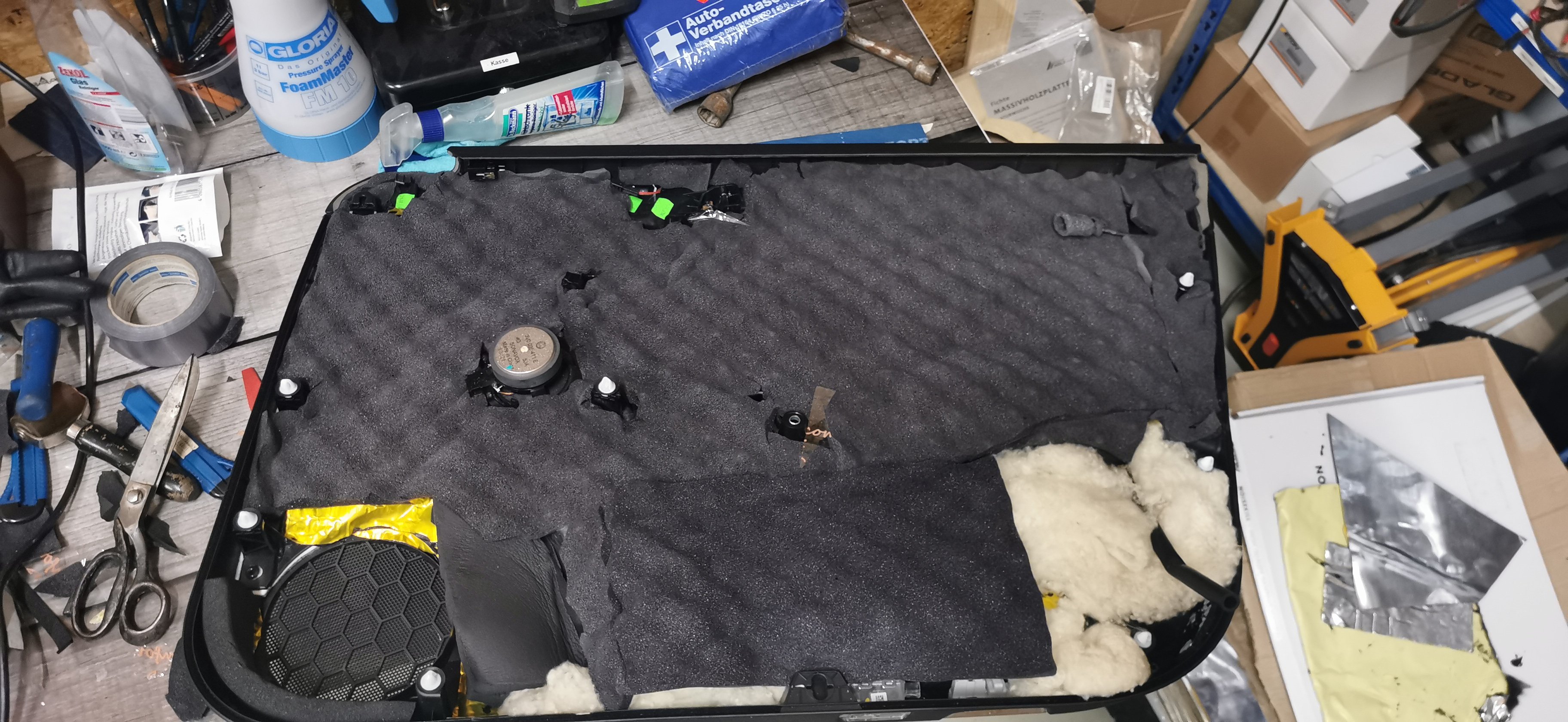
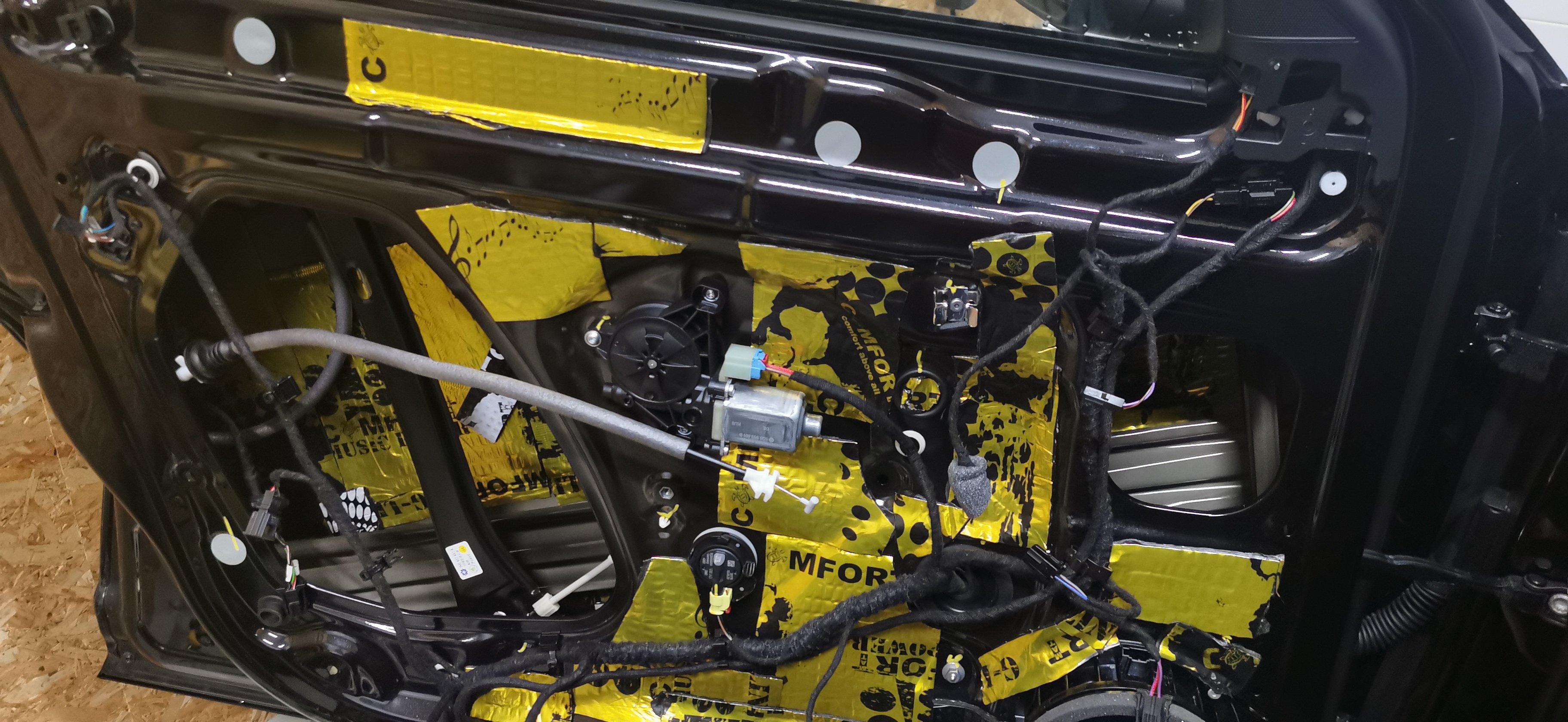
no rattles or squeaks, but I already fully soundproofed the doors, the luggage compartnent, the bonnet and the wheel arches. without this Superb is definitely one of the louder cars in segment
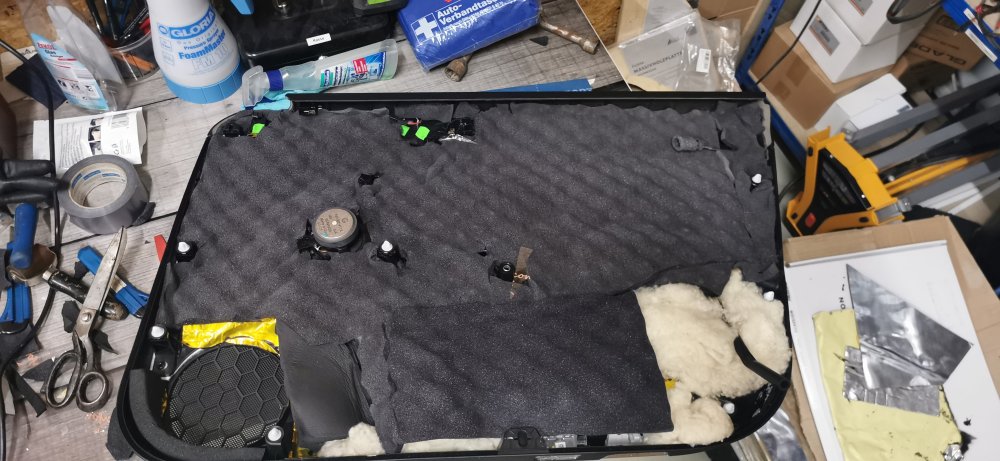
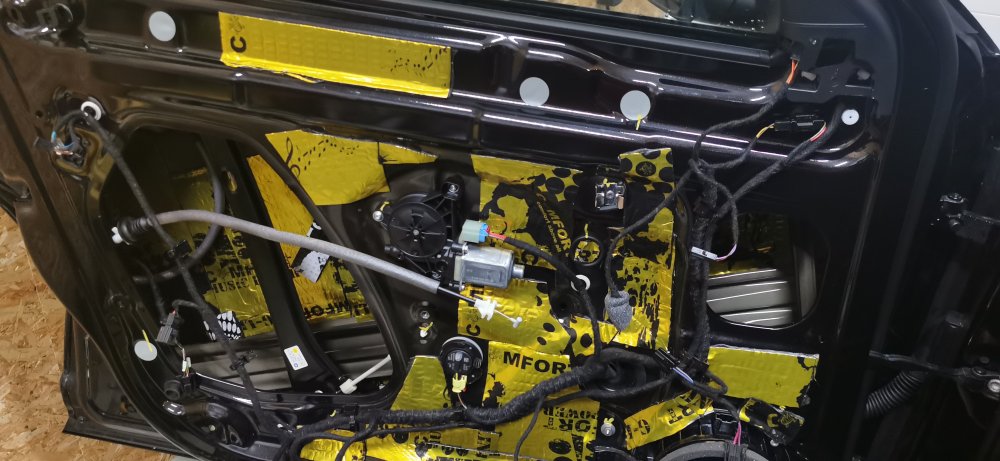 1 point
 -
1 pointMore carefully than removing the rears, but a thump from behind with the bolts loosened is required. With the rears / drums, Normally someone tries loosening the bolts a bit with the car on the ground and giving the car a good shake. There is Lifting the car hand giving the wheel/ tyre a hard kick / malleting. Some use a big bit of wood and whack that. http://briskoda.net/forums/topic/309925-looking-after-your-alloys http://briskoda.net/forums/topic/348610-releasing-stuck-alloy-wheels1 point
-
1 point
-
1 pointI finally took delivery if my SE Drive on Wednesday. Went out for a proper drive today and am very pleased. It feels like a nice upgrade from our Mk.III Octavia. The family love it too, which is good!1 point
-
1 pointFor reference you need to tell the BCM the AH of the battery, the battery construction, & also force the BCM to forget the previous learnt values by changing at least one digit of the serial number. I wrote a thread back in early 2015 on retro fitting a bigger battery to an MQB platform car....all info in the first post here:- How to retro-fit a bigger capacity battery to a Mk7 Golf | GOLFMK7 - VW GTI MKVII Forum / VW Golf R Forum / VW Golf MKVII Forum1 point
-
As the others have confirmed the dealer is talking rubbish! I've got the retractable bar on. 2018 Edition. I've towed a 2010 Lunar Clubman and a 2018 Bailey Unicorn both with Alko hitch and never had a problem. If you have the reversing camera make sure you use the 'hitch' view when reversing up to the van and it's a doddle. When reversing the van onto the pitch release the alko clamp so that the van turns more freely and once in place apply the van brake and ease the car forward to release the pressure on the hitch, then it will unhook without making contact with the bumper1 point
-
Great advice! A little tip I have discovered helps with the problem of getting polish on the unpainted plastic trims: cover them in your bumper/trim gel of choice before you apply the polish. If you get any on the trim after that, it just wipes off. If you don't want any bumper gel on your paint, apply masking tape before you apply the bumper gel.1 point
-
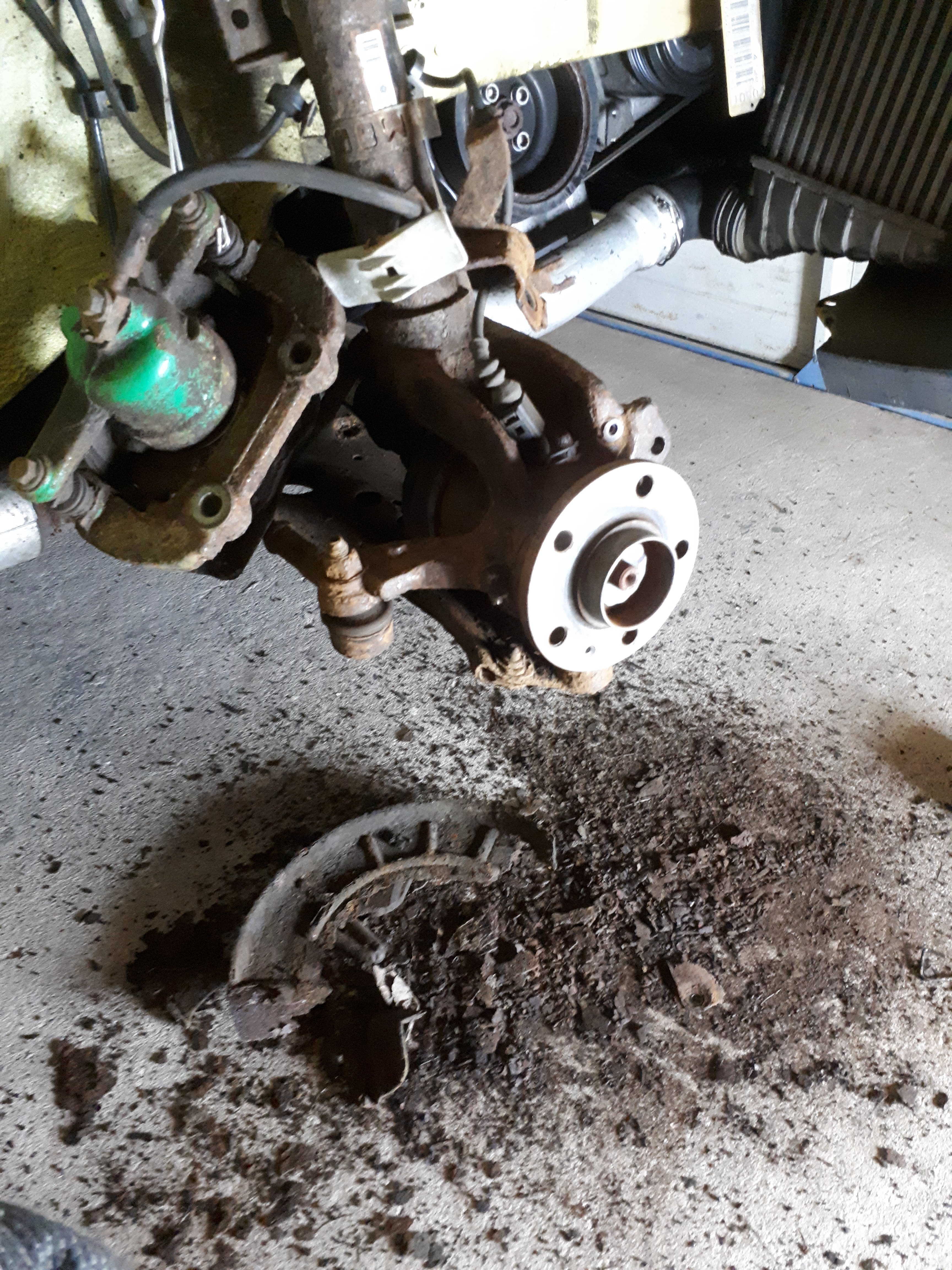
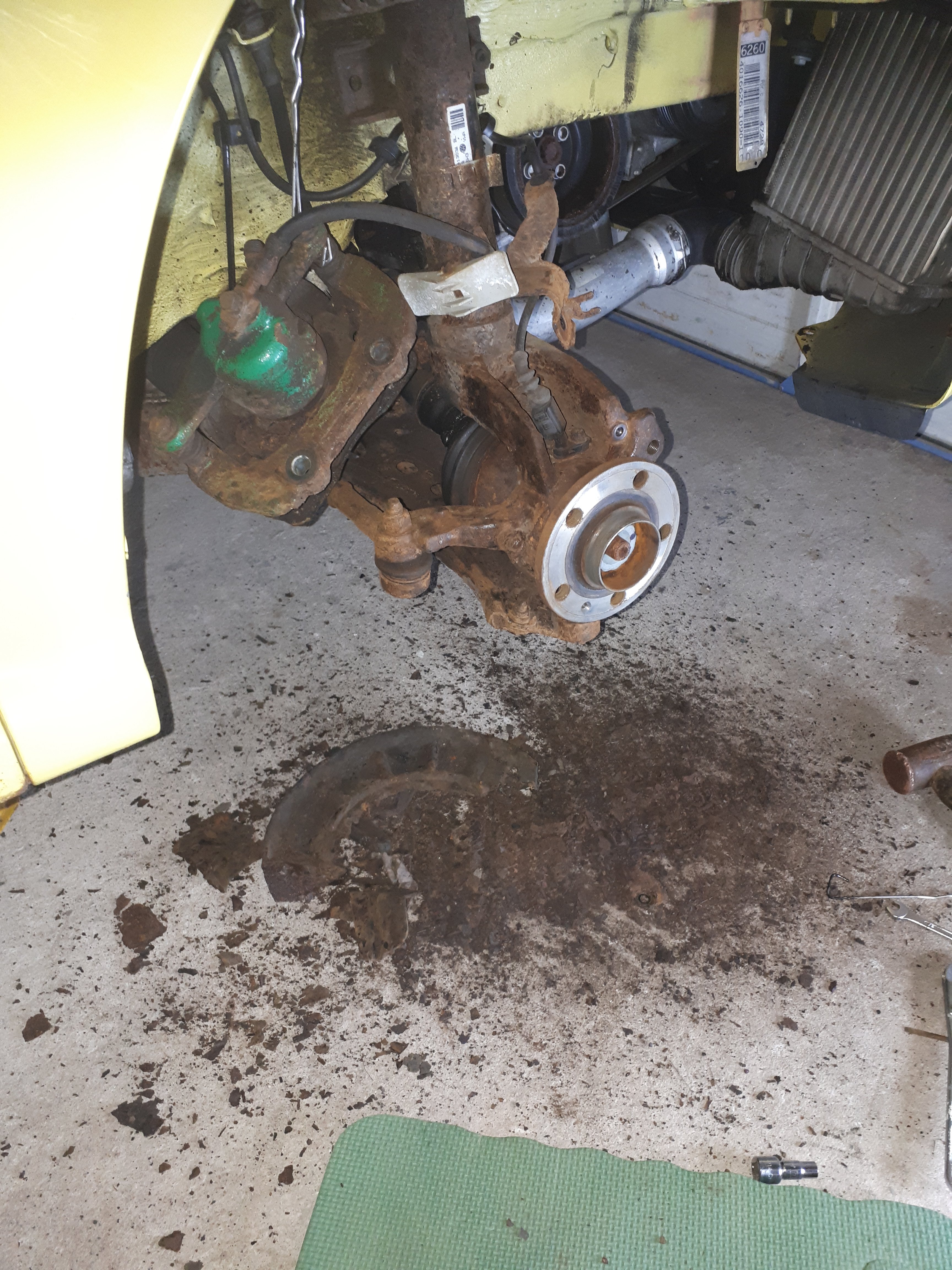
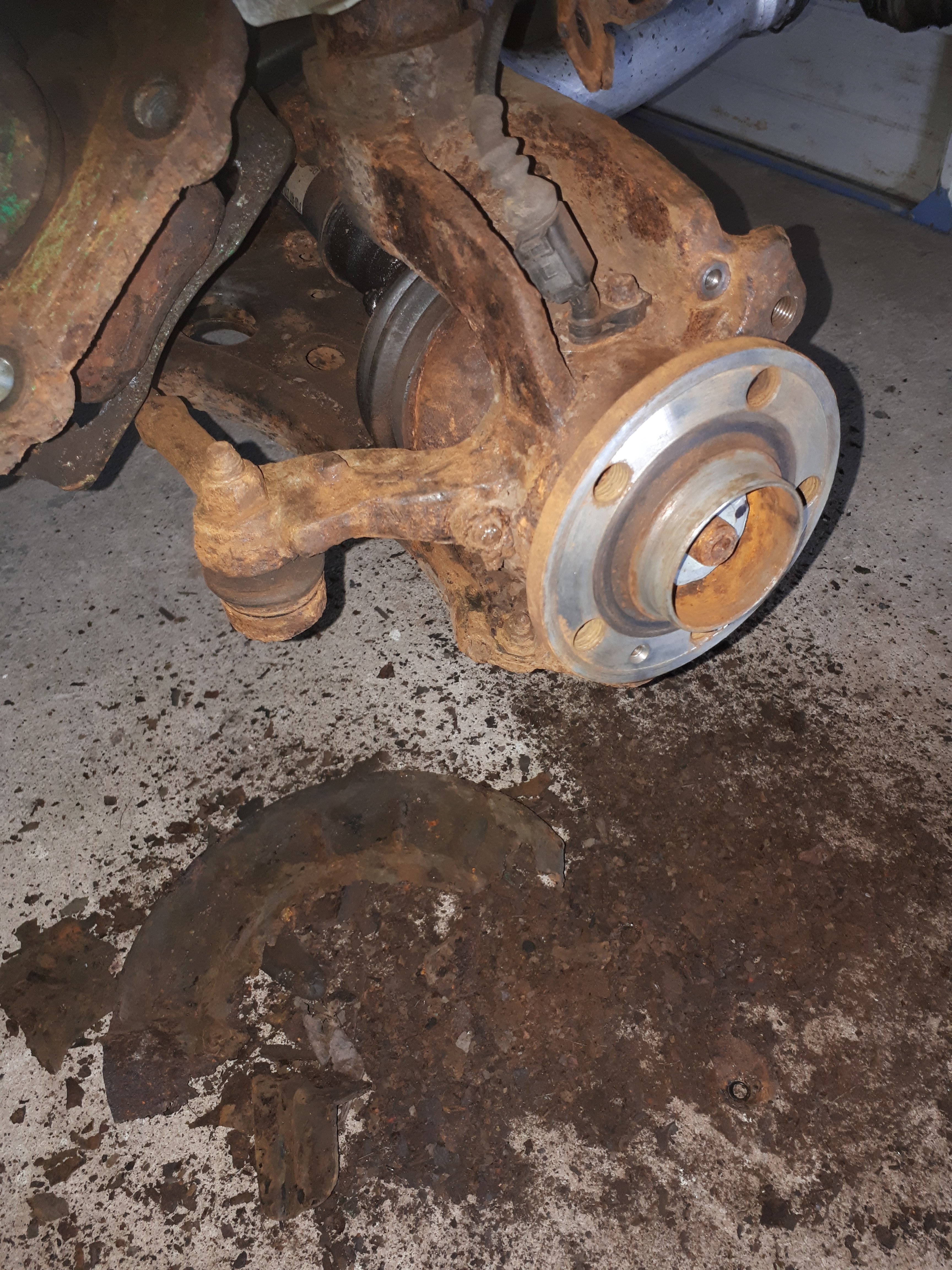
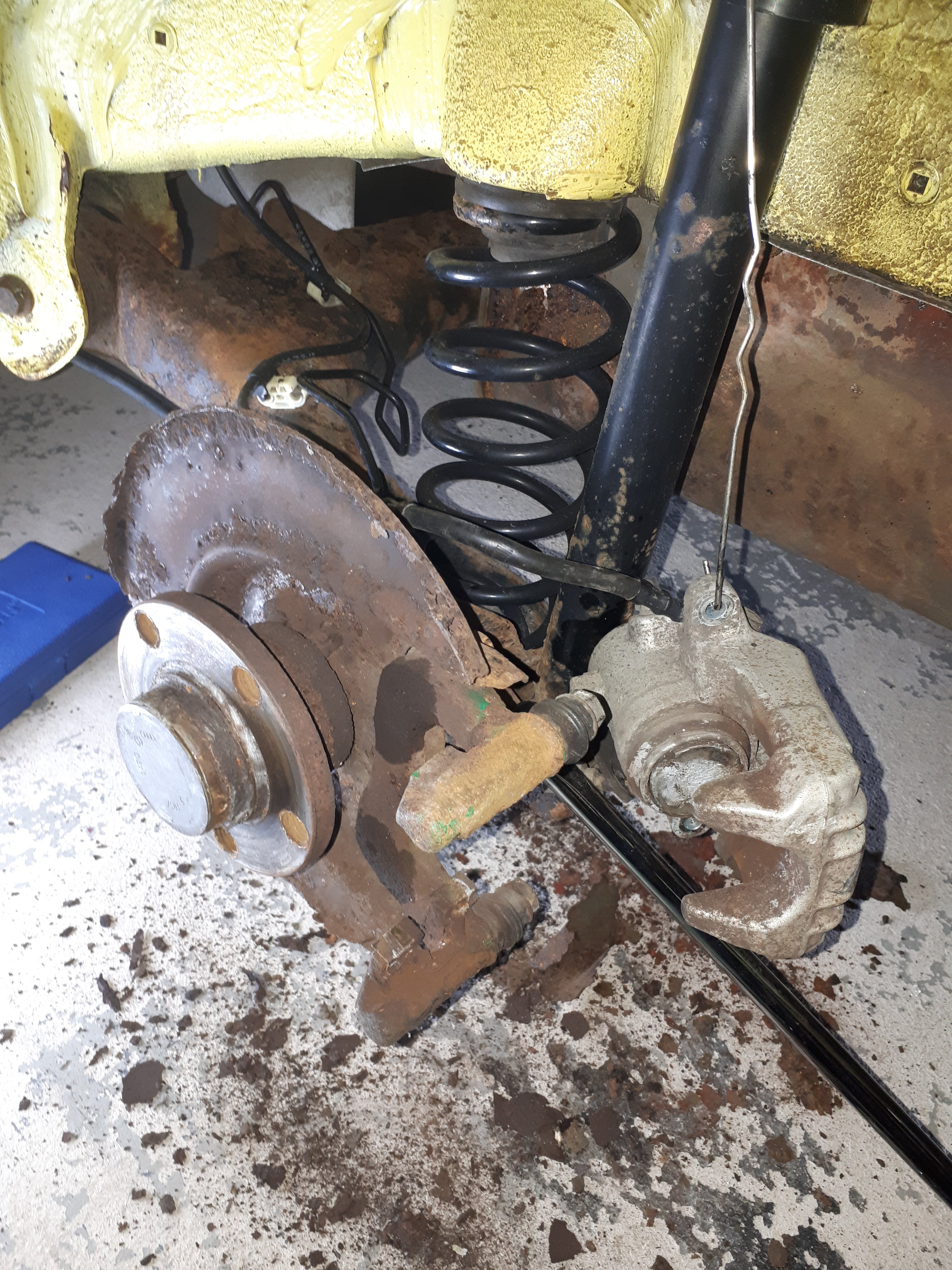
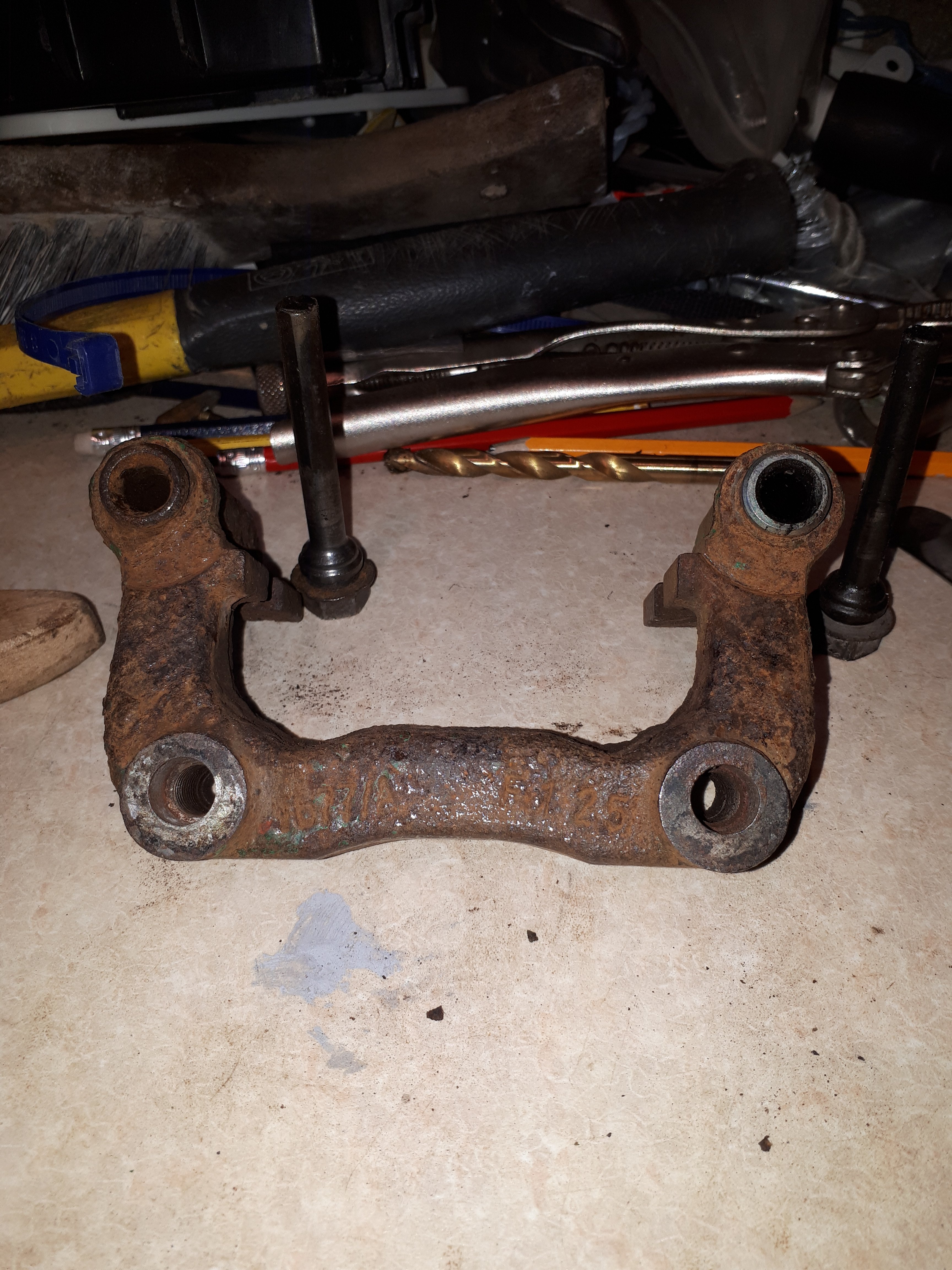
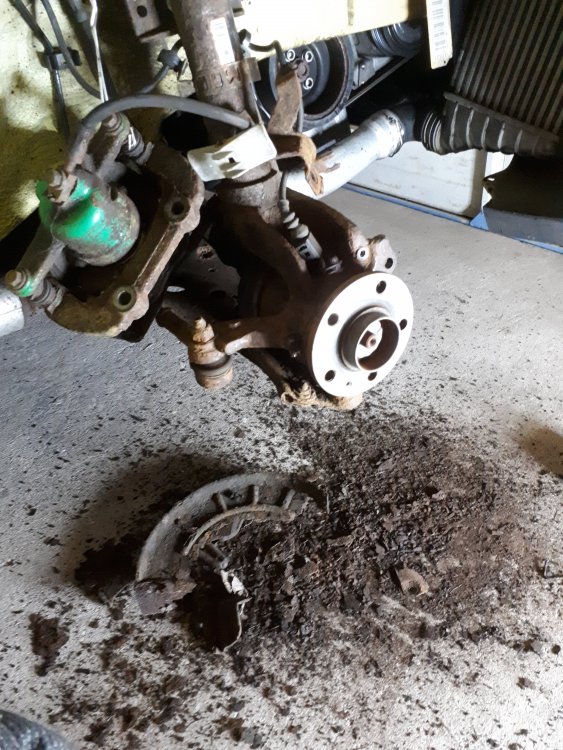
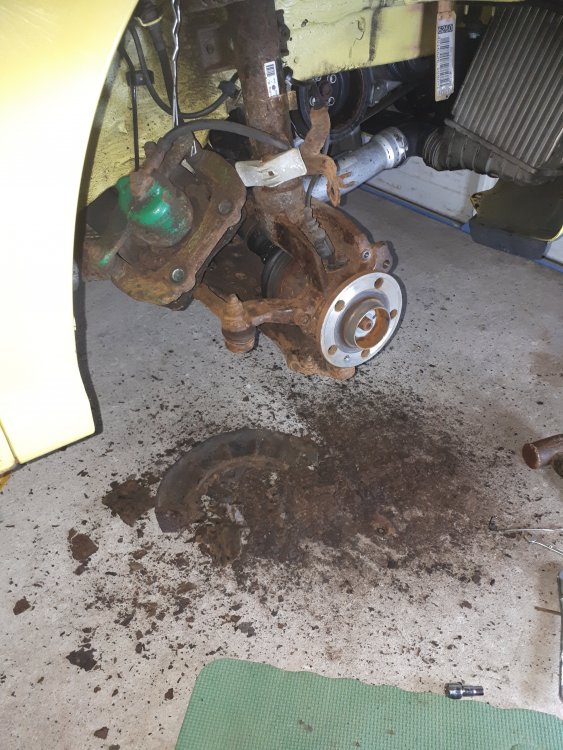
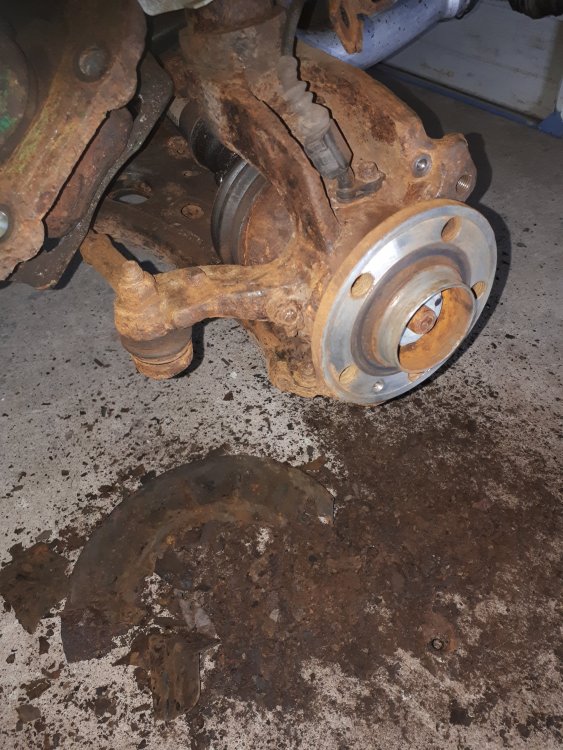
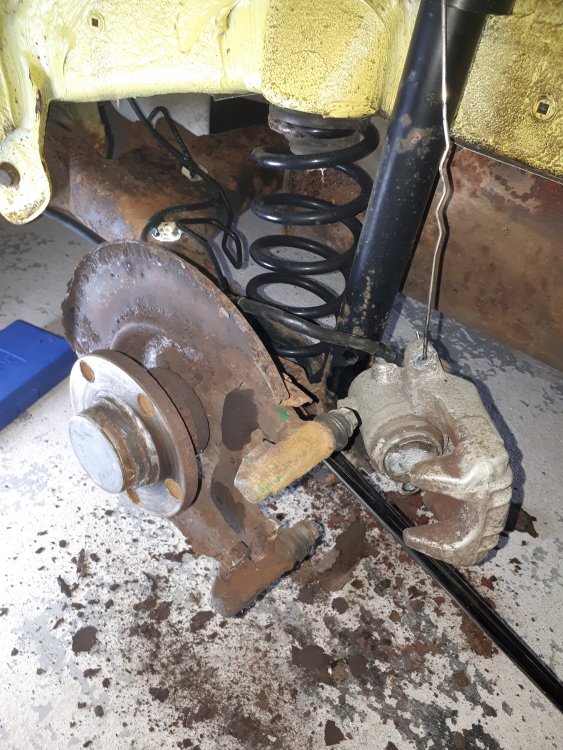
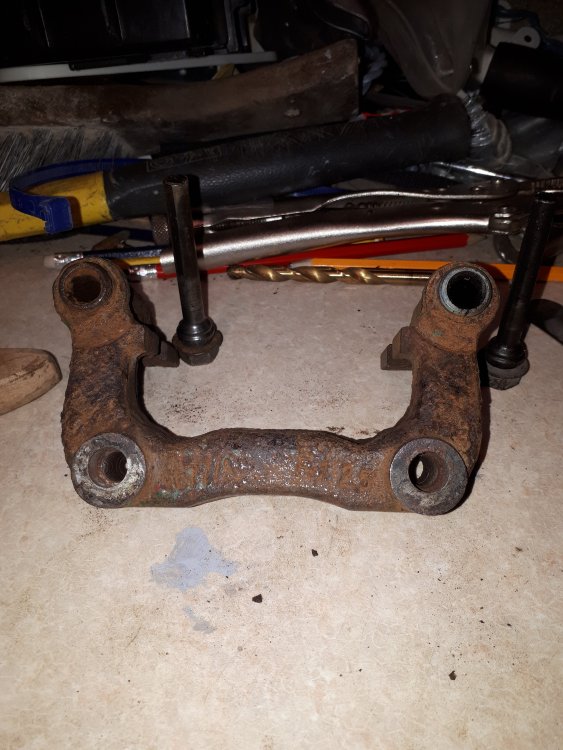
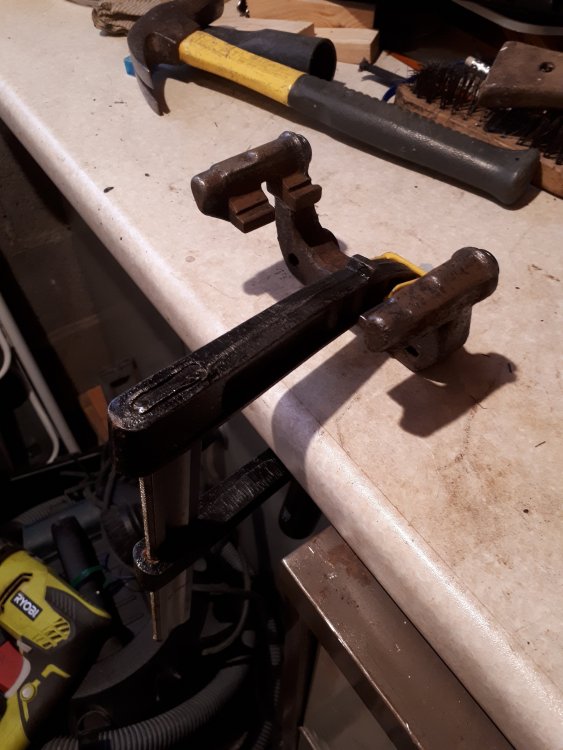
1 pointAfter changing all the internal door handles and re painting all our internal doors and trims over the holidays, I decided to have a look at the brakes which I knew would be in poor condition. The front offside was shot, the steering knuckle was very rough in appearance with 1mm plus thick rust scale all over. I decided to carefully remove the rust with a combination of hammer and old wood chisel and wire brush. Whilst this worked fine I was rather alarmed at the thickness of removed rust, I put a post on the Fabia forum and was reassured by Sepulchrave and Wino that it would be ok. As Wino stated rust expands to look a lot worse than the actual thickness lost, well something like that, I seem to remember that from something I read. So its good to get opinions from others. The front disc shield was holding together with fresh air, as soon as I touched it it folded over, one of the bolts that retained it is reluctant to loosen, wont tighten slightly either to help removal so liberally coated with wd40 . Anyhow I am not replacing brakes with the new ones as yet because of burst outer drive shaft gaiter, so put old stuff back for now. Looked at the back offside all ok there, handbrake mechanism working as it should with strong return also Bowden cable feels free. Yesterday looked at the back nearside and found the brake was locked on solid, I struggled with this side to remove the calliper carrier even when using a two foot breaker bar due to clearance from the floor. Anyhow finally managed its removal. The hand brake mechanism was also working fine, strong return action and cable nice and free, this had me confused that is until I looked at the carrier and found that one of the slider bolts was solid in its housing. I managed to finally work it free with mole grips. I was expecting a split rubber boot but that was ok, there was no sign of grease at all in its hole or on the bolt, bearing in mind both back calliper's have been replaced at some point, some one possibly forgot to grease that one who knows. Anyhow all cleaned up, the bolt had a minute area of discolouration but no rust, used 1200 grade sand paper on it and now slides in ok, just have to re grease and fit back then check if that has sorted the sticking brake. I know its not much progress but every little helps. Plus its cold in the garage at the moment. Martin
 1 point
 -
I have a 2015 Superb ii 140TDi DSG and I get a noisy click from cold too. Car runs fine otherwise and sounds normal after 10 mins. Have attached a video if it helps anyone...strangely easier to hear from beside the car. Did think a duff injector myself... IMG_3640.MOV1 point