



Leaderboard
-
.jpg.1006585dfe4e2977315b67c3d642e37b.jpg)
Guest_
FREEDOM20Points83,824Posts -
Lee01
FREEDOM19Points36,950Posts -
Lady Elanore
FREEDOM17Points25,085Posts -
JR RS
FREEDOMLite7Points4,482Posts

.thumb.jpg.9dd3f612ba7f13d10be5c518d3c8d255.jpg)


Popular Content
Showing content with the highest reputation on 23/08/23 in Posts
-
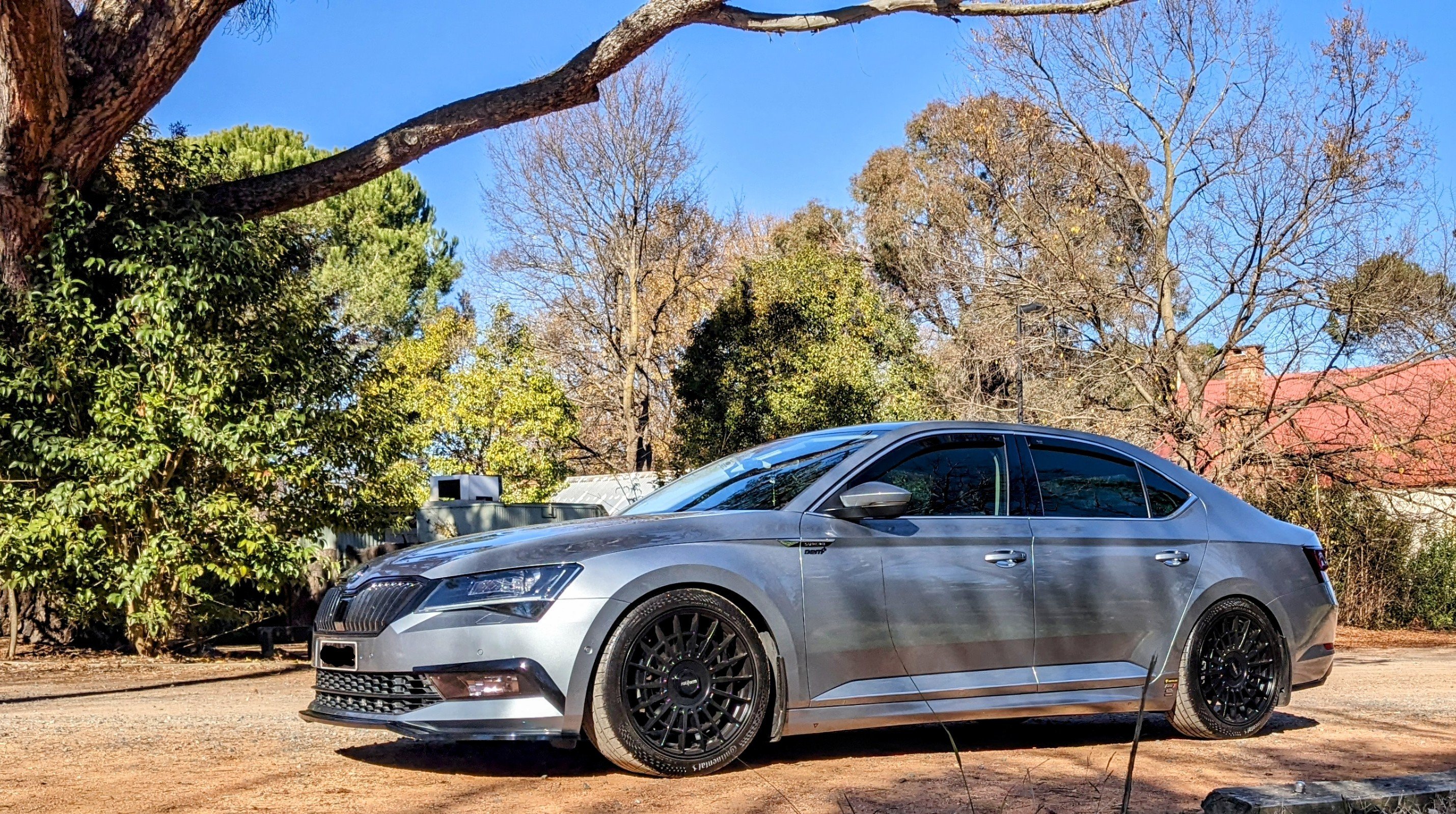
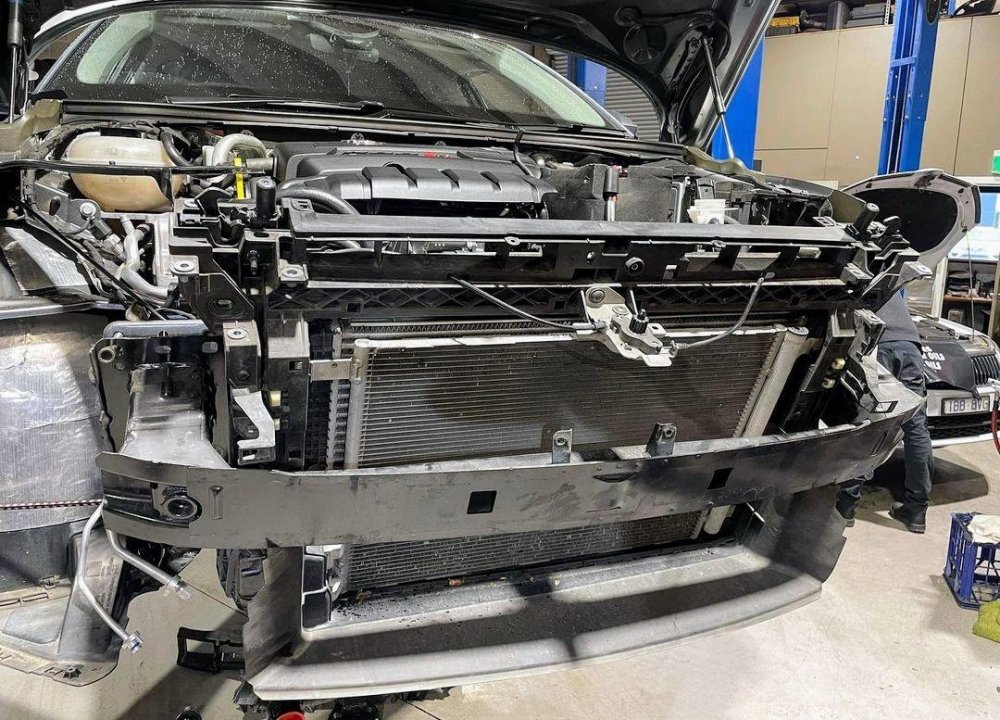
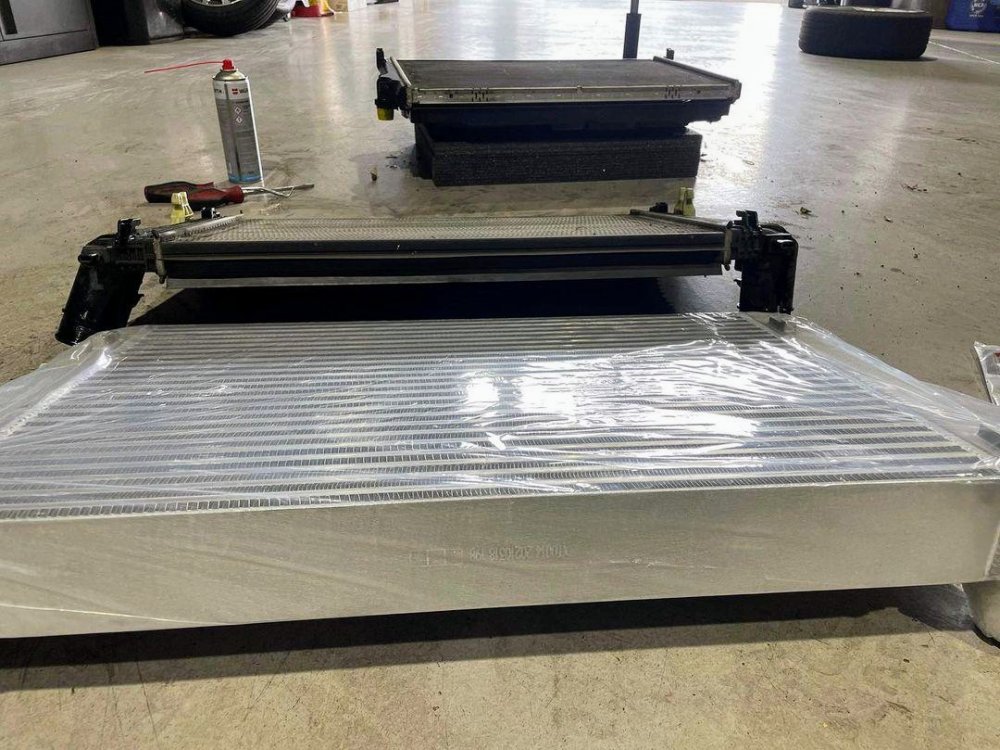
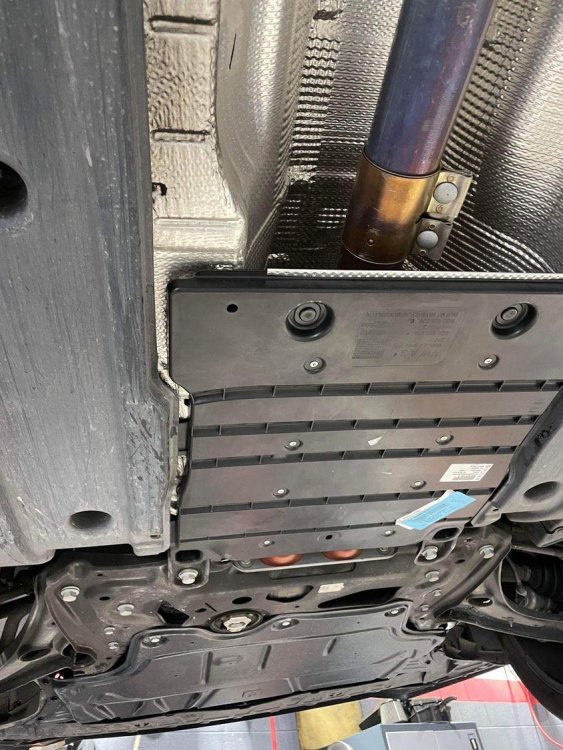
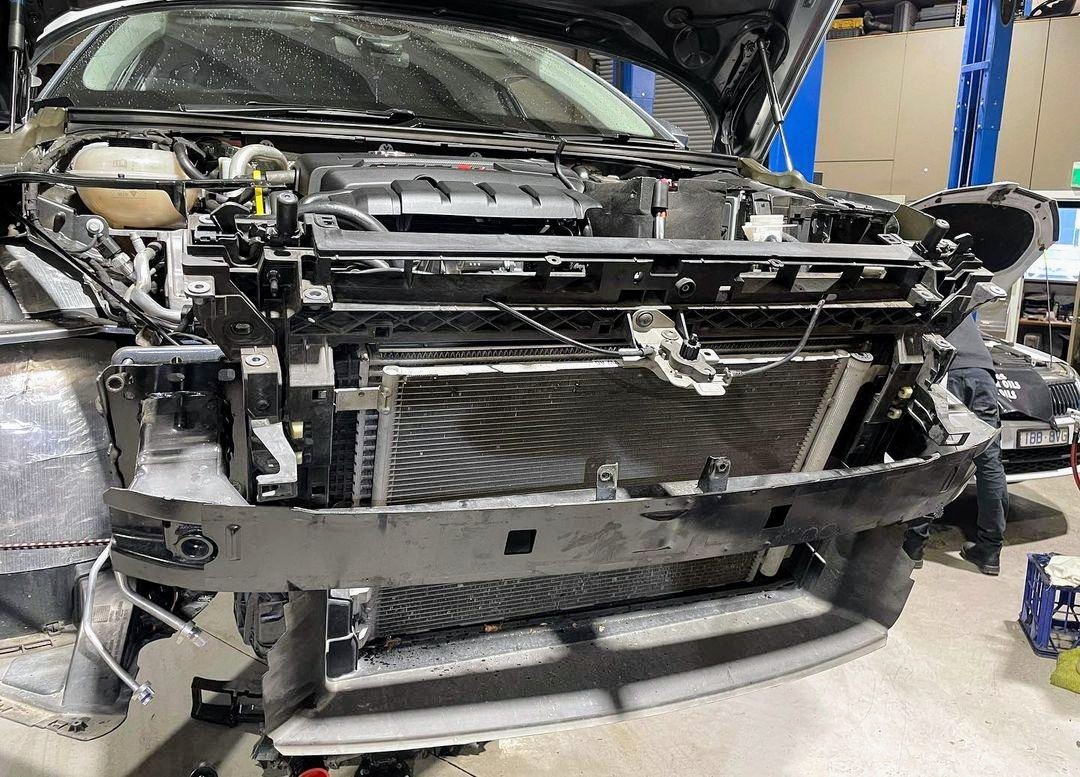
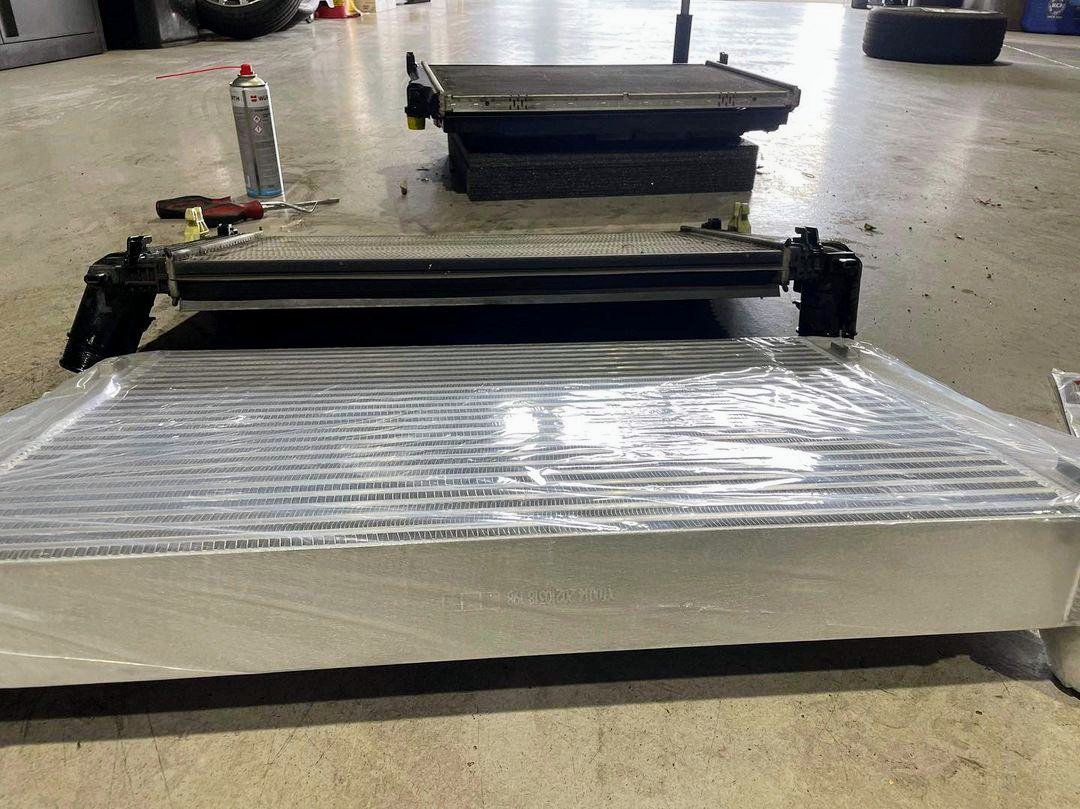
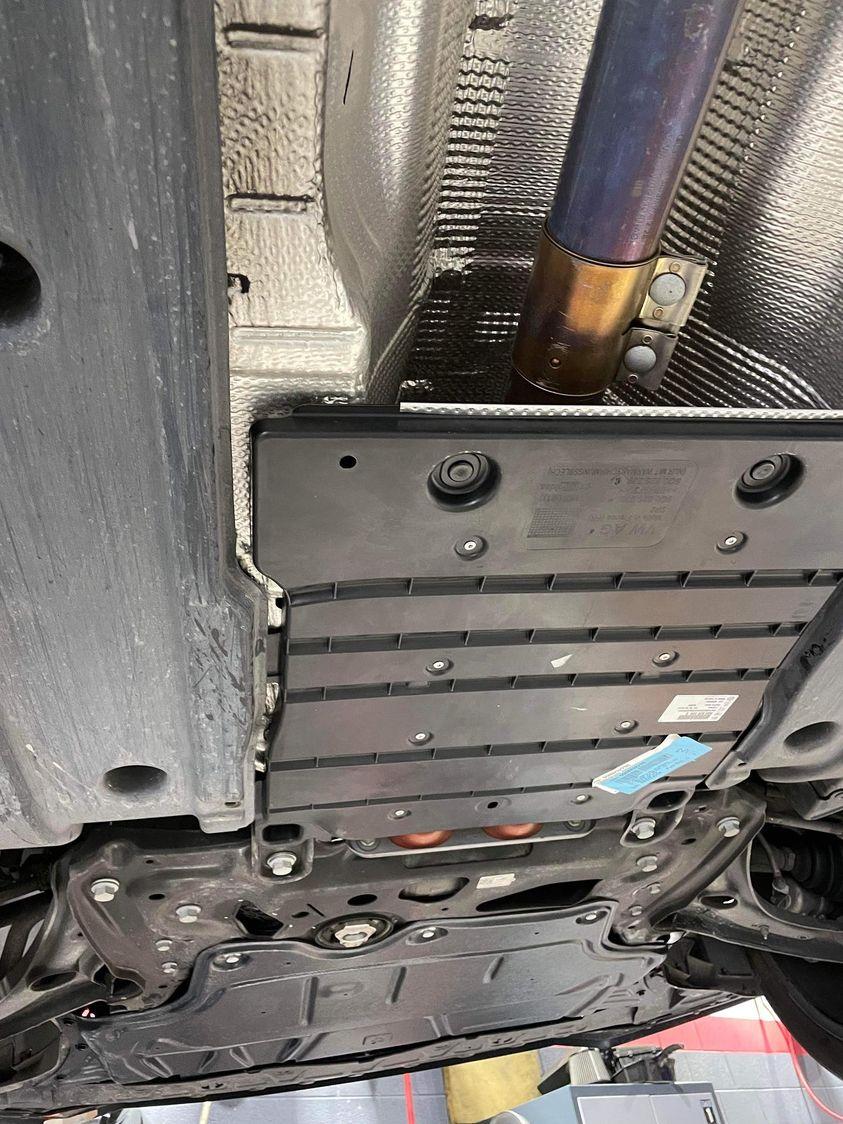
Got the intercooler upgraded on Gandalf, to the IE FDS version. much larger core than the factory version. should help with the little IS20 turbo to last longer and not run out of puff so quickly. should also help with keeping the IATs down during the warm/hot summer months. whilst the car was up, i got the last of the aero under trays fitted - in this case the centre exhaust cover. Long version of the Engine undertray plus Centre Exhaust cover in place now....
 4 points
 -
3 pointsHi today I’ve just fitted new rear discs and pads and I used TRW. They look to be good quality better than the last set of rear pads which were Bosch. cheers3 points
-
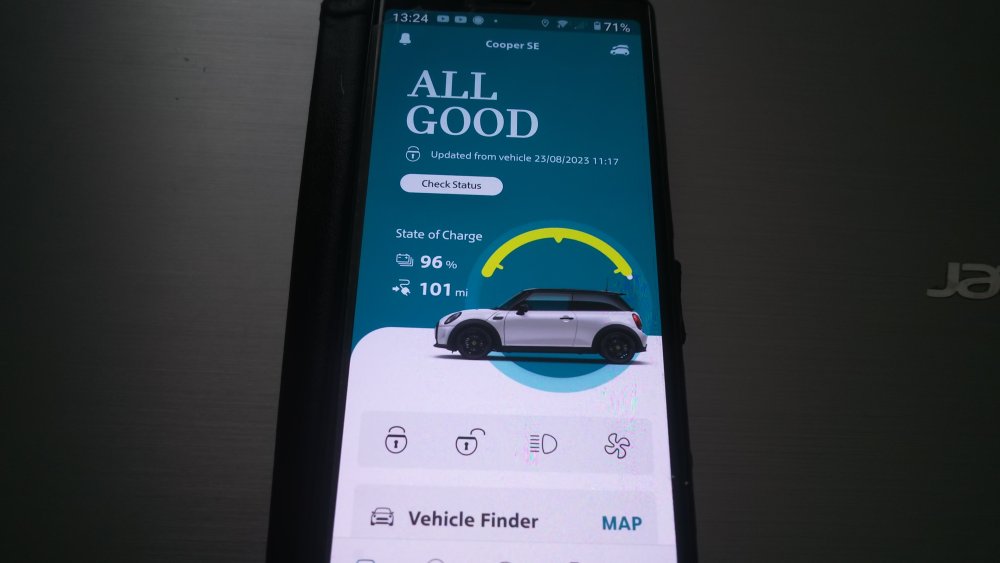
3 pointsIt is when charger cables are not locked in. Not as annoying as those locked in and not charging. By tomorrow i will have done over 1,000 miles since the 10th. Charged free last night and this morning and paid less than £30 for electric (charging) in the past 2 weeks. (Charged once on a 3 pin charger, rest of the time on public chargers.)
 3 points
 -
2 pointsIn case that is missed above. Not all have the ability to CCS / DC rapid charge, like the Renault Zoe,s still being given to people for work or bought that only charge AC 22 kW. Certainly in Scotland there are lots of areas without 22 AC charging. Or if there is some with a hybrid with 3.6 kW charging might sit hours on them, or 7 kW / 11 kW max AC onboard charger cars are.2 points
-
2 pointsMany years ago? Many many years ago more like. Its been close to 30 years since the emissions standards changed whereby vehicles had to be able to run for 100000kms without any maintenance whatsoever, no oil changes, no spark plugs etc and still remain within the emissions limits for the new vehicle. What your experience was in the 70's with a liberal dose of exaggeration is not relevant today.2 points
-
2 pointsA google away, while trying to find the link to the E-UP pack, I came across this. BMW I3 pack for £3683+VAT - granted only a 22kWh pack but these are out there. https://www.secondlife-evbatteries.com/collections/ev-packs/products/bmw-i3-60ah-22kwh-pack2 points
-
2 pointsFor what its worth, I saw an E-Up battery pack with less than 10K miles on it second hand from a written off car about 6 months ago. £3200+VAT delivered. ISTR I posted about it at the time, but cannot find the post. £3200 seems very reasonable for a major component akin to a new engine. Like ICE cars, major parts will become available reconditioned and second hand as the market matures. EVs will not be more expensive than ICE, its the supply of cheap parts has not yet developed.2 points
-
2 pointsThe price of a Golf engine roughly comparable to the e-Golf (say a 1.4 TSI) is £5200. The price of the e-Golf battery part number 5QE 915 597 AC is £28370.08 retail inc VAT, that is taken directly off the ETKA parts system. Incidentally the price of a Skoda ego battery is £16090.The pure ICE ban is coming in here in less than 7 years. As to needing to stop burning stuff, well that's a matter of opinion. Time will tell. Not everyone can afford a Model Y Long Range, well new anyway but an e-Golf is quite affordable after they have lost 2/3rd's of their value in two years.2 points
-
2 pointsI don't know if this has been said before, a lot of replies here but one of my many opinions on EV's is "If they are so good, we would not need to be forced into buying one". My UPS guy has just bought a two year old e-Golf (£23k less than it cost new!) and I wanted to wind him up so I looked up the current 🙄 price of a new battery, £28500!2 points
-
2 points
-
2 pointsSo after finding all that evidence, are EV fire news/numbers suppressed or not? WRT battery replacement cost, this very early Model S owner after 8.5 years 160k miles, says his out of warranty refurbished battery replacement cost done by Tesla was £10k, ignoring the obvious maths error in the video. (£8100 + £1800 = £8900??) Looking on Autotrader, the car is worth about £30-35k. But his now has 4 more years of battery warranty. So worth the repair cost? Out of interest, how much would an engine rebuild or refurbished engine replacement cost at main dealer?2 points
-
2 pointsGot the intercooler upgraded on Gandalf, to the IE FDS version. much larger core than the factory version. should help with the little IS20 turbo to last longer and not run out of puff so quickly. should also help with keeping the IATs down during the warm/hot summer months. whilst the car was up, i got the last of the aero under trays fitted - in this case the centre exhaust cover.
2 points
-
As the topic suggests hopefully act as bit of a dumping ground for all the random accessories or favourites people have added to their superb. Mine at the minute has to be my detachable towbar. Still keeps the good looks of the car but I can stick it on when I need to put the bike or trailer on. What's your faboirutie?1 point
-
1 pointAll EV's (excluding "quad bike" such as Ami and that Renault thingy), from every spectrum, have the capability to rapid charge using the single plug standard in Europe known as CCS. Nissan Leaf and a few other early Nissan only support Chademo rapid charging. This is an Japanese standard that is not mandated by EU. Early Zoe only support 22 kW AC charging, still fast enough for its battery if you can find 22 kW charge points. Last few years, Zoe 50 have CCS rapid charging. A comparable car to the Golf would be MG4, starting from £27k (Golf starts from £26.5k for a manual). This have CCS rapid charging as well as LFP battery giving around 200 miles of range. The statement is correct for vast majority of cars being produced because vast majority of cars are being used. You are using an extreme use case just for argument sake. The National Grid ESO (second link in my earlier post) is not a power company. They don't sell energy. They are responsible for ensure smooth operation of the electrical grid. https://www.ofgem.gov.uk/energy-policy-and-regulation/policy-and-regulatory-programmes/electricity-system-operator-eso-regulation The Dacia Spring is rumoured to be "well under £20k", will be on sale next year: https://www.autocar.co.uk/car-news/new-cars/dacia-spring-city-ev-finally-confirmed-uk-sales-2024 Corsa petrol starts from £19k. From purely vehicle powertrain point of view, this is true. But BEV are more than a car, batteries are the new frontier (to quote an old thread title). Battery can provide more electrical power than a running engine can provide, this is useful for many things other than moving a vehicle. Battery can also store excess renewable by charging slowly on command. Battery can even be used to support and balance the grid using V2G.1 point
-
1 point
-
1 pointWhat reluctance? People are converting cars professionally & just as amateurs and insuring them now. As people do with ICE vehicles which have engine numbers and there are rules on what class of insurance write off can or can not have parts used. Many never report an accident or a rebuild / repair of a vehicle. I expect the Insurers might want to be acting with some degree of corporate responsibility and the UK Government & agencies DfT & DVSA . There are so many electrified vehicles around now and ones over a decade getting battery repairs, or replacements or just the rusty car welded and pretty much rebuilt. Maybe they will be more diligent than they are now with vehicle they sell that then are back on the roads with much of an inspection in lots of cases and maybe by not very qualified people. The techs / companies dealing with battery replacements & repairs seem pretty few and far between and knowledgeable but there will be cowboys as in every business or trade. Plenty are doing home conversions and might not even have an inspection & certification which is needed when installing a LPG system to an ICE.1 point
-
Can't tell from the pics, usually you can spot bits of the part number but that's so corroded I can't make anything out. The part number you're looking for is 6Q0 407 255 AG1 point
-
All brake pads sold in Europe comply with ECE 90 regs so performance will always be broadly similar to OE. Ive used Bosch and Brembo with no issue, TRW are OE so should be OK. I personally would choose a ceramic pad such as the ATE pads1 point
-
1 pointYep, its well and good people advocating the use of 2nd hand battery packs but if you had any issues with them, or the car was involved in an accident and the insurance company discovered that you had fitted 2nd battery other than the 12v one. I'd expect them to wash their hands of any responsibility leaving you to pick up the tab, including the other parties claim if it was deemed to be your fault. We have to remember that the insurance companies also have access to data that we don't. I fully expect that their reluctance in respect to 2nd hand battery is because they have extra knowledge that is not in the public domain.1 point
-
Didn't even know that it existed. TBQH I'll have a look at what's in there next time I use the car.1 point
-
ive just bought it but i know it has some sort of intake could be forge, it has a forge blowoff valve, cobra non res exhaust and uprated coilpacks1 point
-
Thank You so much Carlston. Appriciate your knowledge and gesture to help. Thanks.1 point
-
According to Jurid on autodoc, the Octavia MK3 1.4 petrol 140HP has 288x25mm front brakes with build code 1ZE and 253x10mm rear brakes with build code 1KD. Build codes 1ZE and 1KD are both TRW brake systems, so perhaps use TRW brake pads. To search for front brakes pads 1ZE you can use OEM part number 8V0698151, and to search for rear brake pads 1KD you can use OEM part number 5Q0698451A or 5Q0698451M. TRW GDB1330 rear brake pads 253x10mm 1KD 5Q0698451A 5Q0698451M https://www.autodoc.co.uk/trw/2191943 https://www.amazon.de/-/en/GDB1330-TRW-Brake-Pad/dp/B00DPIB6DO/ref=sr_1_11 point
-
1 point
-
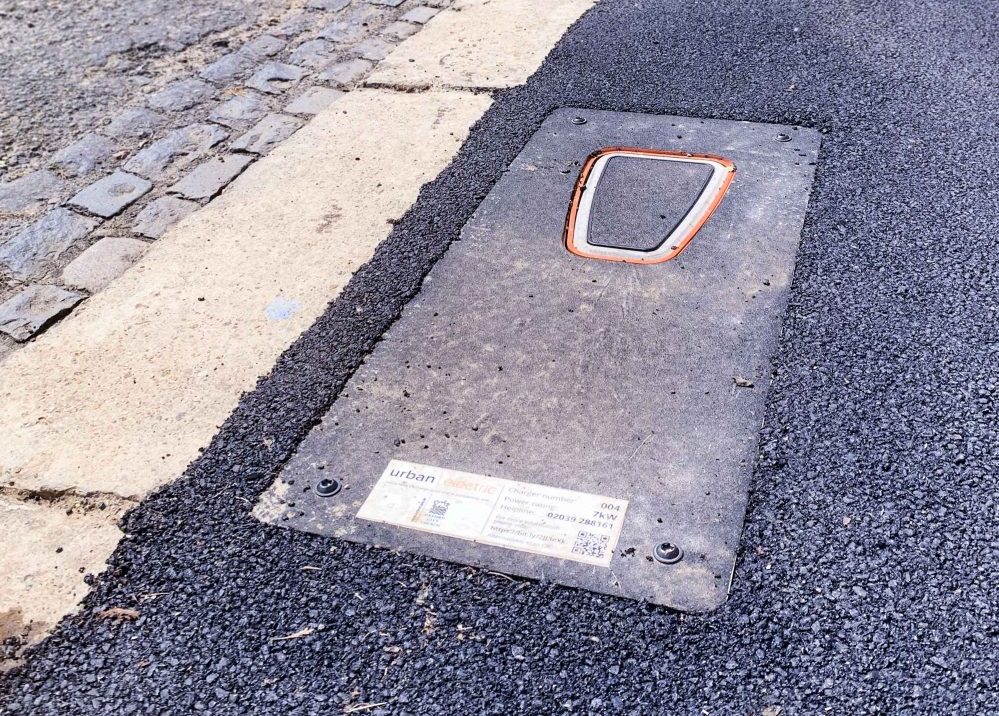
1 pointThe pop up chargers at Dundee Waterfront are OK, but the trial ones kerb side in the town as so so, it is getting at them. http://drivedundeeelectric.co.uk/news/2022/10/24/urban-electric-retractable-kerbside-chargepoints1 point
-
1 pointDaimler Benz were the ones that licensed the SCR system, and they with VW & BMW conspired over the AdBlue tank sizes and part costs. They have a Government that supports the industry leaders and that is selectively blind, deaf and dumb. Those Renault engines in Mercedes were certainly emitting lots of emissions. But then VW took the huff with Suzuki using Fiat engines and not giving up all that it had learned on small capacity turbo engines and electrification. Eve of the scandal breaking. VW loses top spot as No.1 car manufacturer back to Toyota who lent Suzuki the money. http://bbc.co.uk/news/business-34275917 http://bbc.co.uk/news/business-343403011 point
-
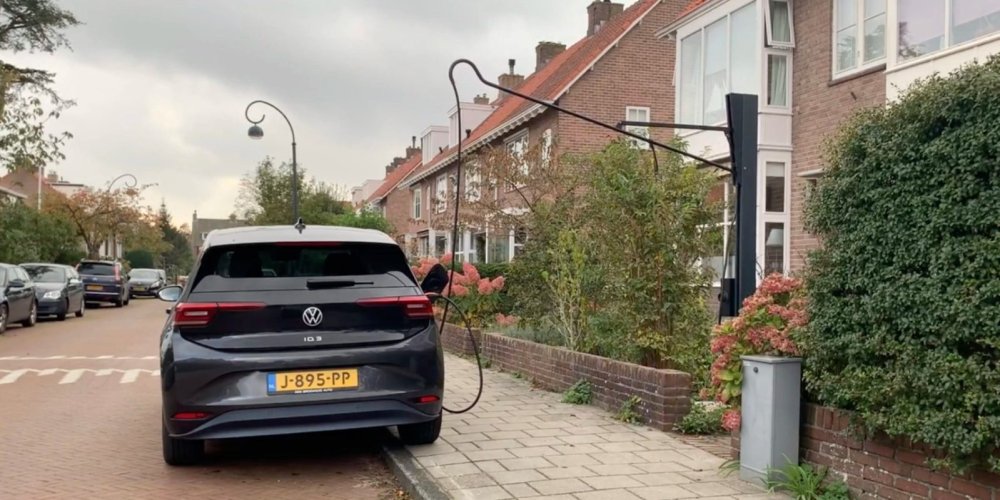
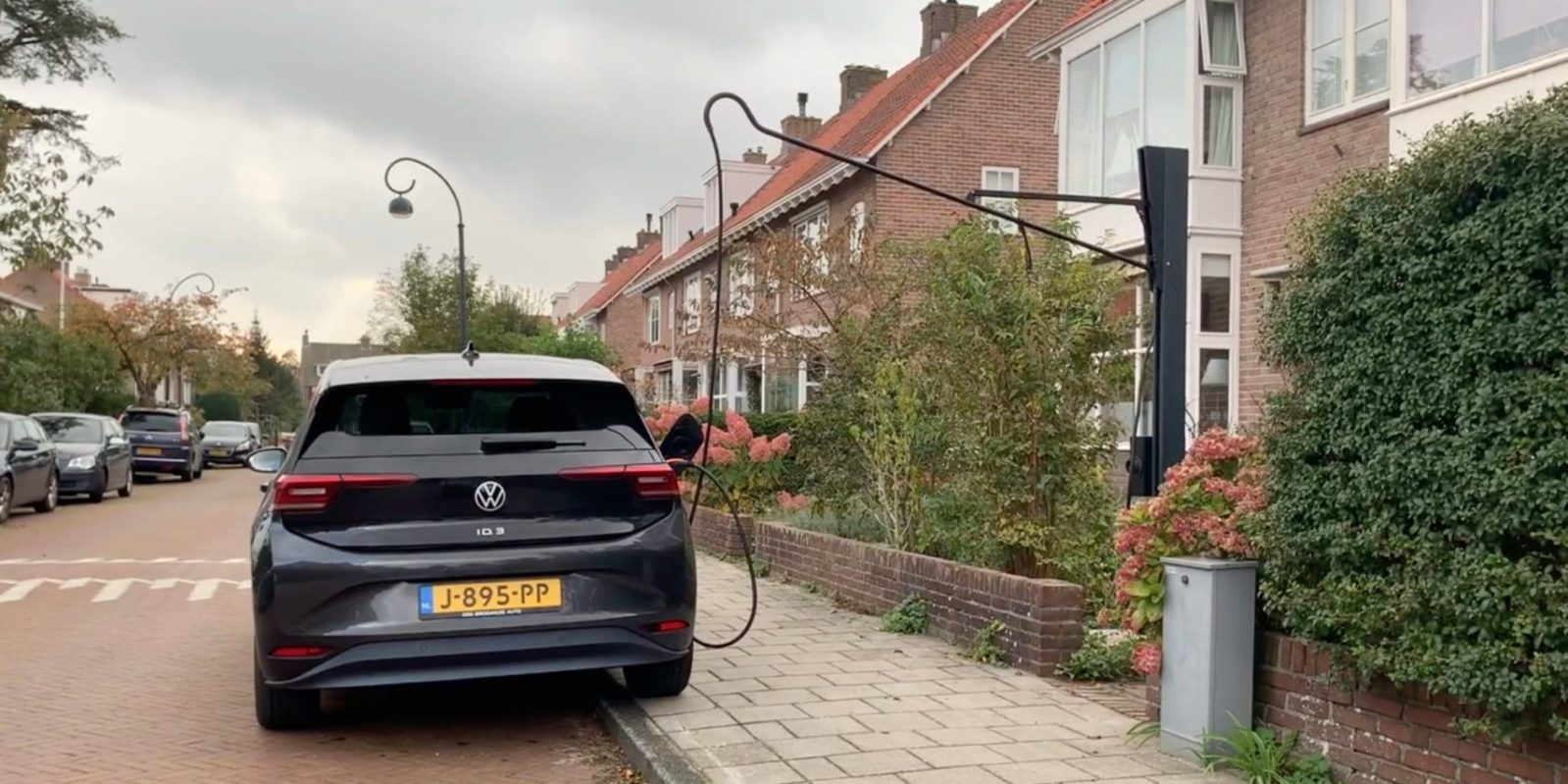
1 pointHow about bays and a sunken charging pillar? There are ways and means it just requires a little thought and the investment and will to get it sorted.
 1 point
 -
1 point@Graham ButcherWe do not. If that we is England. As in excess electricity. Scotland has the excess and needs storage for the electricity that can be produced and even with the exporting it does to RoUK it still needs to transfer more.1 point
-
1 pointPart numbers as follows:- 5Q0 825 236Q (x1) - front aero tray. WHT 000 729 A (x3) - hexagon socket head bolt, self-locking,(M8x20mm). 5Q0 825 229 C (x1) - Lining (cover) long length WITH heat shield material on reverse. N 038 549 4 (x4) - Black plastic push rivet A04A1 point
-
I like mine. Gives the dogs something to chase in back of car1 point
-
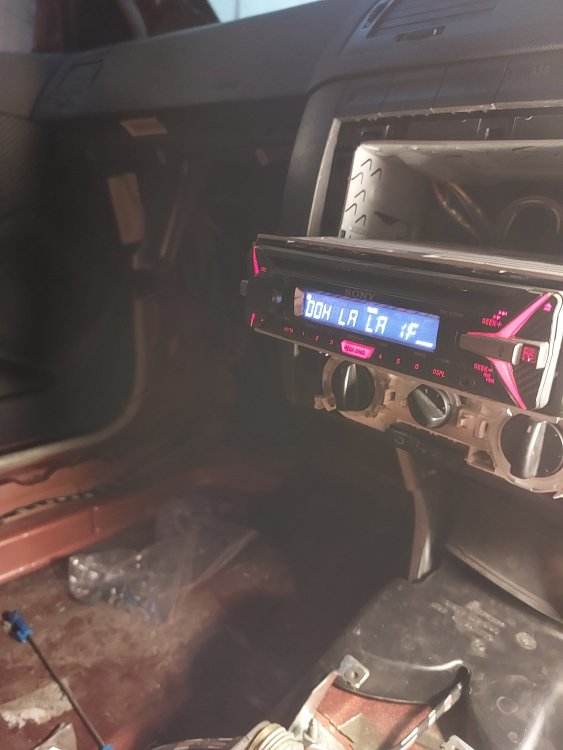
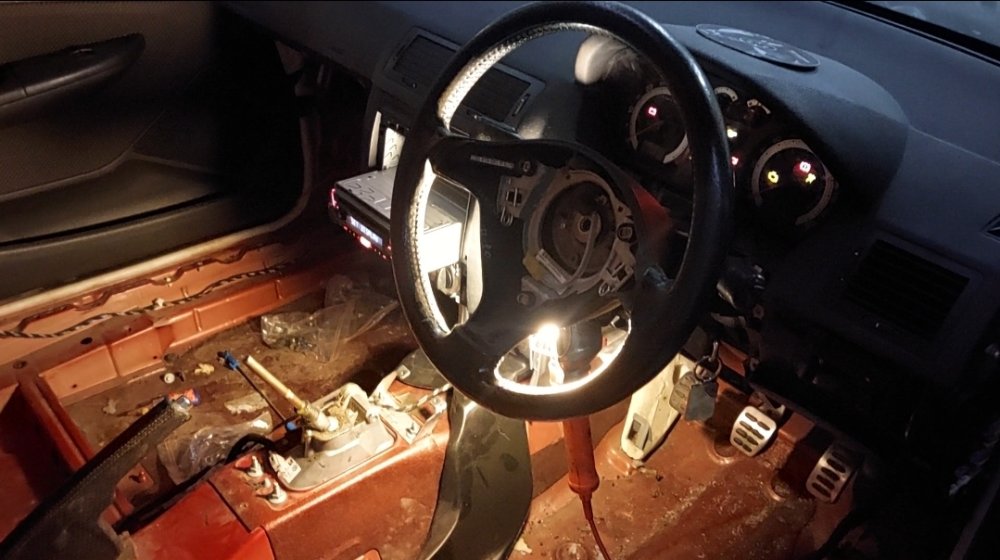
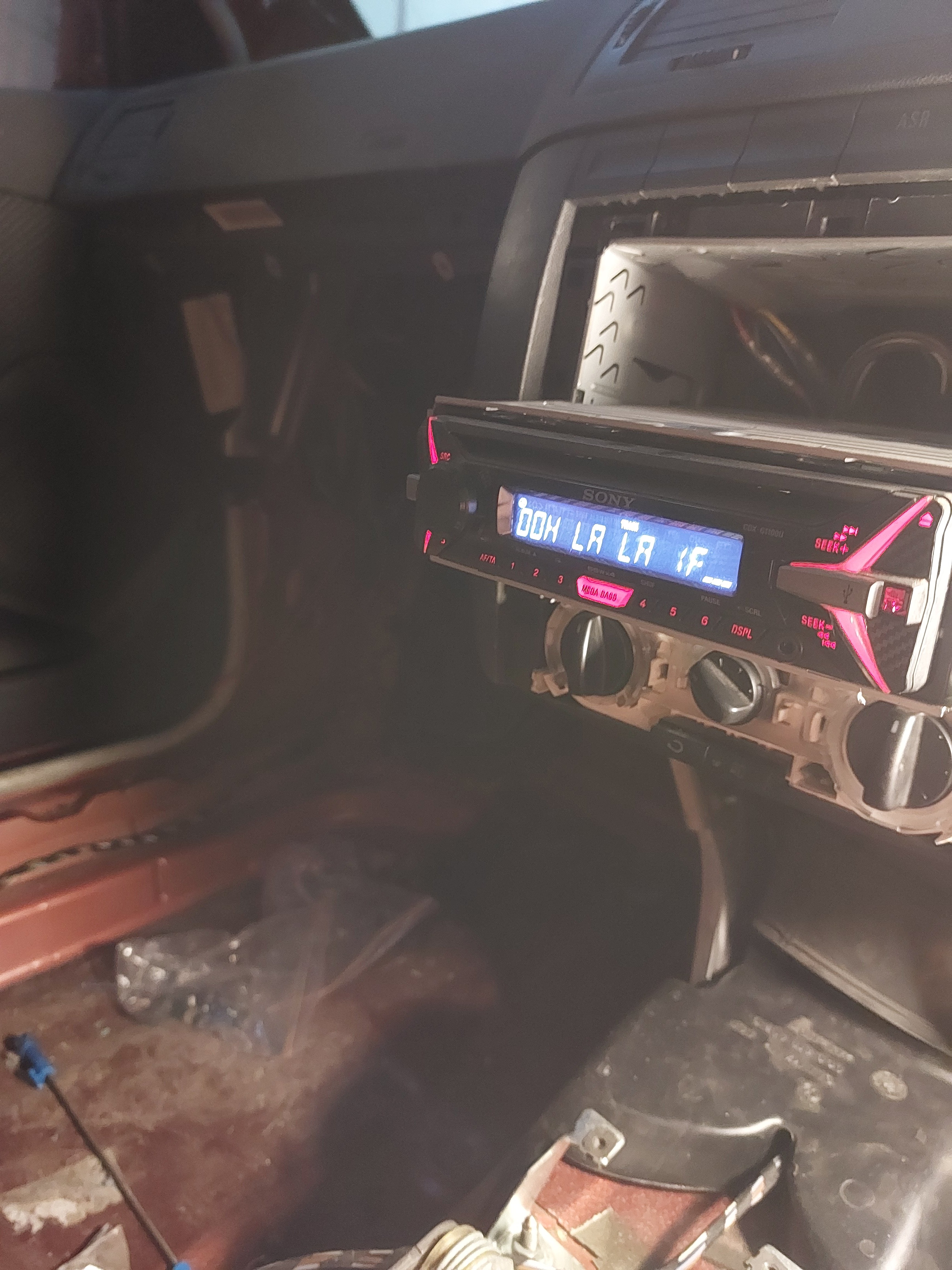
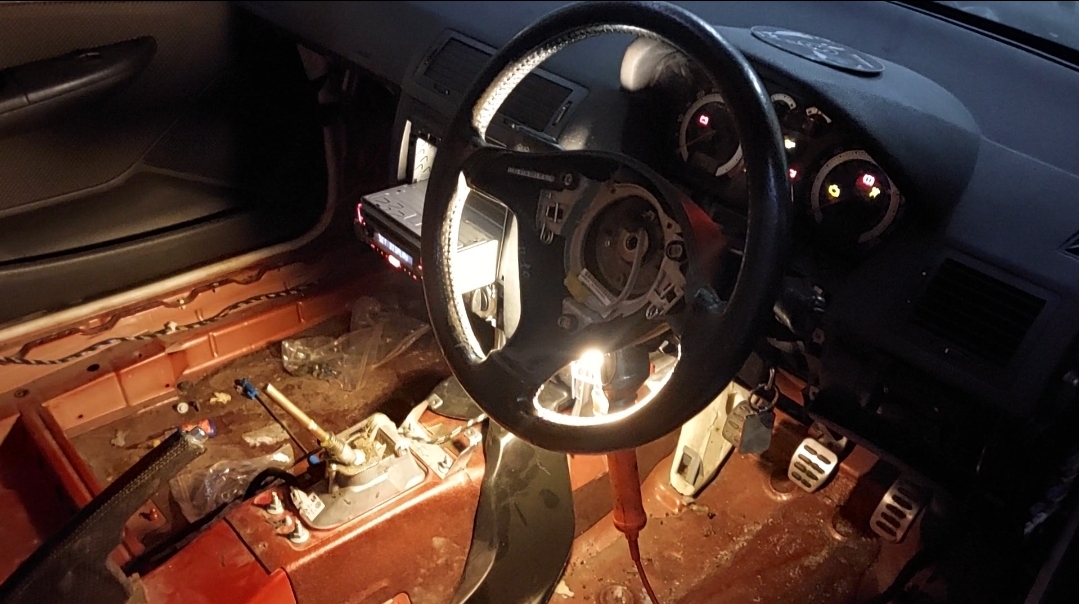
Radio and climate control is in. Forgot the vrs suffers from the common fan resistor problem so need to do that eventually. Thankfully the sdi had an adapter loom for the Sony head unit. Happy to run it instead of that godawful touchscreen unit in the vRS. Wirings pretty chopped up but it works. Desperately needs new speakers, and the vrs ones are as bad.
 1 point
 -
Mine is the Canton unit.1 point
-
1 pointThis certainly doesn't mean you can't go to an alternative trusted workshop for replacing discs and pads...1 point
-
It's a nonsense what that dealer told you... If there's no (or weak) side-wind, the car will not (should not) go to the right or left simply because there is front wind resistance. Just change the dealer if that was the answer of the current technician you're visiting. If you mentioned sport suspension setting we can understand you have DCC on you Octavia? On Sport setting it should be clearly "stiffer" than standard (non-DCC) suspension. So once again, the dealer would have no reason to say "the car has soft suspension".1 point
-
No, it's not. You need all the lights and everything in order to retrofit it.1 point
-
1 pointEuropean Taycans have always had the possibility of 22kW AC charging as an option. This is now available for retrofit. The first link is to an American site, they do not do 3-phase hence the 19kW weirdness.1 point
-
Well, I do not know which is your audio setup, but if it's like mine, without canton and car manufactured from November 2020, I do confirm that, as per wiring diagram, those two speakers are not carrying signal from the center unit.1 point
-
1 pointThat's the stuff I used to paint the calipers when I upgraded our fronts to 312mm - It seems pretty close to the Skoda colour, and has been on there for about 18 months with no peeling, etc.1 point
-
Not Ken Block's (RIP Ken Block) but i will post it here rather than in some other thread. .1 point
-
Well I pushed the button. Now I just have to wait 5 months or so…1 point
-
1 pointI bought refurbished callipers from a local Motor Factors, quite cheaply, some had a surcharge so you got money back when you returned the old ones to them. If you are wishing to paint the callipers green, then this is probably the best stuff to buy https://www.paragonpaints.co.uk/Pantone-348C.html The pantone colour is supposed to be the nearest shade to Skoda 'Mint Green'. Being Enamel it can handle heat, they state Temp Resistance: - 170ºC. I bought a tin of it along with primer for rear callipers, painted all 4 at least twice and still had plenty left.1 point
-
I started to notice a sort of whirring noise coming from the front a month or 2 ago on a MY19 Karoq SE Tech. I only just got round to reading this thread this morning and so on a short journey today, can confirn that mine does similar - turn aircon off and noise goes instantly. However, on mine I seem to recall the noise dissappears when I'm idling and does not happen for a while when starting from cold - I'll check & report back further on these last 2 events and also try some of the other proceeduress noted above. I should note that the 1.0 DSG petrol engine is very quiet, but I wasn't aware of any such noise until recently and would be nice to get rid of it. I wonder how easy it is to get at the pollen filter. It should have been cleaned or is it replaced at a 4yr service one month ago. Garage is normally pretty good from what I can tell.1 point
-
1 pointI’d be surprised if just the rear brakes were used as they wouldn’t be sufficient to stop the car from speed.1 point
-
What it needs is an actual diagnosis and not someone saying what it COULD be and throwing out prices. Is this their Master Tech that is working on your car to diagnose the issue?1 point
-
1 pointHave you found a single piece of information that tells you it is possible...? If you do get an answer, and it is anything other than "Off-Road mode is only available on 4x4 variants", I will be amazed.1 point
-
1 pointHi to all, may not be applicable but just be aware that there is a recent poster who has run into an issue - he has had a Skoda approved used warranty claim (engine oil leak) rejected due to having also taken out an 'all in' warranty when he bought car.1 point
-
1 pointThanks for your input, but I am out of here for a wee while as there are a few really strange people responding to my posts. I usually find new forum posters are accepted, but seems a few on here just like to belittle them, well maybe just me. Not sure why. Anyway, I am out.1 point
-
1 pointI wouldn't agree that loose covers/trim isn't the problem, because what you describe sounds like a loose piece of trim or cover to me - that's fairly tight so it only vibrates when the vehicle speed is high enough for the airflow to make it vibrate.1 point
-
My money is on the brake booster, that's where the fluid's going, it's slowly filling that up. If you have no visible leaks, it's that. Trevor1 point
-
I just realised how old I am getting - I have little idea what the above 6 posts refer to - but I don't think it concerns me so thats ok! 😂1 point











.thumb.jpg.06721e8c8b33ed0eea16572ff131b291.jpg)






.thumb.jpg.f83a46b9b3c0d976b9dbffbb523c9874.jpg)

