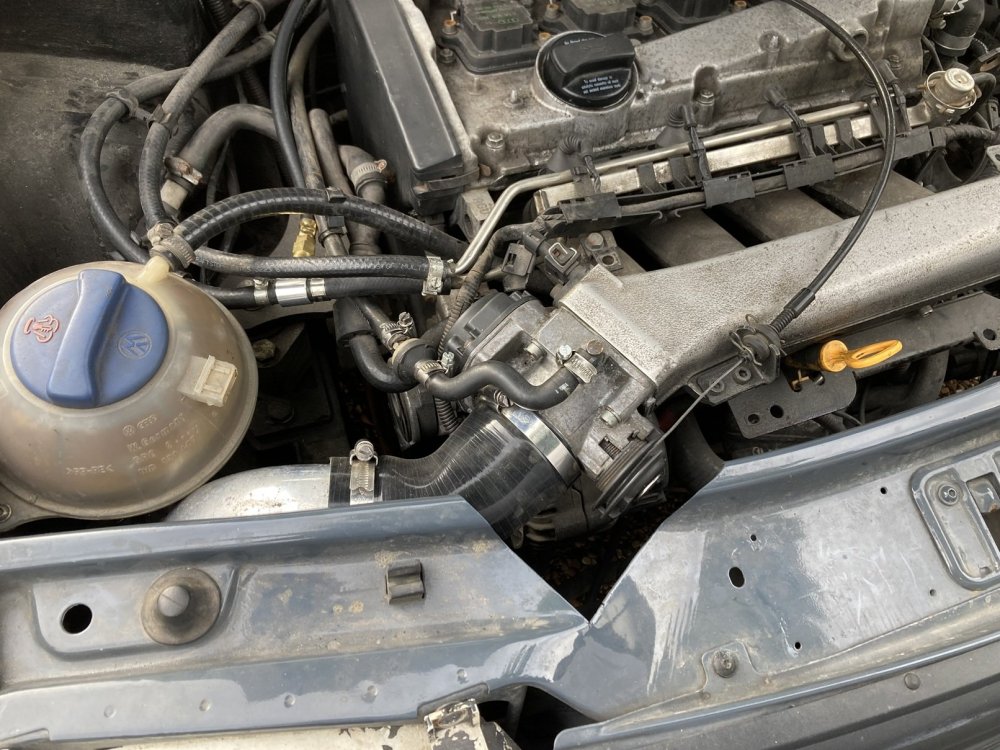
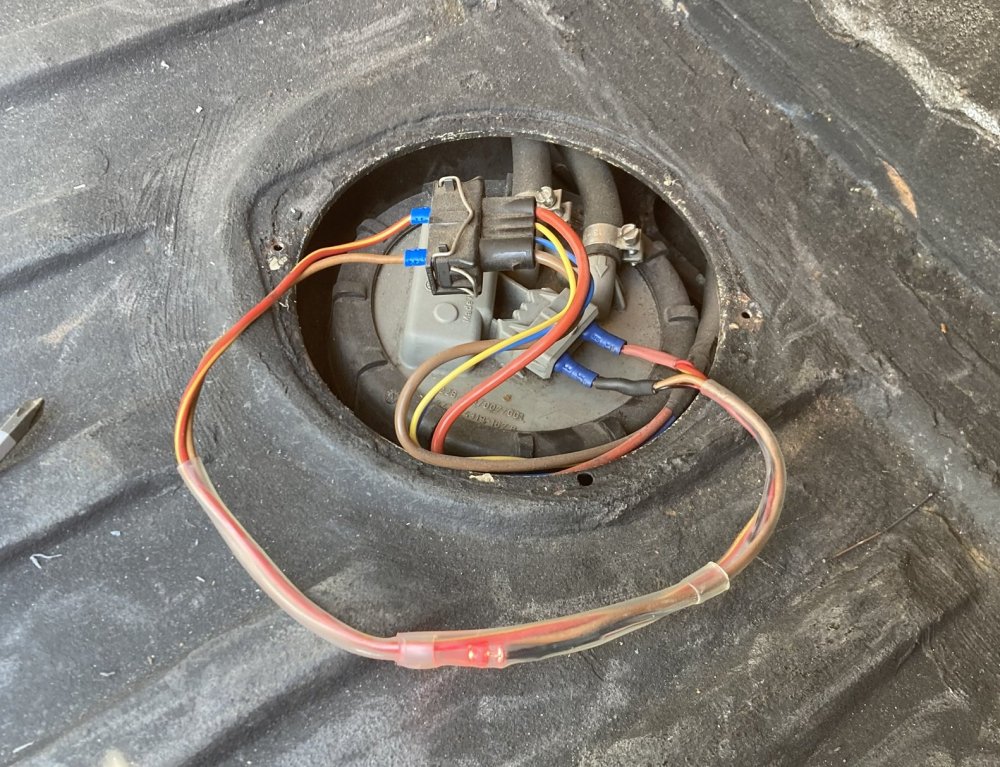
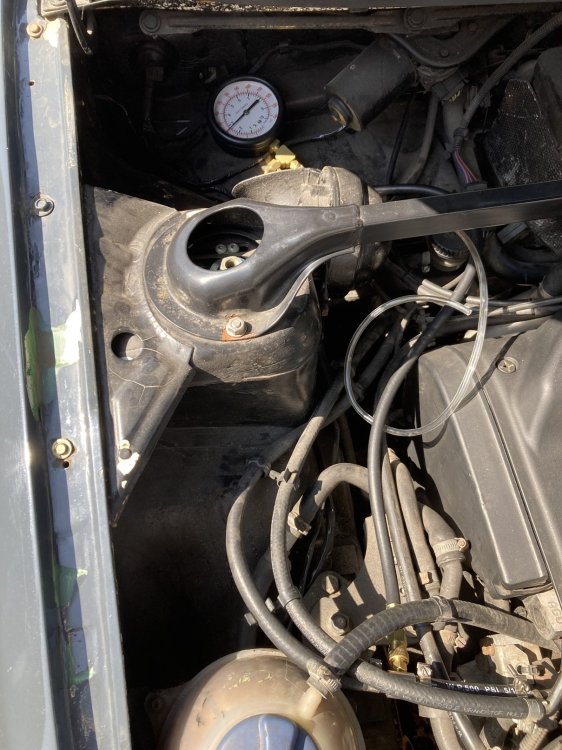
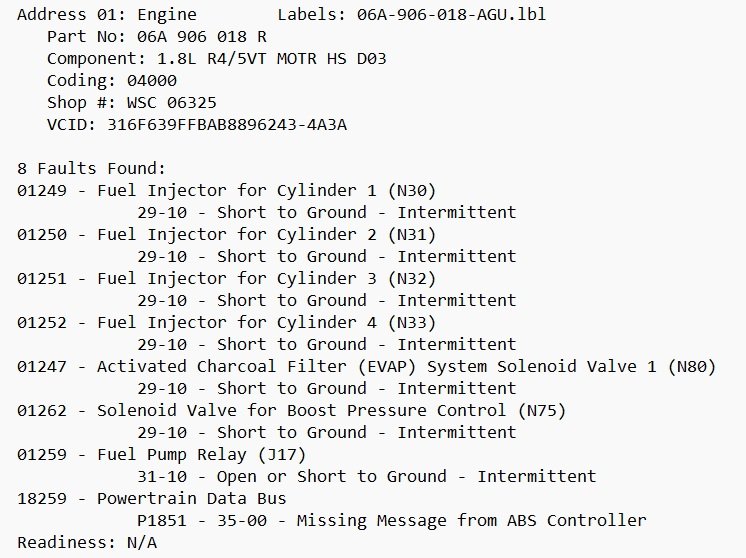
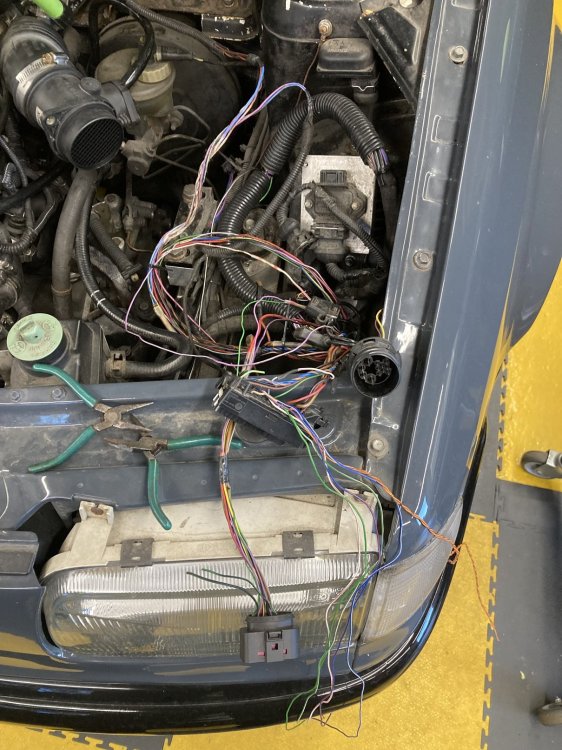
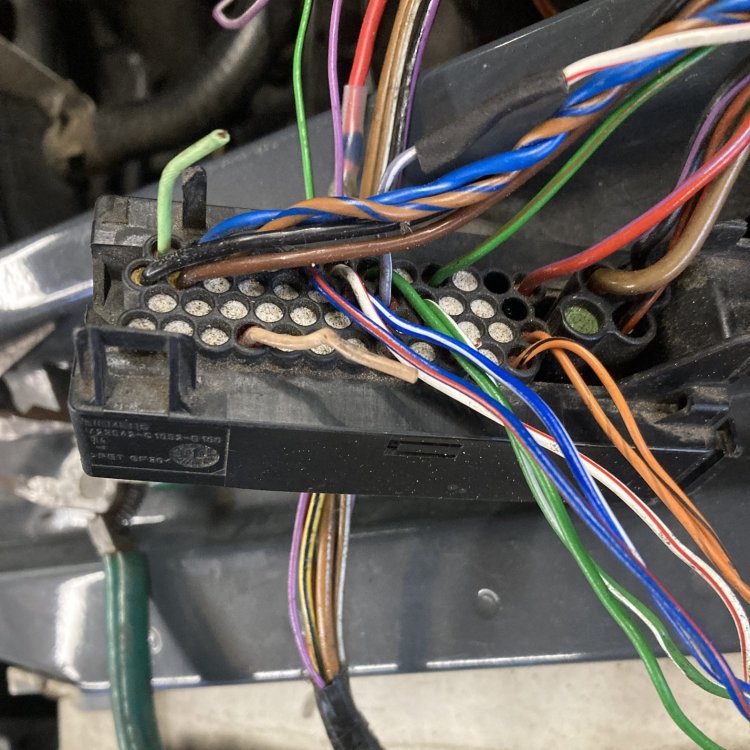
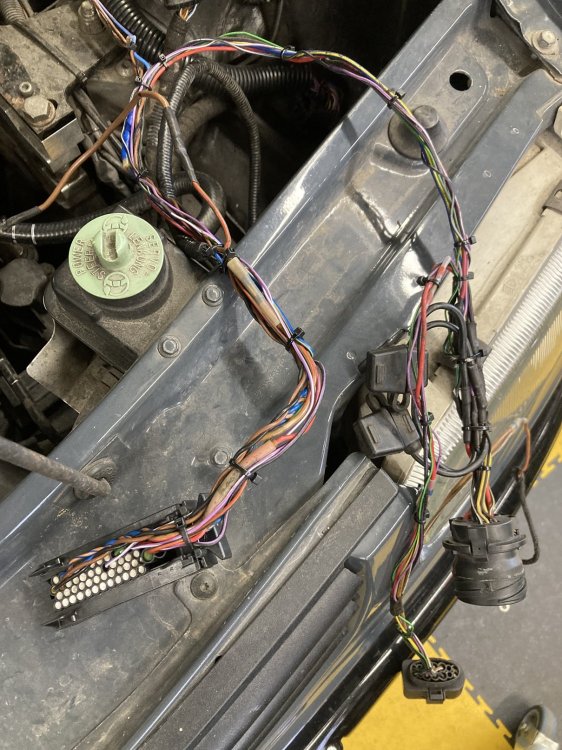
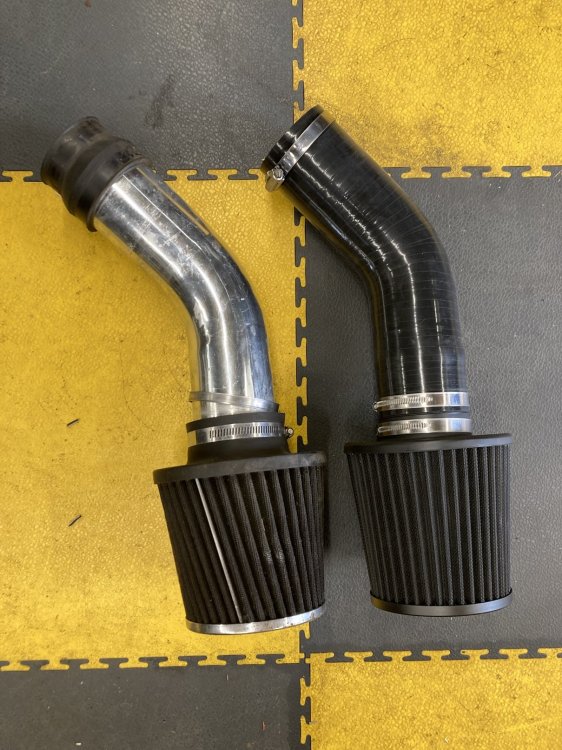
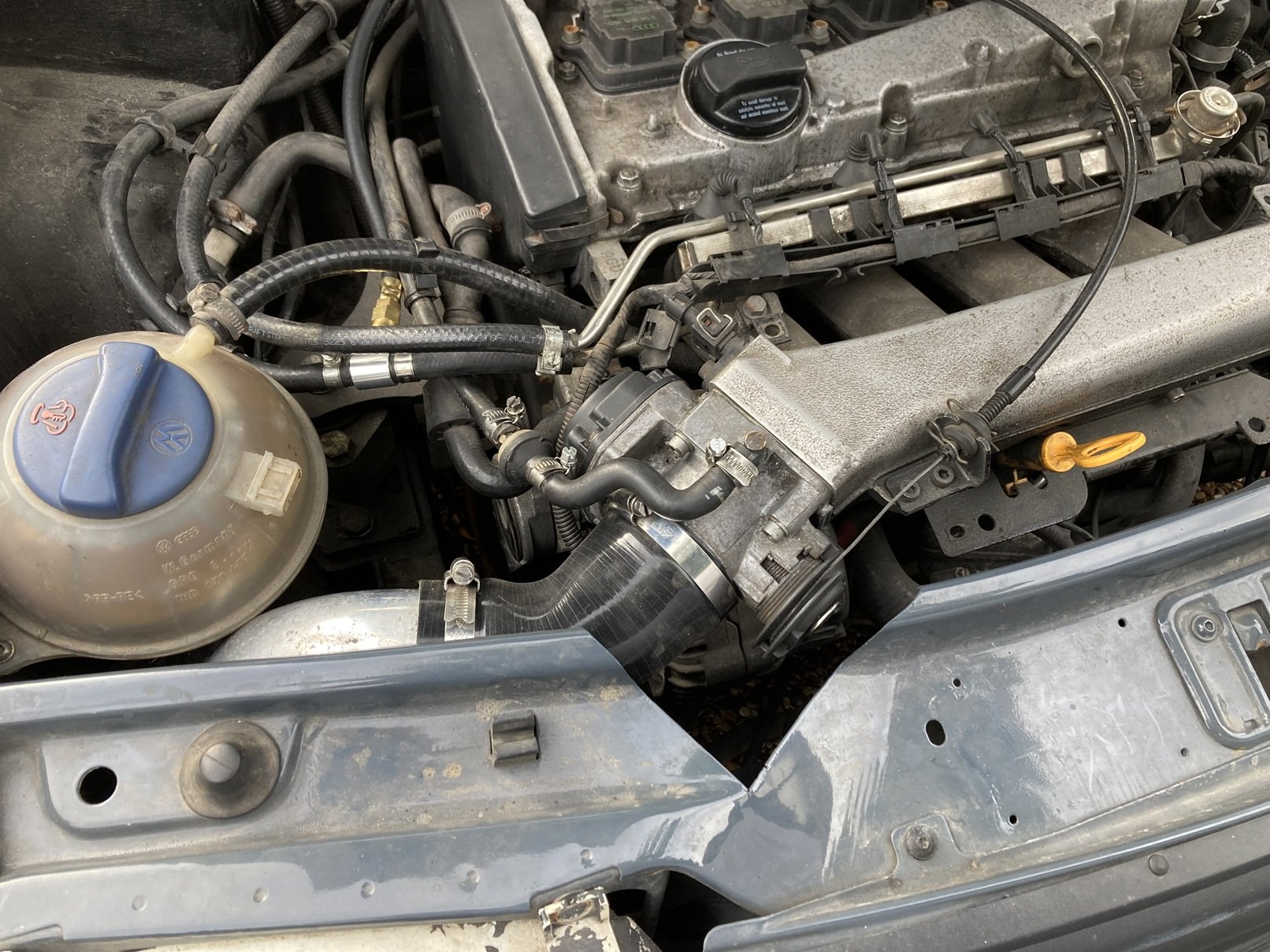
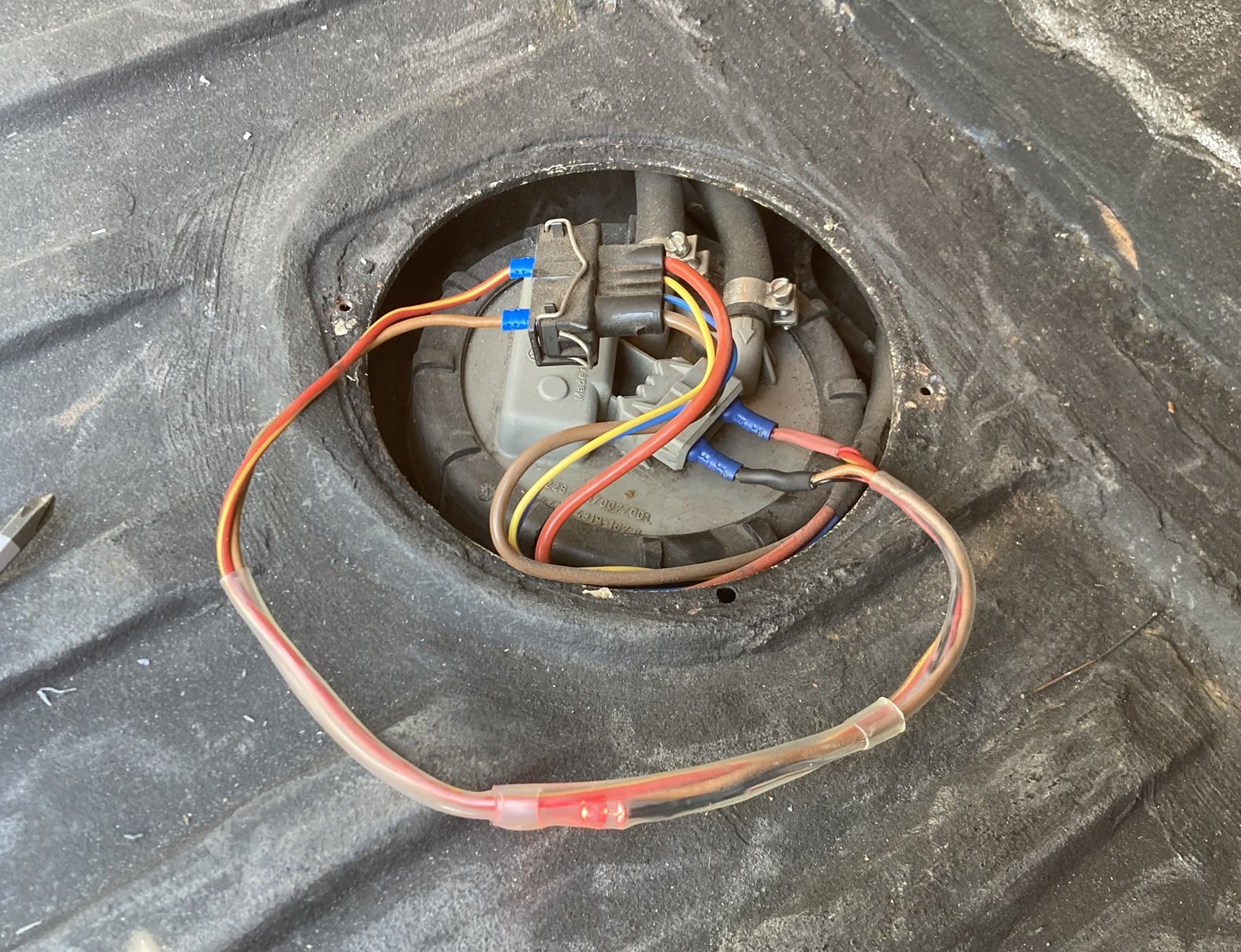
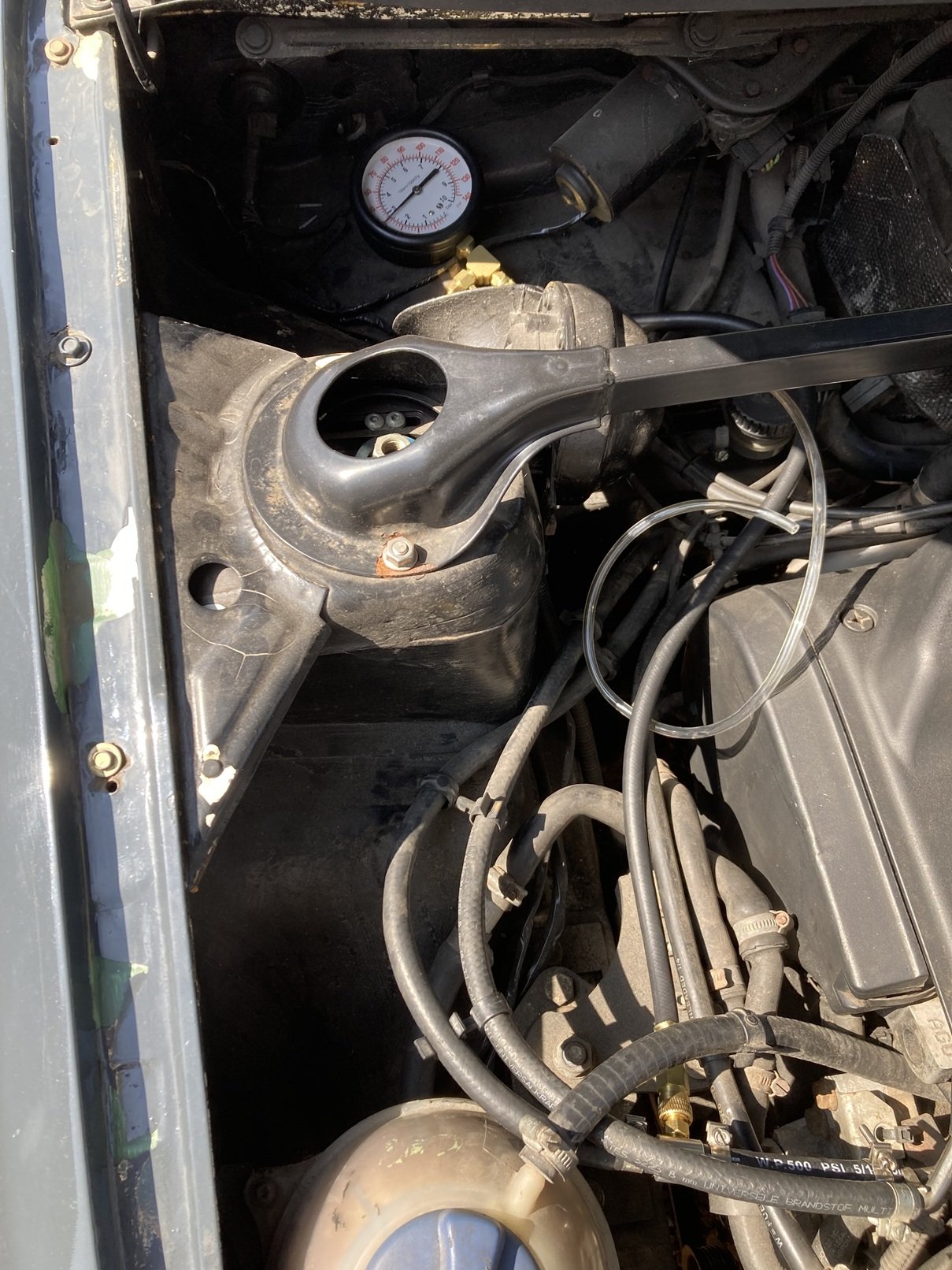
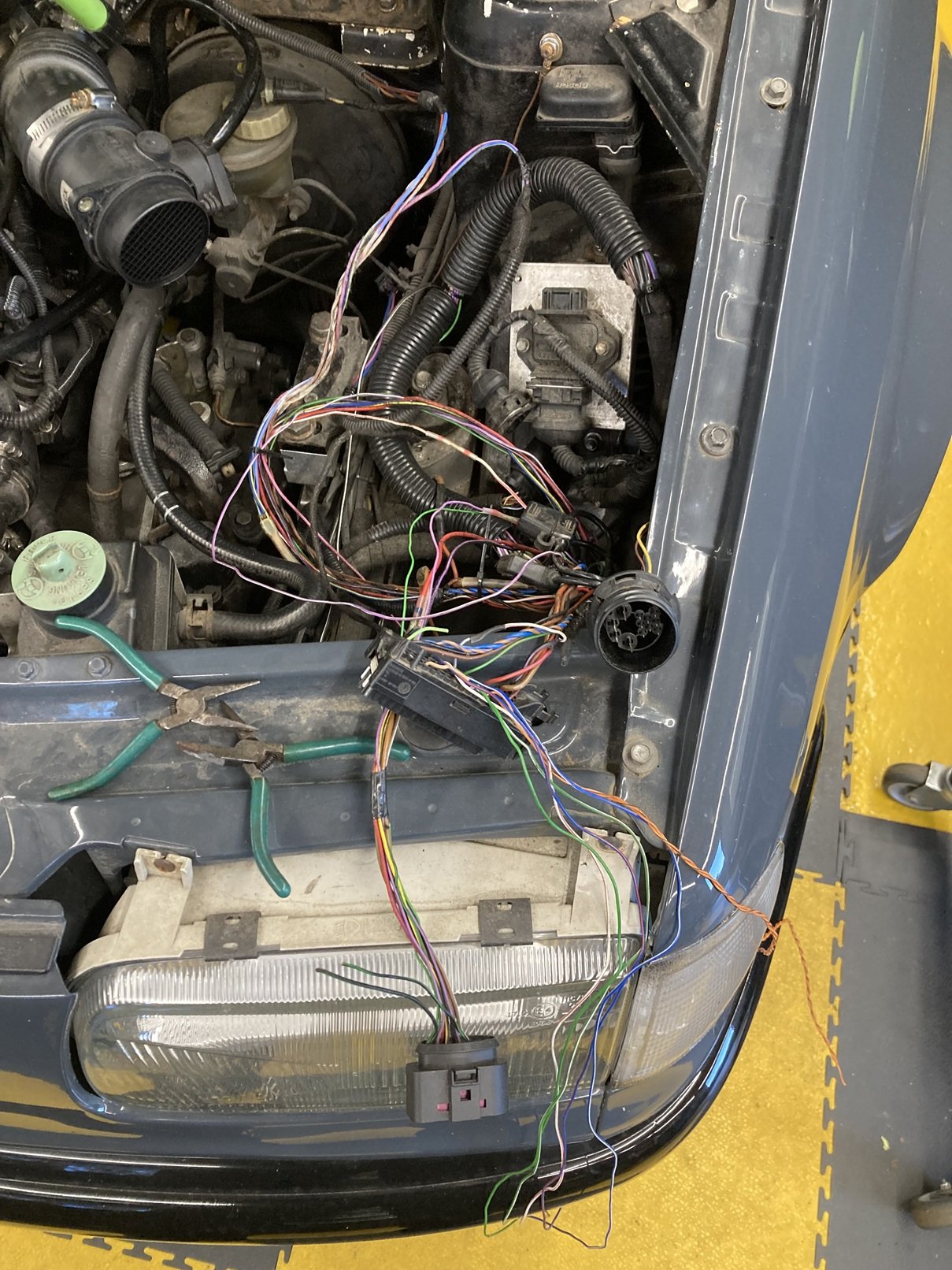
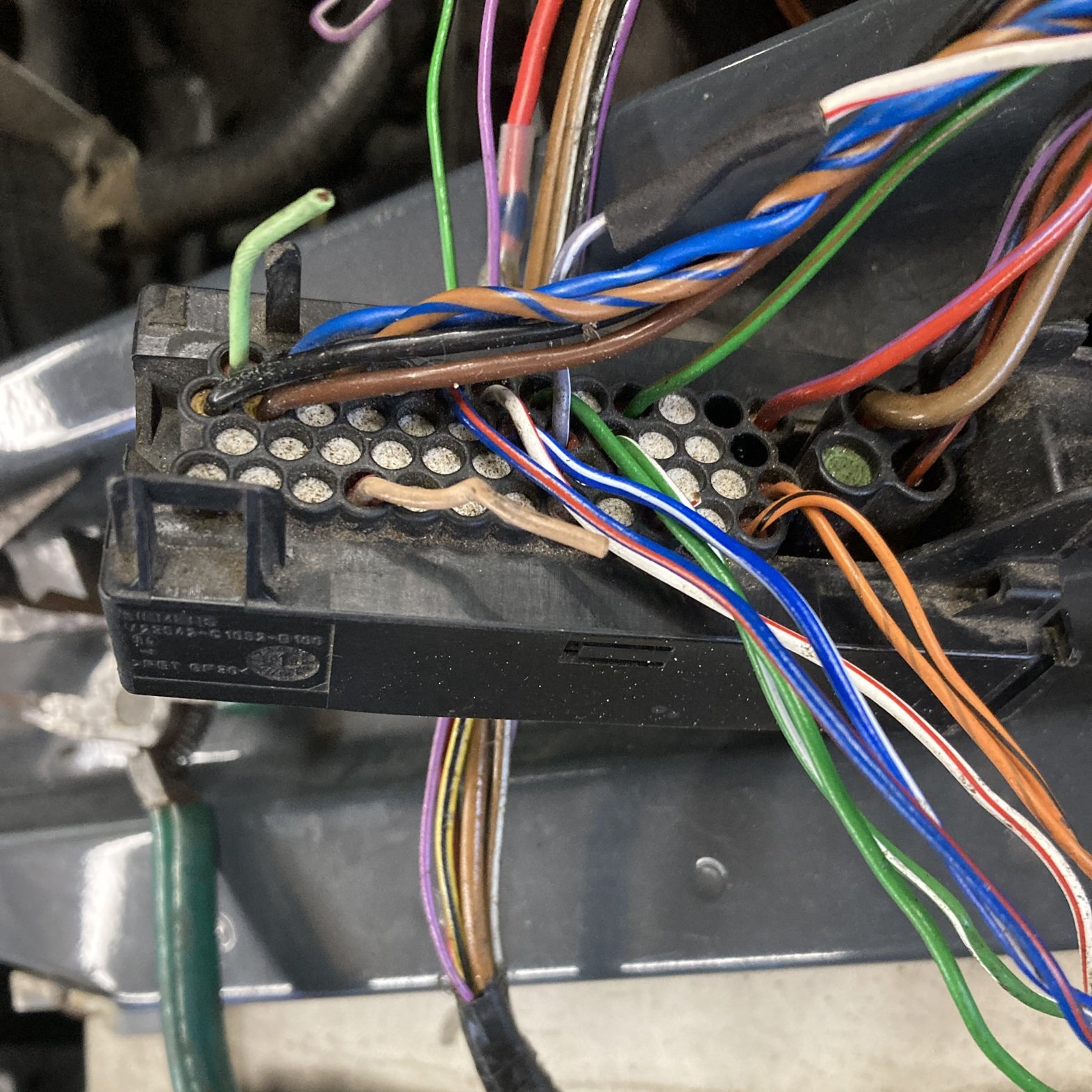
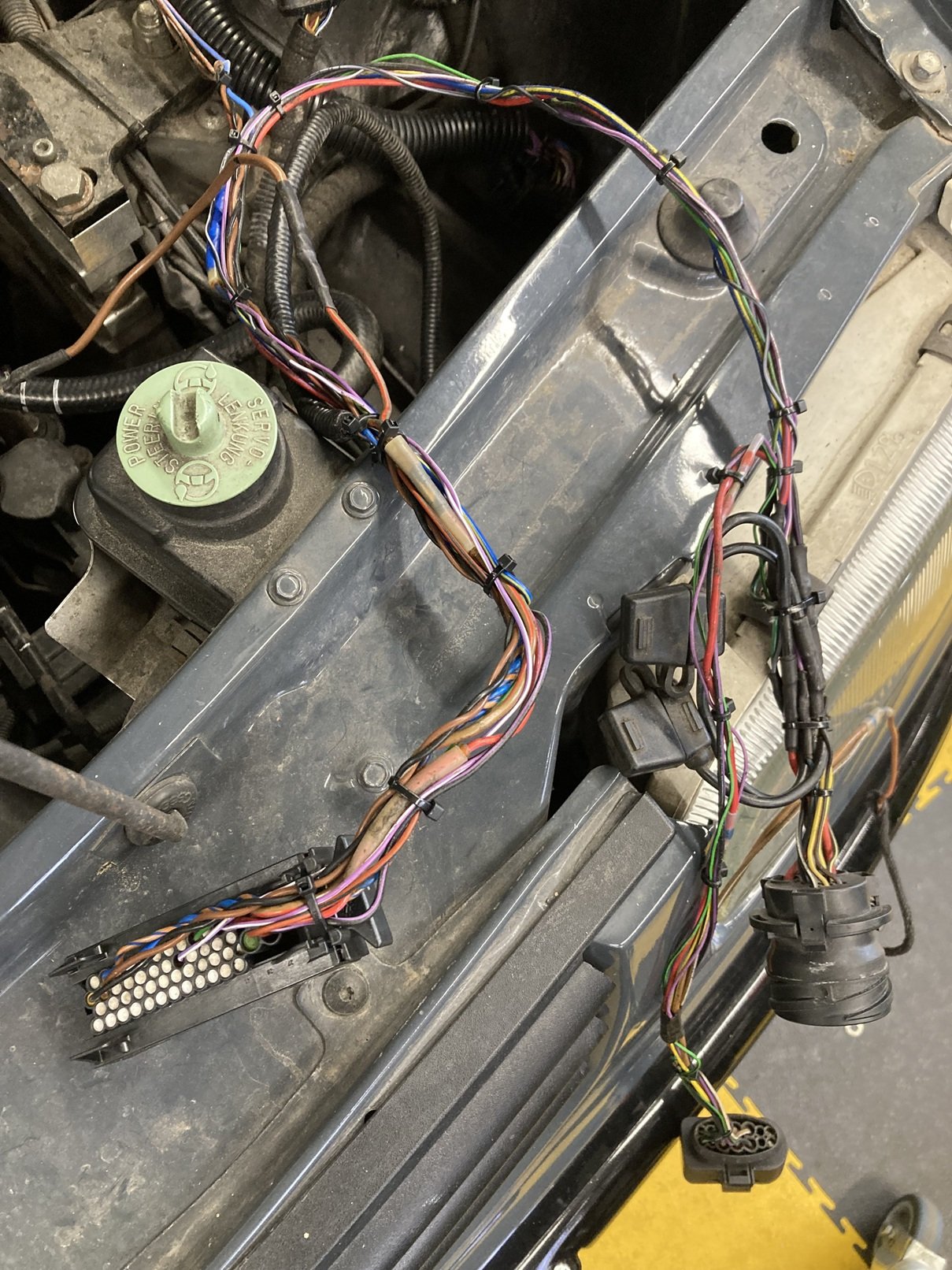
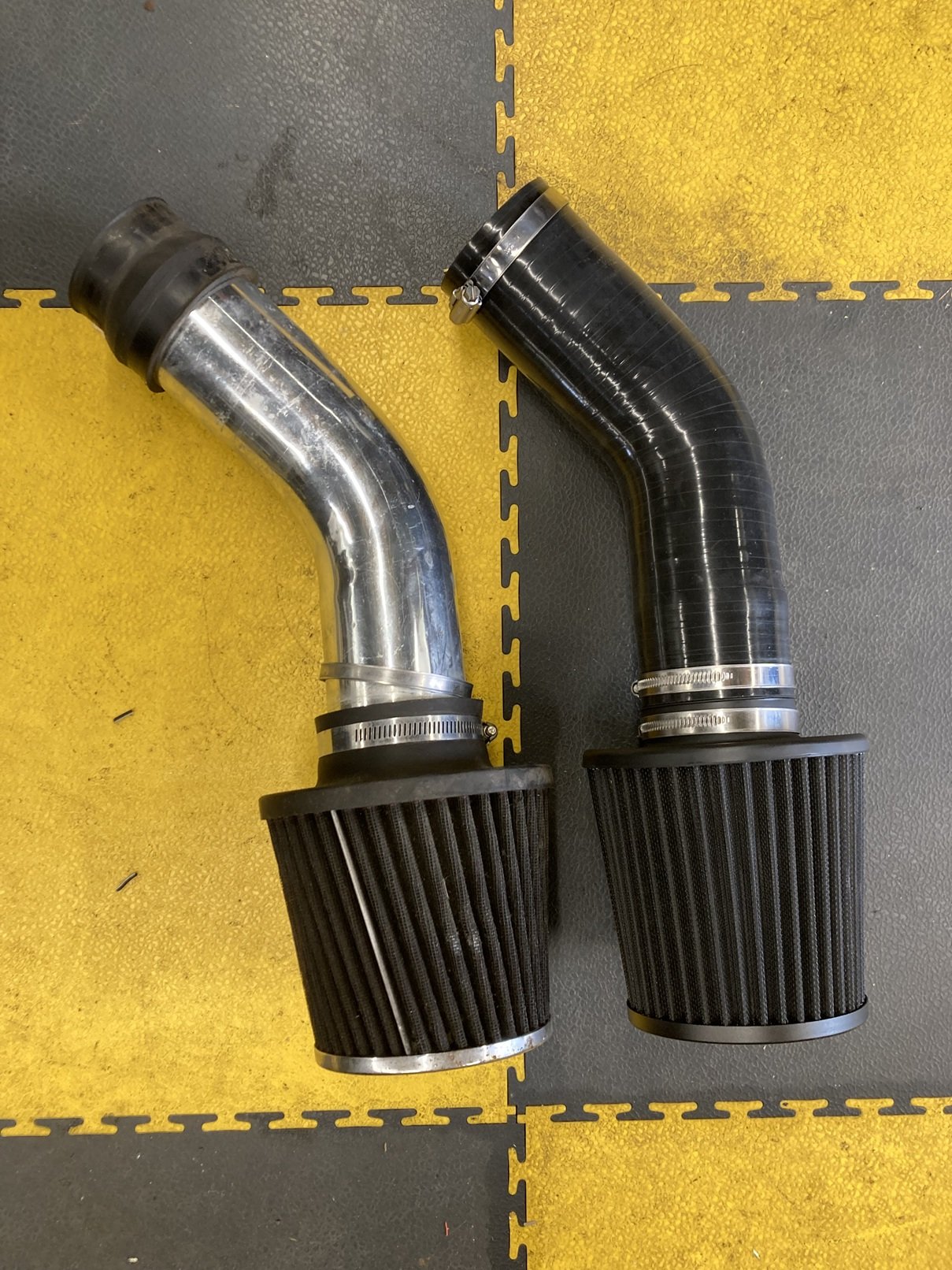
Ages ago on this thread I mentioned that I am aspiring to OEM or OEM+ look for my Caddy. At that time, the obtrusively blue throttle body hose was pointed-out as an obvious departure from this look. I already had this on my to do list when it was suggested, but an under-bonnet hose which was doing its job perfectly well has struggled to make its way to the top of the list. This changed when I had the throttle body off a couple of times in the process of investigating the intermittent engine fault (see later), and I realised that re-fitting a part which I wanted to replace made little sense. Having the blue hose off also made it very straightforward to check the diameters of the two ends, to make sure I ordered an appropriate replacement. That’s better 😊 Reliability issues have been blighting my enjoyment of the Caddy for a few years. I like to think I am a competent problem-solver, but a lot of my attention has been devoted to my SEAT Ibiza, so whilst I have implemented a couple of fixes on the Caddy, I have not spent the time to get to the root cause of the issues. I am lucky in that I never have to rely on the Caddy, so I just have not taken it out very often. This is a shame, and needed to be sorted. The symptoms were that it started on the ‘button’ every time, even after sitting for weeks, and the engine ran beautifully, until it stopped. No misfire, no poor running, it just stopped. Sometimes it would fire-up again immediately, and other times it would not fire at all. How long it would run for, and how long it would refuse to run for, both appeared to be completely random. Sometimes it was seconds, and sometimes days. I do hate intermittent faults! These symptoms are similar to what I saw when the ECU failed previously, although with that there was a definite decline in reliability, so as the problems became more common it became easier to diagnose the fault. Fuel supply issues have also plagued this car, both with the fuel pump and the control of it, and even though the old adage ‘if it spits and farts it’s fuel, if it stops dead it’s electrical’ is well-proven, I still could not quite put aside my suspicions that I was seeing more of the same. With this in mind, I started by connecting my tell-tale lead to the fuel pump… … and a pressure gauge into the fuel supply line. With those in place it was a simple case of running the engine and waiting for it to cut-out. Except it ran perfectly. I tried several times, for about twenty minutes each time, and it refused to fail. I did notice that the fuel pressure is slightly lower than I was expecting, at 2.8bar, but that pressure was steady and was held after the engine was switched-off, so I ruled-out a pump issue. I will swap the FPR for a 4bar one, but 2.8bar should be plenty for the Caddy’s state of tune, and certainly would not cause the symptoms I was seeing. My ODBII Bluetooth dongle point blank refused to scan the Caddy for fault codes, meaning that I had to dig-out my trusty diagnostic laptop. For some reason the dongle wanted a VIN in a format that the Caddy simply does not have, whereas the laptop software allows you to try all addresses and scan any modules which respond, and also lets you edit a txt file to add specific vehicles to the options list. This is very handy for modified cars. Scanning the Caddy gave me the following food for thought: Ignoring the last item regarding the message from the ABS controller, which is irrelevant, the others make interesting reading, although it took me a while to figure them out. The ECU’s connection to each of the listed components controls them via individual switched earth outputs, and the code 29-10 tells me that a problem with the wiring loom is the most likely culprit. This is particularly interesting because whilst all of these circuits connect to the ECU, they are not all in the same loom at any point. The ME3.8 ECU in the Caddy has two separate wiring connectors, even though the ElsaWin current flow diagrams represent both connectors in the combined T80. One of the ECU connectors, with pins 1-52, goes to the vehicle-side loom. This includes the fuel pump relay and charcoal cannister purge valve connections, on adjacent pins. The other connector, with pins 53-80, goes to the engine loom. This includes the connections to each of the injectors, and the N75 valve, all of which are adjacent to each other in the ECU plug. No wonder I have struggled to diagnose this, it is looking like two separate intermittent faults. I already have an imperfect mitigation in place for the fuel pump relay / purge valve short circuit, in the form of the bypass switch I fitted previously. That could cause the purge valve to open unnecessarily, but this will not cause the engine to cut-out. I can afford to leave the permanent fix of this until the remedy is in place for the engine loom fault. I do not understand why the injector and N75 valve controls shorting to each other and/or or to earth would cause the engine to stop abruptly without any sign of rough-running or mis-fire, but nonetheless it is clear that it is not going to be helpful, and needs to be sorted. The involvement of the N75 boost control valve also helps to explain the fact that the fault did not appear when the engine was idling on the driveway, as no boost => no action for the N75 valve. There are two obvious options for the engine loom fix, which are a) locate the damaged section of loom and make repairs, or b) replace the whole engine loom. I have a few 1.8T engine looms, but they vary by engine code, and I do not have one for the AGU engine in the Caddy. I could modify a loom to make it work, but that is not a quick task. I will make a custom engine loom for it at some point, but now is not the right time. That leaves me repairing the current loom. If the VCDS log is pointing me in the right direction, the faults are located at or close to the ECU connectors, so that was where I started. Once I had some of the convoluted sleeve and wrapping tape removed from the loom, it revealed some loose ends of cable, and some wires which had three or four solder joins within about 300mm. Neither of these things necessarily contribute to the problem at hand, but they do present unnecessary risks for future failures. While I had my head in the loom I figured I may as well do a proper job, so I exposed more of the engine bay wiring until I got to this. The vehicle loom ECU connector itself was in a sorry state. It had become brittle, and snapped in two locations when I unplugged it. I had recently bought a genuine new replacement connector, which was handy. The photo below shows the old connector, and I have included it to show the number of cut-off ends of cables, and I have arranged all of the other unused wires off towards the bottom of the picture just to show how many of them there were. One of the connections which I got rid of was that for the carbon cannister purge valve. I had been planning on deleting the carbon cannister before the purge valve made an appearance on the VCDS fault scan, and there will never be a better opportunity. Whilst the loom was unwrapped it was very easy to remove any trace of the wiring to this valve. I extended the tank breather hose to the front corner of the inner wing, where I will add a rollover valve. When I had finished rationalising and tidying the connections in the loom, I bound it temporarily with cable ties, before plugging it all back in. The new and newly sparse ECU vehicle loom connector can be seen at the bottom left of this picture. Before attempting to start the engine, I had one more long overdue task to do. I had noticed that the hose between the induction pipe and the MAF was split, so I had ordered a 70mm silicone 45deg elbow and a Ramair cone air filter, plus an alloy joiner to go between them. Ideally I would like an OEM-look airbox, and I had hoped that a Golf mk4 GTI airbox might fit, but the available space in the Caddy is an awkward shape. At least I got rid of a polished alloy pipe in favour of a black silicone hose. It was a great relief when the engine burst keenly back into life on the first turn of the key, and with no indications on the dash that I had made any mistakes with the wiring. I did not have the time for a long test drive, but I did a couple of laps round the block, and made a point of deploying some boost (sorry neighbours) with no signs of it cutting-out. The proper test drive will be a nervous time.