Skip to content

Leaderboard

Popular Content

Showing content with the highest reputation on 09/10/20 in all areas

  1. As said when to fit your winter ( not snow) tyres really depends on location. As a rough rule of thumb, I normally swap mine over around the clock change at the end of this month and swap back to “summers” at the end of March.
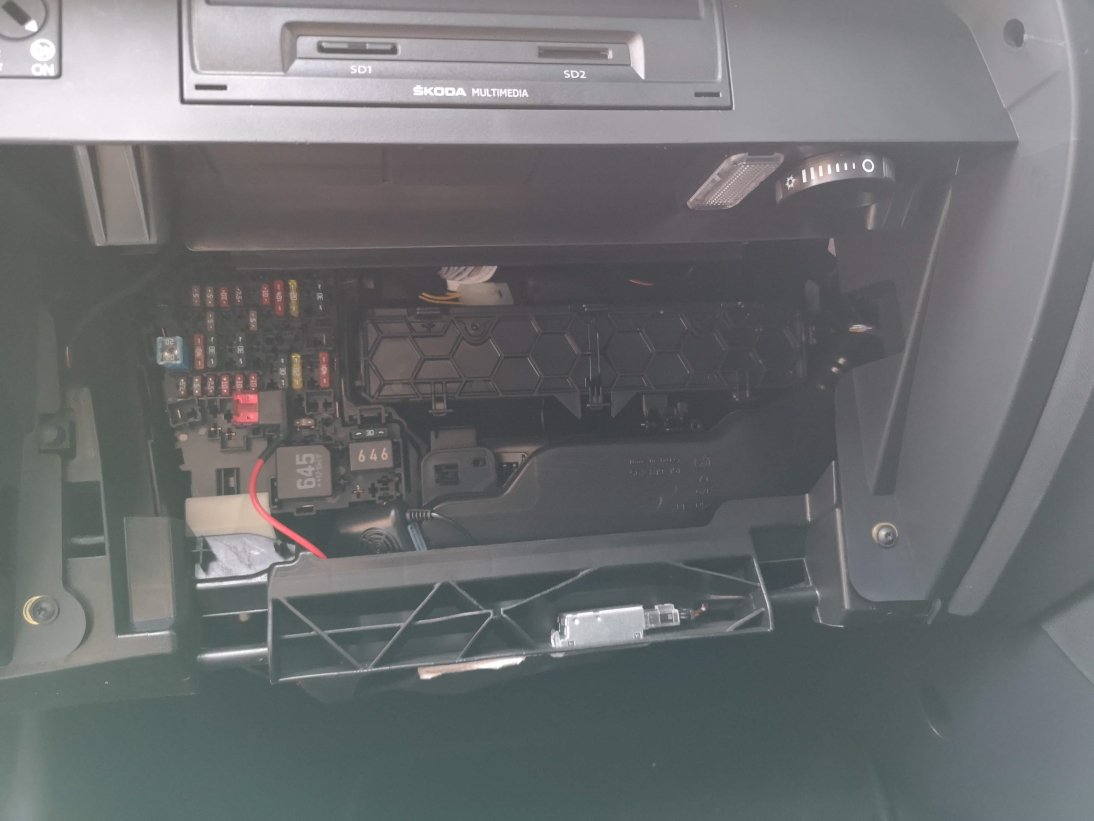
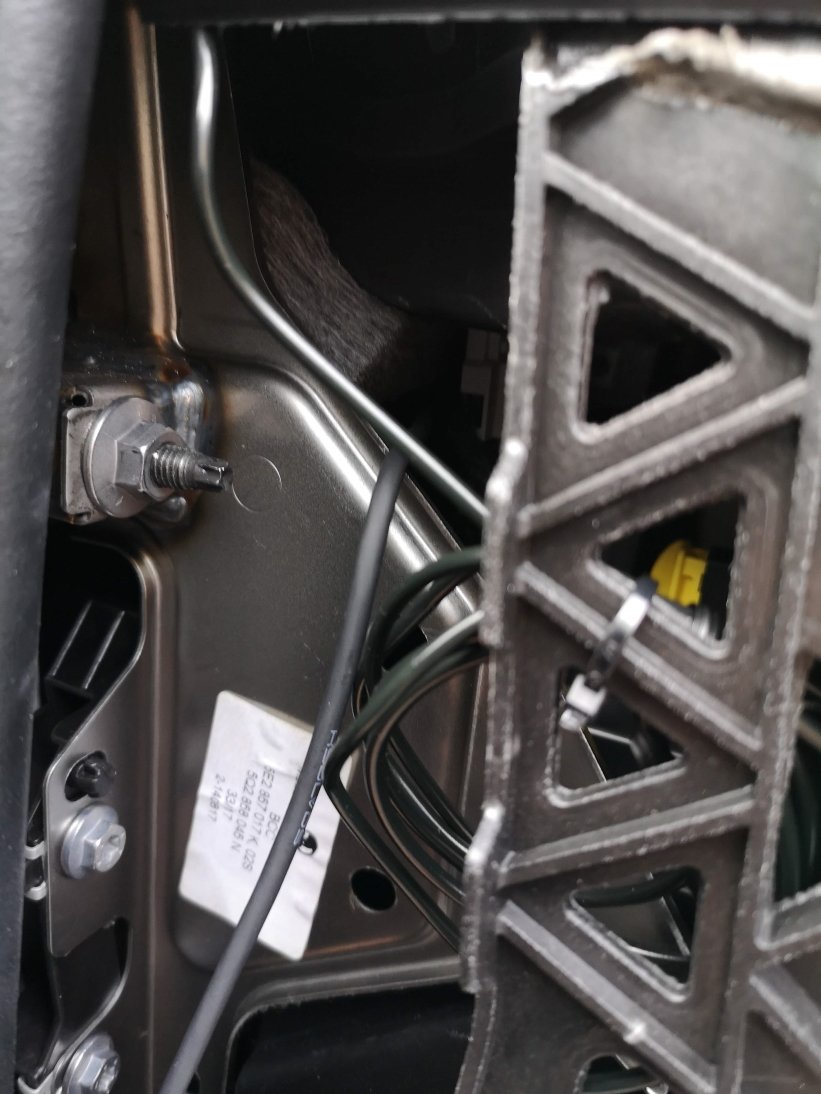
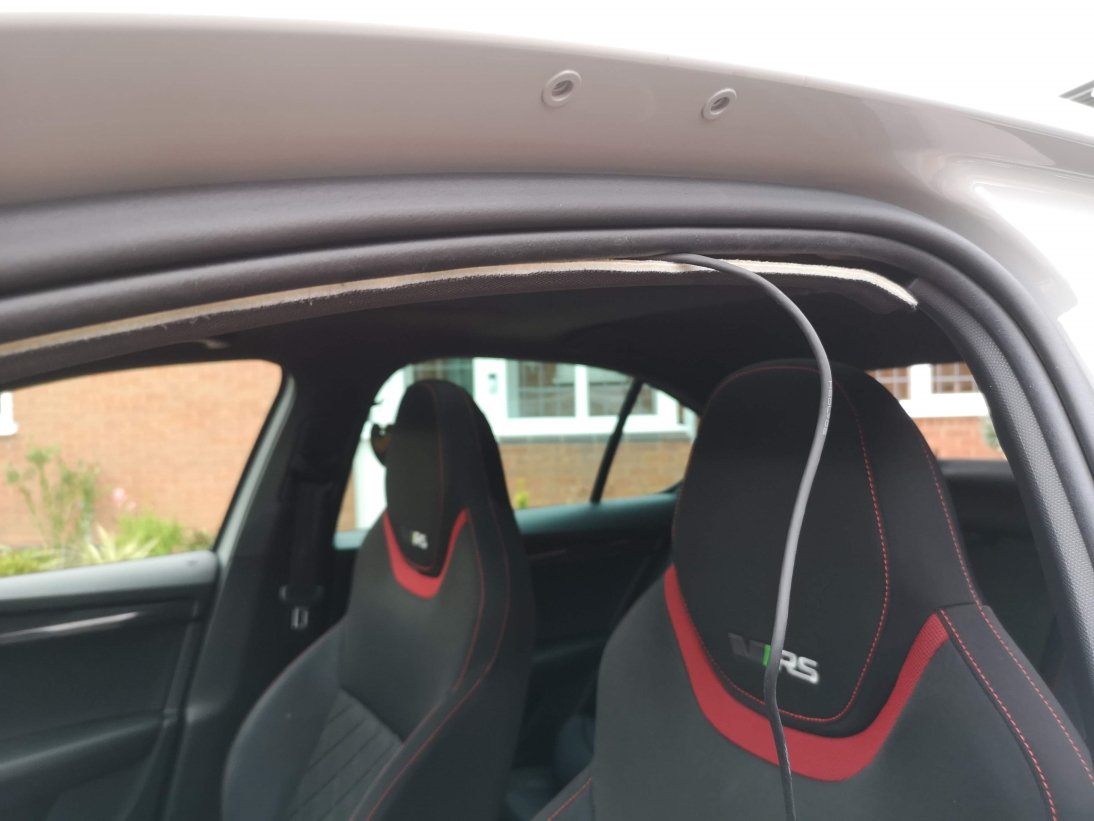
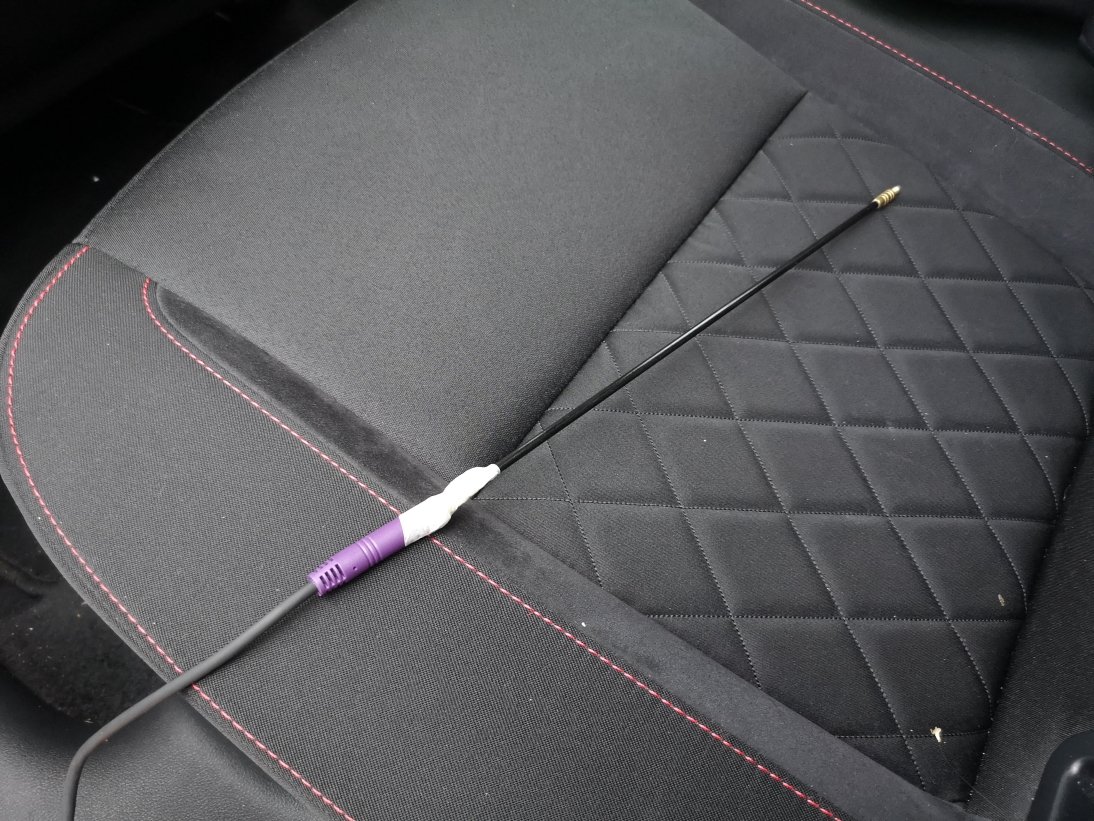
  2. As above, common issue and nothing to be concerned about. When you see fish in there start to worry.
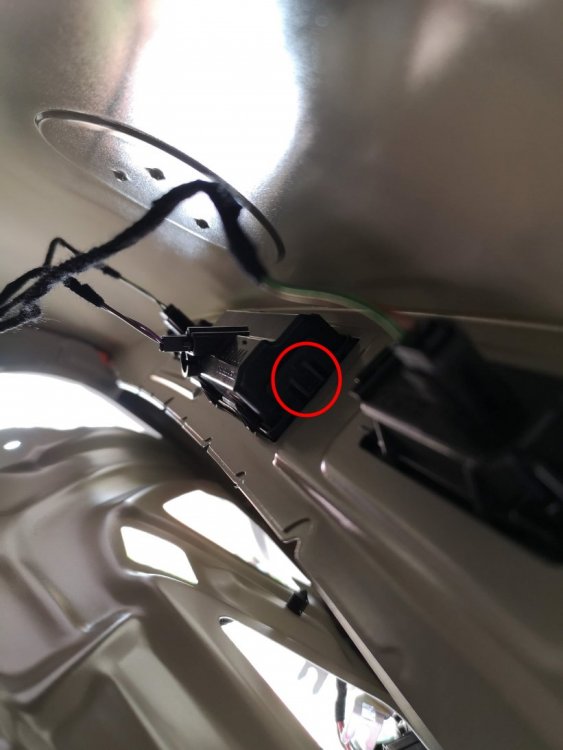
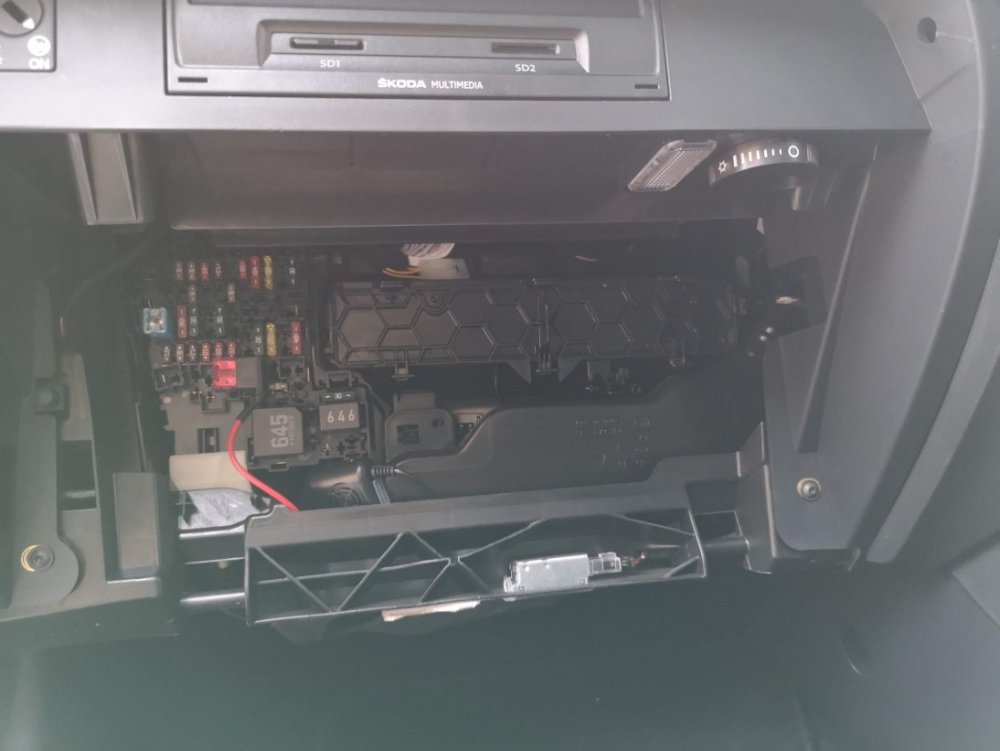
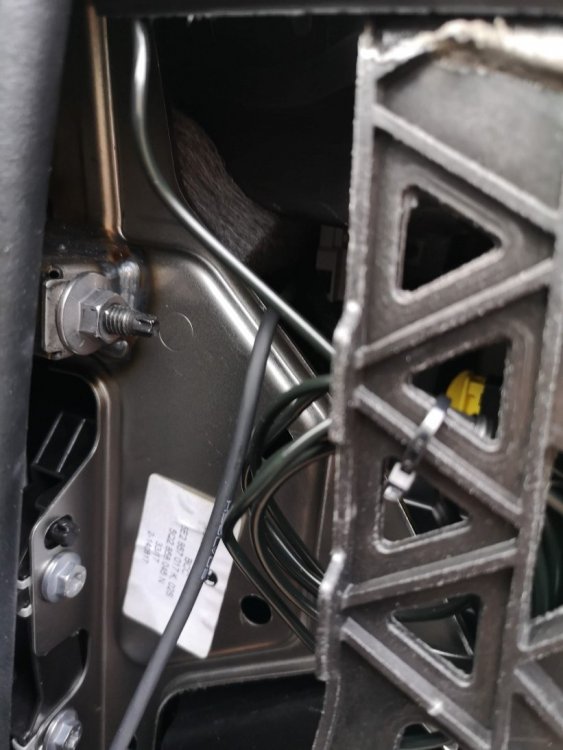
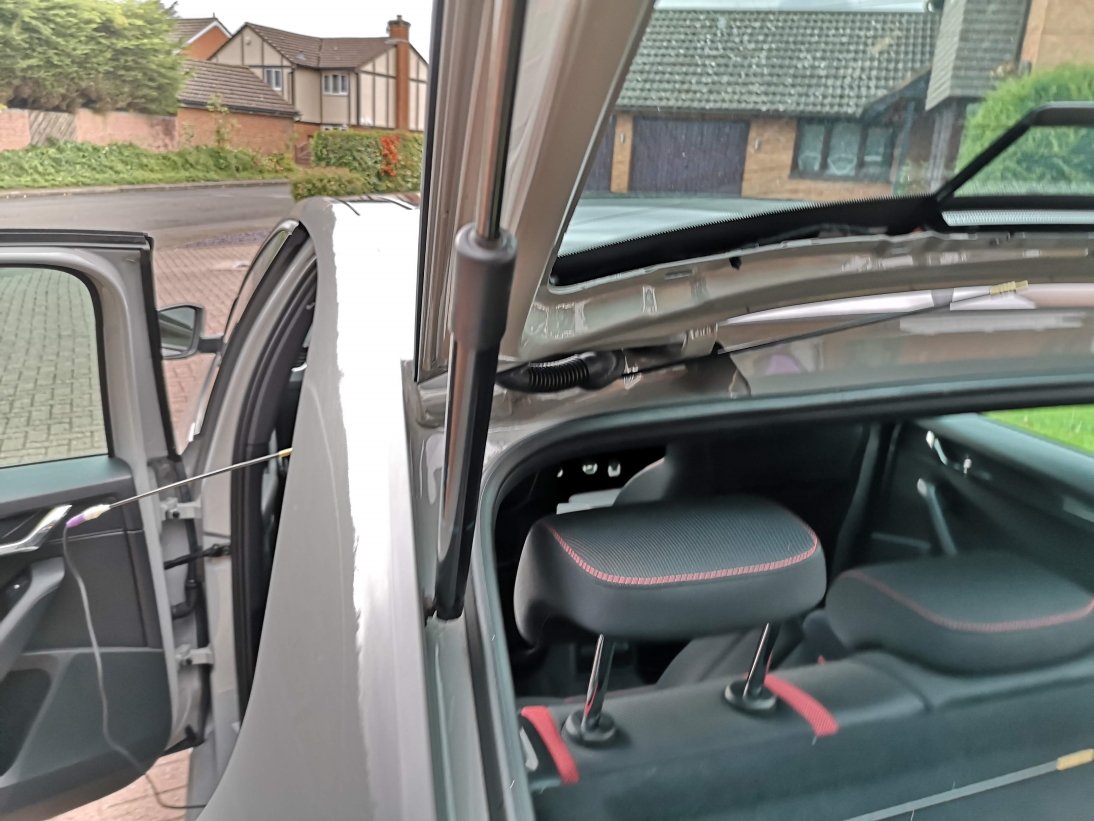
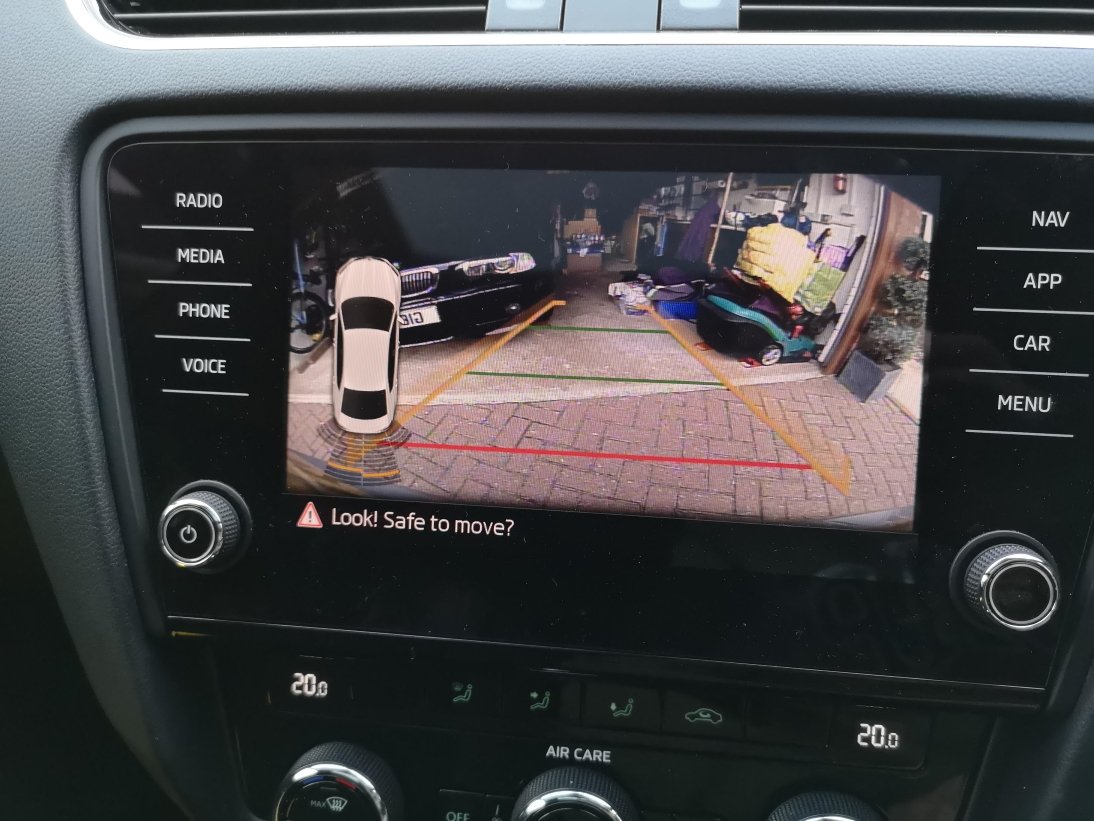
  3. Nice guide, shame you didn't write it two days ago when I started fitting my camera As I did a few things differently, I'll add some extra info as it might help others. I used an OEM/original high camera from AiDU Auto on aliexpress. At time of writing they offered: - a highline kit for the MK3 Octavia at ~£75 - a highline kit with washer jet for a Tiguan also at ~£75 After a quick chat, they were happy to parameterise the Tiguan kit with an Octavia file so I bought the Tiguan kit. Given they were the same price/size/shape it seemed daft not to get the bonus washer jet Unfortunately, the washer jet pipe was slightly too short but I was able to remove the fittings on either end and use some PVC washer hose (4mm ID, 6mm OD) of the right length instead. I took a slightly different cable route, shown in yellow: Unlike the kit above, it's not 'plug and play' so you end up with a bunch of wires that need to be connected to the appropriate places. The cables are pre-terminated but as I already had the correct crimps, I cut them to length rather than having loads spare. Factory wiring diagram for the highline (PR-KA2) camera is as follows: The earth wire was shorter than the others so I used the earth point in the boot below the rear seatbelts: For power, I removed the fusebox and used fuse 18 as per a factory install: After trimming and terminating the wires, I ended up with this: - new wires highlighted in yellow - new connector tapping into the CAN-bus circled in light green For the CAN-bus connection, I de-pinned the original quadlock connecter and moved the two CAN-bus wires into a separate connector, this means I didn't need to cut or modify the original wiring to tap into the CAN-bus: The eagle eyed amongst you may notice I used a 5a fuse in slot 18. After a quick shopping trip, I've now replaced it with a 7.5a fuse as per the factory wiring diagram. Coding was super easy: - Address 19, add 6C to the installation list - Address 10, coding, tick byte 2 bit 4 - Address 5F, adaptions, change Car_Function_List_BAP_Gen2-VPS_0x0B to "activated" - Address 5F, adaptions, change Car_Function_List_BAP_Gen2-VPS_0x0B_msg_bus to "Infotainment data bus" All works just like a factory install with the various modes etc. As expected, the only error code currently stored is "no basic settings" so I'll need to print out a VAS6350 board and calibrate it at some point
  4. Unfortunately a lot of those viewers would have been enticed by the title and subsequently disappointed by the content though.
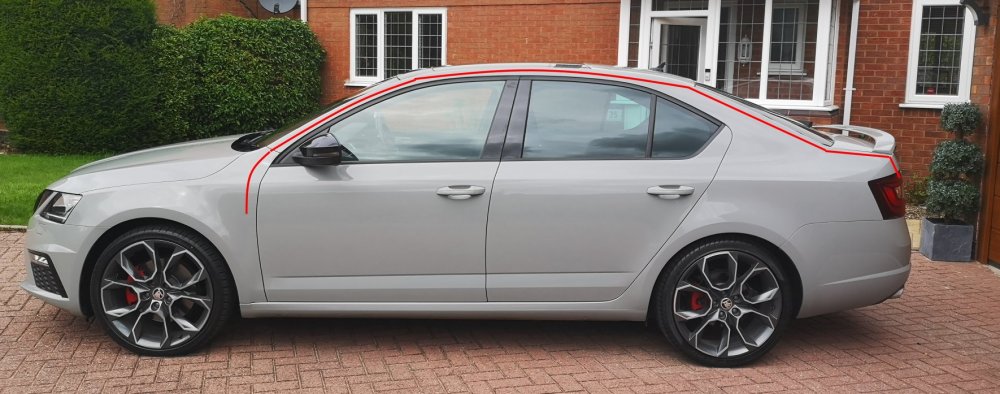
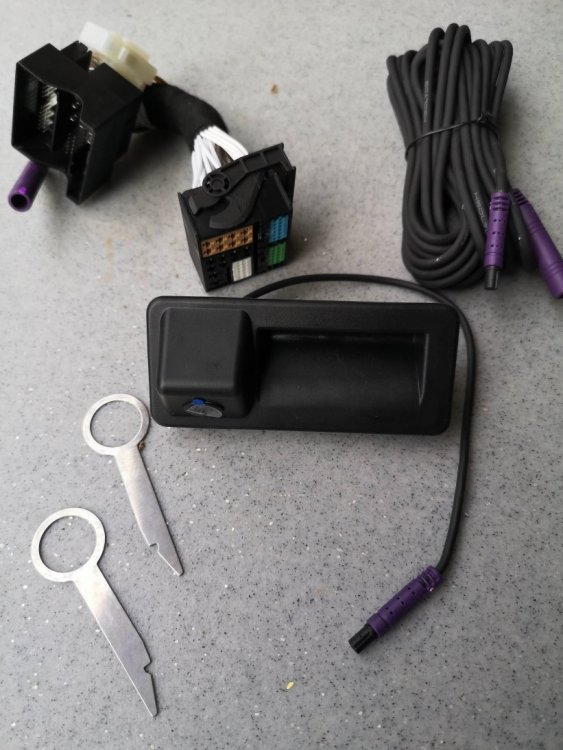
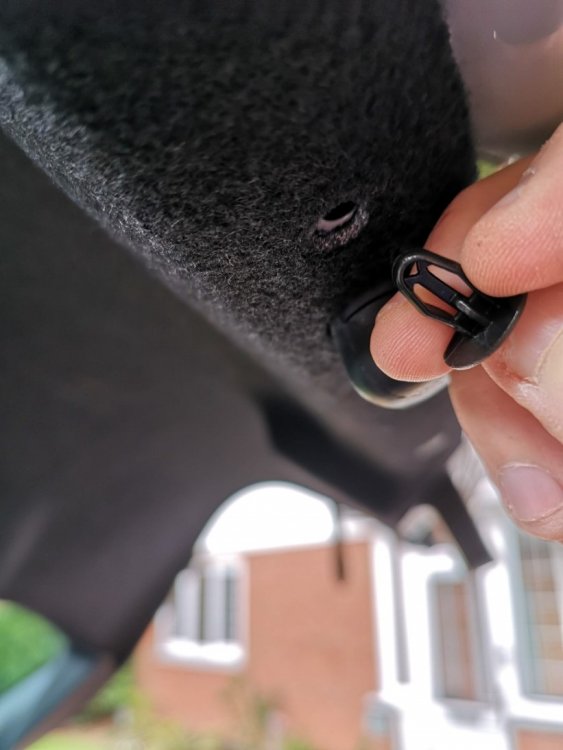
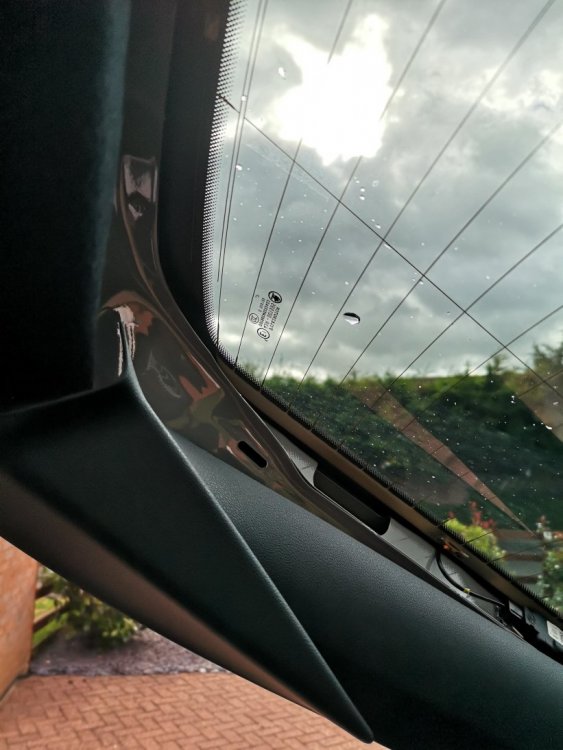
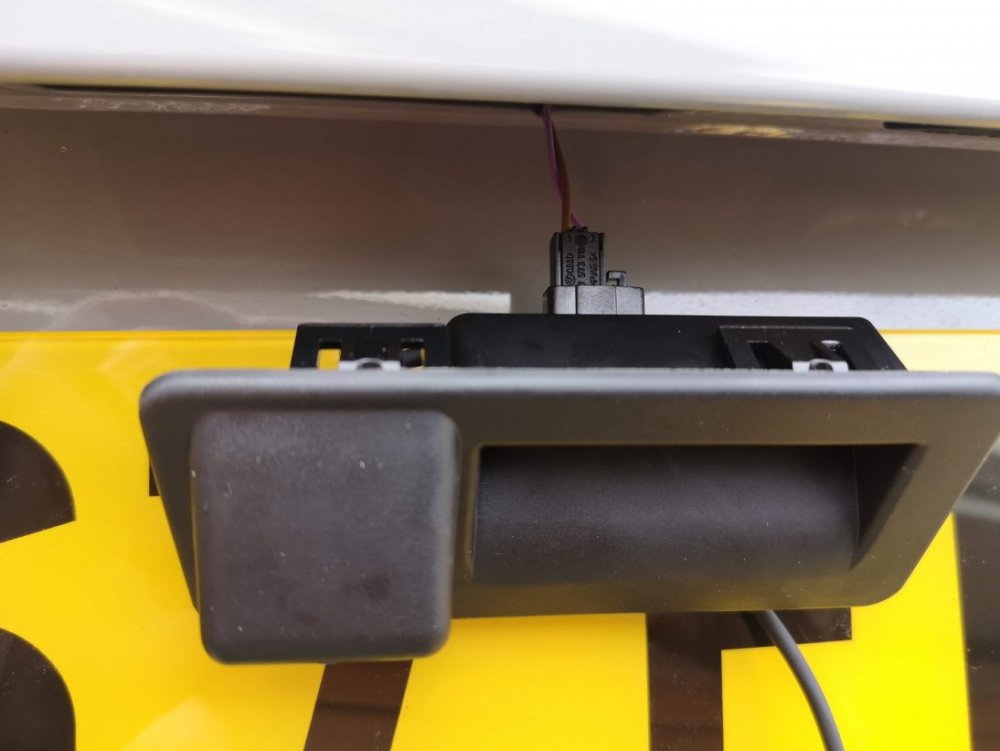
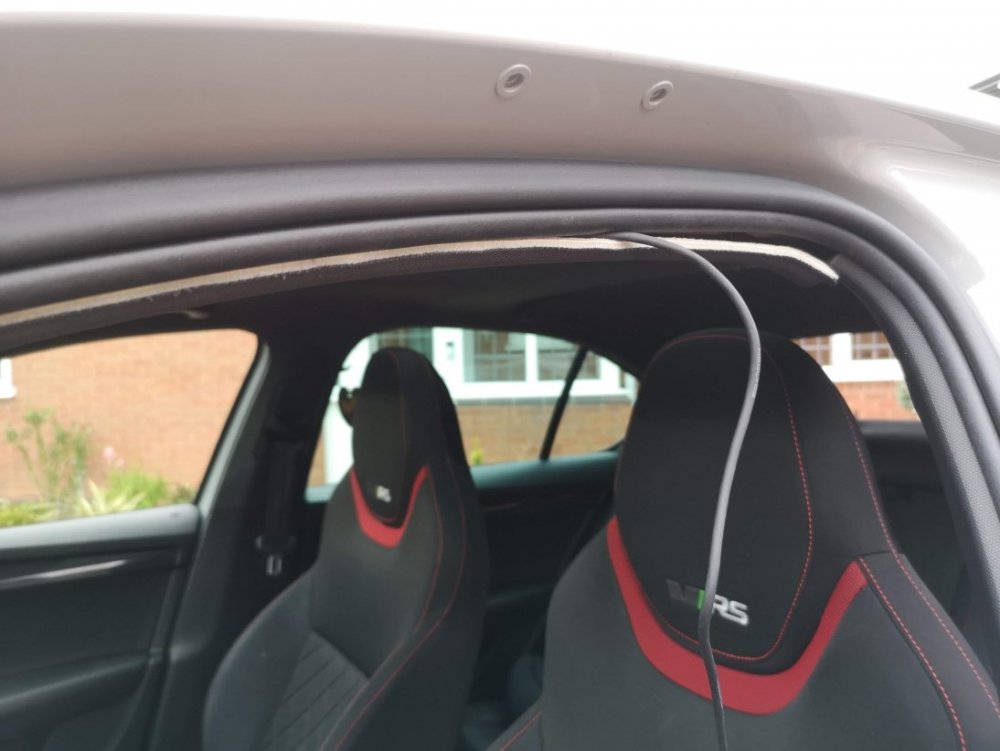
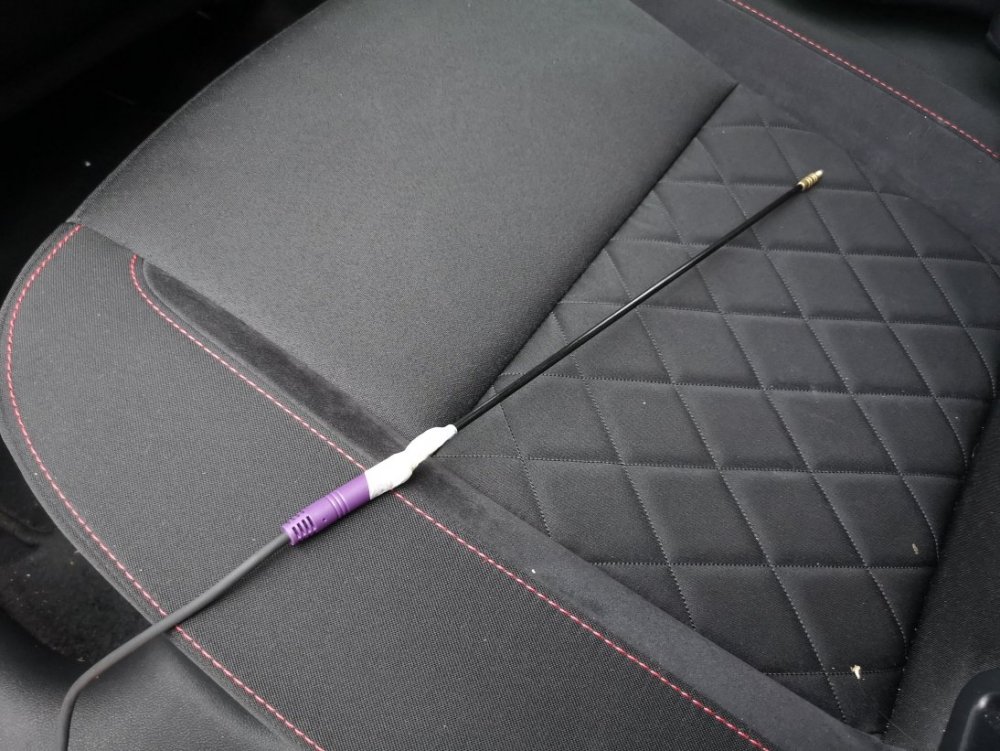
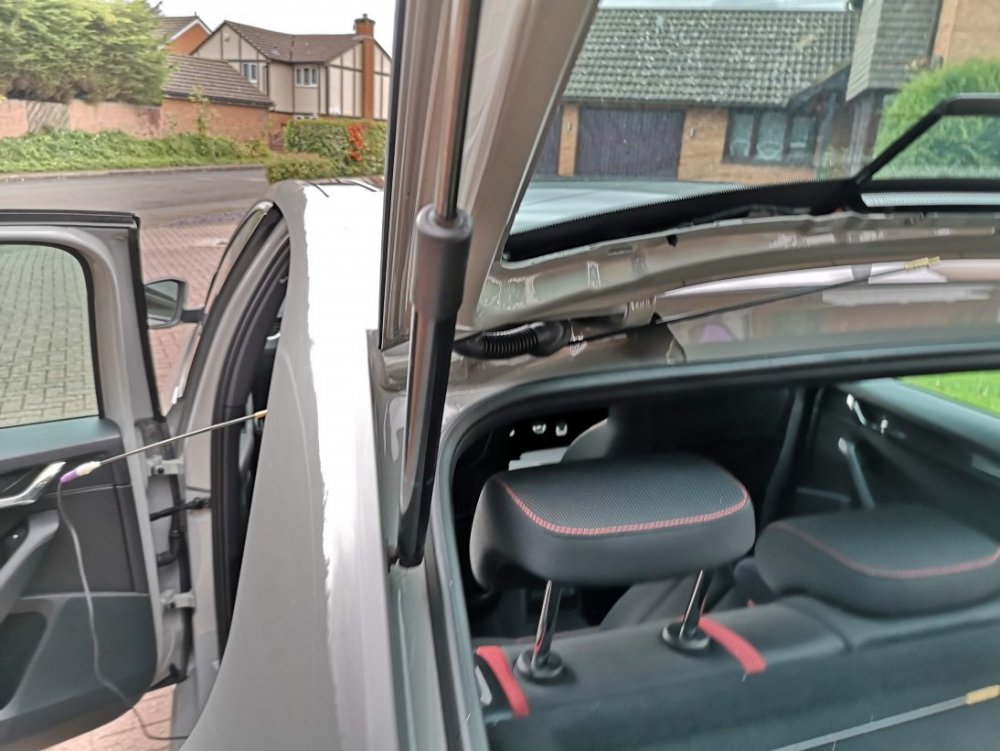
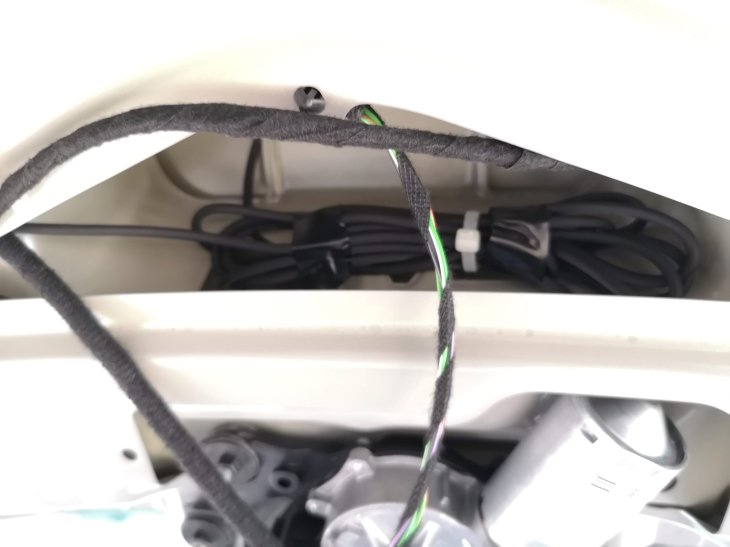
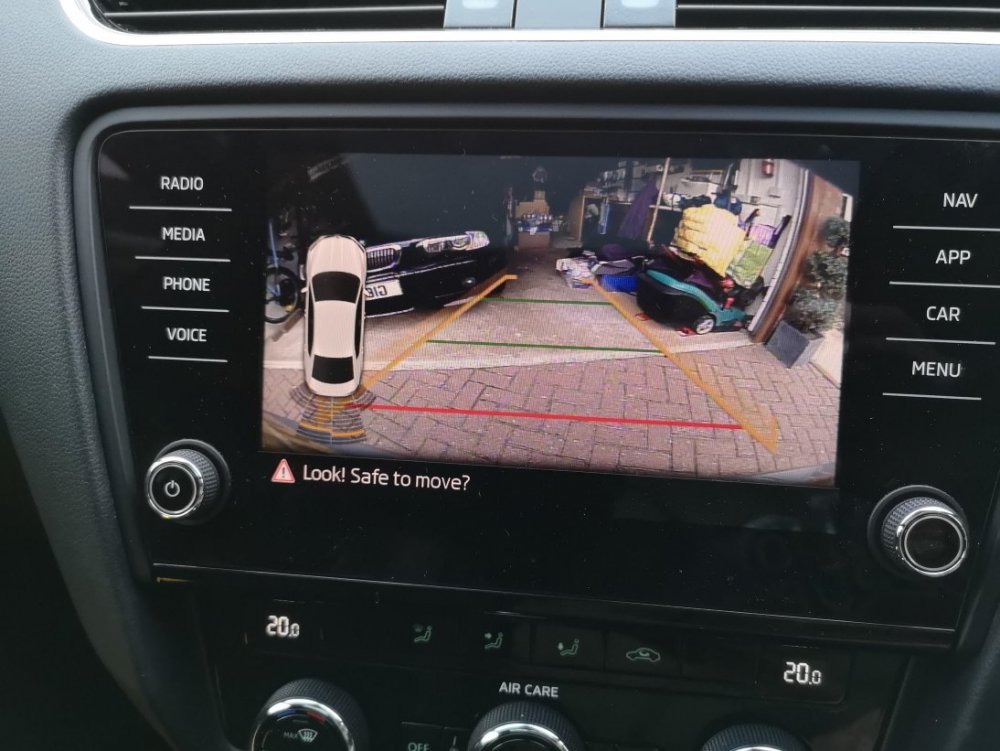
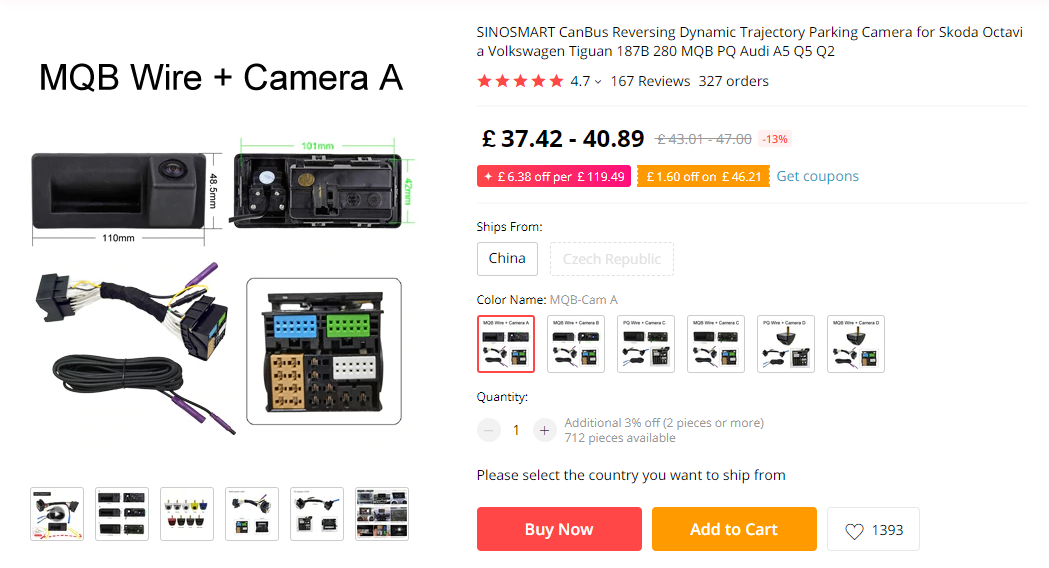
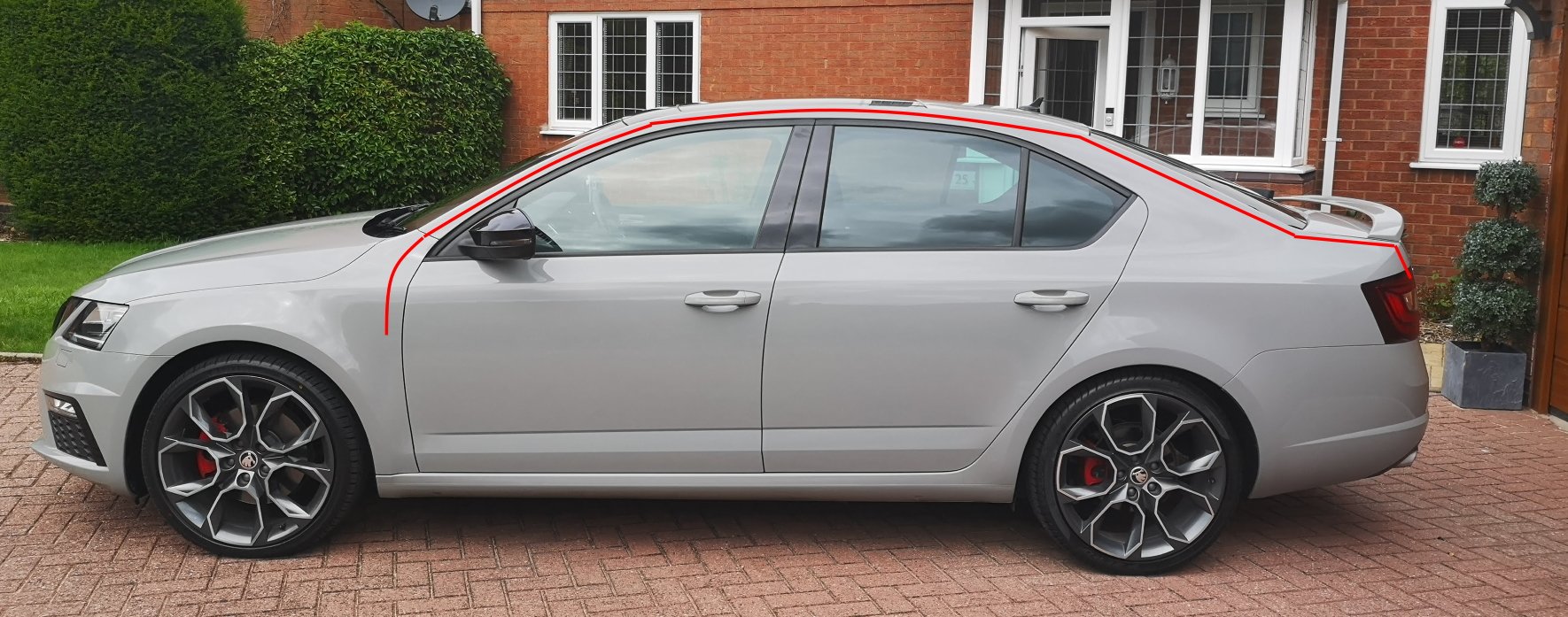
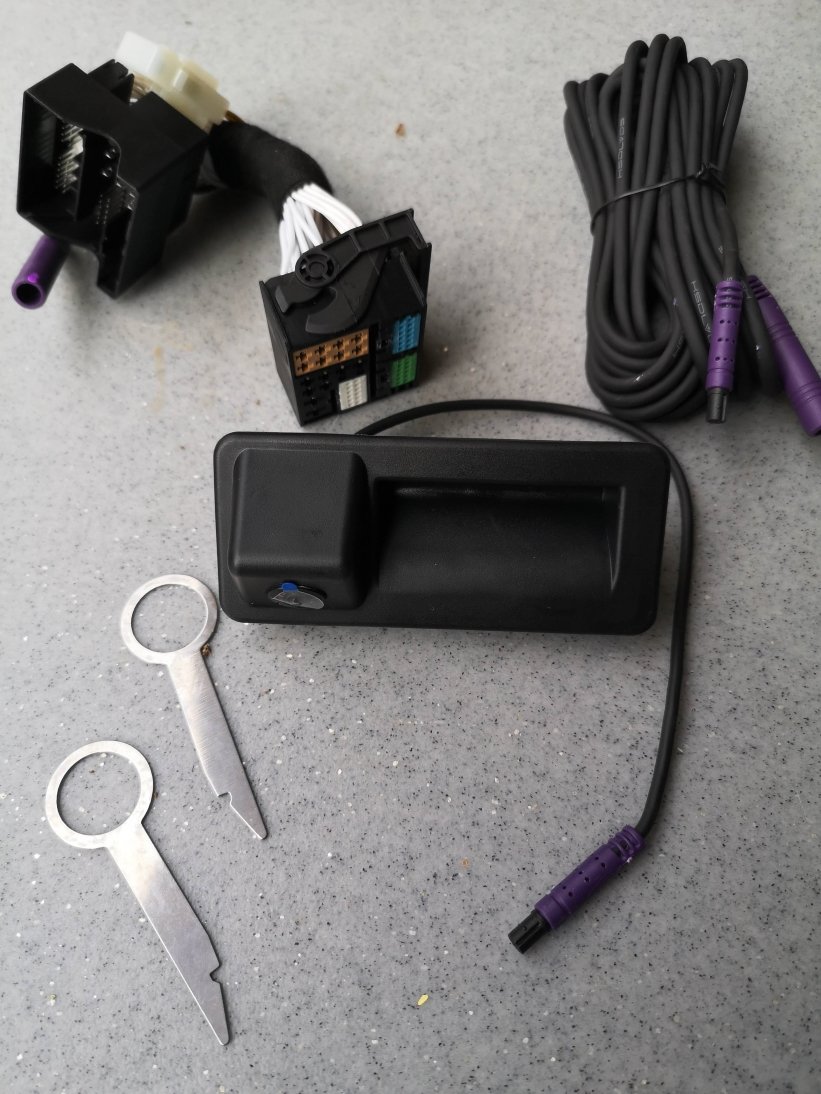
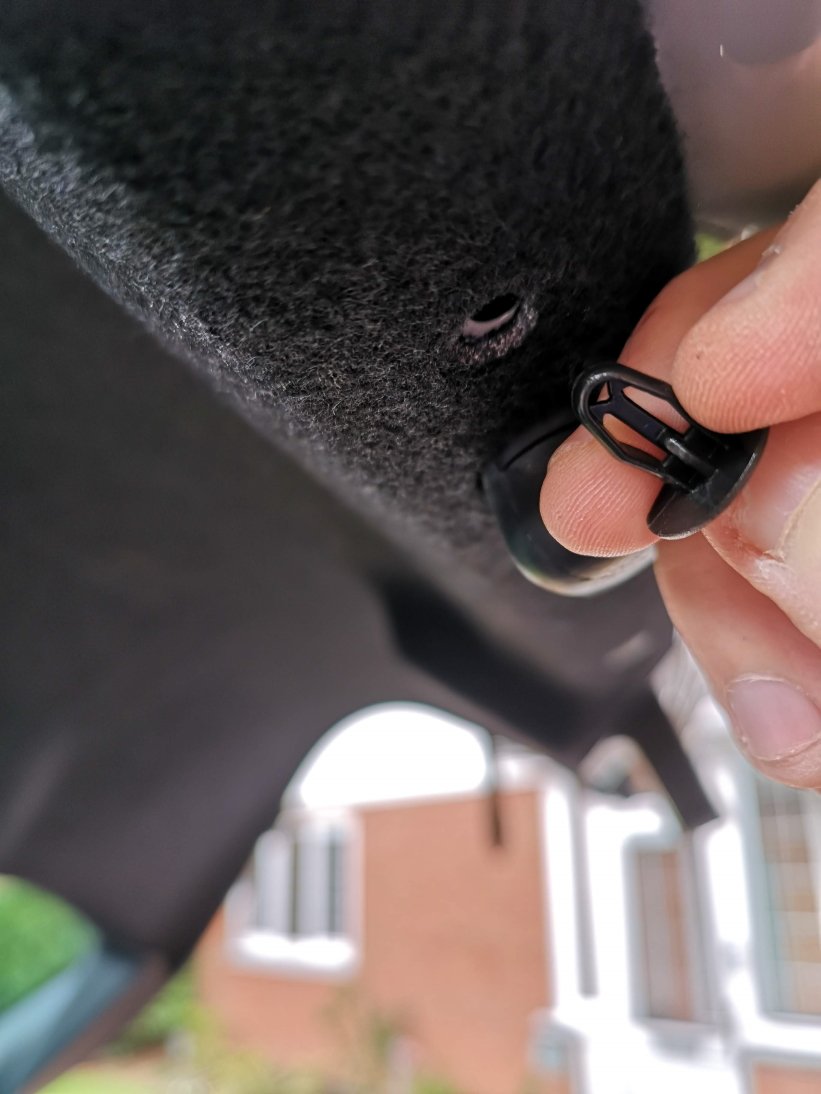
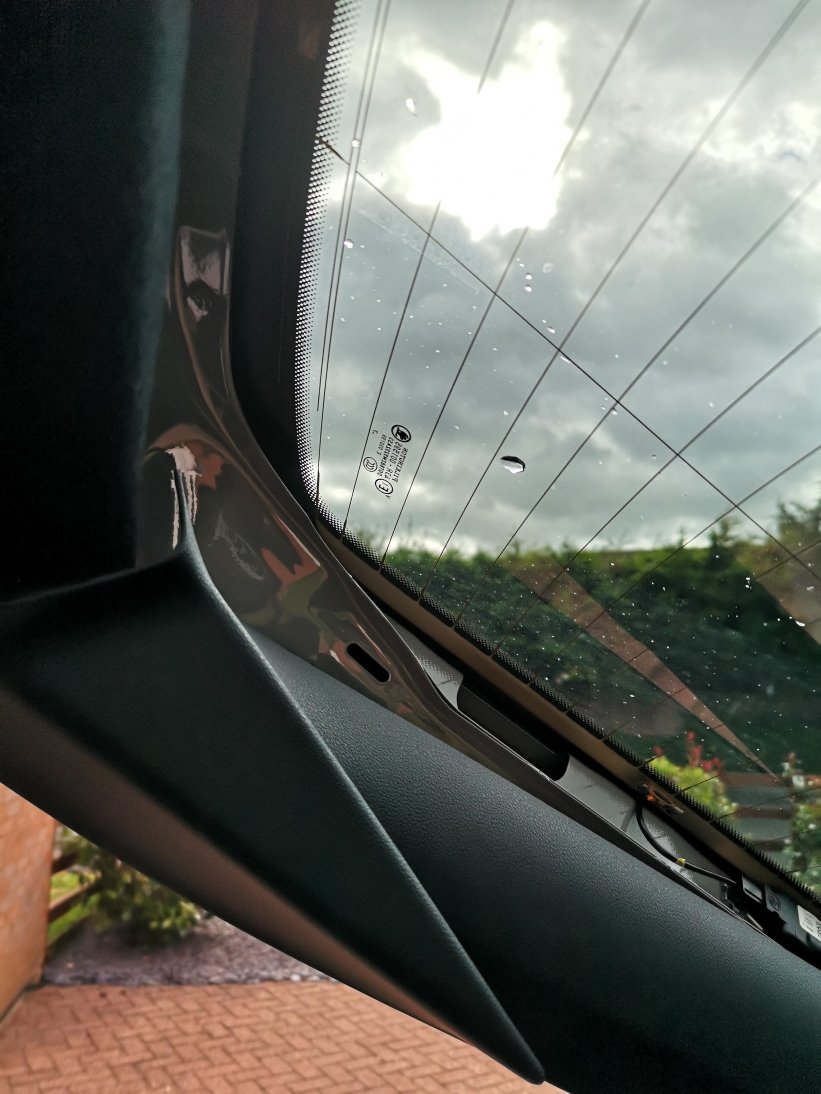
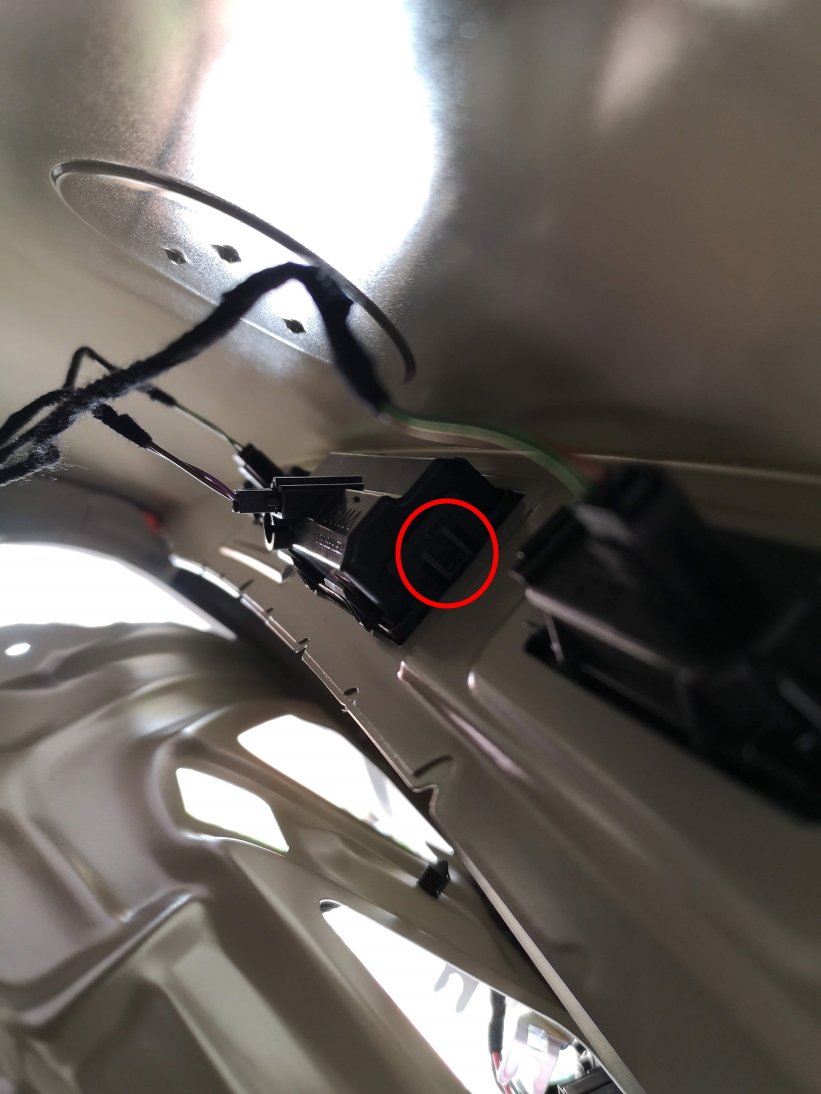
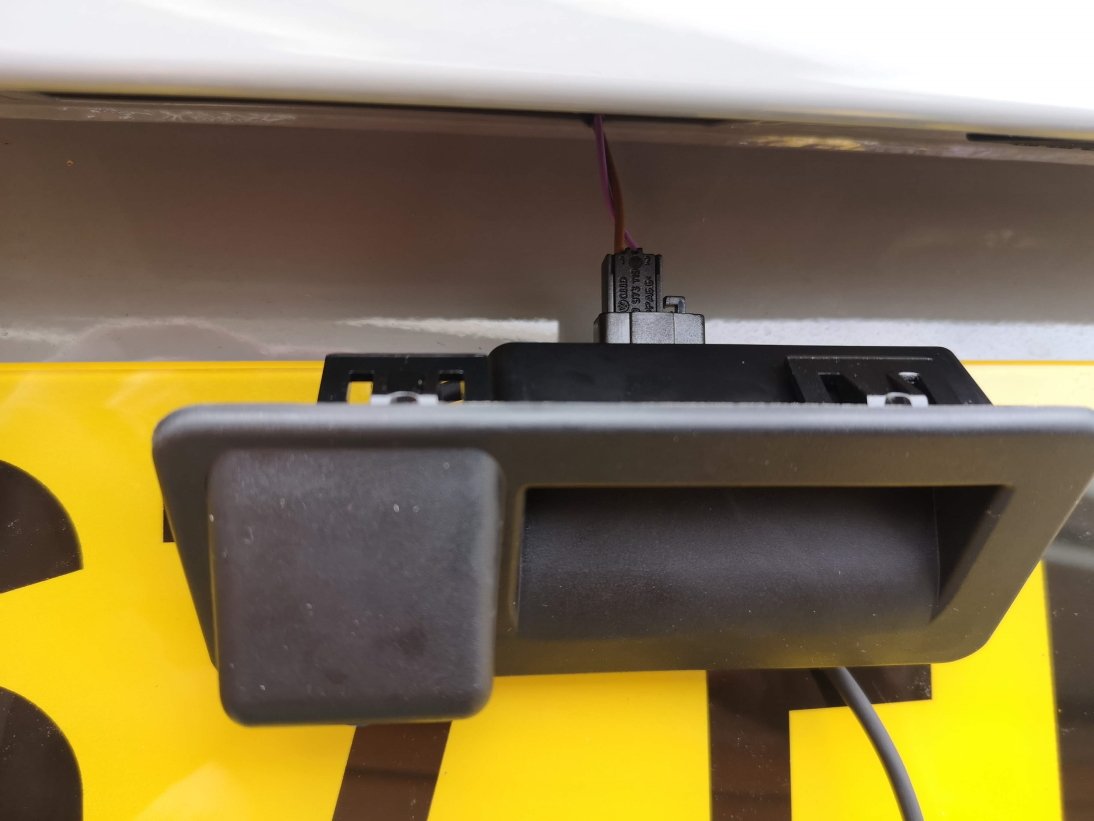
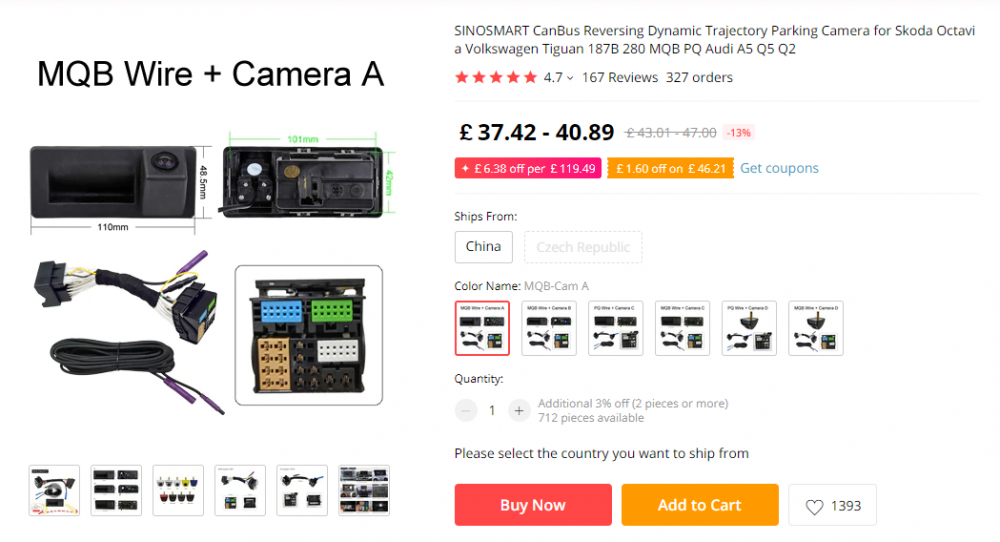
  5. As there seems to be a lot of people asking questions about this lately, I thought I'd put together a quick guide showing how I fitted my reverse camera to a facelift VRS hatchback. They way that i've fitted this will apply to most models, with the key differences being the size of handle (based upon car model year) and whether hatch or estate (but this is just inside trim differences), there may also be wiring loom differences for earlier cars or none VRS models. I've benefited from info from these forums so hopefully this will be useful to others. I am by no means an expert & I won't be able to answer all of your questions, hopefully others will chip in and can add other info as well. First of all, this is the camera that I ordered for my MY 2017 VRS (Camera A/Handle A): https://www.aliexpress.com/item/4000230897829.html?spm=a2g0s.9042311.0.0.40694c4dTEPT93 (link may no longer be valid when you read this so screenshot below) No programming is required for this camera and it supports dynamic reverse guidelines Tools: Trim removal tools would be useful, but otherwise plastic tool that won't mark your car, or screwdrivers or similar with masking tape over the end. A T20 torx head tool is required if you have a hatchback to remove the pulldown boot strap Cable rods are very useful, I couldn't have fitted through the roof lining without. Stereo removal tools unless they come with your camera kit Cable route - I went with an OEM route for my cabling, following existing cables through the roofliner and out to the back as show by the red line below. The camera: The first thing that I did was to check that the boot release switch was working on the new unit - there's no way you want to wire this in and find it is faulty. You'll need to start removing the boot trim to access it. Remove the plastic clips from the lower boot trim- this consists of a few plastic clips which easily pop out with trim remover/screwdriver. There are 8 of these on the hatchback. After that start removing the upper plastic trim, this simply requires forces to release the metal clips. You don't need to remove all of this for now, but it will all need to come off later Remove the lower upholstered trim covering the tailgate. More metal clips - work your way around. You'll also need to remove the pull down strap with the T20 torx head. When this is down you should be able to drop the boot liner which will give access to the boot release handle. This can be awkward to remove, but can be done by pushing in the clip on one on the ends whilst also pushing down on the handle from the inside (ignore the clips along its length) - it should then pop out. Repeat for the other side. Unplug the harness and plug the new handle in - check the release switch works. You can either now push the new handle in until it clips, or leave it out to test the video connection later before fitting. To wire it in Remove the glovebox (open, rock left to right whilst pulling up & you'll hear the bottom clips release. Raise the glovebox lid up and inside the housing and reach in and remove the dampening on the left hand side) Use the stereo release keys to release the multimedia unit. The kit used here comes with a replacement harness that sits between the original one and the media unit & includes the video feed cable. Some people have removed the upper glovebox section to provide more access, be careful not to unplug the airbag connector if you do this. This can be fiddly, but I found the best way was to lie on my back with my head in footwell looking up at the unit from underneath. With the media unit slid fowards this gives access to the harness. It's the large one at the bottom and there is a locking connecting that needs to be pushed backwards to release. Check how it works on your replacement harness. Unplug old harness and plug it in to one end of the new one, push the harness in to the void and plug the new connector block in to the media unit. This took me a while to get it all to fit in. When done you can now test the video feed to the rear camera before your start wiring it in permanently. I took the camera cable over the top of the fusebox cage & out through the side panel I then ran the cable up the A Pillar to the roof lining and all the way to the end. Cable rods were really useful at this point, especially to get around the B pillar , and to go from the end of the roof liner through the cable exit point behind the rubber trunking where the original boot cables are. You can also run the cable in the trim above the sill and work your way back up to the roof lining on the C pillar. When you get to the end of the roof lining you'll need to unclip the rubber gator at the top of the boot so you can get the cable out of the roof liner and in to the boot via this gator. If you install the same way as me you only need to peel the roof liner down a few cm, being careful not to deform or damage it and you'll see the OEM cables behind. Once you've got the cable this far it's a case of feeding it through the rubber gator, up the side of the boot and over to the handle; connect the video cable and tidying up any spare cable. Everything should now be up and running. Retrace your steps to refit your trim. You now have a fully working reverse camera, activated when reverse is selected and with dynamic guidelines. The parking sensor guide now shifts to the left of the screen the same as an OEM reverse camera. I will come back and re-edit this tomorrow and resize pics as it's getting late. I'll tidy up any errors as I see them so please don't jump on me straight away!
  6. It's six weeks away man! Unless you are driving overnight the daytime road surface temps will be much higher then.
  7. You could swap them anytime in next month. I use Metcheck as a guide, there is a 16 day forecast with max and min temperatures, and whilst the detail may change as get nearer each date, it is pretty good guide. Winter tyres are quite happy upto +15c (and of course, can go higher, but not as good as tyres designed for higher temps). It is unlikely to exceed +15c (except for few odd days) this side of March. Remember they are colder weather tyres, not snow tyres, so will work better in cold rain than summer tyres. Purists will say winter tyres are only better than summer tyres below +7c. Although recent evidence suggests nearer +9c in wet and +5c in dry. Quite simply summer tyres get harder (and thus grip less) as temperatures drop, and fall off of grip can be fairly big, even at 3 or 4c summer tyres will be much worse in the rain. There is another grade of tyres, snow tyres (usually called Nordic winter tyres in Europe), used where there is 4-6 months of laying snow and temperatures can fall to -20 or -30c. But no one in UK is likely to use these (unless you live in a Scottish mountain hut)
  8. 2 points
    He most definately is - I have a lot of Hatboy jobs done on my car with no troubles - Between you lads and Hatboy its very easy to work on a Mk1 Fabia !!
  9. You can get bike frame adapters, Thule do their 982 adapter to create a crossbar..
  10. As has been mentioned a few times: winter tyres are not snow tyres! In the colder half of the year I would sooner use a winter set over a summer set. The winters generally have better water shedding capability and, as is the design, work better in lower average temps. What makes you think winter tyres underperform in the wet? I'm just trying to understand your viewpoint. If you have genuine experience of this then It could be a location thing?
  11. Creative writing also seems to be a strong point too.
  12. Couldn't agree more And I haven't even started driving the 280 4x4. But went from low 20mph in the Legnum VR4 to mid 20's in the Legacy, I'll be happy with 26mpg, especially after I get a REVO Stage 1 completed
  13. Here's a closer alternative for the 2.0 TDI 150PS (red), the 190PS TSI (blue). Where the 190PS TSI seems like it's going to be way faster than the 150 TDI, for general tatting about, they are actually quite similar in power characteristics, until you get up into the revs where the petrol TSI can do its thing. There are going to be a load of other factors, such as the pick-up of revs in response to the throttle, the gearing and probably a shed load of other things I'm too lazy to cover and likely don't have the expertise to know about, but purely comparing power at given RPM, in the lower rev range, the TDI has the edge at any given RPM for these two engines.
  14. Lately I've been thinking seriously going electric and have been researching the MG ZS EV. Great write ups and on the face of it very good value. But, like most things there's a reason why something is cheap. Came across this video today which makes me sit back and think a bit. Don't know if the estate car will be the same. I'm not saying that wouldn't go for the MG as they're definitely good value on the face of it. Just need to think about it a bit more.
  15. 1 point
    Eco mode with the DSG is useful in slow moving traffic queues, you get a smoother ride.
  16. And the ability to force a regen would be a good option.
  17. I checked. Bernd won the '36 Eifellrennen ( Gemany's second GP) in fog, some 40 seconds a lap faster than anyone else, and the same year won the German GP by 4 minutes. Stewart also won by 4 minutes in foul weather in '68
  18. i've been saying for years, that VAG should have the dpf app built in to the dash on all diesels, the app lets you plan ahead, as you know exactly when a regens coming.
  19. Not perfect, but no one can see it and you have a functional headlight-result. Glad to have been of help.
  20. The 190 tsi uses the gen3b engine with budack cycle. If it works as designed, should be quite efficient at low loads, e.g. cruising on motorway at 60-70mph. Hit a 50 average speed area and it should be fantastico
  21. Congratulations you've just made my ignore list... In fact you're the only one
  22. Check inside the door grommet / bellows between the door and A pillar, broken wires in there is a very common issue and causes all sorts of varying issues with windows and mirrors
  23. Ideal time would be nearer 20-30 October Here is temperature projection for Corby https://www.metcheck.com/WEATHER/16days.asp?zipcode=Corby&locationID=57632&lat=52.5&lon=-0.7
  24. @PetrolDave Any forecast of Frost in or around Devon must be going to be very localised, and ground frost, or maybe inside a refrigerator or some weather forecaster has been smoking something. EDIT, Apologies, i see that Sarah Keith-Lucas is saying 'There could even be a touch of frost in the countryside' while sweeping her hand generally across the bottom south west of the UK. Maybe the Met Office & the BBC has invested in a distributor of De-Icer, Pre De-Icer and Windscreen blankets.
  25. Simple weather factoids concerning driving. When you listen to the weather people you might well hear the temps in towns and cities. Towns and cities tend to be where the weather is not at it's severest. Like near water, sea, rivers, lochs. Apart from a few places you build, villages, towns and cities & airports where the weather is generally warmer and least prone to fog or freezing fog. Then they give the Air Temp, that is taken about 2 meters above the ground. So you want the 'Grass Frost', or Ground temp. That is what the tyres are driving on, the ground / road. The Grass Temp / Ground Temp might be 5 or 5 degrees C below the Air Temp. & the Road temp even lower when measured by a sensor. Hence you put down salt at around 6*oC when there is moisture there to have turned to brine. Black ice might occur on roads when the air temp is above freezing temperatures given by the weather people or even 'Ambient Temp Sensors' on vehicles. As the sun goes down it may not take long for the road temp to go below the air temp by quite a few degrees. With a frost the road can stay at a low temp when the daylight / sunrise has happened. A shaded part of the road still moist from the day or night before can be where the Black Ice will form even if the air temp near is high. The season is changing now in many areas. Fiddes just above Stonehaven on the A90 will have some of the lowest 'recorded' road temps quite often in winter without having the lowest air temps. Bottom an example from l lunch time December 2019.
  26. Many thanks for that link which I'll follow up although I was just returning here to post that I had managed to restore the glove box to its rightful position earlier today. With better light from an LED work lamp, I was able to see that the right hand projection that held the glove box in place was abut 2mm further back than the left hand one. By pushing up the left hand button with a screwdriver I was able to get that side of the glove box held in place although not fully in. I repeated this with the right hand button and then gave the whole glove box a hard push and after the second or third attempt, it slotted fully back into place. It will be useful to check that5 this is the correct method. I still have no idea where the rattle/vibration comes from.
  27. You might find this manual helpful that also covers the Kamiq which is downloadable here:
  28. The fuel consumption bumf is interesting, but with too much detail for us, we're happy to get 30+ mpg from our two 300ps cars but the ancient Superb is even cheaper to run.... I do keep a fuel purchasing record book, (qty, date & location) & have done so for the last 25 years, but it's really a diary, the different cars & when / where the places visited. As for usefulness, Shy's postings do indicate that a Mk. 3 4WD Superb is a decent car & a step up from a vRS, (not very surprising ....) 't was my feeling too when I swapped a Mk2 Octy vRS for a Mk. 2 Superb. I'd could live with a Mk 3 Superb, (my preference would be an Arteon) but they're both too big for my garage .
  29. Will be interesting to see what happens when both fitted with the DCT. Soon to be added to the facelifted i30N
  30. I said reasonable (as in they aren't budget). Personally I dont like P Zeros, I had them on my A6 Allroad and i thought they were shocking. When I got an irrepairable puncture i changed them all and went for Rainsport 3's, the other 3 P Zeros are sat in the garage with 6mm of tread on ..... Thats how much I didnt like them
  31. Two years ago, we house-hunted all over the Highlands and drove in some abysmal weather and thick snow. But, having settled in Bettyhill and on the A836 we have quite mild winters and the road to Thurso is gritted and kept clear. I'd love to get some all-seasons but had to fit new tyres in a hurry and they were not available. The roads here are tough on my Goodyear Efficient Grips and I will have to change the rears after only 10,000 miles. Our neighbours have seen some heavy snow here.
  32. Many thanks chaps, Picking the bits out of those it would seem that the consensus would be to change the wheels and tyres in November, as soon as we start getting close to frost at night. In previous years I've just used the 18" alloys with original specification Continental tyres all year round, and that has been a bit precarious at times (mostly in Northamptonshire and Norfolk). This year I found a set of Audi 16" steel wheels with good Yokohama winter tyres fitted in the summer, and used them for a week whilst I had the alloys refurbished and powder coated. So, I know the 16" wheels and tyres are fine, and I'd quite like to keep my pristine powder coated 18" wheels (I think they are called 'trilogy') looking that way. That has been good guidance, many thanks - I'll look to swapping next month, until about March I should think. Alan
  33. @farty You drive where i drive in Scotland and i might drive the same places or not, but i have had Winter & All Season tyres on cars in Summer and in the heat wave like 2012 in the North East & elsewhere were it was over 23 *oC in Feb & March before the day i was in the Snow 24 hours later. I have the Pictures doing spirited driving around the A93 & A939, then the next day driving through snow and blizzard conditions. http://bbc.co.uk/news/uk-scotland-north-east-orkney-shetland-17512701 The tyres do not melt, the handing on great driving roads is not crap and if it rains the Winter / All Season tyres an be better than Summer tyres. Scotland is not the Alps, but there can be good weather and the winter tyres can last well for a few years / thousands of miles of all year use.
  34. @MarkyG82 I should have said in the wet when it's warm. "According to ADAC, the stopping distance at 100 km/h on winter tyres in the summer is sometimes 16 m longer than the same on summer tyres." https://www.oponeo.co.uk/blog/winter-tyres-in-summer and "Winter tyre material becomes too soft and elastic in summer conditions, therefore, the tread would be unnaturally deformed and could easier lose the grip on the road especially when accelerating, braking, or cornering. As a consequence, braking on winter tyres will take longer, they are more likely to lose traction while accelerating and on curves (the "tyre floating" phenomenon). This effect will aggravate as the speed increases, and given good visibility and better weather conditions in the summer, drivers tend to step on the gas pedal. Winter tyres would also fail on rainy days." from the same source. Winter tyres are designed to perform better on snow! I'm being argumentative, but isn't that part of any good debate? 😊
  35. Hi, Just waiting for a Volt Burlington 20,5kg, it is part of a post cardio-op regime 'more exercise less car' unfortunately the hills of West Dorset are not condusive to my condition nevertheless I want to exercise in the fresh air and at almost 70, it seems a good idea. My bike riding oppo, lives too far for either of us to visit, hence the bike will get a lift to his place and then we get some exercise. The battery isn't really removable without tools. Burlington image
  36. I like that very much. What is the other dial Warp Core dilithium flow?
  37. Only thing to bear in mind with companies like onlinecarparts.co.uk/autodoc.co.uk/buycarparts.co.uk is that despite the .co.uk web addresses, they're all operating and shipping out of Berlin, Germany. May well all be the same company, pretty sure the first two are, at least. Fine when everything goes well, but less handy if anything is wrongly supplied etc. and needs to be sent back. Delivery times may also reflect the distances involved.
  38. It can stay here but I agree there does appear to be a lot of extraneous input!
  39. Agreed. It's really is silly to compare the engines so closely. They are different engines. Point. Yes thy happen to have the same peak power but that's about it. I personally am fully converted to petrol now. And would take a 1.5 TSI over a 2.0 TDI any day. The petrol just feels better to drive and yeah it doesn't have the same punch but when you're just wanting to pootle around then it doesn't matter.
  40. Drove a new defender today. I liked it, it's a bit like the Wrangler but civilised. Its probably worth the extra over the Wrangler. I'd consider one but the one i drove had a beige interior which is going to be a disaster for anyone that chooses it. It's only 6k but the seats were stained and water marked from drops of rain or water splashes. Trim looked to be easily scratched too. The car itself drives really well. I liked it a lot but then I drove a full Range Rover.. I understand the appeal now.
  41. Thanks e-Roottoot for reposting the video of the 4x4 vs winter tyres video. It reminded me of why I run on Cross-Climates as a sensible all-year compromise - I don't have a problem with it taking a bit longer to get up to speed every time I have to accelerate (I'm old - where do I need to get to in a hurry; except a bathroom maybe?) but braking in the shortest possible distance if it becomes necessary is rather comforting. Being able to go faster in circles - well, I get dizzy standing up....... (When I first started visiting this forum reading about the advantages of having a set of winter tyres on a set of steel wheels I must admit to having been tempted; my previous Volvo V50 was a nightmare in snow. But I'm glad I resisted as living on the South Coast I don't think we've seen a snowflake in the seven years I've now owned this car so that would have a been a lot of wheel changes for little benefit. I suppose it would have kept me fit).
  42. Thanks Rsrob. I wasn't expecting an eco box in the karoq 2.0 tsi so is reassuring to know I might get more than 27 mpg at some point. Although I have only driven 129 miles in 3.5 weeks! Looking foward to your modifications.
  43. Got invited to beta test Carista again today after sending a debug log yesterday and they have added option 8 for the infotainment startup logo. just tried it and I now have the sportline startup on there too

Important Information

Welcome to BRISKODA. Please note the following important links Terms of Use. We have a comprehensive Privacy Policy. We have placed cookies on your device to help make this website better. You can adjust your cookie settings, otherwise we'll assume you're okay to continue.

Account

Navigation

Configure browser push notifications

Chrome (Android)
  1. Tap the lock icon next to the address bar.
  2. Tap Permissions → Notifications.
  3. Adjust your preference.
Chrome (Desktop)
  1. Click the padlock icon in the address bar.
  2. Select Site settings.
  3. Find Notifications and adjust your preference.