



Leaderboard
-
Lee01
FREEDOM23Points36,957Posts -
MikeTheThinker
FREEDOM14Points8,538Posts -

WolfyWesty
Members11Points484Posts -
.jpg.1006585dfe4e2977315b67c3d642e37b.jpg)
Guest_
FREEDOM9Points83,824Posts
.thumb.jpg.9dd3f612ba7f13d10be5c518d3c8d255.jpg)


Popular Content
Showing content with the highest reputation on 18/07/22 in Posts
-
6 pointsI called the dealer again today, and he told me that my Octavia is ready to delevery, and this step lasts between 2 to 3 weeks.6 points
-
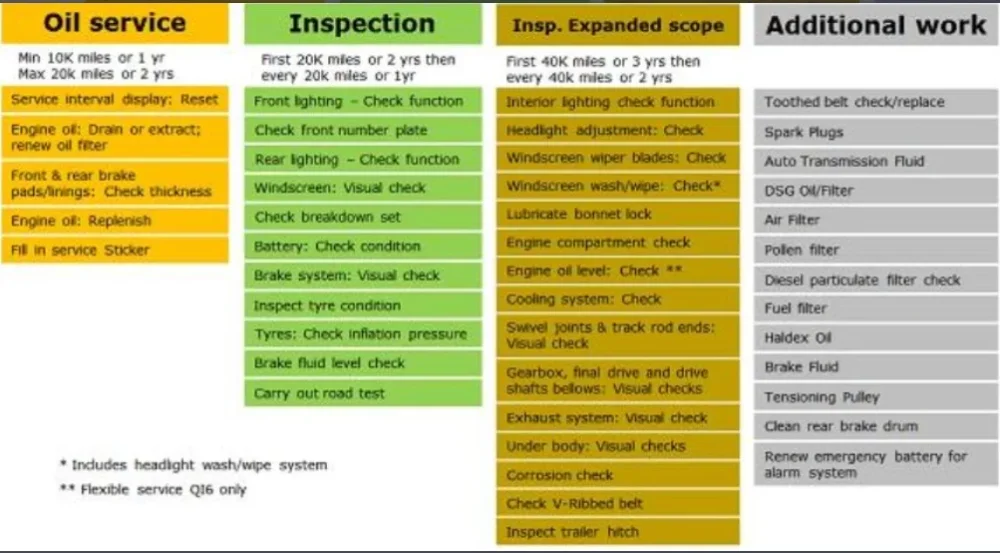
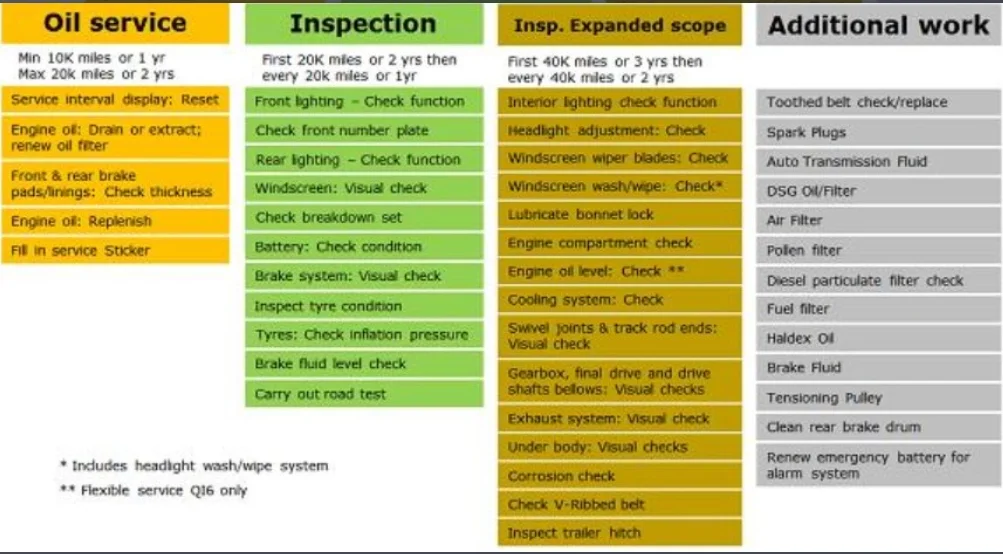
Depends on which DSG your car has. I believe the 1.5 tsi has the DQ200 dry clutch gearbox and as such no oil that is routinely changed.4 points
-
Just had a response from Arnies Autocare people. They say as long as a VAT registered garage using genuine parts for service/repairs is used then the Autocare plan will stand. Bloody annoying how they have chosen to word the small print though.3 points
-
3 pointsAs a retired Trading Standards Officer, I have had many dealings with extended warranties over the years. In my experience, they seem to cover only those items that aren't likely to fail, and have many exclusions. Looking at the Skoda brochure you attached, it warrants covered components against "Sudden Failure". There may well be a problem with a component, but unless it suffers from sudden failure it won't be covered. There is also that universal exclusion, "Wear and Tear". When a car is three years old or more, it is nigh on impossible to prove whether a failure was caused by wear and tear or not. I'm sure some people do get good value and peace of mind from extended warranties, but personally I wouldn't bother.3 points
-
That is how it is.^^^^ DQ200 7 speed twin dry clutch DSG's have no Service Schedules, Guidelines or Recommendations from Skoda who at good times build 2,500 a day and have done for years now. If a dealership employee says they do need an oil change ( there are 2 oils) then ask the price and where they get their info and can they go get someone with a clue about Skoda cars. ......................................................... Just as a guide. & This does not apply to DQ200's (and DQ381's are at 80,000 miles. but some will stick doing them at 40,000) Prices have increased at some places or with the Fixed Service & Maintenance deals.
.webp.ee5b8a609f78b3b2f42441d7532010fa(1).webp.255a3919169412f4837d9531b7600e56.webp)
.jpg.329efe0695a8a0f4fa8725c4326b07a0.jpg.35e594fec1348128cf20ac0c88a78567.jpg) 2 points
2 points -
Yep dq200 on that which is dry clutch system. Still has oil in the selection mechanism and can be serviced. Roottoot will be along with current recommendations. It's technically sealed for life but that really depends on how long you plan on keeping it and whether it's worth it to you to get it done.2 points
-
2 pointsOnly in this weather do I now appreciate ventilated seats. They realty do keep ones back, bum and neither regions lovely and cool!2 points
-
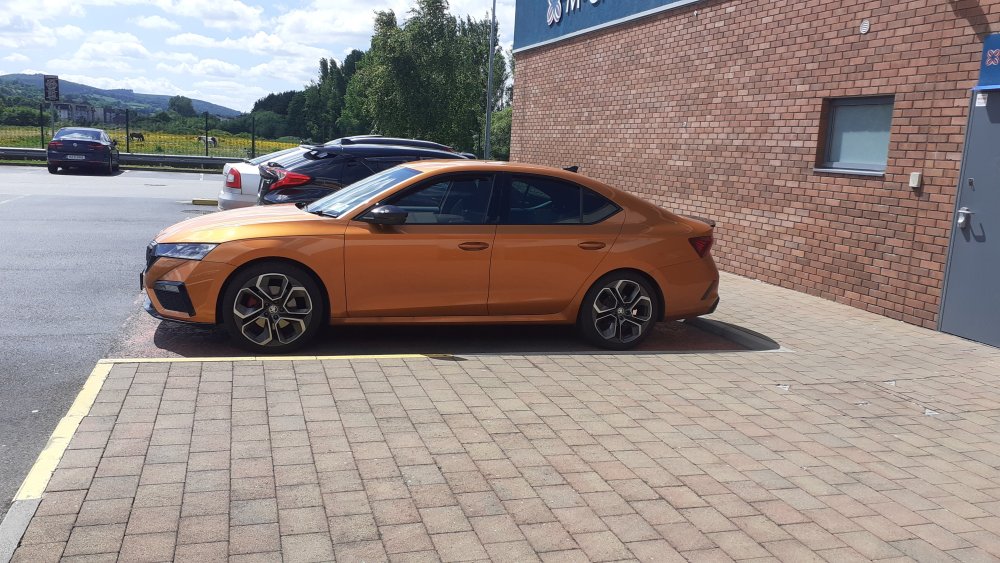
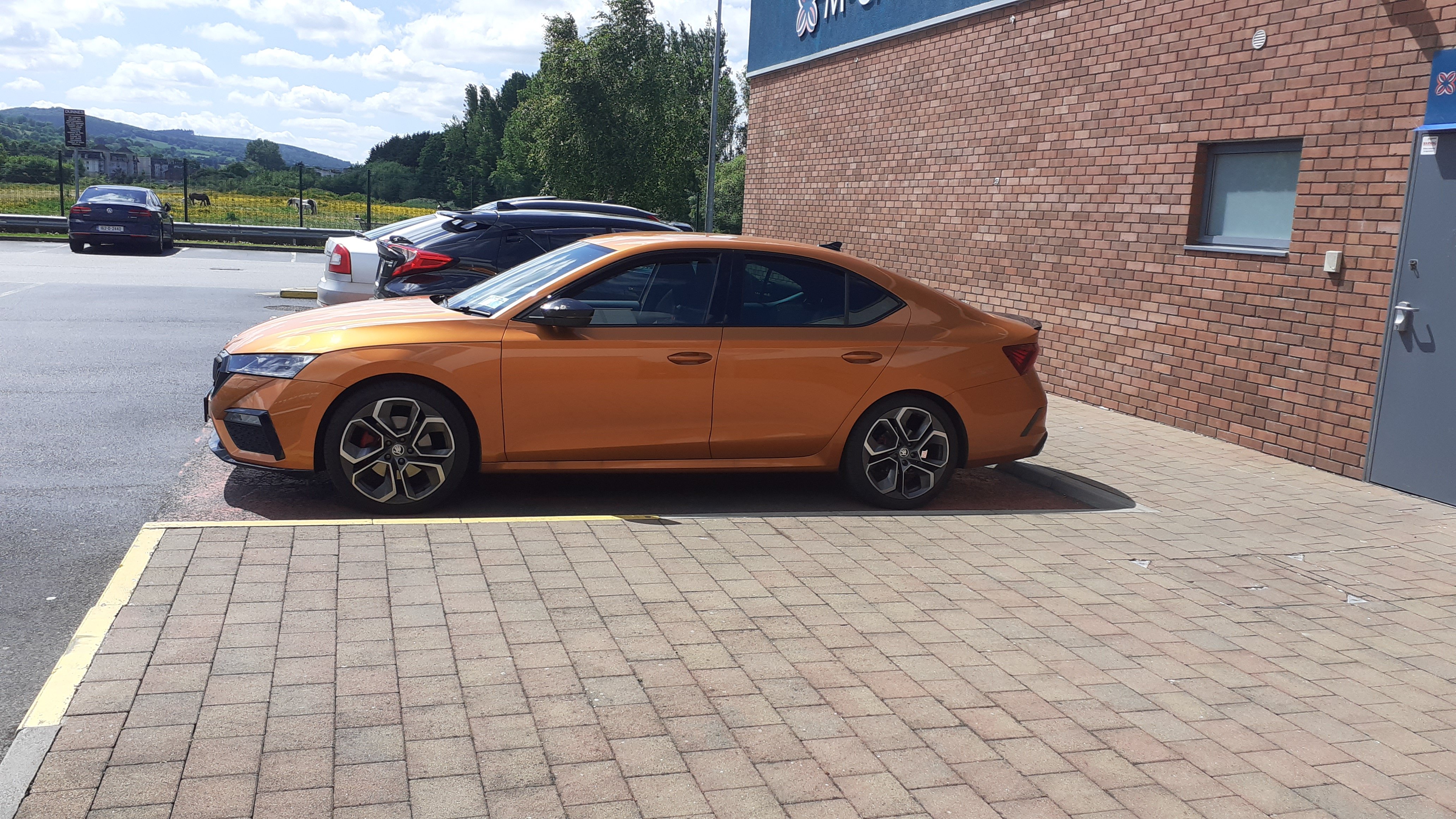
2 pointsnot mine, but first mk4 vrs ive seen in real life.. from end of may, i forgot to put it up.. colour looks much better than the photo makes it look.
 2 points
 -
2 points
-
2 pointsHell. I see all those posts about delivery almost after year wait And feel i feel happy for you and really sad for myself. I ordered car year ago, and still do not have even build date. Are here more people like me, who wait 1 year and more and doesn't have build date?2 points
-
I think I said before, but a small range extender engine, like a generator, with a 5L fuel tank or a LPG/CNG generator and 10KG capacity tank would be enough to get you where you need to be. Most hybrids are carrying a full engine, transmission and 40+ litre fuel tank, such that the engine can drive the wheels. If you're adding 50kg to a car, but saving 150+kg of batteries, meaning you can do 150 real miles easily, and RE up another 75-100 miles, then I've no issue with that. Sadly that' s not the direction most manufactuers are in and the octavia iV is adding nearly 300kg to the equivalent car.2 points
-
I think it's sealed for life but I stand to be corrected.2 points
-
I'm in a similar situation, most of my drives are less than 50 miles per day but I regularly, about once a month, need to make a 200 mile cross country trip where currently I only pass one EV charging station and that's quite near to home. So a pure EV with a GUARANTEED in all weather conditions 200 mile range would require me to unnecessarily lug around a heavy battery 30 days out of 31, which would mean a range extender EV with an electric range of 70-100 miles would be environmentally better.2 points
-
2 pointsWe visited Sheffield park (in Surrey earlier) - well known for Water Lilies apparently. Loads of dragonflies around too Stay safe in the heat everyone 🙏







_edit_495377850221282.thumb.jpg.96e37ccceeef9910259188948a249f55.jpg)
 2 points
 -
1 point...well after 2 years of looking and procrastinating our beloved 2015 1.4 L&k Yeti is gone. After much searching and many test drives we have now part exchanged for a pre-registered Kia Niro. In some ways not really a patch on the Yeti, but has some usefull features and I really wanted an auto box, (and a 7 year warranty helps ease the pain of transition!). Nothing I tried came close to the practicallity and "quality feel" of the Yeti which will be much missed, although concerns regarding the eventual possibility of a pan roof failure, and a few other problems that had started to become potentially costly concerns? The things I prefer on the Niro are the auto box, fuel economy, (first 50 mile journey from the dealer showed 65mpg on the computer), although the 1.4 returned 44mpg (actual) over the 4+ years we had it), and adaptive cruise control, 7 year warranty, no potential pan roof problems. The things in the Yeti's favour are practicality whike being relatively small, (seat removal), comfort, "quality", (feels very "soild" compared to more modern offerings), performance, loads of extras on the L&K although some not used, (auto parking....why????). If they still made them, (or something very similar) it would have been a no brainer to simply get another one, (auto). I even thought about trying to get one of the last 2017 SEL Drives, but they are now 5 years old and I didn't fancy spending that sort of money on a VAG car with no real warranty. I can say that to date, the Yeti has been the best car I have ever owned!! ...so goodbye to this forum and thanks to all for all the help over the last few years....and if you have a "good" Yeti, then I would strongly recommend keeping it as long as you can!!1 point
-
1 pointI don't know if the battery is unquestionable. https://youtu.be/iCOTbA6FjS01 point
-
I’d not noted the water temp when the warning came up but immediately after it was nudging above 95deg. The warning came up just a week after an oil service at a dealer and the level was fine when it was checked the day after the warning. The oil temp has been sat at a steady 90-92 degrees since, albeit running solo throughout (and it’s not been out since Saturday!).1 point
-
1 pointHi, Our Yeti is now 6 years old; last year it had the cambelt & water pump replaced together with service and MOT costing over £800. Last week it had a major service & MOT costing £432; with 30K on the clock it sailed through the MOT and no issues were found; DMK at Wakefield always look after it and it's never missed a beat whilst being a joy to own and drive; my wife and I love it; no chance of trading it for a car which these days looks like every other new car. Skoda made a huge mistake in dropping yeti production; we'd be now collecting our third Yeti and absolutely no way do we want a battery car. The government wanted owners in diesel cars a few years ago so we're in a diesel car and will stick with it; who wants to own a car that when the battery needs replacing it will be cheaper to scrap the car; this is progress? The only real expenditure other than servicing was to fit Michelin Cross Climate tyres because of our steep valley location; the tyres cost £600 a few years ago and were fitted by "Tyresonthedrive". DMK Wakefield always do a good job and our Yeti will never be taken to a back street garage to save a few quid; I was told if we did trade in our Yeti wouldn't touch the ground it would sell so quickly; it's in excellent condition and I'd like to have it fully rustproofed which I need to look into rather than bother trying to do it myself; it's the best car we've ever had the pleasure to own and it's a keeper. Kind regards, Colin.1 point
-
So... News.... OUR CAR EXISTS!!! So now which boat do I track and how?!1 point
-
Certainly is that way on other Skoda models, also disables dead locks. Can also be disabled in the menu on infotainment unit, which will only disable interior alarm monitoring.1 point
-
1 point
-
1 pointIn reality the car ordered is the car delivered as I believe there wasn't mention of a MY23 initially? Walking away will incur a cost so ..........1 point
-
The point about weight is a good one. I don't have or intend on having a full tank of fuel since most of the time I am running on batteries only. For longer distances, batteries are full before leaving and I get better range running on a smaller amount of fuel (less weight) in the car, making a quick pits stop towards the end of my journey for petrol when needed. Adapting to the vehicle being driven, whether that is ICE, EV, PHEV, etc... is key to getting the most from the vehicle.1 point
-
Surround or adapter you're both talking about the same thing, just using different words.1 point
-
1 point
-
1 pointSome warranties are worth having though. My brother bought a 13 year old Merc recently from a trade friend for about £8k. A few weeks later he had some handling issues and discovered the rear subframe had failed due to rust. Quoted £5k for repair but then found that Merc’s with full service history have a 30 year rust warranty. Replaced FOC. Apparently this is a known issue on that vehicle but it only occurs in countries that use salt on roads in winter! Can’t imagine Skoda doing a similar repair on my car free at 13 years old!1 point
-
1 pointThis is in the wrong group to start with if it relates to an Octavia, the title should also display something more specific than the car make and model regarding the actual issue so people who are more knowledgable on the mib systems can chime in and assist. but regarding your fault I wouldn’t be jumping to check fuses - first of all, have you tried simply pressing the power button to see if you’ve just turned it off? If it doesn’t work, hold it for 10 seconds and try again. after that I’d be looking at scanning for any fault codes before touching fuses - if you pull fuses first you risk removing any fault codes that could assist you further down the line if it’s a repeating fault or a hard one to diagnose1 point
-
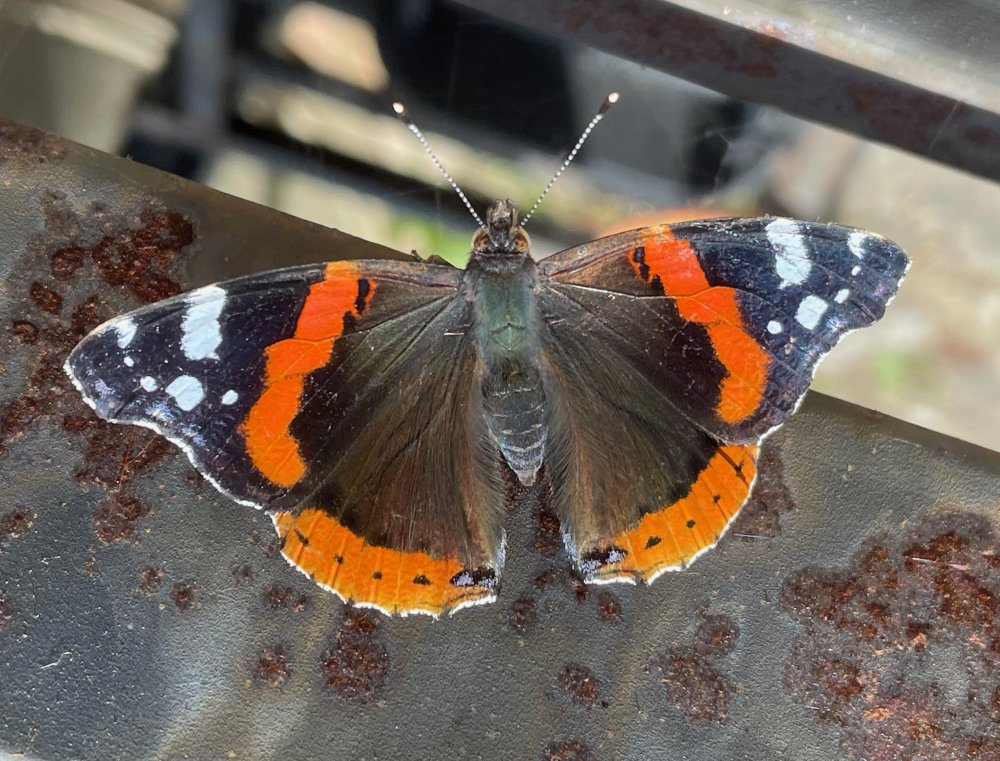
1 pointHaven't seen a Common Emerald moth for a long time. But I don't blame it for having a rest in the cool on our stairs: And to the other extreme, a Red Admiral on our Barbecue: Very pretty, the both of them. Gaz

 1 point
 -
1 point
-
1 point
-
1 pointLooking over on the VWROC forum, a number of MK7 owners have had the same issue. It can be dismantled - thanks to R Learner for the guide here. So just need to get a bit of 3mm mirror glass cut to 130x70mm and should be quite a simple fix.1 point
-
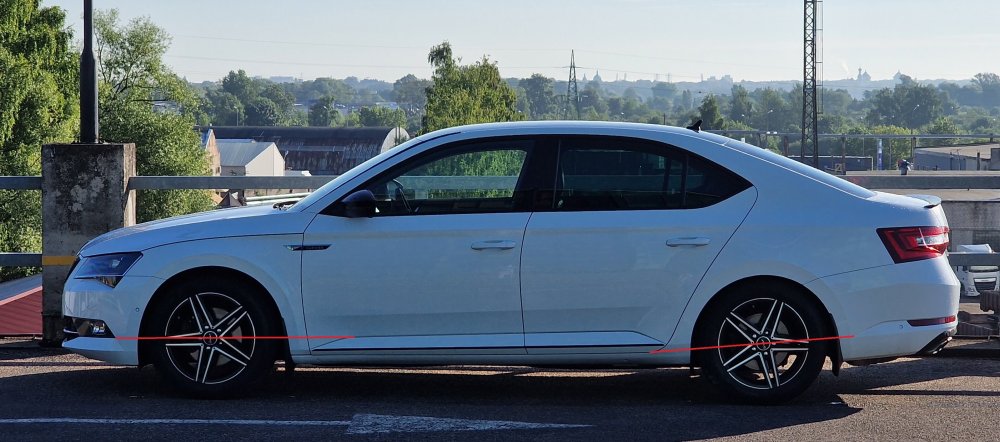
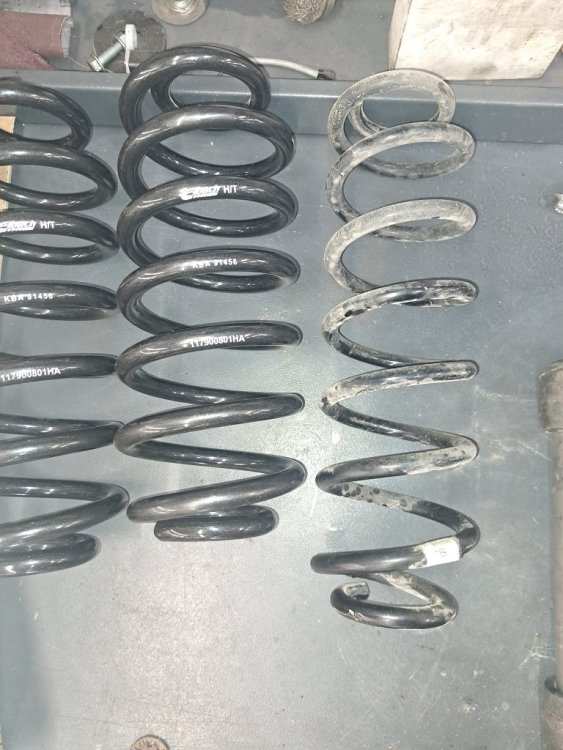
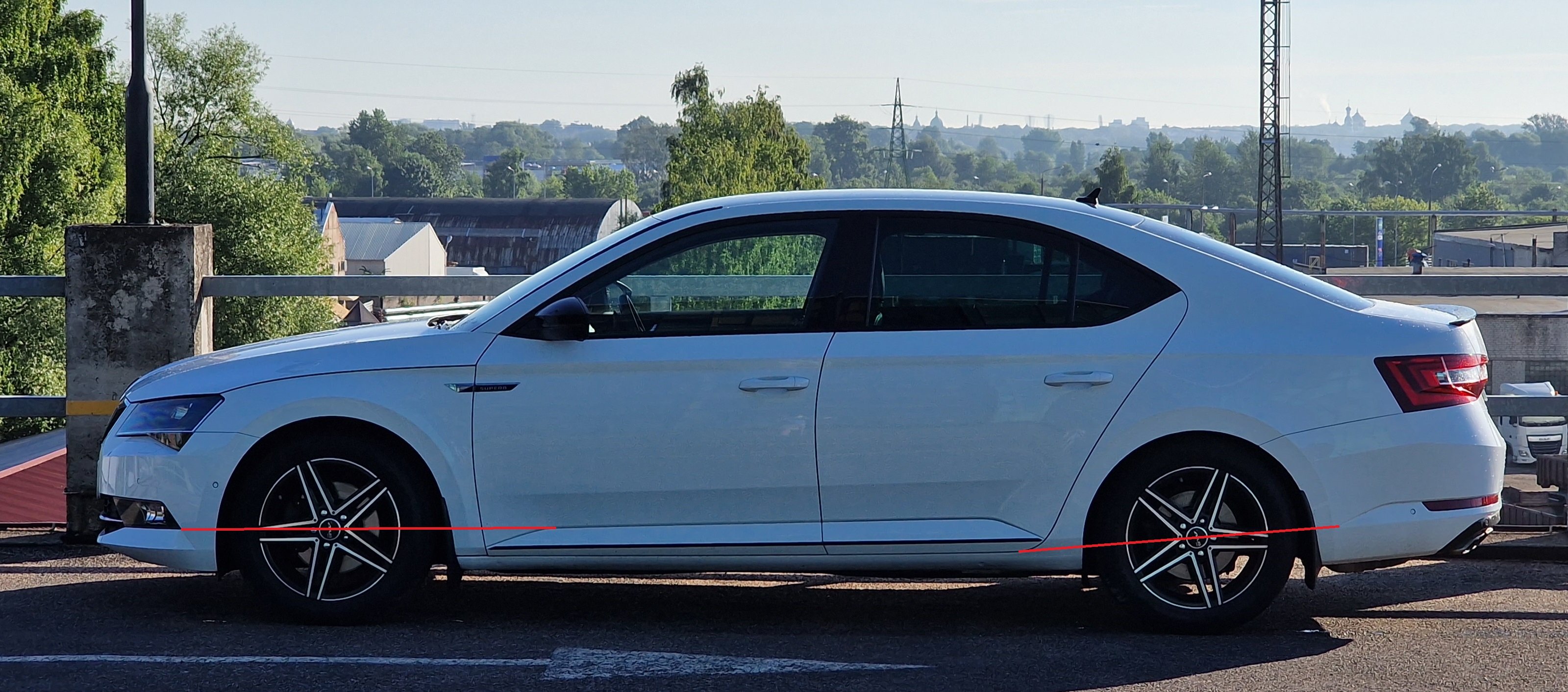
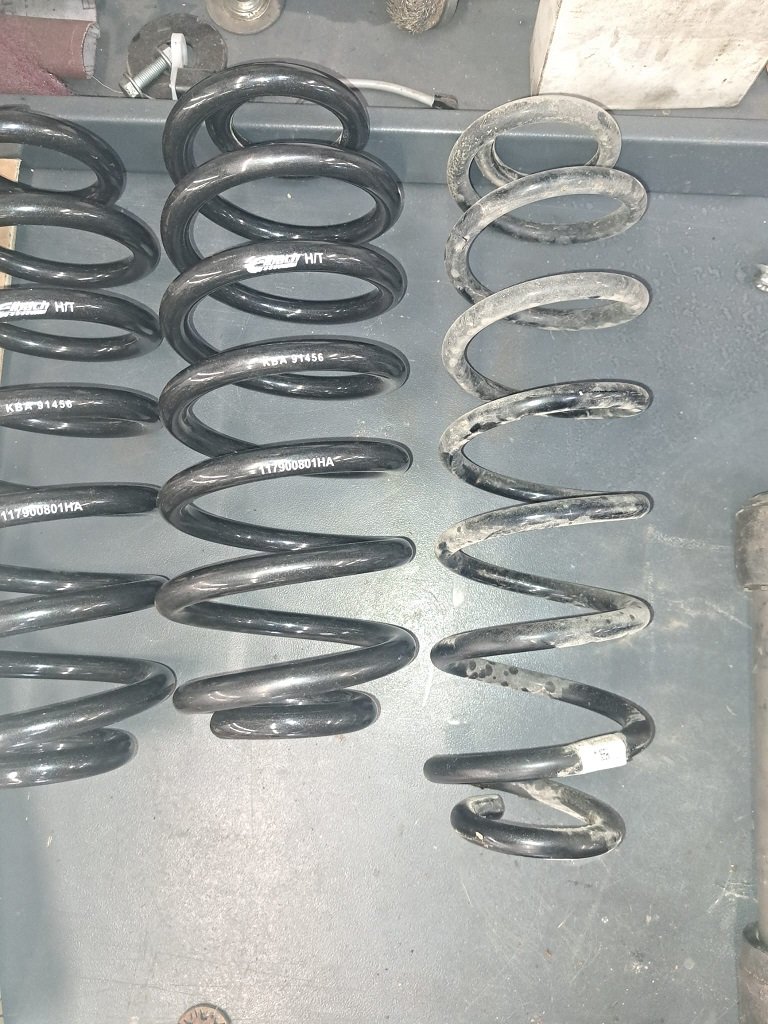
installed rear Eibach Pro springs, rear Bilstein D6 DampTronics still out of stock 😞 distance between wheel center and arch corner front F11-85-043-02-FA (from Audi Q2): L. 376mm R. 378mm + ~2mm if compare to stock rear F11-79-008-01-HA (from 4x4): L. 354mm R. 354mm - ~12mm if compare to stock strange, i were expected opposite result - waited for ~10mm increase, there is one example: -> https://www.briskoda.net/forums/topic/478335-does-the-sportline-have-stiffer-suspension/?do=findComment&comment=5573227 more over, my car has installed Audi's rear spring pads + ~6mm Eibach Pro AWD vs OE FWD springs on Sunday i'm going to ~5k Km test drive, two weeks Riga.LV <-> LT;PL;CZ;DE trip
 1 point
 -
1 pointI have exactly the same noise you describe and above 30mph. It's been like this for a couple of years now. Mine is defo coming from the OSR and initially I thought it was a wheel bearing but recently I discovered my OSR caliper is binding slightly due to a seized caliper piston. I'm just about to replace the caliper so I'll report back if the noise disappears once replaced? I have a feeling the slight bind is what's causing the 'mooing' noise?1 point
-
1 pointOn my Fabia 1.4 mpi with engine beauty cover removed, I used cable ties to prevent the oil cap from disappearing. One around the bottom going under the pipes, and another going around that and across the top of the oil cap. It could easily be slid to the side to take the cap off.1 point
-
If it of any use, the latest Auto Express survey, (in the physical printed magazine) put its sister car Seat Arona 40th, and one of the low scoring parts was ride. There were 2 quotes from the public against each model, and one basically said, mine came with 18 inch wheels, makes the ride far too rough on UK roads which are of poor quality. The Kamiq was introduced bit later than Arona, but is virtually identical underneath, and suffers from the same unsuitable 18 inch wheels as standard (the VW T-cross also has same problem). Hopefully the low score and blunt comments about 18 inch wheels not working in UK due to deteriorating roads might actually get noticed in VW group UK headquarters. Although as @roottoot says they seem to prefer style over practicality when choosing wheels for UK market. They don’t do it in other European markets like Germany or Ireland where 16 inch or 17 inch are the standard spec.1 point
-
1 pointWhat your heating like, do the vents blow heat or are they cold ? I had my heater matrix and tank replaced under warranty a few years back and although the coolant has once again taken on a rusty colour is seems this is more staining of the new tank ( with no silica bag) than anything else. I'm still getting heat through the vents so I'm not worried but I'm not loosing coolant like you are.1 point
-
1 pointI had a woo woo sound that defied all reason, it was checked by two garages who could find no fault. At the last MoT the techie noted an advisory "Nearside Rear Road wheel slightly distorted" That one was taken off, the spare put on and the noise disappeared1 point
-
1 pointI got lucky too… vRS man wagon with Canton & Pano roof (UK) ordered July 21, received Dec 21. I’m not gloating, but haven’t seen any on the roads so far! FWIW I’d have accepted a 12 month wait as it really hits the spot!1 point
-
1 pointI'd try the front to rear tyres suggestion already given. Also check you're not close to a steam railway track.1 point
-
1 pointI'd have done exactly the same, and with the advice you've been given, I probably wouldn't go back either 🙄 Gaz1 point
-
1 pointFront bearings reverberating in the cabin? Not unheard of, especially if the spacial determination thing (there's probably a technical name for this) that your hearing has is appalling like mine is.1 point
-
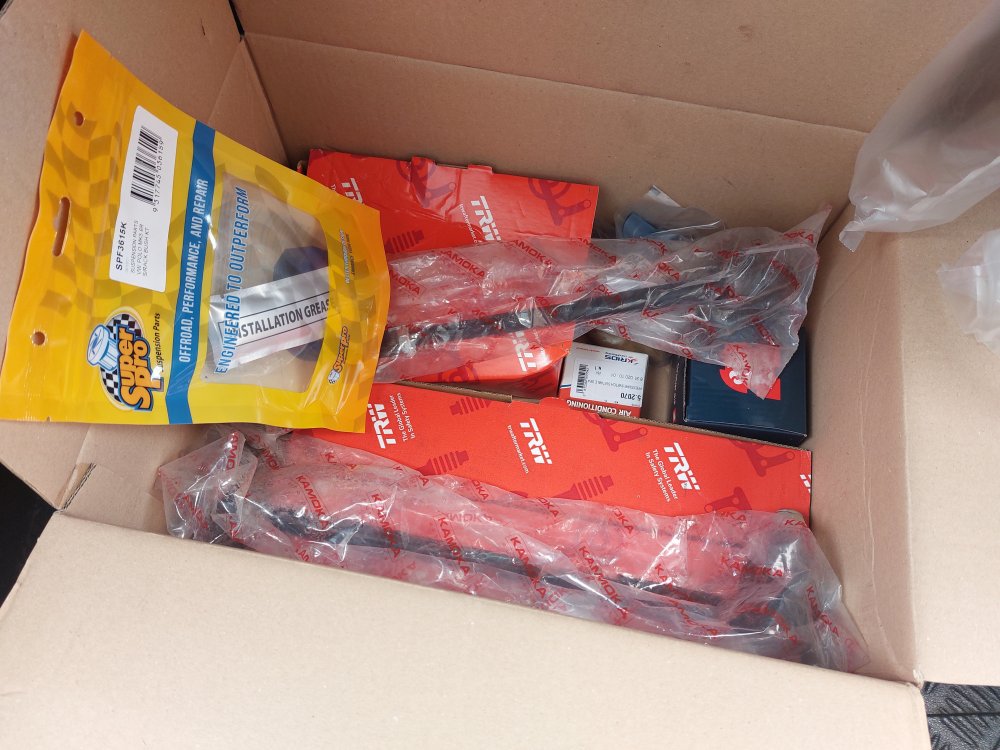
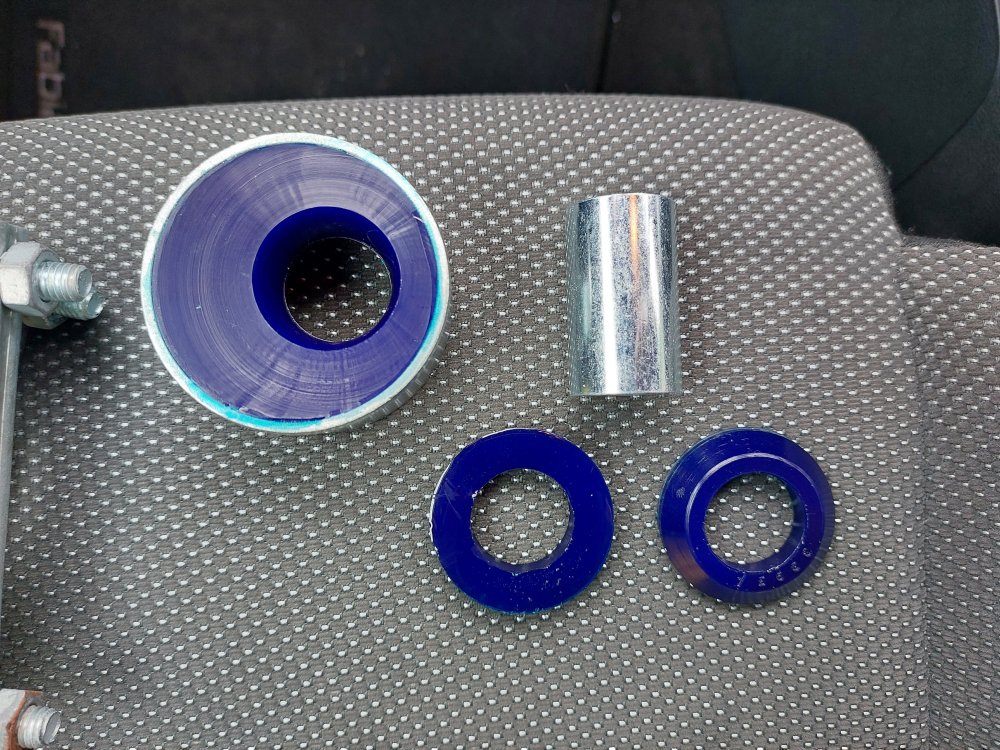
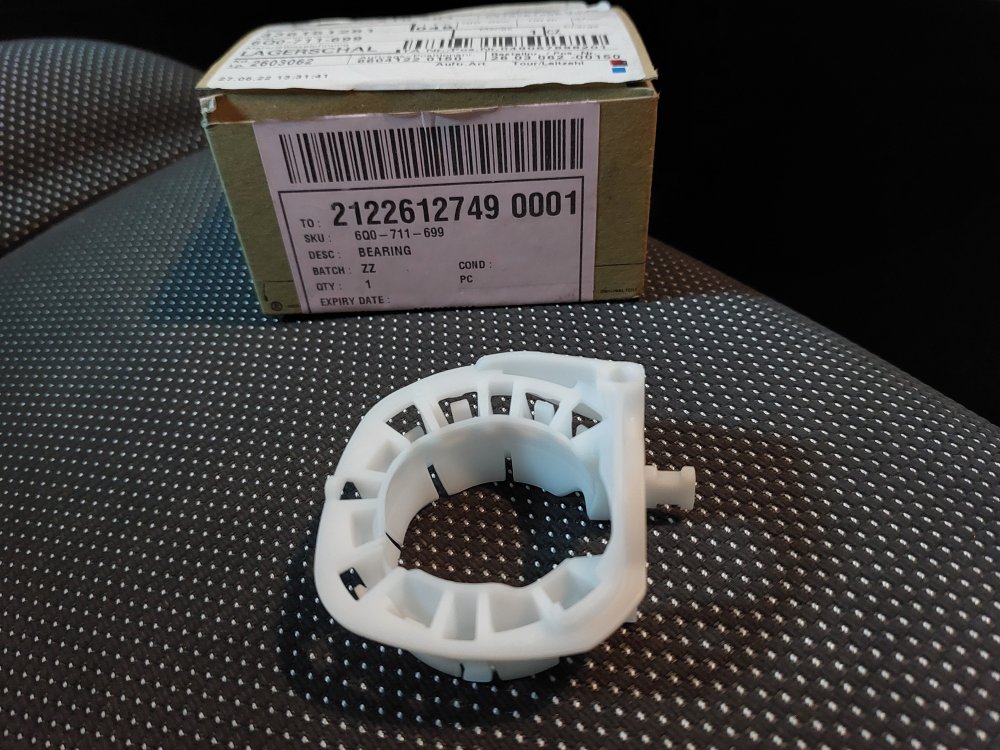
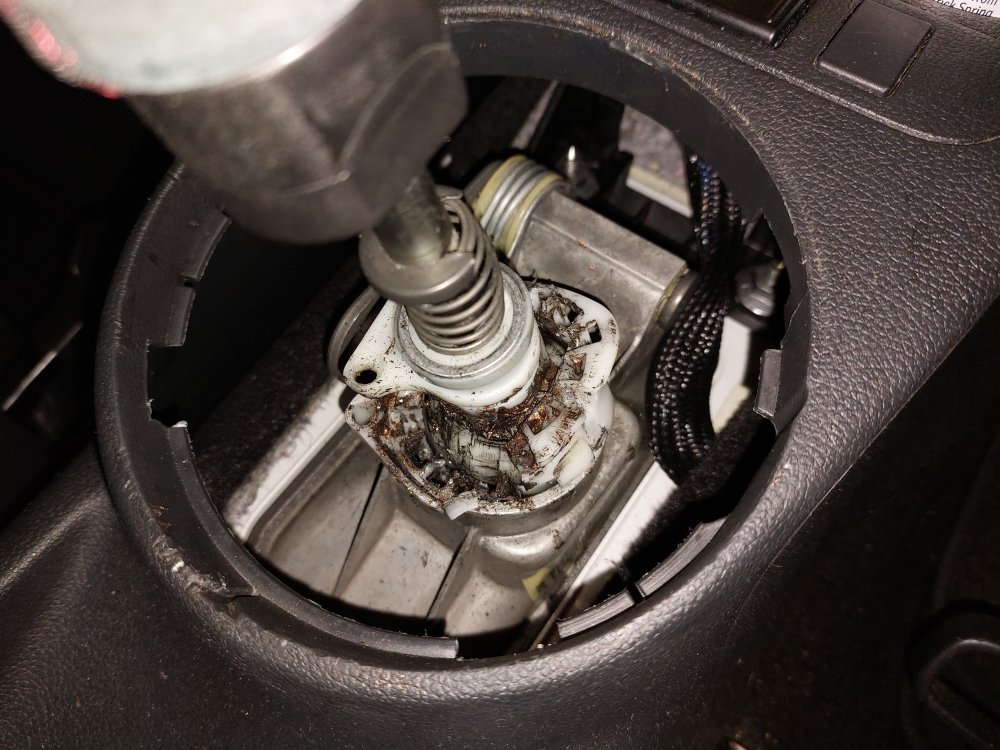
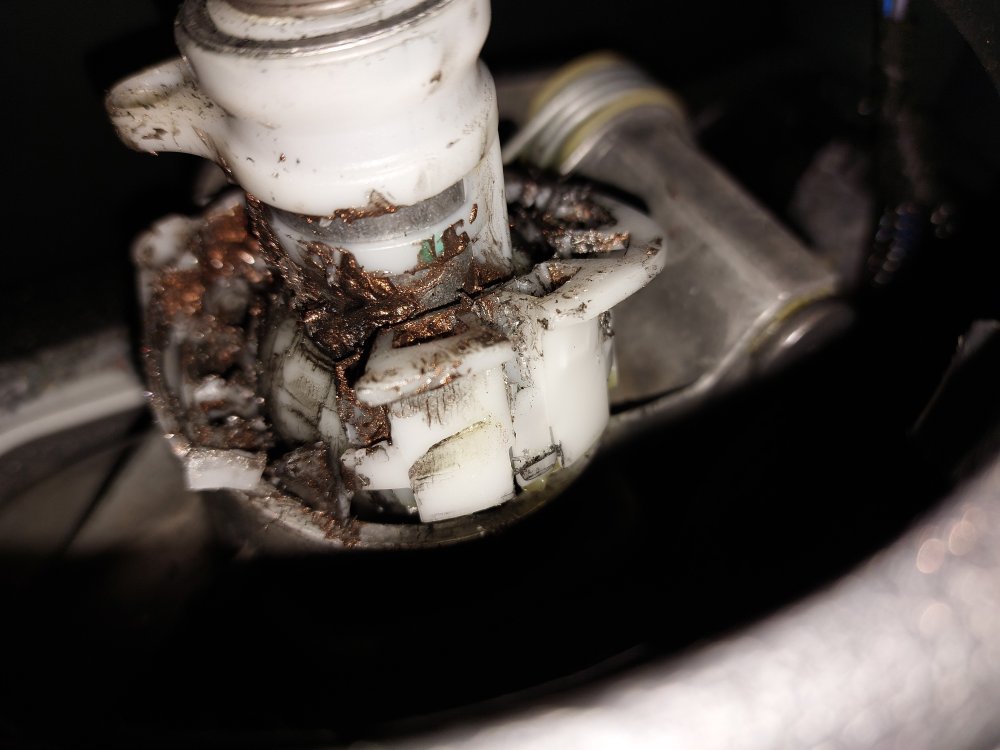
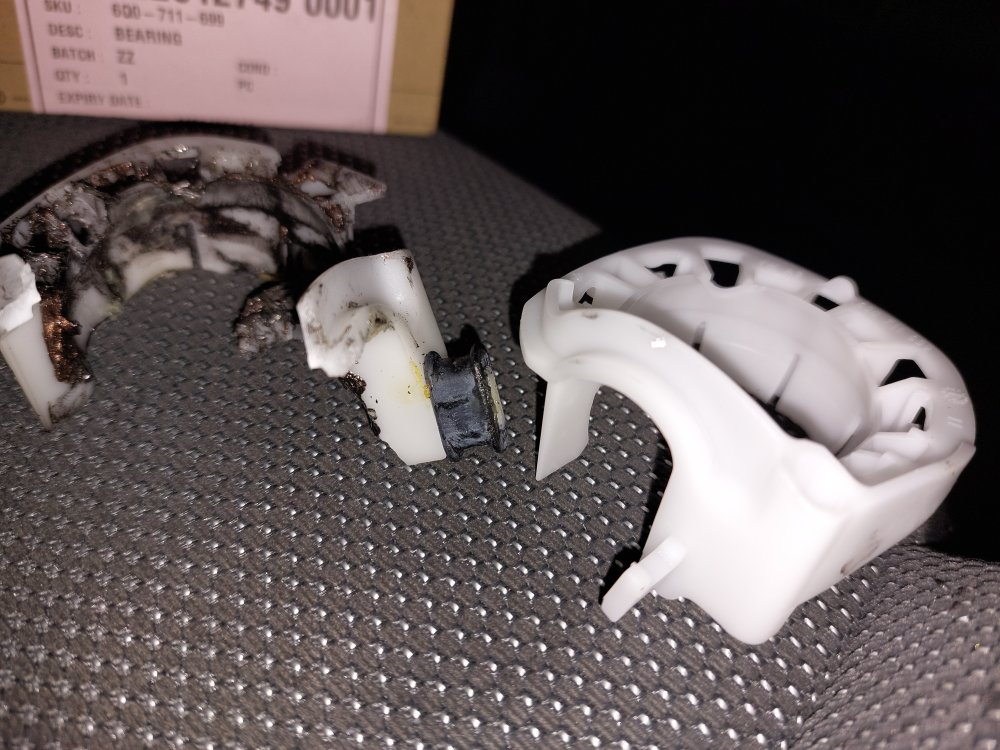
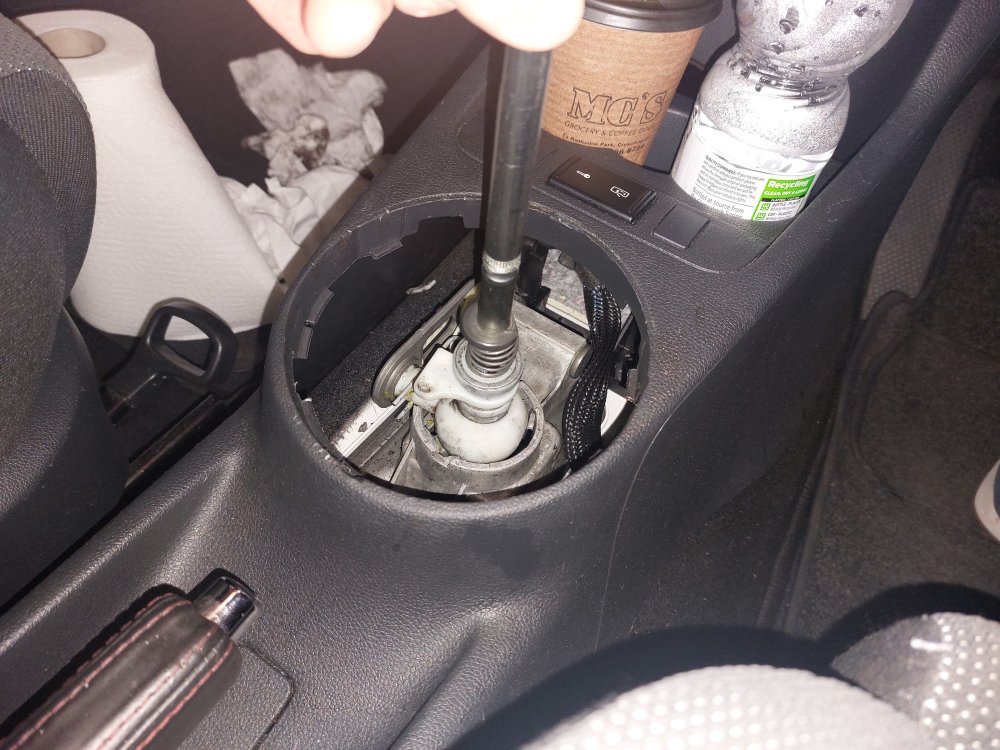
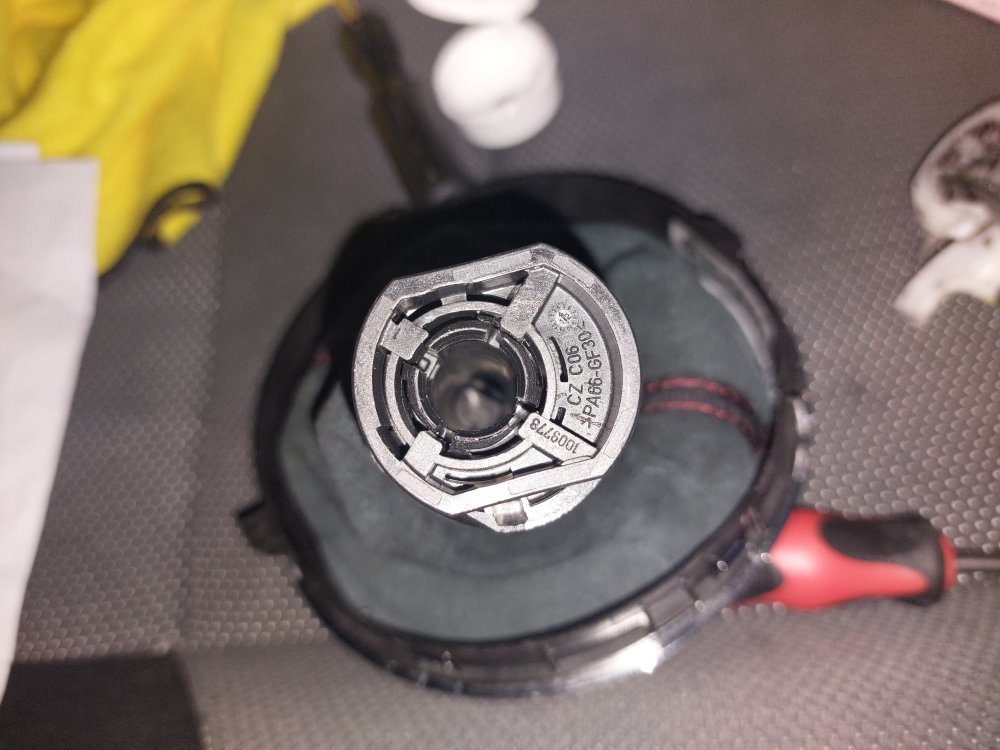
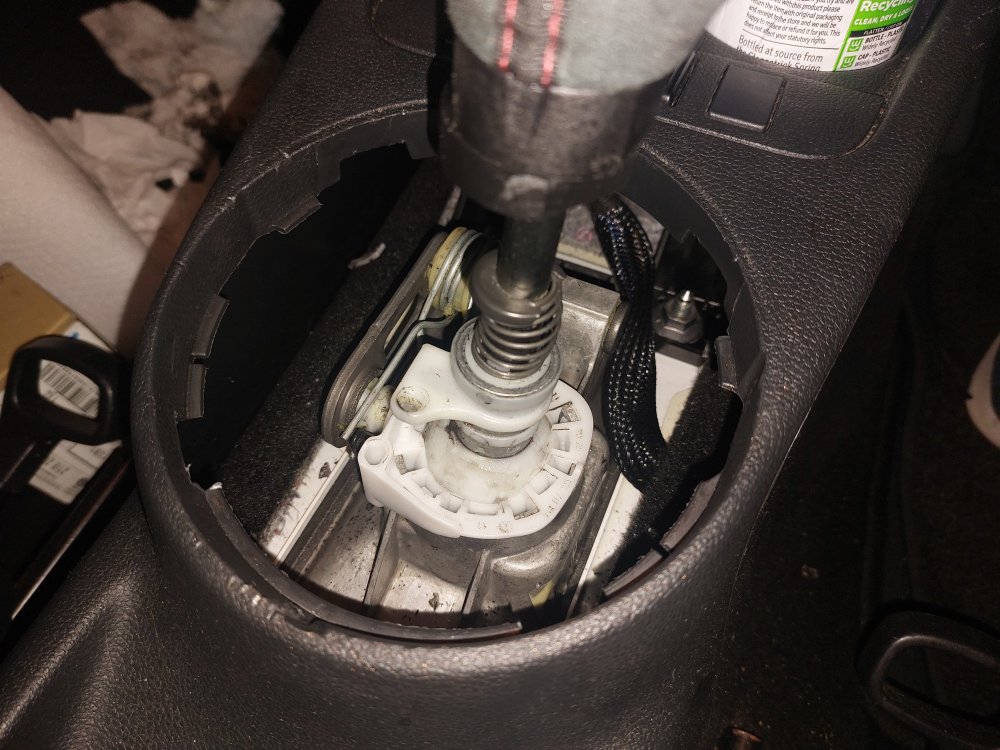
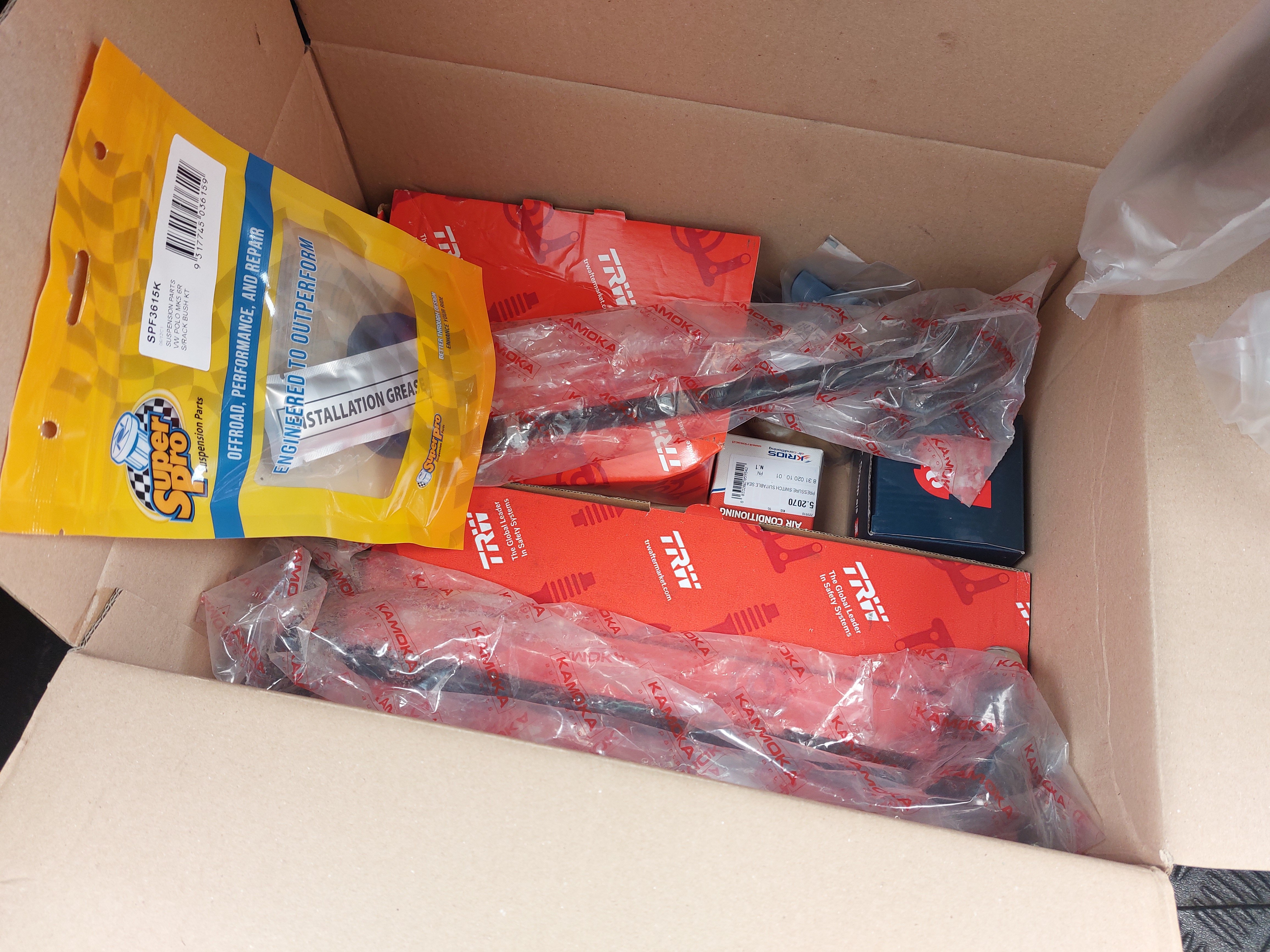
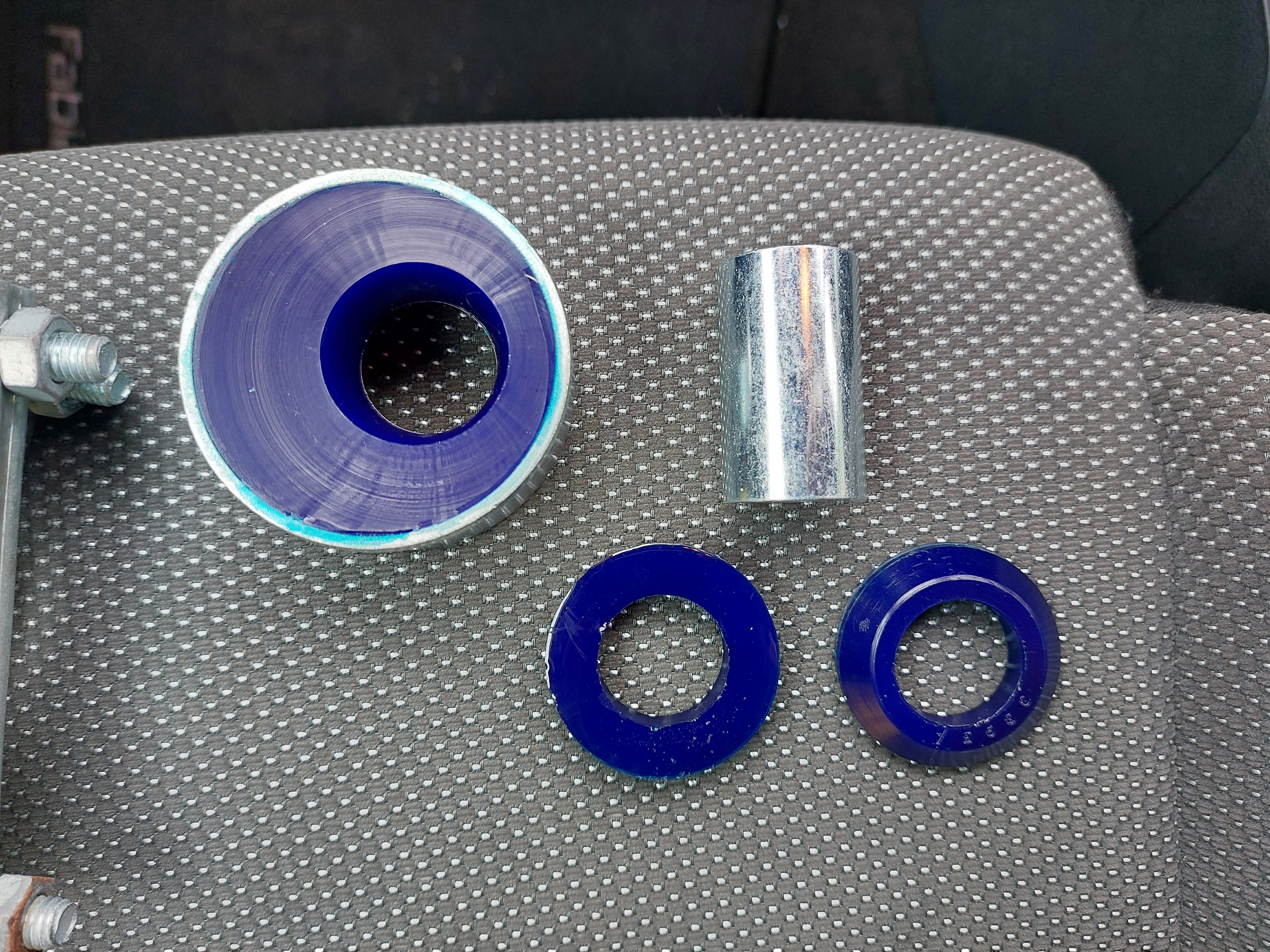
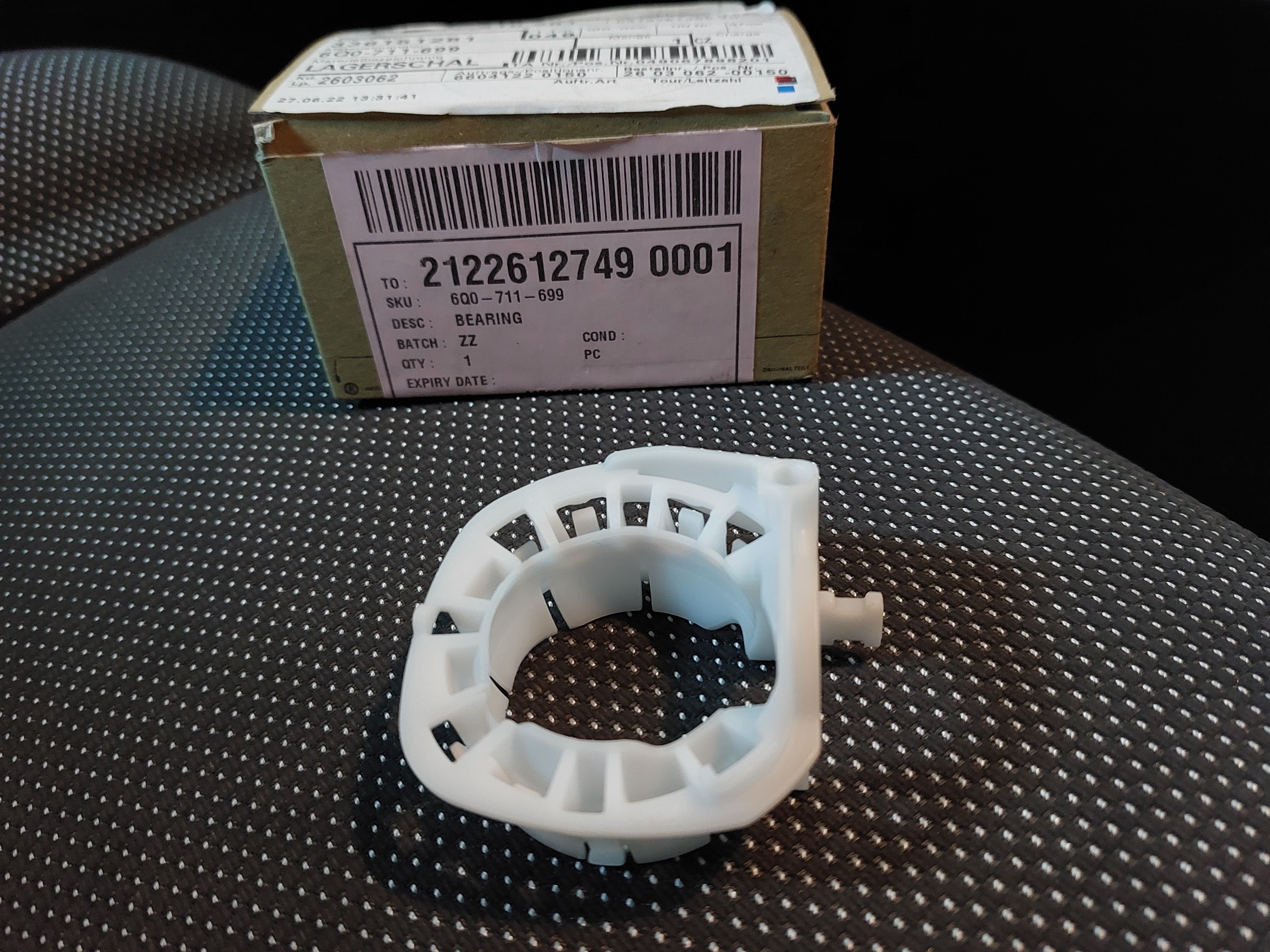
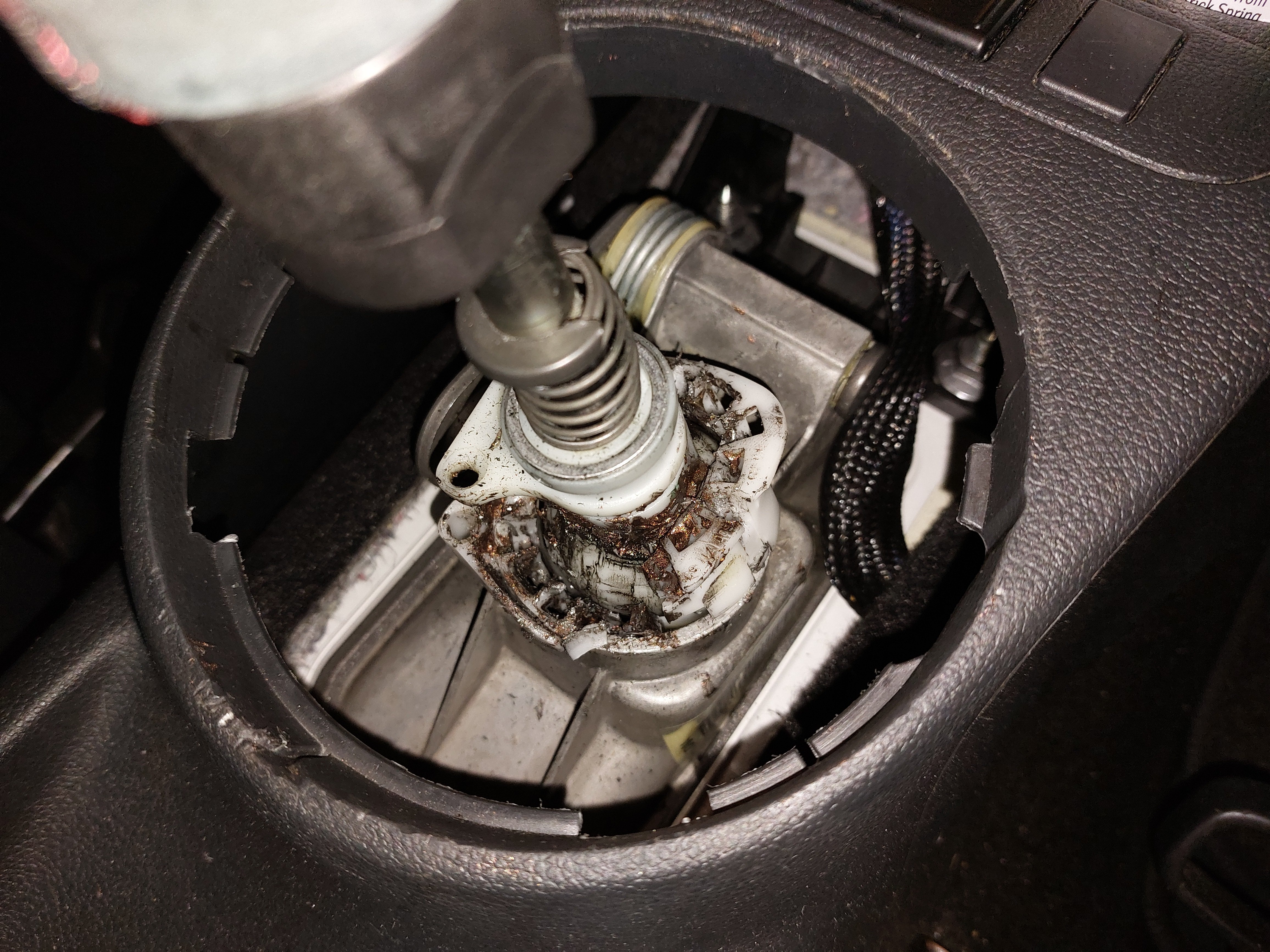
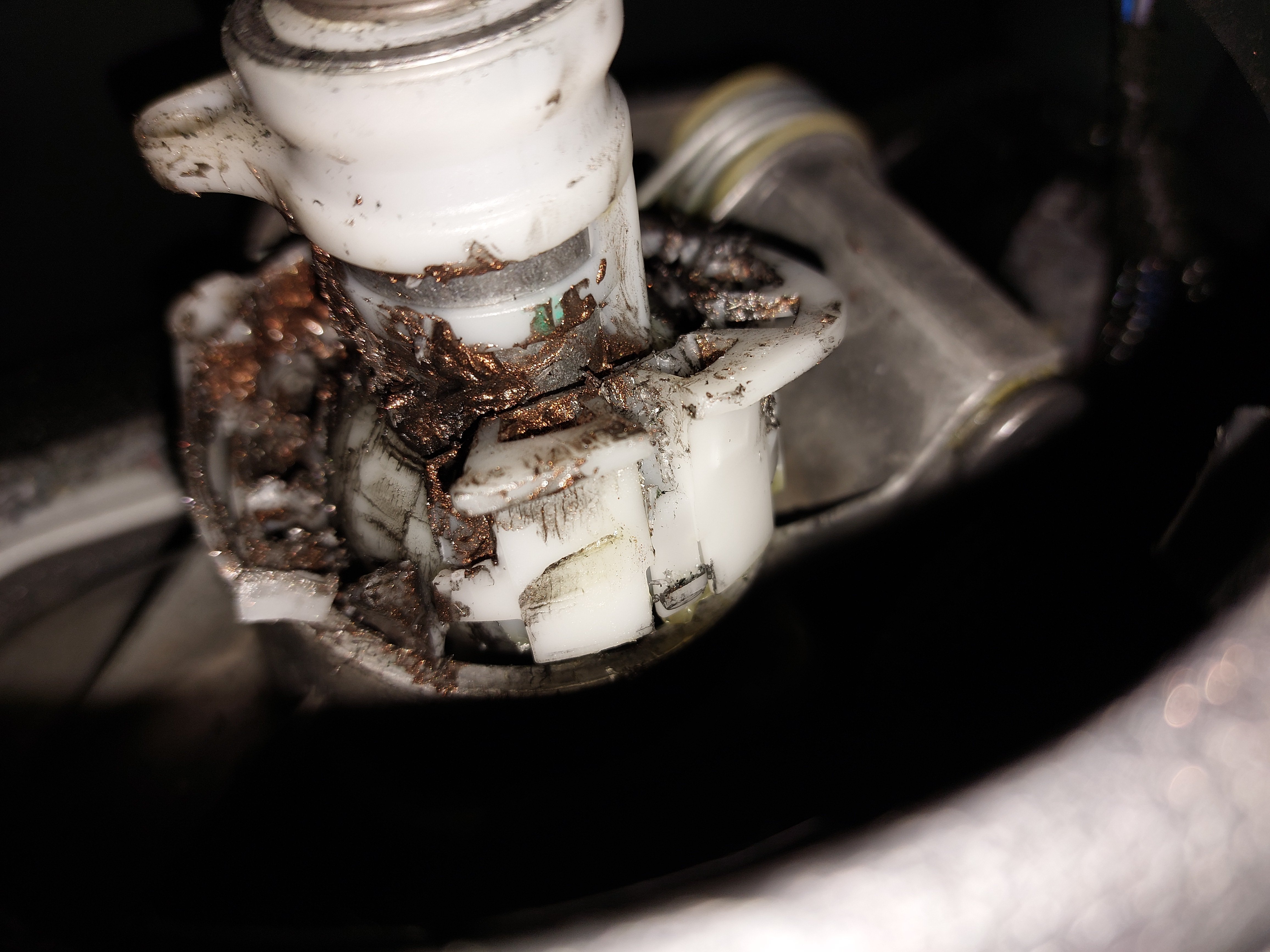
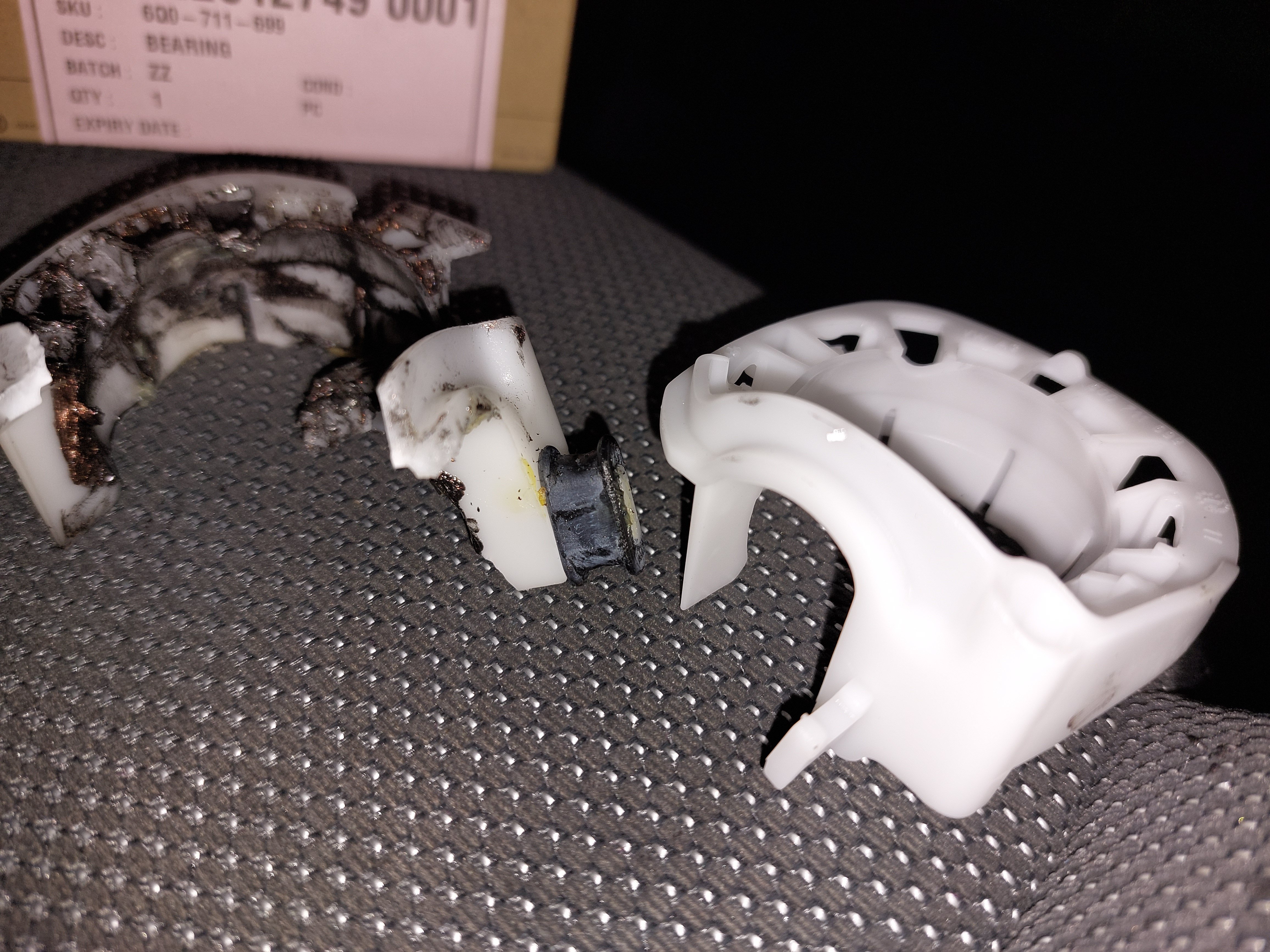
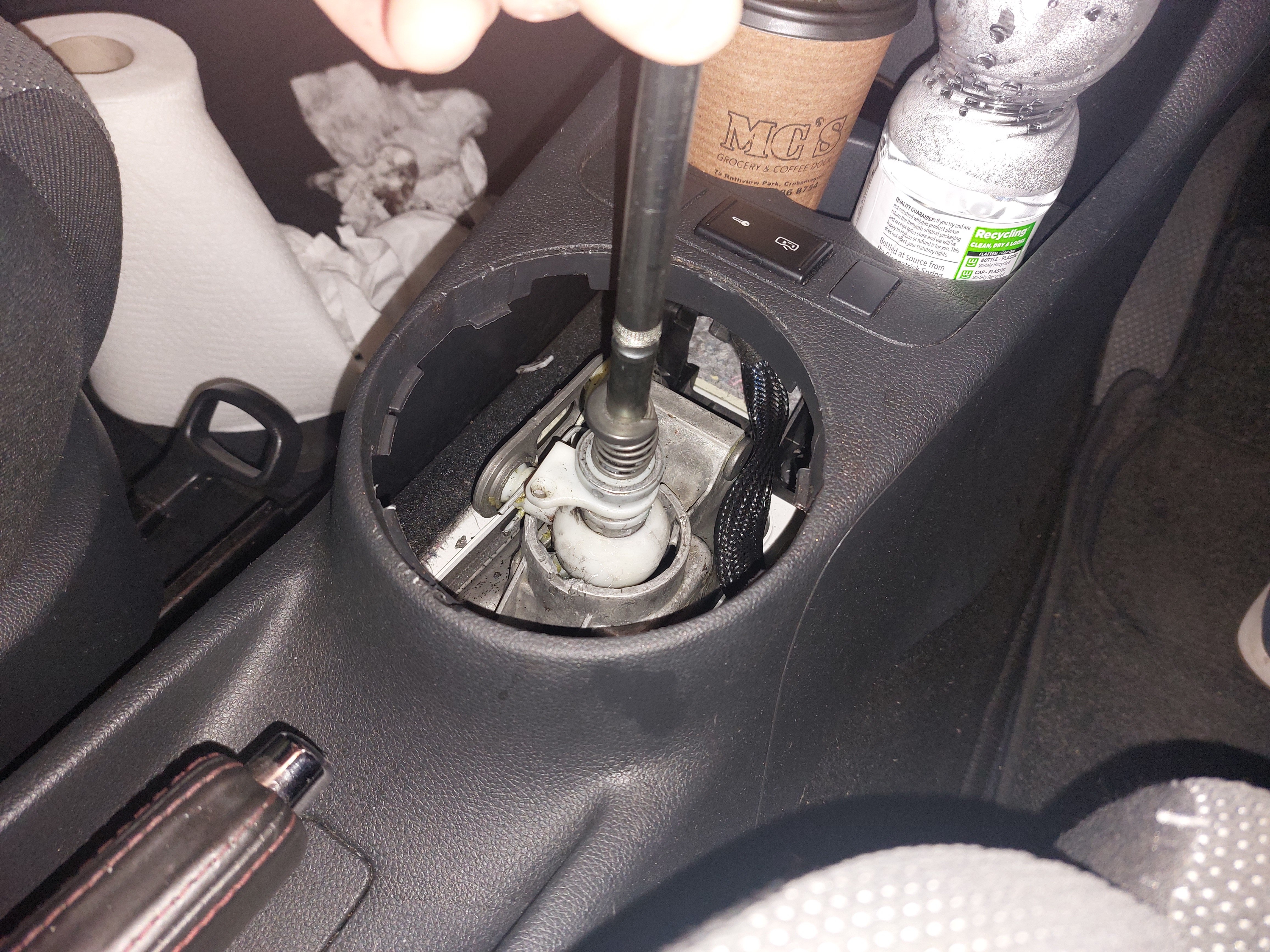
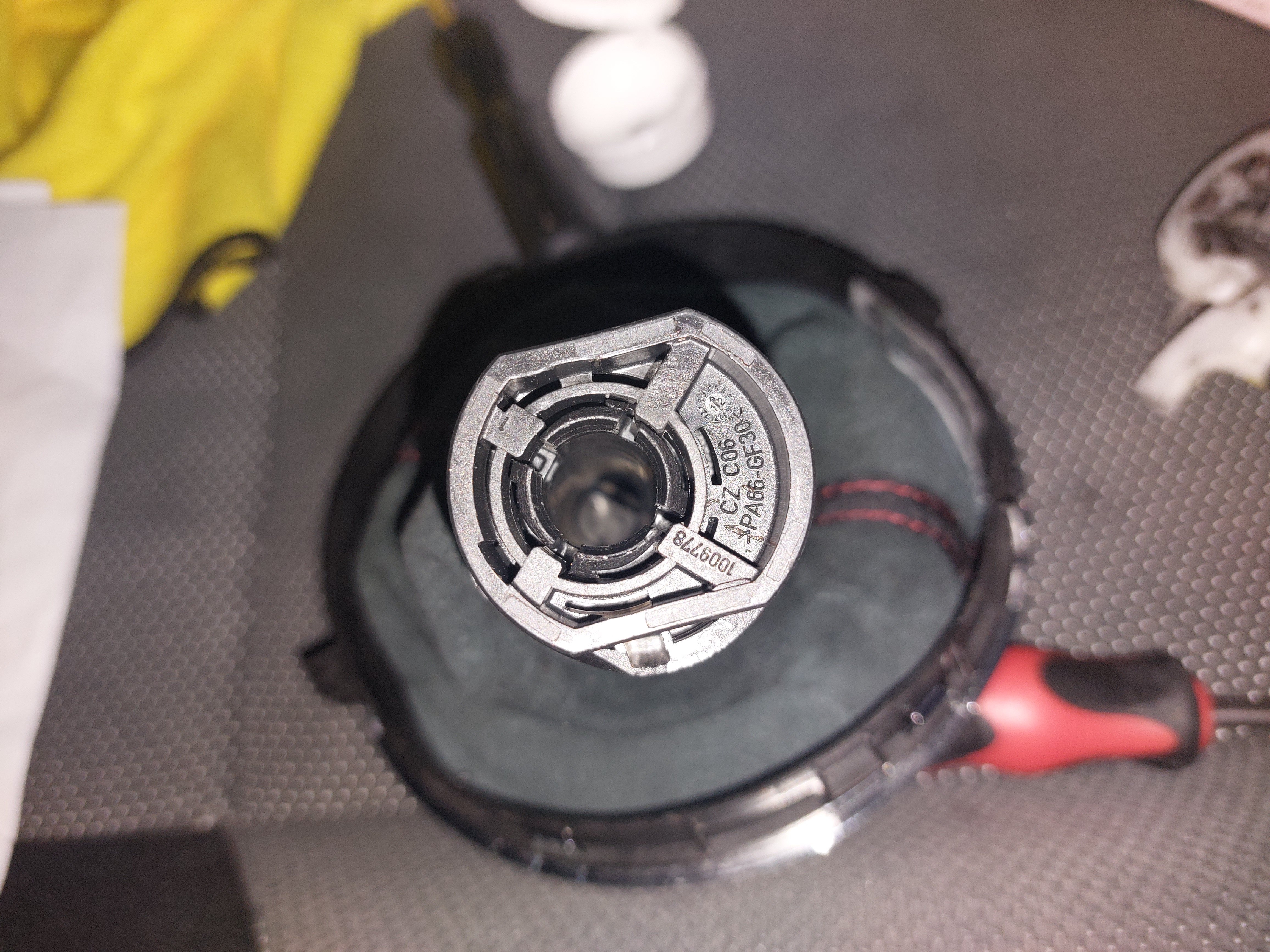
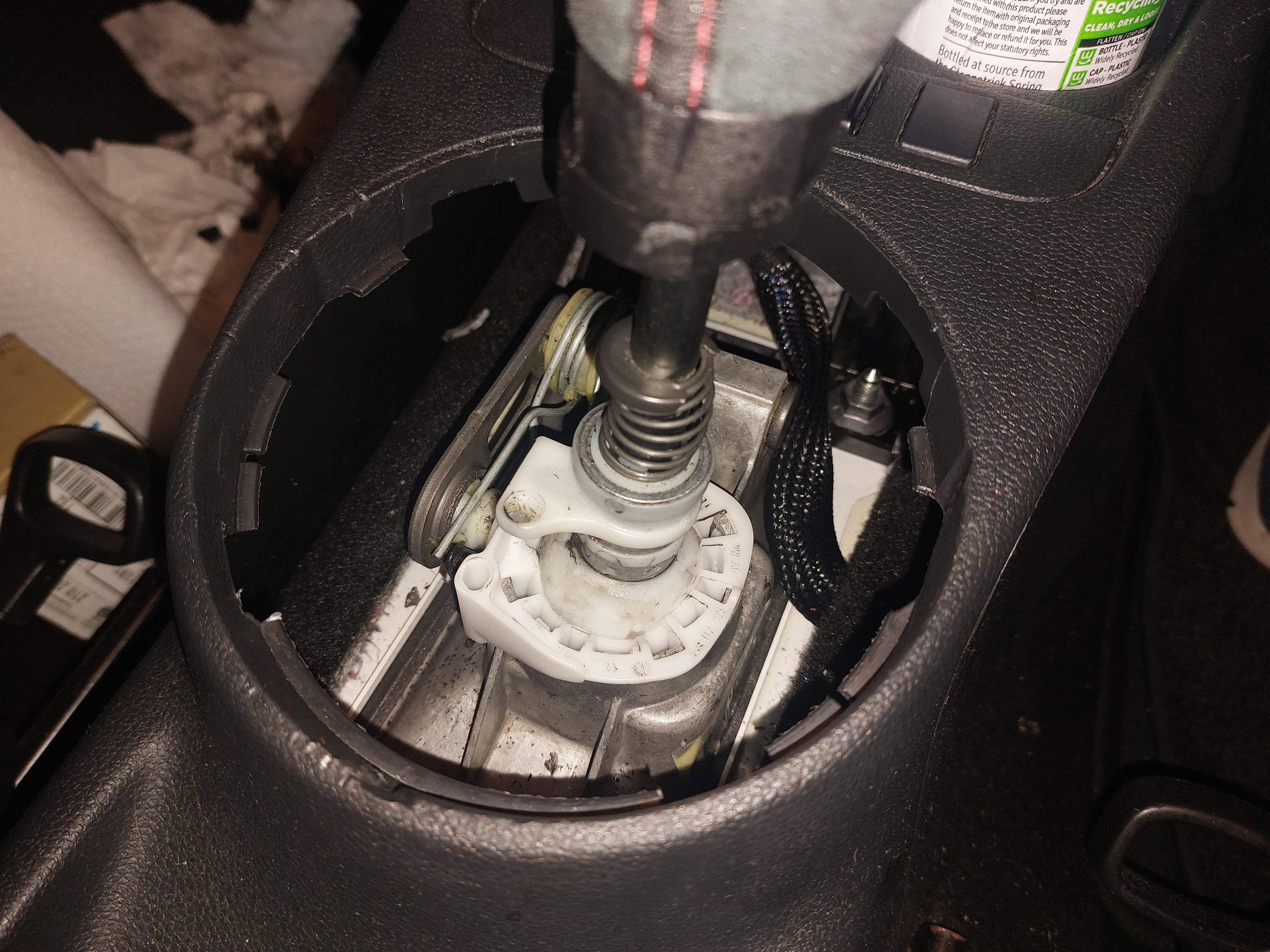
I've already posted most of this in a thread on the Mk2 forum but since I did it to this car, I may update here too. When I did the short shifter I noticed a lot of slop in the shifter assembly So after posting a thread on the main forum I got the part number for the bearing shell, and ordered it. It cost €11 and took about a week and a half to arrive. Part Number is 6Q0 711 699. The old bearing needs to be broken to remove it, no other way I can see to do it. I used some screwdrivers to Jam into it and twist until it broke apart. Be sure to swap over the black elastic band onto the new one, it doesn't come with one. You need to get the knob off to replace the bearing, easy on my car as it uses a weird clip to secure the knob on. Cleaned the copperslip off and regreased with silicon grease. Slip it down and push it over the ball first, then clip it into the shifter assembly. The finished result It's fixed 99% of the slop on the shifter and I'm very happy with that. A new shifter is over 200 euro and you need to drop all underneath the car to change it. This cost about €11 euro and took me about an hour. I've not had any time to go out and do any proper work to either of the cars lately, but I have been acquiring parts for both.
 1 point
 -
There is nothing wrong with electric as a means of propulsion, but yes current battery technologies are questionable in terms of how they are produced and recycled. The problems with battery production etc still apply to hybrids as do the problems with the source of electric generation. Did they take in the emissions of servicing and replacement parts on ICE engines? I don't think batteries are great, it's what we have and personally prefer to see hydrogen fuel cell vehicles, but that requires green hydrogen generation and distribution to be put in place, which sadly are not there in this country. As for TED talks, I'm not one for them. They don't appear to require rigerous evidence (not that there is for all of this subject) nor do they appear to require a declaration of vested interests. Many presenters on many subjects seem to have a vested interest, so using a TED talk as fact isn't something I would do. The chap giving the talk you linked to works for this company, who don't have a lot of detail around what they actually do, but are texas based and consult for many industries. As such I'll take it with a pinch of salt. https://www.swri.org/who-we-are/history#slideshow-2 According to the guys profile they consult for the auto industry (OK so who paid for the research which was used as the basis of data for the talk?) https://tedxsanantonio.com/2019-fall-speakers/graham-conway/ What's funny to me is the inconsistancies. On one graph electric is lower emissions when you exclude electric CO2, but much higher when you include generation CO2, however hybrid is lower when you add in the same electric (Which is not consistent if electric is bad). The hybrid requires more CO2 to create (not shown on the latter graph) and yet the generation is so bad that the EV is eeeevil, but not the hybrid, where electric improves things. This is also based on burning coal, gas and oil to generate electric (which just doesn't happen elsewhere to the same extent). If you look at his profile he states that 64% of the fuel comes from fossil fuel in the US. So where are the data souces and what percentages would be replaced if for example you looked at other countries that are not hitched to coal/oil for electric. I mean if you look at this data from the UK from 2016 it was only around 50% then, and most of that was gas, which is far cleaner than coal and oil. https://www.energy-uk.org.uk/our-work/generation/electricity-generation.html The UK has improved it's mix since 2016 then and even a drop from 64-54% would drastically change the graphs. https://www.edie.net/renewable-generation-overtakes-fossil-fuels-in-uk-electricity-for-first-time/ So now we're at around 40% and dropping, which again changes the graphs. But what about people who use home solar and the chargers with solar on the roof? Again that's going to change the mix. Just looking at the talk and the profiles, which don't match. For example from the profile.... But the graph during that talk shows something else in terms of the miles needed to break even, pretty much double and then some. So which is wrong? I do agree emissions of manufacturing is a big deal, but at least for EV production it's come down a lot very quickly as people are using solar to power plants. That of course can apply to any manufacturing, but I know EV makers are doing this. Again power generation mix is a big deal too, but using the US, where the supreme court just ruled the EPA can't make states reduce emissions as it would affect the states and the power, coal and oil companies in those states shows it's a bad example. As renewables and other low CO2 generation goes up and where people generate their own electric, it's going to be much better. In terms of ICE vehicles, did they include the embedded costs of surveying and locating oil, simulation of the wells, extraction, refining, transport of the fuel or just the CO2 from burning it? They don't actually say, which is where my issue comes. If you're going to make points at a public talk, provide data so it can be peer reviewed.1 point
-
1 pointThis is a good price for a new one https://www.ebay.co.uk/itm/324919301238?epid=2308936671&hash=item4ba6b31476:g:G1EAAOSwrthhqc0W1 point
-
1 pointJust changed my silica bag filled Expansion Bottle for the one without the bag today. Love an easy job as it took no more than 10mins to complete. Car is on 32k miles, so I think I will have the coolant changed at the 40k mile service and every other service afterwards. Change the coolant frequently, just like the old days.1 point
-
1 pointYou can get a home test kit to see if combustion gases are entering the coolant. A replacement cap is a cheap test. Have you checked the water pump isn't leaking? A little leak might burn off. You can put a flourescent dye in to check for dried leaks.1 point
-
1 pointHas the coolant system been pressure or dye tested? If you are loosing coolant and there are no external leaks, then it is either being burned or the pressure cap has failed. I would get the system tested for combustion gases to rule out head gasket/cracked head etc, you can buy the kit for under £50 or get a garage to do it.1 point
-
1 pointThat aligns with what I've read. In the vw self study it says something like...... high heat load applications deplete silicate content over time and affect corrosion protection, so the silicate repository keeps adequate levels by replacing lost or degraded silicates in solution.... Interestingly if you google silicates in coolant there is ....almost.... as much discussion as engine oil choice - almost. Some manufacturers preferring not to use silicates as if the solution becomes too weak (possibly from degradation) it is actually detrimental to corrosion protection than having no silicates at all.... There's even a research paper I came across and different vehicle manufacturers have a different attitude towards using silicates in coolant VAG vs say Honda for example.. All over my pay grade but if you've got a mind for science plenty of reading!!!...1 point
-
1 pointIt coats the aluminium internal surfaces, providing enhanced corrosion protection by replacing the silica that is lost by the coolant as it ages. There's no need for the silica bag if you regularly change your coolant (every 5 years for example) rather than leaving it in for life. HTH1 point
-
1 pointIsn't the other cause of a blocked matrix sand left over from the casting process? That might explain the colour of the coolant too....1 point










.thumb.jpg.f83a46b9b3c0d976b9dbffbb523c9874.jpg)








_edit_495377850221282.jpg.f9ed6adbc6b46689dd2684f9b3ed88cb.jpg)


















.thumb.jpg.06721e8c8b33ed0eea16572ff131b291.jpg)



_11zon.thumb.jpg.c16ba152683ee4538cef55a48f4a17b4.jpg)
