Leaderboard
-
Breezy_Pete
Sponsor17Points24,575Posts -
Lee01
FREEDOM10Points36,950Posts -
MikeTheThinker
FREEDOM10Points8,537Posts -

EnterName
Resident Member9Points3,811Posts

.thumb.jpg.9dd3f612ba7f13d10be5c518d3c8d255.jpg)


Popular Content
Showing content with the highest reputation on 15/06/23 in Posts
-
I have a good relationship with my local dealer, I asked them and they said they are aware the update is coming and should be available (barring any issues found) by the end of the month.... but we'll see.5 points
-
OTA will be available in a couple of weeks. Offline version always comes first.4 points
-
4 pointsSlim pickings for photo opportunities this evening, although a huge bug nearly joined us in the car!!


 4 points
 -
3 pointsThe movement of freight is going to be an EV challenge for a while. I think the cracks in the campaign to get us to "net zero" CO2 are starting to show. Awkward questions are being asked. For example: Q: How much of our air is CO2? A: 0.04%, I.E. 99.96% of out atmosphere is not CO2. (Multiple sources, here's one https://netl.doe.gov/coal/carbon-storage/faqs/carbon-dioxide-101) Q: What proportion of that CO2 is man-made? A: Under 4% of that 0.04%. I.E. 0.0016% of the air is man-made CO2. (Multiple sources available, but here's one https://www.epa.gov/sites/default/files/2015-12/documents/02es.pdf) Q: How much will it cost to get the UK to "net zero"? A: Awkward shuffling and some mumbling about sustainable energy sources. (Unless anyone can source a cost?) Q: If we get to "net zero" in the UK, what impact will that have on global CO2 levels? A: ̶I̶f̶ ̶t̶h̶e̶ ̶U̶K̶ ̶g̶e̶t̶s̶ ̶t̶o̶ ̶"̶N̶e̶t̶ ̶Z̶e̶r̶o̶"̶,̶ ̶w̶e̶ ̶w̶i̶l̶l̶ ̶r̶e̶d̶u̶c̶e̶ ̶g̶l̶o̶b̶a̶l̶ ̶C̶O̶2̶ ̶b̶y̶ ̶1̶%̶.̶ ̶i̶.̶e̶.̶ ̶G̶l̶o̶b̶a̶l̶ ̶C̶O̶2̶ ̶w̶o̶u̶l̶d̶ ̶r̶e̶d̶u̶c̶e̶ ̶f̶r̶o̶m̶ ̶r̶o̶u̶g̶h̶l̶y̶ ̶0̶.̶0̶4̶%̶ ̶o̶f̶ ̶t̶h̶e̶ ̶a̶i̶r̶,̶ ̶t̶o̶ ̶0̶.̶0̶3̶9̶6̶%̶.̶ EDIT: Woah there! My maths are way out here. If we get to "net zero" in the UK, we will reduce man-made CO2 by about 1%. So that's not a reduction in global CO2 of 0.0004%, that's a reduction in MAN-MADE global CO2. So that's 1% of 0.0016% percent., or a 0.000016% reduction in global CO2 from 0.04% to 0.039984% Sorry about that. (Source https://commonslibrary.parliament.uk/uk-and-global-emissions-and-temperature-trends/) There's some dispute about the UK's contribution, with my source stating 1.1%. I used 1% to keep things easy to calculate, but then I also upped the global CO2 figure from 3.xxx% to 4%, so I'm not trying to rig the numbers. If anyone has any definitive numbers, by all means provide them and show the correct calculations and percentages. 👍 Q: If we get to "net zero" in the UK, what effect will that have on climate change? A: More awkward shuffling with mumbling. (I would welcome a more accurate answer to this question.) My point is, nobody is willing to state how much climate change will be reduced if we get to "net zero" in the UK and so managing to reduce the global CO2 levels by a heady 0.000016%, and the trade-off in terms of cost (not to mention the other issues that will undoubtably arise) are unpalatable to a lot of people given the uncertain benefits. As I said before, coming to an unstable balance-point is more likely than a approaching a tipping-point towards EVs, IMO.3 points
-
3 pointsLet's hope the increasing sales will lead to decreasing prices to make EVs more affordable (cash, credit or PCP etc.) for more buyers in the UK. It seems without an unlikely policy change we are going to be forced into buying EVs by 2035 (hybrids by 2030) so unless EV prices drop substantially we'll see increasing numbers of 'old smokers' on the roads as those who can't afford an EV but need personal mobility (due to lack of public transport, disability, etc.) have to keep their existing ICE vehicles running.3 points
-
3 pointsSo the car is going into the dealership tomorrow to have the Lifeshine removed with guidance from Autoglym, it will then be machine polished and then the product reapplied. They are having it for two days so hopefully it will be a better job this time.3 points
-
2 pointsOn my 2018 1.0 TSI Fabia, essentially the same control panel, this is how it works. If you turn the temperature knob fully anticlockwise to the max cold position then the recirculation will come on. It says this in the manual. In this position the recirc will always come on when the aircon is turned on even if you have turned it off during a previous drive. If you don't want this to happen then you need to leave the temperature control knob about 5 to 10 degrees away from the max cold stop. It doesn't affect the temperature. Try it and see.2 points
-
2 pointsI would also add, the Autoglym instructions state they HAVE to coat the WHOLE car, including the inner door and boot panels, plus the door, boot and bonnet shuts and the sills.2 points
-
Having reread it, it doesn't apply to those of us with random restarts during journeys. It applies to people with MIBS that continiously reboot or wont boot. I suspect in @Edela's case the firmware failed to fix their problem, so they replaced the MIB. But here it is anyway - sorry last night I had to work late and between that and a kido it wasn't until now I got to it. TPI2069590-2.pdf2 points
-
2 pointsSurely it's not beyond the wit of man to develop a cable that's registered to the car is it? Even my Pixel phone charger knows that my Pixel phone is connected and not another brand so it'll only rapid charge my phone. My phone won't rapid charge using a non Pixel charger. Some more on the unlikely theft of cables: https://www.smarthomecharge.co.uk/features/electric-vehicle-charging-cable-theft/2 points
-
2 points
-
2 pointsHi Can't help re springs or rough road package sorry but I have B6 dampers with stock springs on my non DCC Estate (combi) and very pleased with the drive now especially twisty undulating roads and speed bumps. It's firmer but not harsh and feels more stable and planted.2 points
-
2 pointsWho takes 10 minutes to go for a slash??!! Most people will take 5 minutes to refuel, then 2-3 minutes to pay for it, before they're off. A 20-minute quick-charge means you're taking four times longer and, for simplicity's sake, if everyone drives an EV that's then four times the queue during busy times. This also assumes that everyone is quick-charging, rather than the full charge of however long that is - 30 minutes? An hour? But until recharging is as quick as refuelling, you'll need several times the number of charge points as pumps, even with some of those drivers charging overnight at home. The problem is that it will impact the roads as it conflicts with the ever-increasing number of vehicles out and about on other business - Costco round our way opened a fuel station at their place, with nice cheap fuel and pay-at-pump only. The issue is that traffic queueing tails back out onto the roundabout, then down all the roads of the industrial estate, before finally spilling onto the main A33 route into Reading... on a busy Saturday, that can reach all the way back round Junction 11 and onto the M4. Now imagine if this were all 20-minute charge-points instead of 5-minute ICE pumps.2 points
-
2 pointsThat is a contradiction in terms. Did you order the vehicle with the rough road package? You speak of the driving conditions where you live so surely you cannot be surprised that it has a higher ride height and aesthetics should be low down on the priorities. It sounds like your dampers are shot TBH, the spring rate might be fine with correct damping.2 points
-
2 pointsThe mass adoption of EVs, and inversely related therefore shrinking of the ICE and other mixed powered vehicles, petrol hybrid mostly, is processing at a different pace depending on the country and that country's government can accelerate or stifle that transition depending on the tax and credits/rebates that country has. Really big markets like China and the US offer substantial part payment for EVs which can amount to 20% or so and literally in the last few weeks, along with the massive TESLA price drops and other EV manufacturers trying to compete with TESLA, the buy price of an EV, such as the Model 3, sedan/saloon has dropped to an effectively price of under £25k for quite a high performance car. Even in countries which have now dropped the EV subsidies the increasing share of pure EVs continues to climb both at the expensive of hybrid and ICE as drivers see that lots of EVs have real ranges over 250 miles and even 300 miles. Update on European EV versus Hybrid and ICE sales as May 2023 data starts to come out, the change is coming even more rapid that us EV fans expected and hoped..... Off to Norway in a few days, EV heaven.2 points
-
2 pointsGlasgow city council have 600 vehicles not compliant with ULEZ and they are hiring vehicles to go into the area. Even the vehicles required to uplift vehicles are non compliant. Pith up in a brewery stuff. Actually brewery deliveries are disrupted as is so much else. Tipping point. Not enough EV tippers, flat beds, bin lorries, just general vehicles for workers doing work.2 points
-
2 points@IulianE one extra wipe with few seconds delay after windscreen washer2 points
-
2 pointsI don't think we're nearing a "tipping point". Maybe a "balance-point", and by that I mean that "tipping-point" implies an acceleration towards the inevitable dominance of the electric vehicle, whereas "balance point implies the change in direction could accelerate in a different direction. It might be that the EV ends up becoming dominant, but I suspect that will have more to do with political intervention than market choice. Good luck if your vision of the future relies on political intervention, because that's a house built on sand. Talking of battery technology, did you know that a lot of EVs are run on 18650 batteries? I honestly did not know this until this week. https://electricvehiclesfaqs.com/how-many-18650-batteries-are-there-in-a-tesla-electric-vehicle/ Long live the vape-mobile!2 points
-
I switch mine off the moment I start off, it's just a con so manufacturers can claim a slightly reduced mpg2 points
-
2 pointsI'd be wary about mixing all-season and summer tyres, and always prefer to change all 4 tyres at the same time to have the same make and type.2 points
-
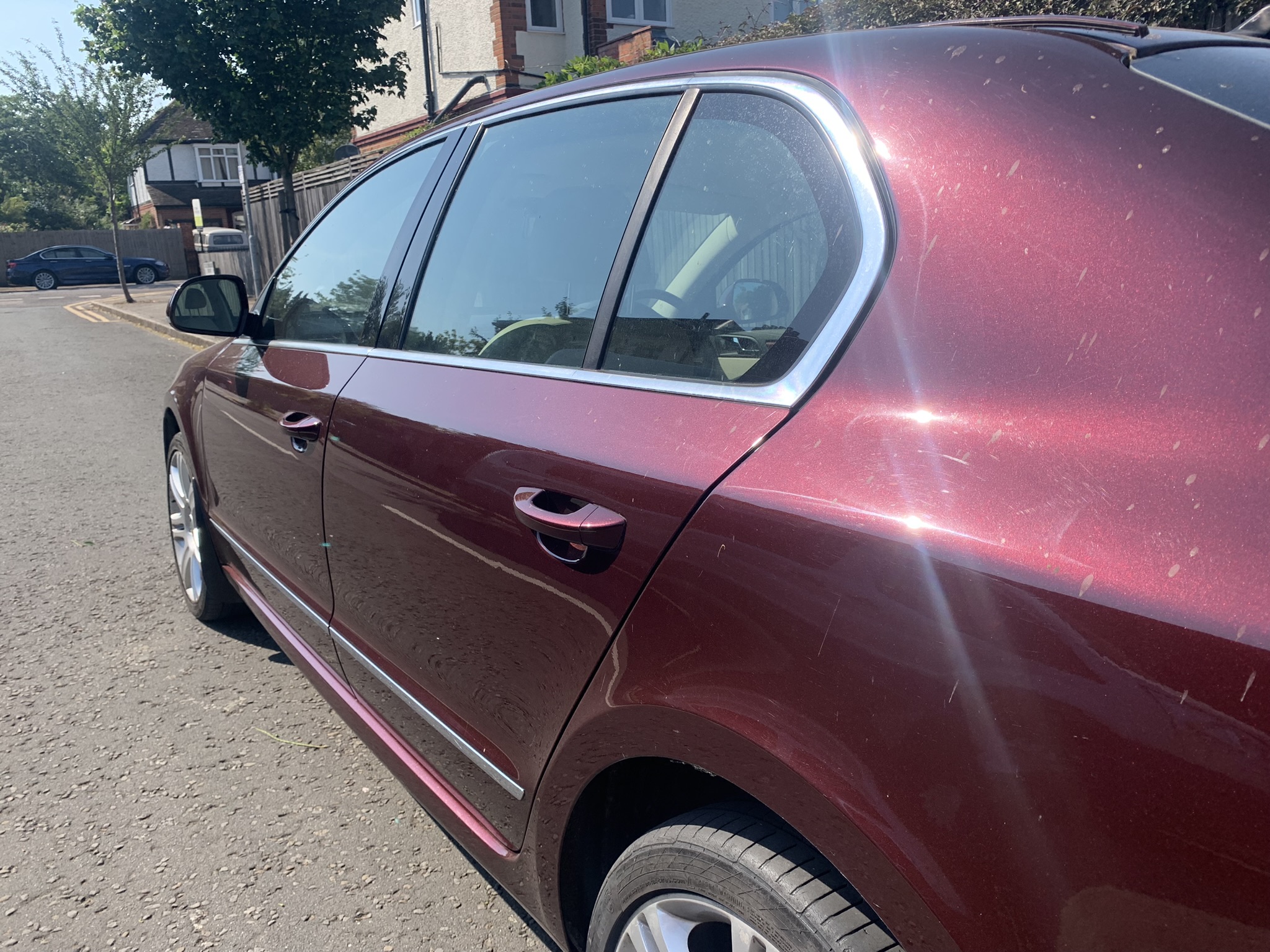
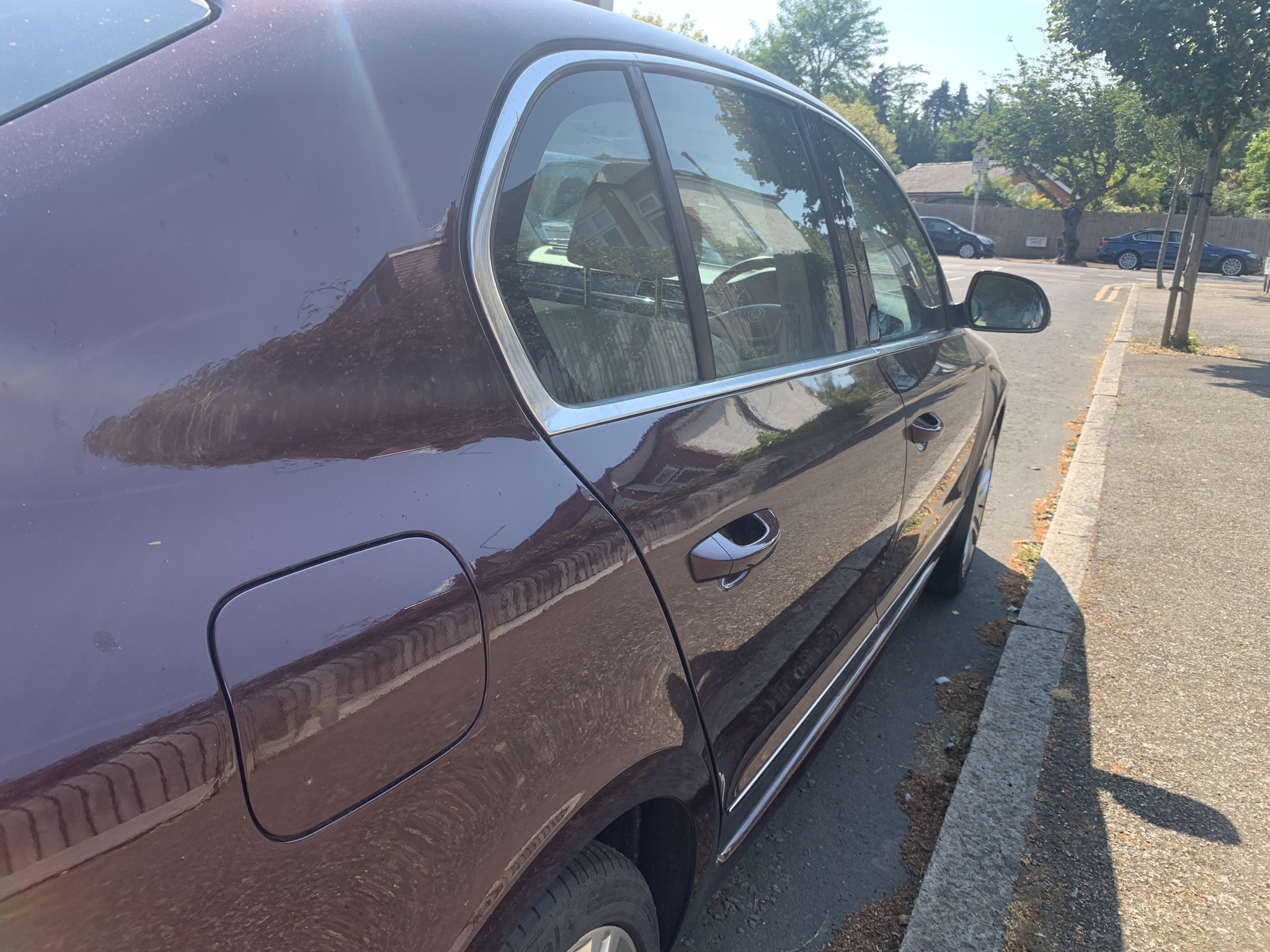
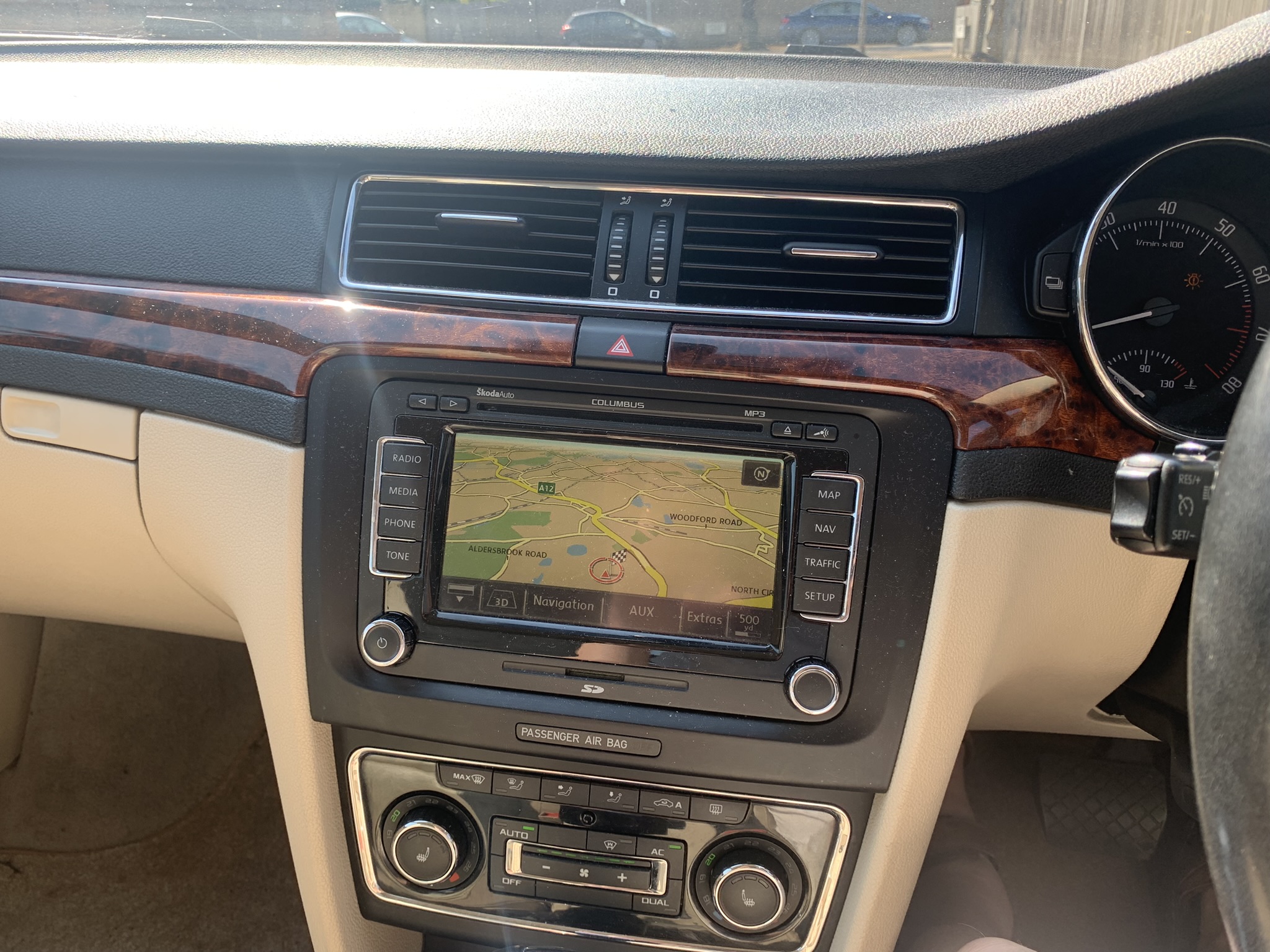
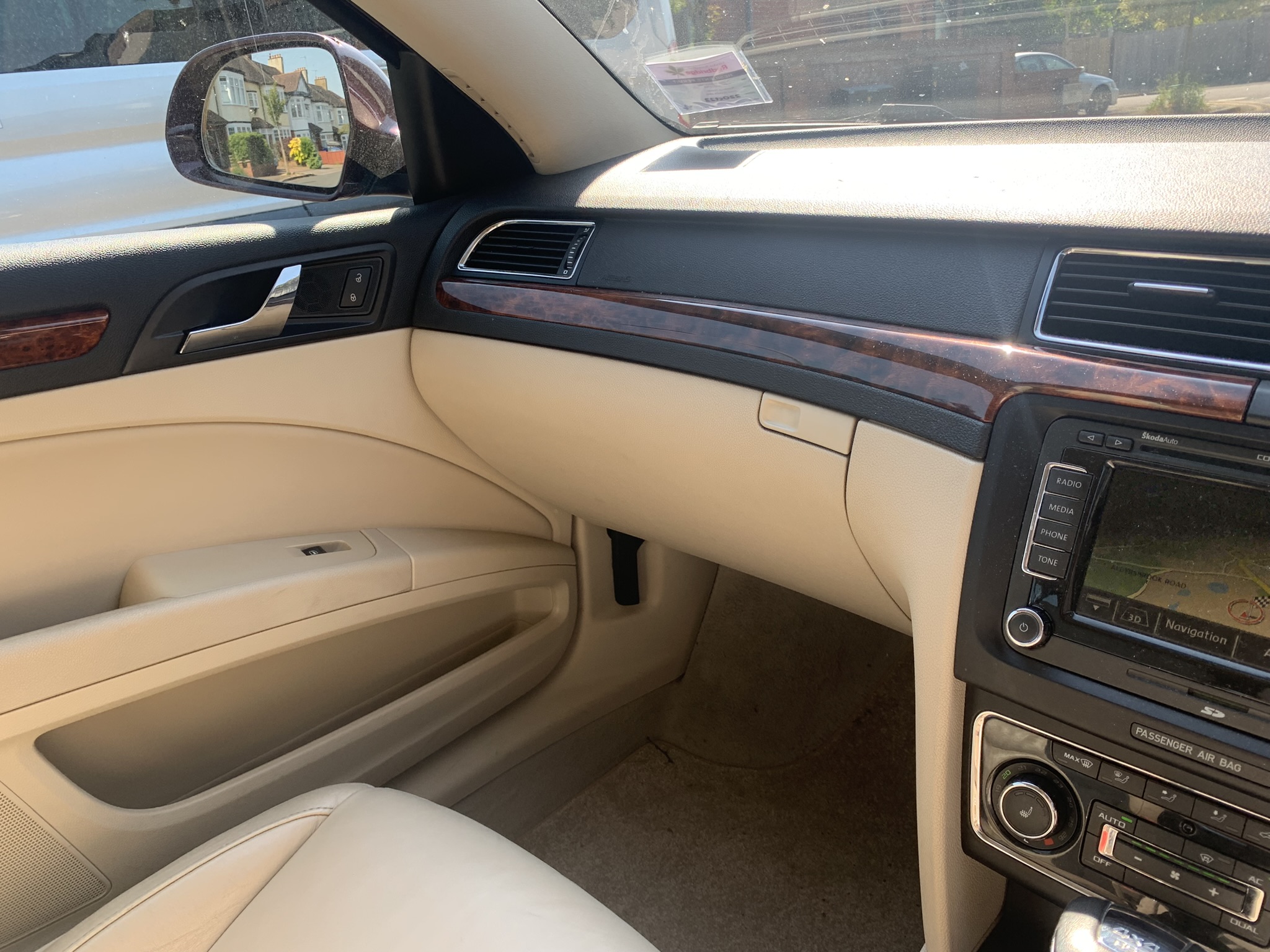
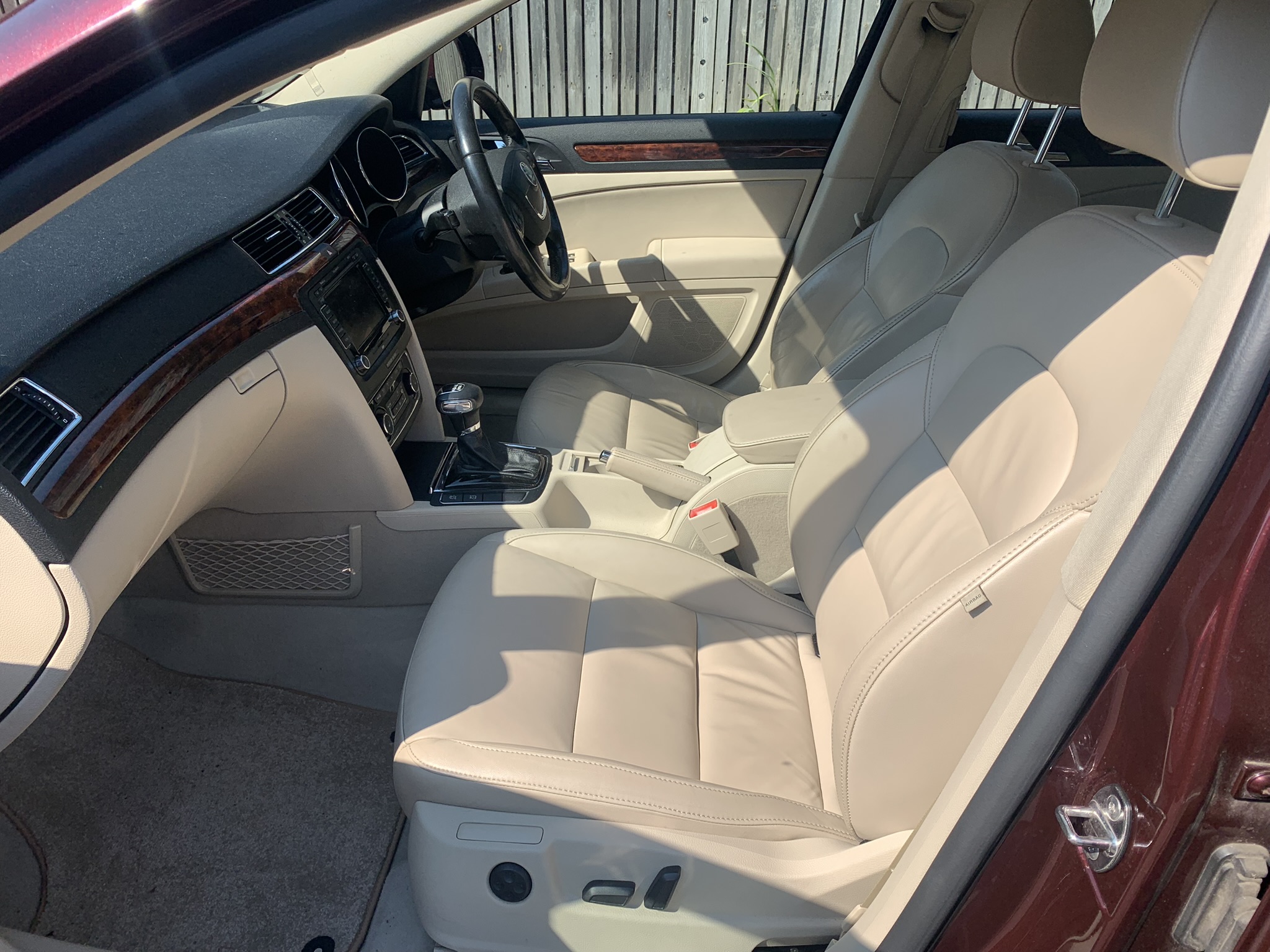
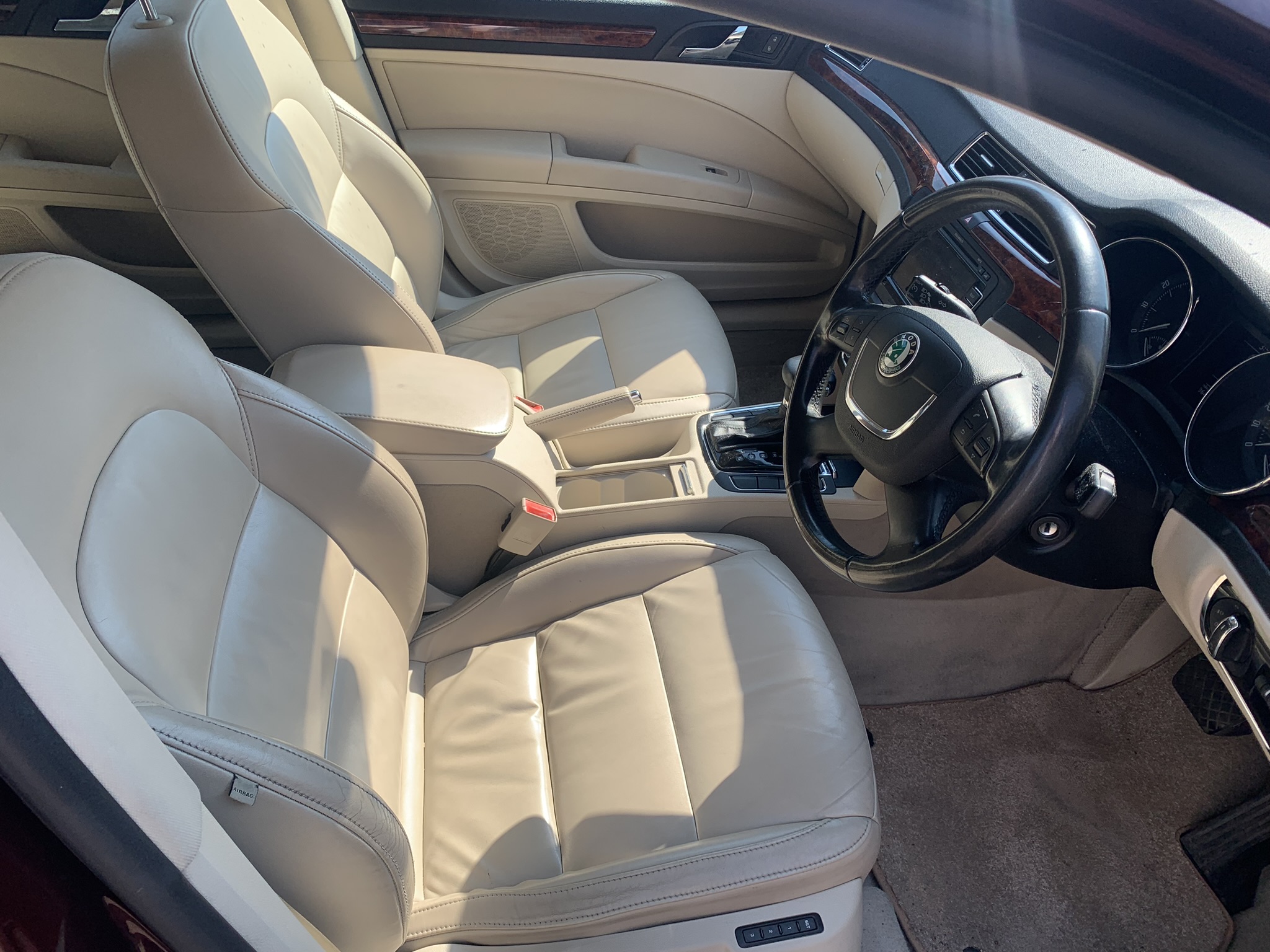
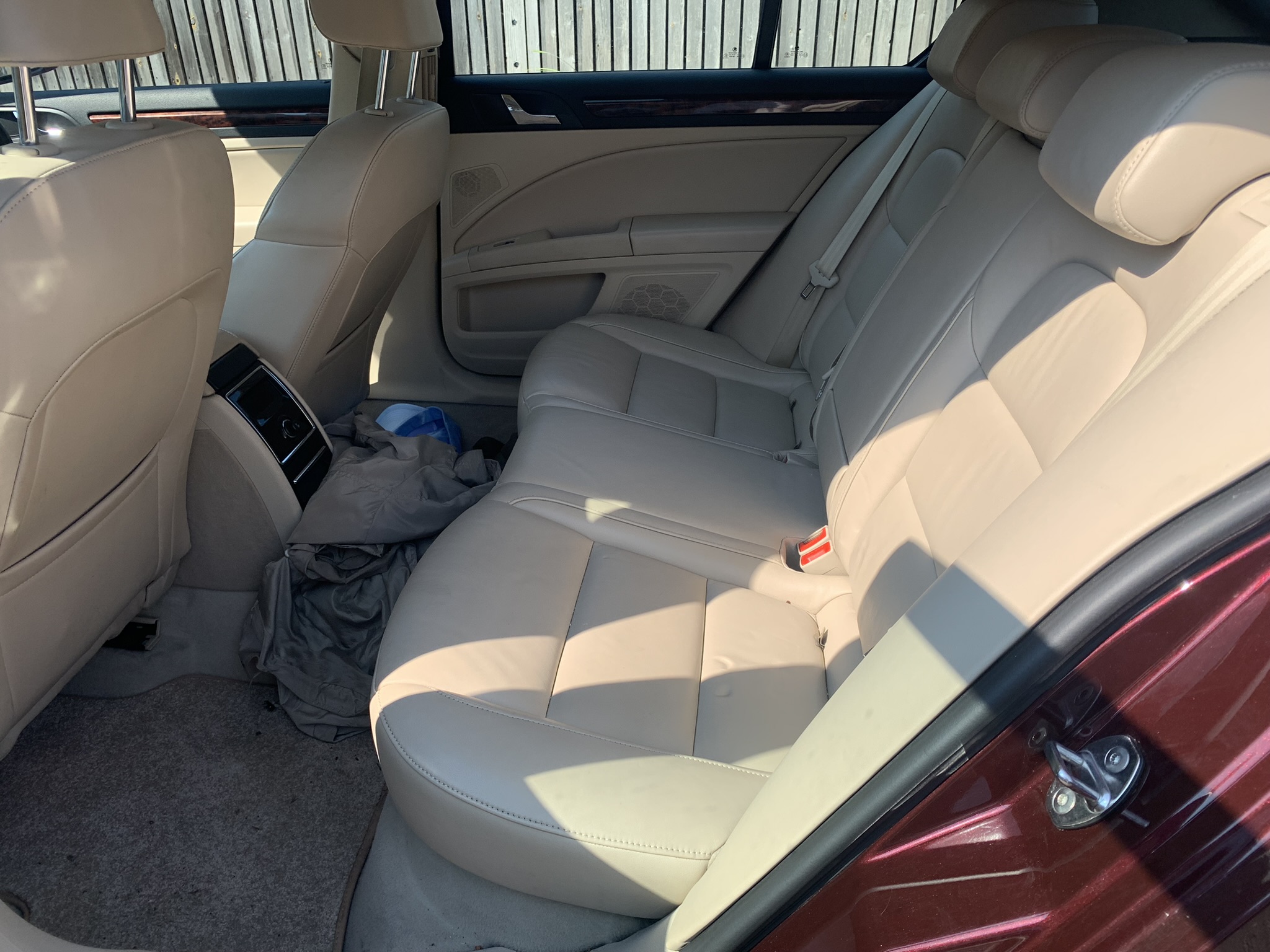
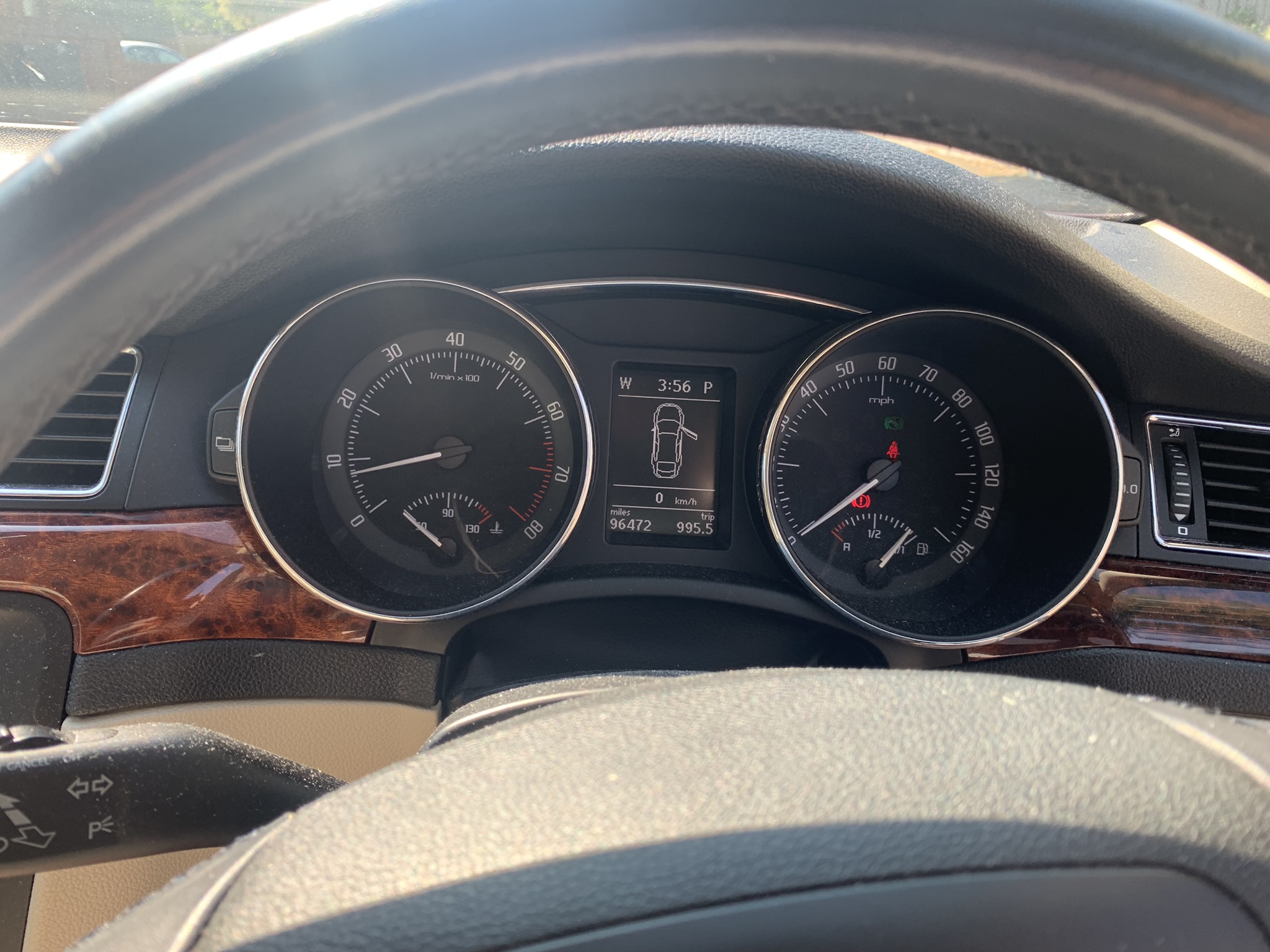
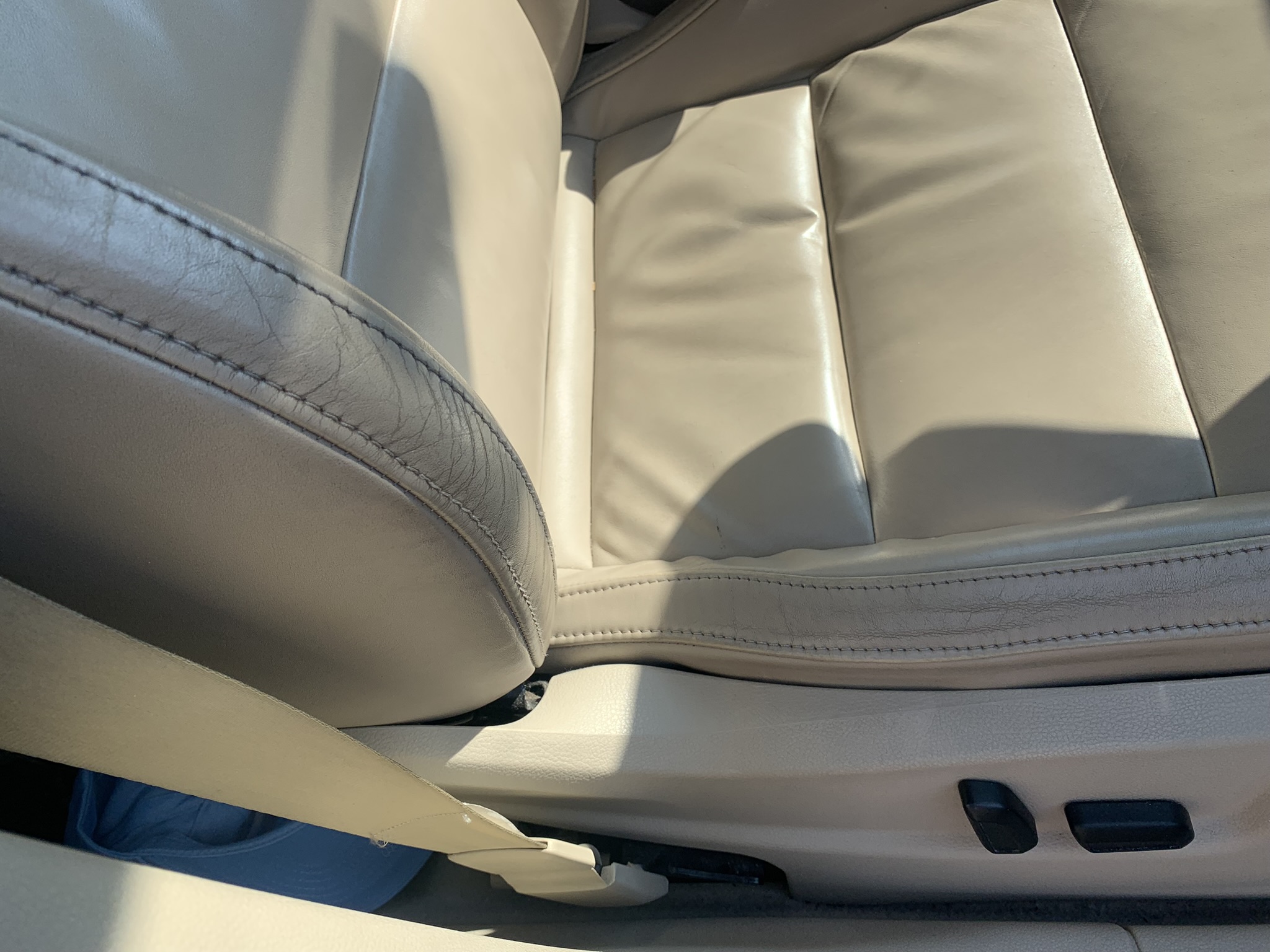
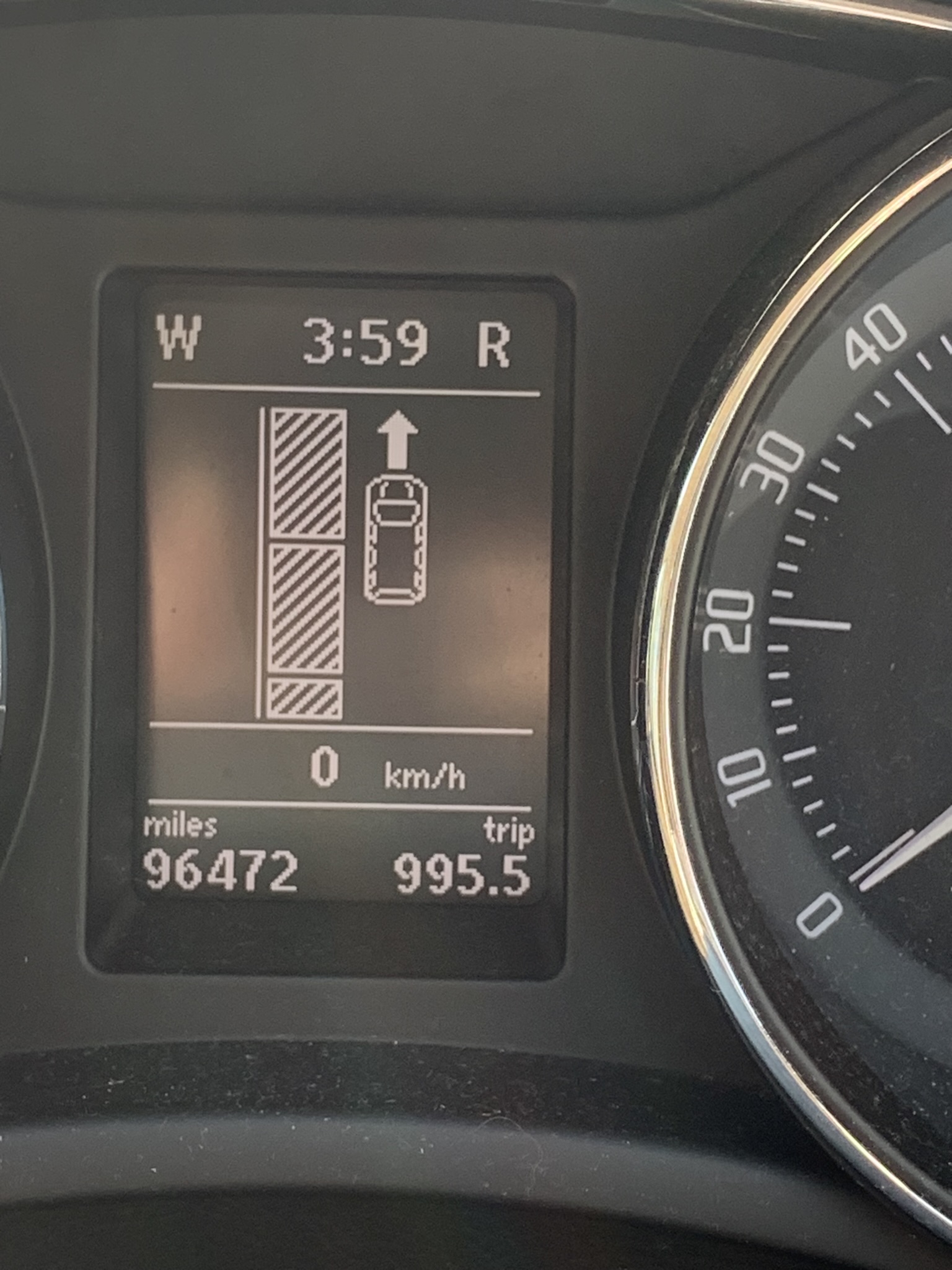
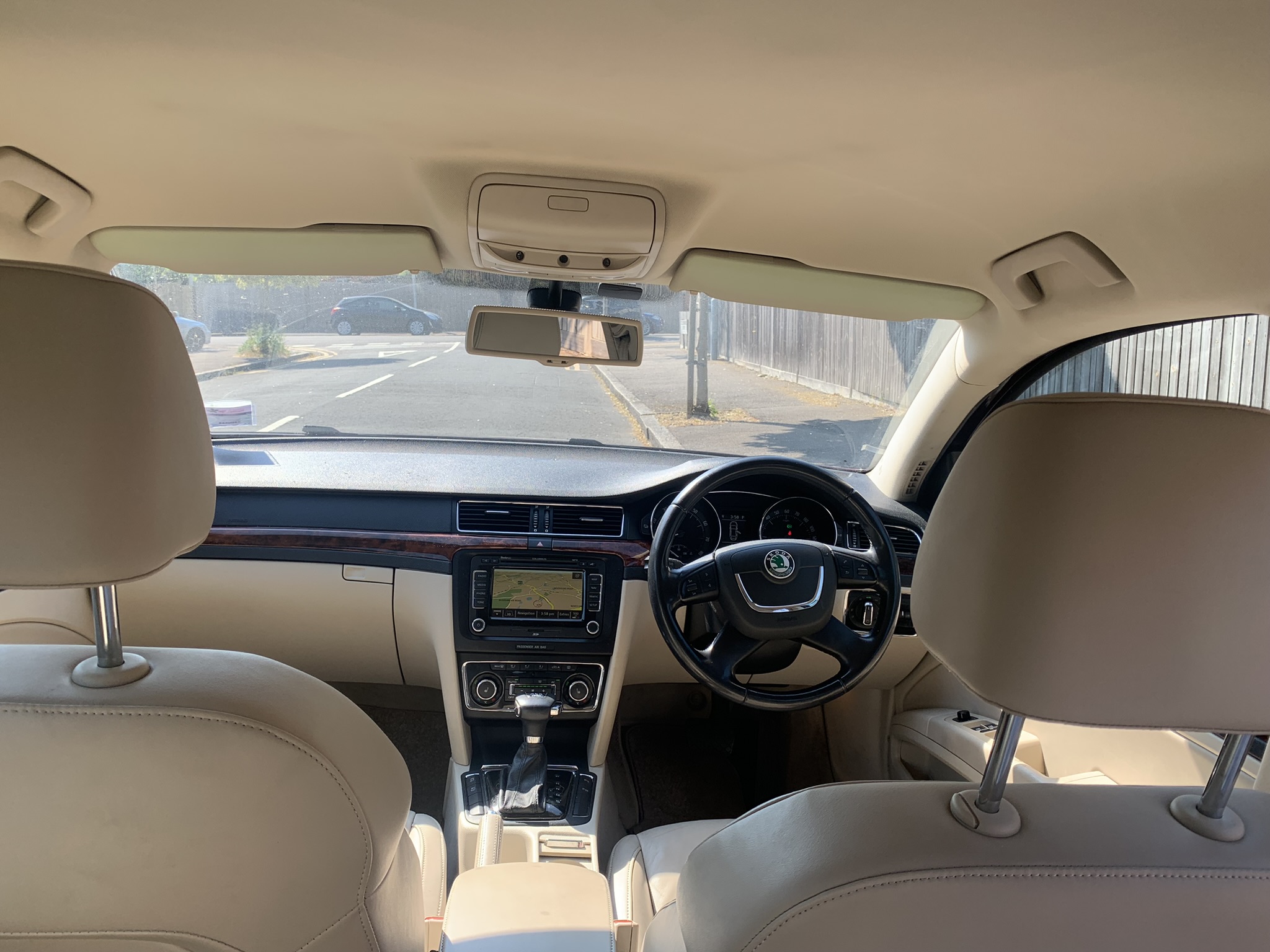
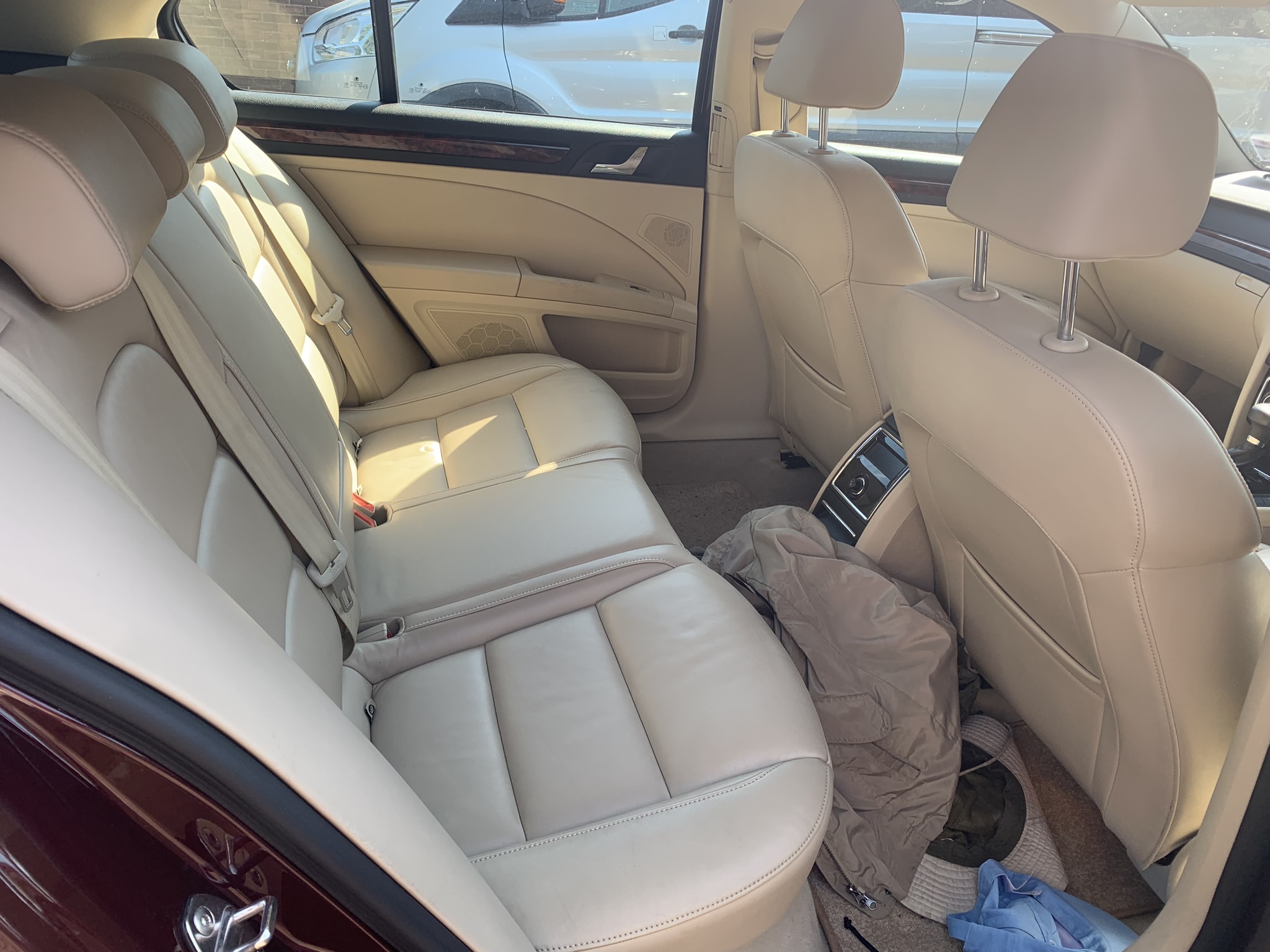
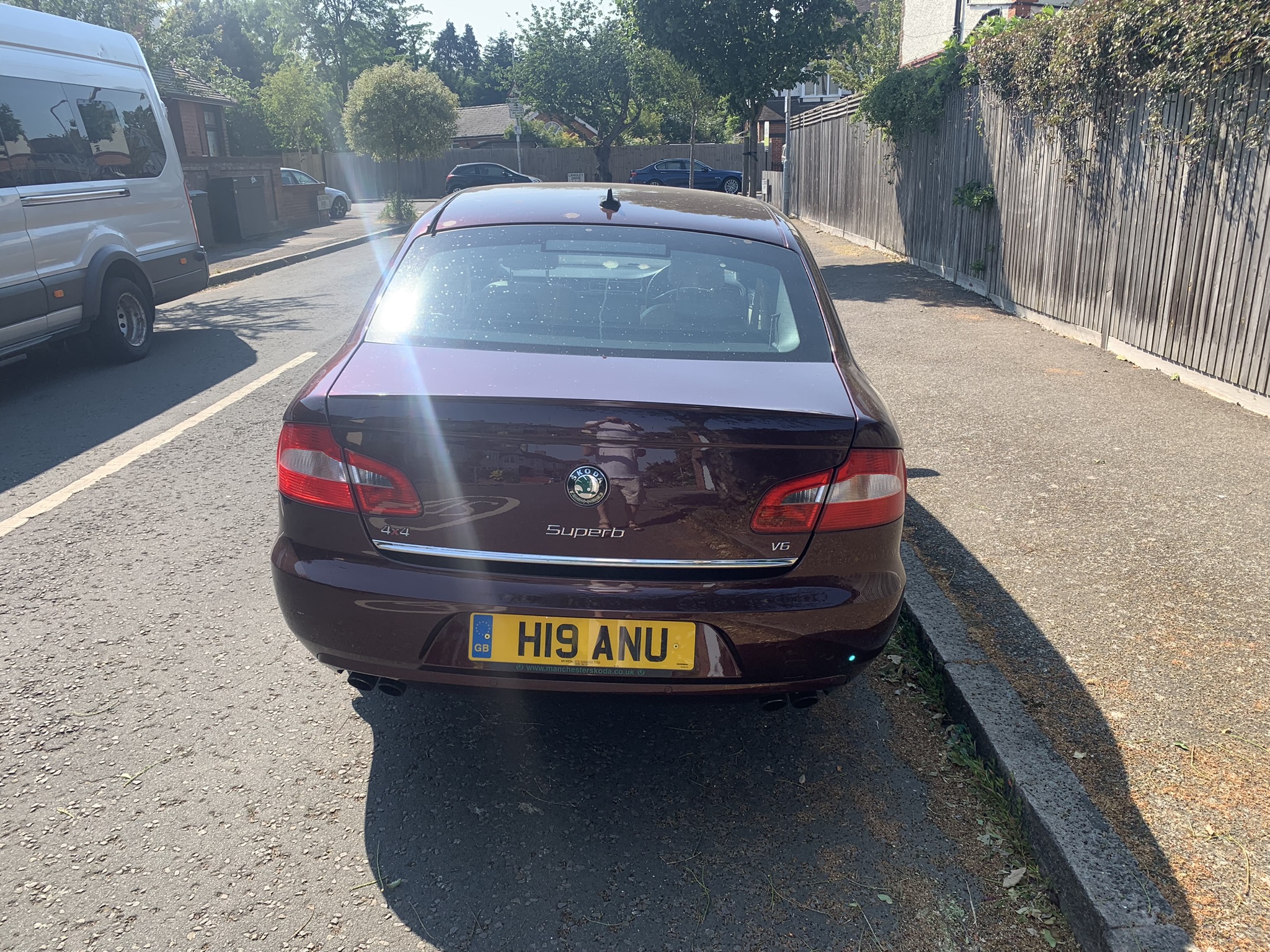
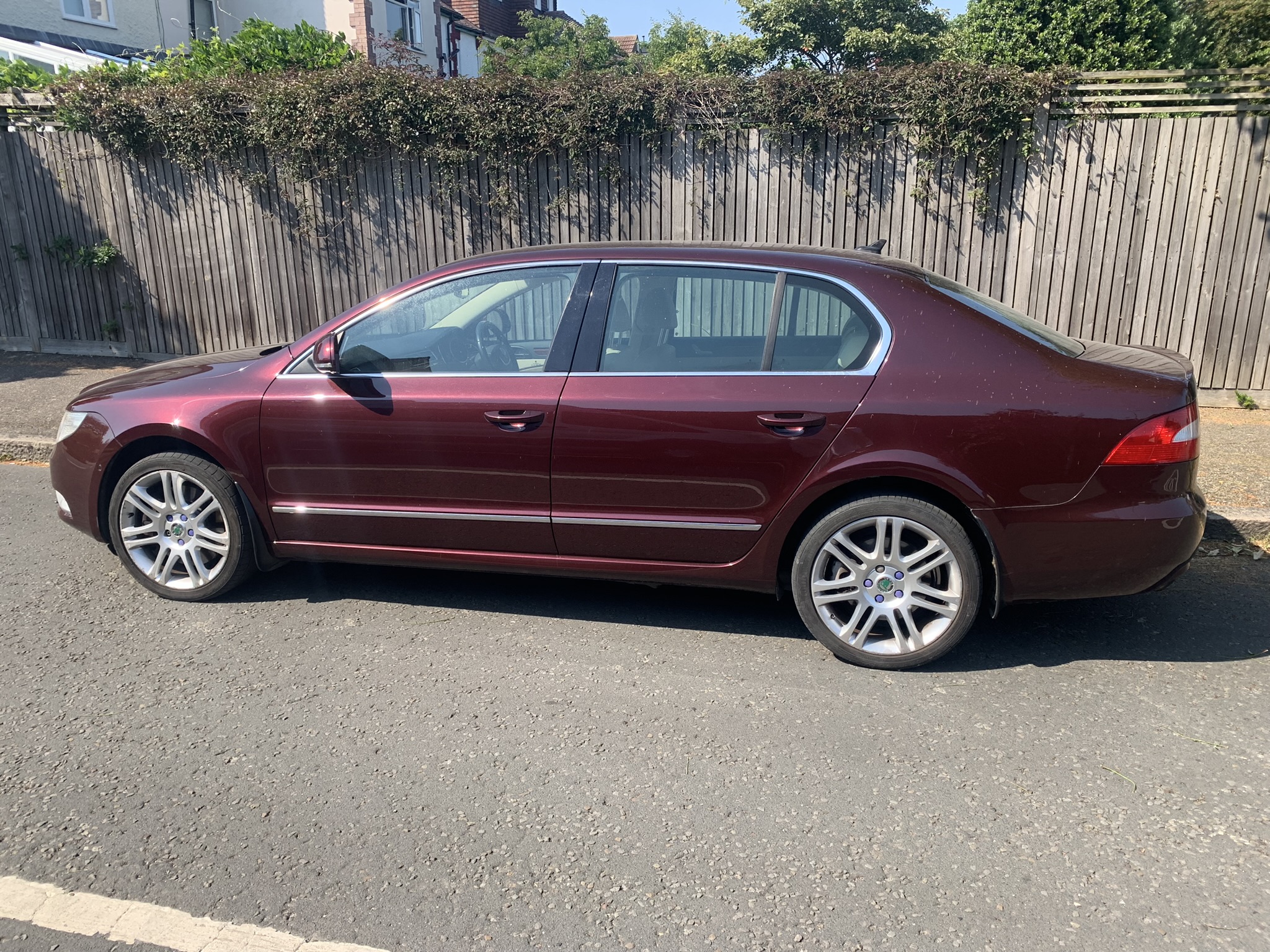
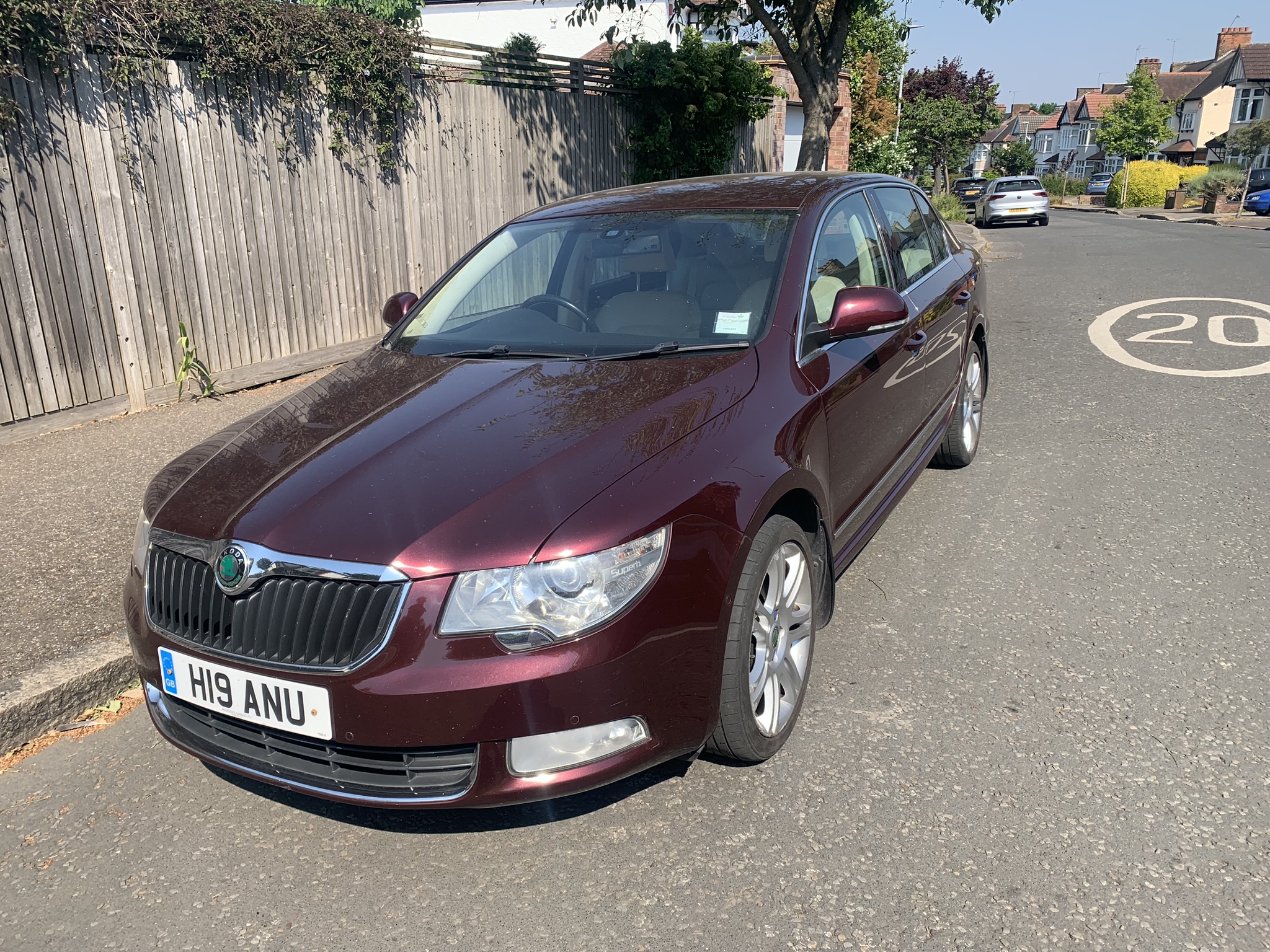
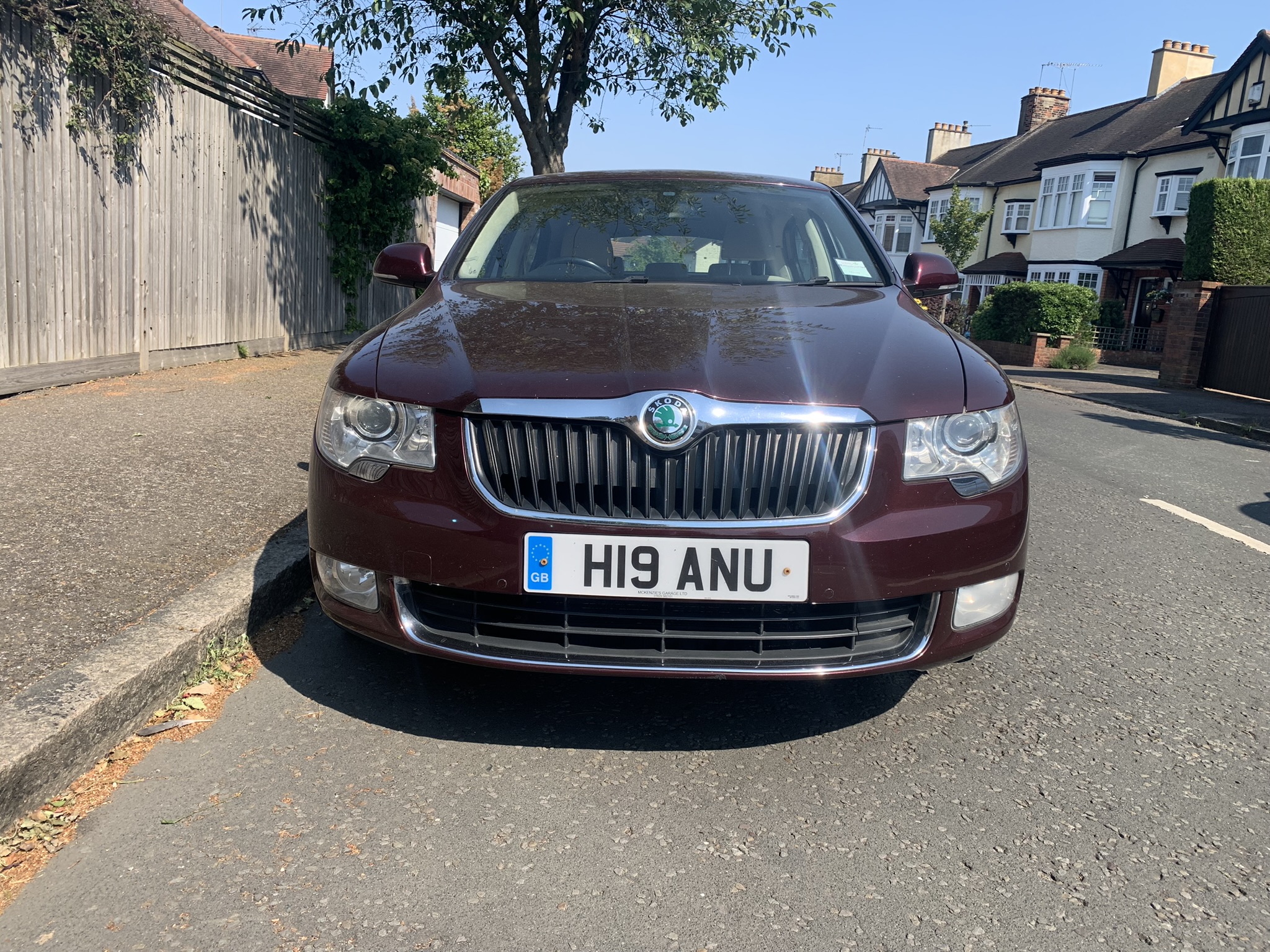
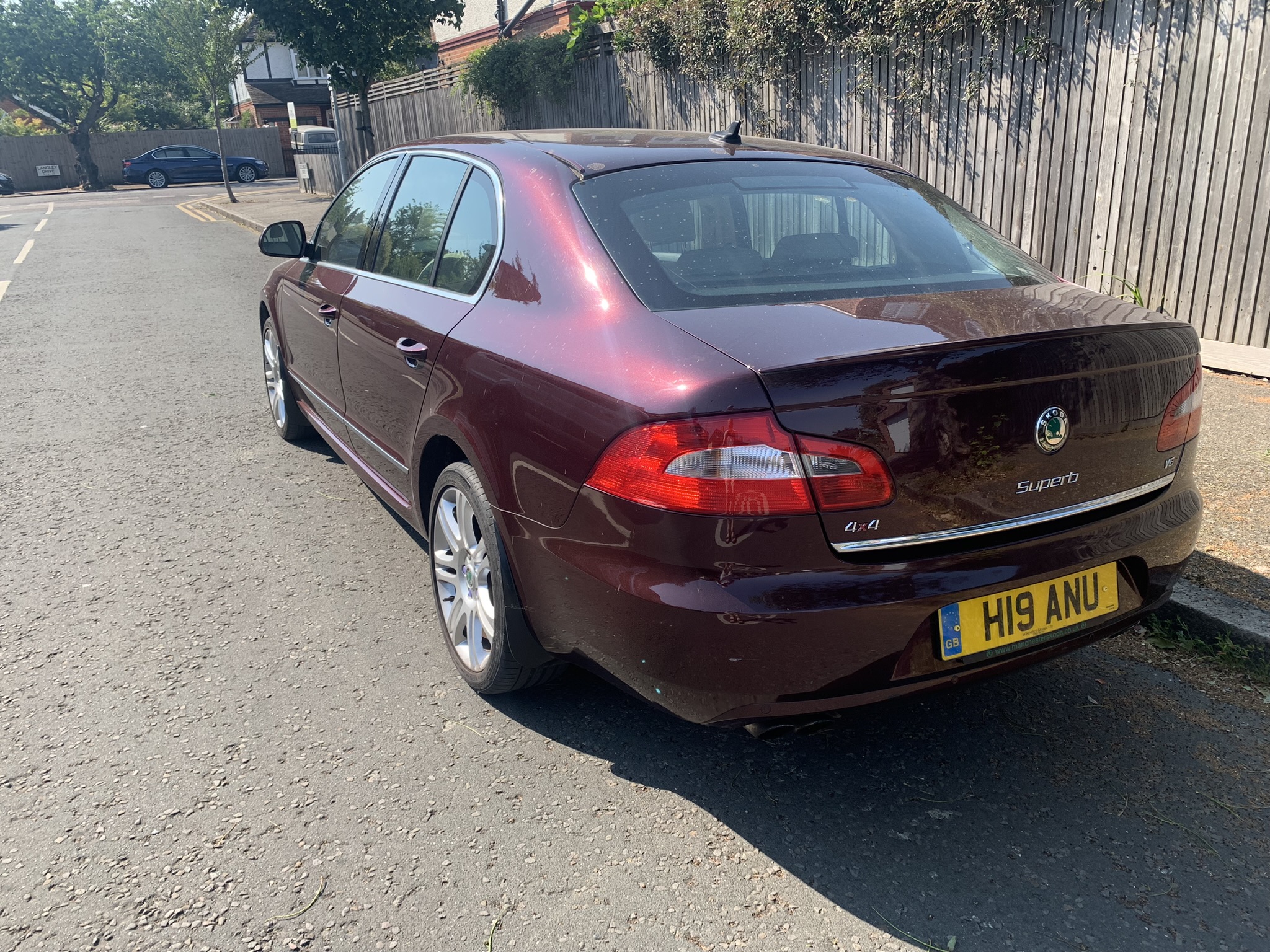
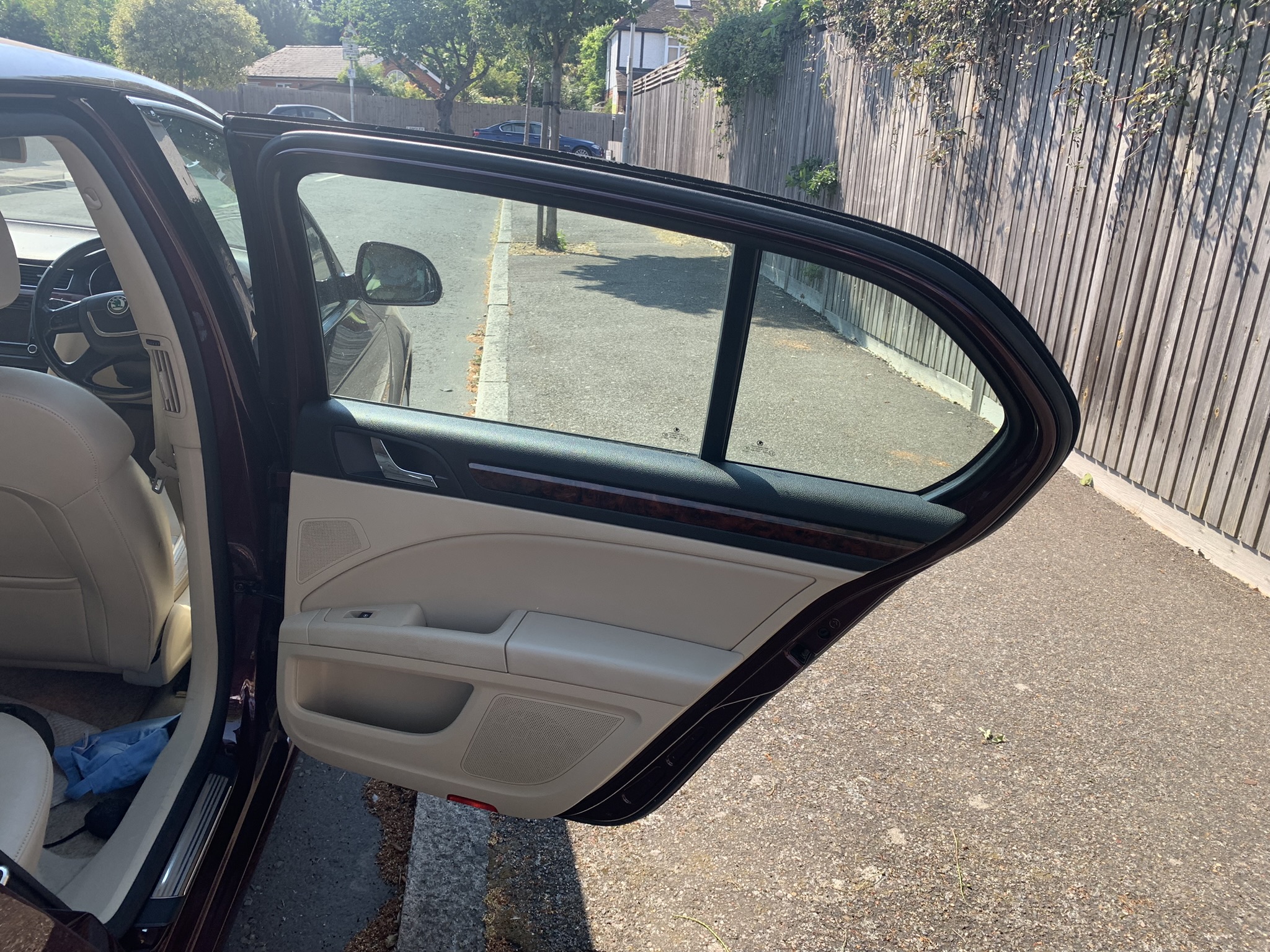
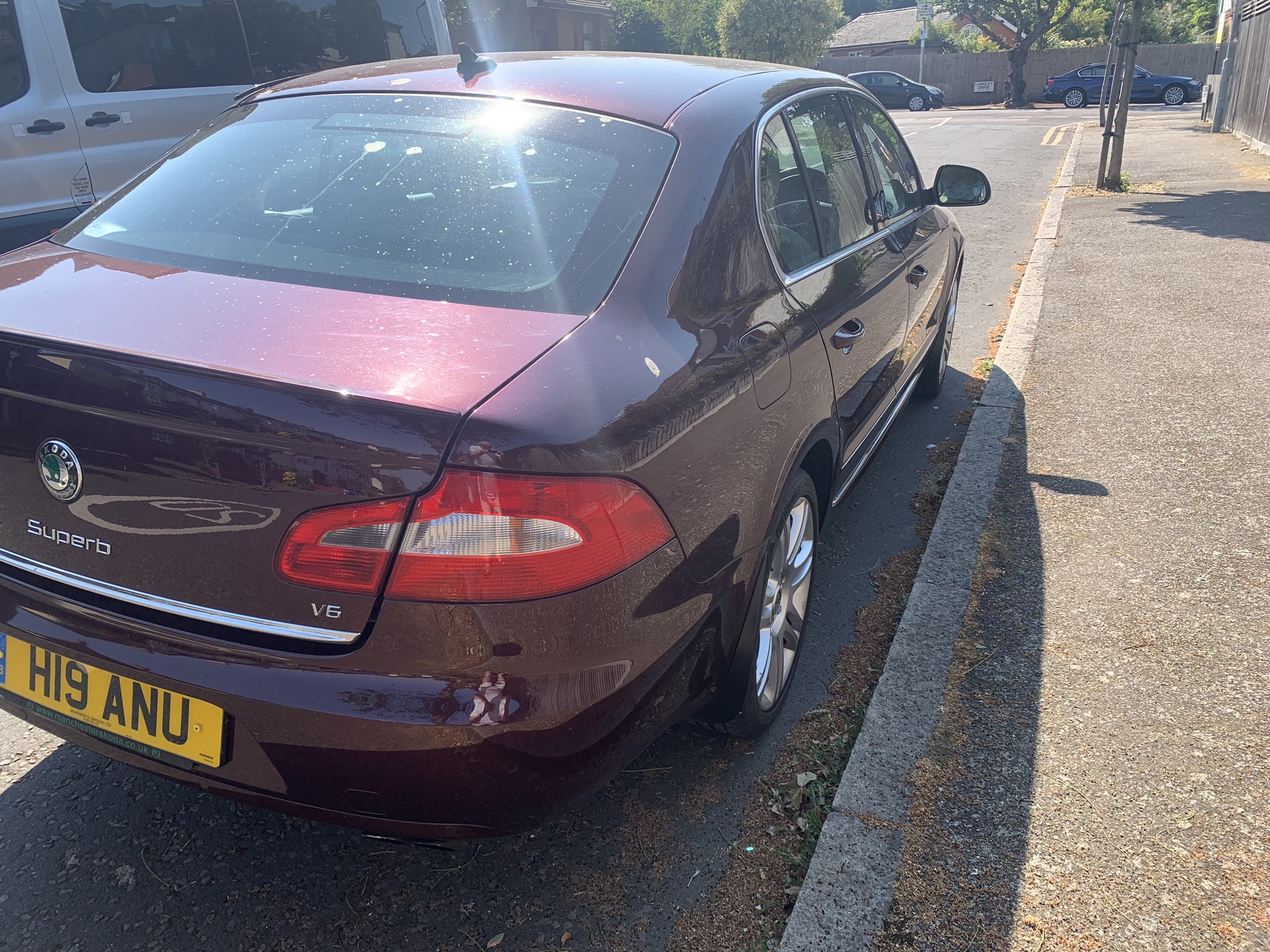
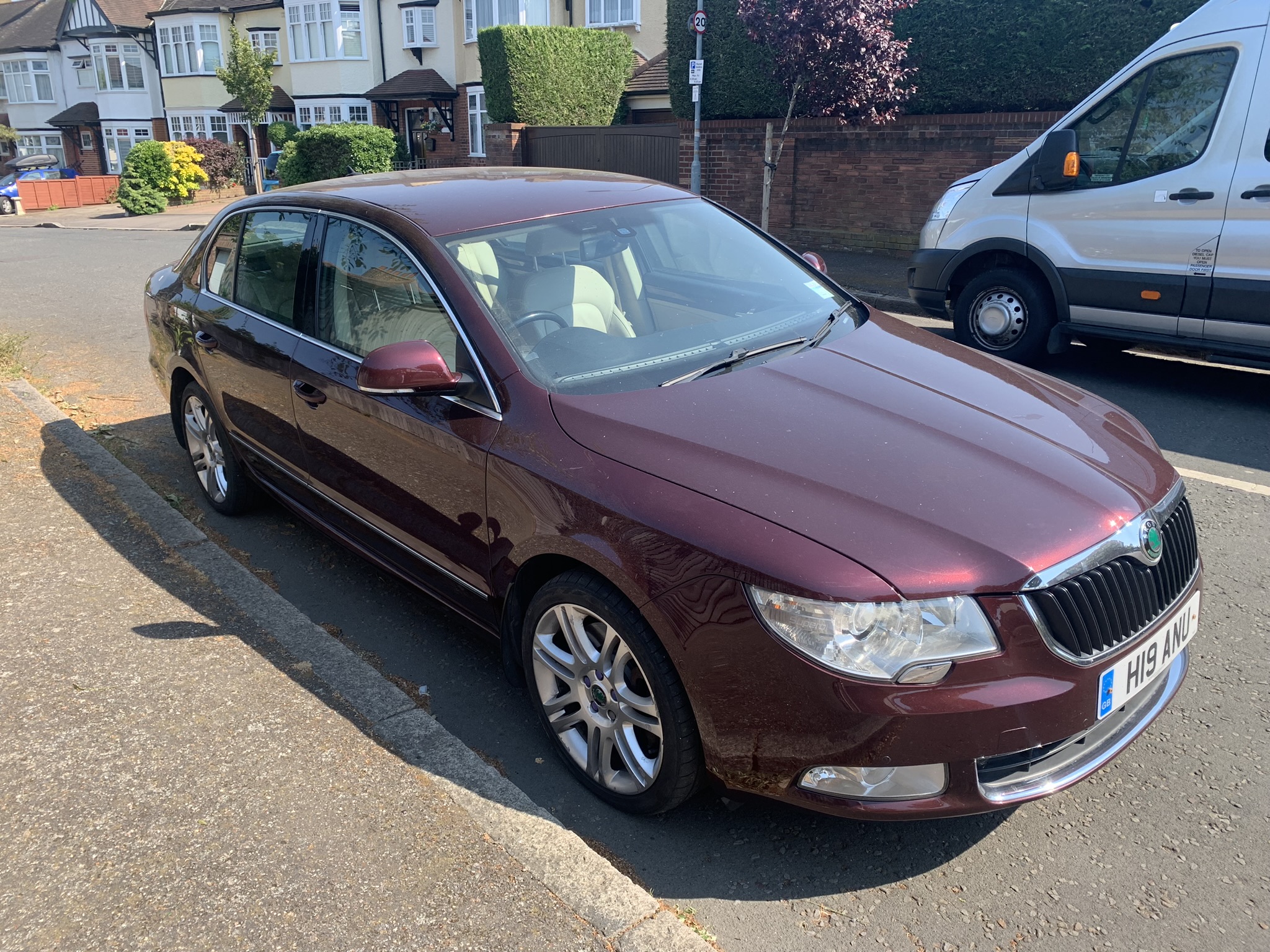
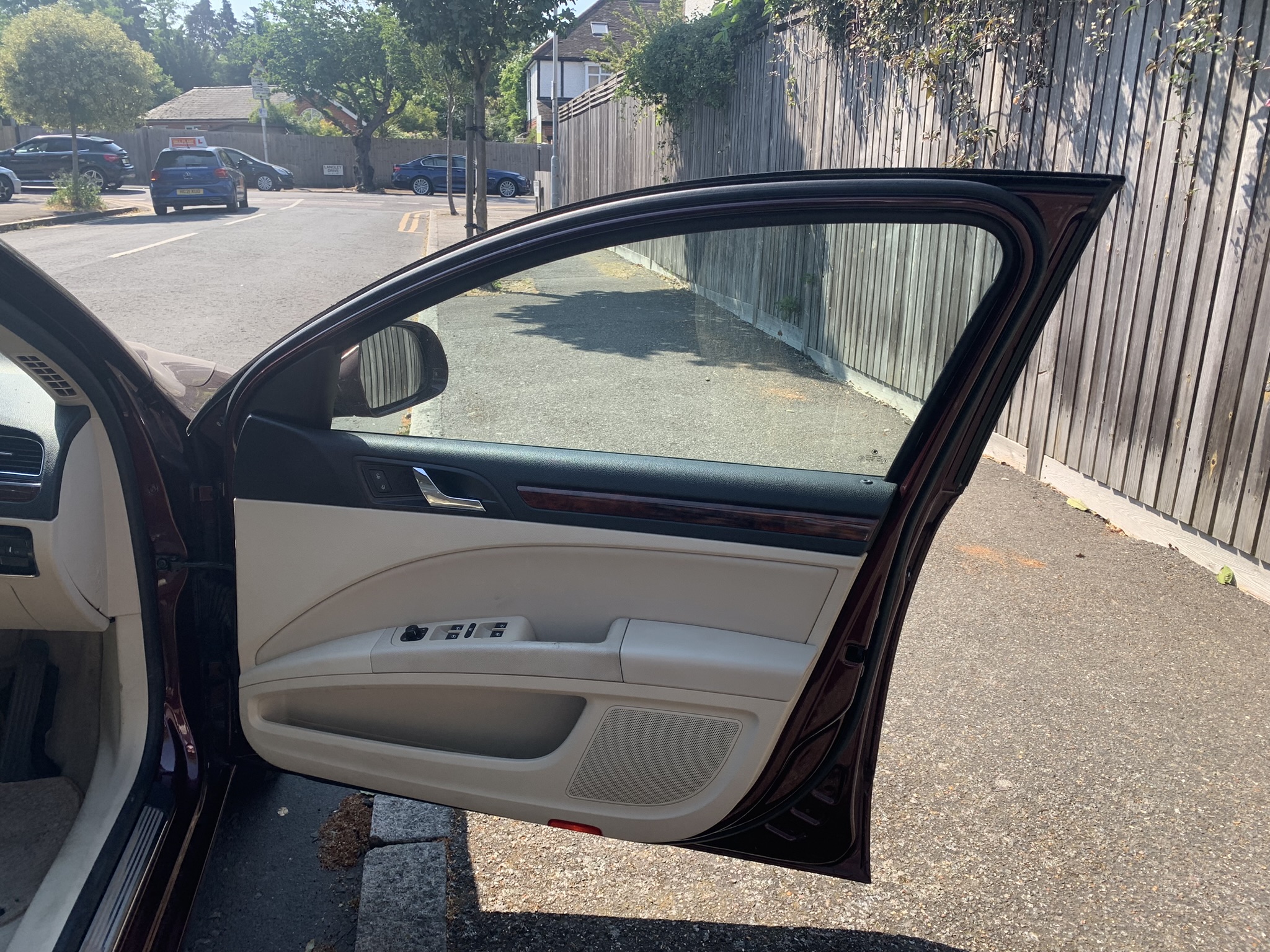
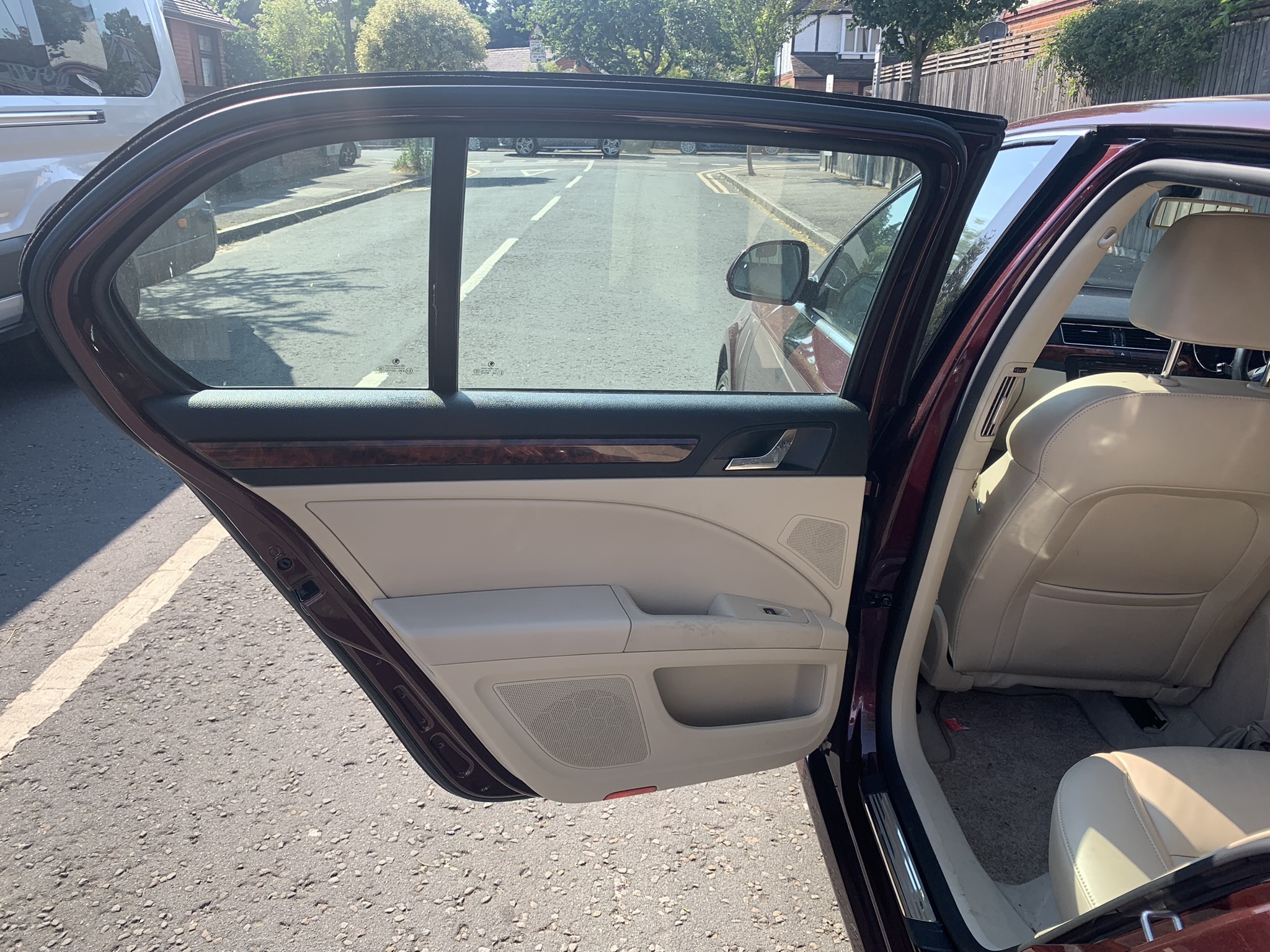
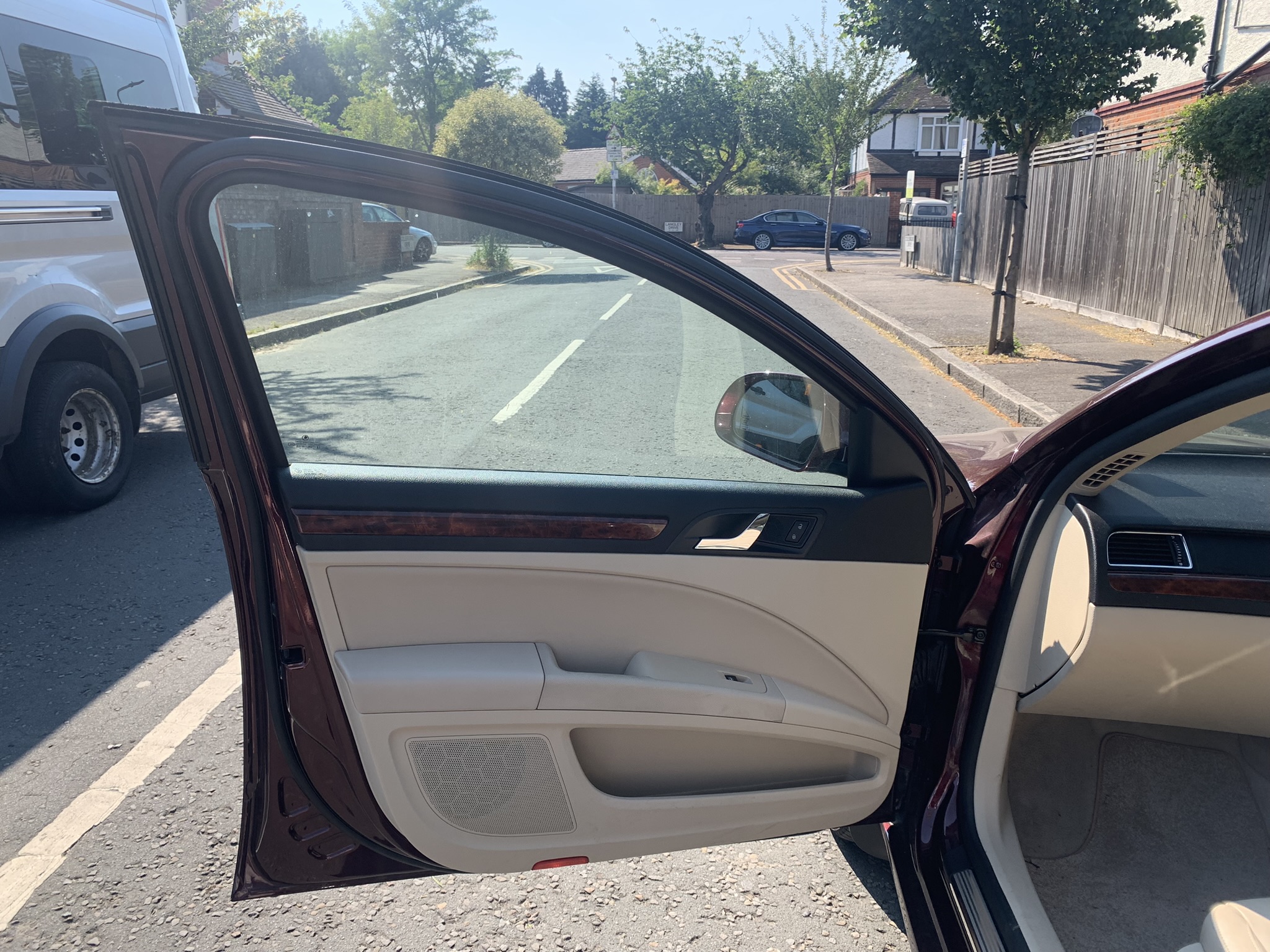
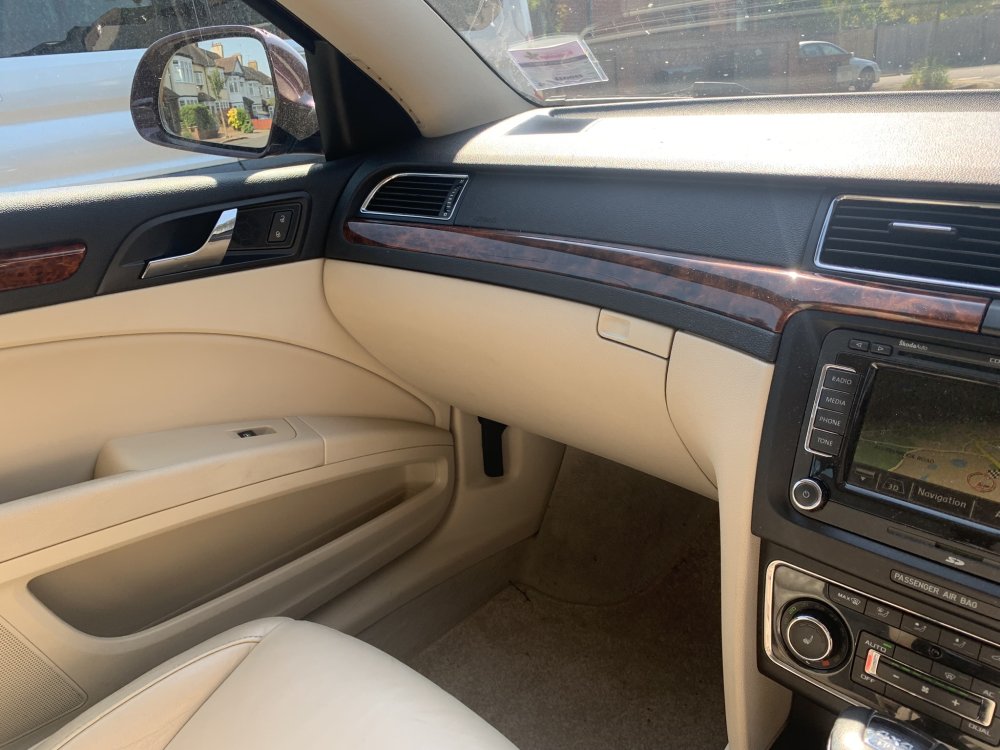
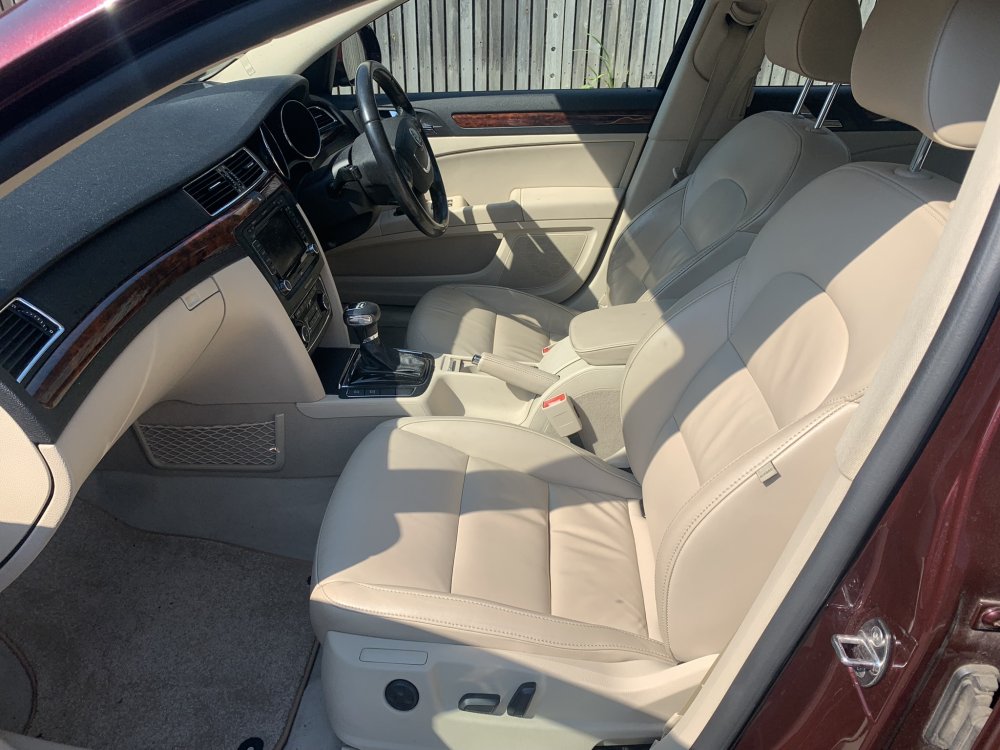
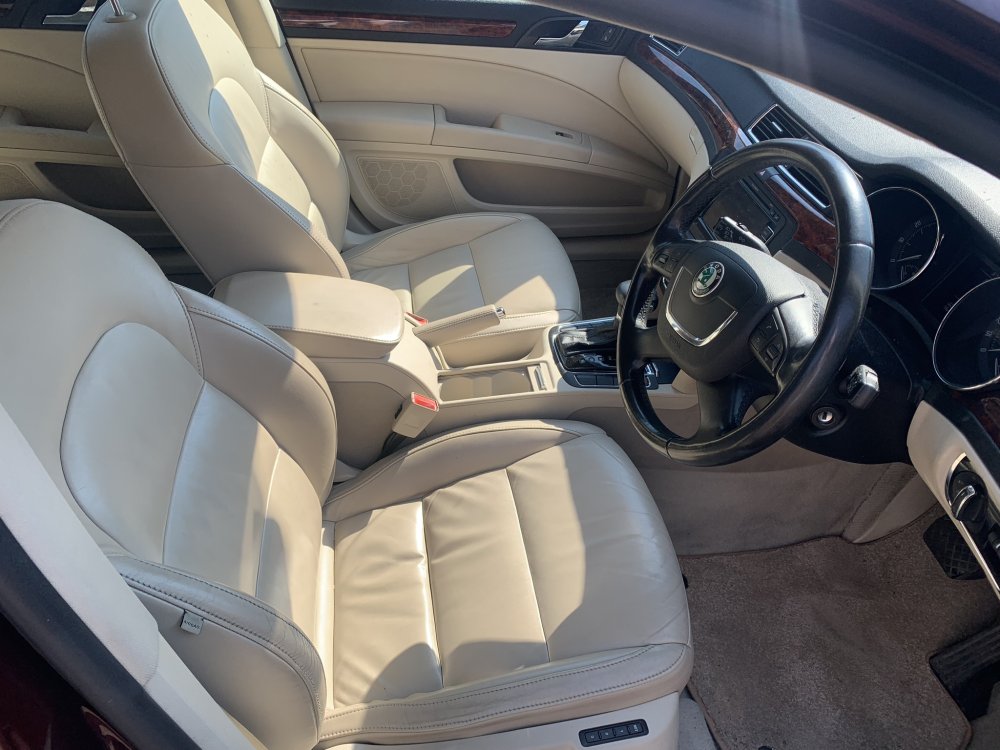
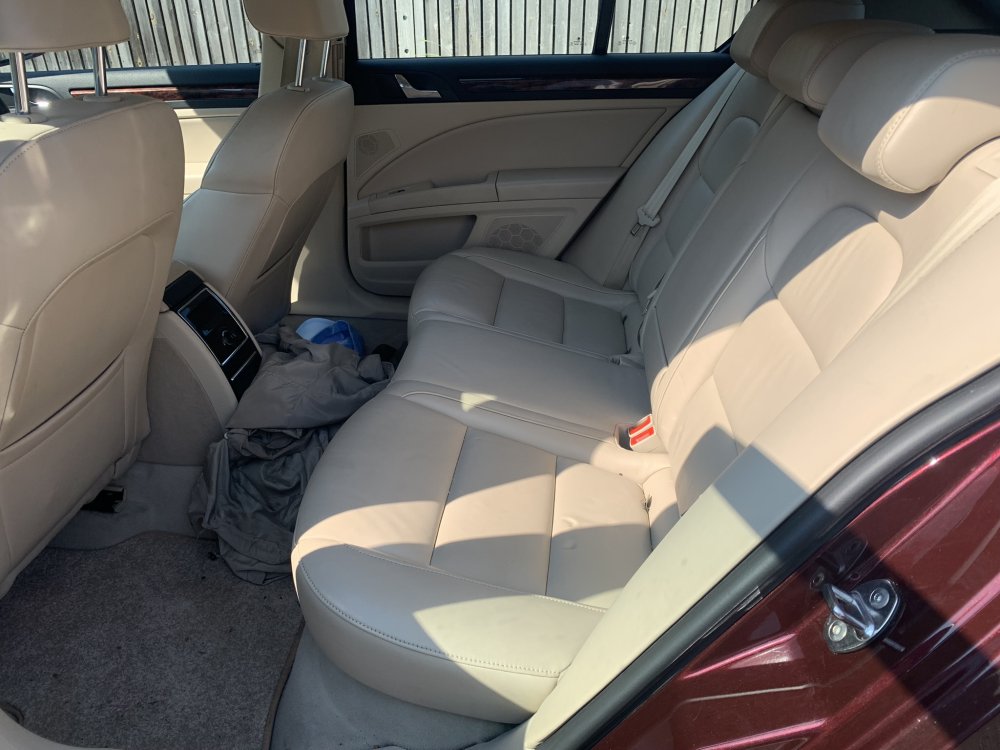
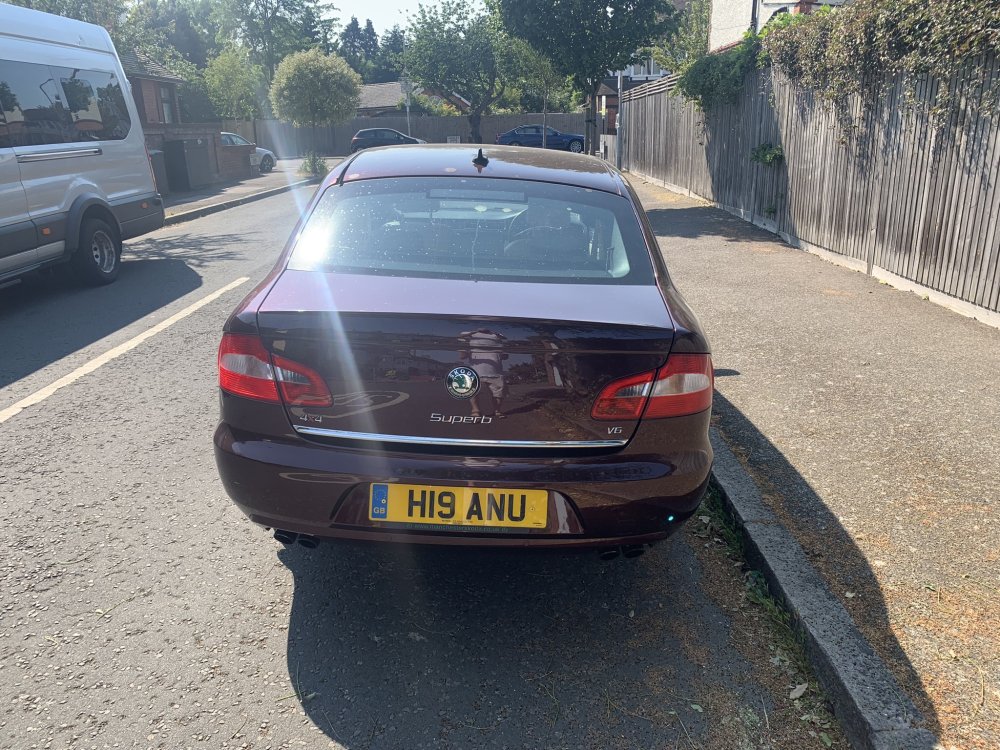
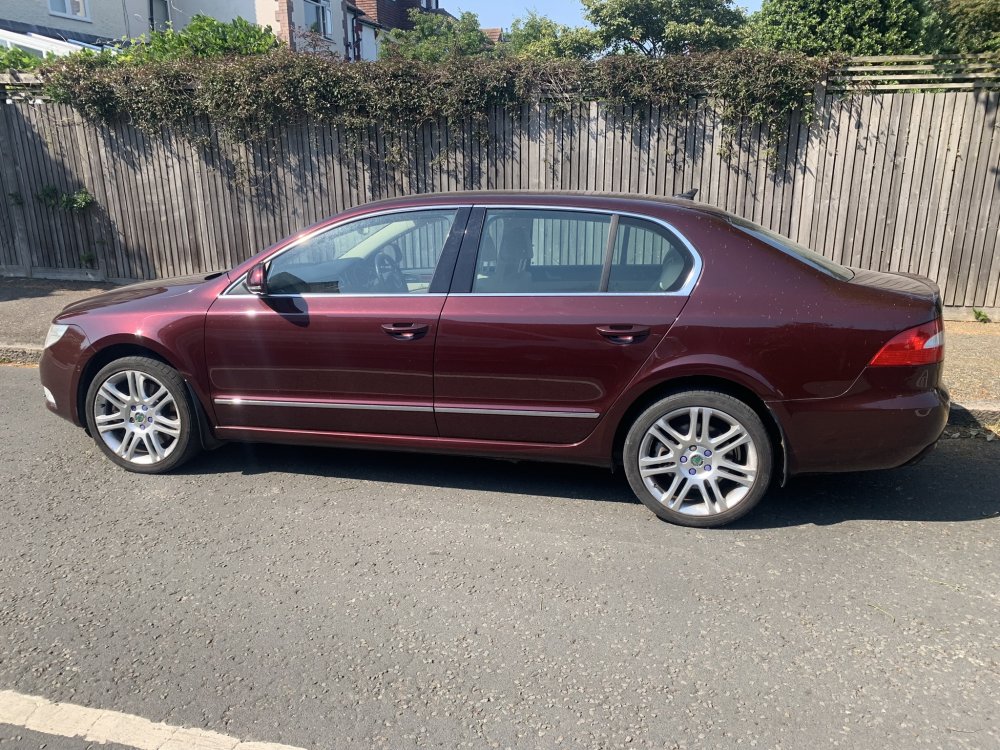
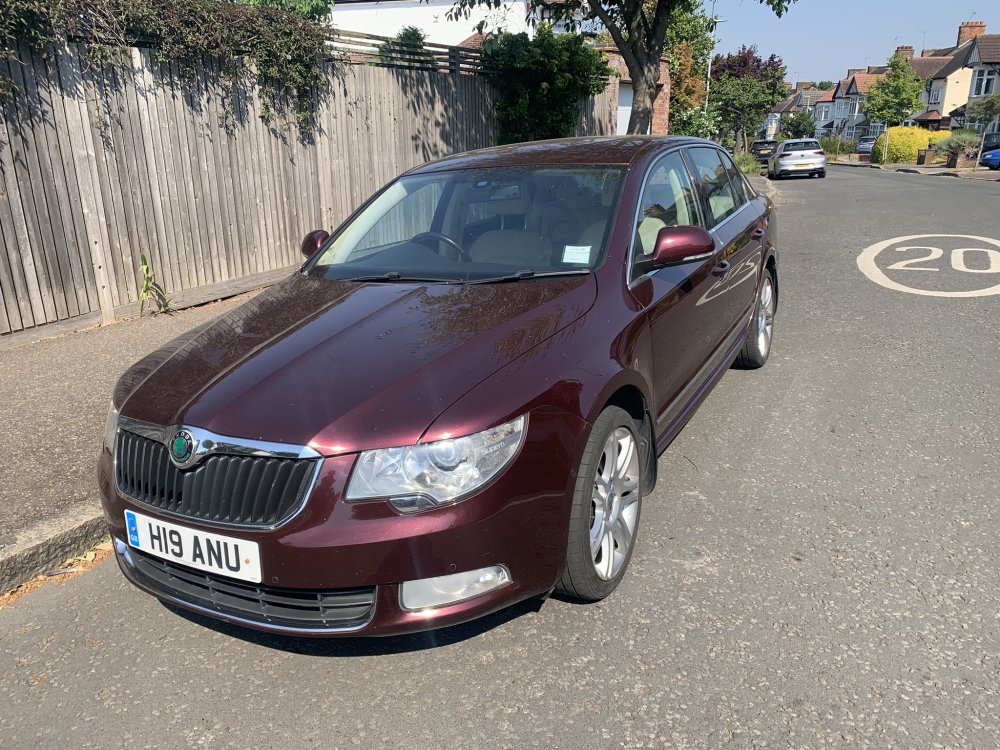
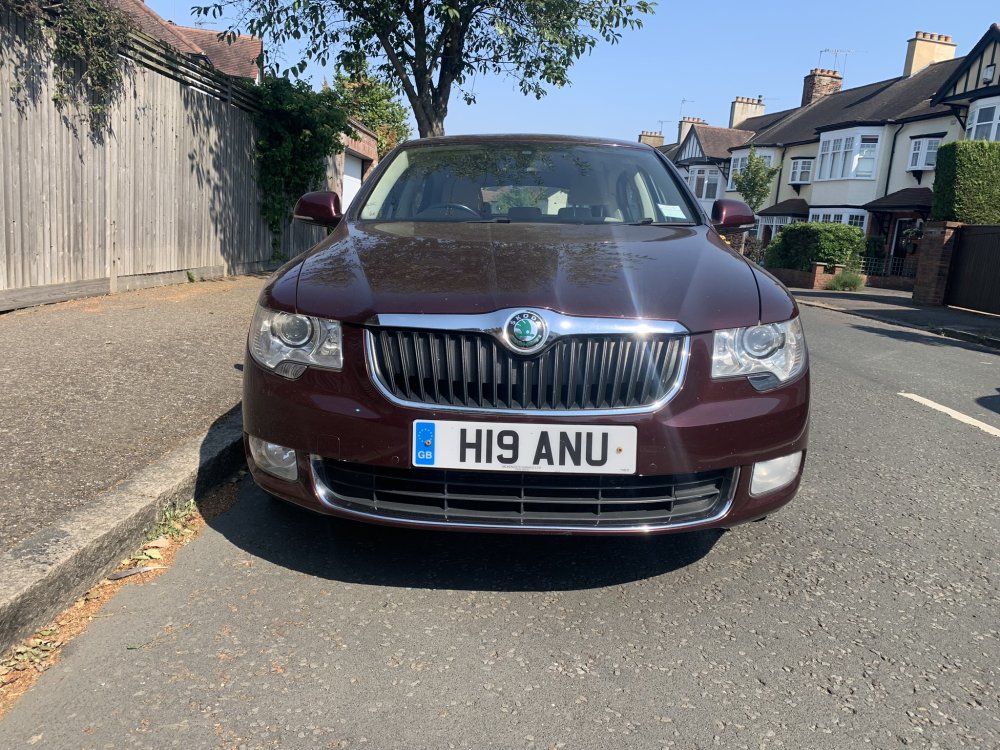
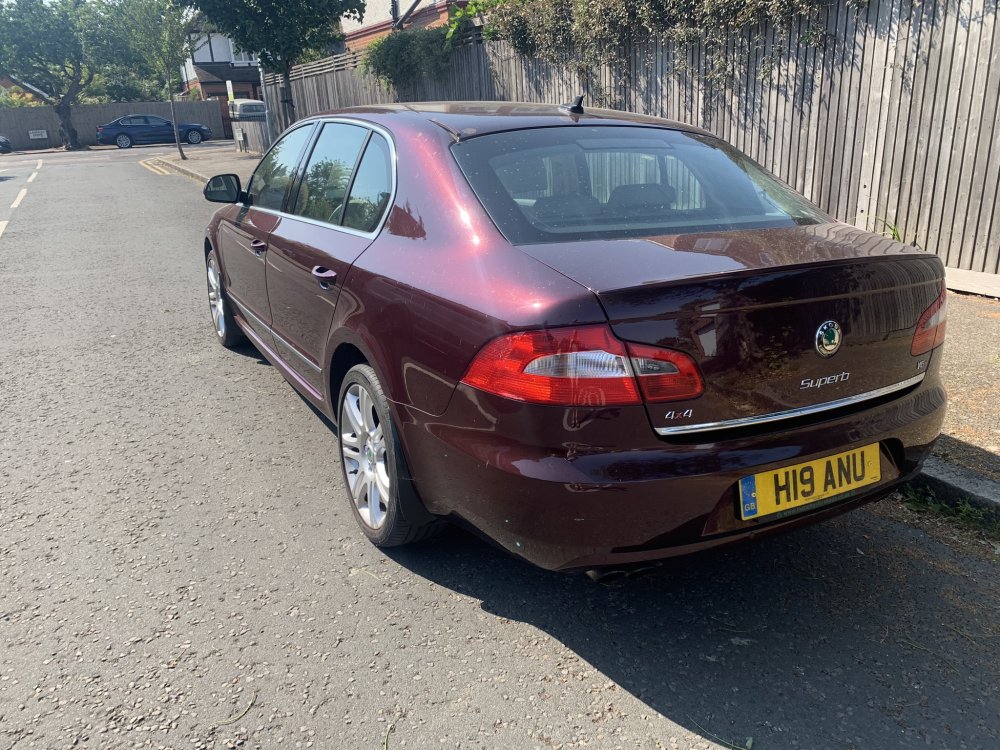
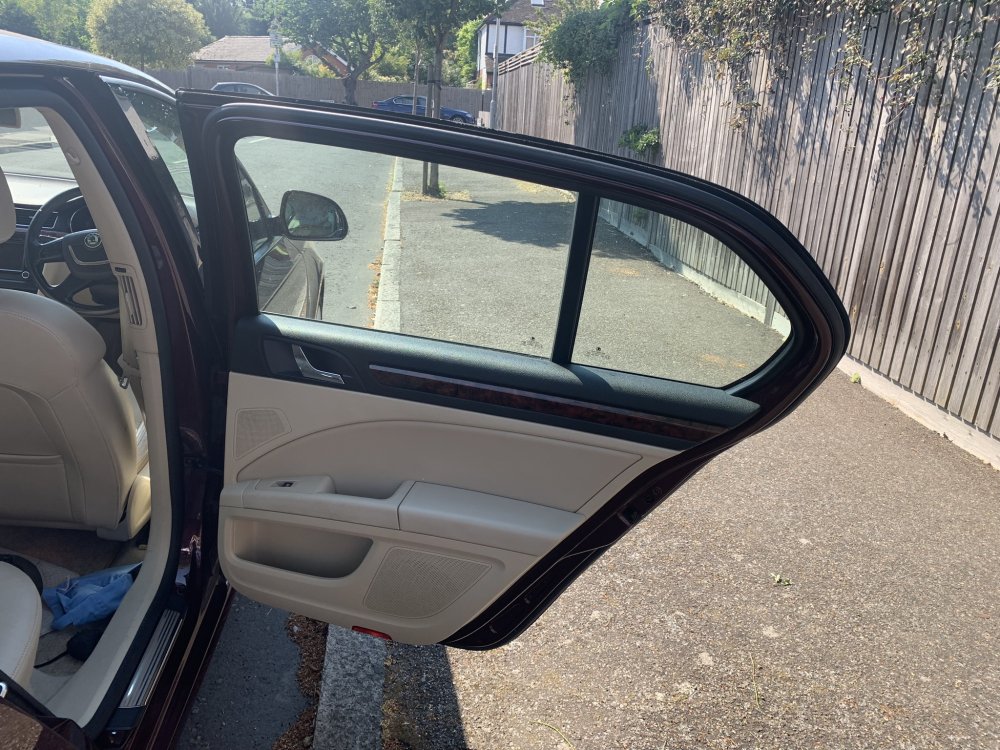
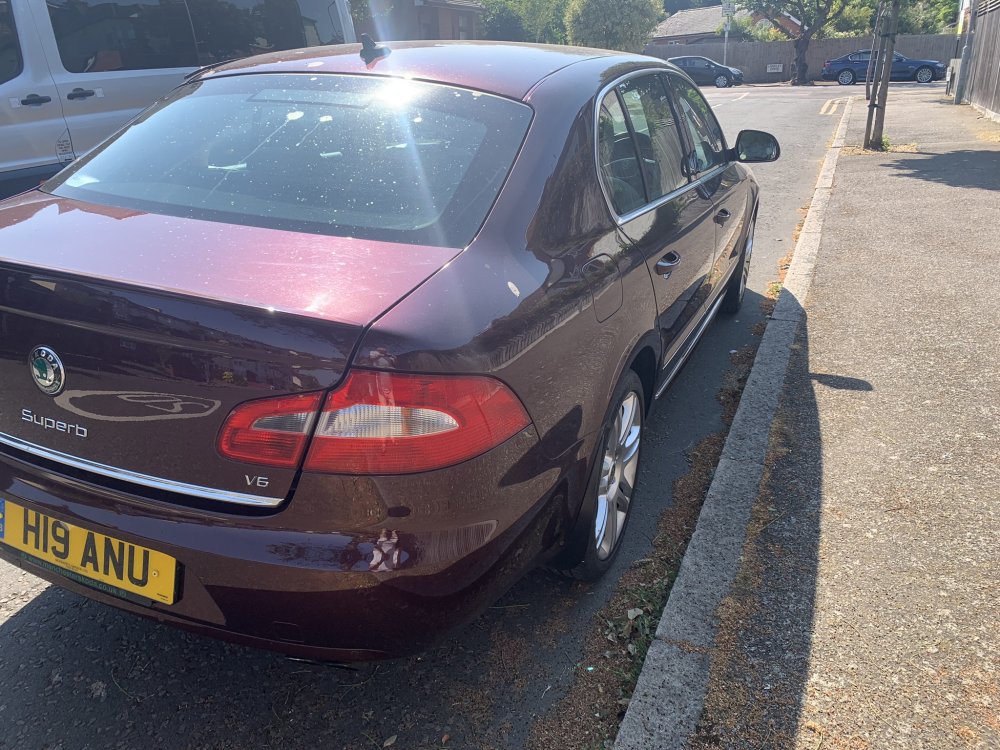
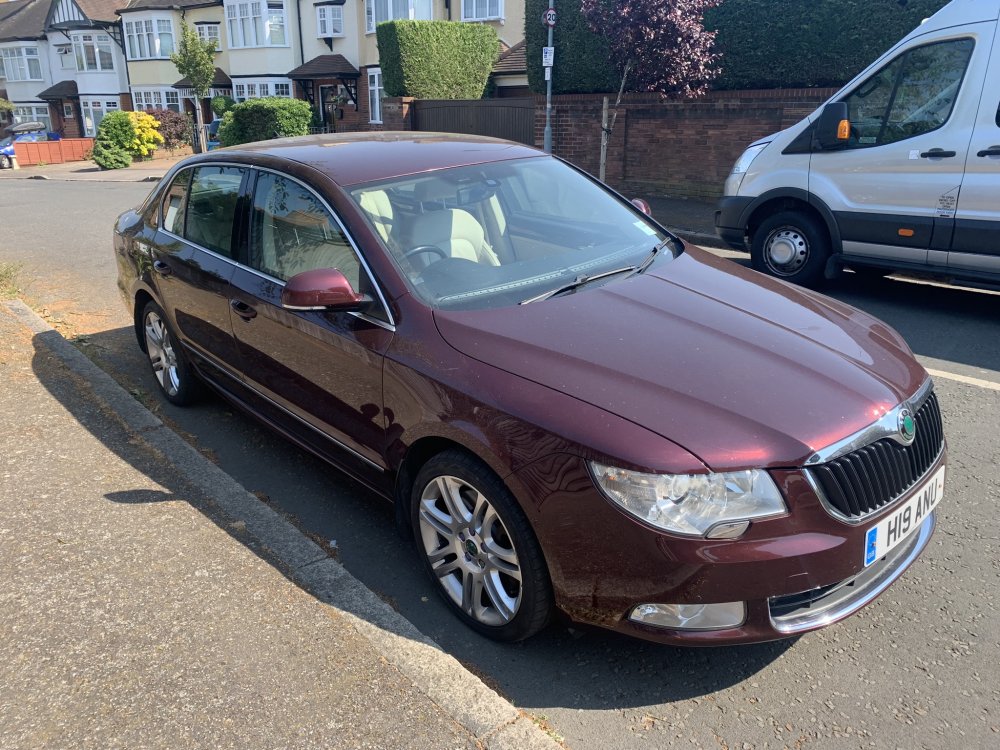
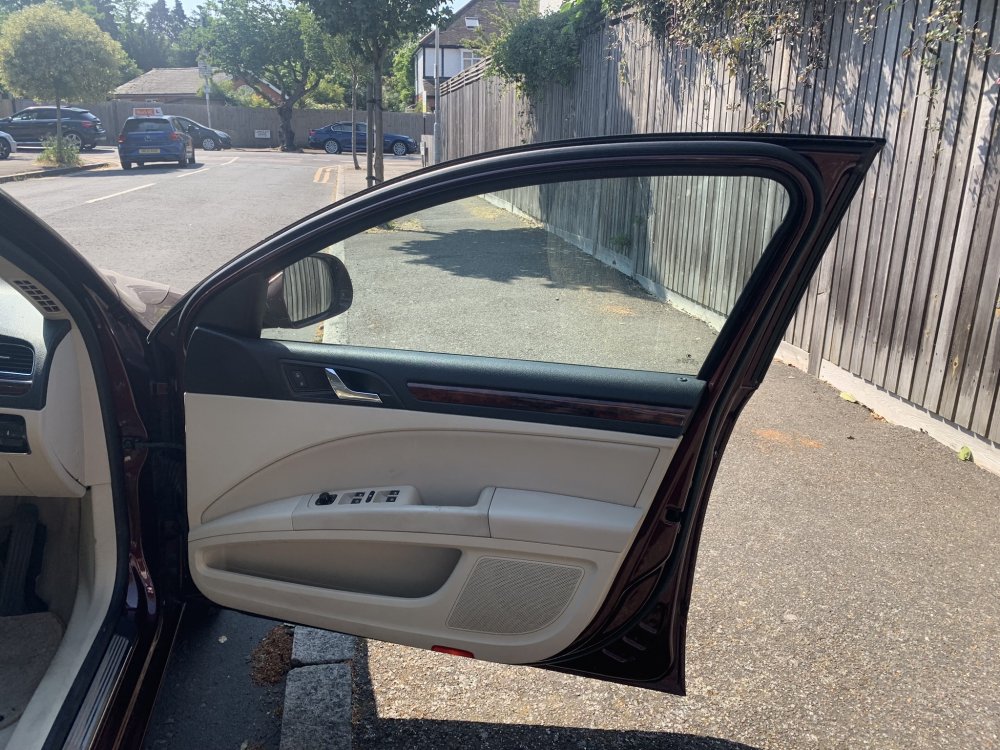
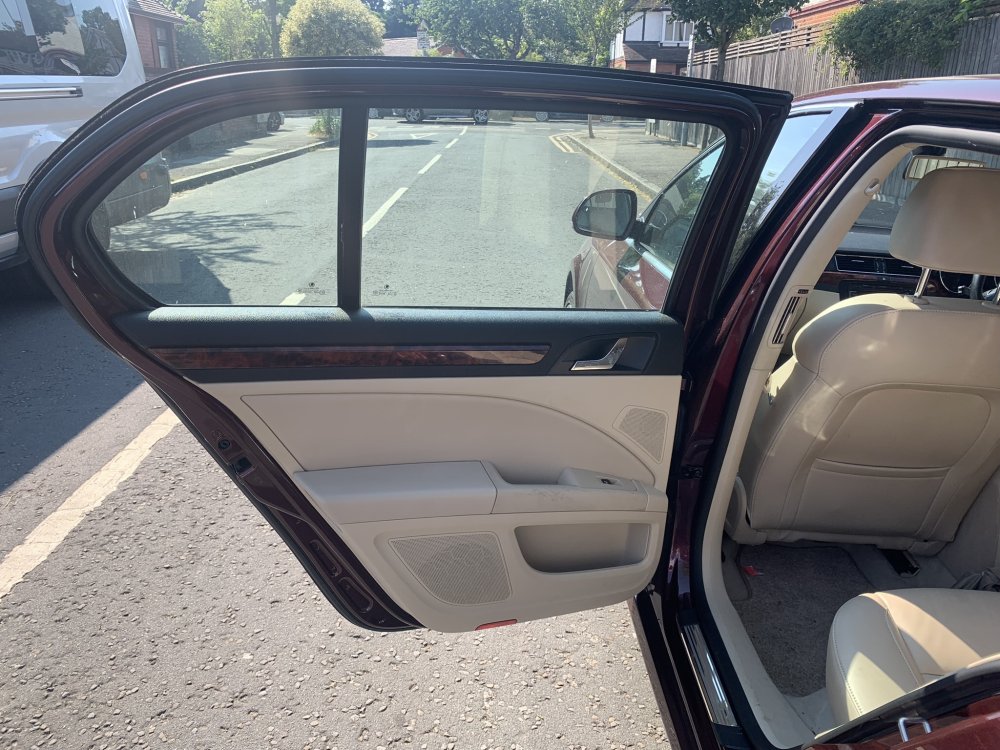
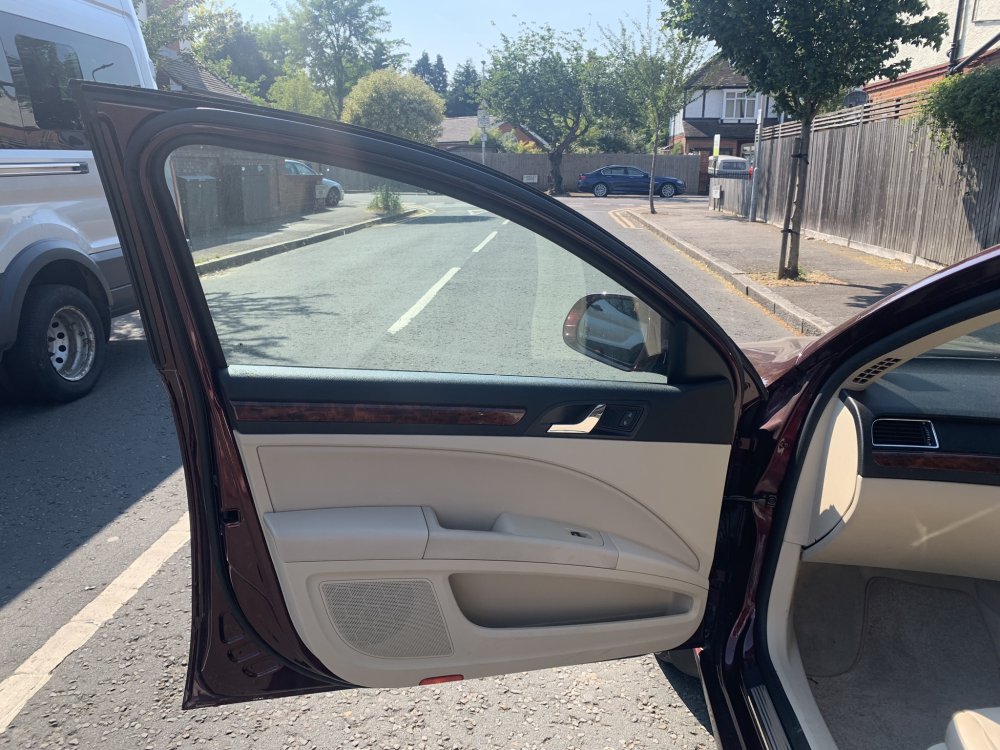
1 pointMake & Model: Skoda Superb V6 4X4 Elegance DSG Colour: Maroon (Metalic) Mileage: 96,000 Price: £4,500 Description: This is a very rare car. I think that there are less than 10 in the country. As the name implies this is simply a Superb car. From the outside it looks like a large family saloon but once behind the wheel you will appreciate the engine which is smooth, powerful and sounds great. I bought it 18 months ago when second hand car prices were all over the place and I have put 10K trouble free miles on it since then. As you would expect I have had to do some work on the car as it has 96K on the clock but these engines are good for 200K+ miles. The work I have done includes 2 new front springs, a new rear brake caliper, a new A/C compressor and a new rear wheel bearing and ABS sensor Condition: The car is in very good condition for it's age. There are some paintwork blemishes but they are not noticable and would be cheap to fix. The interior is in excellent condition. The wheels need a refurb Service History/Receipts/Recent Service work: Full service history. The usual mixture of main dealers and specialists Extras: Park pilot. Automatic parallel parking! Mods: Non Shipping: £## - Optional Collection: Yes East London Pictures: <attach as many or as few as you want within the limits>
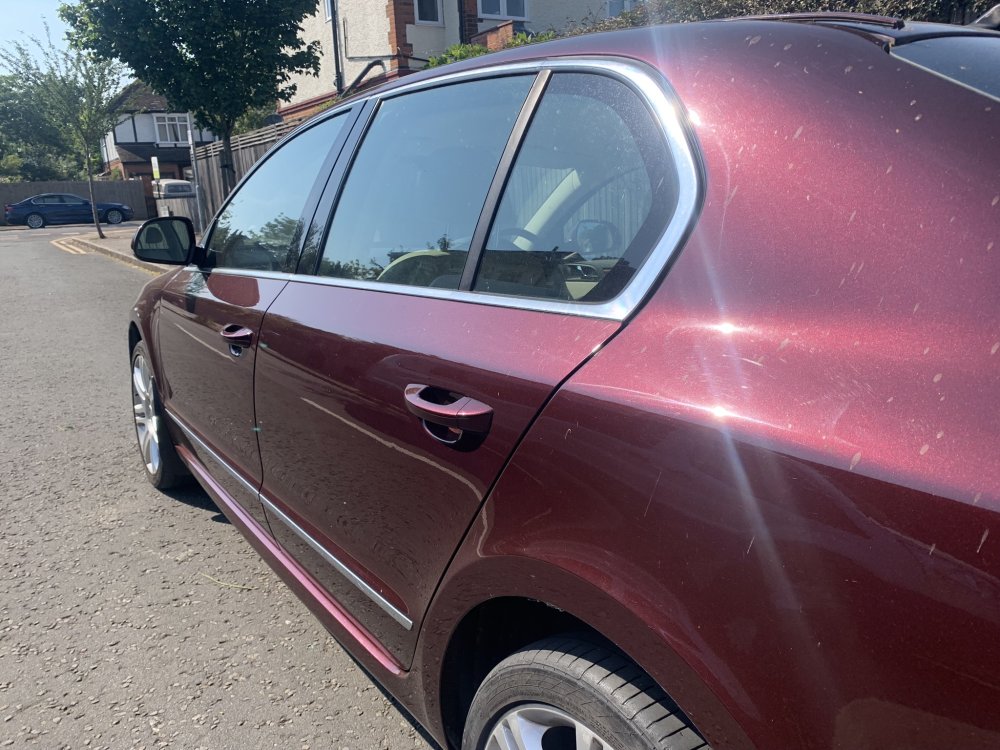
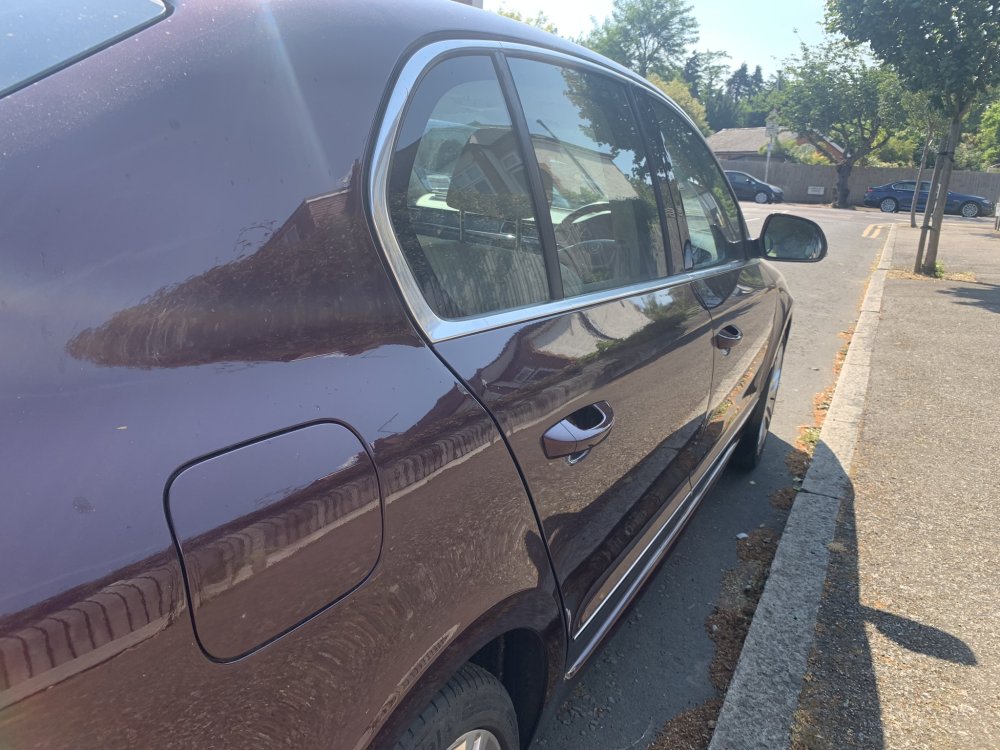
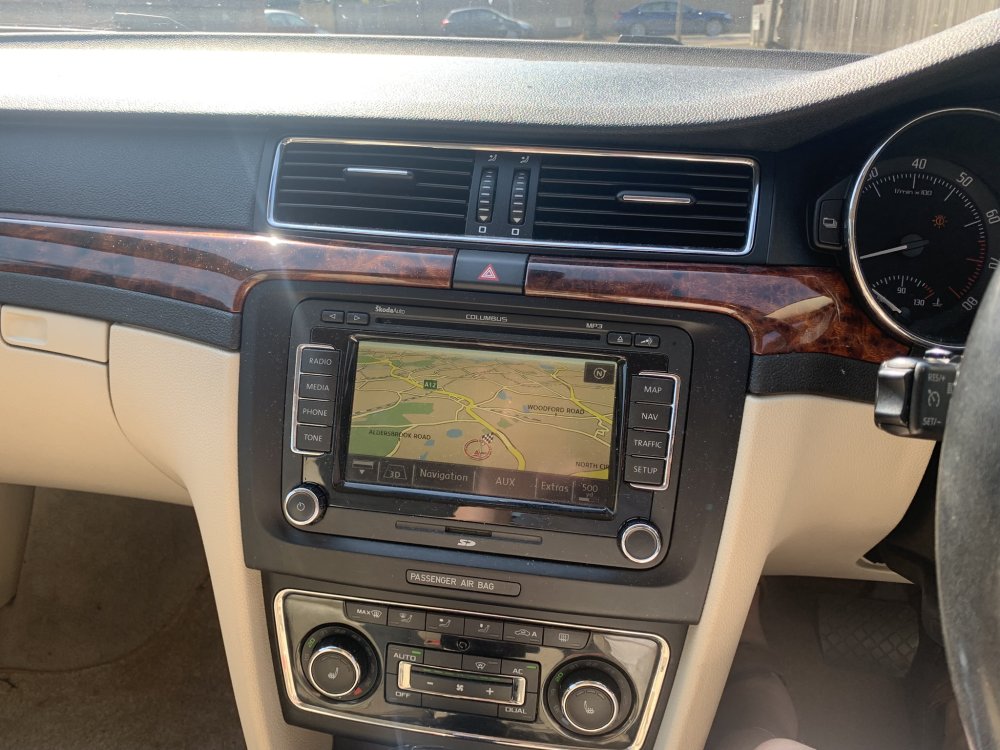
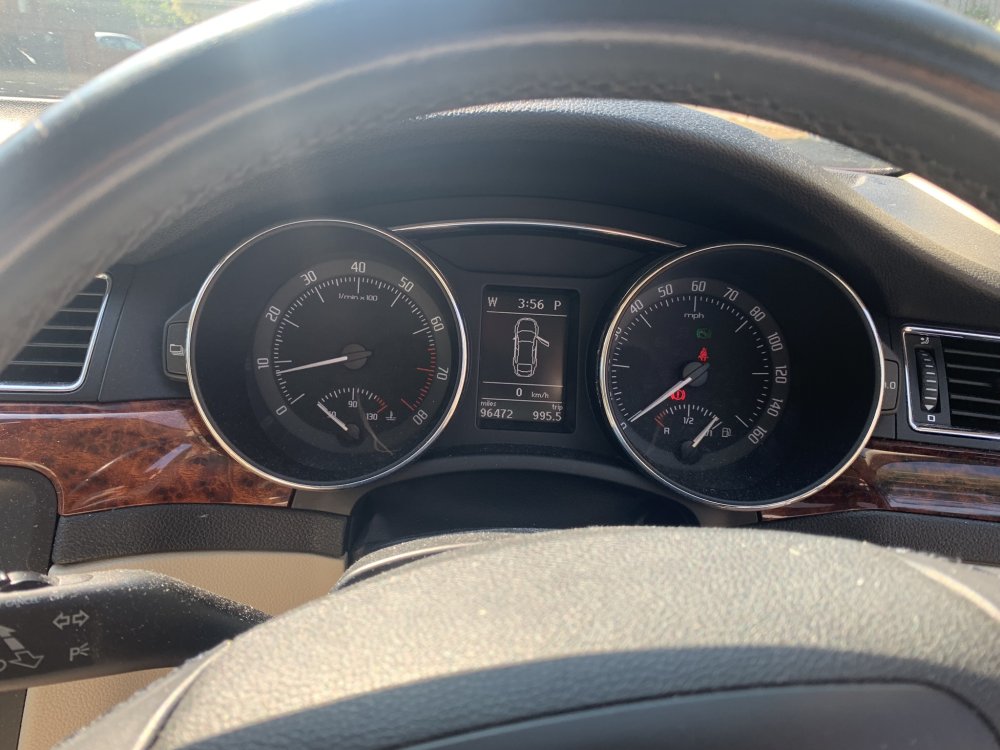


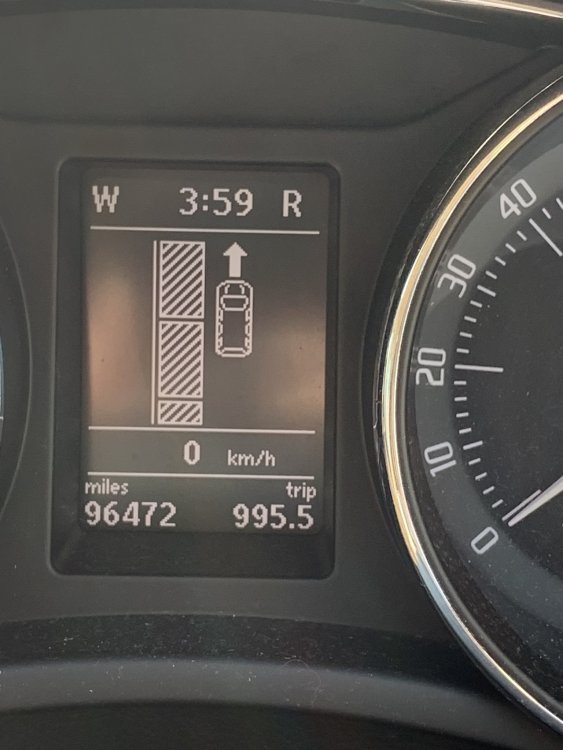
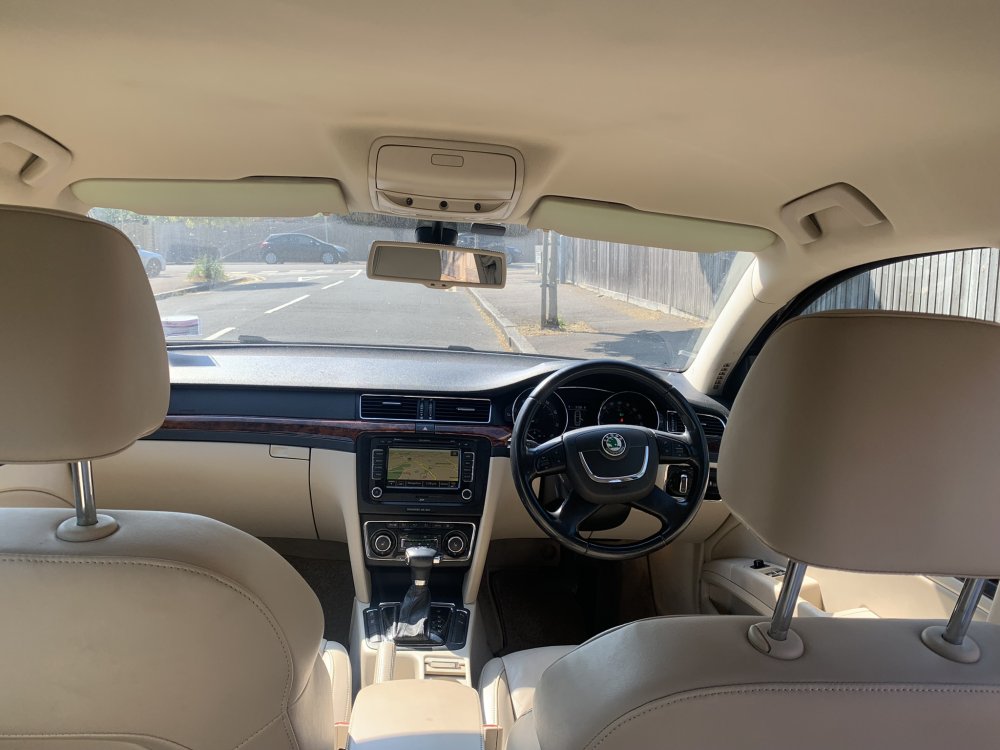
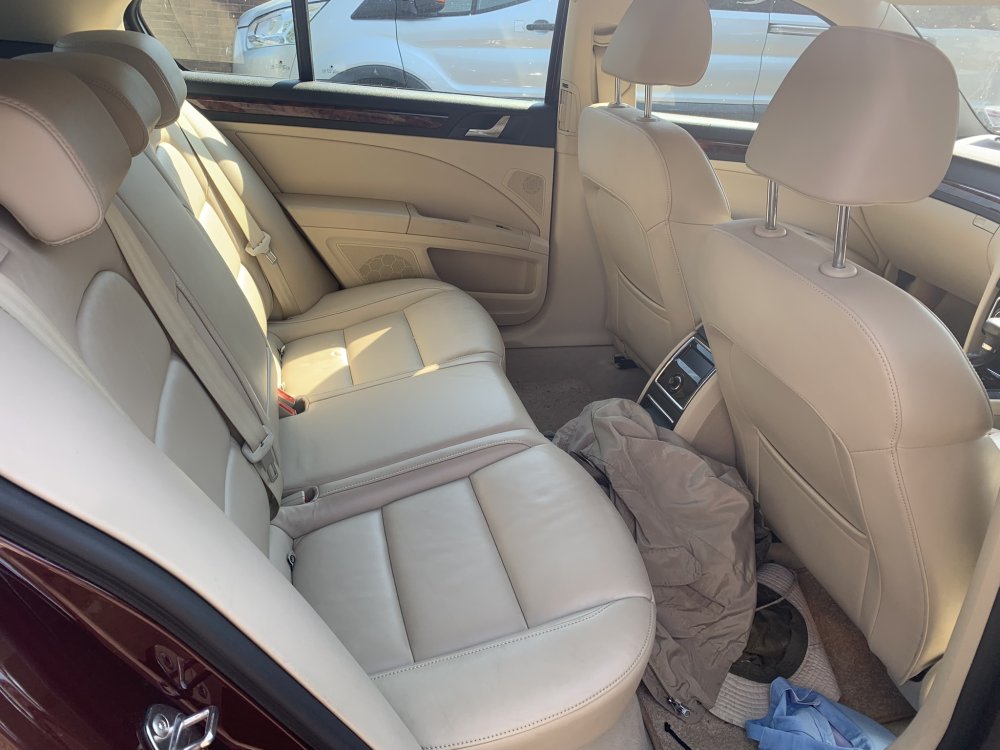
 1 point
 -
1 pointThe rear calipers do like to seize, so be ready for a battle there. and yeah, the torque is an absolute laugh when you get the hang of keeping it in that narrow power band, just got to remember to look after the clutch. Then you get the flipside that when you don't want that, it's just a 55+mpg diesel hatchback.1 point
-
1 point
-
1 pointGot any good sources on those 2 underlined parts? It's a very slippery slop to go from scepticism to conspiracy. The data has always been widely available. There are outliers but never been withheld. Policing is done within scientific community via peer review. This practice of paper publishing is well established. To say aim of this is to not allow deviation would be gross misunderstanding of the process. As mentioned, it is not impossible for radical ideas to be shut down initially. Consensus takes time to change. But it is clear we don't have the time to wait. Besides, why can't changes happen multiple times? Don't let perfection get in the way of progress. I guess if the area is newly developed, it would be low power lighting. Then no, it wouldn't support EV charging. But one could argue newly developed area should have EV charging provisions from day one. Older converted lamp posts may run on low voltage, but the power is still delivered to the posts using the original method. It is not cost effective to replace underground wiring or deliver power long distance using DC. 1 & 2. it is pretty hard to push limits in an accurately reporting EV. You cannot compare the guess-o-meter with modern EV's that can accurately predict arrival State of Charge. 3. Again, you are thinking with petrol station mentality. The idea is not to remember to recharge, the idea is to hook up the car whenever the car is parked. Make plugging in EV's a part of parking process. Especially anything parked overnight. 4. I really think you need to drive an EV. Things like lights, radio, dashboard, wipers and cameras use negligible amount of power. Only heating uses noticeable amount, again, a good car takes it into account when accurately predict arrival SoC. 4a. Even if in very slow traffic in winter, only running heating will still use less % of stored energy (eg. vs petrol in the tank) than a petrol engine ticking over. A good EV is extremely efficient. 1 & 2. Not all lamp posts are suitable. Agree. But again, it was an example to explain how we can get ahead of EV adoption curve. Doesn't need 100% coverage of all parking spaces. 3. Cables don't belong to charge point, not there when no one is using it, it's just a single port hidden in the lamp post. When connected, the cable is locked to the car and the post locks the cable. It cannot be removed unless it is cut using heavy duty tools, and cutting risks being electrocuted. Just the cables, it's worth probably £20. The plugs are £60+ a piece when brand new. But it is impossible to get the plugs out undamaged. Again, do consider try out a good EV, live with it for a few days, keeping in mind home charging is much simpler with a home charger. It would help you gain a better understanding. How is £800-1000 calculated? Why does bill (recurring payment) need to increase by this much? It's a one-off cost that the property owner/charge point operator pay. Local council only need to get involved if they wish to fund charge point operator. Charging at home using domestic rates is as cheap as 7.5p/kWh, 2.5p/mi. So running cost will be lower than refuelling petrol, thus even if property owner increased rent by £36 a month for 3 year ROI (no sane landlord will increase by £800), overall cost of living for tenant shouldn't increase. A small some battery and solar can be installed for less than £9000 if house is suitable, hence £10k inc. interest I mentioned earlier. I had my solar installed on not suitable house (W-E surfaces, complex roof, difficult scaffolding) for £7000. I'm about to spend £1600 for vehicle-2-home, turning my Nissan Leaf into a large home battery. Total less than £9000 for a large home battery and solar on a not suitable house. Average UK household uses 8 kWh per day. Just need a 3 kWh battery to tide over evening. Said household can switch to off-peak tariff and use the battery to tide over morning use as well, essentially never pay higher peak electric price ever again. Let me re-iterate, safest investment ever.1 point
-
What, this thing? If you gave me that for free, I'd just sell it. Wouldn't even take it for a test drive.1 point
-
If you get stuck, I have OBDEleven Pro and am near Sudbury.1 point
-
1 pointbună ziua.....în sfârșit am reușit să actualizez sistemul de infotaitment de la skoda....vă mulțumesc mult!1 point
-
1 pointMaybe a temperature-related 'feature'? Deliberate? See what others with same car say. A failure so early in the car's life seems unlikely.1 point
-
1 pointSeveral reports say Exxon knew about and predicted climate change in the 1970s but buried the findings. https://www.euronews.com/green/2023/01/13/exxon-accurately-predicted-climate-change-in-the-70s-which-other-fossil-fuel-giants-knew-t https://www.scientificamerican.com/article/exxon-knew-about-climate-change-almost-40-years-ago/ https://www.theguardian.com/business/2023/jan/12/exxon-climate-change-global-warming-research1 point
-
@Caj109 give Hortons (the main dealer that runs The Skoda Shop website) a call directly. I was after a wheel that was showing as out of stock on the website and they were able to order it in within the week. I found them very helpful.1 point
-
1 pointI will go through the brakes in a couple of weeks, they seem spongy, change the fluid, check the calipers pads and discs then go from there. The torque from this engine is amazing, although not as quick as the Clio, just as much fun, after the brakes, a set of Bilsteins, and im sorted for some happy motoring.1 point
-
1 pointPre-industrial levels of CO2 were around 280ppm and current measurements put the CO2 level at around 420ppm, which is far below the peak during the Ordovician period 500 million years ago of 3000-9000ppm. Earth survived those amazingly high levels of CO2 without burning up, albeit with some well documented mass extinctions (cause still open to debate) so it is difficult to understand that levels around 10% or less will be so destructive to Earth - humanity maybe but not Earth. A Graphical History of Atmospheric CO2 Levels Over Time1 point
-
1 pointYour sources look legit, I didn't question your numbers. I questioned validity of your questions, only thinking about cost vs reward for UK.1 point
-
1 point
-
1 pointDo not recognise your figures. CO2 increase since industrial age, mainly 1870 actually, 50% !! https://www.climate.gov/news-features/understanding-climate/climate-change-atmospheric-carbon-dioxide It is increasing about 1 or 2 parts per million but even small amounts of CO2, methane etc have a big effect on greenhouse effect.1 point
-
The start/Stop system can sometimes be a danger. On more than one occasion when forgetting to switch it off I have been exiting a junction for the engine to suddenly cut leaving me stranded until I can restart the engine.1 point
-
1 pointI think this is the issue of direct injection EA888 engines getting carbon build-up on inlet valves, @toot. I think some of the Superbs have both direct and indirect fuel injection. If @Choripis really concerned, he could choose one with both injection types, but I dare say there's a trade-off to be had in that regard. There's a thread about it here.1 point
-
^ Yep, I was thinking that you said your crank sensor has a captive cable, with connection to the loom remote from sensor. Reckon you'll still find it can be done without gearbox moving, though Mr BKY's video appears at times to have been filmed by a tiny person sitting behind the engine. This is the current part number and appearance of genuine sensor for a manual gearbox BBZ Engine impulse sender 16v 1.4 / 1.6 Golf4 Beetle Bora A2 030957147AA Genuine VW | Deutsche Parts (deutsche-parts.co.uk) If you think that listing is expensive, retail price at Skoda dealers is a startling £111.80 plus VAT! Once again, in another 'bid or Make Offer' listing, ebay may provide potentially excellent value (appears to be missing its captive screw, but that's likely 'workaroundable' by extracting old one)? Would be nice if this is the last 'boom' from the parts cannon for you, apologies for my apparent bum steer on the TB.1 point
-
Ours doesn’t appear to have a plug at the oval grommet. Our one seems to justhave a cable going through the grommet. The plug is up back left kind of under the dipstick. Guess i need to see whats inside the grommet.1 point
-
1 pointwheel-size.com also lists 195/50R15 as a standard option, so it may depend on the country. The UK has a history of fitting lower profile tyres than many other European countries. The sidewall height of 195/45R16 tyres is a shockingly low sub 3.5", whereas with 185/55R15 you get a full 4.0" of sidewall height. SKODA FABIA MK1 (6Y) [1999 .. 2007]1.9TDI 129 hp EUDMRUS Generation: Mk1 (6Y) [1999 .. 2007] [EUDM] Production: [2003 .. 2007] Sales regions: Europe, Russia+ Power: 129 hp | 96 kW | 131 PS Engine: 1.9 L, ASZ, BLT, I4 , Diesel Trim Levels: vRS Centre Bore / Hub Bore: 57.1 mm Bolt Pattern (PCD): 5x100 Thread Size: M14 x 1.5 TYRE OE195/50R15 OE195/45R16 https://www.wheel-size.com/size/skoda/fabia/2005/#trim-mk1-6y-1999-2007-eudm-19tdi--1291 point
-
1 pointWelcome. ? What age / mileage / budget are you working on? ? Where did you get this coking up from? Condition condition Condition, & service history of stuff actually done and not just a FMDSH if it is just Oil & Filter changes and not the scheduled stuff. If Parks Skoda Hamilton had anything to do with the Servicing then you really want to see what was done. The Haldex (4x4 system) services are due at 3 years / 30,000 miles or sooner, & need more than just an oil change.1 point
-
There's a dedicated heat exchanger in the front of the engine bay... That's the best way to get the coolant colder, flat surface of the reservoir tank doesn't transmit much heat to the air1 point
-
Battery a bit low? Might be worth putting it on charge overnight to see if it still doesn’t work next day when fully charged. Or just enjoy it not working, would save either myself or Mrs DSL switching it off after every start! 😆1 point
-
I was under the impression that start/stop always defaults to on after switching off and restarting.1 point
-
1 point
-
1 pointhttps://www.tayna.co.uk/car-batteries/types/096-agm/ You will need to check on what you have fitted now, so best to take a picture of the top of the battery. AGM or EFB type will be the technology fitted. I put a Varta E39 on mine, as this is an OEM fitted battery, should last years.1 point
-
1 pointThey will not employ actual detailers to prep a 'Used or even new car' & apply the product that cost them very little. It is their valeters / cleaners or contractor. Get any money back that you paid them for this 'special product' that you got as part of the deal but you actually paid for as they have the 'cost' on their costs before sale when paying tax on profits. I used to prep cars for sales using the products that cost under £30 and were under an hours labour and were showing as £300 plus.1 point
-
1 point
-
1 pointHad the same problem when my battery failed. Once the car was going again after being recovered, this fault remained until a new battery was fitted at the dealership.1 point
-
It looks like I need to use something like MP3tag to get this done, so I'm about to give that a try. Thanks for your help - much appreciated.1 point






.thumb.jpg.f83a46b9b3c0d976b9dbffbb523c9874.jpg)