Leaderboard
-
skomaz
FREEDOM10Points11,413Posts -
Aspman
Resident Member9Points21,291Posts -
J.R.
Resident Member7Points15,266Posts -
Warrior193
FREEDOM5Points6,742Posts



Popular Content
Showing content with the highest reputation on 18/03/25 in Posts
-
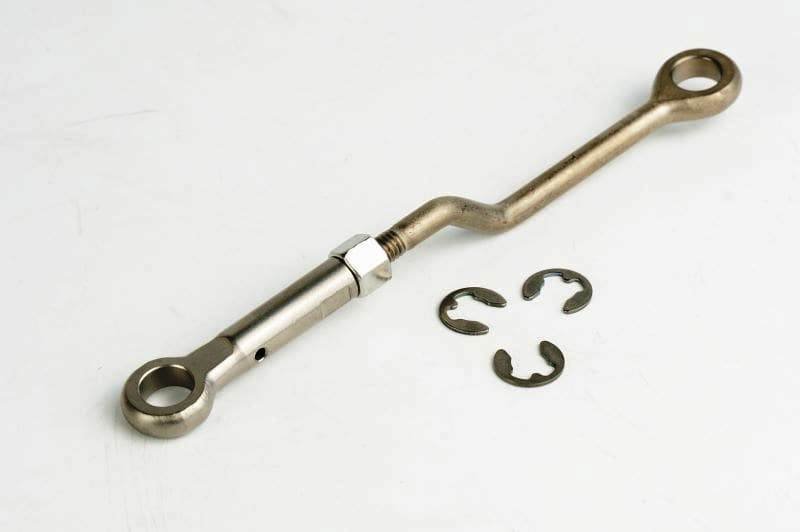
2 pointsRepair completed, picked up Fabia this morning. Fault was P334B00 - charge pressure actuator, mechanical malfunction. SWMBO is very pleased to have her car back. The cause of the fault was found to be excessive resistance to movement of the turbo boost flap control arm. The part replaced was Turbo actuator coupling rod, repair kit 04C-198-701-D.2 points
-
Well just had a phone call from the dealers and car is in. Test drive later today.2 points
-
2 points
-
Compared to a 245/45R18 fitted to an 8" wide rim, a 225/50R18 fitted to a 7" wide rim would give far more protection from kerbing damage because the tyre's sidewalls bulge out about twice as much...as shown in the chart below. Amount tyre sidewalls bulge out each side from rim 245/45 fitted to 8" wide rim 7.9mm 225/50 fitted to 7" wide rim 15.6mm The reason that the difference is so big, is because the actual width of a 245/45 fitted to an 8" rim width is 243mm, and the actual width of a 225/50 fitted to a 7" rim width is 233mm, ie. the 245/45 is only 10mm wider not 20mm wider...which you might expect. See the chart below. What is happening, it that the sidewalls on tyres with an aspect ratio less than 50 don't tend to bulge out much, but once you get to tyres with an aspect ratio of at least 50 the tyre's sidewalls tend to bulge out a lot more. Hence, if you want good rim protection from kerbing damage choose tyres with an aspect ratio of at least 50 and fit them to relatively narrow rims or at least a rim that isn't wider than normal for that particular tyre size. Actual width of inflated tyre measured from sidewall to sidewall at the widest point 245/45 fitted to 8" rim width 243mm 225/50 fitted to 7" rim width 233mm As you can see in the ETRTO chart below, a 7" rim width is the standard rim width for a 225/50 tyre and an 8" rim width is the standard rim width for a 245/45 tyre...hence both 7.0 and 8.0 are highlighted. ETRTO approved rim widths for passenger car tyres 225/50 6.0-7.0-8.0 245/45 7.5-8.0-9.02 points
-
1 pointIf a car has a very restrictive exhaust system from factory, then removing this restriction can help the power output as the engine isn't having to 'push' the exhaust gasses out anymore. That said, I don't think you'll see anything significant without an ECU tune, and even then we're talking morec 3" catless downpipe than a mid res delete!1 point
-
1 point
-
This was the video ! Excellent knowledge that man. New alarm has arrived need to get round to fitting it. Update on TOPDON carpal readings...retested today after clearing all codes previously. The alarm missing code is back...and also the passenger door inaudible signal ! so.. hypothesis time... The old owner had a dodgy door close signal This set the alarm off intermittently They decided to remove the alarm The door locking signal fault is still there The ECU brain is searching for the Lin wire thats commuinicating with the (missing) alarm The ECU brain is now confused and somehow keeping the radio turned on in the background When I clean and refit the alarm siren I expect to get it going off intermittently but I wont delve into the inaudible door signal fault till I have seen if the radio parasitic drain goes away .. Watch this space1 point
-
1 pointThe outer ring plays no part in the transmission of drive it is simply a harmonic damper, I fully intend removing mine with a disc cutter when it gets as bad as yours, in fact I might do it pre-emptively before the next contrôle technique as I'm getting fed up with showing the testers the new unfitted one to prove that what they think are splits in the coupling are moulded in from new. Without the ring it will be the same as the Rotoflex couplings on my Lotus Elan, well a lot better actually because they have been made of cheese for the last couple of decades. Also there is an inner steel ring that totally encloses the Guibo drive coupling. I just looked for a part number on my coupling on the shelf, its a pattern part but the number if its of any use is G2N21PC0810-07420923A-0847 Google shows my part to be this which has the 1K0 part number referenced and says its will fit MK2 Octavia 4x4 and my Yeti, I'll be pi55ed if it doesn't.1 point
-
I had an hour test drive in the 2.0 TSI L&K Mk3 and just around the block in a 1.5 TSi SEL Estate Mk4. That drive around the block was enough. I much prefer a wet clutch DSG and the Mk4 SEL felt lumpy with standard suspension and 18's.1 point
-
So the car drove like a dream and the 2.0TSi with DQ381 is so much smoother than 1.5TSi with DQ200 Shouldn't have worried about the 19's even with the DCC in Normal it was fine. The only thing I'm not happy about is the paint. It's 10 months old and done 6k miles but has obviously been down to the local £7 car wash as there's some swirls and hasing. Not the end of the world but dissapointing at over £31k. Dealers are working me some figers as I want a bit more off to correct the paint.1 point
-
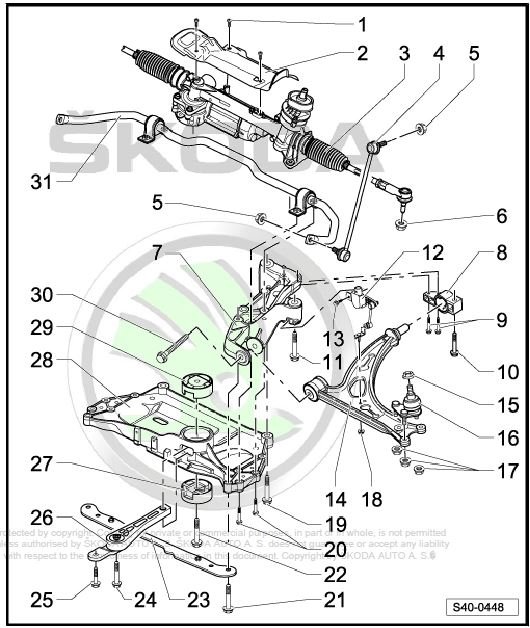
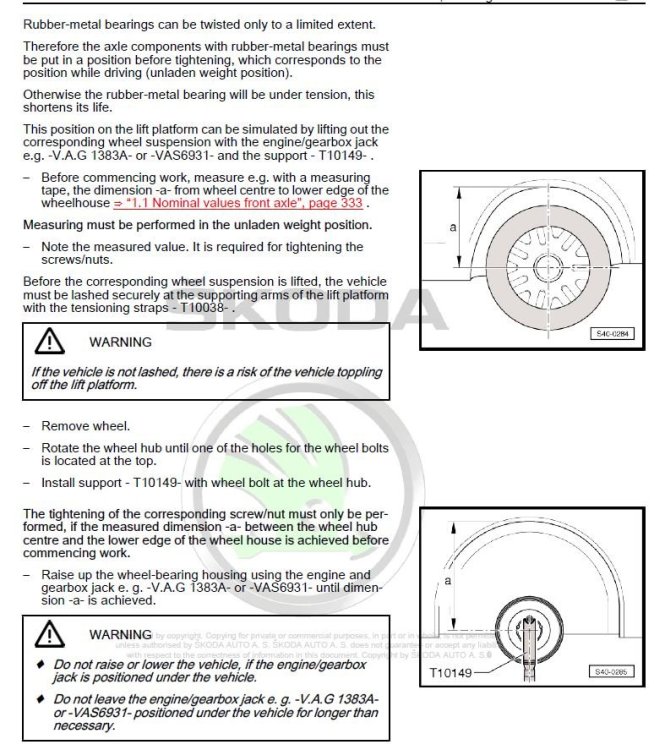
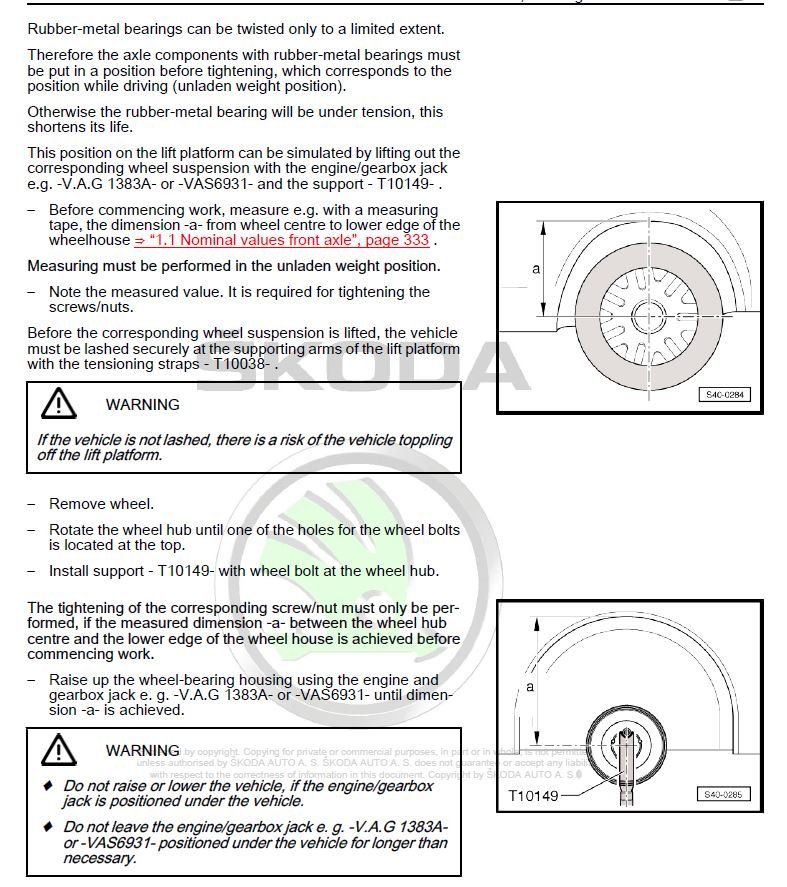
1 pointYes after 150 miles the noise has gone, no creaks, no groans at all, its item 30 on the diagram which needs to be loosened and tightened up (70NM) with the suspension under a simulated load of an unladen vehicle. ie with a second jack under the ball joint (item 16) jack up until it just and only justs starts to lift off the main jack. Then torque up. Its a tight fit to get the torque wrench in there due to the wheel arch cover but it will flex out of the way.
 1 point
 -
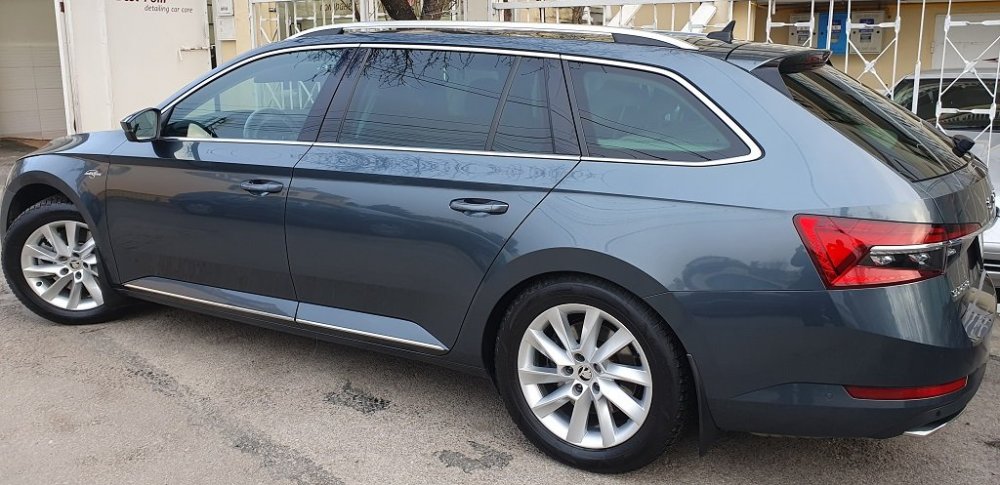
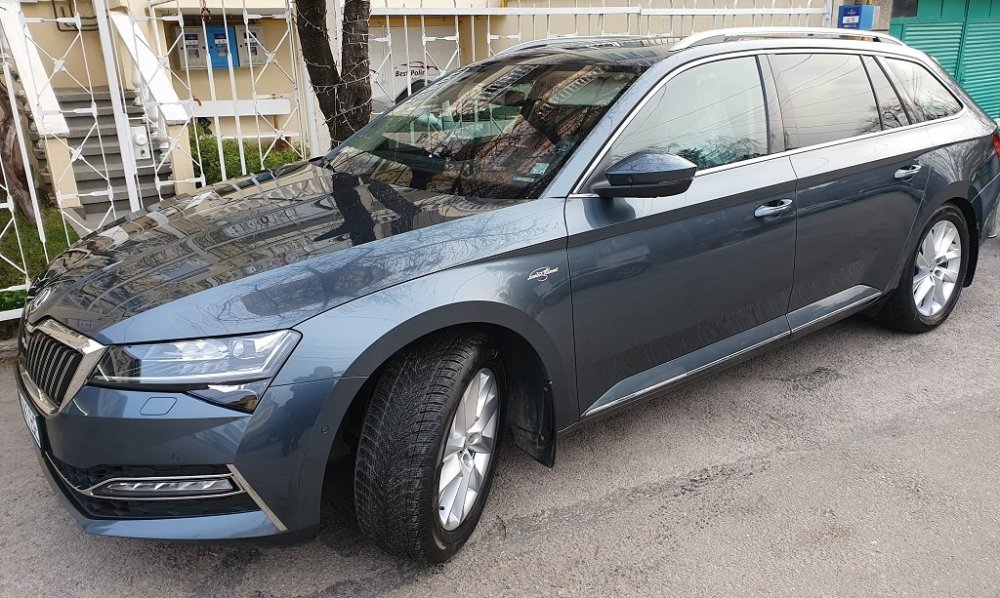
1 pointBefore the winter finishes, here it is with the 225/55 on Stratos.
 1 point
 -
1 pointChanging from the standard 215/55R17 to 215/65R17 is far too big an increase. The speedo will under-read, there might be rubbing especially the front on full-lock, and the gearing will be too high...especially first gear for pulling away and top gear. If you want a better ride, first make sure you've chosen tyres will soft and flexible sidewaalls such as good all-season tyres...and that the tyres aren't over-specified...so something like 215/55R17 94V rather than 215/55R17 98W XL. Choosing W-speed rating if you only need V-speed rating and XL (eXtra Load) rather than SL (Standard Load) will make the sidewalls stiffer and therefore the ride harder. Choosing a narrower 6.5" rim width for the 215/55R17 will also make the ride softer compared to fitting this tyre size to a wider rim such as 7" or 7.5". Perhaps look at 215/60R17 fitted to a 6.5" rim width, or 215/65R16 fitted to a 6.5J rim width. One benefit, is that these two tyre sizes tend to be a bit cheaper than 215/55R17.1 point
-
Welcome. Re the thread title, you never get a second chance to make a first impression!1 point
-
My parts are on the way today so I'm hoping to recieve before the weekend & I'll send some pictures of the differences in the parts1 point
-
1 pointWhat proof has the garage given that this alleged spillage caused the 12 volt charging issue?1 point
-
1 pointAssuming the following is correct, sourced from Cox Motor Parts - https://www.coxmotorparts.co.uk/product/seat-shop/seat-arona/arona-2017/arona-2017-engine/genuine-vw-seat-audi-skoda-turbo-actuator-coupling-rod-repair-kit-04c198701d/ Genuine VW/Seat/Audi/Skoda Turbo Actuator Coupling Rod Repair Kit (04C198701D) - £38.82 (ETA: it's probably described as a kit as it includes the clips shown 😄 )
 1 point
 -
1 pointNot spilt is different to "not aware of spilling" which was an interesting choice of words. What repairs do they claim to have done to allegedly rectify the non charging and are they plausible? The liquid might be a smokescreen in which case it has worked for them thus far, for example you are getting bogged down into a non issue, whether said liquid is consumable, if what they are claiming to have repaired/replaced was due to contamination by said liquid it's not up to them to forensically prove what it is and how it got there.1 point
-
1 point
-
1 pointWill we ever know? Personly, I would not put it past Putin to order such a collision. Maybe a warning shot to Trump? Maybe why Trump has swung back to supporting Ukraine, maybe one day the truth will come out.1 point
-
1 pointI've measured for volts on both wires on the plug. I got slightly less than battery voltage on one wire and a bit less again on the other. My voltmeter battery is weak, so I'm going to pick up a new one. I'm not convinced the plug is giving a contact. It just doesn't seem to go in far enough and there is no friction at all when it is pulled out. I wonder if there is something in the socket stopping it. Tomorrow I'll take it off again and investigate. i'm retired and have 3 other working cars, so I'm not giving it my undivided attention!1 point
-
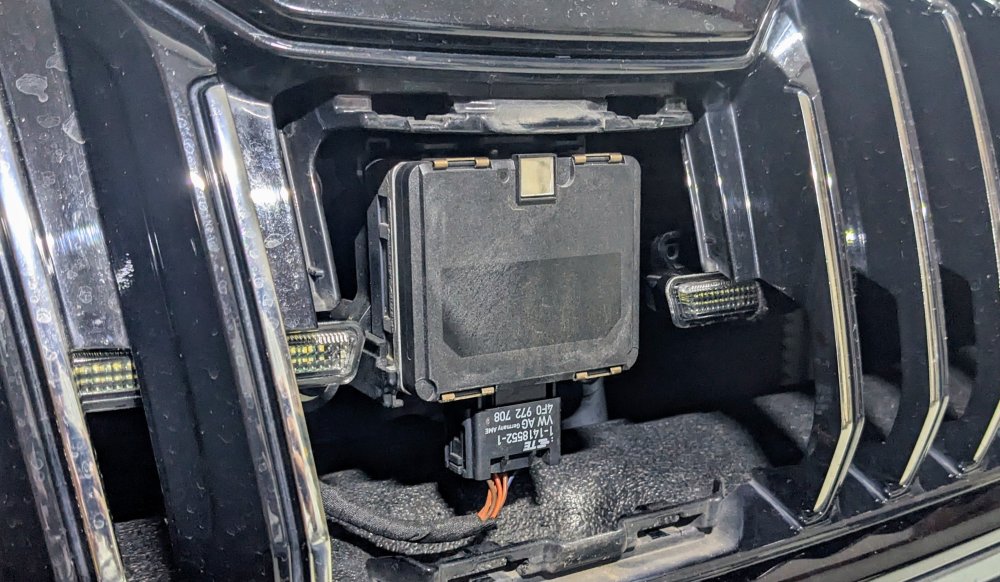
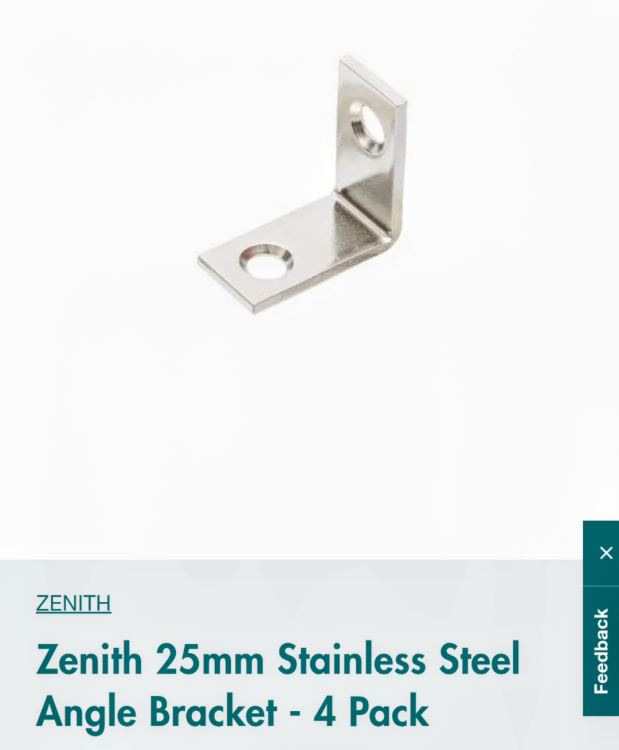
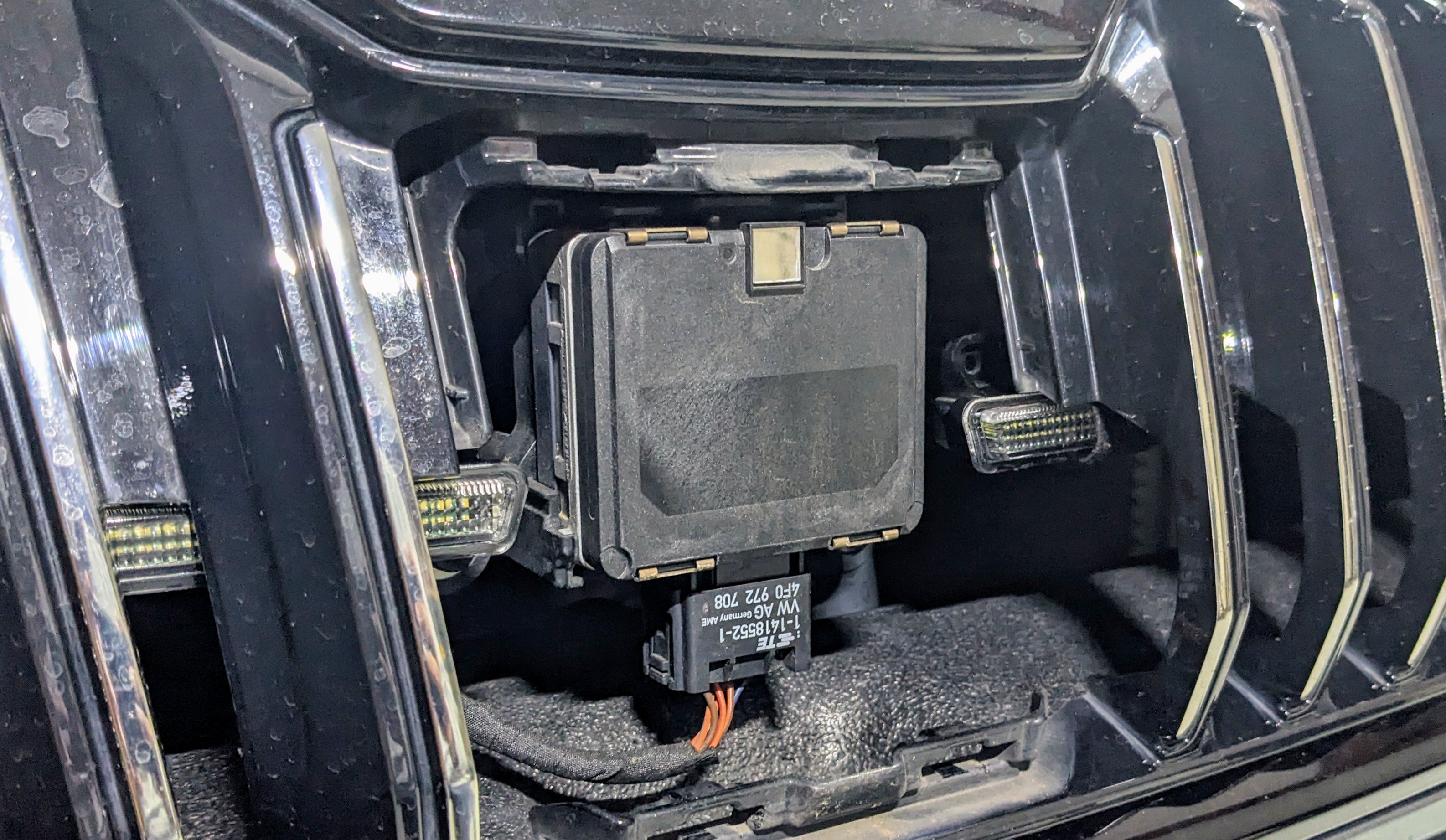
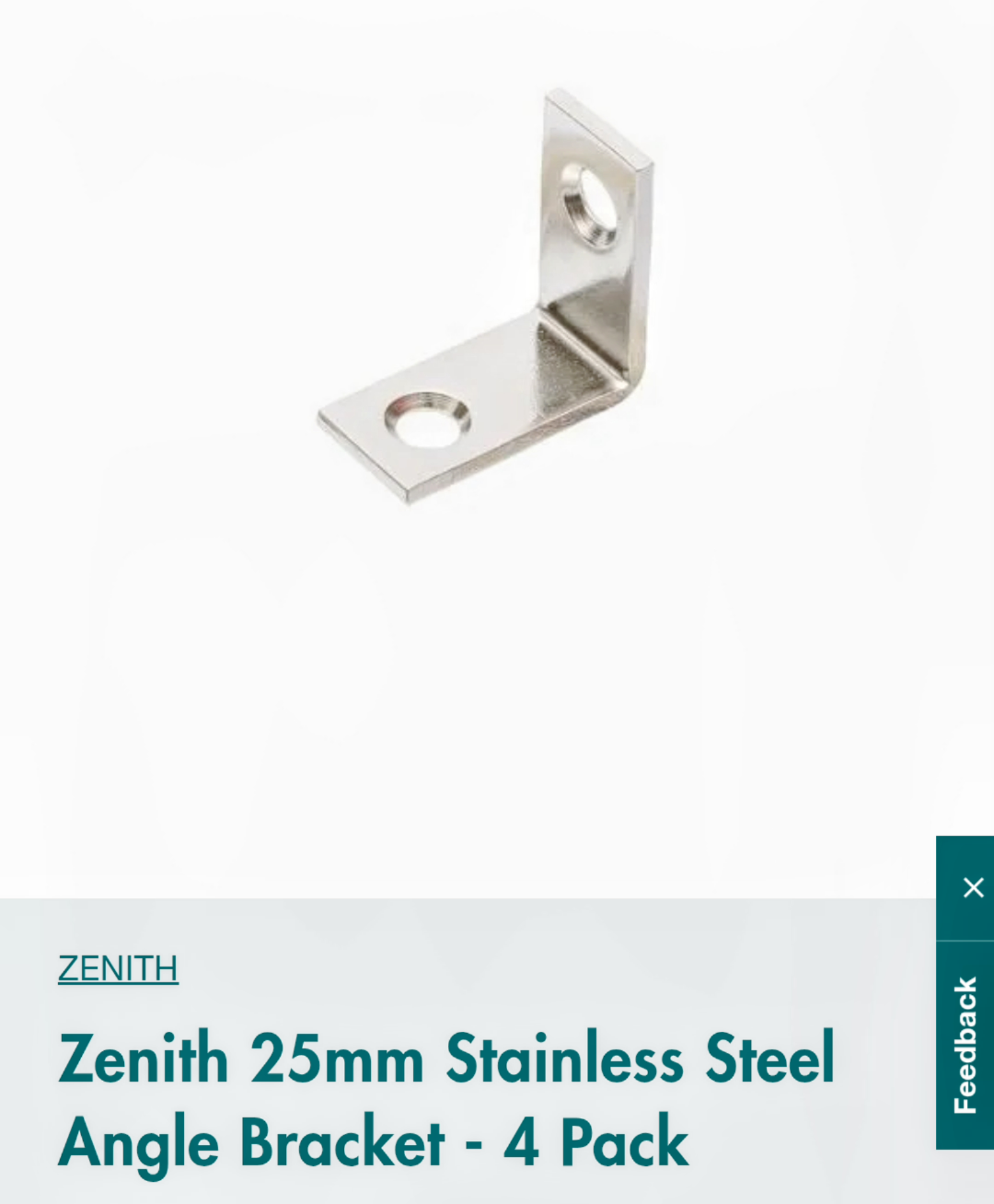
1 pointIt's a simple metal bracket - 4x of them. 2x per light bar. One side is glued to the top of the light bar, and the other end glued to the back of the the grille. Unfortunately I don't have a pic of how it's mounted.... sorry. The bracket... A close of how it's aligned behind the grille..
 1 point
 -
1 pointEither should be fine. May not find new ones of the old part number though.1 point
-
1 pointYeah I think I was just being optimistic makes sense if the two switches behaving slightly different.1 point
-
1 pointWelcome to the world of aftermarket (and sometimes genuine original manufacturer) quality. Intermotor used to be a good reliable brand but that was long ago and far away, if the part looks and feels different to original then it's probably not made the same as the original no matter what the part manufacturer/supplier or seller tells you.1 point
-
1 pointIs there maybe a washer left behind stuck to the gearbox from the old switch, which is making the distance wrong for the new switch? If that isn't the probIem, I would get a genuine new switch, personally.1 point
-
1 point
-
1 point.When I had my previous car there was exactly this same debate about res or non-res. I had a non-res Milltek and the drone was so bad I paid to have it swapped to a res - some other owners agreed, but some others said they heard no drone at all. The conclusion we came to was that it's down to individual driving styles, music volume and hearing, so there is no "right" answer that applies to everyone.1 point
-
The problem is that most garages only adjust one tie-rod end to get the wheels aligned and this leaves the steering wheel off-centre. They should then make equal adjustments on both tie-rods to centralise the steering wheel. It is difficult to judge the centre position of the steering wheel when you're not actually driving so a road test is needed to check it's right. @netman82 What happens when you drive along a straight, flat road with your hands off the wheel? Does the car go straight with the steering wheel off-centre, or pull to one side or the other?1 point
-
1 pointHello from Italy, My name is Ben and I'm a happy owner of a 2022 Karoq 1.5 Petrol Style in Graphite Grey1 point
-
1 point-> https://www.briskoda.net/forums/topic/516414-vcds-options-on-superb-iiifl/1 point
-
I made a new post but in English, I can't delete it. :/1 point
-
Sorry I thought you was talking about engine rather than oil.1 point
-
1 pointAll aircraft safety equipment are tested rigorously with redundancy (built in or multiple of). Car assistive tech are not built to the same standard to be relied upon in similar manner. I personally would not trust Radar/LiDAR system such that I allow it to drive beyond my own capability. I will always drive appropriately to the conditions regardless what type of sensor I have on the car, for as long as I am responsible controlling the car. I wish you best of luck, please do be careful out there.1 point
-
1 point
-
1 pointI tried watching the video but could not stomach the guys voice and manner, the one doing the narration (hijacking someone elses content) was OK. I take my hat off to those of you who can sit through 11 minutes of the hyperactivity.1 point
-
Finally got hold of a set of genuine Superb III hatchback roof bars! Found a chap via Facebook that had sold his Superb, still had the genuine bars, only very lightly used (carried a roof box a few times). In perfect condition and complete with both keys. T-channel rubbers not cut and in good condition too (just a few indents from where the roof box was pressing down on the rubbers). Might replace the rubbers at some point, but not urgent. Overall, a significant saving over buying a brand new set, even with the cost of driving round to the other side of London and back to get them (was actually a nice late evening drive, no traffic). That was the last accessory I was after really so the car is now equipped exactly as I want it. Now I can get back to messing about with virtual cockpit options in Carista.1 point
-
1 pointI'd say it's the newer VC module in the first view (The one where you retain the gauges when in satnav/map view). Mine is a january 2022 MY22 car and I have the older VC module where the Map/satnav view only has the speed readout at the bottom rather than the gauges still showing either side. I believe the newer VC change came about with the MY23 cars which started production mid 2022 and it's a newer VC module/display itself rather than just a software change/update.1 point
-
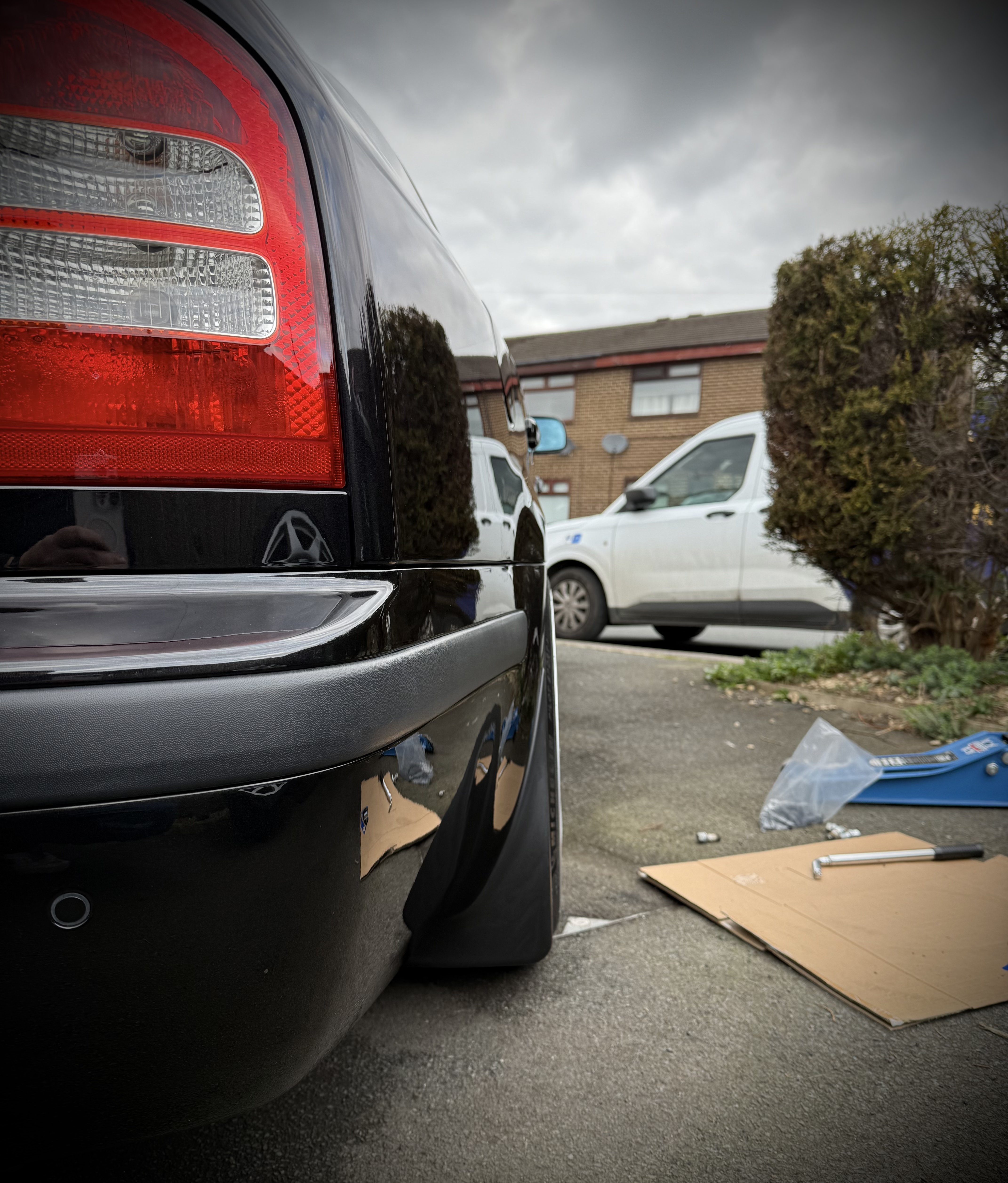
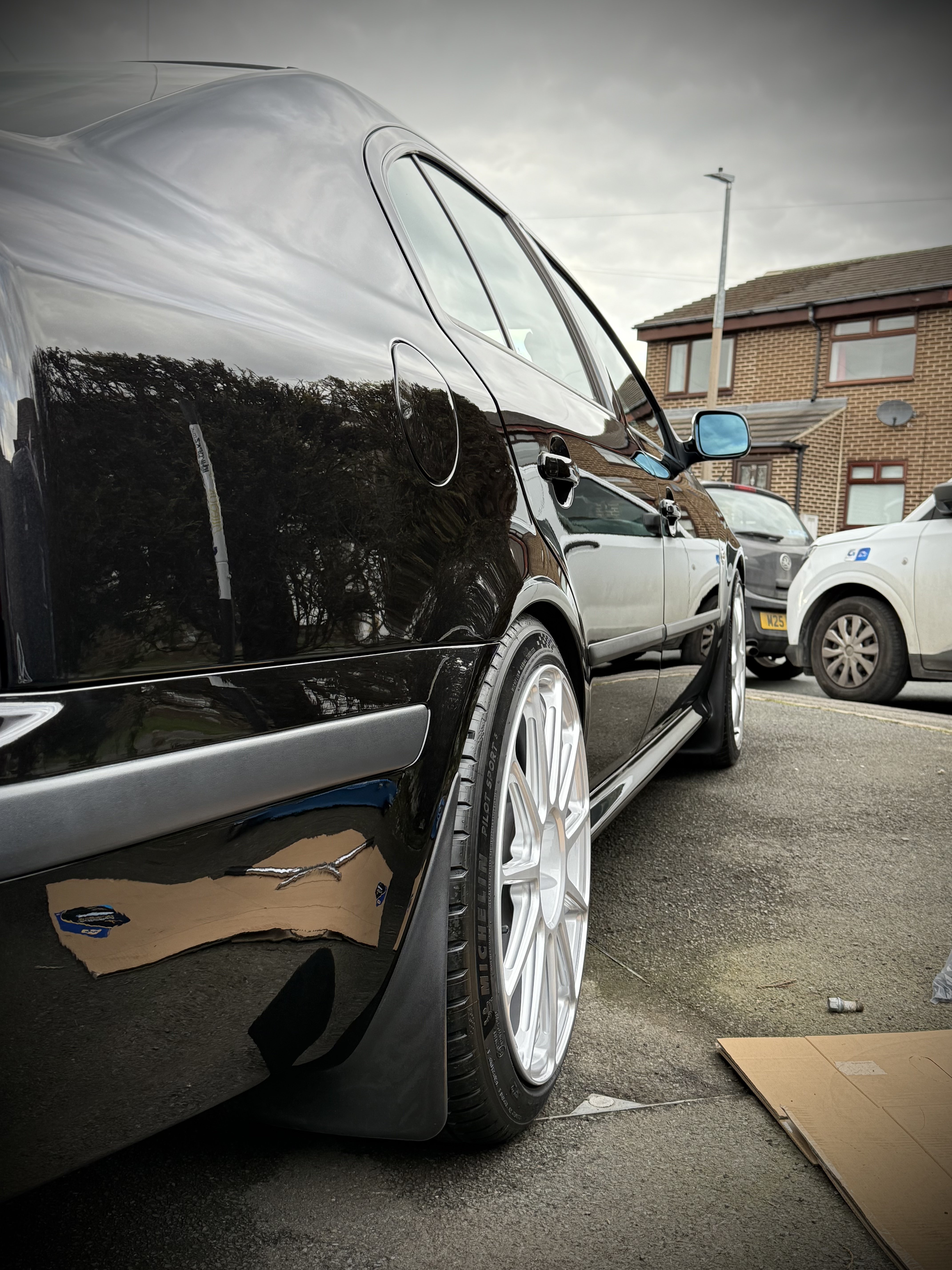
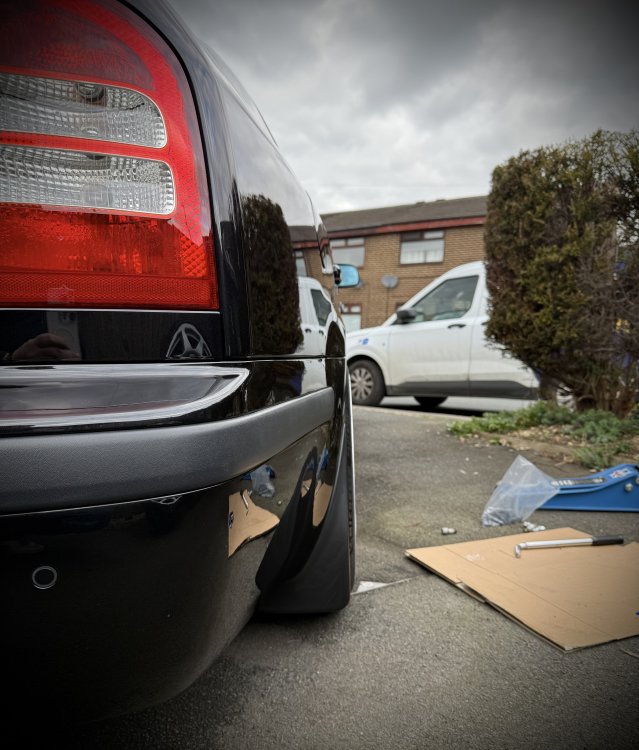
1 pointNEW WHEEL FITMENT DAY YESTERDAY 8.5X18 ET34 Neuspeed RSE-11r now in silver as i wasn't down with the black
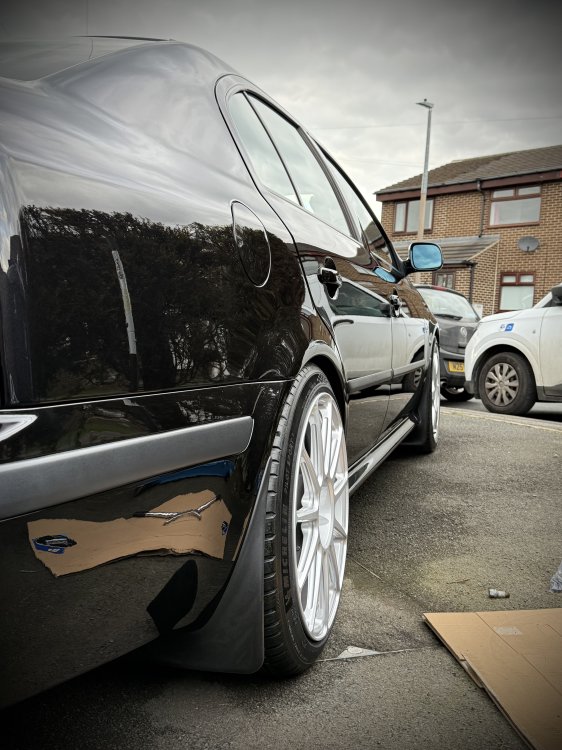 1 point
 -
The 11.9 volts standing voltage is low, but could possibly be because some of the modules have not gone into sleep mode yet - the standing reading can be unreliable unless taken at least 20-30 minutes after the vehicle has been fully shut down. However, it's very likely that your battery is faulty - which can be confirmed with a full battery test.1 point
-
1 pointFrom my recent experience of doing a Tiguan Mk1, a Golf Mk5 and now the Superb Mk2 I would say change everything if you have the back end in bits. Spring Shock Spring rubbers Bump stops Shock top mount ALL bolts Also seriously look at the condition of the rear spring platform arms - My 10y/o 50k miles Mk2 Superb arms are rotten. Unfortunately I cant get the inner bolt out of the arm so it needs to go to the local workshop for the arm replacement, but I will have done the shock and added the spring and rubbers.1 point
-
1 pointJust wondering if the start stop could be activating. It does have an annoying habit of stopping the engine while you are still rolling forwards, then you press the glass just as it’s stopping and it takes a moment to sort itself out.1 point
-
Funny you should say this. In about 10 days time I am trading in my iV for a new fully EV (Not VAG!). This was my third and last Octavia and by a long way the worst of the lot. When I arrive at the dealer to pick up the new car I am going to take the Octavia round the back and give it a damned good BasilFawlty-style thrashing.1 point
-
1 pointWhilst you are there, can you confirm whether the silica teabag is removed or not? If you have a single skinned coolant header tank, remove it as it will split on you otherwise. Skoda recommend coolant change every 5 years, so I recommend you get this done.1 point
-
Considering the cost of new headlights these days I would say reasonable however like you it would make me cough!1 point
-
I gave up on trying to sort this myself so let the local VAG independent have a go at it. Had to wait 2 weeks to get it booked in, then another week while they waited for parts delivery from Germany. The headlamp control unit had failed, all the other components were fine. So with the new module from TPS, Diagnostic, coding and fitting the bill came to £580. Sounds like a costly repair, certainly by my standards because I do everything myself, but I suppose it wasn't that bad!1 point
-
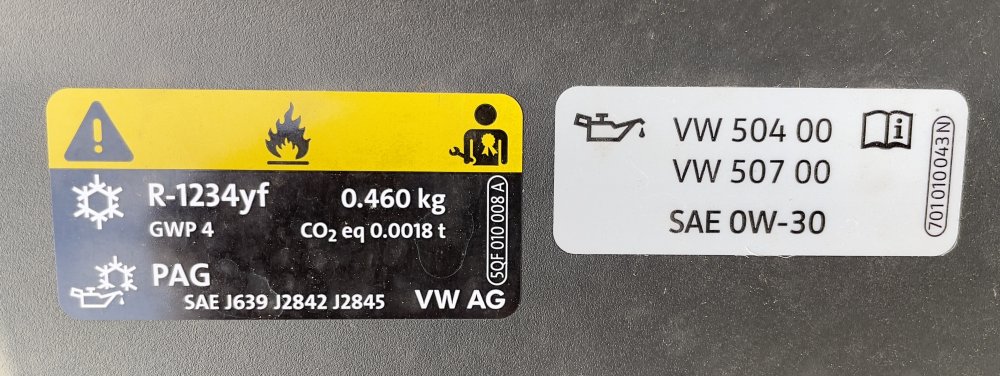
Hi again, since 2020 Skoda recommends all engines, gazoline and petrol, to use motor oil with specification 508.00/509.00 another words viscosity 0W20. Some say its just because to make their engines more efficiant, economical and ecofriendly. Another say that this oil 0W20 did not provide the same friction protection as the 504.00/507.00 0W30 motor oil. Do you think 0W20 is better than 0W30? What oils do you use in your TDI cars after year 2020?1 point
-
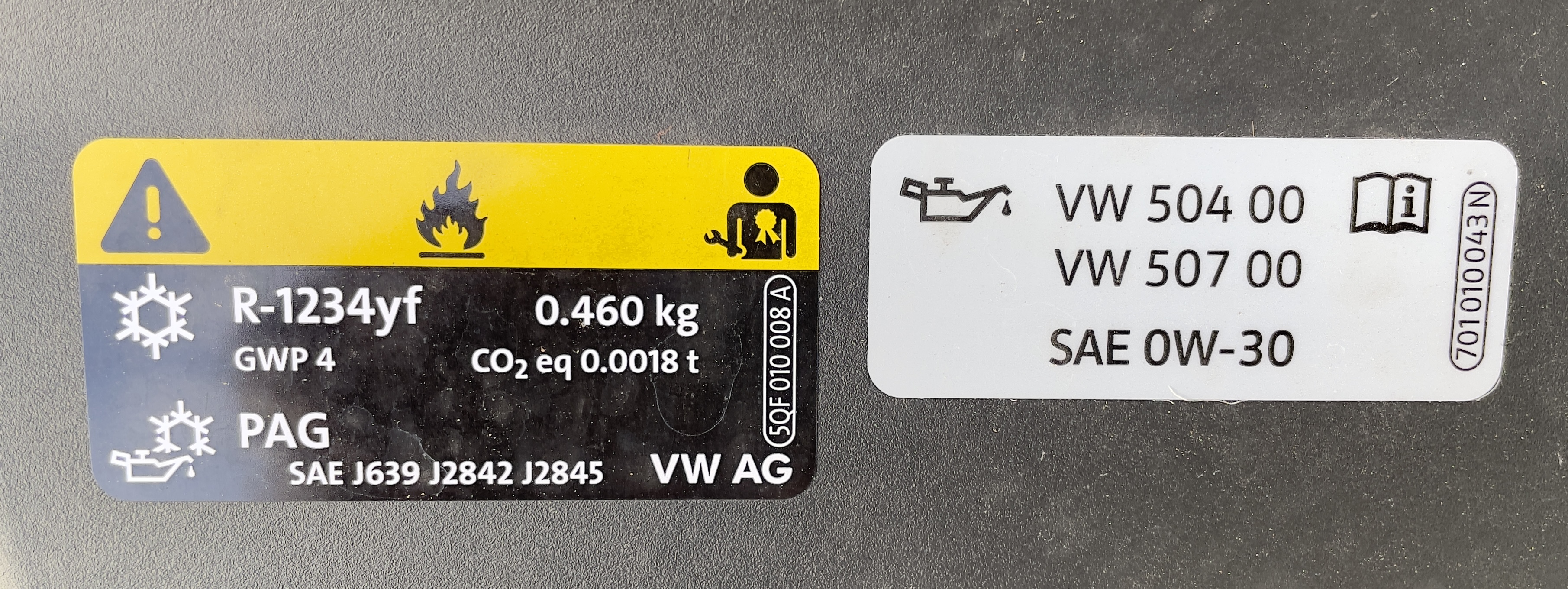
Sorry to bump this thread, but I’ve just had a top up warning on my 3 month old diesel vRS 4x4 so read this the other day and was about to buy this spec, but looking at the sticker in the engine bay it says VW 504 00/VW 507 00. So I’m slightly confused!
 1 point
 -
1 pointHi All, i have recently bought skoda octavia 2015 green line from a trader to put it as a private hire vechile so when i bought i didn't realise the nosie on turning left but after few days of driving it i start noticing the noise when turning left i went to mecanic and told him to change the gear box mount but he opened the battery and its box and by looking at it he goes no mount is ok then we changed brake pad discs left side front wheel bearing and cv joint but noise was still there so i went to tps and bought gearbox mount from tps and went to different mechanic and asked him to replace the mount and soon gear box mount replaced the noise on left turn is gone completely .1 point
-
1 pointGreetings to all! I have an update!!! I literally changed it all. Distribution kit, oil pump and belt. Using Motul Oil 5w30 with vag 507 specs. if it was worth it? Not at all! Stay still. Don´t waste your money. The noise continues, but far less, and goes way much sooner. I checked the old oil pump and just by turning it, it´s very noisy, especially the vacuum part. The best option it´s to live with it. I have made peace with it. Please don´t make the same mistake, likei did. My car now have 54.600 Km. Regards1 point


















.thumb.jpg.c31cfd289860abc06f3c622ab867acf4.jpg)

.thumb.jpg.f83a46b9b3c0d976b9dbffbb523c9874.jpg)





.thumb.png.26e4ef1cd991d7943ece4e7bf5baf72f.png)