



Leaderboard

.thumb.jpg.9dd3f612ba7f13d10be5c518d3c8d255.jpg)
.jpg.1006585dfe4e2977315b67c3d642e37b.jpg)



Popular Content
Showing content with the highest reputation on 05/04/25 in all areas
-
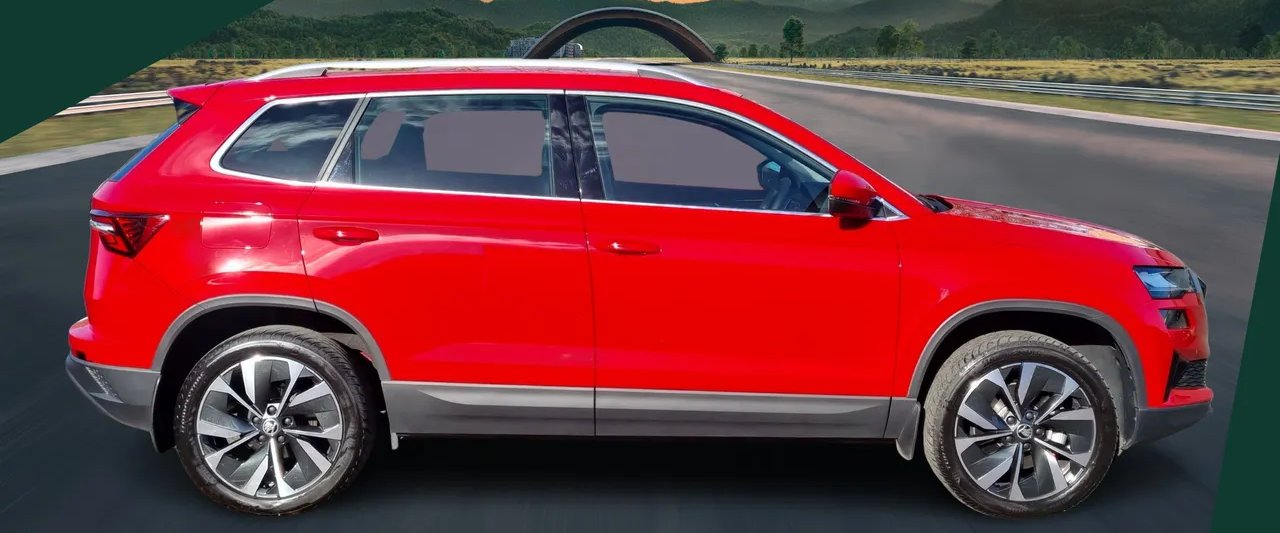
4 pointsSorry to be leaving our wonderful 1.5 DSG but, owing to my and the boss's advancing years and not wanting to miss out on the experience we decided to replace the Karoq with an electric vehicle - Vauxhall Mokka-e Ultimate. Choosing the Mokka-e (23 reg) boiled down, for the most part, to the controls for climate/heating and infotainment being knobs and buttons versus touch screen which is almost universal in the competition. I've included 'for the most part' because in the test drives there was nothing of any real significance between the Mokka-e, MG4., VWID3 in terms of acceleration/ride/comfort. Where the Mokka-e prevailed was how unbelievably quiet and refined it was - yes, even more refined than the Karoq and that's saying something. The most extraordinary aspect of this refinement is the almost total absence of tyre noise Downsides: Much smaller boot. Significantly less leg room in rear. No rear of cabin illumination - yep, hard to believe. Upsides. Instant acceleration of course. Reduction in running costs. Zero emissions. Anyway, we really did enjoy our times with the Karoq and previous Kamiq. Good luck to all. We might need it considering the current Trump turmoil.4 points
-
3 points
-
That is just the viscosity of the oil. If you want to look after the engine then a C3 oil is better than a C5 oil. Look here:- https://tps.trade/oil-search And here:- https://www.oilspecifications.org/volkswagen.php#google_vignette Thanks. AG Falco2 points
-
Well the EPC made a re-appearance, so I changed the coil pack a few days ago. Must've taken a whole four minutes to do, start to finish. Plugs are all good 👍 and Mrs Gaz got 46.9mpg on her 18 mile commute this morning, which is none too shabby. Happy Wife, happy life 😀 Gaz2 points
-
2 points@marty1945 My manual gearbox Kamiq has a manual handbrake & definitely does have hillhold. It operates on the footbrake.2 points
-
I promise I'll stop now. I realize not everybody cares. MTZ-2023-01_Article.pdf1 point
-
Here some info that I've found: 1st Generation (3AA/4H0 PQ/MLB): Installed at a 22-degree angle to the lateral side of the vehicle. It can detect three lanes simultaneously: on the left, right, and behind the vehicle. These sensors can track the trajectory of an approaching vehicle from behind, meaning they can warn the driver via a mirror indicator before the vehicle enters the blind spot. This is BSD (Blind Spot Detection) via SWA (Side Warning Assist). This generation supports the Rear PreCrash function, which, in the event of a potential rear-end collision, activates all preparatory safety features (closes windows, tightens seatbelts, etc.). The mirror indicators can also adjust their brightness depending on the distance to the detected object. 2nd Generation (5Q0): Mounted at a 45-degree angle and are no longer capable of predicting vehicle trajectories. BSD works independently for the left and right sides, and brightness adjustment is not available. However, the RTA (Rear Traffic Alert) function was introduced — it assists when backing out of a parking space by detecting moving objects crossing behind the vehicle (cars, pedestrians, cyclists). Due to the steeper angle, the detection range is shorter than that of the 1st generation sensors. 3rd Generation (2Q0): Also installed at a 45-degree angle but combine the capabilities of both previous technologies. While the range doesn’t quite match that of the 1st generation, it is significantly better than the 2nd. Additionally, they outperform the 5Q0 radars — they can detect guardrails, recognize up to 5 lanes, and transmit data to the front assistant camera, which helps improve the accuracy of Lane Assist.1 point
-
1 point1 pointWith Octopus our rate is 20.79p/kwh. Octopus Go is circa 7p for 4.5 overnight hours and 27.5 outwith. Not worth changing when using granny.1 pointAgree with Nigel @nta16 - you need to give us more details if you want a knowledgeable(ish) answer. At a guess, I'd say it's petrol, so is likely to be the EA888 gen 3 engine, which is a fairly robust unit. But is it manual or DSG (DQ250?)?, what service history does it have, any out of service repairs, what MOT history, any insurance history? Can you show us the advert? Gaz1 pointIf you are not going to use VW508 00 / 509 00 so 0w 20 FS IV But going VW504 00 /507 00 it need not be 5w 30 FS III it can be 0w 30 FS III Those are for fixed or variable servicing. But you need not use long life oil you can do fixed oil & filter servicing and use VW502 00. 5w 40 FS.
.webp.50641ab517e18486d2a3840fbc61abdb.webp.a9-640e6e6a02e3f.webp.e27ecb55106fc3e4ee0789f4629ac328.thumb.webp.6b76e3d381a3ffa7c07466c9494ec21c.webp) 1 point1 pointHad a quick look but too few available near me. Also, the PCP deals were way more expensive than those for the Mokka-e. This being my first electric I was erring on the side of caution - just in case I fell out of love with it. Might visit the Elroq at end of PCP.1 point1 pointThis is going to sound daft, but have you checked the battery? There are known strange occurences when a battery is starting to fail. Check the resting voltage, after leaving the ignition off for atleast 3 hours, and before starting the engine.1 pointWell done 7 years is good and compared to some with newer models changing batteries at 4 (or even less) and 5 years and as can be seen on many threads and posts over the models on Briskoda members experiencing all sorts of unexpected warnings, warning lights, unseen error codes and issues even though the headlights seem bright enough and the engine starts "so it can't be the battery" in too lower state of charge. VWŠkoda Owner's Manuals for the cars had to change the battery at 5 years and later IIRC 4 years which for many would be far too premature even for many of those with more use, abuse and neglect but VWŠkoda like other car manufacturers make good profit out of car parts and Dealerships and garages from the labour and services to replace those parts including 12v batteries. I've seen on here it put that Dealerships are now even offering a service to recharge the battery (£40) which may be helpful to some but a perfectly good charger maintainer can be bought for £15-£30 and used for many years. Preventative recharges (and maintenance charging for little used vehicles) are best to fully prolong the reliable useful life of the battery - but some may prefer to when required just replace the expensive battery and pay for the 'coding', each to their own.1 pointBelieve me, the battery was regularly maintained (fully charged twice a year) and it worked well and reliably. However, it was 7 years old, and after replacing it, I noticed that the start/stop function began working again.1 point1 pointDo you then put the key in a pocket? Where it might be accidently being pushed? Thanks. AG Falco1 pointOk found my problem, a loose front (uk) n/s wheel, changed by local Profil tyre depot as I have another set of wheels, 2 of which are being reshod by said outfit! A lesson to be learned here, after work like above I will now always check the wheel nuts, And , an interesting conversation with the depot manager to be had monday when I collect the 2 wheels. It's quite frightening when the above situation arises and the possible consequences that could have arisen!!1 pointUpdate, at the moment I'm waiting on a reply from the suppliers who I purchased from "paintforcars". The paint was purchased back in Nov last year, but I have not had the ideal weather until yesterday. At the time of ordering, it was mandatory to provide your number plate which would identify your car info and the colour codes, so it does appear to be a supplier error, but let's wait and see what they have to say about it.1 pointSometimes replacing the battery is necessary, obviously I'm not referring to your case as I have no details, but many times this replacement is premature as the batteries may well have taken and held a (full) recharge and given longer good reliable service life. More owner/drivers are learning and relearning that some of their vehicles may occasionally, or more regularly, need the use of battery chargers and maintainers with the use or lack of use of their modern vehicles.1 point1 pointHello, I subsequently replaced my front brake calipers. However, I would caution this did little - the stopping power are not good on the Fabia MK3's and drove four other variations with the same results. I have subsequently switched to slotted / drilled brake rotors which have had better results. Not being as heavy footed and applying progressive brake effort as opposed to instant has also helped drastically. My car has never failed an MOT on brake related matters, so I wonder in hindsight if my complaint was having too high expectations. Kind regards,1 point1 pointI put a piece of electrical tape (upside down) to see if i close the hood then the activated carbon cabin filter will contact firmly with the oval shape rubber seal? The yellow mark shows the exactly point that i put that tape, i close the hood and yes, the tape stuck to the sheet so no gap, things are OK. 👍
1 point1 pointHad a quick look but too few available near me. Also, the PCP deals were way more expensive than those for the Mokka-e. This being my first electric I was erring on the side of caution - just in case I fell out of love with it. Might visit the Elroq at end of PCP.1 point1 pointThis is going to sound daft, but have you checked the battery? There are known strange occurences when a battery is starting to fail. Check the resting voltage, after leaving the ignition off for atleast 3 hours, and before starting the engine.1 pointWell done 7 years is good and compared to some with newer models changing batteries at 4 (or even less) and 5 years and as can be seen on many threads and posts over the models on Briskoda members experiencing all sorts of unexpected warnings, warning lights, unseen error codes and issues even though the headlights seem bright enough and the engine starts "so it can't be the battery" in too lower state of charge. VWŠkoda Owner's Manuals for the cars had to change the battery at 5 years and later IIRC 4 years which for many would be far too premature even for many of those with more use, abuse and neglect but VWŠkoda like other car manufacturers make good profit out of car parts and Dealerships and garages from the labour and services to replace those parts including 12v batteries. I've seen on here it put that Dealerships are now even offering a service to recharge the battery (£40) which may be helpful to some but a perfectly good charger maintainer can be bought for £15-£30 and used for many years. Preventative recharges (and maintenance charging for little used vehicles) are best to fully prolong the reliable useful life of the battery - but some may prefer to when required just replace the expensive battery and pay for the 'coding', each to their own.1 pointBelieve me, the battery was regularly maintained (fully charged twice a year) and it worked well and reliably. However, it was 7 years old, and after replacing it, I noticed that the start/stop function began working again.1 point1 pointDo you then put the key in a pocket? Where it might be accidently being pushed? Thanks. AG Falco1 pointOk found my problem, a loose front (uk) n/s wheel, changed by local Profil tyre depot as I have another set of wheels, 2 of which are being reshod by said outfit! A lesson to be learned here, after work like above I will now always check the wheel nuts, And , an interesting conversation with the depot manager to be had monday when I collect the 2 wheels. It's quite frightening when the above situation arises and the possible consequences that could have arisen!!1 pointUpdate, at the moment I'm waiting on a reply from the suppliers who I purchased from "paintforcars". The paint was purchased back in Nov last year, but I have not had the ideal weather until yesterday. At the time of ordering, it was mandatory to provide your number plate which would identify your car info and the colour codes, so it does appear to be a supplier error, but let's wait and see what they have to say about it.1 pointSometimes replacing the battery is necessary, obviously I'm not referring to your case as I have no details, but many times this replacement is premature as the batteries may well have taken and held a (full) recharge and given longer good reliable service life. More owner/drivers are learning and relearning that some of their vehicles may occasionally, or more regularly, need the use of battery chargers and maintainers with the use or lack of use of their modern vehicles.1 point1 pointHello, I subsequently replaced my front brake calipers. However, I would caution this did little - the stopping power are not good on the Fabia MK3's and drove four other variations with the same results. I have subsequently switched to slotted / drilled brake rotors which have had better results. Not being as heavy footed and applying progressive brake effort as opposed to instant has also helped drastically. My car has never failed an MOT on brake related matters, so I wonder in hindsight if my complaint was having too high expectations. Kind regards,1 point1 pointI put a piece of electrical tape (upside down) to see if i close the hood then the activated carbon cabin filter will contact firmly with the oval shape rubber seal? The yellow mark shows the exactly point that i put that tape, i close the hood and yes, the tape stuck to the sheet so no gap, things are OK. 👍.jpg.886c55245c523cf5abb5292b3d45ad3f.jpg)
.jpg.eac9d19c71c91e76915d52192a51011d.jpg) 1 point1 pointWell that's not right, but at least you know that the relocking is a safety/security feature even if it's not working correctly.1 pointI experienced a similar issue with the Start/Stop function in another vehicle. After replacing the battery, the Start/Stop feature began working correctly. Manuals indicate that Start/Stop functionality depends on several factors, including battery condition.1 pointDifferent names for same colour, I'd think.1 point1 pointHi there, it's literally a 10 second walk; it has locked when I've not gone immediately, which I'm fine with as I know it's a safety feature, but it can lock itself while I've actually got the doors open!1 pointRe a/c whining noise: On my mk II the local dealer wanted to replace my pump at a proposed cost of over £800 because of a whine. I took it an a/c specialist who said "rubbish". He just gave the system a recharge with the recommended amount of lubricant in the mix and the whine went away.1 pointI've only seen positive reports, first hand, and even from FL Superb owners here in Oz that have done the DCC Slider Mod and loved it. The pre-facelift and facelift use the same DCC shocks. Wat negative reports have u read? Do u know someone in Europe that has successfully done it? As far as I know, people r still on the hunt for someone in Europe to b able to do it as there a number of Superb owners there who r keen to get it.1 point1 pointHillhold assist / hillhold control with a DSG does not require an e-brake. It holds the car for 2 seconds once activated on a slope with the brake pedal pressed. Holds between going brake to accelerator. AUTOHOLD required an e-brake. MK2 Fabia with a DSG and manual Hand / parking brake could have Hillhold.1 point1 pointHill Hold requires an electric hand brake. Kamiq is cable operated so NO hill hold1 pointHello everyone, I just thought to share my recent experience with my 2011 VRS 2.0 TSI. I bought this car nearly two months ago. From day one, the car had cold start issues (judder/clanky noise/misfires....). Refer to my forum content regarding the same: https://www.briskoda.net/forums/topic/530154-cold-start-noise-2011-vrs-20/ I consulted three mechanics and fitted a new timing chain and spark plug set along the process. None of these resolved the cold start issue. Finally, I consulted a VAG engine specialist in Leicestershire. The place is called PIP automotive and he is your go to person for this engine and its all generation variants. He is an injector specialist as well. ( Fb page - https://www.facebook.com/profile.php?id=61569655329233) Apparently my injectors were leaking, had air leak in the intake system, and huge carbon build up inside the ports. All of these were figured out immediately. Following that, he did walnut blasting, refurbished all four of my injectors and sorted my air leakage issues. Costed me £300 for everything. Car drives absolutely brilliant now all thanks to him. Highly recommended for these engines.
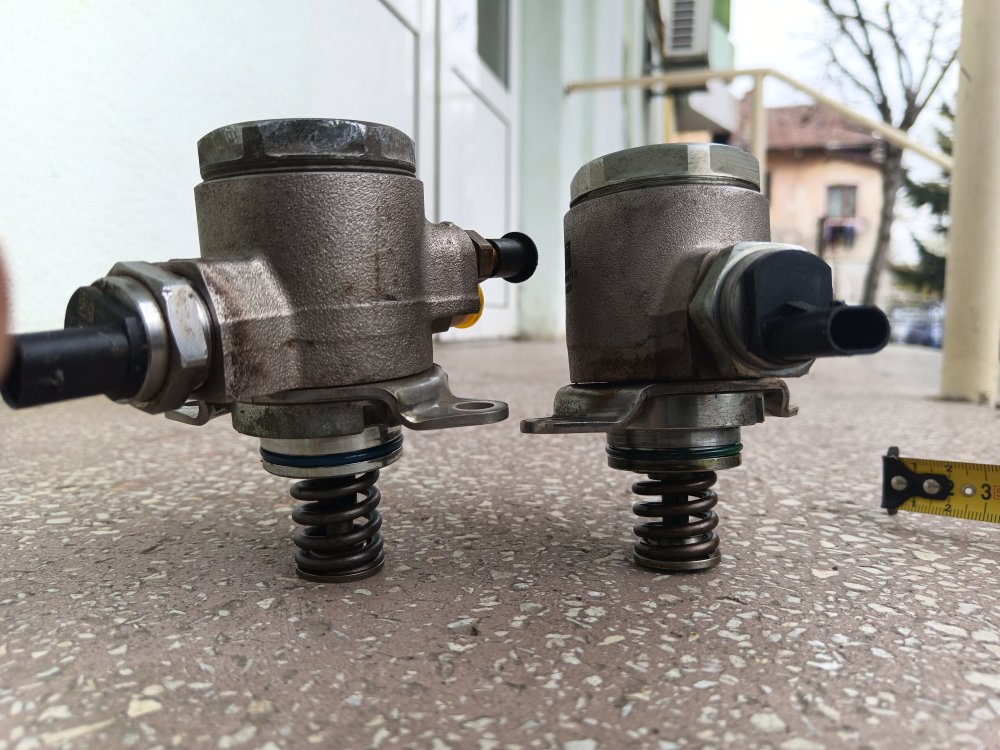
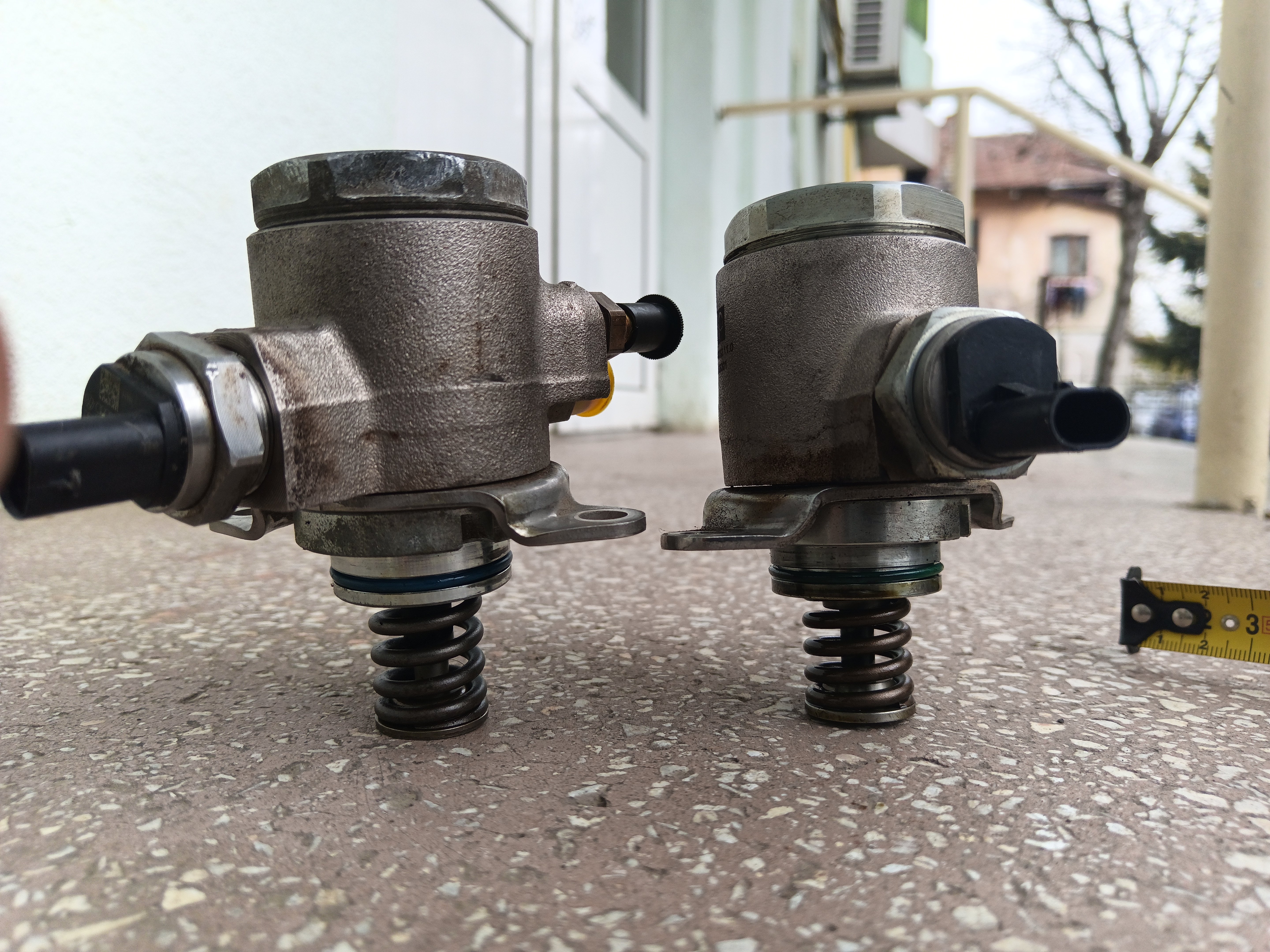
1 point1 pointWell that's not right, but at least you know that the relocking is a safety/security feature even if it's not working correctly.1 pointI experienced a similar issue with the Start/Stop function in another vehicle. After replacing the battery, the Start/Stop feature began working correctly. Manuals indicate that Start/Stop functionality depends on several factors, including battery condition.1 pointDifferent names for same colour, I'd think.1 point1 pointHi there, it's literally a 10 second walk; it has locked when I've not gone immediately, which I'm fine with as I know it's a safety feature, but it can lock itself while I've actually got the doors open!1 pointRe a/c whining noise: On my mk II the local dealer wanted to replace my pump at a proposed cost of over £800 because of a whine. I took it an a/c specialist who said "rubbish". He just gave the system a recharge with the recommended amount of lubricant in the mix and the whine went away.1 pointI've only seen positive reports, first hand, and even from FL Superb owners here in Oz that have done the DCC Slider Mod and loved it. The pre-facelift and facelift use the same DCC shocks. Wat negative reports have u read? Do u know someone in Europe that has successfully done it? As far as I know, people r still on the hunt for someone in Europe to b able to do it as there a number of Superb owners there who r keen to get it.1 point1 pointHillhold assist / hillhold control with a DSG does not require an e-brake. It holds the car for 2 seconds once activated on a slope with the brake pedal pressed. Holds between going brake to accelerator. AUTOHOLD required an e-brake. MK2 Fabia with a DSG and manual Hand / parking brake could have Hillhold.1 point1 pointHill Hold requires an electric hand brake. Kamiq is cable operated so NO hill hold1 pointHello everyone, I just thought to share my recent experience with my 2011 VRS 2.0 TSI. I bought this car nearly two months ago. From day one, the car had cold start issues (judder/clanky noise/misfires....). Refer to my forum content regarding the same: https://www.briskoda.net/forums/topic/530154-cold-start-noise-2011-vrs-20/ I consulted three mechanics and fitted a new timing chain and spark plug set along the process. None of these resolved the cold start issue. Finally, I consulted a VAG engine specialist in Leicestershire. The place is called PIP automotive and he is your go to person for this engine and its all generation variants. He is an injector specialist as well. ( Fb page - https://www.facebook.com/profile.php?id=61569655329233) Apparently my injectors were leaking, had air leak in the intake system, and huge carbon build up inside the ports. All of these were figured out immediately. Following that, he did walnut blasting, refurbished all four of my injectors and sorted my air leakage issues. Costed me £300 for everything. Car drives absolutely brilliant now all thanks to him. Highly recommended for these engines.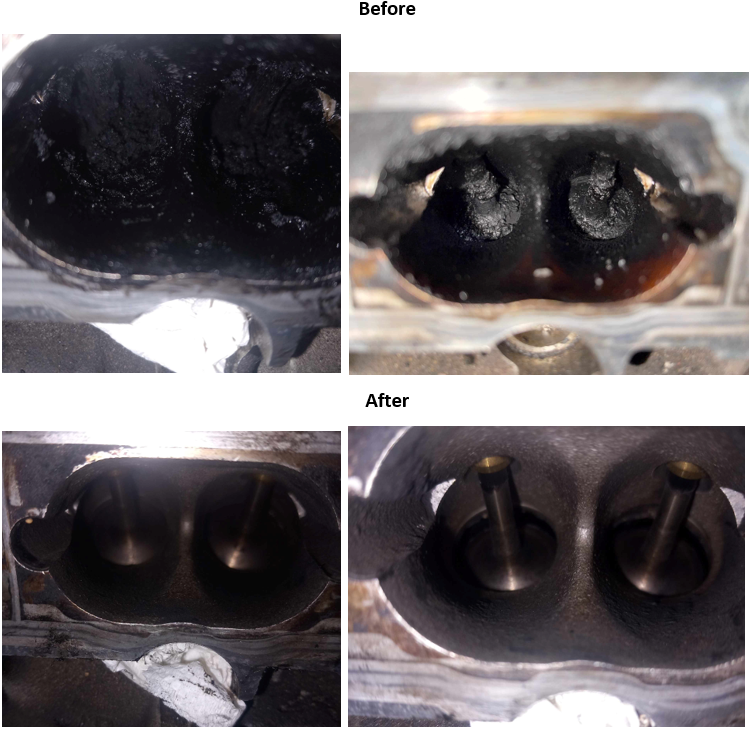 1 point1 pointDo you not have a USB port at the mirror trim? The trim between the red and green wires pops out. You can insert a plastic(!!) pry tool at the line on the top of the red line not too deep (1-2 cm) and pop it out. Then you'll be able to see which way you can route the cable exactly to not obstruct the airbag at all. The side of the dashboard which is between the door and the dash on the picture also pops out with the same tool. You can also slide it between the top and the headliner in the car to create enough opening to tuck the wires away, you can hide it all the way to the fusebox without any wires visible.1 pointIf your battery has a sticker on it, remove it as this is preventing the contact points making contact. I learned this valuable lesson from a reddit page. Hope it helps.1 pointOkay looks like LED lights i installed in the boot two weeks back is causing issue. Strangely It was all okay for 2 weeks. I reverted to OEM lights now. Thanks everyone for helping me narrow down the issue.1 pointHave you by any chance changed the boot lights from normal bulbs to LED and left an interior light switched on? This situation causes my car to repeatedly switch off then wake up again. It's fine with all interior lights switched off.1 point1 pointI'm not a fan, because IMHO its proved not to make that much difference in running the car. I'm far more a fan of regular oil changes for keeping the engine clean and functioning correctly.1 point1 pointFor what reason? Regarding the use of "also" I have not said that I am not a fan, indeed I now know from experience that it is essential for my vehicle.1 point1 pointThe only way to get a zero or close to zero reading is to get the DPF professionally flushed out and then reset the counter. I'm also not a fan of low ash oil. Good regular oil changes will keep the car running as it should do and an occasional run of some super diesel through the vehicle and long fast runs will keep the EGR and DPF happy.1 point1 pointIgnore it, it is a fictional calculated figure, if you look through the thousands of VCDS parameters you will find one where the grammes per km can be altered, likely there will be many and also with contrary names, only one is for your vehicle if at all. You can also reset the oil ash value to zero even with a completely clogged DPF showing how ridiculous it is to be guided by the value of the measuring block. The only one that concerns me is the increase in particle filter differential pressure over time/distance. My DPF has moved a long way towards becoming clogged witnessed by the rising differential pressure readings, its because I was scammed into buying engine oil that claimed to be low SAPS but isn't, yet the oil ash figure is that of a car with very few miles on it, the amount of miles it has done since I asked myself "I wonder what would happen if I reset this to zero?"1 pointHi. I found the source of the noise on my engine. I put back the old HPFP, and the noise disappeared. The pump PIERBURG has a different rod length than the original pump, with ~4 mm, so the spring and cam follower jump inside, creating this noise. https://youtube.com/shorts/j69FljyDDhw
 1 point1 pointOk, an update! From the dealer: when the battery goes below 80% charge, the vehicle automatically turns off comfort settings and goes into protective mode, disabling the ACC. My battery was at 70%. the dealer fitted a new battery and all is well! Cheers!1 point1 pointIn my experience on my 2020 SE-L, at first the warning didn't identify the tyre concerned, but after a software update it started to do so. Did you cehck on the vehicle state graphic? The faulty tyre might be highlighted there.1 point1 pointOnce I got such warning message but with description which one exactly1 point0 pointsSkoda disks - just like most cars - are made from cast iron which is one of the best materials for effective braking. In fact the very thin surface rust you see on a disk that has not been used for a while actually enhances the efficiency of the brake - so stop stressing. Stainless steel however will not show signs of rust BUT it is a pathetic brake surface when dry and, efectivelly useless if wet. The only reason to replace disks if they become warped, or that surface wear is such to reduce the overall thickness of the disk below it safe workable thickness which for a Kamiq is 21mm0 points








.webp.50641ab517e18486d2a3840fbc61abdb.webp.a9-030507640e6e6a02e3f.webp.e27ecb55106fc3e4ee0789f4629ac328.webp.7cccb326c6c8d694643e9a5fd1e7ea20.webp)













Important Information
Welcome to BRISKODA. Please note the following important links Terms of Use. We have a comprehensive Privacy Policy. We have placed cookies on your device to help make this website better. You can adjust your cookie settings, otherwise we'll assume you're okay to continue.