Leaderboard
-

moley
Resident Member19Points10,265Posts -
.jpg.1006585dfe4e2977315b67c3d642e37b.jpg)
Guest_
FREEDOM9Points83,824Posts -
Monkhai
Moderators8Points32,045Posts -
Westbury63
Members6Points1,199Posts




Popular Content
Showing content with the highest reputation on 26/02/21 in all areas
-
As a non Freedom member you have 60 minutes available to edit your posts. As a Freedom member you get an unlimited amount of time (amongst other things) to be able to edit your posts. I can't believe you were hoodwinking your fellow Briskodians with the supercar tale!4 points
-
3 pointsyour view on that will probably depend on if you’re an engineer or accountant...3 points
-
2 pointsSo the time has come to move my beloved Octy on and I’m super pumped to say that I’ve paid my deposit on this lovely lean green machine 💚 It’s a 2019 Superb SportLine Plus 2.0 TDI 150 DSG with the following options Variable Boot Floor Folding tow bar Exclusive Dragon Green paint That’s all it has for now but there’s a laundry list of retrofits to get through on it in time. It’s having a service and DSG oil change currently along with a full prep this week for collection in early March. I legit can’t wait to finally be a Superb owner!!!!2 points
-
2 pointsYep, it's the 180 TDCI engine. Seems nippy for a big motor.2 points
-
2 pointsHi stever750, same in my experience too, but I recall posts around five years back when I got my 220 vRS Octavia there were more than a few who took a cavalier attitude to this. One of the reasons I avoided the forum for a long time. That and the inability of posters to (a) bother searching properly (or even at all) when needing advice and (b) starting new topics with ridiculously vague headings, or even just to announce that their new car had landed at the dockside. Sadly there's only been a slight improvement in these areas. Personally I don't give a flying fig if the engine explodes, that's between them and their bank balance. But if they crash and injure someone or worse while uninsured they deserve everything the law throws at them.2 points
-
2 pointsre: consumption changes: https://www.zemo.org.uk/assets/other/E10 in Finland.pdf <-- this has a bunch of numbers on slide 12. The implication is 1% change. - Bret2 points
-
2 points
-
There was a group test on the Auto Express website last year, should still be available. Someone also mentioned the "hockey puck" to go in the lifting cup. There's a chap on Ebay (in the UK) sells versions of these, just a couple of quid. I got three different ones.2 points
-
I have several jacks but the one I use most as it is light and thus easy to carry around is this: Clarke CTJ1250AB 1.25 Tonne Aluminium Trolley Jack - Machine Mart - Machine Mart Not cheap but I have just changed the wheels on My Karoq from 18 to 17" and there was plenty of clearance. As said above, buy an ice hockey puck for a few £s it ensures you do not damage the jacking points and gives you an extra 1" or so.2 points
-
I have to admit that the bit about Bugattis and Lamborghinis wasn't strictly true. Actually, it was a proper load of horse feathers. I only added that to try and make the thread slightly more interesting, even if it was a somewhat disingenuous attempt. I'm mindful that nobody likes a smart*rse (or a braggard), so it's only fair to say for the record that our other car is a ten year-old Fiat 500. And that's so light that Mrs Phutters (who is blessed with arms like tractors) can hold it aloft for nearly twenty minutes without even going pink, which is plenty long enough to rotate all four tyres and have a brew. . P.S. On an unrelated subject, do you have to have done a certain number of posts before you can edit what you've written, or is there a button somewhere that I've overlooked? .2 points
-
A tip re using trolley jacks. Buy a rubber ice hockey puck and cut a slot in it to go over the sill seam jacking point. I had to also do some cut outs on the underside so it fitted the cup on the jack. Works a treat. tom2 points
-
For anyone in UK desperate to buy my 2016 (66 plate) Scout I'm hoping to sell it on in the next few months. As a matter of course I tend to change my car before it's 5 years old, so I decided to offer for sale. Now coming up to 45K miles you probably won't find a nicer 4.5 year old model. See Briskoda Classifieds for more info. There's no parting my wife from her 2017 Fabia 1.2 Colour Edition (Met Green) - she's only done 6000 miles in it so far! Best wishes PhilOctaviaScout2 points
-
2 pointsI dislike large rims with a vengance. I also dislike having to have a larger rim size just because I choose a higher spec model. Many years ago (2012) a number of us on here managed to get Skoda UK to change the rim size on our factory ordered Yeti SEL's from 17" to 16". Potholes (especially in rural areas) will mangle any of these stagecoach sized rims and tyres in an instant. We now have a Karoq on order - same problem 18" rim size is minimum on an SEL - why FFs. If a 16" rim is acceptable (in terms of design regulations and brake caliper clearance) - why cant I have some of them? I prefer the less noisy and softer ride of a 16" wheel. I dont want to go around corners like an F1 driver.2 points
-
2 pointsThanks for the detailed assessment pal, I appreciate that. I think I'll have a go with EZ through the current deal they've got going.2 points
-
1 pointEvery point as the repairs require proper work doing. There is a premium buying an Approved Used Skoda because of the supposed rigorous checks and Workshop safety checks. The Dealerships Check list is surely not filled in. Chancers. Thompson and Potter, Part of the John Clark Group. As in also Dundee & Aberdeen Skoda Specialist cars.1 point
-
1 pointMy Superb diesel is currently looking at 1,600km per tank from 66 litres which is 24km per litre. Cost £1.169 per litre. Much cheaper than a 1.0 litre petrol. That also includes a little blast upto 180kph.1 point
-
1 pointlet's do the math on this: Currently, I hit 5.2l/100. Litres per hundred km is a linear relationship. If I get 5% higher consumption numbers, then I'm looking at 5.2+(5.2*0.05), so 5.46l/100. If it were 10%, that's 5.2+0.52. 5.7l/100. I get around 800km to a tank... 8 * 0.52 = 4.16 litres more fuel used, so around €6 on a tank if the fuel is €1.50 per litre (which it approximately is). I get more variance than that from day to day, with the same trip, on the same road, at around the same time. Price per km: assuming 5.2l /100 vs 5.7l/100. 5.2 liters @ 1.5 each --> 7.8€ for 100km, so 8c/km 5.7 liters @ 1.5 each --> 8.55€ for 100km, so 8,5c/km. A 0.5c per km increase is minimal. "people could check", yes, they could. But scientific tests are going to be thin on the ground. Back in the day, there were tests done by What Car claiming 10% worse numbers (though the numbers don't seem to have been published). The consumer institute here did some pooh-poohing; yes, there could be a mild increase in consumption, but only in relation to the different energy content of ethanol vs petrol. From a logical standpoint, if Ethanol contains half the energy of Petrol, you've reduced the energy content by a *maximum* of 2.5%. That it's 40% means that number is slightly higher, but it's still not 10. Having dragged Excel out, the specific energy content should be around 96.9% of E5 (90*100)+(10*40) vs (95*100)+(5*40). It used to be that 98 was around 2c/l more expensive than 95. Now it's around 7 to 9 c / l.1 point
-
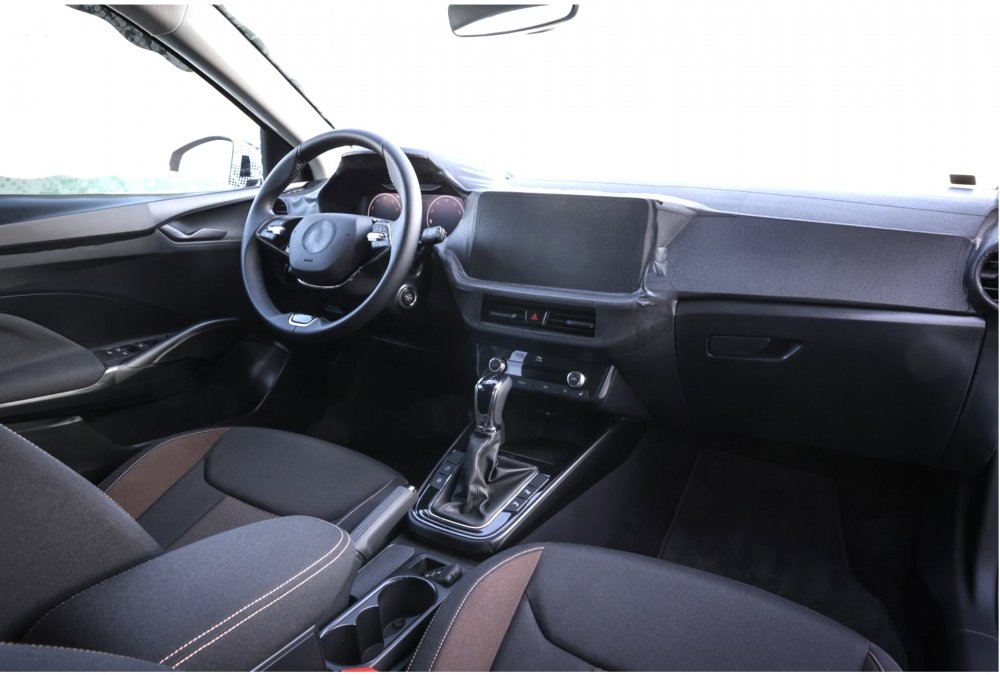
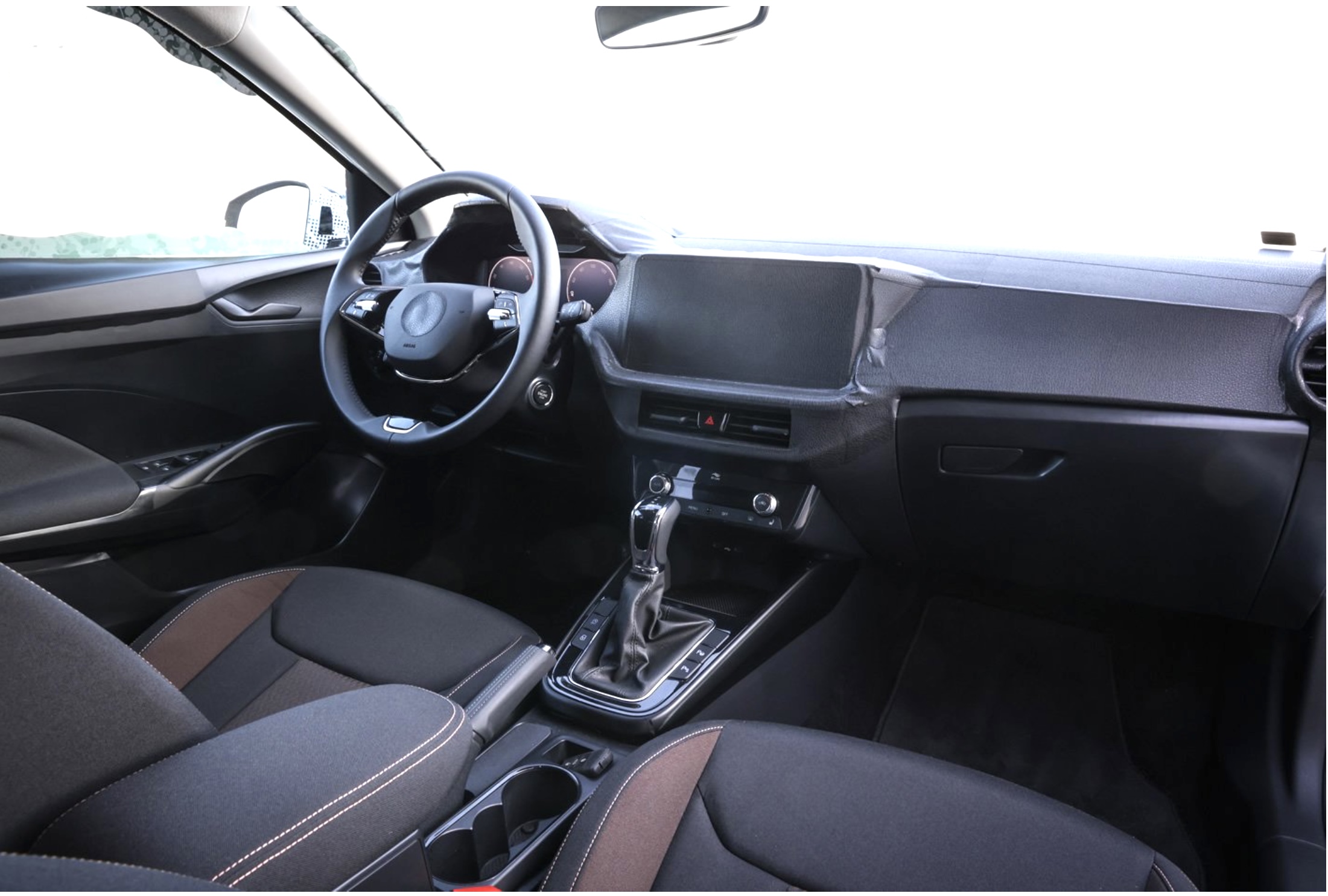
1 pointhttps://antyweb.pl/skoda-fabia-2021-takze-z-1-5-tsi-evo-i-travel-assist-juz-jezdzilismy/ There are a lot of reviews on foreign websites that give a lot more detail - this Polish review in particular has more pictures and analysis. I have added a picture of the dash/driving position from that article and think it looks good. The question for me is what is under the infotainment screen cover - hopefully user friendly layout.
 1 point
 -
I have heard that but cannot see any difference as the same amount of information is on each screen, it just adds an extra page to scroll through.1 point
-
Cheers All. I rung yesterday - spoke to some bloke clearly WFH as could hear every word his wife/GF was saying in the background and the dog going off it's nut when someone knocked at the door Anyway long & short of it he didn't know, couldn't find owners manual charge on his list so wasn't sure if I would get charged - said if I do just log a formal complaint and argue it wasn't delivered with one and also can be downloads FOC, so I will just have to wait and see!! Got the spare key hung up in the cupboard and i've cleaned it last week and t-cut some light surface scratches from trees and stuff (lots of narrow country roads round here!) which all came out, usual stone chips on the bonnet, not loads probably 5/6 but there is a dent in the door I noticed, you can only see if you stand at the boot corner and look down the car in a certain light, looks like its been popped by another car door, no paint damage at all - I tried to get it out pouring hot water on it and using those suction cups to no avail. Immaculate condition inside and 8k under millage due to covid and WFH for 12 months! I put £15 fuel in it yesterday!1 point
-
1 pointTry Richard Grant Mouldings, Leighton Buzzard. They're at rgmautomotive.co.uk , I suggest phoning them. They already have one for th ehatch, and should be able to tell you if it fits the vRS. I've had five from them over the years for our Skodas - very helpful people, good prices, and the packaging even says which of their staff did the final trimming. I've had silver, matt black, and carbon fibre effect.1 point
-
Have a good look at the plastic servo vacuum pipe. They can crack at the bottom where it's hard to see.1 point
-
1 pointThese are the matrix beams which are supposed to blank out around other drivers. To be honest, what I really want is to have an Octavia of the same spec as mine but with working Matrix headlights and the other software glitches fixed. I've only had a chance to drive it for a little over 2k miles and this is what I've found so far. I'd be more than happy to discuss swapping for a different car but they haven't even raised the possibility, they're just being obstructive. I paid for the Matrix because I always want the best headlights I can get. I don't want a refund, I want my car to work like it's meant to. That's not being unreasonable, is it?1 point
-
1 pointI too think your tank sensor needs replacing, it's an easy job and the part is not that expensive.1 point
-
1 pointI expect your car is coming up to 12 months old, at which point it will be due a service on a time rather than mileage basis. While delaying this almost certainly won't harm the car, it probably is worth your while getting it done to maintain a full service history. Perhaps a local dealer could collect the car to minimise the risk to you.1 point
-
1 pointGood news. I ordered my VRS end of January and was told late April early May, so your timeline tracks very similar to that. Encouraging for me, but not counting chickens, it will be here when it gets here. Hope you get behind the wheel soon. 👍🏼1 point
-
1 pointhi when it says its not protected it means you have saved spin as auto login so anyone can access that account via car, so next time you turn on car it will auto login1 point
-
1 pointI agree. Surely there's room for a more upmarket luxury Karoq version that emphasises comfort and with lots of features, not just those found on sporty models. Even BMW do a Luxe version of the Active tourer with fairly sensible 17" wheels, at least they used to. However that car doesn't seem to be one of the best for ride, to start off with. In th 1950s & 60s , the UK car upmarket sector had the choice of sedate Rover 90s, Armstrong Siddeleys, Daimlers, as an alternative to Jaguars & the like. I blame the motoring press for encouraging everyone to think we all have to drive racey cars. I see the next model Quashquai will have a 20" wheel option!1 point
-
1 point1ko 121 407 A is the tank number done a bit of googling and the part no for the cylinders is 4eo 121 176 they call them silicate cartridges, about £12 - £14 at the stealers.1 point
-
I got an email from super skoda the other day saying the are not shipping to the uk or processing new uk orders - as I said hopefully this is not permanent as there is some stuff I'd like from them and it appears no one else does it1 point
-
1 point
-
1 pointIt was a tank from the most powerful engine in a mk1 or the earliest mk 2 tt I think. I remember coming across the diagrams when investigating mine, looking at the tank as an option and being told by a dealer it wasn’t worth it. They showed one in an old tt. At a guess I would say between 2008 and 2014, but I sadly can’t remember exact dates.1 point
-
I had my timing belt done yesterday on my 2015 diesel 2015 Octavia VRS, the car only has 45k miles but as the car is 6 years old now and for my car the recommended change is 100k or 5 years whichever comes first, for a bit of piece of mind I decided to get it done. They did: Timing Belt Water Pump Alternator Belt Coolant flush New water bottle Total cost was £320 inc vat, work was done by a local independent VAG specialist, they advised changing the water bottle to a new version as well due to it having a silicone bag. They were also able to add all of the details of the work done to the Skoda electronic service record.1 point
-
1 point@Raychev05This is the only setup that is documented in Etka and Workshop manual. All Felicias 1.3 with power steering and AC from dealer have retrofit setup, because factory acessory holder doesn't have mounts for both AC compressor and PS pump.1 point
-
1 pointIn Europe they actually do make a 206kW TSI Kodiaq for emergency services only: Skoda unveils emergency Kodiaq you can't buy (motor1.com)1 point
-
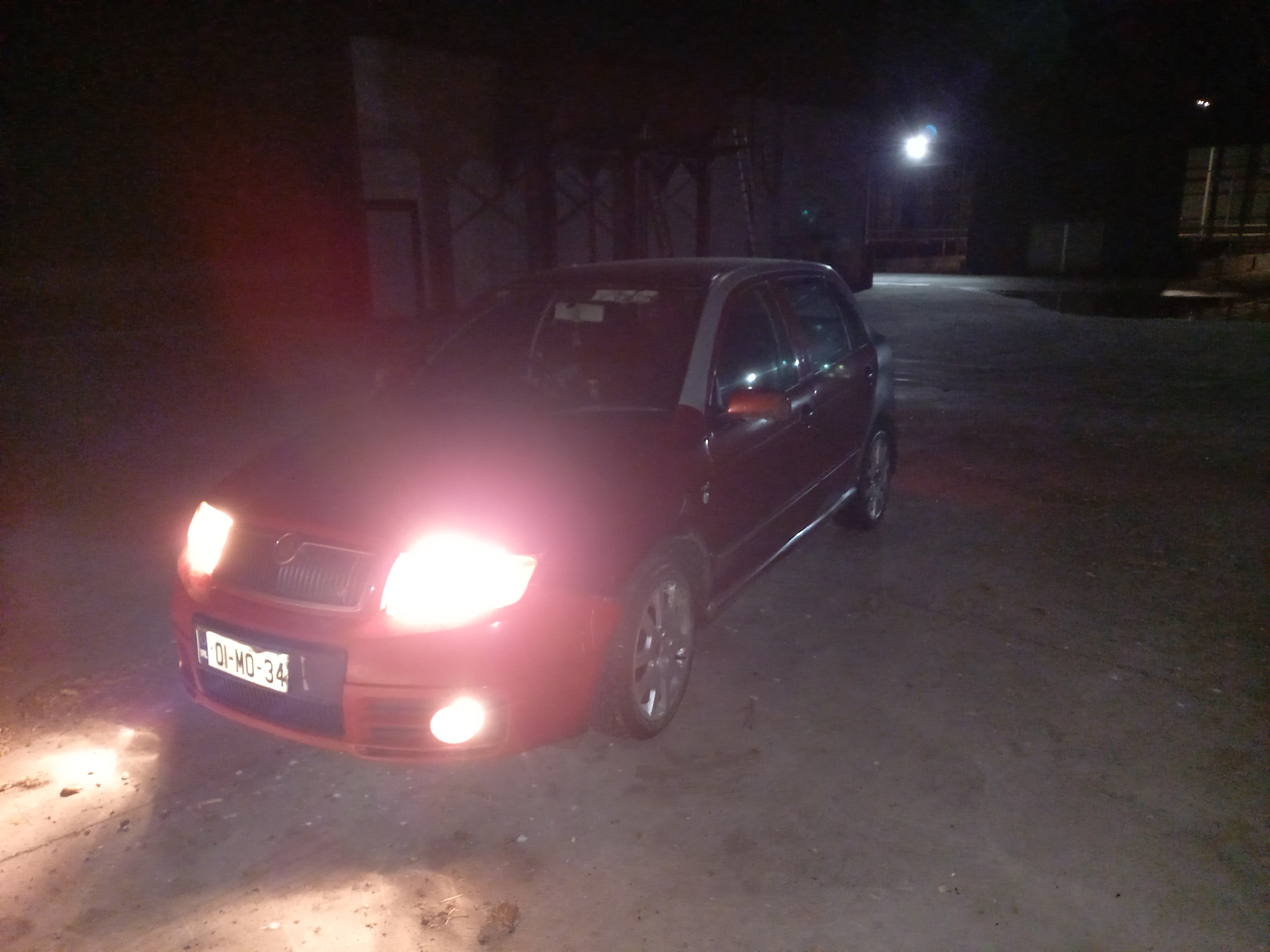
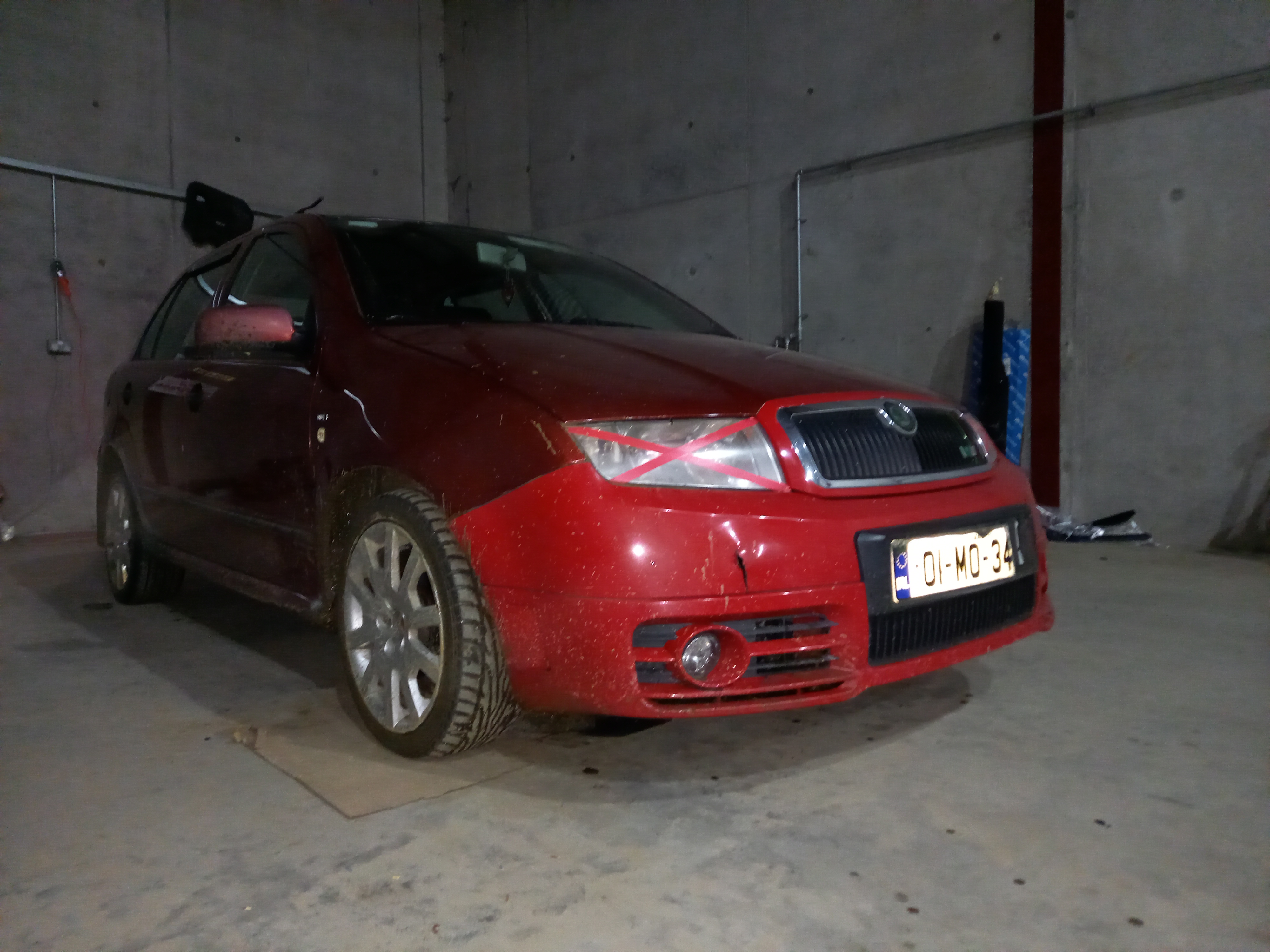
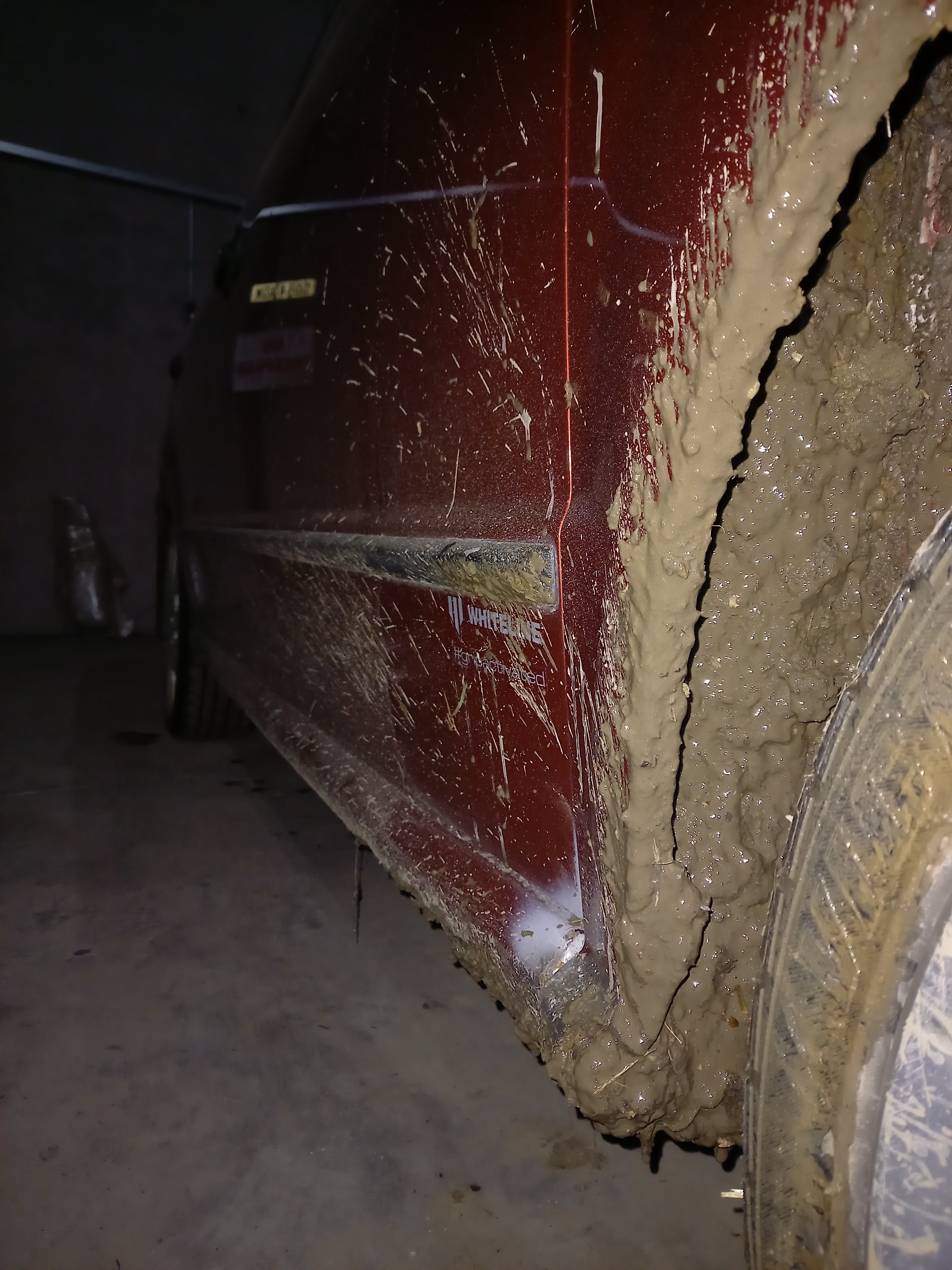
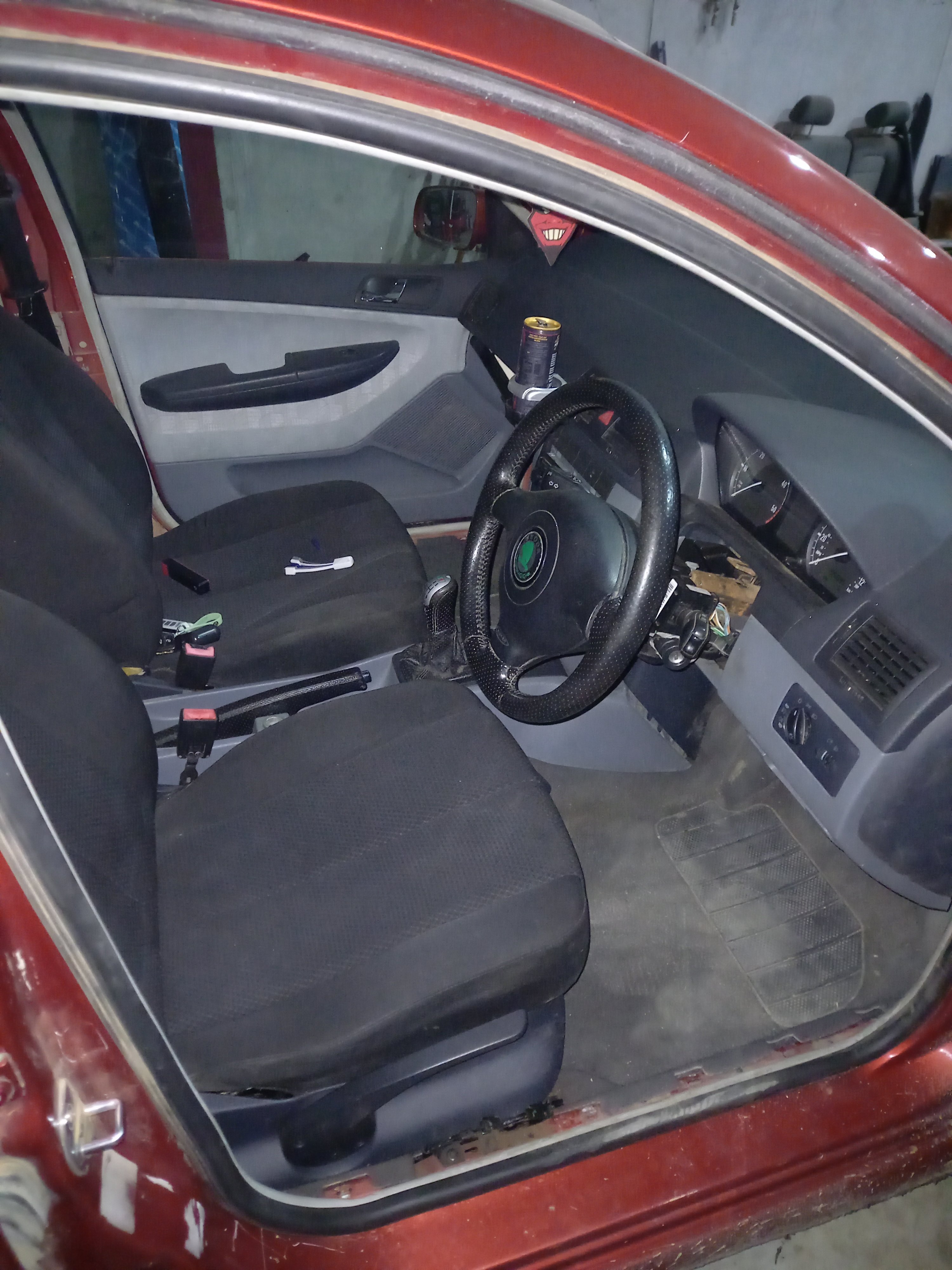
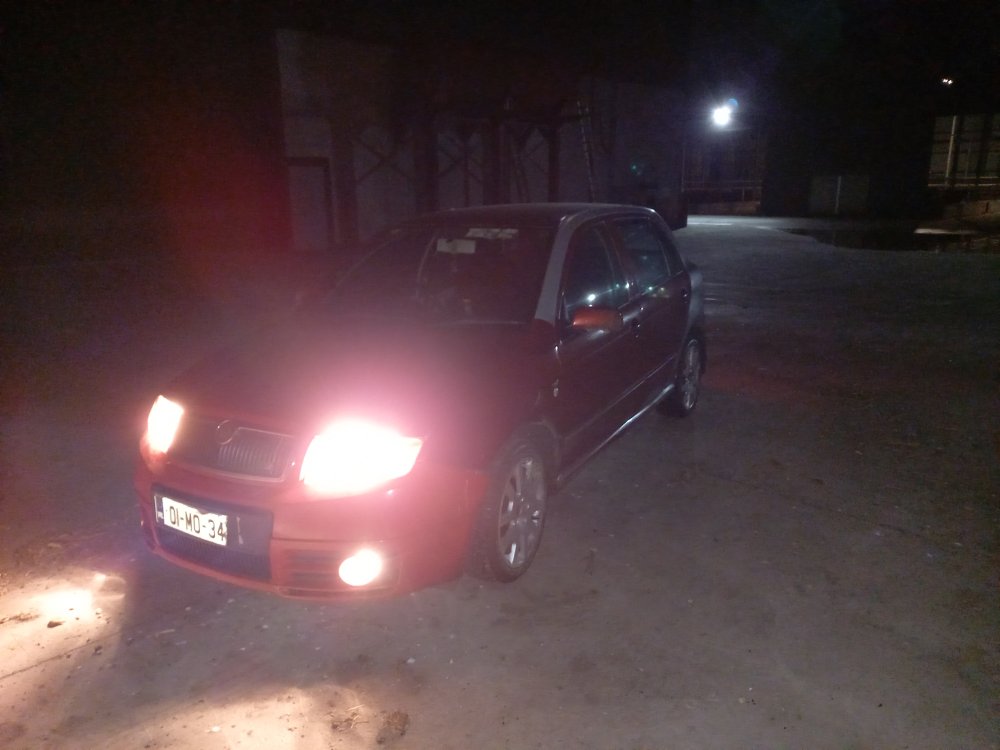
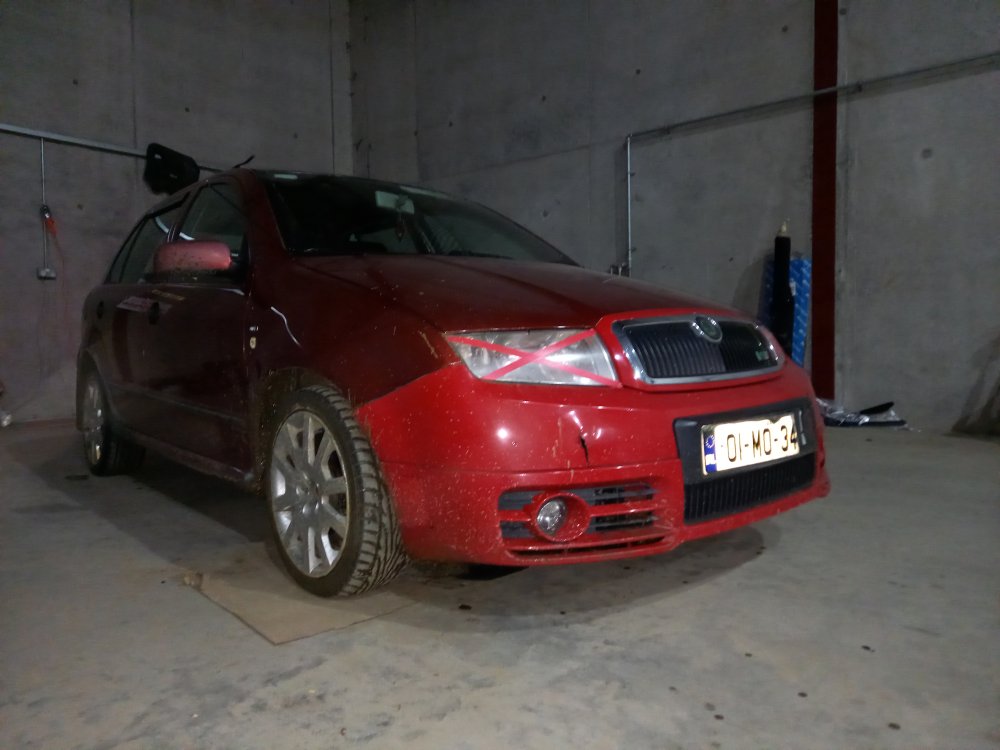
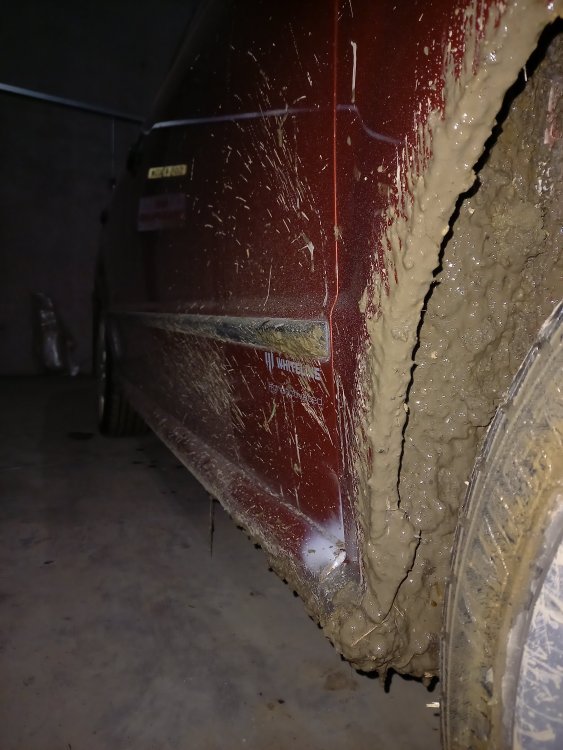
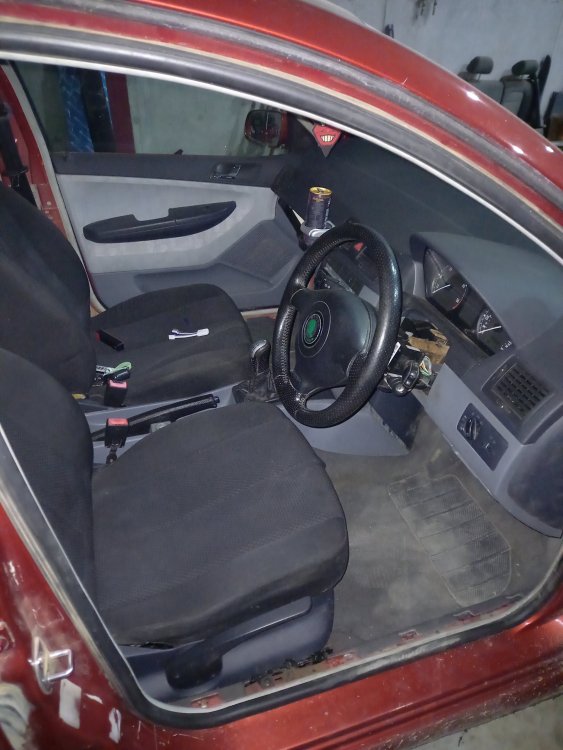
Had some foglight trouble earlier but they now work. Gave the car a test run around the farm today and it goes like stink. Its happy to slide around on the concrete with a bit of persuasion. The handbrake warning light came flashing on and gave me a fright. I think I just knocked the switch on the handbrake loose when I was installing the seats last day. Got the car filthy driving around though. It was already dirtied from sitting up but now it looks like its after coming from a Welsh rally stage. Another pic of the seats. They are comfortable and suit the car ok. The flash makes them and the carpet look filthy but they look great in person. I took off one of the vrs wheels to use as a spare on my Monte Carlo but I nearly prefer the extra space that the weird foam box that it has instead of a spare wheel kit. Until I can find a proper spare wheel kit I may leave the vRS wheels on this car. As a final note, the bonnet catch has completely freed up. I can pull it and release the bonnet by hand now which is nice. Still need to route it back into the car as it currently rests on the Wiper panel.
 1 point
 -
360 degree walk around of the car recording video on the phone should do it...1 point
-
Well its been a little while since my last update on the Golf, Annoyingly Todays was not the sort of update I would have liked to Post but... Rather embarrassingly and for the first time in 16 Years of Driving I misjudged a gap turning into the Car Park at work, The Car Park has a few Pot-Holes which I always avoid but in doing so you have to turn sharply right and get close to the Large Steel Gatepost on the entrance. I don't know why I did it but I got too close to the Gatepost this Morning and scuffed the OSR Door and Bump Strip in the process Don't worry, I have said some strong words to myself!!! Upon inspecting what I had done I was very thankful that firstly the Scrape was just on the Door and not the Rear 3/4 Panel, Secondly the Panel was not dented in anyway. It was just surface marks. Anyway I got home around 12:30 after my shift and cracked on to see what I could do to improve the situation and to say I am pleased with myself in an understatement. What I did... : Washed and Dried the Door. : 3 x Hits with the DAS 6 Pro and Orange Hex Pad with Megs 105 Ultra Cut Compound. : 1 x Hit with the DAS Pro and White Hex Pad with Megs 205 Ultra Finishing Polish. : Hand Applied Poorboys Black Hole and removed with Microfibre. : 1 x Coat of Collinites 845 Wax. : Lightly used a Heat gun to bring out the Oils on the Door Bump Strip which removed about 90% of the scuff mark. : Dressed using AG Bumper & Trim Gel, Buffed excess off with Microfibre to finish. Couple of pics... This was what I was greeted with when I got out of the Car... After the Work with the DAS6 Pro, Managed to remove pretty much all the marks. Bump Strip not sorted at this point... Poorboys Black Hole followed by a Coat of Collinites Wax, Bump Strip scuff removed and Dressed...1 point
-
1 pointWell, just got a "dispatched" today. Had to agree on a refund for a bigger part as their not shipping bigger bits.1 point
-
Indeed, not to mention all that decoking and valve grinding; and it is nice not to need a starting handle in the depths or winter, or have those lovely Ford Pop vacuum wipers that come to a stop when you're going up hill!1 point
-
1 pointItem 18 here?..... https://skoda.7zap.com/en/cz/fabia/fab/2002-225/8/819-819025/1 point
-
1 point
-
Also make sure you've got the spare keys! Service history will probably be ok, they will look on the car to see when it is due, paperwork not necessary. They don't always check everything when they collect the car as the detailed inspection is done back at the logistics centre. It'll be driven/trailored straight there for processing, they'll create an inspection report for the auction house and decide what refurb work is required and who is paying for it (leasing company or driver). There also has to be enough fuel in the car to get it back, if the fuel light is on you risk being charged a silly amount per litre/mile1 point
-
Most service is all updated and recorded online now. If your car has always been serviced at Skoda or at a garage with access to the online service database it will all be on there. I wouldnt worry about it.1 point
-
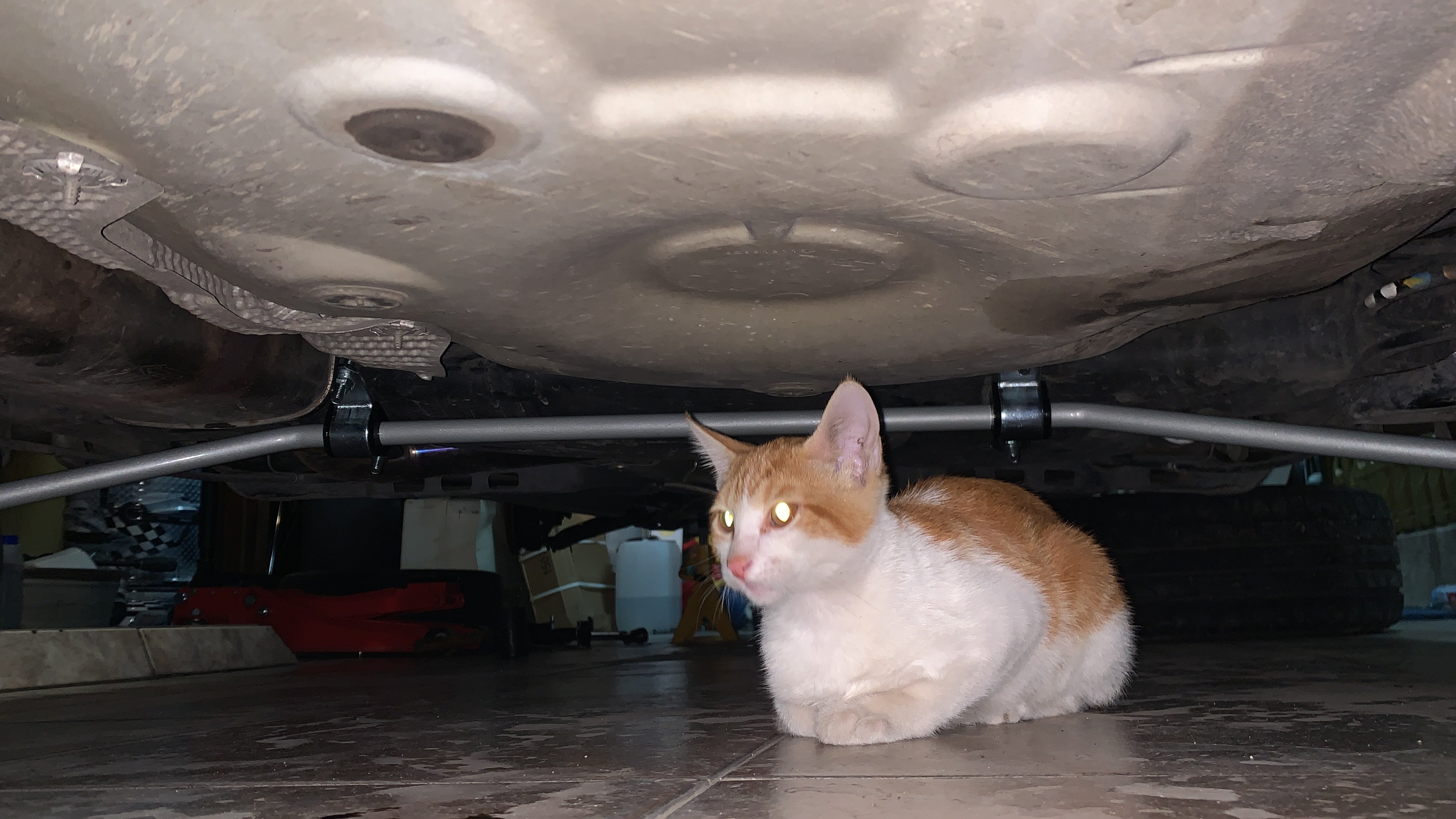
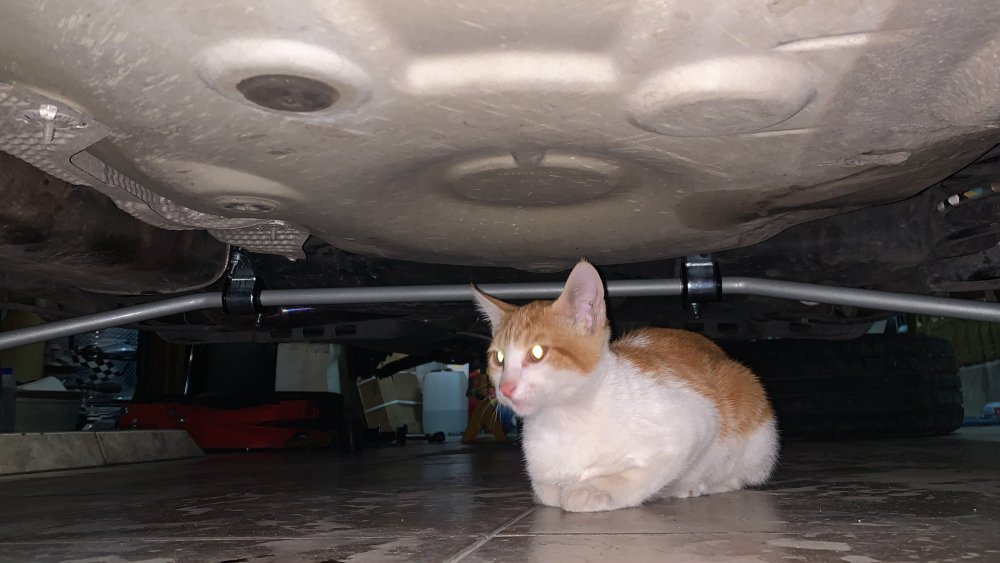
My cat checkin the rarb install. went for the whiteline in the hard setting!
 1 point
 -
You have an old and outdated view of aircon and to be fair the button should be relabeled. On old systems the button would run the compressor continuously, drying out the air in the cabin and causing issues you have mentioned earlier. On modern climate systems pressing the button is just allowing the climate to use the compressor if it needs it. If the temperature selected is higher than ambient (Like now and through winter) the climate system will only run the compressor to achieve a comfortable humidity level and stop the windows misting up. I can't detect any change in economy on my 2.0Tdi 150 through winter. You are creating a problem by not letting the system have the ability to run the compressor. When you switch the aircon button off and the condenser temperature returns to ambient any moisture in the system is blown into the cabin that's why you mist up. My previous car didn't even have a button for turning off the A/C. Let the electronics do their thing and save yourself big bills down the line.1 point
-
1 pointBeen using EZ for a long time now, even sold some of my other brand detailing stuff as I really like the EZ products. Supercharged Shampoo (Slick & full of suds) A little goes a long way. 5* GTR Glue & Tar (Very Powerful) 5* Sleek Interior (Leaves a non greasy but instant satin dry finish & smells lovely too) 5* Lotus & Clarity glass cleaners (Safe on window tints & great at cleaning glass) 5* Chrome Spray Wax (Very glossy look, easy to apply & not only repeals but nice beads too) 5* Gloss Boss QD (I use this in-between washes, mainly to aid with drying) I have used this also to boost protection with an existing wax. 5* Voodoo (I've not used yet, just in my arsenal) so I can't comment on it. (I can't rate it yet) I don't use anything else from EZ so I can't comment on them but a friend of mine uses their SI02 ceramic wax & is always banging on at me to try it, trouble is!!! I have a few waxes (from the Jayswax range) & I want to finish them off before getting sucked in to the detailing bug again especially as I've not been so active with it like I use to be but still do enjoy it, it's now just a time to time thing for me, well as before it was always every 1-2 weeks at least being outside cleaning/detailing etc.1 point
-
1 pointRusty has been at Wellington European for a couple of weeks, I dropped it off with a list, which grew slightly as they started work. Suspension knock on full lock was caused by the subframe polybush metal inserts being slightly too long so I had torqued the bolts against the insert, not the body itself. This left play in the subframe. They're shortened now. The high pressure line from the brake booster was slightly leaking, so that line has gone off to have a replacement made locally. They're looking at the oil leaks now. But the big news is that it's finally boosting as it should, no more 4k rev cut !! It was caused by corrosion inside the wastegate making it stick, plus the banjo bolt connecting from the intake manifold was corroded, meaning it was tight but leaking and causing a vacuum leak. I'm so excited now about driving the car again.1 point
-
1 pointIt does, thanks. I guess, like most car care ranges, there are some good items and some weaker ones. I need a new set of buckets anyway, which would set me back about £20, so I will probably get decent value out of the offer.1 point
-
1 pointMaking sure that a replacement spring matches the OEM part number is not always easy. However, you can look for a spring that is sold just to replace just your original OEM number and not two or more OEM numbers. Brands that sell aftermarket replacement springs often have a habit of using a one size fits all approach, where they sell one spring to replace a whole list of OEM part numbers...so you do need to avoid these unless you go for one of the few brands where a good description of the spring is given and preferably a photo of the actual spring where you can count the number of coil turns. Photo on the gknautomotive website of OEM part number 3Q0511115AK Photo shows the spring has 8 coil turns Spring Design Coil spring with constant wire diameter Fitting Position Rear Axle Thickness 12,25 mm Length 364 mm Outer diameter 112 mm Weight 2,20 kg https://web.tecalliance.net/gkn/en/parts/1/87923/detail?query=3Q0511115AK&numberType=1&oe=3Q0511115AK&groups=188#@brc/search:Search%20by%20any%20number%203Q0511115AK;mandator:gkn;query:3Q0511115AK;groups:188;brands:1;pf:2;page:0/detail:87923;brandId:1;articleNo:87923;mandator:gkn;query:3Q0511115AK;numberType:1;oe:3Q0511115AK;groups:188 Photo on the gknautomotive website of OEM part number 3Q0511115AL Photo shows the spring has 8 coil turns Spring Design Coil spring with constant wire diameter Fitting Position Rear Axle Thickness 12,50 mm Length 359 mm Outer diameter 112 mm Weight 2,30 kg https://web.tecalliance.net/gkn/en/parts/1/87924/detail?query=3Q0511115AL&numberType=1&oe=3Q0511115AL&groups=188#@brc/search:Search%20by%20any%20number%203Q0511115AL;mandator:gkn;query:3Q0511115AL;groups:188;brands:1;pf:2;page:0/detail:87924;brandId:1;articleNo:87924;mandator:gkn;query:3Q0511115AL;numberType:1;oe:3Q0511115AL;groups:188 Kilen and Lesjofors are the same springs made in the same factory in Sweden. Spidan and Suplex are probably the same springs often made in Germany. Spidan are shown in the gknautomotive online catalogue, but where there's a Spidan there's always a Suplex with an identical specification and vice-versa. I would avoid the KYB version of the OEM part number 3Q0511115AK because they claim that it only has a coil spring thickness of 11.75mm instead of the 12.25mm that is claimed by Sachs, Spidan, and Suplex. KYB also claim that it weighs 1.99kg, whereas Spidan and Suplex claim that their version weights 2.20kg...which in addition to the thickness difference indicates that the KYB is a significantly lighter spring. Although Triscan sell a spring that matches only the 3Q0511115AK OEM part number, there's no specification given. Bilstein is selling just one spring to replace both 3Q0511115AK and 3Q0511115AL. I would guess that it matches the stiffer/heavier duty spring, ie. 3Q0511115AL Sachs, Spidan, and Suplex are showing just one OEM number for their spring...so hopefully they really do match that OEM part number. They all give the same specification although only Spidan and Suplex gives the weight. Although Kilen and Lesjofors don't give the specification, they are only selling their spring to replace OEM part number 3Q0511115AK...so should match this. However, it's not always the case as some of the smaller brands are sneaky and probably use the same spring to sell under more than one model number to hide the fact that you aren't getting an exact match for your OEM number. However, these smaller sneaky brands don't give the specification. Kilen and Lesjofors don't appear to be one of these sneaky brands, as many of their springs are sold to replace more than one OEM number. Also, Kilen and Lesjofors are one of the biggest sellers of aftermarket replacement springs in Europe. Kilen is often price competitive on ebay.co.uk more so than the identical Lesjofors.1 point



.jpg.7553febdb2f934ba33cc2c3e19e22ff7.jpg.5cfb48bc30405bc40e1088e6b852f8eb.jpg)









.thumb.jpg.06721e8c8b33ed0eea16572ff131b291.jpg)