



Leaderboard
-
MikeTheThinker
FREEDOM21Points8,538Posts -
pinkpanther
FREEDOM9Points3,970Posts -
.jpg.1006585dfe4e2977315b67c3d642e37b.jpg)
Guest_
FREEDOM8Points83,824Posts -
Lady Elanore
FREEDOM8Points25,085Posts



Popular Content
Showing content with the highest reputation on 22/12/21 in all areas
-
5 pointsPersonally I think on a car forum we should be talking about whether the wheels look good, what tyre sizes fit, do they catch on the arches, what affect on ride quality etc. I can't see any need for the 'topic-killing' insurance comments the same tiresome members feel they need to add to such threads. Play nicely, we are all adults, I think we should take it as read that individuals will discuss any mods they decide to make to their cars with their insurers.5 points
-
A smear of silicon grease on the 'seal' around the filler flap and 'lock' should stop it freezing up3 points
-
3 pointsI thought this was friendly yeti enthusiast forum.but ok and for your info yes I have and it cost no more . Cheers x3 points
-
2 pointsMaybe he has been encouraged to go on air to help improve his behaviour over the radio after some of his past outbursts at his race engineer.2 points
-
2 points
-
Tbh I use luke warm water and is fine in seconds2 points
-
2 pointsNo, they have to give me everything that we agreed upon, I as a customer do not care and should not care what model year is it. I know what I ordered and must get it.2 points
-
2 pointsNearly... the icon goes blue on Auto as well: White beam icon with 'A' inside - system turned on but main beams not on at all Blue beam icon with 'A' inside - system turned on an main beams on Blue icon without 'A' inside - system turned off and main beams on manually2 points
-
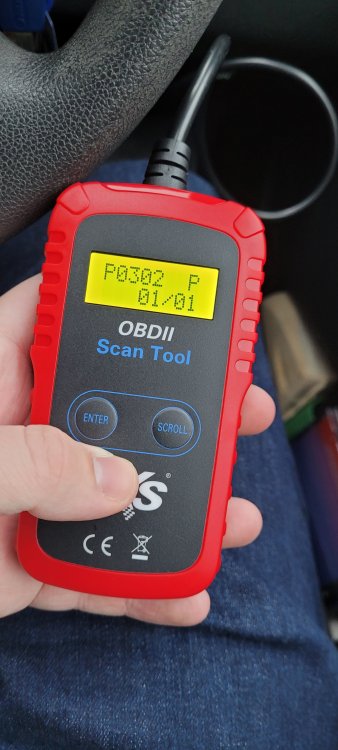
2 points2 points2 pointsNo advice was given, it was an observation, information if you like, I gain an enormous amount of information from this forum from good hearted people who take the time and effort to transmit it, you may consider that posting for the sake of posting, I don't. The people who I learn the most from not surprisingly have a higher post count than others, that is something they should be applauded for not criticised.2 points2 pointsThere are no interpretations or speculation on my part, I have asked what was written on the MOT failure certificate, nobody else did. What the person had to say unless recorded is worthless, this evening alone there have been several examples quoted of garages saying rubbish, what counts in this case is what is written on the MOT fail certificate. I suspect one may not have been produced and it was a free "pre MOT inspection" I reserve the right to defend myself if somebody has a pop unfairly or in the last instance hypocritically, if thats bickering then so be it. I won't bicker with you regarding my post count, you are free to see it as a bad thing, I see it as contributing.2 points2 pointsThis thread seems to be going the way of many others. The OP hasn't posted for a couple of days but already the bickering about nothing has taken over. Taken over by someone who has 63000 posts and another 6700 posts. I'd have thought for someone who's advising other on MOT failures would have checked their sidelight was working before putting their own car thru an MOT. ( there's bound to be an excuse ) You've posted some sort of official document that says " Your vehicle will fail if the test result is 'dangerous' or 'major'. It then goes on to say " Driving away a vehicle that's failed: You can take your vehicle away if your current MOT is still valid and no dangerous problems were listed. In other words, if your car fails an MOT and it's only failures are listed as 'major', then as long as the current MOT is still valid, the car can be driven - i.e. it's roadworthy. So after my reply above, why did you write "An MOT failure is a failure, Vehicle un-roadworthy"? Like JR with his invaluable advice about certification in France, you seem to be posting for the sake of posting and offering the OP ( and every other reader ) nothing. No wonder you two have so many postings. My advice to the OP would be to take everything he reads ( including my posts ) with a pinch of salt because it really is such a grey area. The only people you should listen to 100% are your insurer and the police. Everyone else can chuck in their interpretation but it matters not a jot. And even if that advice is wrong, what the person who failed your car has to say is crucial because that could be your defence - or your downfall. It's defo worth getting everything that's said in writing.2 pointsYou actually want to swap a 3 flash chop for a granny signal!?1 point1 pointI hope so too - I was made aware in September of production issues and delays - was quoted 30 week lead time. I have mailed the dealer just now to ask how it is coming along (fishing for delay information).1 point1 pointi only asked again because there is a new type of allpy gator came out not so long ago,i know the old type did not have a very good name.1 point1 pointI am byuing spark plugs and replacing sometimes by myself. Petrol is 100 octanes, if I trust them. OMV MaxxMotion Super 100Plus But whenever I go to Europe there is difference in fuel quality and engine performance / work / sound / consumption.1 point1 pointI know that. But, here we have lower fuel quality, shorter distance rides. I did oil change on every car at 6000miles and all that I know do the same. Esspecially if you are Stage 1 or higher. By Skoda it is recommended 18.000 miles, personally for stock I would not go more than 12.000 miles. Yes, these oils would be good for 9.000 miles even Stage 1, I agree. What is good here, oil change is not expensive. So, oil, oil filter, replacement work is 75eur in total. I have tried 0w40 Mobile1. Not sure, I think it is a little bit quieter with 5w30 Castrol Edge FST LL.1 point1 pointNo. 38 for sale on FB. 135k virtually stock. No rust. Barnsley , U.K. HG07 DNU1 point1 point1 pointMy tires are 215 70 16 a/t and yea even with the 20mm lift kit they do still rub on full lock but that no problem really just have to be a little careful but my all road capabilities have improved 100%1 pointSo one of my coil packs announced today that it working was not within the 5 year plan, so fast forward a few hours, and I'm back on the road with a new coil pack on cylinder 2 and one bought as a spare. Massive thanks to @Wino for giving me a wee hand with fault diagnosis this afternoon.
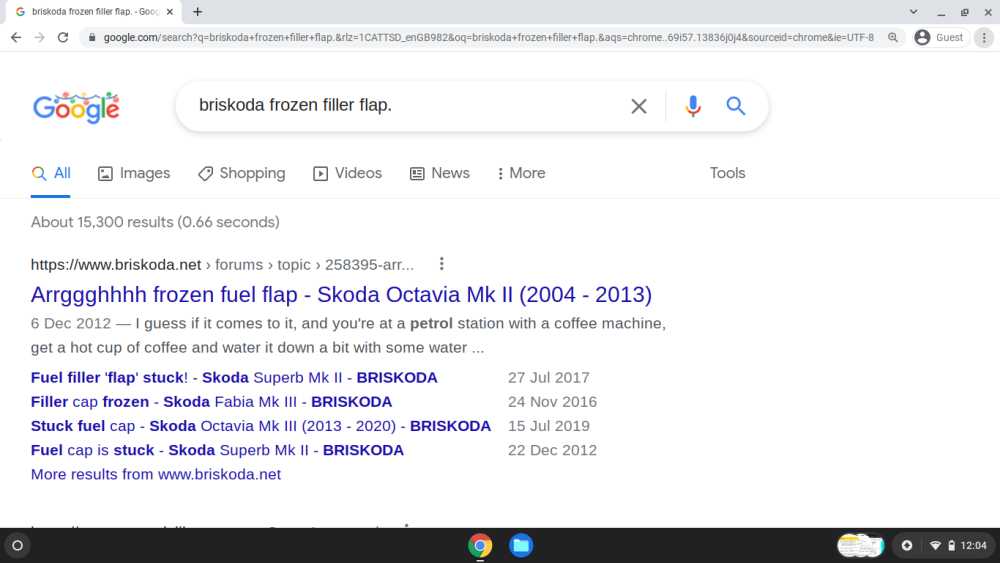
 1 point1 pointit's there, but not working: https://myenergi.info/kia-ev6-pre-heat-preconditioning-problem-t4584.html1 pointHad to laugh, ice scraper behind fuel flap which was frozen and couldn’t be opened, minor design fault Mr Skoda!!1 pointCheers for the reminder, I've just gone and filled the wiper fluid that's been bonging for the last week. I look forward to upwards of three days motoring before it's empty again! I had a B8 Passat that never suffered the issue. What's the pre-emptive fix? silicone grease around the spindle of the locking cam?1 point1 pointCar has just been in for a software update, and as far as I can tell it's solved my problem music now plays as I expect it to, no on software version 0276 upgraded from 0270.1 point1 pointI'm not sure anyone was insulting ?!? We are all here trying to help each other. In fact the only insult was for you to call other (unspecified) forum members/helpers "Numpties".1 point1 pointYou only need a genuine Skoda card for the satnav if you have it. Any card will do for playing music and updates. How many sd card slots does the unit in the glovebox have?1 pointYes, I did a search and saw the issues with freezing and the motor failure is a common fault, what a stupid design failure!!1 point1 pointWith regard to the OP's post. I also think he's being taken for a ride. Others have already mentioned that there is no connection between rusty discs and water in the brake fluid. With regard to the missing cap, they are NOT hermetically sealed. (They can't be, because the system has to cope with fluid level changes as the brake pads wear). Moisture will therefore enter the system whether there's a cap on the reservoir or not. The cap is simply to prevent spillage. I therefore feel the garage are talking rubbish when they mention water ingress, and agree that he should just get a new cap and change the brake fluid (Which should be done every few years anyway). I find that threatening to appeal against the decision to DVSA usually puts the fear of God into testers who are taking the proverbial. With regard to driving a car with some remaining MOT but which has just failed, I think the government website is fairly clear, but perhaps not clear enough: 1. You can't drive it if the defect is in the "dangerous" category; 2. You CAN drive it if the defect ISN'T in the "dangerous" category; 3. You can drive on the road provided it is "roadworthy" (i.e. "meets the minimum standards of roadworthiness"). It seems that Points 2 and 3 are contradictory - which they are, but Point 3 applies even if the vehicle has 11 months of MOT left to run and hasn't just failed an MOT. I think it's one of those situations where the government cannot possibly issue advice that says "you can drive an unroadworthy vehicle", so the only pragmatic solution, is to take a "light touch" approach to enforcement. If, for example, I'd failed an MOT on a number plate light and drove it, that's technically illegal, but in the unlikely event of getting stopped, the penalty would be much less than paying for the vehicle to be trailered from one place to another, so it's an easy choice for me to make.1 point1 pointMotability are giving money back to Customers next year. A £60 rebate this time if they had joined the scheme before 18th July 2021. This is because of lower insurance claims & less wear and tear of their vehicles on the scheme during the Covid 19 pandemic. https://news.motability.co.uk/scheme-news/third-covid-19-related-rebate-to-customers/1 point@skomazIt certainly should,. As cleaning and polishing the paint, and any other prep. But then as you will see year after year on this very forum it might not. So if you need to pour warm water on the area or have to resort to peeing on the area to get fueled up remember to dry that off before it freezes up again.
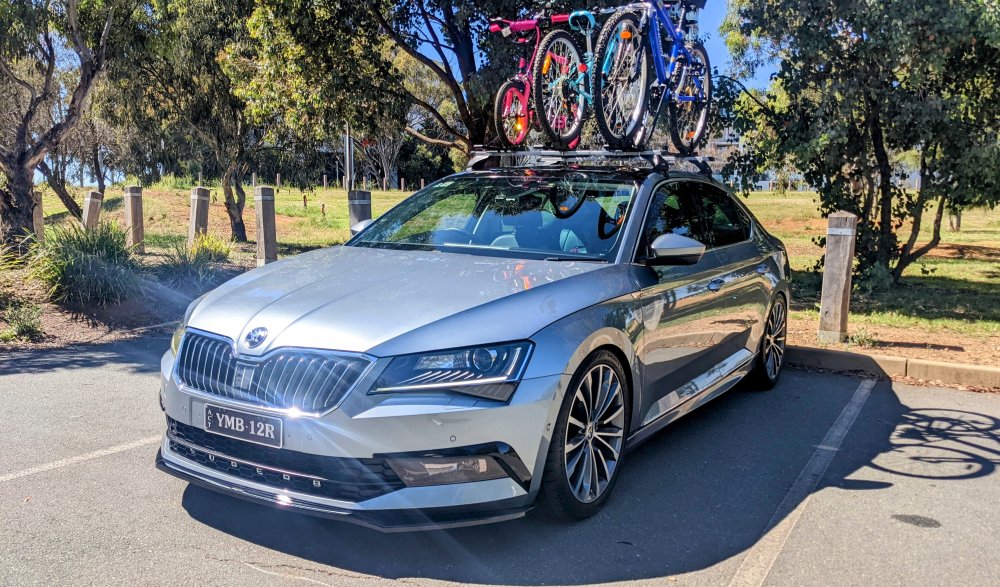
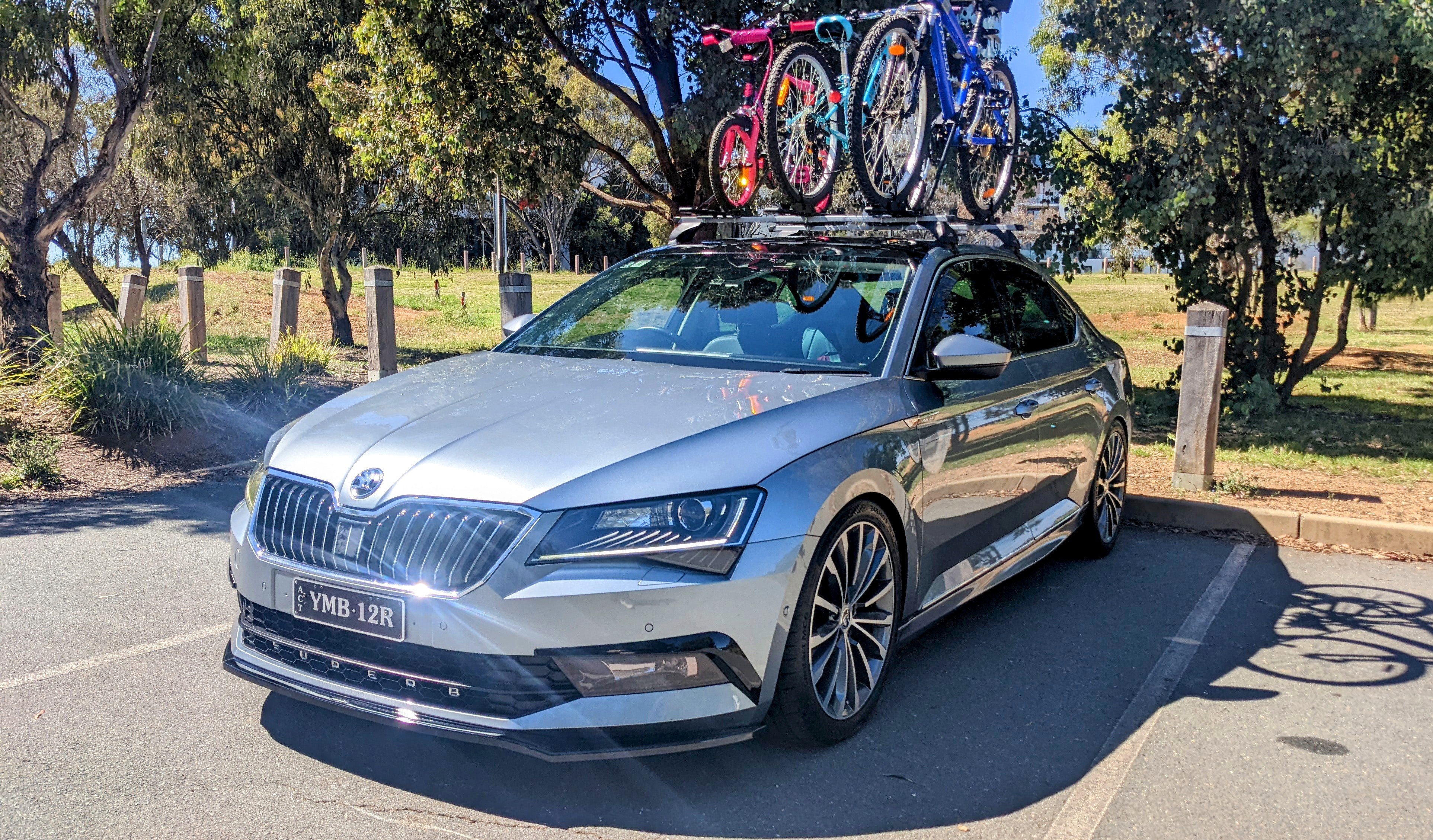
 1 point1 pointHe has also posted on the Money saving expert forum:- https://forums.moneysavingexpert.com/discussion/6321035/skoda-kodiaq-2018-brake-lines-issue Same advise there. Fit new cap. Change brake fluid. Do new MOT but not at Halfords. When looking for a place to do the new MOT, see below. Note that Halfords has just bought National Tyres. https://www.business-live.co.uk/retail-consumer/halfords-agrees-acquire-national-tyres-22339257 Thanks, AG Falco1 pointThanks for the clear explanation. They sure make it complicated these days.1 point1 pointCheers I will take off the hatch cover and see if there is anything in there. Will let you know 👍1 pointI Found the latest software of the stock DAB app It is the HYX-C2-H3 here https://drive.google.com/drive/folders/1C62vkvr1gMD-neuTKKj-1IPQZ9zy8c4v?usp=sharing Latest version being 19.11 point1 pointHello, I'm new here and enjoying reading all the insights posted. Shame about the disappearance of the torch. Do you have the cargo nets? I picked up my new Karoq Style 1.4 TSI MY22 last week and no torch or cargo nets. Loving my first ever Skoda so far! So much fun :)1 point1 pointWashed Gandalf after a few months. Now that it's all shiny, time to get the bikes on and get it dirty again!! 🤣 🤣
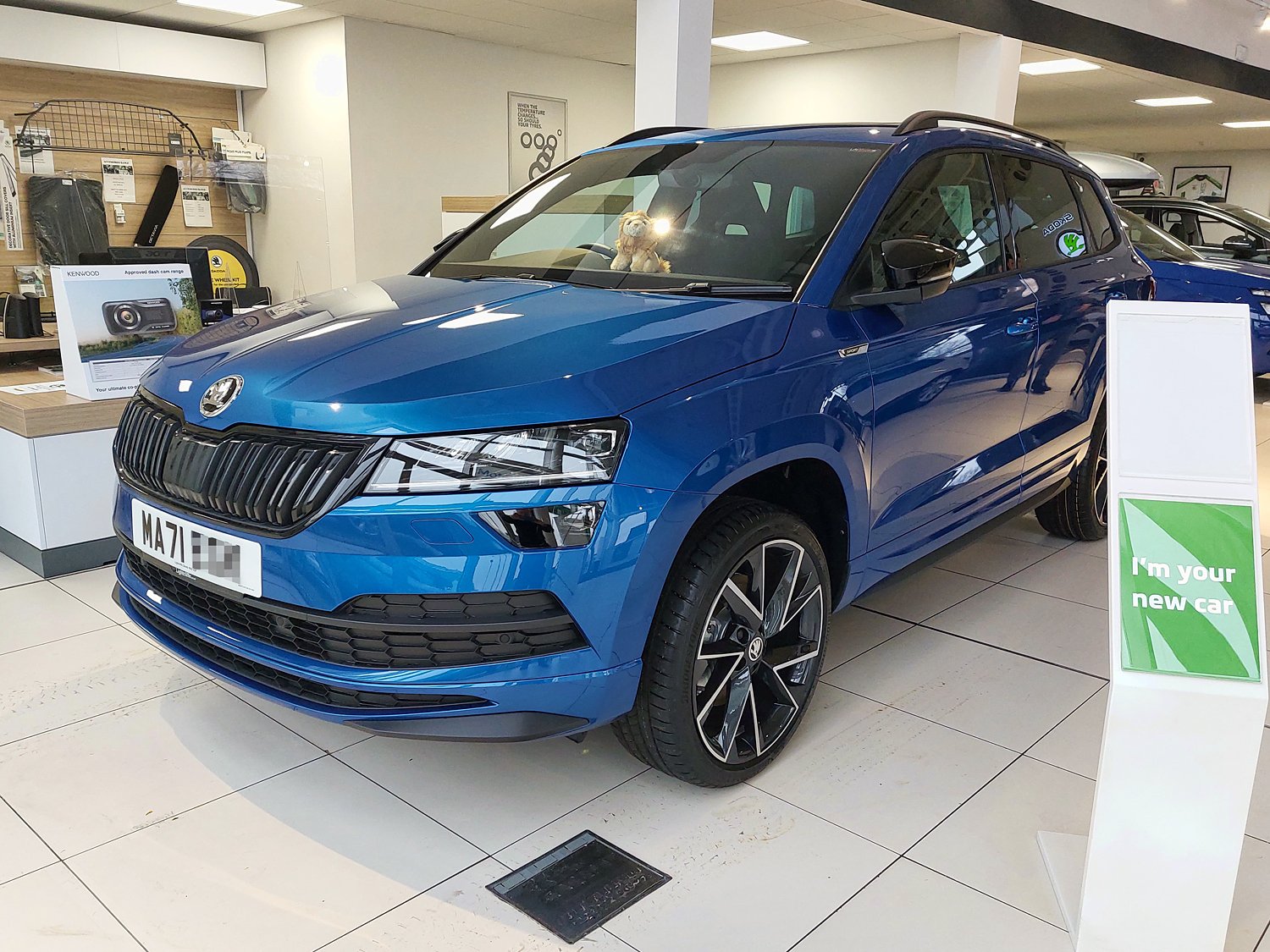
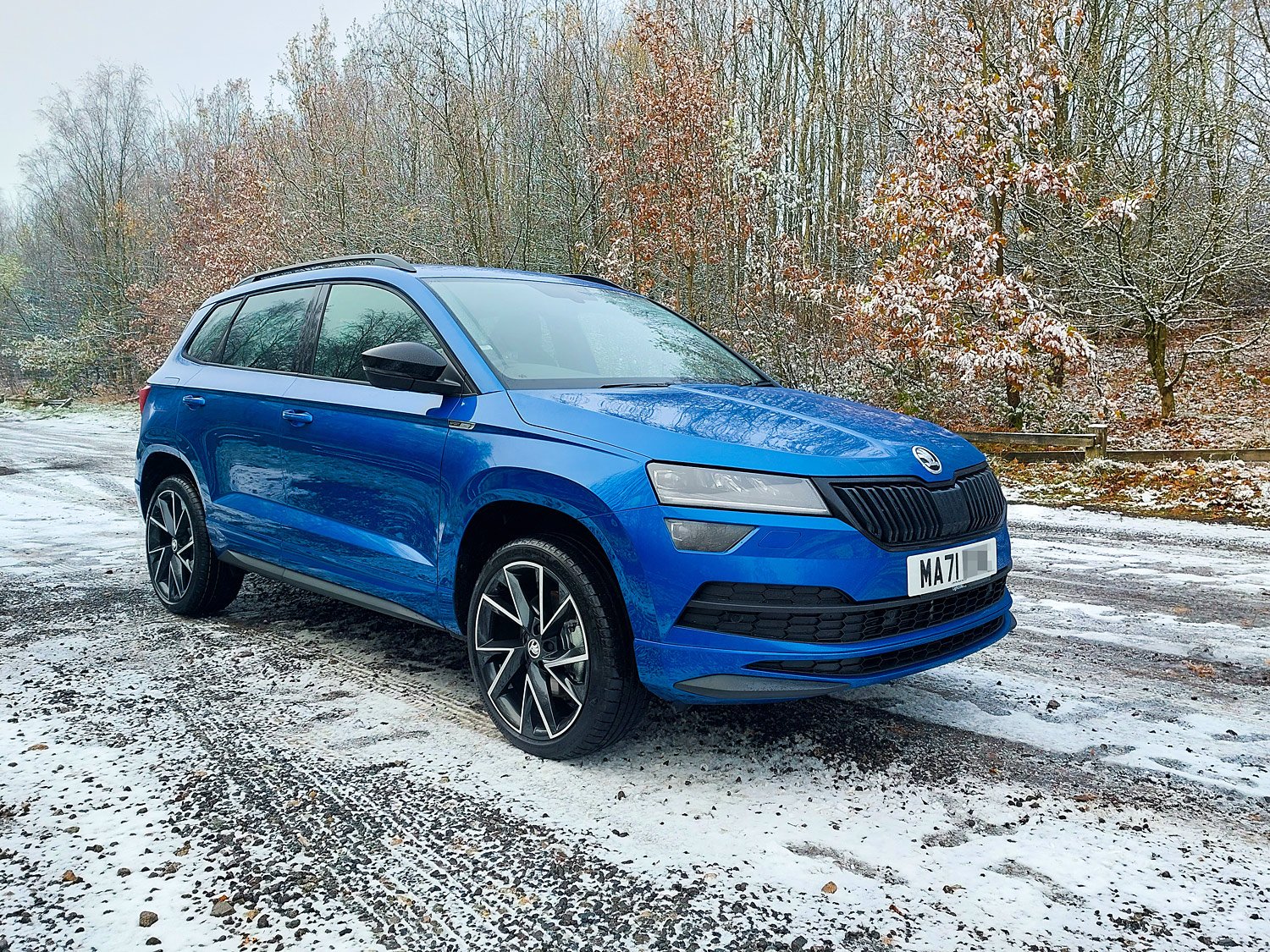
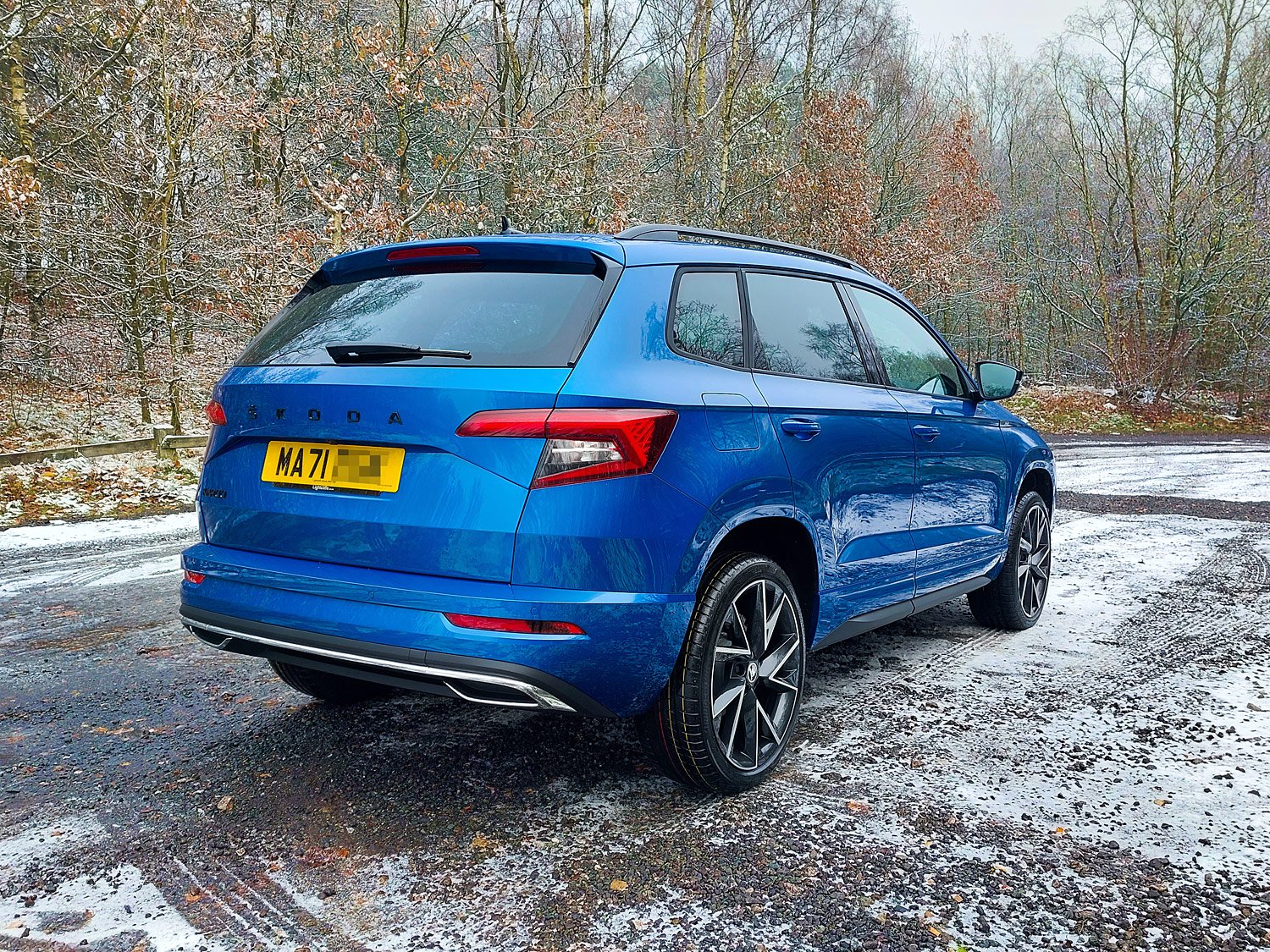
 1 pointHas front discs and pads done. 66000miles. 66 plate. Just under £300 at local garage. As its a 280 its got the 340mm discs which look very big when theres no lip of rust and ckean metal all the way to the edge. Apec apparently.1 pointIt's not the easiest of systems to navigate your way around (excuse the pun) but you can just enter a postcode. There are threads on here with details on how to put in a postcode.1 point1 pointyep im with you on that all the mods on my outback "lift kit, AT tires , bull bar , compressor, Molle panels were all covered via standard insurance as long as they were declared1 point1 pointIt’s an alloy insert the goes into the rubber gearbox mount, this then stops the bang you can get when the engine rocks under wide open throttle (mine was mapped to 220 bhp / 505 NM)1 pointThere are a few threads about the bonnet release. It's flexible enough to be pulled out sideways to clear the speaker and then pulled to open the bonnet.1 point1 pointIt's a Skoda plot to reduce the number of components needed for their cars. I've read on several forums in different countries the same campaigns... So far, no one that has reported the agreed reduction hasn't received their vehicle. In the end, it's only you that gets screwed. My dealer doesn't have the balls to suggest something like that1 point1 pointYesterday I send email to my dealer since it was one month from last email to remind him that I still exist and while he did not have any new news he did call importer and got following news (all cars are Octavia RS): 2 customers are waiting for cars that were ordered in December 2020 1 customer is waiting for car that was ordered in January 2021 2 customers and me that ordered in February 2021 This is for Slovenia only. So it could be worse than it is1 point1 pointit looks like you where told the same as a lot of people who are looking at 10-12 month delivery and by you saying people are dumb is wrong most people knew there was delays in getting there cars.they did not expect up to 12 month delay.1 point1 point1 point1 pointLIE!! In no way can a reservoir cap in the engine bay be responsible for rear disc corrosion. I'd need to see the parts to comment either way, but you may need new rear discs and pads. (pair of discs, new pads because the old pads will be scored and won't bed to new discs) As to the brake pipes, did Halfrauds actually tell you what percentage of water is in the hydraulic fluid?1 point1 pointI'm new to Skoda. In the past I've owned Audi, Seat, Hyundai and other makes. So far, I'm very happy with the Karoq. The dealer let me know that there was a facelifted Karoq on the horizon for 2022. I chose to order an existing model on the system rather than wait until next year. The car was ordered at the end of October. I was kept informed of its travel from the factory, to Emden (Germany), and then over to the UK. I collected it on 29th November. During the decision-making process I've been reading through all the information on this site and found it very useful. I've also watched dozens of Youtube videos on the Karoq. There seems to be quite a bit of variation in what comes supplied with Karoqs, depending on age and trim level. My car is a 71 plate (MY22) Sport Line 1.5 TSI DSG in metallic Race Blue on 19" wheels. The things it came with included: Amundsen infotainment screen Sport Line flat-bottomed steering wheel Panoramic glass sunroof Tinted privacy glass on the rear windows DSG paddle shifters on the steering wheel 2 x USB-C sockets in the front Wireless mobile phone charging pad in the front next to the USB-C sockets Umbrella in a drawer underneath the front passenger seat Ice scraper inside the petrol filler flap Cargo nets in the boot Luggage dividers / fasteners in the boot 2 x shopping bag hooks in the boot Skoda cuddly lion on the dashboard : ) (see photo) There was no torch in the boot. I'm led to believe the torch was discontinued a while ago. I've attached some photos, taken on the day I collected the car. Looking at the latest information on the 2022 facelifted Karoq it looks like Skoda won't be offering the new model in Race Blue. Cheers PJ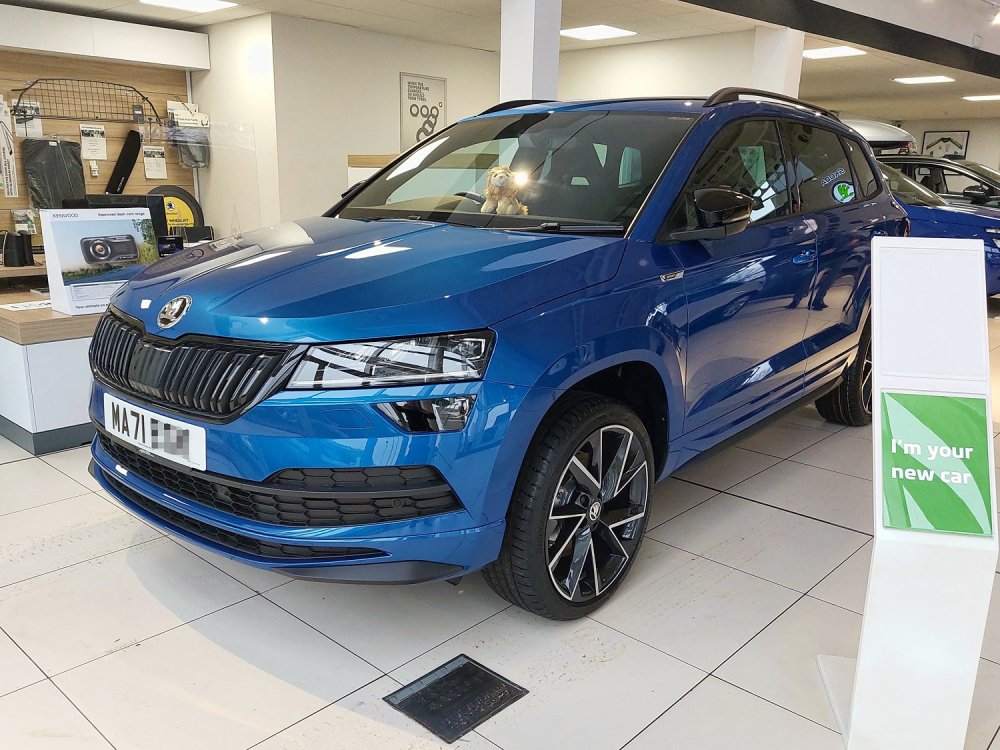
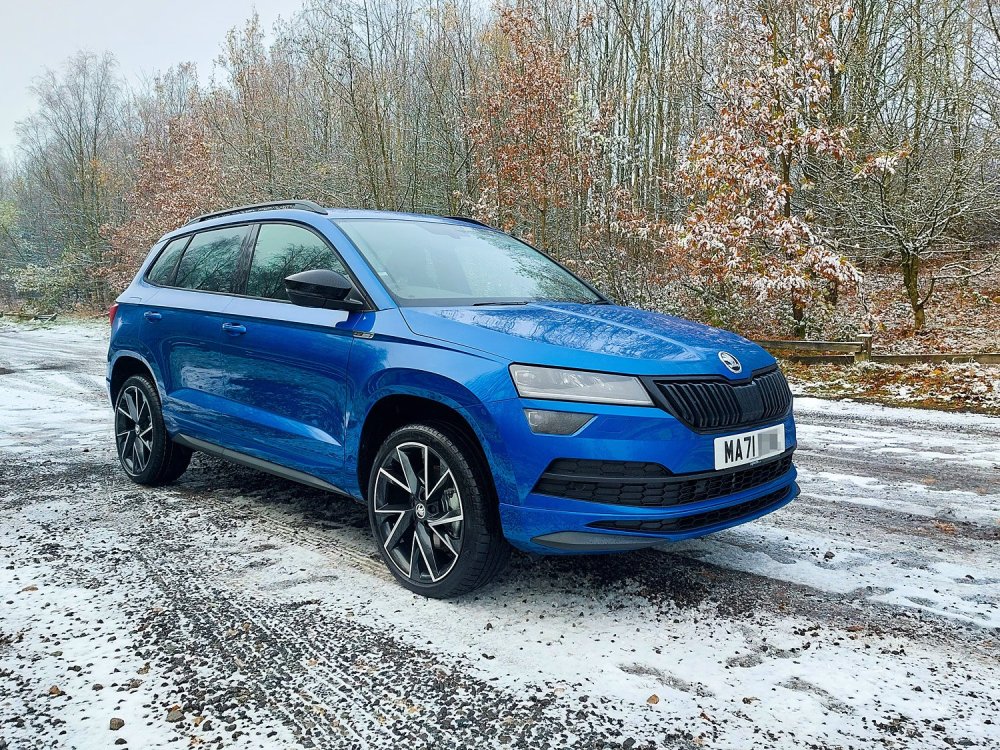
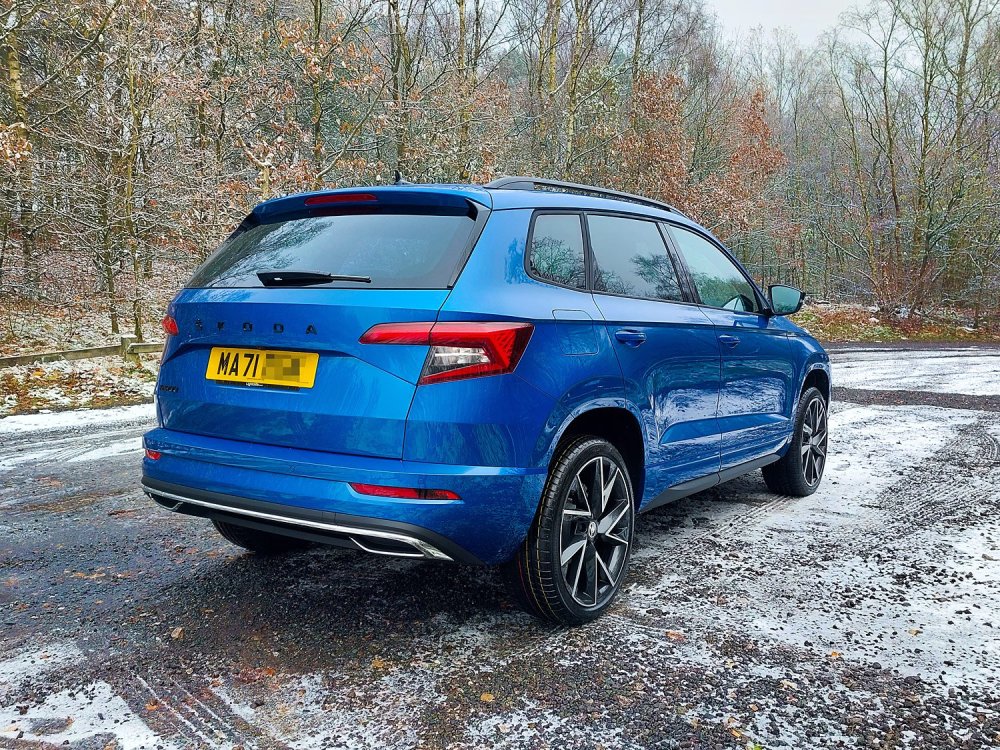 1 point1 pointOur 280 gets mid 20 mpg in town, between 30 and 40 mpg on a longer run. I find the gearing perfectly fine in the 6-speed DSG, it's around 2500 rpm at 70mph, which is the same as the 6th gear in my other car (a hot-hatch)1 point1 pointThis is indicative of a rear wheel cylinder leak which has contaminated the shoes on one side as well as reducing braking pressure. Replace it and the shoes and it should pass once you've swapped out the headlights.1 point





















Important Information
Welcome to BRISKODA. Please note the following important links Terms of Use. We have a comprehensive Privacy Policy. We have placed cookies on your device to help make this website better. You can adjust your cookie settings, otherwise we'll assume you're okay to continue.