Leaderboard
-
varooom
Resident Member13Points4,411Posts -
J.R.
Resident Member11Points15,266Posts -
.jpg.1006585dfe4e2977315b67c3d642e37b.jpg)
Guest_
FREEDOM11Points83,824Posts -
landroverbodger
Members8Points77Posts


Popular Content
Showing content with the highest reputation on 18/11/22 in all areas
-
4 pointsits about time they taxed electric cars . tax has been used as a punishment for far too long all cars should be taxed at the same rate they all use the same roads.4 points
-
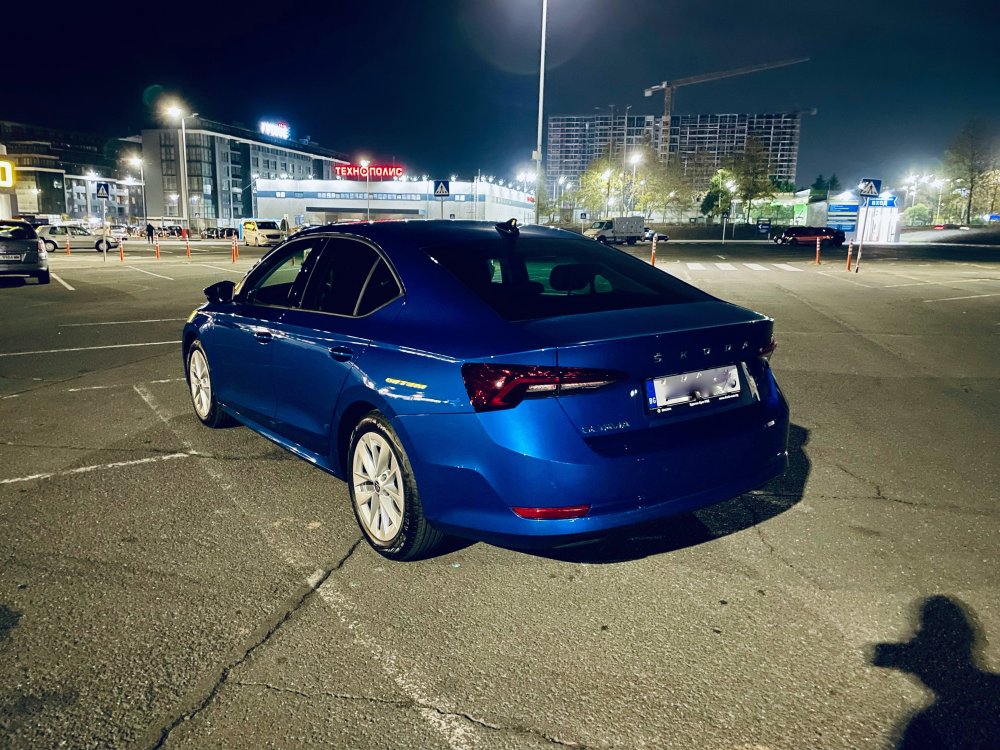
4 pointsHi, there. I got my car two days ago. It was ordered 06.07.22 and was delivered on 15.11.22 (4 months). No additional extras. It is a Octavia Style, manual, and is absolutely gorgeous. I think everything is getting better now. Hold on, I bet you’re car will be fantastic and the wait will worth it.
 4 points
 -
I have had the car a fortnight from the selling dealer. I am leaning toward money back and return it, or they pay for a dpf remove and clean. The issue is that I PX’d against it and I really don’t want that car back. 😂 I need to see if my diagnostic tool can force a regeneration as a starting point.3 points
-
I'll second that. Many many years ago I took my car to them with an intermittent problem. It didn't have an intermittent problem when I picked it up, it had a constant one instead, meaning it wouldn't even start, so I was stranded in their car park too close to closing time for them to be bothered to try to fix it. The manageress came out and warned me that if I didn't move my car in the next 30 minutes it would be locked in overnight. Luckily the AA arrived before the car park was locked and managed to fix the problem caused by Halfords. The AA technician said.... "Don't trust Halfords with fixing your car". I then pointed to the "AA Approved" sign on the wall and he said "Don't take any notice of that.... Bikes are about their limit".3 points
-
3 pointsTax drivers of private cars. So the people as well as vehicles by miles travelled. Or parked on the roads, public places. A driver is only driving one vehicle at a time. Then the same with business users / taxi / couriers. They can only drive one vehicle at any time. So micro chip human beings and use tech to track travel, speed of travel.3 points
-
2 pointsHey there, as dealer prices go, thats fairly reasonable. Independents are generally around the £500 mark. Personally i do them for £420. This is if you are talking about the 1.6 or 2.0 TDI engine. If its a petrol, the 2.0 tsi has a chain, the 1.0/1.2/1.4/1.5 tsi are belt driven but do not require a water pump at the same time.2 points
-
you would trust them with anything that complicated2 points
-
Hi, I went to Halfords as reading previous posts on here, the Halfords battery is a Yuasa with a 5 year warranty and my car was stuck on the drive with no way of starting it. I actively have avoided Halford as they are muppets, but naievely thought how could they **** this up. Latest is they set an appointment to code between 4-6pm. 6.30 get a call of the Mechanic....'what's the problem with the battery'. I mention it needs coding to the car and he states he doesn't have the equipment ! F&*^*ing jokers. I'm off to their Altrincham store to get the f*&*(&rs to code it, or else I'm dumping the car across their Service bays. Advice-----Don't ever use Halfords !!!2 points
-
2 pointsThe energy is going into a vehicle, so will be taxed. Simple as that. What you then use it for is of no concern. It's gone into the vehicle just like fossil fuel, so will be taxed just as with fossil fuel. Mandatory smart charger roll-out will be more easily done en-masse anyway, and yes it will cost many thousands... and yes, you will be the one to pay for it. That's just how the world works... and yes, that is generally how smart meters are funded. Oh, and just so you don't get the bright idea to try and fiddle the charge source with some hairbrained dumb charger connection to an alternate source - The car itself can also report on being charged, which will be implemented by mandatory software update. The option to disable telemetrics can easily be locked down, I'm sure. IT departments can already remotely access your PC and lock down a plethora of settings, from USB access to file management and even the clock. Going electric and having all this fancy electronical gubbins in yer motor has basically enabled remote access and control for most of your motoring experience, now.2 points
-
2 pointsI don't have an electric car but I still have to charge mine overnight...2 points
-
2 pointsCan you post: - a full VCDS autoscan - an adaption map from 09 - a list of changes your pro has tried That'll give us an idea of your cars config and what's been tried2 points
-
I agree with Varoom, you must as a matter of urgency sort out the blocked DPF causing the constant regens, that your oil level is going down and not up (which constant regens would normally do by thinning the oil with diesel) indicates that engine damage has already occured, piston ring & bore wear caused by bore wash. I would change the oil straight away. When things are sorted and assuming that the engine has a healthy compression then if your MPG is still not what it should be according to your driving style and journey profile then the next suspect would be the stepper motor throttle body and intake tract being clagged up from EGR soot.2 points
-
2 pointsAgree on the flush - not needed these days and liable to cause more harm than good. The few PD's i've stripped down to bare bones have all been clean inside, no sludge or build ups, even with big mileages on them.2 points
-
2 pointsIt should be pretty easy to get the car and charger to handshake, which is how they'd then know if the charger was charging a car or not. That tech has been in widespread use since the 1970s. But the car is also smart and connected to the internet (for all yer software updates), so can report whether it was being charged from a charger or some other source, as well as simply reporting its mileage and making that directly chargeable regardless of charge source. They won't give me any of the EVs in our work fleet, but I'm told they already have an automated mileage log on them.2 points
-
I was then posting such a thing 😄 Your most likely suspect for the poor fuel economy will be the near constant DPF regenerations, when you first got the car and done the 200 mile trip, it should have in theory been able to passively clear the soot, or put itself into an active regen mode to inject more fuel to burn off the accumulation of soot particles. After an hour of trying to clear the DPF, or if the soot will not clear in that time while driving at motorway speeds, then it will put on the exhaust light, the next stage is exhaust light with limp mode. Now in Km, you usually check oil ash at 230k Km, then every 30k thereafter as a rule of thumb. This is not a measured value, but one that the ECU calculates, however if a car is burning more oil than average, then the 'real' value will be beyond what is claimed (by how much, you can only guess) as this value increases, the efficiency of the DPF goes out of the window, as it clogs the exhaust. This creates more back pressure, making the car work harder = more fuel. The next thing that occurs is the soot from unburnt fuel, this is what the DPF can actually burn off, but only if it is working correctly. I would recommend you try to locate someone in your area that you can plug in your car and read out the following value in the engine ECU Oil Ash Soot measured Soot calculated You could in theory, if the person is happy to help, do what's called a 'static regeneration' on the DPF Kinda noisy, so would recommend that you drive to a car park for example or layby where you can perform this process, make sure you have plenty of fuel in the car While you have VCDS, you can check in the gateway of the car, and make sure the battery is adapted. Most important are battery type: AGM / EFB / Wet *names in coding vary from the values And the Ah rating of the new fitted battery, then last is to increase the serial number by 1 to make the car know it's a fresh battery.2 points
-
@varooom might be able to give you advice on checking soot levels. Lots of recent posts on the subject in different sections of the forum.2 points
-
halfords says it all . total bunch of morons. the only use for halfords is a desperately needed part when they are the only ones open. never let them near a car.2 points
-
I had exactly the same problem with Halfords. I only bought through them and paid £25 for them to fit it so that I could get the new battery coded in. (I could have done the actual battery swap myself!) Apparently there are only 2 working laptops in Halfords in Scotland and by the time my fitter went to get one they were both out. I was going on a 500 mile trip the next day so I rushed round to my local "guy who used to work in a VW garage" and he took another £25 off me to do the coding. (he also gave me a lecture about using Halfords and not taking it to him in the first place!) Halfords then sent me a request to rate their service on Trustpilot, which I duly did, and mentioned their inability to complete the essential coding. To be fair to Halfords, they read the review and replied to the criticism by saying that they would refund my £25, which they duly did in a week or so.2 points
-
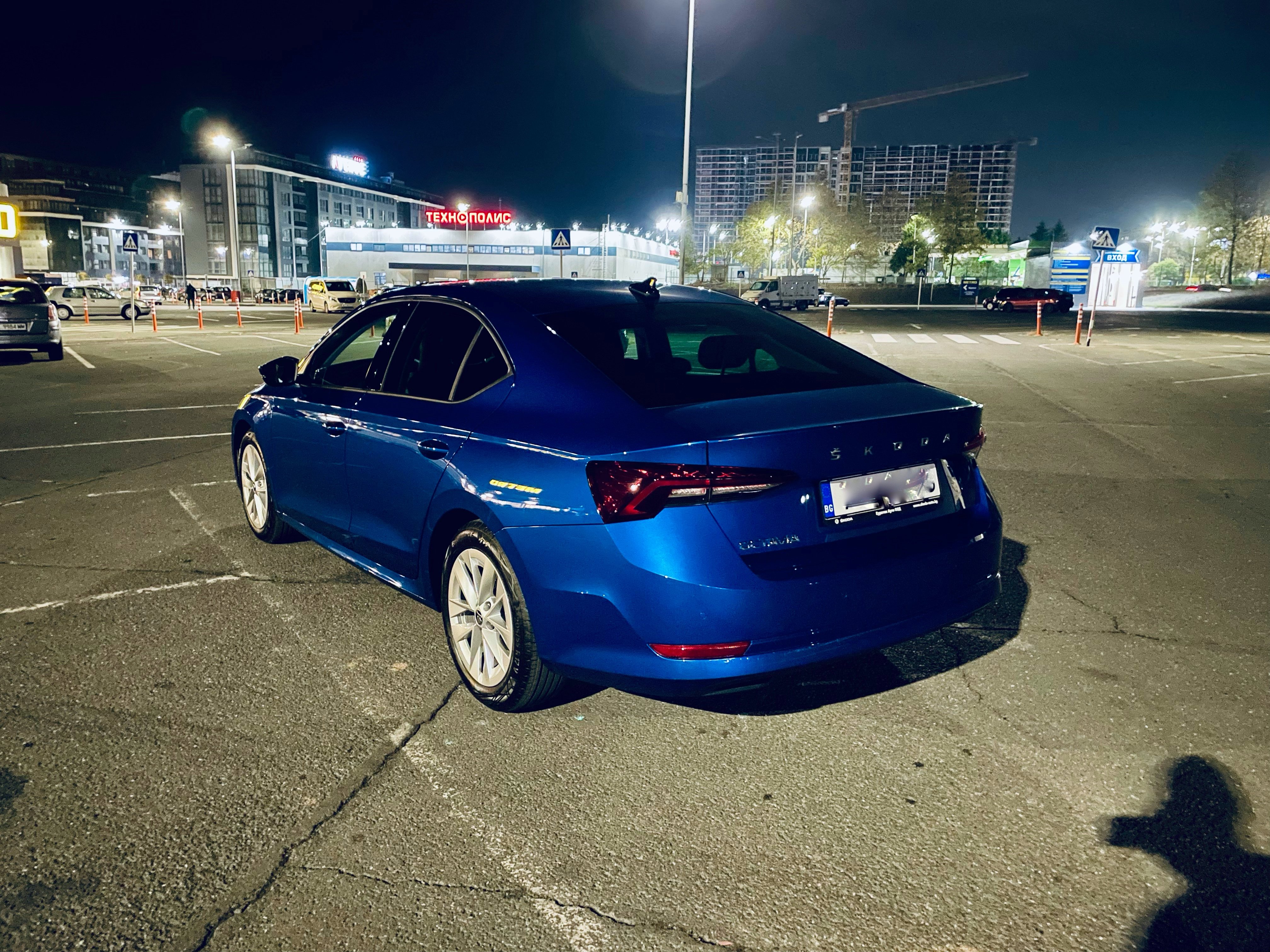
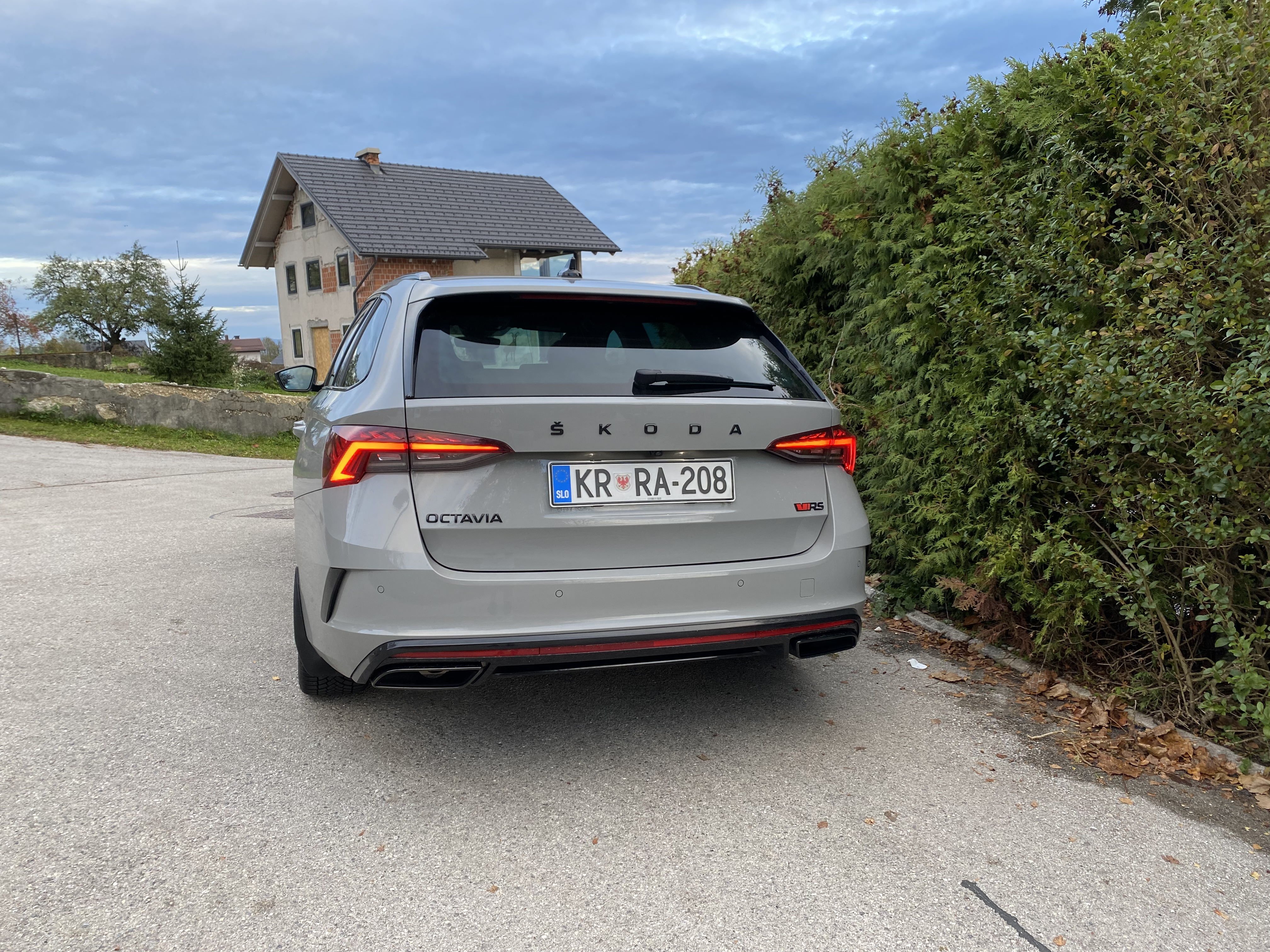
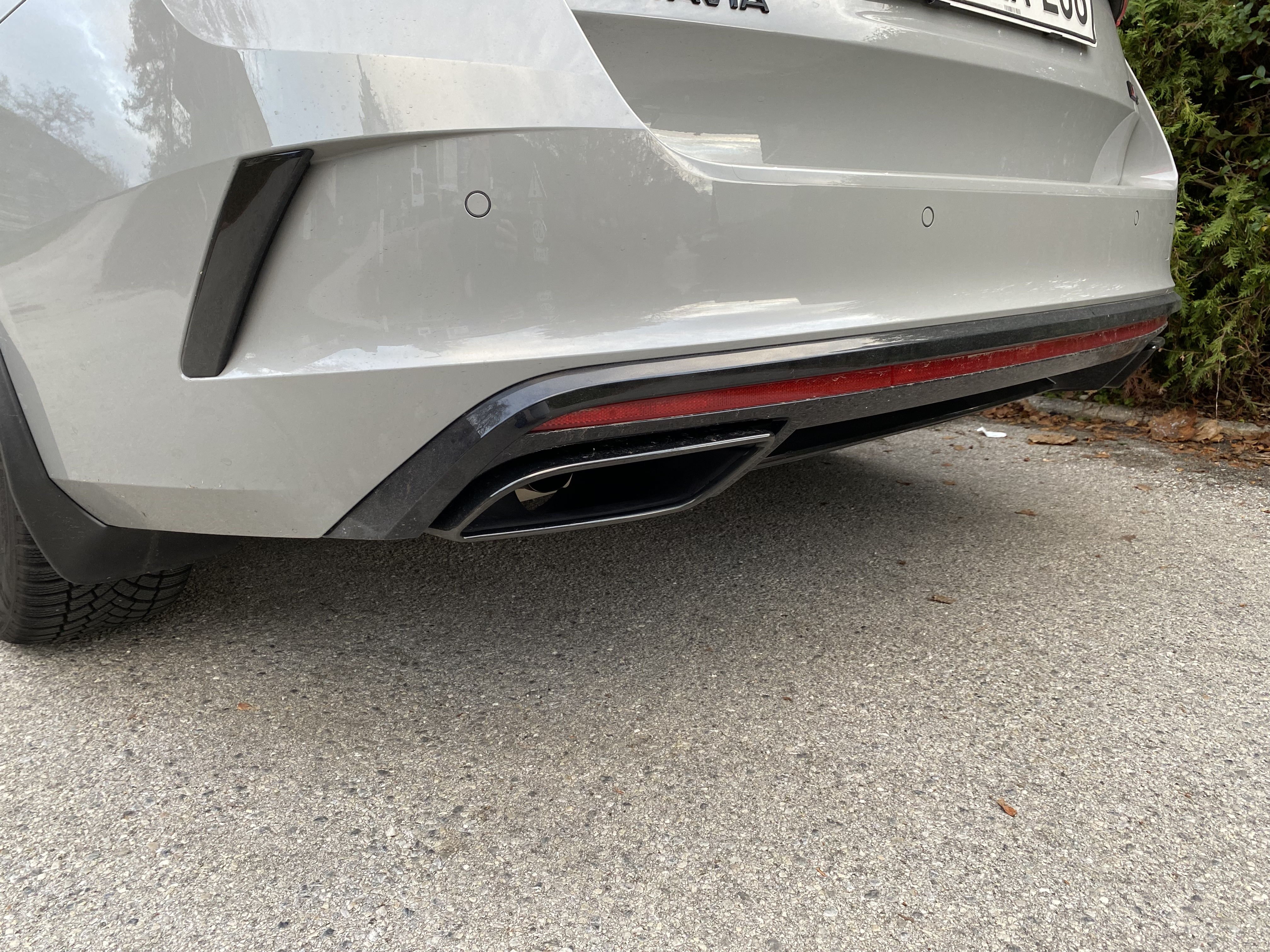
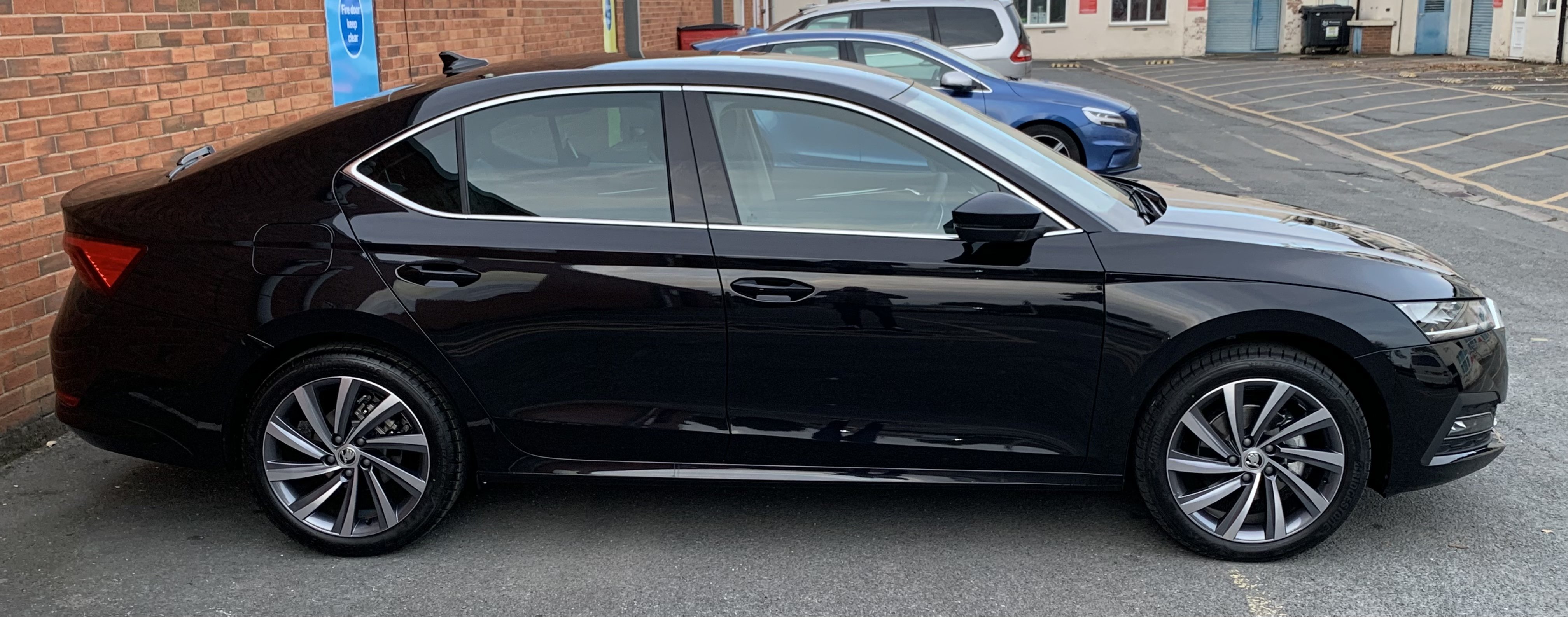
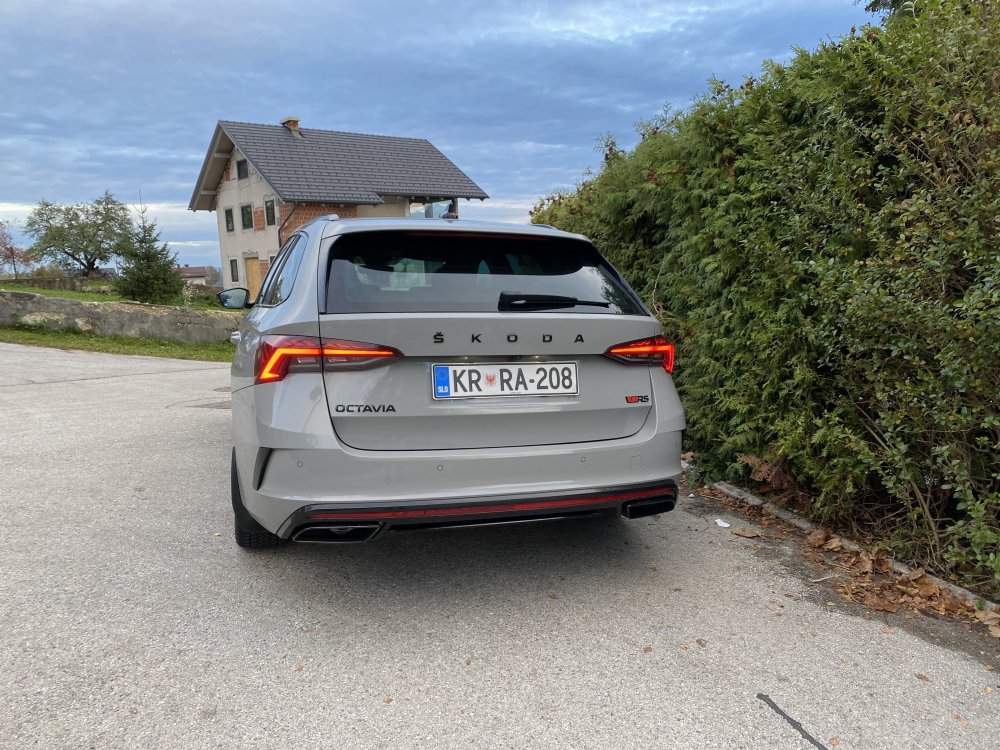
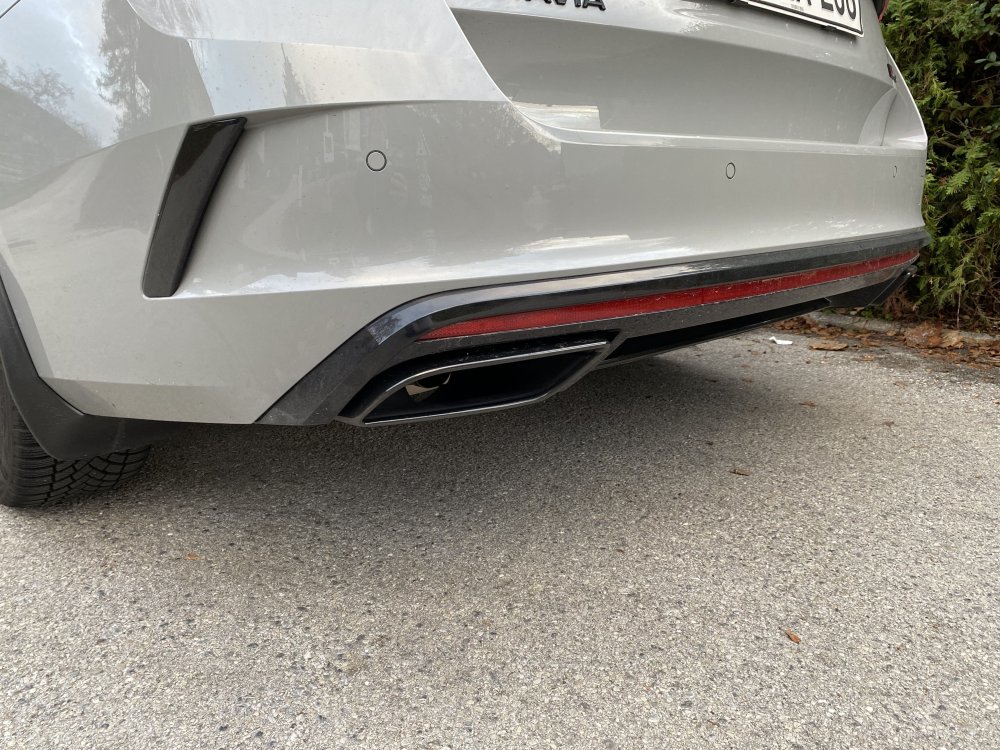
2 pointsAfter a while another subtle change. Now it is completely de-chromed. ☺️
 2 points
 -
2 pointsVW505.01 is perfect. Brand new oil will go black in a diesel after a few hours use so the colour is irrelevant, do NOT use a flushing compound, flushing is not needed because modern oils already contain cleaning additives, simply change the oil because it's 3 years old.2 points
-
Still working 🤘2 points
-
2 points@wyx087 Some of us said this would happen, if not in the next tax year from today, years ago.2 points
-
The DPF is blocked, 18 minutes and 11km since last regen which failed, that the measured soot is pretty much double the calculated is very bad indeed, when mine shows a calculated 22 grammes the measured will be 4 or 5 grammes. That and the high oil consumption points to it being offloaded via PX by the previous owner due to the cost of repairs.1 point
-
1 pointPeople go on about 'error free' like they are always guaranteed to work. My experience of VAG stuff is the canbus system is so sensitive its rare to find any LED bulb that doesn't set an error off. I fitted the Halfords ones (own brand, cap bulb with white plastic base?) Which was about my 4th different 'error free' bulb I tried with no joy. I've just today had the LED sidelights error coded out. I had several other things coded at the same time for £40. Worth waiting and getting done if you plan to do LED numberplate lights or any other LED light options and do it all at the same time.1 point
-
1 pointThat's how it goes when you know so little that you rely on what stuff looks like rather than how well stuff works.1 point
-
1 pointI believe the kit includes a new tensioner / idler - and they should be replaced, but make sure you ask if they will be replaced. Also consider the auxiliary belt.1 point
-
Sounds to me like you've bought somebody elses problem, can you take it back? It doesn't seem to add up that the last regen was 11658m, which is presume is meters? I would try and see if you can view the live data or even better, log the data from the DPF temprature sensors and pressure also. When you buy a car that already has issues they could of of done something stupid such as remove the DPF without mapping it out, or let the DPF fill up to near breaking point.1 point
-
1 pointYour smart meter will tell them when you have charged an ev at home and you can then be taxed accordingly.1 point
-
1 pointI think you may need to think about checking the alternator or replacing the battery soon. I only have to charge mine every 3 to 4 weeks because of short trips.1 point
-
The reason behind CP (Component Protection) is to secure the item against theft, and this is probably why the main dealers won't touch the part. An independant garage will have ability if they have passed security checks be able to use the same software as a dealer and be more willing to try. There is Service42 for coding database, and this has a VIN list and all the coding for all modules for each VIN stored, this is able to be updated via SVM coding so if someone flashes a module and the coding needs changing, it can both code the new module with different new values, and then update the remote Service42 database for next time a comparison is made. The next major one, and important for your situation is the FAZIT database, this holds VIN's of stolen cars and then marks all modules for that VIN as stolen. This is checked before any coding/changes to modules can be made, fail this and no CP removal or new coding. The garage that performed the task, if they do this too many times will be blocked forever, which is another reason main dealers will often not do this. Bottom line, if the part passes through the FAZIT database without a hit, then it can then have CP removed/unlocked to allow it to adopt the new VIN and coding for the radio and all your car modules be adjusted.1 point
-
I think maybe when I removed the radio from the installation list the new one no longer powered up or perhaps the steering wheel controls for volume etc did not work. I'm afraid I suffer from memory loss so am guessing but i know in the end I just had to live with the recurring fault codes.1 point
-
I like the fact you can get it reprogrammed for another car. That's pretty cool.1 point
-
1 pointSomeone has almost certainly messed with various settings... Post a full autoscan and adaption map from 09.1 point
-
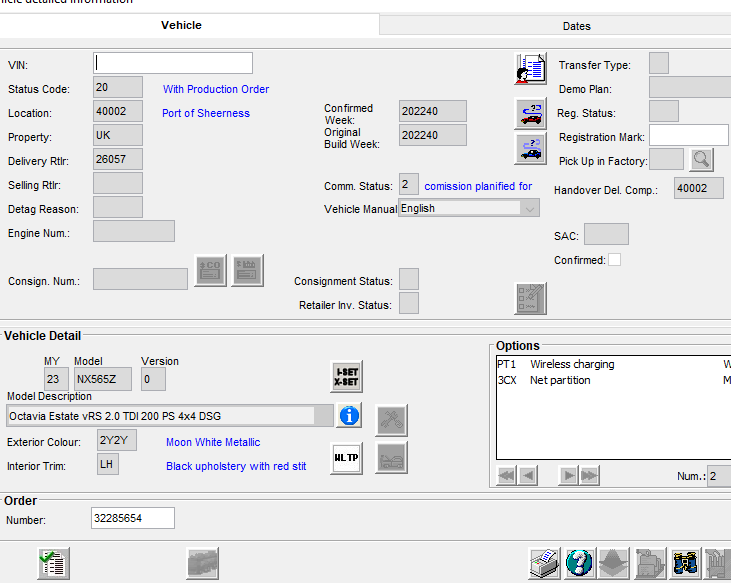
1 pointTook the bold step and cancelled my order. Have found an ideal alternative in the UK (same spec and registered 5 weeks ago) collecting Monday. There’s now a few (only a few!) new/virtually VRS’s in UK dealerships. May be worth a look for others who are also as impatient as me! 🤣
 1 point
 -
1 point
-
1 pointDon't worry, that (usage based tax) will come in due course, probably 2030-2035. Question is, how it'll be implemented to make it not excessively unfair and enforceable. Tax public charging: unfair to those without private charging. Tax all electricity, unfair to non drivers. Tax EV chargers, unenforceable. So I think the solution isn't a dogmatic transpose of liquid fuel duty, where tax is applied at point of dispense. The batteries in EV are too flexible for that. This is indeed the current trend, due to poor investment in renewables: https://assets.publishing.service.gov.uk/government/uploads/system/uploads/attachment_data/file/1107502/Energy_Trends_September_2022.pdf But my energy monitor tells me my electricity is over 70% non fossil fuel year-to-date as majority of my use is overnight at 7.5p/kWh. Meanwhile, National Grid are prepared to pay £3/kWh during peak time for people to reduce their usage. Comparing the 2, it speaks volume about the cost of electricity at different times and the effect of expensive fossil fuel plants on energy pricing due to inflexible demand. I expect over next 2 years we'll see more sub-£40k cars hit the market. Or at very least ID3 style trim levels. This is a good thing and much needed. Hydrogen cars are classed as zero emission, so will be treated the same as BEV in terms of VED. I think there must be same amount of tax on all other types of hydrogen fuel except green hydrogen. Simply because all other types of hydrogen is just fossil fuel with progressively worse level of emission when making it, from waste of effort to much worse than ICE fossil fuel cars.1 point
-
That's amazing 🙂 Think it may be a bit beyond my skill-set, but my brother in law will love it! Cheers1 point
-
1 pointLots of that tax and duty has been and will be there paying for the climate change that has come about from those emission from the use of fossil fuels used for road transport. But then there is as much burning of oil and gas and coal going on producing electricity now and long into the future.1 point
-
1 point
-
Your first problem was trusting Halfords with your car… Wouldn’t trust them with a bulb let alone anything more. New battery will need coding properly. Steering lock to lock and also clear all related fault codes1 point
-
1 pointIt's not only the ved the chancellor is missing out on. The EV owners don't pay the massive amounts of tax the rest of us pay on fuel so it surely can't be long before that has to change too?1 point
-
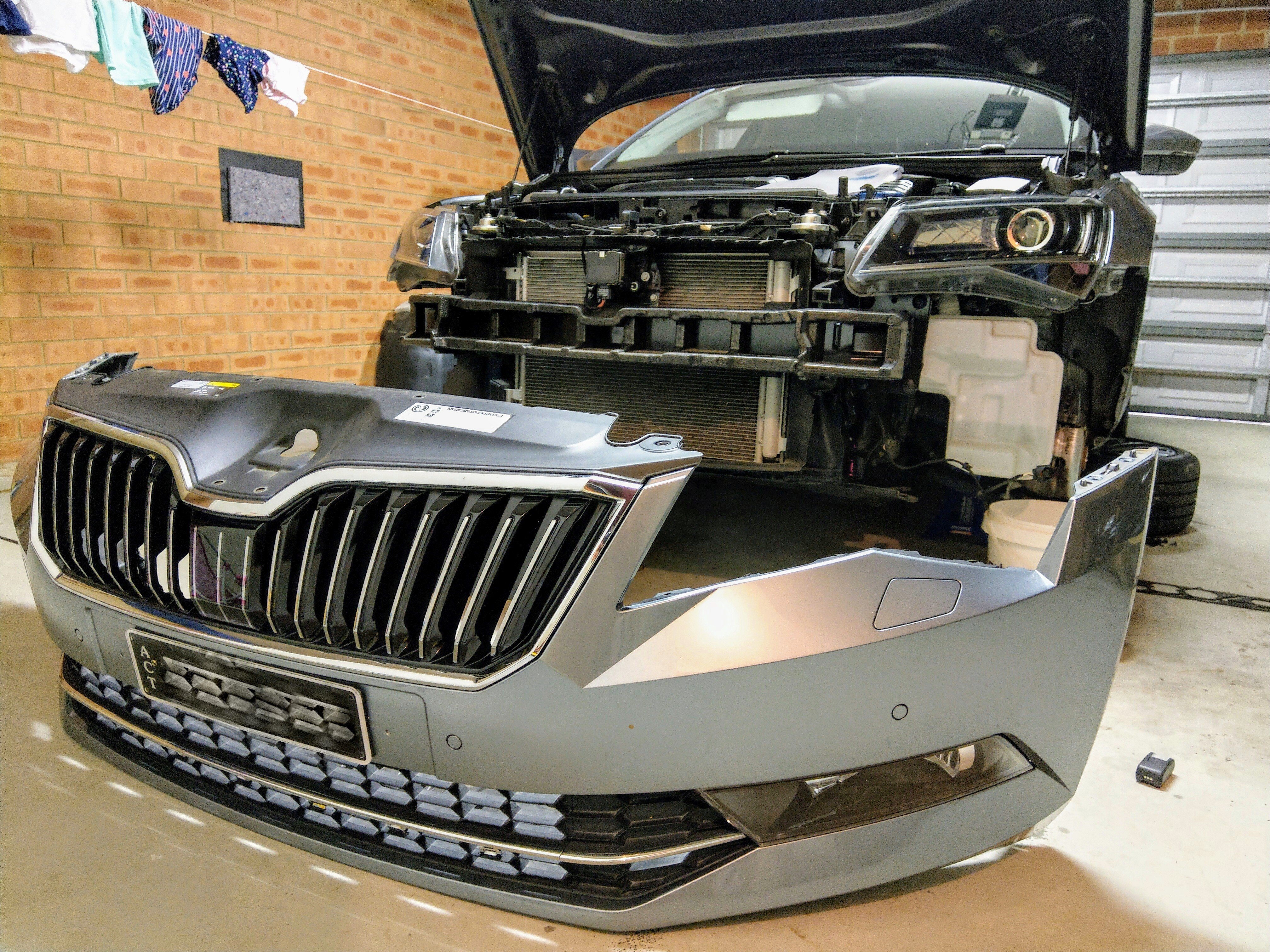
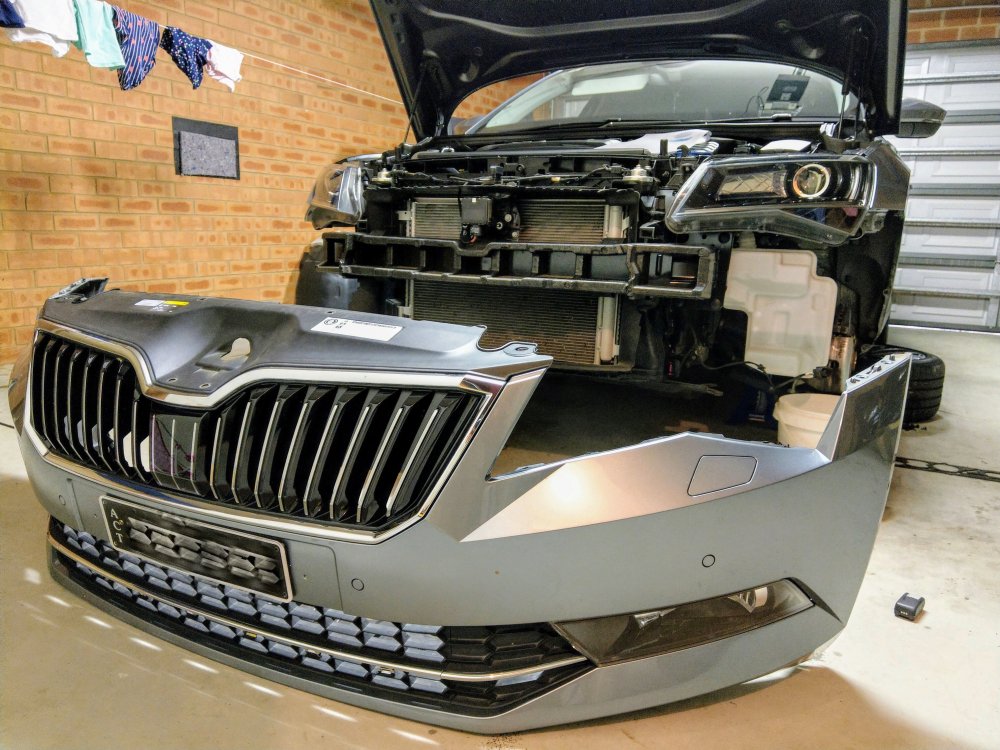
Sadly not an easy job. To remove the headlight, u need to remove front wheels, wheel arch liner, and front bumper. I've attached a how-to-guide I made. Removing Front Bumper.pdf
 1 point
 -
Correct hole. Unlocking the tailgate Fig. 174 Emergency unlocking of the boot lid The boot lid can be unlocked manually in an emergency. ›Insert a screwdriver or similar tool into the opening in the trim. ( the hole you noted ) » Fig. 174 as far as the stop. › Unlock the lid by moving it in the direction of the arrow. › Open the tailgate. You push the screwdriver blade in and then push the handle down, with the inserted blade going up. HTH. Thanks, AG Falco1 point
-
Thanks both, I have phoned Halfords and asked them to send out a Tech to do it tomorrrow, so should only be a couple of 20 mile trips before that is done (if they turn up). The annoying thing is that I spent 5 minutes telling the dude it needed coding and he was adamant it didn't 'having spent 2 years working in a garage'. Oh and Briskoda forum is not to be trusted apparently. Wonder how many other people this 'mechanic' has misled and are driving around at risk of damage to car systems and battery. Even the Halfrauds website mentions the need for it ! Don't worry, I'll be taking this to their Customer Service department1 point
-
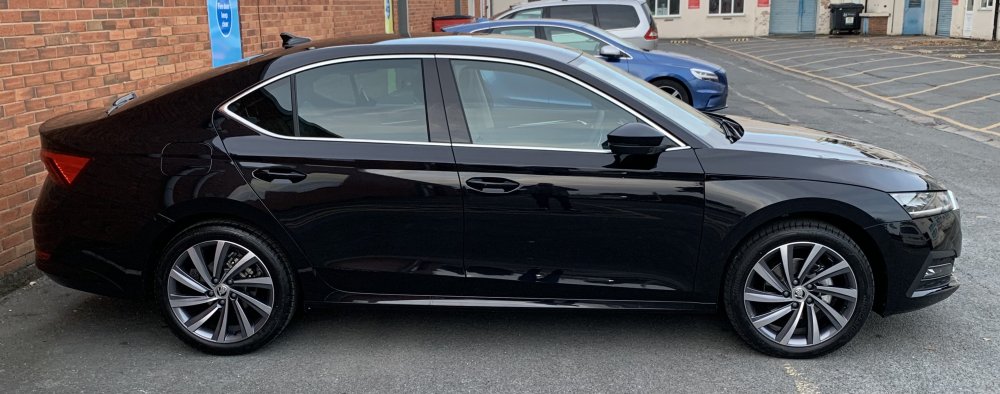
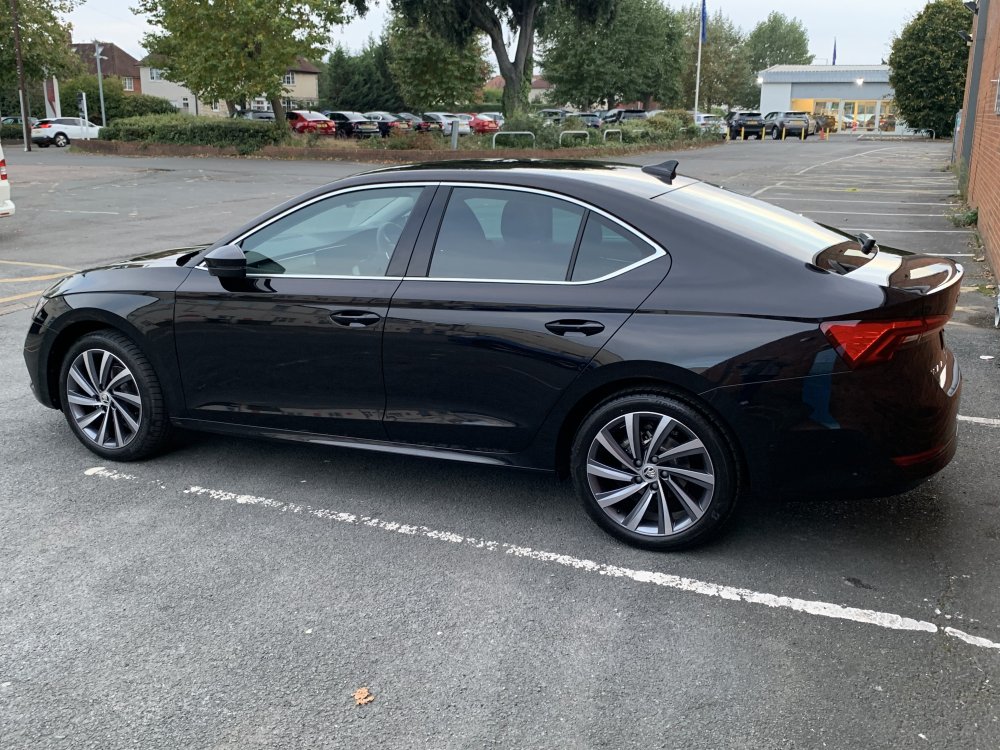
1 pointLess than 30mins after collection. 11 month wait but finally worth it.
 1 point
 -
1 pointIf they were error free, then you wouldnt have errors.... They may list them as error free but theyre clearly not removing the errors on your car, plus the ones from Halfords are rubbish. Take a look at Auxito on ebay, lots of people on here use their bulbs without issues. The only reason they would need coding is if youre fitting a different type of bulb without an error cancelling function.1 point
-
1 pointFor the Octavia MK3 Scout, you could use 215/60R16 tyres and 6Jx16 ET43 rims from the Karoq. AT (All-Terrain) tyres are available in the 215/60R16 tyres size. AT tyres work better in the mud than normal tyres, but don't work as well in other conditions. However, tyres are always a compromise. If normal tyres are going to leave you stuck in the mud, then AT tyres could be a good idea. 6Jx16 ET43 5/112 57.1 steel rims (from the Karoq) https://www.mytyres.co.uk/rims/details?vehicleId=1302234084152546416&rimCode=ALCAR6665 Yokohama G015 Geolander AT 215/60R16 95H https://www.camskill.co.uk/m62b0s111p164244/Yokohama_Tyres_Car_Yokohama_G015_Geolander_AT_Yokohama_G_015_-_215_60_R16_95H_TL_Fuel_Eff_%3A_E_Wet_Grip%3A_C_NoiseClass%3A_B_Noise%3A_71dB Another tyre and rim size option could be 205/70R15 tyres fitted to 6Jx15 ET43 rims. 15" tyres and rims will only clear the front brake calipers if the front discs aren't bigger than 288mm diameter. The Octavia MK3 might not use front discs bigger than 288mm if the engine power is no more than 150HP, but it's worth checking or measuring the diameter of the front brake discs to be sure. 6Jx15 ET43 5/112 57.1 steel rims (from the Octavia MK3) https://www.mytyres.co.uk/rims/details?vehicleId=502374559312254064&rimCode=ALCAR7755 Yokohama G015 Geolander AT 205/70R15 96H https://www.camskill.co.uk/m53b0s2481p148166/Yokohama_Tyres_Car_Yokohama_G015_Geolander_AT_Yokohama_G_015_-_205_70_R15_96H_TL_Fuel_Eff_%3A_E_Wet_Grip%3A_C_NoiseClass%3A_B_Noise%3A_70dB1 point
-
1 pointSome Octavia MK3 VRS owners have fitted 235/35R19 tyres to their 7.5Jx19 ET51 X-TREM rims, instead of the standard 225/35R19 size. 235/35R19 is a more common tyre size. However, ETRTO recommends at least an 8J rim for the 235/35R19 tyre size as shown in the chart below. ETRTO approved rim widths for passenger car tyres 225/35 7.5-8.0-9.0 235/35 8.0-8.5-9.5 Michelin CrossClimate 2 235/35R19 91Y XL https://www.blackcircles.com/catalogue/michelin/crossclimate-2/235/35/R19/Y/91/m?tyre=42847916 225/35R19 or 235/35R19 don't have much sidewall height, so there's a much greater risk of tyre and rim damage when driving over potholes. In the winter when there is snow and flooding, you might not see a pothole. Even in the summer, when driving at speed and in the dark you might not see a pothole soon enough to avoid it. If you want cheap but good winter wheels, maybe consider 6.5Jx17 ET38 steel rims from the Kodiaq fitted with 205/50R17 winter tyres. The Continental WinterContact TS870P have done really well in the latest tyre reviews. Good winter tyres don't just work well below freezing, but below about 7 degrees Centigrade they will start to outperform summer tyres. 6.5Jx17 ET38 5/112 57.1 steel rims (from the Kodiaq) https://www.mytyres.co.uk/rims/details?vehicleId=672860434273997936&rimCode=ALCAR9021 Continental WinterContact TS870P 205/50R17 93V XL https://www.camskill.co.uk/m97b0s635p214354/Continental_Tyres_Winter_Snow_Car_Continental_Conti_Winter_Contact_TS_870P_-_205_50_R17_93V_XL_FR_TL_Fuel_Eff_%3A_C_Wet_Grip%3A_B_NoiseClass%3A_B_Noise%3A_71dB1 point
-
1 point
-
1 pointCollected a '20' plate Octavia SE from here yesterday (01st April). A perfectly satisfactory customer experience: I found the customer service to be unhurried (in a good way) with staff who were helpful, friendly and well-presented at what gives the impression of being a well-run dealership. I was able to get a fair part exchange deal for the vehicle I traded in and the car I purchased had been thoroughly prepared inside and out with the engine being spotless. I would certainly buy from this dealership again.1 point