



Leaderboard
-
MikeTheThinker
FREEDOM13Points8,537Posts -
.jpg.1006585dfe4e2977315b67c3d642e37b.jpg)
Guest_
FREEDOM9Points83,824Posts -
pinkpanther
FREEDOM7Points3,969Posts -
Lee01
FREEDOM7Points36,950Posts



.thumb.jpg.9dd3f612ba7f13d10be5c518d3c8d255.jpg)
Popular Content
Showing content with the highest reputation on 22/11/22 in all areas
-
4 pointsAwesome, comparing the latest CSV with one I have here looks spot on. Glad to hear it's all working as expected too! While I appreciate the PayPal offer, I enjoy the challenge of figuring out what has been messed with so don't worry about it Instead, maybe consider helping support Briskoda by becoming a paid up member for a year: https://www.briskoda.net/forums/subscriptions/4 points
-
Many Thanks Guys for your kind advice. Rang VAG manchester who confirmed the timing belt and water pump were done at 81000. Also the servicing and a wishbone replacement and track rod. Moire info was not forth- coming. I have decided to walk away. I would be using the car for mainly short journeys and it would not have a chance to get the engine warm. If there are DPF problems it's an accident waiting to happen. My local mechanic who I know for 16 yrs is looking for a cheap run around until I find what I originally wanted..... an Octavia estate with the 1.9tdi engine. With a good history. Will keep you posted!3 points
-
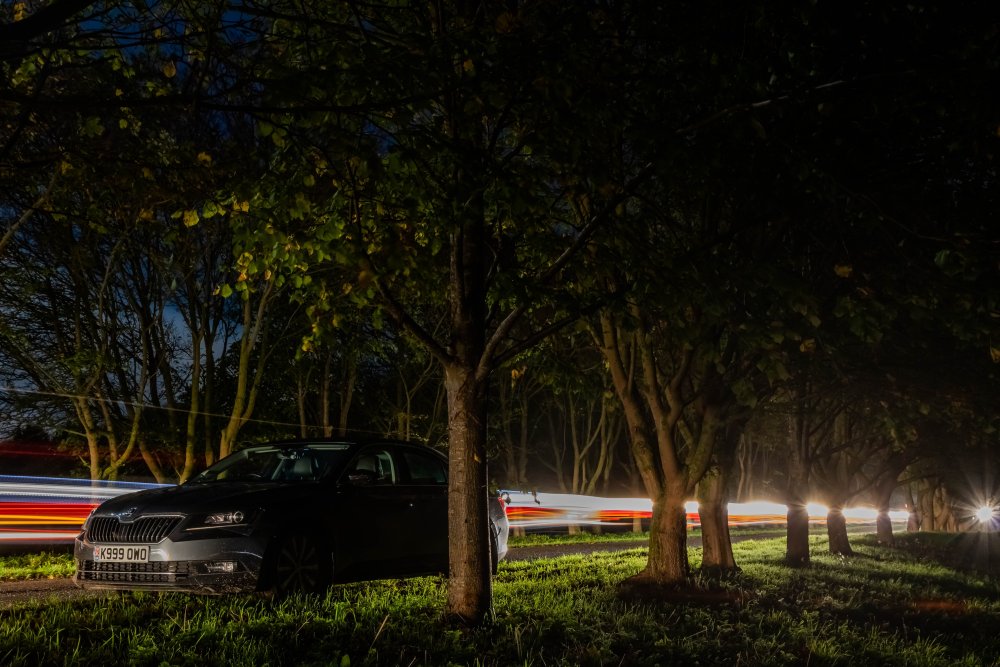
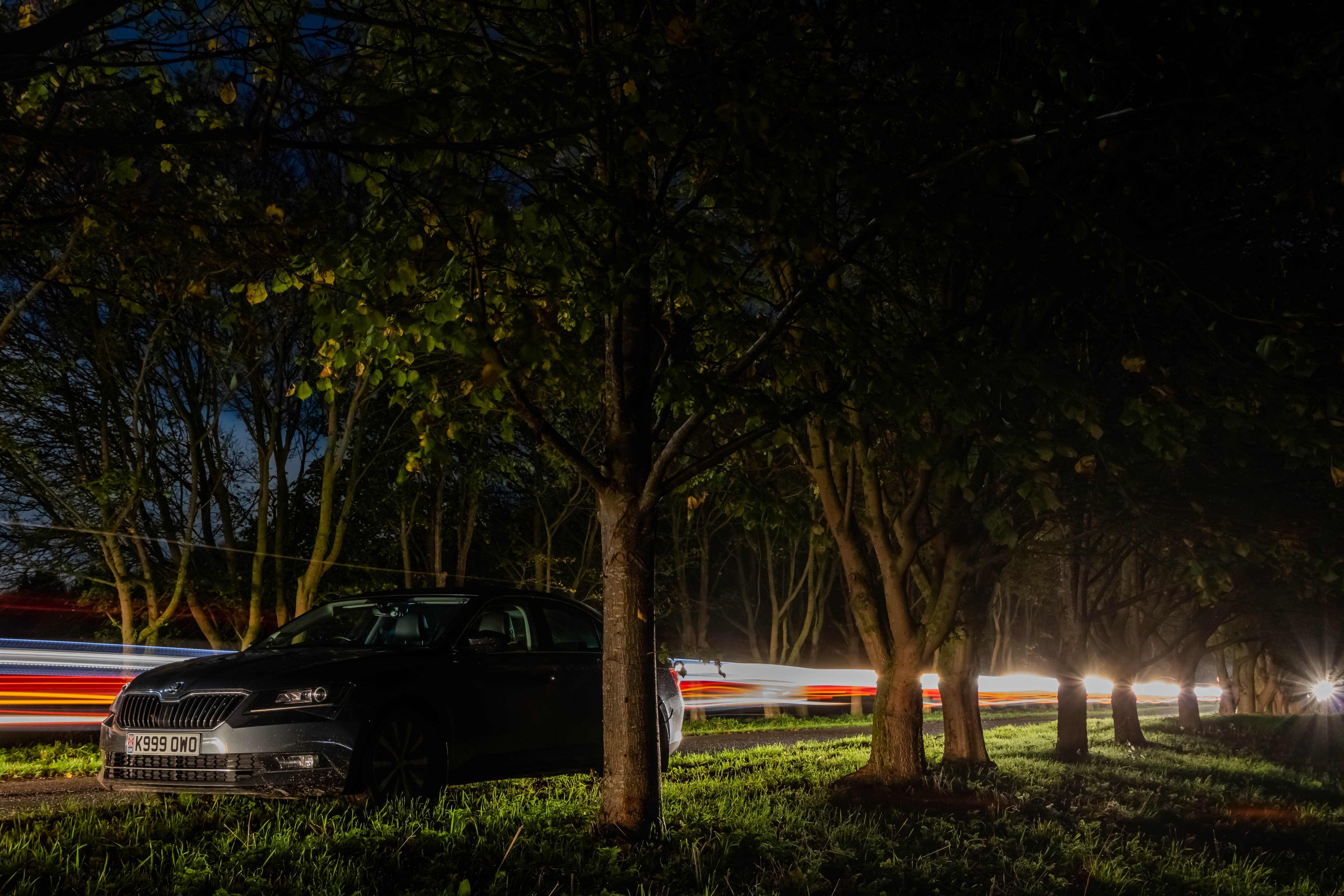
3 pointsPouring it down this evening. Quite like the effect of the rain in the torchlight

 3 points
 -
2 pointsJust compl;eted my first drive over a decent distance 860 miles, Somerset to Stirling and back over the weekend. Car took it in its stride no problems at all. Used the ACC extensiveley for the first time. Didn't like it when I first got the car but persevered and now wouldn't want to do without it. Weather was atrocious with heavyweight rain and gallons of spray. Goty a bit hairy at times and down to under 30mph on the motorway because of it. Because of the varying speeds i' don;t know what the mpg whould be but it reckon I was getting 45 to the gallon - 2ltr petrolf. Well pleased.2 points
-
2 pointsAlcantara is just a brand name for a synthetic microfibre product that feels like suede, so yes the microfibre material mentioned in the options is essentially fake suede.2 points
-
2 points
-
It sounds like the secondary thermostat. The relevant thing is the DSG. Quite common, not an expensive fix, often missed and it should be easy to find the threads and posts on this forum. Sorry right now i can not link them. EDIT. Bumped the Water Pump thread in the Kodiaq section but not a 2nd Thermostat thread.2 points
-
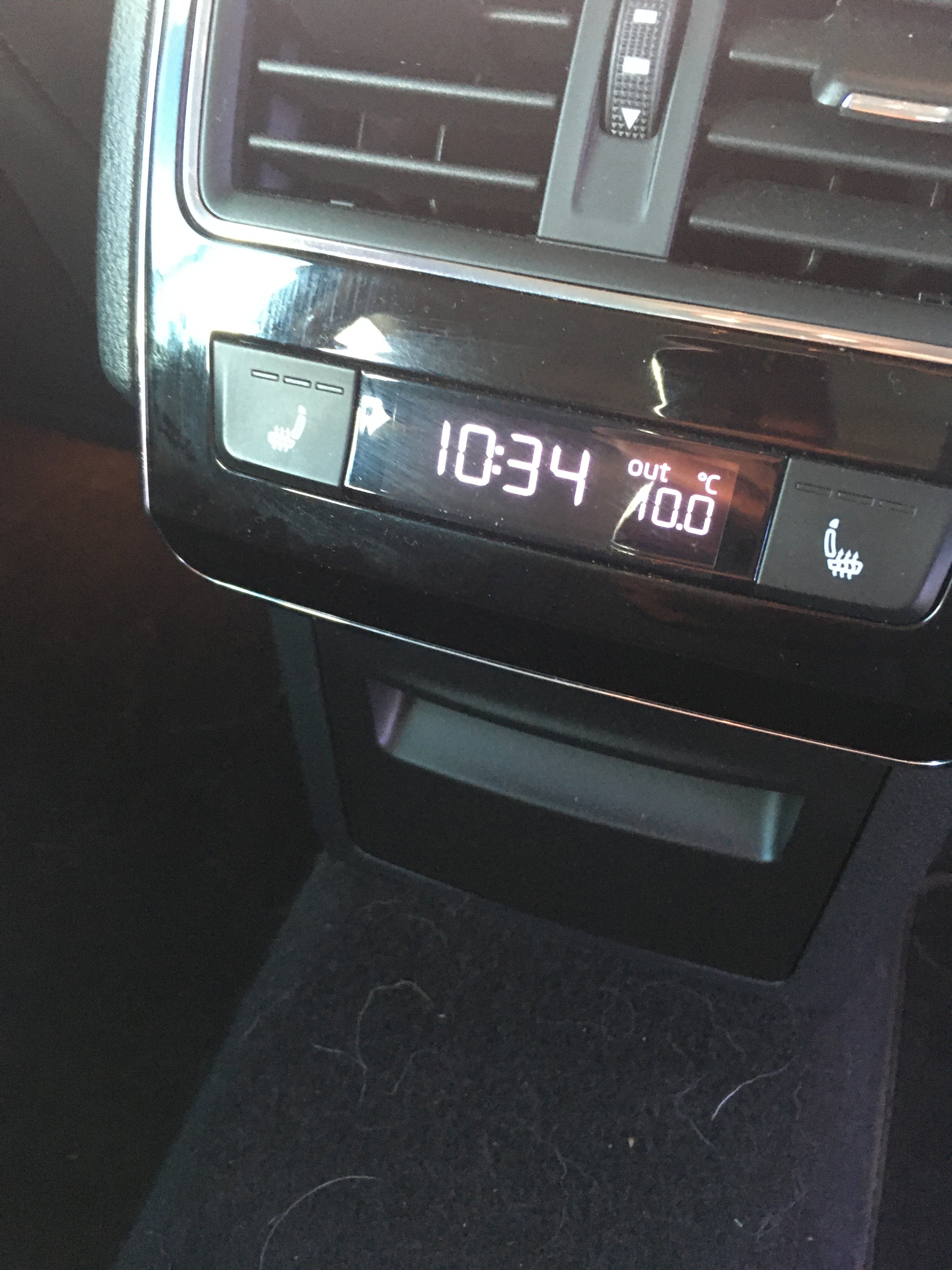
2 pointsA lot of the superbs have a rear clock that shows temperature outside and the time. Yes it can be added, a power, ground and lin wire need to be ran to that point that the control panel plugged in. ive got a spare one for sale going cheap if you’re interested2 points
-
Trust your gut feeling when buying cars. Is the car particularly cheap, cheap enough that repair costs will still leave you ahead? If not, if you have doubts, I suggest you walk away. (But I am particularly fussy when buying a car, and it took me about 2 years to finally find a car I was happy with, so I'm a bit of an outlier. This is because I keep my cars for a long time.)2 points
-
1 point
-
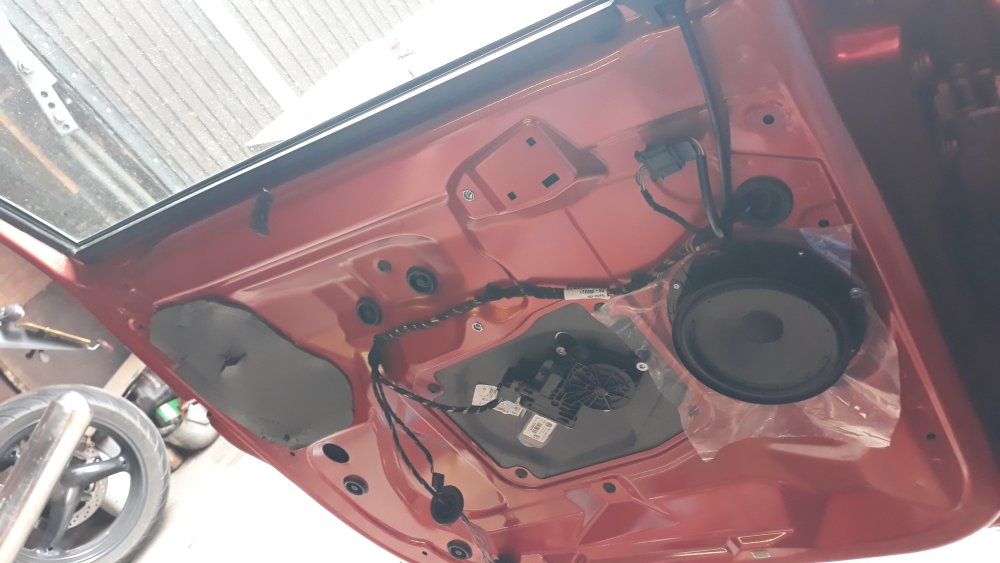
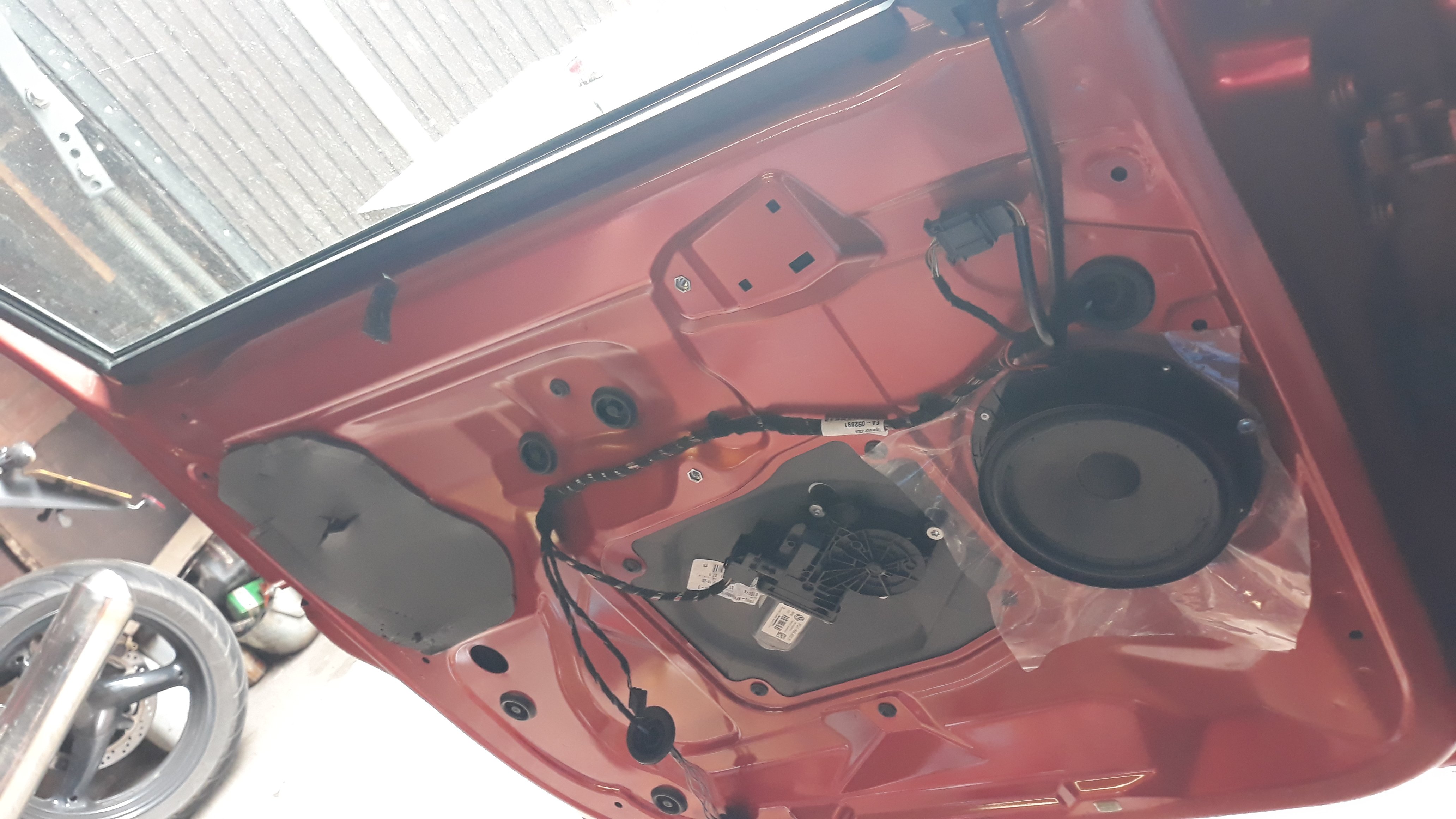
1 pointI repaired the wires in my daughter's Fabia. It is easy to get into the door trim. Then you may have to drill the rivets for the speaker out. I replaced them with screws afterwards. The broken wires should be fairly obvious. You ma need to use a Voltmetre to check for continuity. I extended the wires and hopefully have enough slack in them now for the remaining life of the car, although my daughter is determined to have the car until it dies.
 1 point
 -
1 point
-
Hi Anthony, depending on your annual milage, a diesel might not be your best choice.1 point
-
1 point@langers2kMan... I really don't know how to thank you. Give me your PayPal and i'll send you something for your time. I changed all the values you mentioned, and everything is now back to normal. Turn signals are no longer constantly illuminated, and indicators are no longer blinking rapidly on the dash, DRL not blinking with the turn signals etc, all fixed. adpmap-09-5Q0-937-086-AA_TMBJK9NE4F0021871-20221122-1802.CSV1 point
-
These below are 'The Media' and quote WLTP range. What we need is the 'Range they achieved in Summer clearly stated and then the Winter comparison. But they are going around and around, not stopping square wheels every now and again, going no place then setting off as you might well do in winter on UK roads because you are trucking about, just a driver, just as many many cars are when going places. Fill the car seats with people and the Heating / Air Conditioning / anti steaming up requires different setting. @7 mins 40 seconds their figures. 3-6*oC really is not that wintry / cold. -3 to 0*oC will be quite a bit different. All these will be on OE Factory Summer / ECO / All Seasons as you get them tyres. Nice if they could do a test with them all on All Weather / All Seasons / Winter suited tyres for Winters or All UK Seasons.1 point
-
1 pointAs toot says, observe the minimum and max levels of the coolant. It is there for a purpose. If you fill with coolant right to the cap, you have no space for it to expand into as it gets hot. That is why it is called an expansion tank and relies on the compressibility of the air above the liquid. Don't top up with water. Use the correct coolant for your car such as G13 and variants.1 point
-
As I said, that's why we use genuine, then someone else has to fix it.1 point
-
1 pointYou also get the clocks on the sportline without any rear heating or seat heating1 point
-
1 pointHow long have you had the car? Are you overfilling the coolant and not allowing for it setting it's own level. Bottles have MIN / MAX on them and not FILL TO THIS LEVEL. Is this Coolant going in which is at the correct ration. Coolant is Anti Freeze / Summer Coolant & Rust Inhibitor all in one and has a different freezing and boiling point from water. Be sure what is in the Coolant System is strong enough Anti Freeze if the weather gets cold / freezing in your area.1 point
-
1 point1 pointTook it to my local independent Skoda specialist garage. They found that the linkage arm between the turbo actuator and the turbo had seized due to corrosion, so cleaned it up and refitted it. This seems to have resolved the issue (fingers crossed). Total bill was 3 hours labour.1 pointTo me that is failure of the electrically controlled main water pump, terribly unreliable. One point, don't obsess about the temp gauge readings, it is programed to read 90 at a real 77 and still read 90 at 117 so if it goes above 90 the actual temp will be 118+. We only fit genuine pumps and belts so when this happens (as it has) it is the appropriate VAG group main dealers problem, not ours. This is the Superb we did last week and the original pump had failed but it was not over heating1 pointI hate the 1.6 TDI CAYA, B and C engine, absolute dog of an engine. I am just rebuilding the ASV in an Octavia 1 L&K, quarter million miles, zero measurable bore or crank wear but head gasket failed due to excessive boost for 20 years, terrible 🤣1 point1 pointNo they won't fit behind Pro-Lits, that is what I had before the Alutec which Wolfrace listed for the Cupra R but they still won't fit. The Leon Cupra R came with 18's usually although 17's are listed with 312 ATE calipers but the Brembo's will not work inside a 17 with the 328x28 Brembo calipers and discs.1 point1 pointYou don't. You select P, N, R, D, or S with the shifter, use the paddles to shift gear if you have them and want to, or the shifter goes to Manual & use that for changes or the paddles.1 pointInteresting thread, thank you. I'd like to work out how to remove the connector when it's working properly to get me through the next week or so of commutes but suspect I'd break something....1 point1 pointRegistration plates in the UK are the biggest joke. Stick or screw on to any vehicle from any other vehicle. The ANPR will read numbers at some cameras. Big deal. It might or might not be that car. Plug an EV into charge and it could be known where it is or was. The tech could be easily installed and 'tamper proof'. Well as far as anything is tamper proof, which it is not. My car thinks it knows where it is an where it is parked, and where and when charging. Well that never worked, it is my phone that it knows where it was last with. I can leave the car in the UK and leave the country with my phone and it shows the car as where i am. It also did OTA updates and went back to factory settings and lost miles off the Digital Dashboard, ECU and Phone App. The thing with Tech in the UK and RoW is some is pretty crap, thankfully.1 pointHehe... well I miss him. But maybe he'll get a notification email which will bring him back to the briskoda realm.1 pointThat member has only posted 20 times in the last 9 years. He last visited Briskoda over 3 years ago. A salute your optimism, but don't hold your breath waiting for an answer from him. That said, if you have a similar problem, do start a new thread about it, hopefully someone on here will be able to help. Probably not maacushla, though.
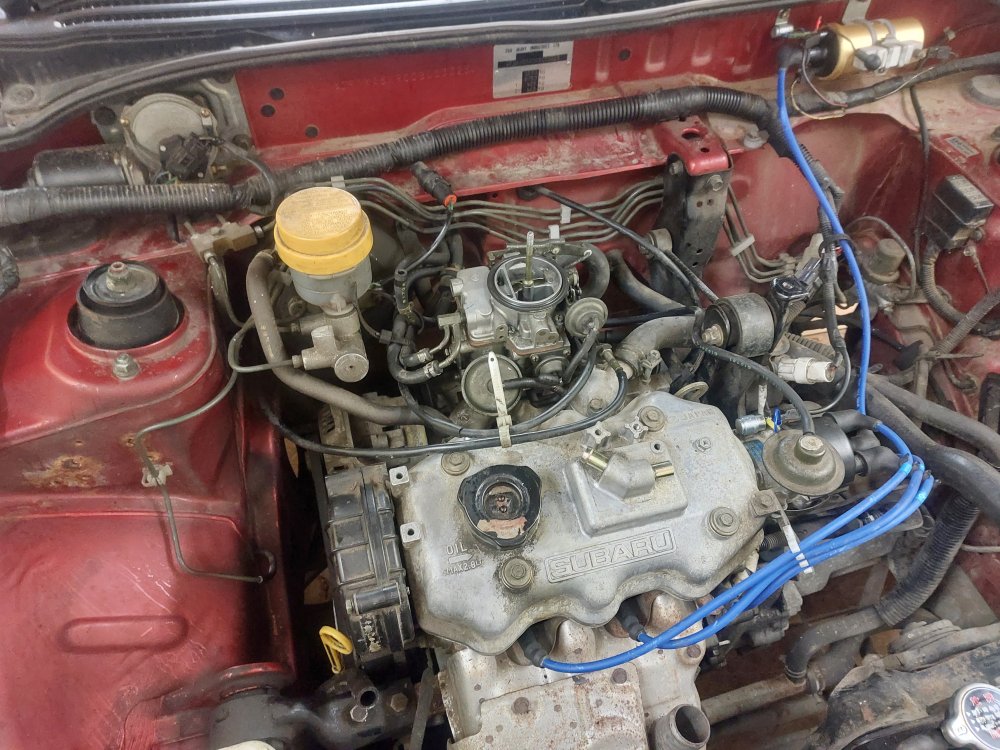
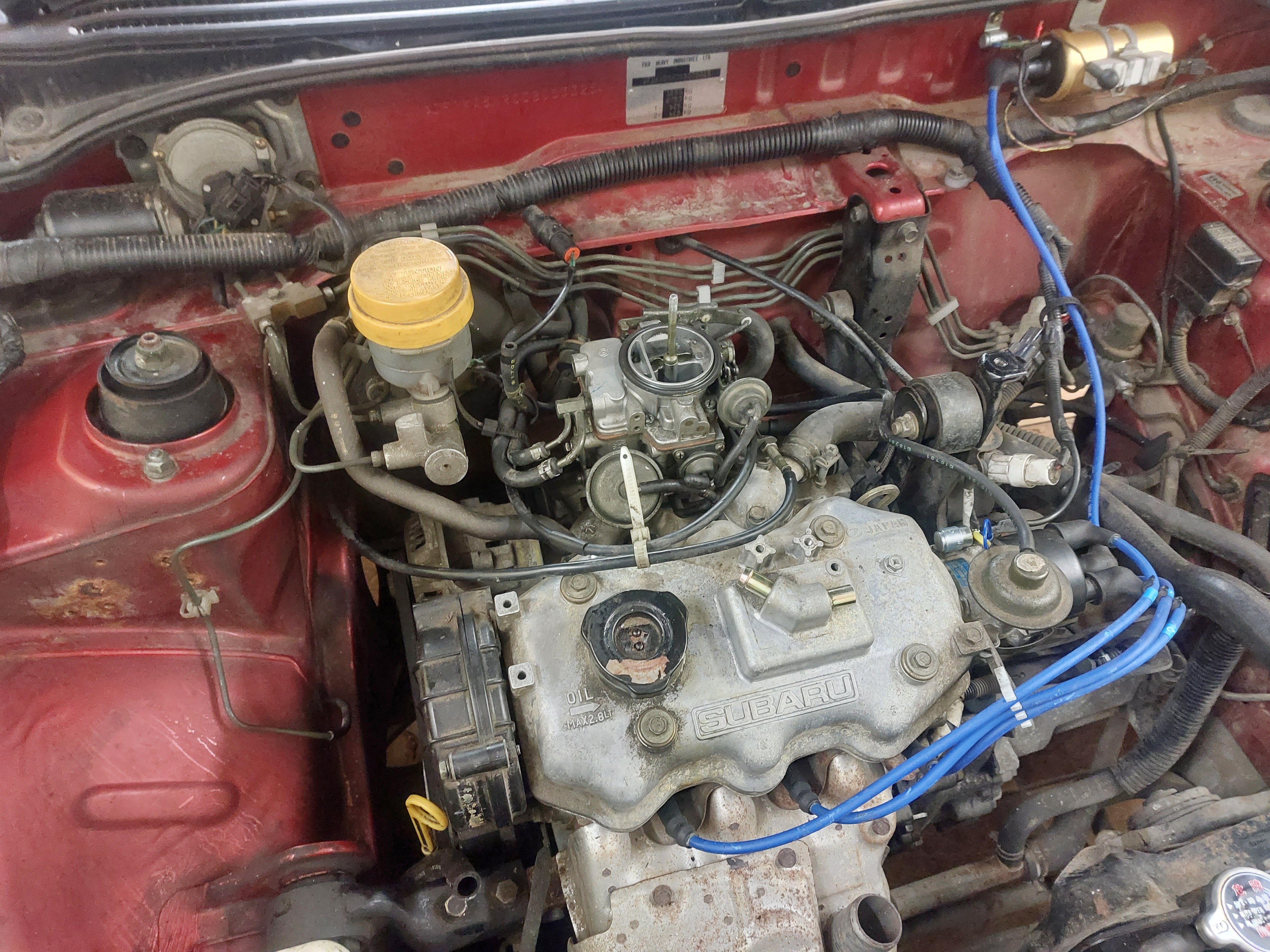
 1 point1 pointBump for @chalkstorm Just incase just this, and not the secondary thermostat.1 pointHi I have never noticed anything like that on my Karoq or any other cars I have had but I never paid attention to the temperature gauge as much as you did. I think your thermostat might be on the way and doesn't have an intermediate position, yours could be just fully closed or fully open. It needs to be fully closed when its cold outside and the car warming up using short loop in a heating/cooling system, to provide you with warm air quicker, when the car heats up, thermostat should gradually open until it is fully open to engage a longer loop in a heating/cooling system. It is a simple explanation but I hope you get the meaning.1 point1 pointPlease note - I am not a mechanic or expert in anything. That might be a typo on your part and you mean 83,000 miles (?) Feb 2018 and the 81,000 miles just a mistake or wrong memory but you want consistent accurate information. If the lady has any paperwork, bills, receipts, MoTs, you want to ask to see them all and then put them in (reverse) chronological order, most recent at front of pile that way you can cross reference dates and mileages as conformation. 81,000 (or 83,000) miles in about 6 years is good average annual mileage but then 6,000 miles (or 4,000) in coming up to 4 years isn't so good particularly for a 2012 diesel and DPF so needs investigating. The gearshift might be an easy inexpensive (or no-cost) repair or it might not, plenty of info on here about transmissions and clutches. As well as looking at all paper and other records (like online previous MoTs) I would get a good level scan tool plugged in to it before and during a test drive. Some errors codes can just be from silly things like letting the car battery get too low for the computers or just not cleared after being resolved but it's all more info to make a decision on. EnterName and toot have given some good advice and I think you are right to be concerned with the car and getting a diesel of that age particularly if you're main use is only short journeys and/or less frequent use. Some cars can be sorted easily whereas others can have continuing ongoing problems, a death by a thousand cuts and some of them deep.1 point1 pointTry this one instead: main key with variable code transponder - Octavia(OCT) [EUROPA 2005 year] (7zap.com)1 point1 pointYes it matters if they’re left or right sided. As long as the one you find is 3V2 and NOT 3V1 it will be for a left hand traffic road which is the U.K.1 point1 pointHi BillyParker, If you drove in bad weather conditions with lots of varying speeds I think getting 45mpg is very reasonable for a 2ltr car. I live in Manchester and kids are down South - I regularly do 500 mile round trips - I have a 1.5 SEL Exec and always use ACC on motorways - I'm getting between 55-58 mpg (in good conditions). This is simply a beautiful car to drive. I always have a competition with myself to keep my green score as close to 98 / 99 as possible. Having said that, I've noticed the Sports mode - which I've used now and then, which blows economy out of the window. During bad conditions - my mpg drops down to 51mpg I do think that if you repeated you 850 mile trip in decent weather & driving conditions then you'll defo get into the low to mid 50's for sure. Happy Driving.1 point1 point1 pointCarburetor has been rebuilt and it is back together but I've messed something up bad. Went to start it and it immediately tried to overrev. Wasn't sure what was going on so on advice of friends I took the top apart to check the float and all was moving free and set right, so far as I can tell its all OK. First video is what happens if you start it without Choke. Second video is what happens when you start it with choke. (Numbers are out of order, oops.) Took the carburettor off and checked the bottom gaskets incase there was a leak there, all seems well there too. I CAN get it to run and idle by pulling the vacuum for the second barrel. The second (big) barrel on this is operated on vacuum. Throttle cables been disconnected the whole time so the small barrel shouldn't be moving. This video shows it running with the second carb disconnected. I moved the second barrel by hand to see how it'd react. I think it's important to not that I can choke it out by covering the intake with my hands, makes me think there are no leaks where air is getting in. Last video I recorded in the middle of things, switched the ignition on and off to see if it would run for any length like that. Again, throttle off, no small child in the cabin pressing the throttle etc. Safe to say I'm pretty stumped at the minute. Definitely getting the impression it's something very simple and very stupid I've caused without realising.
 1 pointAn "advisory" is exactly that; one mechanic's opinion that $component is showing wear but does not warrant a failure.1 pointSounds fair, but get all that in writing - with no wriggle-room exceptions.1 point1 pointMine was a week 42 build but delayed like yours. You have given me a little hope !1 point1 pointThanks for that. Yeah, I will probably service it annually anyway as I always have with previous cars. I agree anything over 12k miles seems too much to me regardless what oil you're using but took the view the VW/Skoda engineers must know best. More frequesnt changes can't hurt though.1 point1 pointThe solution:demand has already been shaped. Once EVs replace ICEs almost entirely, the demand shape will be complete... ie, you'll have no choice but to use EVs, at which point they will charge whatever they like. They don't care if you store the energy or not, as you'll be charged for what is delivered to your battery. Electric smart meters can be made to know what they're charging, if the government so chooses. The electronic device you're currently using to view this post has long had the ability to identify the exact make and model of any components connected to it, along with various other data about it. The two products talk to each other. This is so easily implemented in a charger-battery setup, I'm surprised it's not already widespread. As for charger upgrades being unnecessary - It's easily done, especially under the auspices of a standardisation policy. Updating cars out of warranty is as easy as sending an email, essentially, as it's a remote software update - You don't need to bring the car in, they don't need to get a mechanic to open it up, it just gets sent to the car. And you're very wrong about EVs not being taxed per kWh - Water, gas, electricity, food, personal services and millions of other things in life are all charged at unit rates, regardless of end use. Any taxation is a percentage of that unit rate, which is what makes it a fair taxation based on usage - You use more, you pay more. The solution:demand has already been shaped. Once EVs replace ICEs almost entirely, the demand shape will be complete... ie, you'll have no choice but to use EVs, at which point they will charge whatever they like. They don't care if you store the energy or not, as you'll be charged for what is delivered to your battery. Electric smart meters can be made to know what they're charging, if the government so chooses. The electronic device you're currently using to view this post has long had the ability to identify the exact make and model of any components connected to it, along with various other data about it. The two products talk to each other. This is so easily implemented in a charger-battery setup, I'm surprised it's not already widespread. As for charger upgrades being unnecessary - It's easily done, especially under the auspices of a standardisation policy. Updating cars out of warranty is as easy as sending an email, essentially, as it's a remote software update - You don't need to bring the car in, they don't need to get a mechanic to open it up, it just gets sent to the car. And you're very wrong about EVs not being taxed per kWh - Water, gas, electricity, food, personal services and millions of other things in life are all charged at unit rates, regardless of end use. Any taxation is a percentage of that unit rate, which is what makes it a fair taxation based on usage - You use more, you pay more.1 point1 pointI cannot see what the big deal is with lane assist if I’m honest. On the rare occasion I forget to turn it off it’s a very mild annoyance at worst, and as soon as it activates I am reminded to turn it off anyway, so zero dramas anyway🤷🏻♂️1 point1 pointI have 17” LYRA wheels with Continental ContiVikingContact 205/50/17” tyres. Tbh they don’t look too small. Car is vRS TDI 4x4.
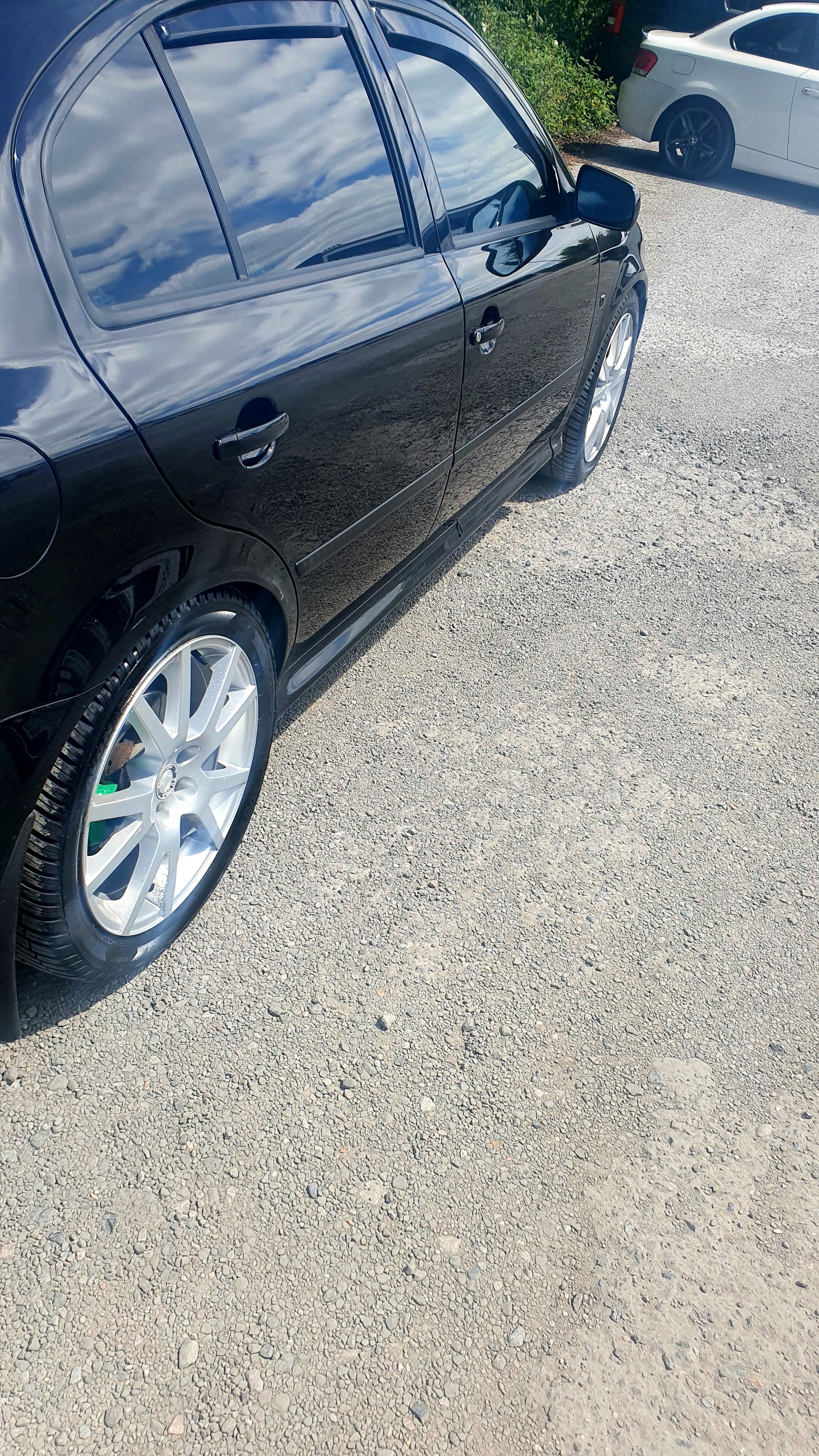
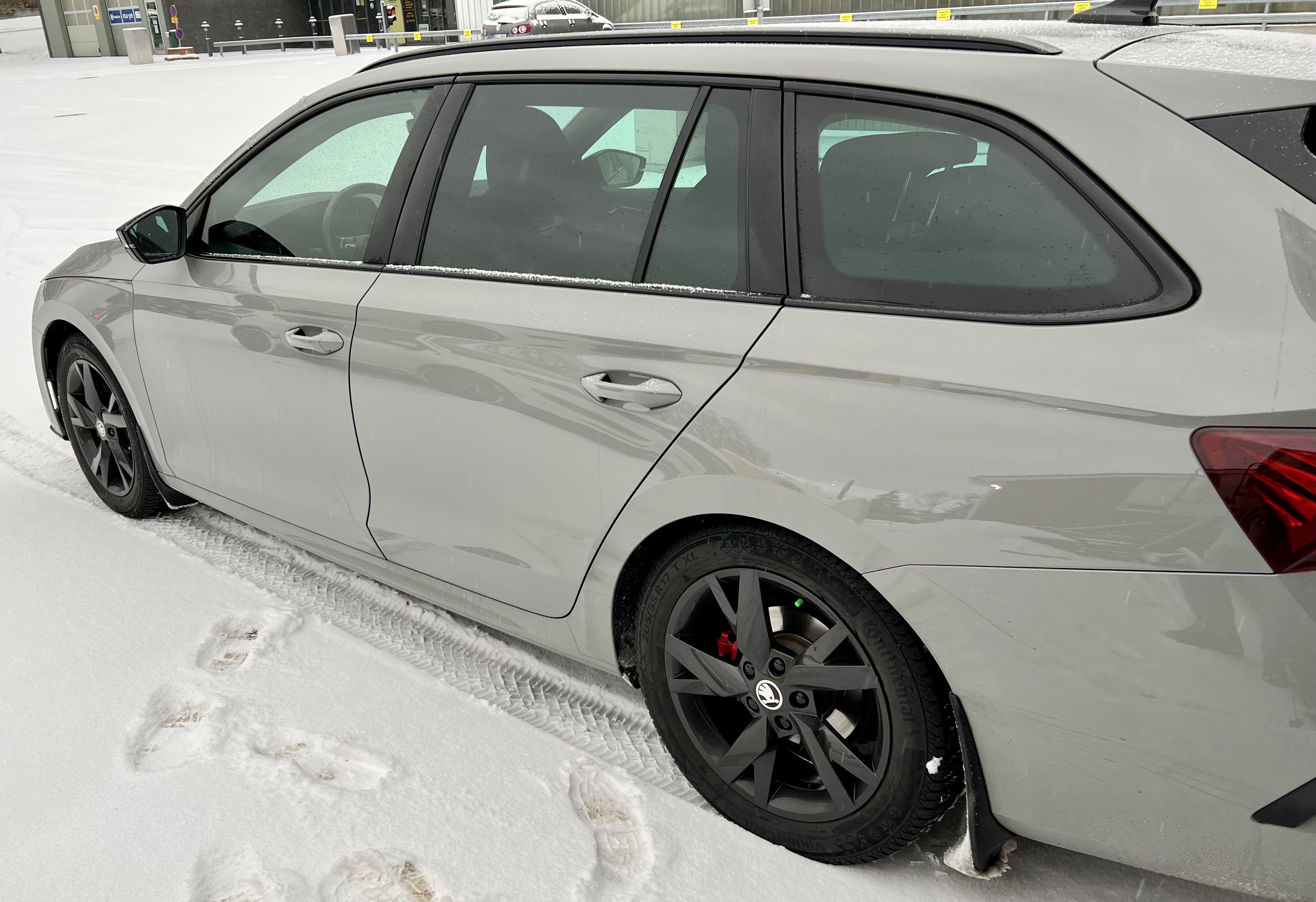
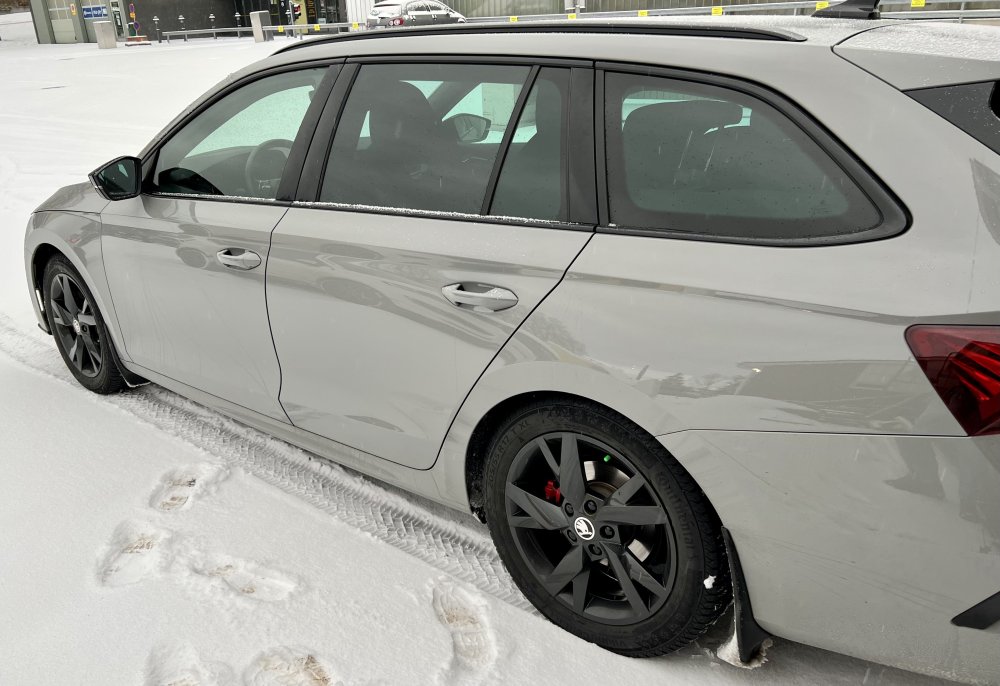 1 point1 pointlots of clean looking Superbs (rightly so) but I have to admit I do enjoy Just a little bit o dirt now and then~
 1 point1 pointHi everyone, Apologies, I have missed the notifications on the thread. This morning I got a call from Skoda West End out of the blue. Guess what - they are going to refund me the £270 I paid. Apparently Skoda have decided to offer 100% contribution across the board! The 2 year warranty covers parts and labour. Re: cam belt - I asked the Service rep about it this morning and I was promised a follow up call today! I will share what they've told me. Yes, that's correct! I got the extended warranty when I placed my order. In my paperwork it says "4 year extended warranty" and it is not clear anywhere that it is a "warranty contribution".1 point1 pointHi all, I dropped off my Kodiaq at Skoda West End at 8.30am on Wednesday last week. Late Wednesday they had diagnosed the problem as being the water pump, but were unable to put a warranty claim as their systems were down. I left the car with them and on Thursday I got a call to say Skoda will contribute 70% towards any parts and 50% towards labour costs. I was quoted £270.99 for the work. I should also note that the water pump has a 2 year parts warranty and in case something does go wrong again it will be replaced for free! I got the car back at 5pm on Friday with the water pump changed, tested for water leaks, etc. Overall, I am glad that it is fixed (lets hope), but If I have to be picky the comms could have been better on their end - I had to call and chase for an update on Wed & Fri; and also I was under the impression that I have a 4 year warranty, but they kept referring to it as "warranty contribution"! I could / should have asked for a courtesy car potentially, but when I agreed to leave the car overnight (Wed / Thu) I was told it will be ready for collection on Thursday after 5pm. I asked about that, but wasn't given a straight answer. I got the impression that they quote people the full amount i.e. taking over 30min just in case maybe? This is my personal believe / guess! Thanks for highlighting this! I called back, before I had to drop off the car at Skoda and a different person confirmed what you've said - They will "wave" / refund the £110 fee! I did ask the cambell - but didn't get an answer, so I need to follow up on this one! Yes, Skoda have confirmed it is the water pump, which has been replaced. TLDR Kodiaq overheating was down to the water pump, which was replaced under warranty contribution by Skoda West End with a total fee of £270.99.1 point





















.jpg.5f53ec69a42f4b4748f373fac50e3393.jpg.cd21baaca9391ac217ff52b26084586f.jpg)
.jpg.329efe0695a8a0f4fa8725c4326b07a0.jpg.261327afafc0a4d91b2a6516585b45f1.jpg.64d74be7219166f581e6a3dd5c18e182.jpg)
.thumb.jpg.06721e8c8b33ed0eea16572ff131b291.jpg)







Important Information
Welcome to BRISKODA. Please note the following important links Terms of Use. We have a comprehensive Privacy Policy. We have placed cookies on your device to help make this website better. You can adjust your cookie settings, otherwise we'll assume you're okay to continue.