



Leaderboard
.jpg.1006585dfe4e2977315b67c3d642e37b.jpg)

.thumb.jpg.9dd3f612ba7f13d10be5c518d3c8d255.jpg)


Popular Content
Showing content with the highest reputation on 03/12/20 in all areas
-
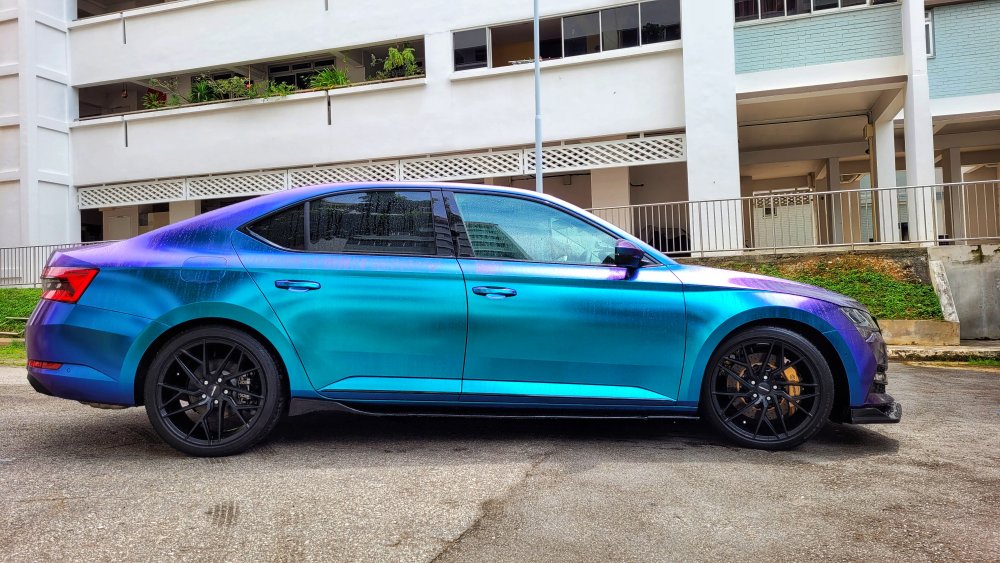
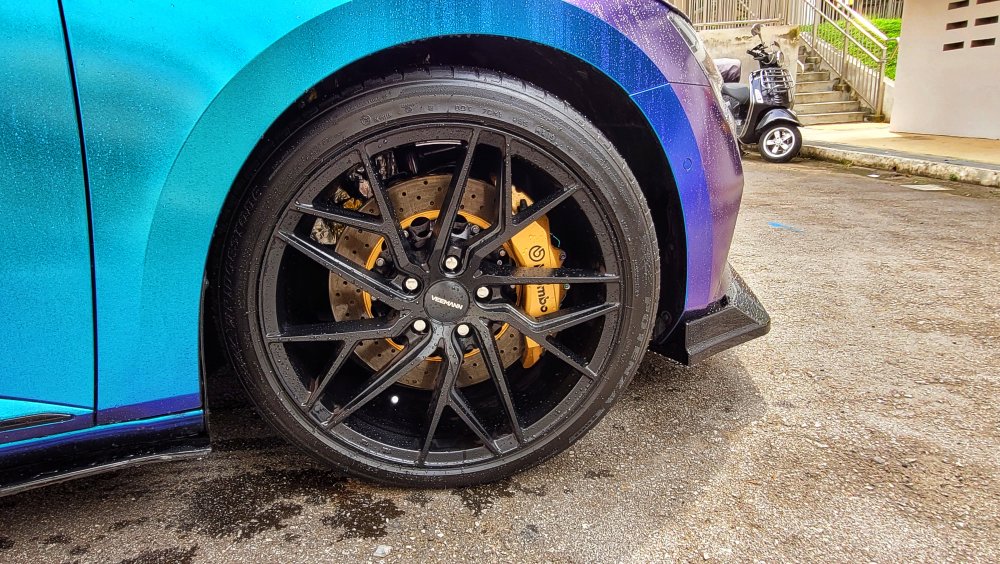
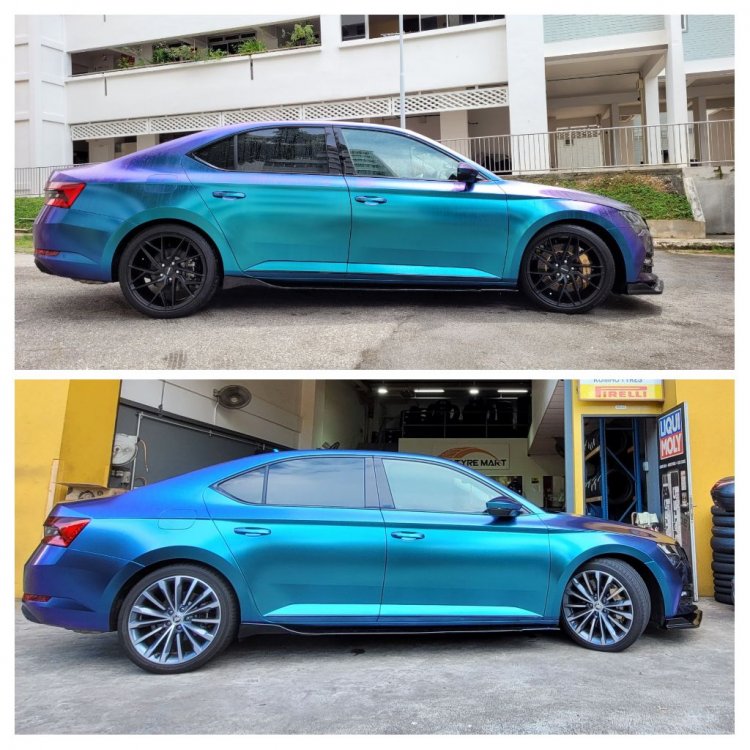
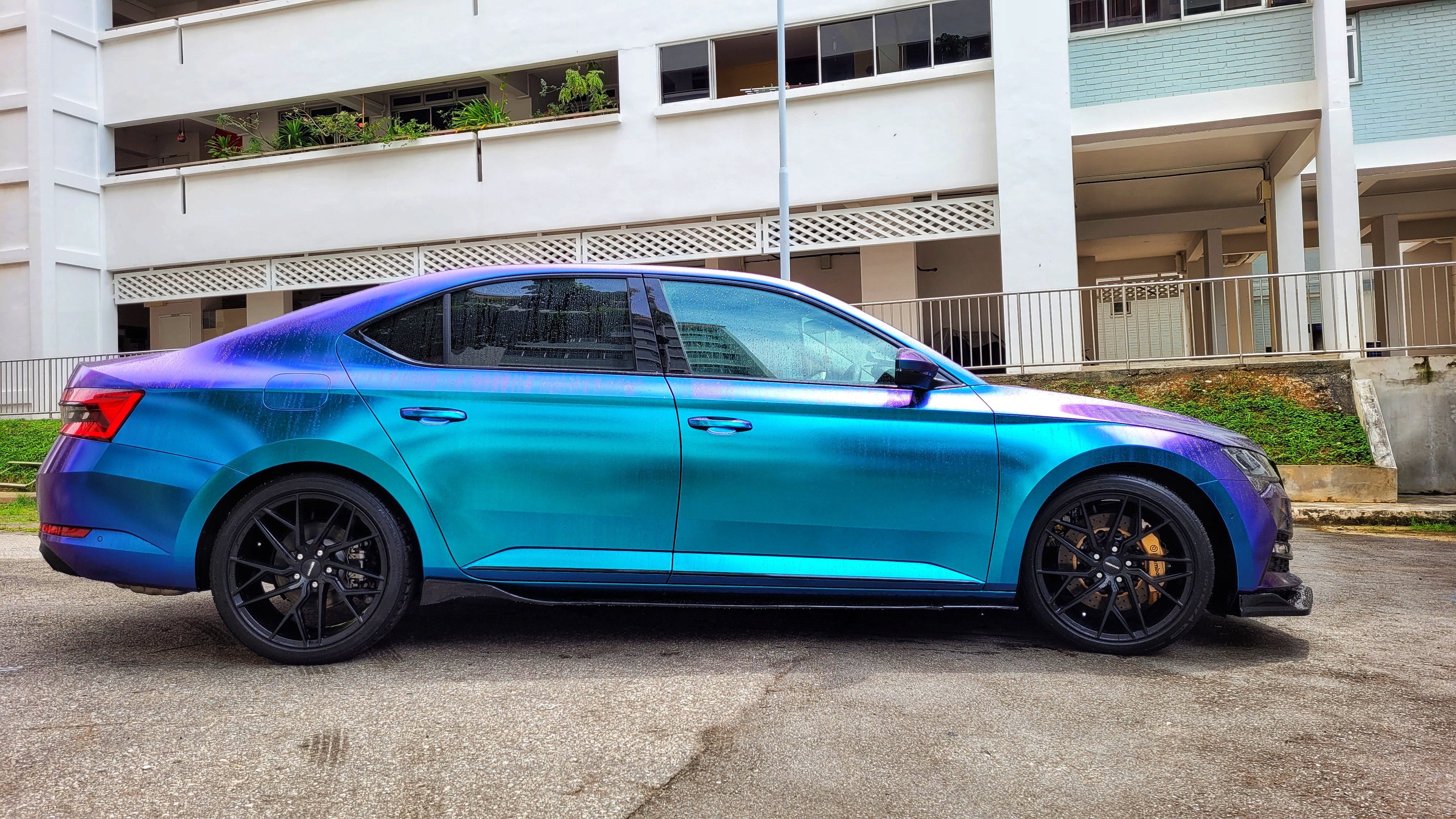
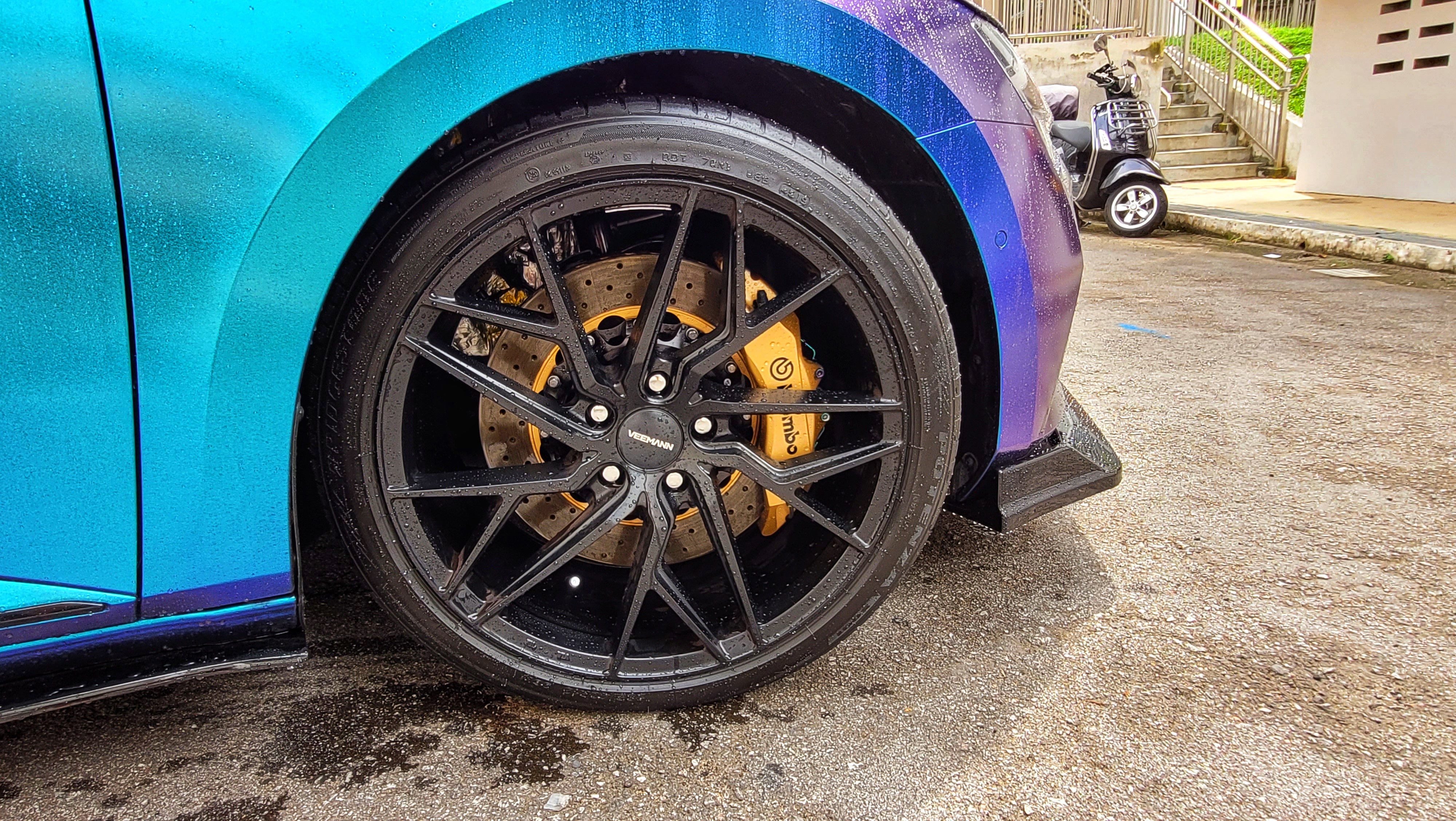
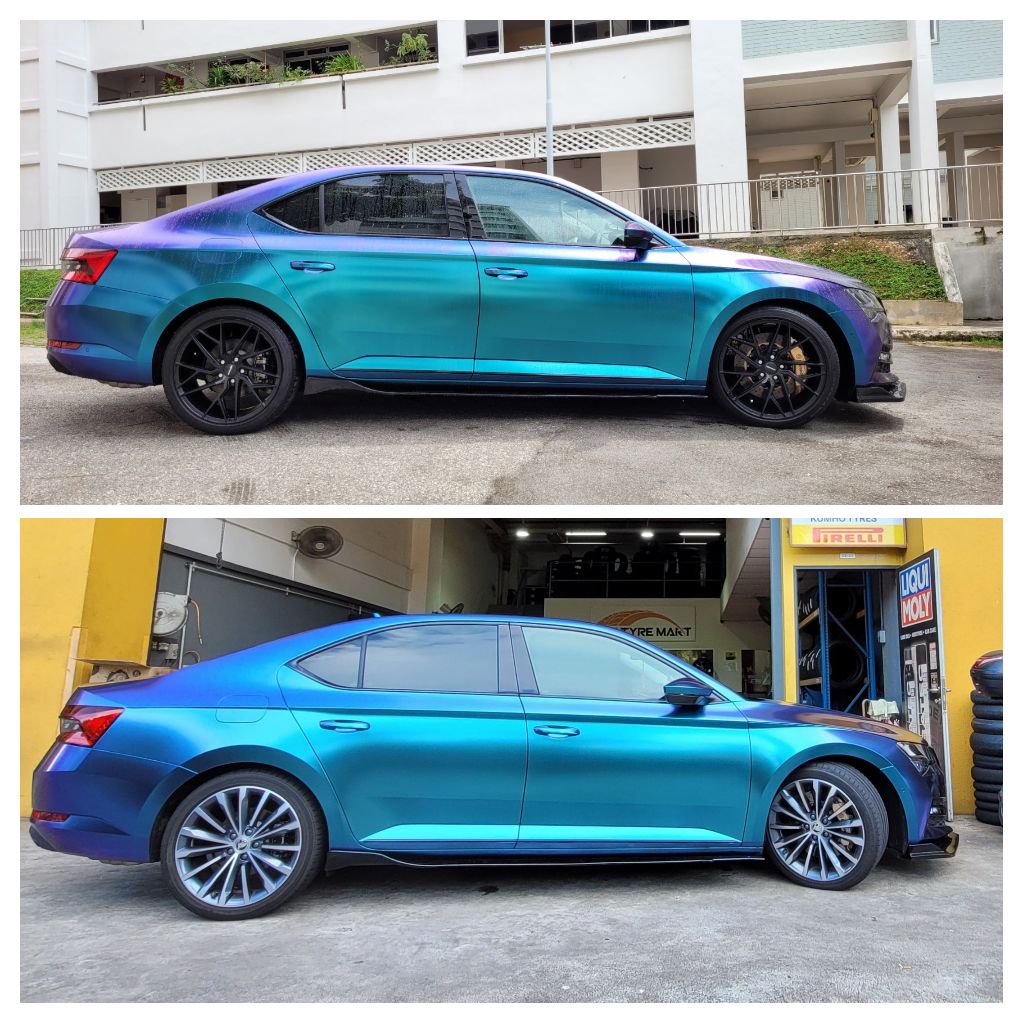
4 pointsUpdated look with Brembo BBKs in the fronts and new Veemann 19" lightweight rims in matt black.
 4 points
 -
3 pointsIf they don't have the flaps and someone wants to submit a factory order to my specification I may be persuaded to swap .... Maybe ....3 points
-
3 pointsHad a look at UK configurator and both are showing. The new 280 is 3g/km lower on emissions and 0.6mpg more efficient per gallon. Wonder if the new 280 has exhaust flaps. If not, things are going to get a bit complicated here now wrt exhaust flaps on 280s.... Lol3 points
-
Dear all, Most of us folk with Haldex5 - know that (after reading postings here and elsewhere on the Internet) - that VW group garages are *only* doing HALDEX oil changes at around 40k miles instead of actually taking the pump out, cleaning or replacing the filter, fitting two new O-Rings and then refilling the HALDEX system. In my quest to educate my local Skoda Garage, we eventually got to a point where I have now told the garage how to do this job - properly. In the usual madness that is VW group, they advocate that they will only change the oil - but not touch the pump and filter. This is the equivalent process of changing your oil but not your filter. The upshot is that you could have nice clean oil in your HALDEX, but the HALDEX system would fail to activate due to a blocked filter (and that all the crud that builds up on the filter will be deposited back into the HALDEX mechanism). If the block filter continues, you will end up with a failed pump. Therefore, as from today (03/12/20), West End Skoda in Edinburgh will performed a FULL Haldex service for £148.20 for any customers who want this service (you have to ask for it). I have been the guinea pig and they are happy now to perform this work. It is perceived wisdom that the first HALDEX service should be done as close to 20k miles as possible - not at 40k miles. I was satisfied to say that the oil colour and state of the filter was very poor (prior to change); I don't even do that much off-roading, so I would recommend customers who have a 4x4 Haldex system to get this done on or near the 2nd service (and every 20k miles afterwards). You will also be satisfied that the work will also attract the standard Skoda 2 year warranty. Result.2 points
-
2 pointsShame both are so close to the £40,000 tax threshold so if you specify anything worth having as an option you're looking at £500 VED for the first 6 years.2 points
-
2 pointsI only got this Škoda Octavia because it was either going to me for free or going to the scrapheap due to busted engine mounts and the PO didn't want to spend any more money fixing it. My previous Merc cost £550, and I've never spent more than £900 on a vehicle. £10k is house deposit money, and we're nowhere near that yet! As above, my point is that (aside from it not fitting almost all of my requirements) EVs are still way too expensive for people like me to switch over... and public transport is not an option, so we'll be left with ICEs retrofitted with whatever CAN bus-scrambling tracking junk they come up with... probably selling my data to Huawei, while they're at it.2 points
-
2 pointsHi again everyone, Just to update you I have received the following information from Skoda: We are aware of some cases on vehicles with Columbus navigation where imperial scale cannot be selected. The cause is currently under investigation so I'm afraid I can't tell you when an update will be available but as soon as more information is received this will be released in Technical product information. I haven't heard more from Skoda regarding the Front Assist / Rear Traffic Assist currently not available but guess it will transpire to be a similar issue. Obviously the more of us who report it then the more likely we will obtain a resolution. Please ensure your Dealership escalates it to Skoda UK Tech.2 points
-
2 pointsThat will be Aston Martin who modified Toyota iQ 1.3's to an Aston Martin Cygnet to sell to customers getting an Aston Martin as part of the 'kidology / scam' that many manufacturers are doing right now to 'fix their 'Average Emission figures' by partnering up with another company. https://www.autocar.co.uk/car-news/electric-cars/analysis-winners-and-losers-automotive-co2-race2 points
-
2 pointsHere's the backstory on that "report" the newspapers were doing articles on this week. https://electrek.co/2020/11/30/did-aston-martin-publish-fake-emission-numbers-about-evs/ it makes interesting reading about how the PR and lobbying are being carried out.2 points
-
2 pointsIf the ground / air temps get down around -10*oC--12*oC & lower then yes you need to be concerned like all the Car Dealerships, Hire Companies, Fleet operators with vehicles sitting with diesel in from before October. What you could mix with the diesel is the diesel being sold now after taking the car for a run to use a few gallons, or you could get Anti-Waxing Diesel Winter Additive and add to the tank and go drive and get it mixed in the tank. Google Anti-Wax diesel Winter additive.2 points
-
2 pointsRemember these engines have direct injection so there is much less hydrocarbon crud in the inlet manifold area to dirty up the MAF than on older indirect injection engines.2 points
-
2 pointsNot as hard to implement as you might think. https://europa.eu/youreurope/citizens/travel/security-and-emergencies/emergency-assistance-vehicles-ecall/index_en.htm New EU cars since 2018 already require the technology to be present to communicate without your permission, providing location to emergency services in the event of a serious accident. So they don't have to invent very much! If the phone/data link is already present, the location sensing is already present, and the onboard computer already calls for help if it detects a crash, how hard would it really be to introduce legislation that requires manufacturers to alter that code to record the vehicle location and speed every few seconds and send that data to - say- HMRC to have your charges (and speeding fines) collected by PAYE from your wages, pension, or benefits? Also the GPS co-ords and time wouldn't take much space on a memory chip, so there would be no requirement to have an always on data connection. If you go out of range, fine, it'd dump all the data next time it made contact. You might not have phone signal at some points in your journey, but it'd be unlikely you'd have no signal at all unless you were cheating the system by knobbling the transmission. Signal loss could be recorded and that data passed back on next contact so dead areas could be filled in. There are however some things which might mitigate against a lot of extra duty being required. Firstly EV's would still pay VAT on the electricity consumed whether at home (unless you have home solar of course) or a public charger, so there would still be some vat revenue. Granted not much if you can home charge and can get a special low price for overnight charging, but that won't apply to around 60% I believe, of car users who won't be able to home charge. Secondly as renewables bring down electricity costs the vat on it could be raised without impacting peoples pockets, they just wouldn't get the reduction. Thirdly the reduction in vehicle pollution is expected to save the NHS billions in treatment costs. I do expect however the government will find some way to still charge road users, a) Because they have a massive COVID debt to pay off, b) because it would force people onto more environmentally friendly public transport, c) Because they'll want to tax the peasants off the roads to leave them free for their party contributor billionaire cronies. I'll leave it to you to decide which one depending on your political inclinations.2 points
-
Today mine was an R-reg Rover 100 in Burgundy I followed it round the Ring Road and it looked tiny - even compared to what we class today as a small car...2 points
-
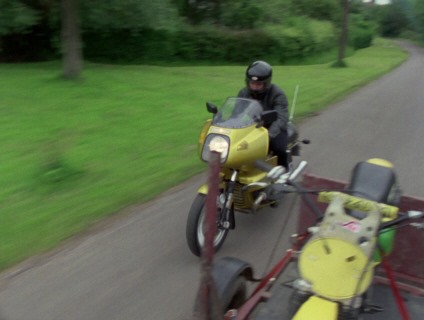
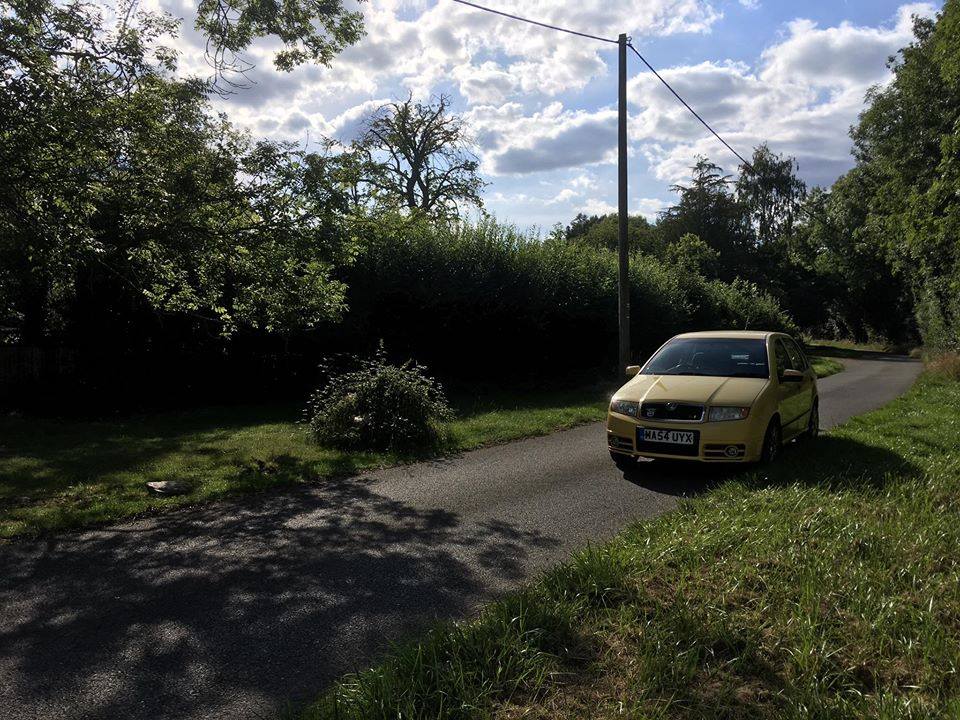
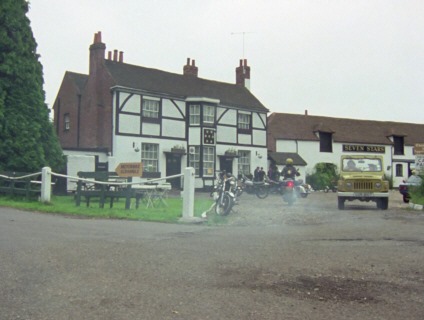
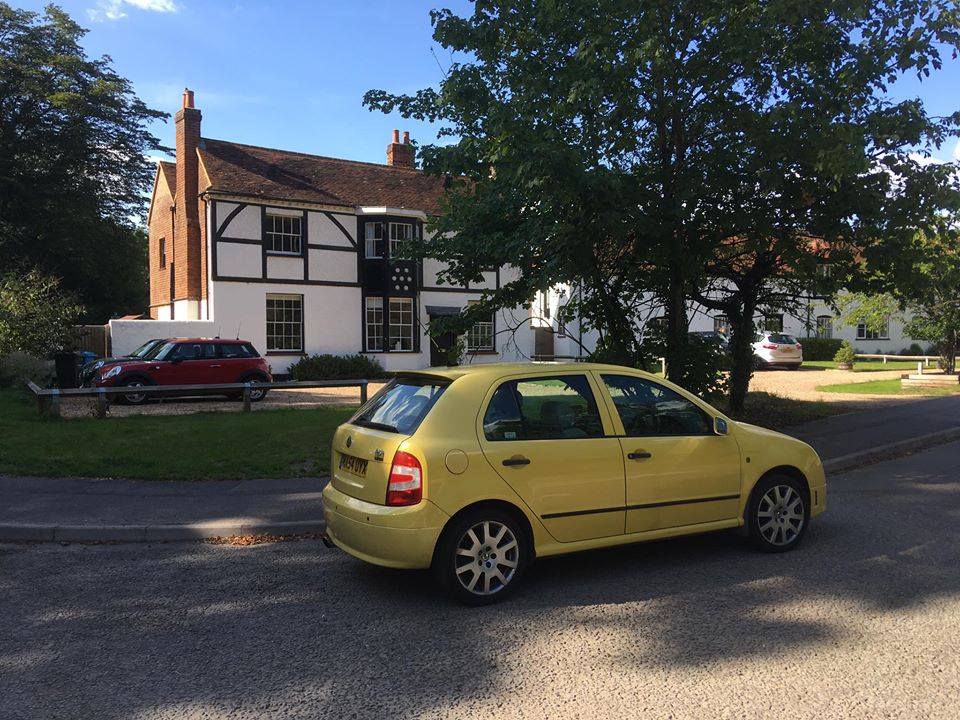
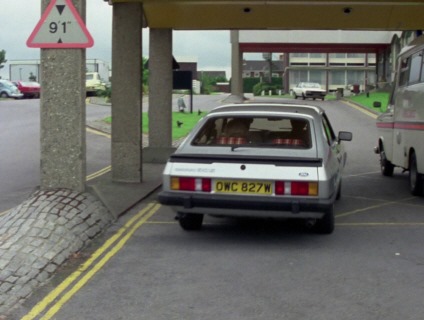
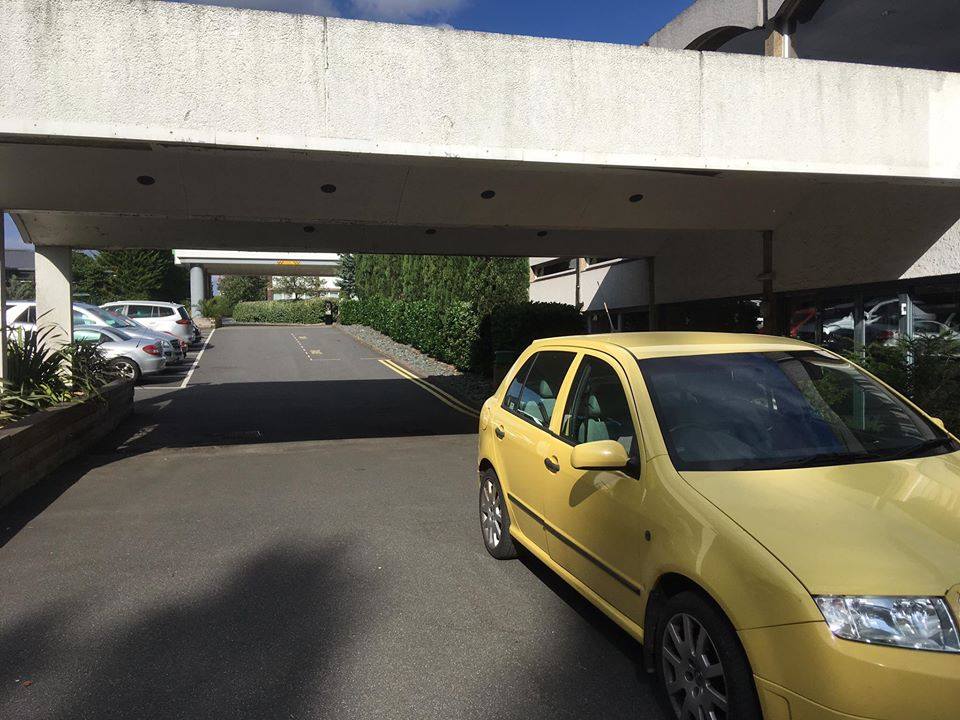
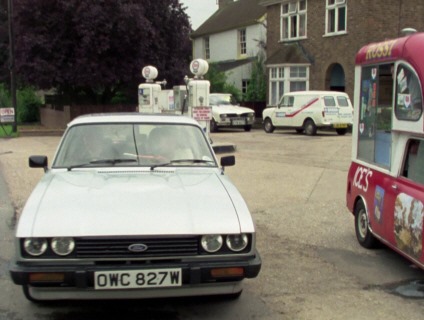
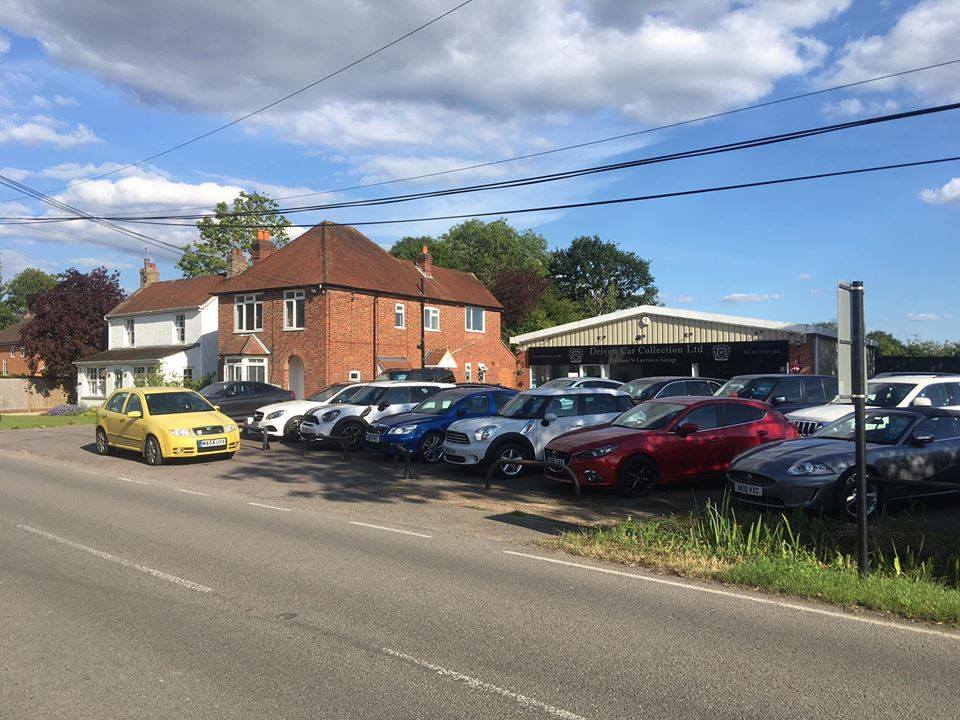
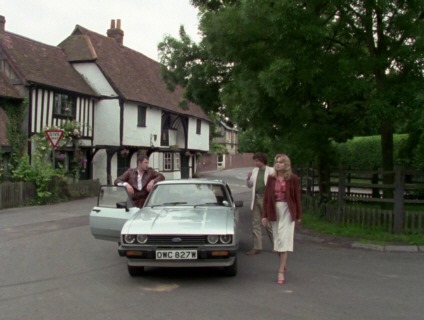
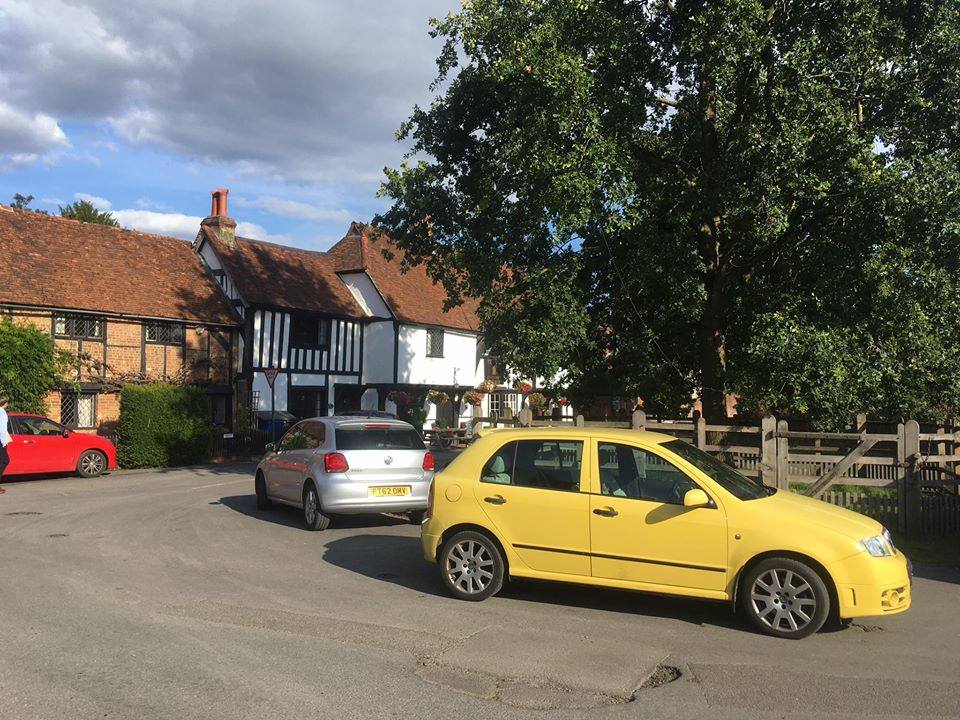
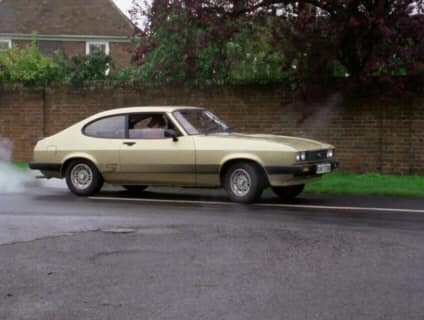
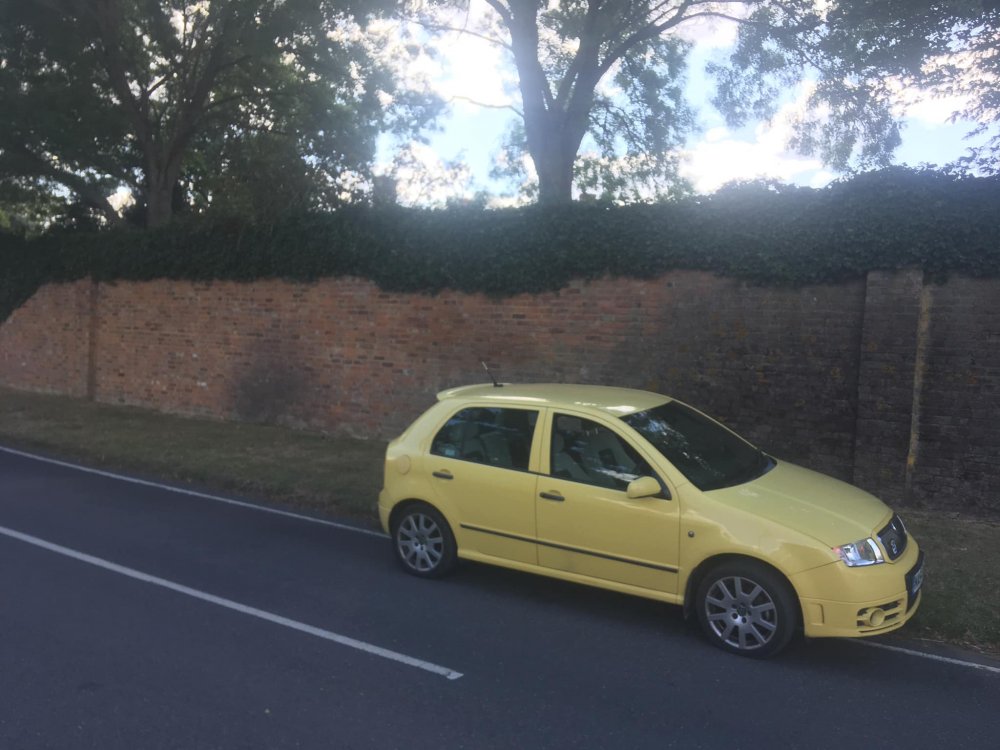
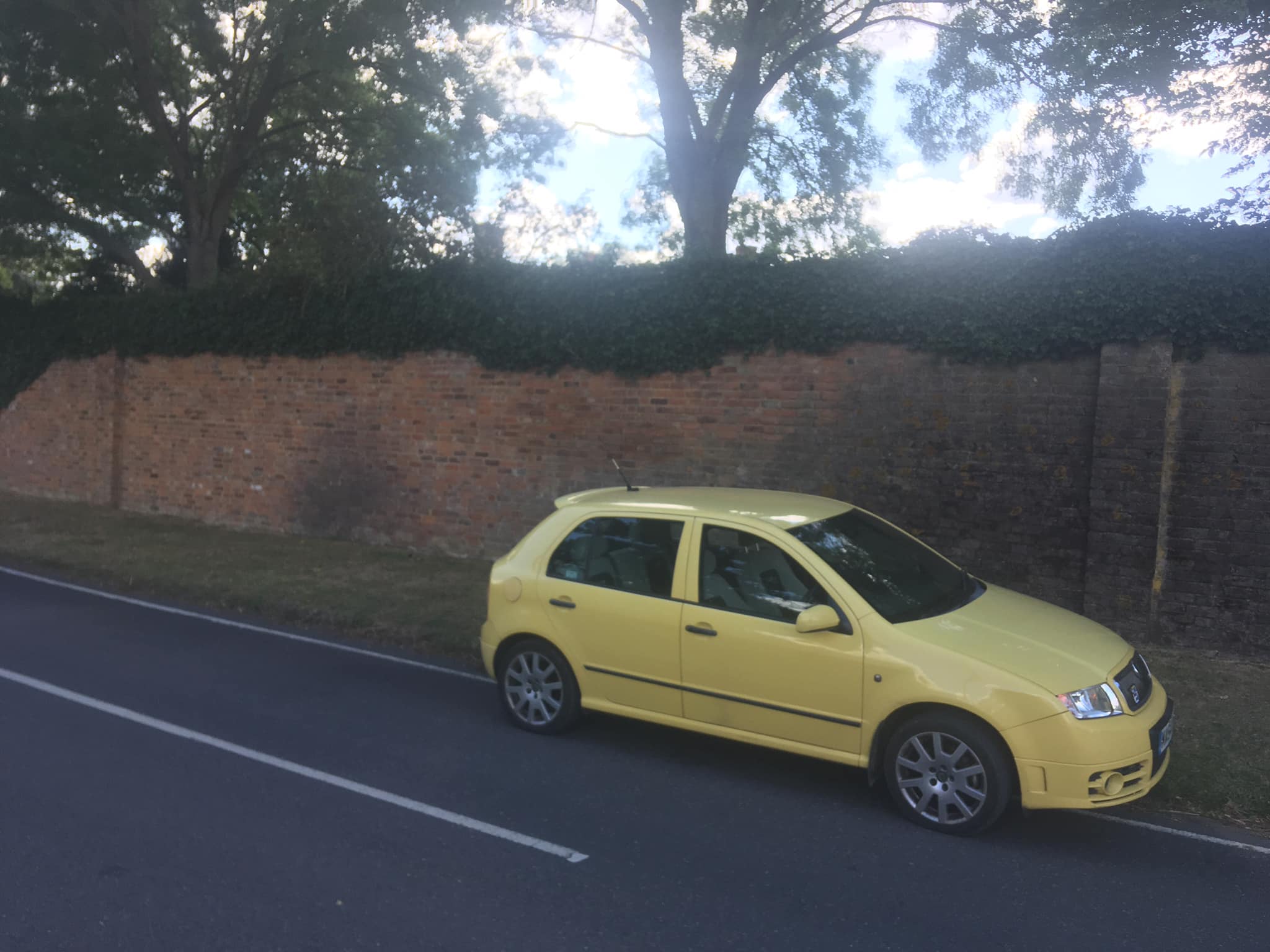
During lockdown I went back to my favourite go-to TV show and watched all 57 episodes again from start to finish. When we got eased a bit in July I thought I'd go and have a scout out for some of the filming locations, and the results are here with my Fabia standing in for the CI5 Fords wherever possible! I shan't put any of them without the car up as that might be stretching the point, but I've now got about 5 days out mapped and ready to go before we even think about going into London. Lutman's Haven is a little side road that was used for a shot of Bodie and Doyle heading to a motorcycle scramble in the episode Wild Justice... Just around the corner from this spot is the old Seven Stars pub in Knowl Hill, where the bikers met in the same episode, Wild Justice, before going off to the competition. It's now a private residence. One of my all-time favourite episodes is Blackout, where a girl with amnesia may have information to help prevent a terrorist attack. They take her to a 'hospital' which was - and remains - the Holiday Inn at Maidenhead! In the same episode, Blackout, the CI5 boys take the girl on a road trip to see if anything triggers memories about the planned terrorist attack. They stop at a little garage for ice creams and innuendo. Fuel pumps have gone and a dealership is on the property now. About half a mile away in the village itself, the girl in Blackout lets out a squeak and they stop. She remembers the timbered house on the green. Makes things easier to spot! And the last one with the Fabia for now, at the end of the episode 'Foxhole on the Roof' they discover that there has been a 'Mr. Big' involved in the plot to hold a hospital to ransom. Doyle goes off to raid his house, which is on a farm near Fairoaks airfield... Yes, it's probably a bit batty. I should probably limit my emissions and stay at home. But these lovely spots were all within a few miles of where I live and I've done less than a third of my annual mileage this year! Hope you like them, anyway.
 1 point
 -
Hi All, I have produced a guide on performing a full strip down and repair of the rear wiper motor on an estate car. Should work for hatchback, assuming the gears are not seized too badly. My guide is attached. I want to thank forum member J.R. who inspired my repair. His thread is here: Regards Russ Octavia Estate Rear Wiper Motor.pdf1 point
-
1 pointBut you do not *really* have to tell your car via anything. Not by phone letter or telegram or VCDS. You could & can do if you want.1 point
-
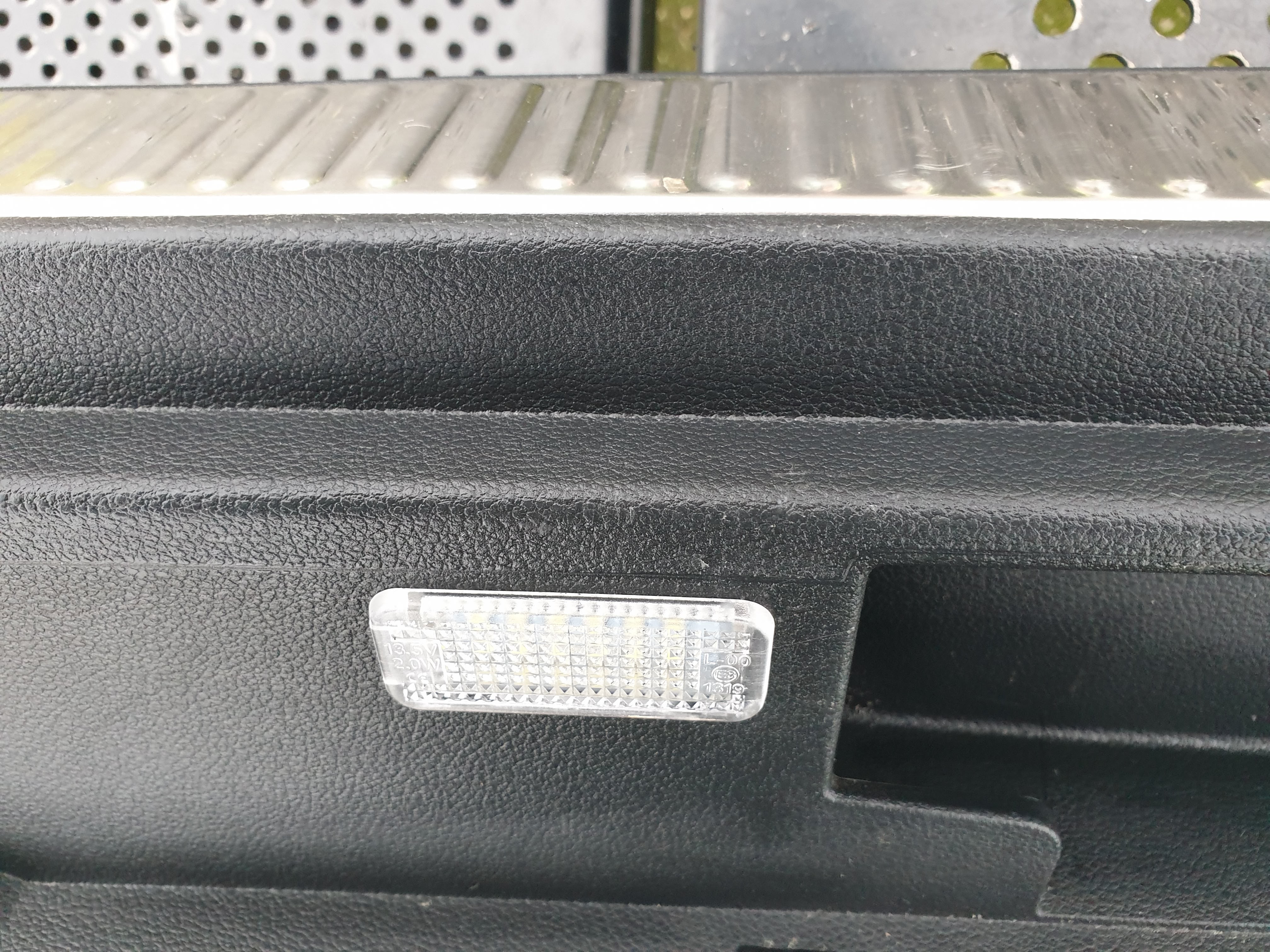
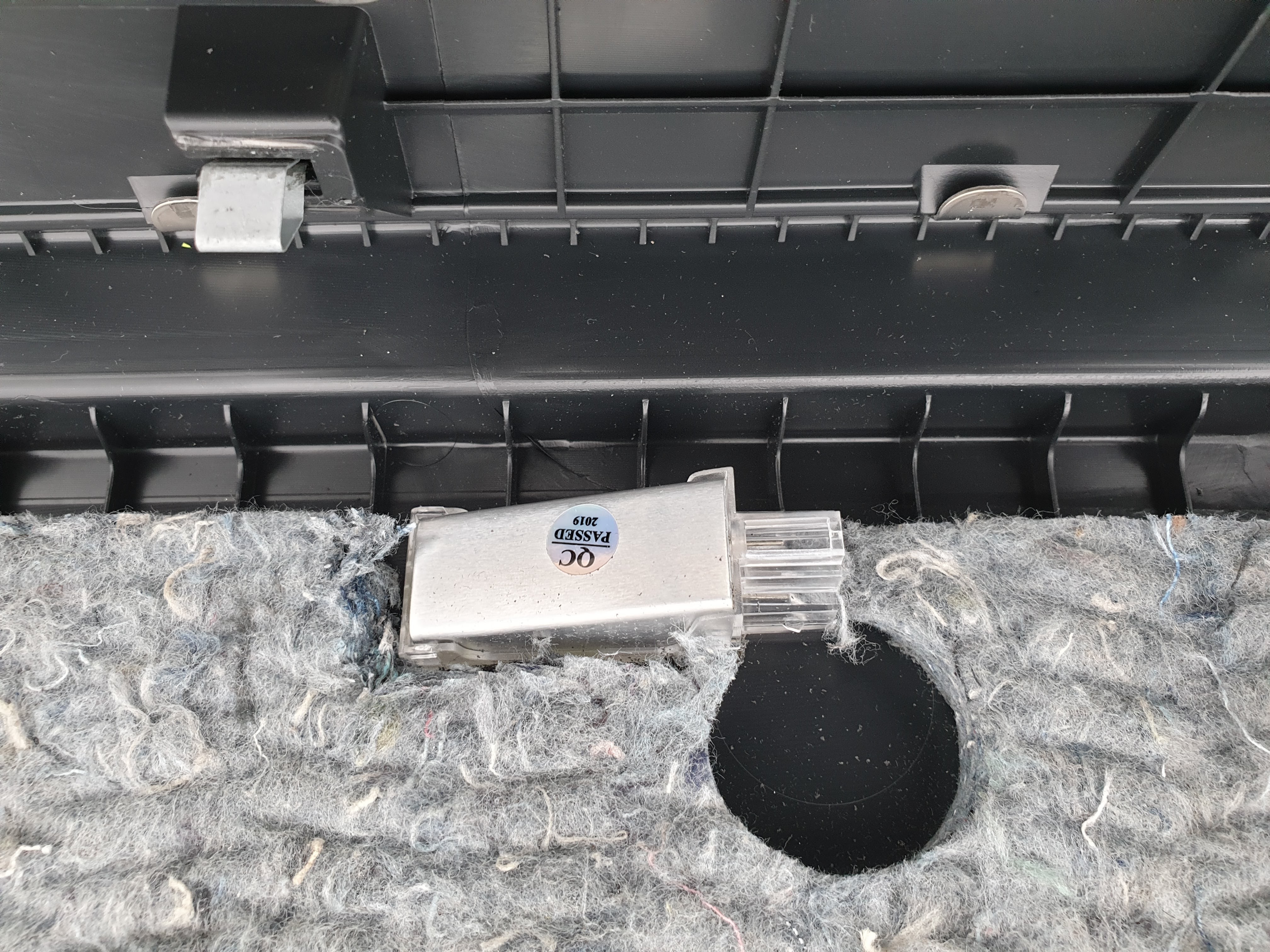
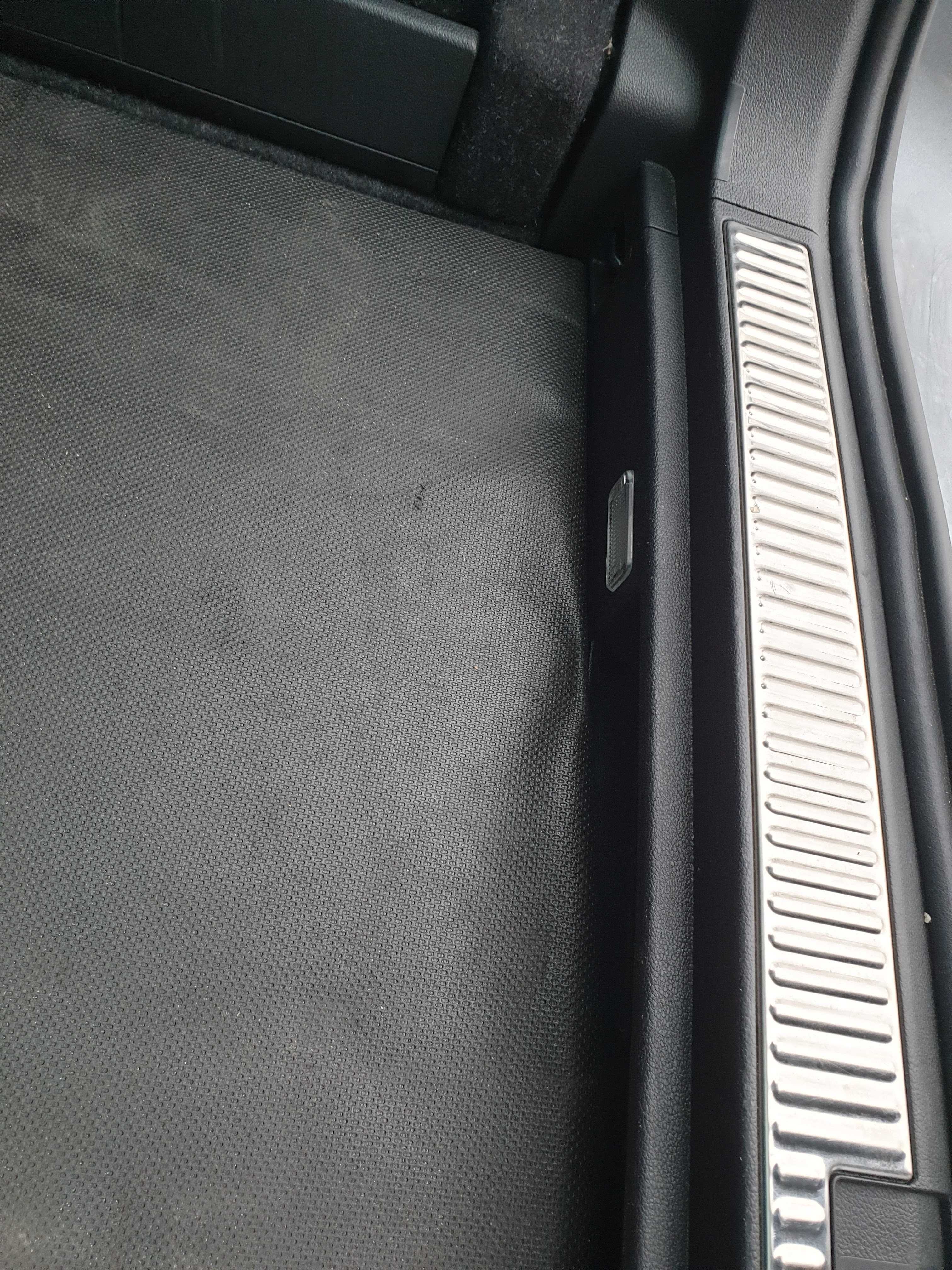
I’ve changed my estate’s boot lights to these 2 years ago: https://nl.aliexpress.com/item/32789695507.html?srcSns=sns_More&tid=white_backgroup_101&mb=91VWkdV99R4JNbX&businessType=ProductDetail&businessType=ProductDetail&spreadType=socialShare&platform=AE the change in light output was huge. But, as my car is a estate, it resulted in better illumination of my rear bumper. I wanted te light to shine into the boot. Now with the day’s getting darker i wanted more light. So i ordered 2 more lights and went to work. Now I am waiting to a loom connector and i need to find a place to tap into the existing wiring. Looking at the detachable flashlight..
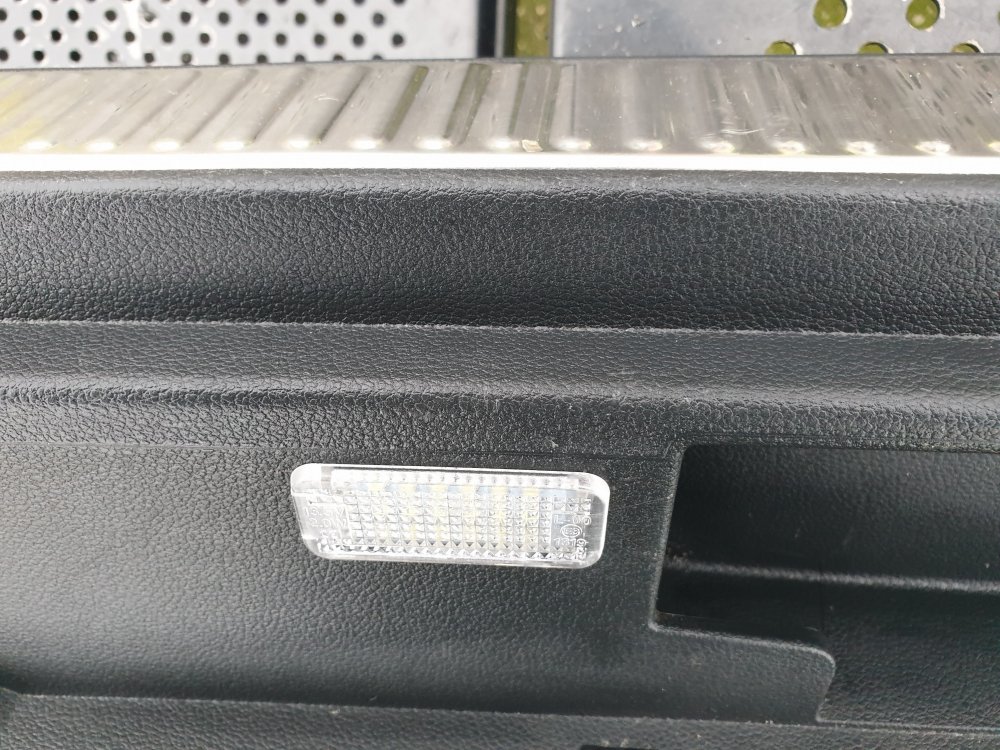
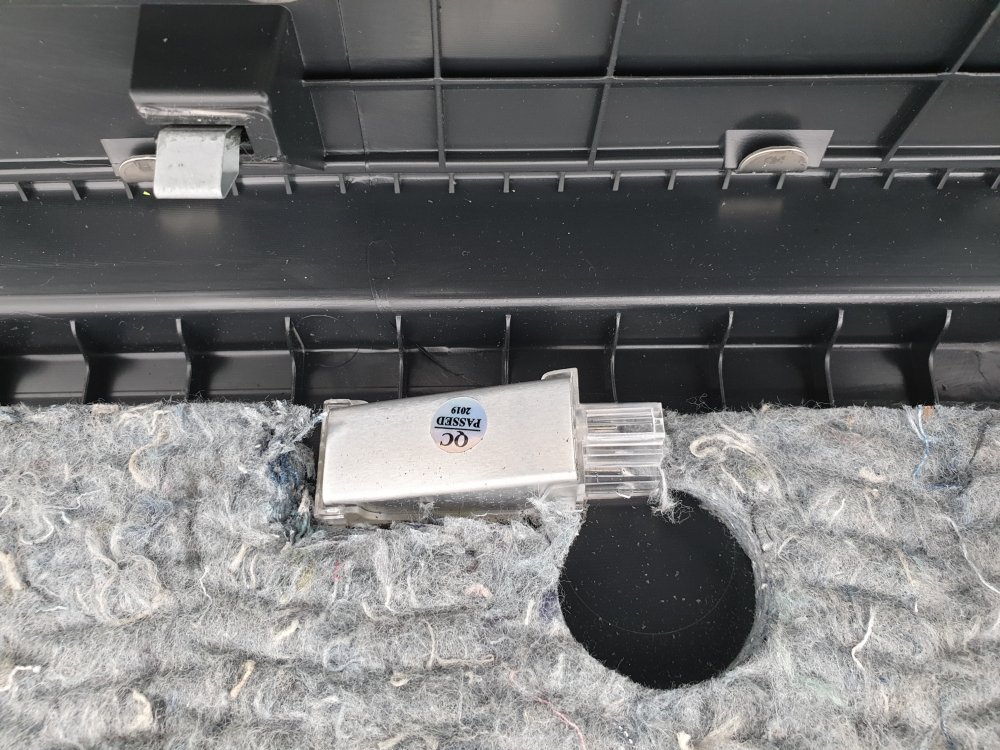
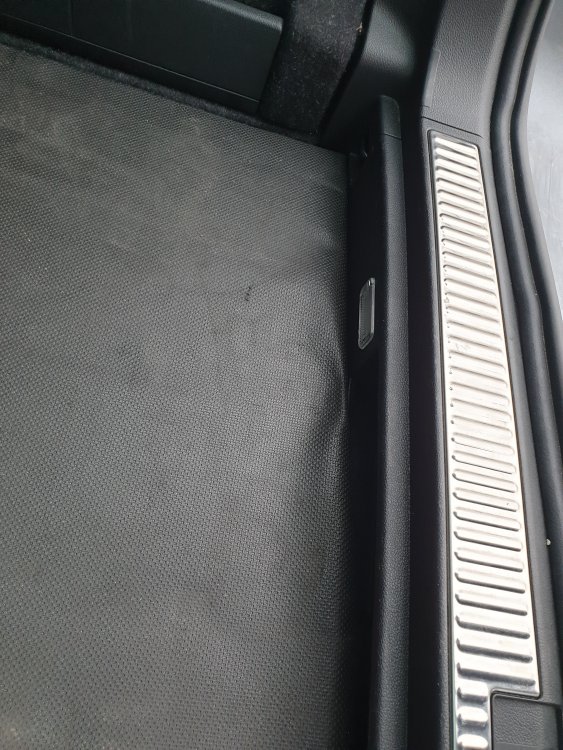 1 point
 -
1 point
-
1 pointOops, didn’t spot that, even with the badge. New to Skoda and still getting to grips with model recognition.1 point
-
1 point
-
1 point
-
1 pointA few months ago I fitted 8J x 19" Superb Vega alloys onto my wife's SEL Karoq and hoped with the Bridgestone S001 performance tyres in 235/40R19 size the good ride on its 18" Braga alloys wouldn't be ruined and I'm pleased to report the ride is still good so perhaps try a tyre with more profile depth.1 point
-
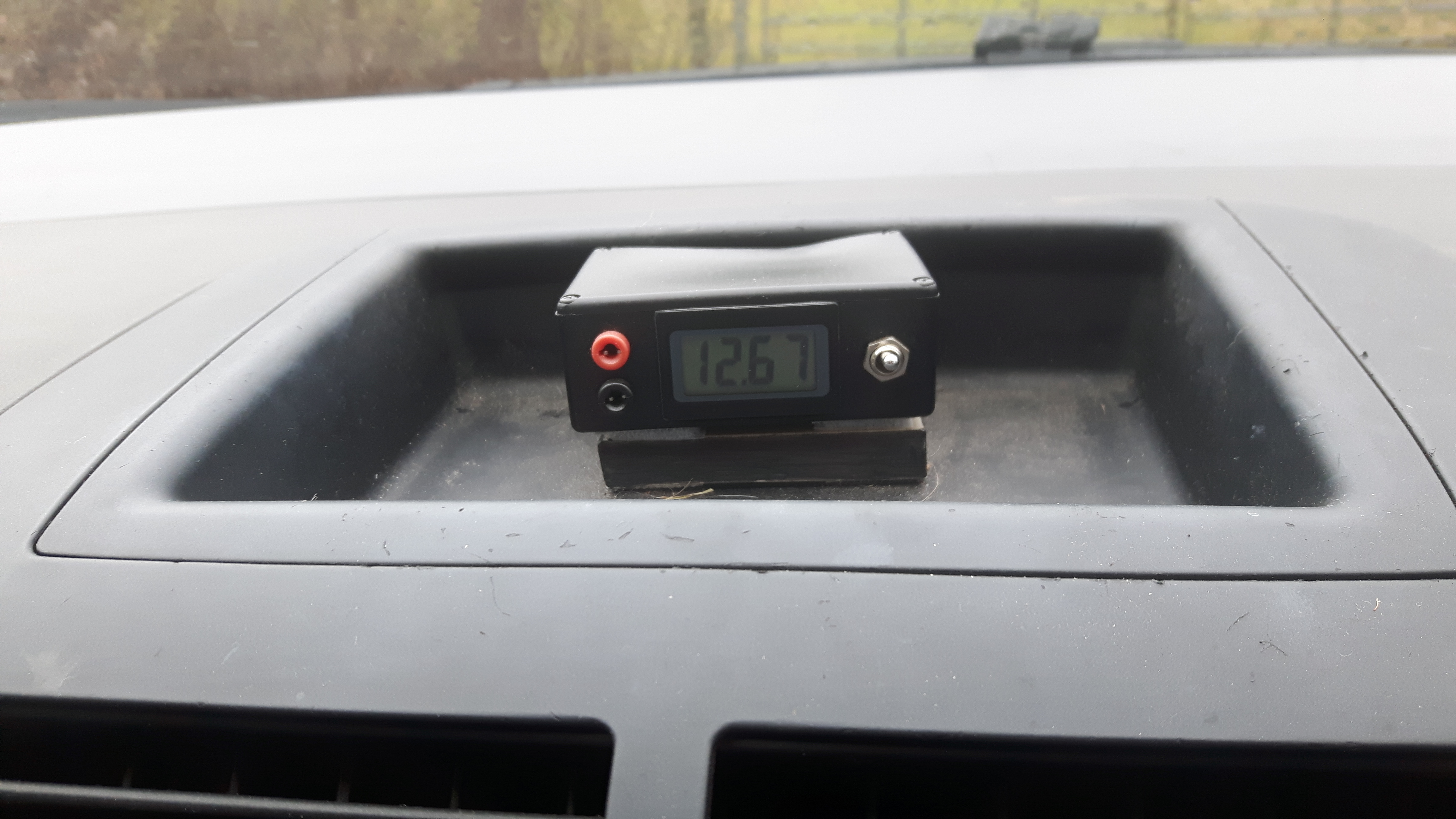
1 pointLCD display is a more appropriate technology for this, which is why it's used for permanently displayed info on dash panels. It only uses current when the reading changes, so is very much less draining. On the other hand, unless backlit by LEDs (defeating the low-current aim) it's not visible in low light or darkness without a torch. It's rare that my phone torch is unable to do this job from outside drivers door though, so not really an impediment. Mine - in my 9N Polo - is cobbled together in an ugly fashion as seen below. (I'm a function over fashion type person). The switch chooses between a wire going directly to battery + and one going to D+ of the alternator, both have fuses inline just in case. The negative connection goes direct to battery negative. It uses just 0.5mA.
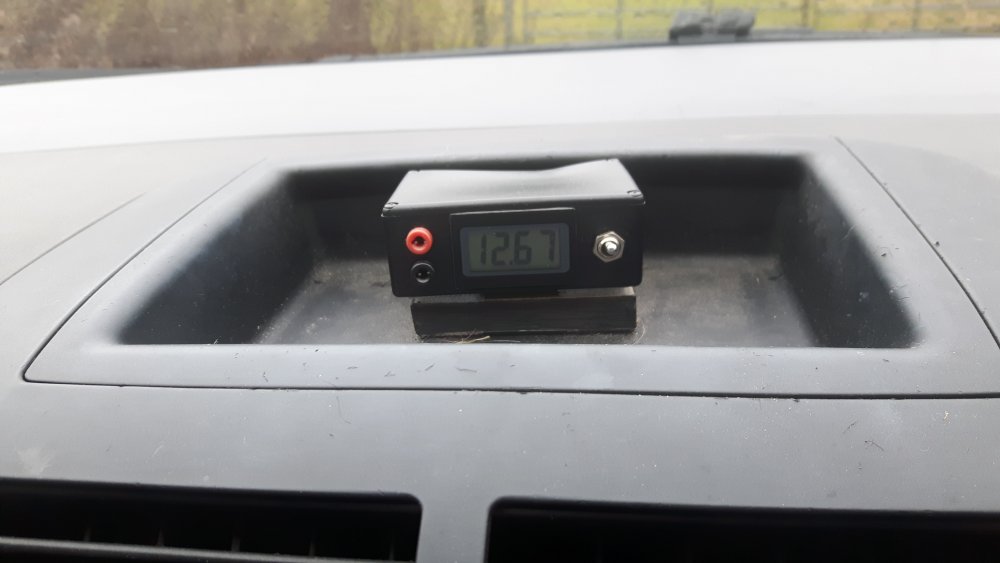 1 point
 -
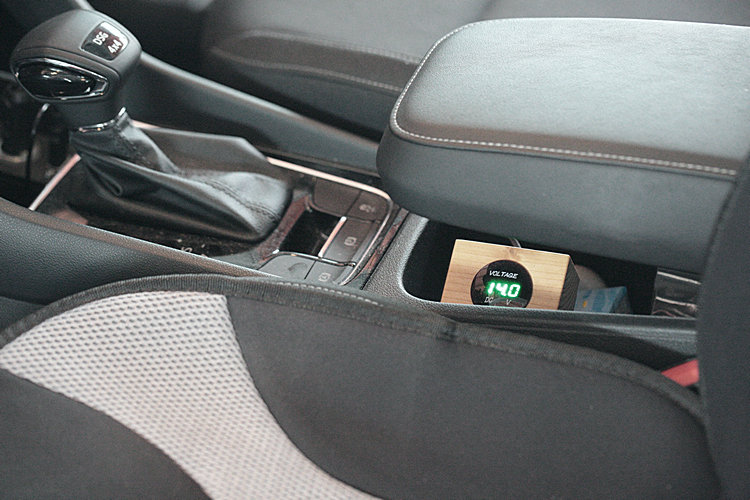
1 pointHere's how it looks. The wooden block is part of the support I'd made for my former Octavia. I figured it would look more solid than panel mounted directly to the aluminium sheet without any protection on the backside. The car is currently connected to the battery charger, hence the reading.
 1 point
 -
1 pointI really do not need my other cars anymore as they have only done a few miles each during Covid Lock Down. But they will get used in the future and they are mine and paid for and really are not a great expense to insure or have VED on and no petrol or diesel is being paid for in them just now. They have moved and the fuel tanks are full of Winter Spec fuel. One has just gone through its MOT and one is due next month. 14 & 10 year old cars. A bigger EV could do the job i have my old cars for but i have what i have now for almost 3 more years & by the time it goes back the world will have moved on as will EV's and i might then get a bigger EV. Maybe not though as i got a small one to have fun driving on good driving roads. I am like a child waiting for Santa as it looks like by Friday i can go play in an EV in the Snow instead of just going out in an ICE car.1 point
-
For those interested the changes to the Kodiaq are from build week 48. Specifically, the following changes: SE L Satellite Navigation Navigation on SE L will be downgraded from Columbus satellite navigation to Amundsen satellite navigation SportLine Seats The material on SportLine seats will change from Alcantara upholstery to Microsuede upholstery. Option 3LX, Waste bin in door panel is removed from SportLine options. SportLine Steering Wheels The SportLine steering wheels will no longer come with heating and hands off detection as standard. The new steering wheel will be a 3-spoke leather sports multi-function steering wheel with paddles for DSG gearboxes. 3-spoke steering wheel with heating and hands off detection will now be available as an option on SportLine. L&K Steering Wheels The L&K steering wheels will no longer come with heating and hands off detection as standard. The new steering wheel will be a 2-spoke leather multi-function steering wheel with paddles for DSG gearboxes 2-spoke steering wheel with heating will now be available as an option on L&K. Glove Boxes Glove boxes on both driver and front passenger sides will no longer contain carpet Traffic Sign Recognition Optional traffic sign recognition on SE L and SportLine will only be available in combination with Lane assist and blind spot detection Smartlink+ Smartlink+ will become just Smartlink and will no longer feature the functionality to transfer vehicle data to the phone. SE Drive SE Drive will see the below changes to standard specification • 19” alloy wheels • New style fabric interior • New design decorative inserts1 point
-
1 point
-
1 pointI guess this is especially true when you have “On Demand” AWD like the Haldex system :)1 point
-
1 pointOn most cars it's done by changing the 'Units' settings in the Car/Setup menu. I've always been able to do this in VAG cars when driving in Europe. Is the Yeti the same? Chris1 point
-
1 point
-
1 pointI've used Kilen springs before and they are same quality as original at fraction of the price and still rust free after 5 years.1 point
-
Just remember that the Metro, aka Rover 100, looked huge alongside a REAL (Issignois) Mini In my 'yoof' I owned 2 Minis followed by 3 Metros - for my sins1 point
-
1 pointthe octy is a 1.0TSI. no AWD needed on the motorway but if you want fun then AWD helps enormously! Our SX4 S-Cross needs testing properly this winter.... that runs Hakka 8s, as does the A2. - Bret1 point
-
1 pointWhat suggests you need to clean it? It shouldn't be contaminated as that's what the air filter is for which you are changing very regularly anyway. I see this as a bit of a placebo effect. If I clean it the car will feel better. The only way to really tell it's not working correctly is to use diagnostic software such as VCDS to see the actual air mass measured by the sensor and the specified values the ecu needs. There were certainly issues with Vw group MAF sensors failing alot on early Mk4 golf's and such platforms but that was years ago. If it fails you won't have boost. If you do proceed to clean it, it's unlikely to need any faults erased. Just leave the ignition off during the clean.1 point
-
1 pointI don't mind a certain amount of off topic discussion. Here, I found it useful to have the comparison of the e Niro with the Karoq, in with the Karoq section + I think a few general messages about EVs (as long as not too many) are of interest - many of us occasionally think about what sort of car will eventually replace our Karoqs. I don't often want to spend ages searching through all the various other Briskoda sections.1 point
-
1 point
-
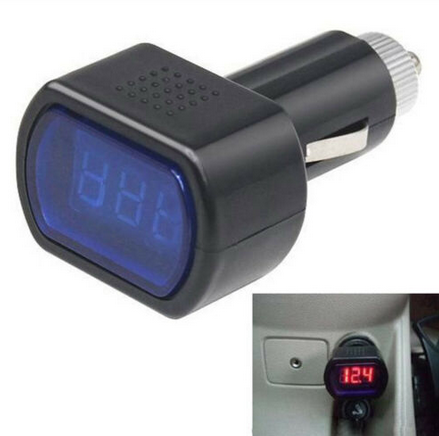
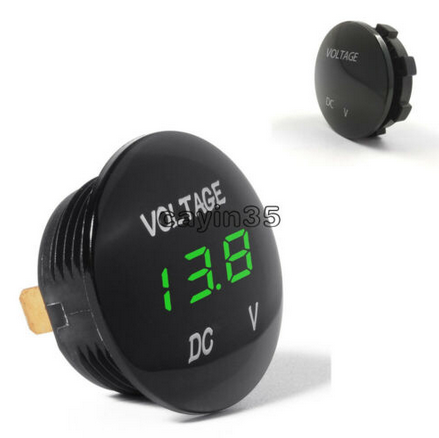
1 pointI have a voltmeter permanently plugged in the cigarette lighter socket, which is permanently live on my 2019 Karoq. Mine draws 8 mA, but I have seen other models drawing much more. It's imperative that you mount the voltmeter so that you can read the no-load voltage through the closed window, as opening the door starts some car's systems and the voltage reading isn't relevant any more. Keeping a sharp eye on battery no-load voltage is important today for two reasons: less driving due to lockdown and the tendency of modern start/stop cars to only charge the battery on gravity (going downhill) or inertia (decelerating/breaking) to save fuel. Thus we more often than in the past return home with the battery still not fully charged. And letting the battery stay below 12.4 V for longer periods induces sulfation, i.e. battery deterioration The round model (bottom) is the one I settled on, while the direct-plug models were grossly inaccurate and drew up to 40 mA.
 1 point
 -
1 point
-
1 pointLet's face facts it is about as exciting as Marbles racing each other using gravity to avoid pollution. No noise means no thrills.1 point
-
I think Darkside give customers what they want and relieve them of their money in return, anyone who wants a popcorn limiter is an idiot anyway and deserves whatever they get.1 point
-
1 pointTo be fair anything with a FERRARI POWER UNIT has struggled this year compared to 2019.1 point
-
1 point1. Yes. why is that barrier even there along the straight? Protecting what appears to be a decorative orchard/wood? 2. Cars through Armco has pretty much always been fatal before. This time the halo held its shape and saved his head. 3. Not only the fuel but the battery exploded and caught fire too. I think point 1 is key. The landscaping of the circuit seems to have put a needless hazard alongside the track, which has then been ignored for years.1 point
-
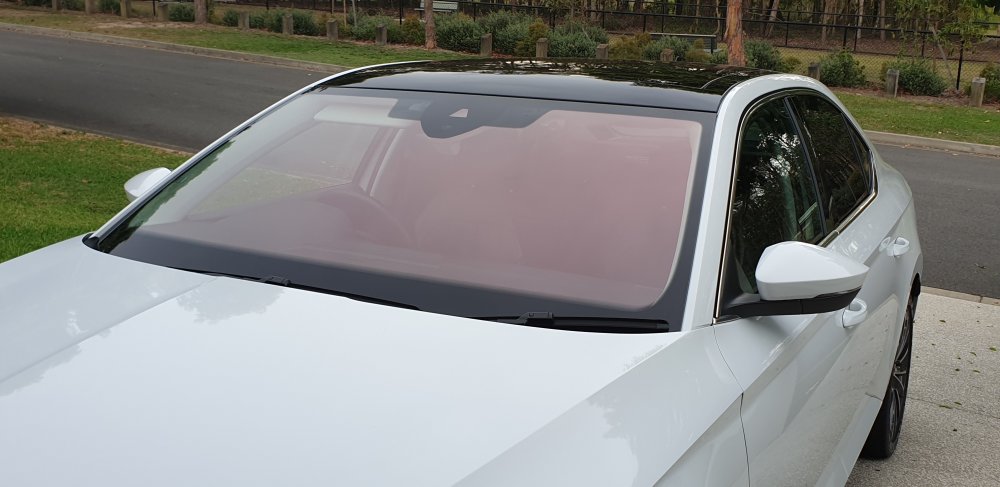
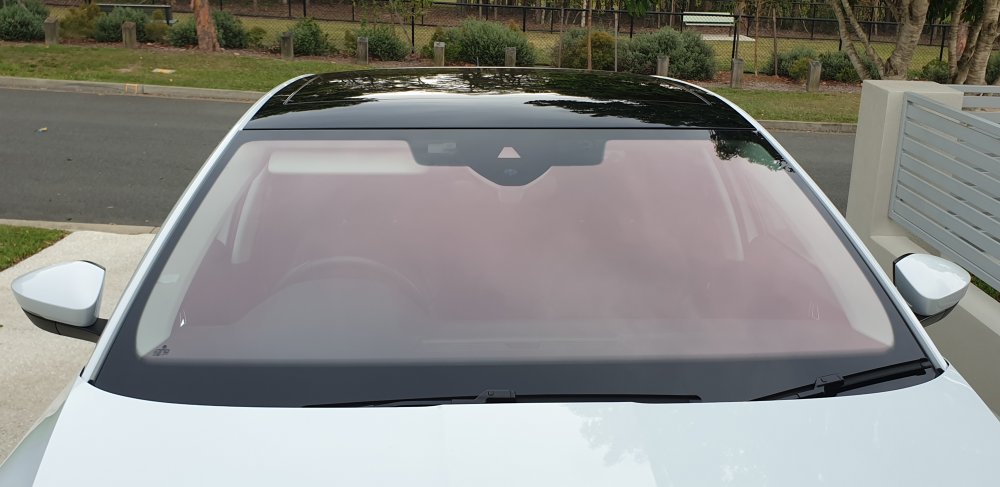
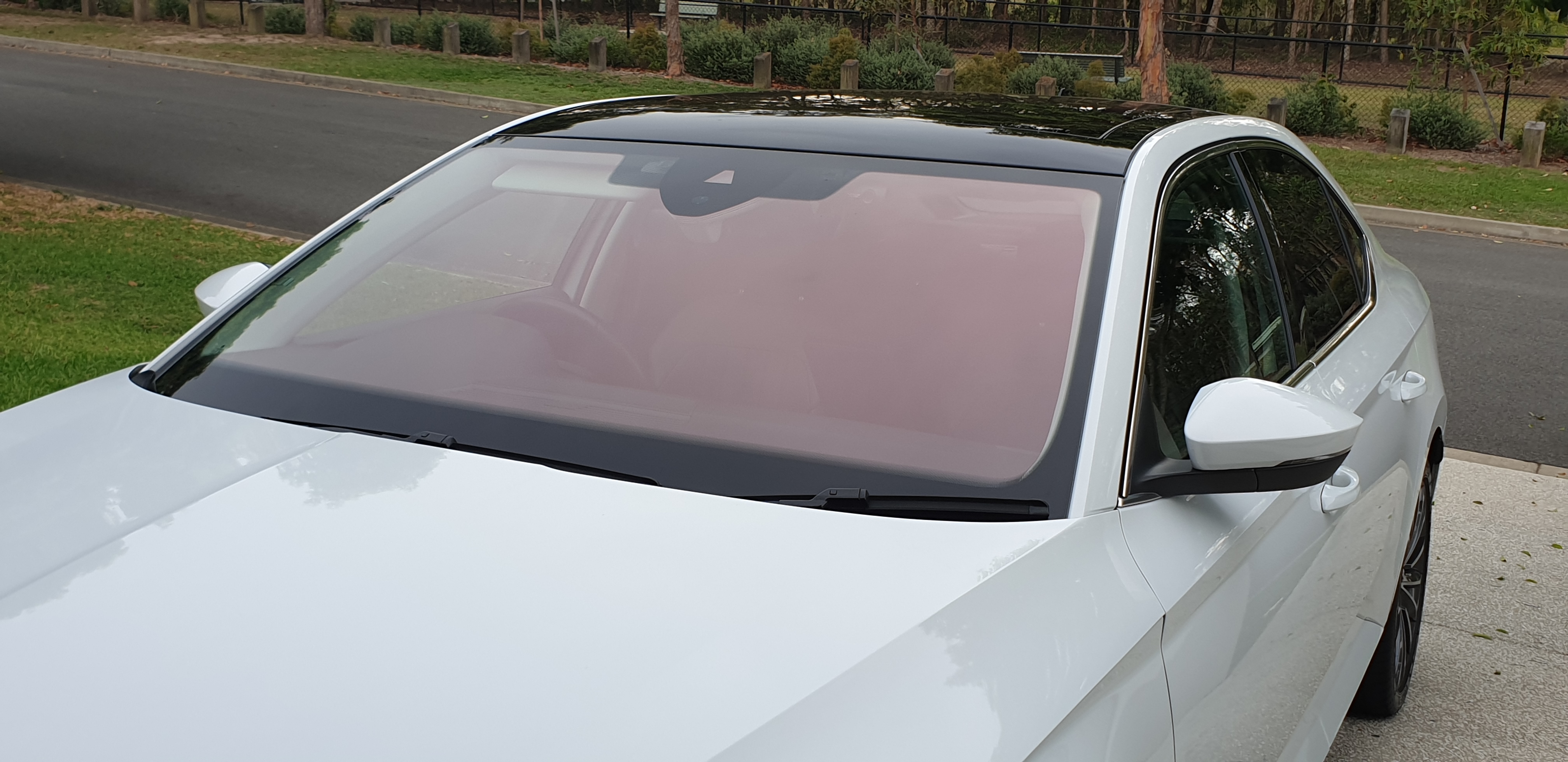
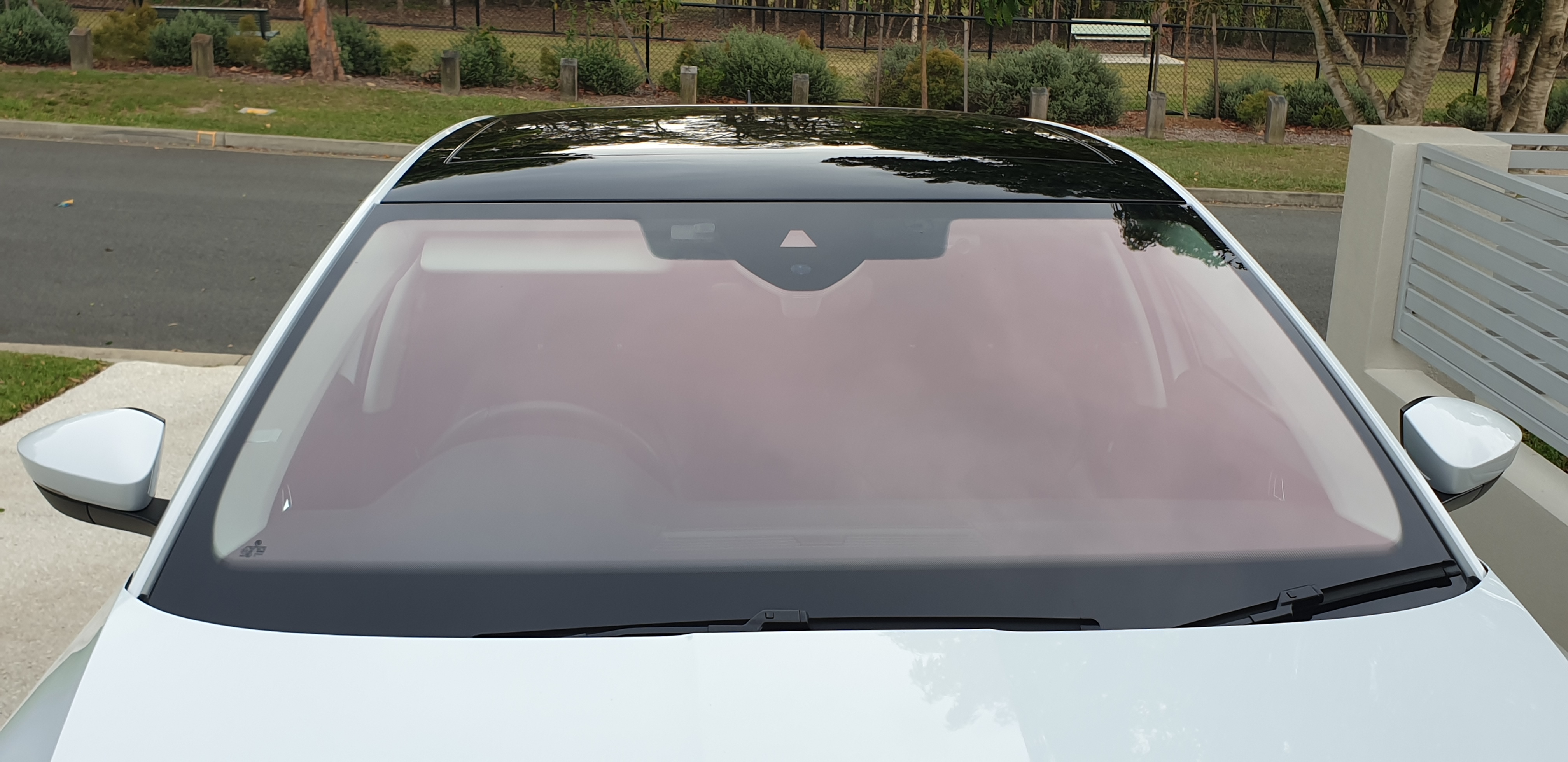
1 point1 point1 pointSo I now have the first and only Superb MKIII in Australia with a Heated Windscreen!!! I might also look to get a different Climate Control module and sww about coding in the "Heated" feature. But for me, it was all about the heat rejection properties of the Glass. And it has been proven with light guages for a window tint company that the front glass is equielant of a 35% window film and provided 99.9% UV protection. The window was ordered 28th July and only arrived in Australia on the 12th Nov. The fitment and calibration all went well. Love the look!
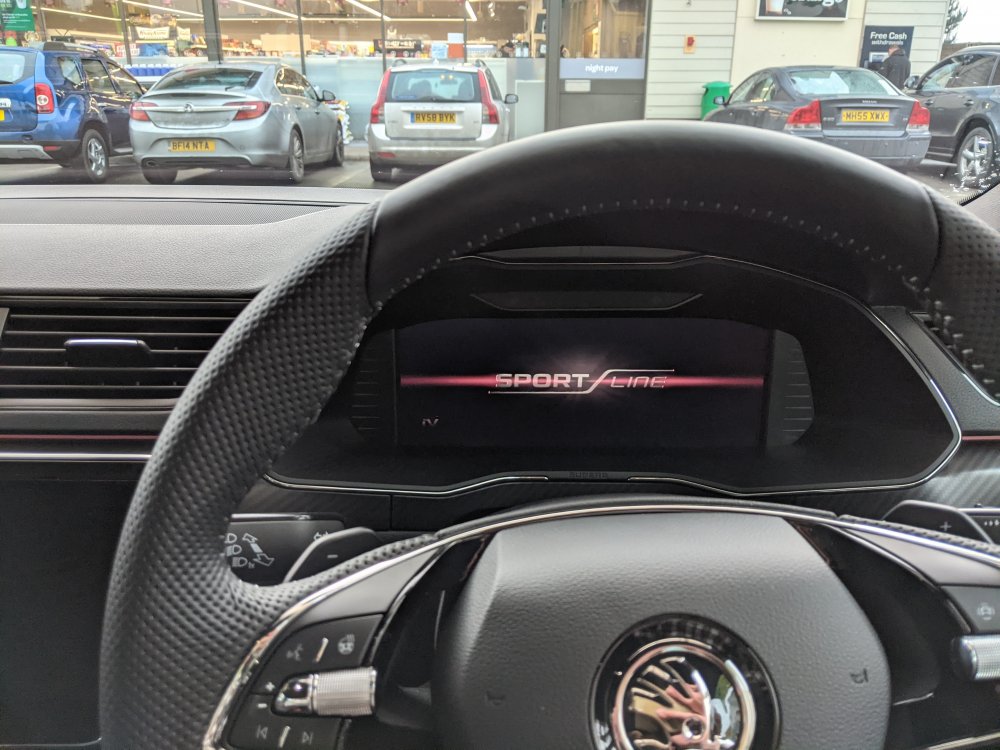
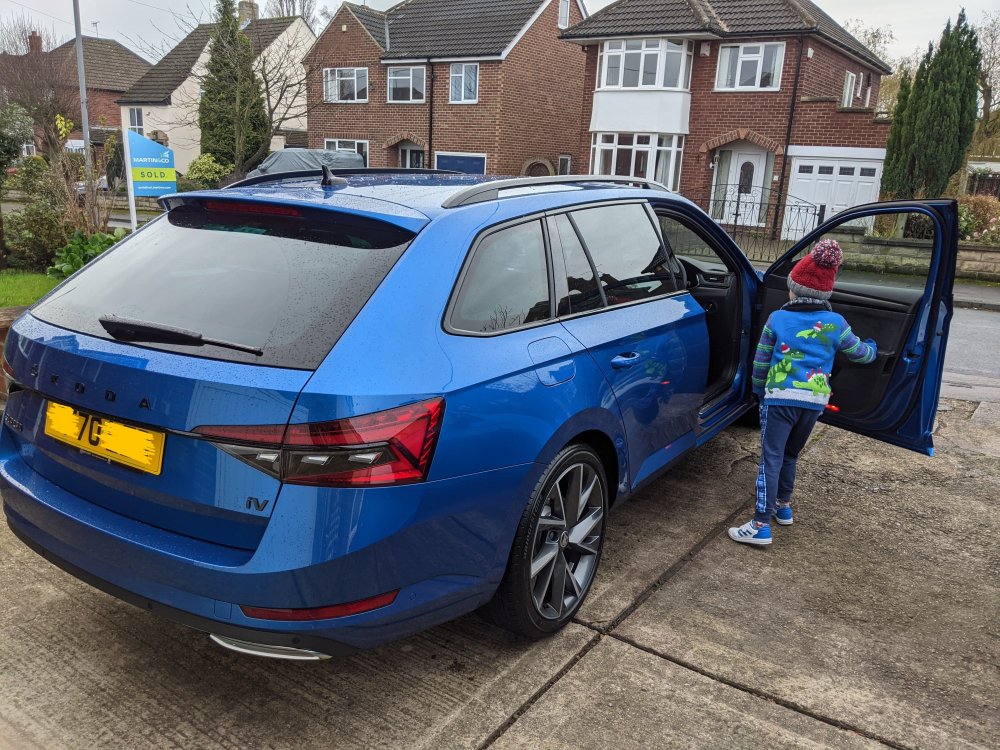
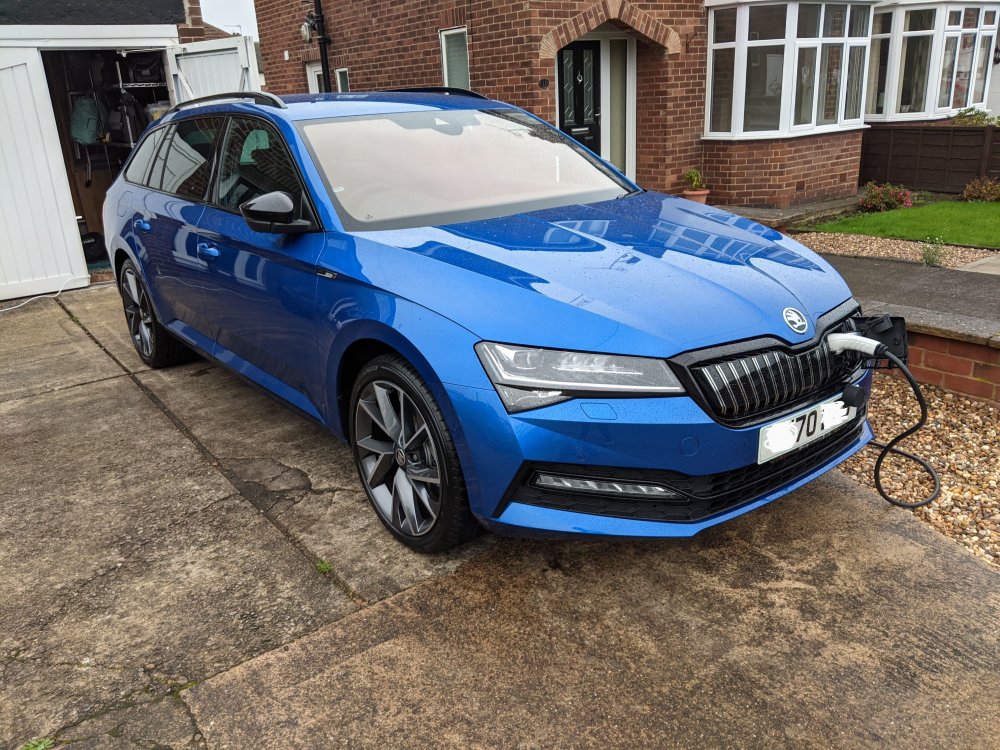
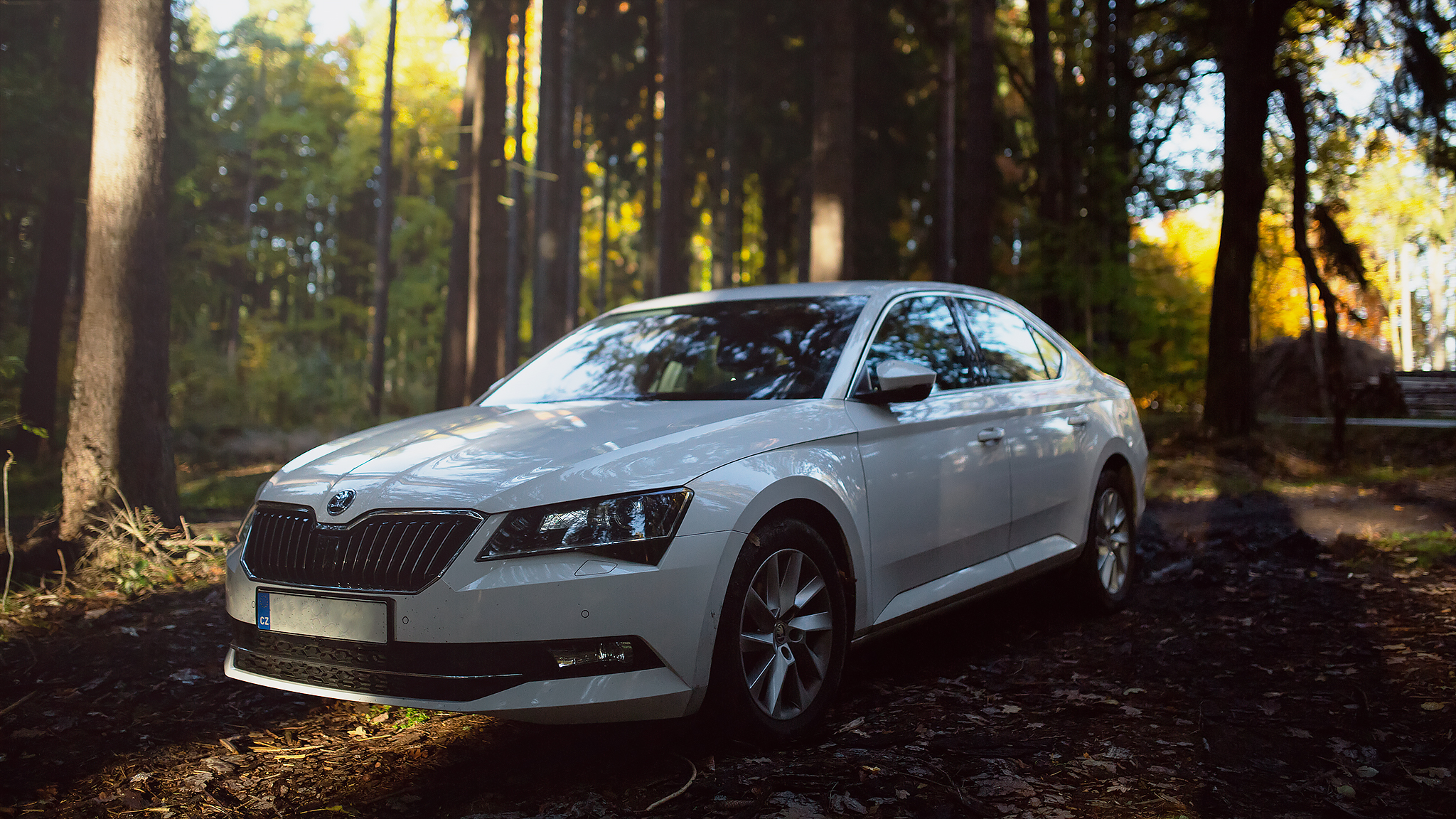
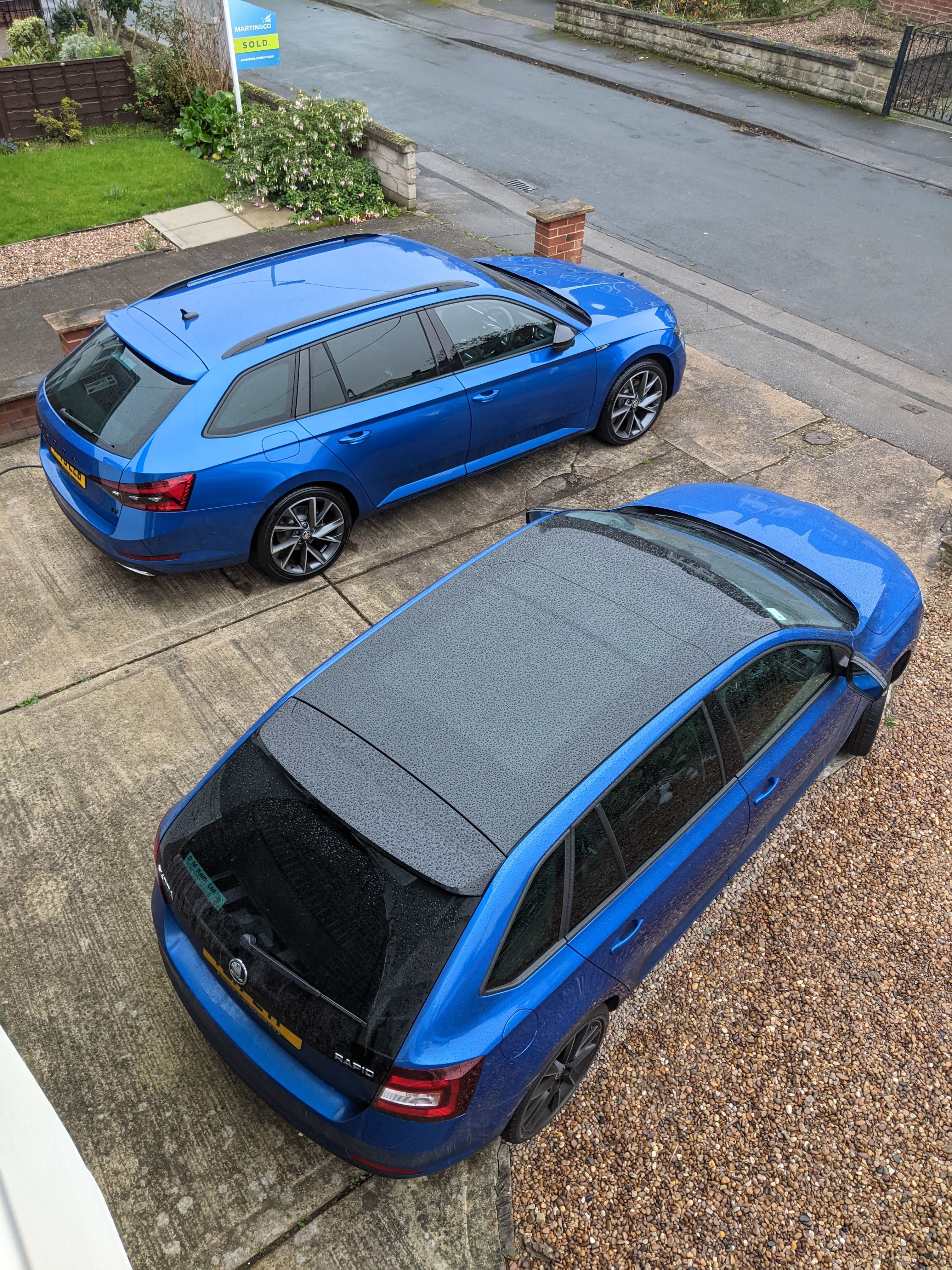
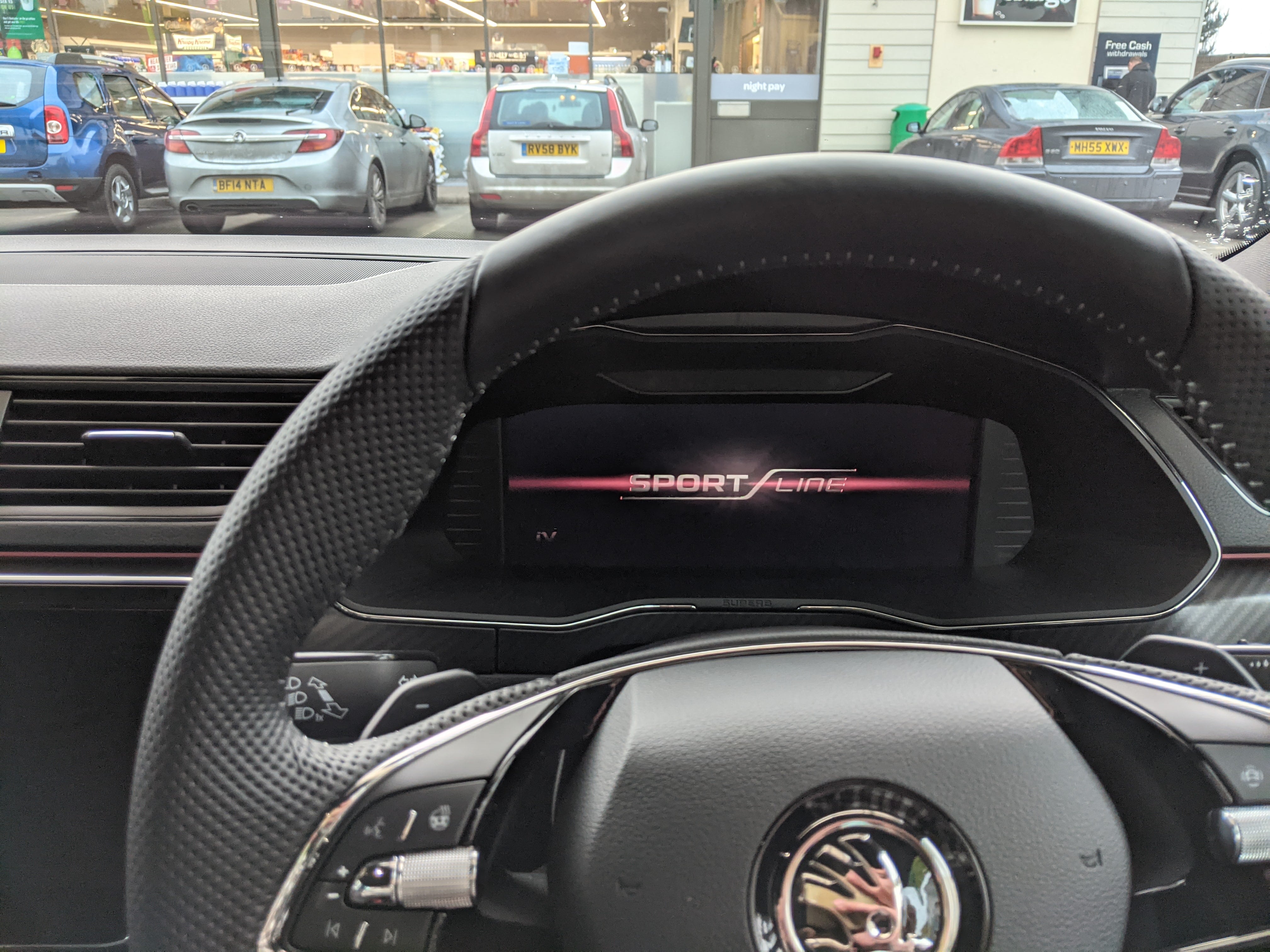
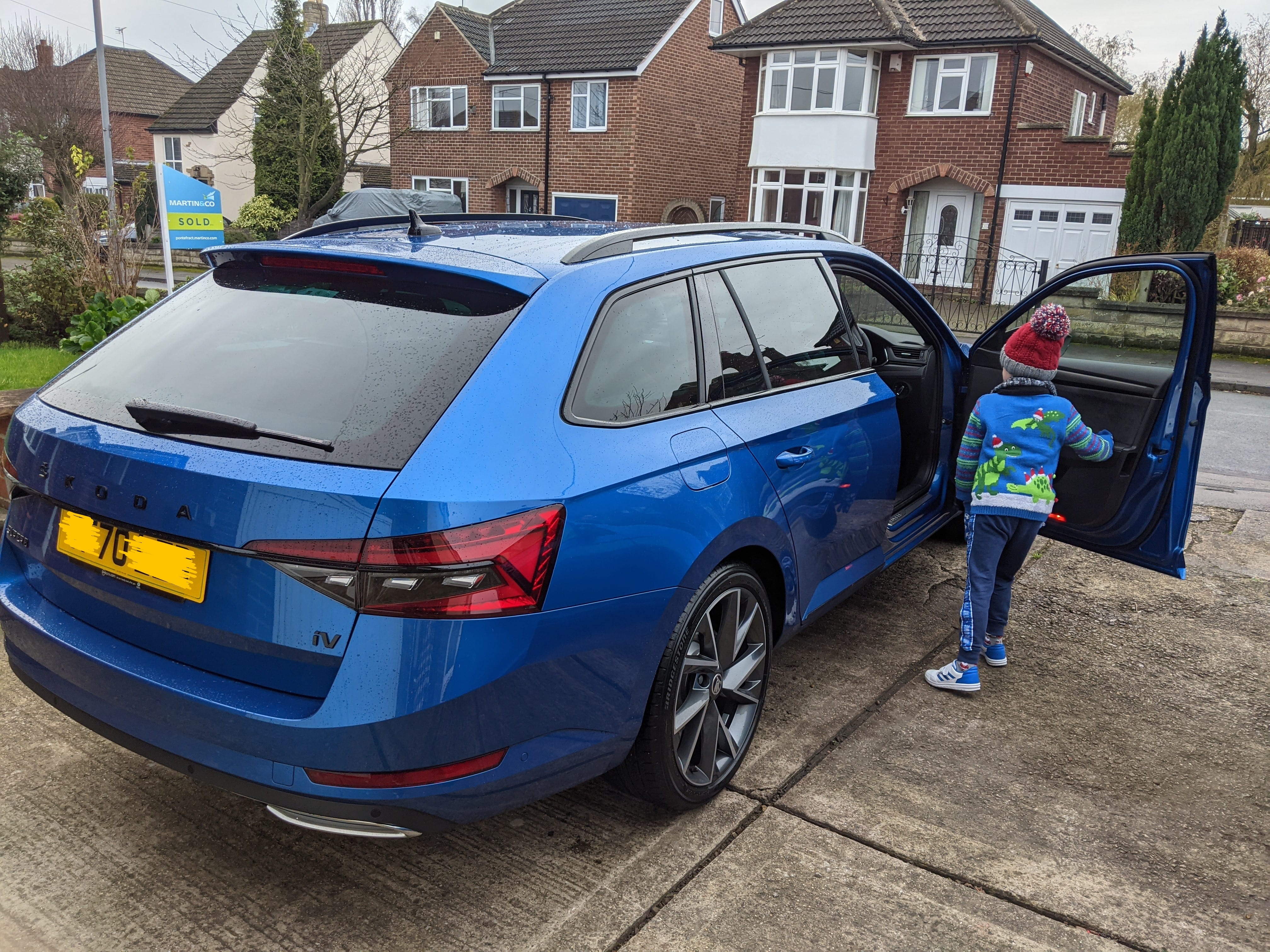
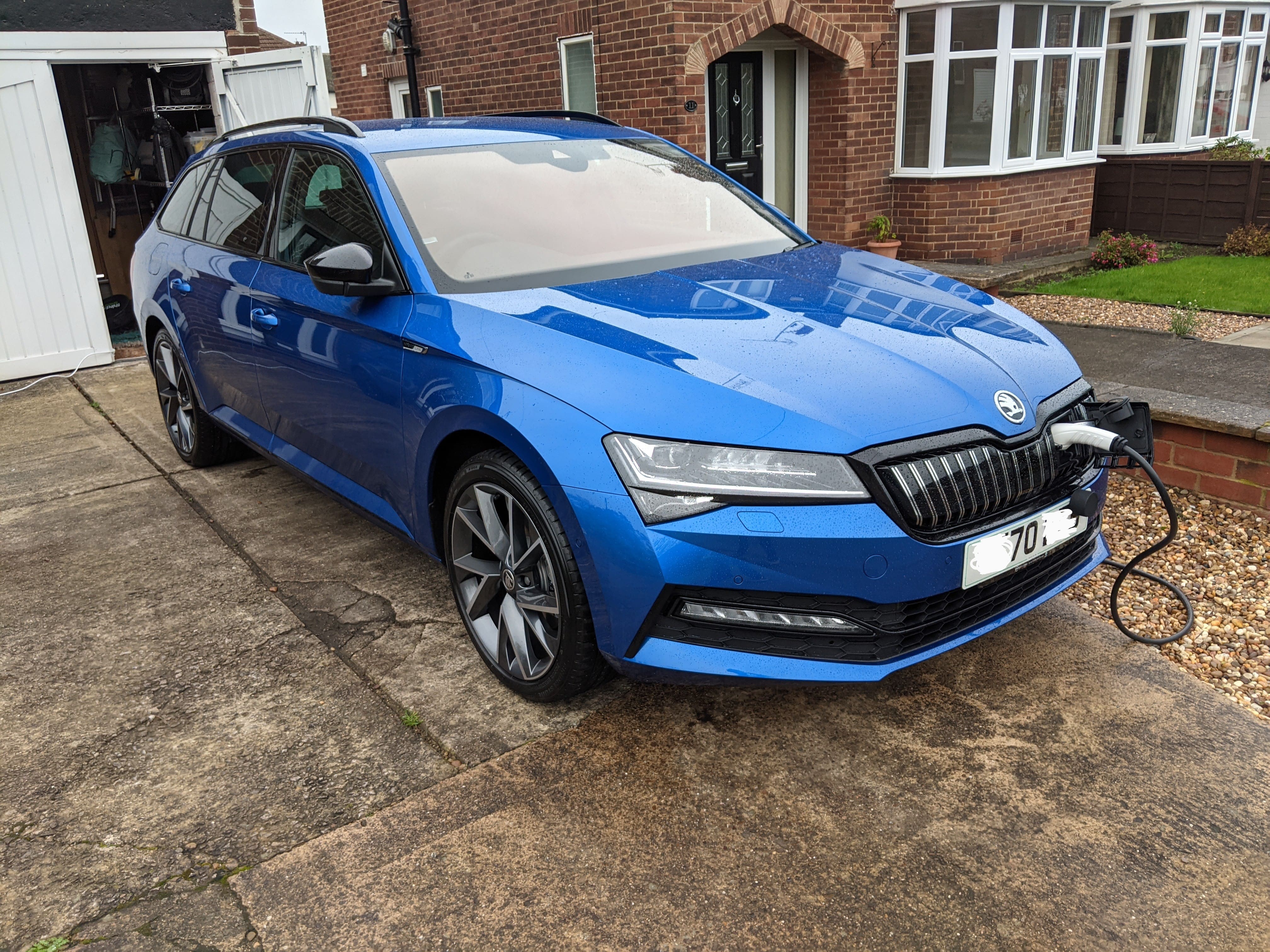
 1 point1 pointJust seen this. Happy Birthday! Finally all growed up and legal, huh? I don't post that often, but this site and its easily-Googled fountains of information has been so useful over my last ten or so years of Fabia ownership. Long may it continue.1 point1 pointWe have something in common. Met my lovely wife in May 2002 and we married the following year so 2002 is a very special year for us. My actual Birthday is tomorrow so we will celebrate that and toast Briskoda to another 18 years and Colin I hope your partner's health improves and we will say a special prayer for her. Mr and Mrs Shy.1 point1 pointThis place has given me so much advice on my fabias and is the reason I got the confidence to put mine back together to run another day. At this point i'll keep em both for as long as I can. Thanks for making such a place to research the ins and outs of these cars.1 point1 pointJsut picked up my new Sportline iV in race blue Travel and park assist Area View Heated windscreen Tri-zone Rear Sunblinds and yes... now mydelf and my wife are matching little and large with her 2017 rapid in racceblue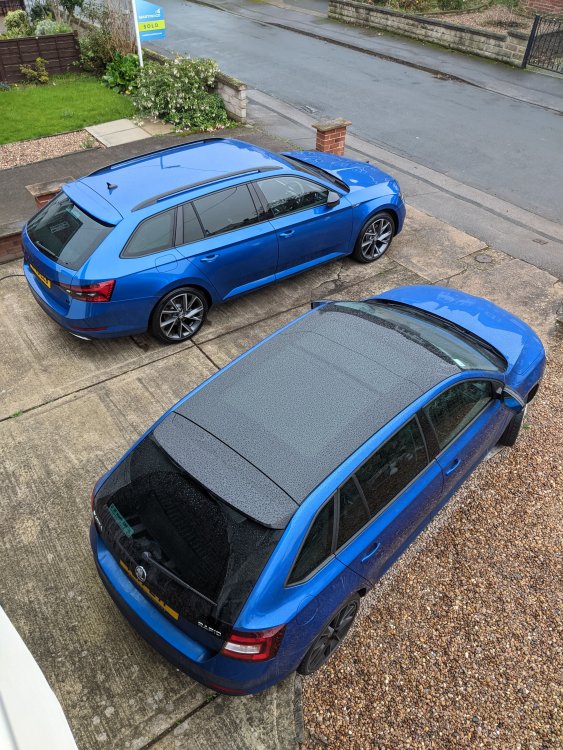
 1 point1 point







.thumb.jpg.f83a46b9b3c0d976b9dbffbb523c9874.jpg)















.thumb.jpg.06721e8c8b33ed0eea16572ff131b291.jpg)


Important Information
Welcome to BRISKODA. Please note the following important links Terms of Use. We have a comprehensive Privacy Policy. We have placed cookies on your device to help make this website better. You can adjust your cookie settings, otherwise we'll assume you're okay to continue.