Leaderboard
-
Lady Elanore
FREEDOM20Points25,085Posts -
MikeTheThinker
FREEDOM14Points8,537Posts -
pinkpanther
FREEDOM10Points3,969Posts -
Graham Butcher
FREEDOM10Points6,936Posts




Popular Content
Showing content with the highest reputation on 09/02/24 in all areas
-
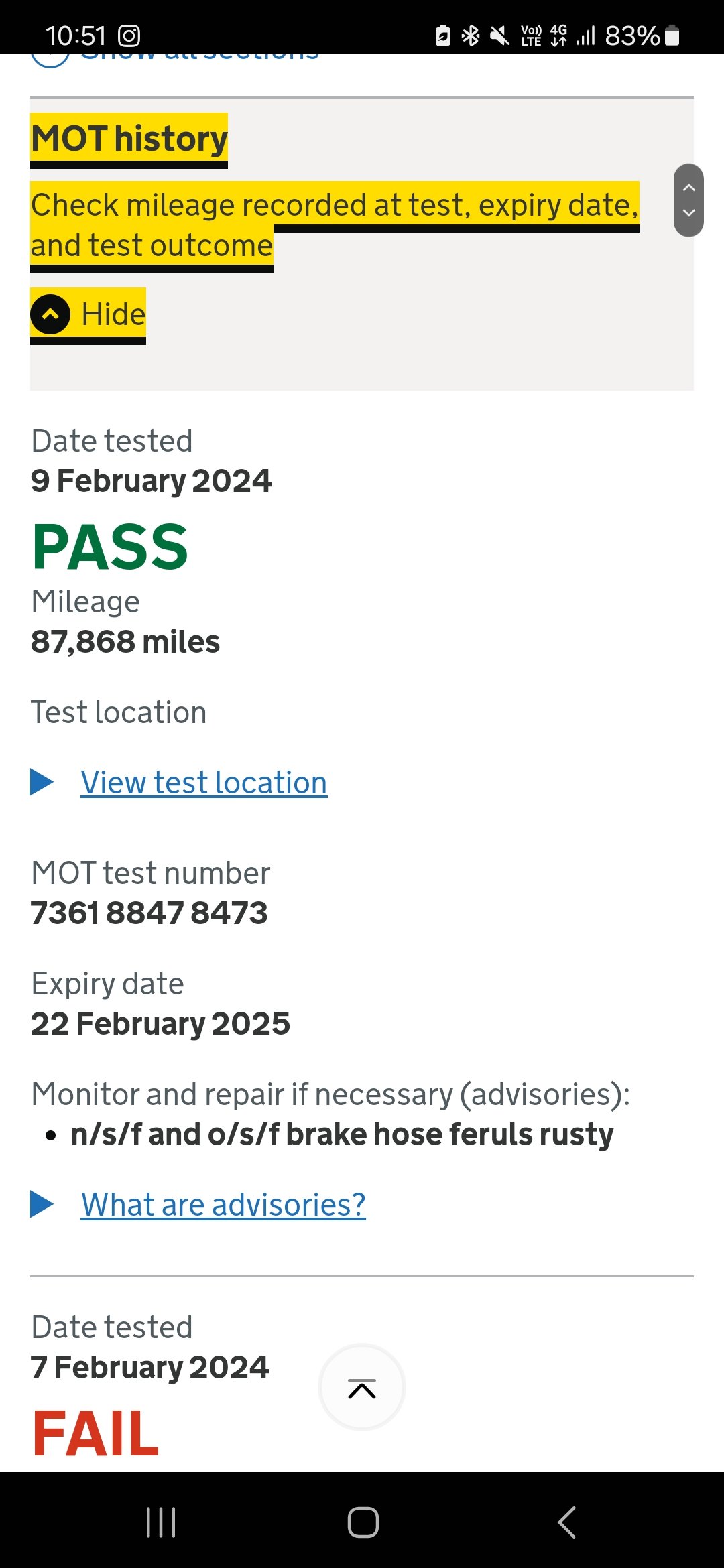
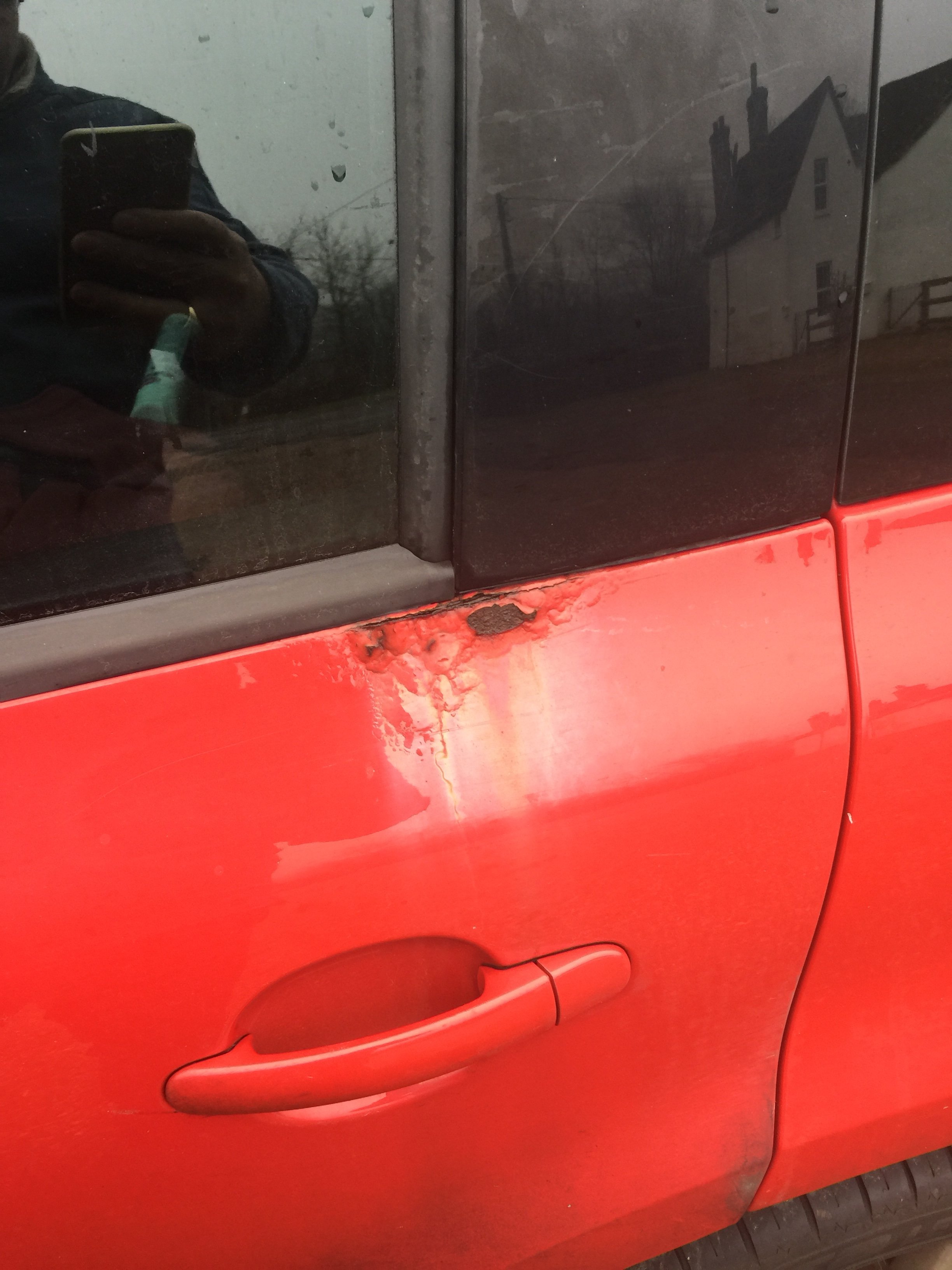
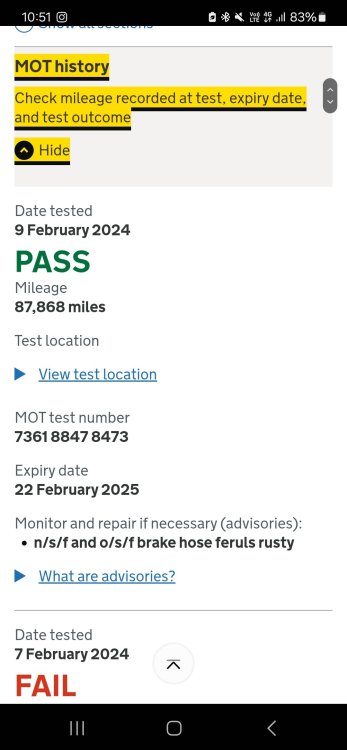
Yarrrr thar do be a pass, matey. Handbrake was also knackered, so got new cables put on as they'd stretched something awful. Not as expensive as last year but not cheap. Oh well. Next month I'm looking at getting these doors done so the rear electric windows are finished.
 4 points
 -
4 points
-
3 pointsThere are several different paradigms for cars being used for a companies business. The company car schemes have faded a lot and cash allocation is more the norm with salary sacrifice cars growing in popularity due to their tax avoidance benefits. Company car cash is a problem as one is going to get nobbled with losing 30% or 42% of it through PAYE taxation through the pay packet, even worse now as the freezing of the tax thresholds ie at £12,570 and £50,270, for those with no tax code amending claims or negative BIK ie like fuel provided under a fuel card which I also have. If one has a fuel card then one does not usually claim any business miles from ones company but one can claim on the fact one is not getting business mileage at all so one can claim tax relief on mileage not being given, even though one has a fuel card. So I get £7K added to my code for not getting any mileage. Fuel card costs are now added monthly to ones payslip so if I fill up 3 times in the petrol cars and say £200 is added to my Benefits and taxed through the payslip monthly rather than declared on Self Assessment. The trick now days, made more difficult by the freeze in tax allowances, is to try and keep just under the Higher tax allowance, if one can live on the £51K Gross salary in one's current lifestyle, suppose that is a net of around £40K but one has hopefully packed enough in the pension pot to make retirement comfortable. Con government now allows more than £40K in a year to be diverted in to one's pension pot ie up to £60k pa, said by Jeremy the Hunt to try and keep medical consultants in the working environment but it will be used by many others. So cars remain a place where well planned tax avoidance can work well. Getting companies to give a good car allowance is a problem. Levels of say £350 a month do not give much choice to run at a close to neutral stance. I have just seen the Ora car now quoted as a lease price of less than £200 and no deposit which is awesome only 5K mile pa though. The 45p a mile is looking so low these days when looking at overall running costs. 25p after 10K miles even more incredible low. I use to get 63p a mile back in the early nineties paid to me when working for HMRC. Heard of some workers say they will not do long trips after they pass 10k miles but will put them off to After April 5th ie new tax year. EVs are great for cheap running costs if one can home charge most the time and servicing costs are low too. Though my Arkana only needs serving every 18k miles and does well over 50 mpg in the winter and the fuel car means petrol is effectively only 28p a litre as I do divert tens of thousands a year in to my pension to stay a standard rate taxpayer. Hoping to join Octopus car salary sacrifice soon and TESLA model 3 standard range LFP battery Highland version looks a good fit for me with it 300+ miles range except in very cold conditions. Lease under £400 a month it looks like. Just need the TESLA charge card either with the company or privately so I can claim, not sure how one passes on charging done at home, might get a second charger for that, one which use Octopus Intelligent. Not a great perk but gets one in a newish car for less money.3 points
-
2 pointsI’ve had this fitted by @East_Yorkshire_Retrofits a few years ago on my 17 Octavia, it’s brill even on my manual, lets you change gear and resume. Switches car back on when the car in front moves with the Stop start2 points
-
2 pointsThank you 😊 I started my SLR journey with a Zenit, before moving to Praktica and then an Olympus. I remember the Zenit was fully manual and hugely noisy in operation. My first DSLR was a Nikon D50, for which I paid a friend £40! I then had a Sony A200 and lastly a Nikon D90.2 points
-
2 pointsI guess that would have been a Fisker Ocean then... Fisker Ocean | Fisker Inc.2 points
-
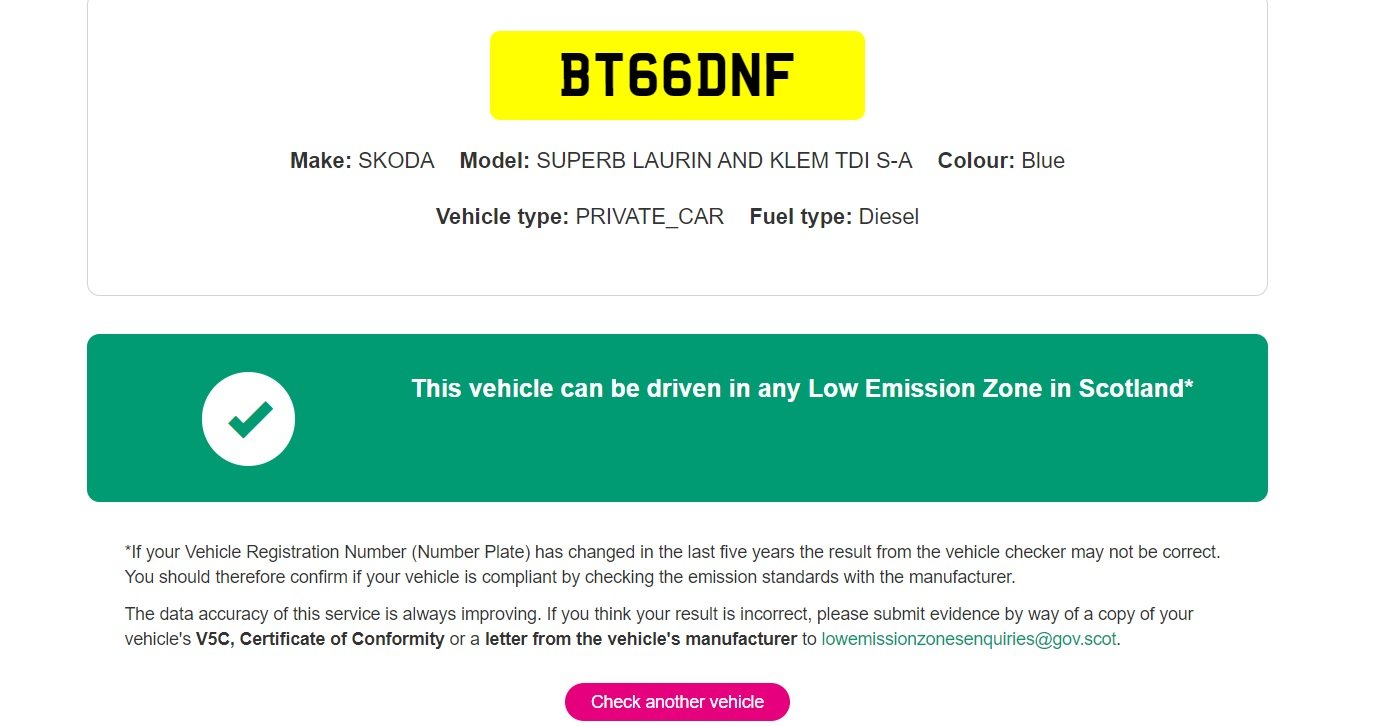
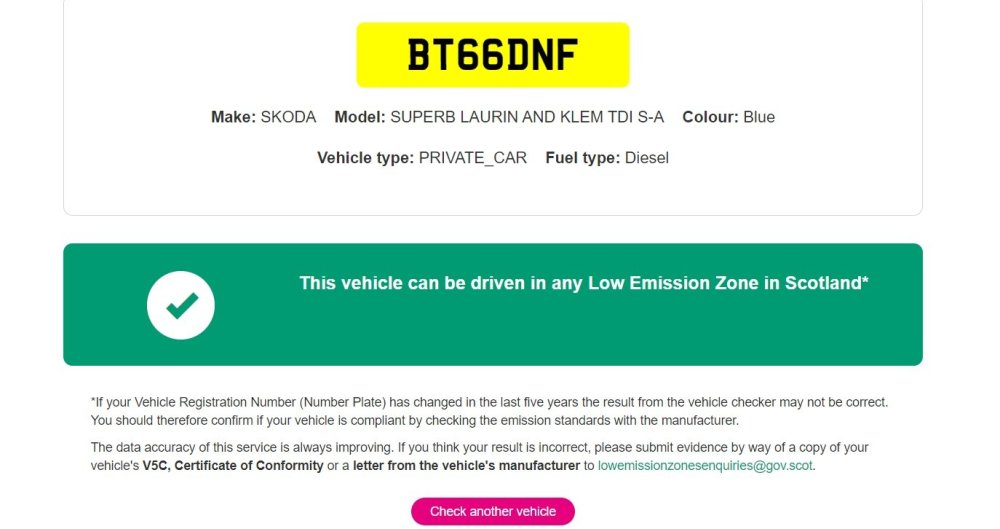
2 pointsTo answer your questions I give you: Is it an AWD - No How much did the 2016 Superb cost, and is it Euro 5 or Euro 6? - Price, no idea, it is however Euro 6 Would anyone run one in UK cities as a VIP / Airport transporter? - Yes and they are doing so. This is another reason for wanting to get a mk3 model because of the introduction of the London ULEZ zones. I can currently drive this car anywhere in the UK except for the Zero Emission zone in Oxford.
 2 points
 -
I hate the the updates always pop up when you're driving so you can't read properly what they're for and you just hit update and it never tells you if it was successful or not.2 points
-
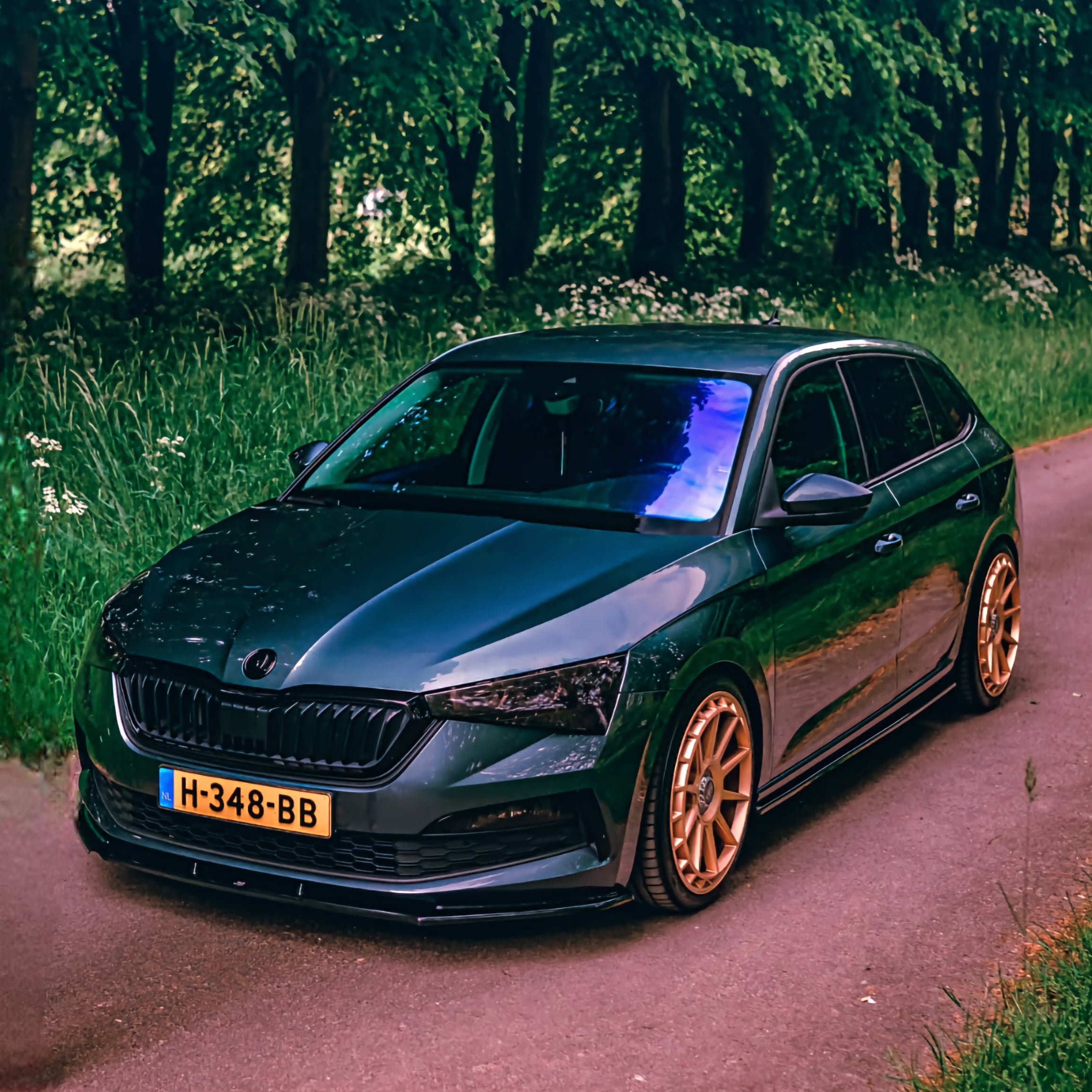
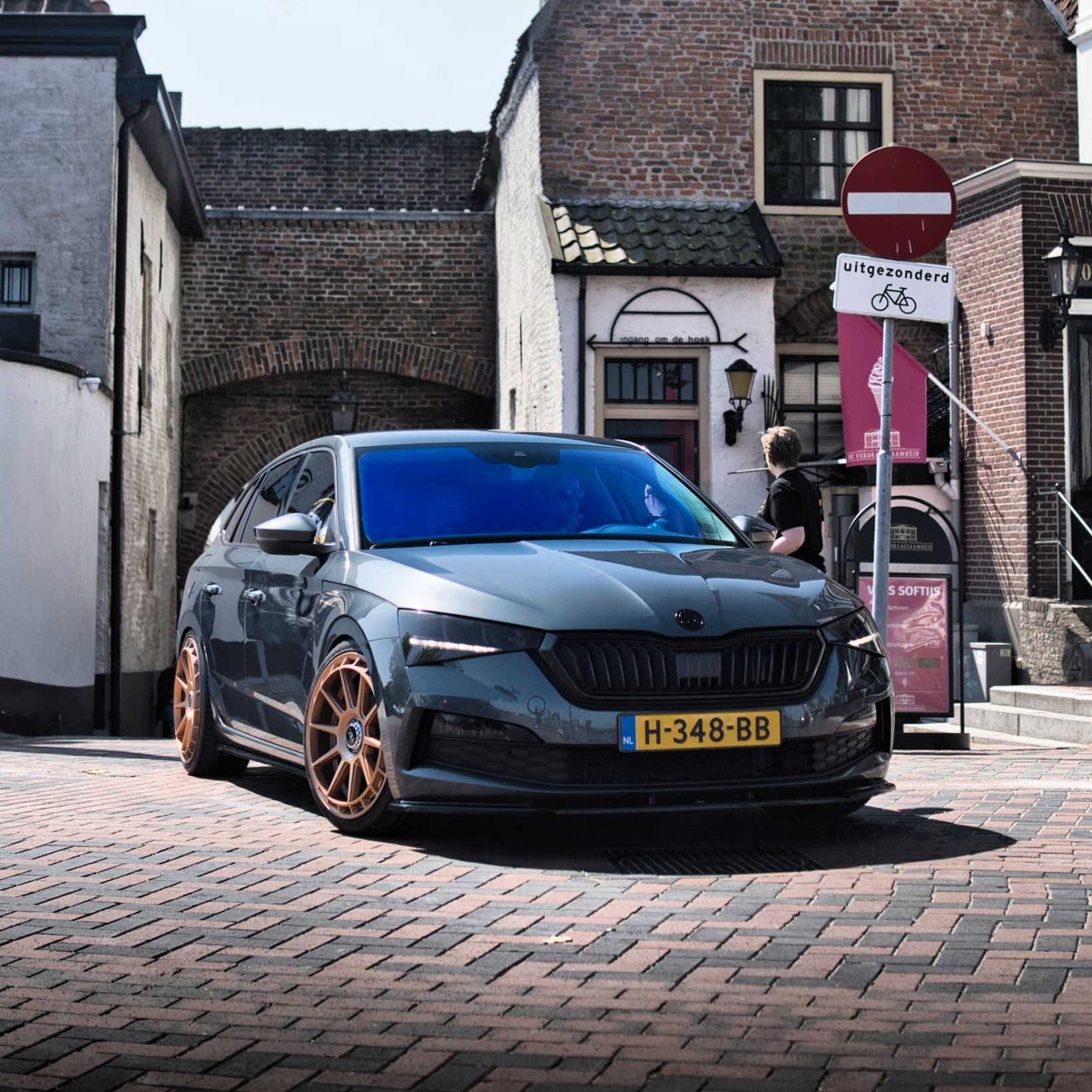
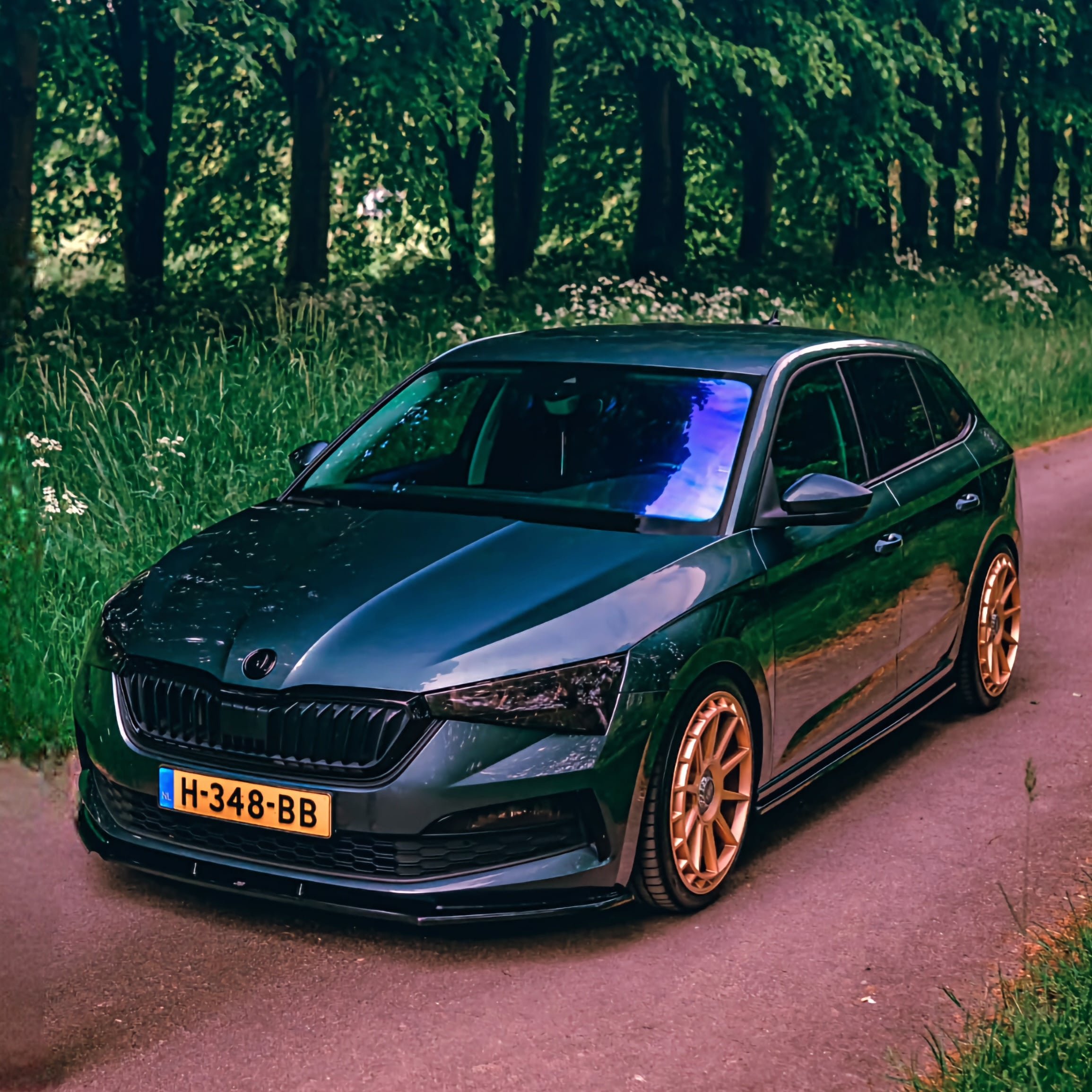
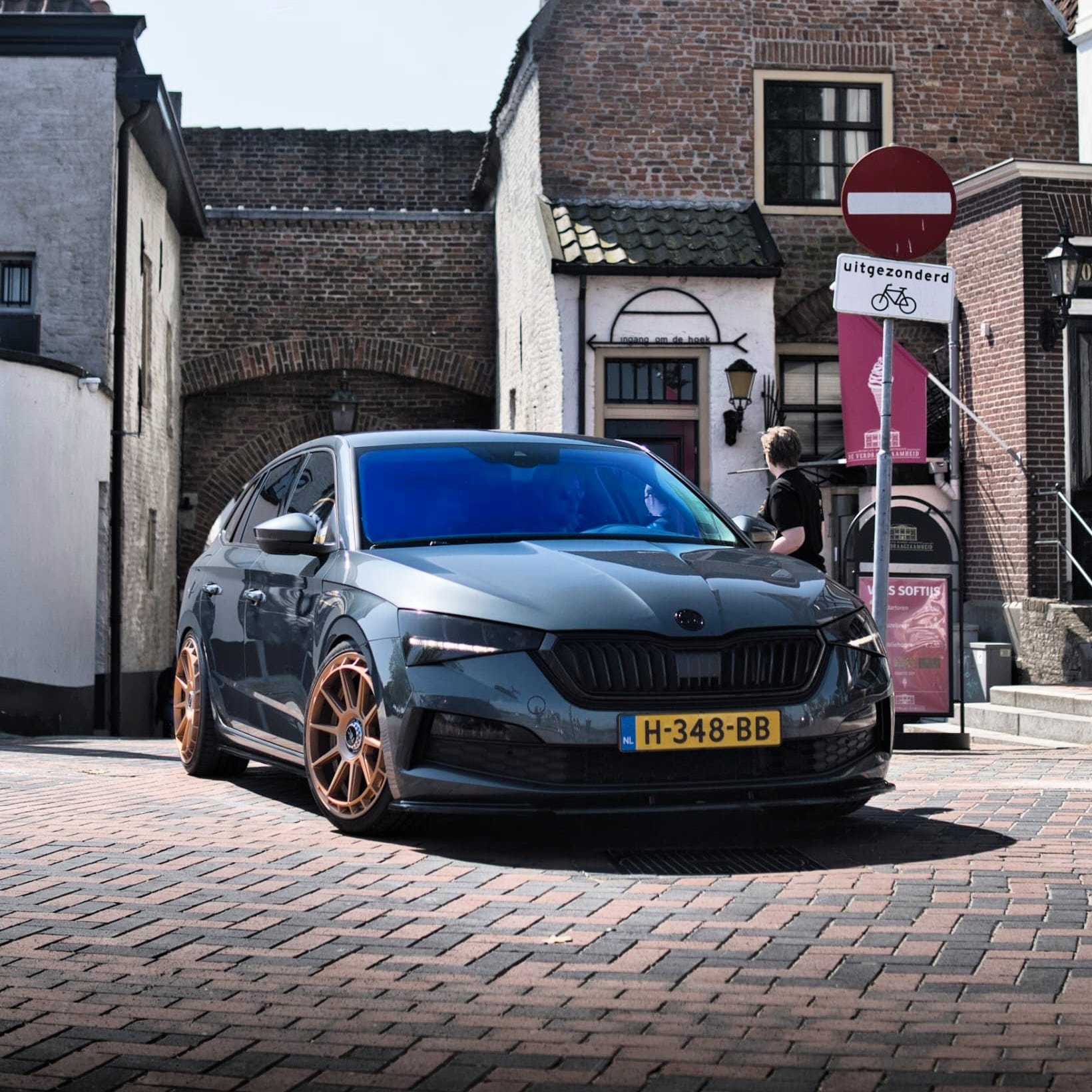
2 pointsSkoda scala 1.0 tsi Stage 2 Maxton design body kit Lowered with st suspension Custom exhaust More pictures on Instagram (dscala_mk1)
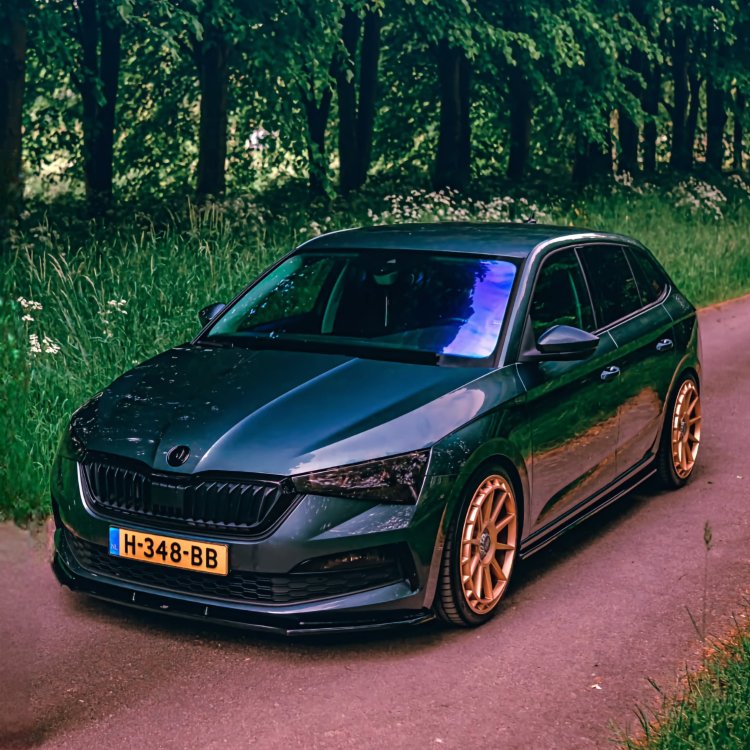
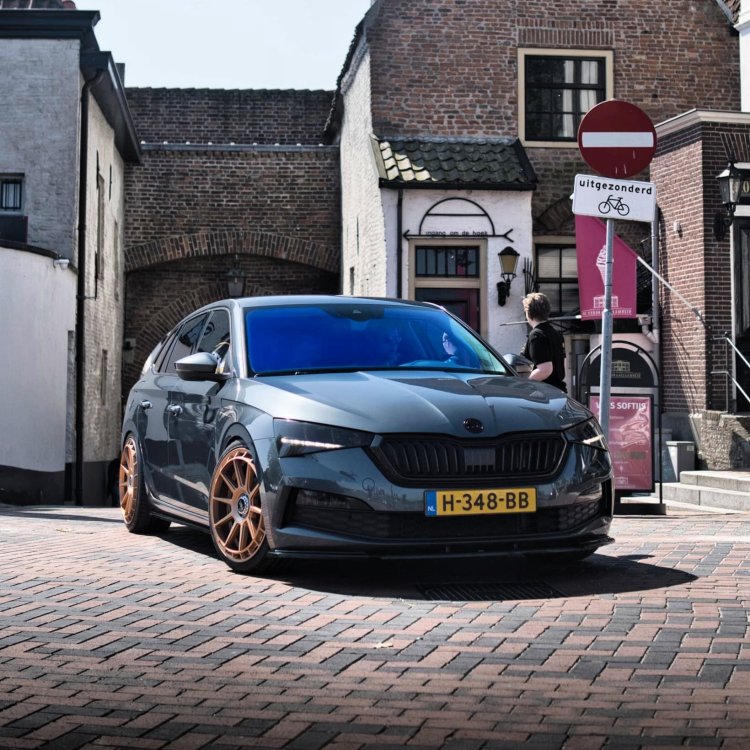 2 points
 -
2 pointsThank you very much for all your comments! I have the service appointment on Tuesday. I'll share how it goes.2 points
-
2 pointsIt is very encouraging that if you want an EV with just 200 miles range like a used Porsche Taycan is going to be available soon for the price of a 2024 Fabia Mk4 1.5TSI. Flying pigs. & that they can get an early Nissan Leaf that will be able to do the 50 miles or so that someone might need to do and can do that for maybe £2 or less.
 2 points
 -
I work full time as a roadside tech nowadays but before that spent around 10 years working on cars in workshops (mainly VAG but also JLR). My hobby is working on my own car doing all these fits and running SK Retrofits to offer bits to others too. Some information can be sourced from others who have done the same bits, other retrofits that are new or haven’t been done by anyone involve countless hours of looking at wiring diagrams, parts diagrams, comparing car logs, finding parameter files, writing a plan of the process, checking if parts are compatible (sometimes by trial and error) as well as just giving it a go and finding the outcome as you go! then sometimes parts don’t exist so you have to start looking elsewhere at other cars, then if still nothing, designing and creating your own parts. Like what I’m doing with the areaview for the front camera mount and all the cabling. someone’s got to give it a go for others to give it a go themselves 😛2 points
-
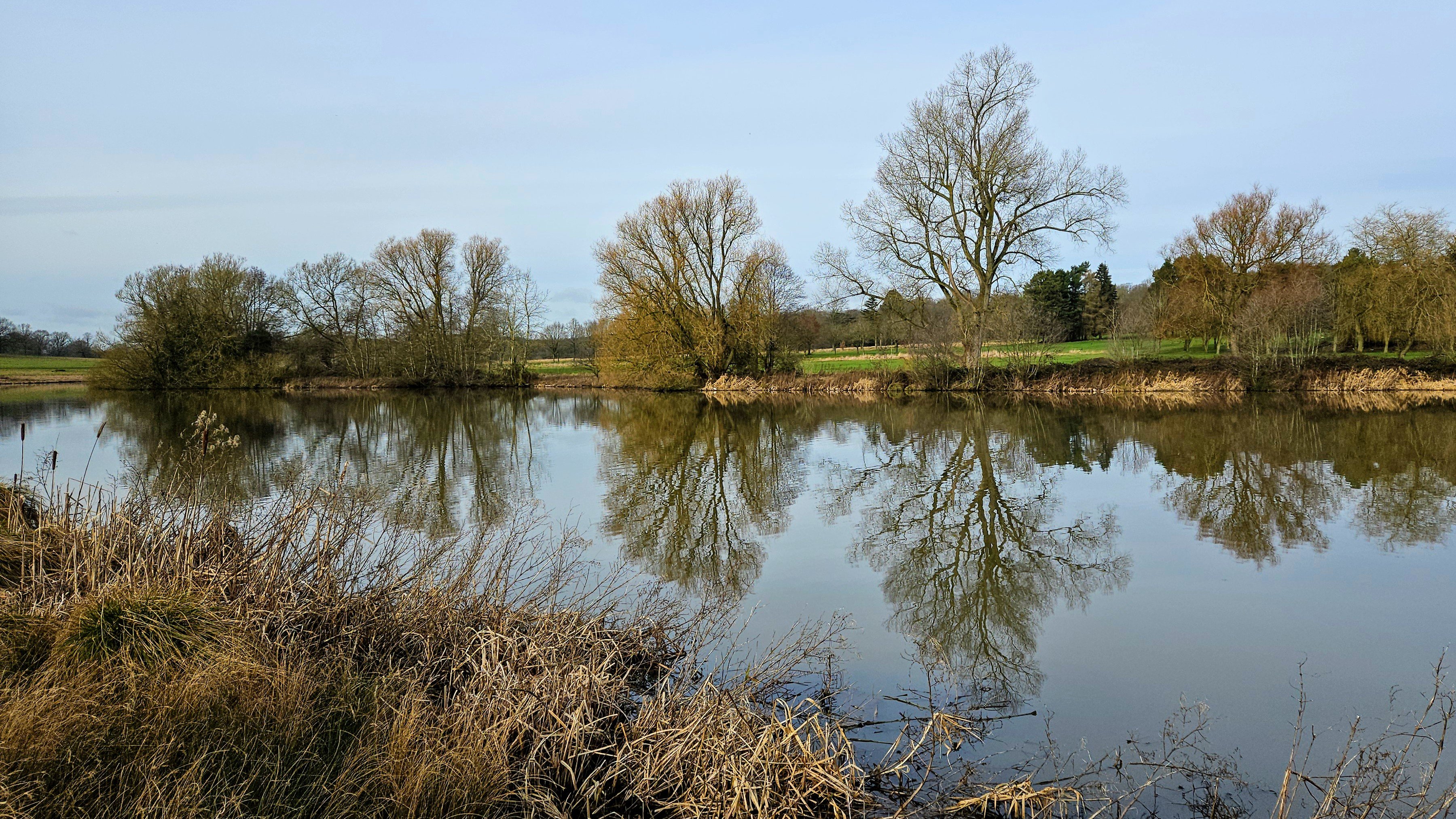
1 pointThe descending mist and sunset were a lovely combination earlier (taken with Samsung Galaxy S23)



 1 point
 -
1 pointYes we can do this 🙂 Unfortunately as the Octavia has a manual handbrake, even on DSG models the ACC behaves the same as it would on a manual vehicle. So you'll be no worse off than an automatic owner, aside from the gear changes themselves being manual1 point
-
1 pointAn interesting thing with the Ocean is that it comes or can be had with a solar roof panel which could produce upto 1,500 free miles with the right exposure to sunlight, I guess that's not going to happen in the UK then.😁1 point
-
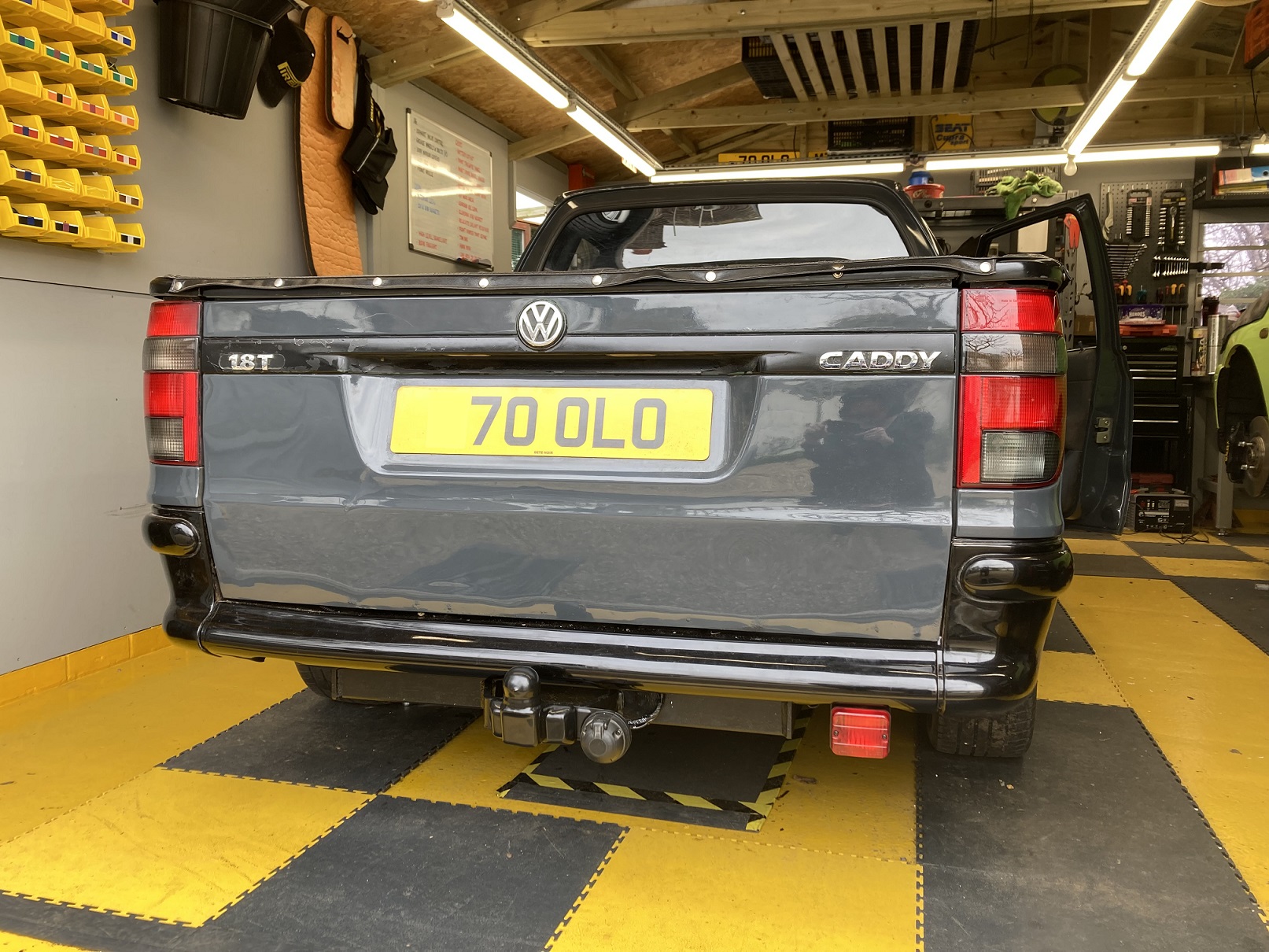
1 pointYou are welcome here... We won't judge 😀 I have a VW Caddy MK2 pickup... Don't tell anyone but it's really a Skoda 🤫1 point
-
1 pointReplying to my own post - seems this was result of Skoda Telford not doing the full task when sorting the emergency call and infotainment up to 1941. Paul from Skoda Wolverhampton has gone in, activated correctly all the modules required and finally I have a fully functional car and head unit. Off to read the manual now about all the stuff I've so far not had opportunity to fiddle with.1 point
-
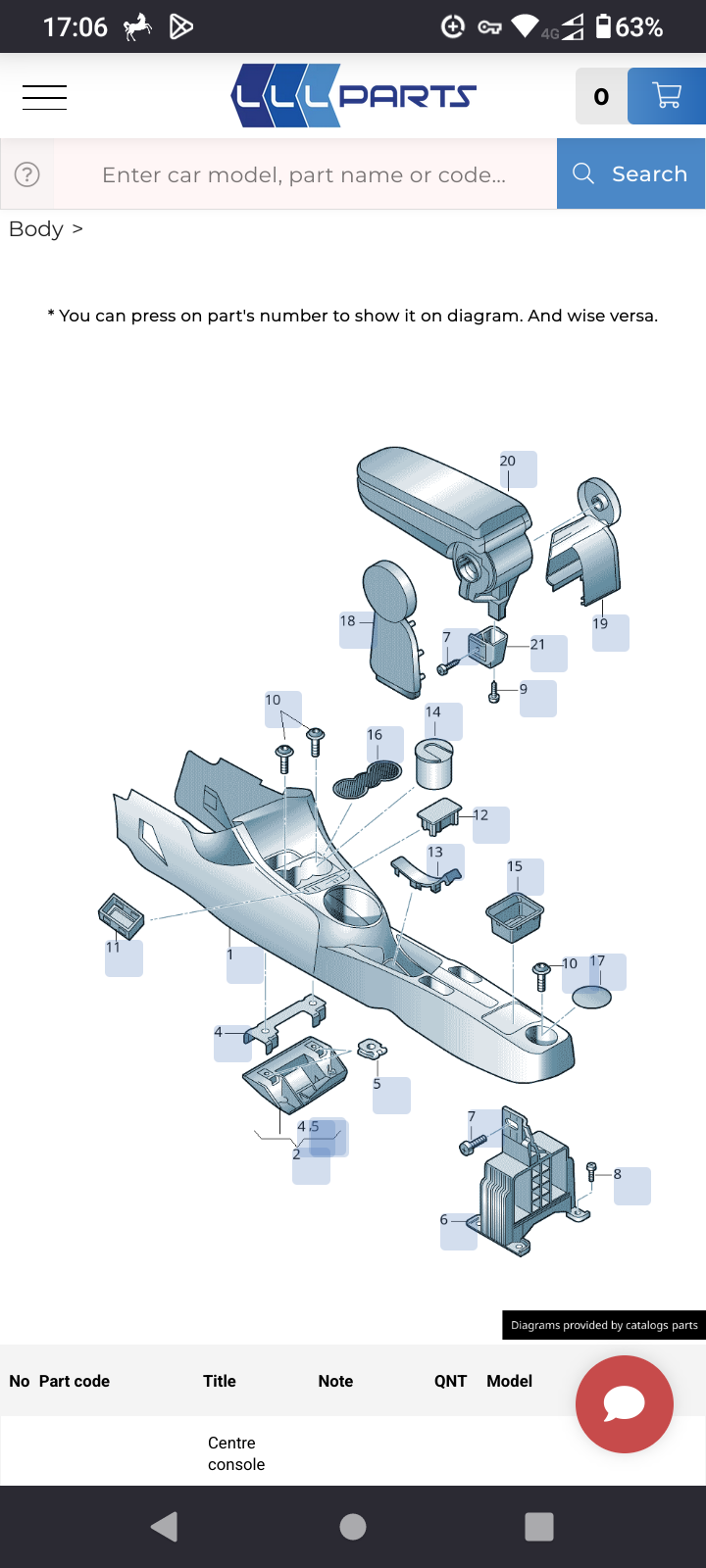
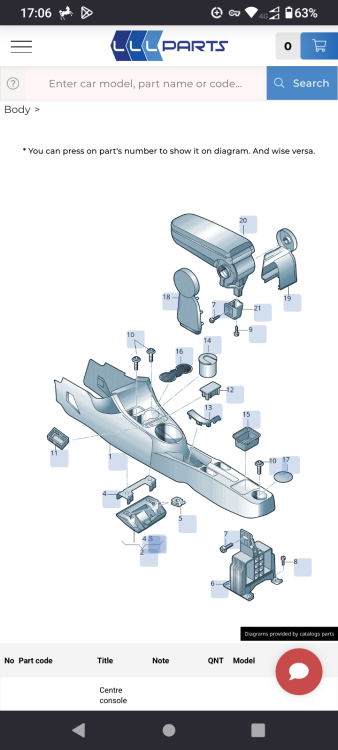
1 pointThe auto adjustment wedge on the rear drums often seize with age and trying to persuade them as previous poster describes often doesn't work. It's possible to adjust the handbrake by removing the tray behind the handbrake lever, it just pulls out and you'll see the adjuster on the T bar with the 2 cables attached. Small open ended 10mm spanner is required. Pull item 15 up to gain access. More satisfactory solution is to remove the drums and clean out thoroughly. Details and pics here (Fabia/Roomster the same...) You'll be able to see how worn the linings are and check the slave cylinders for leaks. As the rear drums are never touched by most garages, they are probably knackered by now, you may find that leaking brake fluid from the slave cylinders has contaminated the linings so making them ineffective even when the handbrake is pulled hard on.
 1 point
 -
Wouldn't recommend using any form of "stop-leak" can cause more harm than good1 point
-
1 pointI don't know if it's the same as my old Octy, but on that the handbrake adjustment went like this:- Stop the car, engine running, handbrake off. Push the footbrake as hard as you can into the floor. Even use both feet if you have an automatic or DSG. Now pull on the handbrake without releasing the footbrake. Release the footbrake and then the handbrake. If this works you should have the handbrake fully on at 5 or 6 clicks. I'd do that annually, when booking the MoT, and never failed on handbrake adjustment.1 point
-
1 pointBut he was actually looking at a Range Rover and in fact went back to a diesel RR, none of these cars are anywhere near that class of car, so once again you're not comparing like for like. Its a bit like comparing your Telsa with a Nissan Leaf.🤔1 point
-
1 pointMany thanks - food for thought 👍 I previously had a few DSLR's, but then migrated to Lumix Bridge cameras (currently FZ1000) and Lumix compacts (TZ70 & TZ100 currently) but am hankering after another DSLR.1 point
-
1 pointIts just my canon 100d body ,the lense was my new sigma 150/600 that missis bought for my birthday in jan ,that was taken from my kitchen window and its the only half hour of sun we have had in last couple of weeks 😁😁1 point
-
Thanks, Stoker. Yes, I’ve been through the dealership authorisation. The puzzling thing is that it works intermittently rather than not at all.1 point
-
Very interesting but they are rich peoples play things and are the type of cars that I think should be banned on the roads as nobody needs that kind of power and just imagine how high their emissions are.1 point
-
The car had probably just started a DPF regeneration. You probably didn't notice but the idle should have been sitting at about 1000rpm. The subsequent drive on the dual carriageway would have allowed it to finish. However it could just have been steam from the exhaust system as it warms up after sitting for a while being for sale (not sure of the circumstances of that side of things though).1 point
-
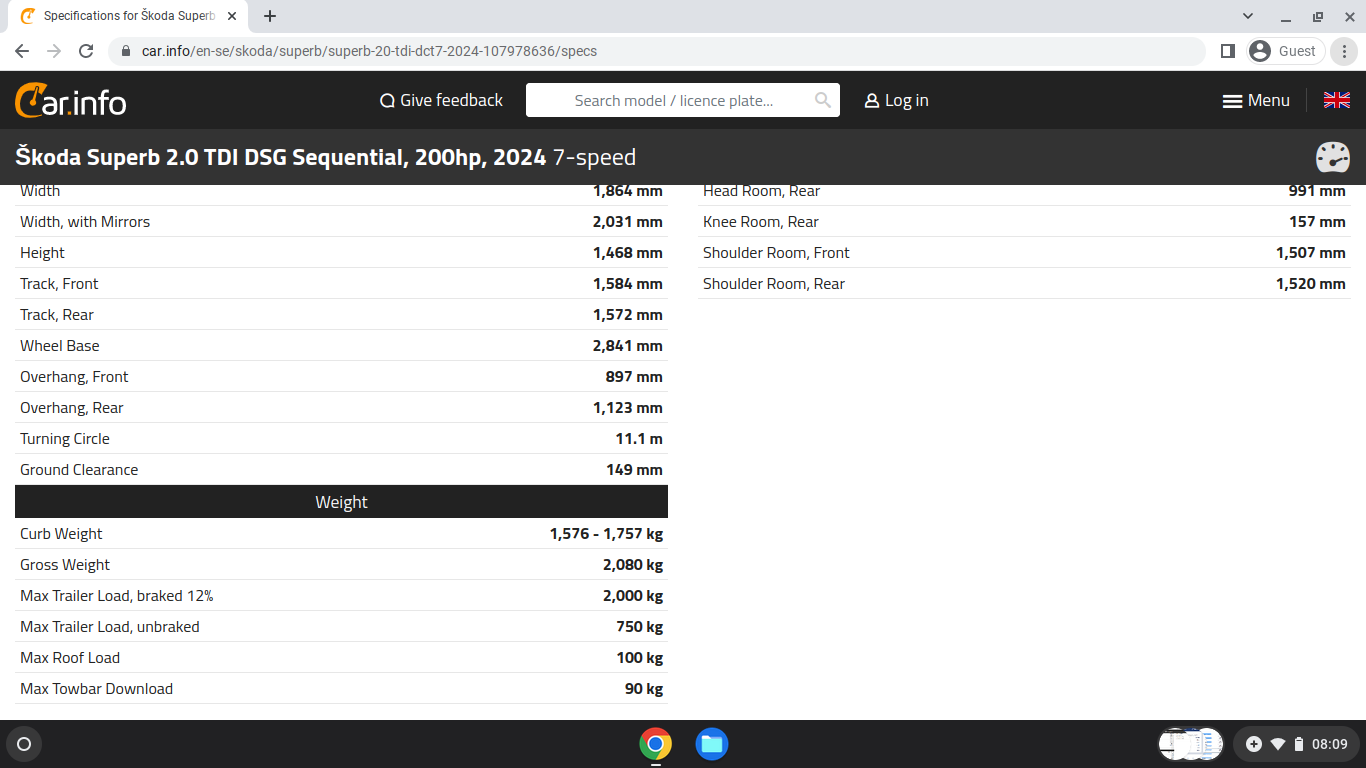
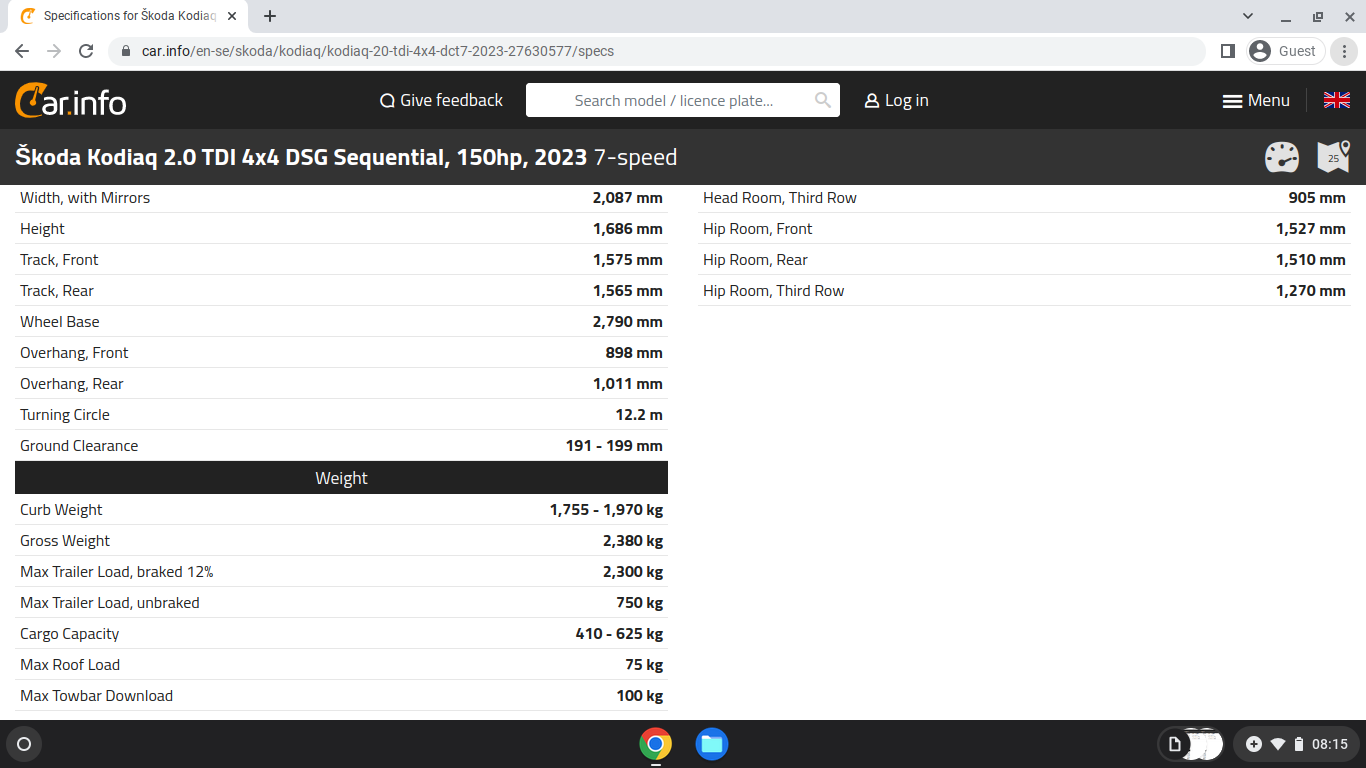
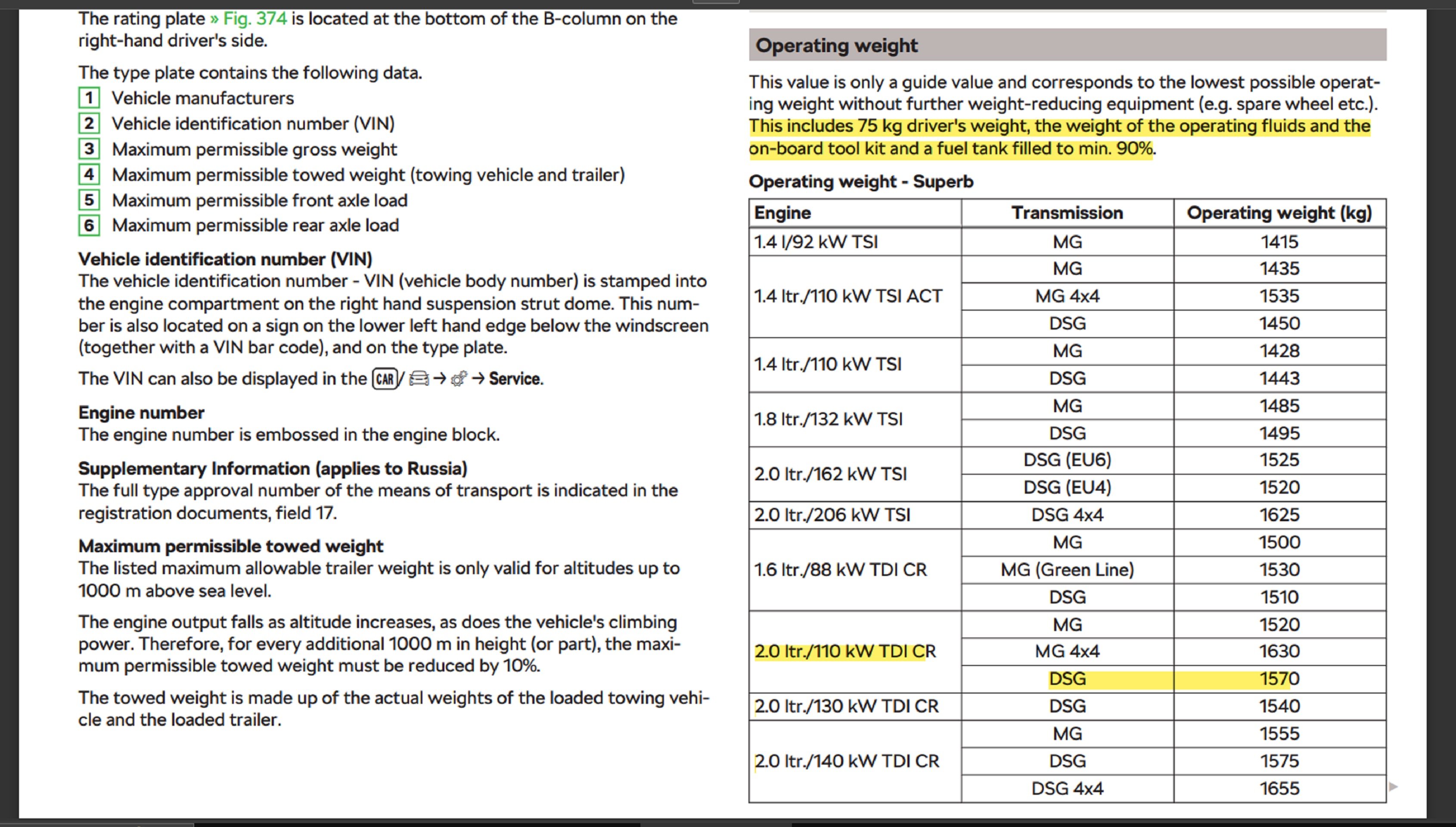
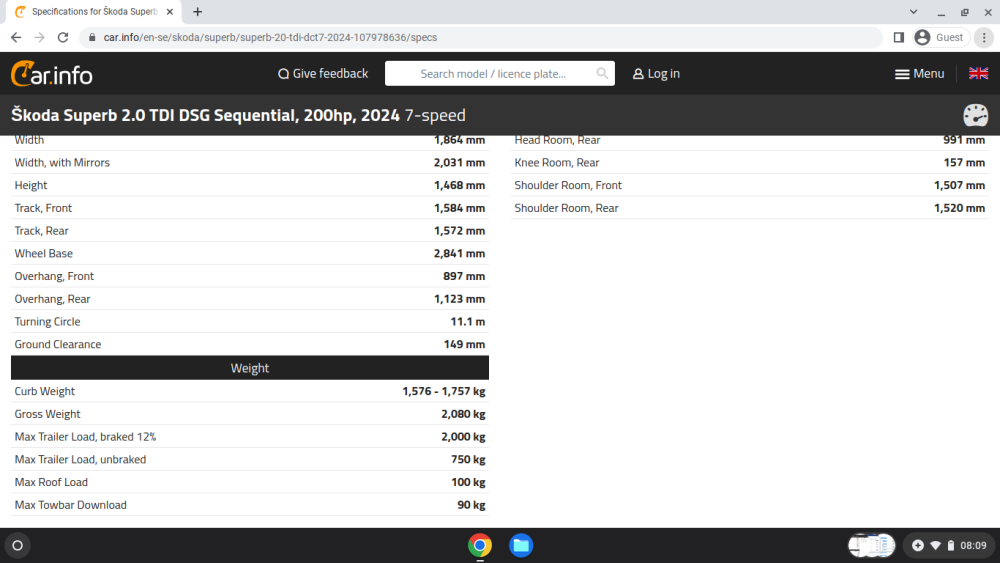
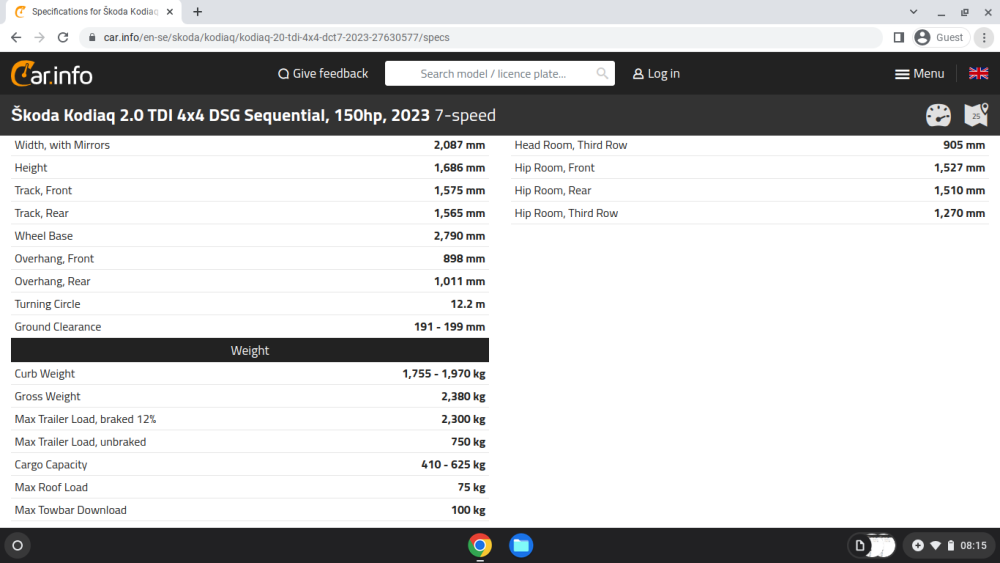
1 pointThe specs you show for my car are incorrect, I have the 2016 150hp 6speed DSG so the actual weight is less than the 2024 model.1 point
-
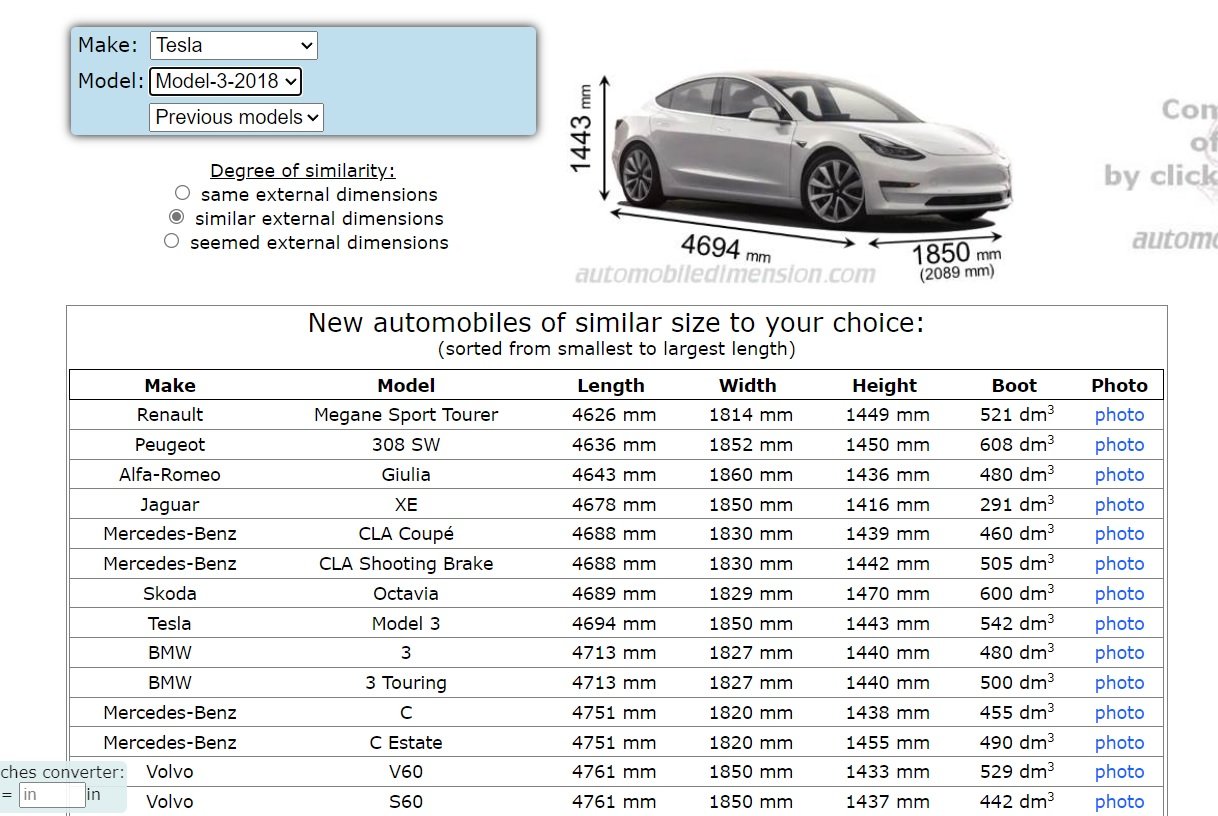
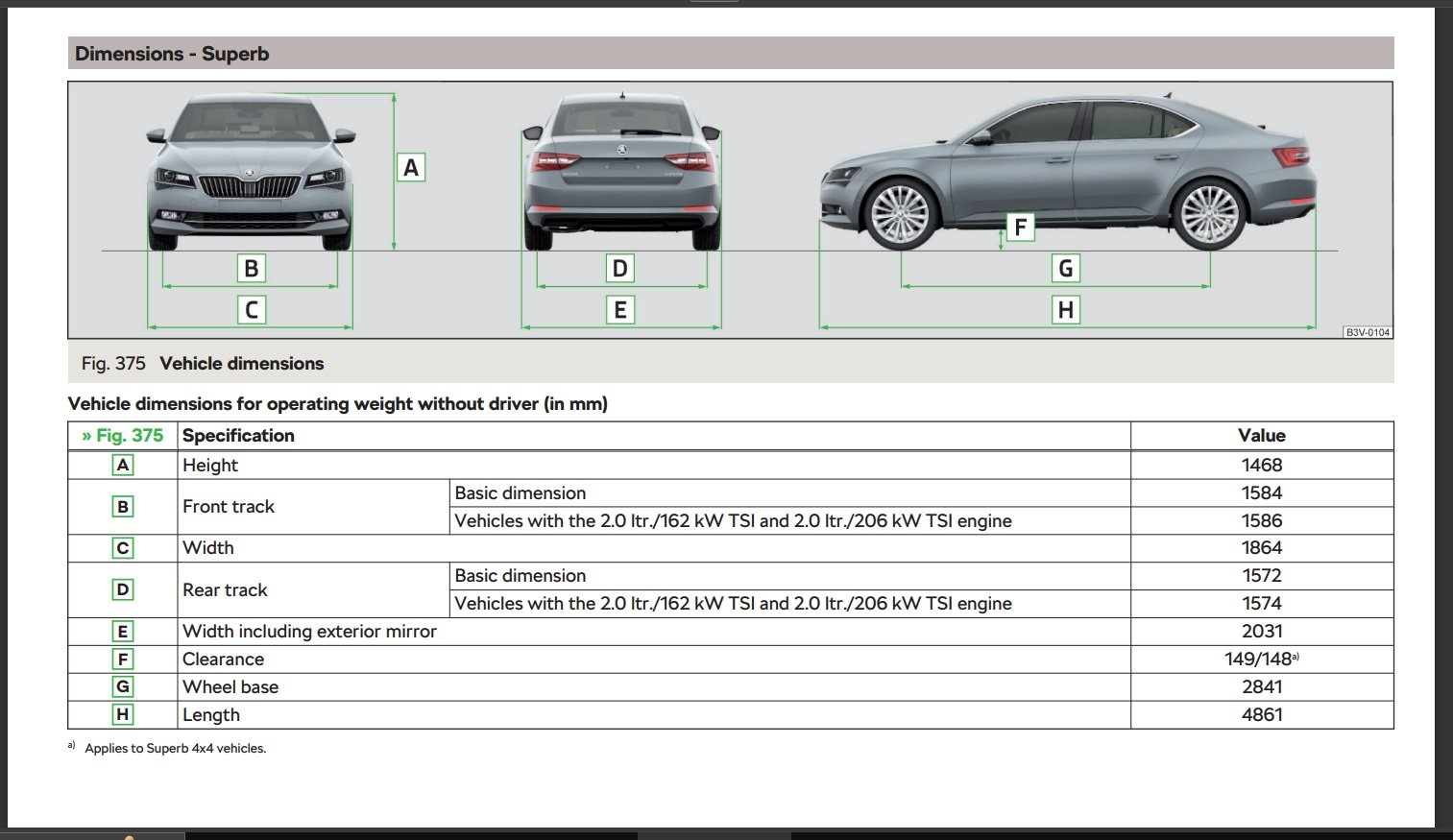
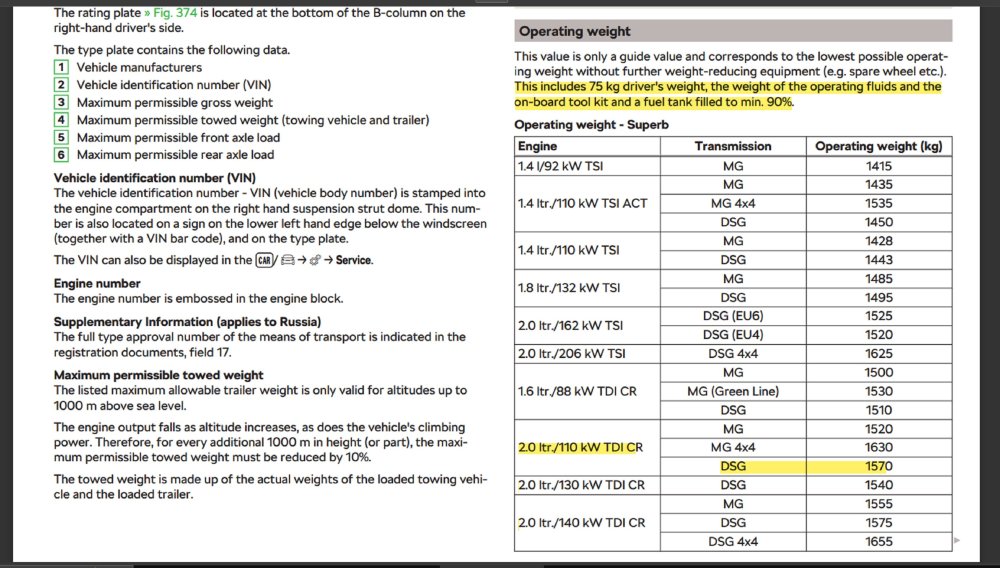
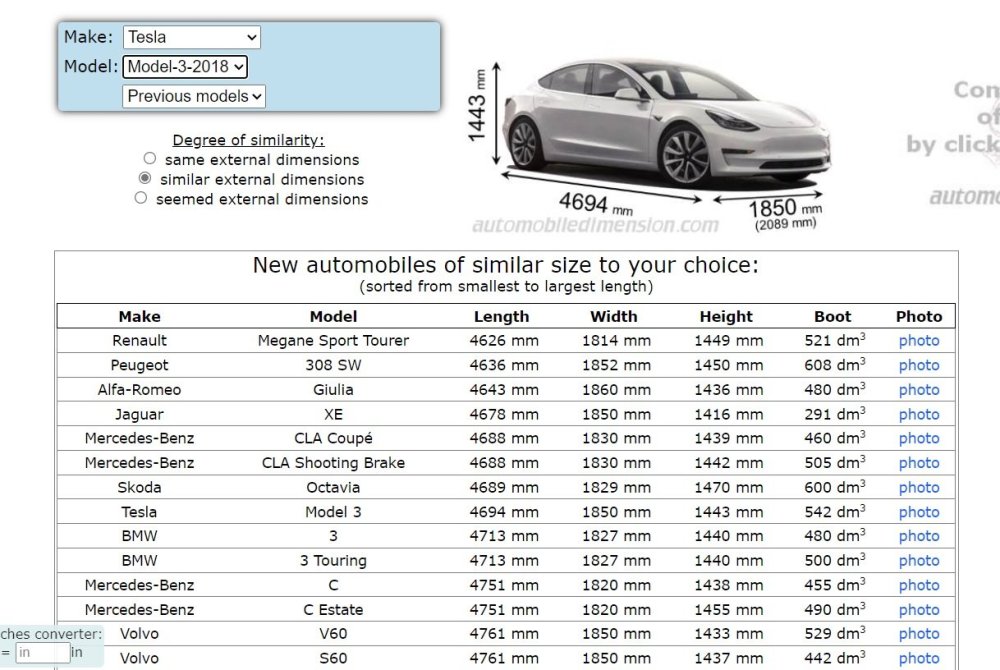
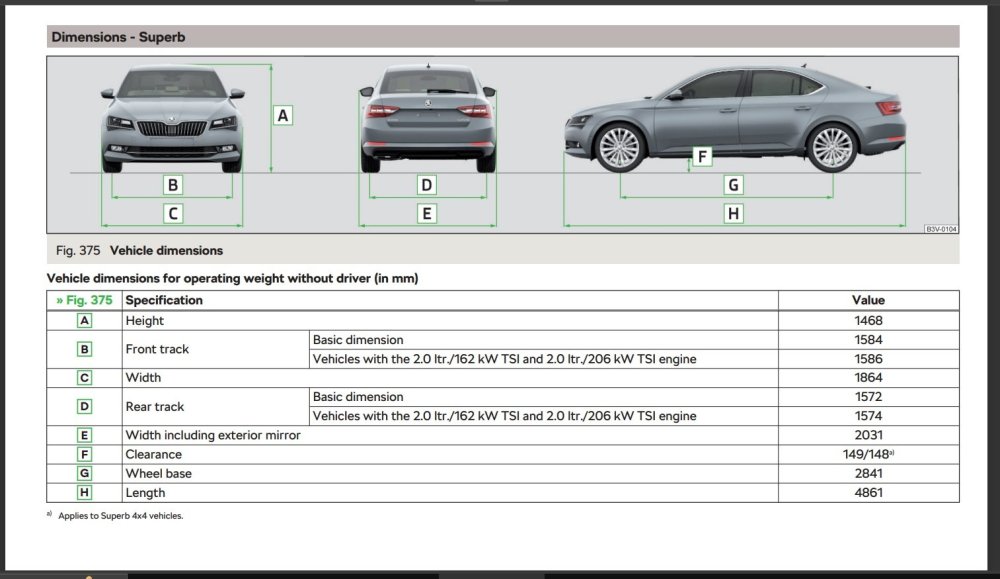
1 pointI was quoting you the degradation figures as printed in the Bjorn Nyland spreadsheet for the 8-year-old Nissan Leaf, and nowhere did I mention any of this BS about heat pumps etc, that's another separate issue and is a can of worms that is not relevant in the context that Harry was talking about. If the Jag had heat pump technology, I'm pretty certain that he would have known that as he was one of the first to install heat pumps in his house, as mentioned in the video, so I would have expected him to factor that into the equation when discussing the range drop etc. When it comes to the actual wheelbase, it has absolutely nothing to do with the amount of interior space, that is down to how clever the designers of the interior are and it is a fact that the Superb has limousine amounts of legroom, like that of a Mercedes Benz S class. As to my statement about the Superb being a large car against the smallest Tesla which is a model 3, I was, and you must have understood the direction I was coming from as the paragraph was all about the respective weights of both cars and the Tesla here is the porky one, and I said that there does indeed seem to be some substance that EVs are heavier, based on the examples I gave of a large car with large interior space (Superb), being some around 370kg lighter than a Tesla Model 3 which is shorter. In short then the smaller car, Telsa is actually heavier, especially when the owner's manual for the Superb also states that the weight of the car includes all the standard fitments to the car including all the required tools like jacks etc, plus the 70kg and a 90% full tank of fuel and it still beats the Tesla by 370kg, which may not include the weight of the driver in its figures. I'm sorry that you don't seem able to accept that the Tesla in this instance has not trumped a Skoda Superb, and I'd like to make it perfectly clear here and now that I never set out to make any such claims, my posts have been and are all about everyday practicalities. And yes, before you go on the ability to preheat/cool your car from some phone app or something and its near silence etc when being driven, yes I'm very envious of those features but they are extra luxury items and not basic things that all cars need to have to get from A to B.
 1 point
 -
There's a link to it a page or two back, the usual caveats apply and there's a guide on page 26? of this thread which you should have a look at first. And if I can do it, then I'm pretty certain that you can, but if you're not happy doing it get a dealer to do it, there's a TPI out telling dealers about it. If one won't do it, try a different dealer.1 point
-
1 pointThe matter you pointed out was "cold weather aspect". It is separate issue to milage/aging degradation. In this post you've completely mixed them up. The guy has garage and charges at home. As I said, the worse efficiency in winter is when used intermitted throughout the day and is noticeable, but if one can charge at home, why care? Get up every day with 80% or 100% charge, more than enough for vast majority of people, and get on with the day. This may be difference between getting home with 40% or getting home with 25%. It wouldn't change usage pattern. I don't know about Jag IPace. But for long journey, heat pump Tesla has octovalve and will move heat energy around the car, nothing is dumped outside. So when driving, motor heat is moved into cabin and battery. After charging, battery heat is moved into cabin. Nothing is wasted, improves efficiency. Most EV even with heat pump will only heat up interior using cold outside air and dump motor/battery heat outside. The point on degradation is highly dependent on how the battery is used. The Nissan Leaf example is probably due to Leaf being abused, also the battery was first-gen. My updated battery (post 2013) and apply very basic care still has 79% health at over 9 years old. Again, you are overly focused on negatives. The point Harry is making is that EV battery health varies depending on how it is used, second hand market need better reporting of battery conditions. "Superb is no small car, whereas the model 3 is the smallest car from Telsa" ...... what a strange comparison. Would you do the same comparison with smallest Rolls Royce Ghost? The fact is Model 3 has almost 20cm longer wheel base giving more space to passengers despite being a slightly shorter car.1 point
-
1 point
-
1 point
-
1 pointNot just TESLA as a lot of other EVs have heat pump tech. I have been working in Manchester during the week for a couple of months now and I can do the 210 mile tip without recharging in the Zoe and each time I have used the Zoe it has had 30 miles or more range left when I get home to Worcester. Temperature has been anything from just over 0 C to about 10 C. Range has oft said I only have about 210 miles but I have managed to exceed its predictions by 10% or more. Zoe has a Heat Pump tech for many years, Renault were first to use Heat pumps in a production car and whilst they only claimed 200 Km, 124 miles winter (proper winter ie well below zero) range with the right driving style and usage of cabin heating that can be far extended and in my ZE50 with the 52 kWh battery, I think it would have to be very very cold to get less than 200 miles range. Heated seats are better than trying to hold the air temp over 20C with all that glass losing heat which TESLA have got round I gather by now double glazing the glass so a double benefit of even quieter cabin and less heat loss through the glass. One has to do ones research. I tried the well thought of Mangane-e but the cheaper models did not get a heat pump so even though they have a quoted range of 280 miles, better than my quoted 238 miles in winter the base model megane-e would probably do about the same range as my Zoe or in every cold weather even less range. The i-pace is a good example of an expensive car with key tech missing for whatever reason. Buyer beware. ------------------------------------------------------------------------------------------------------------------------------------------------------------------------------------------------------------------------------------------------------ Renault Range OptimiZEr maximises everyday driving range, bringing together the benefits of Michelin ENERGY™ E-V tyres, heat pump and new-generation regenerative braking technology to extend the range by up to 25 per cent........ 2. Heat pump – a production first: The heat pump in ZOE is the first time such an innovation has been used in a production car. It is also standard equipment on ZOE yet remains a cost option on several of its competitors. To cool the cabin, the system works like a normal electric air conditioning system. To heat the interior, it reverses the operation cycle: air is taken from outside the vehicle, compressed and heated and then directed into the car. This means the cabin can be heated with minimal impact on range. The heat pump uses up to three times less energy than a conventional system to produce an equivalent level of heating. Moreover, the desired cabin temperature is reached more quickly and maintained at a more stable level than in an ICE vehicle, where cabin heating depends on wasted energy from the engine. ---------------------------------------------------------------------------------------------------------------------------------------------------------------------------------------------------------------------------------------------------------- 15503-ZOEPressKitFeb2019.pdf1 point
-
Yes, car works, but with some limitations described abow. I had to drive for a month when waited new service slot to replace BCM.1 point
-
1 pointSkoda scala 1.0 tsi Stage 2 Custom exhaust Maxton design bodykit Lowered with st suspension Gold tec rims
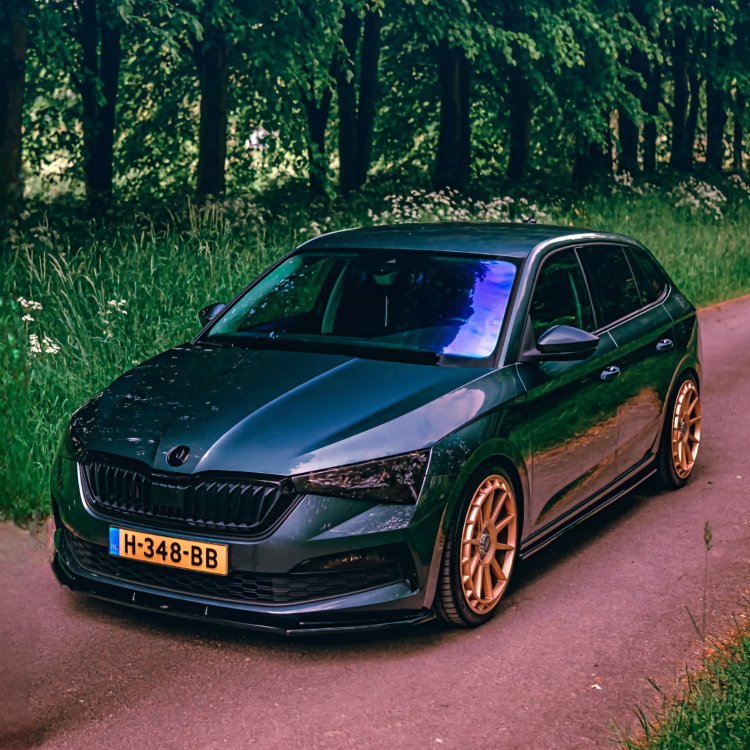
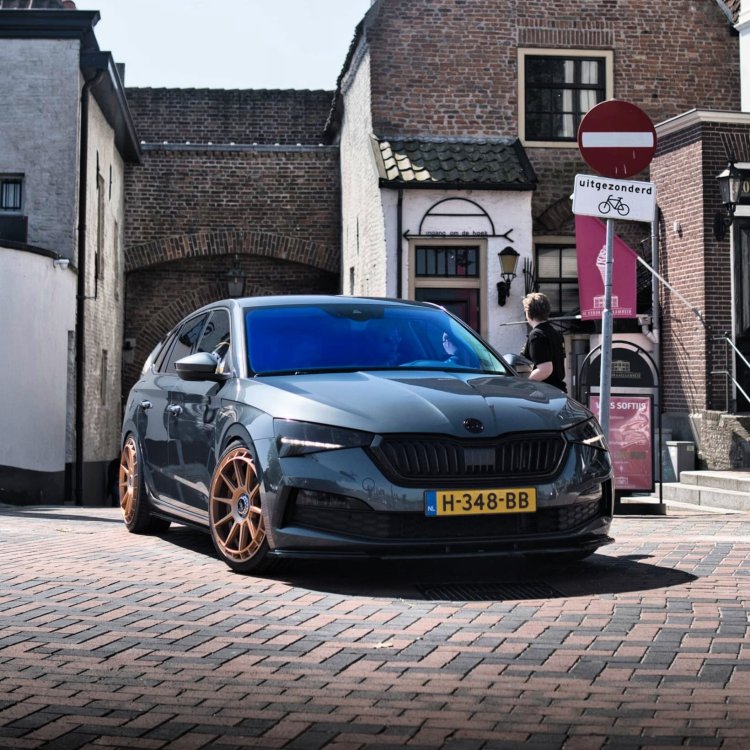 1 point
 -
1 pointOHOT We did get the advantage that I know the Pass of the Cattle, and have never (that I remember) been over Hellfire Pass.1 point
-
Spot on, side assist/blind spot assist uses a radar mounted on the rear 2 corners behind the bumper, very similar to the front assist radar. No cameras for this.1 point
-
1 pointAt a guess, it could be simply misfiring (plugs or coilpacks) - check for pending error codes or in the early stages of DMF (dual mass flywheel) failure.1 point
-
1 pointSee what the inspection throws up, do you have access to a mechanic / garage you trust? One quick test you could do to check for wear in the drive-shaft CV joints is to drive round a circle in both directions at full lock and listen for any knocking noises.1 point
-
1 pointAs @Warrior193 suggested, I would have gone with wheel balance at the mention of it vibrating at a certain speed. However as you suggested that it went away when off throttle, I think I would be looking at a C.V. joint being worn and throwing a drive shaft out of kilter as well. One check you could do yourself though would be check your wheel nuts are tight. You just never know...1 point
-
1 point
-
1 pointHello, welcome to the forum. Normally I'd suggest wheel balance issues for this, but from your further description, possibly a drive shaft problem or engine mounts. Your engine should not sound as if it is 'struggling' in 6th gear at 100Km/hr - do you actually mean you think it's over-revving? - at that speed, revs should be well under red line and engine should feel and sound fine. SWMBO's 1.0 Fabia always feels to me like it needs to be in a lower gear, especially below 50-60MPH.1 point
-
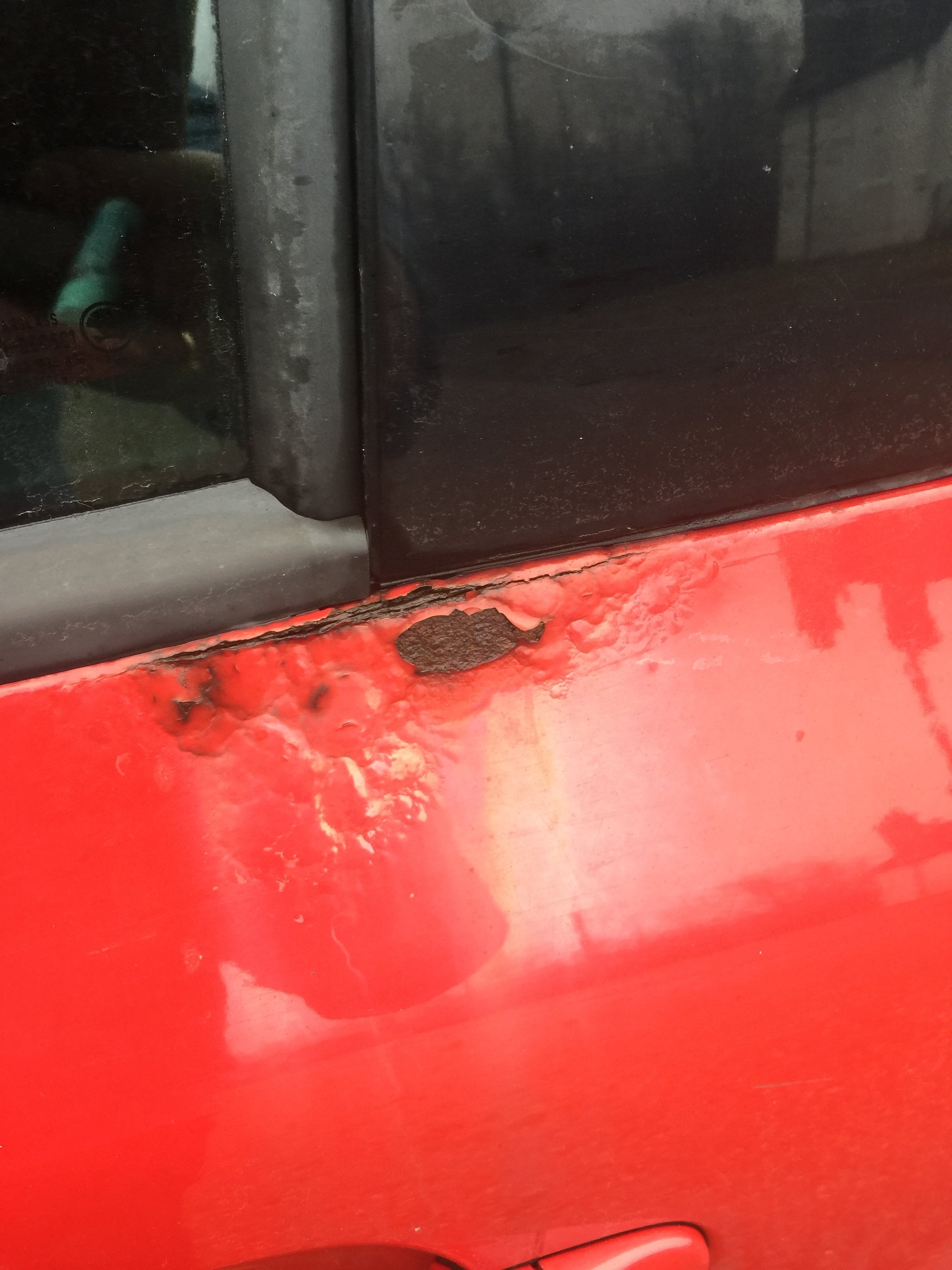
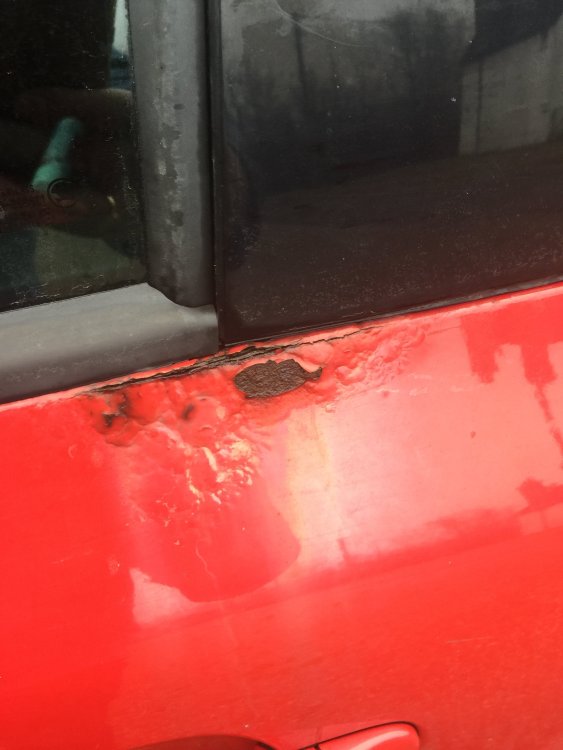
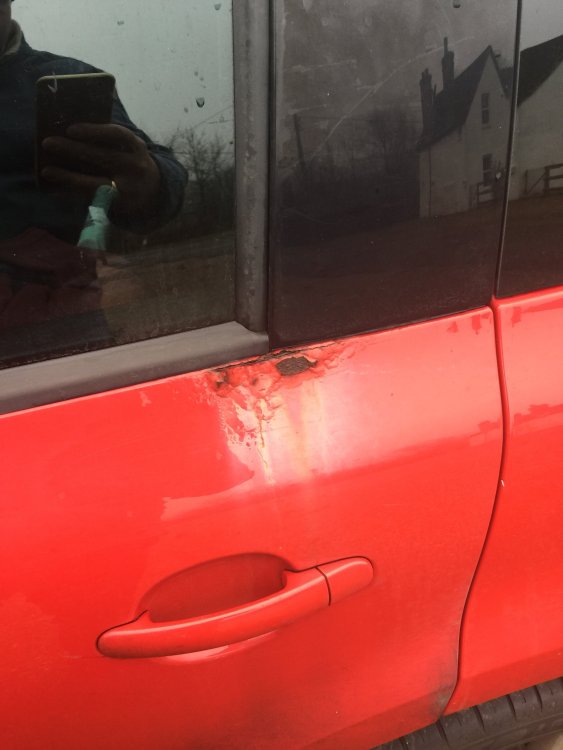
Yeti drivers are unlikely to keep their car off road because it is winter and wet , cold or snowy or if there has been salting / gritting. They are have as much corrosion protection as any other Skoda model or VW Group model. It is things like subframes, brackets and exhausts that suffer corrosion but just as any other VW Group models. An issue for some Yeti issue less common with other Skoda is Zinc Inclusion' and there are some cases of Yeti that have had new panels, just refinished panels and maybe several times over their life, and actually Yeti that Skoda should have had in the foyer of Skoda CZ HQ as an example to how to not get QC so bad. Just a small percentage of Yeti maybe had the Zinc Inclusion issue, so Skoda should not have made owners jump through hoops. Just use a search google images, briskoda skoda yeti rust or briskoda yeti zinc inclusion then from the pictures you get the threads.
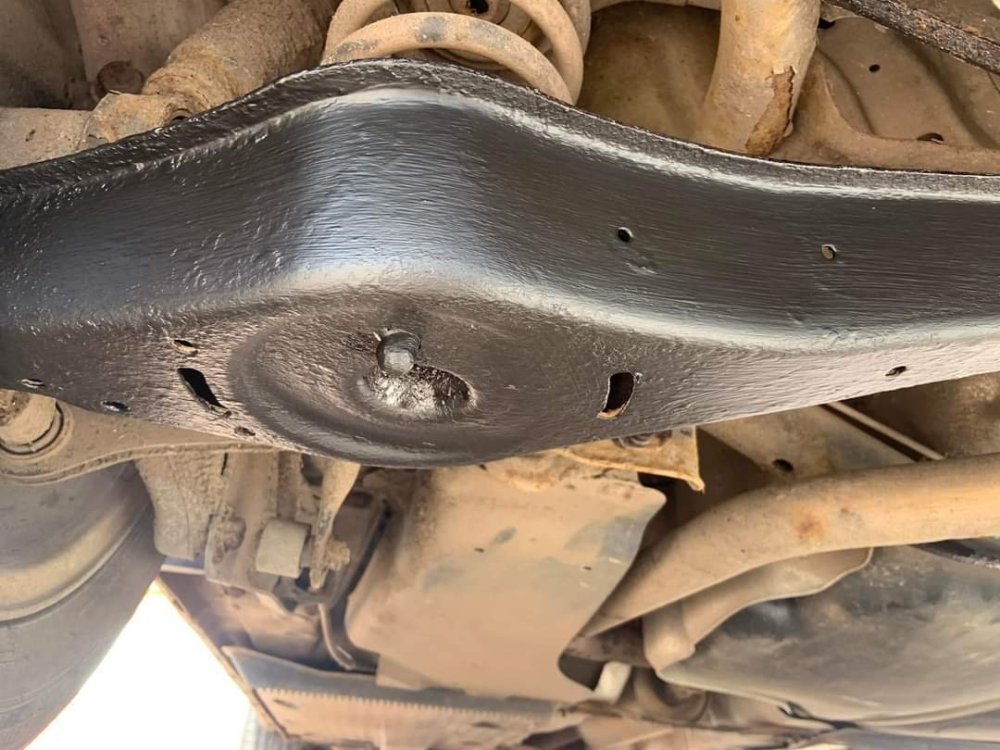
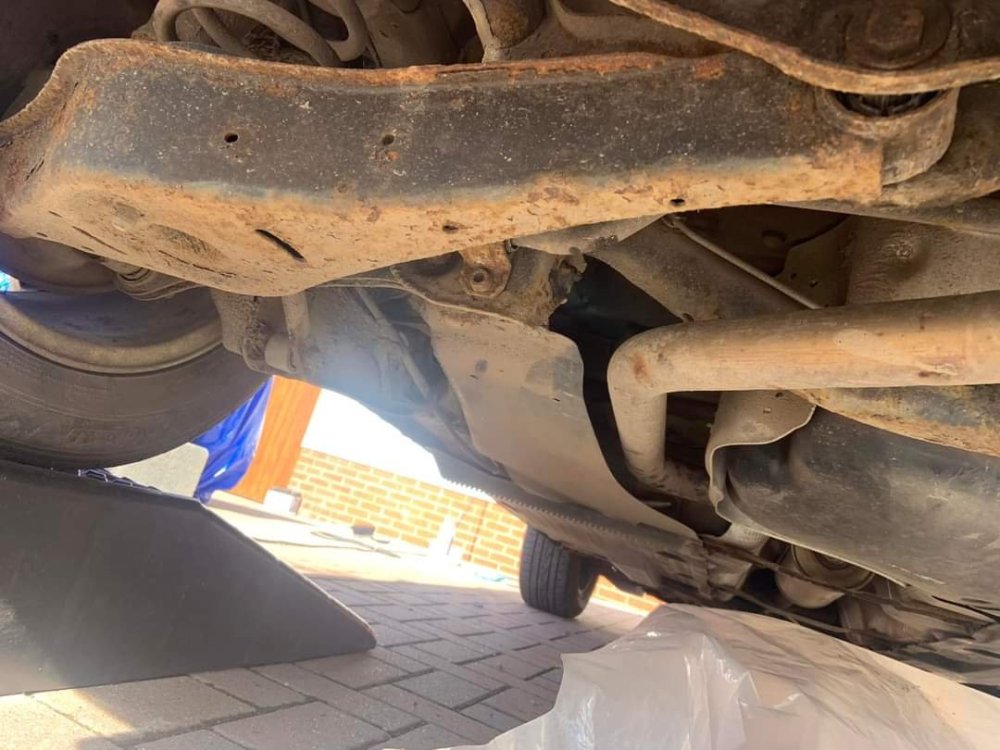
 1 point
 -
1 point
-
1 point
-
From what I gather, Its little to do with the quality of ad-blue. One of the clankys at the Skoda garage actually quipped that they wish that they didn't have the system on at all. I get the impression its something that causes more issues than they let on.1 point
-
1 pointI'm not sure which car and year of car you are referring to* but I'd have thought generally if the car is out of gear you and the car's computers and their programs have less control over the vehicle and some of vehicle's systems - and a lot less importantly you're probably not saving any fuel, and I'm not sure how your insurance company would feel about it if you were involved in an accident at this time. I'm sure someone a lot more fluent than me can give you more details about the engine, wheels and car's systems and computer systems when not in ECO mode going downhill. * note, not that it really matters, your side thingy (no idea what it's called) shows "octavia III - cappuccino beige (I like it anyway)" and this is the Fabia Mk3 forum. I'd be interested to see what colour cappuccino beige is, I've had a Suzuki Cappuccino, fabulous type, size and weight of car for fuel saving if wanted, but never a beige car and wonder if it's near a 70s beige car colour.1 point
-
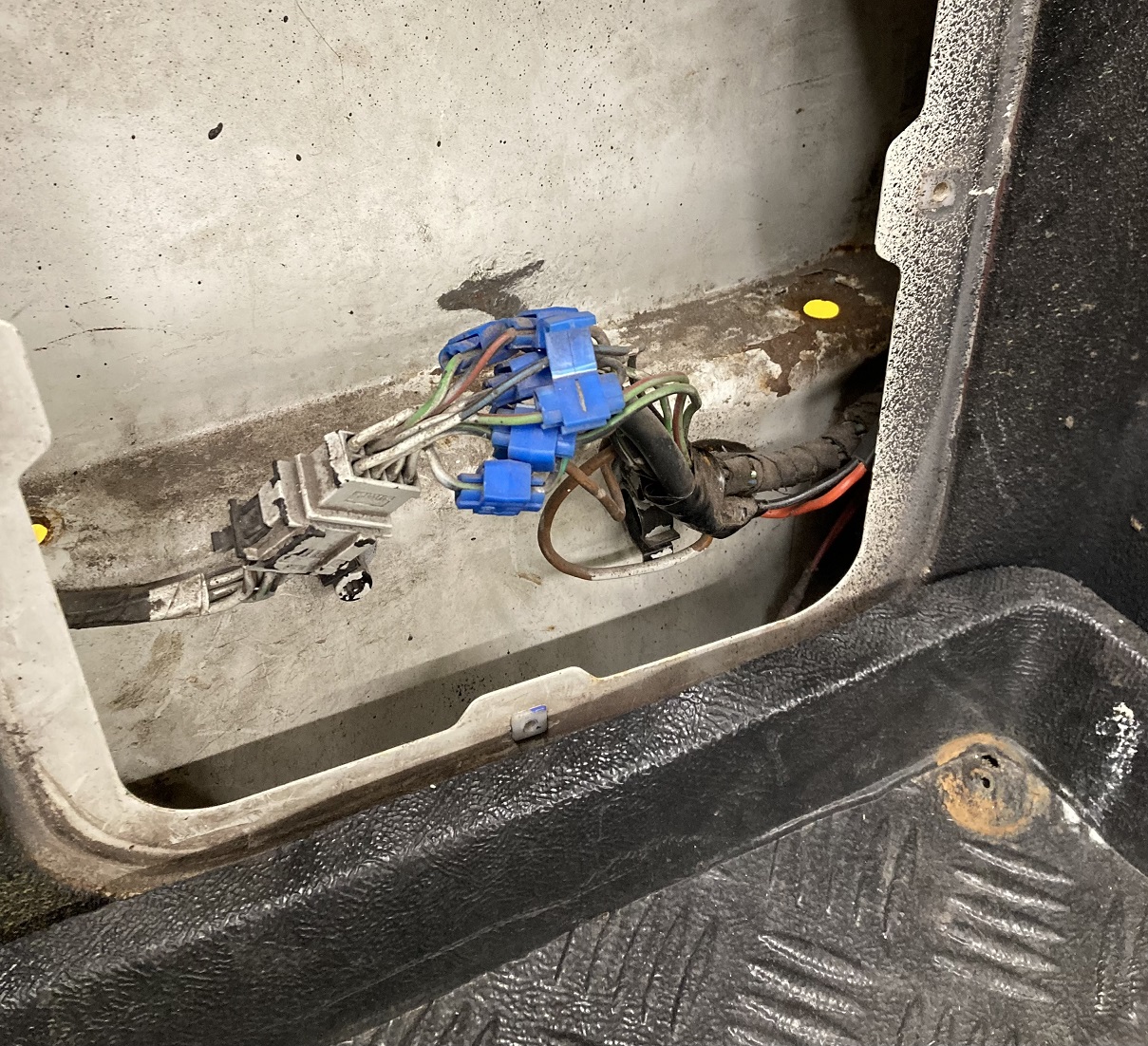
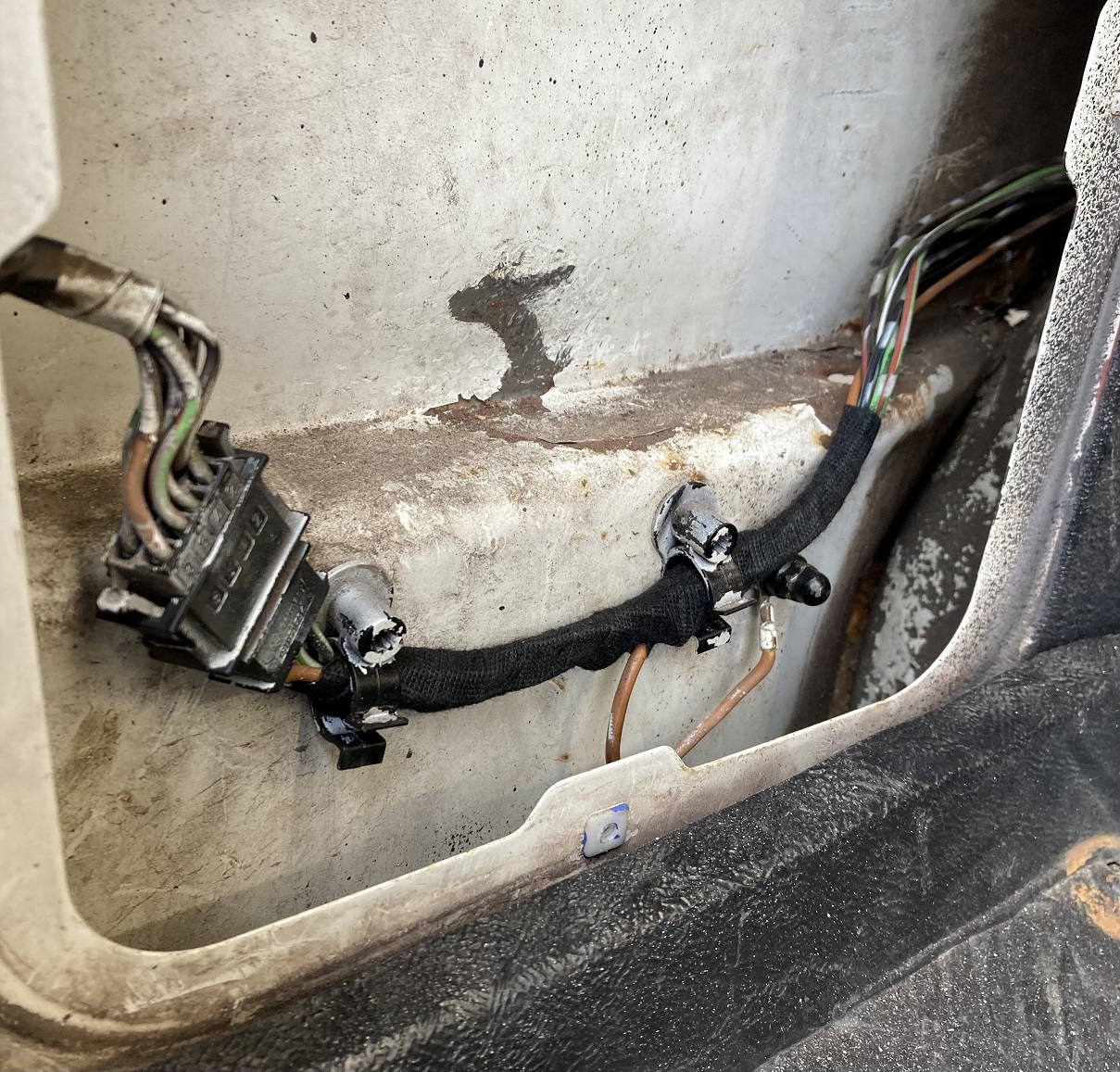
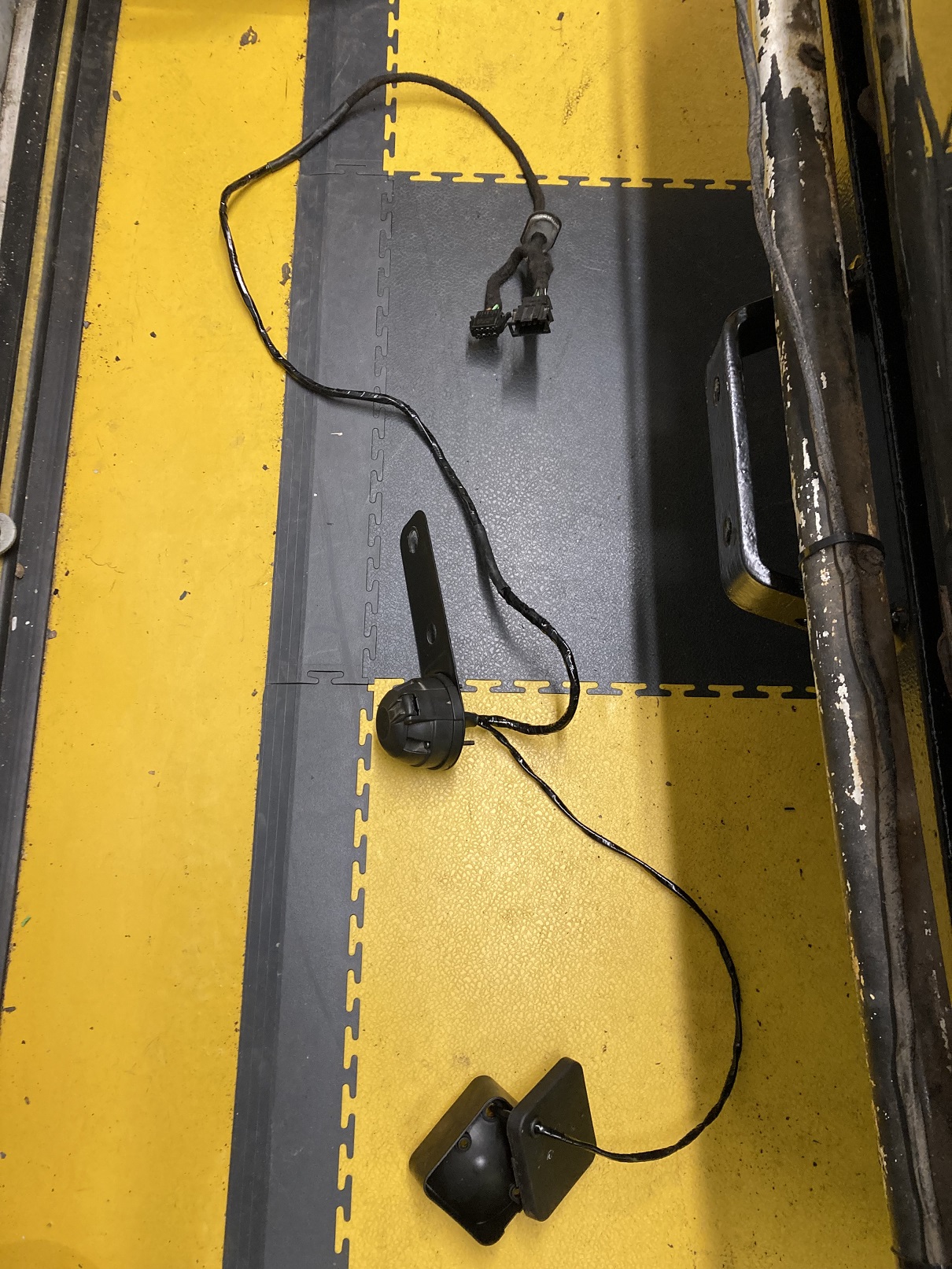
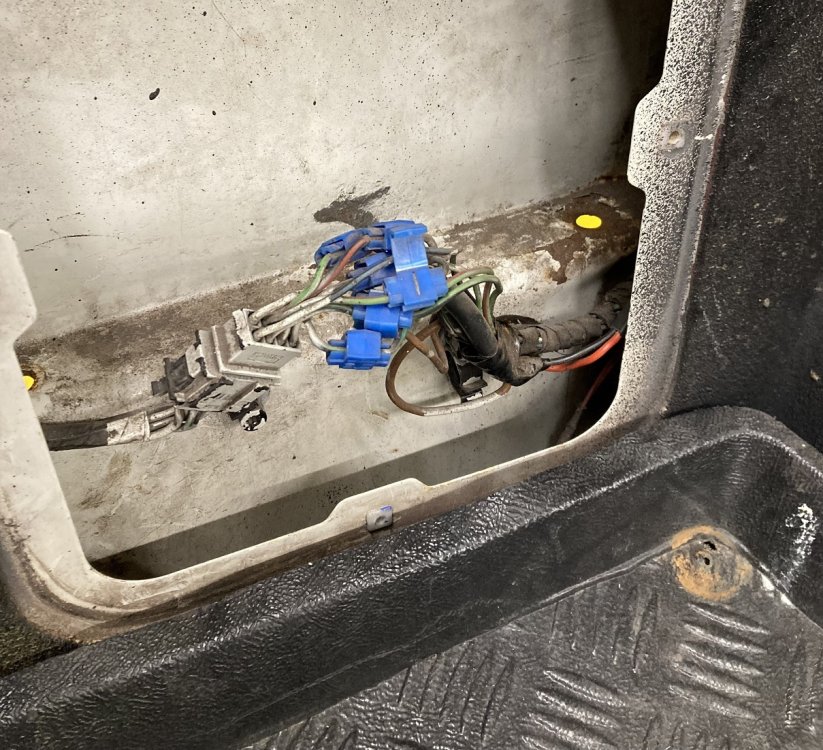
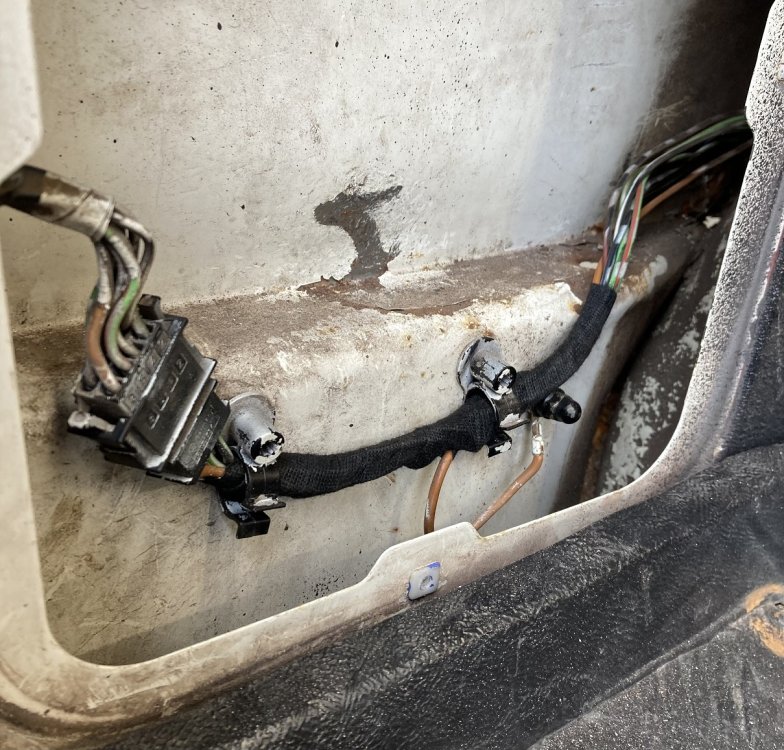
There was a Caddy towbar in my lock-up for years. I cannot even remember where I got it from, but I guess I must have spotted it for sale locally and thought I might as well get it ‘just in case’. After I retrieved it from the lock-up it did sterling service as a doorstop for my workshop for another couple of years, before I figured I may as well fit it to my Caddy. When I removed the NSR access panel inside the load area, I found evidence that it had previously had a towbar fitted, but sadly that evidence was in the form of Scotchlok connectors still attached to the wiring harness. The previous owner had compounded the mess by attaching cables to feed his high level brake light (see post #1). This had to go. After I had prised the dreaded Scotchloks off the cables, I was able to remove the pins one at a time from the 8-way connector and slip some heatshrink over them to repair the damage to the cable insulation. With the pins then replaced I wrapped the loom in coroplast tape. I got quite a bit of the white overspray off the connectors whilst I was there. Now the standard wiring was looking more like it should, and it was ready to have the towing connector wiring added. The approach I decided to take was to make up a splitter loom to connect between this plug and socket, with another branch going to the towing connector. I suspect this may have been how it was done if the towbar was fitted as a factory option, judging by the blanking grommet I found adjacent to where the standard wiring goes through to the NSR light unit. It was only once I had made up this additional loom and connected it for testing that I realised the OSR light unit must have been from a LHD car, as it had a reversing light rather than foglight lens. This gave me the idea of wiring this as a reversing light, and adding a foglight below the bumper. The wiring for this was achieved by using the wire already in place across the rear for the OS reversing light, and running cables from the towing connector to the new foglight. Once I had confirmed that everything was working OK with the splitter loom connected, I removed it to wrap it. When it was then re-fitted, a problem revealed itself, with the offside tail light no longer working. Even with the original wiring configuration restored and the splitter loom out of circuit, the tail light stubbornly refused to illuminate. When I unplugged the relevant light unit, I could measure 12v at the plug, but this disappeared as soon as a load (bulb, even LED) was connected. All the signs said I had a high impedance connection somewhere. This was traced to between the fusebox and the 8-pin connector behind the NSR access panel. Immediately I decided this was most likely to be where the Scotchlok had previously been attached. Maybe the Scotchlok blade had cut through part of the cable core. I cut out the offending section of cable and checked the impedance from the cut end back to the fusebox, which was fine. I took that to mean that I had identified the cause I soldered in a new length of wire where the Scotchlok had been located, but it made no difference. This was a nasty surprise, but then it probably was not the smartest thinking anyway. To preserve the cable colour code at the 8-pin connector I had replaced the damaged section of cable but retained the original terminal pin. There was no visible sign of damage or corrosion to the connector, but now I did what I should have done in the first place, and replaced the whole section including the terminal. Finally it was solved and I was able to refit the rear light units and bumper.
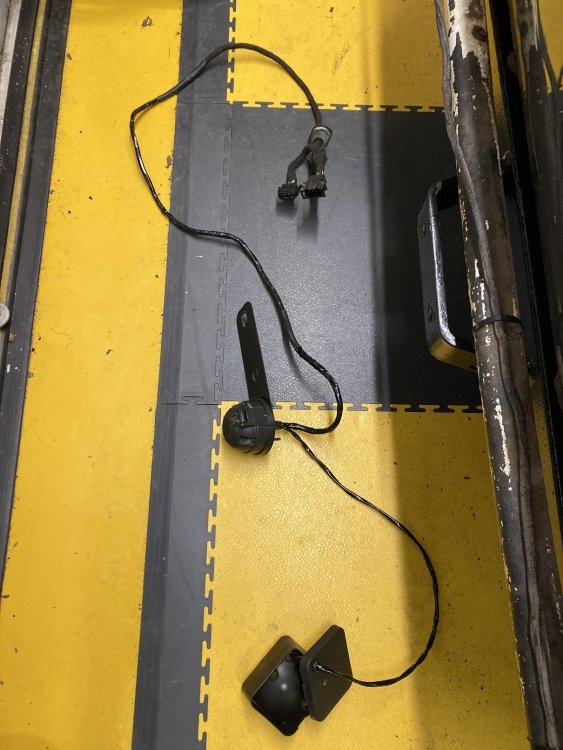
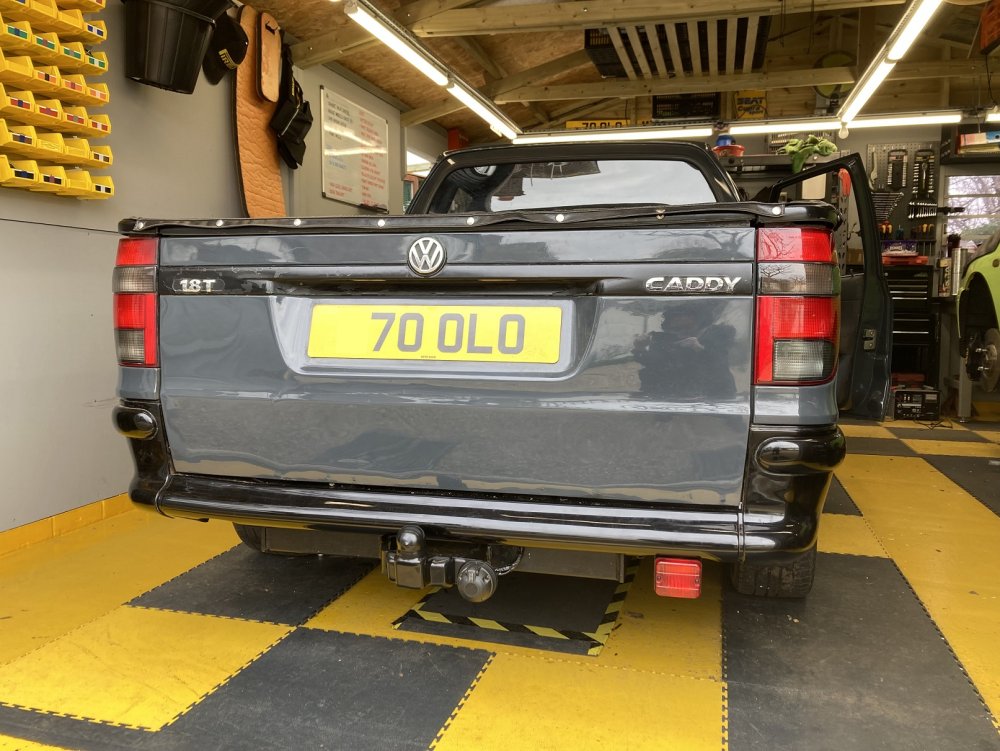 1 point
 -
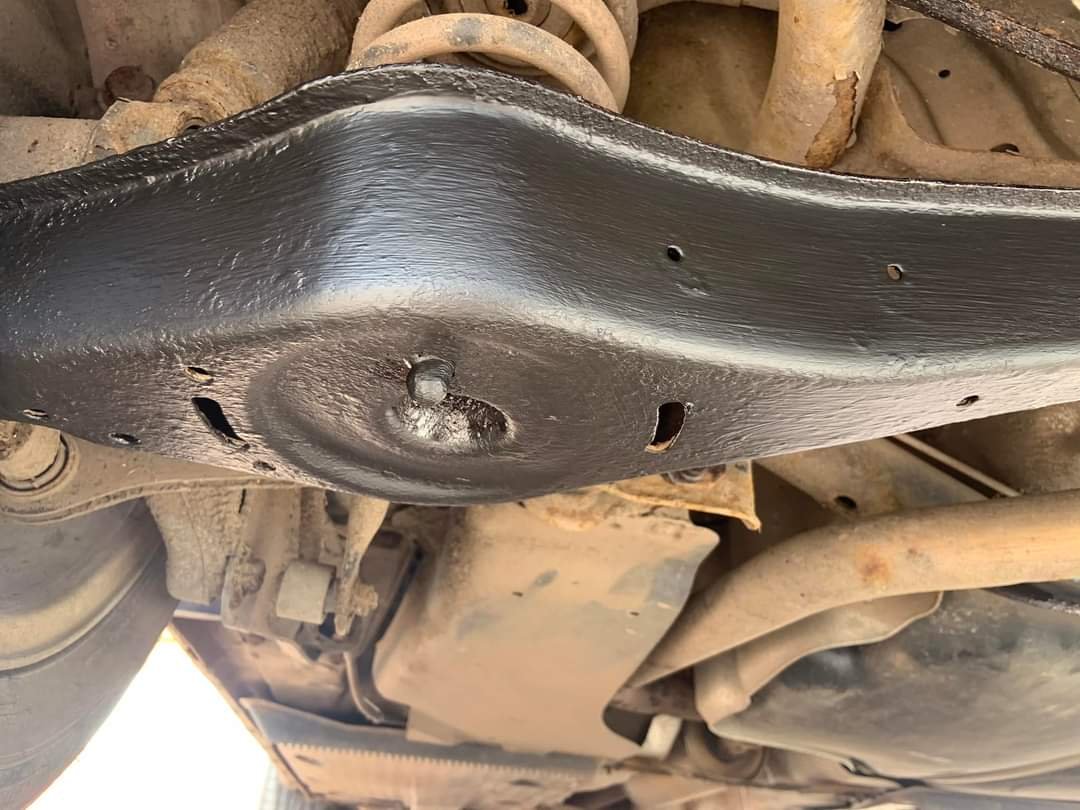
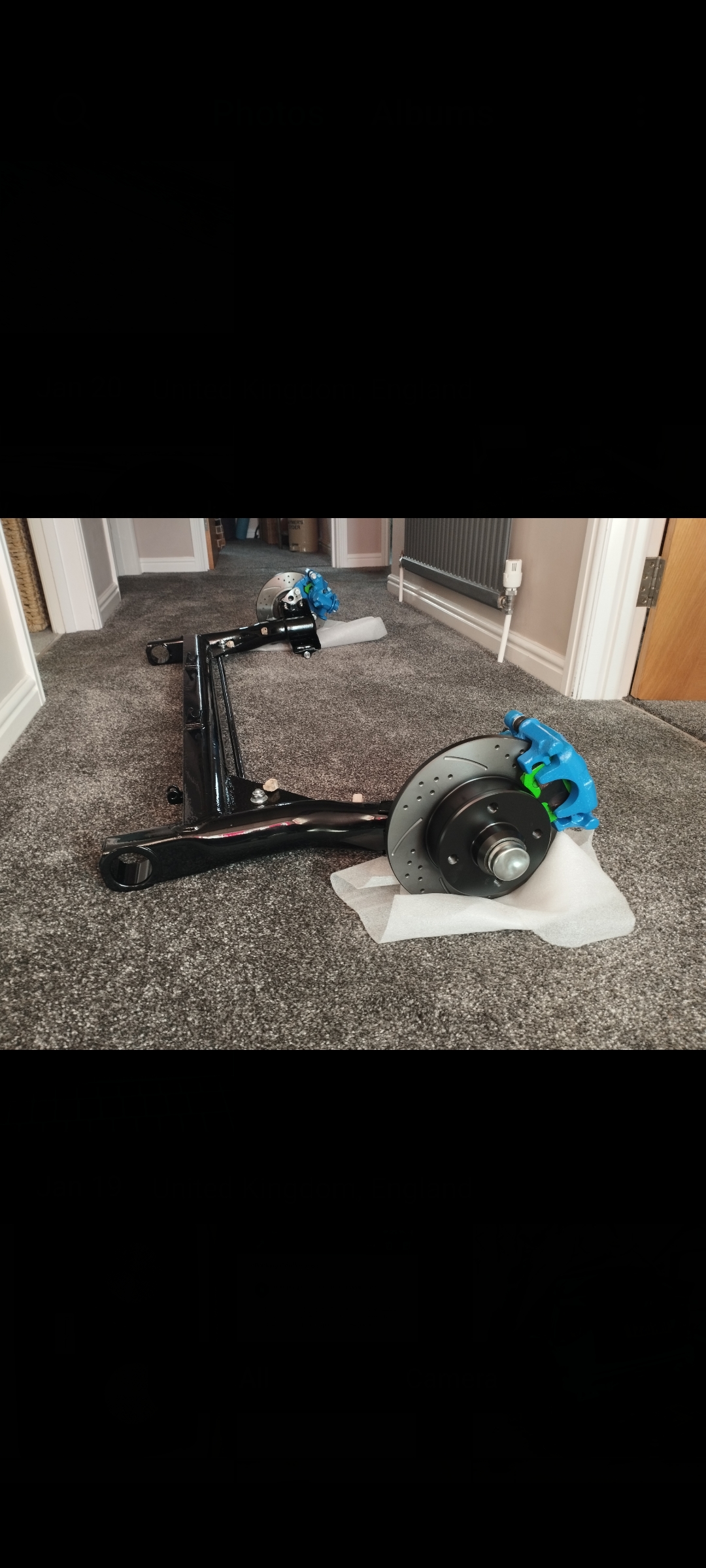
Made a new account i couldn't get it to work😂 Here is the axle all finished.
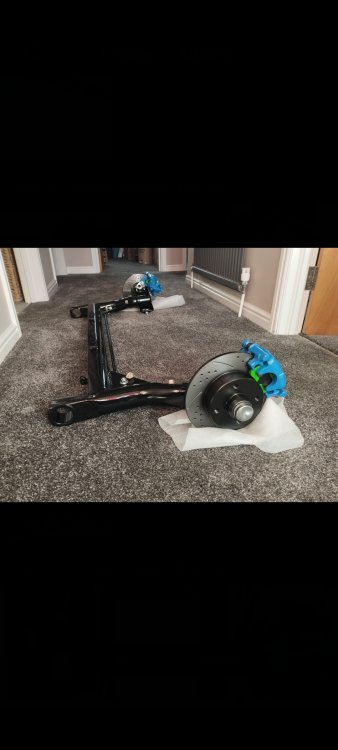 1 point
 -
1 pointI took the car to dealer for investigation and repair. They found that the noice is coming from ”active chracoal filter solenoid valve”. Spare part needs to be ordered abroad and it takes about two weeks to arrive in finland.1 point