Leaderboard
-
Breezy_Pete
Sponsor14Points24,575Posts -
logiclee
Resident Member7Points4,331Posts -
mac11irl
FREEDOM7Points16,806Posts -
Lee01
FREEDOM6Points36,946Posts


.thumb.jpg.9dd3f612ba7f13d10be5c518d3c8d255.jpg)
Popular Content
Showing content with the highest reputation on 03/05/25 in all areas
-
5 points
-
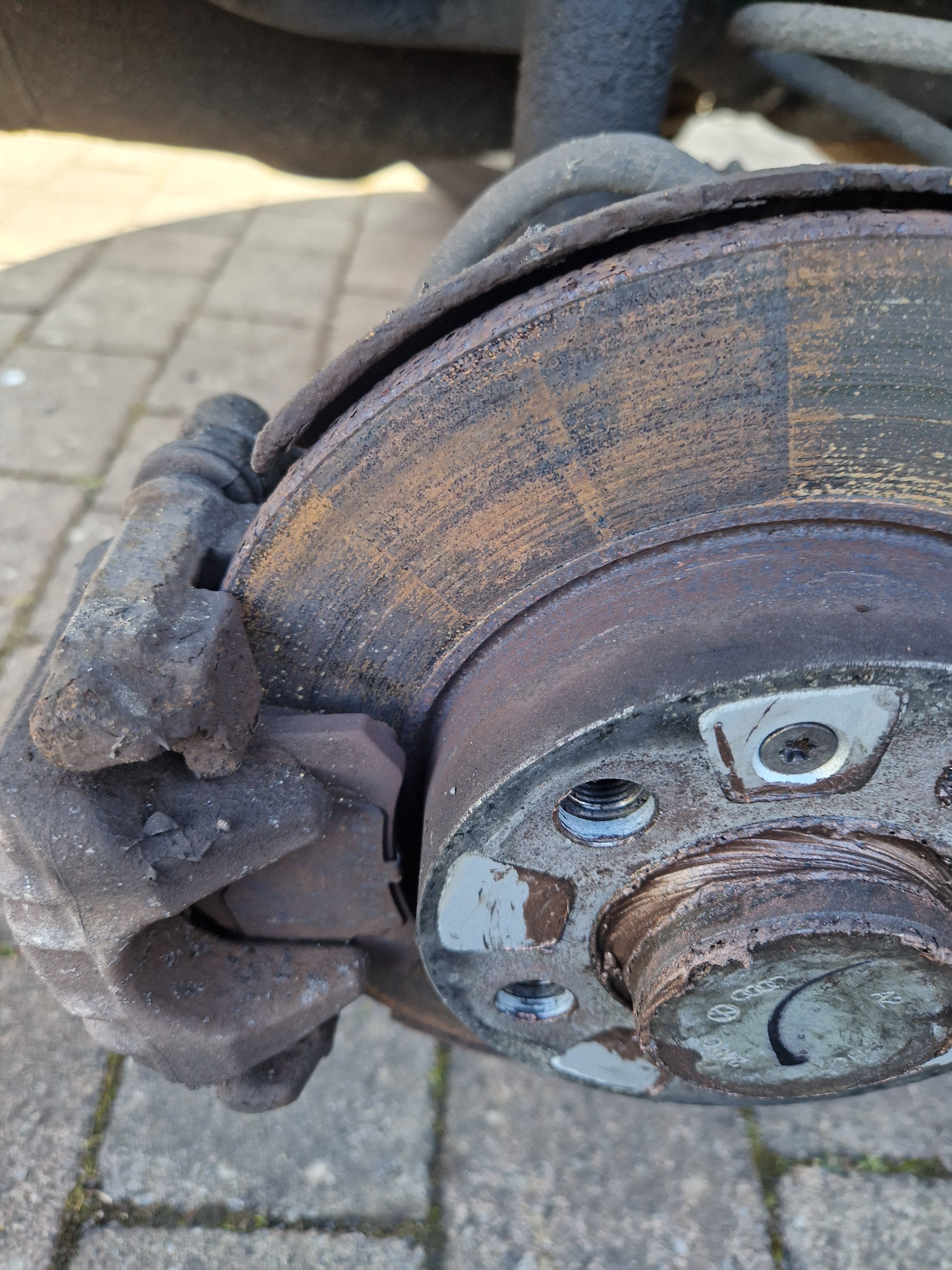
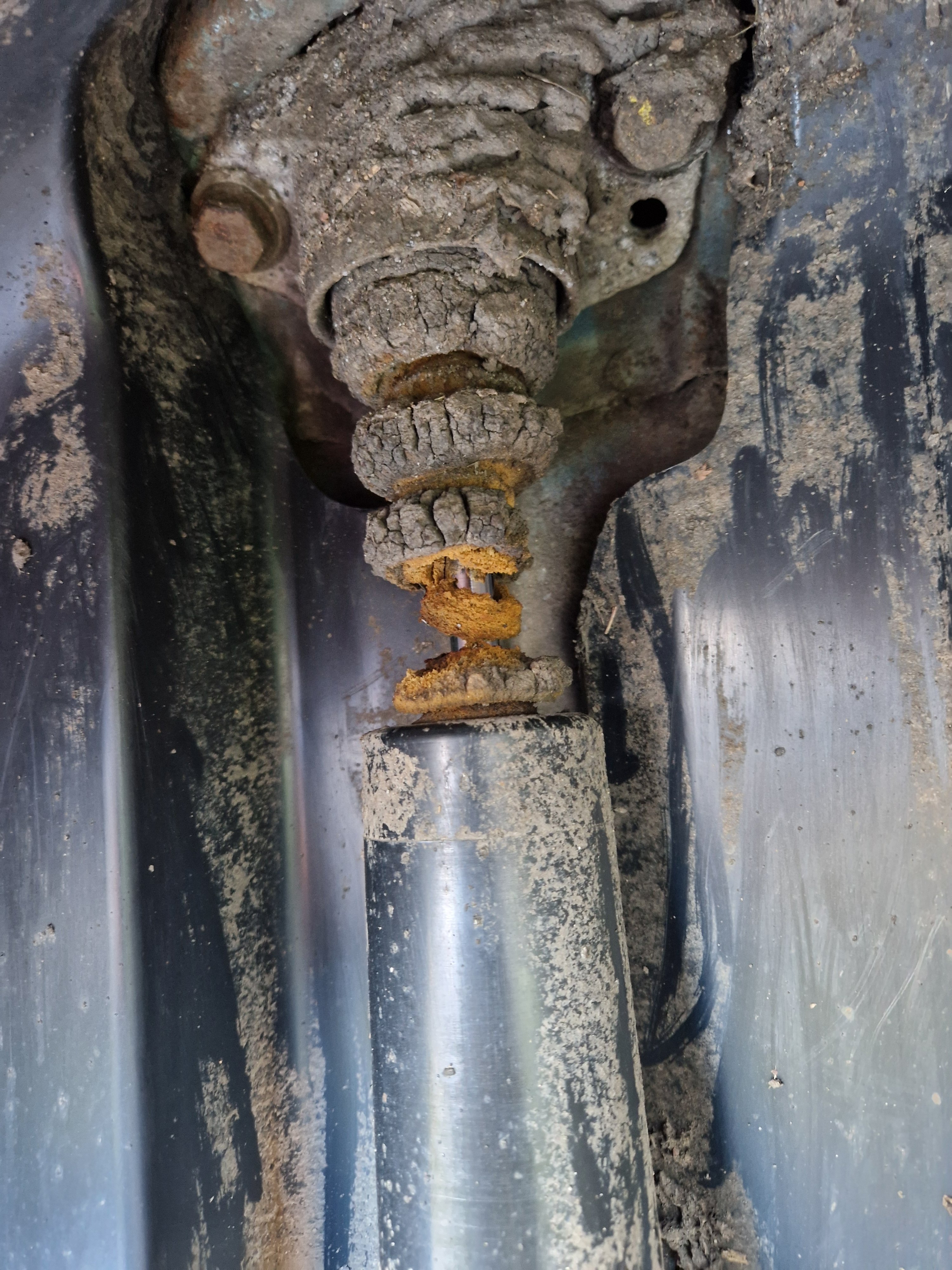
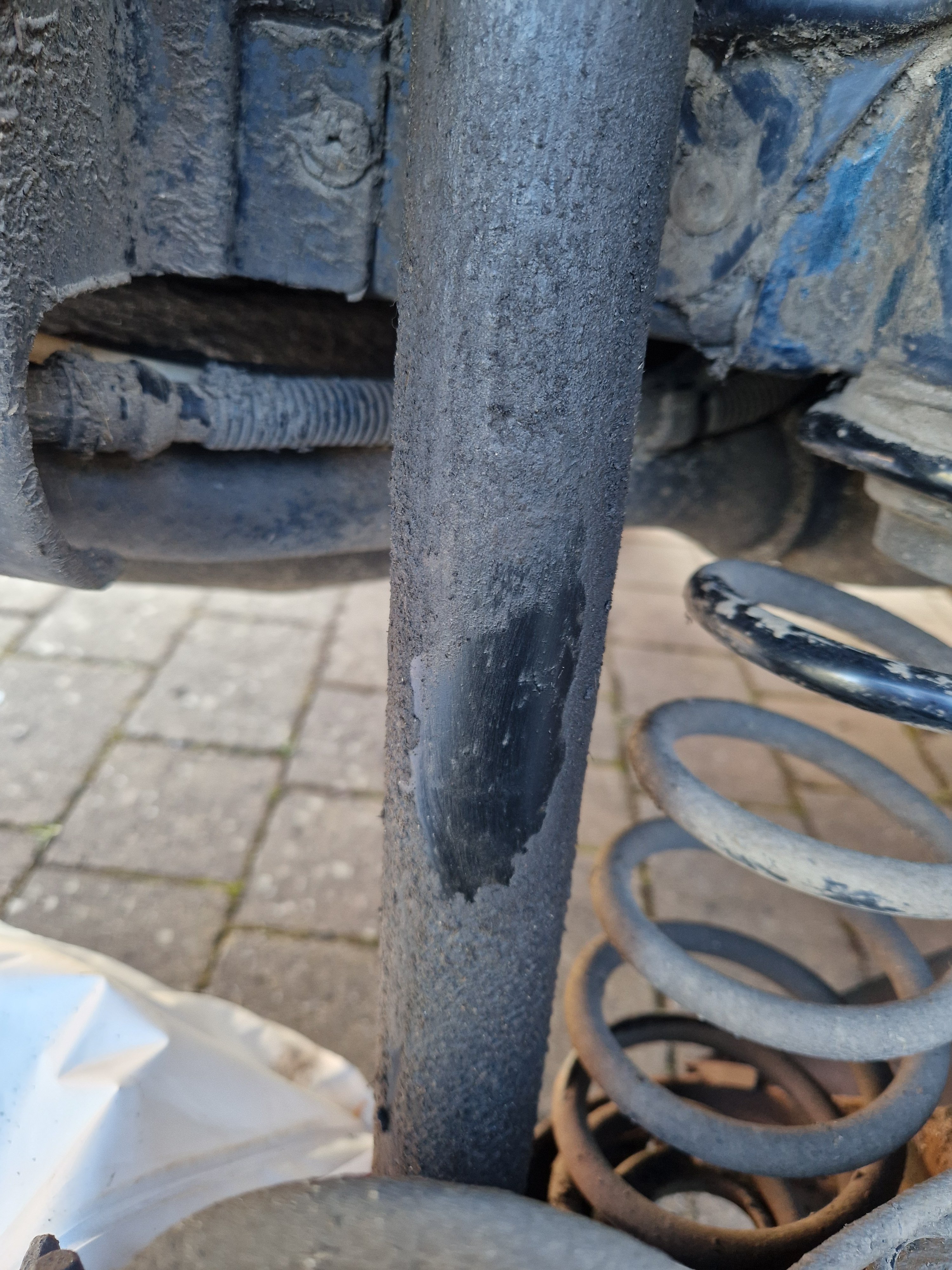
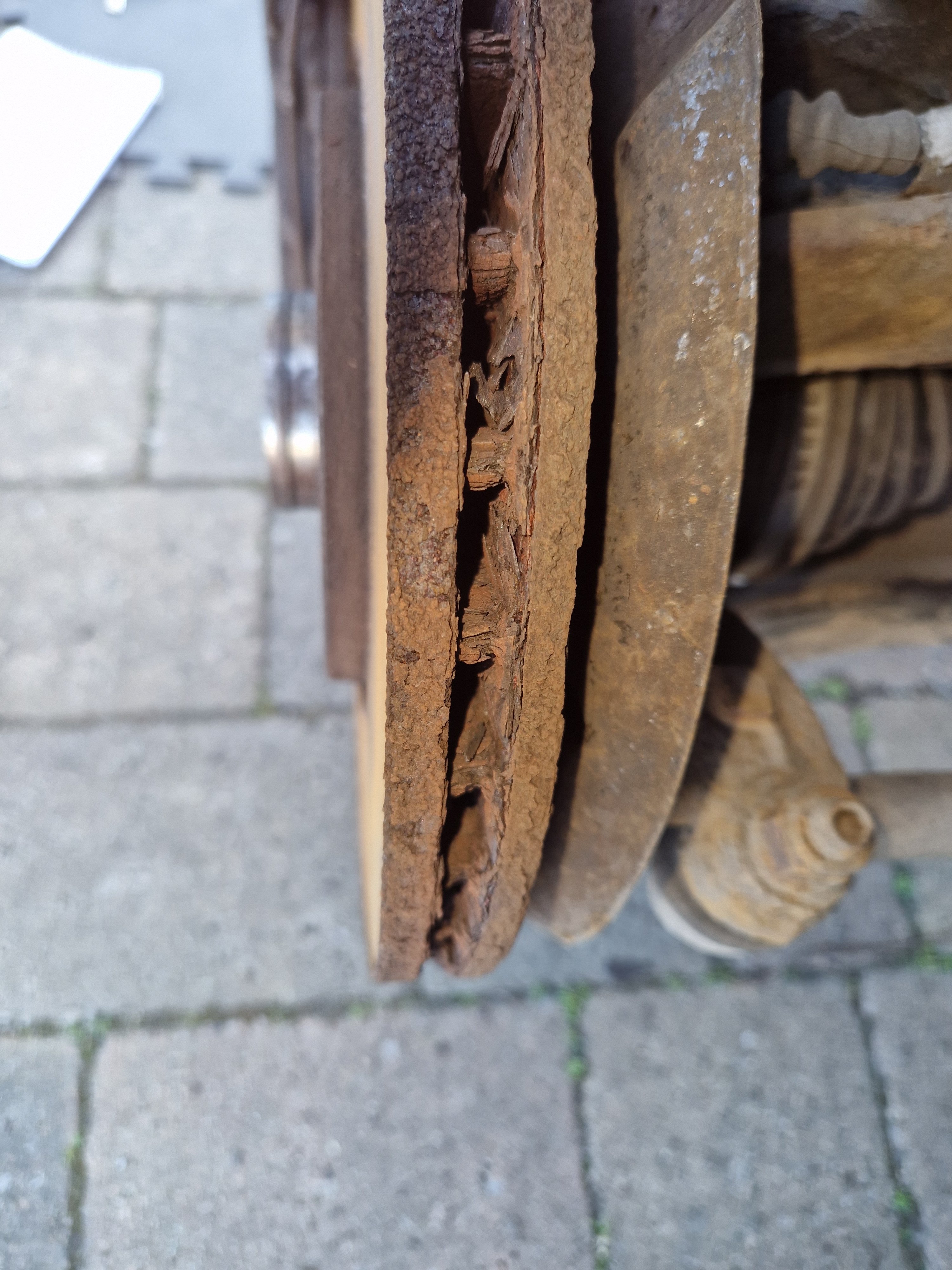
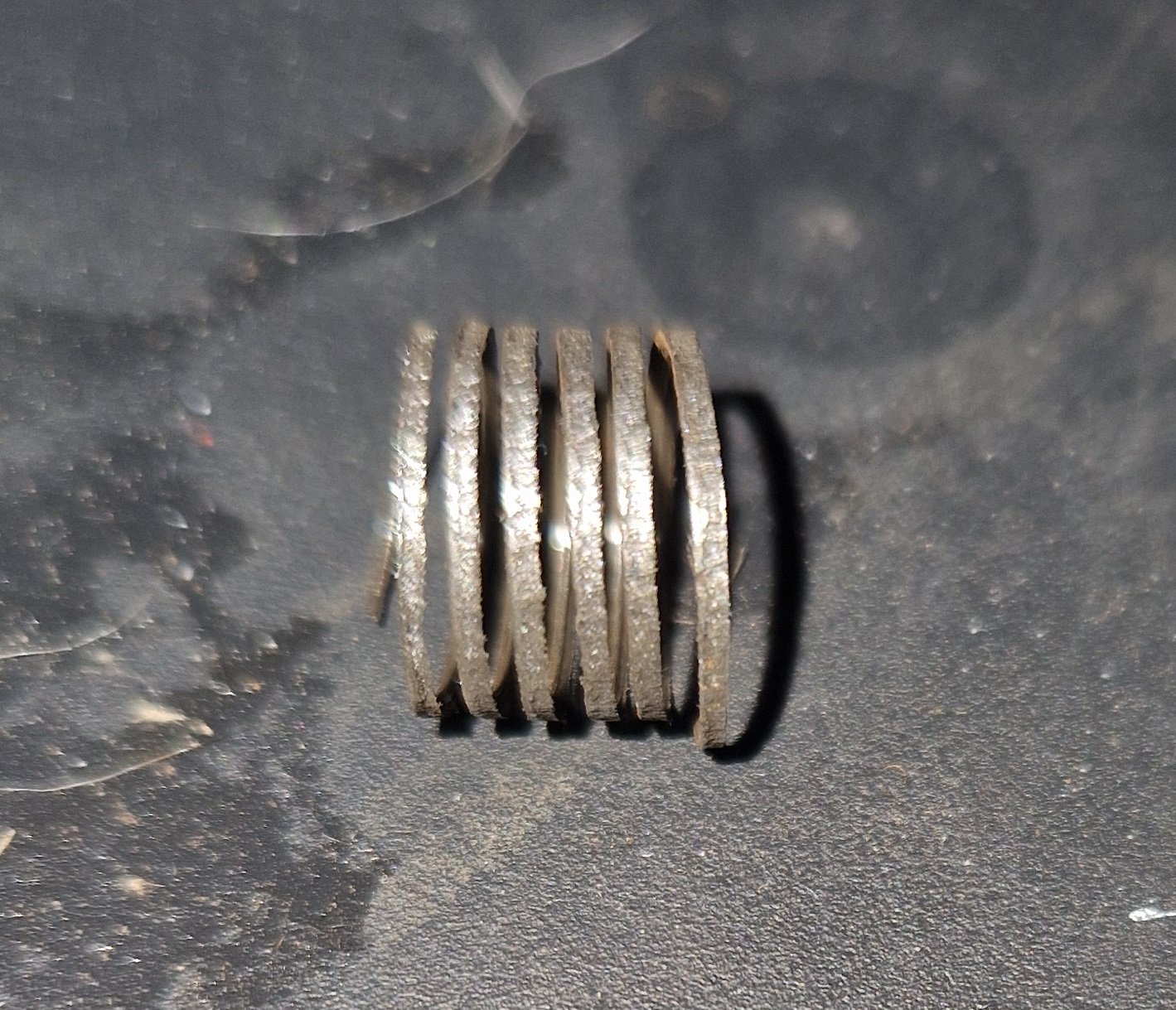
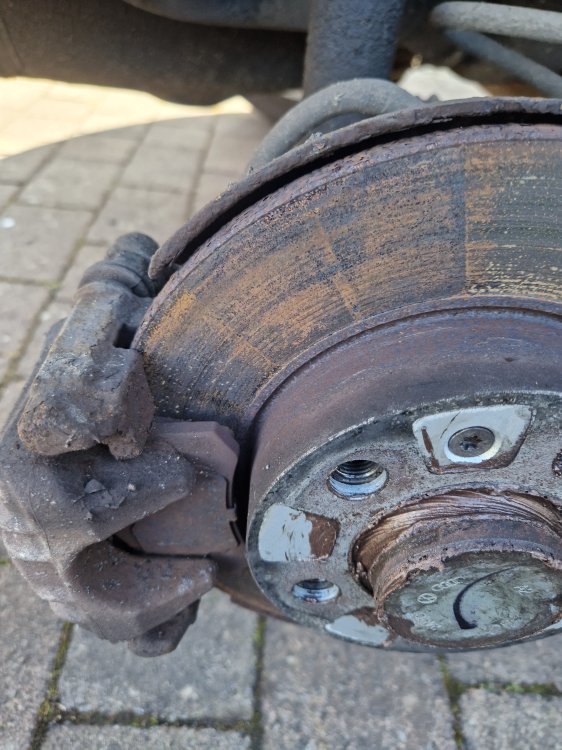
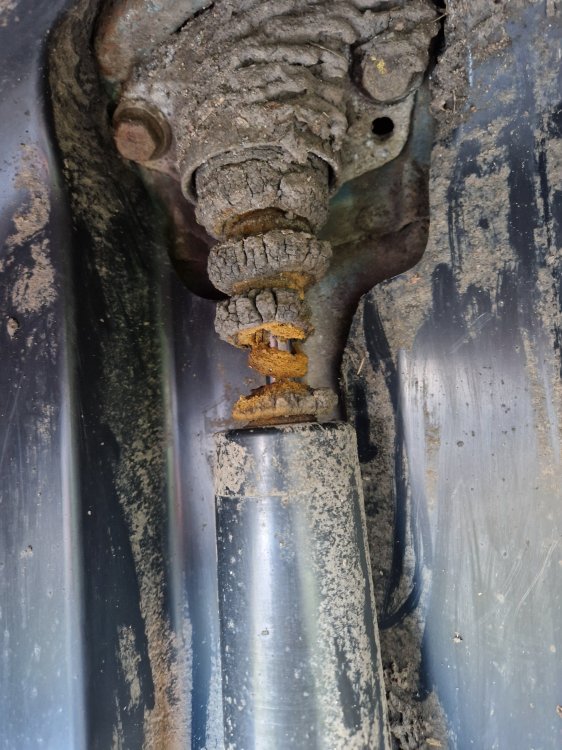
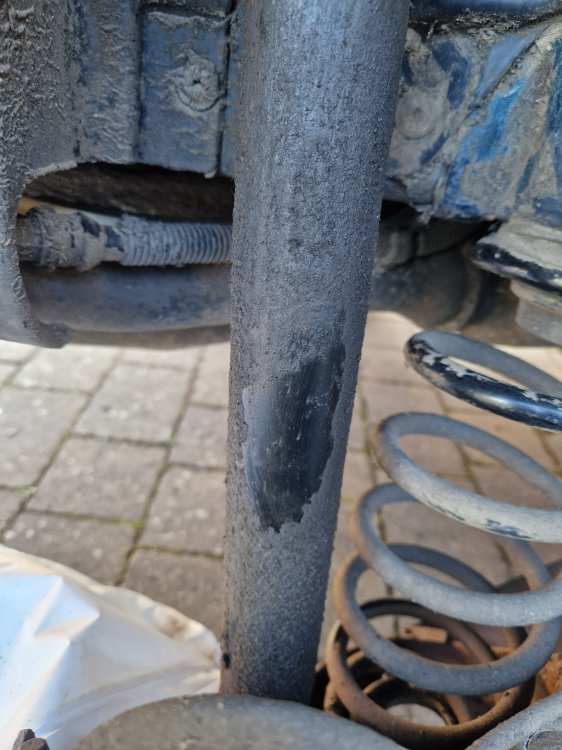
3 pointsTime for some progress reporting (overdue, sorry). Before I plucked up the courage to sort the oil leak I went round all four corners checking suspension, brakes etc. Started on right rear for no particular reason. Disc - original-looking, nasty. Possibly would clean up OK, rear/inner side may be worse. Pads - well worn but legal Flexible brake hose has a 'pinch mark' where a clamp had been used a bit unsympathetically, but doesn't look like more than cosmetic damage. (Can just be seen in this shot of the disc below, just to the right of the top of the loop). Handbrake having uneven effect between sides. Bump stop, hanging on by a thread! Shock covered in oil covered in dirt. Spring looks in good shape.
 3 points
 -
3 points
-
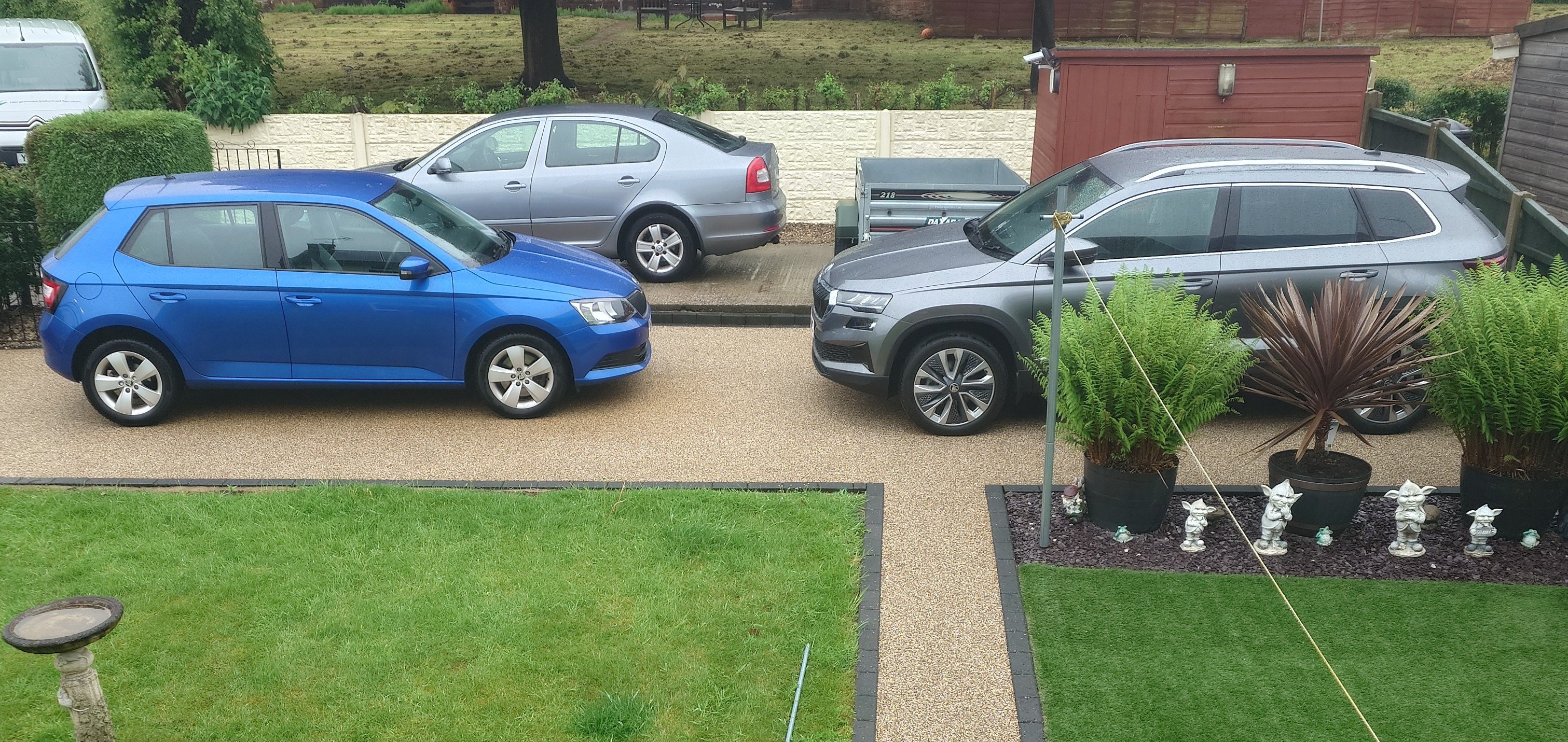
2 pointsWhilst your 2.0 TDI Superb and the 1.5 TSI Karoq have DSG gearboxes, the Superb will probably have the wet clutch version and the Karoq the dry clutch version. We have a dry clutch DSG Fabia and a wet clutch DSG Karoq, having also owned a wet clutch DSG TDI VW for 108,000 miles. I much prefer the wet clutch DSG, it’s smoother when pulling away, creeps on tickover, and smoother to drive in traffic.2 points
-
Not long, about 25 minutes, it wasn't that bad to be fair for 5k miles.2 points
-
2 points
-
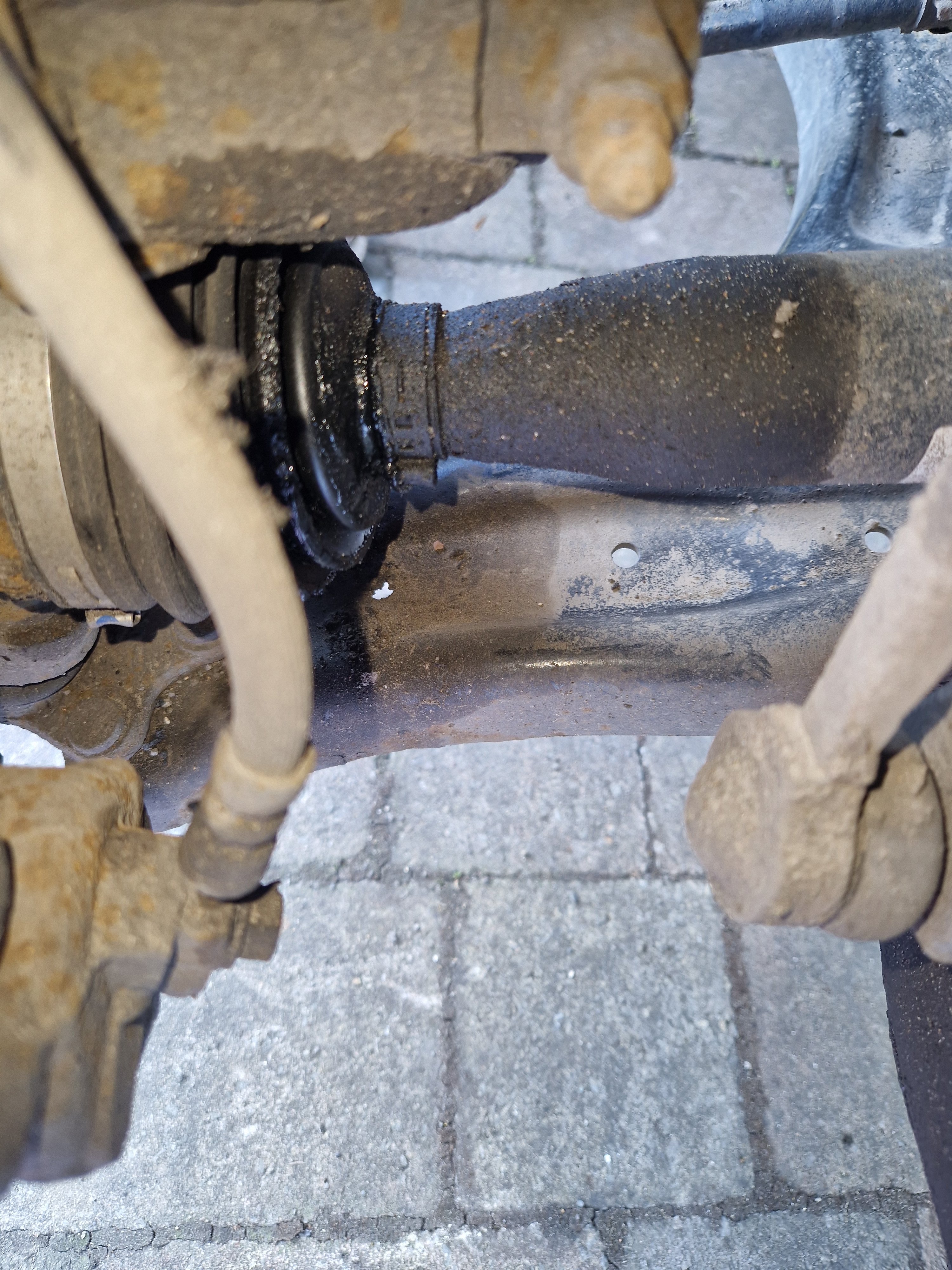
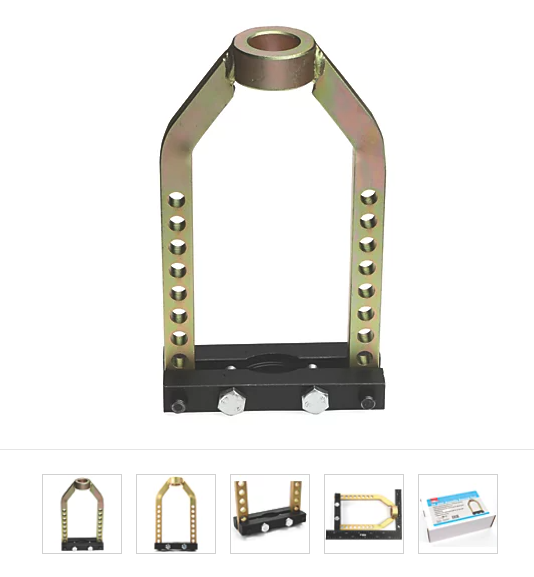
2 pointsFront right needed outer CV boot replacement as well as brake stuff, but happily I: a) had bought a tool some time back for in-situ removing of outer CV from driveshaft, and, b) remembered that I had, and, c) found it in my garage without undue time spent Only in the £15 territory, from memory. [More coming soon, just got to pop out]
 2 points
 -
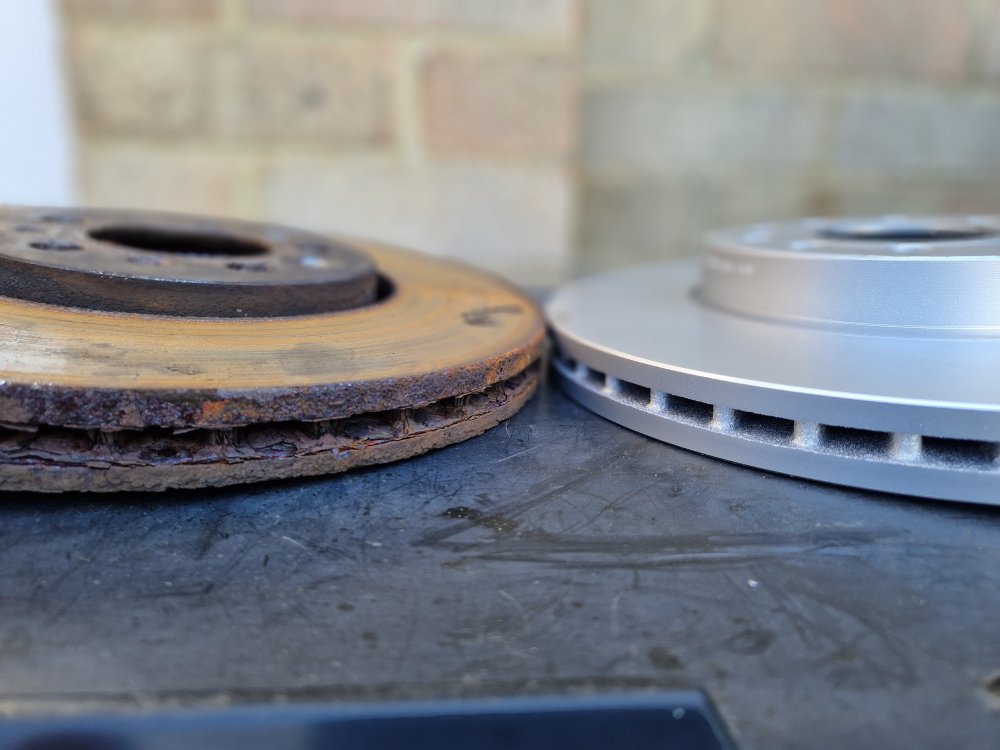
2 pointsOrdered up Mintex brake boxes (discs and pads), a genuine NOS rear shock, rear bumpstops, a CV boot, nuts and bolts. Started work on front left (going anticlockwise this time thinking I'd leave the front right with the CV action 'til last). Everything came apart easily for the disc and pad change, but as noted in another thread, first snag came with the fact that despite ebay seller checking with reg number, the discs in the front brake box were wrong. Silly me; thought all the VAG 288mm discs were probably the same, so didn't personally check everything well enough at time of order or delivery. Seller was decent about it and gave a full return/refund including pre-paid Evri label, having established that they didn't have a correct set for the car. I think having looked on the Mintex site that there isn't actually a front pads + discs set to suit this application; could be wrong. Luckily, the GSF near my workplace had sets of Brembo discs and pads that I was happy enough with, for not much more than the refund amount, in stock the next day. Went up together nicely once the 'bell' of the disc was the right depth.
 2 points
 -
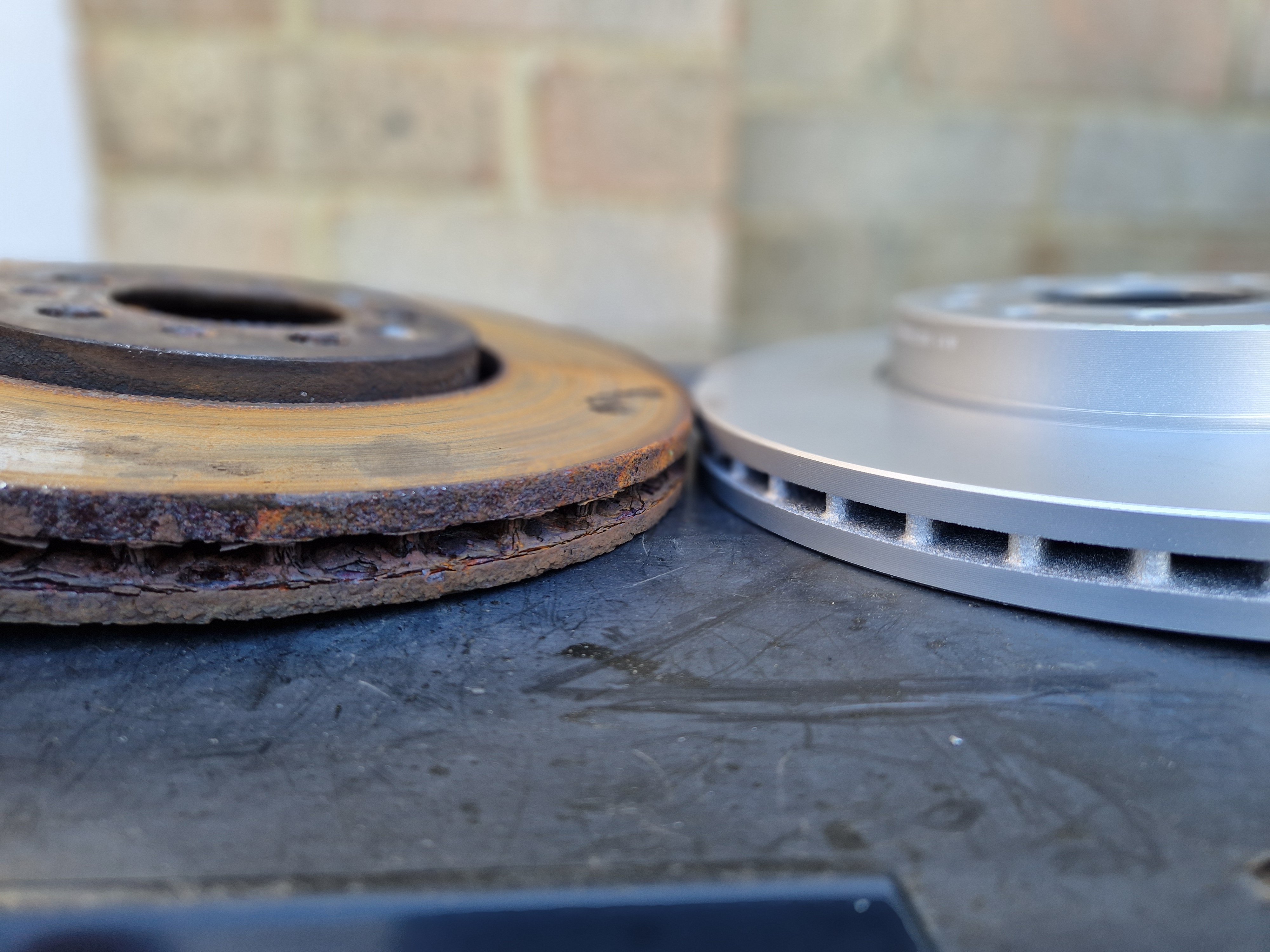
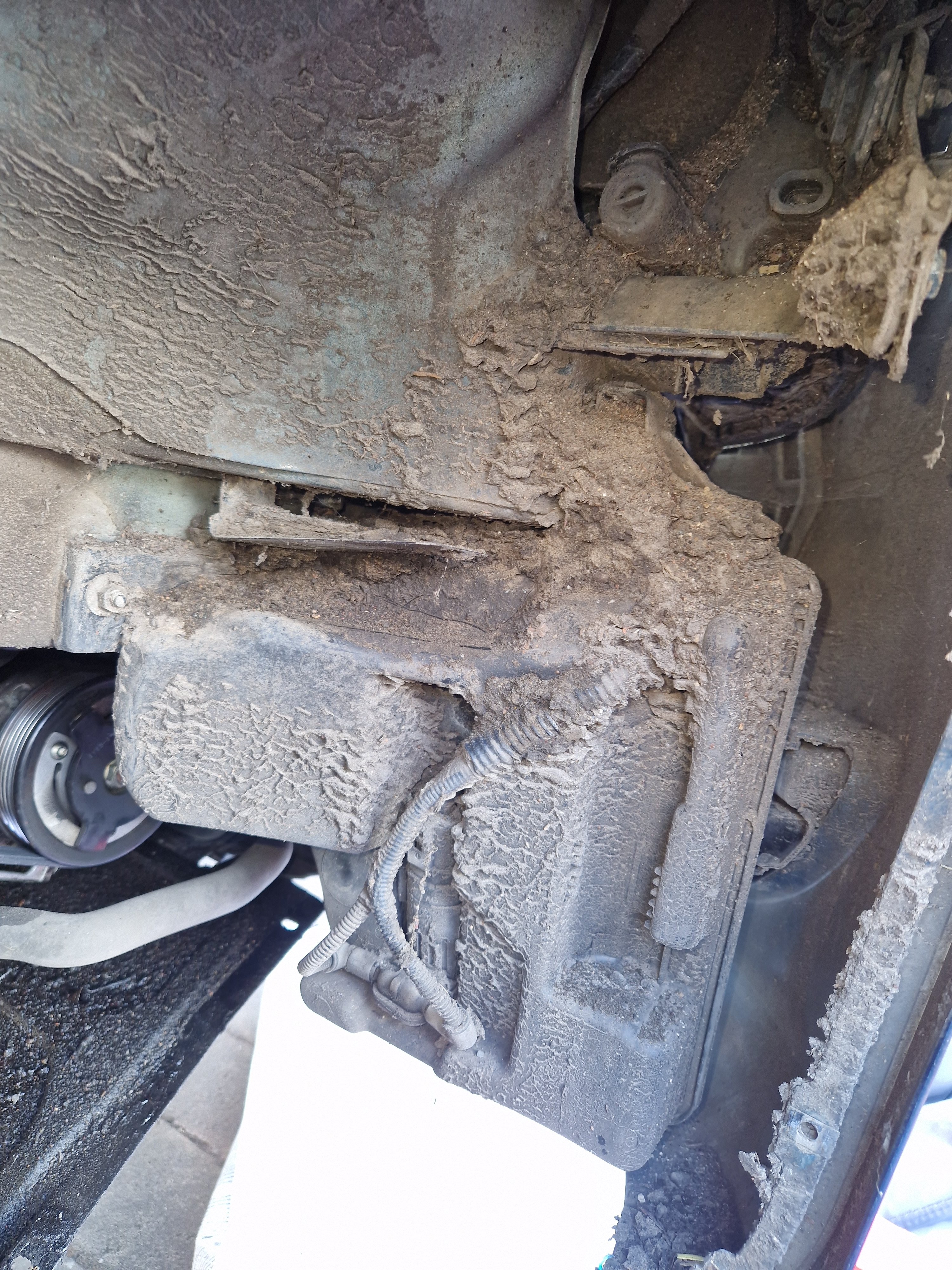
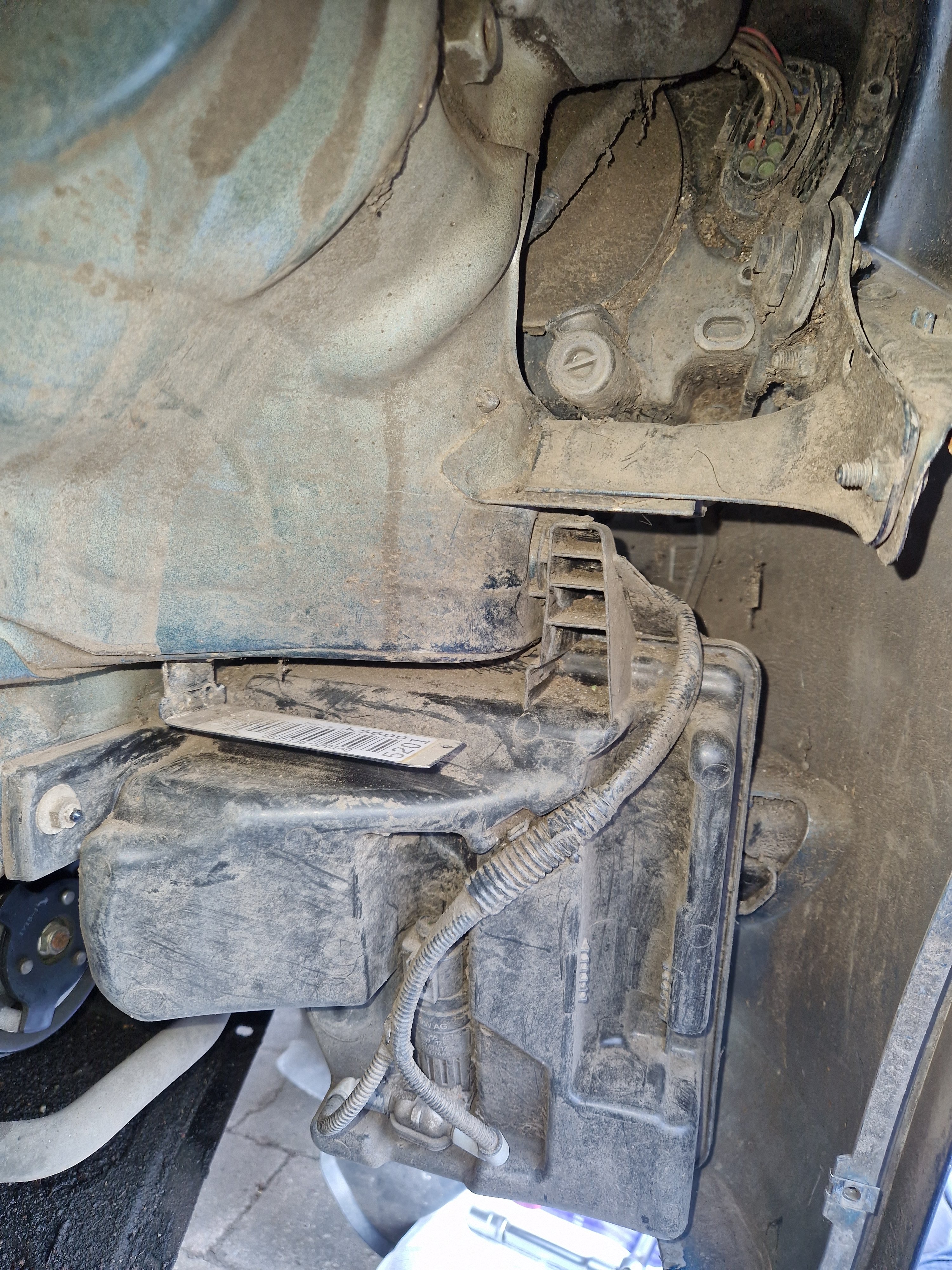
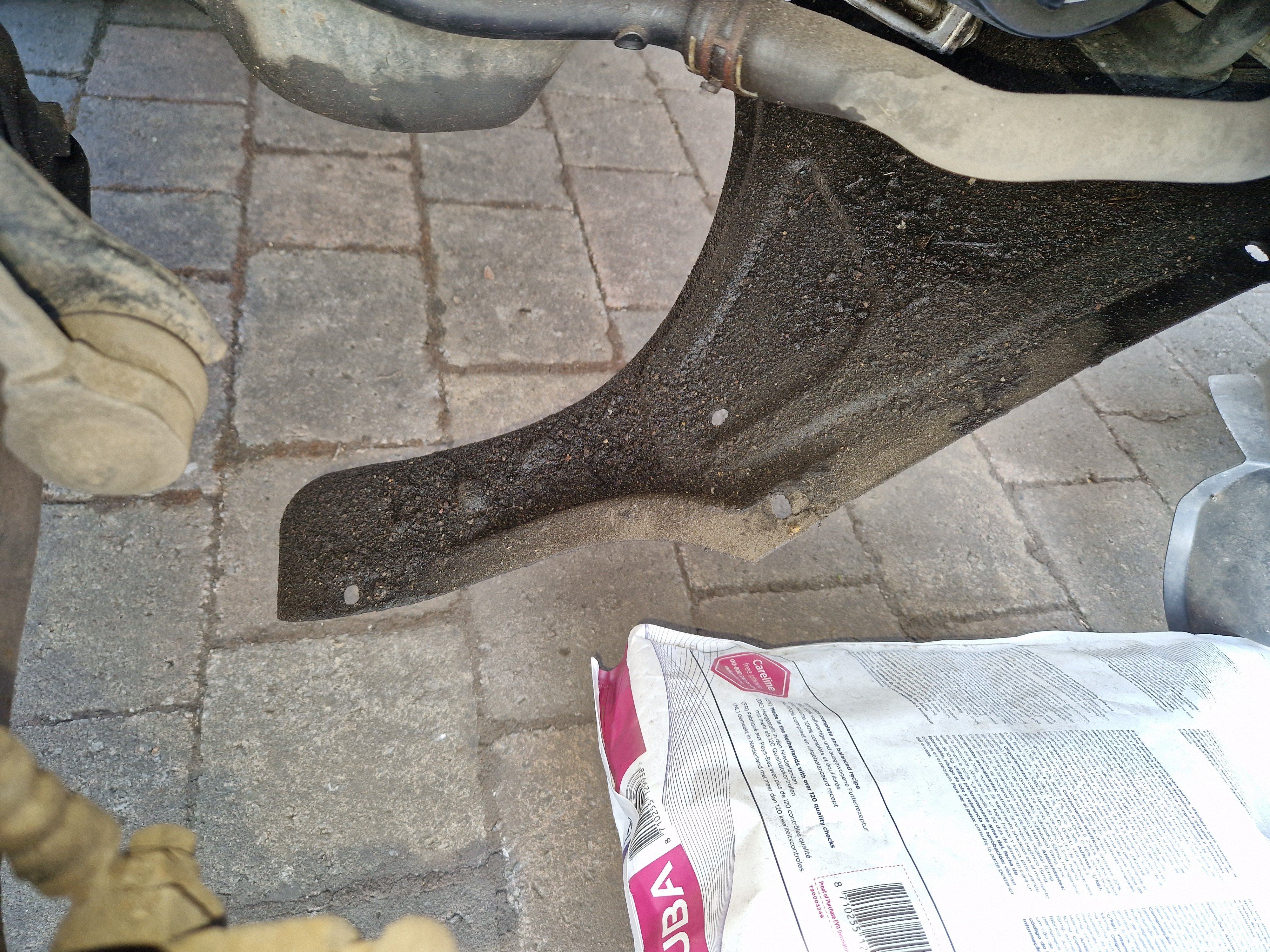
2 pointsRight front Disc in similar poor condition. CV grease around, lots of mud around Lots of engine oil around on undertray
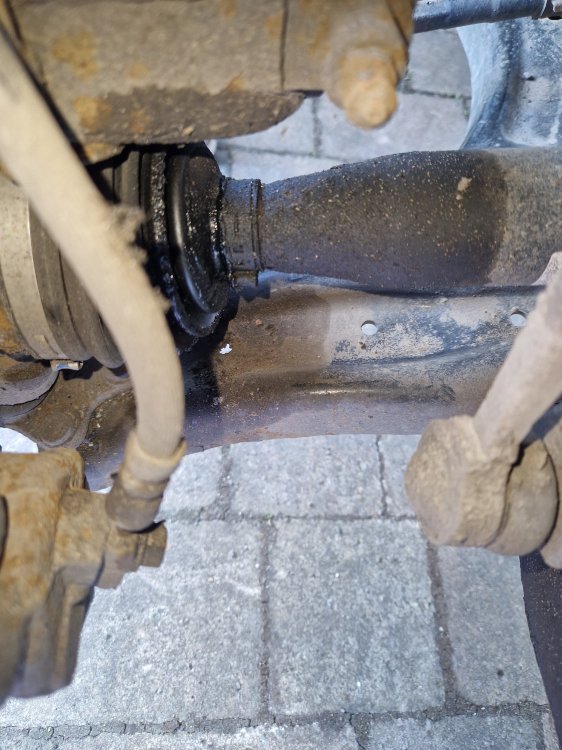
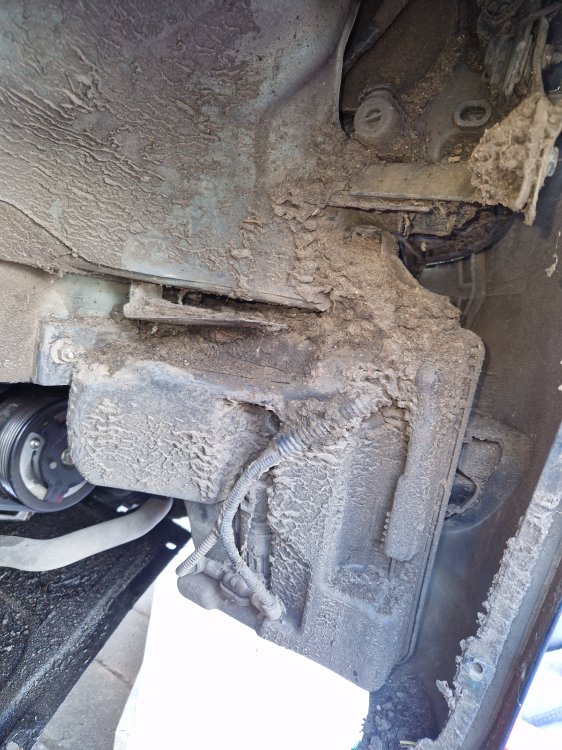
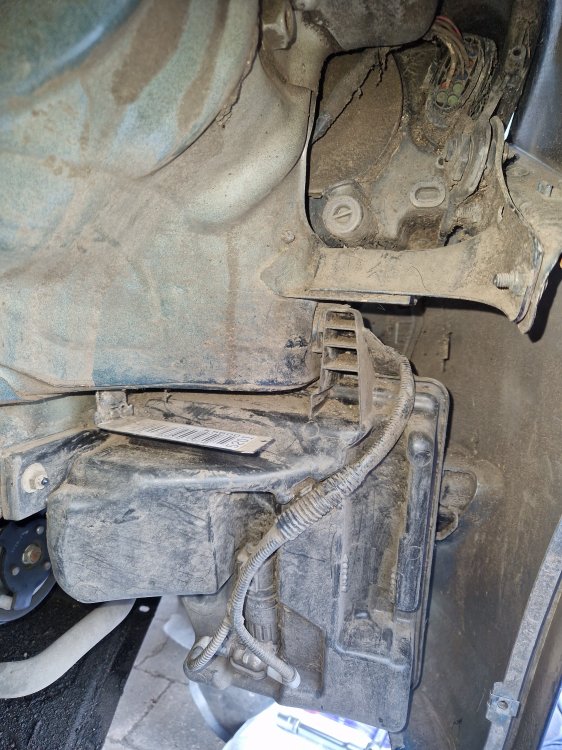
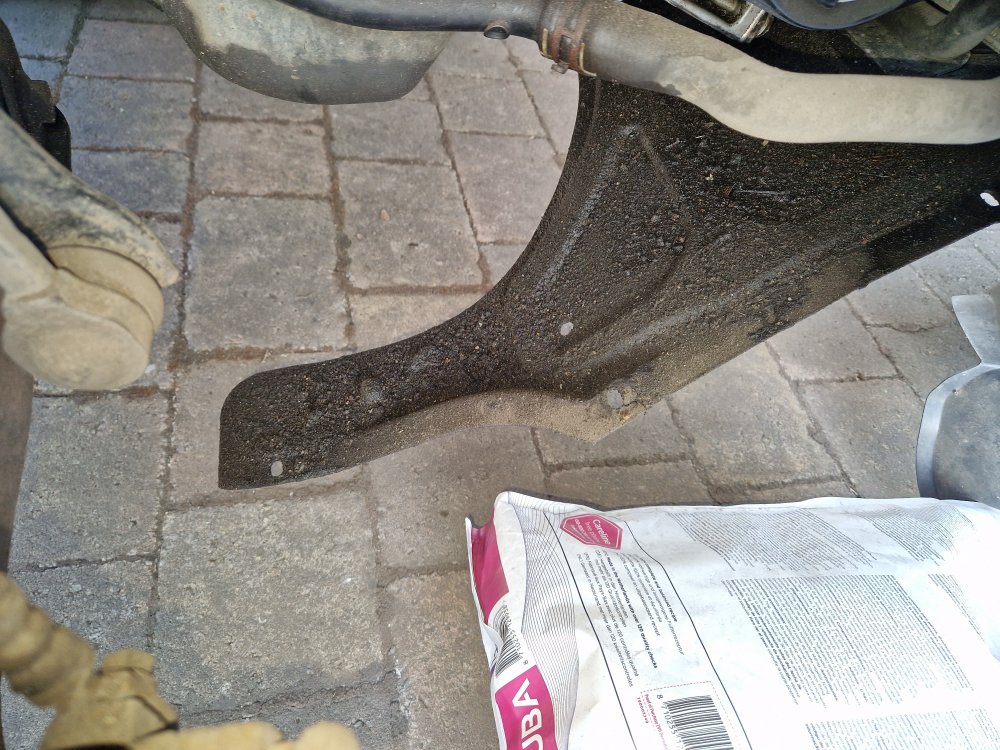 2 points
 -
2 pointsLeft front Not much to note or of concern, except disc looking very old and disintegratey. Probably not actually that close to failure, but not nice looking.
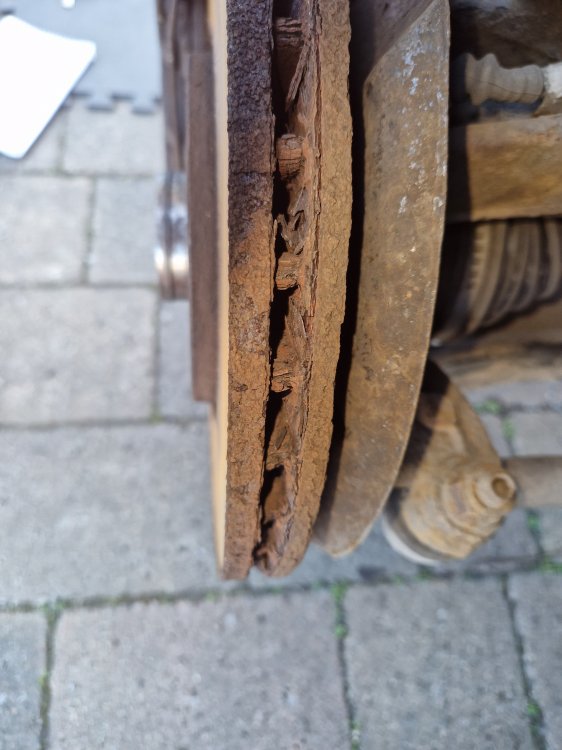 2 points
 -
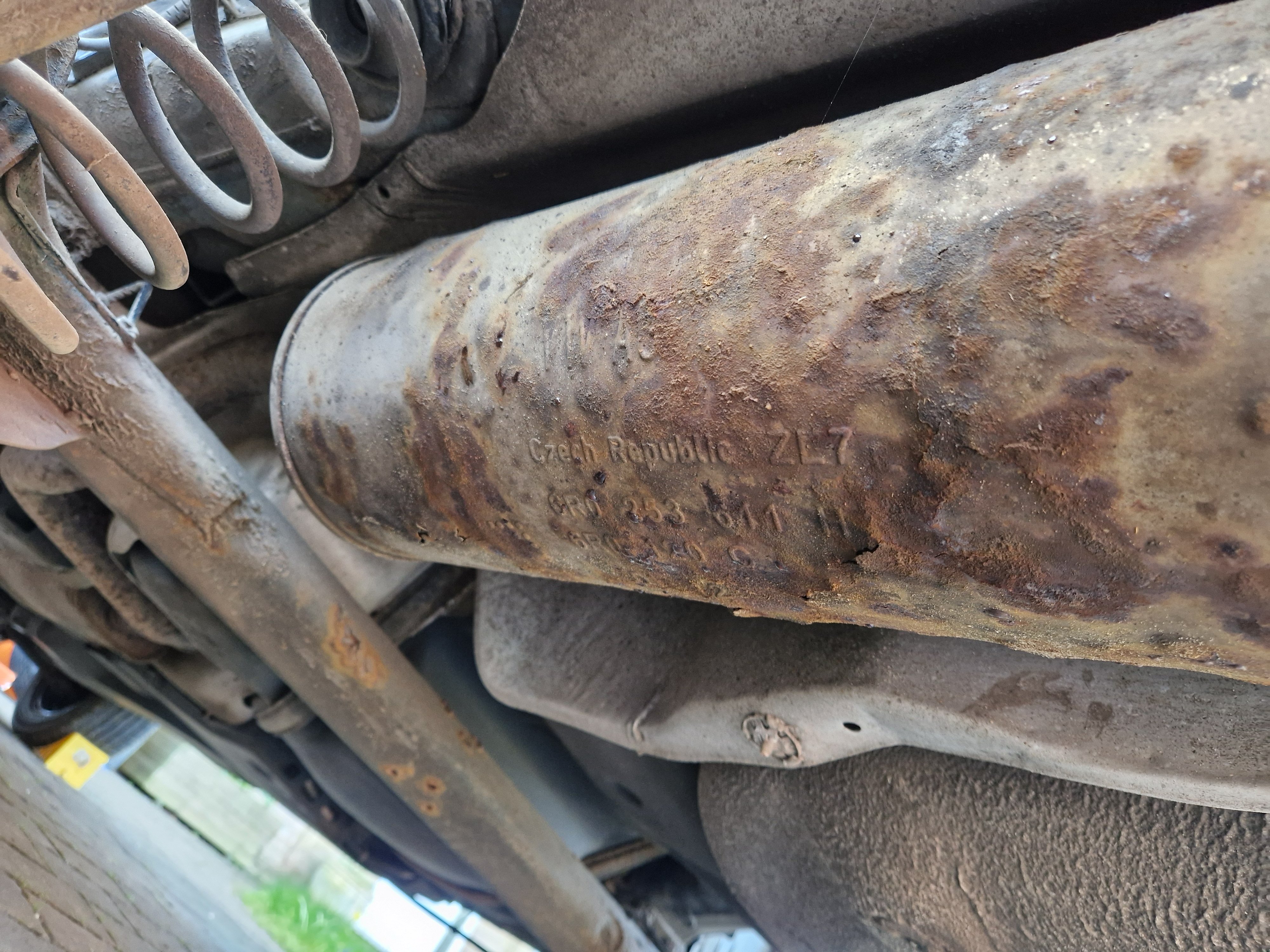
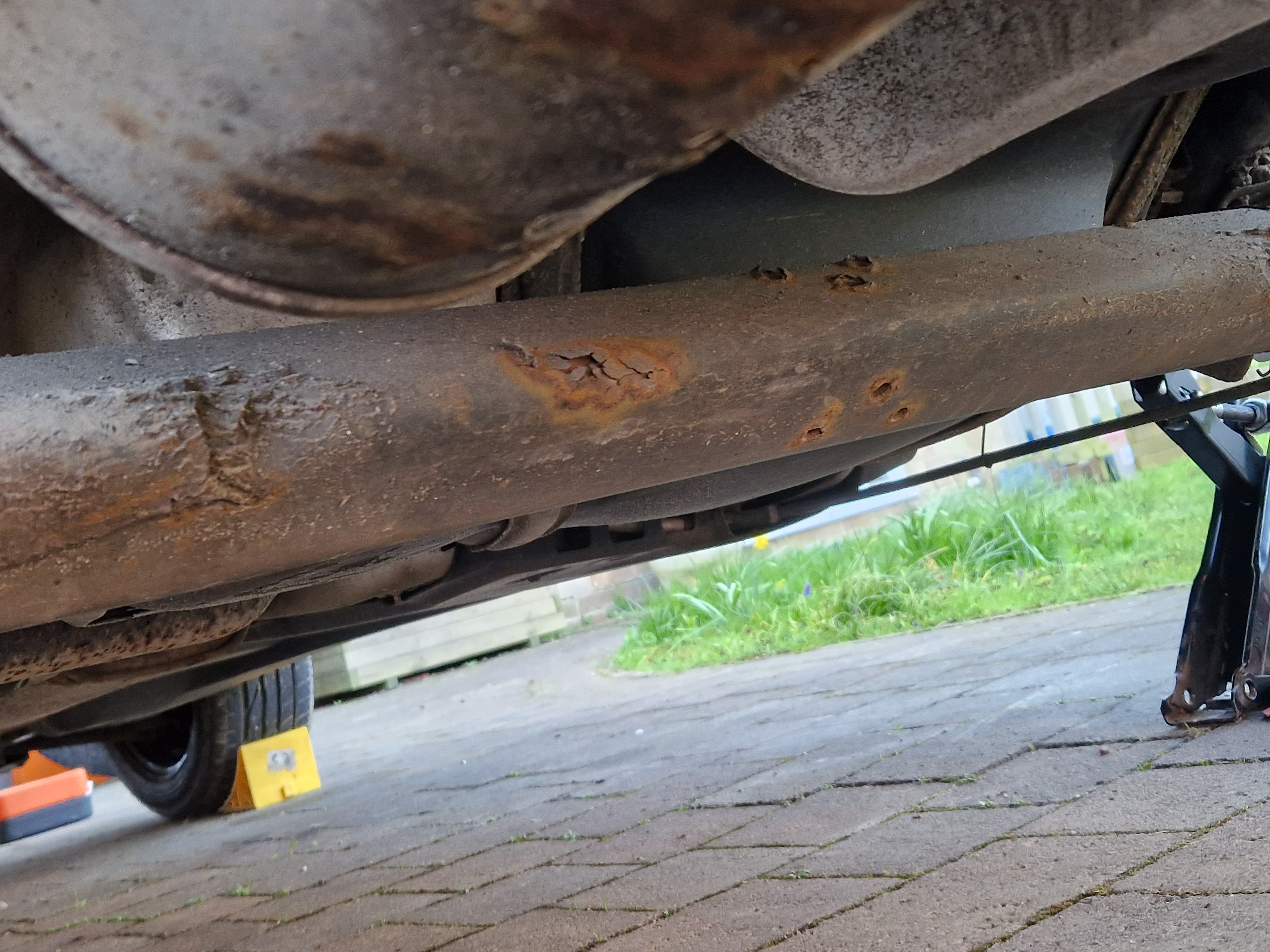
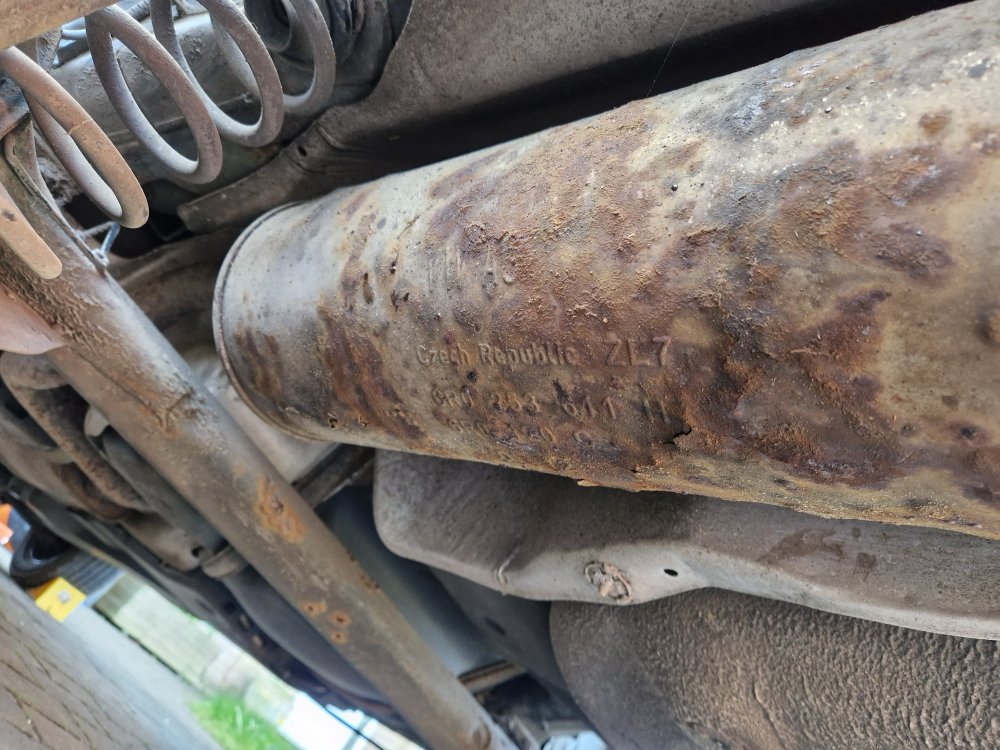
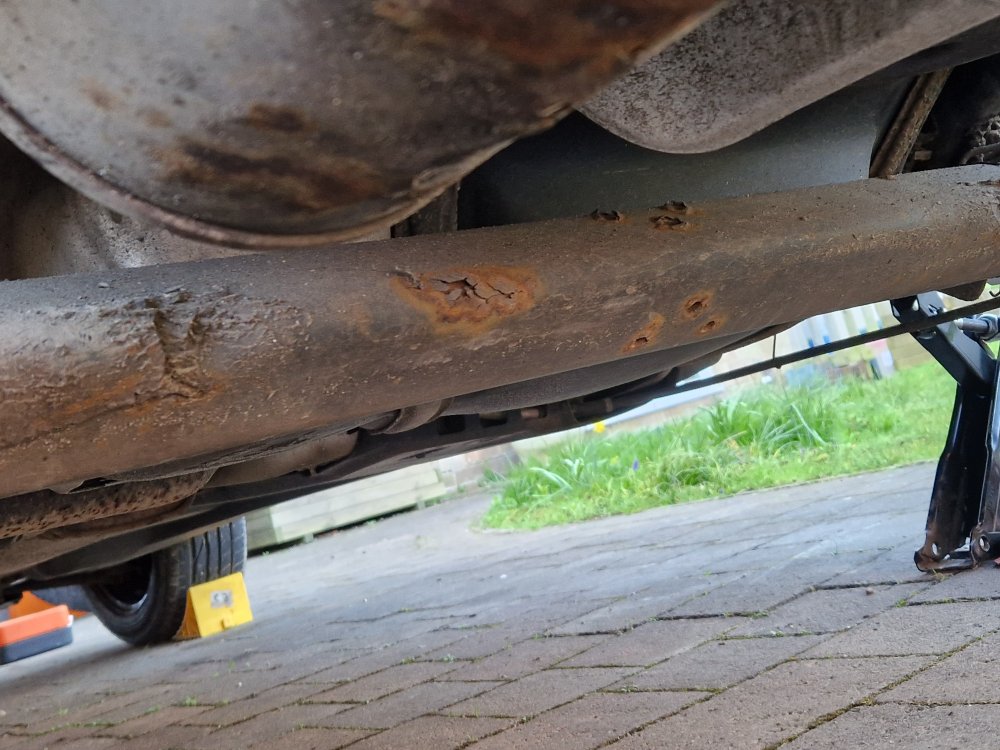
2 pointsLeft rear. Bump stop entirely broken. Shock and spring look OK, top rubber mount of spring looks a bit odd, some rubber hanging off the edge. Is there a right and a wrong orientation for the top 'tail' of the spring to be? Disc and pads similar to first side. Didn't take any pics as they'd have been largely duplicates. Rear beam has a scab or two that might benefit from treating. Rear exhaust box looking very original and scabby, continuous pipe including mid silencer, so confirming originality. No obvious leaks currently.
 2 points
 -
2 pointsAll that tells you is how deep the edge corrosion ridge is. You need to measure the thickness of the polished wearing surface, not the corrosion ridge.2 points
-
2 points
-
2 pointsMany years ago my dealer wanted to charge me £800 for changing the air-con pump (it was too noisy). The car wasn't that old, and I decided I would chance my luck. I took it to an air-con specialist who said "rubbish, just make sure you recharge the system with the recommended amount of oil in the freon mix.". The upshot is, the main dealers will always try and get the job well in advance of when its needed. The original air-con pump was still working 12 years later when I sold the car.2 points
-
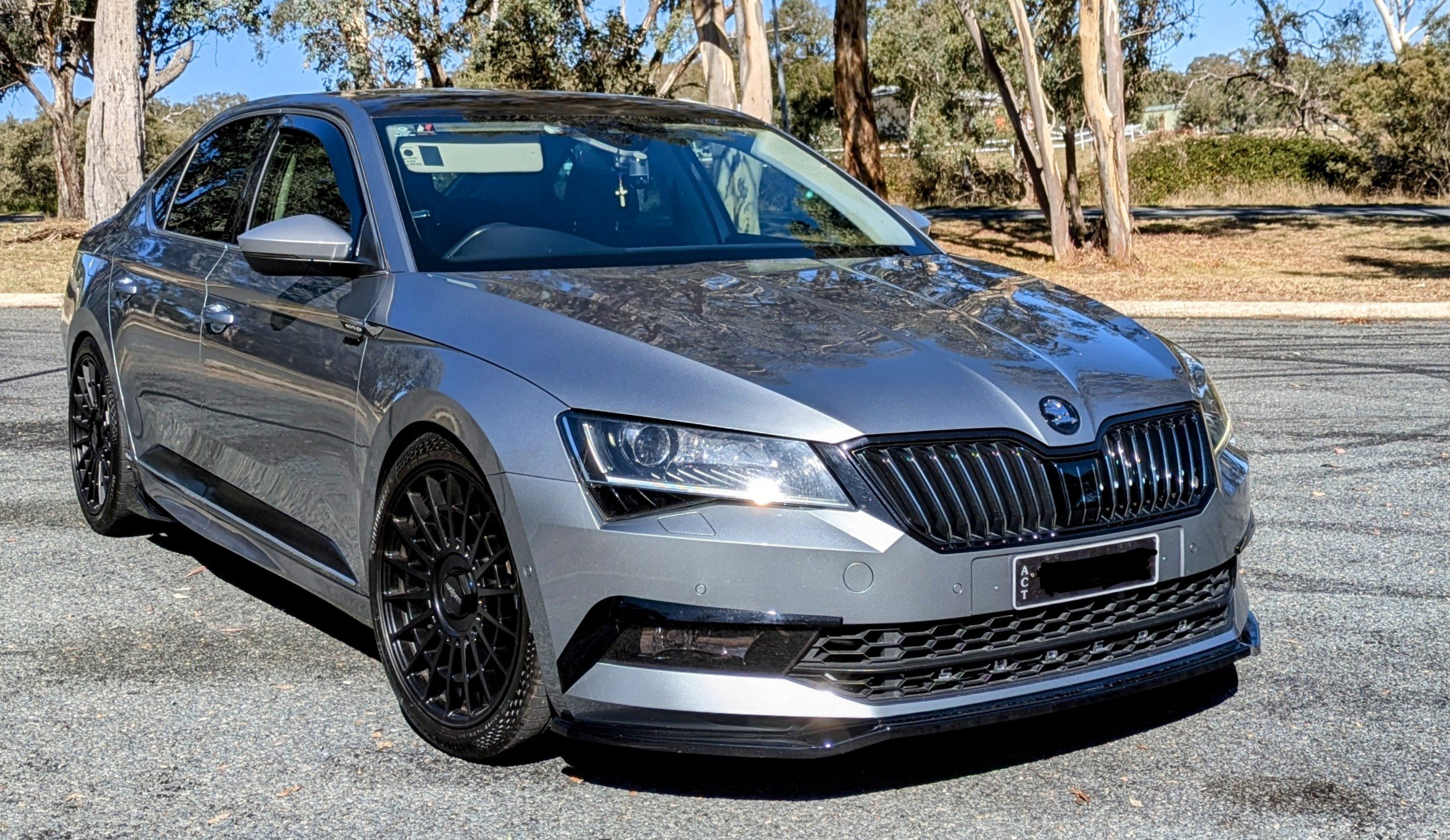
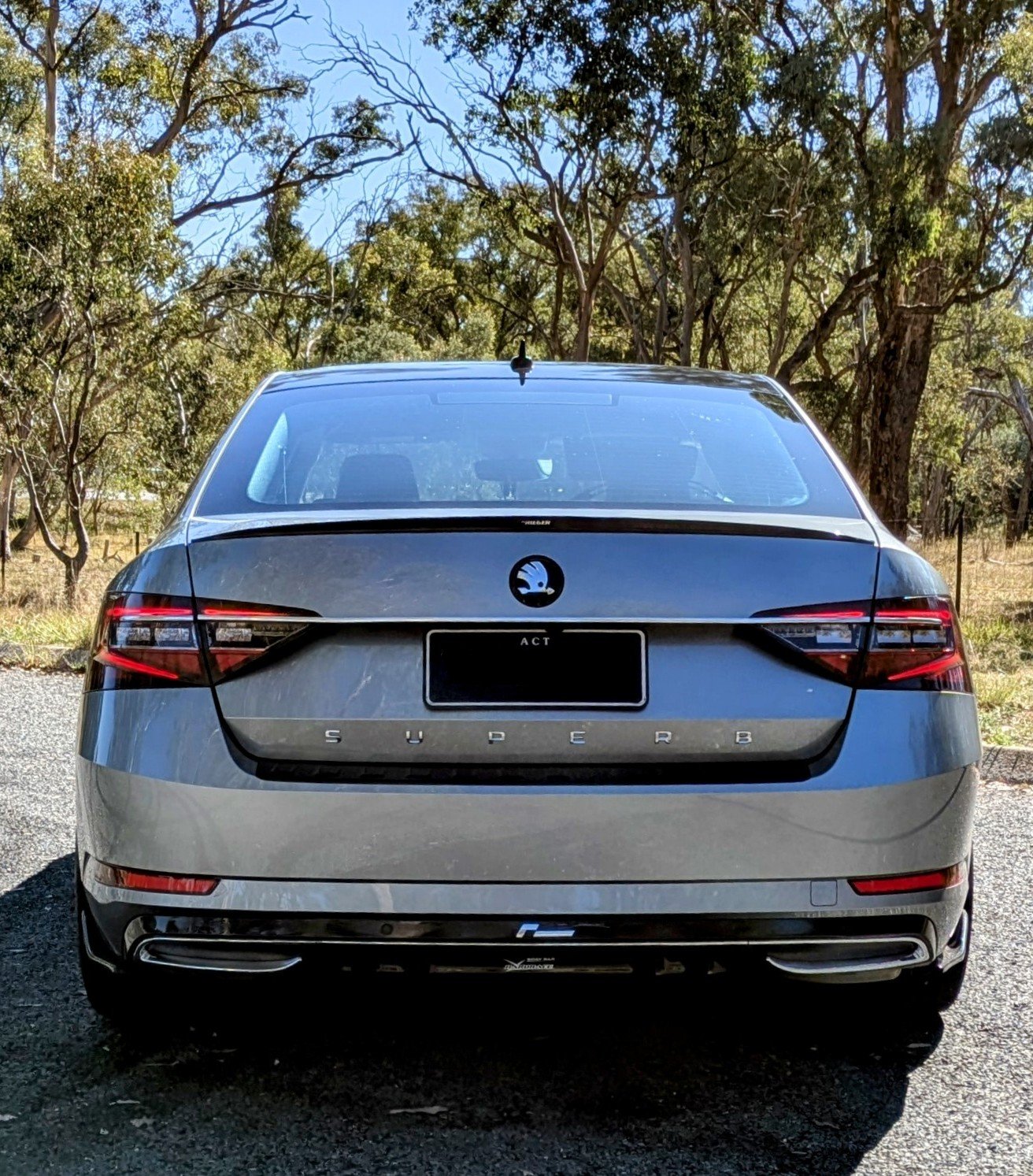
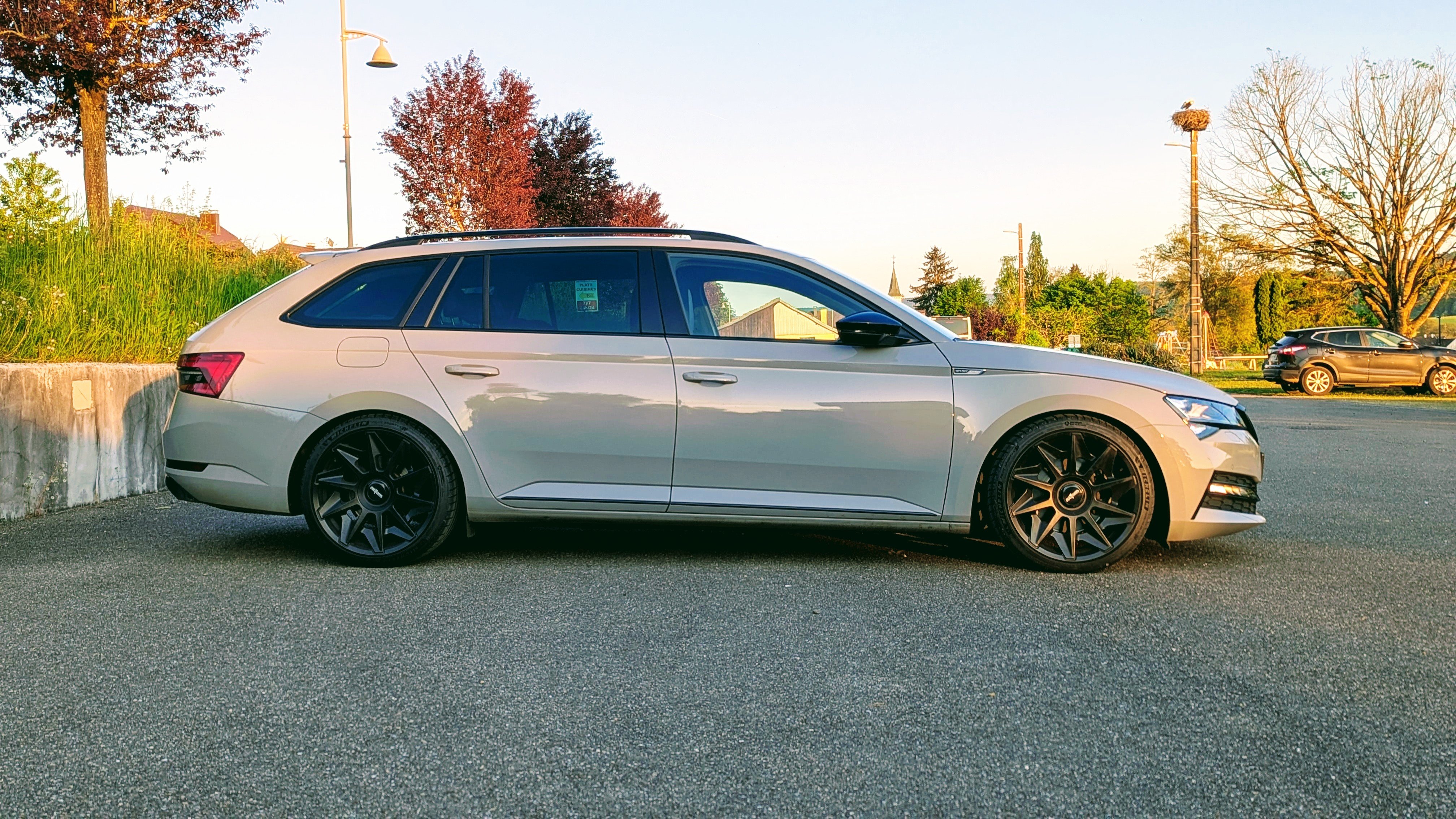
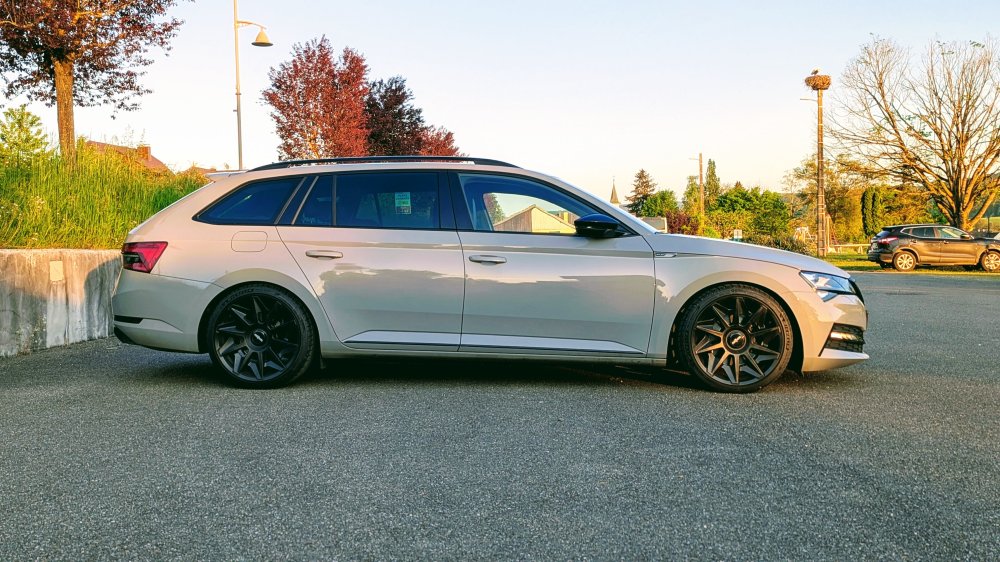
We finally had a week of dry spell, so I got round to washing the good old Superb. I also treated her to a set of Michelin Pilot Sport 4S. That's at least + 20hp in street cred. l
 2 points
 -
Man-made climate change, often referred to as anthropogenic climate change, is the result of human activities that have significantly altered the Earth's atmosphere and climate system. This phenomenon is supported by overwhelming scientific consensus and a vast body of evidence from multiple disciplines, including atmospheric science, oceanography, and ecology. Here are the key reasons why man-made climate change is considered real: Increased Greenhouse Gas Emissions: The primary driver of anthropogenic climate change is the increased concentration of greenhouse gases (GHGs), particularly carbon dioxide (CO₂), methane (CH₄), and nitrous oxide (N₂O), in the atmosphere. Since the Industrial Revolution, human activities such as burning fossil fuels (coal, oil, and natural gas), deforestation, and agricultural practices have significantly increased the levels of these gases (IPCC, 2021). CO₂ levels, for example, have risen from approximately 280 ppm (parts per million) in pre-industrial times to over 400 ppm as of recent measurements (Le Quéré et al., 2018). Correlation with Fossil Fuel Use: The rise in atmospheric GHGs closely correlates with the increase in fossil fuel consumption since the 19th century. Fossil fuel combustion releases large quantities of CO₂ and other pollutants, which trap heat in the Earth's atmosphere. This has been substantiated by studies showing that specific isotopic ratios of carbon in the atmosphere show a clear shift towards the ratios characteristic of fossil fuels, providing strong evidence of their contribution. (Lipp et al., 2009). Global Temperature Rise: The Earth's average surface temperature has risen by about 1.2°C since the late 19th century, a trend that aligns with the increase in GHG concentrations (NASA, 2023). The warming of the planet is consistent with predictions made by climate models that incorporate both natural and human influences. While natural factors (such as volcanic eruptions and solar variability) also influence climate, the observed warming can only be fully explained by considering human-induced GHG emissions (IPCC, 2021). Ocean Warming and Acidification: The world's oceans have absorbed much of the excess heat from global warming, leading to rising sea surface temperatures and ocean acidification. Ocean acidification, caused by increased CO₂ absorption, has been linked to the decline of marine life, including coral reefs (Hoegh-Guldberg et al., 2007). These changes are consistent with the patterns expected from anthropogenic CO₂ emissions. Melting Ice and Rising Sea Levels: Observations show that glaciers and polar ice caps are melting at an accelerated rate, contributing to rising sea levels (Church et al., 2013). The melting of Arctic sea ice and the Greenland ice sheet, along with thermal expansion of seawater, are major factors driving the rise in global sea levels. These trends are aligned with climate models that predict the impacts of warming driven by human activities. Scientific Consensus: The overwhelming majority of climate scientists agree that climate change is happening and that human activities are a major contributing factor. Reports from the Intergovernmental Panel on Climate Change (IPCC), based on the review of thousands of peer-reviewed studies, consistently find that human activities are the dominant cause of observed global warming (IPCC, 2021). Multiple independent lines of evidence, including the study of ice cores, tree rings, and climate models, reinforce the conclusion that human activities have a significant impact on global temperatures. Observed Changes in Weather Patterns: Along with rising temperatures, there is an observed increase in the frequency and intensity of extreme weather events, including heatwaves, hurricanes, droughts, and heavy rainfall. These changes are consistent with predictions of climate models that show how human-induced warming influences weather patterns (Coumou & Rahmstorf, 2012). References: Church, J. A., et al. (2013). Sea level change. In: Climate Change 2013: The Physical Science Basis. Contribution of Working Group I to the Fifth Assessment Report of the Intergovernmental Panel on Climate Change. https://www.ipcc.ch/report/ar5/wg1/ Coumou, D., & Rahmstorf, S. (2012). A decade of weather extremes. Nature Climate Change, 2(7), 491–496. https://www.nature.com/articles/nclimate1452 Hoegh-Guldberg, O., et al. (2007). Coral reefs under rapid climate change and ocean acidification. Science, 318(5857), 1737-1742. https://www.science.org/doi/10.1126/science.1152509 IPCC. (2021). Climate Change 2021: The Physical Science Basis. Contribution of Working Group I to the Sixth Assessment Report of the Intergovernmental Panel on Climate Change. https://www.unep.org/resources/report/climate-change-2021-physical-science-basis-working-group-i-contribution-sixth Lipp, J. A., et al. (2009). Attribution of recent atmospheric CO2 increases to fossil fuel combustion. Nature Geoscience, 2(5), 253–256. https://www.climate.gov/news-features/understanding-climate/climate-change-atmospheric-carbon-dioxide Le Quéré, C., et al. (2018). Global carbon budget 2018. Earth System Science Data, 10, 2141–2194. https://essd.copernicus.org/articles/10/2141/2018/ NASA. (2023). Global Climate Change: Vital Signs of the Planet. NASA Goddard Institute for Space Studies. https://climate.nasa.gov/ / In conclusion, man-made climate change is real and driven by human activities, particularly the burning of fossil fuels and deforestation. This conclusion is supported by decades of scientific research, data, and analysis from various disciplines. The impacts of climate change are already being observed globally, and the scientific community agrees on the urgent need for mitigation and adaptation strategies to address the challenges posed by this phenomenon. Addressing man-made climate change requires immediate and sustained action to reduce greenhouse gas emissions and mitigate its impacts. This includes transitioning to renewable energy sources, improving energy efficiency, protecting and restoring ecosystems, and adopting sustainable practices. Global cooperation is essential, as the effects of climate change are felt worldwide, transcending borders and affecting every aspect of society. Governments, businesses, and individuals must work together to implement policies and solutions that reduce our carbon footprint and protect the planet for future generations. The longer we delay, the more difficult and costly the solutions will become. Linking back to cars forum, what type of vehicle has vastly improved energy efficiency and available for mass adoption today? battery electric vehicles. But due to risk of misunderstanding on this forum, here are a few declarations: - This is a thread on climate change, so that this type of discussions would not take over other threads. - I have zero interest in forcing people to make any changes and I have zero power to do so. - I do not wish to push any product or services. I do not have any financial interest in this area. - I have zero interest in your opinion, just as I have not stated my opinions on man-made climate change. Unless you have published peer-reviewed papers on climate change. - But very welcome your opinions on climate related government policy - I do not wish to get everyone driving BEV, it is simply not suitable for 100% of people right now. As a reminder, there's 10 years to go for 2035 ZEV-only new vehicle sales and many more years of ICE vehicle on the road after that.1 point
-
1 point@skoda_cat God bless your hands, wish you the best with your resto-mod !1 point
-
With the factory radiator and with the new Aftermarket. The new is tested for few days an only in City driving.
.jpg.052813658a8388ee41c3a3052a453767.jpg)
.jpg.6d76ed91cf77d64ae175d1b567bafaa0.jpg)
.jpg.b2a12147fb1572fc458ac671dc522105.jpg) 1 point
1 point -
1 point
-
1 point
-
Thanks. I am paid up until some time in 2026, but I wondered if anyone else had the app suddenly stop sending routes to the car… then again there has been a lot of cyber warfare going on of late. IT could be VAG servers that have had problems.1 point
-
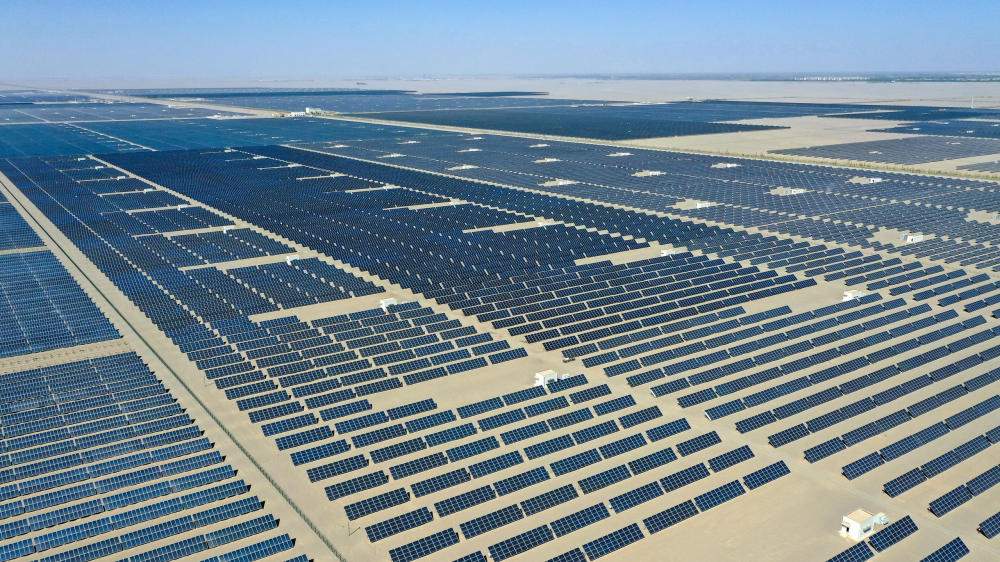
It is one of the more interesting sweeping statements I've seen recently! Regardless of the various arguments about the Anthropocene, I would just like to add that when these countries (emergent, may I add, rather than developing - with the exception of the hybridised China) were virtually net-zero, much of the 'developed' world was busy with the industrial revolution, followed promptly by two world wars. I'm not entirely sure where the regard for climate change was throughout the industrial revolution. Certainly, neither WW1 or WW2 were very environmentally concious, not to mention more recent developments such as nuclear weapons, the space programme or air travel. I mean let's not forget, it wasn't China or India that invented the environmentally-crushing internal combustion or jet engine. I'm not saying the Chinese are guilt-free with regards to climate change, but this isn't in Europe -
 1 point
 -
1 point
-
1 pointThe blanks came from cars equipment website. Genuine skoda items for the mk3 wheel.1 point
-
1 pointFollowed sharky09's instructions and managed to find the spring loaded locking pieces hidden away behind the side panels. Put them back in place and works good as new.1 point
-
1 pointWe have both, Superb Estate and 1.5 SEL Karoq - The ride in the Superb is much better and it has more toys, that said I'm happy to take either - the Karoq is jiggly and as 'logiclee' points out it does bang and crash a bit on the rear, also it can be difficult to drive smoothly in urban traffic, however, the fuel economy of the 1.5 is remarkable.1 point
-
1 point
-
1 pointIf you're in Ireland, surely it would be far easier to just buy one in the UK and drive it over on the ferry? The amount of work you'd have to do to swap everything over would be not really worth it.1 point
-
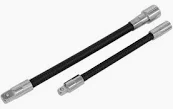
1 pointI have a flexible drive in my 1/4 socket set that I use a lot plus add extra bars/universal joints etc to get to nuts like that On my sons fabia I think the new relay is actually cable tied to the old one. Alasdair
 1 point
 -
Some people seem to think they know what the people think. Trumpian! "People do not believe the climate narrative." "This is a fact." You make up your own FACTS. Surely some people do not believe. As for all the people all the time?


 1 point
 -
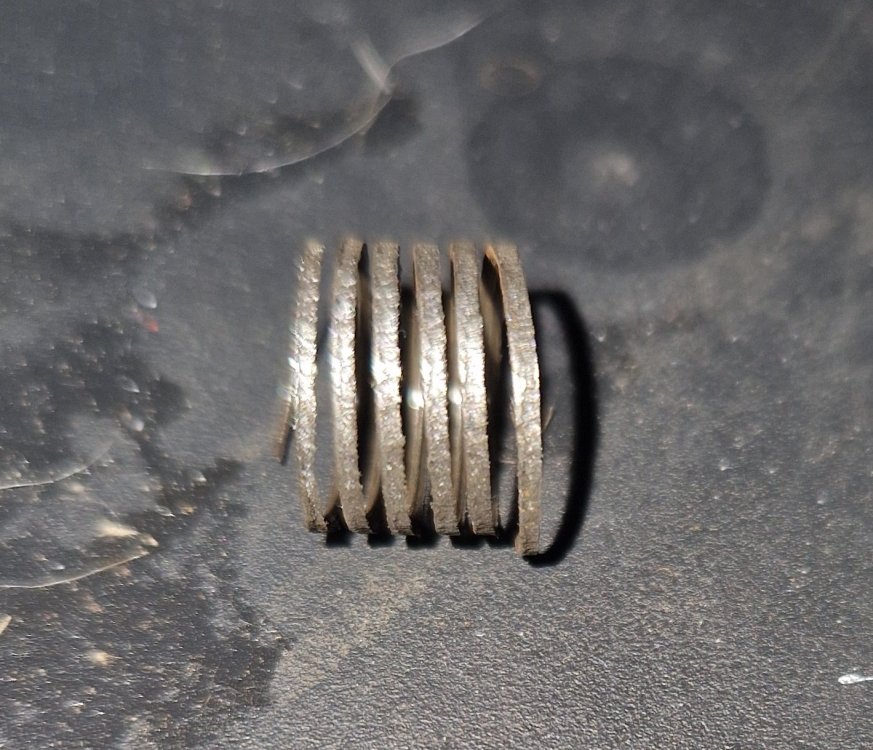
1 pointCV came away as planned, and boot replacement was the usual messy-as job. Didn't do a thorough job and clean out all the old grease, probably should have. Boot sorted. Brake stuff had come apart easily enough again, and now-correct disc was straightforward to fit. Then came the first significant snag. When re-torquing the carrier screws, the top one suddenly stripped. Bugger! erWin info didn't specify replacement (just 124Nm torque I think), so I hadn't. May have helped me if I had, not sure. Took the screw back out in the vain hope that it was just that that had stripped, rather than the thread in the wheel bearing housing. It looked odd. Turned out there was a helicoil (I guess?) filling in the thread at the business end, came off the screw in one piece: So a previous repair had pulled out; yay! 😧 Wandered off to sulk for a bit. I had only just been telling myself how nice it was to be working on a car where all the fasteners came undone OK, rather than battles with seized and rusted stuff more typical of what I'm used to. Simple choice faced me. another thread repair attempt or replace wheel bearing housing (far more time and work). So I went for the quick and dirty option and got this set on order from ebay: M12 x 1.5mm BRAKE CALIPER CARRIER BOLT THREAD REPAIR KIT Inserts Tap Drill Bit | eBay Idea is that a threaded top-hat type thing is fitted into the hole where the thread was, from the side opposite the screw. Didn't think about this quite long enough, in the context. It comes with a stepped drill that centralises the new sized hole in the existing one, with a hardened spacer/guide bar too that forces it to be the right distance from the other one. See images in listing. Took a lot of drilling, hard work for some time. Went to fit the insert, which should be a tight enough fit to require a bit of pulling in, with pin and bearinged washer arrangement supplied. It was loose as anything. 🤔 What I'd not taken into account was that the previous repair had already created a significantly oversize hole where the helicoil had been put in, so the stepped drill hadn't done an adequate job of centralising the full size hole, which had wandered about and drilled oversize. Dumb mistake in hindsight, though not sure I could have made it work better, with this kit. Anyway, thought I'd try torquing up the carrier screws anyway, to see what happened, and both took full torque without anything feeling bad. Wasn't happy about it, and knew I'd be revisiting at some point before long.
 1 point
 -
1 point
-
Am I going crazy or was there another post saying the car is now running X10 worse that isn't showing now? If the car is now running worse then there are several routes you can take. Firstly was this tachometer jumping and/or misfire present before you started changing these parts or was it introduced by the change of a part(s) as this would suggest which route(s) you take. a) You could put all the old parts back on and change one part at a time. b) Or you could fit the new module as you have it and it is one of the few parts that hasn't been replaced. If the car isn't running X10 worse then as Paws4Thot has put but if you set the valve clearances cold only 2,000km ago you can skip that. Personally I would put in at least a temporary additional large earth cable to the engine after drop testing the earth from the battery as far back as I could go through the ignition system, confirmation generally needs testing/checking and cross-checking, assumption and guessing often comes back to taking a chunk out of your posterior. One plug, lead, cable, wire connector/connection can often be an issue cause. Not be pessimistic now so don't get dishearten as I am only considering possibilities. Always consider that the tacho jumping and misfire could be two separate issues though they could combine, don't assume if you have sorted one that you have sorted both (though that could be the case you don't know until testing, which might be use of the car) and of course don't assume the the tacho and misfire are the only issues, they could also be masking another/other issue(s). Again these are possibilities and it might be you have only one issue to resolve. Even with complicated issues you should always start with checking the basics and later rechecking the basics, not always but more than enough times complicated issues are resolved by checking (or rechecking) the basics. For me with electrics/electronics that starts at the 12v battery and the battery terminal posts and cable clamps, battery fully or reasonably charged, terminals and clamps clean and secure and then work forward from there as required.1 point
-
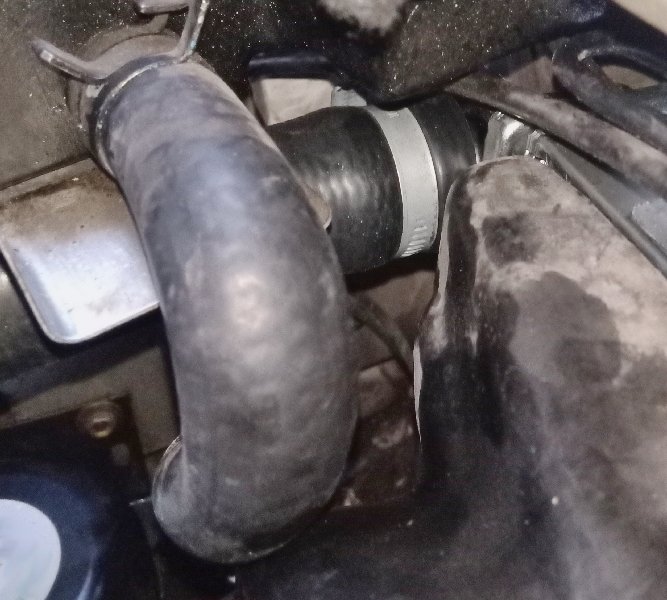
Here is as it looked after the installation. I will check the screws on the clamp in the end and back in the thermostat after few days (contraction-dilation circles). I also took some pictures from the cluster gauge to make a comparison with the previous situation but for sure now with the new radiator things are better. I noticed also a small delay on the first spinning of the radiator fan.
 1 point
 -
If that is for your engine it makes sense. They normally get tightened from centre outwards in stages. If loosening then in the reverse order. Make sure he cleans out the thread holes in the block completely. All it takes is some coolant or oil and you can crack the block when tightening.(end of engine). Also clean bolts of grease/oil as this will increase torque. If I remember you should always use new bolts as they are stretch bolts especially if they have already been torqued twice now. I gave away my fabia MK1 workshop manual as I don't have the car so can't check for you ut someone on here will be able to confirm that the above is correct or not. Alasdair. When its all baack together I would drain and flush coolant system to get rid of any oil.1 point
-
1 pointDidn't move from a Superb but from a 2012 Octavia vRS CR DSG to a 2.0 TSI Sportline a couple of months ago. My views may help you decide. The Karoq is much more comfortable on a longer journey. Seats are very supportive. Tech in the Karoq is in a different league to the Octavia. The higher driving position gives a better view of the road ahead. There's more body roll compared to the Octavia so have to be a little bit more careful if having fun. Obviously the MPG is quite a bit lower. Octavia would do mid 50s on a run, Karoq does mid 40s. However I only now do around 7000 miles per year compared to 15000 so it's something I can live with. The really big plus is that I tow a caravan and the Karoq is so much better when towing. MPG when towing is about the same as the Octavia, somewhere between 30 & 32. Overall, really impressed and no regrets about moving from the Octavia to the Karoq.1 point
-
As @nta16 says, without starting the cold engine, set the valve clearances, contact breaker point clearance and static engine timing. Now start the engine and run until hot. Maybe a 10 mile or so run at your extra-urban speed limit. Now, and only now, adjust the carburettor idle stop to get the slowest smooth idle speed. Do not look at the tachometer whilst doing this (I've done it on cars with no tacho). Adjust the dwell angle to get the fastest idle speed by ear. You don't need a dwell meter. Now slow the idle speed to a slow smooth idle again.1 point
-
1 pointI use that method, I also tend to forget it's a different scenario for manual drivers. Anyway, I'm glad you got to point it out without being jumped on for trying to teach your forebears about, well, you know.....!1 point
-
1 pointLearned that water pump actuator unit [05E907593] does same job as thermostat - let coolant into radiator after reaching parameters (large circle). At mine it doesn't happen so engine temp rises and fan starts spinning quicker and quicker to cool down the empty radiator. Could the actuator break because of engine overheating? Can it be also because of air in cooling system? If so how to effectively let air out of it? Thanks in advance for any hints and informations.1 point
-
Some brilliant designer (or accountant) decided not to fit these new 1.5 TSI evo 2 engines with a dipstick.... There is only the (apparently not so reliable) sensor. Luckily it seams that the dip stick of the this engine is the same as the one of the previous 1.5 TSI evo, and that the dipstick hole is still there, just covered with a blind plug. So I would recommend to retrofit a good old dip stick. Somebody even made a Youtube movie about this.1 point
-
1 pointAlways worth asking the airhead on the front desk what criterion are they using to condemn the discs. Disc thickness? Runout? Delamination? Excessive scoring? They should recognise this as code for; " not going to work on me, sunshine"1 point
-
The 1.4 4cyl EA211 lump has been in VAG cars for a fair few years - be it ACT, CoD or neither. As far as I'm aware, interaction with the DSG box aside, both variations have the exact same throttle unit (put your foot down and you'll feel the kick down click at the bottom. The EA211 owners group on FB is worth a look - people there are regularly hitting 250bhp without anything significant turbo wise. There's also some good stuff here. Generally speaking, small upgrades to better performance usually worsen NVH and everything else. Stuff like dogbone mounts can tighten things up and make your gear changes quite sharp, but (IME) this has a slightly negative effect on NVH. There's nothing else you can really do for more power, without looking at a bigger turbo and other such mods. Sure, putting in some nicer plugs and looking at fuelling, cooling, etc will be a nice touch, but I highly doubt you'll see anything performance wise. Where do you get it mapped? I would suggest seeing what they say. Spacers won't affect an alignment. They'll increase the scrub radius, which can affect the steering, but otherwise you'll be fine. Spacers do, in theory, increase lateral grip, but there's so many other factors that you won't see any difference. You'll get significantly more grip by sticking on some PS5s than you will increasing your tyre/track width by 10mm.1 point
-
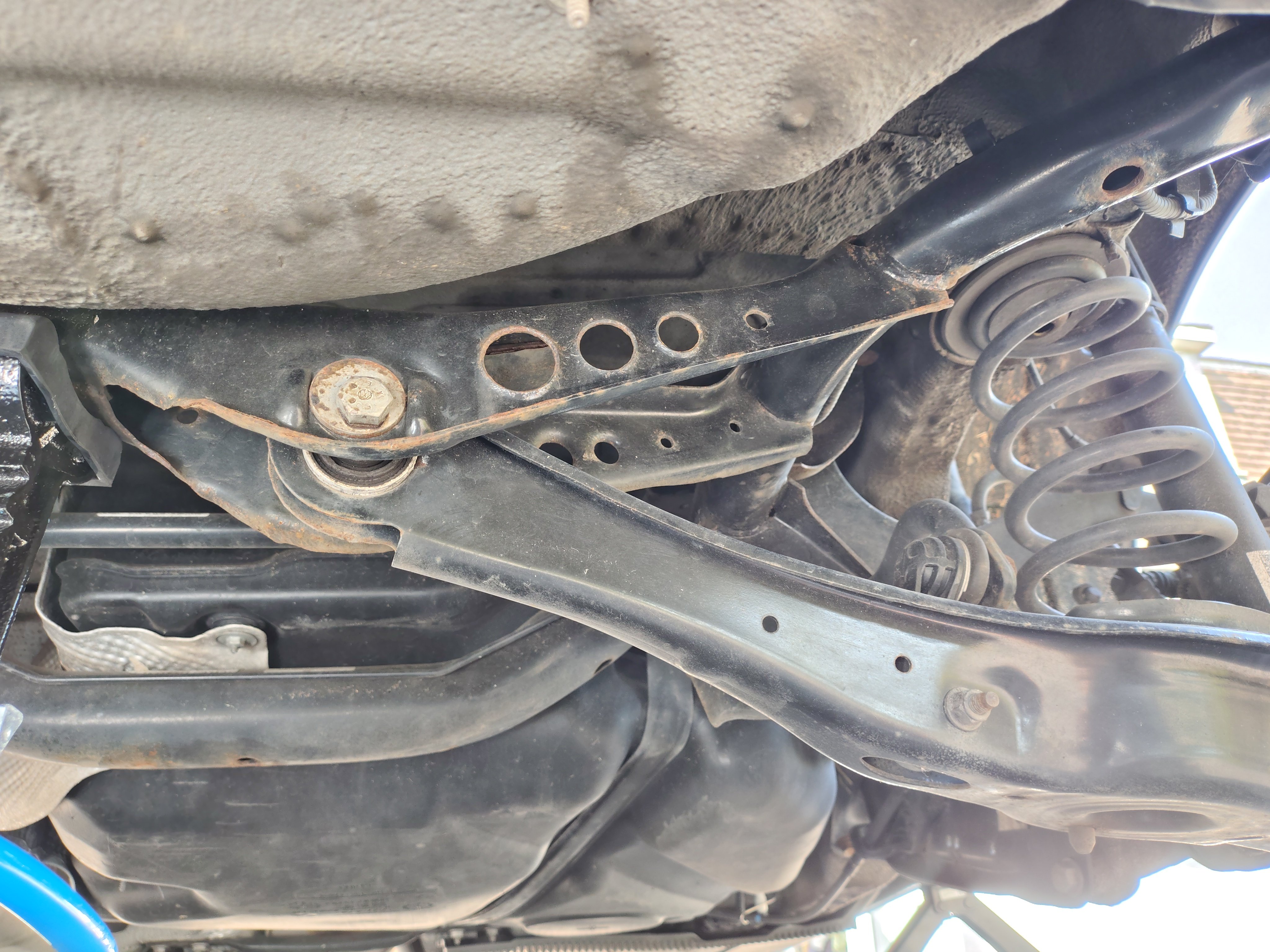
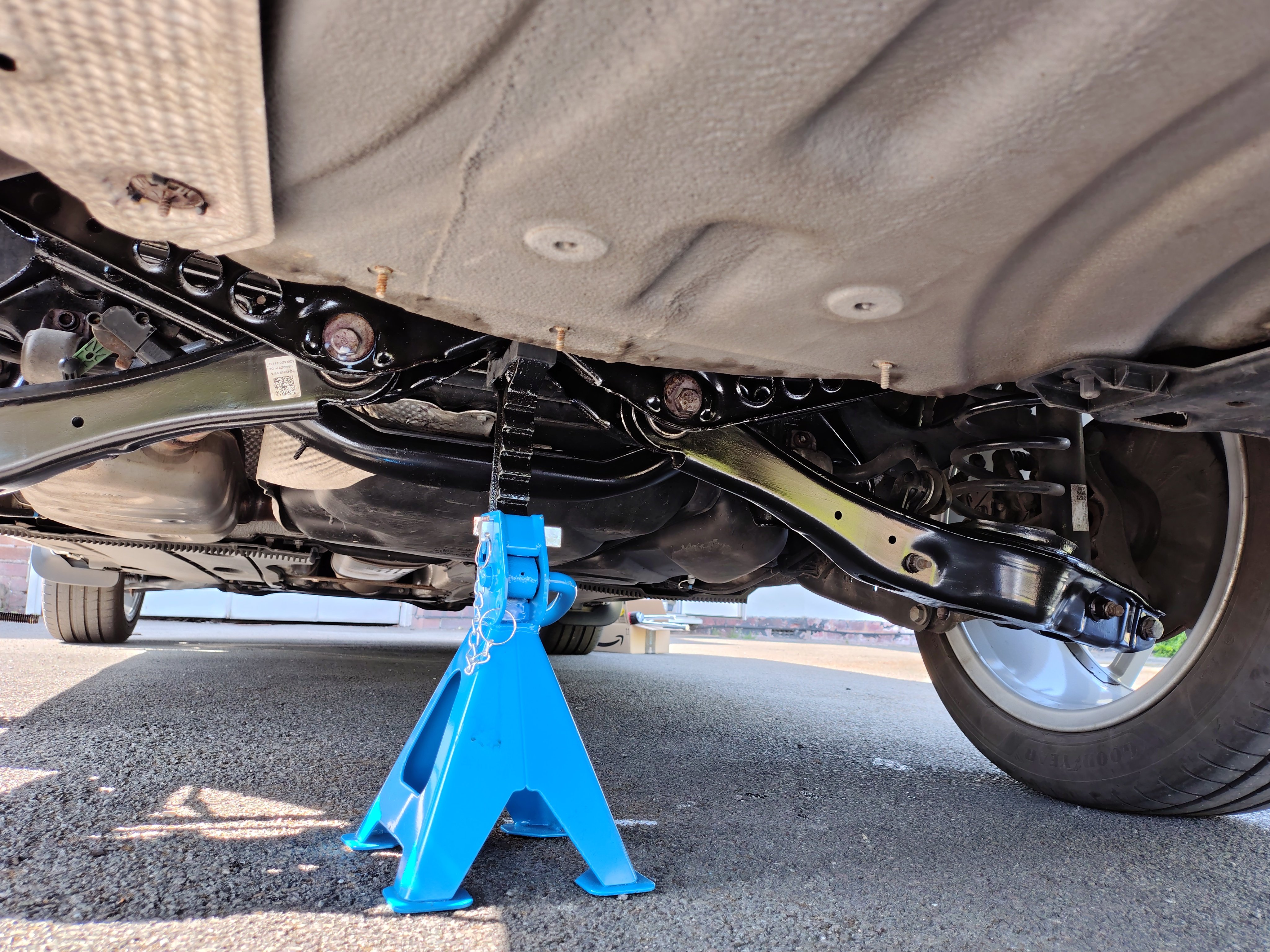
1 pointFunnily enough, I was mooching about under my car yesterday (I want to claim I was rust-proofing the rear subframe, but I'm not convinced it'll be particularly effective), nevertheless, I discovered a gap between the plastic rear valance/splitter/whatever and the car's bodywork, and looked up between the gap to see body-colour sheet metal (some part of the boot I assume) with a lot of surface rust on it. I'll try and get a pic of it, but I was actually quite surprised at how much there was. Beyond that, I'll have to get some sort of waxy spray to inhibit further rusting. Incidentally, if you don't like rust on your car, it's always worth having a look underneath. When my car was on ramps getting the gearbox serviced, I noticed what I felt was a little too much rust on the rear subframe and suspension arm for my liking, and I decided that, when I could be bothered and the weather was nice enough, I'd do something about it. Here are before and after pics of my faffing around "rustproofing" some of the underside of my car yesterday, on what was a perfect day for faffing around on a car.
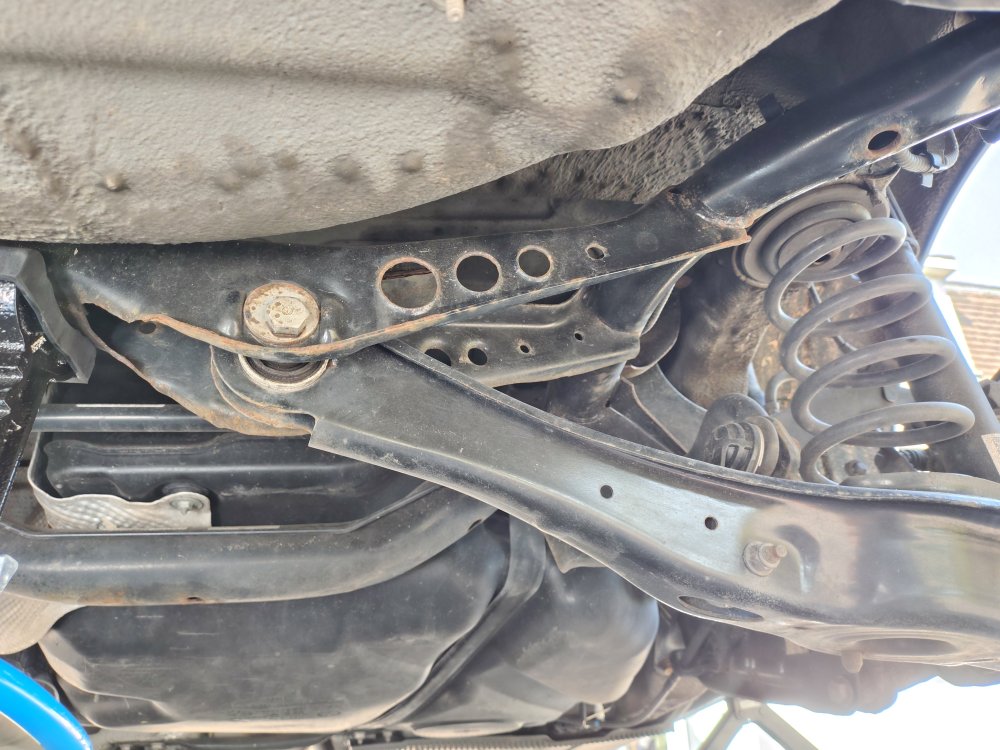
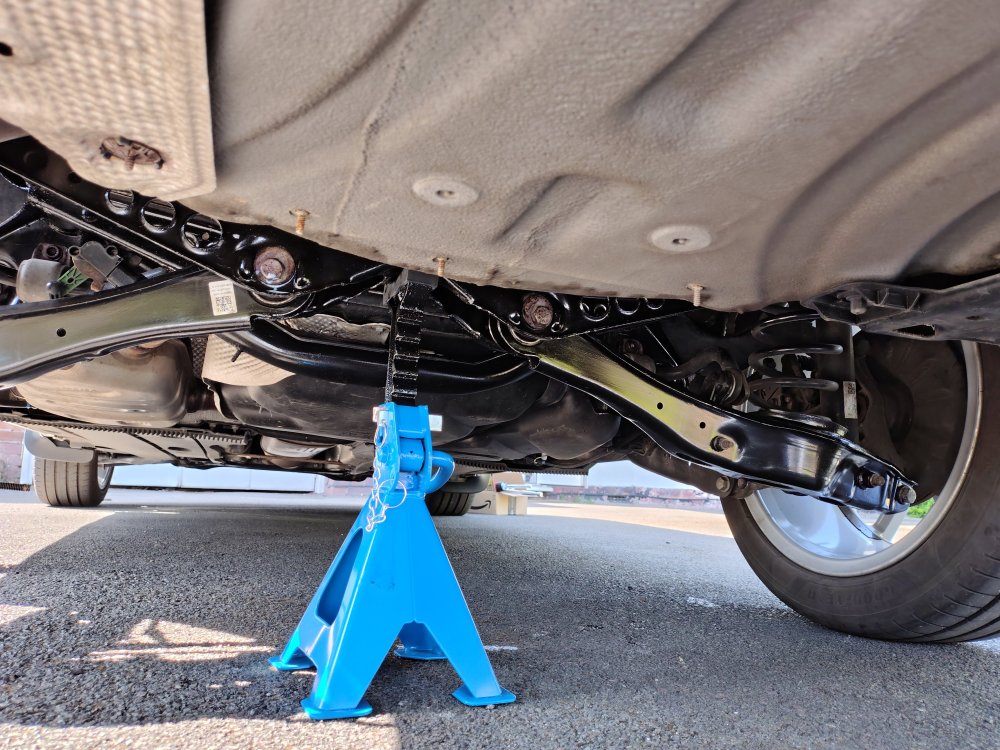 1 point
 -
1 pointHaldex is officially 3 years, not 30k miles. No idea why, surely it would be dependant on mileage! The haldex gauze filter (on the pump inlet) is not serviced as standard by Skoda but gets clogged up with fibres from the clutch plates and looks horrendous, so I would want that to have been cleaned or be cleaned on arrival. The earlier cars had 6 speed DQ250, the later ones DQ381. The 6 speed is better to drive as it keeps the revs in the power band, whereas the 7 speed tends to change up earlier and is a bit reluctant to change down, you have to press the throttle quite a bit and then it suddenly hurtles off. All in the interest of official emissions no doubt. But the 7 speed does high 30s mpg on the motorway, whereas the 6 speed is low 30s or even high 20s due to revving faster in top gear. 7 speed is faster standing start partly due to more (closer) gears, but also a higher torque limit on the geabox. Officially it is about 0.5 seconds quicker 0-100kph which is quite a lot when you are in the 5 second zone.1 point
-
1 pointHoovered the head liner a bit: Started shampooing: Nearly done: This hero: I wonder if I should have kept all the run off and distilled it, lol. Found the left rear light was full of water and this guy, sadly is GONE: Of course I can't find a trace of that part anywhere so I think it's irreplaceable. I'm going to get some other kind of bulb holder and modify the bracket to take it. All the other lights are working after I got this socket open and emptied about a whole can of electrical cleaner into it. It was so 'electrical fire impending' in there that the side light was only getting 8V, it's a lot more like 'battery voltage now' heh. It's pretty exciting to be working on the back end of the truck now, the interior is mostly ready to reinstall now, but it has to stay out till the scuttle is welded, with any luck I'm picking up the metal and windscreen on Wednesday so in the next couple of weeks we might be able to start reassembly of this 'heap'.1 point
-
1 pointsorted. annoyingly my new wing doesn't fit. I'm pretty sure the outer skin is right, but the inner rib is friends with the front rail in ways it shouldn't be. I need to get my big girl pants on and cut it to clearance. Bit of a bummer, would have been super fun to get that fitted up and see how it all tied in.1 point
-
Ugh! You have your opinion, and other people have their opinions. Asserting you opinion as "facts" doesn't add weight to it. If you disagree with any of the statements Blair made, then please feel free to state your disagreement. Yes, nuanced and detailed debate is always best. If you recall, I am quite happy to engage in detailed posts, and have, many times. I've gone through the CO2 issue with you before in great detail and you swerved off the issue of climate change and onto social justice. I have no idea whether those posts have been memory-holed or not, but you won't gaslight me into pretending that discussion didn't take place. Because this place has now degenerated to the point where nuanced and detailed debates on issues that are not Skoda related have a nasty habit of disappearing, there is little point in wasting time engaging in it. That said, you're always a pleasure to interact with @wyx087 , so I'll induge you. 😊 Blair said people were “being asked to make financial sacrifices and changes in lifestyle when they know that their impact on global emissions is minimal” This is a fact. People do not believe the climate narrative. They know their lifestyle changes will have minimal effect on climate change and that any changes they do make will certainly be far outweighed by the total disregard for climate change shown by "developing" countries. He said “any strategy based on either ‘phasing out’ fossil fuels in the short term or limiting consumption is a strategy doomed to fail”. This is a fact. Our whole civilisation is pretty much built on fossil fuels. Playing eco-warrior and pretending not to use them is all well and good for virtue-signalling with like-minded people "on the right side of history", but the reality is that fossil fuels are going nowhere. He said the current climate debate was “riven with irrationality” and suggested net zero was losing public support. This too is a fact. I have pointed out this irrationality, and it's clear that "net zero" IS losing public support. For you to disagree with Blair, you would have to endorse (more or less) the following contradictions to Blair's statements: a) People are not being asked to make lifestyle changes that will have minimal effect on global emissions. To make life easier for you, I'll even take anecdotal evidence on how they're not being asked to make lifestyle changes or the lifestyle changes they're being asked to make have a measurable impact on global emissions. b) Phasing out fossil fuels in the short term or limiting consumption is likely to succeed. c) The current climate debate is completely rational and the public are solidly behind "net zero". This is something you signally omitted from doing. Now I realise I have a gift for explaining things that some people struggle to understand, but surely you could have understood what Blair was saying and refuted it without needing me to spoon-feed you an answer?0 points
-
0 pointsAfter what happened to me with VIKA rear windscreen wiper motor i don't want to buy any crucial (especially electrical) part again.0 points