Leaderboard
-
MikeTheThinker
FREEDOM9Points8,538Posts -
.jpg.1006585dfe4e2977315b67c3d642e37b.jpg)
Guest_
FREEDOM8Points83,824Posts -
Former
FREEDOMLite7Points8,151Posts -
KenONeill
Resident Member6Points38,125Posts


Popular Content
Showing content with the highest reputation on 09/08/21 in all areas
-
3 pointsHi All; Right. I took tyre pressure readings with my hand-held tyre pressure gauge and that indicated an over-inflation, but to be sure, today I used a calibrated air line at a "local" garage. The recommended pressures on the label fixed to the car say 2.5bar. The car has Hancook 235/55R19 Ventus S1 Euro 3 EV tyres fitted. I checked three tyre retailer sites which show the recommended pressure settings for your individual car (you enter your reg. number) and they all indicated a setting of 2.3bar front and rear. When I took the pressures (front and rear) on the calibrated air line it showed that each tyre was inflated to just over 2.7 bar. I reduced the pressures all round to 2.5 and re-set the TPMS to the new values. On my way back from the garage (about 7 miles along country lanes) I noticed a significant improvement in ride quality. Sure, the Yorkshire potholes make themselves felt as do ridges across the road, but I didn't feel that I was running into things like before. I will probably leave the settings at 2.5bar for now as that is in line with the Skoda in-car sticker but at least I have another 0.2 bar to play with if more regular use shows less improvement than I experienced on my way back home. I have advised the Dealer and added it to my list of PDI and Handbook issues which currently include: * Incorrect registration plates - green band on rear plate but not on front plate; * Incorrectly inflated tyres; * No information on how to adjust mobile phone volume; * Incomplete Handbook - no VIN number or Dealer stamp or record of extended warranty; * No Final Invoice provided on collection. This is required as proof of ownership; * Car only charged to 70% on collection. I guess old habits such as only providing a teaspoonful of petrol in a new car, die hard ! * Zero information on Powerpass (but thanks to me they now are aware of it despite no Consultancy fee !). * No Wallet for Handbook etc. Silly, I know, but when paying £30K+ is it too much to expect a plastic wallet costing £3 to hold documents ? PLUS I don't know about anyone else but I do think the main Skoda Enyaq web site is lacking with little if any explanation of what is involved (for example) in buying the 100Kw DC charging option and why it is a good idea, no mention of Powerpass, limited specification details etc. Sorry if I have gone on a bit but despite all of the above I do like the car which came in the colour of my supported football team !3 points
-
FWIW My ID.4 is costing almost the same to insure as my Karoq 2.0Tdi 4x4 did. I think the ID.4 is about £10 a year more. So far the increased PCP cost has been offset by fuel savings, so its costing broadly similar to run / own.3 points
-
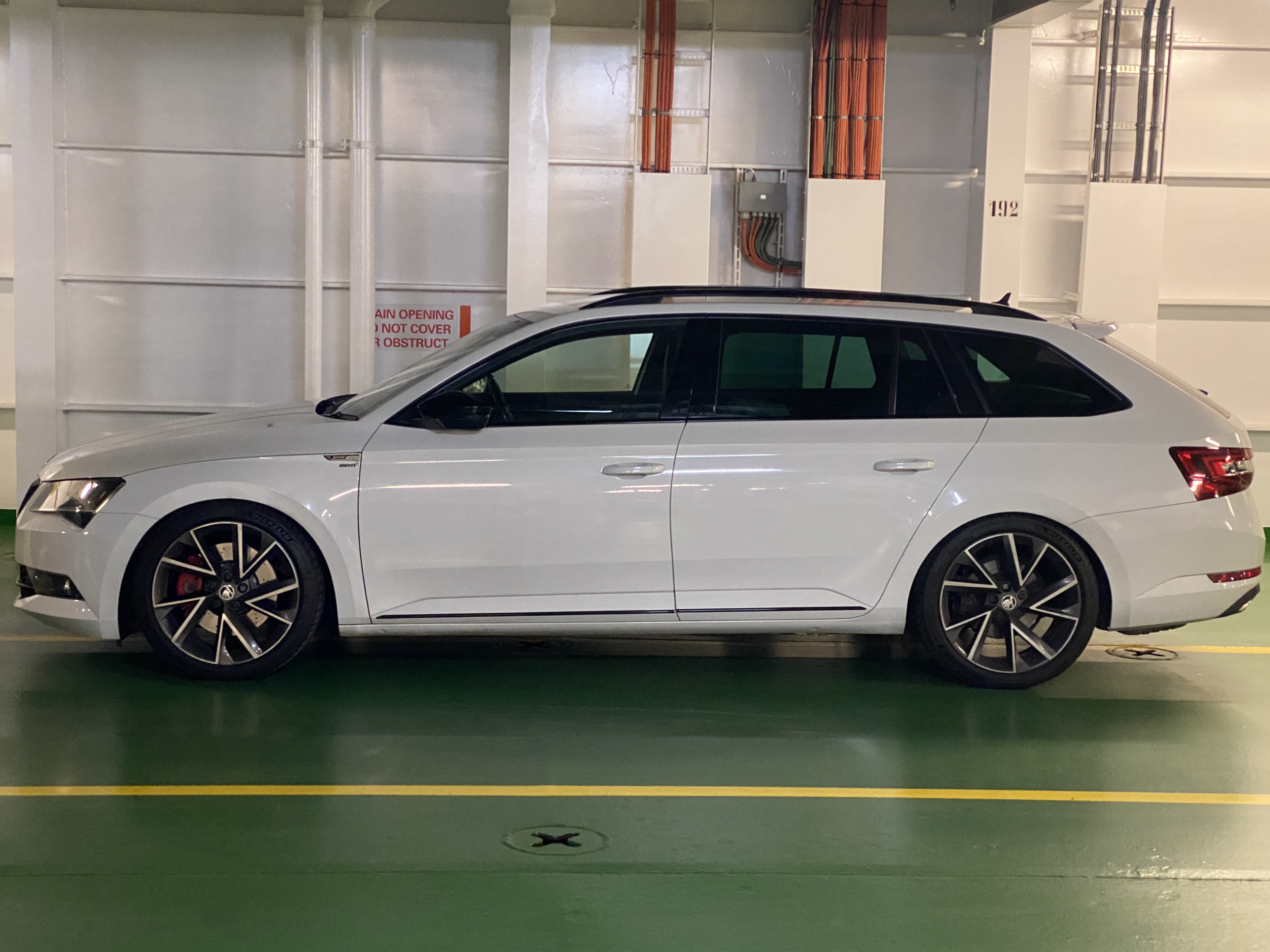
2 pointsHi, all. Just discovered Chemical Guys a couple of months ago. I am sure a lot of you have, earlier than I have. Thought I'd share the result of using their White Light. Happy with it and I recommend it to anyone looking for something for their white cars. I also used their rubber trim restorer: top notch product!
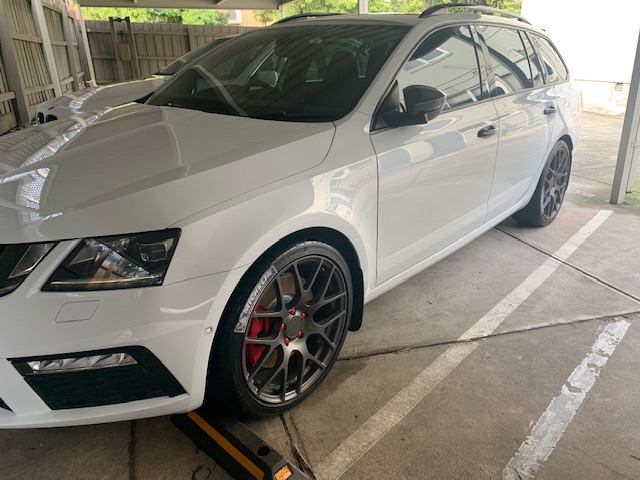
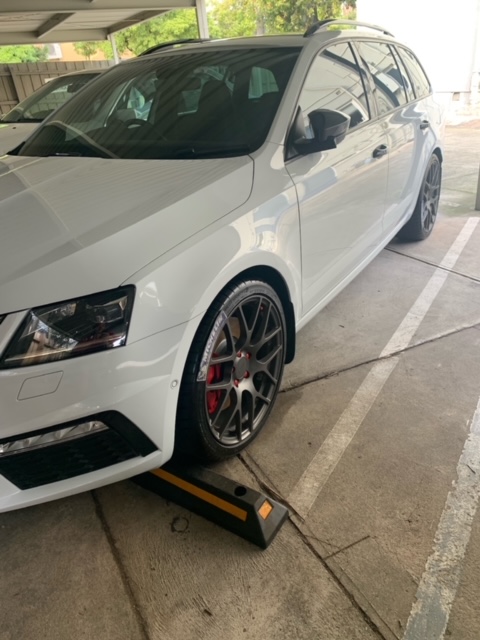 2 points
 -
On ebay, this is the cheapest UK seller I could see with a little look but it shows you the tool you need. You might just find one stored in the boot well, along with the tyre inflator or other stuff. (Cut and paste, to look). Wheel Nut Cap Removal Tool For Audi A4 Peugeot 307 Skoda & Other Ridged Car Caps (Fits: Audi) Brand new2 points
-
2 pointsMy guess is the linkage had failed as this is a fairly common issue. The little ball joints wear out and pop off and due to the way they are built (Upside down) They will always fall back off if you re-fit them. You can get new linkage arms for little money but they will fail again sooner or later. You can also buy little stainless steel clips which clip right over the linkages and stop a worn (Or non-worn, if you don't want the issue on a long journey) Linkage failing. I would have thought it more likely to see a vehicle with this, then a conversion, unless of course, you were at or near a car show at the time. As for rear wipers, only a tw4t would remove a rear one, working or not! If broken, get it mended... Additionally, a set of mudflats will help immensely, when it comes to road spay. Both for the rear of the car and for the following driver. Don't you just HATE the driver in front with no rear flaps, who is ALWAYS the one who passes you, in driving rain, then pulls in front with just a few metres space between his tailgate and your front bumper? Probably the same tw4t who removes his/her rear wiper!2 points
-
I've just come back from holiday and towed my caravan with my Superb iV from Glasgow to Silverdale, then Keswick, then back to Glasgow. Having previously towed with the 2.0 turbo diesel Superb, I wasn't sure what to expect. But I have to say I was pleasantly surprised. I got it fully charged before leaving, had it on hybrid and in 'B' mode on the DSG box, and it handled the journey no problem. No overheating, 30+ to the gallon even when pulling just on petrol and handled all sorts of terrain from Motorways to hills to very tight and windy country roads. I have the factory fitted tow-bar so maybe that helps.2 points
-
A good EV, this means different things to different people. To me, who already have EV for local runabout and looking to replace the roadtrip Octavia, it means having access to good charging network and able to quickly cover long distances efficiently. So I look at an EV specialist reviewer's data for his extensive 1000km challenge (the 1000km tab) . One that may have expensive problems? EV specific manufacturer warranty generally go for 8 years. So you only need to worry about whether the vehicle you are looking at is a lemon in the general car sense. Although for second hand buying, check the brakes, if driven gently, the brakes are used so little it might corrode. The EV powertrain is mostly maintenance free and problem free for the lifetime of vehicle. Some may require coolant change or reduction gear oil change on similar interval as ICE timing belts. So even when buying old, there's less of a chance to get a lemon because it hasn't been serviced properly. Another thing is I would prefer NOT buying showroom cars. All the Leaf's I've see at Nissan dealers (while using their free charger or servicing) are kept at <10% battery charge, similar to how they store ICE cars. But problem is, Li-on battery prefer to be stored at around 50% for longevity.2 points
-
2 pointsIt's down to aerodynamics really, flat back hatchbacks like the Fabia create low pressure behind them so smoky TDI's get very sooty tailgates and water spray gets all over the rear window.2 points
-
2 pointsHad this on my old Fabia 2 and it was two things that caused the issue firstly the raised segments on the drive shat were rusty and sensor could not pick up correctly, a clean with a small file and some WD40 sorted this issue out, make sure you cover drive shaft rubber as would make the rubber boot swell, the second issue was the connection on the ABS connection looked clean but like most VW/ Skoda connections the female ends had pushed back into the connection so was not making a solid connection when fitting together I managed to push female ends slightly more and held the back part of connector with the wires while pushing the connection back together , I also used some petroleum jelly on connections to keep them good and free from corrosion and wet after doing this no ABS light Also a friend had this sort of issue after having a front drive shaft boot changed and turned out to be the sensor damaged when bearing was changed2 points
-
2 points@UrbanPanzer these mods are for townies who cruise around at 30mph under streetlighting, not pitch black country lanes at illegal speeds in inclement weather.2 points
-
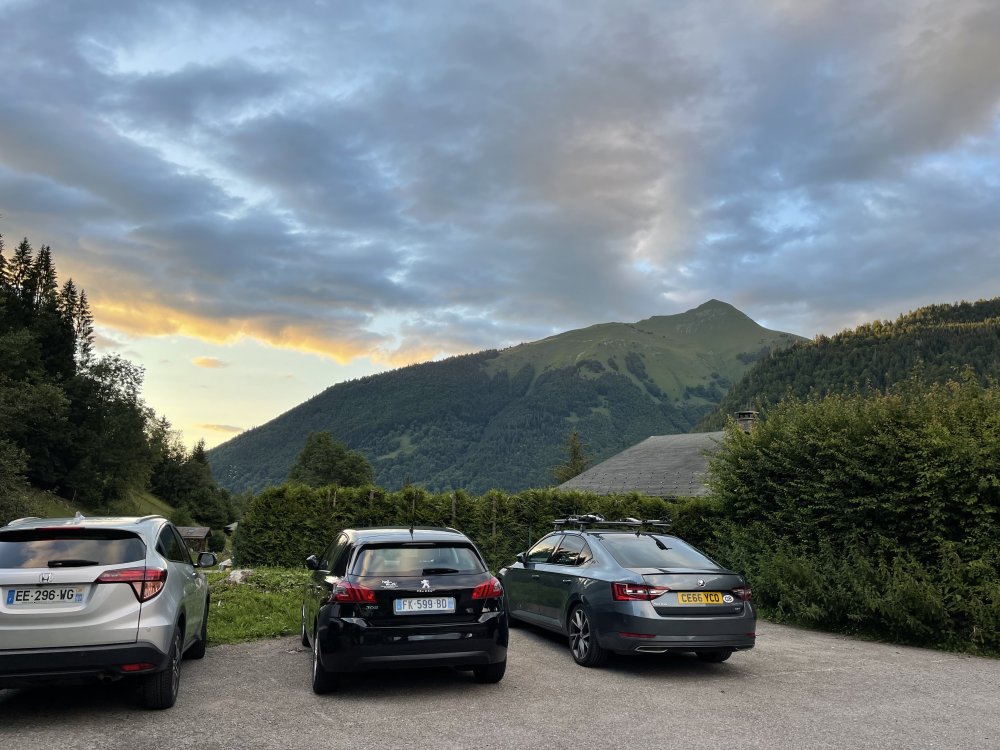
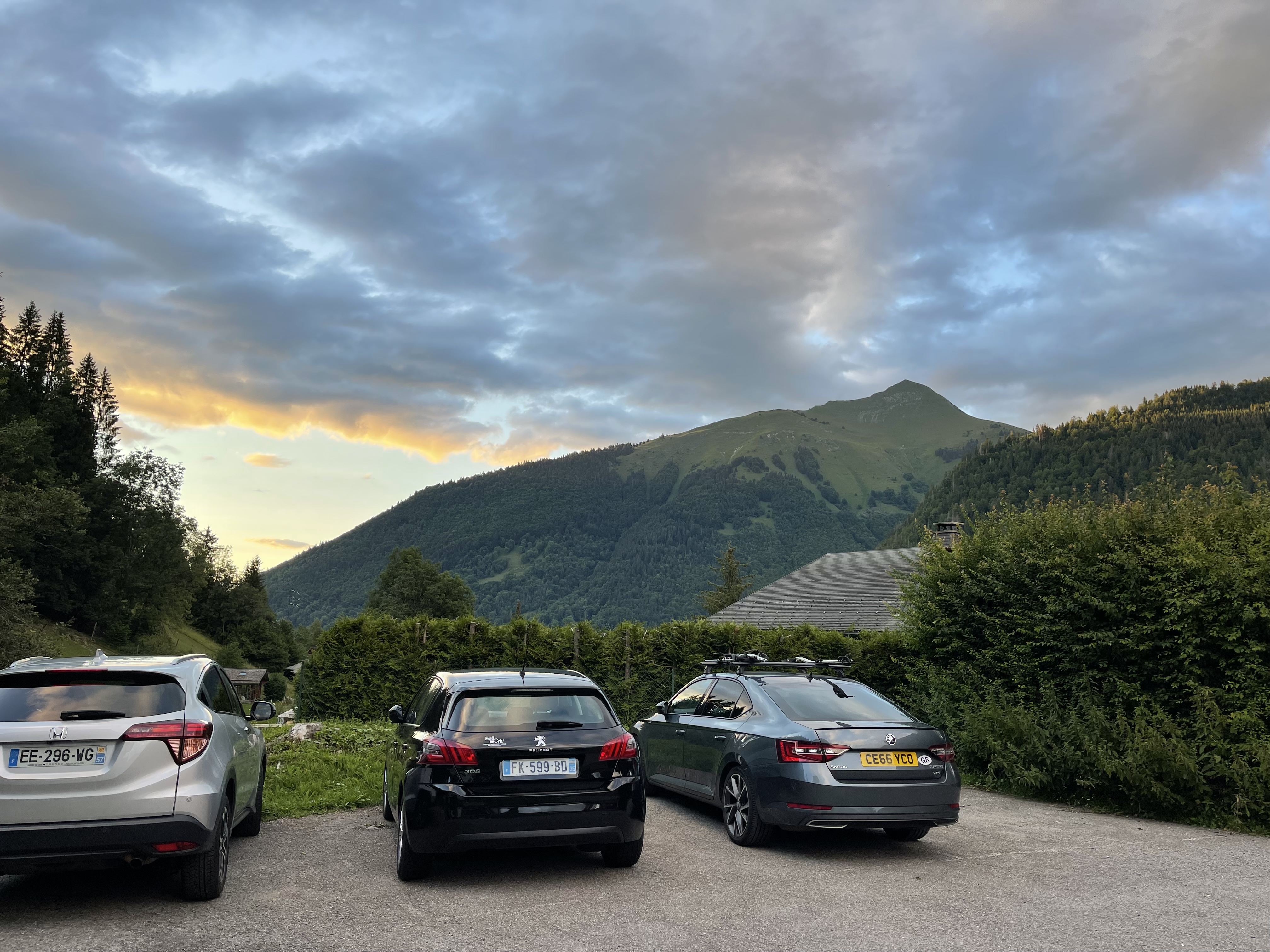
2 pointsMade the trip down to Morzine. Superb didn’t skip a beat, in fact was going a bit too well and I coped a €90 fine for speeding.
 2 points
 -
Wanted to add my building/retrofit/cool-stuff experiences. Always hard to find detail and pictures in the wild so hoping this helps others. Badge and Emblem Replacement - Major Reason - I think the Black looks much better on the Steel Grey body paint than the factory chrome. Tips/Tricks/How-To 1) Give yourself plenty of time and make sure its not going to rain......the warmer the better as it makes removal easier. 2) Hair dryer on a low-setting will help to "loosen" the glue. Well its not glue its more like double-sided sticky-pad material. My car is only a month old so it may be harder on older cars as the adhesive will have set and the padding may come off in little pieces instead. 3) I used dental floss to "saw" through the glue holding the badges and emblems in place. You can use minty-fresh or plain dental floss :-) The front and rear badge have A LOT of the sticky-padding so keep working away at it. I found using an old ATM Card allows you to pry it off and doesn't scratch the paint. There are also 3 protruding plastic notches on the rear of the badge so it won't come off as easy as the emblems. Be warned it is near impossible to get the badges off without snapping them. The joy of the black protruding notches is that it will only line up and fit one way......and that's perfectly straight. 4) I used blue masking tape (painters-tape) to line up the original emblems as once you remove the sticky-pad and the residual adhesive you WON'T see the outline of the old emblems. After the work and cost you don't want to screw it up and have the emblem not straight........it'll **** you off every time you admire your work!! 5) Cleaning off the residual adhesive I used rubbing-alcohol and a CLEAN buffing cloth. Its easier if you can grab a little piece of the pad and SLOWLY pull it off as it comes off in one nice movement without the need to scrape off the adhesive with a fingernail. 6) Shine a light and look for any imperfections, you want the surface to be spotless, clean and dry before fitting the replacements. The joy of rubbing-alcohol is that it dries quick and leaves no residue. They're pretty much the factory-part so remove the rear protective strip and then line it up and press hard on the individual letters. I also used a paint-roller to roll over the emblem before removing the protective clear plastic just to be sure it was stuck on nice and flat. 7) Link for the badges and emblems. You can buy individual or a "pack". I opted for the body-paint coloured front and rear badges and the 3-pack for the emblems. http://www.superskoda.com/Skoda/OCTAVIA-III/Octavia-III-original-Skoda-emblem-INT-version http://www.superskoda.com/Skoda/OCTAVIA-III/Octavia-III-original-Skoda-MONTE-CARLO-black-emblem-set-´SKODA´--´OCTAVIA´--´RS-245´
BeforeRear.thumb.jpg.8dc7b4eb185ffd9d07c3bbc858281d93.jpg)
AfterRear.thumb.jpg.e6896e18b469ff44d06d3d6563de3c20.jpg)
BeforeFront.thumb.jpg.7d194cc3458f686e4c0ce4430fa52c8f.jpg)
AfterFront.thumb.jpg.636dd8f093c1f4db383ec6bd1b06c2e1.jpg)
AfterFront.thumb.jpg.76b1cc454027e62f01cc462ab67bd3a4.jpg)
AfterFront.thumb.jpg.e1fef308d729b183d3d9acbae7e2a350.jpg)
RearOne.thumb.jpg.b534ecfcde62d9f0b7c7357241cccf68.jpg)
RearTwo.thumb.jpg.ab583828a796cecd3118808de7530259.jpg)
RearThree.thumb.jpg.677ed648f6d613c1b81908ece23514db.jpg)
RearFour.thumb.jpg.7eedbfb30133a4158d3754f5c30eef94.jpg)
RearFive.thumb.jpg.990f19e83c602c92a7458830c8aa7687.jpg)
RearSix.thumb.jpg.d0135dac7f67f776ce256e1849e90b97.jpg)
RearSeven.thumb.jpg.a93eab220a111867e0f25a72ddc25d80.jpg)
RearEight.thumb.jpg.b8d3f5da135306718195bda430a0fd8d.jpg)
Tools.thumb.jpg.59635d29f8588d33b2fbc0a056da9927.jpg)
RefResize.thumb.jpg.ca174e7a690e6135c83fa88a3802df47.jpg) 1 point
1 point -
EV owners: I know nothing about EV insurance, but I'm guessing that a complicated, fast accelerating car is likely to be expensive to insure. What's your experience?1 point
-
1 pointVery good points. Thanks to all who helped solve (?) the issue and I hope that buyers of new Enyaq will benefit from our experience. One lesson: Don't assume the Dealer knows best !1 point
-
Somehow I opened the car, put the keys in the centre console and shut the door from the outside. The car locked itself somehow. This may be one reason for remote unlock! Somehow I opened the car, put the keys in the centre console and shut the door from the outside. The car locked itself somehow. This may be one reason for remote unlock!1 point
-
There's a couple knocking about near us - both in the dark green. One, with the 'adventure pack and external 'panniers' and one in matt finish - the first looks daft but the second looks absolutely naff...1 point
-
1 pointSpeak with @pab567 to make sure he can supply you with the correct firmware for your SOP version - in this case an SOP1.x version. If it is goosed/cooked because of your firmware update, you could do a couple of things: 1) See if you can get the correct firmware and see if you can apply it (what have you got to loose). 2) Take this time and opportunity to upgrade to a nice shiny new Amunsden MIB2.5 system. Again, speak to @pab567 as he might be able to assist there - for a fee. This way, you will also be able to get map updates and the screen will be considerably bigger and nicer. 3) Go down the line of a third party chinese nasty.1 point
-
@mrgfta muchly for tracking that down. @nta16 good shout. I’m off to see if I have original book now. Thanks again people 👍🏽1 point
-
1 pointThe Chinese ones are shorter and look worse so might aswell source quality genuine Skoda ones.1 point
-
@mrgf just for info, the link you put up was live for me, without the need for cut & paste. You can do a shorter link by just using up to the end of the eBay item number, i.e.. - https://www.ebay.co.uk/itm/1922995088281 point
-
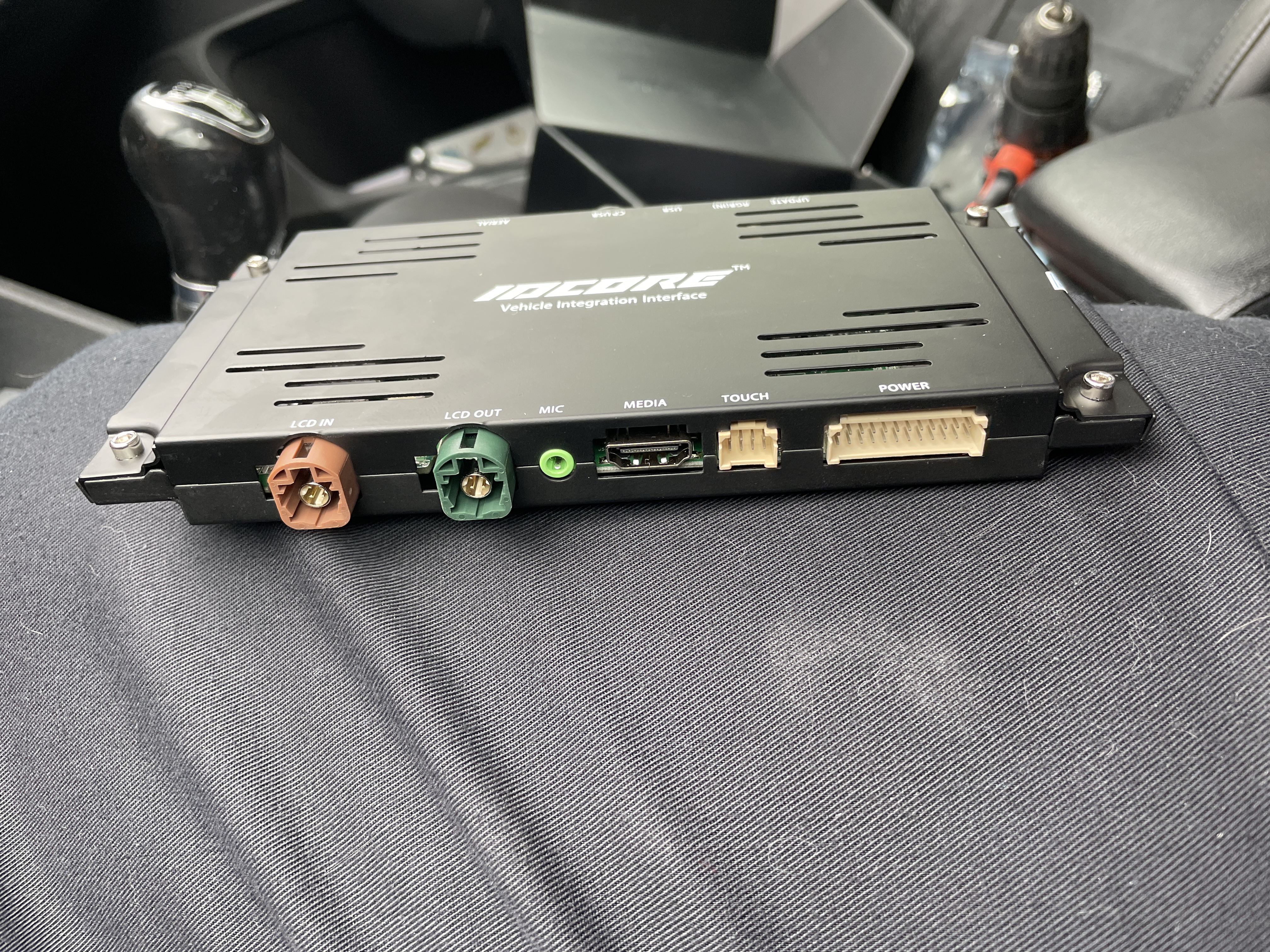
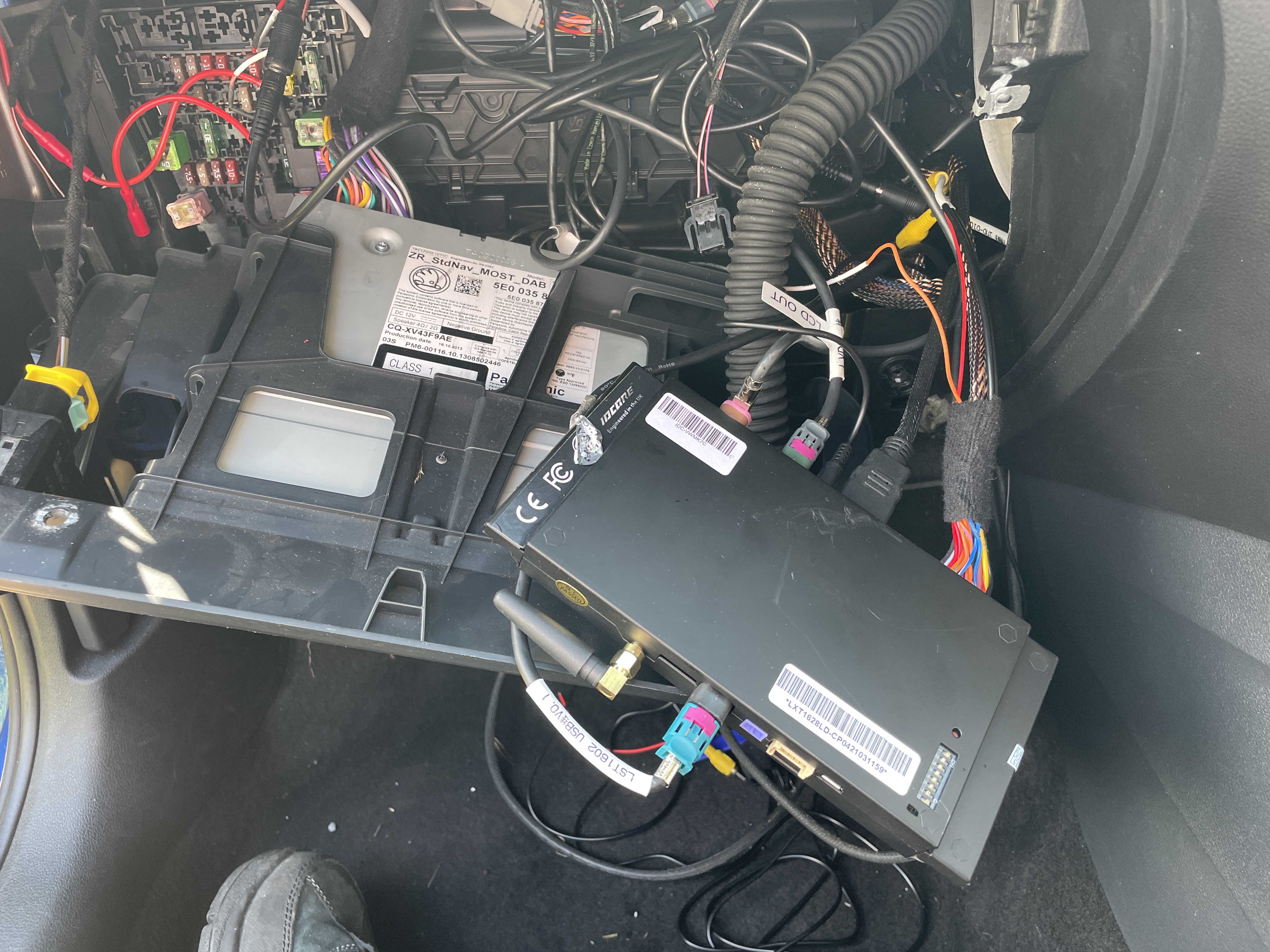
1 pointI fitted this to my Ocatavia 2013 MIB1 last month. Works surprisingly well. The hardest bit is cramming all the wires and box somewhere. I wedged it behind the centre console at the side. It plugs into the back of the glovebox unit and then the wires plug in to it. Works wired or wirelessly with Carplay and Android Auto. Also has options for normal Bluetooth and a front and rear camera and an HDMI input that i haven't got working yet. You hold down the menu button on the headunit to switch between the normal head unit and the box. Not cheap but worth it in my opinion. If you have any questions or would like some more picture just ask. https://unique-ad.co.uk/product/wireless-carplay-interface-for-seat-skoda-mib-1-mib-2-octavia-rapid-superb/
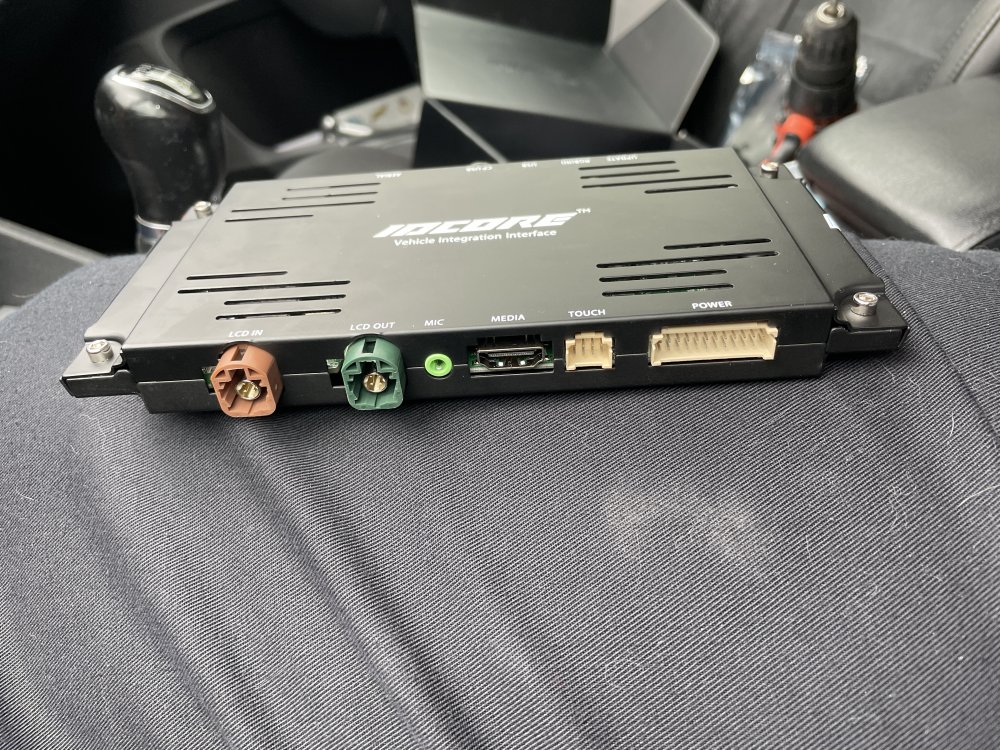
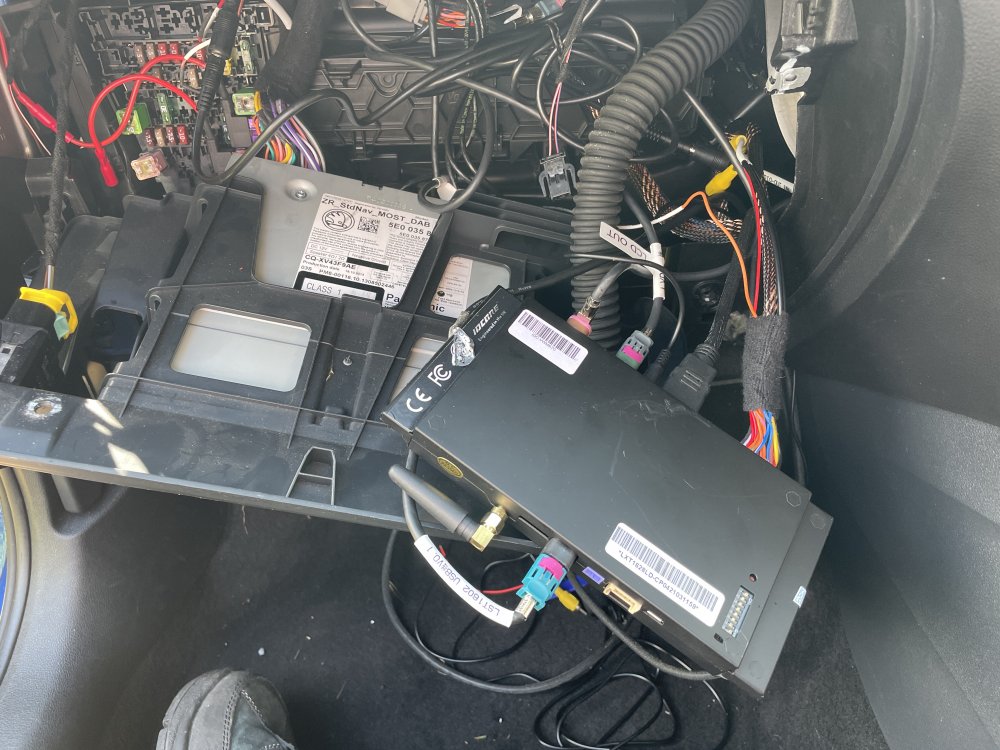 1 point
 -
1 point
-
1 point
-
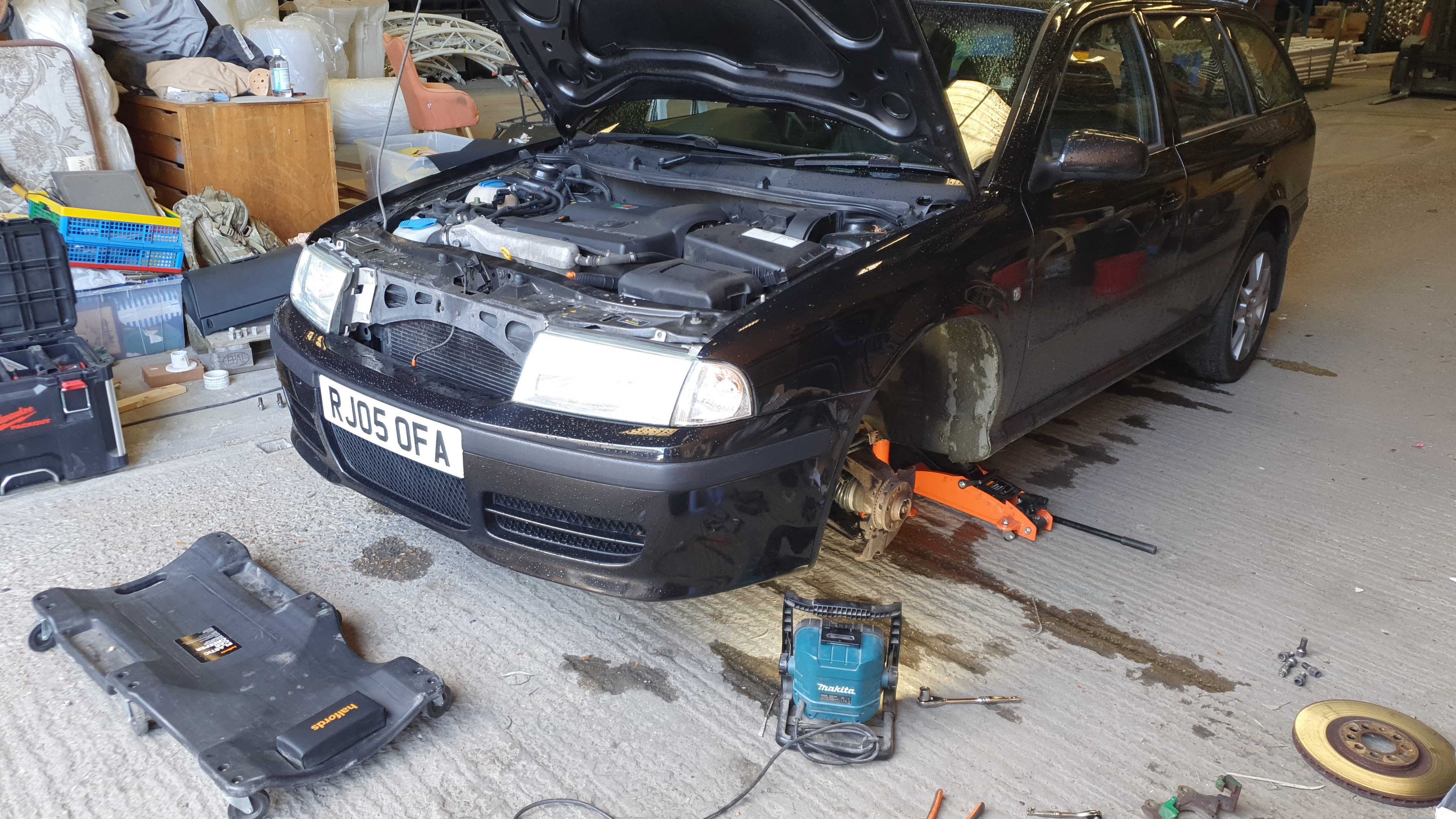
1 pointSo at the weekend I took the time to get under the old girl and give here a minor service and refresh! * replaced front discs and pads along with fitting kit * oil change and filter * carbon cabin filter * replaced spark plugs * fitted an oil catch tank * Fitted a ram air induction kit Didn't get chance to replace the fuel filter as I ran out of time due to snapping the dip stick guide tube which had the rigidity of soft cheese! 😂 had to get a mate to go pick me up a replacement as it had snapped right at the bottom... Upon removing the horrid Bosch Super 4 spark plugs that had been fitted with NGK items I found they were all heavily contaminated with oil which I can only assume is due to the rocker cover gasket so that's next on my to do list. When I took the engine cover off I found the Y piece rubber hose for the pcv system had completely worn through and was doing absolutely nothing! So I'm glad I picked up an oil catch tank kit to rectify that issue. I may look at removing all the unnecessary pcv pipework and the sai system later down the line but information online is hard to find in exactly what you need to remove etc what with all the different variants of the 1.8t engine. Also earlier in the week I picked up some 17" spiders which are currently being refurbished and will be finished in a light anthracite, I can't wait to get them fitted along with a set of Michelin PS4 225/45/17's New Centre caps for them, followed by genuine bonnet and boot badges. A secondhand and undamaged o/s/f indicator lens replaced my cracked one and a unmarked glove box picked up for a tenner! Won a secondhand travall dog guard specific for the mk1 estate on ebay for when dog duties are required! Sorry for the long list and I'm starting to thing this may need to be moved to the projects thread? I have only owned this car for a week and I'm absolutely loving it! I'm now finding myself looking at mk4 golf leather recaro interior (is it really just a straight swap?) And I would like to improve the handling if possible I've been pondering over the KW V1 coilovers and also the Whiteline ARB seems to get glowing reports is there anything else I should consider? Cheers, Rob.
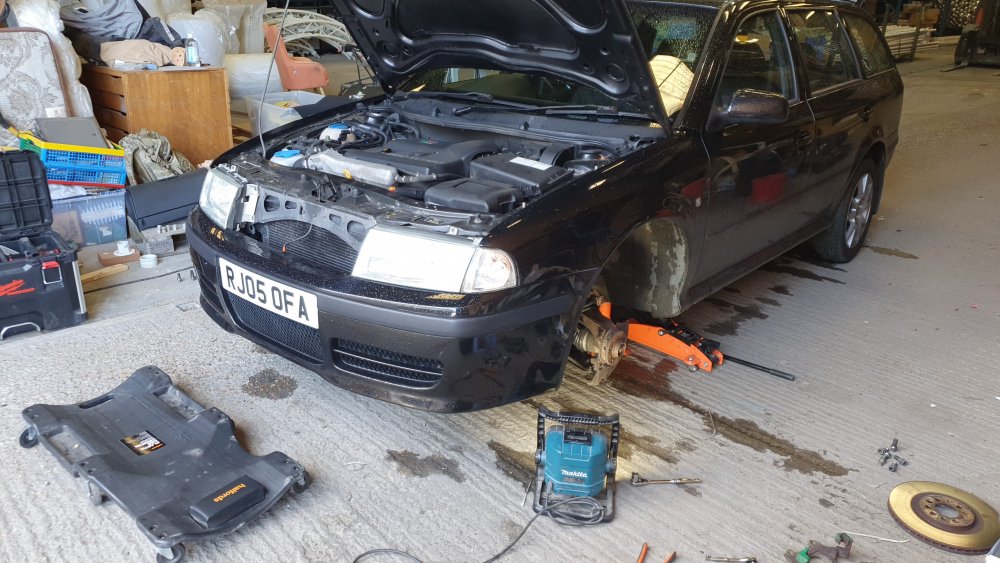 1 point
 -
Yeah, that was the idea. If the part's unavailable, how best to repair it. OT anecdote - I've seen a commercial vehicle fitter take a hacksaw to a pipe he did have, to make the one he actually needed.1 point
-
1 pointThe stop/start is not part of the MOT,this came from a MOT tester.1 point
-
My conclusion from all this that the best practise is: 1. Invest in good tyres and 2. Balance the front / back wear by swapping front / back approximately half way through estimated tyre life Of course, if you have a tyre fail during an early part of its estimated life, it does present a dilemma! But that is an unusual occurrence.1 point
-
@BasilHumefound this that relates more to your tyre situation, I've put the conclusion first but there are important factors to read that came before and you can read the whole page here - https://www.oponeo.co.uk/blog/better-tyres-in-the-front-or-back-test-results "CONCLUSION: There is no ideal solution for tyres that differ significantly in performance either, but just like for combinations 1 and 2, it is advisable to fit better tyres on the rear axle. Front-mounted tyres in better condition significantly reduce the stability and handling in emergency situations and in wet weather. To reduce the risk of skidding when maneuvering suddenly, it is recommended that the better tyres should be fitted to the rear axle despite the deterioration in braking distance." What came just before - "Combination 3 – Much better tyres on the rear axle In this case, imagine that you have two completely different pairs of tyres (model, production time, tread depth). If you mount the better ones on the rear axle, braking on wet roads with an ABS system will deteriorate significantly. Taking corners on wet roads without an ESP will worsen to a medium degree. The following will deteriorate less: sideways aquaplaning, wet handling with ESP, ABS braking on dry road surfaces. Combination 4 – Best tyres in the front If you mount your tyres that are in better condition at the front and your tyres that are in worse condition on the rear axle, three of the following results will worsen significantly: wet handling without ESP, wet handling with ESP, changing lanes on wet roads without ESP. Such a solution also makes cornering worse on wet surfaces. On the other hand, braking on dry and wet surfaces as well as aquaplaning resistance don't worsen."1 point
-
I would be very surprised if the idle speed on the other cars was much lower than 750rpm, if lower at all. Every car I've owned has had an idle speed (when warm) in the 750-900rpm range. I agree with earlier replies that the issue is more likely to be with either DSG oil level or DSG clutch calibration.1 point
-
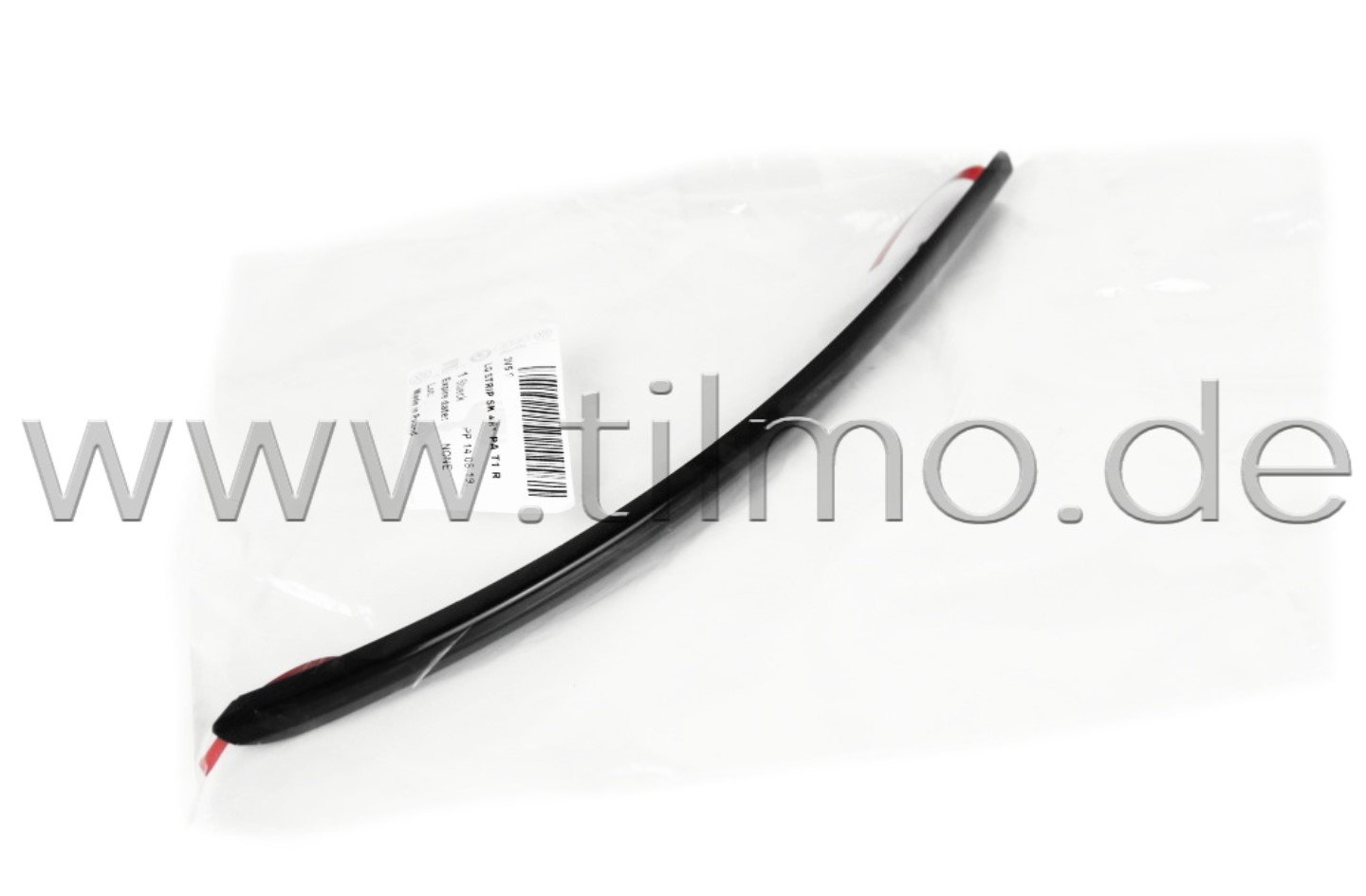
The outer stripes r a seperate item again to the outer light. So if u don't want the stripe, get the light cluster on its own. If u buy a used one with it already, it shouldn't b too difficult to remove as it's just adhesive.
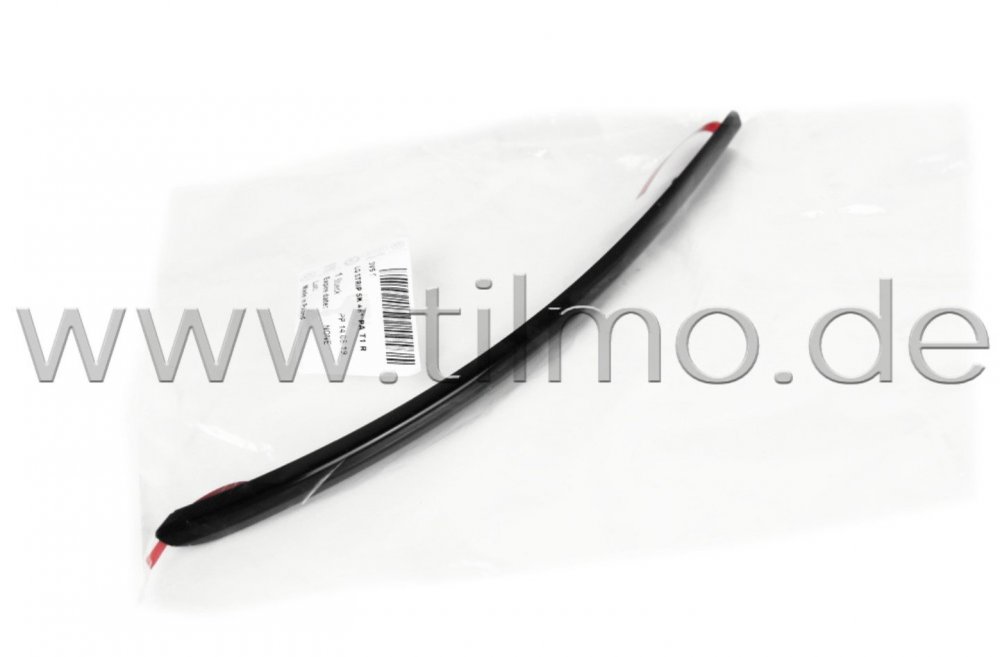 1 point
 -
1 pointYeah that's makes sense, my previous car for a ford focus mk2.5 estate and that was just like a massive vacuum where it sucked so much water out of the back if it was in damp roads and it's similar with my fabia estate so for me a rear wiper is useful.1 point
-
Just come off the phone to skoda. Explained the symptoms and their tech believes the mechatronic unit has failed and will need to be replaced. Quoted £2000!!! Only owned the car for three months 😏1 point
-
So let's say I'm me (which I am) and I decide I'm going green and cheap and buying an EV. How do I tell the difference between a good EV and one that's got some expensive problems not too far off?1 point
-
Thanks Kenny R. My post is for the Octavia 5 with ADAS (Advanced Driver Assistance Systems). This is controlled by the camera unit (in conjunction with radar sensor on front bumper similar to yours) It regulates ACC and Autobraking as well as Lane Assist etc on cars fitted with ADAS.1 point
-
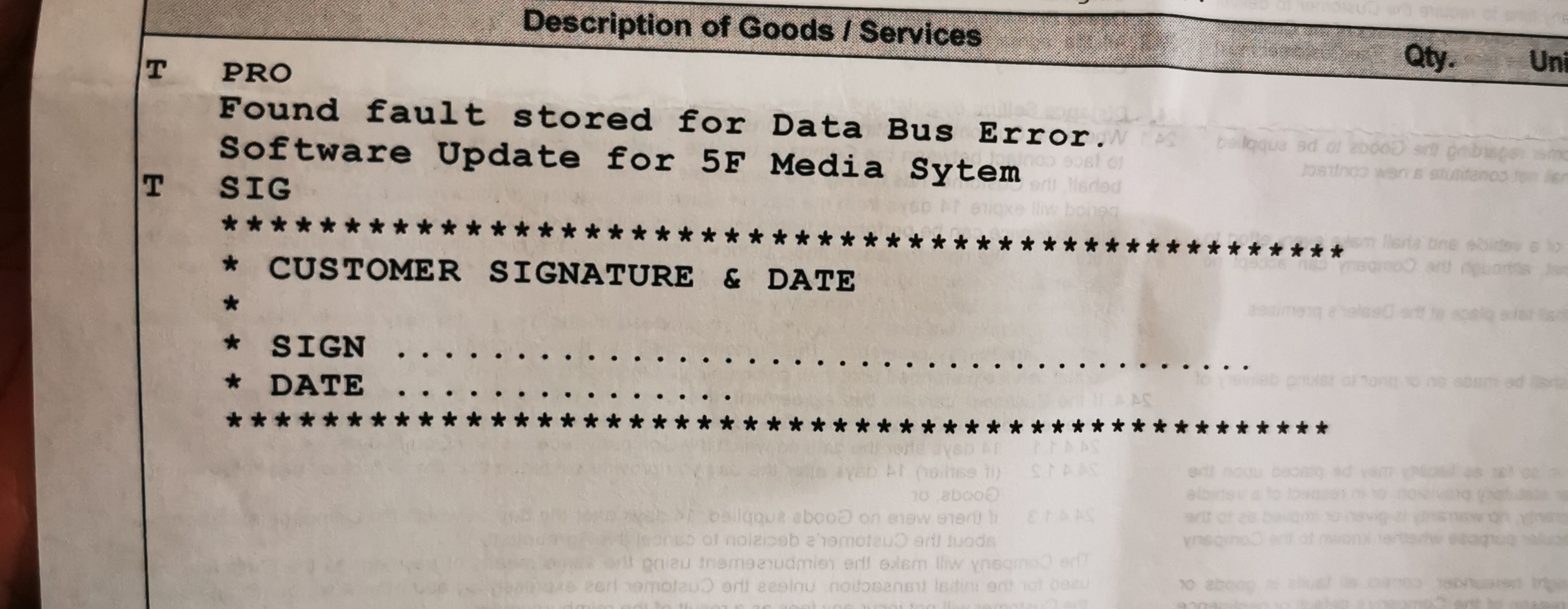
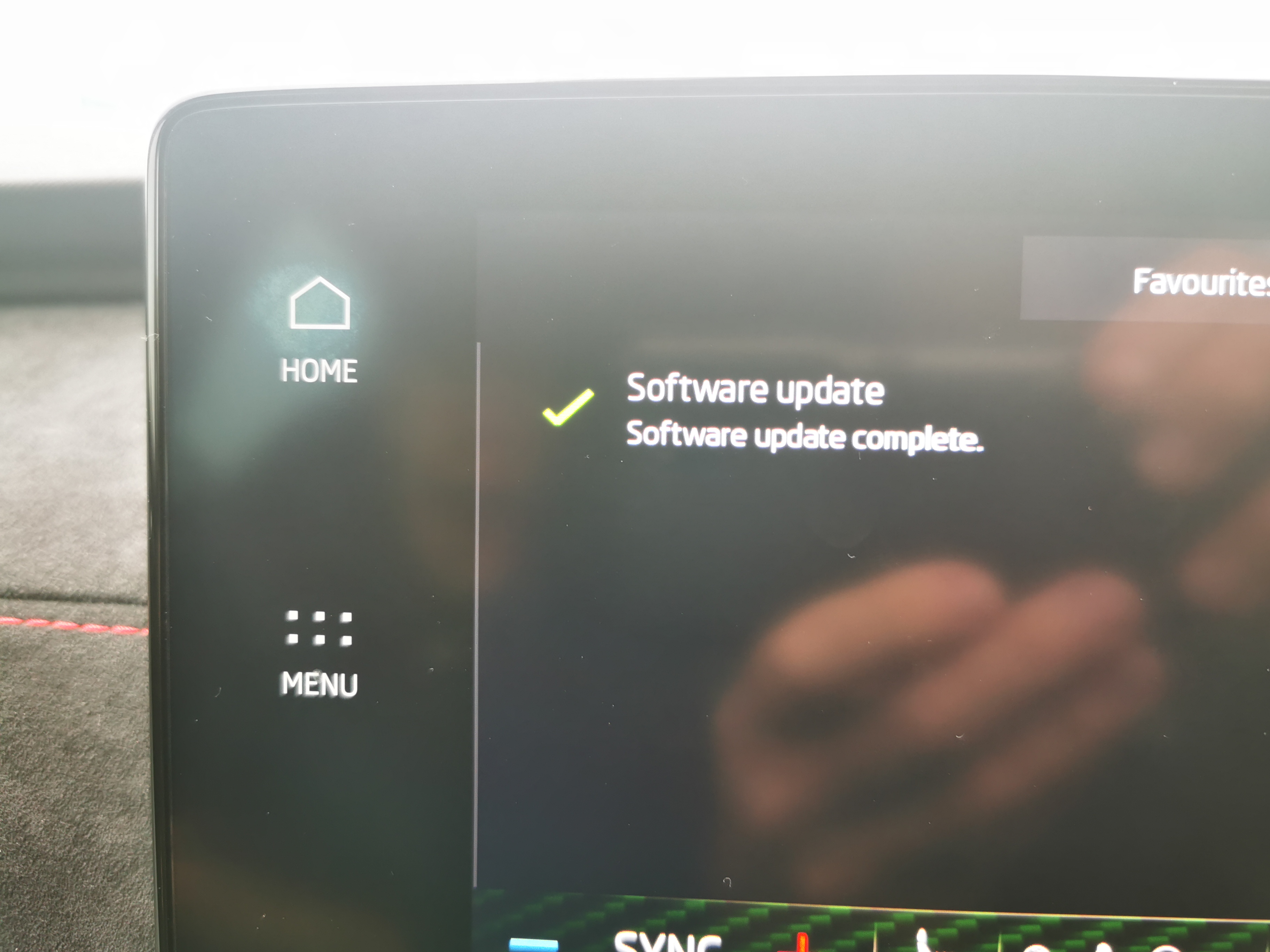
1 pointSo the continuing sofware saga. Friday all day the car was in skoda Preston for a supposed known software fix. See pics of worksheet and sofware info. Which by the way has not changed since i received the car. So after the weekend of driving i can now report that the software is now worse than when it went in 😬😭 day two after picking it up it was stuck on sofware updating for the 20 min journey i was making. Then said complete at next start up. From this point.... I am now getting the Sos popping noise that other people have reported. So overall it was a waist of a day in the dealership. Am ringing this morning to see what they say.... Keep you posted 😤
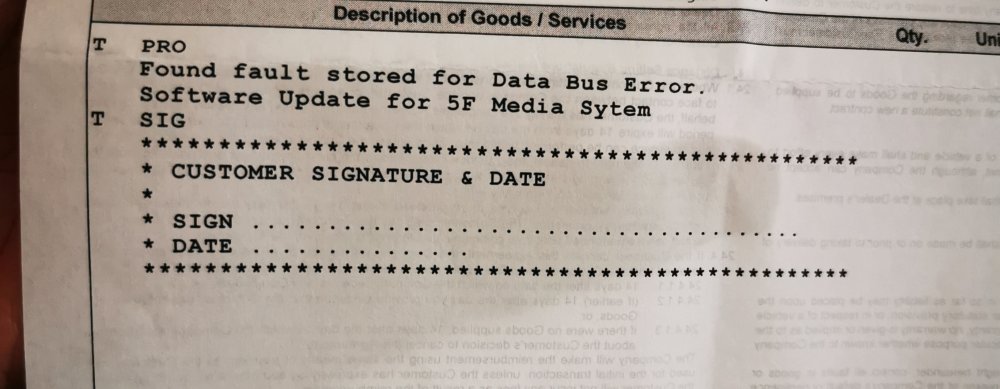
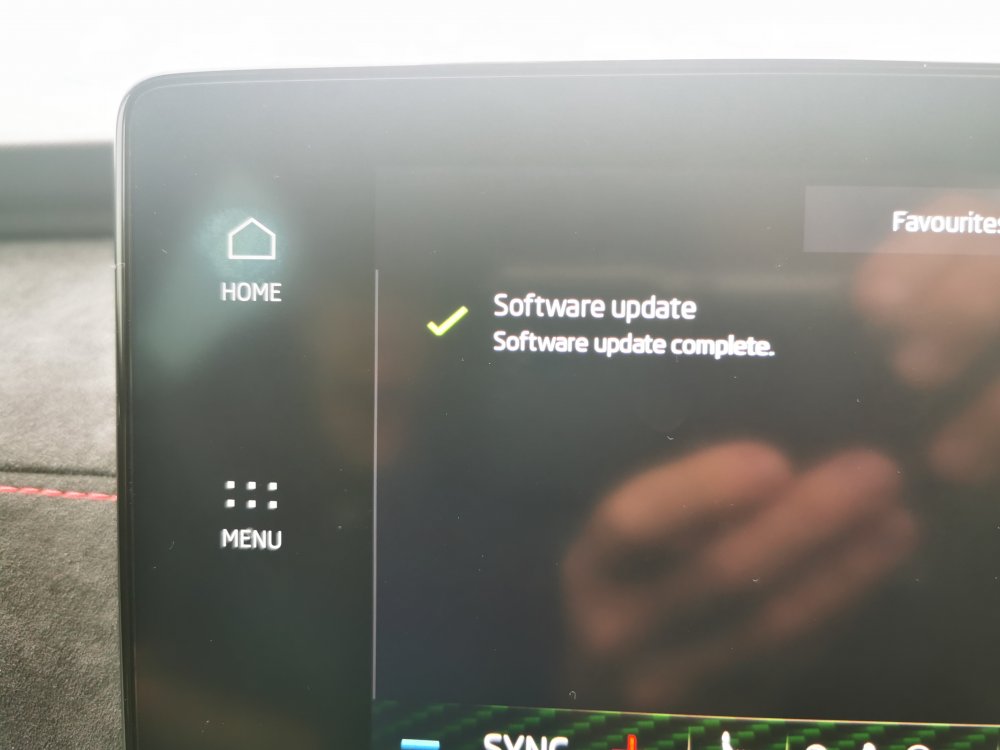 1 point
 -
1 pointAgreed. That said, a rear wiper is almost superfluous on an Octavia 1 hatch, but not on an estate.1 point
-
1 point
-
Clearing the airbag light was a bigger problem than anticipated. The rodents damage was at 3 separate sites, the engine bulkhead, the roof near the airbag crash sensor and at the rear of the car near the rear fuse board. Wiring repairs were required at all 3 sites to clear the airbag light. The car is now fully repaired and operational with no fault codes. The next task is to find a good rodent repellent as I have also detected some rodent activity on my daughters VW caddy. P.S. the dog was frequently jumping up on the car front wings and may have detected the rodent activity before I did.1 point
-
1 pointTwo example definitions: "OEM stands for Original Equipment Manufacturer; adding the “+” is taking what came from the factory and making it look and perform that much better based on your vision." "OEM+ stand for "Original Equipment Manufacturer +. This term originally comes from the automotive world to describe the customization of a car in a subtle way, (mainly) using parts and accessories from the same manufacturer or the same group (Using Audi parts on a Volkswagen for example) . More generally it means customize a car very discreetly, with a close look to the original, playing on the details. In contrast of tuning and its extravagance."1 point
-
1 point
-
1 pointFor reference I am 6'4", seat back as far as it goes and 1 pump from the bottom.1 point
-
1 pointBut it is amazeballs. so Simply Clever for £12. Not that clever if you actually drive cars on dirty roads or in snow. Especially good for those that had faulty rear wiper motors, or washers that did not squirt, or where people pinch rear wiper blades or just break them. All were things that people posted about.
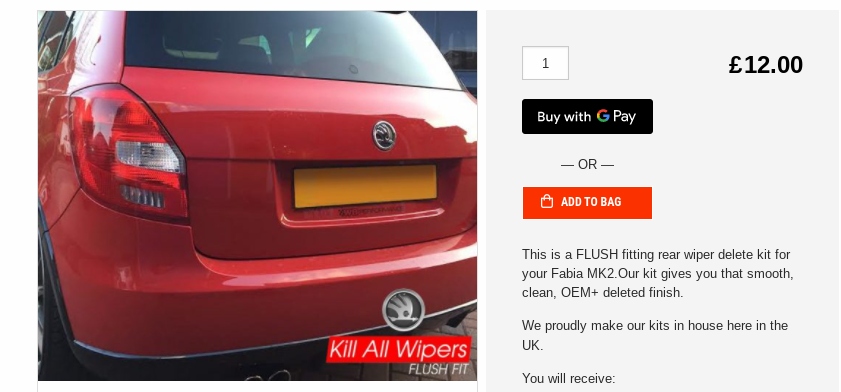 1 point
 -
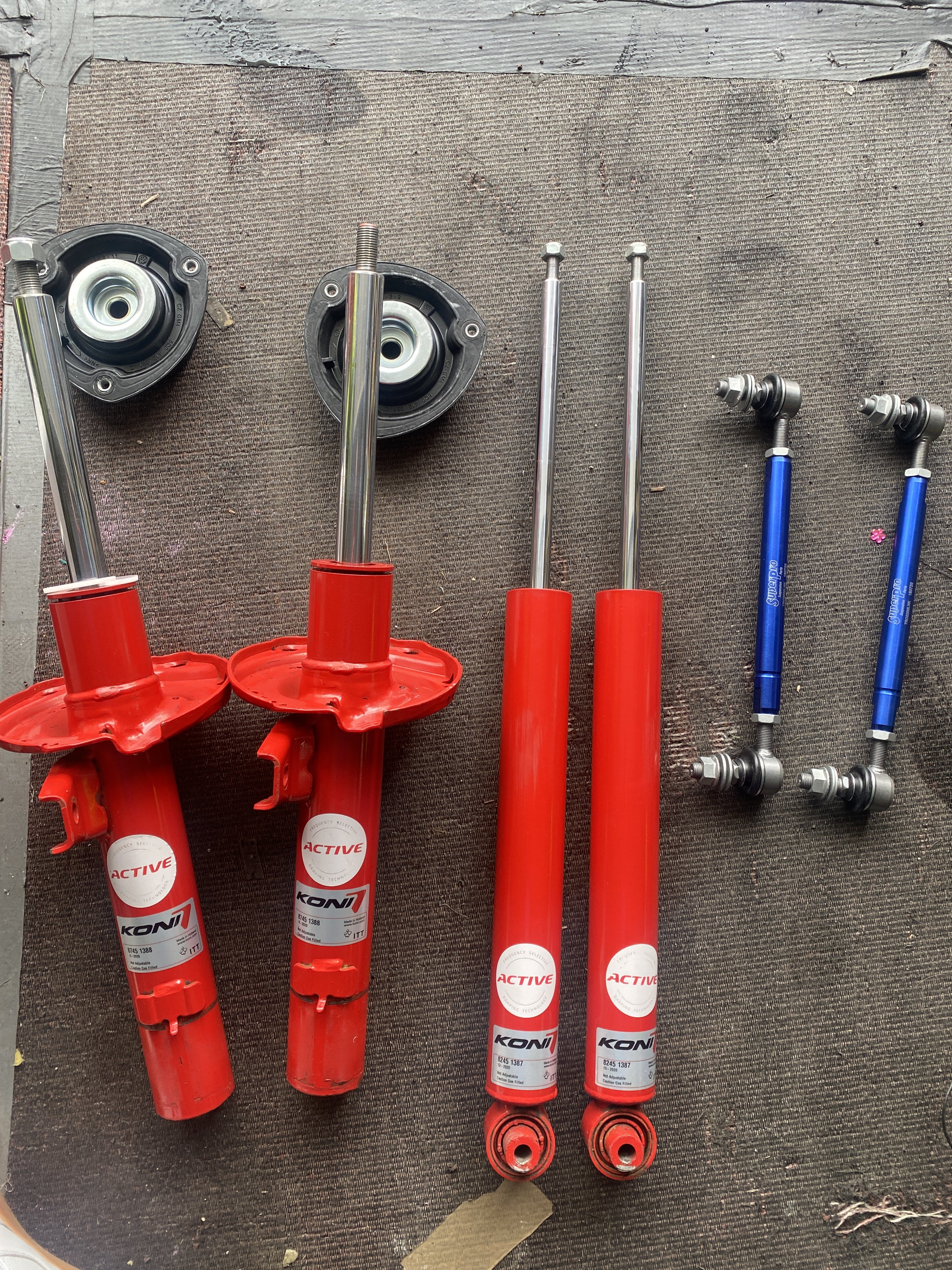
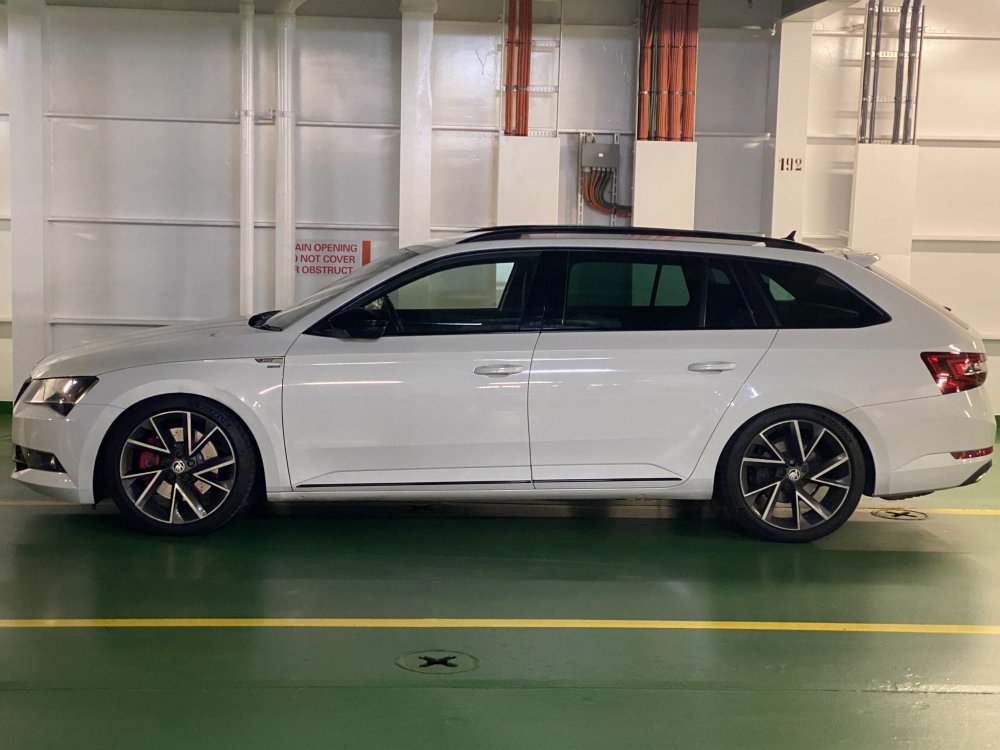
1 pointI’ve gone with koni special actives. Massive difference. But I am also lowered on H&R
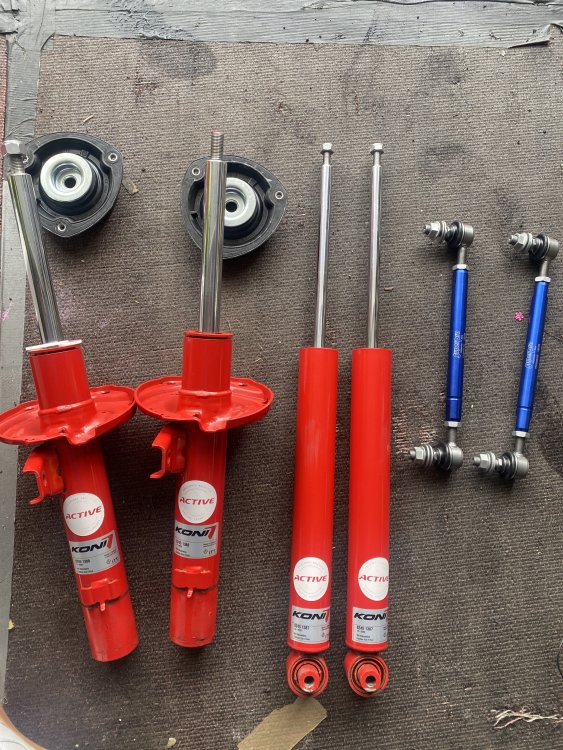
 1 point
 -
Yeah they’re simple to replace. Two screws fix the cluster is place. There are two locating pins as well. Cable set is just plug and play.1 point
-
@rcgliderpilot Okay - I own a MY19 Scout - same setup with a 184bhp diesel engine. Idle speed goes up and down depending on the journey, whether the car is in regen or not and also depending on accessories switched on. Can you firstly send us a video showing the 'high' idle speed? If its at 1000rpm, then it will be in regen mode. Our generation of Scouts are setup quite differently from earlier Scouts and TDI engines; they are setup for clean emissions, so depending on what the car is doing or where it is going or how much heat is in the engine. Is your Scout doing multiple regens (auto-stop/start not working with high rpm at idle)? If so, what is your typical journey like? You should really not be doing anything less than 10 miles. I also recommend that (if you aren't already) - utilising some decent fuel from a branded petrol station. I personally like to add in a cetane improver (https://www.hydra-int.com/diesel-power-blast.html which makes a huge different to the performance of the car and keeps the EGR and DPF clean. I also recommend utilising decent Ad-Blue in your car as this does make a small difference. In terms of the gearbox - ooh - you should be running at DQ381 7 speed box (they introduced them in MY18 build year). I had a fault on day one on my car with the DSG gearbox, but it was easily fixed. Basically, at the factory, they didn't fill up the gearbox sump properly. It was short by approximately a litre of gearbox oil. A complete DSG gearbox oil and filter change transformed the car and made driving it so much nicer. It might be expensive for an oil change, but it is worth it. You didn't say what mileage the car had done. I personally also recommend getting the HALDEX gear oil changed and gauze filter cleaned [because it will be black and the filter will be blocked up] every 20k miles. I've done numerous mods to my Scout, so happy to help out a fellow Scout owner. Please PM me.1 point
-
Idle for both my previous and current VAG cars is between 750-800 rpm. Never had a car with idle less than that tbh1 point
-
1 point
-
Good point. It may suggest a manifold leak which could explain poor running at low revs.1 point
-
It will be, and it will be a blatant lie! After I rejected mine, I went and got a mk3.5 and was speaking to two dealers who claimed they had never heard of any faults. I bought from neither of them as I know for a fact that both had First Editions sitting rejected in the back. For what it is worth, my advice would be to leave off buying a mk iv for another year or so. I liked the car generally but all the faults on a car were unacceptable. My car was registered in July 2020 and up to the point that I rejected in May, nothing had been resolved. Unacceptable. Choice is yours but it seems to me that your playing Russian roulette.1 point
-
1 pointOh yes..I'm going to open this can! So is the G12++/Evo, despite being a number lower, newer than the G13?1 point






BeforeRear.jpg.13bc54a5d94737a79da3b121ea0a5fac.jpg)
AfterRear.jpg.cca60ea68d94e79e4e95cfeda47bdde5.jpg)
BeforeFront.jpg.c95ce30a9156c62fc86a418d6e0a87a1.jpg)
AfterFront.jpg.a8a2b839b91046852811bedca06f8a26.jpg)
AfterFront.jpg.feace5c1630796c5ae1e81b0d2dfe3be.jpg)
AfterFront.jpg.810164502eaf716105bd0f61d3e272a7.jpg)
RearOne.jpg.fe7d87705a62a04394307fa183e88f66.jpg)
RearTwo.jpg.1c44334cdc6882eaebb1f47242c3d9ca.jpg)
RearThree.jpg.9f6d5b44dc527b53b91255175adb5e86.jpg)
RearFour.jpg.6341231d7e7943a3531562745ac0aa8f.jpg)
RearFive.jpg.7e4c580af1f9d74fc75014f3bc8c9796.jpg)
RearSix.jpg.26c75825c2315f869dccd76e11748792.jpg)
RearSeven.jpg.37806af489bb547d8d9616391c91351f.jpg)
RearEight.jpg.41200687f36f49a0f46b18569e4525a5.jpg)
Tools.jpg.0d2c218b14f9d17d0ac58b813b2d7d46.jpg)
RefResize.jpg.48304c36386319f1afe5eef204789dcc.jpg)




.jpg.b26f66a4847869e92567abc9629311cf.thumb.jpg.b82d24b323d8d956f492a50569f12f95.jpg)





.thumb.jpg.f83a46b9b3c0d976b9dbffbb523c9874.jpg)