Leaderboard
-
MikeTheThinker
FREEDOM17Points8,537Posts -
.jpg.1006585dfe4e2977315b67c3d642e37b.jpg)
Guest_
FREEDOM15Points83,824Posts -
pinkpanther
FREEDOM13Points3,969Posts -

xman
Resident Member11Points7,537Posts




Popular Content
Showing content with the highest reputation on 27/02/24 in Posts
-
6 pointsWinter (and to a lesser extent, all season) tyres are better than summer tyres in winter. Source: Personal experience.6 points
-
5 points....thought i would leave a few thoughts about my manual vRS 220 (~300) estate after 7 years and 75k miles tweaks in no particular order.... H&R lowering springs Eibach Bilstein B12 Suspension for SKODA OCTAVIA E90-79-010-06-22 30-40/30mm - tunershop on ebay Revo stage 1 from 10k miles great from 3rd gear onwards new CHHB sachs clutch from 20k miles - if you remap its only a matter of time before upgraded clutch needed H&R 26MM FRONT & 24MM REAR ANTI ROLL BARS - huge improvement in cornering - dpmperformance strut brace - subtle improvement on cornering when surface wasnt smooth - less chatter michelin ps4 then ps5 tyres - great performance dry and in wet hunter 4 wheel alignment every 2 years or so - brilliant improvement in handling powerflex engine mount - some increased NVH but really cut down on wheel hop/axle tramp turbotechnics turbo inlet hose boomba racing - 2015 + Volkswagen GTI Blow Off Valve Adapter [BOV], 2015 + Volkswagen GTI Short Shift Transmission Adapter, boomba racing - MK7 GTI Short Throw Weighted Shift Knob - 440 Grams obdeleven - fantastic bit of kit - programmed lots of stuff including free cornering foglights and high beam assist turboback scorpion exhaust, well a prototype one via their ebay shop. sounded good but needed to add some acoustic matting on bootfloor..... 40" O2 Oxygen Lambda Sensor 4 Wire Extension Harness for VW Audi Golf MK7 Passat - from ebay usa for the above exhaust to stop it throwing codes.... enabled smartlink for android auto use via dealer upgraded LED bulbs all around front, rear and inside boot - the foglight ones looked the best! honeycomb front grill black skoda logo badges front and rear - expensive to have them colour coded but they looked really good! upgraded front discs/pads from mtech brakes really enjoyed tweaking the car, sorry to see it go but have moved on to another estate, with dsg/4motion and a few more toys - arteon shooting brake R5 points
-
4 points
-
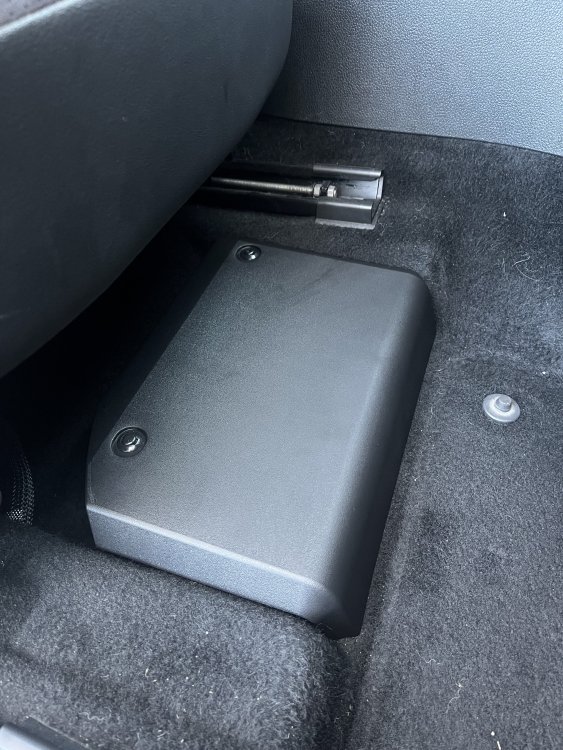
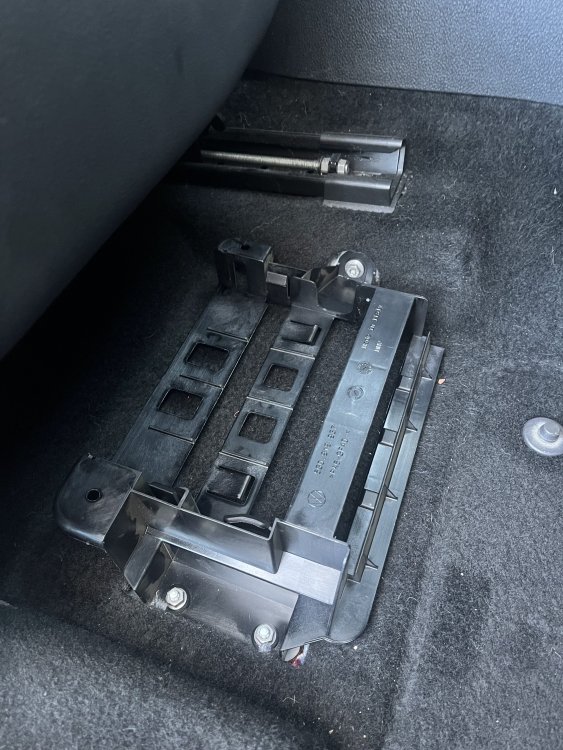
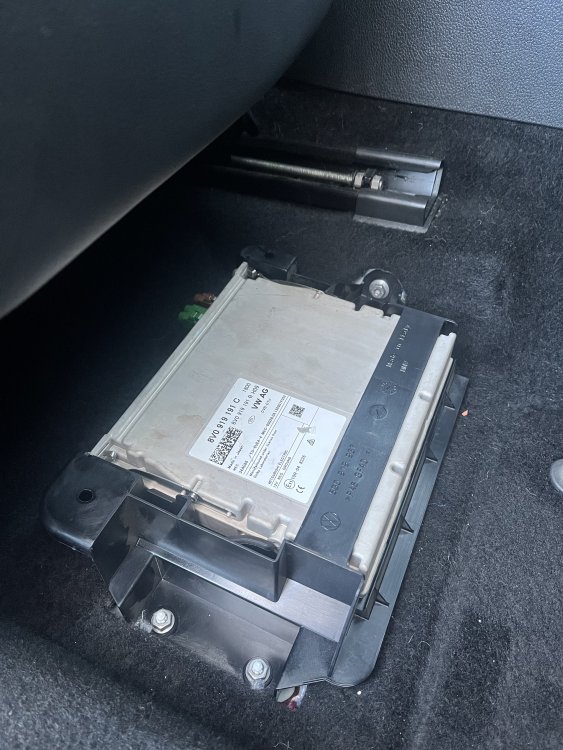
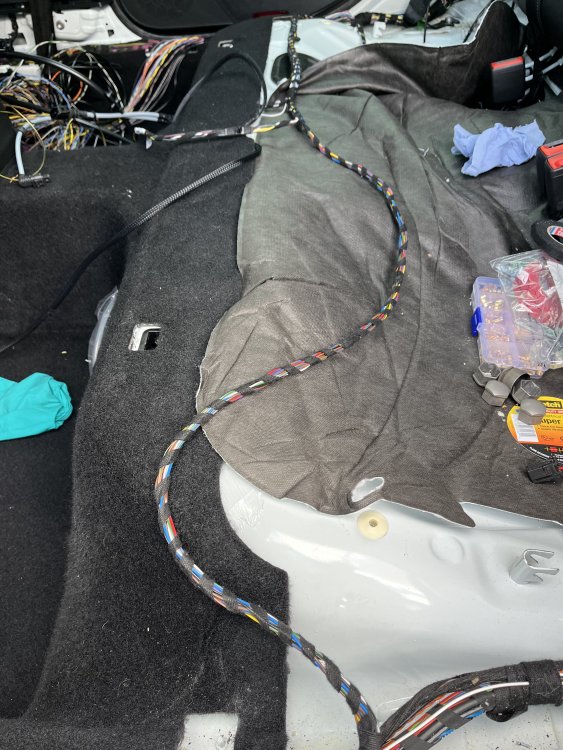
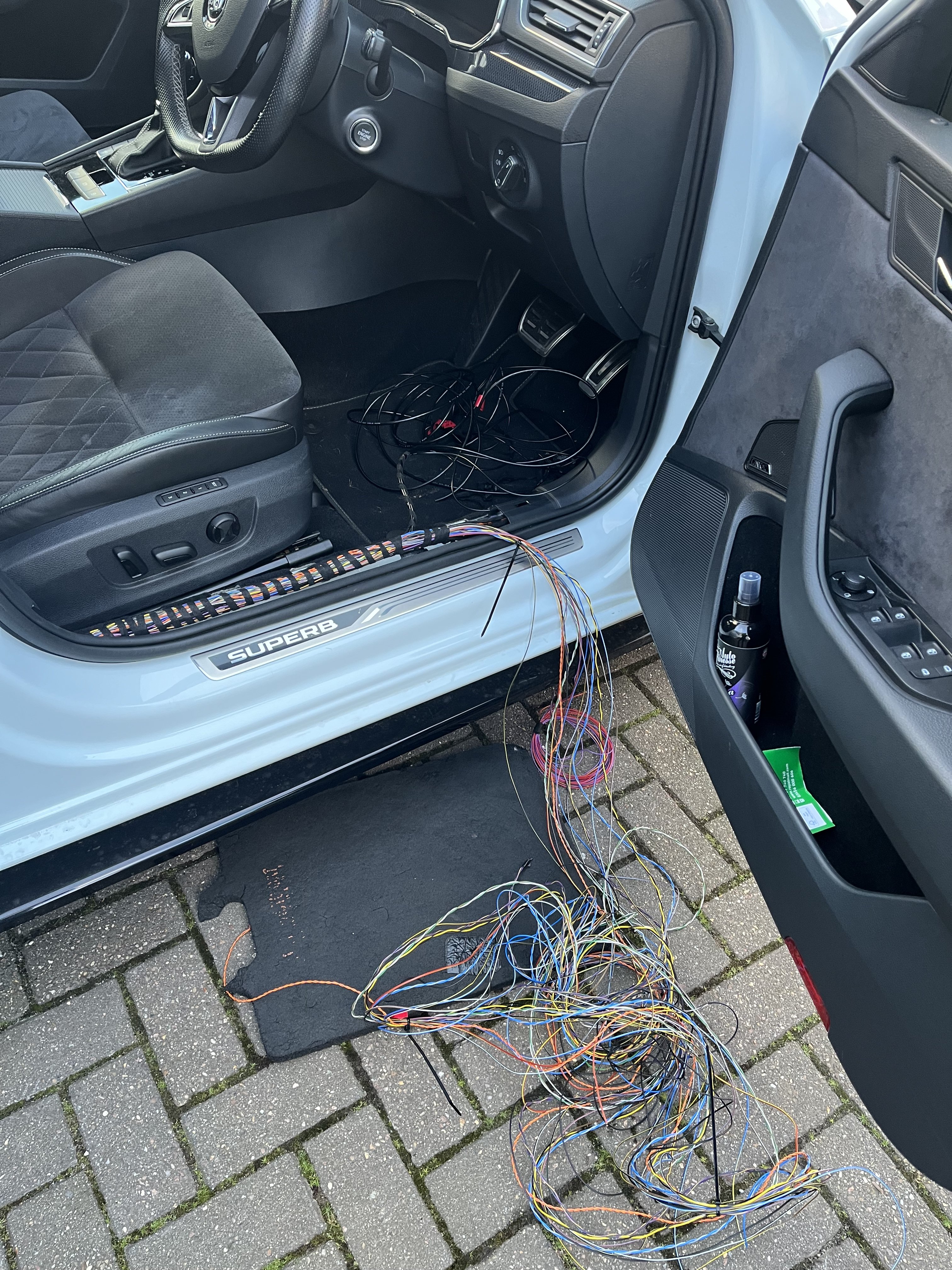
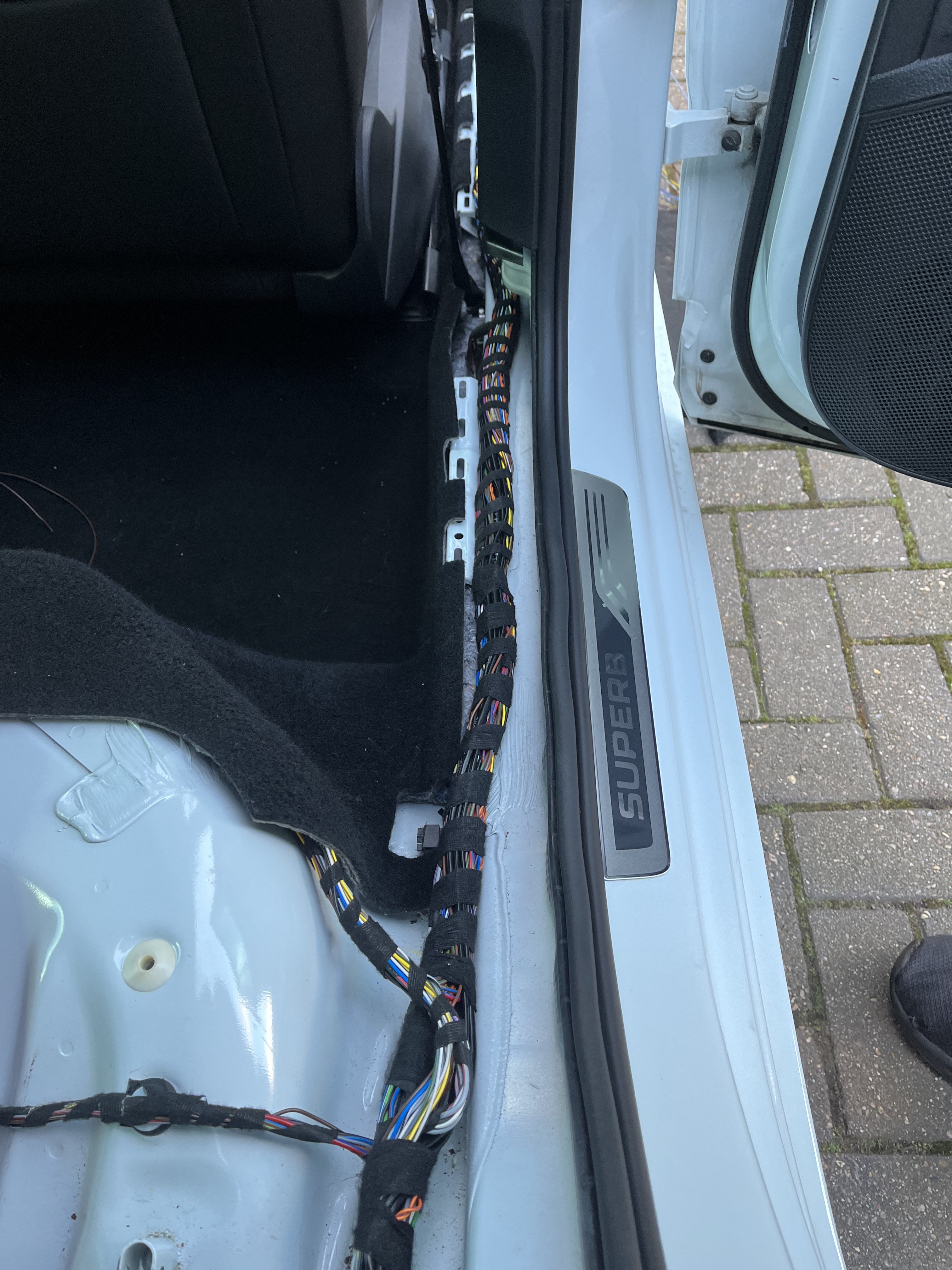
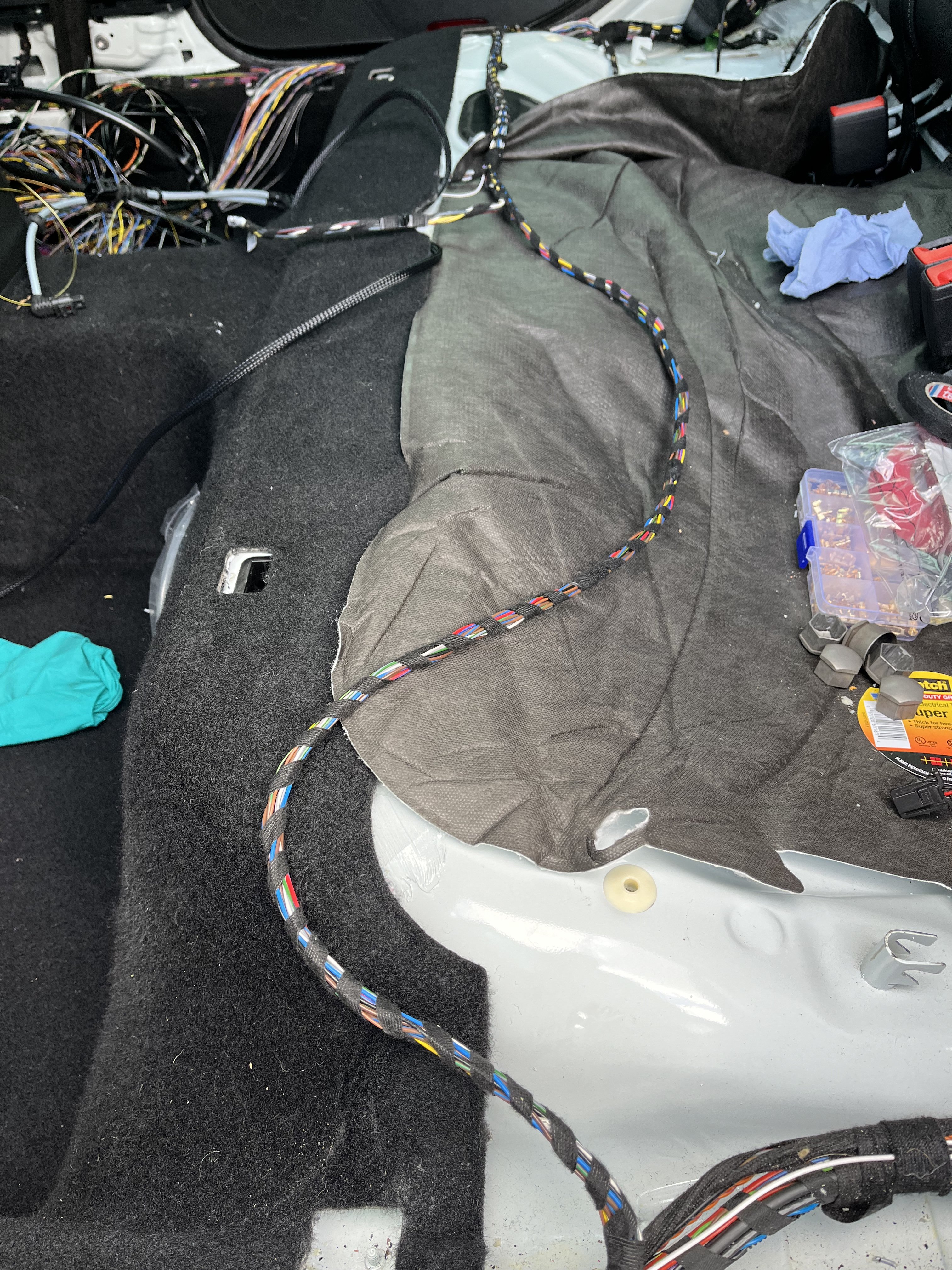
Continued: The TV tuner was next to fit - this is a bit more complicated than just fitting as the place under the OSF seat for the tv tuner is also where the 360 camera module is fitted - so to work around this, The plan is to cut the carpet under the TV tuner and mount the 360 module under the TV tuner, Ill possibly use some thermal paste/pad against the floorpan to prevent any possible overheating. The TV tuner bracket is fitted with 2x M6 nuts and a hexagonal threaded insert with a 10mm bolt. TV tuner slid into place and the cover was then fitted with 2x pop rivets. Now for the spaghetti that is wiring.... A conservative guess for the wiring fitted this weekend was around 250 meters, so just a little bit.... Wiring was ran from the boot area from all modules, the tailgate, the rear antennas, the rear arch wiring and then this all needed to make its way forward down the left and right side of the car. The factory looms were stripped of their original wraps and the new wires bound tightly within. The loom wrapping stopped inline with the front seats and the wires tucked behind the A pillars behind the dash. The aim here was for the wires to look factory, fit perfectly and not have any chafing issues. A range of fixings were purchased just in case the original loom fixings broke, out of all of them, only 1 clip broke. To start - some photos of the messy wiring! The majority is ran down the offisde and then it transfers to the nearside front corner behind the dashboard. The nearside had around 5 wires compared to the 50 or so on the offside. Now some photos of neatly wrapped wires that would you believe it, contain all them wires in the photo above plus the original wires. I think I used roughly 3x 25 meter rolls of loom tape (varying widths and abrasion resistance depending on the areas). Now that was a productive weekend! Got a few more snags to sort out tomorrow morning but then i think I'm due a beer and to rest my back.
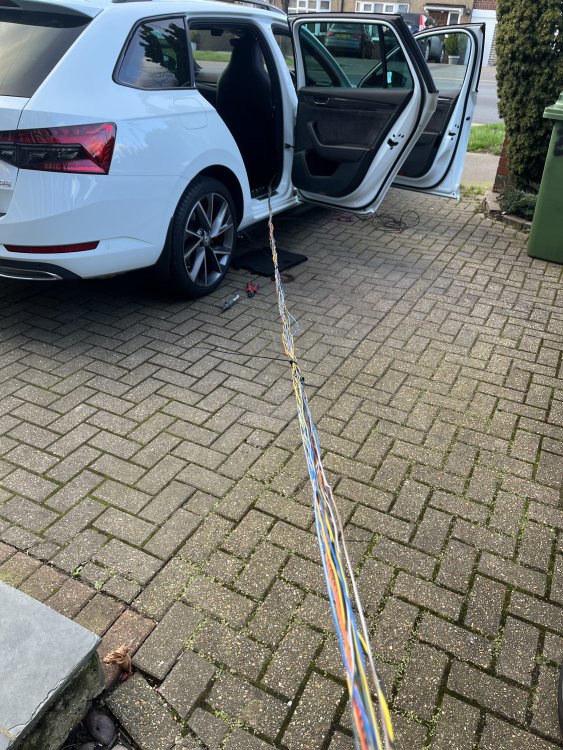
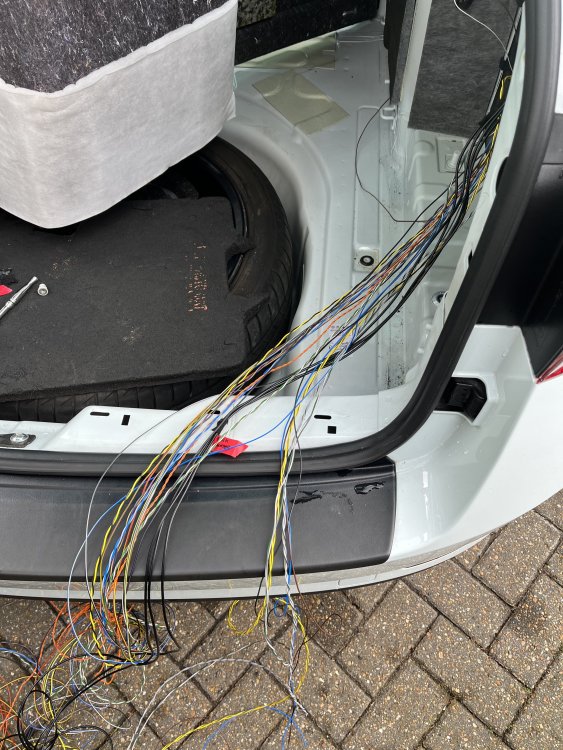
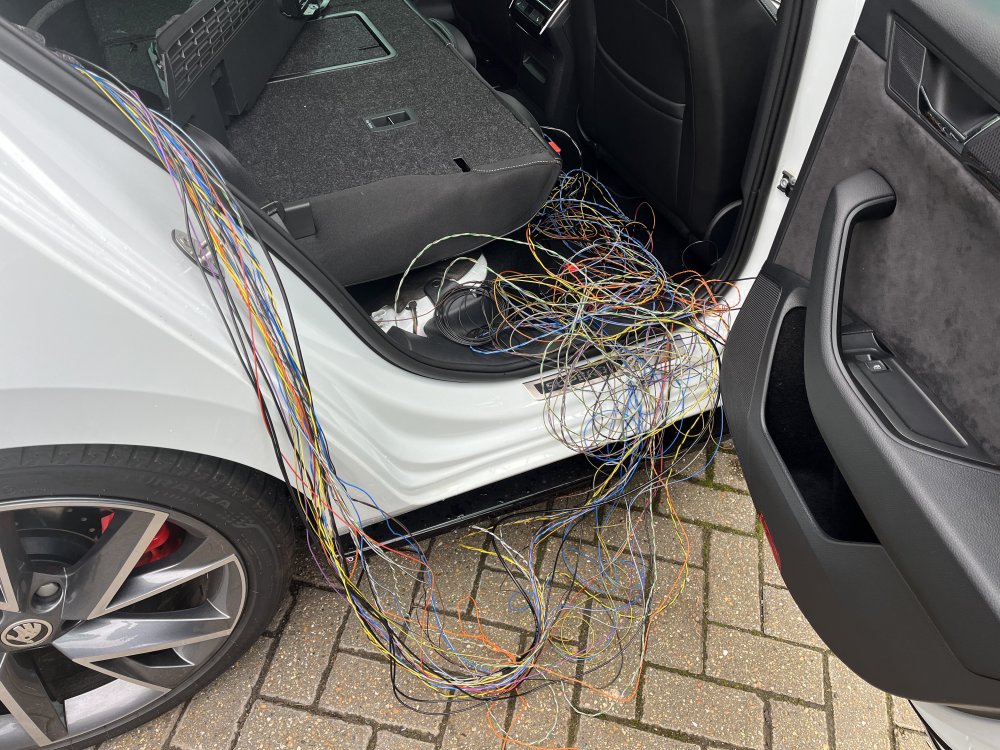
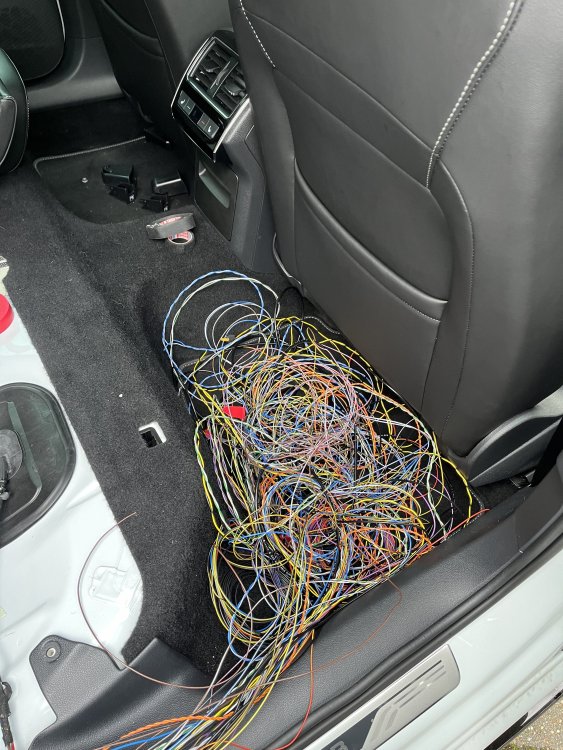
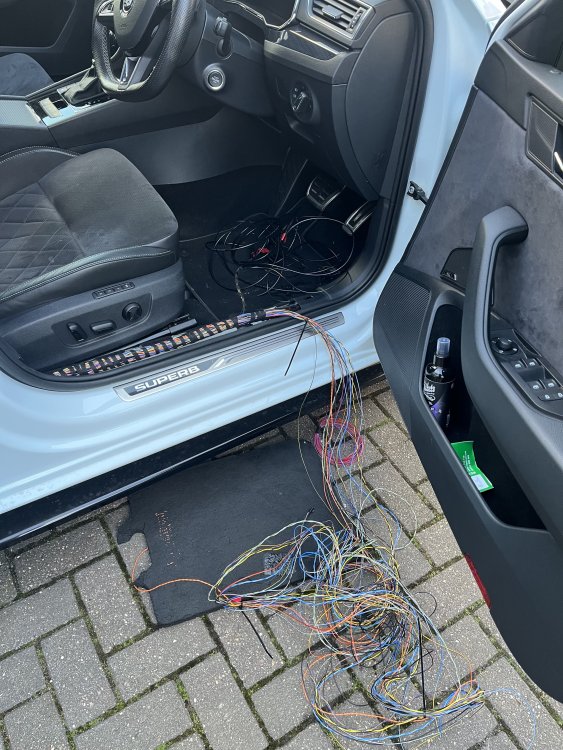
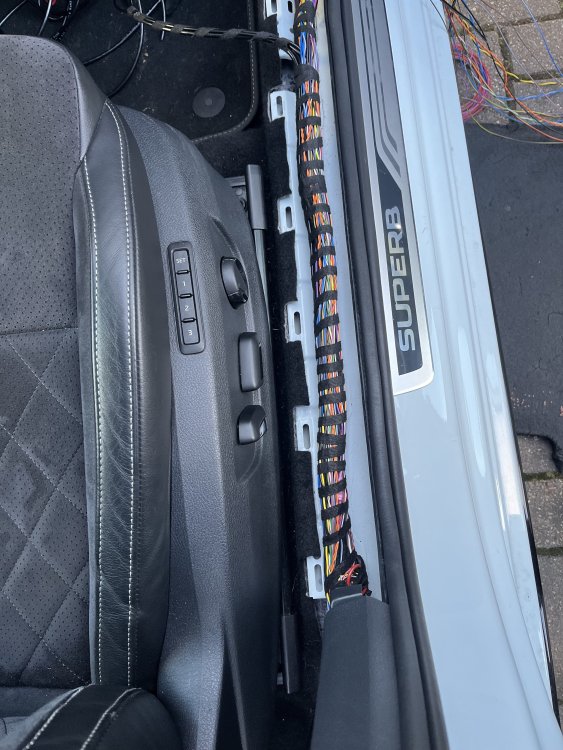
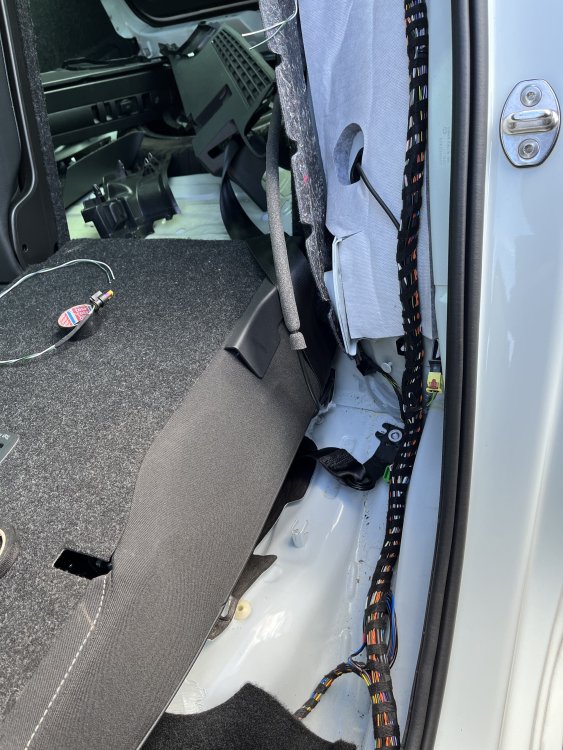
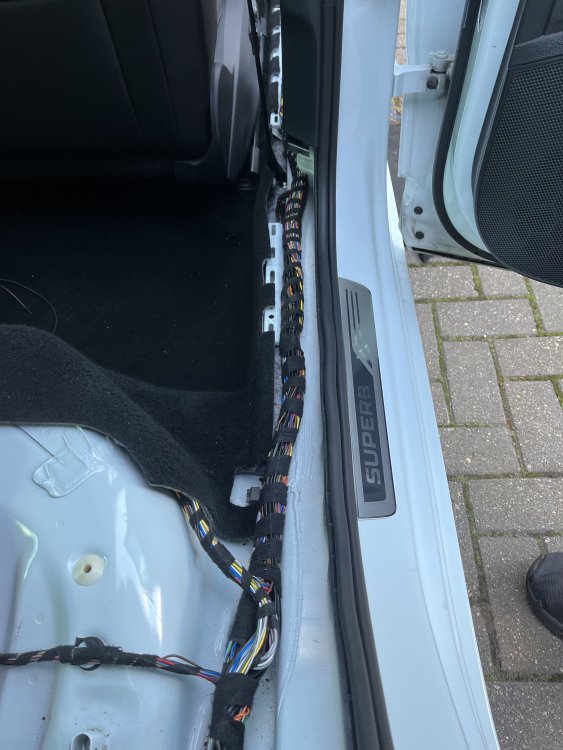
 4 points
 -
3 pointsWell, O eager one, funny you should ask: I met with the Skoda man this afternoon who thought the system would adjust to the new battery after being registered 3 days earlier. I think he felt I was being too impatient as these things take time to adjust. Ummm ? I suggested I have it tested which I did at a local Halfords. The Halfords tester concluded the battery was in excellent & tip-top condition. 'You have a VG battery there' he said ! An hour later I stopped at traffic lights & the stop/start kicked in. It did again when I stopped in my driveway 30 mins later. The cd player ran for 2 mins without stopping. Tomorrow will be an interesting day. I have inadvertantly left my battery cd player in Ferndown so shall have to rely on Bolero. More news then. It could be icecreams all round.............3 points
-
The part fitted like a treat. Everything is back to normal. Boot opens, lights work, and the back windscreen wiper does its stuff. Again, thank you very much for your help.3 points
-
Thank you everyone for your help. I WILL write a reply once a working solution arises.(Does my head in when someone asks for help and then you never hear from them again !😂)2 points
-
As you haven't got an RS probably so. They want £65? for road sign recognition. I might consider it at a later time, but at the moment I will continue to Mk1 eyeballs and brain.2 points
-
2 pointsIt is an issue as is getting trapped in any vehicle in flood water. Life is one big gamble from the time you are born until you die and nobody knows when that might happen. Rootin shootin Vladimir Putin or any other nutter with the say so might just start WW3. More than the nuclear option though I think it will be shutting down the electricity, communication and utilities that will be the way terrorists do it. My Jupiter 5 (Jawa 350 2 stroke similar) sidecar outfit that could run on transmission fluids and aviation fuel is the type of vehicle it will be good to have.2 points
-
2 points
-
2 pointsI went for the Superskoda one too. It looks great matching the paint colour.2 points
-
2 pointsThere seems to have been a change here, until recently it was prohibitively expensive to use this site after Brexit. But now...
 2 points
 -
I still think it's because light designs are becoming very compact and more like point sources, so more lumens shone in an initally narow beam. Nobody has trouble looking at a bright clear sky but try looking directly at the sun. Matrix lights are a collection of point sources with tiny mirrors. With intense narrow beams comes problems with diffraction and deflection caused by imperfect and dirty optics and housings. And having experienced it I'm sure matrix light control is often flawed. What happens if the windscreen in front camera is dirty or has rain droplets on it?2 points
-
2 pointsOK. The fact that you managed 40 years ago is irrelevant now. Tyre design has changed to go along with the average car. Cars are heavier and wider tyres help with that. They are also more fashionable. Argue about that if you wish but fashion drive markets. The "standard summer tyre" is absolutely valid. Just look at manufacturers websites, they often list them as summer, all season, winter, off road. The R&D over the last few decades has gone into the compounds of the rubbers. they are more synthetic and more effort has been put into making them perform best in specific conditions but also as safe as possible out of those conditions. Cars are also safer than they were and easier to drive in slippy conditions due to stability systems. My opinion is that the average driver now is less skilled than 40 years ago and they have to deal with more traffic, more powerful cars, heavier cars, reduced patience. The list goes on. Driving like you described above clearly resulted in you getting to your destination unscathed. I doubt that would be the same had someone near you had a blowout or other unpredictable event. I will continue to have the best possible tyres on my car for the conditions for everyones safety, not just my own. The fact that you don't have your winter tyres fitted is irresponsible in my opinion and I'm sure the Gendarme would have similar to say given my experience of being stopped for tyre checks.2 points
-
If its been there since you bought the car, I'd hazard a guess that the "upgrade" is the issue and that's why the previous owner got shut. The unit may have come from a car fitted with a different TPMS system.2 points
-
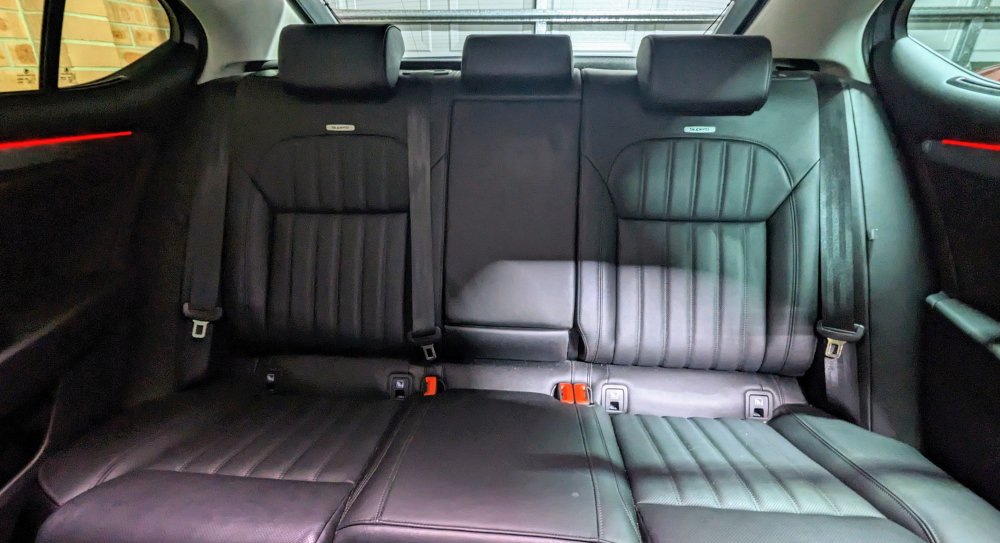
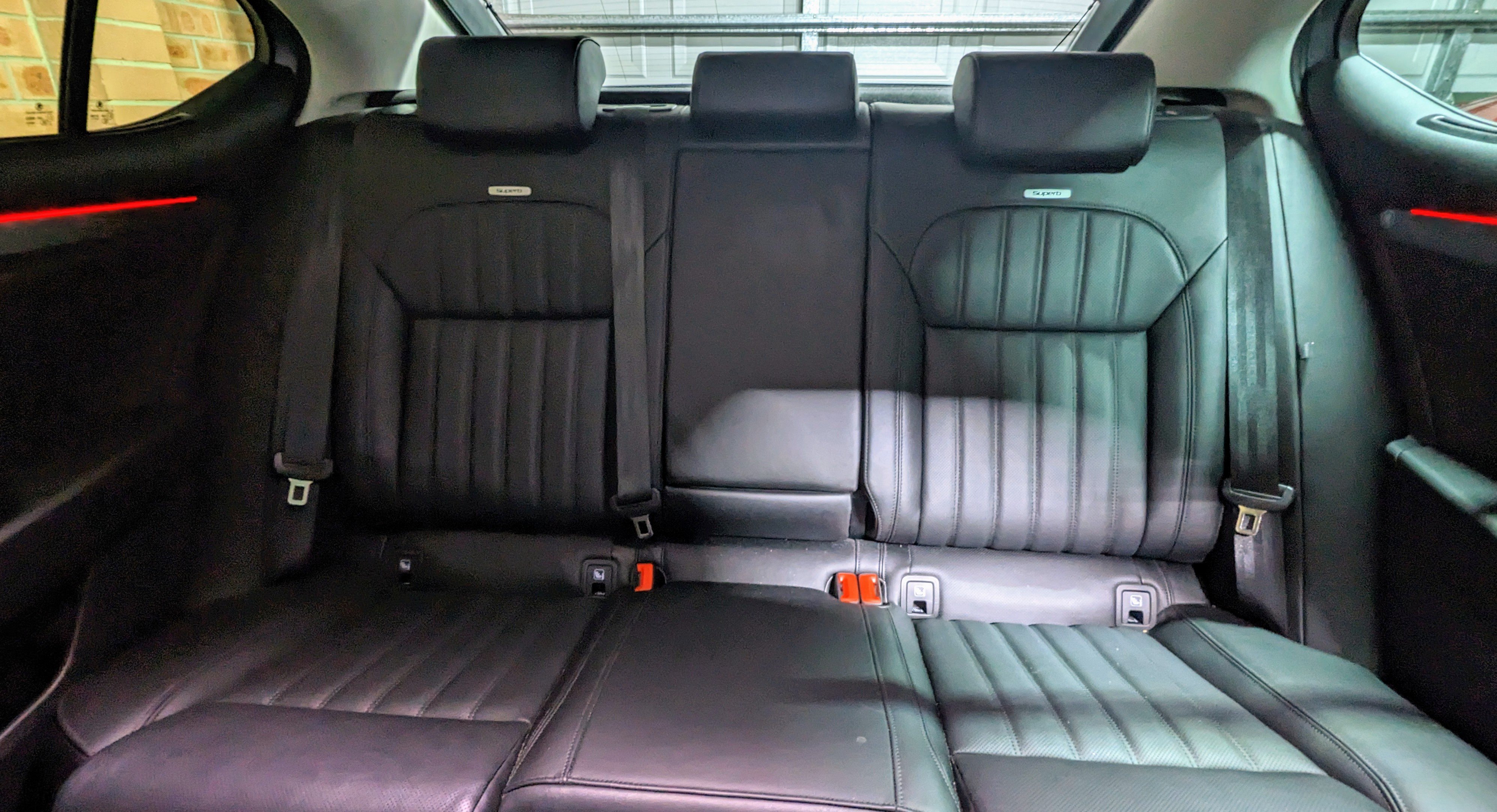
I have an Aussie Superb - only the outer rear seats have Isofix points, and rear tether points. The middle seat only has an upper tether point.
 2 points
 -
2 pointsATM Ingurlundshire's response to generating plant built in, say, Scotland, is to charge a "being a long way from Larndarn premium" on that power.2 points
-
As upthread I actually do (at least try) to dip before I can actually see oncoming. I also dip as soon as I have visual contact with one I am following.2 points
-
2 points@J.R. and @xman I don’t know how else to explain it, but I’ll give it a try with a simple example: Hopefully everyone agrees that given the same conditions and speed, a car of a fixed mass generates a set amount of lateral force when taking a corner or bend in the road? When tyres with the same amount of grip are fitted, this force is distributed (relatively) evenly and the work is split. In this scenario, when the car starts to lose traction, the mass is distributed anywhere from 60/40 up to 50/50, front to rear for most modern cars. With the outer tyres doing more of the work obviously. When tyres of mixed capabilities are fitted, this same force is distributed unevenly at the point of losing grip. What was previously a relatively even share of the work has changed because the tyre with superior grip is nowhere near losing traction. The tyre(s) with lower (weaker) grip now has to deal with more mass and loses traction faster than it would do previously. A sort of pendulum effect. Bumps, potholes, and spillages on the road can further exacerbate the issue. You guys are obviously experienced, well above average drivers so this only applies to other road users. When I mention mixed capabilities, I’m referring to winter or all-season tyres mixed with summer tyres. Apologies for using industry accepted “summer” terminology. A full set of “summer” tyres is safer than mixing winter or all-season tyres with summer tyres during winter conditions IMO. I’m more than happy for someone to actually explain why they think this is wrong, or I suppose you can just call it “nonsense” and “tosh” again. As I said before, it’s probably best that we just agree to differ, especially as one of you seem to think winter tyres, or their benefits, are a myth.2 points
-
2 points^^^^^^^ Well we really knew once the announcement was made and the date given, and we are reminded every time the people without an EV post about the VED being introduced. It is Groundhog day every day here. Lots of not teaching old dog,s new tricks, or maybe getting them a note pad so they remember what they have discussed so often already.2 points
-
2 pointsOk, Mr Pedantic, I'll rephrase, tyres that are not "all season" or "winter" tyres. I think 99% of people reading will understand what I said.2 points
-
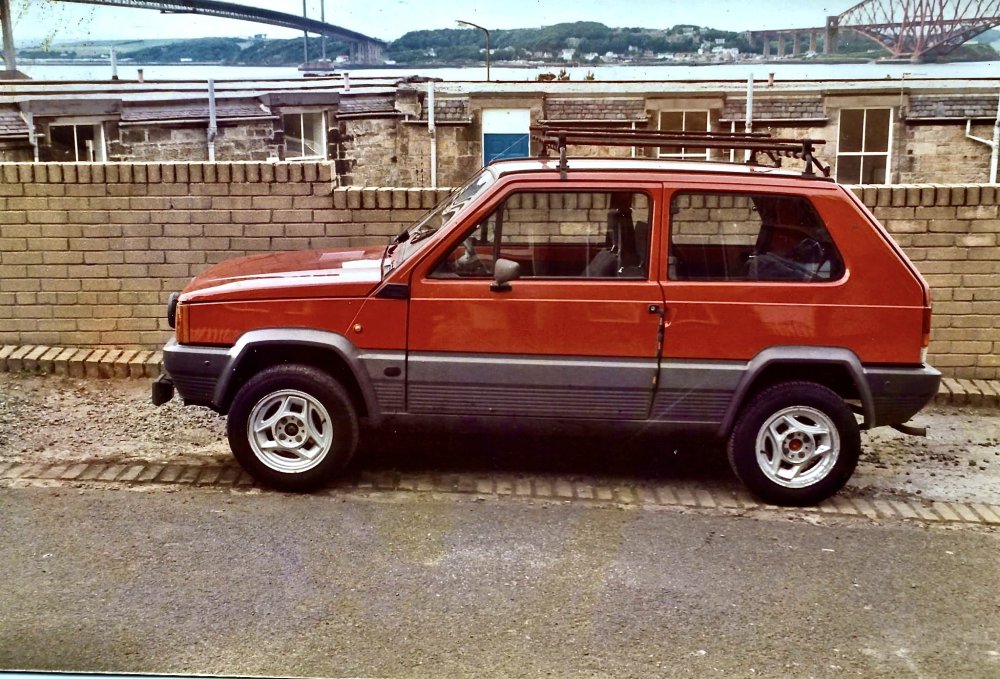
2 pointsI bought a new Panda in '83. We had some very bad winters back then. I remember I used to happily park it in snow drifts at the side of the road and drive out again.
 2 points
 -
2 pointsI find the e5 fuel tends to net a few more mpg. I guess it’s got 5% more petrol in it, so it ought to. In my opinion, and purely considering price, if the premium fuel is less than 10p a litre more than the standard e10, then it costs about the same to use it once you factor in the increase in mpg, you might feel the throttle is more responsive too and it may produce more power, but that’s likely to be subjective if you can notice such a difference. Tesco 99 e5 tends to be less than 10p more a litre than the regular e10 95.2 points
-
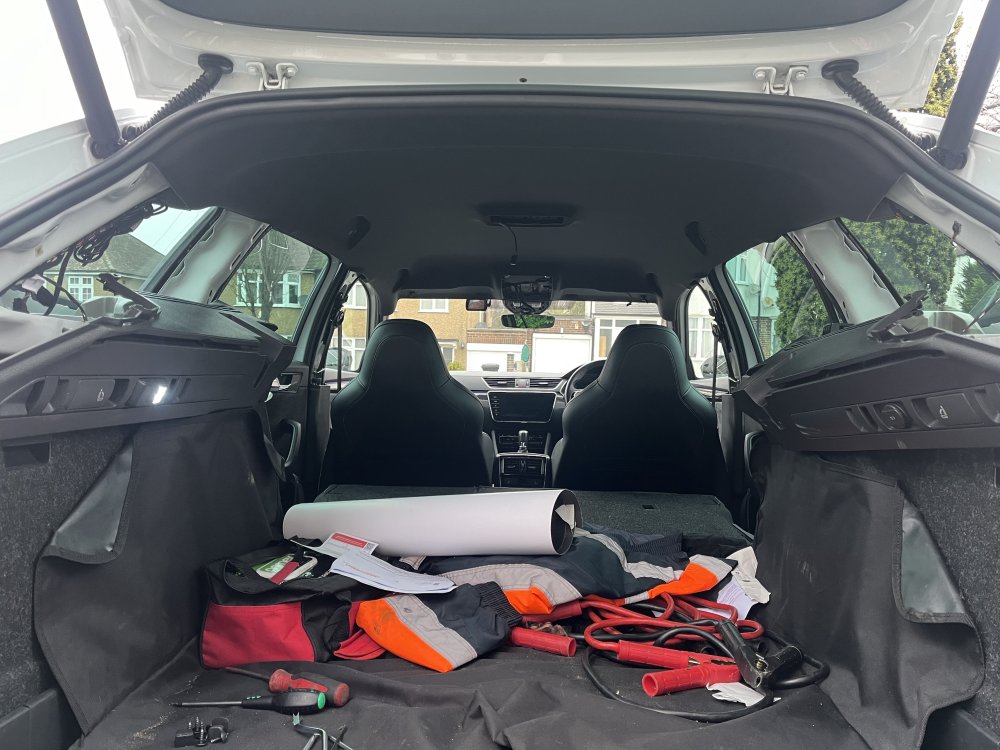
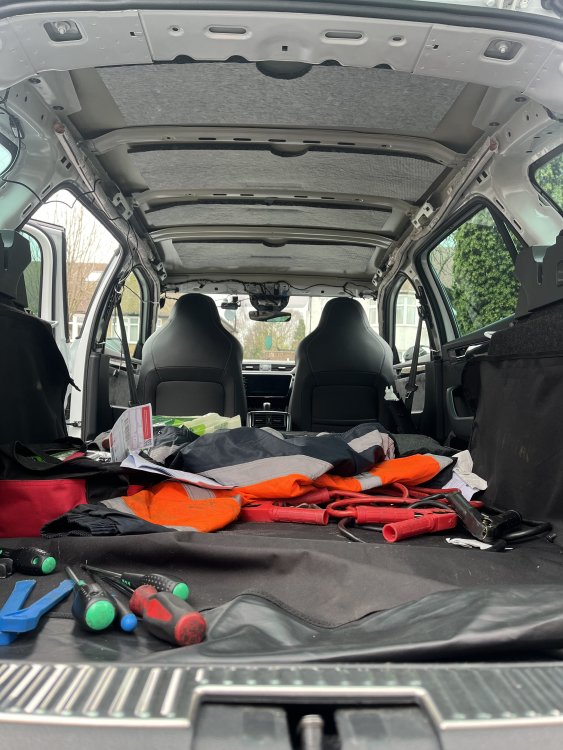
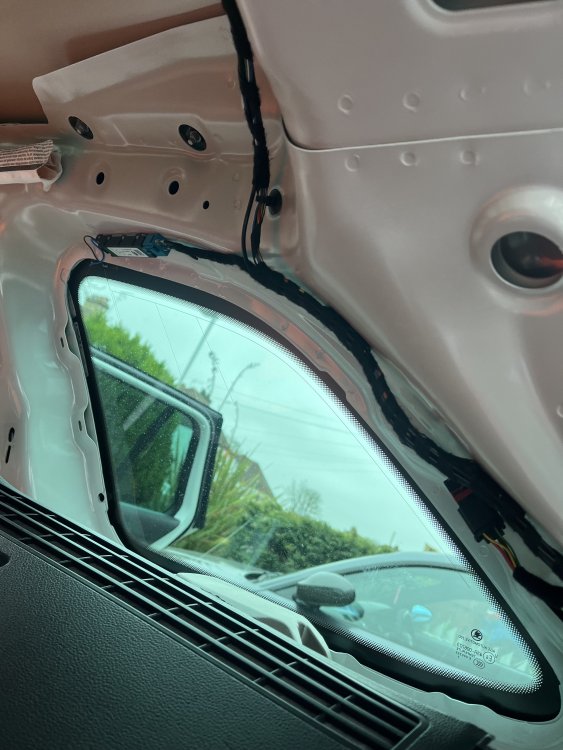
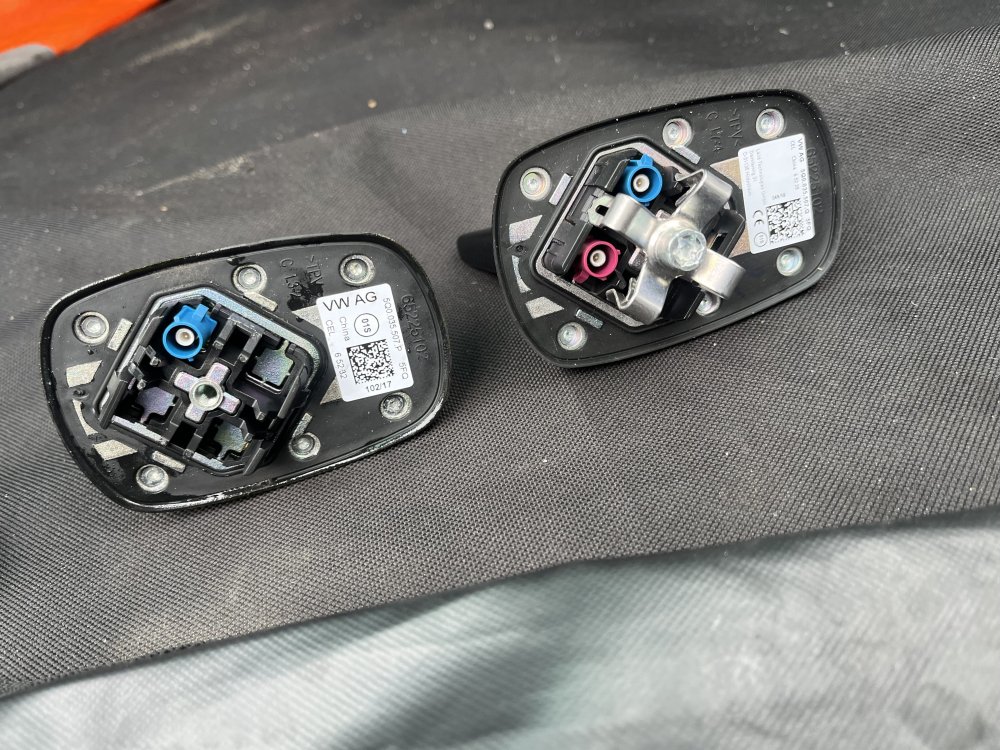
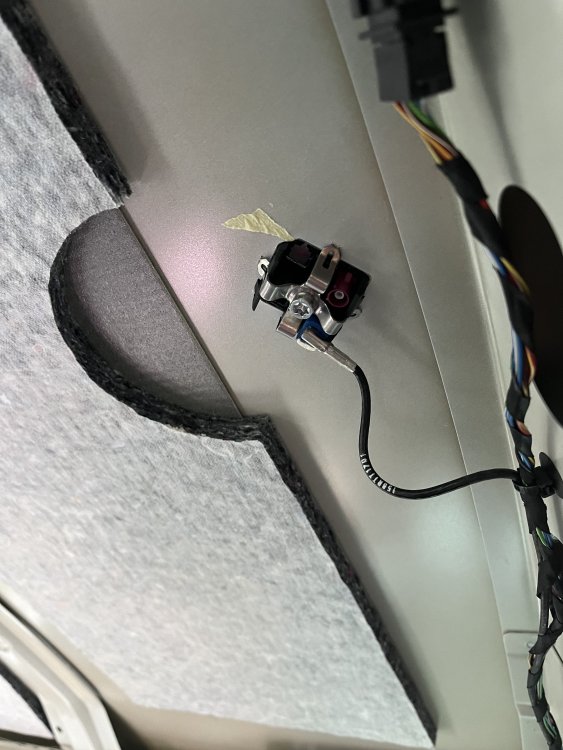
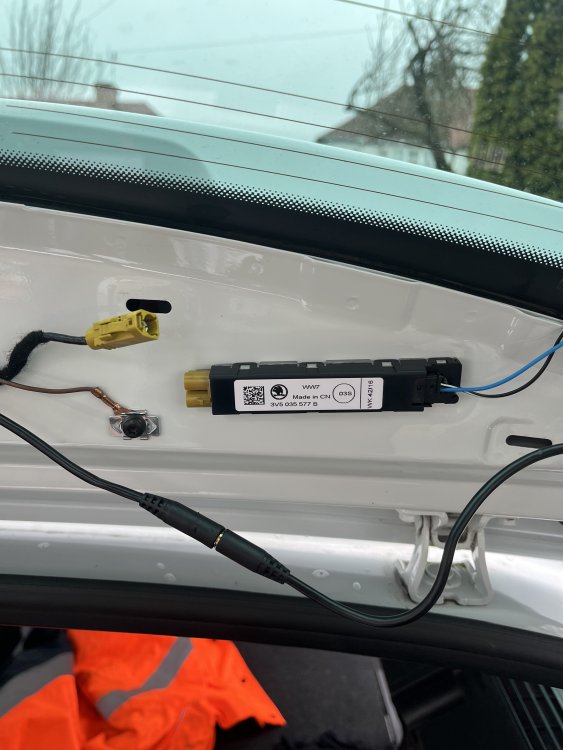
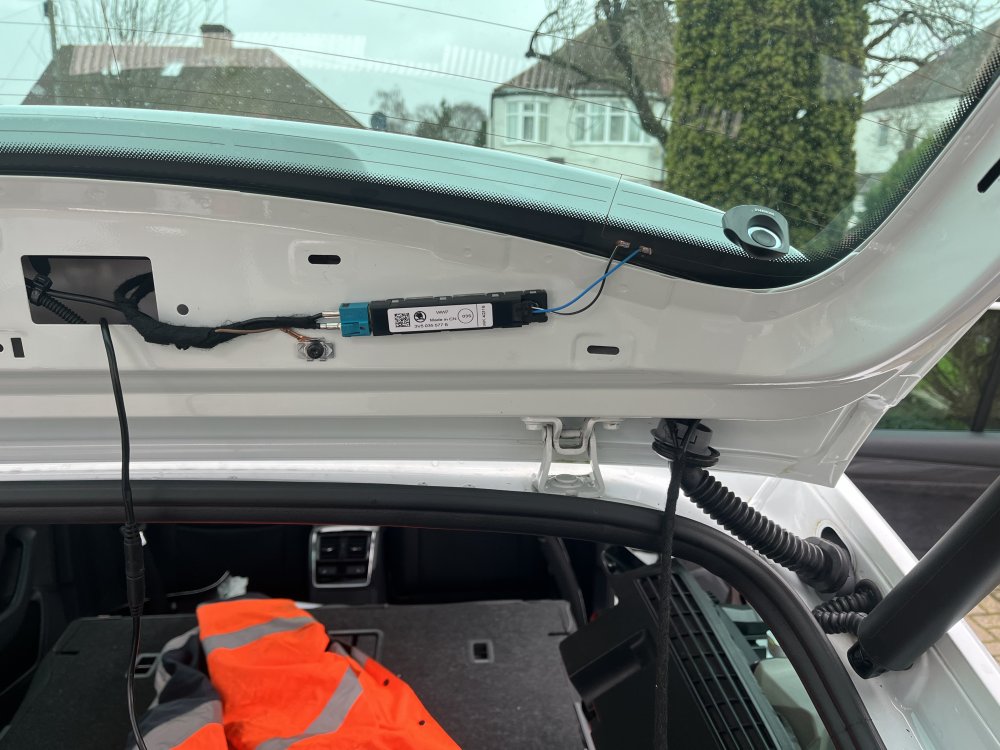
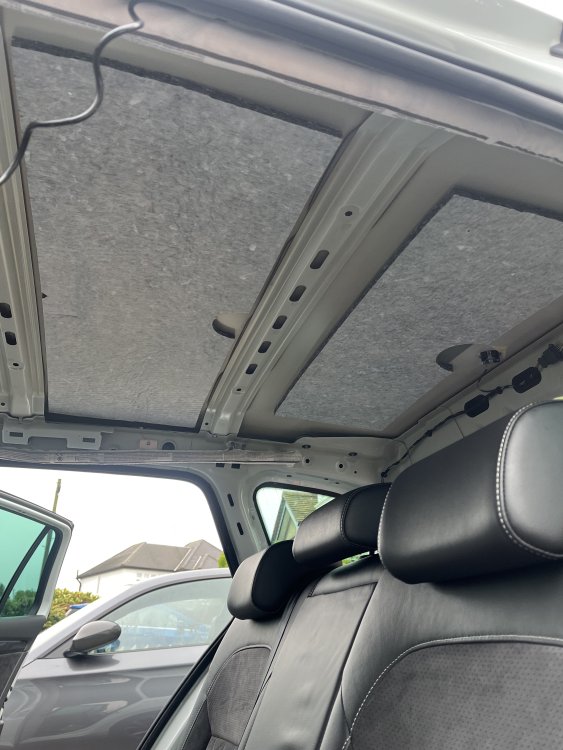
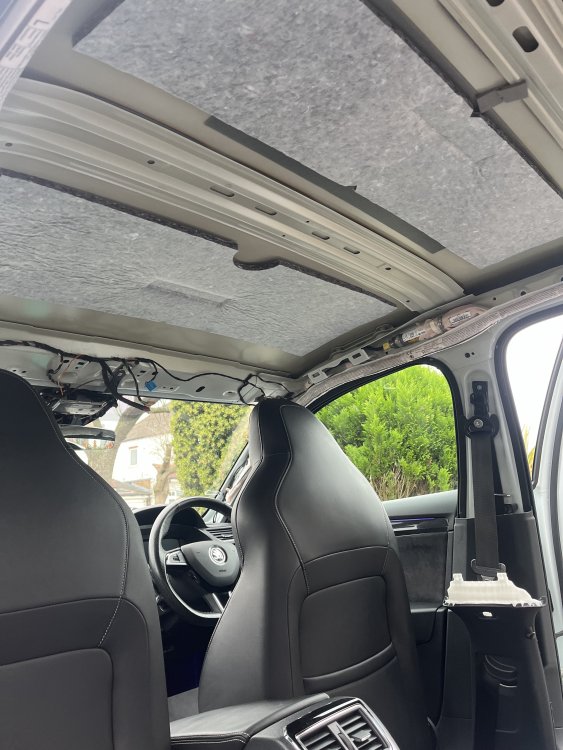
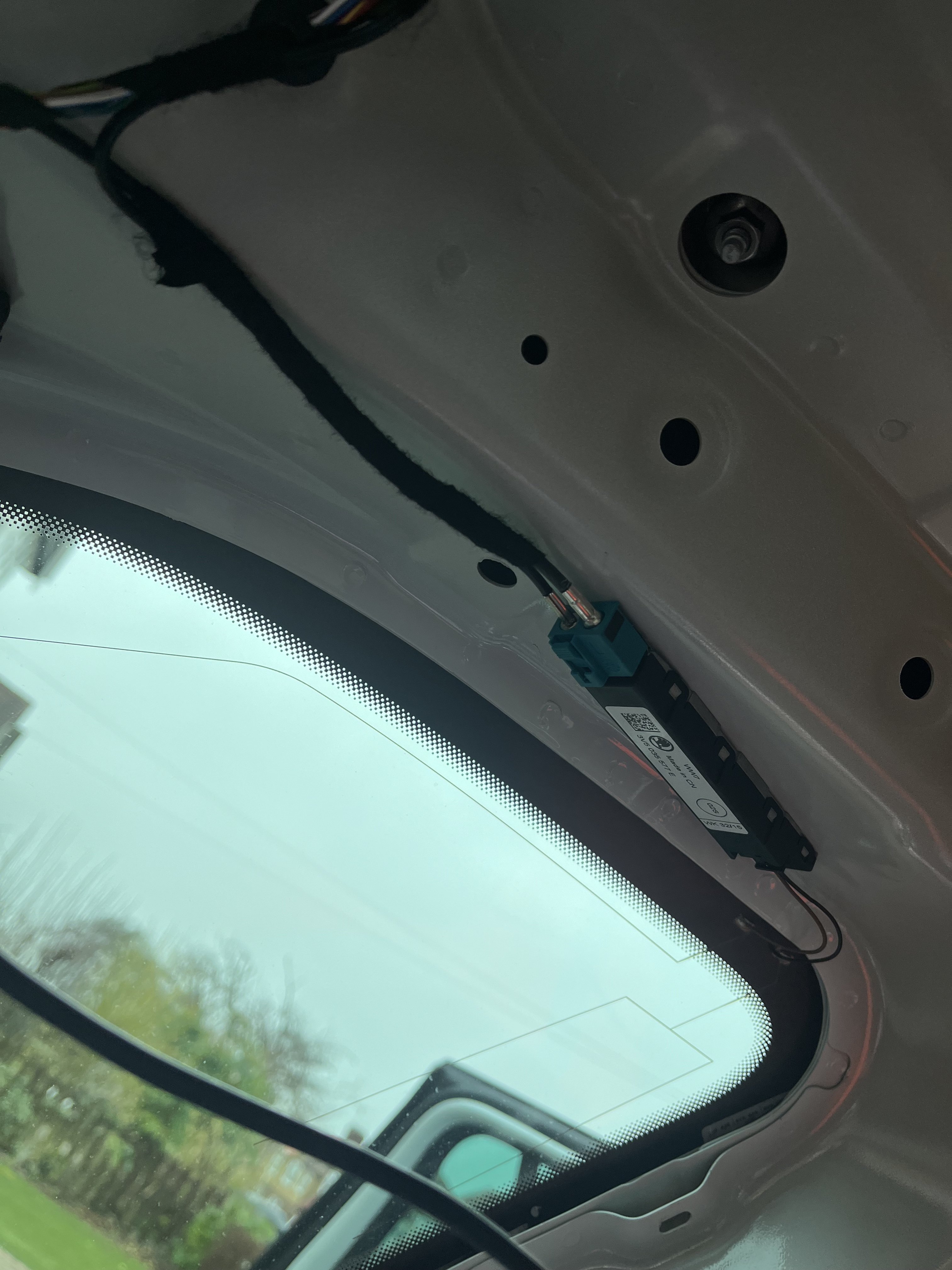
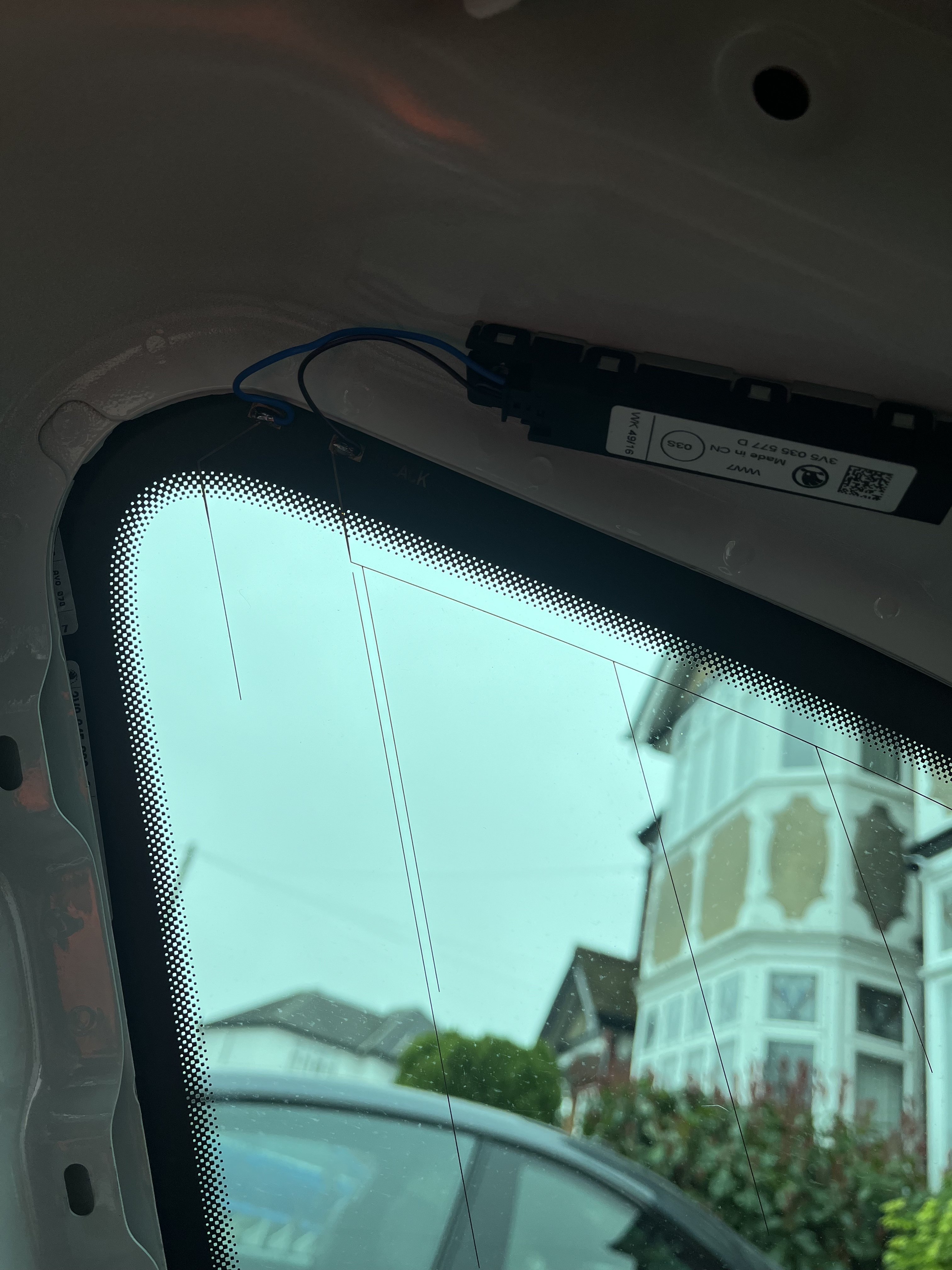
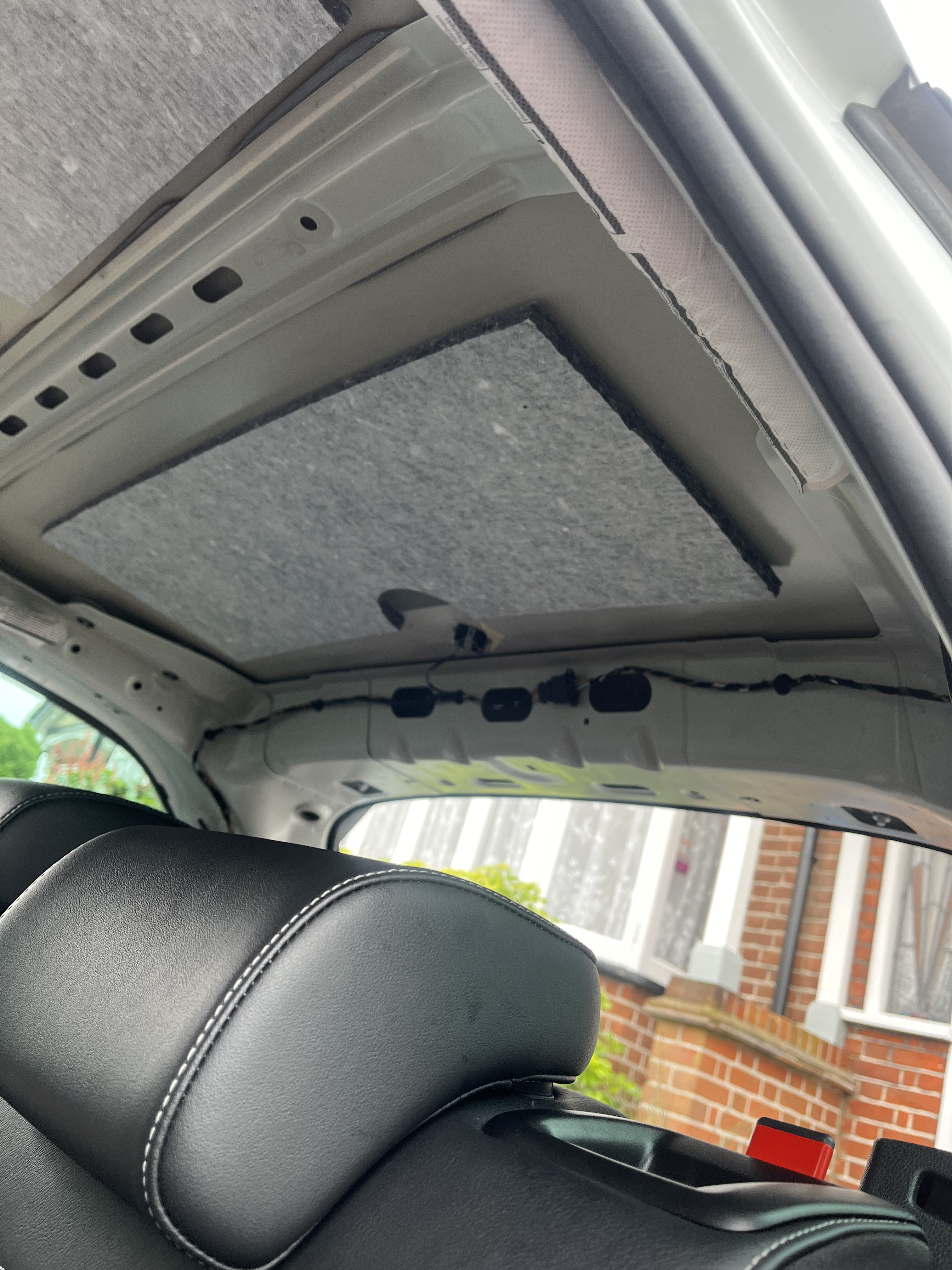
Today was a busy day, Im trying to cut down the work required for the largest part of the job so when I have time im undertaking the bits that can be done beforehand. This first meant the roof lining coming down as photoed This was to allow the NS antenna to be replaced from DAB to DAB/TV and its associated fakra cable running to the OS ready for routing to the TV tuner. The OS antenna didnt exist, neither did its wiring so a quick loom was made up in the factory black/blue colours and the antenna and its 2 fakra cables for TV and Webasto antenna were ran down the OS D pillar. The shark fin was replaced from GPS to GPS/Cellular - this new fakra cable was ran to the NS of the vehicle to meet up with the 2-way amplifer. After this, it was the perfect time to run the wires needed into the trunk: The first was the HSD connector which will end up connecting to the 360 camera system, this has been ran into the tailgate and cable tied out the way for now, the other end went down the OS D pillar with a male connector ready for a connection to run to the front of the car. The second was the final antenna at the top of the tailgate, this was FM2, it is now FM2/TV and needed the fakra cable running to the same as above, into the car, down the D pillar and now has a male connector to allow full disconnecting of the tailgate if it ever needed to be fully removed. Sadly to the keen eyed - the double fakra connectors are near impossible to source in anything except water blue/universal. The mustard, black and green ones are impossible to find in a one off quantity but as there are no other fakra connectors in the area, there is no risk of them being misconnected. Everything was then refitted and tested for any rattles or such, no new sounds and 6 new data wires ran to the lower sections of the car, hopefully the headliner is never to come out again! Bonus pictures for anyone wanting pictures of the inside of the roof:
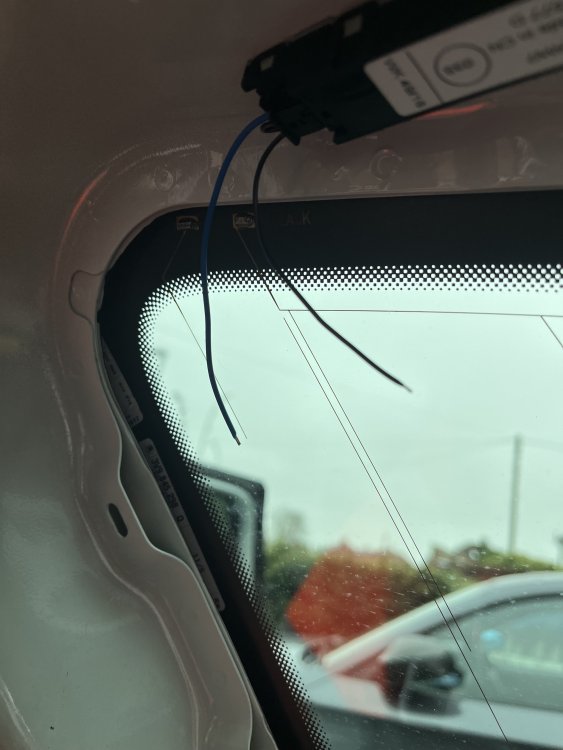
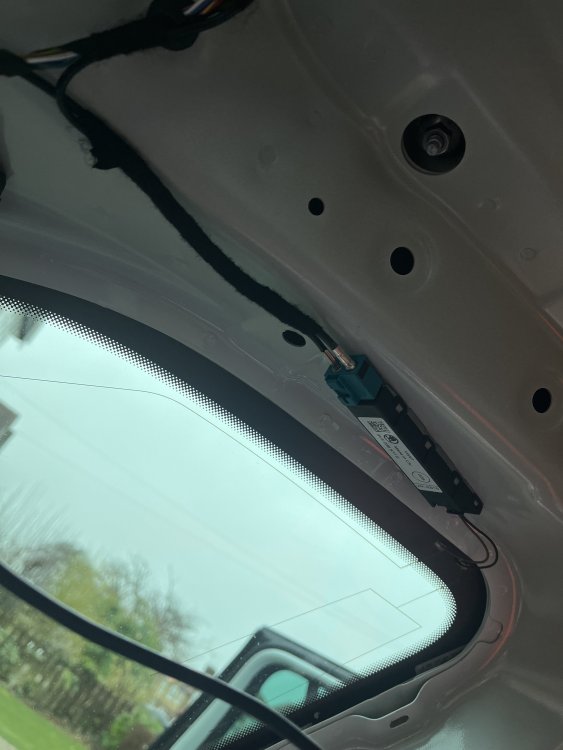
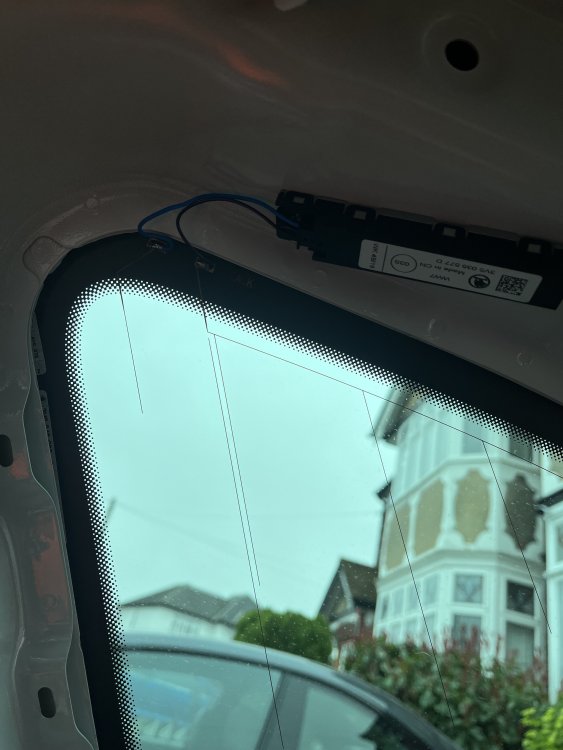
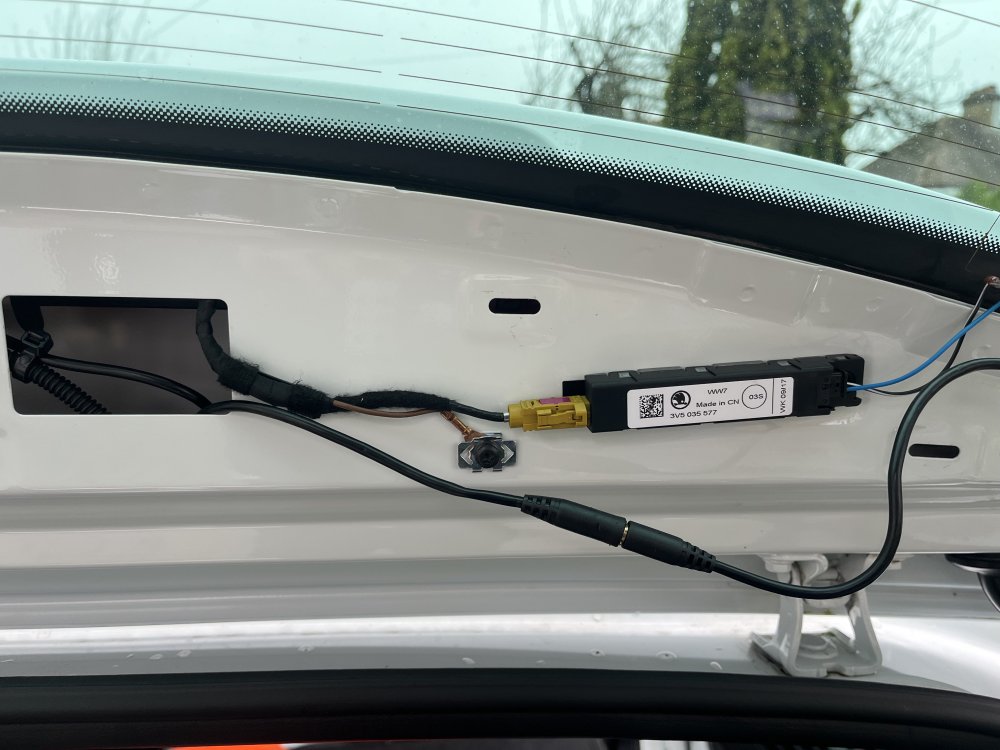
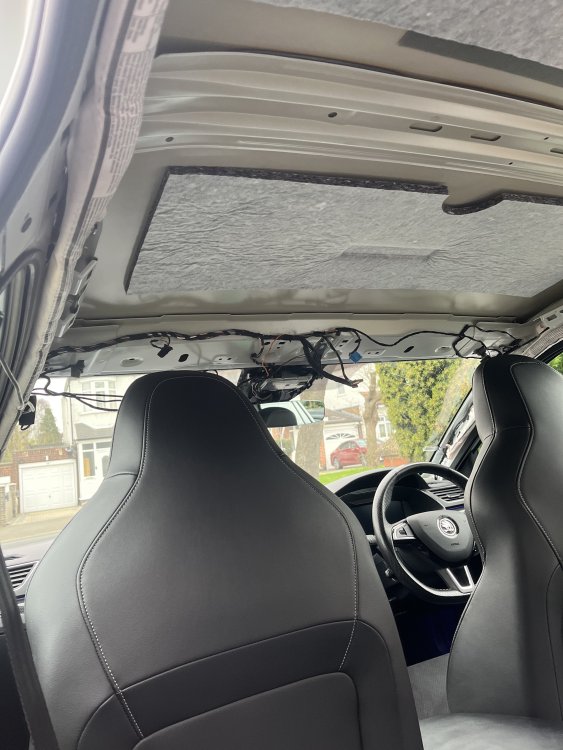
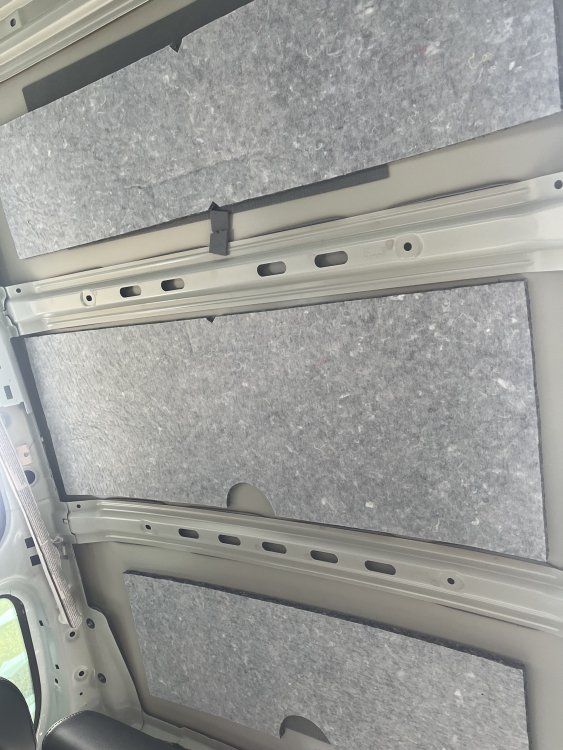
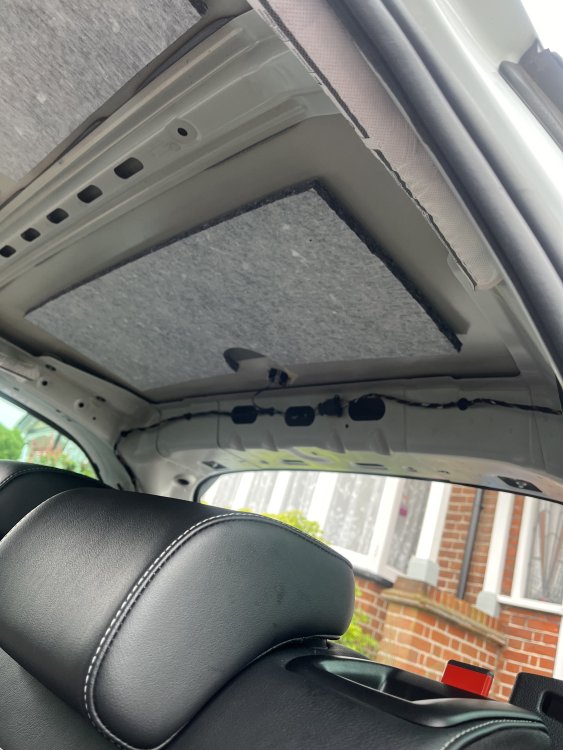 2 points
 -
…..but I agree, the lane assist feature is pretty pointless and I never use it.1 point
-
1 pointFirst thing I'd do is check the state of charge of the battery and that the battery terminals and their clamps are clean and secure, whilst there that the battery is secure and the main cables connections (including earths) are also clean, secure and protected. Charge the battery with an appropriate charger maintainer to full (over stages if necessary). After that and/or if not that, or as well as, plug in a VW appropriate scan tool and get a report and diagnosis from there checking not just taking a scan tool reported fault as being absolute. If you have someone near on this list they may be able to help for free, beer token or other. - Briskoda VCDS Owners Map (click me) HTH.1 point
-
1 pointDisappointed if 22 kW not a UK option. Planning to pop from Worcester to Cardiff, which is about 90 miles, the to Caldicot to see an offspring and they have 22 kW Dragon AC charger for not too expensive with the Octoverse RFID card, just wanted to try them and chuck in 4 Kwh which should only take about 12 minutes just as a test. I have come across 16 kW AC chargers too which I have used, free when using the restaurant. Cannot recall any 43 kW AC but my Zoe can only use up to 22 kW and only afew Zoes are the QC43 kW AC versions. I like AC as the cost is always much lower in my experience.1 point
-
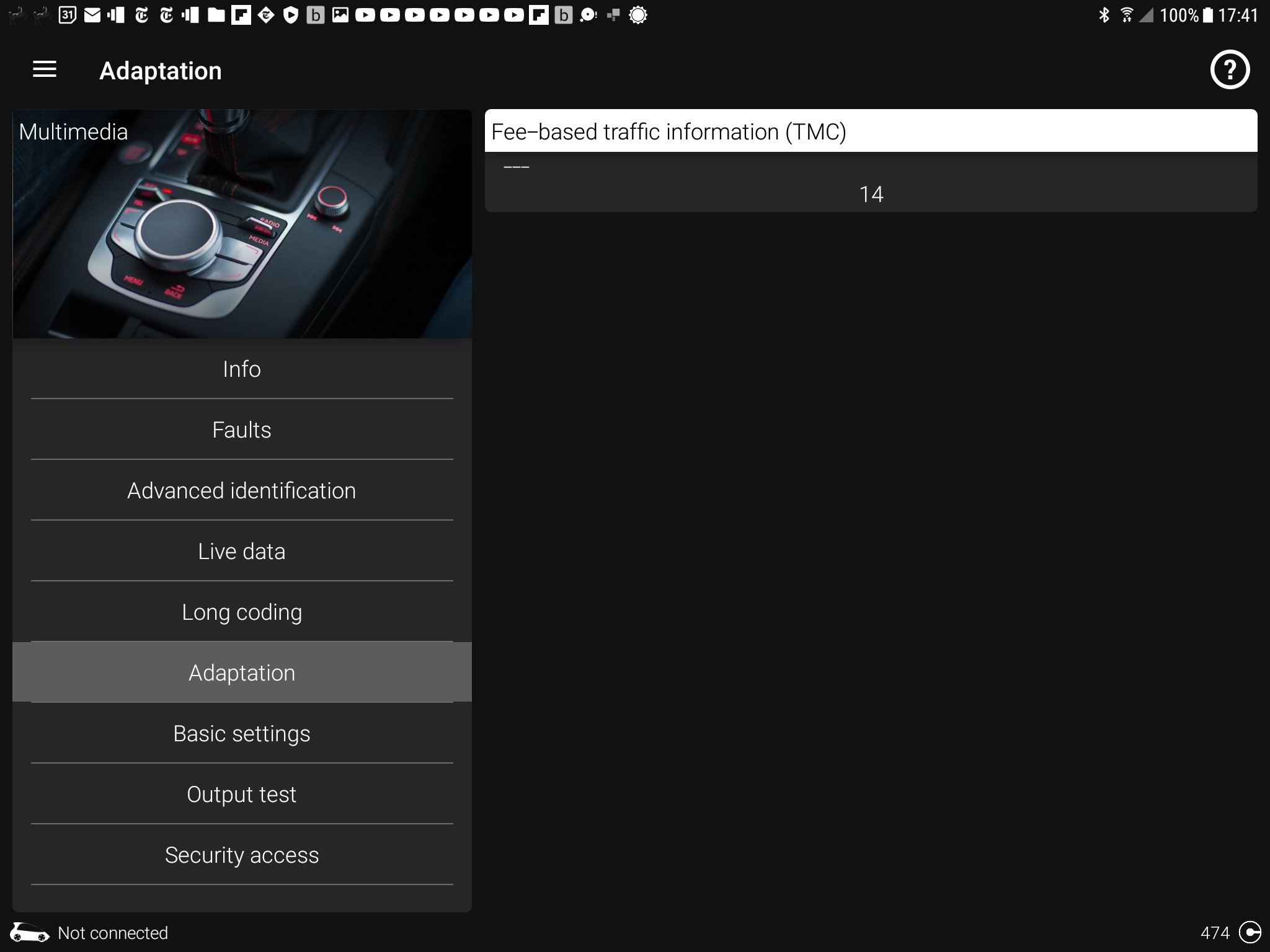
"Fee based traffic information" in Obdeleven. 14 is the group that holds Inrix. 15 is the one that holds Traffic Master in mib2 high non connected. I didn't say traffic master group @pcbbc !. The Id's are bundled into those groups. I'm expert on classification and grouping 😉. The traffic channels are grouped for marketting purposes for the infotainment providers associated with the car brand. Some go one way some go the other way. Traffic Master pulling out put a hole in the UK TMC service. The approach here to the fix was the same as the Australian Vag imports...
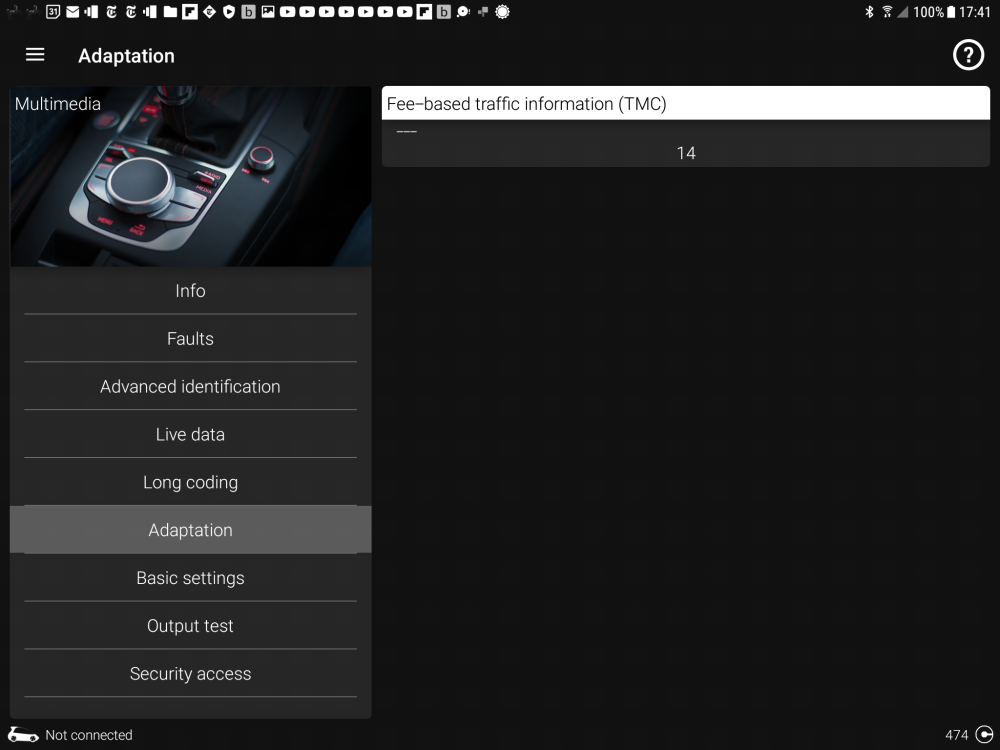 1 point
 -
1 pointShell uses Ethanol for some years now. In USA also https://canadiancorvetteforums.com/threads/ethanol-is-now-at-every-gas-station.62290/1 point
-
I give up alan, you seem to be making things up to suit imo flimsy and baseless arguments. So I'll agree to disagree and leave it at that.1 point
-
1 pointThis was suggested to my wife [ETA: but we declined it] when the, as I now know unnecessary, rubber belt change at 5yr/50k was done for (IIRC) £420 which would have been better for us to stay in our bank account rather than raising more revenue and profit for the Skoda Dealership, not that I mind about it, much. 😄1 point
-
1 pointWhose replies can he actually see? Think he’s blocked near everybody at this point.1 point
-
1 pointSame model as what. ?? Monte Carlo is the trim. So 1.0 or 1.2 TSI,s. No idea about MPI,s and if as a Monte Carlo, or 1.4TDI,s. Then with a 1.4 TDI anyone needs to look at the pinned overheating threat. Any car looked at as prospective purchase needs the history known and if there was issues are they resolved. TSI if it had a Cambelt changed did not need the water pump replaced but some might have been done.1 point
-
1 pointWeight is not a problem, the distribution is. Whatever you do, do not load them into the boot. Fold back seats and try to place them on rear axle. Otherwise you risk to bend the body in rear.1 point
-
Took all of 30 seconds on Google… [email protected].1 point
-
I agree, I have the auto-dim mirror in my current Octavia and in my earlier RS4, really missed it in my last Octavia.1 point
-
1 pointWot a surprise. It would still have needed interpreting and cross-checking. Perhaps you might have someone near you that could give you a report for nothing or a beer token. - Briskoda VCDS Owners Map (click me)1 point
-
1 pointSo on my steady runs to and from work along the motorway would the Eco mode make any difference/improvement to mpg? My commute is around 25 miles each way with around 23 miles of it on the motorway and only 2 or less miles urban. The amount of cameras on my section of motorway means I’m happy to toddle along on my commutes and leave the having fun and Sport mode to my days off. 😁1 point
-
1 point
-
This will only work if you have multicolour ambient lighting activated, which as mentioned above is a protected feature. If you don't, no Bueno1 point
-
1 pointHello Roger My previous car was an Octavia Estate, albeit a petrol vRS. A very versatile car 👍 Mileage has never bothered me. Service history and overall condition are far more important IMO. I'd far rather buy a high mileage car that's been well looked after, than a low mileage car that hasn't. Gaz1 point
-
That's a Mk2 🙄 this is a 2014 Mk3 👍1 point
-
Good idea I'll try the OBD 11 forum see if they can shed some light, if I find out I'll come back with what I find. Also updated to the latest version and is also full Vag pro subscription.1 point
-
1 point
-
1 point
-
Likewise, I have had the auto parallel park system on my last 2 cars since 2013 and I have never felt the need to use it so I don't even know if it works, and if I could have ordered the car without it, I would have done so.1 point
-
What a long and interesting story about what sounds suspiciously like irresponsible behaviour (I wonder if you should just fit a set of slicks and have done with it), but what does any of it have to do with barnsleyboy's original question?1 point
-
Don't suppose you have a tape deck radio fitted?1 point
-
1 pointI too have the 1.5 TSI DSG Sportline and the only time I see the 2 cyl mode is when I have consumption in the centre of the console between the Rev counter and Speedo1 point
-
@Nexus21 Have you pressed the TPMS reset button? Apparently this is a thing , who knew ;o) Turn the ignition to the ON position (making sure the engine is off) Press the TPMS reset button found in the glove box or centre console, until you hear an audible "chime". Then, all you need to do is drive the vehicle and it will complete the relearn https://www.hometyre.co.uk/mobile-tyre-fitting/mobile-tyre-fitting-gatwick/blog/tpms-light-reset-on-a-skoda-octavia-tyre-pressure-light-skoda/1 point


























.thumb.jpg.f83a46b9b3c0d976b9dbffbb523c9874.jpg)