



Leaderboard
-
Lady Elanore
FREEDOM28Points25,084Posts -
olduns
Members10Points1,921Posts -
Gaz
FREEDOM9Points7,890Posts -

lancpudn
Members8Points874Posts




Popular Content
Showing content with the highest reputation on 20/03/24 in all areas
-
4 pointsReplace it when the car struggles to start on a few consecutive days.4 points
-
So, fitted the new bracket sometime last month and as expected, no change. No options in VCDS to reset the code despite lots of searches saying it was possible. I'm guessing that VCDS updates have removed that ability. Was beginning to resign myself to have to pay proper money to fix it until I googled once more. Dunno if my search terms were different but I happened upon this thread on ross-tech which I hadn't found before. This post indicated I needed to update VCDS to some sort of 'developer mode' so I did so and then followed the instructions here. Did a 30 mile trip, switched it off an on again and I have ACC & Front Assist all working again. To say I'm a happy b*gger would be an understatement3 points
-
2 points
-
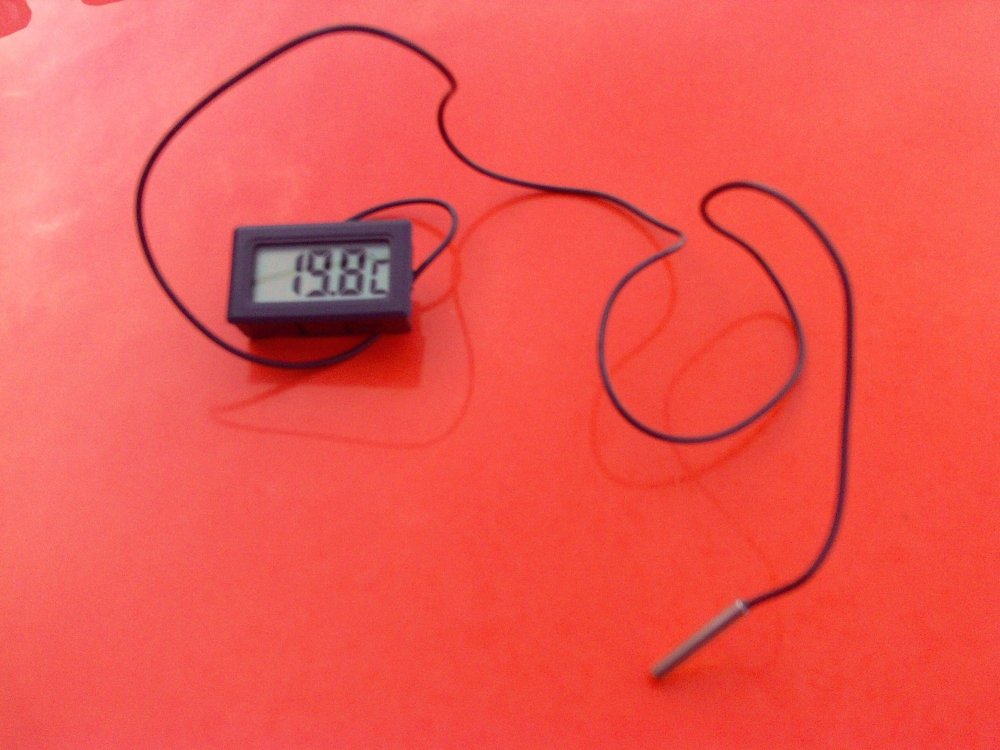
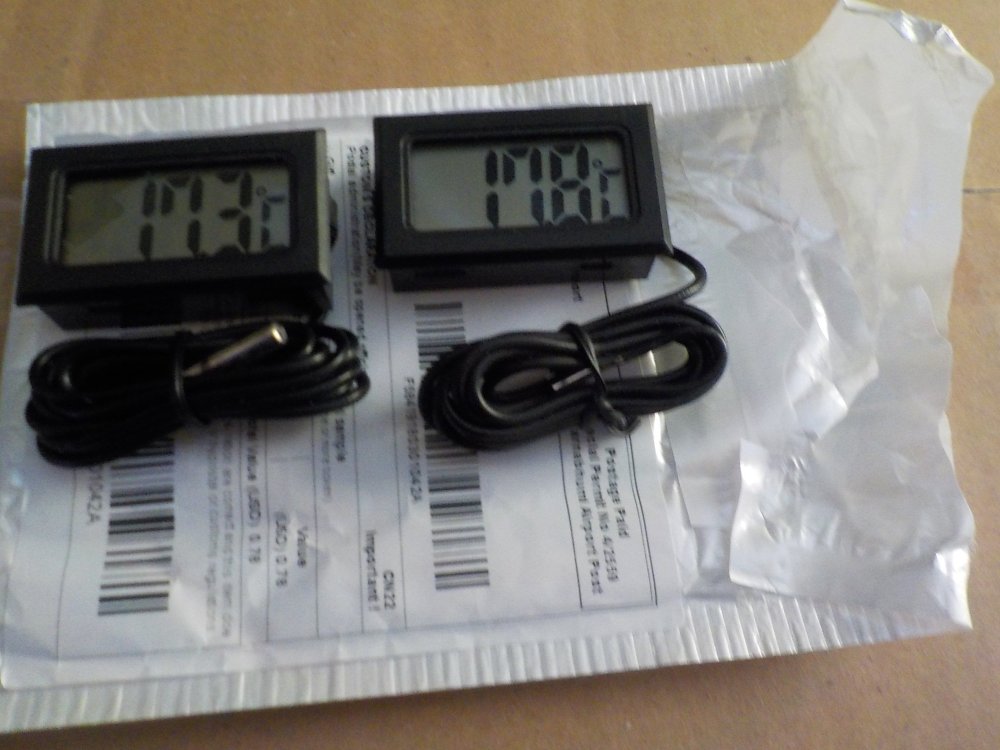
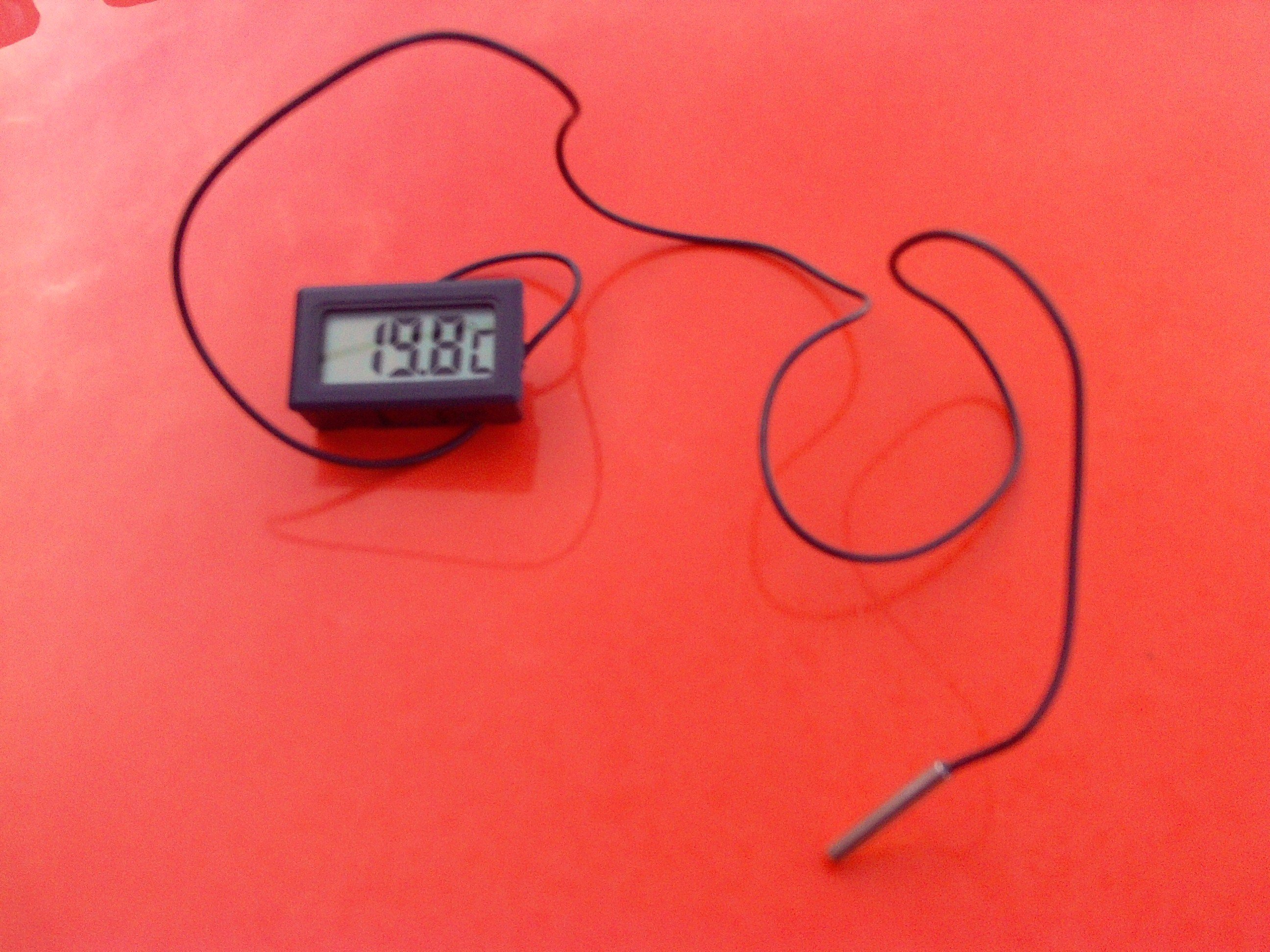
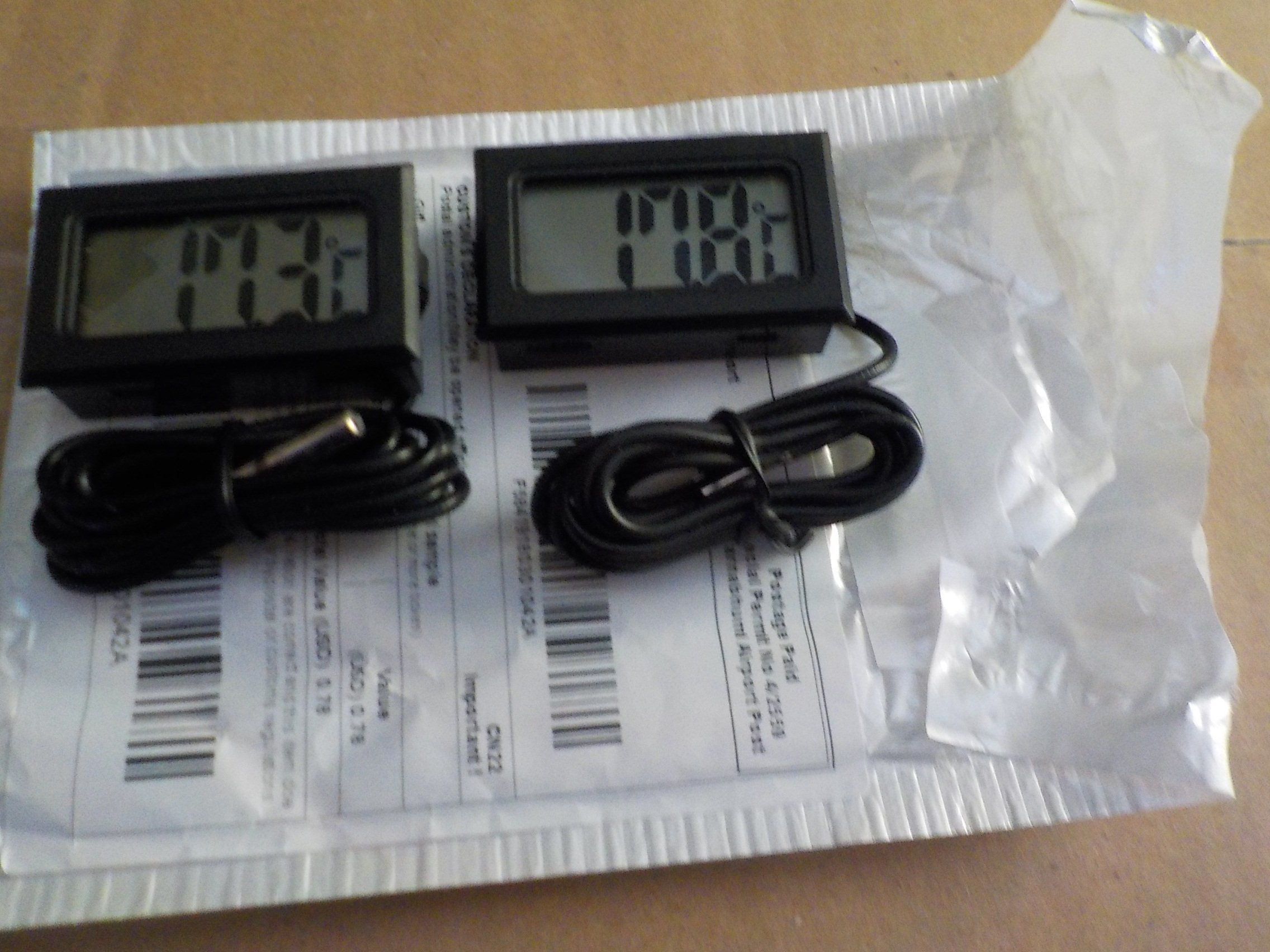
2 points2 points2 points2 pointsJust replaced mine last week. It was the original from May 2015, so nearly 9 years old - it did well, but died quickly! Started getting a few warnings on startup one day, wouldn't start the next. Tried charging it but was not having it.... I just got Halfords out to replace it at home - it was an 360A EFB type, cost £150 all in.2 pointsJust FYI, when I was going to buy the car there was the retracting tow ball that I needed, but no reversing camera. All that great expanse of white plastic bumper... asking for trouble! So I got them to retrofit the factory camera system before I bought it. I think it was just the early (2016) L&K 280 tsi that didn't have the camera as standard. Never mind, it is there now! If you do any towing, bear in mind that as soon as you plug in the trailer electrics, the side assist and rear traffic alert are automatically disabled. When you unplug the trailer electrics, these two systems do not automatically re-arm! (They do on my new car) So it can be a bit misleading if you are expecting the rear traffic alert or side assist to work as normal, but in fact they are disabled without any obvious indication. You need to remember to re-activate them once the trailer is unplugged. Also with the camera, there is a useful "look down" mode that looks down onto the tow ball and a line to tell you where to put the steering wheel to hit the tow hitch directly. And of course when to stop!2 pointsWater has heat capacity 4.186J/gK, ethylene glycol, used in antifreeze, 2.42J/gK. No need to experiment, you can do the math. Just make proper mixture for your weather conditions. There's really no point in trying to slightly reduce heat capacity of 4l of water, when you need to heat up 80kilos of metal. Also, I think that facelift Felicia uses G12, not G11.2 pointsIt's just occurred to me that this has been happening for quite a while at Banbury. There is an Osprey hub (12 Kempower 150kW) right next to the Tesla (12 V3 250kW) chargers open to all - literally 10 feet apart. This has been the case for at least a year, but perhaps ever since the Osprey hub opened? I used the Tesla chargers there twice in September and both times the Ospreys were not in use and Tesla chargers has non-Teslas charging. I just checked and Osprey are still charging 79p while Tesla are 44p off peak, 55p peak. Are the other CPOs willing to tough it out to maintain their high prices?2 points2 pointsThe lock nut's job is to secure the tie rod end once the tracking has been set. You should hold the tie rod end and turn the lock nut to avoid messing up the tracking.2 pointsHe keeps on about the likes of MFG and smelly forecourts, slippy foreourts. Odd as the Charger Bays have no need to be slippy and no need to go across in front of petrol or diesel pumps if you want to go into the shop, or the nearby KFC, McDonalds, Greggs etc. 'Smells & Fumes' 'Muddy & diesel on your boots' WTF? I have used a few sites now and nice and easy but expensive. The Ionity membership joining and un-joining will suit me occasionally. Charging costs are just far too high now with most operators / providers.2 pointsHe seems convinced and has been banging that drum for the past couple of months, but the only price changes I see are upwards (Tesla excepted). It will be interesting to see if anything changes where there is direct competition like shown in the video.2 points2 pointsDear Briškodians, sorry for the late reply - life happened and it took me away for a while. Thanks to Warrior193 one gremlin is down. It was not a gremlin, I was just dumb. Light switch works flawlessly - AUTO function does not allow the use of high beams unless its dark outside. 2, 3 and 4 remain - will check the car battery and get back with more info. We're making progress (I'm learning not to be an idiot)!2 points2 pointsIf the roads were maintained better and the contractors and authorities were to exercise better control over the quality of the materials used, then the potholes more than likely would not have appeared in the first instance.2 points1 pointI'd have to buy a charger as I've realised mine is old and won't work on stop-start cars. Good to know batteries can last 11 years though! Mine won't - one of my main short journeys is a battery killer - it's a school run up a steep hill when the engine is cold!1 point1 pointI had my efb battery replaced and coded in for £150 at me local trusted independent garage on my last mk3 Octavia. I'd take yours to a trusted independent first & have it load tested. You may not need a new battery yet. I certainly don't trust main dealers.1 point1 point1 pointThere's a microswitch builtin to the boot lock which tells the boot is open and turns on the lights - sounds like either the wiring to it is faulty, or microswitch is faulty or has gone out of adjustment.1 point1 pointPanel trim raised (but not removed) & glovebox removed as it just makes the whole thing easier.1 pointOk, I'll do the math for you. Felicia has 5,6l of coolant. Let's ignore part of coolant that's the radiolator, which doesn't circulate until the thermostat opens. To heat up 5,6l of water by 72K, you'll need 1.69MJ of heat. A -20 mixture is around 35% of glycol. That means 1.96l of glycol, 3,64l of water. I'll ignore difference in density, it's not that big. You need 342kJ for glycol, 1097kJ for water, that's 1,44MJ total. So total difference is 249kJ. To put that into perspective, the engine block takes around 5,2MJ of heat. So if your engine heats up in 10mins, it's around 10kJ/s of heat going into the engine. So, in this situation, the different coolant makes at most 25s of difference.1 pointThe one I was referring to is on here, this site, there might be others too elsewhere but I don't know, but then I didn't know there was a Scala until recently, sorry these so-called SUVs all look the same to me and I can't understand why there are so many different models of them in Skoda only. A Fabia Mk1 and Golf Mk2 are modern cars to me, for 30+ years I used over-priced, over-valued, 20-50 year old cars (called "classics" over here) as daily use, work, commuting, holidays in UK and abroad the last car I owned for 16 years, until 18 months ago was a 1973 MG Midget, no electronics other than the ignition distributor and LED indicator lights relay, only relay on the car, five fuses, no brake servo, no radio (let alone infotainment), no aux socket, single speed heater blower, and wipers. This one did have an interior land boot light my previous example of the model didn't. Yet somehow I survived, and through the UK winters and "summer" weather. I now drive a 2005, 2015 and 2023 cars and I MUCH prefer the 2005 car. There, a good moan to clear the miserable-old-man's mind, for a while anyway. 😄 Briskoda Škoda Scala forum (on this site). - https://www.briskoda.net/forums/forum/384-škoda-scala/1 pointOverall summary: Definitely worth the effort, clear improvement, far from perfect. And this car will always be a noisy Diesel. In more detail: Effort: The above work took me about 2-3h of work (albeit split in mini sessions, waiting for materials to be delivered, etc...), and a total cost of 100 EUR. Very reasonable. Result: Measuring the car, here are the noise levels (no music, no AC) I measured with an app after doing all of the above, on average: 42dB Cold engine idling 33dB Warm engine idling (surprising reduction of noise!) 55dB climbing a steep hill at 60km/h, cold-ish engine 62dB 130km/h highway, mild climb Frankly, I have no idea what the above numbers mean, and also who knows whether an app on my phone is a well calibrated device, most likely not. With hindsight, a before and after measure in a controlled area of road would have been a better way to measure. So maybe the more important is... Perception - Positive: Very interesting! I do perceive less noise in the car. But as this has been a somewhat long process, due to waiting for materials, I think I got used to it. It is easier to talk inside the car, the reduction on noise from the back was very noticeable after the foam layer, and now after the final foam I also sense a drop in the engine noise, which is the most important. The best way to describe how I percieve the change is this: the engine noise is the same, but it feels like the engine is located further away. Like instead of being in front of me, the engine is located five or 10m in front of me. To describe the effect, the analogy that comes to mind is that the "before state" felt like like having a neighbour doing some noisy renovation. And then the "after state" is like the renovation has moved two or three houses down the road. It is still the same nature of noise, it may still be annoying or distracting, but it is much more muted. Which brings me to... Perception - Neutral/Annoying: Two things haven't changed, and those make the result not as good as I expected. 1. Vibrations. The level of vibrations that comes from the engine into the cabin has not changed. The kind of vibration one can feel in the heel, in the pedal, or when resting the leg on the side. Those vibrations remain the same before and after and affect comfort. This car would not pass the Lexus Champagne Glasses Balance At 145 mph 2. Diesel sound. The nature of diesel noise is more annoying vs gasoline. The noise is more irregular, coarse, definitely not smooth, thus perceived as noisier and more annoying, and the vibrations are higher because of the compression ratio. Here is a good explanation: Why Diesels Are So Loud? Why Are Diesel Engines So Noisy?. And, of course, the nature of the diesel sound doesn't change with my DIY project. And even if I went 10x on noise insulation, the nature of the noise would remain annoying, less precise. So my perception of the engine noise and vibrations is definitely still there, just more muffled. Which is good, but definitely not perfect. For the final round of FAQs: Would I recommend doing it? Yes, simple nice little DIY project that does reduce the noise. Will I do more noise dampening? No, this is enough. I will not do more DIY and will not go to a professional. Mainly because now it is quiet enough, and also because it wouldn't change the vibrations and coarse nature of the sound. So what will you do next reegarding the noise? Enjoy this car for as long as possible and accept the nature of the noise Consider a gasoline car, and/or luxury car which is more insulated for the next one And that's it. Now onto the next thing...1 pointThat page also has 'Smartphone Connectivity', 'Bluetooth' and 'Radio station logos'. - Sorry I would not know if there a system update for a 2023 car but if there is I hope it might be covered with warranty or service agreement but if your VWSkoda lot are like ors in UK then probably not. AFAIK there is no over air updating, perhaps this is to give the named brand (VW) more separation and prestige against its Skoda brand to keep VW prices differentials. Previous models to yours I know can be updated using an SD type of thingy card, best on a long car run I believe as the update takes a long time I believe and you need the engine to be running to ensure electric supply from battery/alternator. The amount of electronics and computer programs on a 2023 car, and consumer use, you want an appropriate battery charger maintainer anyway to get the battery past a few years trouble-free life That sounds like a car warranty issue, doesn't your Dealership deal with such things under warranty? If you don't get answers here from others you could try posting in the Scala forum, or try asking fab567. Hope that helps, that me right out of ideas, I have had to put up with computers not doing as we were promised they would from the 1970s, same for mobile phones since the 1980s so I have little faith in them and particularly on things like moving heavy objects like cars, let the computers do everything, what could possibly go wrong, still it keeps my wife in (often very frustrating) employment, she counts down the hours to retirement. 😄1 pointYou have lost me. Do you ever just drive the car? Stick the thermostat in a pot and heat the water and measure the temp accurately. Use the correct thrmostat. You just use the strength / ratio of Anto-freeze / coolant relevant to the location, climate etc. Do not use Anti-freeze if the Ambient temperature is not going to be getting as low as the freezing point of H20. But if you are leaving in the Coolant / anti corrosion liquid all year and you get freezing weather you better have Anti-freeze in the system, or expect core plugs to be doing their job. Much cheapness. Good for checking coolant, & good for engine oil temps just put down the dipstick tube.
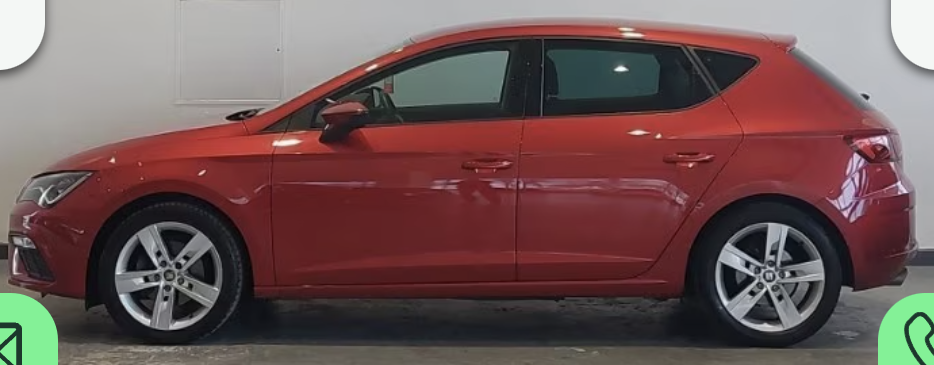
 1 pointIf you speak with @pab567, he might be able to provide you a good value MIB2 unit for your car. Try and stick with VAG MIB 2 / 2.5 systems; going third party is a bad idea (because you look connectivity to loads of in-car systems and settings)1 point@D.FYLAKTOS Why. Is it not normally around 90*oC that the coolant is usually required to get up to for efficiency of keeping the engine oil at around 90*oc and bringing it back down around 90*oC. Engine oil being a coolant as well as whatever coolant is used.1 pointHi 'I', first, do you have any wear on the tyres ? If not, try swapping the front wheels over, this will see if it's the tyres.1 pointHis last response was an answer to your question, you have now asked him six further questions yet ordered him not to respond.1 pointI've just posted this elsewhere and it might apply to you, VWSkoda update "portal". - https://updateportal.skoda-auto.com/1 point"and we have been together f..a..r too many decades for her to say anything just to prove me right or please me." :D I know the feeling. Thanks for the replies! I'll roll it on the pit and take a good look... as soon as the carry is rolled off the pit... Apparently i'd need another pit or at least a ramp!1 point1 pointWhy do you think it has had odd tyres thrown at it or even part worn ones? One pair of tyres is likely to have been replaced following the MOT advisory and another may have been replaced at any time due to an irrepairable puncture or tyre damage.1 point1 pointWith thanks to all who have replied. Personally I think the battery itself was in a reasonable state of charge prior to me recharging. Not sure why or how but after this relatively short timed cycle to fully recharge the car battery, the EPC light went out and a few days later has still not returned ('Touch Wood' !!!!!)1 point1 pointThere is no ground indeed, as per photo of your socket attached.1 pointJust spotted his vid that is discussed a few posts back. #breaks my heart!. Encouraging clicks. Nobody wants to help him out in the motor trade to cover the cost of driving a premium BEV as his company car other than Tax Payers. Do not buy new ones. Great advice. From a financial genius and me. Lease them when the are for Business Use. Rent the tool of the trade, especially if you are a tool.1 pointThis is where a load test comes In handy. a simple resistance check would have shown 0 ohms resistance as its only pushing a very small current through the system and would be signed off as okay. The trick is to connect a (fused) H7 55W bulb to the circuit and power it from the battery and via this ground wire. That way a much higher amperage is being pulled which would strain the circuit and a measured voltage drop would tell you the resistance is way too high when the circuit is loaded up. a single strand of wire still connected would pass the first test but fail the second1 point1 pointI saw a post on Twitter today that was by the motorcyclist in the video. It was a case of road rage by the driver according to him and he was disappointed by the sentence. It's still in my history...1 pointWell done, people have been taken for loads of money unnecessarily for the same problem. Spot on once again! 👍1 point1 pointOne gremlin down. Not so much a gremlin as it is user error - user is an idiot. in AUTO mode high beams cannot be used continuously (pushing the stalk away from the driver) UNLESS lighting conditions allow it. As soon as the night falls/dark area is entered, it can be used again. Until then, high beams can only be used to "flash" them (pulling the stalk towards the driver). Thank you, I realized I was an idiot.1 pointI have a 66 plate 150bhp SEL TDI and can confirm it is pre AdBlue1 pointBelieve me you will return it. They mention dab but there is no tuner. You will need a usb tuner and a fakra to dma to connect the car dab antenna to the usb tuner to tje unit. You can also use another fakra to sma to connect the car gps antenna to the unit which is better than the provided GPS antenna.1 pointUpskirting on a Zebra crossing? Just a thought, sorry for my mind!!1 point1 pointJust an update. I have bought a Ring smart battery charger, direct from Ring. It is the latest 2024 version, 6 amp. (Model 906). Works well. Took around 12 hours. Glad I did not get the 4 amp, although if you have the luxury of a garage it could be that using 4 amps, all night, is better for the battery. My Scala now has a fully charged 4 year-old battery. Sadly the start-stop is working again 🥲, but you can’t have it all!1 pointBrake lights are already plenty bright enough. This would blind drivers behind you, especially at night. You would also lose the fog lights for their normal function.1 pointWouldn't that be illegal? It would play havoc with the blown bulb detector light.1 point1 pointComplete clutch-flywheel and pressure plate (without friction disc is again perfectly balanced to 0,3g at 1100 rpm💪💪💪 VID_20240315_213059.mp41 point1 pointI can tell you this much. I received my Kodiaq end of last year (Skoda Kodiaq FL Sportline) and it basically can work wirelessly although I did not buy that wifi charger or navigation unit as I'm used to google maps which suit me just fine. Which is why sellers here also did not know if wifi would work. But it works with a few problems as opposed to when its connected with cable. 1. It seems I have some volume issues in navigation while I'm on wireless. When the narrator speaks "turn left.. then turn right". The second part of sentence (probably concatenated) is extremely low volume. Seems that volume control only works for the first part of narrated sentence. Totally strange. Only way to fix that was to connect with the cable or just mute the narrator which is good enough for me. 2. Navigation display on the main screen (behind the wheel) - the icons where to turn and distance which is showed if you have navigation turned on does not work sometimes (says compass is missing or something similar). Only way to fix is to shift to another display like vehicle status and shift back to show navigation info. It will happily pick up and show next turn and work from then on. This does not really bother me as I rarely look over there if I have maps on the infotaiment brought up but still someone might have a problem.. I have no clue if this has anything to do with my old(ish) phone (S10) or its tied to the car system. But for the cable, definitely try to find a short one, long one just makes a chaos upfront specially if it's a bit sturdy.1 pointHello all, many thanks for the quick responses. I called the insurance company today (Admiral) and was told that there should not be any problem to replace the wheels. I decided to upgrade only to 17" although 18" seems more tempting for me ( I just like when my car looks "better" in my eyes, although I know that this is not the smartest thing to do with our roads and taking into consideration that the car is used for commuting as well). I fully agree with nta16 to all points raised and thank you for the comprehensive response. Much appreciated! At the end, my impatience to upgrade (I just can't look at the car as it is, I am used to my old car which had 18" on it from factory) made me choose a set of 17" alloy wheels in very good condition from a Seat Leon MK3 (see below an example of the rims). I think that they will suit the Octavia much better than the current wheels. I will collect them on Monday and if you are interested I can post a picture once I fit them. Thanks again.
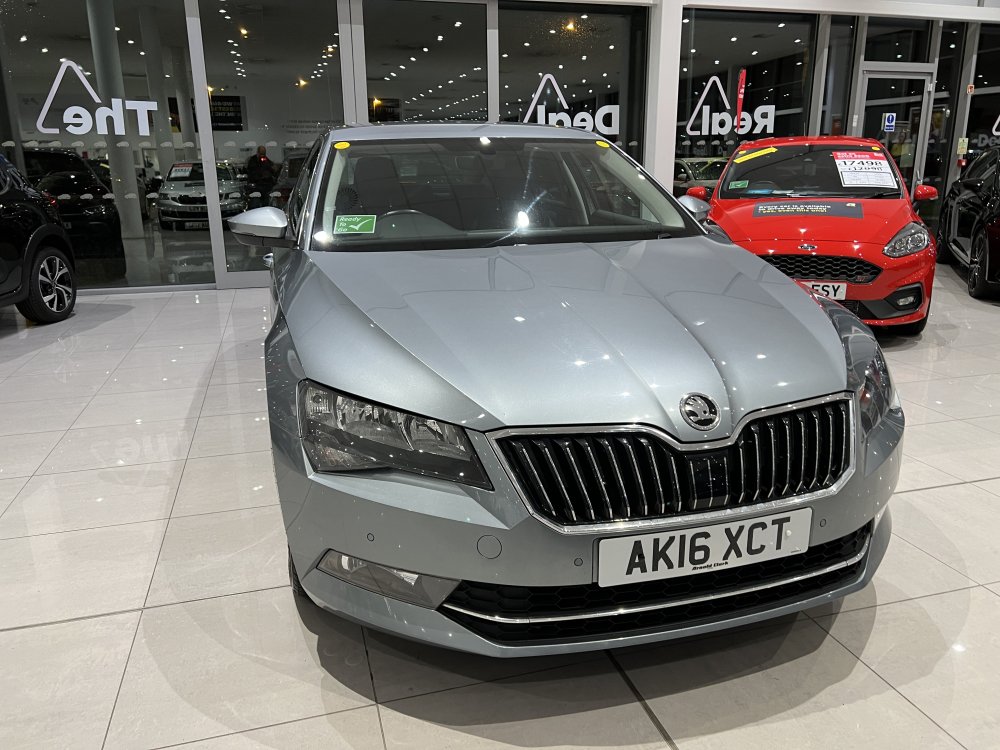
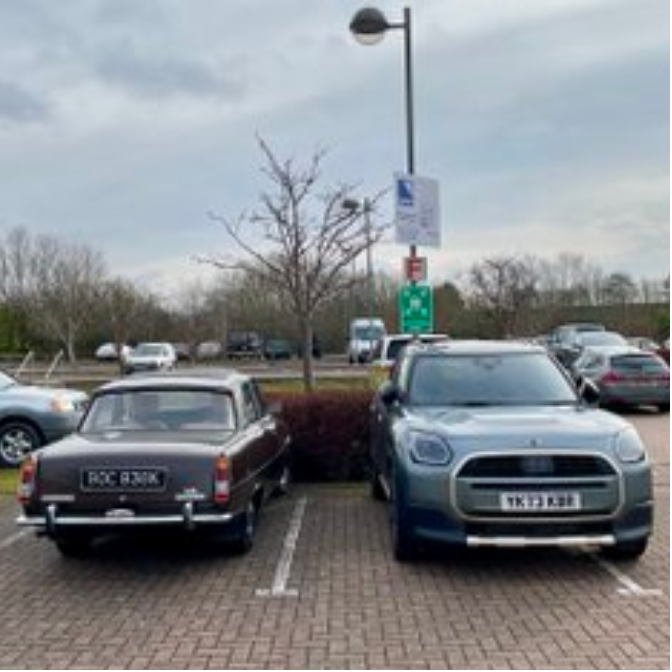
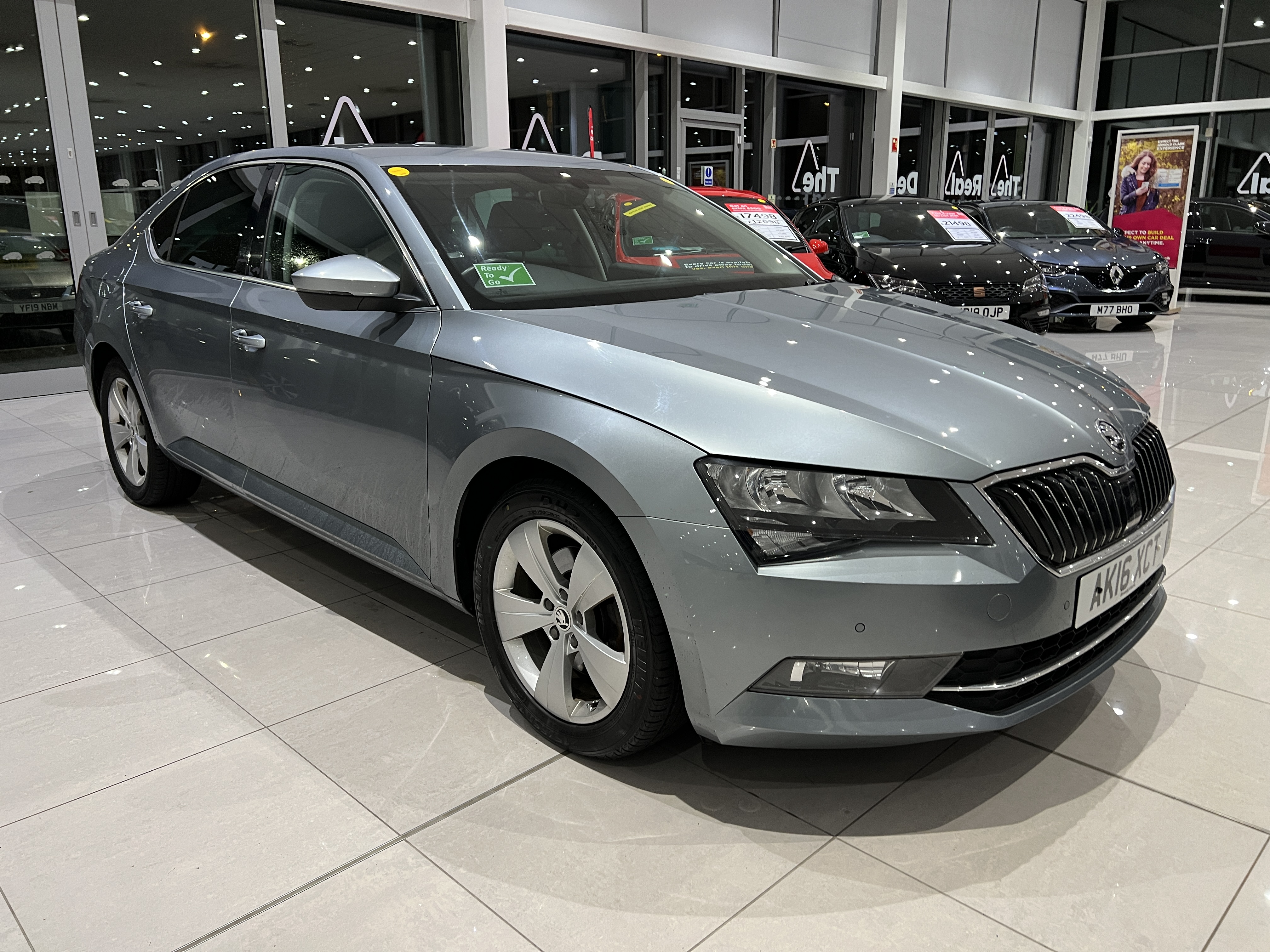
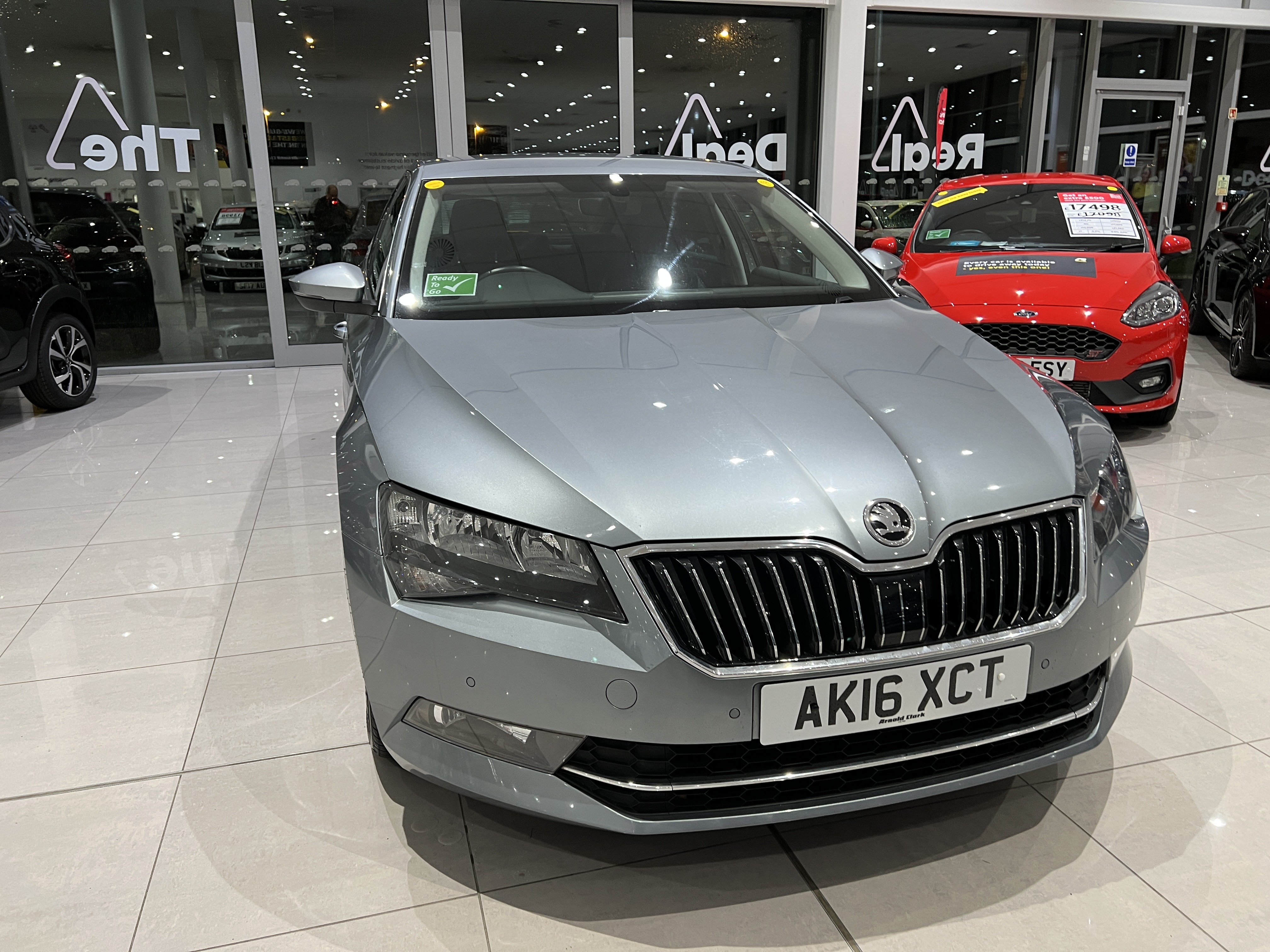
 1 point1 pointI'm the proud owner of one Skoda Superb Combi 2.0 TSI 190hp. I'm starting here, so i'll get used top the community soon. I'll share some pictures from the car in the next days. I got It with 18" rims but I'm looking to get 19", car looks really different on 19". I drove oftenly one Seat León 2018 FR DCC 2.0TSI 190hp and the only thing that I'm really missing is DCC but in terms of how Superb pulls is pretty much the same, no big differece. I though extra weight was going ti bigger diference but that's not the case. Hoping to share some knowledge on the future and get back some good advices from you.1 point1 point2016 SE Business in Business Grey. Doesn’t look too shabby for almost 100k miles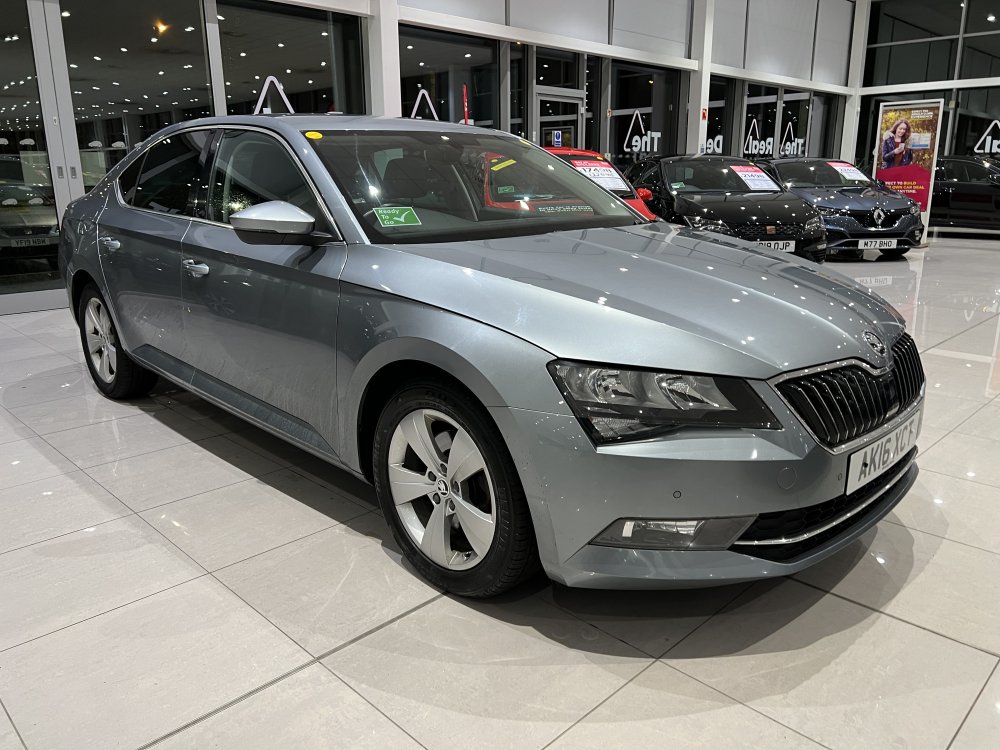
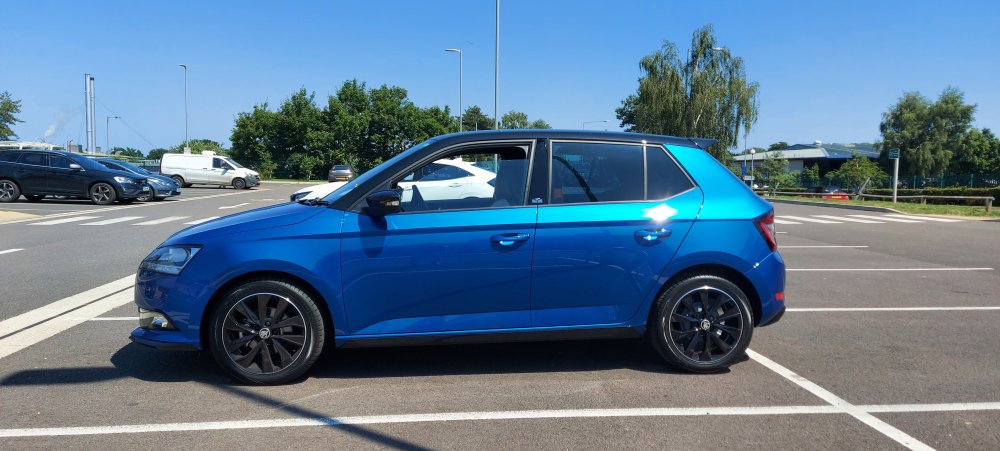
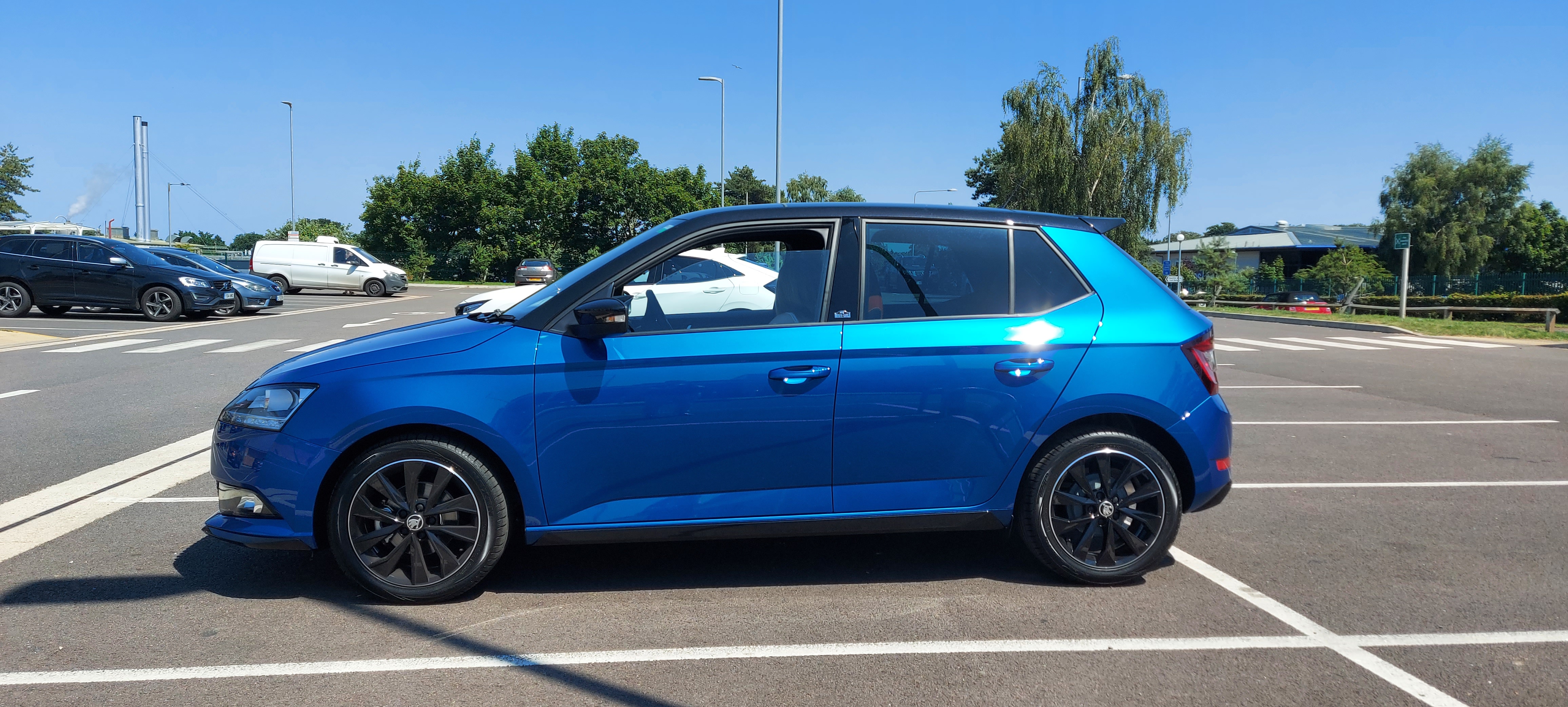
 1 point1 pointThis is my Monte in Race Blue with Black roof. Moved on from Citigo Monte's.
 1 point








.thumb.jpg.f83a46b9b3c0d976b9dbffbb523c9874.jpg)









.thumb.jpg.9dd3f612ba7f13d10be5c518d3c8d255.jpg)






Important Information
Welcome to BRISKODA. Please note the following important links Terms of Use. We have a comprehensive Privacy Policy. We have placed cookies on your device to help make this website better. You can adjust your cookie settings, otherwise we'll assume you're okay to continue.