



Leaderboard
-
Colin170CR
FREEDOM16Points2,454Posts -
Graham Butcher
FREEDOM13Points6,934Posts -
.jpg.1006585dfe4e2977315b67c3d642e37b.jpg)
Guest_
FREEDOM12Points83,824Posts -
Gaz
FREEDOM10Points7,890Posts




Popular Content
Showing content with the highest reputation on 08/10/24 in all areas
-
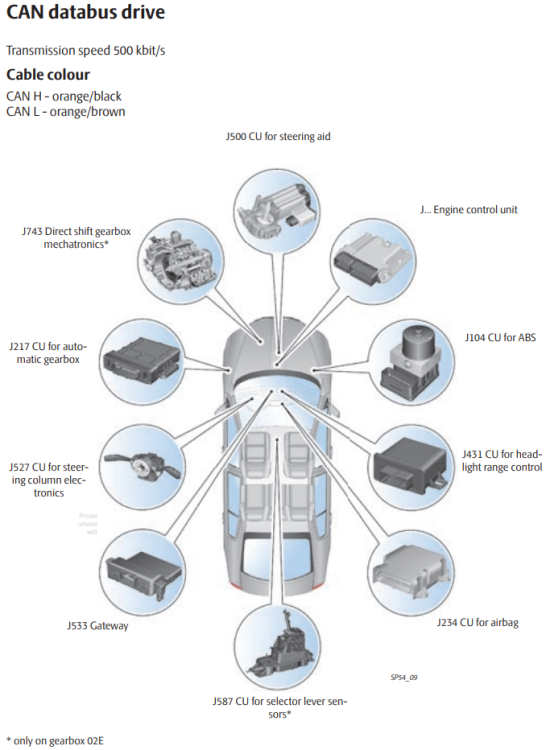
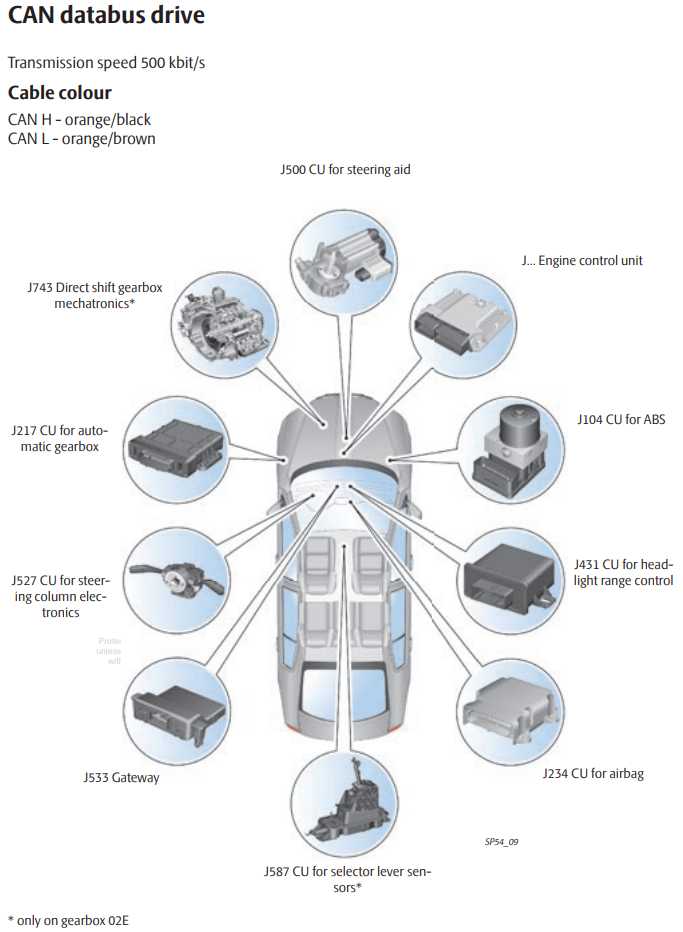
3 points3 pointsSounds like you should grab some wiring diagrams etc from erwin as you probably need to check for power, ground and CAN at each of the modules on the drive CAN-bus. Very loose positions of the modules:
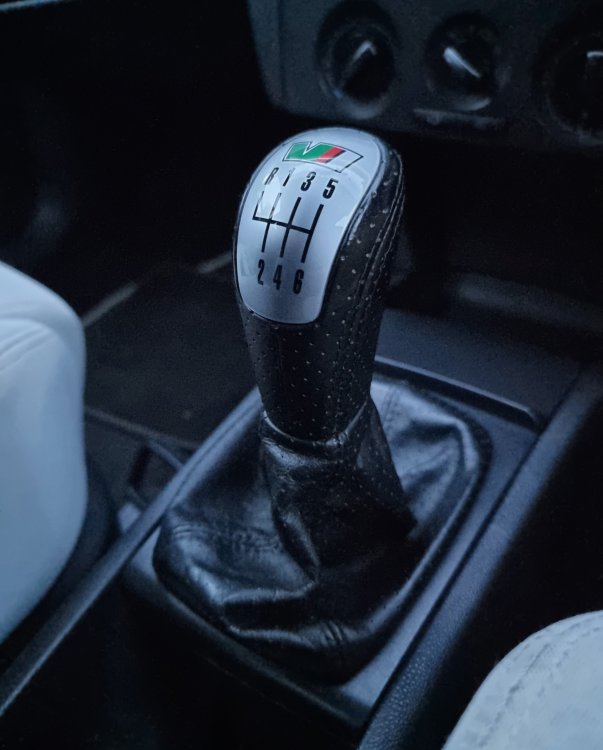
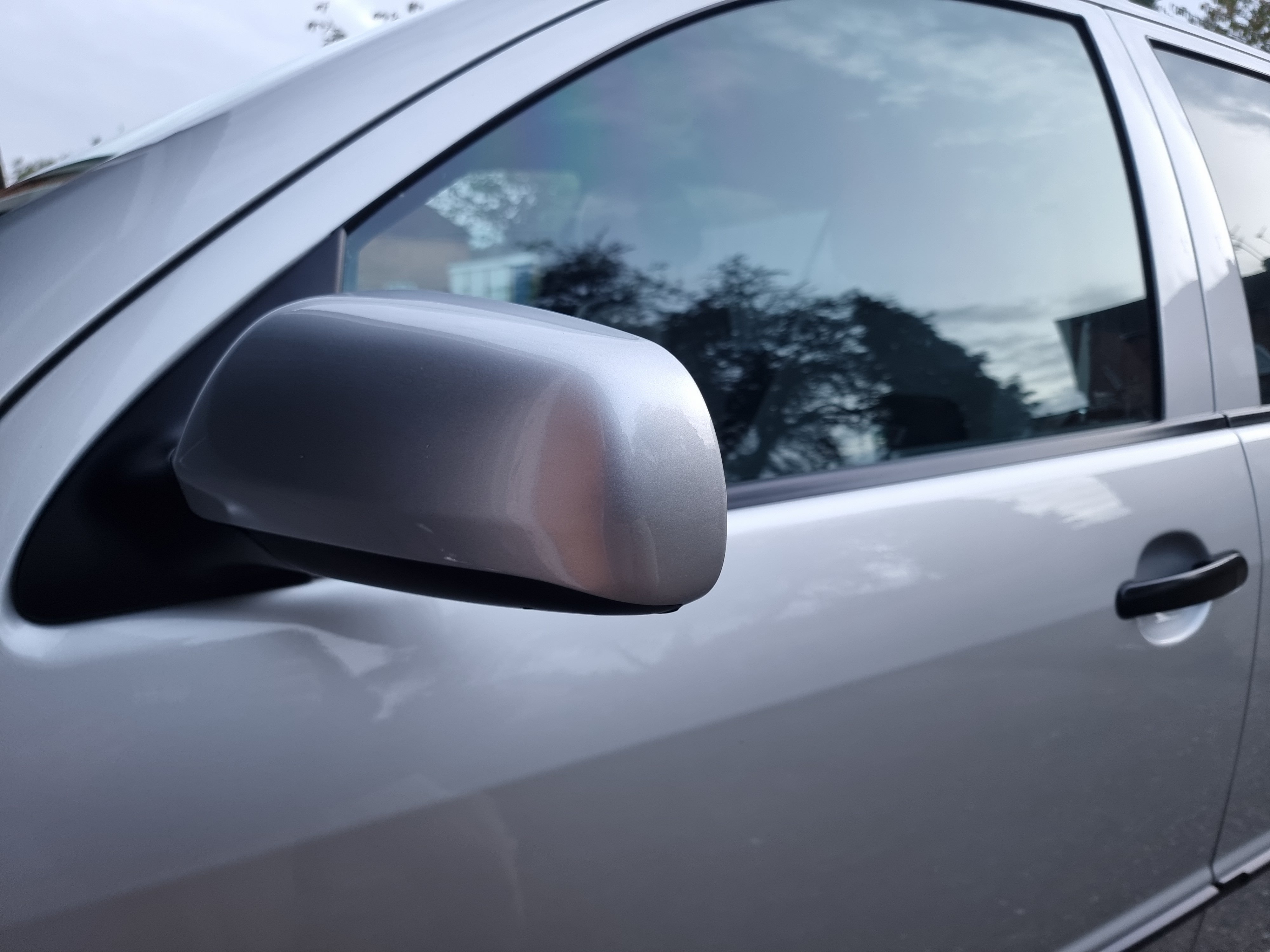
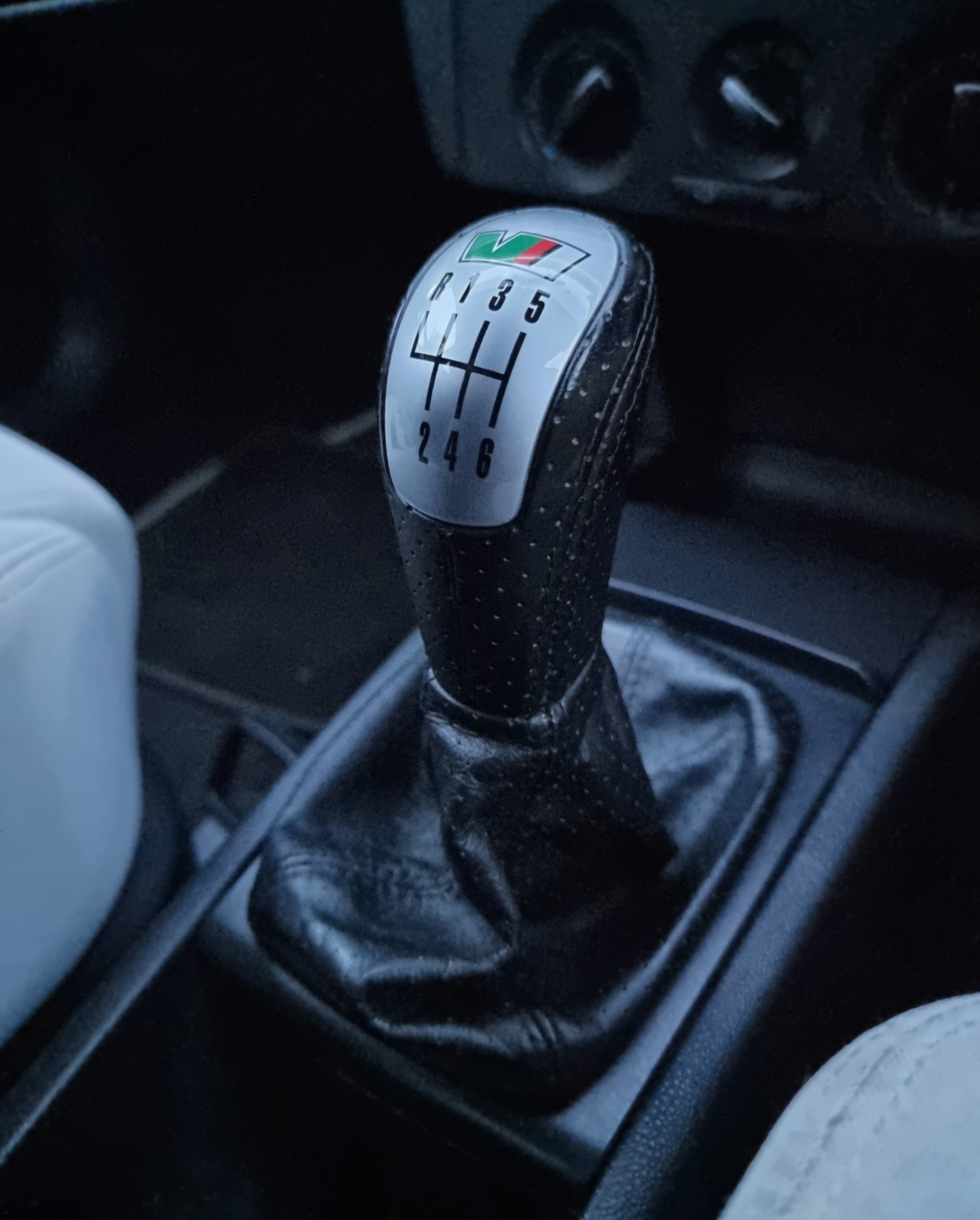
 3 points3 pointsId echo the above and wouldn't mix two all season and two summer tyres. It probably won't hurt the haldex etc. but it could lead to some 'interesting' handling behaviour in wet or bad weather.3 points3 pointsI really wouldn't fit all seasons on one end of anything with summers on the other.3 points2 pointsyes I was starting from Livingston but I was addressing the original point you made at some point when this was a semi private argument between you and @Ootohere and yiu suggested that PFS were roadside whereas charging hubs tend to be further away and need a diversion off route. All of the PFS were away from my route and would have needed a diversion whereas the charger on my driveway needs no such diversion. I have found over the last 7 years of driving EVs that I tend to take comfort breaks only when on long trips and I choose to just add some charge while I'm doing that. When I;m in the diesel I don't fill up when taking a comfort break because the fuel is much more expensive in motorway service areas. The electricity is not, it costs the same on or off the motorway but if it was excessive there then I would have to divert off the motorway in the EV too. The VW has no sat nav but of course I could use my phone but I only do that when I need a sat nav, not when I know fine where I am going.2 pointsHello, welcome to the forum. Have you checked for binding brakes?2 points2 pointsi got one. pick it up Friday. 2021 superb Sportline plus tsi 190, virtual cockpit/tri zone climate/spare wheel and 19" supanova alloys.2 points2 pointsYes. totally agree outside your brackets. We are getting there. If we want to be 100% comparable, time to refuel liquid fuel should start ticking the moment car deviate from original route and end upon re-joining original route. It should include any time spent queuing should there be a queue and for long journey, any time spent going to the loo/herding passengers. Time to recharge is similar. Time starts from deviate from route and end upon re-joining. If refuel at petrol station is another stop (for cost), both comfort break + secondary stop should be counted. Same for EV recharging, it's only fair. But reality is that EV doesn't need this until more than 250 miles or 4+ hours have been driven (if driveway = true), whereas ICE must have minimum of 10min preparation before trip or otherwise when it needs refuelling is non-deterministic. Could be less than 100 miles into the trip and a comfort break isn't needed. The point is re-energise being slower from 5min (ICE) to 20min (EV) is not important if car is going to be parked for roughly that duration anyway. 5min at petrol station + 15min at service = 20min rapid charging at service. Similar amount of time not making progress. This question is better directed at @domhnall I'm afraid I have zero knowledge of what you are trying to do, I only have experience with Tesla. (and 2011-2016 era Nissan)2 pointsJust reviving the thread with a couple from yesterday after fitting a new wing mirror cover and gear knob top.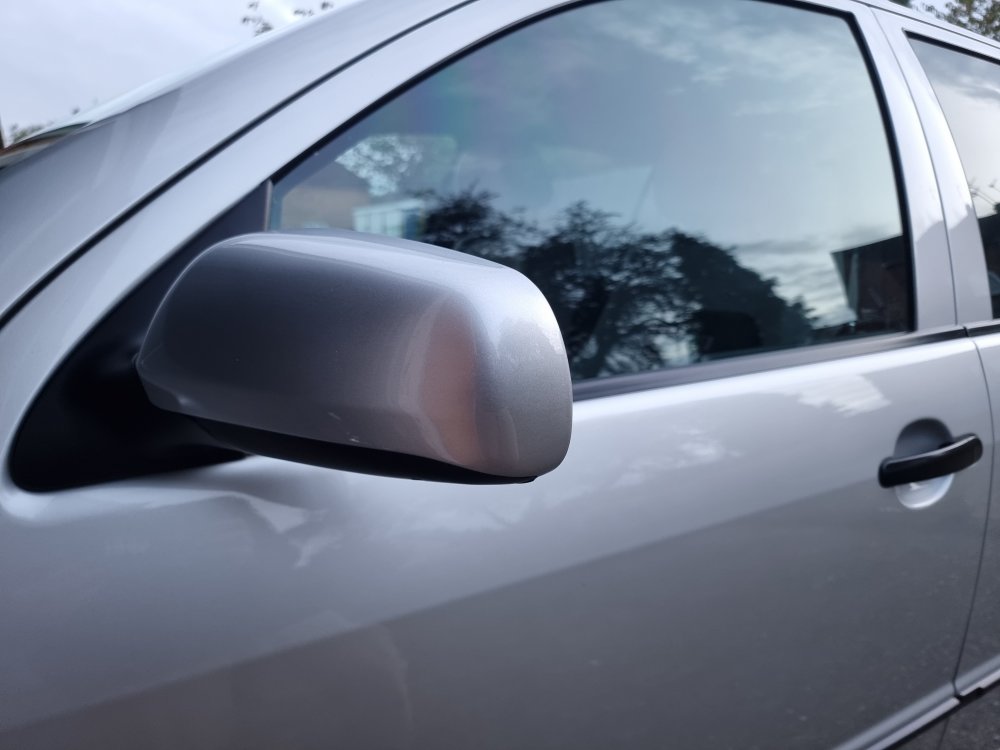
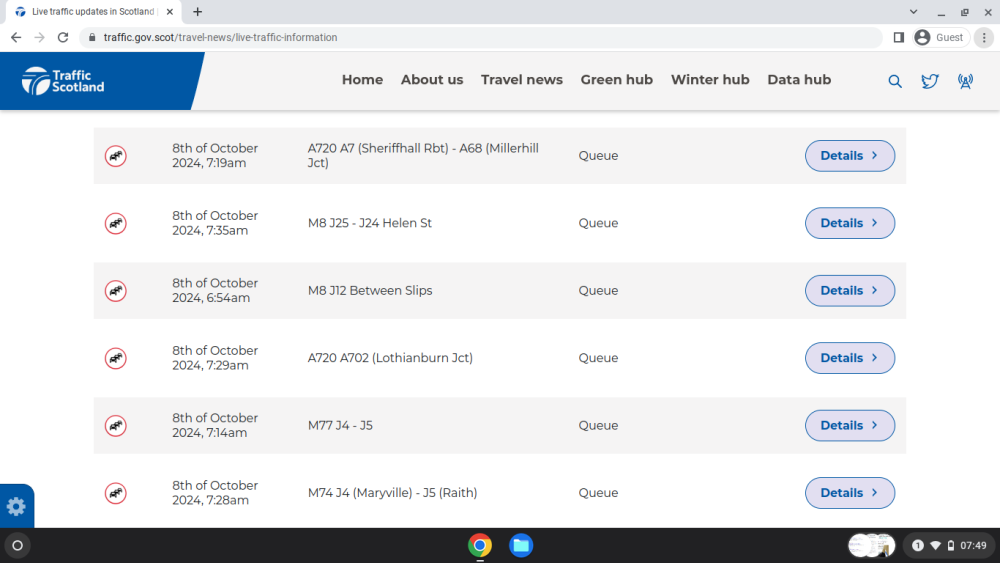
 2 points2 pointsUpdate from my dealer, tge software fault is with the front assist camera on the windscreen. The fault update code is ...tpi2075197/3. my dealer says many dealers are pestering the brand for an update as this is a common fault2 pointsHello and welcome Have you had the car scanned for fault codes? Have you tried resetting the HVAC vent flaps?: With regard to no pressure in the cooling system, has the seal on the expansion tank lid failed? Gaz2 pointsThat sounds like two potential faults. Water pump failing and potentially the flap motor either failing or needs recalibration. Do you have a code scan of the car?2 points2 points2 pointsLooks great IMO. I would happily have one. (A big issue for me is the Shiny plastic exterior bits for a car that will get dirty, salted and gritted roads so scratching unless the very very greatest of car is taken flushing off before and sponge or brush goes near it, or Snow Foam and clean off grit...) Obviously Autocar and others will go on about and they have already about range and not meeting official figures. Well they know they are based pretty much on 5 miles a kWh. Autocar / What Car and others are in the position to be putting the ridiculous WLTP regime results to the Prime Minister, the Minister for Transport, the Minister for Energy and to the SMMT and the Manufacturers and call for them to be looking at a way of testing BEV,s that are going to be Registered on UK roads and using Electricity from the National Grid. They will go on about the lack of rear space or boot space. Well as 2 seater or 3 seater they carry luggage, and they are a small car, 2 small people / AKA children might be fine, or an adult driver and 3 people if the driver does not need the seat fully back. 'Small Cars'. Small families, couples, individuals etc. ** Rapid charging is or was 50 kW, as has been the norm in the UK for years. The Small battery charges @ 80kW and the bigger one at 100 kW, so really Rapid +, or sub Ultra Rapid or what ever term that should be used.** But not really Ultra-Rapid, or Ultra-Fast. They is usually now 100 kW-350kW. No wonder people get confused over charging.2 points2 pointsCorrection. In case of Tesla at Tesla supercharger, No need to account for faffing about with payment, it is automatic and handled by the car. Plug and charge is coming for other vehicles on other network very soon. Don't forget Dom drives a Skoda, which (will?) support plug and charge: https://www.skoda-storyboard.com/en/emobility/just-plug-and-charge/ Also, time spent rapid charging should only be counted if needing to do any extra waiting after doing what one already need to do during comfort breaks, For example, if you run to the toilet and run back at midnight when it is empty and possible to do it in 5min, then the other 15 minutes out of 20min counts as charging time. But reality is typical service stop period is around 15min just for toilet at a leisurely pace. I have tried to hurry passengers whilst driving my Octavia and they didn't like it. Before buying full BEV for long trips, I've timed multiple rest stops and 15-20min is normal, <10min is only achievable if trying hard and very stressful for everyone. Looking at my trip log (TeslaMate), we meant to do a very quick toilet stop at the A82 service, no charging just stop, toilet number 1, comeback and drive off, at 3pm, still took almost 15min and parking cannot be any closer to the rear toilet entrance.2 pointsJust in case anyone else should have this issue in the future and come searching here, the lighting unit within the door trim needed replacing. I still had some Skoda approved used Warranty cover left on the car and they approved this as a warranty repair so I managed to get it done free gratis 😀2 points2 pointsI have heard that this can be an issue but I don't know if it applies to a Kodiaq. It may only apply to full-time 4 wheel drives. I would be more concerned about having two different types on different 'axles' as the grip properties may be sufficiently different to cause handling problems.2 points2 pointsJust a small point that people that drive the A720 City of Edinburgh By-pass know. If you are trying to go any place for a few hours from now and then again later this afternoon if you are moving you are not pulling off to get fuel and then trying to join again.
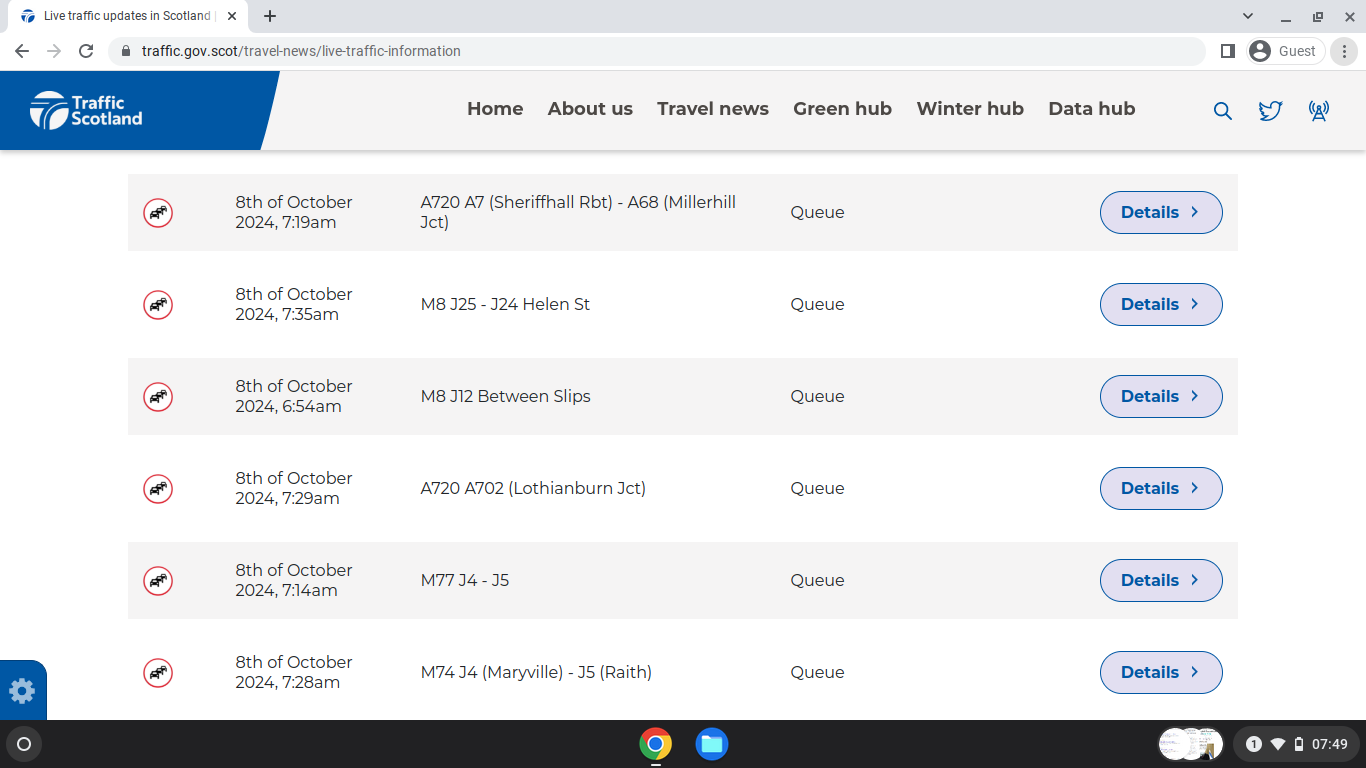
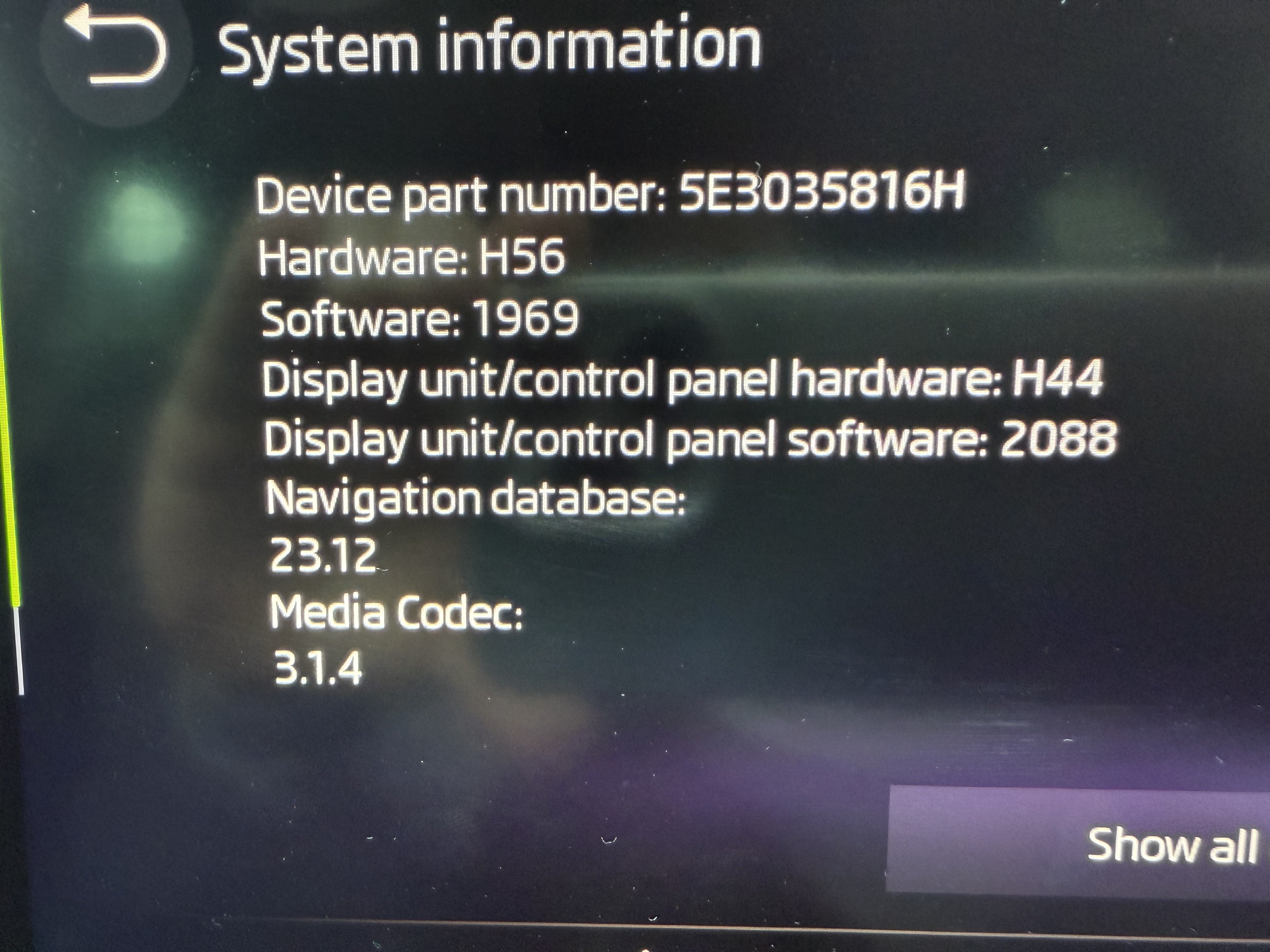
 2 points2 pointsTechnically speaking the car will tolerate changing tyres on just one axle but in my opinion it is not a good idea to have a large difference like brand new on one end and nearly worn out on the other. These cars are not full time 4WD which is why they don't have a centre differential, but that said, when transmitting torque to the rear wheels the difference in rotational speed between axles may cause 'some' extra stress on the drivetrain. I might be wrong and I may be over cautious but thought I would share my opinion, my opinion may also be wrong so take it with a pinch of salt.2 points1 pointThey were not skoda brand ,but does it really matter with rubber ones ,i went for good quality ones ,the boot one was from a good company and it was edged all the way round 👍1 pointThanks! By looking at it I feel like mine is more like the one I posted. It has a different aux pump for the turbocharger and when it's running the coolant flows through the expansion tank which it doesn't seem to do in this one1 pointAh yes, the good old days! Still miss my 740 turbo I had with welded diff and 680.000kms on the clock! It handled like a boat but it was comfy, fun and went sideways everywhere. Also had a Saab og 9-3 aero 2.0t for a little while. Yes the consumer rights is one thing I love. I would never in my life start a second hand car dealership. The dealer I bought my previous octy from probably made a loss. They had to replace the battery, driver's seat undercarriage as there was excessive play in the height adjustment, bought it in winter with studded tires on and when I put the summer tires on I had vibrations, checked the tires and they had flat spots all four of them so they had to pay for a full new set to be put on.1 point1 pointUPDATE: We're going to get the battery fitted tomorrow and we've got a slot at an Auto Electrician on Thursday They're going to do some proper scans and hopefully narrow down what the fault could be (and they'll code the battery) They've been recommended by another Auto Electrician and apparently, they have the correct kit General Info - Throttle Body - OEM Part No: 04C133062C Parkway VW wanted £504 for the Magnetti OEM Part GSF wanted £370 for the same OEM part A trusted local motor factors quoted £590 for OEM and £219 for aftermarket All prices Inc VAT1 point1 point1 pointPrecat oxygen sensor is a wideband type, part number 036 906 262G Post cat is 036 906 262D, simple/binary type. Aftermarket prices tend to be pretty low on both, and sometimes you can find new genuine ones at good prices on ebay, I guess where people have bought and then not got round to fitting or suchlike.1 pointHelpful after my fabia 3 fob stopped working. I replaced the battery 2025 with a tested one (3.2V). No red light, no response from car. Then I read this and wondered if voltage was all there was to it, so I bought a new Energizer battery from our local supermarket. Popped that in and after a few senconds, the fob's red light began to show. No effect on car so I also had to resynch it, but my fob is still working 24hrs on. I'm thinking that perhaps it's not just the voltage , but also the current (Amperage) that the new battery delivers which has an effect. I'm NOT going to set up a test rig to prove this hypothesis, but I hope it helps someone.1 pointIf that's a script then it depends if you trust the script. Personally I prefer to make the changes manually. If the battery is the same type and the same Ah capacity then in reality all you need to change is one digit of the serial number.1 point1 pointDon’t understand the “v1969 does not exist”. It’s an Infotainment software update released for both Skoda and Seat cars and I assume VW vehicles (they share the same platform). Some on here have had the Skoda dealership update their car’s infotainment to this version.1 pointFunny you should mention the battery. It’s started to act up. The car was laid up for longer than usual and yesterday when started it idled at 1000rpm most of the day as if it was compensating for low charge. Carista said it was at 68% capacity and only a long motorway run pushed it back to 82% and stopped the high idle. Got it checked at the garage and was told the testing equipment said to replace battery. Ordered a new one from Tayna for a good price and it arrives today at some point. Which opens another can of worms. It looks like you can code the battery to the car using Carista but I’m worried about any issues.1 point1 pointnailed it, this is my point. The EV charges while it would be parked up anyway. The ICE vehicle would also be parked up, so the deivation from route etc is identical. The only additional deviation is when you have to come off the route specifically to refuel. Your 5+20 example illistrates this perfectly1 pointI wouldn't mix All-season with summer tyres too. it's a bad idea. Here's a demo: Having a 4x4 shouldn't make a big difference on the conclusion, I guess...1 pointSaab is unfortunately long gone, and they were already gone in the end of their time when they were bought by GM (?). Volvo is no longer Swedish as well and I don't really like their cars to be honest. My in-laws love Volvo but to me the cars are not comfortable to drive. Yes there is loads of space in the V70 they have but there is no joy what so ever driving it. It's just heavy, no supports in the seat and so on. They are much bigger than I am so I get that they like it but it's a big no for me. Plus the price is outrageously high, even in the second hand market. They can go for £5000-8000 more than a octy does.. Don't know how long warranty Volvo offer but Skoda & VW have as far as I know standard 2 year warranty and 3 year car damage warranty (basically free insurance to get it fixed if crashed but you still need separate insurance to pay for the damage done to other involved if it's your fault and theft). We've had octys in the family since the first RS was launched here and Skoda is great value for what you get. Less baby disease as the tech usually have been launched at Audi and VW before coming to the "cheaper" brand. Had a salesman at Skoda tell me why they didn't offer longer warranty, it was "because we know our cars doesn't break down".... I didn't purchase from him. We also have very good consumer protection laws here. If I buy anything from a dealer or store, and doesn't matter what it is basically, will I have the right to leave a complaint within 3 years of purchase for any fault occuring, withing the 2 first years they have to prove that I've caused the fault through wrongful use or something, otherwise it's considered as the fault was there at purchase, even if it's a used item as a car. To not be responsible they have to declare all faults and the customer have to sign off on the declaration. Anything bot in the declaration is considered a fault they are responsible for. And we can get good insurance policys if the car isn't too old. I can get almost every fault that's not serviceable parts like pads, discs etc fixed through the insurance, so I don't care much about the dealers and their warranty's as I have very good protection as there is.1 pointOFF TOPIC I am always surprised at anyone in Sweden buying modern VW products with their history of past marques like Volvo and SAAB, I guess VW must offer your market more than in England and treat its customers better than in England (though generally English Dealerships for any marque can be poor quality). In Australia apparently Škoda new cars get 7(?) years warranty we couldn't dream of 5 let alone 7, yet some "cheaper" marques are able to offer 7 year warranties in England, been that way for decades that "cheaper" car manufacturers can offer longer warranties than the established "better" brands. I only put England as that is my personal experience from decades of the English motor trade. Doesn't help with your topic just my curiosity.1 pointYou can try it, but if it remains then it may require the attention of a dealer to either do a firmware/software update so that it's recognised by the servers again.1 point1 point1 pointThat's correct, that's he reason most diesel cars here are fitted with aux heater from factory even if you don't buy it as an option. The option is basically to be able to use it when the car is parked. In my Octavia mk III 2.0tdi 150 DSG I have the option to change in the options if the car should start it automatically if needed while driving. Diesel doesn't generate as much heat while running so without it there would be problems getting the temp up when it's -20⁰c outside. This is a part of the reason why diesel has higher efficiency than gasoline.1 point1 pointFor example? Looking at the screenshot you've posted above you have both the band name and album name as the folder name. This is not how you'd ordinarily do it. Under Music (on Windows), you'd have a band subfolder, then in that subfolders you'd have one subfolder for each album. E.g.: Music | +-> The Who | +-> Live in Amsterdam | +-> Woodstock 1969 | +-> The Rolling Stones | +-> Sticky Fingers etc...1 point1 pointI asked them but they just told me they use stock axels on even the high hp builds, but told me to 02M swap it. I will 02M swap it when i start pushing more out of it but i would like some stronger driveshafts for that. Guess I'll just keep searching for a place in the EU that makes them. Not in a hurry but would be nice to know1 point1 pointI have a IV Your journey is 80 miles between recharges. In summer, I'd get perhaps 33 pure electric, in winter perhaps 27. Call it 30 miles on average pure EV. The remaining 50 I'd expect get about another perhaps 5 pure EV, as it recharges a tiny bit for every corner, slowdown, braking. So you have to find about 45 miles worth of petrol and 30 miles worth of paid for electricity for your journey, if that helps. Alternatively, the lowest mpg I ever get is about 55mpg overall on a 740 mile run, there and back, so only fully charged at the start. The other 95% of the time I get from perhaps 65 to 120mpg reported if petrol gets used, depending on whether I'm going 50 miles or 100. Lot of blah, there. Summary: reckon at worst you'll get 55mpg plus for your commute, depending on your driving style and actual route. You might see the low sixties easily, and if you are lucky and try, low seventies.1 point1 pointYou don't say, have you tightened those 4 screws that were loose and still got a leak?1 pointDisconnect the battery for half an hour see if that helps. But the above are also valid points in those posts1 pointI always put my DSG in N if going to be sat still more than a few seconds too. I know it is said that you don't have to because nothing is happening but: When you put it in N the engine tone changes so there must be a difference? In theory if your foot is "Firmly on the brake pedal it should be ok?1 point1 pointJust mentioned the Amazon price as that was where I bought mine. I am quite happy paying less than 50 quid a year for my Amazon Prime package, somehow Amazon think I am a student (retired 67 year old. Haha). The viewing content suits my limited interest in programme content, and living in the sticks the free next day delivery is a great bonus. Anyway, each to their own. As I said, I just mentioned Amazon due to me buying from there. Also Amazon returns are so, so pain free.1 point1 pointHi Davet30. If you consider yourself capable of DIY, I strongly recommend checking YouTube for possible solutions. This will give you an idea of the skills and materials needed, and whether or not you could be capable of executing an acceptable repair. Would DIY be up to the same standard as a professional job - probably not. Would anyone else be able to detect the repair - thats for you to decide after checking YouTube. Good luck, and please let the group know how everything ends up.1 point1 pointThe advice is because the new tyres are expected to be the best tyres on the vehicle, and by putting the best tyres on the rear axle, the car is less likely to oversteer, which is a characteristic most drivers cannot cope with on the roads. That is the thinking behind it, whether you agree with it or not is a different matter.1 point1 pointIf you don't want to spend any real money, a touch up paint for along the body crease and a rubbing compound plus a lot of elbow grease on the rest of the scrape. Polish and wax. It will withstand a casual glance from twenty feet away. Then you can decide if you need the pros to get involved.1 point1 pointThe issue is that there have never been released OEM trunk handle RVCs of this size (90mm). If you do not want to cut your trunk lid then the only solution is to install aftermarket camera, e.g. LS8012 The biggest disadvantage of it is missing sprinkler which is present in most of 110mm wide OEM trunk handle RVCs - but to install OEM trunk handle RVC you must cut your trunk lid to increase the whole for trunk handle Coding is required in both PDC / PLA module and infotainment unit. Parking module (PDC / PLA) might require firmware upgrade or replacement, pls share part number of your current module. To have guidance lines you must add camera controller 7N0907441B.1 point1 pointI also had the foam desintegration issue, and what it does is that there is no proper air sealing when the flaps are closed. Meaning that you will close air to specific vents, and there will always be a small amount of air being blown. IMO, that won't, however, affect temp changes. I would check for a clogged heater matrix. Just flushing the coolant system might not be enough (been there, done that). Overtime, dirt accumulates inside the heater matrix narrow passages, preventing water from circulating. Despite the hoses getting hot outside, water won't flow. If this is the case, unplug the hoses and try using compressed air (carefully), in the opposite direction of water flow; also be careful with the valve described in the paragraph below, that needs to be open. There is another possibility. The temperature is regulated by a vacuum operated thermostatic valve (controlled by the temp setting), located in the motor compartment, in the heater matrix exit hose. I believe this type of heat control started being implemented during year 2000, so older models might not have it. If the air operated diafragm has ruptured, or there is a vacuum leak, there will be no temperature changes, as the valve won't operate. You can easily test the valve applying vacuum, as you can listen to it open and close. In either case, however, and despite water flow is blocked (by a clogged heater matrix or a non functioning valve) you could perhaps feel a mild temperature change in the air leaving the vents, as heat propagates through conduction to the heater matrix. One easily assumes that there are no temperature changes, as it takes a very long time for heat to reach the heater matrix, and any effect, however minor, to be felt.1 pointI think the latest link just reached 30 days and expired. Can anyone upload again?1 point3 are the same, the 4th has a pressure sensor and is a hell of a lot more expensive. I do believe cylinder 1 is a standard glow plug though. Cylinder 3 has the pressure sensor. EDIT: If you can supply a vin/engine code i can tell you exactly what ones you require. Also OE fitting is Borgwarner, Hidria, NGK or Bosch1 point















.thumb.jpg.f83a46b9b3c0d976b9dbffbb523c9874.jpg)








Important Information
Welcome to BRISKODA. Please note the following important links Terms of Use. We have a comprehensive Privacy Policy. We have placed cookies on your device to help make this website better. You can adjust your cookie settings, otherwise we'll assume you're okay to continue.