Leaderboard
-

mac11irl
FREEDOM23Points16,806Posts -
.jpg.1006585dfe4e2977315b67c3d642e37b.jpg)
Guest_
FREEDOM14Points83,824Posts -
MikeTheThinker
FREEDOM13Points8,537Posts -
Lee01
FREEDOM13Points36,937Posts



.thumb.jpg.9dd3f612ba7f13d10be5c518d3c8d255.jpg)
Popular Content
Showing content with the highest reputation on 19/08/25 in all areas
-
2 pointsYou know that, I know that but how many are fooled in to thinking this is possible ? Skoda are claiming 800 to 900 mpg for the IV Superb with the same 20/25 kwh battery and CO2 of just 7 gm per km. EU has clamped down on such claims but UK seems to be lagging on giving more realistic figures which is about trembling the CO2 and cutting the MPG by a factor of 4 or so, still wild. I think a 1000 km like Bjorn Nyland does will be a fairer gauge perhaps ?2 points
-
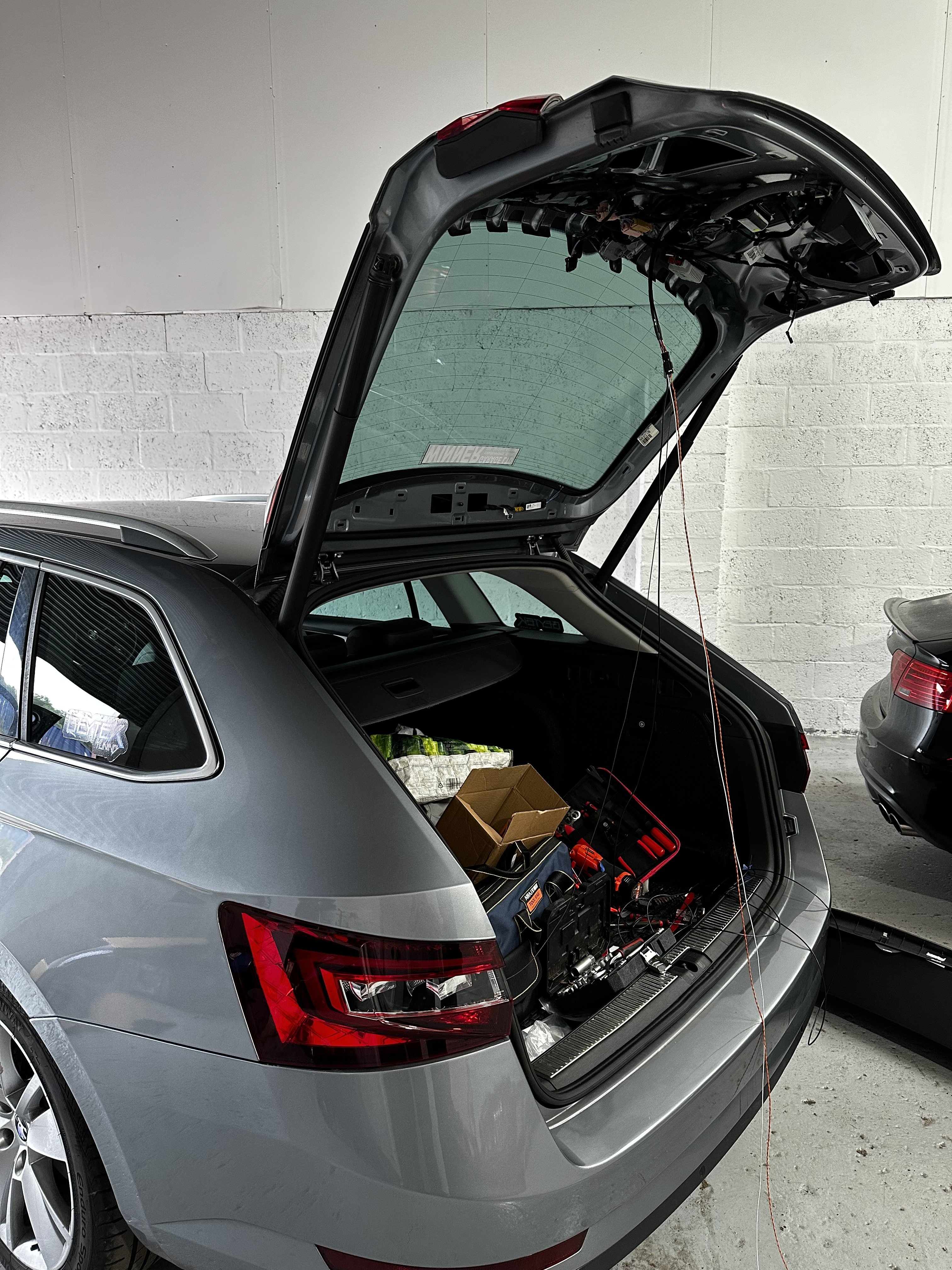
Just be careful when loading the car and don't stand too close to it. My tailgate was closing on my head every time I loaded/unloaded when camping. Dangerous and annoying, so I turned off Easy Open. Shame you can't just disable the closing and enable opening only. Yet another useless gimmick on thia otherwise great car.2 points
-
2 pointsYour not getting 700 mpg really though. 10 gallons and one charged battery does not go 7,000 miles. Getting 75 miles from the battery fully charged does not 700 mpg give. PS. 700 miles from a full charge and 1 gallon is unlikely. .2 points
-
2 pointsSkoda must have better market penetration in your state than mine. No friend of mine has one although one guy I'm on 'nodding terms' with down the road has a Kodiaq. Do you belong to a Skoda club? While it is a temptation to generalise about using 91RON from your experiences you might like to consider there are situations where it might be poor advice. For many years European manufacturers restricted what they sent us due to our poor fuel quality which centred principally around sulphur content. When I first came to Aus near 40 years ago the exhaust literally stank like a New Zealand volcanic spring. Over time fuel standards improved dramatically so that diesel match Euro standards and petrol was substantially improved. Currently max sulphur content for Euro and US petrol standards are 10ppm and Australian are 150ppm for standard (91) and 50ppm for premium (95/98). The VW group identified that vehicles fitted with PPF (petrol particulate filter), now mandated in Europe, could have the unit severely compromised from even one fill of our 91 RON fuel (pure or E10). As far I can remember it was only the Superb 280 4x4 that was imported with the ppf but I really don't know the what the status is now as what cars may, or may not, have a ppf fitted. Most VW group cars of the last decade would have anti-knock sensors, so possible for lower spec engines like 1.0/1.4/1.8 tsi (with no ppf) could run on 91RON without obvious issues but I suspect it may require a few tanks of higher grad fuel before the ECU advanced timing for better performance/efficiency. As to whether it would be noticeable or not? I remember that some of VW group higher spec 2.0tsi equipped vehicles (RS, Type R?) imported to Australia have recommended 98RON with 95ROn as a fallback and definitely not 91. One of Mazda's turbo petrol engines is designed to accommodate 91RON to 98RON (91 RON equivalent is also available in the US), and their blurb said that the 98 RON produced 12kw more in that engine. At the other extreme my 2003 Toyota Echo's manual quite openly says the engine is designed for Australian 91 RON and while higher RON can be used it is pointless and a waste of money.2 points
-
2 pointsGoing off topic but UK govs like to talk market then shaft us when the station builders then demand (and get) guaranteed pricing per kWh. "The market" shouldn't only apply to consumers2 points
-
2 pointsWhen gas can be had for less than 6p per kwh it is hard for lecky to compete. Many of us are in to generating our own lecky, storing it too and only using the grid for top off and during low sun days. I can see tea time peak being charged at a super rate in the not too distant future like in the US. Peaker plants charge an absolute fortune to bring on line. 80A ie 18 kw is fine for most normal sized uk homes especially if they have some even smallish home batteries and these quite quickly pay for themselves by paying 20p a kwh less for lecky.2 points
-
2 pointsIs it Octopus Energy who's fronting the install? With some random subcontractor doing the work? This is very poor show from the installer. Even worse from the person doing the work, should have checked everything before starting. But it shouldn't be any problem. All EV charge points these days will curtail output if it detects high house load. For example, my one would slow down as my overall house consumption go over 20 kW (80 amps) during free electricity session. Took quite a lot of fiddling to get to that point (3 kW oven, 2 kW dishwasher, 5 kW battery, 5 kW V2H, 7 kW EV) EV charge point install is normally not notifiable work. But I can see why 2nd charge point or electric-only household would be notifiable.2 points
-
2 pointsHad the guys from The Grid come around a few months ago when I had my second EV charger fitted. Why it takes two of them to come around but then their office is only a mile away. They downgraded my main fuses from 100A to 80A. Someone on here said it is now Grid policy to do this as UK houses, maybe especially here in the Midlands due to the temperatures we are getting ie 35C, that the house ring main etc are getting too hot due to the higher ambient temperatures and homes are running more power in the summer than they use to when it was mainly winter that the electrical load was usually higher. In practical terms it is no issue. Even with an 80A fuse the load would have to be north of 100A for more than 4 hours, see National Grid document attached. Most I tend to see is around 15 kWs, voltage can between 220v and 240v of course. One of my EV chargers is only 3.6 KW, the other is 7.2 KWs and I can be charging home batteries with 2KWs an immersion heated with about 4 KWs and sometimes tumble drying but rarely at the same time and I have my Octopus Mini to tell me live power consumption and give me an idea of how much I am saving when I am running multiple heavy loads in my 5 hours of 8.5p per KW/hour. Be a same to miss out of super cheap home charging and car running costs. Our lecky bill is currently under £75 a month, gas less than £25 so paying £133 a month, 4 bedroom house, 3 EVs we are building up credit for the winter and with gas at 5.71p per KWH and the cheap 5 hours of lecky, I have a couple of solar arrays that track the sun, when there is some, and with the home batteries, lecky in the day is almost nothing. 80A or 100A is nominal, these "fuses" will run much more that without blowing for long periods as the graph on the attached shows. Standardisation to 80A.pdf2 points
-
2 pointsNearly all things that you turn on will turn off or set back to the default when you stop the engine. 10 Tips on How to Use Air-conditioning Properly - Škoda Storyboard2 points
-
2 pointsI've always used 98 in VW & Skoda, won't use anything less. Moreover, I'd never touch E10 since a previous bad experience in another car due to ethanol's moisture retention characteristics (aka fuel pump destroyer). Opinions will always be divided, but imho ethanol is just false economy. @LuxoviaRS , it's unlikely that the amount of E10 you accidentally put in there will cause any issues, but my advice is to stick with 98 if you can and your engine will thank you.2 points
-
1 pointYou will find some folk suggest you don't really need to be gentle with it, but I'm sure the handbook says for the first 1000 miles try and keep up it below 3k revs @stubev156 I kept mine below 3k during the first 999 miles then had a blast1 point
-
In that case I think your next stop is a good independent auto electrician or independent VAG specialist.1 point
-
1 pointWell my 1998 Felly 1.3 I have had from new has gone in for some repairs to the sills just welding and it is going to cost me a lot a hell of a lot but in the end she is worth it and there is no way I would scrap her it would be like losing a member of the family I would rather leave her on the drive and let her rot away. Anyway she will be up and running in a day or two. will post a pic when she back.1 point
-
1 pointWhat I would do is take a VW or Skoda CEO and have them 800 miles away from home with no money / card , phone or anything other than one of their PHEV,s fully charged and just to be fair 7 litres of petrol and challenge then to get home using no outside assistance and if they fail they give 5 years salary to charity.. PS 148.7 to 217.3 seems to be the claimed mpg and less than 60 mpg the real world.. I would like to see the 20 kWh,s worth taking it 75 miles then the gallon of petrol another 70. Or what ever magic they get on sharing and regeneration for the magic to happen.1 point
-
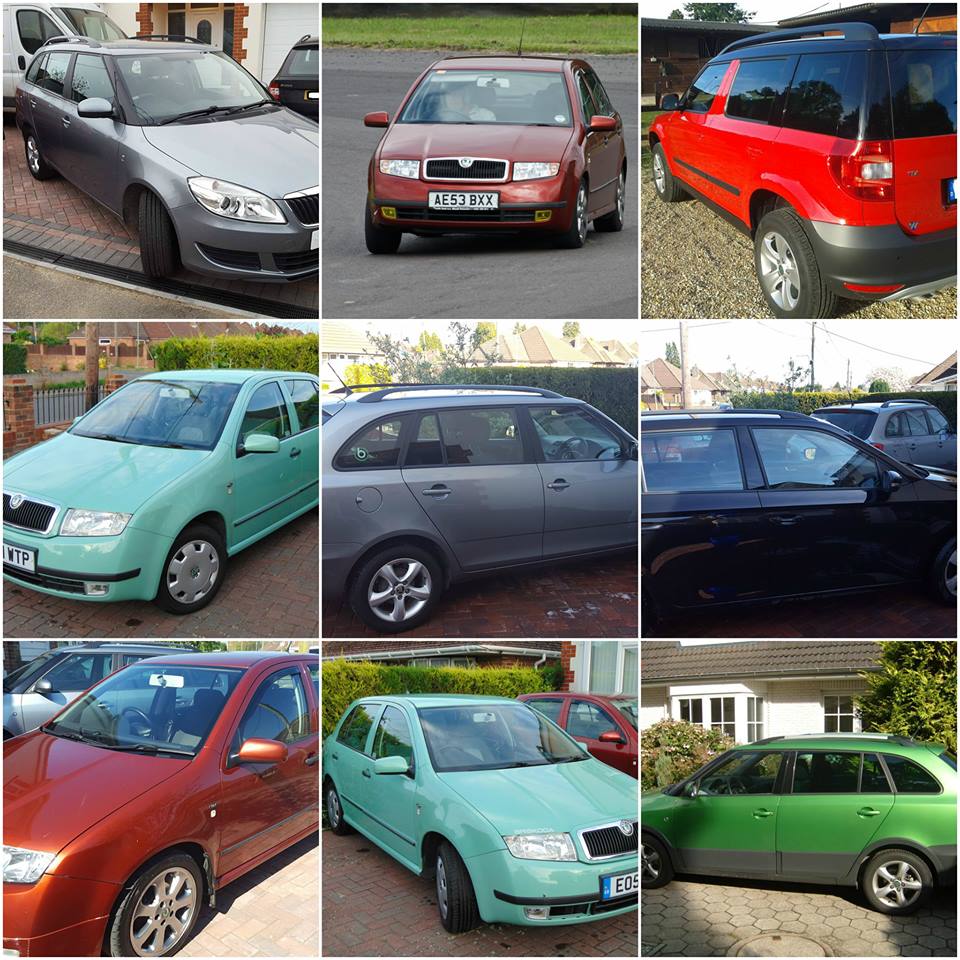
Added to which my old magic black mk1 Octy estate went to the breakers a few weeks back. Motor as strong as ever but far too much tin worm in the chassis. At least our SIL stayed brand loyal and bought a Fabia estate from here :) BTW I have a mk1 estate rear door ("lid" according to the parts catalogue) in purple if anyone's interested. I'll get some piccies and list it on the marketplace shortly.1 point
-
1 point
-
1 pointAfter talking to the supplying dealer, two facts emerged. There is no physical dipstick despite the manual detailing how to use it and providing pictures! To actually see the digital oil level via the infotainment the key part of the procedure was to press the Start ignition button without putting the foot on the brake. Then just navigate thru vehicle settings .. Vehicle .. oil level.1 point
-
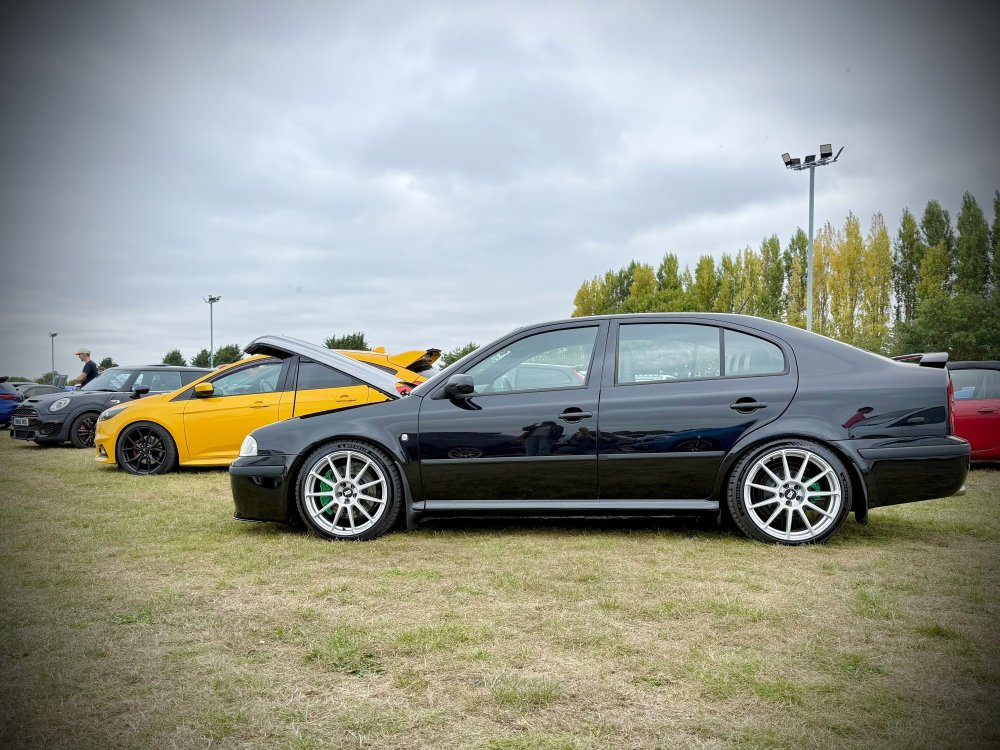
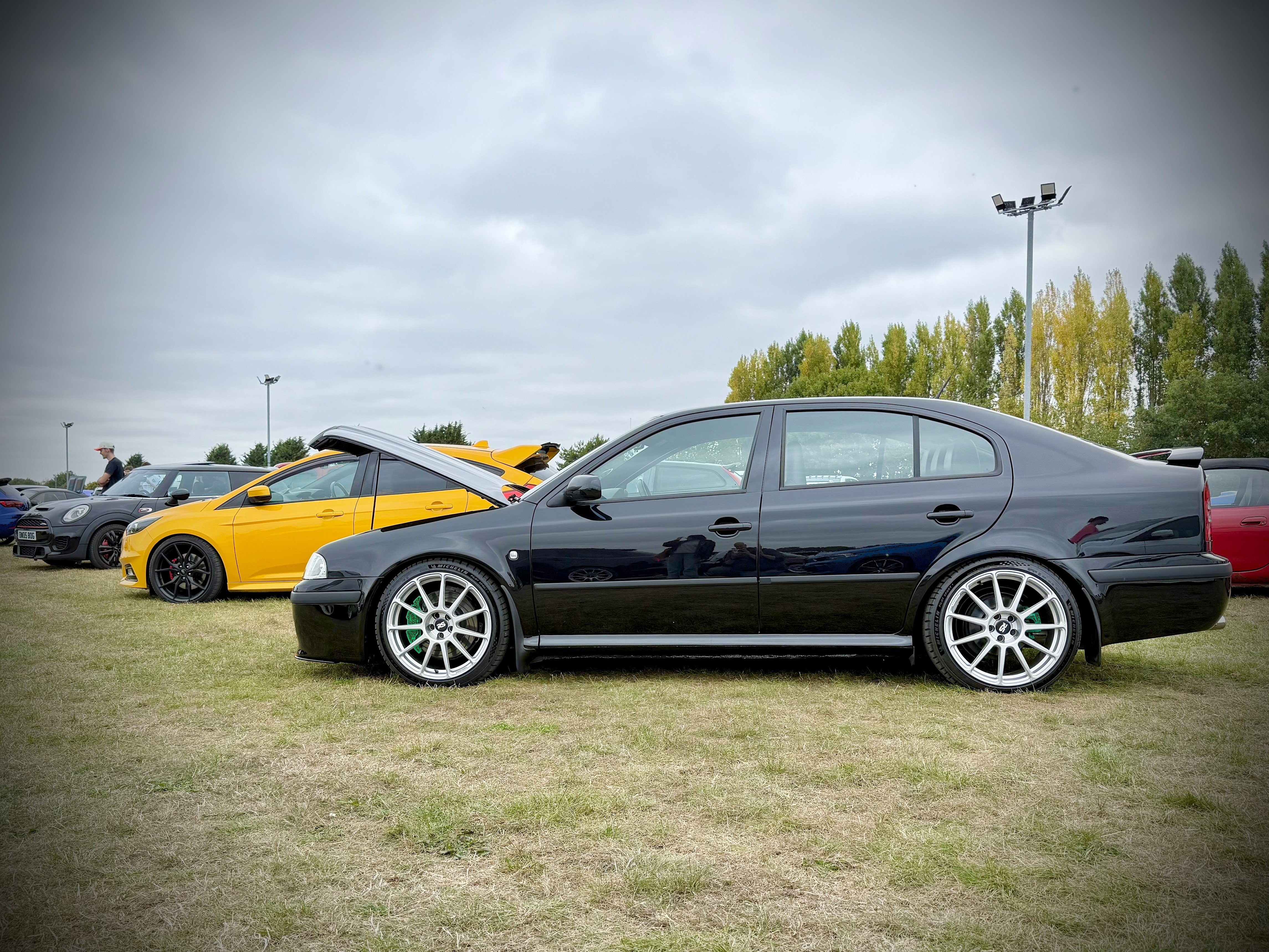
1 pointAnother weekend and another trip out in the Octavia, we did Ultimate German car meet at the British motor museum with some 650 plus cars in attendance last week, Diddly Squat farm shop and Caffeine and Machine 310 miles in a day. This weekend we nipped to @Lowcoworld cars and coffee at Newark showground 😎 and put another few miles on the clock at the same time as remembering why i love this old Octavia of mine 😍
 1 point
 -
1 pointHi, I'm Filip, currently I drive 2018 Octavia RS 2.0 TDI with CUNA engine. It is my first VAG, so I hope that I will find good answers here. Best regards1 point
-
1 pointHi, welcome. The 'Owner's Manual' is a good place to learn from too, if you read it and refer to it you can sometimes know more about your car than many other long term owners and the model and it can help prevent unnecessary hassle and costs particularly to Dealerships, garages, mechanics and auto-electricians. There a free VWŠkoda website with the manuals. - https://www.skoda-auto.com/apps/manuals/Models Also of course is the 'Skoda Octavia Mk3 (2013 - 2020)' forum. - https://www.briskoda.net/forums/forum/235-skoda-octavia-mk3-2013-2020/ My main advice is to keep the 12v battery in a a reasonably good state of charge by driving the car enough and far enough and/or occasional (as required) preventative charging with an appropriate battery charger maintainer following the instructions for the charger maintainer and what's in the car's 'Owner's manual'. Even if the headlights seem bright enough and the engine starts easily (that's about the last thing to fail) the battery could be too in charge for the computer systems that will then throw up all sorts of unexpected issues, warning and unseen error codes, loads of threads and posts all over this site and elsewhere about this on all stop/start VW models. Good luck.1 point
-
1 pointNo dip stick. & some reporting the cars saying 'Too high oil' & dealership staff saying 'Over filled' & yet new cars from a factory. So are they being overfilled at a PDI ? When these Dealership staff say they have removed the overfill then surely Factory or Supplying dealer at fault. Or surprise surprise yet another TPI and a software update required. PS There are posts online and Youtube vids where owners have been buying a kit so they have a Physical Dipstick.
 1 point
 -
Suggest looking at coolant pump or any associated flow sensor.1 point
-
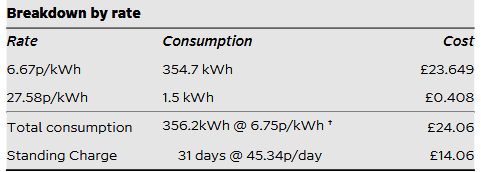
Gas on Octopus tracker is currently 0.045675 GBP/kWh for me. It has been below 5p/kWh for a long time except for a few coldest days when demand was extra high at beginning of this year. The key for affordable electricity is to allow variability with electricity to reflect real costs as generation and demand varies, both in location and time domain. Basically let the market decide, economics 101. Electricity becomes very competitive when one can time-shift demands to cheap periods. For example: But UK is still operating on old giant fossil fuel supplier plant pricing model, the gas plants needing to cover 4-7pm makes it expensive for everyone at all times due to average nature of price-cap mechanism.
 1 point
 -
It's octopus all the way. They supply the car, the charger and the leccy. Fitter turned up in an Octopus van. We have heat pump which might be why we have the 100A. We've actuall got 3 electric showers. We have one in the garage, as said stupid number of bathrooms but we'd have got nothing back by removing one. I agree that the price of leccy is the big blocker to green energy adoption. It's stupid if not immoral to try to push people onto energy that is 4x as expensive as what they aready have and arguably less suited to the changeable british climate. However..all going ahead I will get an EV charging rate of 6.5p kWh for 5hr a night. At that point it starts to make sense. If the UK woud invest in infrastructure and not allow the energy shareholders to milk us dry, if we could supply leccy at gas prices then suddenly heat pumps etc will start to make sense and you'll get universal adoption, zero carbon in sight immediately. But the chance of that is 0%.1 point
-
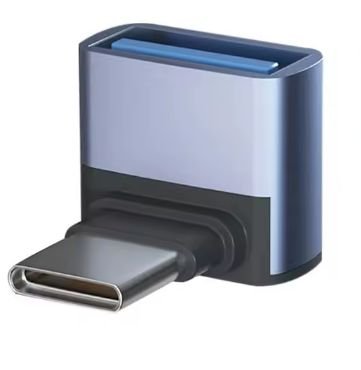
1 pointI myself purchased a subscription, since I don’t like to drive with a USB plugged in all the time, but I also purchased this option (just in case), the compartment closes and the USB flash drive is not visible: In both cases, the maps are updated only for the region where the car is moving, it is as it is.

 1 point
 -
I think you should ask the dealer about this, does it appear on the spec list that you received from him? This option is usually part of a optional package, here in Europe.1 point
-
Reading the National Grid document it reads like they are quite happy to allow hones with low carbon tech like heat pumps have 100A fuses but standard is now 80A. Will probably get a quote for 3 phases when I retire on a few weeks as 80A per phase would not be a problem but in fact be very nice for the Renault EVs which can charge up to 22 kws on 3 phase. Quotes seem to vary so much, bit of a lottery.1 point
-
1 pointWould it be unreasonable to think that the "Navigation database" in "Menu > Settings > System Information" will only be changed when the update process has completed? Given the size of the maps database (whole of West Europe, I believe?) it doesn't seem to have had long enough to update everything (time-wise or, probably more importantly time-ignition-switched-on-wise) but the Navigation database has changed since yesterday from 23.12 to 25.6 so I'm hoping the task has been completed & I can safely remove the flash drive?1 point
-
Actually. 6-7 am there will be many Eon Next customers charging car maybe pre conditioning for 7 am departure. Shower being used, maybe finishing the off-peak use of oven, dish washer , tumble dryer. Toaster and kettle going on. Well in Politician world where nearly everyone has a house with a drive and charges there one or several EV,s at home. Plus all have a smart phone, smart watch WiFi hub smart TV, passport and a 2nd home for holidays.1 point
-
Tell Mr Milliband, all electric will not work. The amount of money needed for the average consumer to go electric rises all the time. In practice you are unlikely to be running all your electric appliances at the same time and charging your car.1 point
-
1 point
-
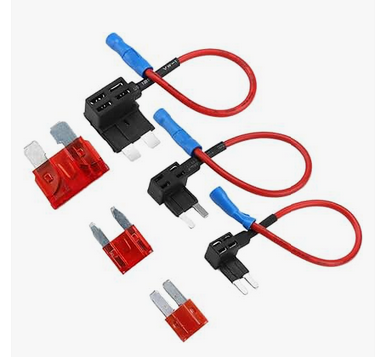
You could always just buy a set of different sizes. Amazon have them for around a fiver.
 1 point
 -
1 point
-
Provided you don't live in the UK, as Kopacek won't ship items too large for Royal Mail to the UK.1 point
-
Hi and welcome to Briskoda! If you have a look in the either the Fabia 3 or the Audio and tech sections you should be able to find plenty threads discussing the upgrade links you need1 point
-
1 pointAh man, I love when my new content feed is a couple of members arguing about not a whole lot… Deep breaths boys and chill out.1 point
-
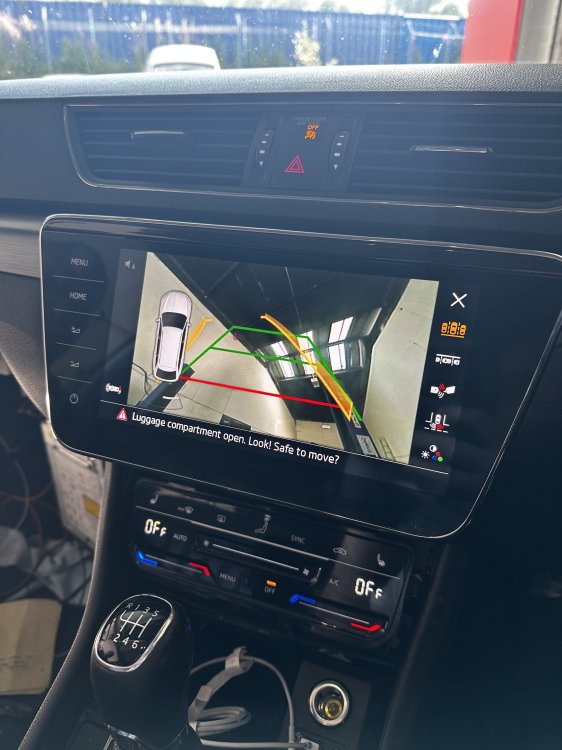
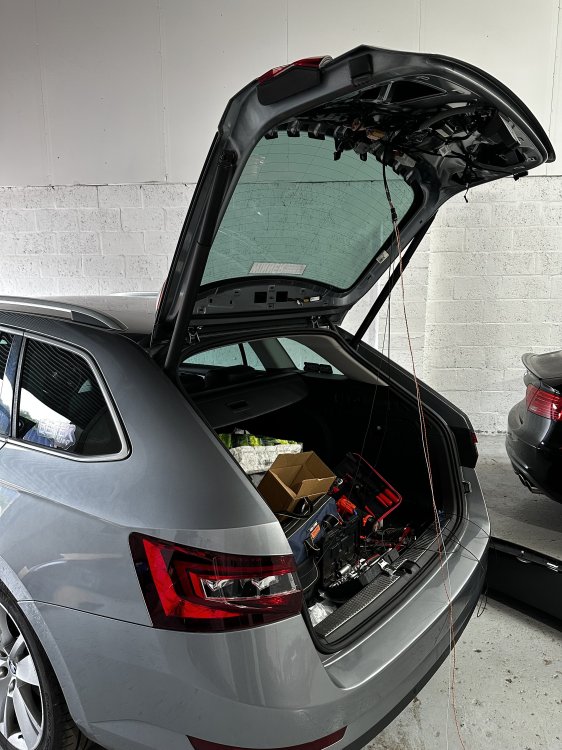
fitted one last week was a pia at time with feeding cables through but easy enough
 1 point
 -
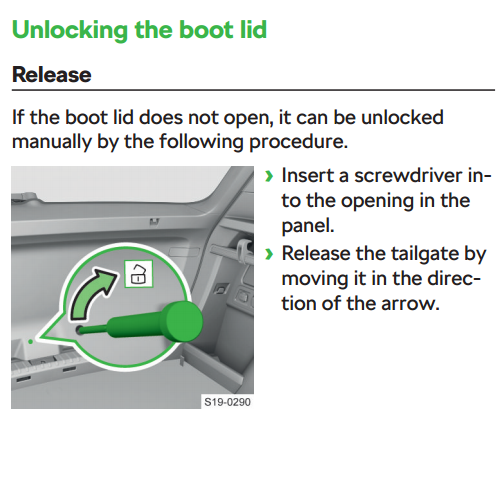
This works on our Karoq, maybe yours too. Also you can try holding down the boot unlock button on the remote control for at least ten seconds to do a reset.
 1 point
 -
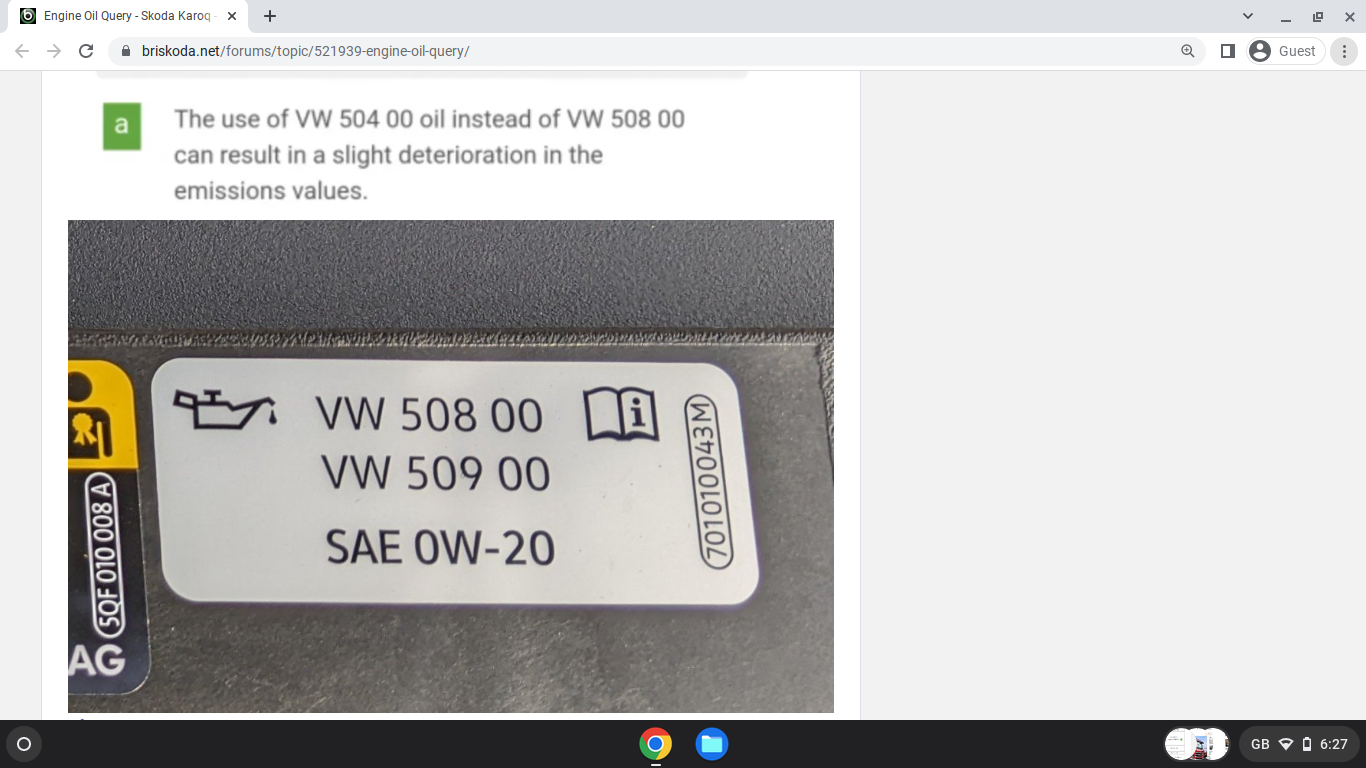
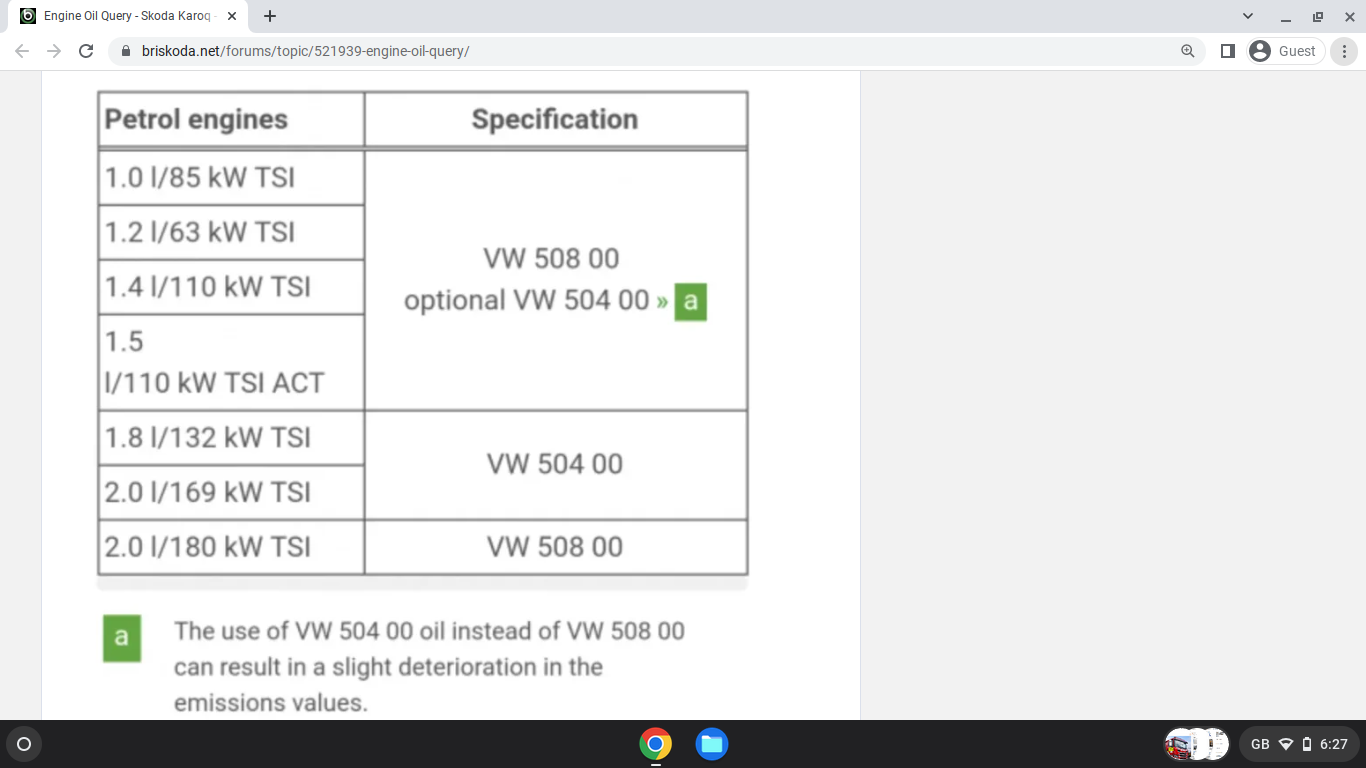
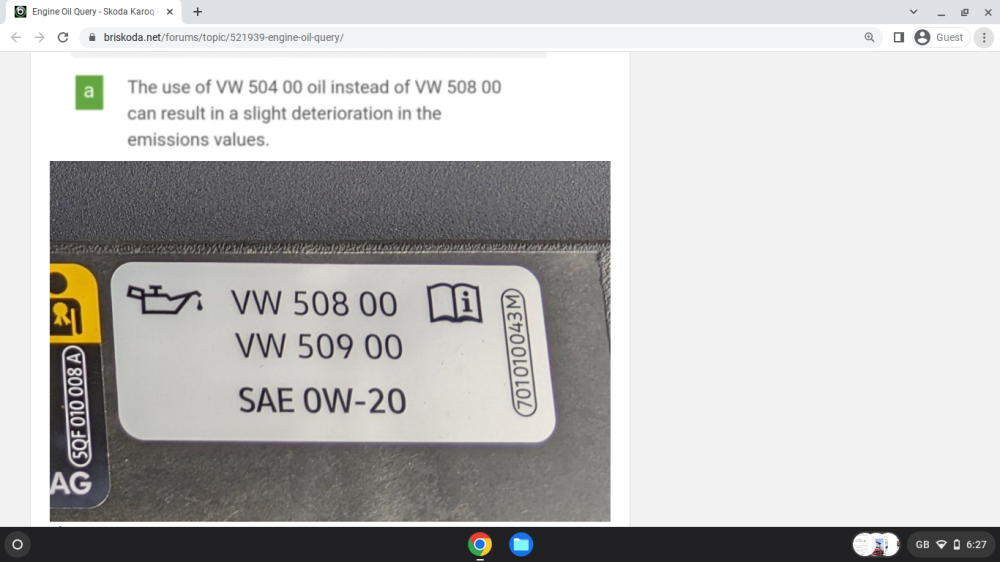
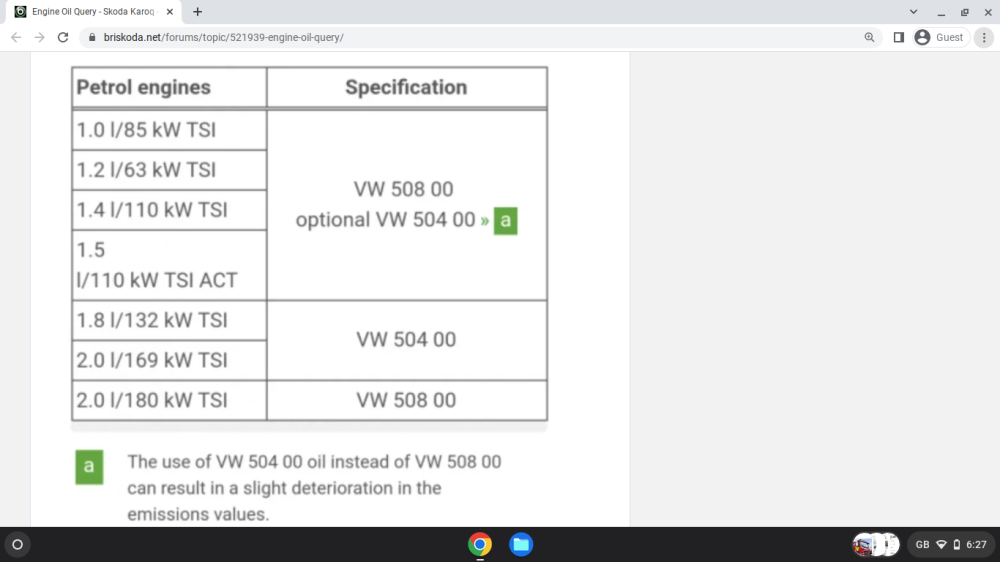
@Grc The Skoda / VW recommended oil for your 1.5TSI ACT is to VW508 00 / 509 00 so 0w 20 FS IV. The oil recommended earlier than 2018 and pre WLTP testing was to VW504 00 / 507 00 so 0w 30 FS III or 5w 30 FS III. Other members with a 2017 TDI might have one that was still recommended to use VW507 00 (Long Life) for fixed or Variable services, and still were in 2018 on. Not relevant to your 1.5 TSI ACT. Not that the 5W 30 FS III will harm your engine. Just it is not what the Manufacturers of the car recommended or filled at the factory.
 1 point
 -
Nice Superb you have there 👍 I also find it can take quite a while to find the ideal seating position, but as mac11irl says above you will find it eventually - just remember to store it in the memory once you've found it. Oh, and welcome to the Briskoda Forum.1 point
-
If the temperature raises, it is probably the water pump impeller that has failed but again you still need a scan to get the best diagnosis. Get yourself an ODBEleven scanner for proper diagnosis.1 point
-
A hot air gun, patience and a probe of some sort will do it.1 point
-
Mine was extended for 12 months from the expiry date of Dec 2025, two other posters have had thd same experience.1 point
-
1 pointSolved....it was my IPTV connection interfering with the download, turned it off and download is ok...1 point
-
Common VAG issue. Sometimes requires a replacement module to rectify. Well known fault. I’d call the dealer and see what they say first of all.1 point
-
That was one of the errors that used to pop up on mine in the first few months of owning it from new (21 plate, SE L DSG) and was sorted at the first service (the initial X miles thing) done at a dealership. I did tell them about the faults and they knew about them being common and there being a software update to rectify it. Update was done at the service and that message has never been seen again. There have been loads of OTA updates since, so I couldn't tell you what version that would have been, but if you know the dealership has never done an update then there's your likely answer. I understand there is a distinction between updates as well, ie at the dealership you get major updates to fix errors, whereas OTA tends to be pap like adding something to the in-car shop that nobody uses.1 point
-
1 point@Alanovich There is no filter to change, but there are 2 oils. In the MCU and in the box. Maybe consider changing at 100,000 miles. There can be a reset done if needed in a year or 5 if needed.1 point
-
What year and trim/engine Martin? Is it still in warranty? When I first picked up my car it was with a rubbish version of MIB3 software (v276) and amongst the MIB being rubbish I also used to get Emergency Call button going inactive and a message. Odd trick was to press the button and when it barked a call was being made, you press the button again to cancel the call as it had reset itself. Skoda kept talking about having the car pretty much the whole day for an update so left them to it. Have recently potentially concluded it wasn't the MIB update that took the time to update and the issue with the Emergency Call button. More recent software updates have taken 10-15 mins at home. But if you research the OCU (Onboard Connectivity Unit) I've found reports of that potentially taking a lot longer. So my suspicion is the OCU may have packed up and needs either a revised firmware or replacement.1 point
-
Hi some of that may polish off with T Cut. I never found the paint code but I got bloke who did a smart repair. He went to local car paint supplier who scanned the bumper and matched it.1 point
-
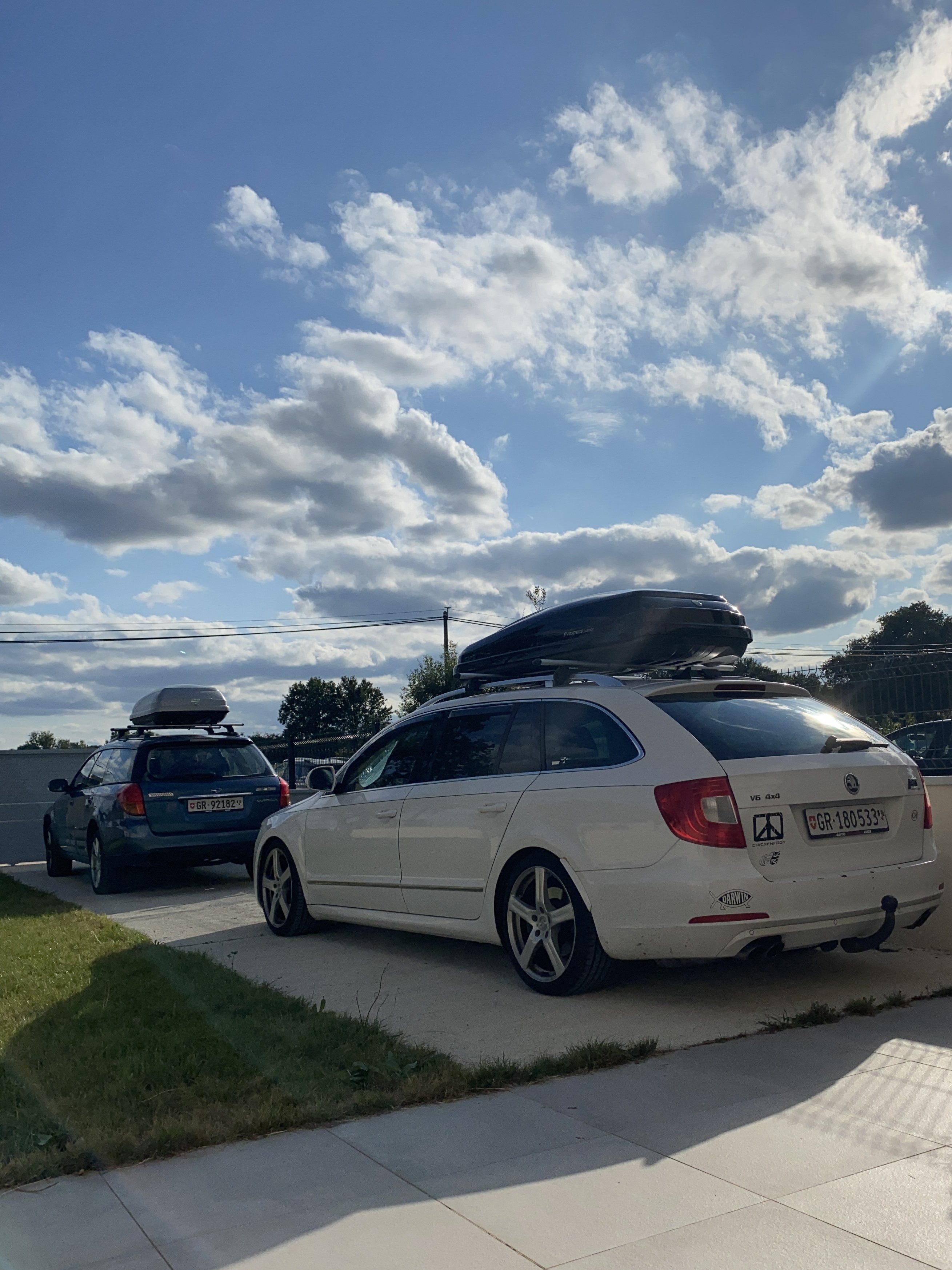
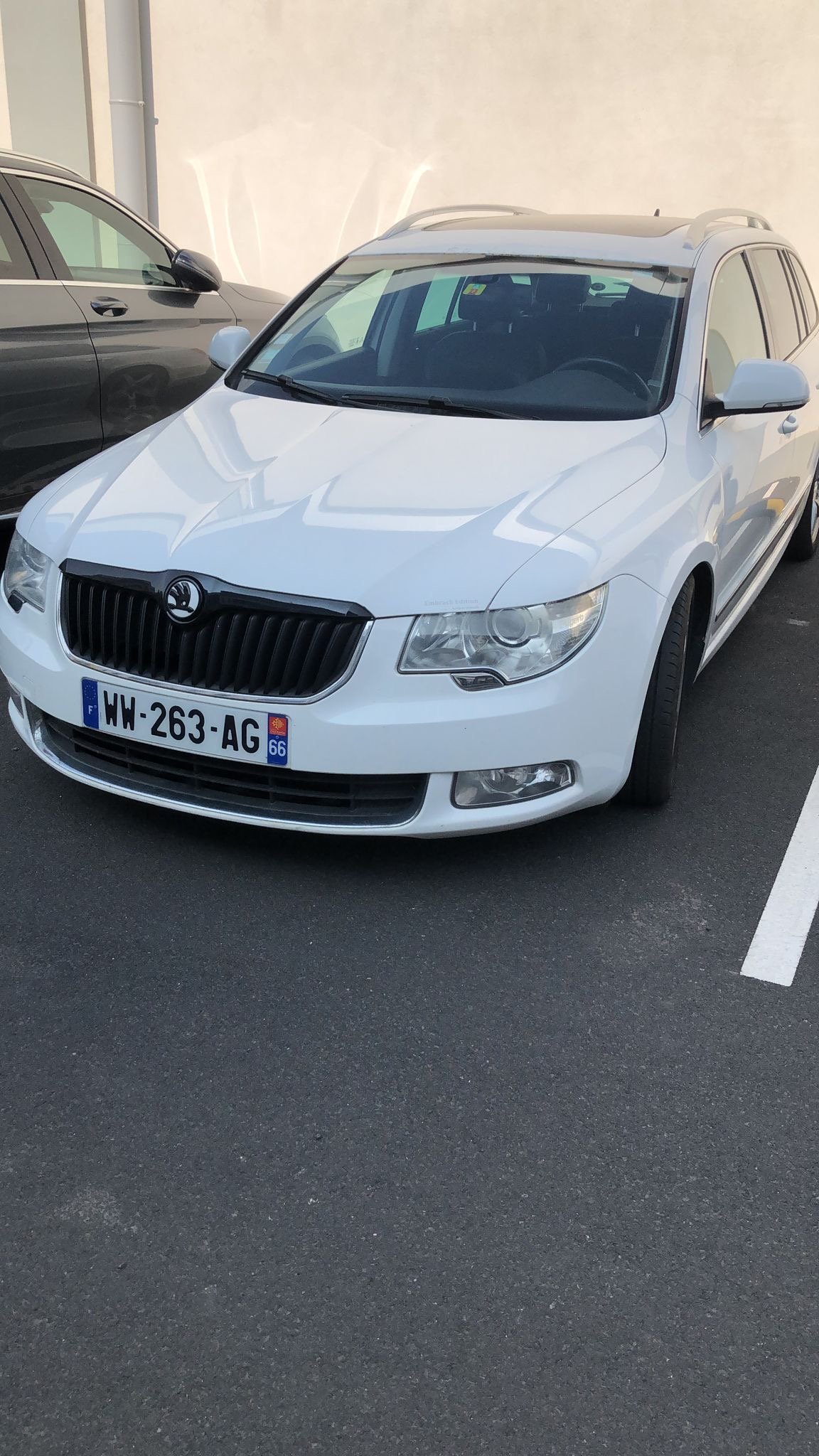
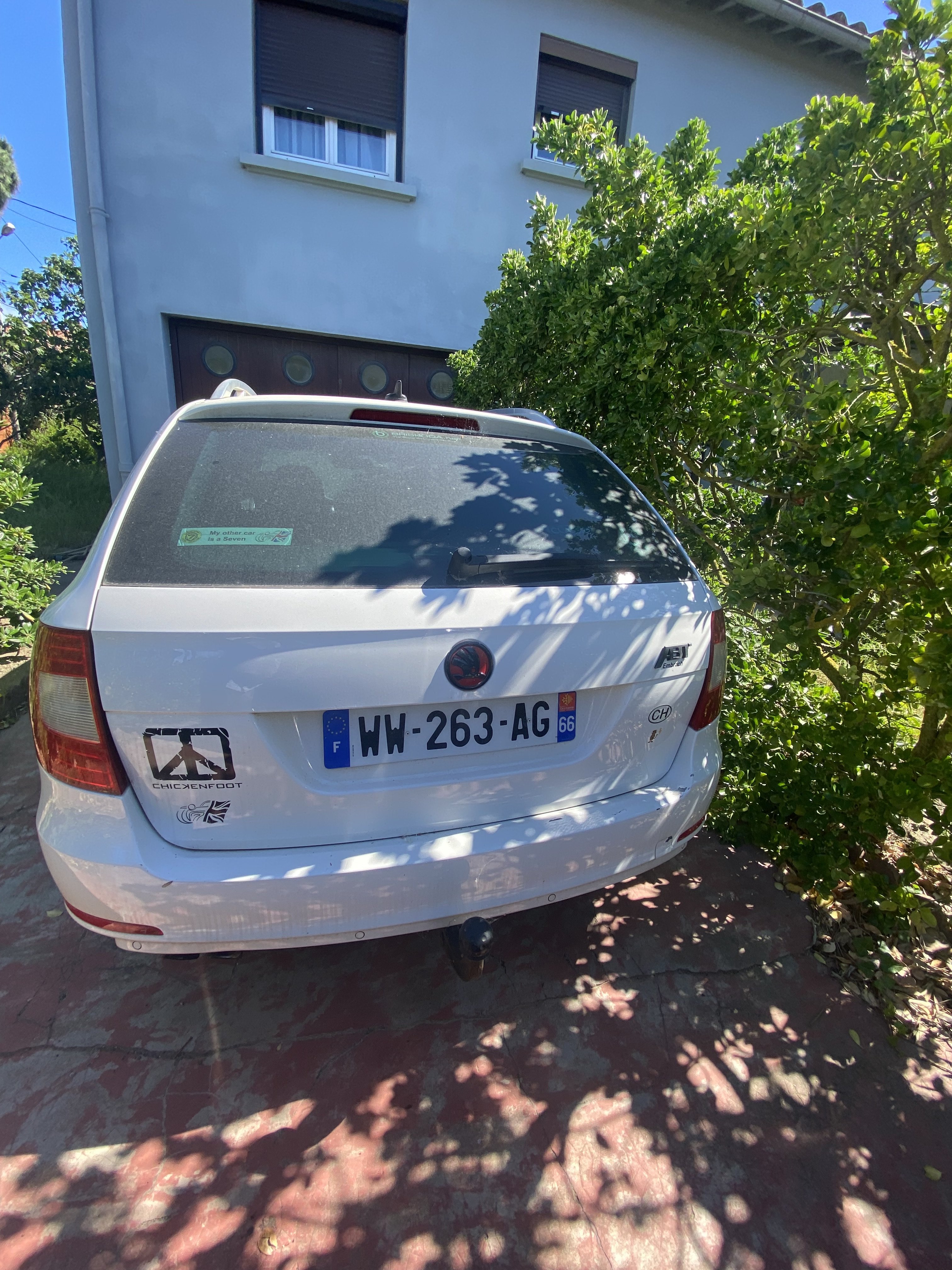
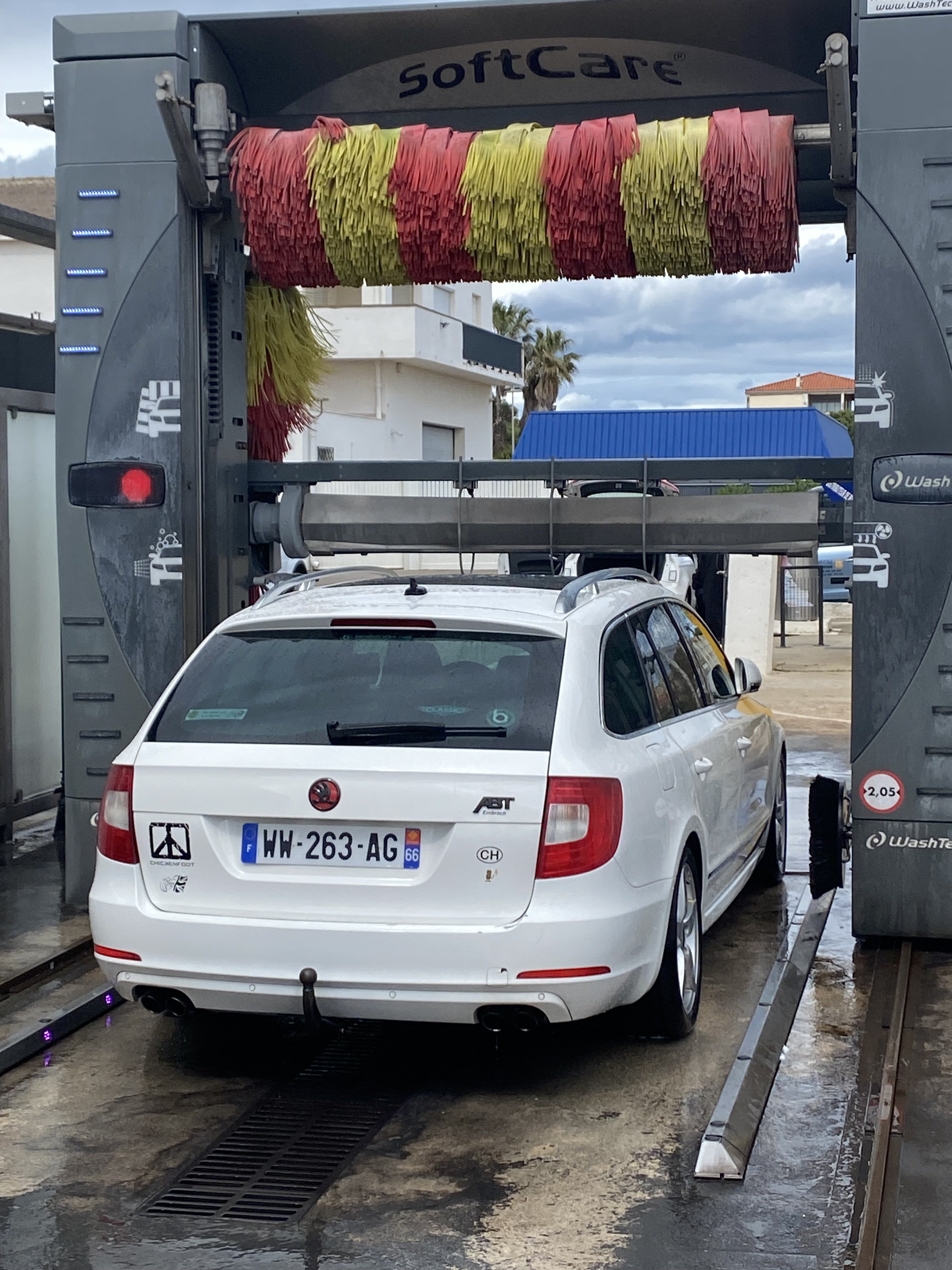
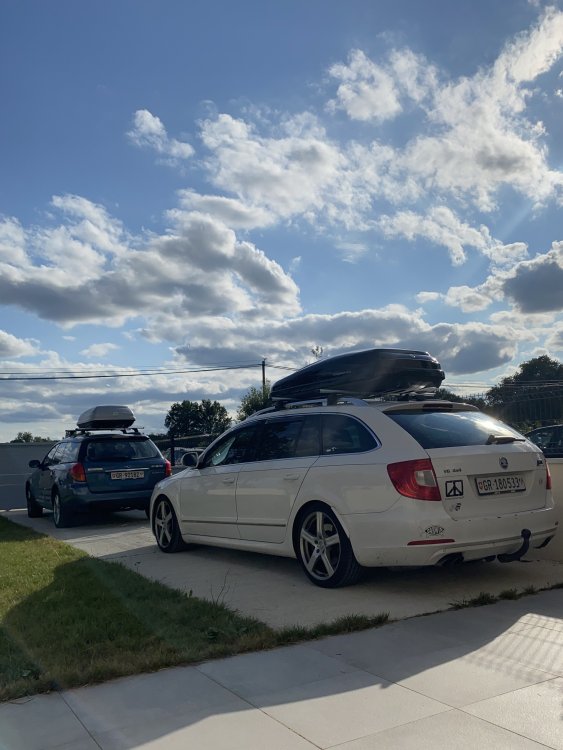
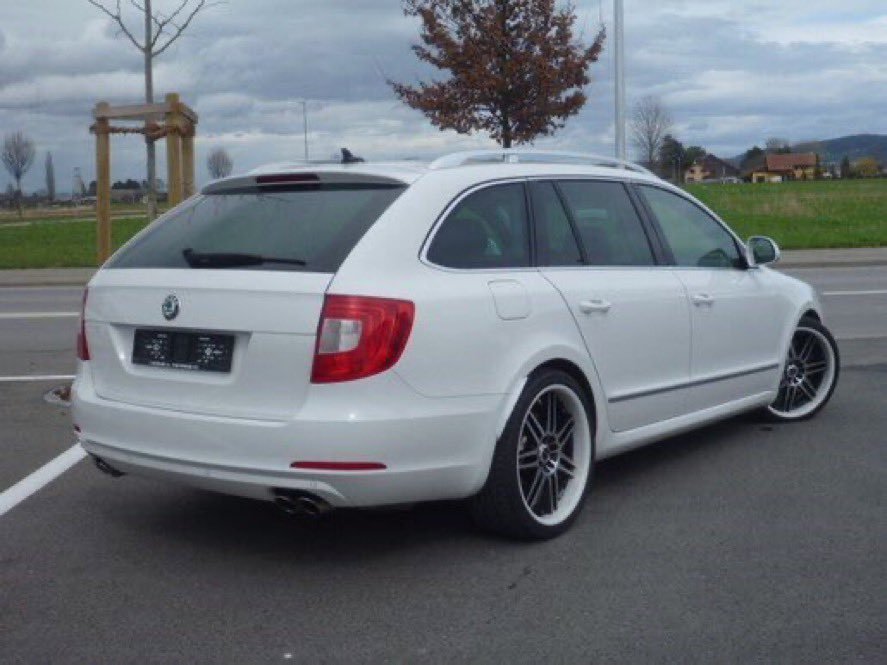
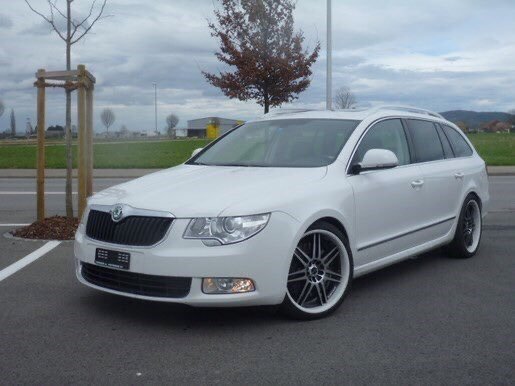
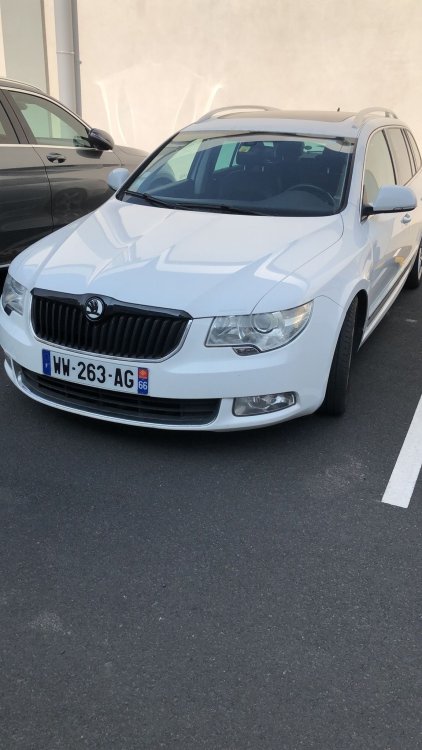
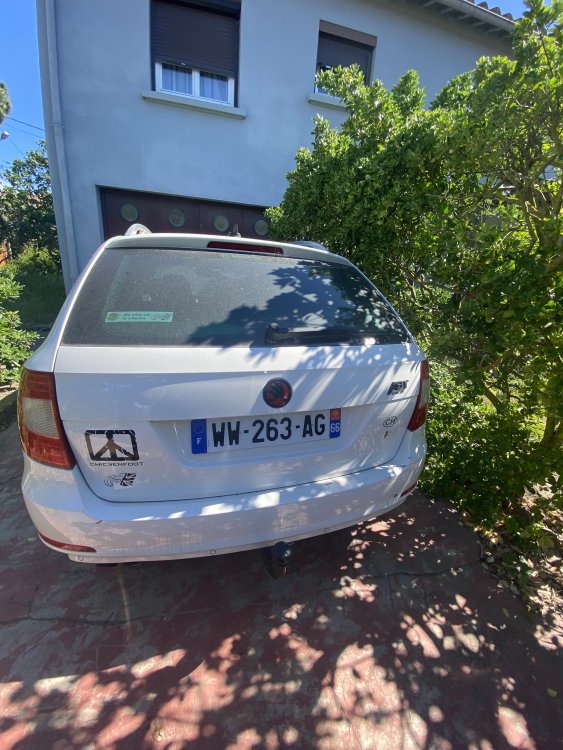
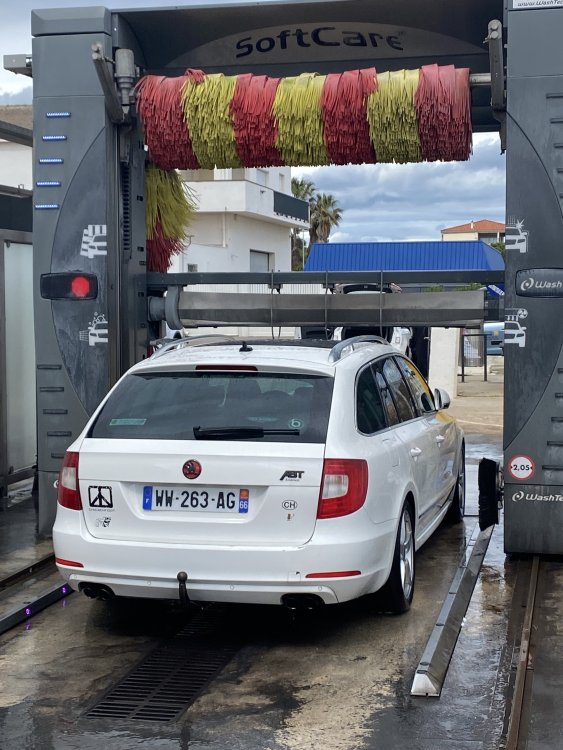
UPDATE ON MY 3.6 AWD Embrach Estate Hey chaps snd chapesses - just a quick update on my wonderful 3T Superb 3.6 awd Embrach (Swiss) tuned edition. It’s a 2010 car that I bought in Switzerland used in 2014 (I’ve never owned a ‘new’ car, never will…some other mug can suffer the depreciation 😆) so now into ten years of ownership. (and Briskoda maybe? 🤷♂️). Car now resides in France (although I am currently working in Saudi…) with over 200k kms on it and runs like clockwork. FSH and the major maintenance bits can be seen on my threads here. Just had a new set of all season Falken tyres fitted on 17” rims (I have three sets of wheels/tyres now acoss 19/18/17” 🫣😆). Just back to France to see family and nip out in Wile (the Superb). He never disappoints - a fantastic car 👍🏻👌 Be good folks, Dave
 1 point







.thumb.png.26e4ef1cd991d7943ece4e7bf5baf72f.png)







.thumb.jpg.f83a46b9b3c0d976b9dbffbb523c9874.jpg)