Leaderboard
-
MikeTheThinker
FREEDOM8Points8,537Posts -
a1topdog
Members4Points400Posts -
Titanium_Man
FREEDOM4Points5,993Posts -
Colin170CR
FREEDOM4Points2,455Posts




Popular Content
Showing content with the highest reputation on 14/04/21 in all areas
-
3 pointsI wondered if I would feel jealous when the new kodiaq came out, I see now I had nothing at all to worry about. More than happy to continue with my current SEL3 points
-
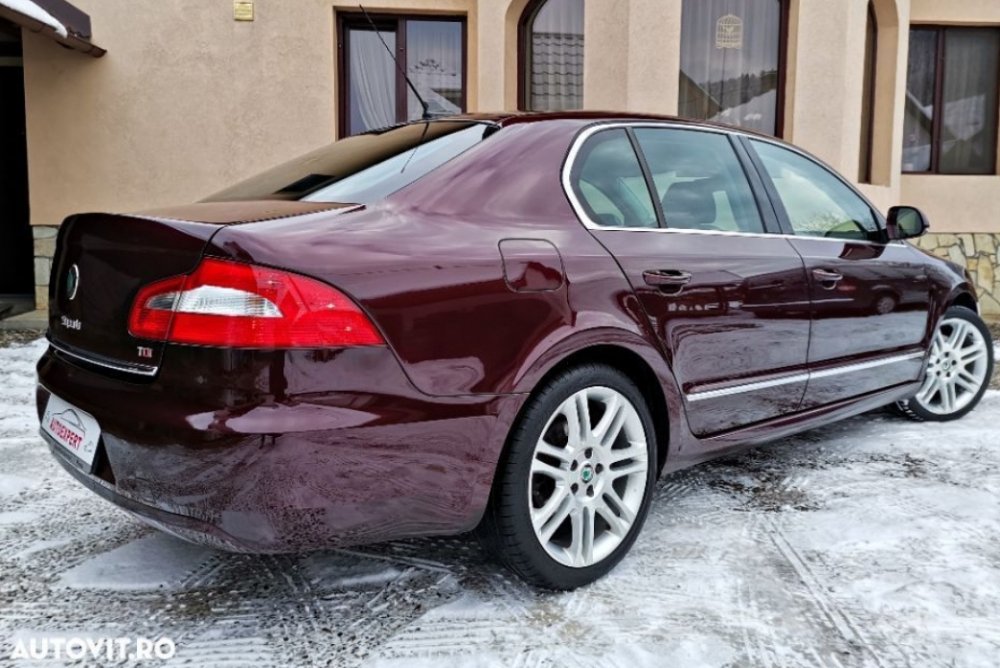
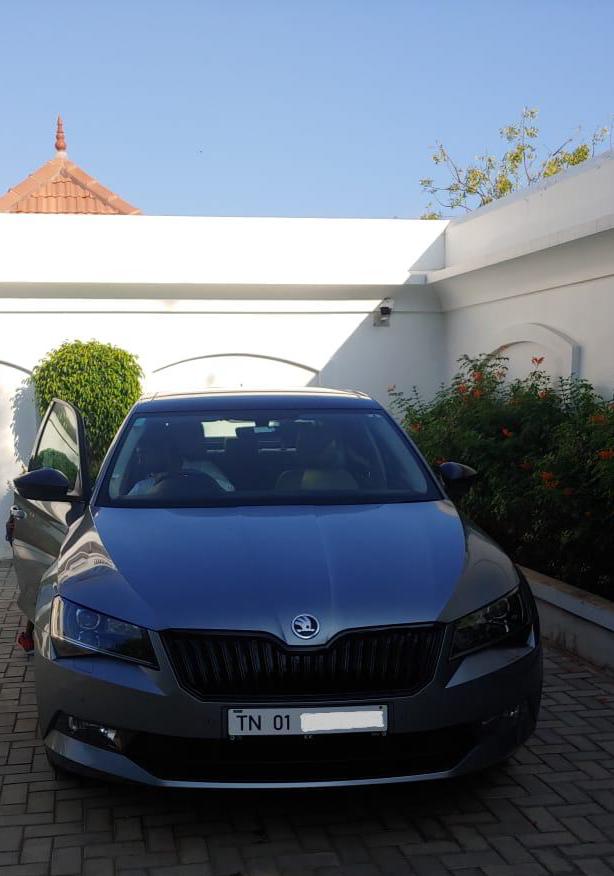
2 pointsHello guys.. Hello from România. After some searching cars, I bring this beautiful lady home.. In next day, the car will pass through some changes like, crom off, new badges, 19" wheels.. Keep you posted 😊..
 2 points
 -
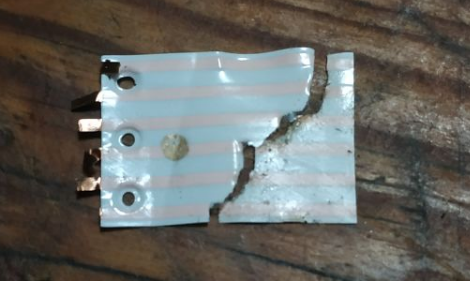
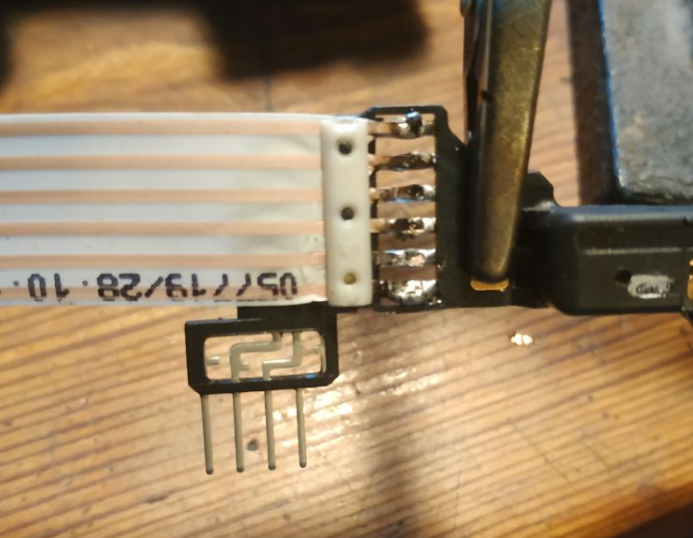
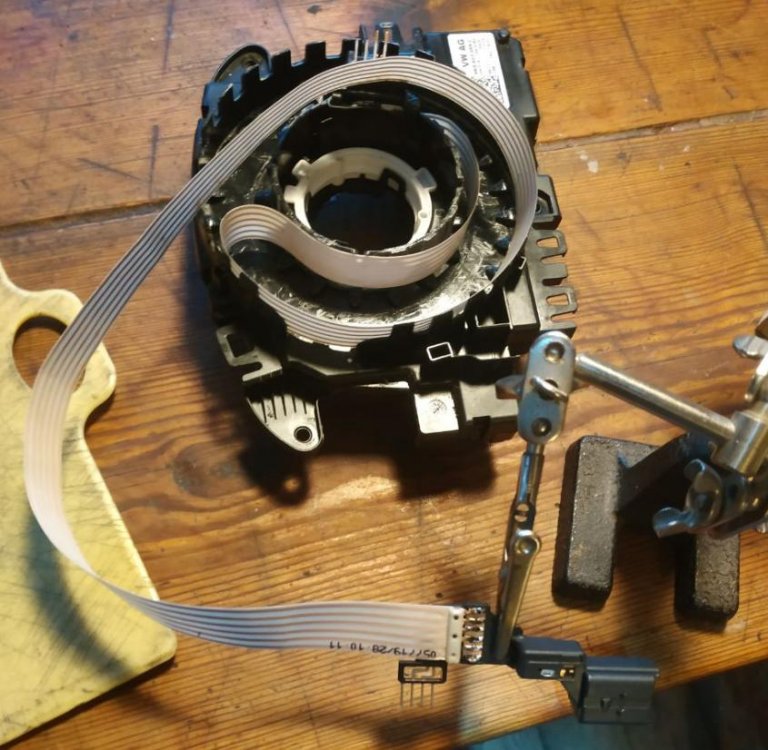
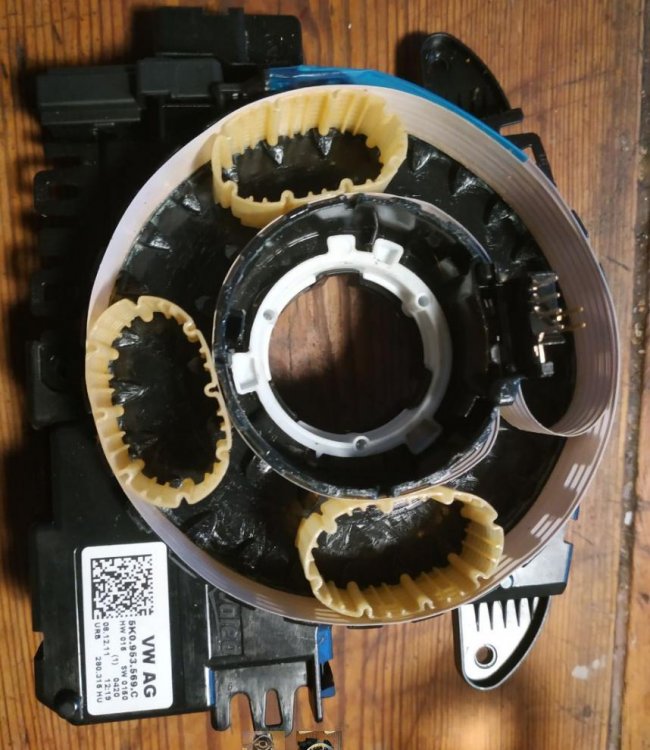
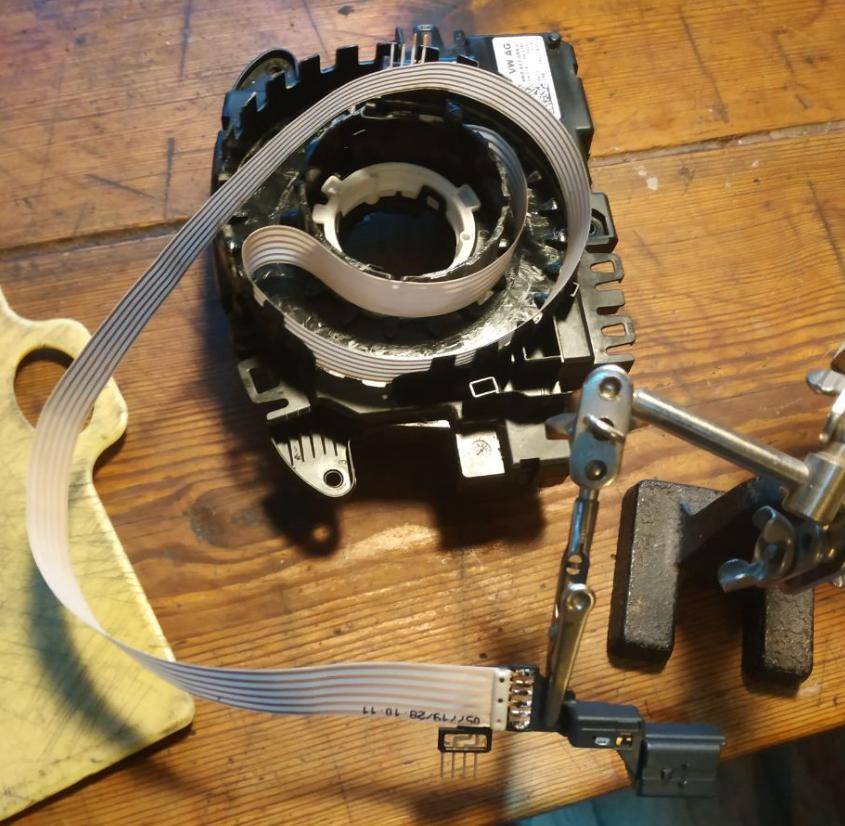
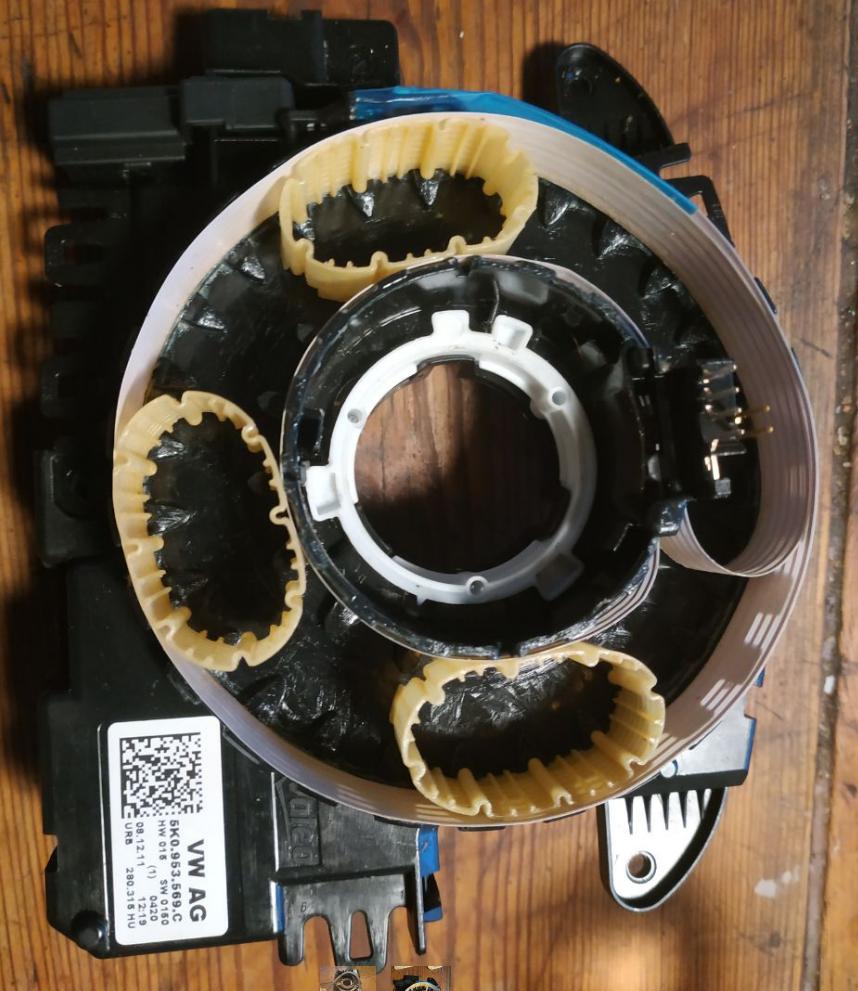
2 pointsHere's the verdict: ETKA is wrong, ELSA is right, the car uses the combined module. Bummer... or? Hrere's the problem: The ribbon is broken in the shape of the plastic thingy which holds it in place - not the best design here. The copper traces are spot-welded to contact pins on the plastic widget which in turn plugs into the controller (4 pins) and leads on to the airbag connector (2 pins). A new controller is both expensive as well as in need of coding, it also takes a fair bit of time for things to be delivered here in the Swedish countryside. So... ...I just cut the ribbon straight, carefully cut out the 6 traces at a length of ~5 mm, removed the insulation with a torch and some fine sandpaper and soldered the ribbon to the contact pins after first removing the spot-welded remains. After that I replaced the plastic fastener (the white vertical piece which holds the ribbon in place and offloads the welds) and for good measure added a piece of builders tape on the first few cm (not visible here) to avoid the thing breaking in the same location. Ready for closing, the lid and spool top snap in place. The horn now works again, I'll have to find a way to reset the airbag lamp but that can come later. The whole operation took about half an hour.
 2 points
 -
2 pointsBig shout out to @EBCBrakesUK for receiving my yellow stuff brake pads today & thanks again...Top banana2 points
-
2 pointsFeels like a missed opportunity for the Kodiaq. Looks like they do not want it to succeed. The looks are a step backward from the current generation. The wheels of the RS that cover the red brake pads, remind me of non-alloy wheels with hub caps . They plonked the Octavia RS engine into the Kody, it shd have atleast been the 280ch one that was in the Superb before. Hardly anything to be excited about.2 points
-
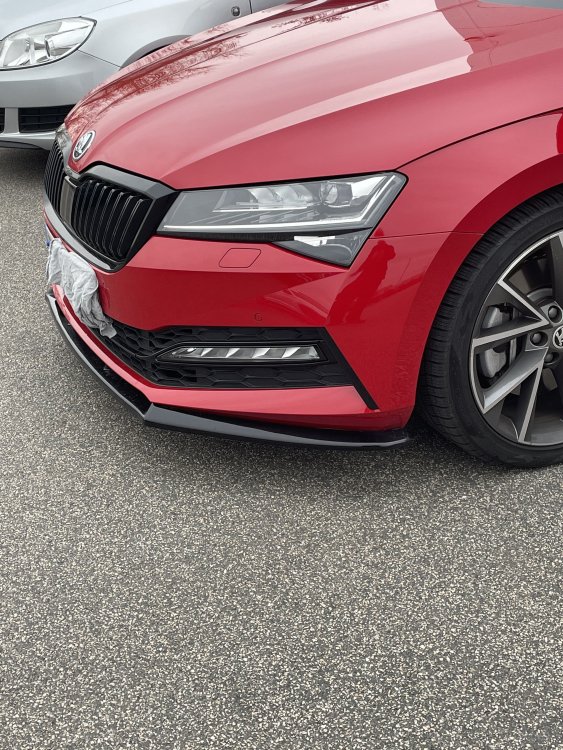
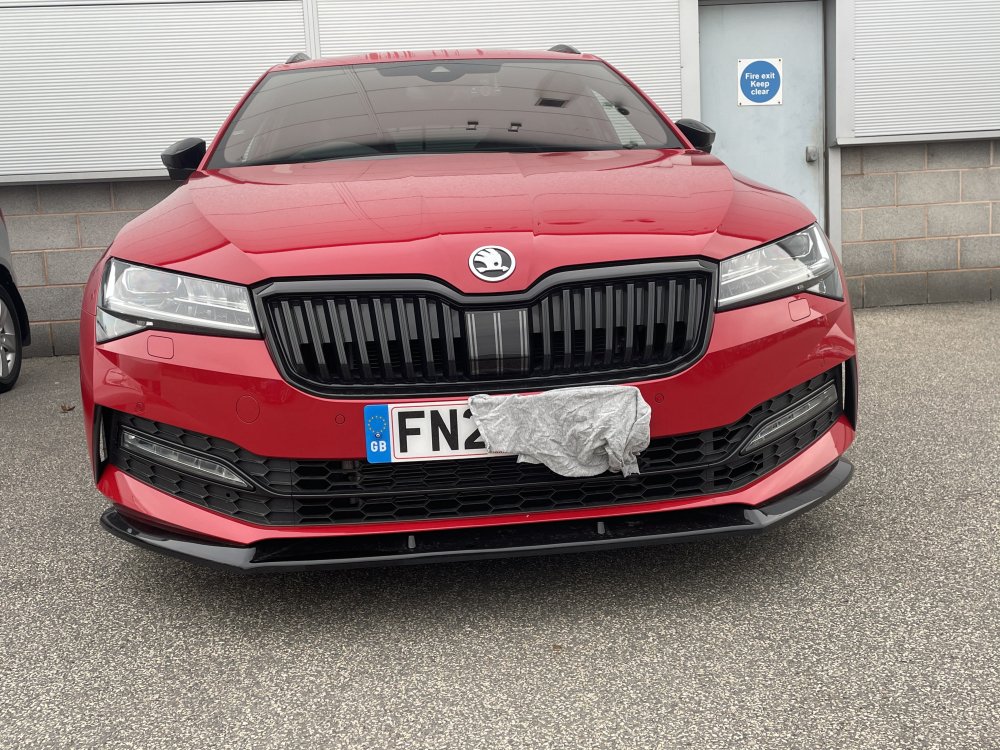
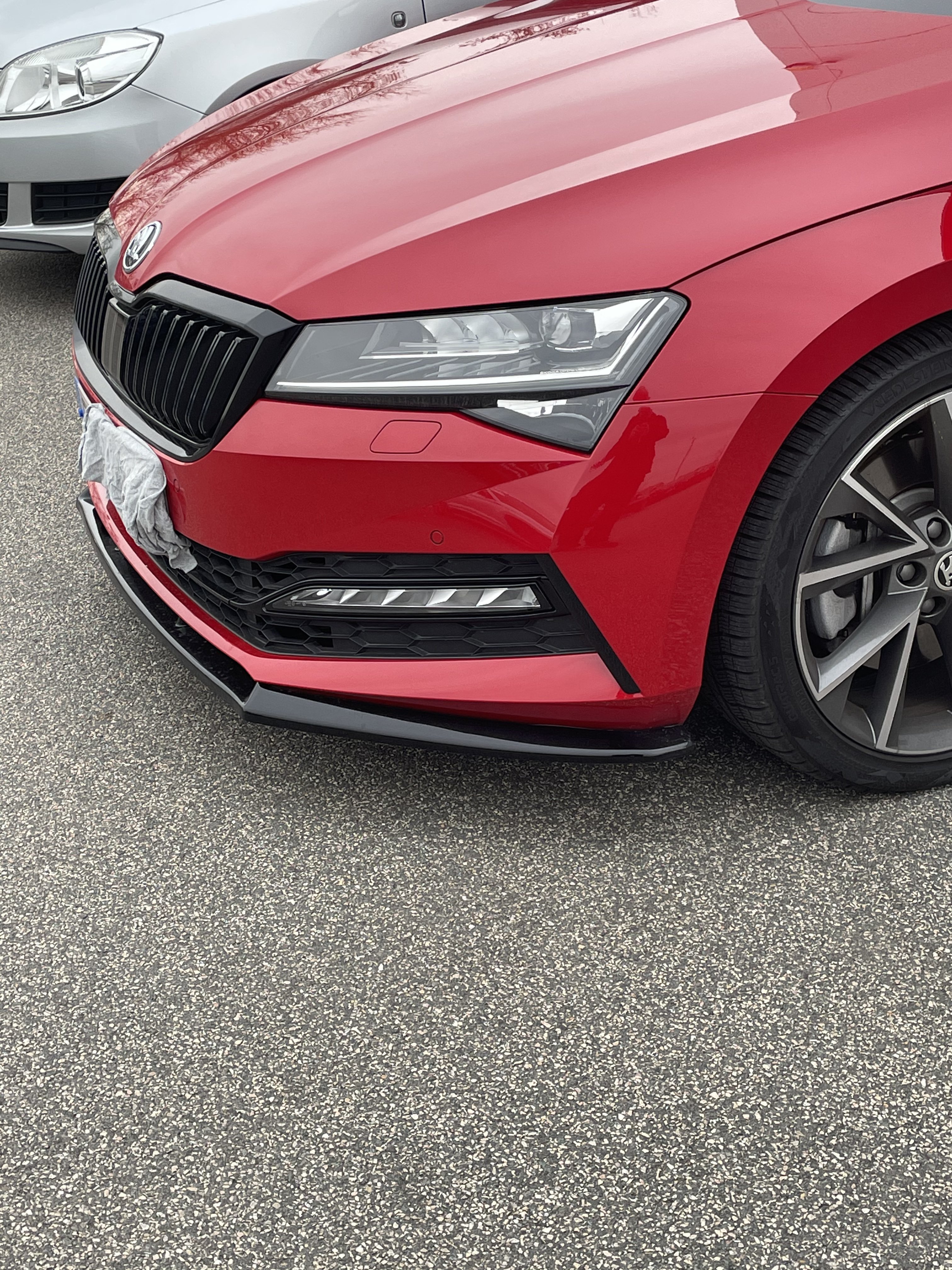
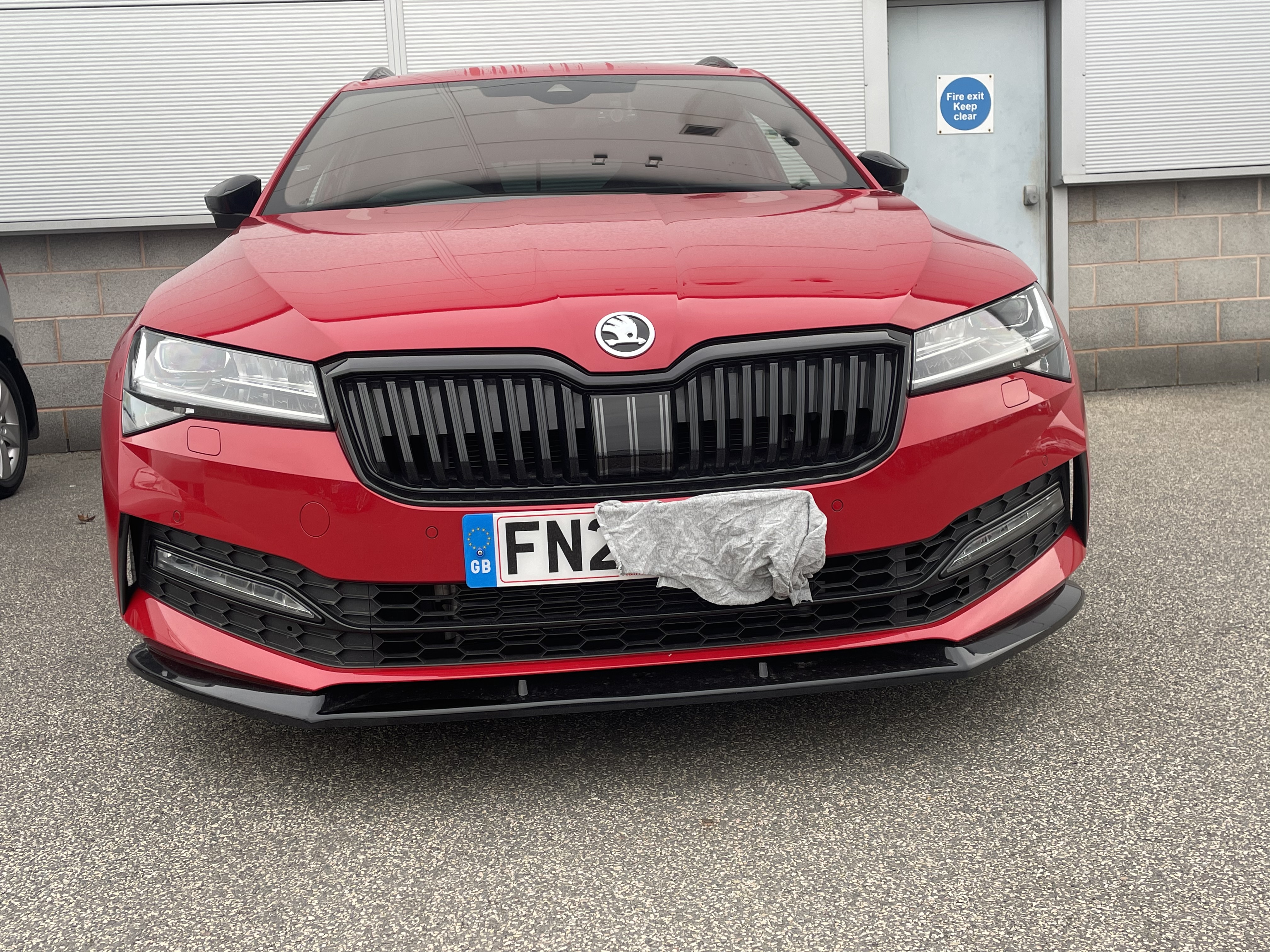
2 pointsI found the maxton which I’ve got fitted to my 272 to be very well made, it fits like a glove with no gaps and the quality is also very good, due to the latest sportline front bumper design it does follow the lines very well
 2 points
 -
I've now had 4 Skodas, all with aircon and none have given me any problem whatsoever nor have any been serviced. My current car is a Mk3 Fabia Montecarlo that was 5 years old in January. I believe that the common factor is that I NEVER turn off the aircon: why would I? The Aircon conditions the air regardless of the time of year or weather. In damp conditions, it helps remove excessive moisture before entering the car; if it is cold, it simply doesn't cool the air any further; and in hot weather it keeps the interior cool. So leave it on all the time and unless there is a physical problem such as stone strike to its radiator or a hose perishes, you should be Ok to ignore services. It's rather like nearly everything else: leave well alone unless it goes wrong! My 2002 installed Vaillant central heating boiler has NEVER been touched by anyone and 19 years on it is still working perfectly. It's annual servicing and botch work that wears them out! (Sorry heating engineers!)2 points
-
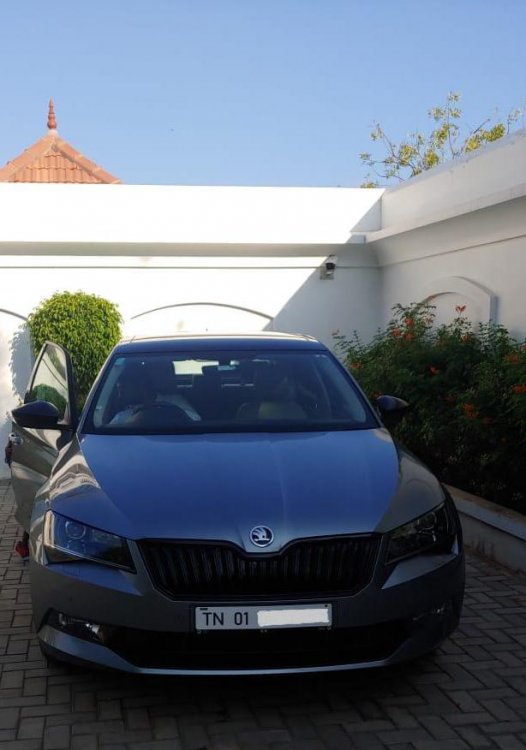
2 pointsDid a complete chrome delete and converted my L&K to Sports. Currently runs a Stage 1 TOT remap with 210 WHP & 300NM. More pictures to follow.
 2 points
 -
Talking about creativity...
 2 points
 -
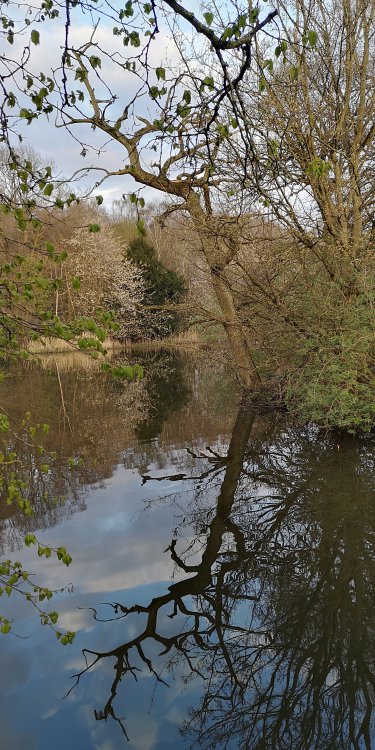
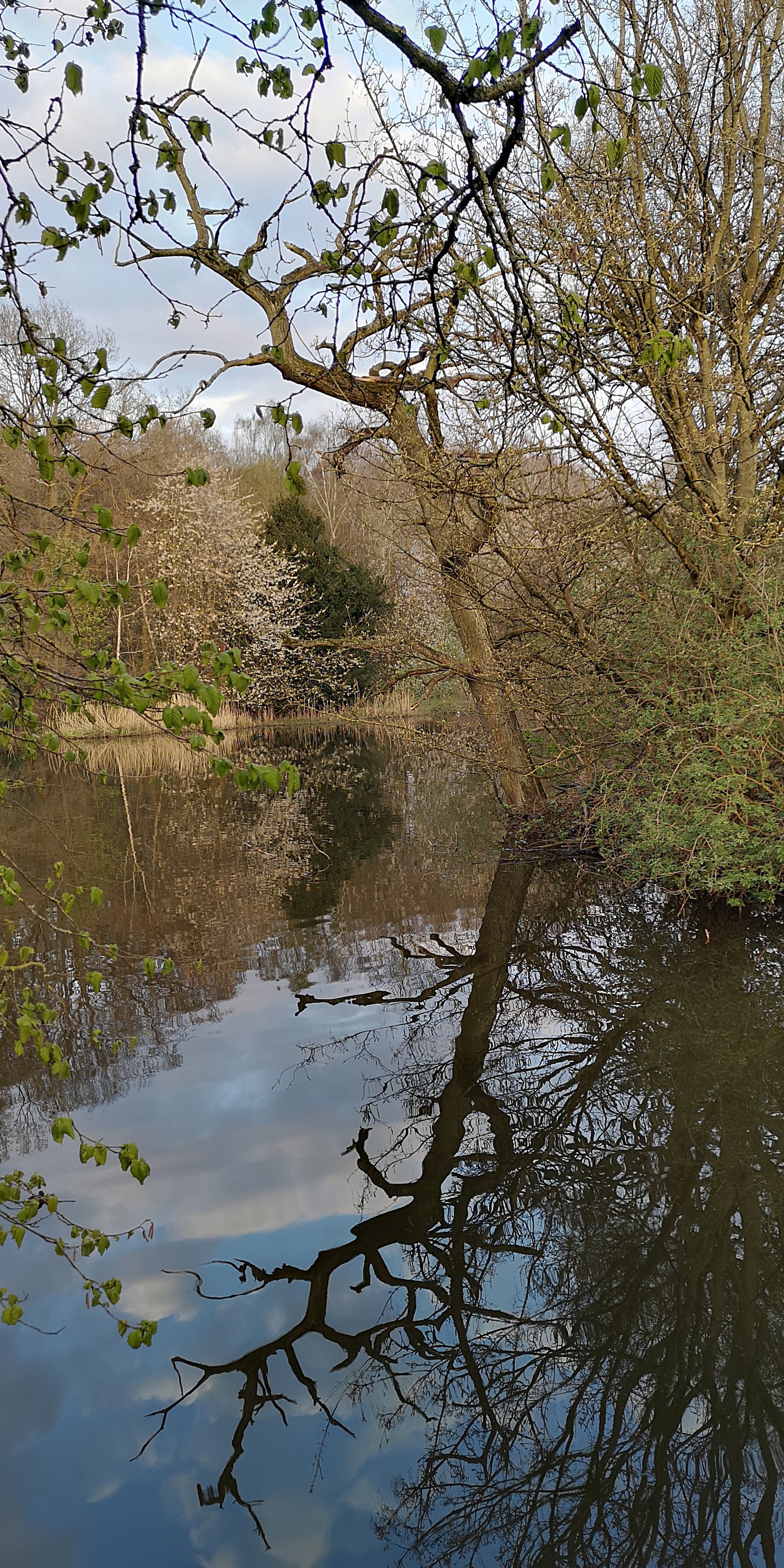
2 pointsA few from this evening's walk. Super impressed with my old Huawei p20 pro - still manages to take a decent photo after almost 3 years.

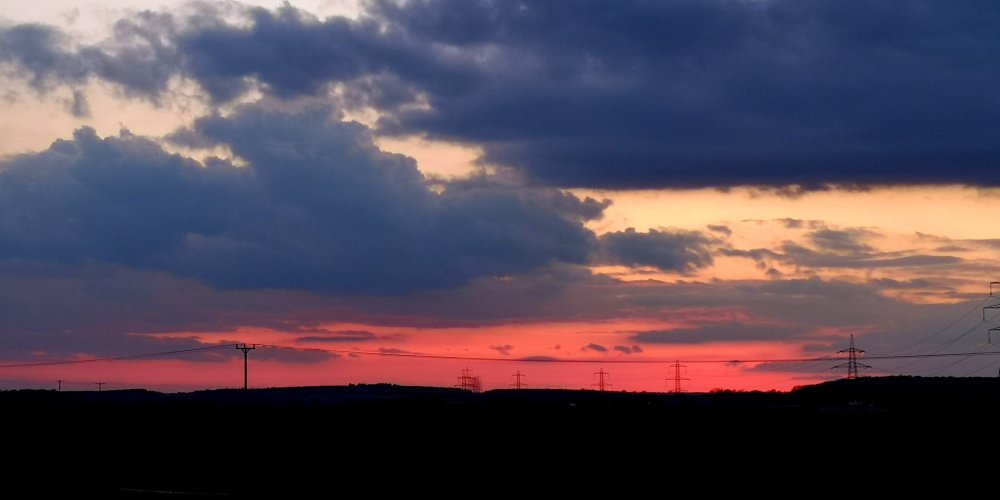 2 points
 -
Its the underside of the belt that should be scrutinised, preferably where it takes a reverse curvature around the tensioner, any cracking at the root of the teeth is more apparent that way.2 points
-
2 pointsWellington European sent me the first pic this afternoon. At 5pm after work I was there to collect Rusty! Before immediately parking it in town and going for dinner with my wife. The drive home was great! Smooth, good noises, happy driver. No obvious drips when home after a spirited drive up the hill road.2 points
-
I've spent the whole evening repairing the broken photobucket links through the whole thread, so ALL of the pics are now visible to all....2 points
-
Great job! I recently did this job on mine, its really not that bad at all once you get the door card off and just really take your time. Although its definitely a job I think I could do again in half the time now I've done it once!1 point
-
1 point
-
1 pointI just got a delivery date - 30th of April... will believe it when I see it on my driveway.. 🤣1 point
-
1 pointThanks, lets hope that it is for the issues we are all suffering. My understanding is that they are in the throes of launching a revamped Kodiaq that is now available with the high tech features that have been causing so much trouble on the Octavia 4. Words fail!!1 point
-
1 pointI just noticed a post in the German NX Facebook group saying that Skoda will supposedly (told by a dealer) release a major update in three weeks. Maybe there is still hope for you guys having those early units.1 point
-
1 point
-
1 pointI am inclined to walk away for other reasons also. Mainly 'due to covid' excuse, they will not let you drive their cars but instead you have 24hrs to return the car. BUT you don't get your money or your part ex back, you have to choose another car !!!! Doesn't sit well with me. Dealership is Ron Skinnerr BTW. Don't get me wrong it's a nice car and cheap but if it's not right I don't want to pick another car from their fleet that I don't want just because. Oh and it's got a dent the size of your fist in the N S sill below the B pillar.1 point
-
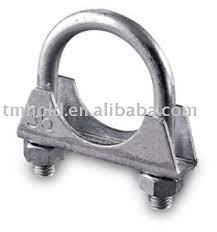
Something like this as previously suggested might be a better solution if they fit on.... https://www.ebay.co.uk/itm/Clamp-Collar-Double-Split-3mm-To-130mm-Shaft-Collar-Clamp-Type-Collars/302160614643?hash=item465a2d14f3:g:HoYAAOSww3tY40ne1 point
-
1 pointHave you brought this up with the dealer before you walk away? Maybe, just maybe it was just one wing that was replaced. Early last year my car was hit overnight when parked causing £5.5k worth of damage to the front O/S corner and N/S door. Never did find the culprit. After repairs from a quality repair shop via my insurance, the car looks as good as new again. It might just be one poor paint job on the one wing of the car you are looking at. If you do walk away, at least there are more second hand Diesel VRS to look at than available petrol ones which are always in short supply. Good luck with sourcing the car you are after. This is my second Octavia VRS I have owned, I just love them.1 point
-
1 point
-
Hi all, I took my car to the garage today and they turned off the airbag lights with their diagnostic tool. Cost me £36 inc VAT. Thanks for all the comments & help.1 point
-
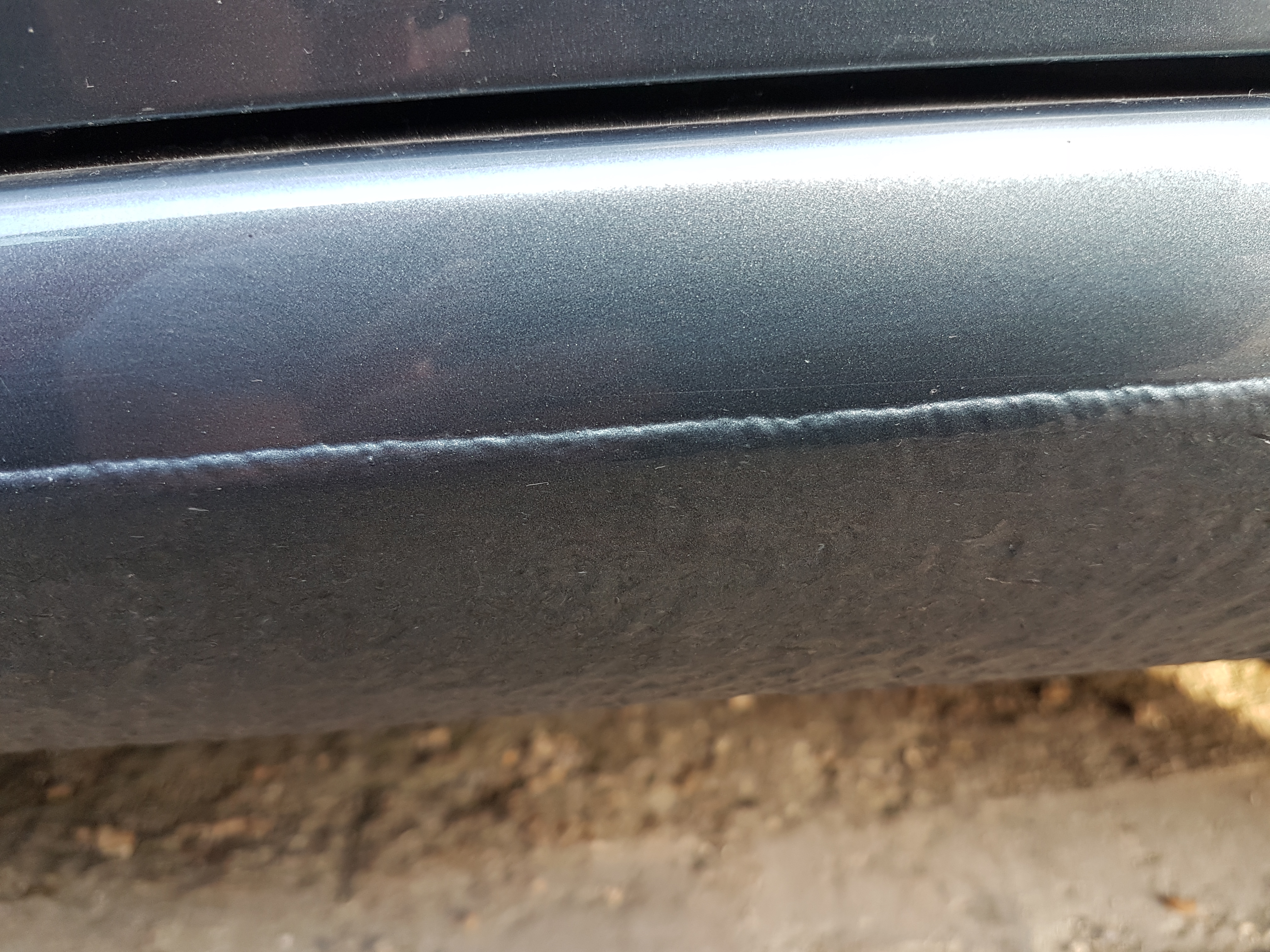
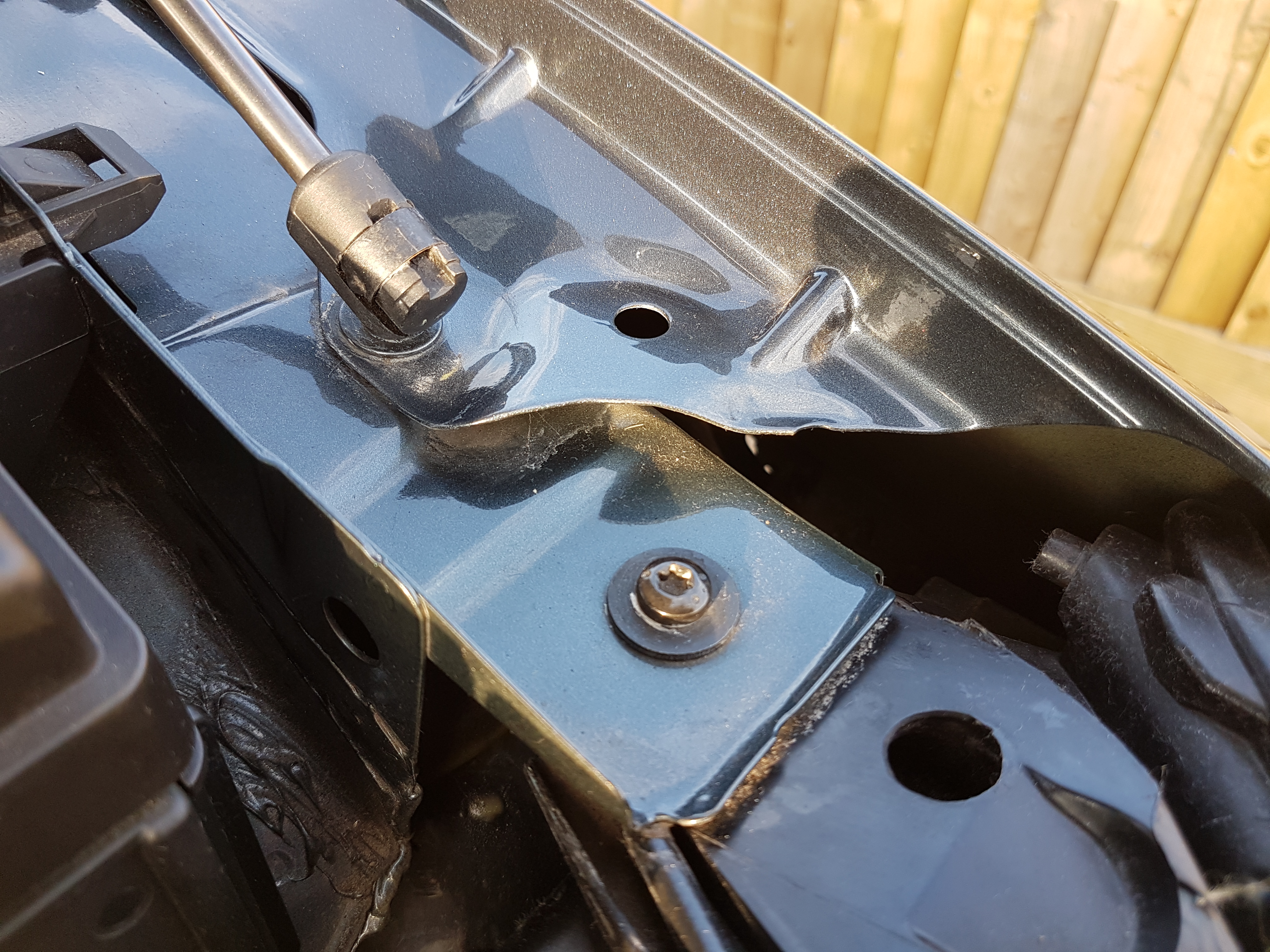
1 pointSounds very suspect to me. Maybe the car has been poorly fixed after a crash. The underseal you speak of comes 2 thirds up the sills, but is thin, although in the photo it does appear thicker and is colour coded in as per photo. It's more of a rough hard surface protection than underseal. I took a photo of the front corner of the wing underneath the bonnet and as you can see, all nicely painted the cars colour.
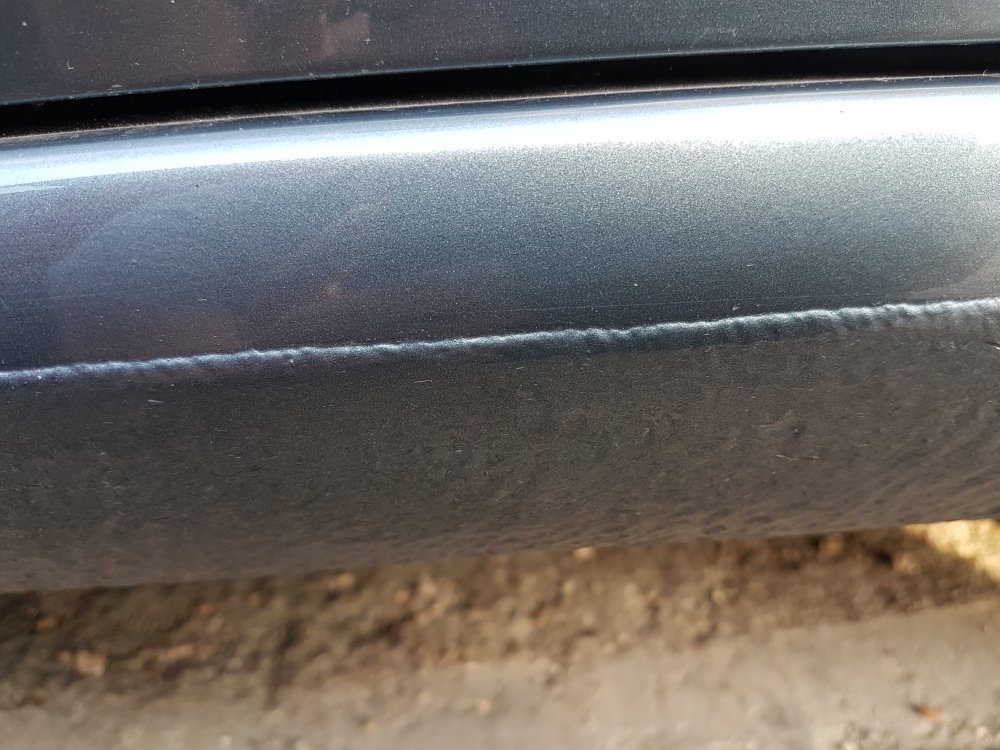
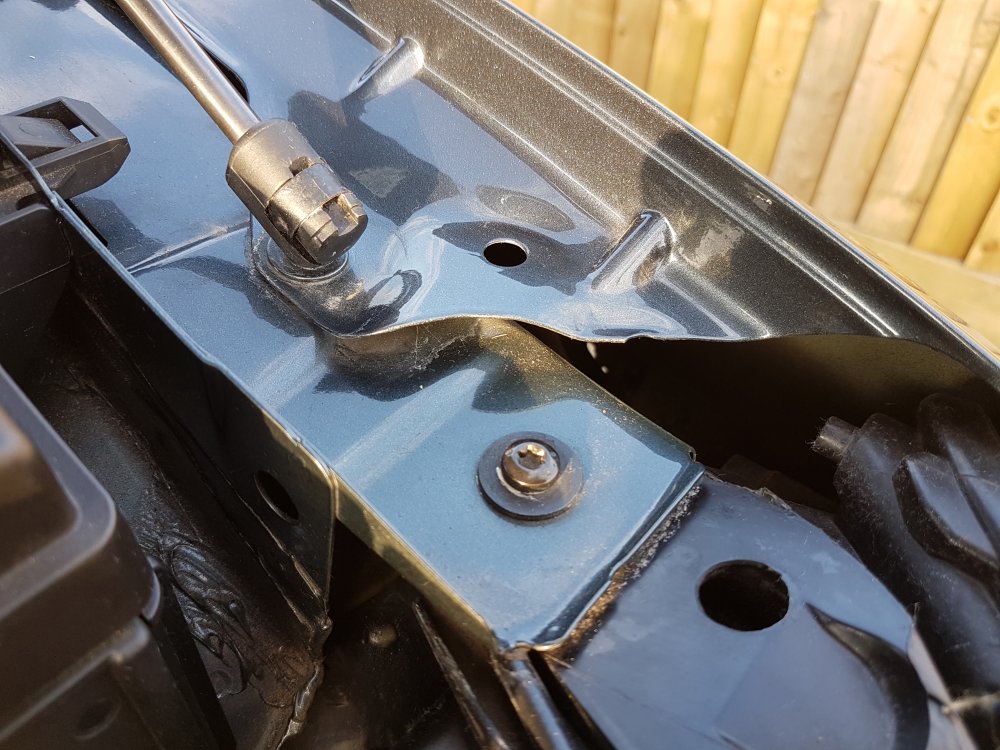 1 point
 -
1 pointHi Marky They are very hard wearing mate , I have three little ones , so the mats get a right going over with the 3 of them in the car , also they drop toys , food and god knows what else on them , the mats always come up like brand new when wipeing them over with the same product I use for the dash and and soft plastic in the car . Can't say much for sound reduction buddy as the old girl is a diesel and I'm just use to the noise of her , possible better insulation mate ? I know they feel a lot more comfier on the old feet and also the same on passenger side and in the rear so I'm told by the Mrs and kids .1 point
-
I only wanted to see if anyone knew if they'd fit or not In any case the wheels I was looking at appear to have sold now, so my quest continues Thanks for all the replies though1 point
-
1 pointThe paper label that used to be stuck in the service book and boot seem to have been done away with. But the ErWin computer system will tell you if you buy an hour's membership and input your VIN, or Horton's website at SKODA Karoq 2017 to present Touch Up Paint | Horton ŠKODA (theskodashop.co.uk) will give it if you know the name of the colour. It should also be quoted on your initial invoice if you bought the car from new. Chris1 point
-
You need to reset the linkage, there is a guide on here if you search for it.1 point
-
There are many reasons why a tyre might be going soft, ranging from cheap and easy to fix right up to buying new wheels. Find a good independent tyre fitter in your area - ask friends/family if they have someone they can recommend. Fast-fit places will probably want to sell you new tyres without doing any real fault finding. Possible causes of pressure loss: Loose valve stem insert - it can work loose, or might not have been properly tightened last time around A valve spanner is only a few quid in Halfords and it's something you can check yourself. It's usually my go-to first fix for a tyre that's going soft Related to the above is perished rubber on the valve stem Solution is to replace the stem - job for a tyre fitter Poor seal between the tyre and the rim: the tyre may not have seated quite right when fitted, or there was dirt left on the rim, etc Fix is to reseat the tyre after checking the bead and rim carefully - job for a tyre fitter Both of the last two could/should be done together before going further: it won't cost a huge amount of money and fixes most problems with tyres losing air Slow puncture in the tyre: it can happen from a piece of glass, or a nail, etc. If the object stays stuck in the tyre it'll plug the hole enough that it'll only leak slowly A tyre fitter should be able to find if this is the problem, and unless the damage is bad, the tyre can usually be safely patched inside This has saved me from buying new tyres more than a few times Damaged wheel: As Carlston pointed out, a clumsy tyre fitter could damage the tyre seating surface on the rim making it difficult to achieve a seal Badly kerbing the wheel could do this too, or warp the wheel to the point where the tyre can't seat properly Alloy wheels can crack; if this happens on the pan or rim it will leak The fix here is refurbish the wheel - it should be about 1/4 to 1/3 the price of a new wheel from a competent repairer (I had mine refurbed last year at €70 per wheel including fitting of new tyres) Unless the wheels are in really bad shape, or you just want rid of them anyway, buying new wheels is a waste of money right now. If you do want to buy new rims, the following are the type approved sizes for the 1.8 TSI Facelift for year round use: 205/55/R16 91V on 7J x 16 ET45 rim 205/55/R16 94V on 7J x 16 ET45 rim 225/45/R17 91V on 7J x 17 or 7.5J x 17 ET49 rim 225/40/R18 92V on 7.5J x 18 ET46 rim For winter use only these additional sizes are approved: 205/55/R16 91V on 6J x 16 ET50 rim 205/50/R17 93V on 6J x 17 ET45 rim (this isn't formally restricted to winter use in the tables, but given the unusually narrow wheel/tyre it seems likely that this is the intended use) The winter sizes allow more room for use of snow chains in regions where that is required. Any sizes not on these lists are not type approved by Skoda. If you want to go outside these, it will require additional due diligence on your part to ensure any wheel/tyre combination won't affect ride/handling/safety/speedometer. Changes to profile height and/or rim width and/or offset (ET) will affect scrub radius, which affects steering and handling. Your insurer will probably need to be told too if you go with a non-type approved size. One exception is you can choose a size listed for a more powerful version of the car e.g. 2.0TFSI. Mostly the only difference is the speed rating, and possibly load rating.1 point
-
I guess the OP likes the look of alloys, and the difference to the suspension going from 14 to 15" is going to be almost imperceptible - if sensible tyre sizes are used, IMHO. Post facelift Up!s/Citogos were optionable with 14/15/16 rims but the suspension remained the same. The GTi uniquely has 17" rims and 25% stiffer springs (and uprated brakes) and consequently rides jarringly on UK roads. Far more info on wheel and tyre experiences on the Up! website for those interested.1 point
-
That obviously came across other than how it was intended. Input and opinions are welcome. My point really, was I am not in a position to take the head off at the moment, and have no appetite to spend the time or money. Given that there are obvious places where the oil could be coming in and onto the valves, other than those rings, I'm going to rebuild the car and measure the consumption.1 point
-
1 pointI'm with you on this even if this loaner (Octy First ed) has more issues than mine! Anyway, I have had this courtesy dealership car for almost 3 weeks already and my concern is about the it getting dinged in a shopping centre carpark, etc ! At least with a private car rental, I have an excess insurance cover but not for a courtesy car. And it also winds me up to only do small fuel top up to not hand it back with a full tank when it was almost empty when collecting...1 point
-
The water pump is on a different belt to the cam so there is no point in changing the water pump unless there is a problem with it.1 point
-
1 pointObserved the water visually and tasted it (cause I'm a badass), but looked and tatsed completely fine, no soapy or different taste than normal rain water. I am beginning to think Maybe i should install something to gather the water so i can save some money on the water bill 😃1 point
-
Aye. If it were as easy as it ought to be / is claimed to be - How about this Skoda. Forget about the 'complimentary' car wash with a service how about a complimentary satnav update instead?1 point
-
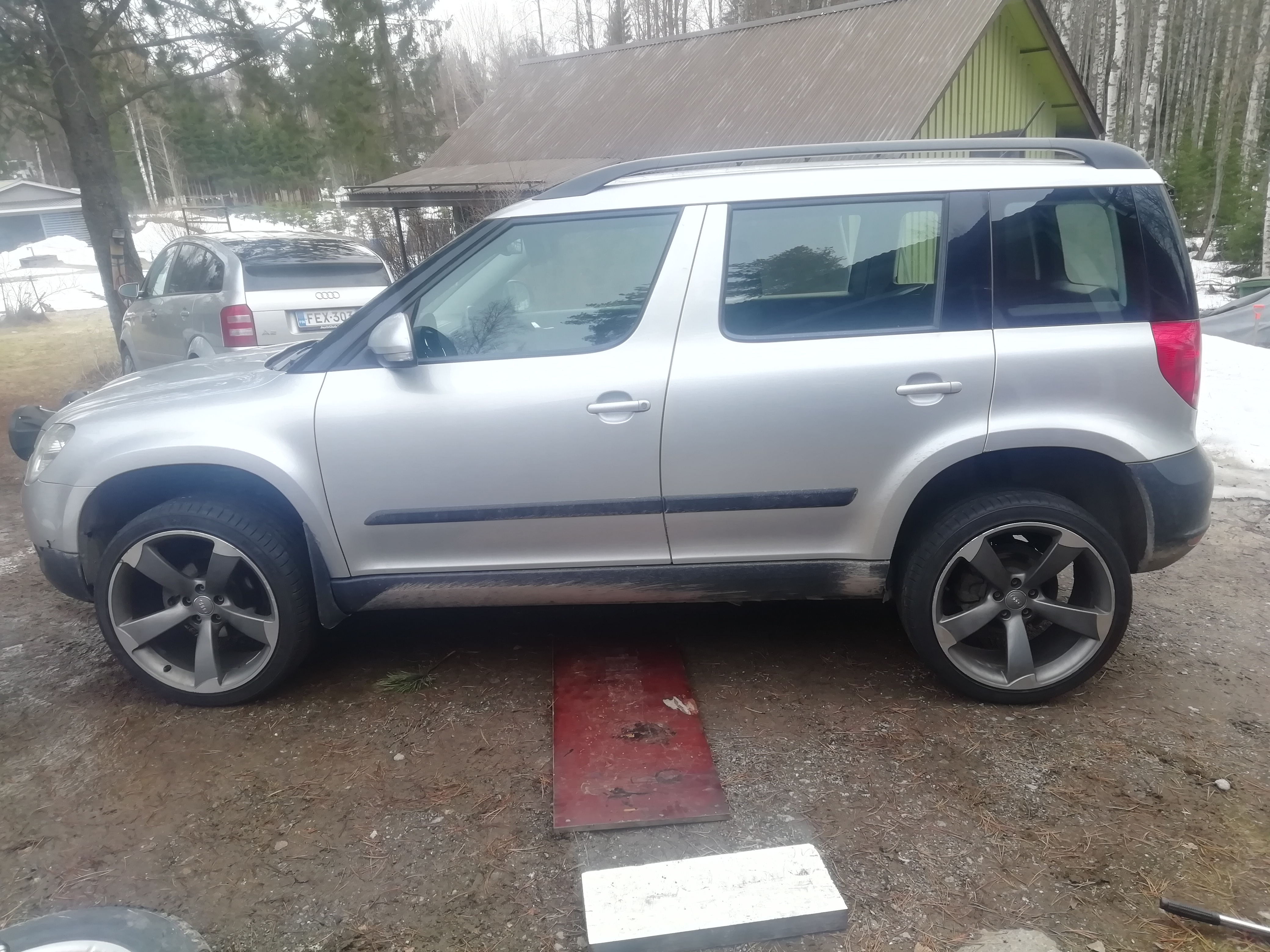
Best of luck, we are all going to face your dilemma some time and are likely to have the same problem - what do you replace a Yeti with? I’ve been looking during lockdown and have come to the conclusion that there is no easy replacement so you either compromise to a Kamiq or T-Cross (or similar) or go a totally different way like you are doing.. Best of luck. PS I like the XC40 as well but it’s just too big for my needs.1 point
-
JR RS, you need to remember, Oz has a lot of something we struggle with in the UK. Sunshine1 point
-
1 pointI think the 3V0920790 parts are for the Superb. In my MY17 car I have 56G920790 (no letters on the end). Also known as 565920790 (china vs Europe part numbers) It should be the same for your MY18 or MY19 car, but I don't know that for sure. The OEM package comes with an optical fiber cable, but you will also need an optical splitter if you have the canton sound system. You also need access to ODIS to set the mileage and adapt the keys to the new immobiliser.1 point
-
1 pointI had 3 Mk2 Octy hatchbacks before getting the Superb and the rear washer failed on all of them - it's a poor design and eventually the water ceases to be sprayed on the screen - instead, in my experience at least - it end up running down inside the rear tailgate and dripping out the bottom. This might well be the cause of the water accumulation you are experiencing. An obvious check would be to see if the water is foamy or smells (or tastes if you're brave/daft) of washer fluid. Good luck. D1 point
-
Work is progressing, fear not weary reader. I have had to enlist the help of a professional for the next bit of wizardry for the car, this will be unveiled when they have done the work for me, but in the meantime i have been making and adapting some things inside the car which will kind of give away what is happening. A sneak peek just to keep interest bubbling at fever pitch...1 point
-
One bump (right by my house) is where it is worse? I try to go over very slowly and so do not usually brake. Ill try braking when I go out shortly1 point
-
I'd try switching the two LED drivers over to see if the problem stays with the headlight or the driver You'll be able to check the part number at the same time if you need a replacement1 point
-
I thought this was worth sharing - it's probably been discussed numerous times before but I think it's worthy of mentioning again. (Mine's an Octavia 2 pre facelift estate.) The outside handle stopped working, the cable had come loose and I could only open the door from inside. To repair you must take the handle off and I struggled to find clear instructions so here goes... - DON'T take the door card off the inside, there's no need, it doesn't get you anywhere other than a drive full of broken trim clips. - You will need a Torx t20 that is long and slim. I tried with a t20 bit in a screwdriver bit holder and couldn't get it to work. I found that a right angled t20 (think of an allen key with a torx end) worked very well. - Open the door, on the edge of door you will see a small grommet that is covering a hole about 8mm in diameter just below the level of the door handle. Access that hole. - Insert the Torx key try and slide it parallel and underneath the end of the door handle, the bit of the handle that doesn't move when you open the car door. You looking for a T20 bolt that fixed to the underside of the handle. I wrongly assumed that the bolt was a grub screw - it's not. I assumed that it was threaded in to the actual handle and was aiming too high. It's actually a fixed bolt that doesn't move but as you wind it, the thread drags a tiny vertical fin or blade fore and aft. The movement of this fin allows you to remove the fixed 'thumb' part of the handle. It's not the easiest of tasks to find this screw but a bit of wiggling should find it. - Unwind (anticlockwise) no more than 12 rotations (I got to 10.5 turns and found that was sufficient to loosen the 'thumb' part) - The smaller end of the door handle should be able to be prised out. It's cast, it looks pretty brittle, be careful you don't drop it. - the end of the cable can be seen - it's black, a resin or plastic with serrated grips that fit in to the corresponding channel in the door handle. Flick it out of the way. - The handle can now be slid towards the open end of the door, pulled away from the door skin and rotated out of the door. The repair took 10-15 minutes, and cost nothing, once I solved the riddle. The mess I created from taking the door panel off will require purchase of new clips and I doubt it'll ever be the same again.1 point
-
1 point
-
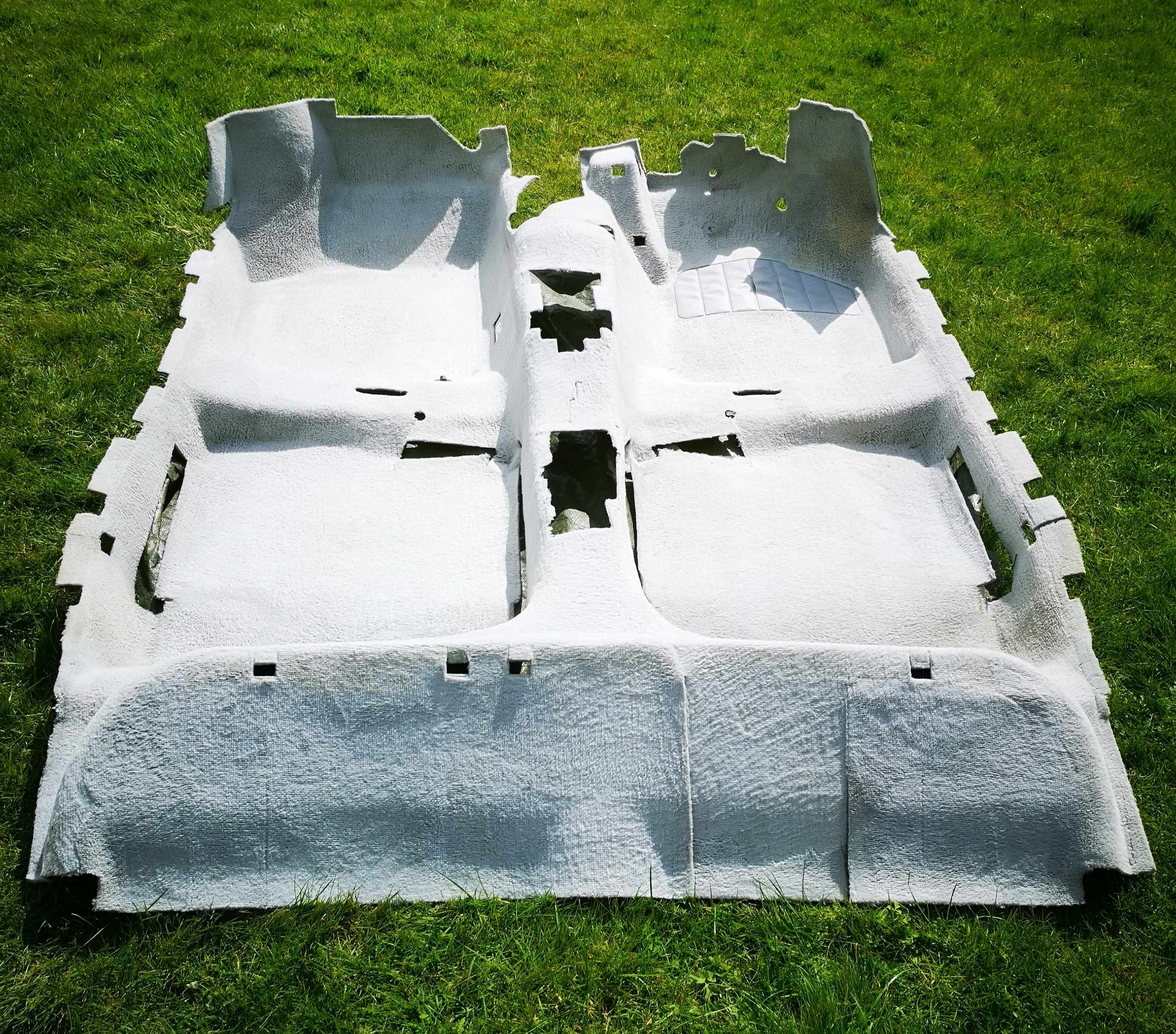
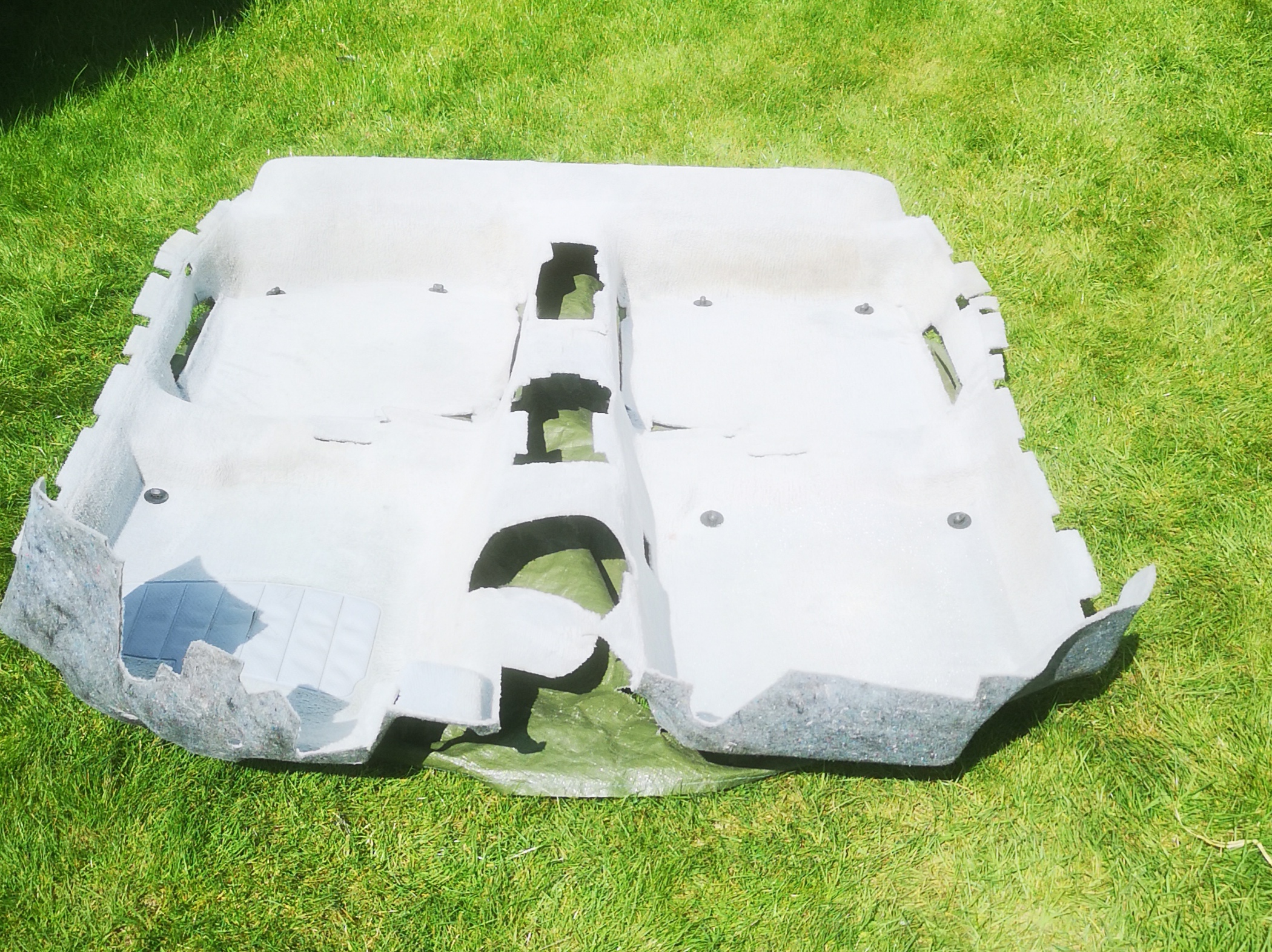
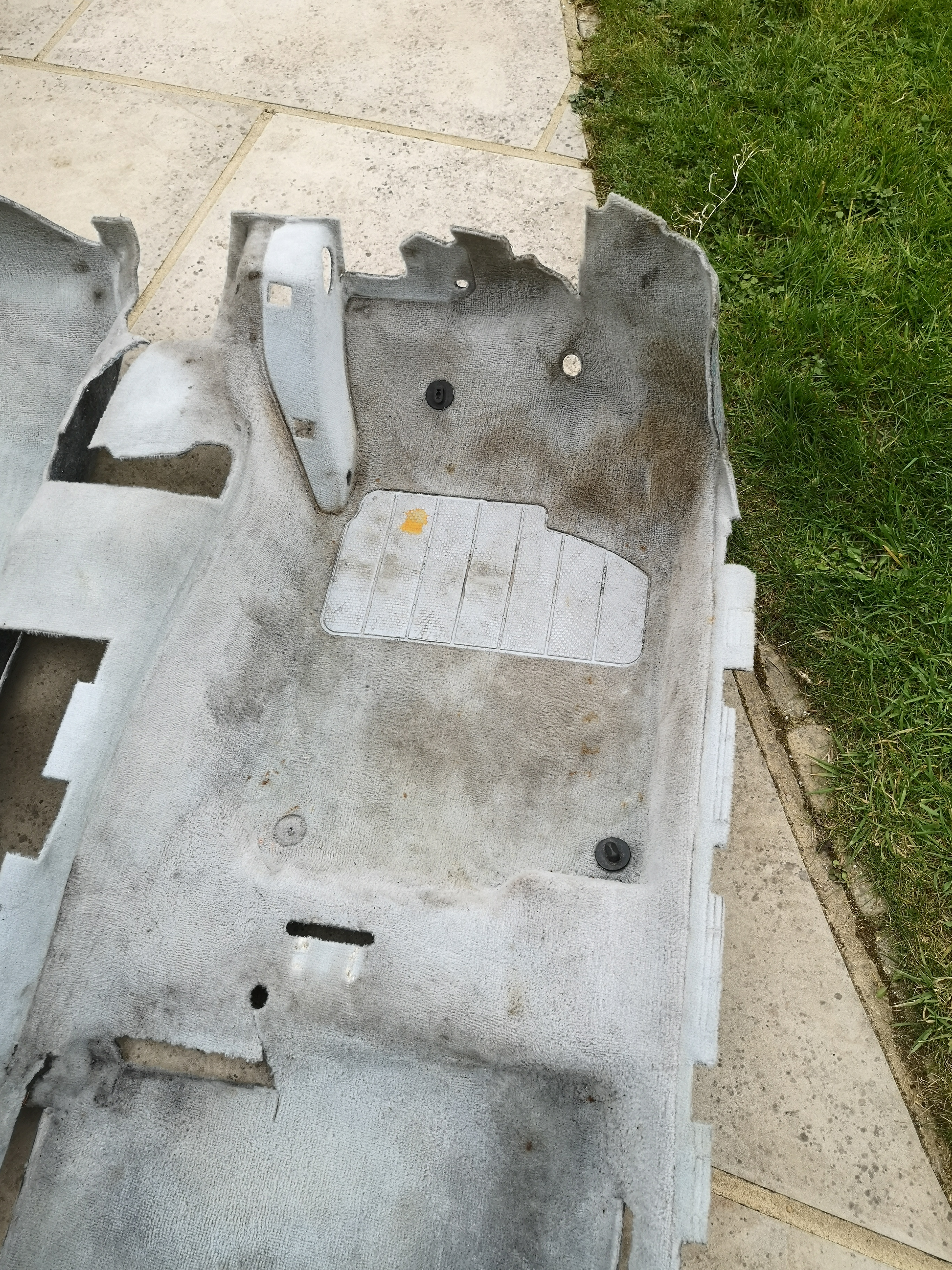
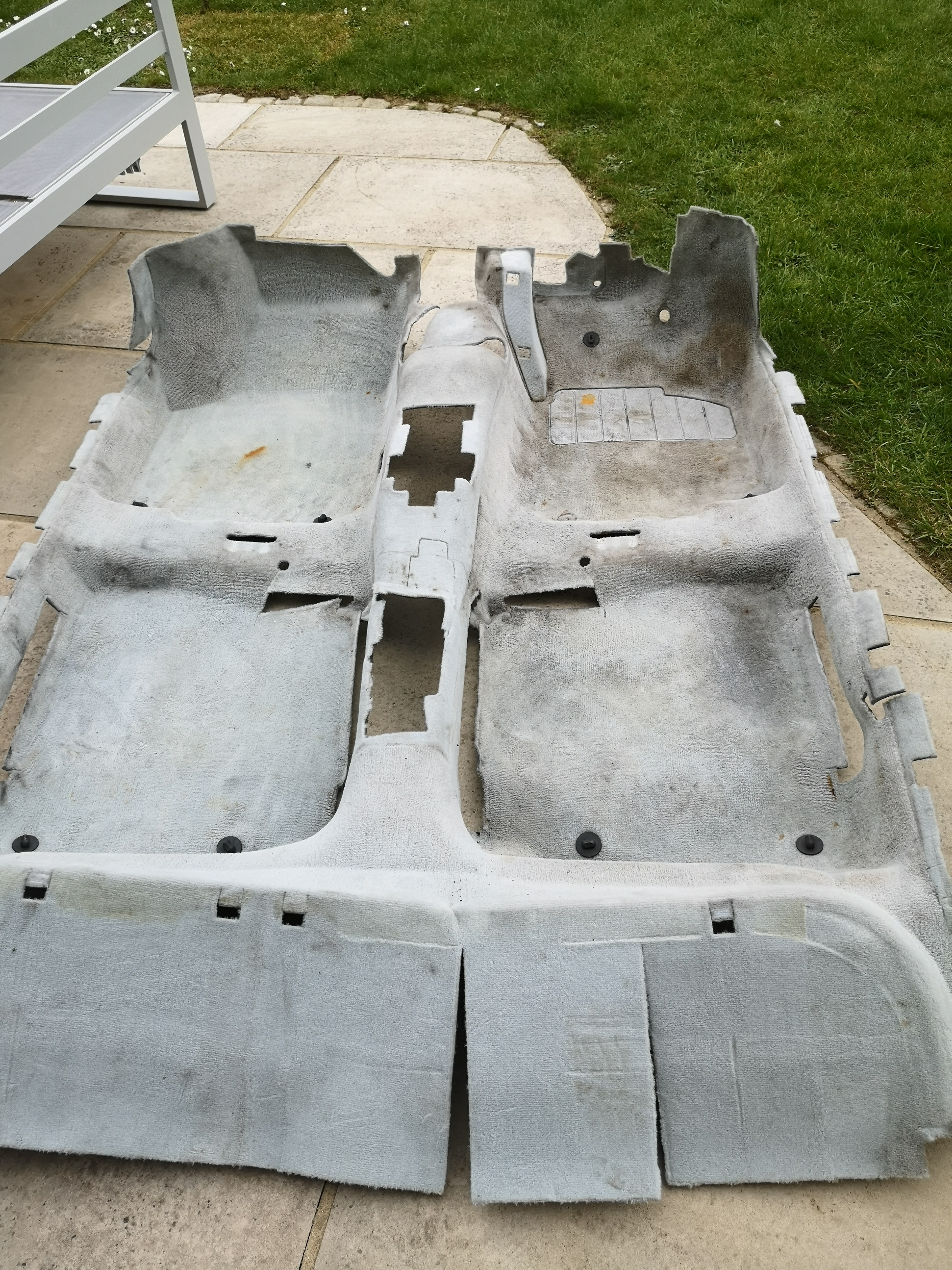
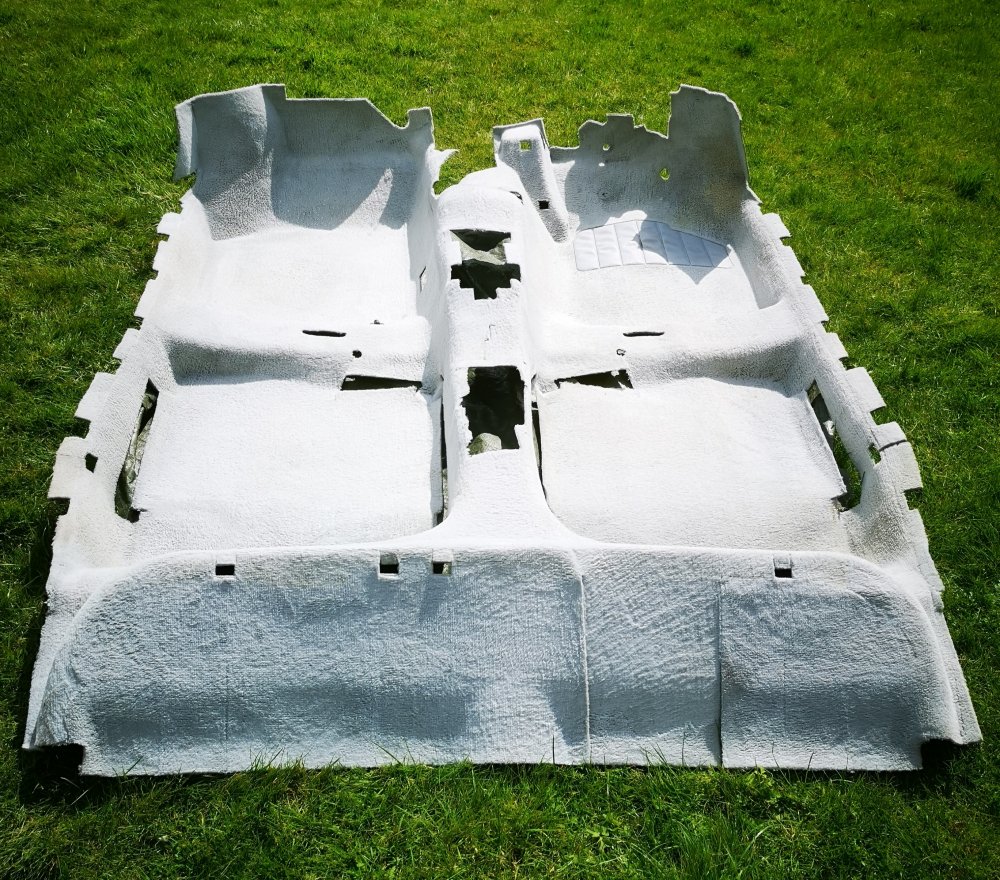
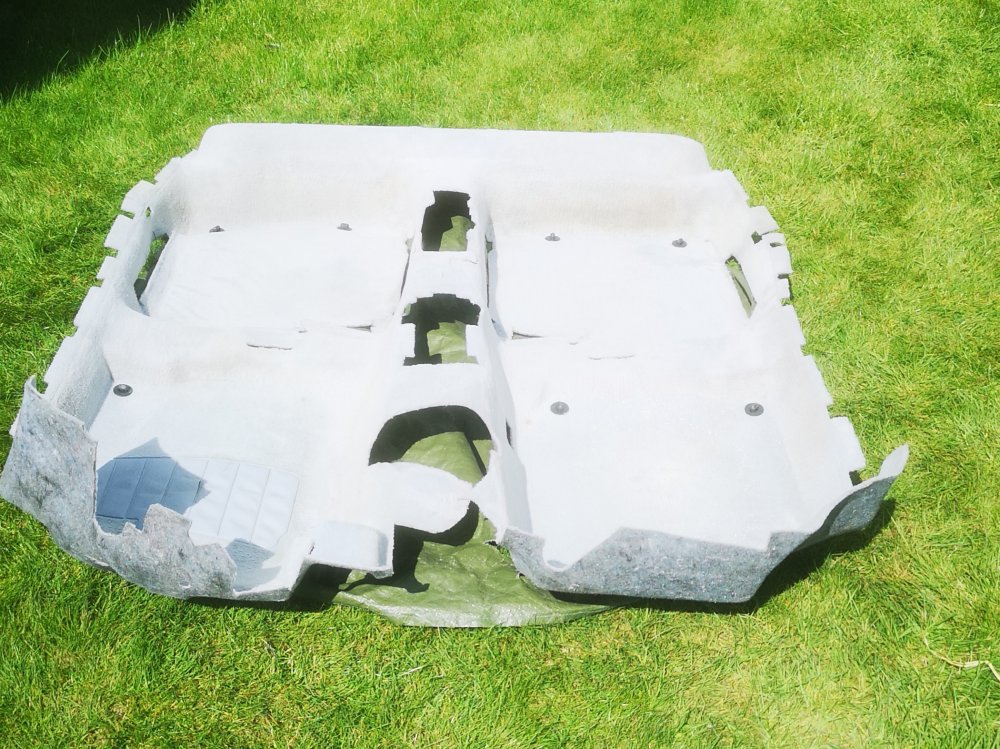
And the same carpet after a scrub and a jet wash. Didn't come up too bad.
 1 point
 -
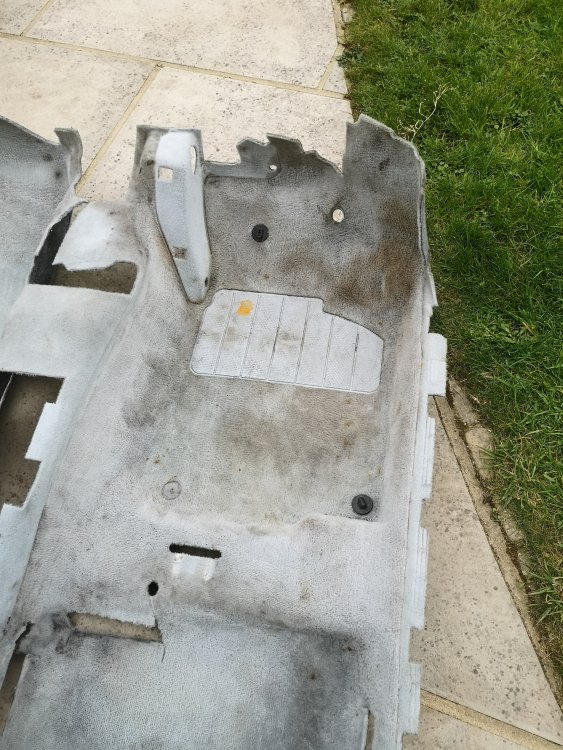
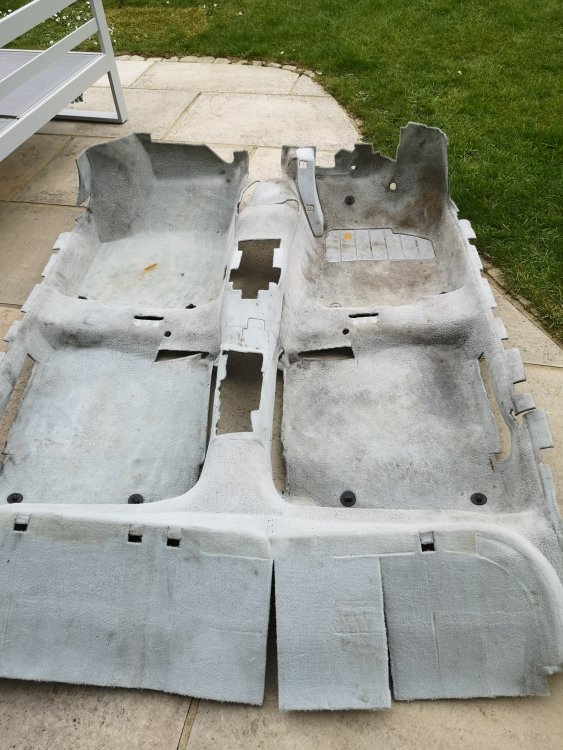
Believe it or not this is my replacement carpet 😂 It was local and cheap and better then the original in my car.
 1 point
 -
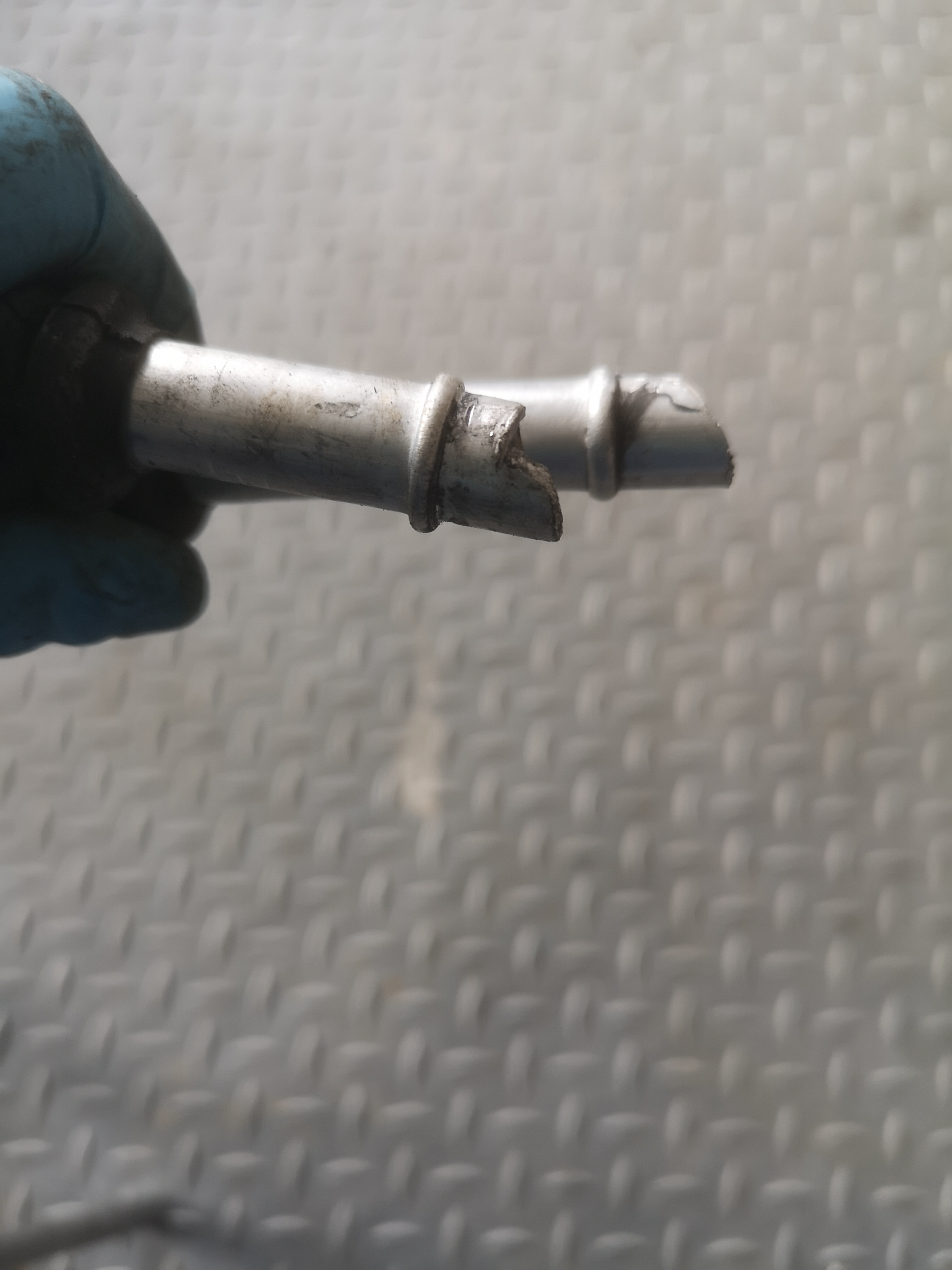
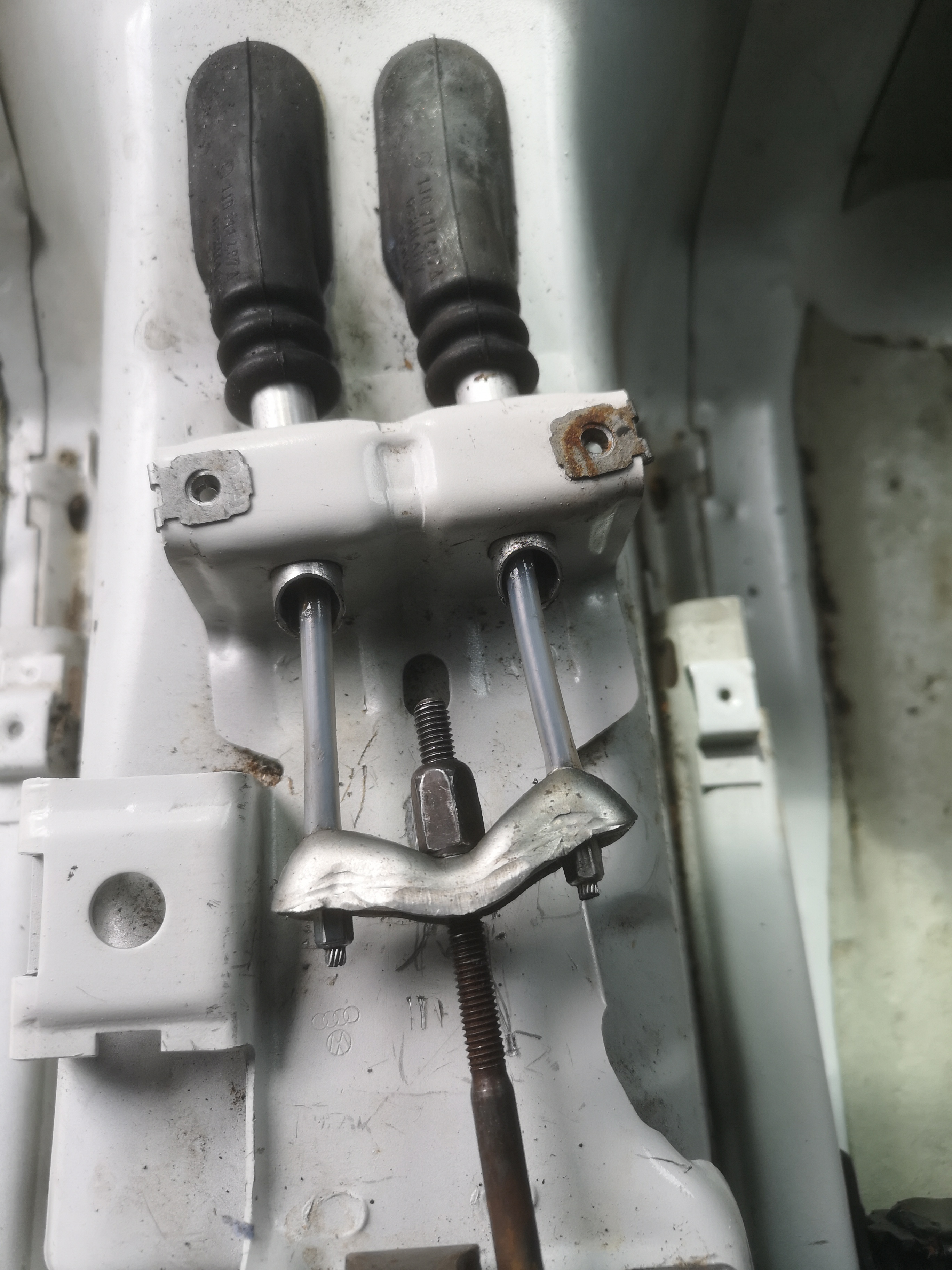
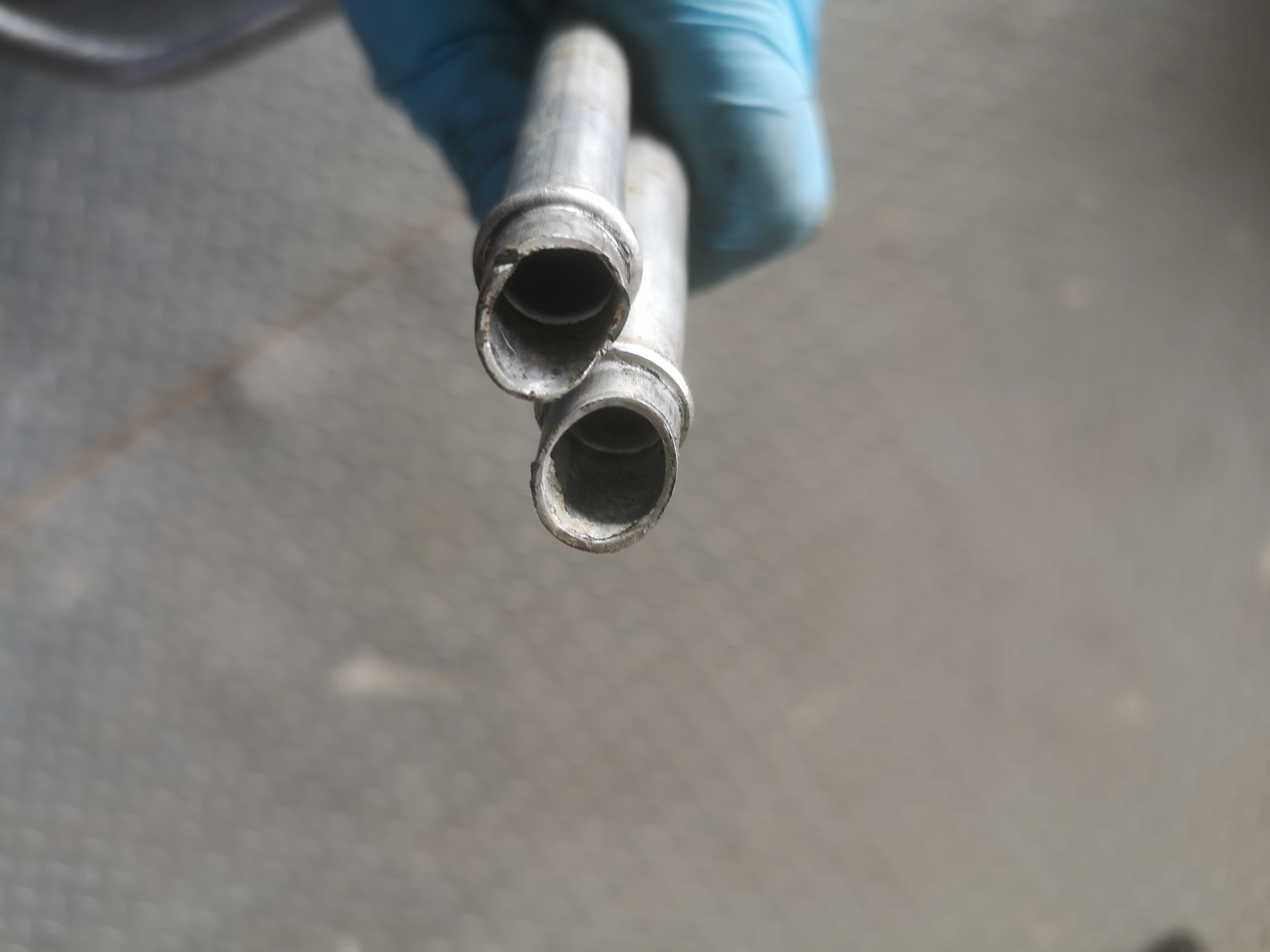
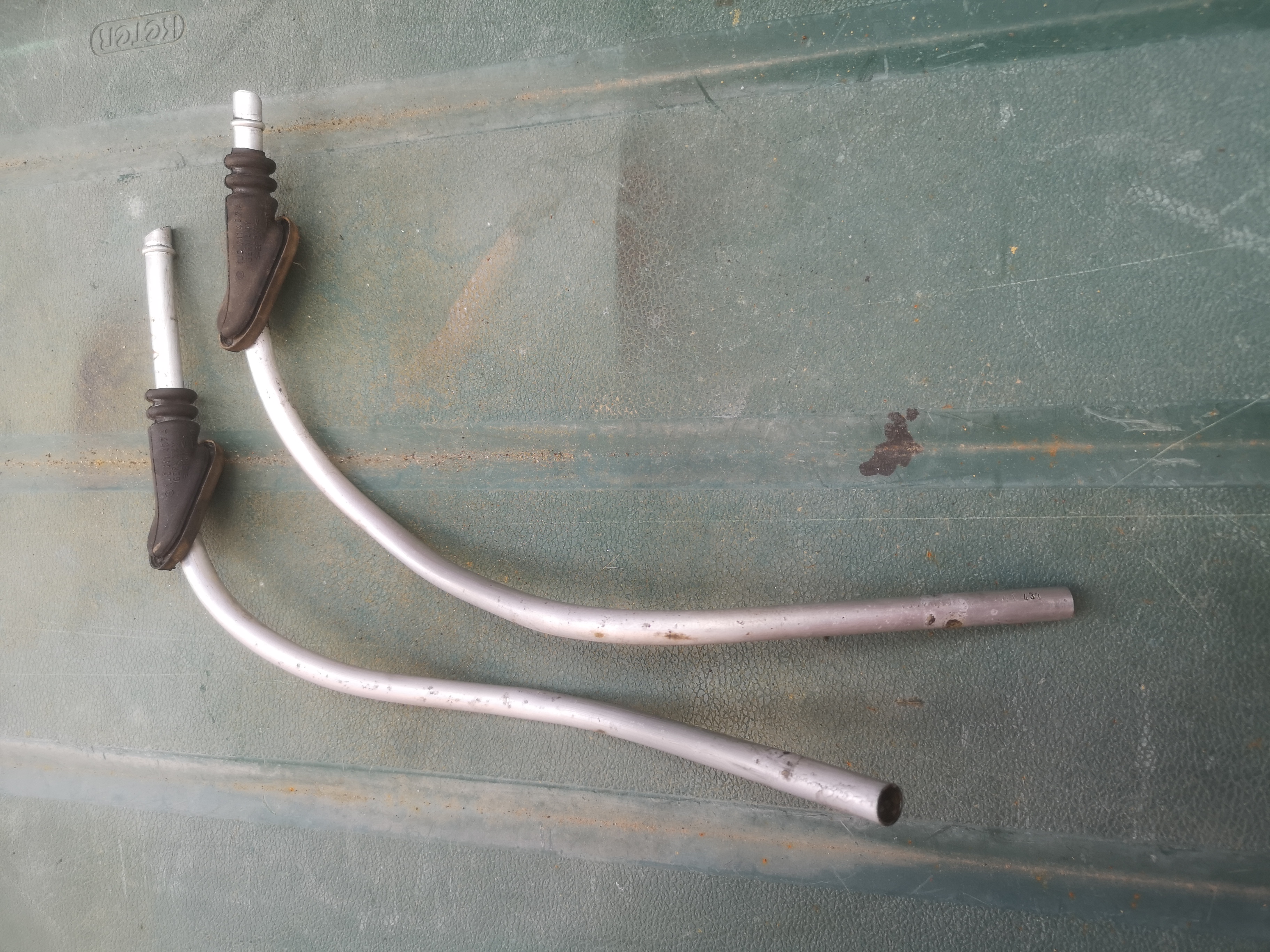
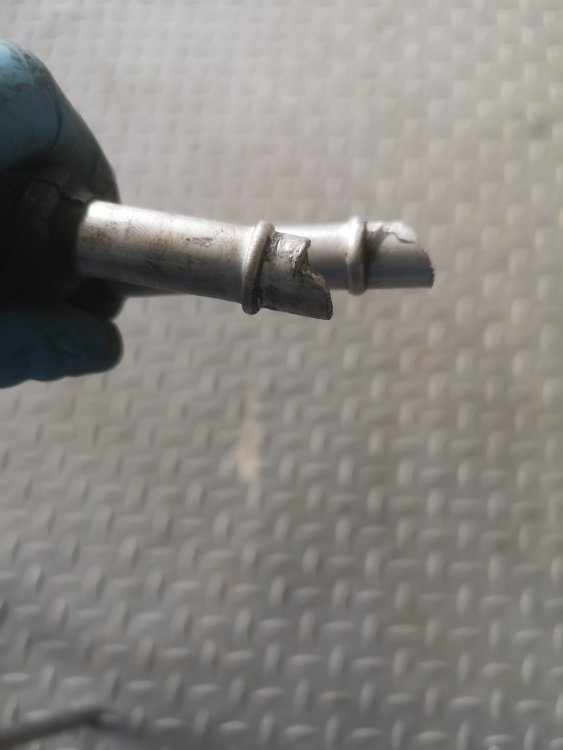
Swapped out the handbrake cable guides for a good used set. Luckily the cables looked to have been replaced fairly recently so pulled out no problems. In a earlier photo I posed a pic showing the the rib on the guides infront of the support bracket inside the car. This was not correct. (I think photo was from a golf). After checking a photo that deanvrs posted I could see the rib sits behind the support, as per my second photo.
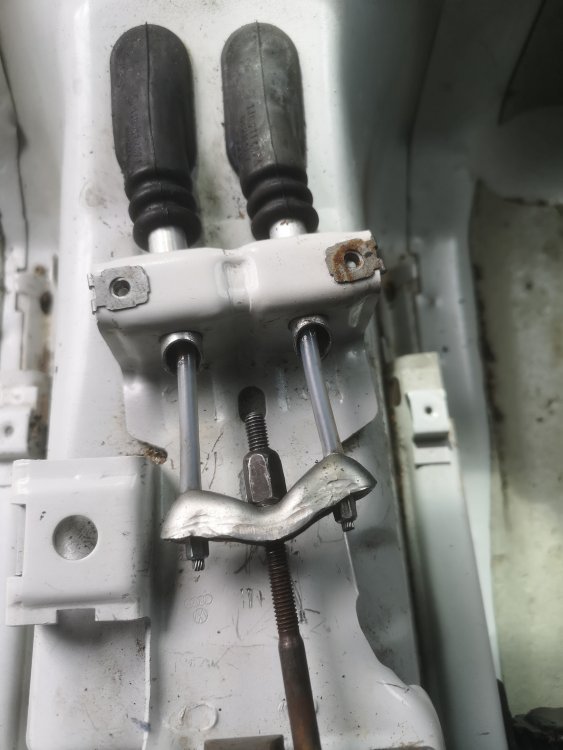
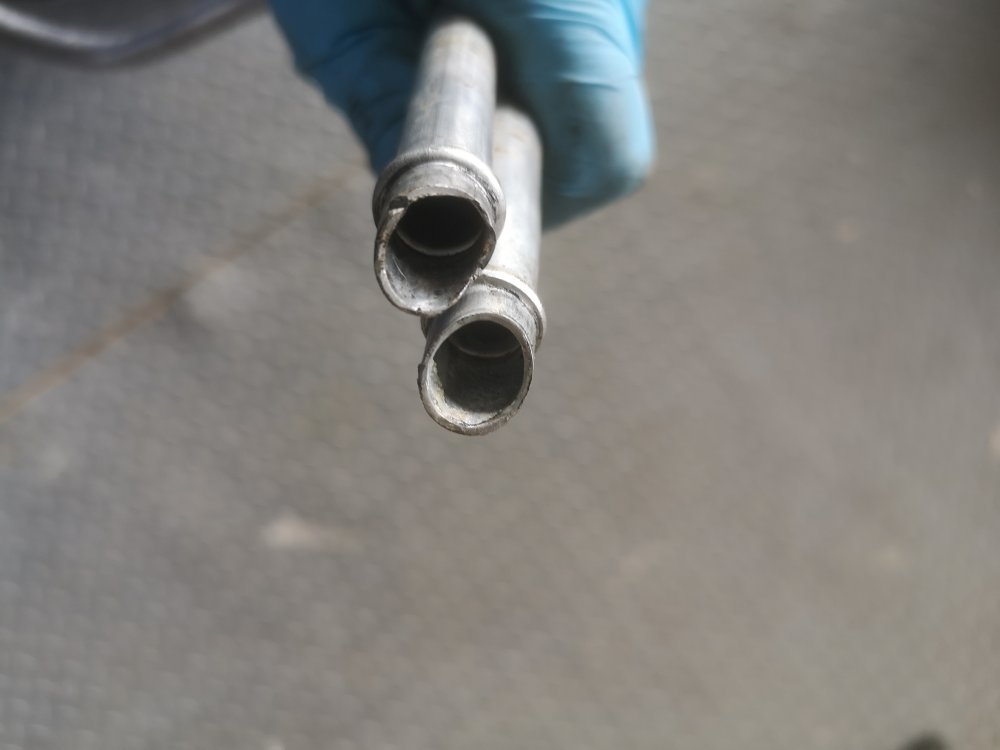
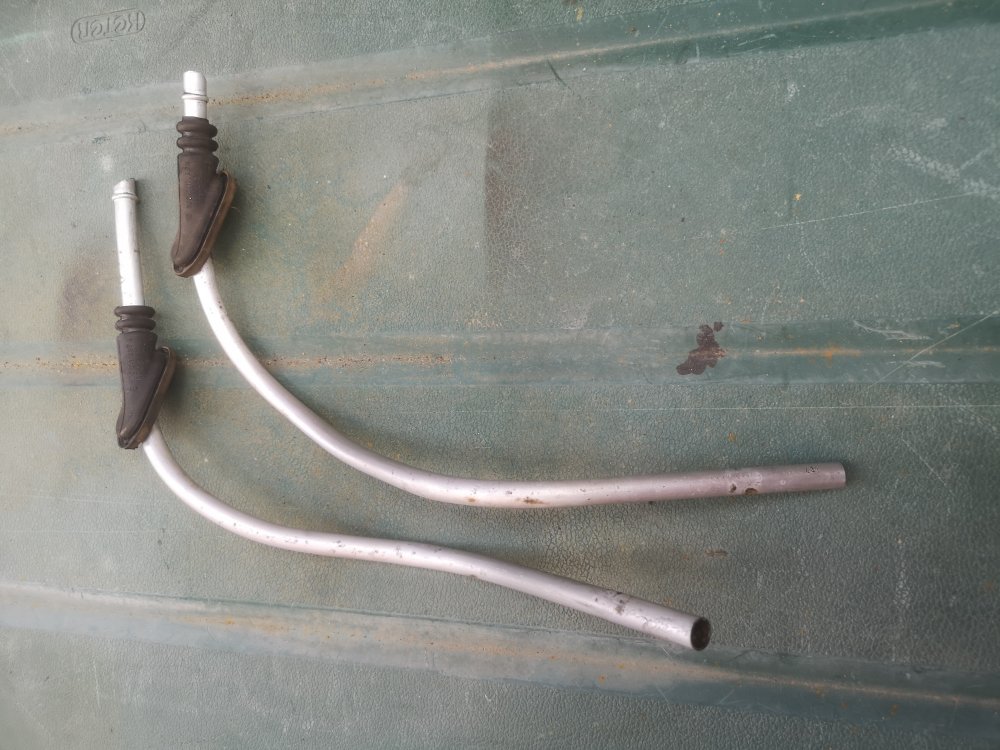 1 point
 -
1 pointI'll have that discount code if you've got it please mate. I did have the eastern one for 20% off but think it's expired now!1 point
-
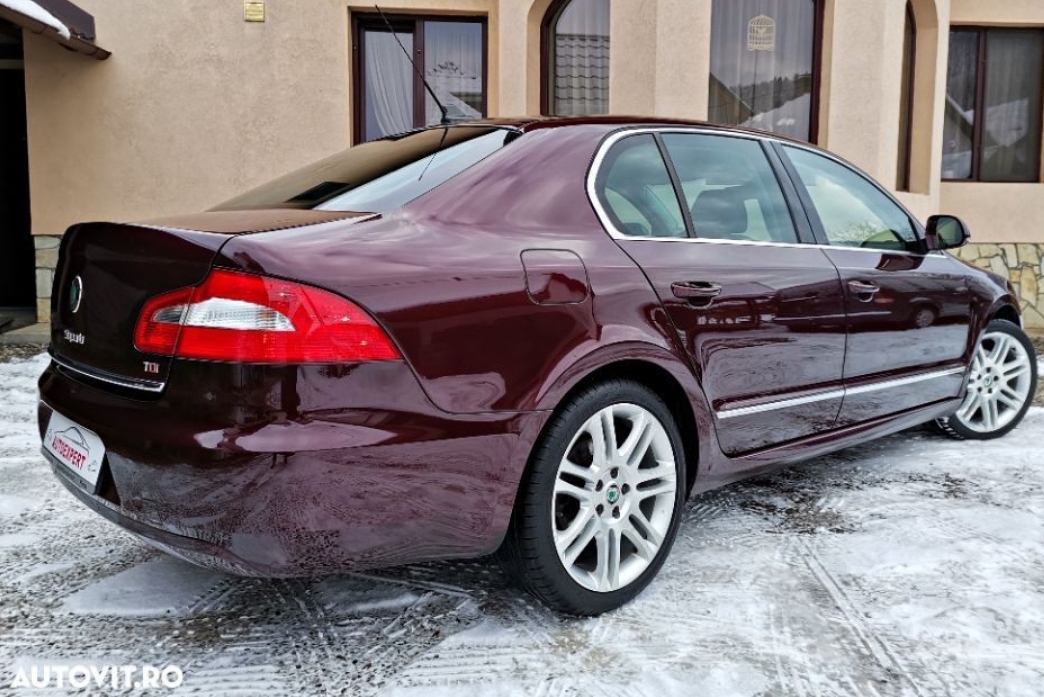
Bit more done.... I had the chance to buy a while ago a full set of Seat Surgeons leather trimmed door cards of a vRS the same age as mine. I'm in the minority that i only wanted the door cards, the impractical standard Fabia vRS cloth seats are part of the cars appeal to me, but the factory door cards are dull as ditchwater. Speaking of water as well, any car that has suffered from leaky rear door carrier seals will have watermarked cloth doorcards which are impossible to remove... so.... Here they are, deep cleaned and fitted. I have ordered today from TPS the drivers electric window switch surround and door pull surround as i think they are marked so new ones of those will be fitted soon. While the front door card was off i had chance to fit the door mirror that i had built up with the carbon dipped base. The carbon dipping that has been done so nicely by Bold Hydrographics will be the last carbon dipped items on the car as i'm sad to report that the man behind Bold, James Bowld died suddenly late last year, so i'm spurred on to get the car finished to show off his craftsmanship in his memory. A good friend he had become, so very much RIP James. Matt1 point












.thumb.jpg.f83a46b9b3c0d976b9dbffbb523c9874.jpg)