Leaderboard
-
pinkpanther
FREEDOM16Points3,969Posts -
Lady Elanore
FREEDOM13Points25,085Posts -
Monkhai
Moderators6Points32,045Posts -
.jpg.1006585dfe4e2977315b67c3d642e37b.jpg)
Guest_
FREEDOM5Points83,824Posts




Popular Content
Showing content with the highest reputation on 28/07/21 in all areas
-
4 points
-
2 pointsIf ever I've been out and had a 'brisk' journey, when I'm getting closer to home keep an eye on the oil temperature. It would appear (just from what I've found) if the oil temperature is above 100c, the car won't cut out and the fans will be going like mad. An end from any fast drive out has a few junctions and 30mph roads so I'm able to calm the car down. If it doesn't cut out when I'm home, I just idle it on the drive for a bit.2 points
-
2 pointsOK, how does that give you a "reduced oil circuit" without the engine seizing?2 points
-
2 pointsTwo million for typing "trolley bus" into your browser; I'm in the wrong job!2 points
-
2 pointsI think the MG5 electric is a cracking choice especially with the longer range battery being introduced. MG may upset the apple cart on electric vehicles pricing. I know that being Chinese my upset some consumers but MG still have their R&D in the UK supporting British jobs.2 points
-
2 pointsAsk if your employer does a salary sacrifice scheme for electric cars as they can work out cheaper than ICE cars.2 points
-
2 pointsEnergy storage can mean: Used as a sink, storing the energy when there is excess demand Used as a two-way buffer, storing and then retrieving the energy when needed We have already achieved number 1 on a large scale with today's technology. You are thinking of #2 and it is entirely configurable, you can say "tomorrow morning I need 100% battery at 7am", this is achievable with today's tech, but not yet widely available. Don't necessarily need large upgrades at large charging hubs. You can put in energy storage as buffer. Existing examples are Tesla South Mimms services 12 stall supercharger (which continued to operate even during power cut), Braintree GridServe electric forecourt. For homes, 3 phase is definitely not needed. 7kW charging will be the standard. It is 32 amps (out of 100 amp house fuse) will top up almost 50kWh over 7 hours, meaning recharging 150-250 miles everyday during off-peak periods. Agree with these. The metric is both localised pollution and also vehicle lifetime greenhouse gas emission. But even with greenest hydrogen, I'm guessing lifetime greenhouse gas emission will be not much better than existing most efficient ICE cars. Green electricity isn't emission free unfortunately. Have you seen my 2 family cars? As you've pointed out, current public charging infrastructure is not there yet. (perhaps except for a Tesla) Have you considered buying an EV with 350 miles range for your very regular and time-critical 300 miles journey? The long range versions of Tesla you've tried can easily achieve over 300 miles. They've been shown to degrade around 5% after 100k miles. Do remember there are low-spec petrol cars with shorter range....... you wouldn't buy a 300 miles range petrol car (eg. my parent's Volvo S40 mk2 1.6l) for your use-case either.2 points
-
2 pointsI’m slightly confused, you have a 2 year lease ending October 2023, which means it started October 2021 (which is in the future). Doesn’t tally with a car now needing servicing If doing 16k over 2 years then just get the 12 month inspection done, and return it few days before next service due (no penalty for having a countdown displayed, but will be billed for service if saying due when returned) Variable servicing is normally for those doing min 25 miles per day, which is not very easy to justify on a 8k miles per year deal, so dealer was correct to set to fixed for that mileage. If only need to do the interim before returning don’t bother with a service plan, as you will be paying for second service without needing it.2 points
-
2 pointsI've finally twigged this whole gooseberry thing. Apples vs. pears is an oft-used analogy for trying to compare completely different things. Oranges vs. lemons are too similar to be used in that way, and doesn't really work. Gooseberries, however, don't fit in with any of the other fruit groups used in the original post on the subject and I now see that they were only included as part of your five-a-day. In that role any fruit, or indeed vegetable, would do - brussels sprouts, for example, which could also be used to produce the raspberries mentioned two days ago.2 points
-
2 pointsRight sorry to be a pain again but has anyone tuned and decatted their vrs to shoot huge flame, approximately to the legnth of about 4-5 ft ish? Ideally on an upshift2 points
-
2 points
-
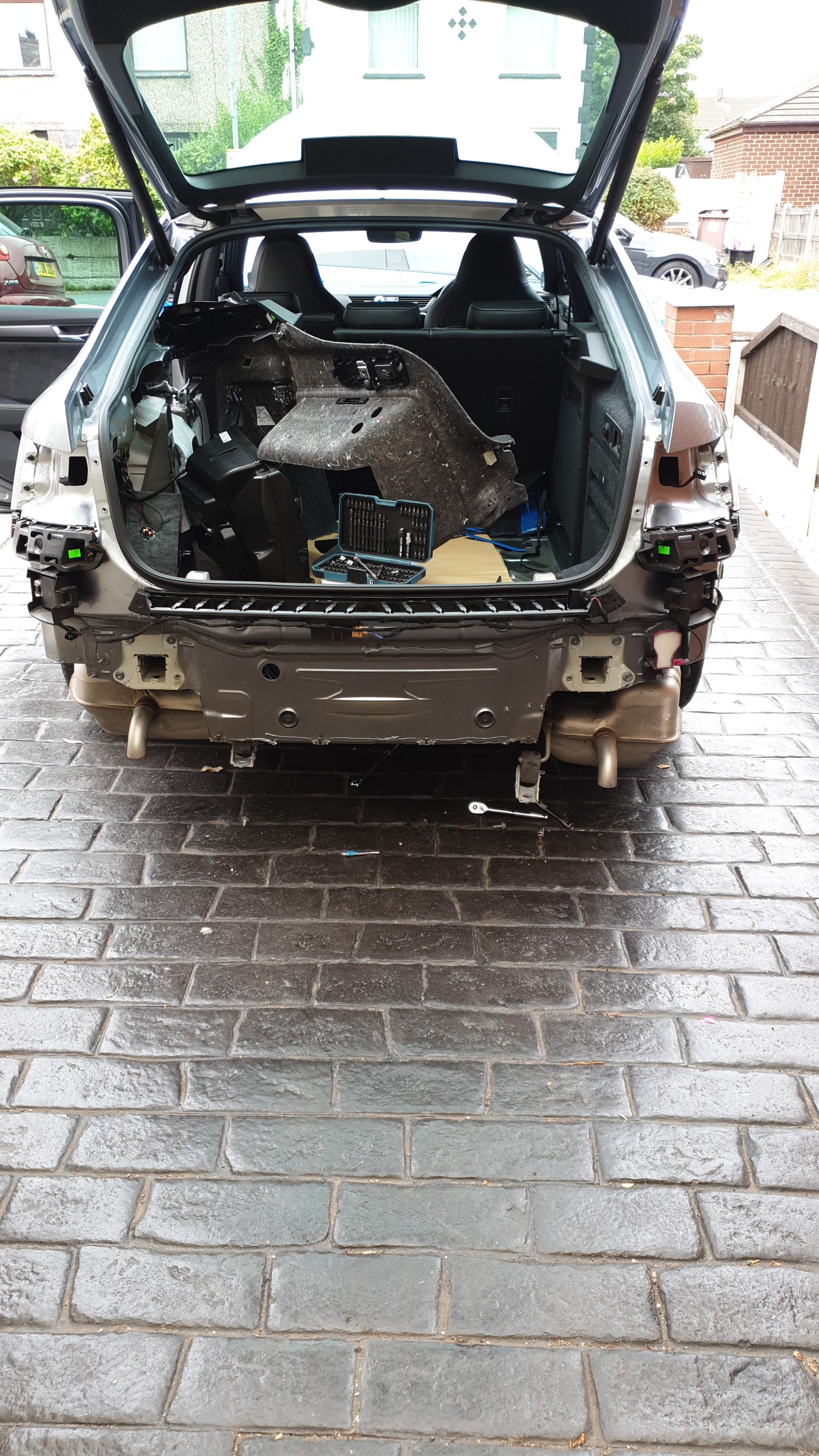
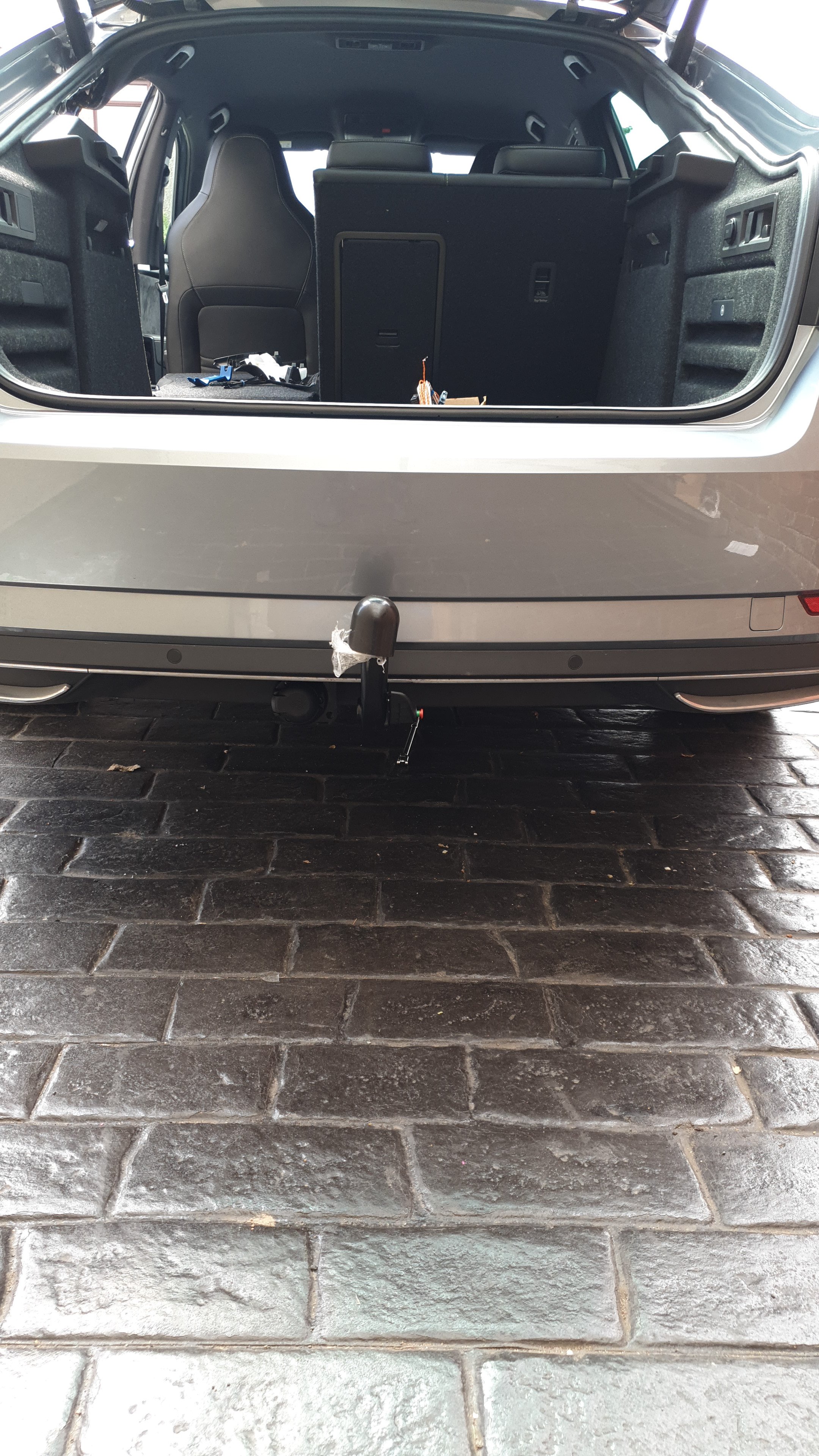
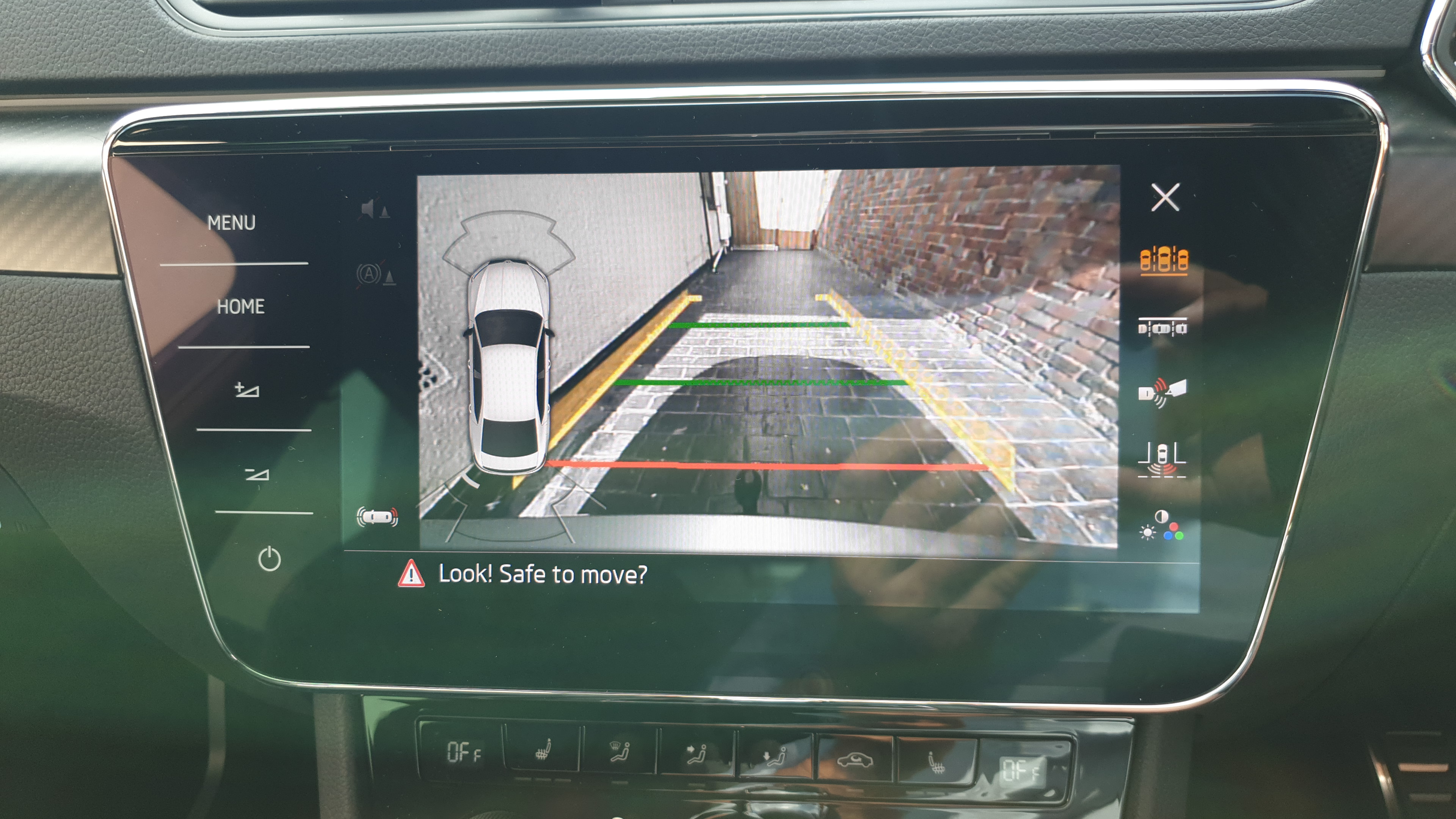
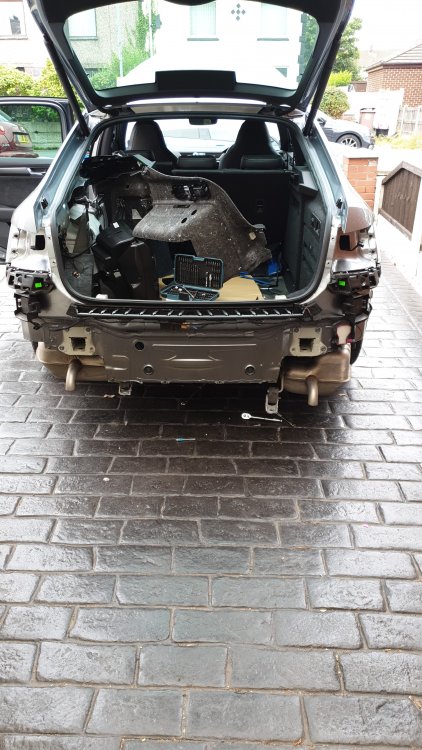
Not strictly today, but over the weekend I fitted an OEM removable towbar and a reversing camera......a good weekends work.
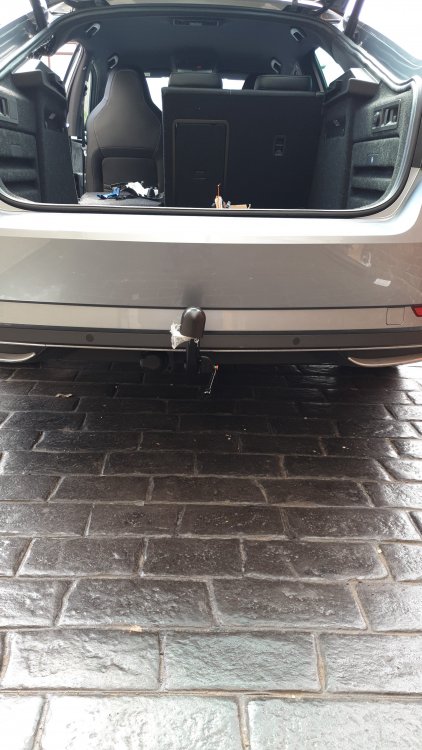
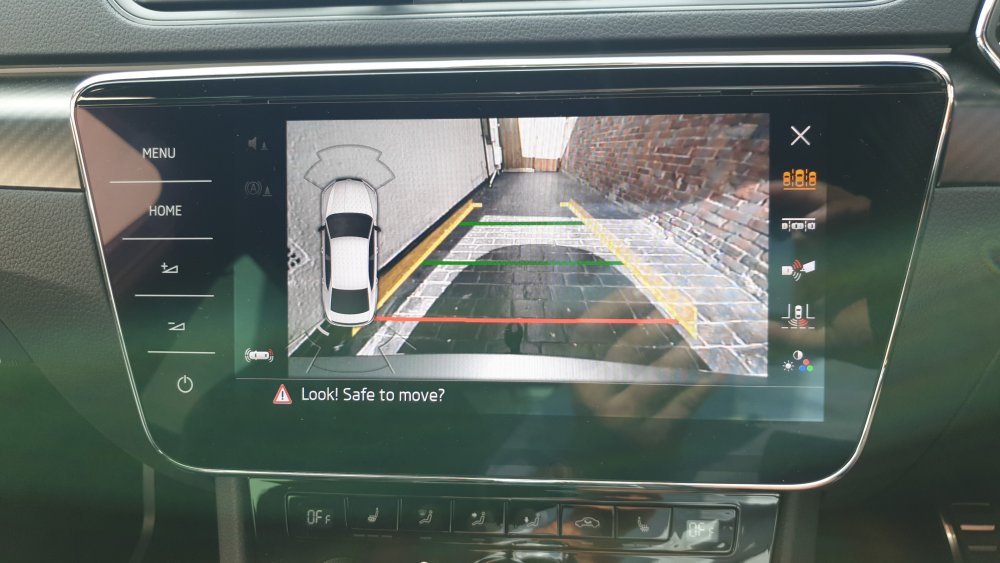 2 points
 -
1 point
-
1 point
-
1 point
-
1 pointI used the cup holder for the first time, they should be renamed bottle holders, a coke bottle fits in perfectly and you can undo the top single handed because of the grips in the bottom, fantastic, oh and the Skoda cup,fits perfectly too.1 point
-
Maybe you are asking about my shocks? I have them now, sooner than expected. Just trying to find a slot in the garage to get them fitted along with a couple other jobs. I'm keeping it stock height though. I did notice on a review somewhere that the shock travel is longer than stock shocks allowing more sag into holes before they top out. Helps with the fancy valving apparently and would explain why a handful of people said they increase the ride height like the B6's. Pretty sure they don't but I will make sure to get a before and after measurement on each corner.1 point
-
1 pointDo you have dsg or DCC? The engine will not give you more power in sport mode if that's what you are expecting.1 point
-
1 pointI was surprised by the good condition of the old one. It had done 20k but the white sleeve was only slightly grey and was dry and no smelling of oil or petrol. Lifting the cover of the airbox to gain entry to the filter the pipe which pushed onto the pcv did become free to my horror. I thought I had broken the valve but the pipe pushed back on. That might be a tip to disconnect the pipe from the valve next time to avoid breaking the corrugated end which pushes into the manifold. The pipe was clear with only a smear of clean oil in the end of the pipe.1 point
-
1 point'2 million to draw up plans. not to design a scheme, that comes later.' That will be right, pass some palms with silver. They will be scheming now how that can be spread among a few. UK will lead the World. 2017. Well that never happened. Billions has been creamed off already.1 point
-
13.1V is a very low charging voltage for a 12V lead acid battery, 13.8 or more is usually applied, for even trickle-charging, I think? In other words, it will only recharge very slowly at that voltage.1 point
-
1 pointI'd certainly appreciate a hydrogen filling infrastructure and no doubt it would help some of the larger O&G companies transition (or die if they don't) to using oils for materials not burning and generating clean hydrogen for example. For me I just think it's not a solved problem and range anxiety/lack of range without a big spend is a real issue. As an example and to make use of a BEV, I need to: - Put in a charging point (no government grant as a car with the range I need would be over the low limit) - Buy the car (A big expense) - Plan every journey a lot more carefully and put at least a single 1 hour break into longer journey (And hope a fast DC charger is available and working) Really to do it right I also need to: - Put in solar panels or find a suitable electric tarif. - Add solar batteries, so I can top the batteries up in the day and charge the car from them when I am home and it's dark To do the same for hydrogen: - Find a fuel station that sells hydrogen (Yes a big problem currently) - Buy a car and use it If they were to fix the fuel stations selling hydrogen (Not hard really, just some tax relief on sites selling it), you could move people from petrol and diesel very easily. Even if they're not the final answer, it's a big step in the right direction with minimal distruption. Plus as you say, the infrastructure can be used for HGV etc. BEV certainly make more sense for a 1-30 mile commute as you can charge that overnight from a wall plug without any issue, I just don't think we're there yet. It will of course be interesting to see where it's all at in 10-20 years time. As for your choice of car (I was on mobile), then yes that's where we are at. BEV for up to 100 miles in each direction (Assume no charging at the other end) and ICE for when I need certainty on time/load carrying or just into remote areas. To be honest the whole grant for BEV situation is currently rediculously confusing and restrictive that it doesn't seem to incentivise me at all (But that's for another thread I will start elsewhere). FWIW if Merc offered a fuel cell vehicle, which could do say 30 miles on the smoothing battery, I'd be very interested in an estate.1 point
-
Wow - now that's a comprehensive set of replies! Thank you to everyone. I'm sorry for my opening tone about this Fabia... I'm sure it'll be great and that it will be very much loved, as evidenced by my no-expense-spared approach with accessories, tyres etc. We've run our 2013 VW Transporter for some 6 years as our main vehicle, with a hatchback alongside for my business miles and urban use. My parents now need care visits, plus my wife's and our kids' activities are burgeoning... and we live right on the edge of an upcoming clean air charging zone. So, the van is being retired to leisure use and the Fabia will be used for most of these new needs. I should mention that, despite giving the order to buy it, my wife doesn't really drive the van anyway! It'll get used 2-3 times per week for 5-10 miles a time minimum, so of course it's an expensive mobility solution. With crumbly parents, though, the flexibility could be priceless. I've checked this new Fabia's history on Erwin and those two services have covered the basic "longlife" criteria, though I'll of course switch to annual servicing now. Food for thought on the gearbox oil and cambelt... I'll probably wait and see how we use this car.1 point
-
1 pointThis is only really needed if everyone drives 200 miles every day. The average commuting distance is something like 35 miles IIRC? That means a 1-2 hours top-up every day, easily manageable for the whole neighbourhood, where it is likely to have been provisioned for at least 3kW load (mid-match kettle) from every house. Today's OLEV grant approved chargers all will automatically load-balance the EV charging against home electrical uses. They also all must be "smart" perhaps for the same reasons you've stated. Totally! Hydrogen has its places for much larger applications, where size constraint won't hamper its efficiency. It's just, passenger cars doesn't really make sense to feed the already low efficiently produced green-hydrogen into very the tiny low efficient hydrogen fuel-cell. It simply doesn't make sense to turn 1kWh of energy that could have powered a very capable and convenient car 4 miles, into a less capable and not as convenient car that can only drive 2 miles. We, as a species, has already wasted enough energy........ Guess you are on mobile? it's in the nameplate. I drive the family Skoda Octavia when wife wants to drive her Nissan Leaf. Otherwise I drive the Leaf. Octy is for long distance or boot size required. Leaf covers the other 80+% of our daily uses. The second hand Leaf was very cheap to buy, no more expensive than a Yaris hybrid or similar aged Golf. But since 2017, where demand for EV have picked up, EV prices, even for used, is higher than comparable fossil cars. However, one has to remember the vastly cheaper running cost of EV's. You can effectively spend 2/3 of your fossil fuel cost on EV's, wasn't this the reason many people man-maths justified for diesel? Many people lease or PCP their car, so this means prices are actually comparable between a £200pm Golf vs a £250 pm ID3.1 point
-
I found out that after 40 minutes of waiting...1 point
-
1 pointOn the house point, yes your house has 100A fuse, but all the points leading up to the house don’t assume a 100A draw from everyone at the same time. If everyone is charging 1 or 2 cars at 32/64 Amp in the street, then the infrastructure will need an upgrade. Hydrogen from excess wind/hydro is a lot cleaner than petrol of diesel and you might as well do something useful with that electric. On the life time costs… I imagine batteries and the sheer weight of BEV means a hydrogen and BEV are probably a lot closer than you expect. At the end of the day there is room for both, particularly with freight or industrial buildings needing clean energy. On the front of your cars, no I’ve not seen your two cars, what do you currently use? Things don’t currently work for us as both being BEV as when I was travelling it was almost nothing or 500-700 miles a day. Another consideration that many forget is the cost of even a small BEV is way above a fiesta and that will price many poorer families off the road. That’s not going to be popular or fair if only those with lots of money can have a car.1 point
-
1 pointI have no issue with EVs, as such, it is just for me the range is not enough yet to generate enough confidence that I could use one for all my driving needs. Even a 10% decrease in an expected range of 300 miles would significantly impact on what I need to do. This is also taken from my own experience, I rented a Tesla when i was between cars and used it to go to the office (Basingstoke) at the start it had more than enough range (340 Miles IIRC) by the time i got to the office (230 Miles) , driving in a economical way the range was at under 40 miles. When we get to the point (and we will) that these vehicles have a 400-500 mile range, then I could be confident that one would fulfil my needs. When I have to drive to Basingstoke from North Lincolnshire one day, then go to Gateshead the next then home, neither I or the company I work for can justify the time taken to recharge during the journey. For me the technology is not quite there YET!1 point
-
1 point
-
1 point
-
1 pointI watched War Factories last week and it was about Germany and WW2 and the production of Synthetic Fuel and the Hydro Power Generators that were built for Hitler and how much the Allies wanted these sites destroyed and the US Oil / Fuel producers wanted all trace of them to gone after the war, and any thought of synthetic fuels. @Pagan-Image Business users & individuals leasing or even buying EV's have the Warrantied Life of Batteries to deal with worries. Then there is real life and not just 'myths'. You need to go look in the EV section here and the Vids and links to the over 10 year old EV's getting new Batteries fittted, or new cells and they live on. Older EV's that have more issue with rust than they do with Motors or Batteries. Then the modern batteries & Motors going into Classic Vehicles to give them a new life. Hydrogen Vehicles are doing pretty well in the North East of Scotland where Hydrogen fillups are possible and where there is so much Electric Generation going to waste if not used and no way of storing other than producing Hydrogen with it. http://briskoda.net/forums/topic/440073-first-hydrogen-taxi-in-scotland-aberdeen http://briskoda.net/forums/topic/455800-hydrogen-fuel-cells1 point
-
1 pointCheck out the warranty for APR, Revo etc., as they effectively have guarantees around services and issue management if it gives you any peace of mind. Going direct to the supplier (and/or calling them up first) is also recommended, so you can ask any questions to them. I had a Shark (now Racingline) map uploaded remotely via a tuner garage years ago, with the only issue being a tripped 'EMS' light. Racingline honoured investigating the issue, sorting it out for free in Milton Keynes, and generally being brilliant and really informative during the whole process.1 point
-
1 pointI hadn’t heard of UK based Arrival, but I hope Uk gov and local councils take note and support a UK company.1 point
-
1 pointOK, some update on this. I figured out what the issue was! As sashaGrace and weyland said, the camera is plug and play really! The issue was the camera does not show the video signal if the boot door is open. So, because the boot door was always open during the installation, it never showed the video signal. So, after I reseted all the previous camera settings it started working (of course when the boot door is close)!1 point
-
You only get that on models with ACC, if you just have CC, then its 1Mph increments only.1 point
-
1 pointHave you considered Superchips Bluefin? They do excellent maps and quote about 178bhp for the 1.4tsi, which is a more realistic figure to expect.1 point
-
1 pointNot sure about the EA211 but on the EA888 It is basically a three stage process. 1) Heat the water (including the heater circuit) 2) Use the heated water to heat the oil (it also has a reduced oil circuit until warm) 3) When up to temp the circuit is opened. The system then controls the temperature between 85 and 107 °C depending on engine load and speed It is what I do, given it uses water to heat the oil I think it makes sense1 point
-
I have visually inspected everything I could. Haven't checked the condenser unit though since it is hidden in the dash. I suspect those are the only two leaks since it does take a while to leak out.1 point
-
1 pointI just don't see the point in these models. In my opinion one the stupidest cars ever designed was the BMW X6. If you want a sporty car buy a sporty car, if you want an SUV buy an SUV, but a sporty SUV is the worst of both worlds.1 point
-
1 point
-
1 pointCheers chimaera, Mike, it's not unusual for a satelite lock failure, but sometimes it's a simple fix/replacement of the radio board. If you wanna send me your unit I'll diagnose it and give you an idea of what's up on a no fix no fee basis. All it'll cost you is postage to North Yorks (or drop it in if you're close by).1 point
-
1 pointIt cost about £70 plus labour. Roughly 1/2 to 45 minutes to do (very experienced mechanic) at home. Not sure of repercussions if not done apart from personal discomfort.1 point
-
1 pointI went through some very warm days and did not have it back i'll keep a nose on it ....1 point
-
1 pointI've got some second hand Thule cross bars from a Golv IV Variant (Or even from a III, I'm not certain). I think the shape of the roof rails are pretty universal at least within VAG so as long as they're long enough, second hand ones should be fine?1 point
-
1 pointUnlikely as there never was a Kodiaq fitted with the Euro 5 140 PS TDI. As Kenny R said, it'll be the 140 kW / 190 PS, engine which just happens to be the one in our Karoq. I believe it'll happily remap to 220 / 230 PS.1 point
-
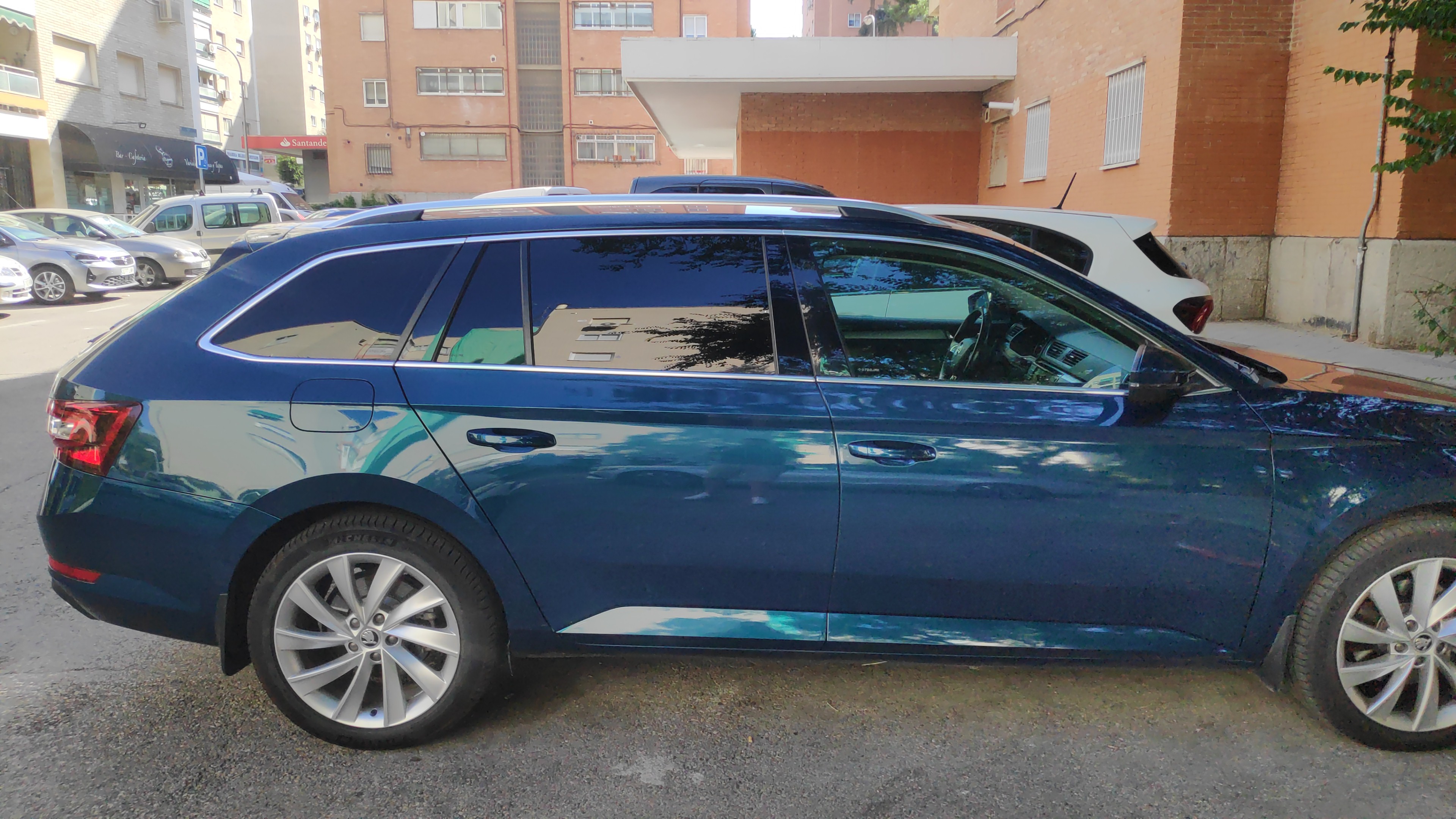
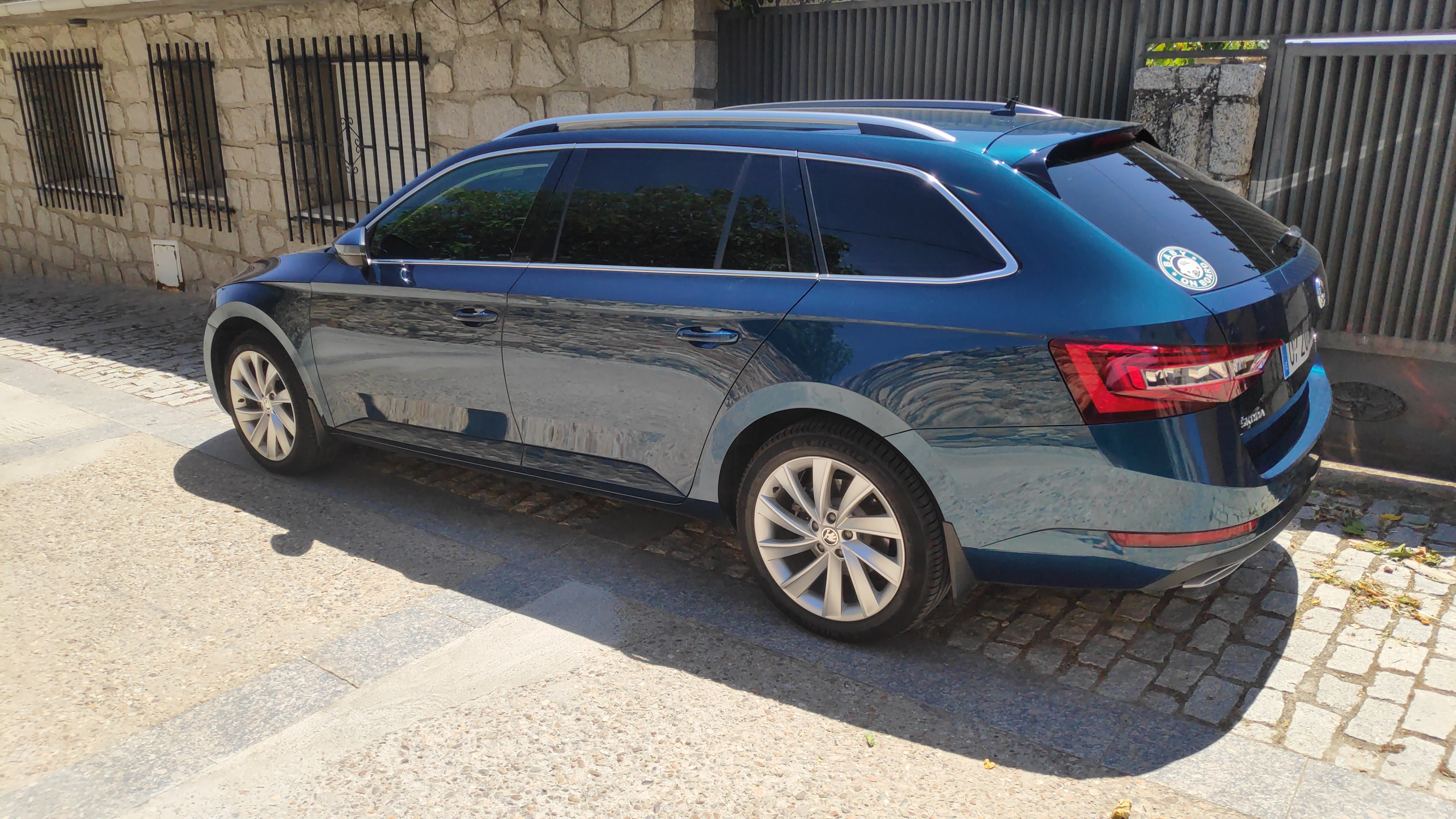
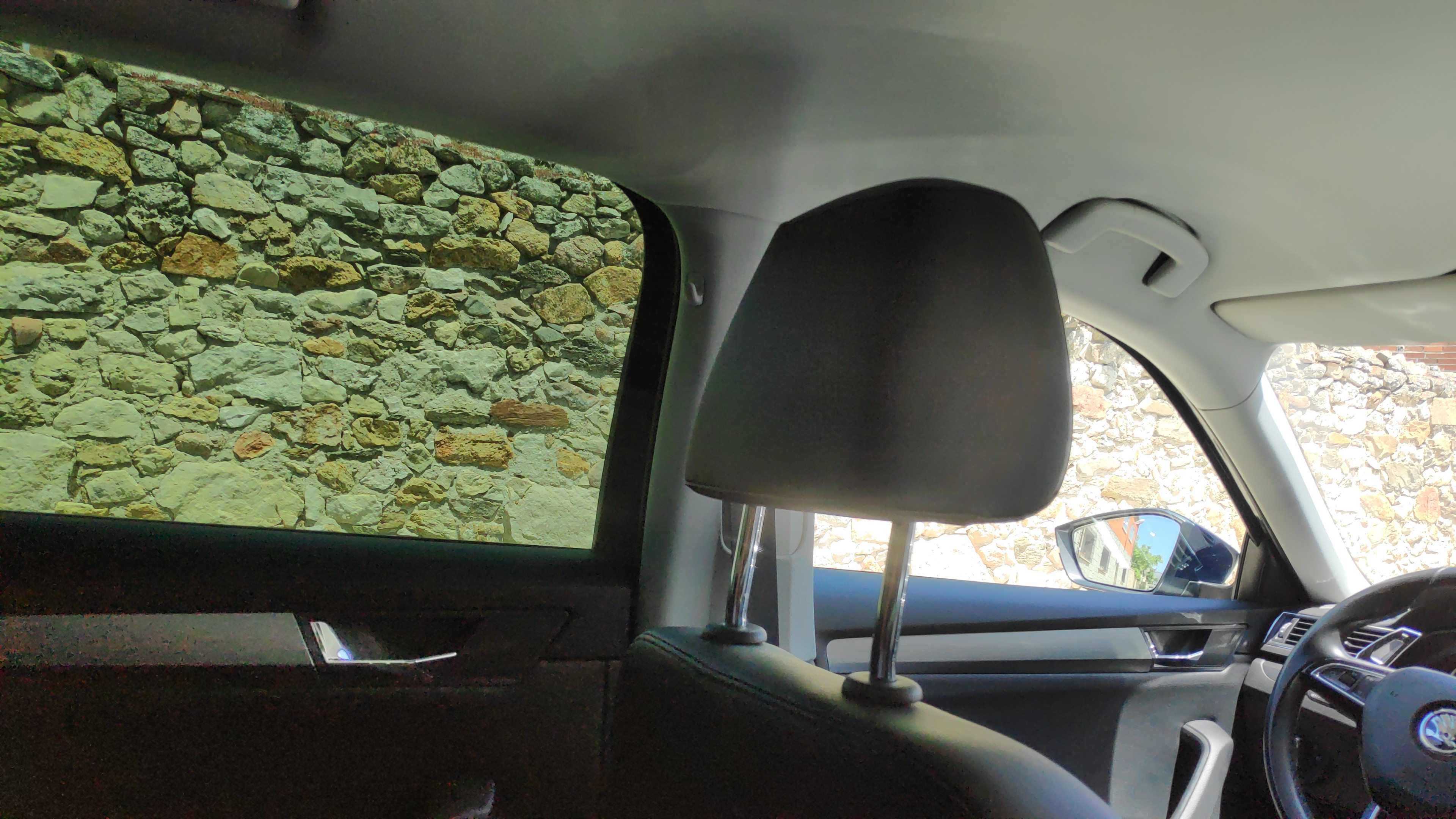
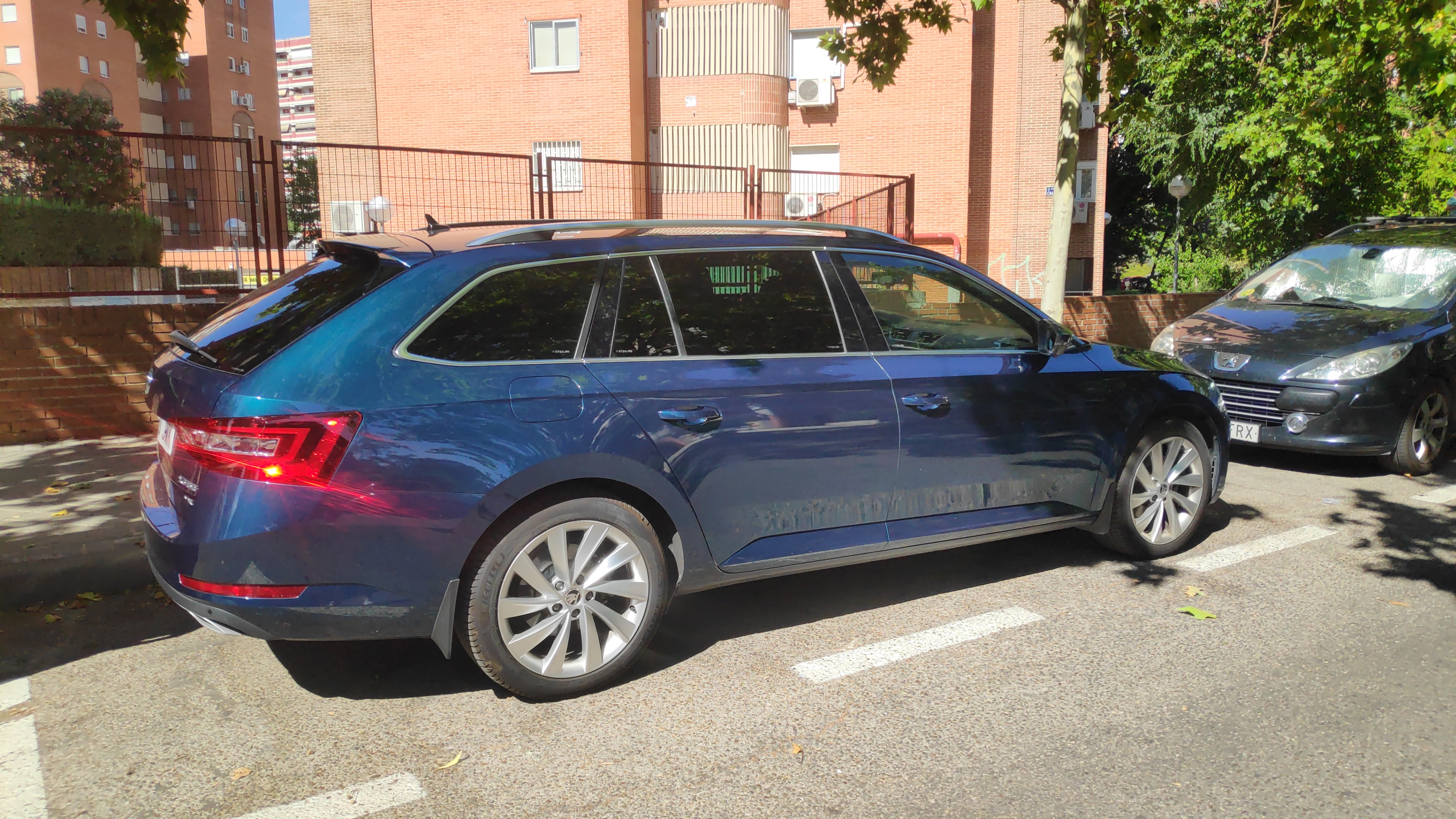
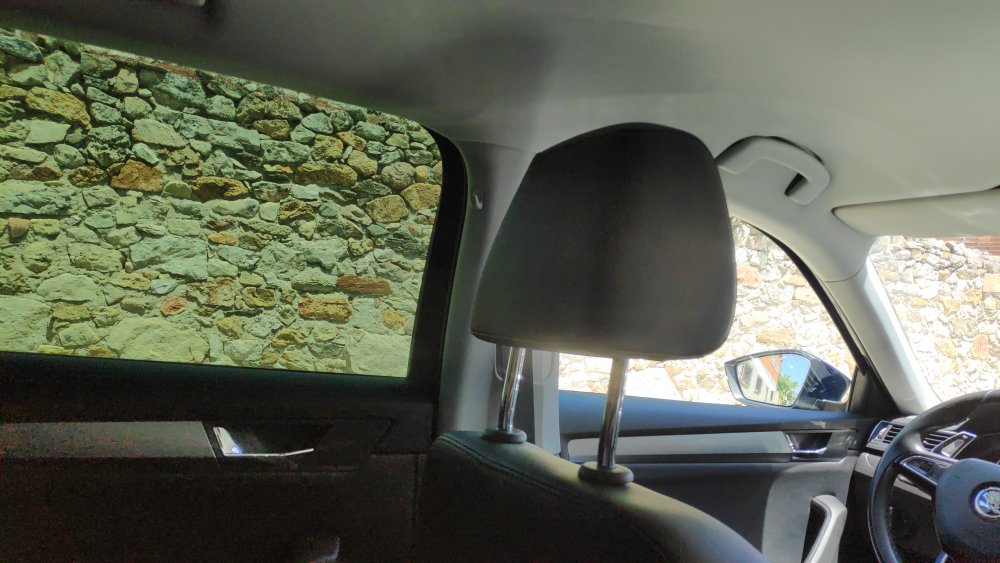
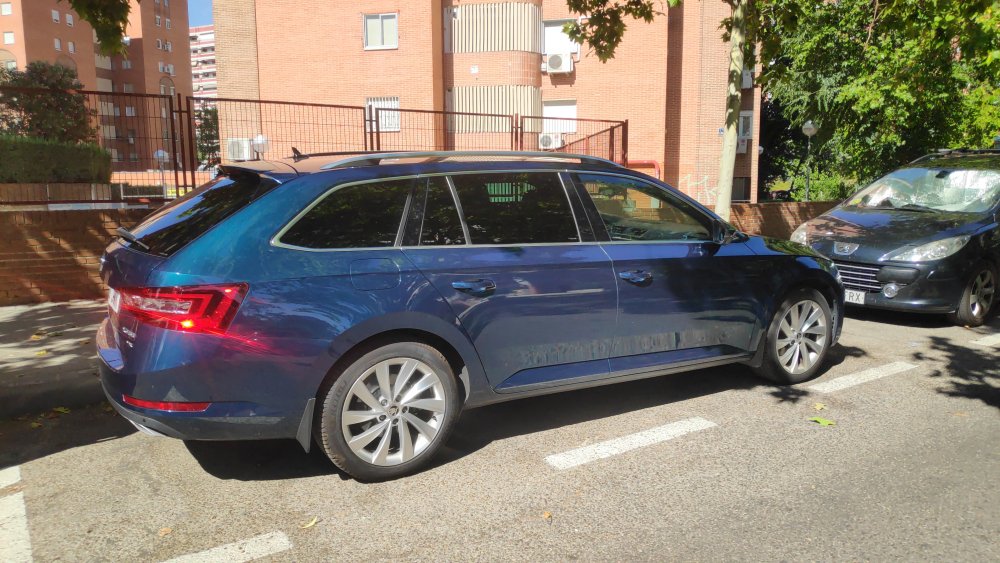
Tinted windows, including the front ones due to the heat and sun that we have in Spain. My baby was roasting ... Maybe too dark from the outside. I hope you see the cars at night which is what I said at the store. Stek nex foil on the front (graphene) and smart 35 on the back. I insist that maybe I should have put the model 45. What do you think?
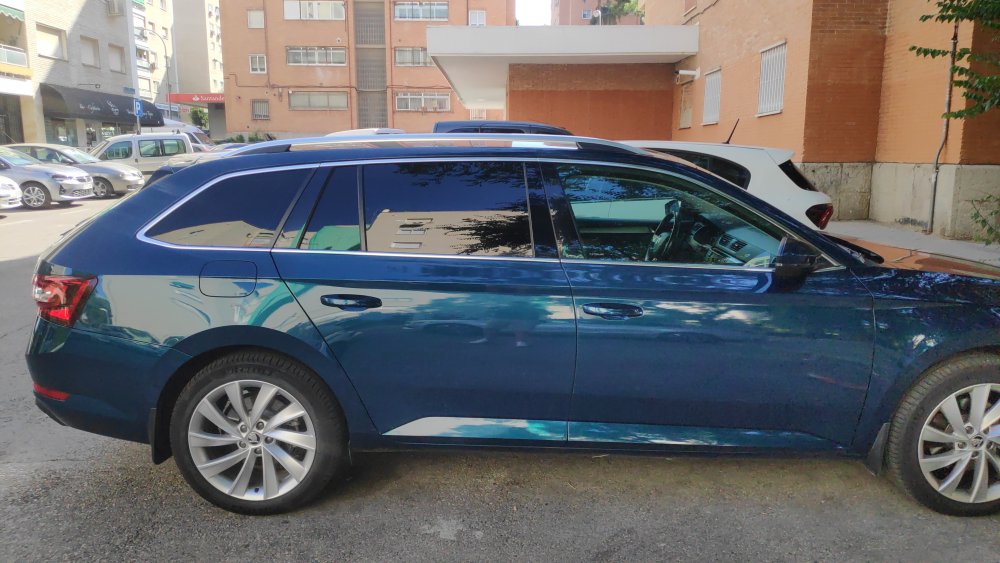
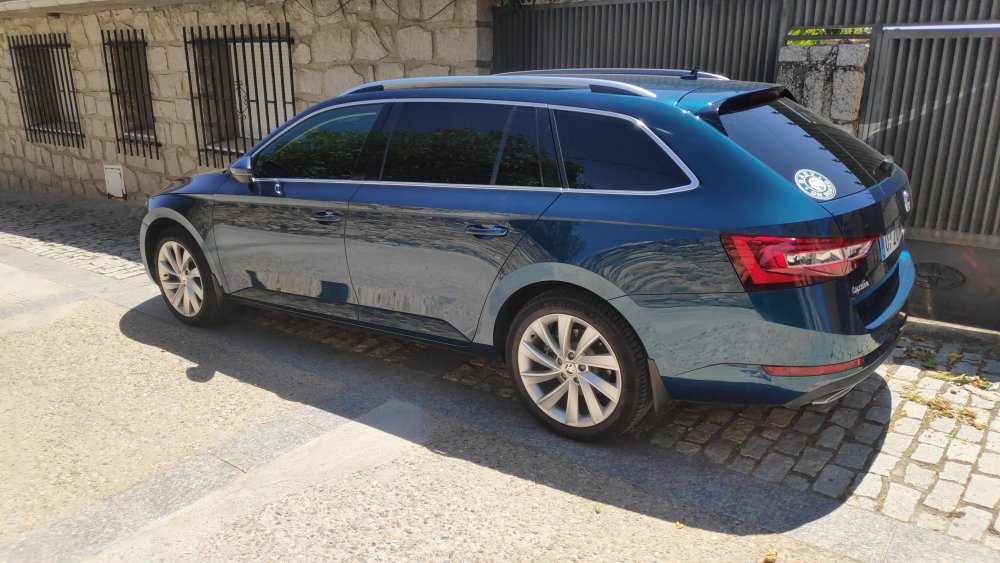
 1 point
 -
1 pointAll modern mass produced cars are landfill, it's only genuinely scarce variants and exotica that will really have any future value as classics. It's like suggesting that my 2.0 MPI will be more valuable because it's much rarer than a VRS, it's pub guff and I'm gonna drive mine into the ground then scrap it.1 point
-
1 point
-
Mine is DSG with no mods. The thing about DSG is that people treat it like an automatic when it isn't. Isn't is a 2 manual gearboxes with an automatic clutch. The gearbox can only work within the parameter it sees from the throttle input. The DSG does not learn your driving style and can only react to inputs. From having my car I have come to understand that if you want to be in a certain gear then either use the paddles and manually change, or use the gear level to do so. You will notice if you lift off accelerating the gearbox usually changes up a gear as it is set up for economy. It will only change down if you apply mote throttle, which is counter Intuitive if you are approaching a roundabout or corner. Again you have to just override it and manually change down to be I'm the right gear. Equally it can be jerky setting off but you have to pre judge when to start and lift off the foot brake and wait for the car to slowly creep forward before applying the accelerator to get a smooth start. The mechatronic unit is constantly checking every gear change it does and is constantly changing how it engages gear. Such as if it harshly engages a gear it will work out why that happened and try to correct it next time. This can lead it to go from its base adaption and cause running issues. This is why I reset mine every month. The pressing of the pedal method does help but it doesn't reset all the biting points etc that a proper adaption does. I did mine a few days ago and it is silly smooth again. It is a bit clunky when the gearbox is cold but when warmed up works perfectly.1 point
-
1 point
-
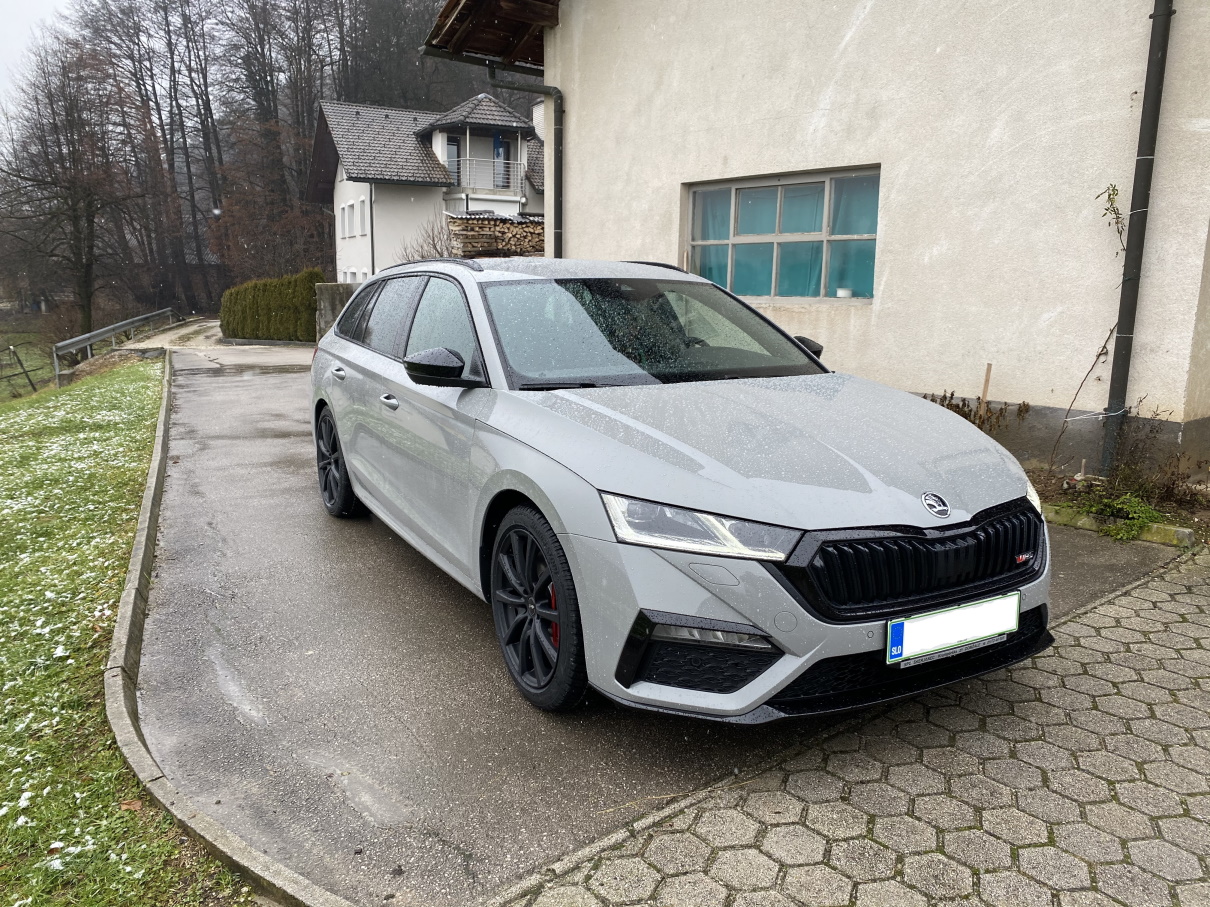
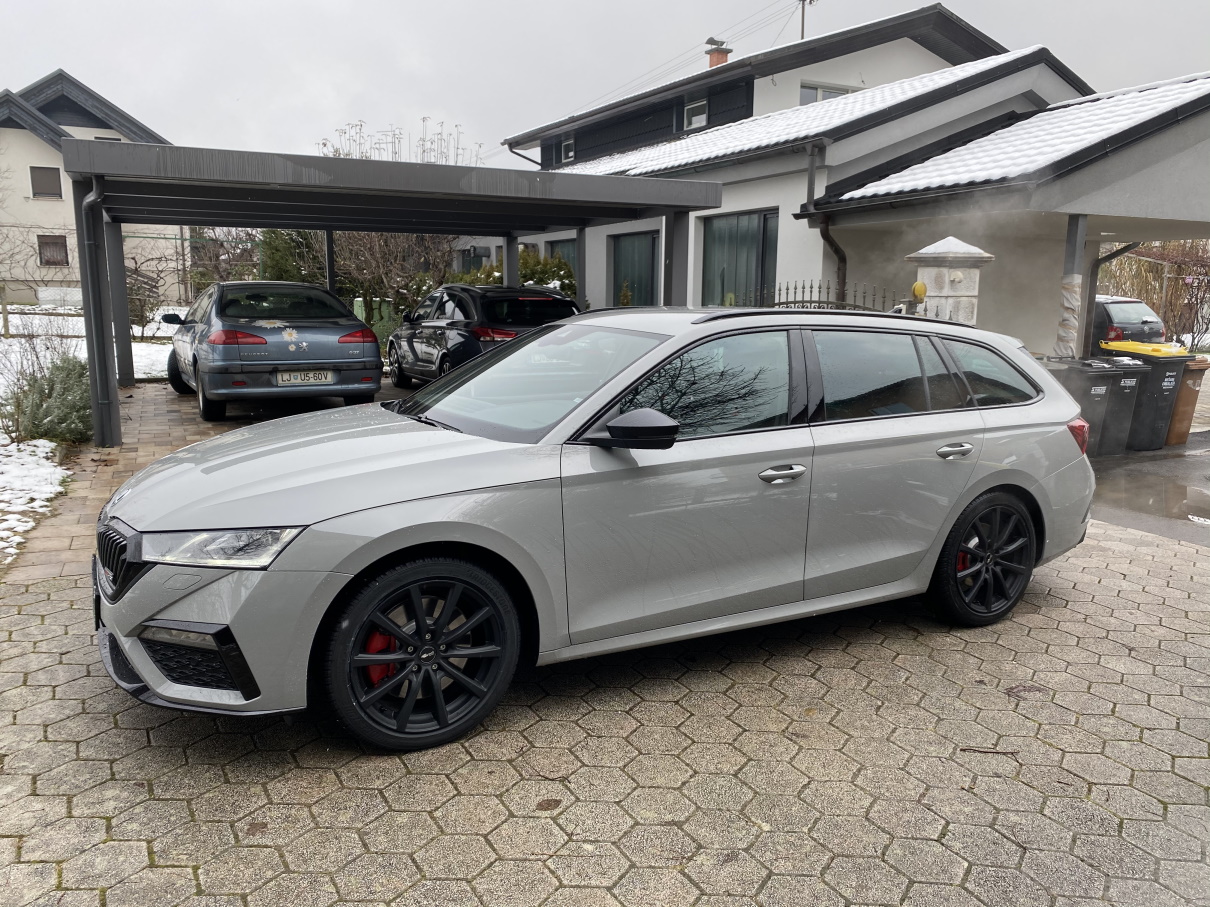
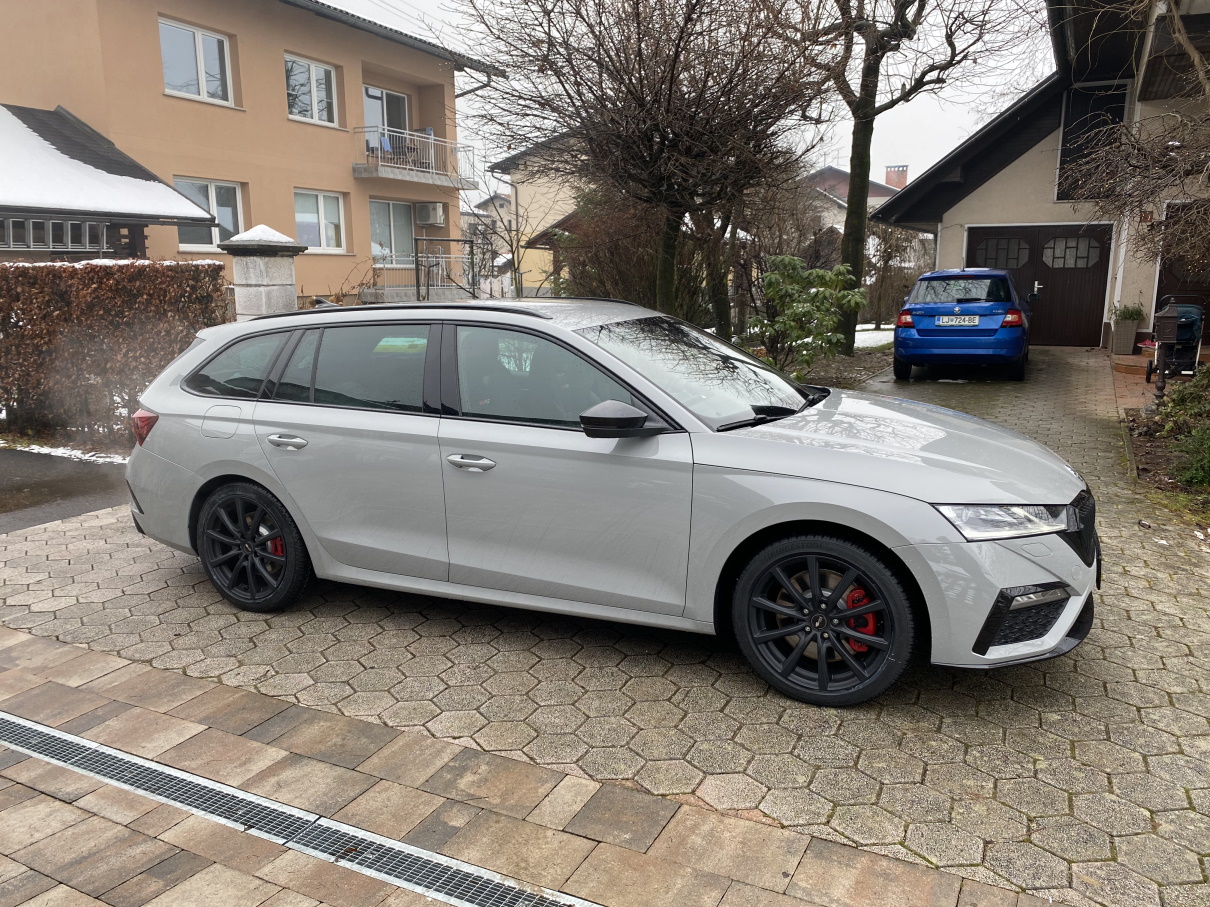
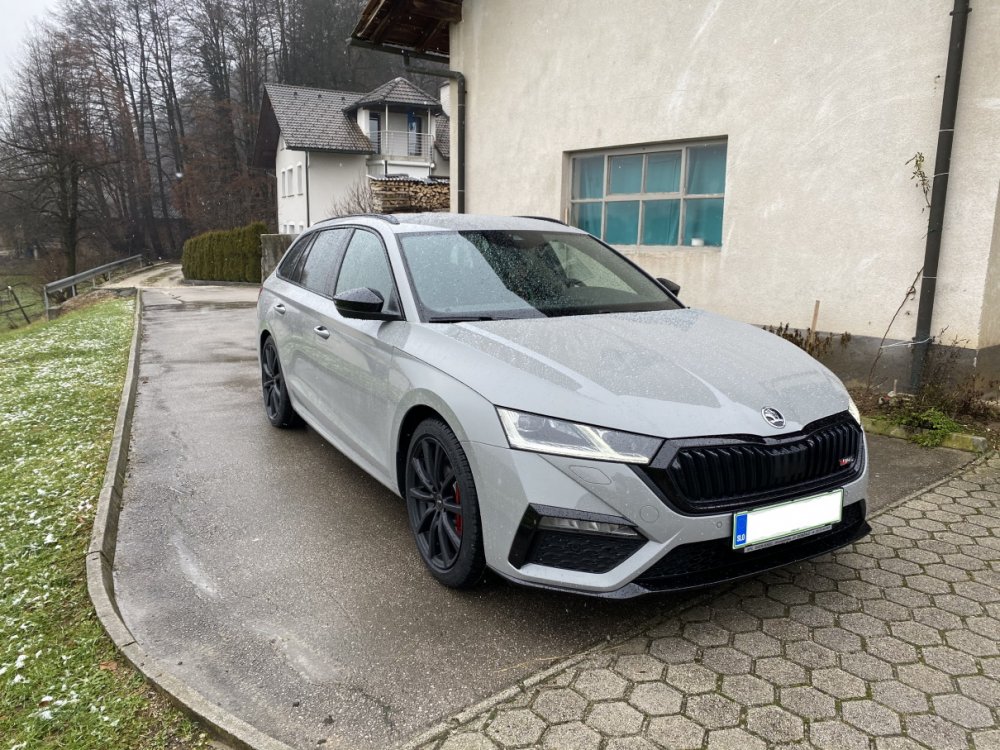
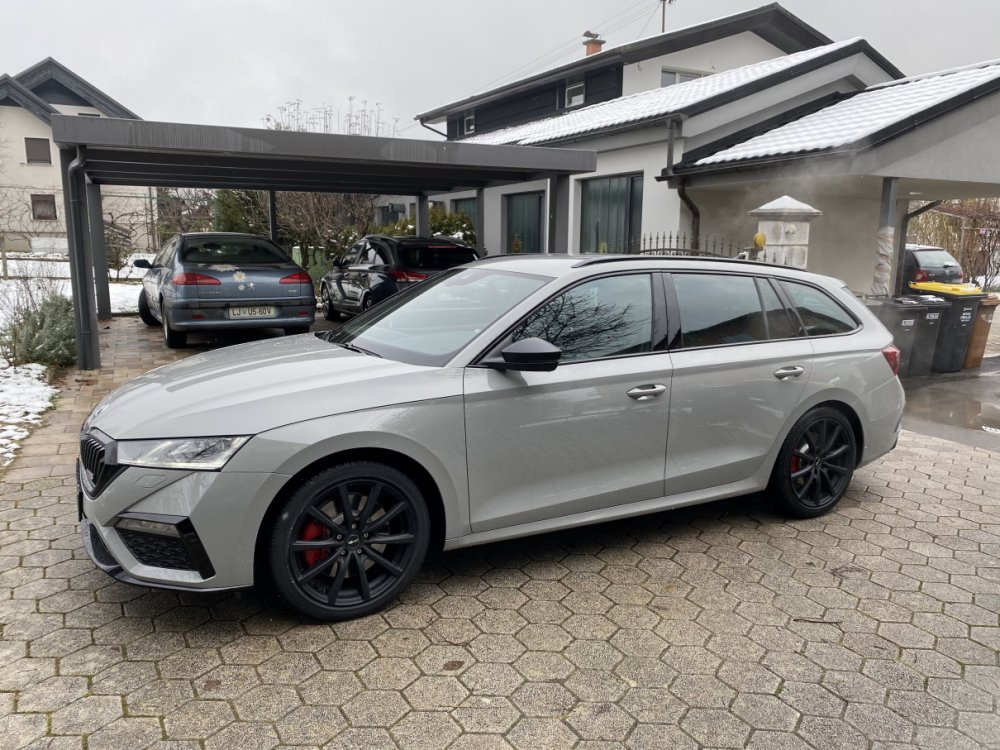
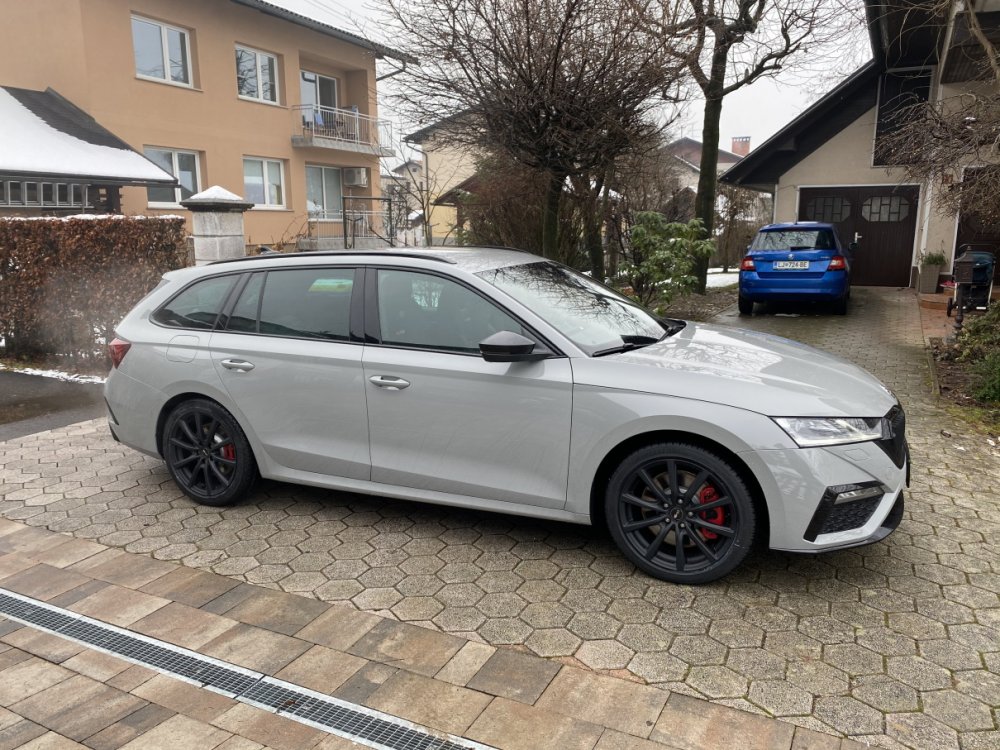
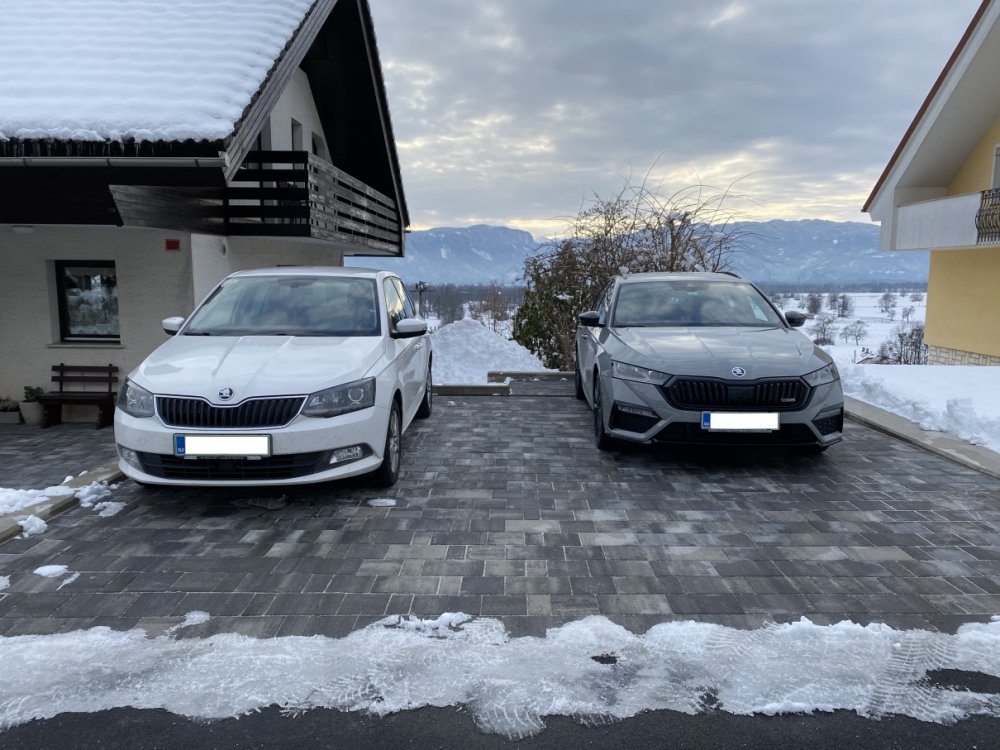
1 pointAnd here is mine. Finally. With the aftermarket winter wheels. Not the best weather to pick up the new car.

 1 point