Leaderboard
-
.jpg.1006585dfe4e2977315b67c3d642e37b.jpg)
Guest_
FREEDOM12Points83,824Posts -
SteveTheElder
FREEDOM8Points2,471Posts -
Lady Elanore
FREEDOM6Points25,084Posts -
Graham Butcher
FREEDOM6Points6,935Posts




Popular Content
Showing content with the highest reputation on 17/08/23 in all areas
-
I have just had this job done on my 2016 VRS EA888 Gen 3, 50k miles. I had been topping up coolant for well over a year, putting off the expense of the job. In the end, it was getting through half a litre a week and so time to get it done. I also had an engine warning light P2681 - Engine Coolant Bypass Valve Control circuit open. Each time I reset this, it would be back on within 30 mins of driving and so was unlikely to get through its next MOT. I got my usual non-specialist, independent garage to do this job (as others have said, I have done a bit of DIY work on cars but this job is a not a simple one). I was quoted £660 fitted including VAT which is less than I was expecting (South Birmingham area). They did the job without hassle and the issue is fixed. I am not sure if an original or pattern part was fitted - it was Schaeffler branded. I asked for the old part back so I could autopsy. There is a circuit board controlling a motorized valve, this board is not potted and so should be dry - it wasn't and had obvious corrosion. This appears to have been the cause of the P2681 error. The water pump impeller was plastic and there was evidence of cracks forming around the shaft and so that's another potential issue sorted. If anyone would like details of the garage I used for this job, please feel free to send a PM. Rich4 points
-
I’ve had 3 of these Octavias, including my current one. This is my own personal opinion but I only want 16” wheels. The ride comfort is way better and the tyres less prone to cuts or puncture and cheaper to replace. 18” I think was an option. You need to drive it and see what you think, it wouldn’t cost a fortune to pick up second hand 16 or 17” wheels for it. I get that it is very subjective and the bigger wheels probably look better but that’s my 10 pence worth. 1.6 tdi with brembo drilled discs - why ? I thought possibly it just had standard brakes which brembo also do but you can see in the picture they are drilled. I mean, they will be good brakes, but what is the point ? If it was me - 18” wheels, brembo brakes, boot spoiler on a 1.6tdi - she’s probably seen some action. Doesn’t mean it isn’t a good car if it checks out and the price is right4 points
-
The paint work isn’t new and was there when you bought the car, you bought it in that condition so they would laugh you out the dealer if you complain about that. The knocking noise and sat nav fault are both warranty claims (as long as they can’t prove outside influence) so I’d be getting them to sort both under warranty. Even if there is outside influence, it’s been 3 weeks so they should sort it free of charge either way4 points
-
Yes I realise it was up to me to see any cosmetic issues on the day test/purchase. But of course I was more concentrated on the car deal itself and didn't have time to check everything. The Sat Nav problem is ongoing and I hope they will agree to the Skoda place to fix it. I managed to solve the rattle myself today by checking every moving part under rear end of car and found one screw missing on a strut of the exhaust tip which was banging metal on metal without it. So a quick fix for once! 🙂3 points
-
Agree with @ApertureS. Condition for costemtics, scratches, respray were all negotiation points before purchase but now, that point has past. Faults, on the other hand, as said statutory warranty - first 30 days gives a right of return so if you're really not happy with car anymore you could possibly use one of the provable faults as a return reason. You need to commence that with selling dealer within 30 days. After 30 days, inside 6 months, it's assumed the fault was present from start and selling dealer has to repair, beyond that, its up to you to prove faults were present from start. Don't get distracted by any warranty insurance policy they've thrown in with sale... To be honest. It doesn't sound that bad but as you point out some people are more careful with their cars than others. A 4 year old car with that low miles can vary cosmetically quite a lot by attitudes of owner or keeper.3 points
-
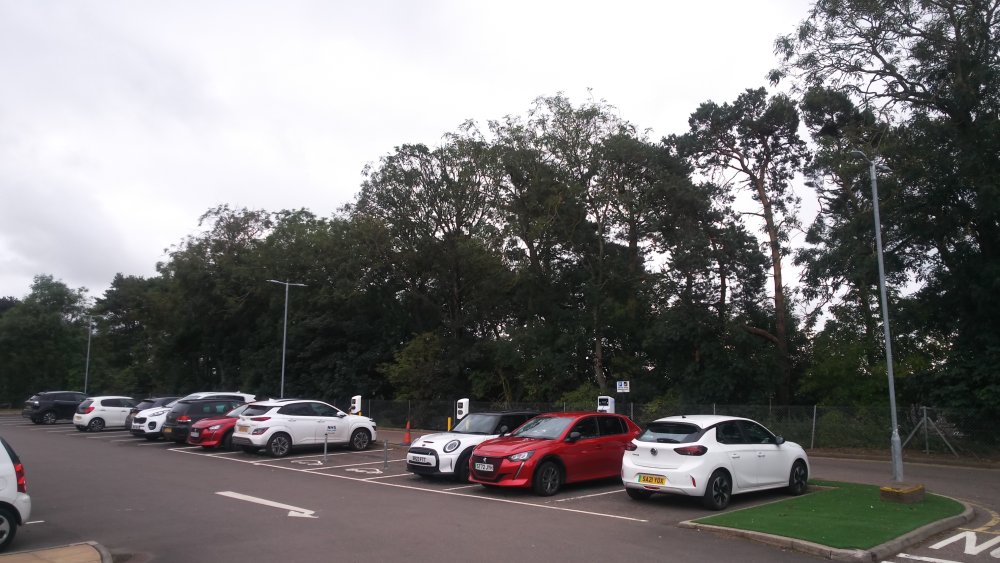
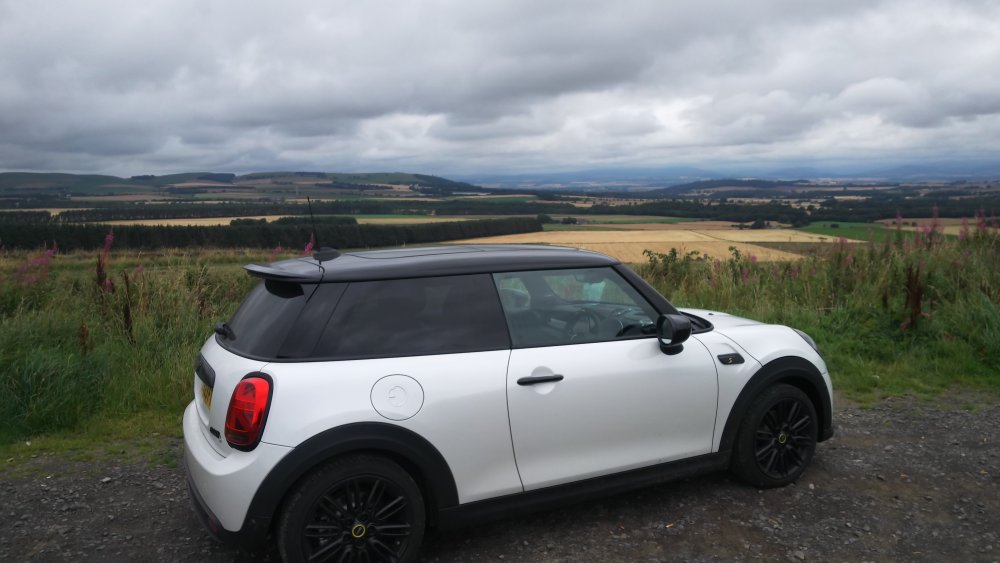
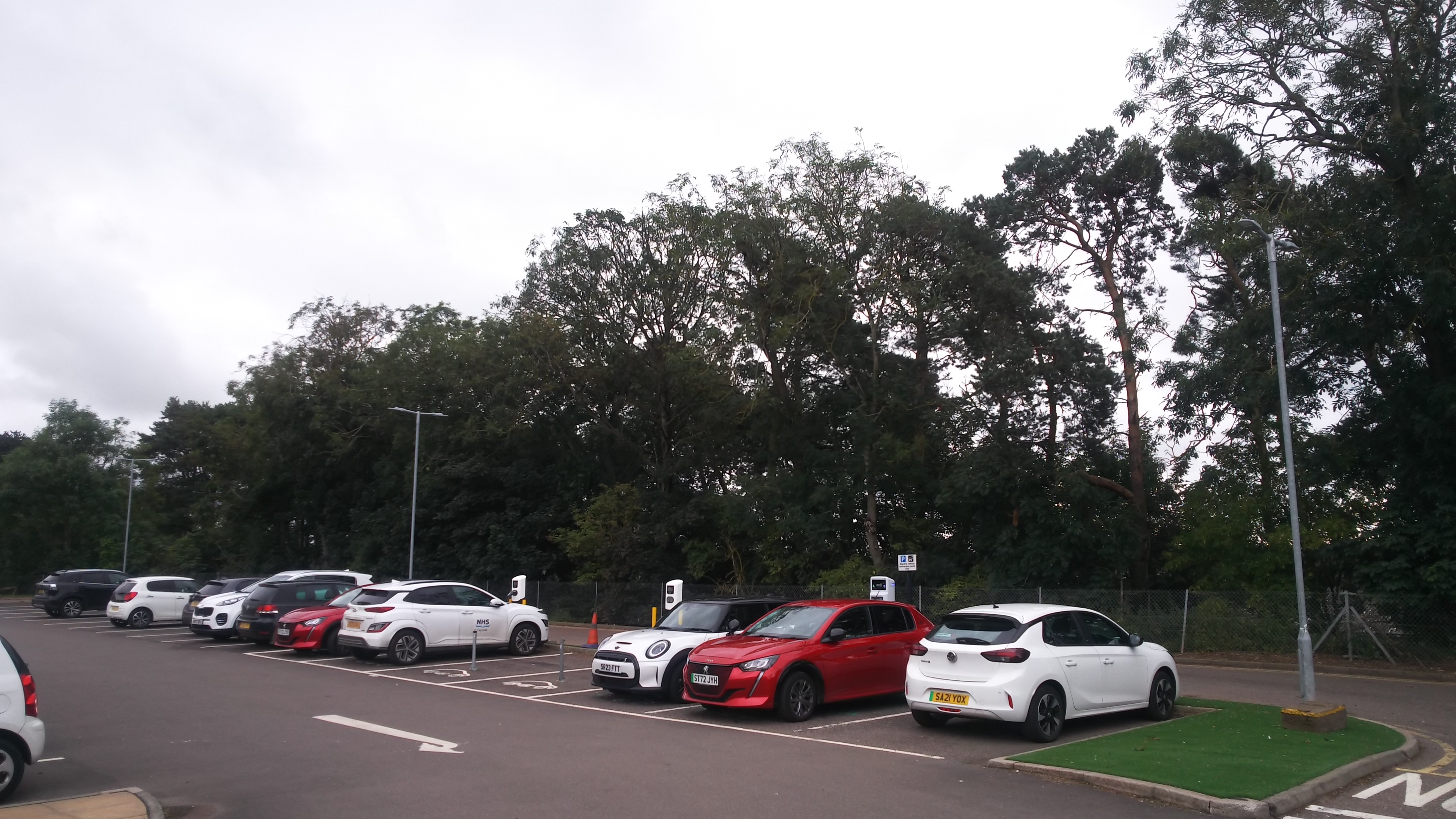
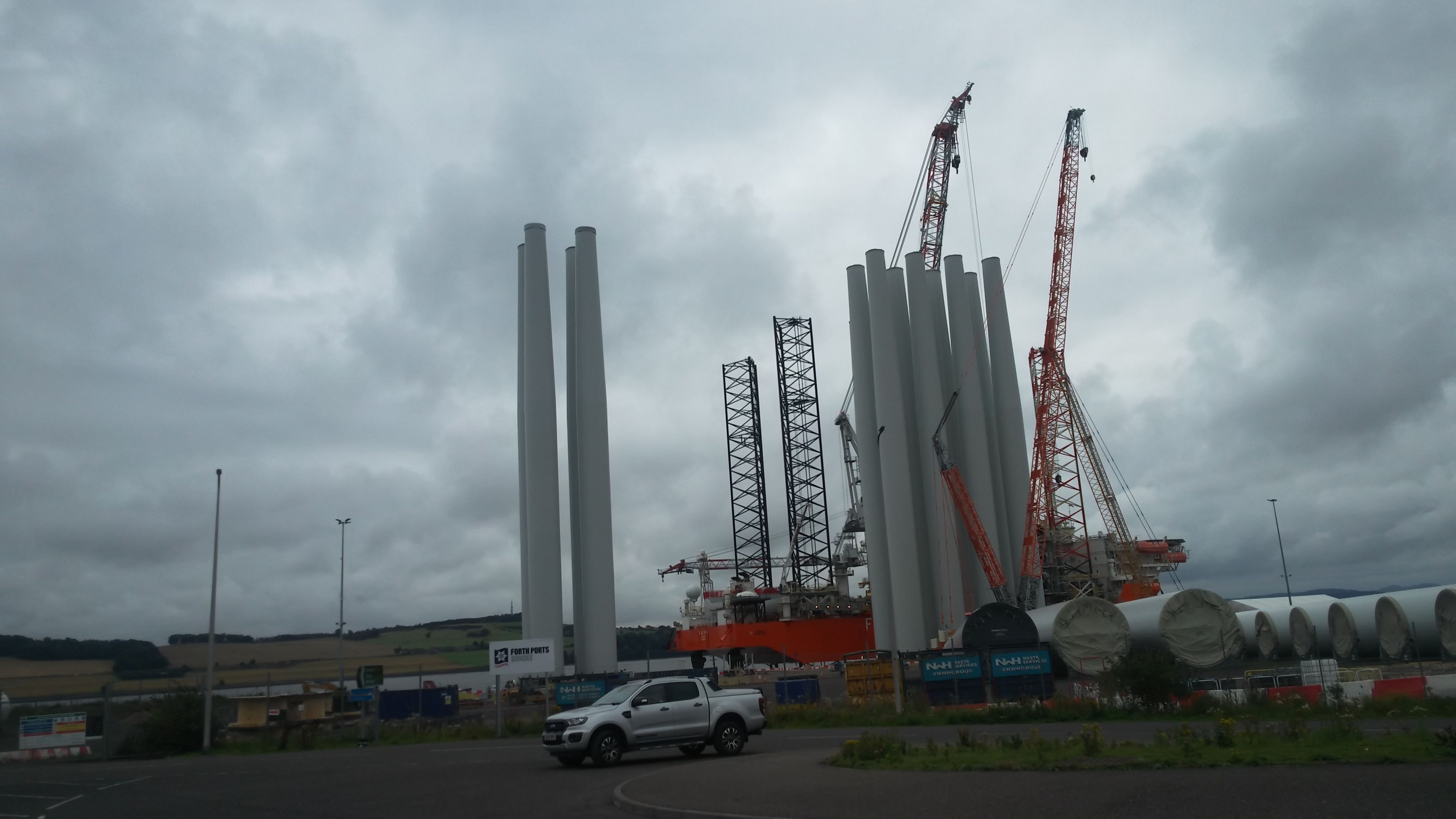
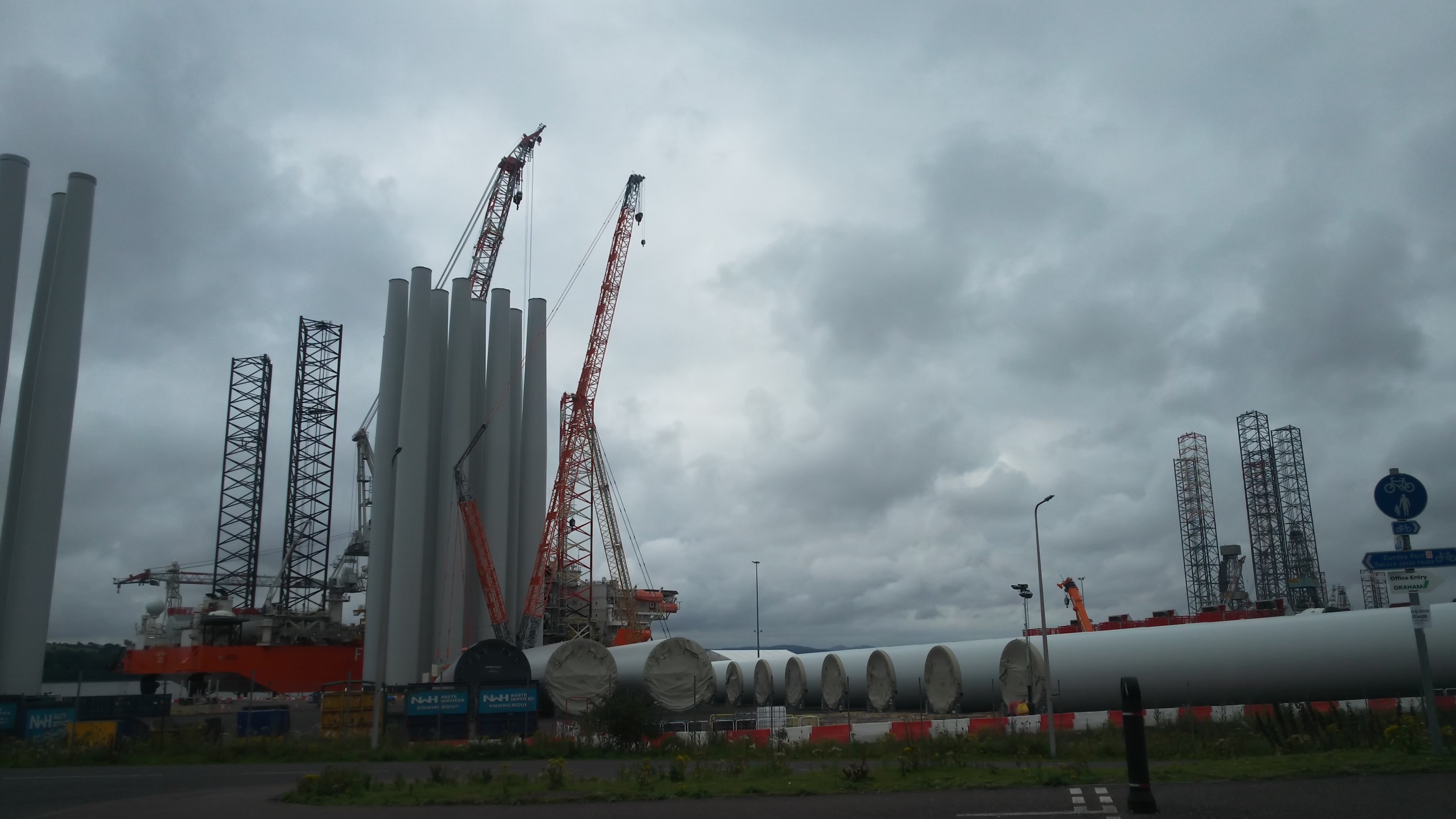
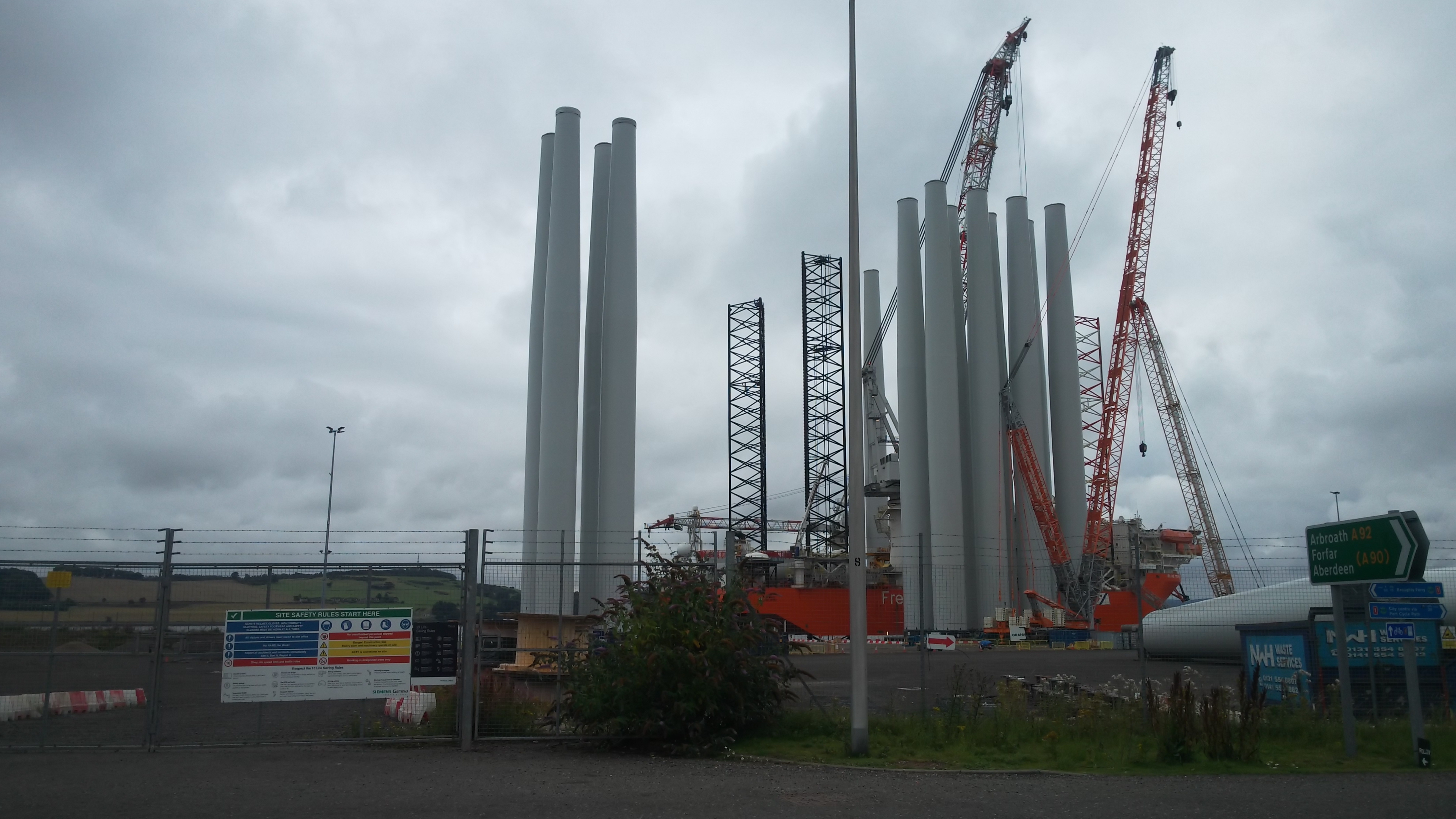
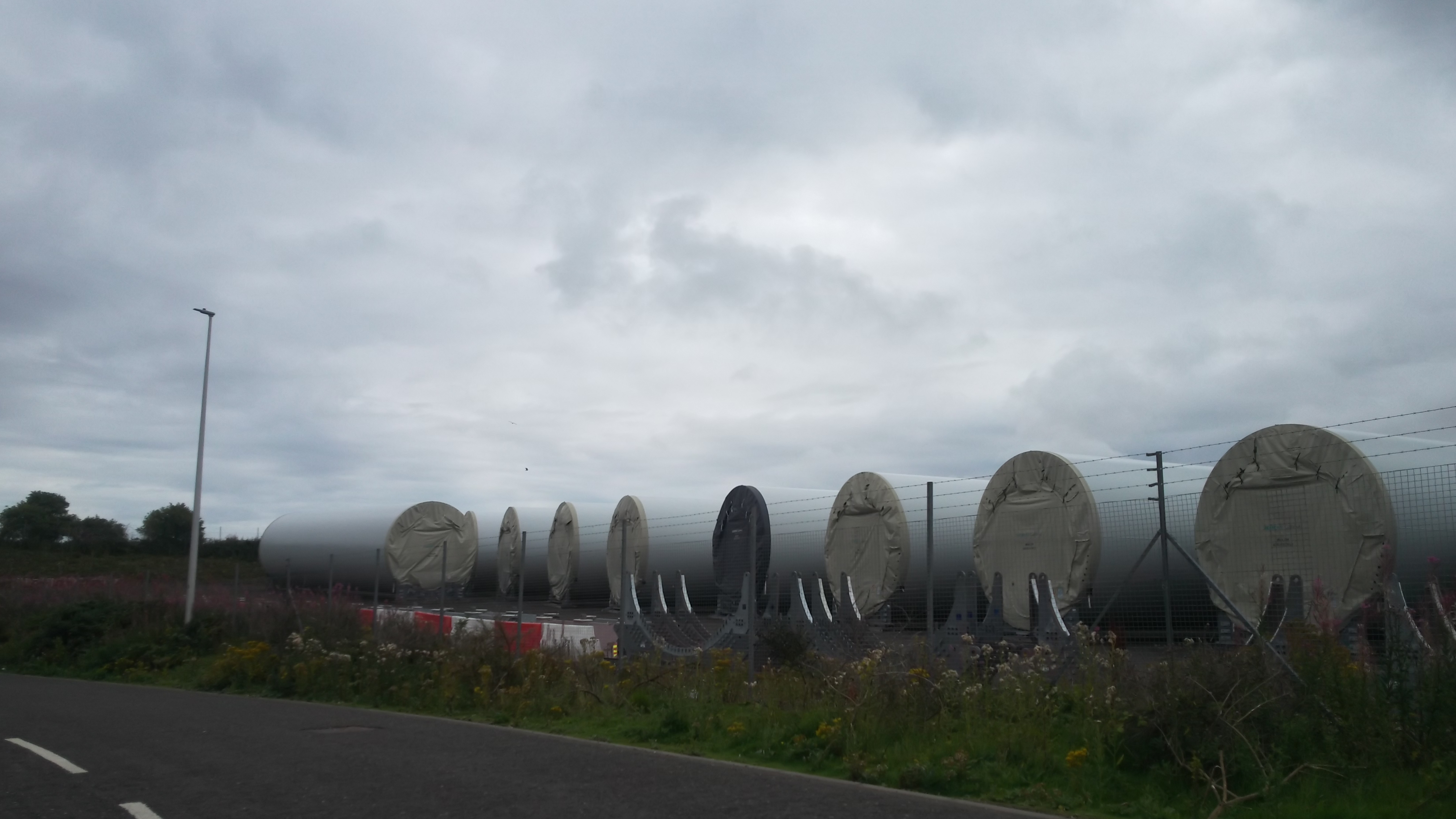
3 pointsI am sitting charging free again and in the car. Ready to exit quickly if the car goes on fire. Someone is paying for the electricity obviously and that is maybe those that pay the energy bills generally and those that have to look at wind farms or are being disrupted or disturbed by them. Plenty of then around Scotland and more and more solar farms and ones planned. There is a new one proposed within 1 mile of where I am in a NHS car park. There is also a Battery Storage facility planned within 1/2 a mile. That with the National Grid planned new bigger pylons going to be 2 miles away bringing electric from the offshore and onshore turbines south should mean plenty of the electricity needed around here will be generated locally. Maybe the cost of energy to home owners, business,s and non EV drivers can drop or be free at off peak times when the grid needs balanced and it is not just the Energy Generators / wind farms being paid to not generate. PS. Quite a high use of EV,s in Scotland per capita. The instances of EV fires in Scotland over the past 12 years should be easily found.
 3 points
 -
It's difficult to see from the photos, as it's so dirty, I can't really work out if some of the lines are dirty water stains (like it got parked in a field or a ditch), or if they are scratches or even cracks. There are couple of kerbing scuff marks. I don't think there is any real damage to the wheel, but would only really know once you have run fingers over any remaining marks to see if it was dirt, or feels like scratch or crack. My guess (and I might be wrong) is they have been taken off a car that crashed and been written off with bodywork damage. Although the tyre seems to have fair amount of tread, it might be a very cheap budget tyre (I can't read the name, but could literally have been a ditch finder). Probably should be assuming tyre will need replacing and just buying the rim. If the seller has a number of these then might be better to get cheapest wheel with worst tyre if going to change tyre anyway.3 points
-
3 points
-
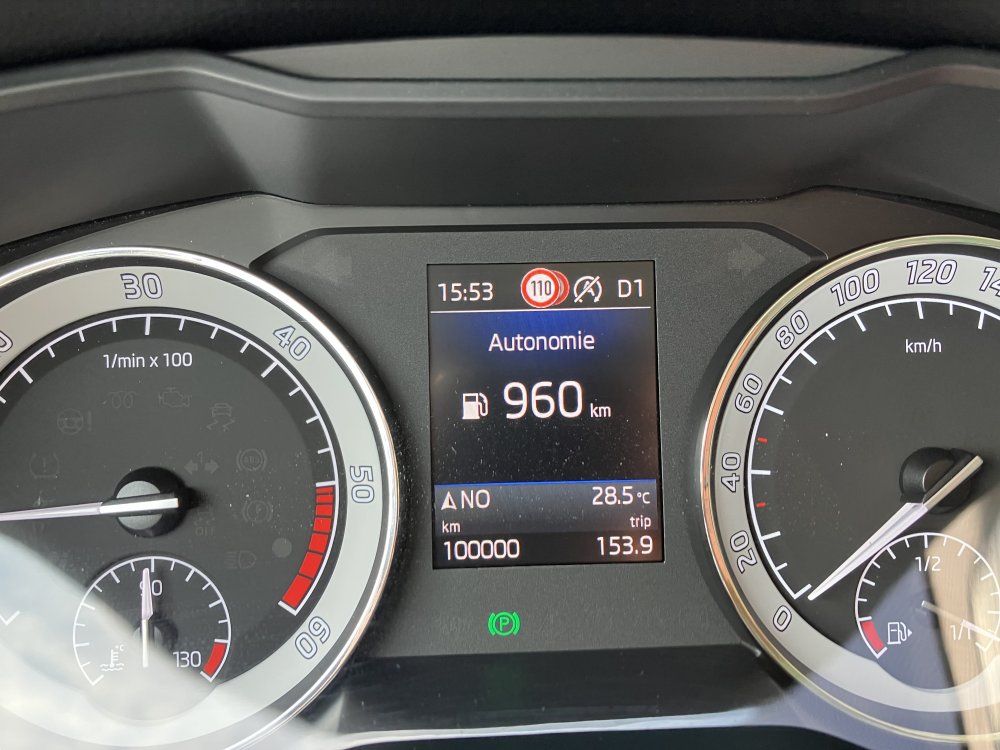
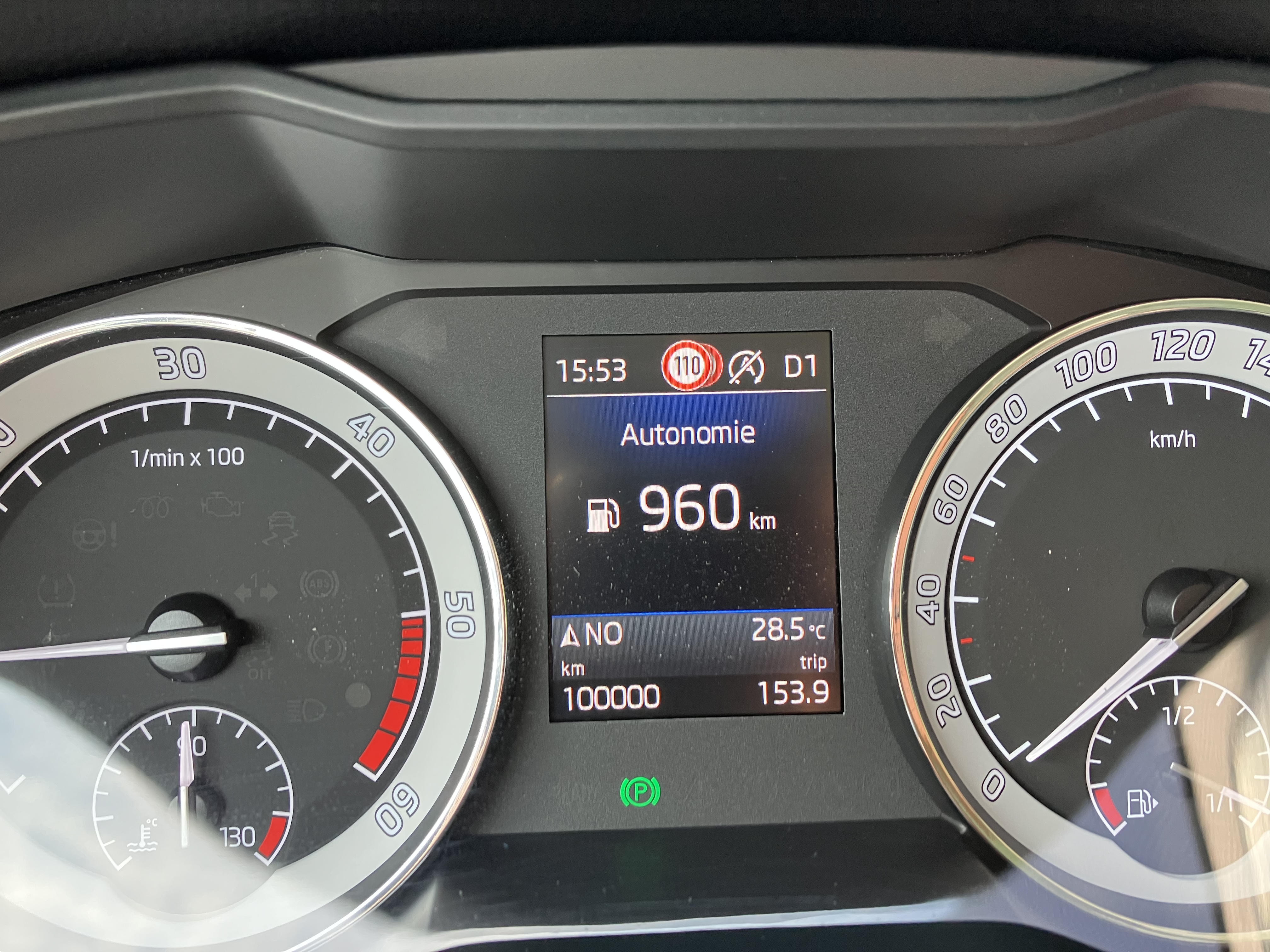
Important milestone reached today with my MY2018 Mk3
 2 points
 -
I just wanted to report back my findings. I emailed Caffynscarparts for a quote using both of the above codes. "I can confirm the rim fitted at factory was 3V0601025C 8Z8 £543.60 inc vat The bare accessory version is 3V0071497D 8Z8 £225.00 inc vat Please note the accessory option will come from Skoda CZ and take at least 2 weeks" What a difference in price!!! Can you tell which I've gone for?! Thanks again for your help. What a brilliant forum.2 points
-
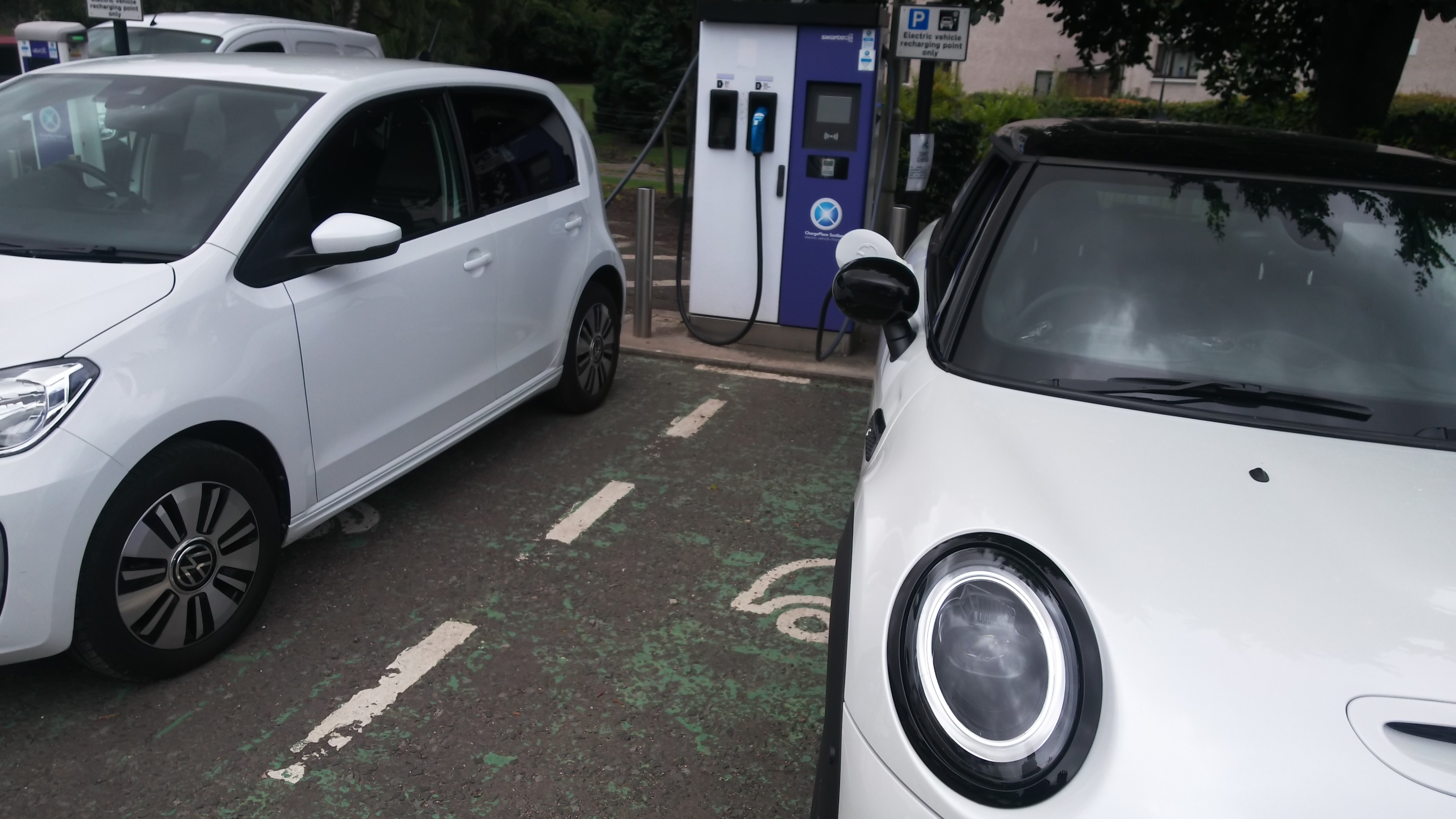
2 pointsI was cursing the driver on the VW e_Up because the other Rapid in town was out of service & they had plugged into the Rapid and got 3 kWh in 30 minutes and it was at 99%. I went on the AC for a couple of kWh and when the charger cut out on the VW i unplugged it and started charging. Not long after i had started a Parking Warden came past and we were in conversation about those that just take the Michael or do not understand charging. Thankfully i kept him occupied a while or a long while before he was getting around to doing a ticket for being in an EV Bay and not charging. The couple arrived back and were apologetic and he accepted they were visitors and in a hire car and unfamiliar with how it works and how the car charges. I spent the next hour chatting with them. A lovely lively couple. Just the usual, arrived at the airport and got an EV and thought how bad can it be. No real tutorial on the car and the battery size or charging and they have muddled by. They have Edinburgh to get to and charge, then another 100 plus miles south to go before returning the car and were told it has to be at 100%. What a horlicks the whole EV car hire thing is as far as i have seen from those getting ones in Scotland and having to figure out charging.
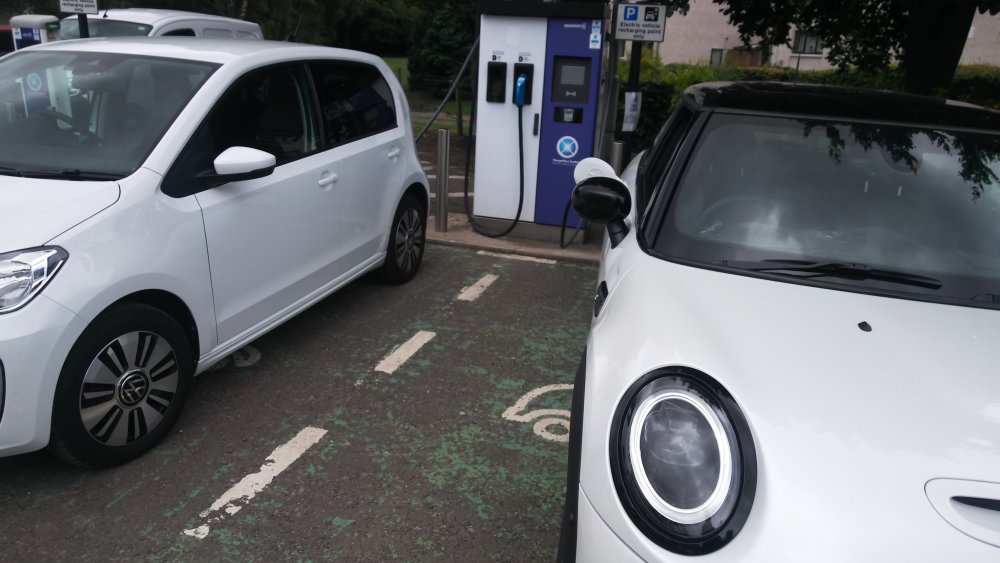 2 points
 -
Yesterday I called Skoda Service who notified Skoda Technical of my ongoing restart issue. I also spoke to my Service partner about the restart issue before the car went in for its first MOT this morning. I don’t know if what followed was as a result of these conversations: I received a phone call after the MOT was complete to say they had found two SW updated which they had now applied. They told me that the ‘Big’ pending SW update scheduled by chassis number, for all cars involved would still go ahead….OTA. To my surprise when the car was returned I discover that the Infotainment has been updated from 1896 to 1941 and so far all seems well. So it remains to be seen what the ‘Big’ pending OTA update is intended to do.2 points
-
2 points
-
2 pointsEach to his own... but I wouldn't be without it, and as it's free for the first year what's the problem? But remember that without it, you don't get updates to the maps, online traffic info, details of local petrol prices, online route calculations etc. The only reason I can see for ignoring these features is if you never use the built-in satnav system. I also find the remote access features to link the car to the phone app very handy, as it passes on security warnings when the car alarm is activated. (So far this has only happened overnight, and has been triggered by a moth setting off the interior alarm, but it's still nice to know if someone is interfering with your car.) Chris2 points
-
I agree with the previous poster with regards to wheel size on the U.K's potholed roads. I've owned my current Octavia for a year now, my first, personally I wouldn't consider anything above 16" wheels for comfort & you have a wider, cheaper selection of tyres to fit. Usually the higher the trim level the bigger the wheel. I'd consider putting 16's on it if you liked the car, not forgetting to inform your insurance company if you did.2 points
-
2 points“The fact that rain was reported as falling on the Greenland ice sheet — which in 70years of reporting has NEVER happened before — is without doubt a WAKE UP CALL to humanity.” BCS journal winter ‘21. We individually need to do what we can. Everything has pro’s and con’s. Even scattering my ashes will upset the ph balance. So I suspect cremation will be on the watch list soon as well. I think, from catching up on this thread, that a small war of words is in progress. May I suggest; gently, that neither side can win, and both sides can and will loose. I do have a side, but I’m trying to be nice. Sometimes we have to agree to disagree and move on. I applaud the research and time taken to gather so many articles. Alas I work and don’t have time to digest it all. It appears impressive but could thanks to the internet all be ai hyperbole . Too many groups with interests beyond this biomes future. Even “ev” makers are tied into the destruction one way or another. We just have to minimise, pay the debt, hopefully give humanity a chance to figure it out and rectify. I’ll take my chances with an ev. I’m ready. Although I have to destroy my front eco patch so I can charge it. Thanks road traffic act. in case we got lost on my ramblings, play nice please oh great keyboard warriors.2 points
-
2 pointsWhatever evidence I provide, you somehow try and rubbish it or totally ignore it and then you go on to provide evidence that second hand EVs are less expensive than ICE cars with this link https://www.speakev.com/threads/second-hand-evs-are-cheaper-than-ice.179449 🙄 Are you trying to say that I shouldn't want to buy a new car because new EVs cost more than their new ICE equivalents. Then when I said about old second hand EVs would also suffer from battery degregation and thus less range and tried to counter that with "There's a healthy scrap market for second hand batteries: https://www.ebay.co.uk/sch/i.html?_from=R40&_trksid=p4432023.m570.l1313&_nkw=leaf+battery&_sacat=0 So to my mind, how would an old EV be liability when its batteries are an asset waiting to be re-used? " How on earth does that relate to what I was saying. Firstly eBay is not a scrap market, the prices shown on that link are what they are selling them for, not what I could get if I brought a second-hand EV and replaced the battery and sold the old one, and then the that car would leap up and become much more expensive than and an ICE car. You gave me this link Electric Vehicles | Bedfordshire Fire and Rescue Service (bedsfire.gov.uk) which only mentions E scooters and even then hardly anything about them. I could have hit you with these links but I decided it was not worth it because you would not even accept what they were saying as gospel. Lets try it and see, here are some links that actually the scale of the problem and these are some die hard ICE lovers but mainly people charged with trying to protect us and our property when things go wrong, are they all so wrong???? https://www.youtube.com/watch?v=qwxZu3nVOZ0 The Red Boxx – a Bathtub for Cars – open source lab (dfki.de) https://en.wikipedia.org/wiki/Plug-in_e ... _incidents Essex firefighters adapt to new hazards in electric vehicle fires | Essex County Fire and Rescue Service (essex-fire.gov.uk) Electric car batteries: What you need to know (firerescue1.com) Firefighters develop special vehicle to fight EV fires in car parks (thedriven.io) Firefighters still struggle to defeat EV fires effectively | CarExpert Electric Vehicle Fires Spark Firefighter Safety Concerns | The Regulatory Review (theregreview.org) Firefighters Still Aren't Sure How to Quickly Defeat EV Fires (jalopnik.com) Electric Vehicle Safety Advice | County Durham and Darlington Fire and Rescue Service (ddfire.gov.uk) Emergency responders guide for alternatively fuelled vehicles (nationalfirechiefs.org.uk) UK company reveals 6WD EV battery fire response truck | Autocar Fire crews' fears over electric car blazes as they are having to double the crews sent to deal with them because their batteries cause 'rocket-like' infernos | Daily Mail Online Thermal runaway EV battery fires controlled with water cutting tech | Auto Express Data reveals extent of electric vehicle fires around the UK | CE Safety Blog Tackling fires in electric vehicles (ife.org.uk) Electric Cars Have One Problem: They Keep Lighting People's Houses on Fire (futurism.com) Lydden Hill Race Circuit fire started in battery of Special ONE team electric car while charging, say FIA World Rallycross Championship officials (kentonline.co.uk) (500) EV fires are tough to fight and pose new hazards. Inside the race to get responders ready. - YouTube (502) Why Are Electric Vehicle Fires So Hard To Put Out? - YouTube (502) Why Tesla, GM And Other EV Companies Have A Fire Problem - YouTube (541) Examples of Lithium Battery Fires - YouTube (544) Is Lithium Iron Phosphate (LFP/LiFePO4) Safer? - YouTube (541) Can Lithium-ion Battery Fires be Extinguished: Small/Medium Devices - YouTube (541) Fighting EV car fires with the FIRE ISOLATOR concept - Live testing UPDATED VERSION - YouTube (544) Controlling and fighting EV car fires with the Fire Isolator concept - live demonstration March 2022 - YouTube (544) Do Firefighting Tools for Extinguishing Electric Vehicle Fires Really Work? - YouTube (544) Electric Vehicle Fires: Let It Burn - YouTube (544) Does Submerging Electric Vehicle Fires Work? - YouTube (544) Vehicle Fire Data: Electric vs. Combustion - YouTube (544) Why Tesla Fires are Impossible to Put Out - YouTube (544) Lithium-ion Battery Fires: Full Charge vs. Low Charge - YouTube2 points
-
2 pointsFly, spider or other being picked up by internal sensors. You could press the lock button twice to turn off internal monitoring till you find culprit.2 points
-
1 pointVarious manuals available to download here: For parts and part numbers, whilst not ideal, this might give you some initial help: https://ifinterface.com/ Press: Welcome Press top right tab: Free Services Press: CarProg2 Select: Language if other then English Change VW dropdown & Select: Skoda Select: Kamiq Select and double-click on: Year - eg. 2019, 2020 or 2021 Thereafter have fun! Otherwise you register, log in your VIN and pay your EUR €8.40 per hour using: https://erwin.skoda-auto.cz/erwin/showHome.do1 point
-
Interesting post. Tonight driving home the infotainment went off, abs fault, traction control, acc, and I think the other was cornering light fault. Lights aswell as messages on dash. Heavy steering. Shortly afterwards it all cleared. Happened 4 or 5 times in 15mins. Also 2018 superb. I had just picked car up from garage after getting new shock absorbers fitted. Wondered if there is a need to unplug anything whilst doing this job?1 point
-
Exactly as per mine including the error code. £660 is a bit of a bargain. The oem part is schaeffler ina made. Yours will probably be aftermarket, same as what I put in. Should be more or less identical. Is about £300 or more on its own,! For that price I may not have dealt with the backache and hassle of doing it myself. It's very reasonable.1 point
-
1 pointI've noticed an uptick in junk over the last month or so, makes me think some filter has been removed prior to being sold back to us. Most of what I'm seeing is so poor the filters from 15yr ago would screen no problem which is what makes me think it's being allowed through deliberately.1 point
-
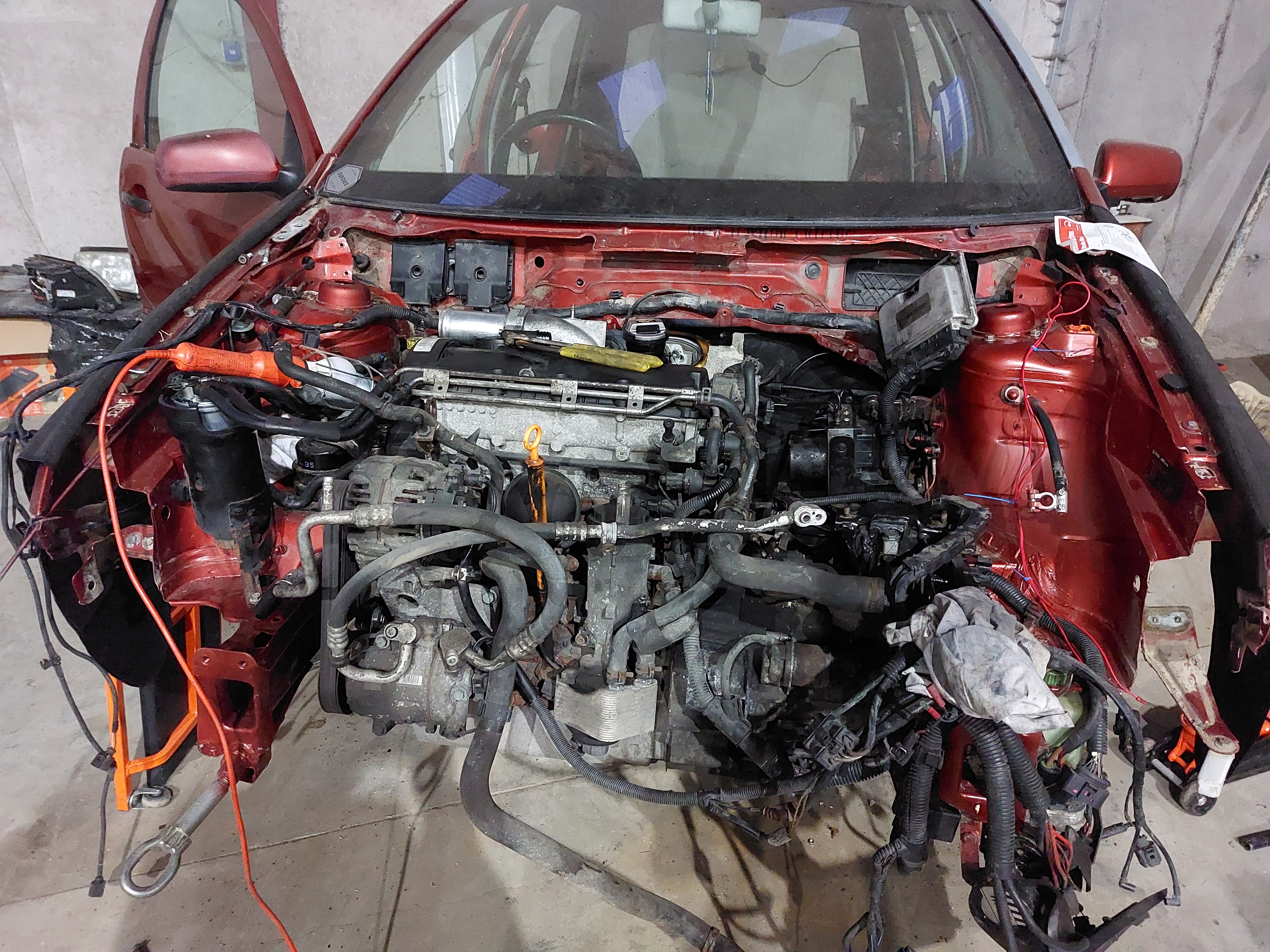
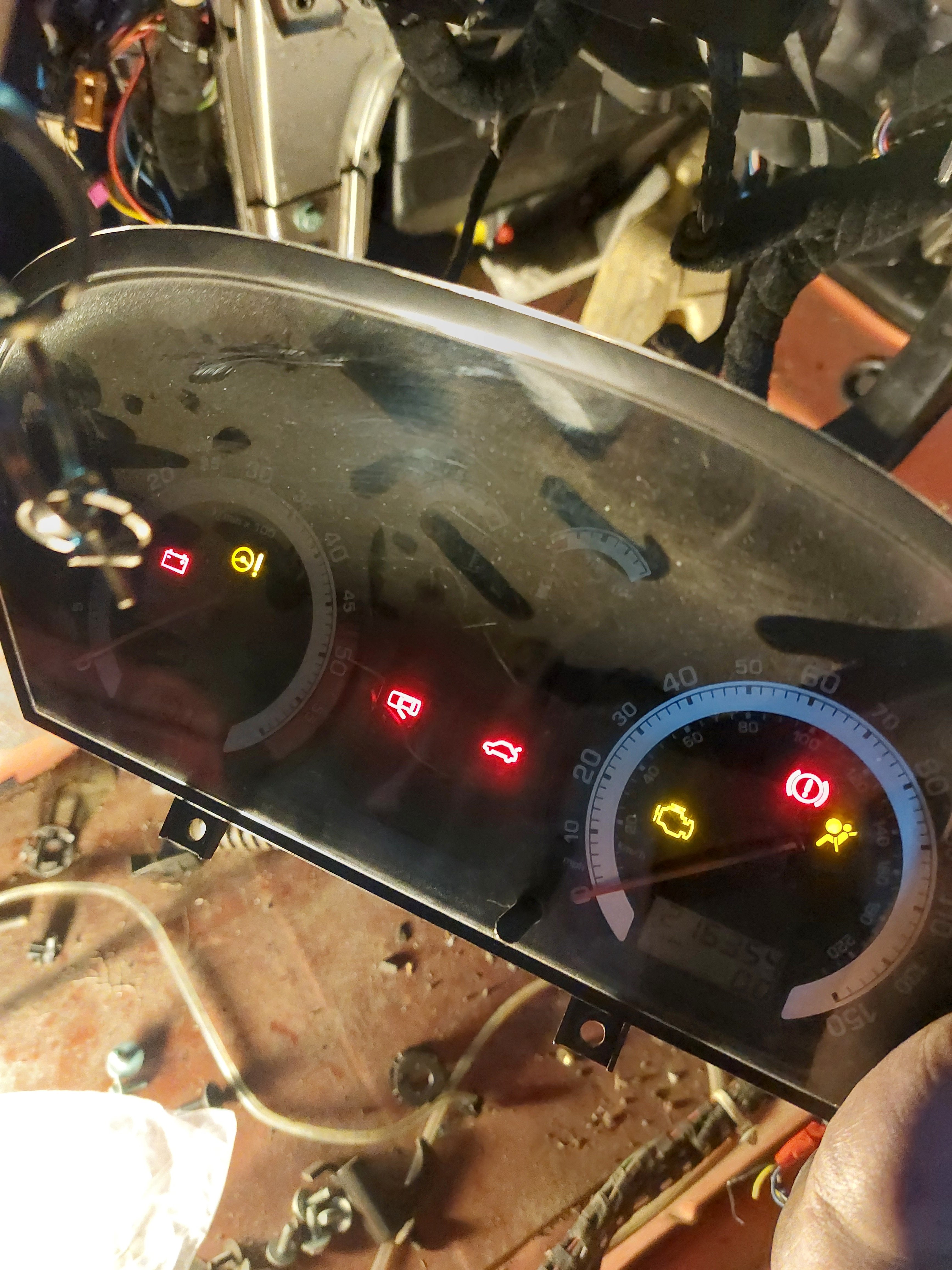
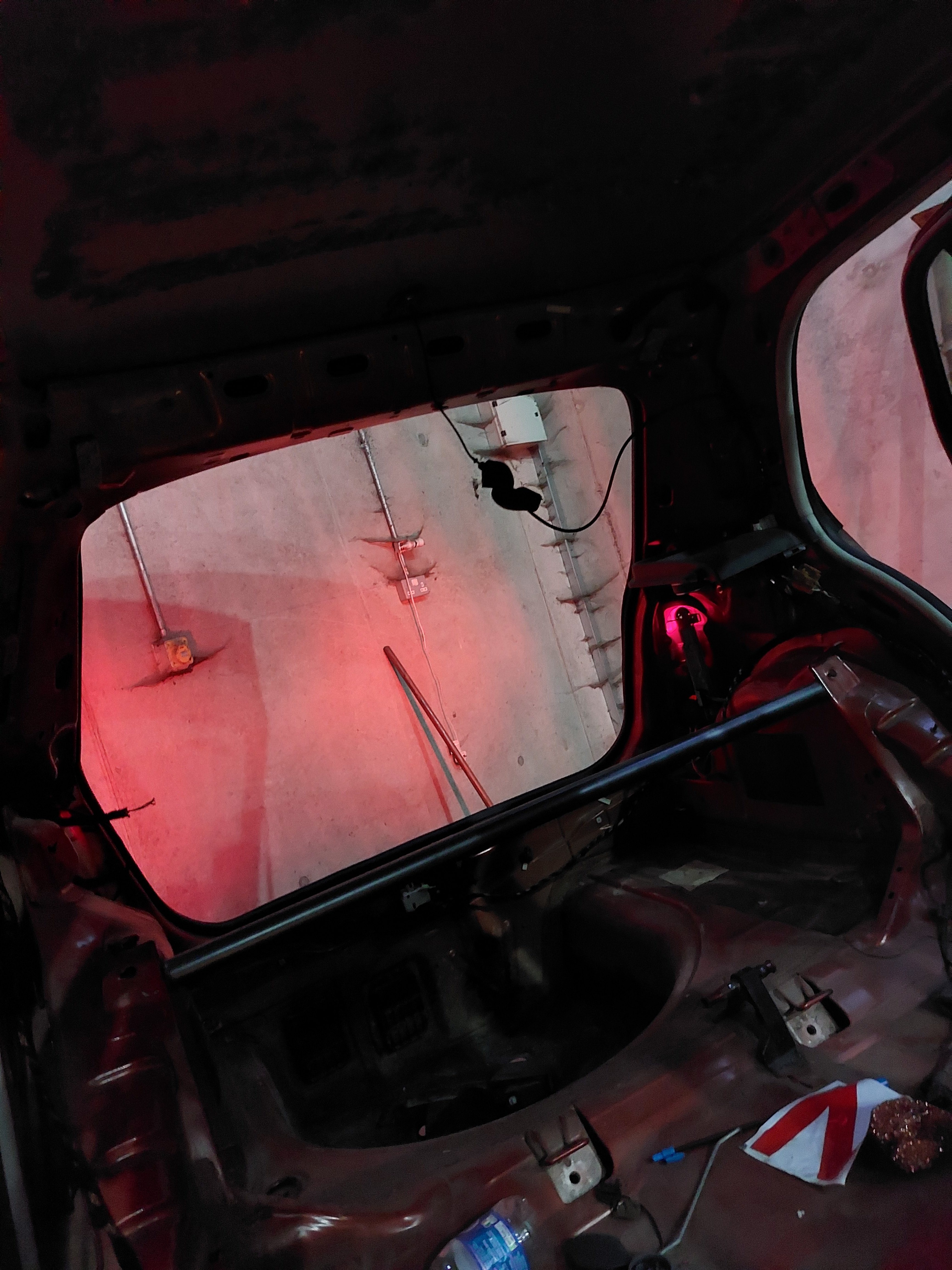
Right so got 12 volts to it for the first time in a long time. Engines not fully plugged in, nor is most of the interior so id say I've just logged 110 faults doing this. Good job I have vcds. Plugged gauges in and they read fine. Engines not plugged in enough to crank but its a good sign. Rear lights sort of working. Long way to go but we'll get there.
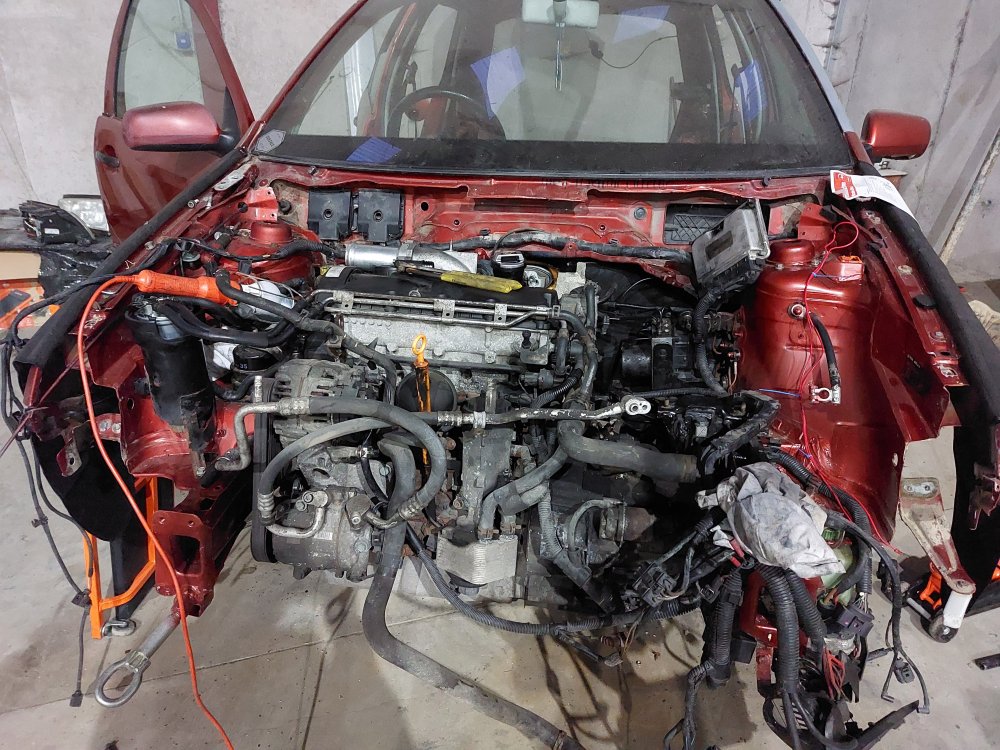
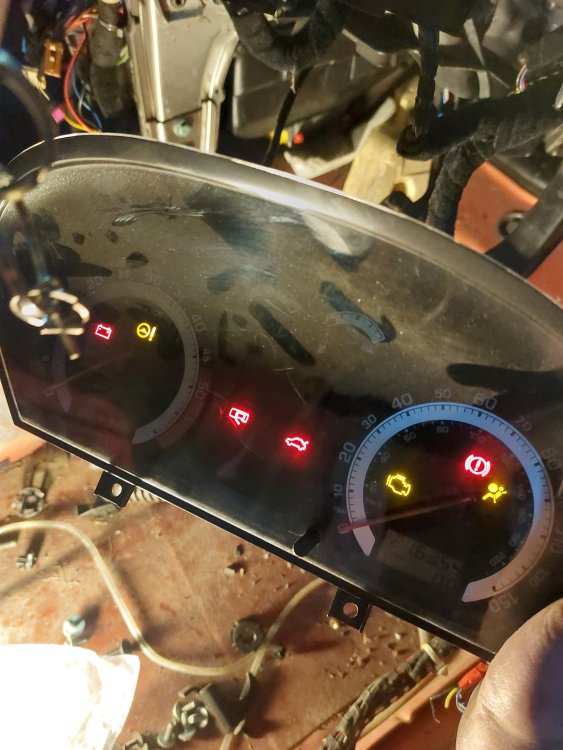
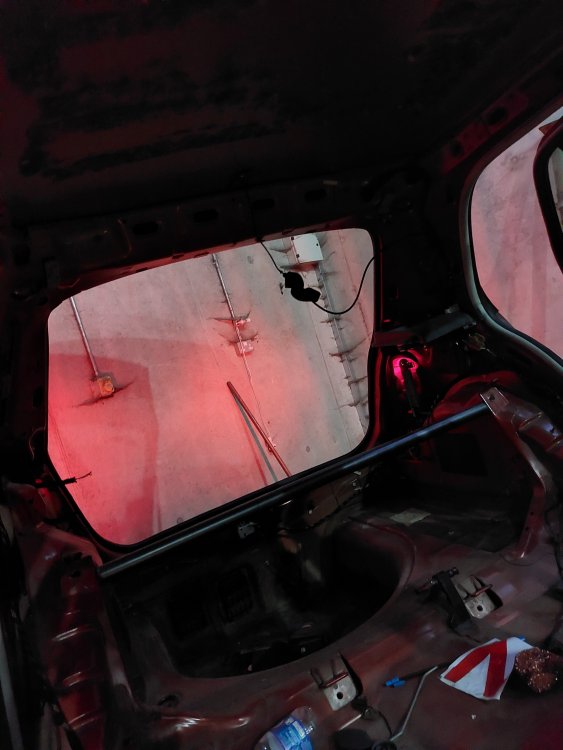 1 point
 -
That good to hear @PoloPaul; hope 1941 continues to do the biz for you.1 point
-
1 pointYou can see on the link below to "skoda eshop cz" that there are two different foam and jack kits for the Superb MK3. One for all models except the 272HP/280HP 4x4, and one for the 272HP/280HP. 2,149CZK is about £76.18 and includes everything except the actual spare wheel. Remember though, a spare wheel that has an actual width of more than 215mm will raise the carpet on the Superb MK3. Perhaps ask for a quote (using the OEM part number 3V0093860D) from a Skoda/VAG parts department. This might work out cheaper than purchasing one online. Make sure they confirm that this part is correct for your car, before making any purchase. Superb MK3 (not 272HP/280HP) foam and jack kit (without actual spare wheel) 3V0093860D https://eshop.skoda-auto.cz/sady-pro-vymenu-kol/c/setsToChangeWheels?q=%3AscoreDesc%3AcarType%3ASuperb%2BIII%2B%282015%2B%29&text=# Superb MK3 (272HP/280HP only) foam and jack kit (without actual spare wheel) 3V0093860E https://eshop.skoda-auto.cz/cs_CZ/sada-pro-vymenu-rezervniho-kola/p/3V0093860E1 point
-
BTW - I did cancel my policy to get the cheaper price two years ago and it worked out OK. It saved me a lot. My car did not need another check, so I think you were told BS to just get you to keep the policy.... I might see if I can cancel again to get the current 20% off - by end of August unless they run the deal again later this year?1 point
-
1 pointLots and lots and lots of wind turbines. One went on fire in the wind farm off Norfolk the other day. Nobody on board and no need for any fire fighting.1 point
-
Easy peasy - go into the car menu on infotainment, scroll down until you see reset to factory settings, confirm the reset and that's everything wiped.1 point
-
1 pointMaybe they have left an oil seal on or over tightened the filter. Assuming the correct filter was used for your 2011 car. Is it a 1.2 TSI? Have them check and remove the filter, they messed up a simple and routine job. http://briskoda.net/forums/topic/513601-warning-bosch-oil-filters-for-12-tsi-ea-cbzacbzg-engines1 point
-
Difficult to see, but it could be a Lanvigator CatchPower - made in China. Never heard of them personally. I agree with John - it's too grubby to tell what's grime and what's damage, cosmetic or other. I wouldn't buy it without seeing it in person. Seller appears to have good feedback overall. Gaz1 point
-
1 pointCharging at home is the game changer, no doubt about that. Public charging is pricey and for me many chargers would be more expensive than a diesel. My break even point is currently 58p/kWh, so I can find some public charging below that cost and thus the EV is still cheaper. I agree not having facility to charge at home is a disadvantage and more needs to be done to make charging affordable for those without private parking. As for space in an EV to compare with a Superb, you should have a sit in a Skoda Enyaq or VW ID.4 or their rivals. Purpose built EVs rather than an ICE car converted to run BEV (e.g. Stellantis group) provide more internal space than a similar sized ICE. We bought the ID.4 as it was a similar size to our Skoda Karoq, but had not sat in one. We soon realised internally the ID.4 (Enyaq is more roomy!) is much bigger than a Karoq and we would happily down-size to an EV mid-sized hatch.1 point
-
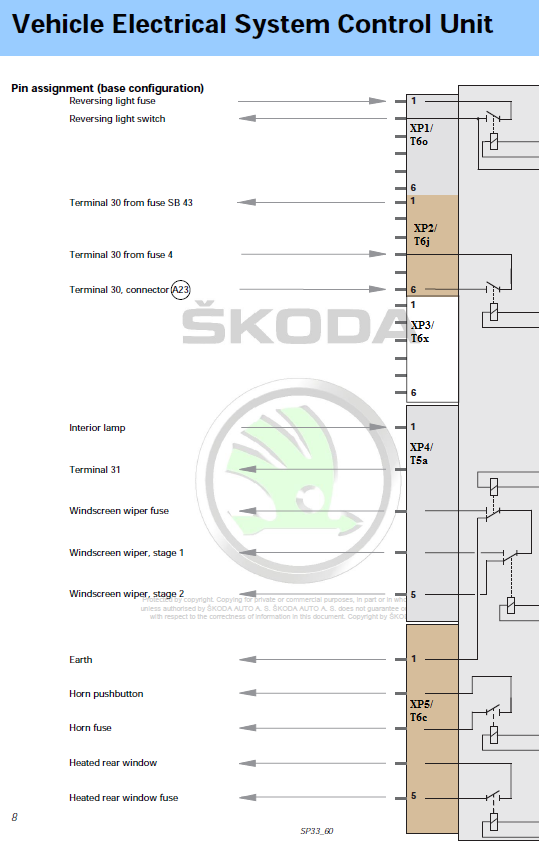
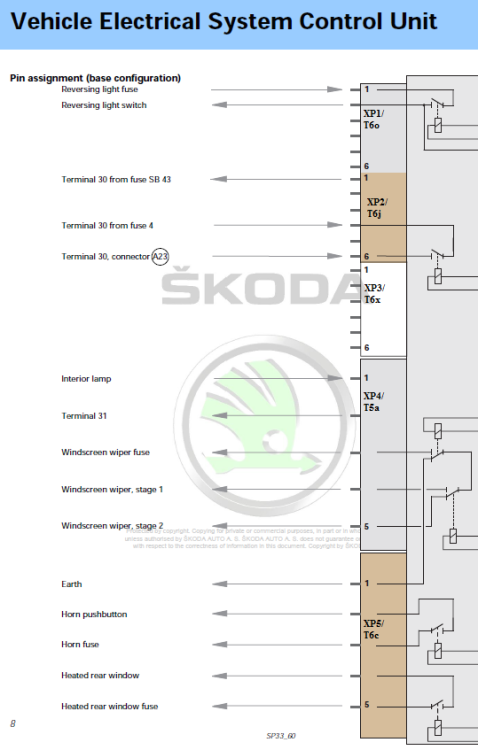
1 pointJust shove a link wire in the back of pin 3, linking it to pin 4 with it still plugged in, and it should make the wipers come on at normal speed for as long as the link is there.1 point
-
1 pointXP4, yep. Pin 4 is the output for normal speed, and the intermittent function.
 1 point
 -
1 pointJust in case it helps anyone else, it seems to have been a temporary glitch with the Skoda web site as all worked normally this morning.1 point
-
Just booked my 1.5tsi Karoq in for its 5 yr service with my local main Skoda dealer.............. and they confirmed ........... that the cam-belt change is now 15 yrs. Phew!1 point
-
I think @Amberberry asked same question about eBay listing in wheels and tyres section, I have already given my views there1 point
-
1 point@Graham ButcherThat is quite a list. It is only right that the Fire & Emergency services should be prepared with training and the equipment to deal with accidents or fires involving EV,s. Just like there is equipment at airports to deal with incidents or fires of aircraft. All good for the circular economy and those providing training and equipment. There is going to need to be plenty of exercises with the Fire & Emergency Services staff dealing with EV fires as real life incidents are very few and far between at the present time it seems in the UK.1 point
-
1 pointD.FYLAKTOS, my friend, I have much respect for your enthusiasm and dedication (and of course for Trusty herself) and thank you for this long thread in which so many interesting points have been raised. I hope you will forgive me for for coming in with a few questions and tips of my own which are a little off the original ‘scoop’ topic - from an old man who has for many years been keeping the good old cars on the road for as long as possible - but here seems to be as good a place as any. If whilst on vacation you have been watching your - expensive! - gasoline consumption, have you noticed worse-than-expected figures due to the unusual high temperatures in Greece recently? I am mindful that Trusty is no longer a copella - not a ‘spring chicken’ anymore, rather a very elegant, more mature lady but who can still run with the best of them ‘with her skirts up’. Some time ago you mentioned taking Trusty out on the National Highway for performance testing (with a wary eye open for the Traffic Police). This made me remember the opening of the first long National Highway in England - the M1 Motorway - and what happened next. It leads me to two important tips. 1. The ‘boy racers’ were suddenly able to drive their cars like mad on the new M1 (no speed limit back then) .... and did so ... much to their regret when they destroyed their big end bearings with excessively high revs. Here’s the point - most drivers are unaware that the inertial load on the big end bearings increases NOT with the revs, but with the SQUARE of the revs - so going from 2000 to 6000 rpm doesn’t increase this load x3, but x9 ! ... ouch !!. This knowlege has served me well over the years ...when I bought my Magic estate 9 years ago some bearing wear was already evident, so I have taken care NEVER to exceed 3000 rpm except in emergency - no hardship, and works a treat, she’s still going strong as ever. 2. The other thing that happened with the opening of the M1 Motorway ... one of the big oil companies staged a huge publicity stunt to promote their engine oil. They took six new production cars, drove each continuously up and down the M1 for 100,000 miles then stripped the engines and reported on the wear. I still have a copy of their glossy report somewhere, much to their glee the original machining marks were still visible on some of the cylinder bores and of course they pushed their results hard as evidence of the quality of their lubricants. Here’s the point - the oil company was perhaps a bit disingenuous because those engines were kept running 24/7 to clock up 100,000 miles swiftly, so they never had chance to get cold. Even then, lubricants were generally very adequate, and we now understand that really severe damage is caused by corrosive condensed combustion products if an engine is switched off before it is thoroughly warmed-up, rather than by oil problems. Accordingly, I have ever since taken care NEVER to switch off a cold engine, even when needing only to move a very short distance, but always warm up ... that also has served me well for longer than I care to think about. That will have to be enough for now, and I look forward to raising a few smaller points more directly relevant to the original questions if I may on your return from vacation.1 point
-
Sure, you've been doing your best to sort out the issues. You've been trying the specialist route which can save you money and can work out well but as you've also found out, not so well when there are multiple faults in different areas... Youur specialists haven't really got edit near to the bottom of everything going on and as their name suggests have stuck to their limited remit. Let's just say it did have a turbo fault, and that's fixed now and that money and repairs sailed now. So that's behind you. So, your still stuck with the coolant consumptikn which maybe a number of things as described by @T07 but needs a mechanic with some clues to diagnose. The oil usage surely is immense. And as pointed out, unless they've pulled a fast one on you, can't be the turbo. I seem to remember the op already posted it's not landing on the floor. So that leaves being burned.... and that should be noticeable. Common culprit on these engines as rings isn't it? What's the engine code - the letters at start of engine number? A forum like this is good, useful, especially for fixing problems others have experienced. Dealing with multiple things and faults at the same time is harder on a forum though... there's also possibilities of some symptoms being linked. I think what you really need is a mechanic you can trust, with some experience on these engines and ask him / her to inspect and advise what is required to put it right... maybe you have to pay just to get that assessment but if they're good it will be money we'll spent and help you decide what to do next... Its a shame it's already cost you north of £2k but your either gonna have to spend some more money likely or off load it and get something else!! I doubt with what your experiencing, it is only one single fault remaining unfortunately.1 point
-
Just noticed that the Black Friday sale where Skoda usually reduce the price of service plans is currently taking place under 'Summer sale' 20% off service plans. https://customer.vwfs.co.uk/service-plans/skoda I've checked on the Karoq I recently sold and a 2yr all-in-1 plan would cost £28 a month. That's very attractive. Wish I could buy it now for the Kodiaq but it's not eligible for another few months yet.1 point
-
1 point
-
You need the whole lot - just unzip the zip file to the root of a USB stick. Once unzipped you should have one file (metainfo2.txt) and the two mib1/mib2 folders. I use a 64GB stick formatted to NTFS and the car seems happy with that.1 point
-
1 pointNo one is denying this, for batteries that have started thermal runaway. But what is the actual likelihood of battery reaching thermal runaway? For regular undamaged, never overcharged pack? The more important question is, are they (BEV) more dangerous than ICE cars? Which energy storage (battery/petrol) is more likely to start self-combust by itself? In a crash, the a BEV as a whole is safer to be in than any ICE car. The battery pack provides more passenger space protection and no engine provides a bigger crumble zone. Even if the pack is damaged, thermal runaway is not guaranteed. You are laser focused on thermal runaway situations, which no doubt is devastating. But how often does that actually happen?1 point
-
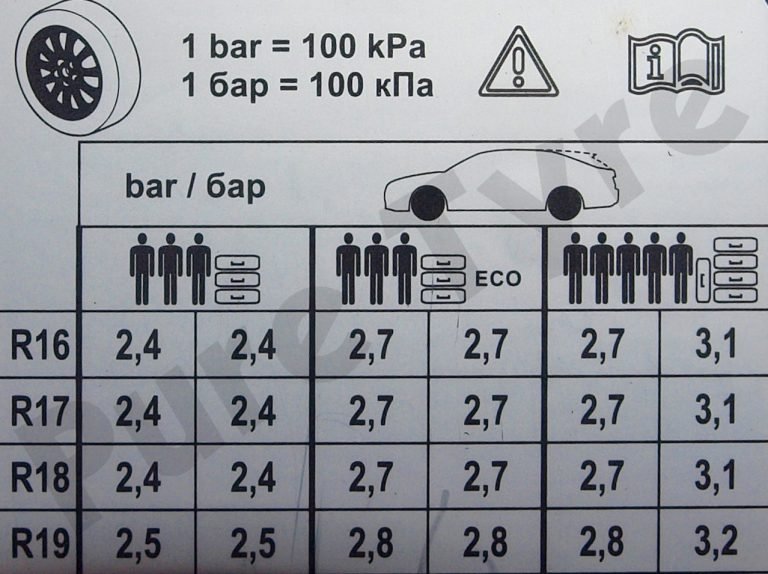
1 pointThat is correct. Here is the answer : Sticker OEM reference is 3V0 010 000 AF, if you want to buy it. 😉 I suggest using the ´ECO’ pressures to delay sawtooth wear on your tyres, which causes rumbling when it appears
 1 point
 -
My dealer is also aware of this. When I took my car in they asked if I had updated or tried to update to 1941 myself, as they are aware of some users doing this. Apparently when you do it yourself it generates fault codes, which need to be cleared. They went on to say if your car goes back to a dealer for subsequent work it will show up that an update has been applied in a "non-standard" way. If Skoda want to stop this happening, then push 1941 OTA to all vehicles so users don't get so fed up with their infotainment constantly restarting that they resort to taking the risk of doing it themselves.1 point
-
1 pointI saw one of those Toyota FJ s parked on the Blue Ridge Parkway in the US, years ago. Had a good look, and thought it was style over substance to be honest, even back then. The more I look at Yeti used prices and think about what it's very good at, the more I think we'll spend some money on keeping it in good condition (including the inevitable rust spots on the rear doors!) My other half would be happy with the heated seats, better Sat nav and heated windscreen in the L&K, but I'd be paranoid about a leaky panoramic roof...1 point
-
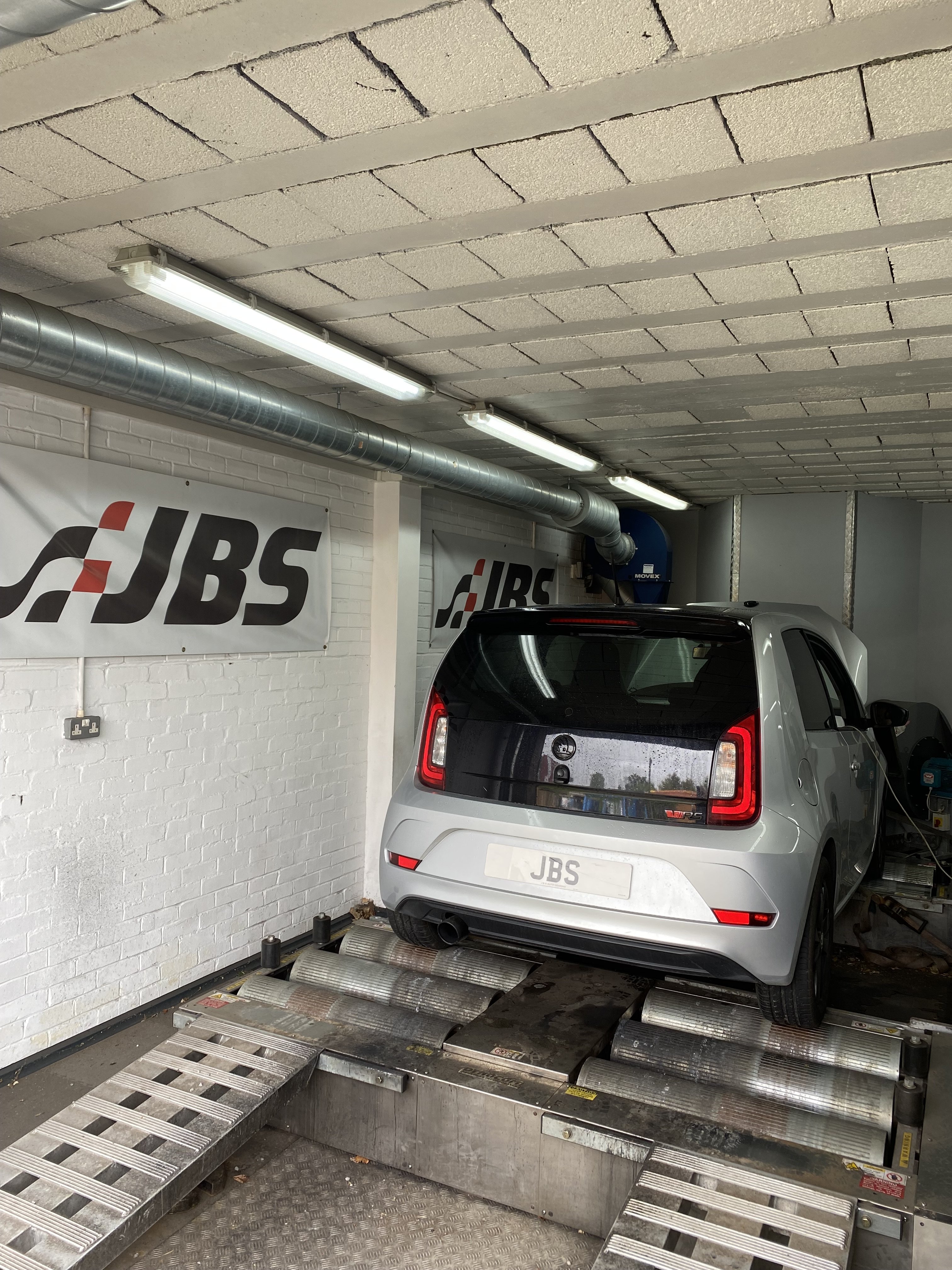
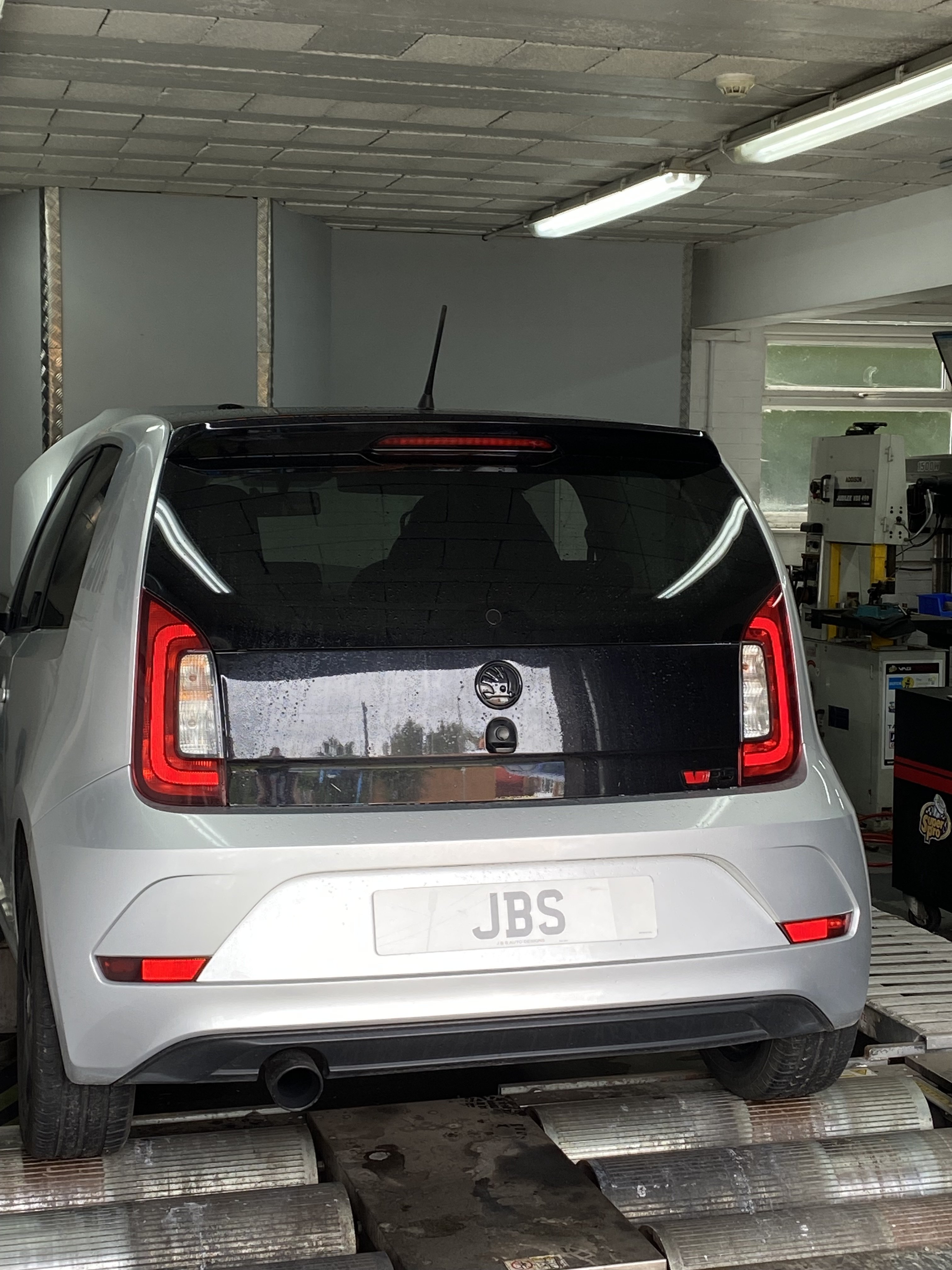
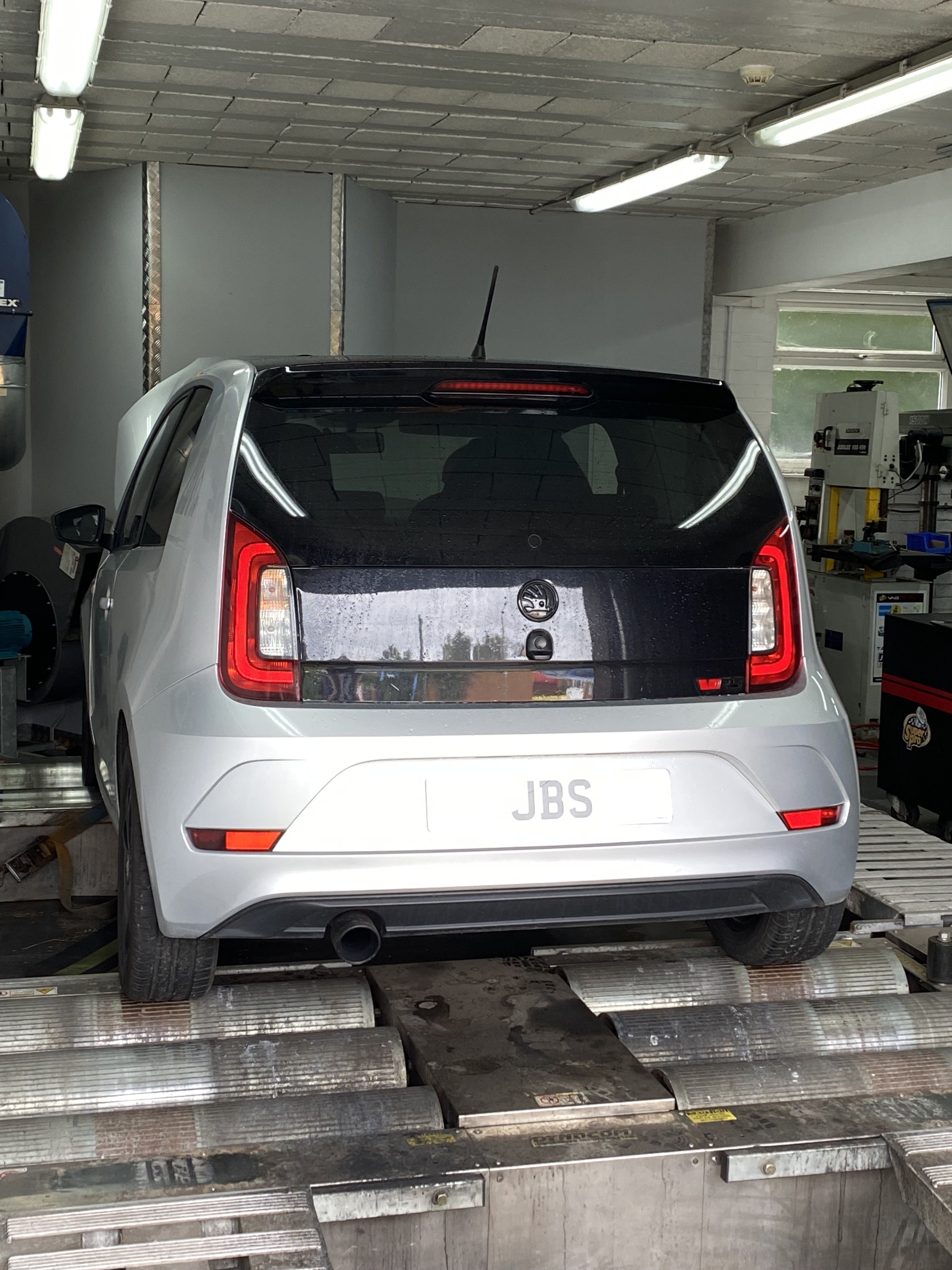
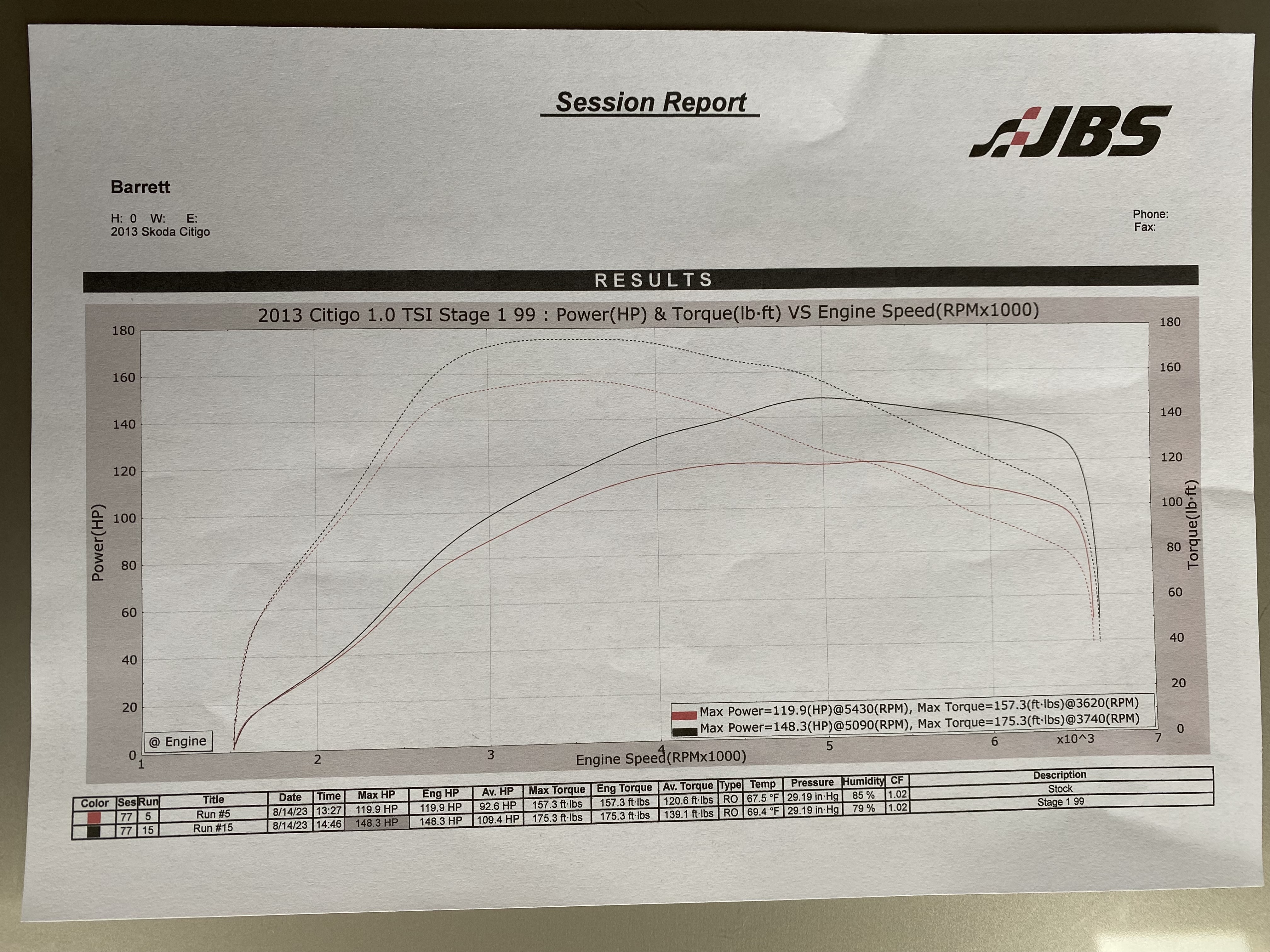
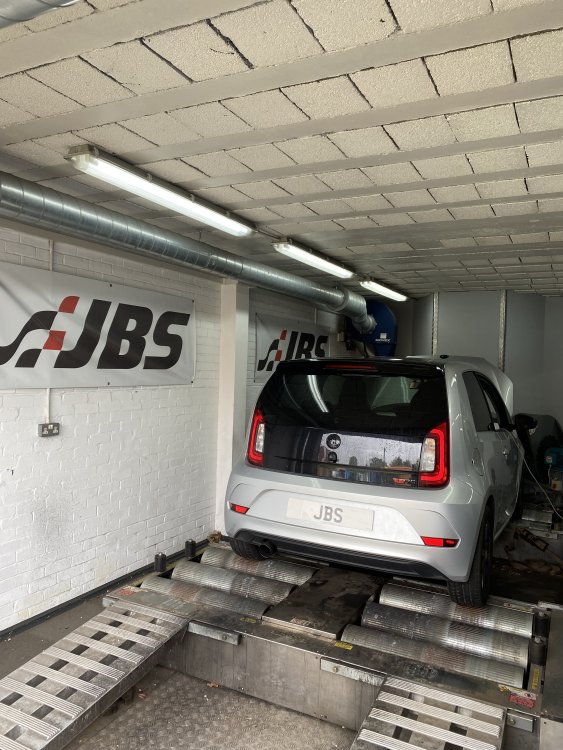
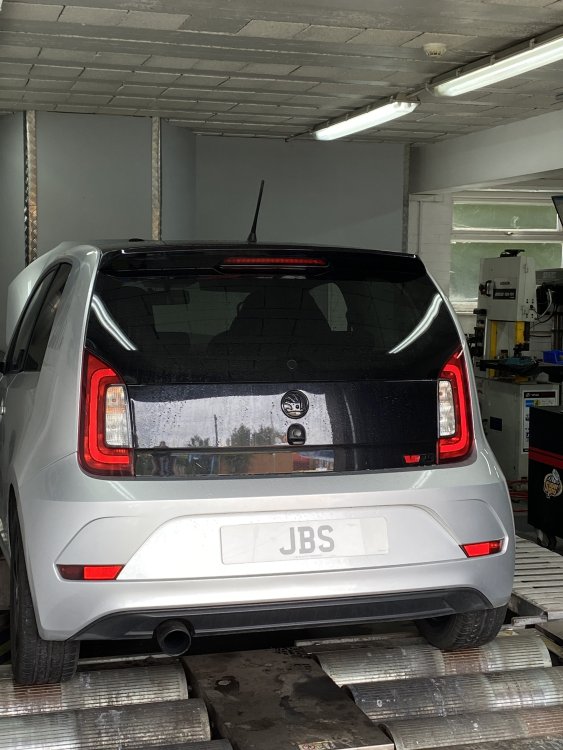
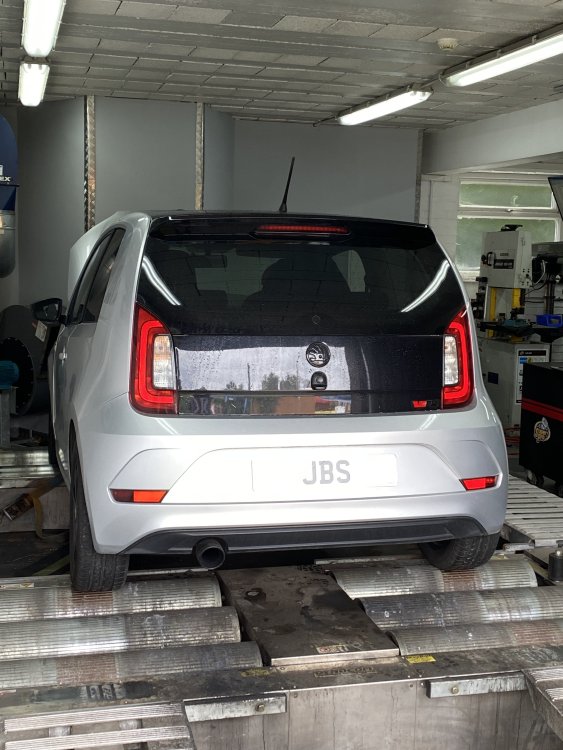
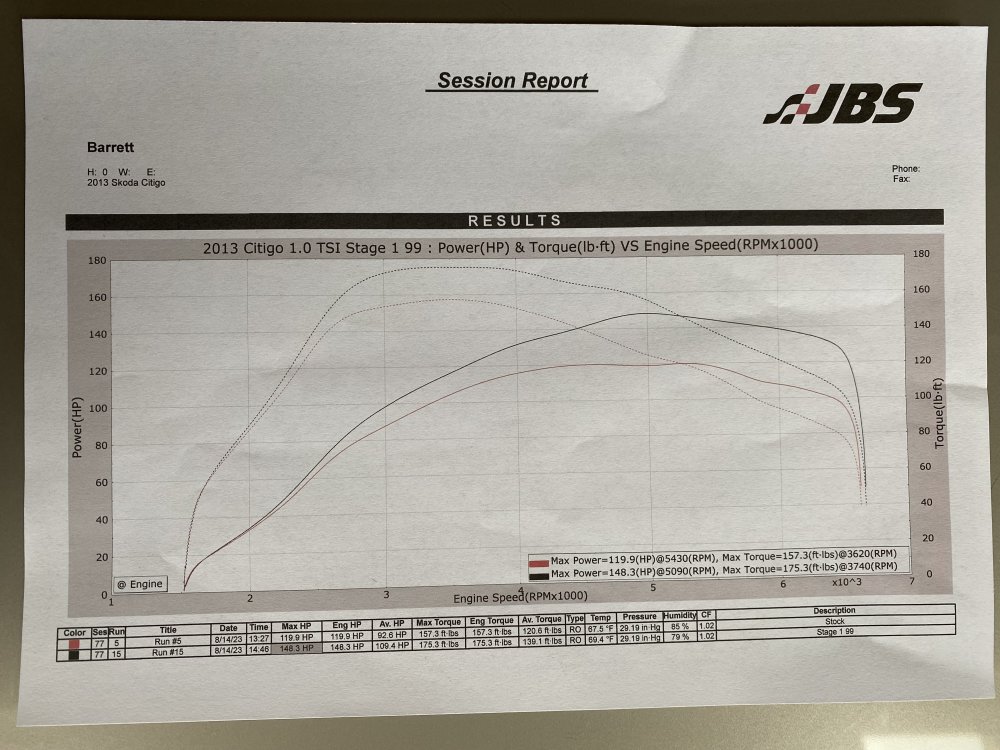
Lovely afternoon at Jbs for a stage 1 remap, made good figures on 99ron 148.3bhp 175.3ft/lbs mods are Nox intake and elbow adapter (from 🇧🇷) Nox Charge pipe + DV Apr Coil Packs Custom 2.25” Flexi back exhaust 99ron Petrol
 1 point
 -
1 pointMy 2022 Kamiq does have rotary controls for temperature, what it really misses is one for the fan speed!1 point
-
1 pointWell perhaps start a new thread on this as that doesn't help answer the question1 point
-
1 pointMaybe time to cut out the unnecessary comments now and stick to things that are relevant!1 point














.thumb.jpg.06721e8c8b33ed0eea16572ff131b291.jpg)