Leaderboard
-
Winston_Woof
Members8Points1,096Posts -
Stonekeeper
Resident Member7Points2,993Posts -
Lee01
FREEDOM6Points36,947Posts -
ApertureS
Resident Member4Points2,678Posts


.thumb.jpg.9dd3f612ba7f13d10be5c518d3c8d255.jpg)

Popular Content
Showing content with the highest reputation on 12/05/24 in all areas
-
I think you've misunderstood... A headlamp will be type approved for a specific light source. Replacing that light source for any other should cause an MOT fail. This applies to: - Halogen headlamps with either HID or LED lights fitted - HID headlamps with either halogen or LED lights fitted - LED headlamps with either halogen or HID lights fitted However, it does allow for swapping the entire headlamp with type approval for a different technology assuming the other requirements are met. Not that this is particularly relevant to yourself but it could be important for other UK folk4 points
-
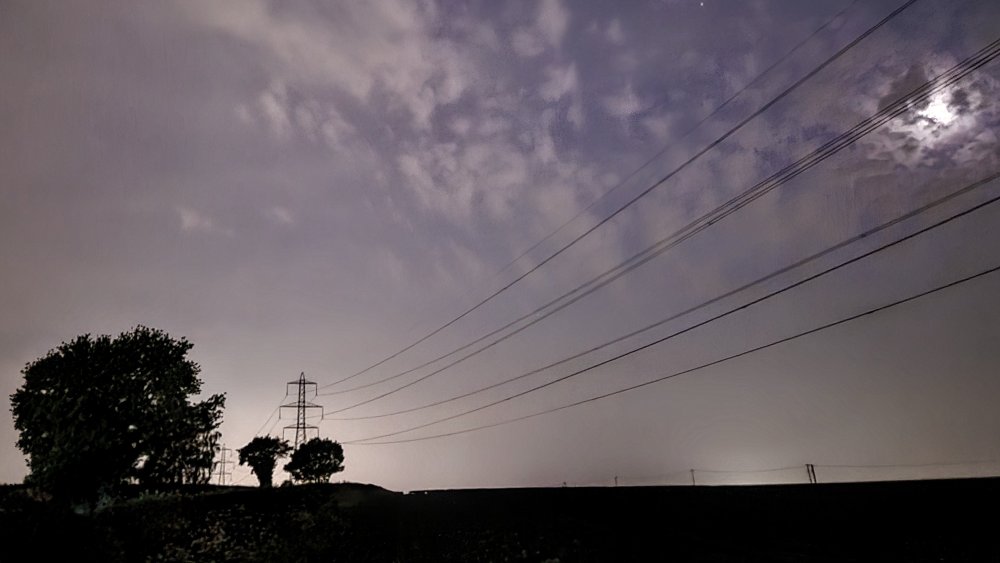
3 pointsWe had a good mooch around different potential spots last night, but beyond a faint greenish tinge to the sky, didn't spot anything like had been seen Friday night. It appears tonight might be an option though, although weather forecast doesn't appear favourable 🤞 https://www.bbc.co.uk/news/articles/cglv53402mko Quite like this one though 📷👍
 3 points
 -
2 pointsI'll be honest they haven't explicitly confirmed that but bear in mind this has gone back to them under the 6 month rule so legally it's on them (and yes they don't even need to use new parts, just fix the fault). I'll worry about that once she's fixed but based on my experience with them so far I think it's going to be a non issue2 points
-
2 points@aaaaplay makes a good point above about the interpretation of the instruction, particularly the word 'otherwise'.2 points
-
2 points
-
2 pointsIt's probably true. But cars for journalists are often in best conditions so that media articles are more positive. It helps manufacturers improving future sales.2 points
-
1 pointBit more than a soap box for me as customs is what I do. Been a while dealing with cars, more in to aerospace and other verticals. SO many new customs procedures, sanitary and photosanitary, seal, cat, dog, weapons of torture and soon to be carbon I am beginning to think the devil is in charge as in bedazzled.... "Everything I have told you is a lie, even that is a lie"1 point
-
1 pointNext trick from the government will be to increase the fuel duty on diesel and petrol to make EVs appear cheaper to run1 point
-
1 pointRenault make Hevs. The arkana is available as a non plug in that can move on Battery power only for short distances. Think Kia do it too with the Niro. The smmt data is confusing because it doesn't list them separately. Lumps MHEV and HEV together. The development of this Technology has been curtailed by Governments insistance on BEV only in 2035 MR Toyoda is most upset1 point
-
1 pointOf course it does but it will be German Japanese Chinese French etc manufacturers paying the fines for not hitting targets not out glorious British car industry1 point
-
1 pointThere are tariffs coming on the vehicles / materials from outwith the EU / UK. Loads of cheap BEV,s from China, France or Romania are all good for some. Many will not want them. Like those on here not getting any kind of BEV. Not that many have even 20 years driving careers left anyway. THey might never want to be in a BEV, but their last journey might be in the back of one. There is no issue for those that want to run diesels 10 years old and more. Just maybe do not go into low emission zones. Millions of cars on the roads can stay as long as people want them. There are less than 1 million BEV,s on the roads in the UK and there will be more year on year and some will be getting scrapped / crashed. Those that own the vehicles currently leased are the people that need to get money in. These Financial Institutions have pension fund money in them and people savings money as well, as do the car manufacturers and parts manufacturers. If the Labour Party are in power they can not organise a pith up in a brewery and bettery than the bunch in power can now. There will be winters of discontent, and car manufacturers left in the UK with employees striking. & transport / trains as they are now or worse. It looks like we are going back to the 70,e soon enough. Maybe even an oil crisis. Get on your bikes.1 point
-
1 pointI have just been told by my Skoda deaaler that if I buy a new Enyaq, I will be buying it direct from Skoda. There appears to be no room for negotiation now. Quotes from dealers are all at RRP. When Mercedes and Honda tried this in Australia their sales dropped by 15%. Maybe this would force price reductions time will tell.1 point
-
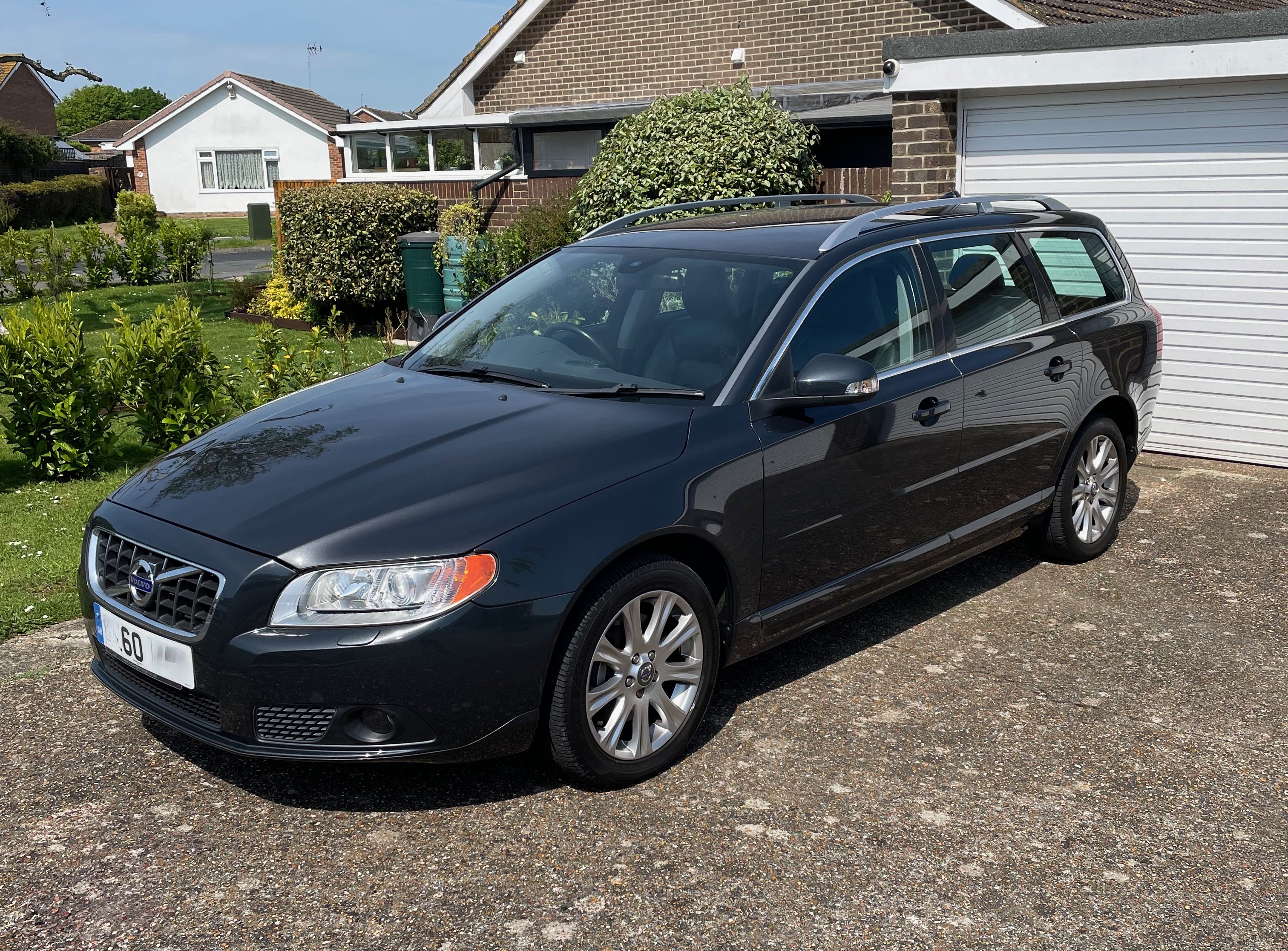
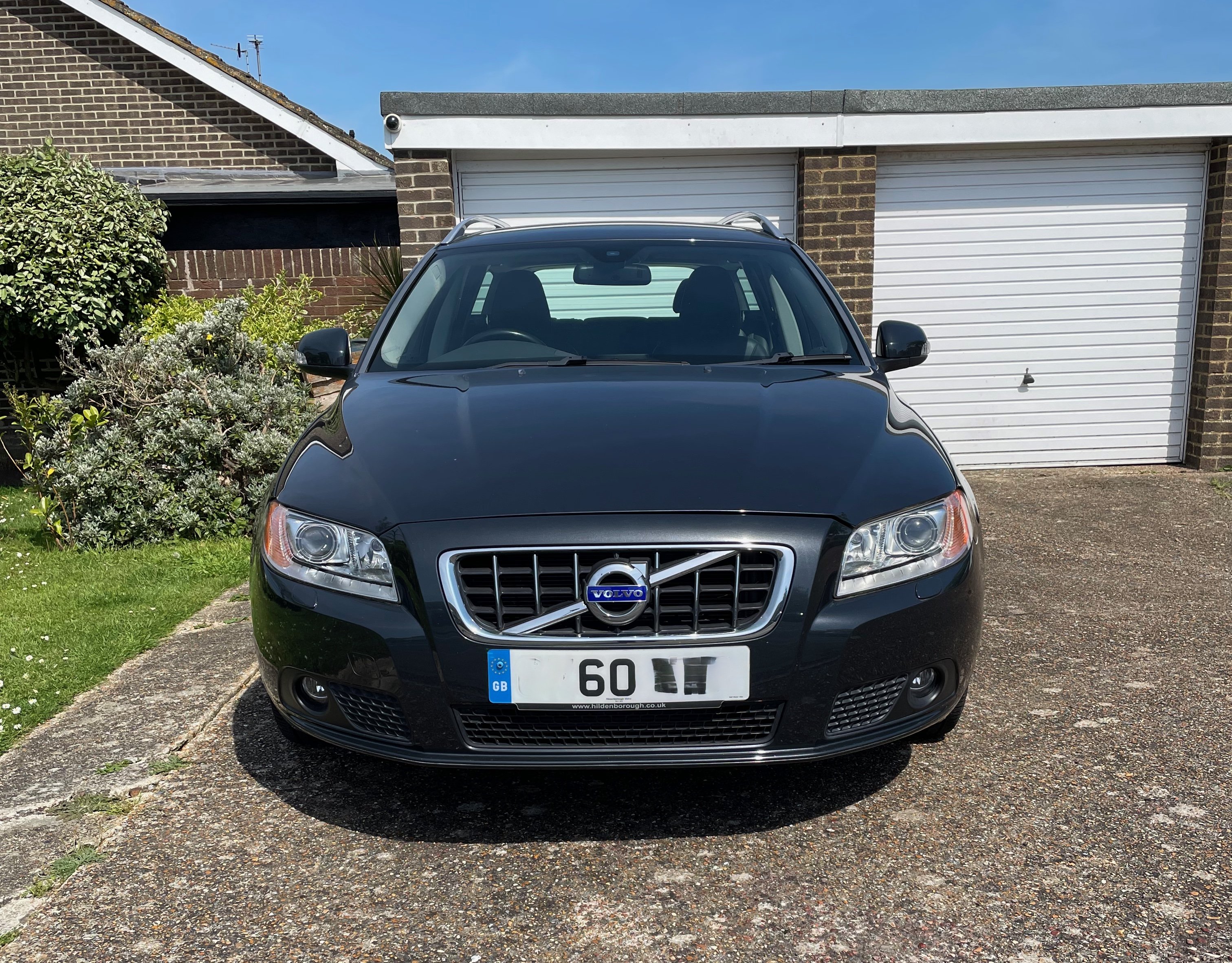
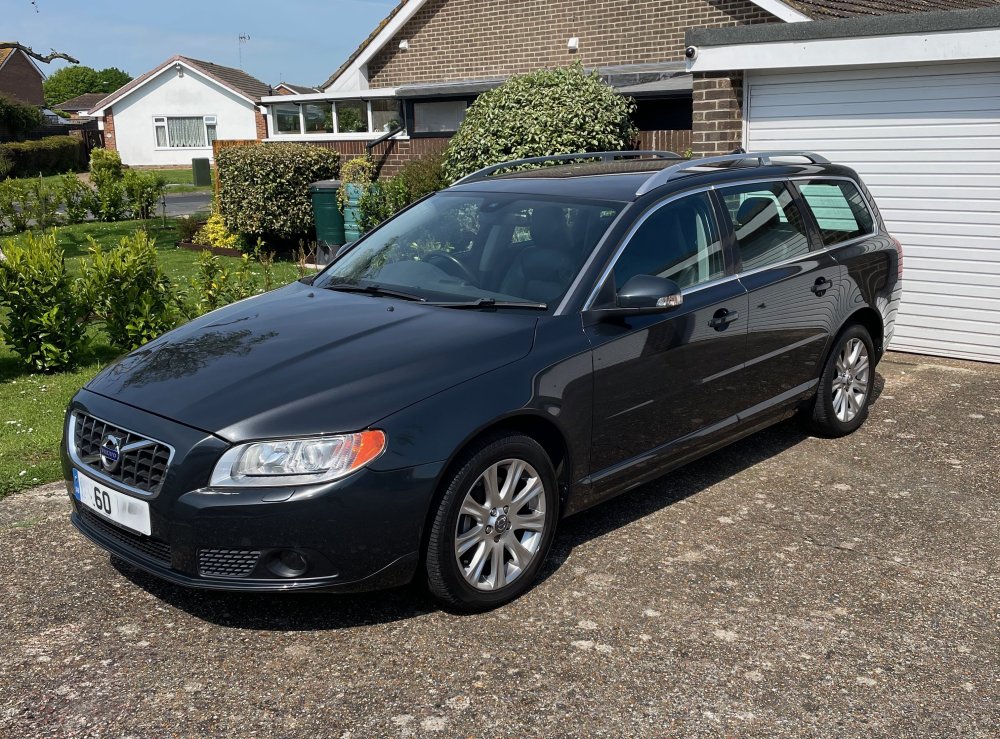
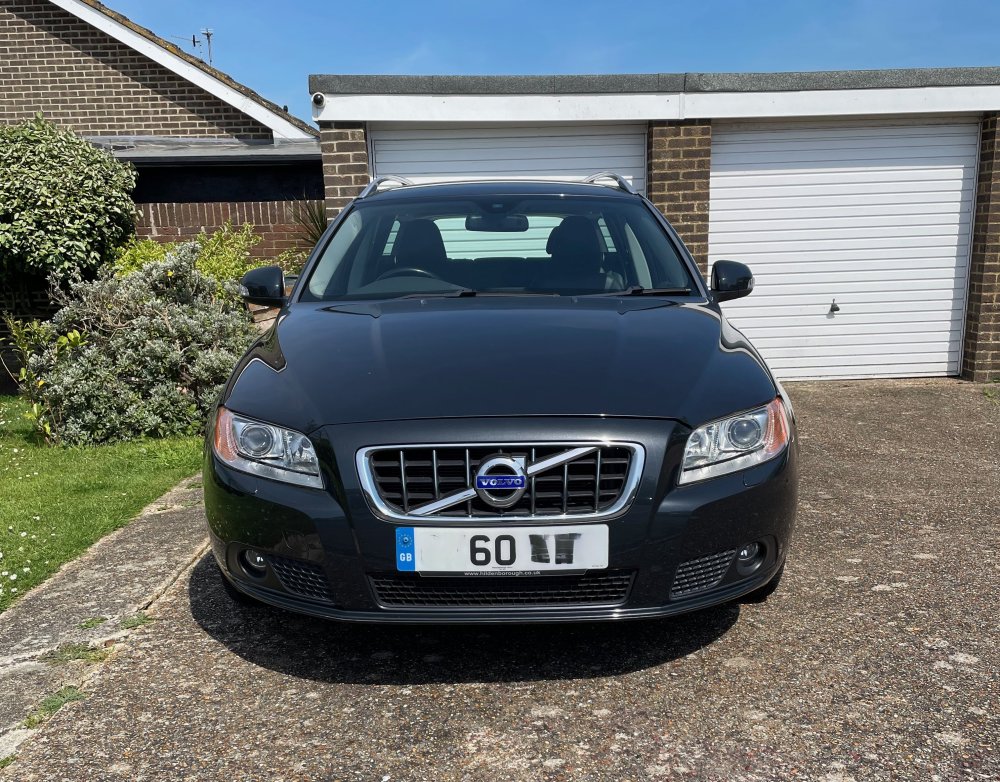
No, me either But I think it would have been daft to pass it up. It's now on my drive, with nice fresh screenwash. Tyres were at 26 & 27 psi, but are now up to where they should be - 38psi. Good inside clean tomorrow, feed the leather, try to work out how to change the digital speed from kph to mph (cruise is in mph, but the main dash is in kph - seems odd), and try to connect my phone. Diesel in the tank is going to be a year old, so I'm going to run that down and give it a tank of some nice fresh good stuff, whatever that might be. Gaz
 1 point
 -
1 pointThey will be penalised on the ICE vehicles sold and add it into future prices If they cannot offset enough by buying credits from other EV manufacturers1 point
-
1 pointQuite possibly not. But the Manufacturers have to First Register the number of Zero Emission from tailpipe vehicles as of this year and the coming years of they will be penalised on the ICE vehicles sold / first registered so not be selling them. Time will tell. It is a mess of Government making.1 point
-
1 pointYou cannot get away from the stats that say 572,791 vehicles sold out of 679,822 have an internal combustion engine. 84% and less than 10% of those need plugging in. There is a way to go to win enough over to a full BEV1 point
-
1 point
-
Five years ago I moved on to a Golf GTI 7.5, so a Mk8 now might tick some boxes? I was recently looking at 272 Superb’s, but for one three years younger than the Golf, with the cost to change, I’ve kept the Golf and bought a Volvo V70. Realise that’s not the direction you’re going, but the difference in ride quality with the 50 profile tyres on the V70 came as a very pleasant surprise 👍 Gaz1 point
-
1 pointIt’s to pop in any parts you find that fall off under the dash, so the techs can easily find and chuck them in the bin and say they’ve refitted them…1 point
-
1 pointAfter another long delay, I finally found the time (and patience) to sort out the problem of the reversing light on my Skoda Fabia Mark II not working because the wires that go to the connector on the gearbox switch had broken. Firstly I found it was easier to remove the heater hose that is in the way, it has a T15 Torx Screw at one end and T20 at the other end (another piece of clever design by Skoda!) This gave me more room to manoeuvre, but I also bought a set of extra long pliers (about 11"), one of which has a straight end, one is 45 degrees and the other has a 90 degree end. This made it much easier to grip the wires from the loom when I was stripping the ends and then crimping the new terminals. Here's a video showing some of the details, I hope this helps someone else who has had the same problem:1 point
-
1 point
-
if u message me a gmail email i can share the files with u on google drive1 point
-
1 point
-
1 pointThere is a vent pipe, for when the fuel filler cap is in place. There is no need for a vent pipe when you are filling up as there is plenty of space around the filler nozzle for air and fumes to escape. Try another garage, just once, to see if it makes a difference.1 point
-
@nickytheshaft thanks for this and posting the links in the first place. Mine arrived yesterday and I've just given it a trial run - works a treat. Well chuffed 👍1 point
-
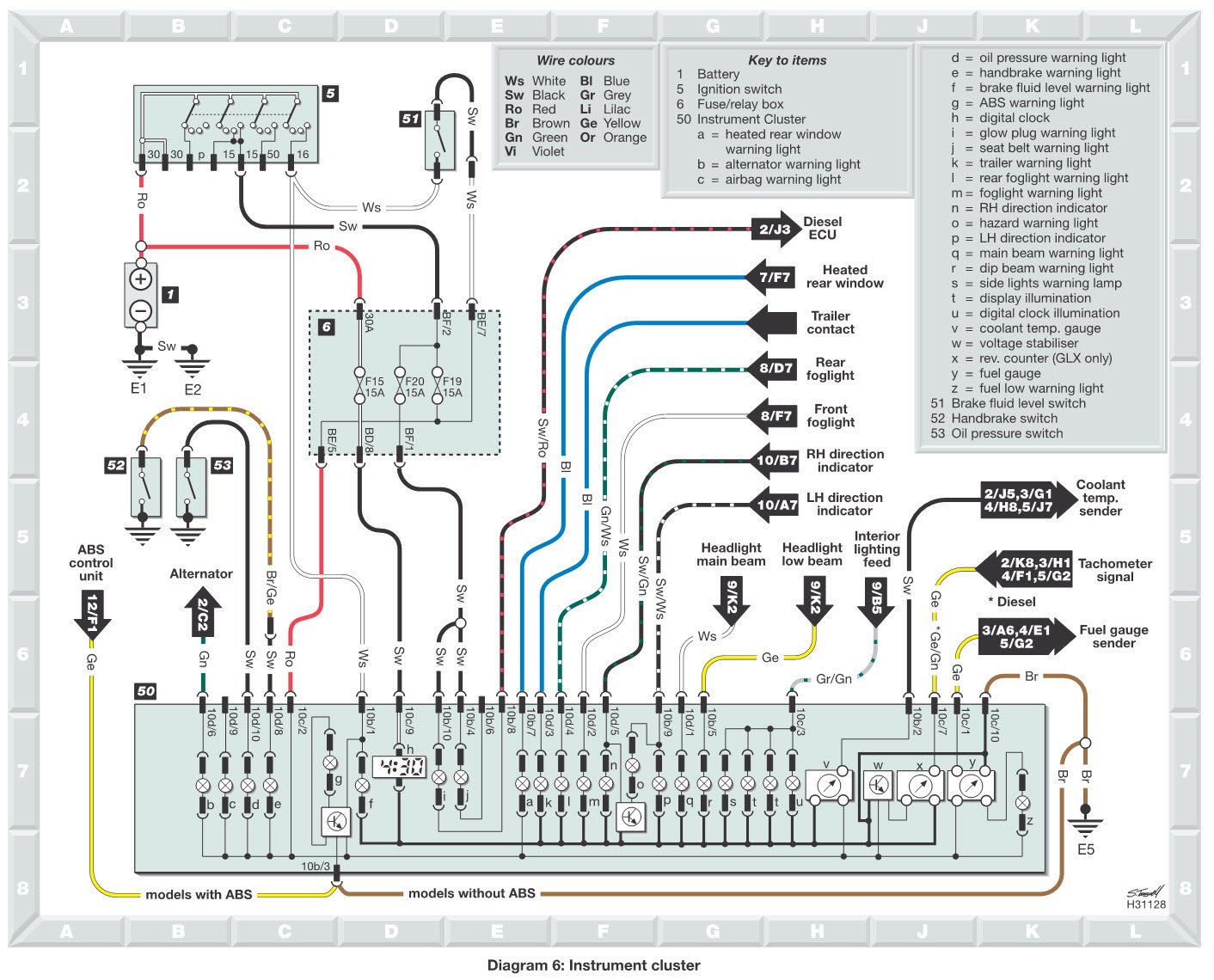
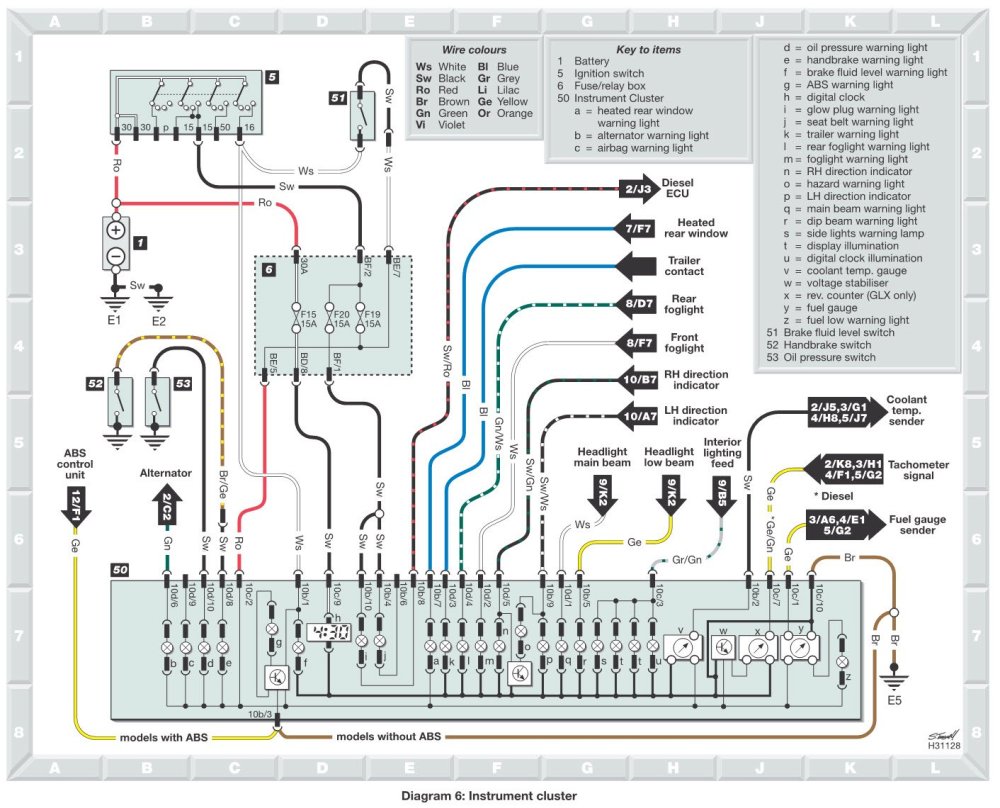
1 pointI have also these, Wiring Diagram LX 1.9 (AEF) Pickup 1.9 (AEF).pdf
 1 point
 -
The module you have posted a picture of is the tow bar module. The PDC control unit is to the right of the accelerator pedal. Small black box. But even just finding the box wont help you fix it without the scan first. Youll need to post a full auto scan for us to help you, not just snipits. Plugging in a reverse camera will have no effect.... Honestly youll need to help us to help you by providing a full scan. You have said no comms with the PDC module, but you havent said where this is being reported or anything.1 point
-
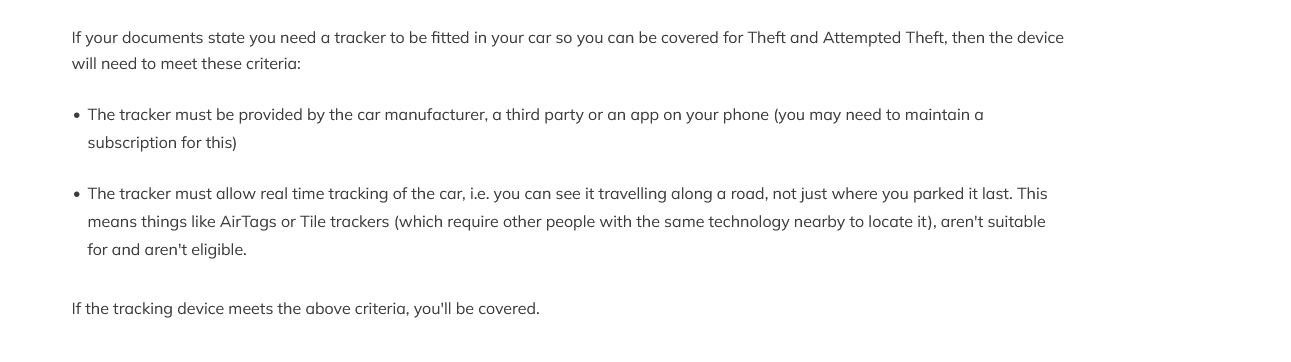
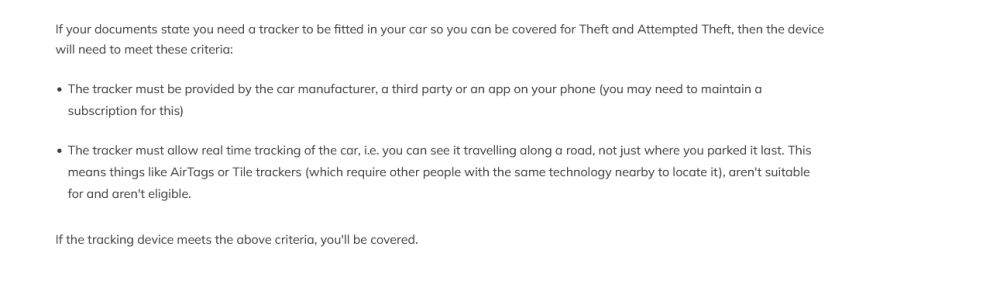
Can you track your car whilst it is moving along the road in real time? Check with the actual company you are going to use but i think it will have to be a"Thatcham approved" S7 device as a minimum LV just say
 1 point
 -
If we are being pedantic, the 55/4B multi function control module does communicate with all other modules on its network using canbus. But.... when talking to its slave modules (left and right headlight) it uses a different protocol. Then the individual headlight control unit (sub system 20 and 21) these then do the functions including current monitoring and light fault monitoring.1 point
-
Unless familiar with the process, probably best left to a mechanic. Battery needs to be in reasonable state of charge to ensure sufficient cranking speed. Remove spark plugs, attach cylinder compression test meter, crank engine over to establish engine compression, note reading and repeat for each cylinder. This gives you the dry compression readings. Repeat the process, after injecting a small quantity of lube oil into each cylinder before compression test. Resultant figures should be within specification, each cylinder reading should be reasonably similar (IIRC, within approx. 10% low to high) - marked differences between 'dry' and 'wet' figures indicates issue with piston rings.1 point
-
1 pointAs in you overheard it on a dash cam recording when they had your car mapped? I cant think of any criminal offences it fulfils so I'm not surprised they haven't responded to a letter, no crime was committed. Not malicious communications or harassment. Sorry to say but that sort of appearance, most people are going to think negatively of you.1 point
-
In theory yes, hence why time will tell. 🙂 Either it will b fine, or it will fail miserably.1 point
-
Never understood why people call it canbus error free/monitoring. There is no canbus involved at all, its simply open circuit and current monitoring. Sending a halogen or xenon bulb a canbus signal would mean absolutely nothing and wouldnt do anything.1 point
-
The LED will work fine, but ideally the heatsink should b ventilated. Given the heatsink and fan is inside the headlight with the cover closed, the question is how long will the diode last. Should b fine, but time will tell. The important thing for me was that the beam pattern was spot on like the xenon bulb. I didn't want an LED bulb that threw the light beam incorrectly, and scattering the light all over the place. Wat is the "bulb monitoring option" u referring to? If u mean the CANBUS monitoring that tells u if a bulb is faulty - yes it does. In fact most Skoda models do that.1 point
-
1 pointMine lights up (in green) like that, pressing it does nothing. I wondered if it sets the airflow to the rear or to both fronts or just one side, nope nothing. It does suggest on the symbol that front seats airflow yes, rear possibly not. In that mode I definitely have airflow to the rear two vents behind the centre console.1 point
-
1 pointAfter One week from updating to 1969 I can say it doesn't resolve the reboot infotainment issue, I'm still with it especially in hot days. I'm going to book an appointment to the service. I think the only way is to substitute something or upgrade some kind of firmware.1 point
-
Thanks Blackbird. That looks interesting.1 point
-
1 point
-
1 pointI have B6 on my superb estate and I am very happy with the results - more specifics in my posting history. I asked my insurance company (LV now Allianz) and they said "we do not consider shock absorbers to be a modification" or words to that effect but goes without saying check with your own insurer. My post from another thread I have B6s (though mine is not a sport line) on standard springs - chose these over the special actives because of the reliability concerns you mention. The B6s I would describe as firm but not harsh. I had a Octavia vRS before and I think my Superb now feels a bit firmer though it's hard to remember exactly. The wallowy feeling and pogo style bounce over speed bumps is gone and it feels much more stable 'making progress' on bumpy windy roads as well as less lean on roundabouts and slip roads. No complaints from wife or 4 year old and baby sleeps fine! I find the car much more enjoyable to drive and safer from being more stable.1 point
-
Not today, but few days ago: 'Hover board' mode (for the oldest who know Marty McFly! 😁) : This was while changing rear brake pads. BTW, special thanks to @ApertureS 👋 for giving me the complete procedure, including how to stow the parking brake. 🙏1 point
-
1 pointBefore updating, make sure that the SW version of the MIB control unit address 5F corresponds to the affected SW versions SW1788/1803/1804/1806/1810/1889/1896/ 1898/ 1900, otherwise do not update, the MIB control unit may be damaged." The use of otherwise, suggests the exact opposite. As long as you have any of the software versions above, then proceed with the update to 1941.1 point
-
1 pointCommon problem. Unless you are an electronics engineer with the things you need for changing small surface mount devices, remove the whole cluster unit and send or take it to a specialist cluster repair company. Some even fix it while you wait. You can find more info by searching this forum. Here is one cluster repair company: https://cartronix.co.uk/product-category/manufacturers/citroen/?gad_source=1&gclid=CjwKCAjwi_exBhA8EiwA_kU1MrB2QnSgLU9EfbbmFnx3bOOXXJvkhD1Tw_L_Qkkh8oxJHpcUx0MKsBoCR58QAvD_BwE1 point
-
1 pointI've never got close to WLTP (or other methodology) MPG figures in my ICE vehicles, so why would I as a rational person, expect to achieve them in BEV? The nonsense is the people who overlook this when assessing BEVs and concluding they are rubbish as they don't meet WLTP 'in the real world' but conveniently forget their diesel does not do 70mpg 'in the real world'. Like Stonekeeper, I use them as a comparison tool.1 point
-
Need to get fault codes read before anything else. Then you can begin to look at what's happening.1 point
-
1 pointI'm not sure what your knowledge level is, so I'll go back a few steps. Oil gets thinner as it warms up, quite a bit through the temperature an engine will span from cold start up to normal operating temperature. A single grade oil that works well in a cold engine will be poor at operating temperature. If this single grade oil is optimised for normal operating conditions, it's going to be like treacle in a cold engine. Multigrade oil overcomes this by changing viscosity characteristics as it heats up, resulting in a constant effective viscosity through the temperature range. Oil works as a lubricant by creating a film between the two parts so that they don't rub on each other. Lubricity is a measure of how well the oil does this. Lubricity is a function of viscosity and the oil's chemistry. Thicker oils create a thicker film and improve separation between the parts (up to the limit of the tolerances between the parts). Oil chemistry looks at improving the oil's ability to prevent contact and friction at a given film thickness (basically making it more slippery). This is a way to give low viscosity oils better lubricity. It's a combination of basic oil chemistry and additive packages. Lower viscosity oils take less energy to pump around, reducing parasitic losses. They will also make it into all of the oil galleries faster from startup, so you improve cold running protection. Manufacturers like this because they can improve efficiency in the first instance, and protect the engine better from ignorant owners in the second. An additional consequence of lower viscosity is that it allows tighter tolerances between parts which can improve performance. So that 0W8 oil is going to be pretty thin all the way through the operating temperature range, and provided the chemistry is good enough, it should be more reliable and efficient. A side note on test cycles: they are not a reliable prediction of how the vehicle will perform on the road due to the variation of real world conditions from the test. What they do give is a basis for comparison: a better WLTP figure will on average mean better fuel consumption/lower emissions on the road. So if Toyota's test with the 0W8 has improved its official test rating, then it will also have improved its real world performance by some amount. Even if the test is done in bad faith by the manufacturer, basic physics still dictates that improvement in the test figure will improve real world too.1 point
-
1 pointDon't forget its in the manufacturers interest to get engines to meet the latest emissions requirements by reducing friction and drag, not to allow the engine to last forever. This is the reason we now have variable oil pressure systems for low engine speeds and loads and drive belts that run in oil instead of a tried and tested chain! Not to be pescimistic or anything 😁1 point
-
1 point@Slink check your PM @donny_tsi you have the lates SW version @Pikolo follow below scheme: 1. format SD under FAT32 2. unpack to root (metainfo2.txt and all the folders must be placed directly on SD, not in any folder) 3. insert SD card into the slot 4. enter Service Menu (long press MENU button)1 point
-
I agree with both @xmans observations. I had the same issue with the crankshaft seal on the timing cover, was not properly closed and was leaking. About the pcv valve I replaced it with a cheap oil catch can although I dont get any oil in it, mostly water from vapors. And lastly I had a small oil leak/burn from turbo. I replaced it and now I have 0 oil leak or burn. I suppose you have already fixed it till now, but if not you can spray some brake cleaner and check again where exactly leaks1 point
-
It might be leaks past those rubbish spring clips. Maybe try replacing them with proper Terry Jubilee clips?1 point
-
1 point